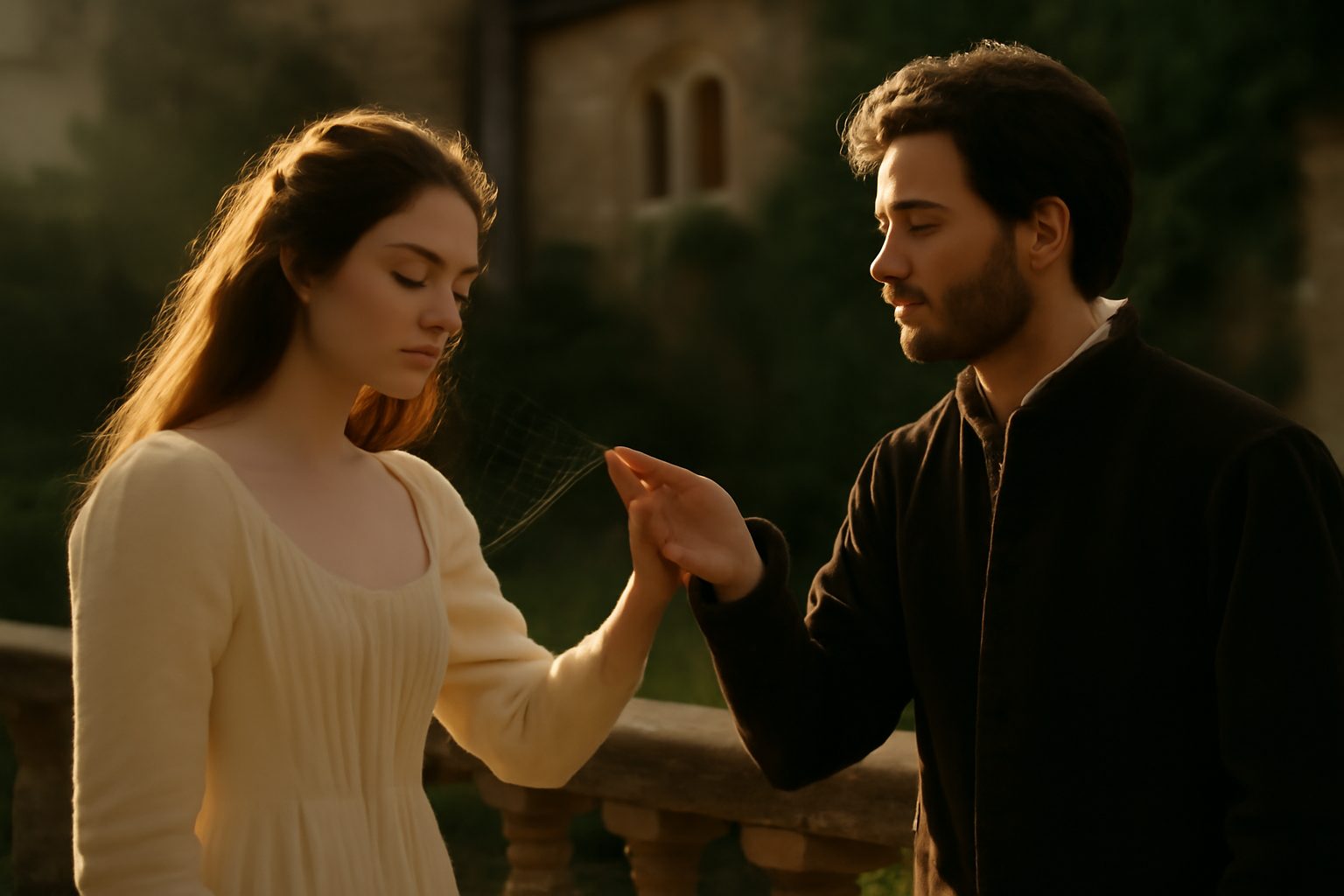
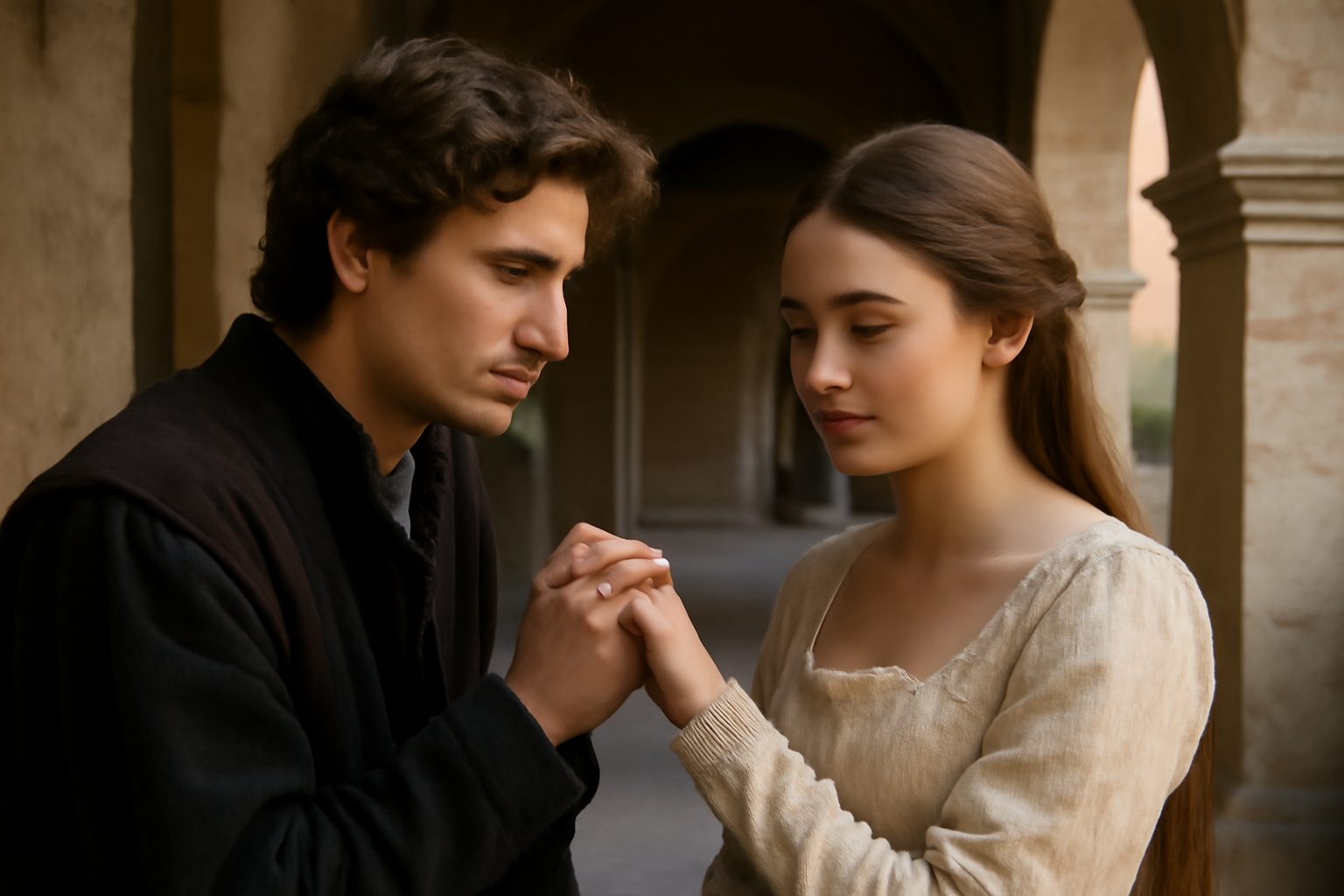
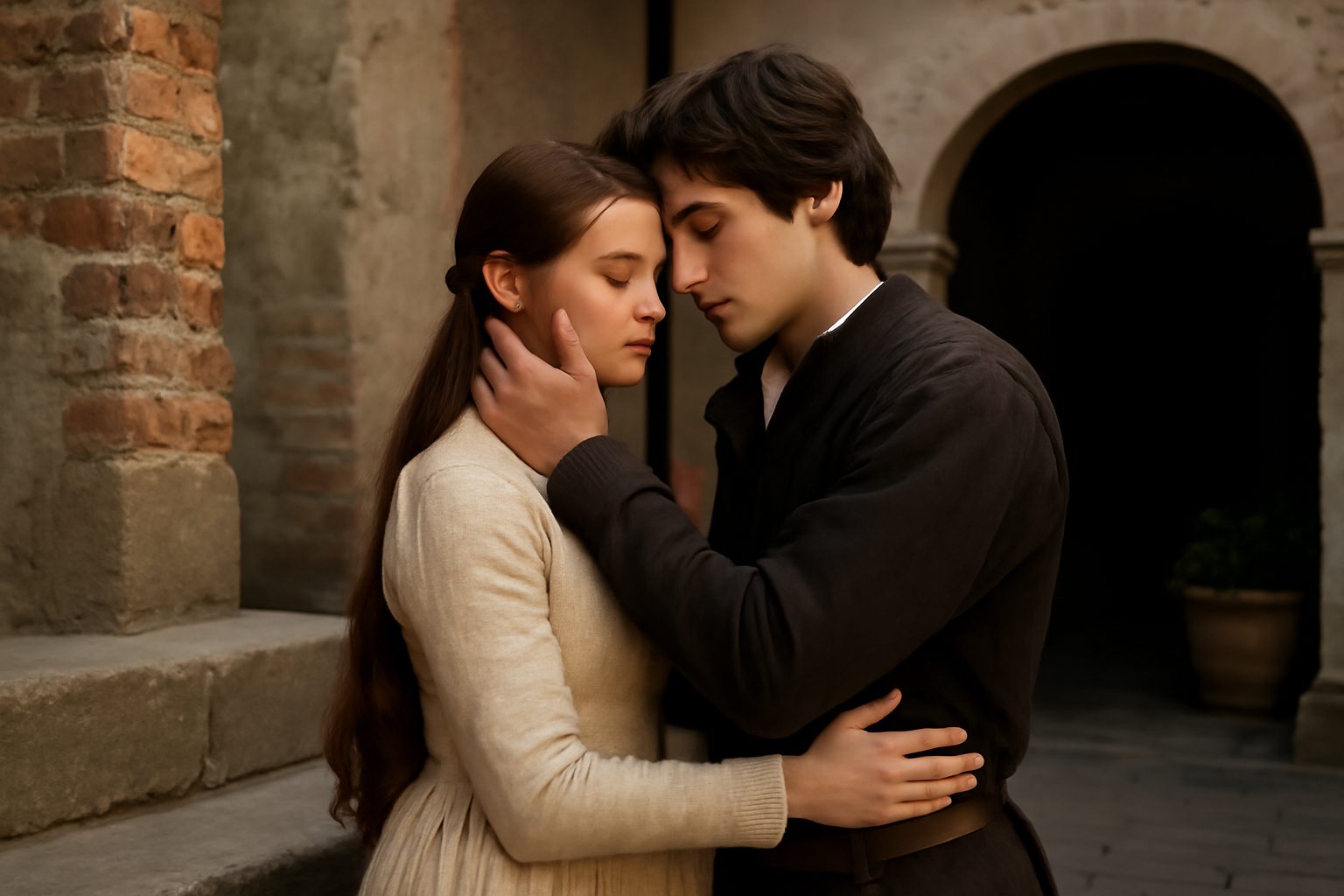
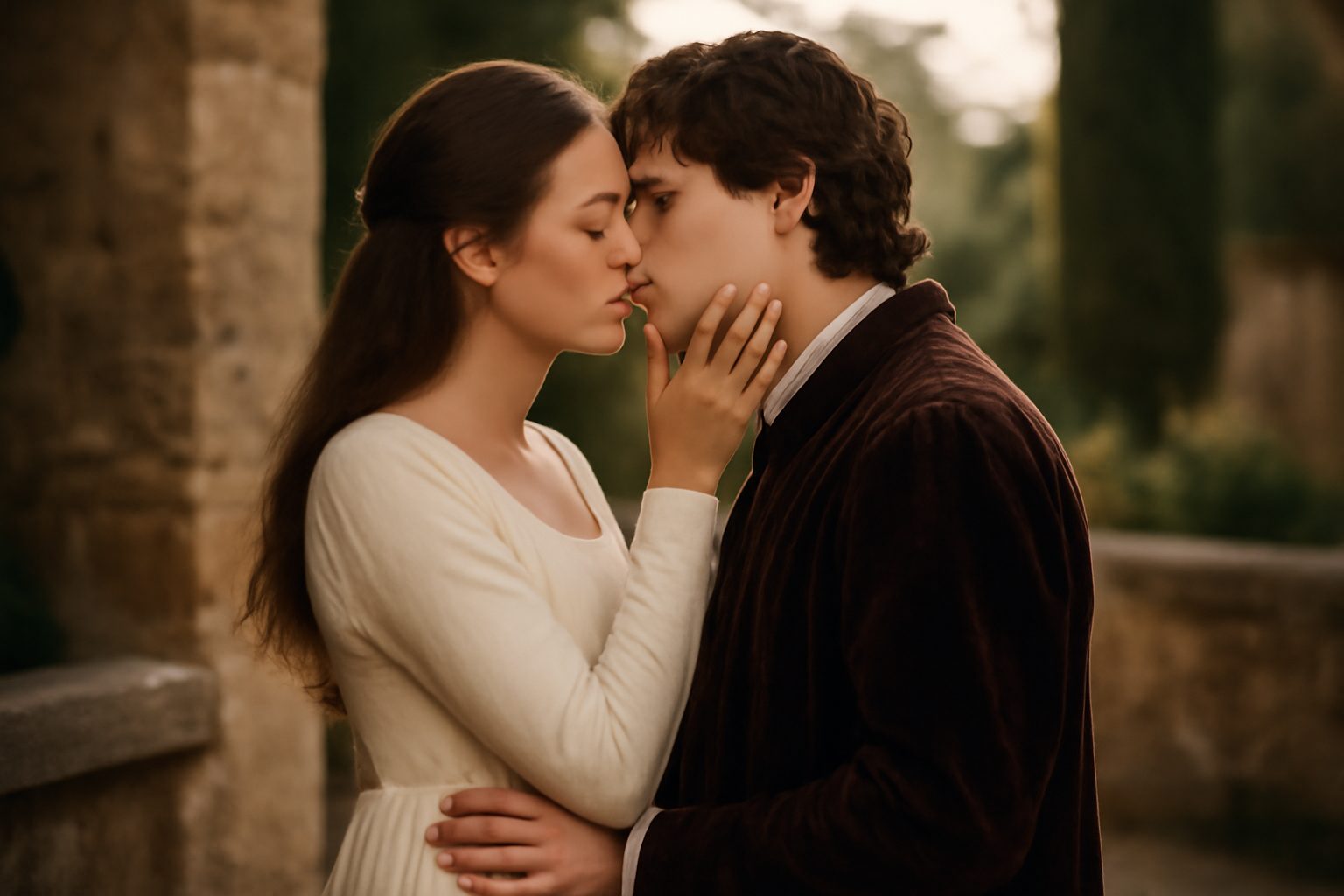
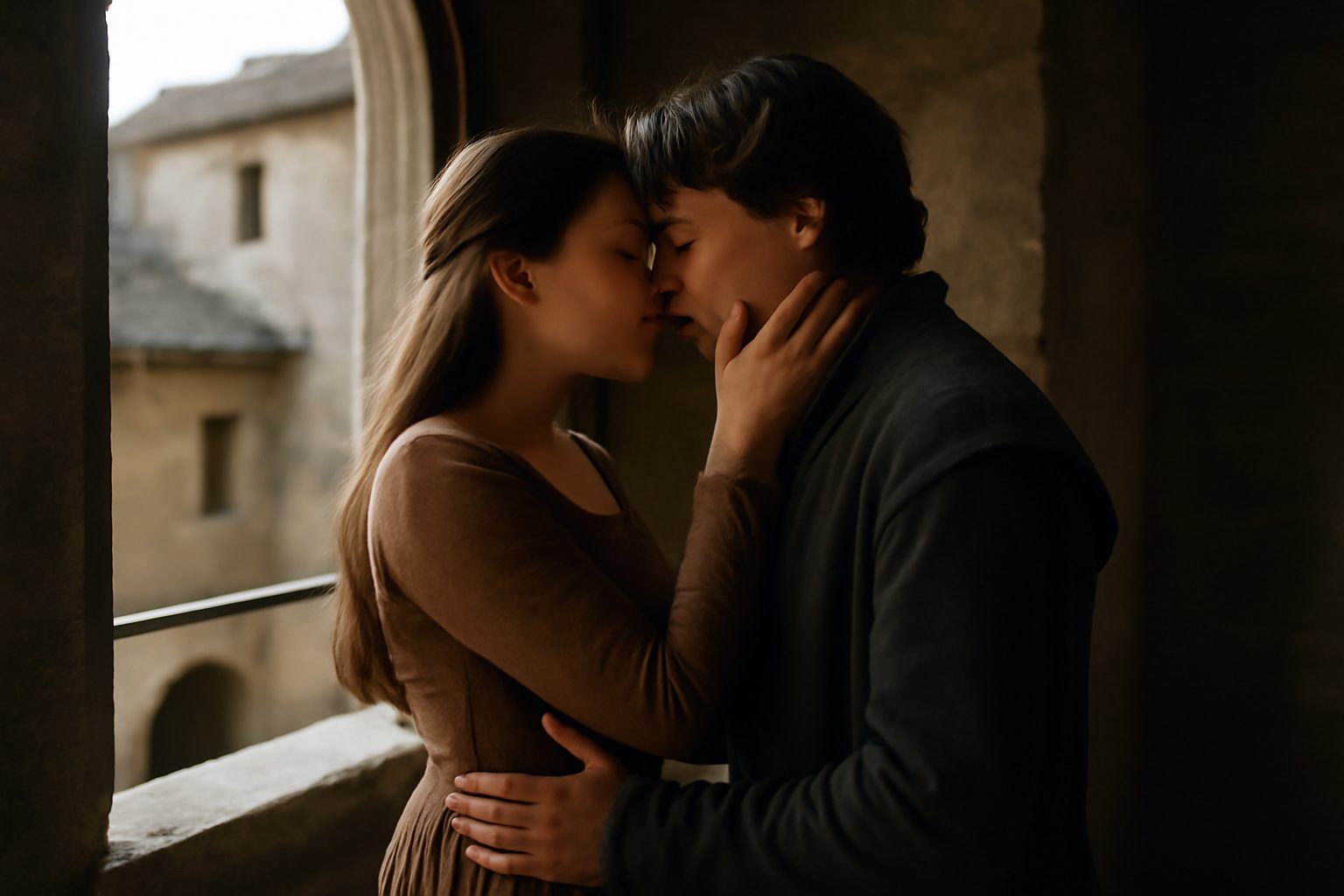
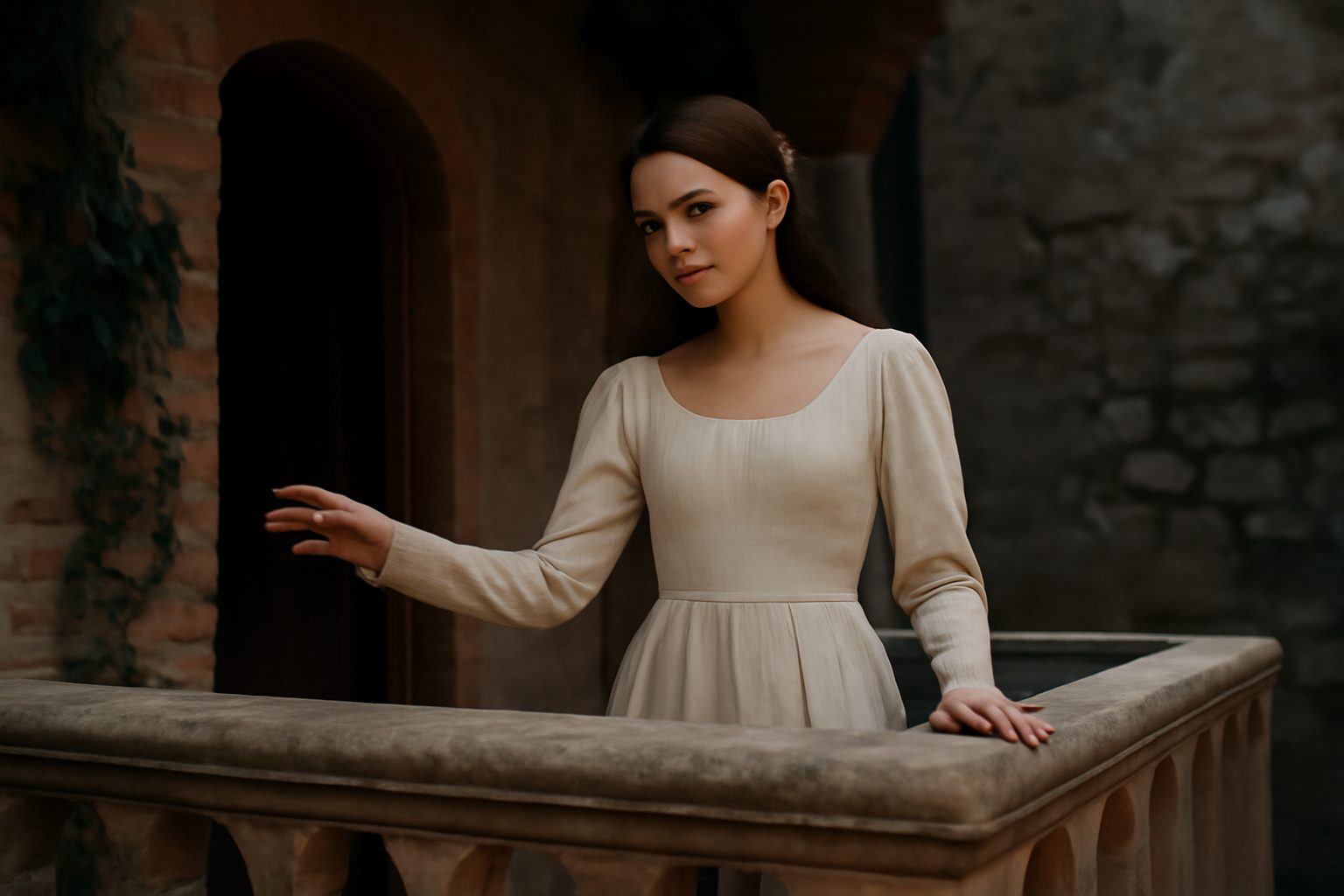
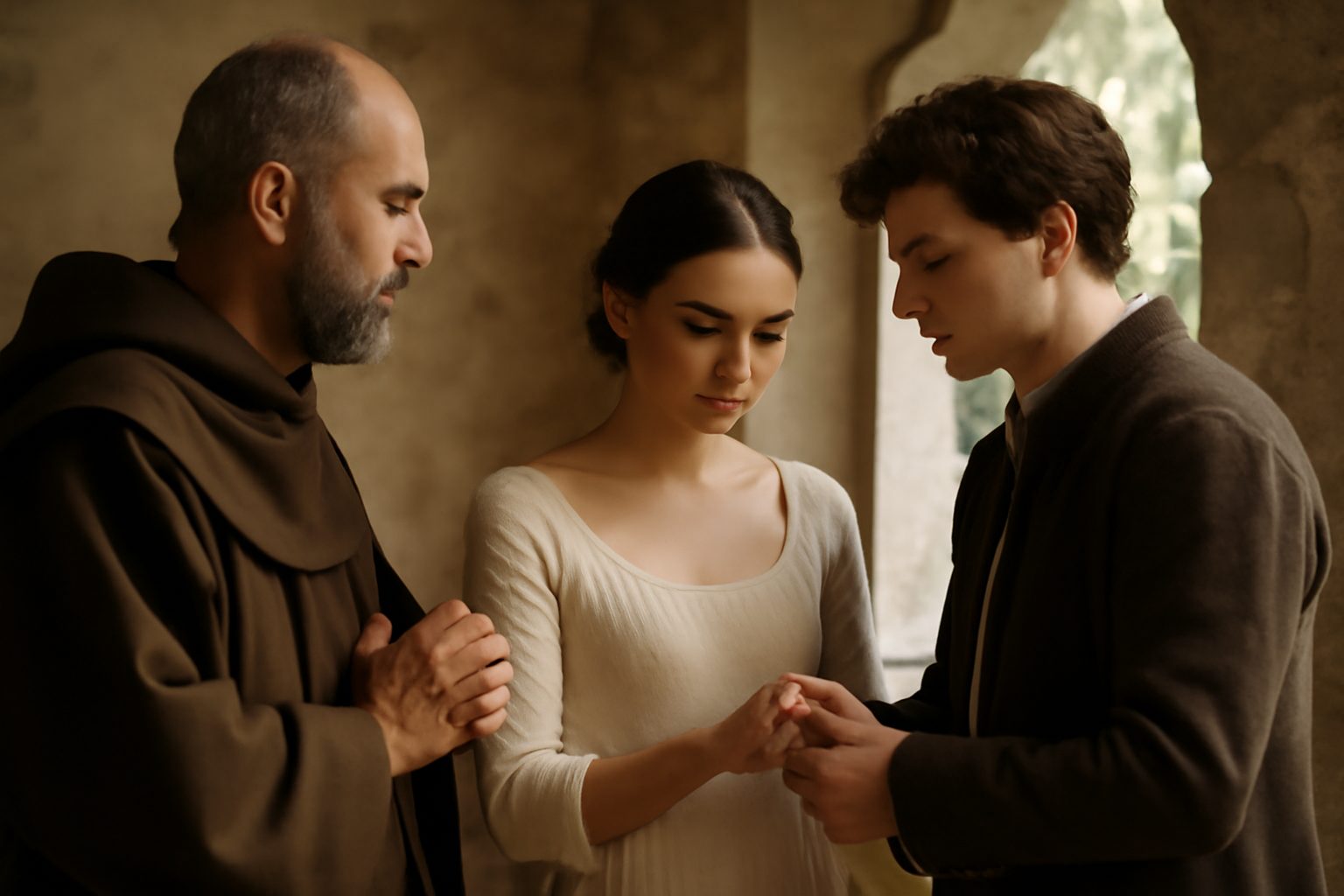
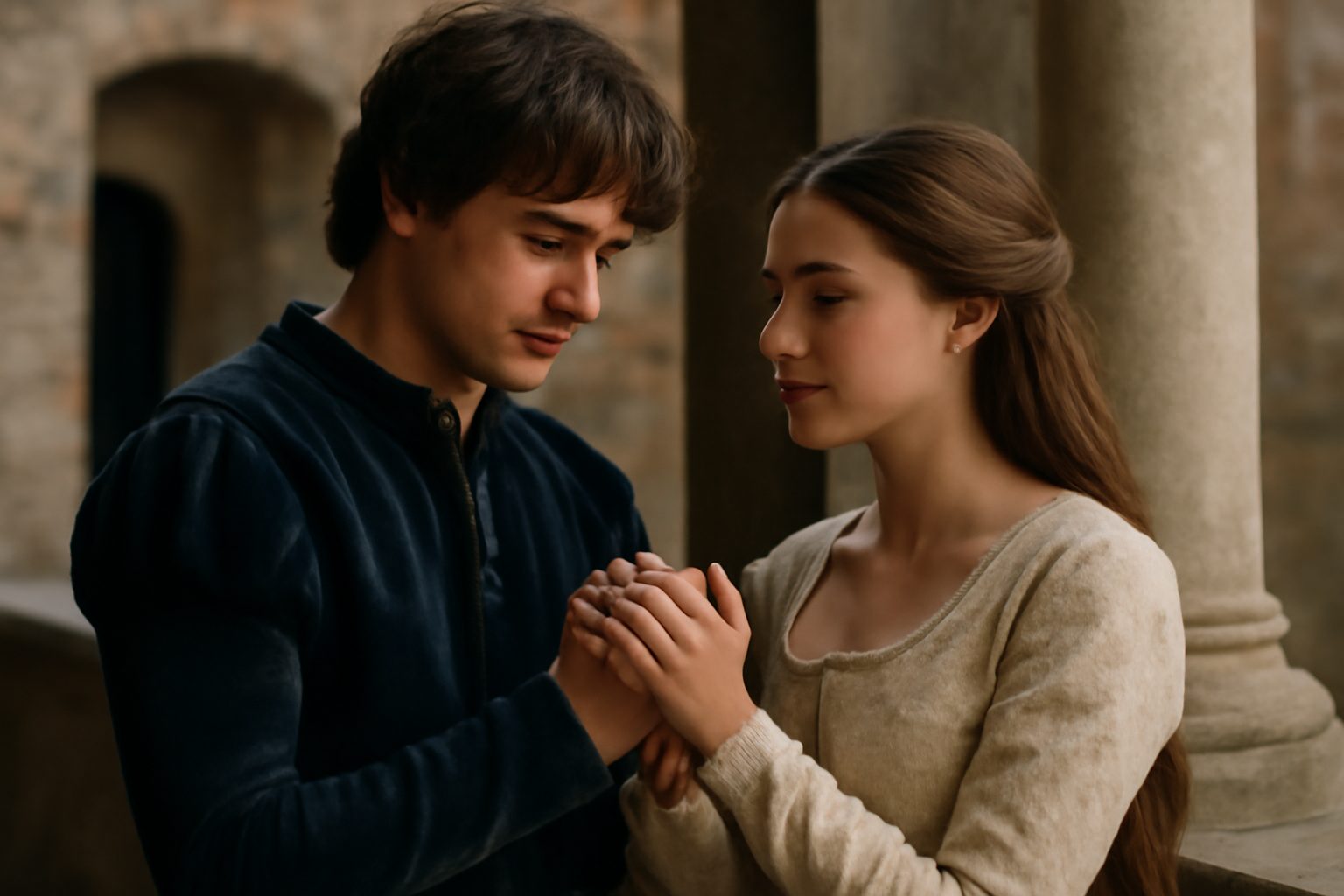
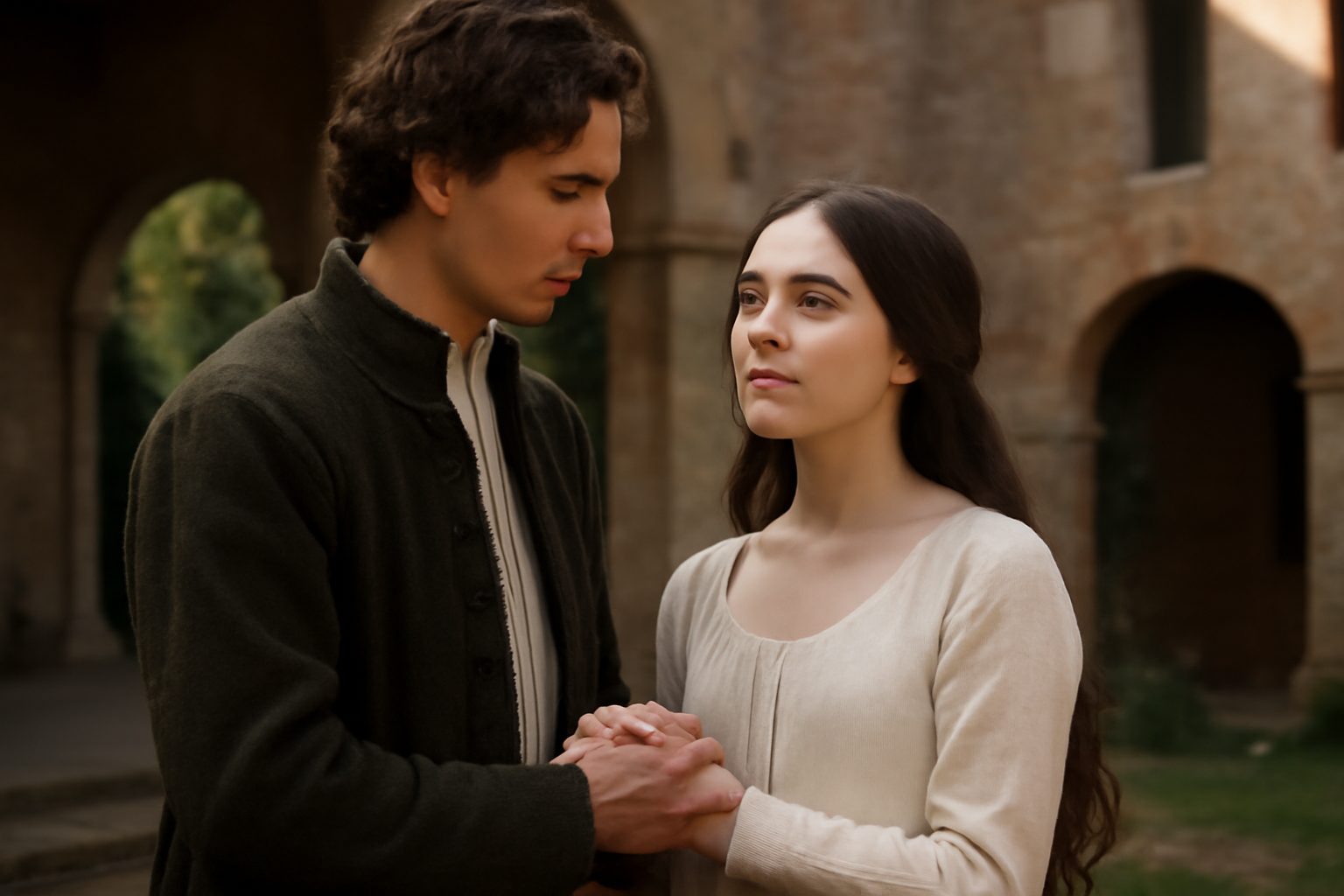
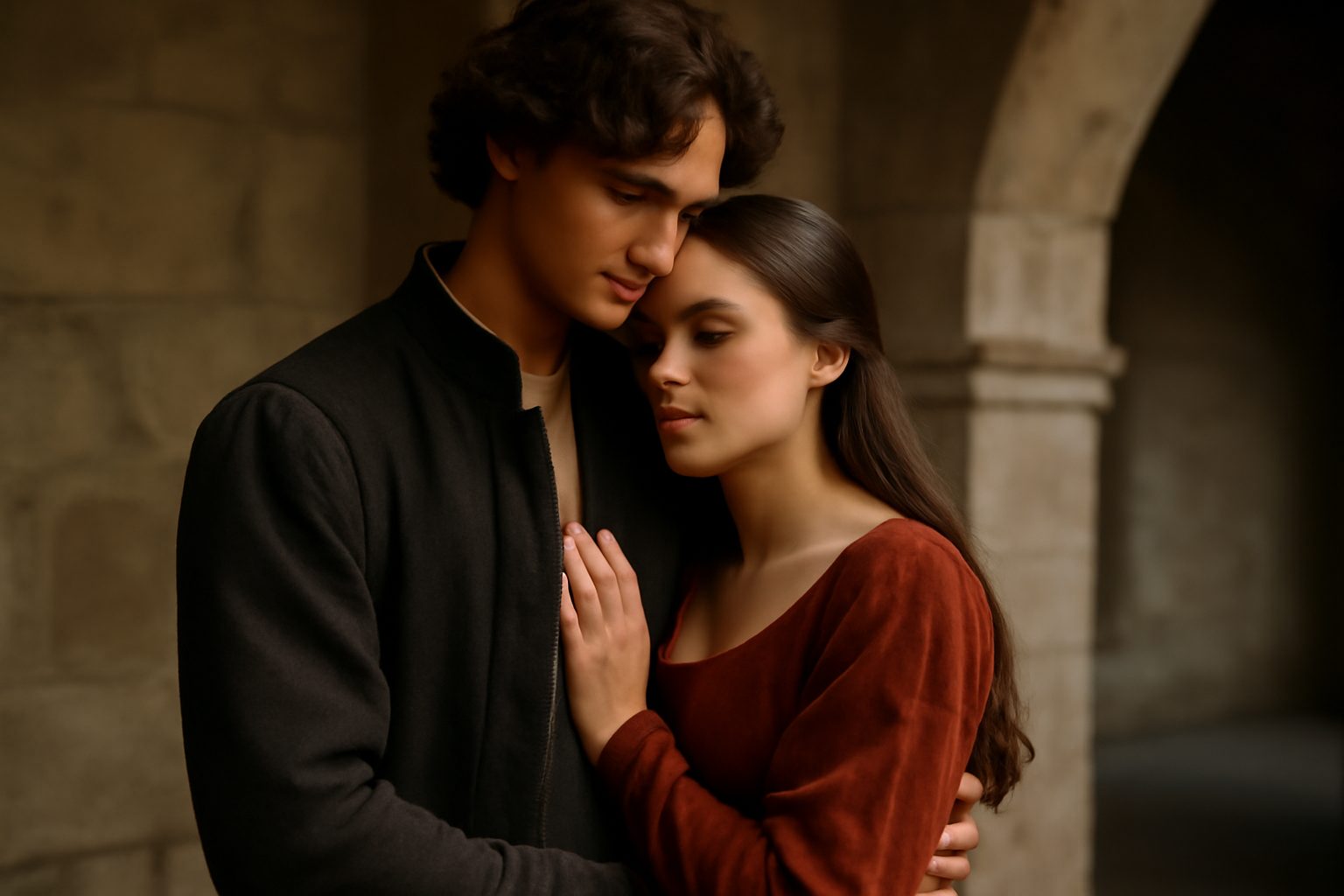
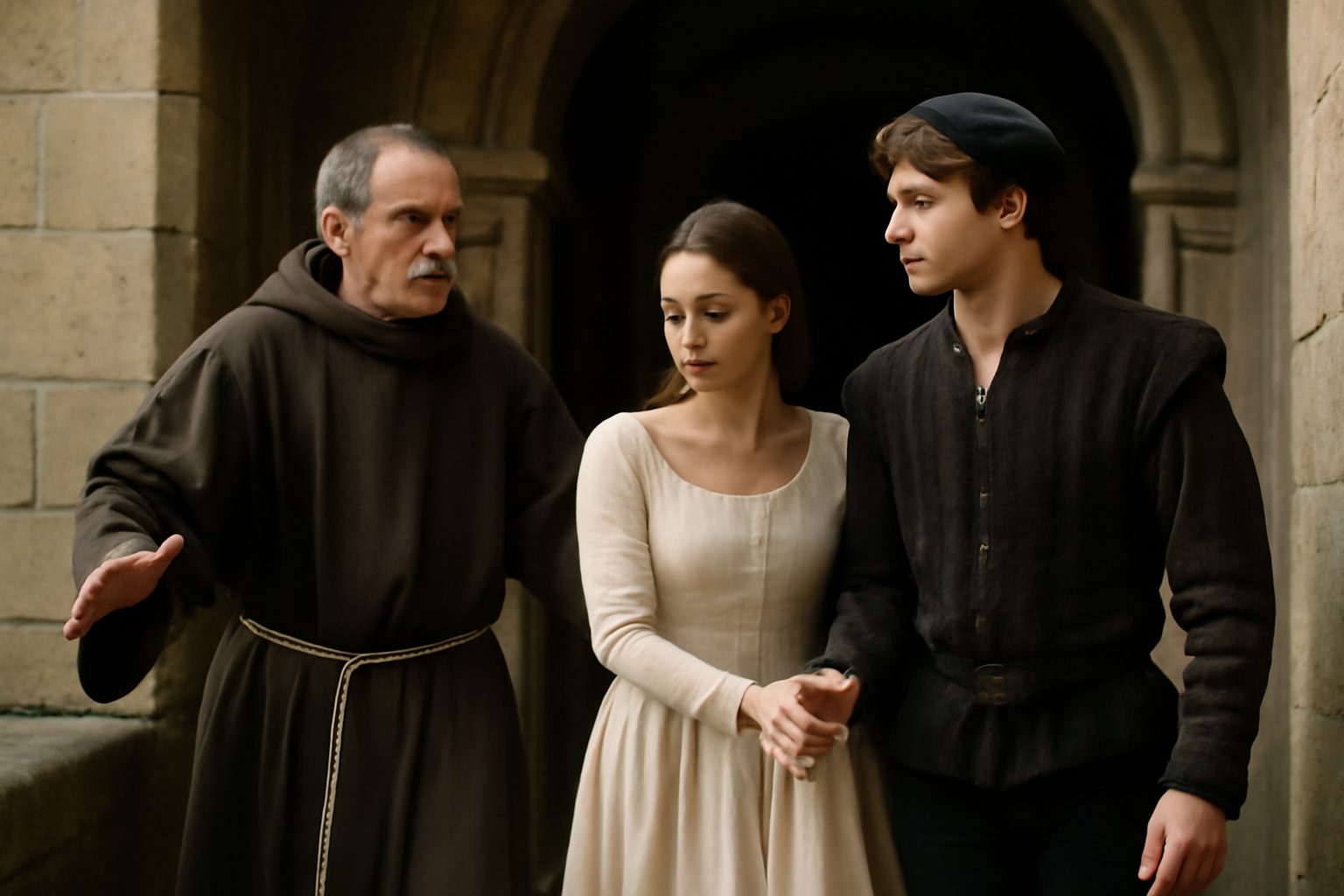
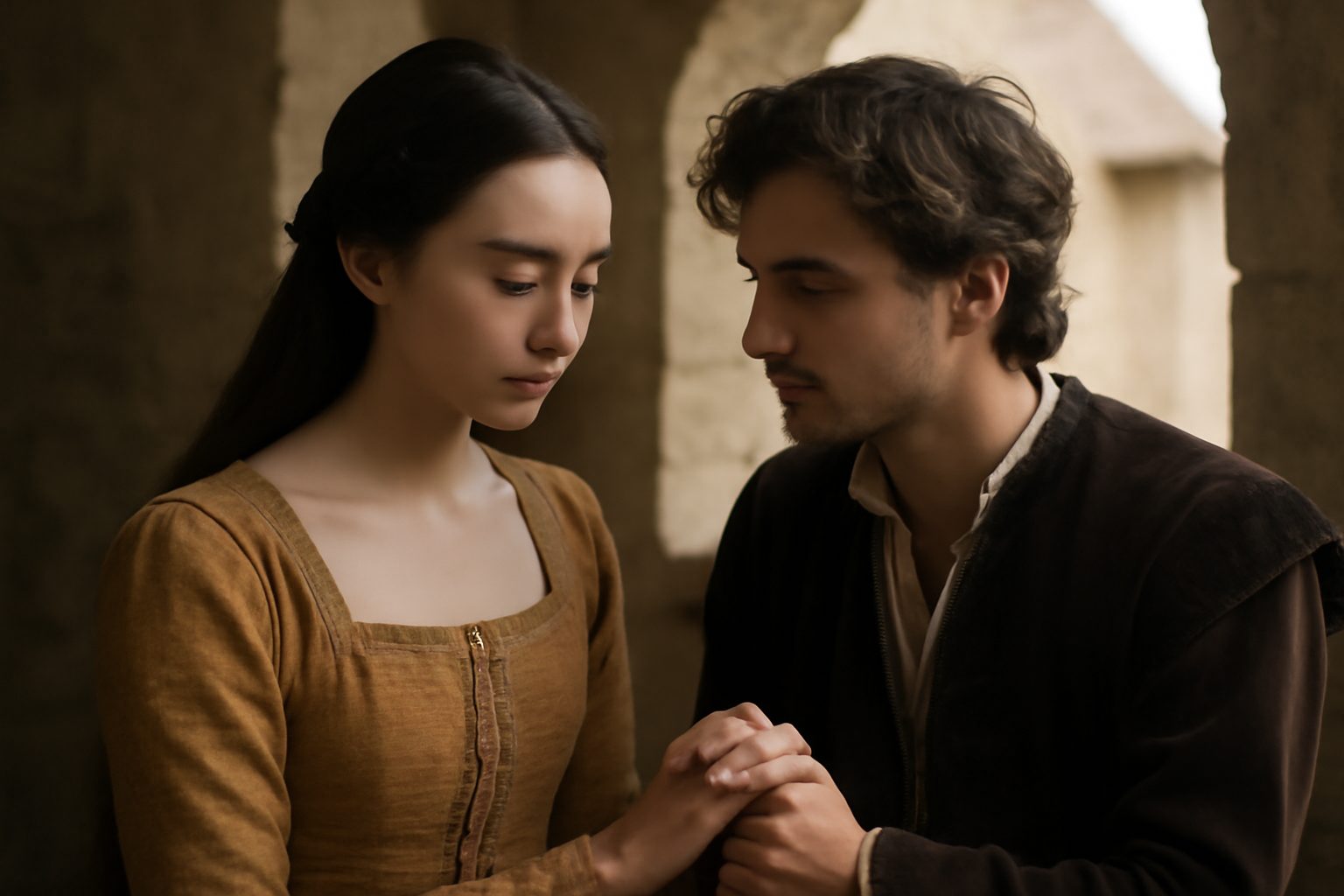
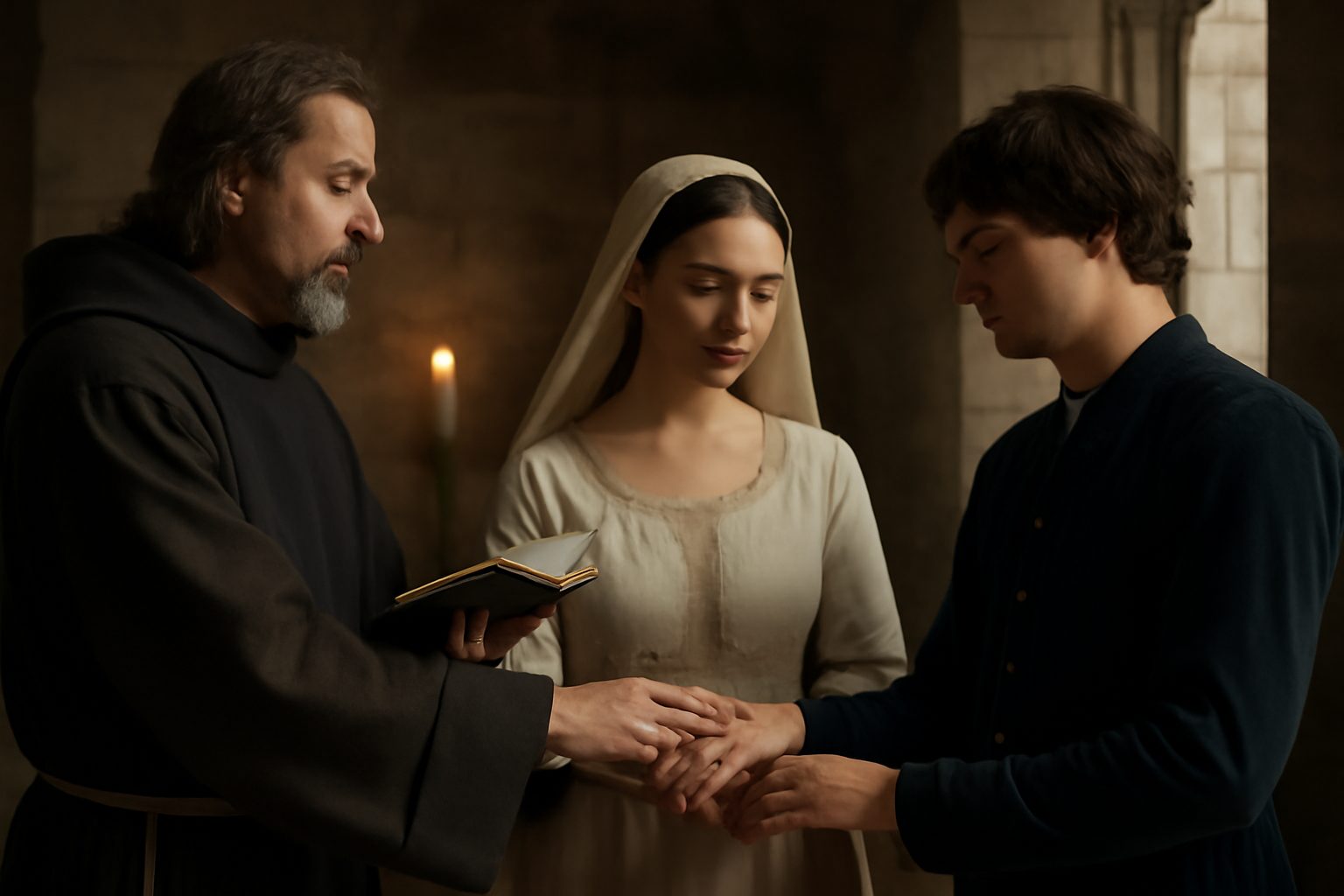
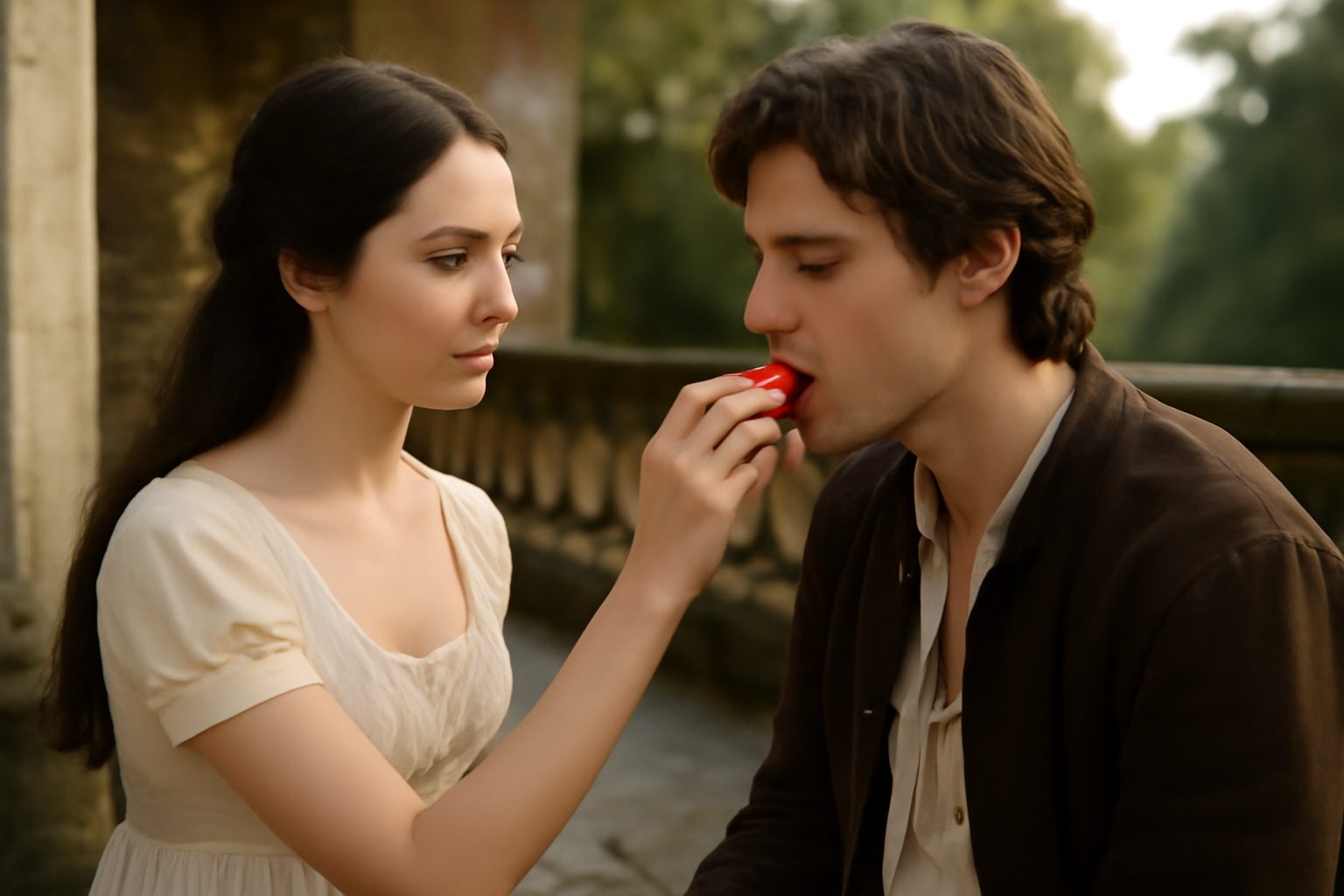
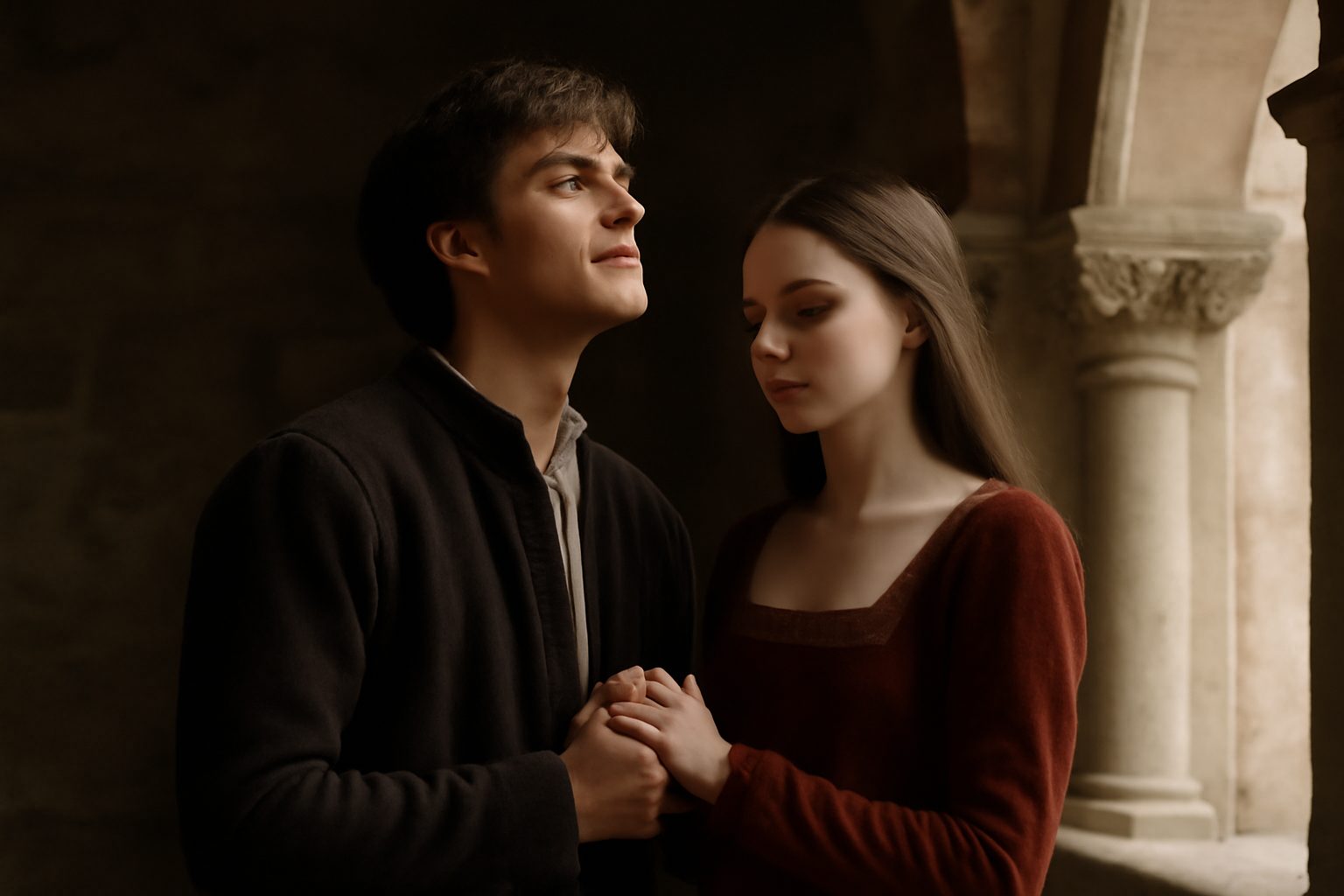
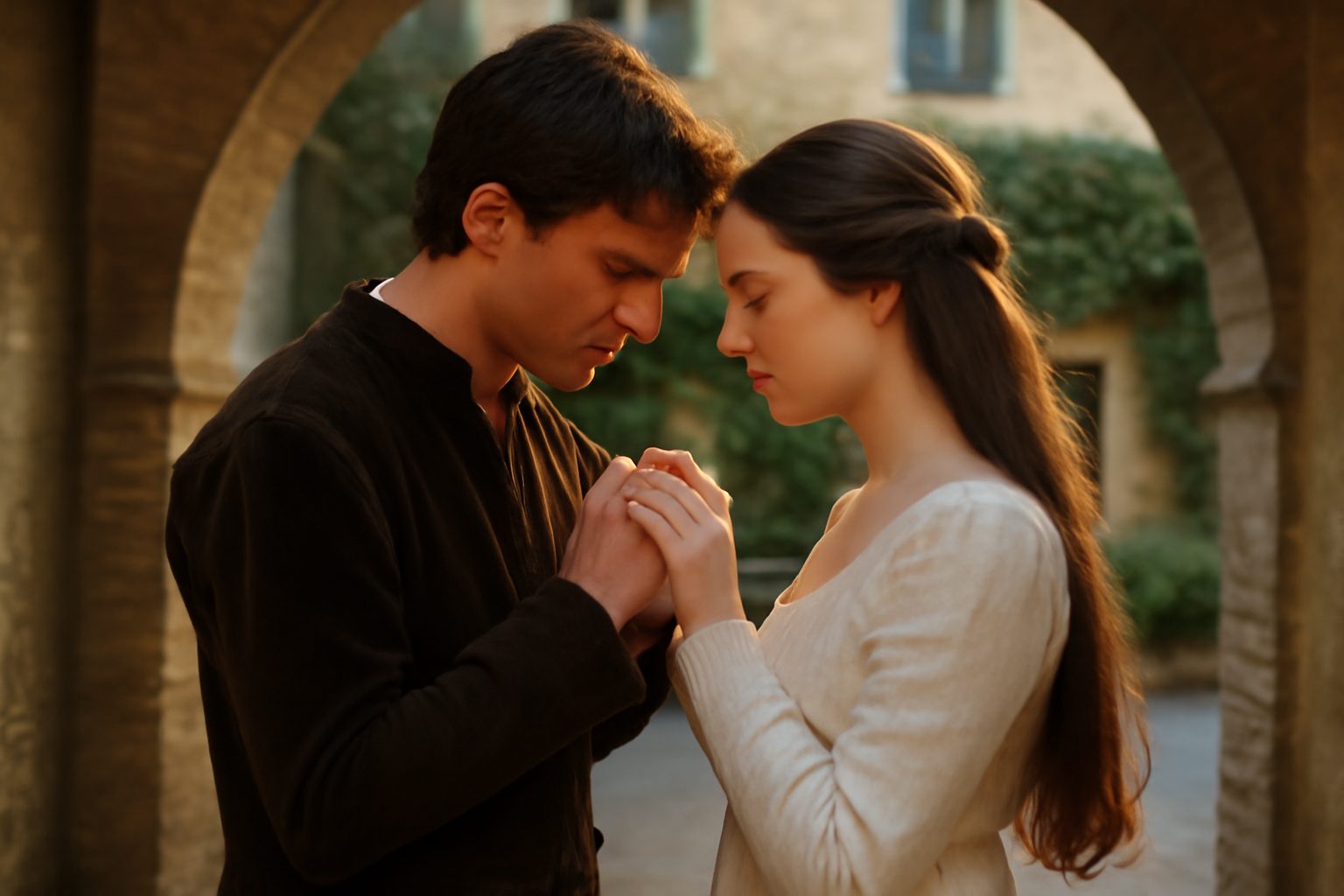
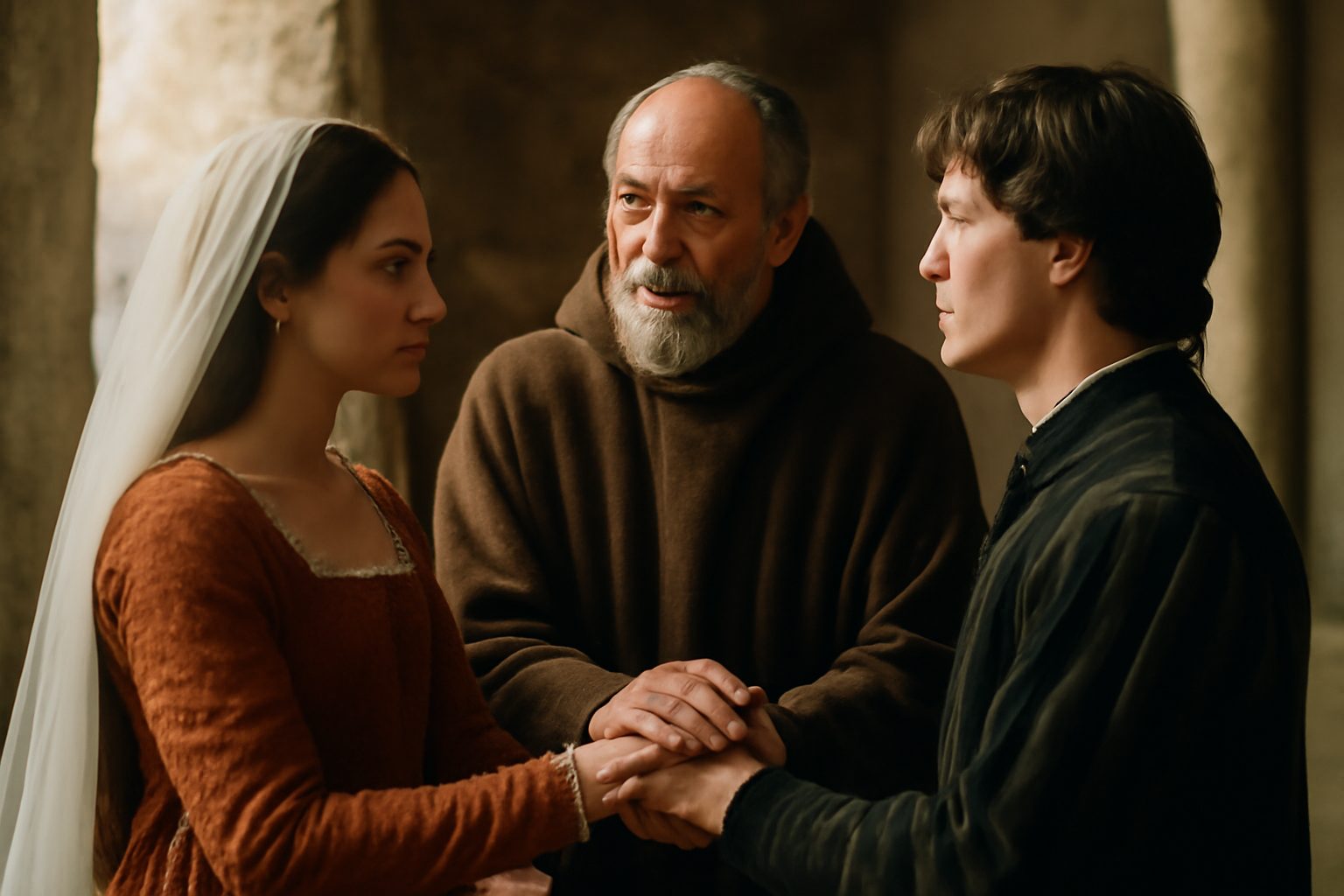
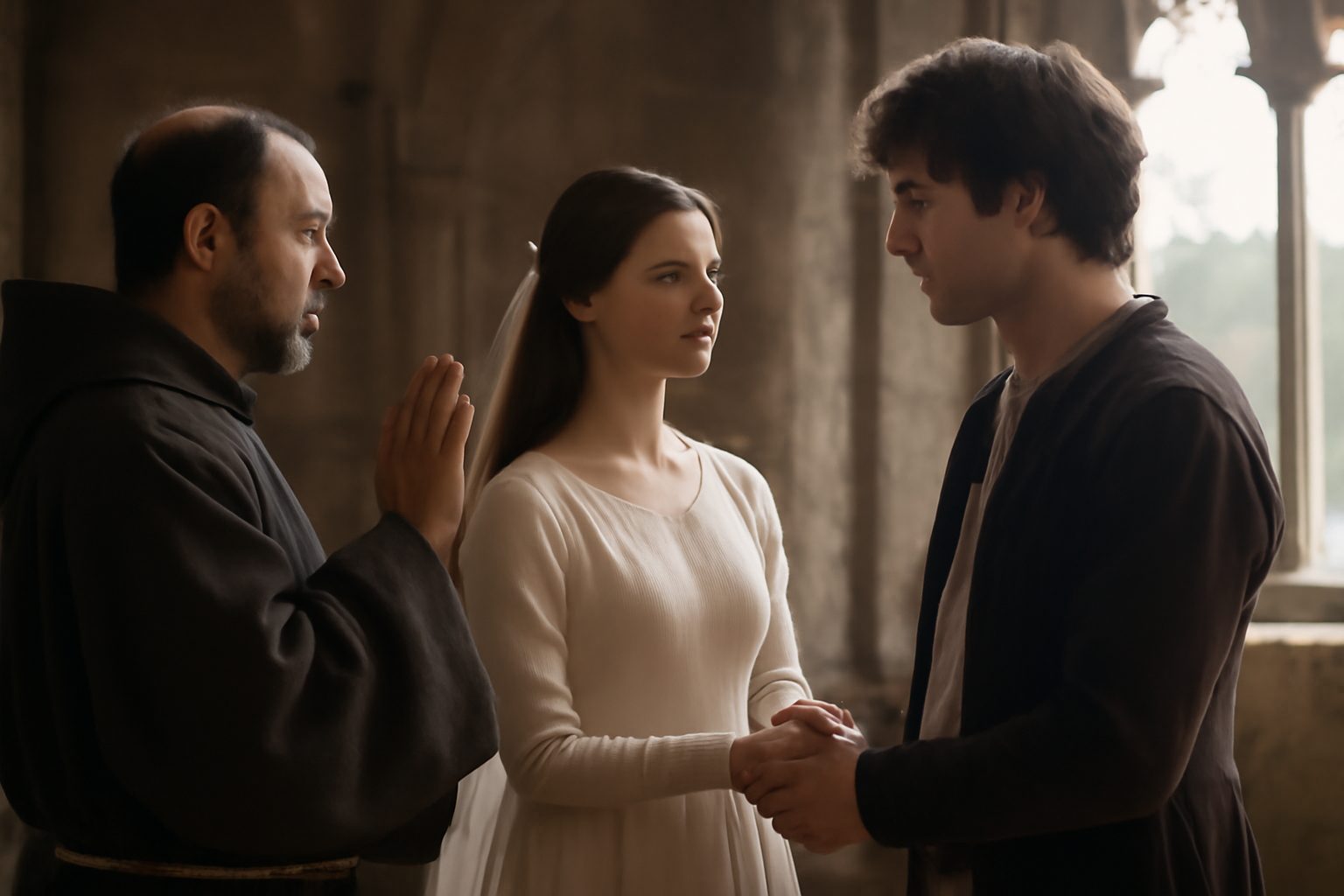
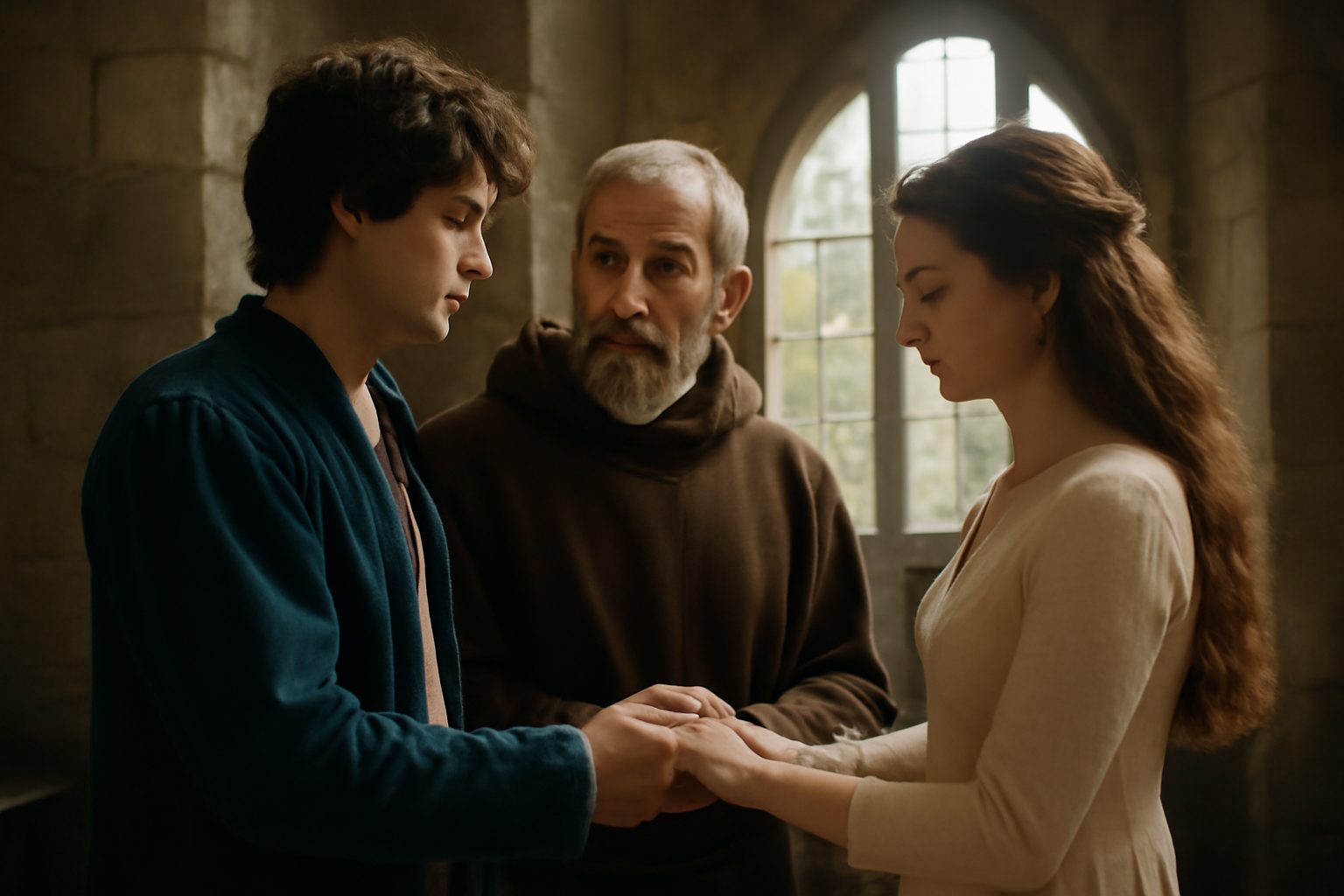
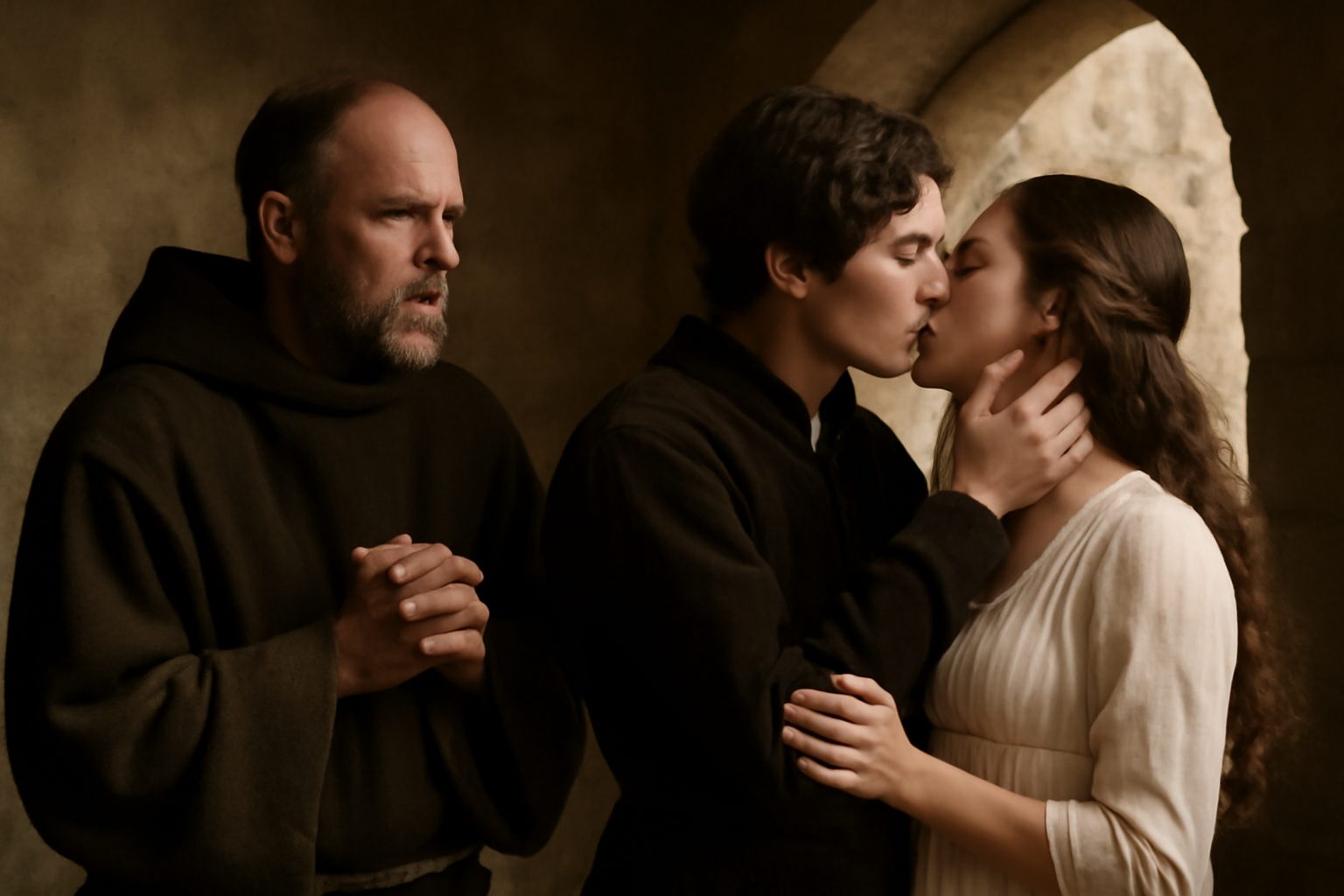
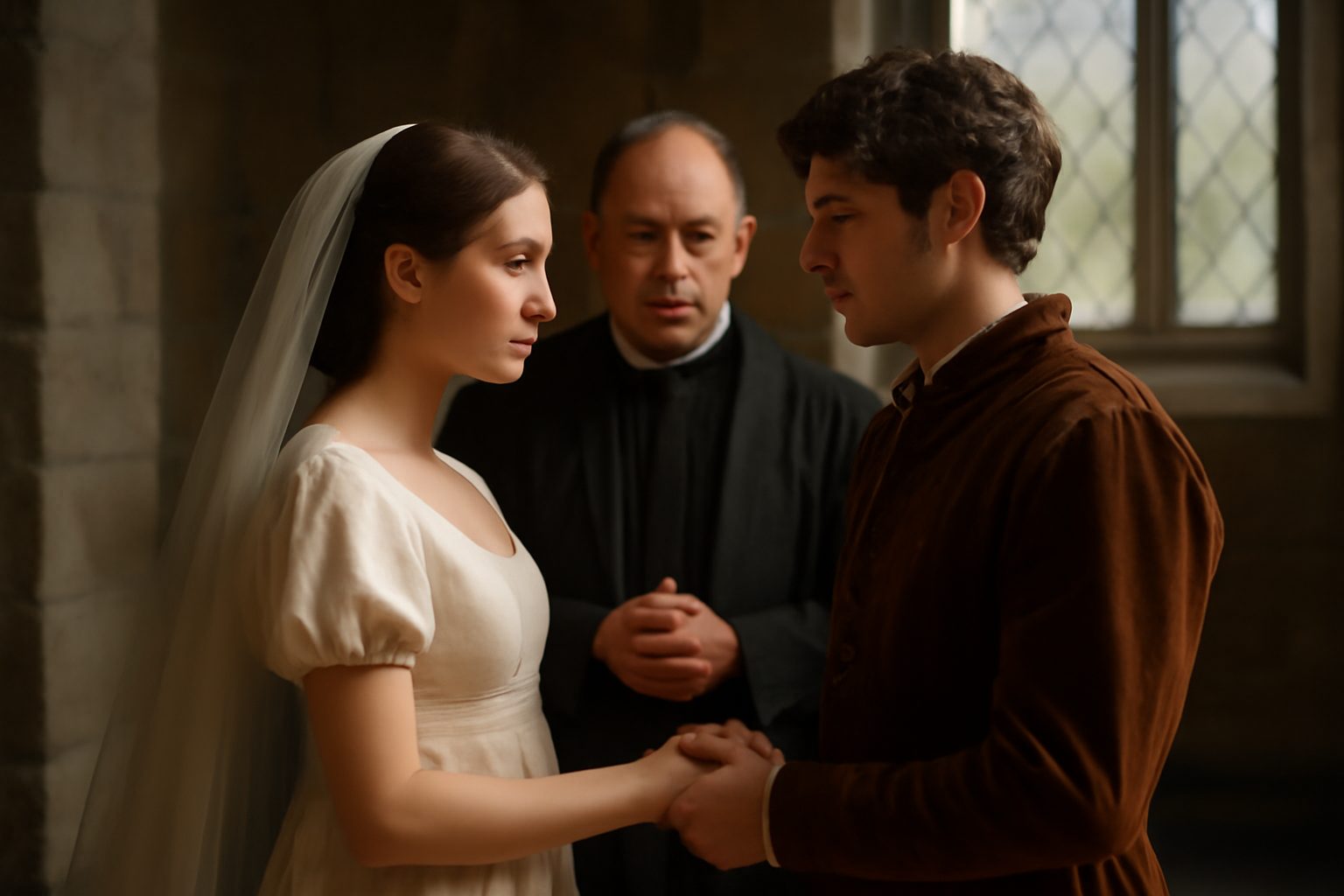
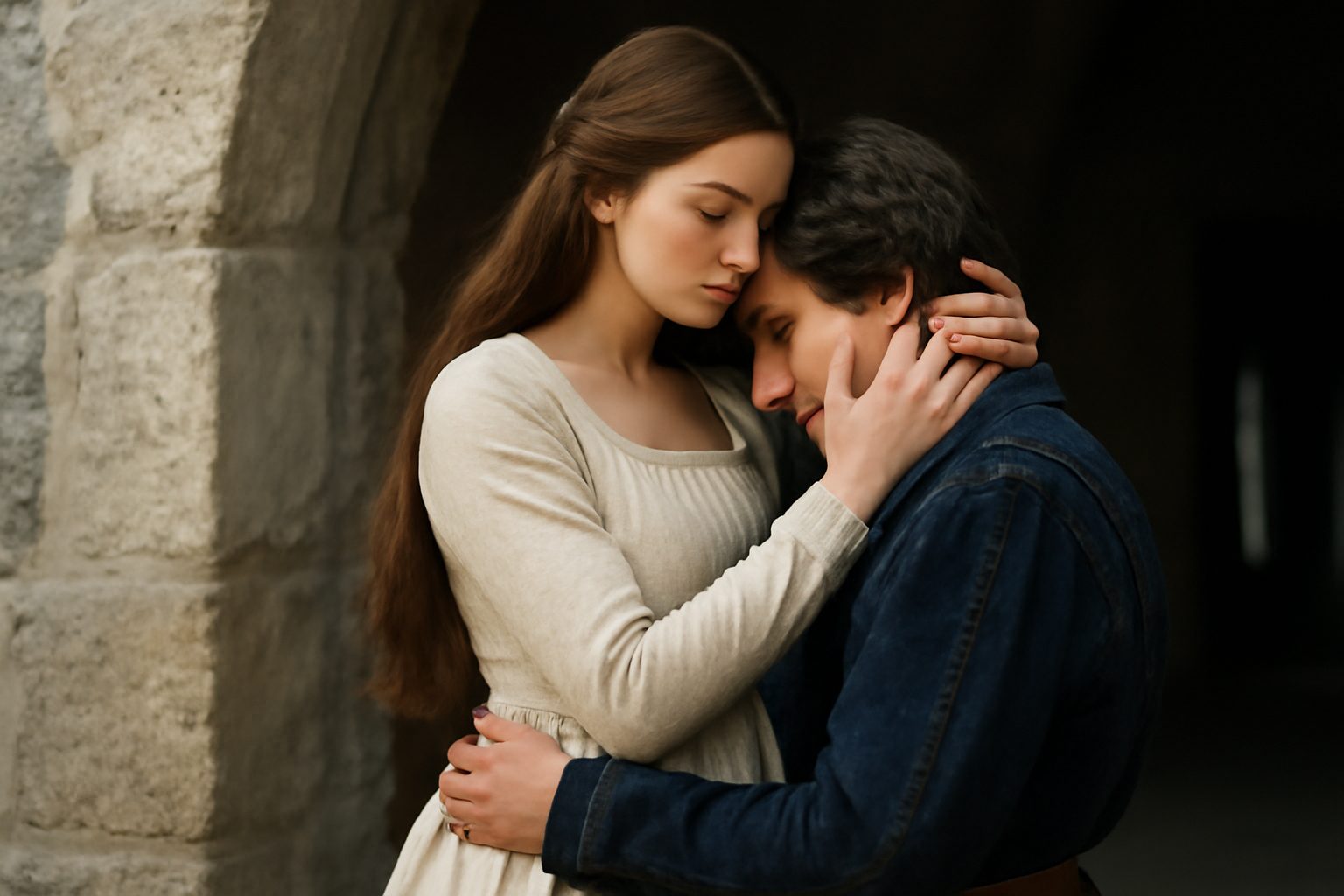
In Act 2, Scene 6 of Romeo and Juliet, Friar Lawrence speaks these words to Romeo as they await Juliet's arrival for their secret wedding. The Friar cautions Romeo that rushing into love with reckless haste can be just as problematic as moving too slowly, as both extremes may lead to misfortune. This moment underscores the play's tension between youthful passion and measured wisdom.
Friar Laurence: "Too swift arrives as tardy as too slow."
In modern day english, we would say:
Moving too fast can be just as bad as moving too slowly.
Frequently Asked Questions
What does Friar Laurence mean when he says that moving too quickly can be just as bad as moving too slowly?
He is warning Romeo that rushing into things, like marriage, can lead to problems just as much as taking too long can. Balance is important.
Connections to other verses:
Connections to Friar Laurence's Warning
The verse "Too swift arrives as tardy as too slow" serves as the culmination of Friar Laurence's cautionary advice on moderation. It directly echoes his earlier warning in "Therefore love moderately; long love doth so", emphasizing that extremes in pace—whether haste or delay—lead to similar negative outcomes. This idea is reinforced by "These violent delights have violent ends", which foreshadows the consequences of impetuous passion.
Contrast with Romeo's Impatience
Romeo's response to the Friar's wisdom highlights the tension between caution and desire. In "That one short minute gives me in her sight", he expresses how even a brief moment with Juliet feels invaluable, undermining the Friar's call for patience. Similarly, his declaration in "It is enough I may but call her mine" reveals his willingness to embrace risk, contrasting sharply with the Friar's measured approach.
Symbolic and Imagistic Links
The theme of balance and excess is woven through the scene's imagery. For instance, "Which as they kiss consume: the sweetest honey" uses the metaphor of honey turning bitter to illustrate how intensity can destroy itself, mirroring the idea that swiftness leads to failure. The ethereal image in "A lover may bestride the gossamer" suggests love's delicate, fleeting nature, further emphasizing the need for care rather than rush.
Structural and Emotional Pacing
The verse also connects to the scene's emotional rhythm. Juliet's arrival, noted in "Here comes the lady: O, so light a foot", introduces a moment of grace and lightness, yet the Friar's words remind us that this happiness is precarious. The closing lines, such as "Till holy church incorporate two in one", resolve the scene with union, but the warning of "too swift" lingers, tying the ceremony's joy to the impending tragedy.