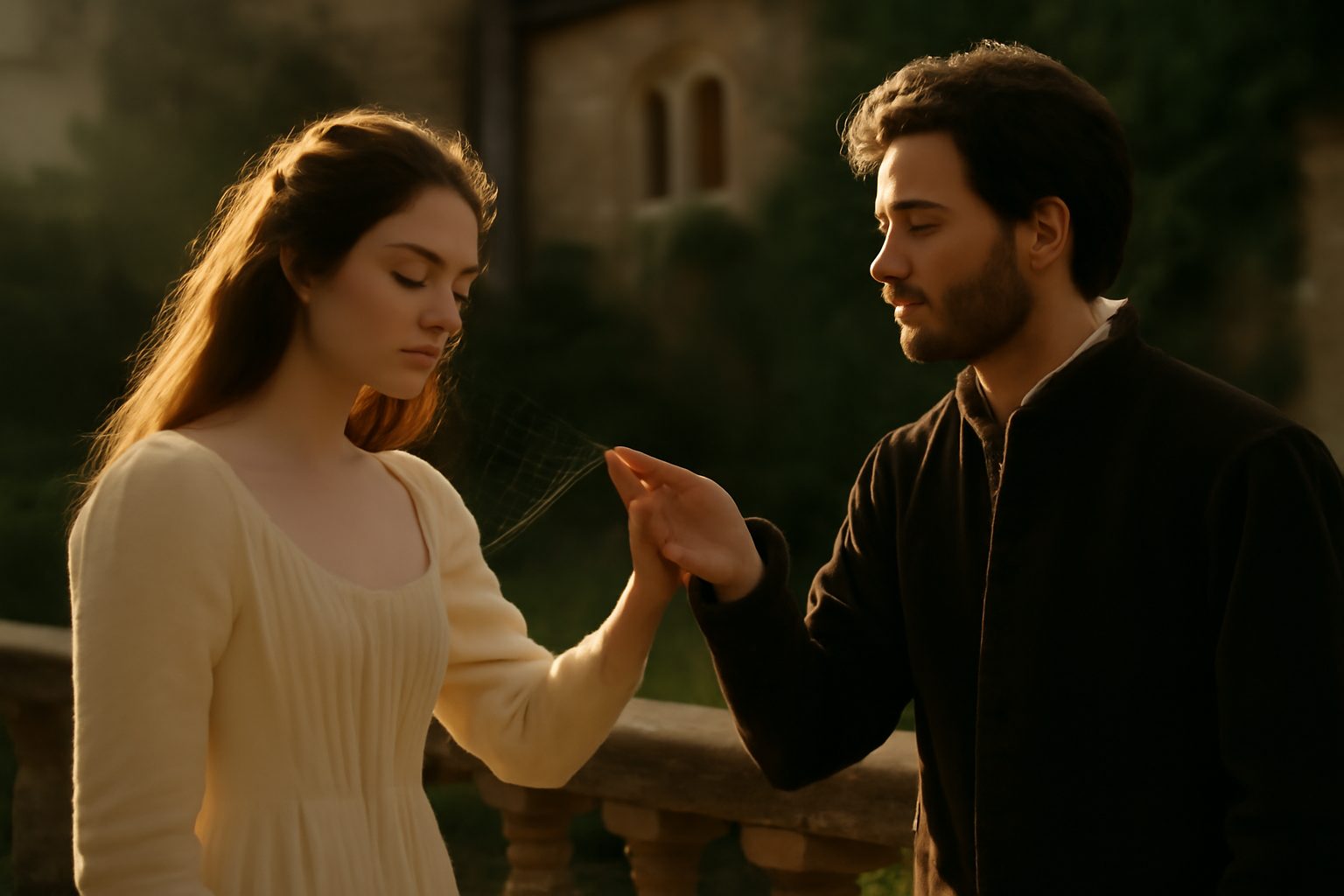
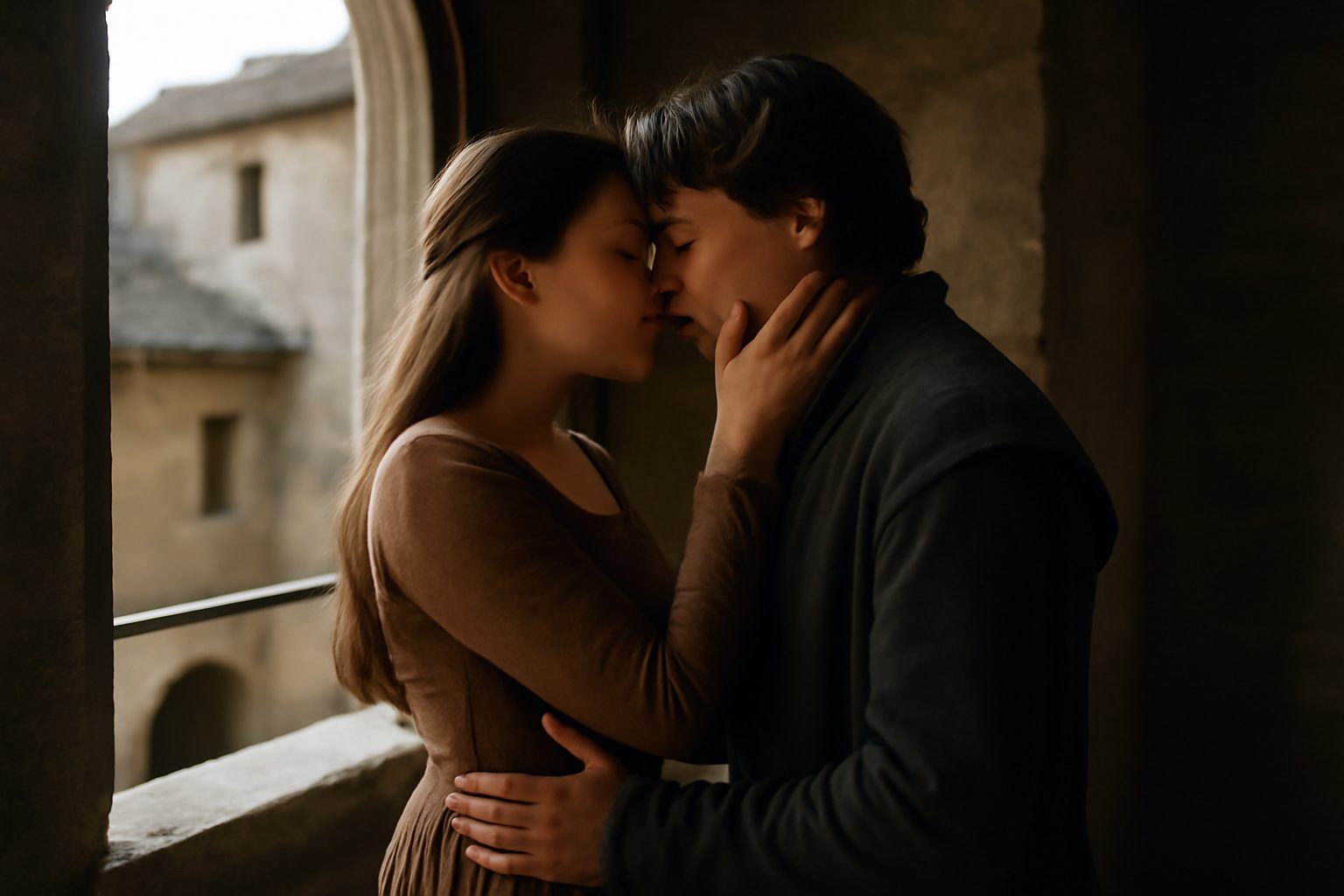
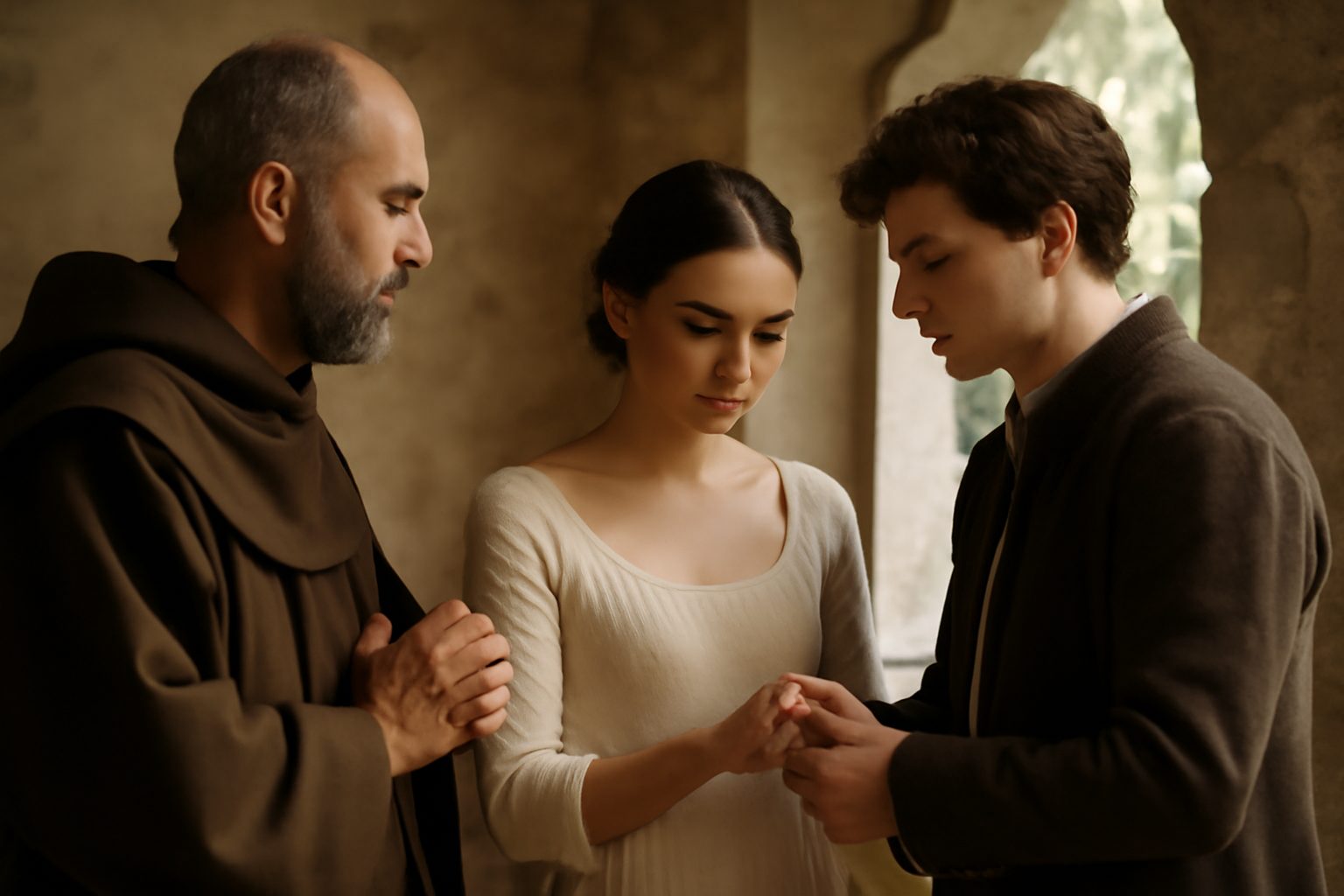
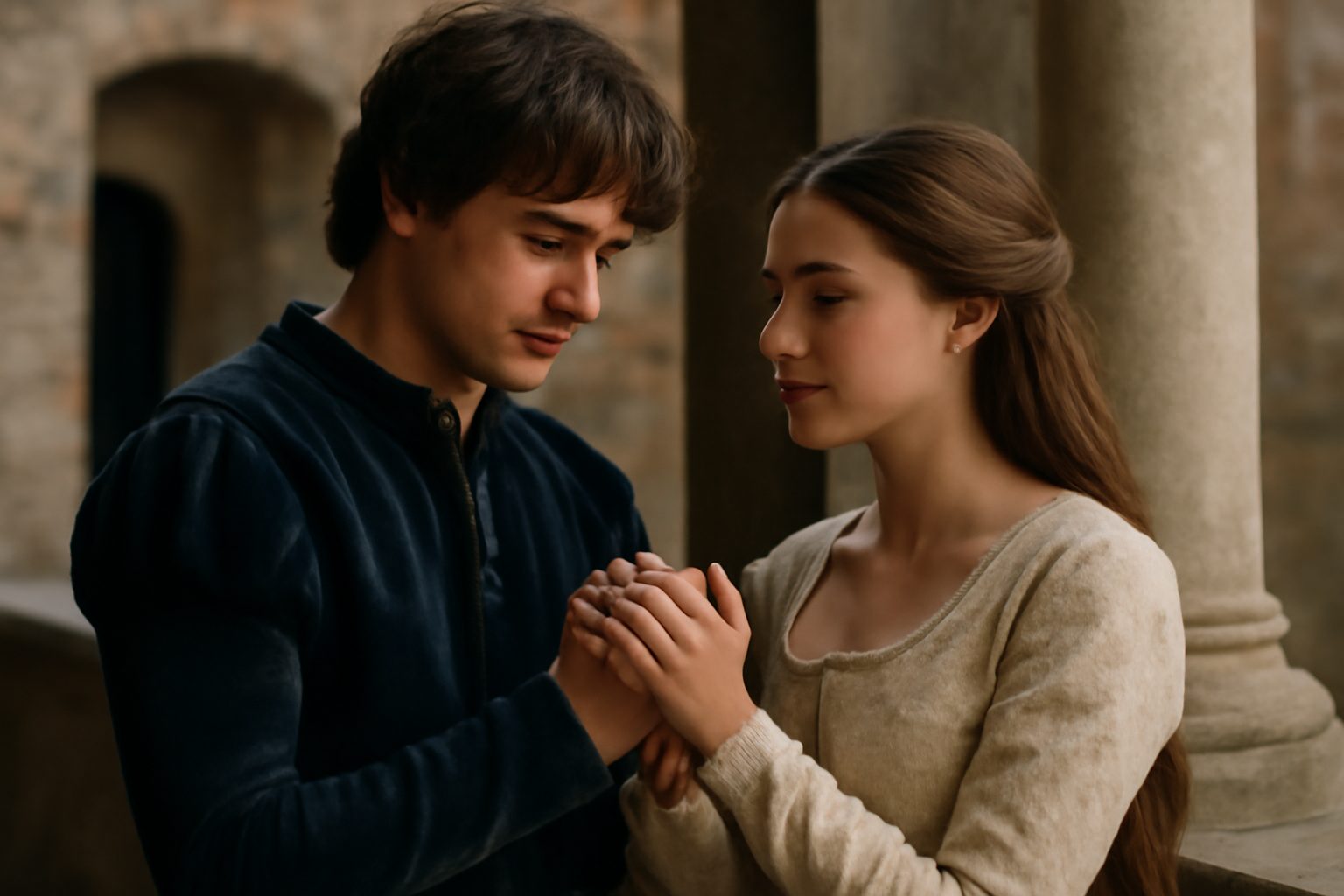
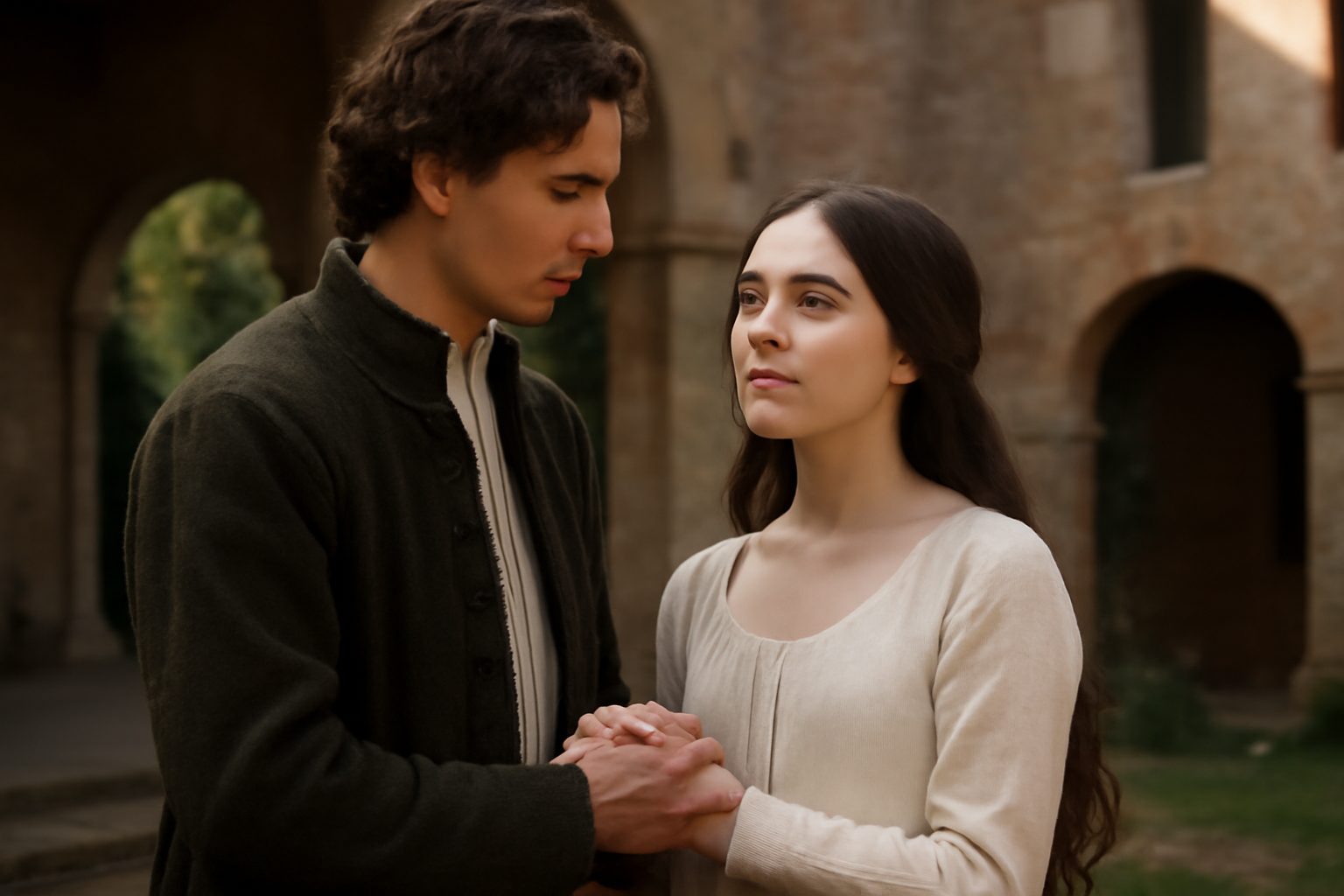
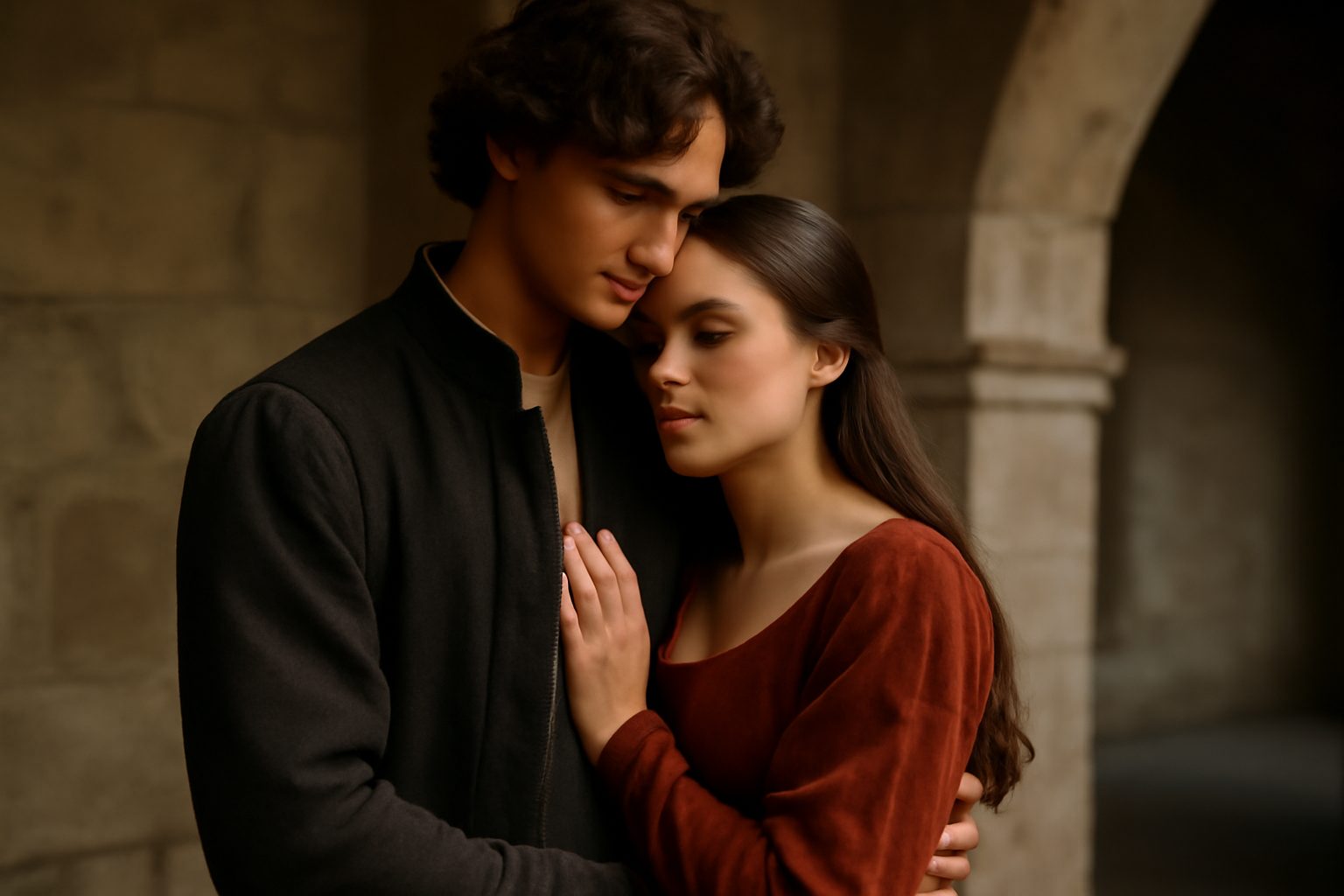
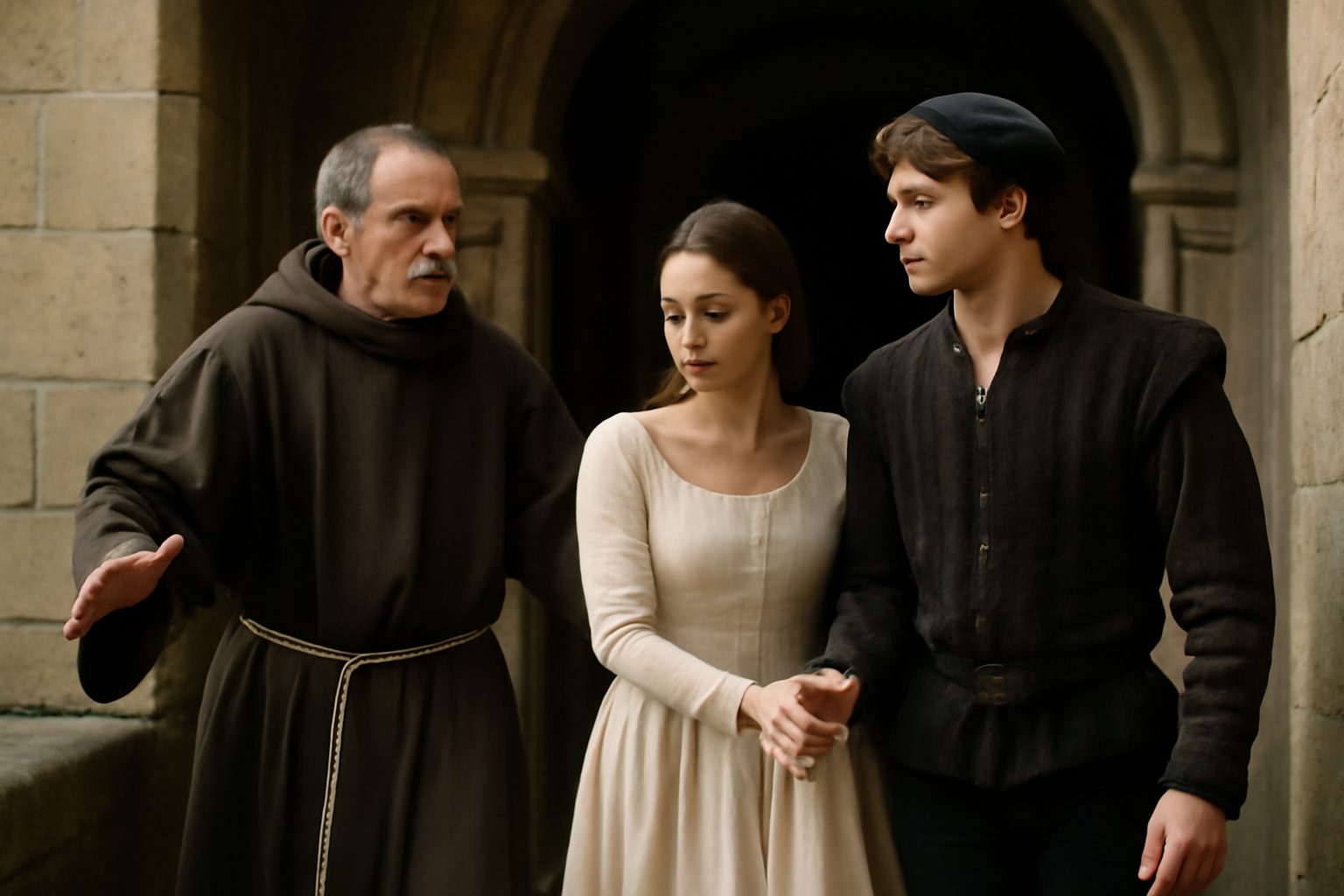
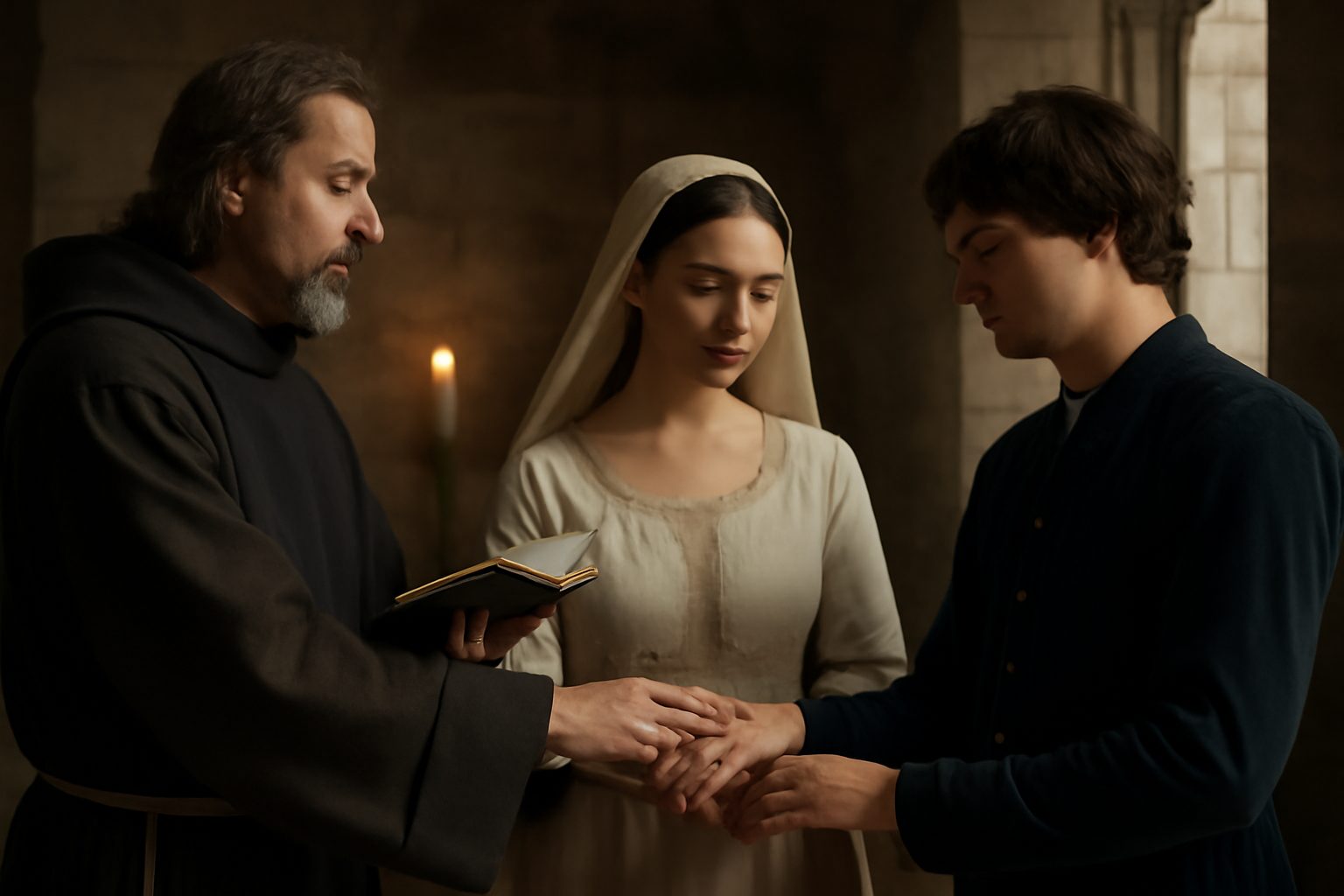
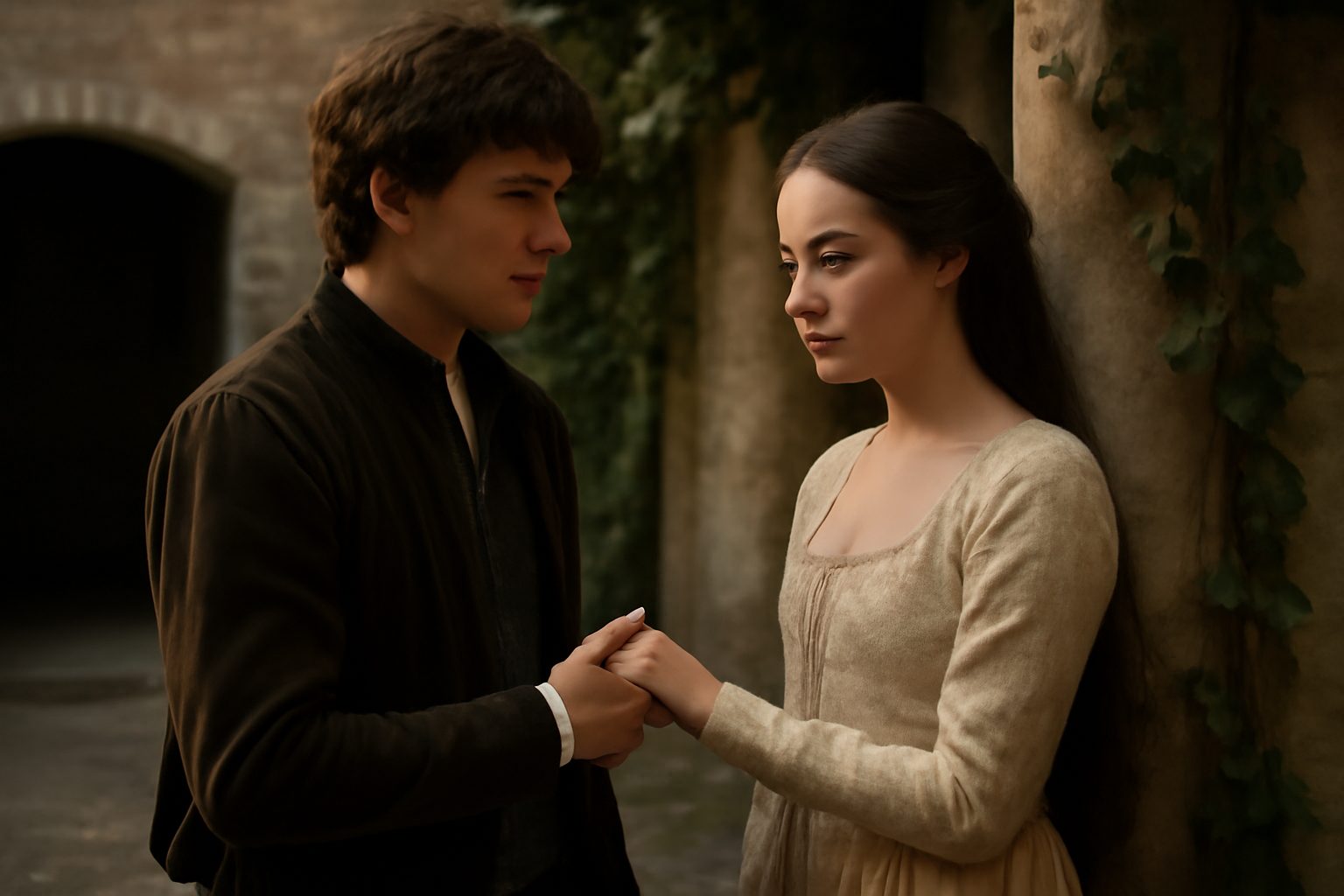
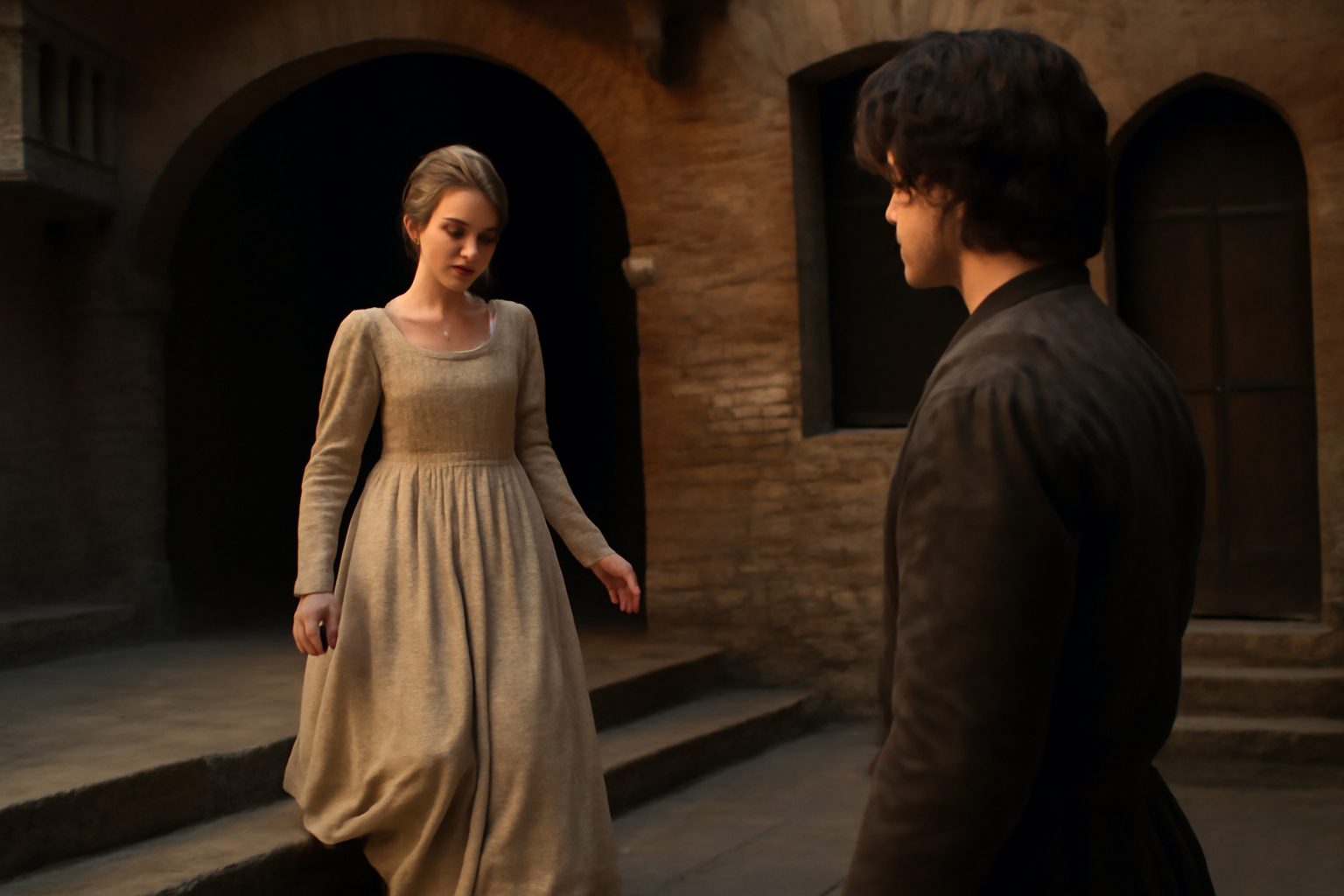
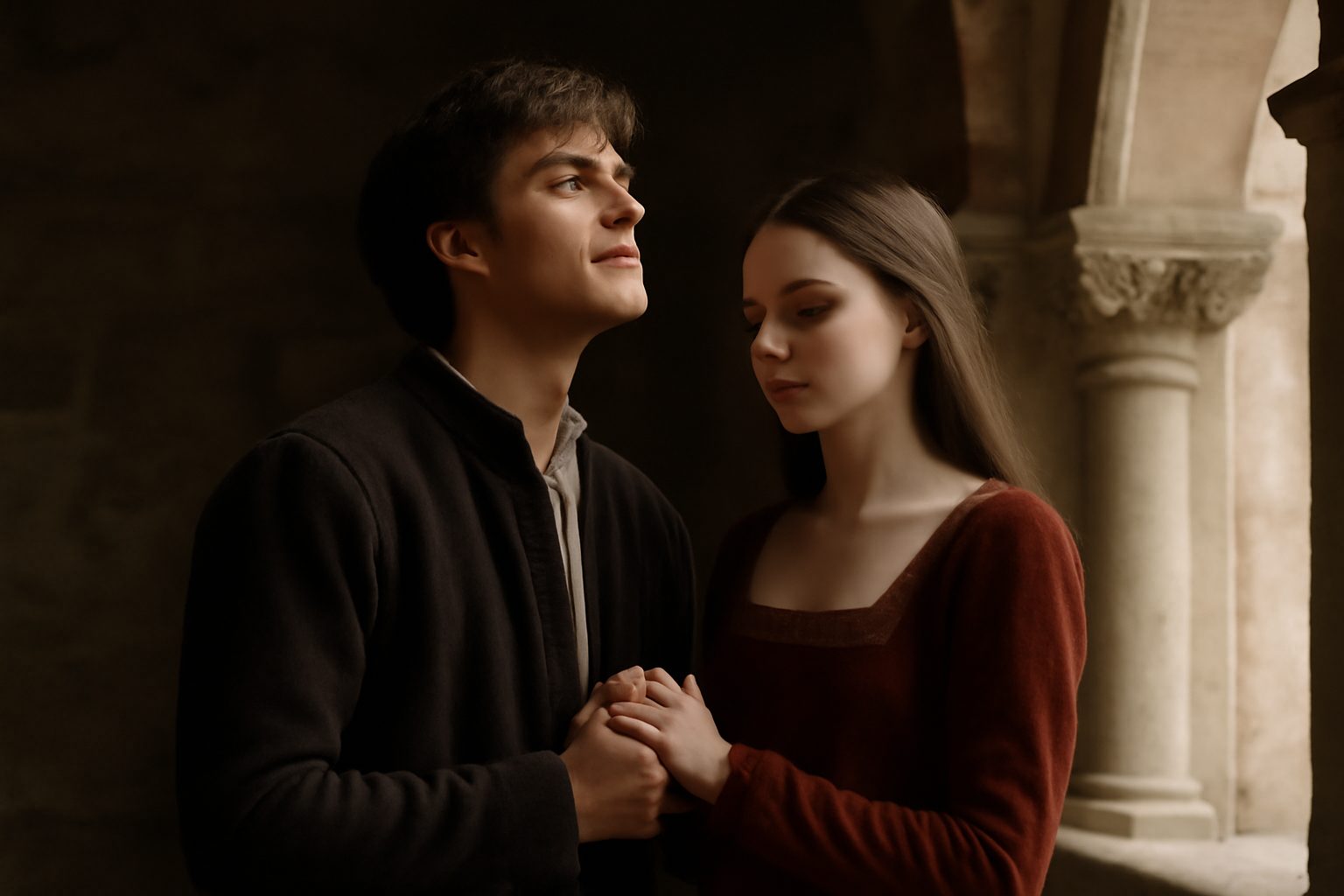
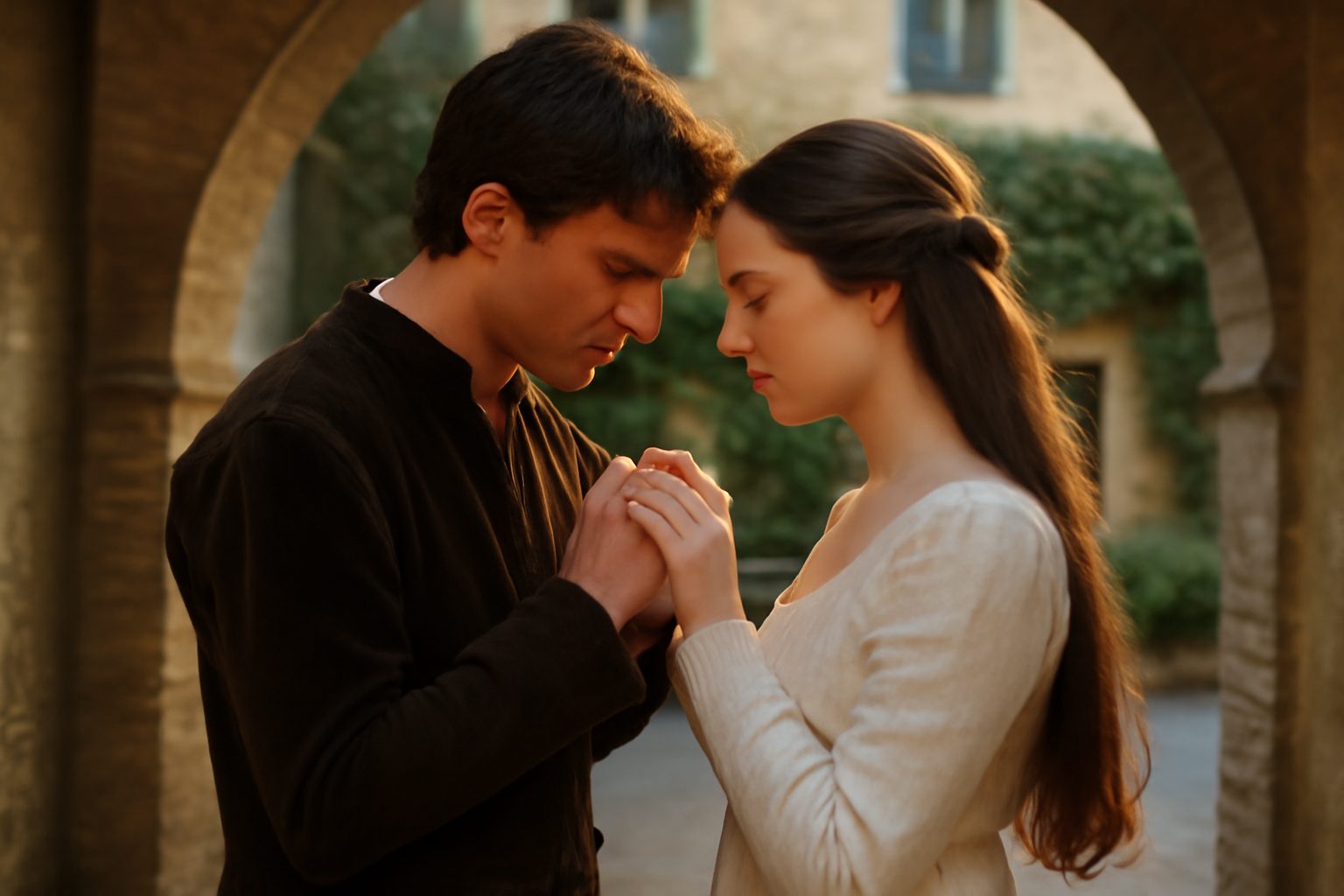
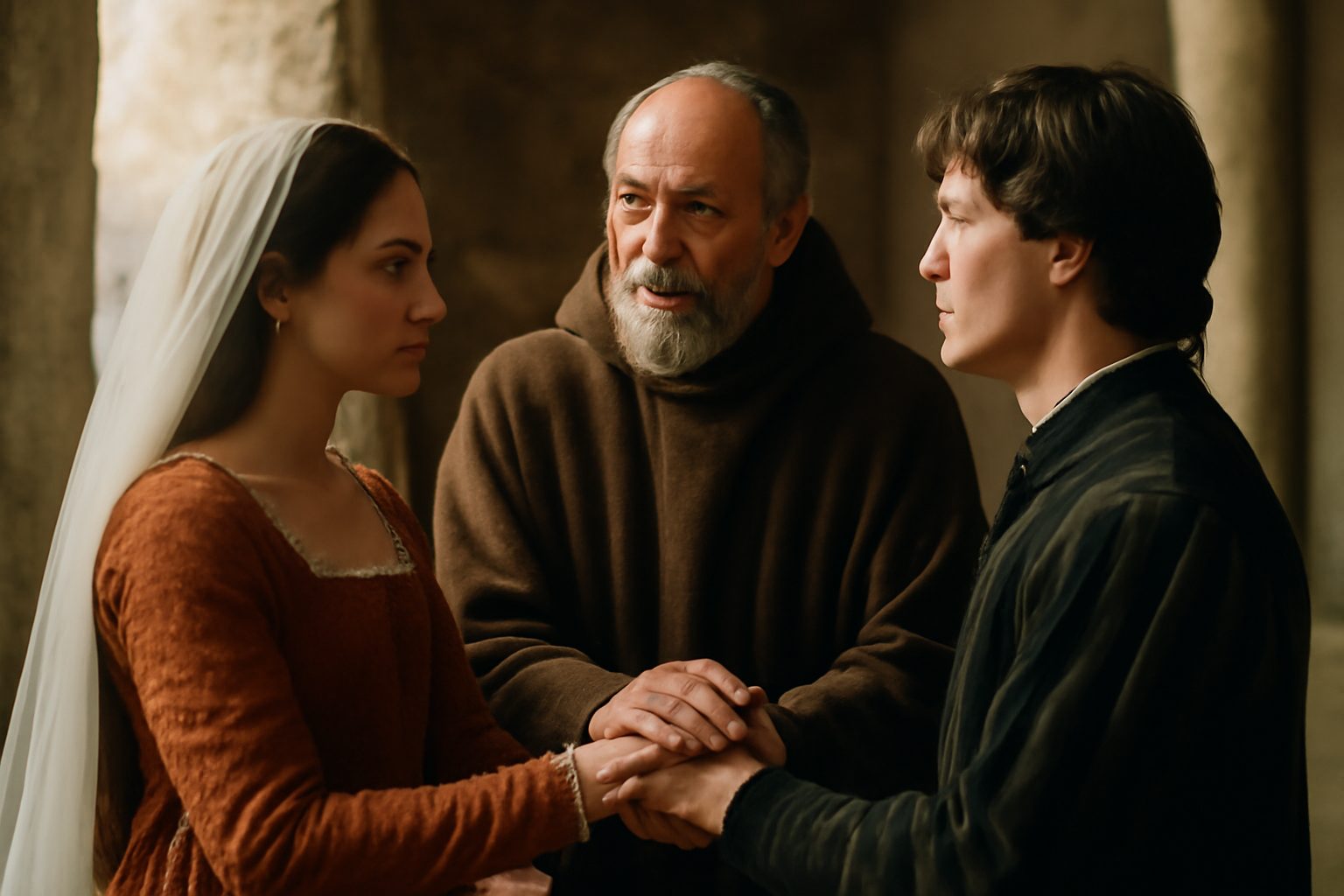
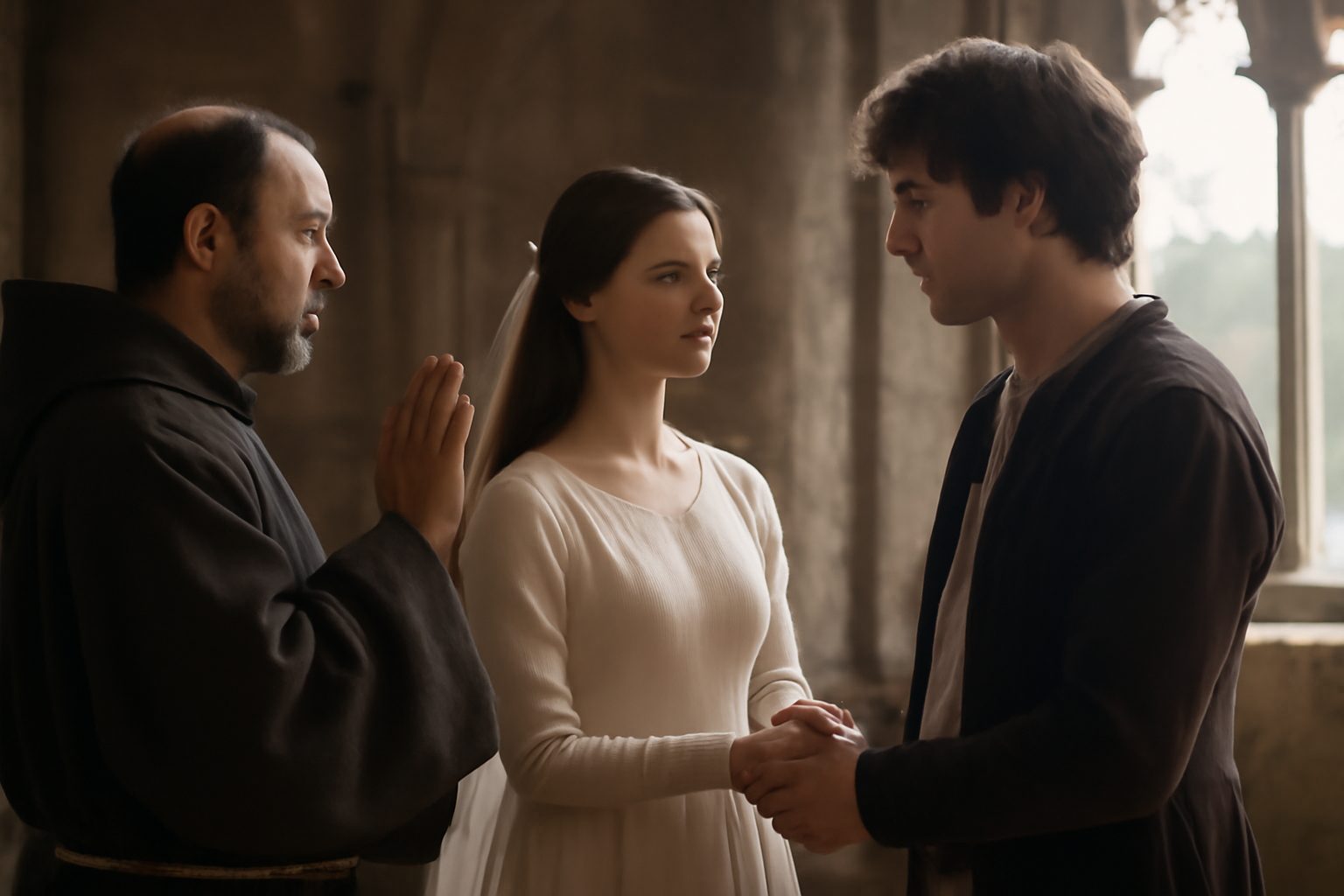
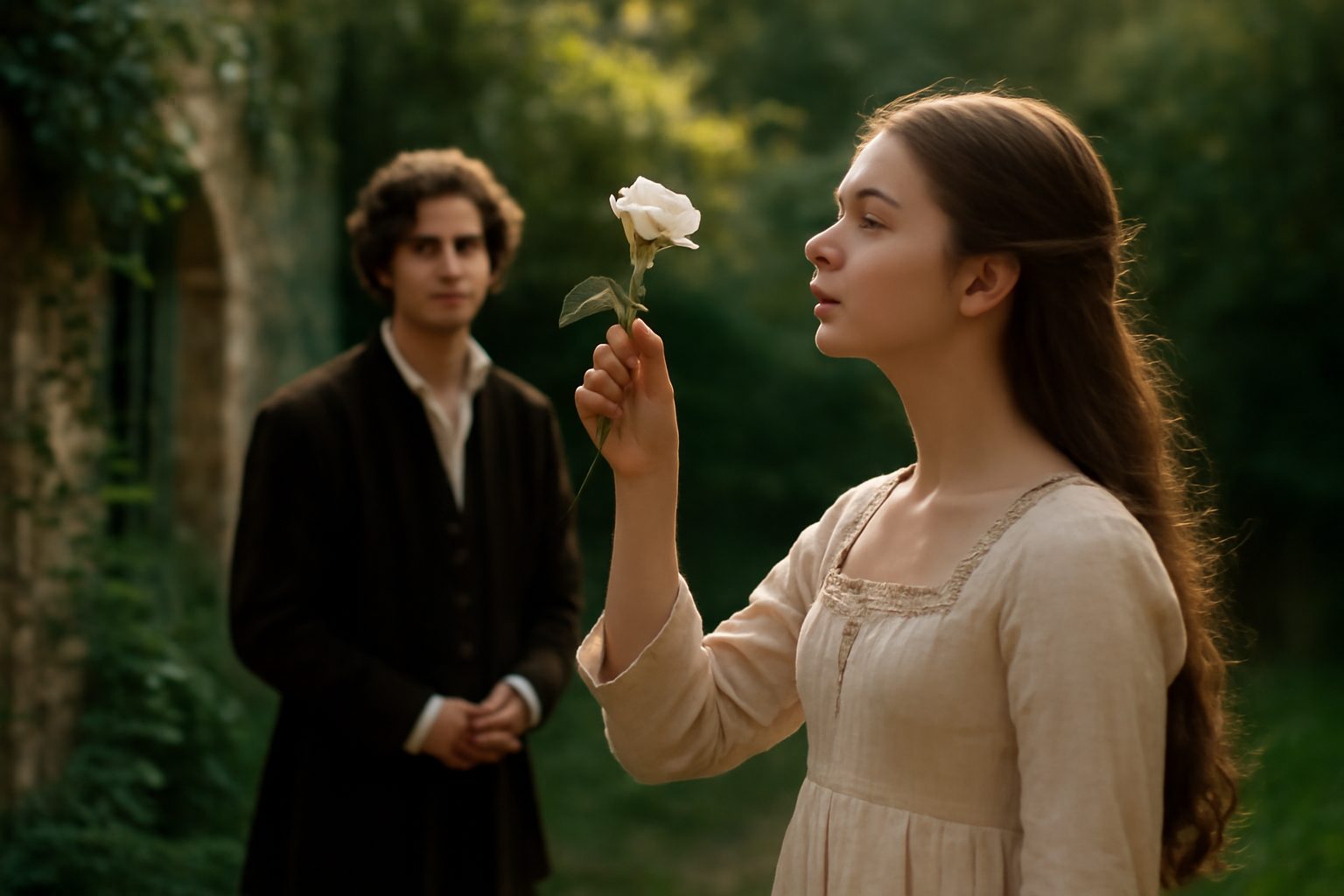
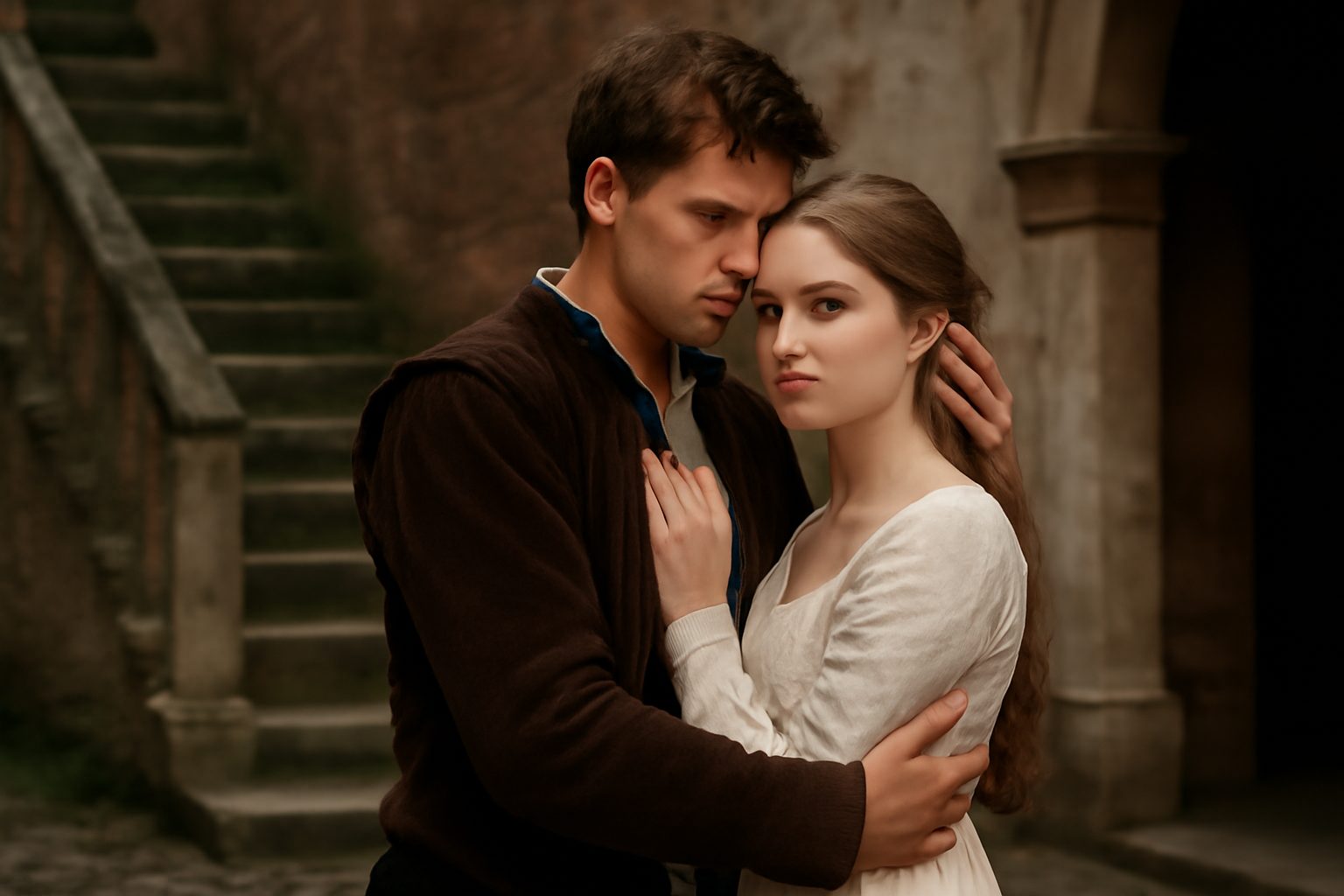
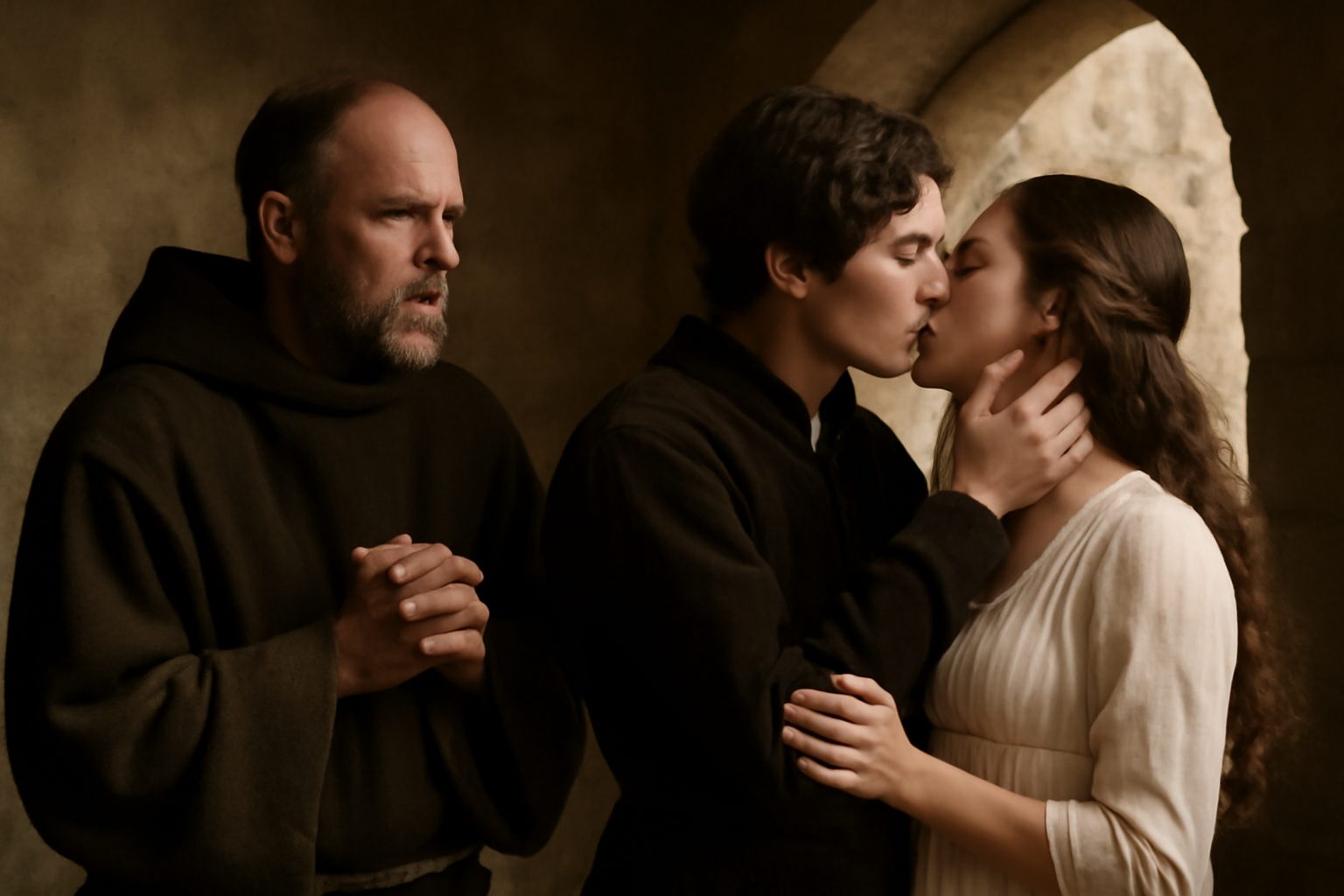
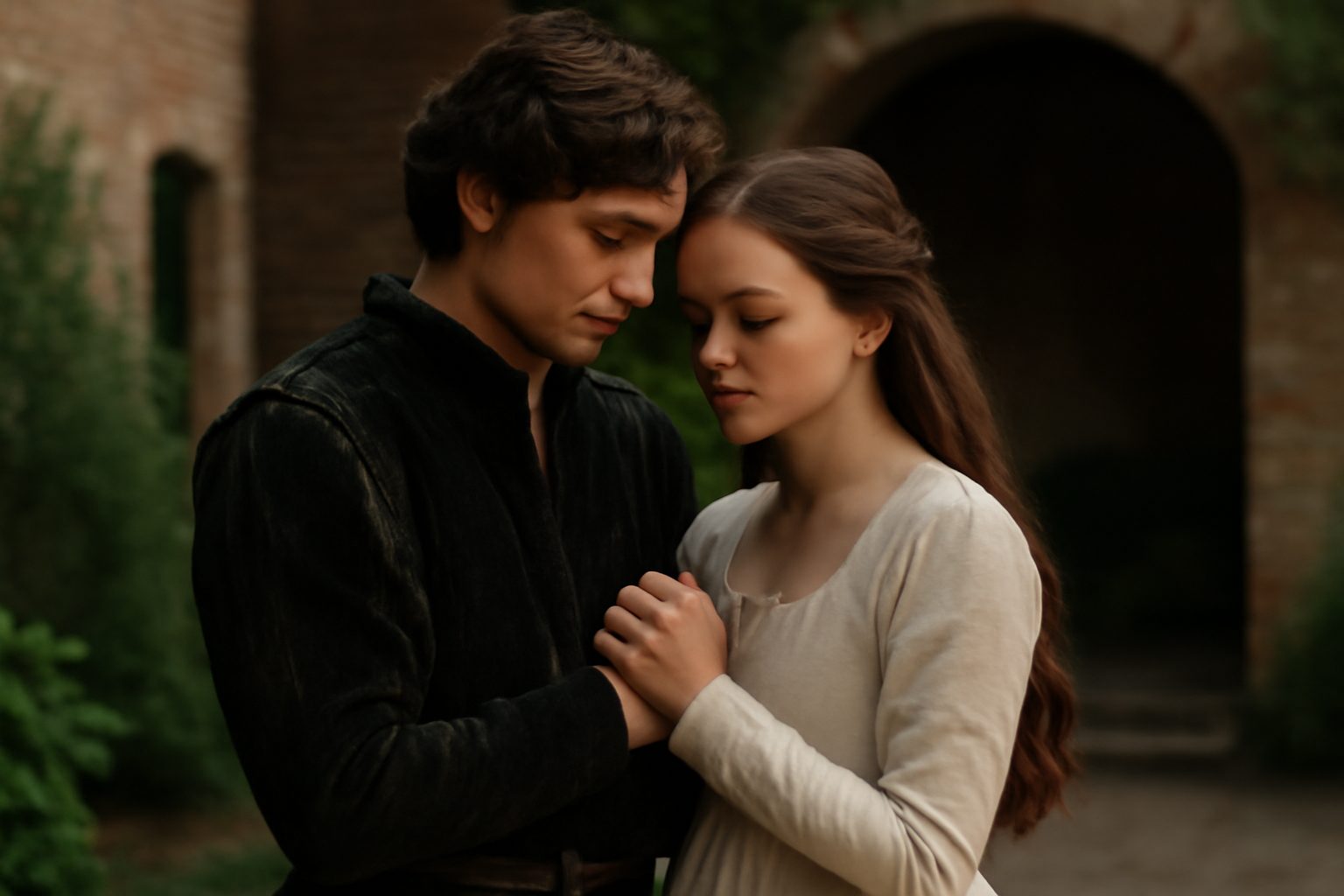
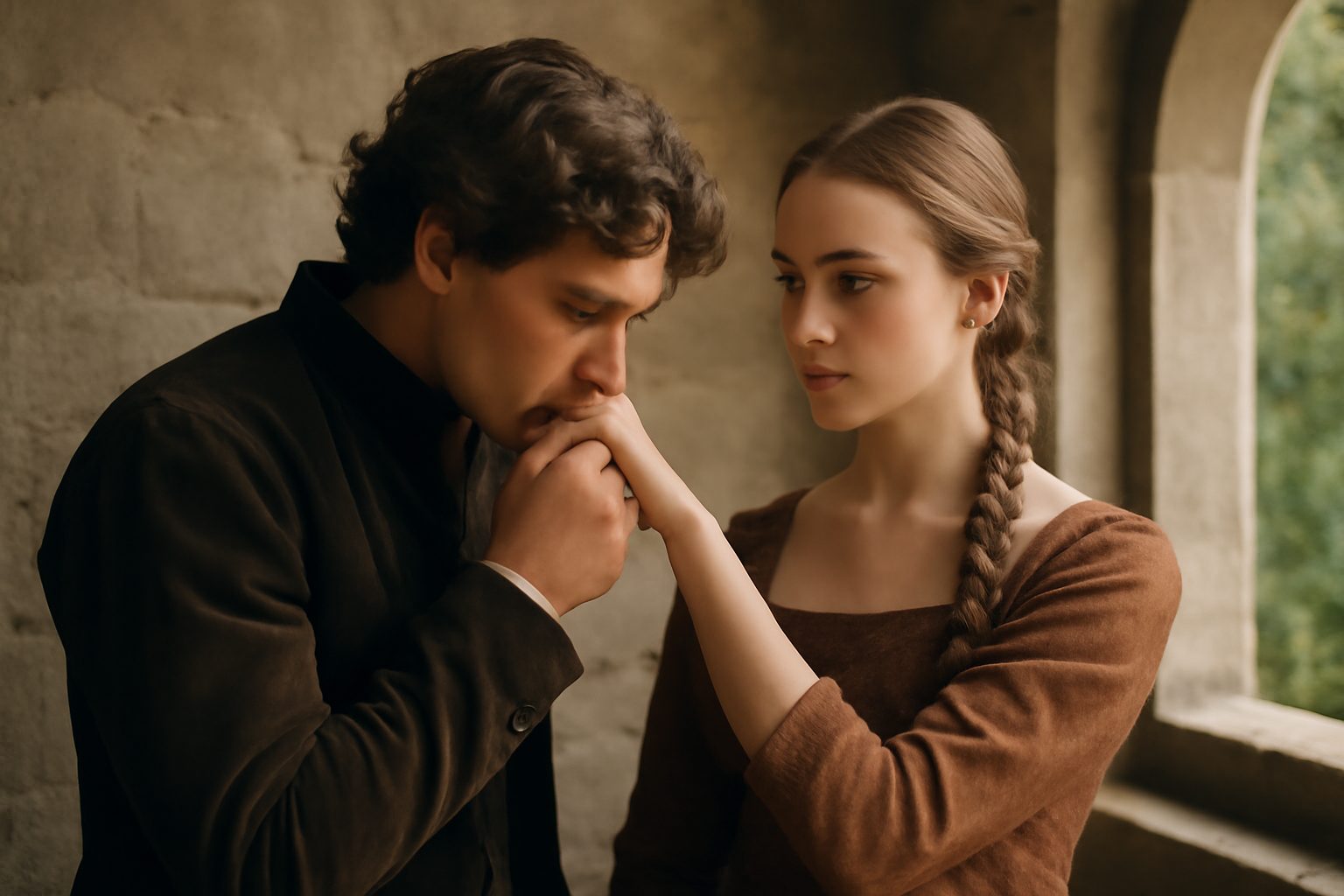
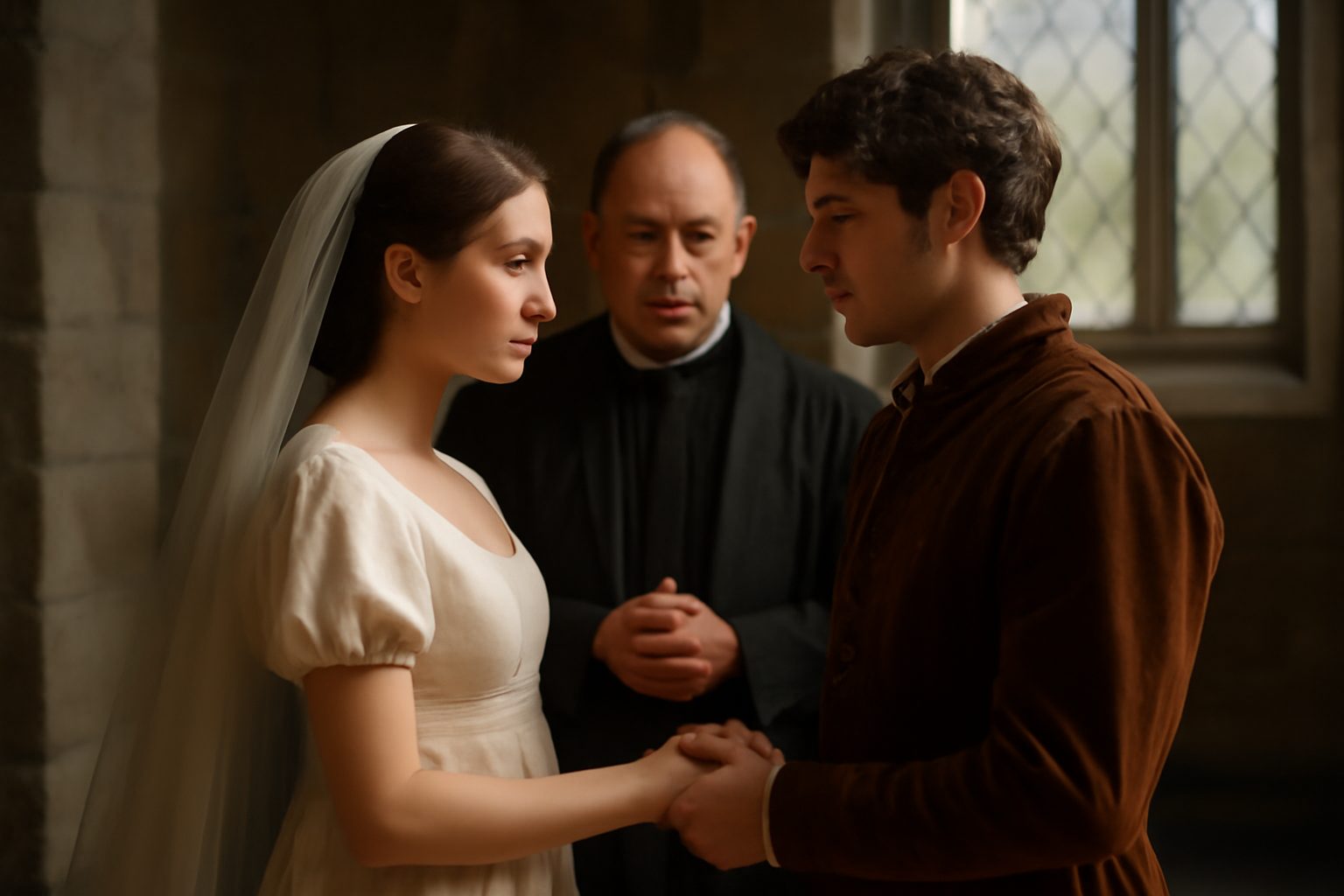
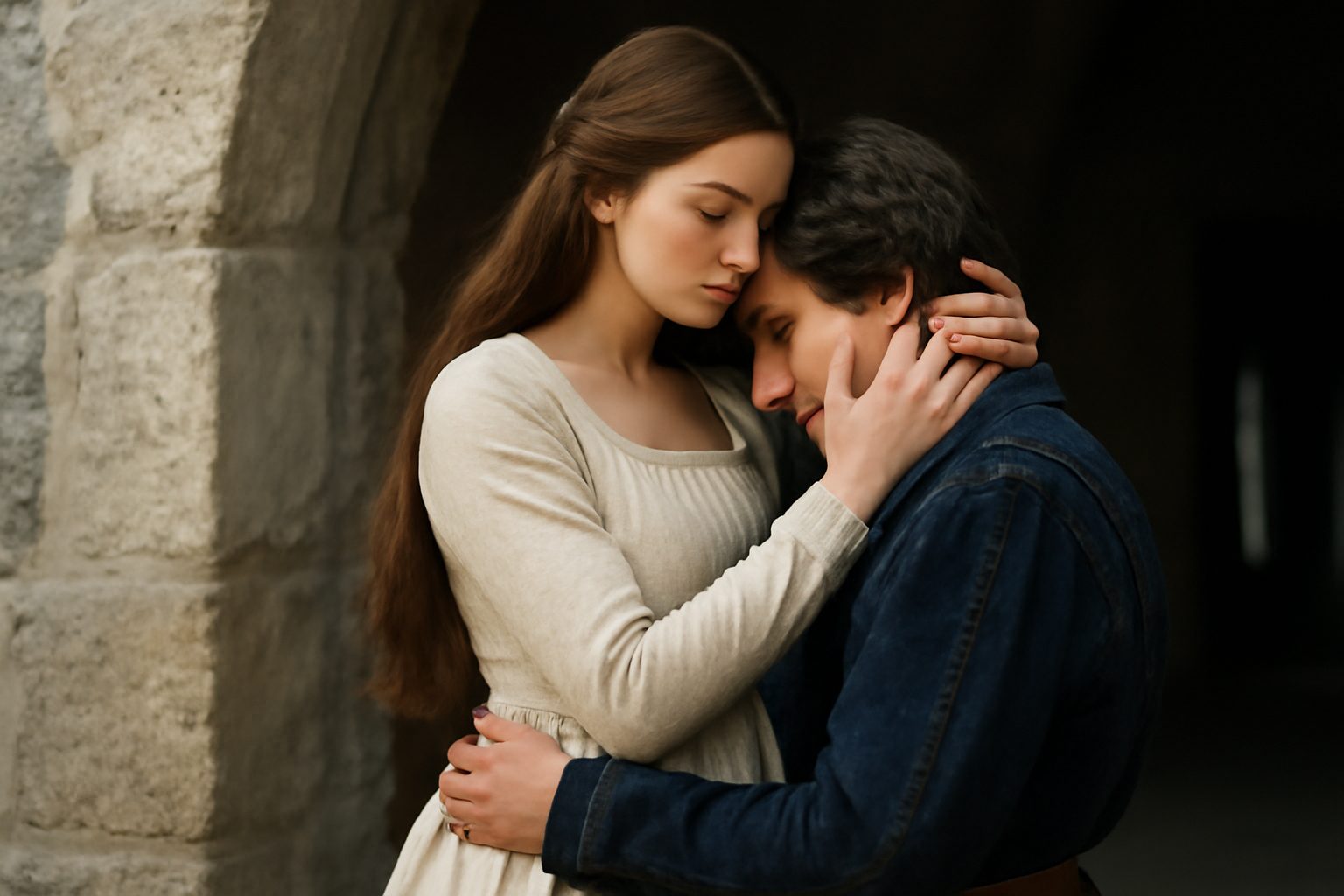
In Act 2, Scene 6 of Romeo and Juliet, Friar Laurence speaks these words as he observes Romeo's headlong rush into love. The line captures the friar's cautionary tone, suggesting that Romeo's infatuation is as fleeting as vanity itself, yet he hopes the young lovers' passion will not lead to their downfall. This moment comes just before Juliet arrives, sealing their secret marriage with a mix of hope and foreboding.
Friar Laurence: "And yet not fall; so light is vanity."
In modern day english, we would say:
Even with all this joy, I won’t lose my balance—that’s how fleeting happiness can be.
Frequently Asked Questions
What does Friar Laurence mean when he says that vanity is light?
He means that vanity, or being overly proud or focused on appearances, is insignificant and fleeting, like something that weighs very little.
Connections to other verses:
Connections to "And yet not fall; so light is vanity."
The line "And yet not fall; so light is vanity." speaks to the fleeting, insubstantial nature of worldly pleasures and human pride. This theme of lightness and fragility is echoed in other parts of the scene, particularly in Romeo's description of Juliet's entrance: Here comes the lady: O, so light a foot, where her delicate presence is emphasized, reinforcing the idea of something beautiful yet ephemeral.
Contrast with Friar Laurence's Warnings
Friar Laurence's cautionary words provide a stark contrast to the lightness described. In These violent delights have violent ends, he warns of the dangers of intense passion, suggesting that what seems light and joyful can lead to heavy consequences. Similarly, Therefore love moderately; long love doth so advises restraint, implicitly criticizing the vanity of rushing into love without foresight.
Symbolism of Delicate Imagery
The imagery of delicacy and fragility is further explored in Romeo's earlier line: A lover may bestride the gossamer, which uses the metaphor of a spider's web to illustrate how love can make one feel weightless and invincible, yet vulnerable—a direct parallel to the idea of vanity being "light" and precarious.
Connection to Consuming Passion
The theme of consuming passion, which ties into the transient nature of joy, is evident in And in their triumph die, like fire and powder. This line suggests that intense emotions can destroy themselves in their climax, much like vanity—light and showy—can lead to a fall if not tempered with wisdom.
Juxtaposition with Enduring Love
Finally, the notion of vanity's lightness is juxtaposed with the idea of lasting value in They are but beggars that can count their worth, implying that true richness lies beyond mere surface appearances, critiquing the superficiality that "vanity" represents.