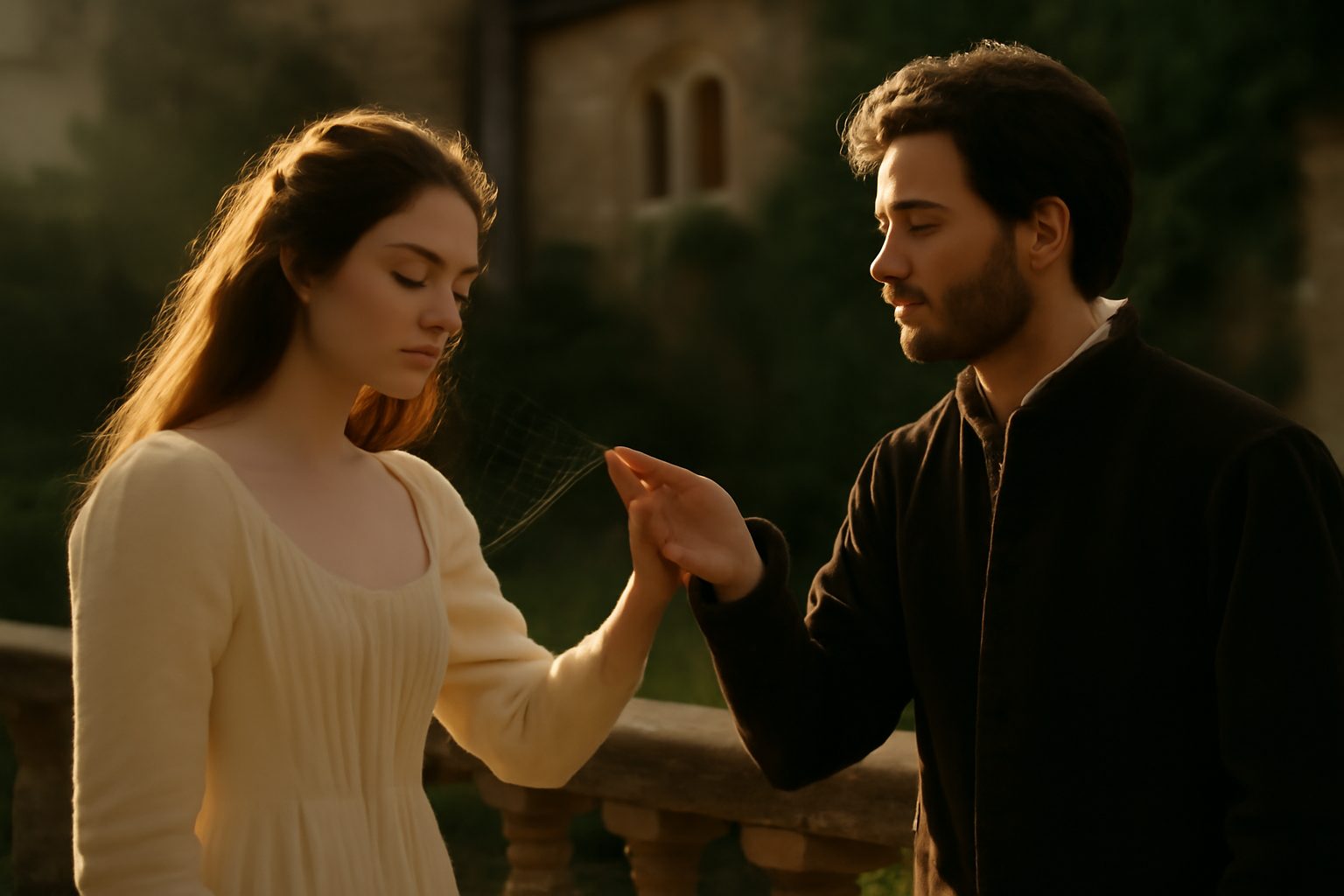
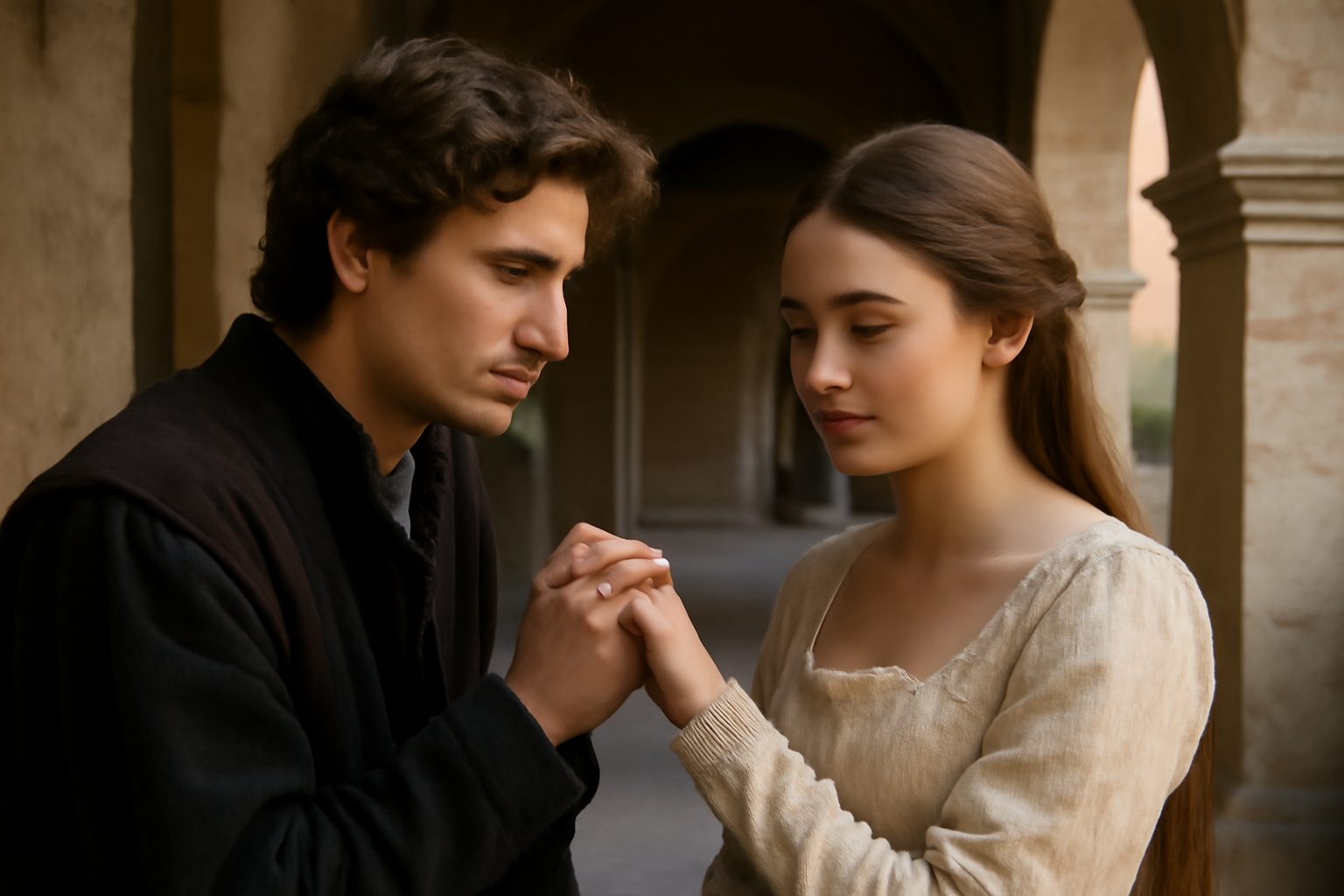
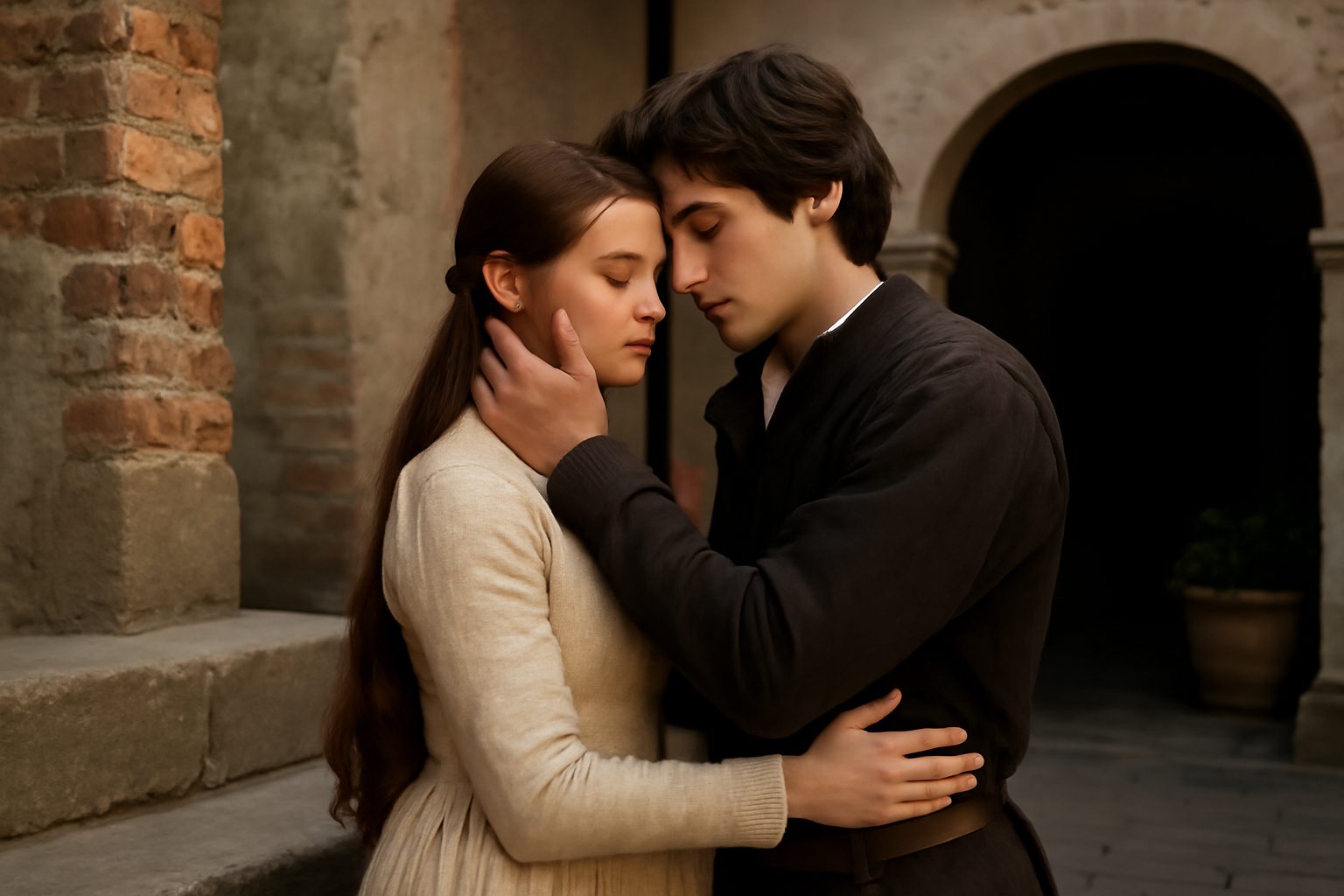
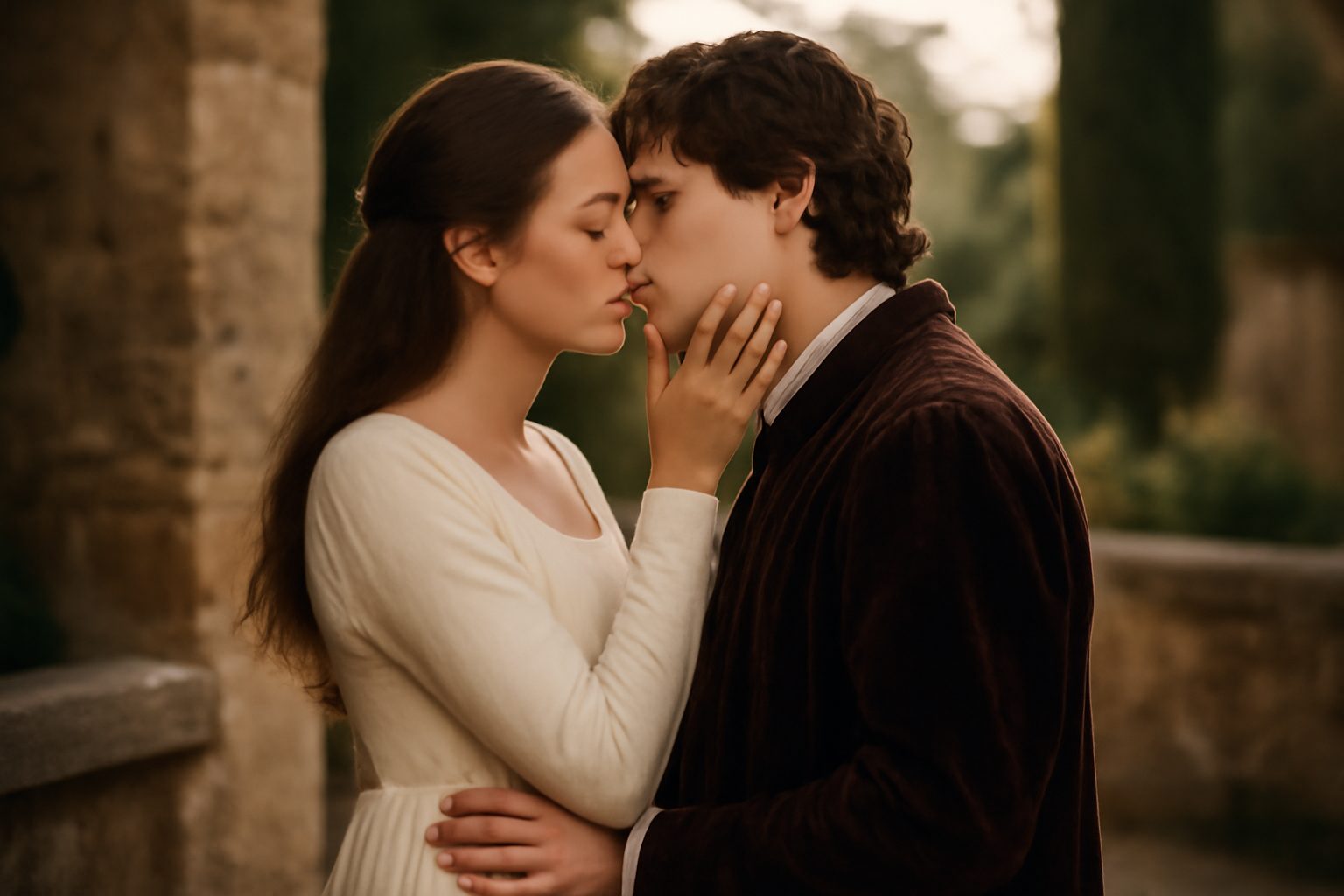
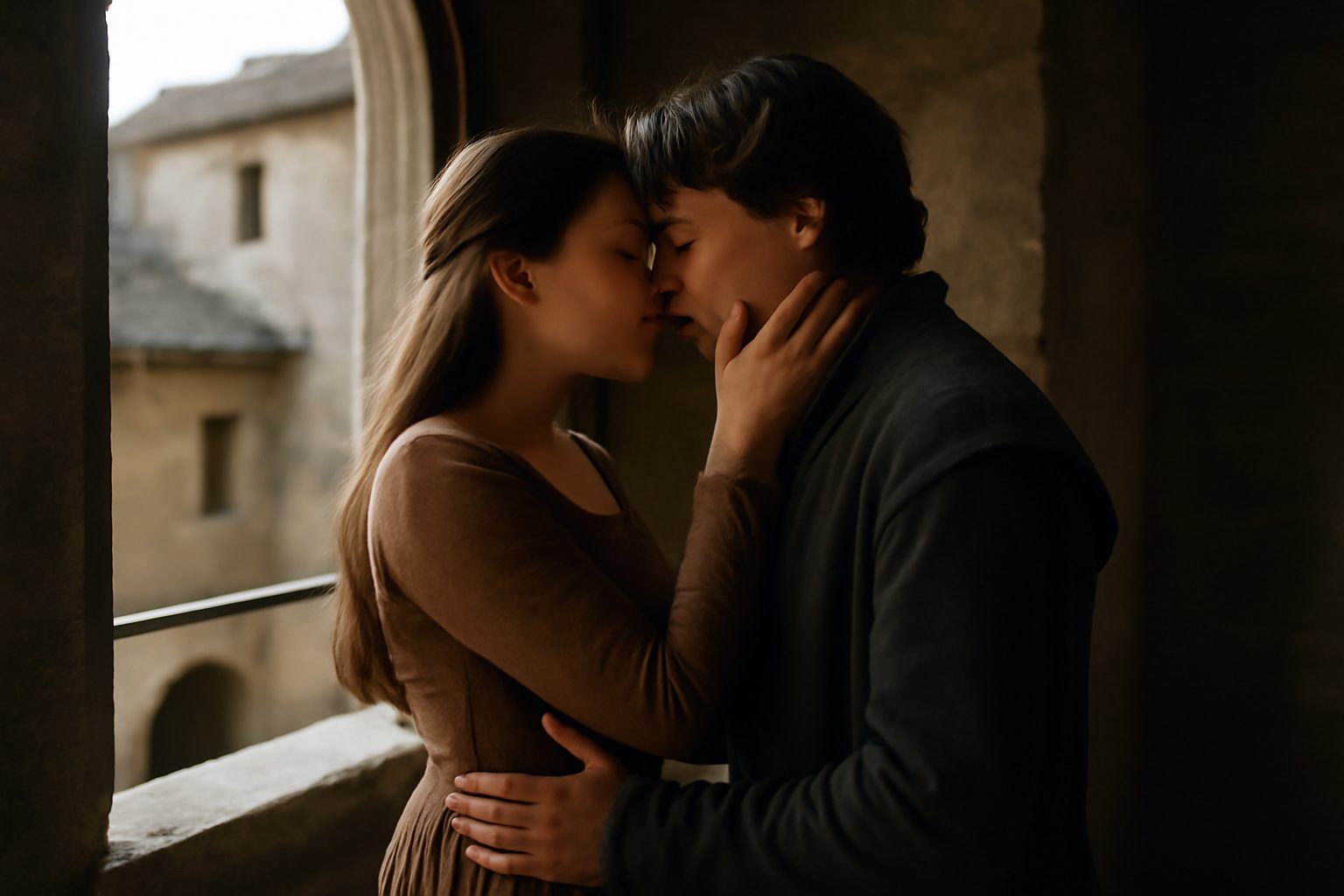
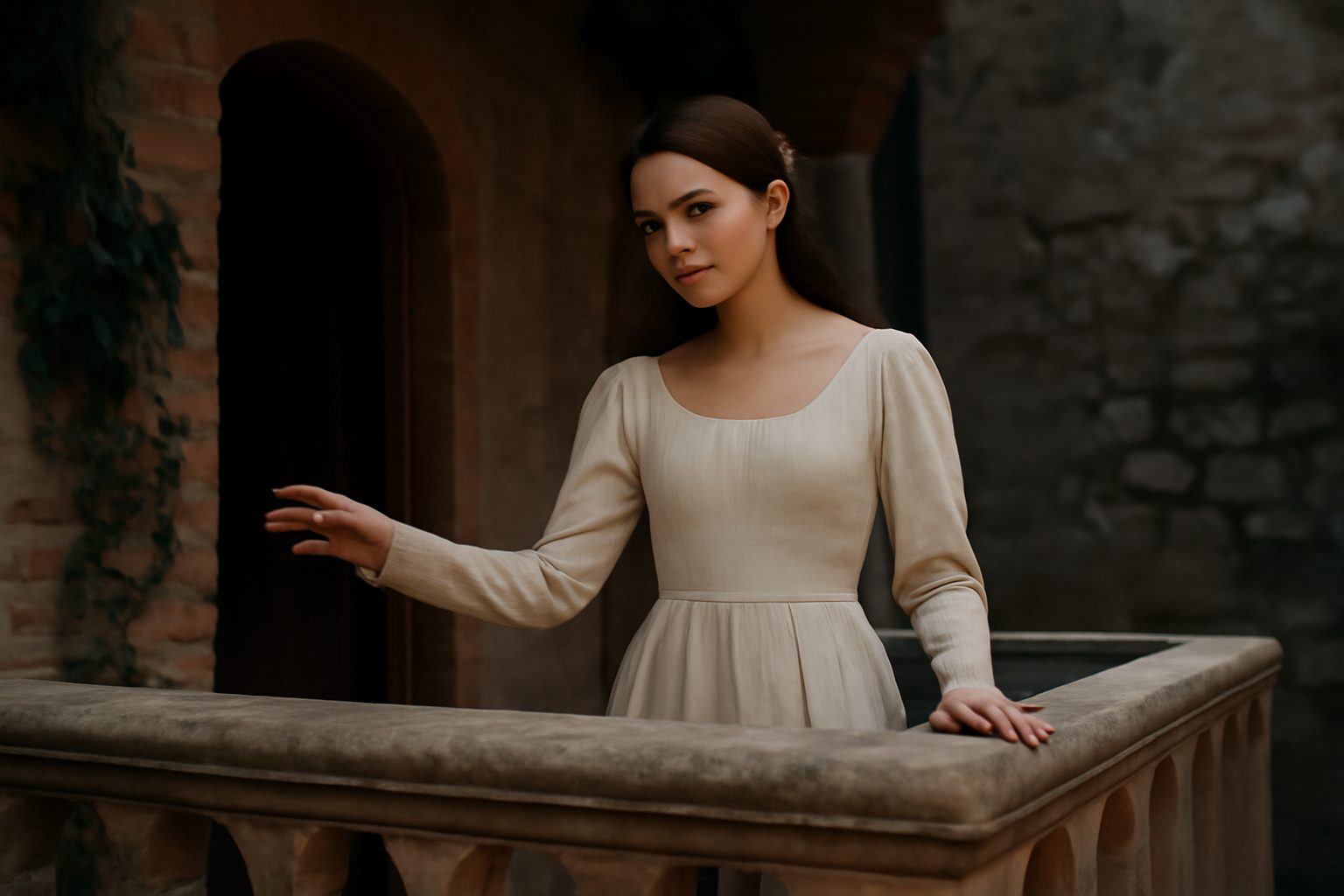
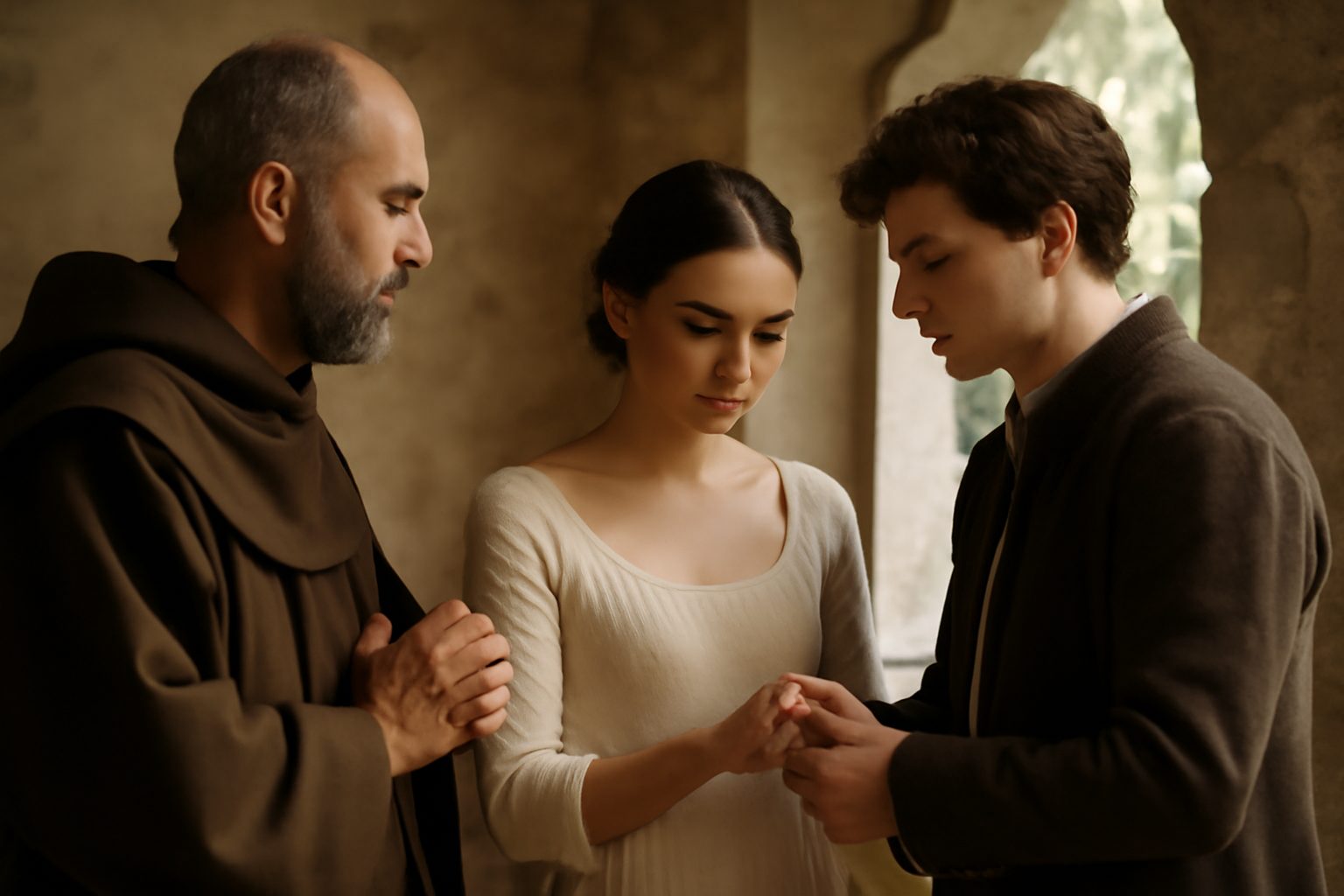
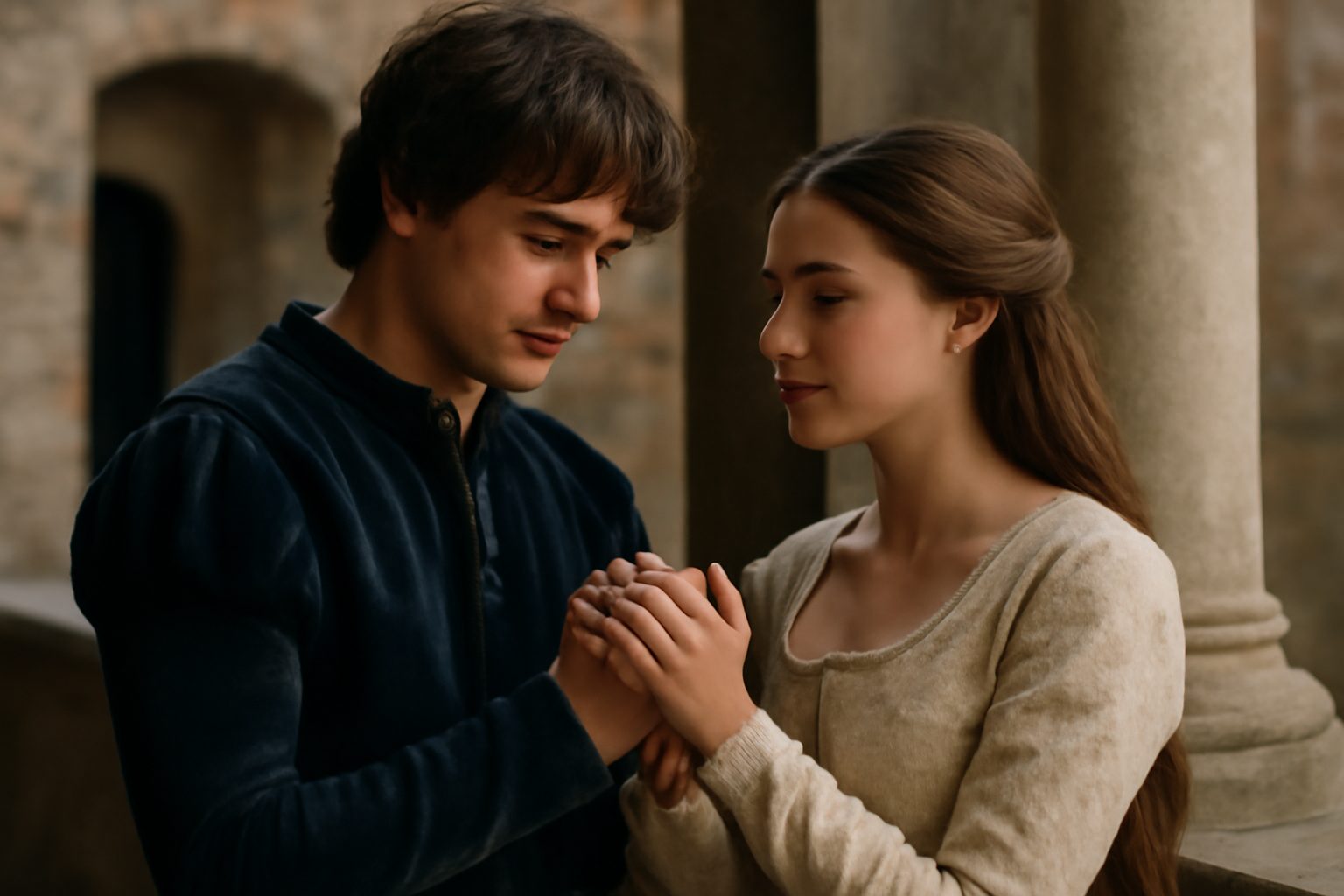
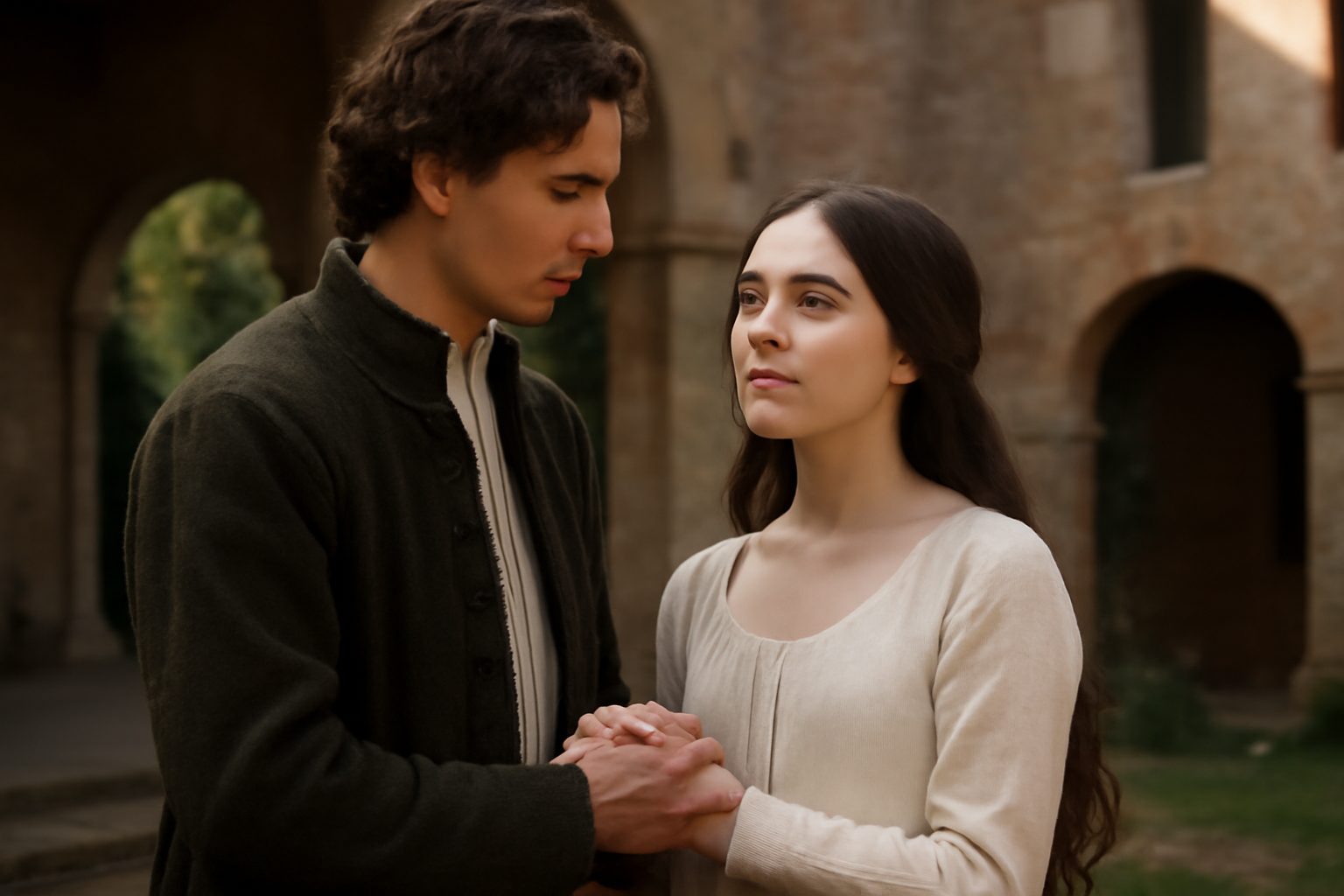
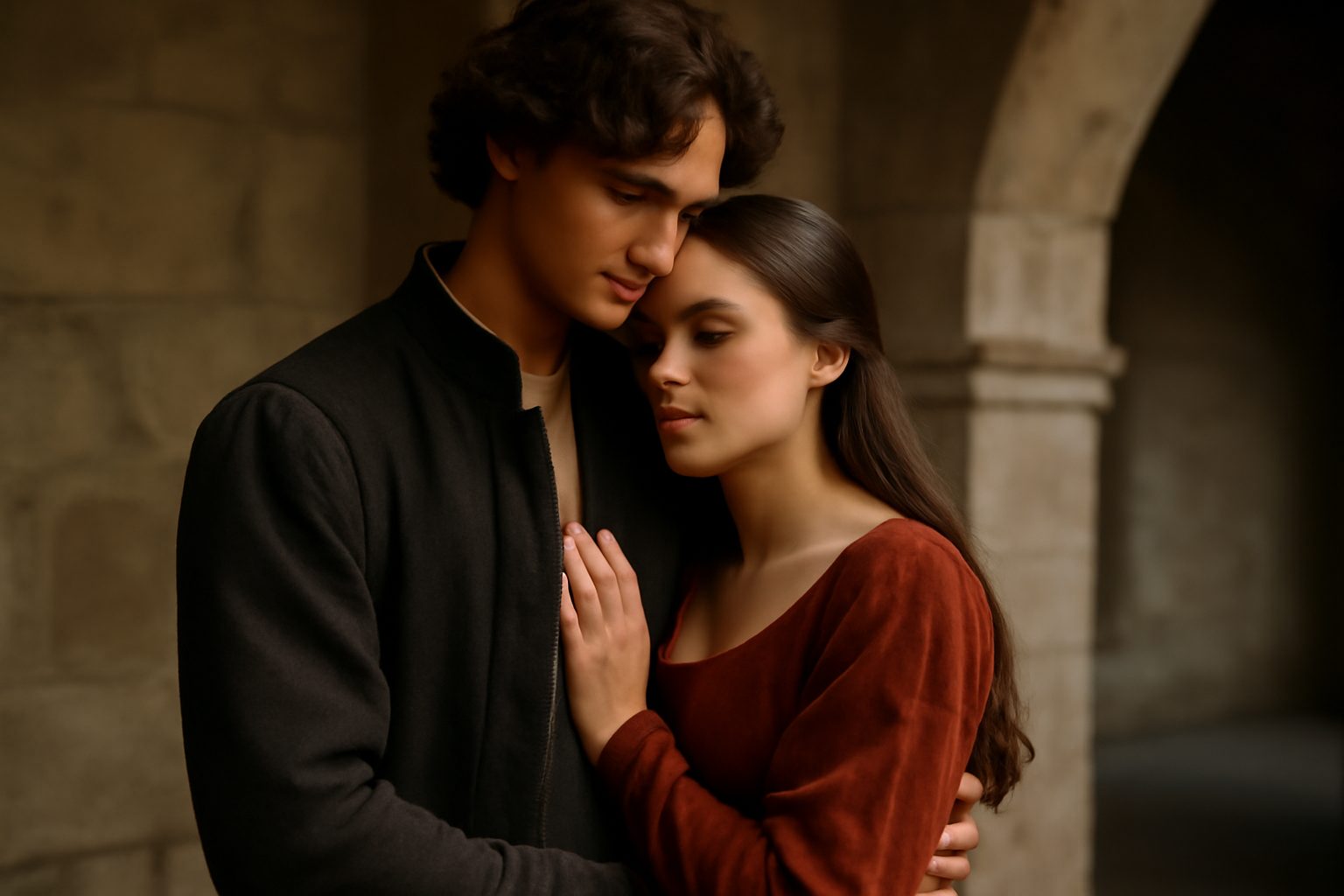
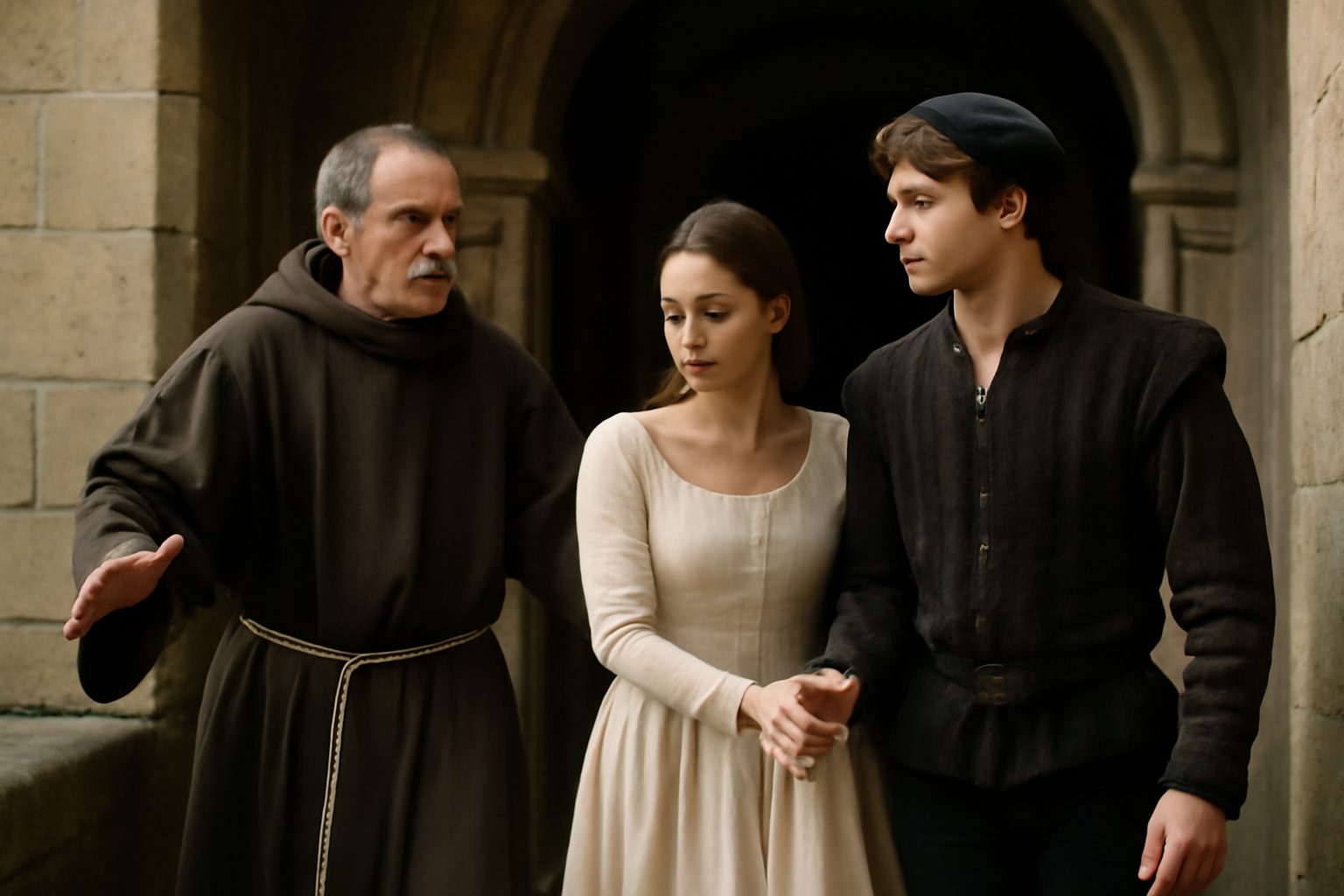
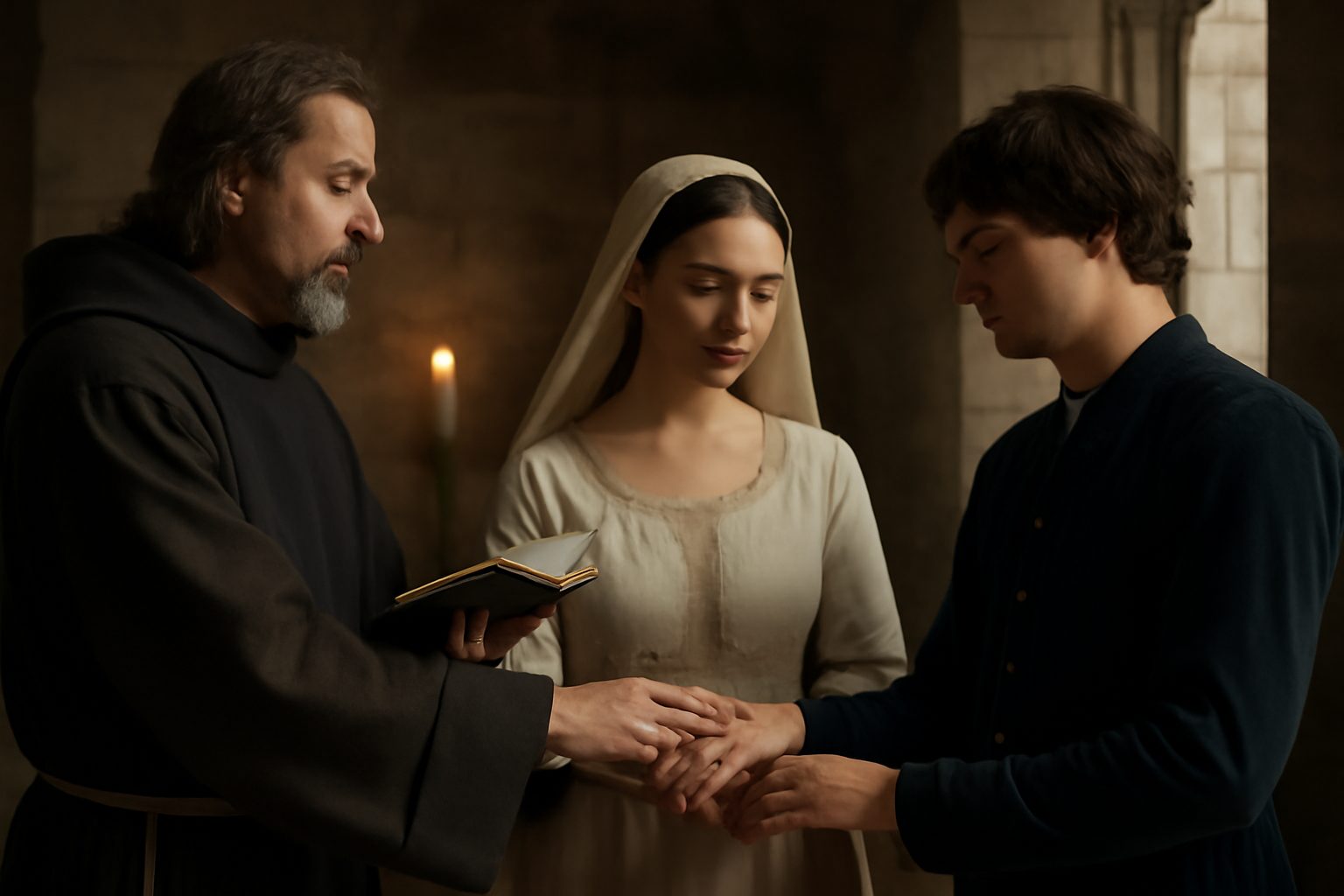
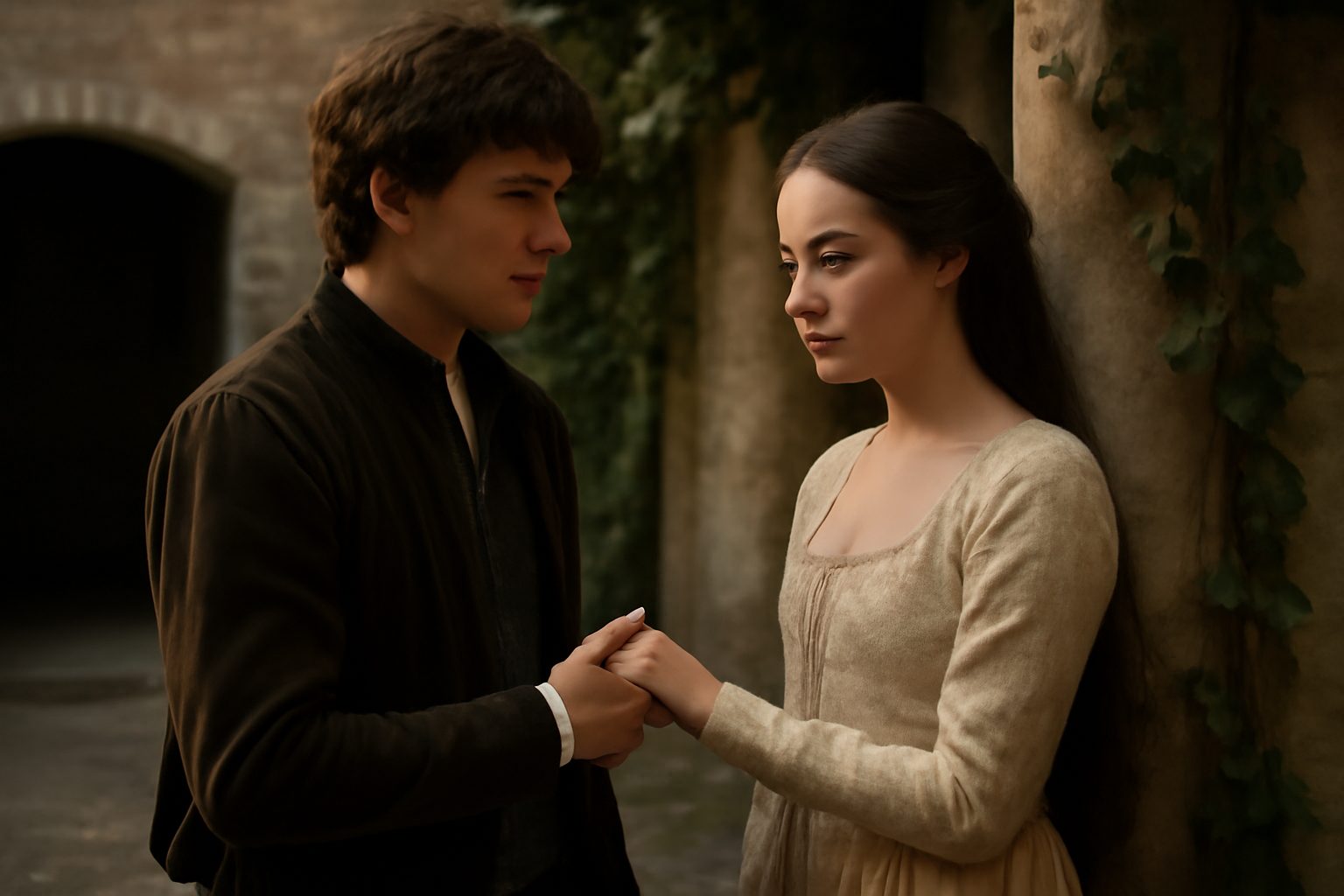
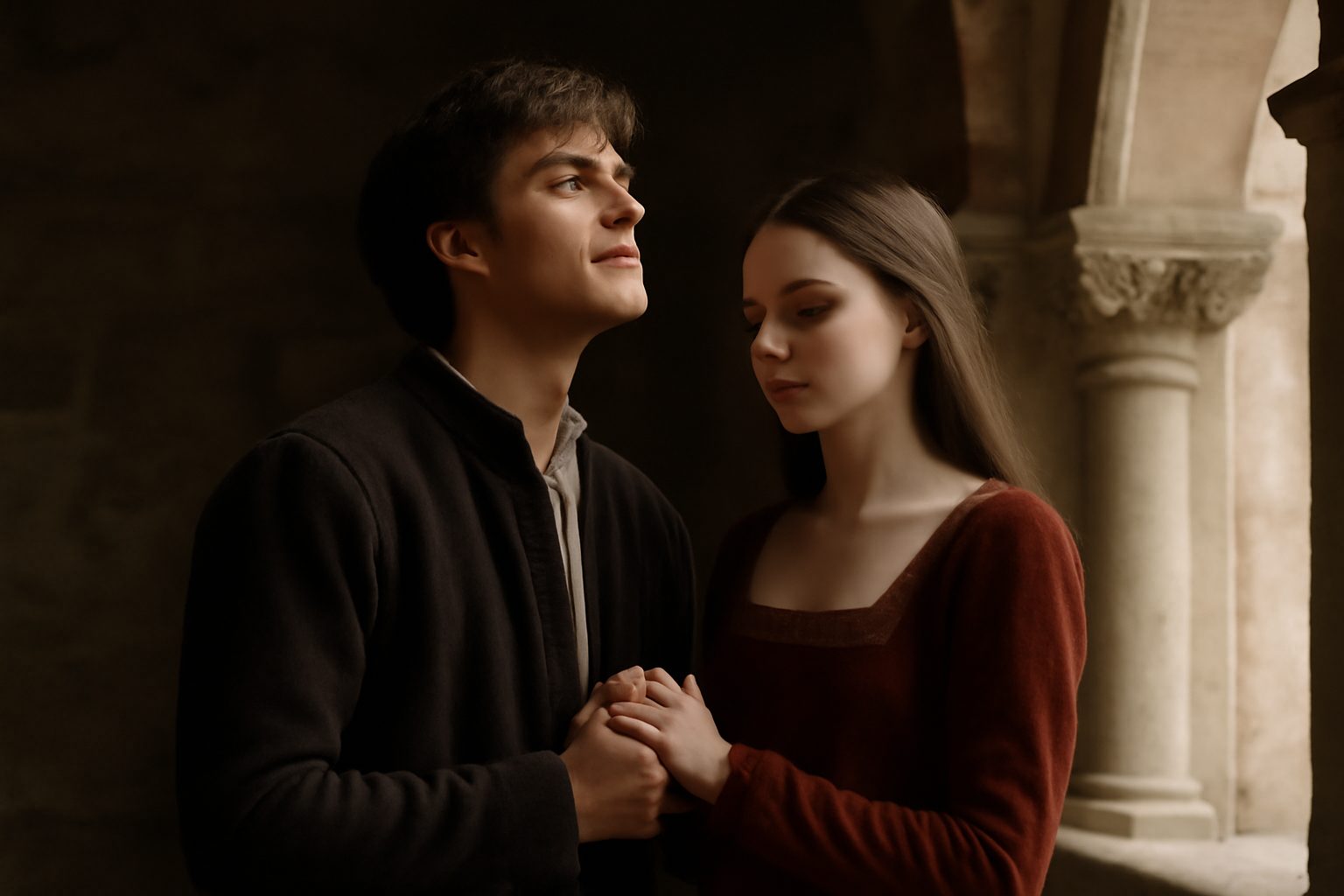
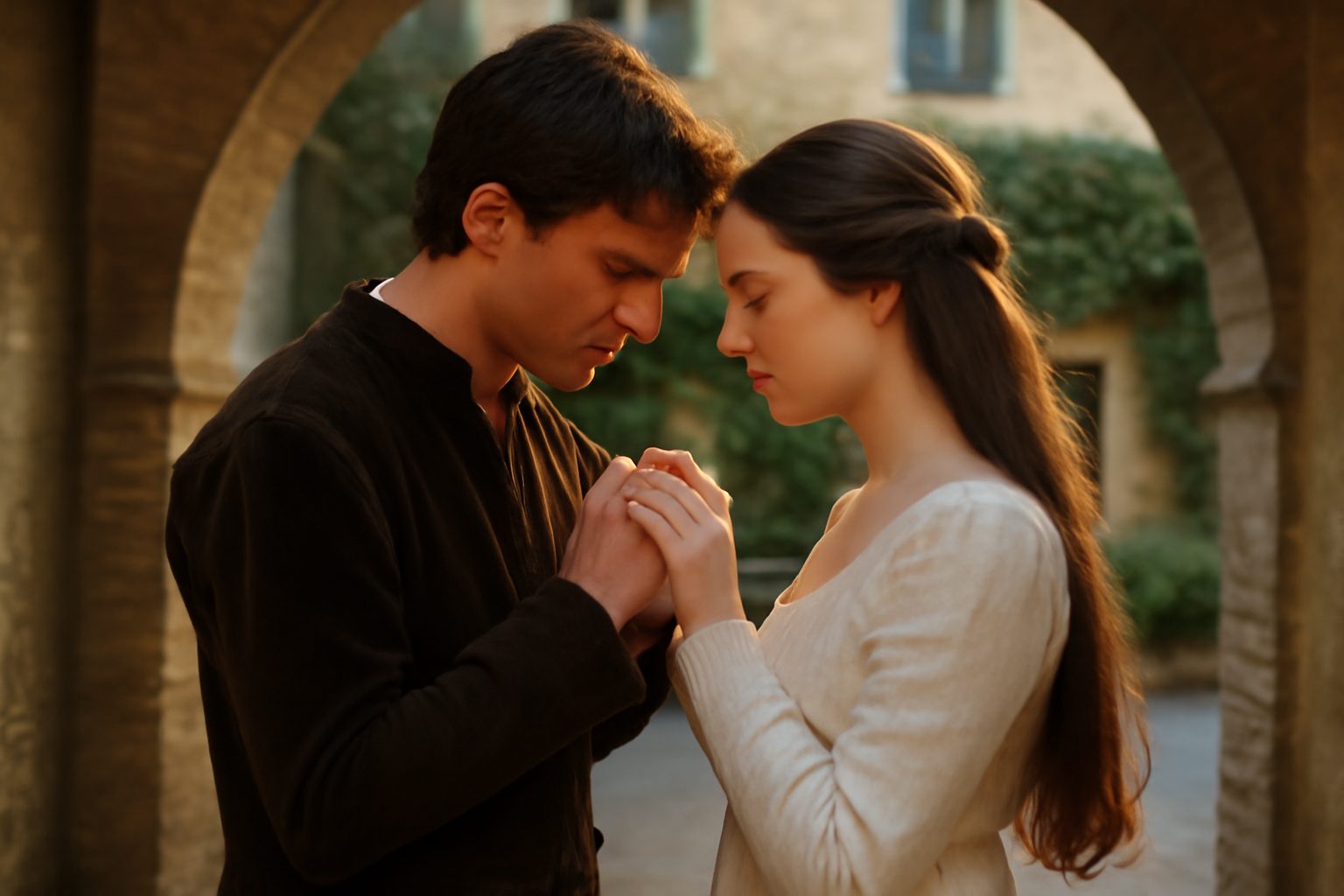
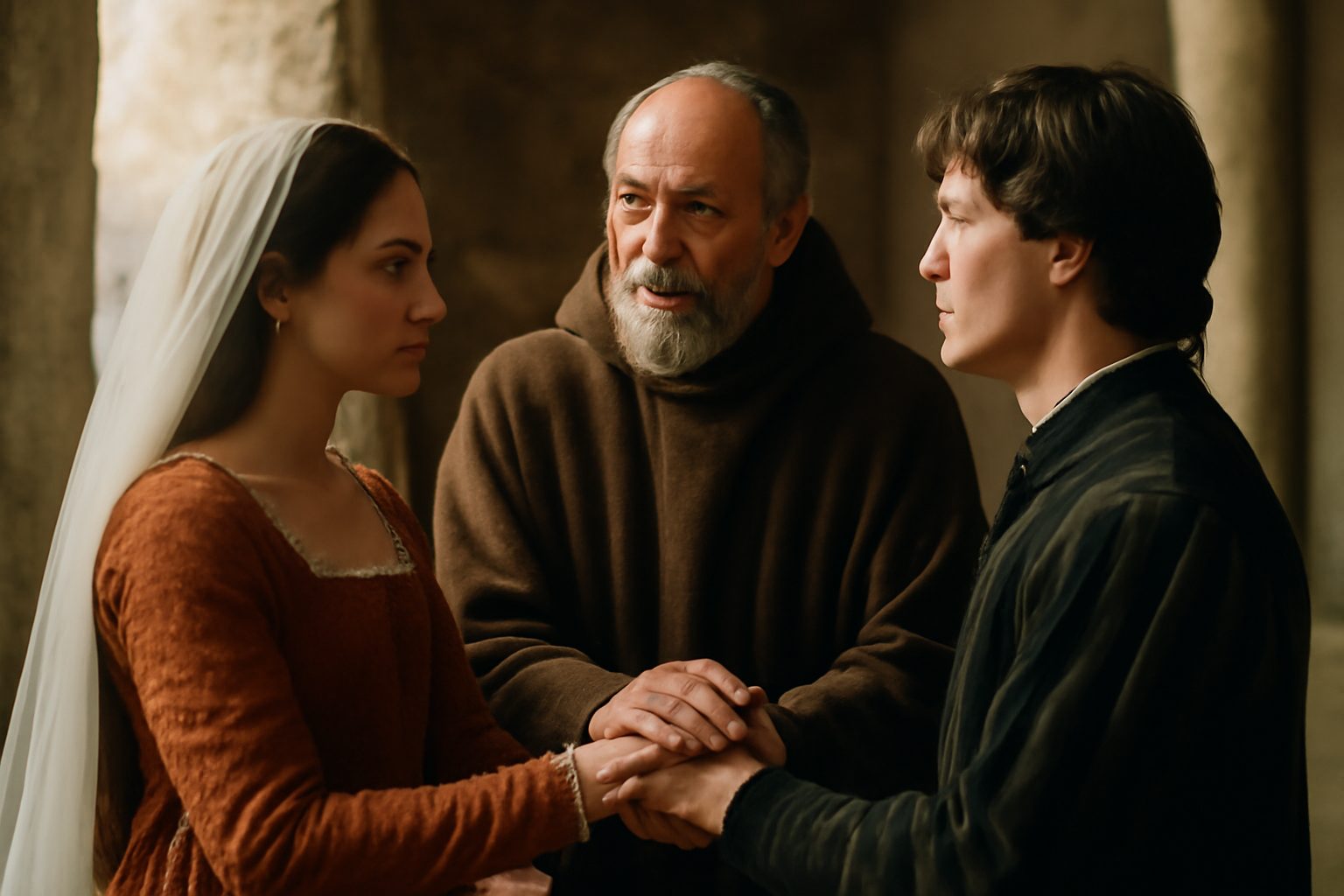
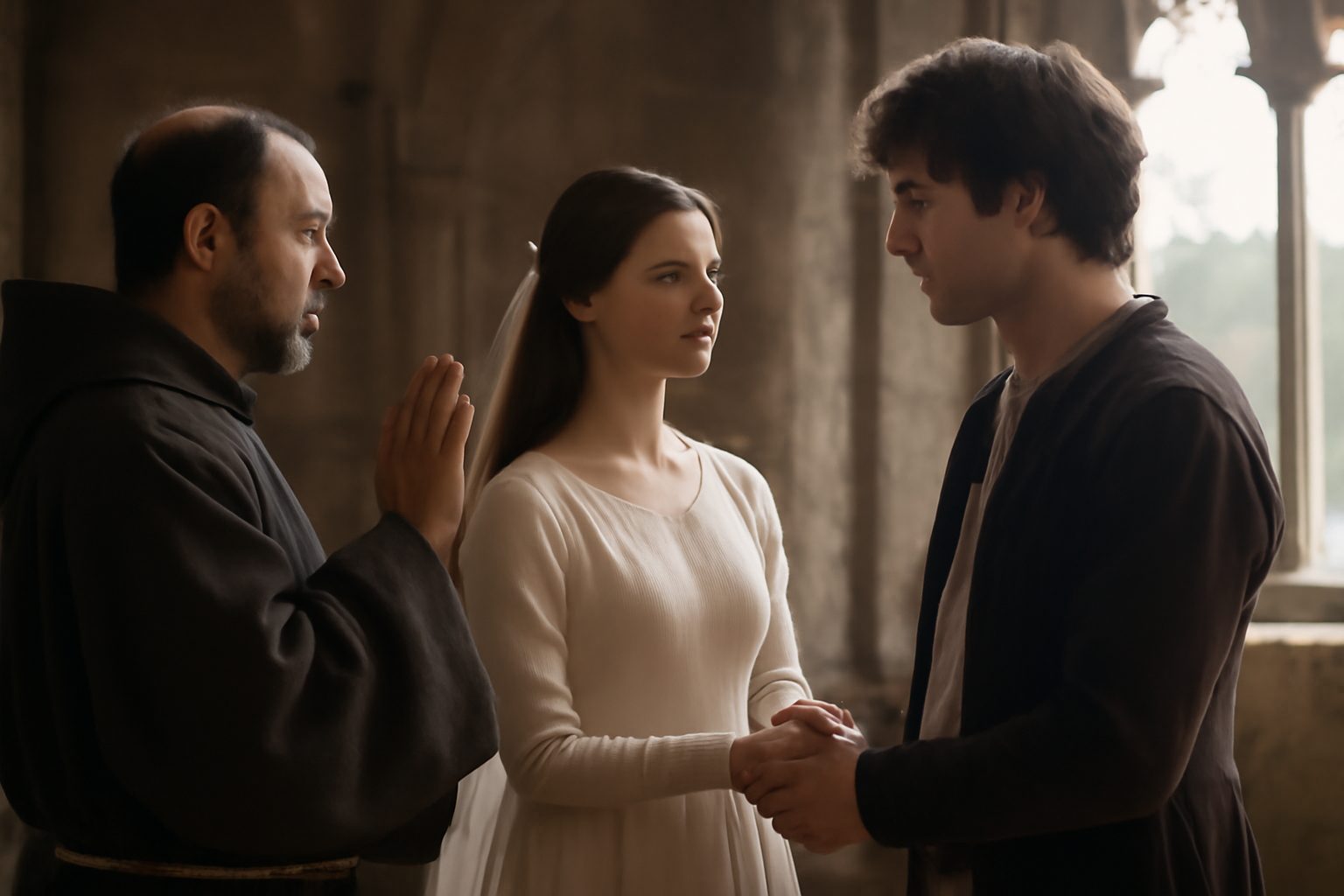
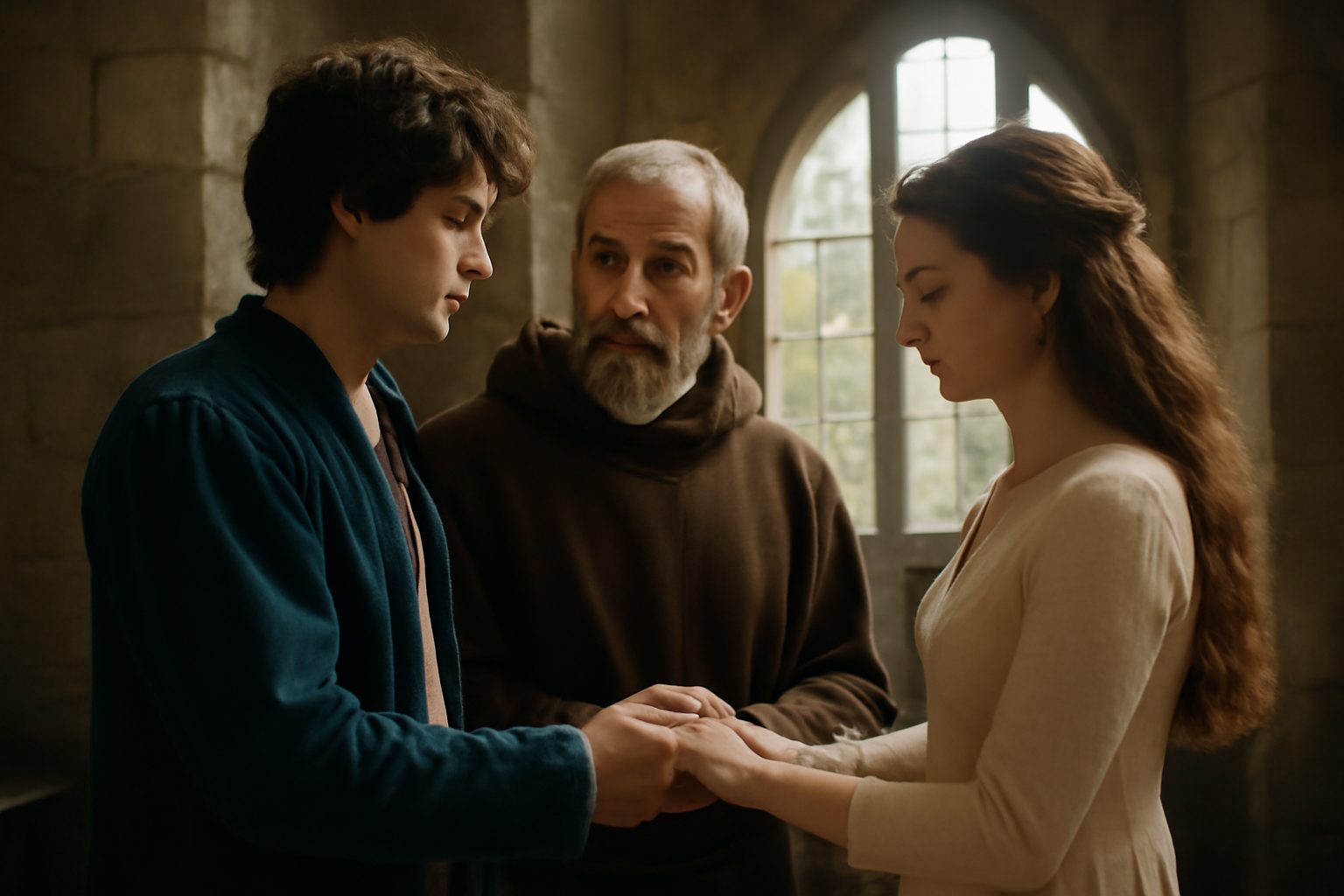
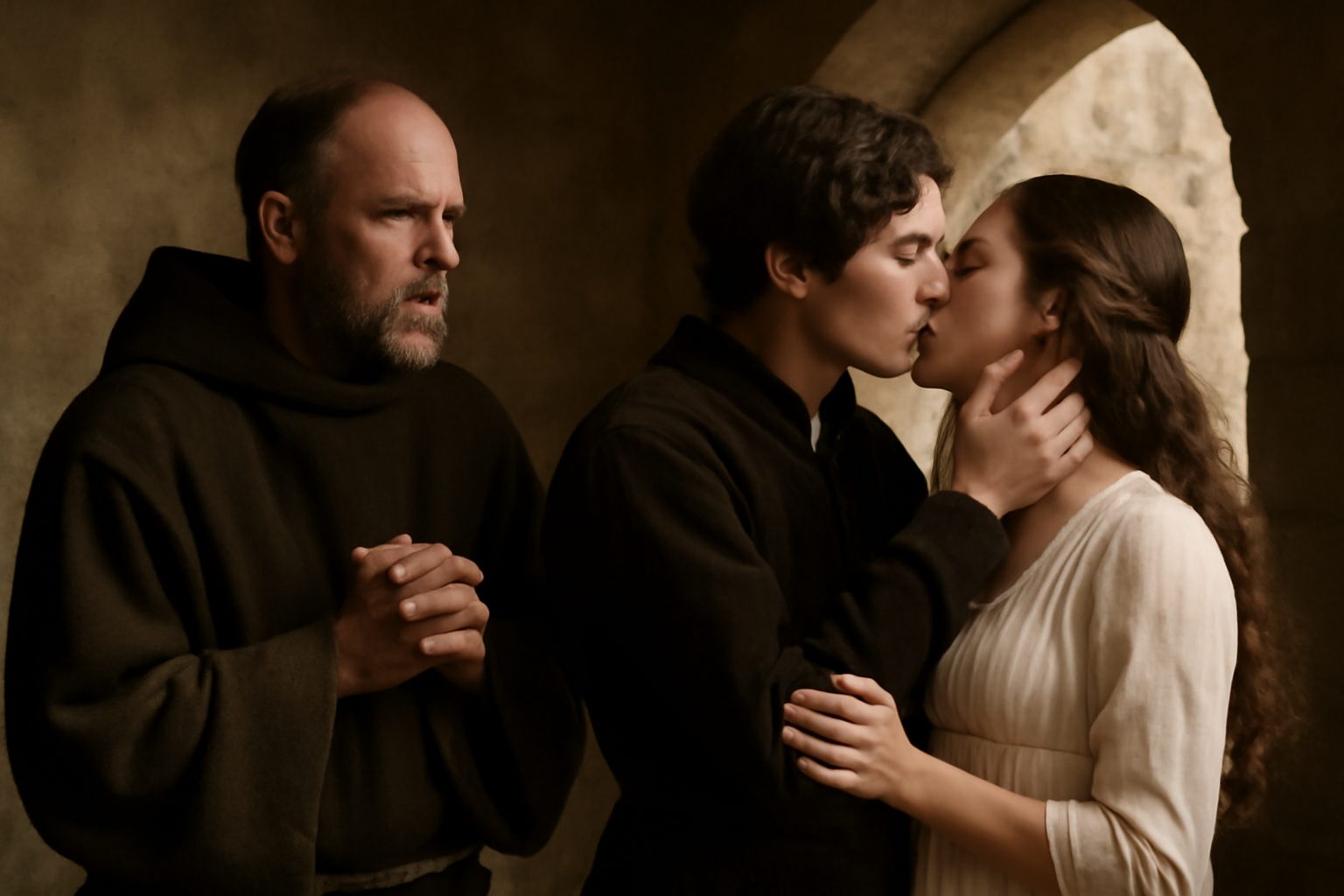
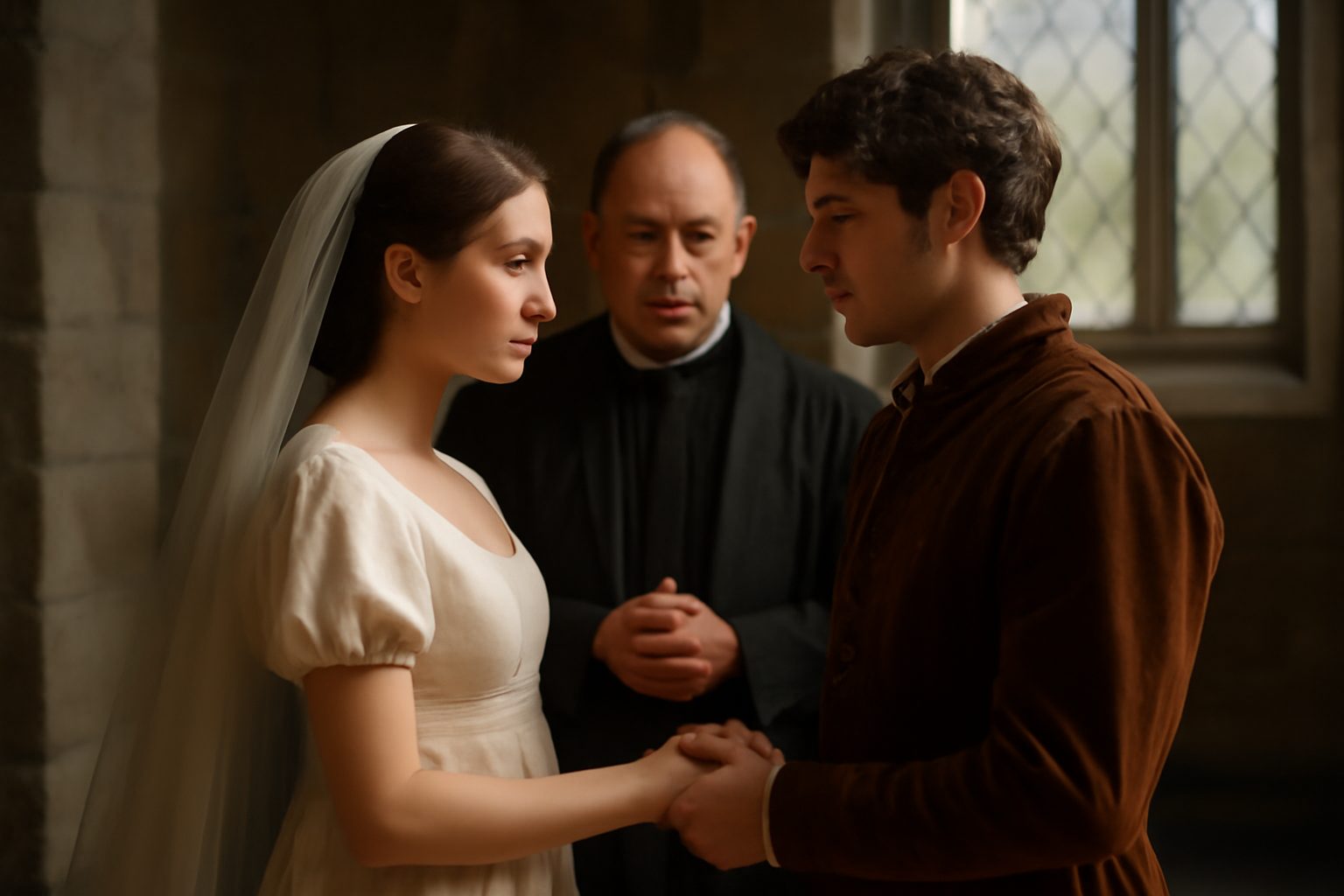
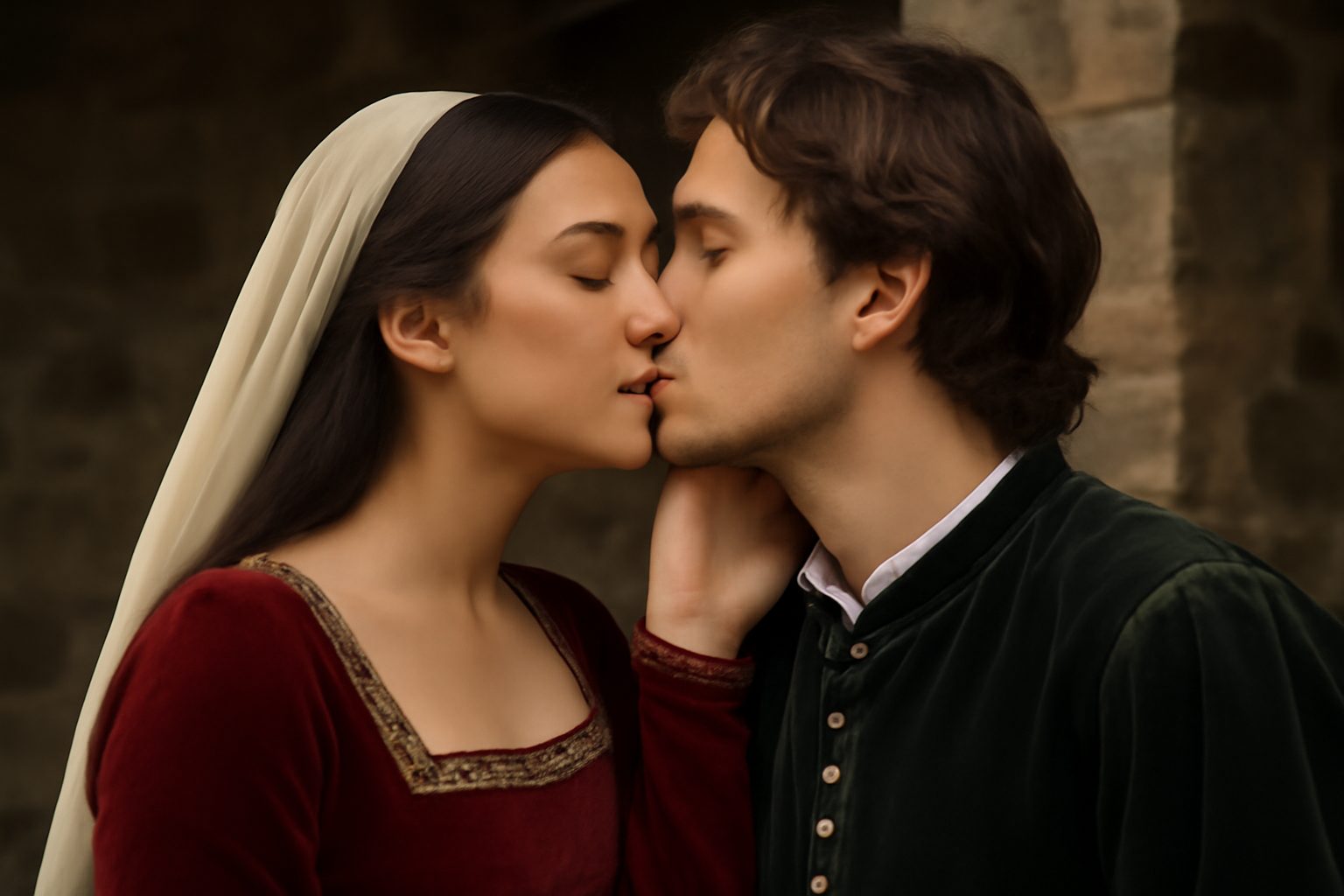
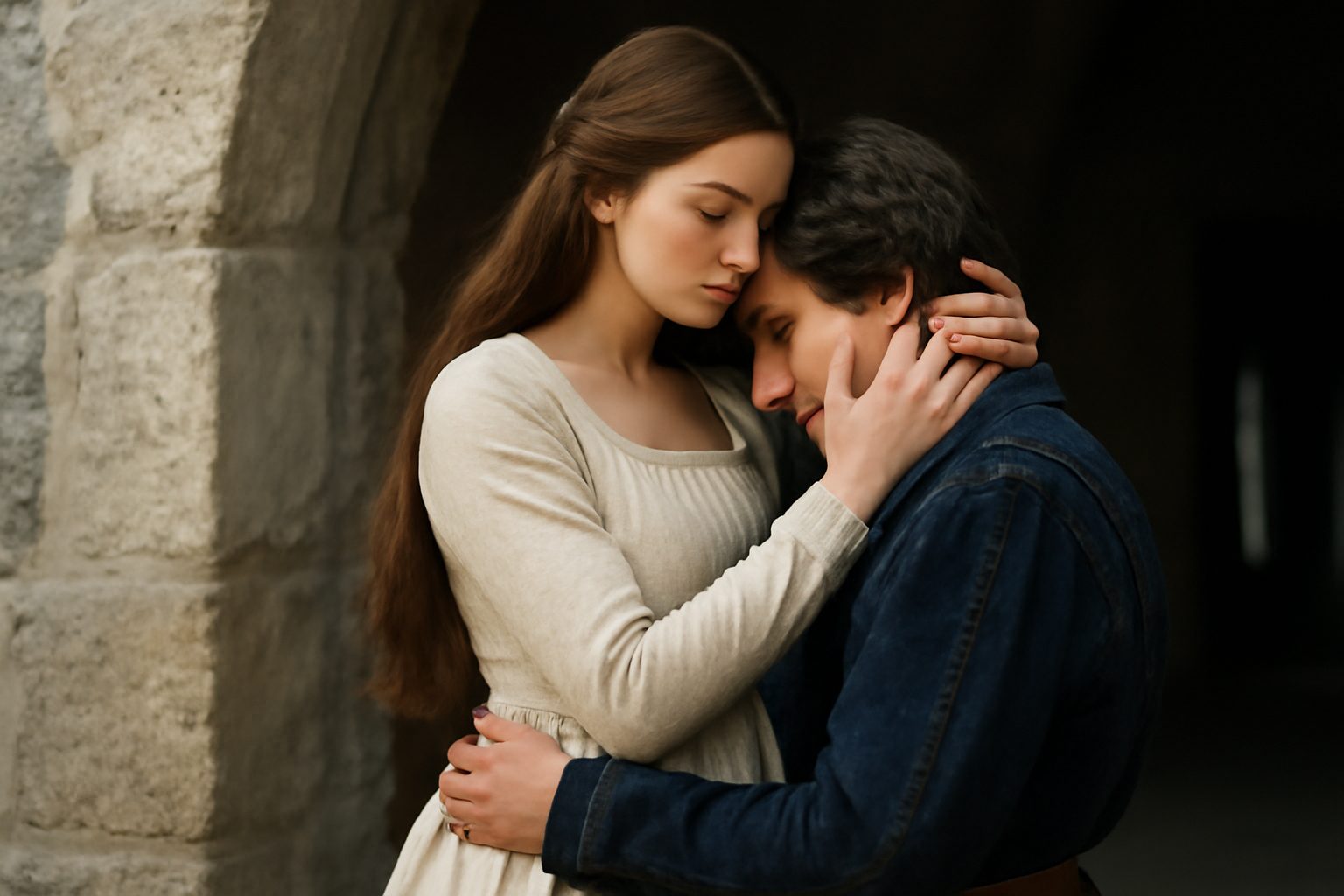
In Act 2, Scene 6 of Romeo and Juliet, Friar Laurence speaks these words as he prepares to marry the young lovers in secret. The line reflects his observation that true love holds deeper meaning than mere expressions of affection, hinting at both the sincerity of their bond and the risks they are taking. This moment underscores the tension between their private devotion and the public strife dividing their families.
Juliet: "Conceit, more rich in matter than in words,"
In modern day english, we would say:
The idea is more meaningful than the words used to express it.
Frequently Asked Questions
What does Juliet mean when she says that love is richer in substance than in words?
Juliet is saying that the true feeling of love is deeper and more meaningful than any words can express.
Connections to other verses:
Connections to "Conceit, more rich in matter than in words"
The verse "Conceit, more rich in matter than in words" emphasizes the depth of Romeo's love, which transcends mere verbal expression. This idea resonates with "But my true love is grown to such excess", where Romeo acknowledges that his feelings are beyond measure, reinforcing the theme of love's ineffable richness.
Contrast with Friar Laurence's Warnings
Friar Laurence's cautionary words, such as "These violent delights have violent ends" and "Therefore love moderately; long love doth so", serve as a stark contrast to Romeo's intense, almost overwhelming emotions. While Romeo's conceit is "rich in matter," the Friar warns that such unchecked passion can lead to destructive outcomes.
Symbolism of Lightness and Excess
The notion of love's weightlessness and transcendence is echoed in "And yet not fall; so light is vanity", which parallels Romeo's belief that his love elevates him beyond earthly concerns. Similarly, "A lover may bestride the gossamer" uses imagery of delicacy and lightness to depict love's ethereal quality, aligning with the idea that Romeo's conceit is substantial yet beyond mere words.
Joy and Union
Romeo's anticipation of union with Juliet is captured in "It is enough I may but call her mine", reflecting the simplicity and profundity of his emotions. The Friar's blessing, "So smile the heavens upon this holy act", further sanctifies this union, suggesting that their love's richness is divinely acknowledged, even if words fall short.
Conclusion of the Scene
The scene culminates with the Friar's directive to proceed with the marriage: "Come, come with me, and we will make short work" and "Till holy church incorporate two in one", underscoring the transformation of Romeo's rich conceit into a tangible, sacred bond, fulfilling the promise of love that exceeds verbal expression.