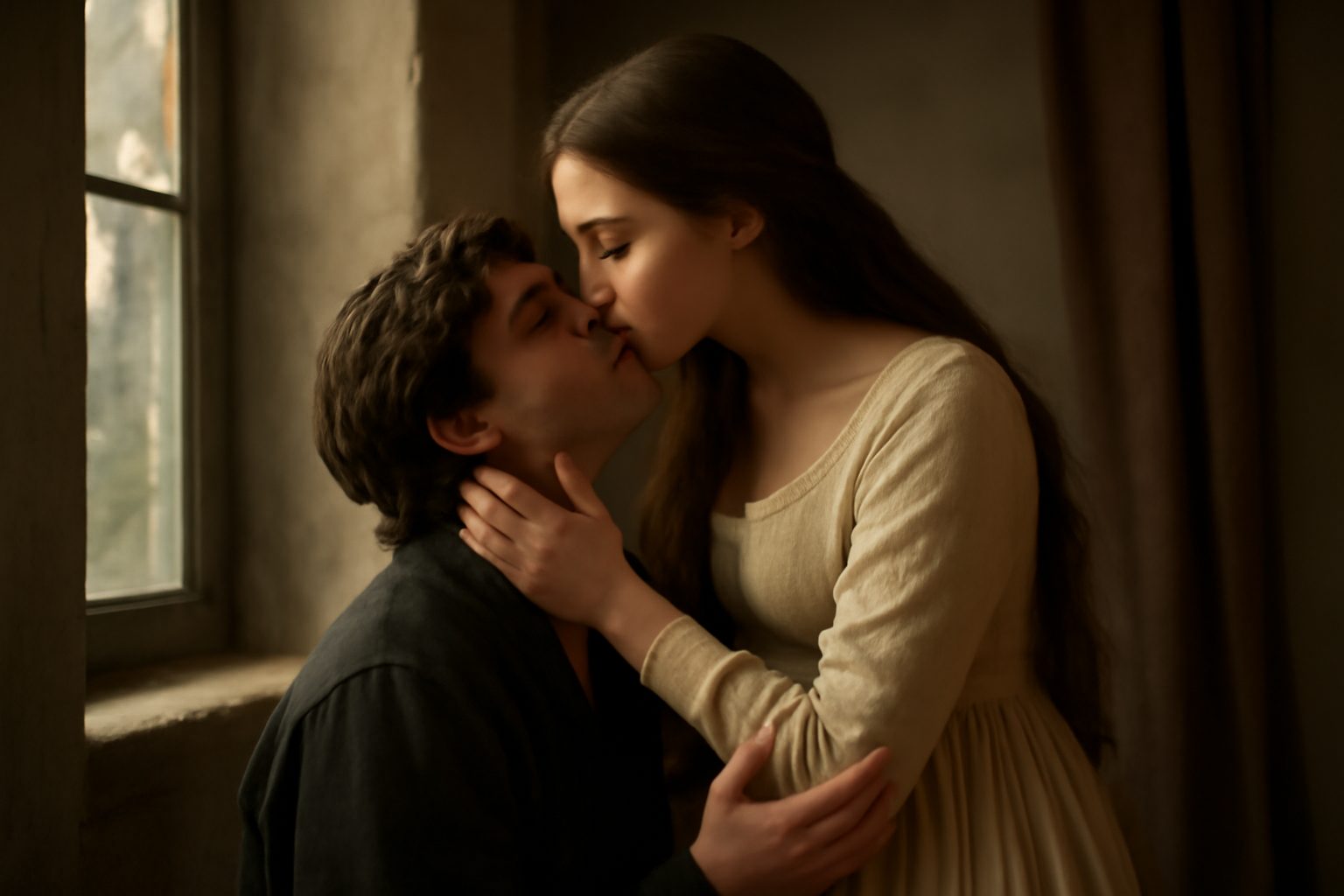
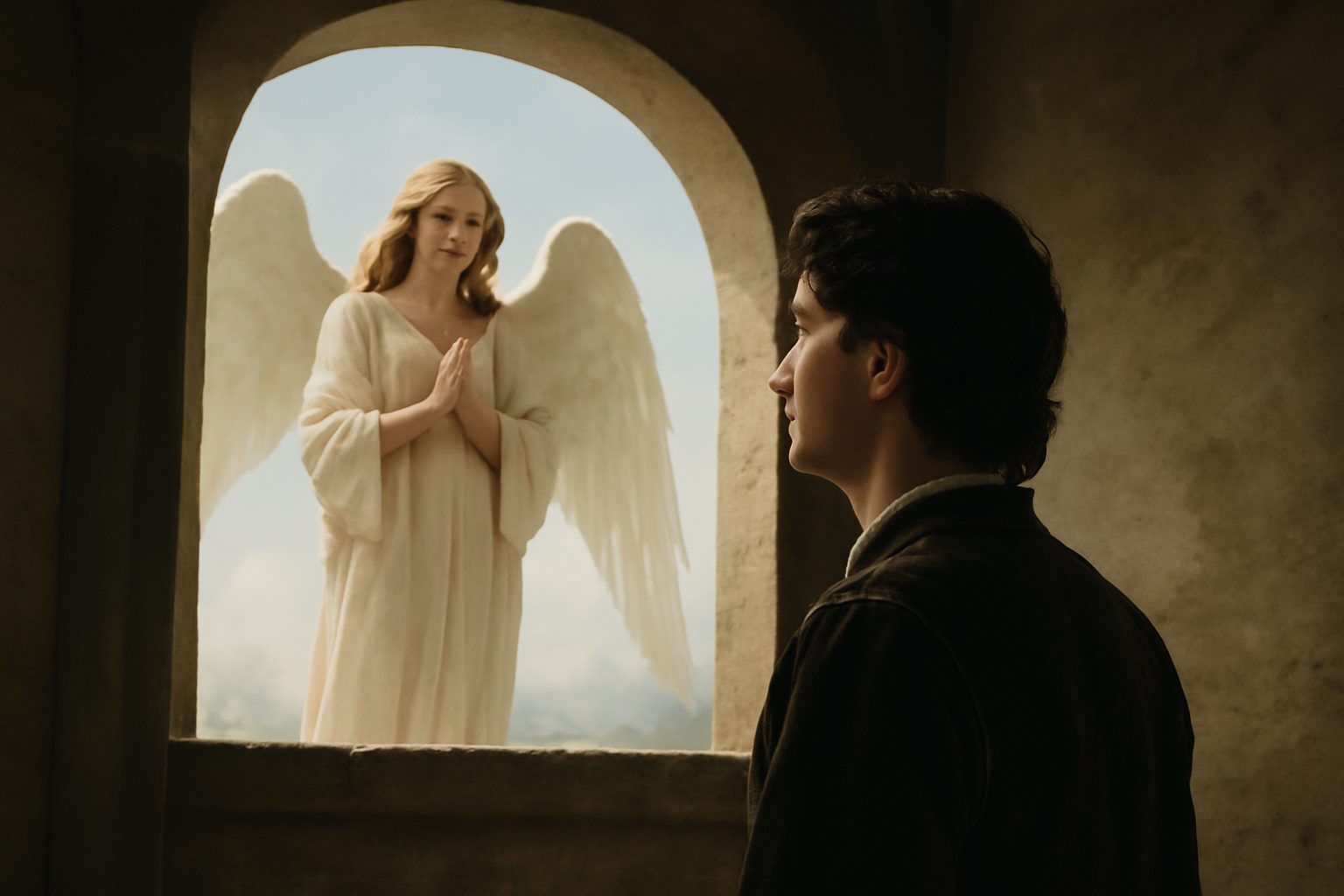
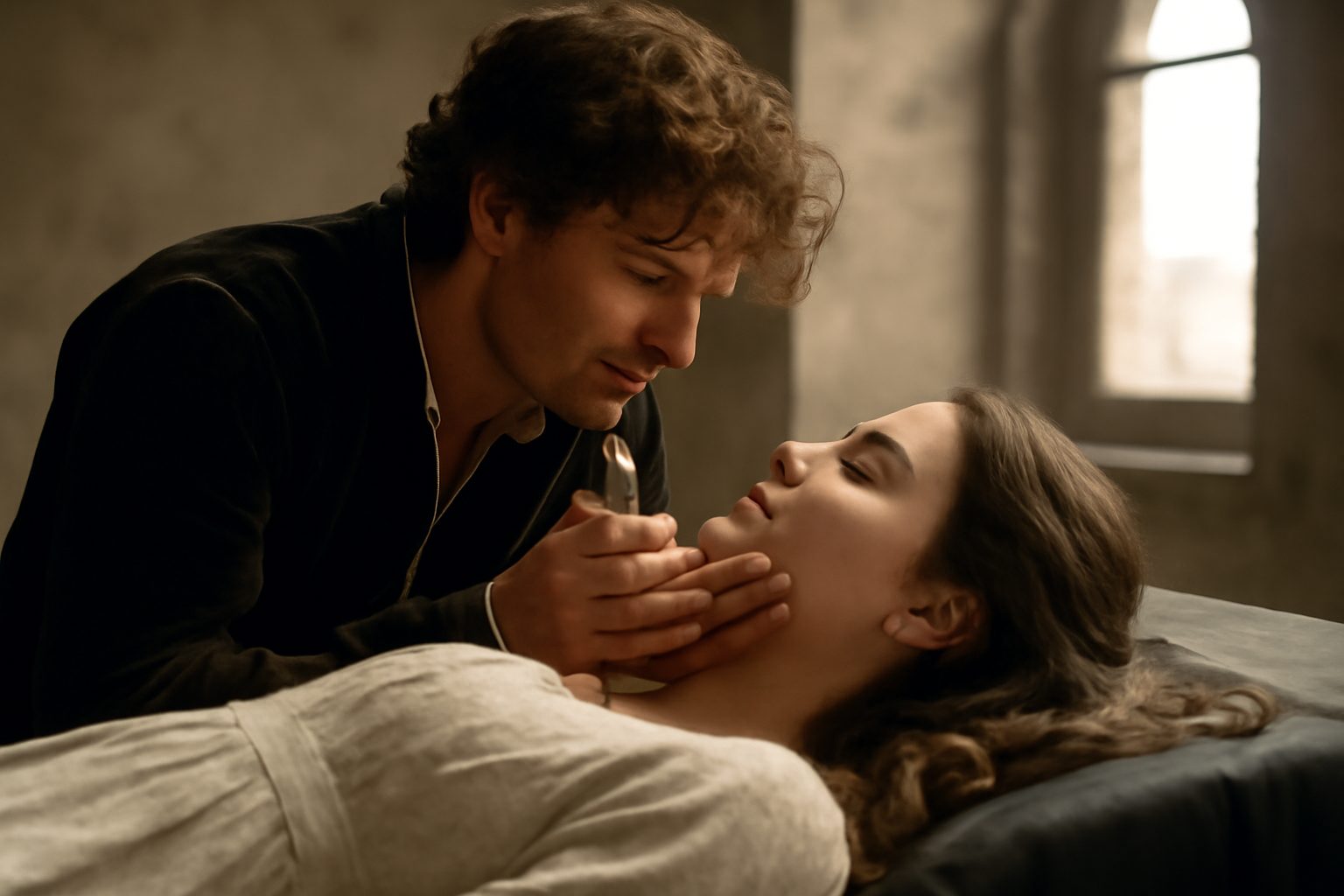
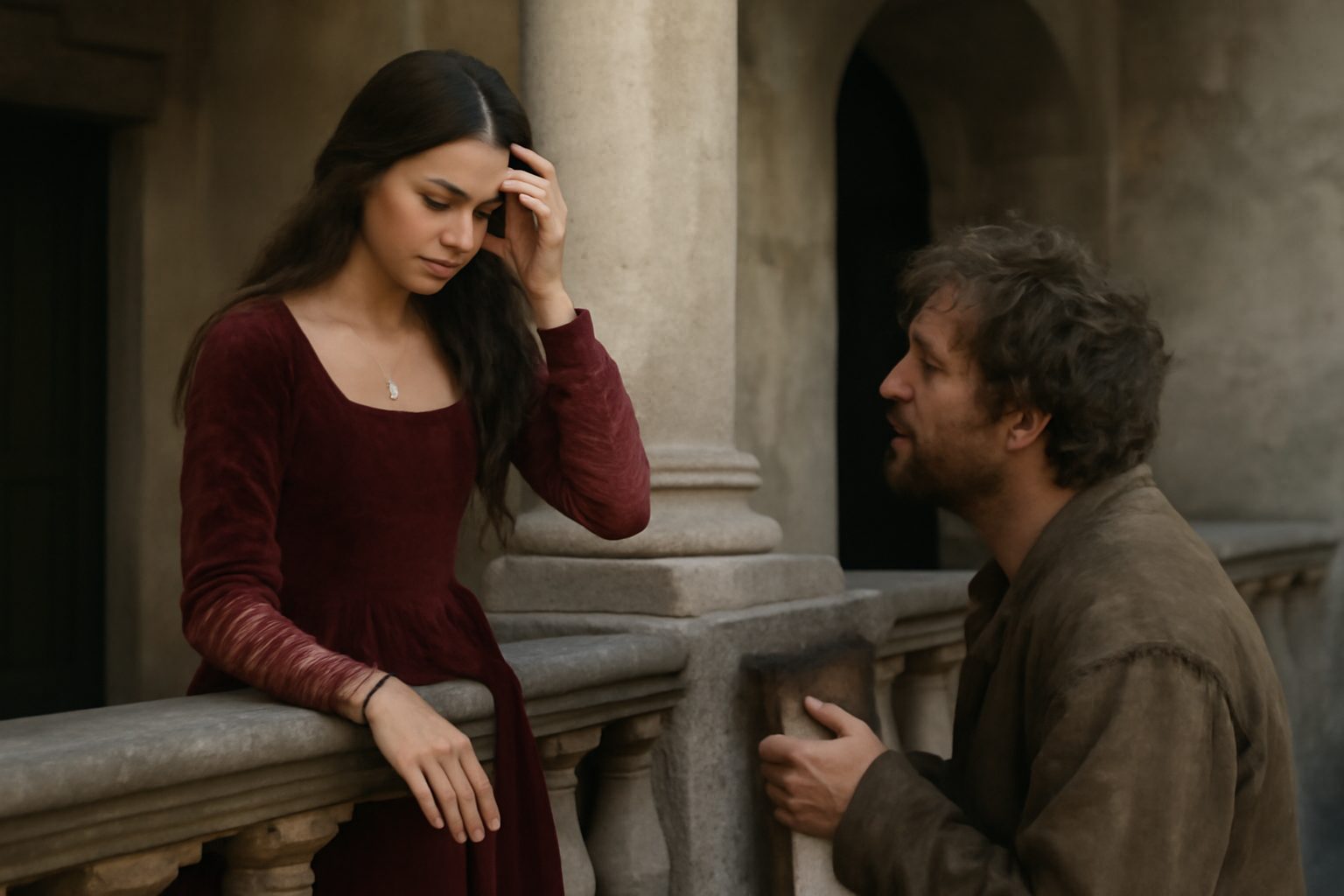
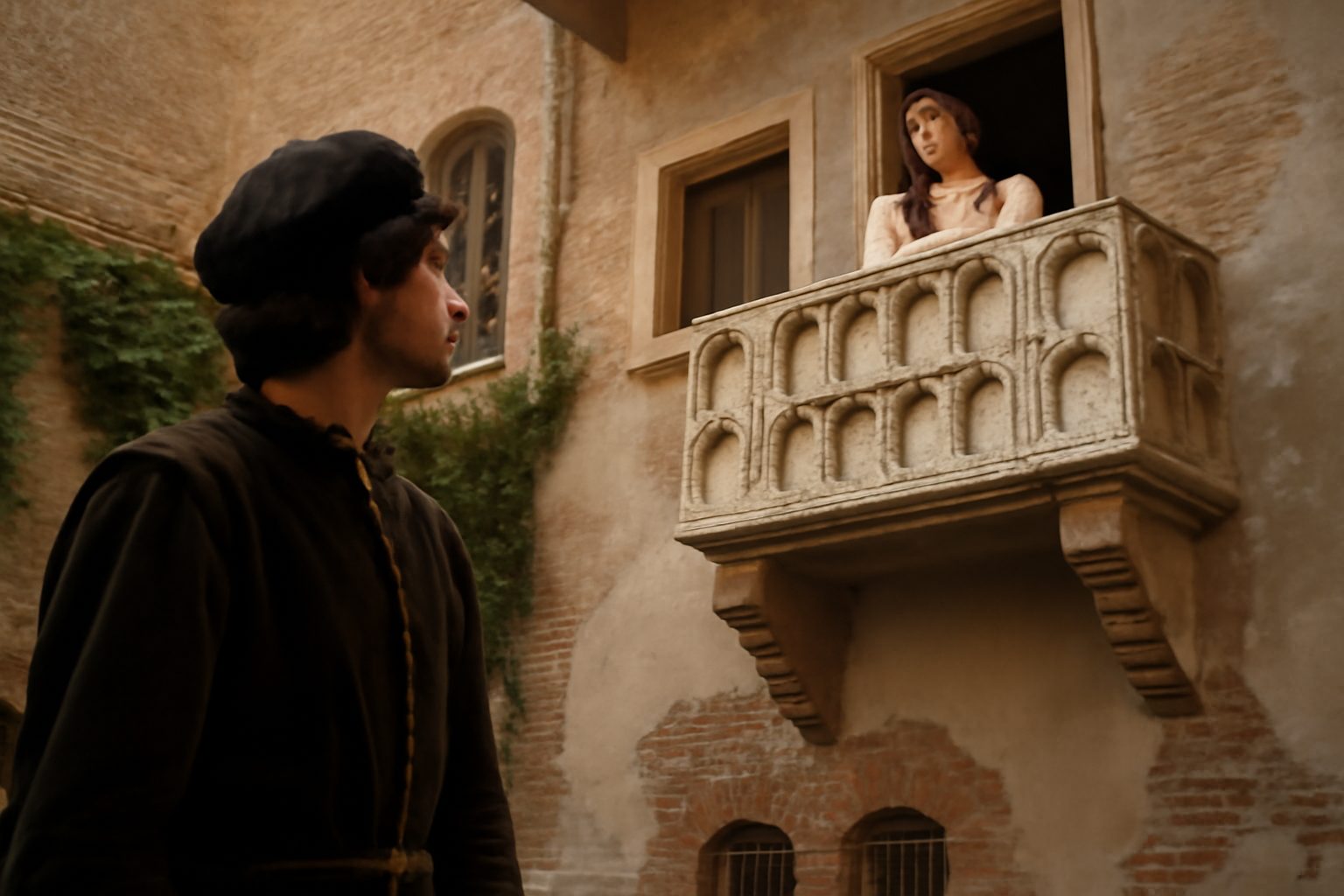
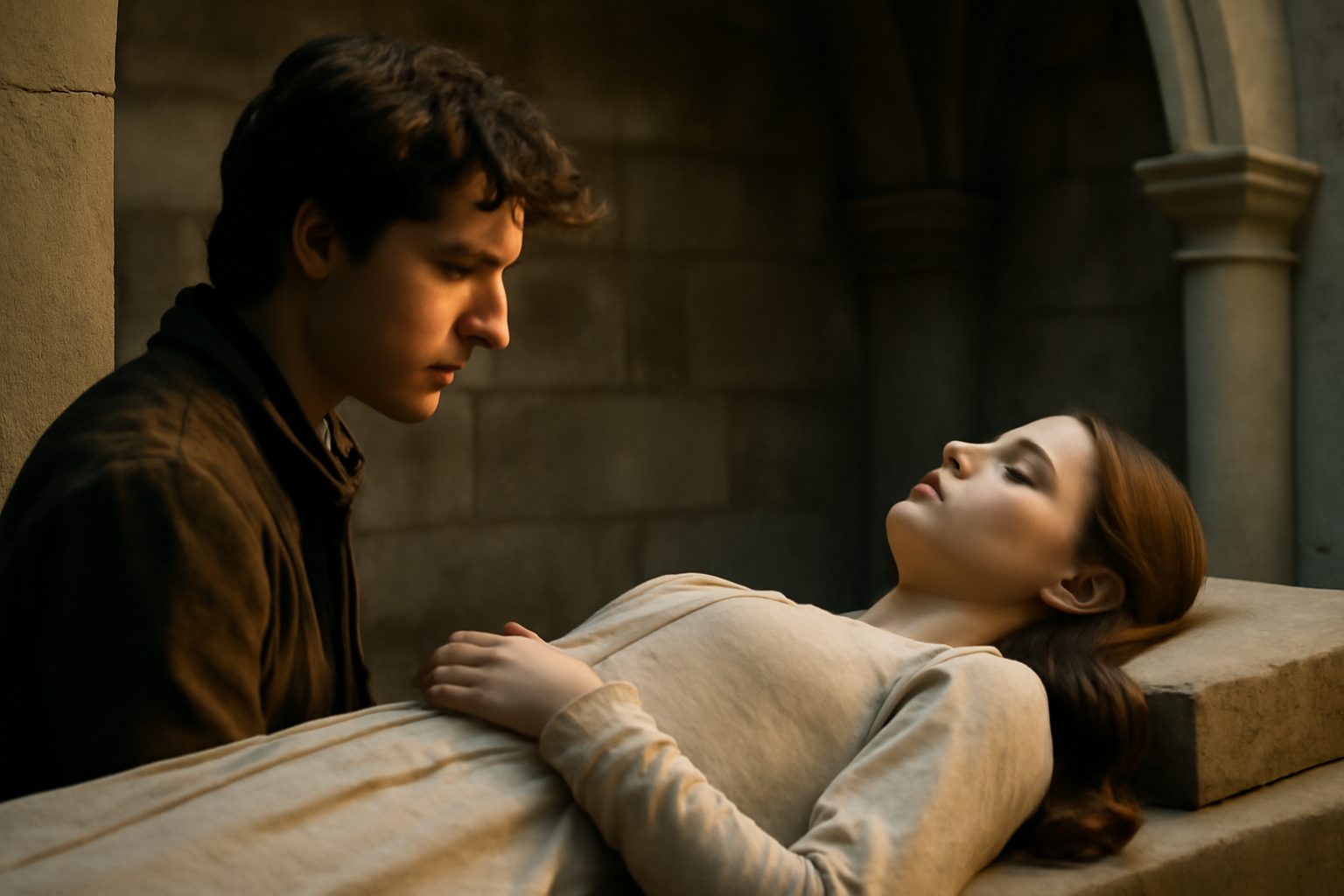
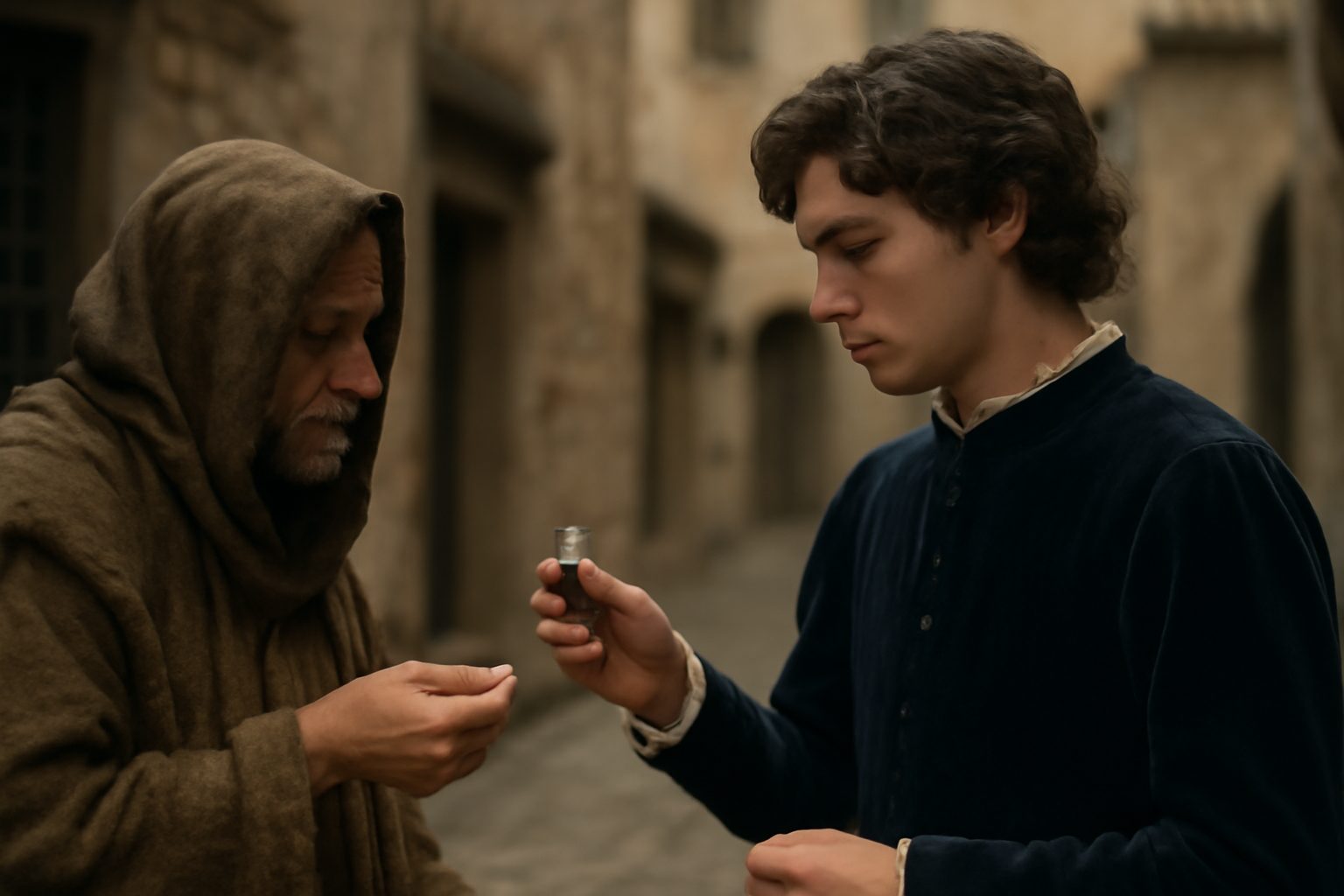
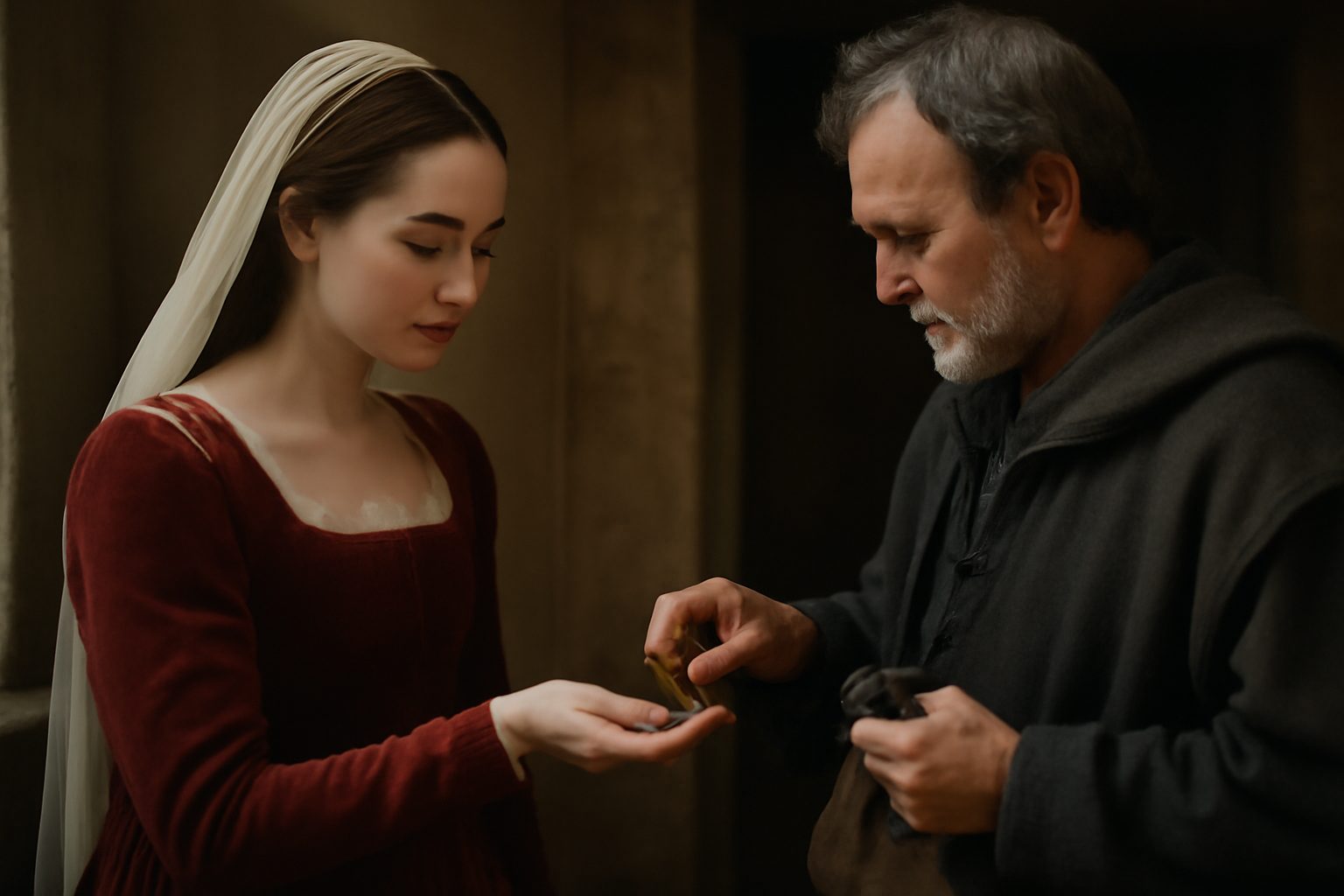
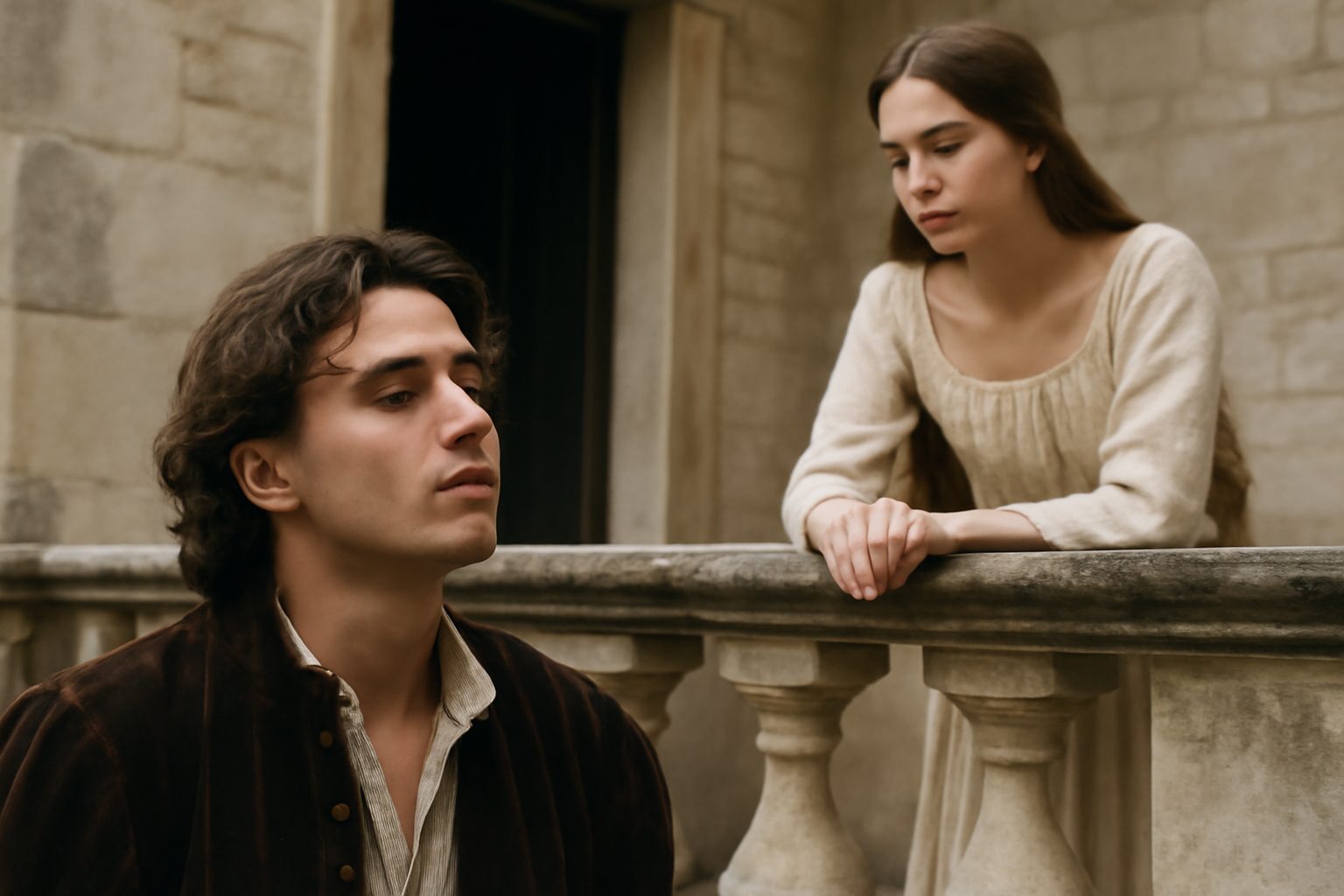
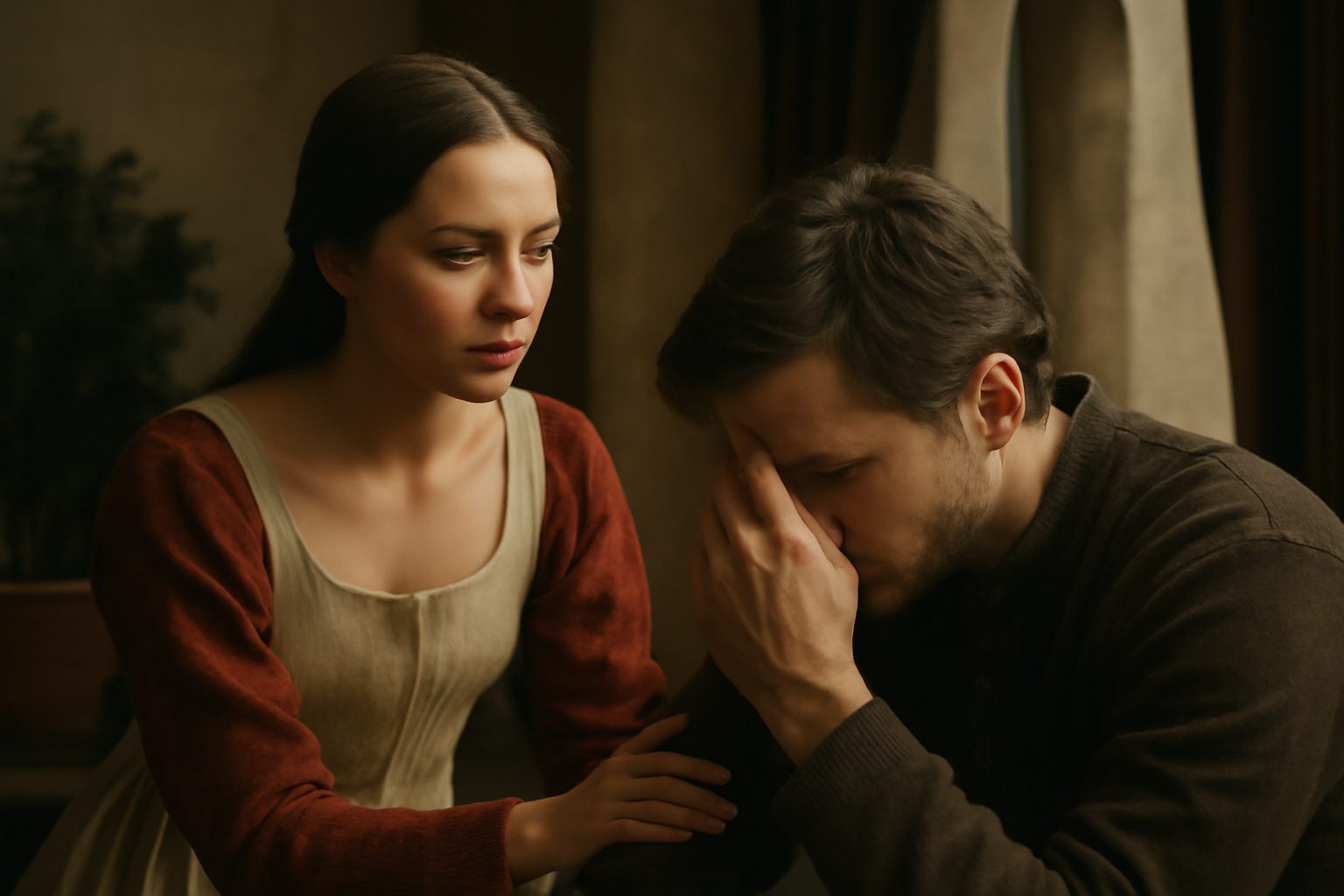
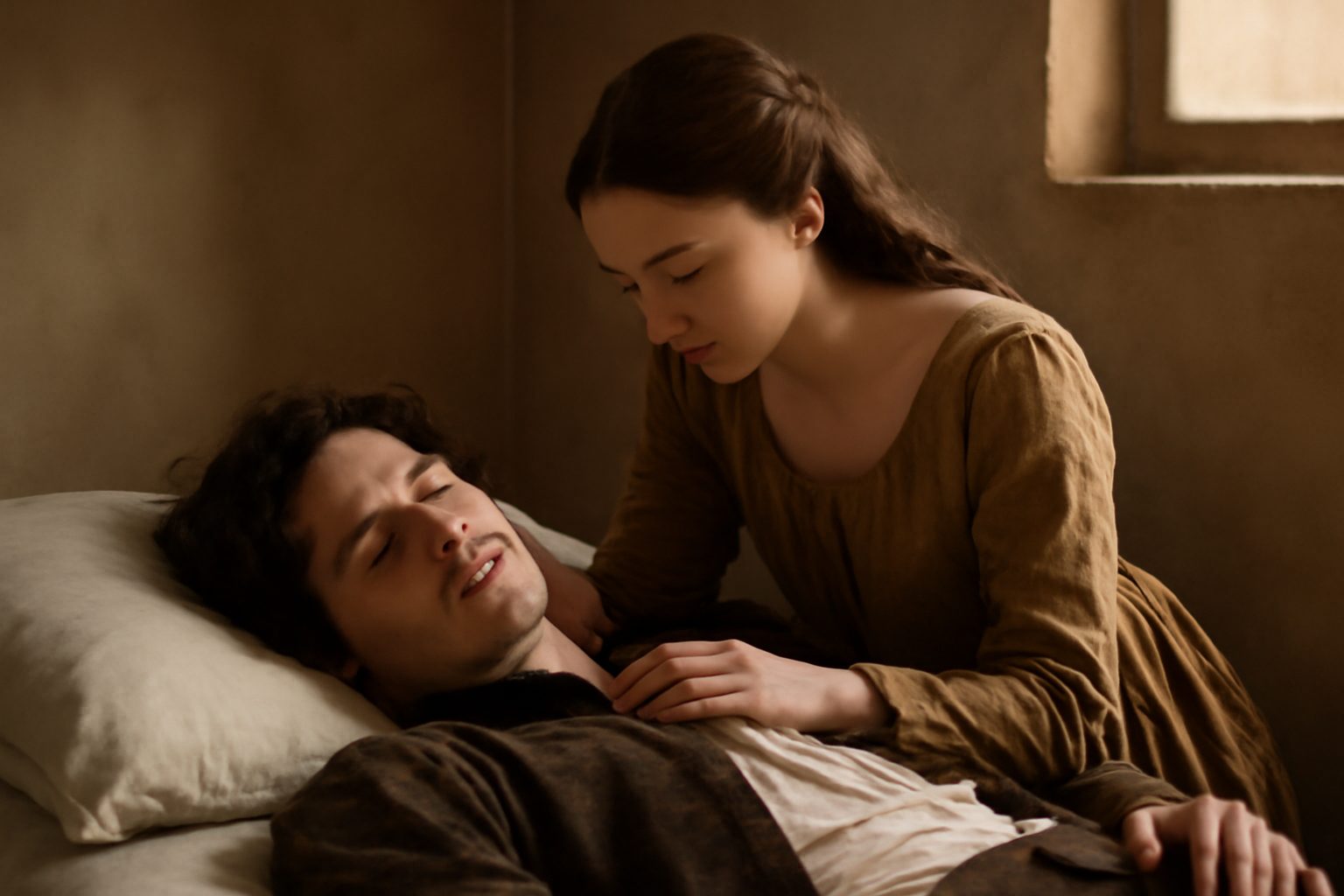
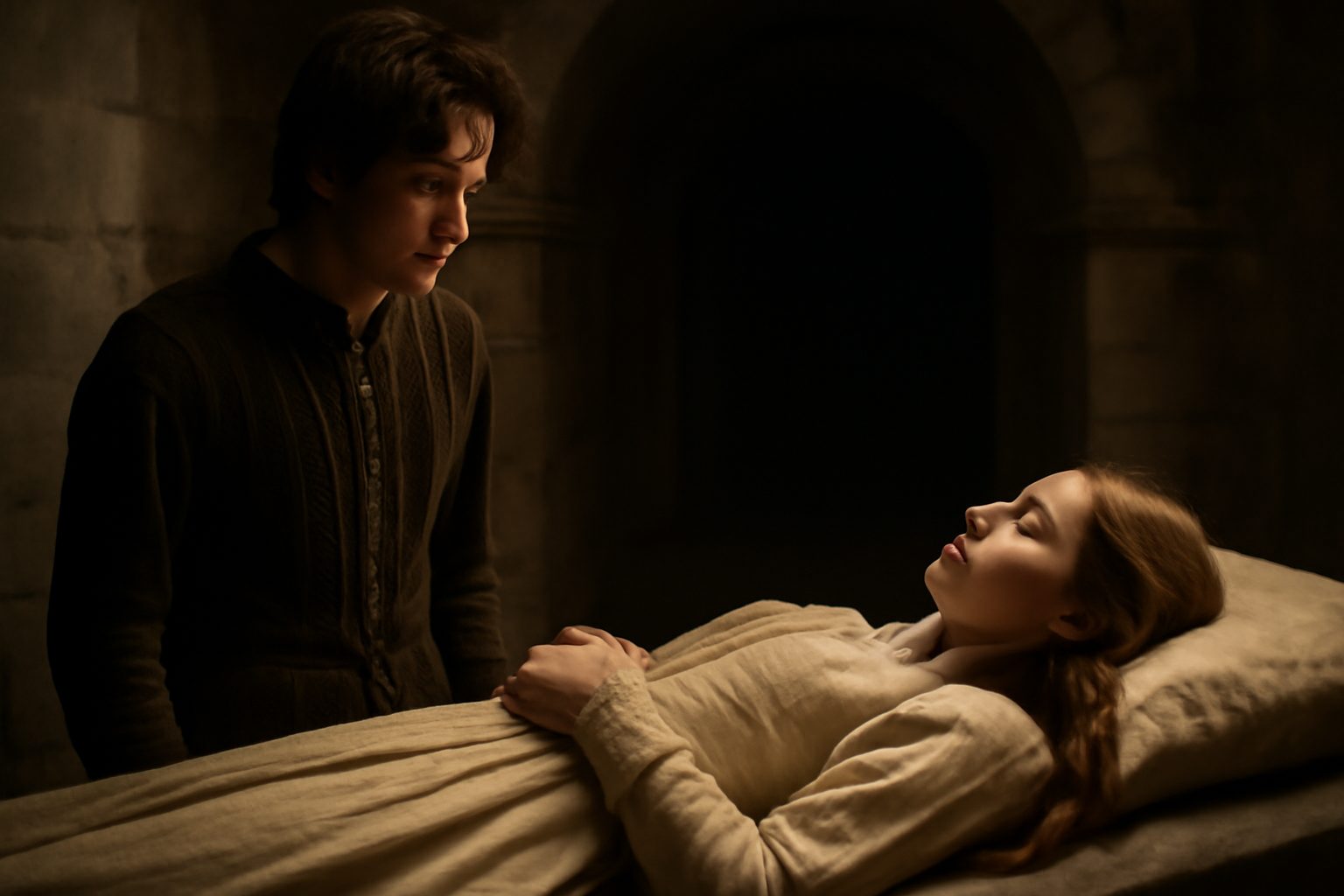
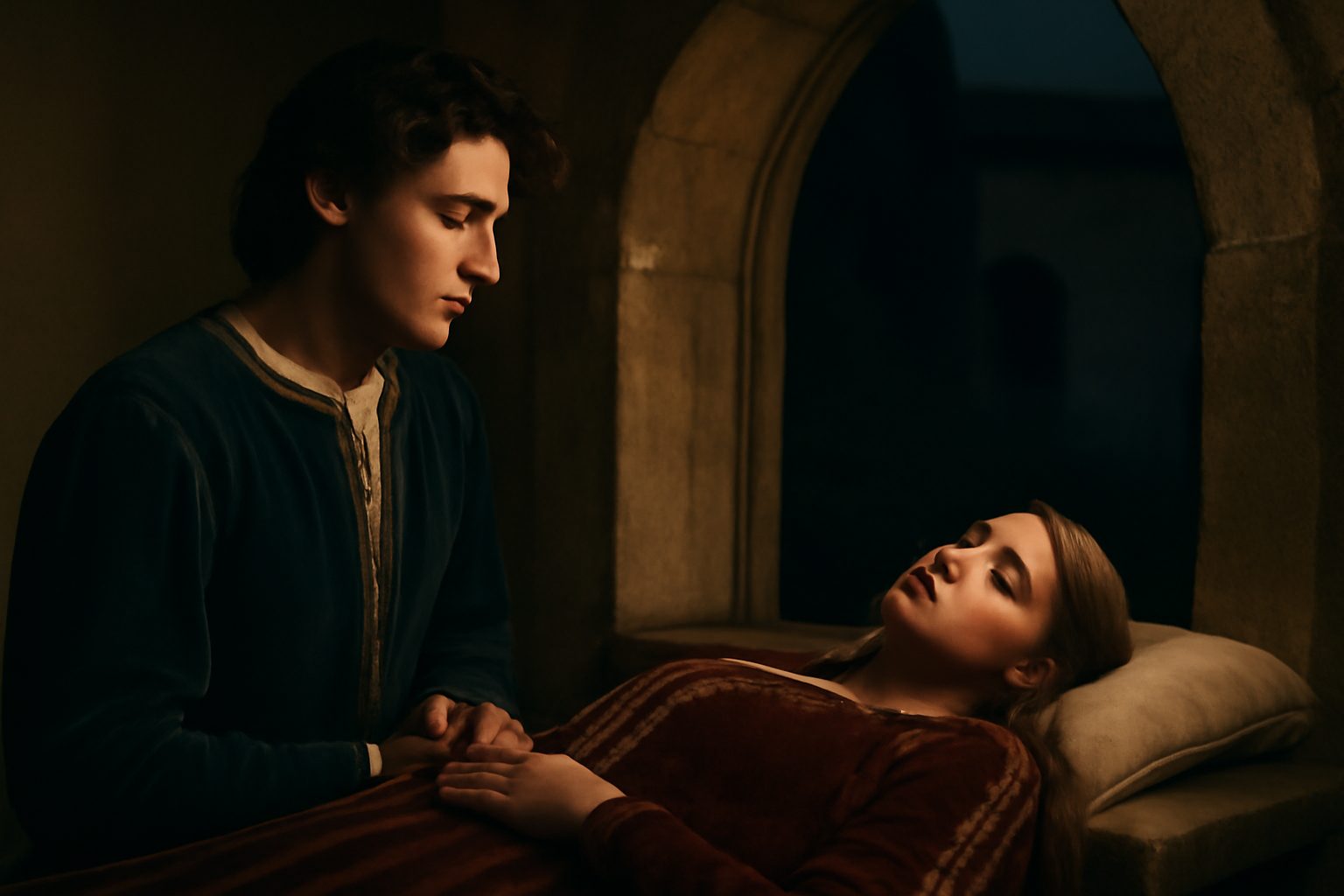
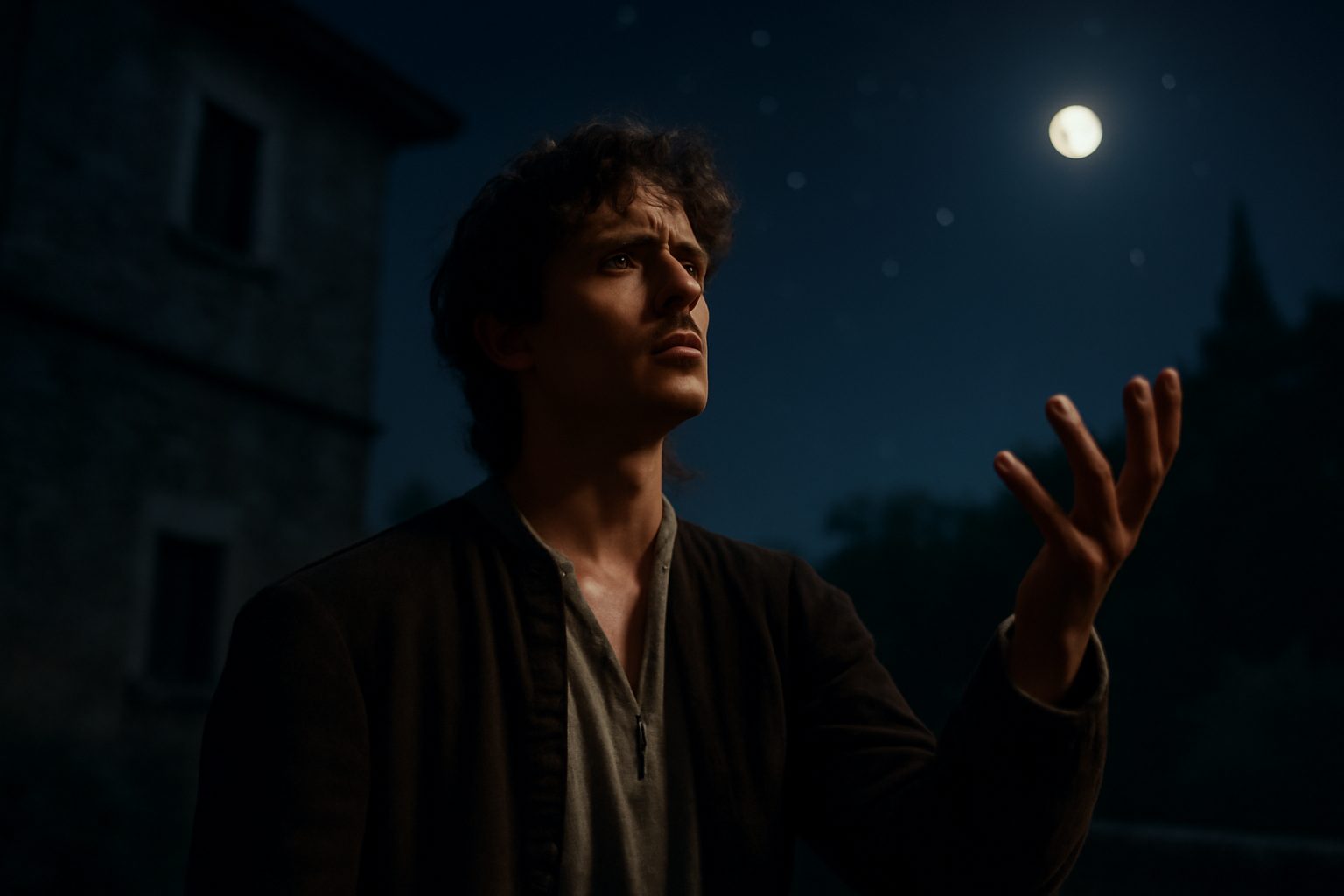
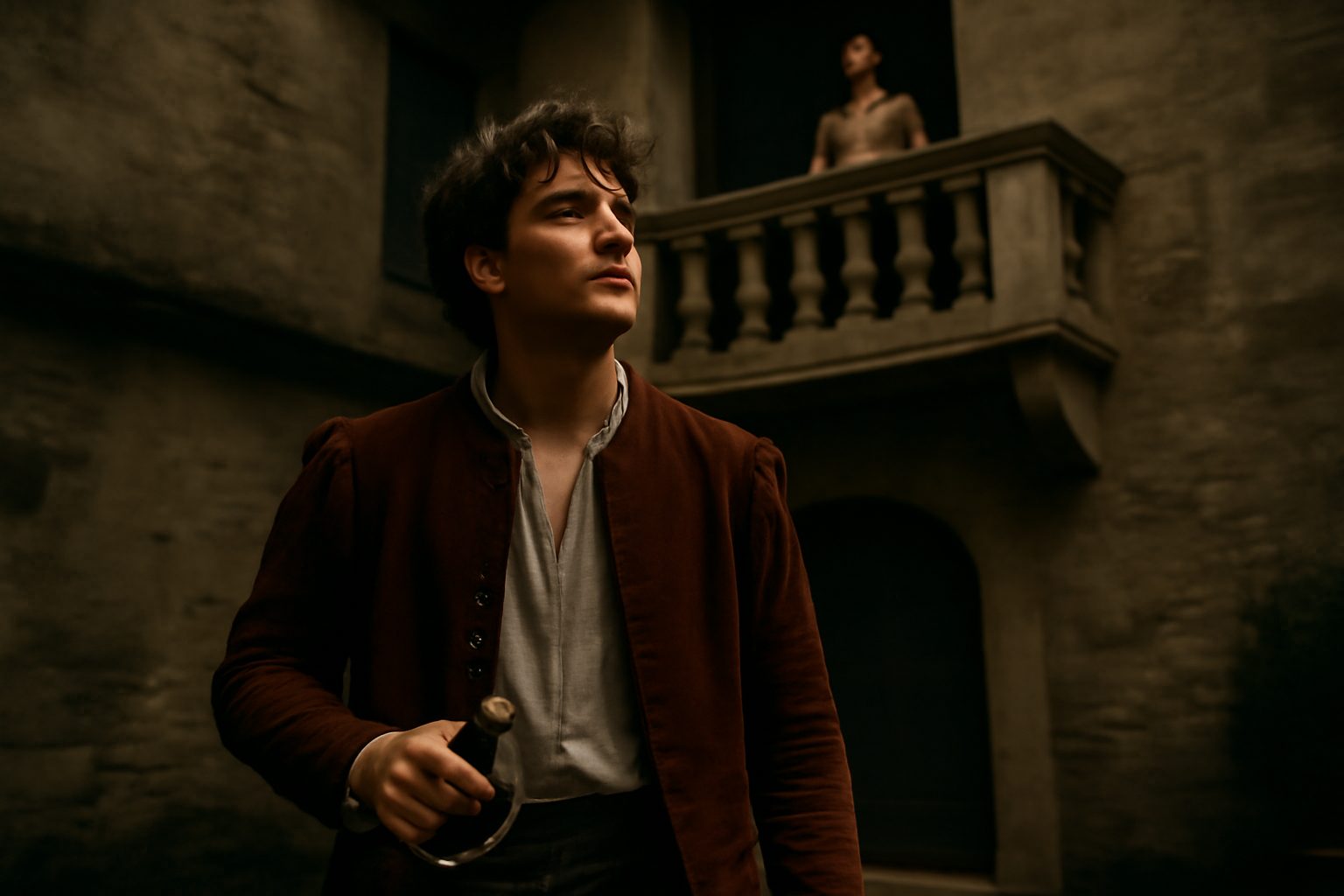
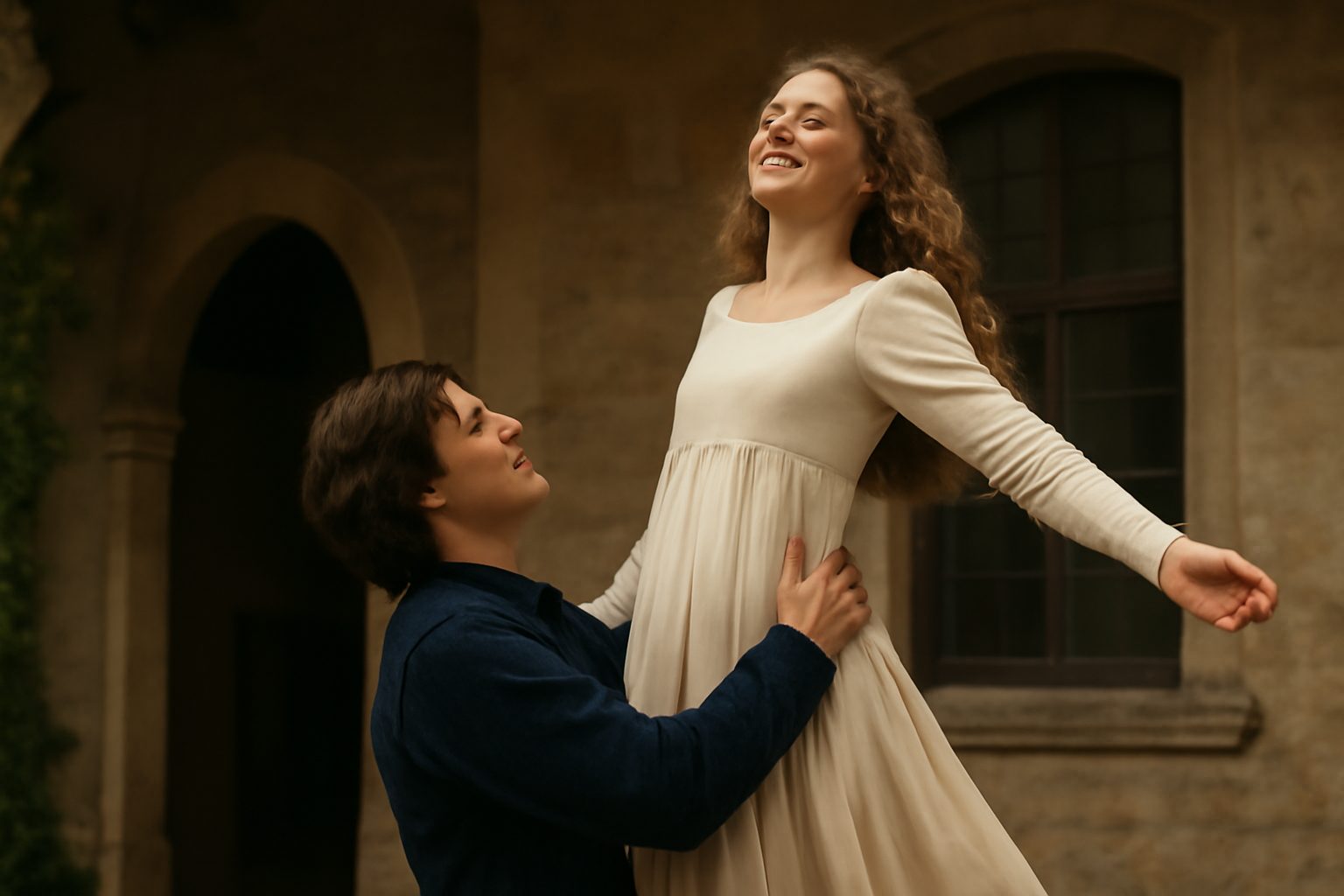
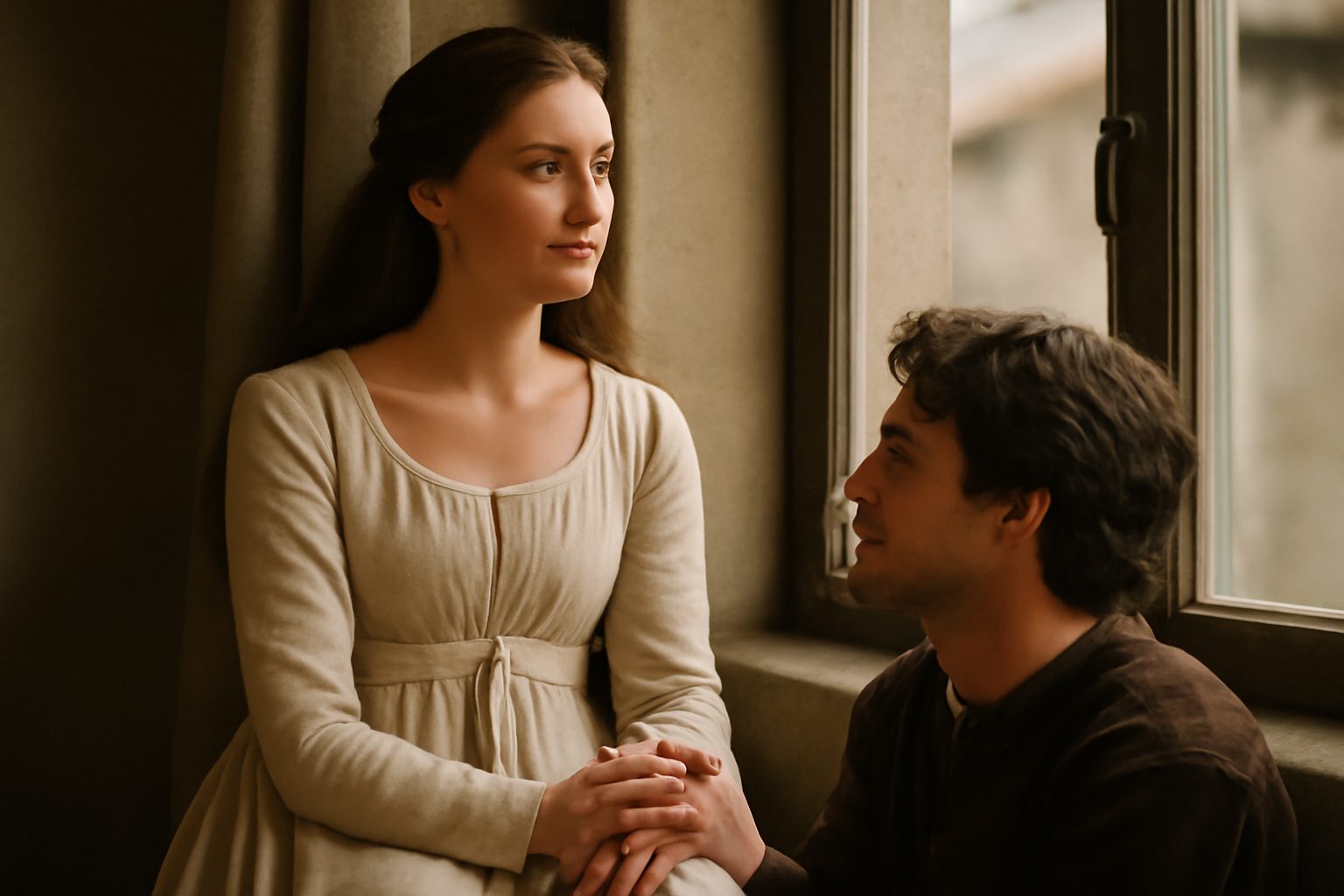
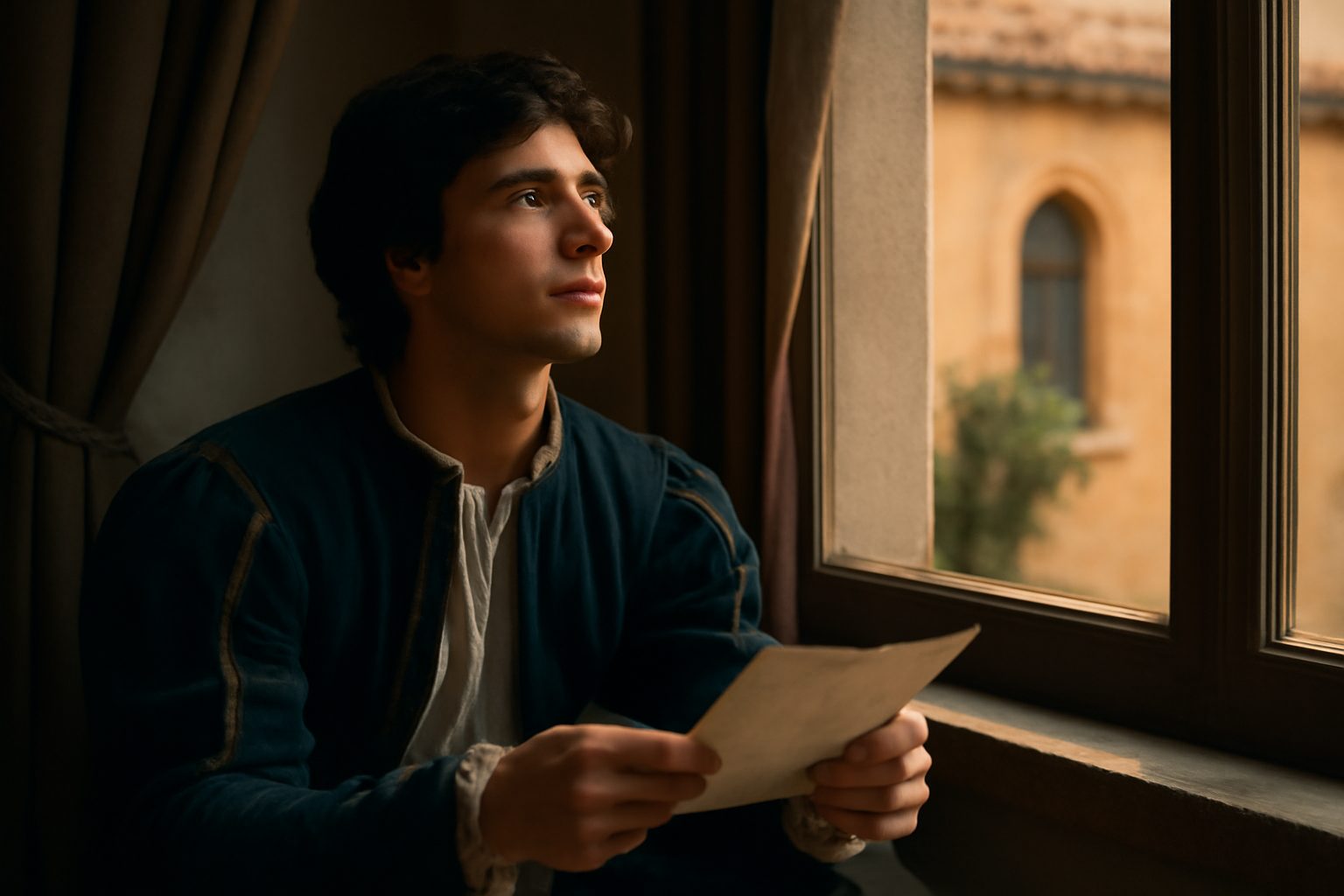
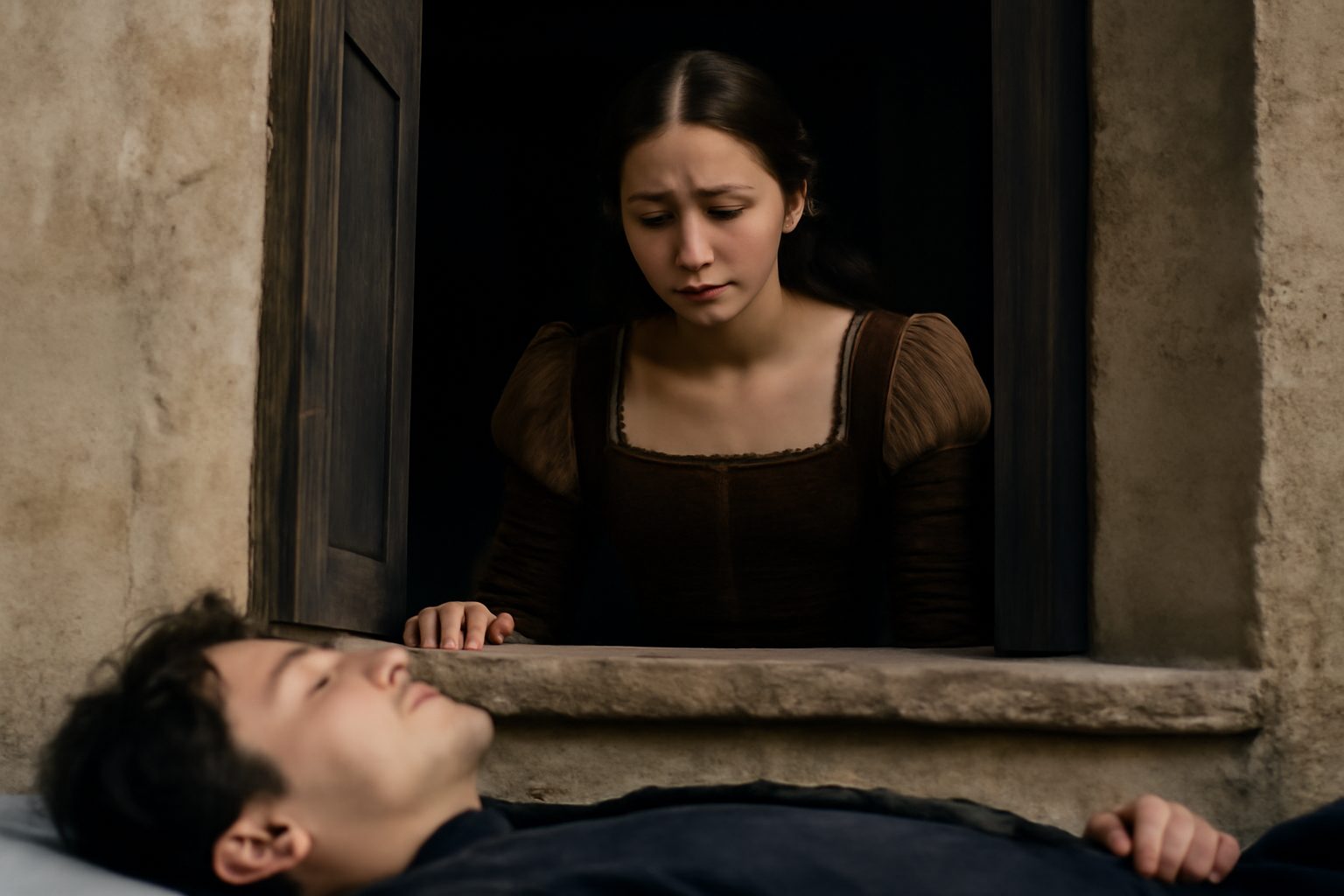
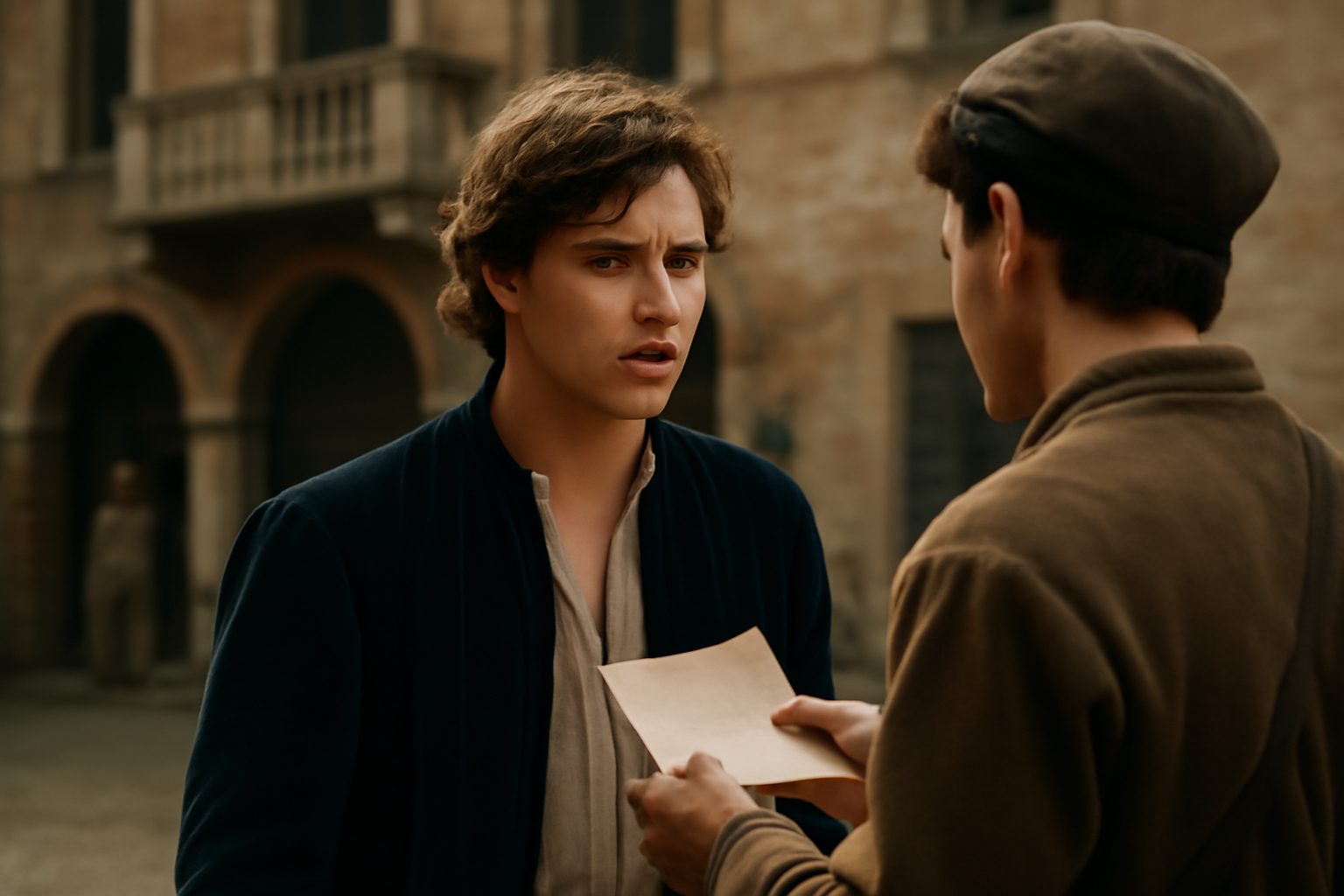
In Act 5, Scene 1 of Romeo and Juliet, Romeo, exiled in Mantua, reflects on a dream where Juliet found him dead but revived him with kisses. Balthasar arrives with news of her supposed death, prompting Romeo to dismiss his dream as meaningless, comparing its fleeting images to sparse decorations meant only for appearance. This line captures his despair as he abandons hope and resolves to join Juliet in death.
Romeo: "Were thinly scatter'd, to make up a show."
In modern day english, we would say:
The items were spread out sparsely, just enough to create the appearance of something being there.
Frequently Asked Questions
What does Romeo mean when he says the stars were thinly scattered to make up a show?
Romeo is saying there were only a few stars in the sky, barely enough to create a display or spectacle.
Connections to other verses:
Connections to "Were thinly scatter'd, to make up a show"
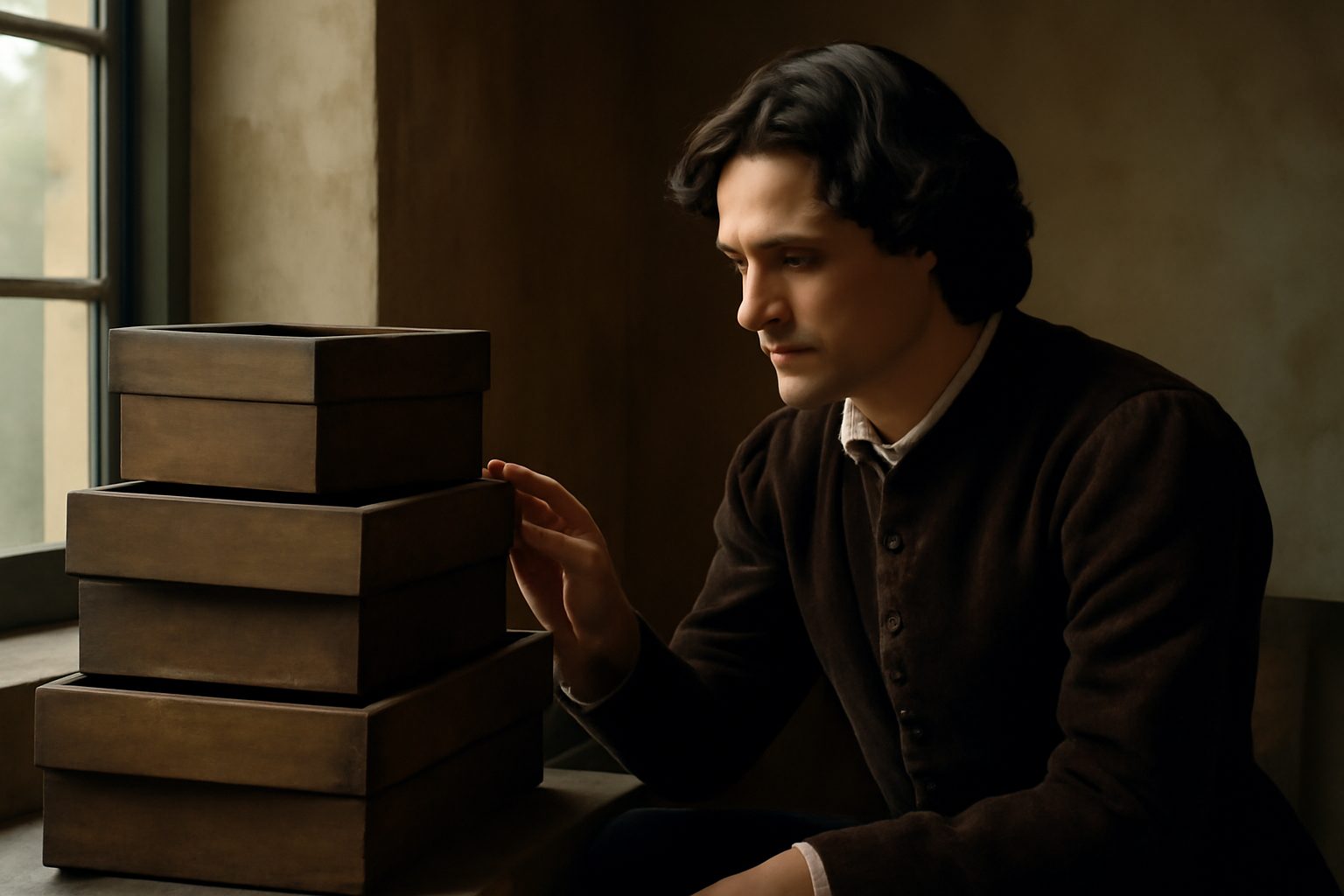
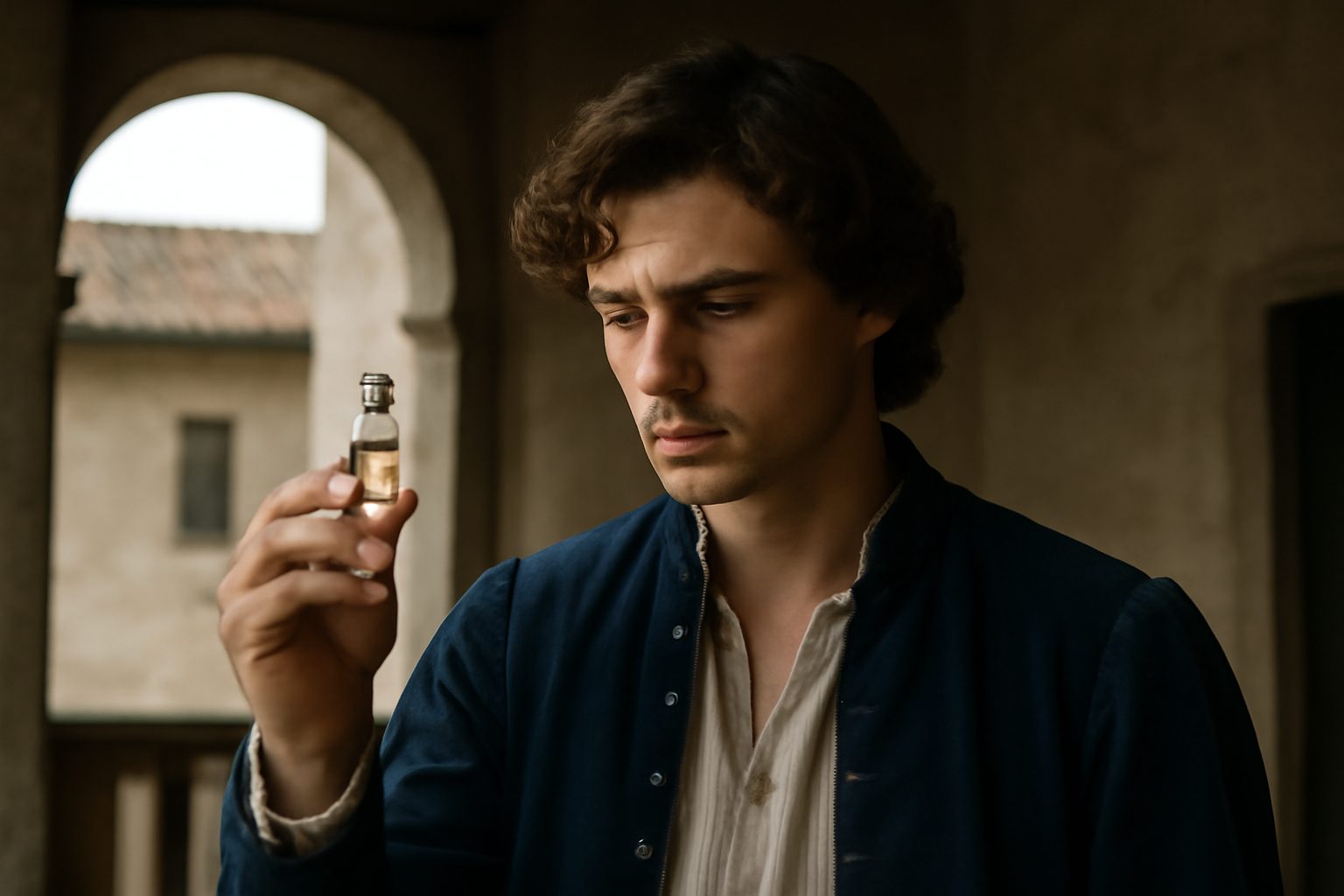
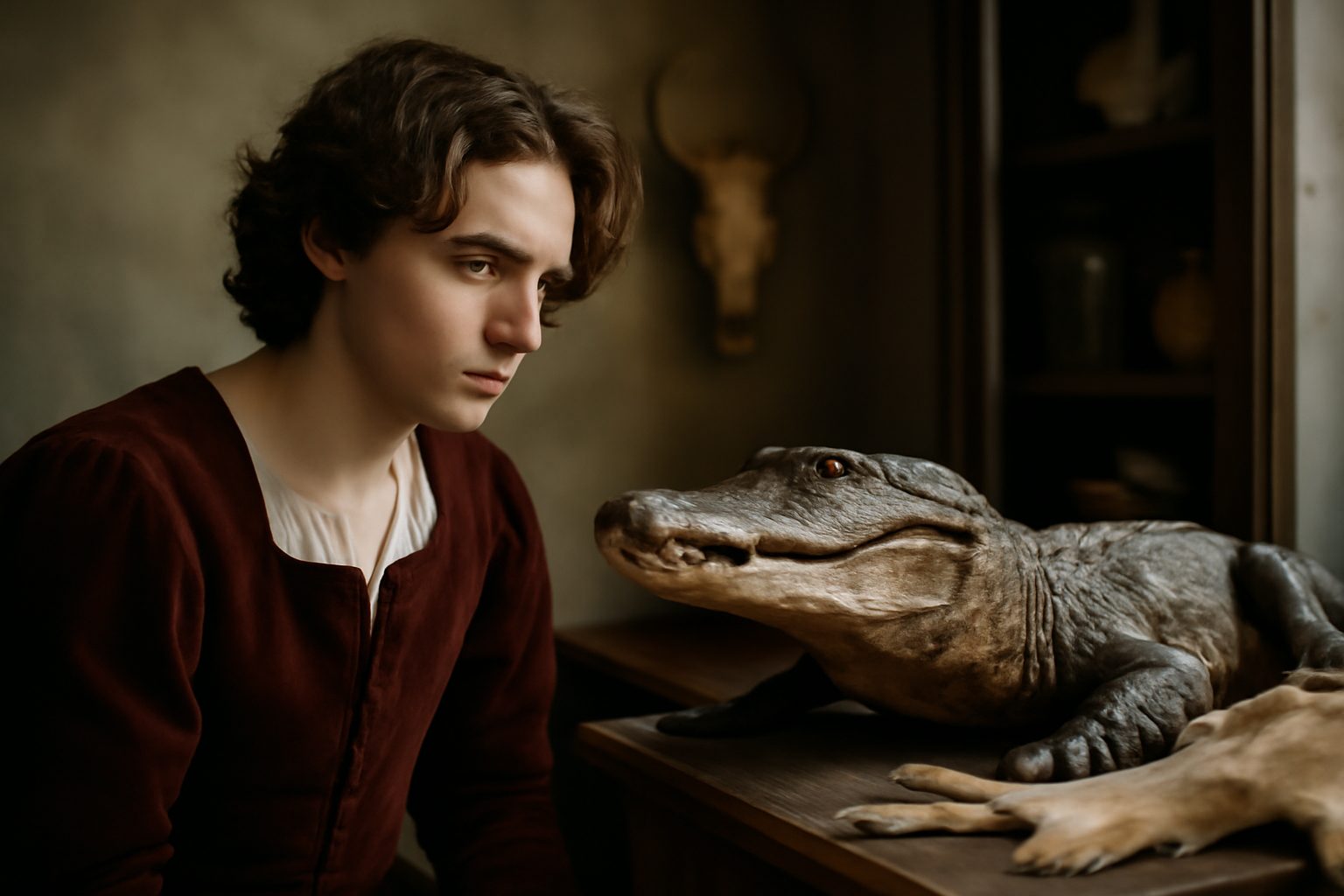
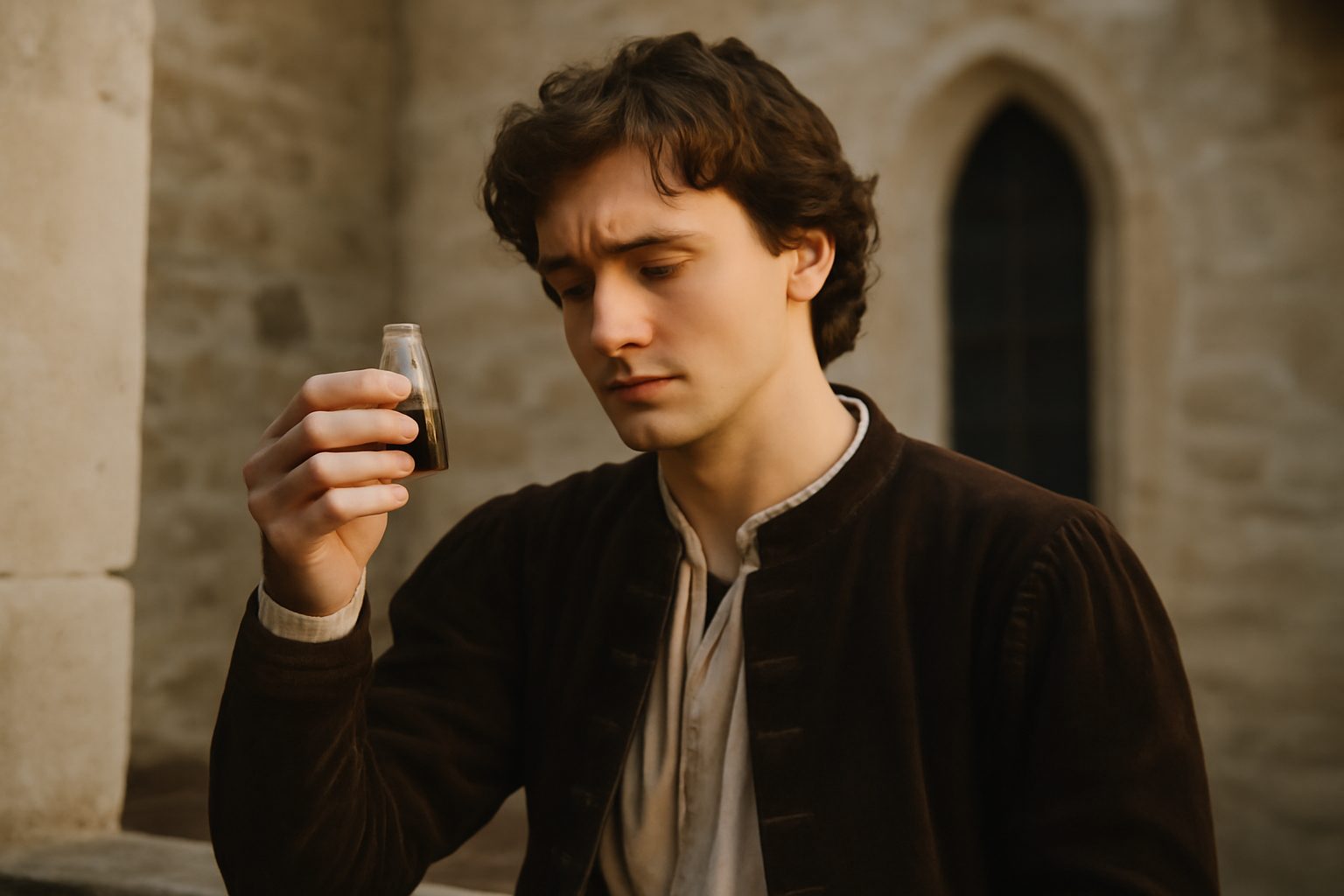
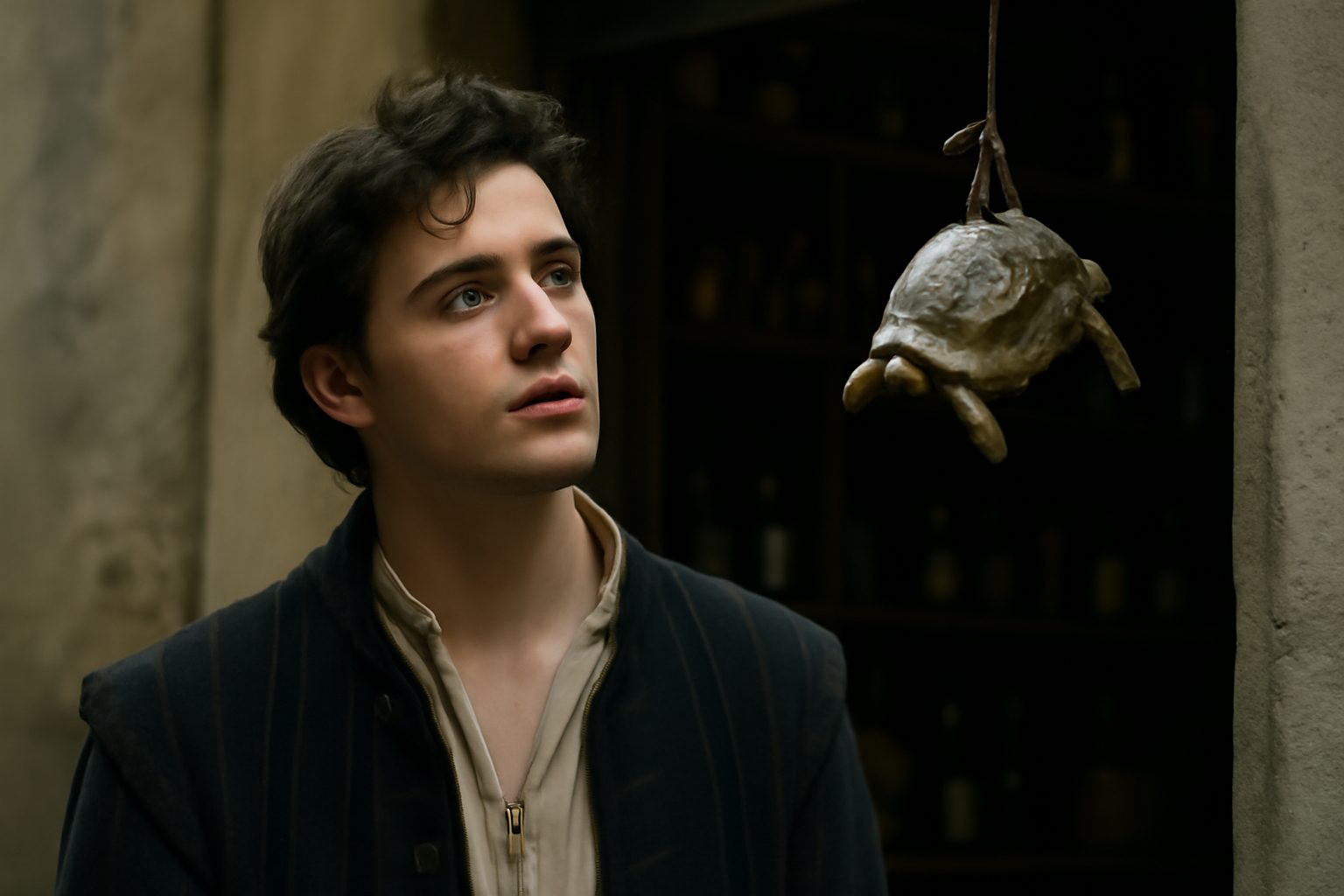
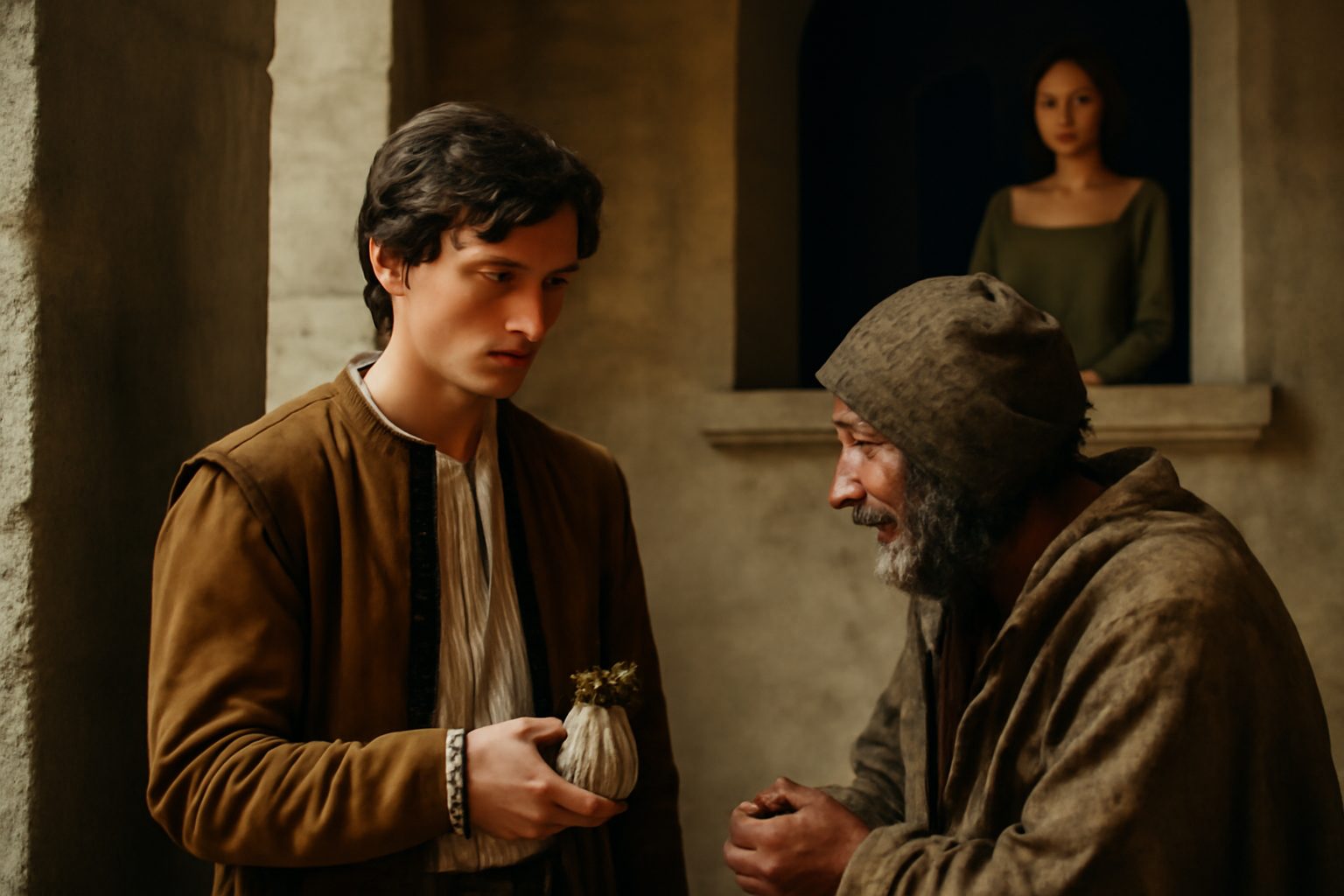
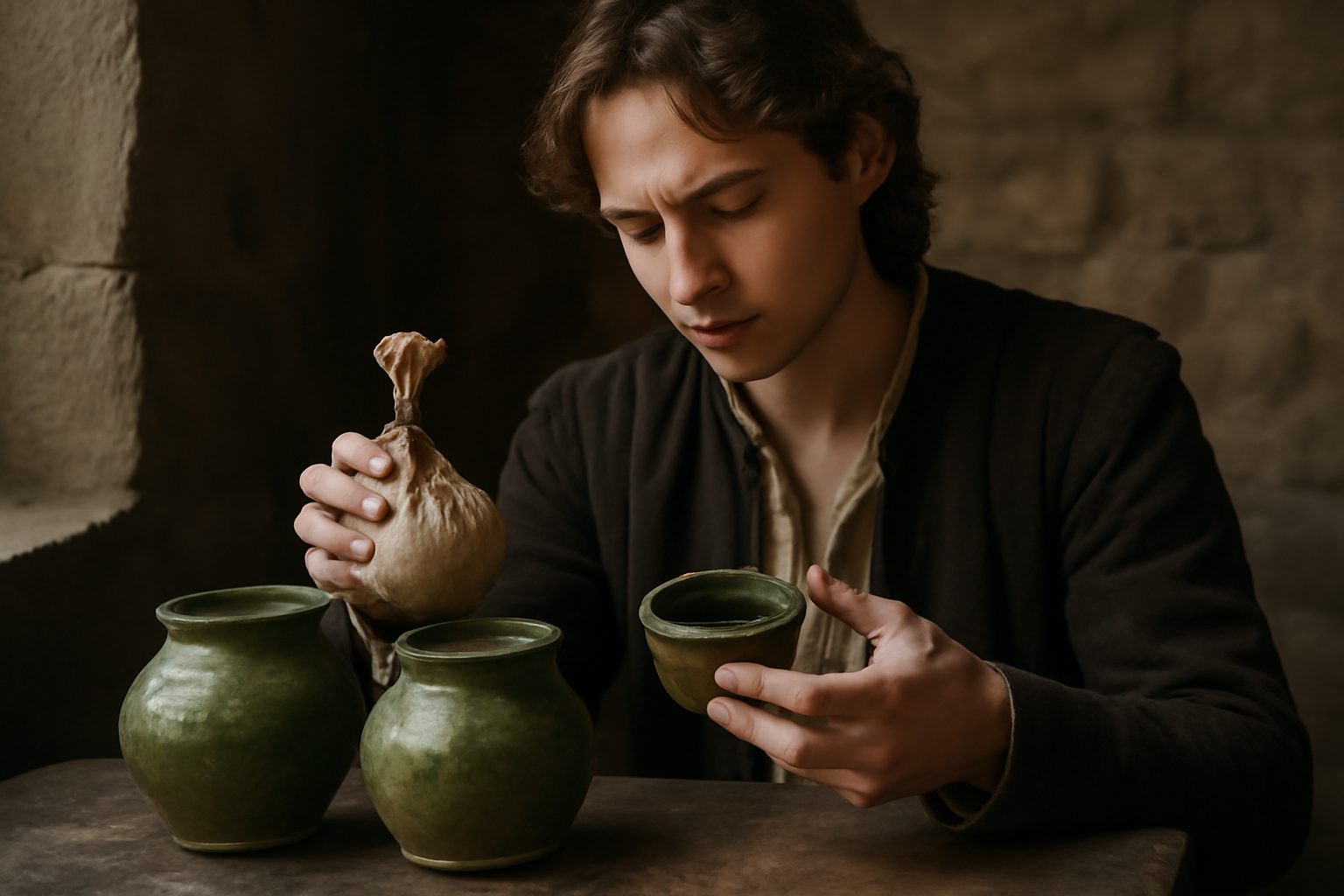
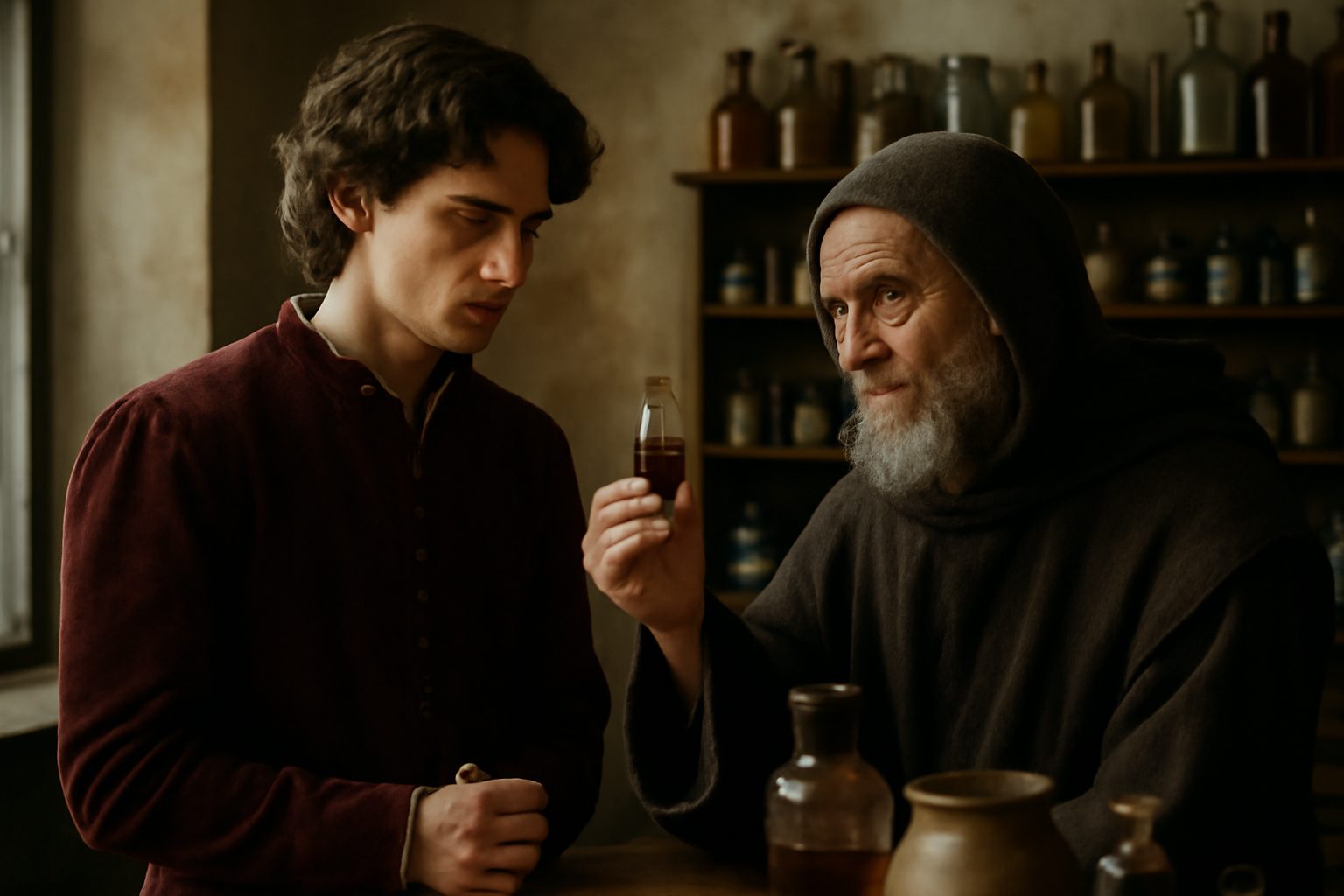
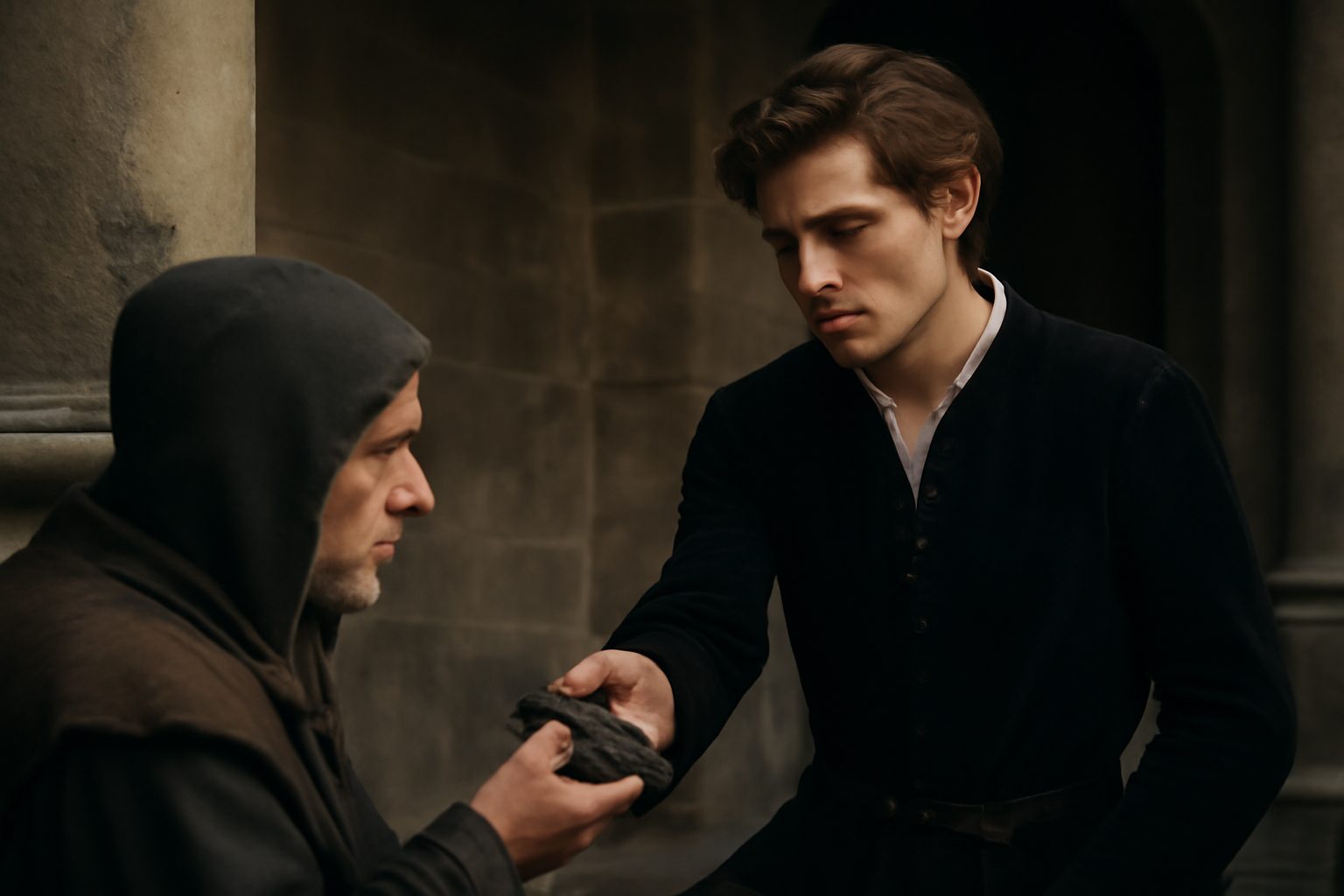
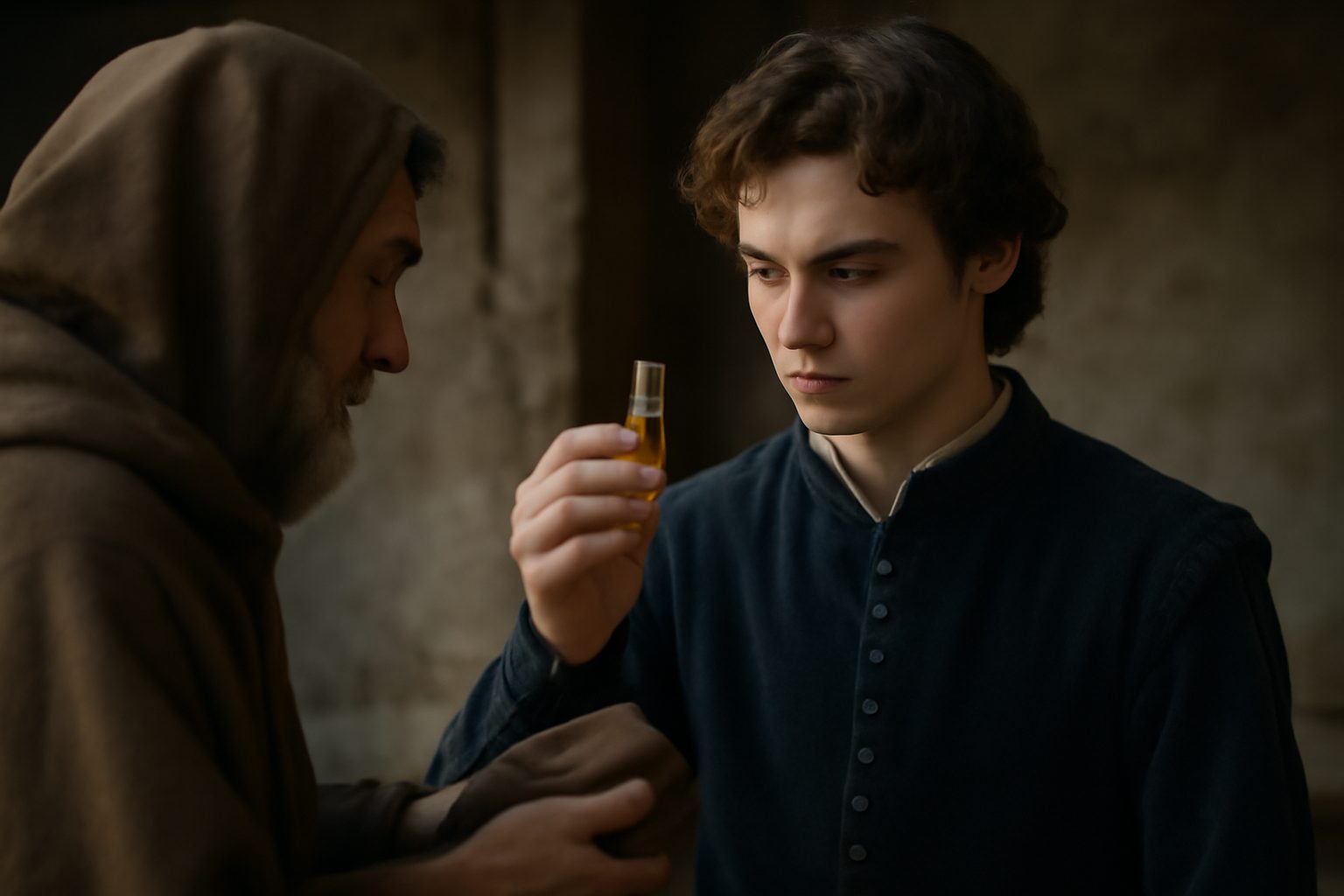
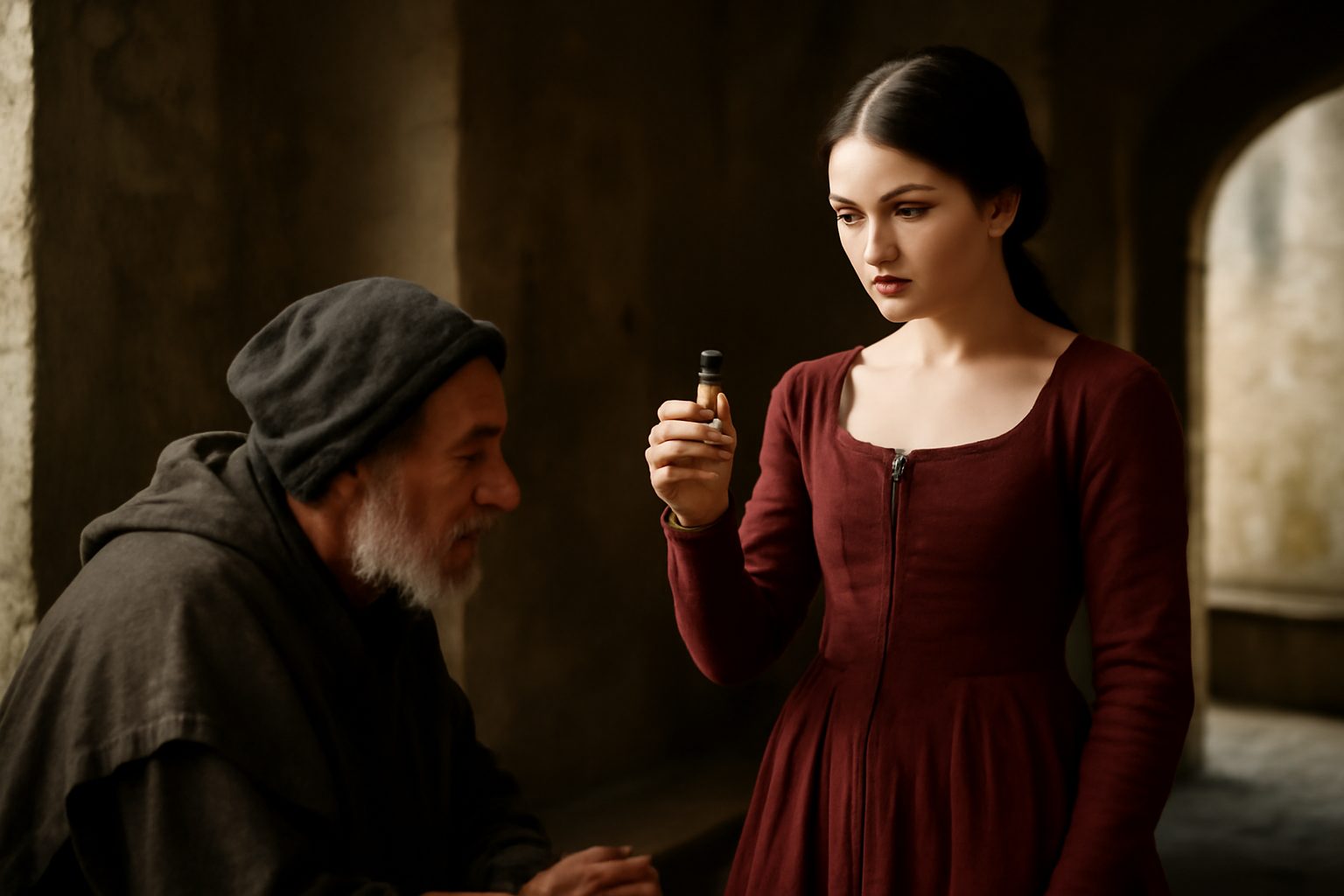
The verse "Were thinly scatter'd, to make up a show" describes the sparse, impoverished contents of the apothecary's shop, which Romeo observes as he seeks poison. This imagery of scarcity and superficial appearance connects thematically and contextually to several other verses in the scene.
Poverty and Desperation
The depiction of the apothecary's meager shop links directly to Culling of simples; meagre were his looks, which emphasizes the apothecary's own gaunt and impoverished state. Similarly, Sharp misery had worn him to the bones reinforces the theme of hardship that pervades the apothecary's existence.
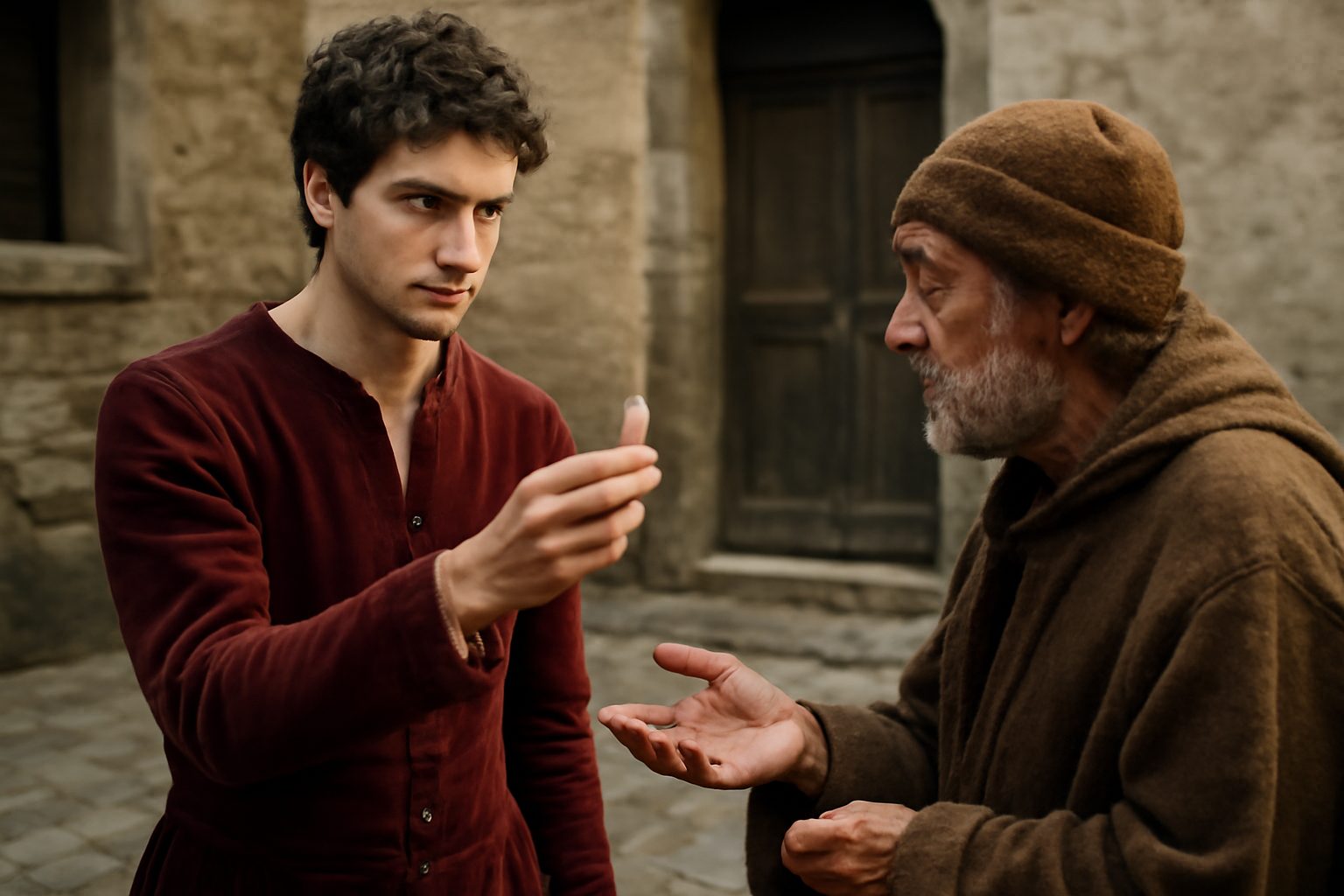
Romeo's acknowledgment of the apothecary's poverty is evident in Come hither, man. I see that thou art poor, and the transactional nature of their interaction is highlighted in I pay thy poverty, and not thy will, showing how Romeo exploits the apothecary's need.
Superficiality and Emptiness
The idea of things being arranged "to make up a show" echoes the emptiness described in A beggarly account of empty boxes, which further illustrates the apothecary's destitute shop. The scattered, sparse items also relate to Green earthen pots, bladders and musty seeds and Remnants of packthread and old cakes of roses, listing the pitiful remnants that constitute the shop's inventory.
Foreshadowing and Tragedy
Romeo's turn to the apothecary for poison, indicated by the sparse shop, is foreshadowed earlier when he says I do remember an apothecary, showing his desperate plan already forming. The lethal transaction culminates in A dram of poison, such soon-speeding gear, directly tying the impoverished setting to the play's tragic conclusion.