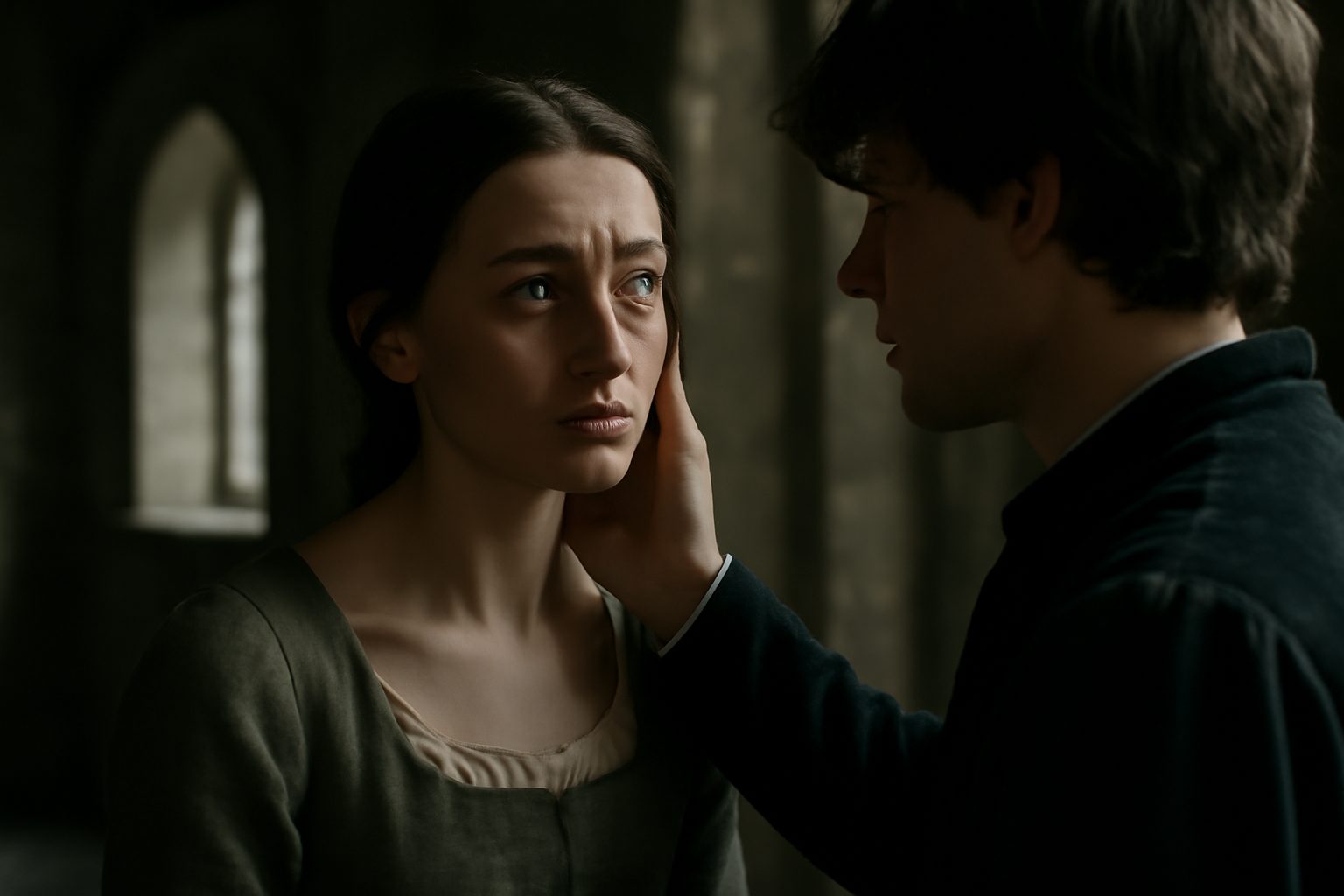
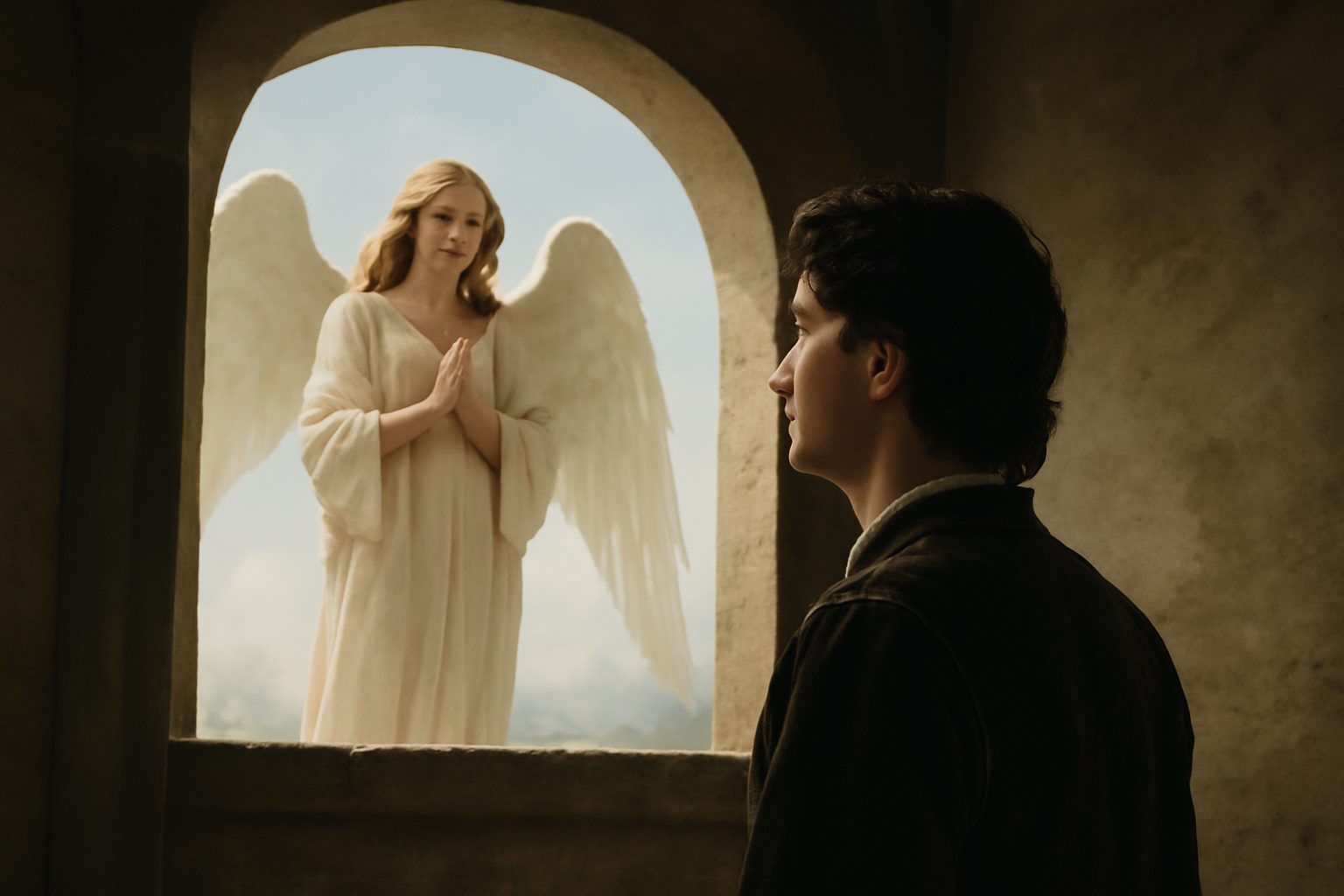
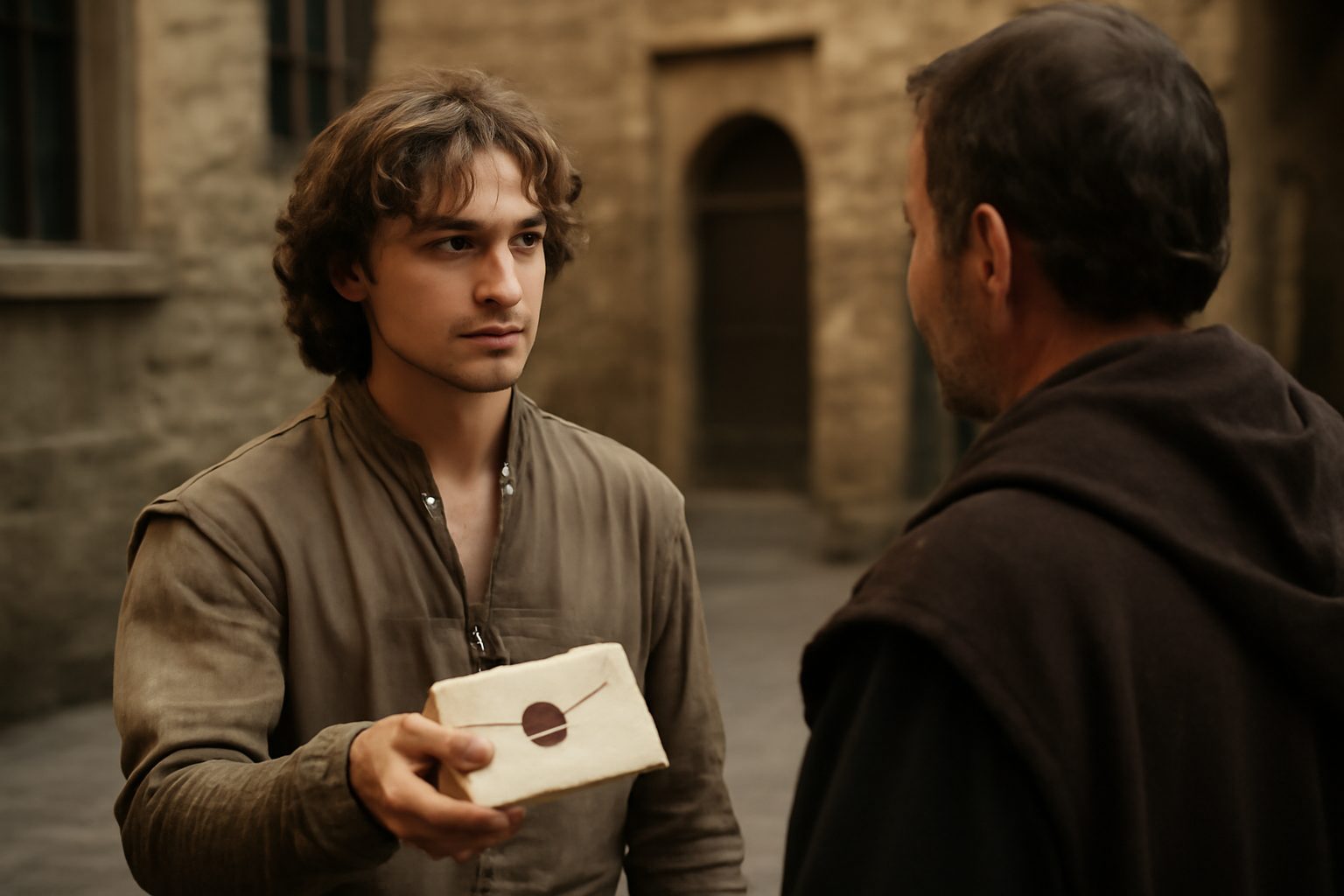
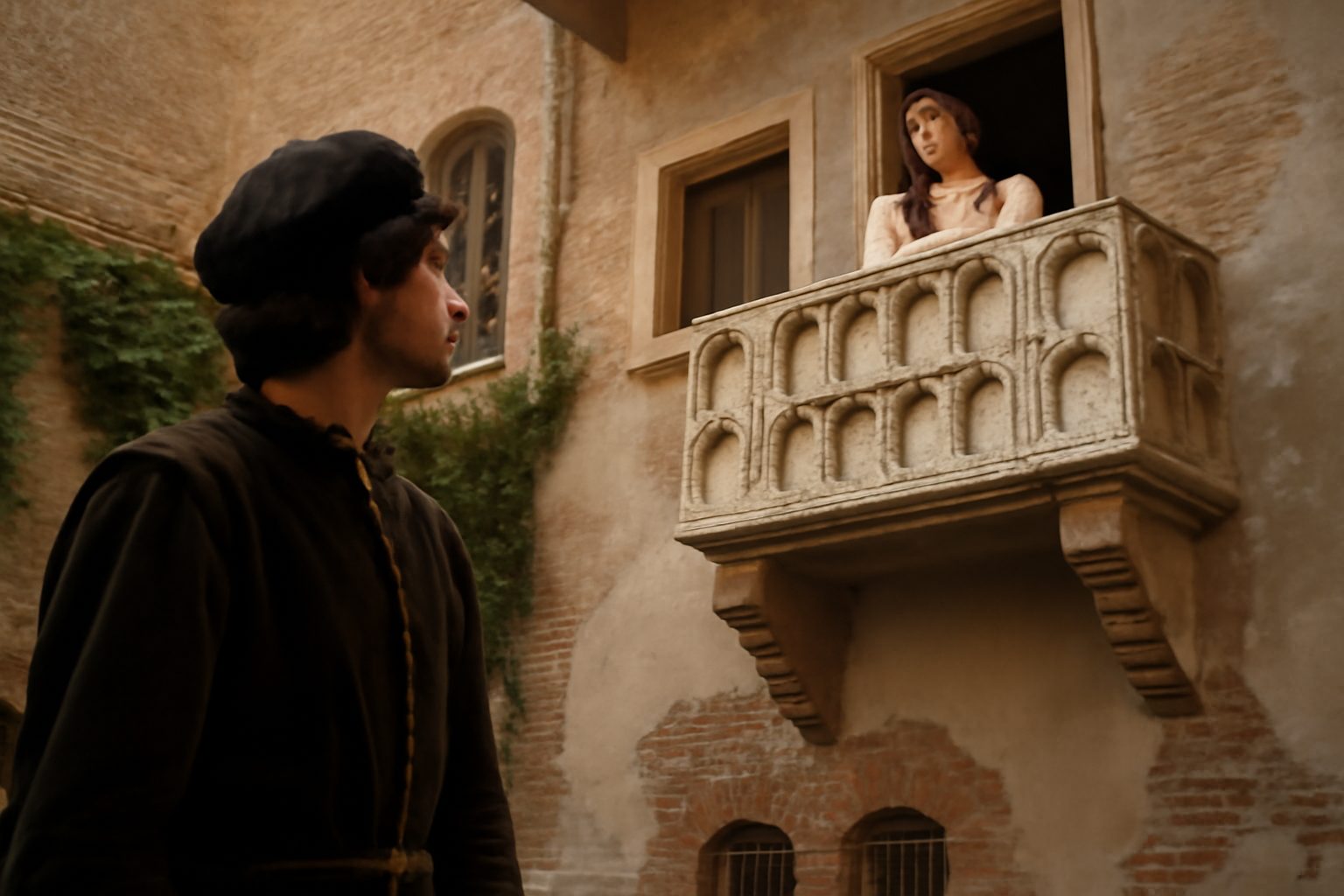
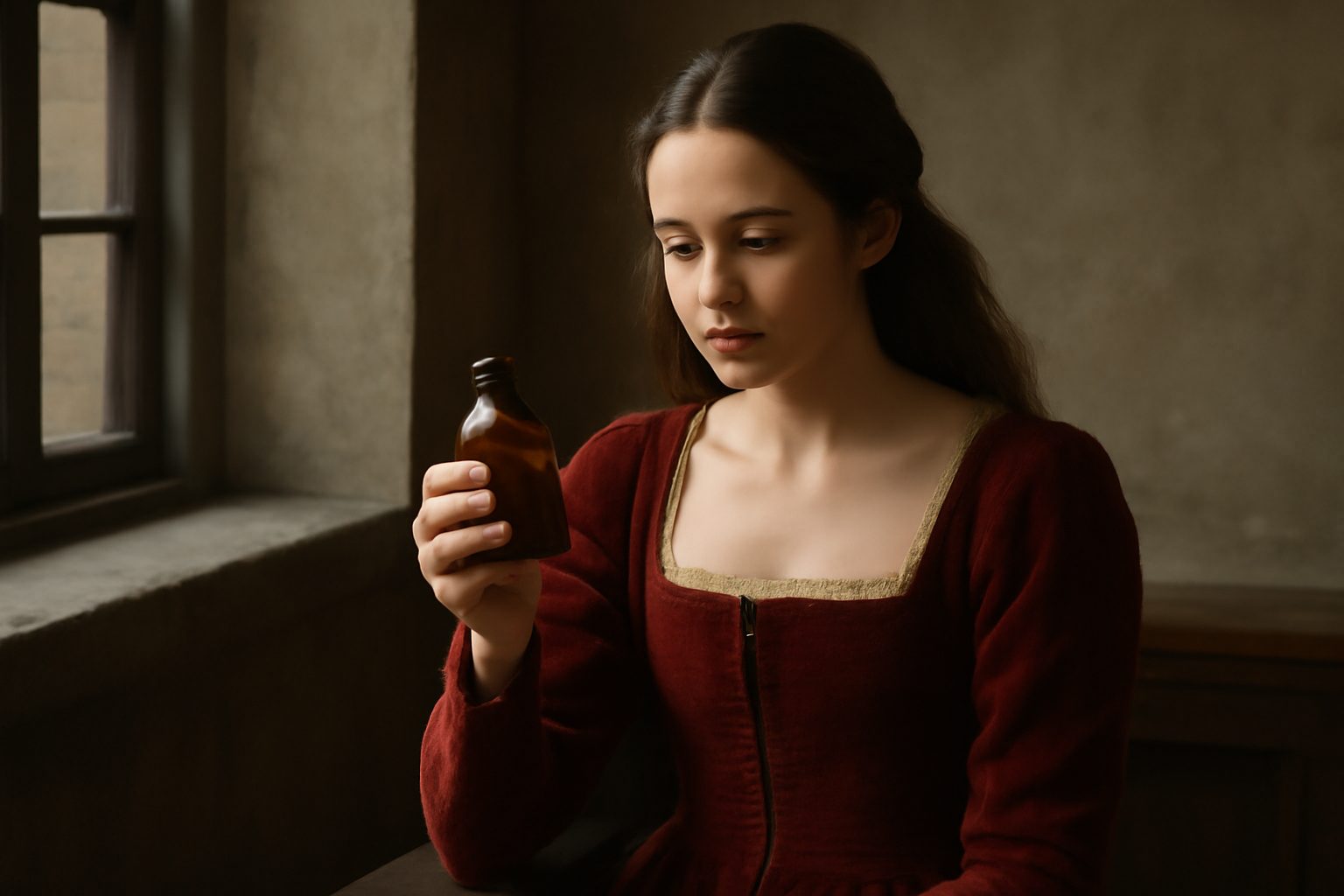
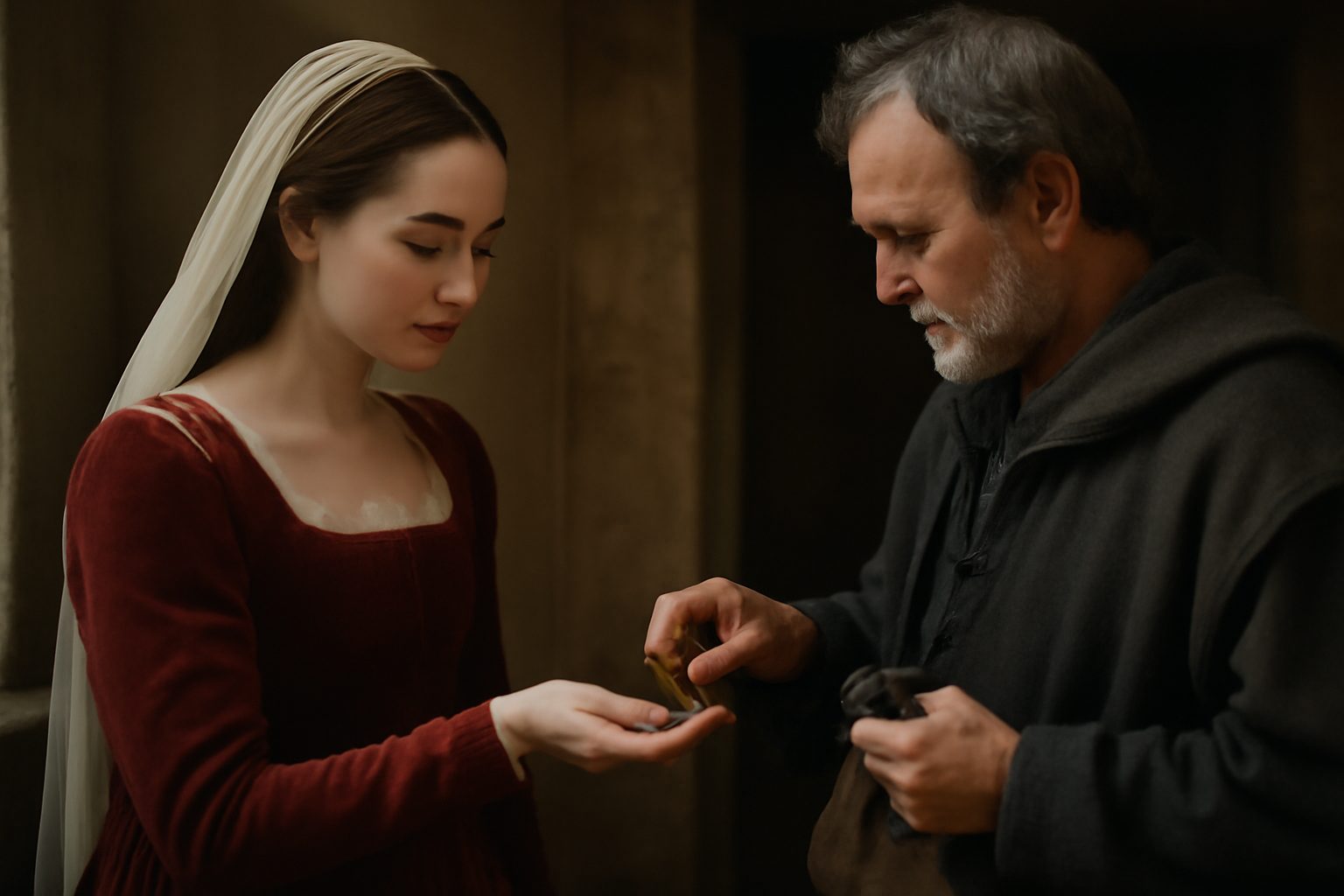
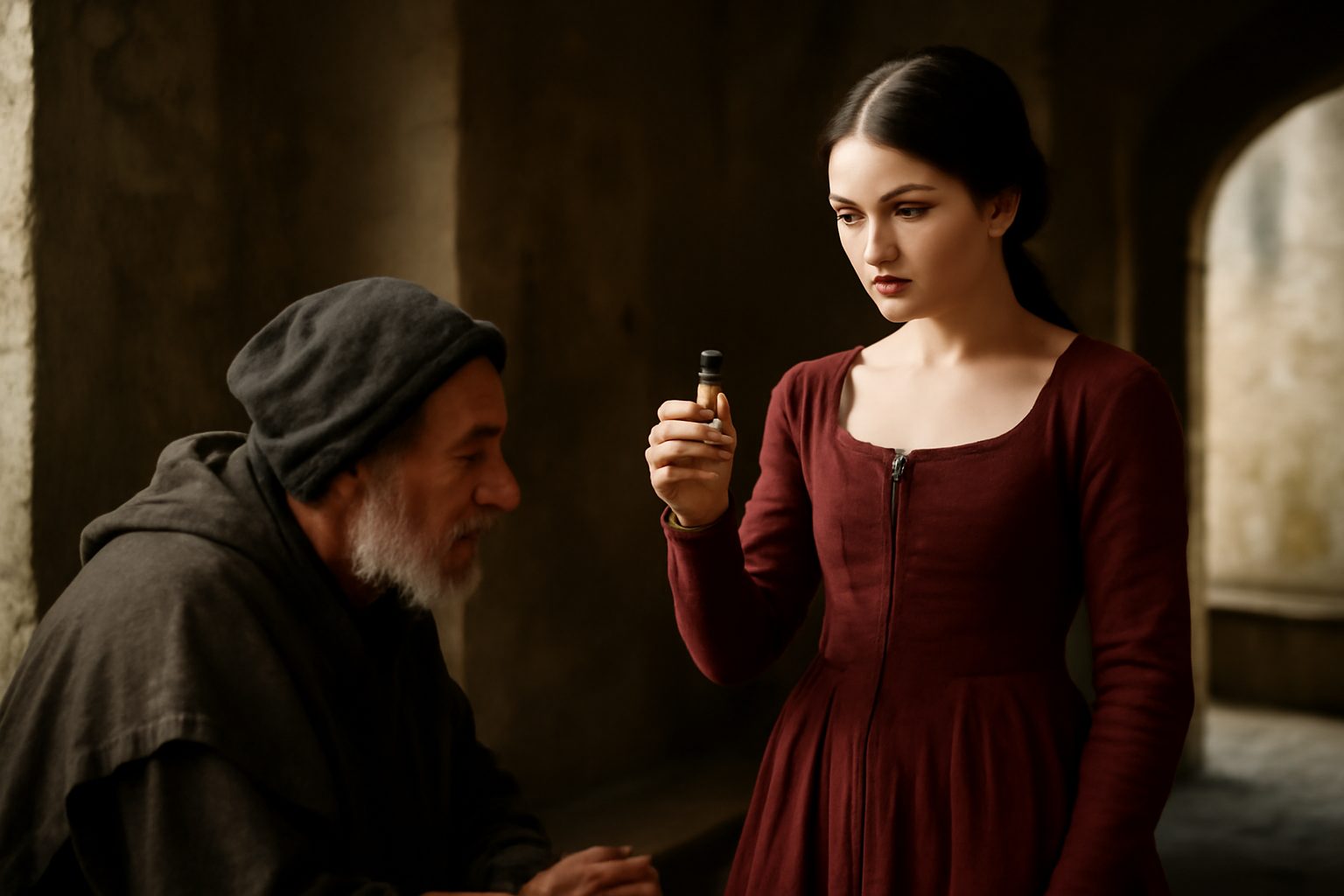
In Act 5, Scene 1 of Romeo and Juliet, Romeo speaks these words after learning of Juliet's supposed death from Balthasar. Overwhelmed by grief, he reflects on a premonition he once had, now realizing it foreshadowed this tragic moment. The line captures his despair as he resolves to join Juliet in death, believing all hope is lost.
Romeo: "O, this same thought did but forerun my need;"
In modern day english, we would say:
I just had this same thought, and now it’s actually happening.
Frequently Asked Questions
What does Romeo mean when he says that his thought came before his need?
Romeo means that he had already thought about the situation he is now facing, before it actually happened.
Connections to other verses:
Connections to "O, this same thought did but forerun my need"
This line from Romeo & Juliet Act 5 Scene 1 – O, this same thought did but forerun my need reflects Romeo's realization that his earlier premonitions have anticipated his current desperate need for poison. It connects thematically and narratively to several other verses in the scene.
Foreshadowing and Premonition
Romeo's mention of a thought "forerun[ning]" his need echoes his earlier dream, where he states, I dreamt my lady came and found me dead, which foreshadows the tragic events to come. This dream is described as giving a dead man leave to think, further emphasizing the prophetic nature of his subconscious fears.
Desperation and Action
The sense of urgency in Romeo's need is mirrored in his resolve: Well, Juliet, I will lie with thee to-night. His determination to join Juliet in death drives him to seek the means, leading directly to his interaction with the apothecary. This is foreshadowed when he declares, Is it even so? then I defy you, stars!, showcasing his rebellion against fate.
The Apothecary and Poverty
Romeo's need for poison is fulfilled by the impoverished apothecary, whom he recalls in I do remember an apothecary. The apothecary's destitution is highlighted in lines like Culling of simples; meagre were his looks and And in his needy shop a tortoise hung, emphasizing the connection between need and moral compromise. Romeo explicitly notes this in And this same needy man must sell it me.
Poison as a Solution
The poison itself is described in potent terms, such as A dram of poison, such soon-speeding gear and As will disperse itself through all the veins, underscoring its role as the instrument of Romeo's planned demise. This ties back to his initial thought forerunning his need, as the poison becomes the tangible answer to his desperation.
Moral and Emotional Conflict
Romeo's acknowledgment of his premonition connects to his broader emotional state, including his earlier joy at Ah me! how sweet is love itself possess'd, which contrasts sharply with his current despair. His interaction with Balthasar, who brings news of Juliet's death (O, pardon me for bringing these ill news), catalyzes this shift from hope to tragedy.