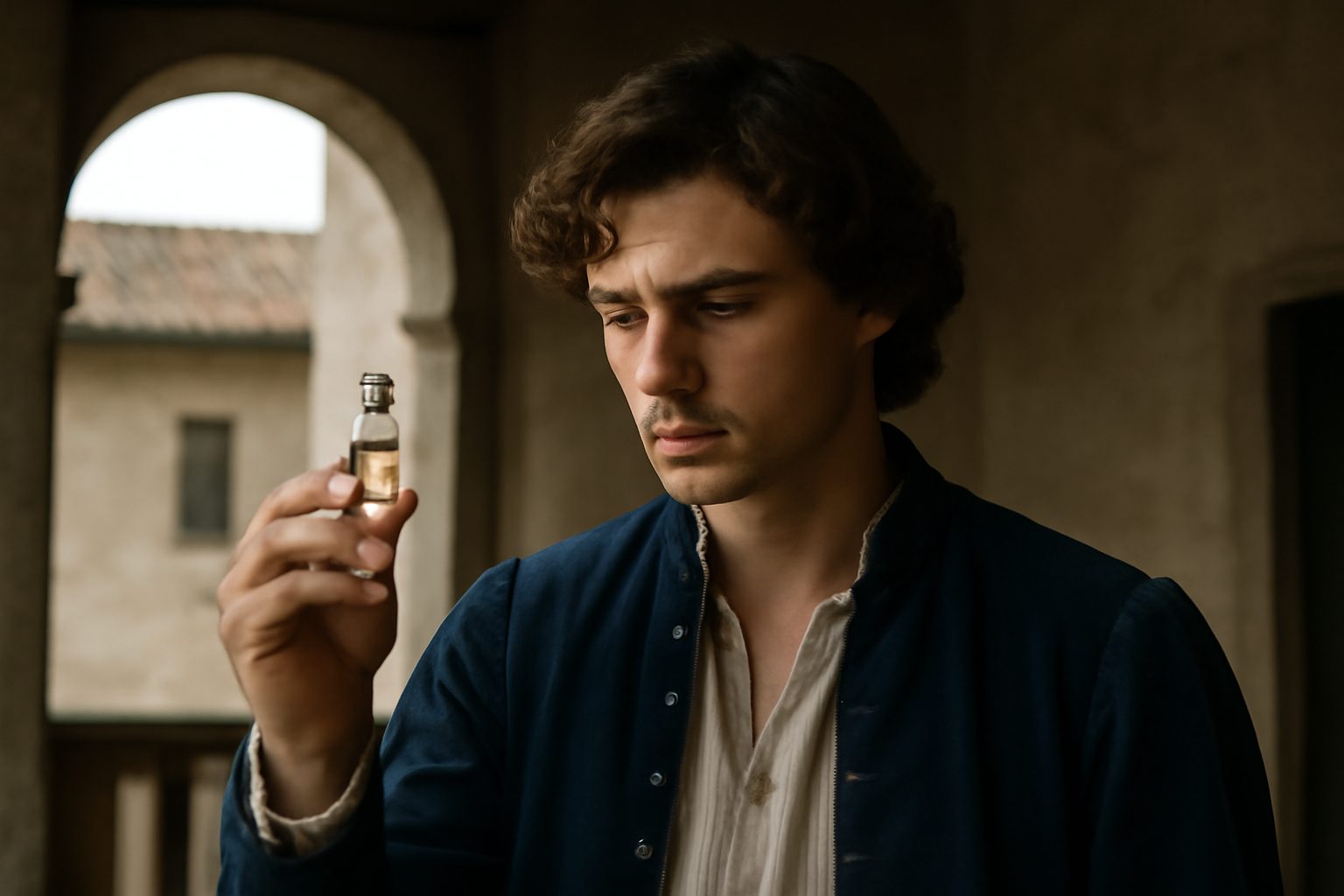
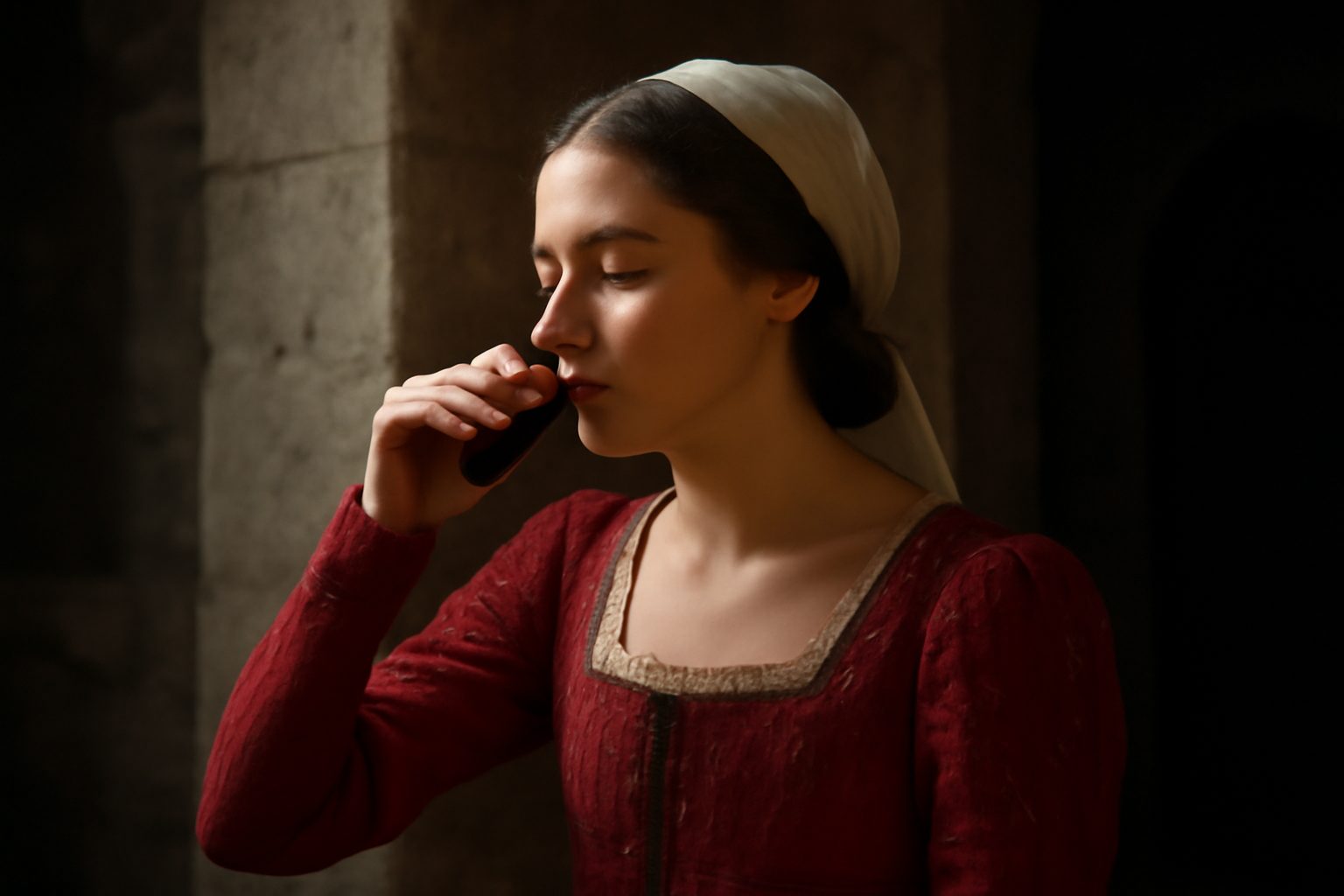
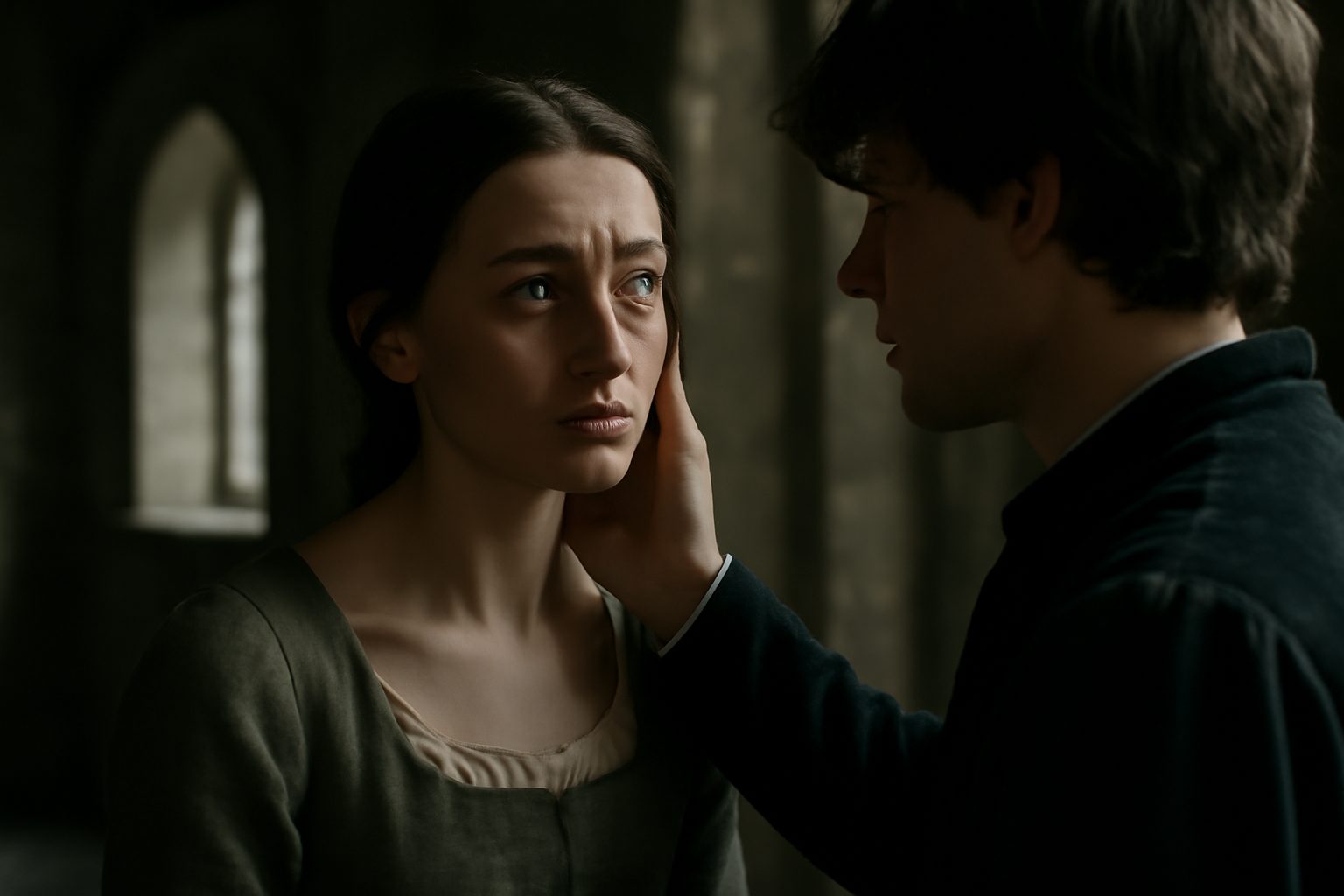
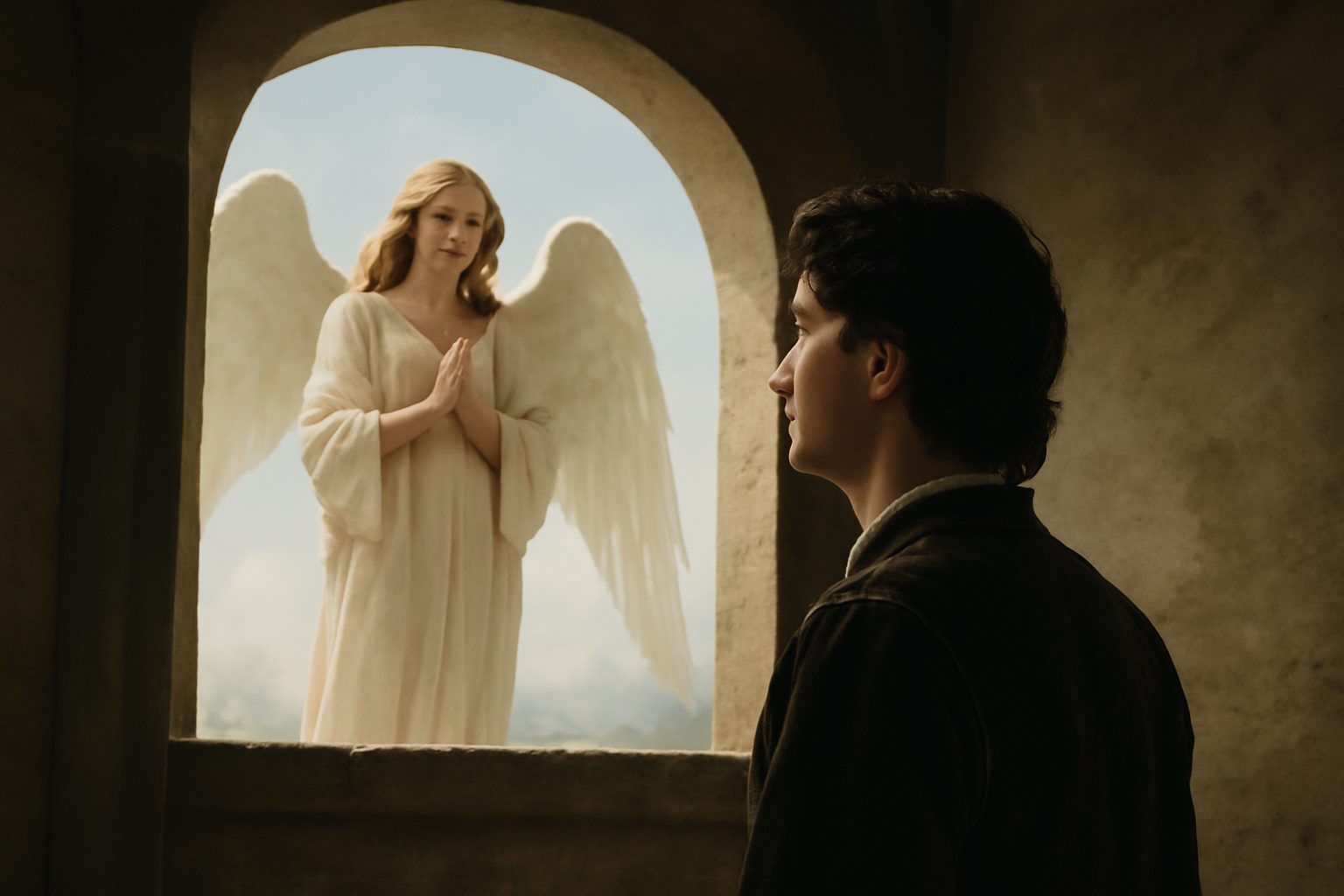
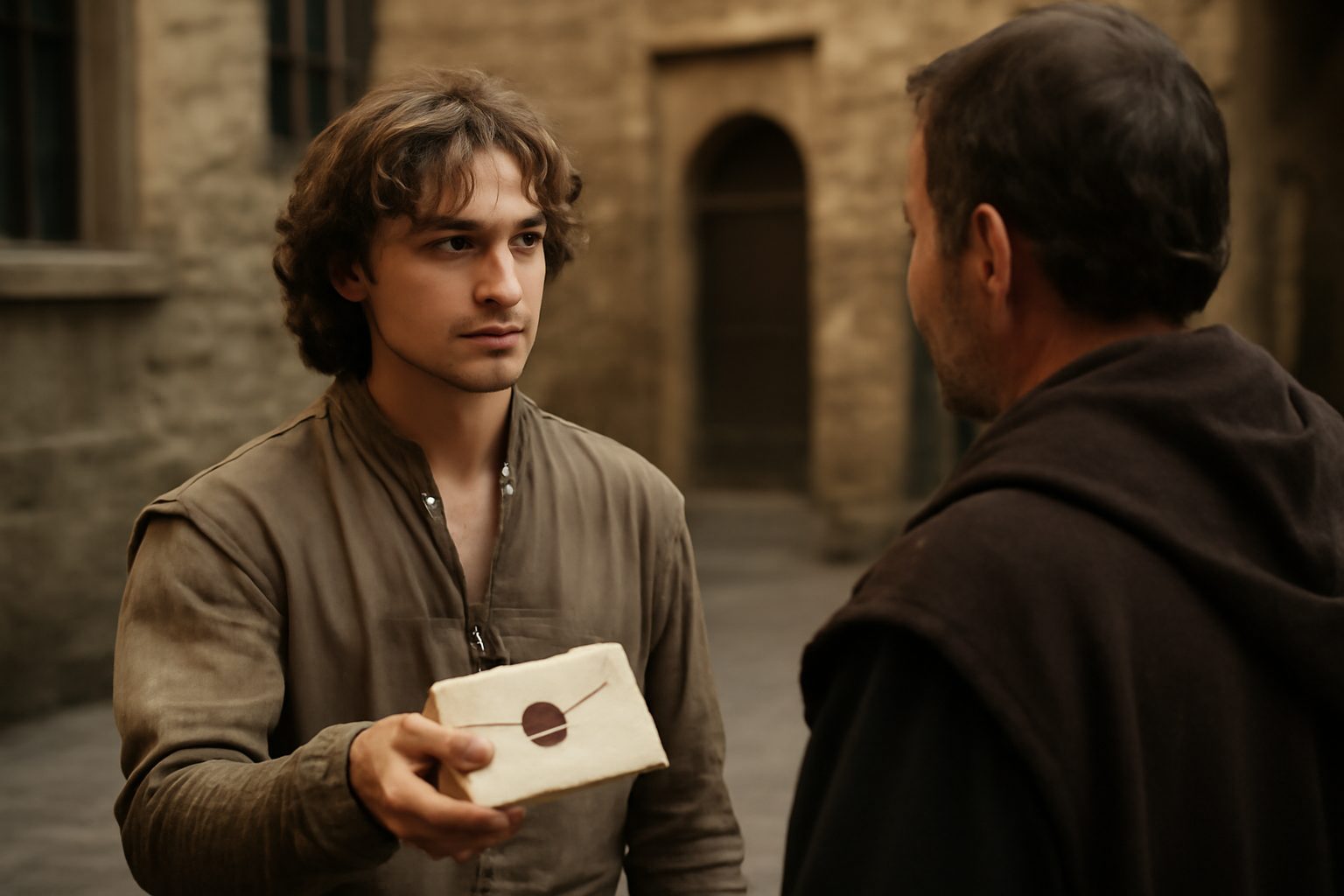
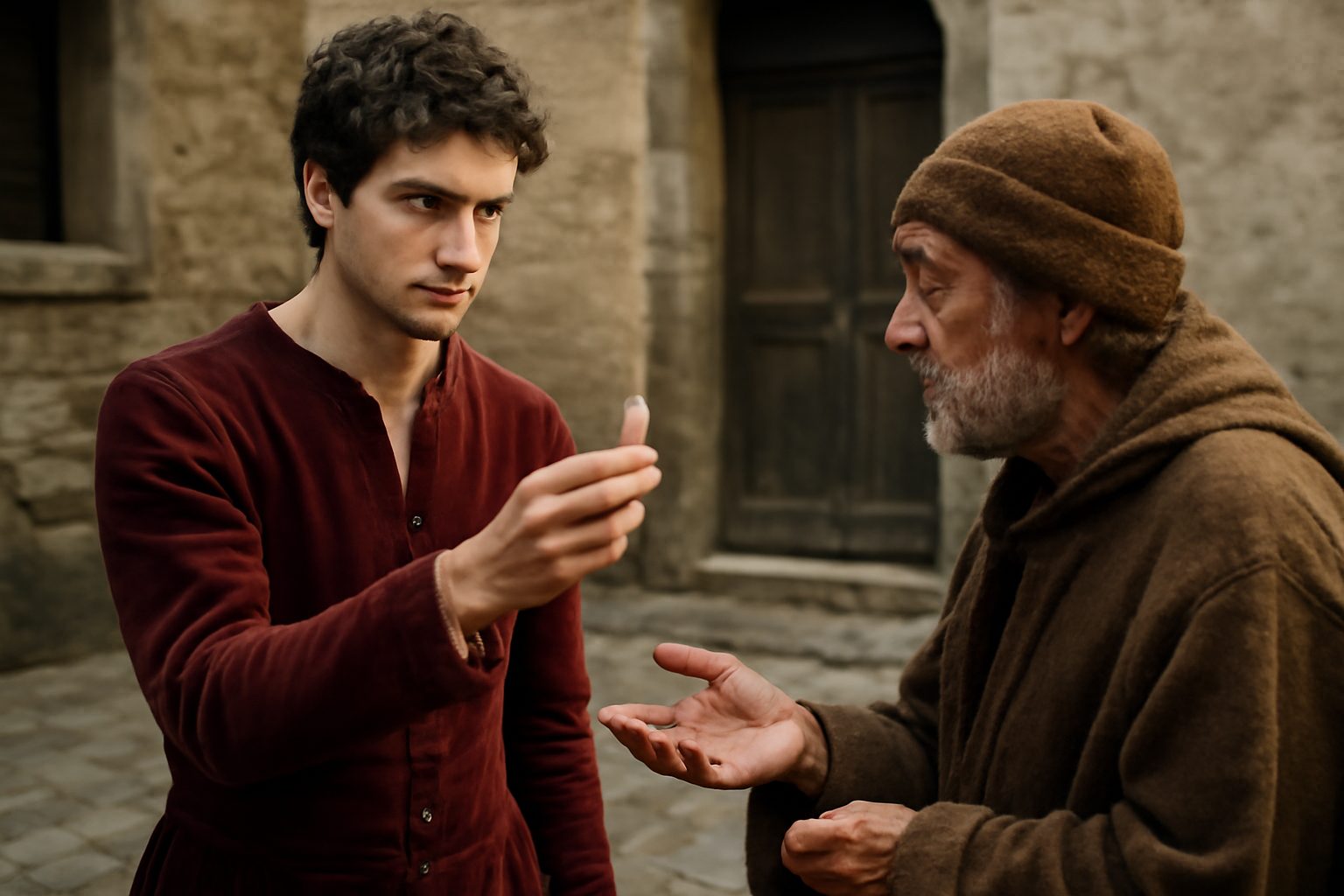
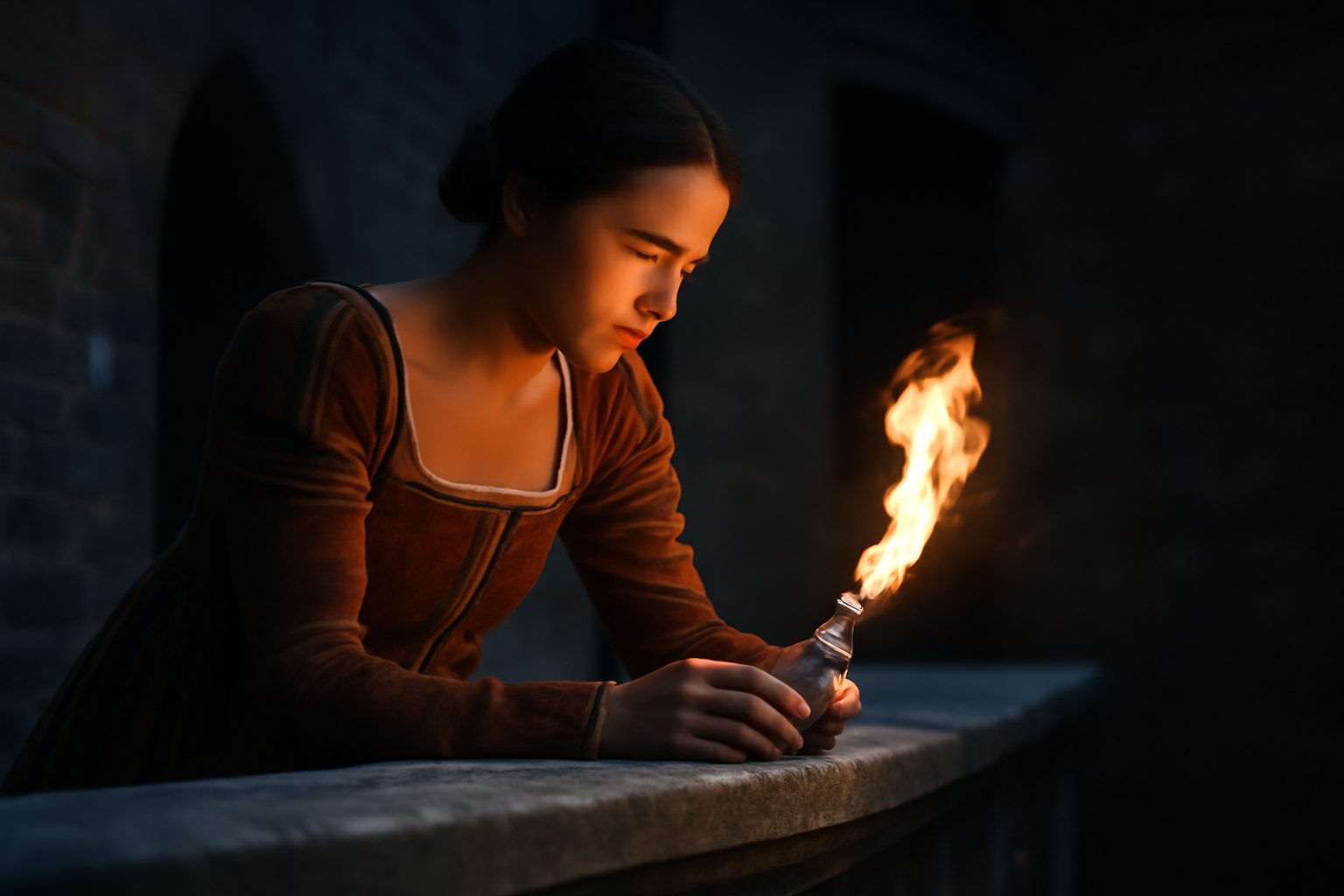
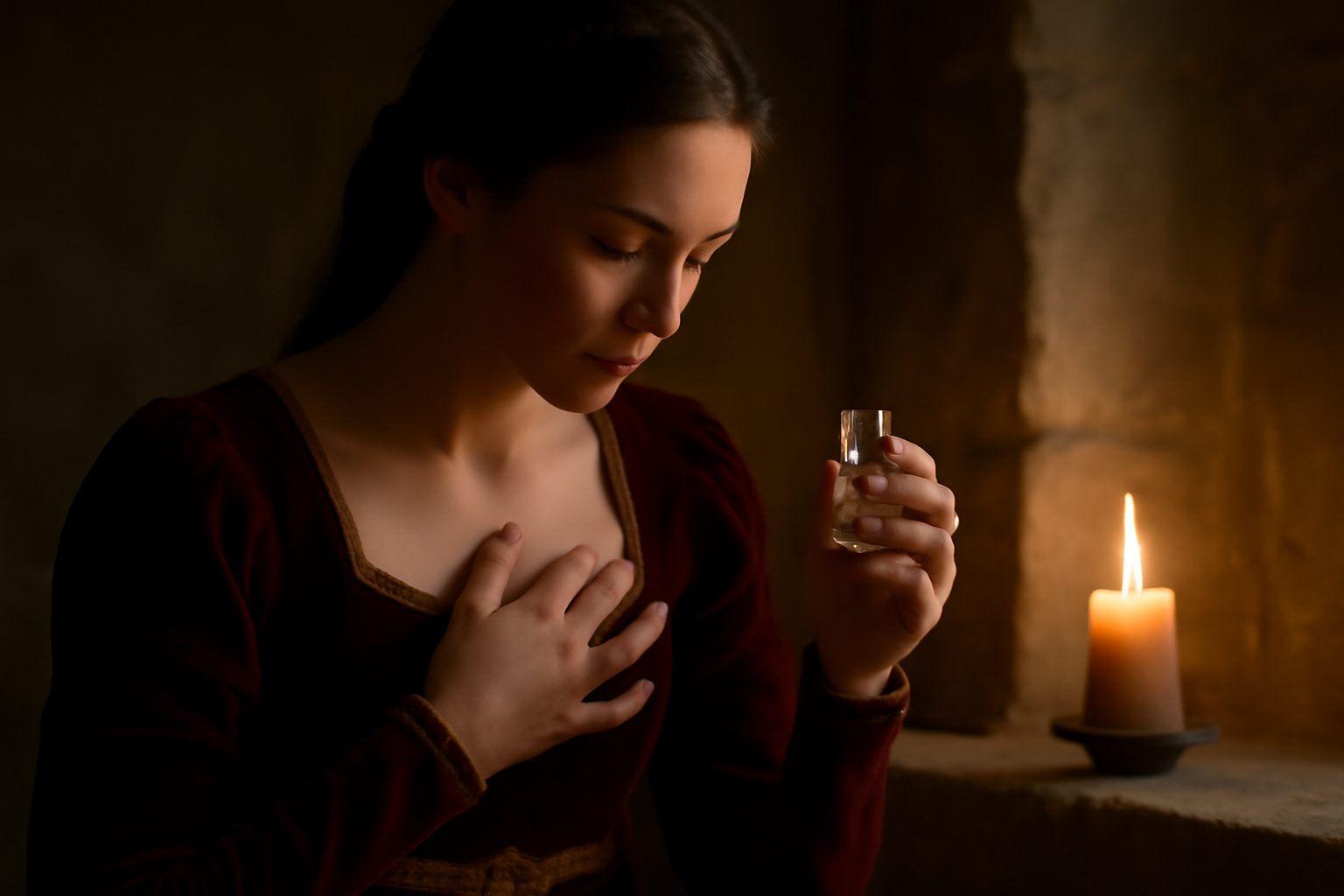
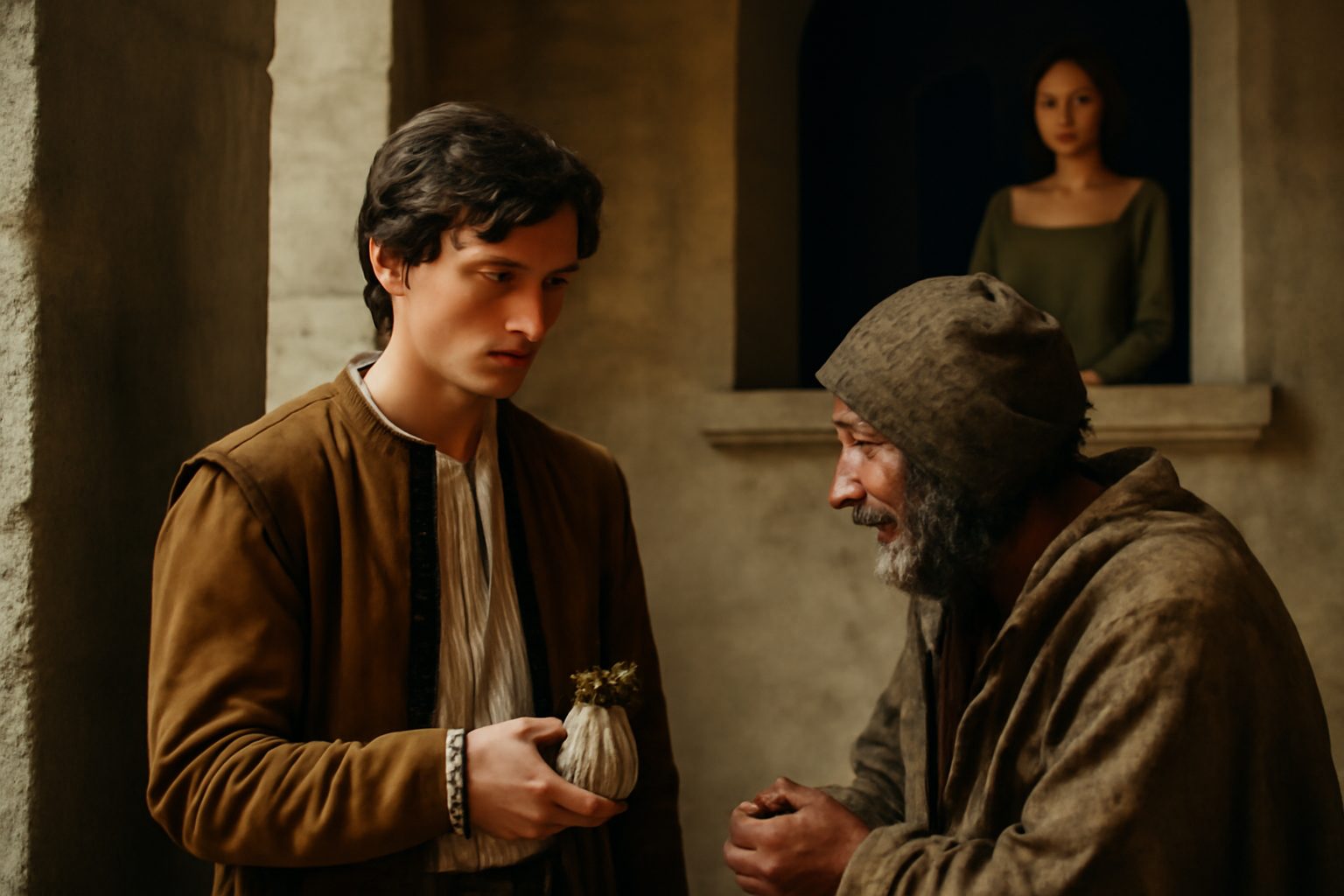
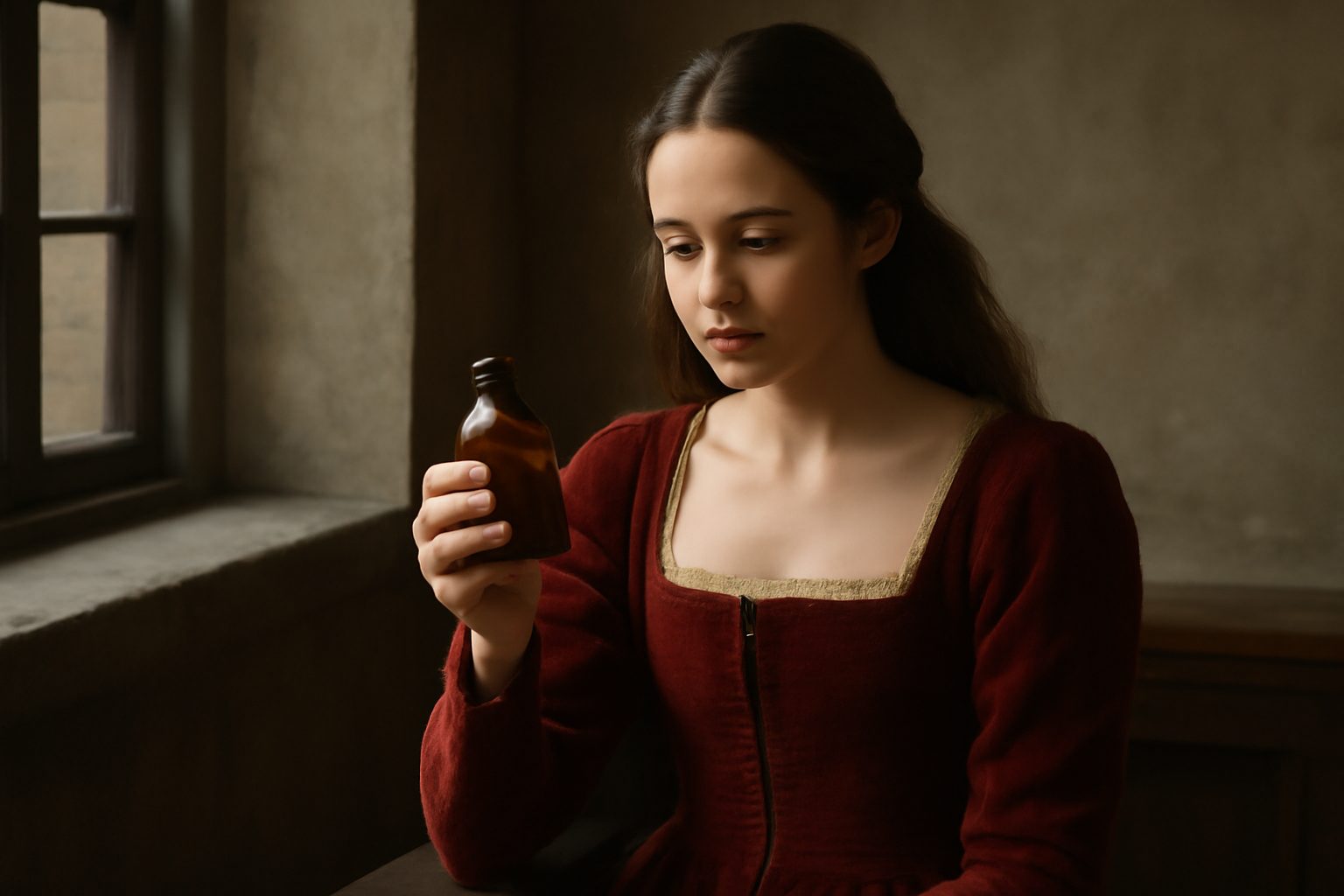
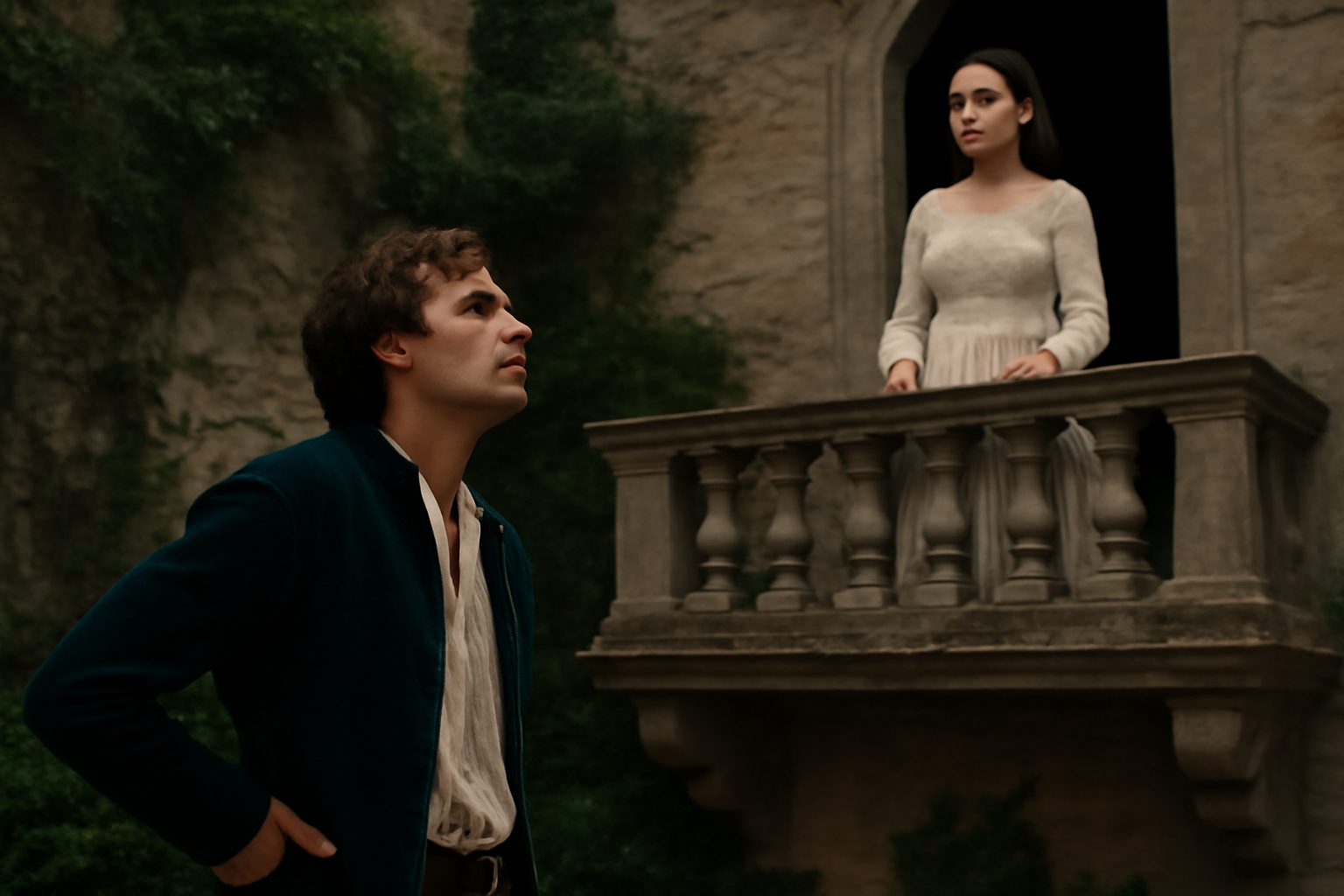
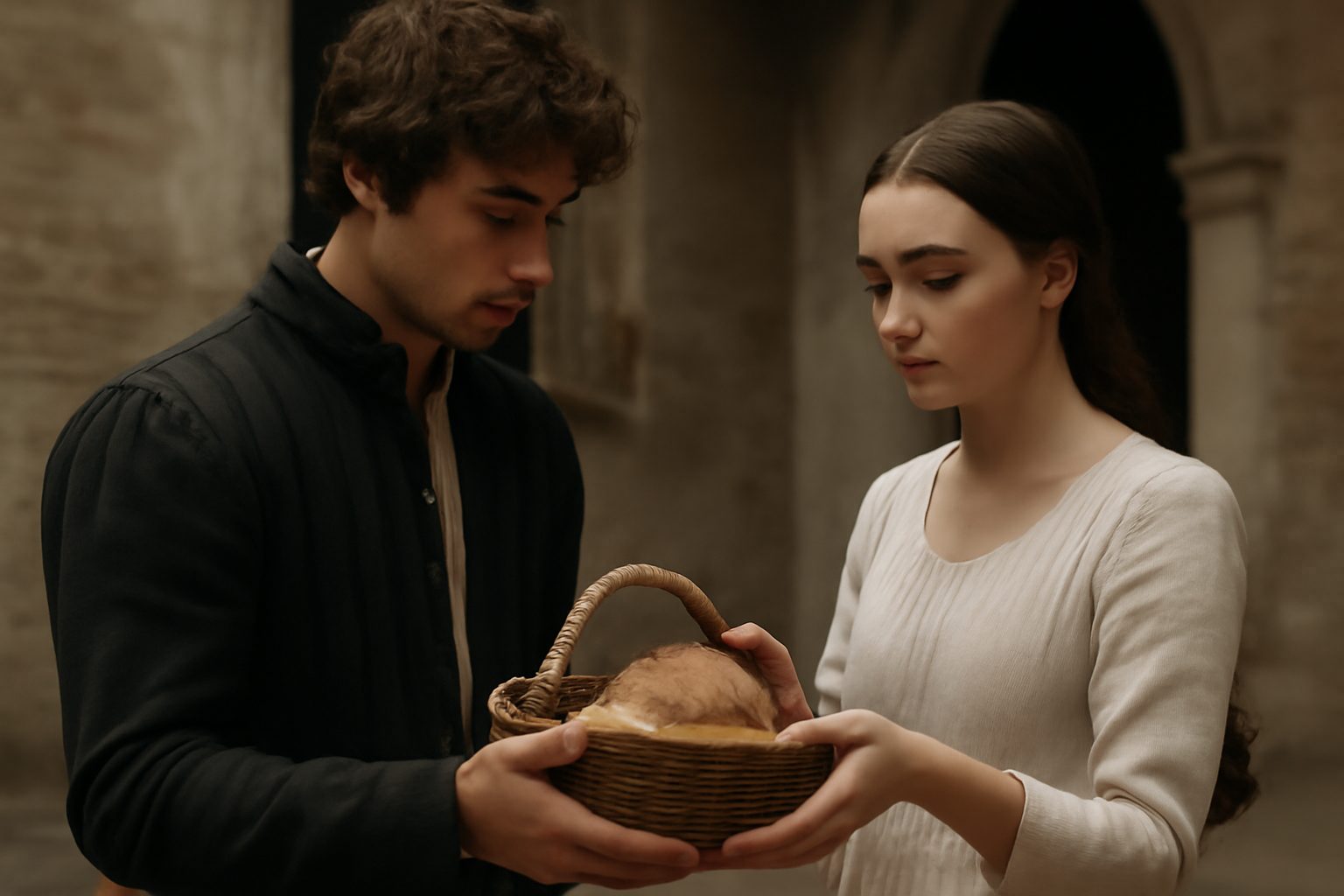
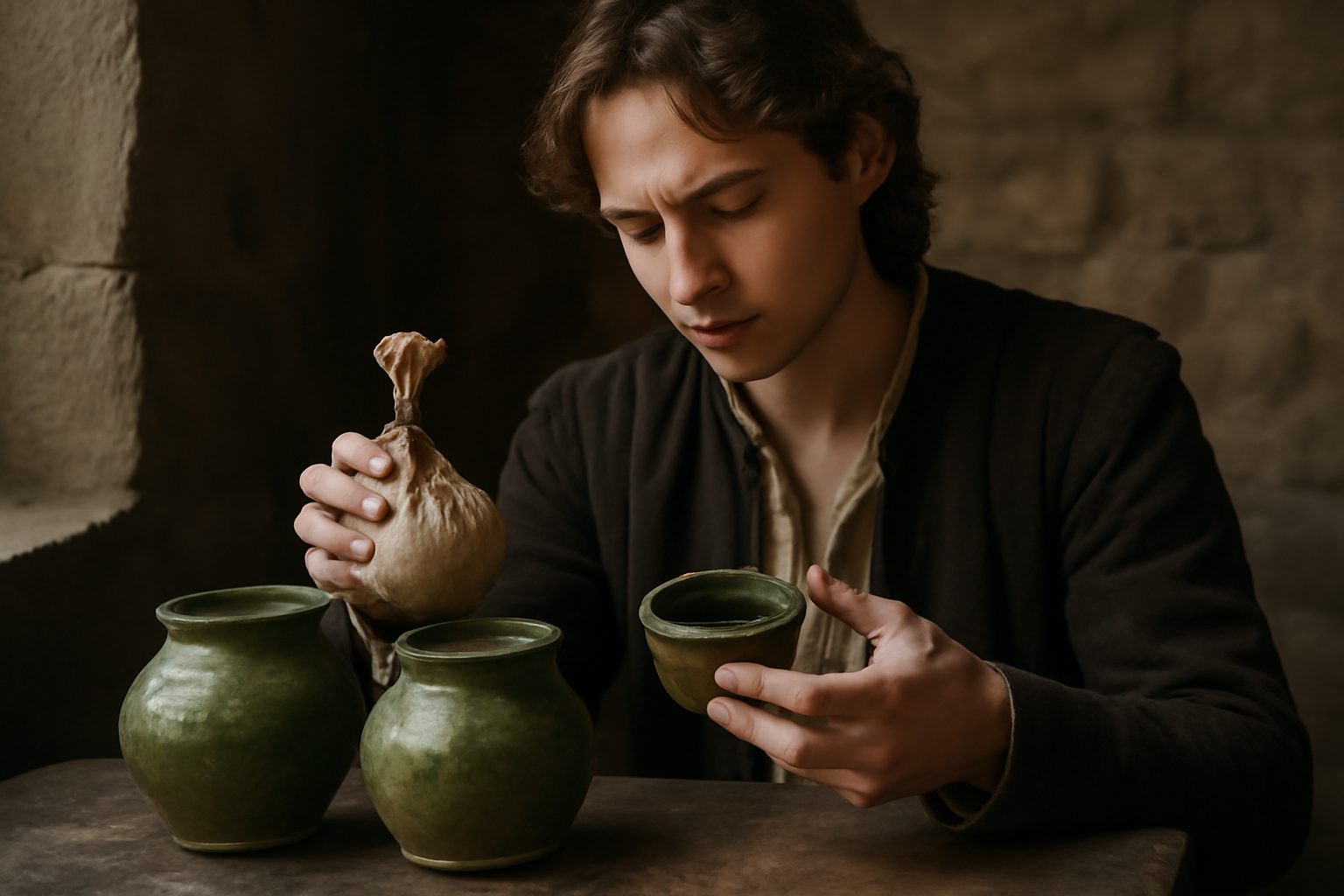
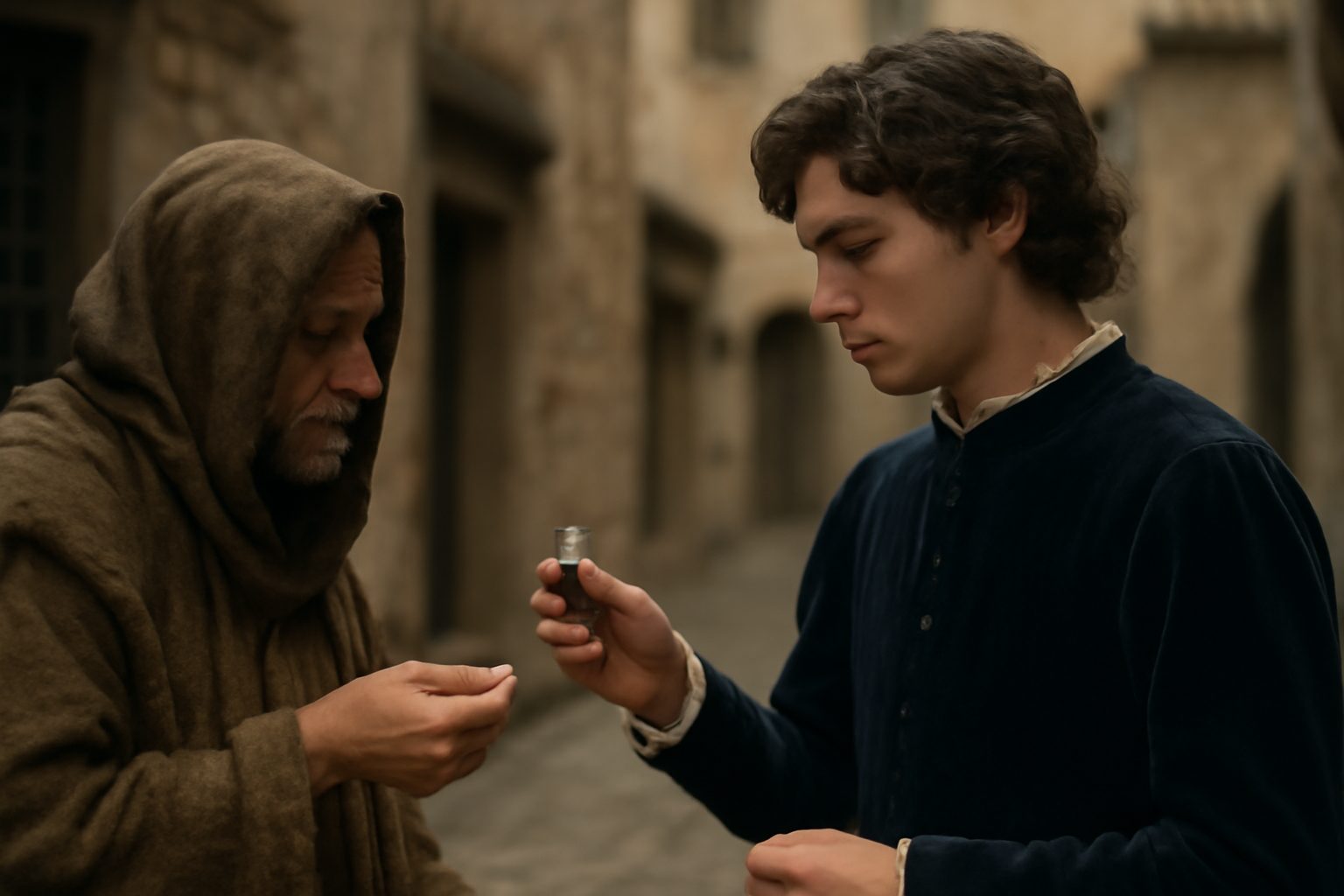
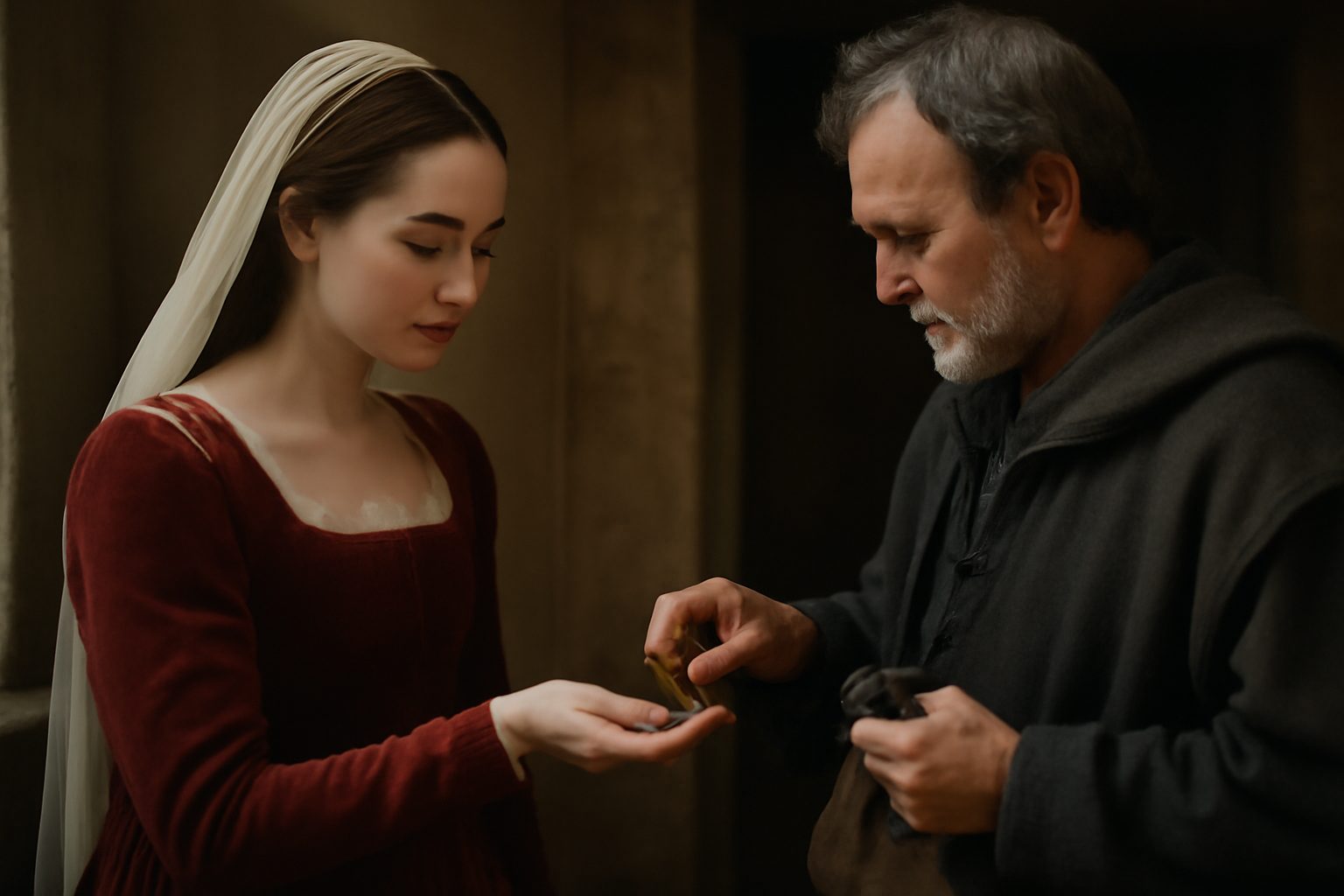
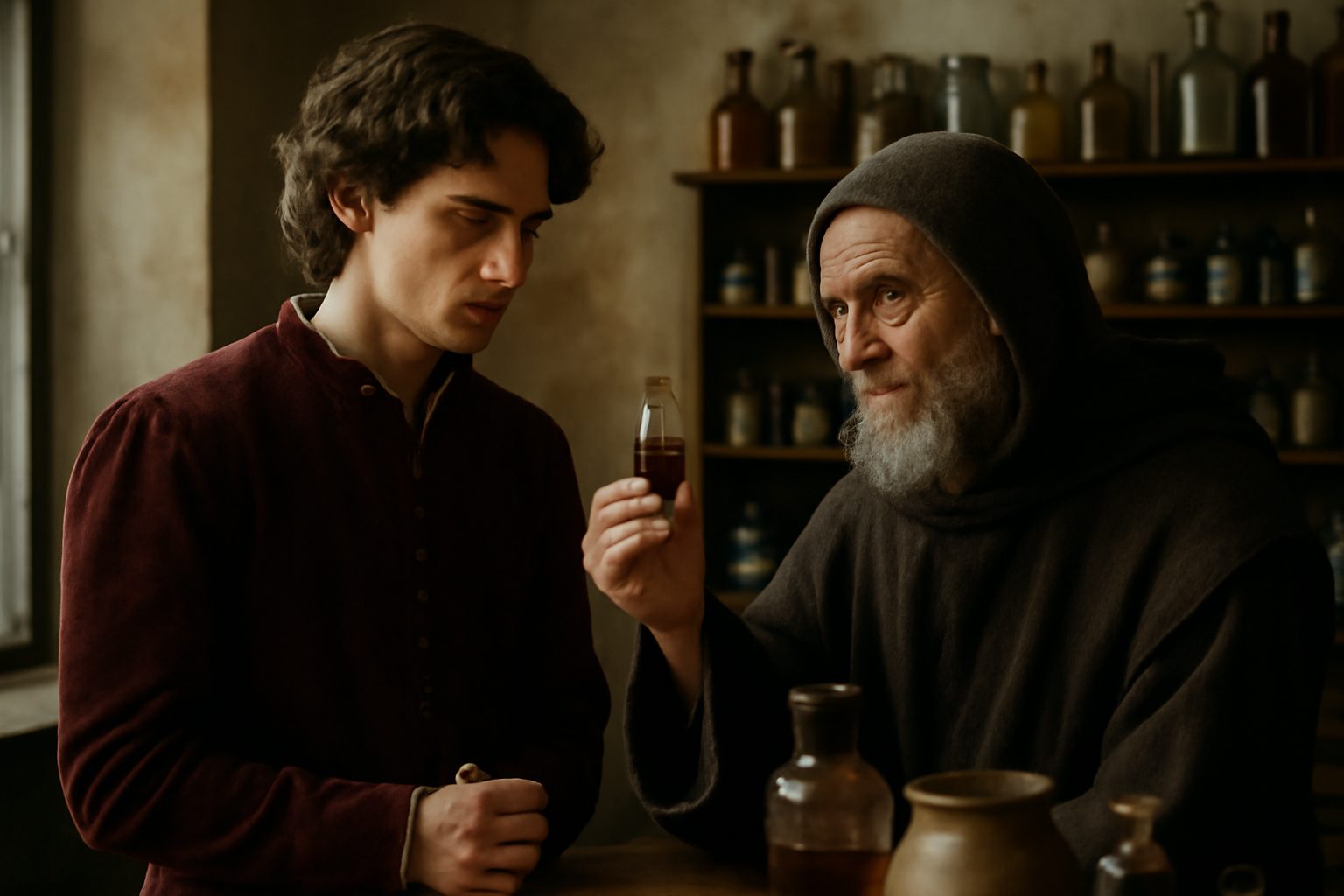
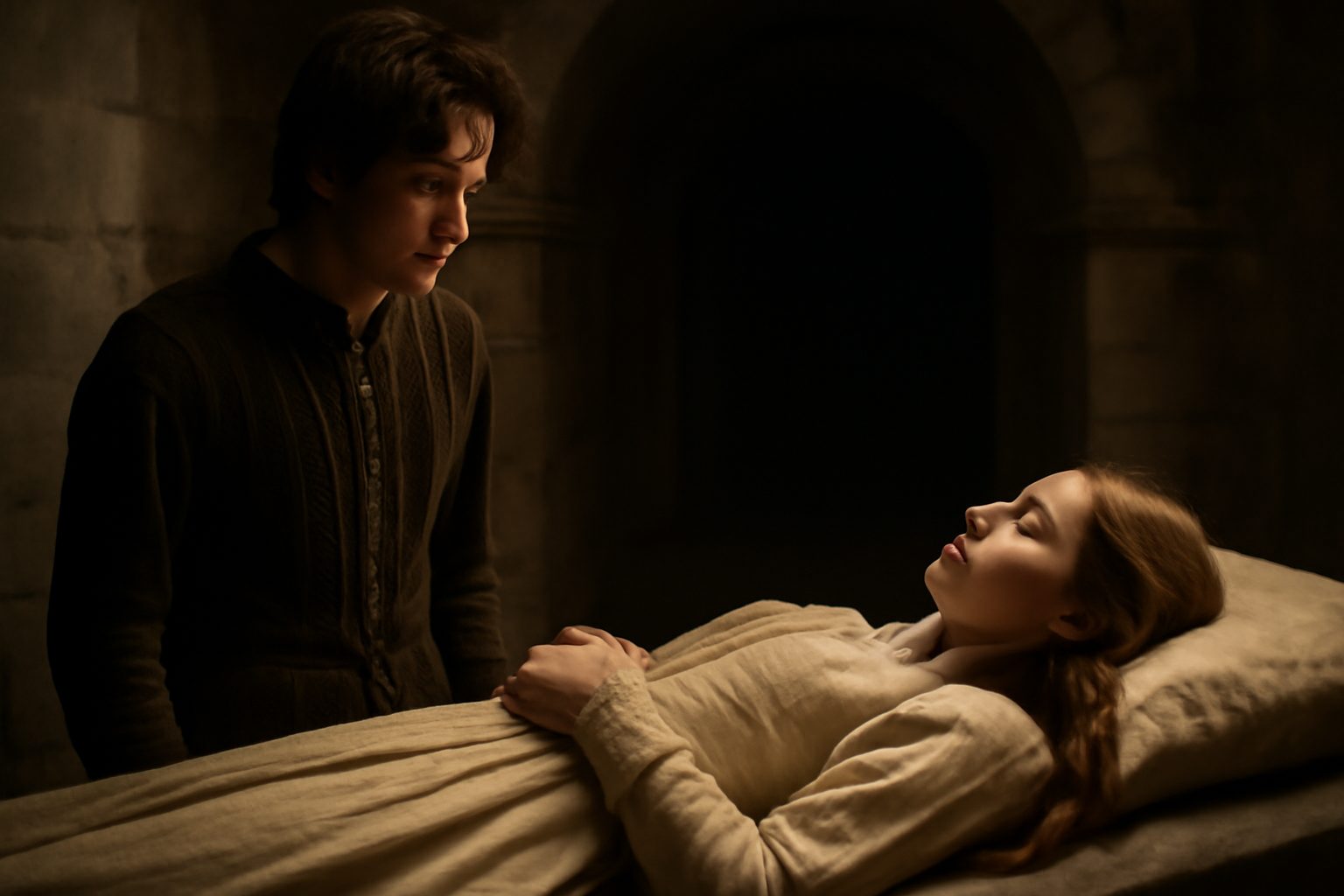
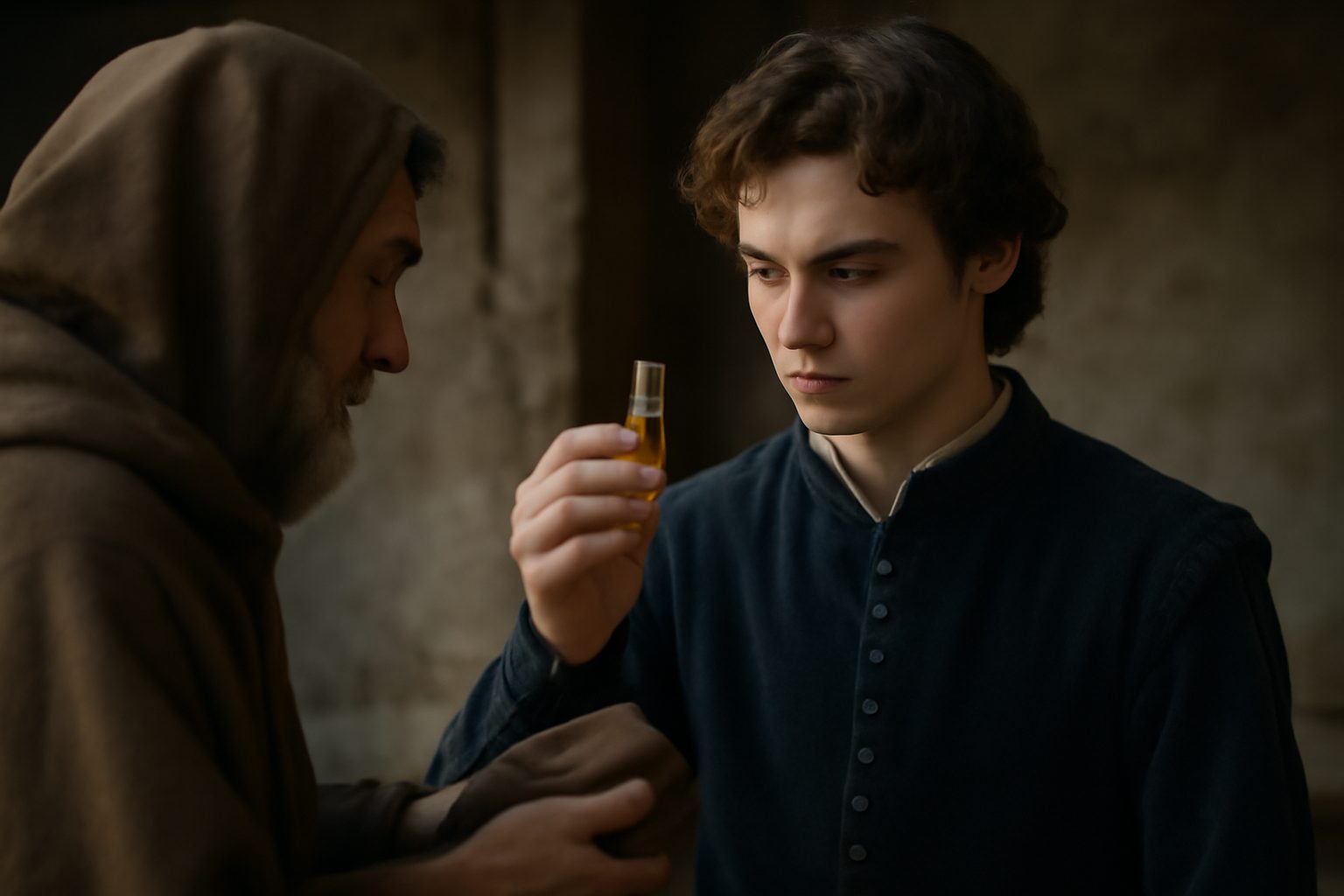
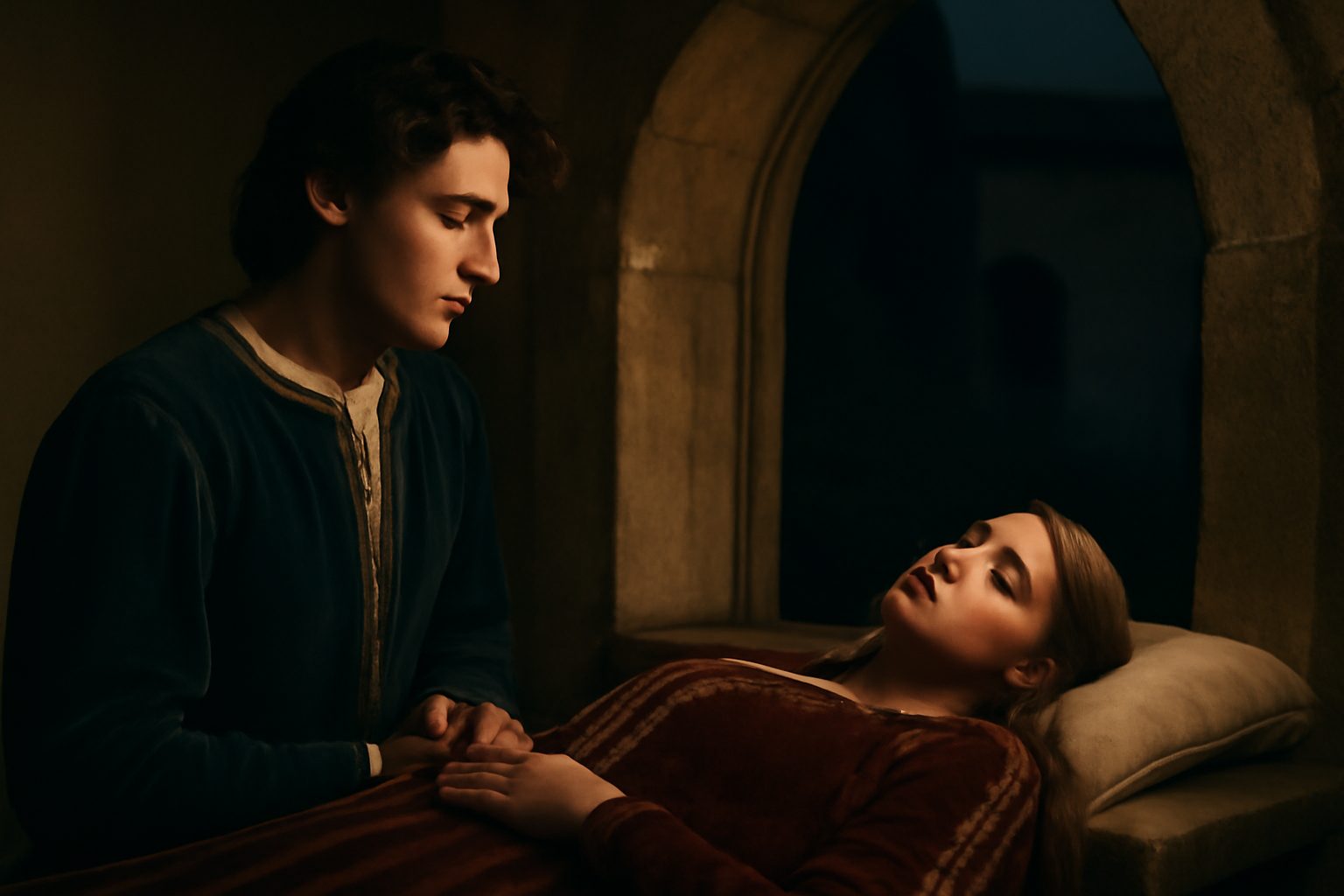
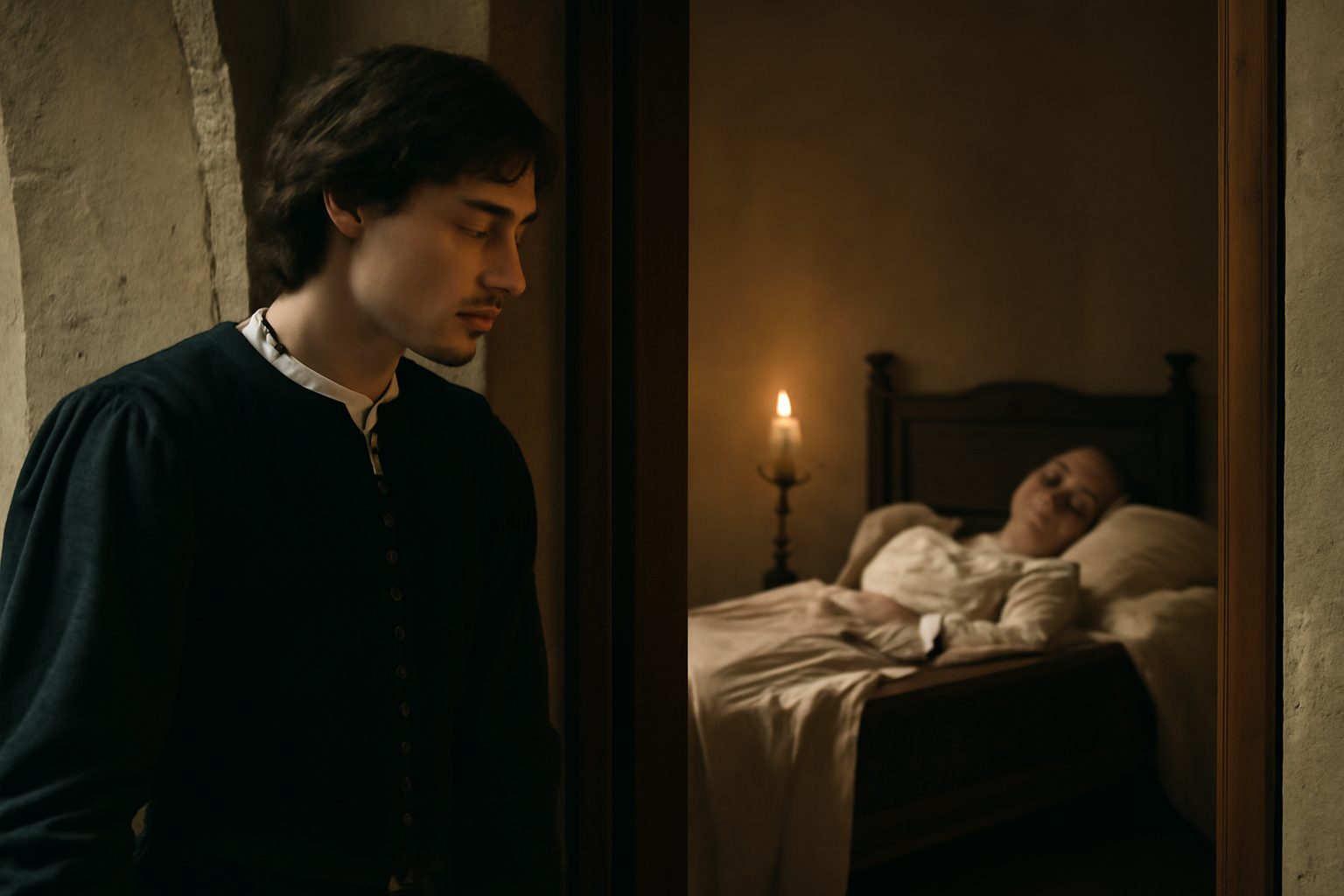
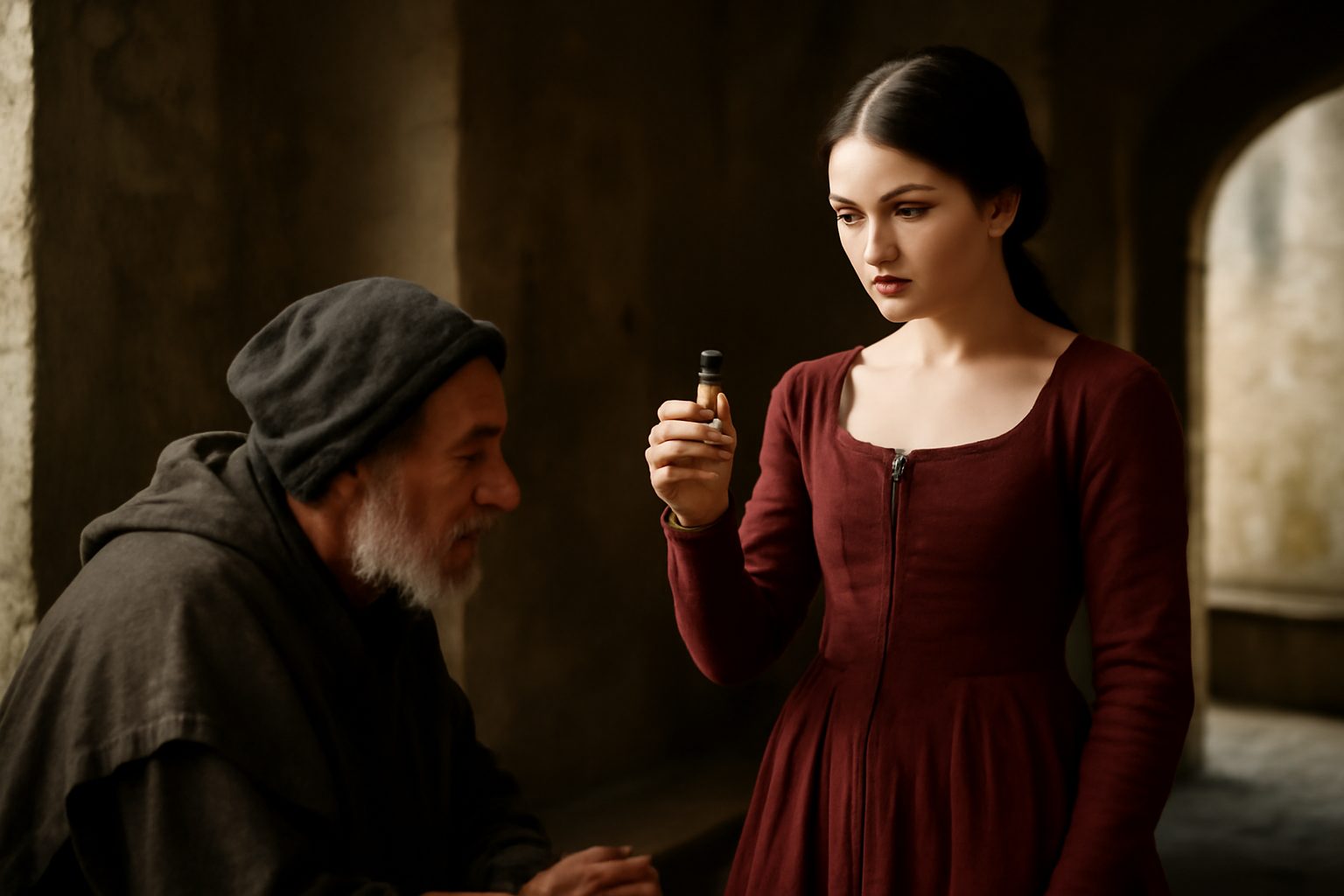
In Act 5, Scene 1 of Romeo and Juliet, Romeo, believing Juliet is dead, has returned to Verona in despair. When he encounters the apothecary who sold him poison, he reflects on the destructive power of wealth, condemning gold as a corrupting force worse than the poison itself. This moment underscores the play's themes of fate and the consequences of desperation.
Romeo: "There is thy gold, worse poison to men's souls,"
In modern day english, we would say:
Here is your gold, which poisons people’s hearts even more than real poison.
Frequently Asked Questions
What does Romeo compare gold to in this line?
Romeo compares gold to poison that harms people's souls.
Connections to other verses:
Connections to "There is thy gold, worse poison to men's souls"
This verse, found at /romeo-and-juliet/five/5-1/act-5-scene-1-84/, serves as a moral condemnation of wealth's corrupting influence, directly contrasting with the physical poison Romeo seeks. It reflects Romeo's acknowledgment that gold, while seemingly valuable, possesses a destructive power greater than any tangible toxin.
Related Verses on Poison and Transaction
The theme of poison is introduced earlier when Romeo recalls "I do remember an apothecary," setting the stage for their encounter. The apothecary himself admits, "Such mortal drugs I have; but Mantua's law" is death for selling them, highlighting the peril of their transaction. Romeo's request, "A dram of poison, such soon-speeding gear," specifies the lethal nature of what he seeks, while the apothecary warns that it acts "As will disperse itself through all the veins" swiftly. The financial exchange is emphasized when Romeo states, "Hold, there is forty ducats: let me have" the poison, and the apothecary responds, "My poverty, but not my will, consents," underscoring how desperation drives the sale. Romeo retorts, "I pay thy poverty, and not thy will," reinforcing the idea that gold exploits need, culminating in his declaration that gold is "worse poison to men's souls."
Connections to Poverty and Desperation
The apothecary's impoverished state is detailed in verses like "In tatter'd weeds, with overwhelming brows" and "Sharp misery had worn him to the bones," illustrating the despair that makes him susceptible to Romeo's offer. Romeo notes, "Noting this penury, to myself I said" here lives a man who would sell poison, and later confirms, "And this same needy man must sell it me." The dire circumstances are further emphasized when Romeo says, "Art thou so bare and full of wretchedness," and "Need and oppression starveth in thine eyes," showing how gold preys on such vulnerability, making it a metaphorical poison.
Links to Romeo's Resolve and Fate
Romeo's determination to join Juliet in death is clear from "Well, Juliet, I will lie with thee to-night," and his defiance, "Is it even so? then I defy you, stars!" His urgency is shown in "Let's see for means: O mischief, thou art swift," leading him to the poison. The verse "There is thy gold, worse poison to men's souls" thus not only comments on moral corruption but also seals his tragic path, as he acquires the means to end his life, believing it will reunite him with Juliet.