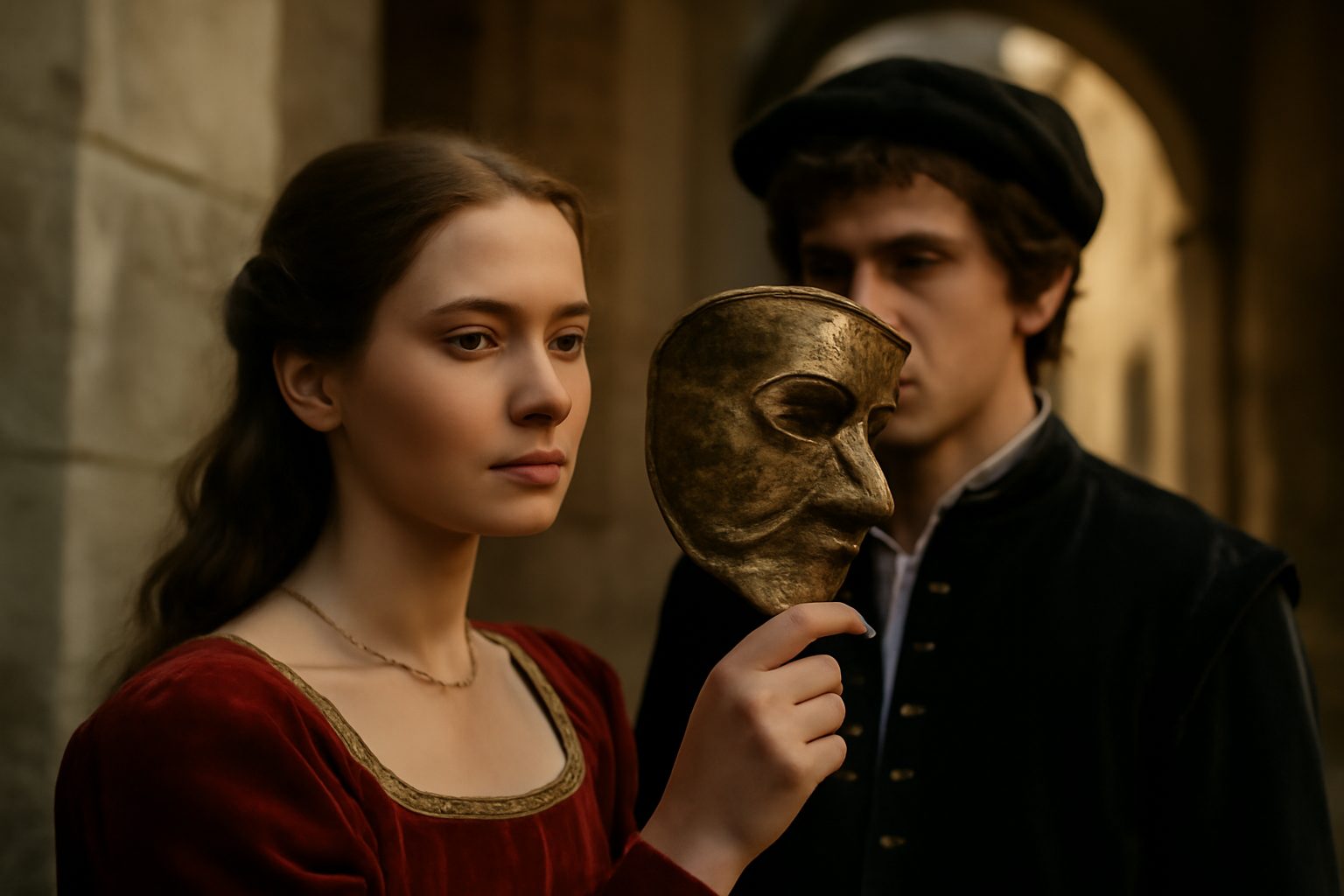
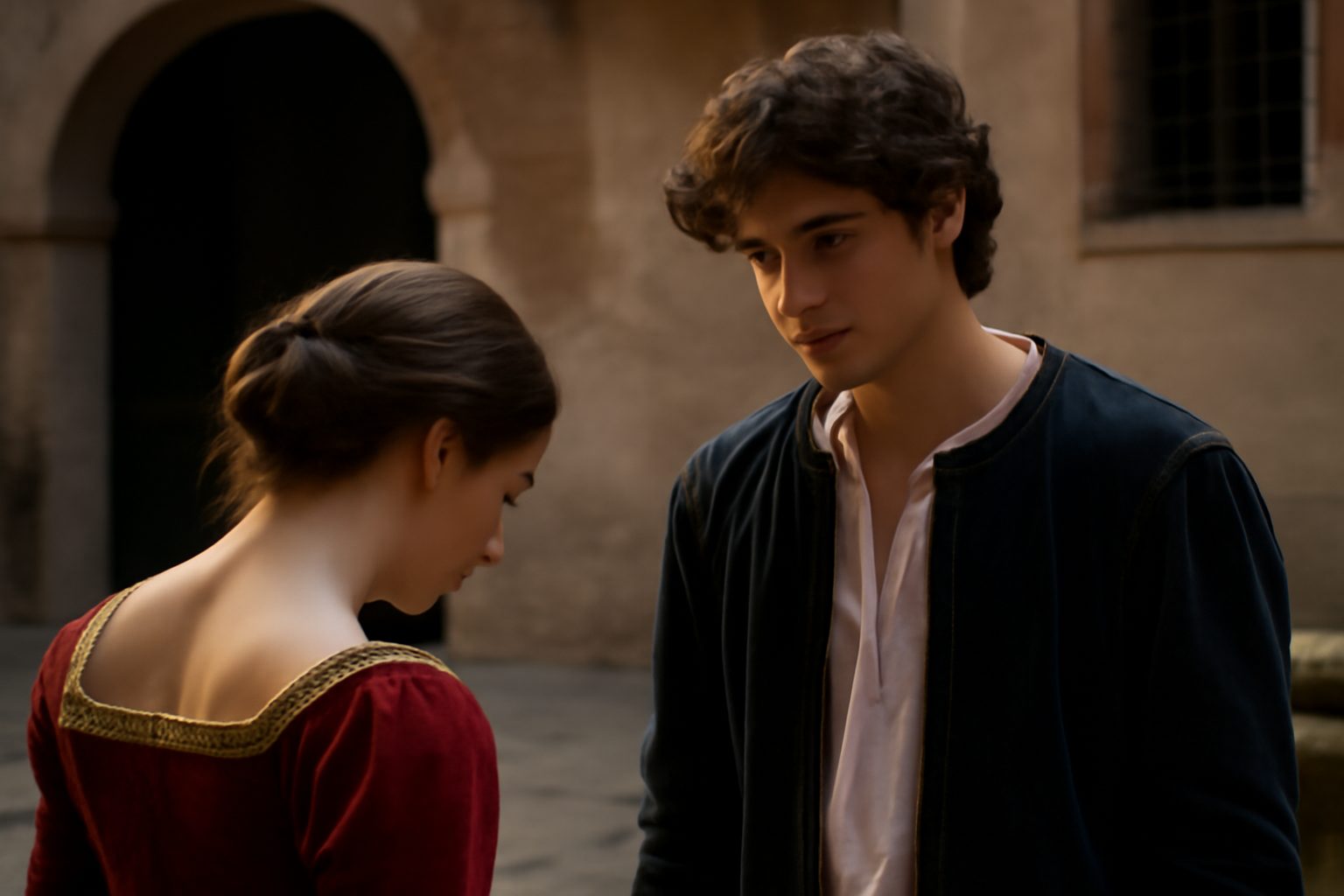
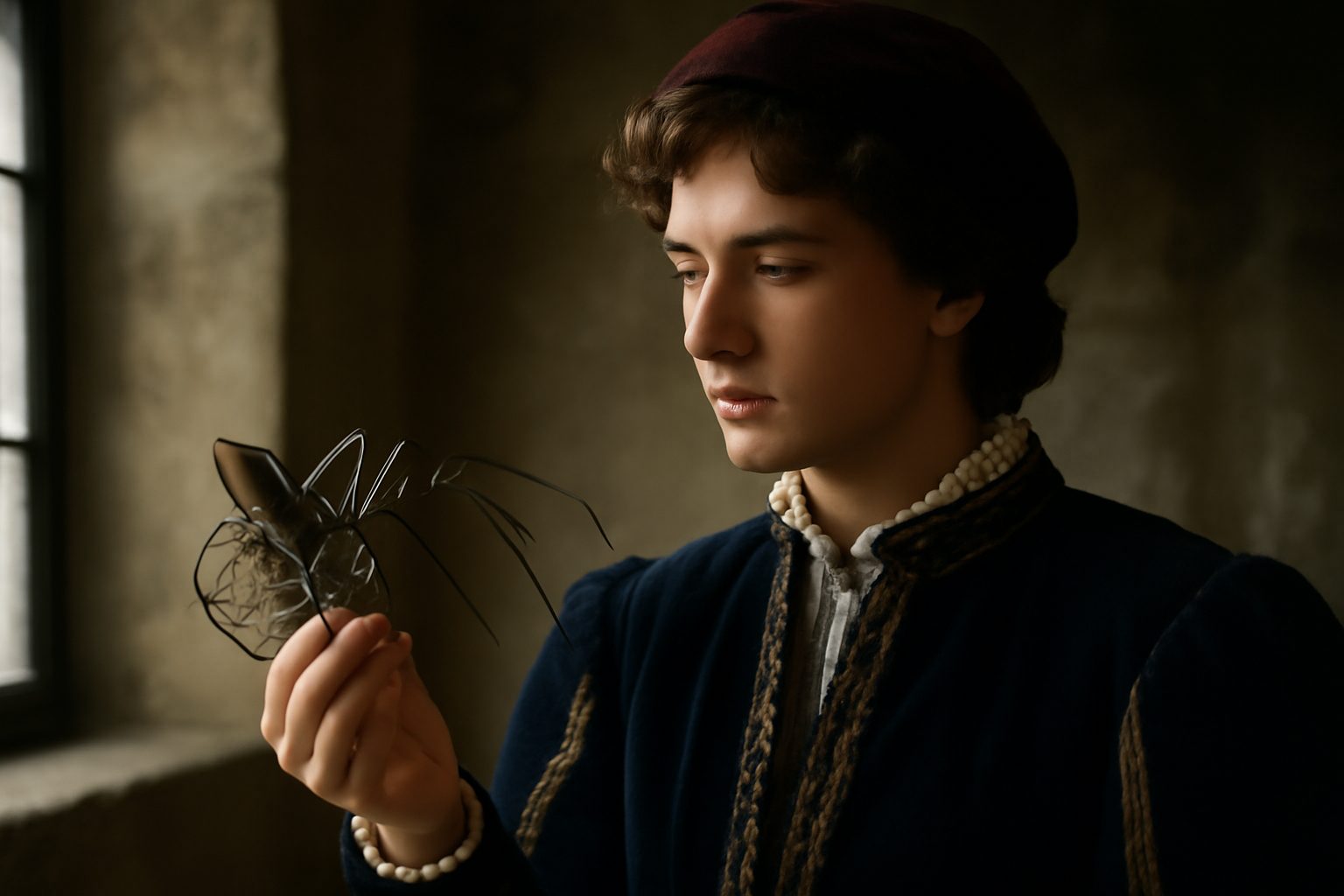
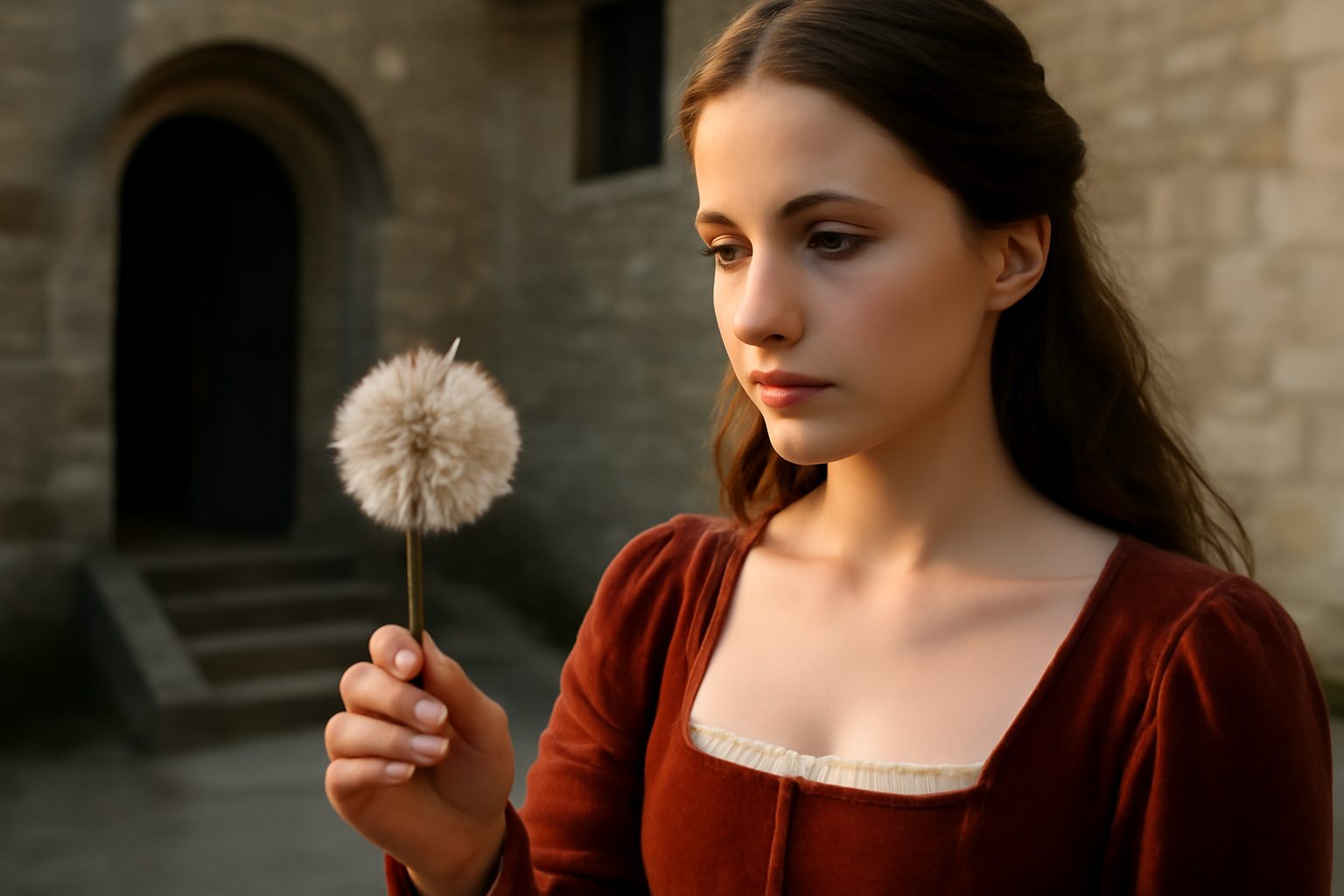
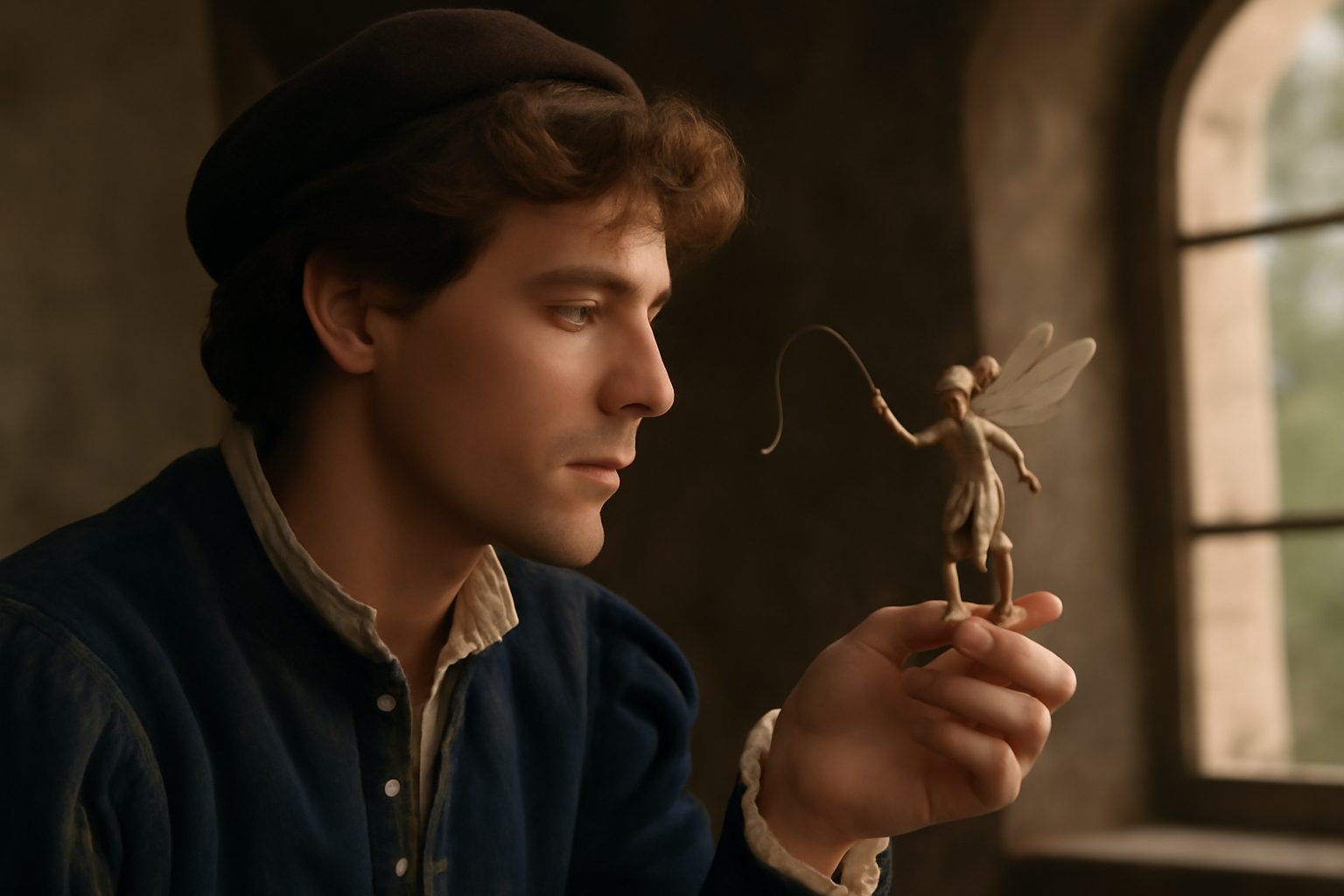
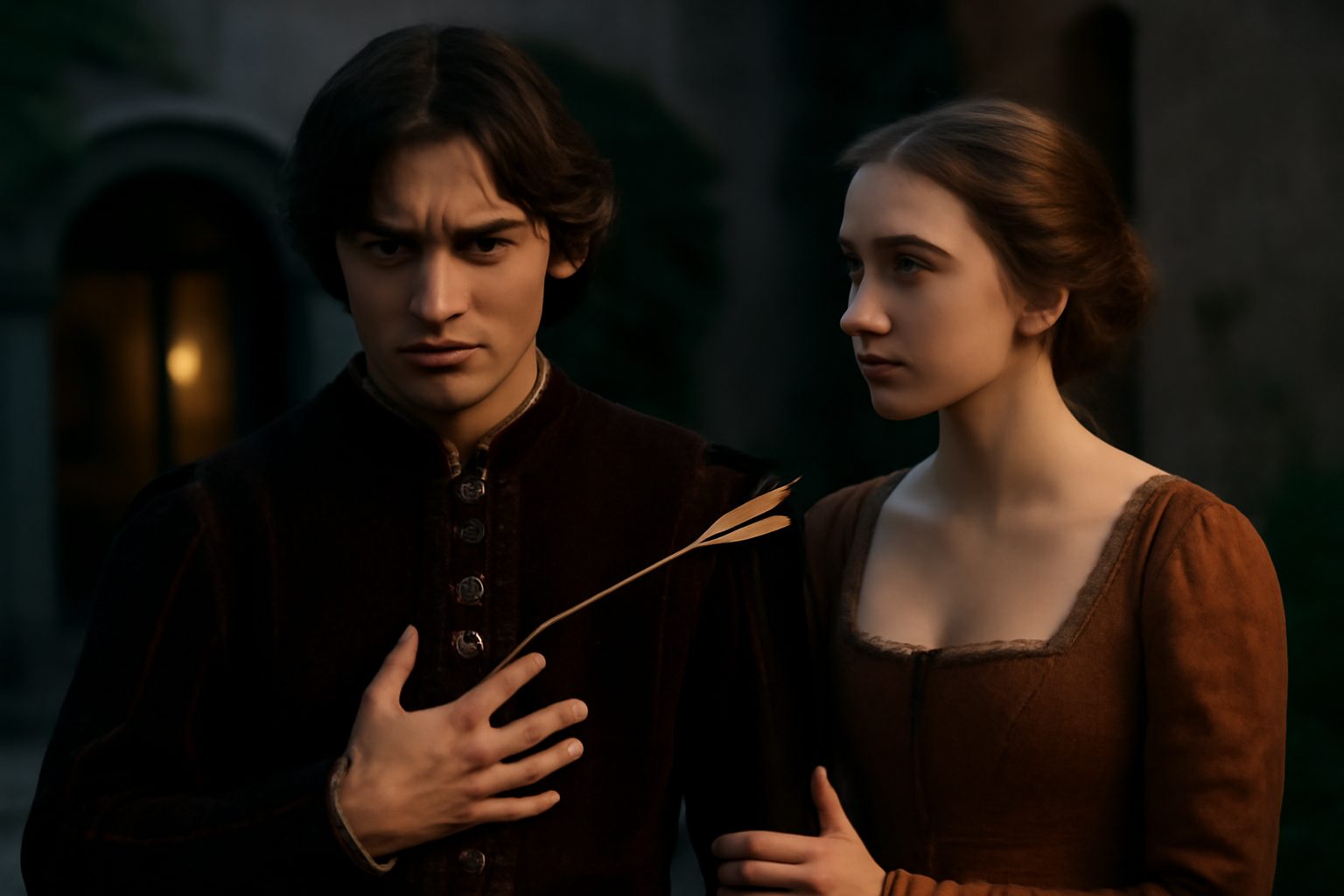
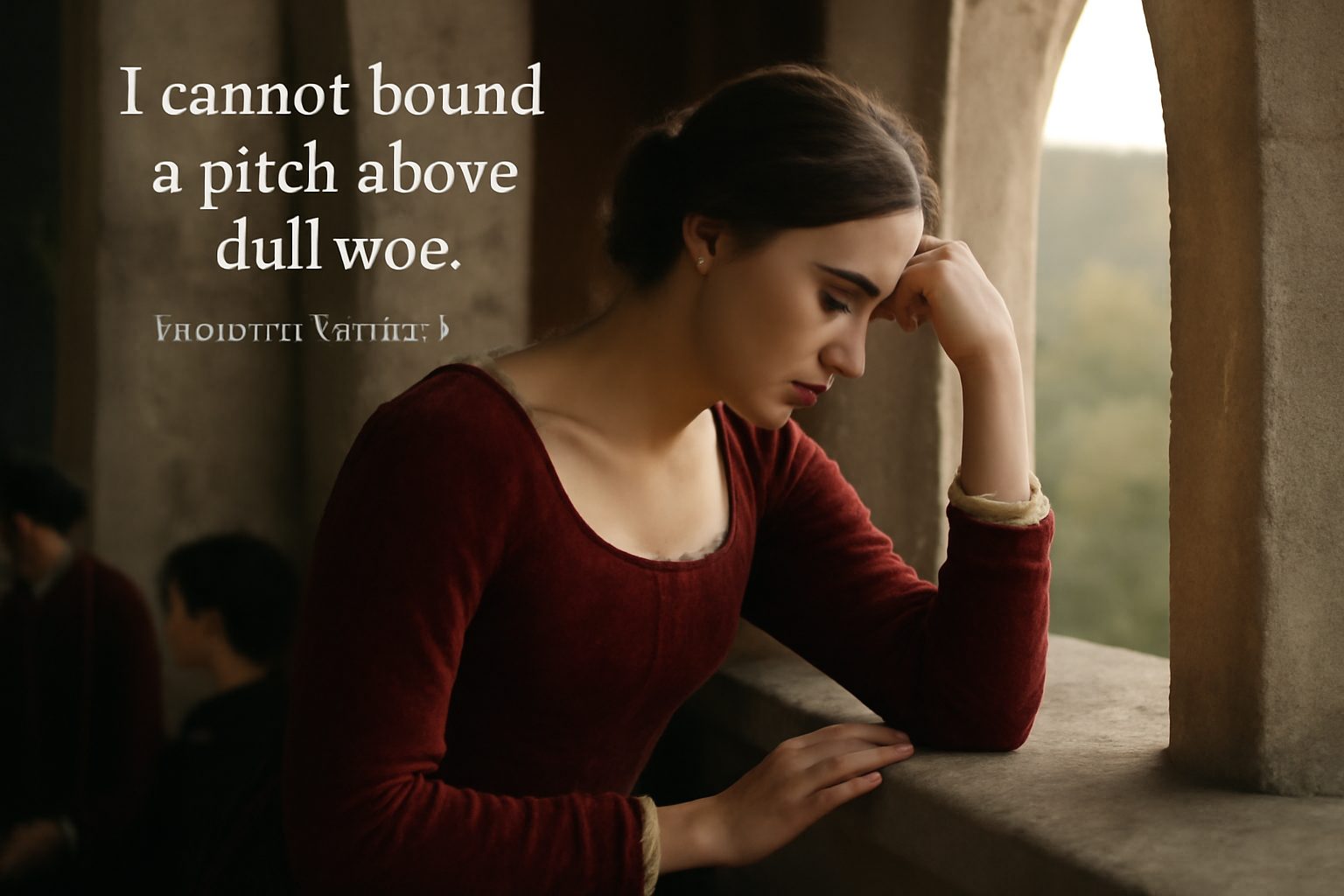
In Act 1, Scene 4 of Romeo and Juliet, Mercutio mocks Romeo's melancholy and his belief in fate, spinning wild tales of Queen Mab to dismiss dreams as meaningless. This line follows Mercutio's chaotic speech, hinting at the unraveling consequences of ignoring deeper truths—foreshadowing the tragedy that will soon unfold. The phrase reflects the play's tension between reckless abandon and the inescapable grip of destiny.
Mercutio: "Which once untangled, much misfortune bodes:"
In modern day english, we would say:
Once this mess is unraveled, it will bring a lot of trouble.
Frequently Asked Questions
What does Mercutio think will happen if the situation is not resolved?
Mercutio believes that if the situation is not resolved, it will lead to a lot of bad luck or trouble.
Connections to other verses:
Connections to "Which once untangled, much misfortune bodes:"
This verse, found at /romeo-and-juliet/one/1-4/act-1-scene-4-95/, is part of Mercutio's Queen Mab speech and serves as a dark foreshadowing of the play's tragic events. It connects thematically and structurally to several other verses in the scene.
Foreshadowing and Premonition
The ominous tone of this line echoes Romeo's own premonition at /romeo-and-juliet/one/1-4/act-1-scene-4-112/: "I fear, too early: for my mind misgives," where he senses impending doom. This connection is strengthened by Romeo's subsequent lines about "Some consequence yet hanging in the stars" (/romeo-and-juliet/one/1-4/act-1-scene-4-113/) and a "vile forfeit of untimely death" (/romeo-and-juliet/one/1-4/act-1-scene-4-117/), creating a pattern of foreboding.
Queen Mab's Destructive Nature
The verse directly relates to Mercutio's description of Queen Mab's malicious actions. It follows the description of her plagues in /romeo-and-juliet/one/1-4/act-1-scene-4-79/: "Which oft the angry Mab with blisters plagues," and precedes the image of her as a hag who "plats the manes of horses in the night" (/romeo-and-juliet/one/1-4/act-1-scene-4-93/). These verses collectively paint Mab as a bringer of chaos and misfortune.
Dreams and Reality
The idea of dreams turning to misfortune connects to Mercutio's earlier assertion that "dreamers often lie" (/romeo-and-juliet/one/1-4/act-1-scene-4-55/) and his final dismissal of dreams as "children of an idle brain" (/romeo-and-juliet/one/1-4/act-1-scene-4-103/). This creates a contrast between the frivolity of dreams and the serious consequences they may unwittingly foretell.
Structural Placement
Positioned near the end of Mercutio's speech, this verse acts as a pivot from fantastical description to ominous warning. It is immediately followed by Romeo's interruption at /romeo-and-juliet/one/1-4/act-1-scene-4-100/: "Peace, peace, Mercutio, peace!", signaling a shift in tone and foreshadowing the tragedy to come.