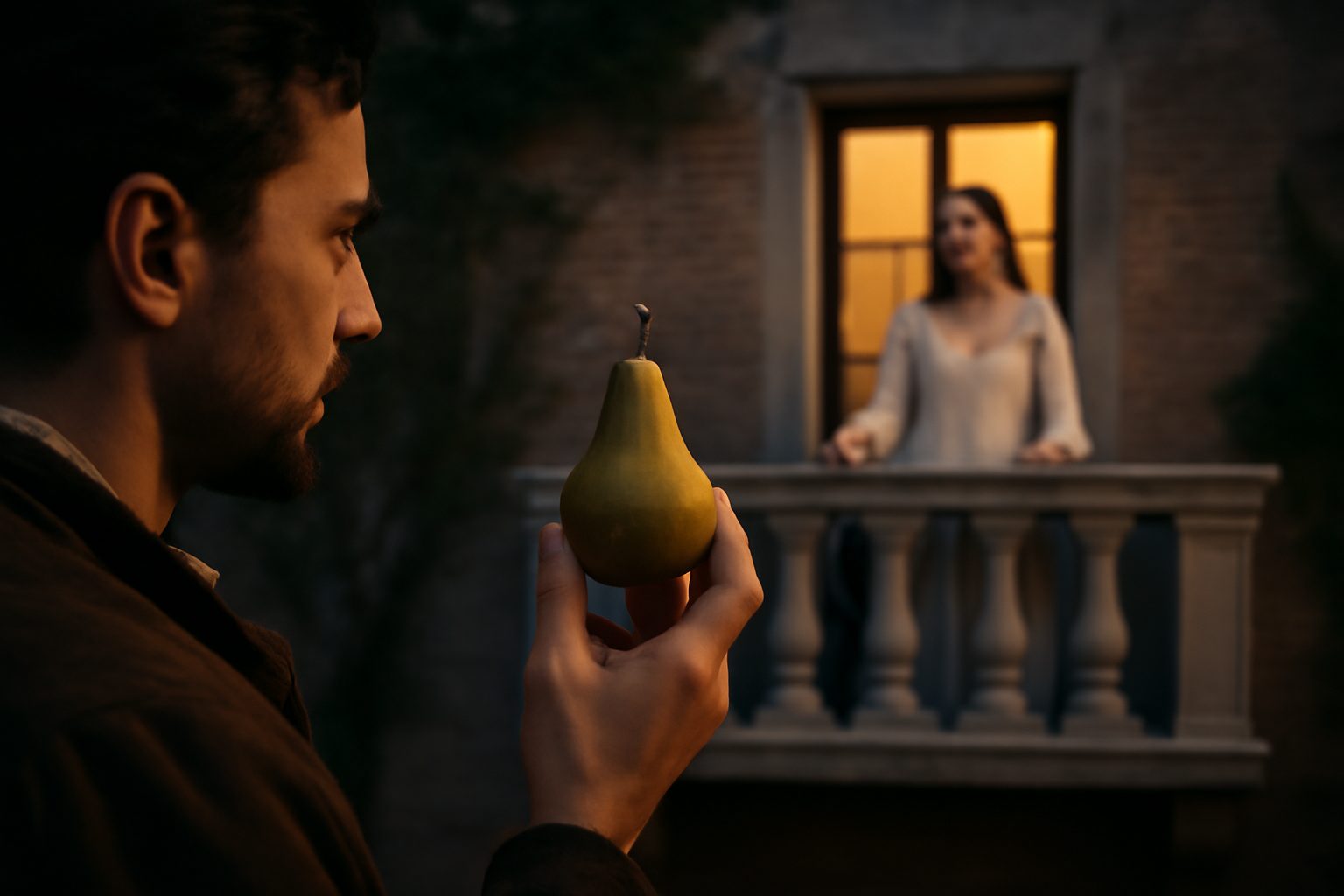
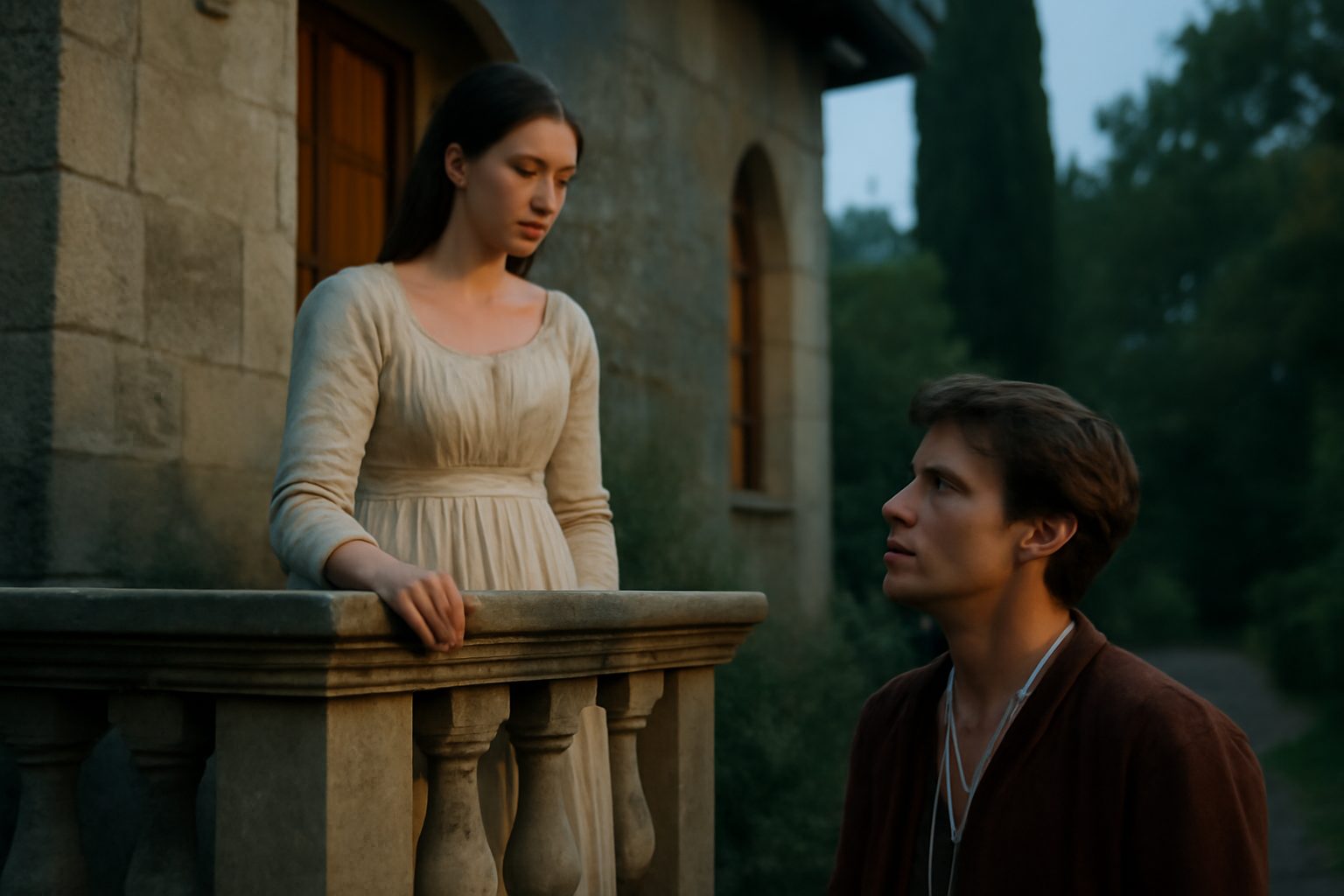
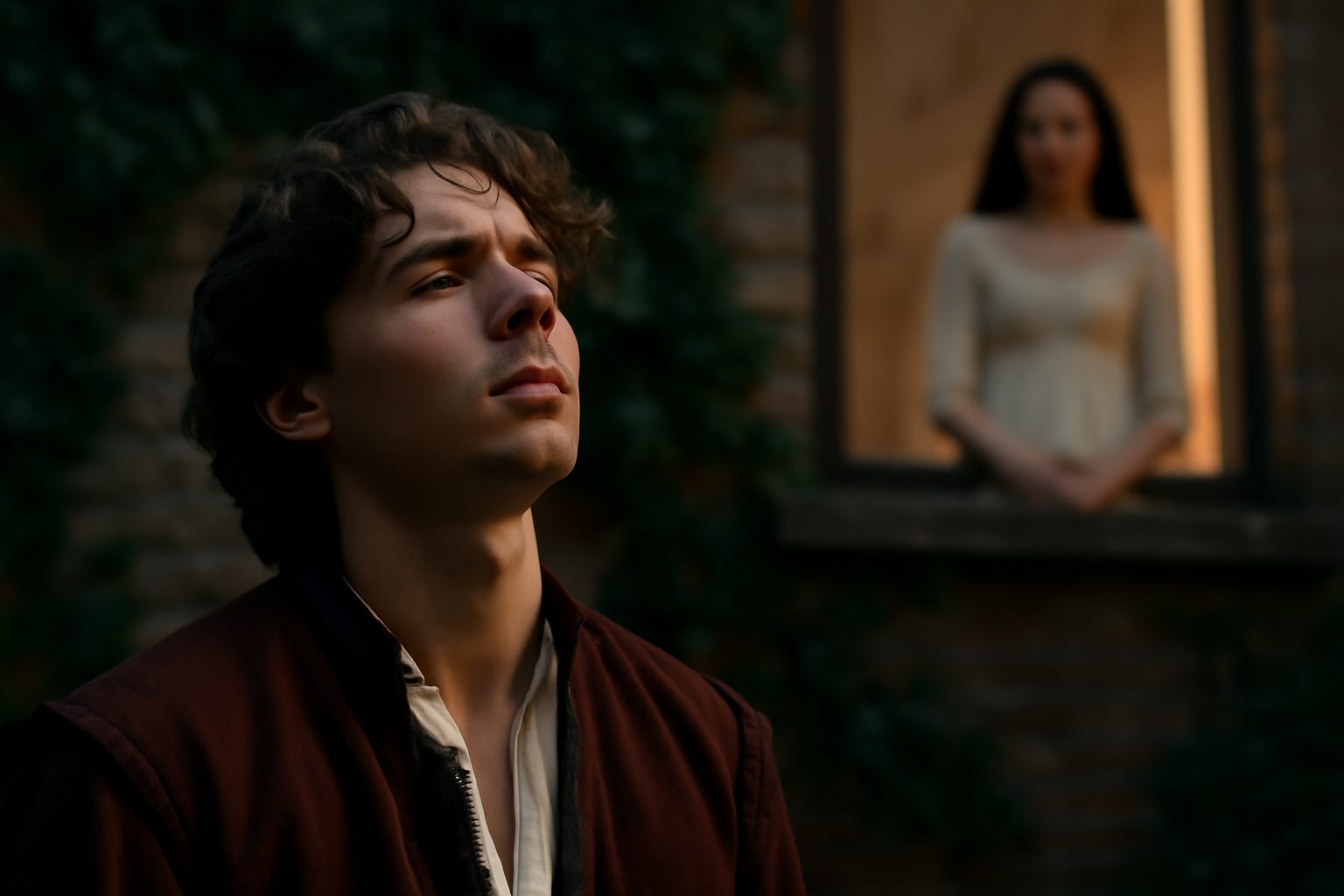
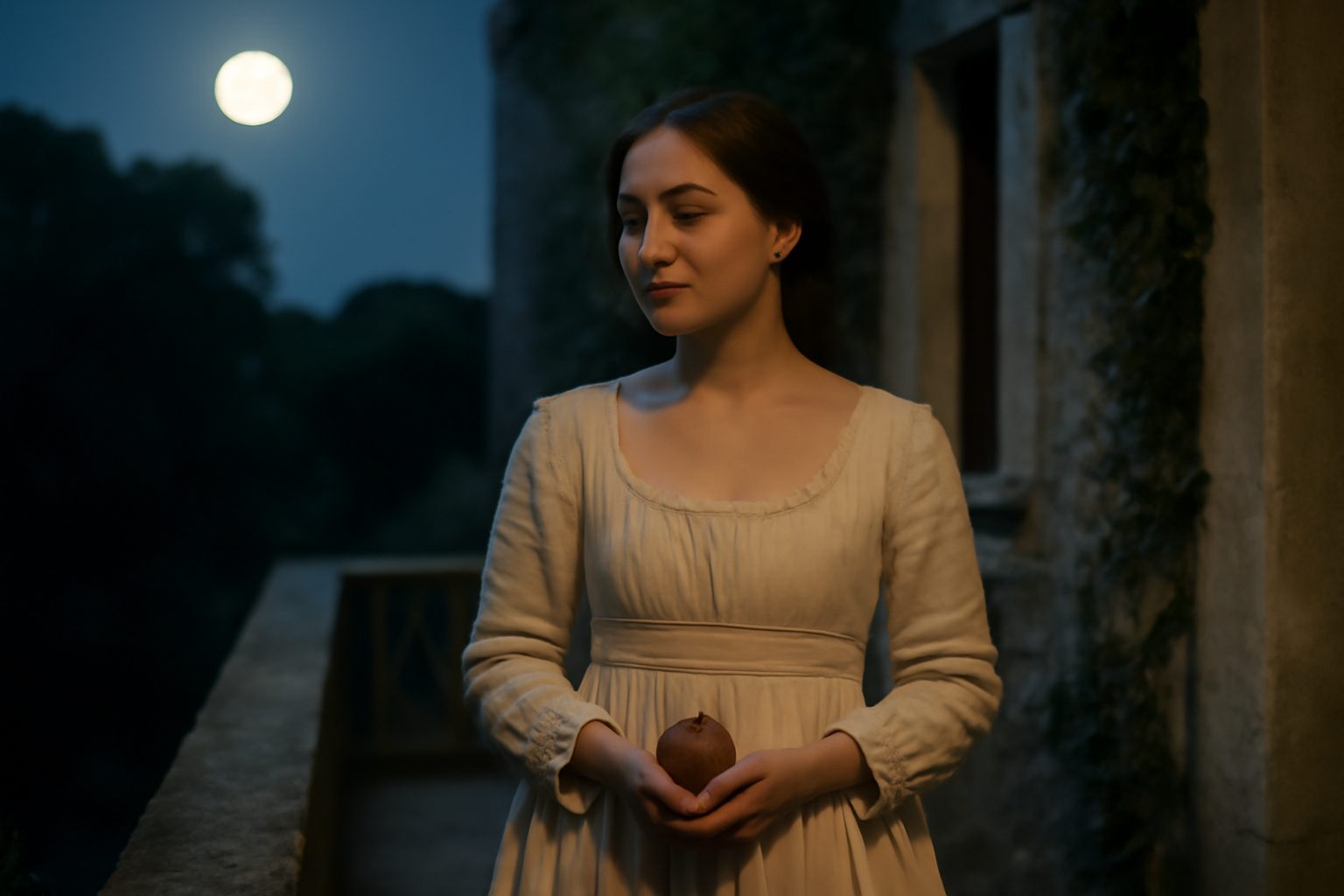
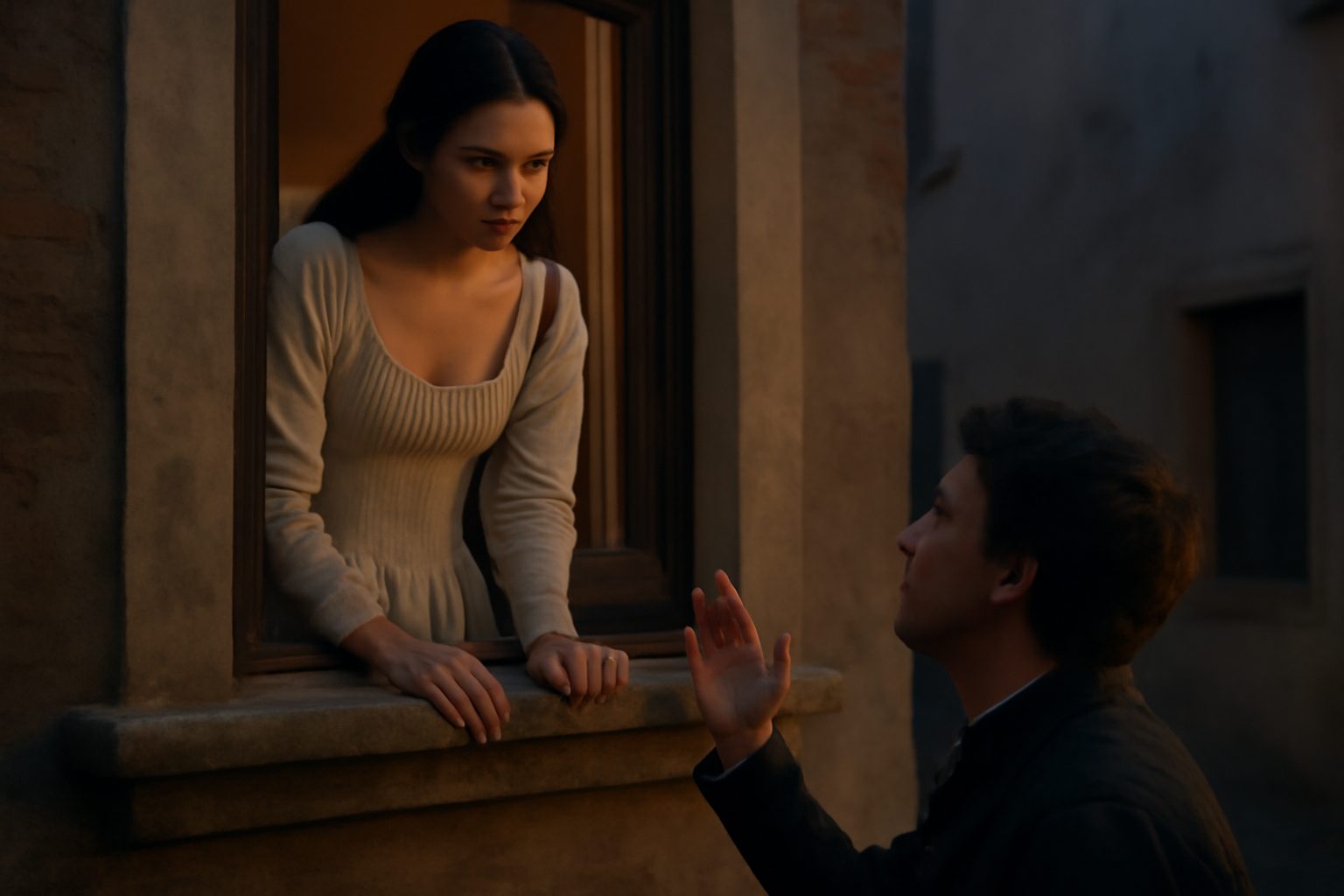
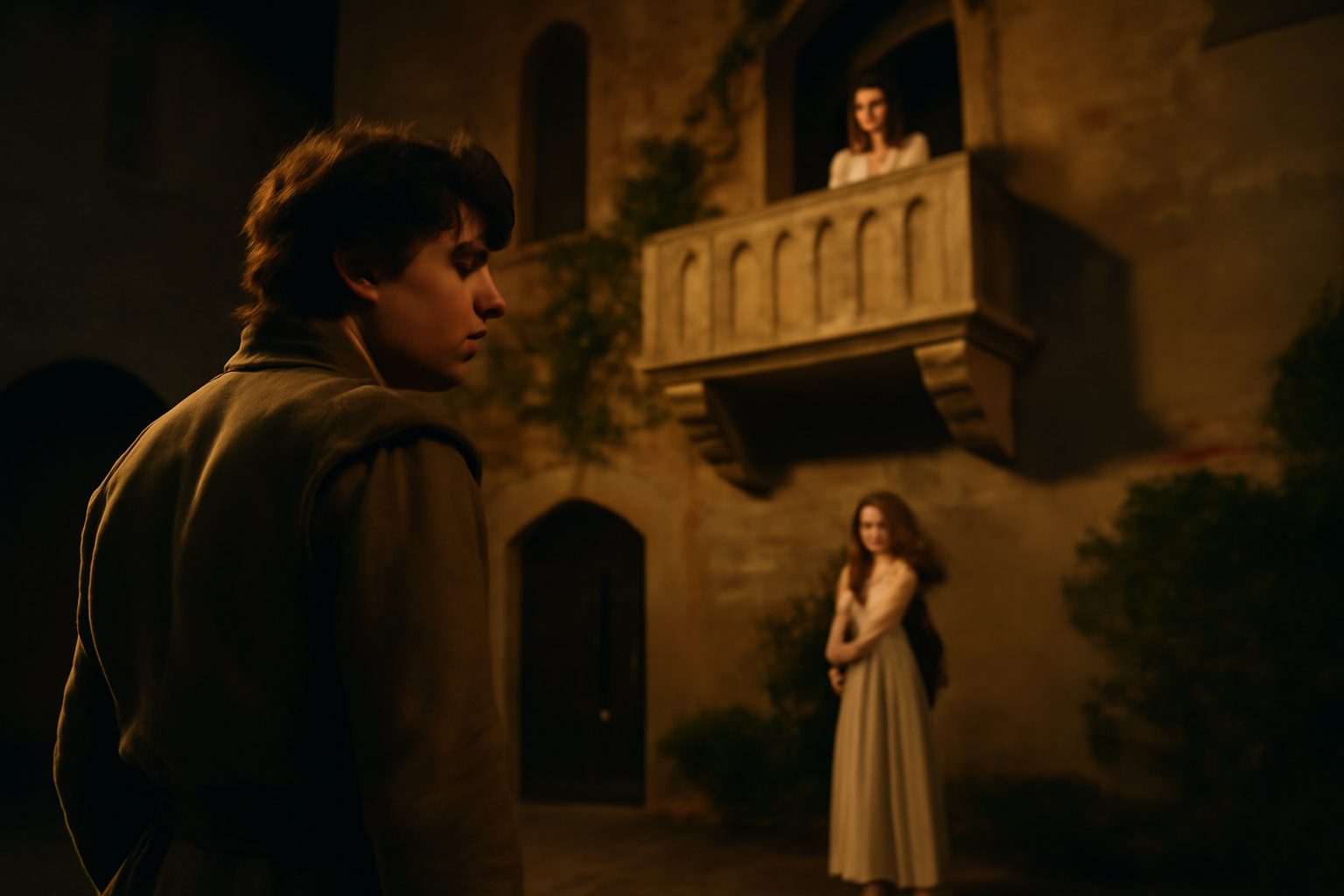
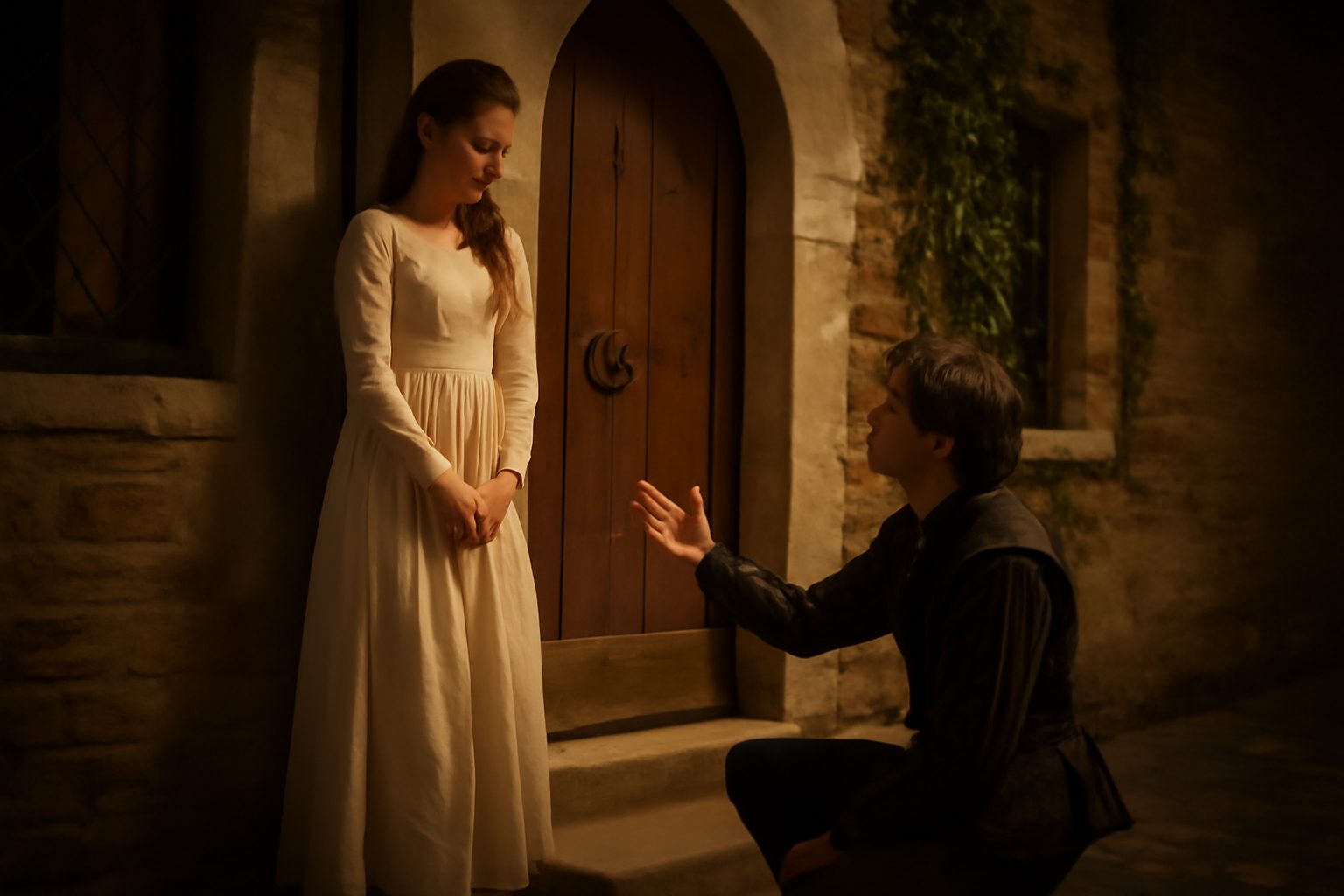
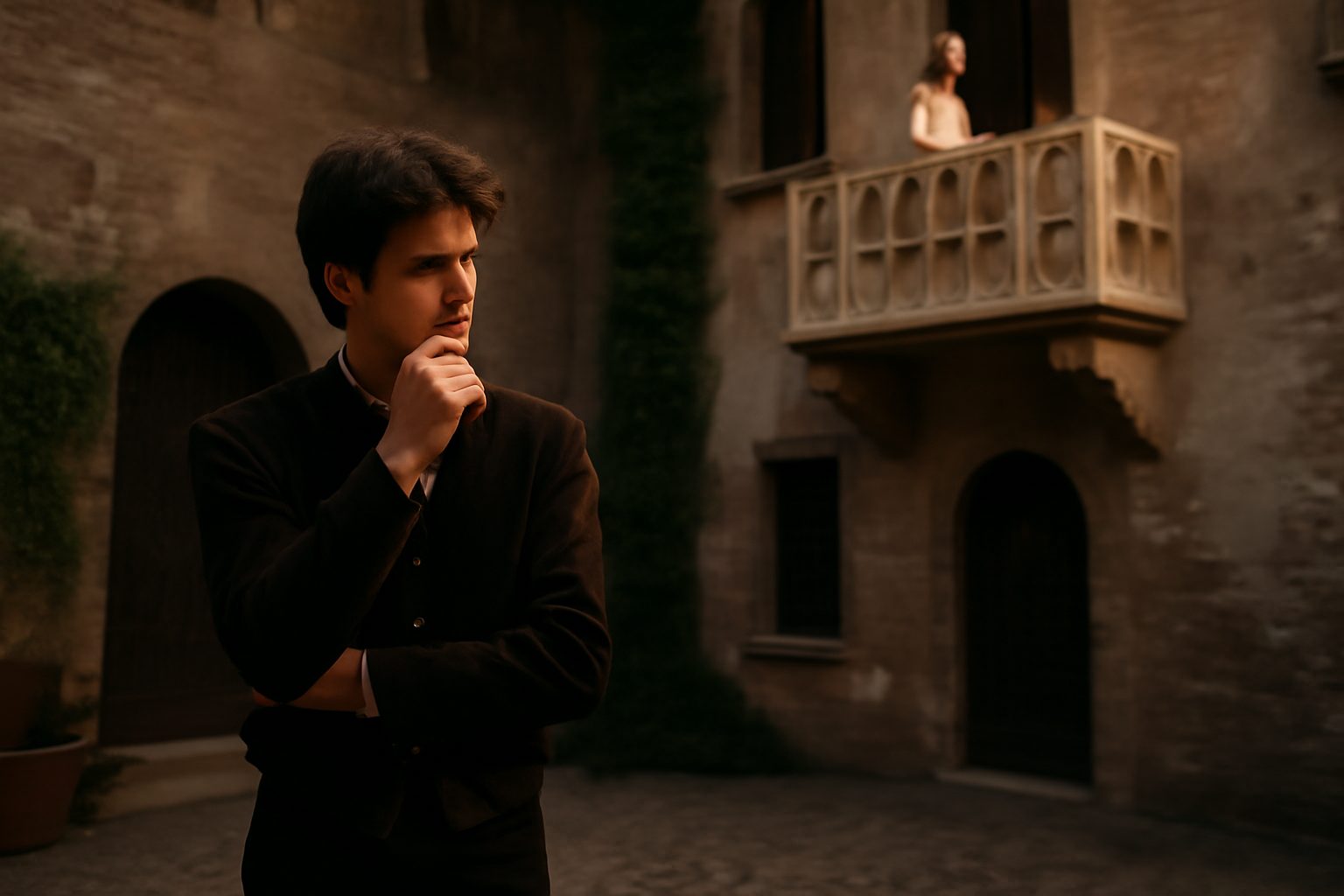
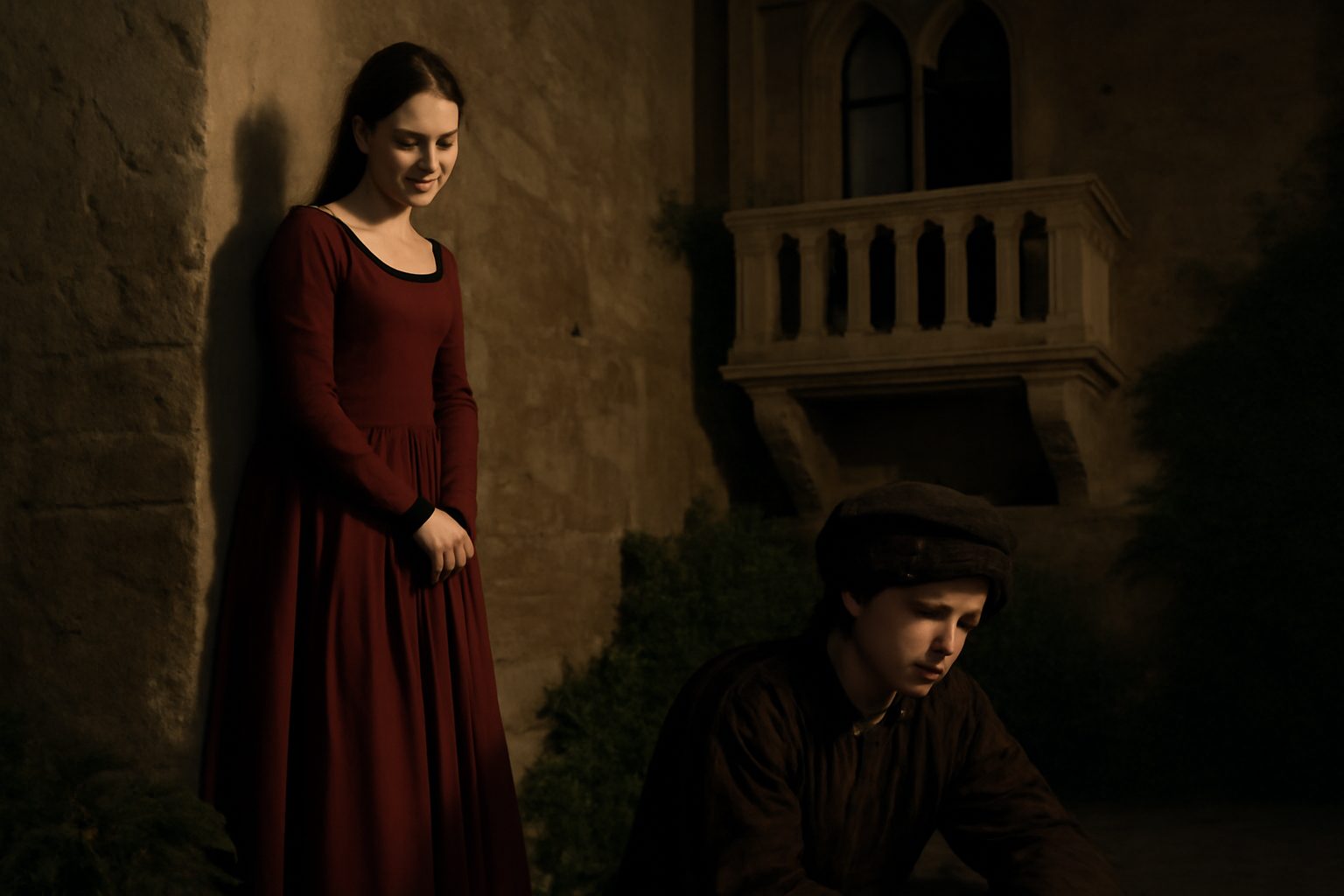
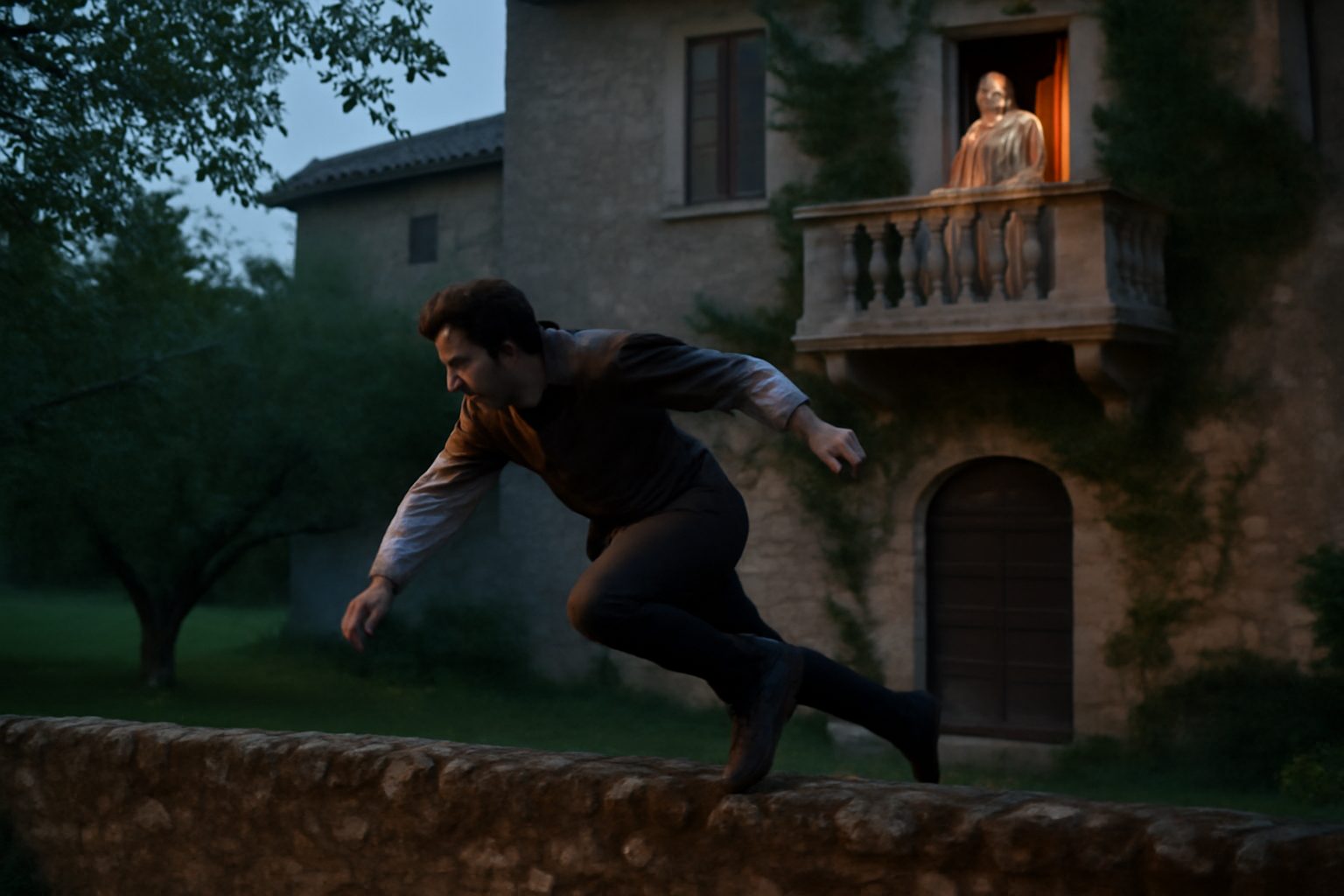
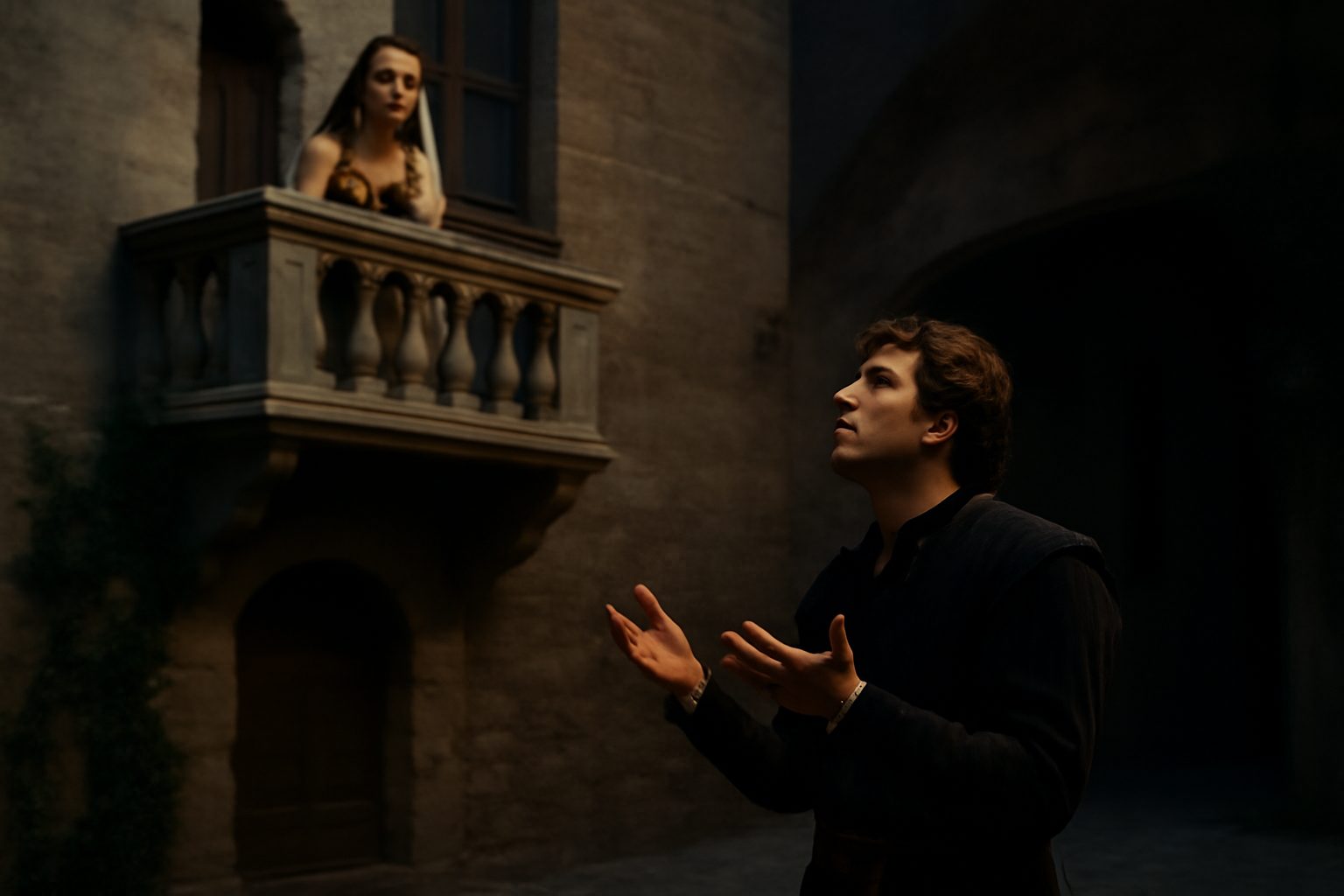
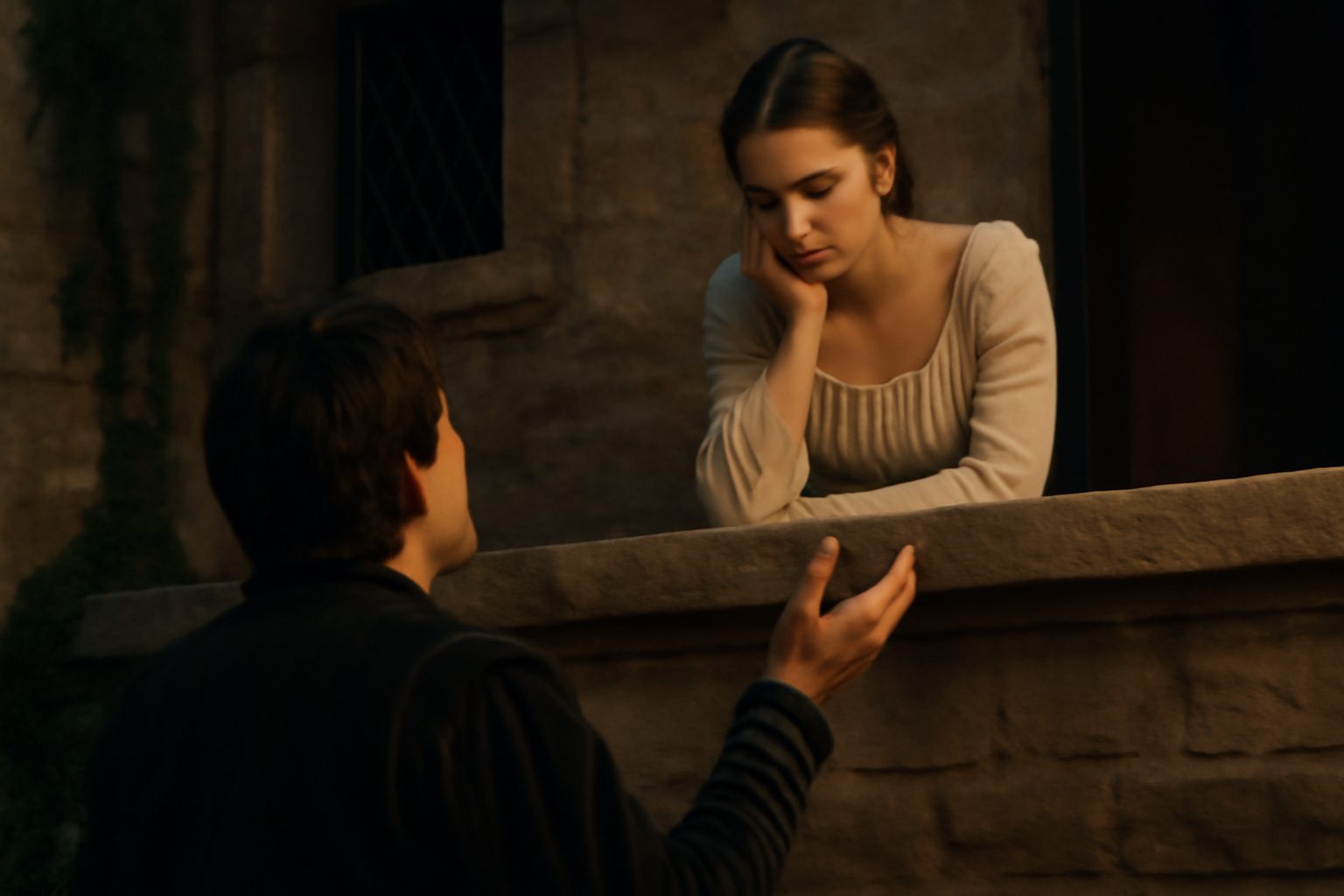
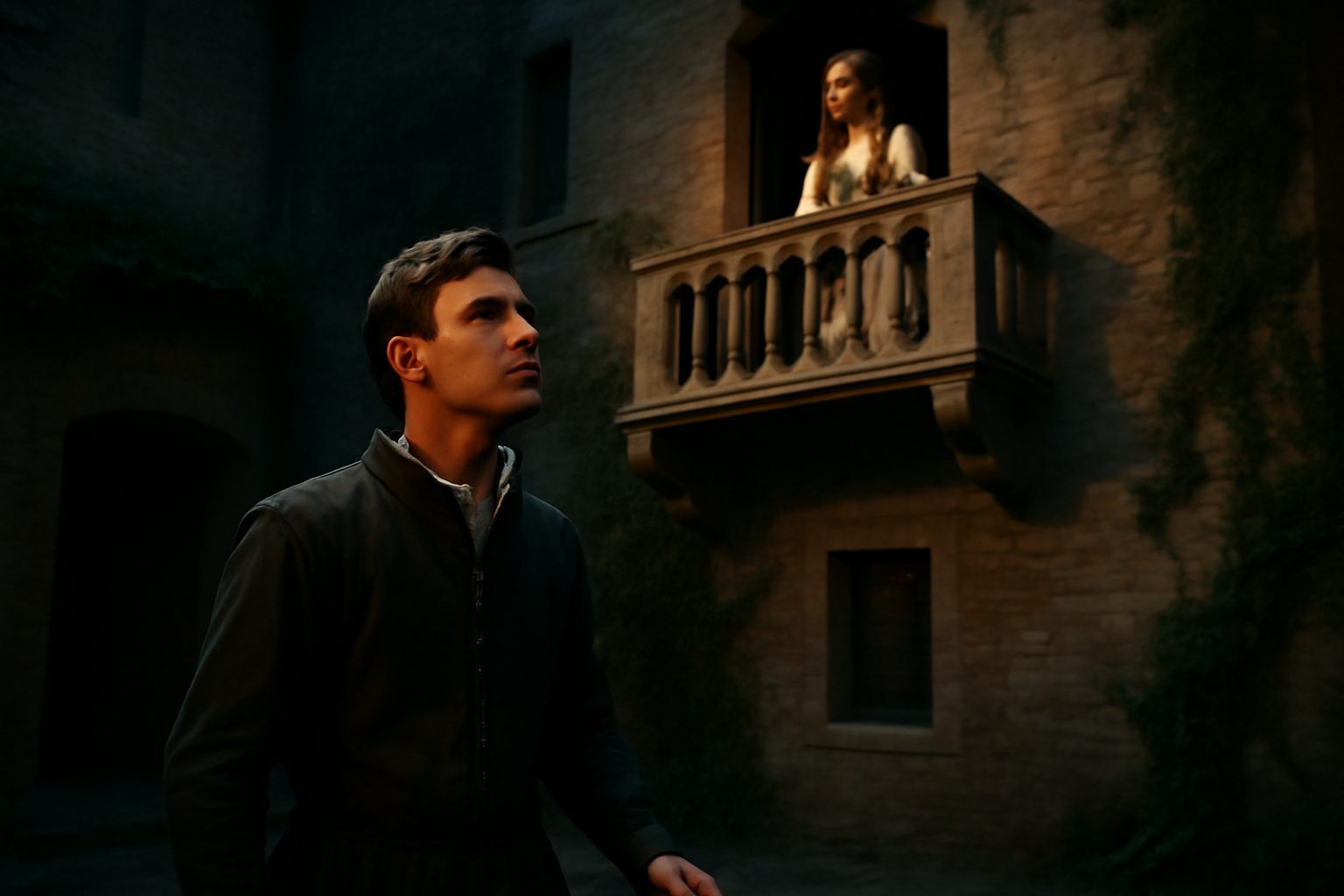
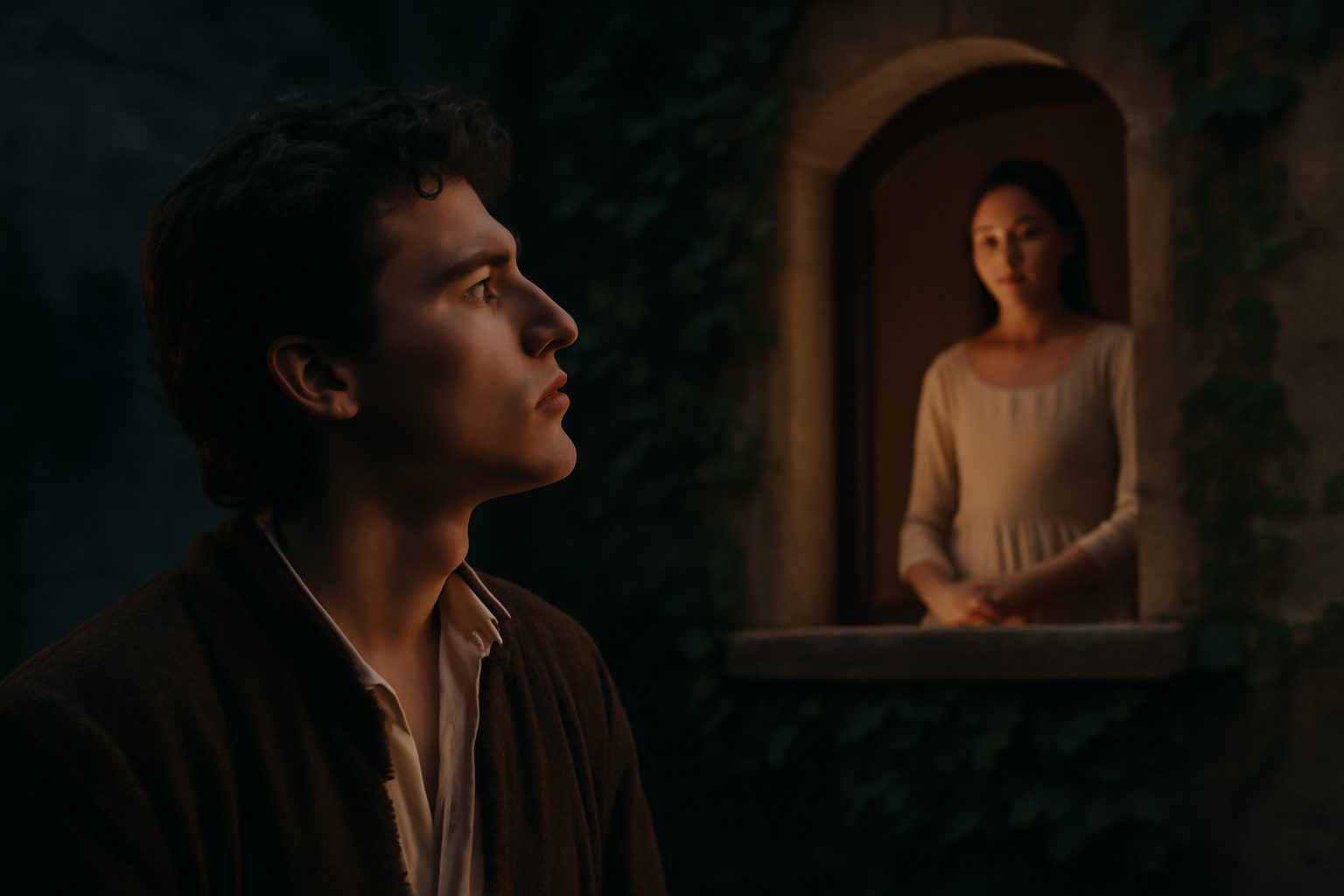
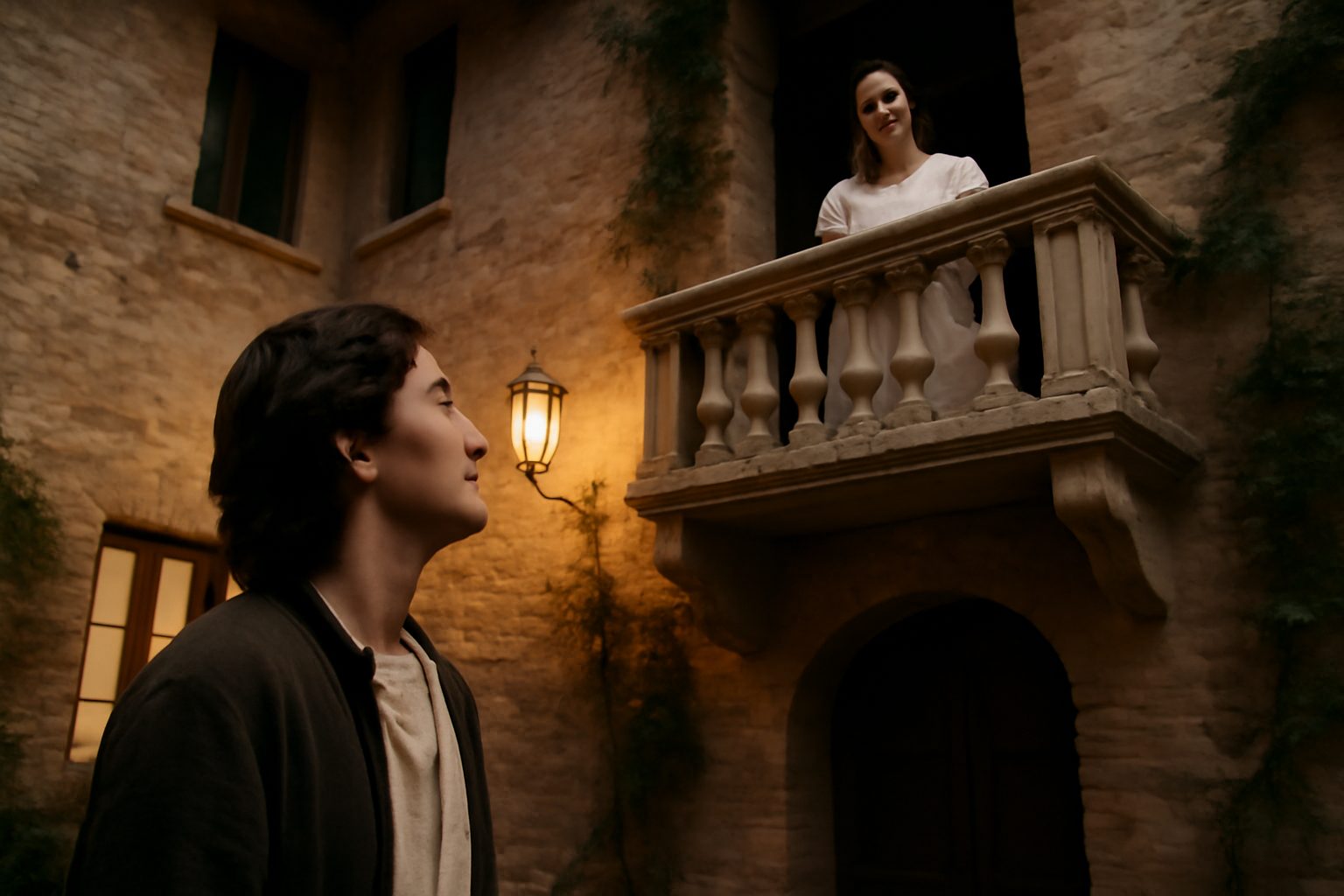
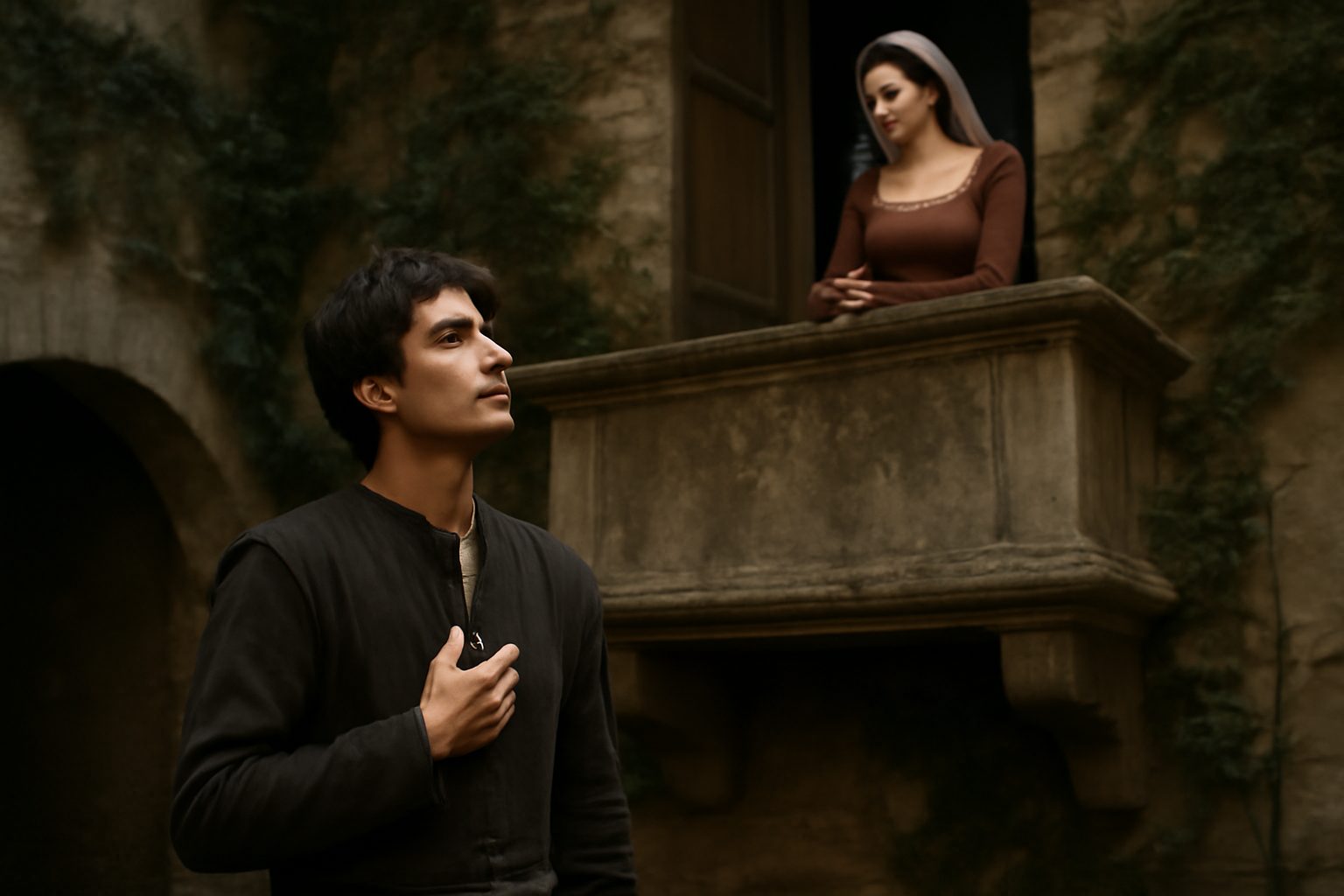
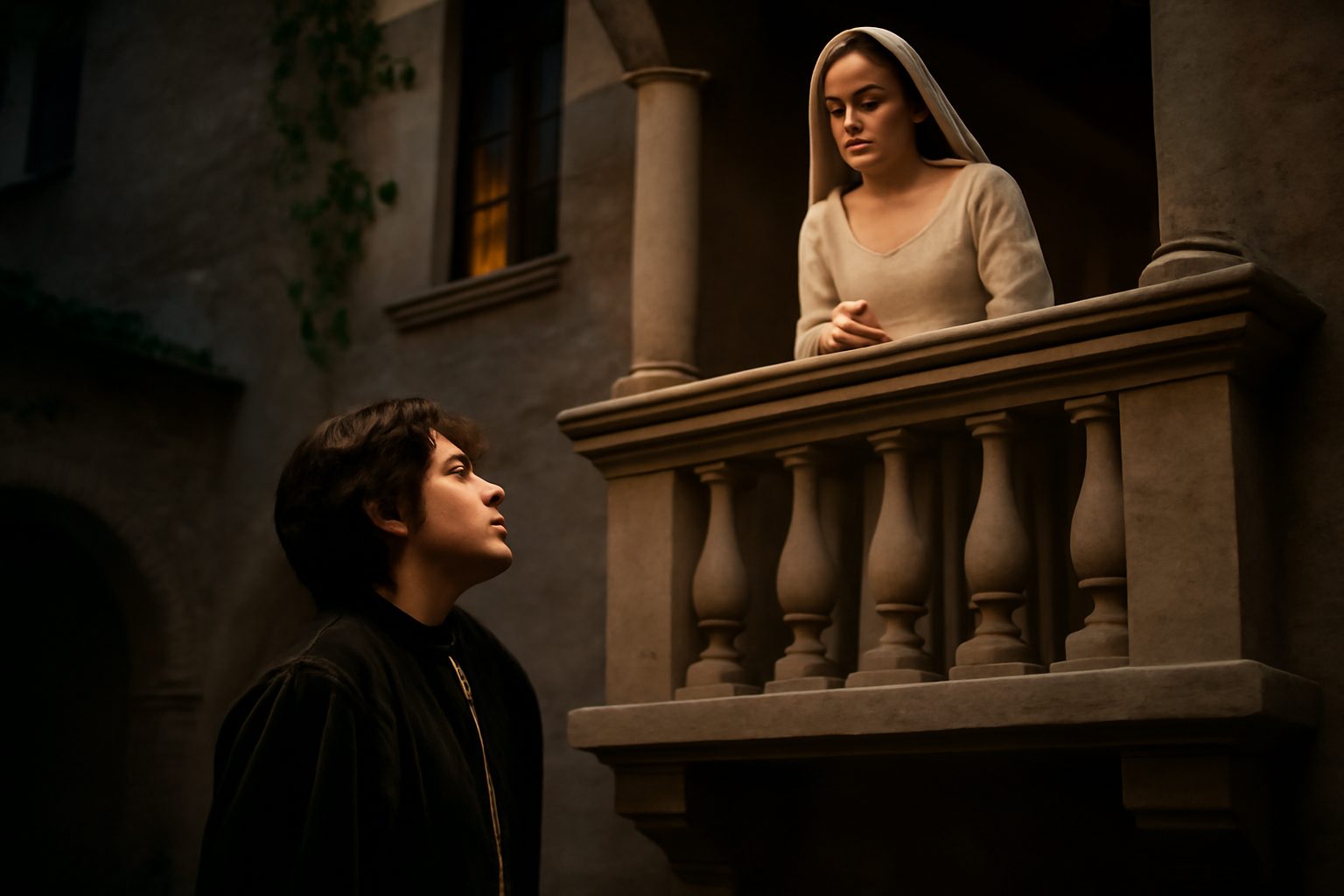
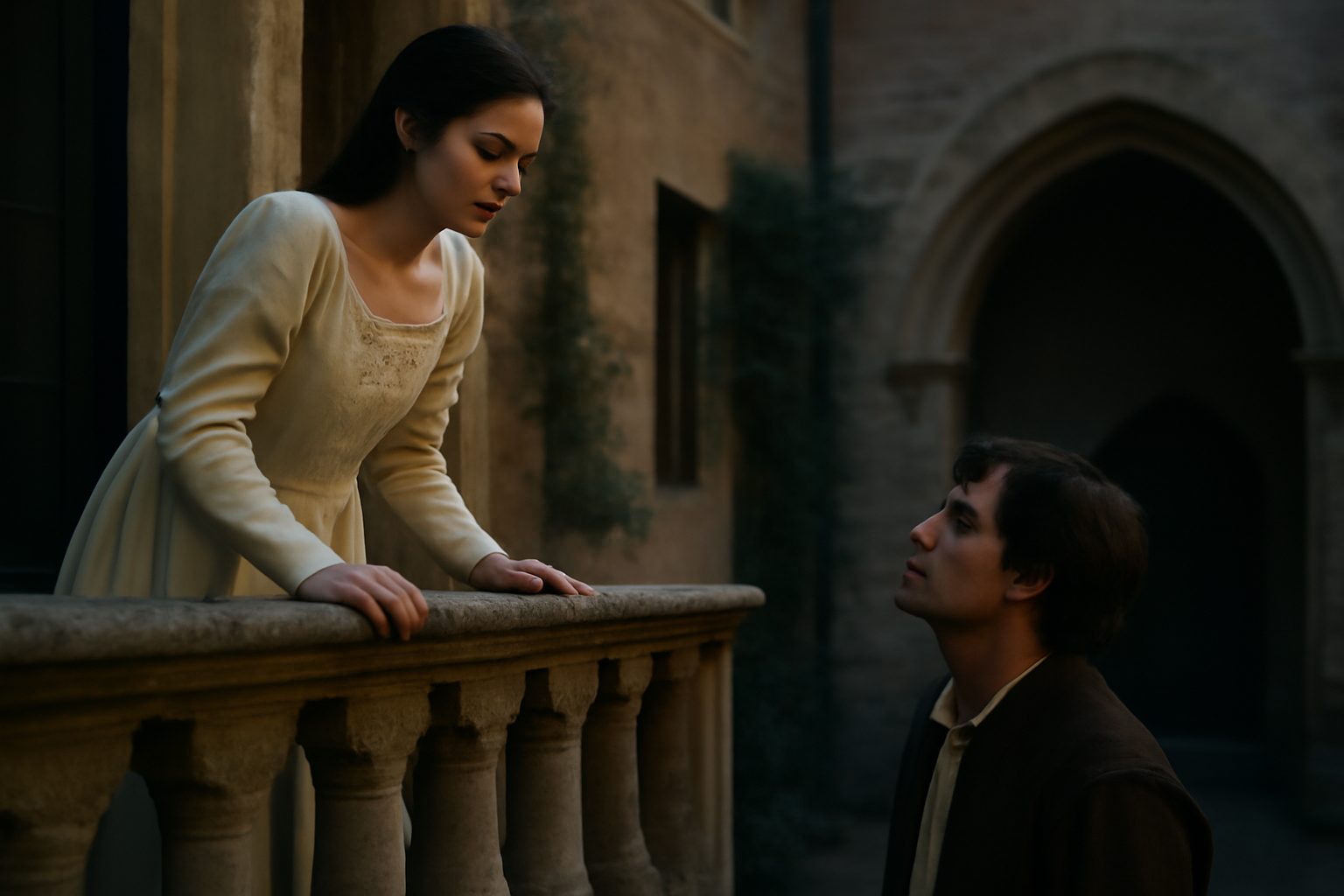
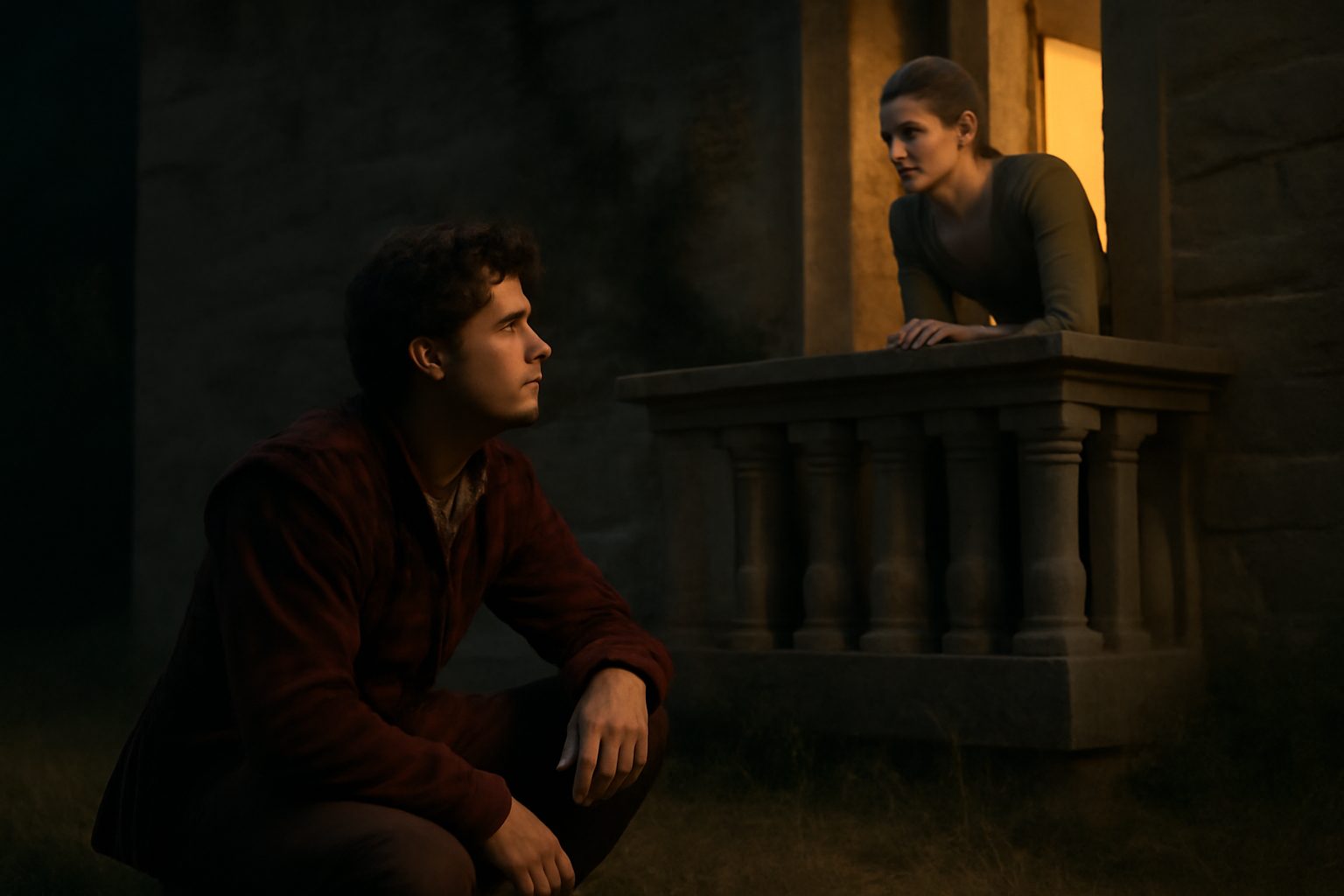
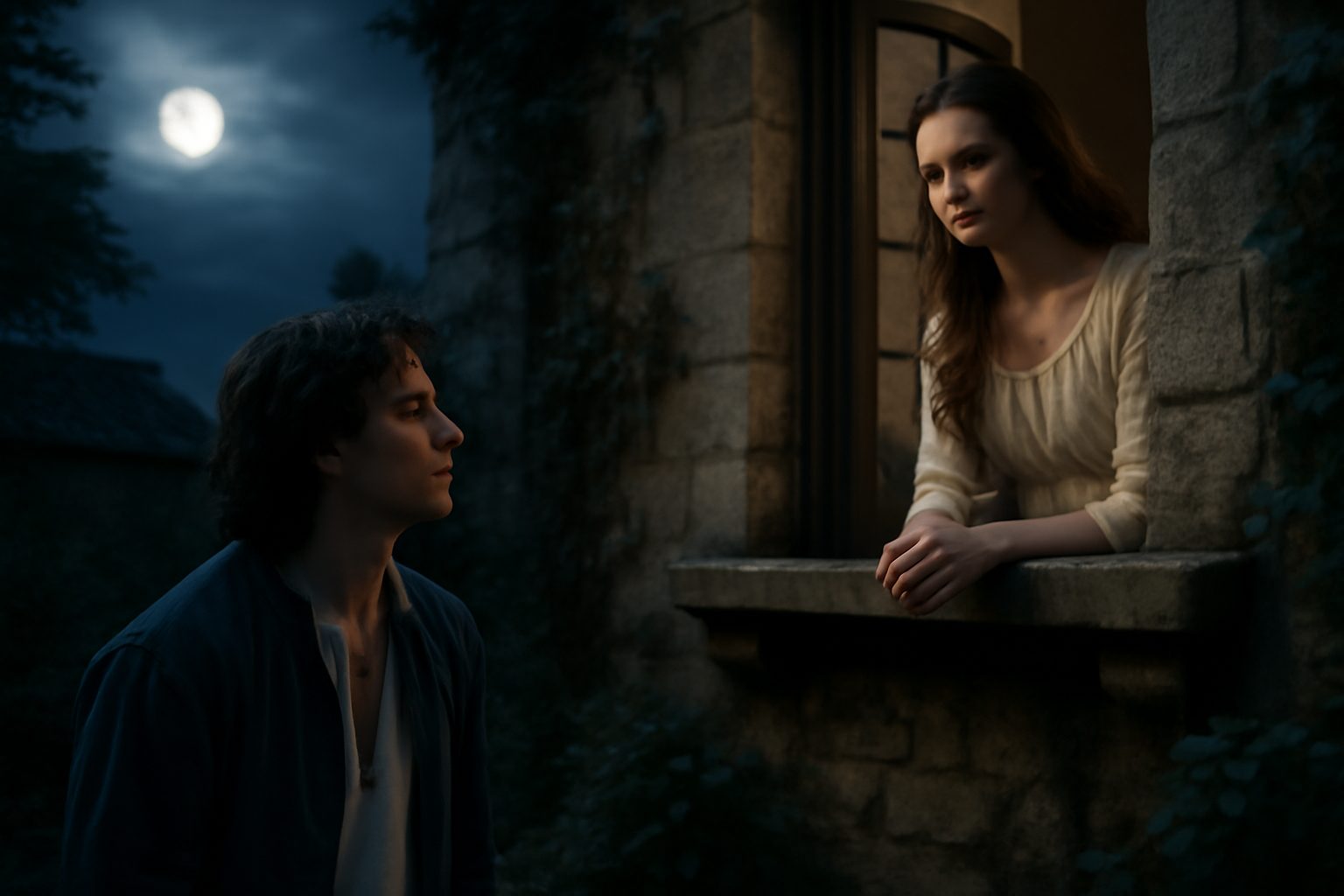
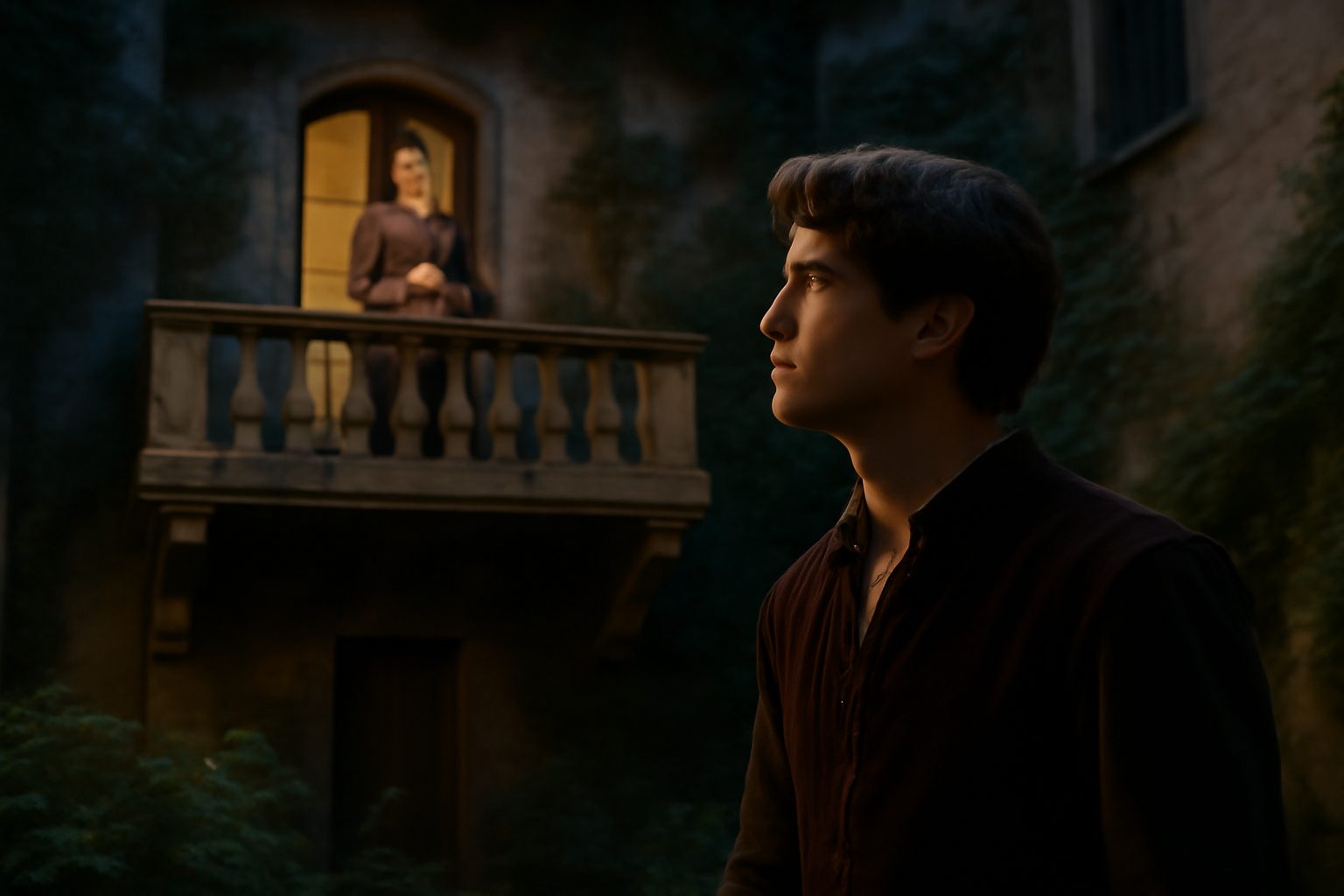
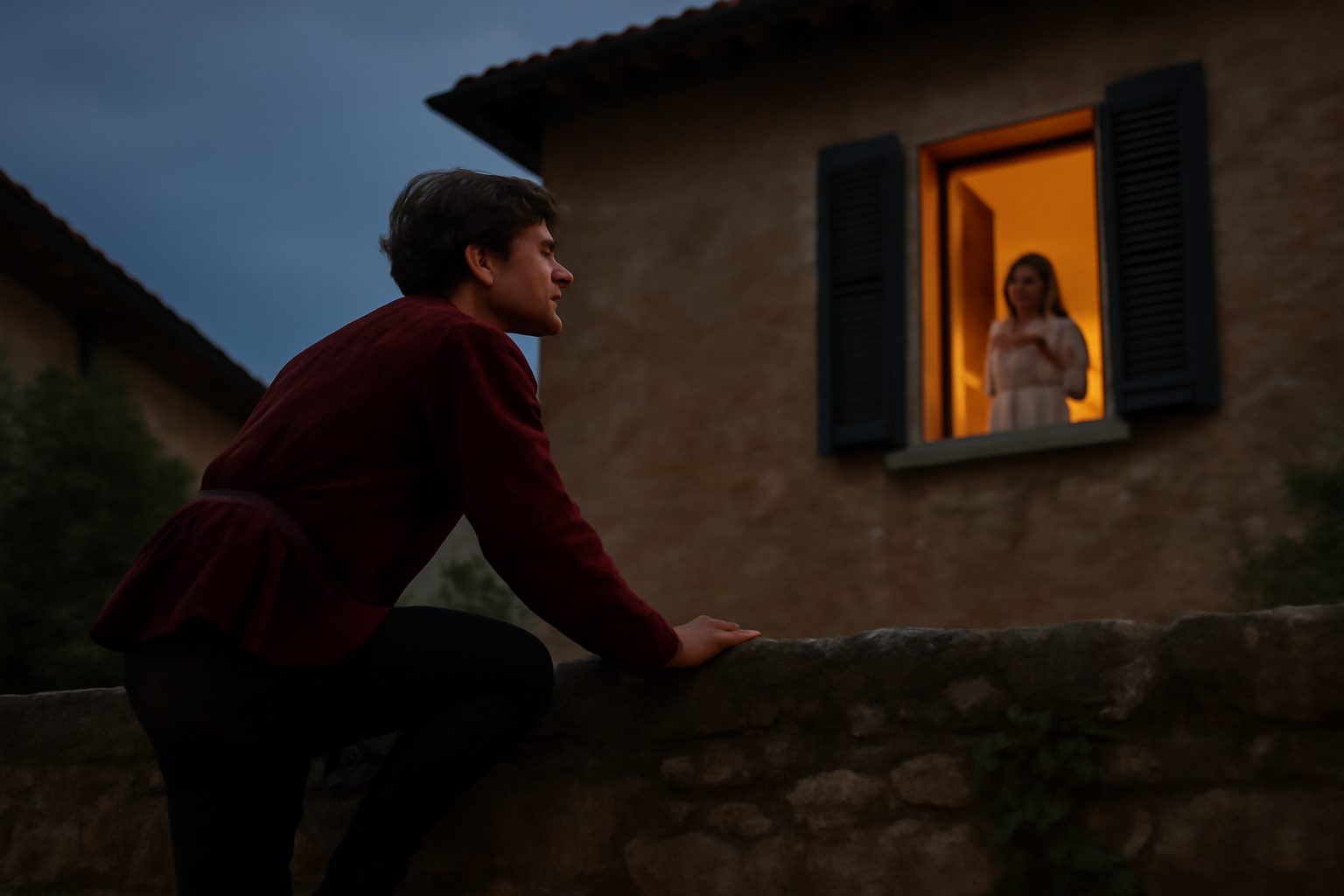
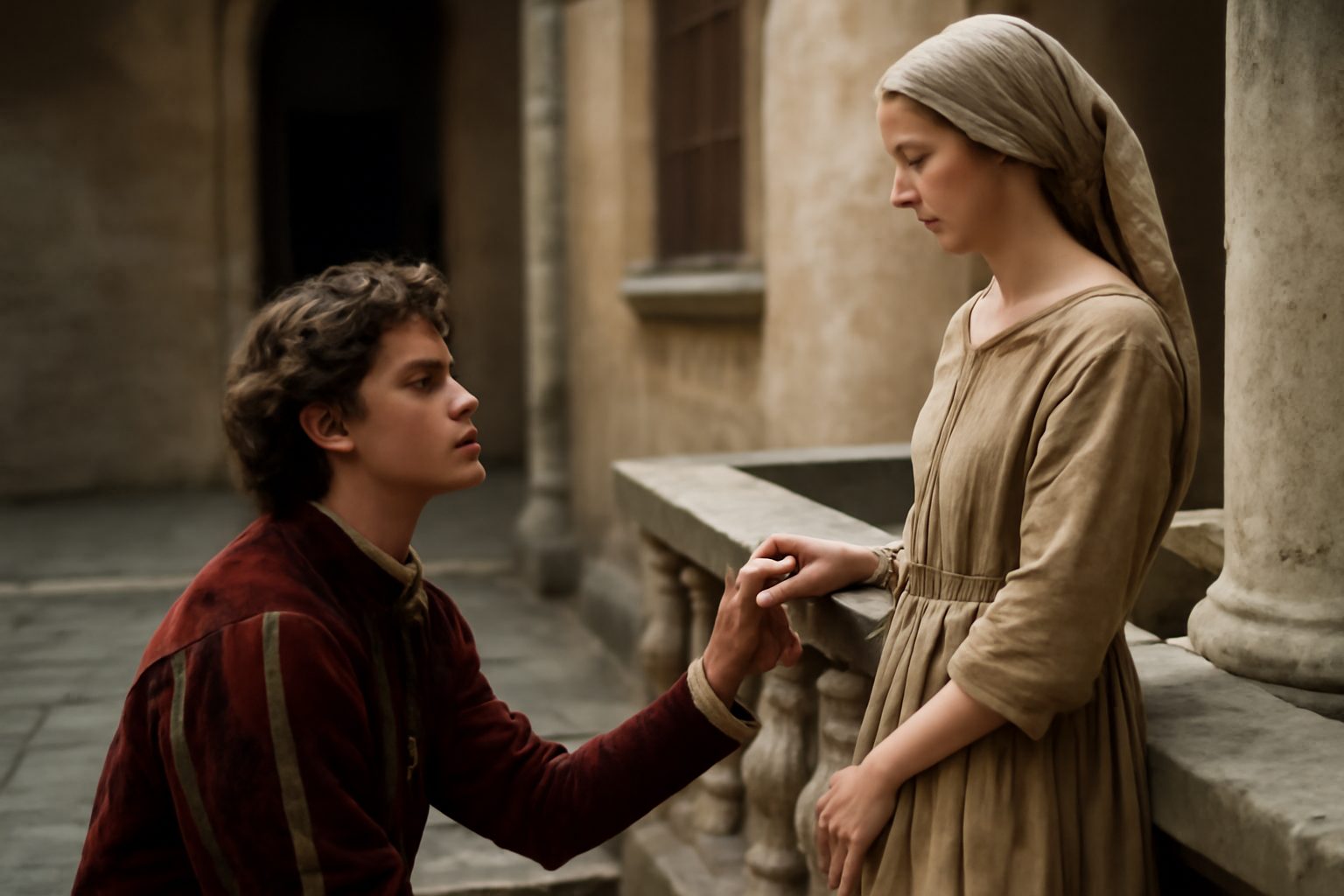
In Act 2, Scene 1 of Romeo and Juliet, Mercutio and Benvolio search for Romeo after the Capulet feast, unaware that he has slipped away to pursue Juliet. Mercutio, unaware of Romeo's newfound love, mockingly calls out to him, teasing him about his unrequited infatuation with Rosaline. The line reflects Mercutio's playful attempt to summon Romeo, believing he is still lovesick over Rosaline rather than hidden beneath Juliet's balcony.
Mercutio: "I conjure only but to raise up him."
In modern day english, we would say:
I’m just trying to make him appear.
Frequently Asked Questions
What is Mercutio trying to do in this line?
Mercutio is trying to make Romeo appear or come out by calling or summoning him.
Connections to other verses:
Connections to "I conjure only but to raise up him."
This line, spoken by Mercutio, is part of a playful yet mocking conjuration intended to summon Romeo, who has hidden himself. It connects thematically and contextually with several other verses in the scene.
Conjuration and Mockery
Mercutio's declaration follows his earlier statement in "The ape is dead, and I must conjure him.", establishing his intent to "raise" Romeo through humorous incantation. This is further emphasized when he says "Nay, I'll conjure too.", showing his determination to provoke a response.
References to Rosaline and Love
Mercutio's conjurations often invoke romantic imagery, such as in "I conjure thee by Rosaline's bright eyes", linking his mockery to Romeo's previous infatuation. The theme of love is also present in "If love be blind, love cannot hit the mark.", which critiques the irrationality of romance that Mercutio sees in Romeo.
Romeo's Withdrawal and Hidden Presence
The line reflects the search for Romeo, who, as noted in "He ran this way, and leap'd this orchard wall", has secluded himself. Mercutio's efforts to "raise" him contrast with Benvolio's practical acknowledgment in "To seek him here that means not to be found.", highlighting Romeo's intentional disappearance.
Playful Insults and Wordplay
Mercutio's conjuration is filled with jest, as seen when he calls out "Romeo! humours! madman! passion! lover!", mocking Romeo's dramatic nature. The sexual innuendo in lines like "And wish his mistress were that kind of fruit" adds layers to the humor Mercutio employs while trying to "raise" Romeo.
Conclusion of the Scene
Ultimately, Mercutio's conjuration fails, leading to his resignation in "Go, then; for 'tis in vain", reinforcing that Romeo will not be "raised" by their antics and prefers to remain hidden with Juliet.