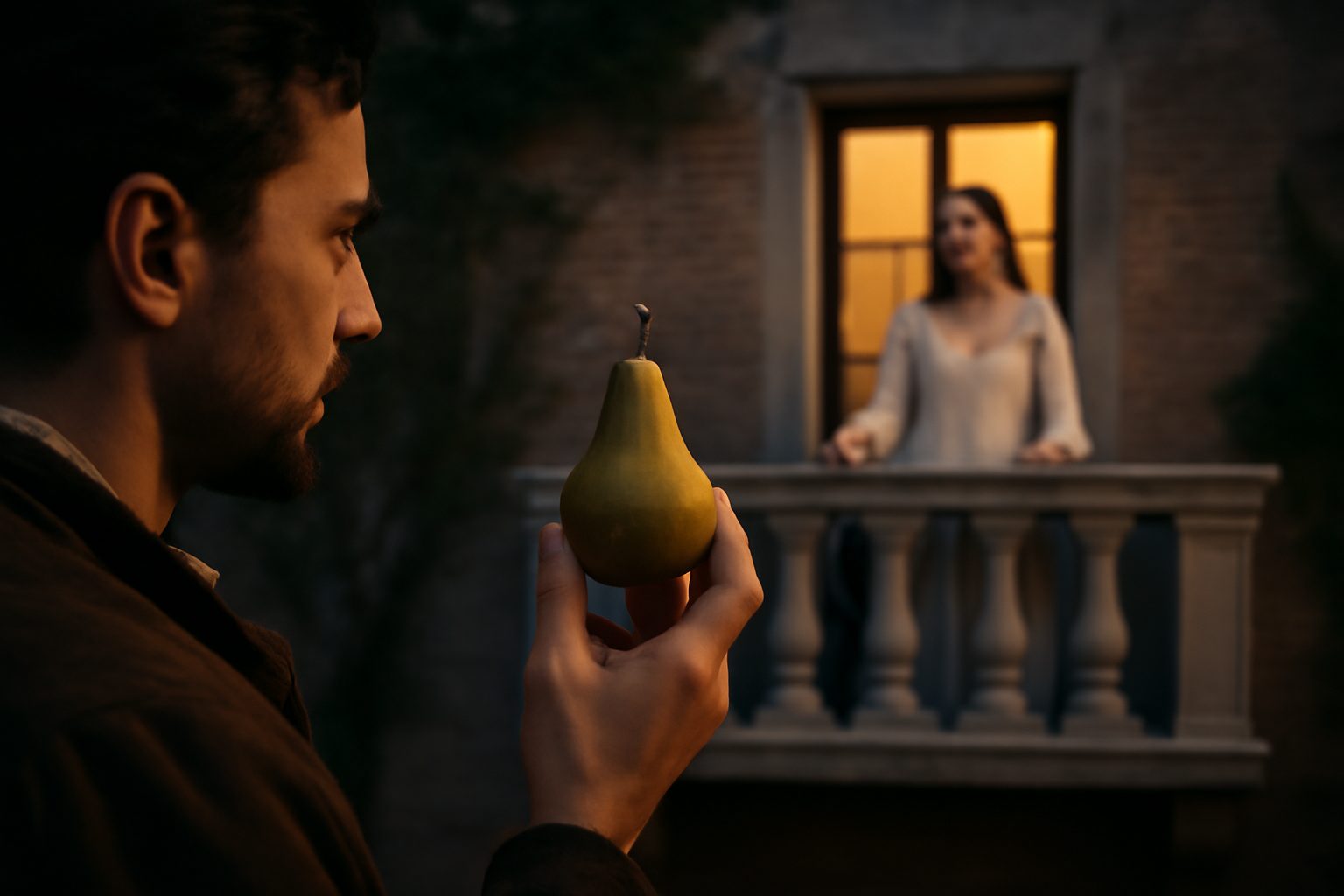
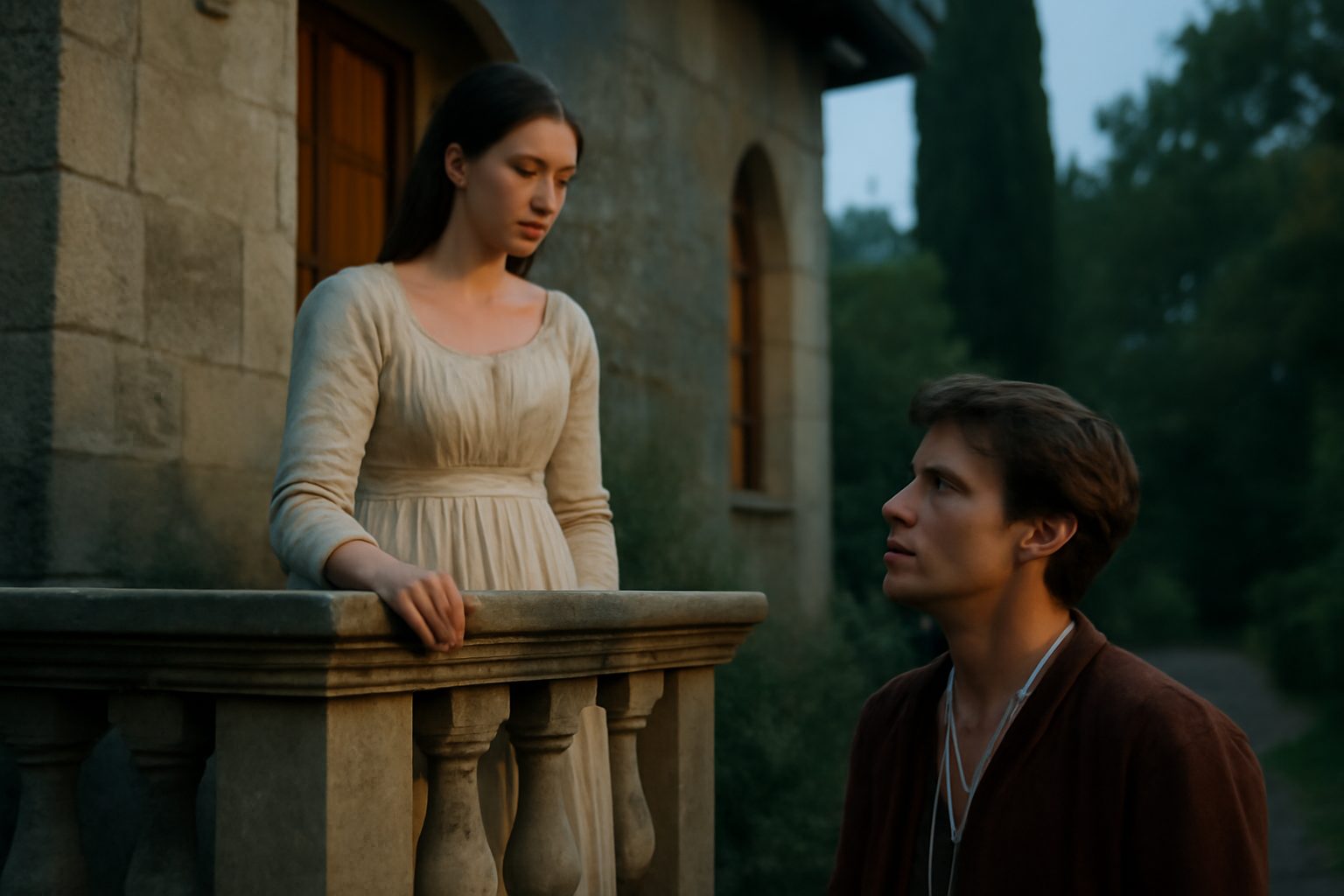
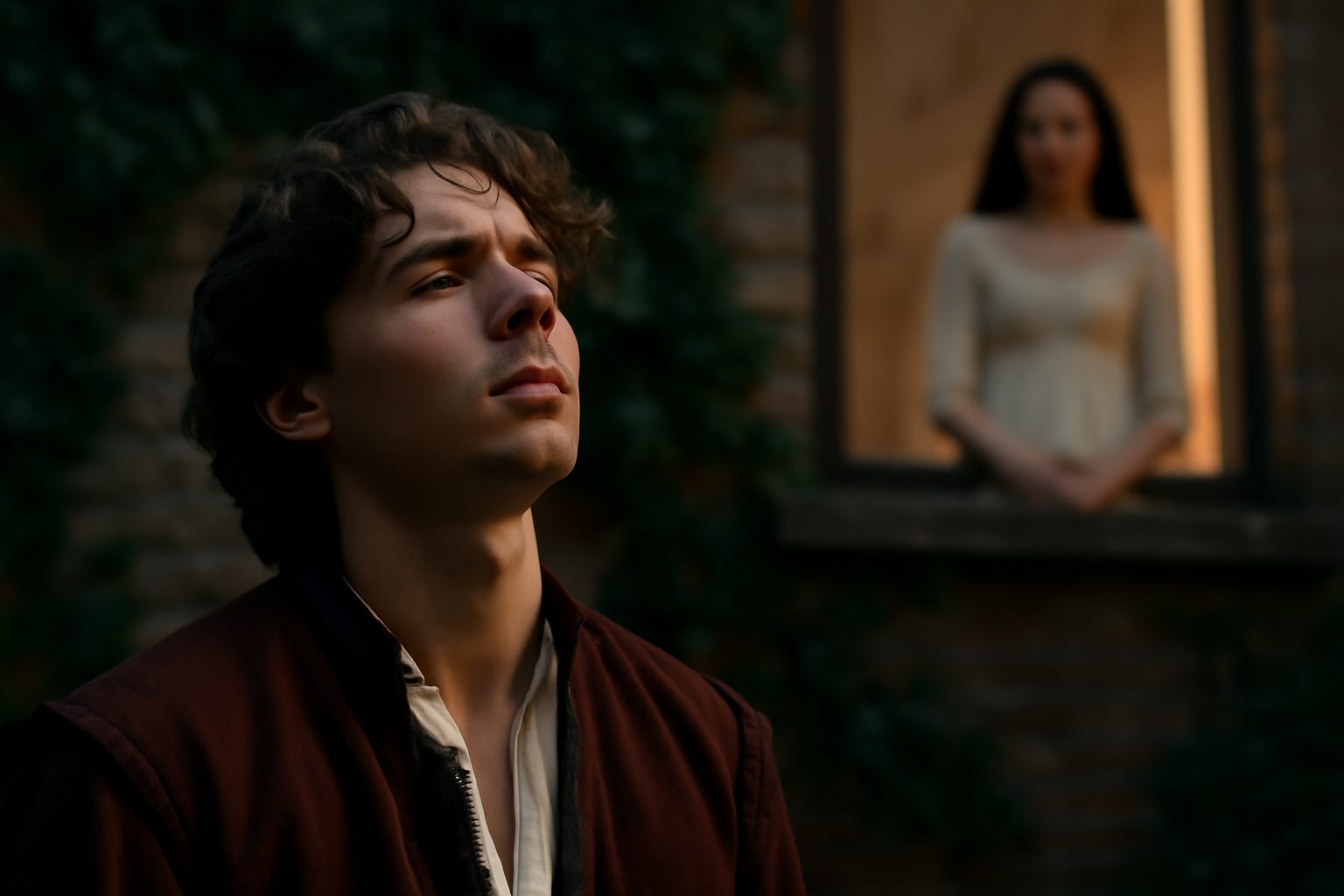
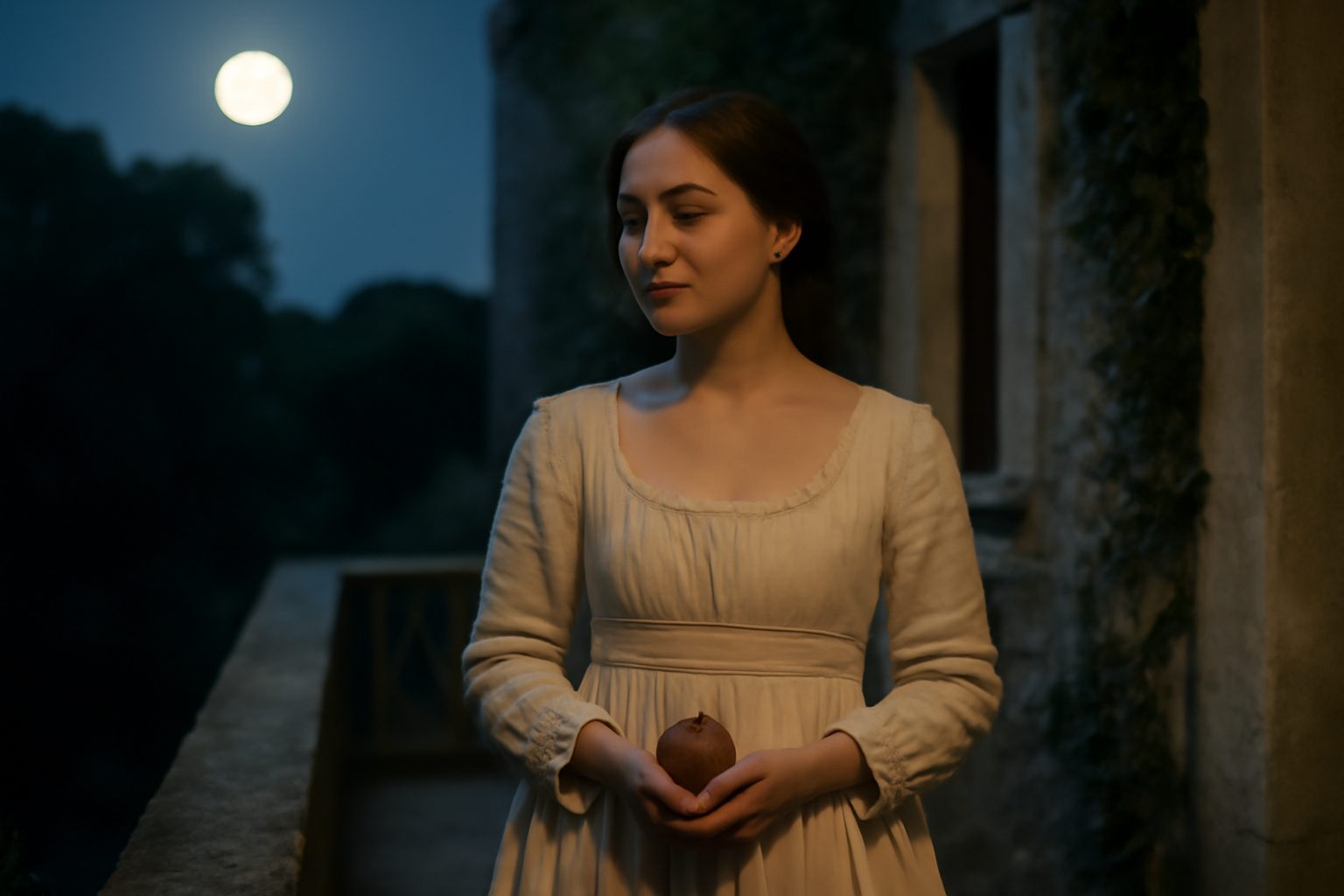
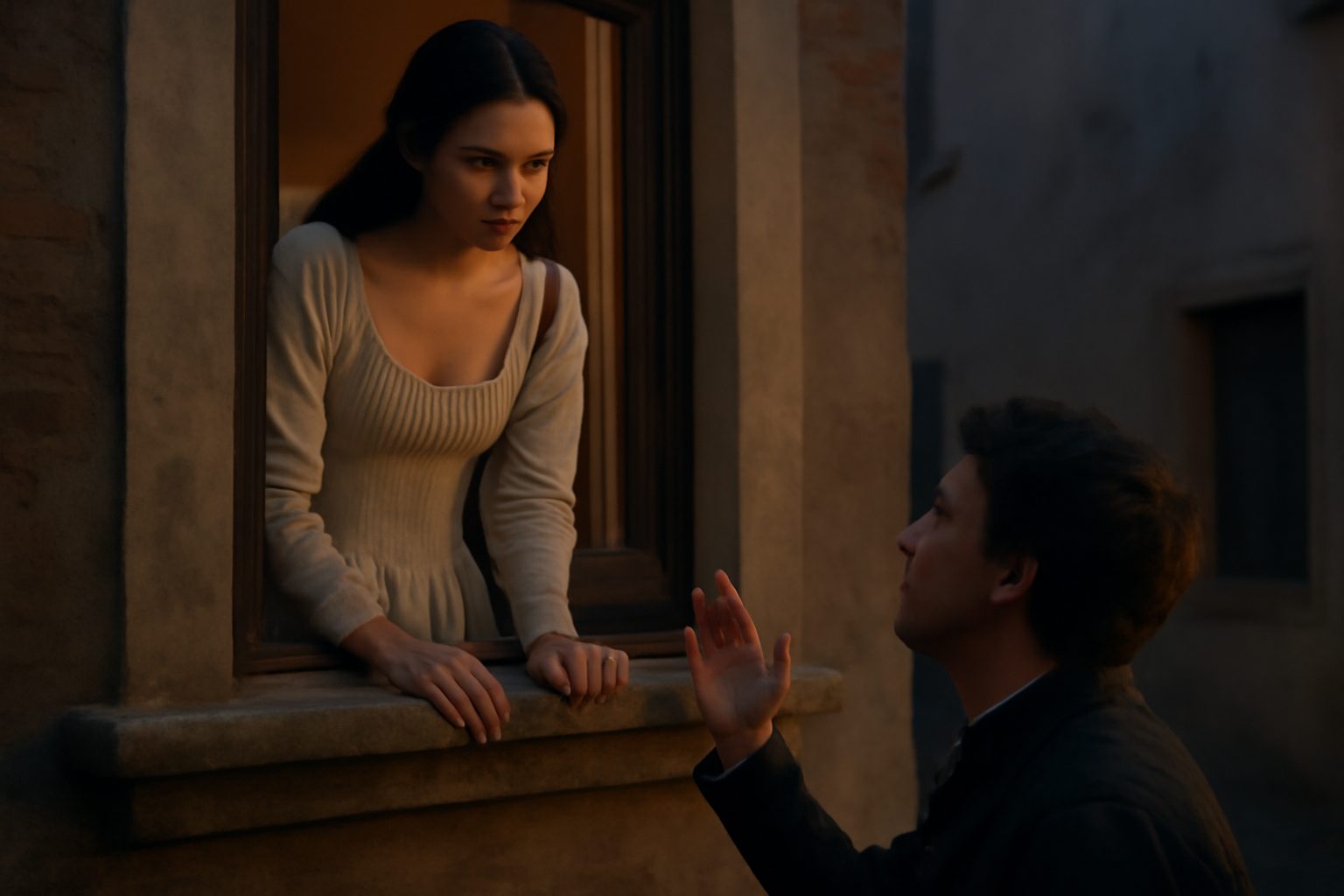
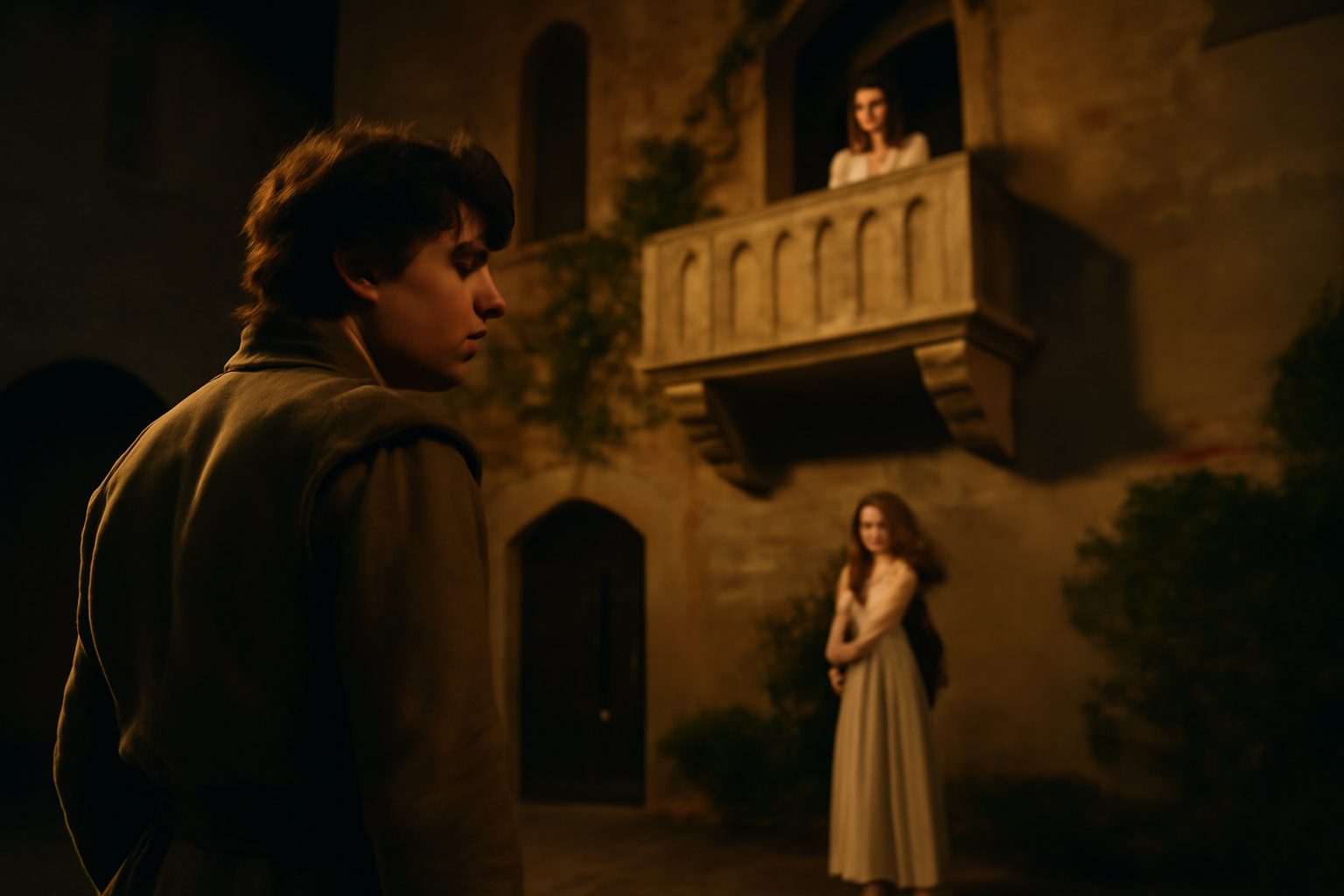
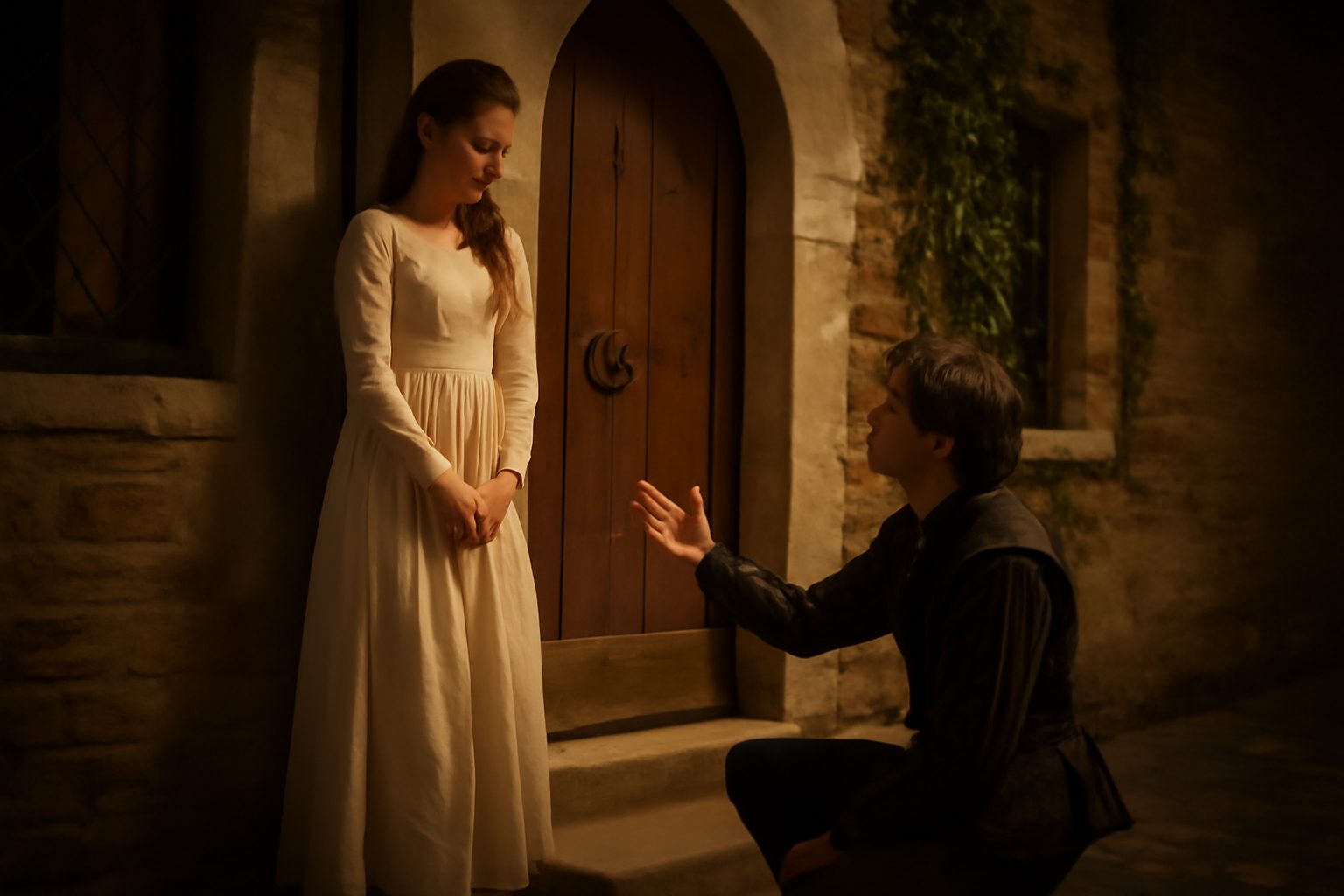
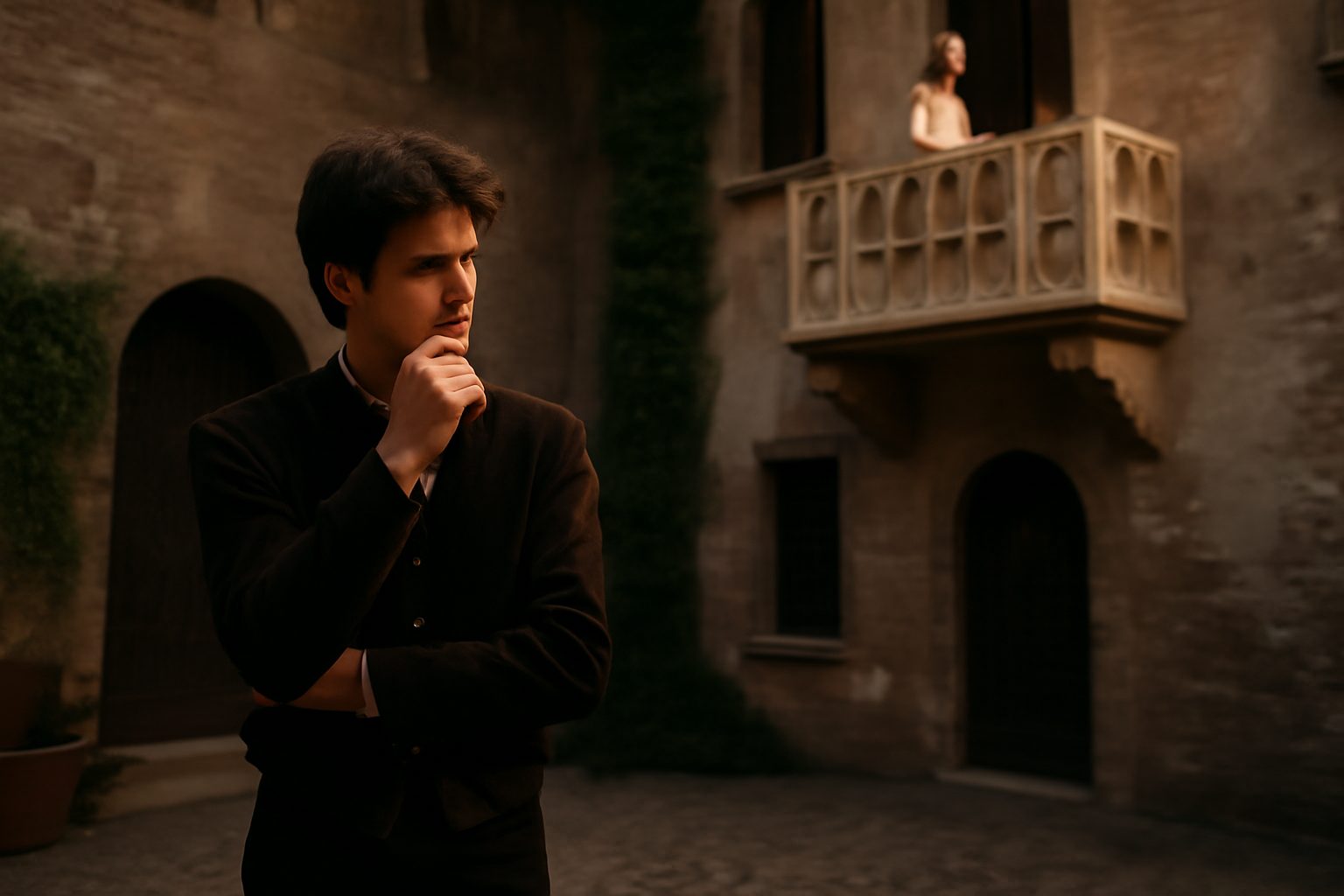
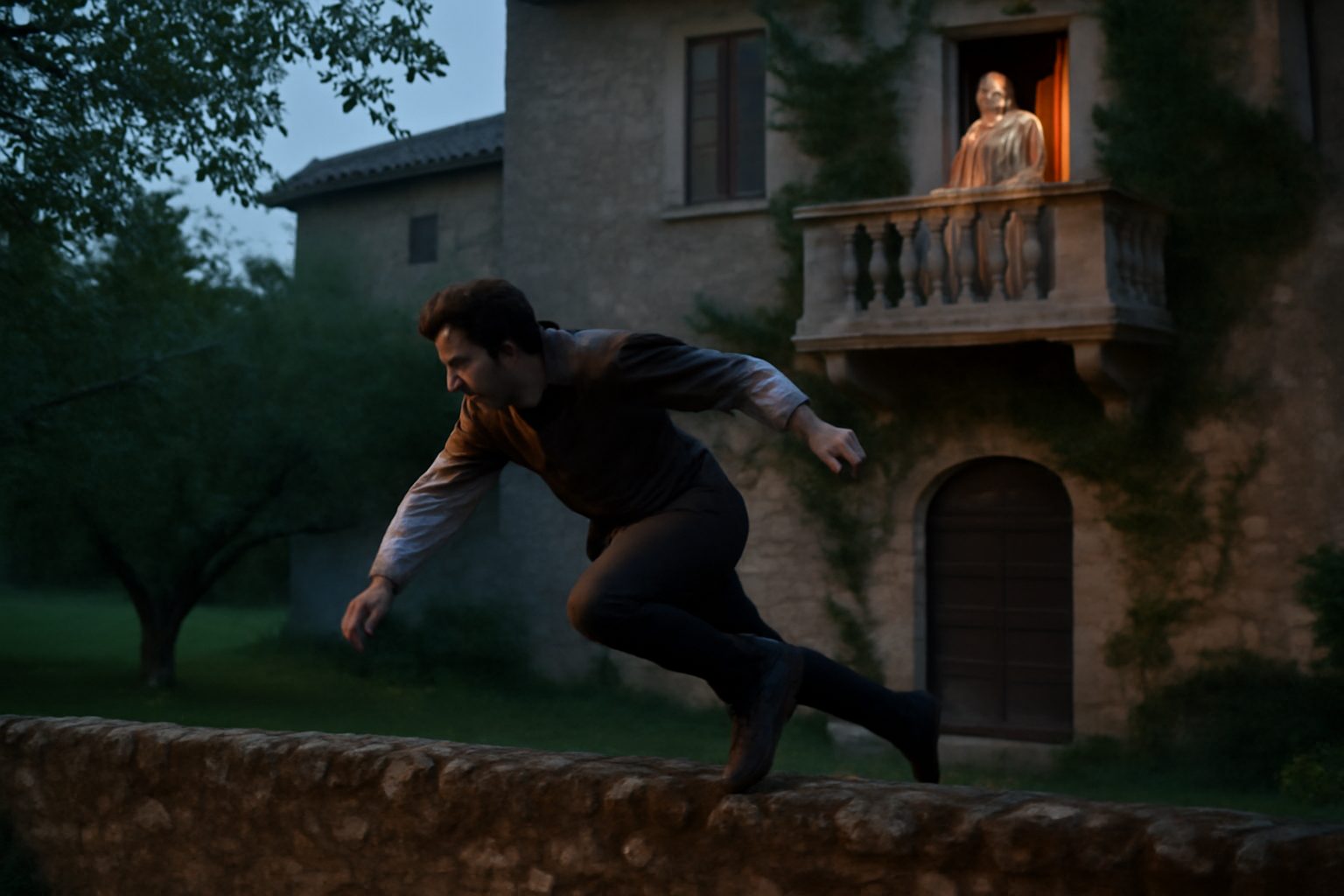
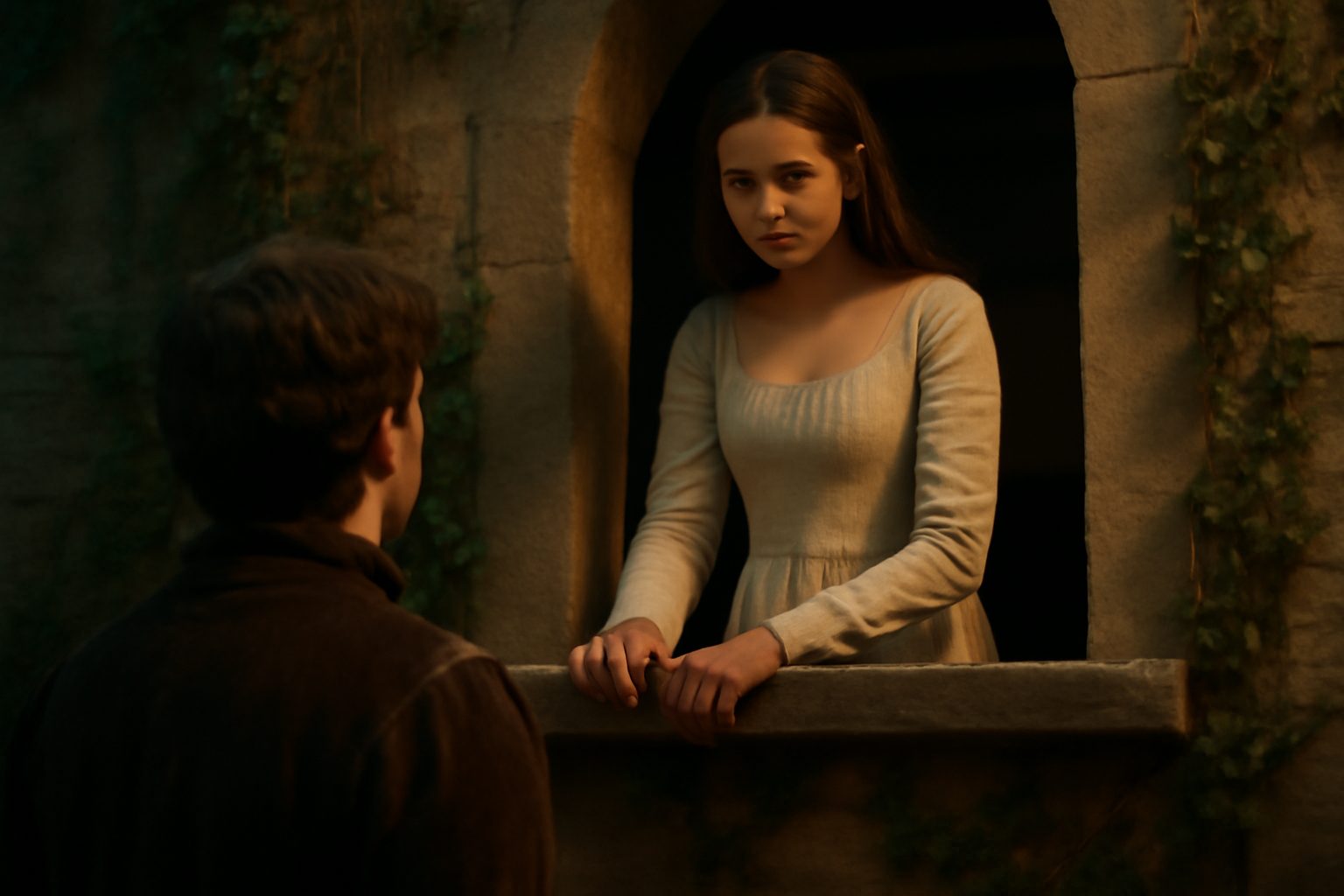
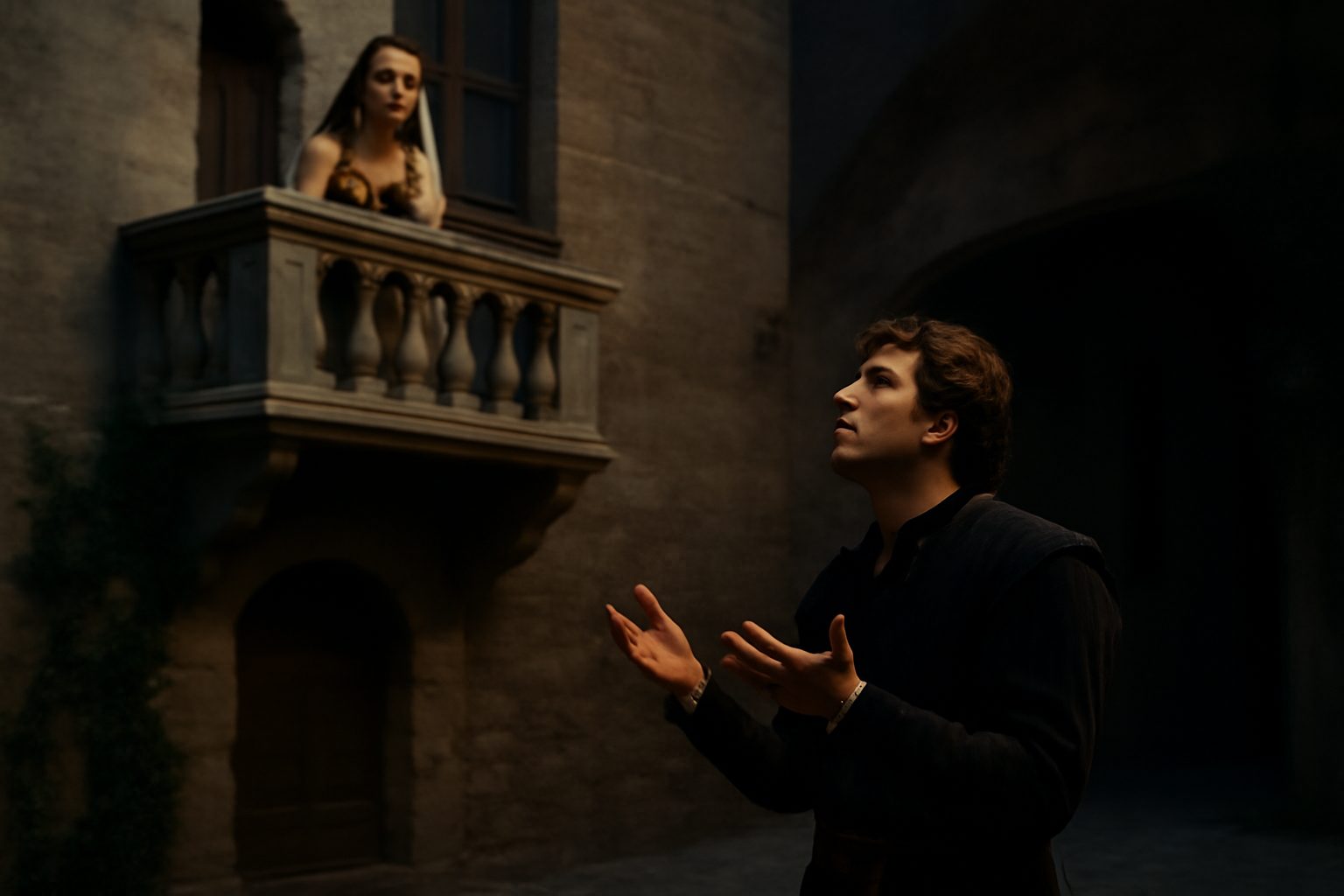
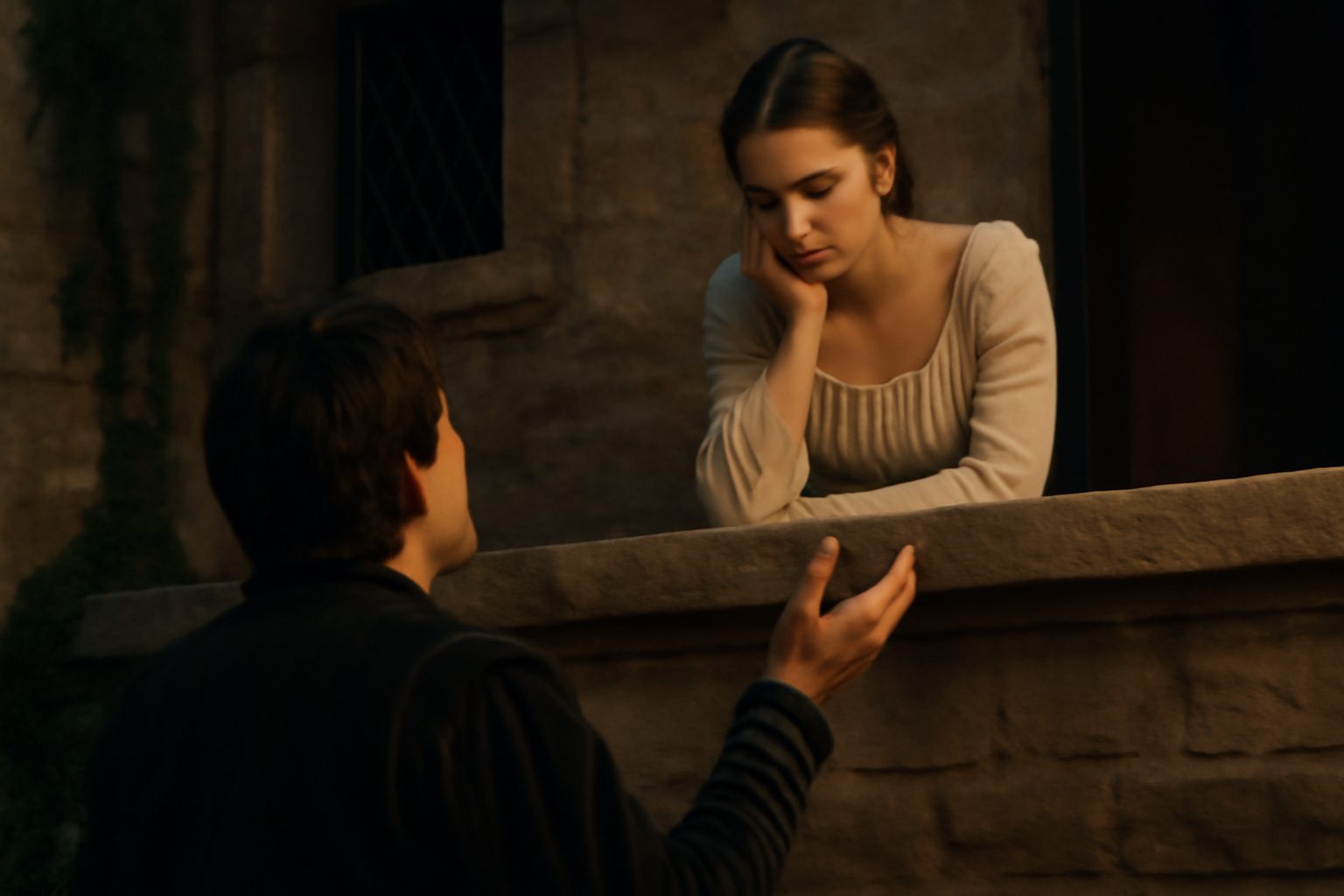
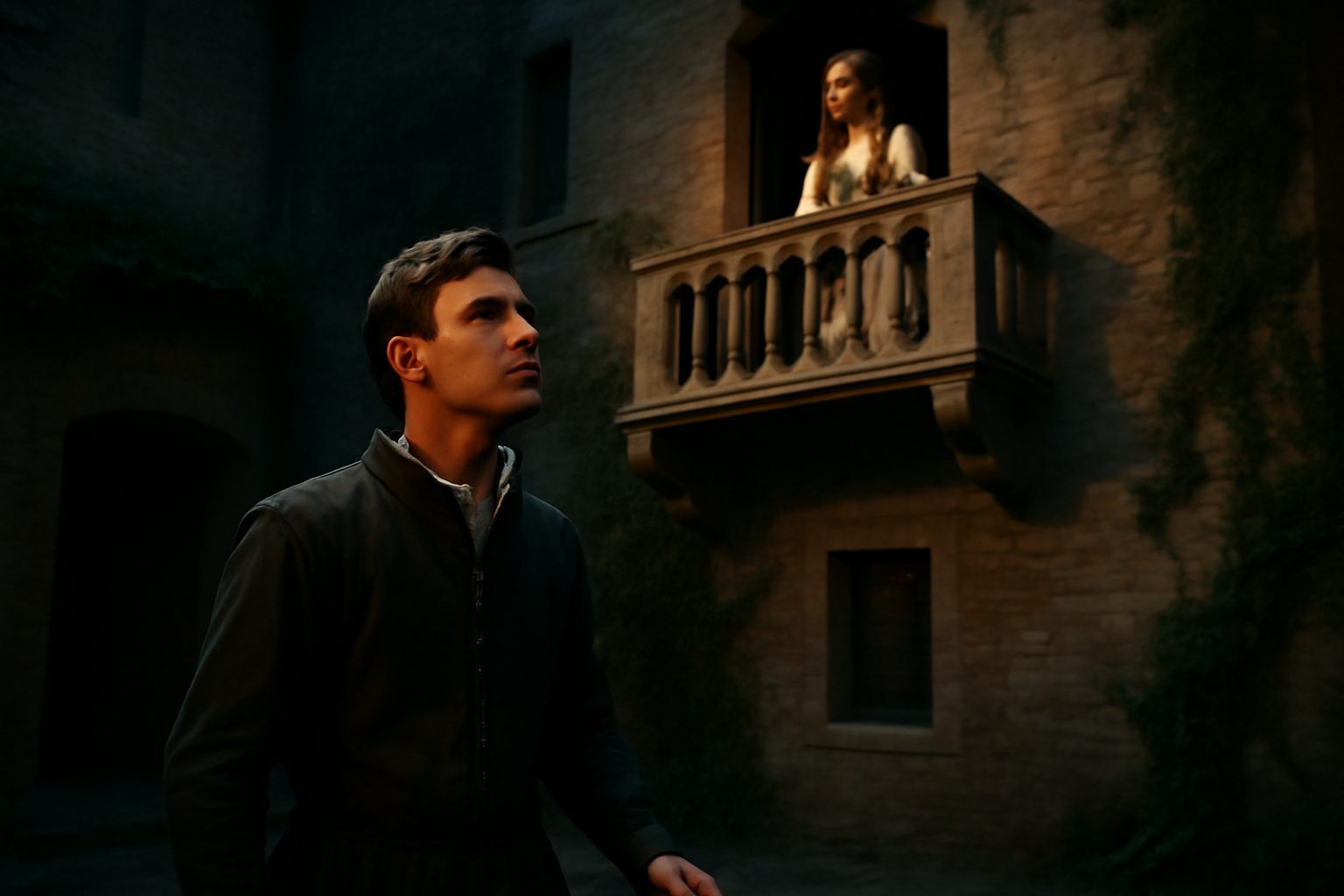
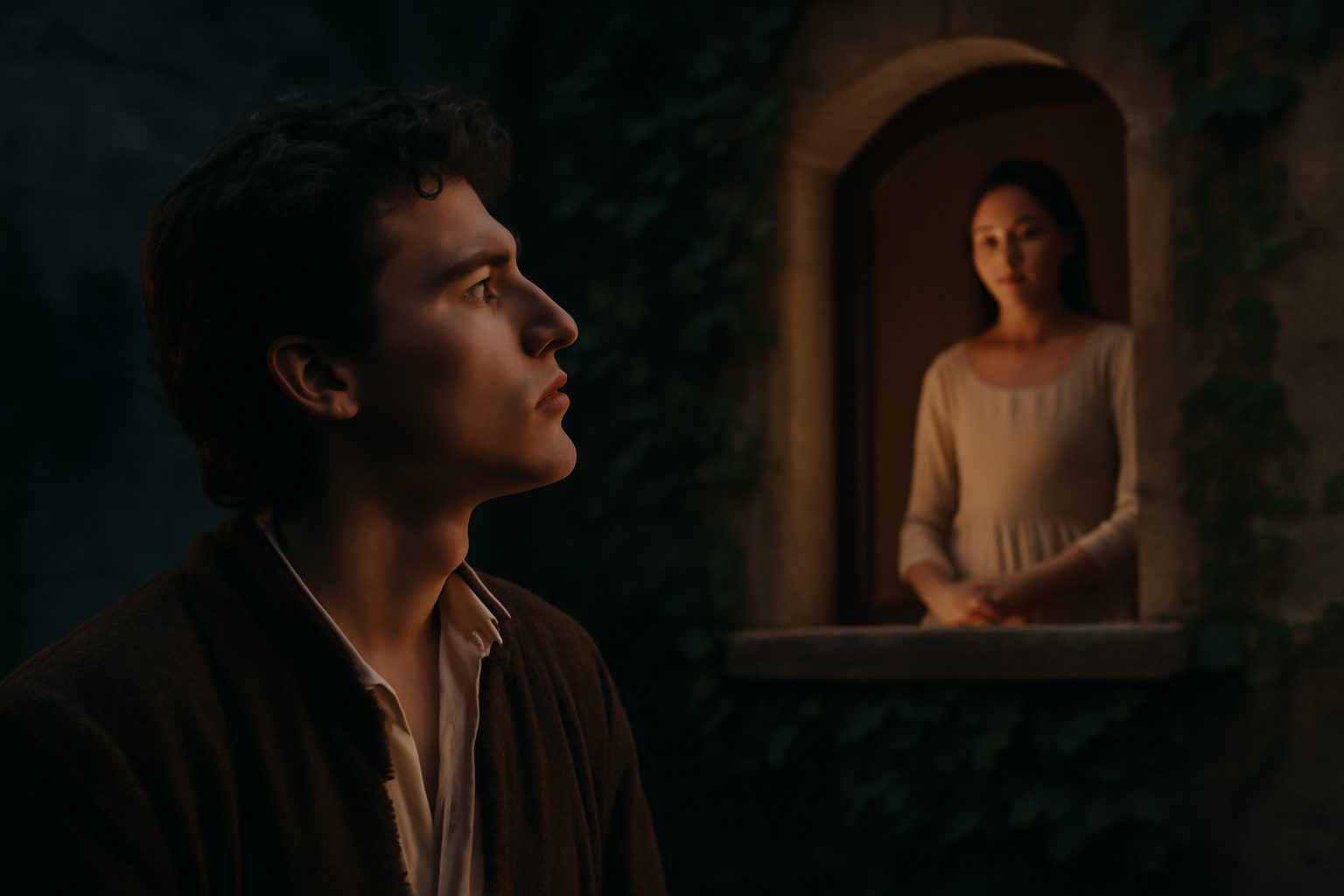
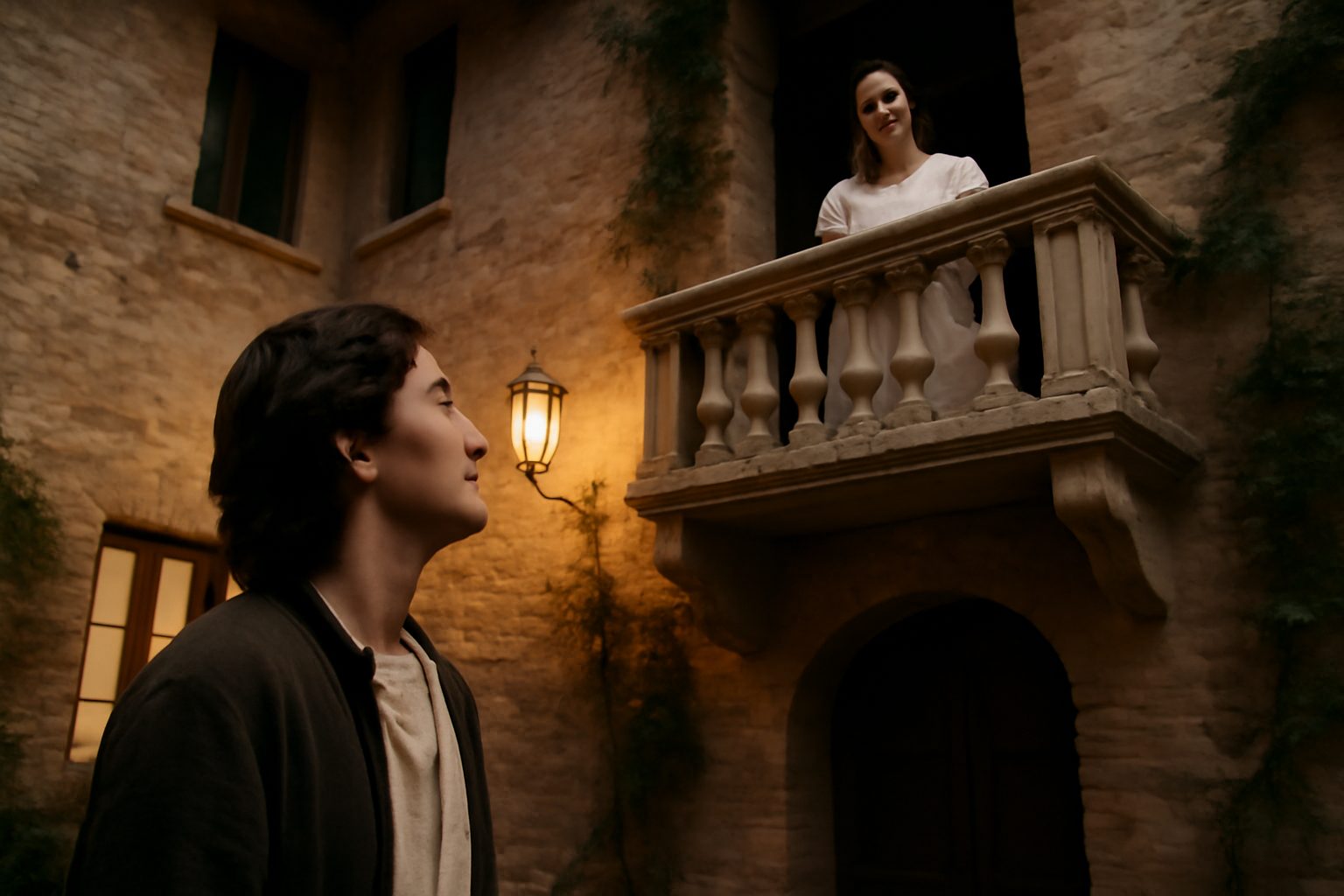
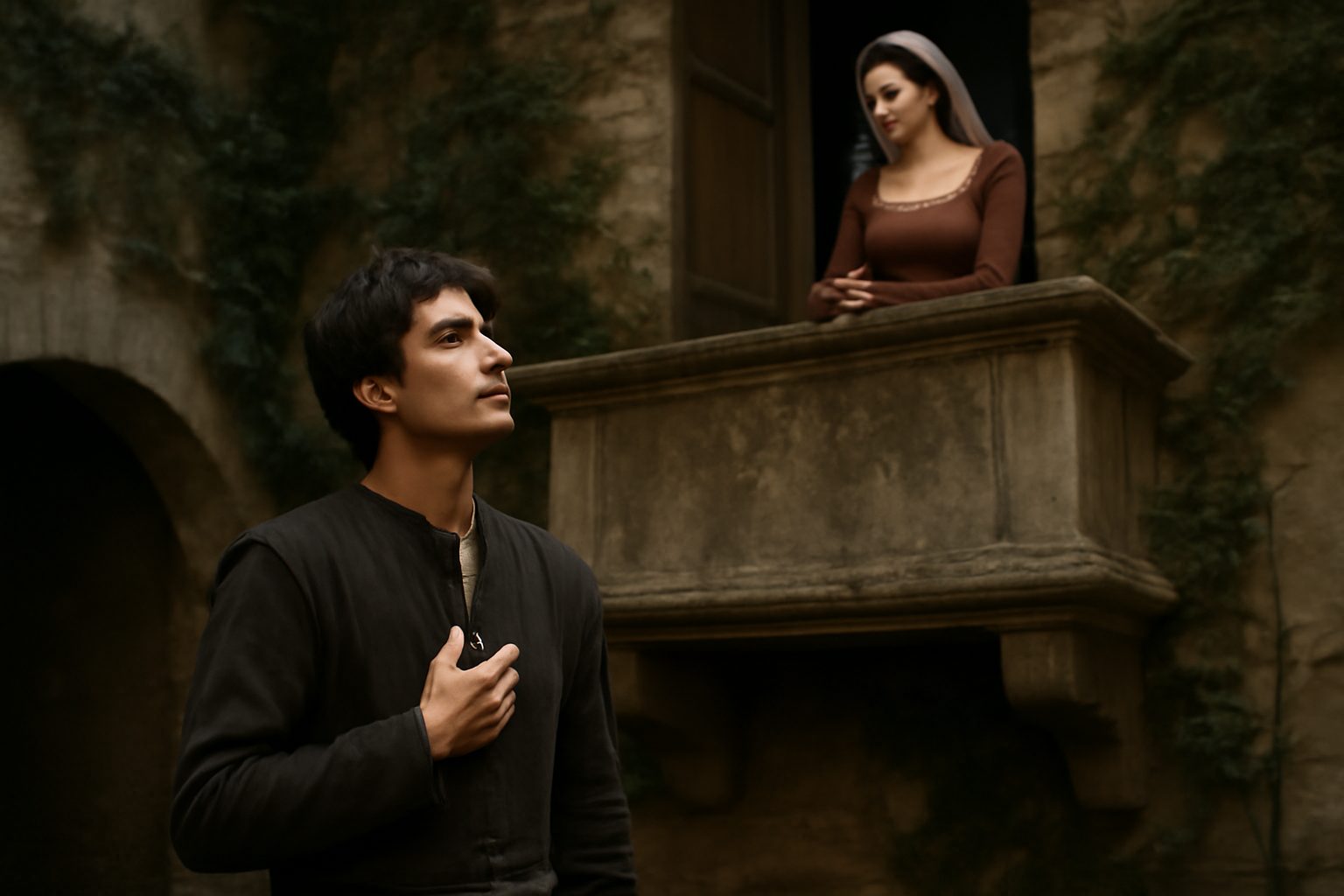
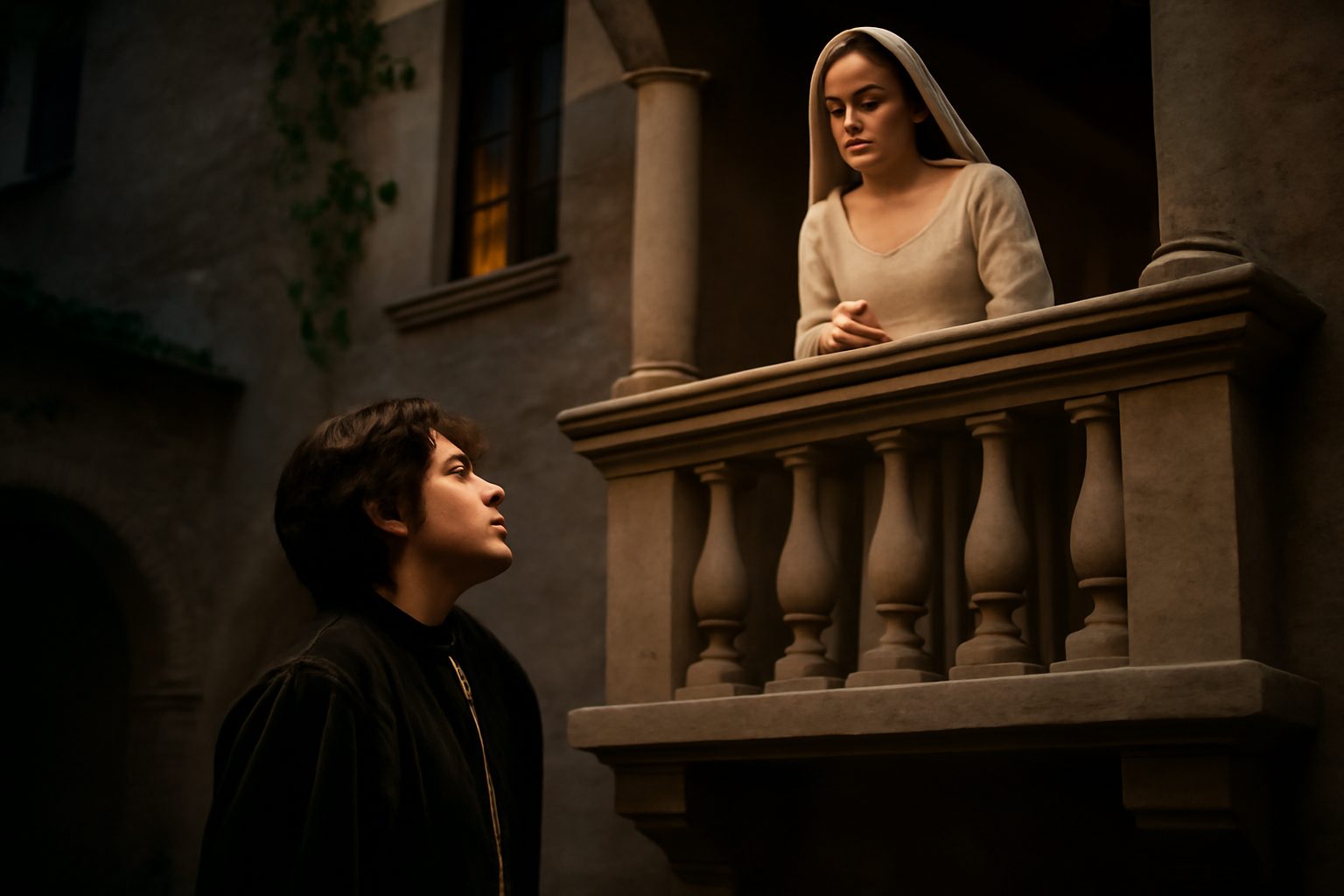
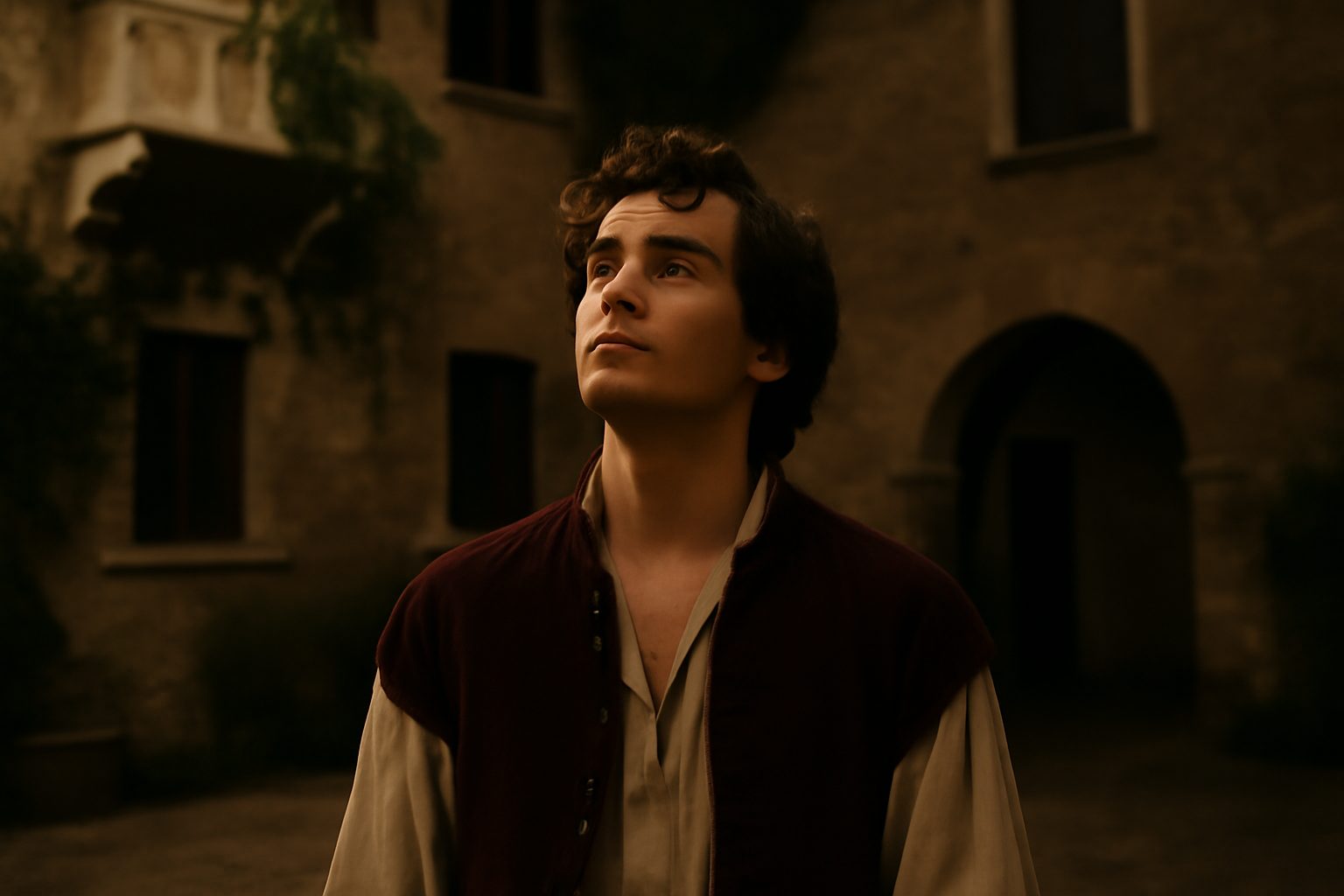
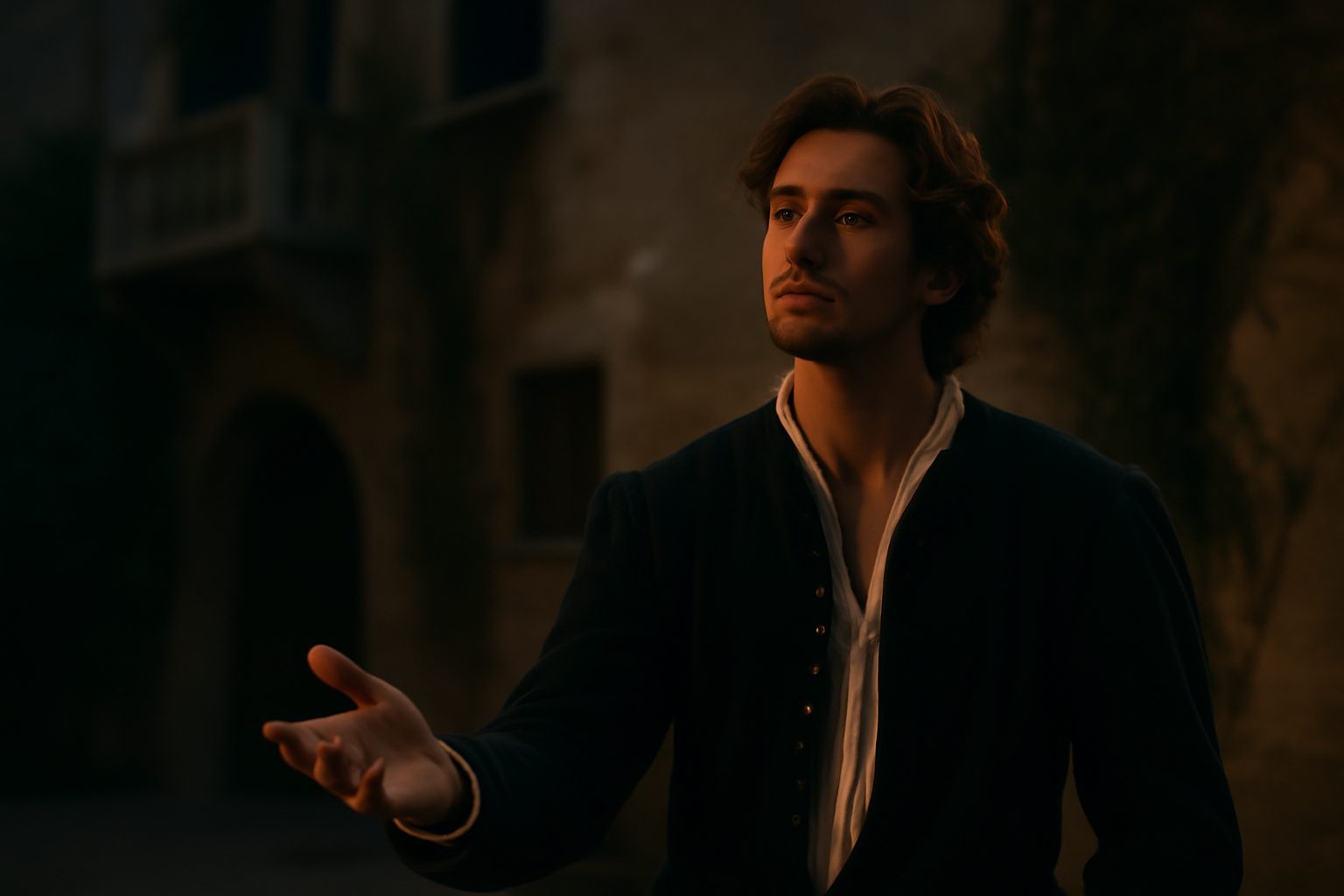
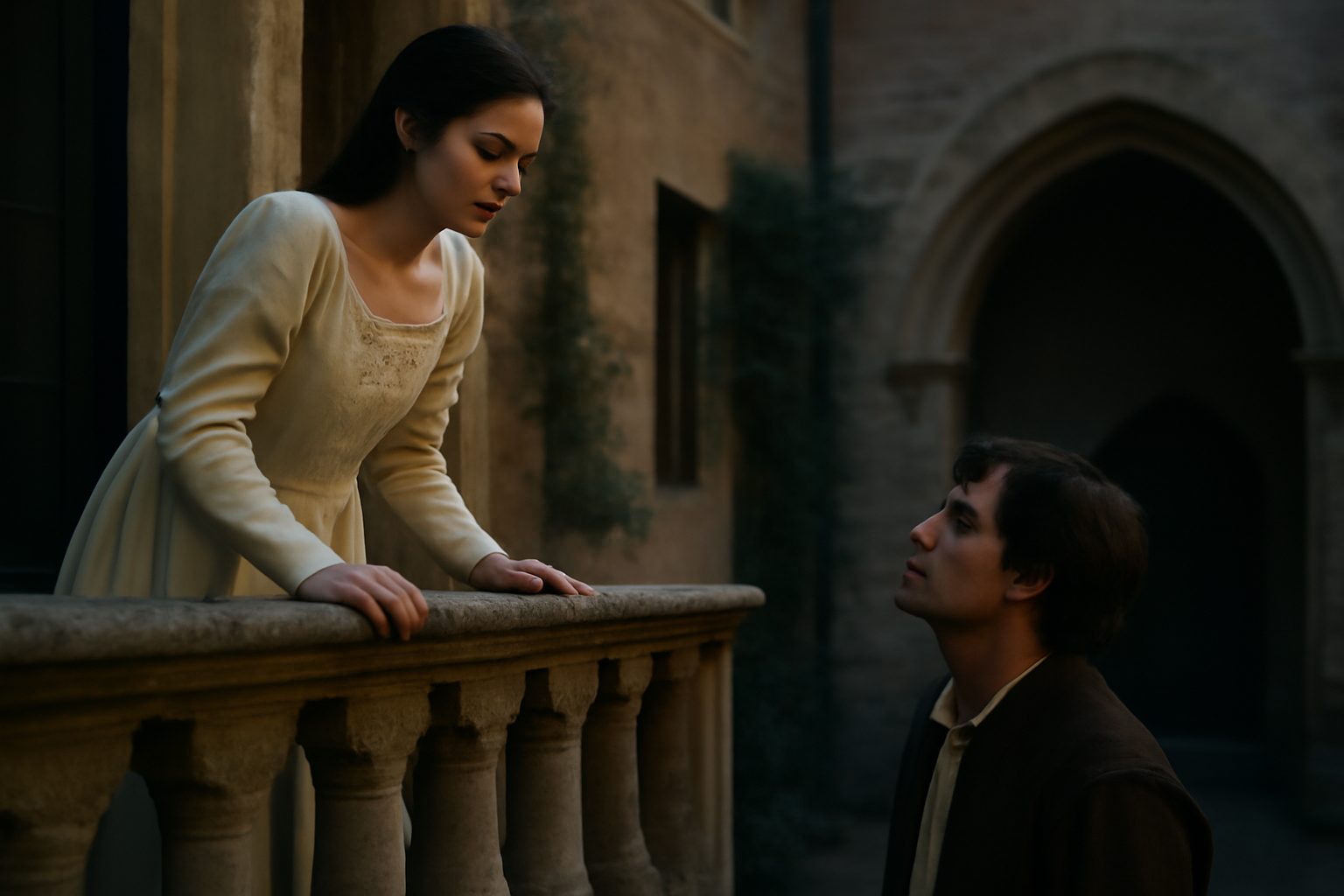
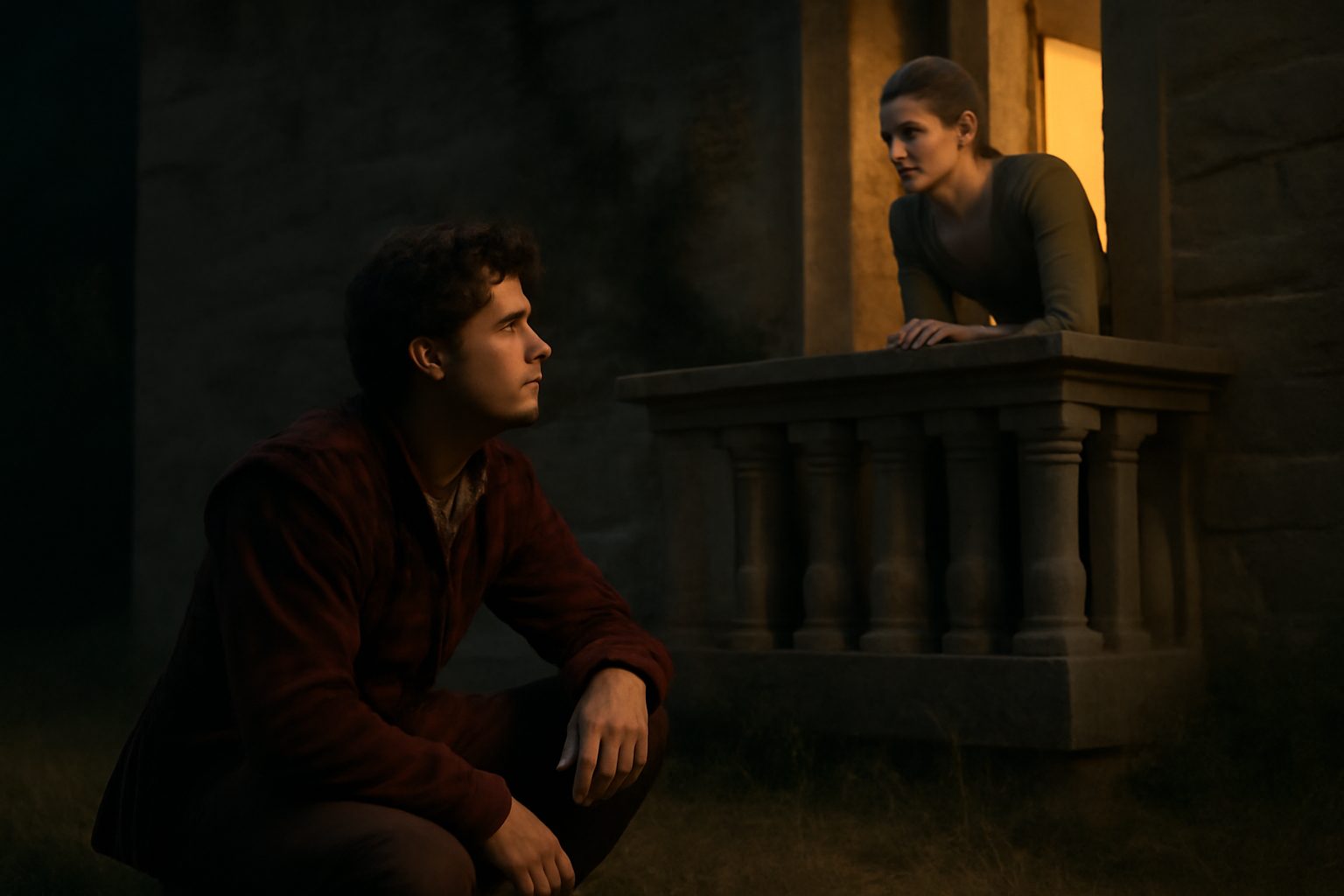
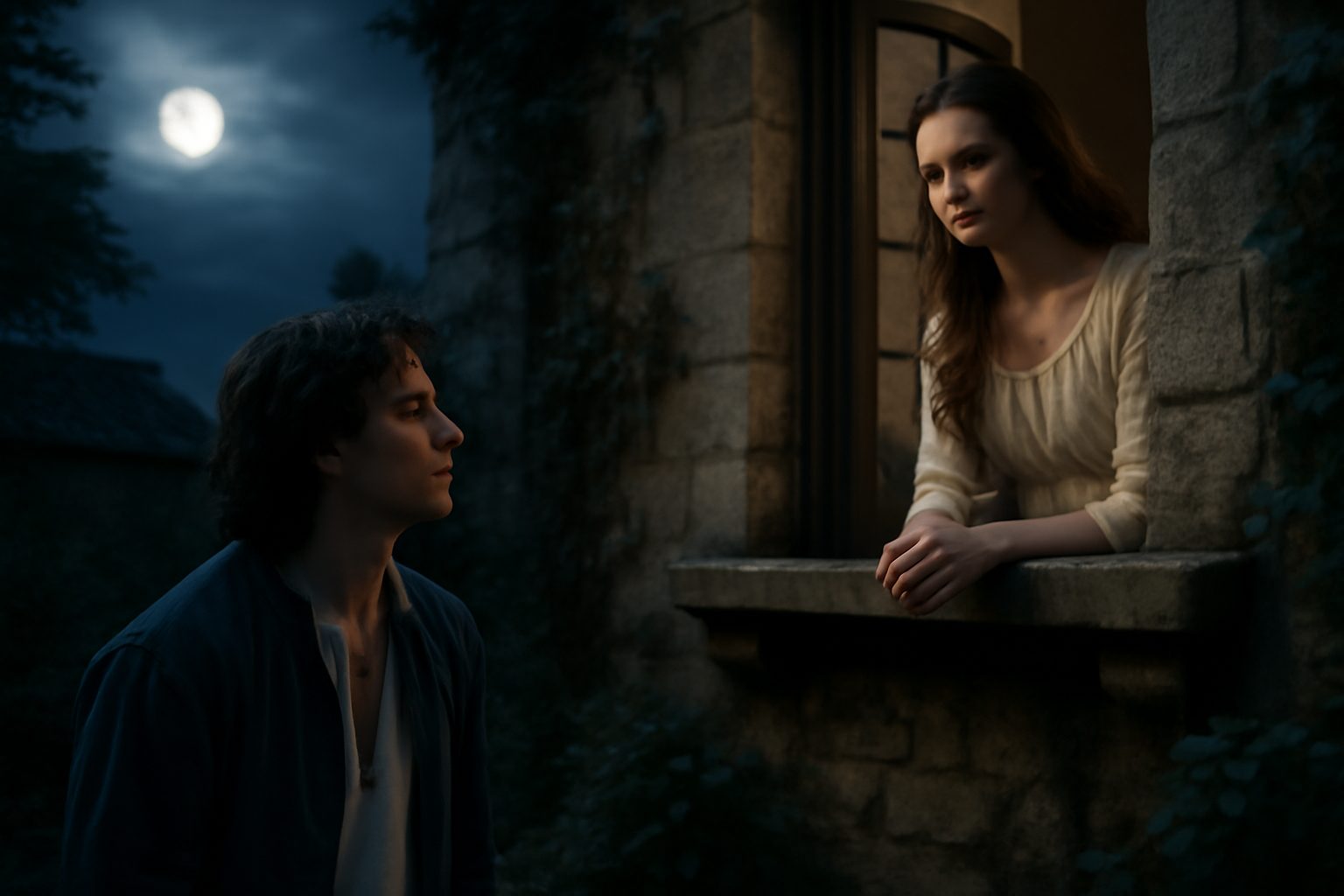
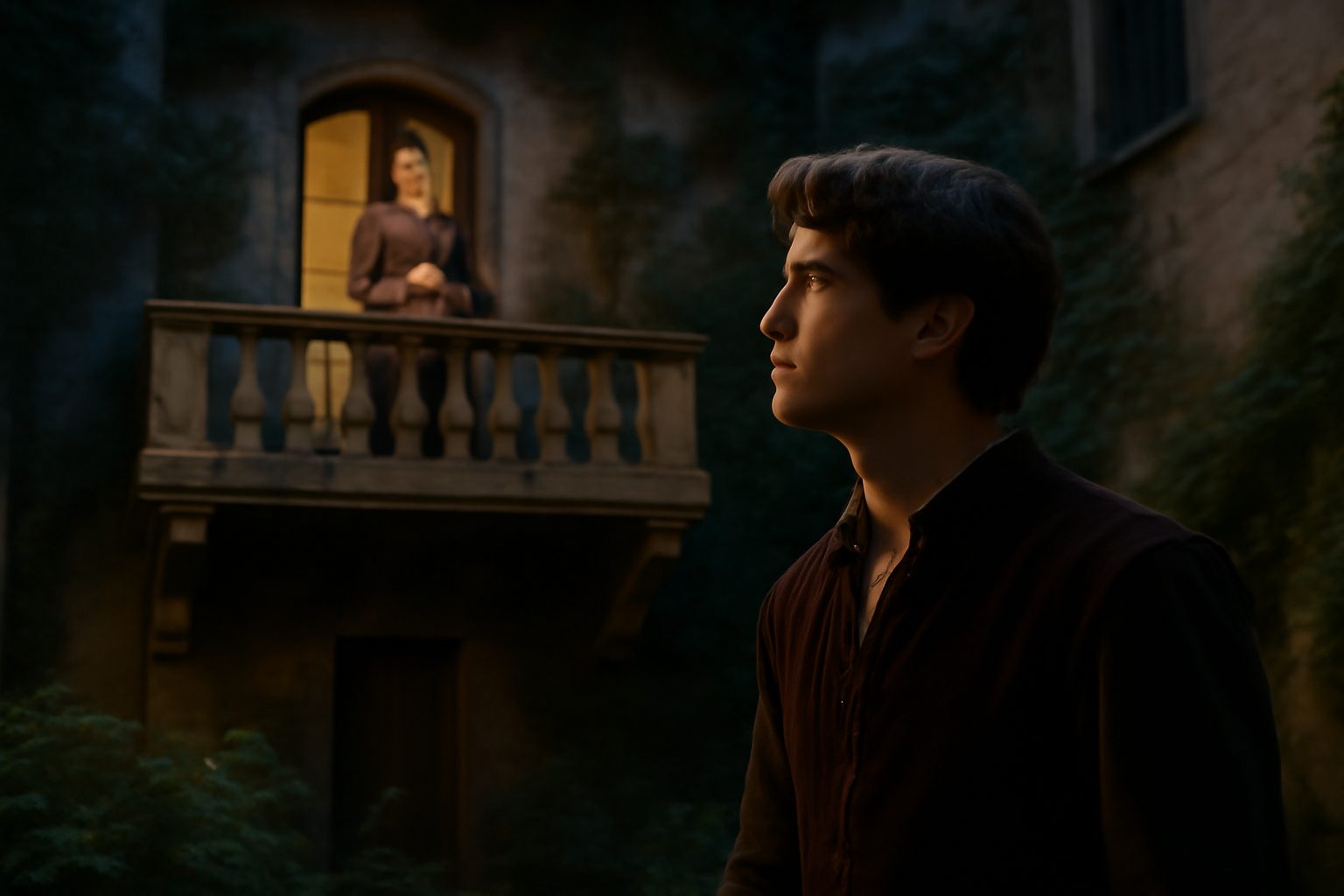
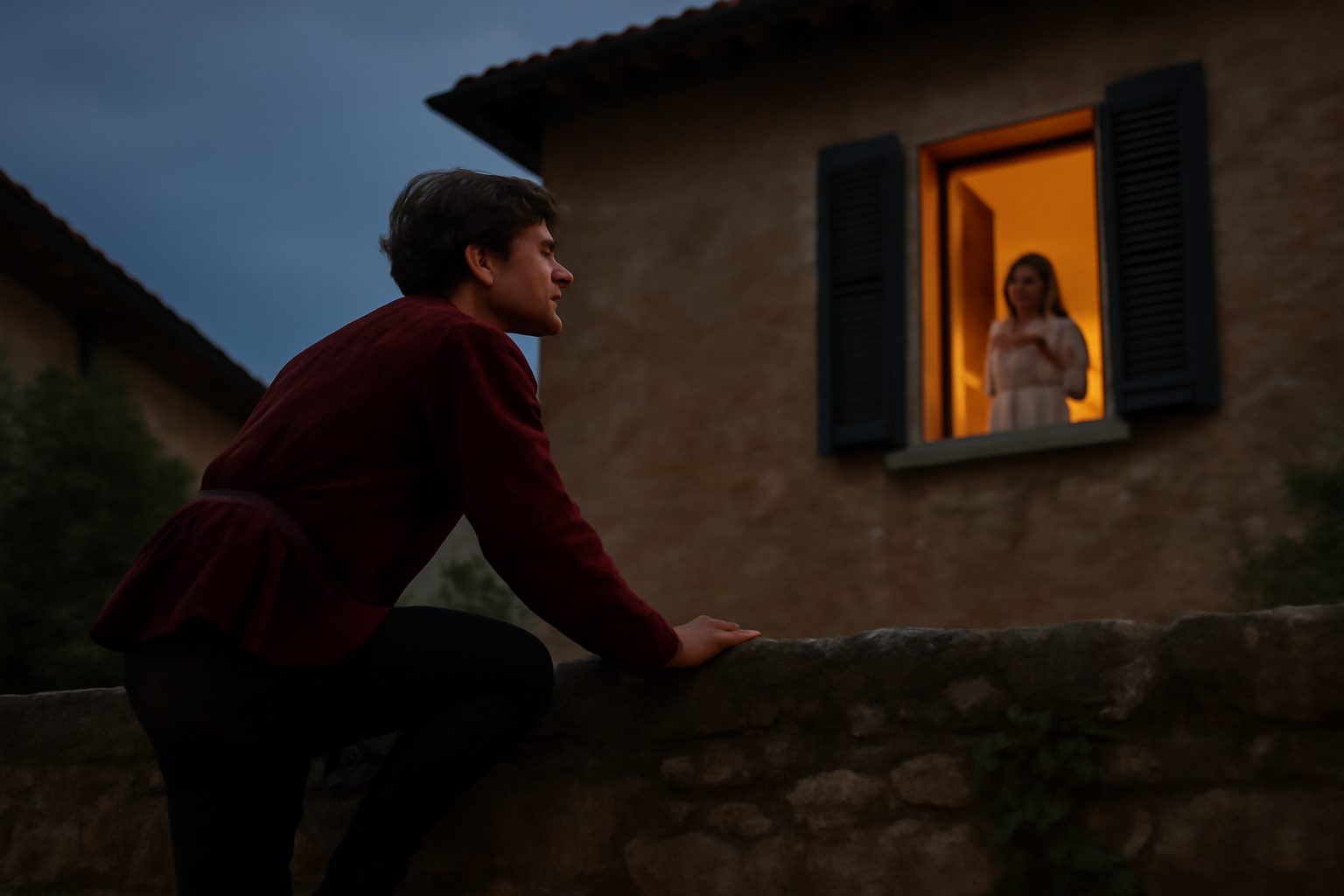
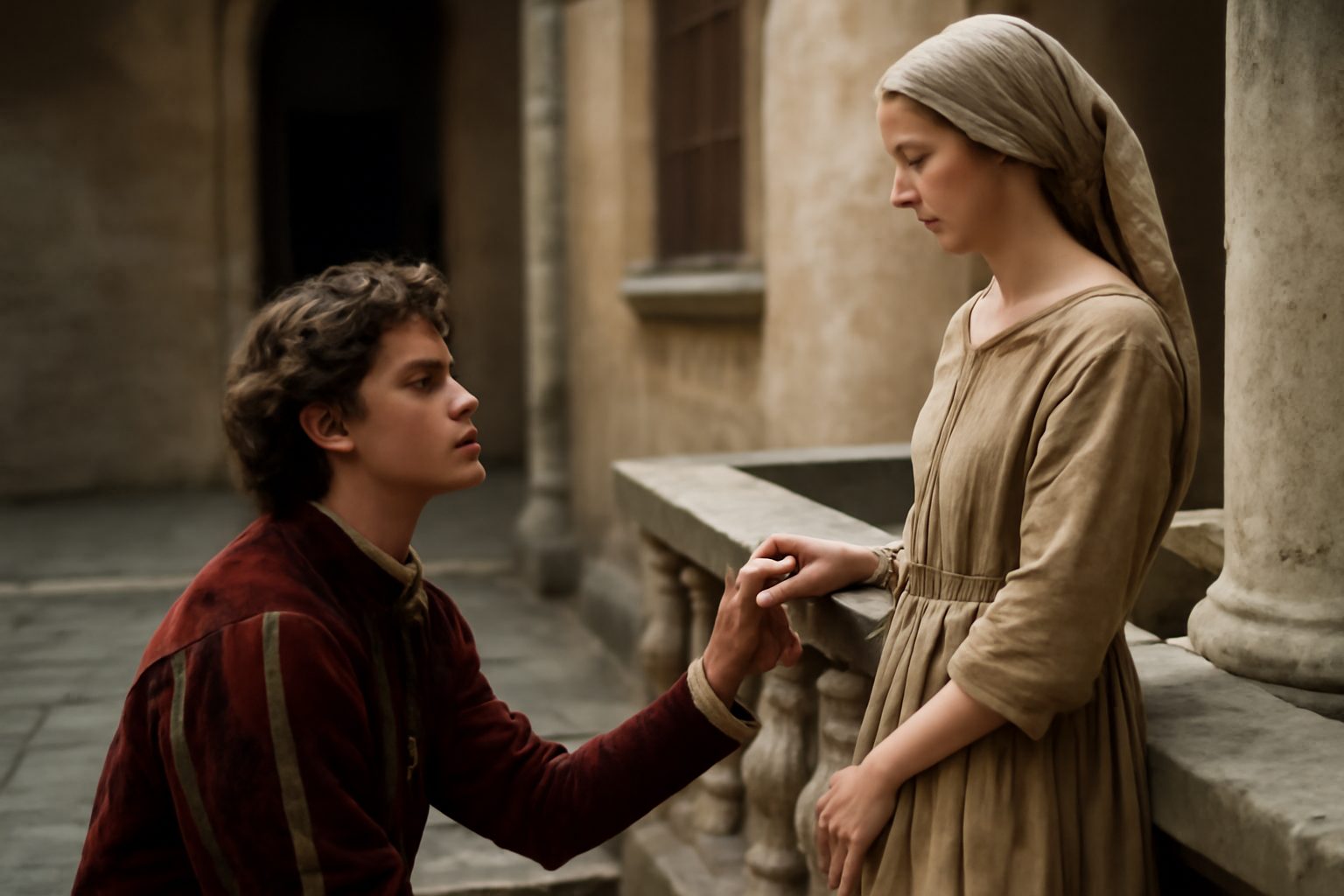
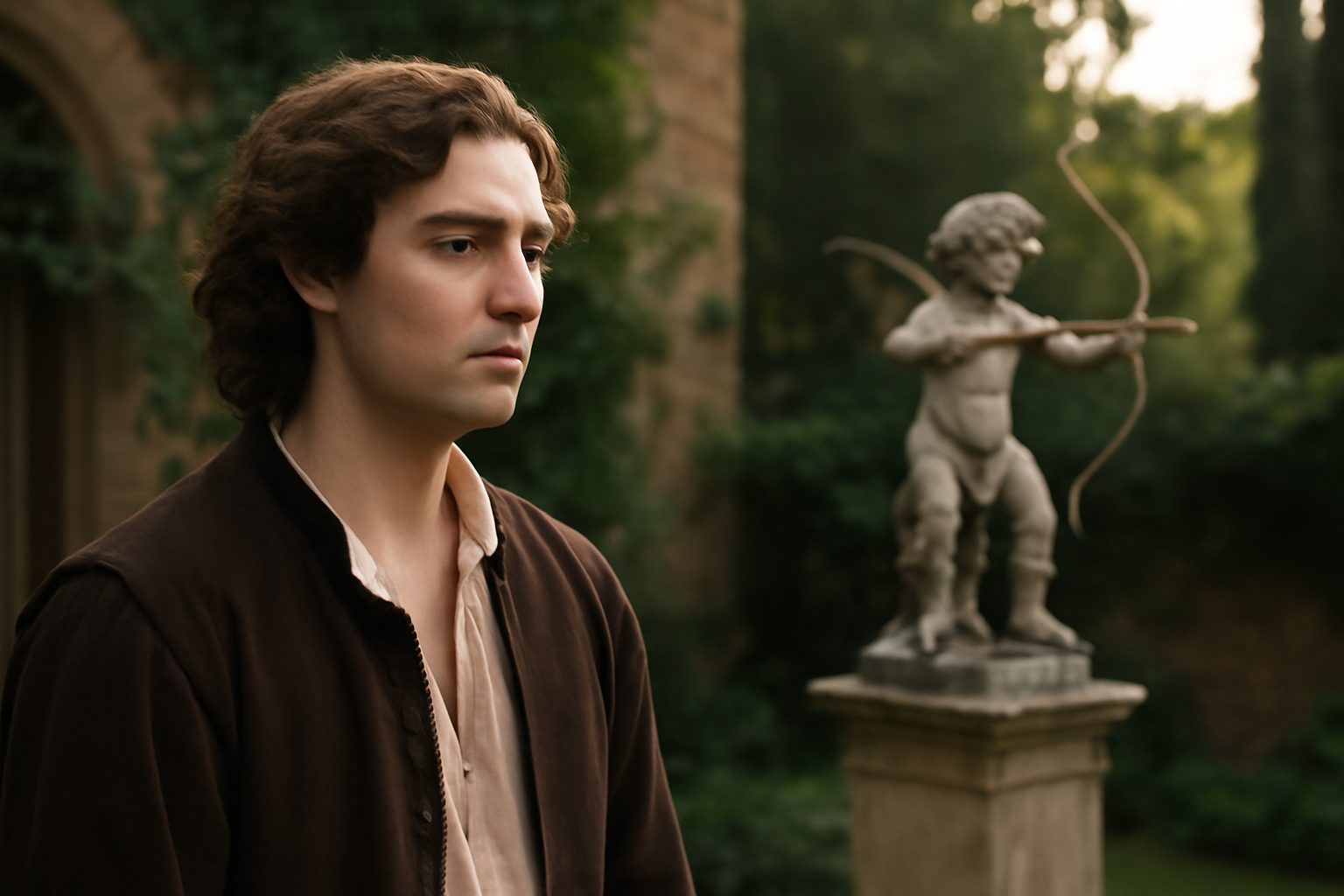
In Act 2, Scene 1 of Romeo and Juliet, Mercutio and Benvolio are searching for Romeo after the Capulet feast. Mercutio, unaware that Romeo has slipped away to pursue Juliet, jests about his friend's lovesick behavior before giving up the search. His remark about retiring to a humble truckle-bed underscores his playful, mocking tone while highlighting the contrast between Romeo's hidden passion and Mercutio's carefree attitude.
Mercutio: "Romeo, good night: I'll to my truckle-bed;"
In modern day english, we would say:
Romeo, goodnight—I’m heading to my small bed.
Frequently Asked Questions
What does Mercutio say he is going to do after saying goodnight to Romeo?
He says he is going to his truckle-bed, which is a small bed that slides under a larger one.
Connections to other verses:
Connections to "Romeo, good night: I'll to my truckle-bed;"
This line, spoken by Mercutio, marks his decision to leave Romeo behind and retire for the night. It connects thematically and contextually with several other verses in the scene.
Departure and Abandonment
Mercutio's intention to leave is echoed in Come, shall we go? and Go, then; for 'tis in vain, both reinforcing the futility of their search for Romeo. This culminates in Benvolio's resigned conclusion at To seek him here that means not to be found.
Mockery and Wordplay
Mercutio's jesting tone is consistent with his earlier bawdy humor, such as in Now will he sit under a medlar tree and And wish his mistress were that kind of fruit, where he mocks Romeo's lovesick state with sexual innuendo. The playful taunt An open et caetera, thou a poperin pear! further highlights this irreverent banter.
Conjuration and Invocation
Earlier, Mercutio attempts to "conjure" Romeo back with humorous invocations, as seen in The ape is dead, and I must conjure him and I conjure only but to raise up him. His eventual departure signifies the end of these futile efforts.
Contrast with Romeo's Solitude
While Mercutio retreats to his "truckle-bed," Romeo remains hidden, lost in his lovesick musings, as hinted in Turn back, dull earth, and find thy centre out and Can I go forward when my heart is here?, emphasizing the divide between Romeo's romantic idealism and Mercutio's earthy pragmatism.