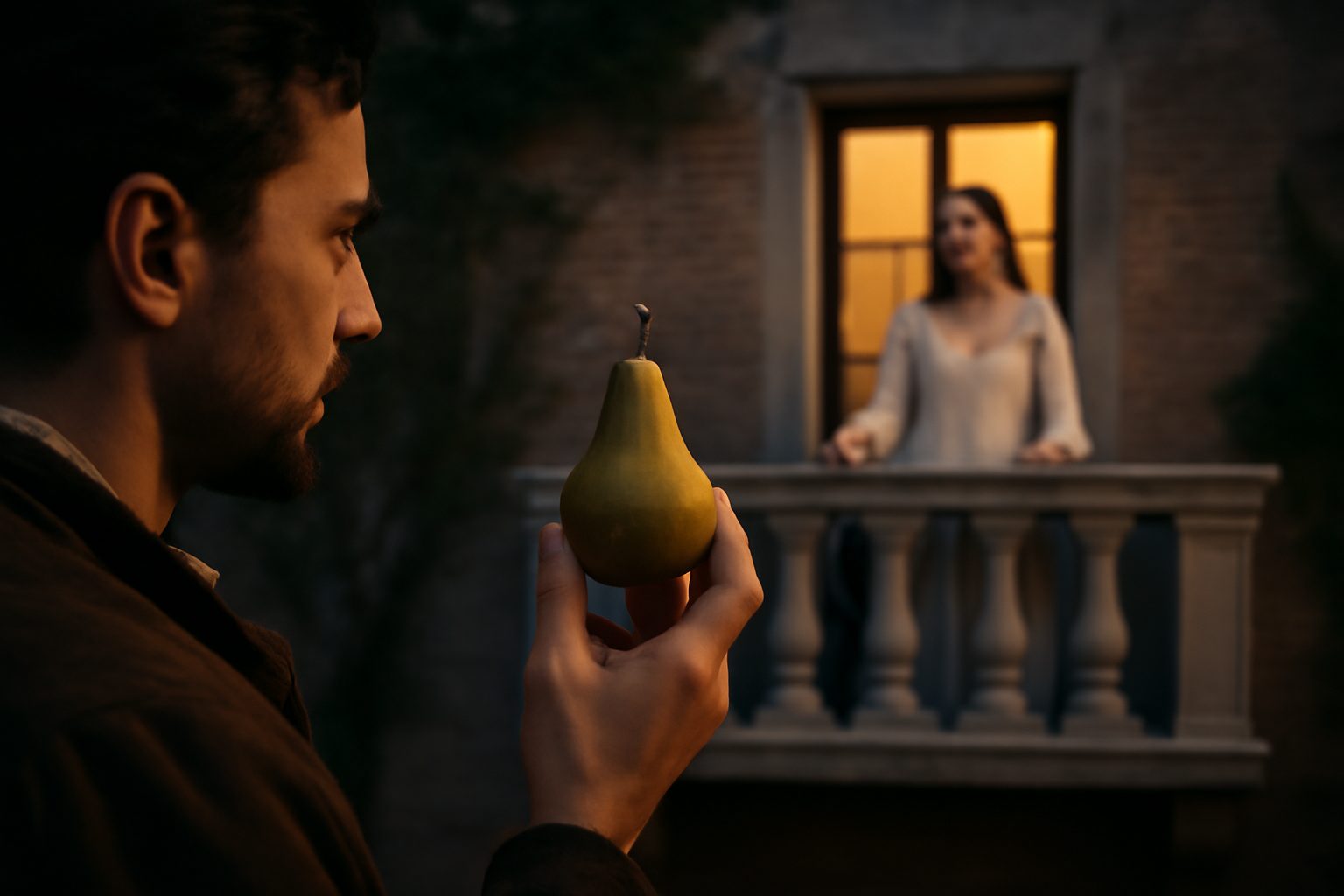
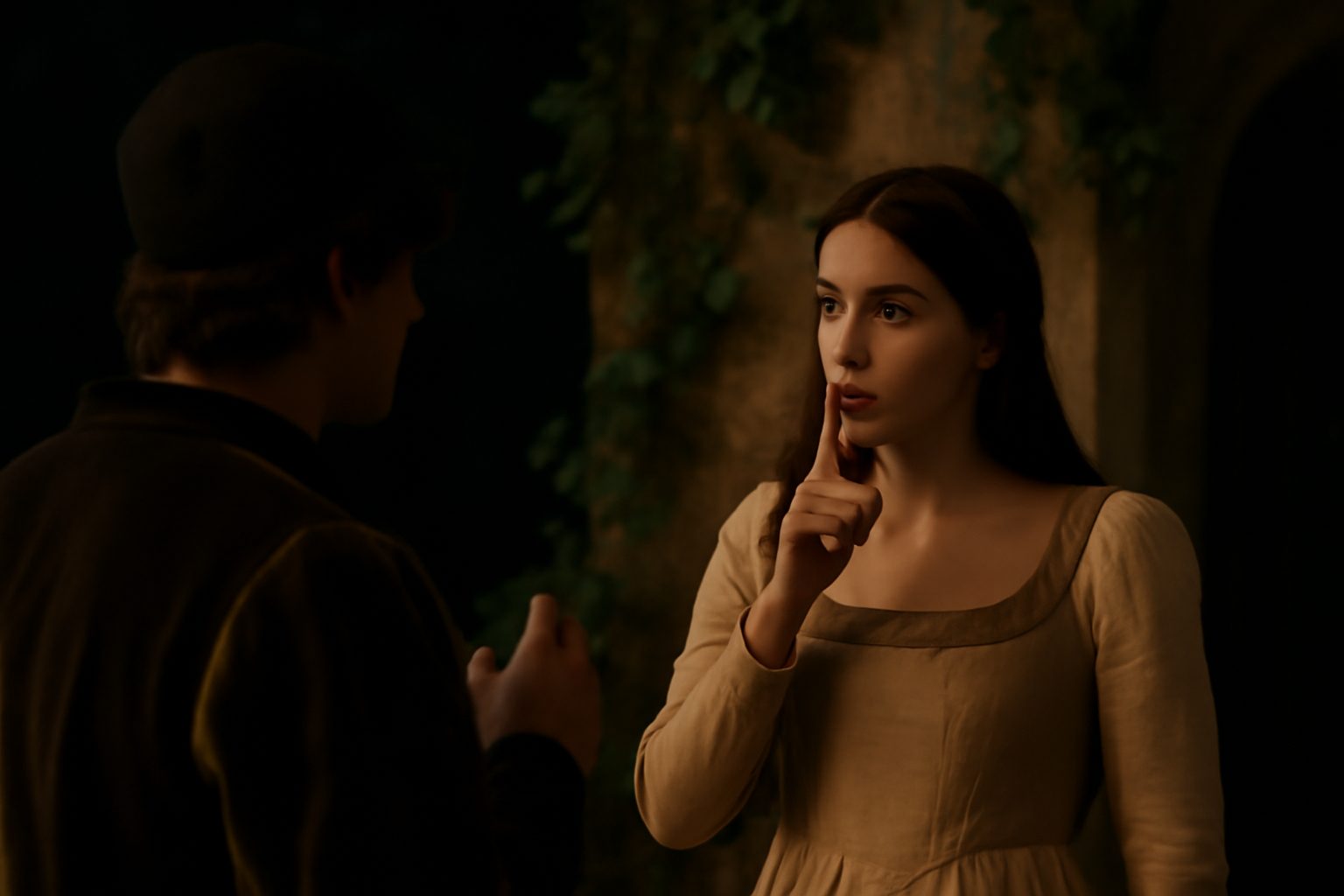
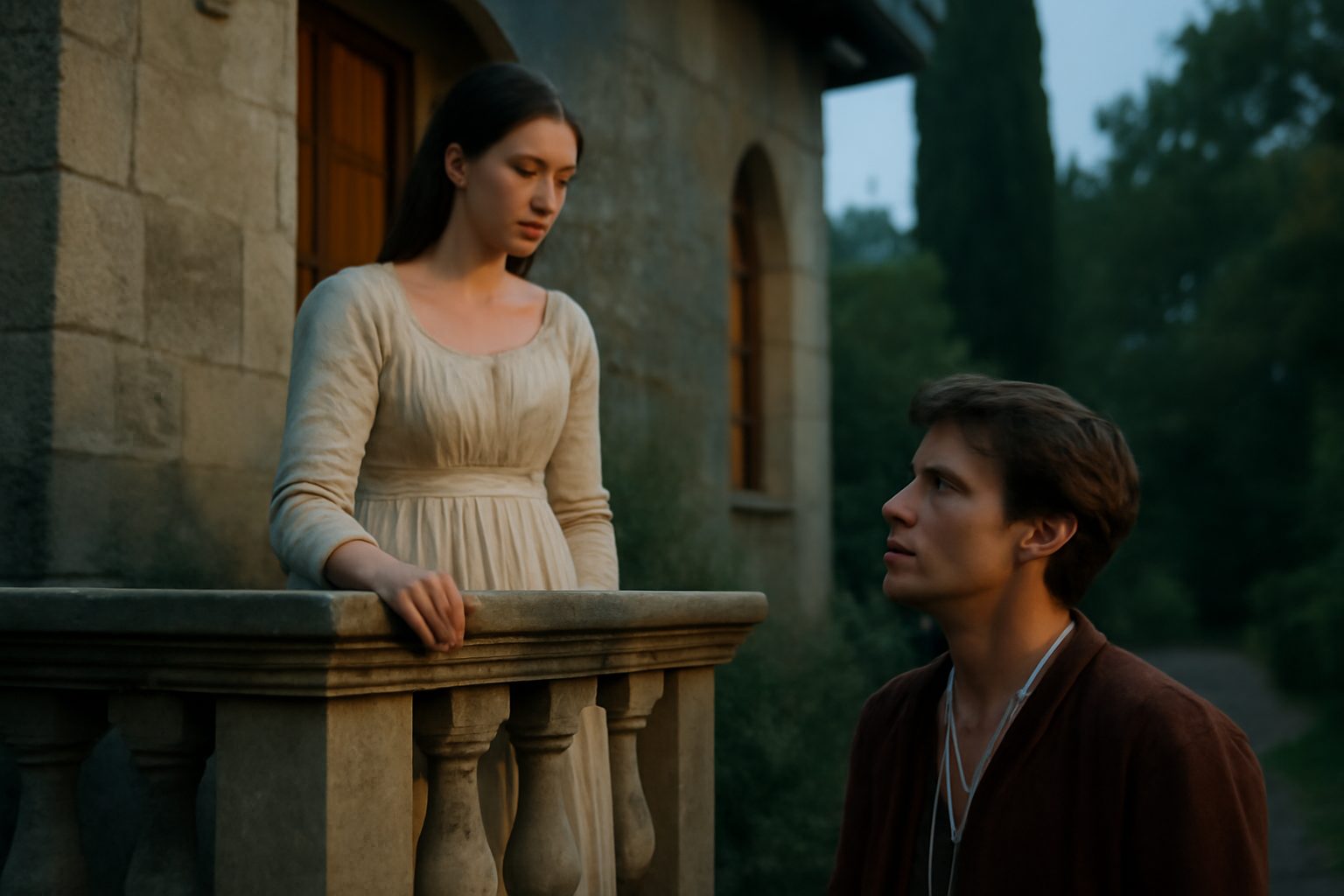
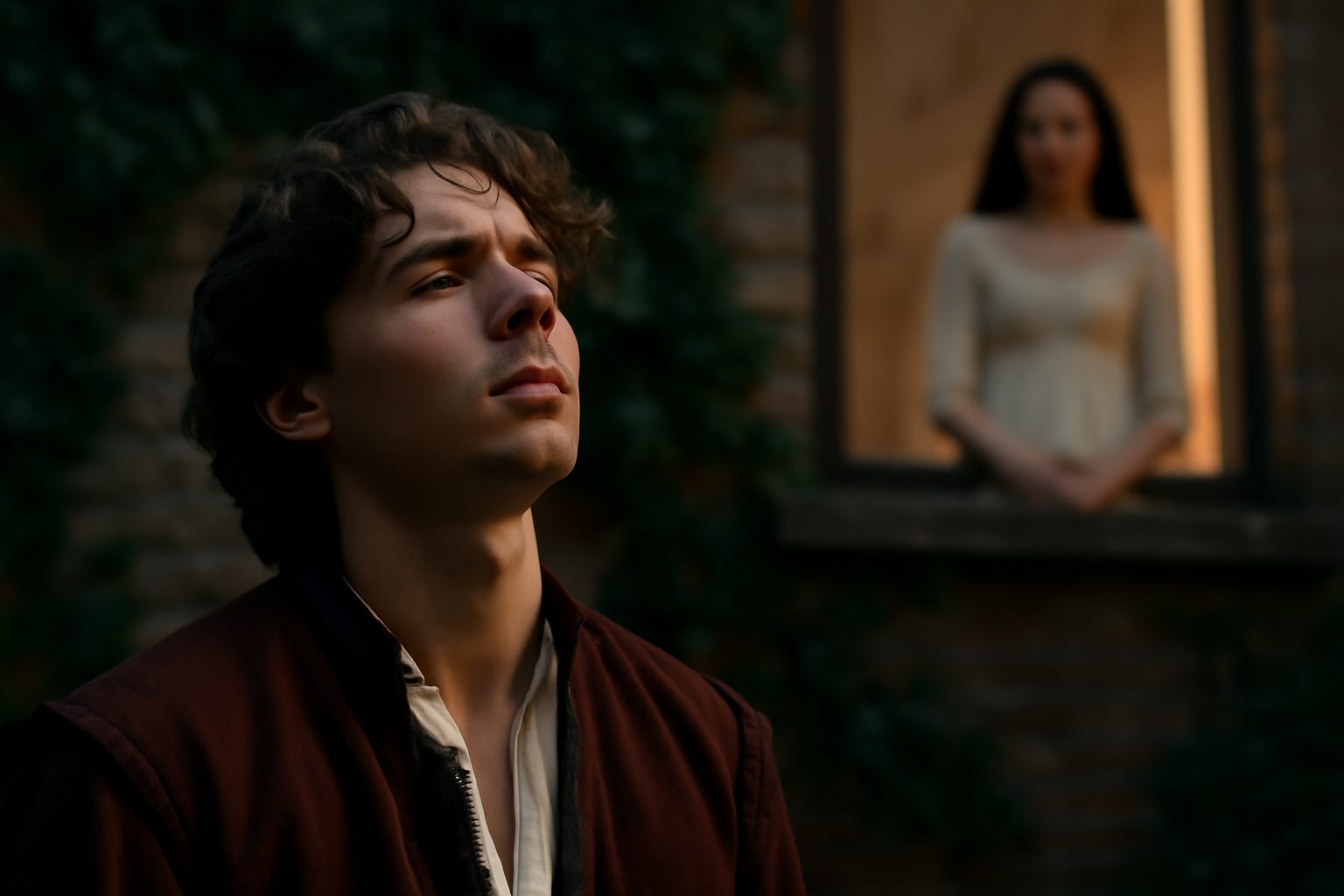
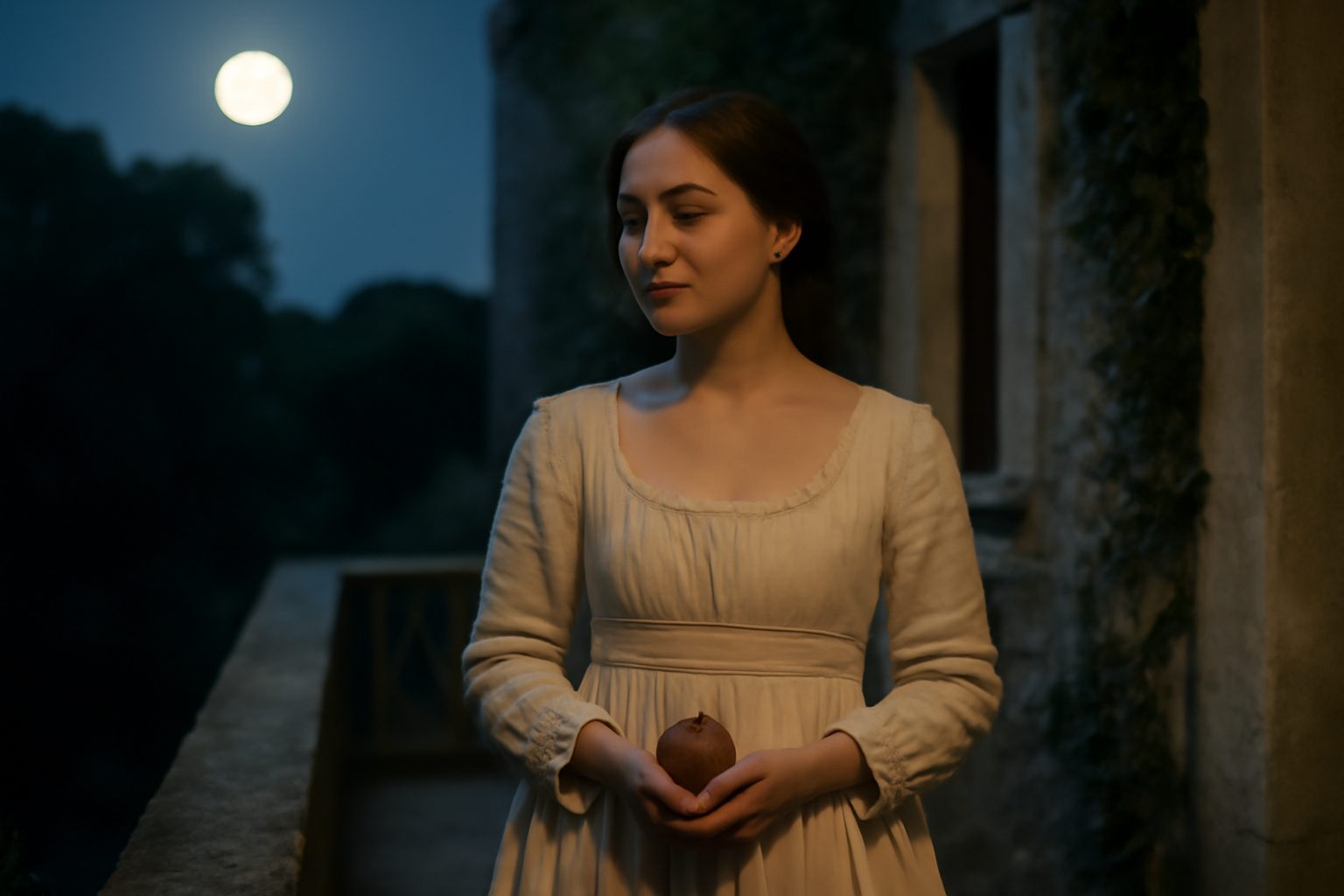
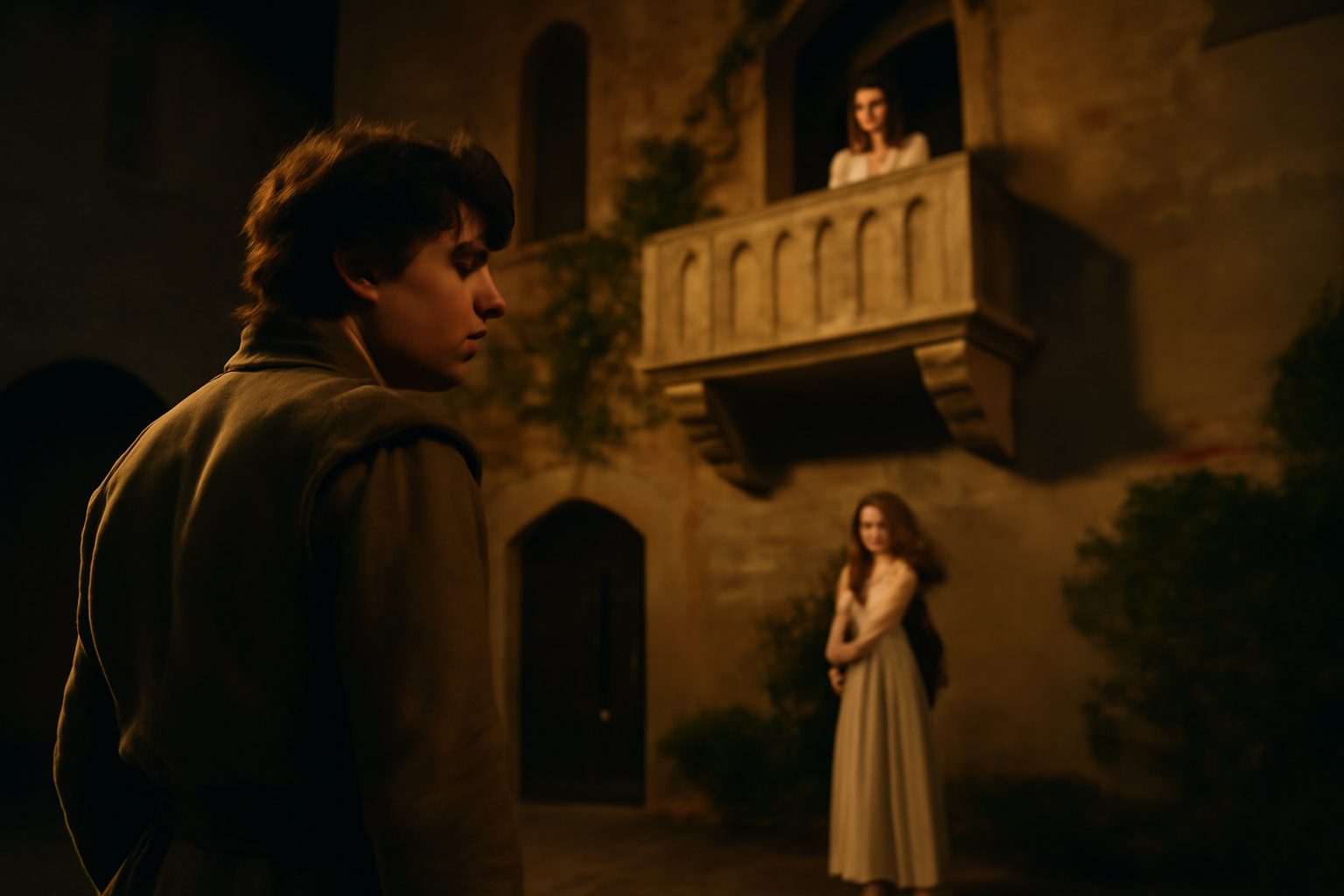
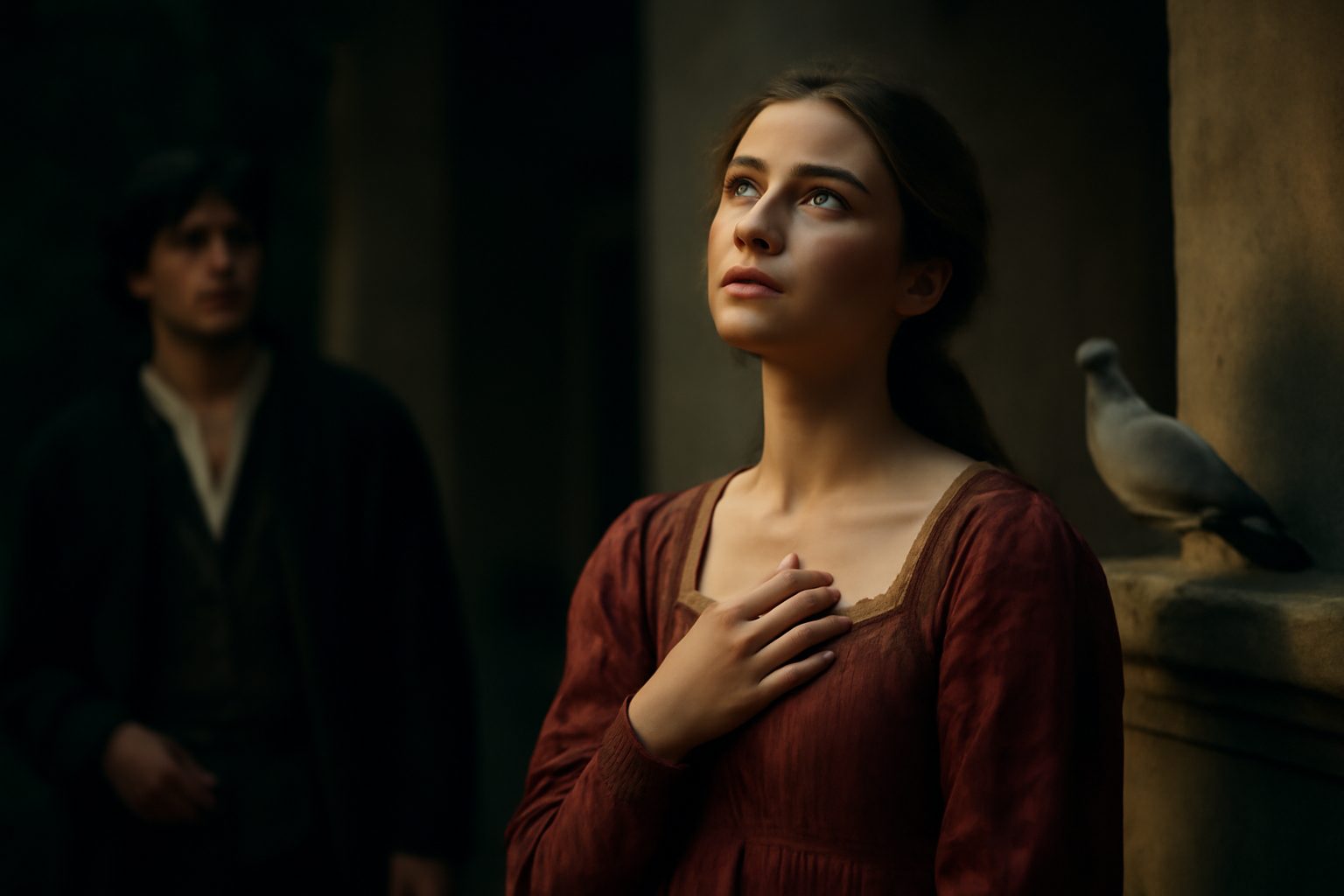
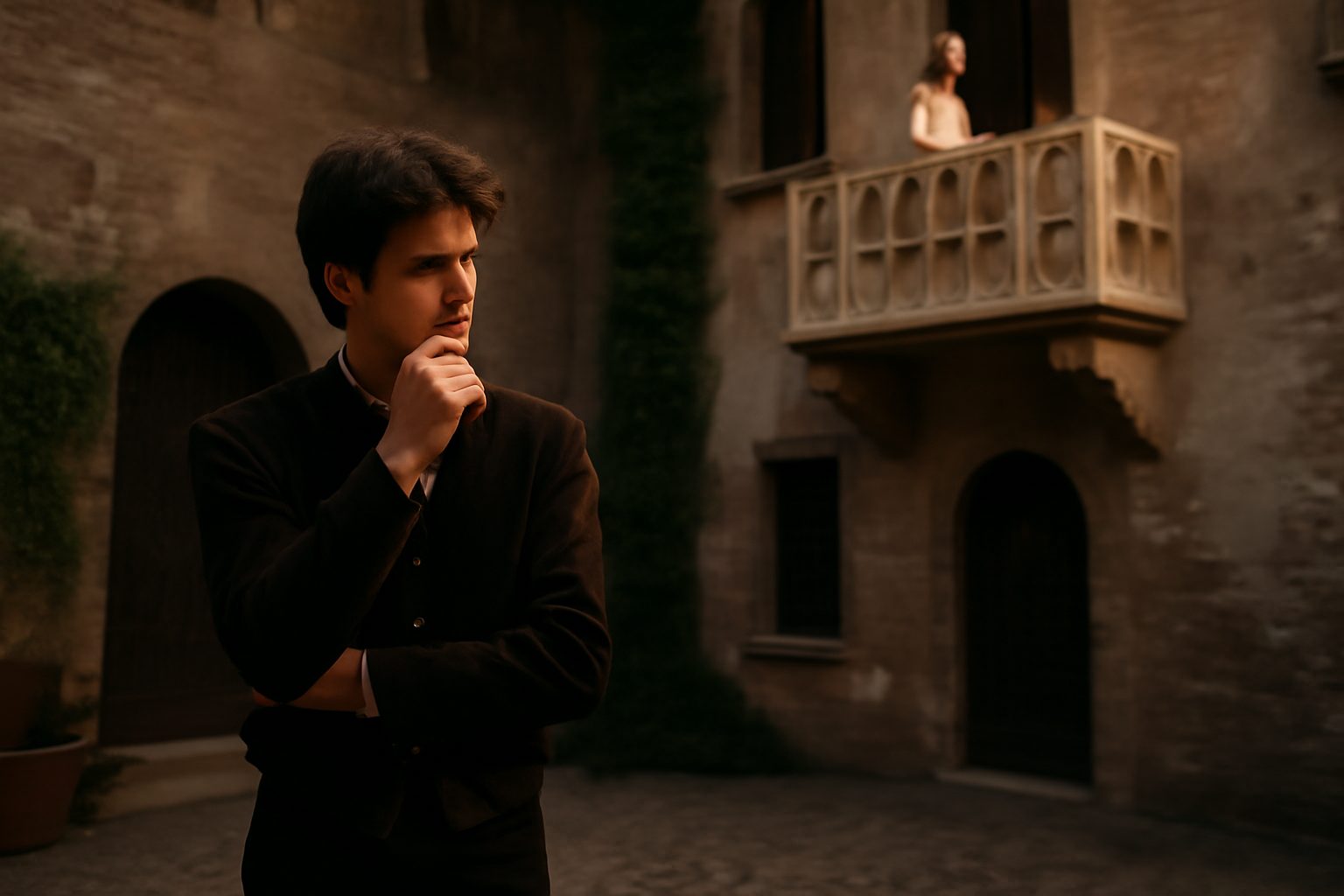
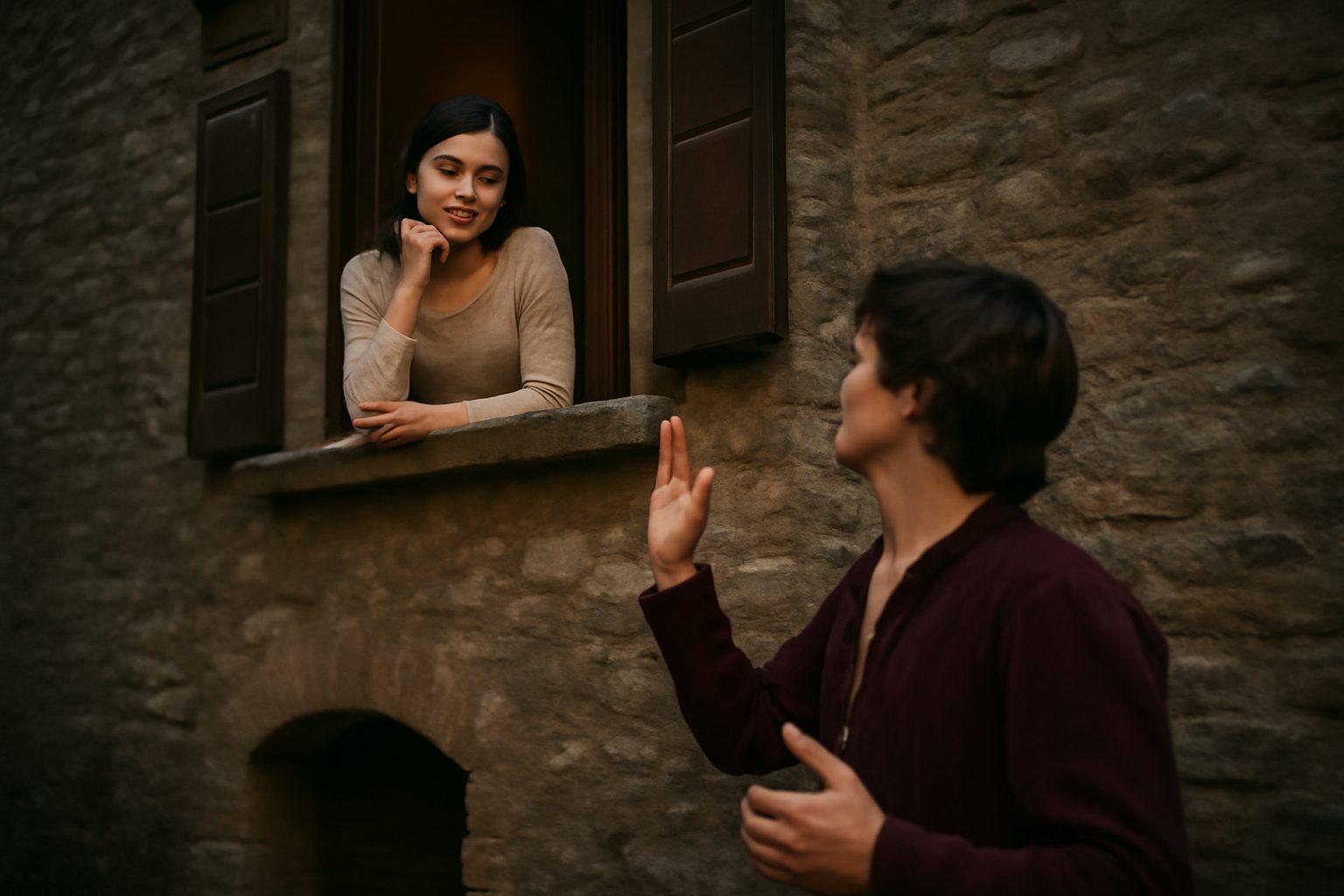
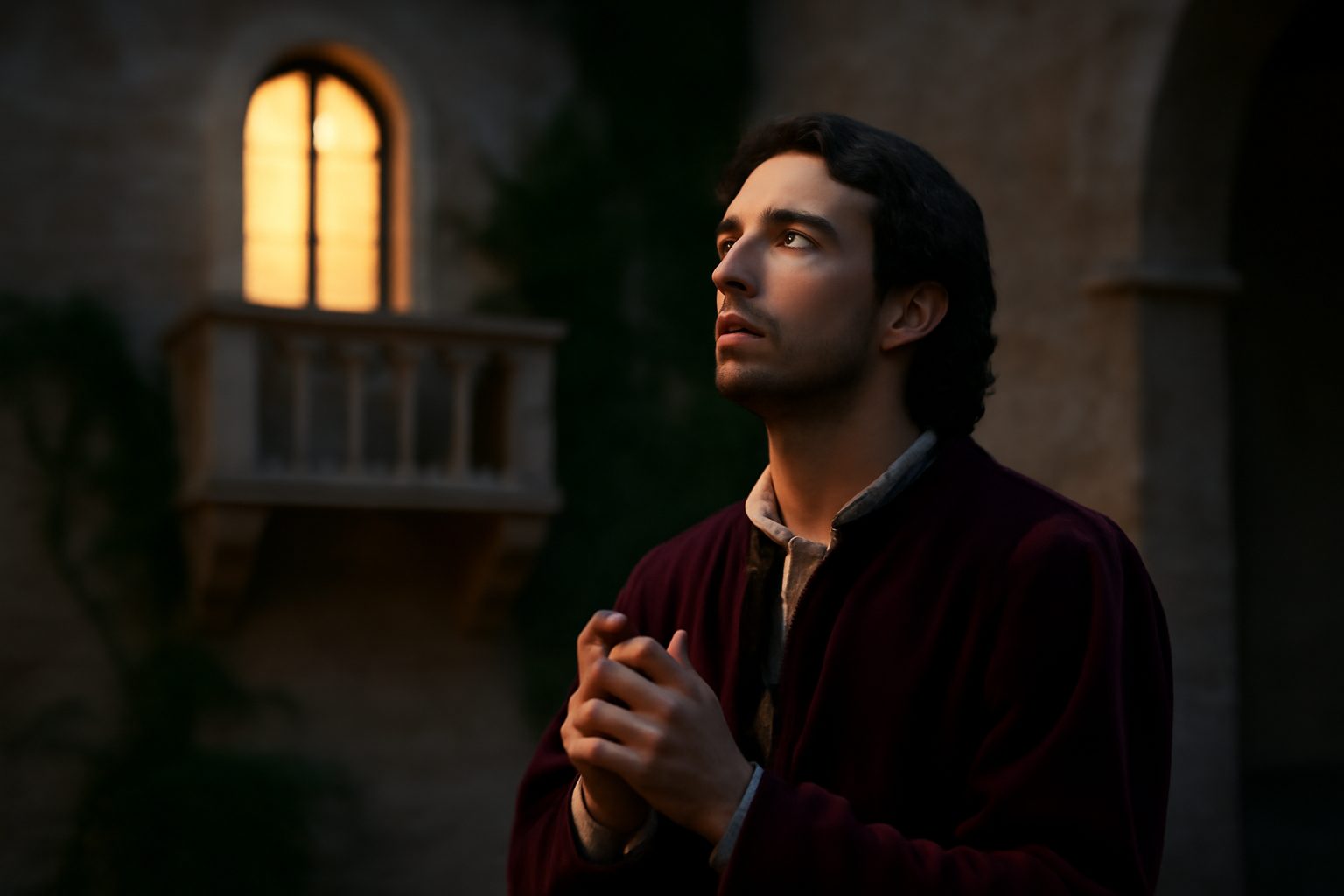
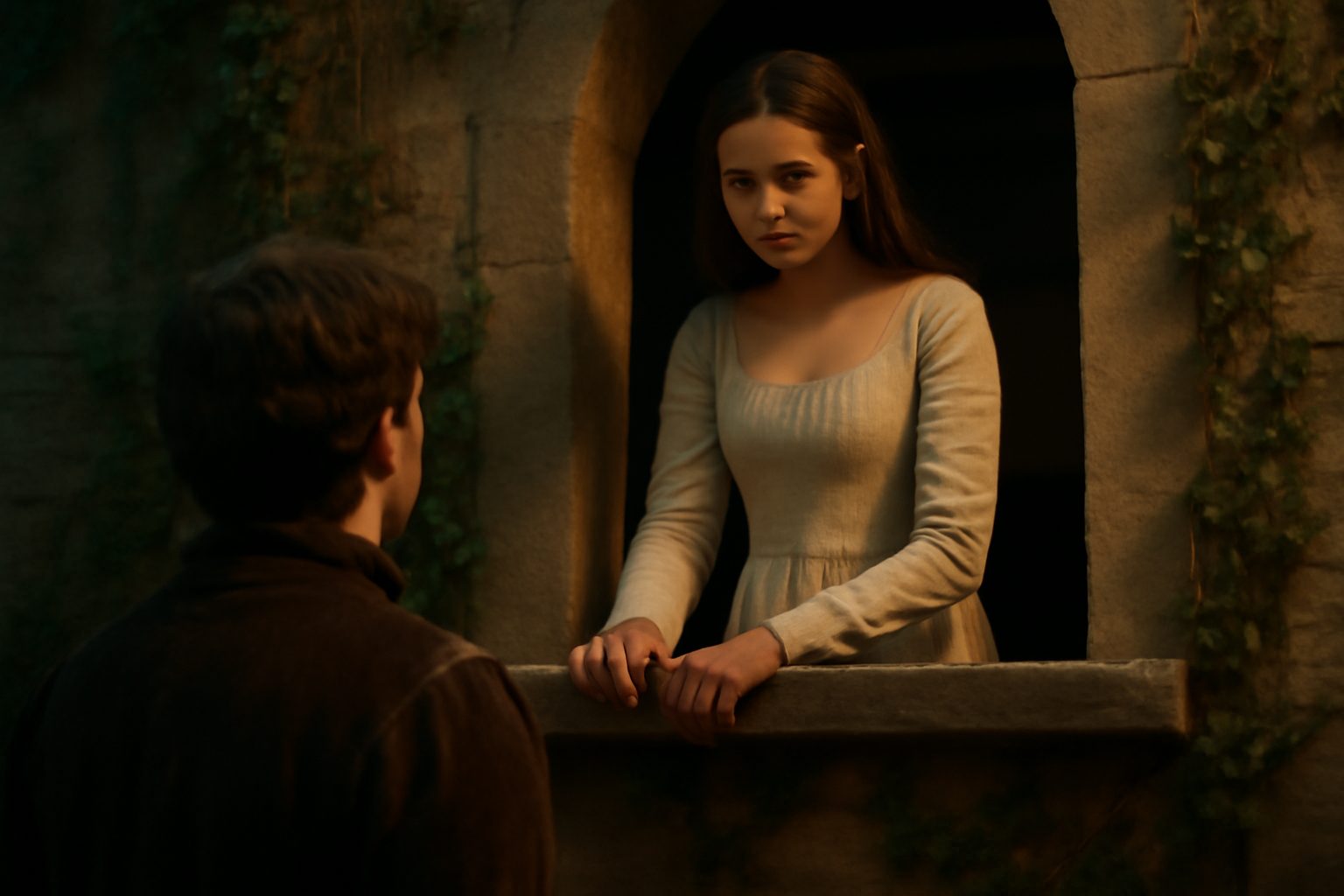
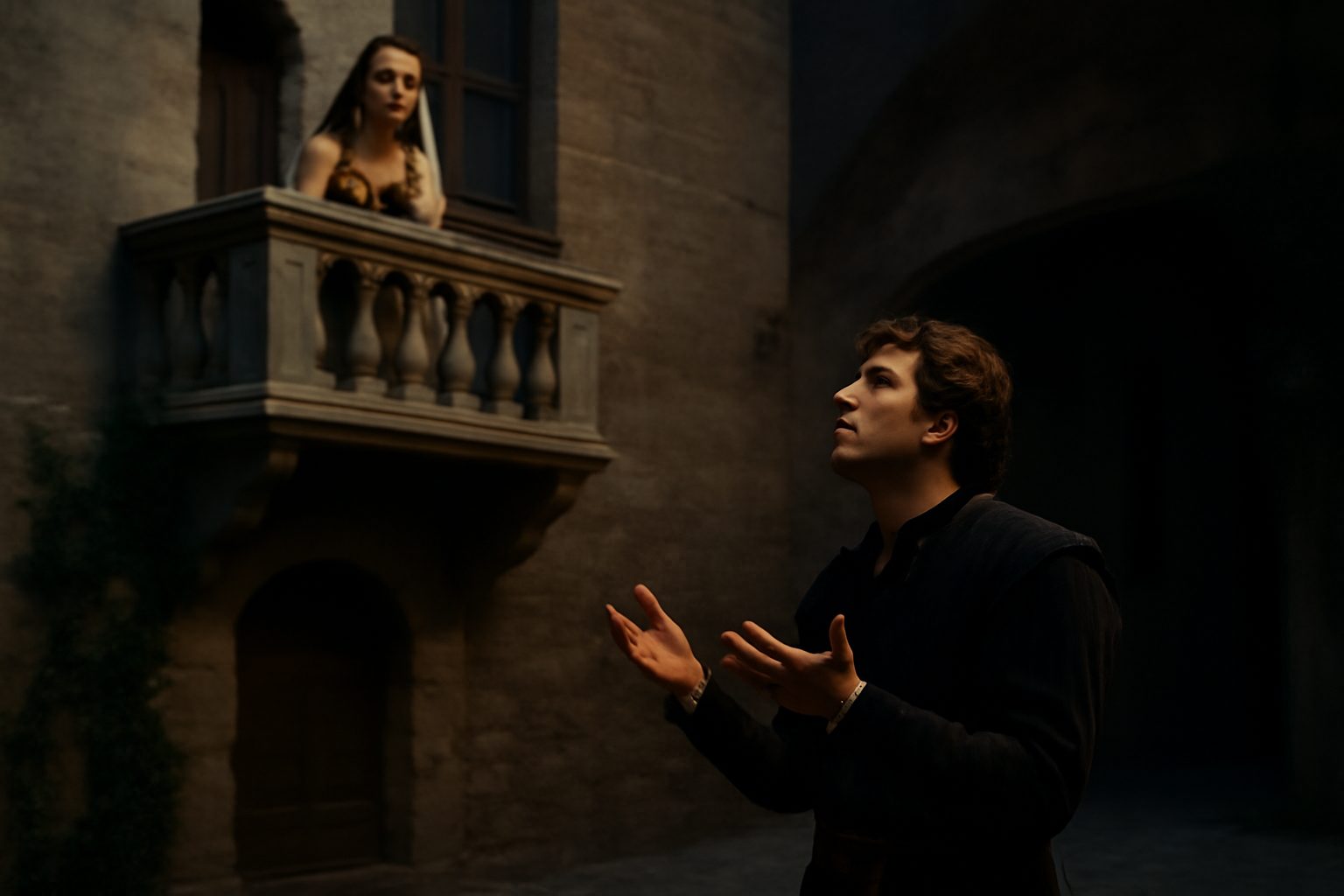
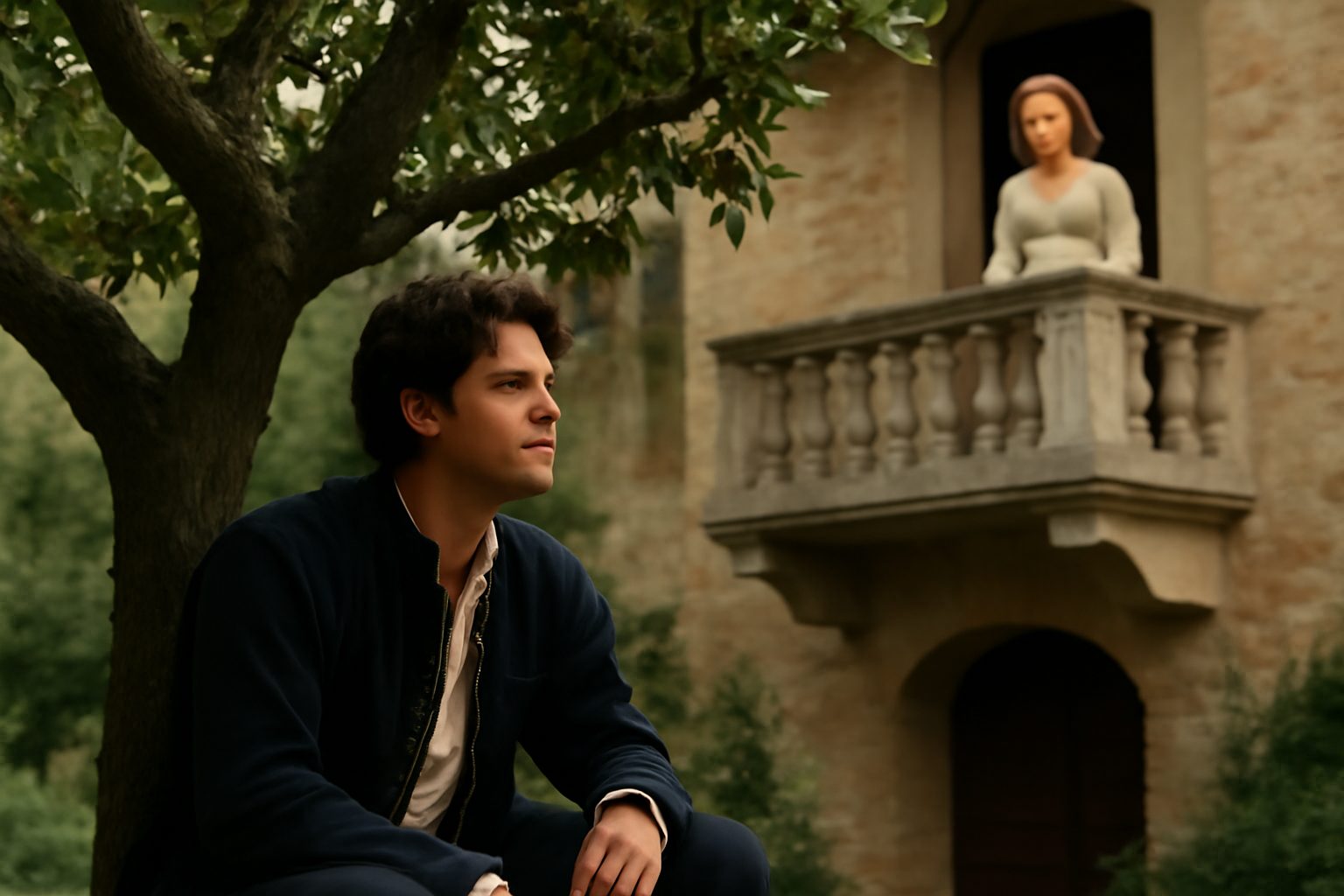
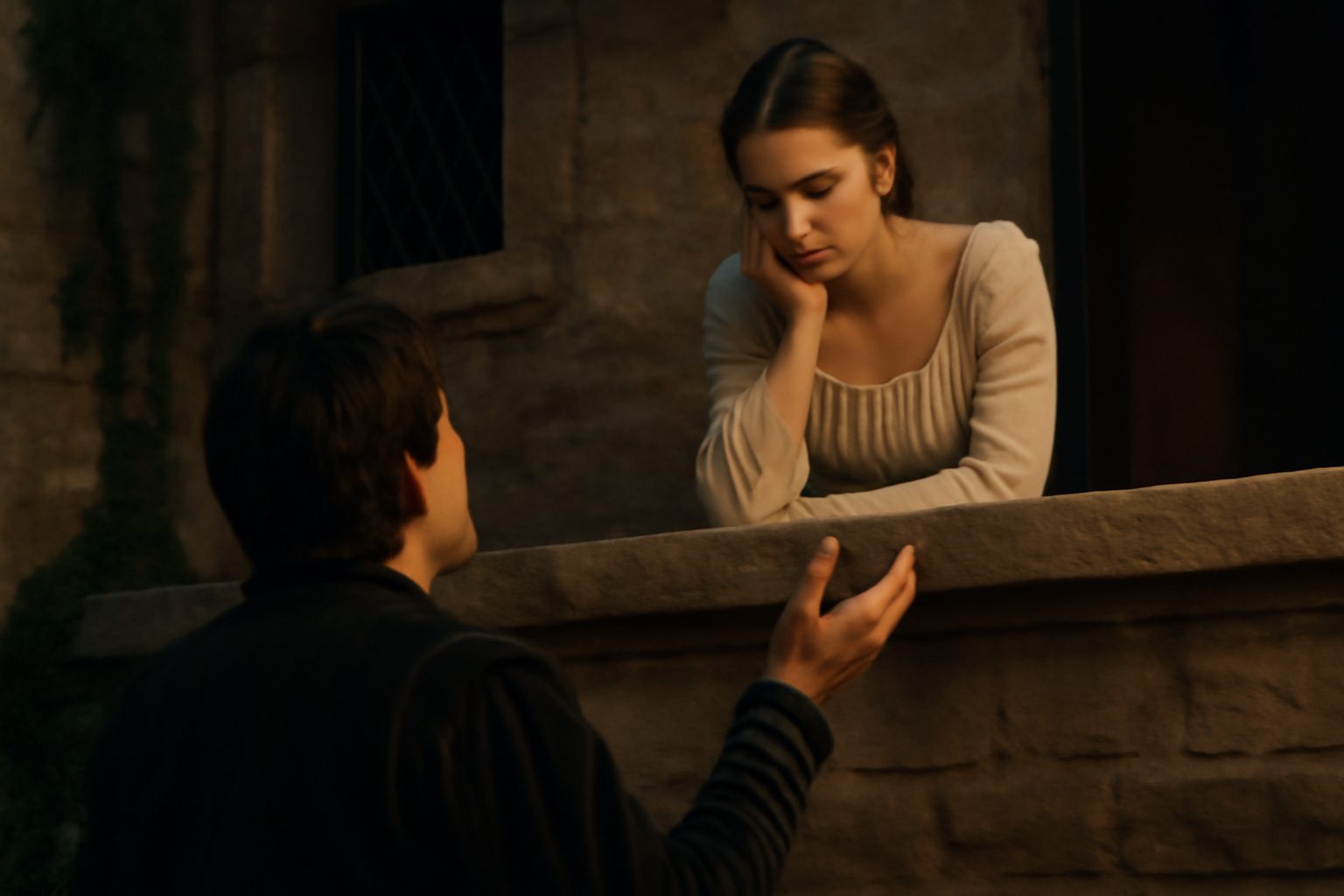
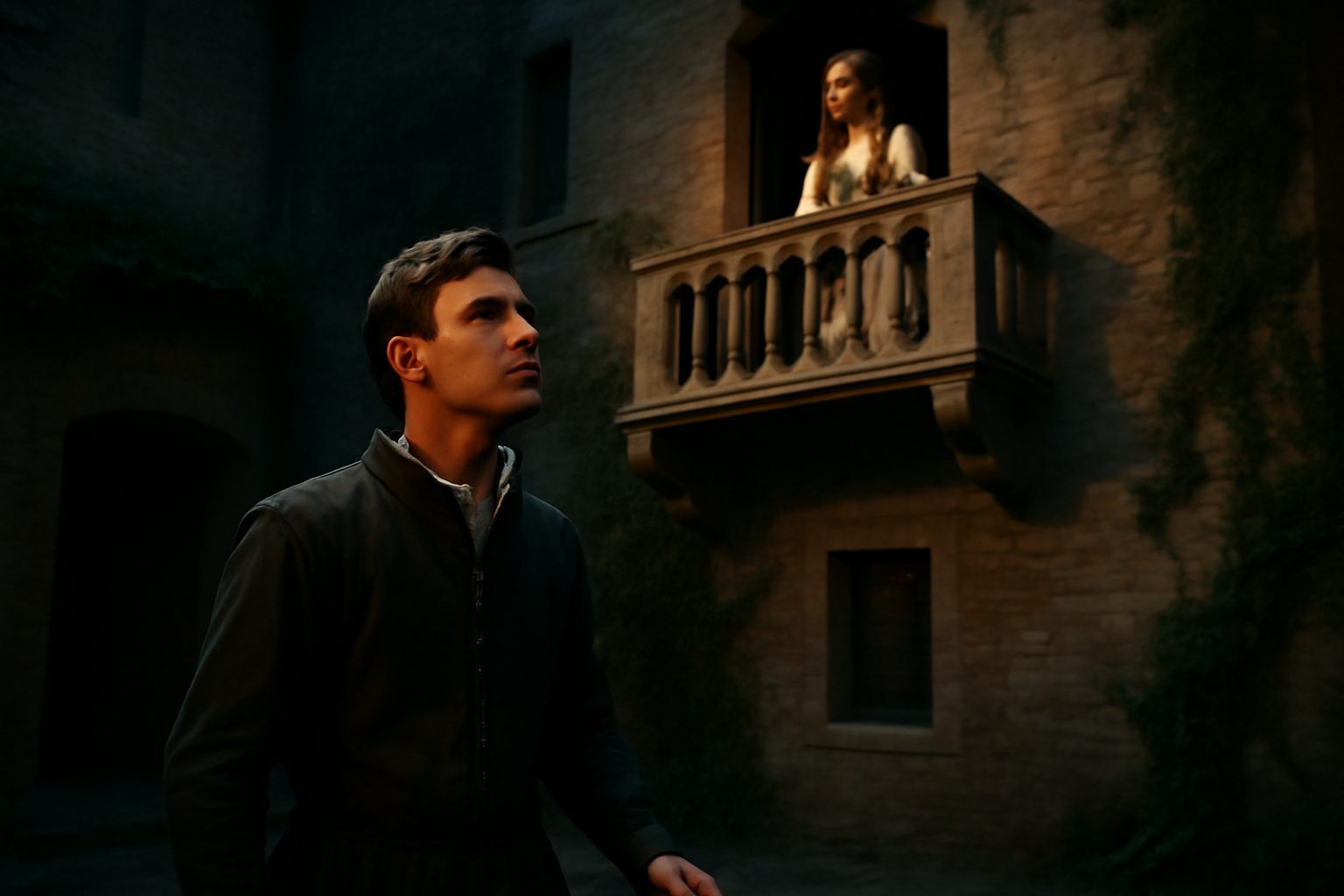
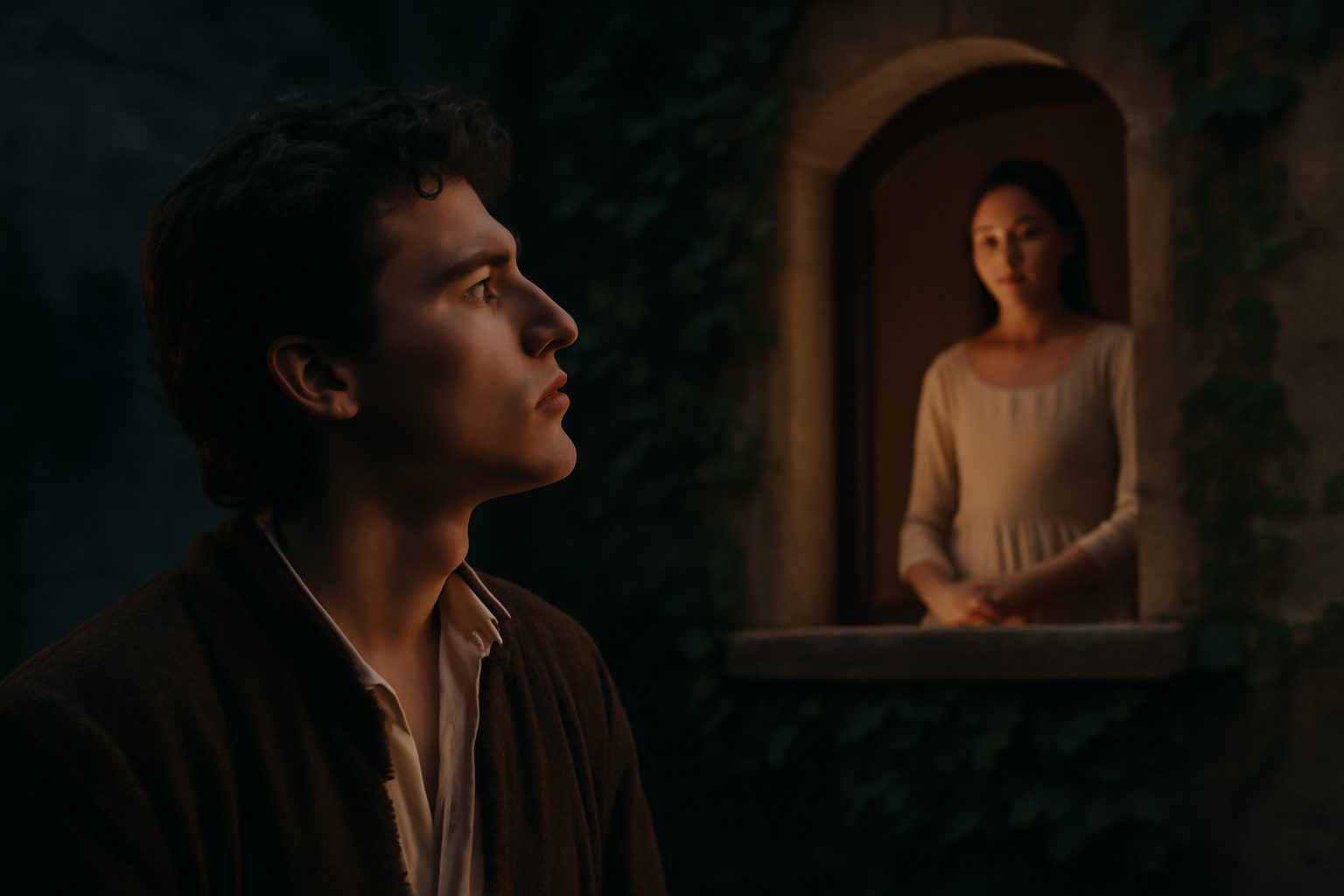
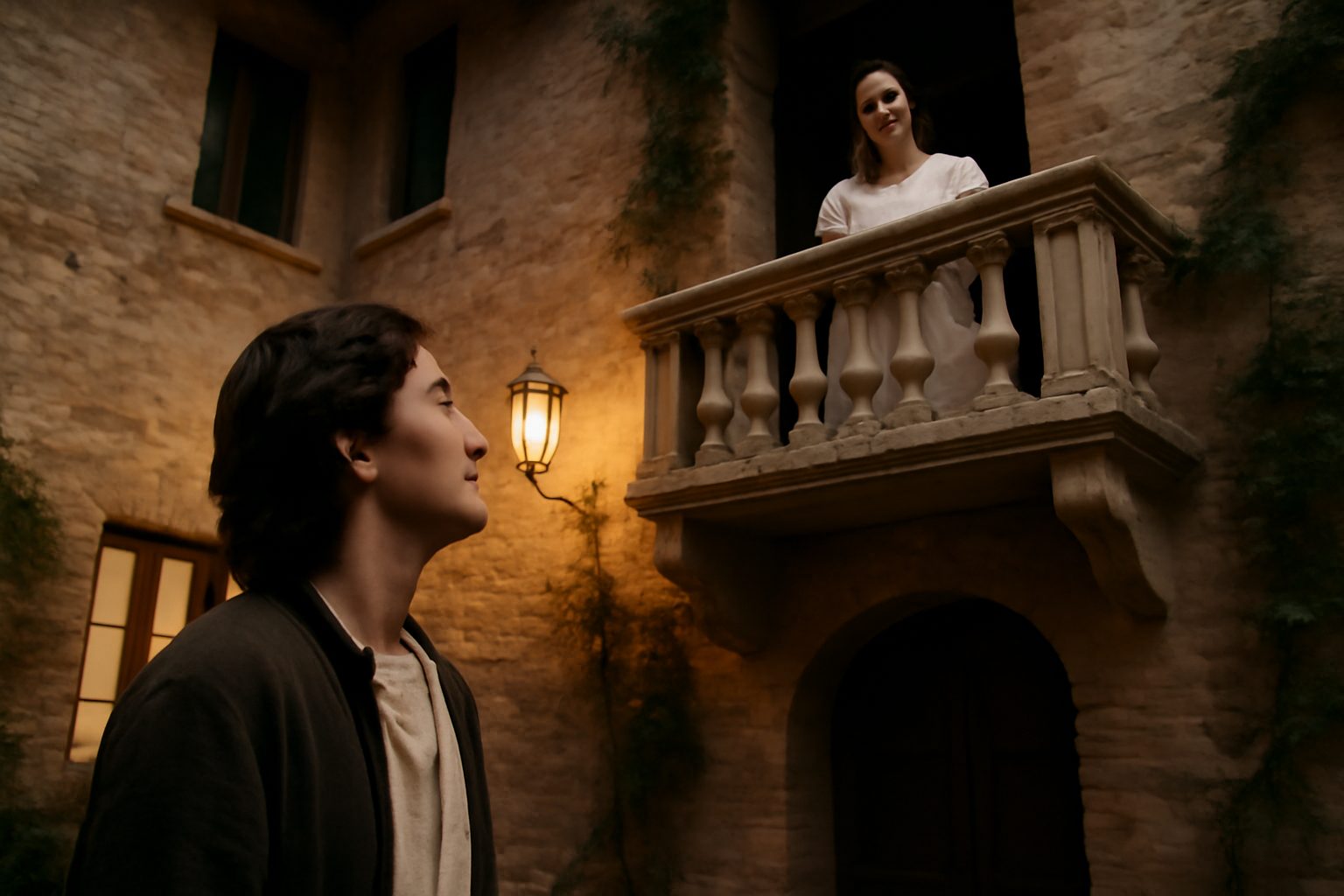
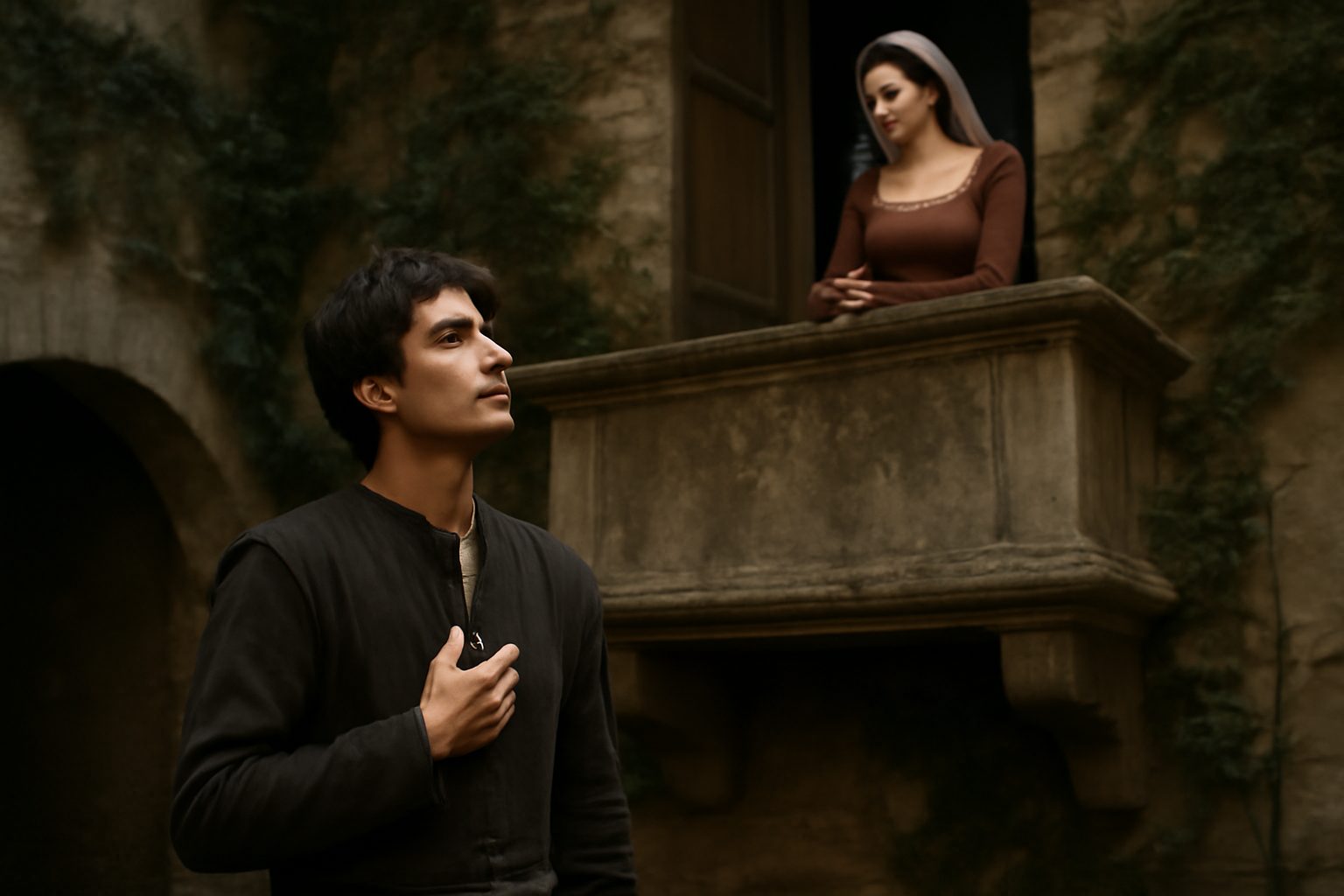
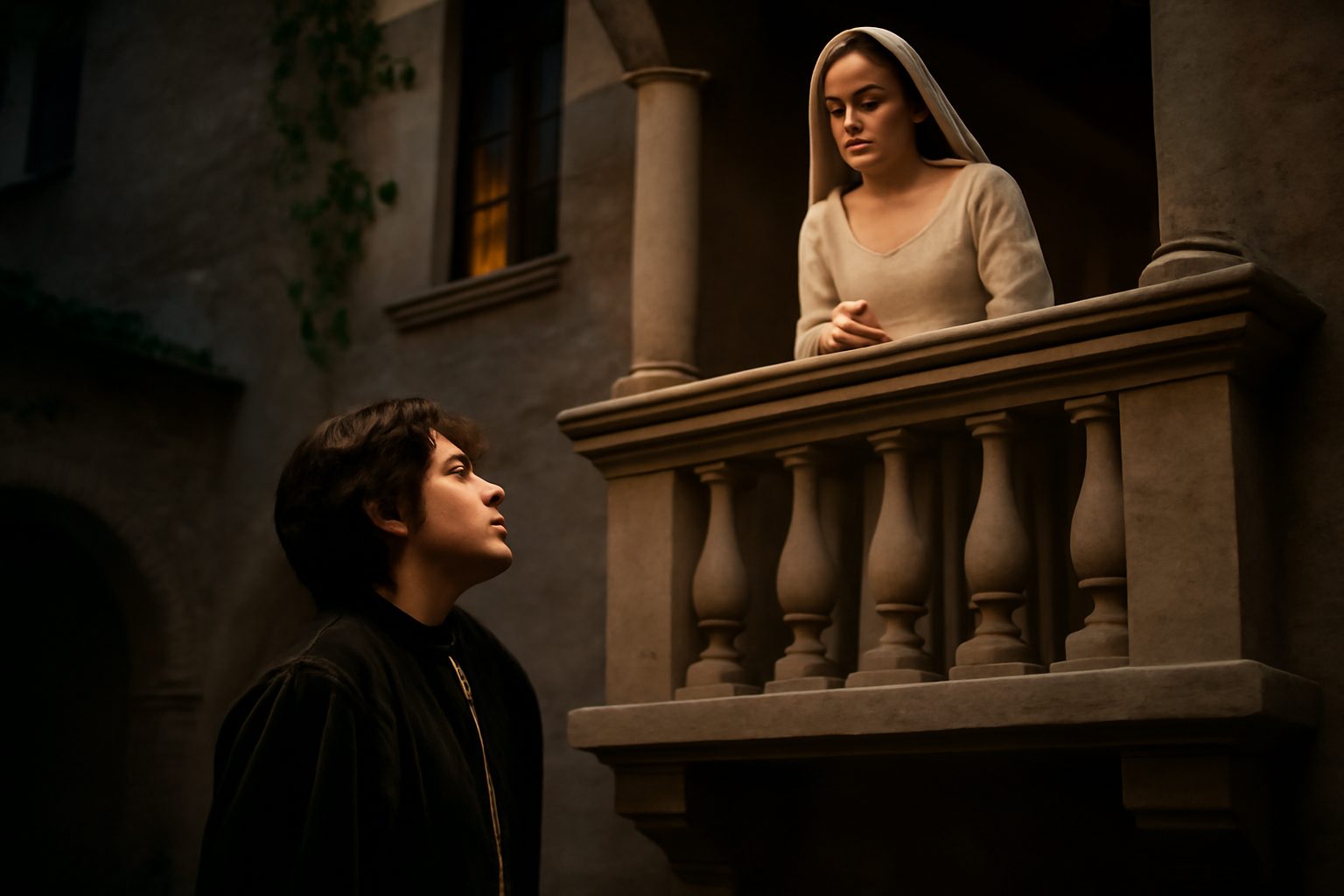
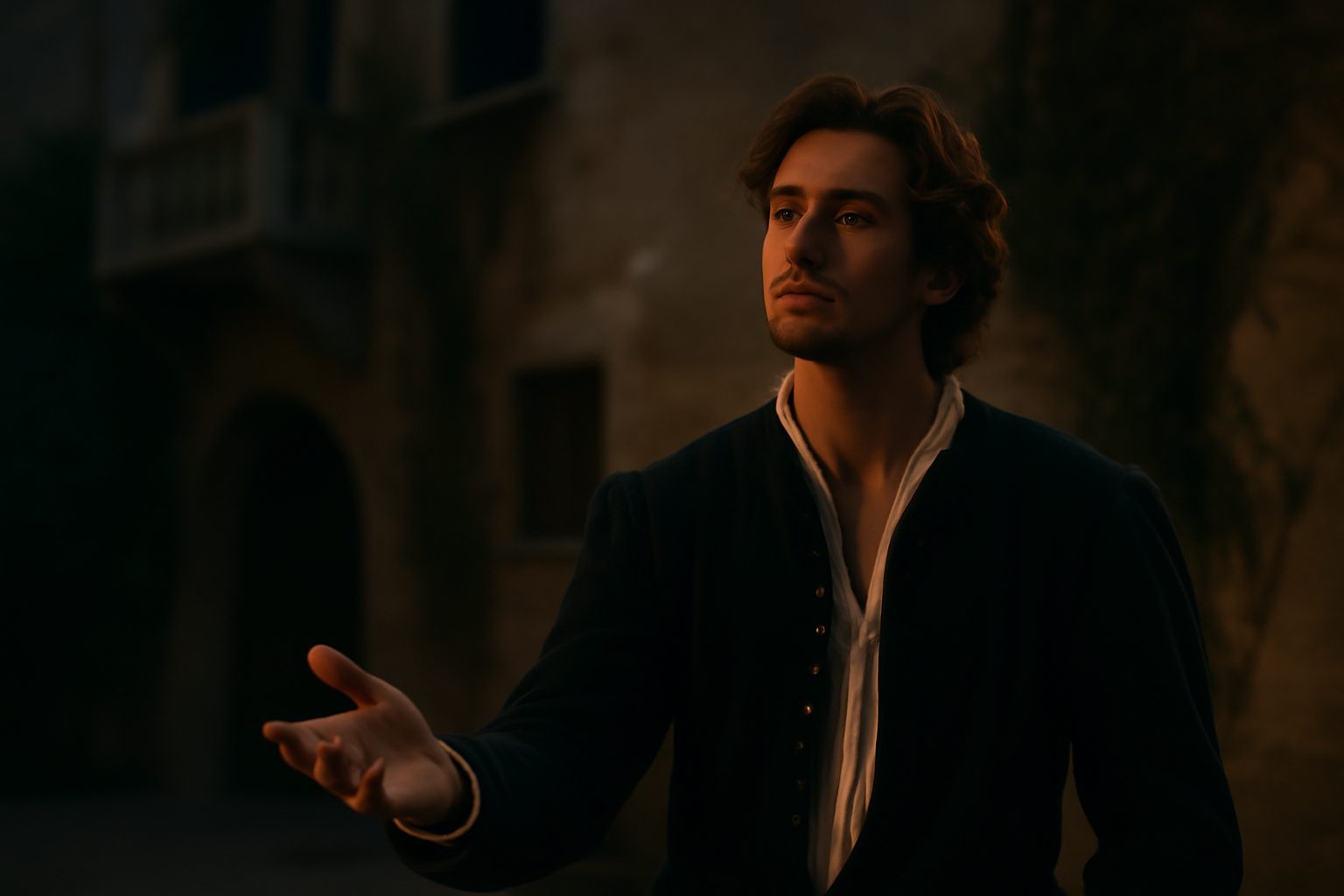
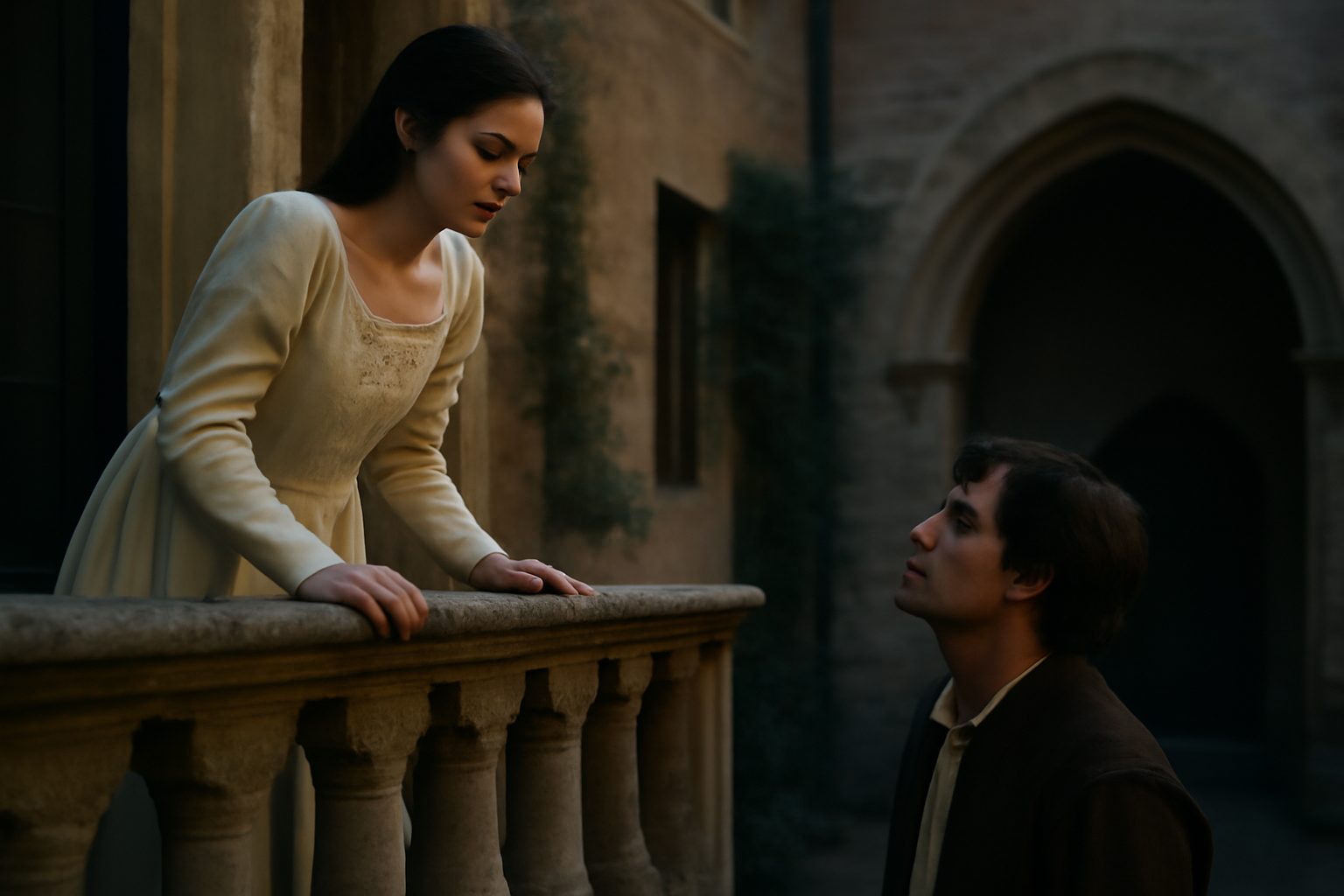
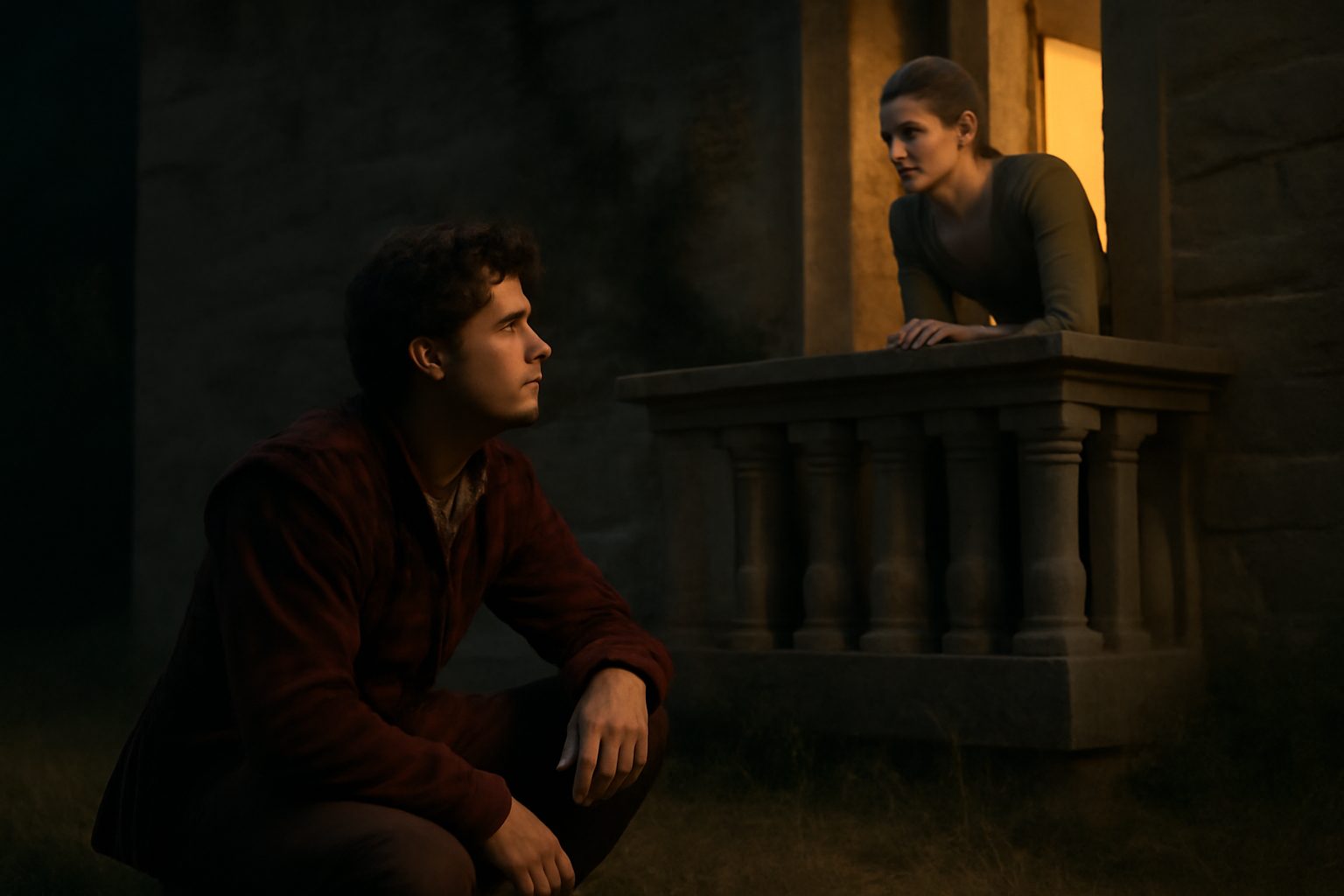
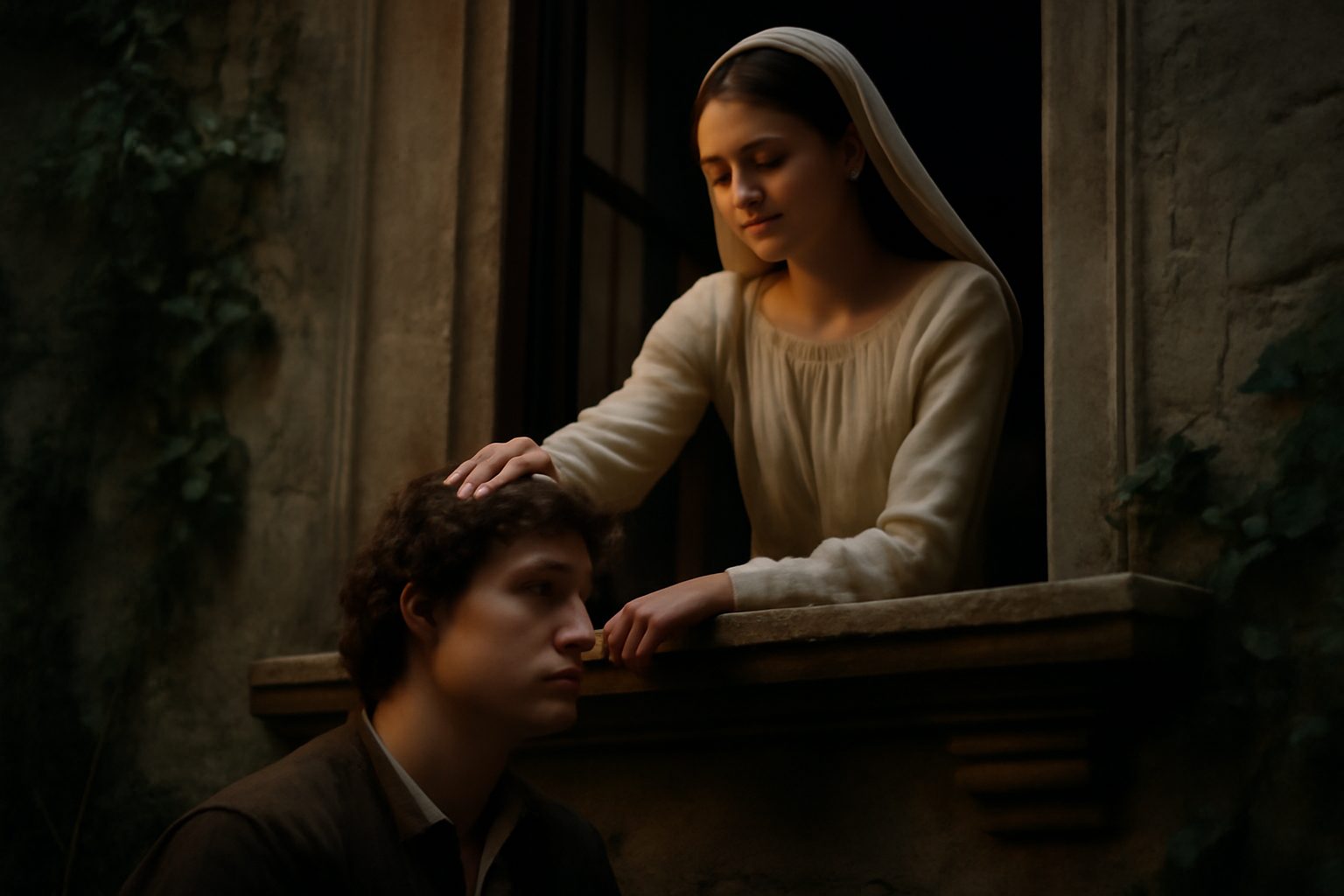
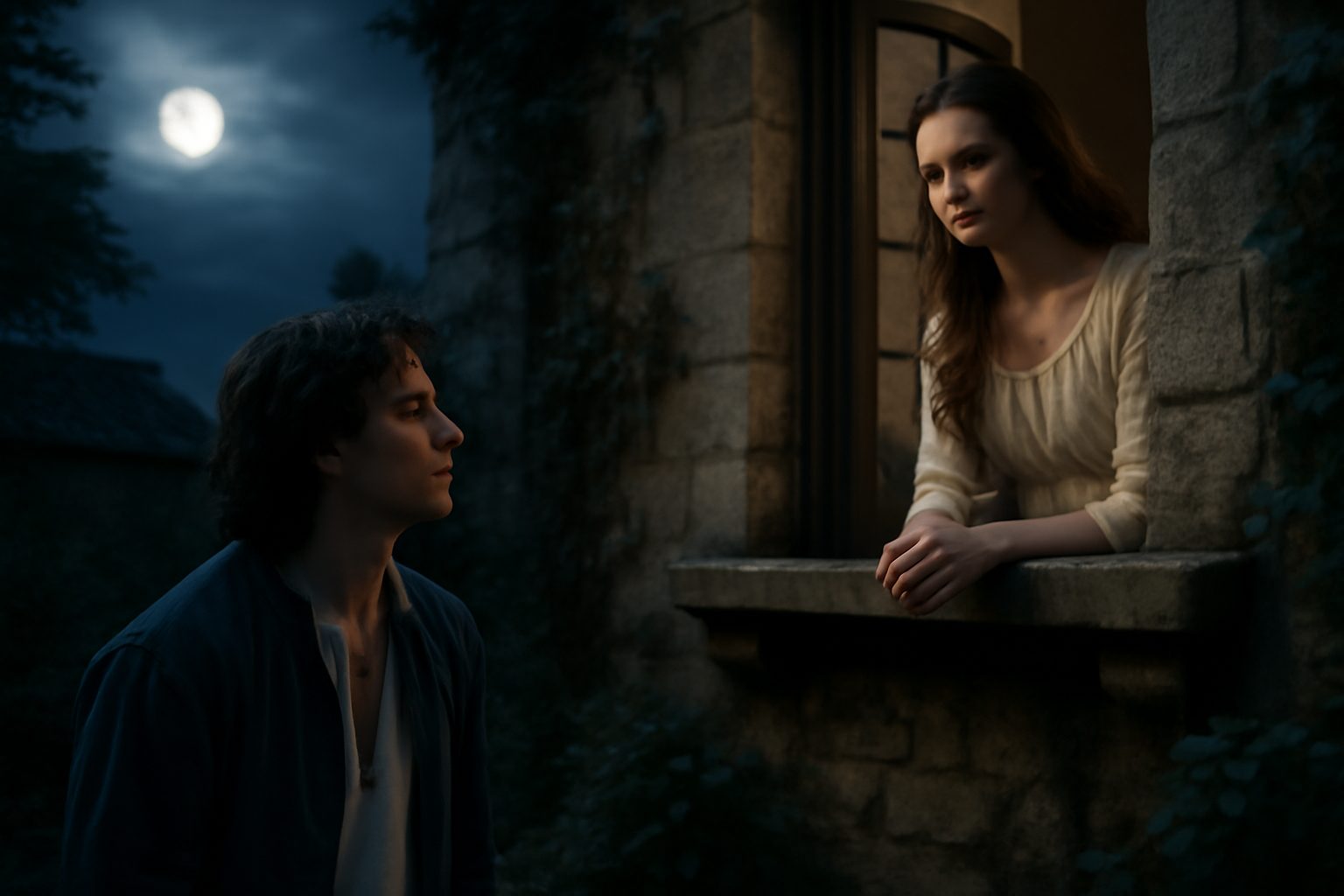
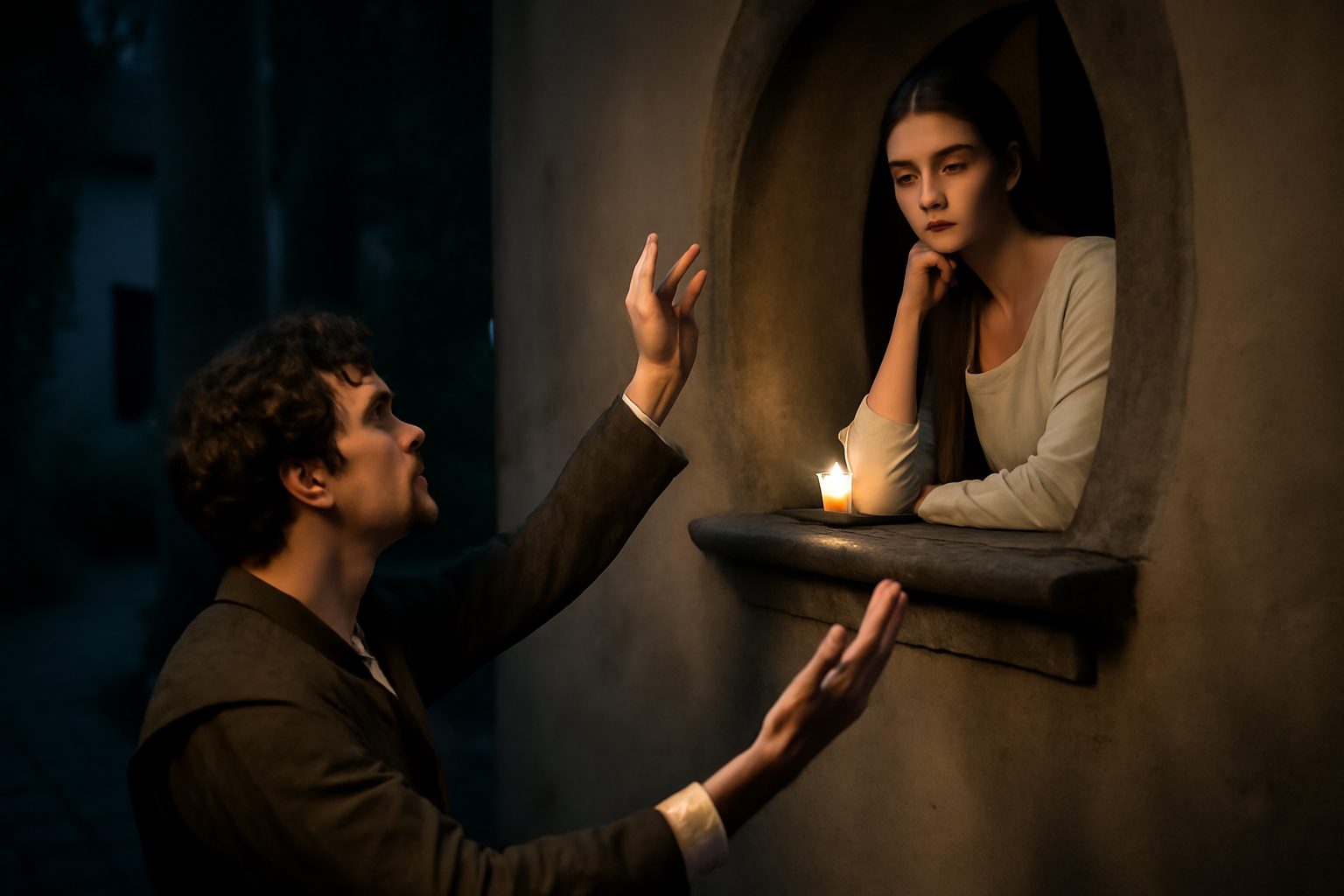
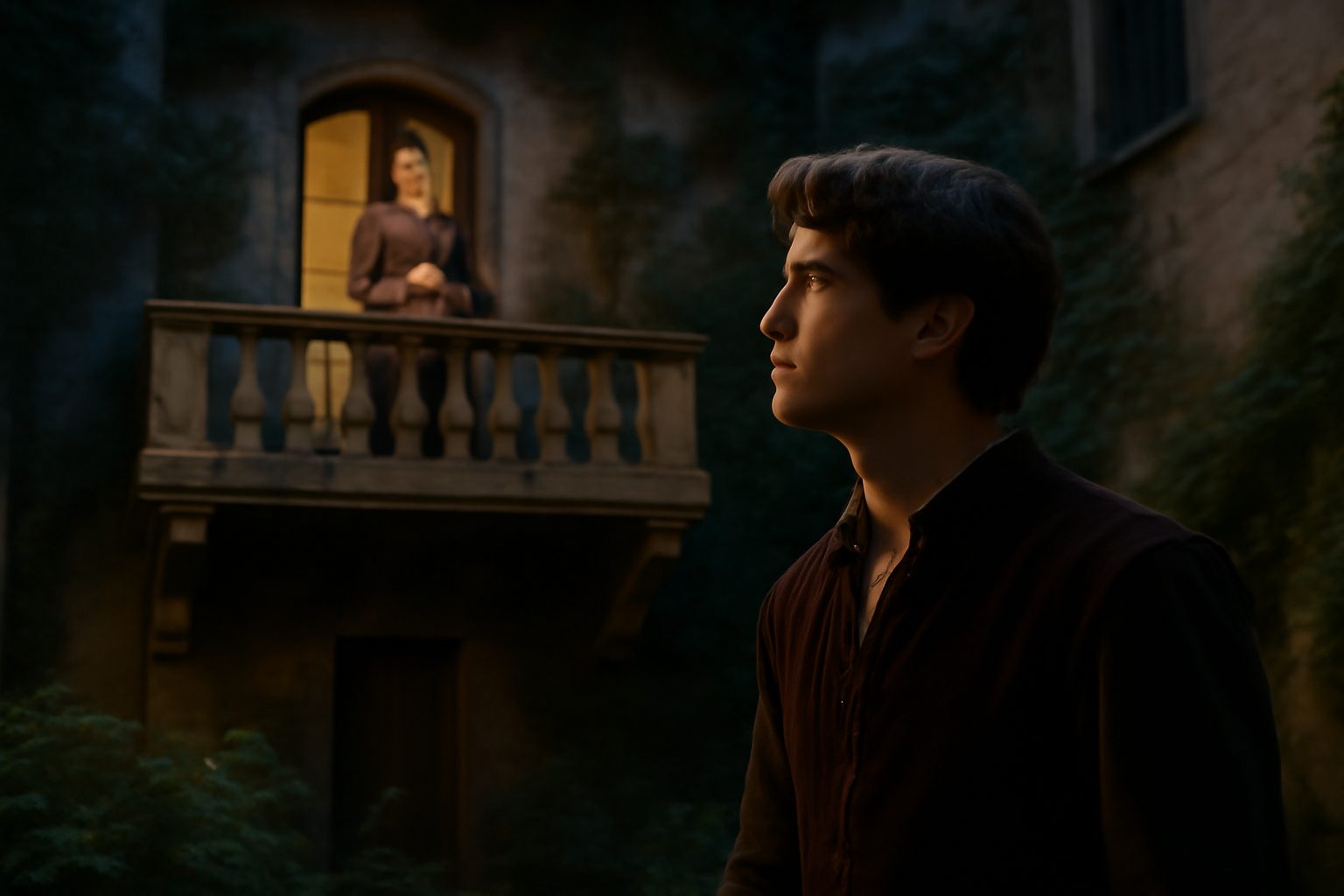
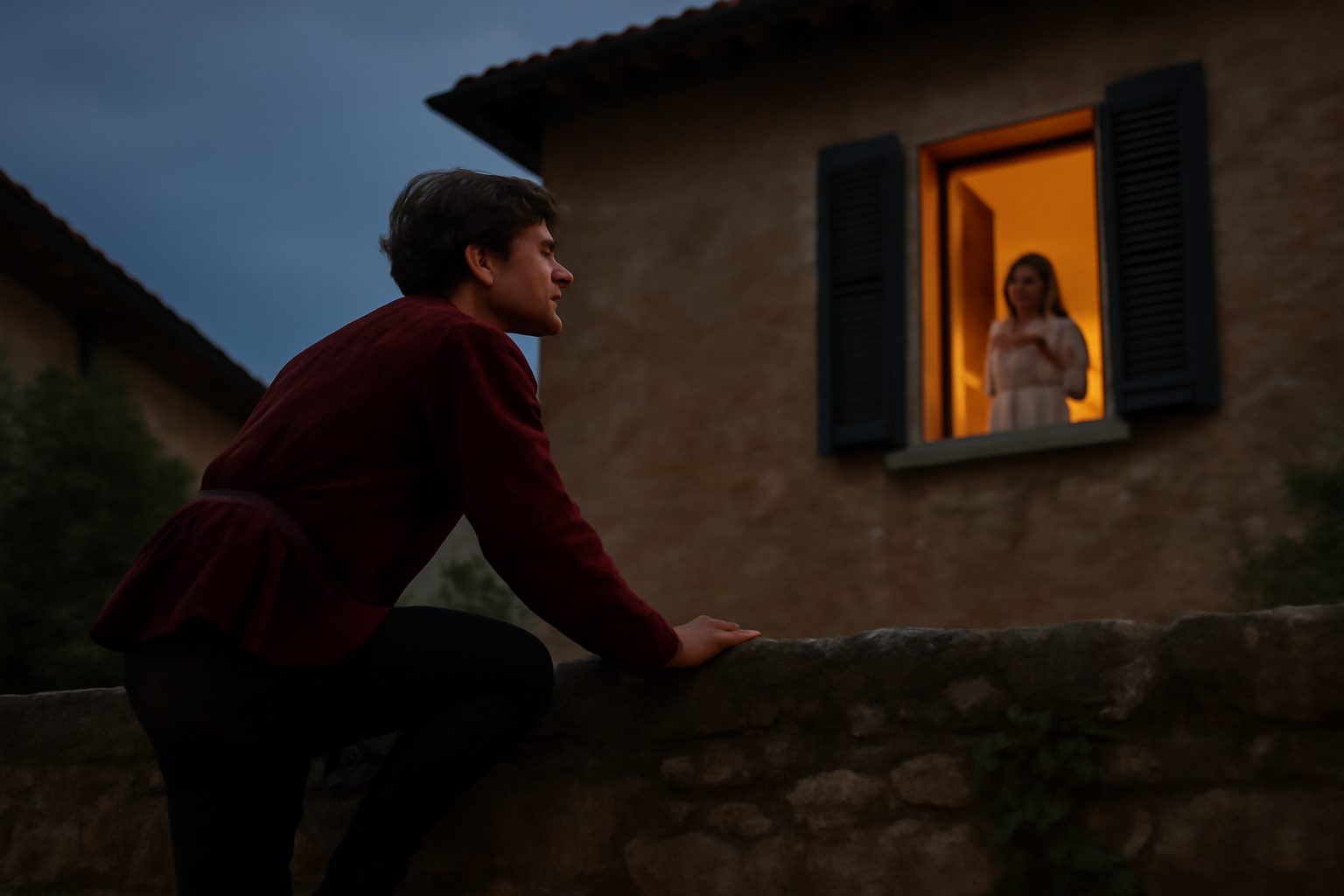
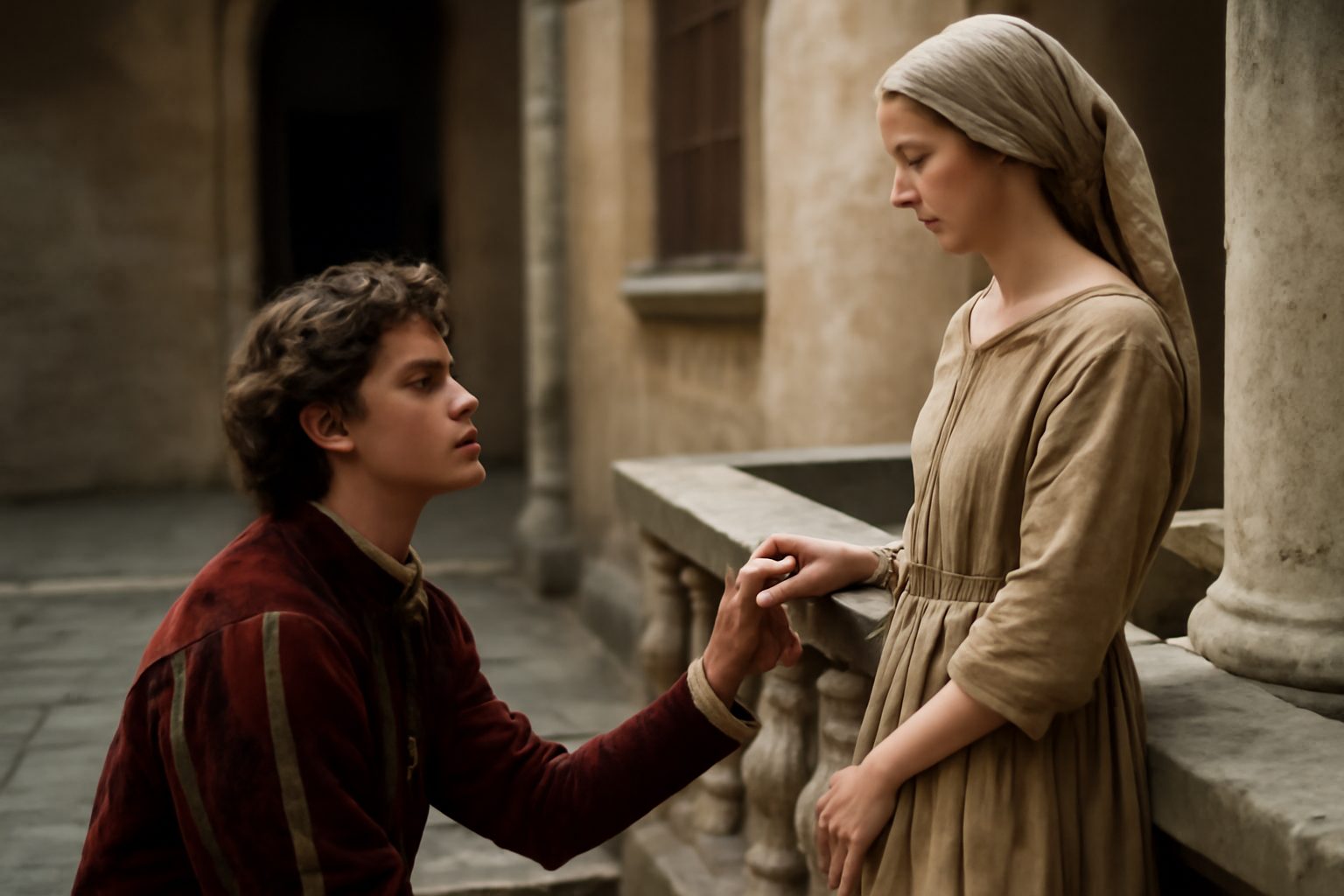
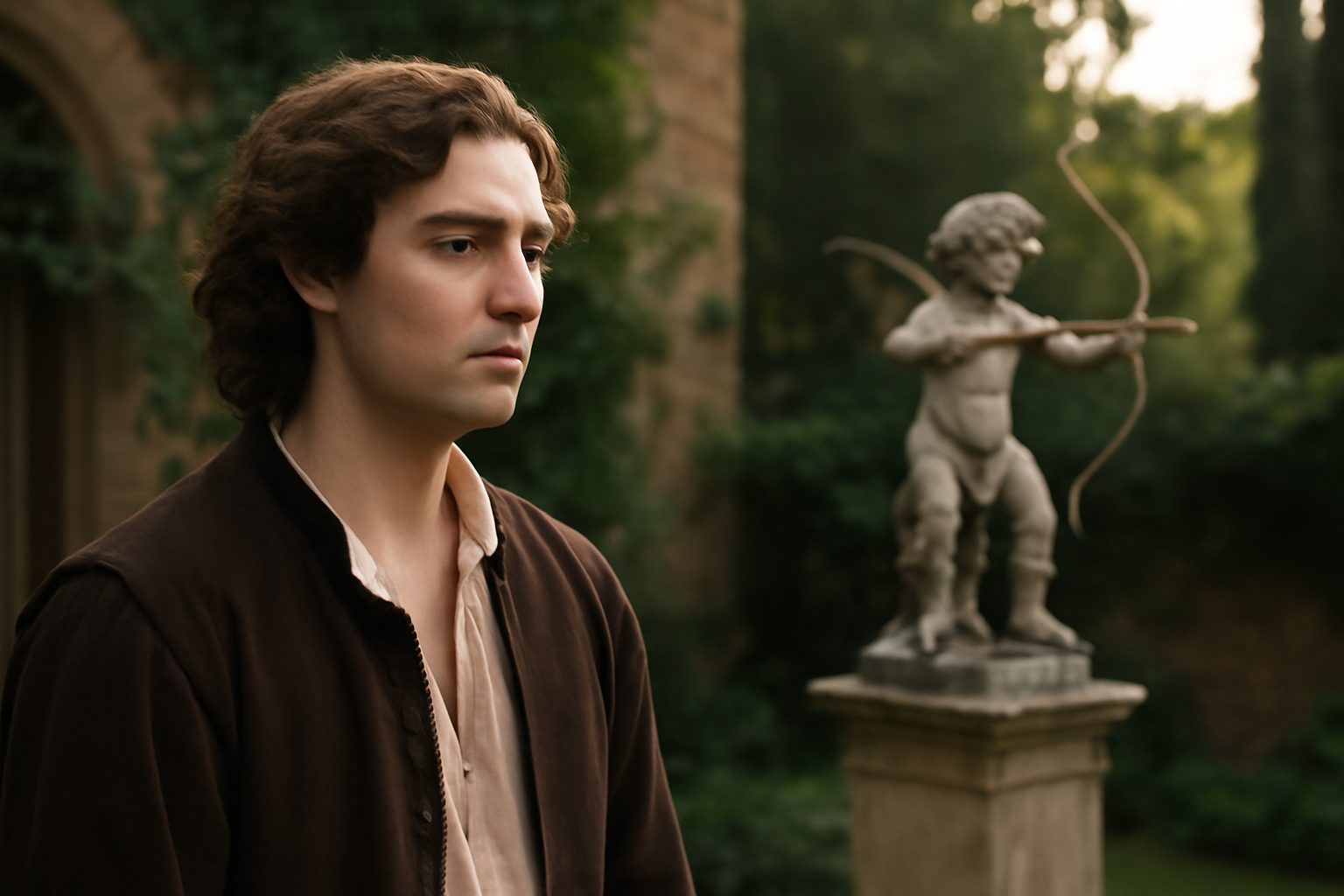
In Act 2, Scene 1 of Romeo and Juliet, Mercutio and Benvolio search for Romeo after the Capulet feast. Believing Romeo has slipped away to pine for Rosaline, Mercutio teases him by calling out near the orchard where Romeo is actually hiding, having just met Juliet. This line reflects Mercutio's playful mockery as he suggests Romeo is lurking among the trees to avoid them.
Benvolio: "Come, he hath hid himself among these trees,"
In modern day english, we would say:
He’s hiding somewhere in these trees.
Frequently Asked Questions
Who is hiding in the trees according to Benvolio?
Romeo is hiding in the trees.
Connections to other verses:
Connections to "Come, he hath hid himself among these trees"
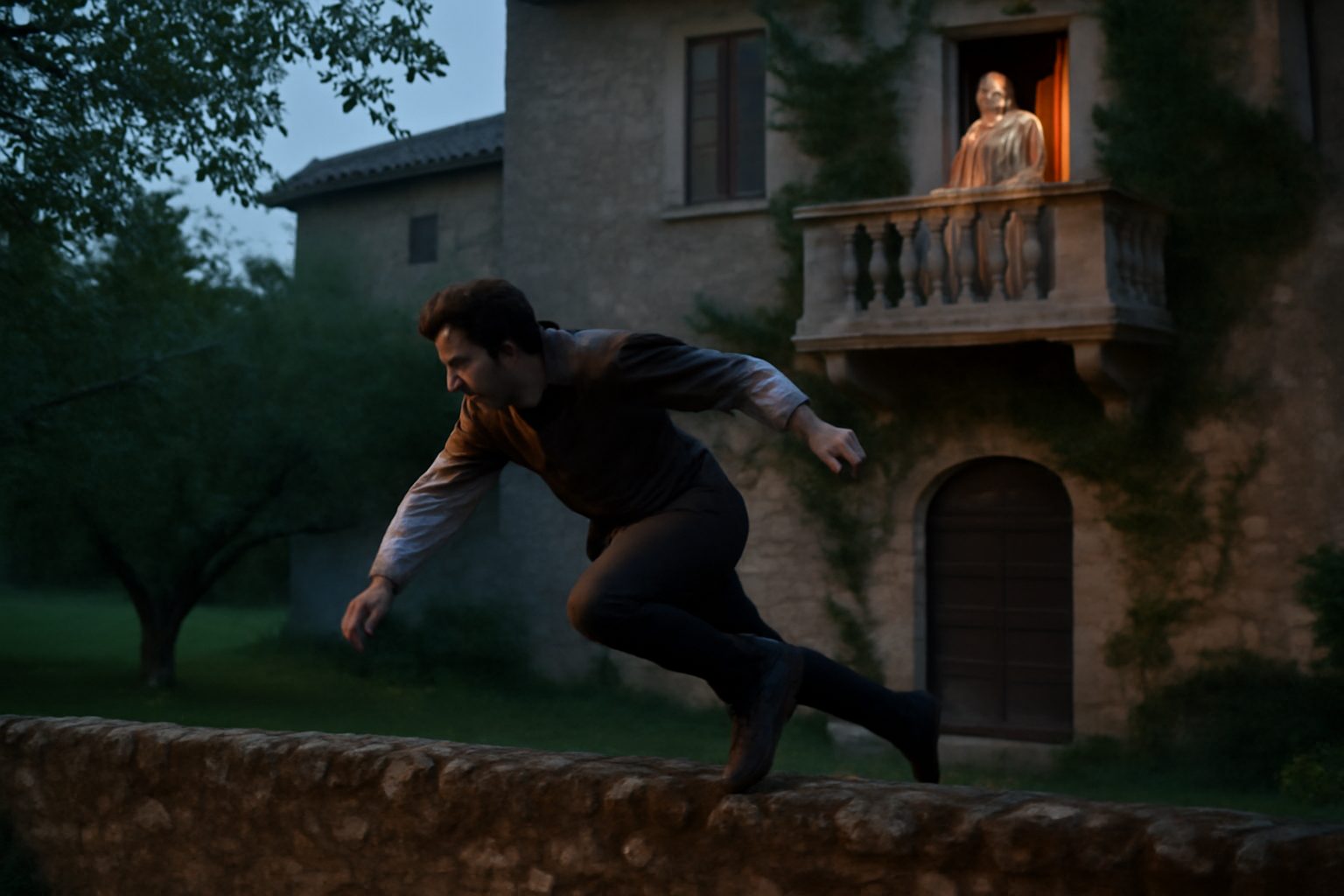
The line "Come, he hath hid himself among these trees" is spoken by Benvolio, who is trying to convince Mercutio that Romeo has concealed himself in the orchard. This directly follows Mercutio's earlier observation in "He ran this way, and leap'd this orchard wall", which establishes Romeo's physical movement and sets the stage for Benvolio's deduction.
Mercutio's Mocking Tone
Mercutio responds to Benvolio's assertion with playful mockery, as seen in "Romeo! humours! madman! passion! lover!", where he ridicules Romeo's lovesick state. This taunting continues in "He heareth not, he stirreth not, he moveth not", emphasizing Romeo's unresponsiveness and deepening the comedic tone of their search.
Conjuration and Invocation
Mercutio's decision to "conjure" Romeo, mentioned in "The ape is dead, and I must conjure him", is a direct reaction to Benvolio's claim that Romeo is hiding. This idea of conjuration is elaborated in "To raise a spirit in his mistress' circle", linking Romeo's concealment to Mercutio's bawdy and imaginative attempts to draw him out.
Theme of Blind Love
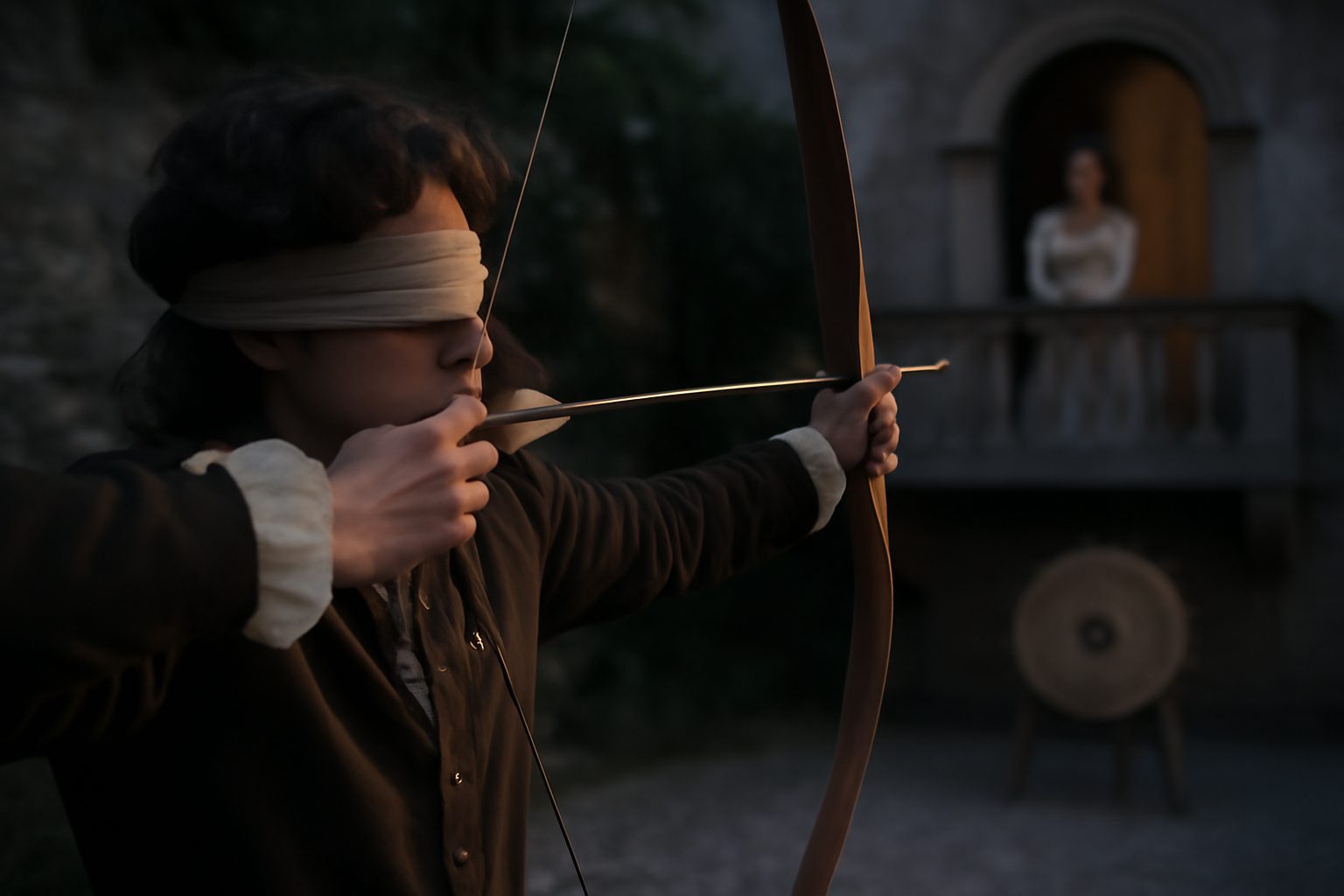
Benvolio's remark about Romeo hiding in the trees aligns with the theme of love's blindness, explored in "Blind is his love and best befits the dark". This connection suggests that Romeo's physical concealment mirrors his emotional state—hidden and consumed by love, as further questioned in "If love be blind, love cannot hit the mark".
Fruitful Imagery
The orchard setting, where Romeo hides, ties into the scene's recurring fruit imagery, such as in "And wish his mistress were that kind of fruit" and "As maids call medlars, when they laugh alone". These lines use double entendre to humorously comment on love and desire, contextualizing Romeo's hiding place as a symbol of his romantic pursuits.
Conclusion of the Search
Ultimately, Benvolio and Mercutio's efforts to find Romeo fail, leading to their departure as noted in "Come, shall we go?" and "Go, then; for 'tis in vain". This reinforces the futility hinted at in "To seek him here that means not to be found", closing the scene with the acknowledgment that Romeo's concealment is both literal and intentional.