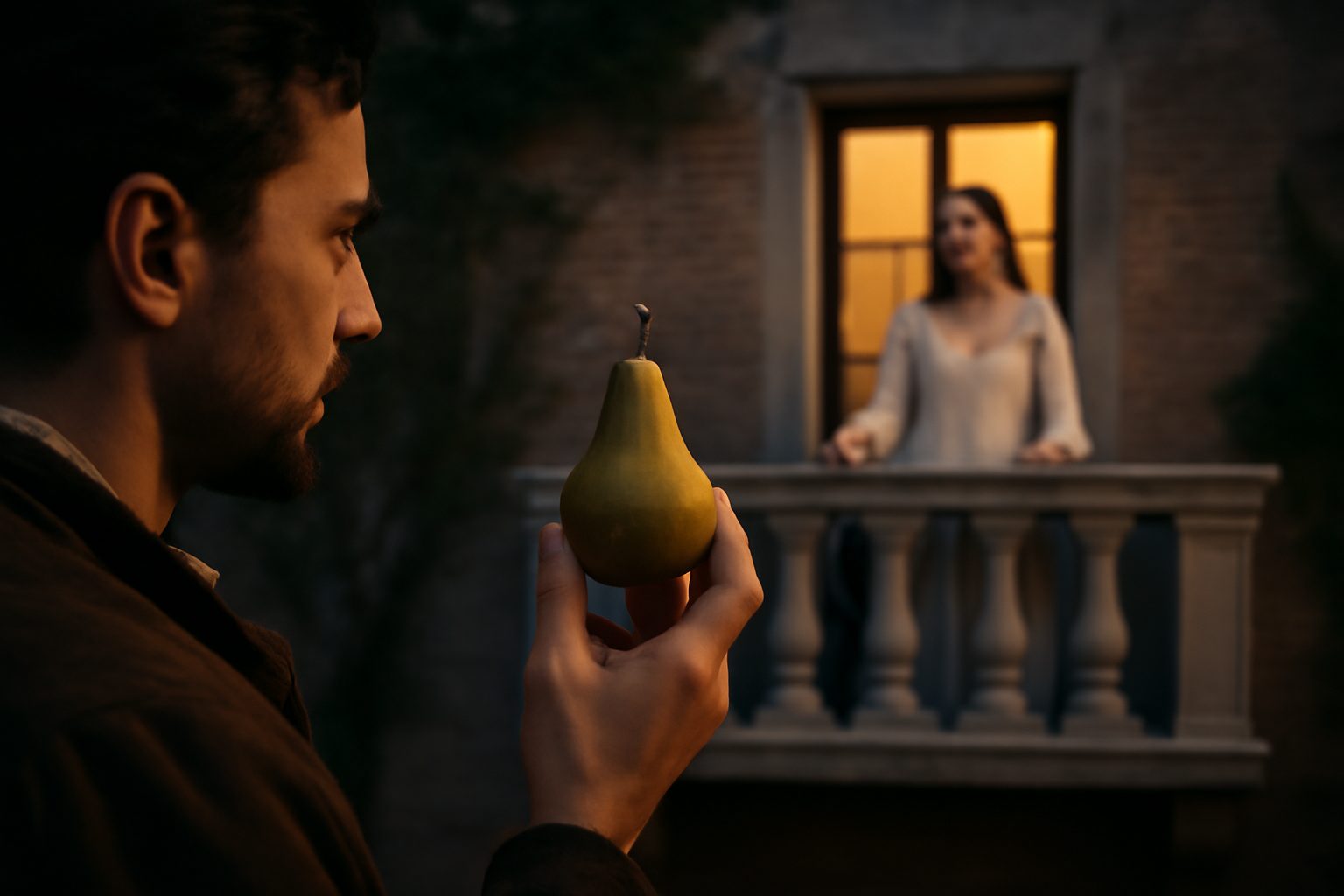
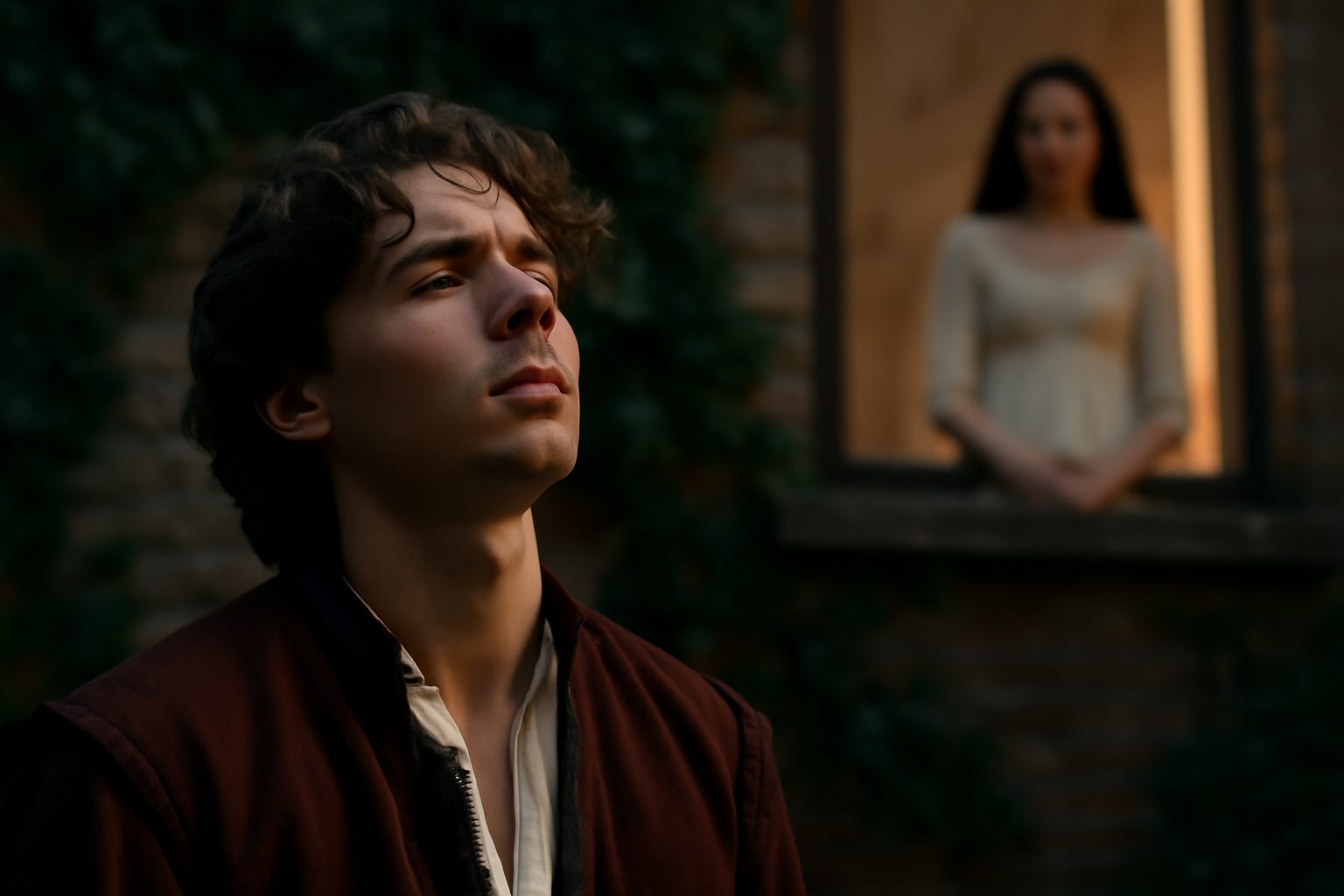
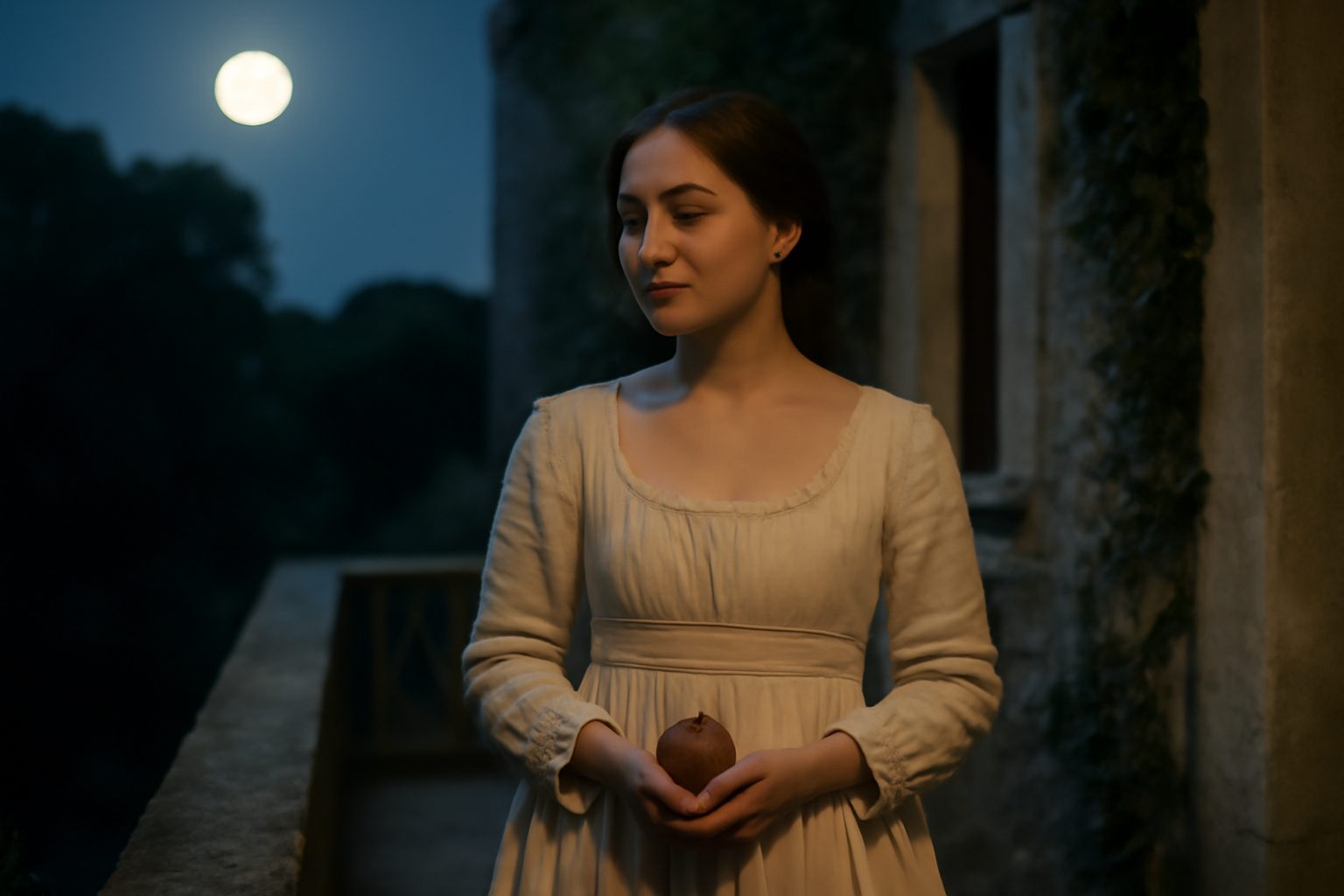
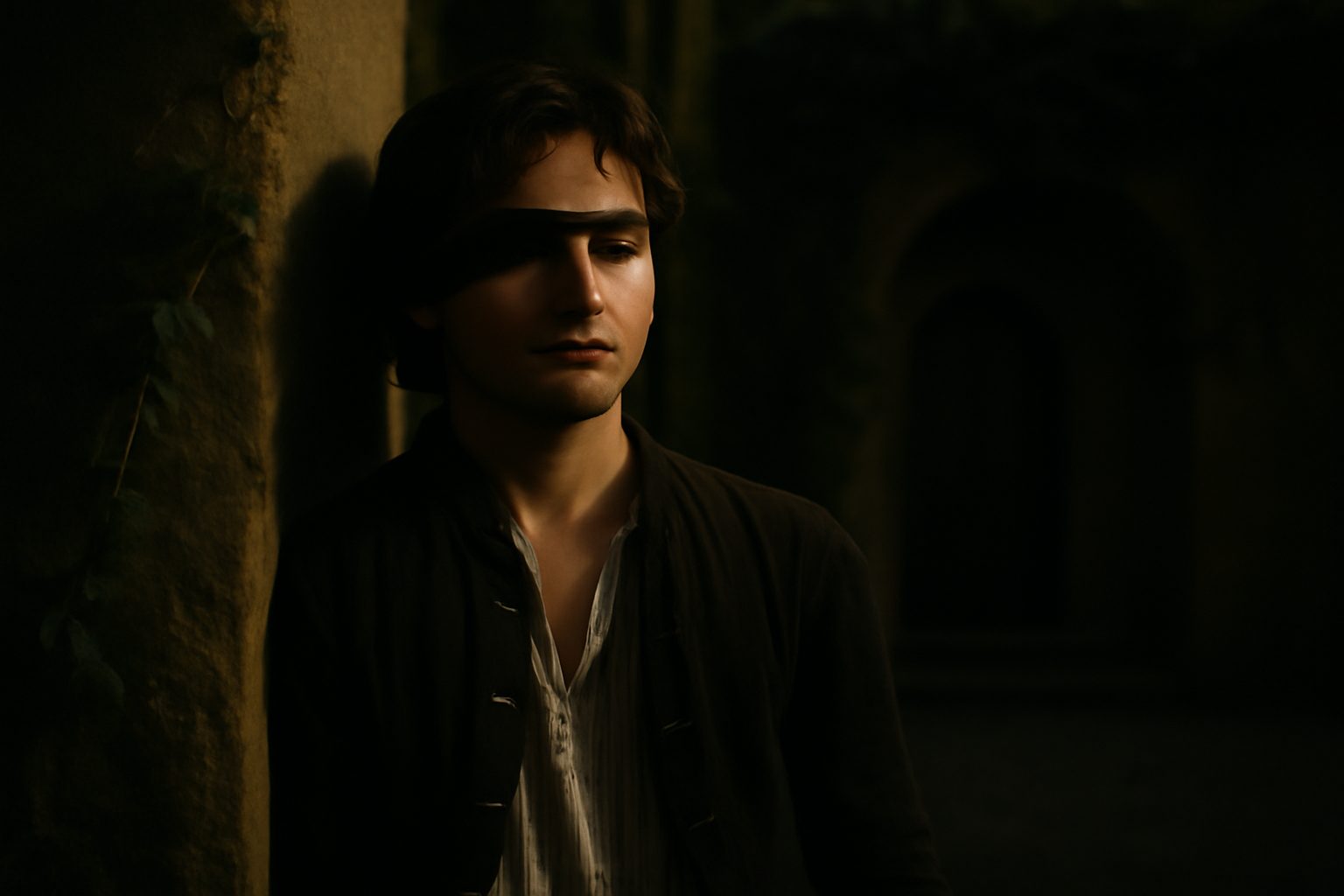
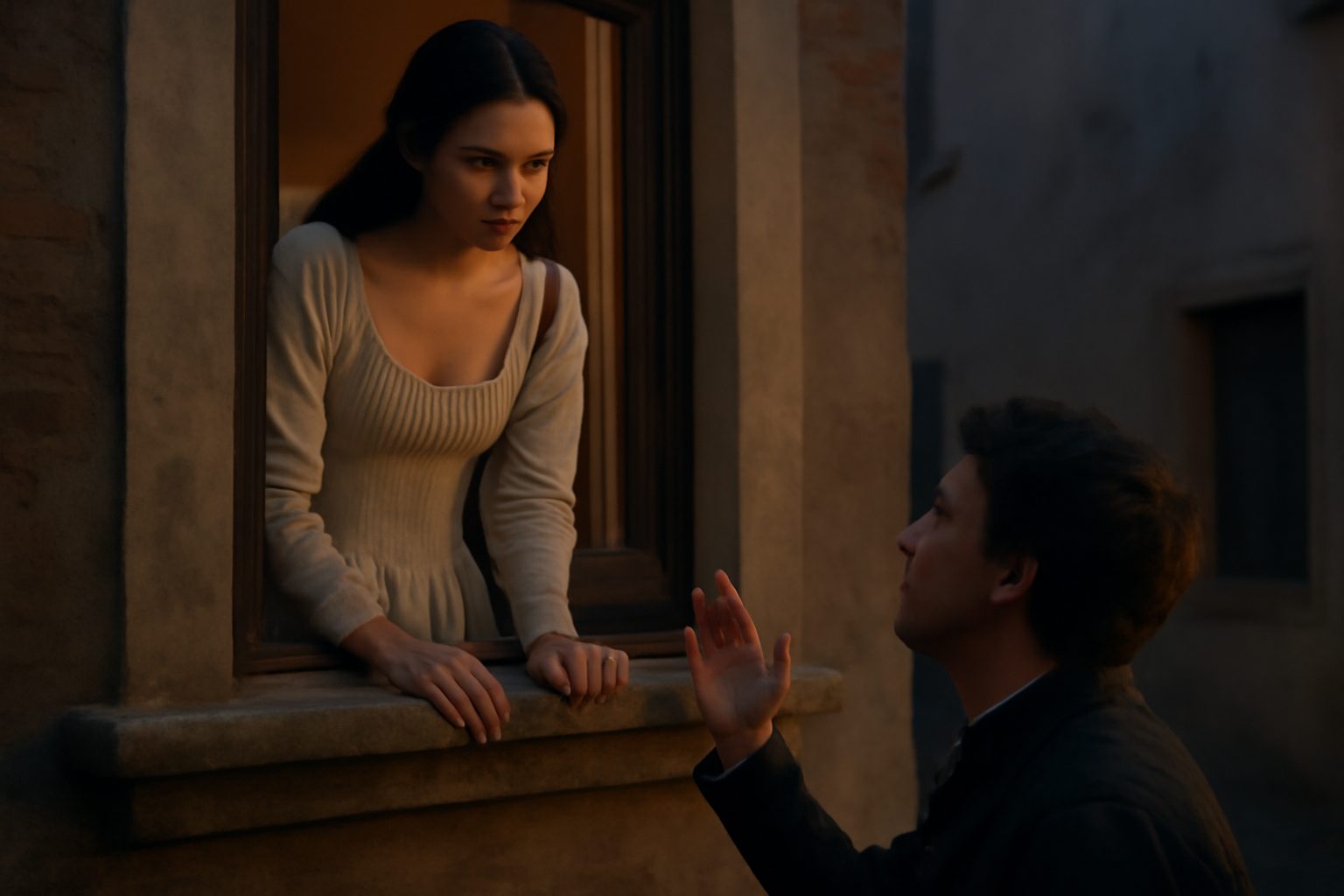
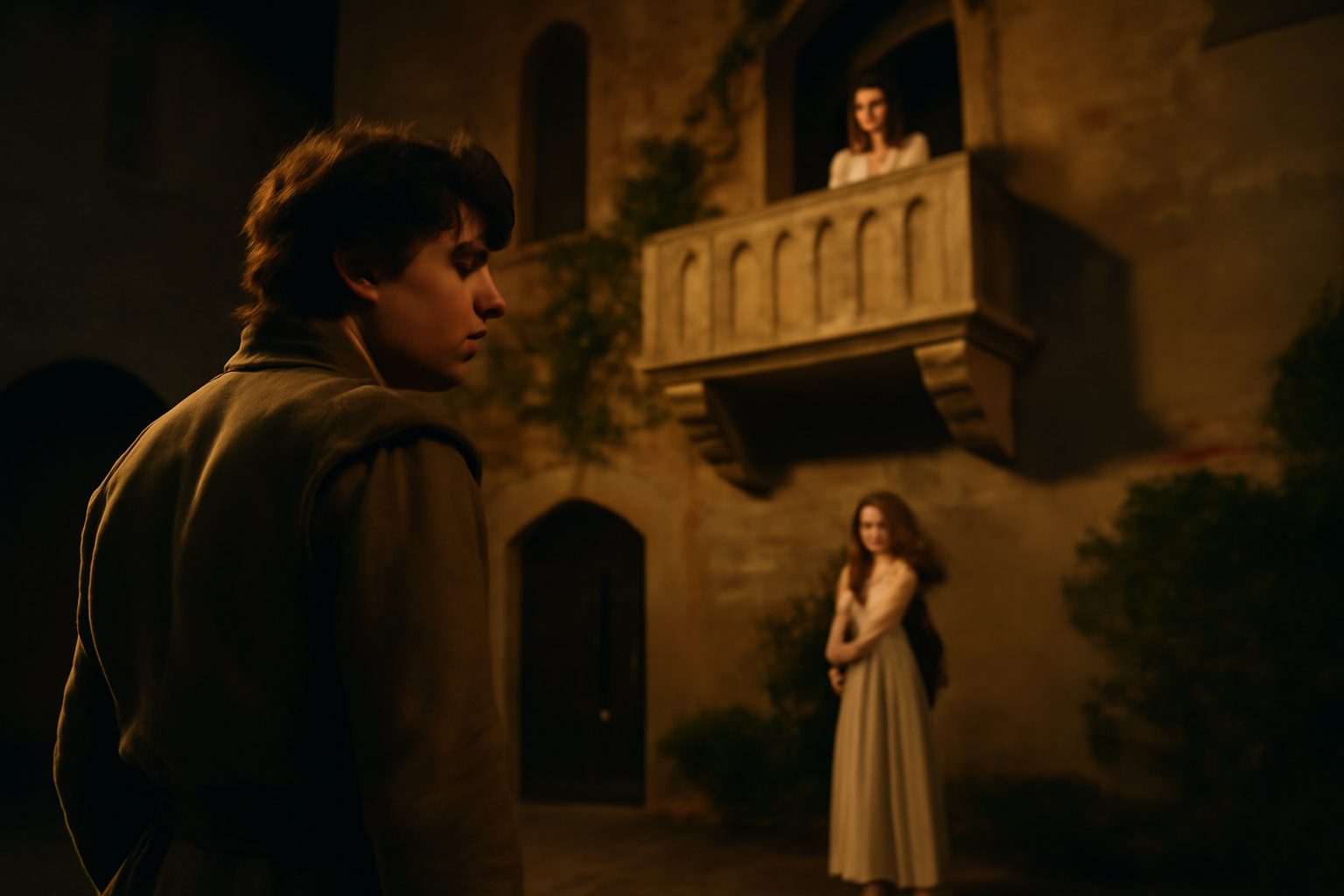
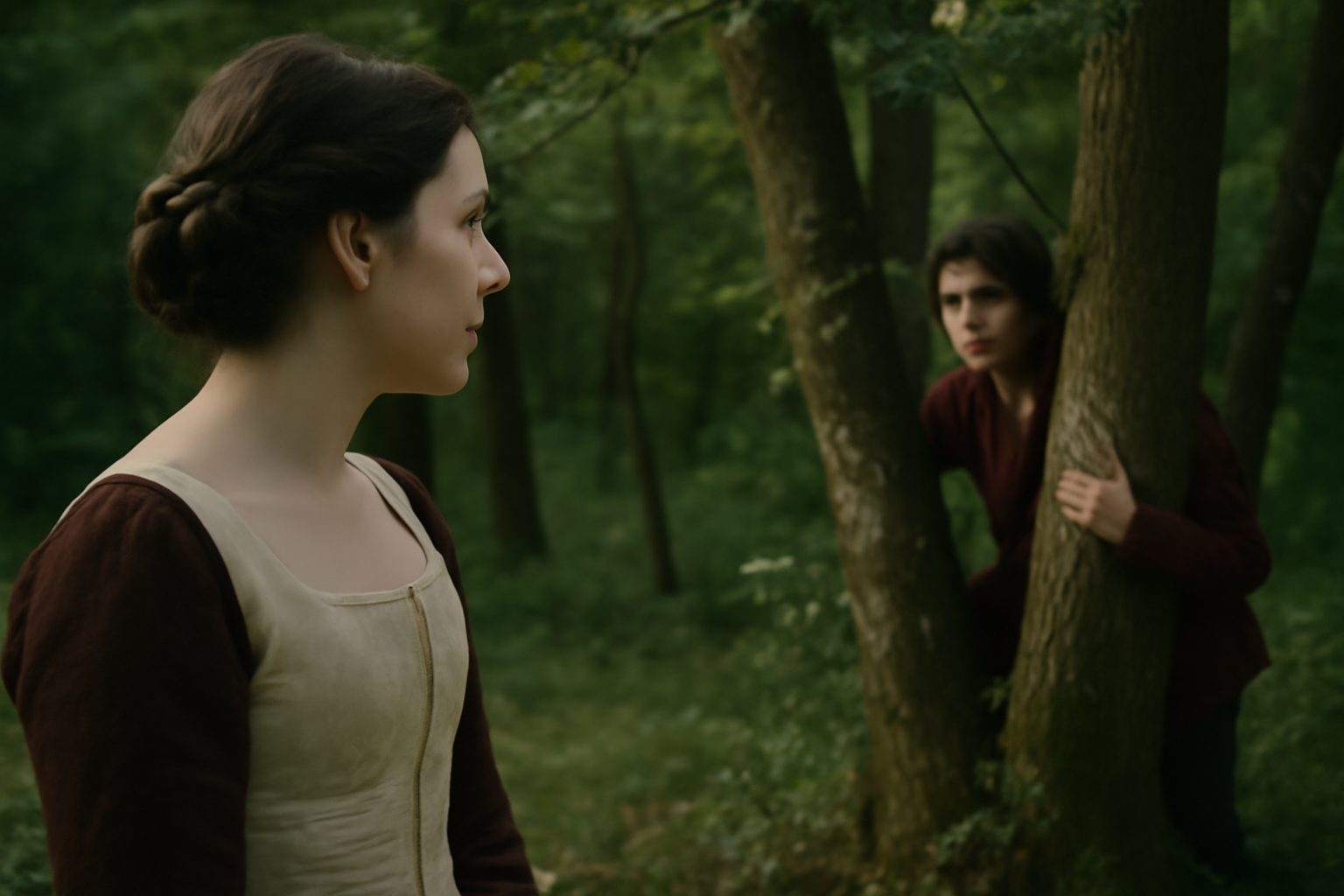
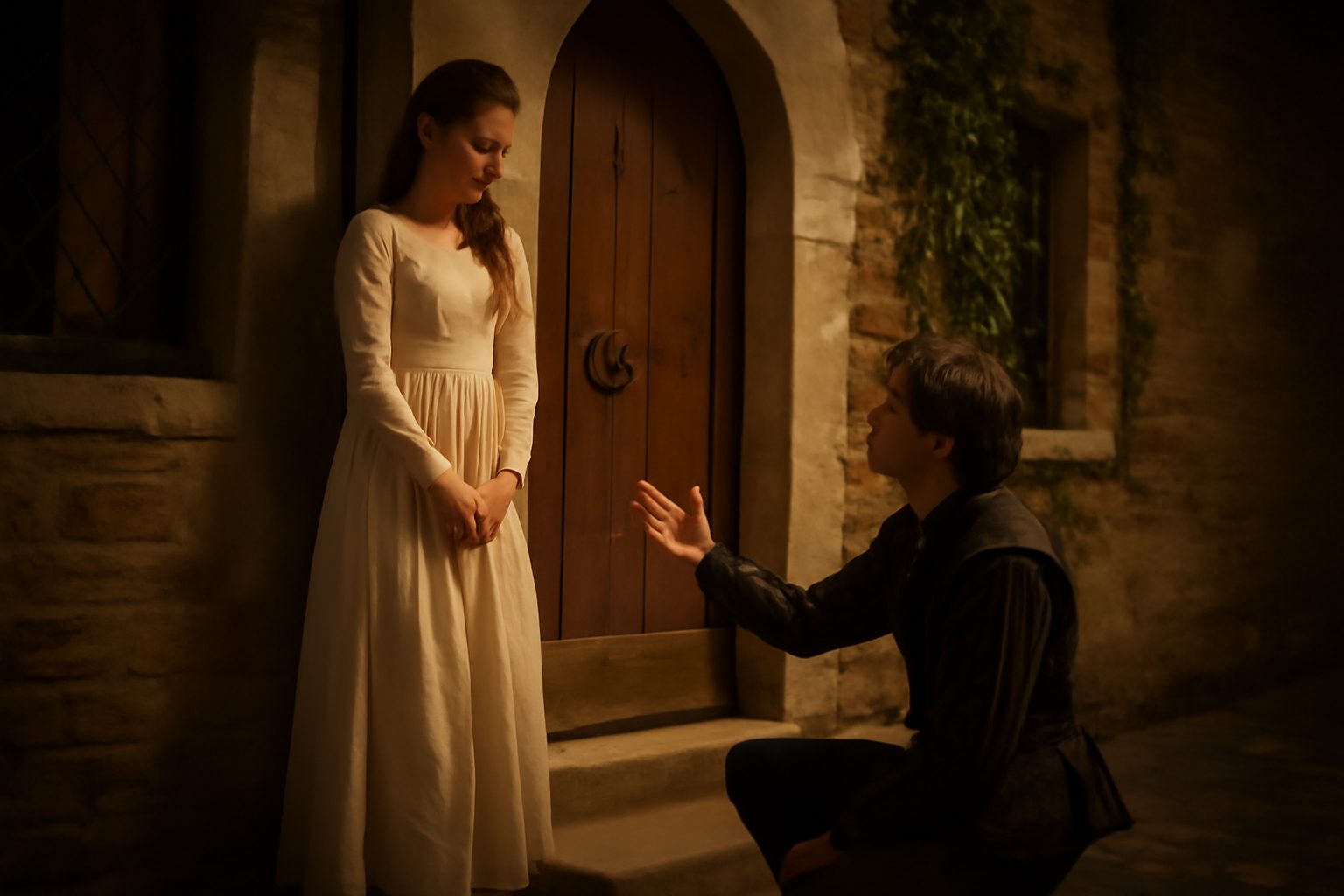
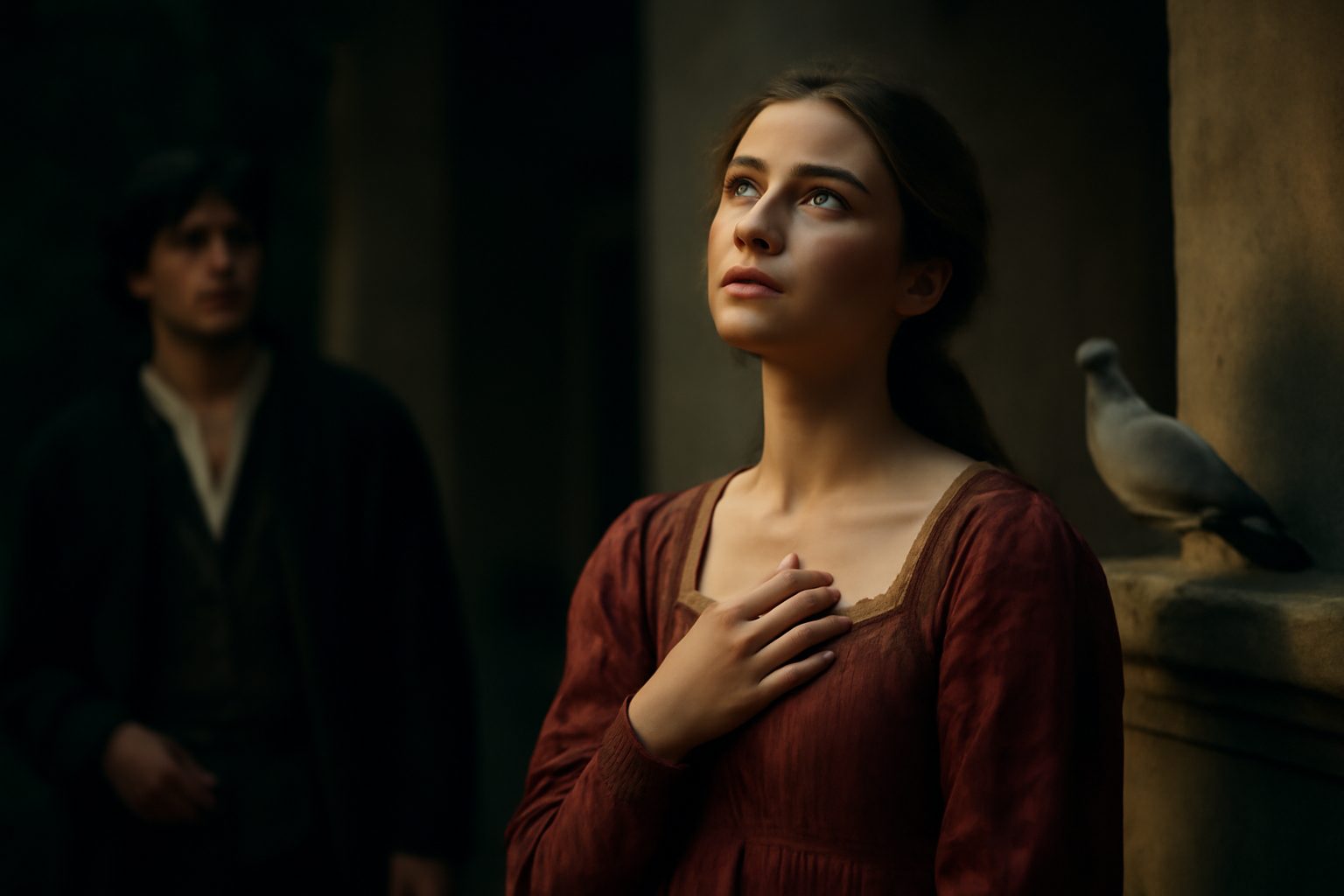
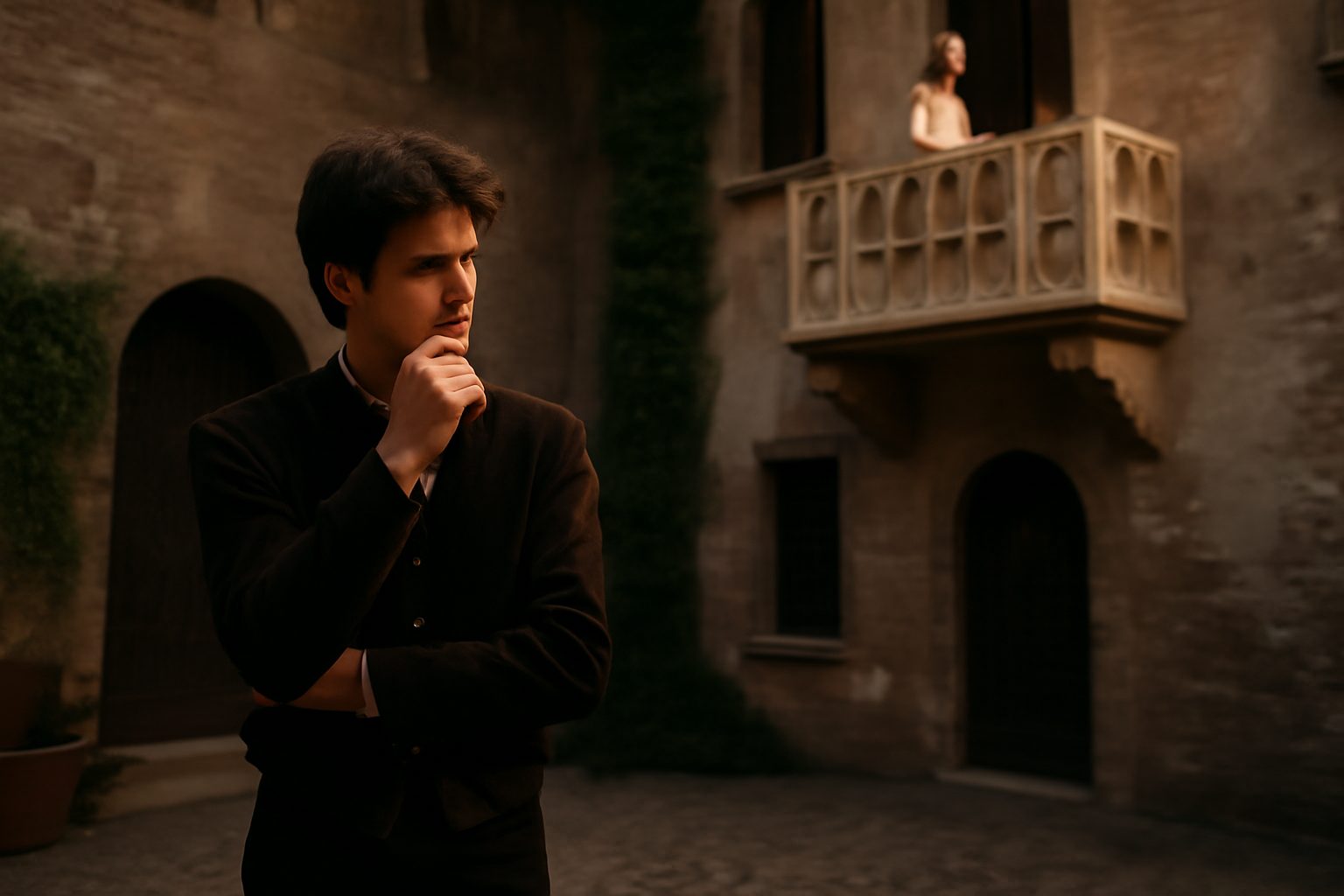
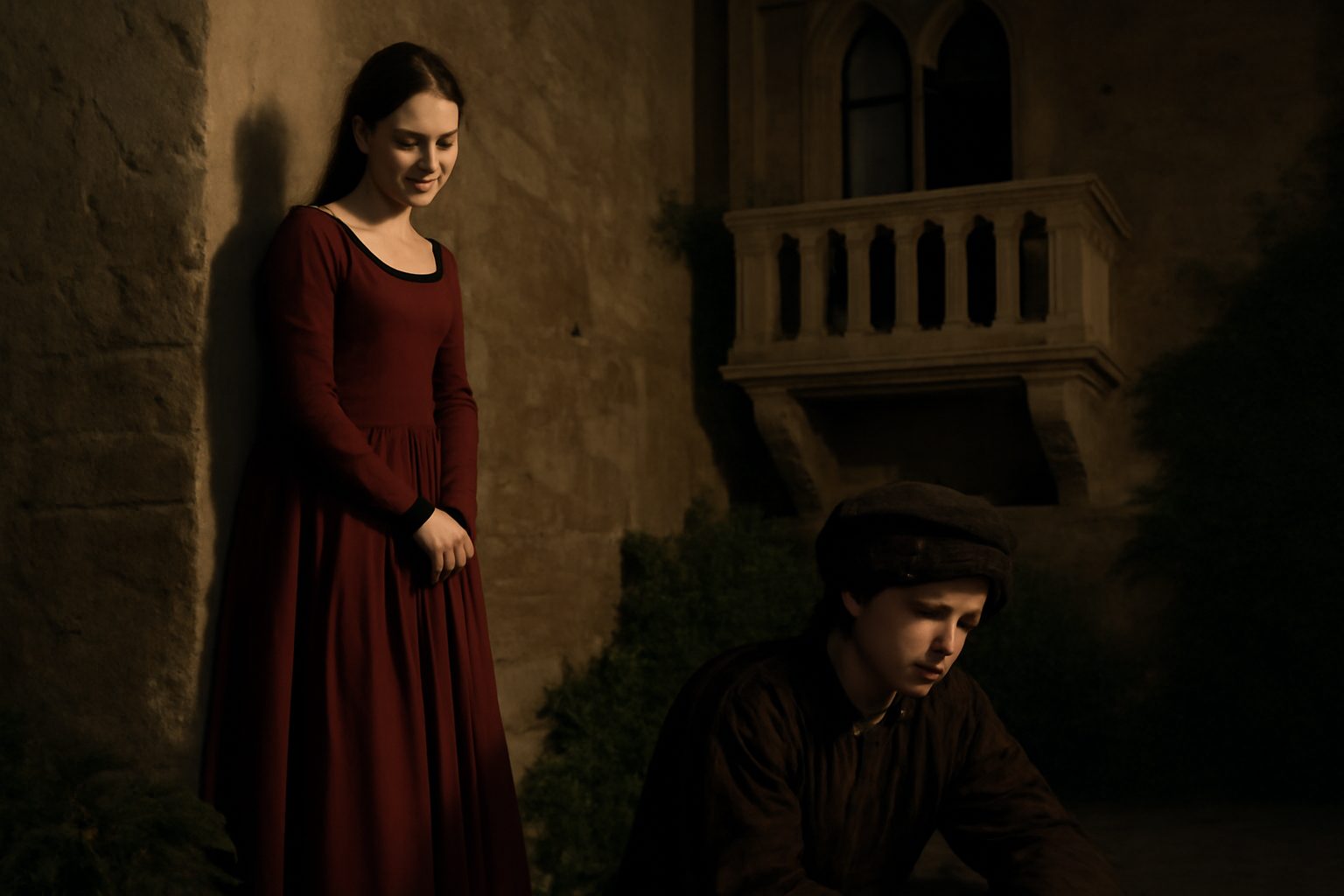
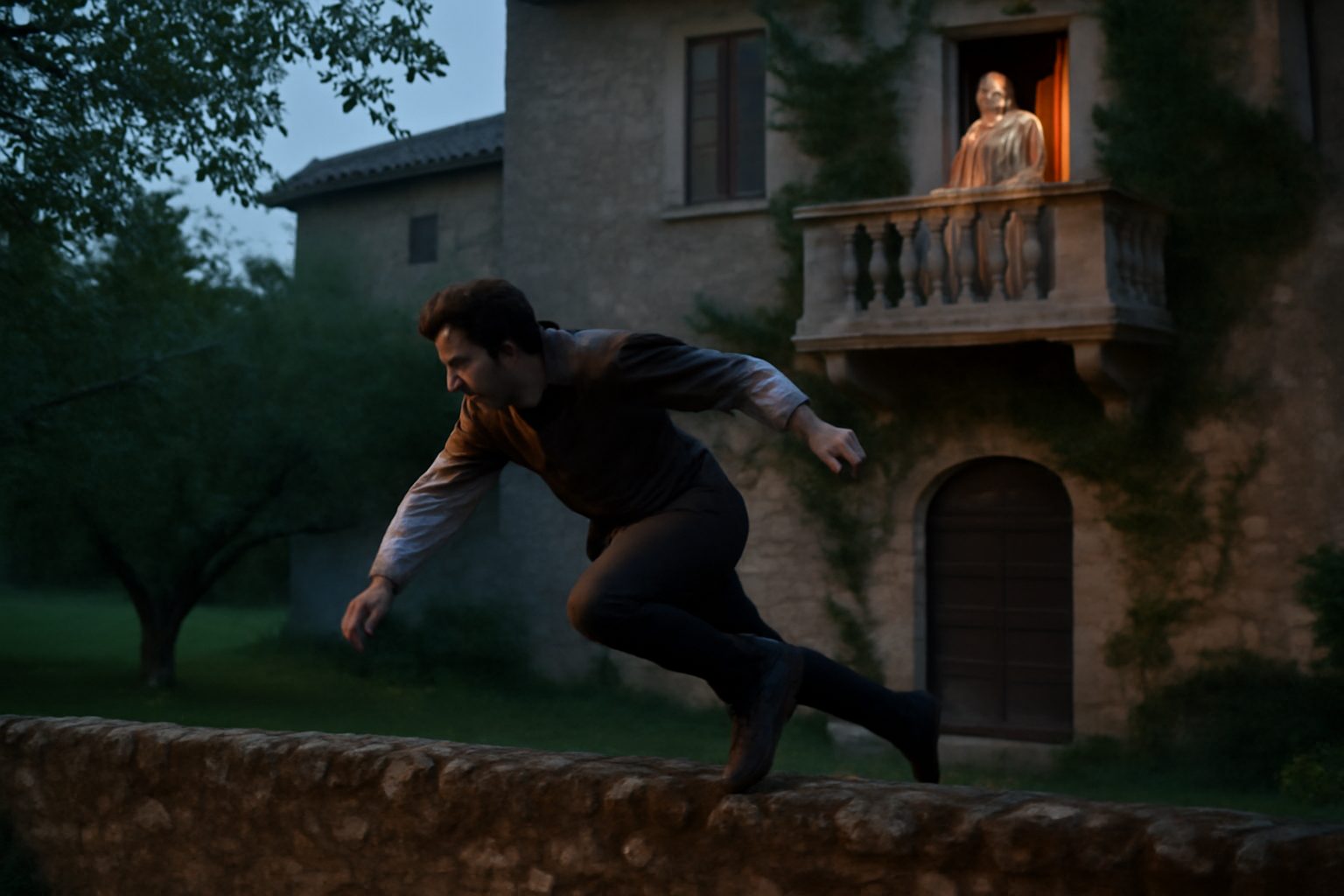
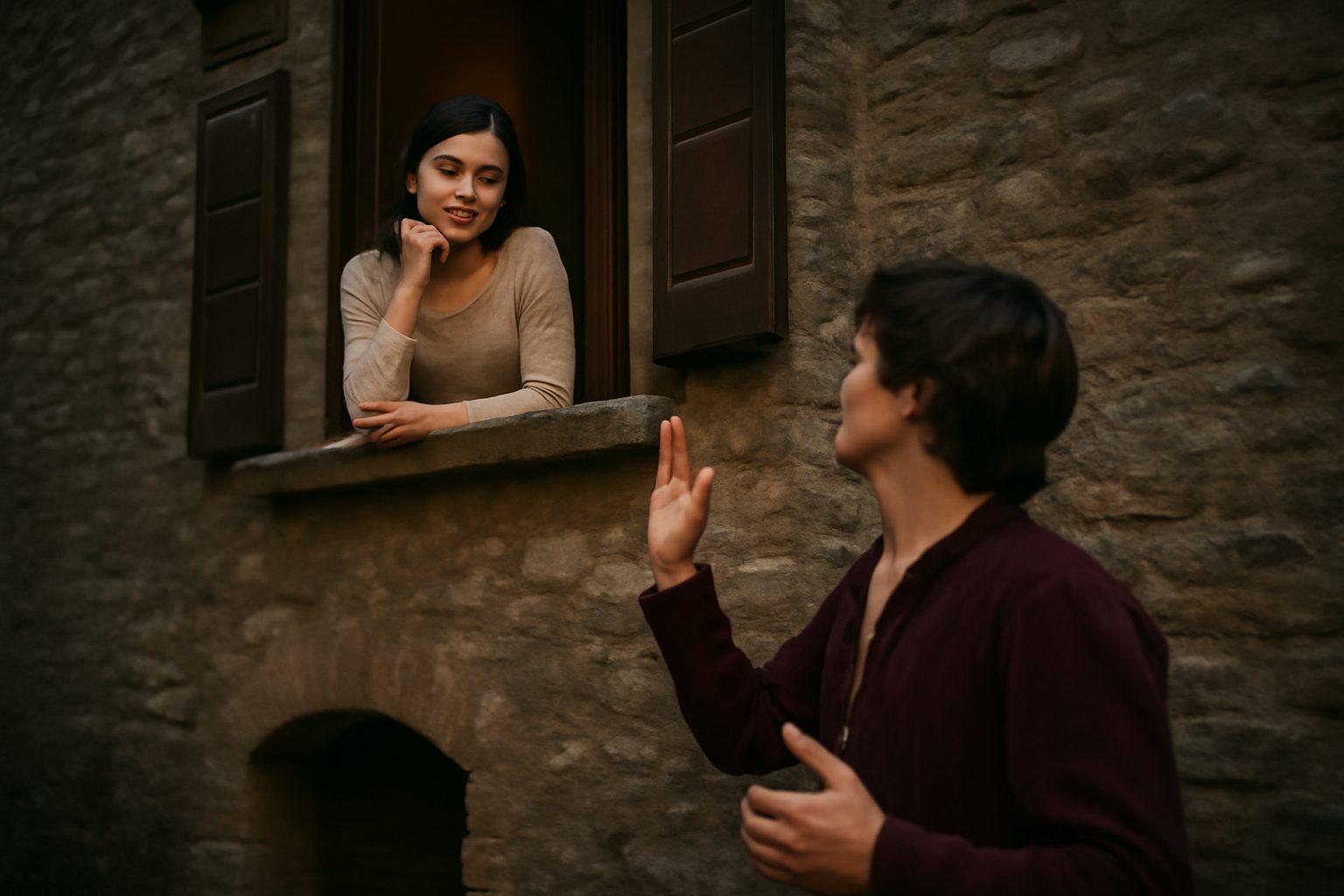
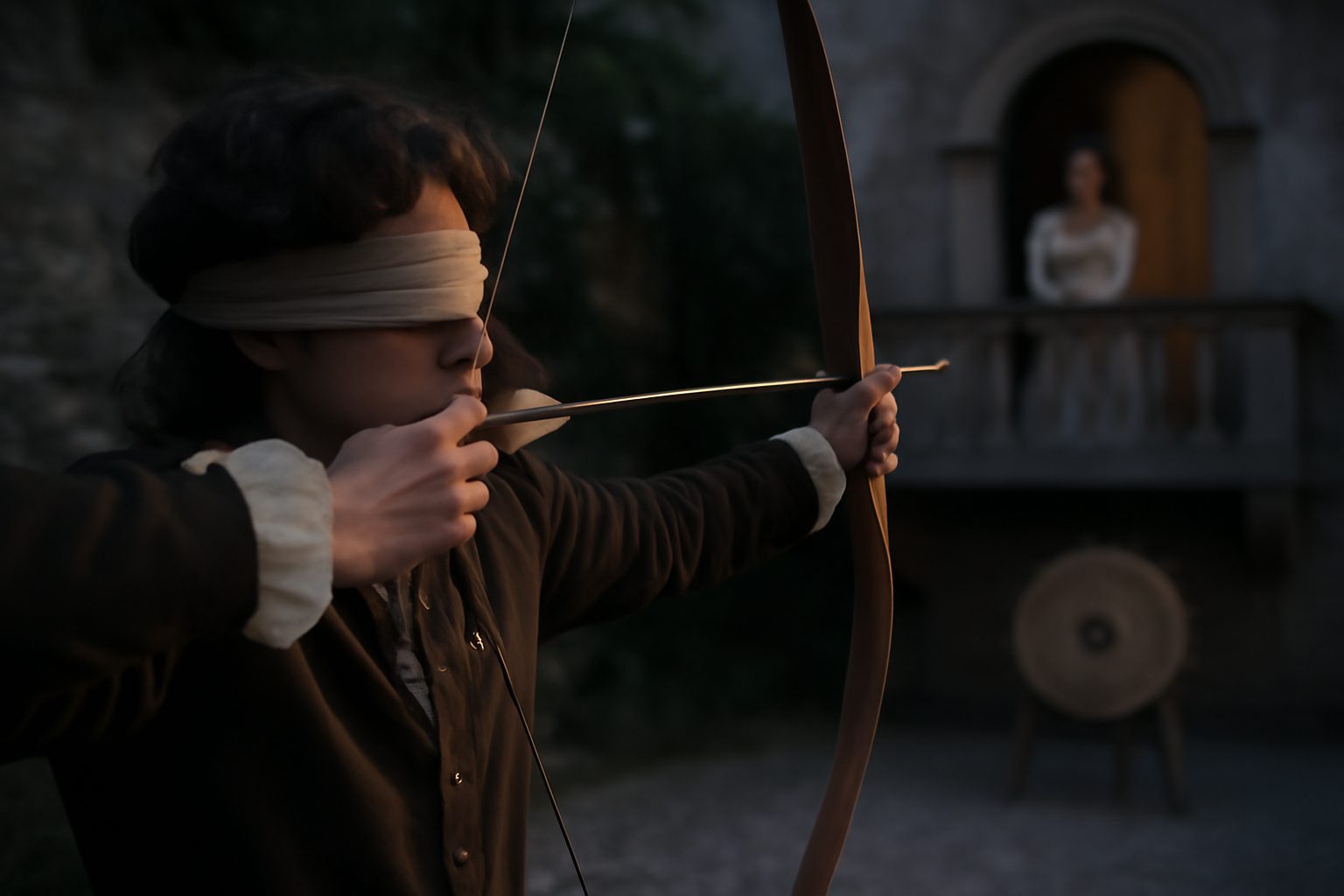
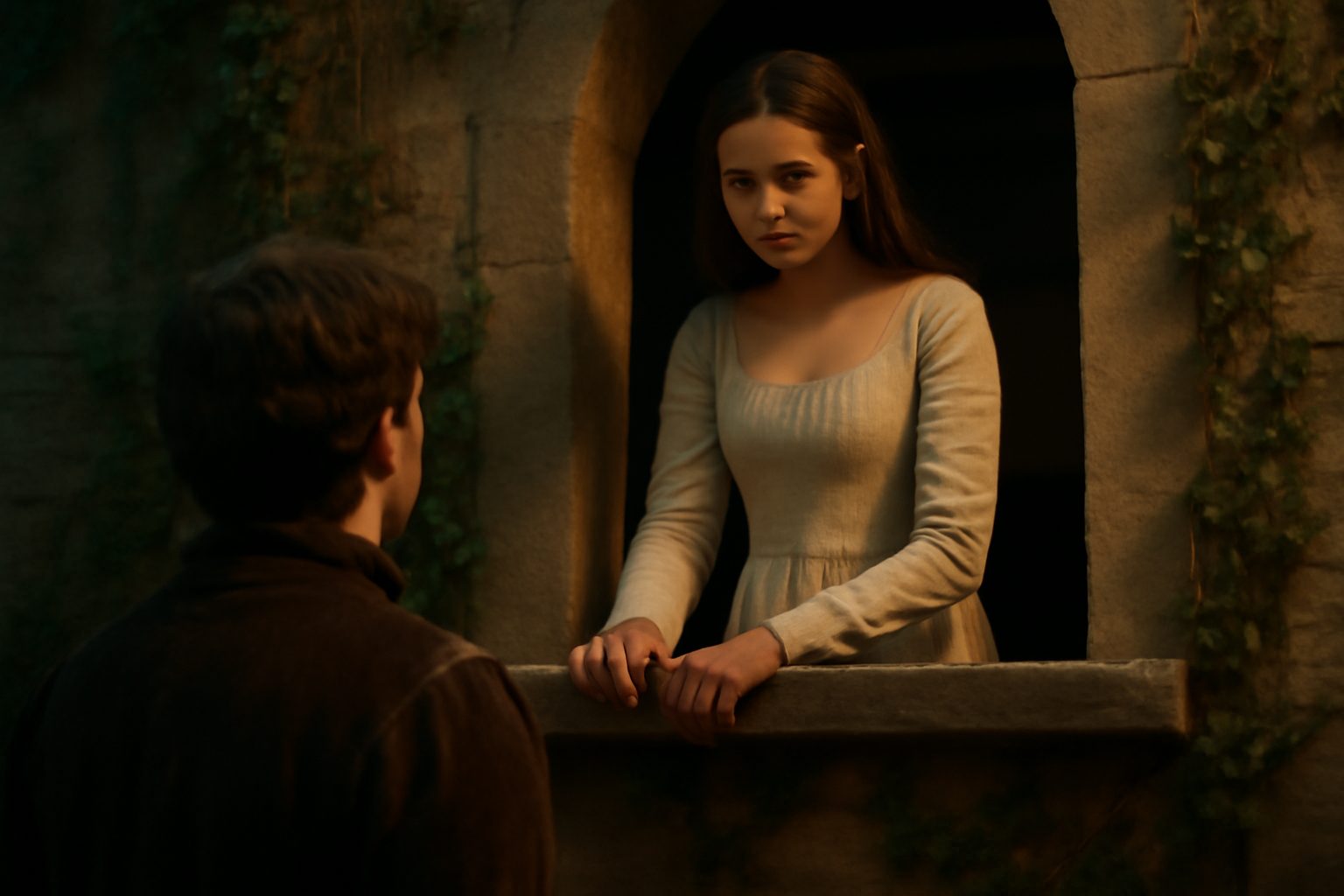
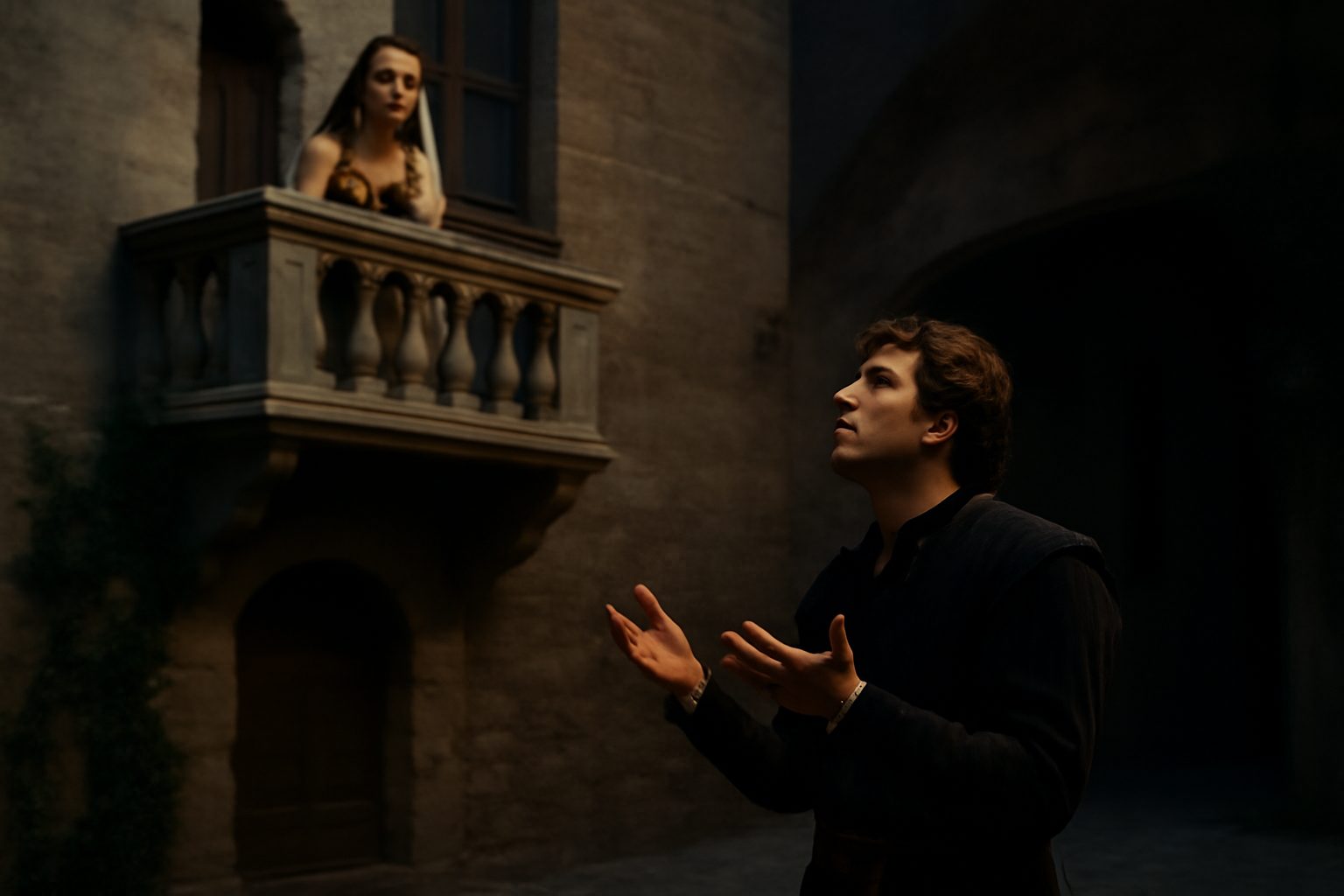
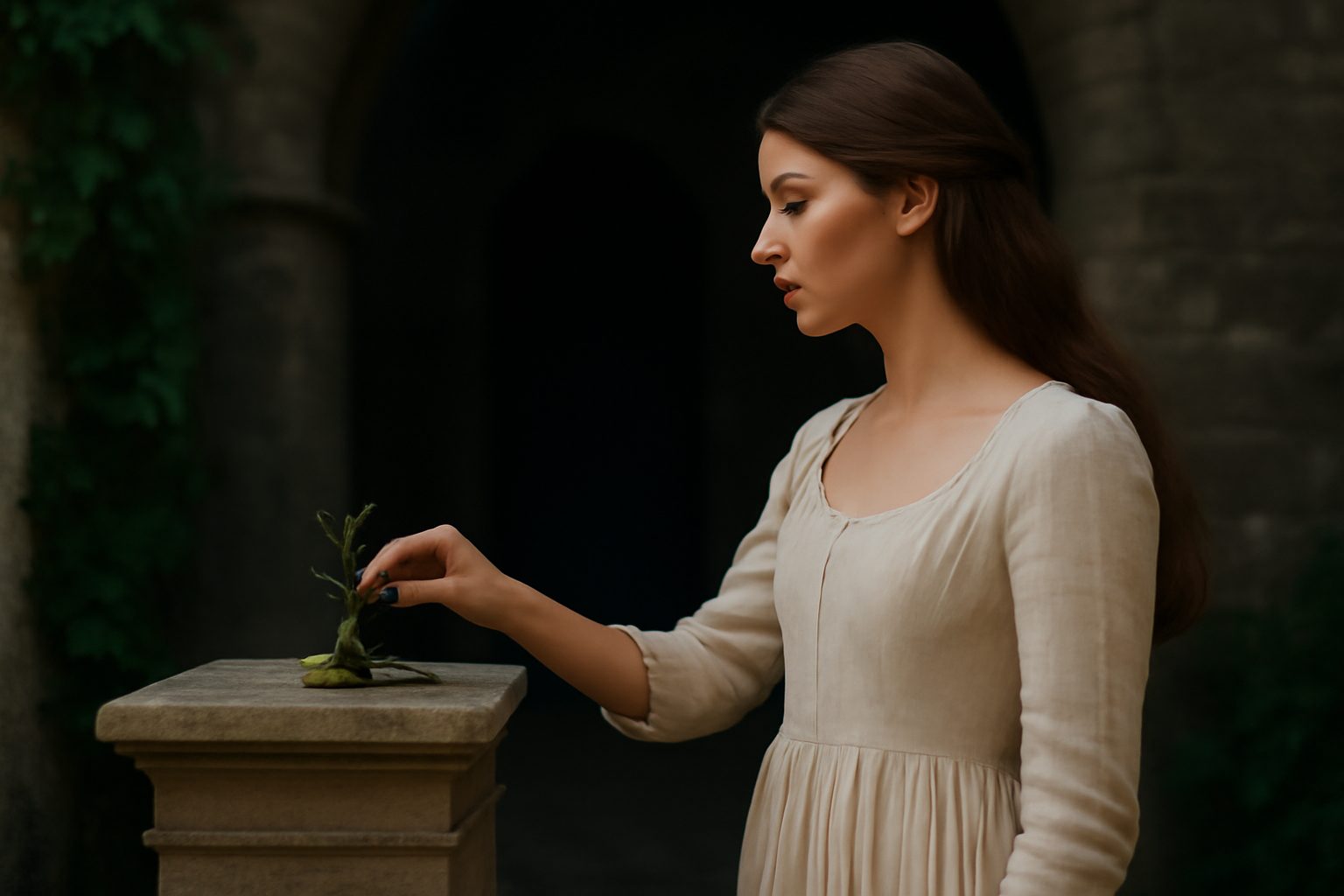
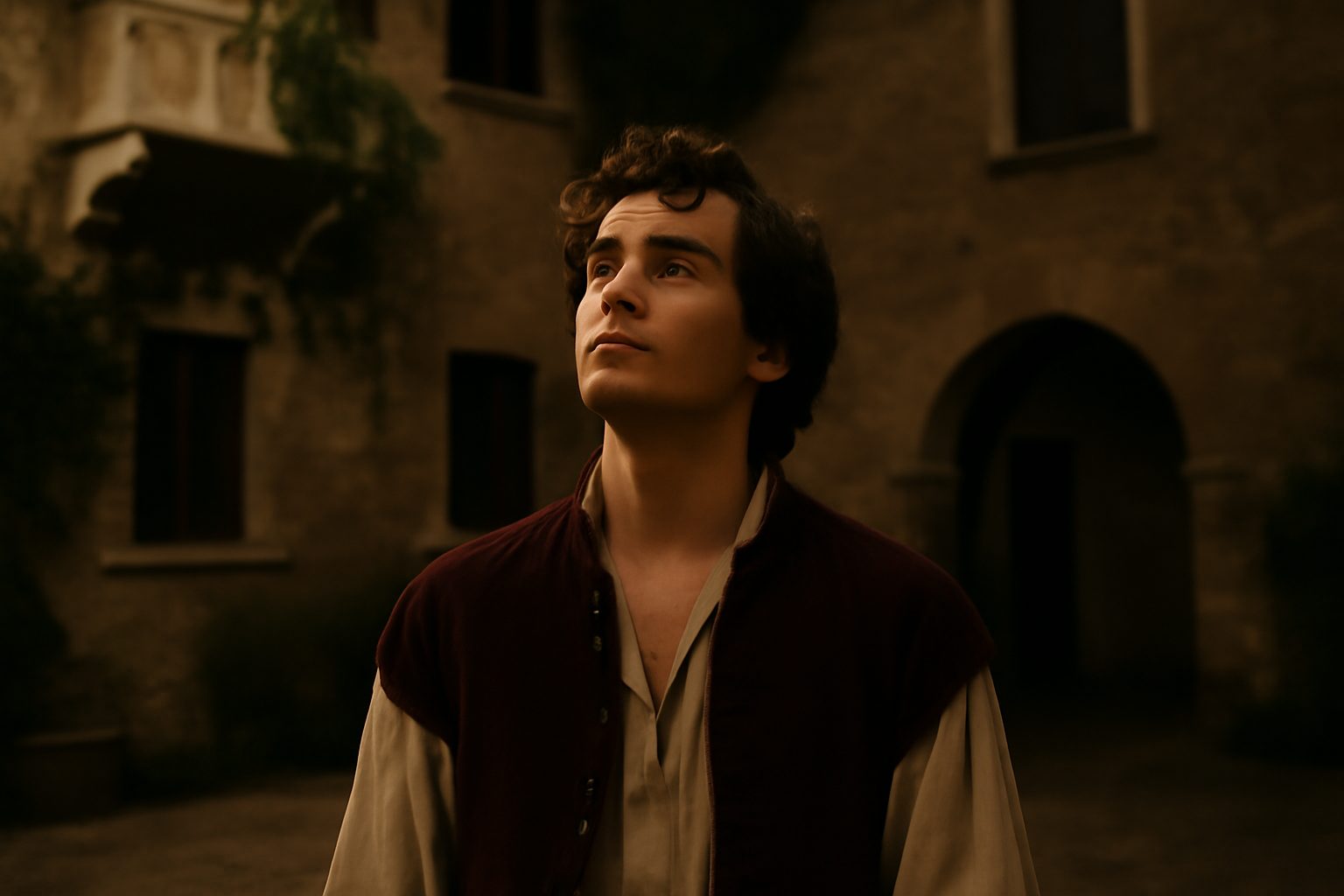
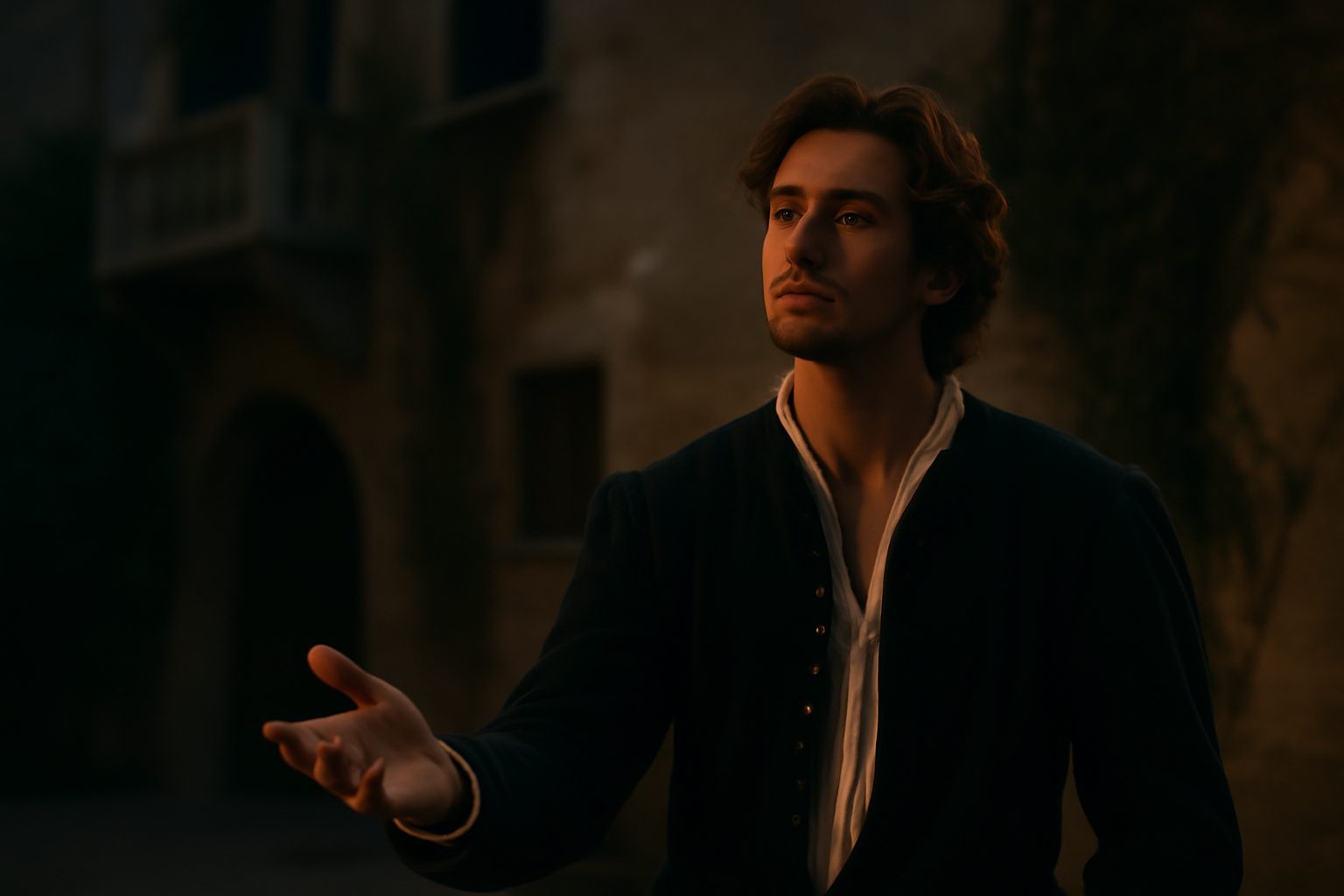
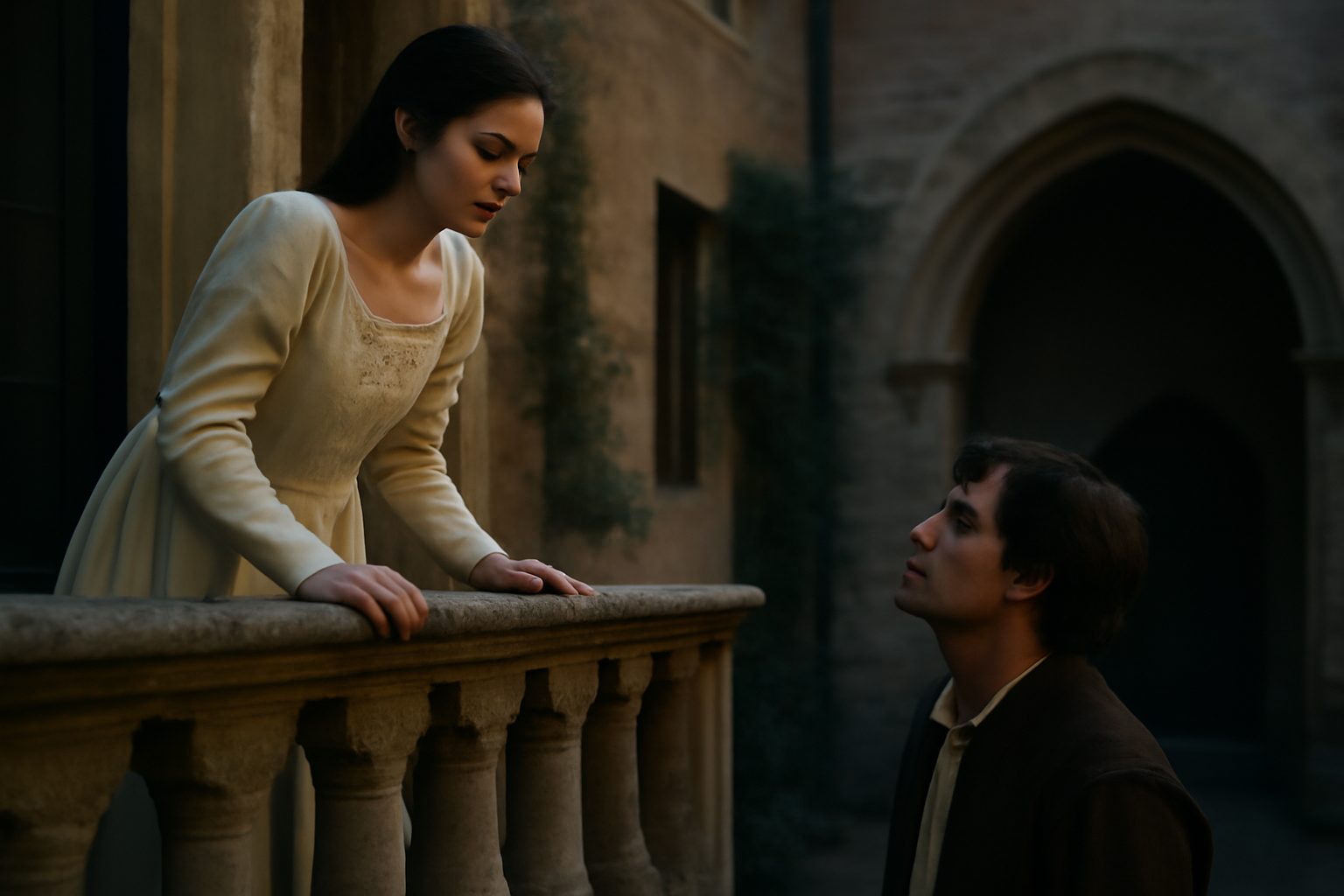
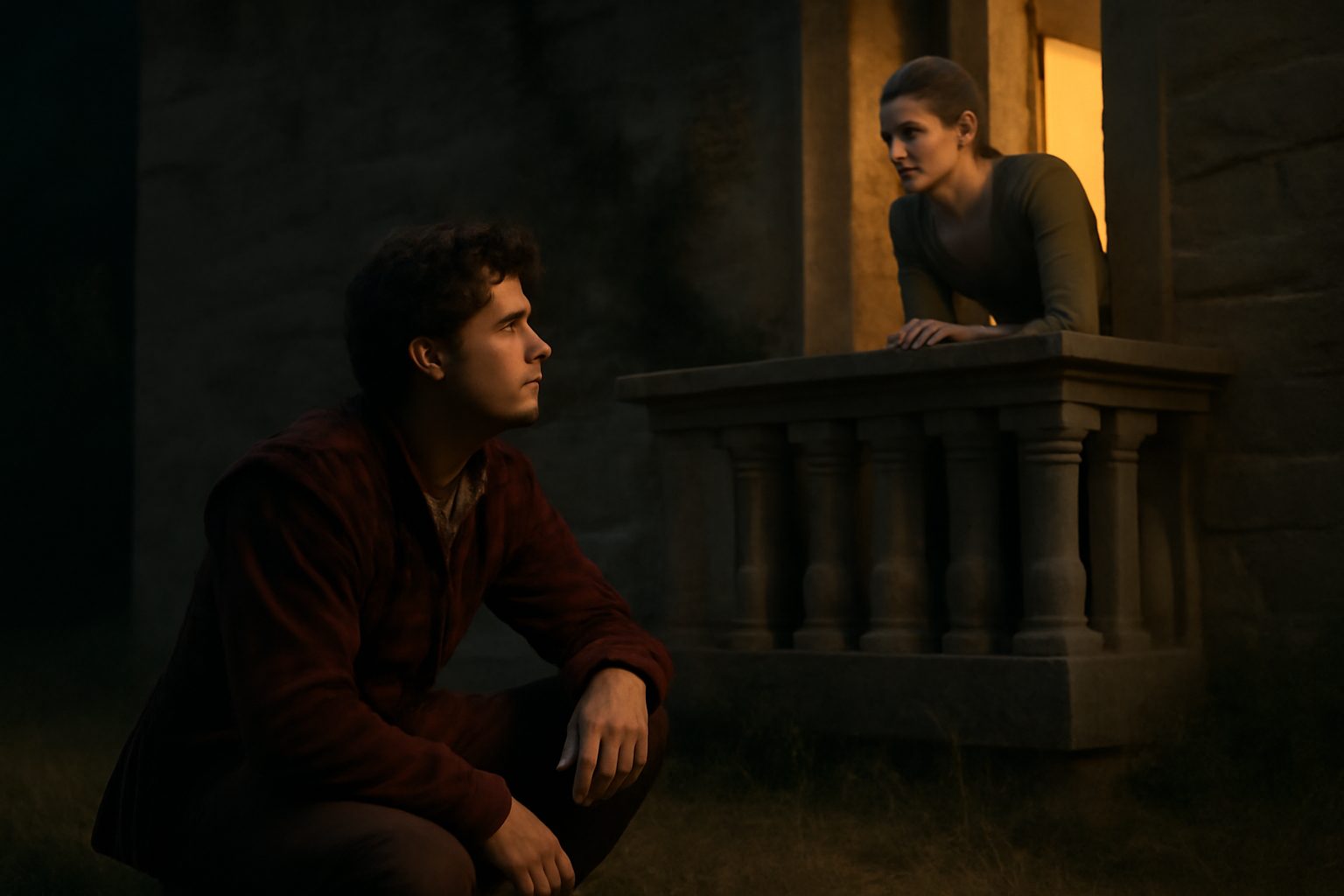
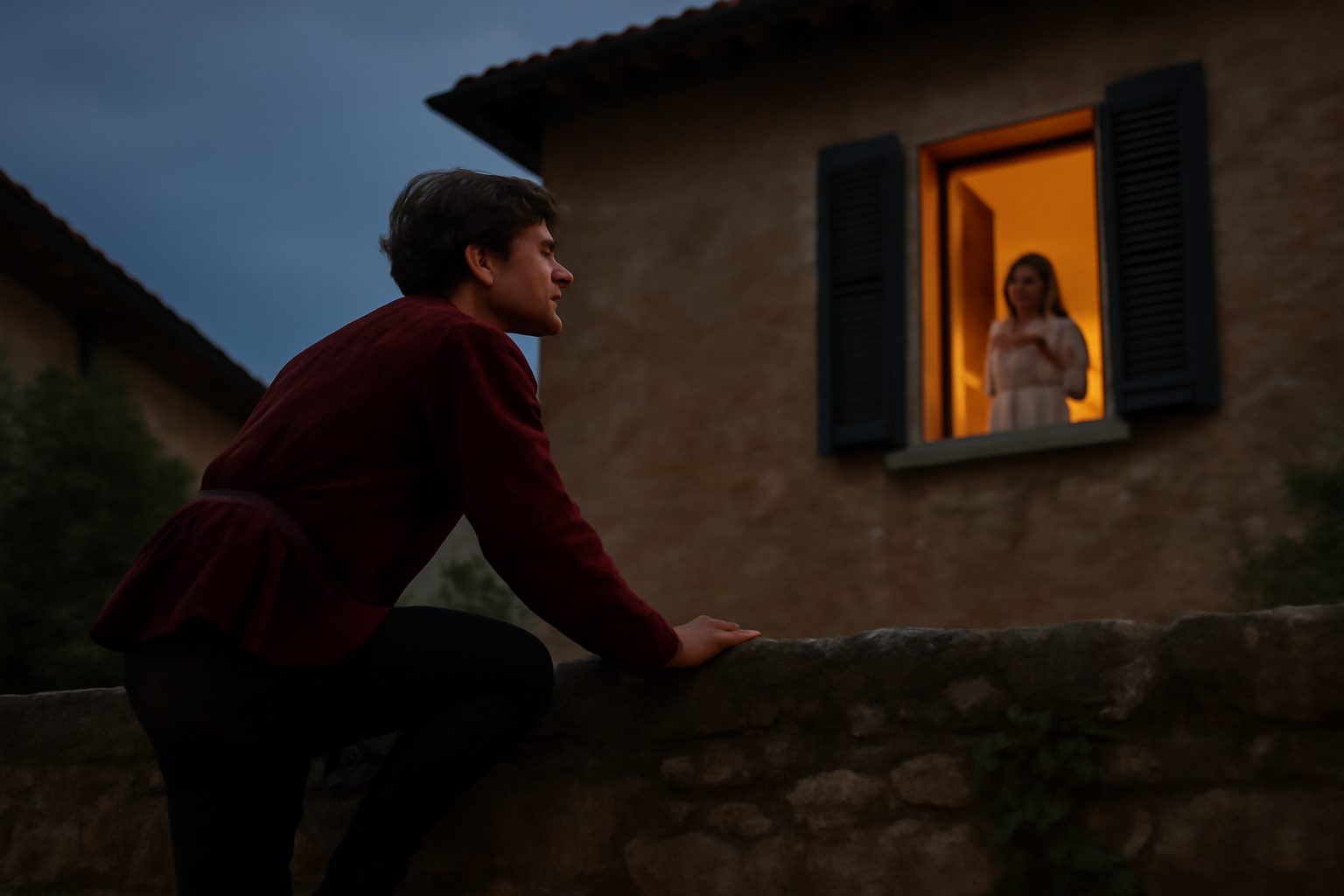
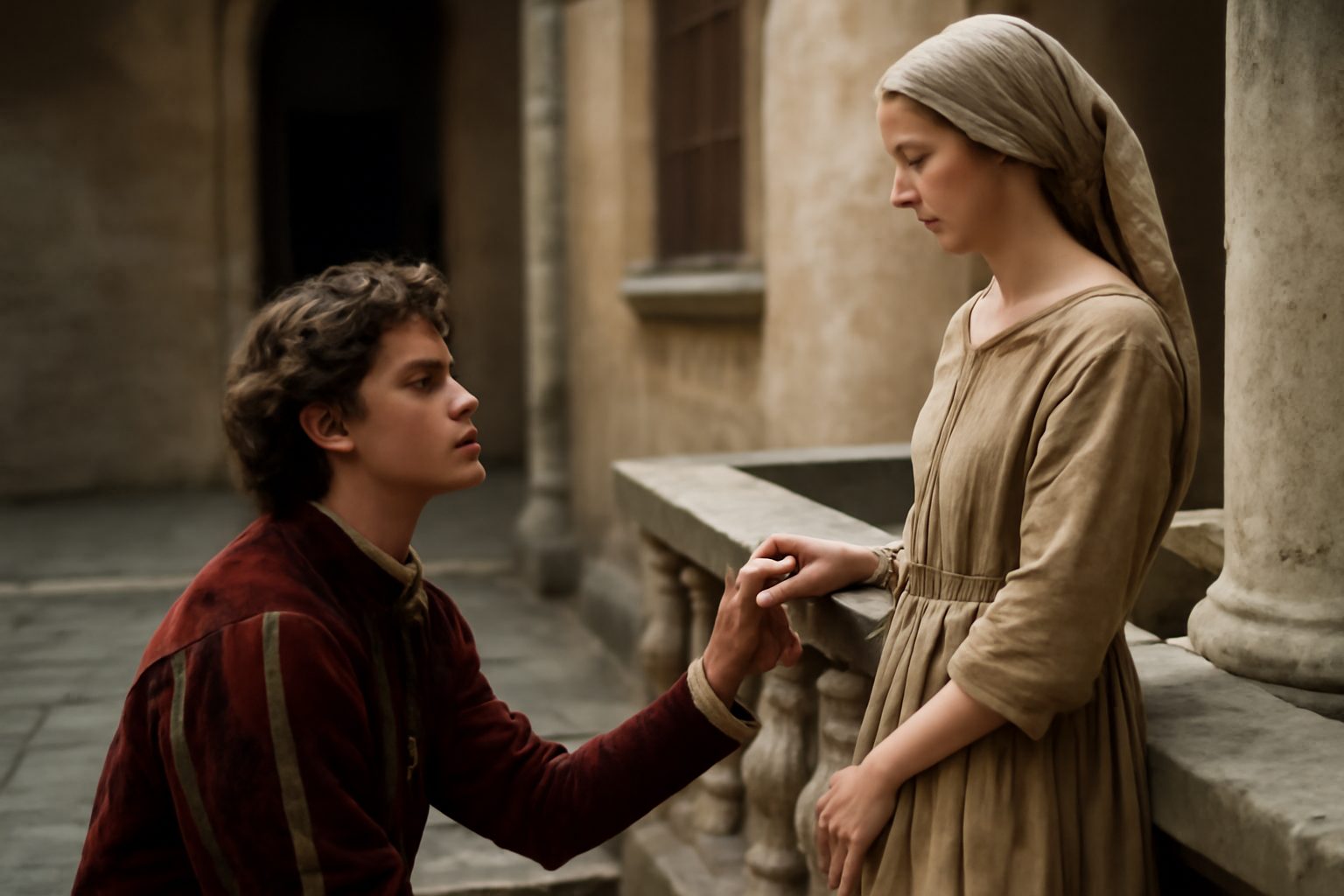
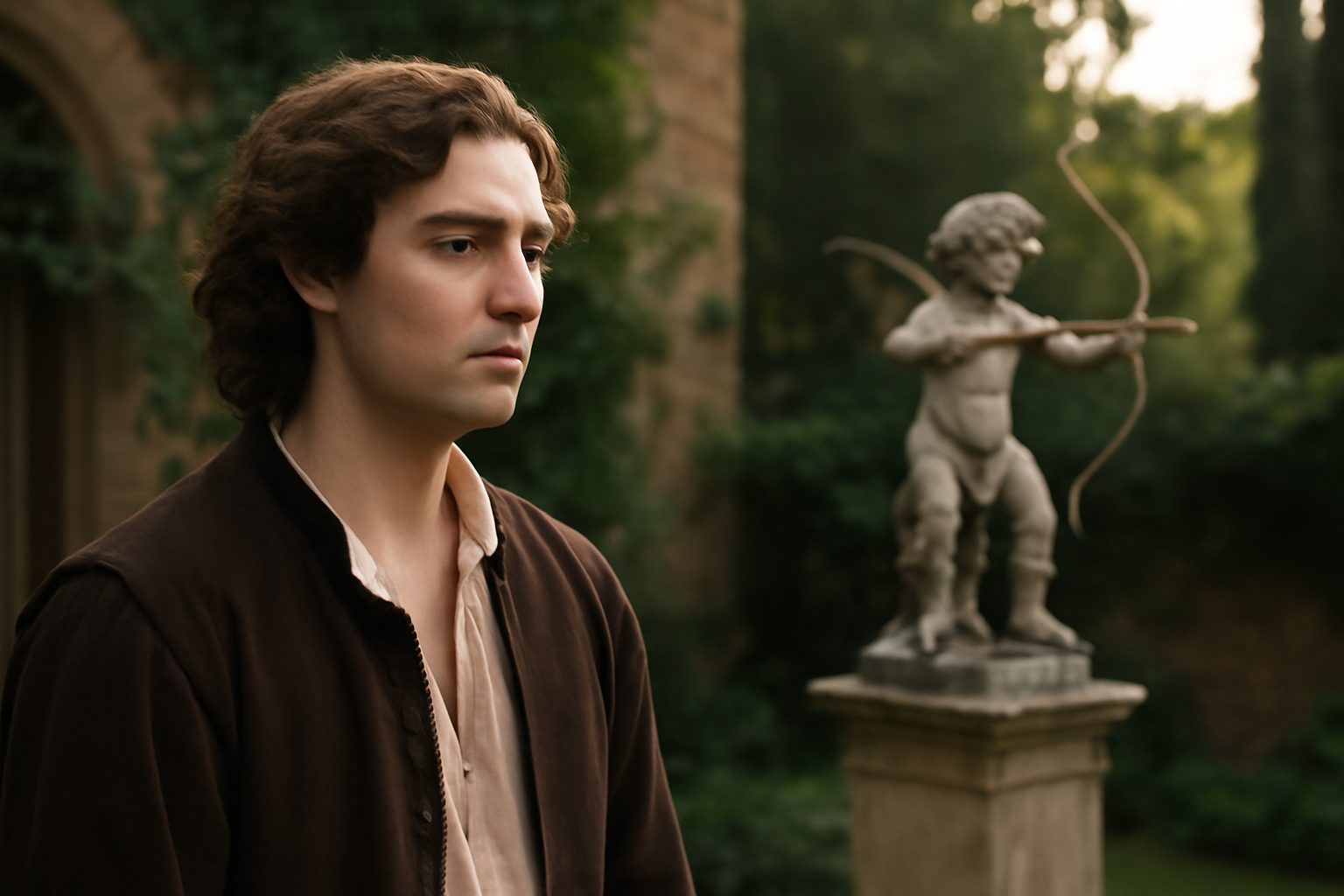
In Act 2, Scene 1 of Romeo and Juliet, Mercutio mocks Romeo's lovesick behavior after he disappears into the night. Believing Romeo is still pining for Rosaline, Mercutio imagines him sulking beneath a medlar tree, a fruit symbolizing love and longing. This playful jab highlights Mercutio's wit while underscoring Romeo's hidden departure to pursue Juliet.
Mercutio: "Now will he sit under a medlar tree,"
In modern day english, we would say:
Now he’ll go sit under that medlar tree and wish his love were like the fruit, ripe and ready to be plucked.
Frequently Asked Questions
What kind of tree is Mercutio talking about in this line?
He is talking about a medlar tree.
Connections to other verses:
Connections to "Now will he sit under a medlar tree"
The verse "Now will he sit under a medlar tree" is part of Mercutio's bawdy mockery of Romeo's lovesick state. It connects thematically and contextually to several other lines in the scene, particularly those involving fruit imagery, conjuring, and Mercutio's teasing.
Fruit and Sexual Innuendo
Mercutio's reference to the medlar tree, a fruit known for its suggestive shape and association with ripeness (often eaten when softened or "bletted"), is echoed in "And wish his mistress were that kind of fruit", where he continues the metaphor, implying Romeo desires Juliet (or Rosaline) in a physical sense. This is further elaborated in "As maids call medlars, when they laugh alone", alluding to the fruit's risqué reputation and the private jests of young women. The playful comparison extends to "An open et caetera, thou a poperin pear!", where Mercutio contrasts the medlar with another fruit (the poperin pear, also phallic in connotation), emphasizing the scene's overarching sexual humor.
Conjuring and Mock Invocations
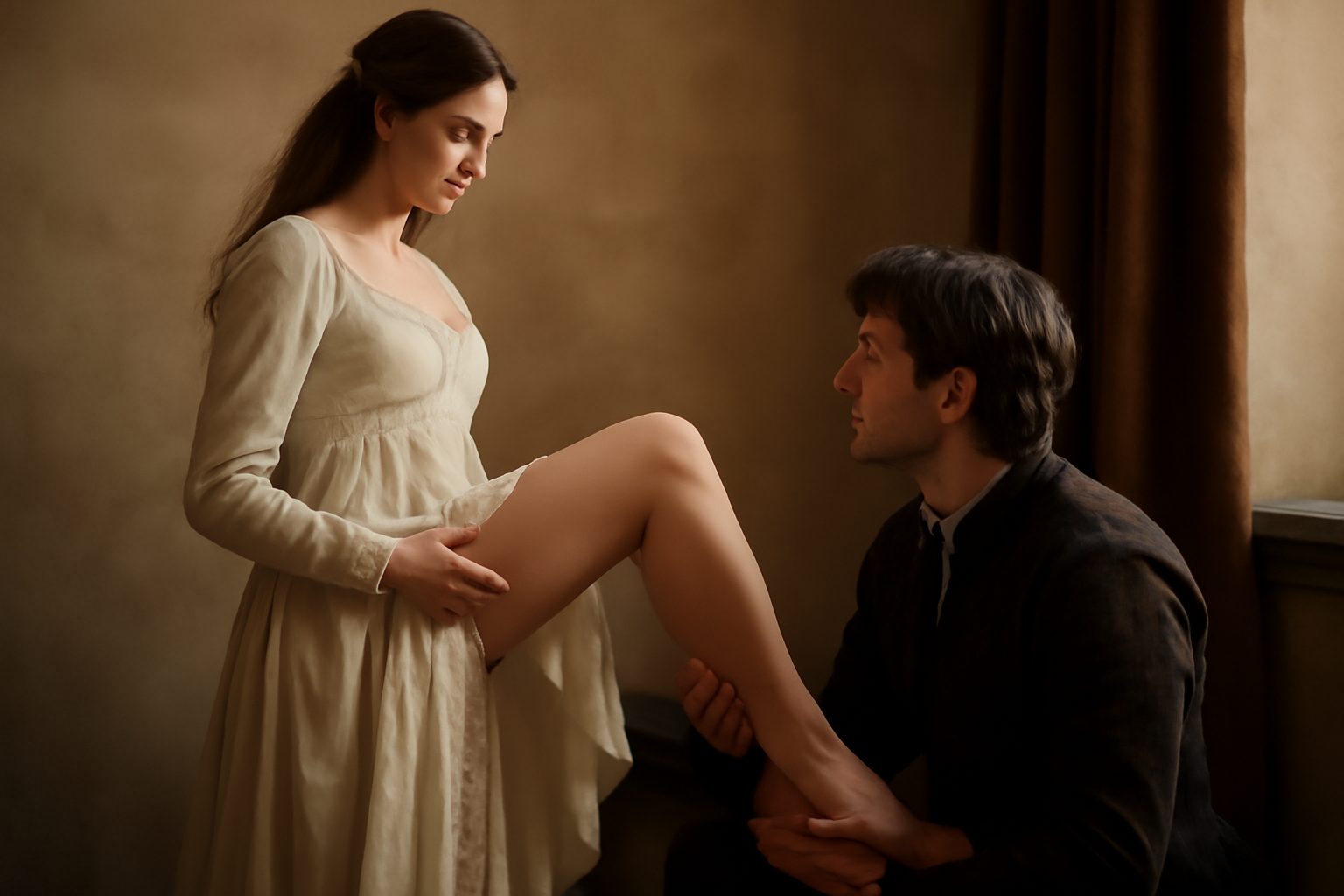
Mercutio's speech in this section is part of his attempt to "conjure" Romeo out of hiding, linking to earlier invocations like "Nay, I'll conjure too" and "The ape is dead, and I must conjure him". His references to Rosaline's features ("by Rosaline's bright eyes", "By her high forehead and her scarlet lip", and "By her fine foot, straight leg and quivering thigh") are part of this conjuring ritual, blending absurdity with teasing. The medlar tree line fits into this pattern as Mercutio imagines Romeo's actions in a whimsical, provocative manner.
Theme of Blind Love
The medlar tree reference also ties into the dialogue on love's blindness. In "Blind is his love and best befits the dark", Mercutio critiques Romeo's irrational infatuation, a sentiment reinforced by "If love be blind, love cannot hit the mark". Sitting under the medlar tree—a place of hidden, ripe desire—symbolizes Romeo's withdrawal into his impassioned, "blind" state, away from the mocking but clear-sighted perspective of his friends.
Context of Search and Withdrawal
This verse arises from Mercutio and Benvolio's search for Romeo, who has fled after the feast ("He ran this way, and leap'd this orchard wall"). Mercutio's speculations about Romeo sitting under the tree contrast with Benvolio's concern in lines like "And if he hear thee, thou wilt anger him" and "Come, he hath hid himself among these trees", highlighting the tension between jest and genuine care in their dynamic.