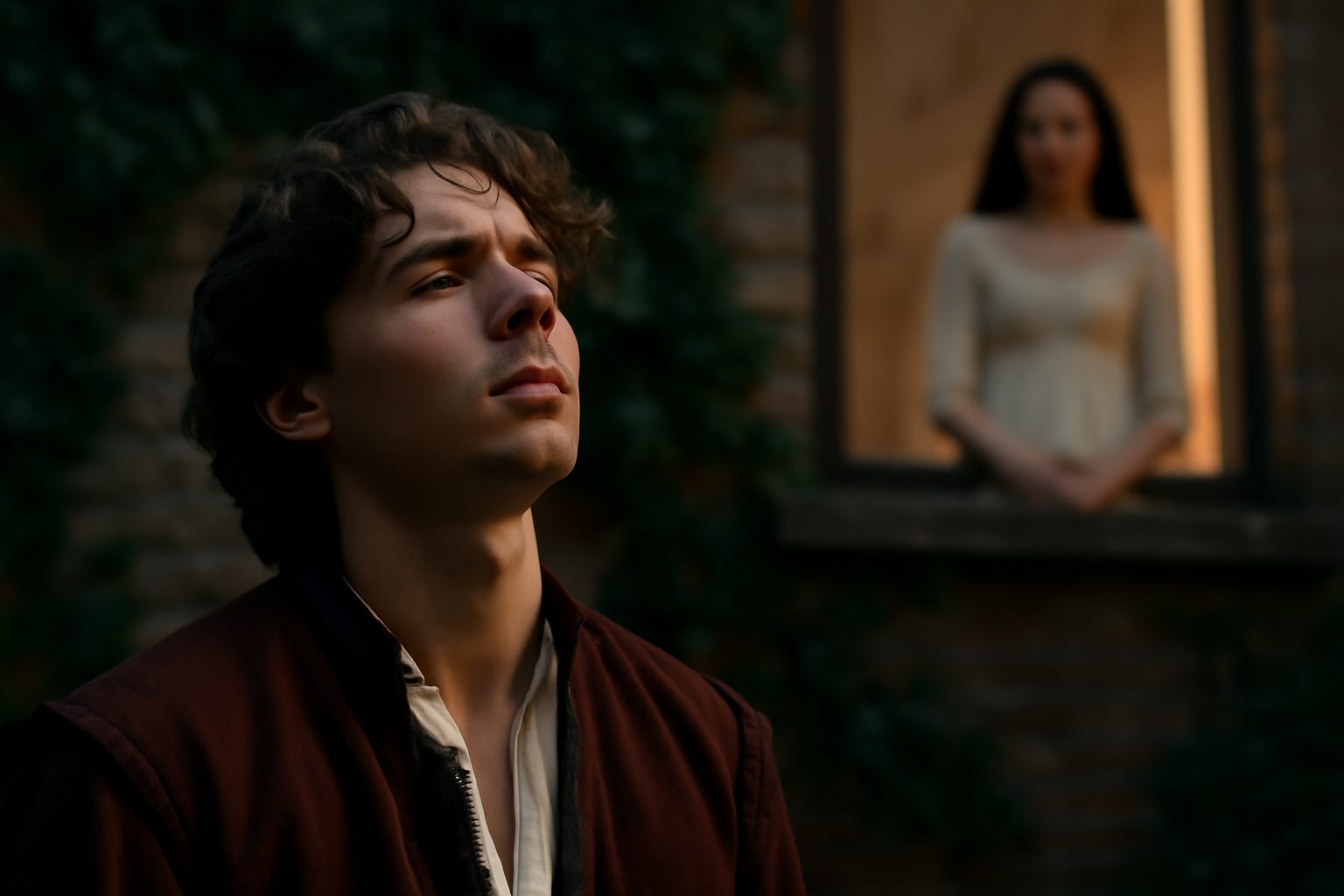
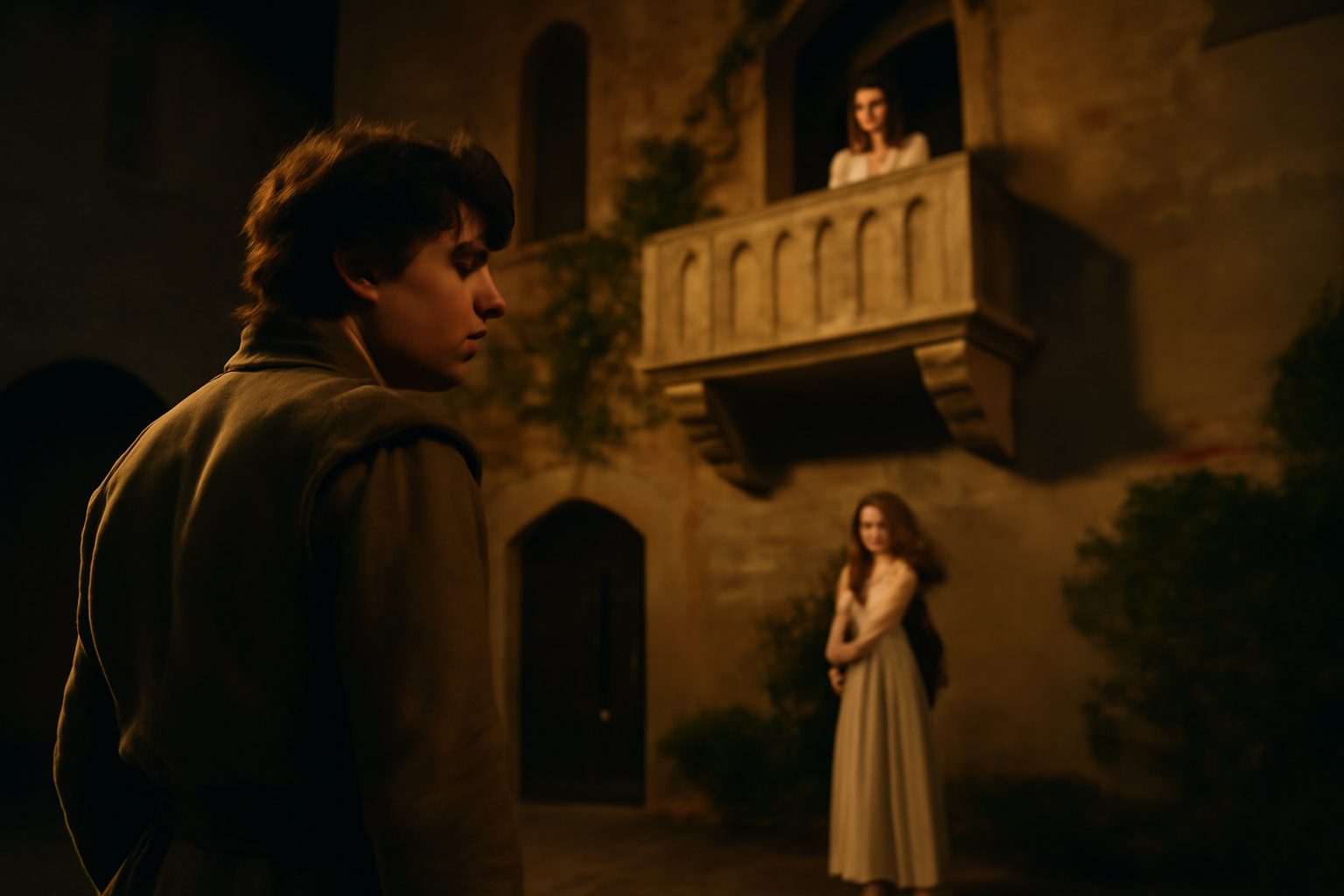
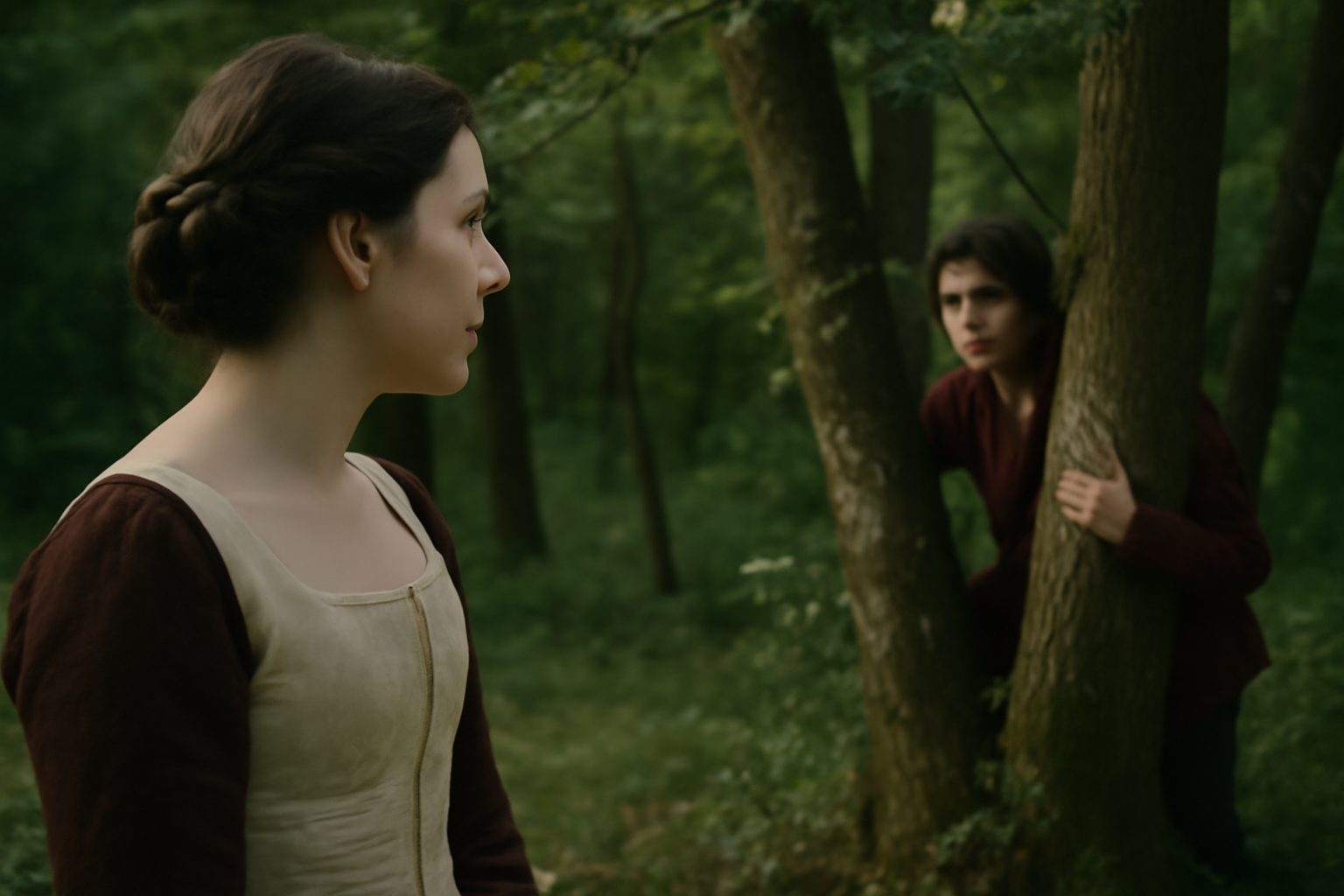
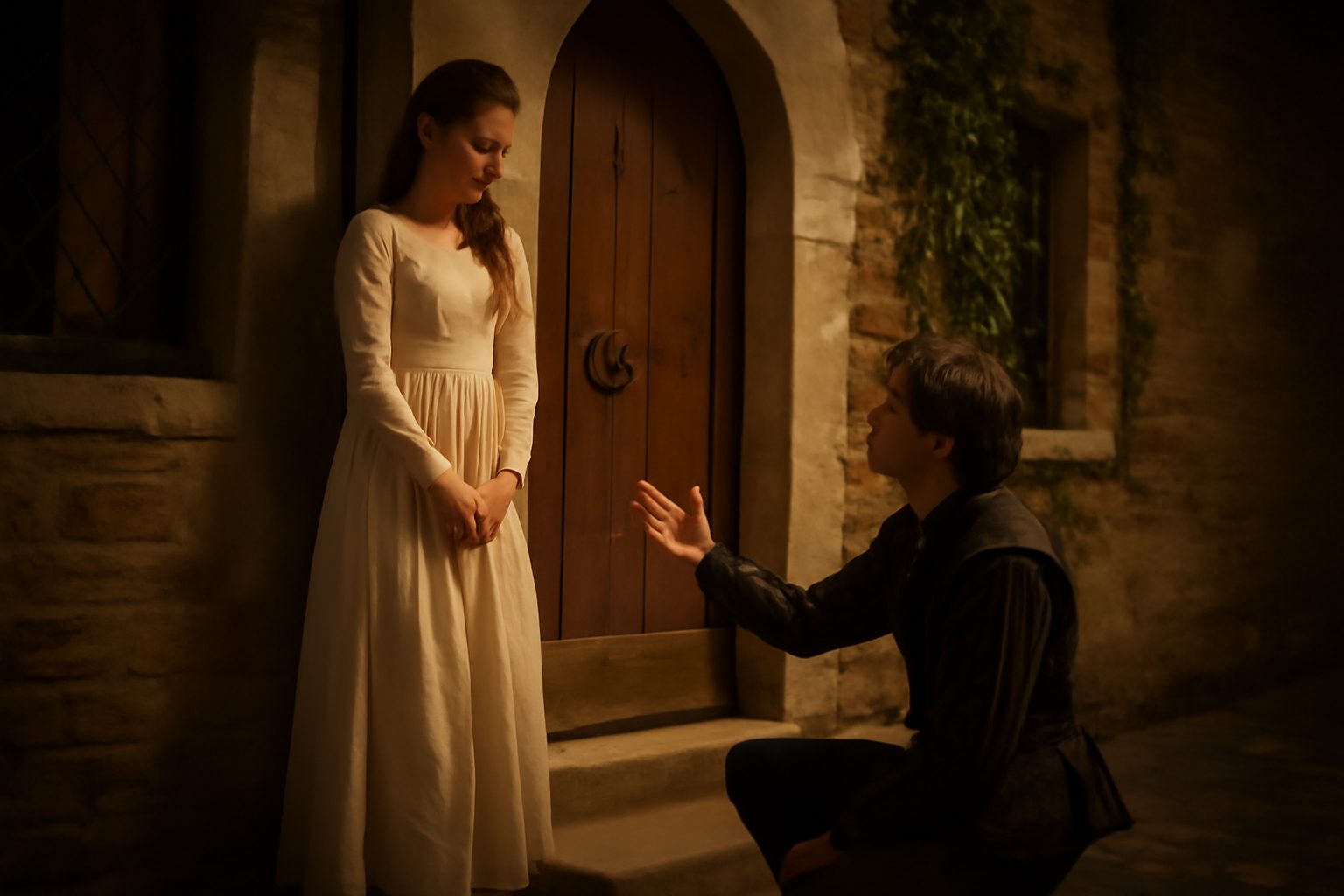
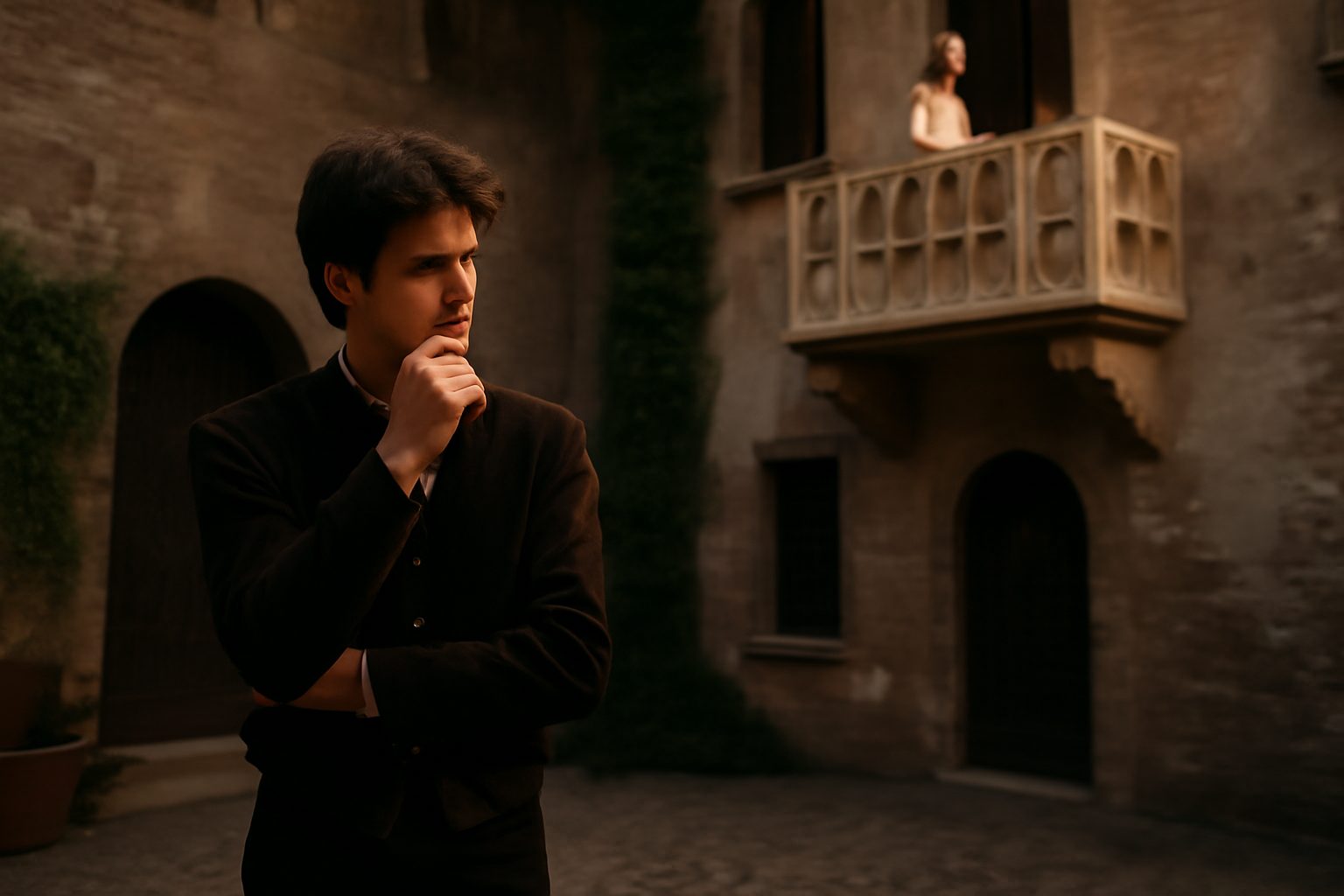
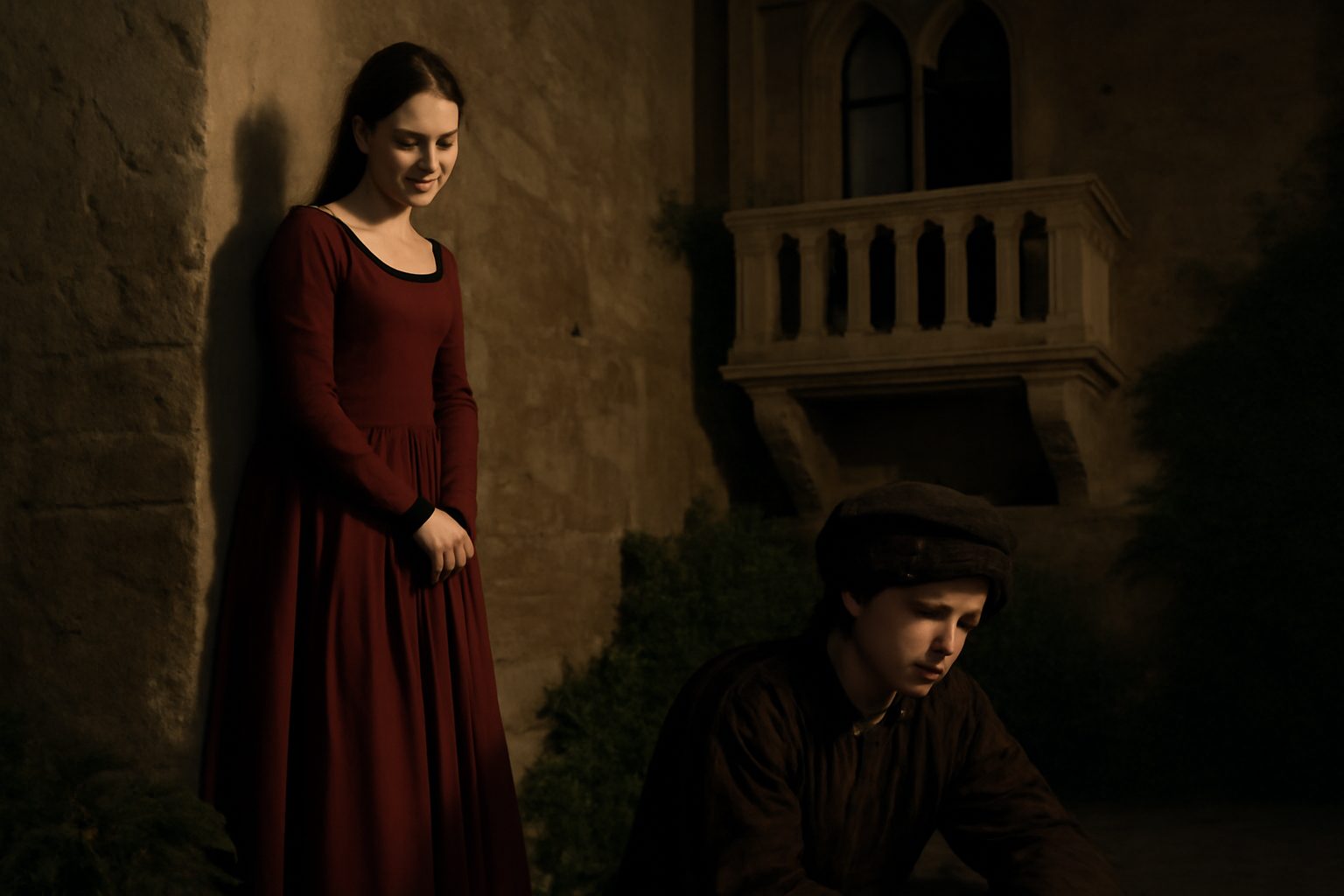
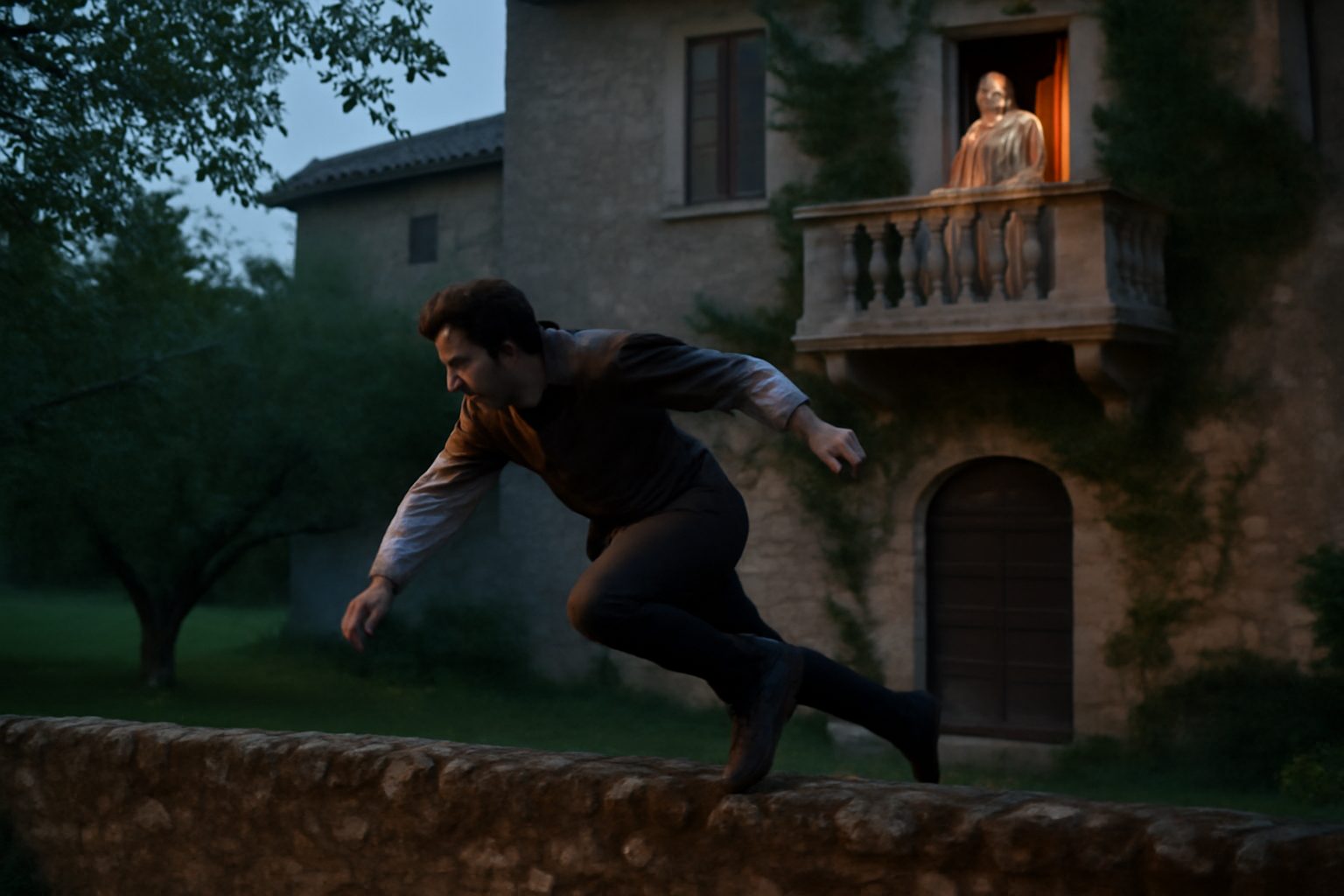
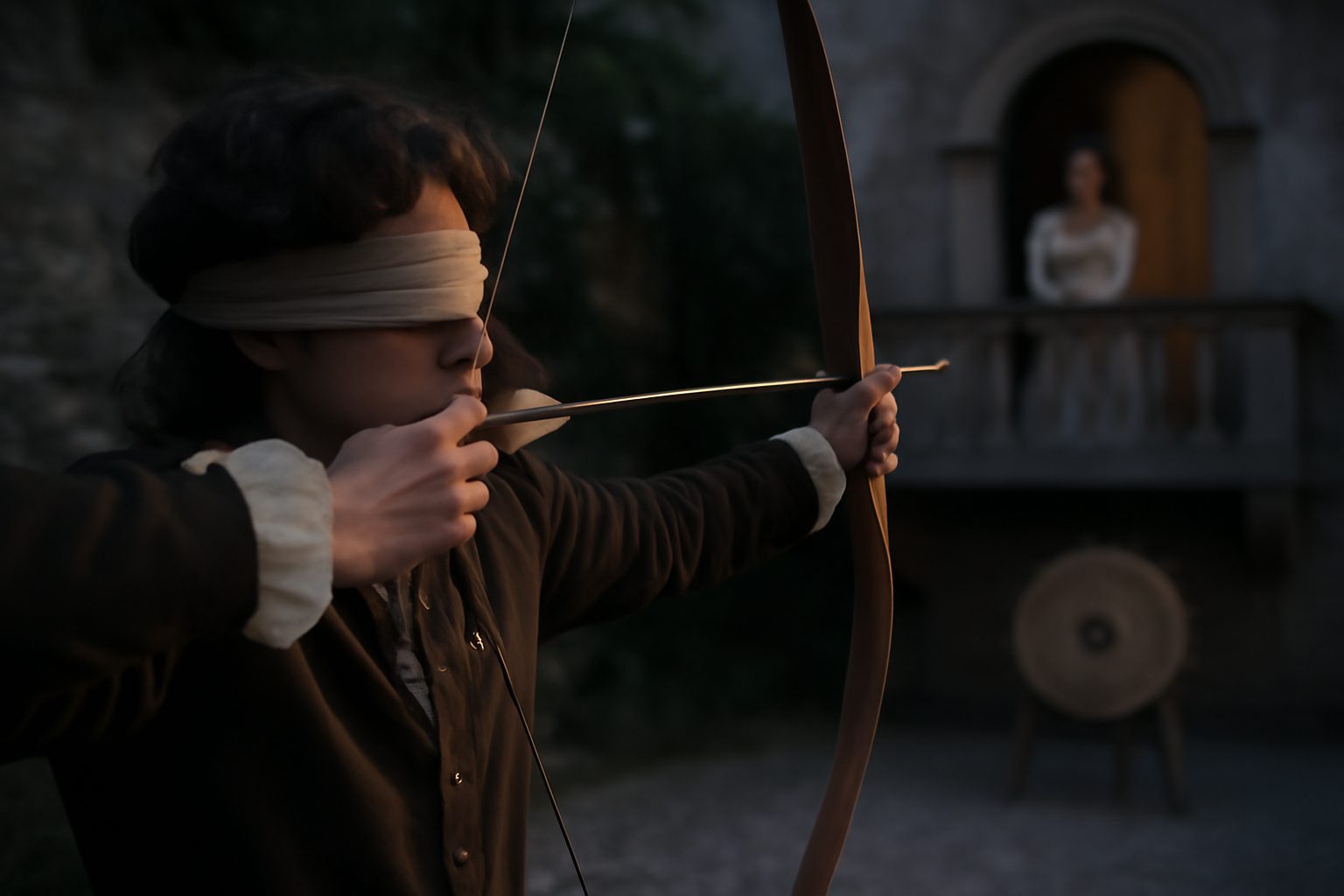
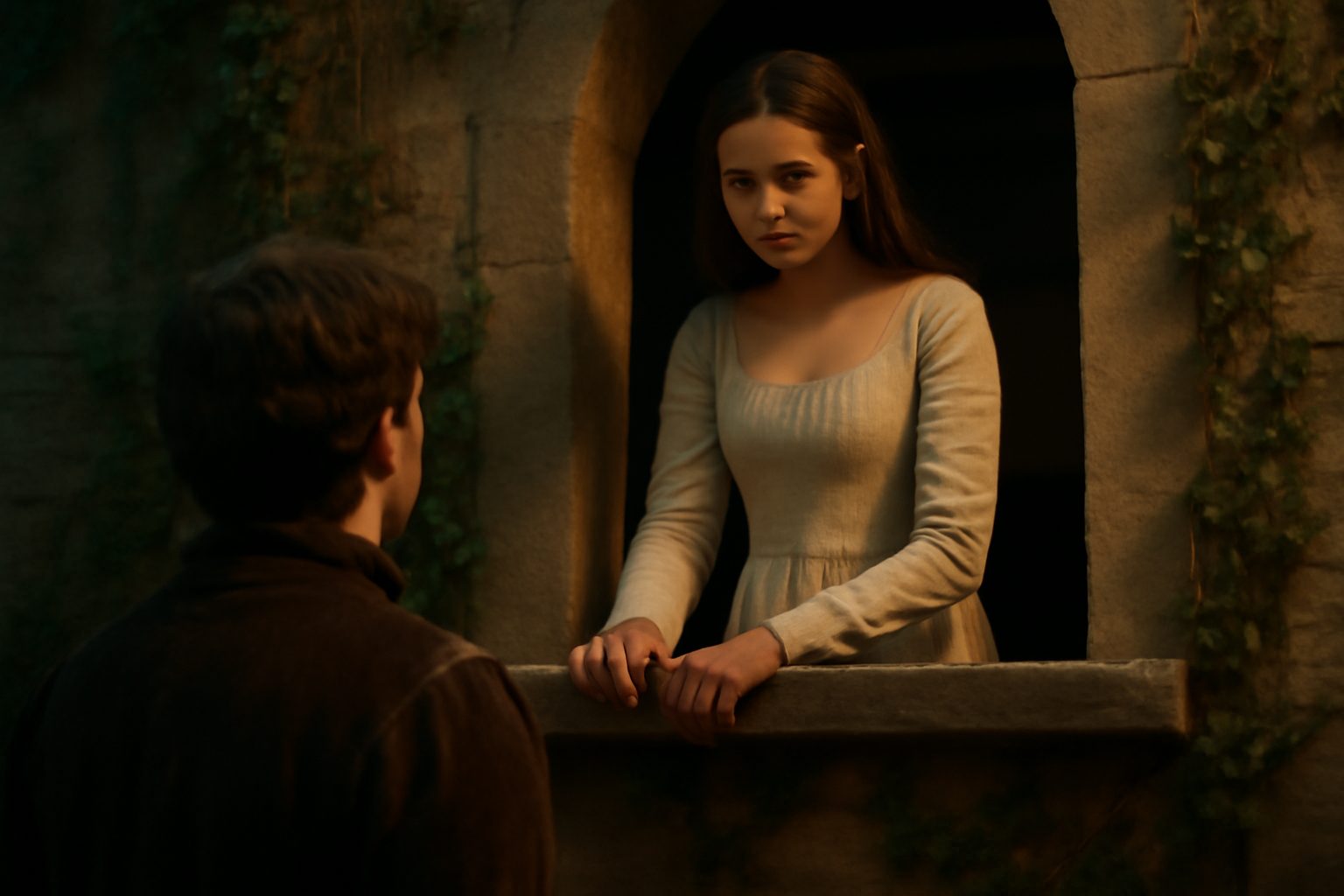
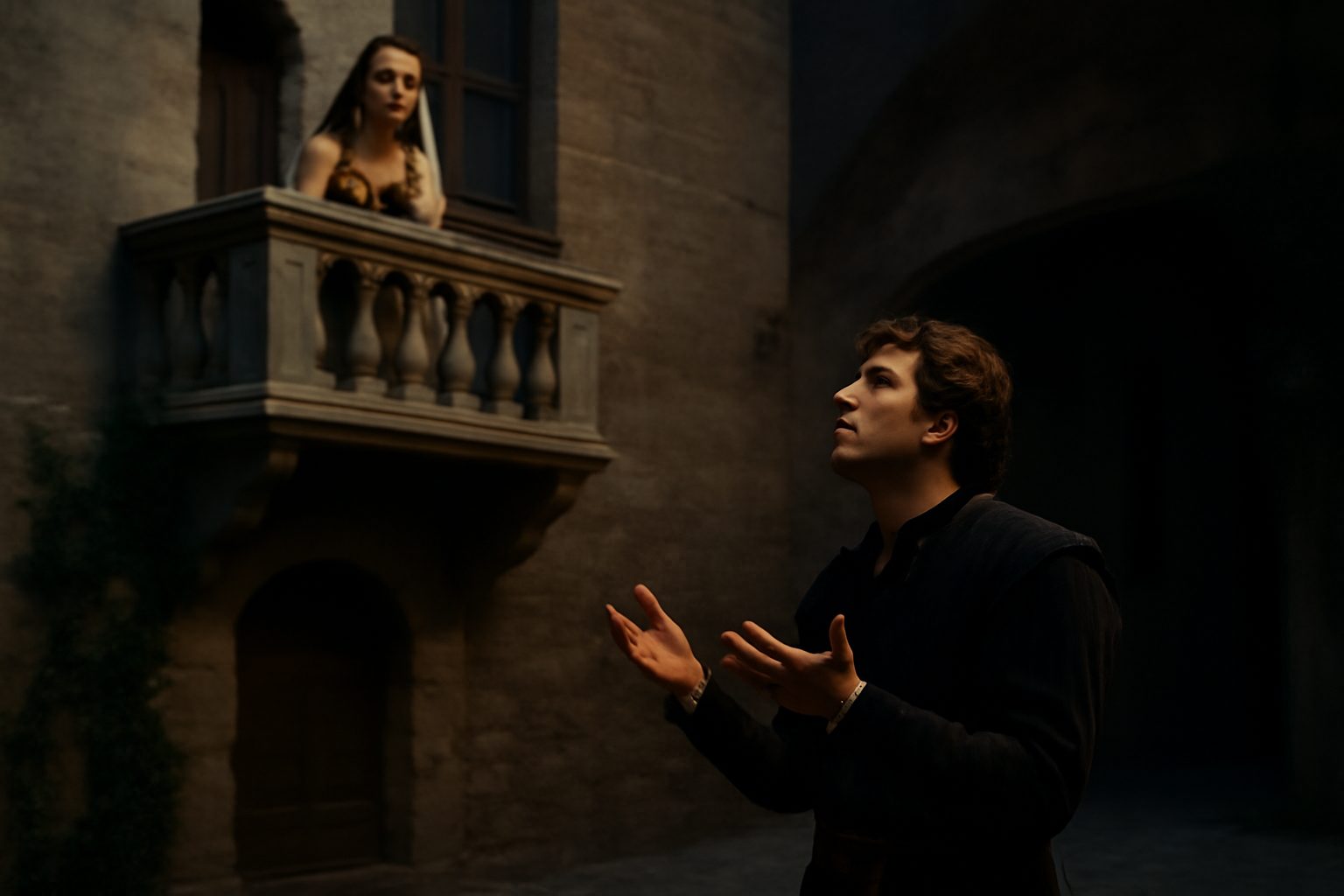
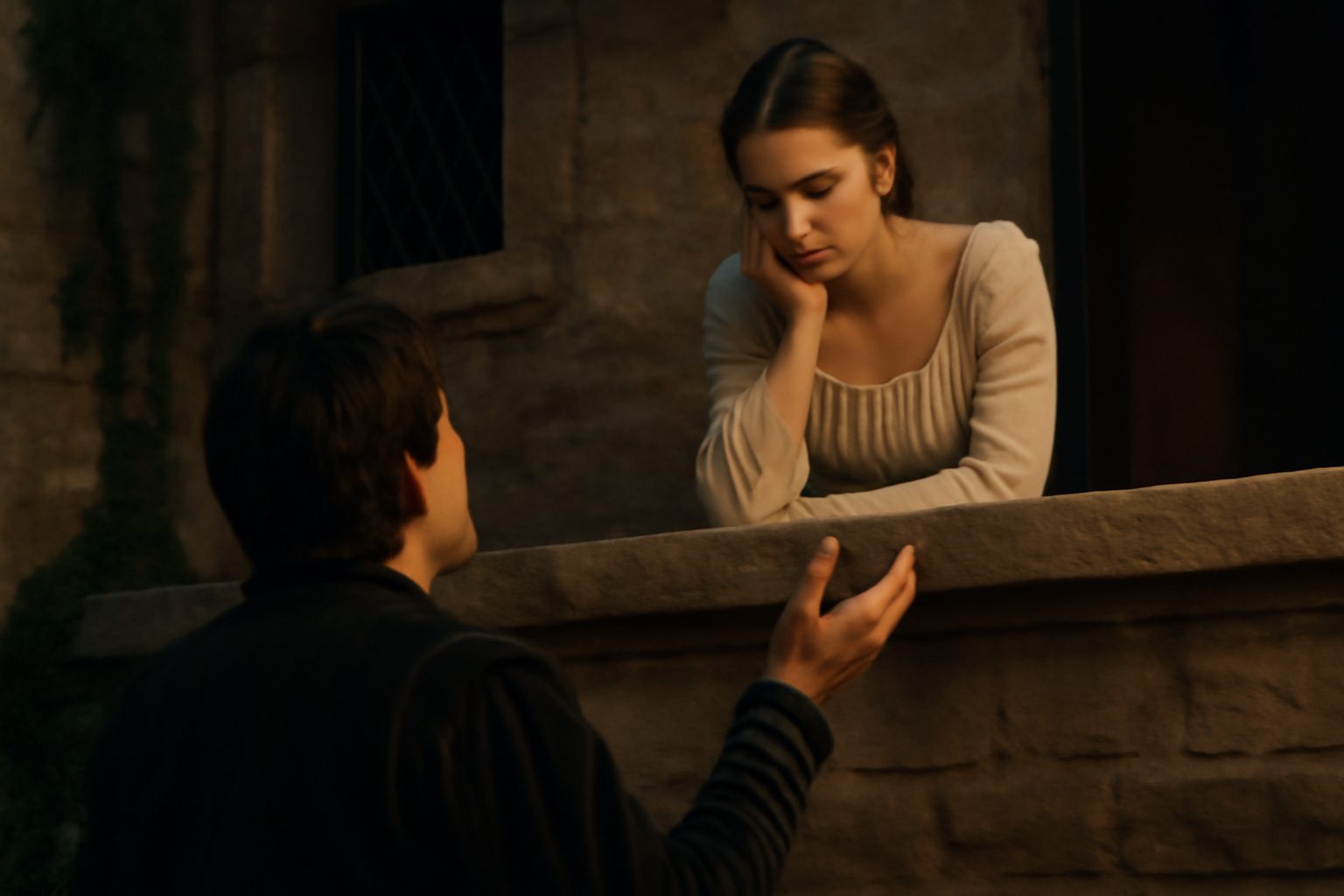
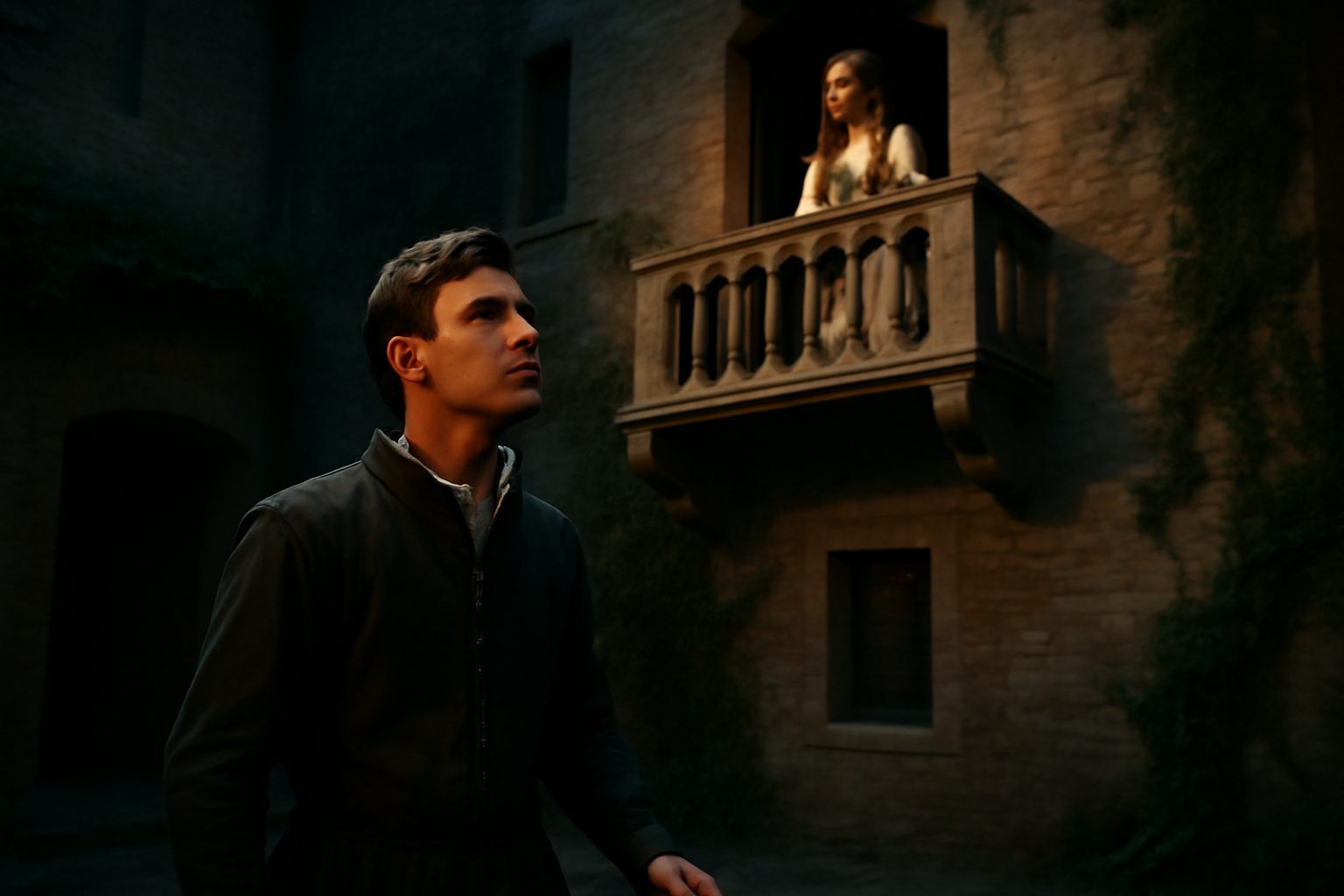
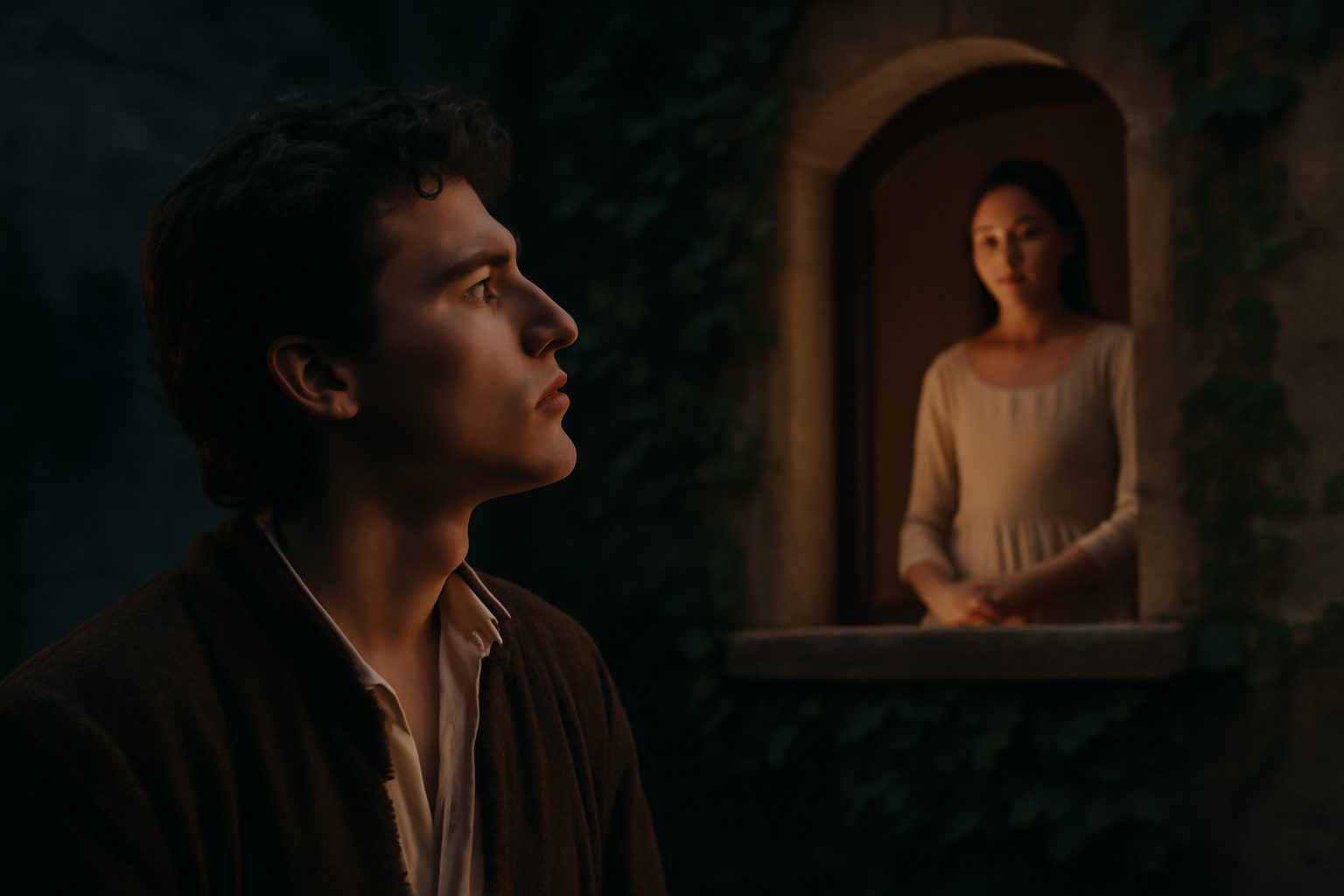
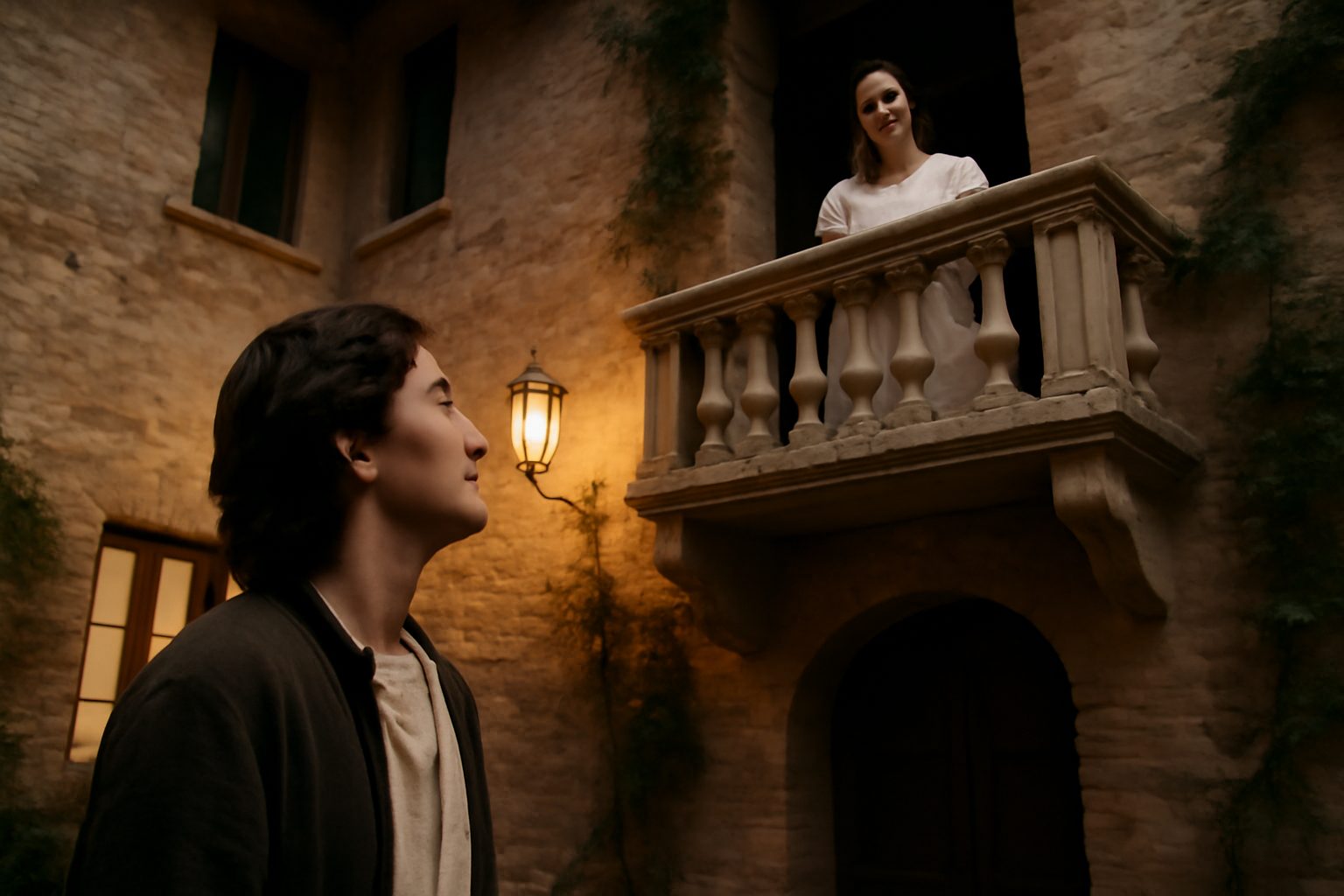
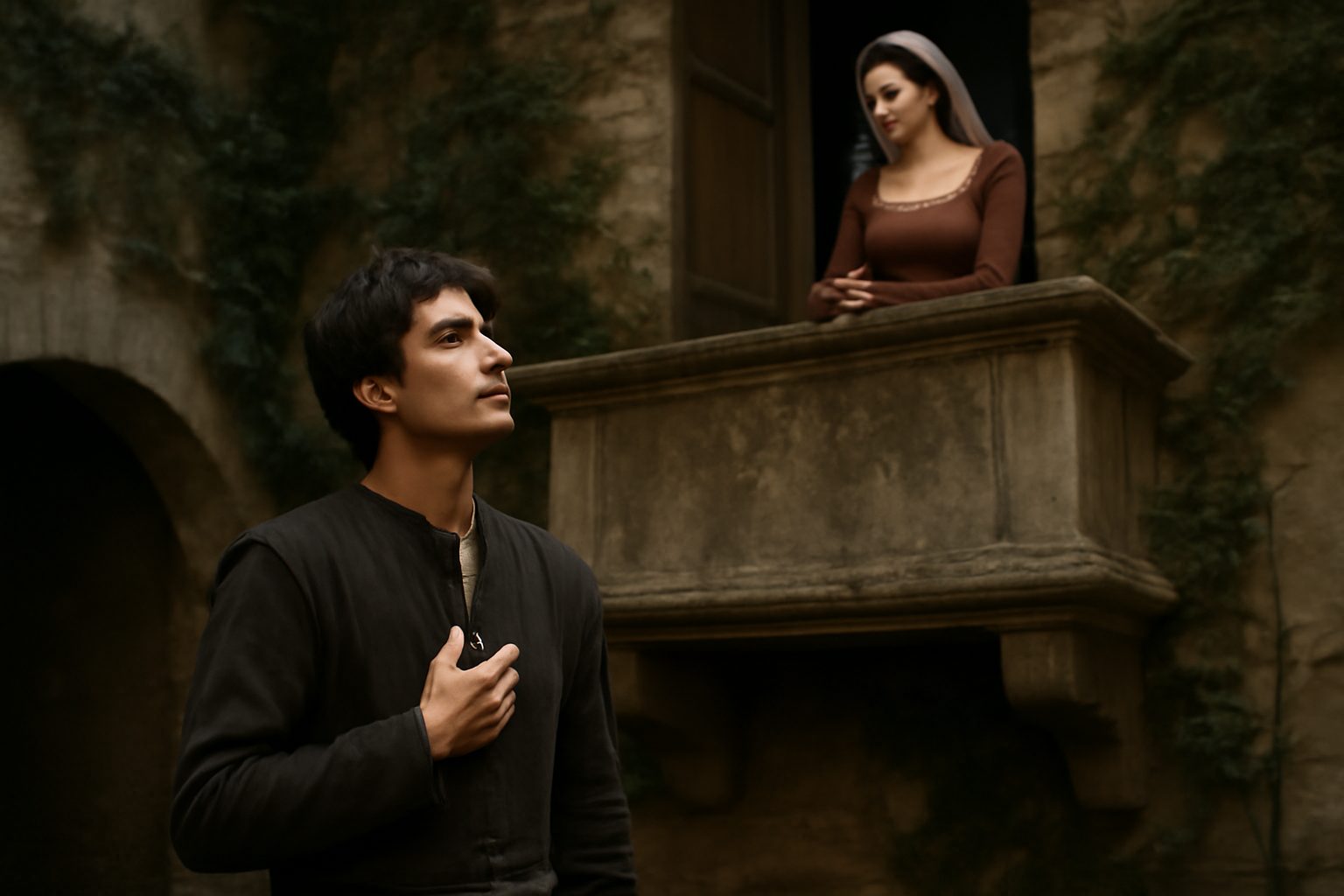
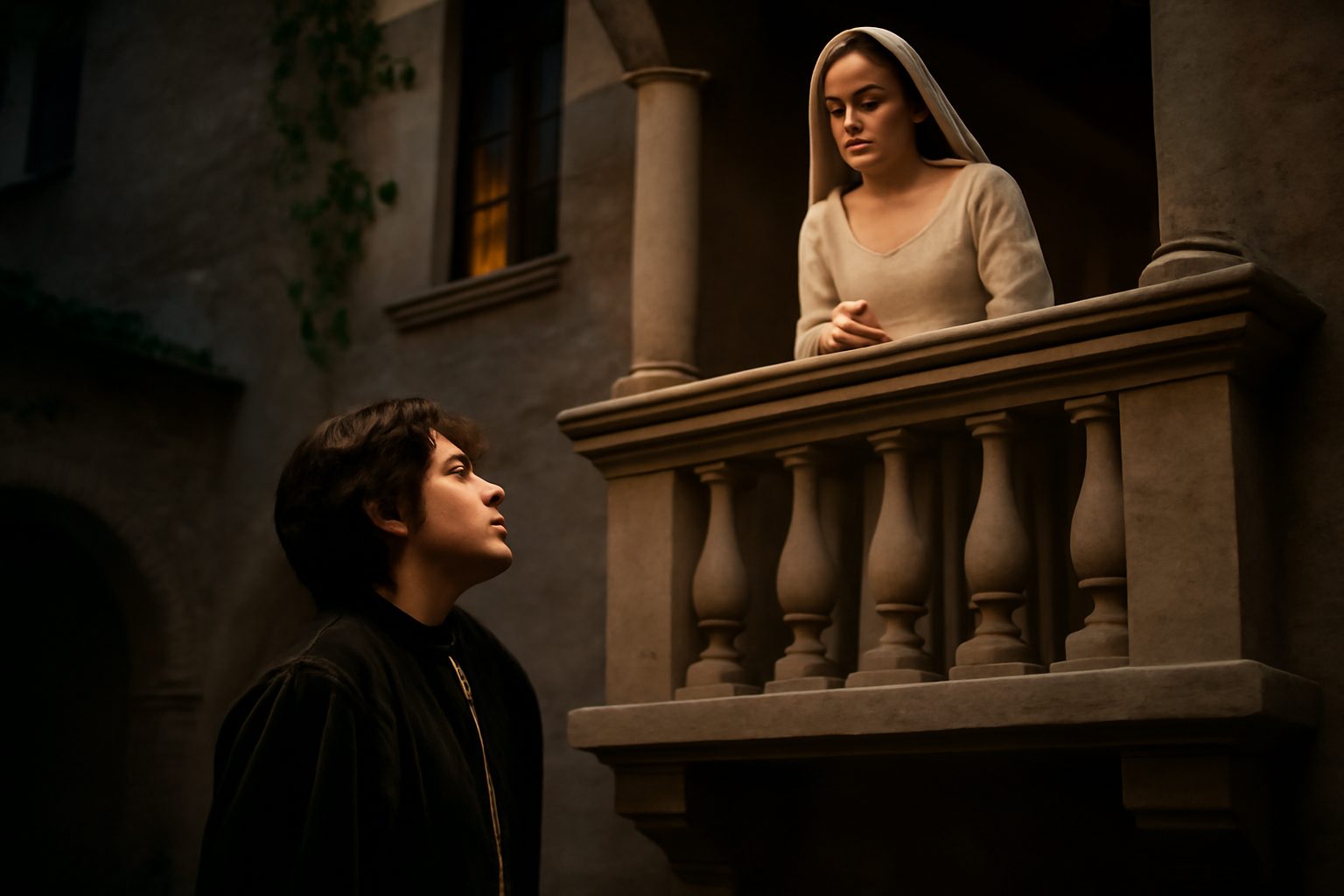
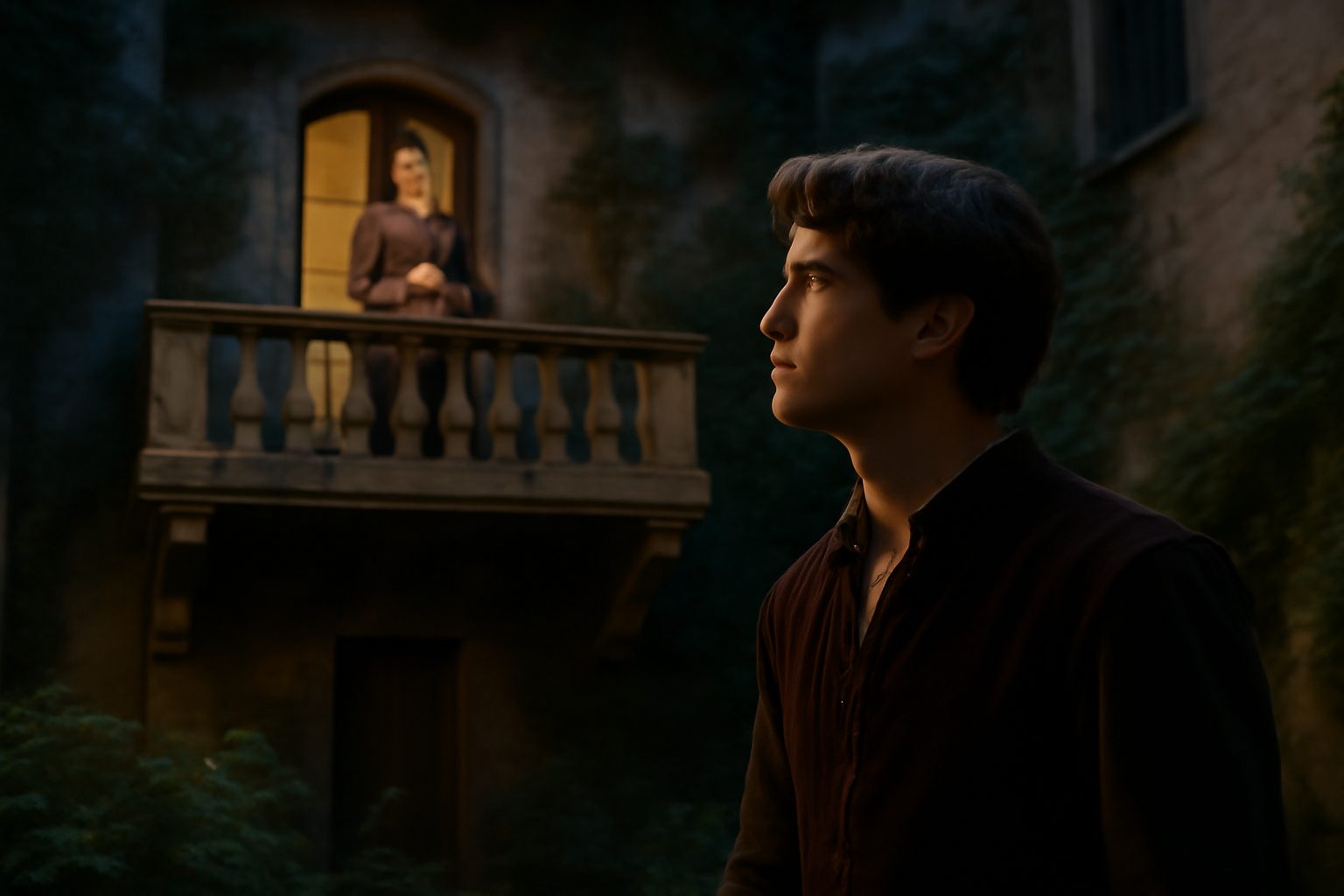
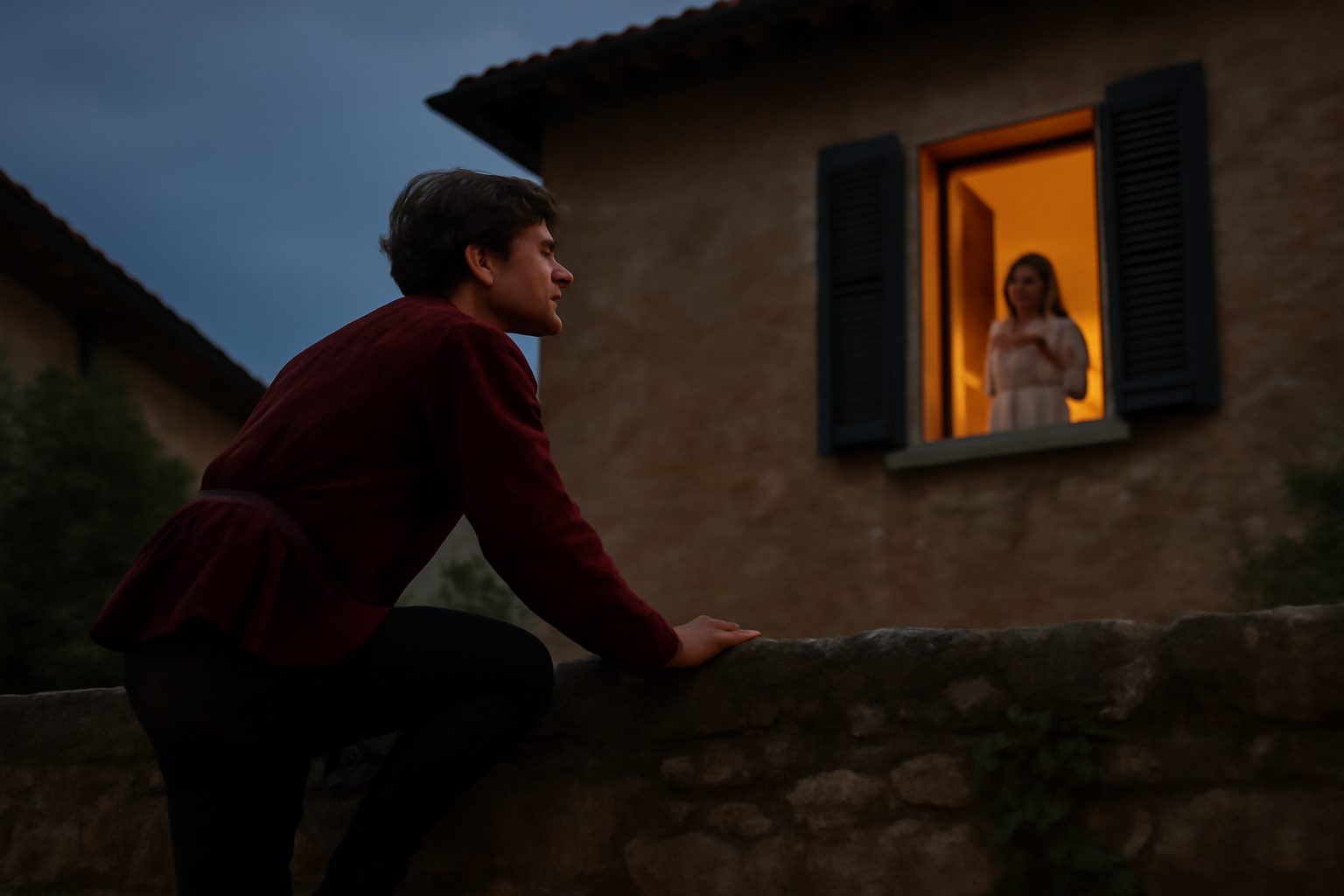
In Act 2, Scene 1 of Romeo and Juliet, Mercutio and Benvolio search for Romeo after the Capulet feast, unaware he has slipped away to pursue Juliet. Mercutio, ever the wit, mocks Romeo's lovesick behavior with bawdy humor, prompting Benvolio to defend his friend's earnestness. This brief remark about wisdom comes amid their banter, subtly contrasting Mercutio's cynicism with Benvolio's more measured perspective.
Mercutio: "He is wise;"
In modern day english, we would say:
He knows what he's doing.
Frequently Asked Questions
Who does Mercutio say is wise in Act 2 Scene 1?
Romeo
Connections to other verses:
Connections to "He is wise" in Romeo & Juliet Act 2 Scene 1
The line "He is wise" is spoken by Benvolio in reference to Romeo's decision to leave the group and seek solitude. This connects thematically and contextually to several other verses in the scene.
Contextual and Thematic Links
Benvolio's remark follows "And, on my lie, hath stol'n him home to bed", suggesting Romeo's departure is a prudent escape from further emotional turmoil. It also contrasts with Mercutio's mocking tone in lines like "Romeo! humours! madman! passion! lover!", where Romeo's lovesick behavior is ridiculed rather than deemed wise.
The idea of wisdom ties into the theme of love's blindness, highlighted in "Blind is his love and best befits the dark" and "If love be blind, love cannot hit the mark". Here, Romeo's withdrawal is portrayed as a sensible reaction to irrational passion.
Narrative Progression
Benvolio's comment precedes Mercutio's continued attempts to summon Romeo through conjuration, such as "The ape is dead, and I must conjure him" and "I conjure only but to raise up him", emphasizing the futility of their efforts against Romeo's deliberate absence.
Ultimately, the group concedes Romeo's wisdom in hiding, leading to their departure with lines like "Come, shall we go?" and "Go, then; for 'tis in vain", reinforcing that Romeo's choice to isolate himself was indeed astute.