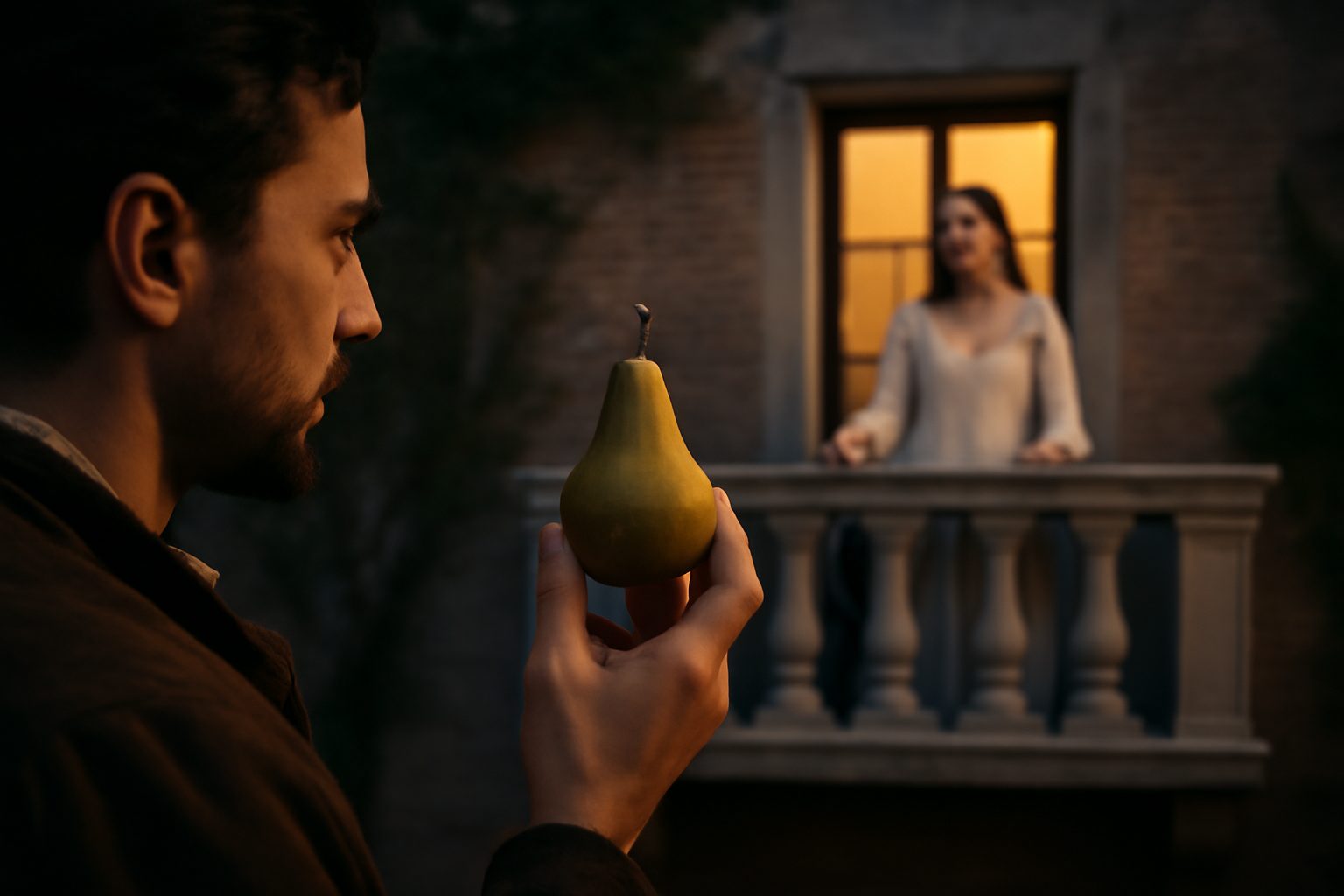
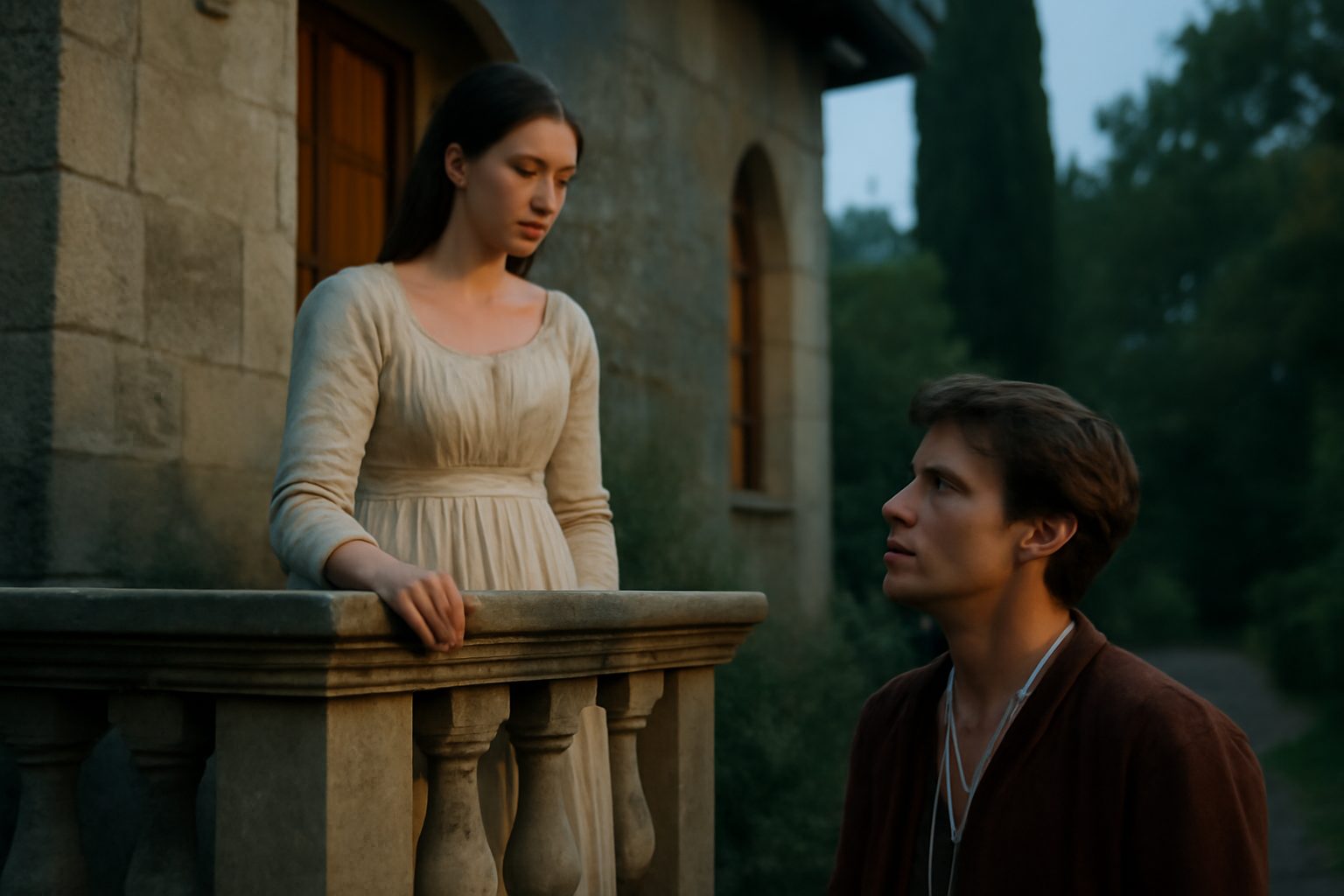
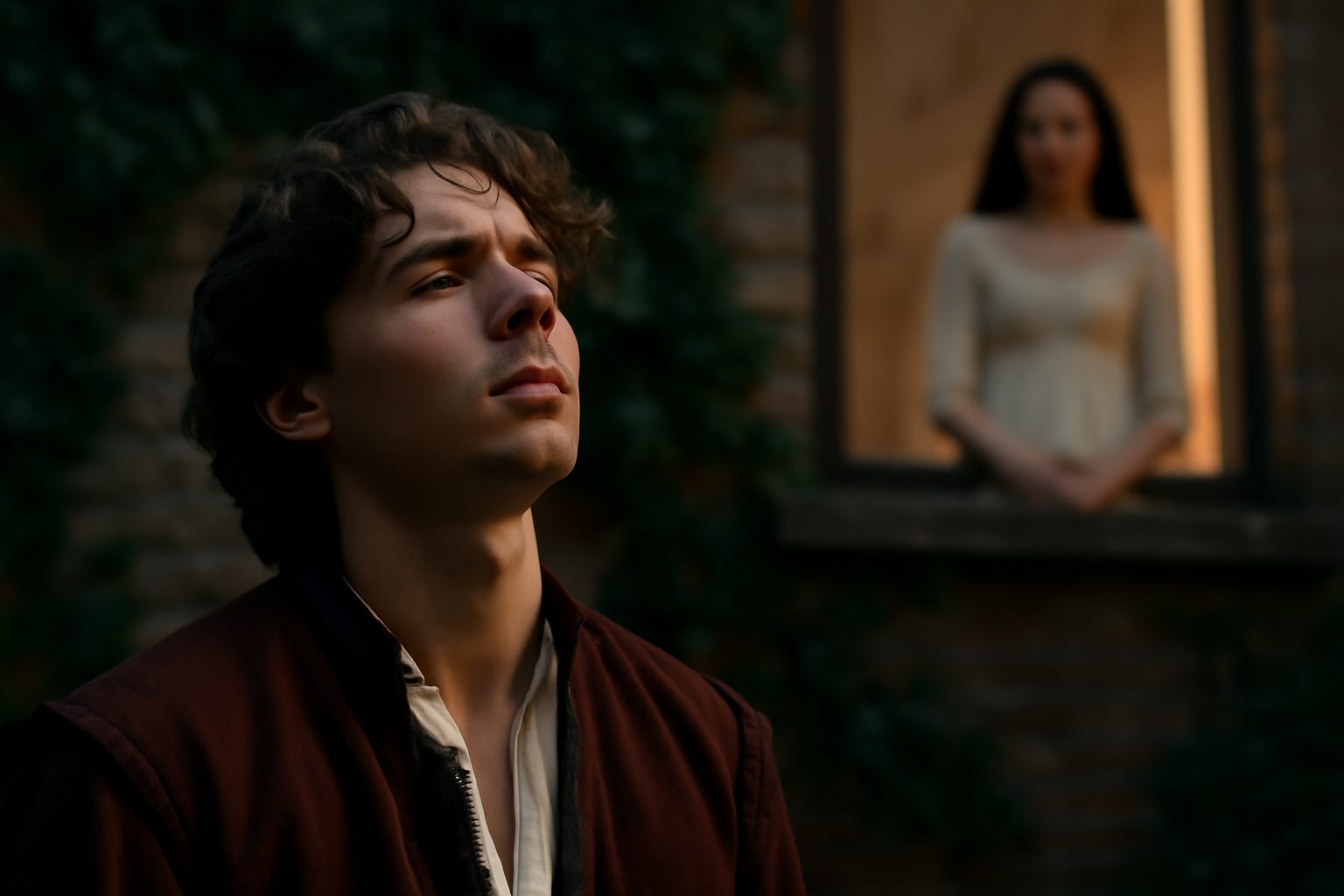
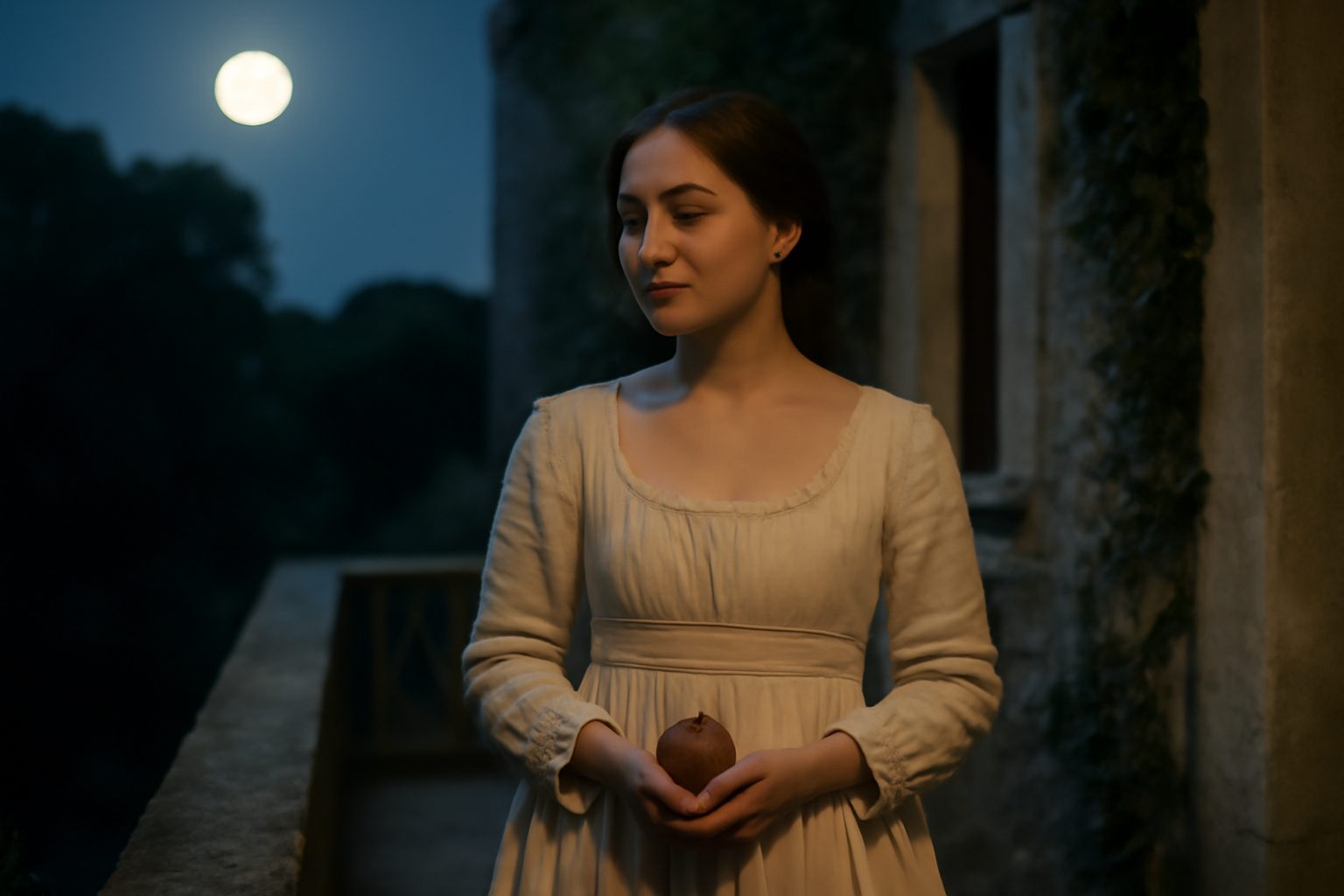
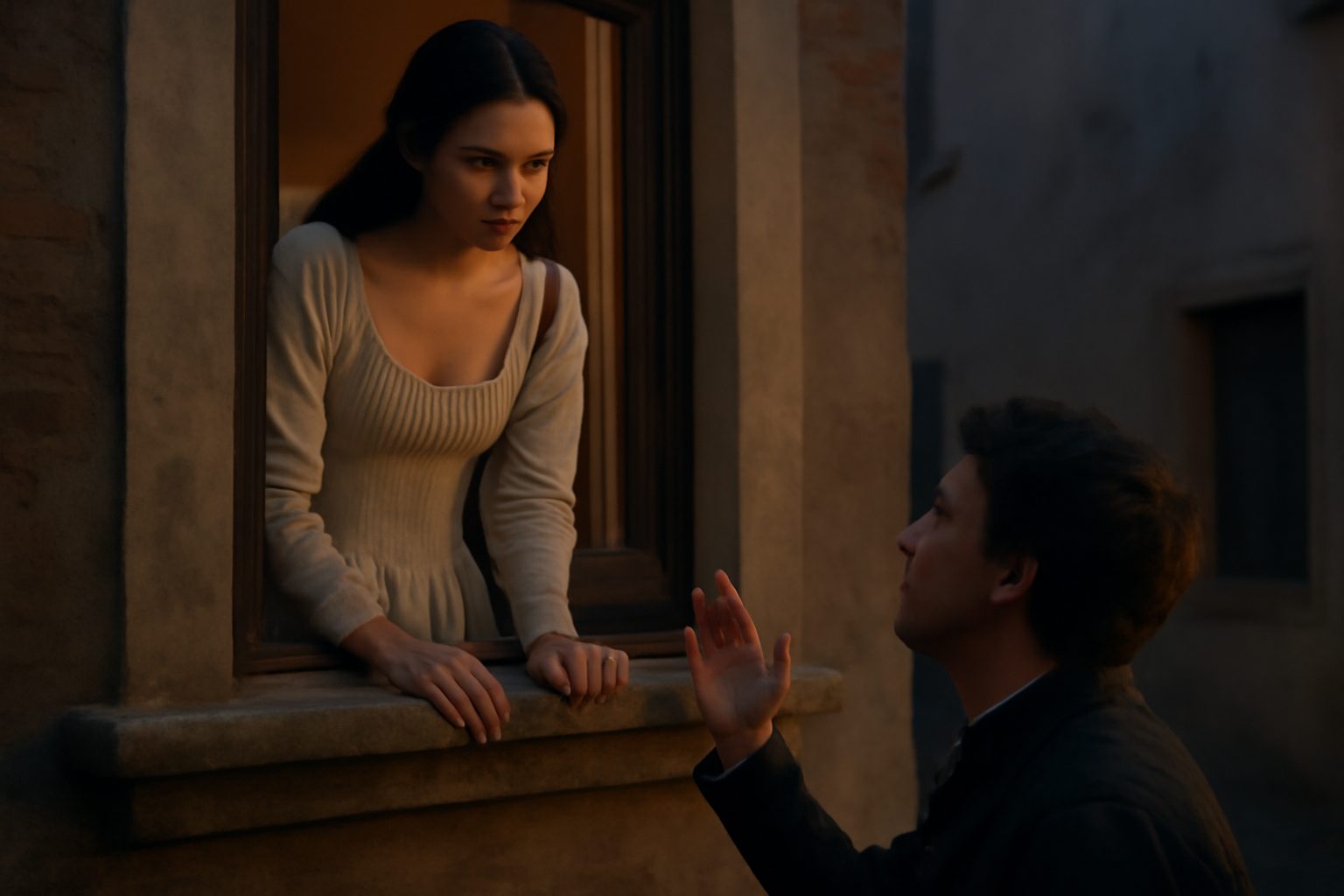
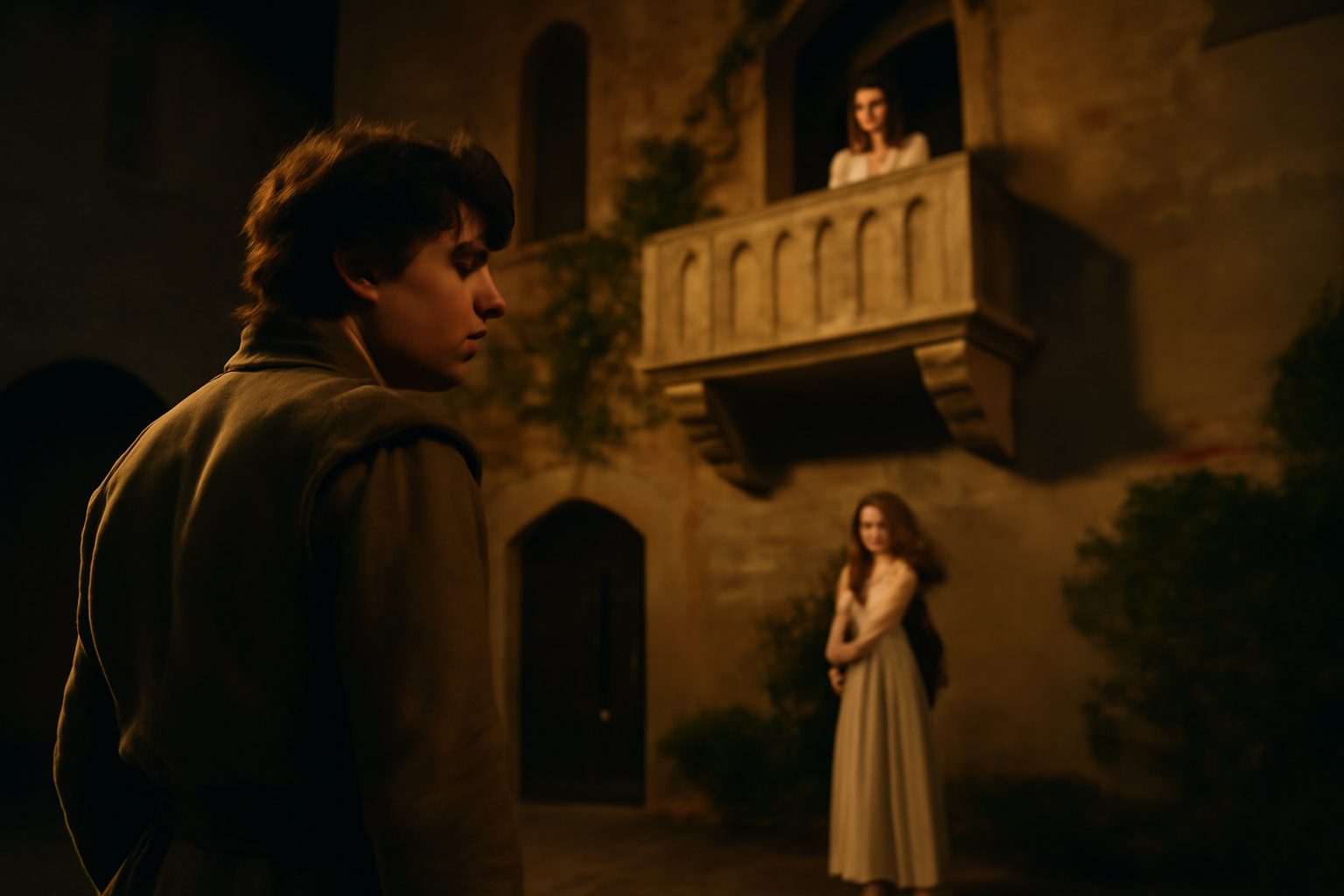
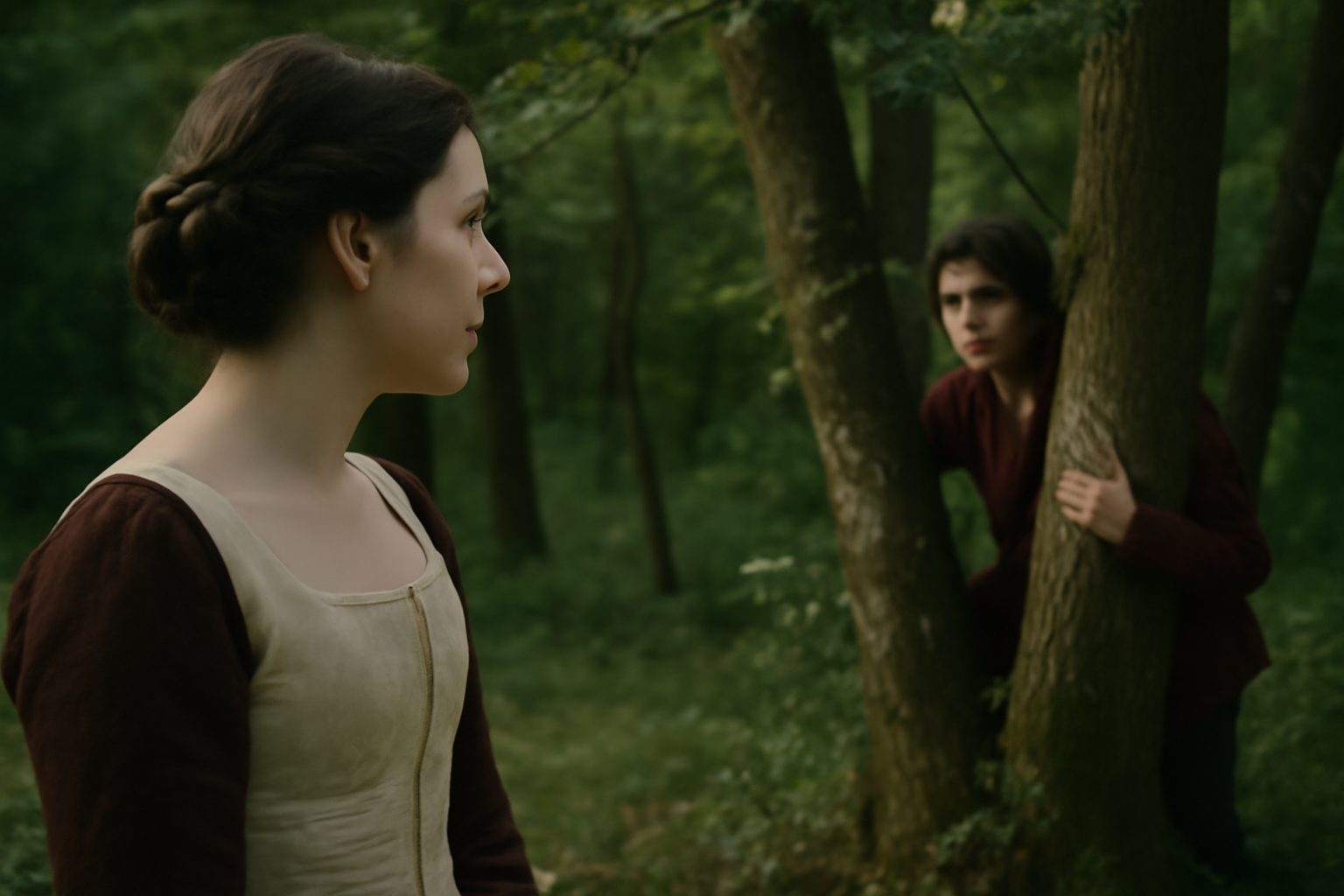
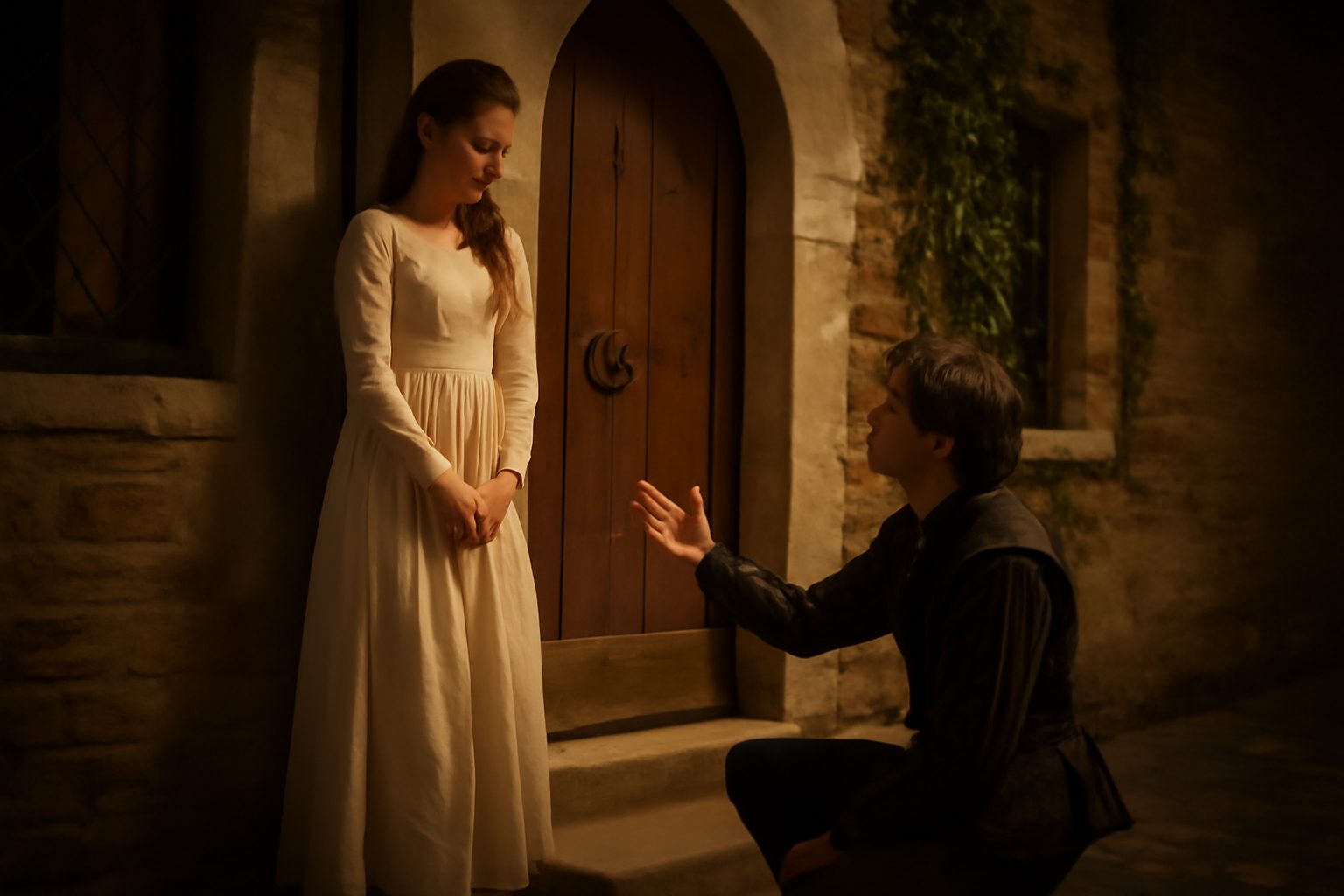
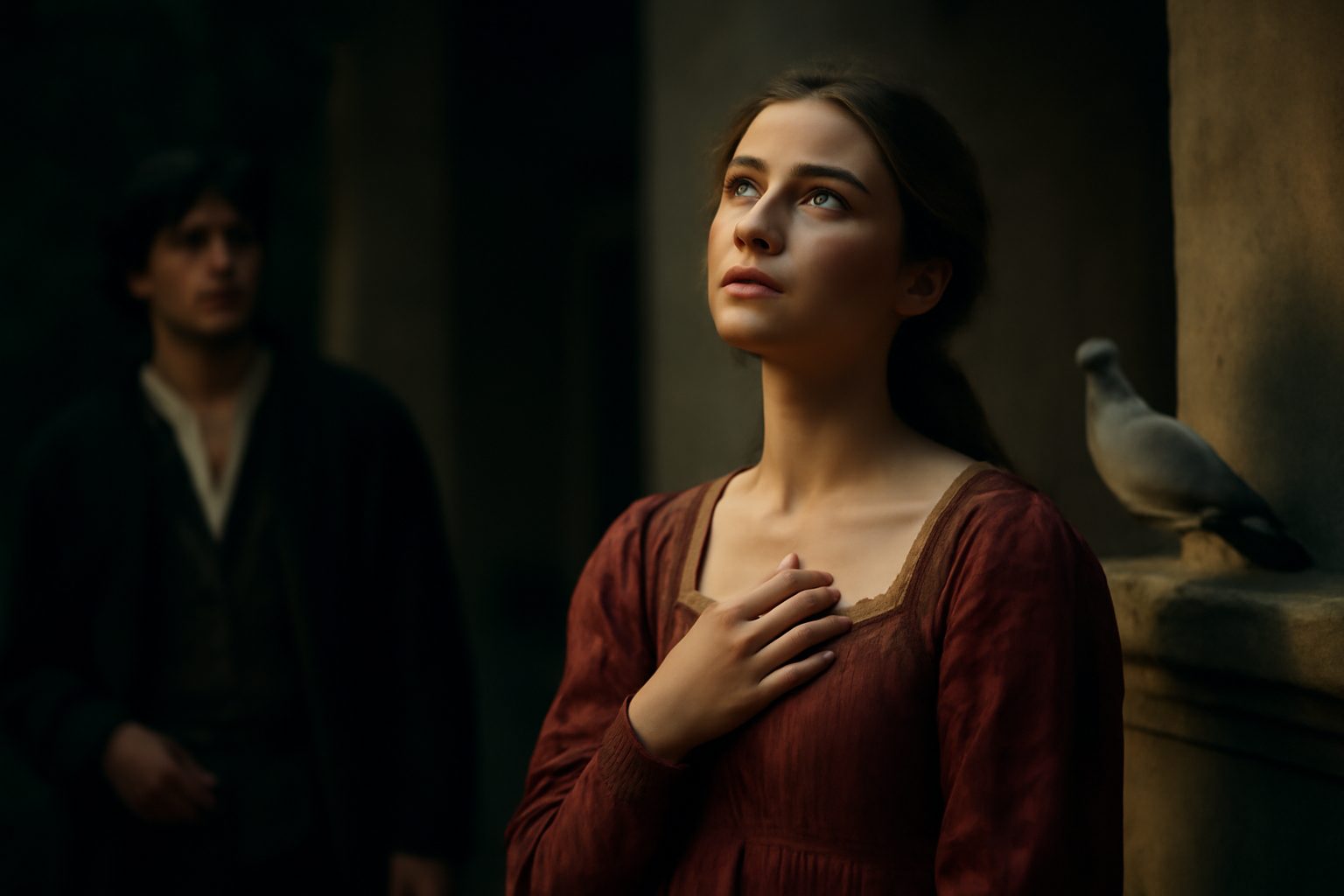
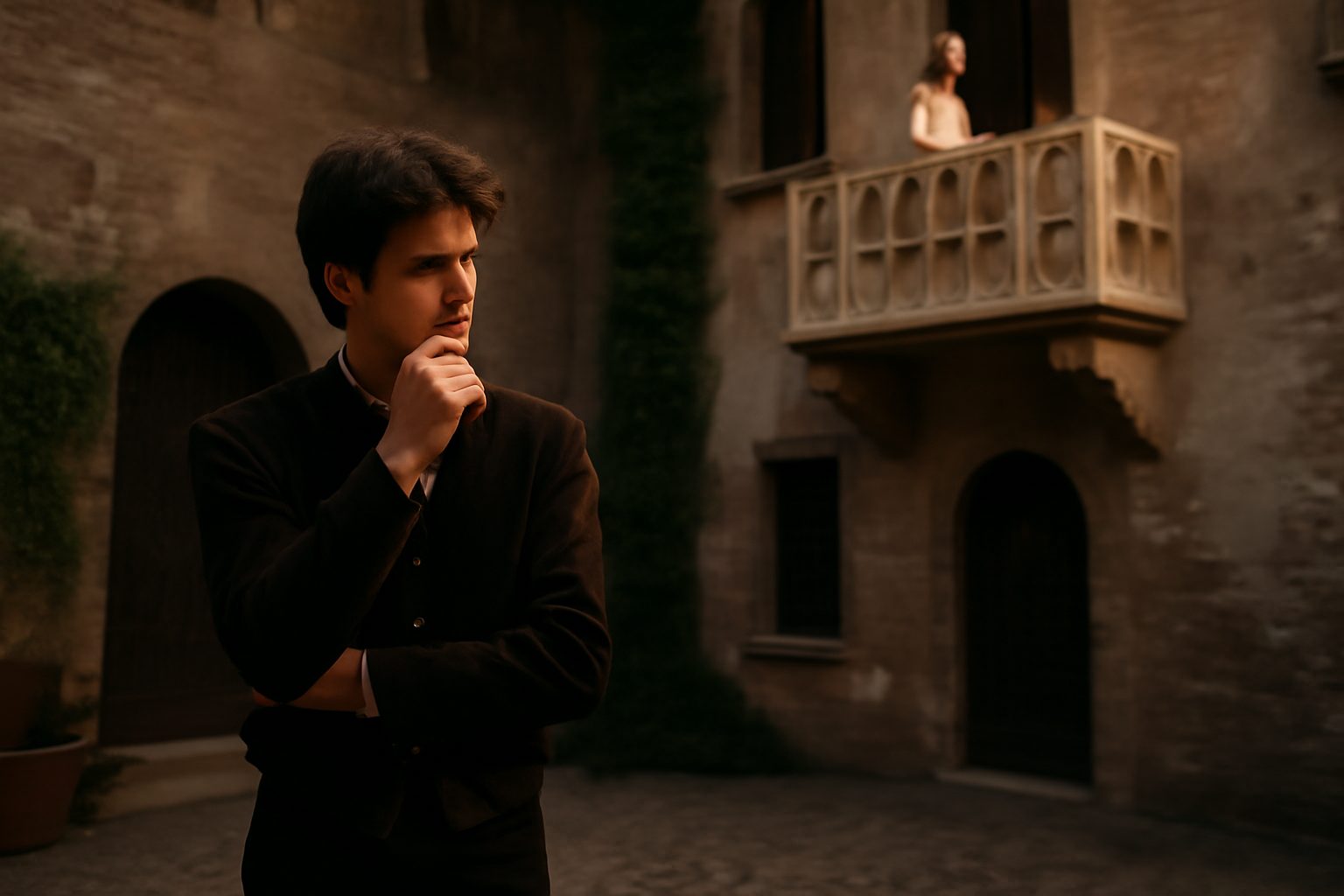
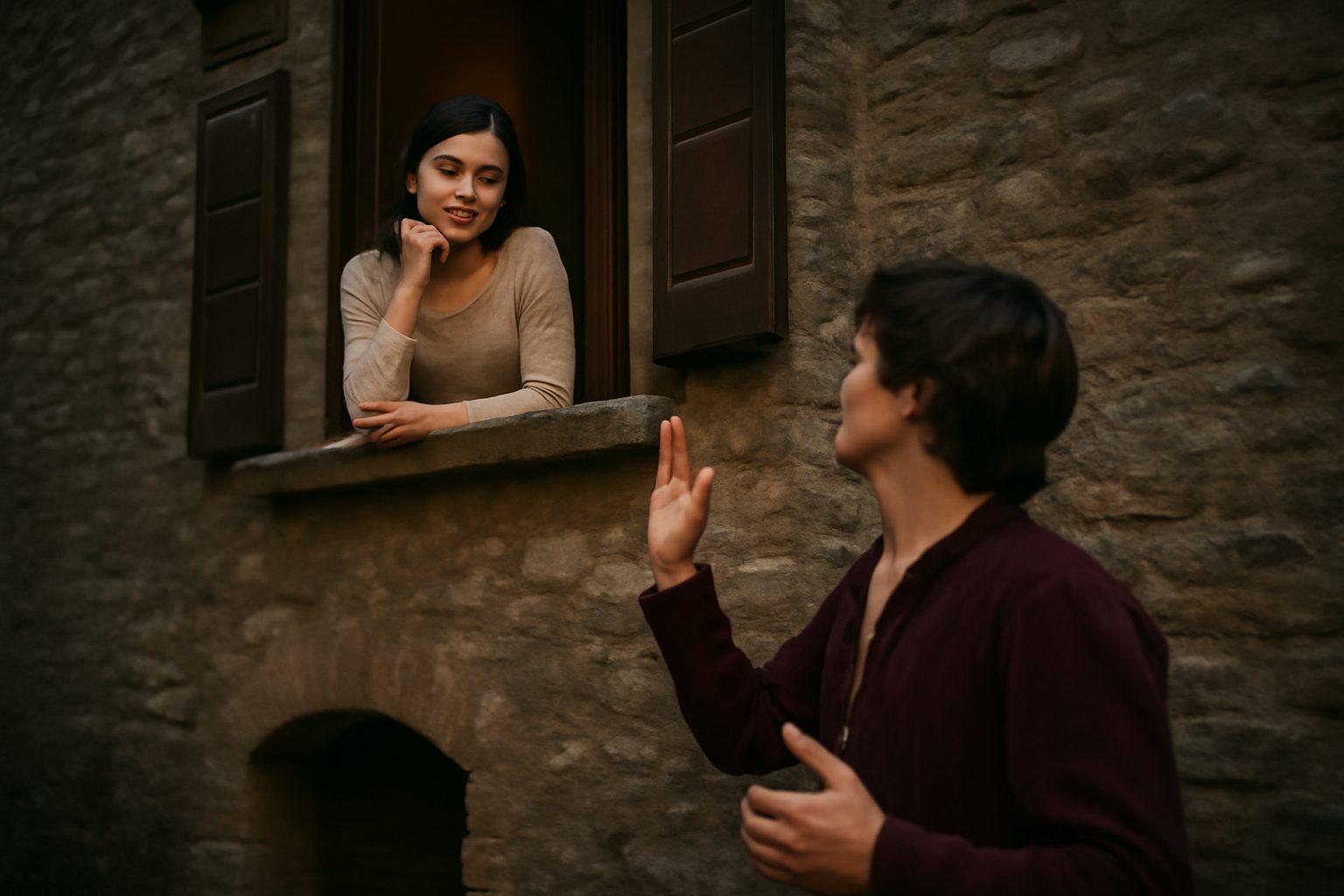
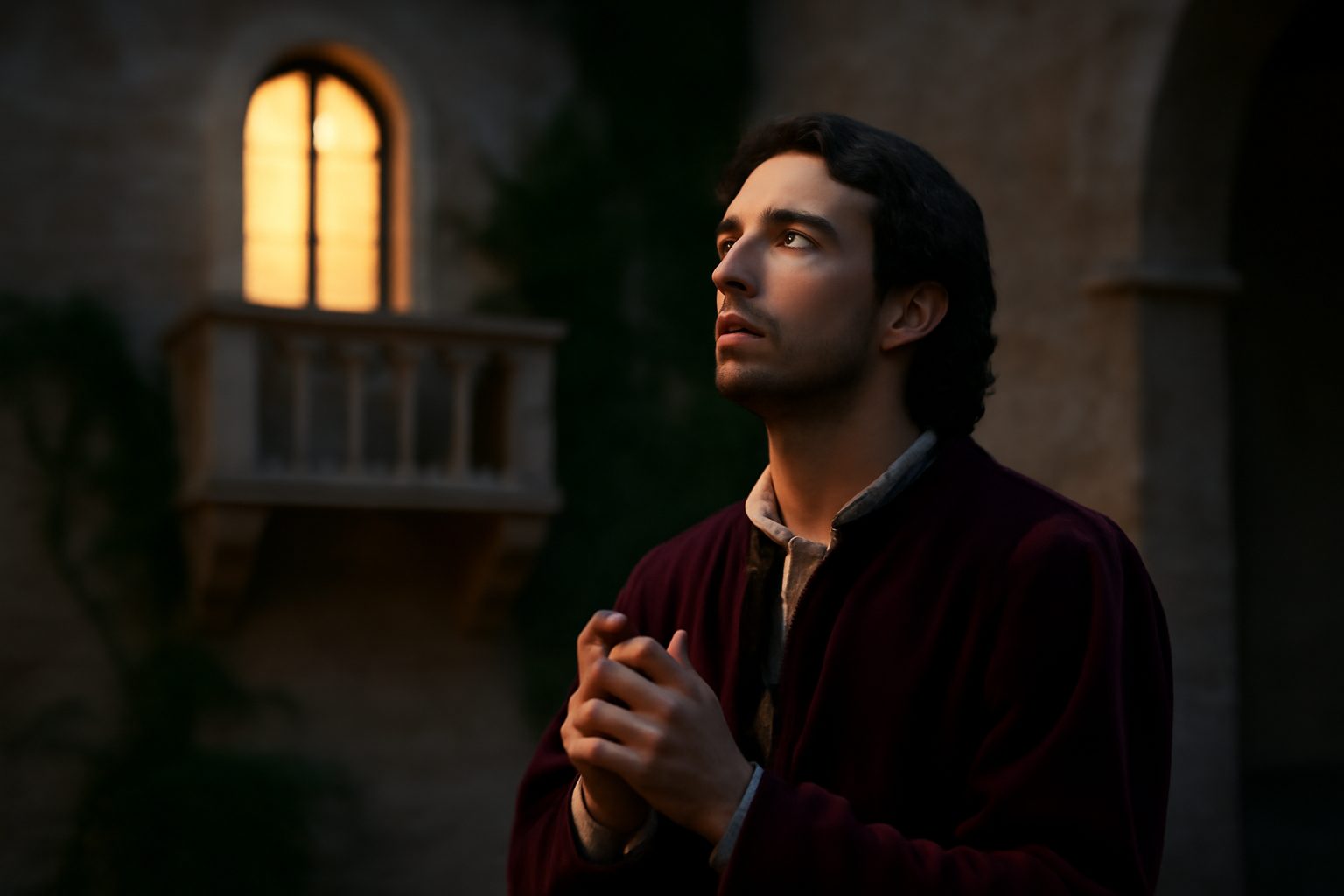
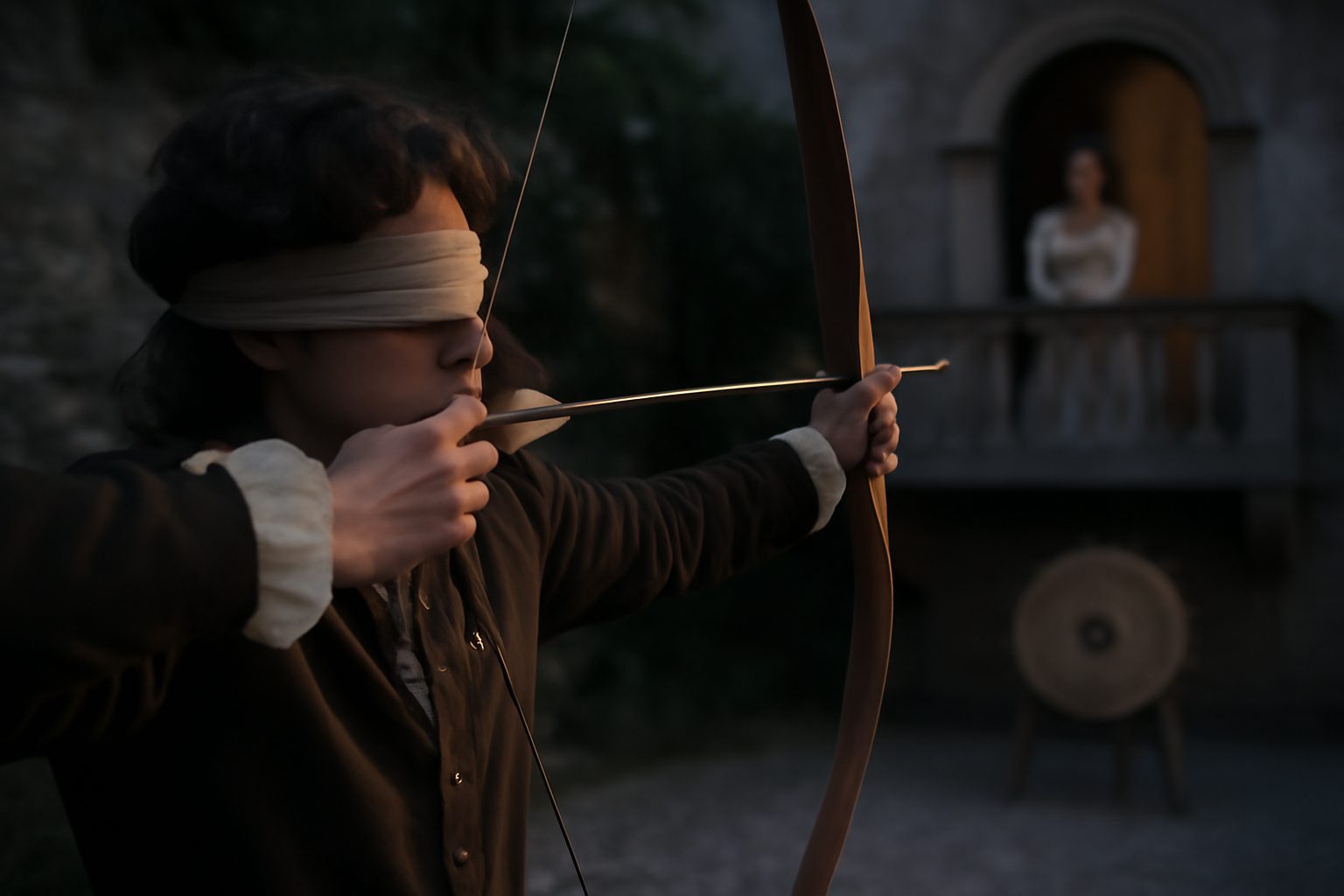
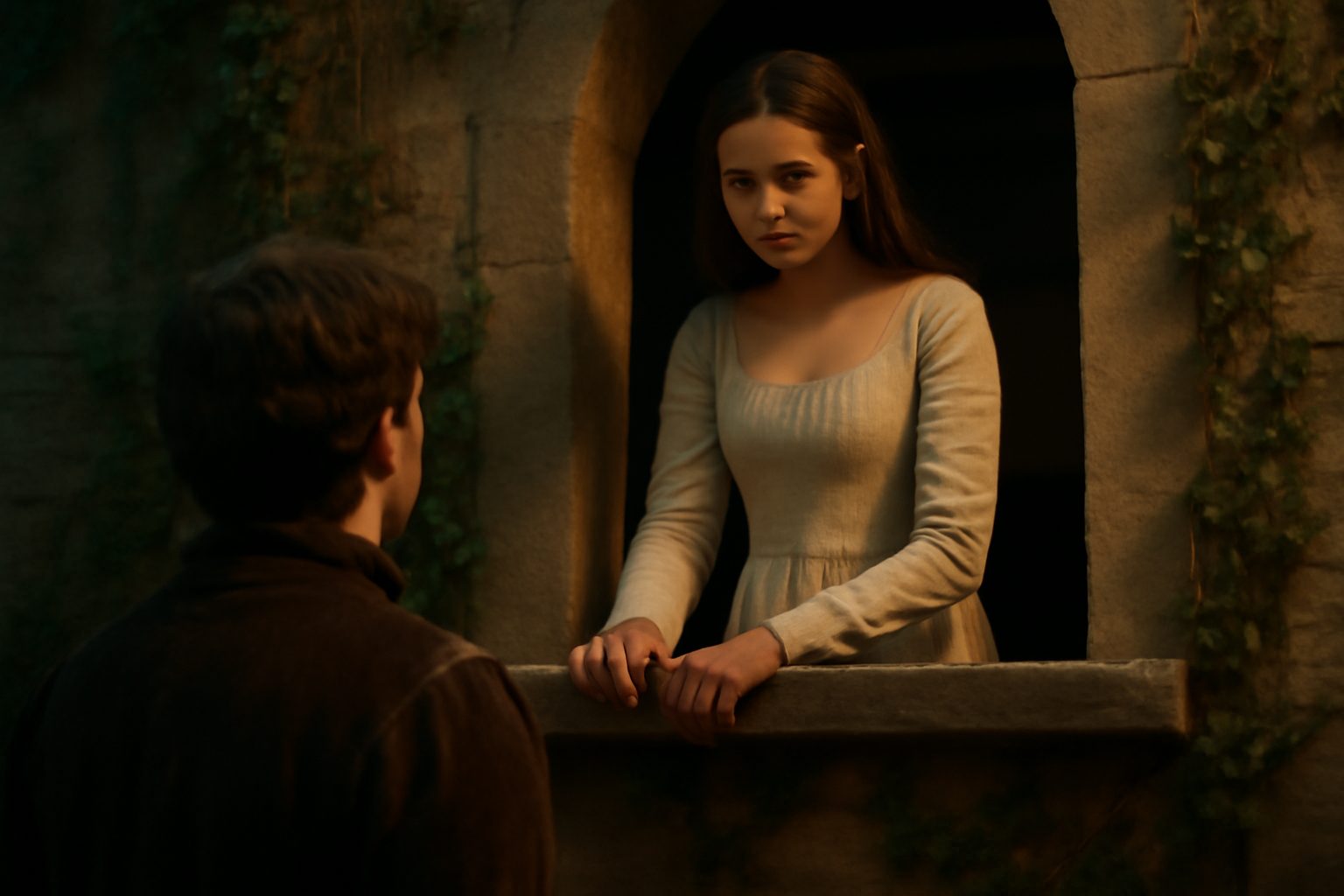
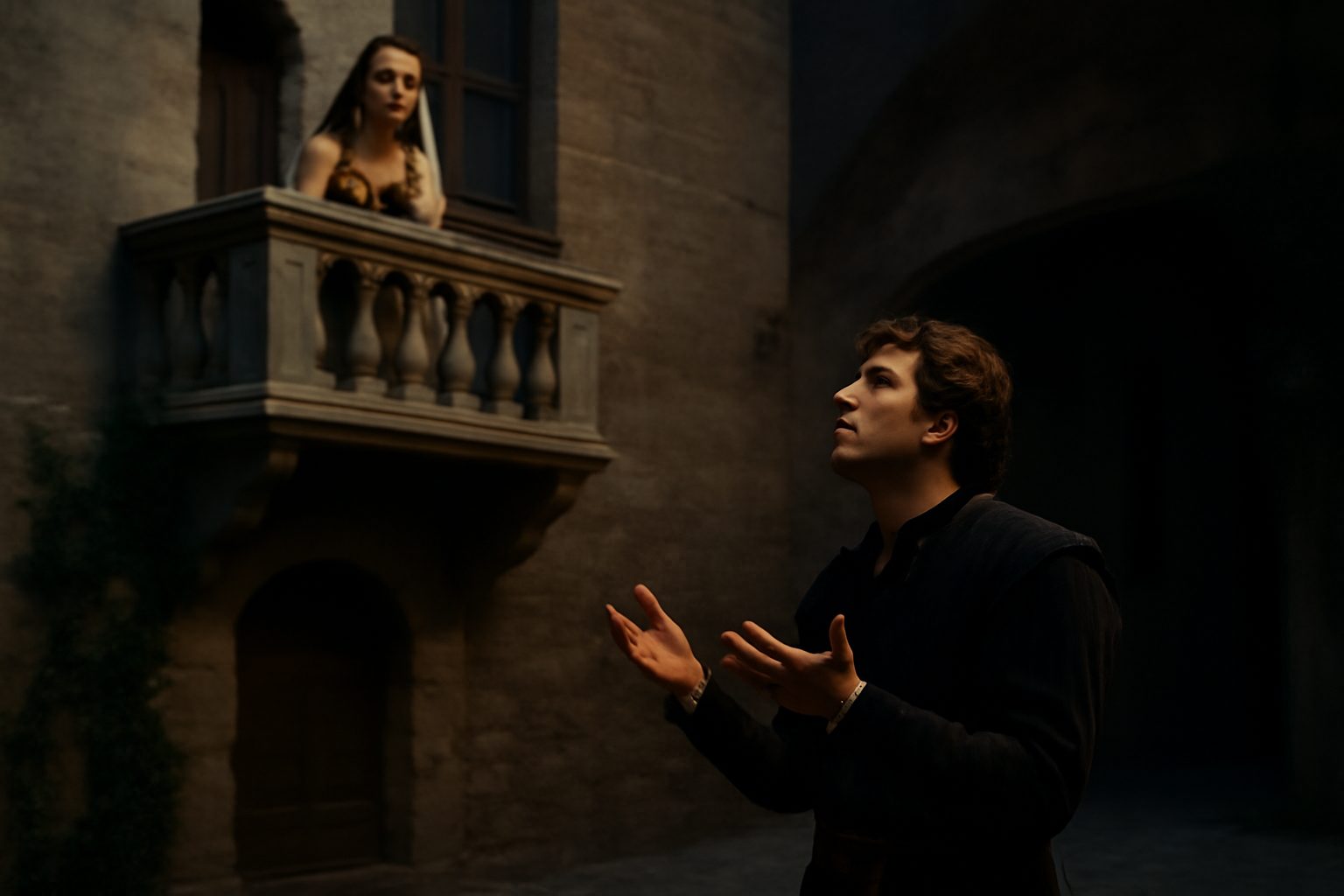
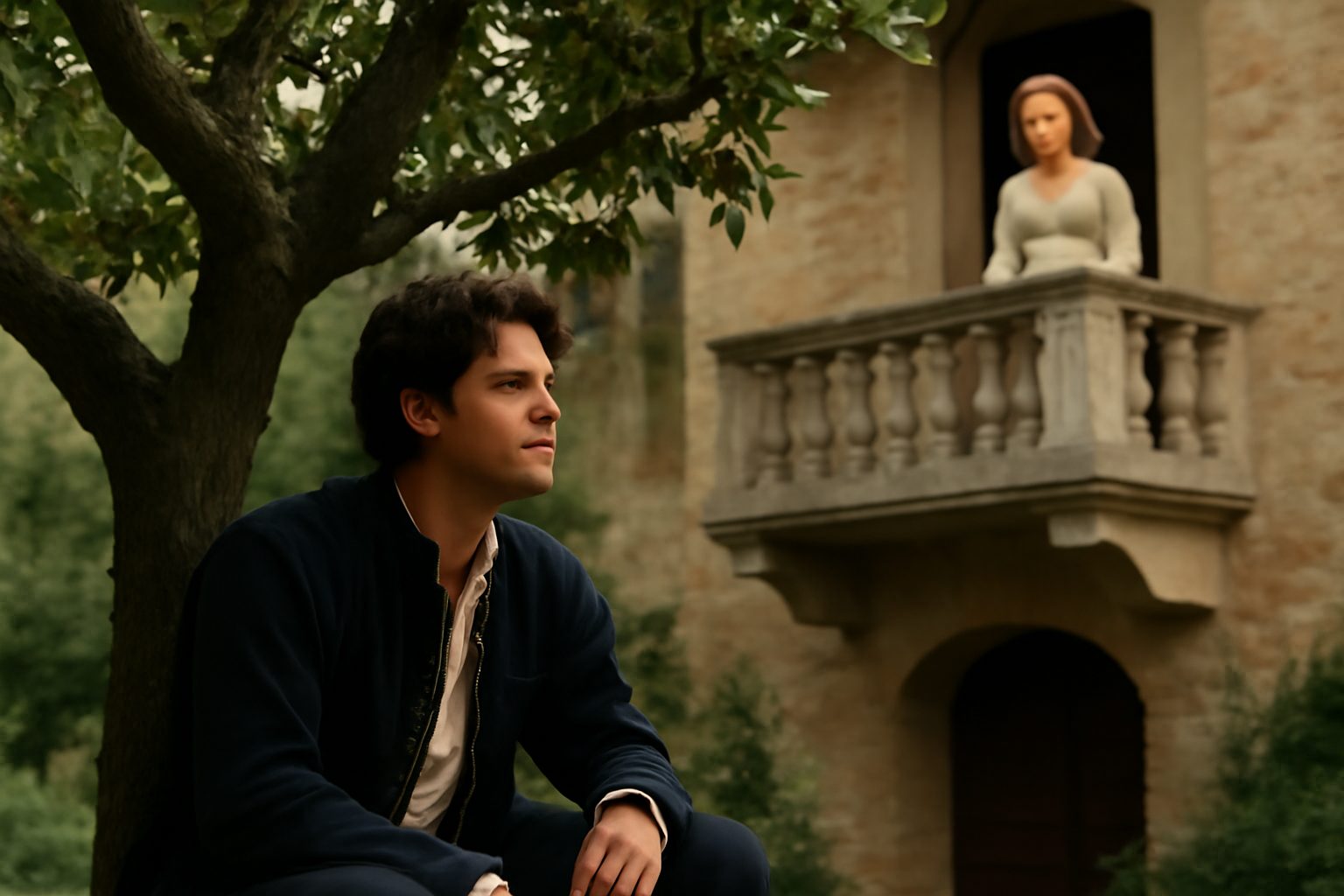
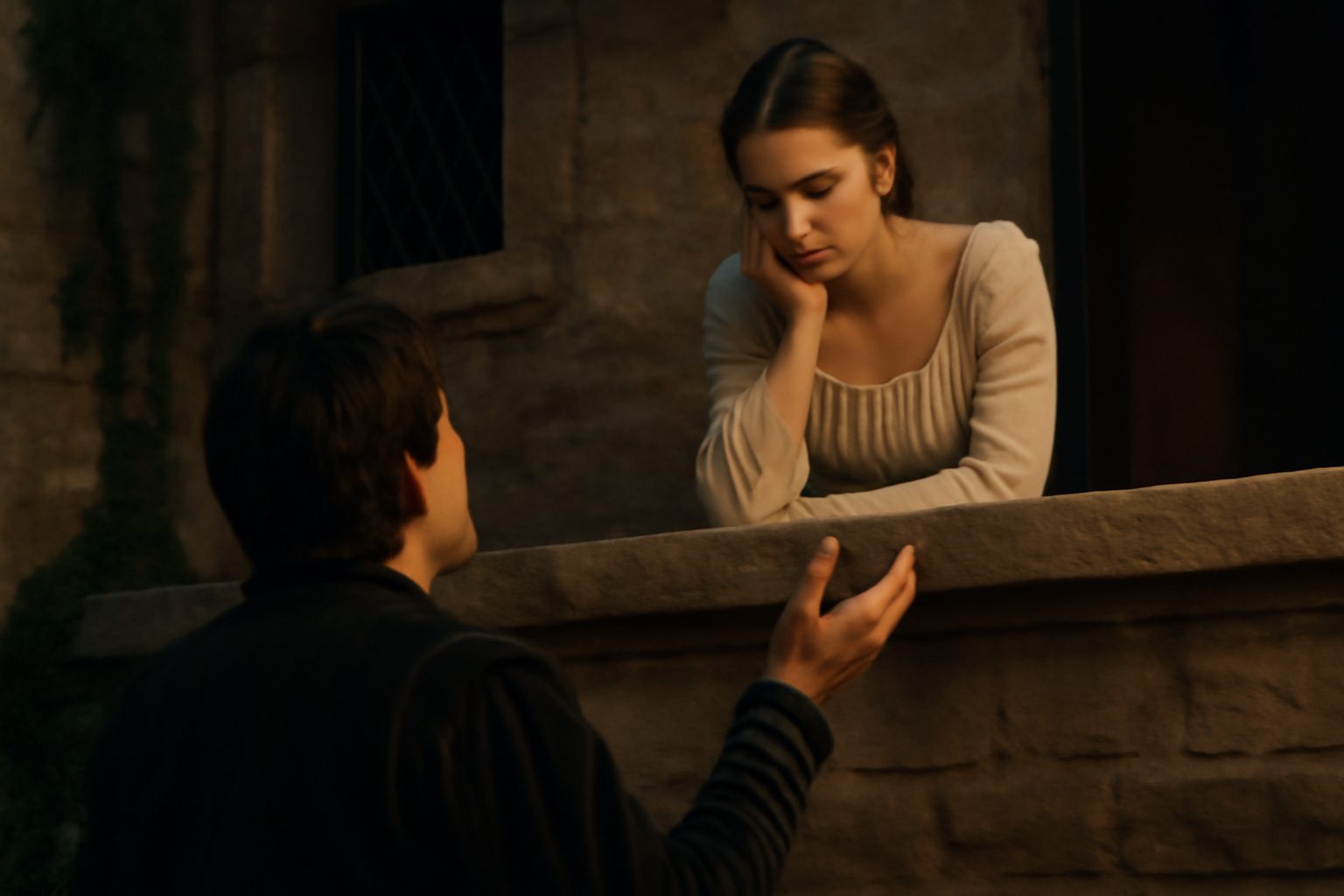
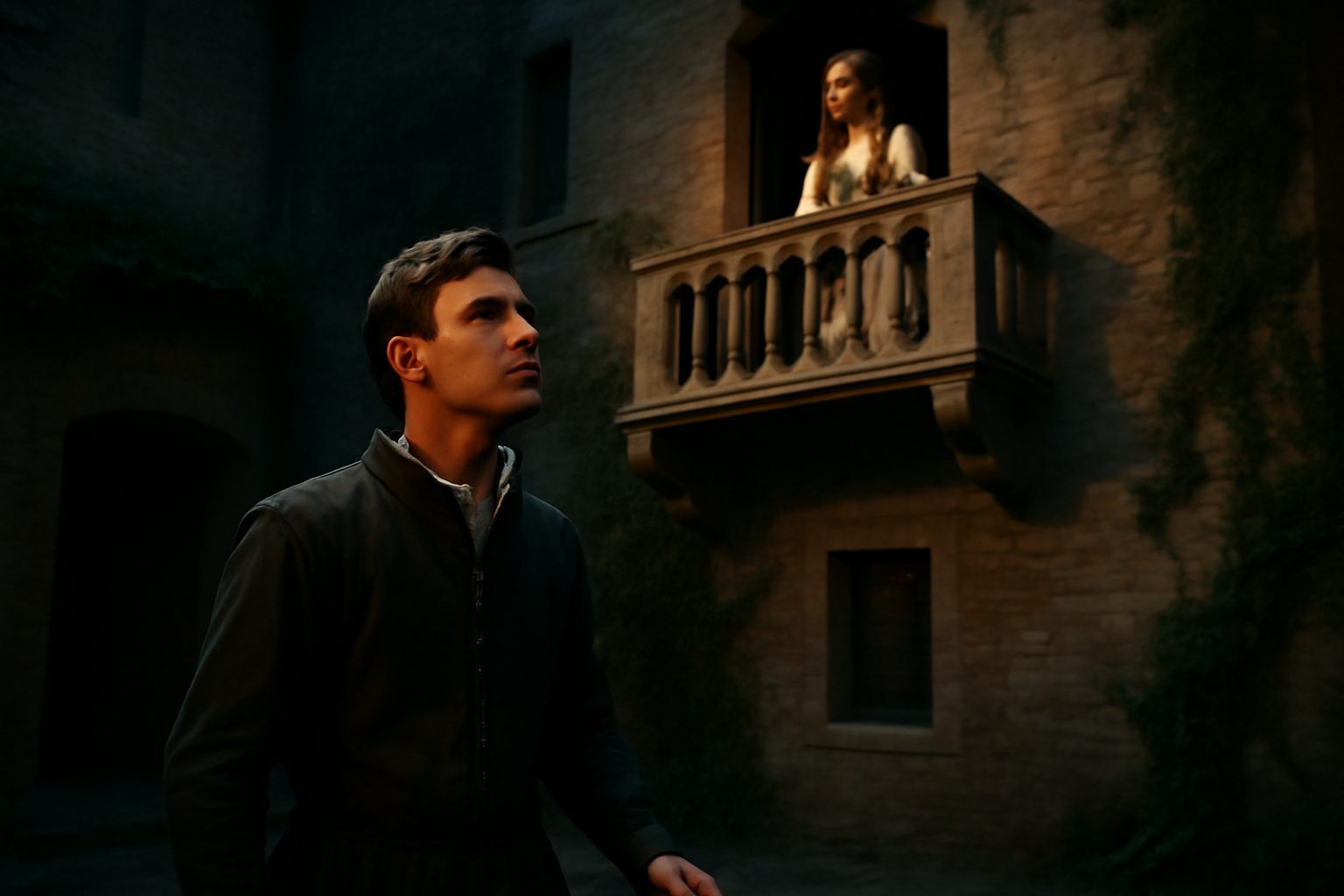
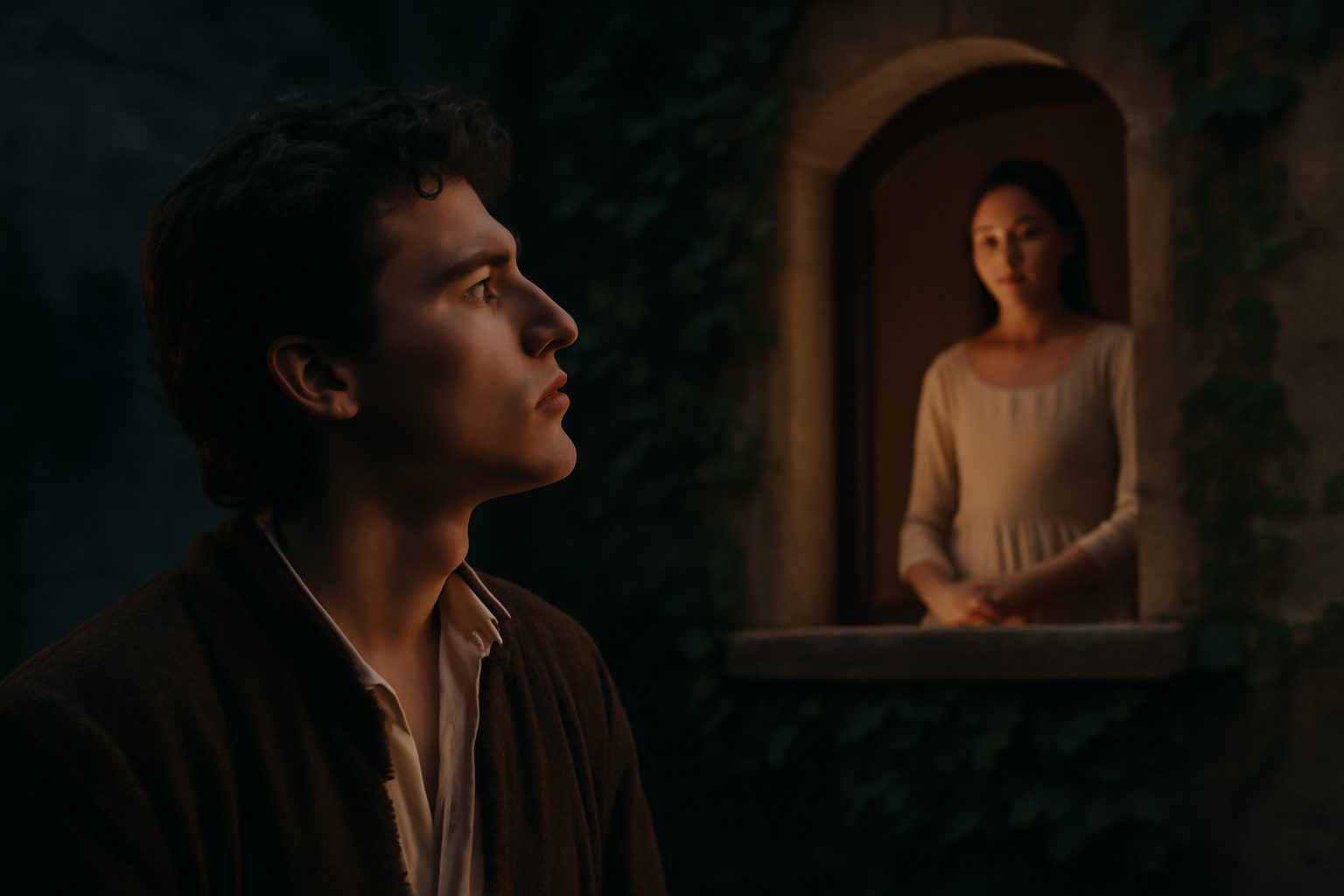
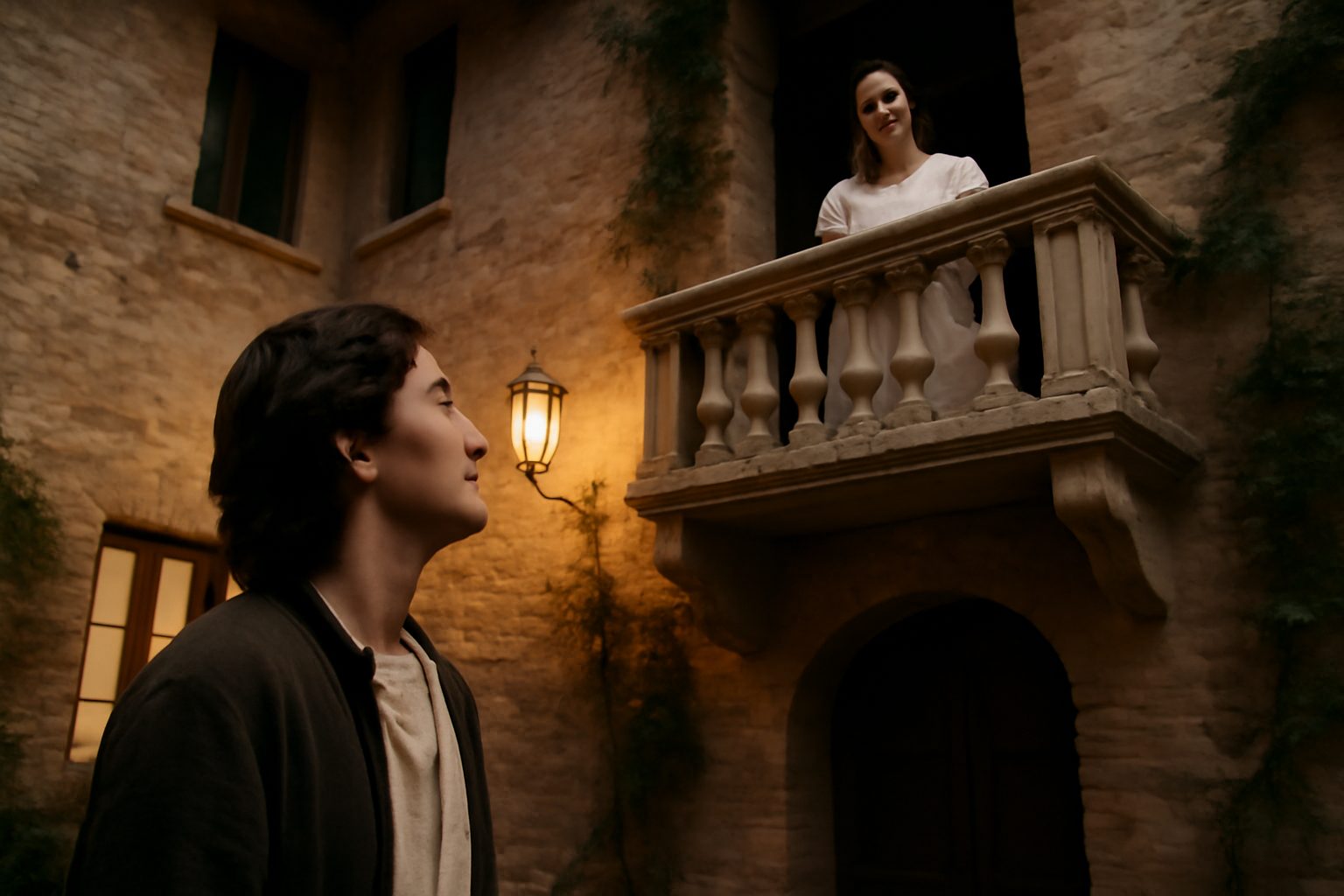
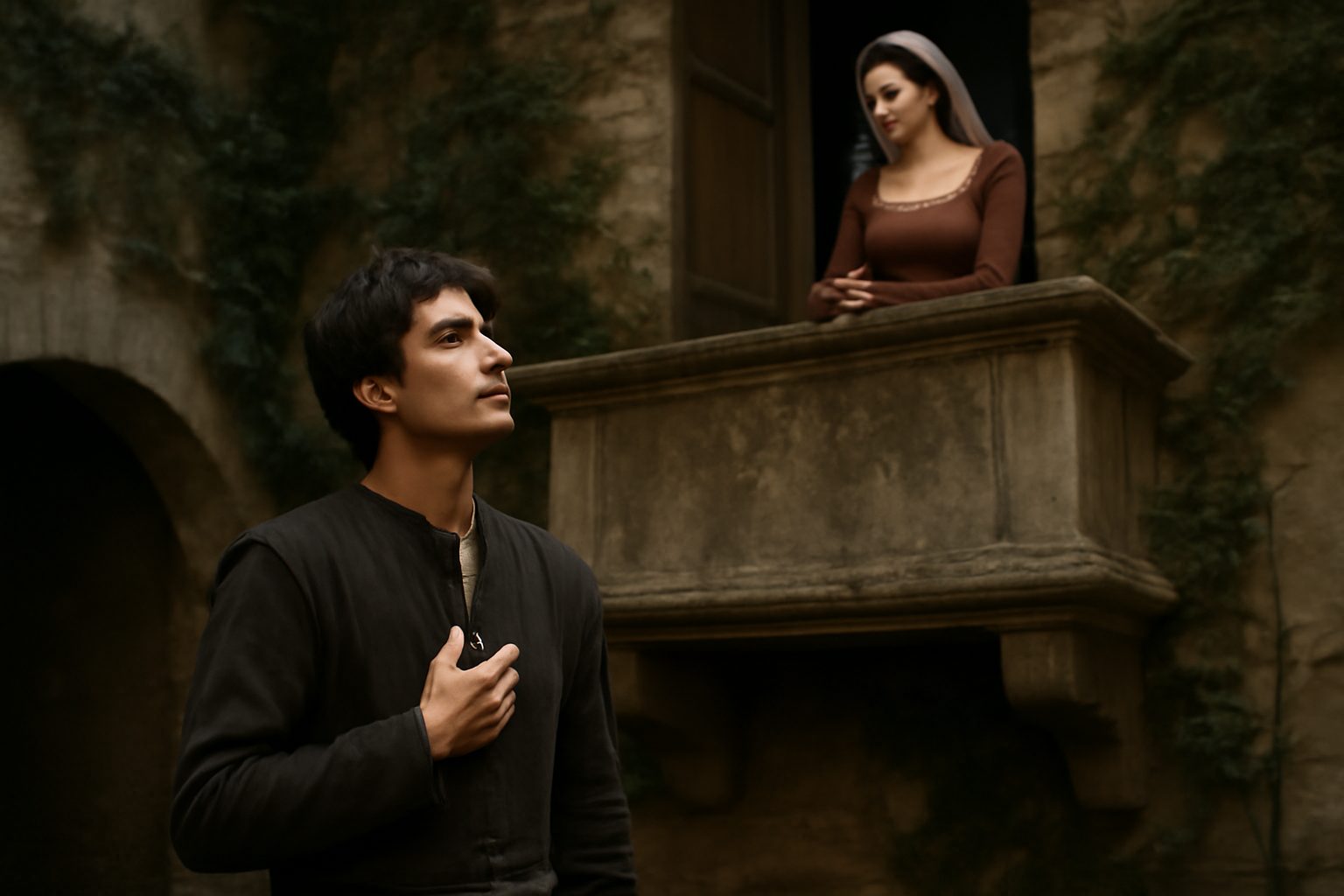
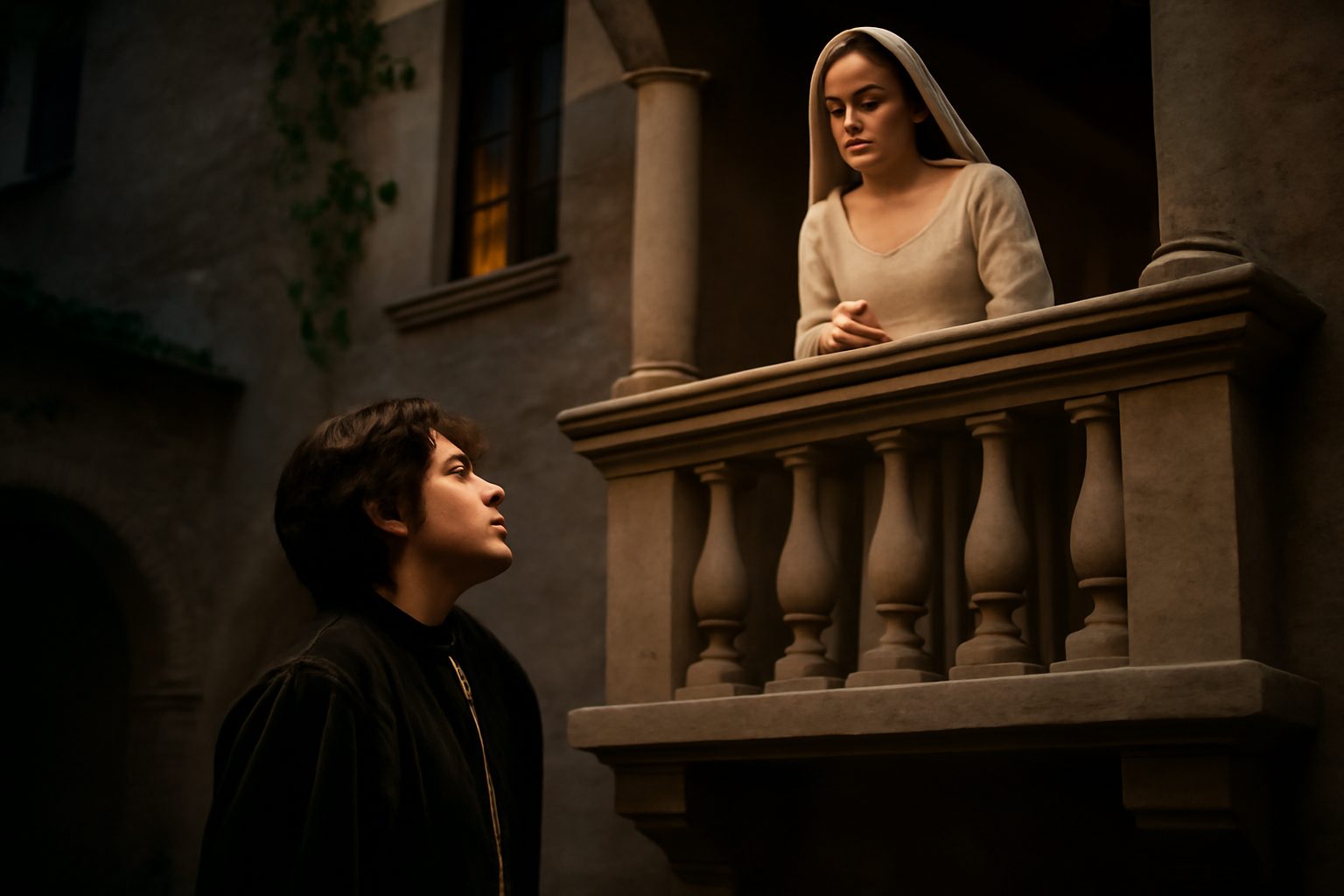
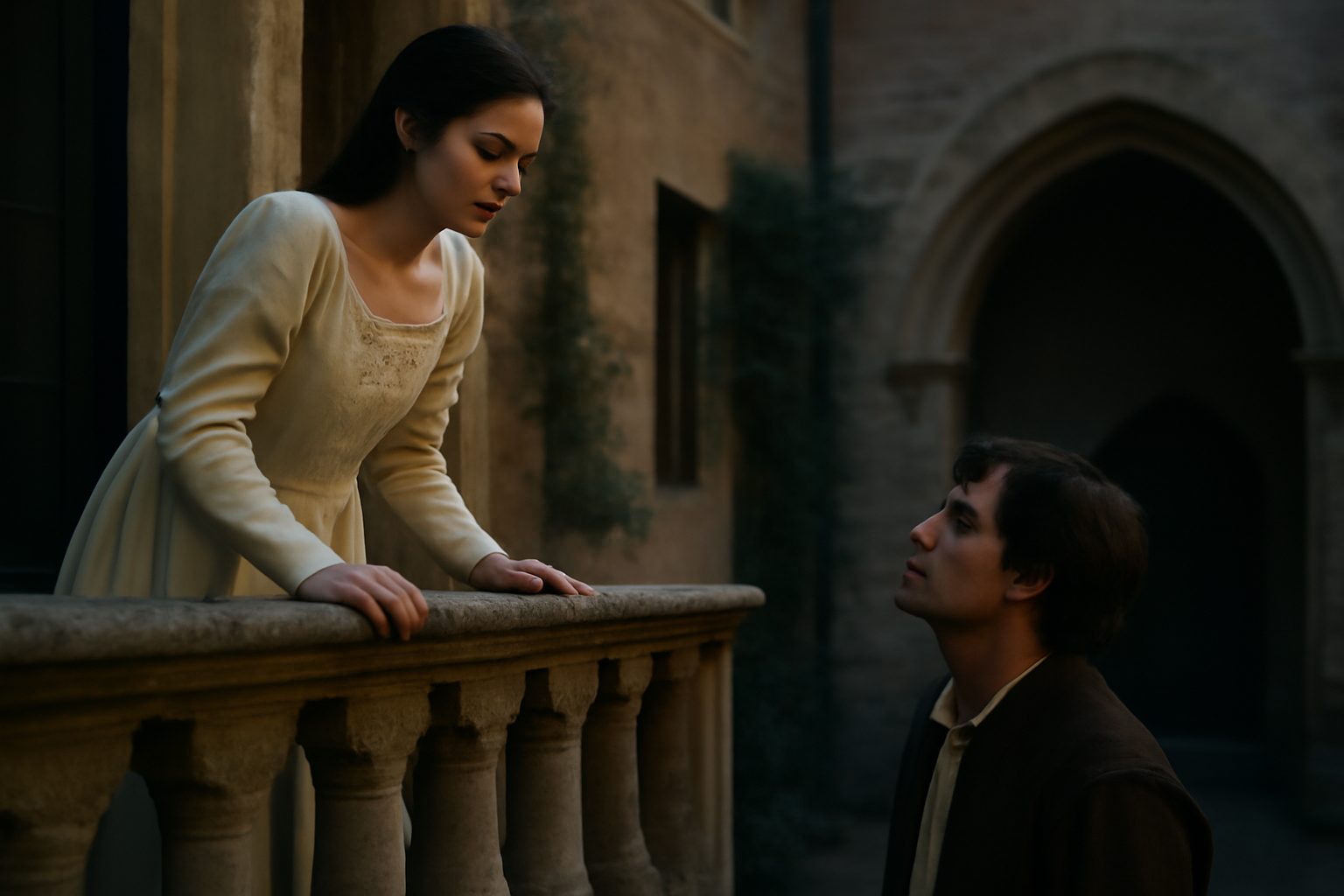
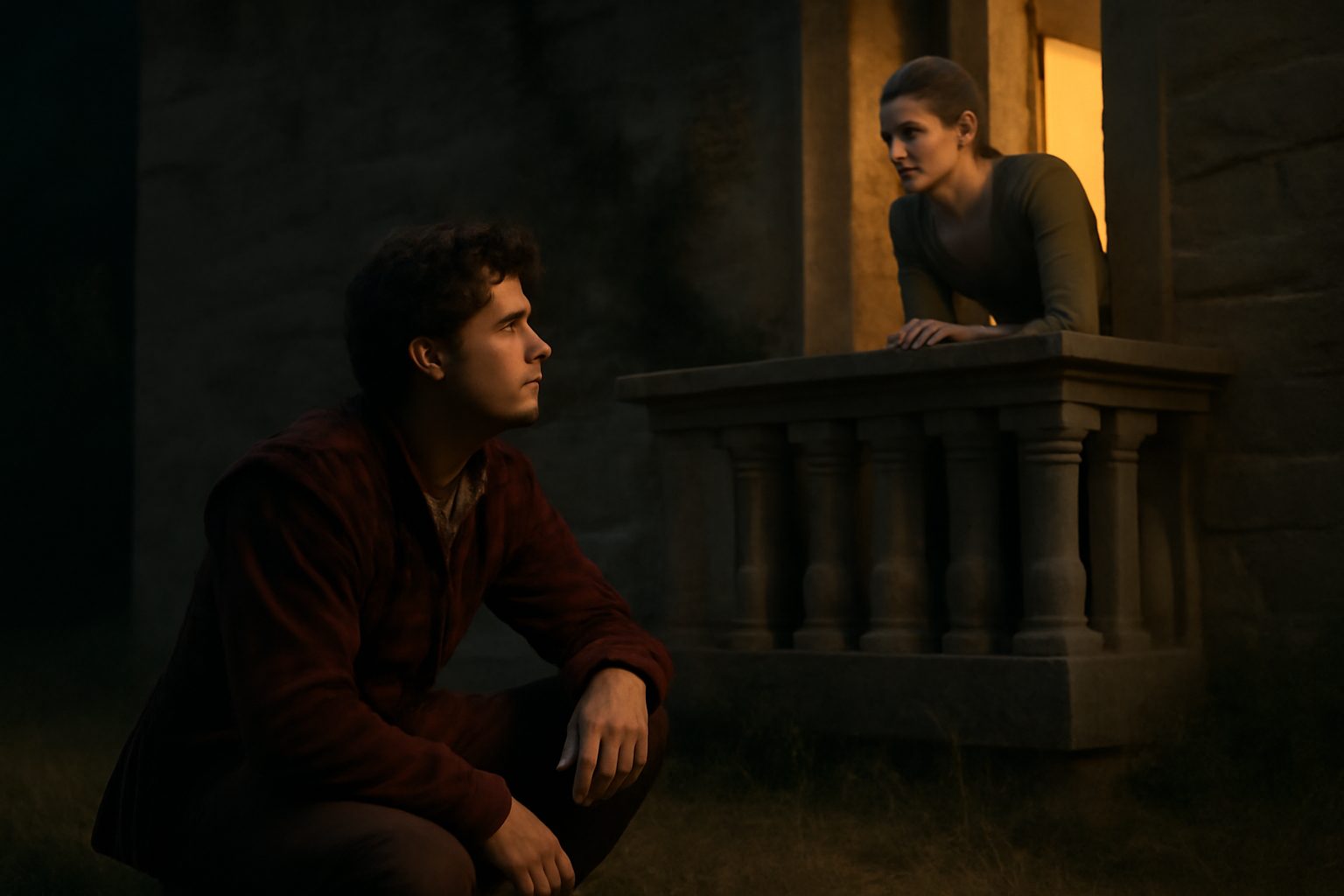
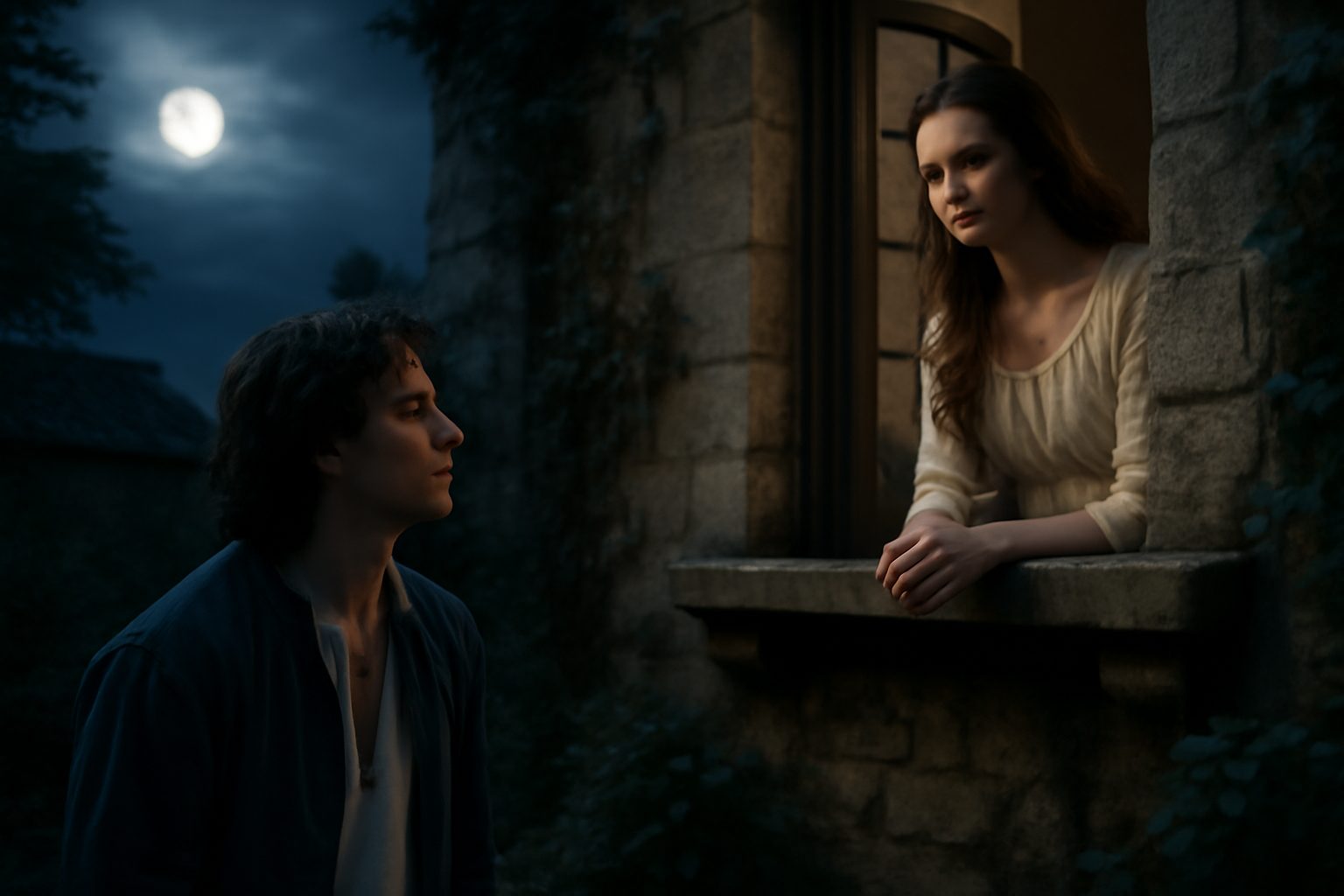
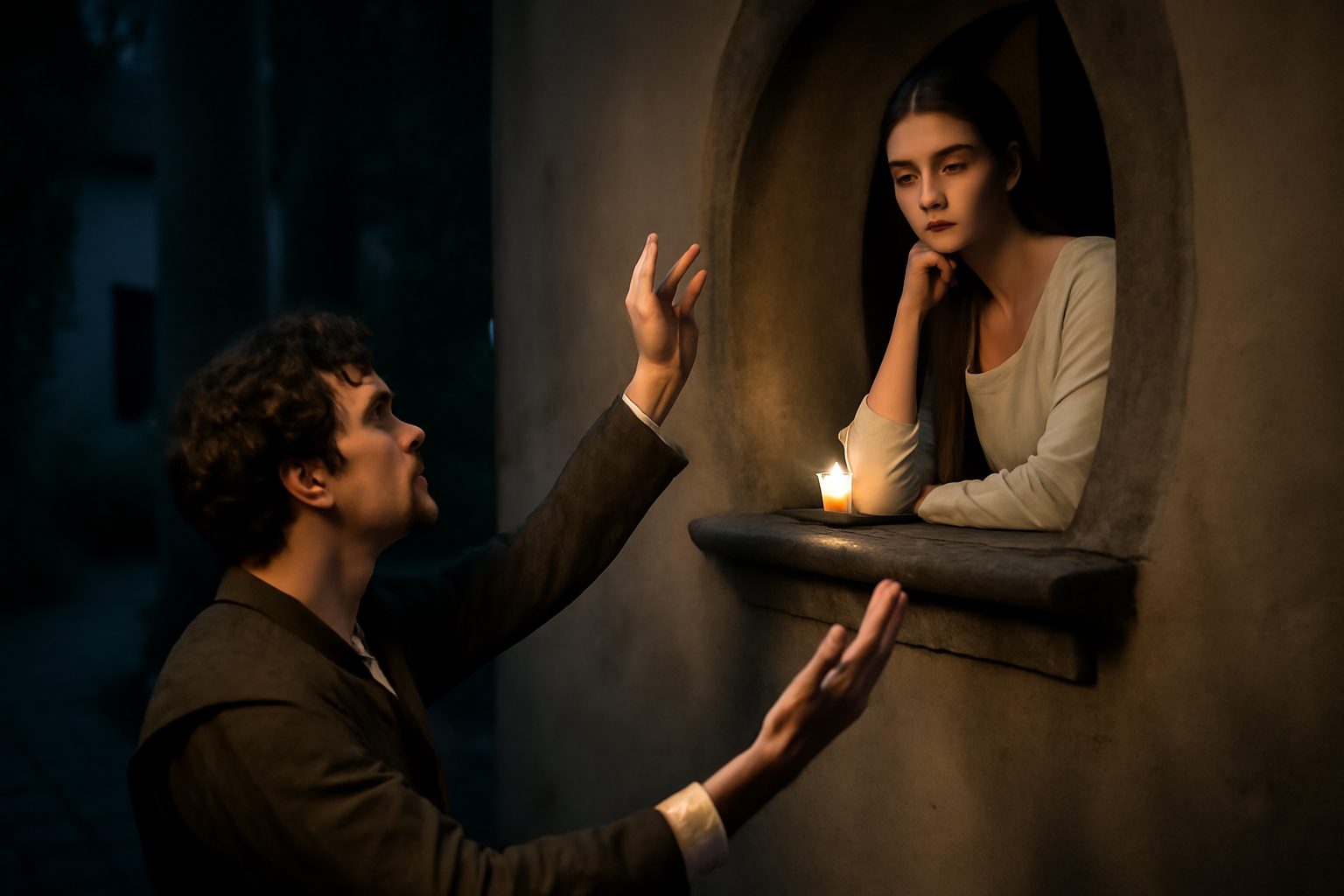
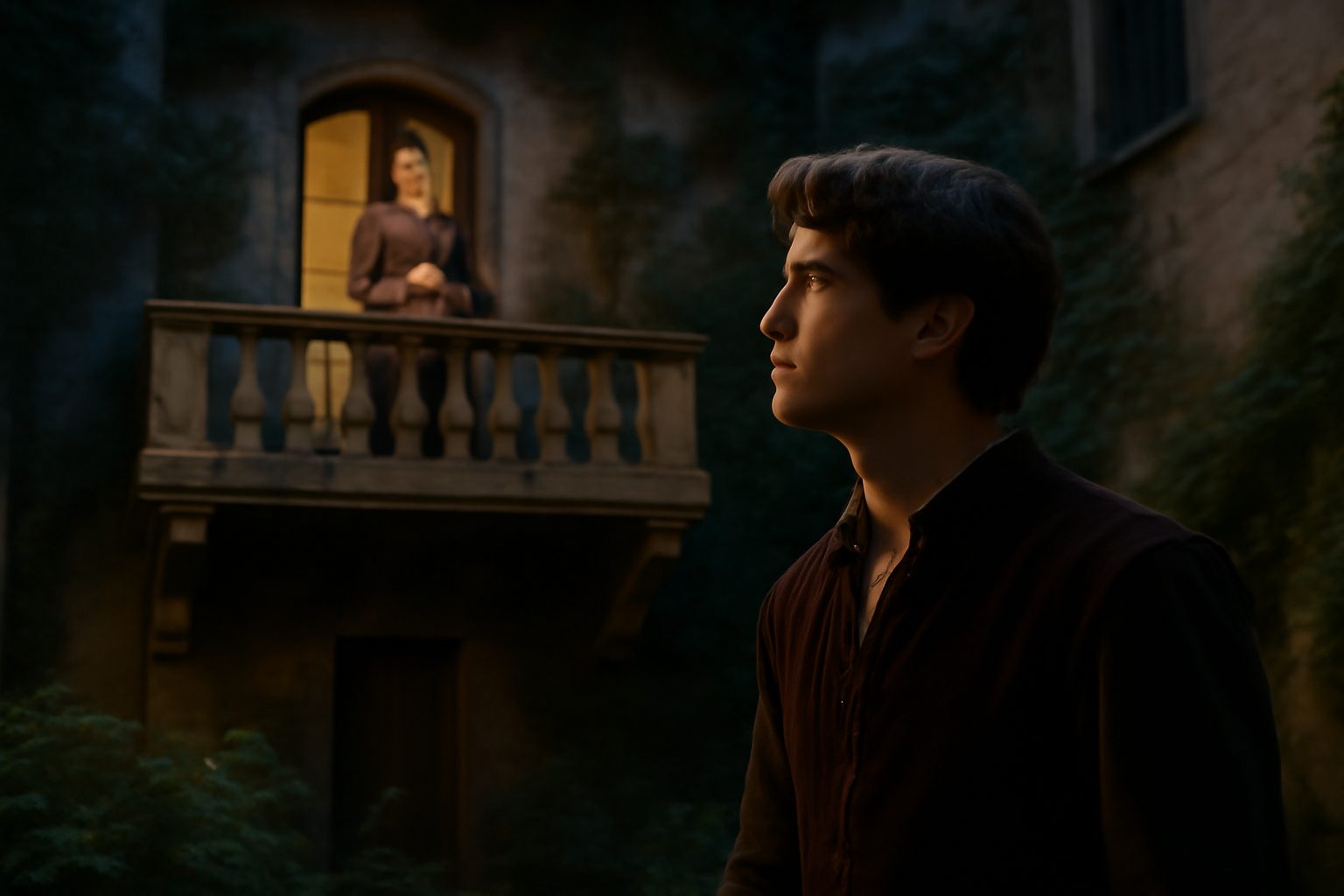
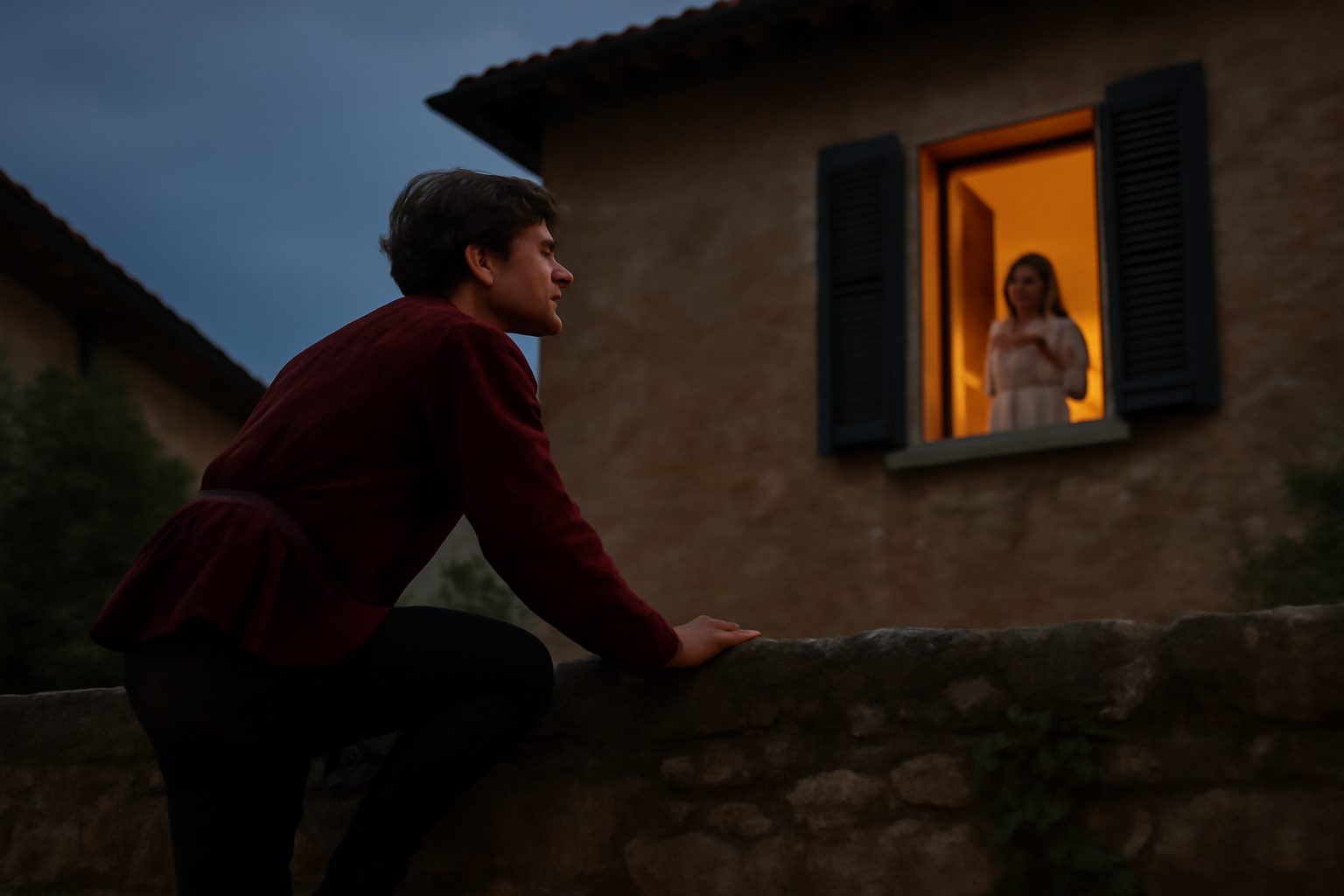
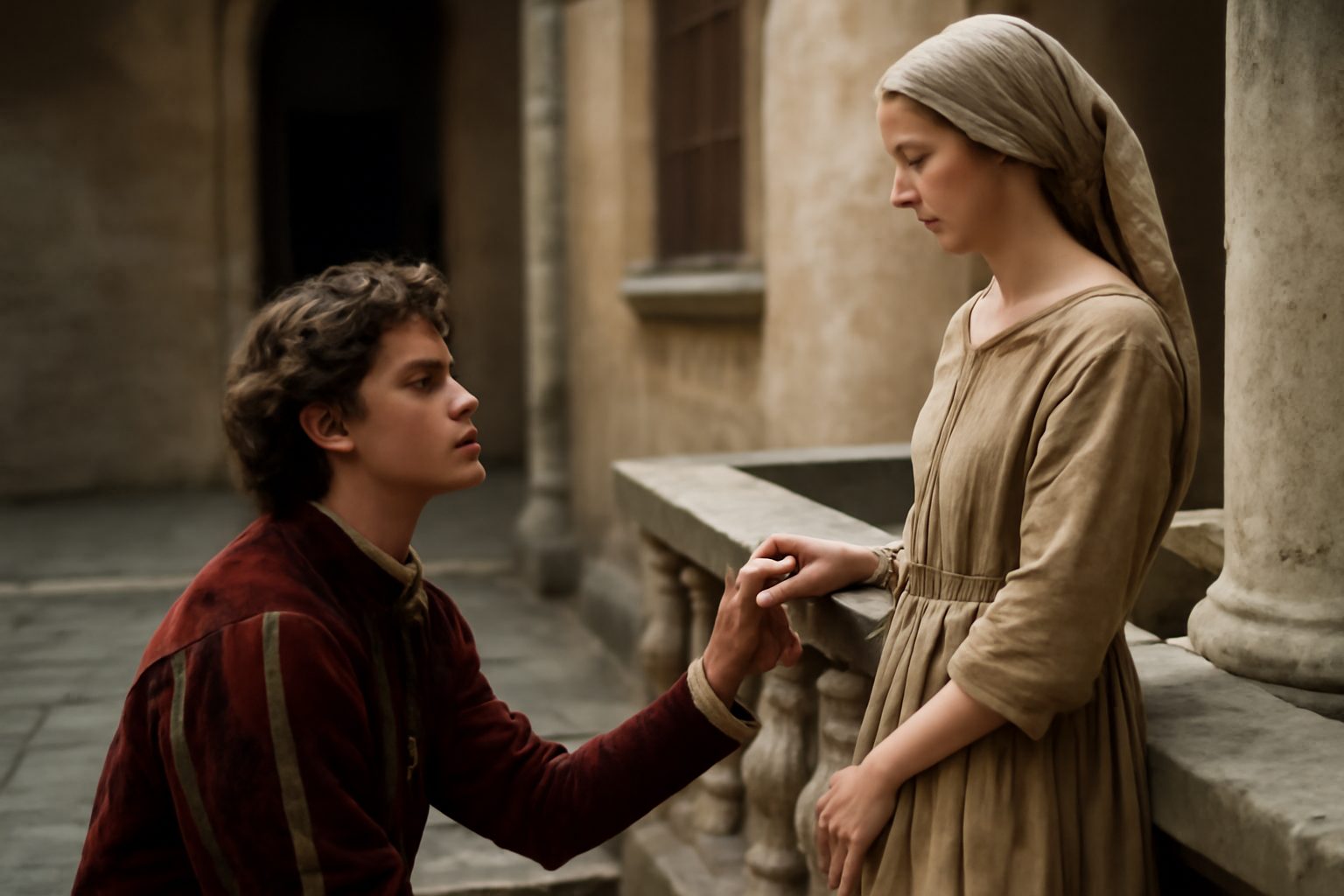
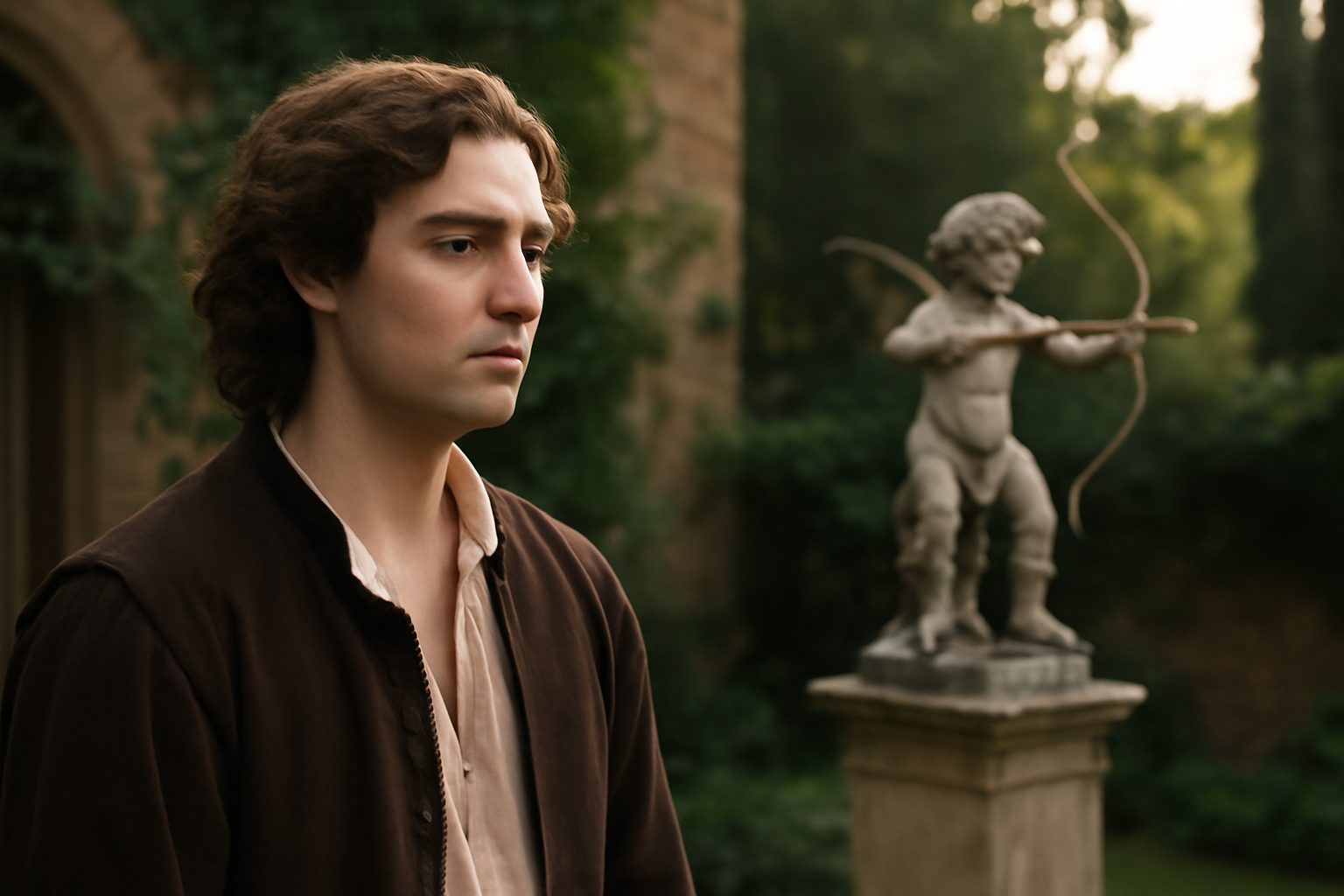
In Act 2, Scene 1 of Romeo and Juliet, Romeo has just left the Capulet feast, where he first met Juliet, and lingers near her home. Mercutio and Benvolio, unaware of Romeo's newfound love, mockingly call for him, believing he is still pining for Rosaline. As they jest, Romeo slips away, and Benvolio mentions his impulsive leap over the orchard wall, hinting at his reckless pursuit of Juliet.
Benvolio: "He ran this way, and leap'd this orchard wall:"
In modern day english, we would say:
He went this way and jumped over the garden wall.
Frequently Asked Questions
What did Benvolio say Romeo did after running away?
Benvolio said that Romeo jumped over the orchard wall.
Connections to other verses:
Connections to "He ran this way, and leap'd this orchard wall:"
This line, spoken by Benvolio, directly follows "And, on my lie, hath stol'n him home to bed.", where he suggests Romeo has retired for the night. The leap over the wall marks Romeo's decisive action to remain near Juliet, contrasting with his friends' assumptions.
Mercutio's Mocking Conjurations
Mercutio responds to Romeo's disappearance with playful taunts, such as in "Romeo! humours! madman! passion! lover!", highlighting Romeo's lovesick state. He continues with conjurations like "I conjure thee by Rosaline's bright eyes,", mocking Romeo's former infatuation, which Romeo has now abandoned for Juliet.
Themes of Love and Darkness
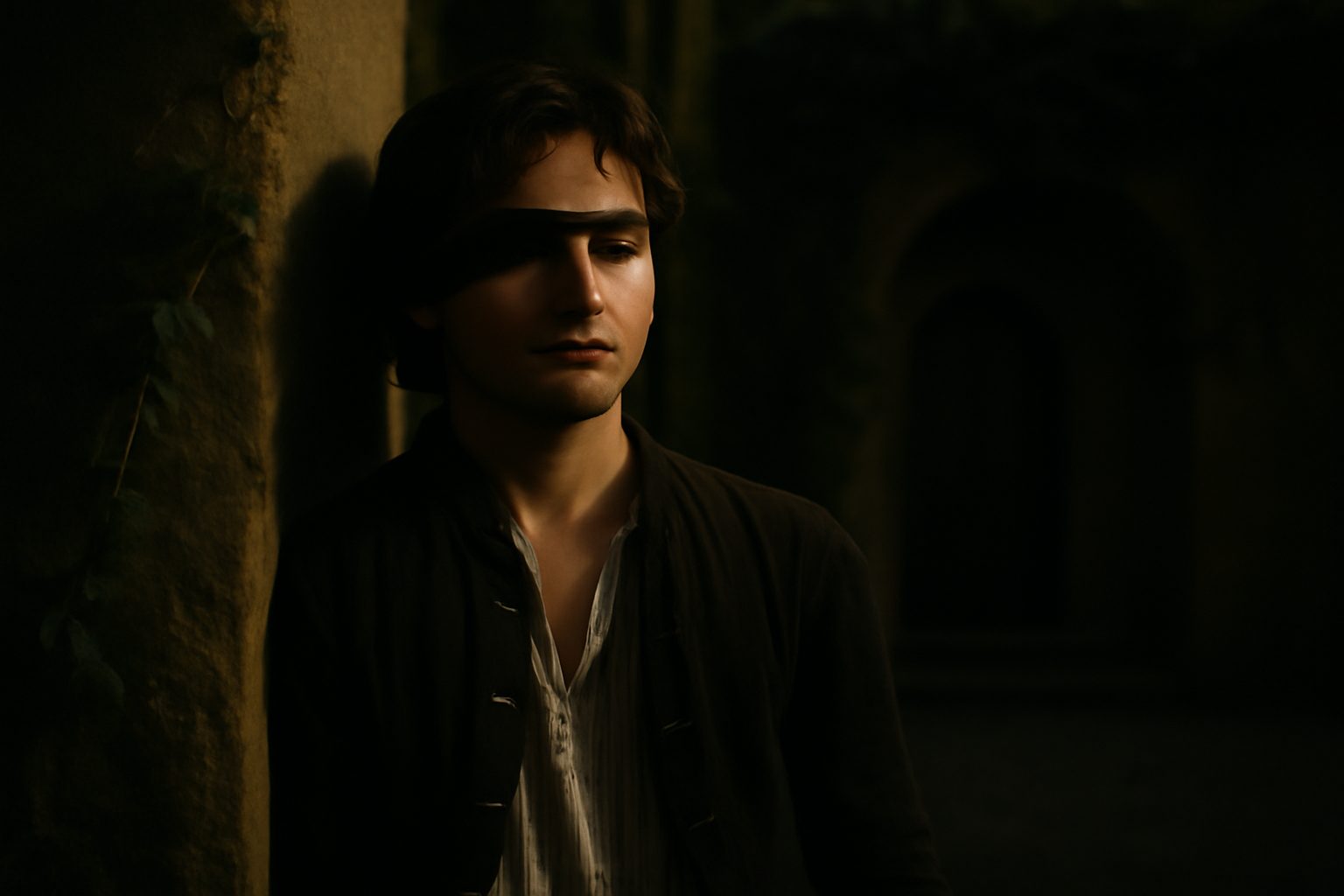
Mercutio's remark in "Blind is his love and best befits the dark." connects to Romeo's secretive leap into the orchard, symbolizing the blindness and secrecy of his new love. This idea is reinforced in "If love be blind, love cannot hit the mark.", questioning the rationality of Romeo's actions.
Sexual Innuendo and Fruit Imagery
Mercutio's bawdy references, such as "And wish his mistress were that kind of fruit" and "As maids call medlars, when they laugh alone.", use fruit metaphors to imply sexual desire, contrasting with Romeo's sincere, hidden love for Juliet after leaping the wall.
Abandonment and Resolution
The scene concludes with Benvolio's realization in "To seek him here that means not to be found.", acknowledging Romeo's intentional disappearance after the leap, and their decision to leave in "Come, shall we go?".