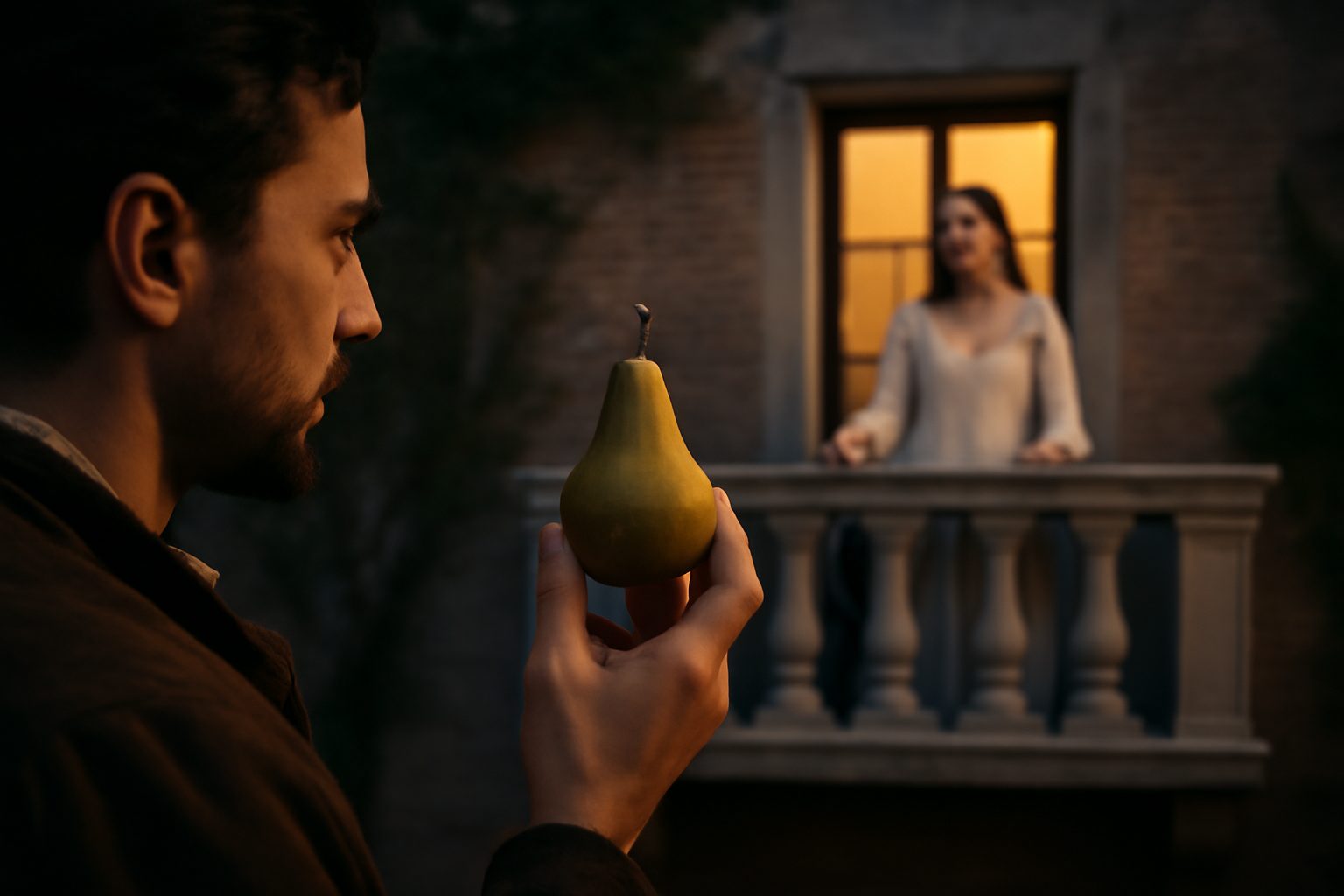
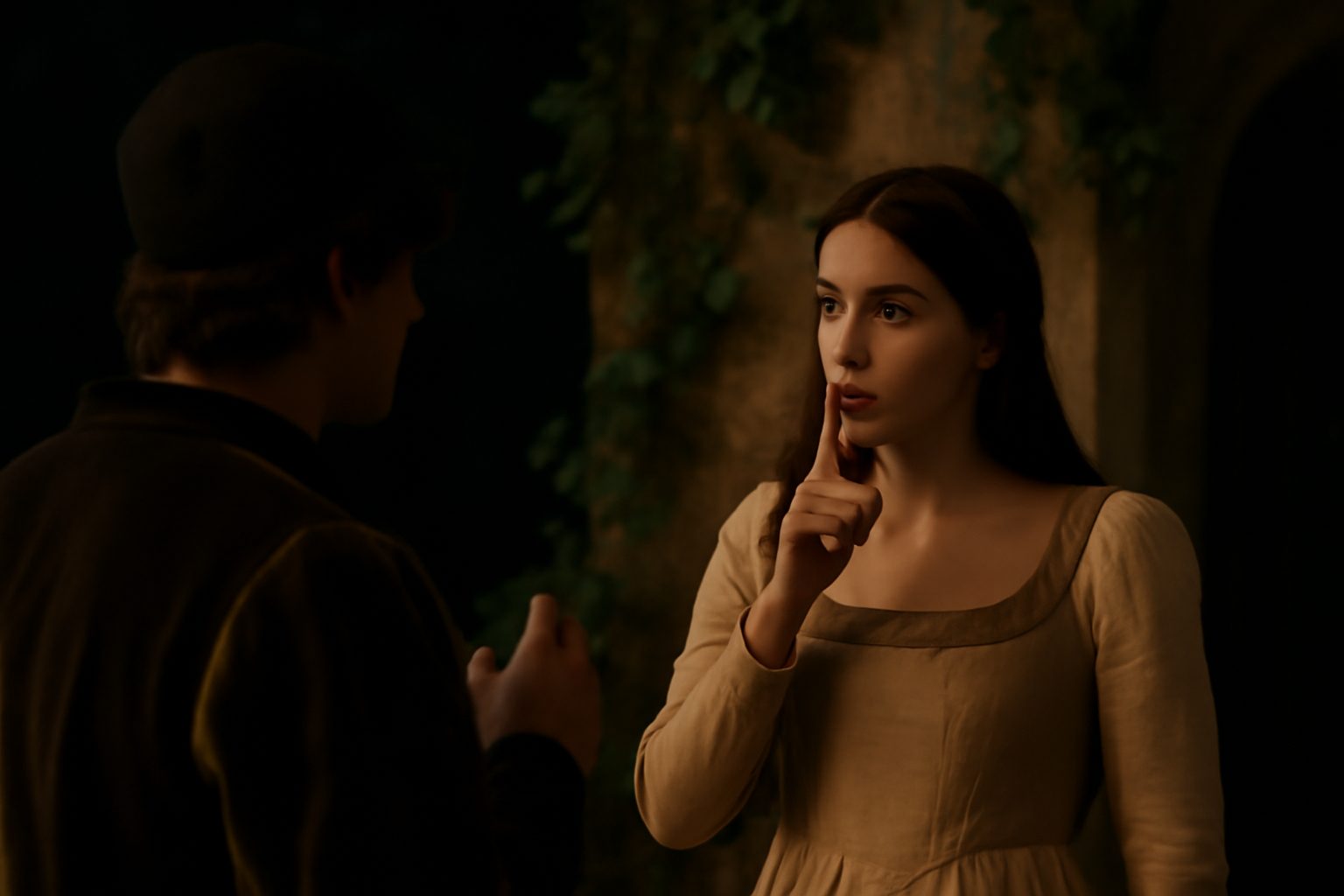
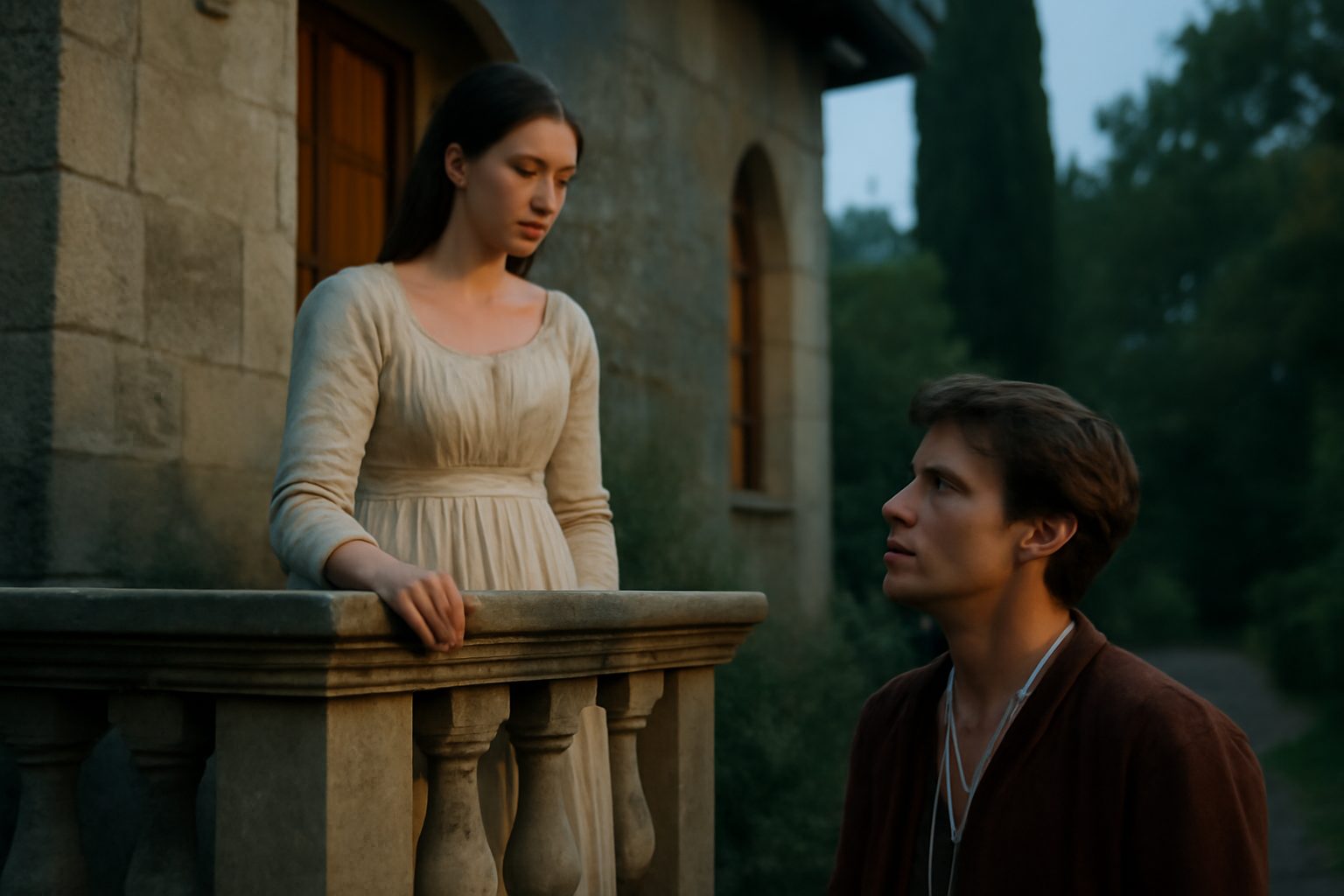
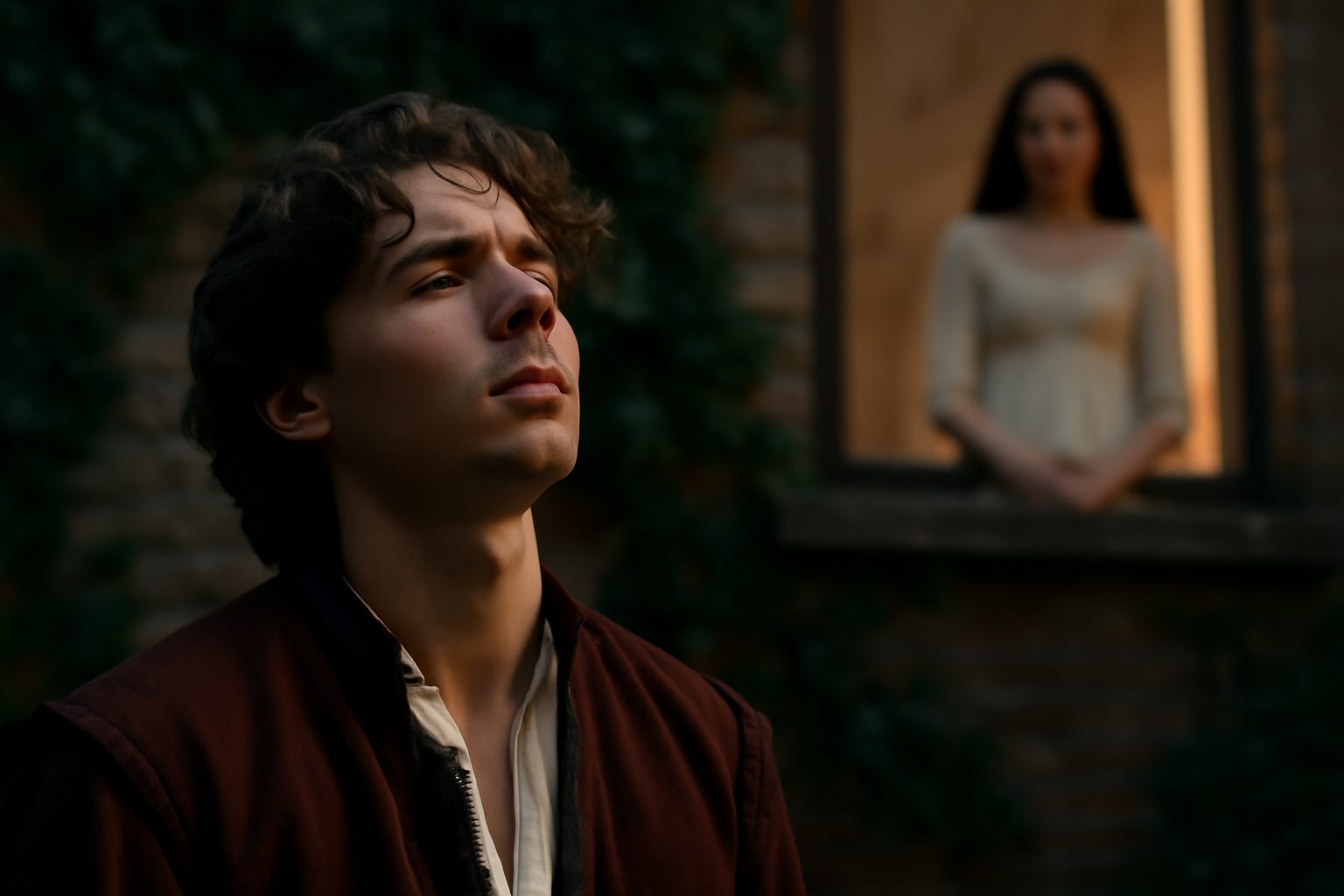
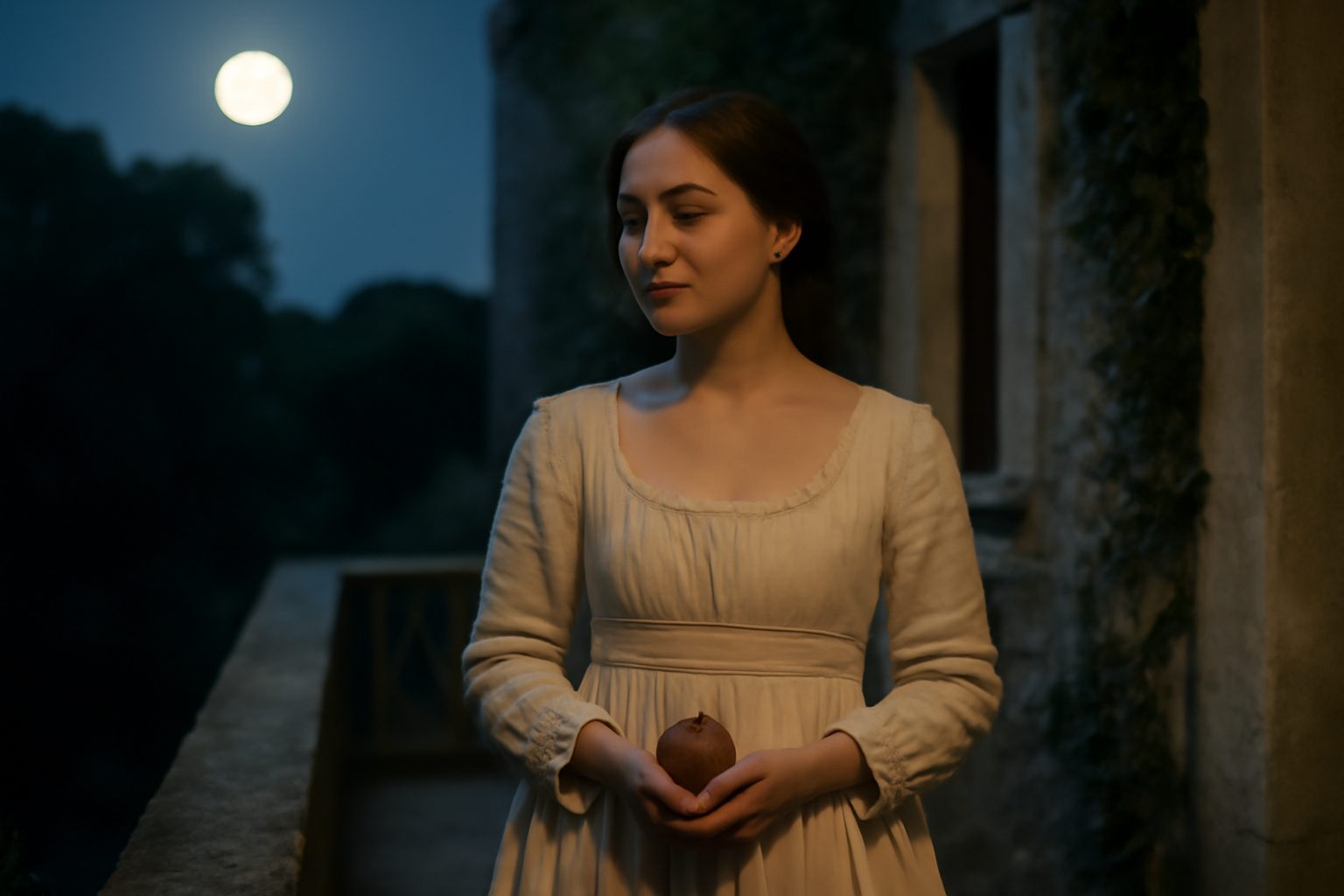
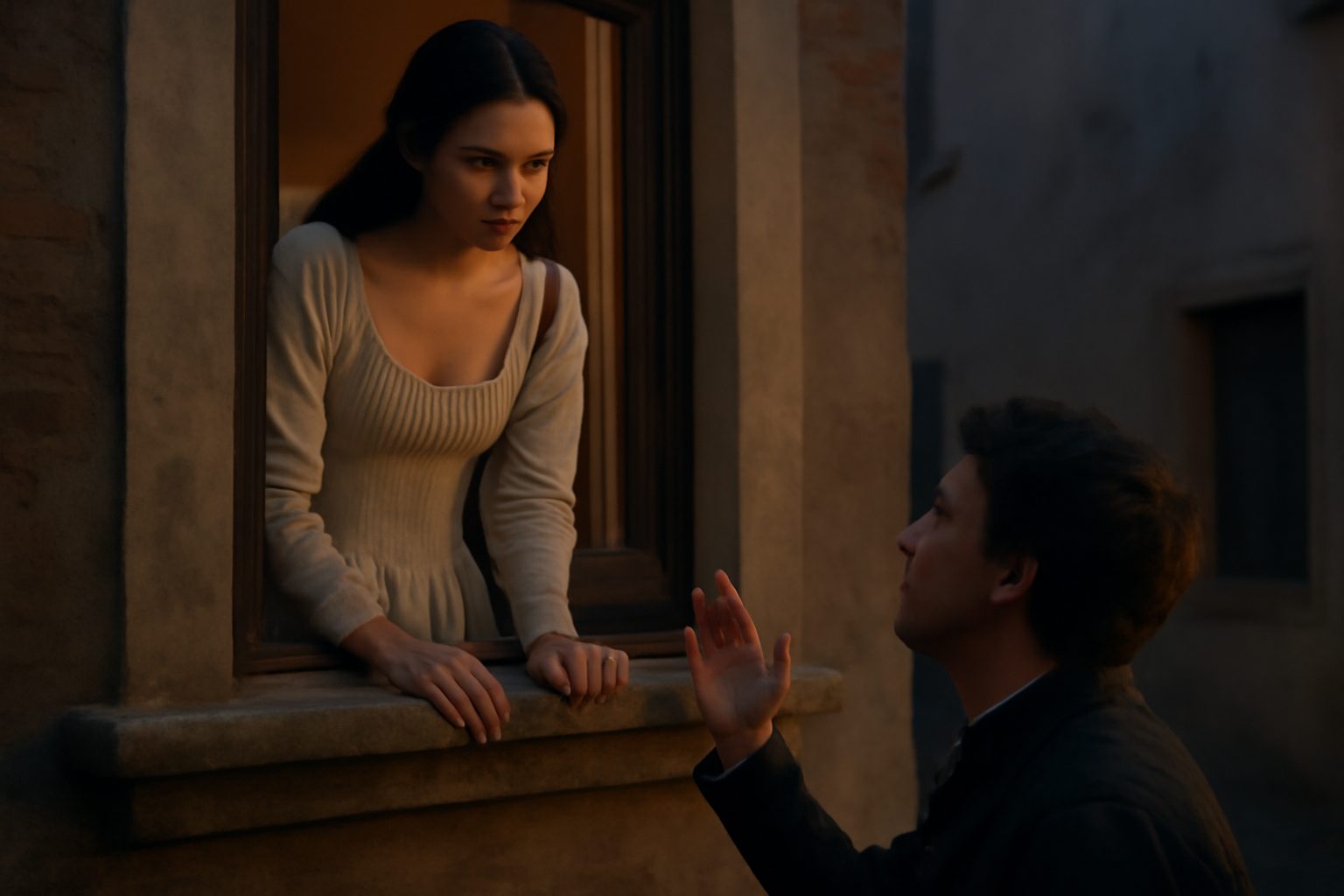
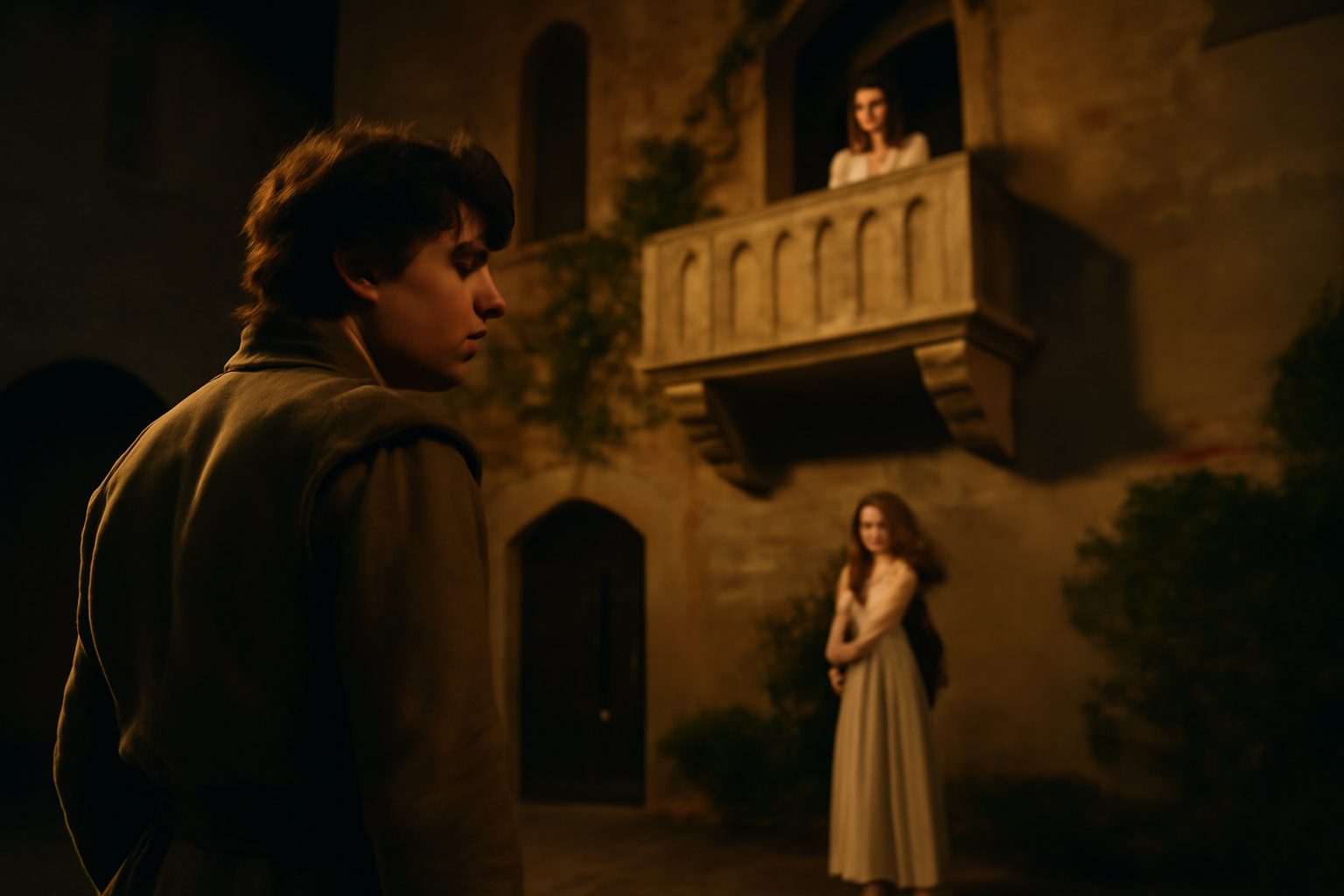
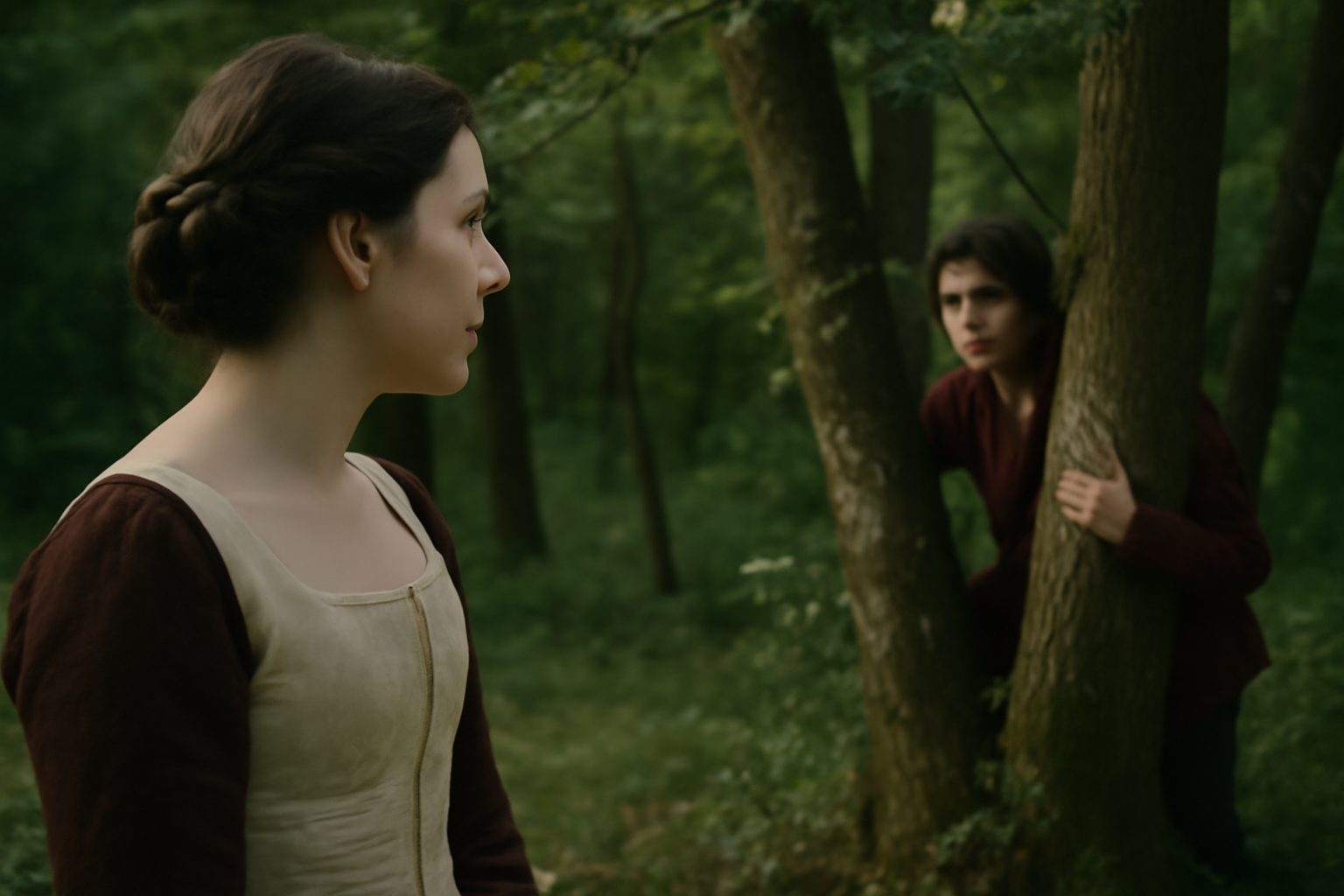
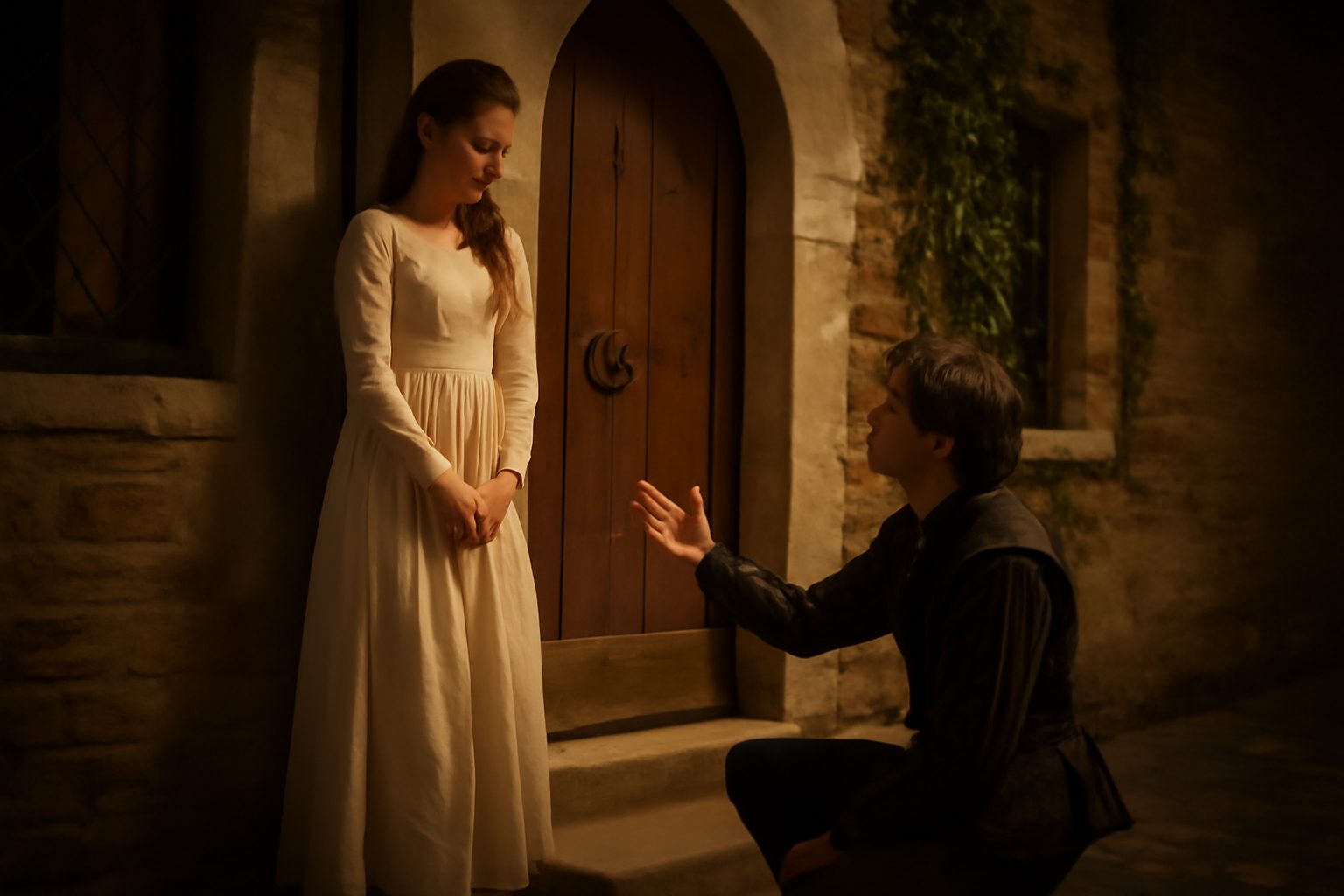
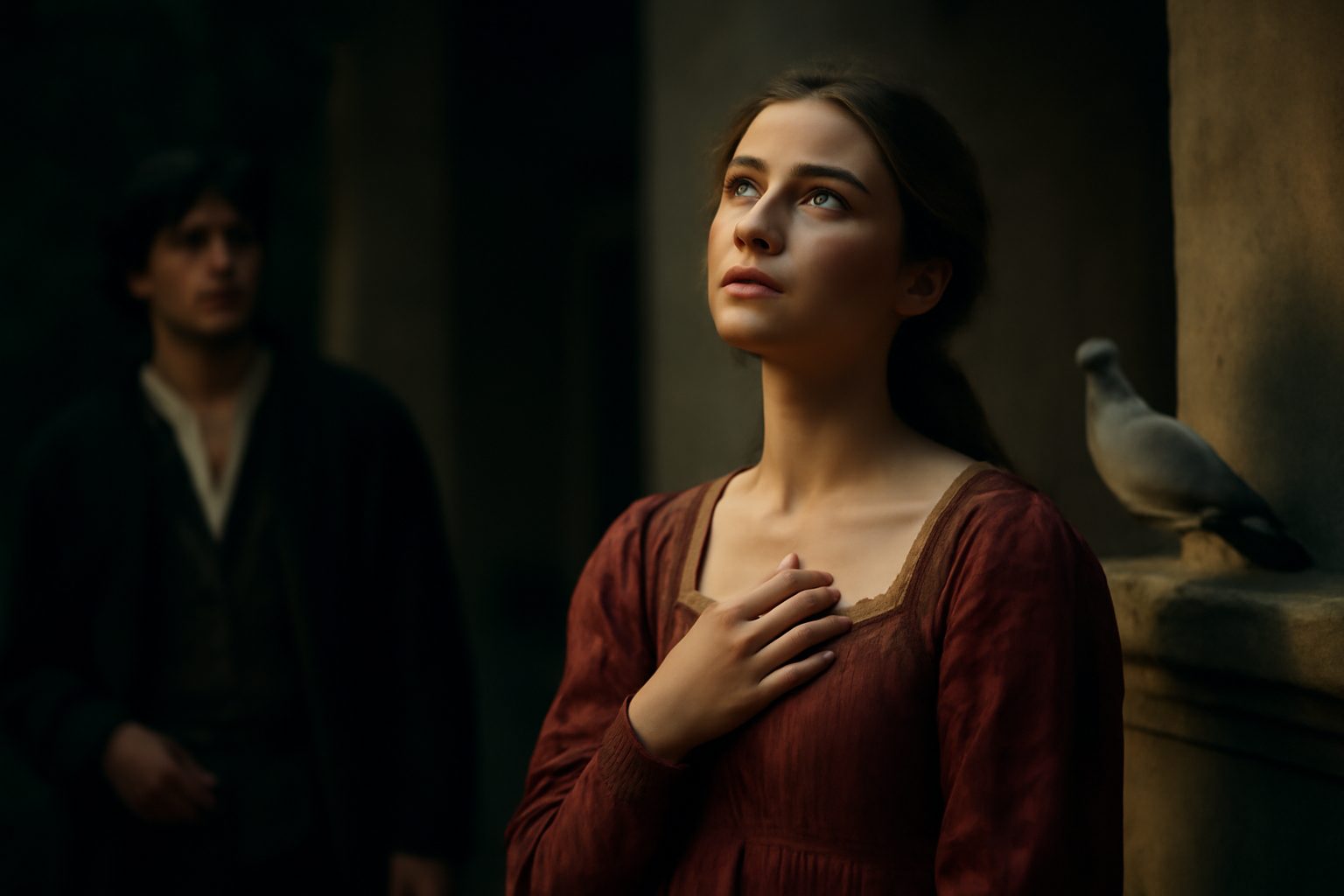
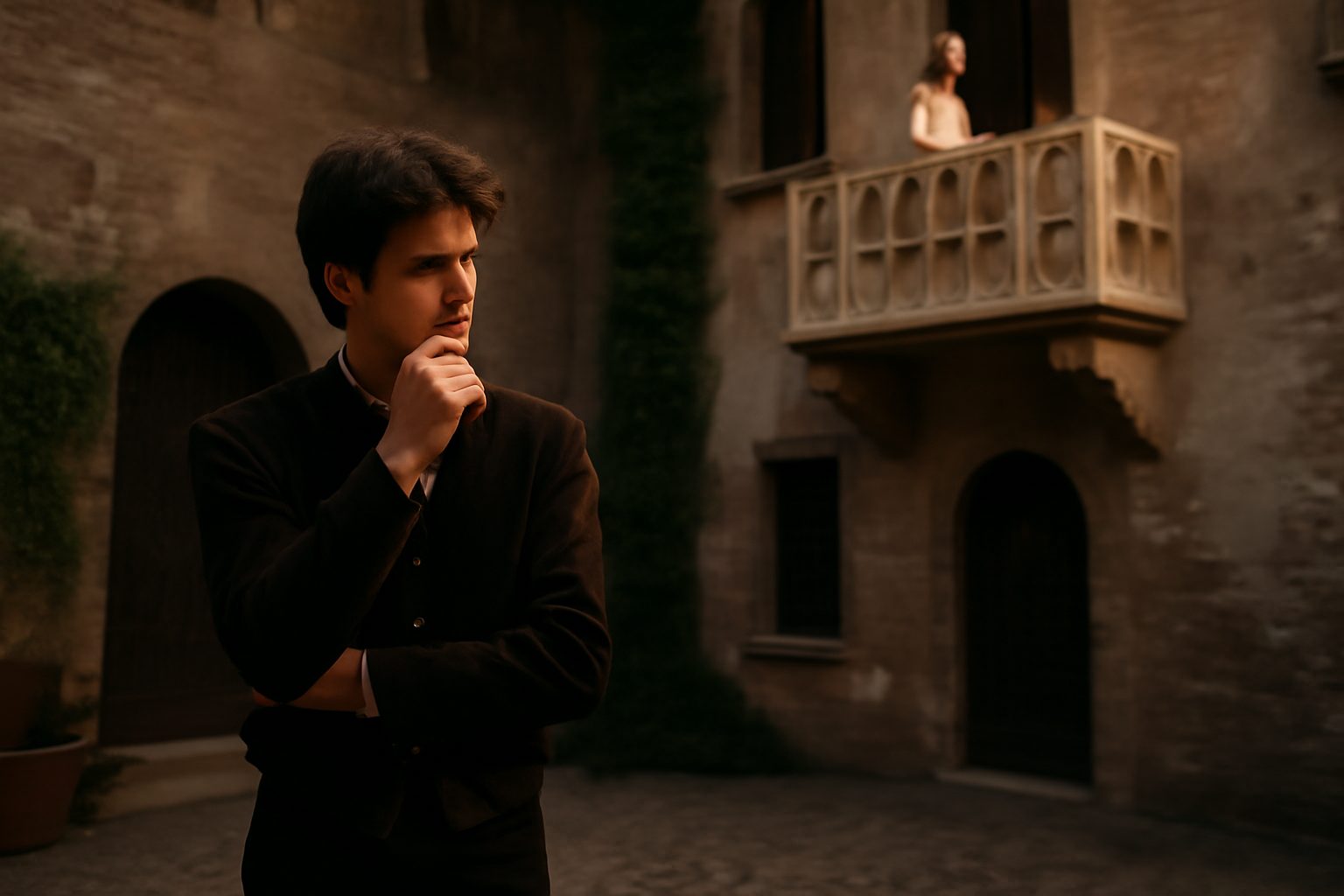
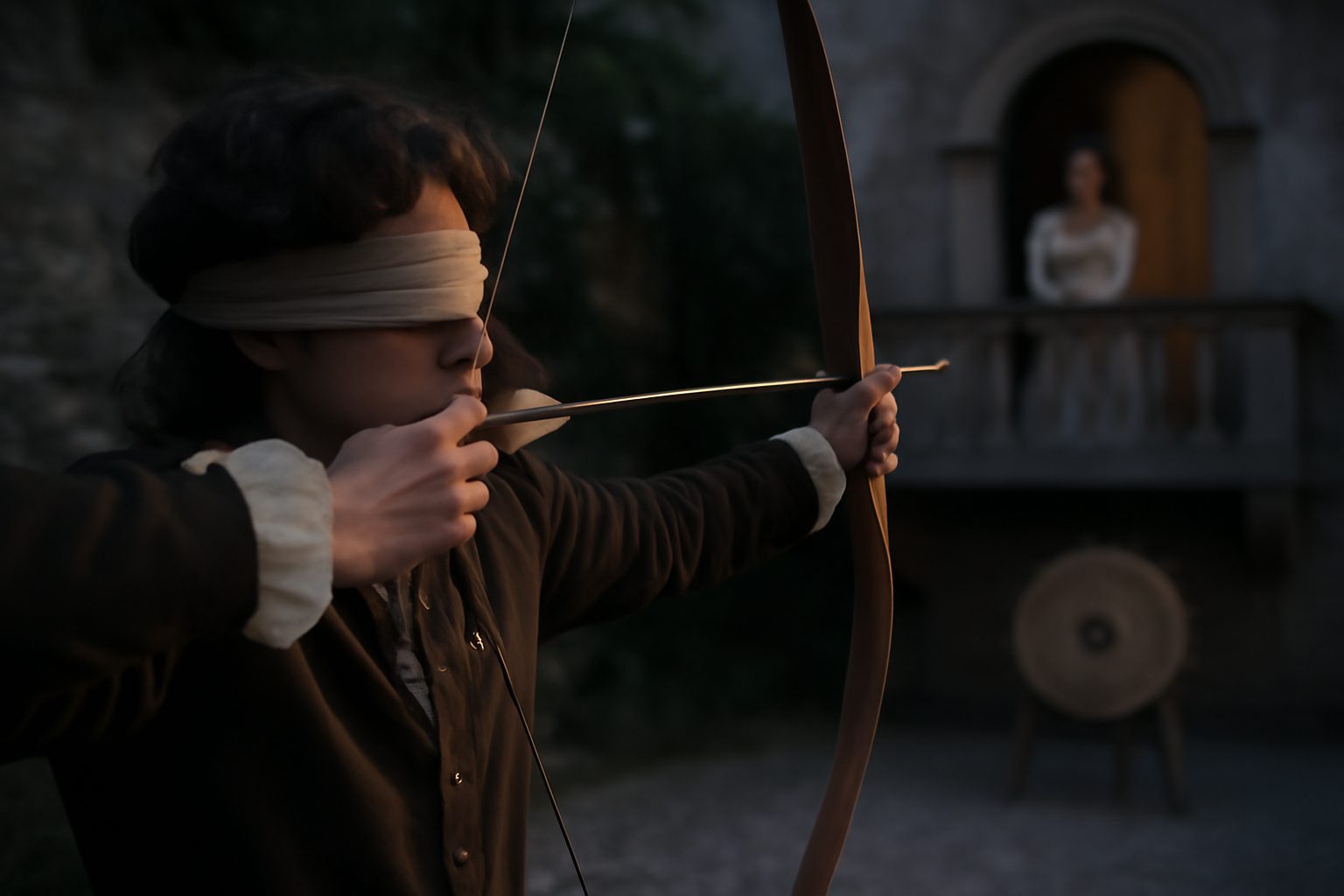
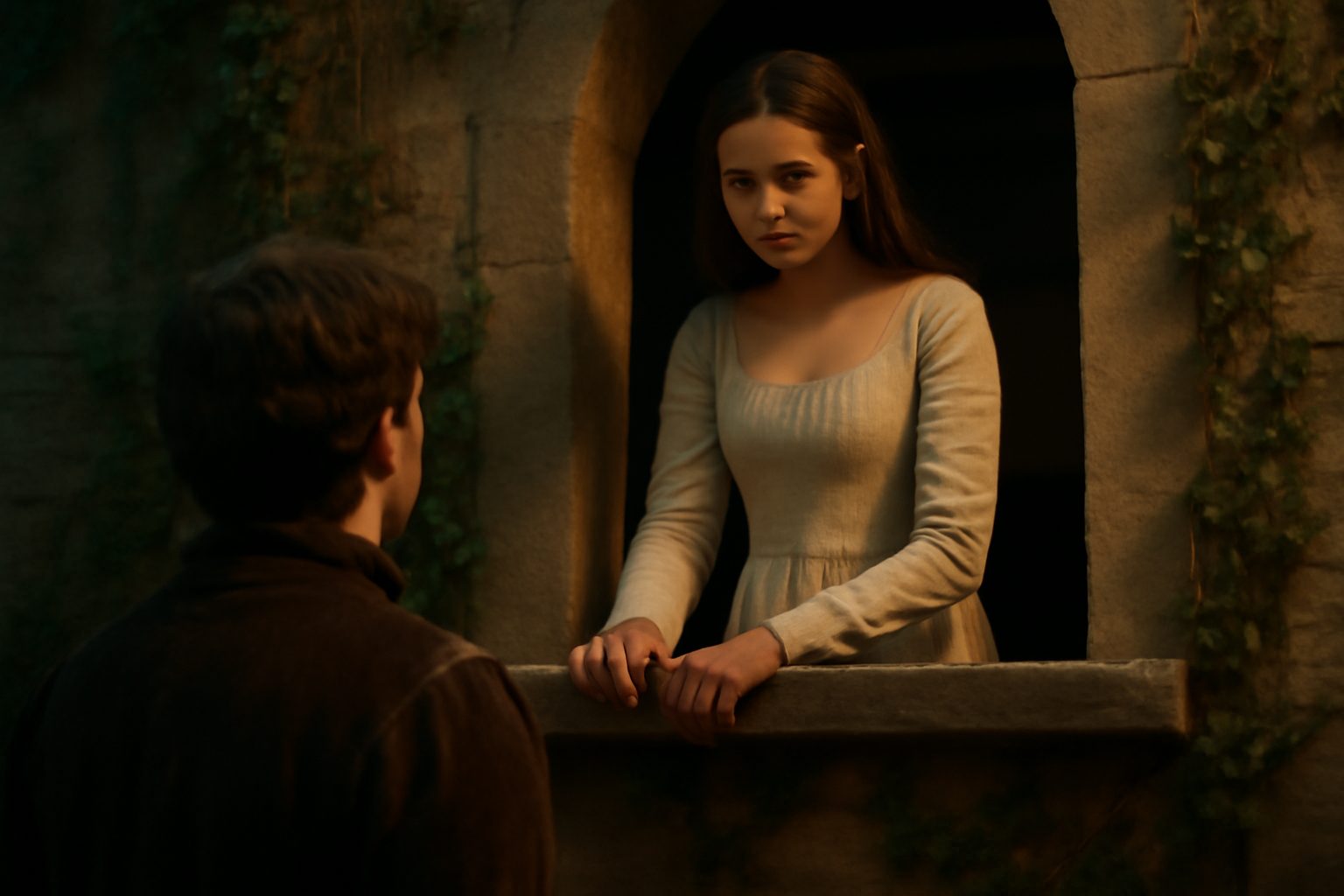
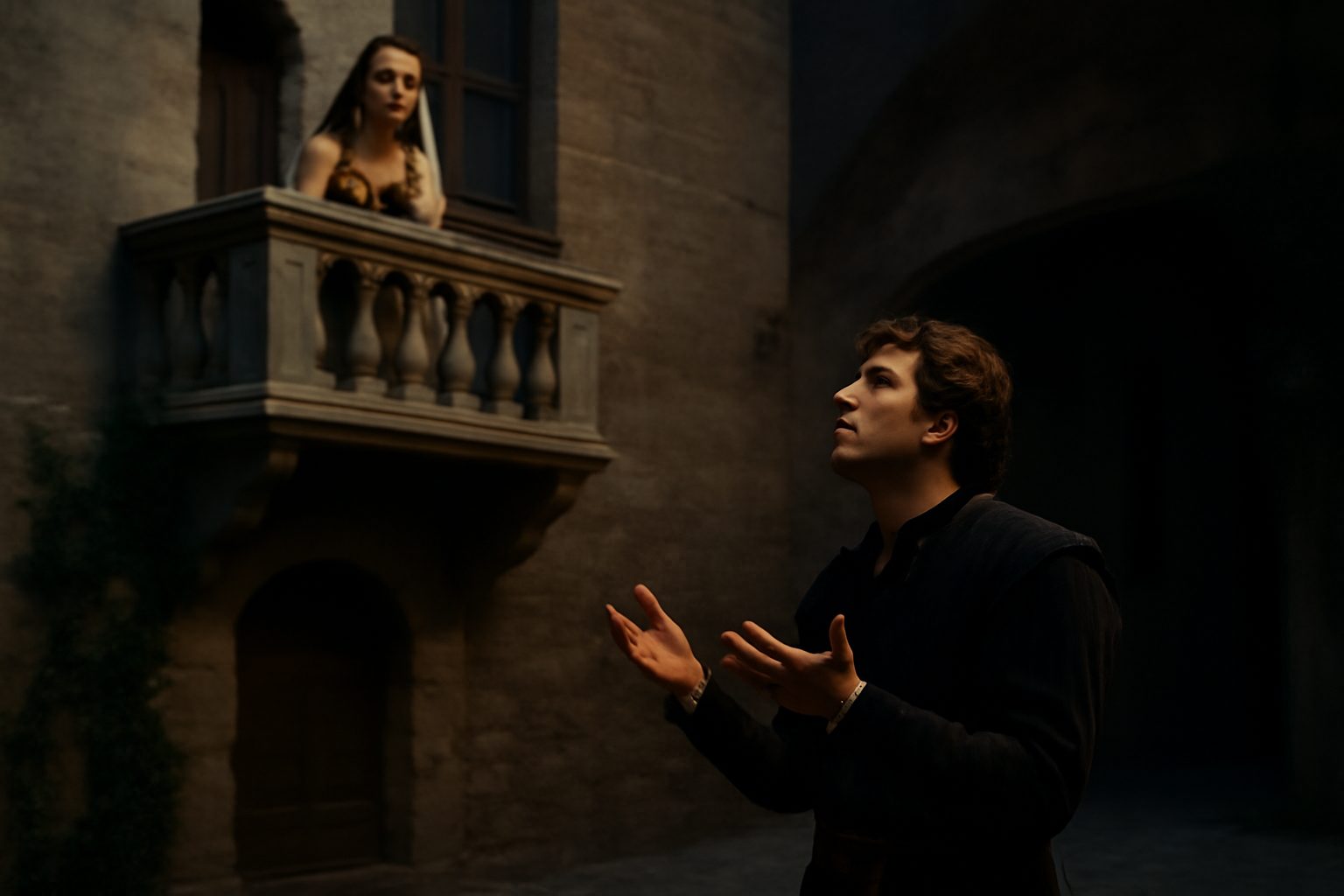
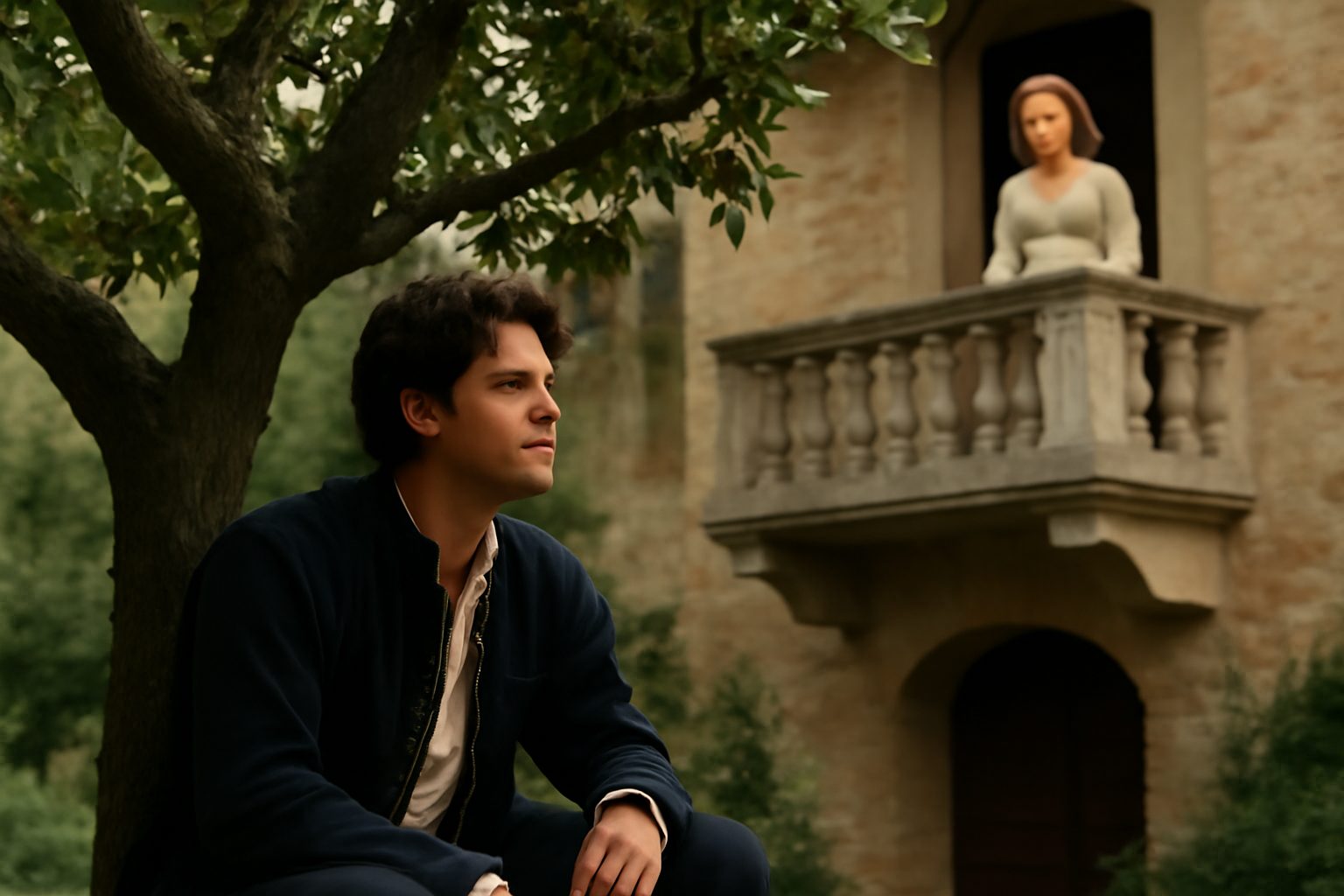
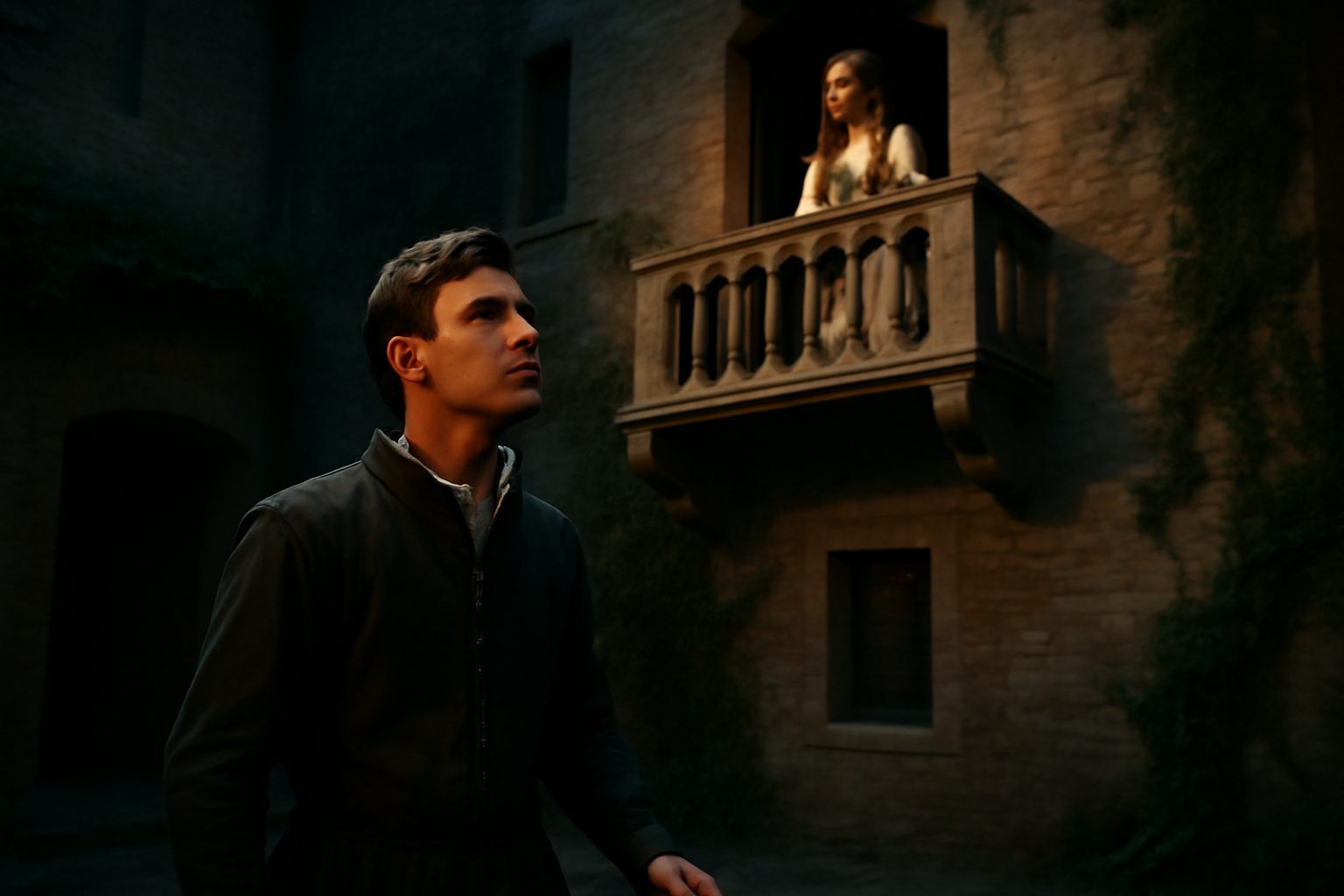
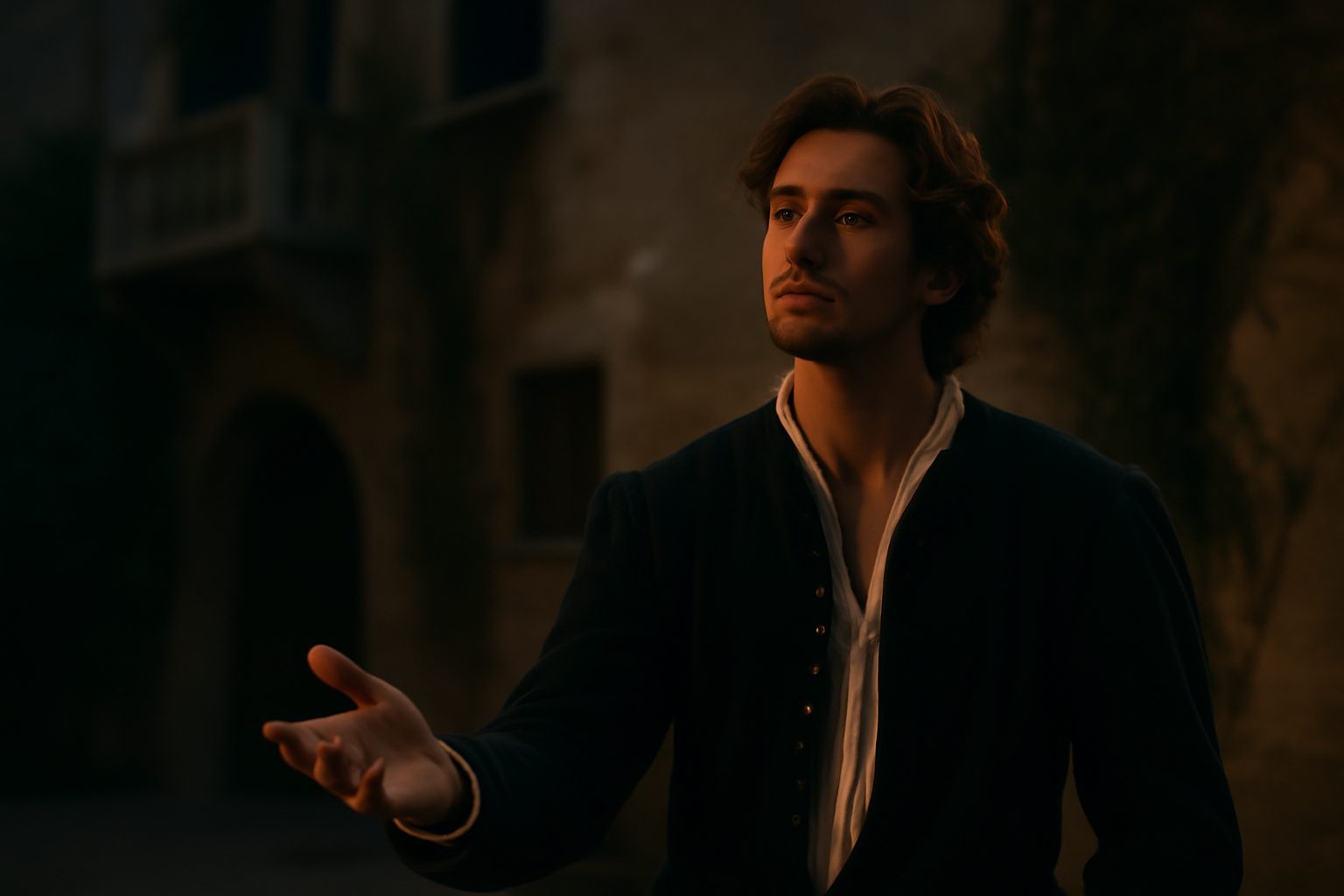
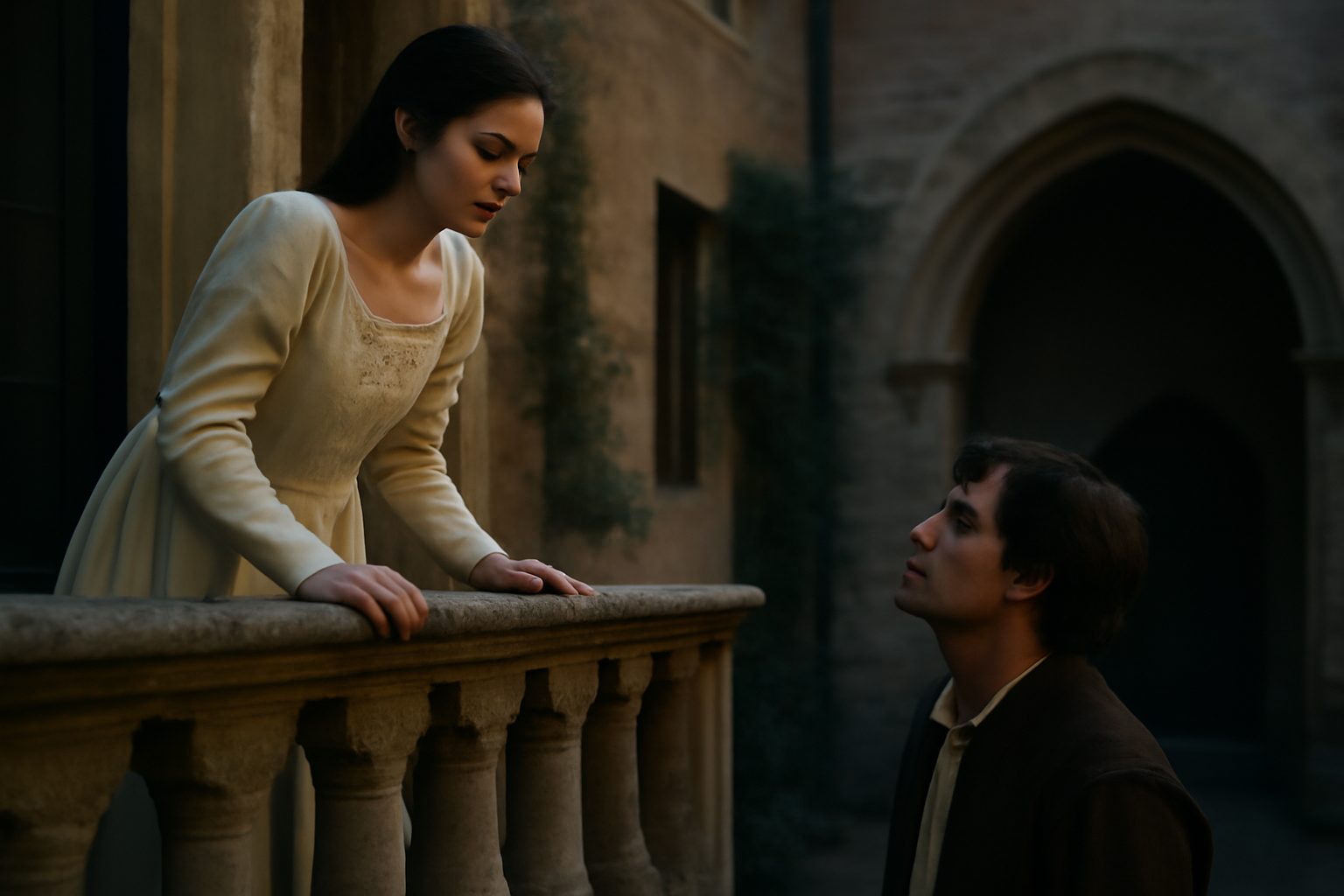
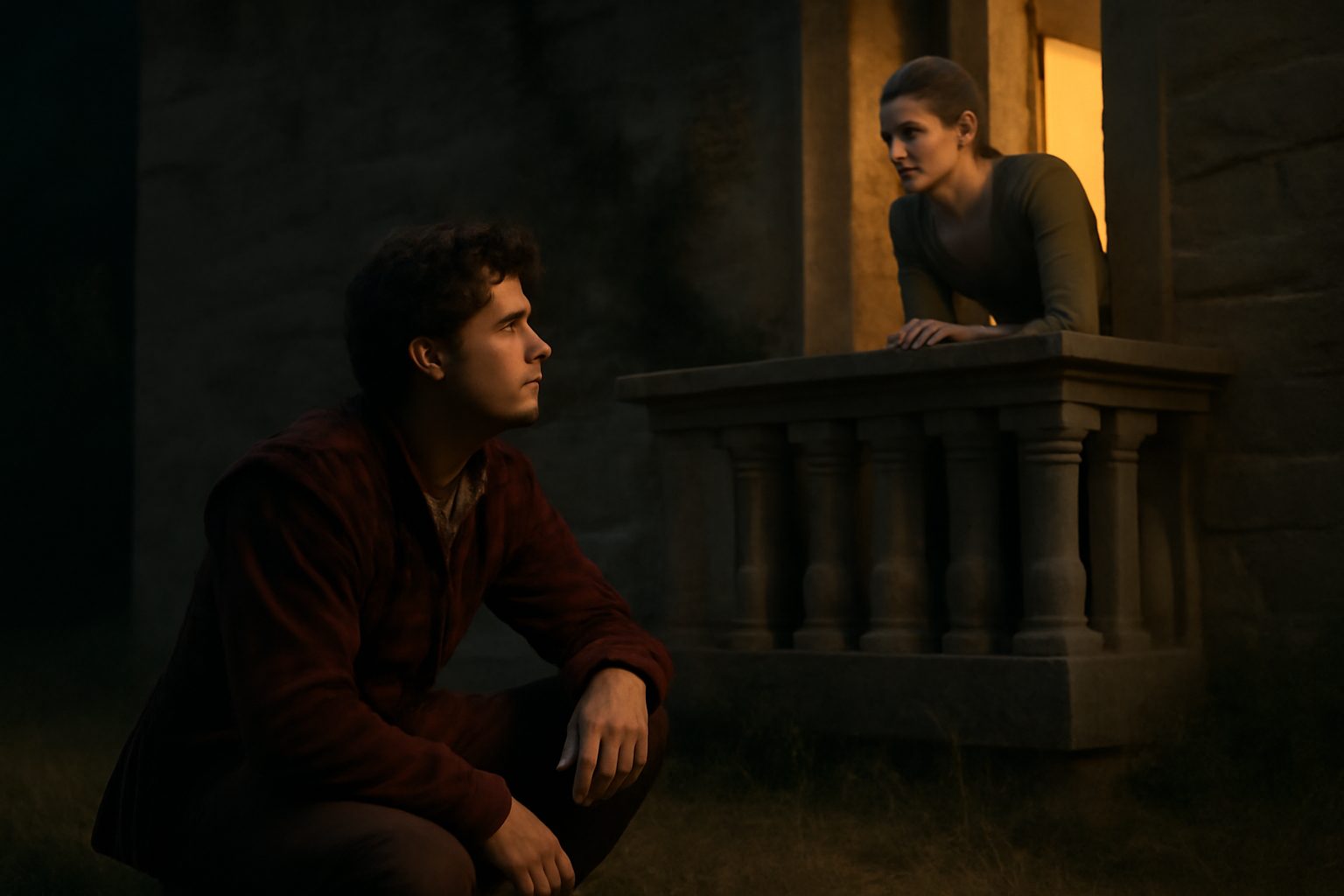
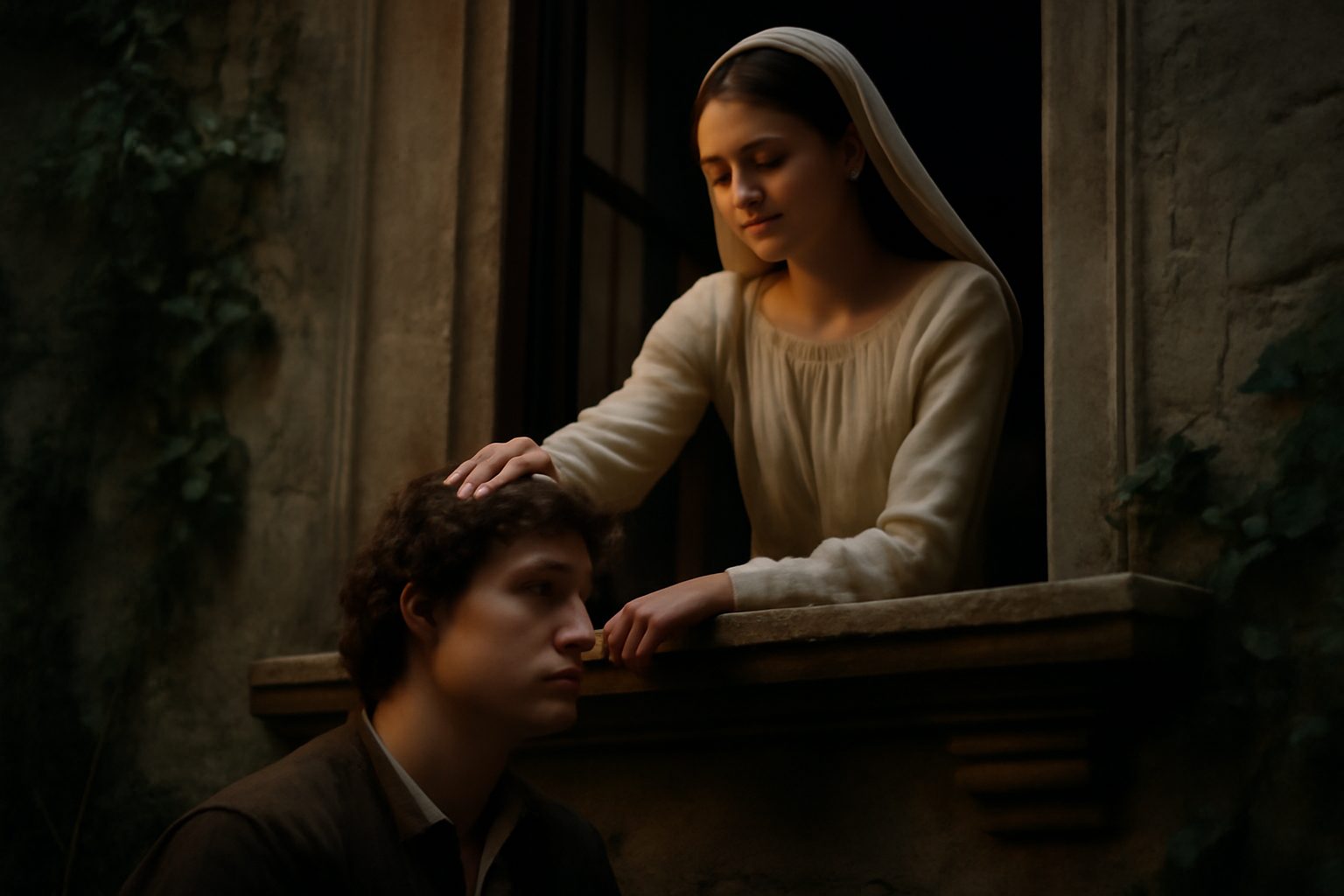
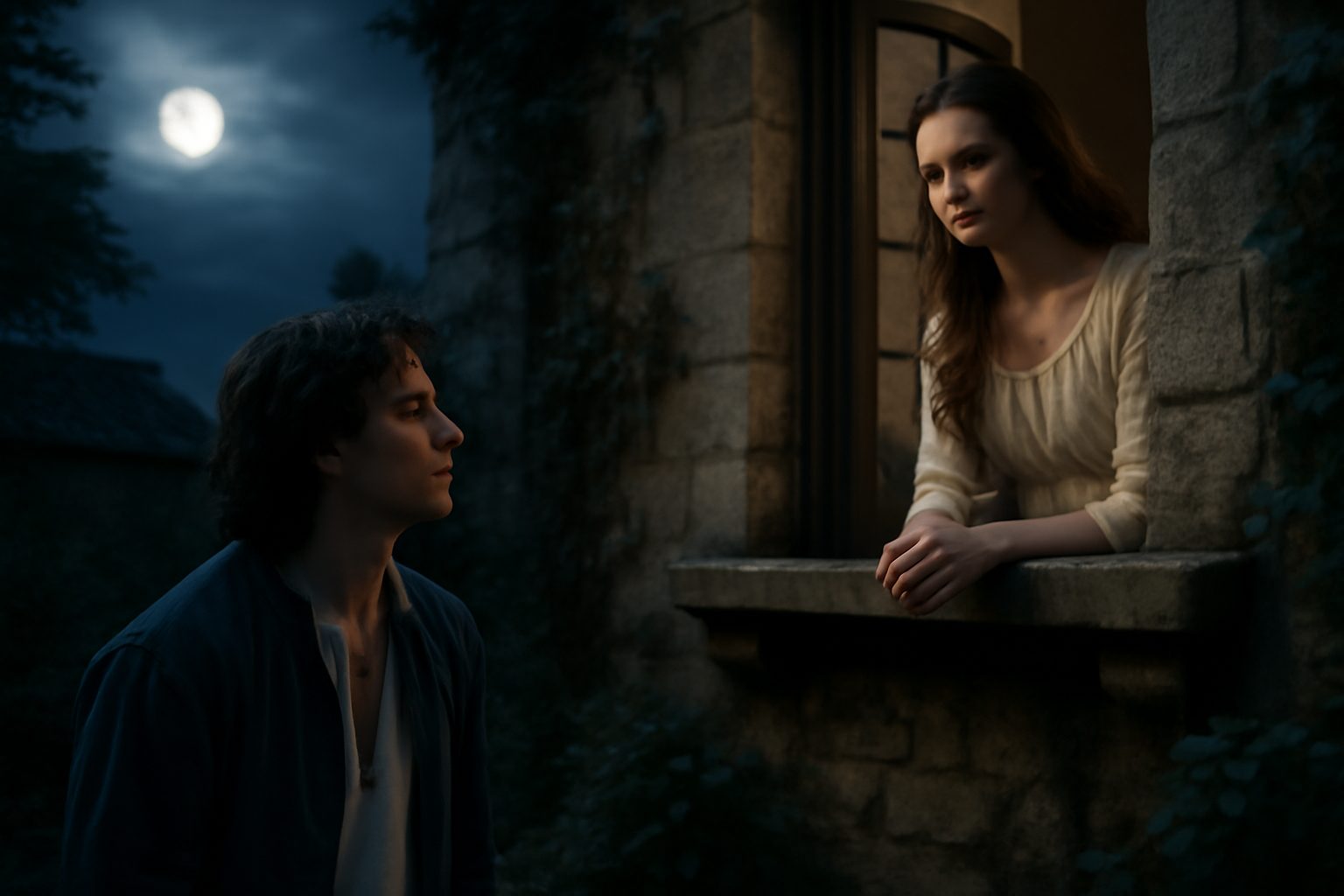
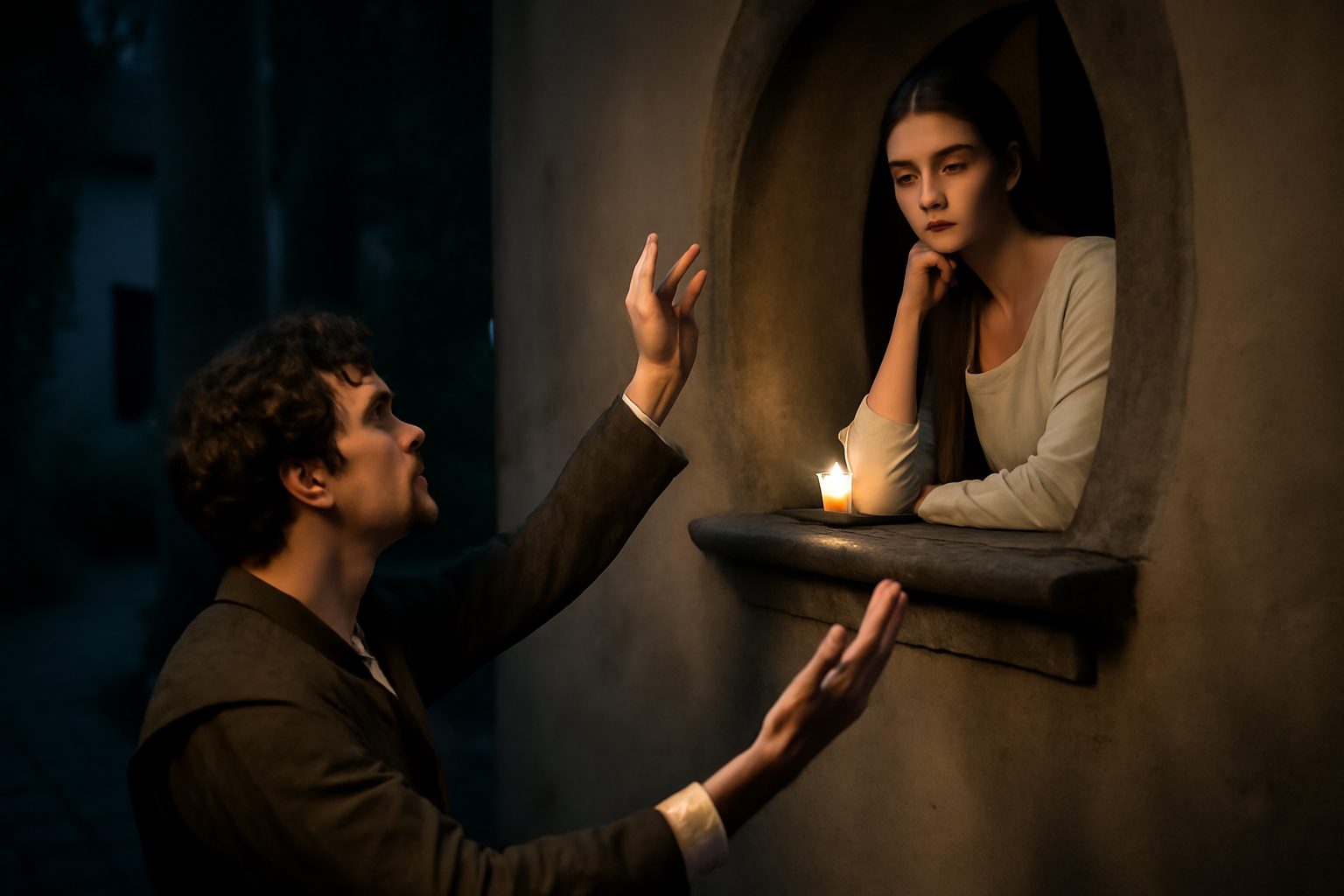
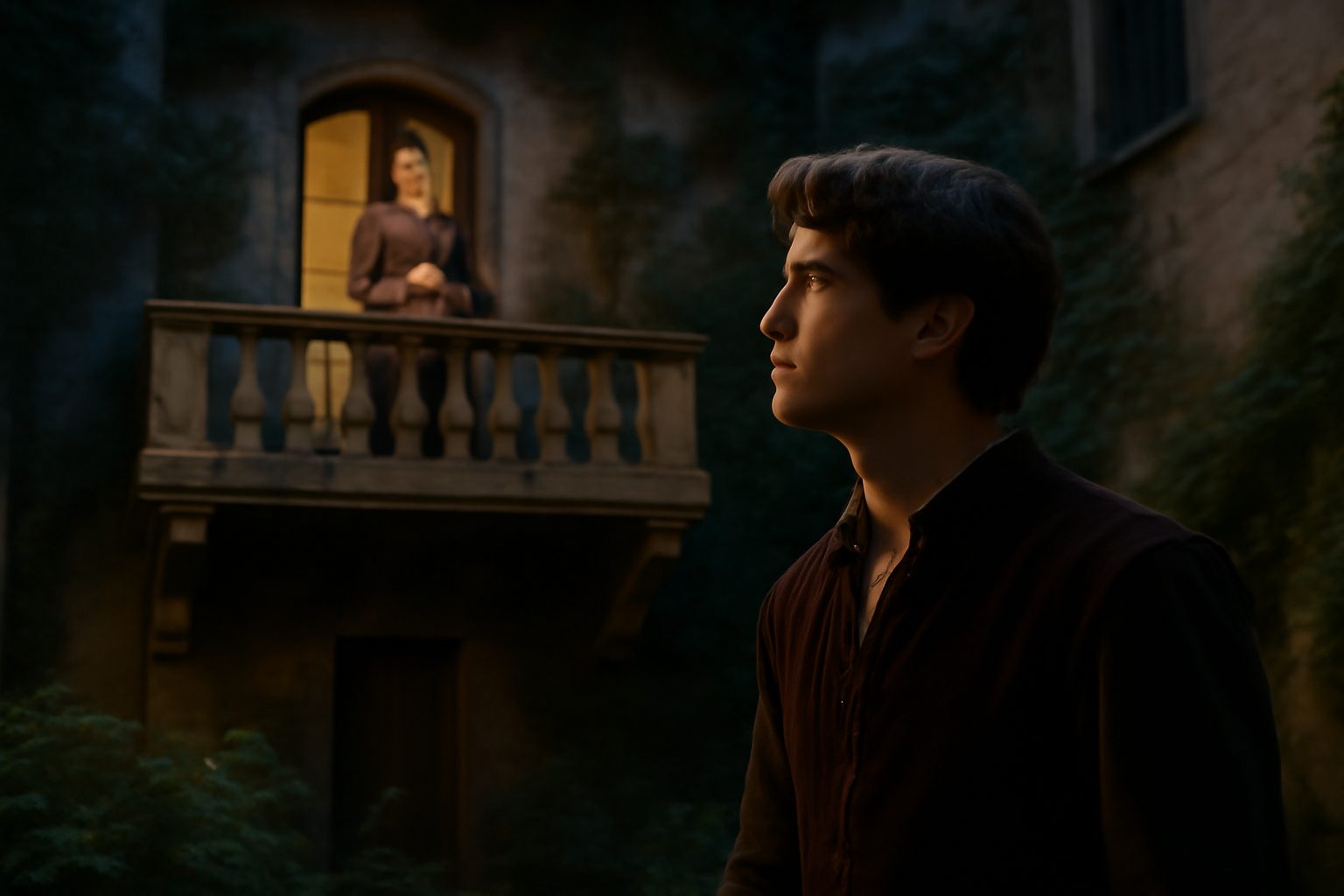
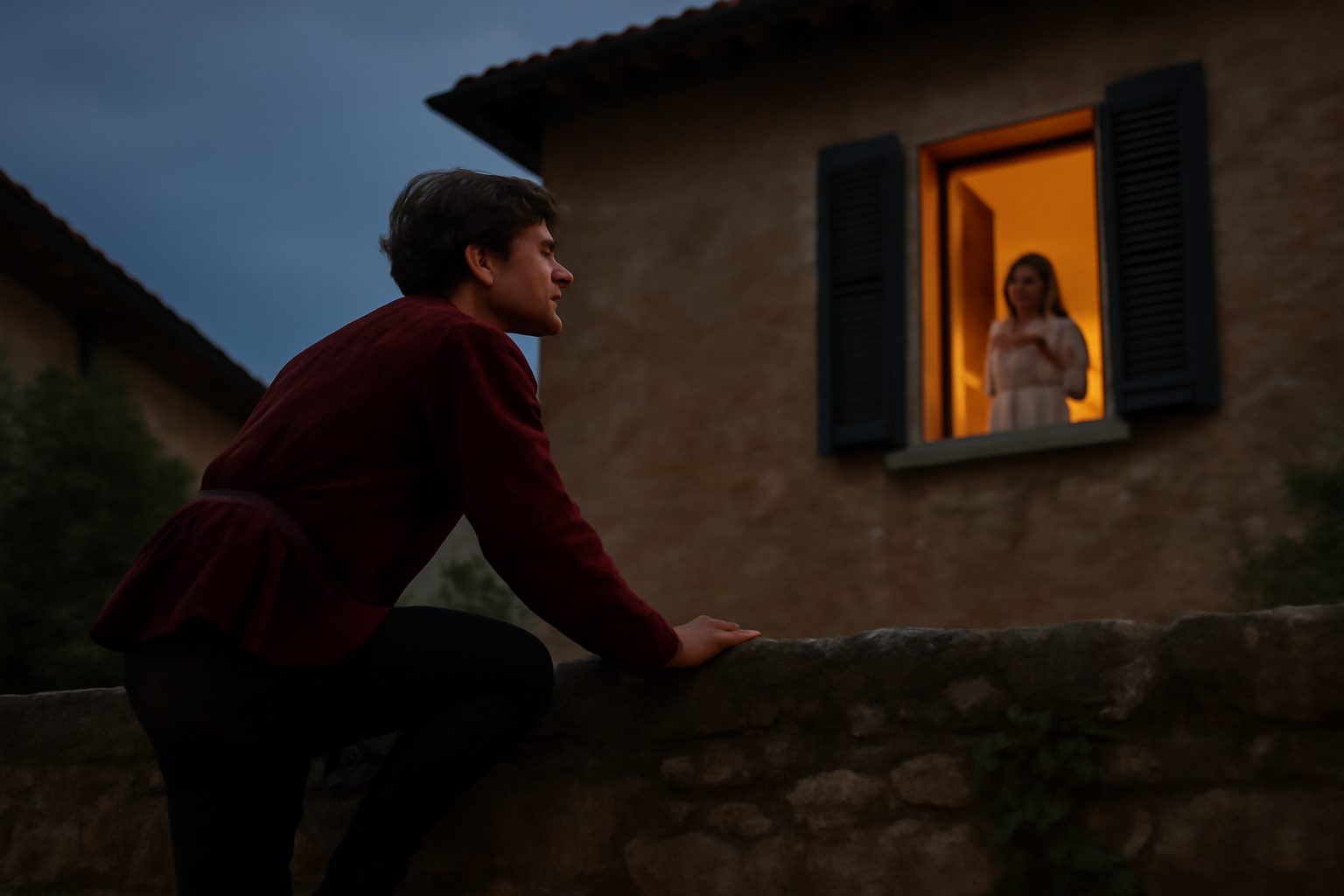
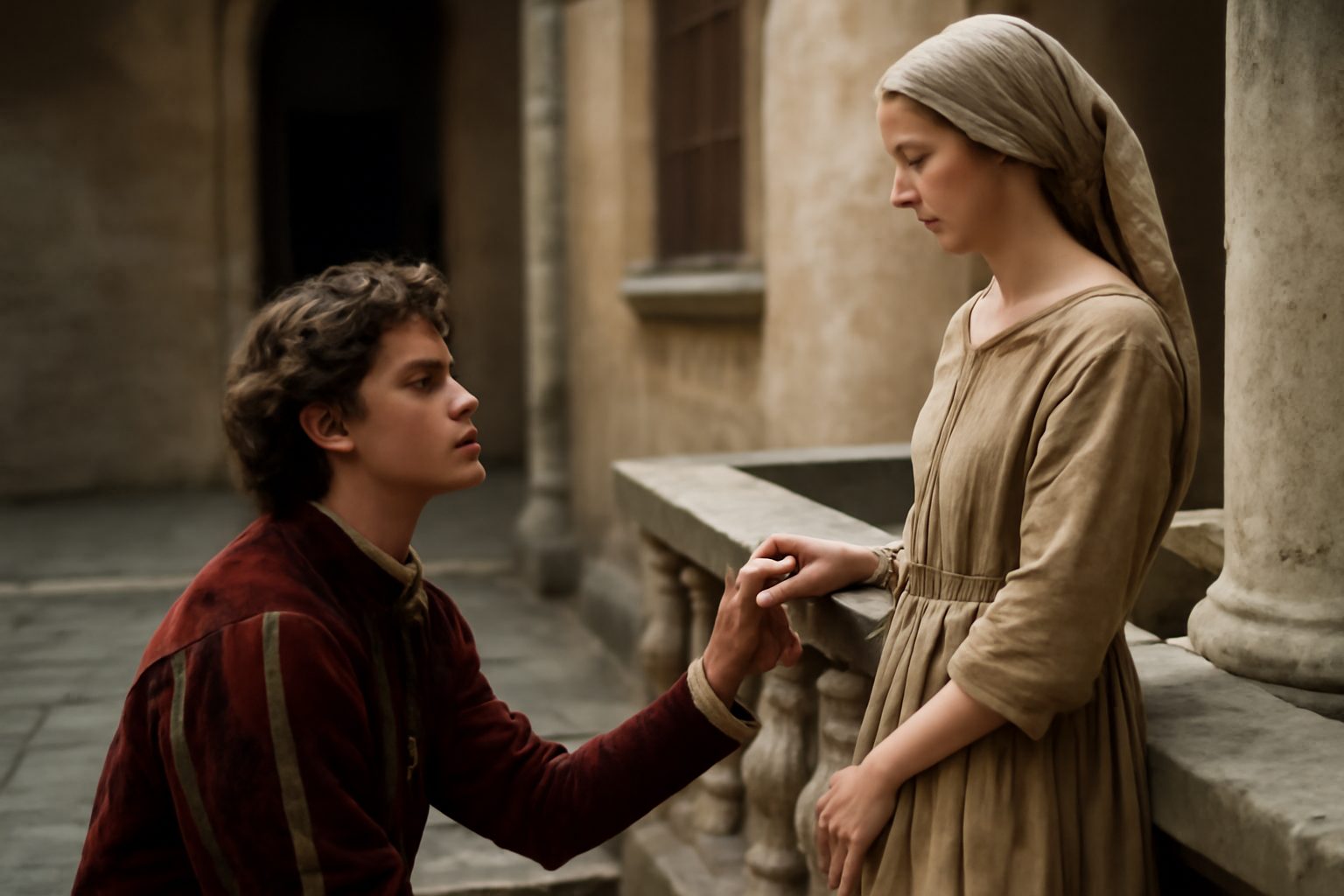
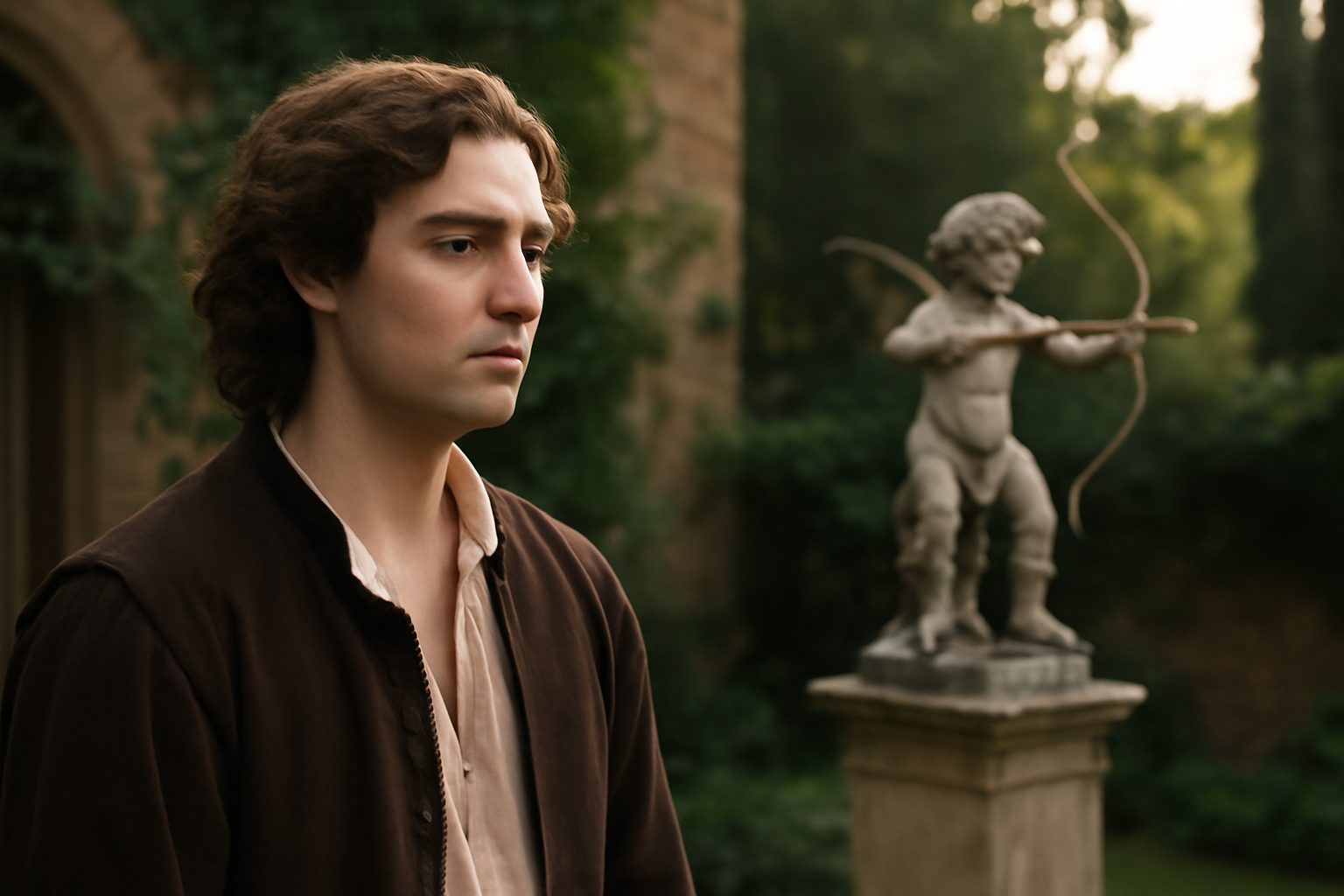
In Act 2, Scene 1 of Romeo and Juliet, Mercutio jests about Romeo's lovestruck state, mocking his infatuation with Rosaline. As Mercutio calls out to Romeo, who has slipped away to pursue Juliet, he humorously invokes Venus, the goddess of love, to intervene. This line reflects Mercutio's playful, irreverent tone as he teases Romeo for his romantic idealism.
Mercutio: "Speak to my gossip Venus one fair word,"
In modern day english, we would say:
Talk to my dear friend Venus for me, just one kind word.
Frequently Asked Questions
Who is Mercutio talking to when he mentions Venus?
Mercutio is talking to Romeo, teasing him about his love for Rosaline by referencing Venus, the goddess of love.
Connections to other verses:
Connections to "Speak to my gossip Venus one fair word"
The line "Speak to my gossip Venus one fair word" is part of Mercutio's playful conjuration, invoking Venus, the goddess of love, to summon Romeo. This mythological reference connects to "One nick-name for her purblind son and heir", where Mercutio refers to Cupid, Venus's son, emphasizing the theme of love's fickle and blind nature.
Conjuration and Invocation
Mercutio's invocation of Venus is part of a series of conjurations. He begins with "Nay, I'll conjure too", showing his determination to mock Romeo's lovesick state. This leads to "The ape is dead, and I must conjure him", where he humorously treats Romeo as if he were a spirit to be summoned. The conjuration theme continues with "I conjure only but to raise up him", reinforcing the playful yet futile attempt to draw Romeo out.
Love and Mythology
The reference to Venus ties into other mythological allusions in the scene. For instance, "Young Adam Cupid, he that shot so trim" directly references Cupid, further linking to the invocation of Venus. Additionally, "When King Cophetua loved the beggar-maid!" alludes to a legendary tale of love, echoing the theme of romantic idealism that Mercutio mocks.
Mockery of Romeo's Love
Mercutio's invocation is steeped in sarcasm, as seen in "Romeo! humours! madman! passion! lover!", where he ridicules Romeo's exaggerated emotions. The line "Blind is his love and best befits the dark" critiques the blindness of love, a idea reinforced by "If love be blind, love cannot hit the mark", both connecting to the fickle nature of love that Mercutio associates with Venus and Cupid.
Playful Language and Imagery
Mercutio's whimsical language includes "Appear thou in the likeness of a sigh" and "Cry but 'Ay me!' pronounce but 'love' and 'dove;'", which mock the conventional expressions of love. The fruit imagery in "And wish his mistress were that kind of fruit" and "As maids call medlars, when they laugh alone" adds a layer of bawdy humor, contrasting with the elevated mythological reference to Venus.
Conclusion of the Scene
As the conjurations fail, Benvolio suggests "Come, shall we go?", leading to Mercutio's resigned "Go, then; for 'tis in vain" and the final acknowledgment that "To seek him here that means not to be found", underscoring the futility of their efforts and Romeo's intentional isolation in his newfound love.