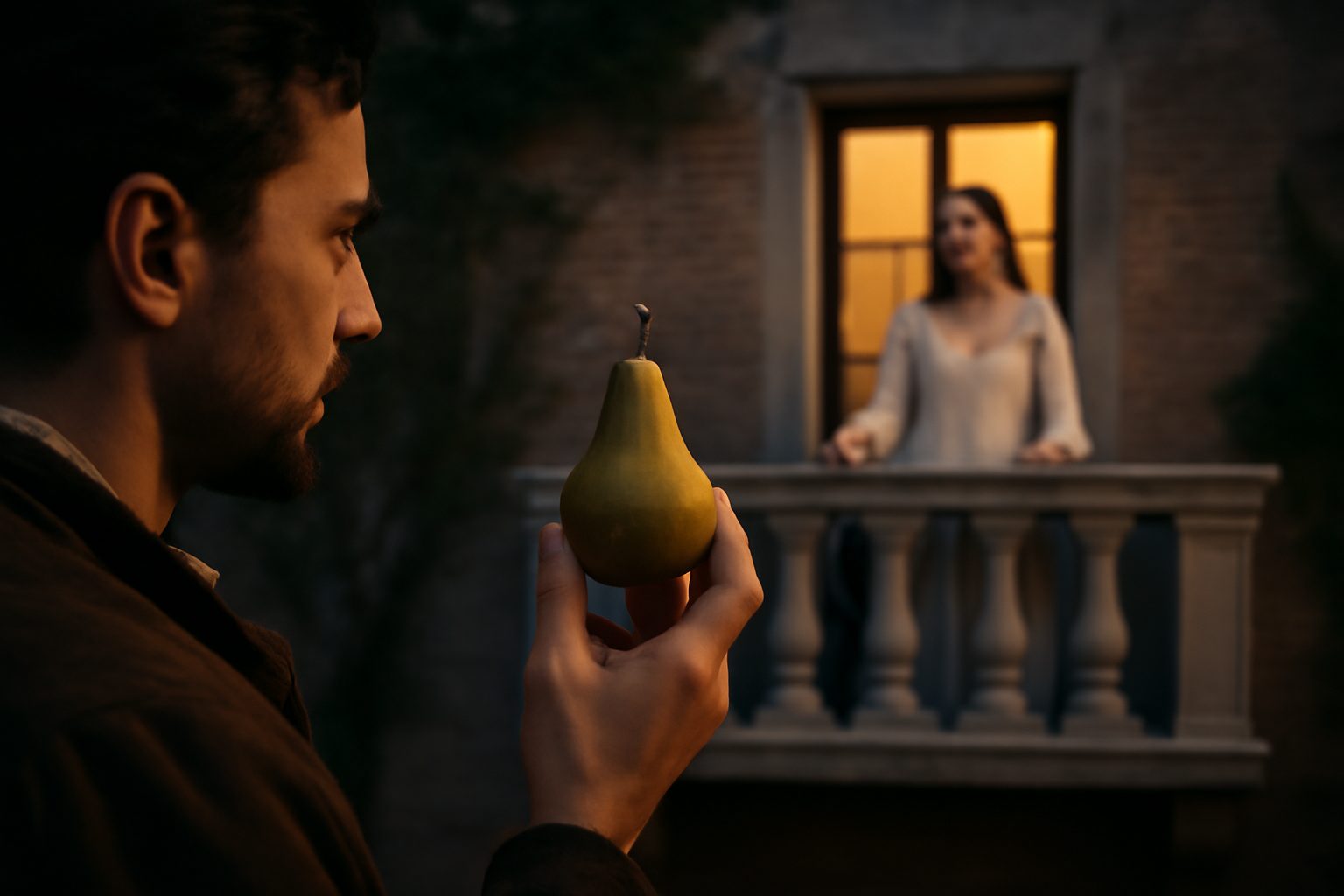
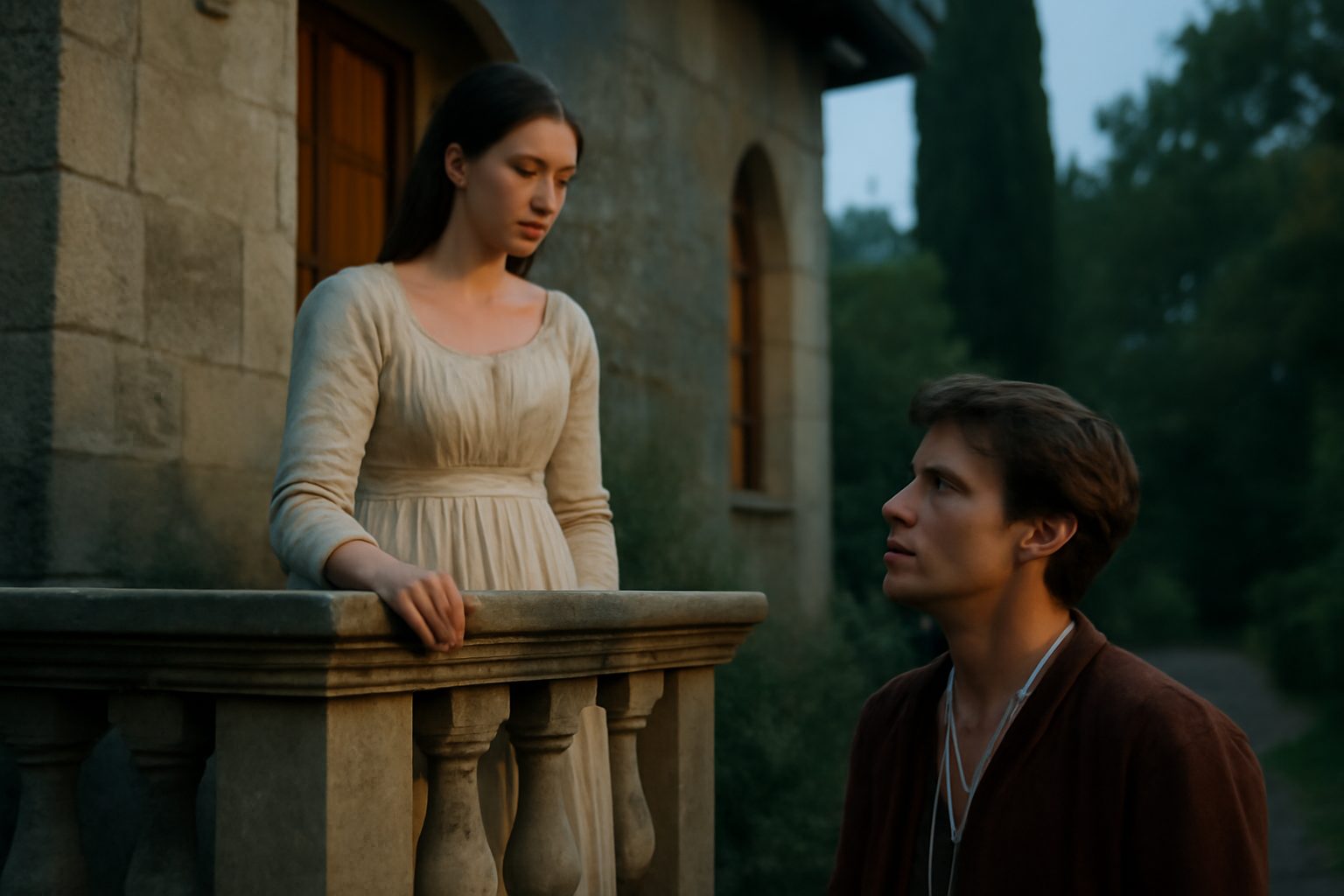
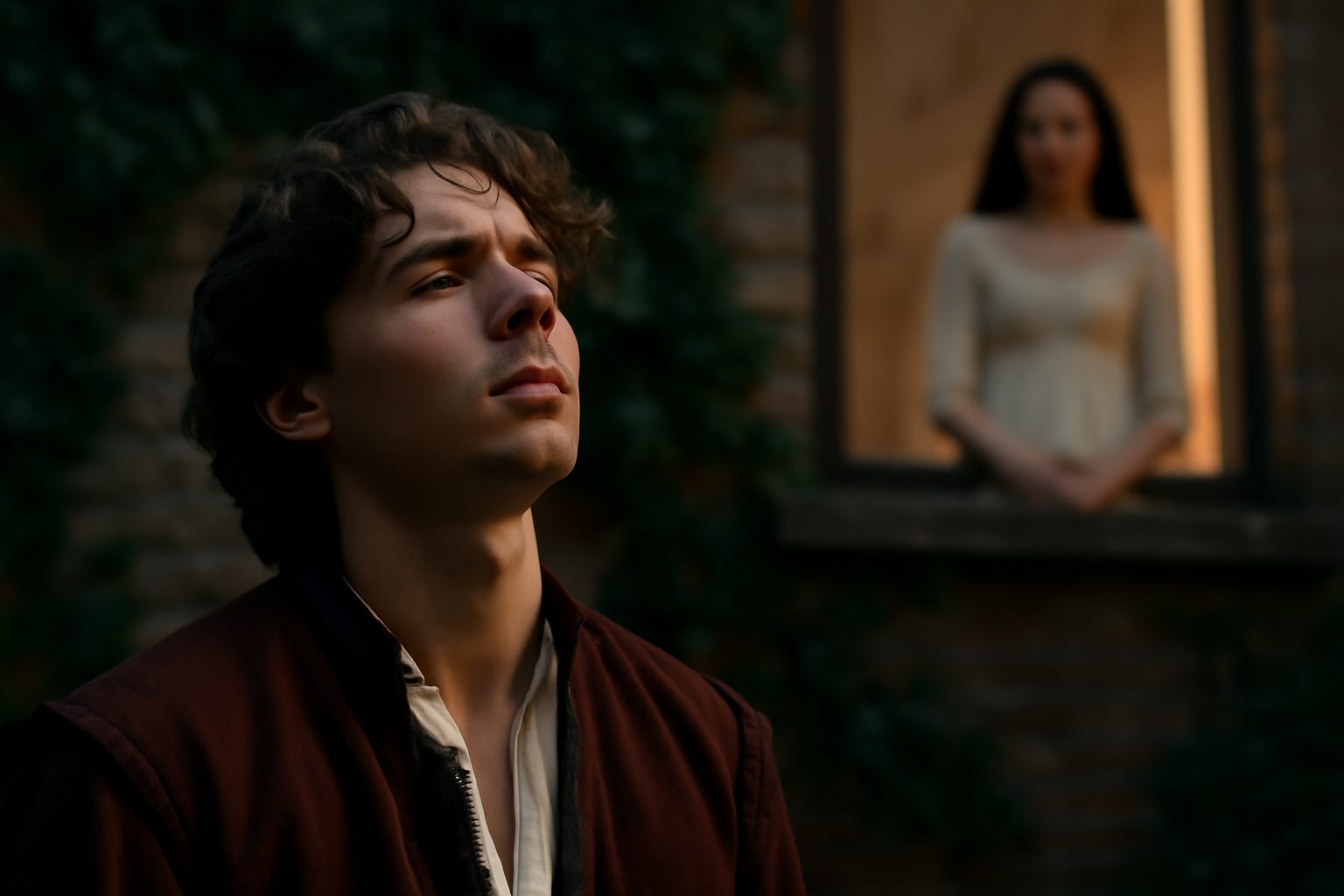
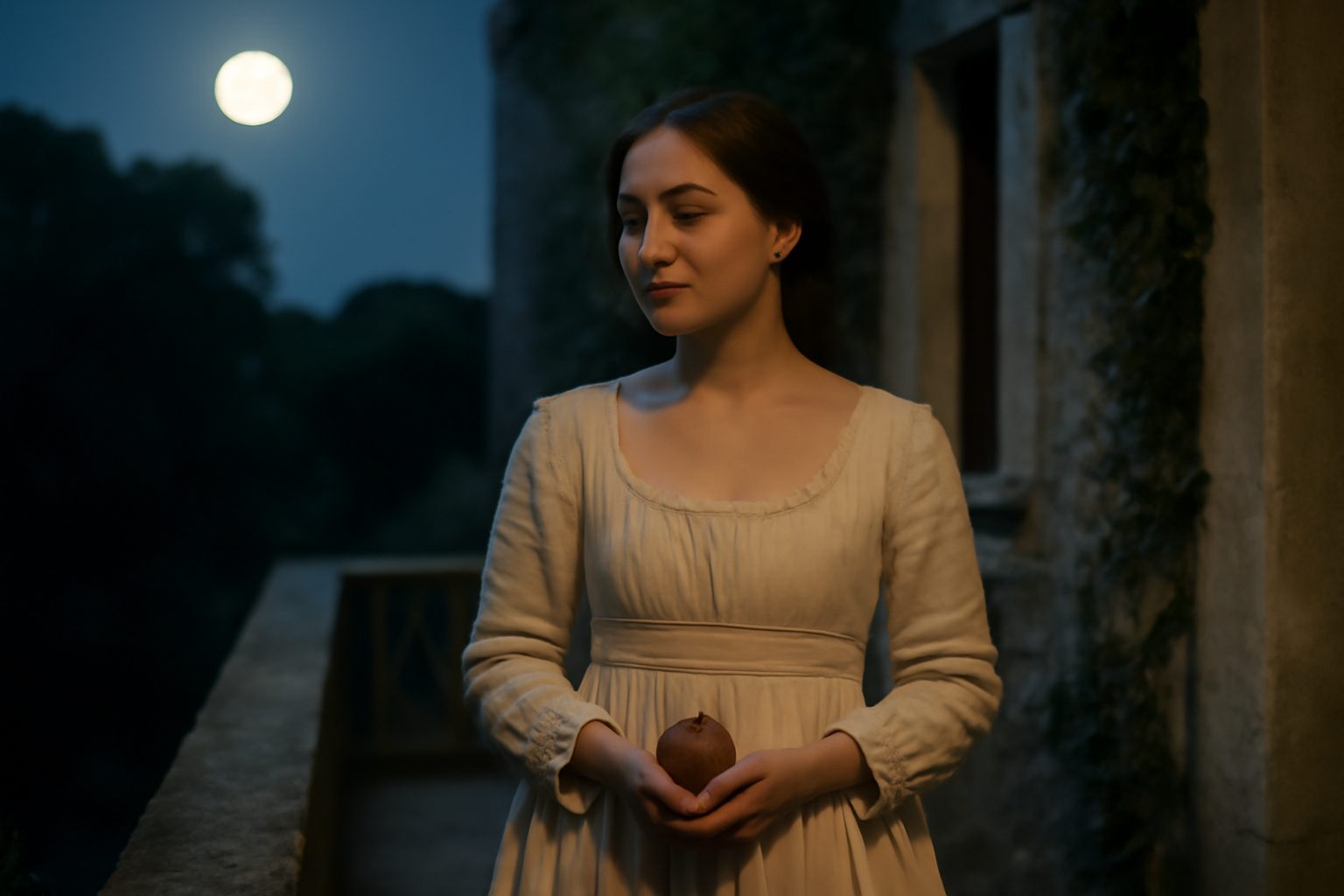
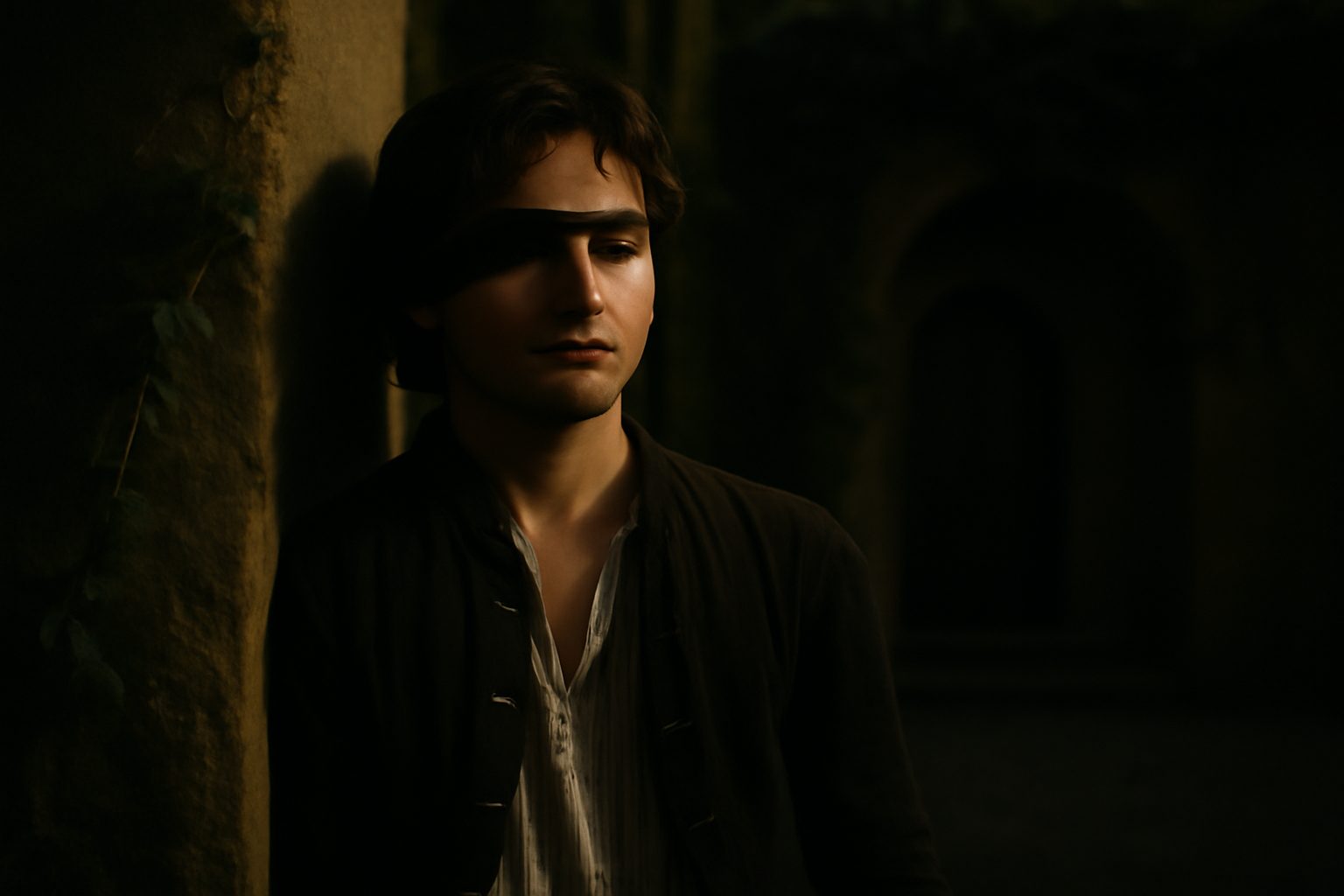
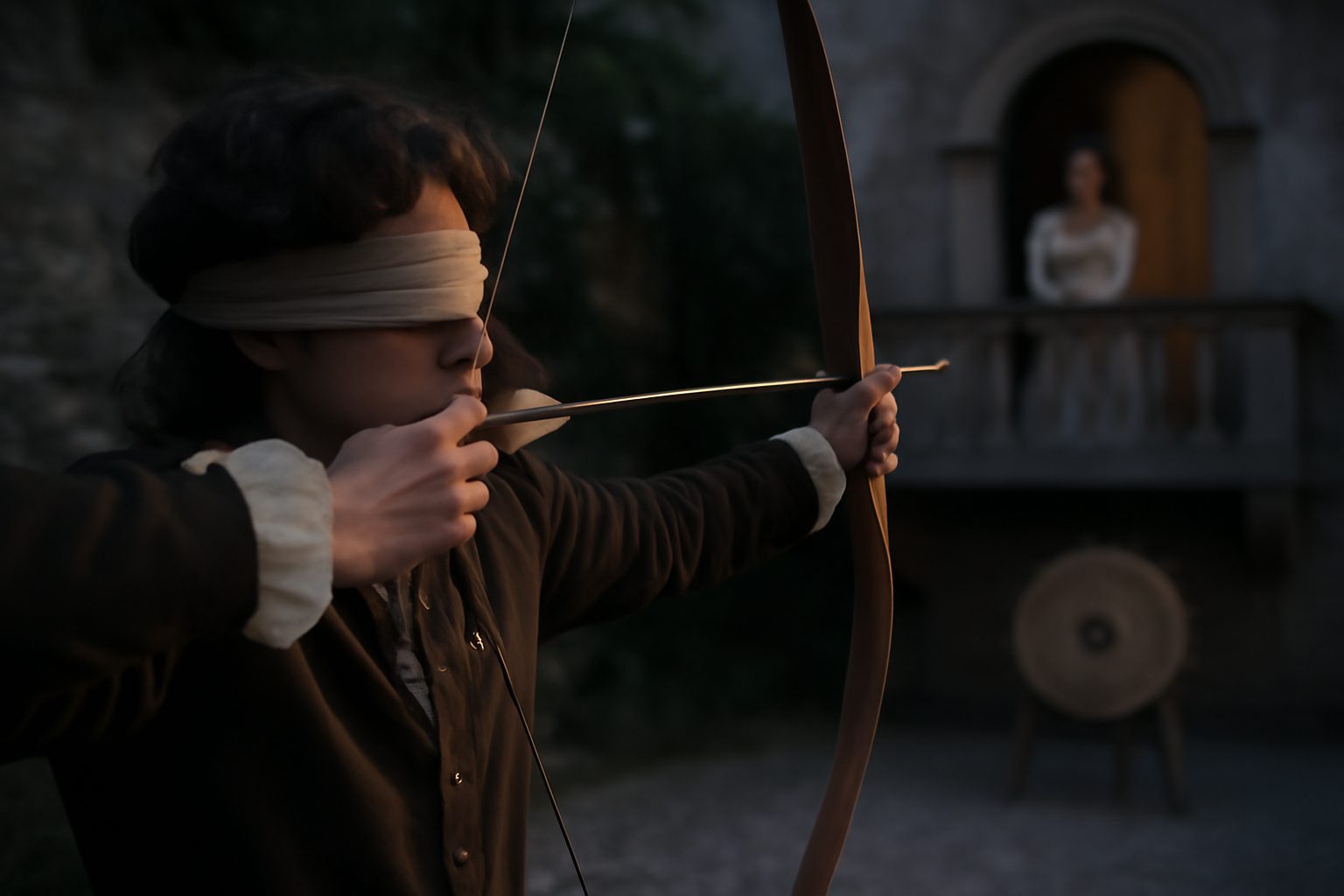
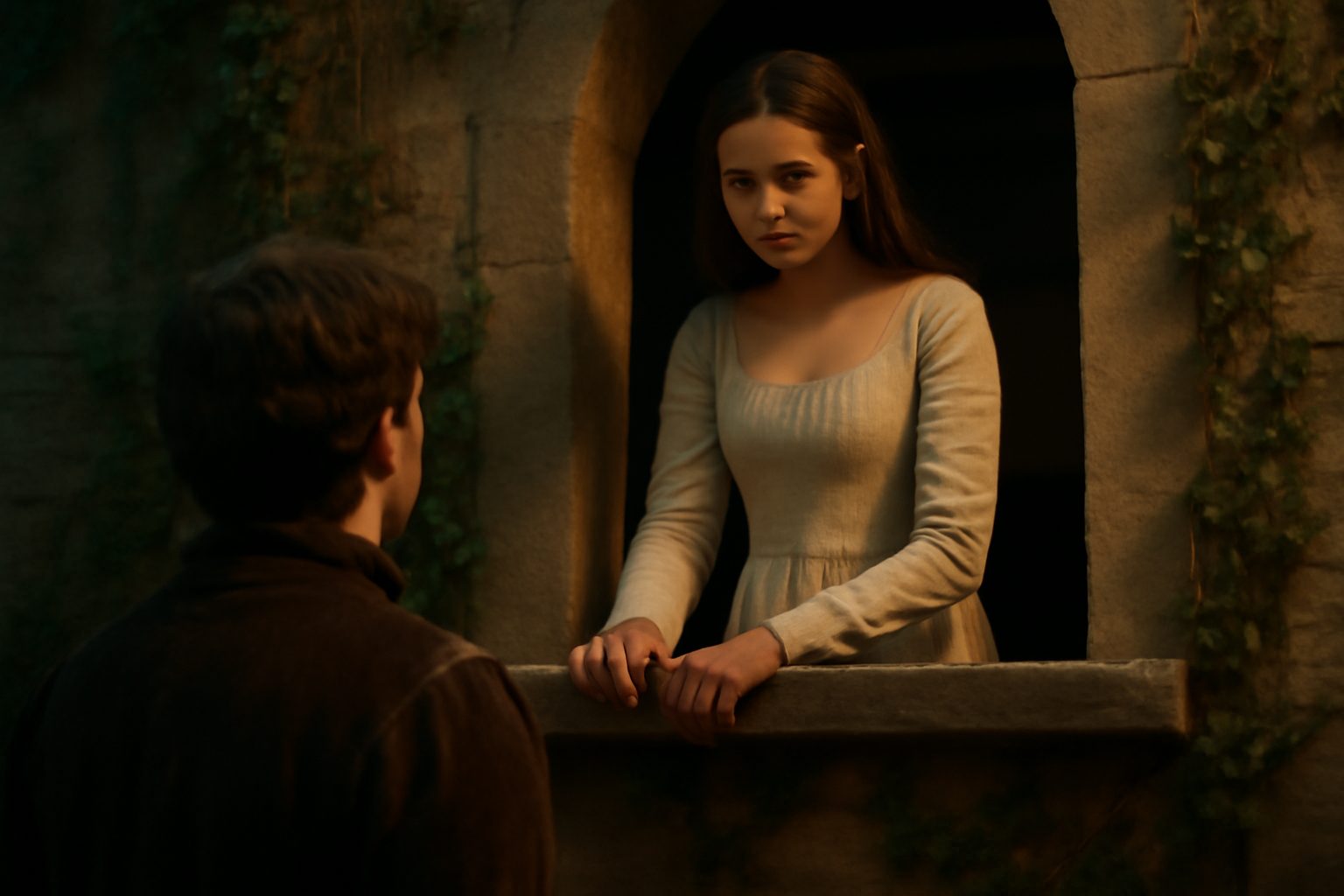
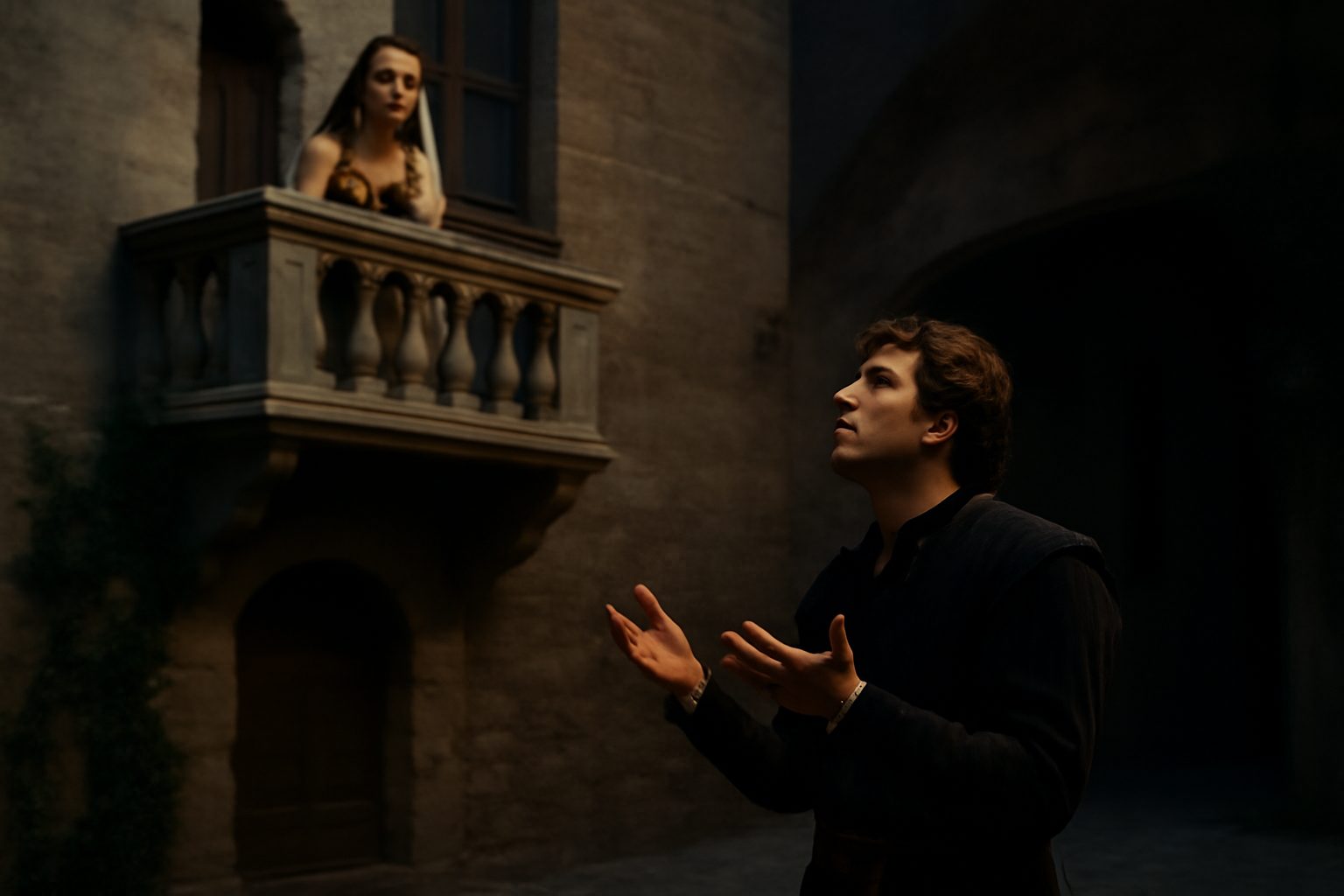
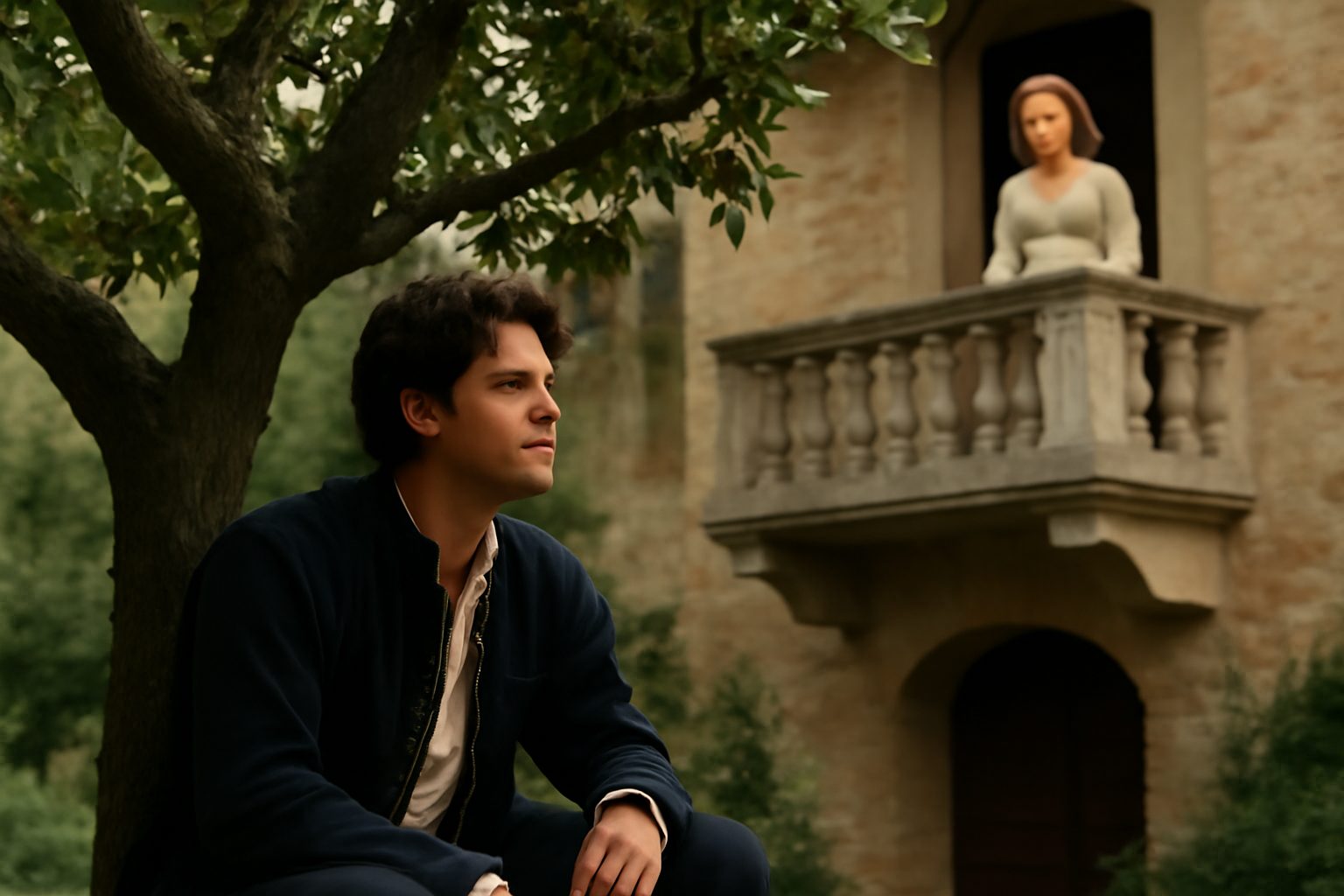
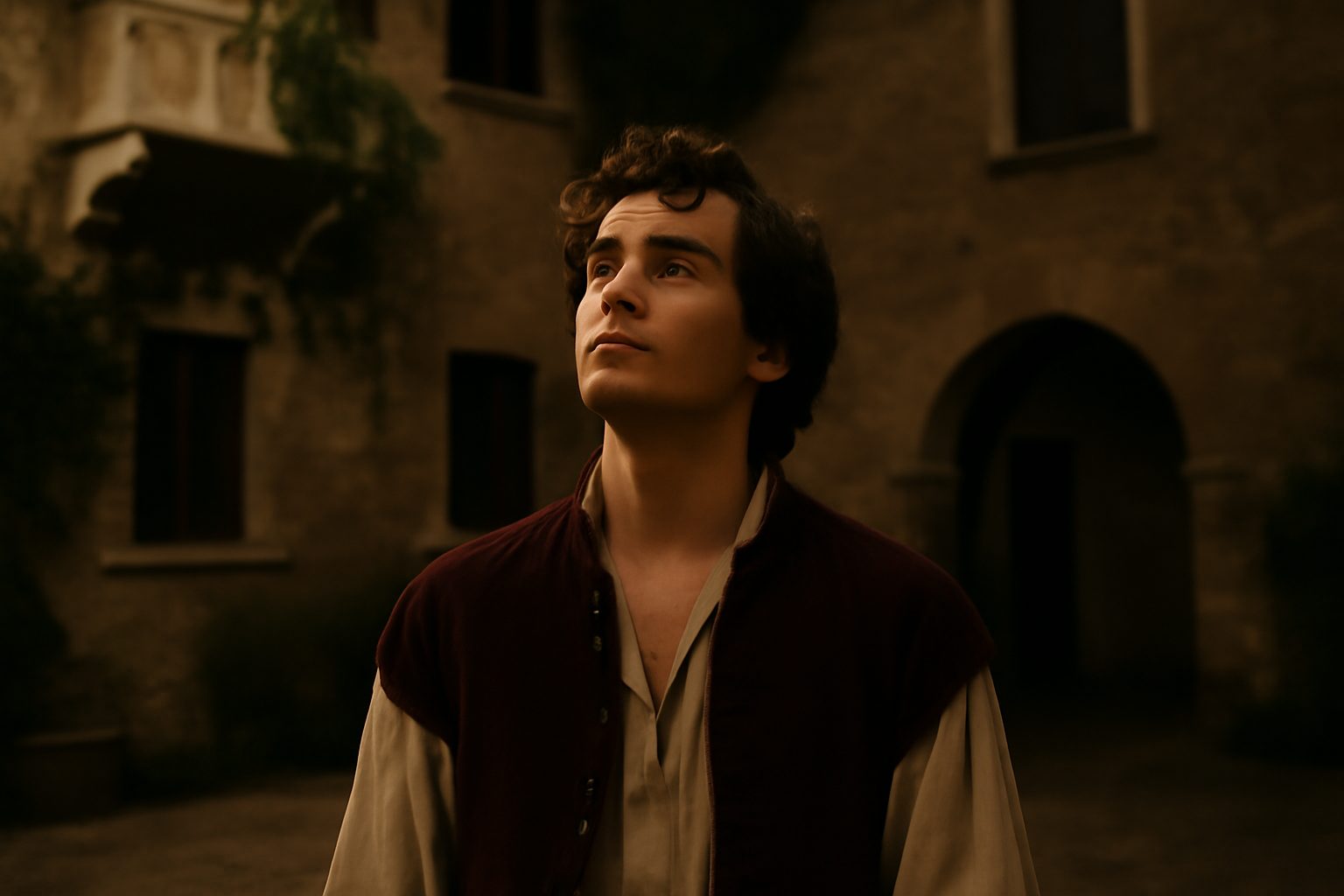
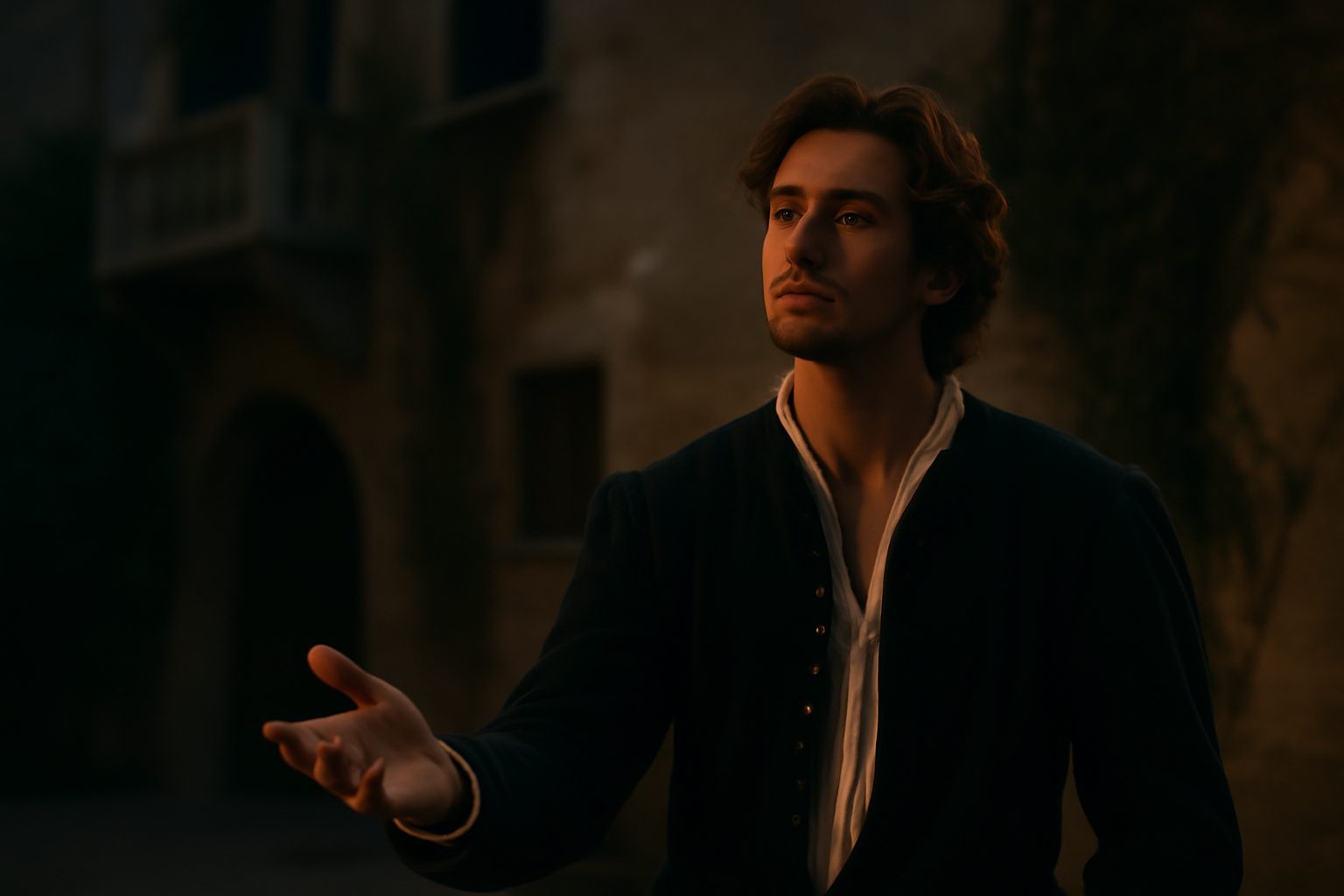
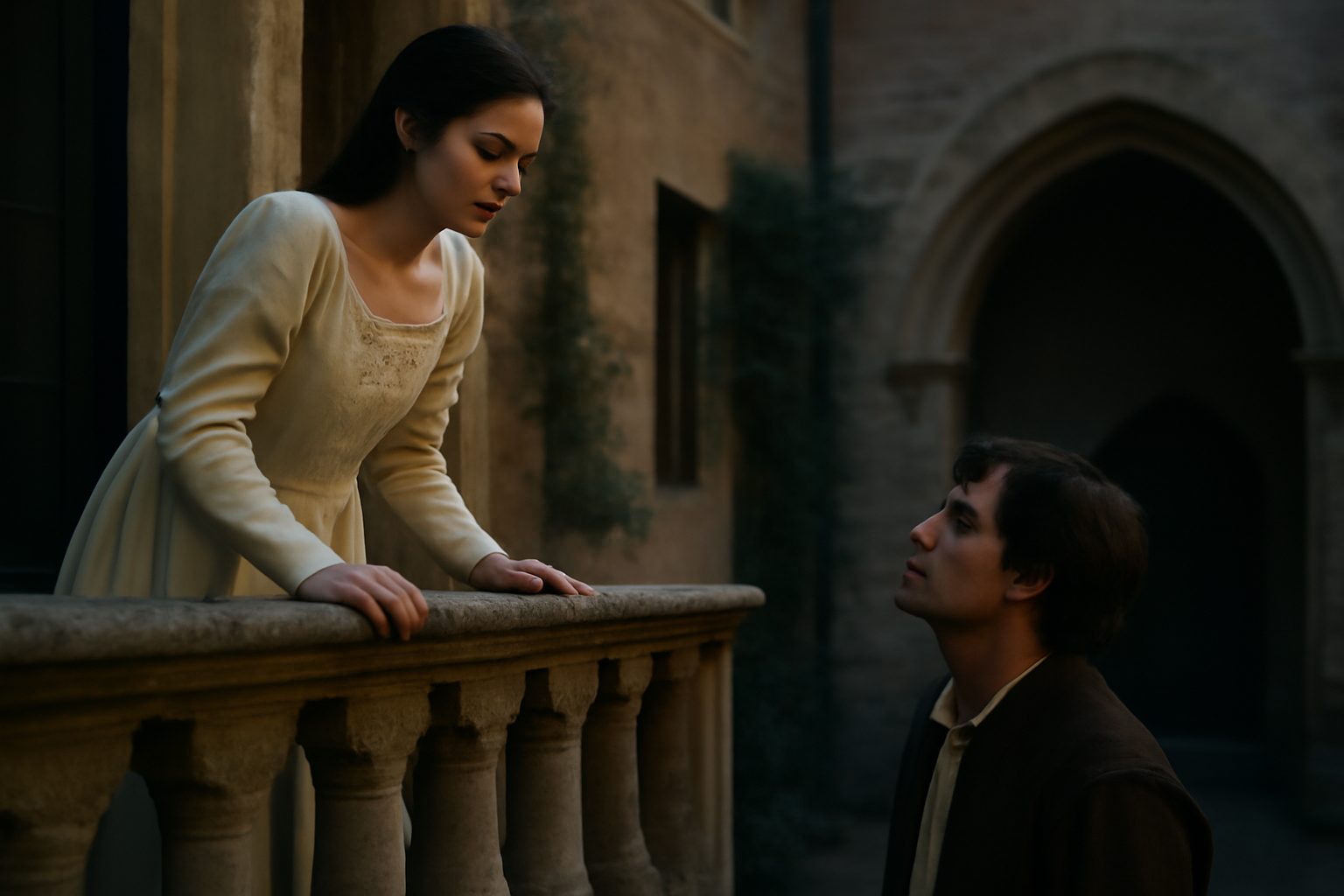
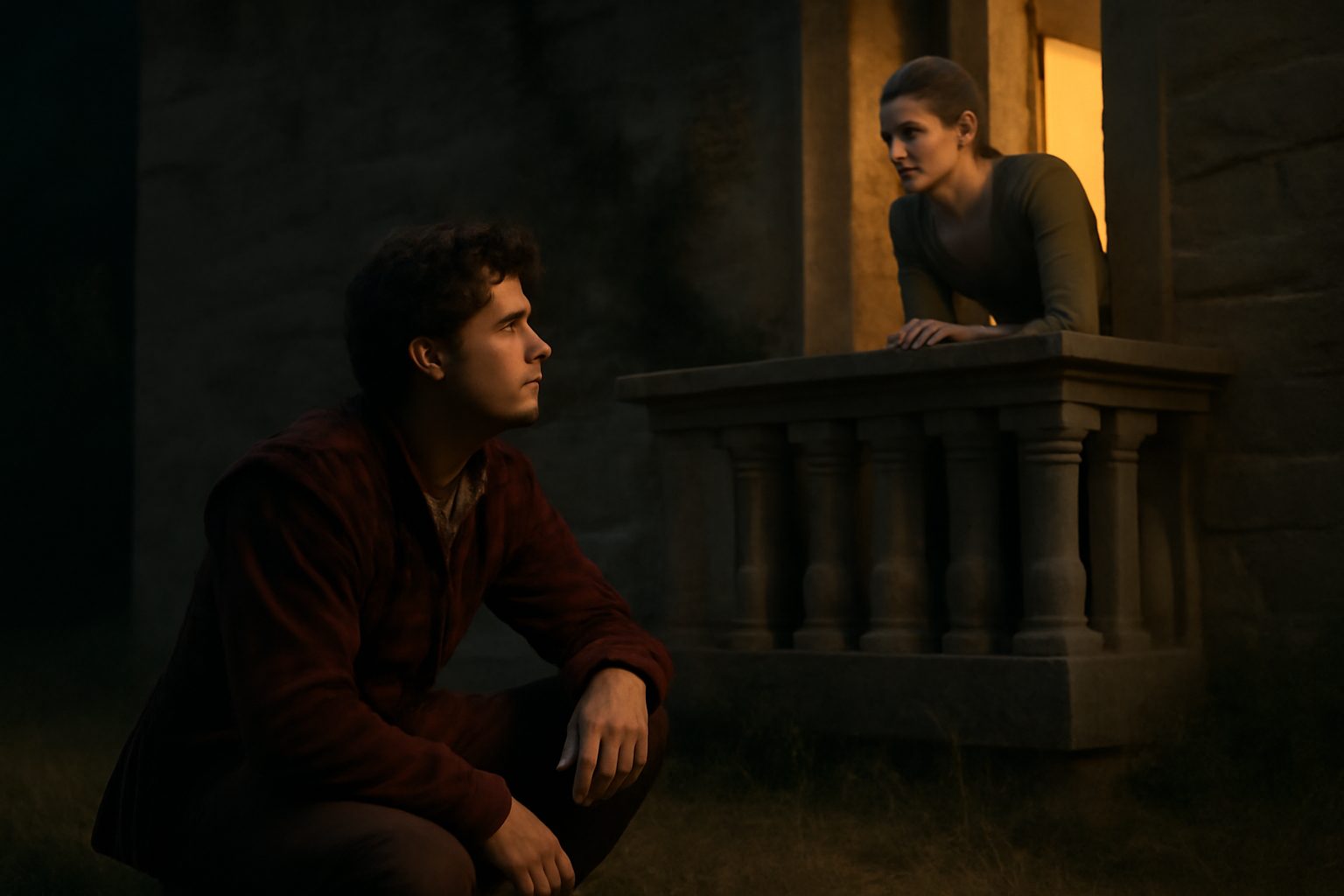
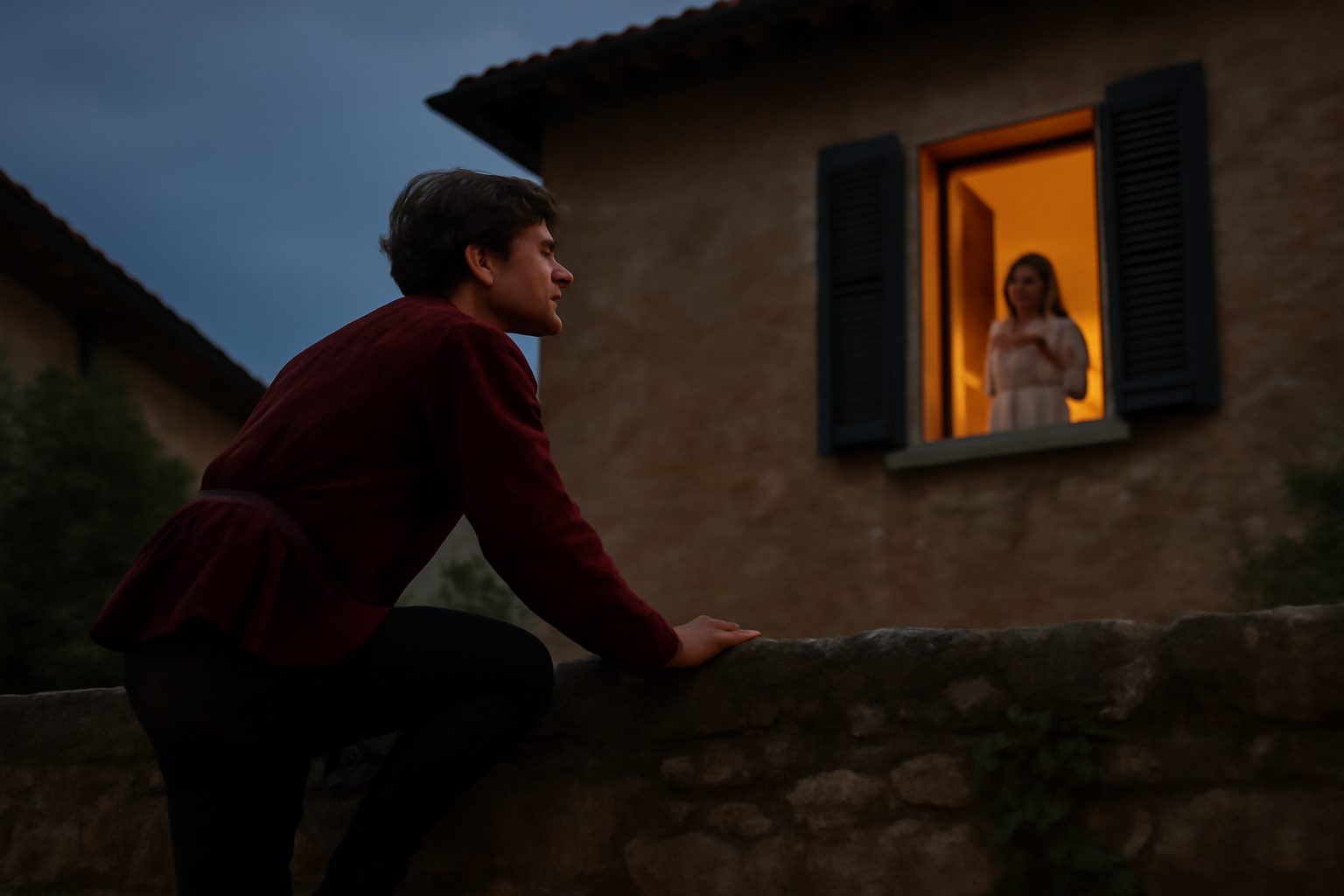
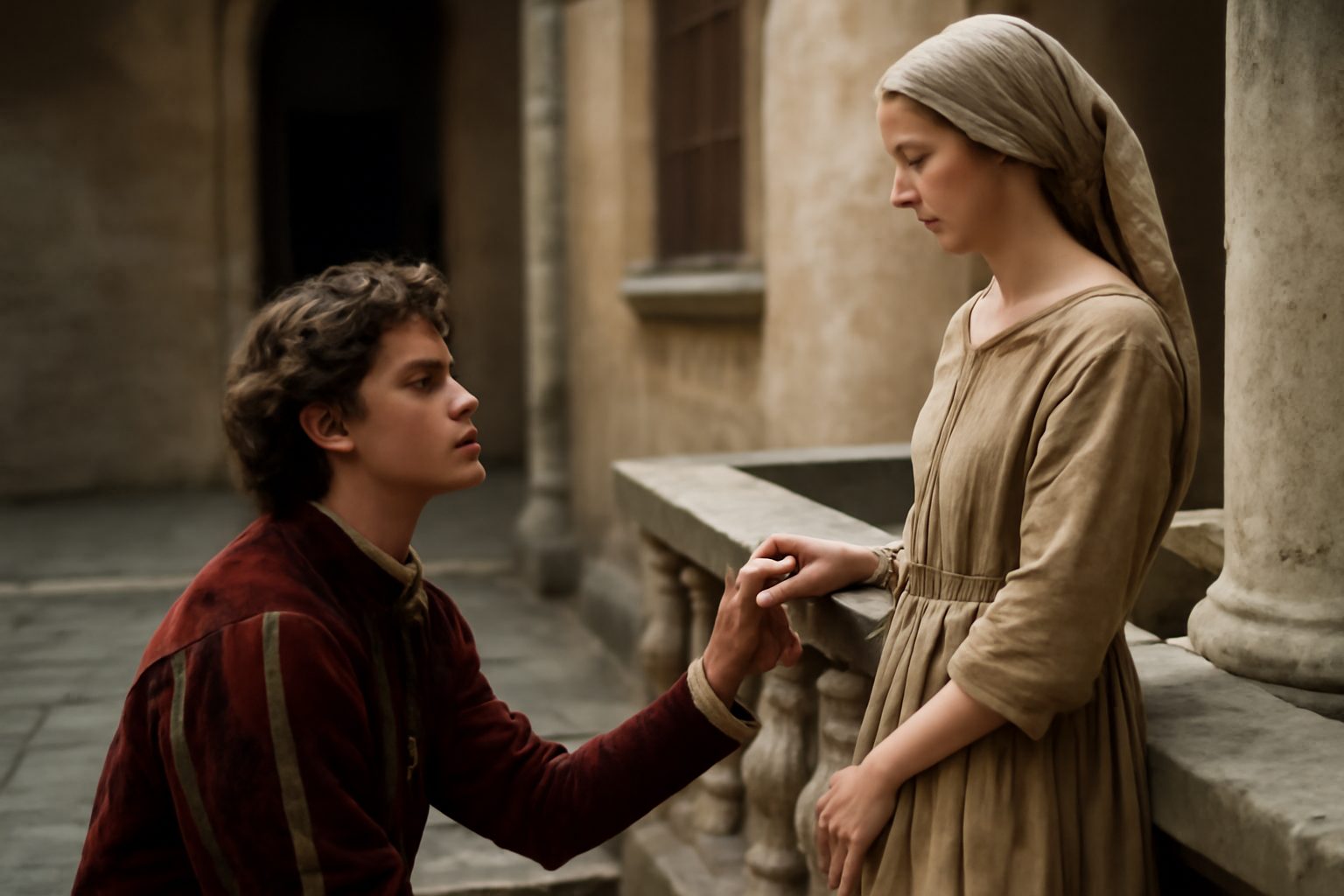
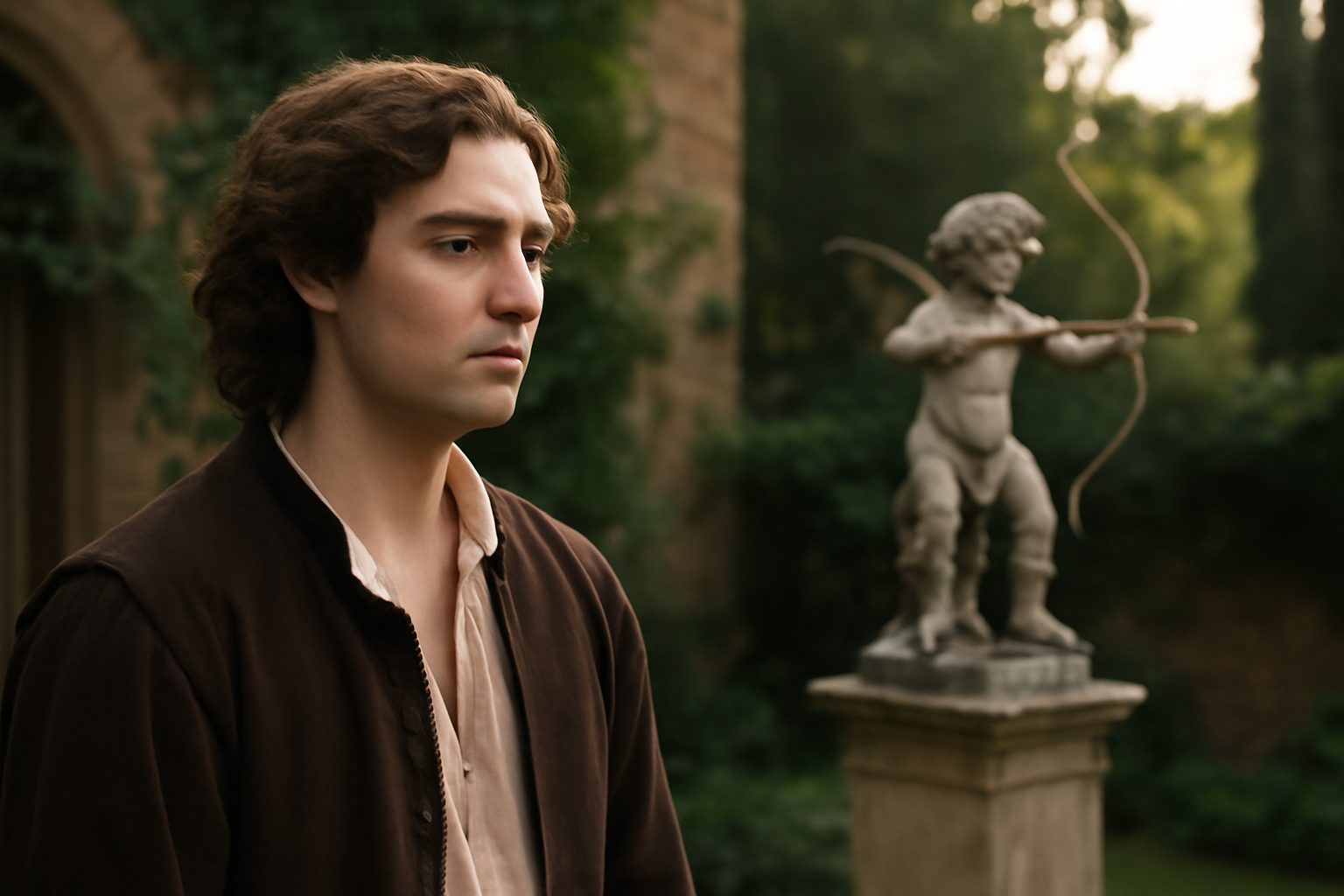
In Act 2, Scene 1 of Romeo and Juliet, Mercutio mocks Romeo's lovestruck state by teasingly invoking Cupid, the god of love often depicted as blind or careless with his arrows. This line refers to Cupid by a playful nickname, highlighting Mercutio's wit and his skepticism toward romantic idealism. The remark comes as Romeo, hidden nearby, has just abandoned his friends to pursue Juliet, leaving Mercutio to jest about love's follies.
Mercutio: "One nick-name for her purblind son and heir,"
In modern day english, we would say:
A nickname for Cupid, her half-blind son and heir.
Frequently Asked Questions
Who is Mercutio referring to as the purblind son and heir?
Mercutio is referring to Cupid, the Roman god of love, who is often depicted as blind or visually impaired.
Connections to other verses:
Connections to "One nick-name for her purblind son and heir"
This verse refers to Cupid, the god of love, who is often depicted as blind or "purblind," symbolizing love's irrational and indiscriminate nature. It connects thematically and contextually with several other verses in the scene.
Direct References to Cupid and Love
The mention of Cupid's blindness is echoed in "Blind is his love and best befits the dark", which reinforces the idea that love operates without sight or reason. Similarly, "If love be blind, love cannot hit the mark" builds on this metaphor, questioning love's accuracy and effectiveness.
Another direct reference is found in "Young Adam Cupid, he that shot so trim", which continues the personification of Cupid and his role in inciting love, tying back to the "purblind son" as a central figure in the scene's discourse on love.
Conjuration and Invocation Themes
Mercutio's playful conjurations, such as "Speak to my gossip Venus one fair word", invoke Venus, Cupid's mother, creating a direct link to the "purblind son" as her heir. This is part of a larger pattern where characters attempt to summon or mock Romeo's lovesick state.
The line "The ape is dead, and I must conjure him" further emphasizes the theatrical and mocking tone surrounding love's follies, aligning with the irreverent treatment of Cupid.
Fruit and Sexual Innuendo
References like "And wish his mistress were that kind of fruit" and "As maids call medlars, when they laugh alone" use fruit as metaphors for desire and sexuality, echoing Cupid's role in inciting romantic and physical longing, albeit with a bawdy twist.
Conclusion of the Scene
The scene's end, with lines like "Come, shall we go?" and "Go, then; for 'tis in vain", underscores the futility of Mercutio's efforts to mock or summon Romeo, mirroring the elusive and blind nature of love embodied by Cupid.