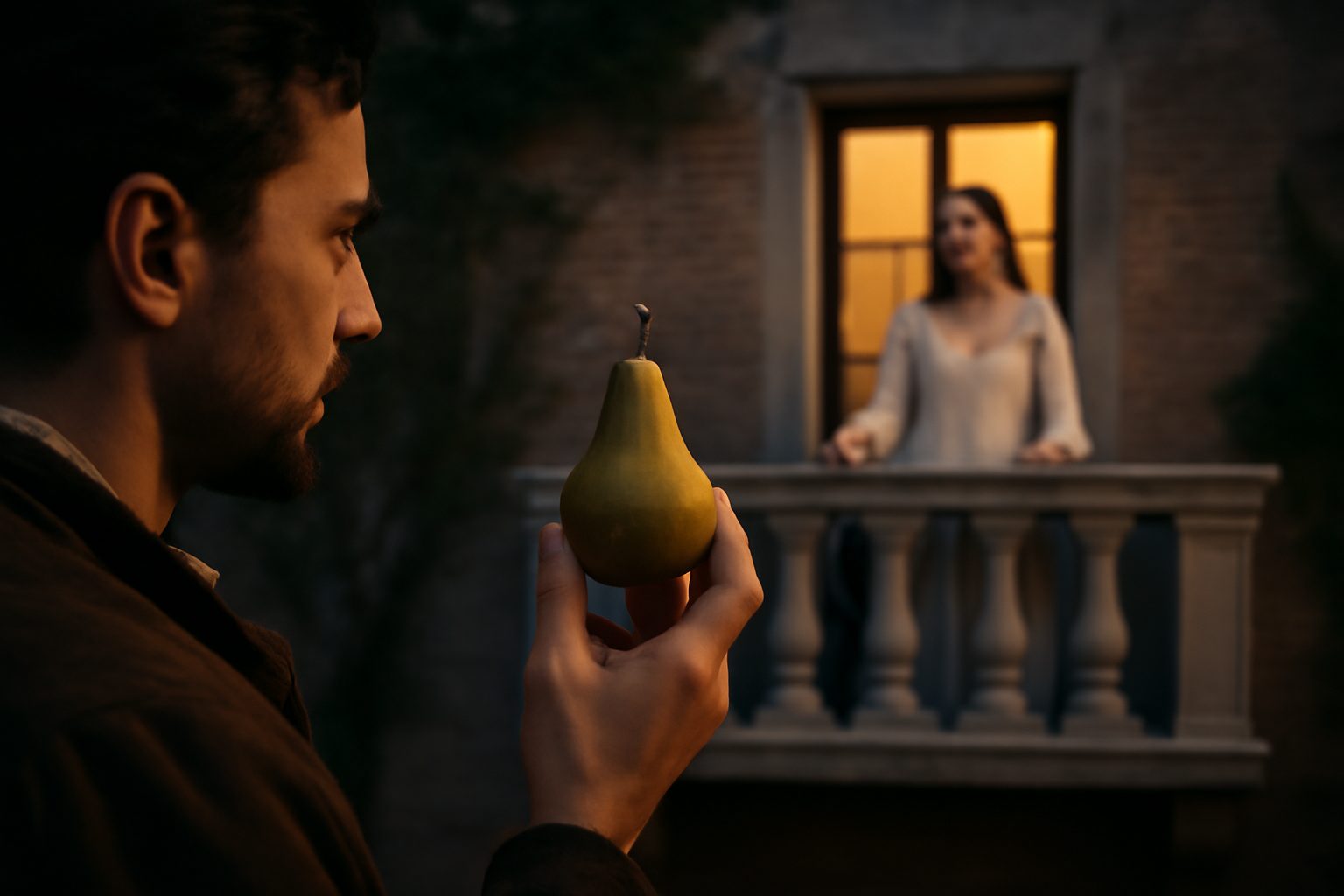
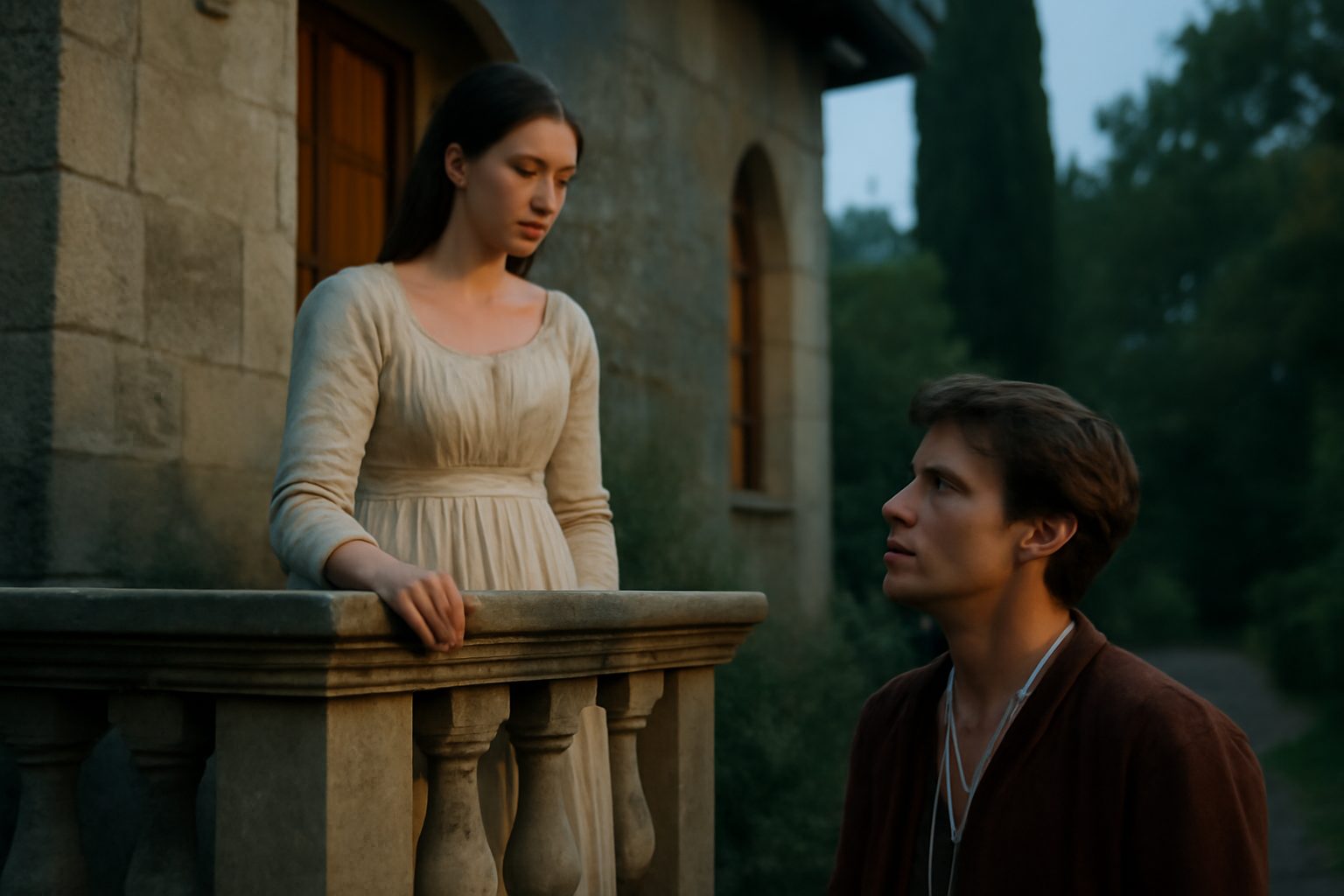
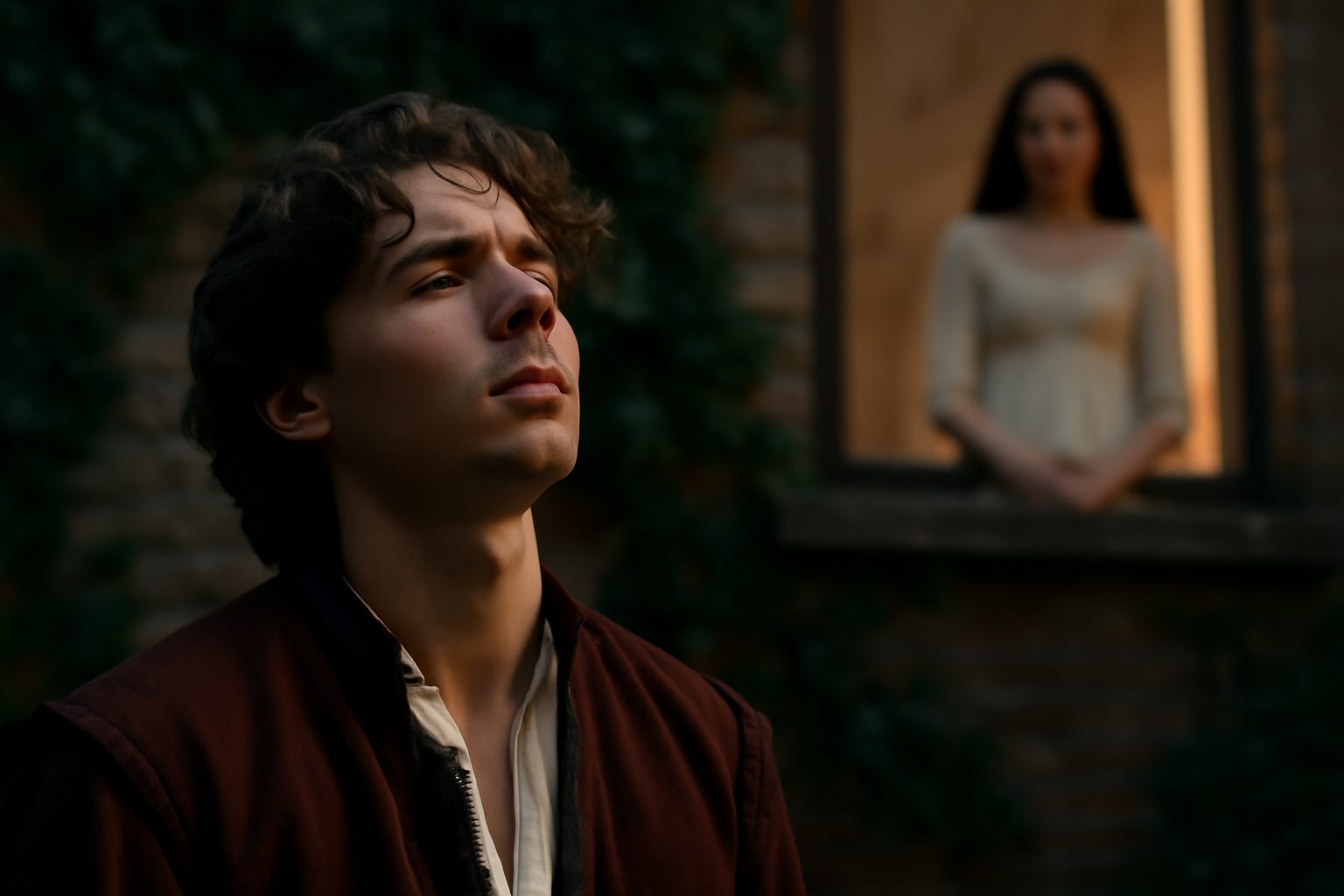
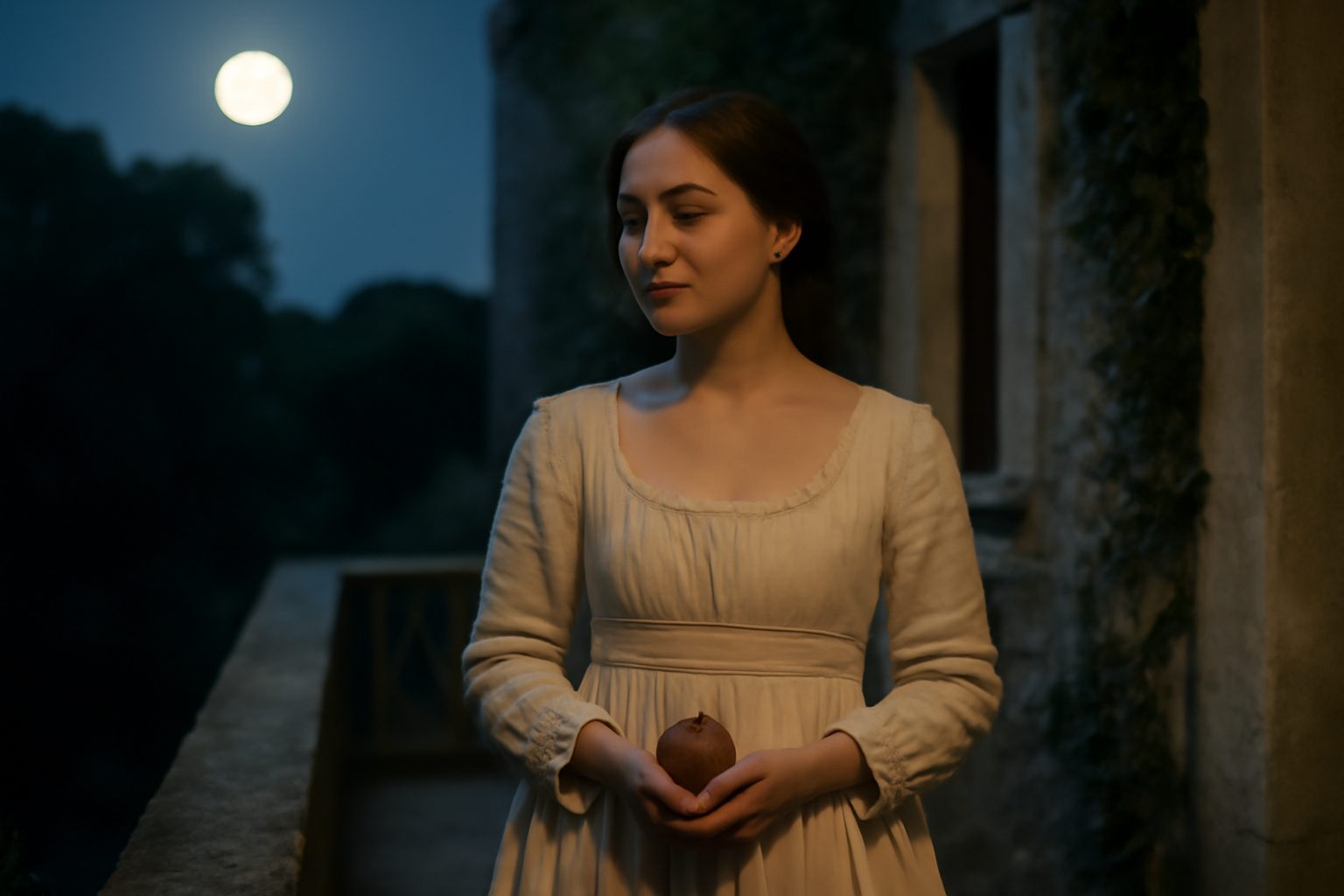
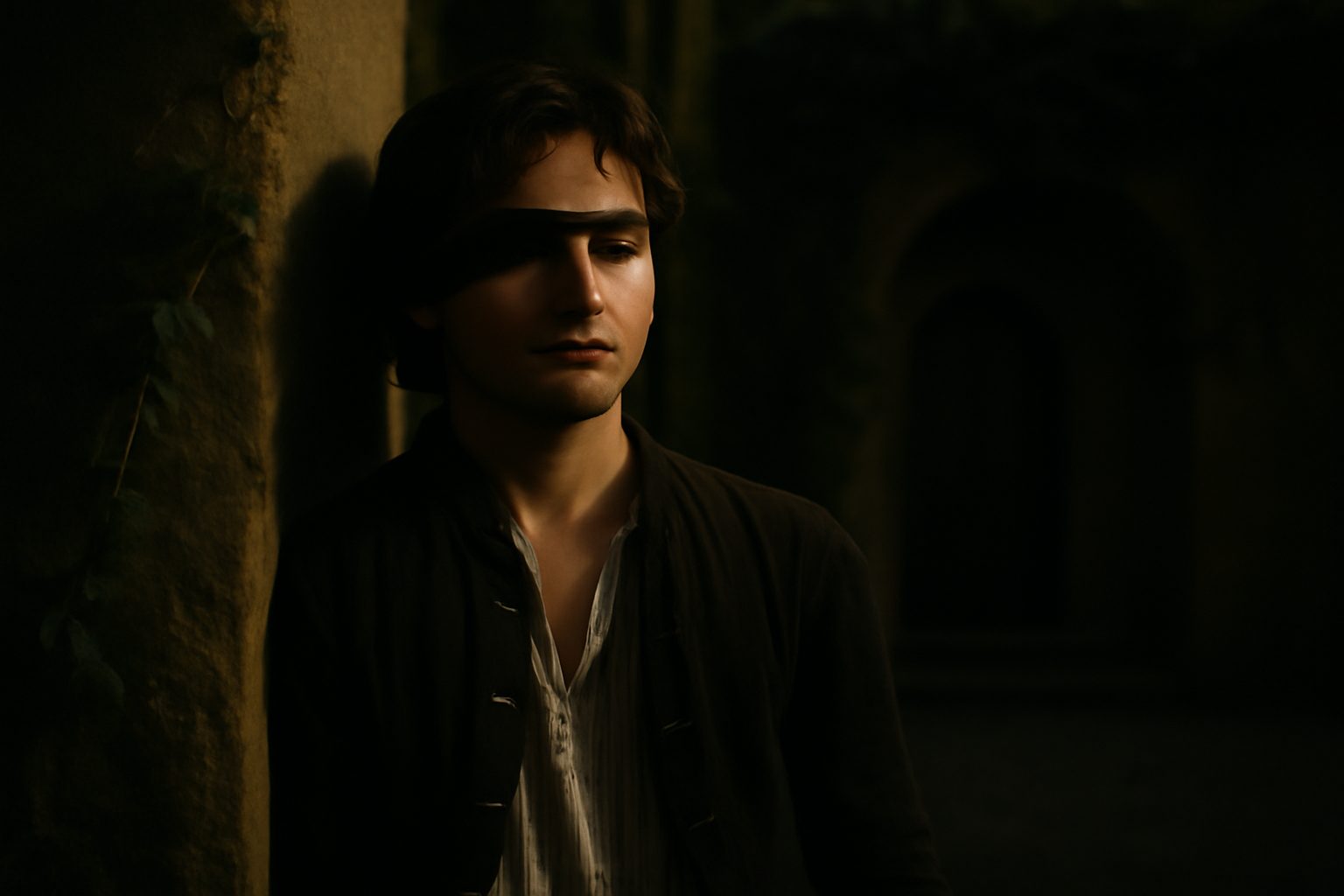
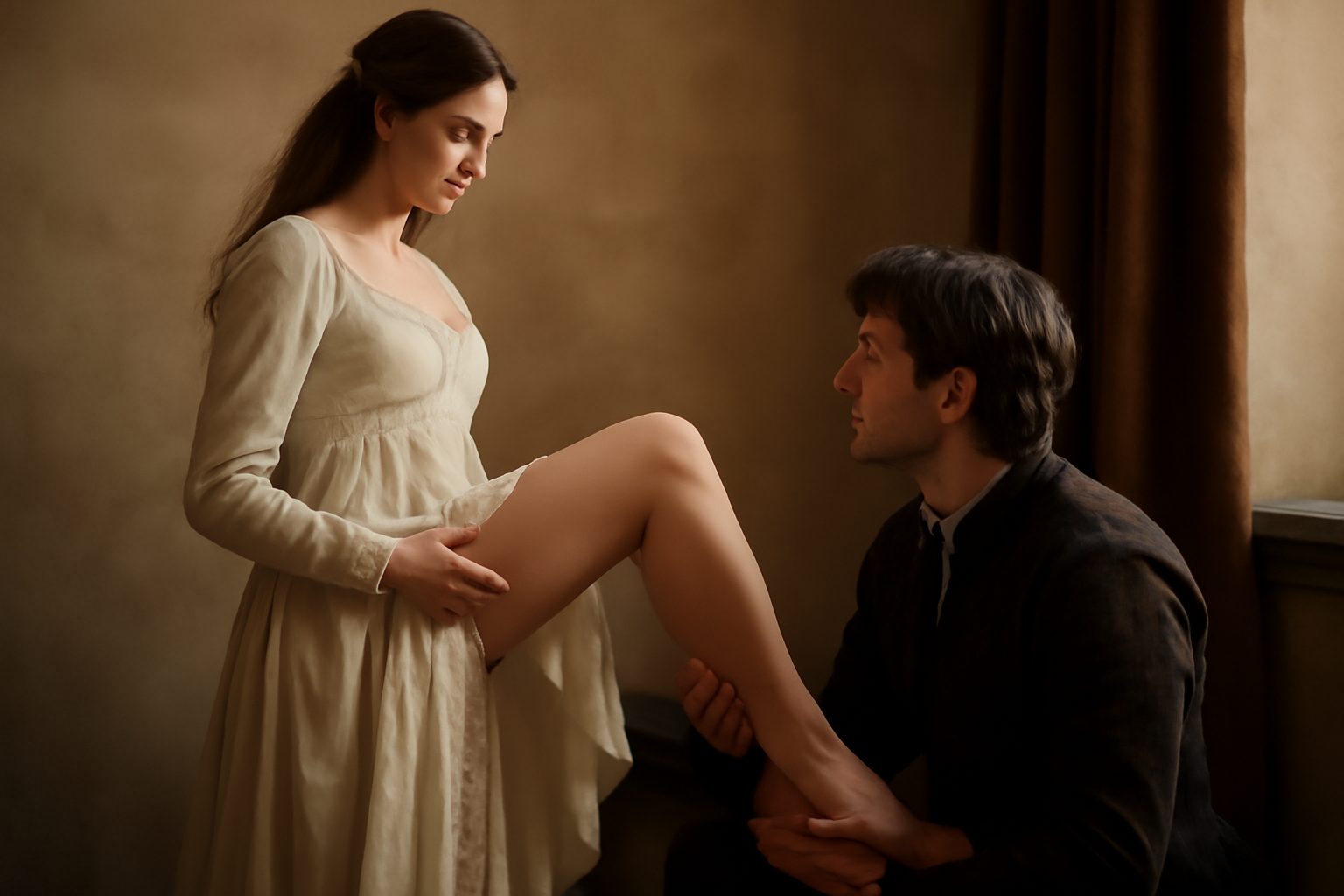
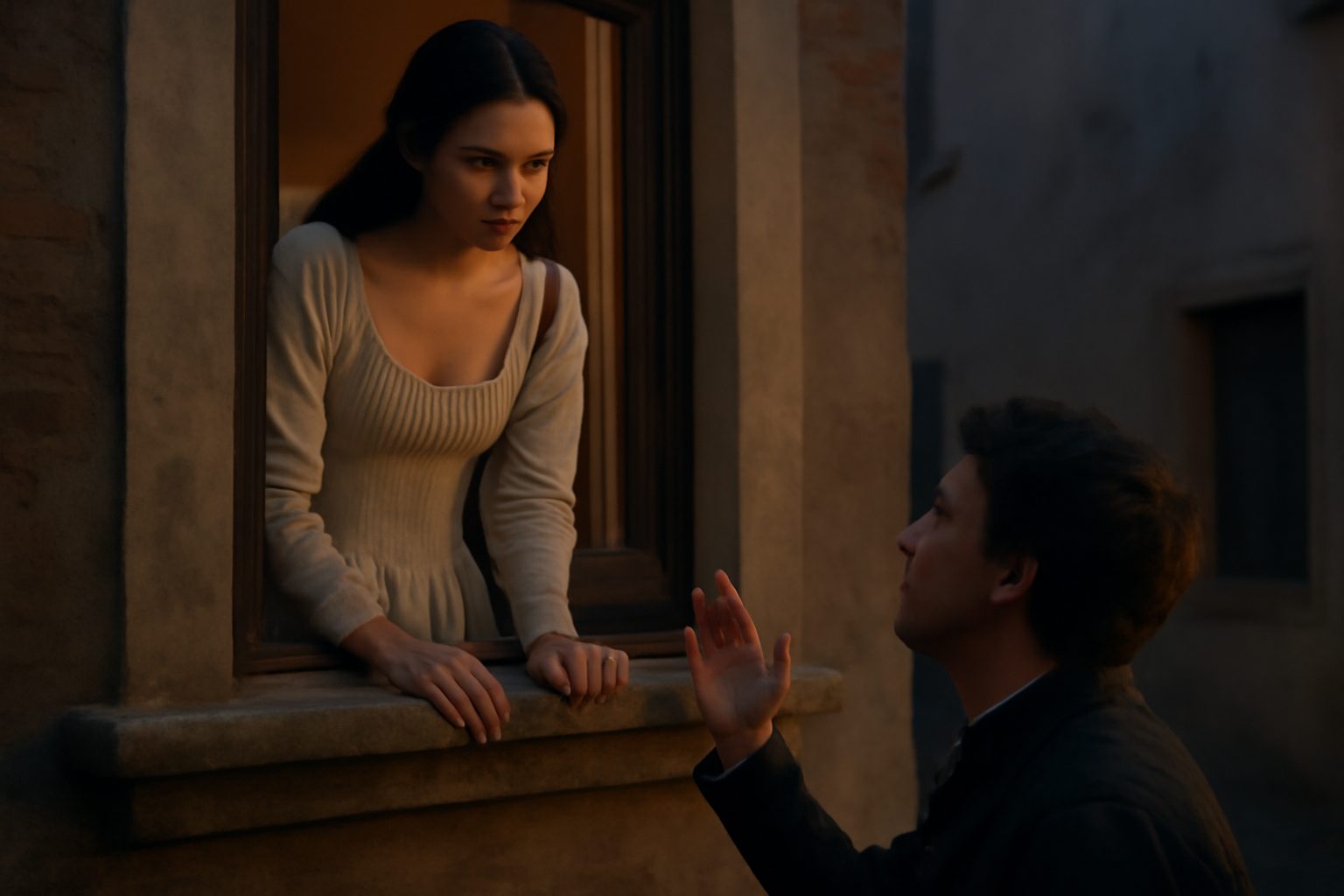
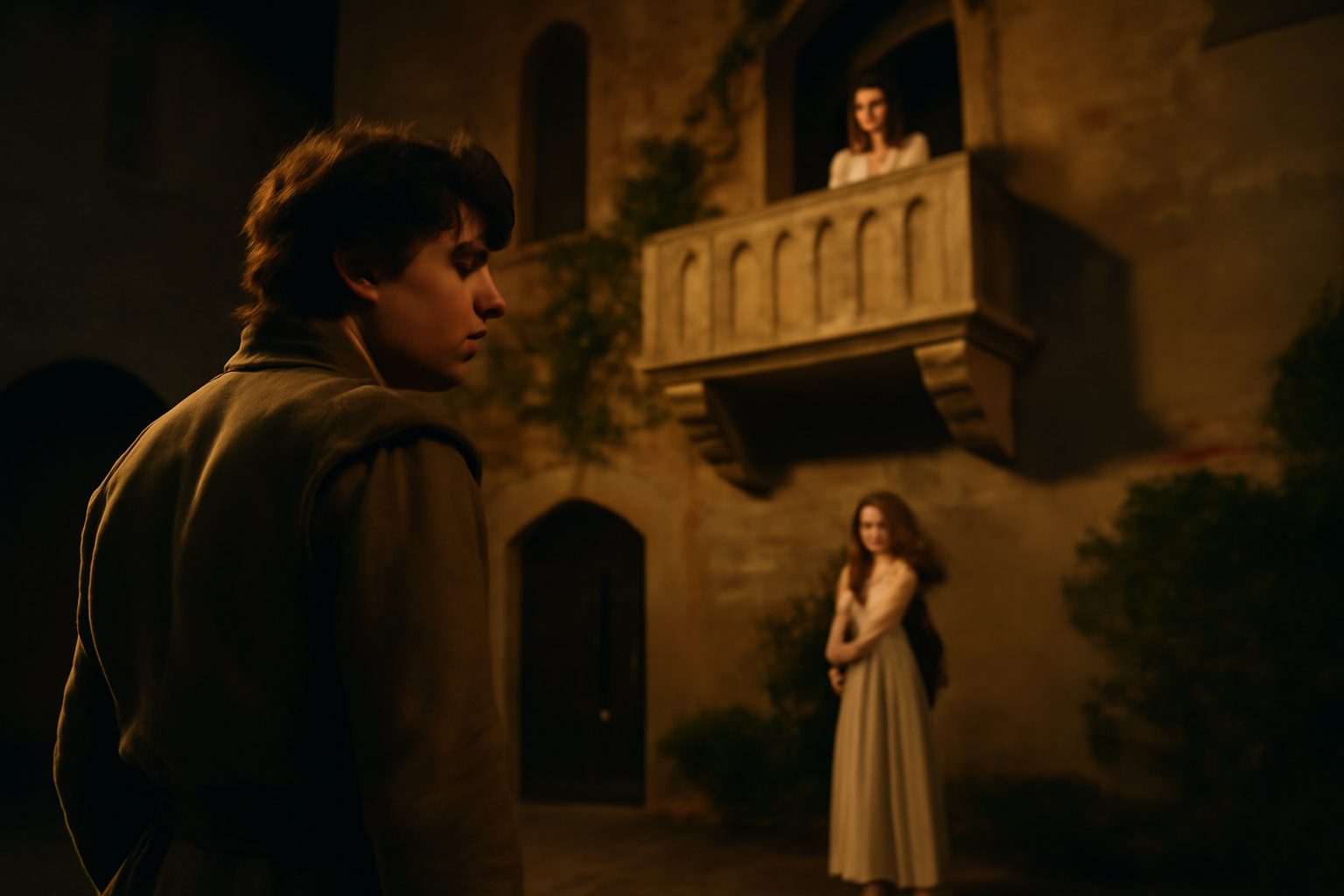
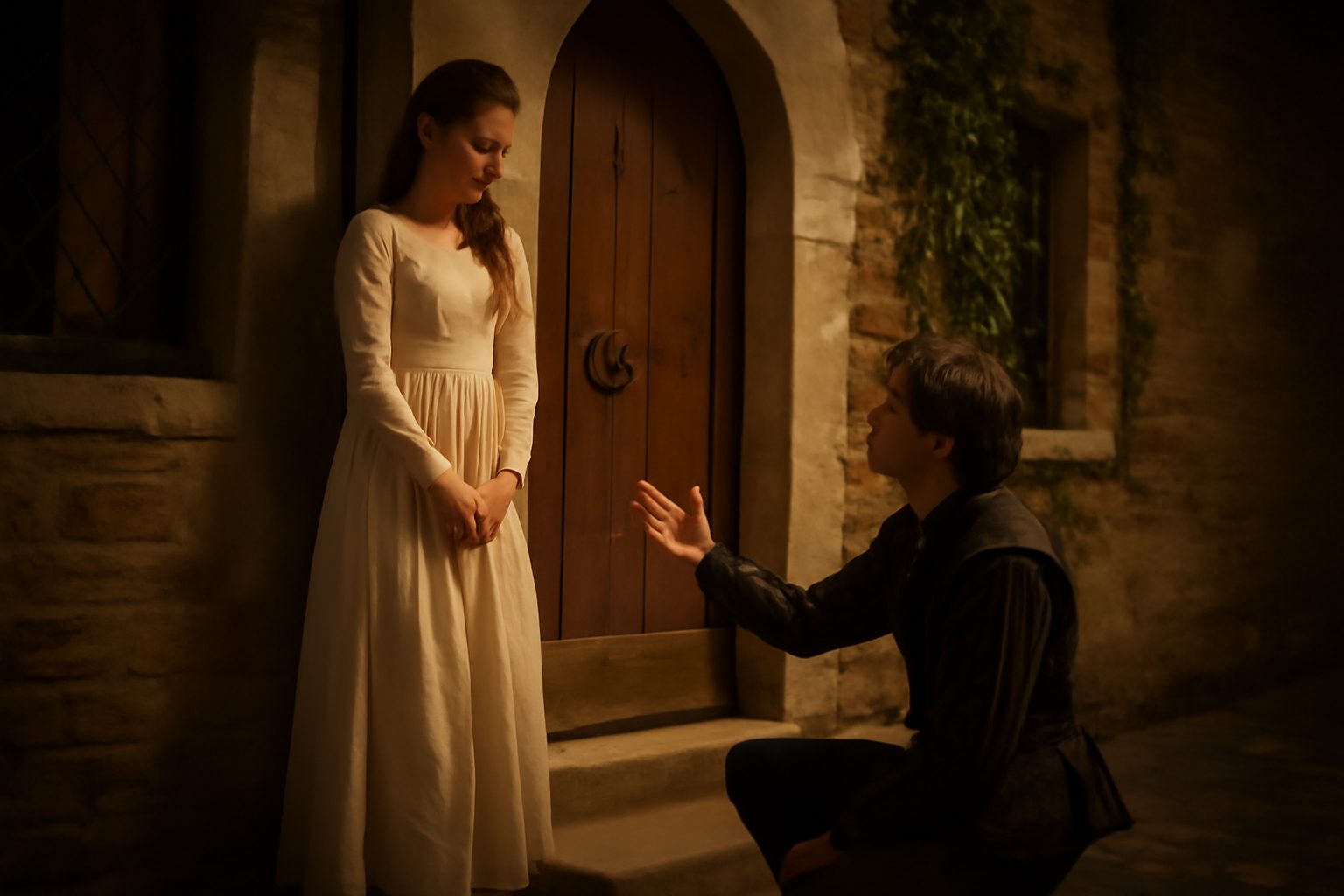
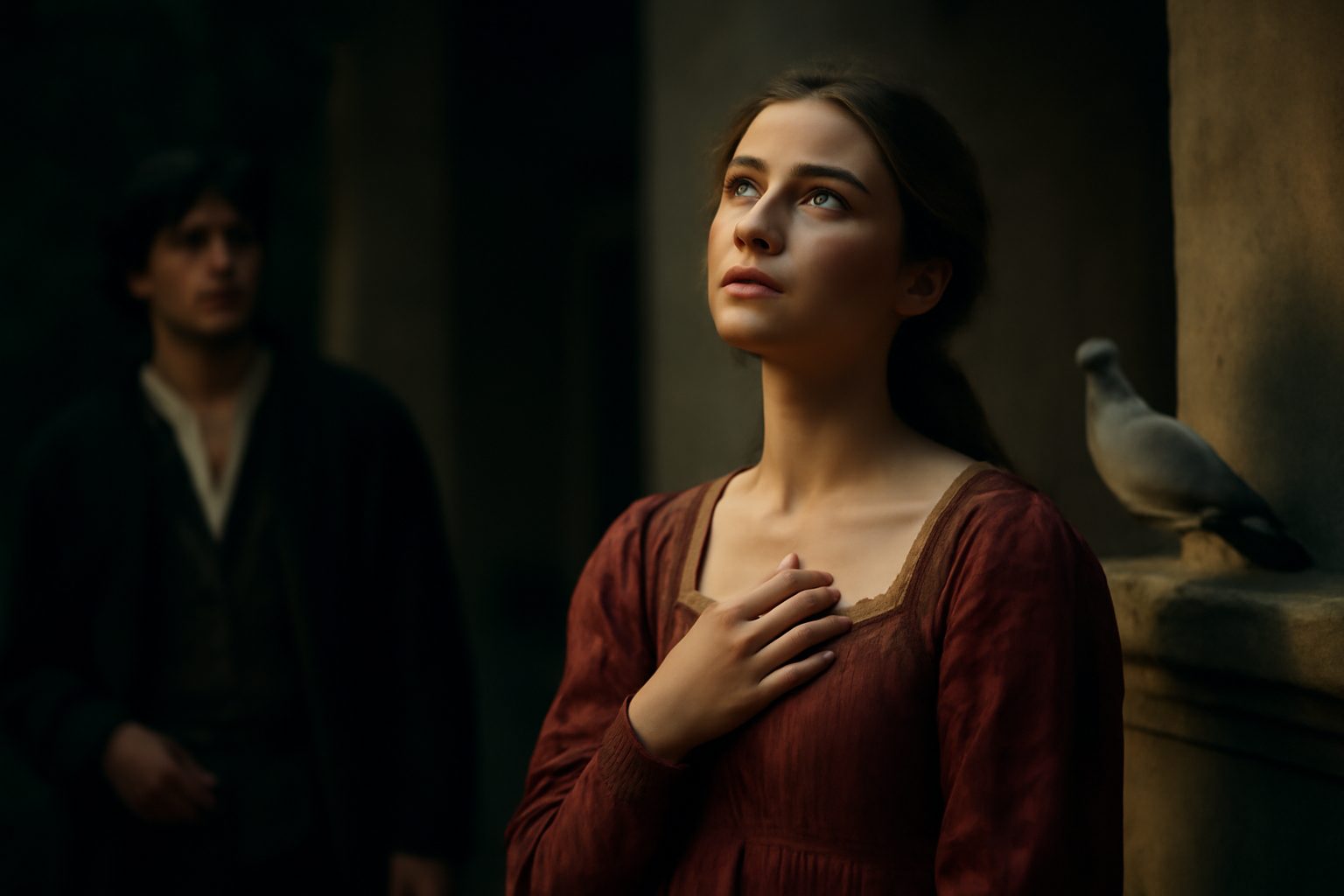
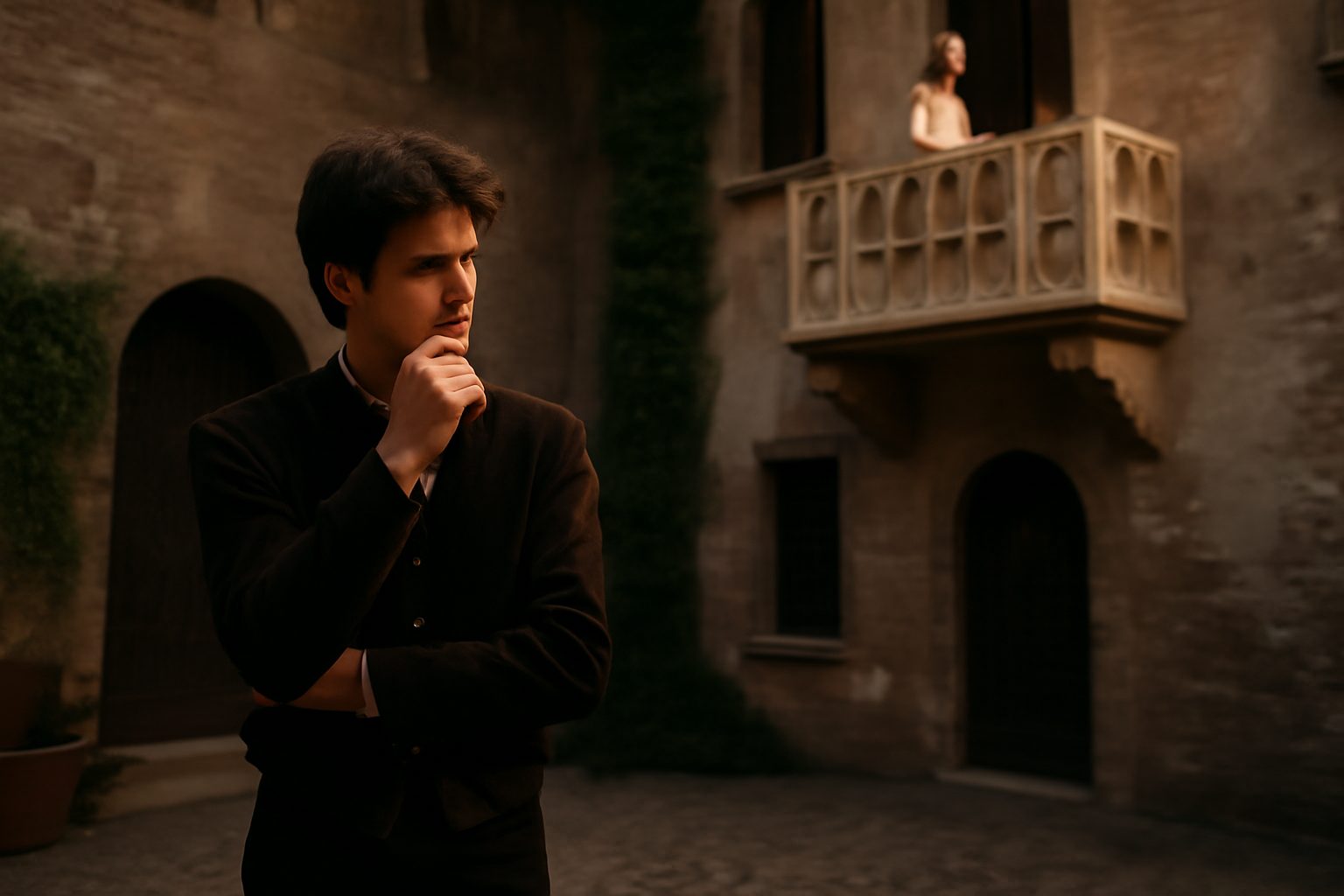
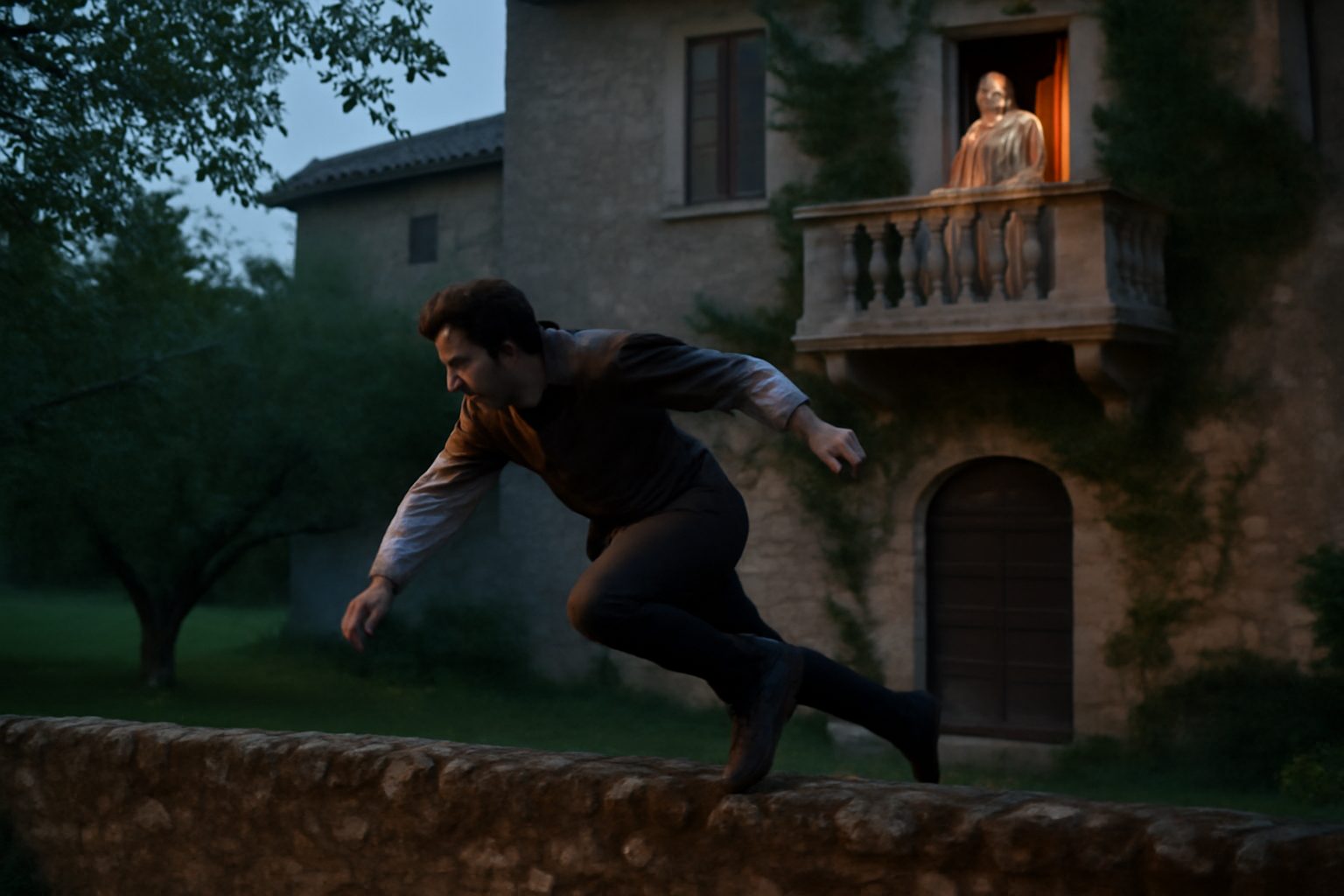
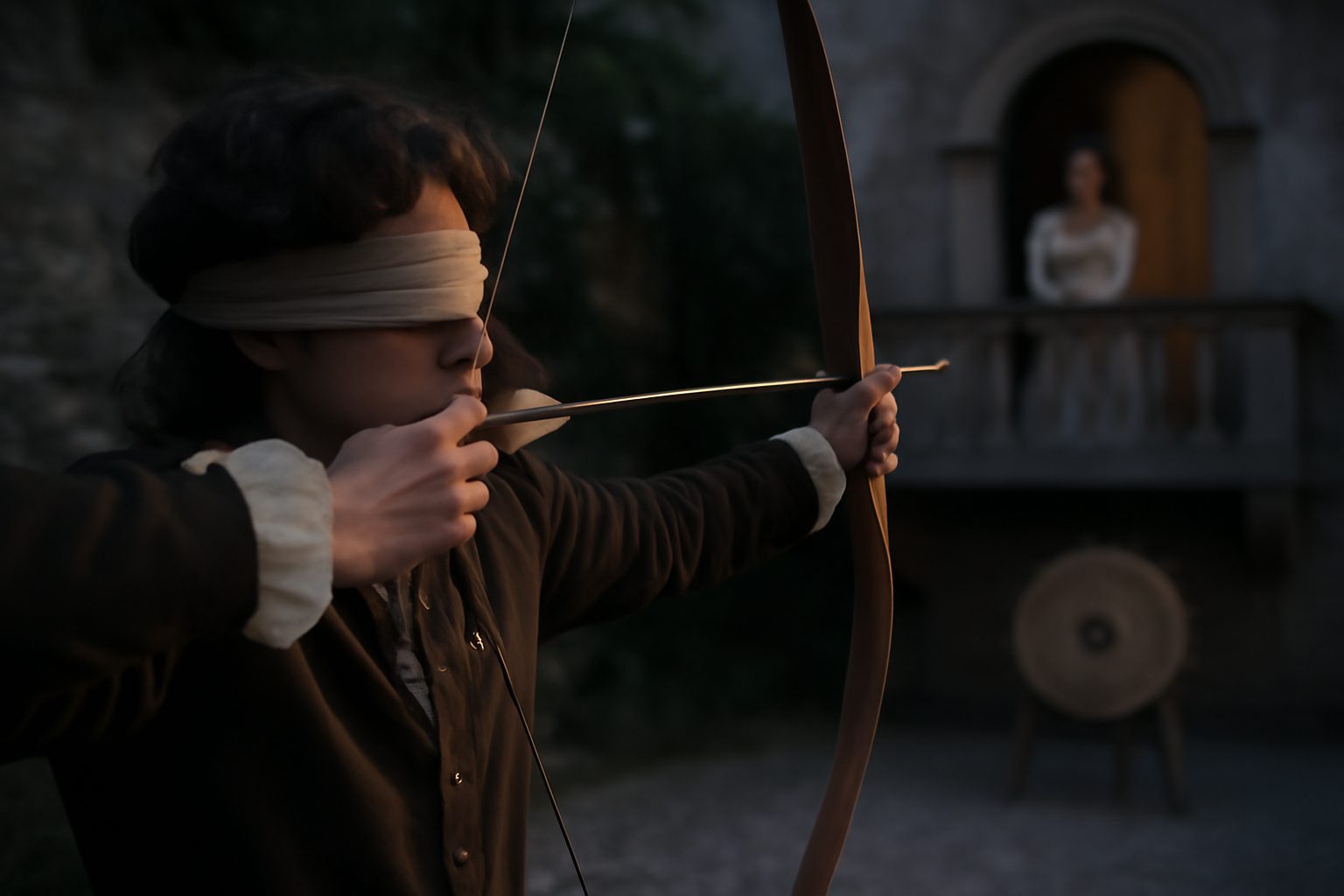
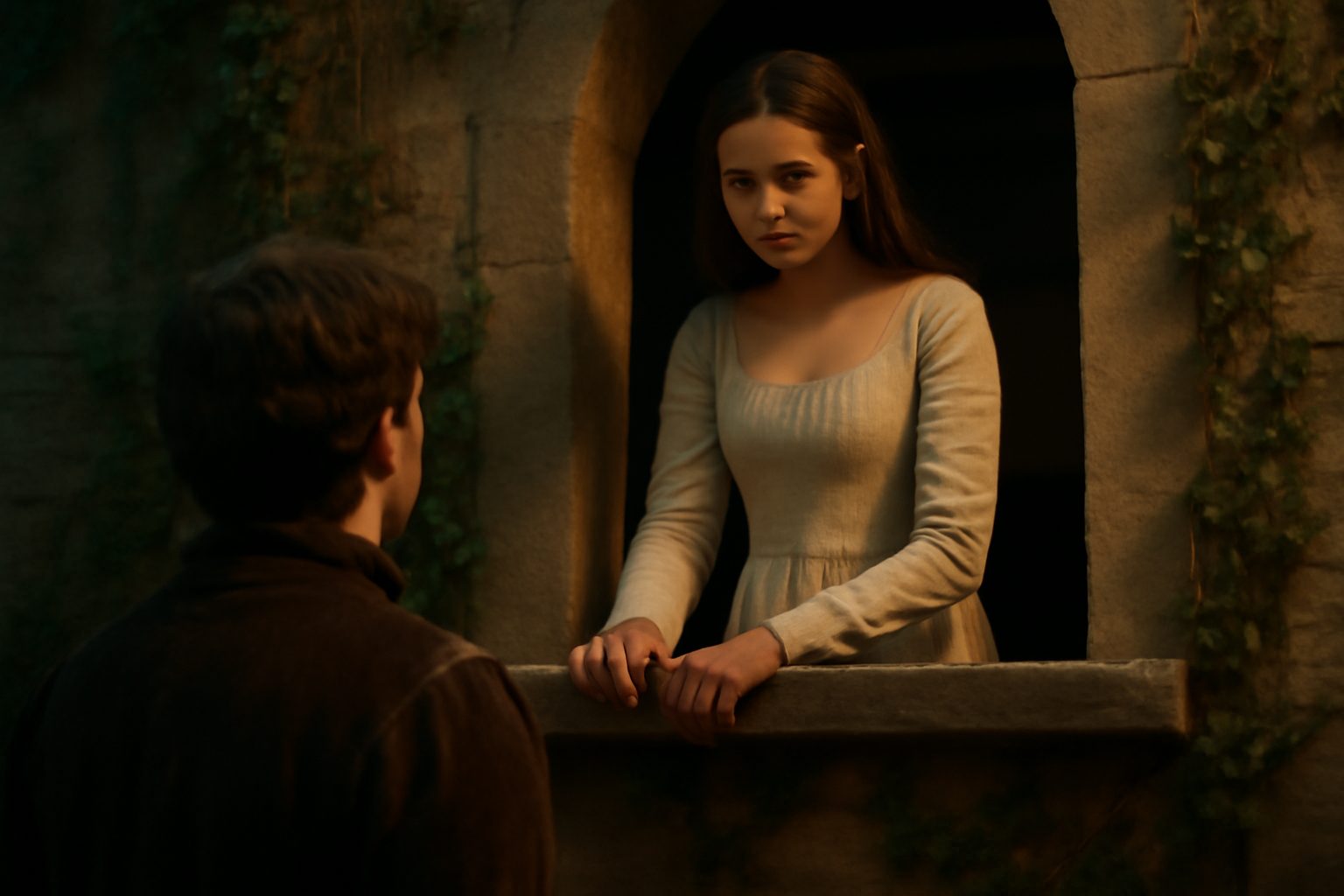
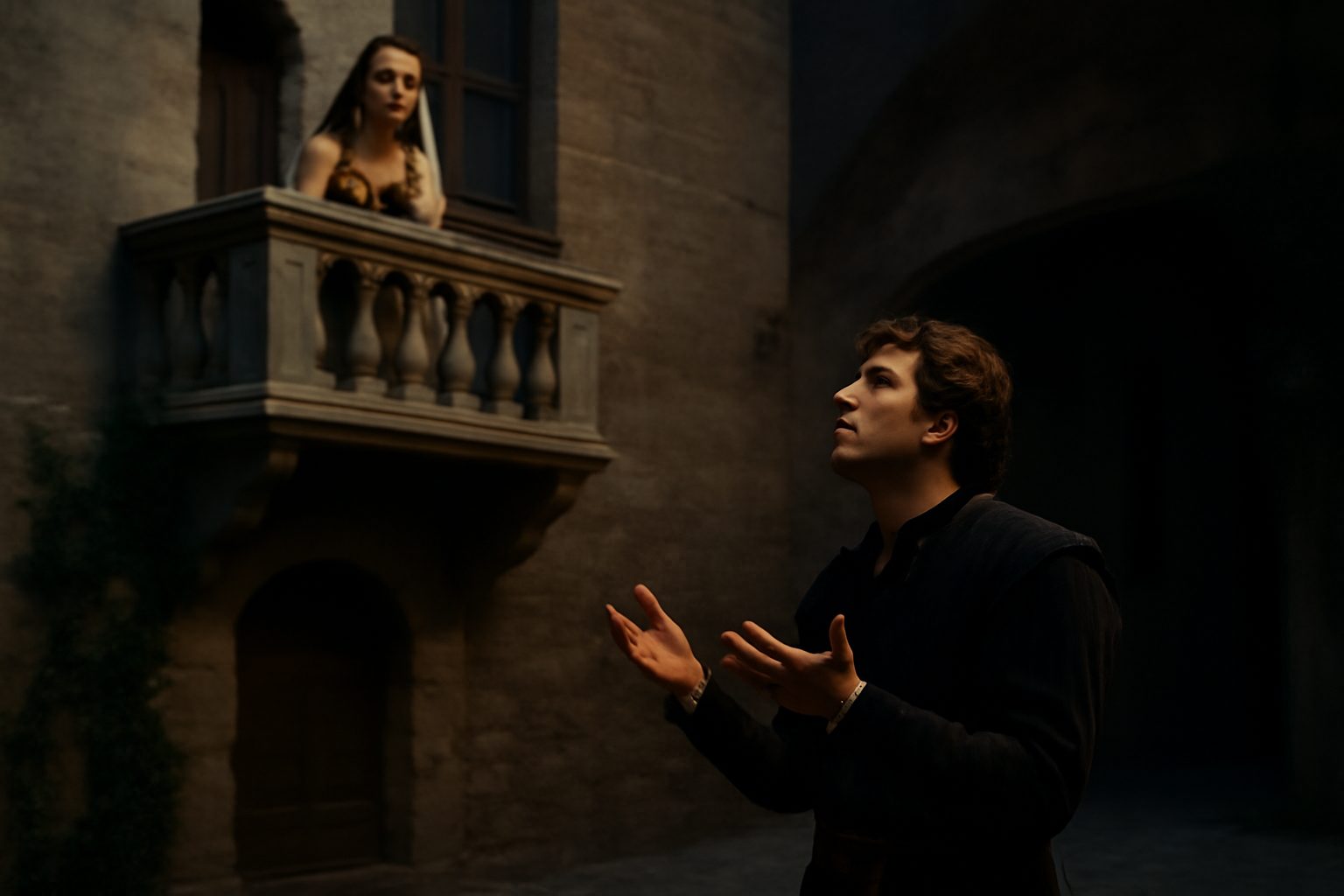
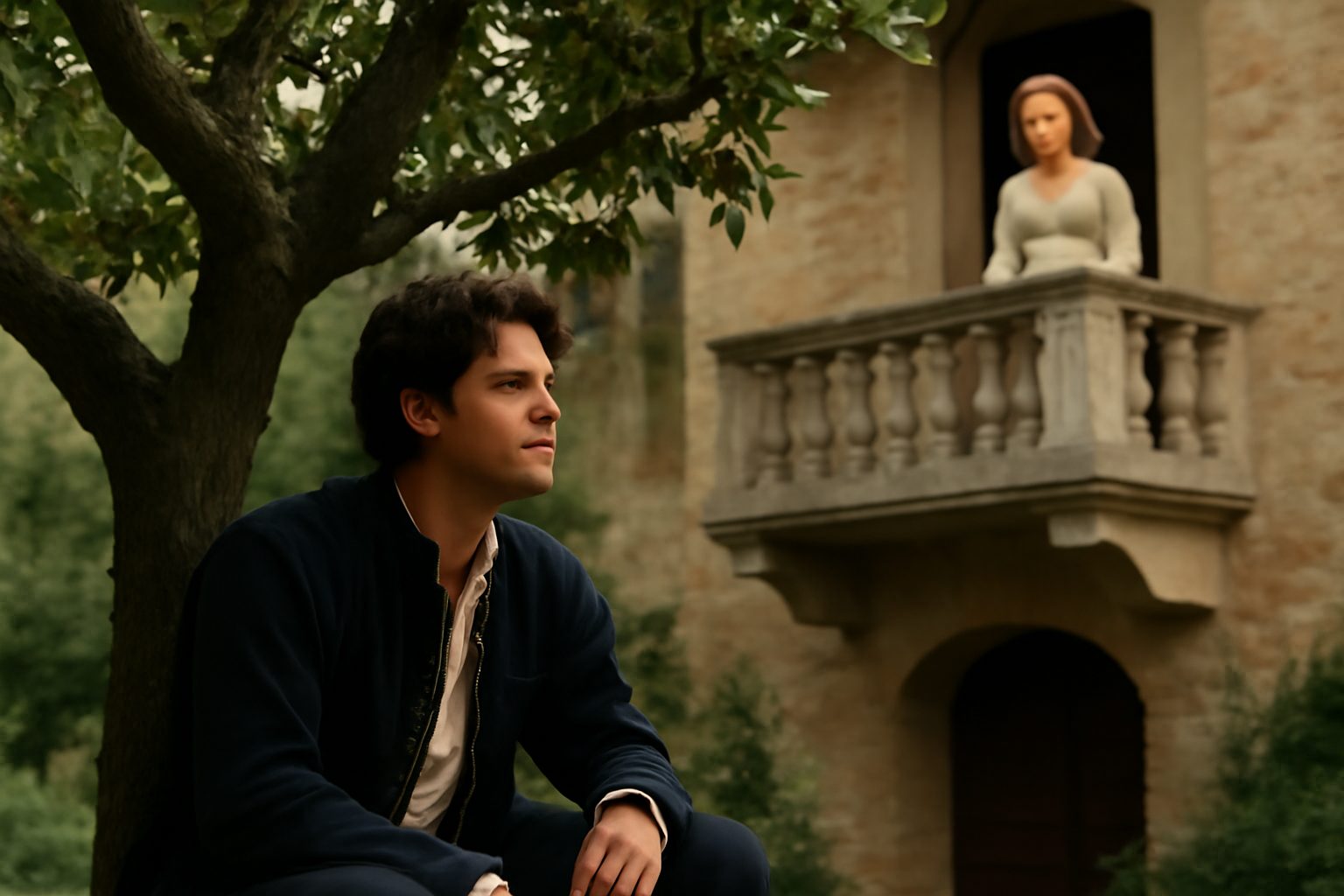
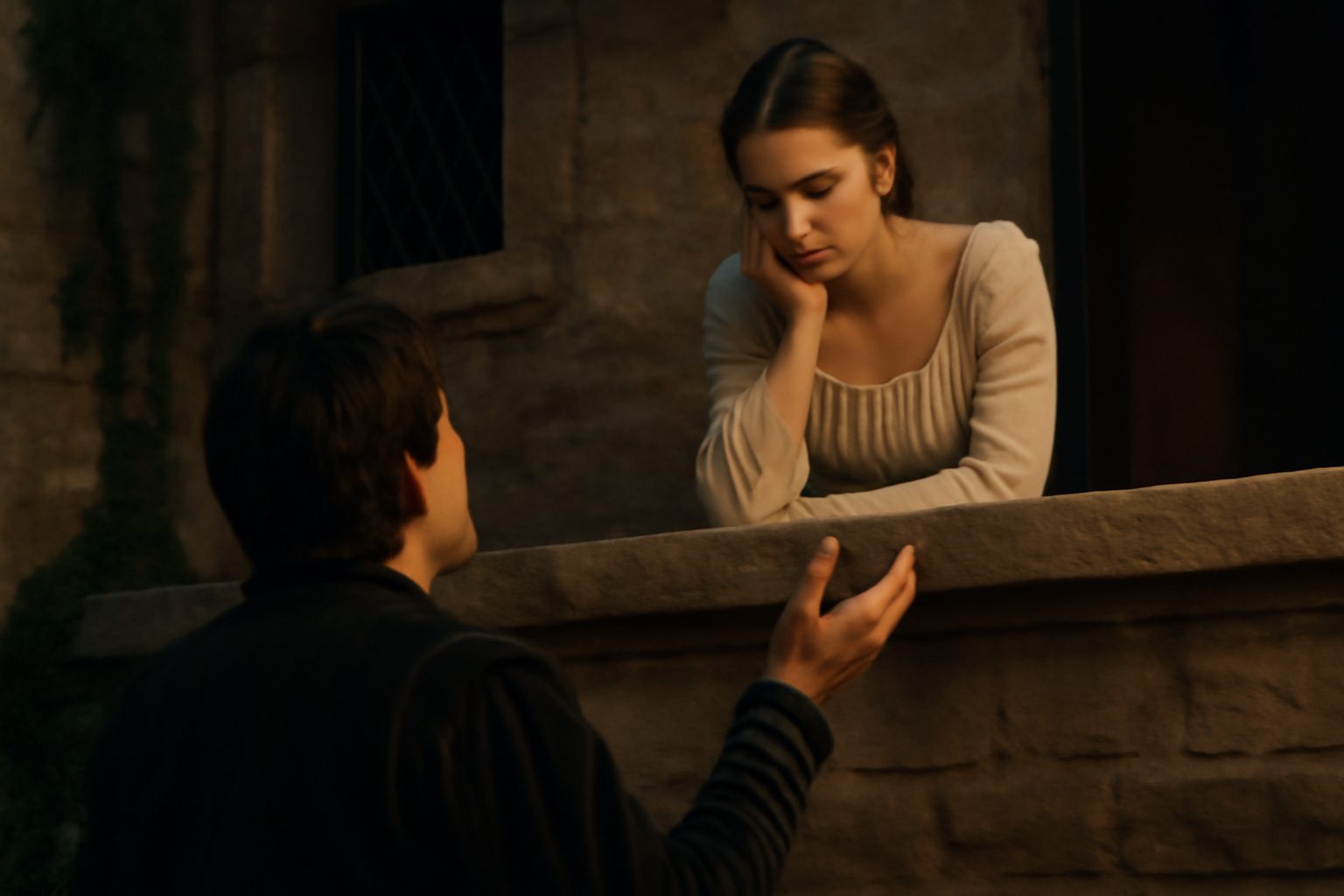
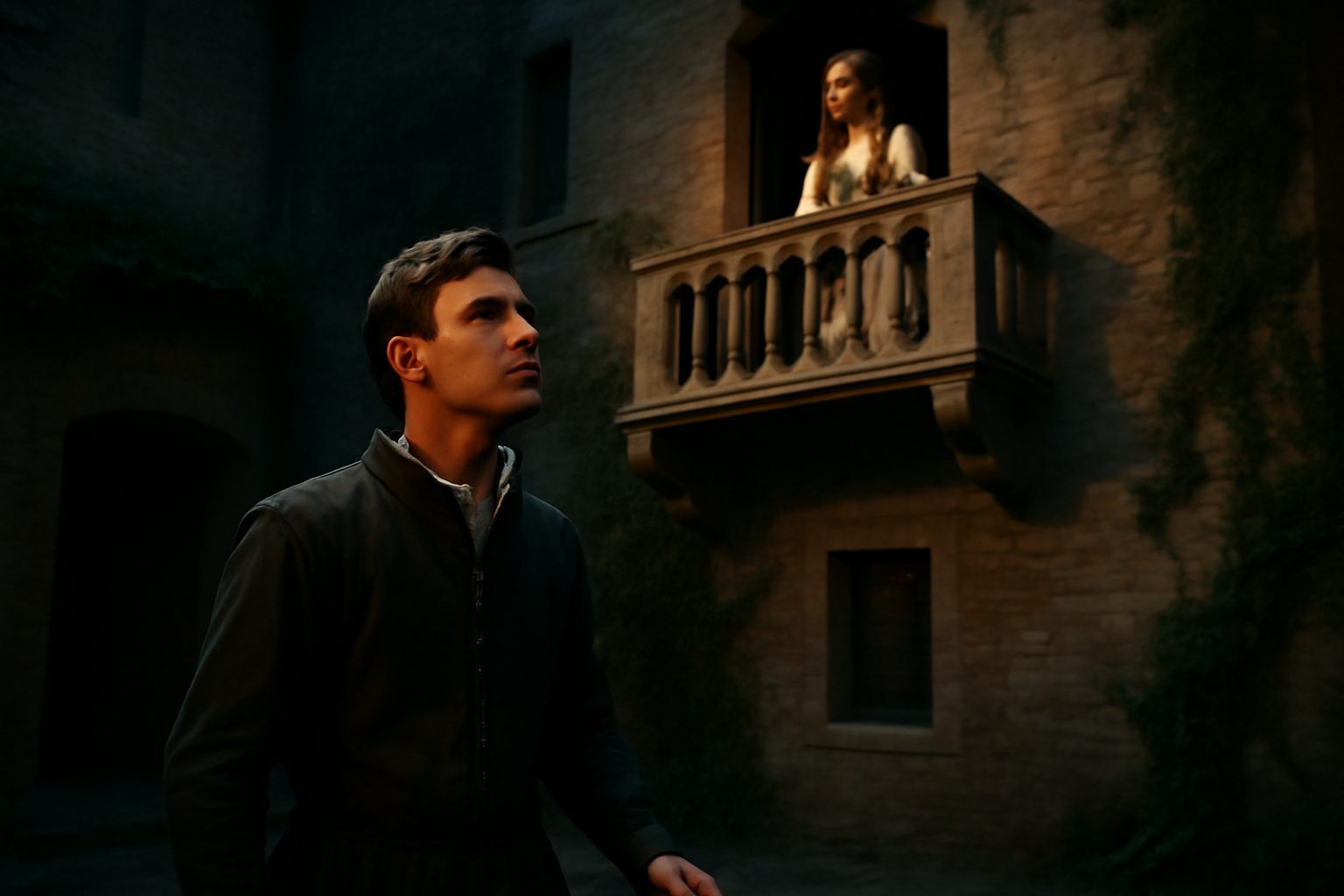
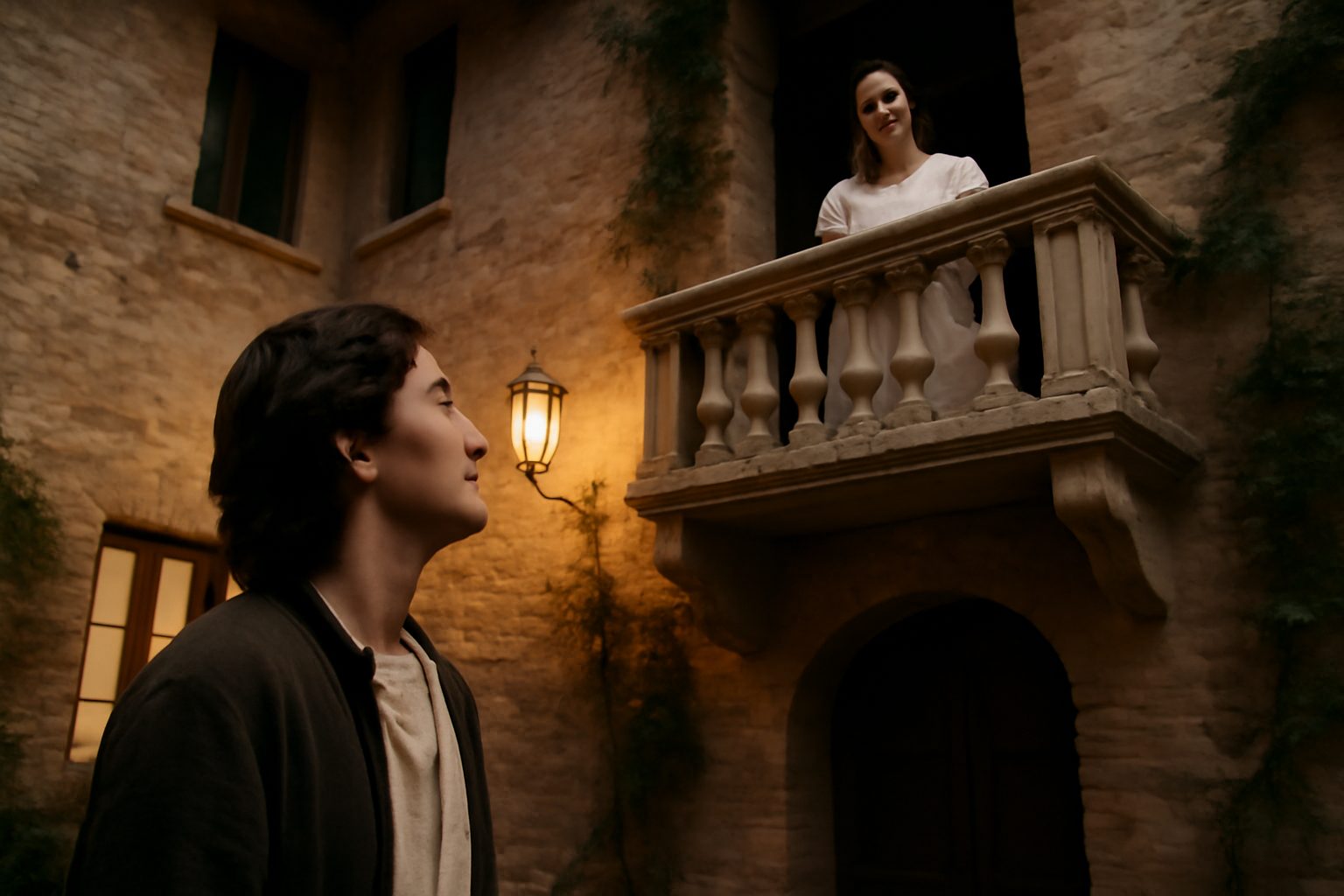
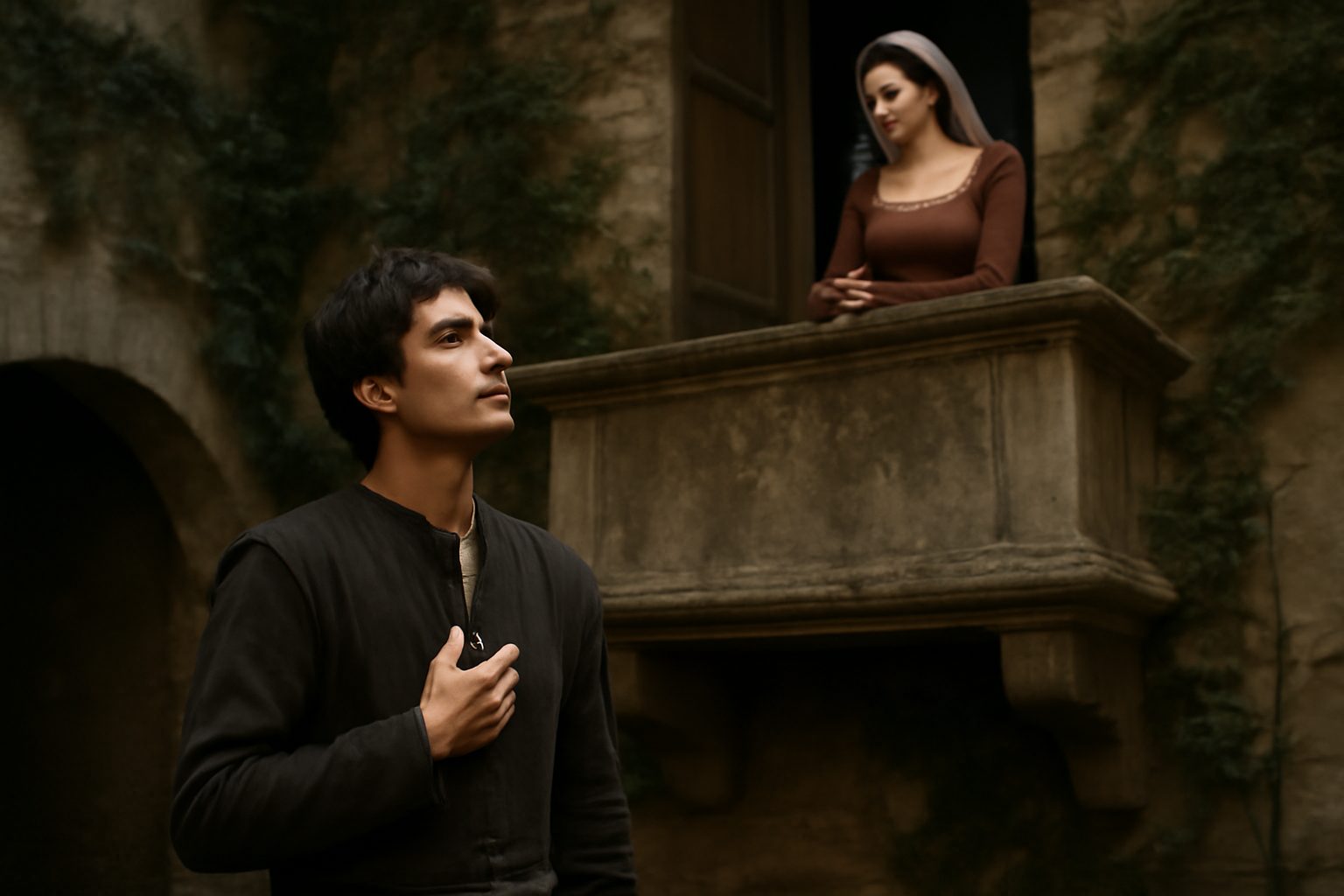
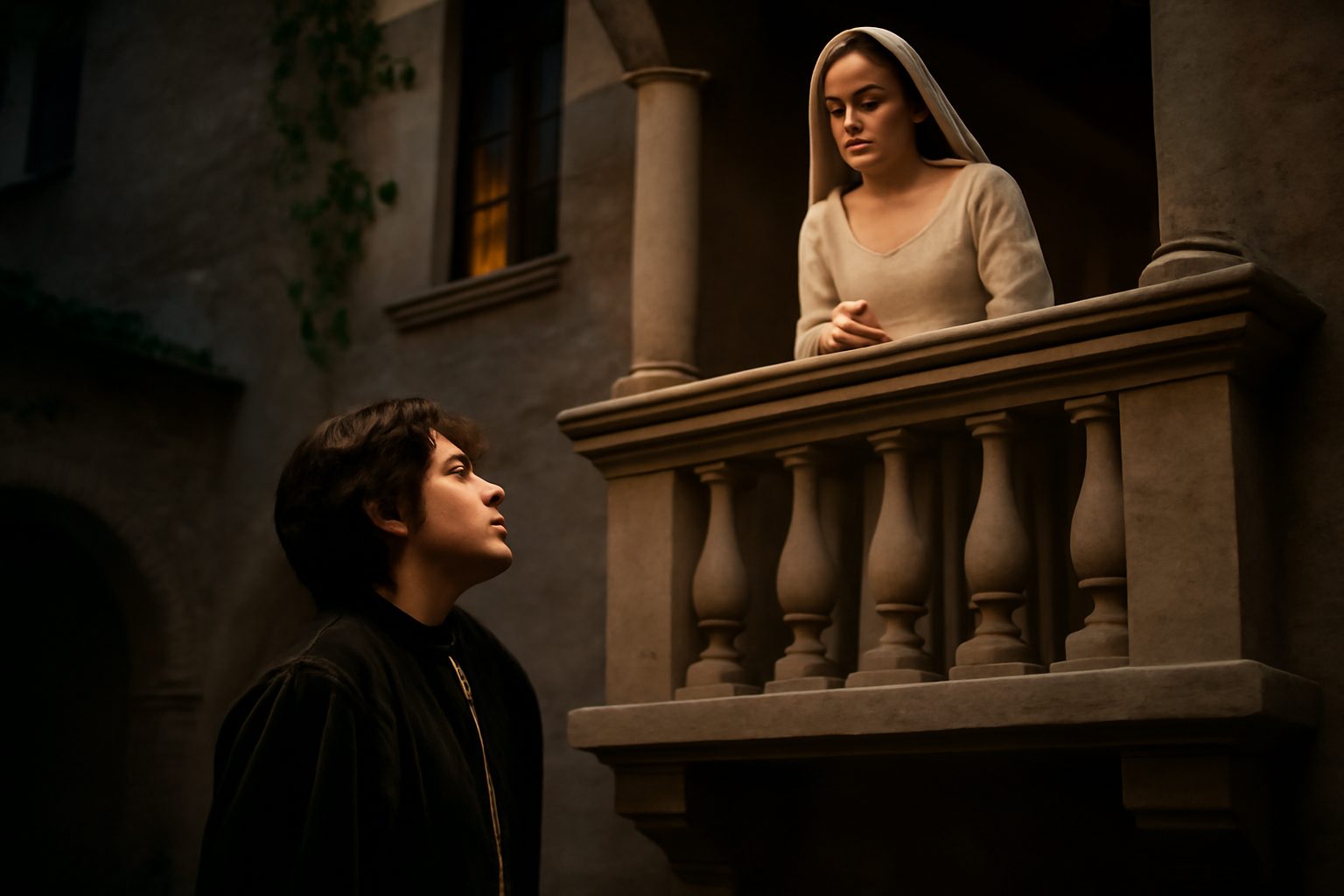
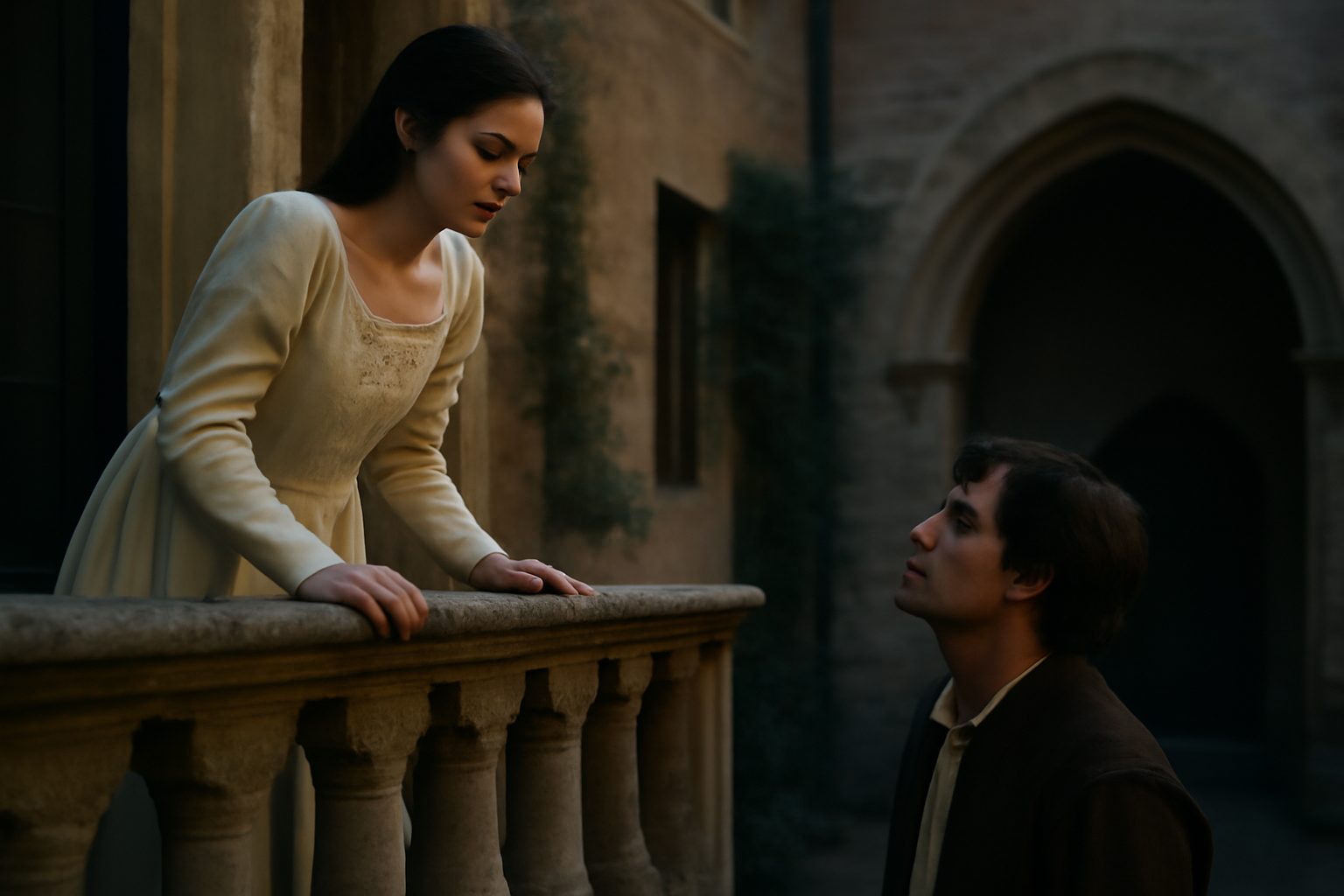
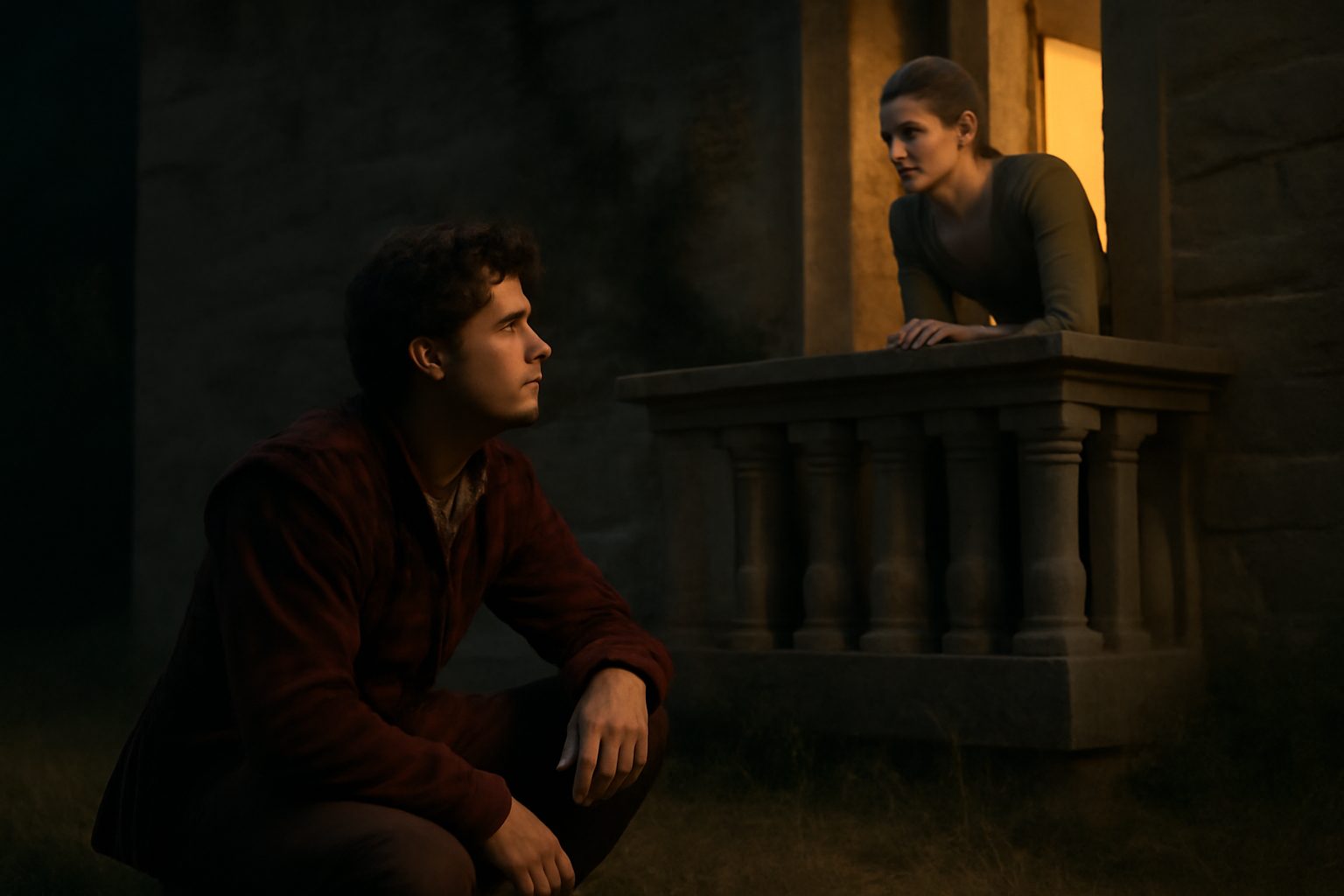
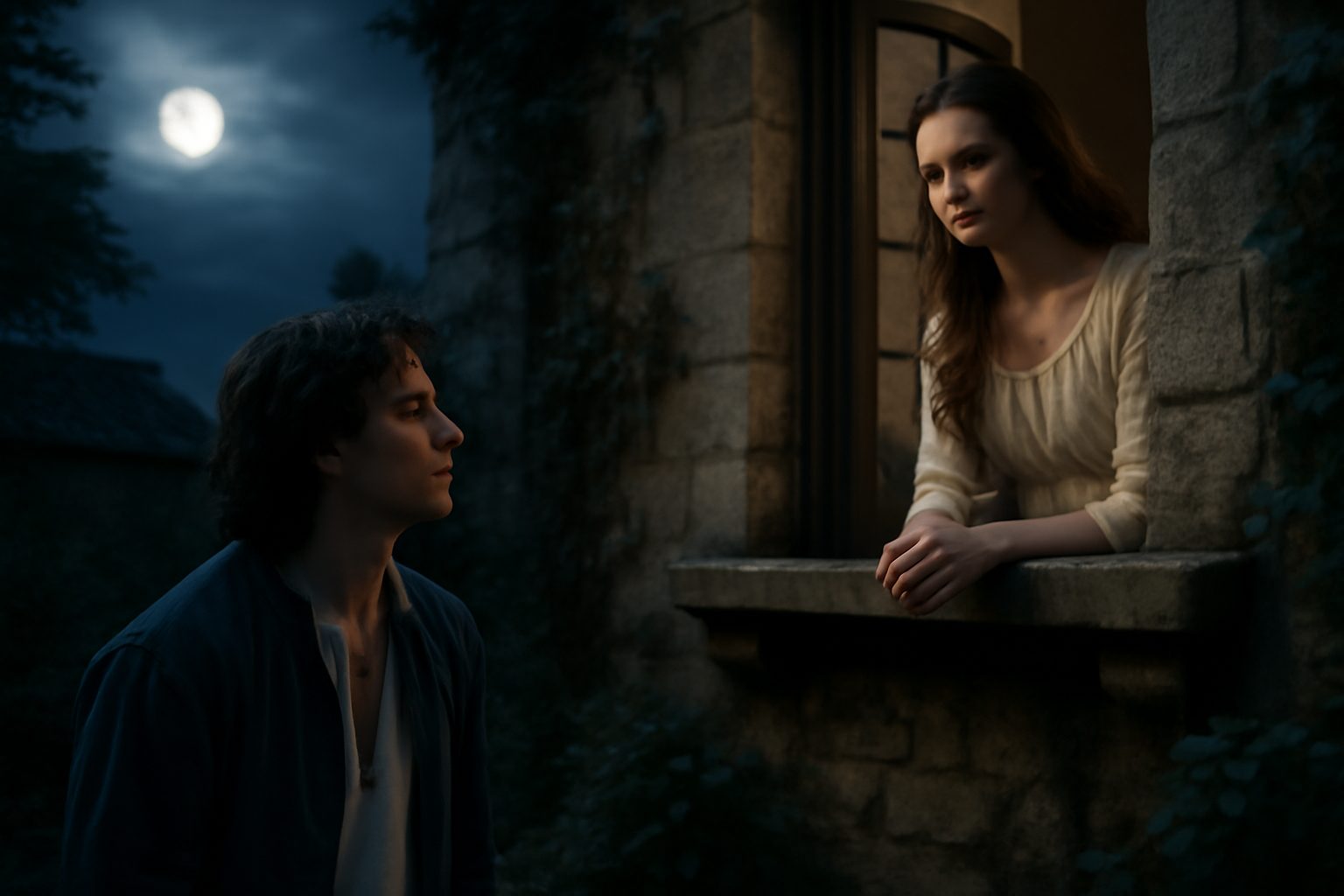
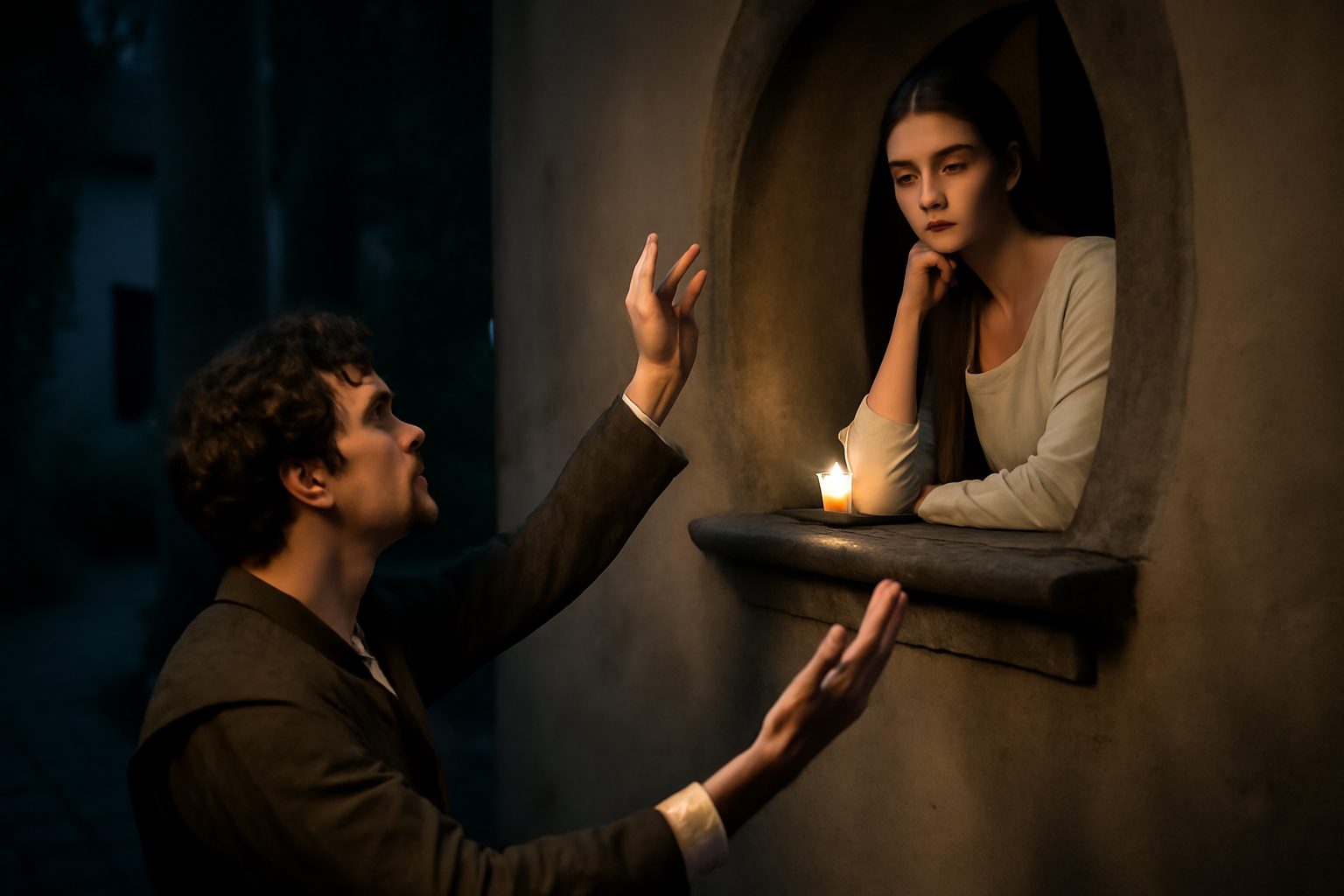
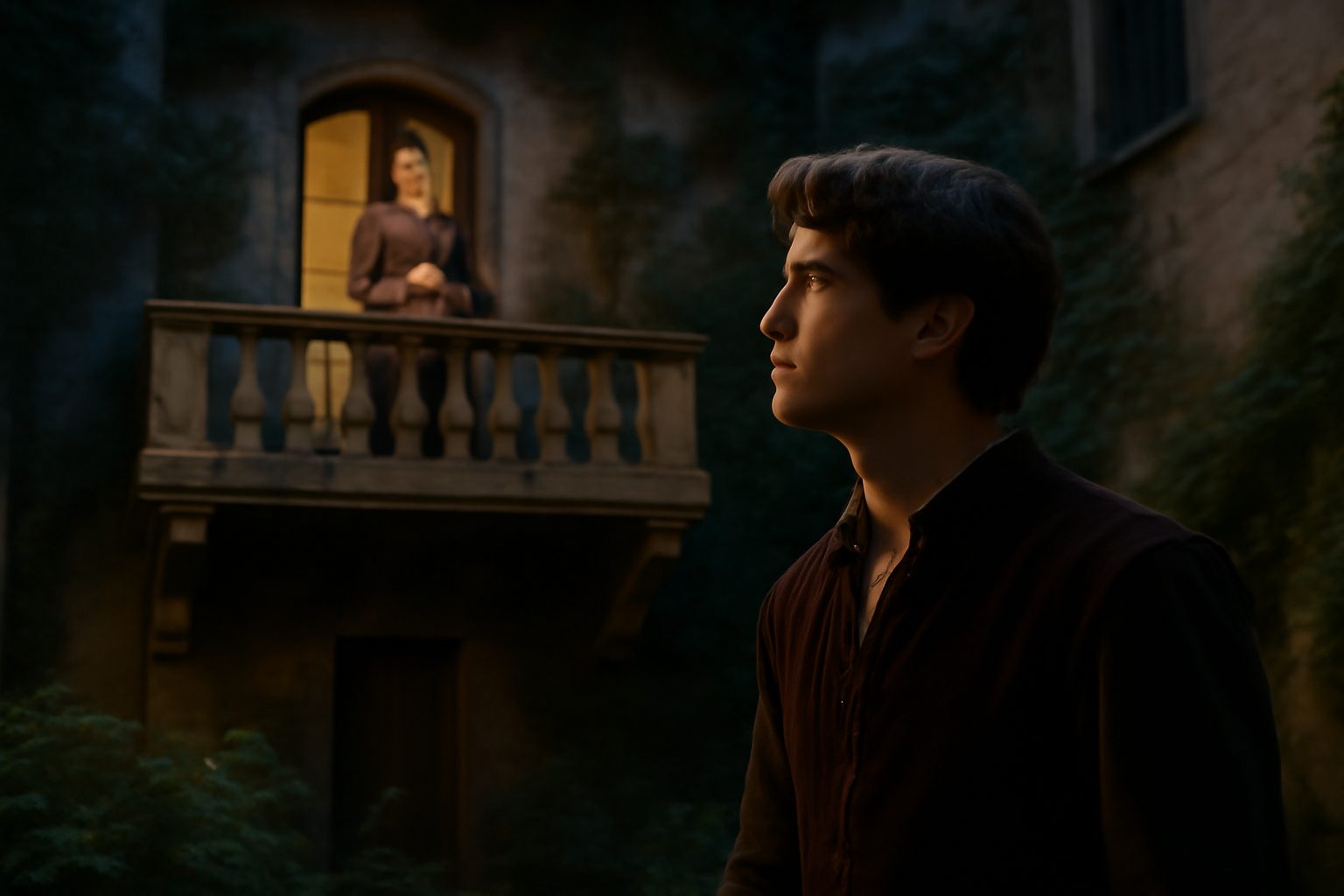
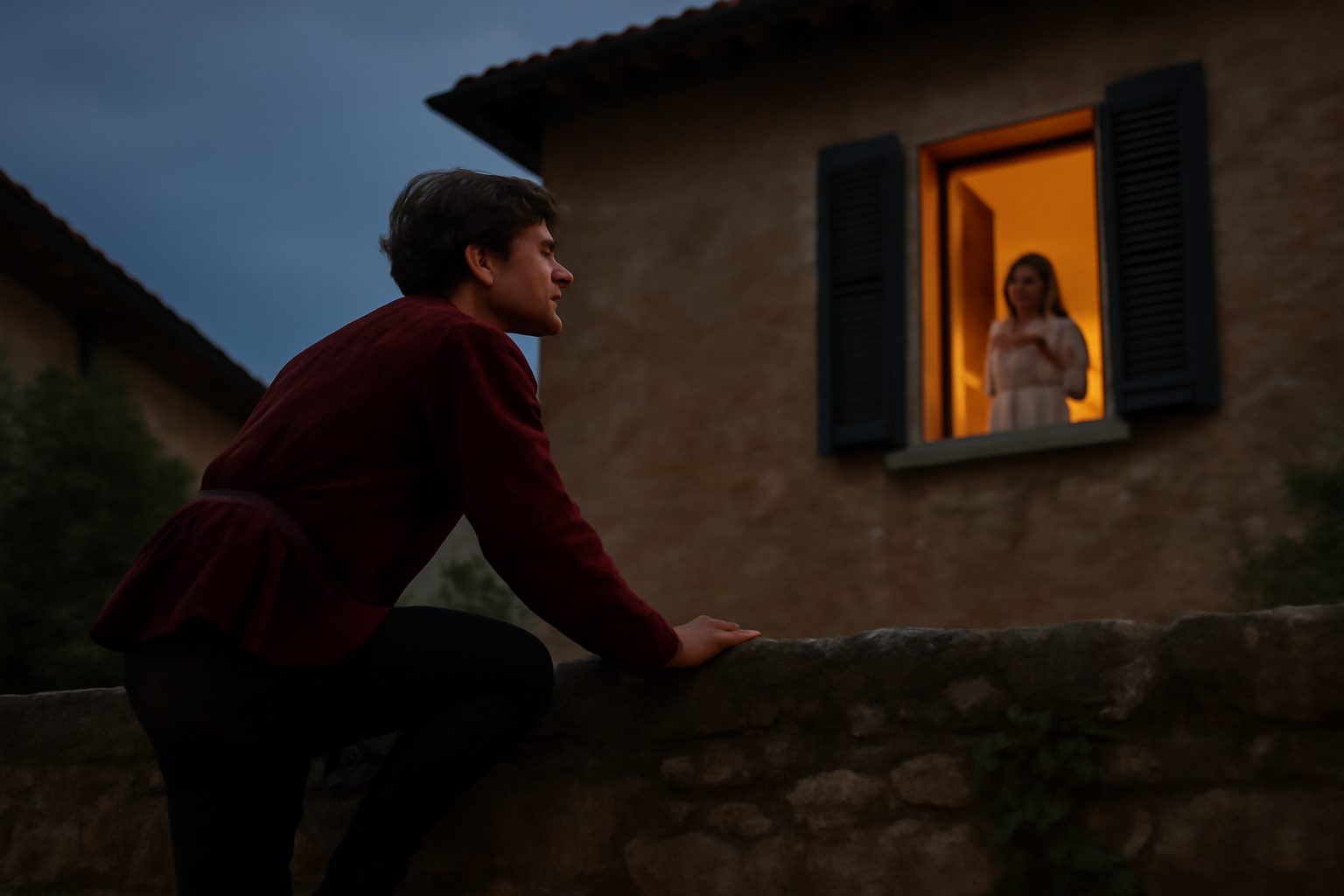
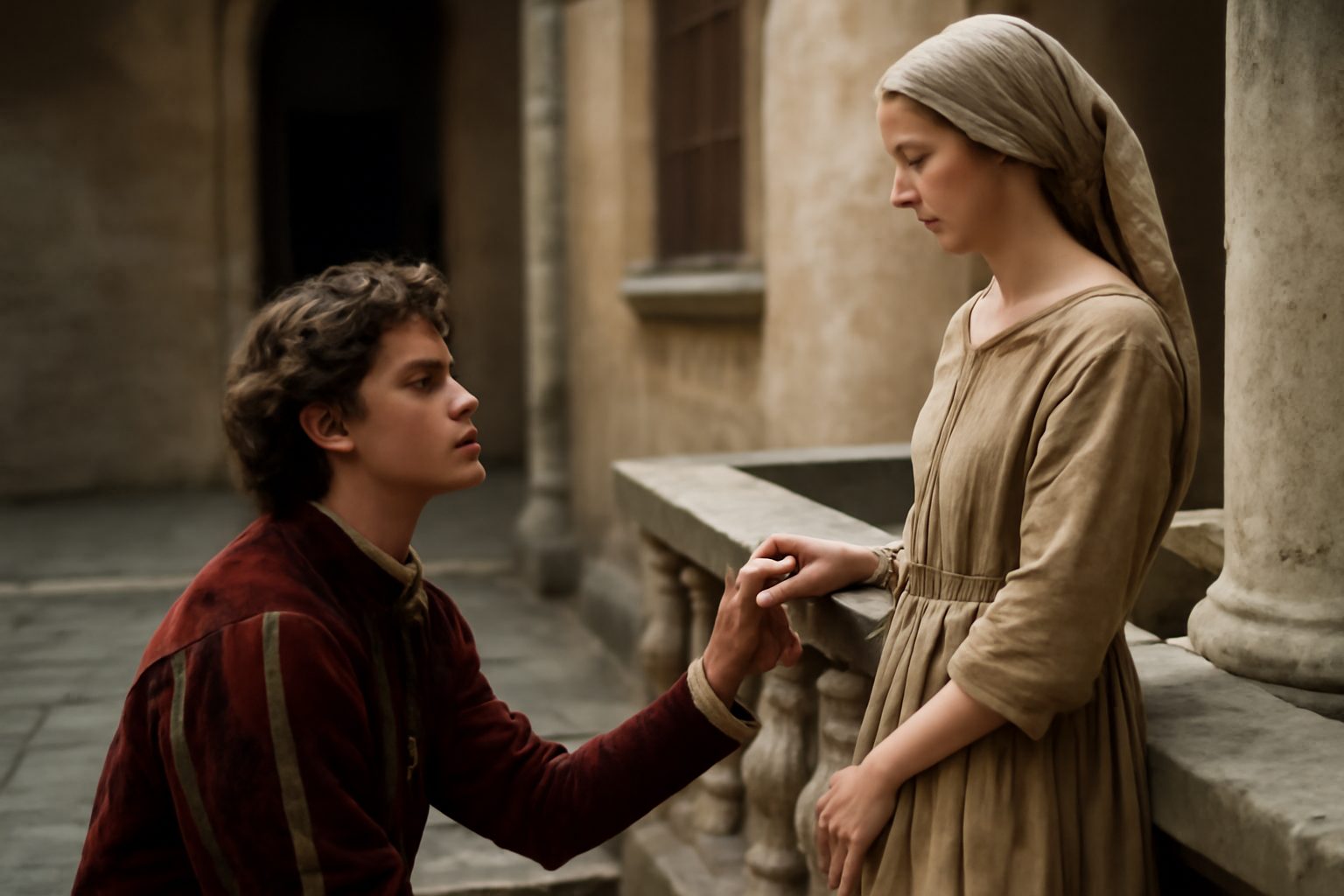
In Act 2, Scene 1 of Romeo and Juliet, Mercutio mocks Romeo's lovesick state by invoking Cupid, the mischievous god of desire. This line playfully references Cupid's legendary archery skills, suggesting Romeo has fallen victim to his well-aimed arrows. The jest comes as Mercutio and Benvolio search for Romeo, who has slipped away to pursue Juliet.
Mercutio: "Young Adam Cupid, he that shot so trim,"
In modern day english, we would say:
That little rascal Cupid, the one who’s such a sharp shooter with his arrows.
Frequently Asked Questions
Who is Mercutio referring to when he mentions Young Adam Cupid?
Mercutio is referring to Cupid, the Roman god of love, who is often depicted as a young boy with a bow and arrow.
Connections to other verses:
Connections to "Young Adam Cupid, he that shot so trim"
The line Young Adam Cupid, he that shot so trim introduces the mythological figure of Cupid, whose influence is a recurring theme in this scene. Mercutio's mocking invocation of Cupid ties directly to his earlier call to Speak to my gossip Venus one fair word, as Venus is Cupid's mother in classical mythology, reinforcing the playful yet cynical tone toward love.
Blindness and Love
This reference to Cupid aligns thematically with Blind is his love and best befits the dark, alluding to Cupid's traditional depiction as blind, symbolizing love's irrational nature. This idea is further explored in If love be blind, love cannot hit the mark, creating a cohesive commentary on the folly and unpredictability of romantic pursuit.
Conjuration and Invocation
Mercutio's mention of Cupid is part of his larger effort to conjure Romeo, as seen in The ape is dead, and I must conjure him and I conjure only but to raise up him. The mythological references serve as humorous incantations, blending classical imagery with Mercutio's wit.
Playful Taunts and Wordplay
The tone of "Young Adam Cupid" matches other lines where Mercutio teases Romeo, such as Romeo! humours! madman! passion! lover! and his insistence that Romeo respond to simple calls like Speak but one rhyme, and I am satisfied. This creates a pattern of jest that underscores the scene's levity contrasted with Romeo's earnest passion.
Fruit and Sexual Innuendo
Though not directly linked, Cupid's arrow—a symbol of desire—fits the scene's underlying sexual references, such as And wish his mistress were that kind of fruit and As maids call medlars, when they laugh alone. These lines collectively use metaphor and mythology to explore themes of yearning and attraction.