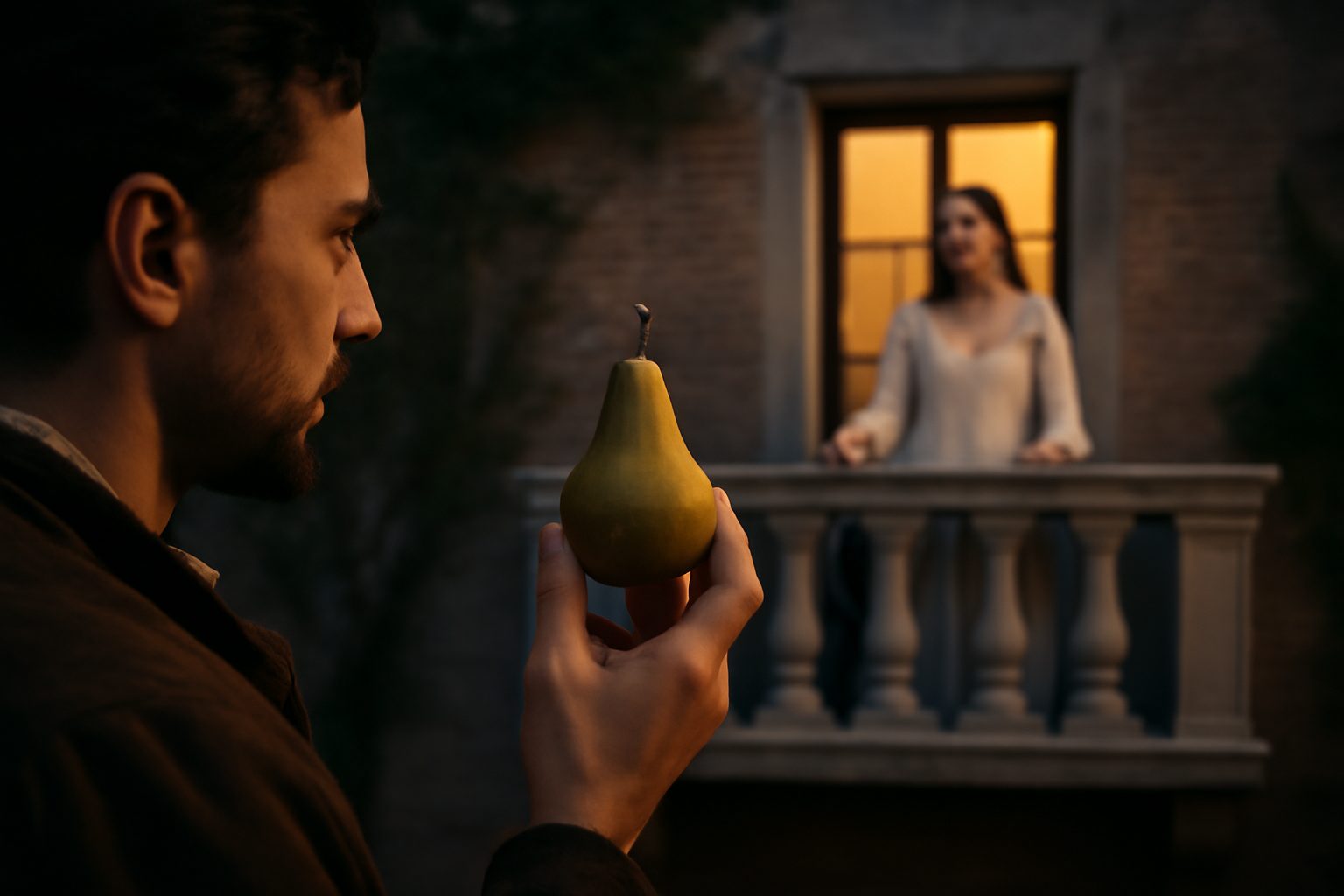
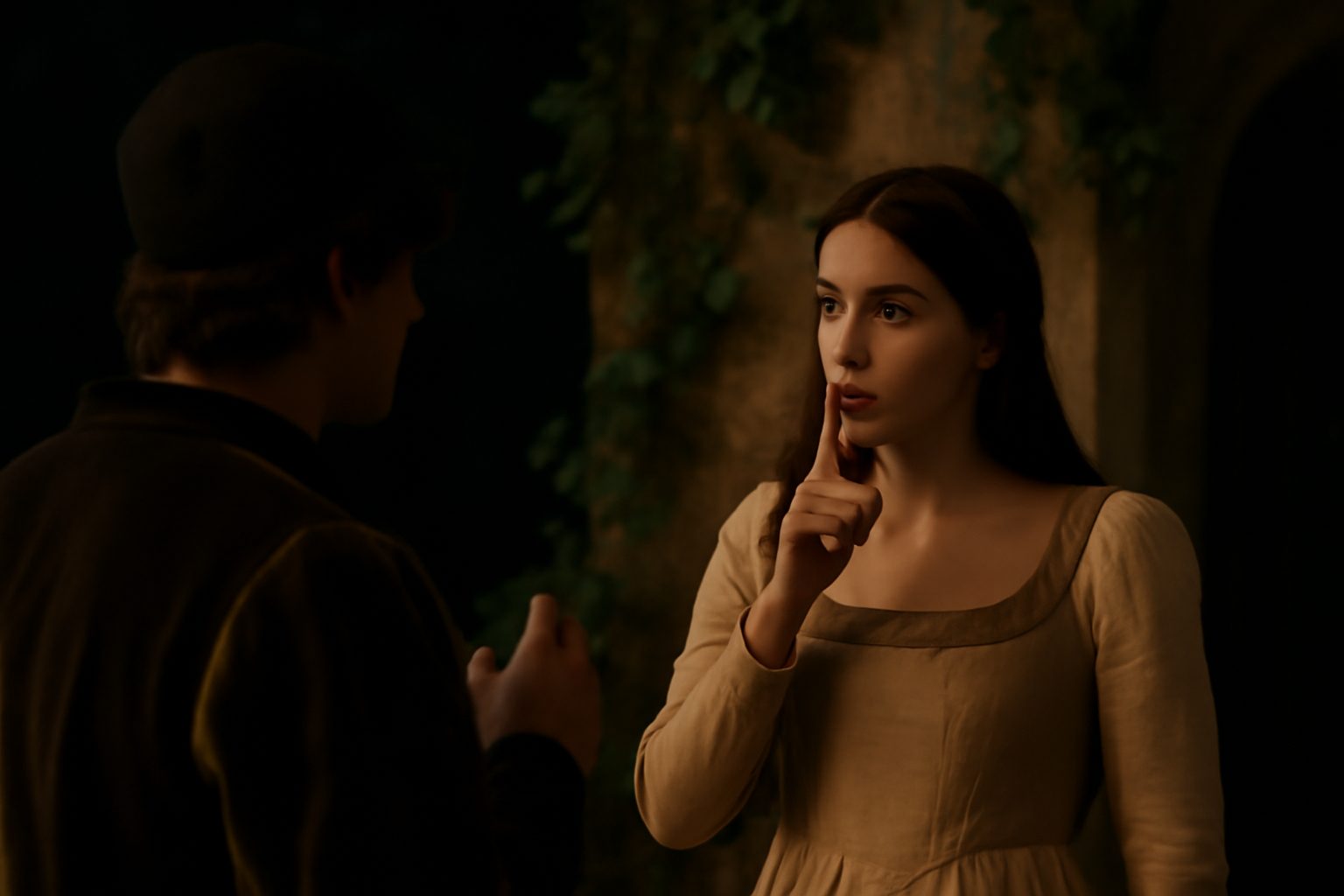
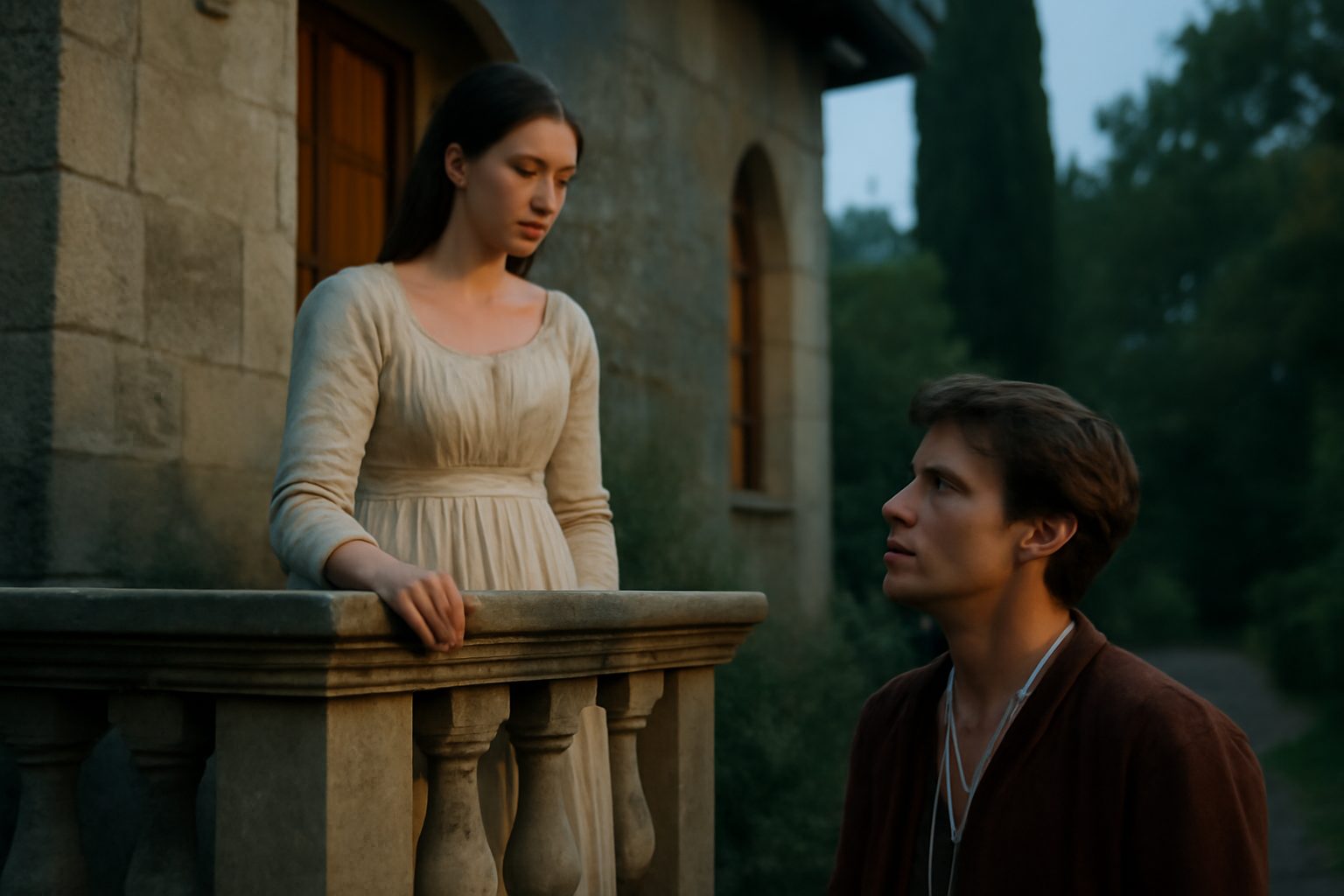
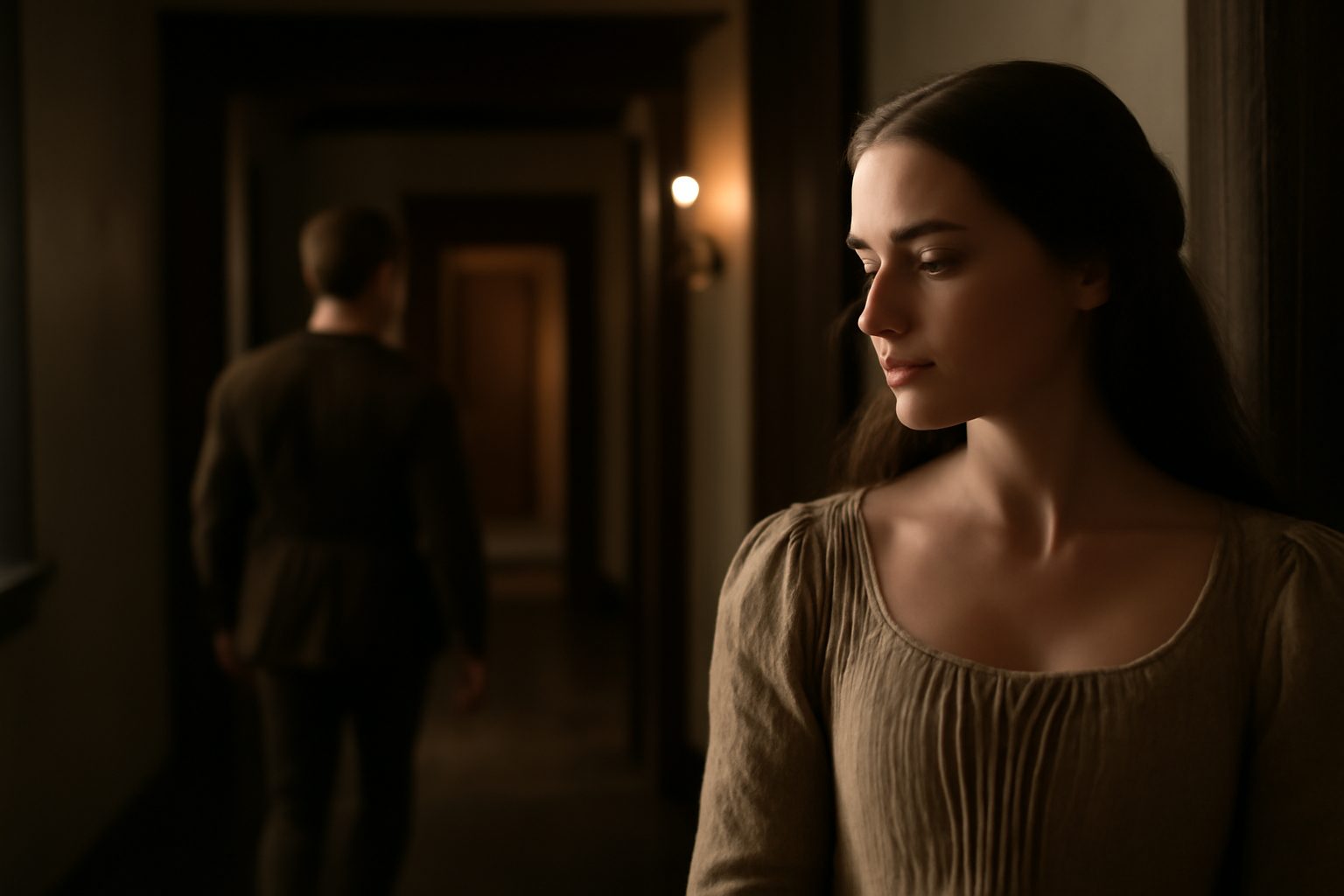
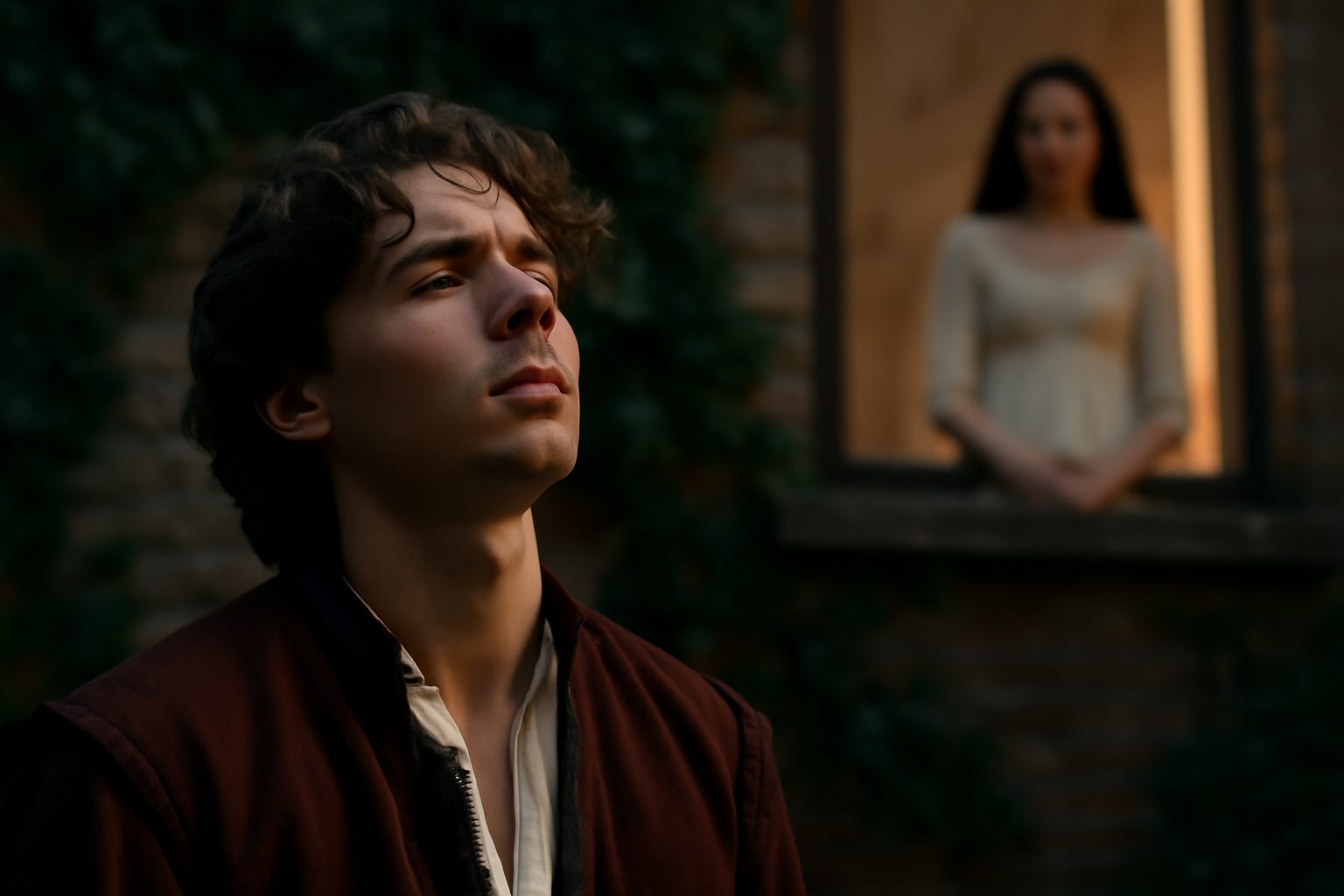
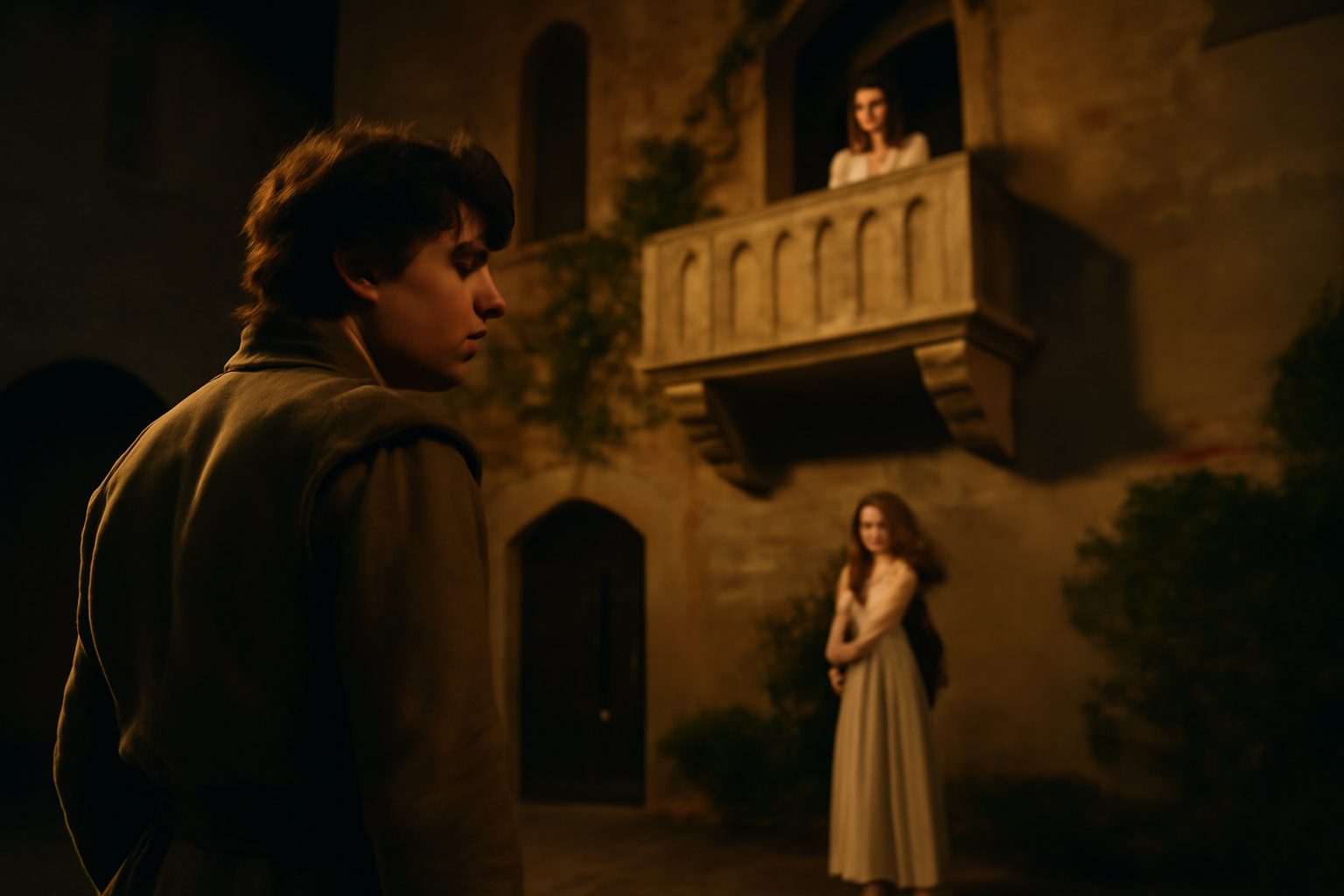
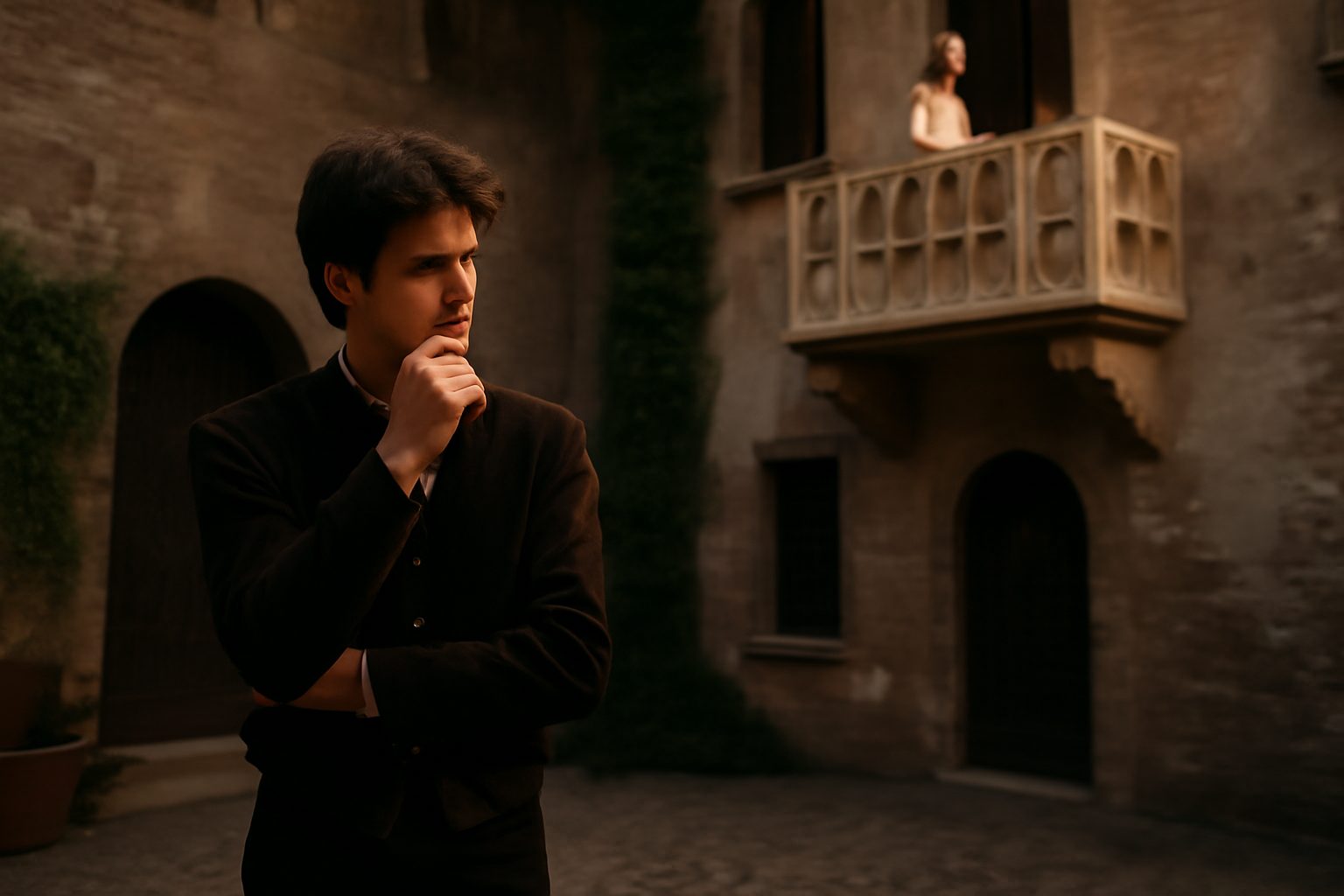
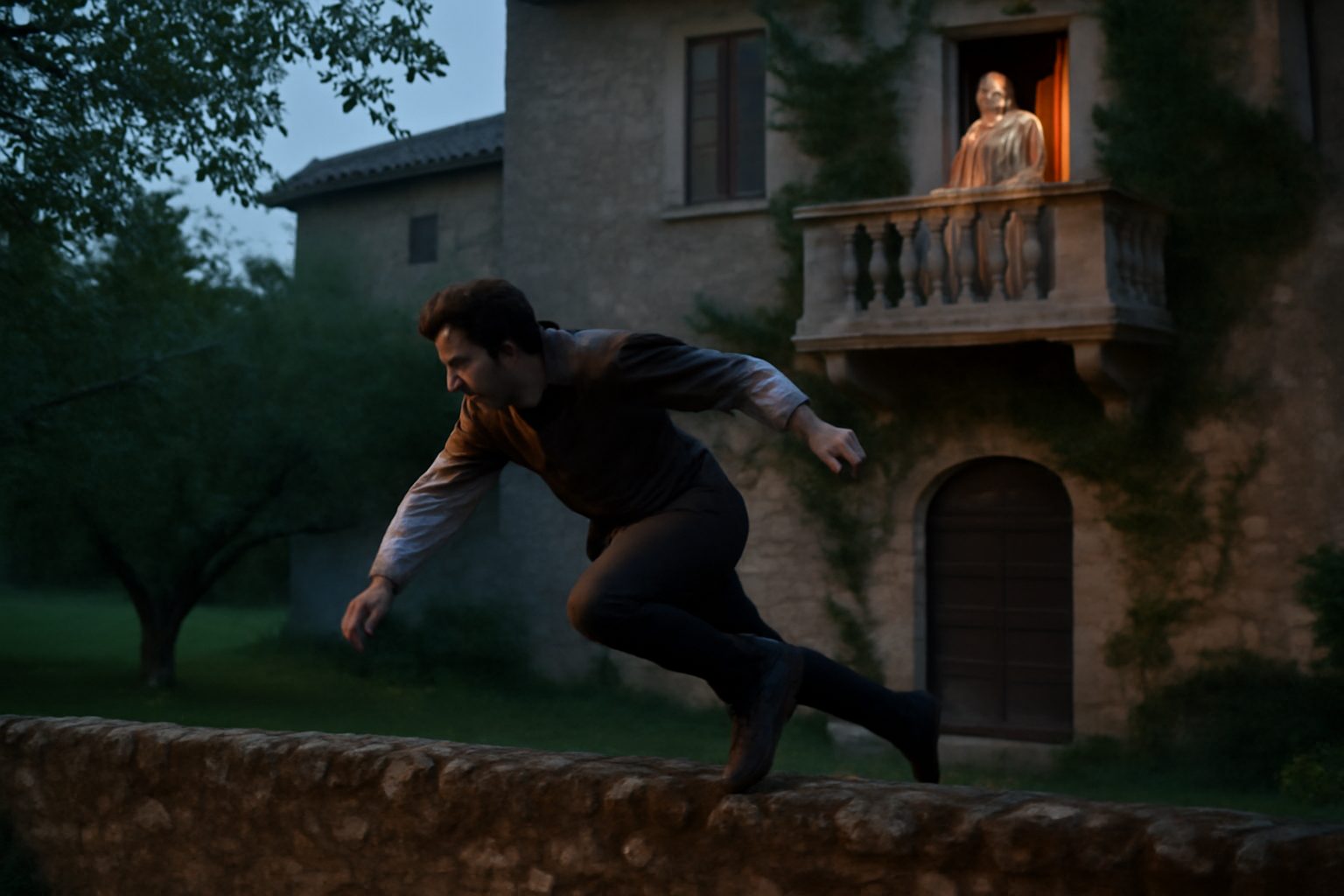
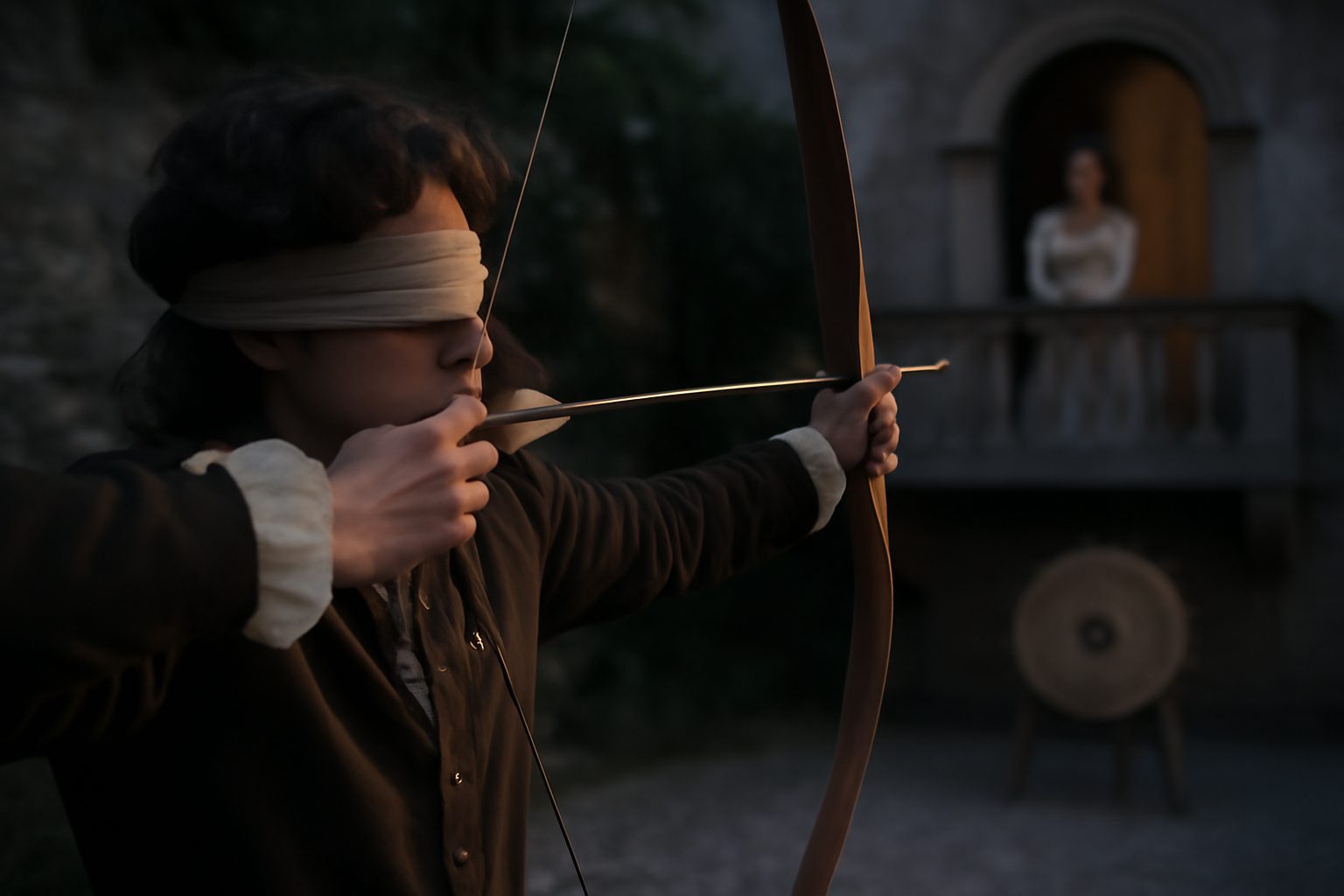
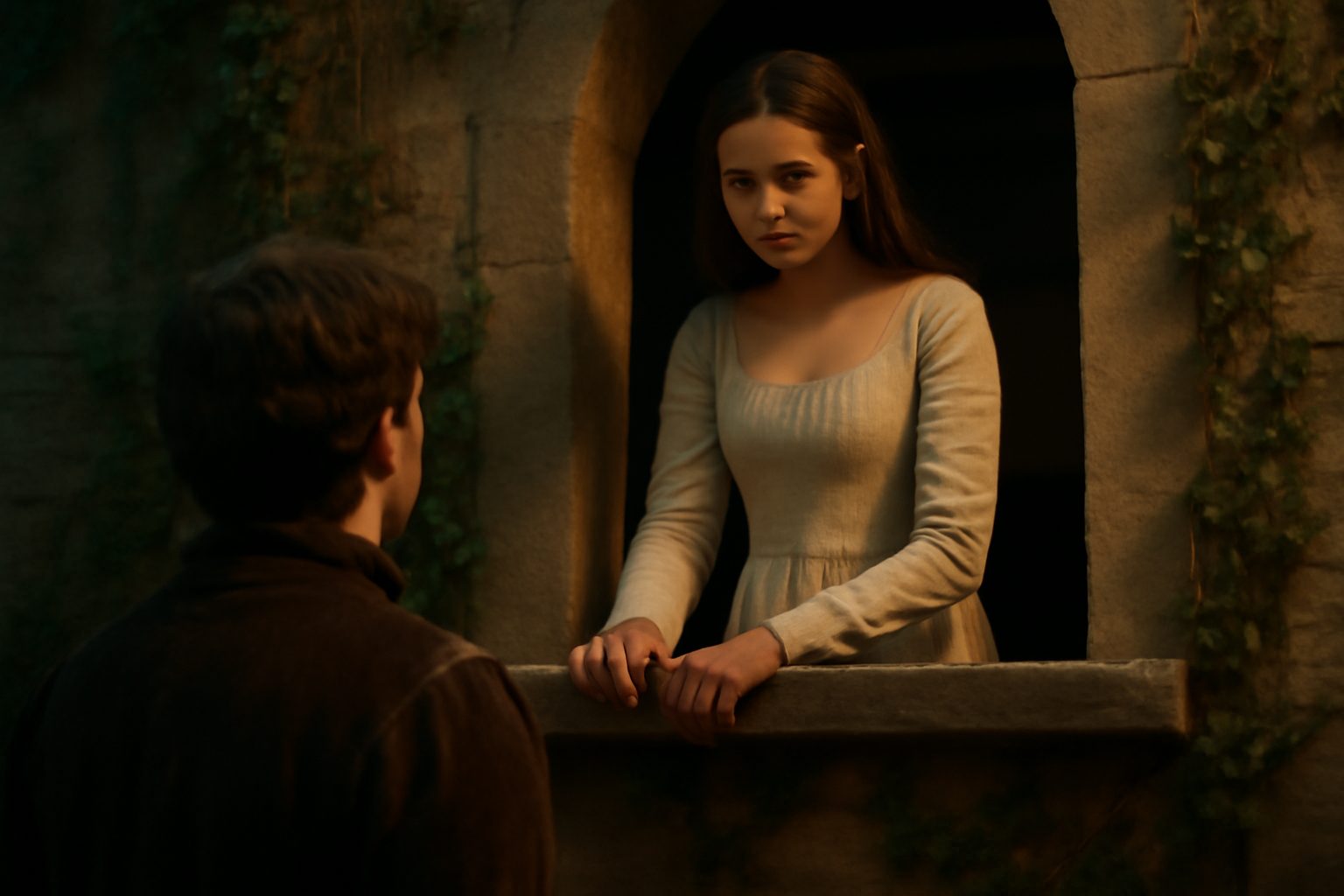
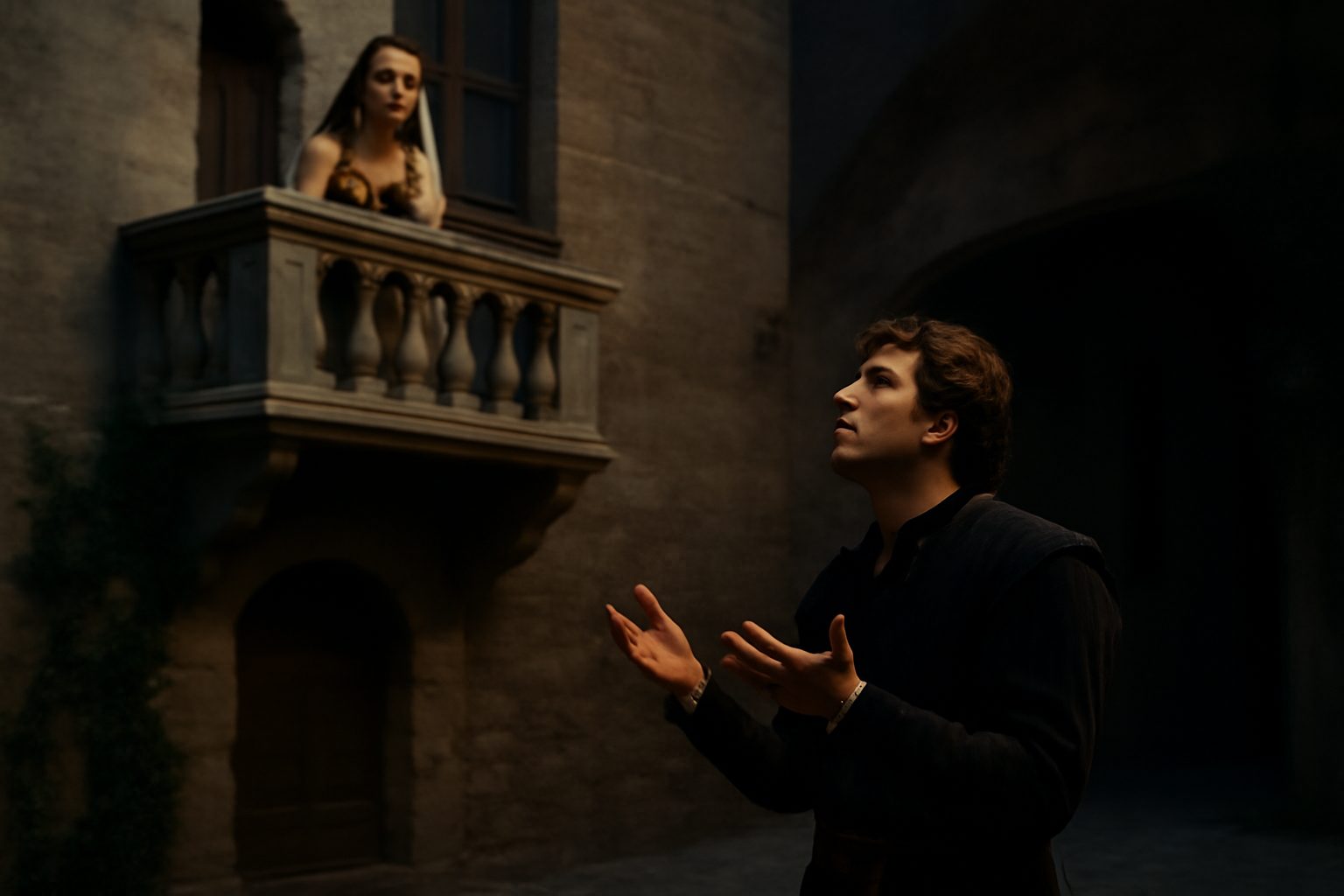
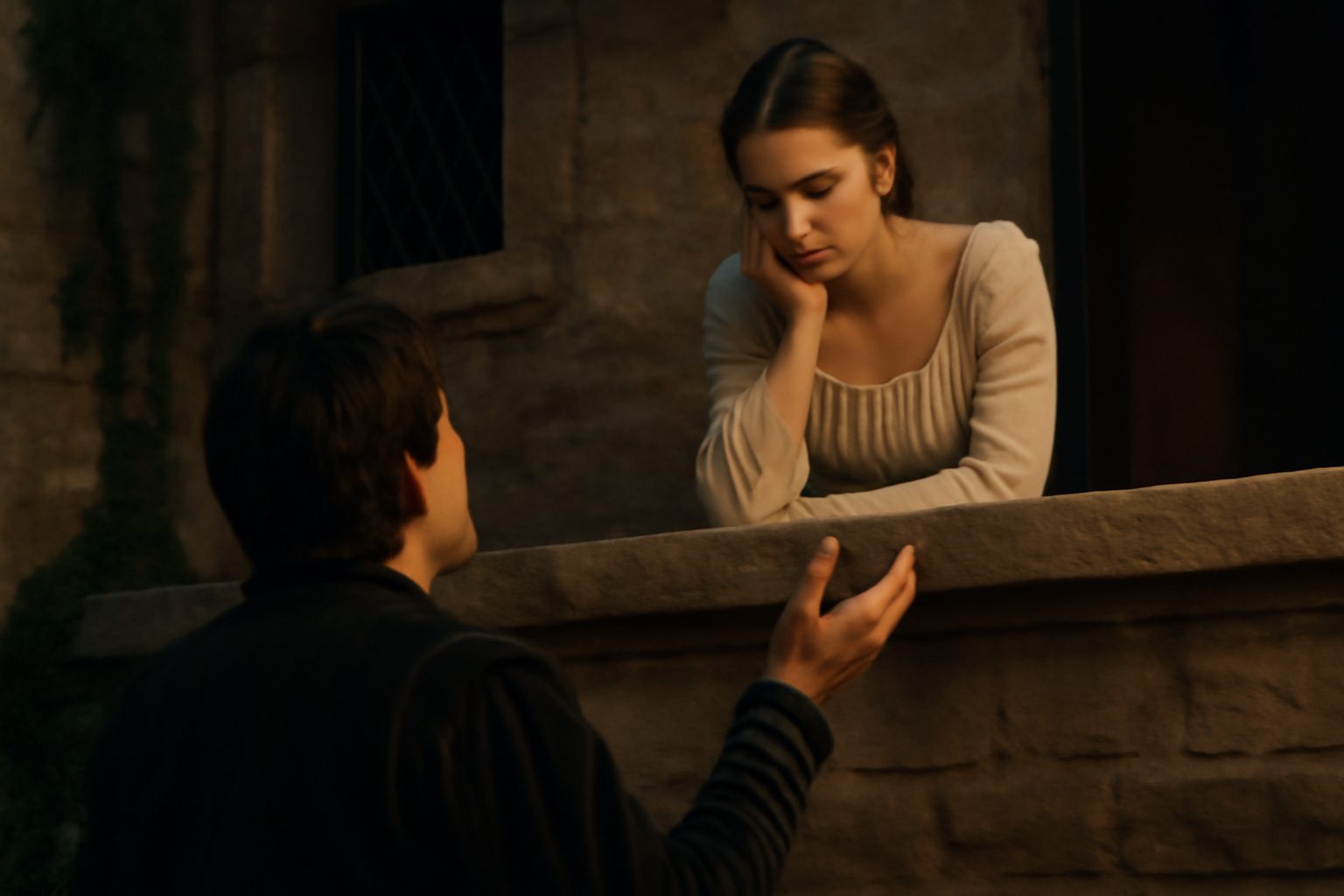
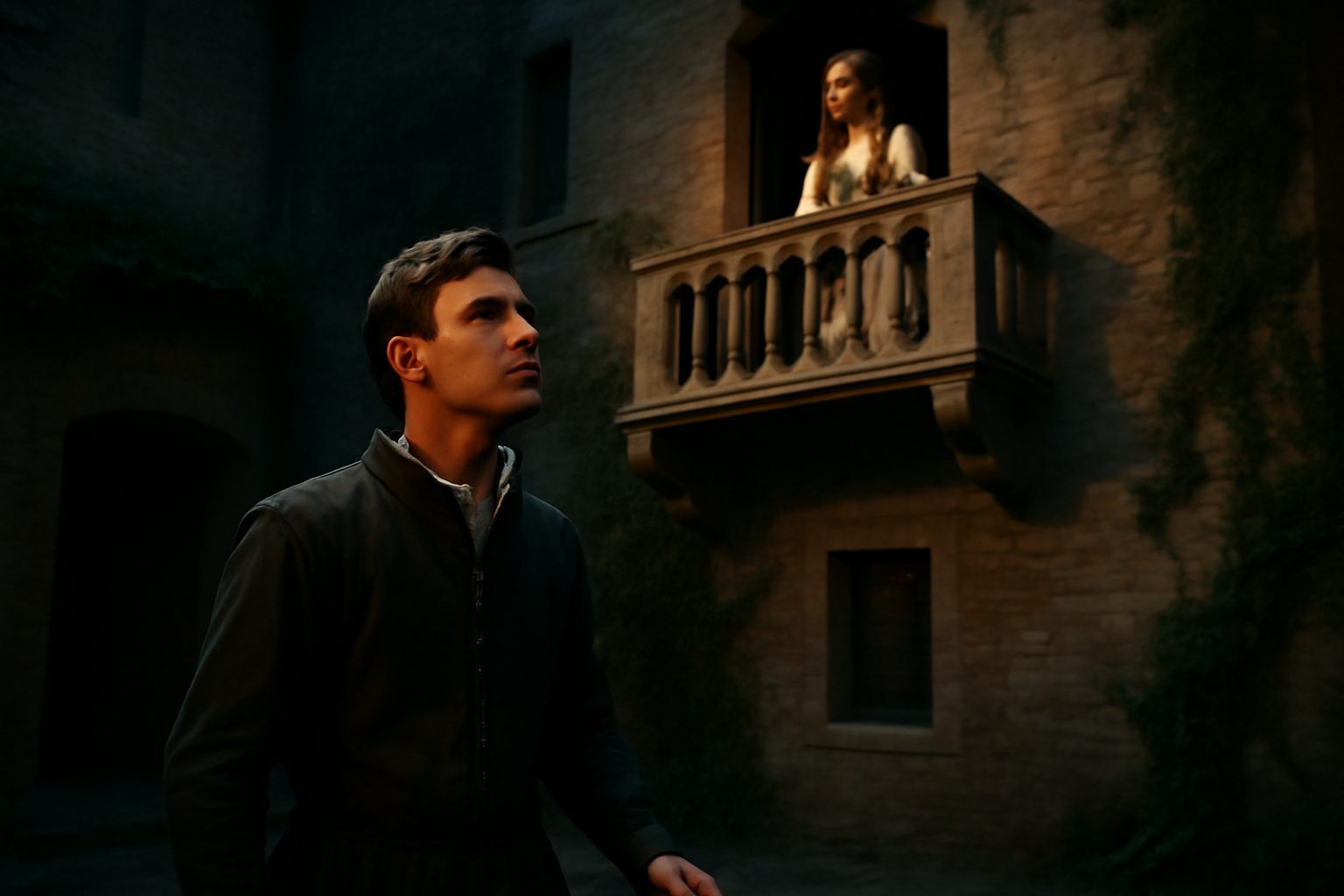
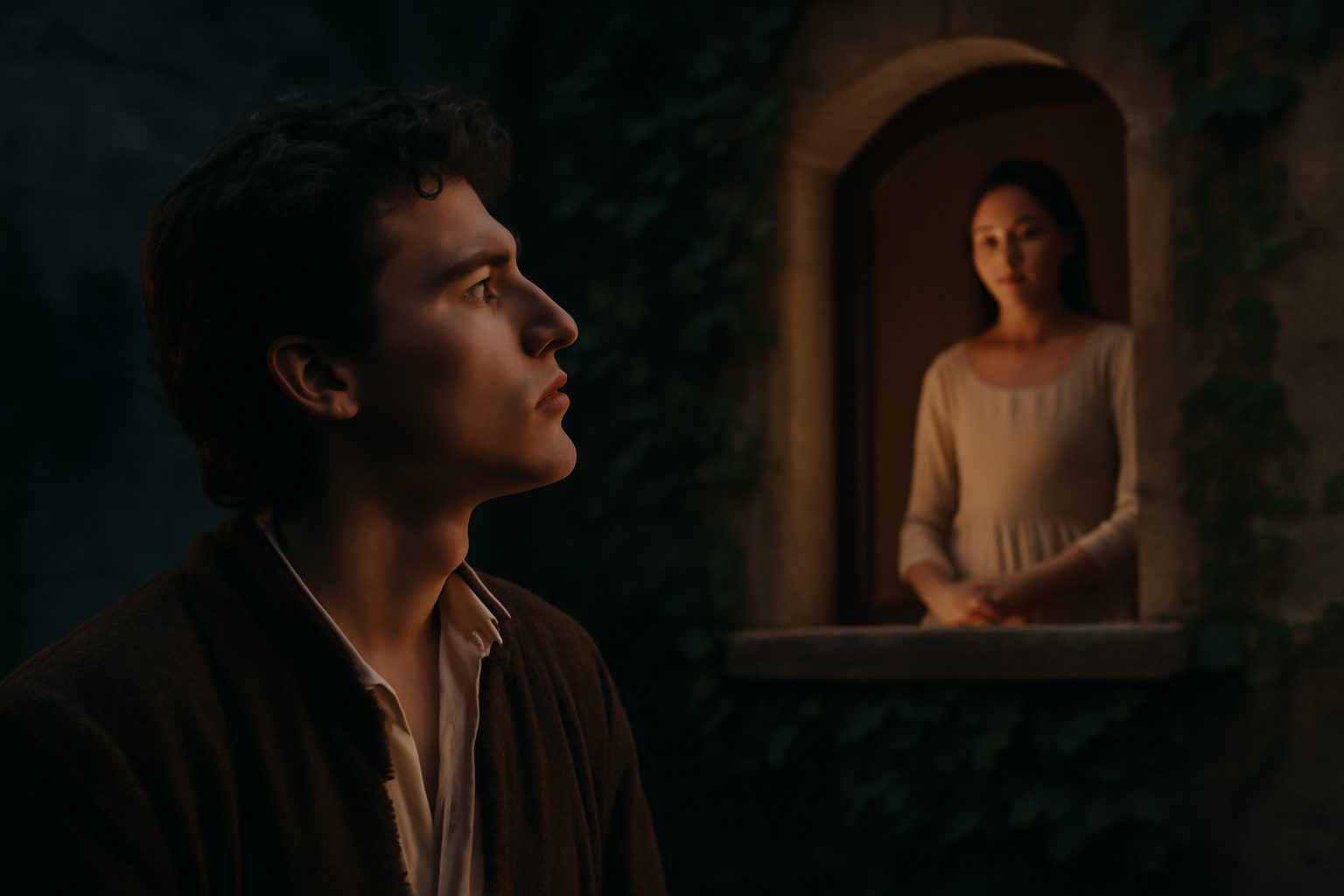
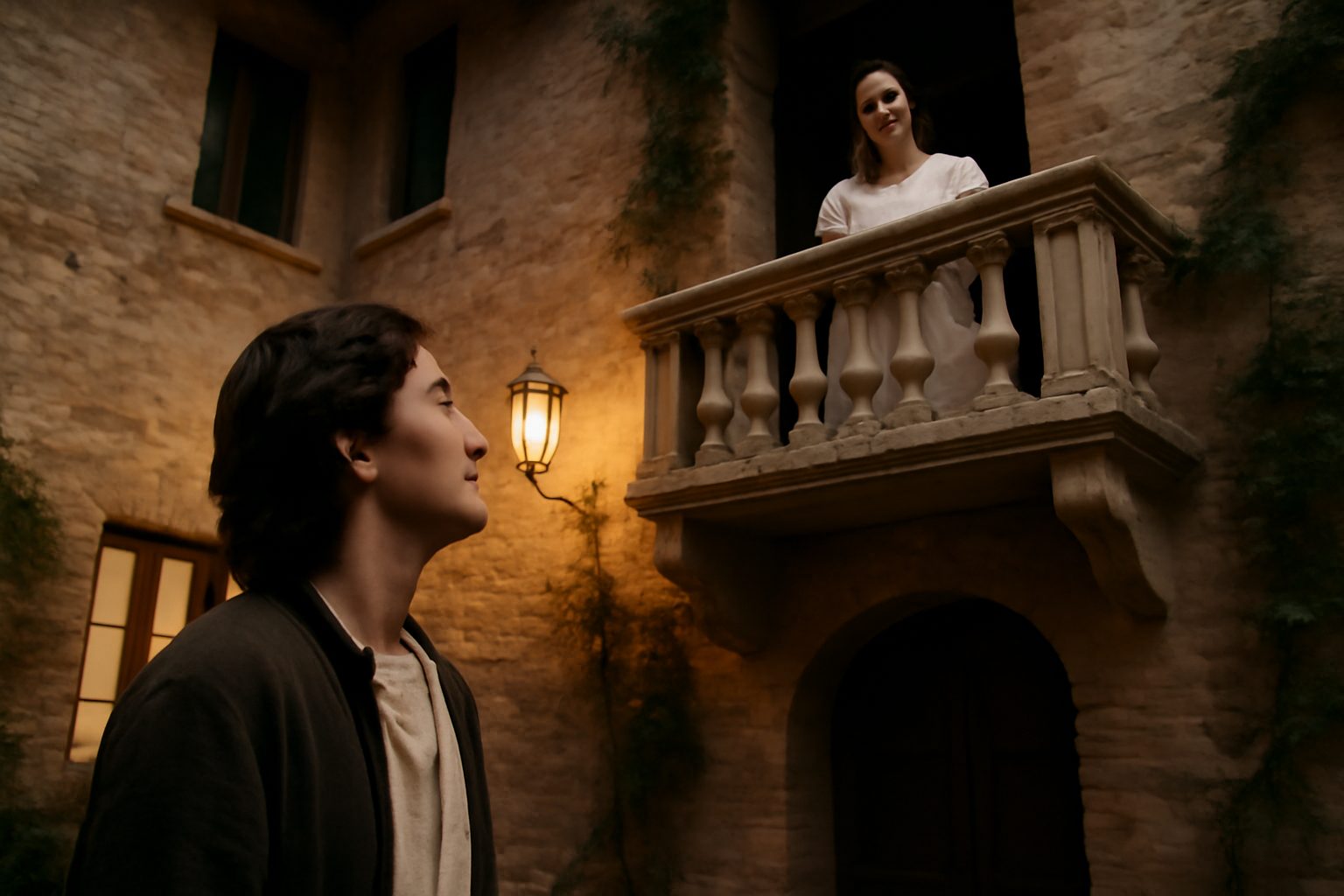
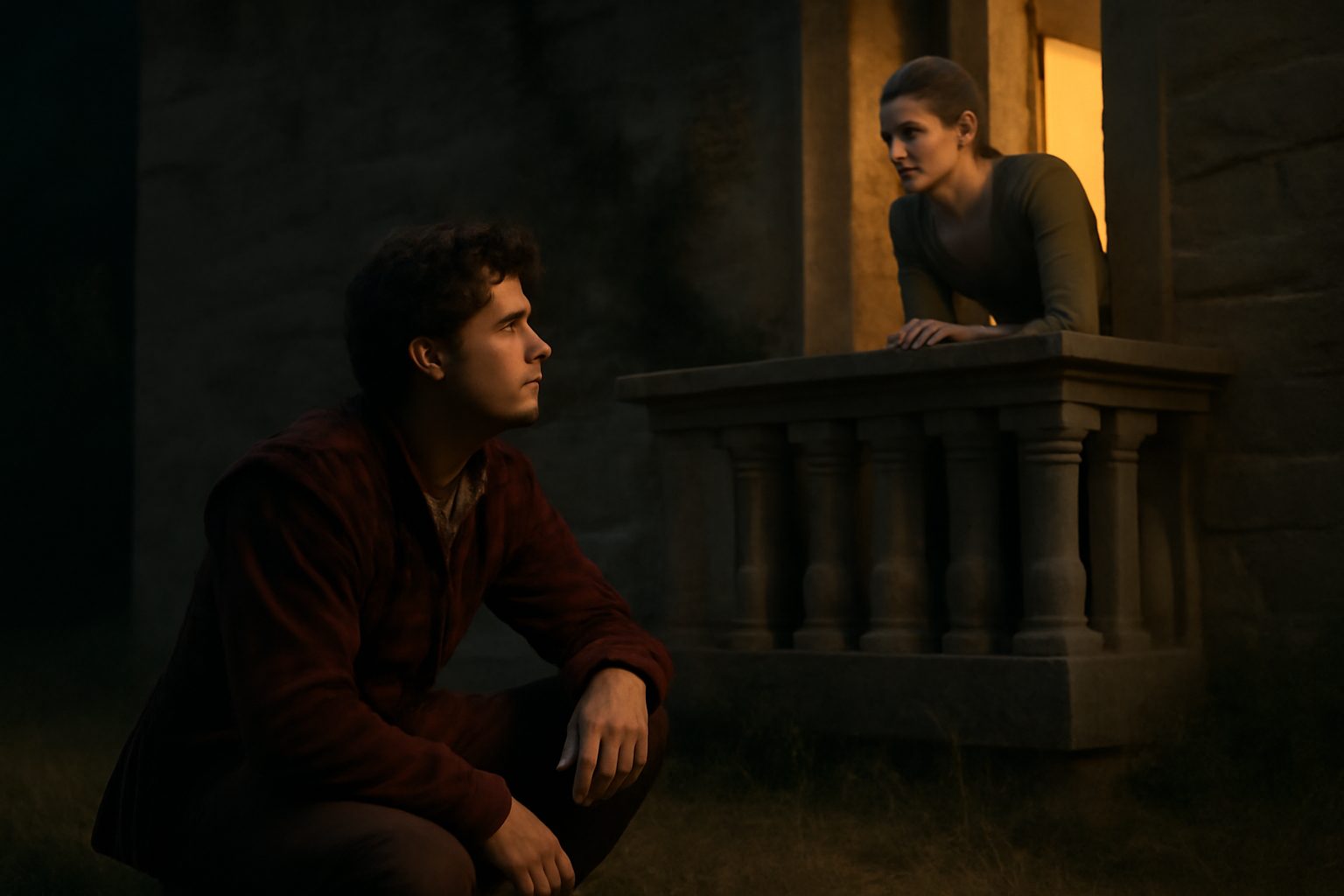
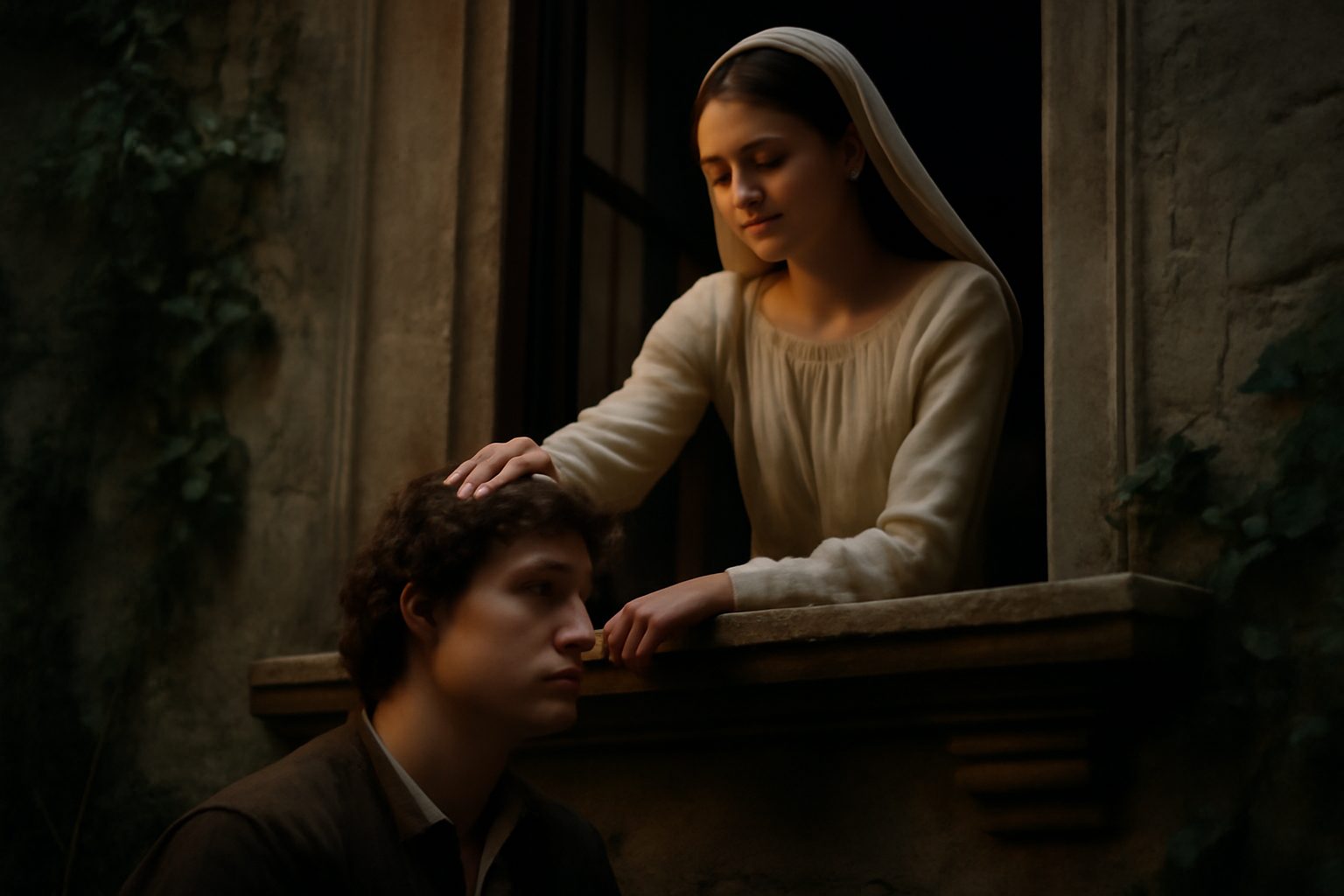
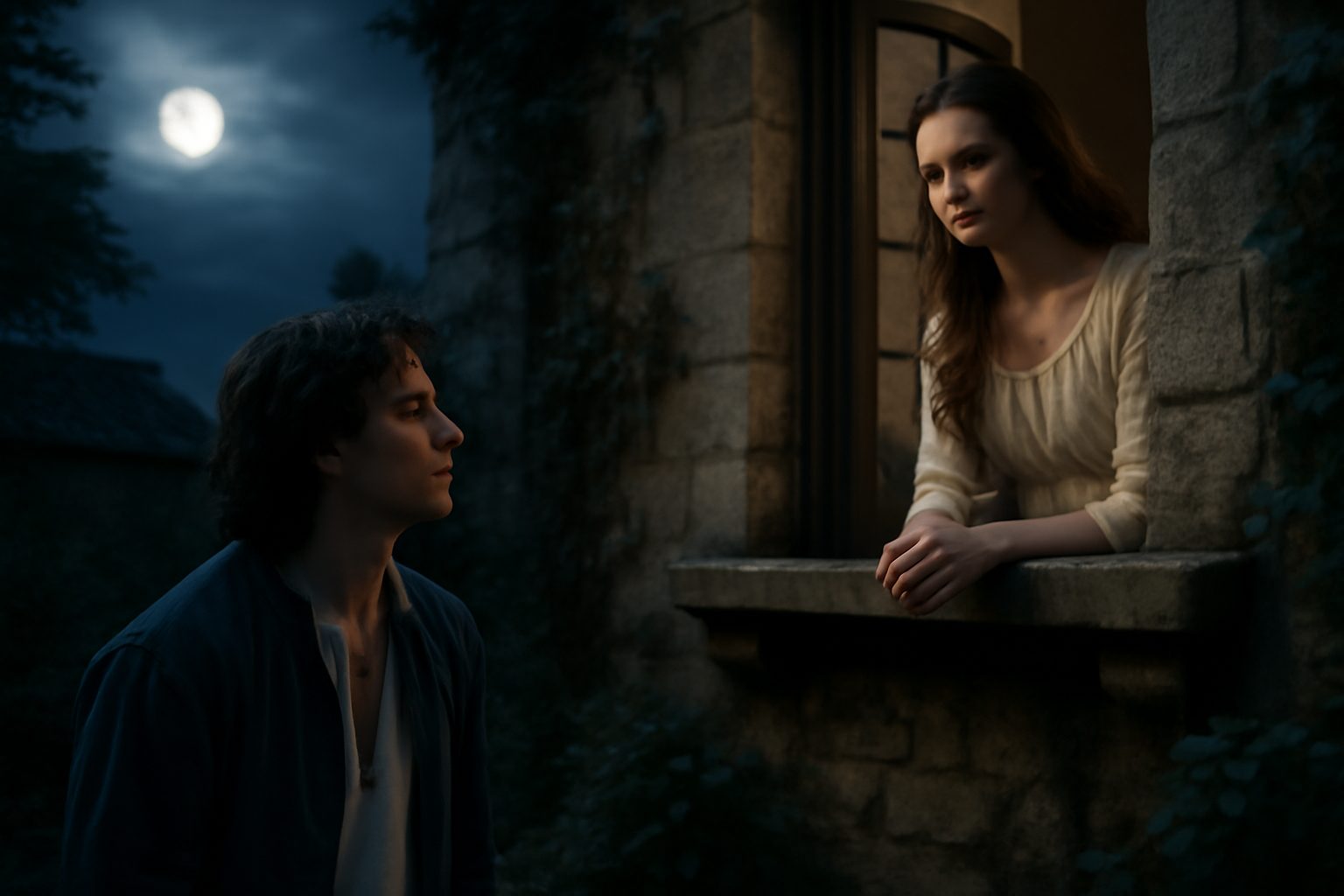
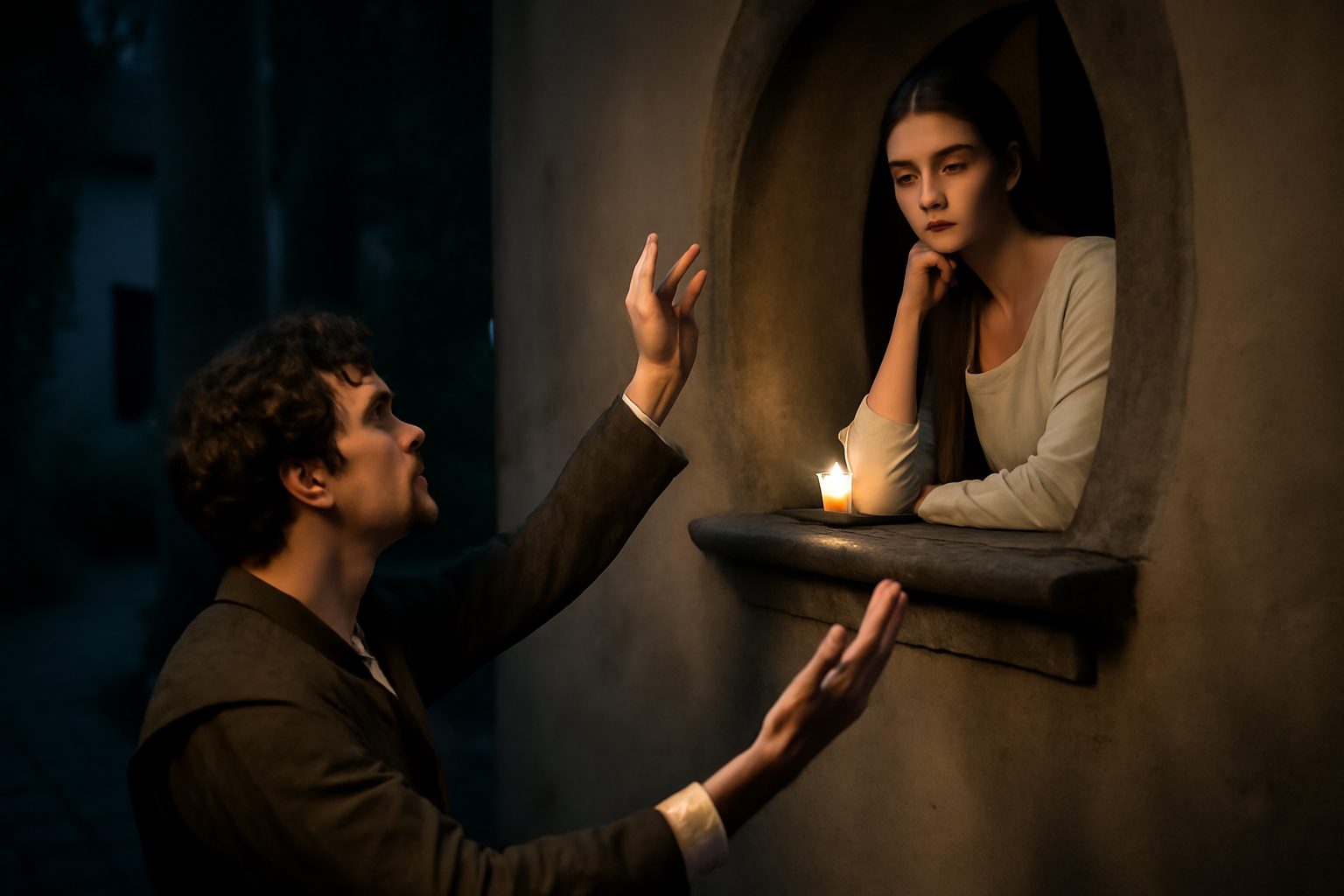
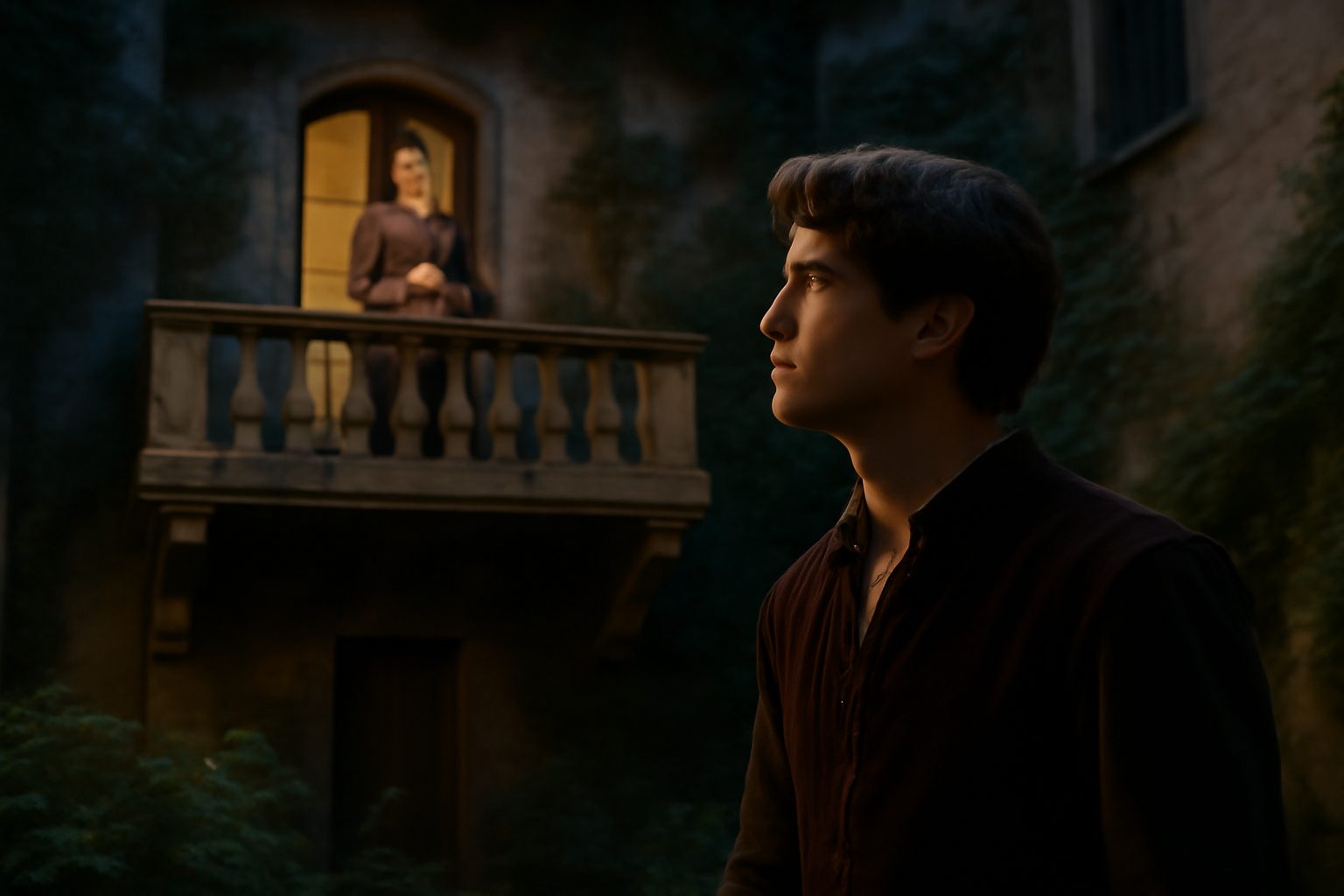
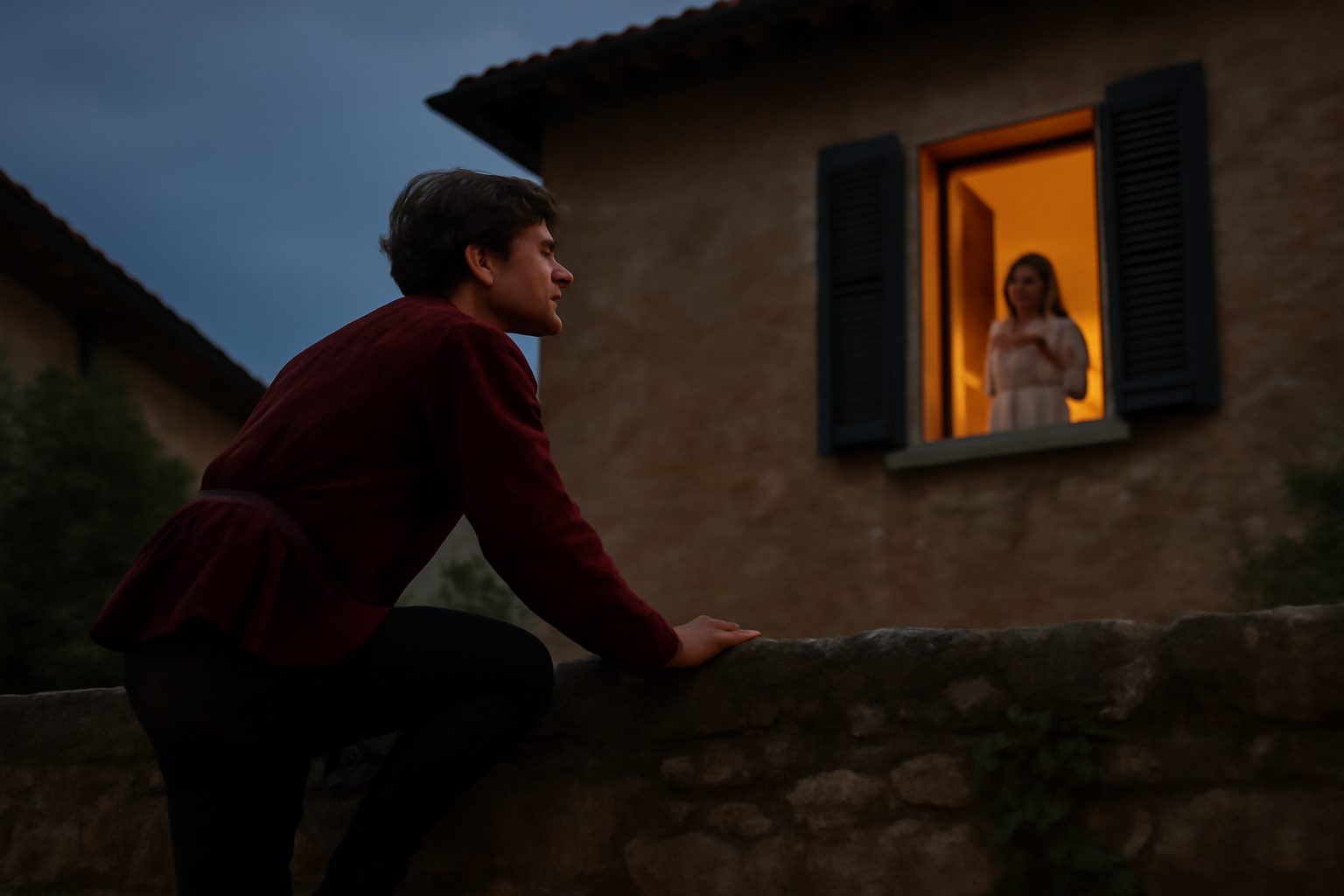
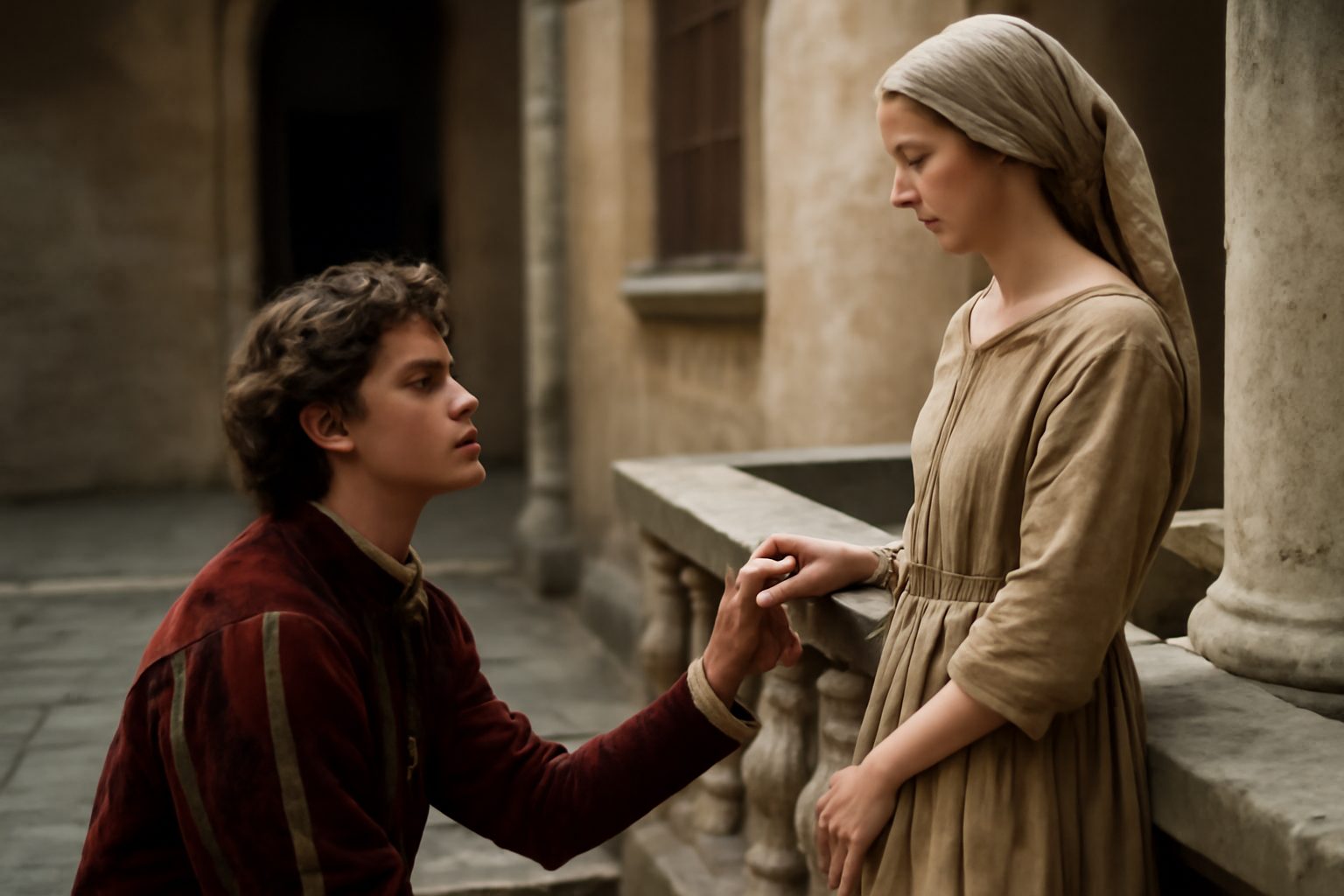
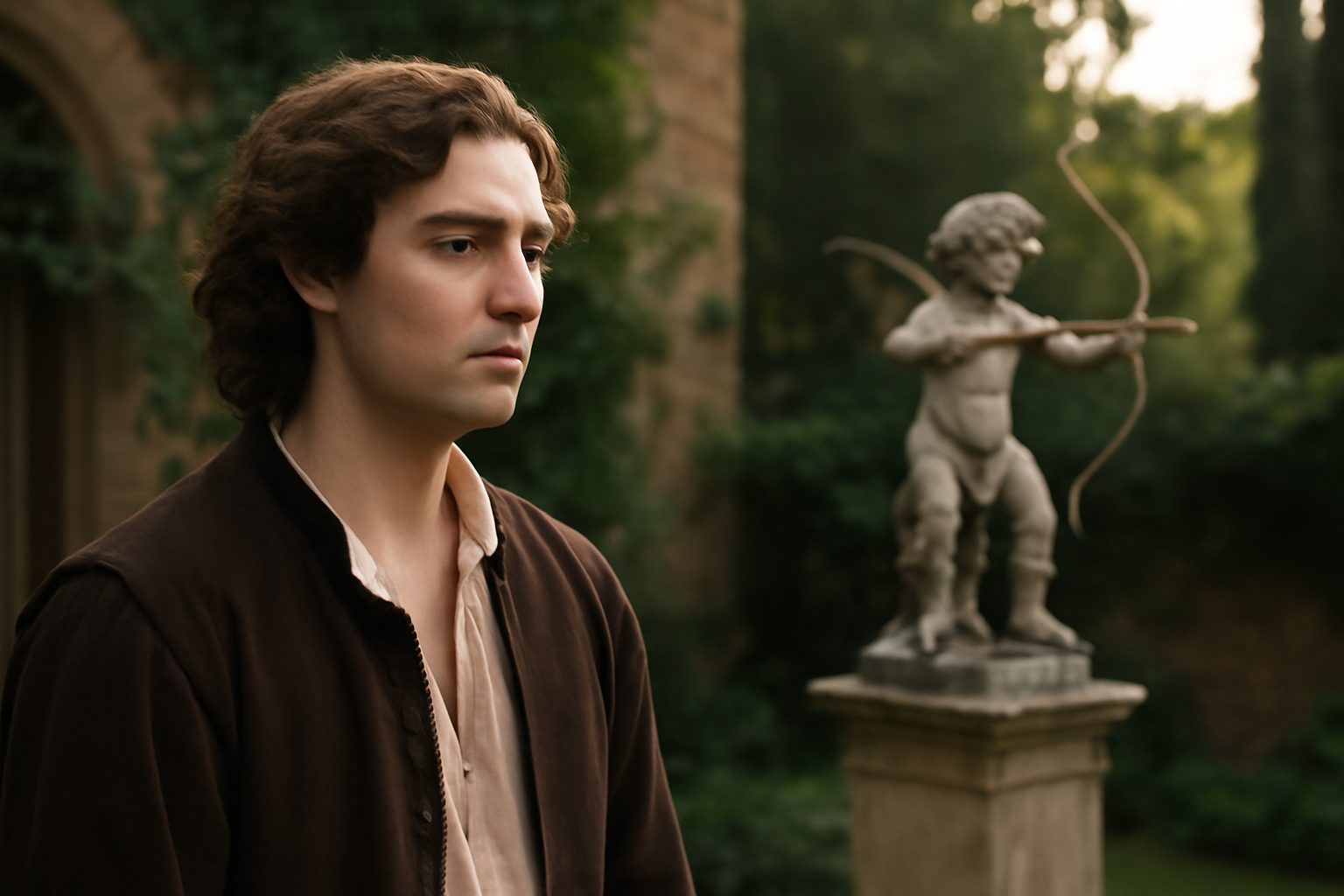
In Act 2, Scene 1 of Romeo and Juliet, Mercutio mocks Romeo's lovesick behavior after he sneaks away to pursue Juliet. Believing Romeo is still pining for Rosaline, Mercutio jokingly compares him to a dead ape, suggesting he must be summoned back to reality. This line reflects Mercutio's playful, irreverent tone as he teases Romeo's dramatic infatuation.
Mercutio: "The ape is dead, and I must conjure him."
In modern day english, we would say:
The fool is pretending to be dead, and I need to bring him back to life.
Frequently Asked Questions
What does Mercutio mean when he says the ape is dead and he must conjure him?
Mercutio is joking that Romeo is acting like a lovesick fool (the ape) and he must bring him back to his senses (conjure him).
Connections to other verses:
Connections to "The ape is dead, and I must conjure him."
Mercutio's declaration, "The ape is dead, and I must conjure him," reflects his playful, mocking tone toward Romeo's lovesick state. This line directly ties to his earlier resolve in "Nay, I'll conjure too," where he decides to humorously "summon" Romeo as if he were a spirit, setting the stage for his subsequent attempts.
Conjuration and Invocation
Mercutio's conjuration efforts include invoking Rosaline's features, as seen in "I conjure thee by Rosaline's bright eyes," and later clarifying his intent in "I conjure only but to raise up him," emphasizing that his goal is to provoke Romeo's response, not to summon spirits in earnest.
Romeo's Unresponsiveness
The phrase "the ape is dead" humorously suggests Romeo is unresponsive or feigning death, which aligns with Benvolio's observation in "He heareth not, he stirreth not, he moveth not," highlighting Romeo's withdrawal and immersion in his newfound love for Juliet, ignoring his friends' calls.
Mockery of Love and Blindness
Mercutio's jest connects thematically to lines critiquing love's irrationality, such as "Blind is his love and best befits the dark," and the retort in "If love be blind, love cannot hit the mark," reinforcing the scene's exploration of love's folly, which Mercutio mocks through his conjuration antics.
Conclusion of the Scene
As the conjuration fails, Mercutio and Benvolio decide to leave, reflected in "Come, shall we go?" and the resigned "Go, then; for 'tis in vain," underscoring the fruitlessness of their efforts to engage Romeo, who is too absorbed in his passion to respond.