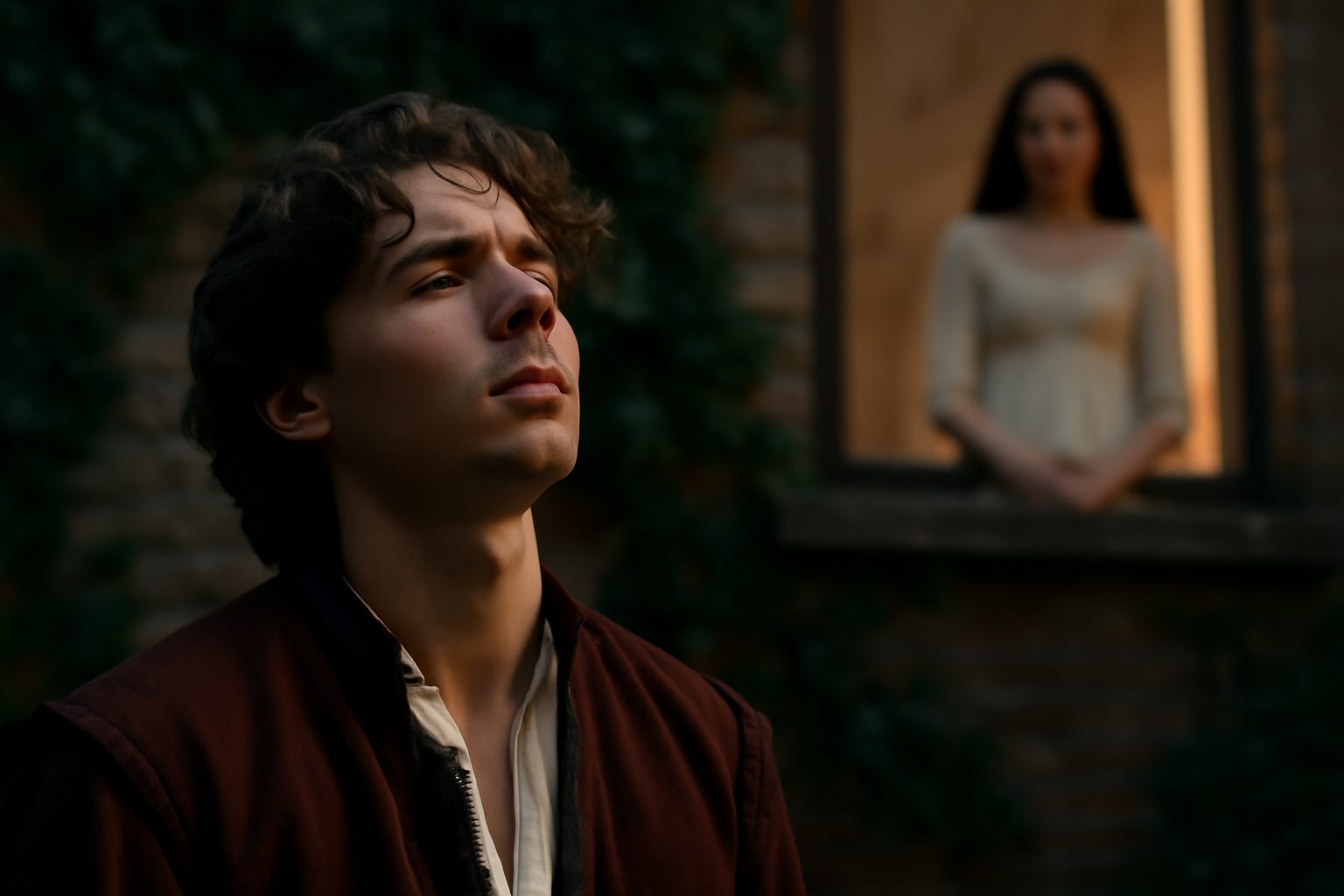
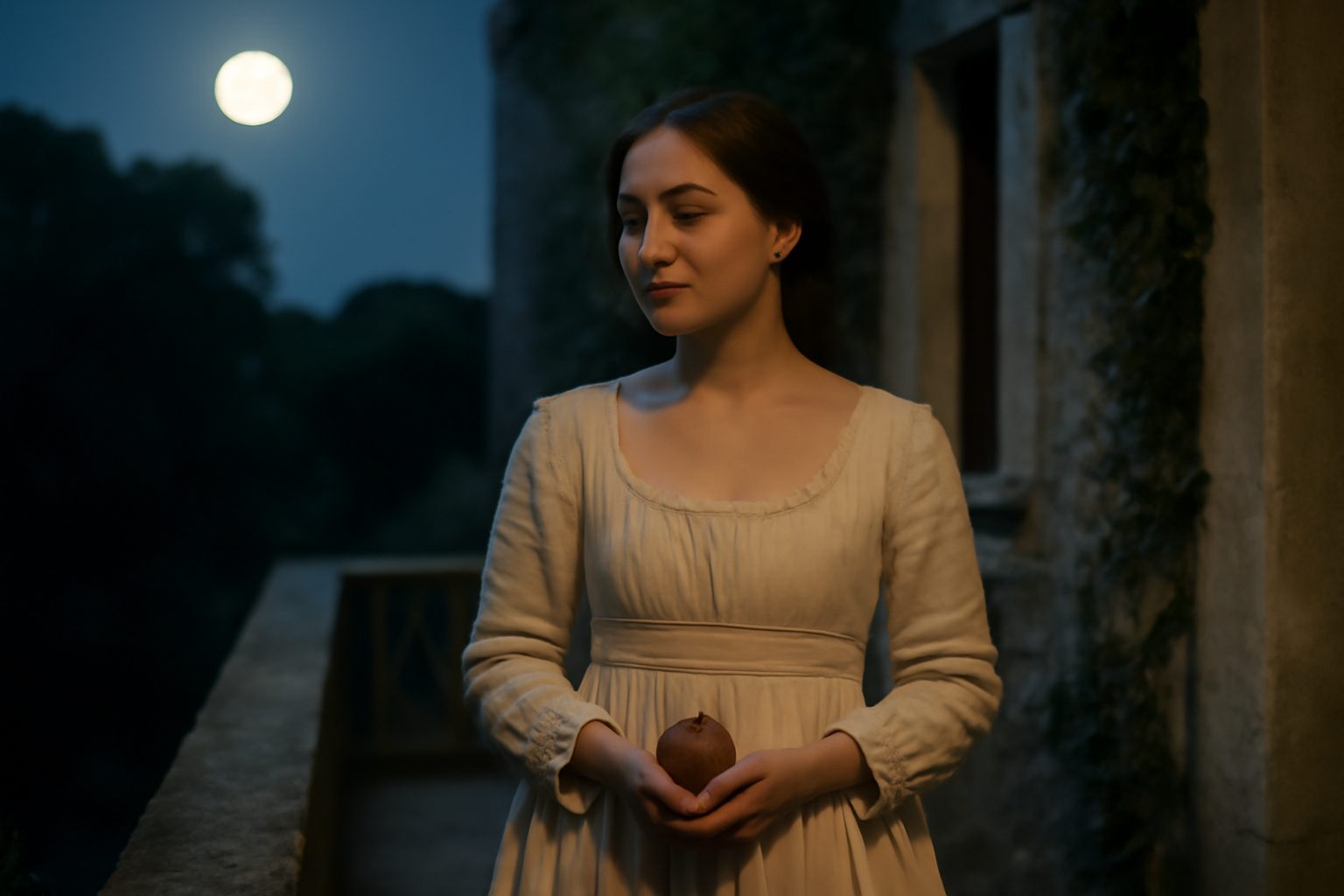
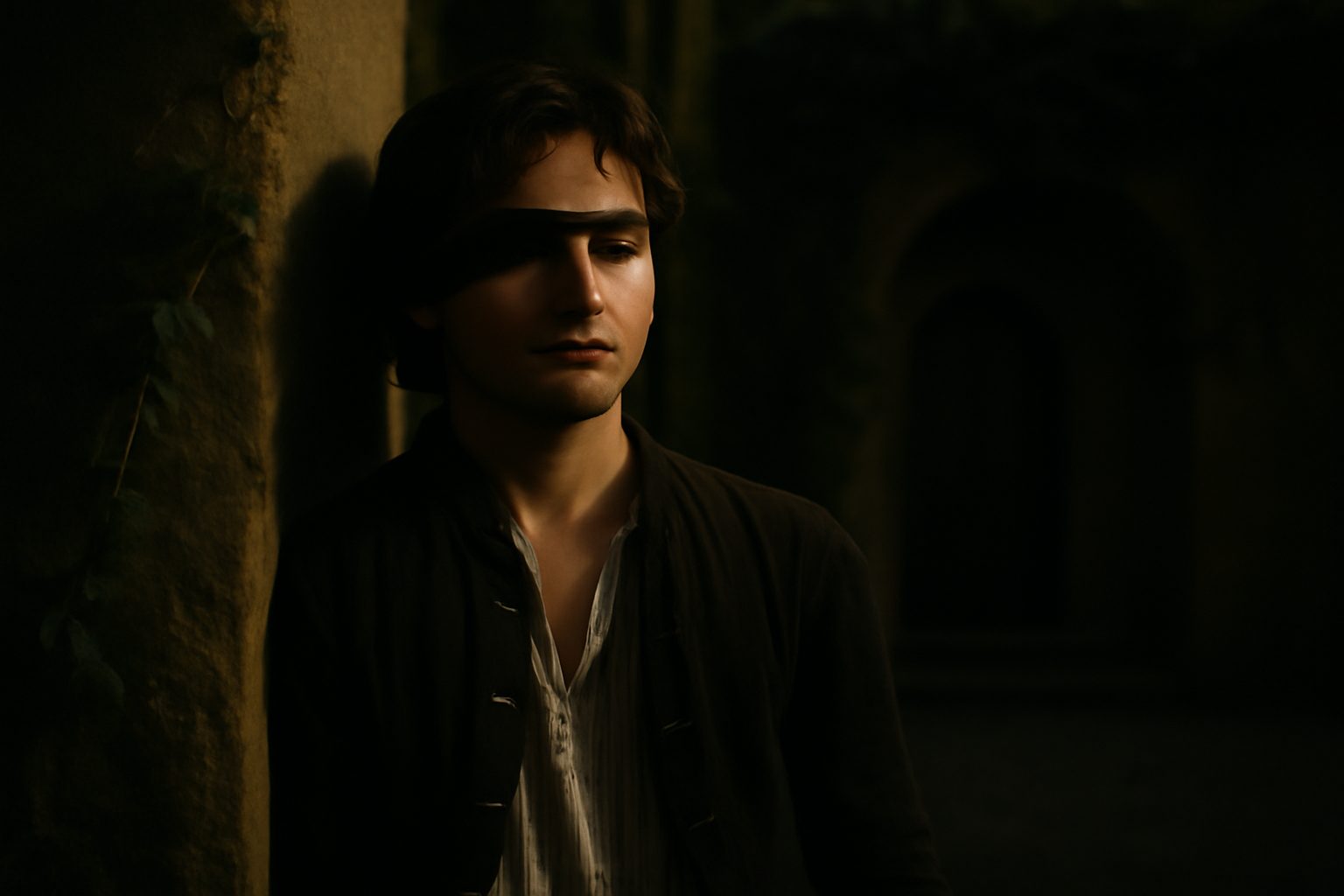
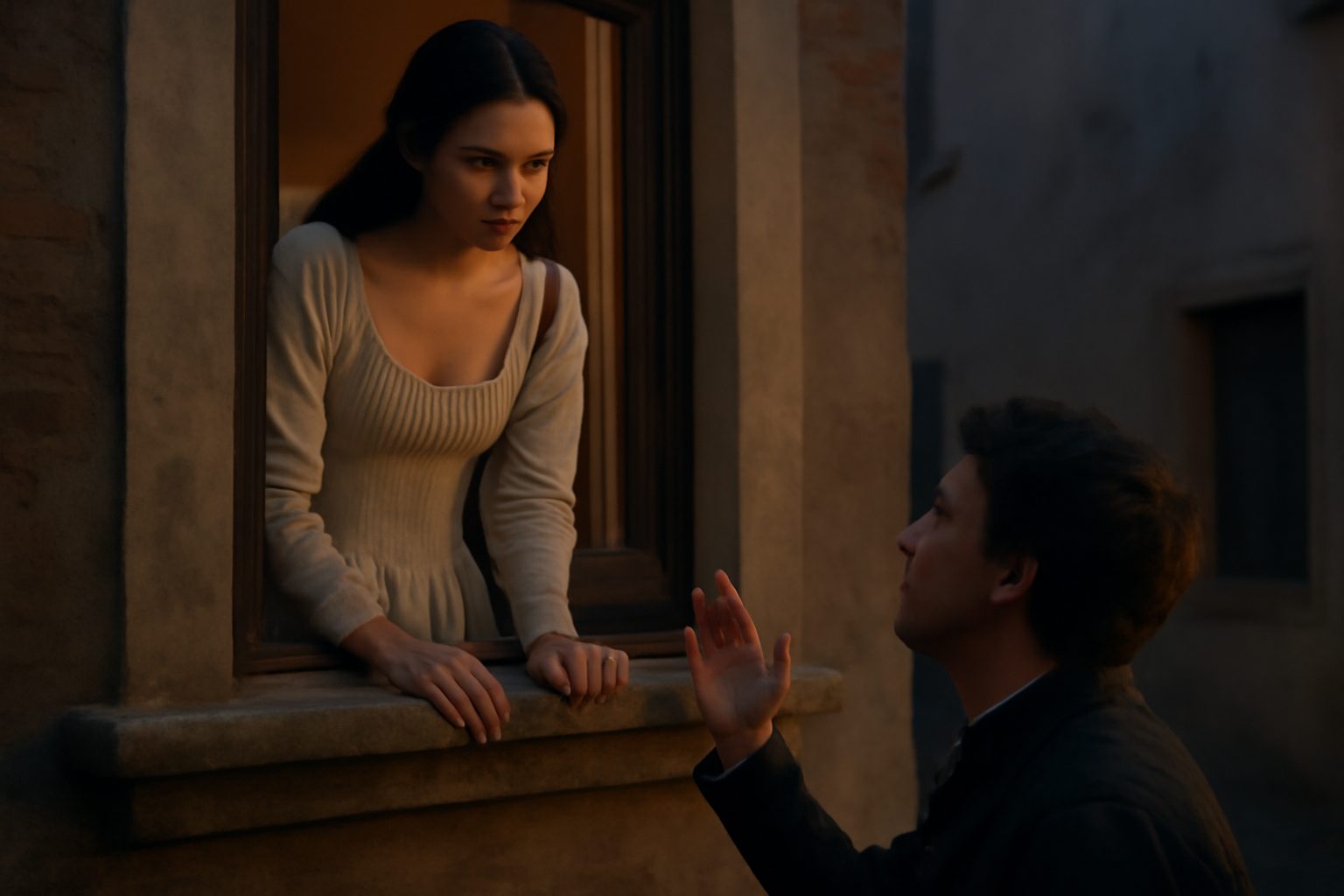
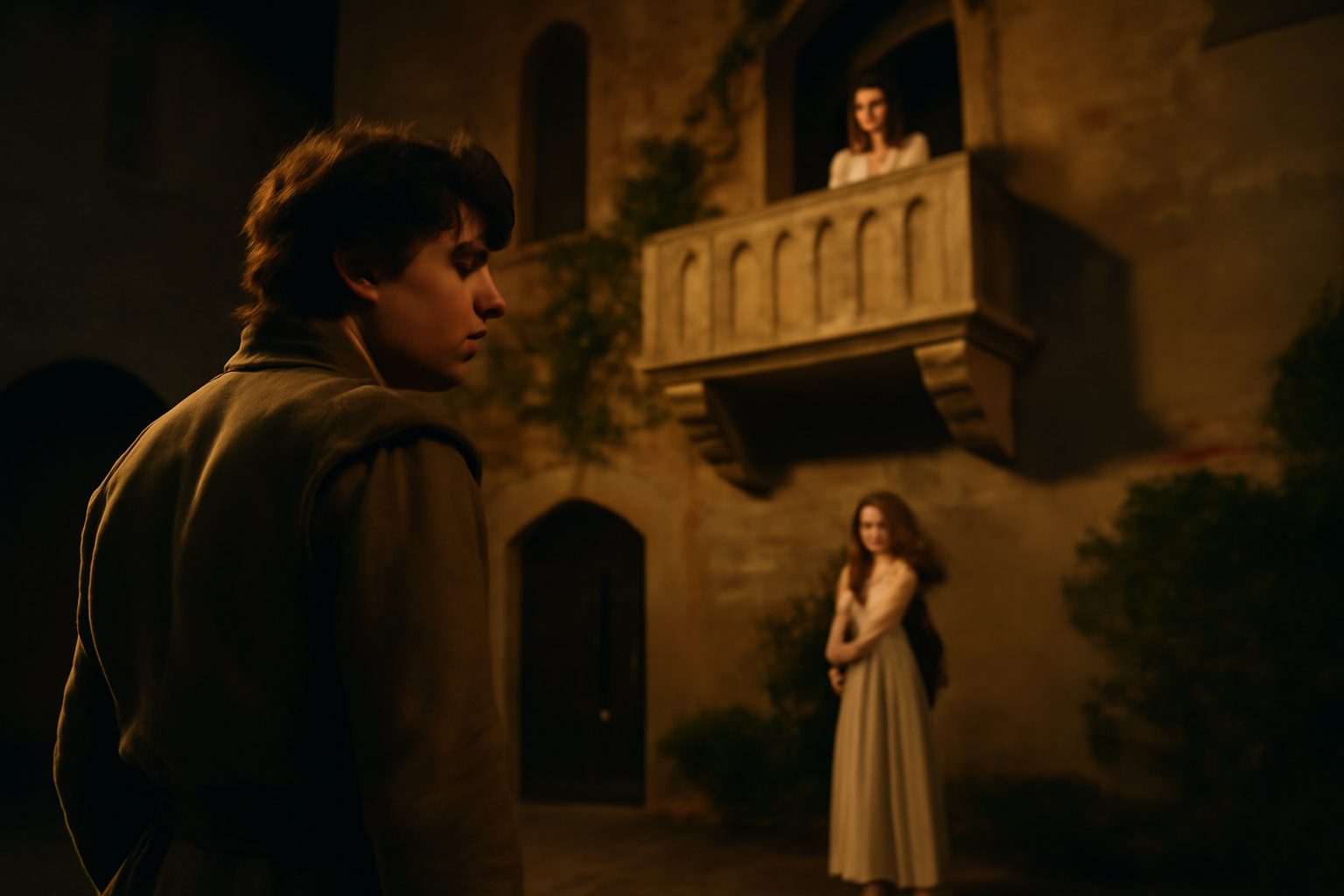
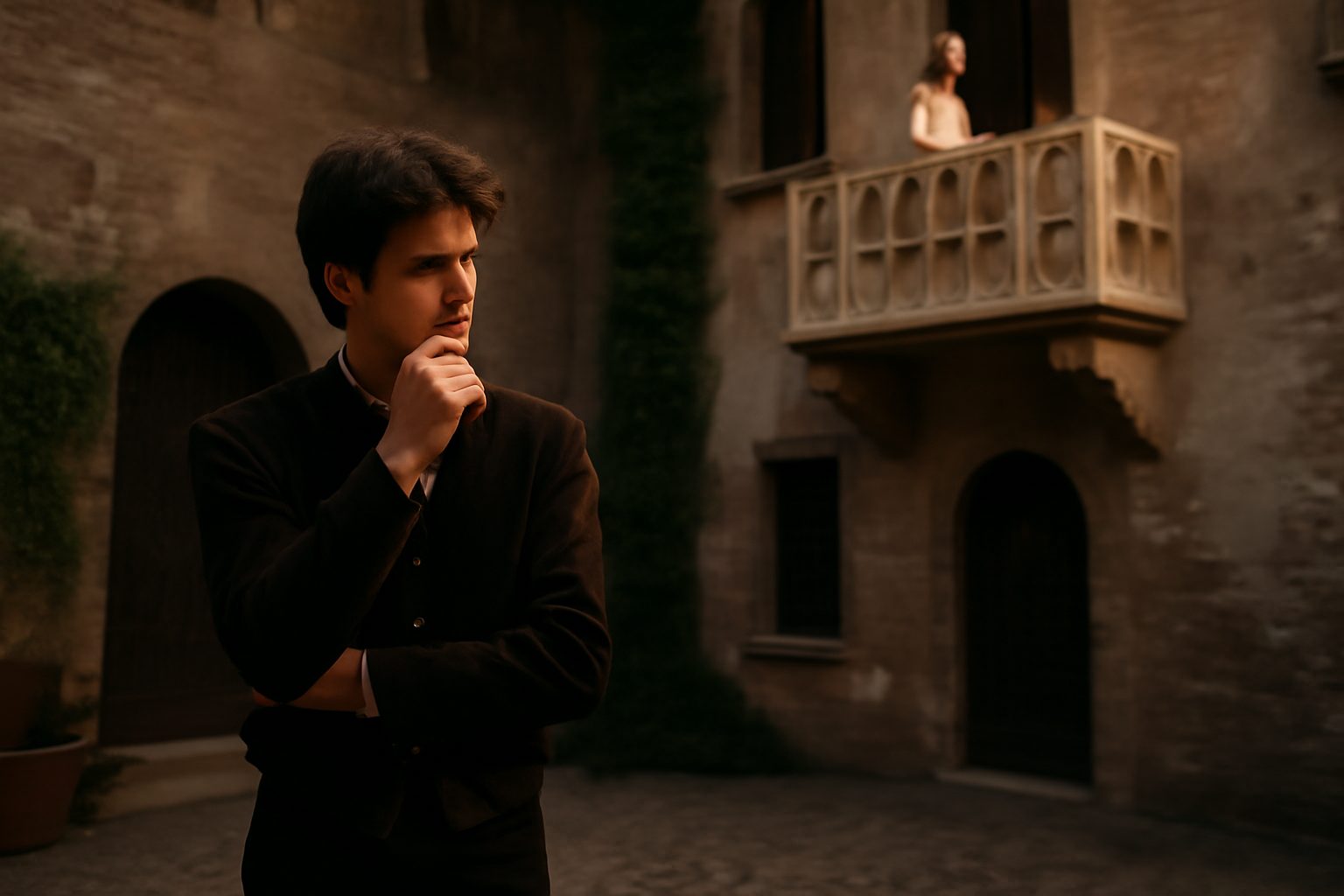
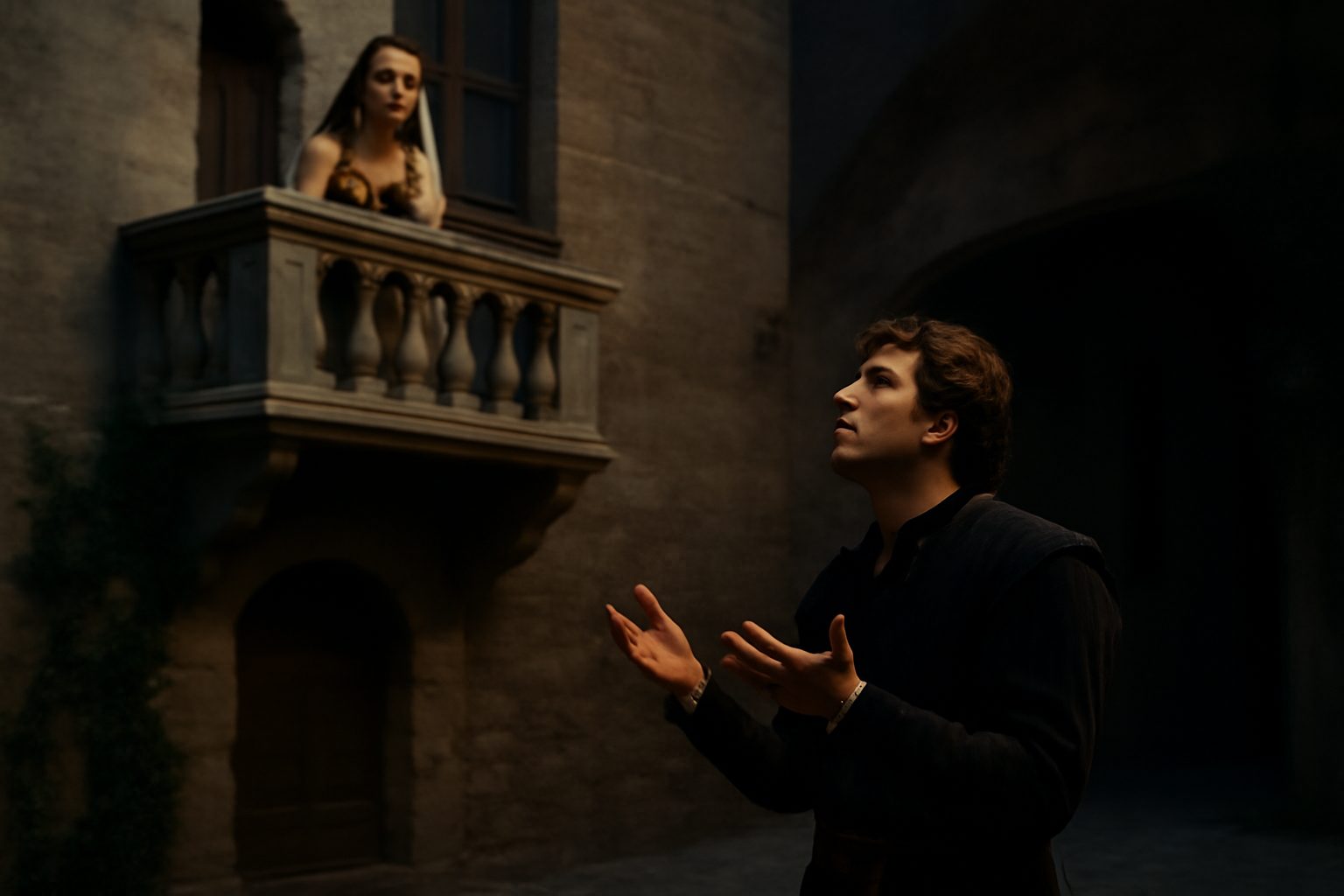
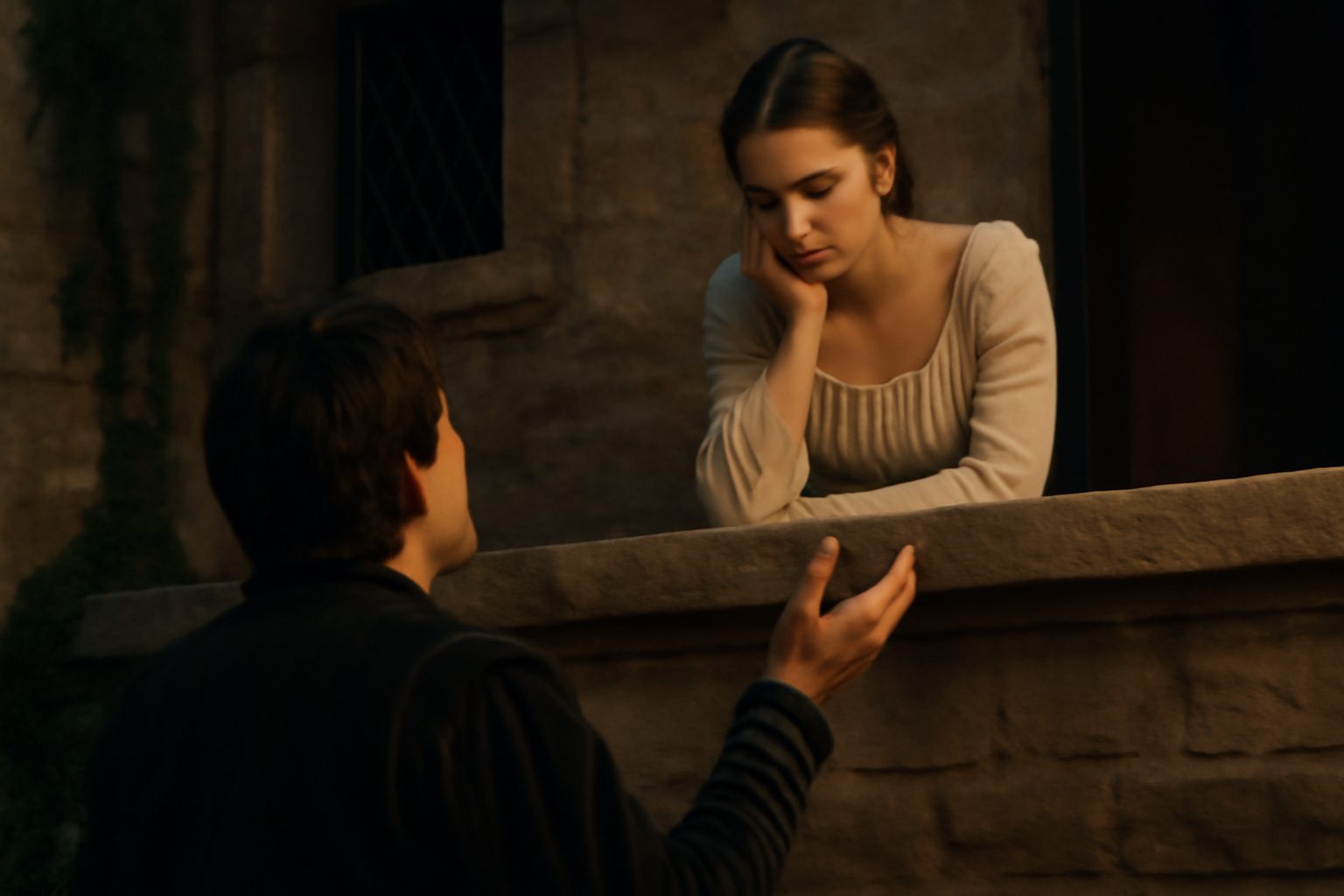
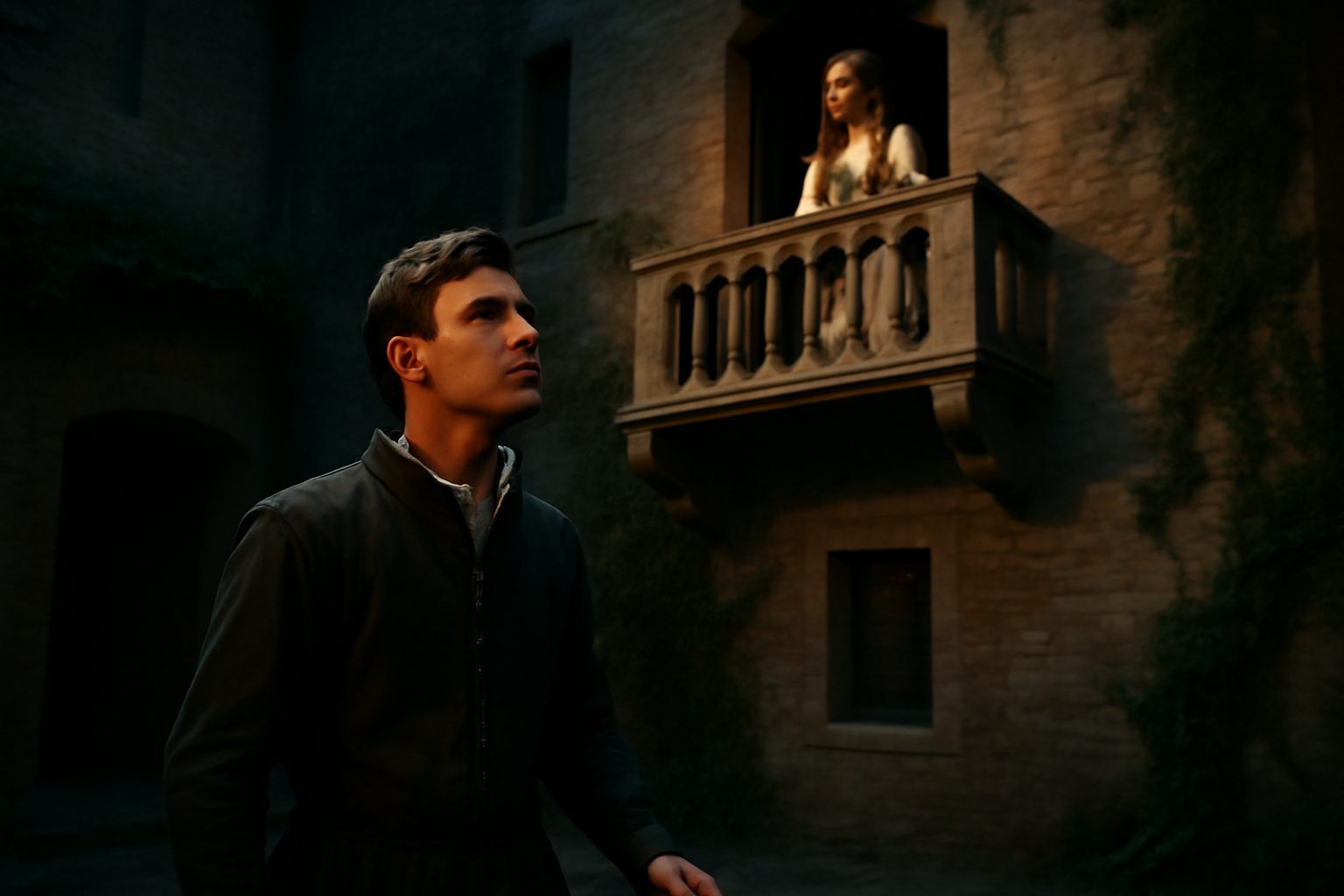
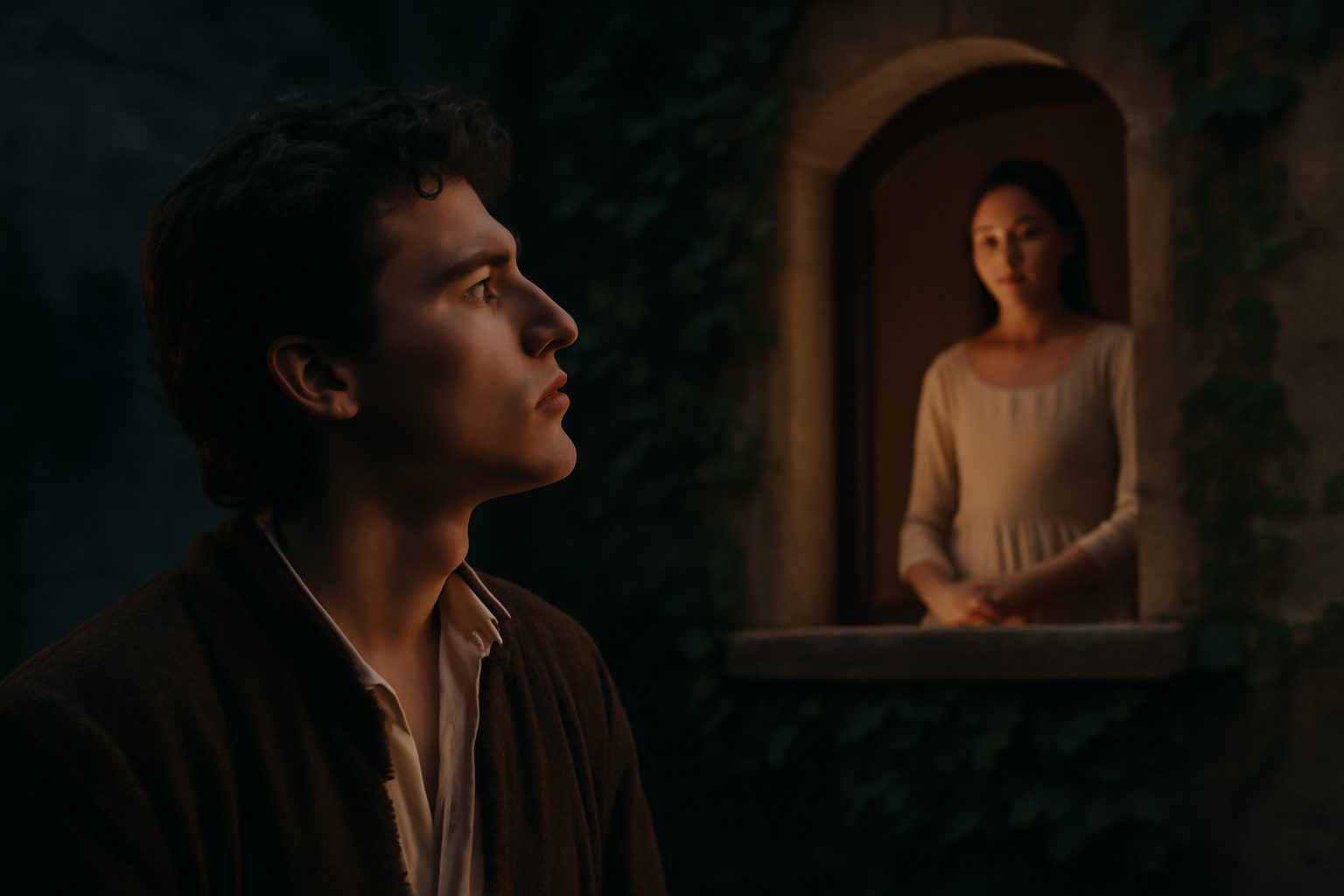
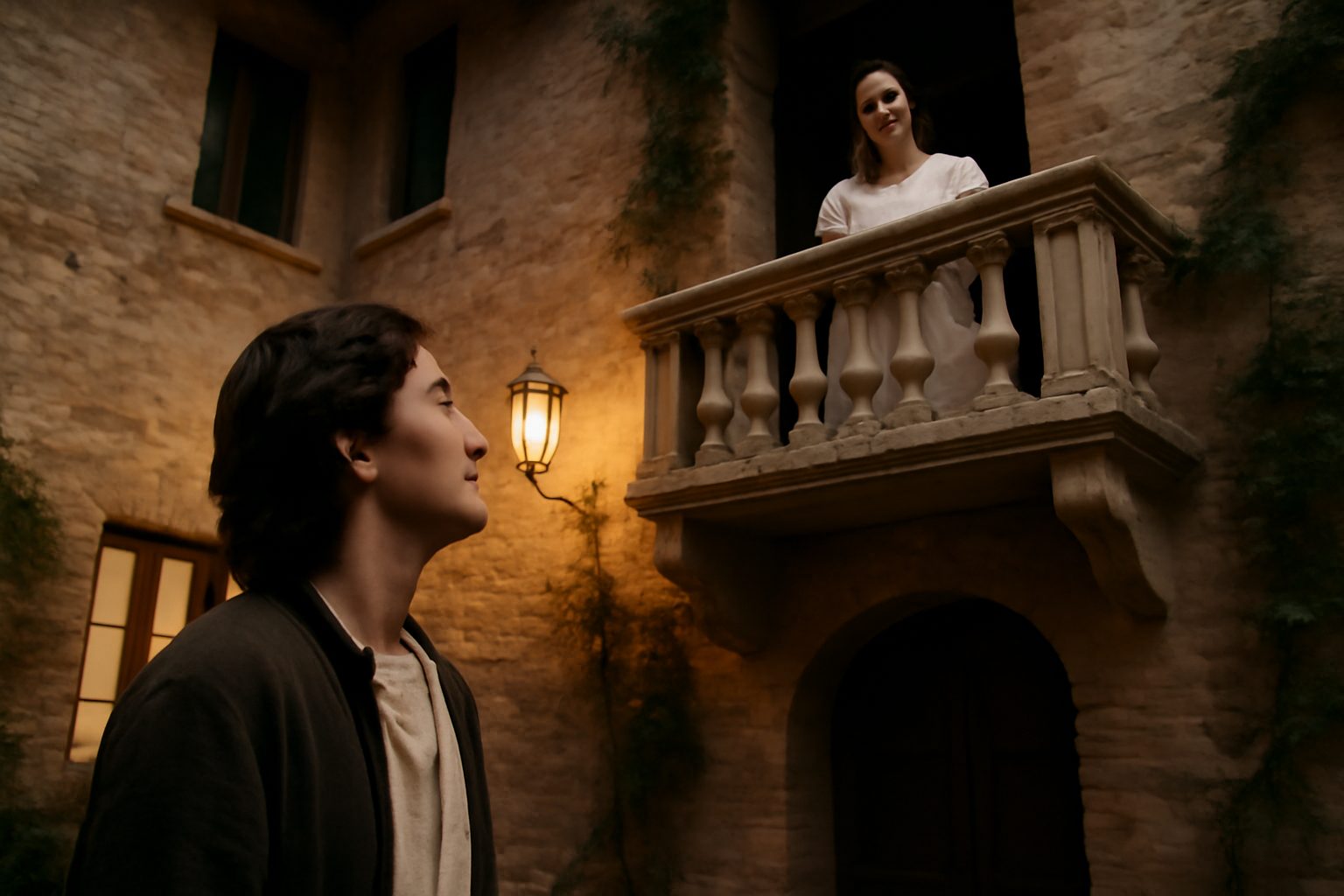
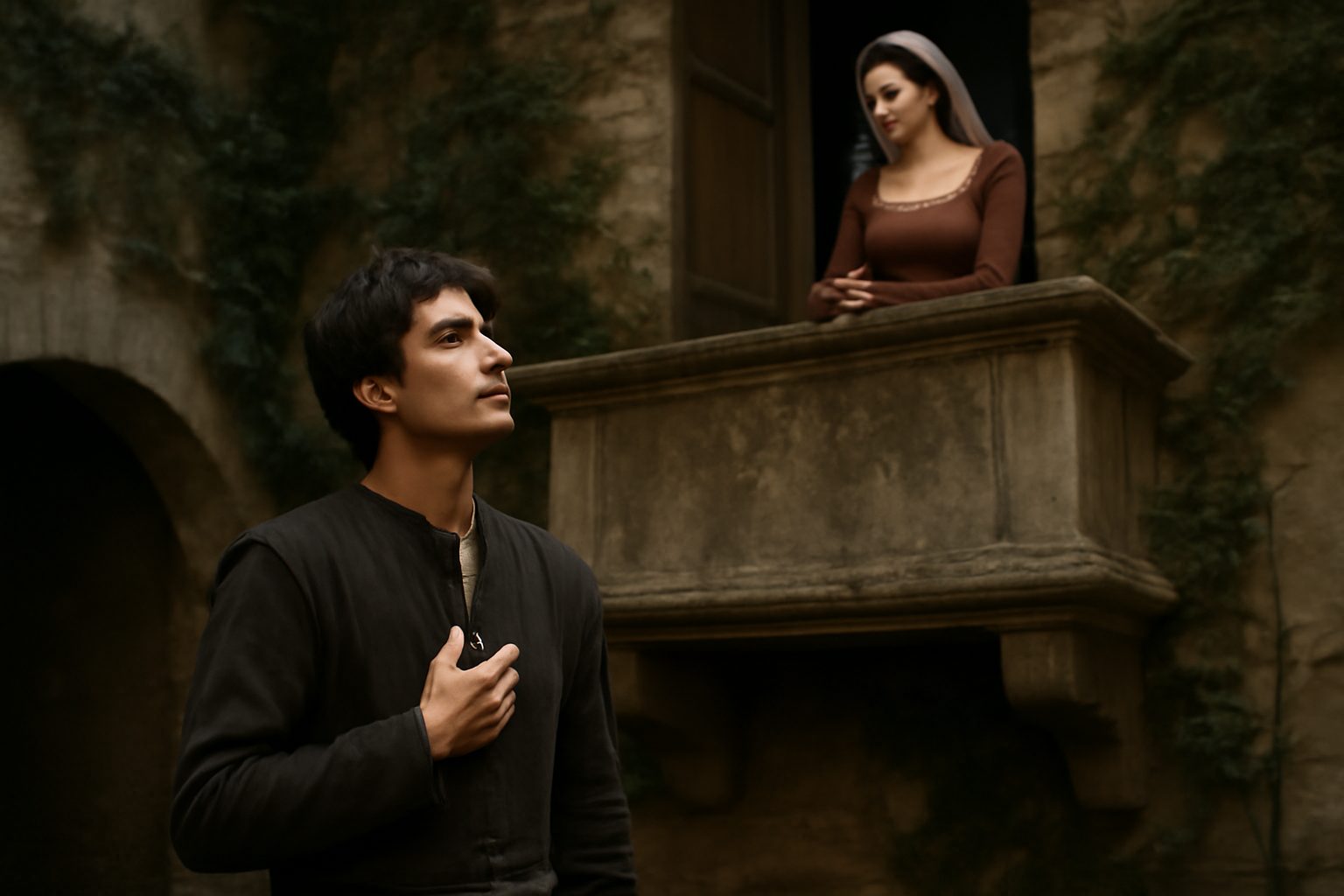
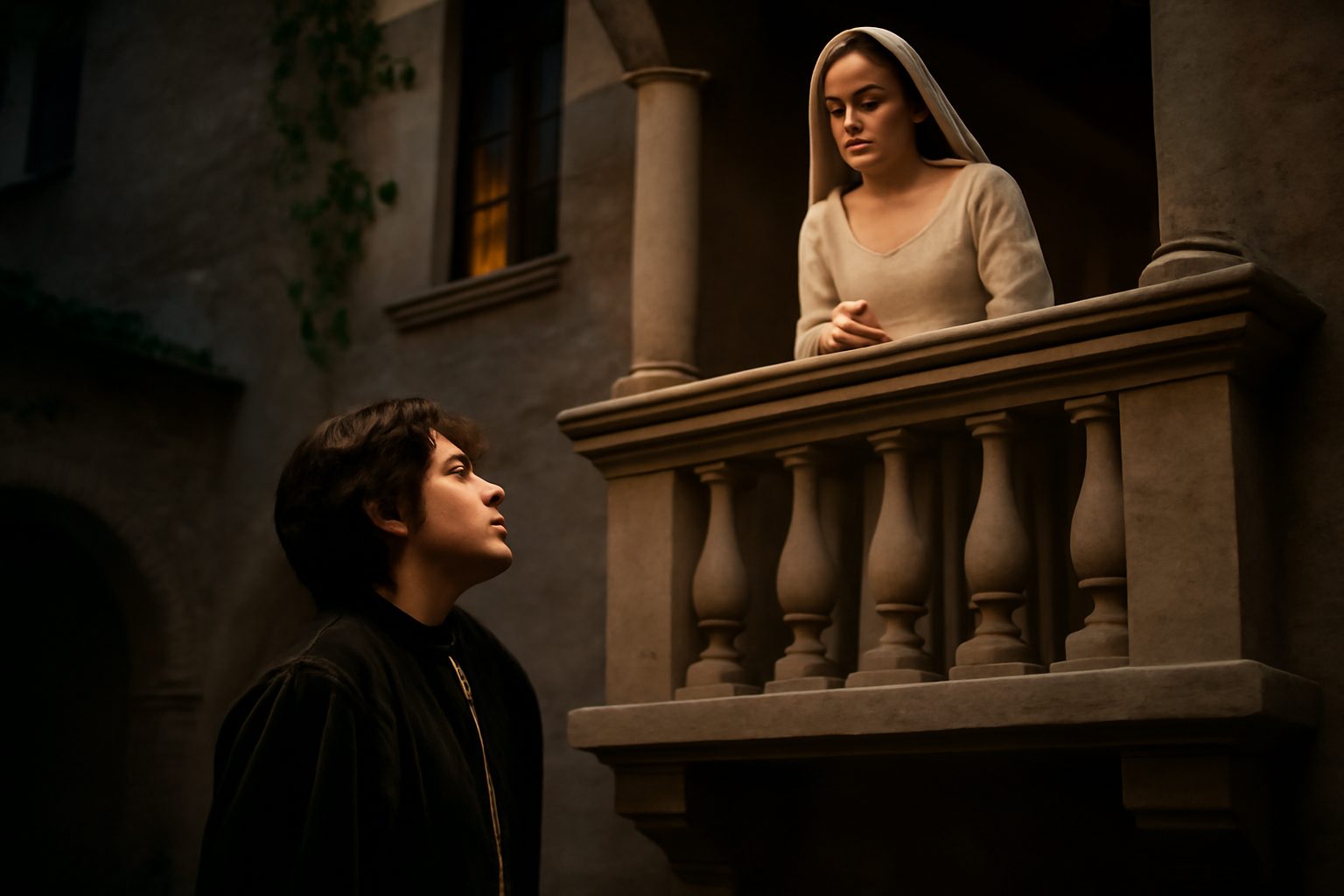
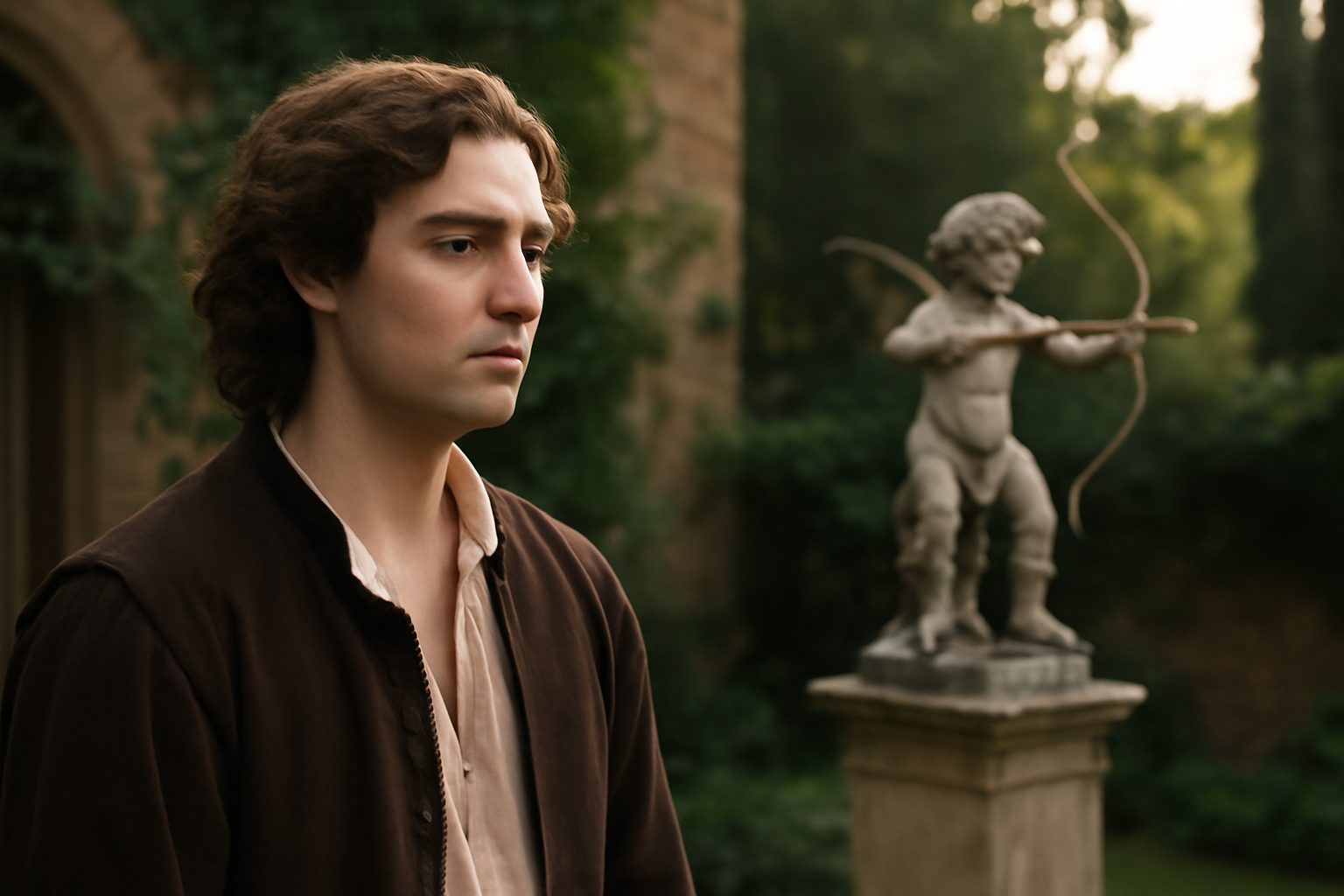
In Act 2, Scene 1 of Romeo and Juliet, Mercutio and Benvolio are searching for Romeo after the Capulet feast. Mercutio, unaware that Romeo has slipped away to pursue Juliet, mockingly suggests that calling out Rosaline's name—Romeo's former obsession—would not provoke a response from him. This line reflects Mercutio's playful taunting and his ignorance of Romeo's newfound love.
Mercutio: "This cannot anger him: 'twould anger him"
In modern day english, we would say:
This wouldn’t make him angry—if anything, it would amuse him.
Frequently Asked Questions
What does Mercutio mean when he says this line in Act 2 Scene 1?
Mercutio is saying that the situation would not upset Romeo, but if it did, it would only make him slightly annoyed, not truly angry.
Connections to other verses:
Connections to "This cannot anger him: 'twould anger him"
The line "This cannot anger him: 'twould anger him" is spoken by Mercutio in response to Benvolio's warning that their mock conjurations might provoke Romeo. This directly connects to Benvolio's earlier caution in "And if he hear thee, thou wilt anger him", establishing a dialogue about Romeo's potential reaction to their teasing.
Context of Mockery and Conjuration
Mercutio's remark is part of his extended mock-conjuration of Romeo, which begins with his declaration "The ape is dead, and I must conjure him" and includes his playful invocation by Rosaline's attributes in "I conjure thee by Rosaline's bright eyes". The entire speech is framed as a humorous attempt to "raise" Romeo, as stated in "I conjure only but to raise up him".
Thematic Links: Love and Anger
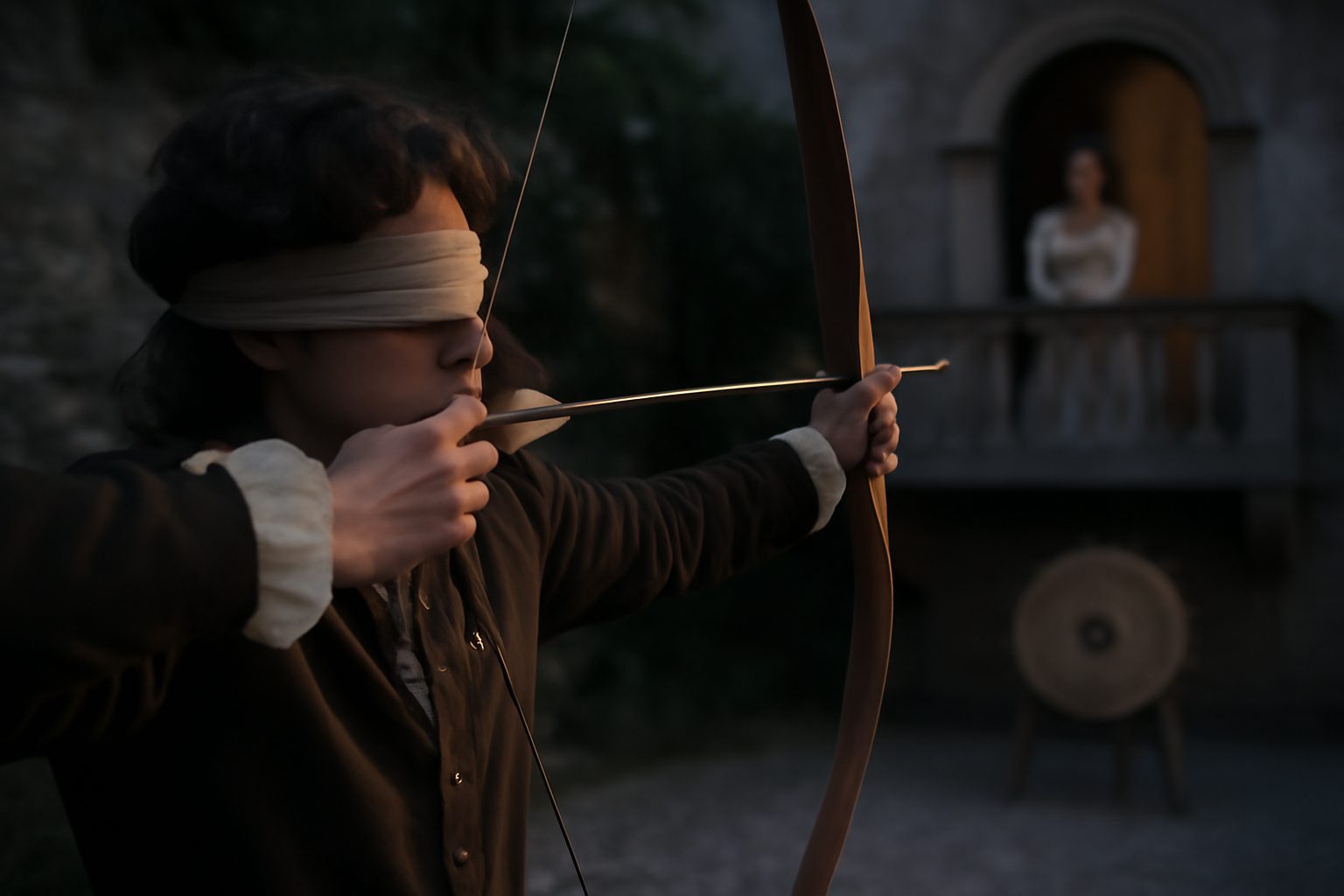
The theme of love's irrationality connects this line to Mercutio's later quip about Cupid in "Young Adam Cupid, he that shot so trim" and his cynical remark "If love be blind, love cannot hit the mark". The idea that nothing "can anger him" but love's follies might reflects Mercutio's view of love as a confounding force, further emphasized when he describes Romeo's state as "Blind is his love and best befits the dark".
Structural and Tonal Contrast
Mercutio's jesting tone contrasts with Romeo's earnest soliloquy opening the scene ("Can I go forward when my heart is here?"), highlighting the difference between romantic idealism and Mercutio's ribald realism. The conjuration sequence culminates in Mercutio's abandonment of the effort with "Go, then; for 'tis in vain", reinforcing that his provocations were never meant to truly anger Romeo.