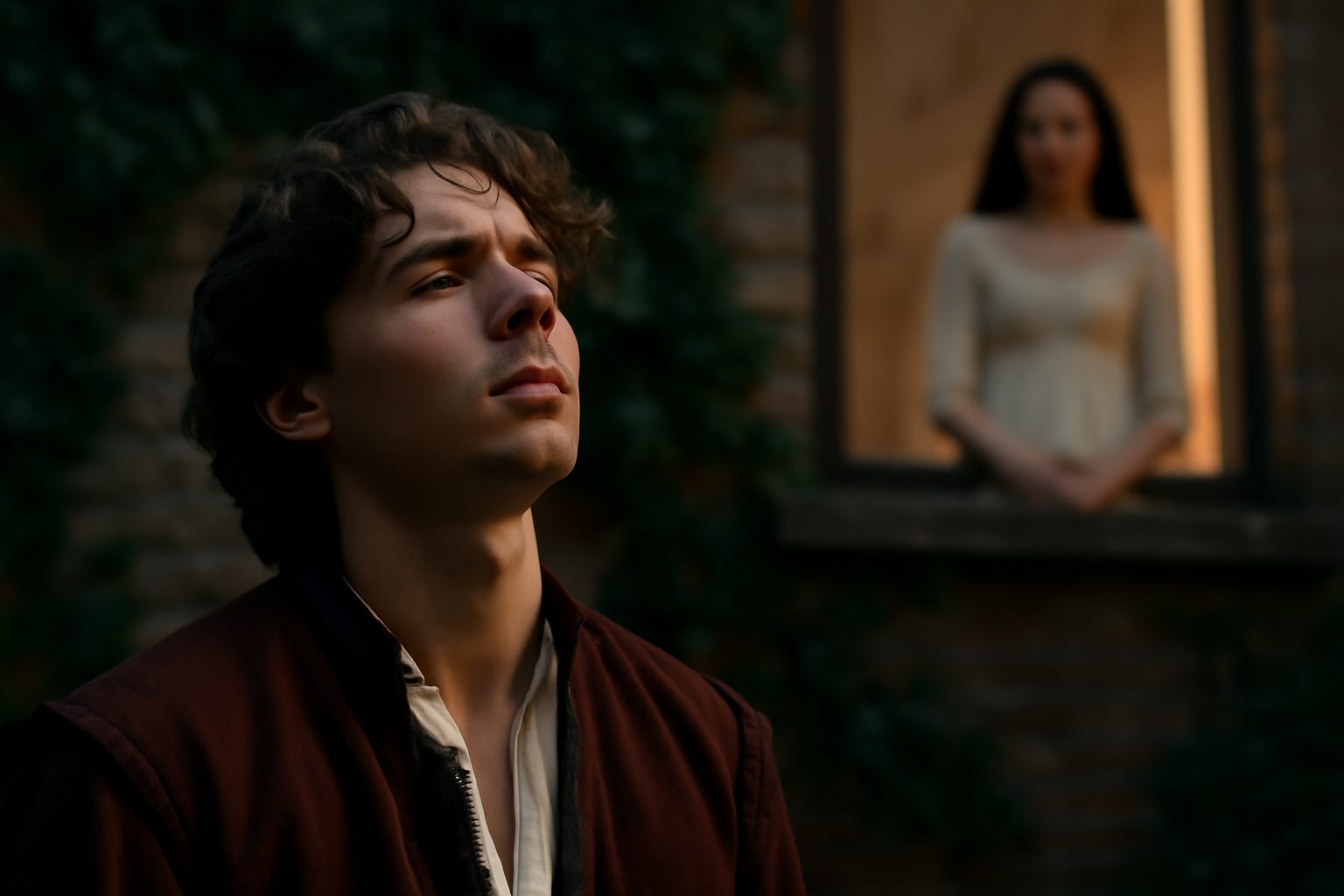
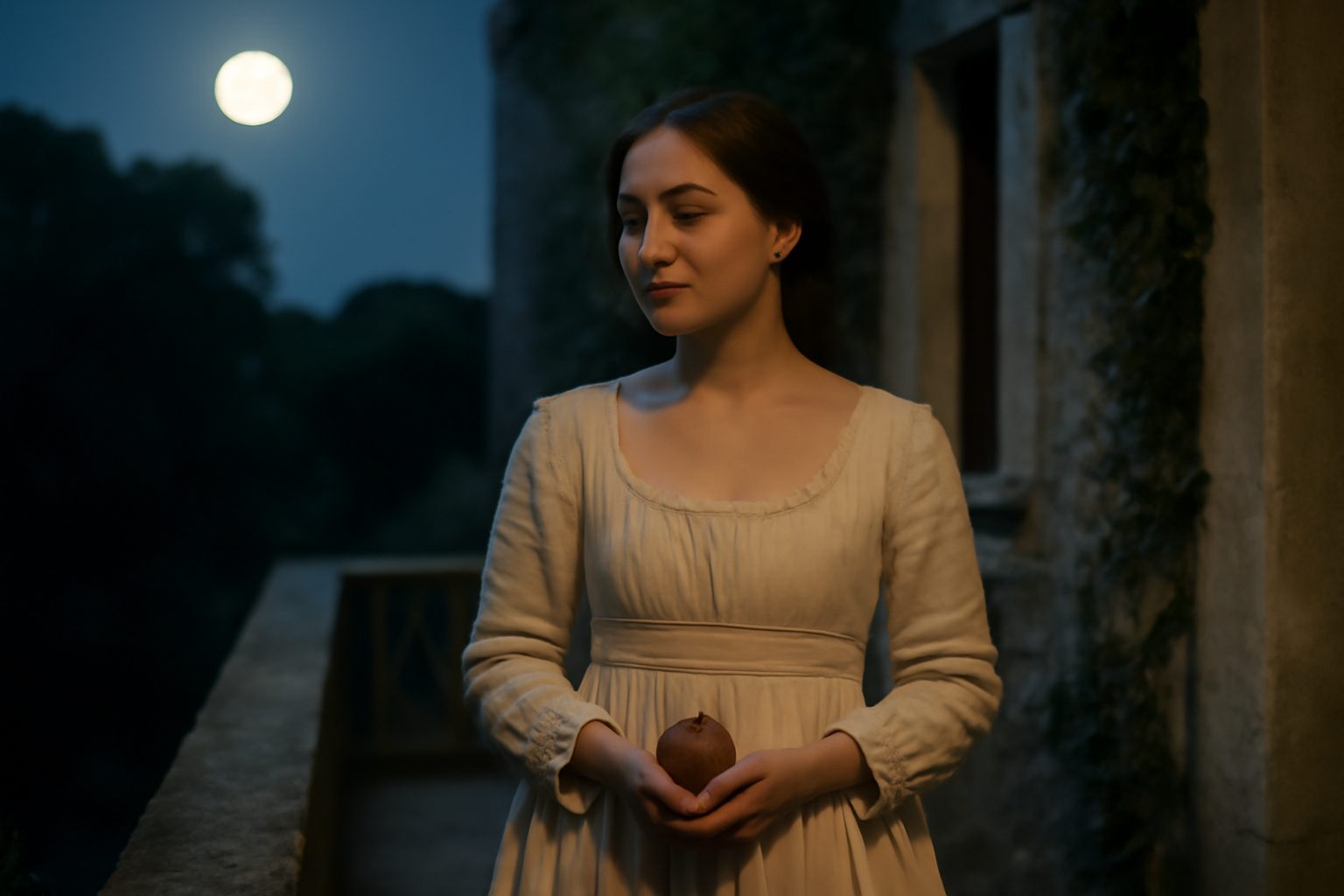
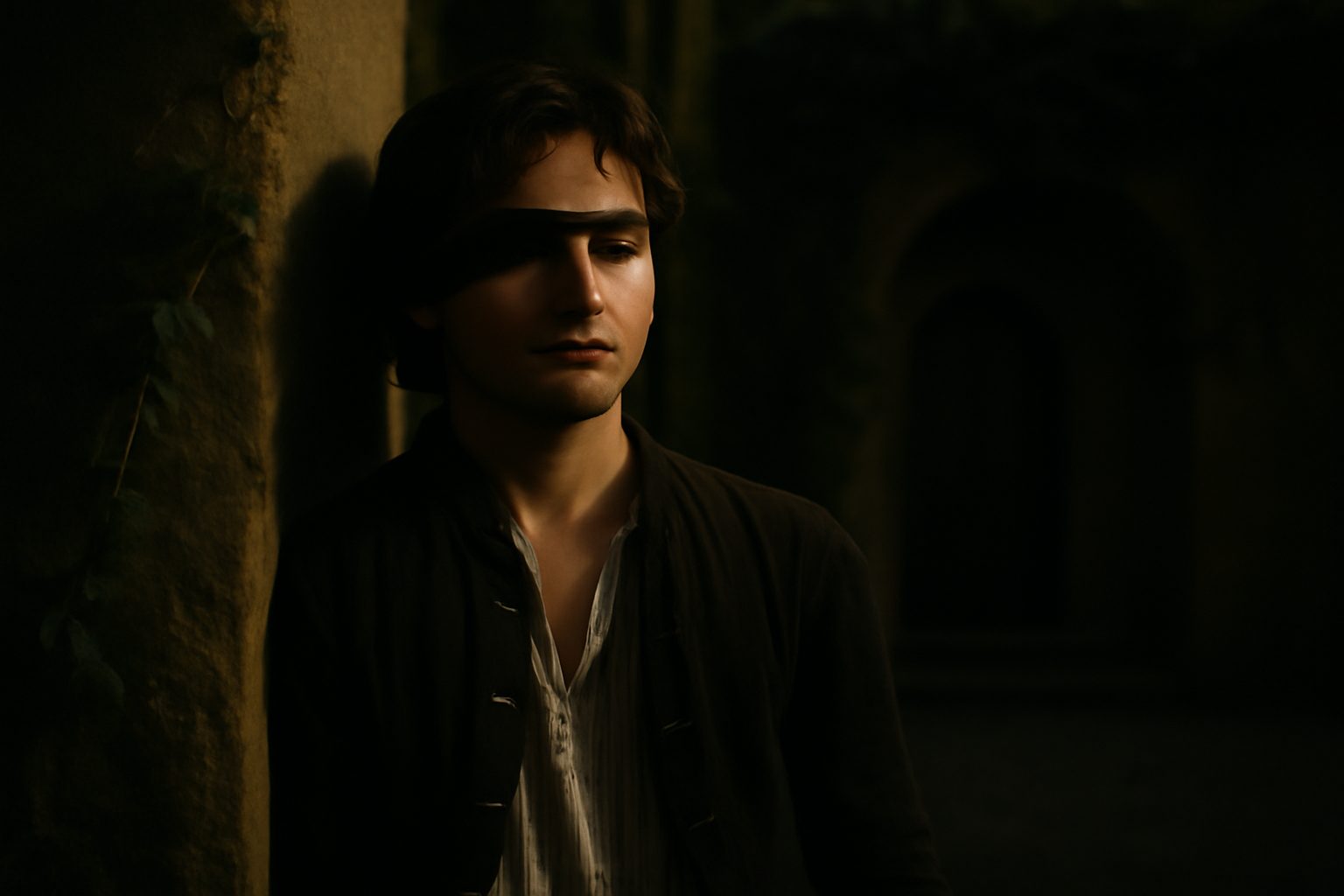
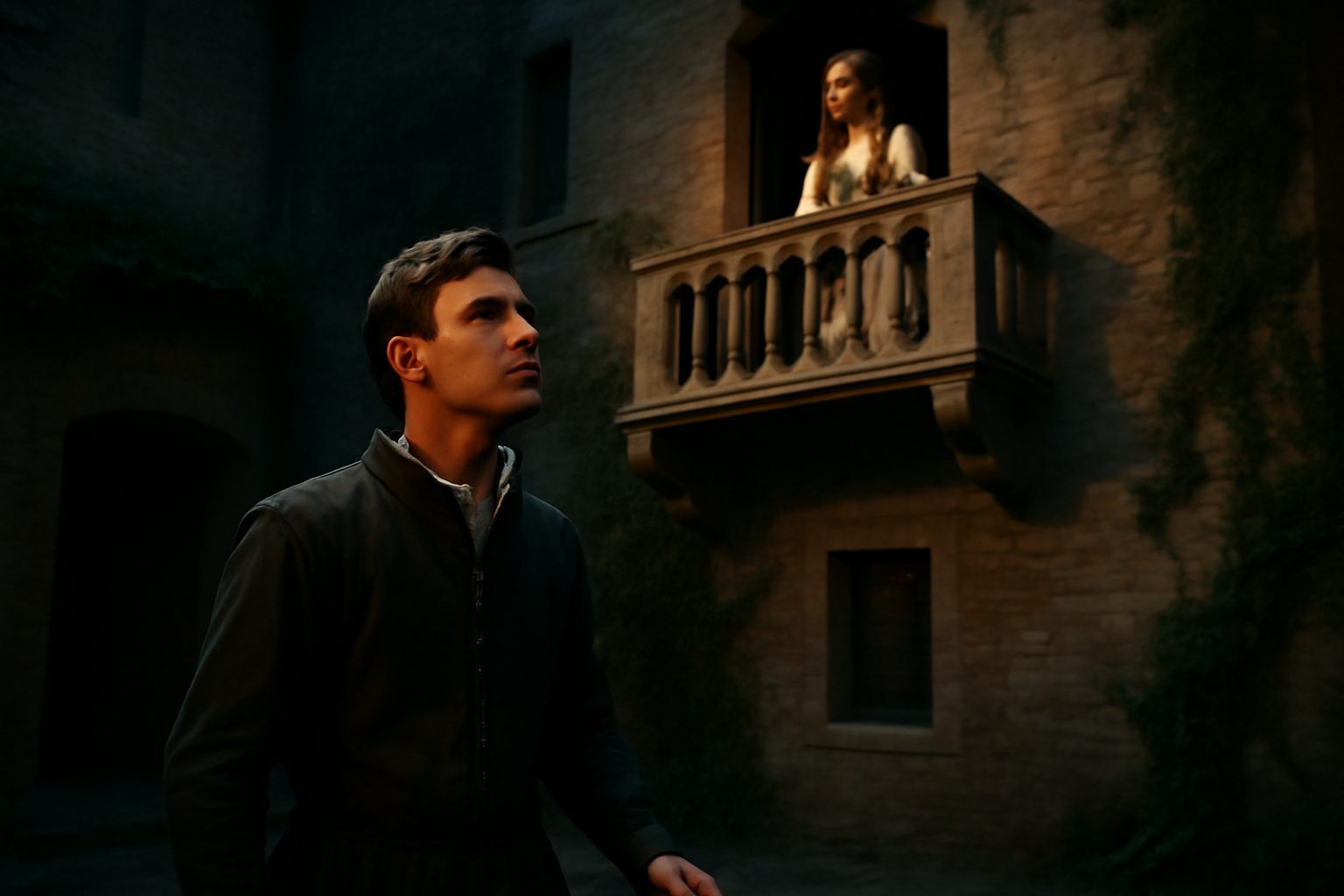
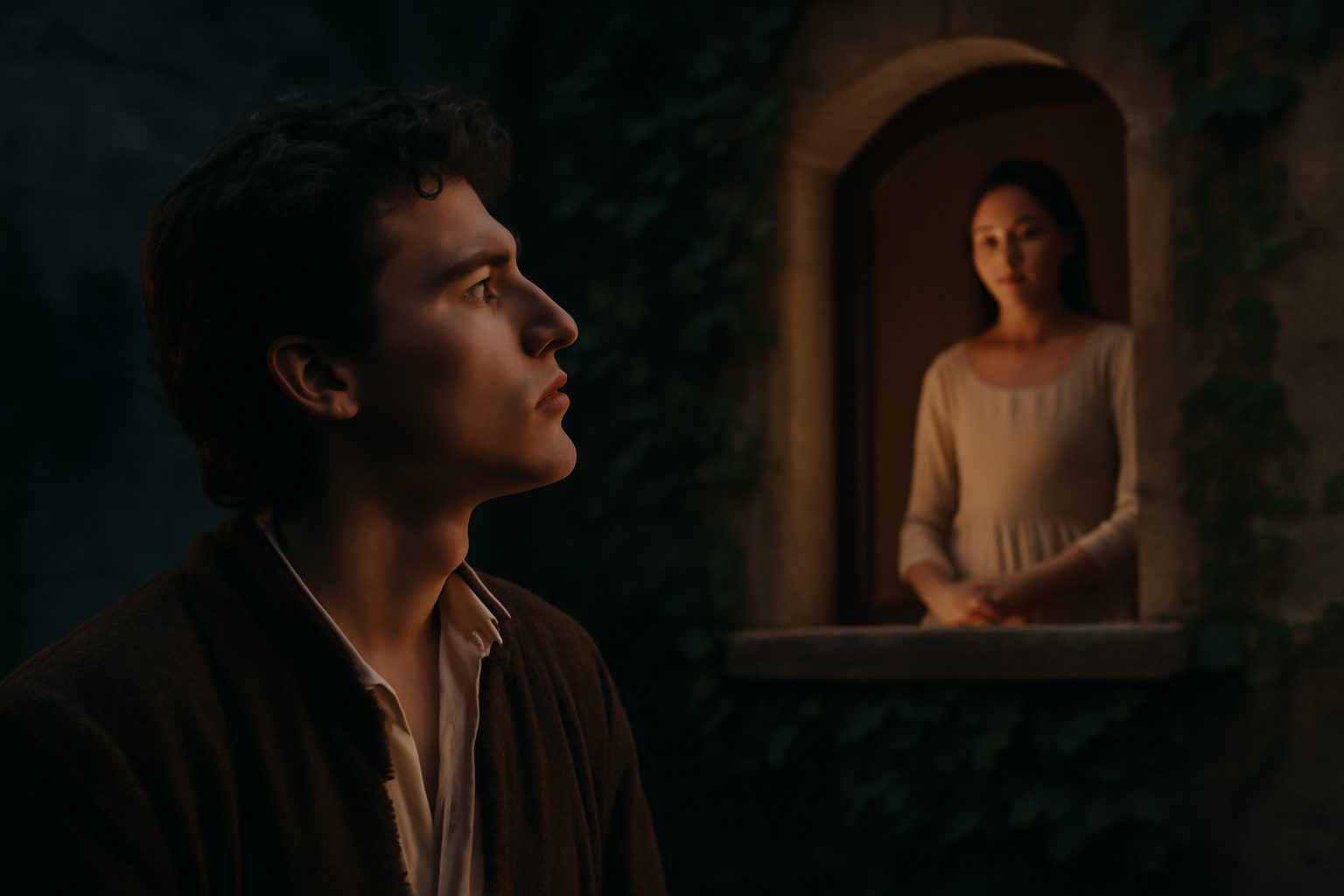
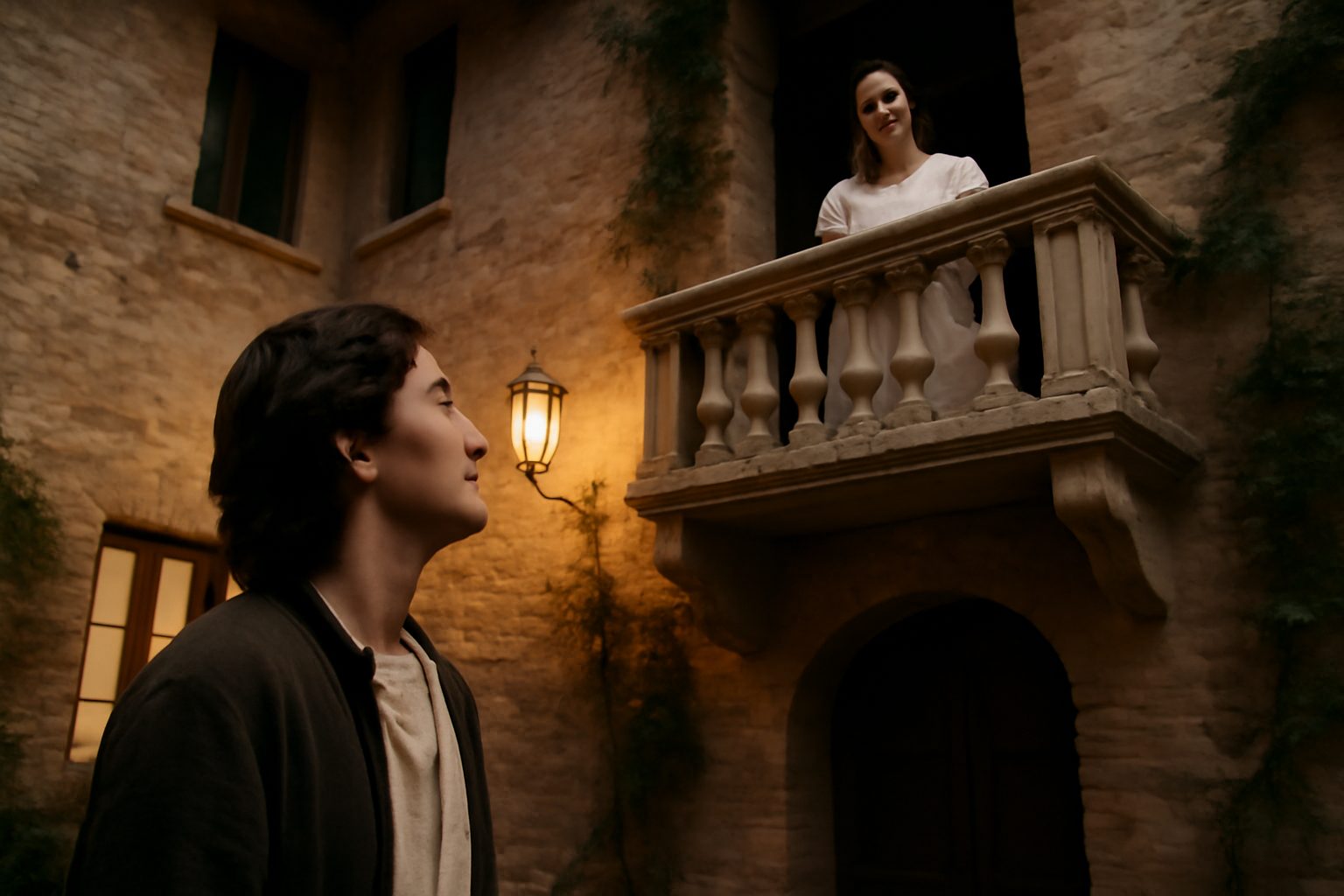
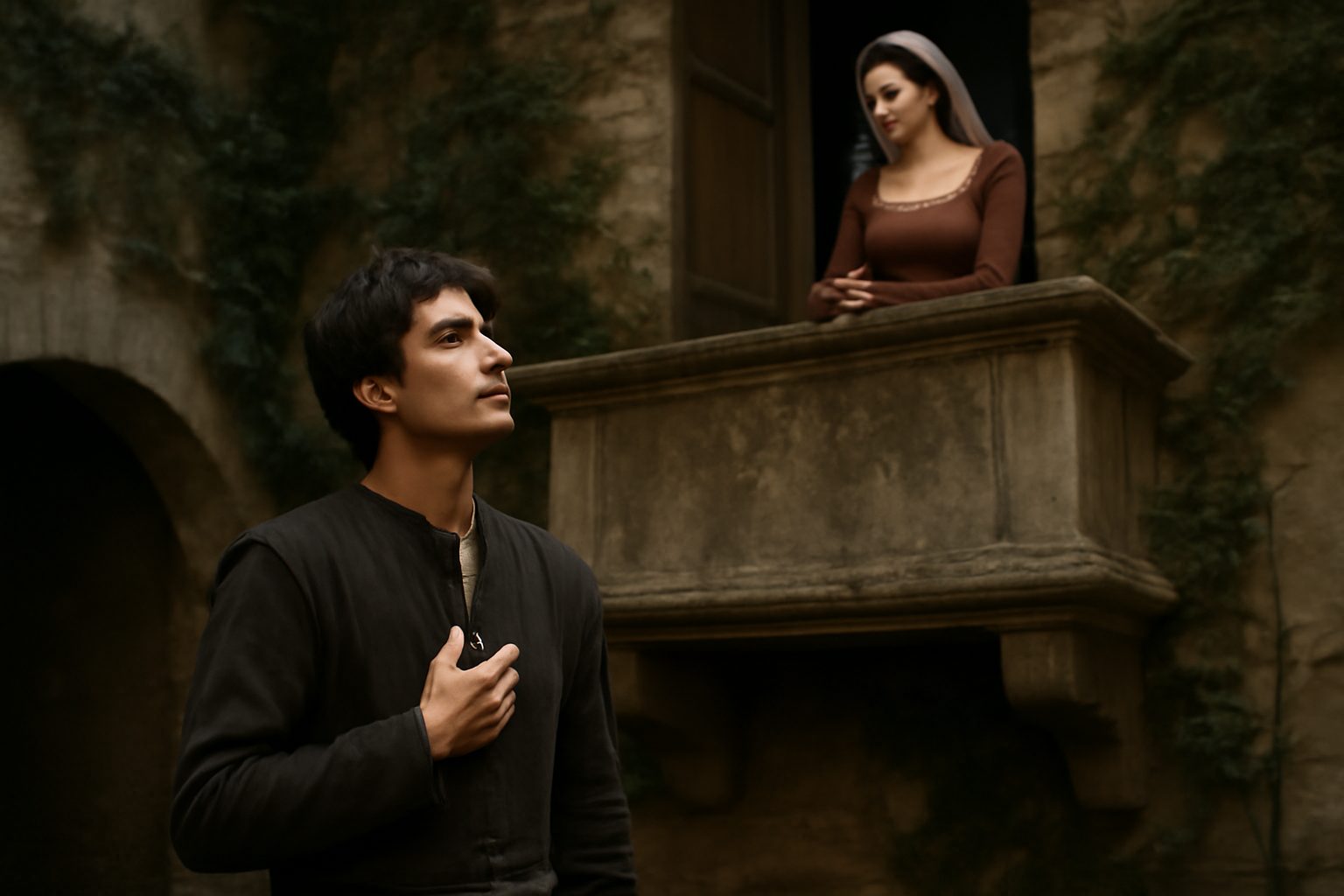
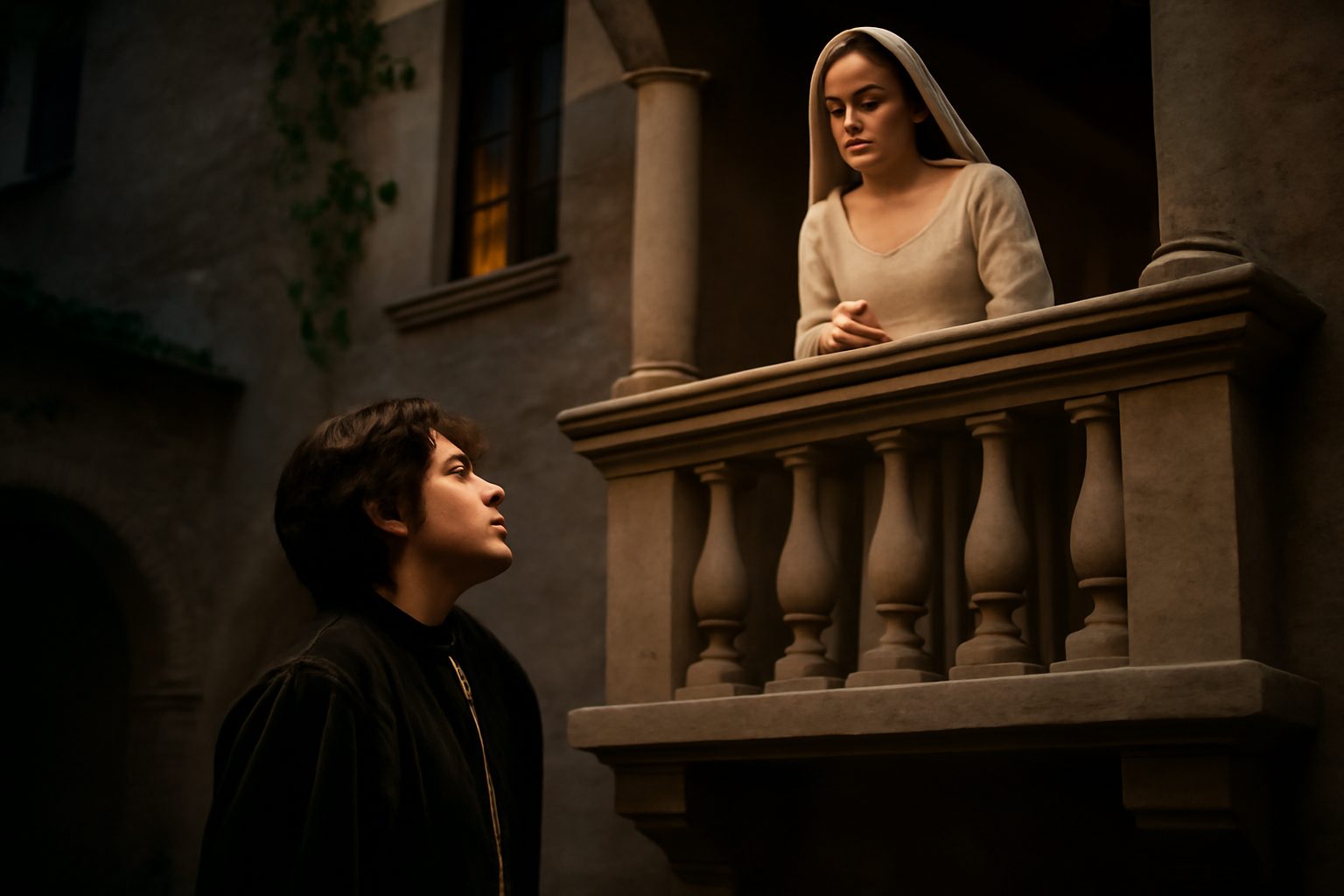
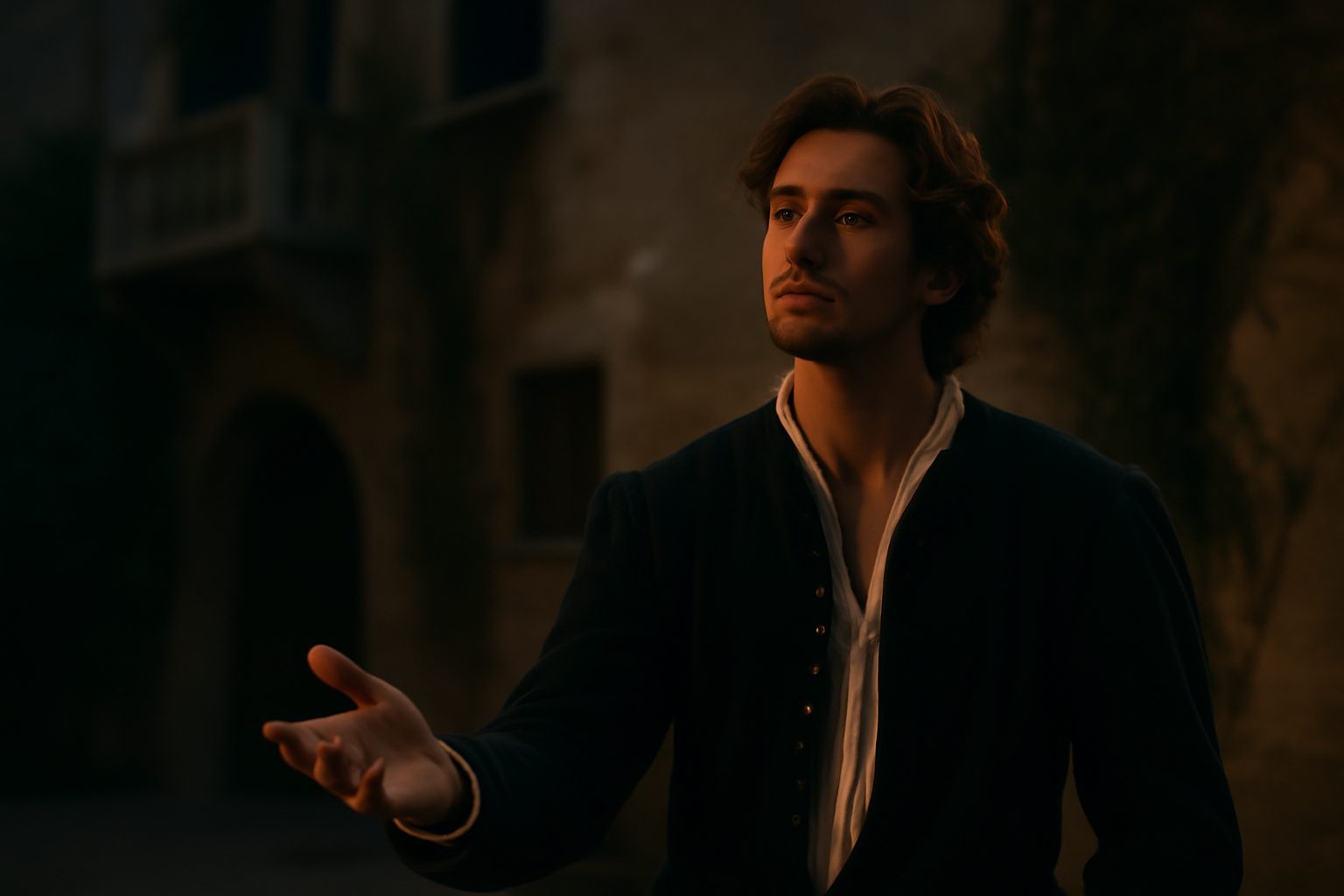
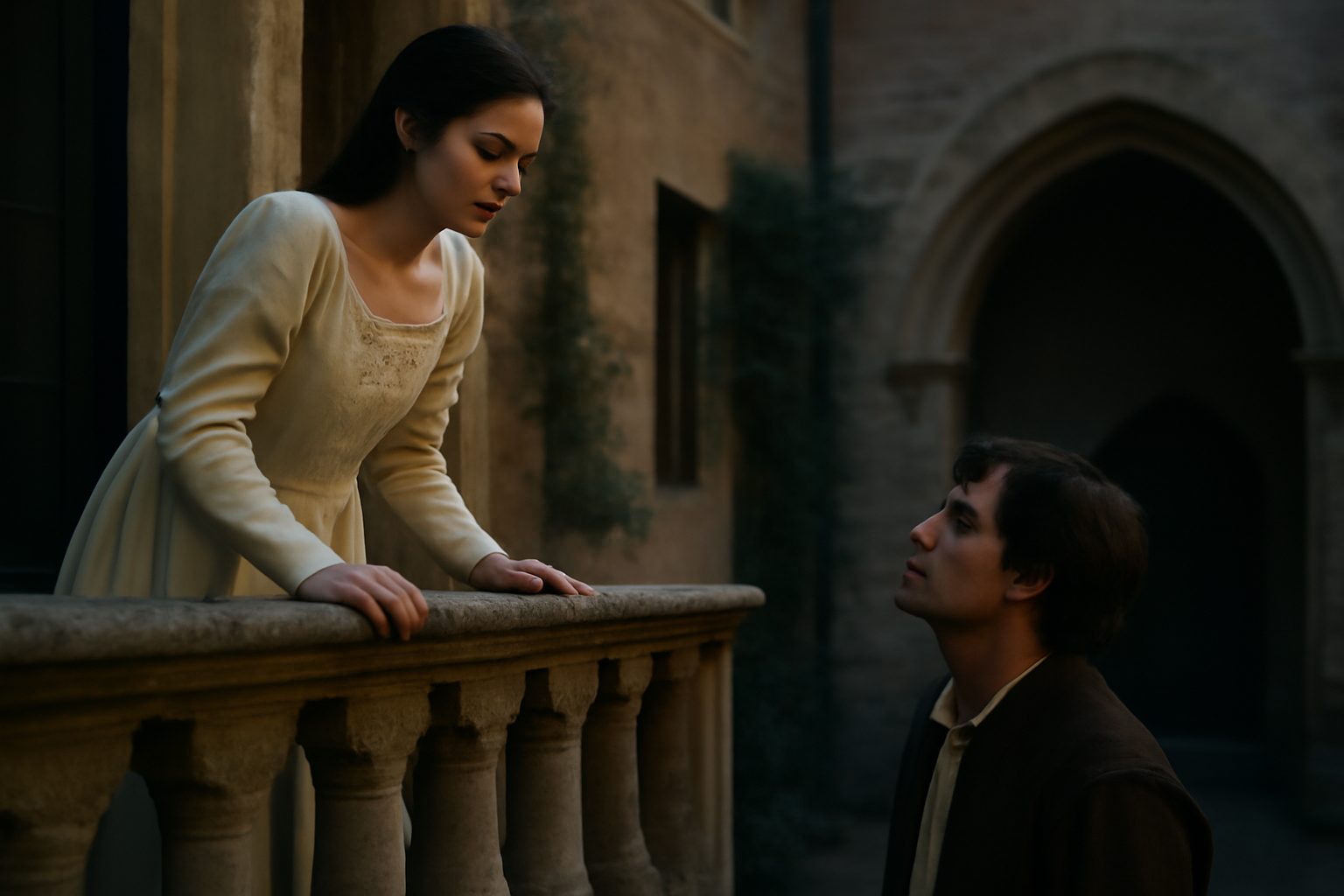
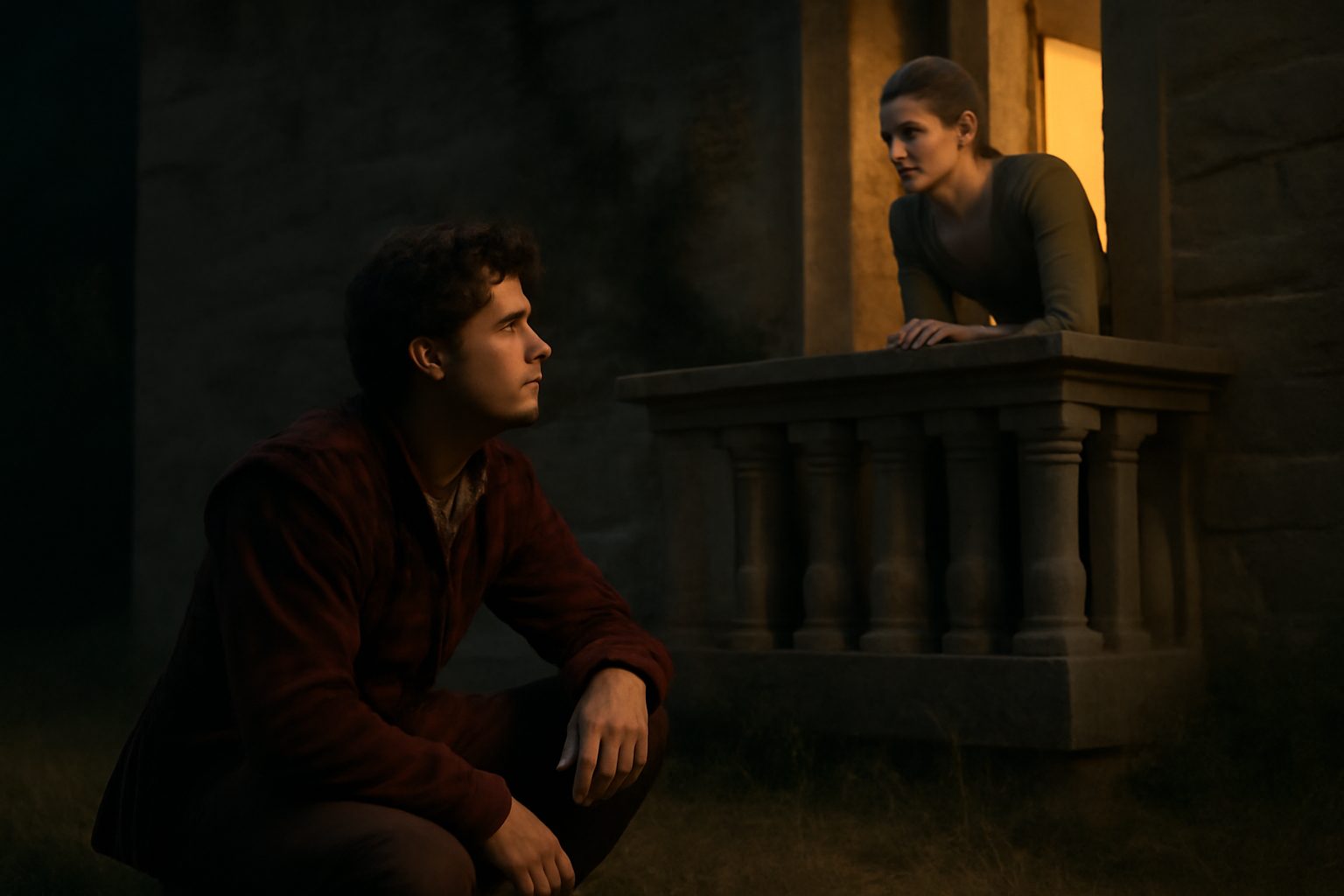
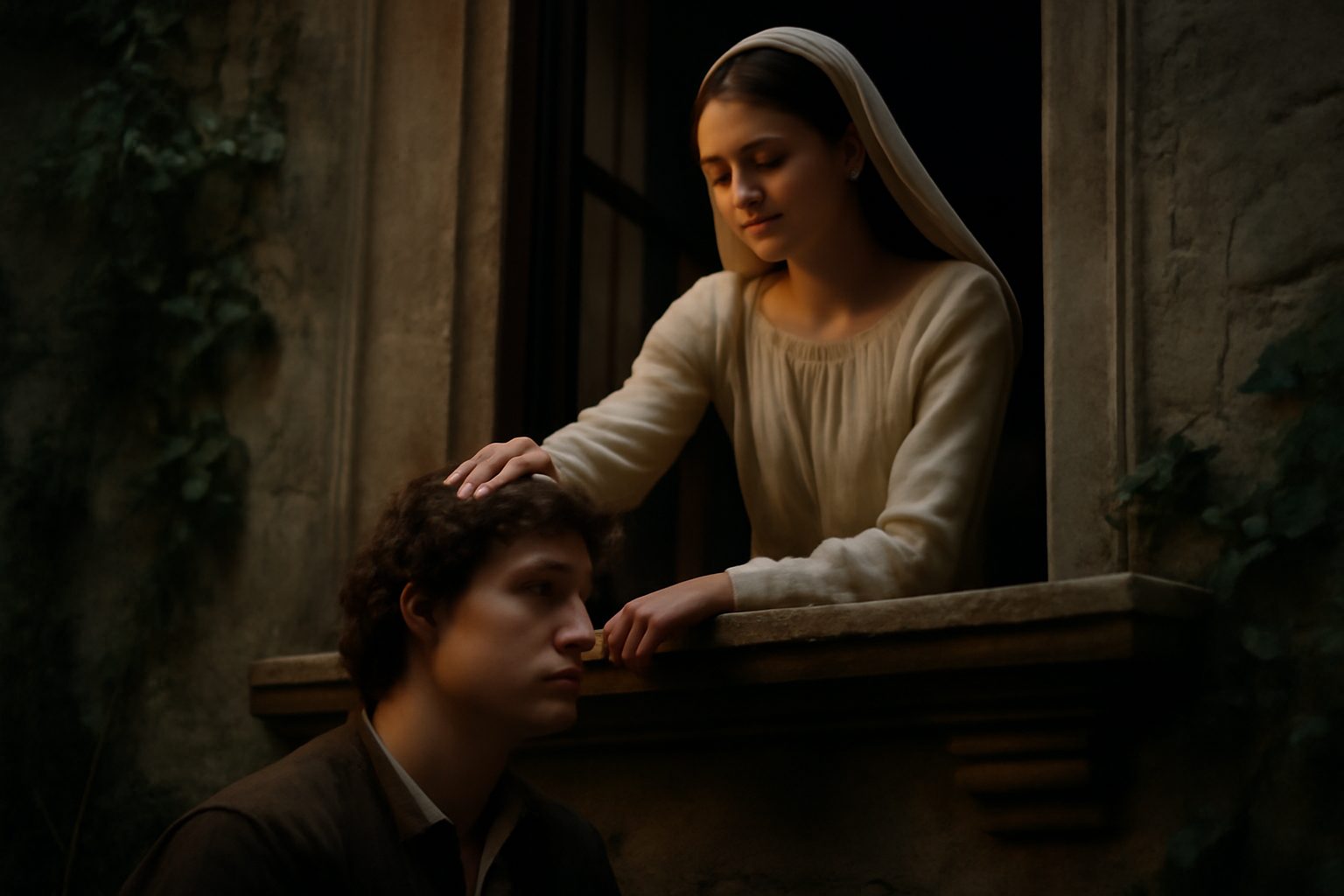
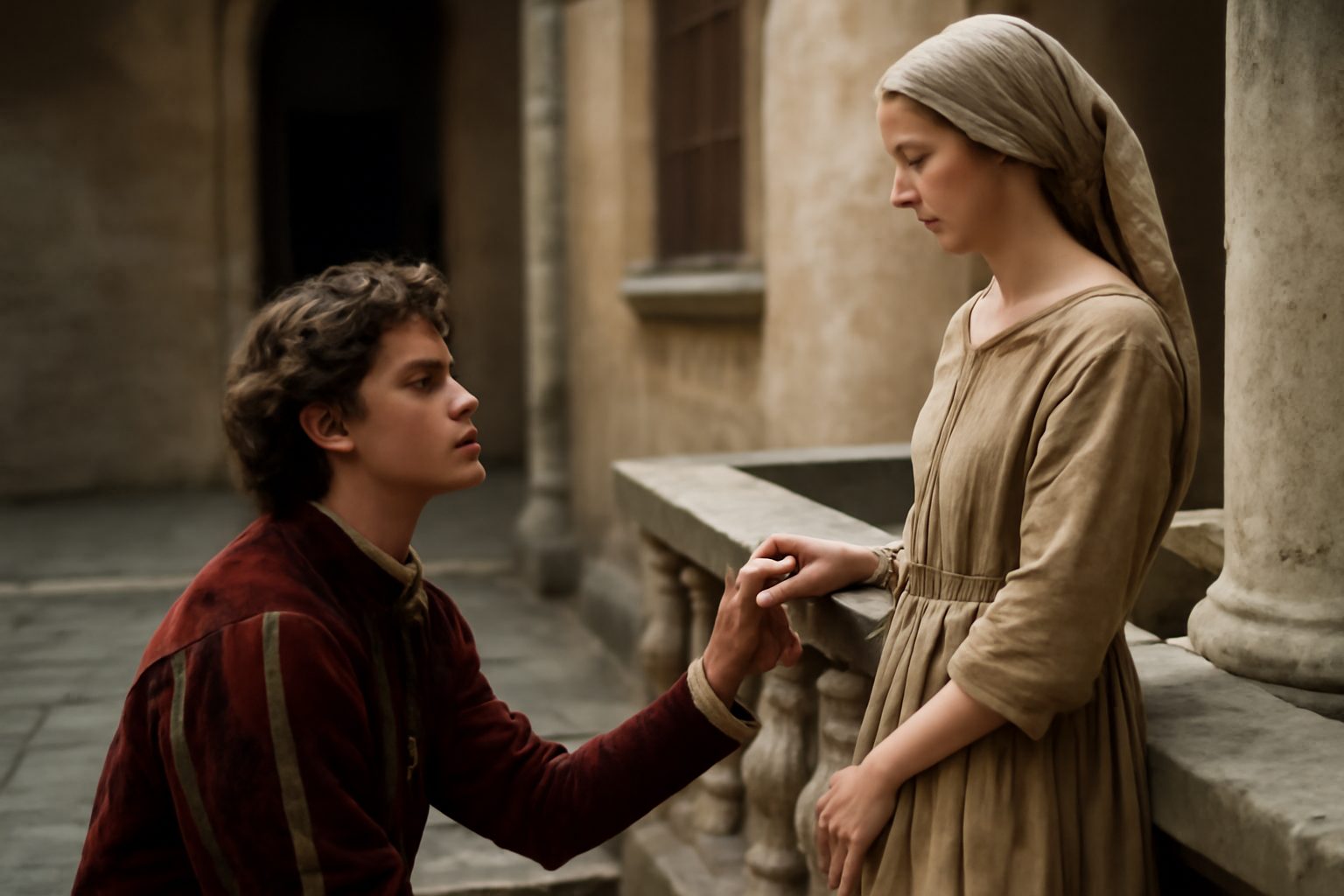
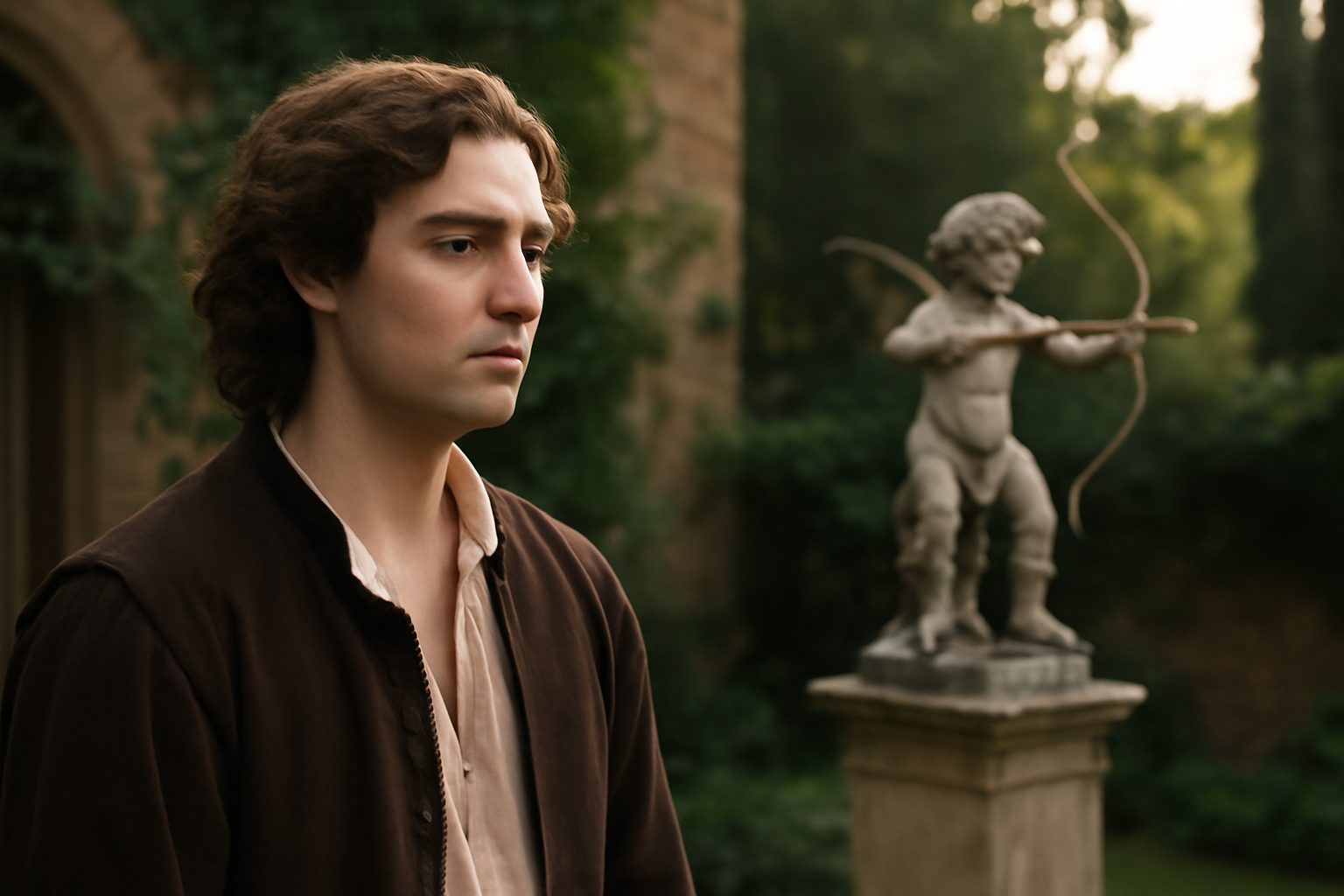
In Act 2, Scene 1 of Romeo and Juliet, Mercutio mocks Romeo's lovesick behavior as he searches for him near the Capulet orchard. Unaware that Romeo has slipped away to pursue Juliet, Mercutio jokingly calls out to him with exaggerated romantic invocations, teasing his infatuation. This line reflects Mercutio's playful, sarcastic tone as he ridicules Romeo's idealized view of love.
Mercutio: "That were some spite: my invocation"
In modern day english, we would say:
That would be cruel—my prayer or calling.
Frequently Asked Questions
What is Mercutio referring to when he says 'my invocation' in this scene?
Mercutio is referring to his playful attempt to summon Romeo by calling out to him in a mocking and exaggerated manner.
Connections to other verses:
Connections to "That were some spite: my invocation"
The line "That were some spite: my invocation" reflects Mercutio's playful, mocking tone as he attempts to conjure Romeo. This invocation theme is introduced earlier when Benvolio urges "Call, good Mercutio", prompting Mercutio to respond with "Nay, I'll conjure too", establishing his intent to humorously summon Romeo through incantation.
Mercutio's Conjuring Attempts
Mercutio's invocation builds upon his earlier declaration that "The ape is dead, and I must conjure him", treating Romeo's lovestruck state as a form of death from which he must be awakened. His conjuring references Rosaline specifically when he says "I conjure thee by Rosaline's bright eyes", showing how he uses Romeo's previous infatuation as part of his mock ritual.
Contrast With Benvolio's Concerns
Benvolio's warning that "And if he hear thee, thou wilt anger him" creates tension with Mercutio's spiteful invocation, highlighting their different approaches to Romeo's absence. Mercutio dismisses this concern with "This cannot anger him: 'twould anger him", reinforcing his deliberate provocation.
Connection to Love Themes
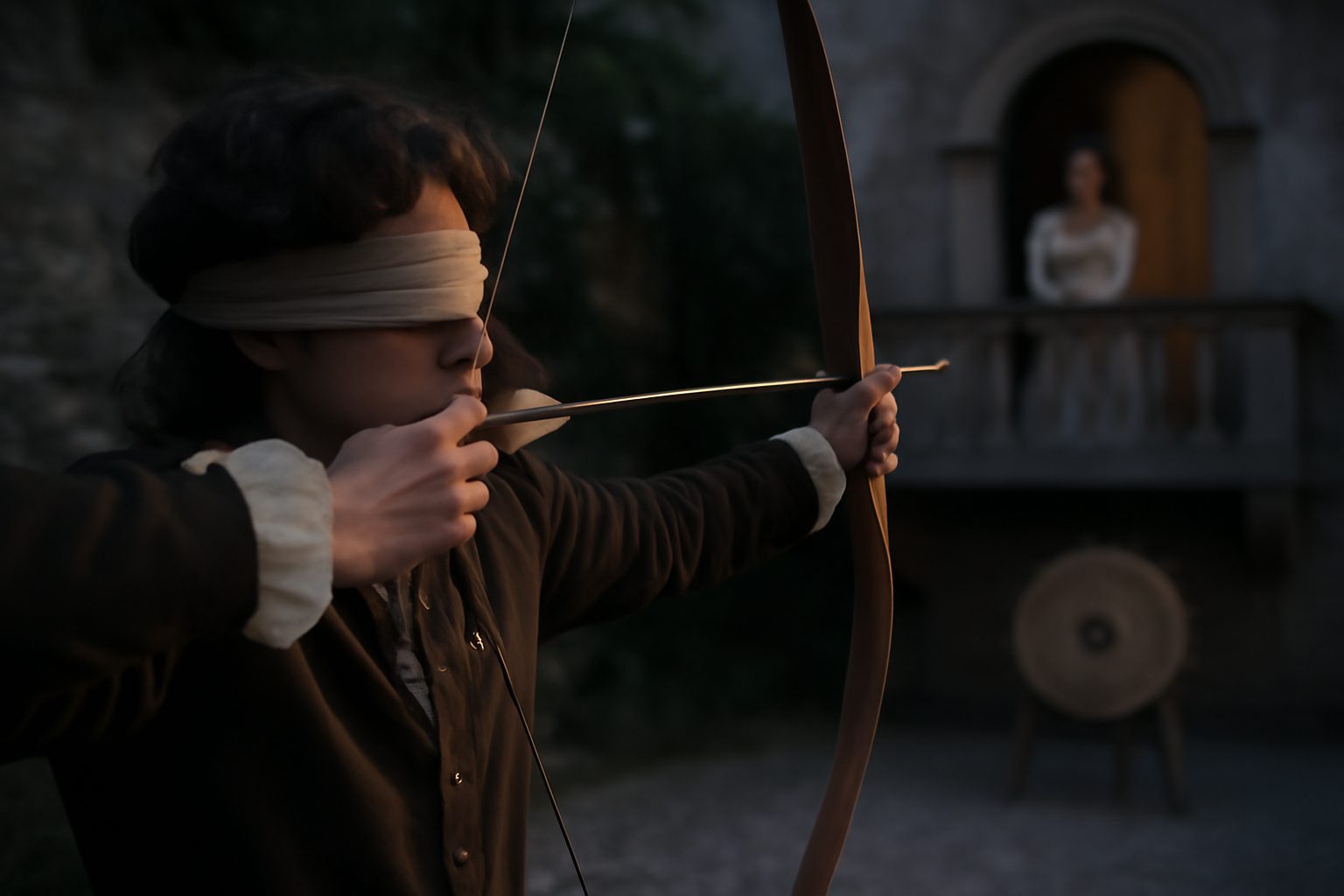
The invocation connects to the scene's exploration of love's nature, particularly the idea that "Blind is his love and best befits the dark". Mercutio's spiteful conjuring contrasts with Romeo's genuine emotional state, emphasized when Benvolio notes Romeo has sought isolation "To be consorted with the humorous night".
Abandonment of the Invocation
Ultimately, Mercutio abandons his conjuring, concluding "Go, then; for 'tis in vain" to seek Romeo, acknowledging the futility of his mock invocation. This leads to their departure with "Come, shall we go?", ending the scene's conjuring motif.