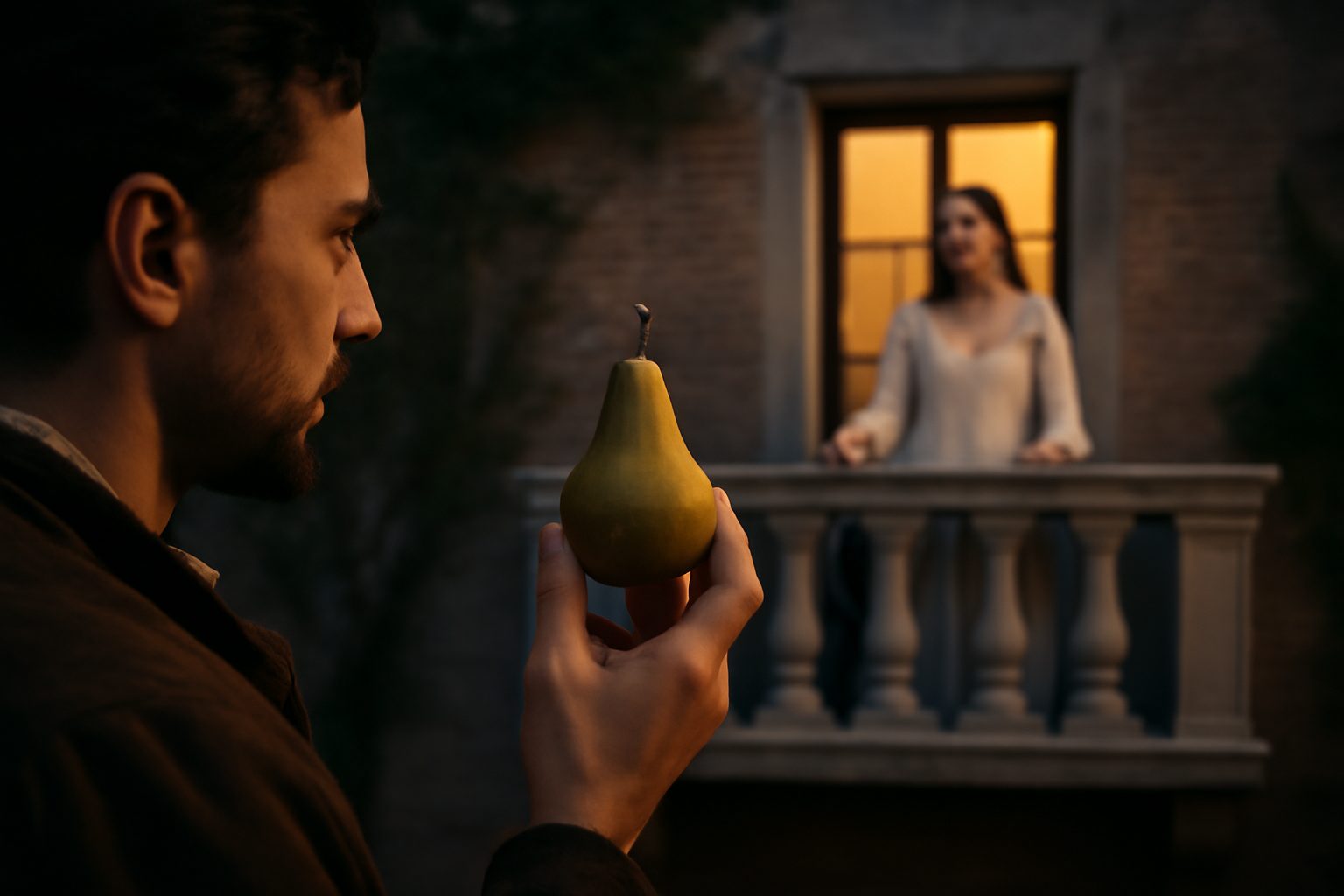
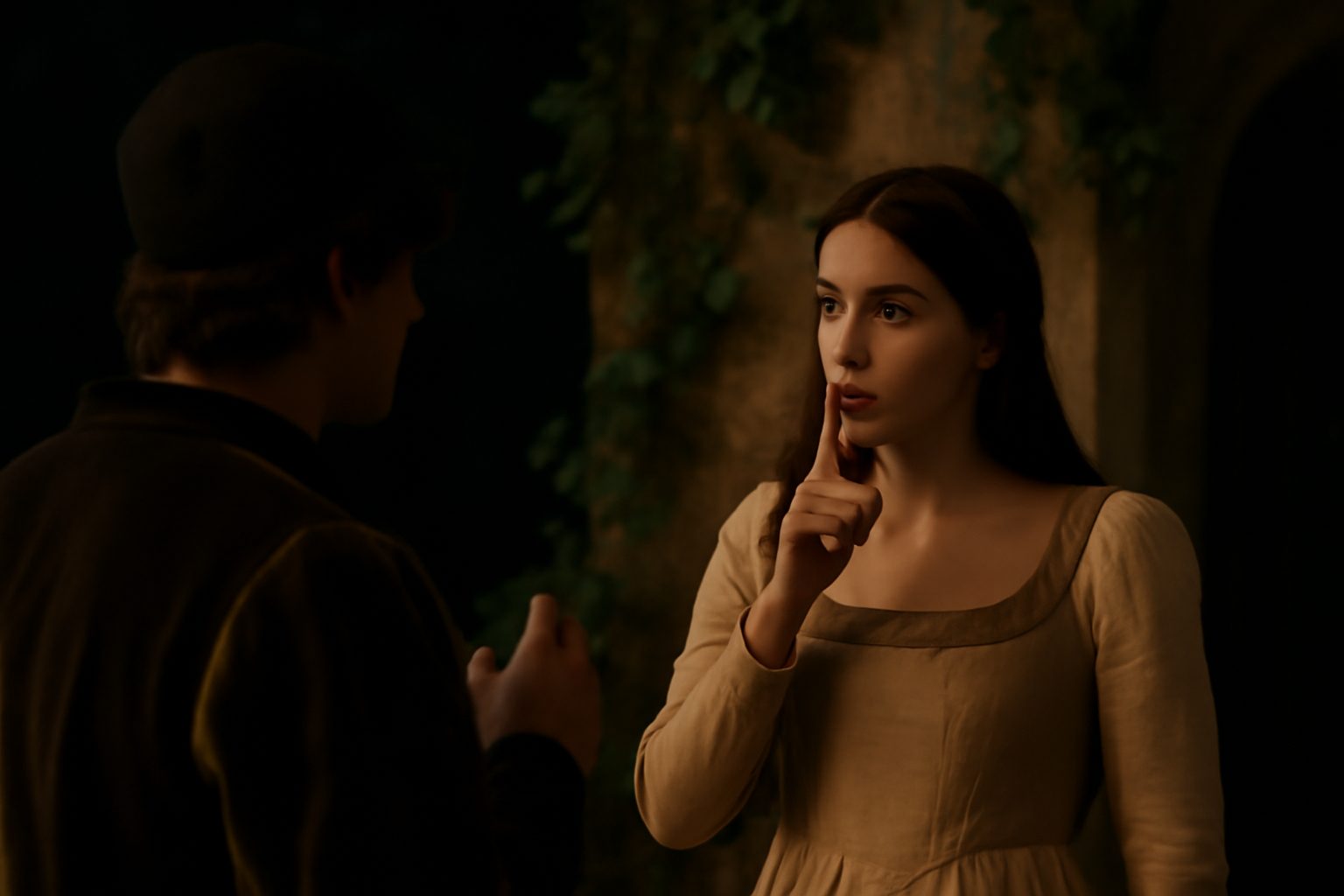
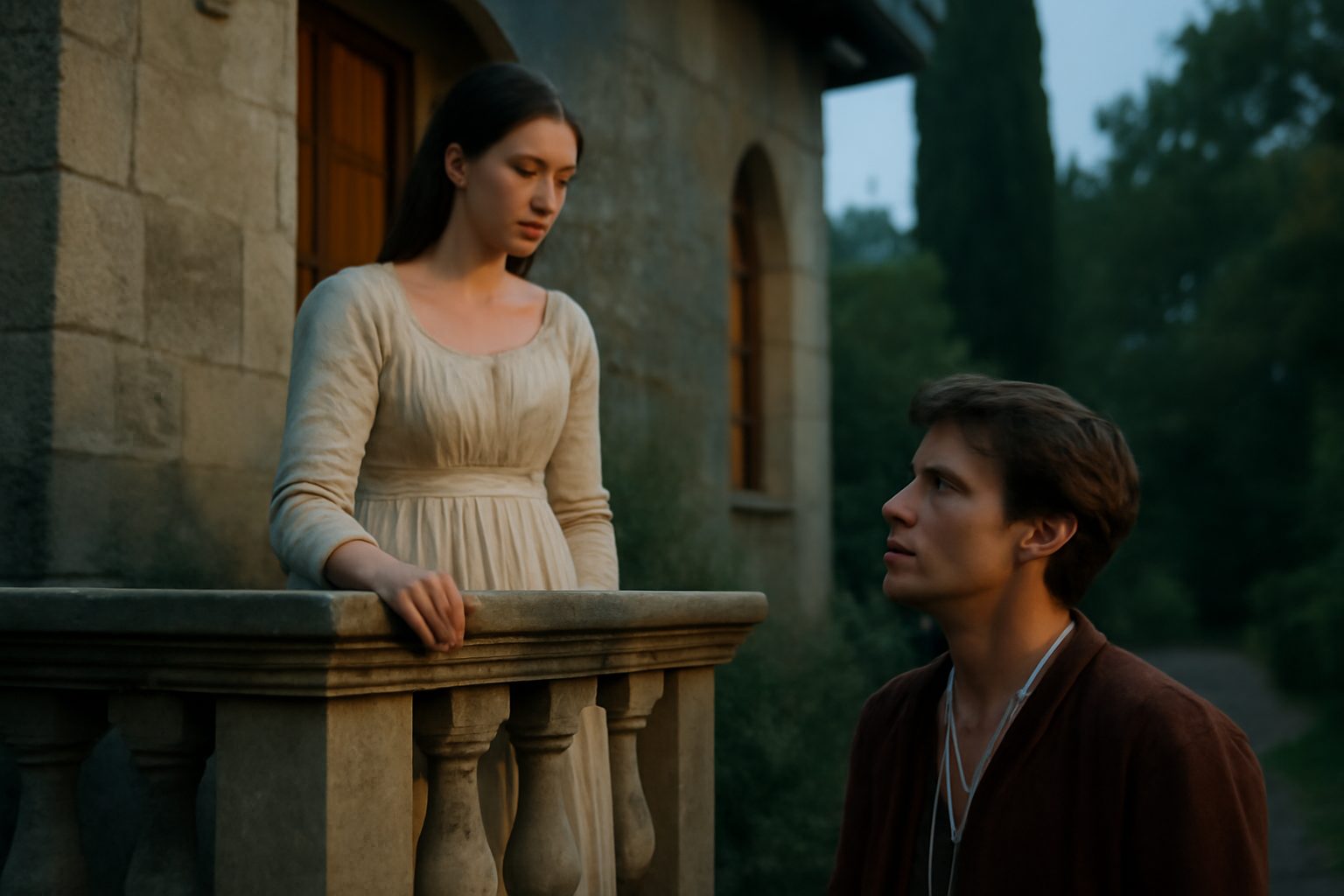
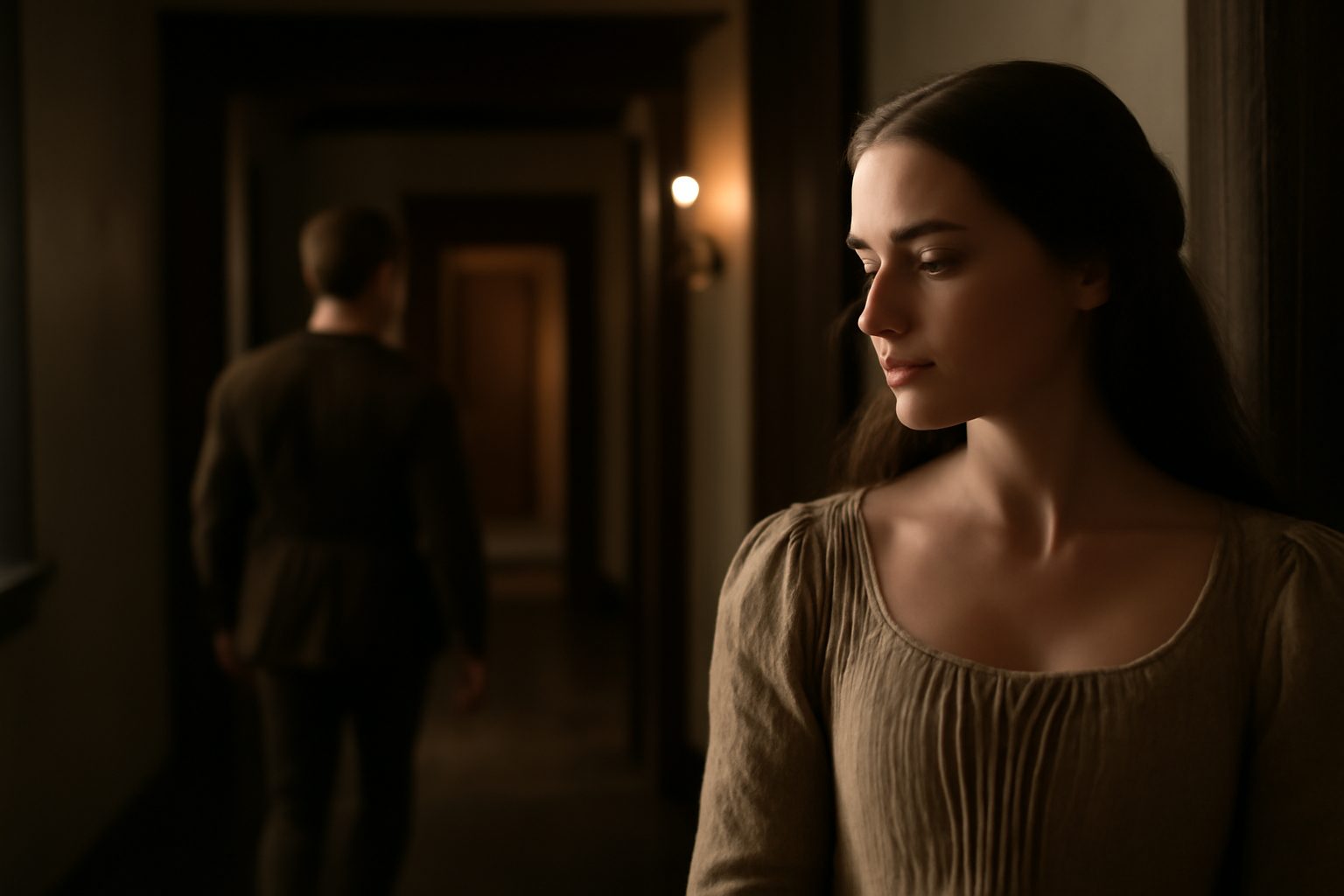
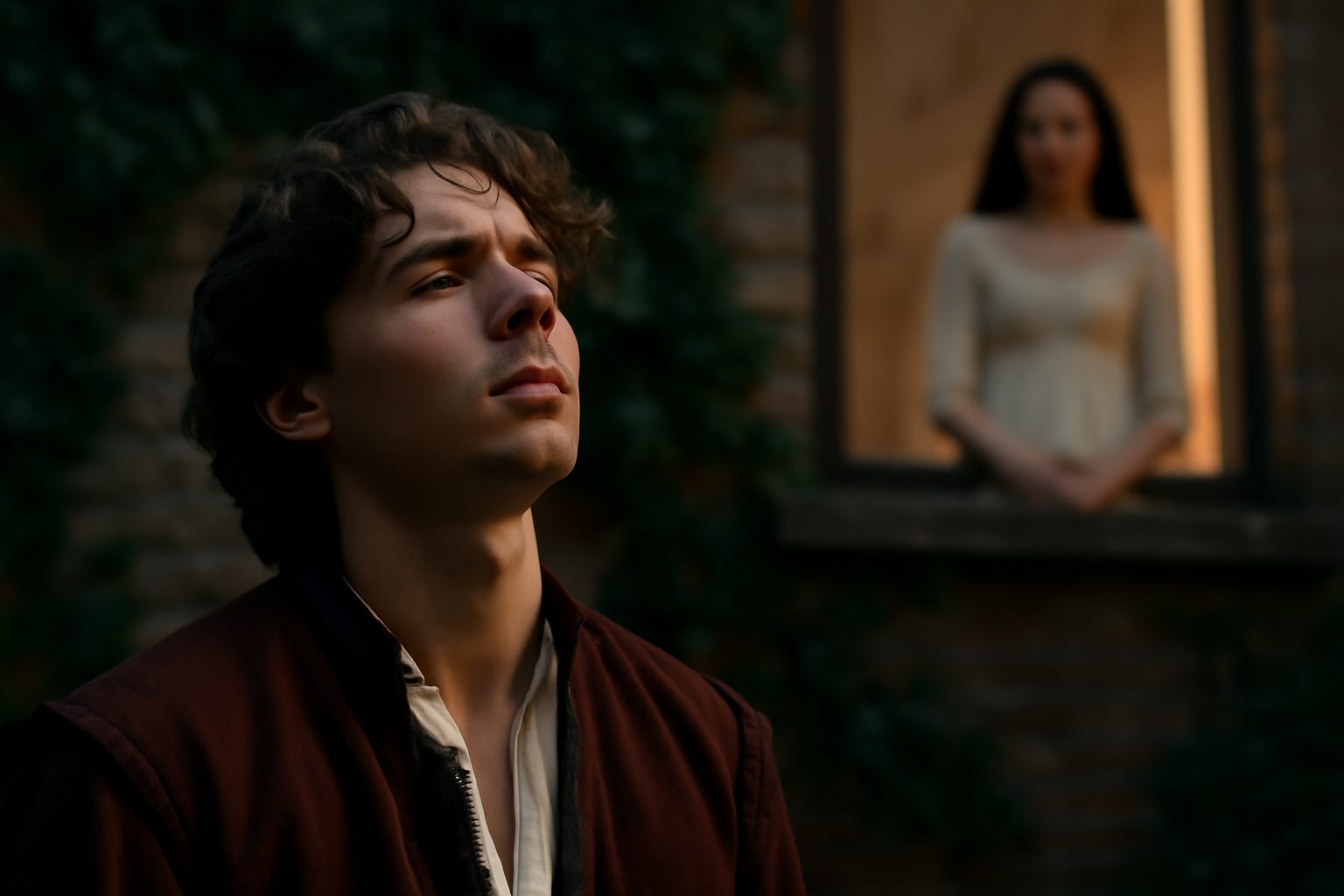
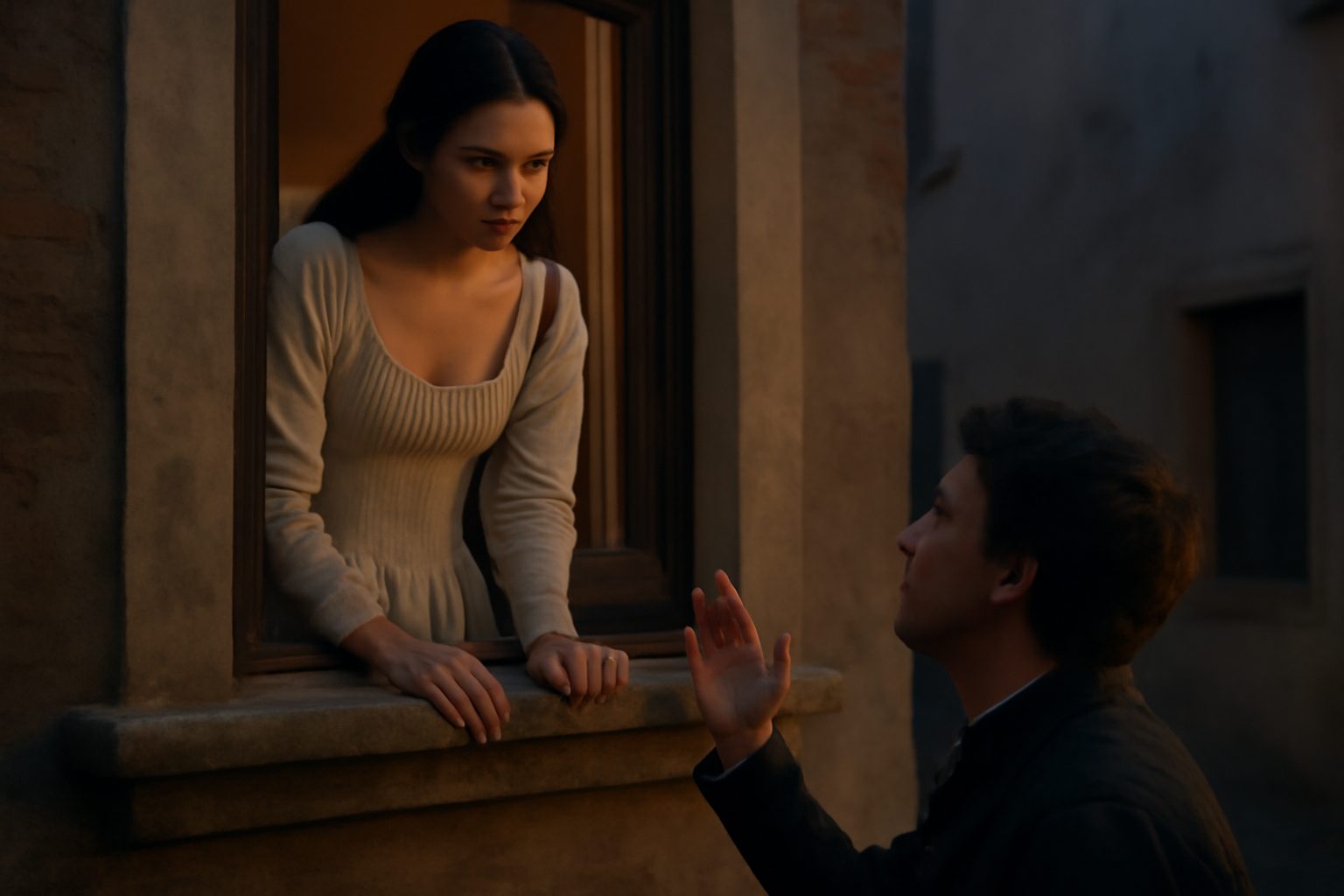
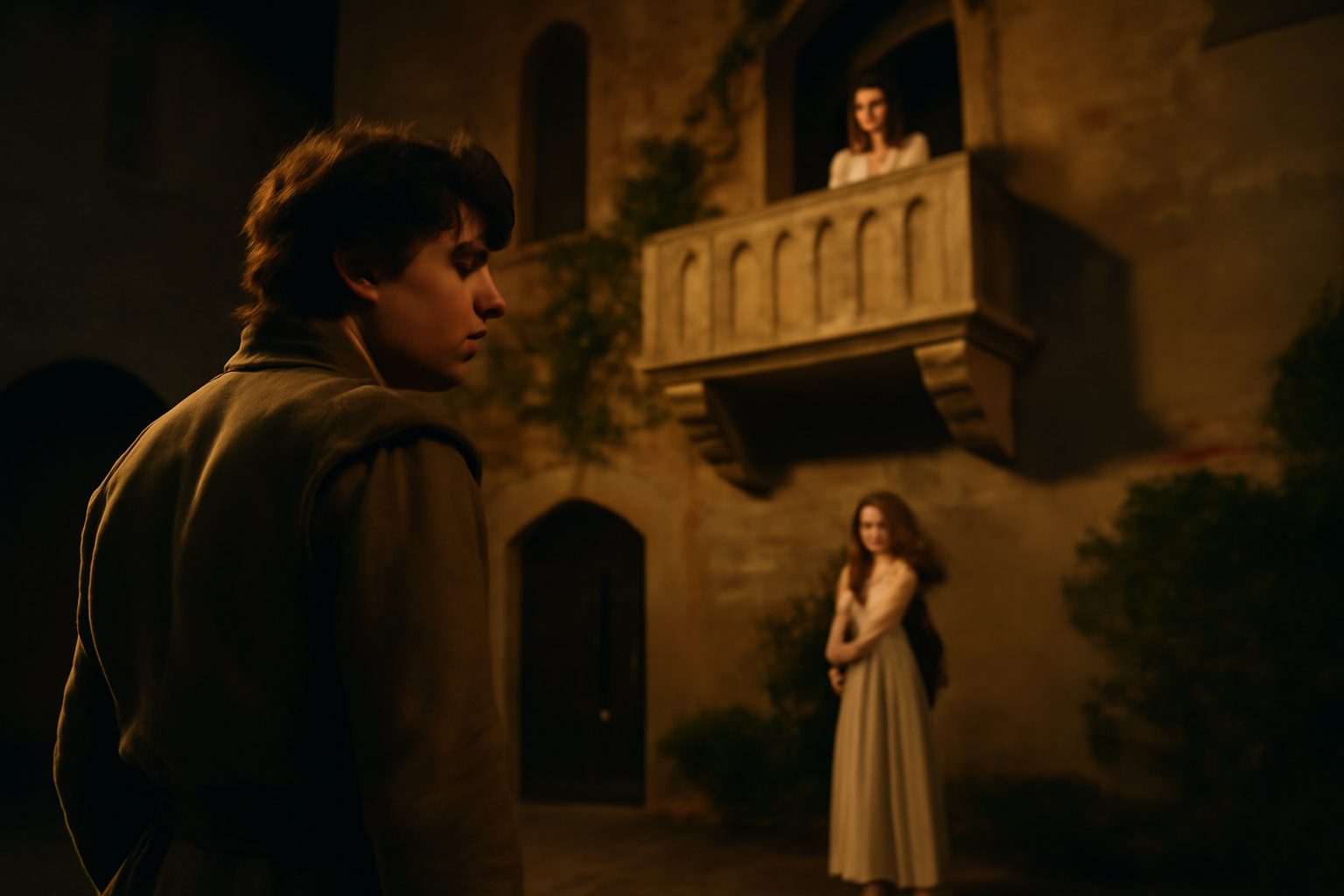
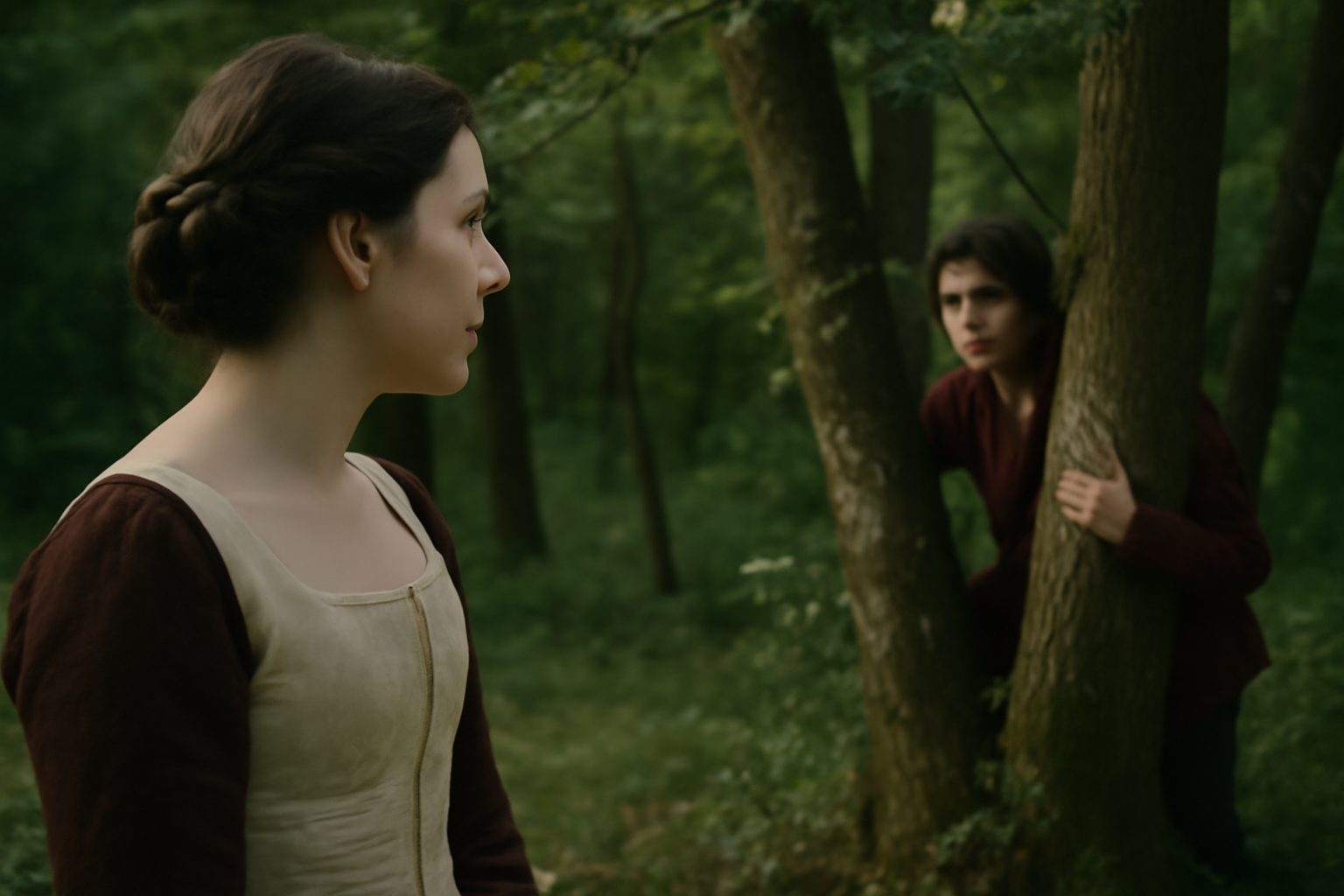
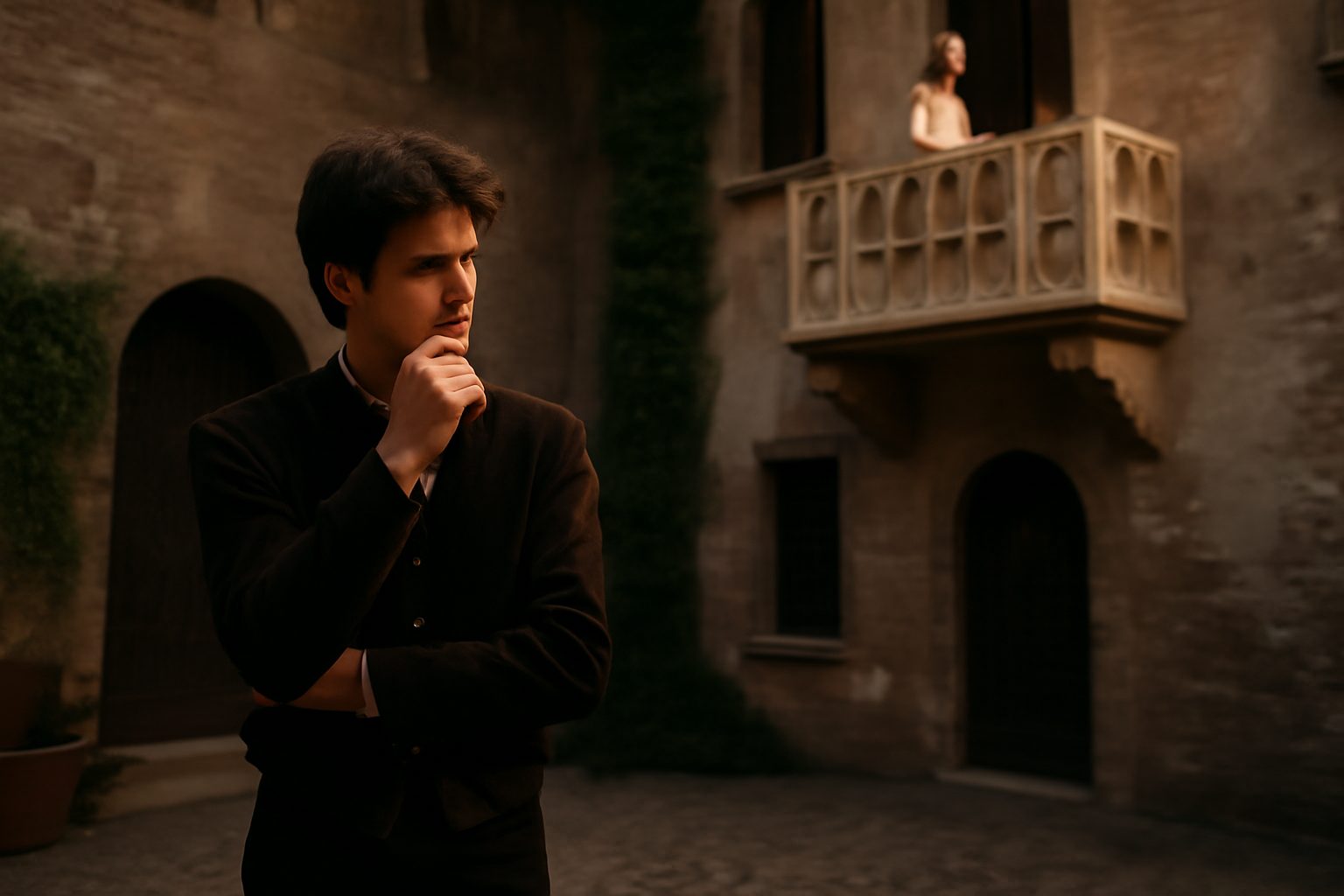
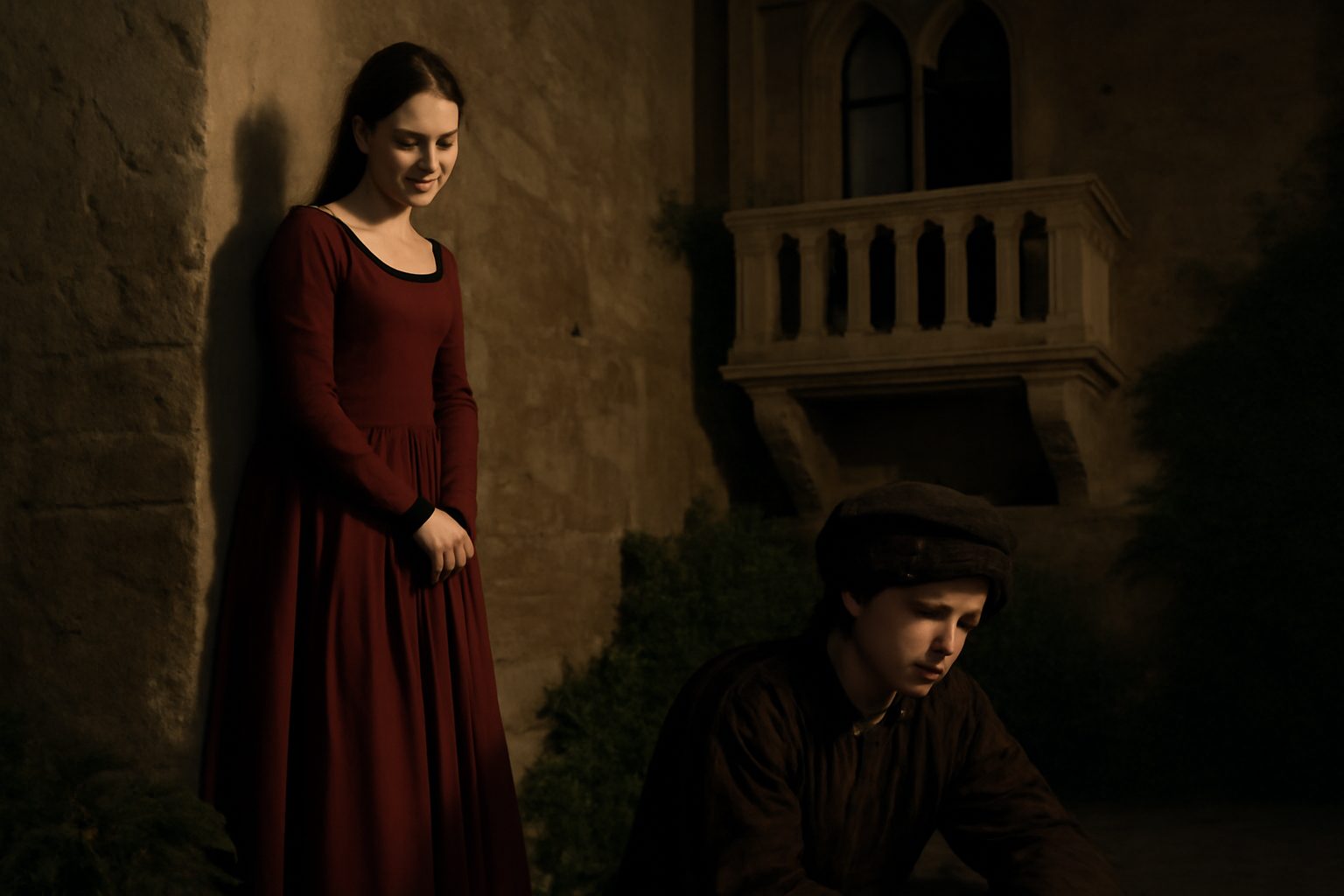
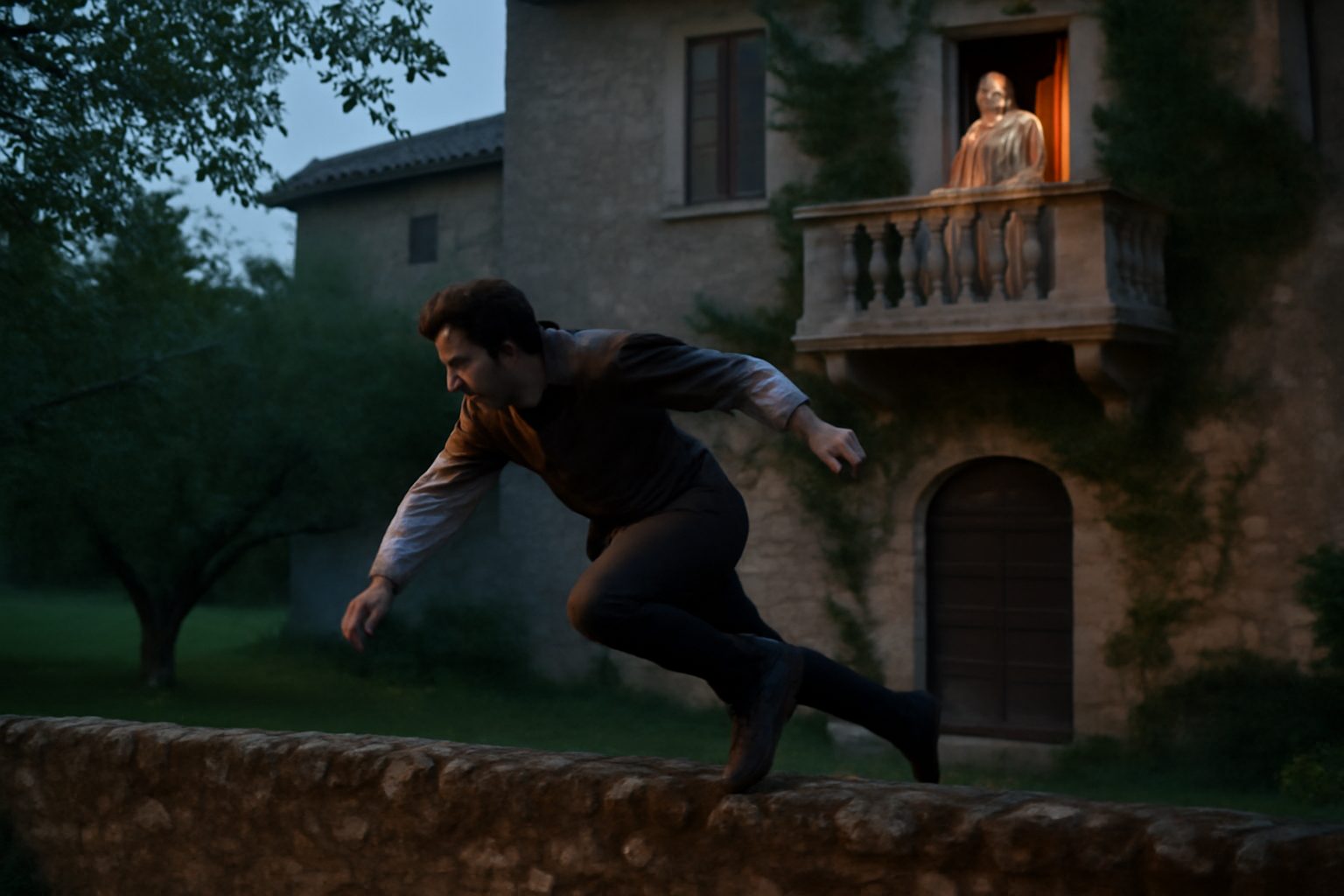
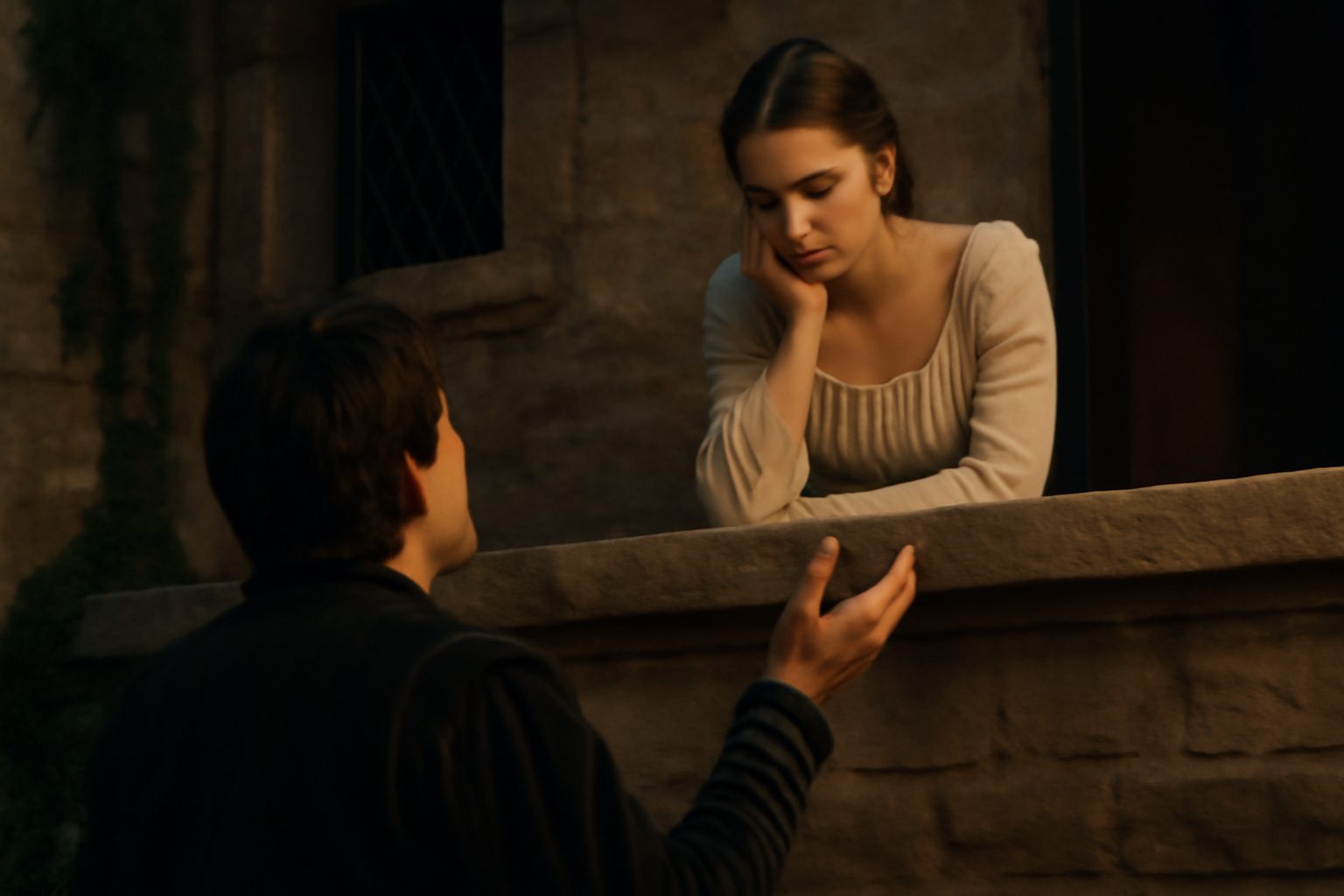
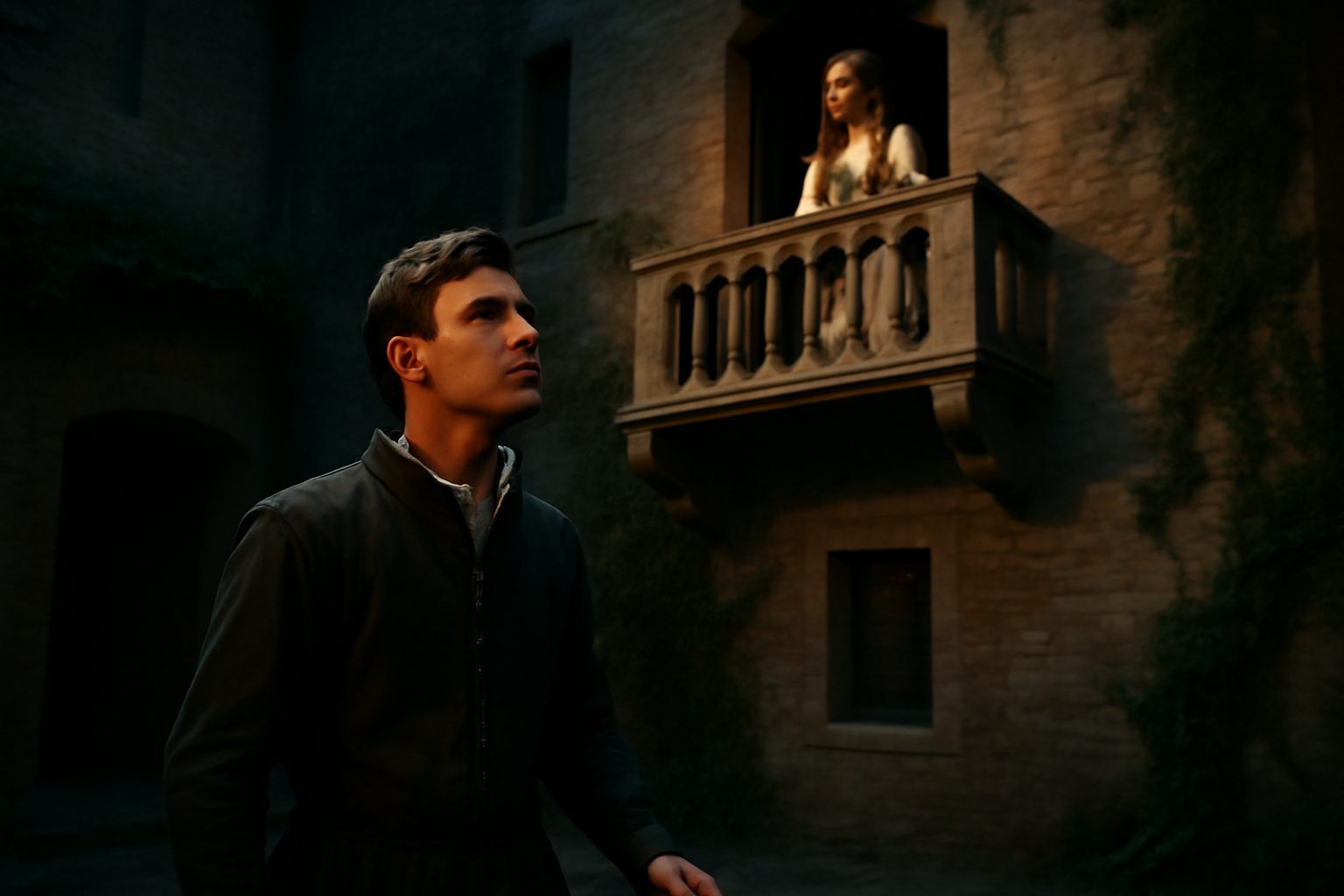
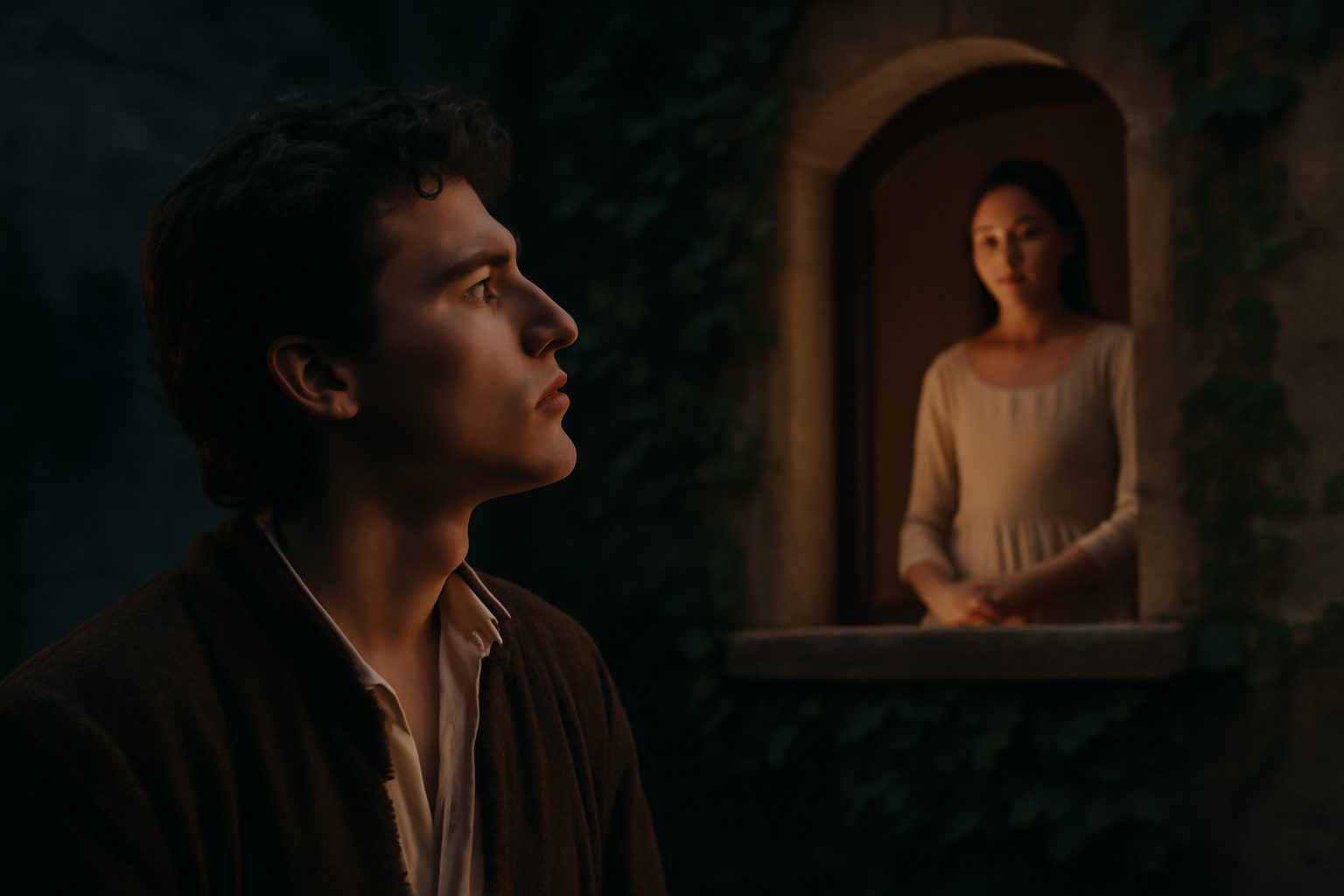
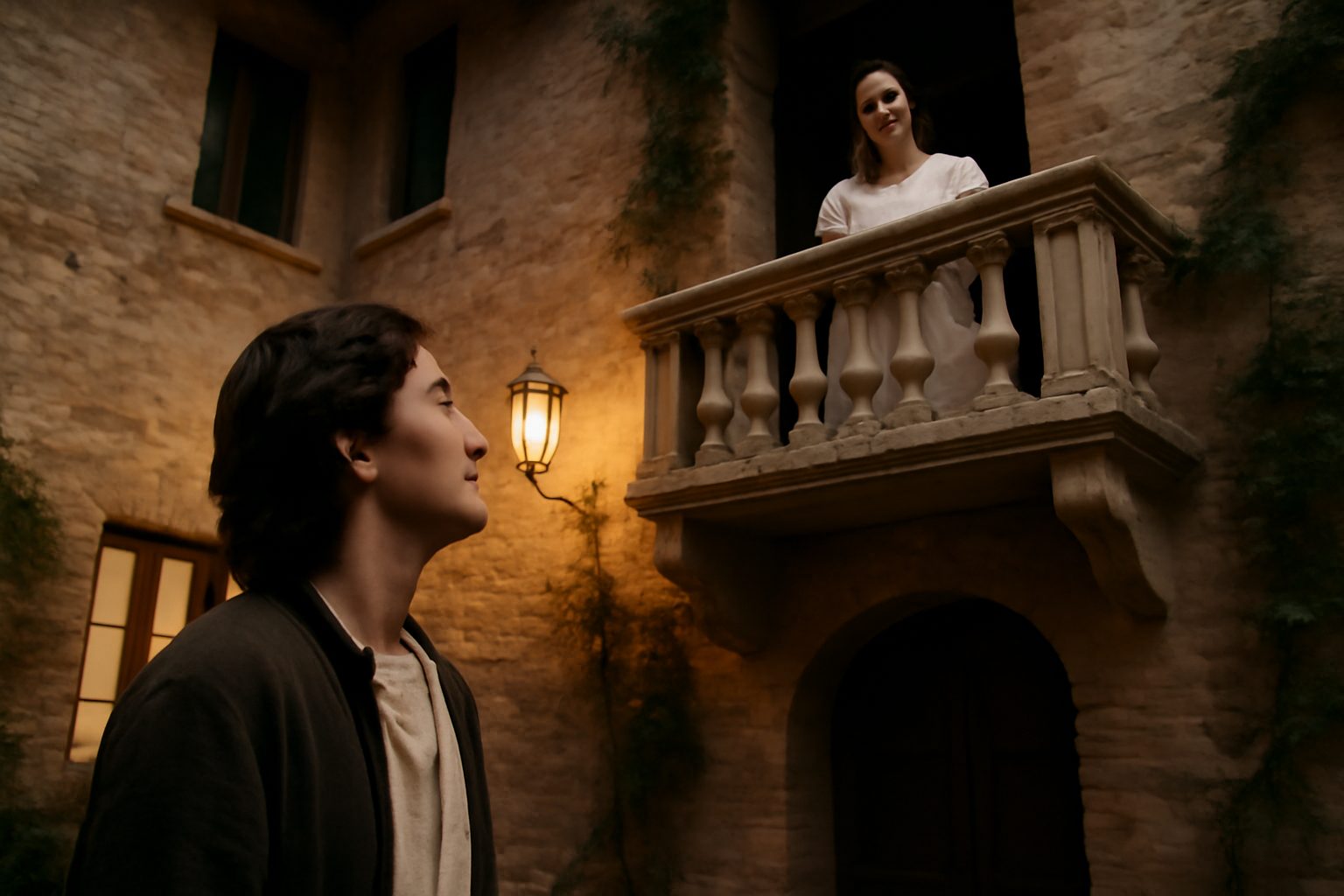
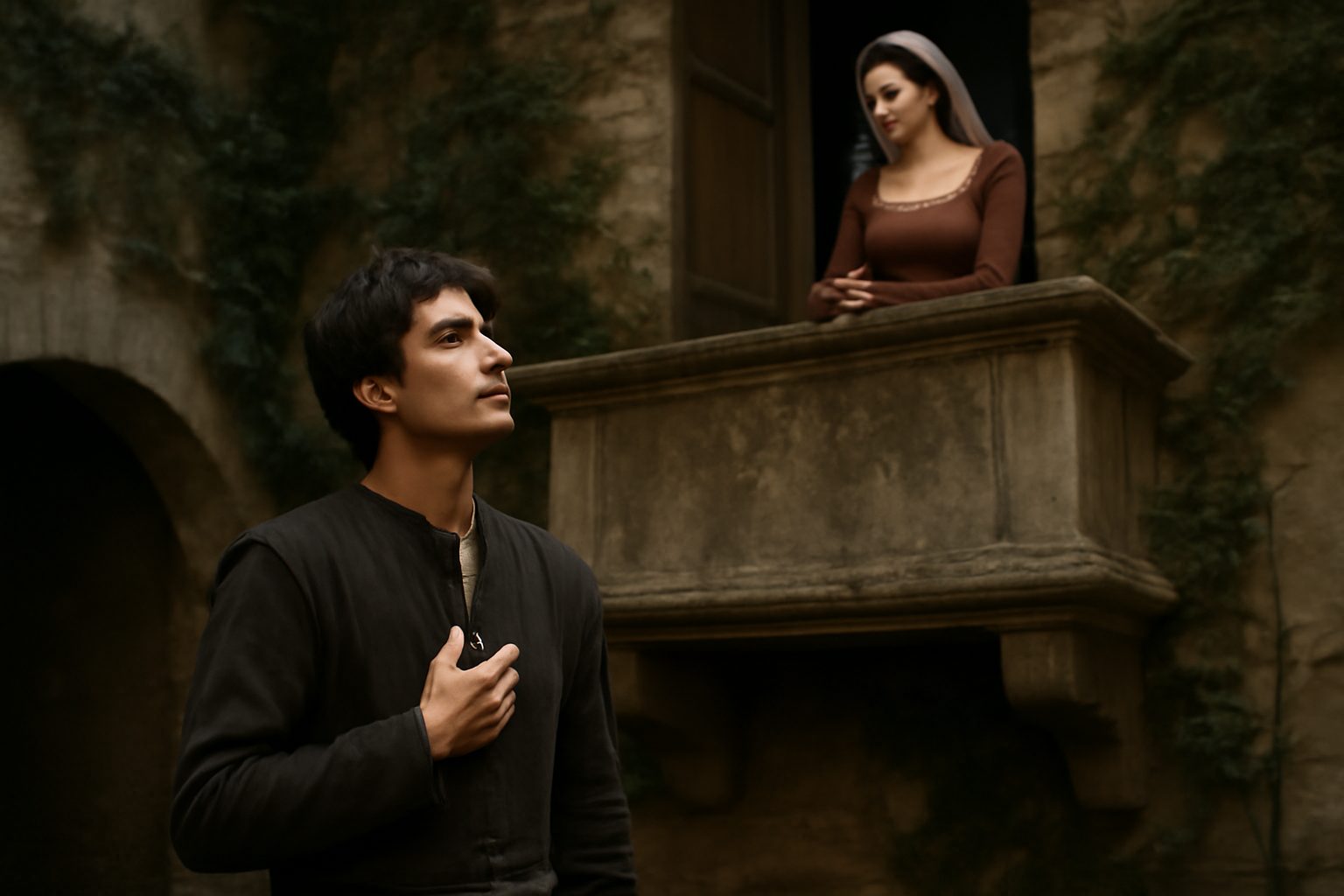
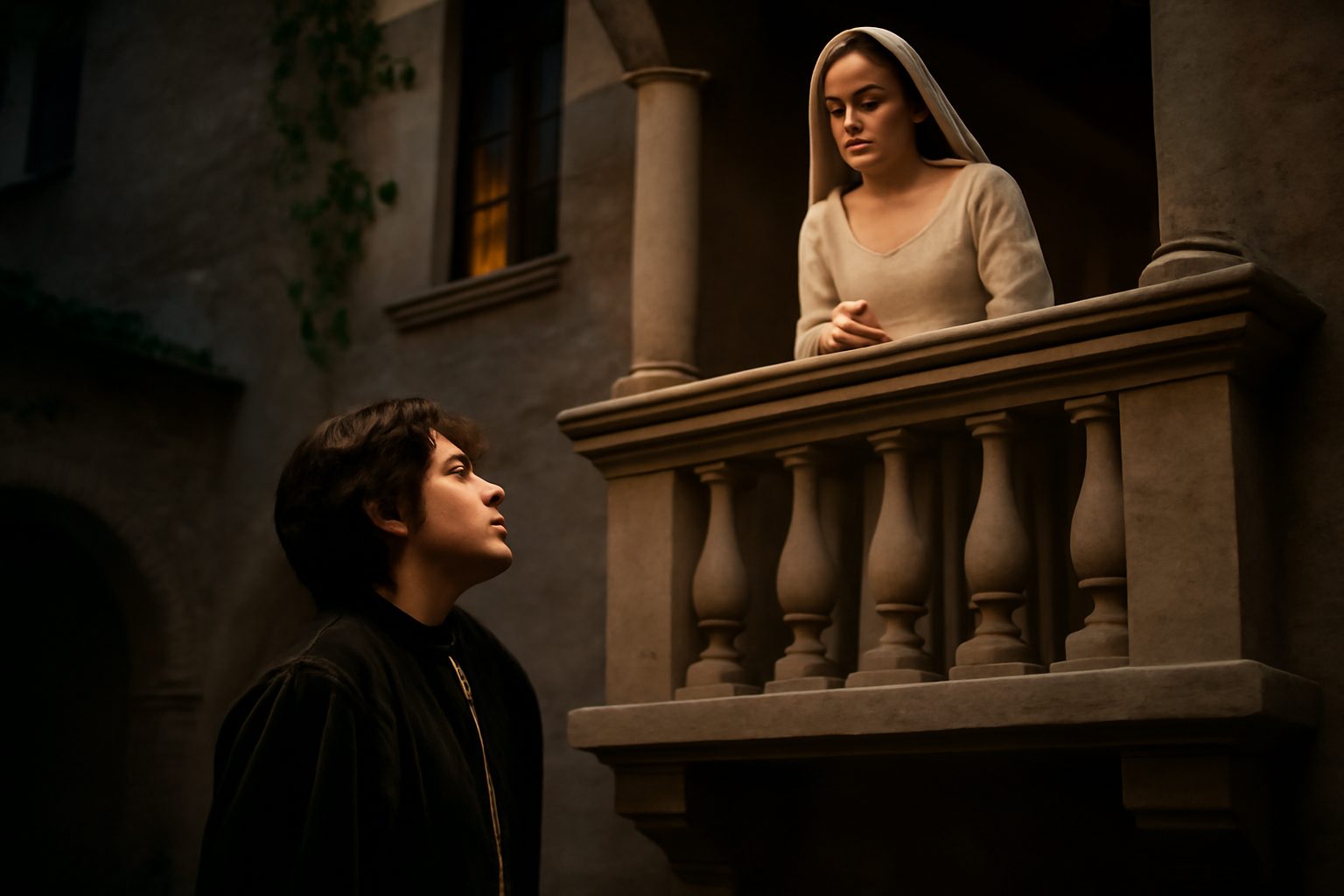
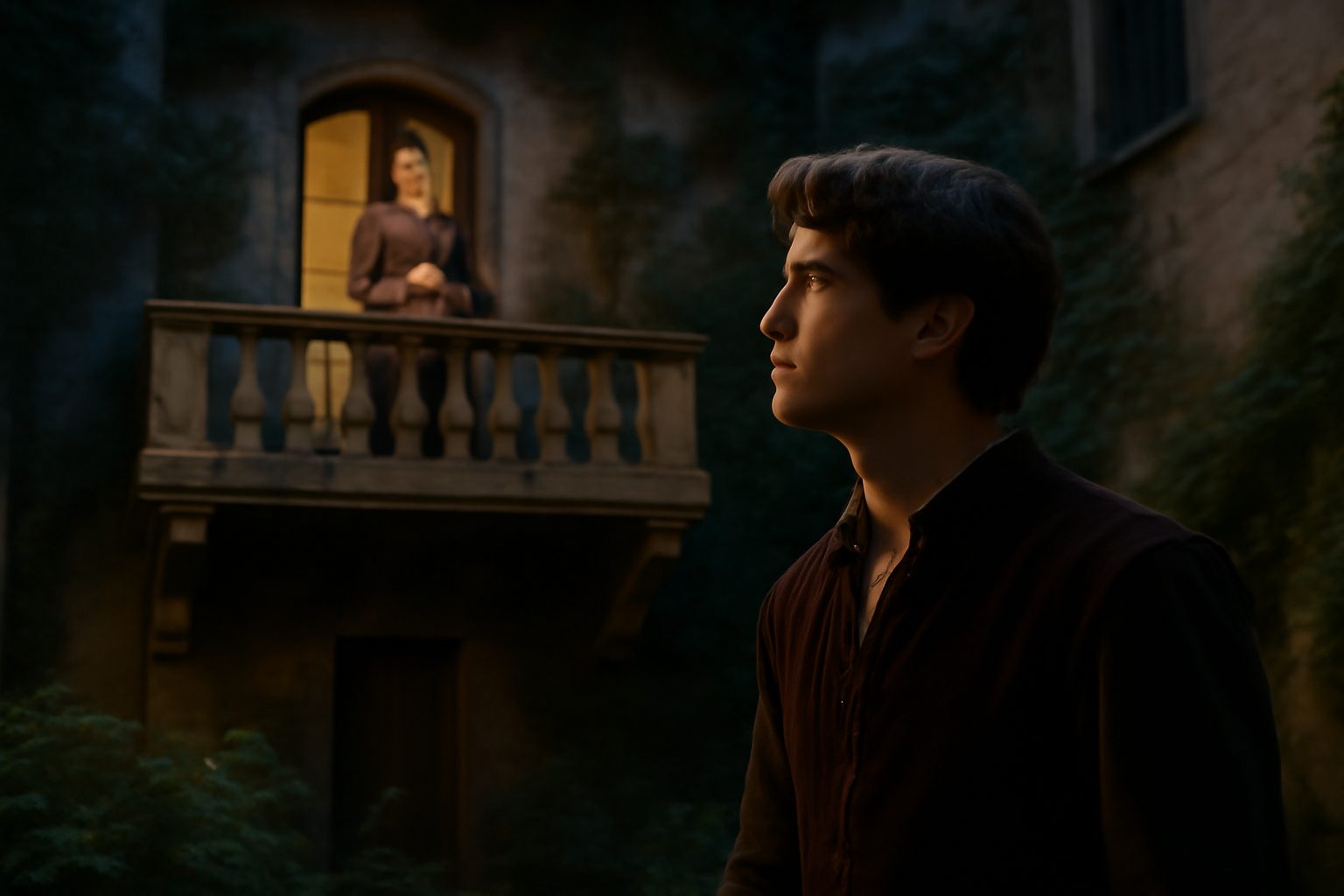
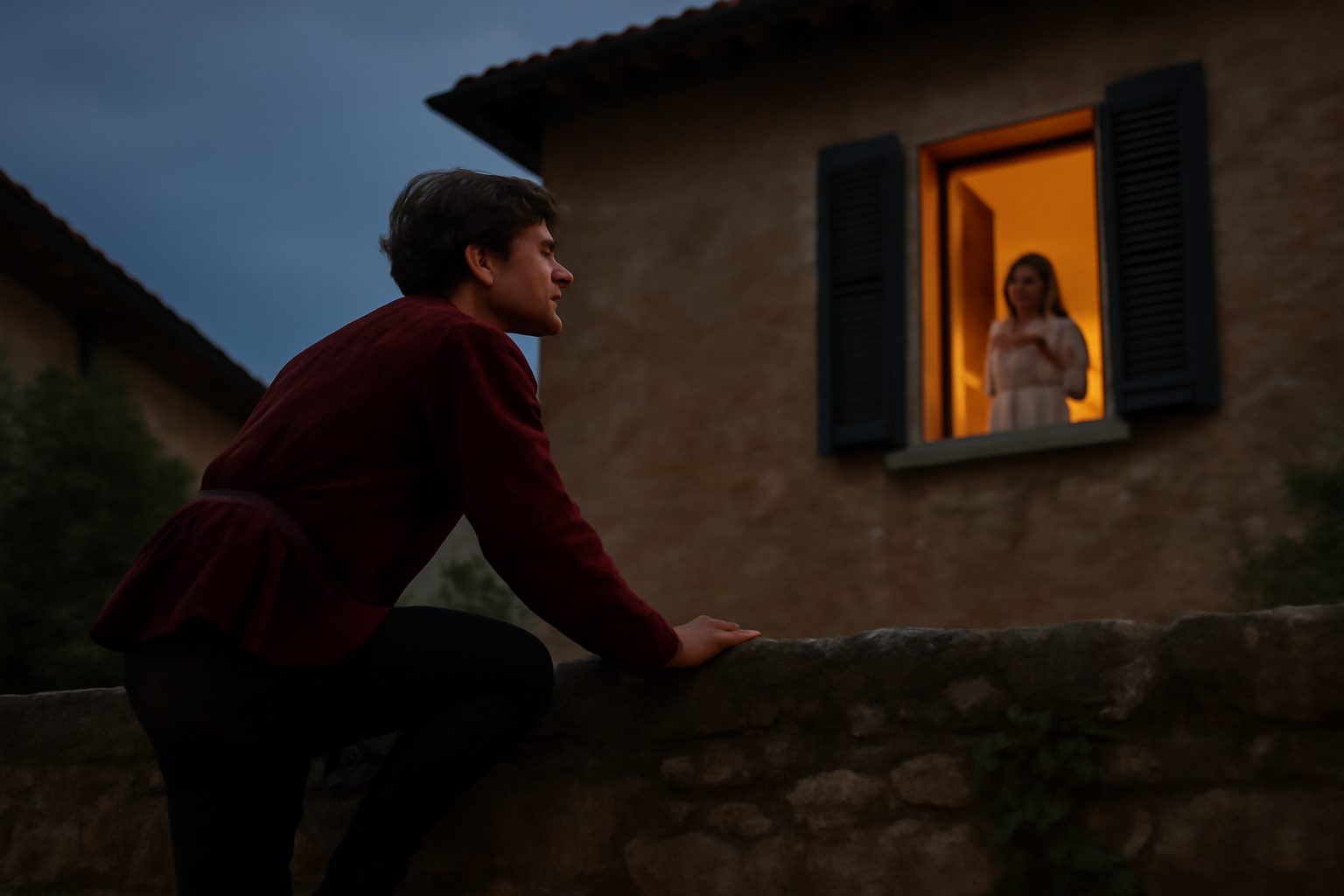
In Act 2, Scene 1 of Romeo and Juliet, Romeo has just left the Capulet feast, still enchanted by Juliet, while his friends Mercutio and Benvolio search for him in the dark. Unseen, Romeo hides as Mercutio jests and calls out to him, teasing him about his unrequited love for Rosaline. Frustrated by Romeo's silence, Mercutio finally gives up, prompting Benvolio to suggest they leave as Romeo remains lost in his thoughts of Juliet.
Mercutio: "Come, shall we go?"
In modern day english, we would say:
Let’s get out of here.
Frequently Asked Questions
What does Mercutio ask his friends to do in this line?
He asks if they should leave.
Connections to other verses:
Connections to "Come, shall we go?" in Romeo & Juliet Act 2 Scene 1
The line "Come, shall we go?" serves as a turning point in the scene, marking the end of Mercutio and Benvolio's search for Romeo. It directly responds to their earlier efforts to call him back, such as "Call, good Mercutio" and "Romeo! my cousin Romeo!", showing their resignation when Romeo remains unresponsive.
Context of Frustration and Abandonment
This moment follows Mercutio's playful but fruitless conjurations, including "Romeo! humours! madman! passion! lover!" and references to "The ape is dead, and I must conjure him", emphasizing their failed attempts to lure Romeo out. Benvolio's acknowledgment in "To seek him here that means not to be found" reinforces why they decide to leave, tying directly to the futility expressed in "Come, shall we go?".
Contrast with Romeo's State
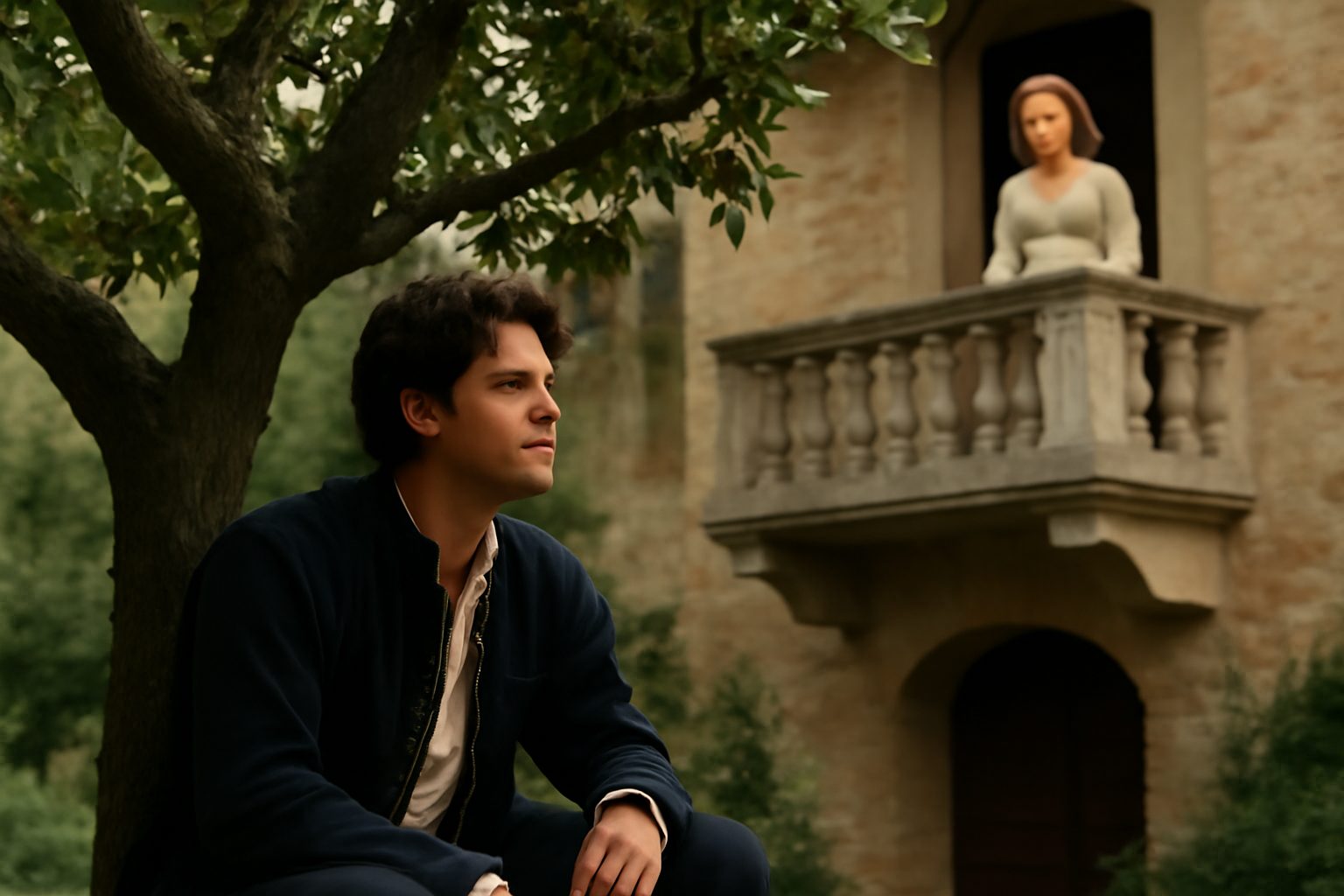
While Mercutio and Benvolio prepare to depart, Romeo's own words earlier in the scene, such as "Can I go forward when my heart is here?", highlight his unwillingness to leave, creating a stark contrast with their decision to go. Additionally, Mercutio's crude jokes about Romeo's love, like "Now will he sit under a medlar tree", underscore their mocking tone before giving up.
Resolution and Exit
The line leads into Benvolio's agreement in "Go, then; for 'tis in vain", cementing their departure and concluding the scene's comedic search, which began with concerns for Romeo's whereabouts in "He ran this way, and leap'd this orchard wall".