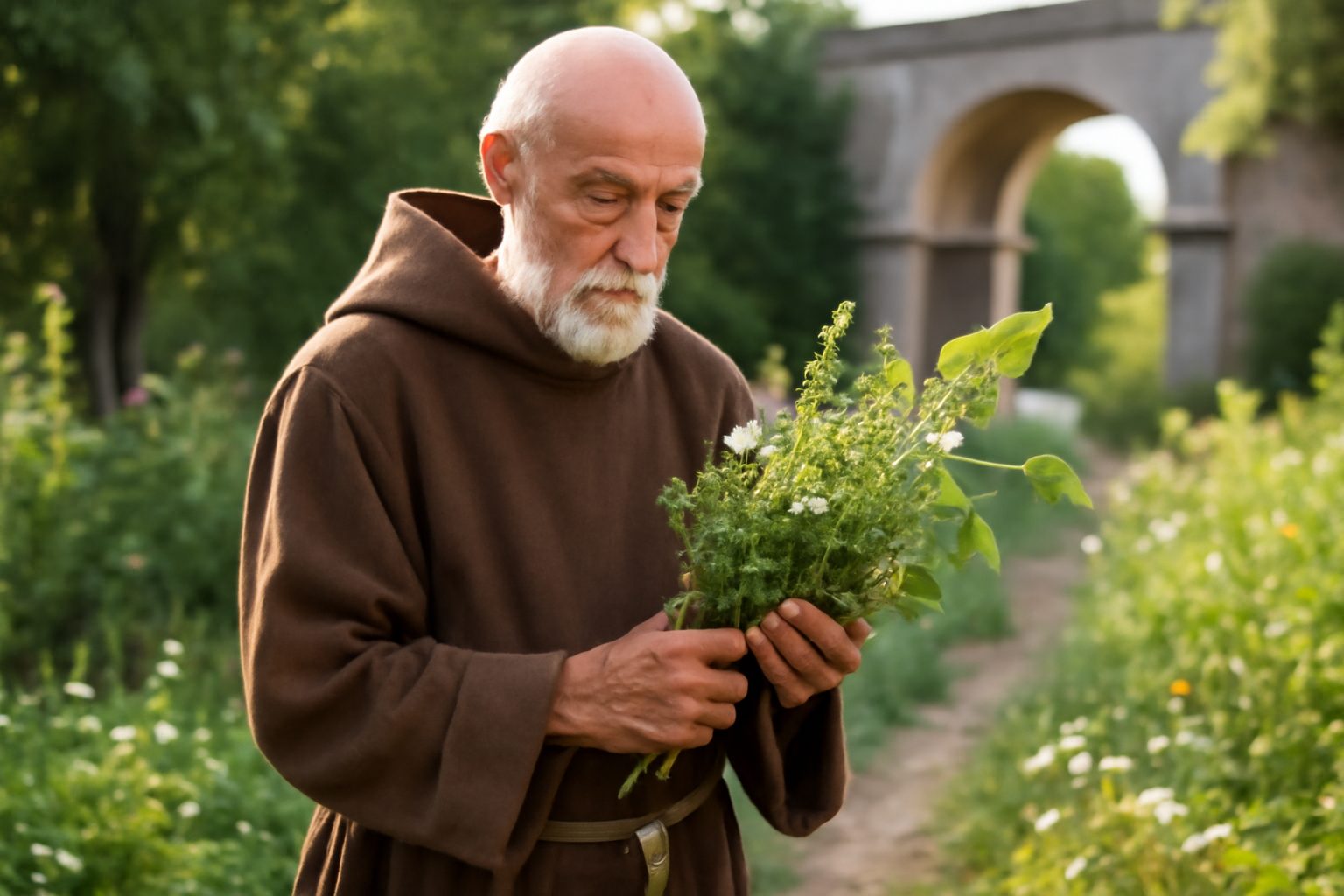
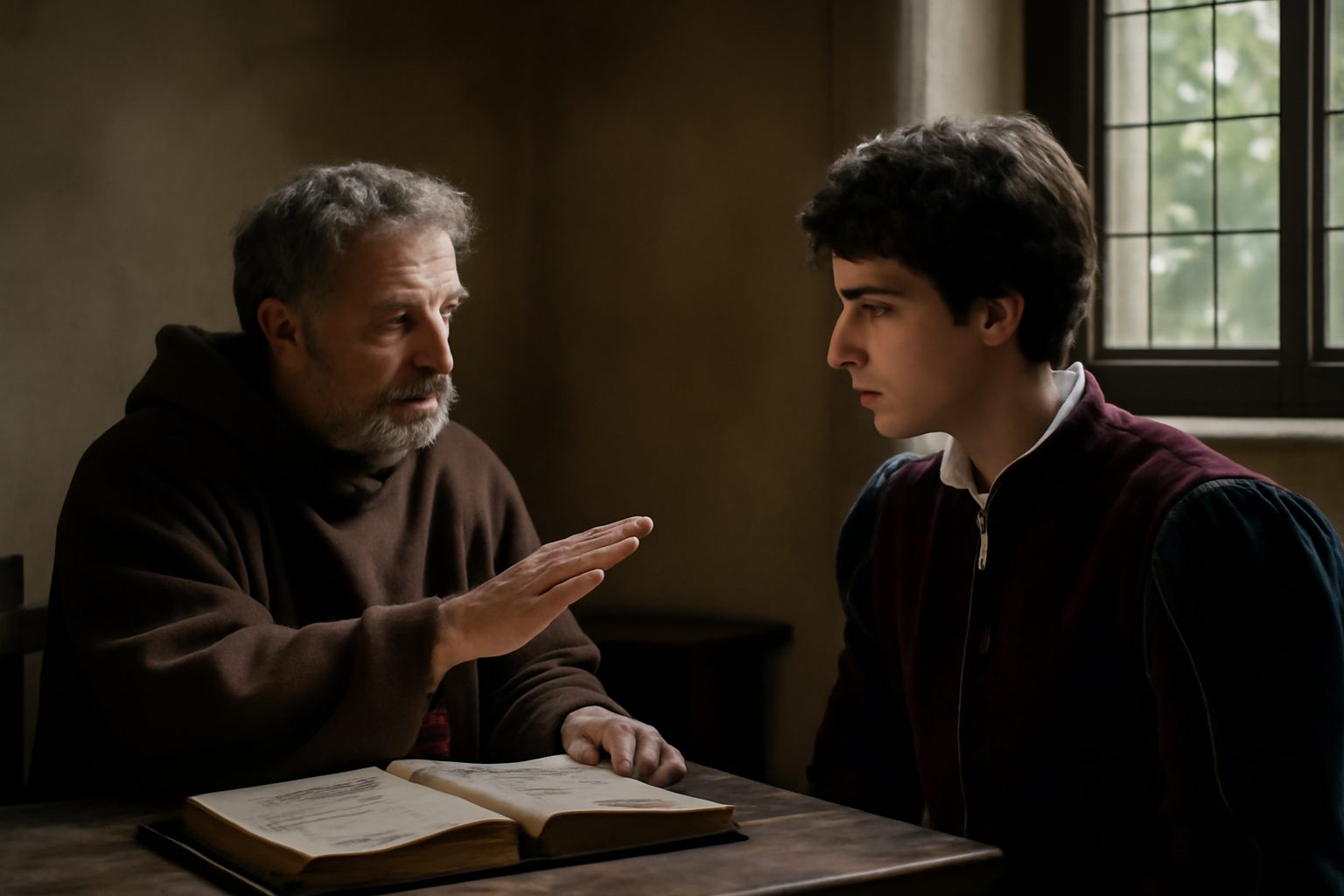
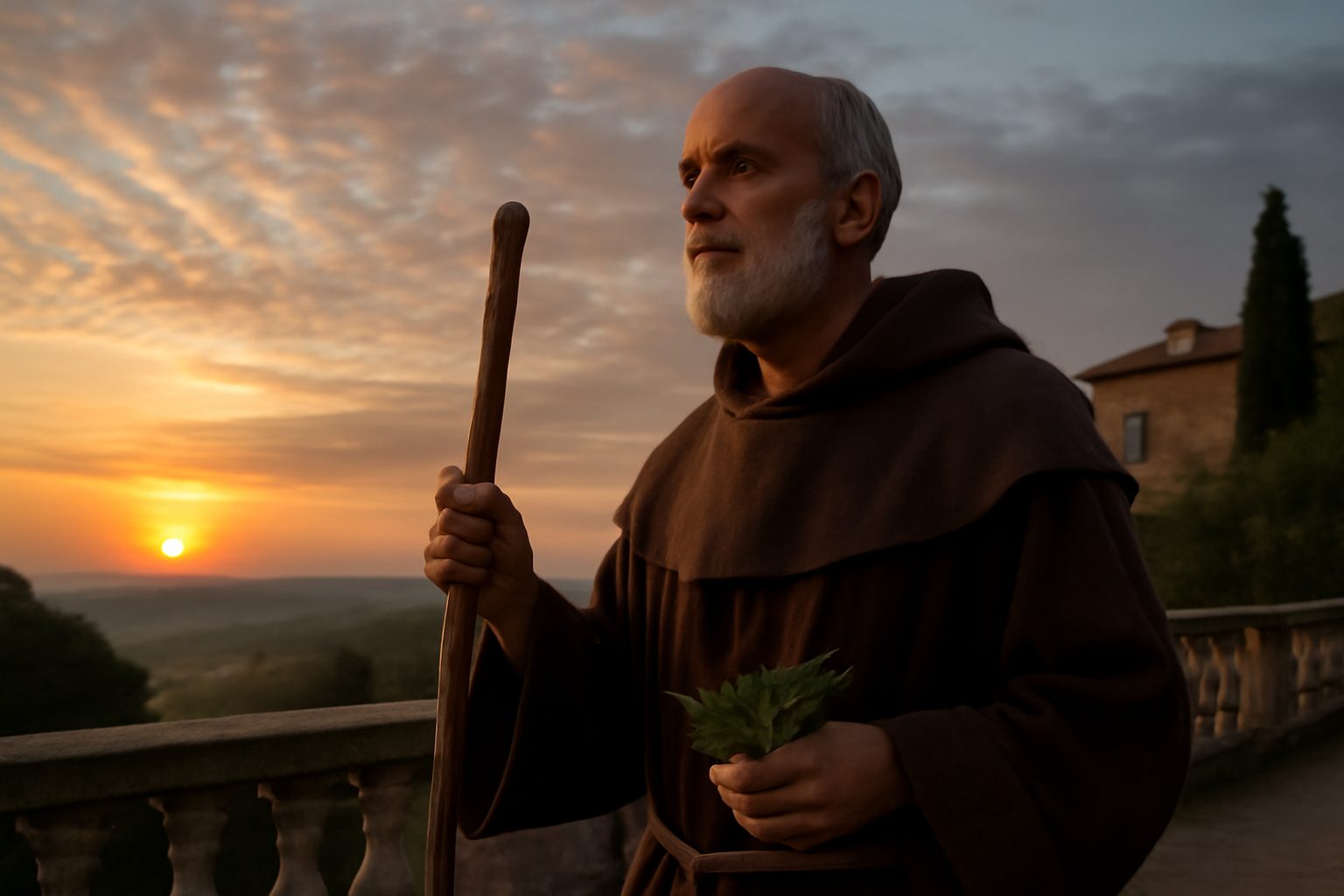
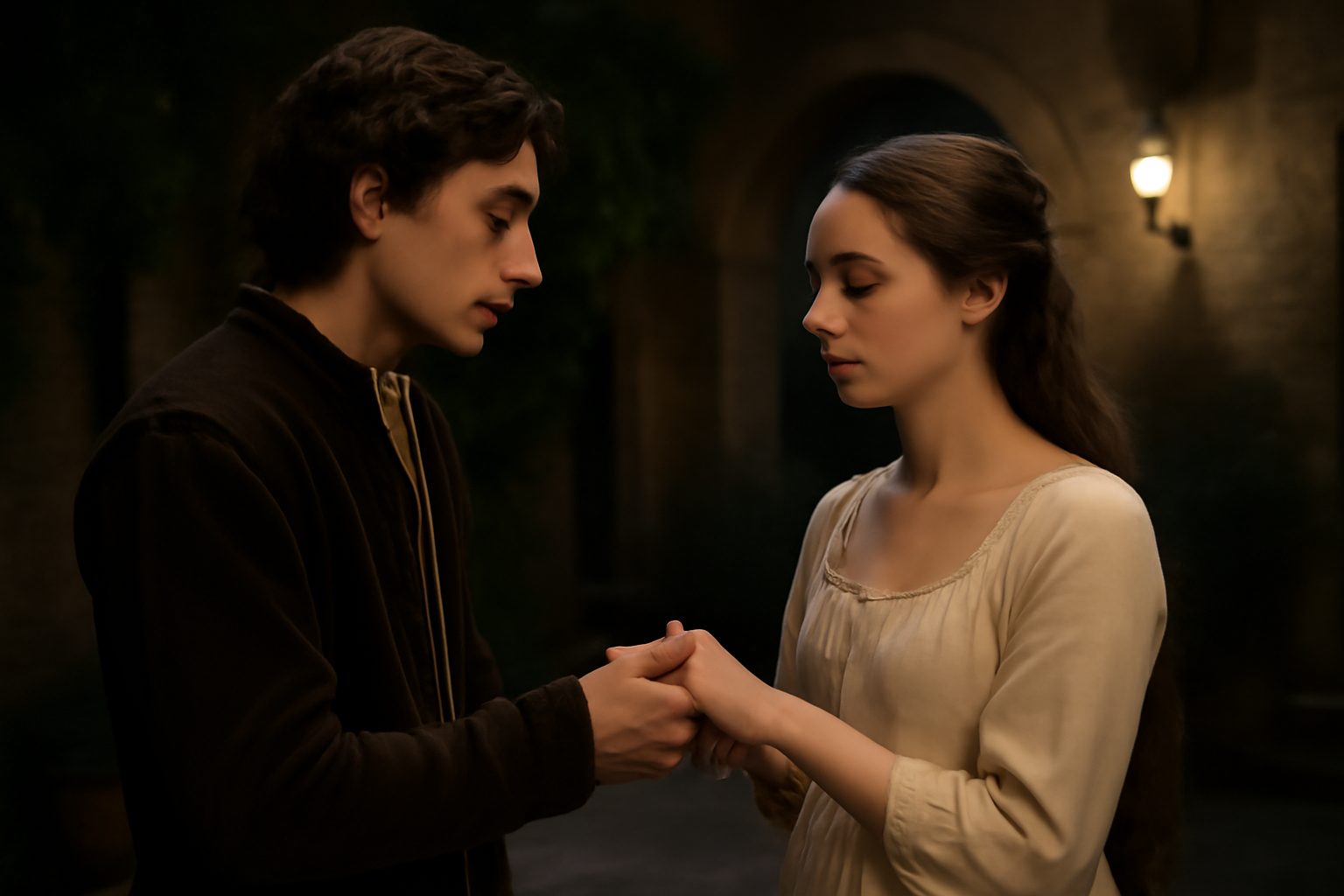
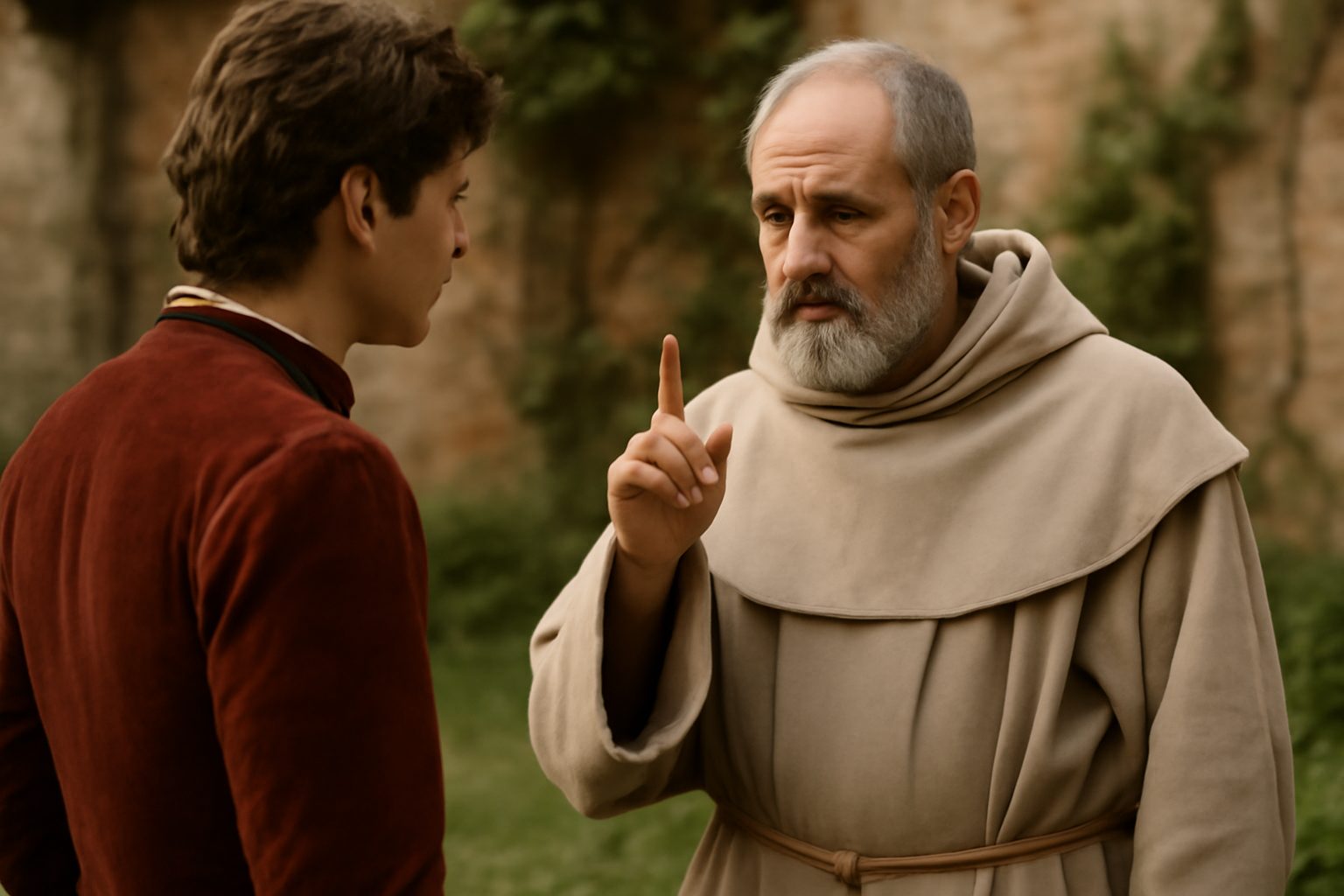
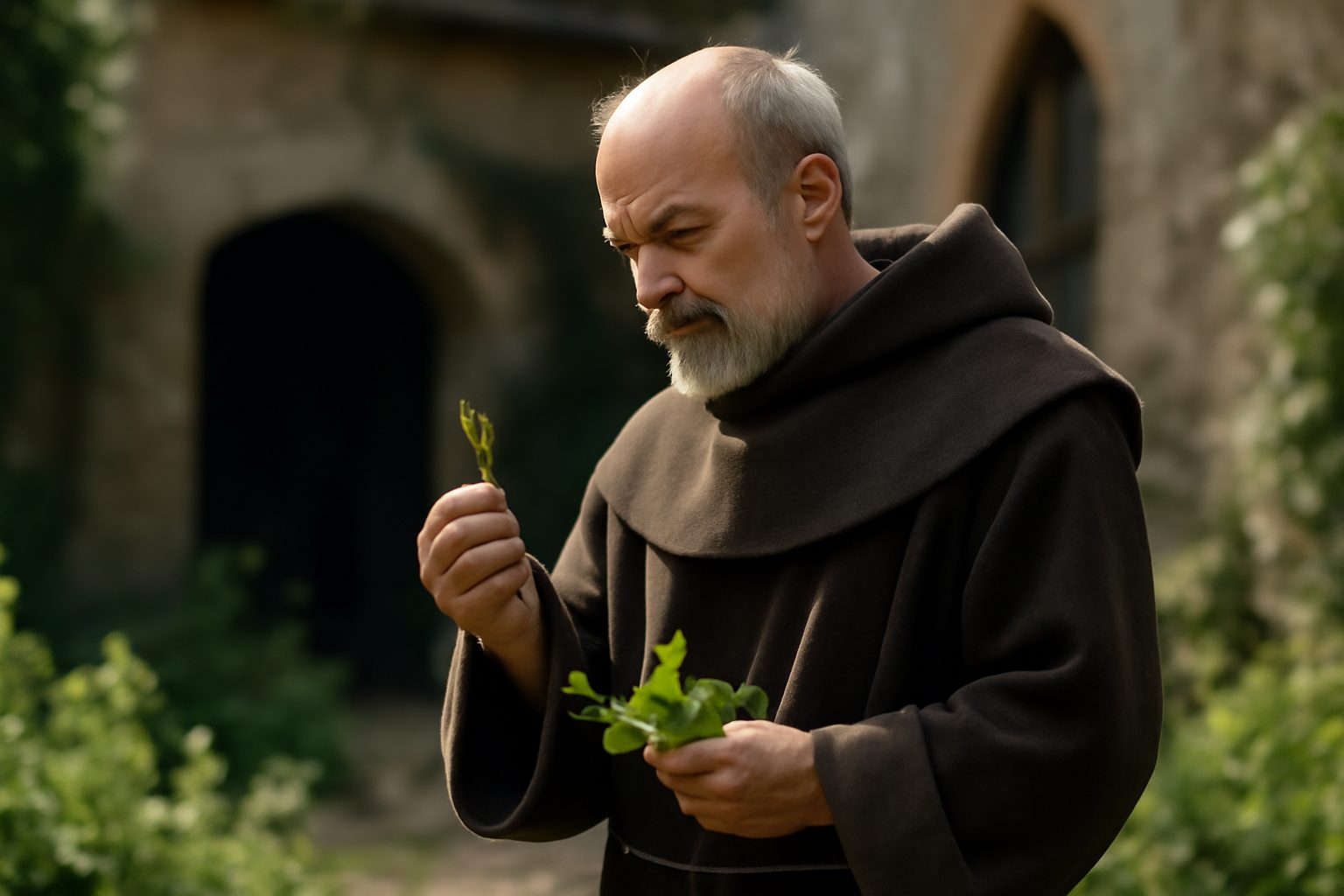
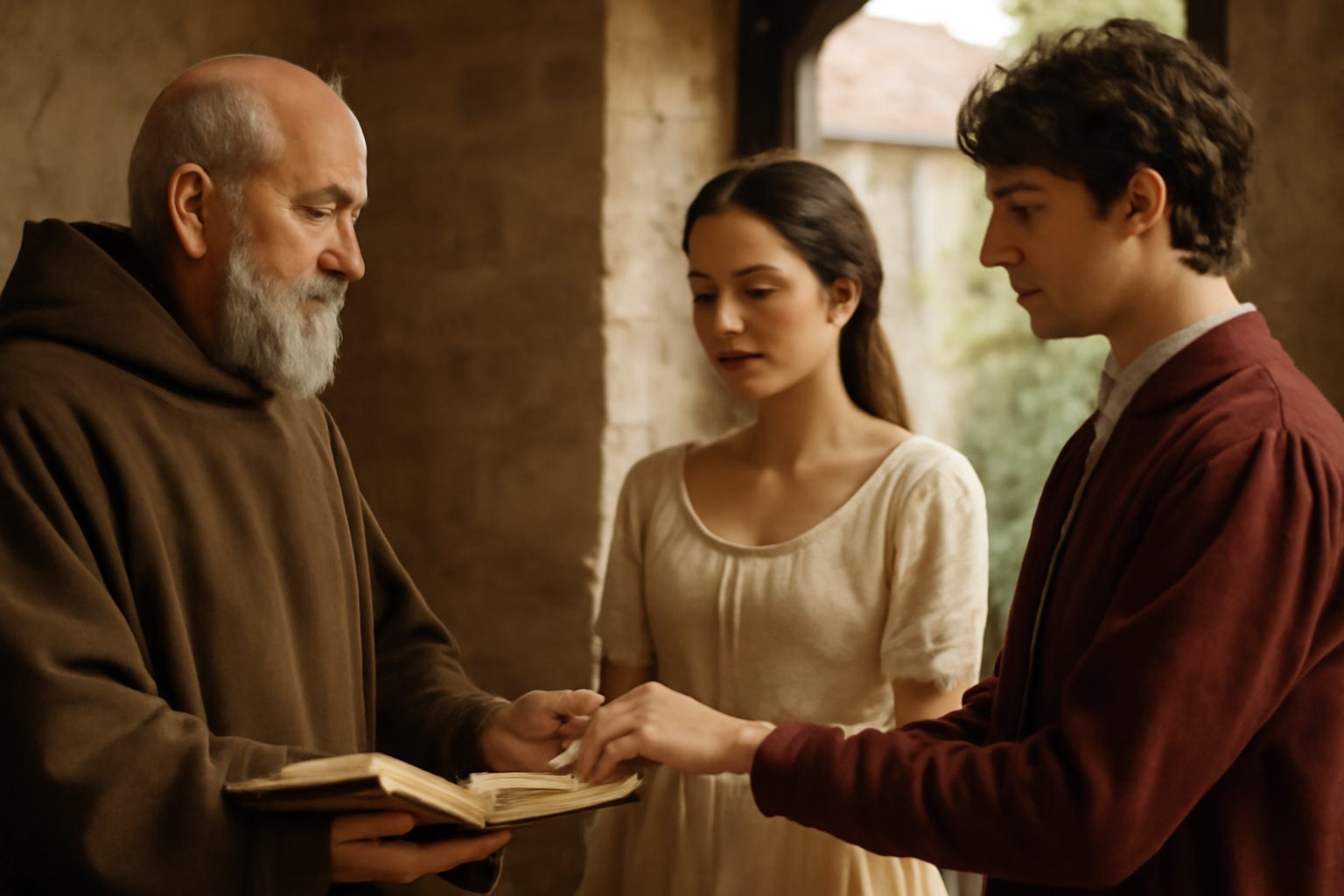
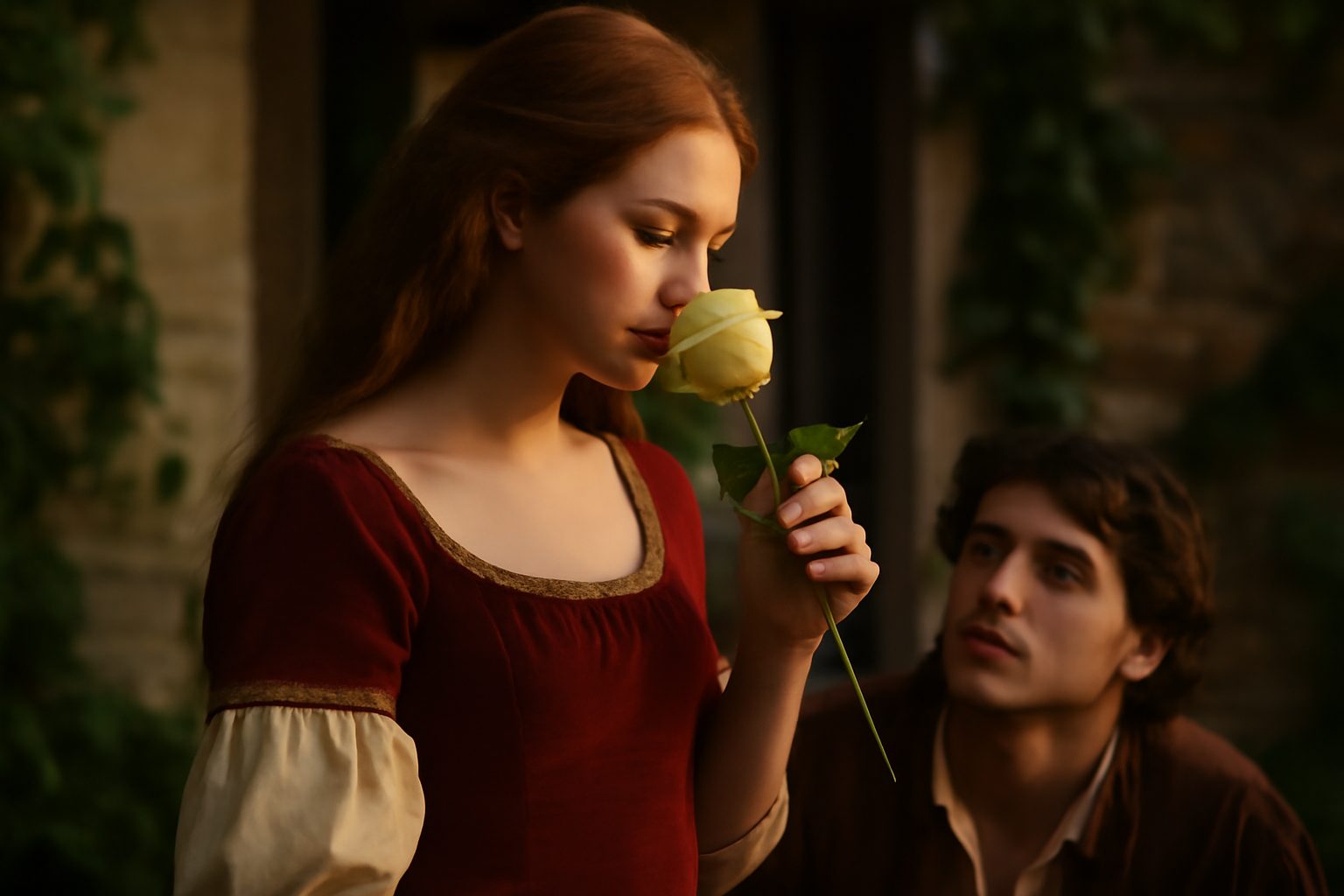
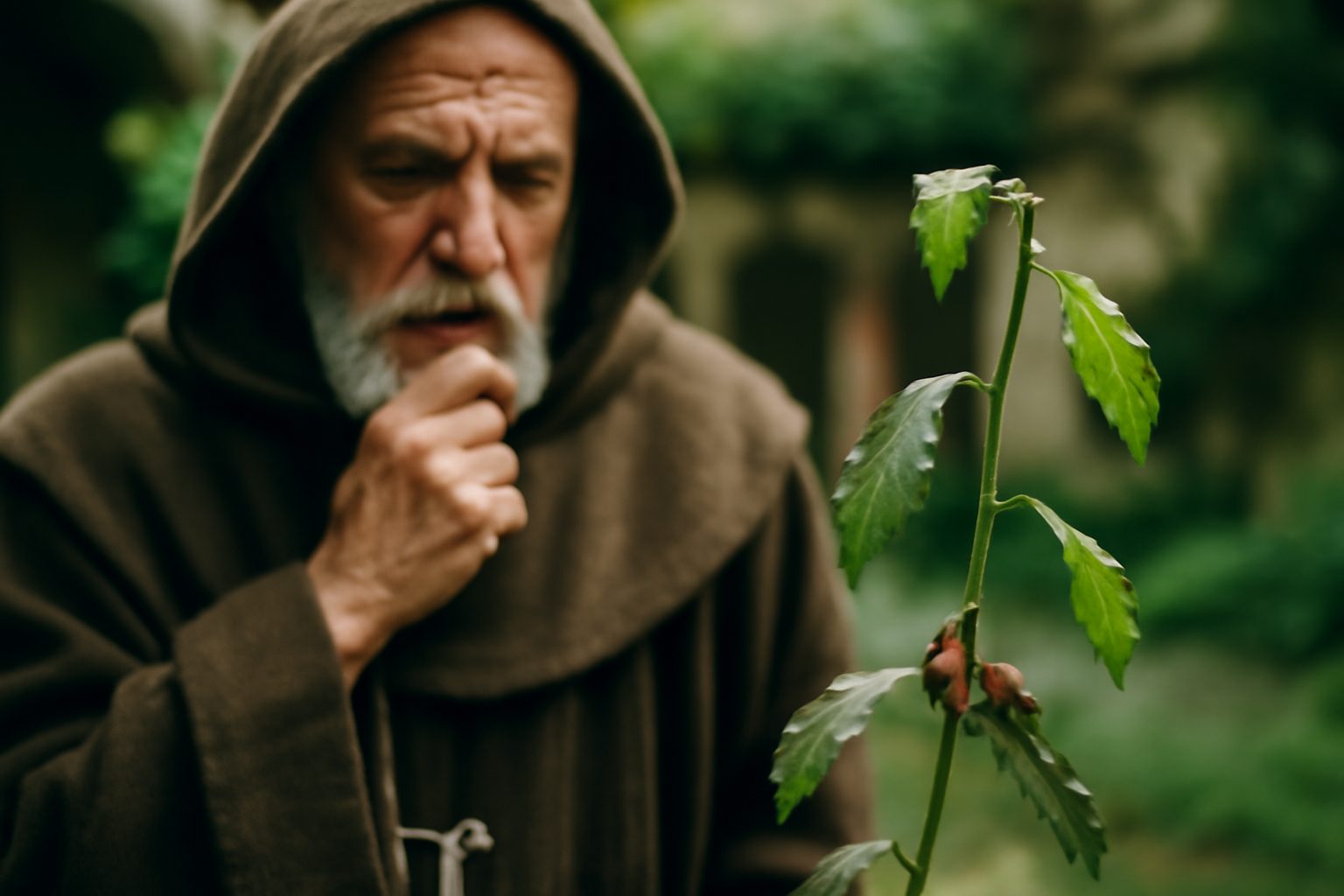
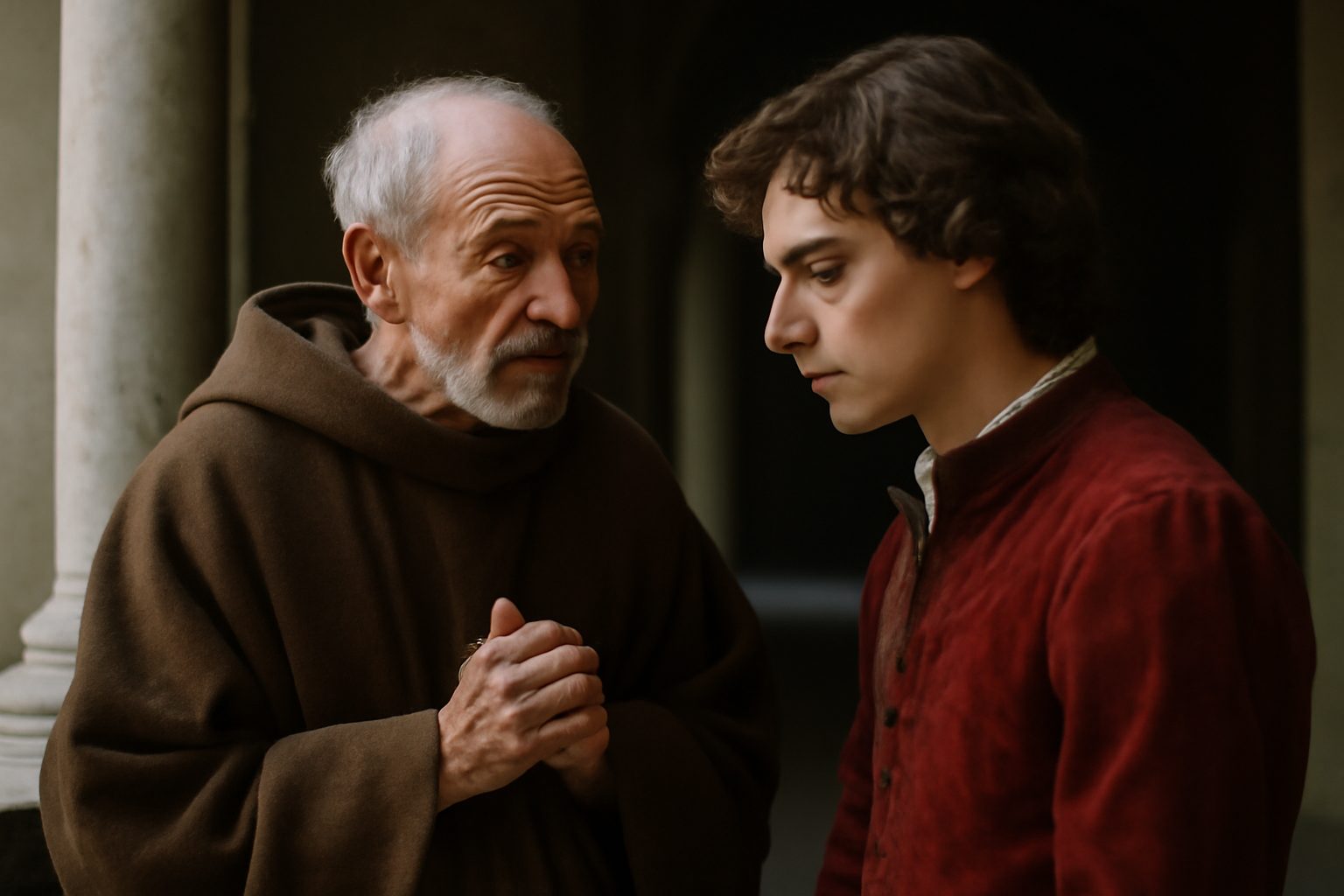
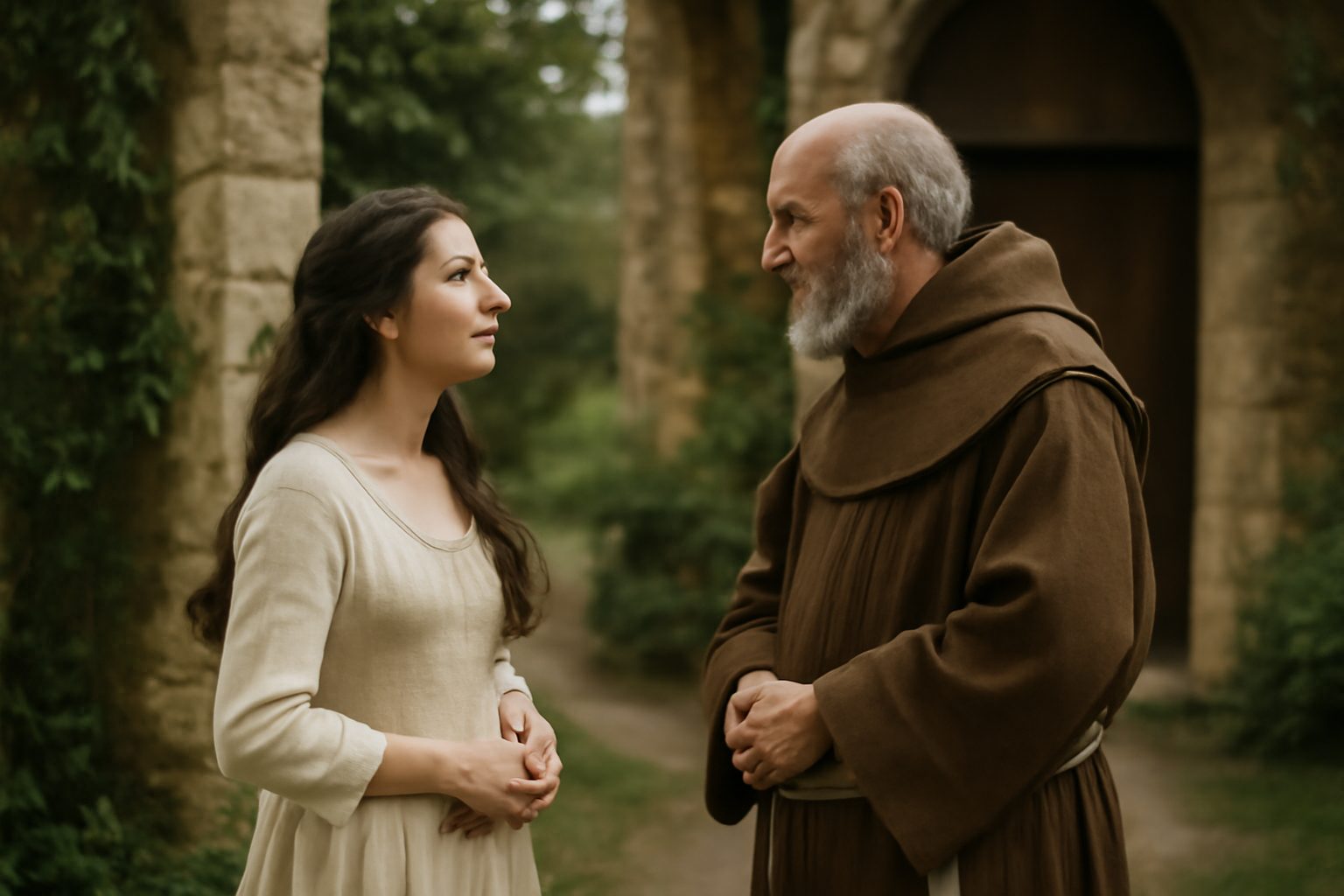
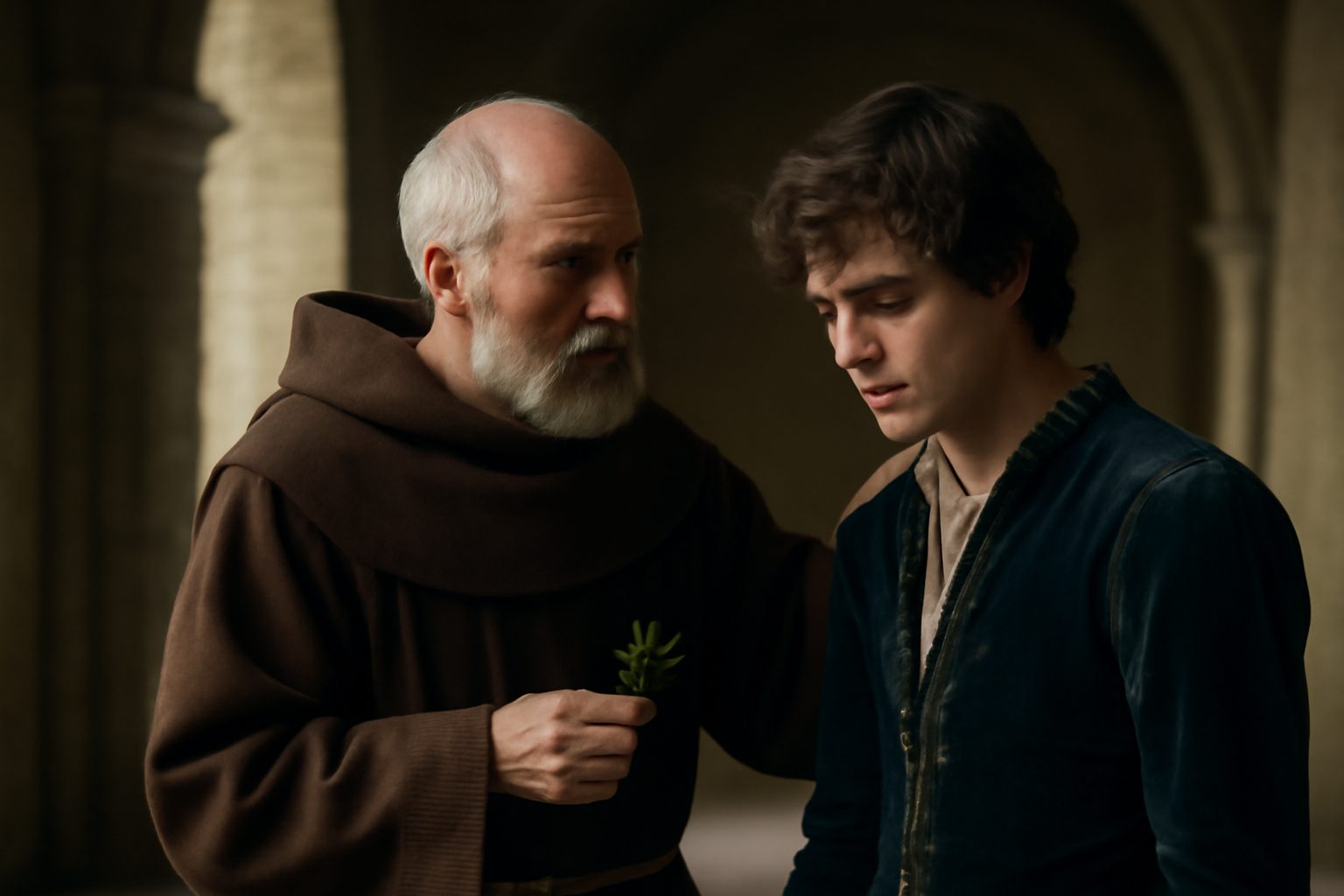
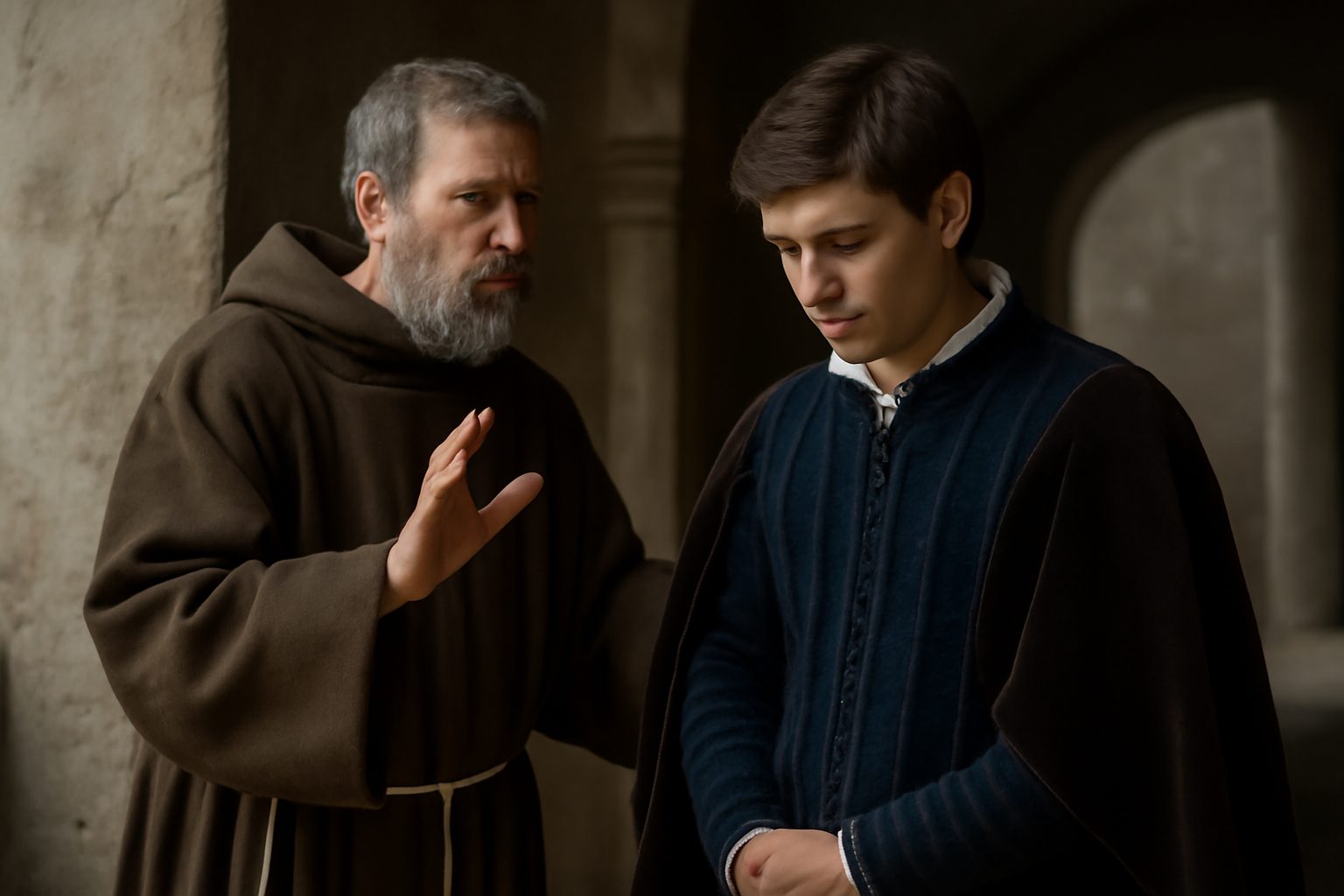
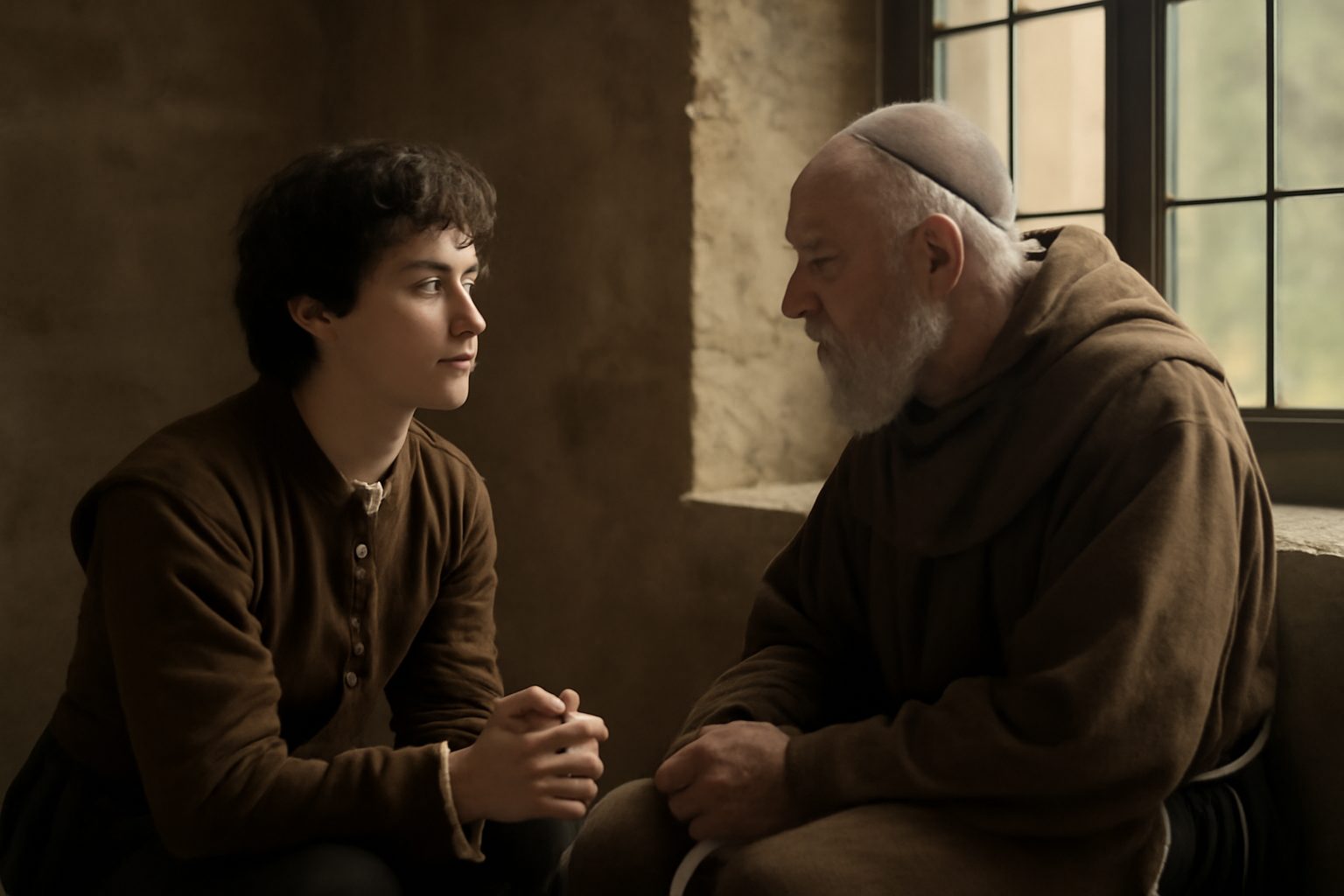
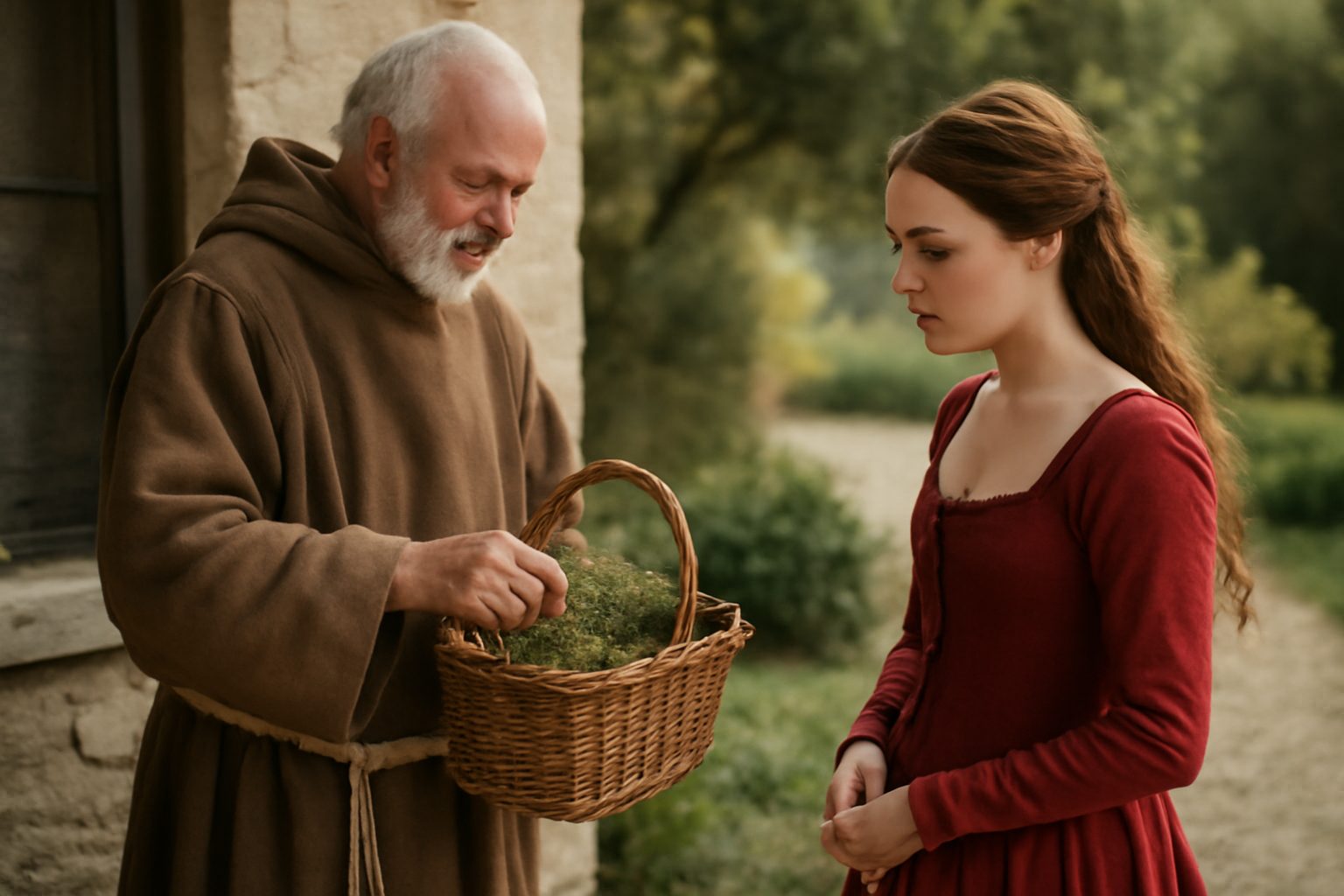
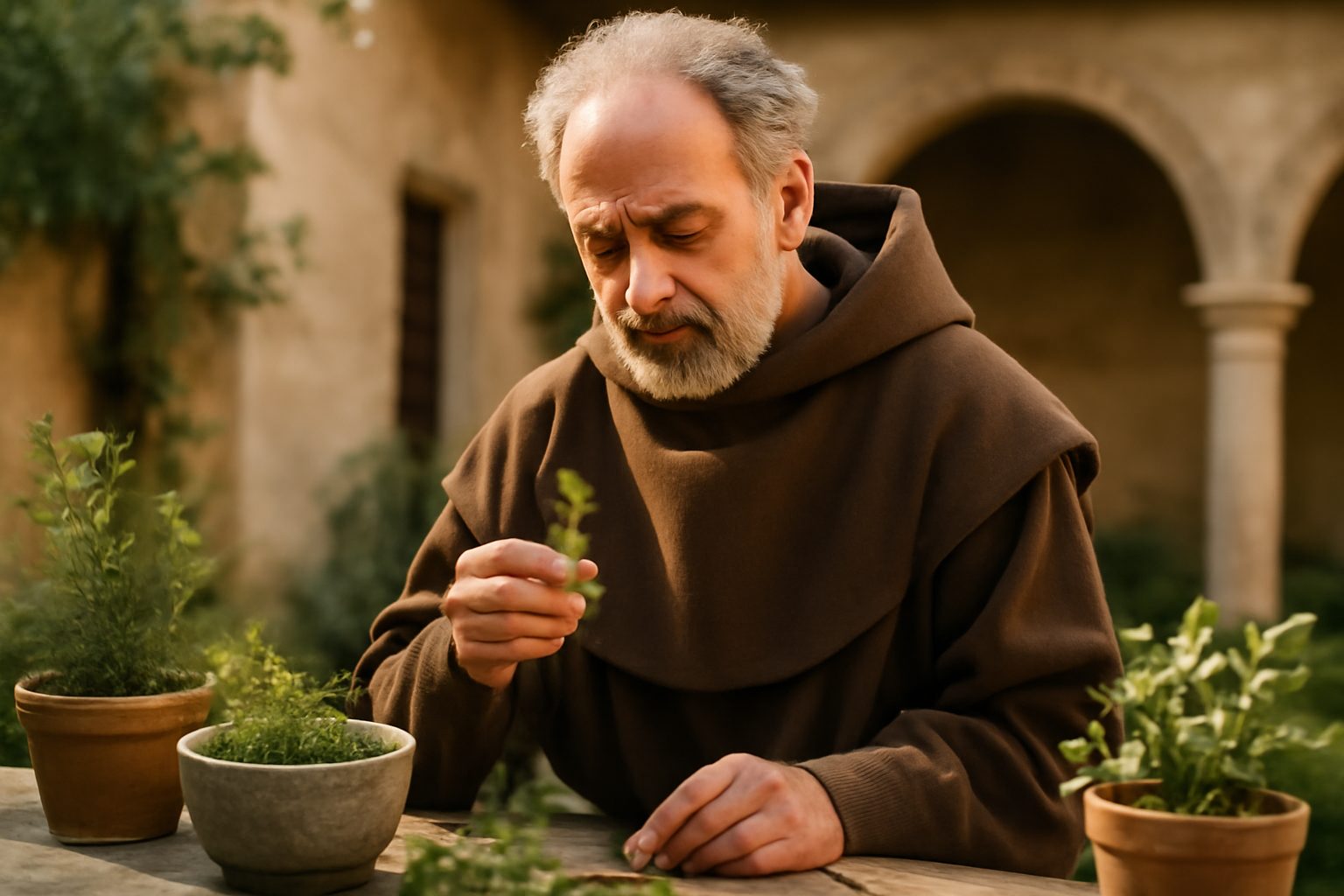
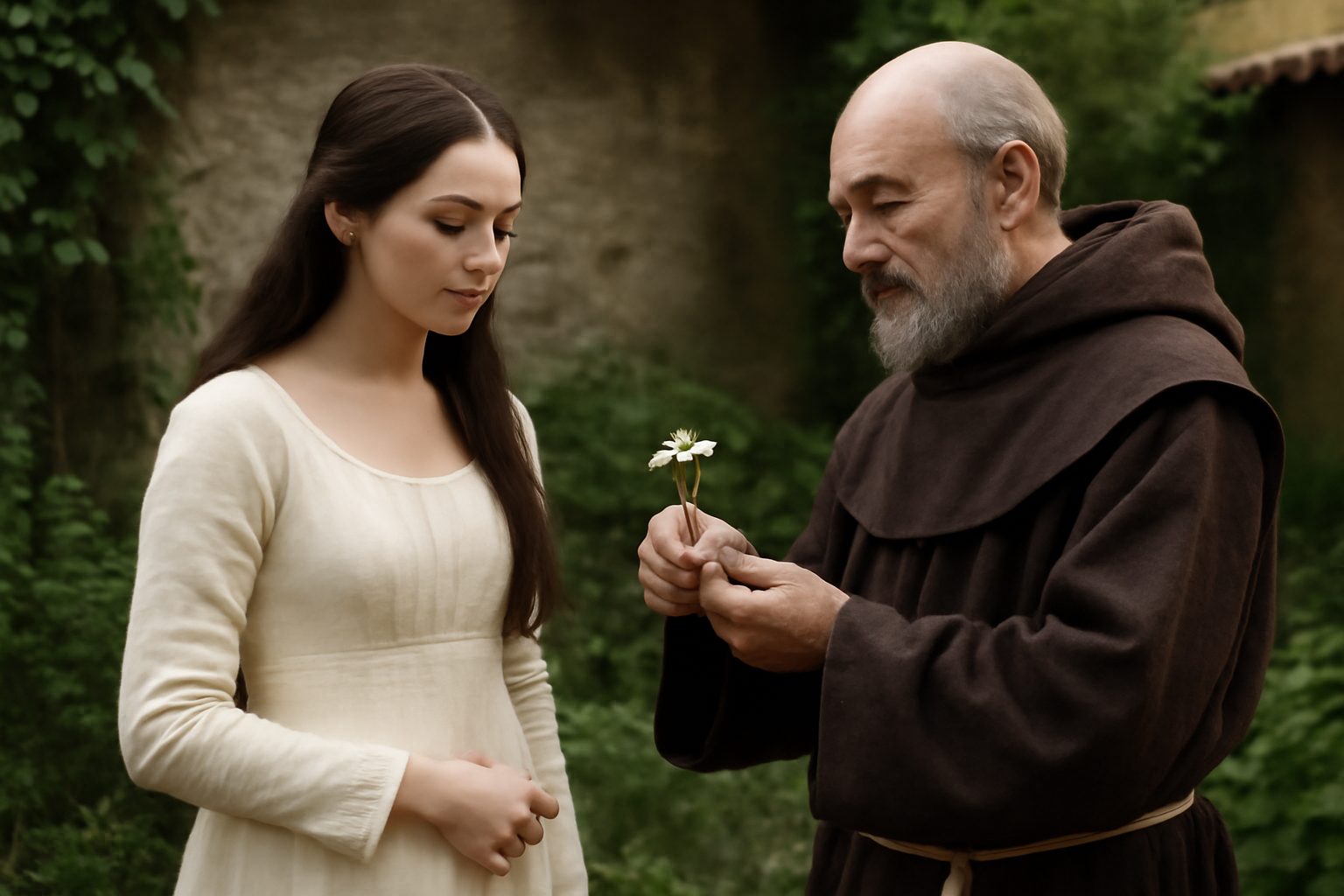
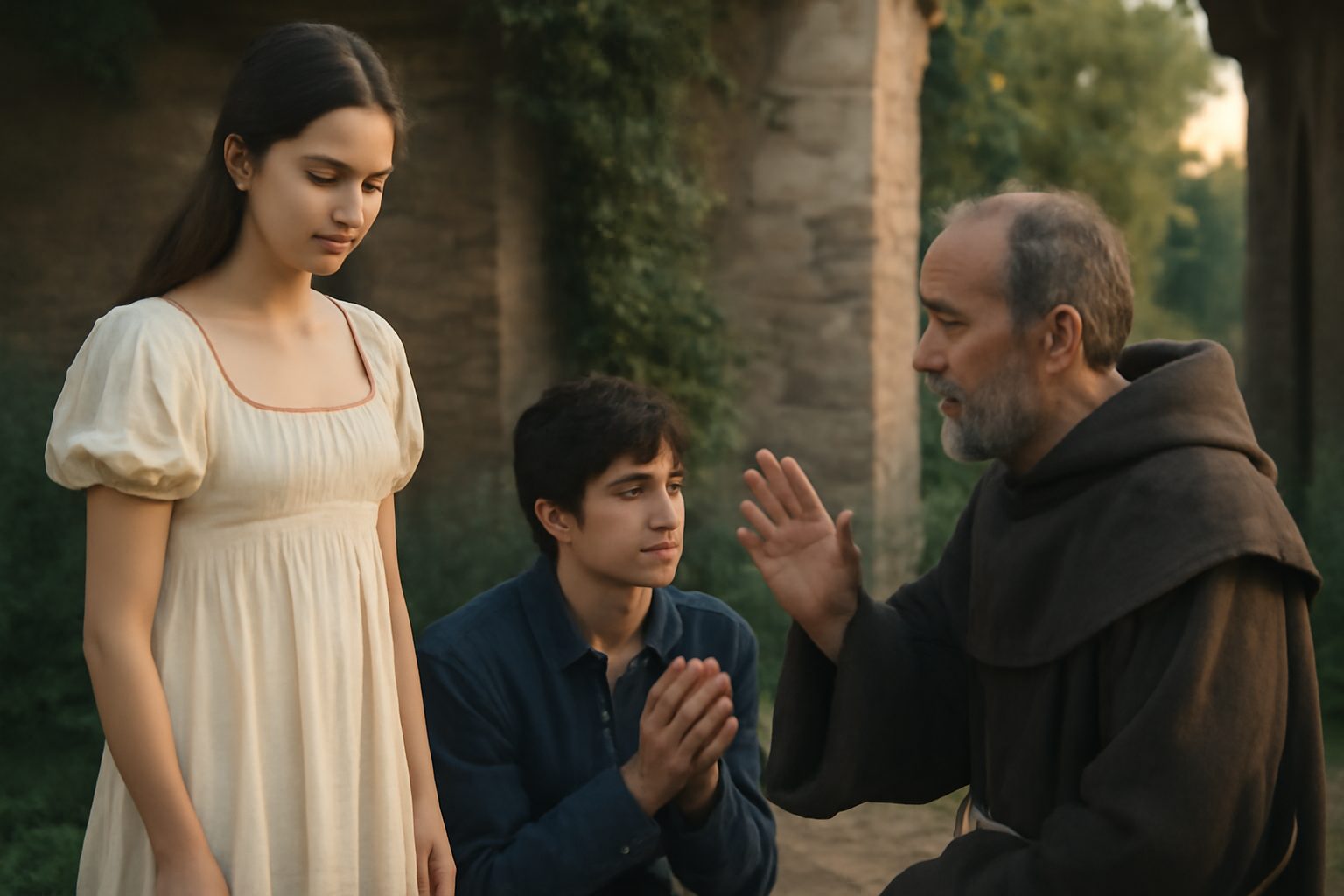
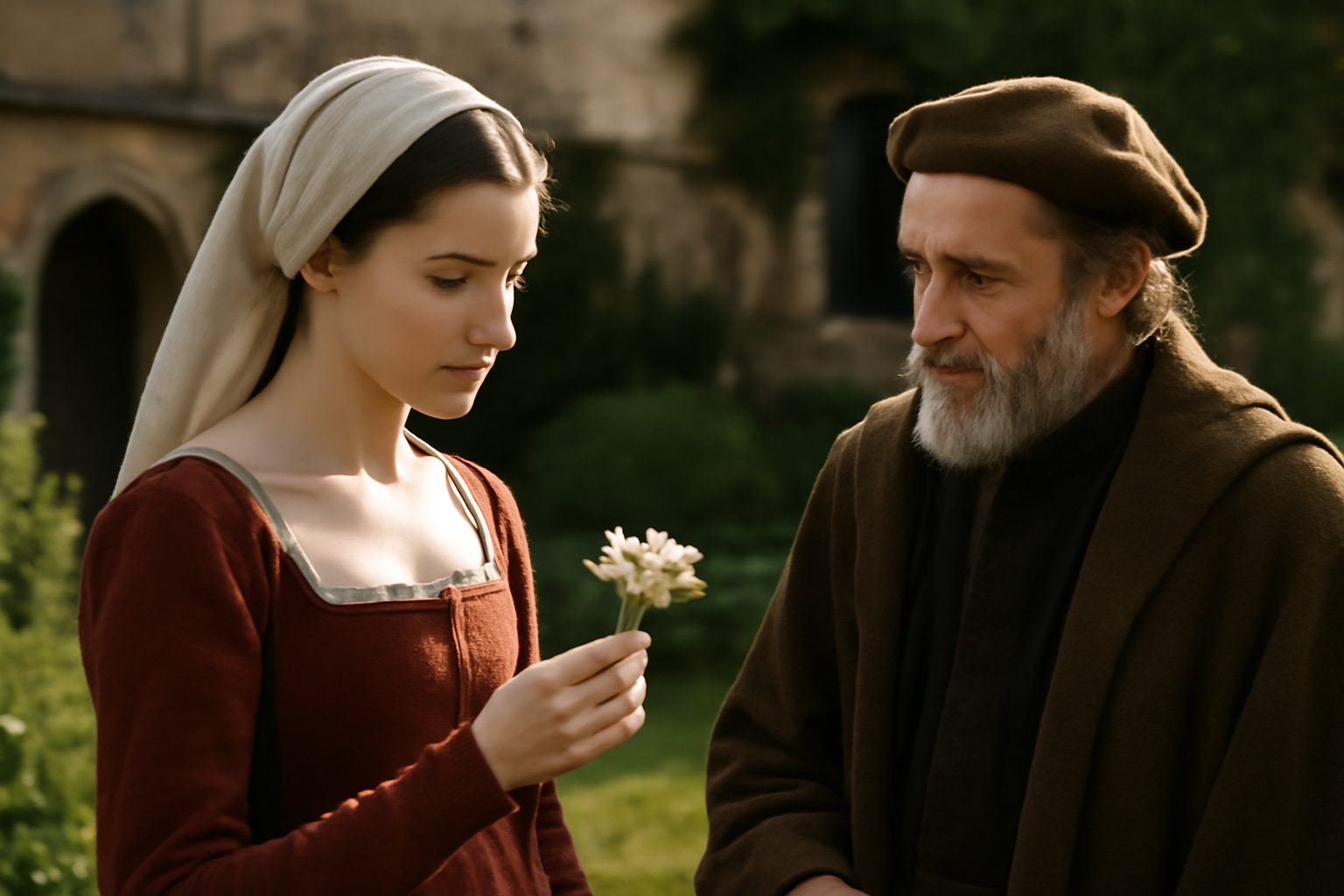
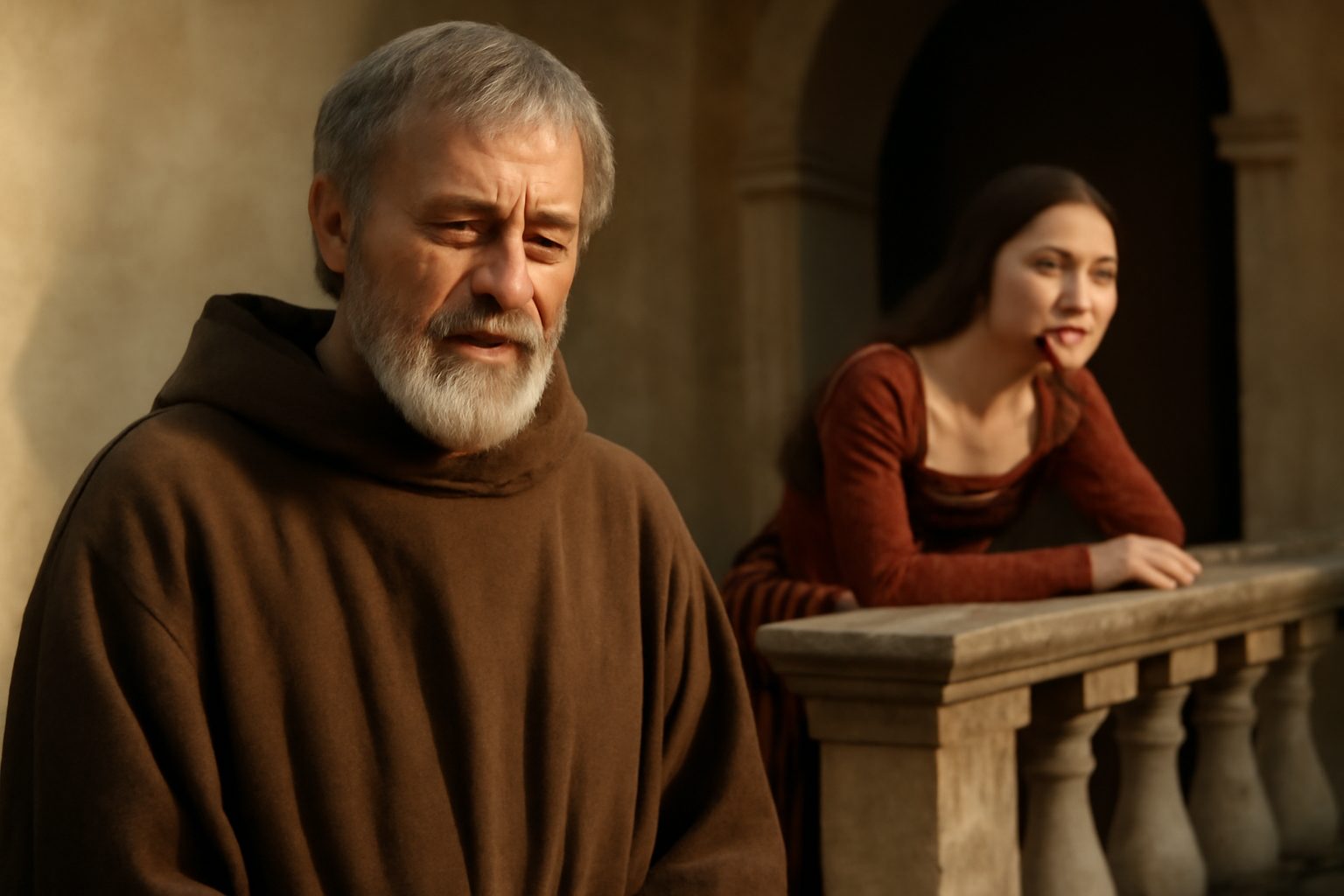
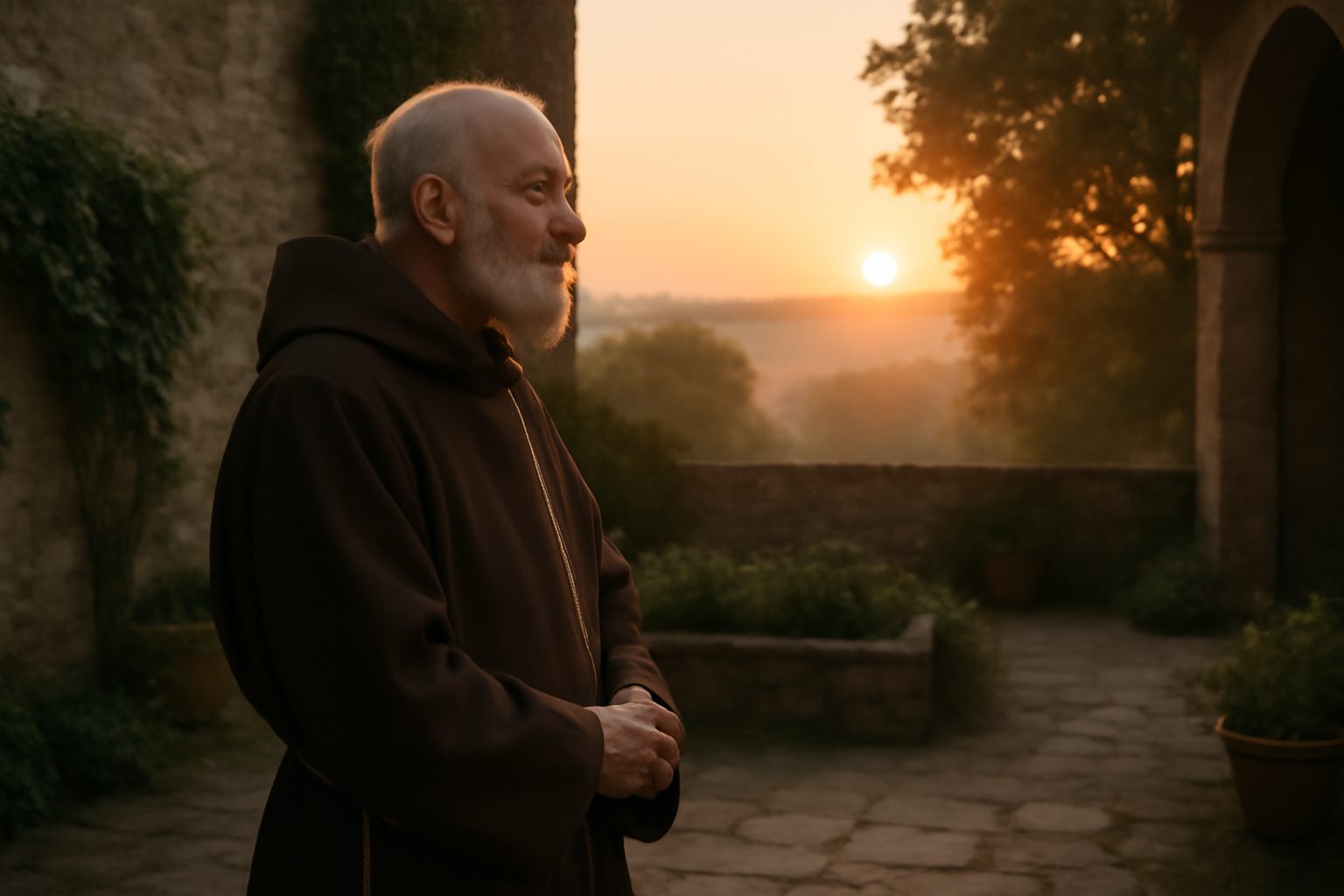
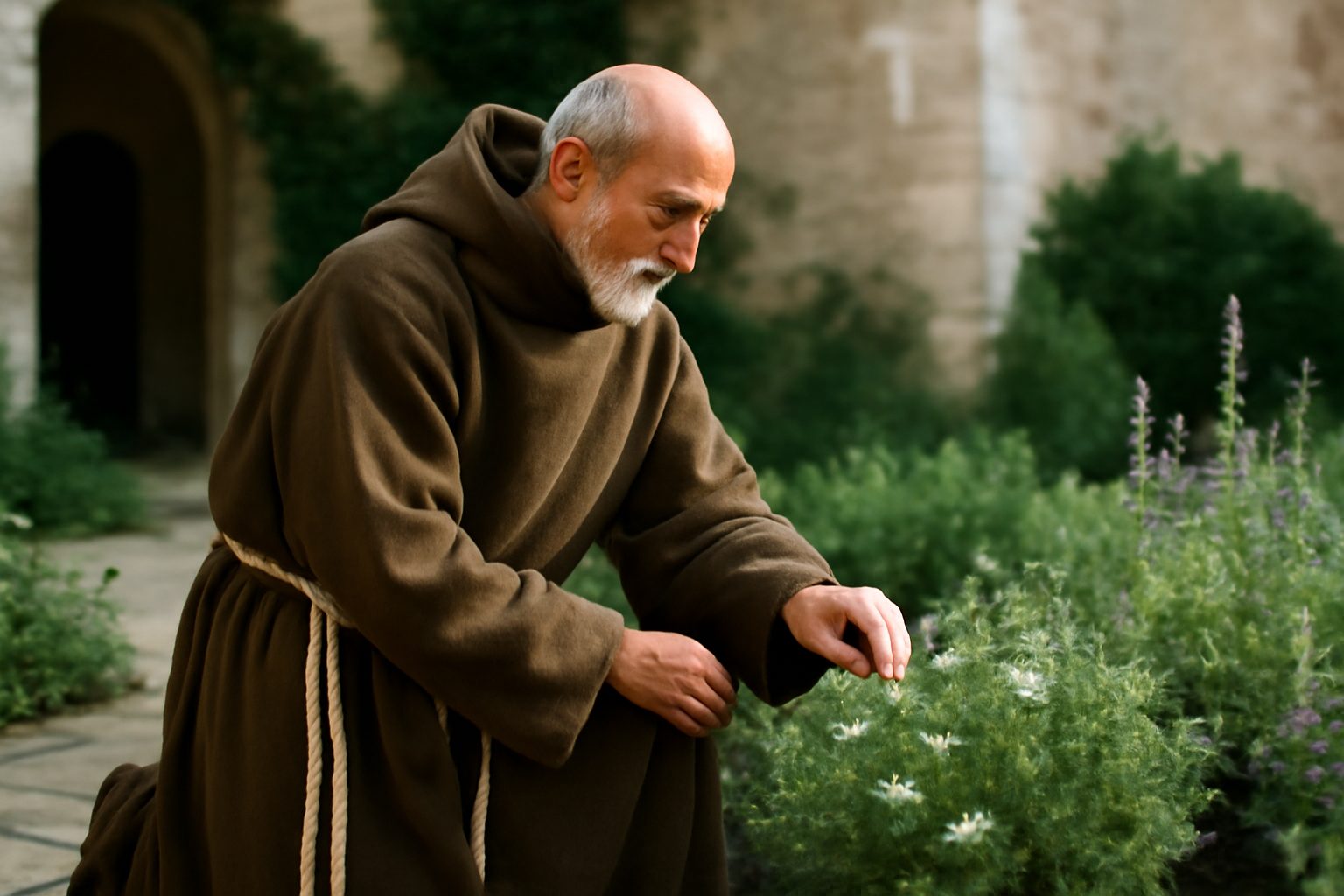
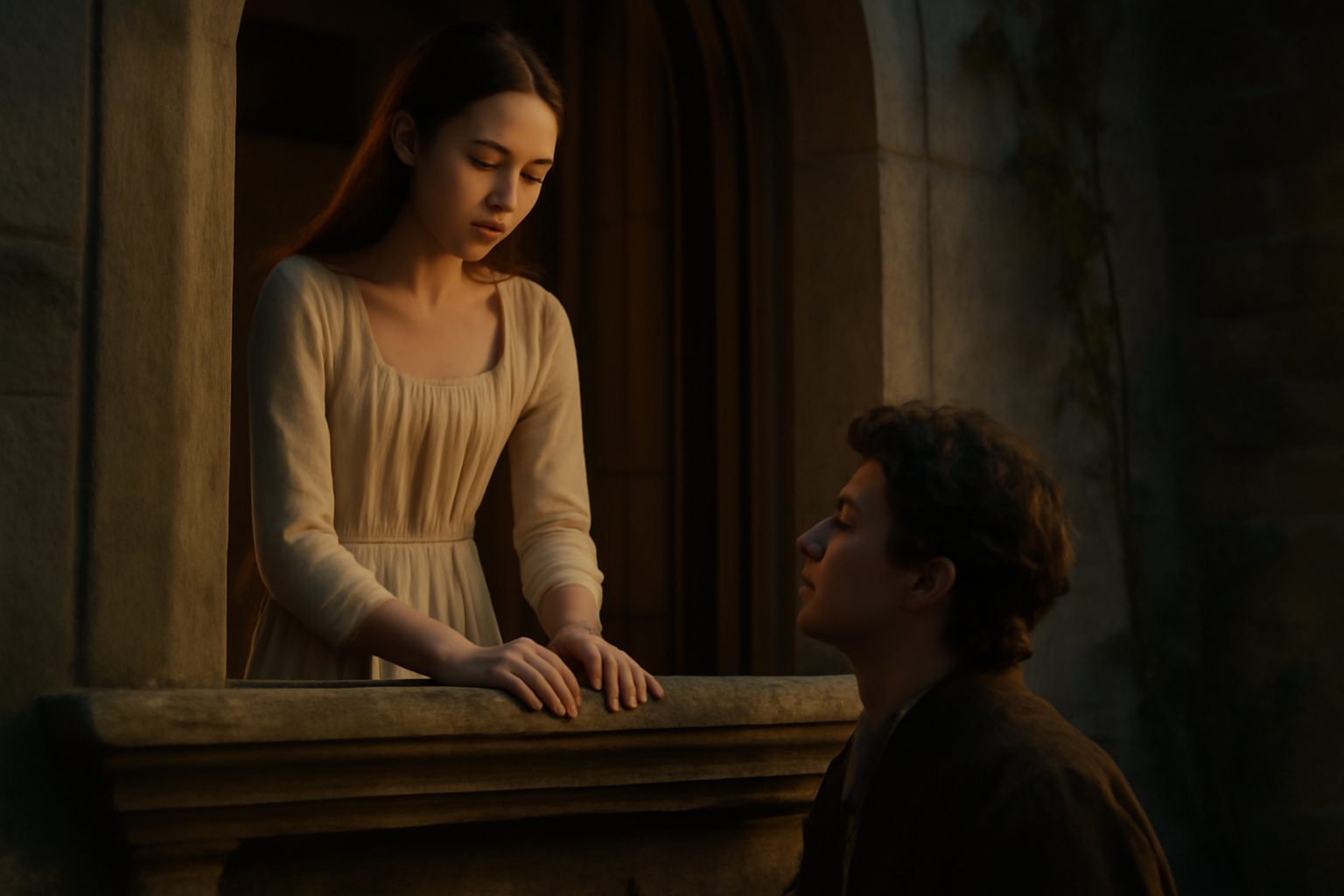
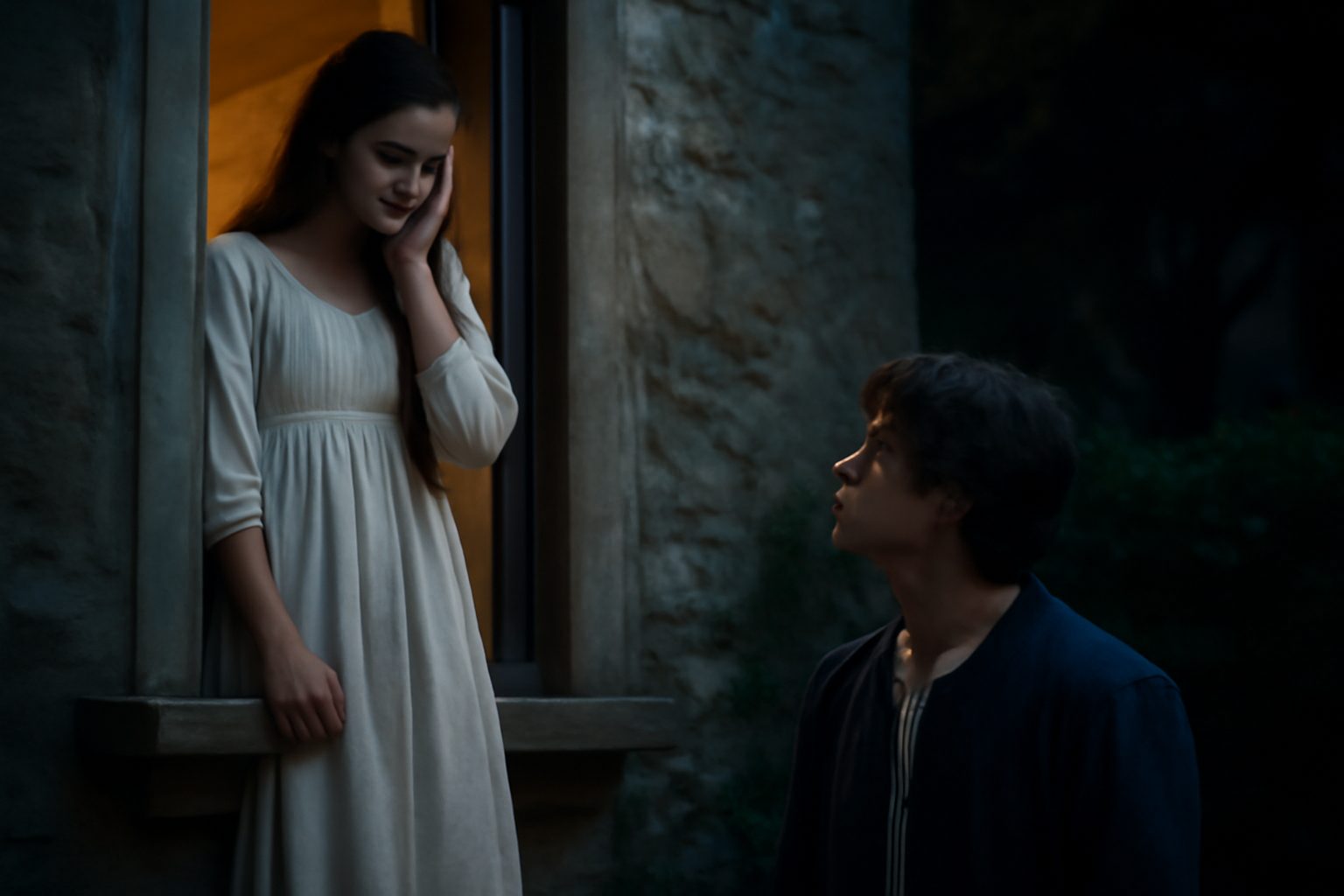
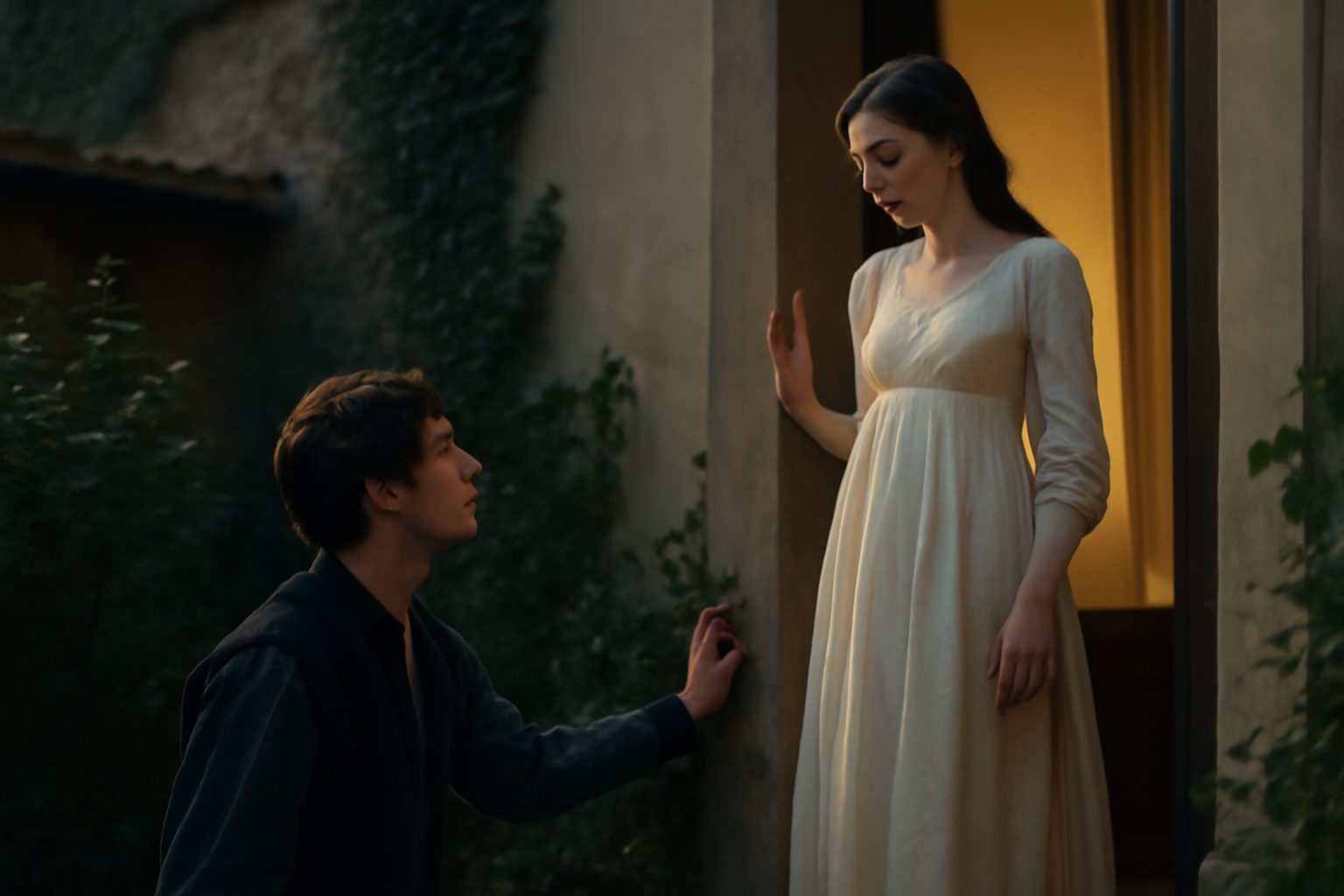
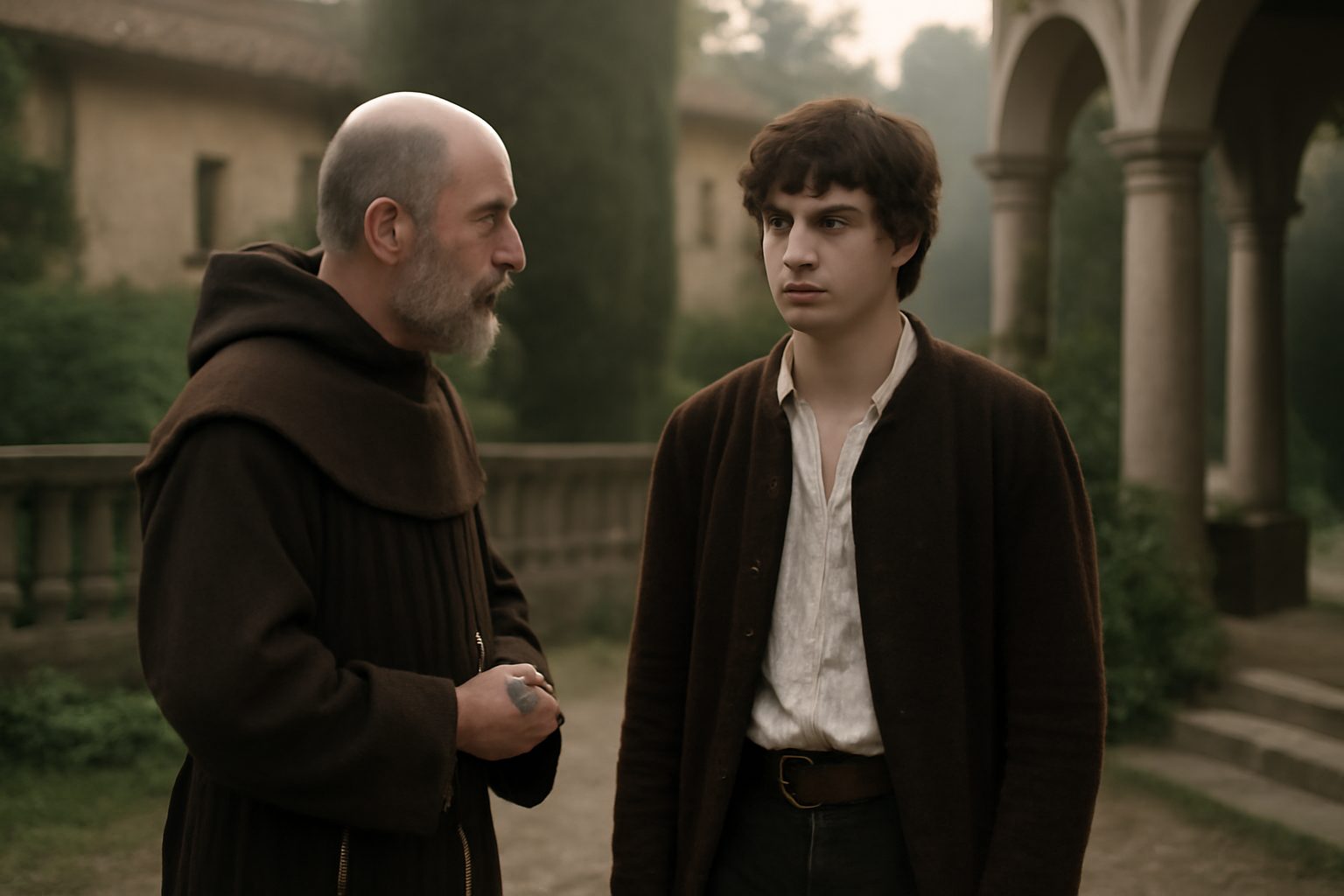
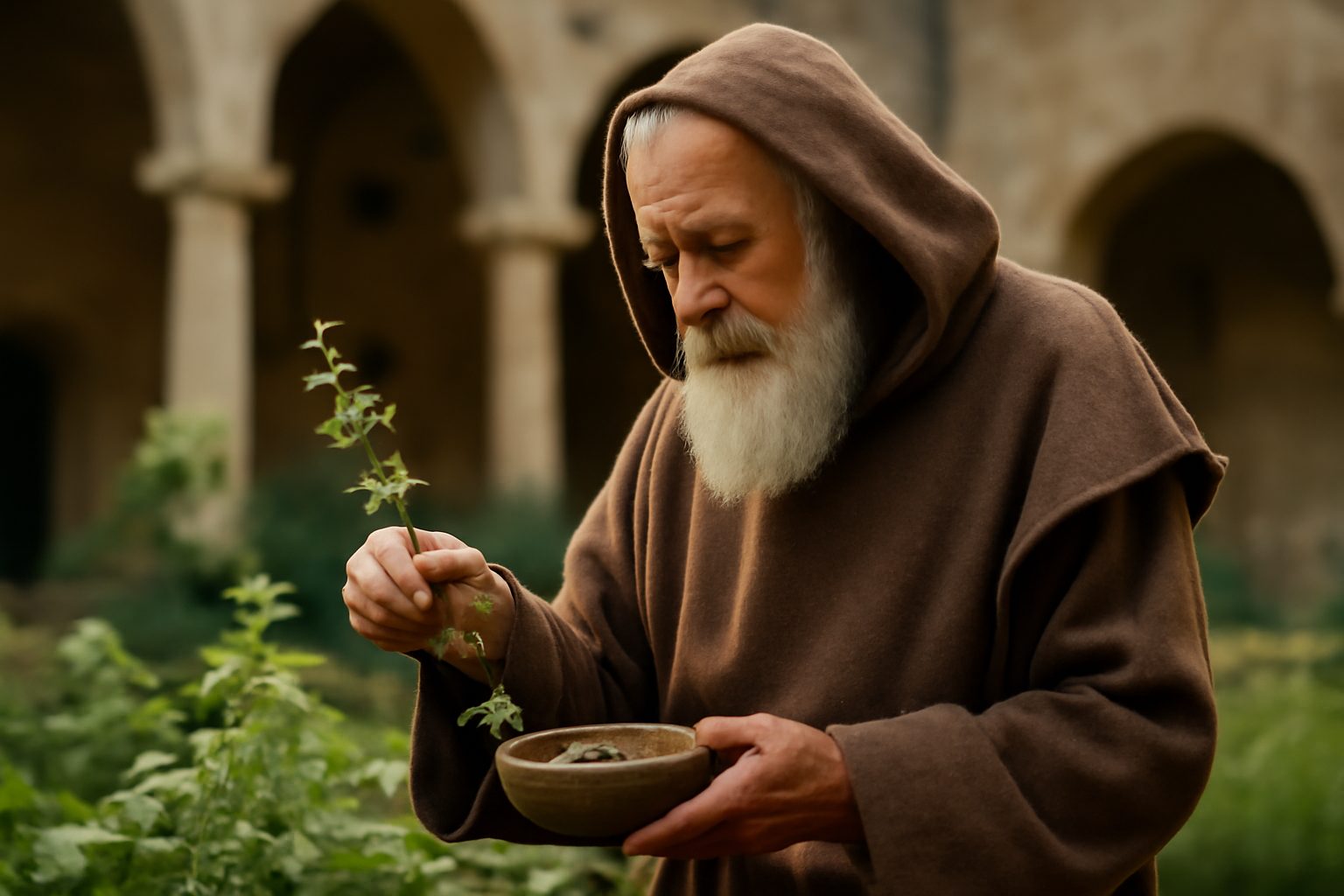
In Act 2, Scene 3 of Romeo and Juliet, Friar Laurence is gathering herbs at dawn when he speaks these words. The line poetically describes the sun’s rising, with Titan’s chariot symbolizing its fiery journey across the sky. This moment sets a reflective tone as the Friar prepares to encounter Romeo, who is about to seek his help in marrying Juliet.
Friar Laurence: "From forth day's path and Titan's fiery wheels:"
In modern day english, we would say:
As the sun rises and the chariot of the sun god drives across the sky.
Frequently Asked Questions
What does Friar Laurence mean by Titan's fiery wheels in this verse?
He is referring to the sun, as Titan is another name for the sun god Helios, and the fiery wheels represent the sun's chariot moving across the sky.
Connections to other verses:
Connections to "From forth day's path and Titan's fiery wheels"
The verse From forth day's path and Titan's fiery wheels describes the sunrise, symbolizing renewal and the start of a new day. This imagery connects thematically and structurally to other verses in the scene, particularly those discussing light, nature, and transformation.
Imagery of Dawn and Light
This verse is part of a sequence describing the morning. It relates to Chequering the eastern clouds with streaks of light, which continues the depiction of dawn, and And flecked darkness like a drunkard reels, illustrating night receding. Together, they paint a vivid picture of the transition from night to day.
Natural and Cosmic Themes
The reference to "Titan's fiery wheels" (the sun) ties into the scene's exploration of nature's dualities, such as in The earth that's nature's mother is her tomb and Poison hath residence and medicine power, emphasizing how natural elements can embody both creation and destruction.
Transformation and Renewal
The sunrise symbolizes new beginnings, mirroring Romeo's emotional shift from Rosaline to Juliet. This is echoed in Holy Saint Francis, what a change is here! and I have forgot that name, and that name's woe, where Friar Laurence notes Romeo's transformed affections.
Structural and Poetic Links
The verse's poetic grandeur is matched by other elevated lines in the scene, such as O, mickle is the powerful grace that lies, which also uses rich imagery to convey profound themes, tying the natural world to human experience.