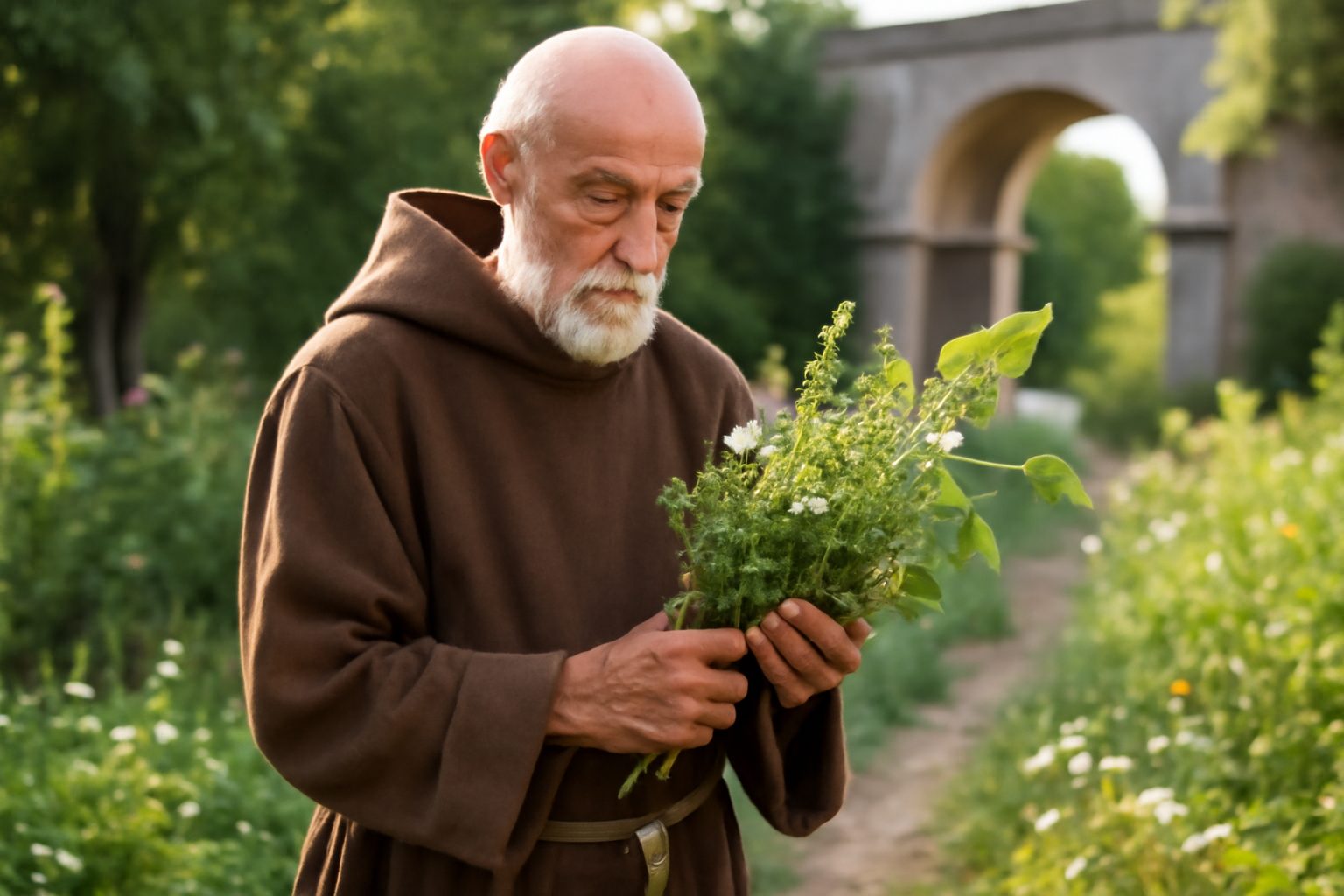
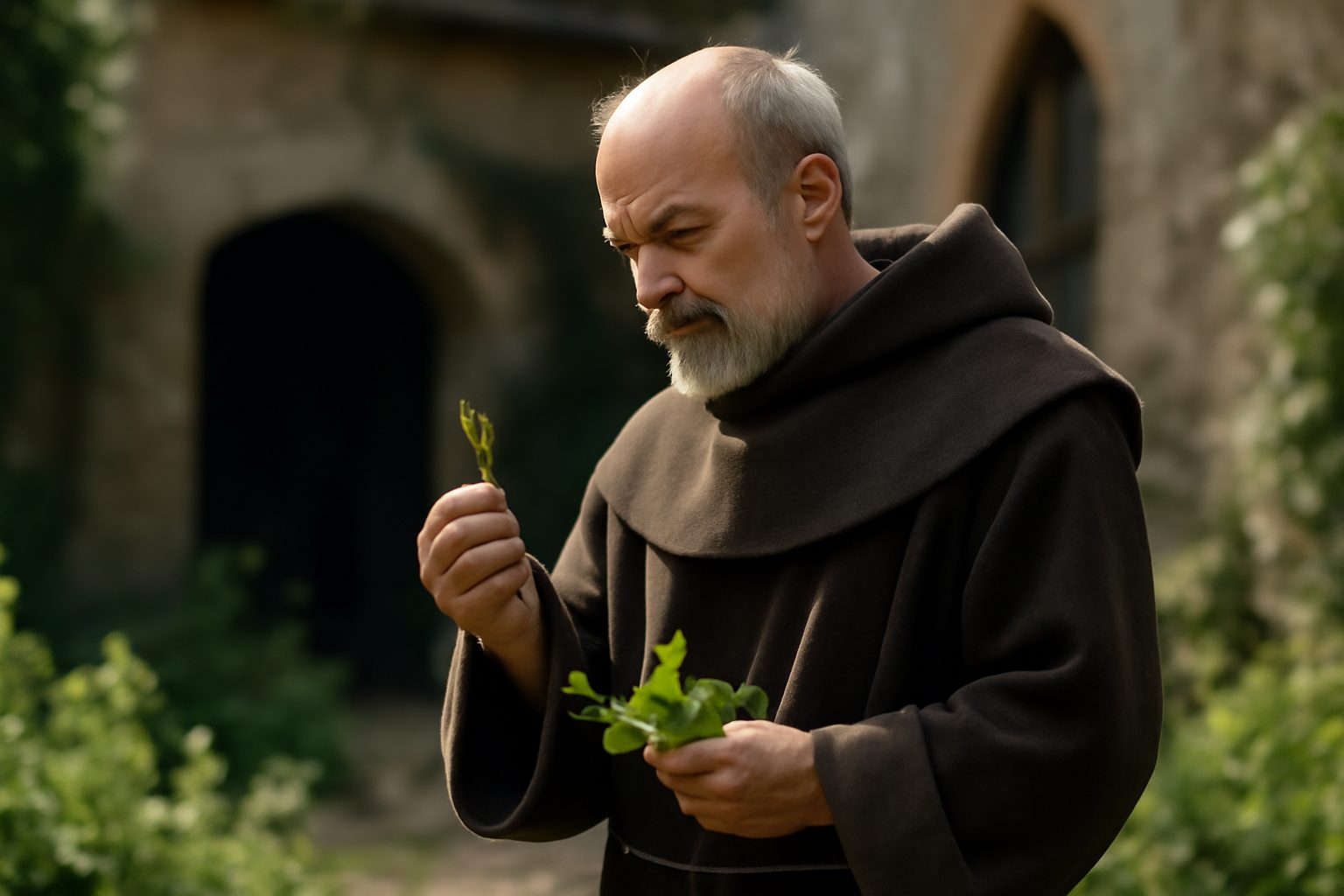
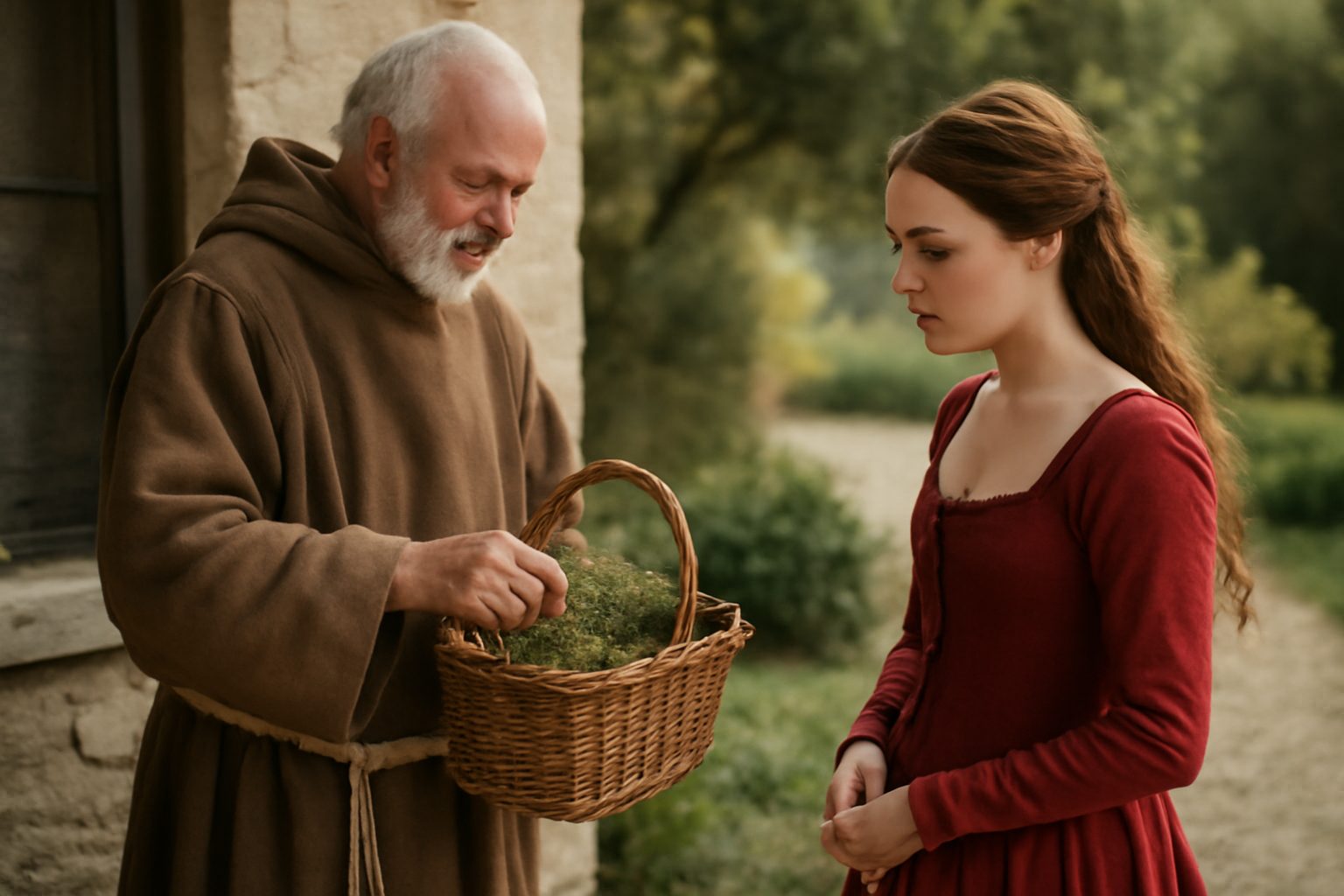
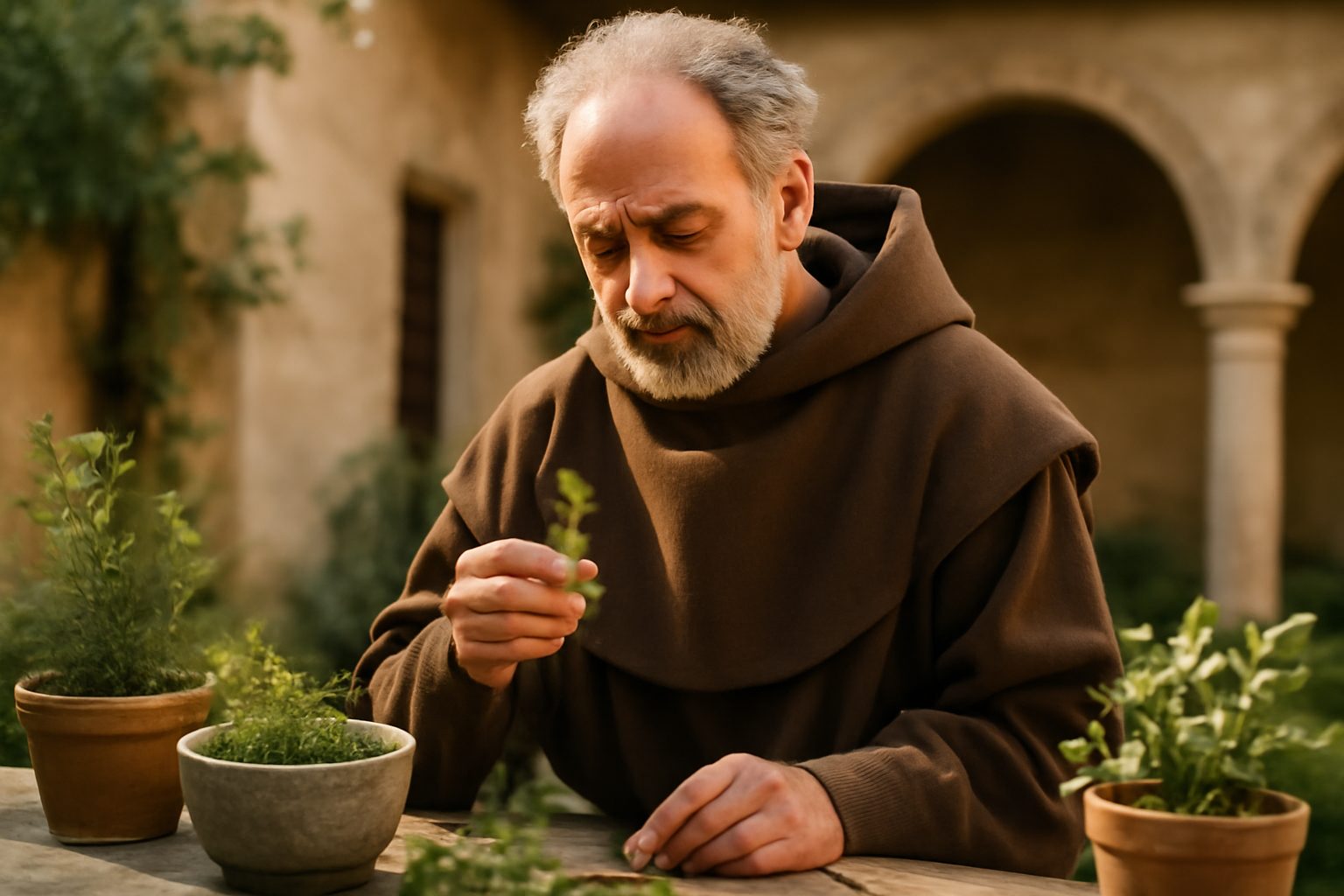
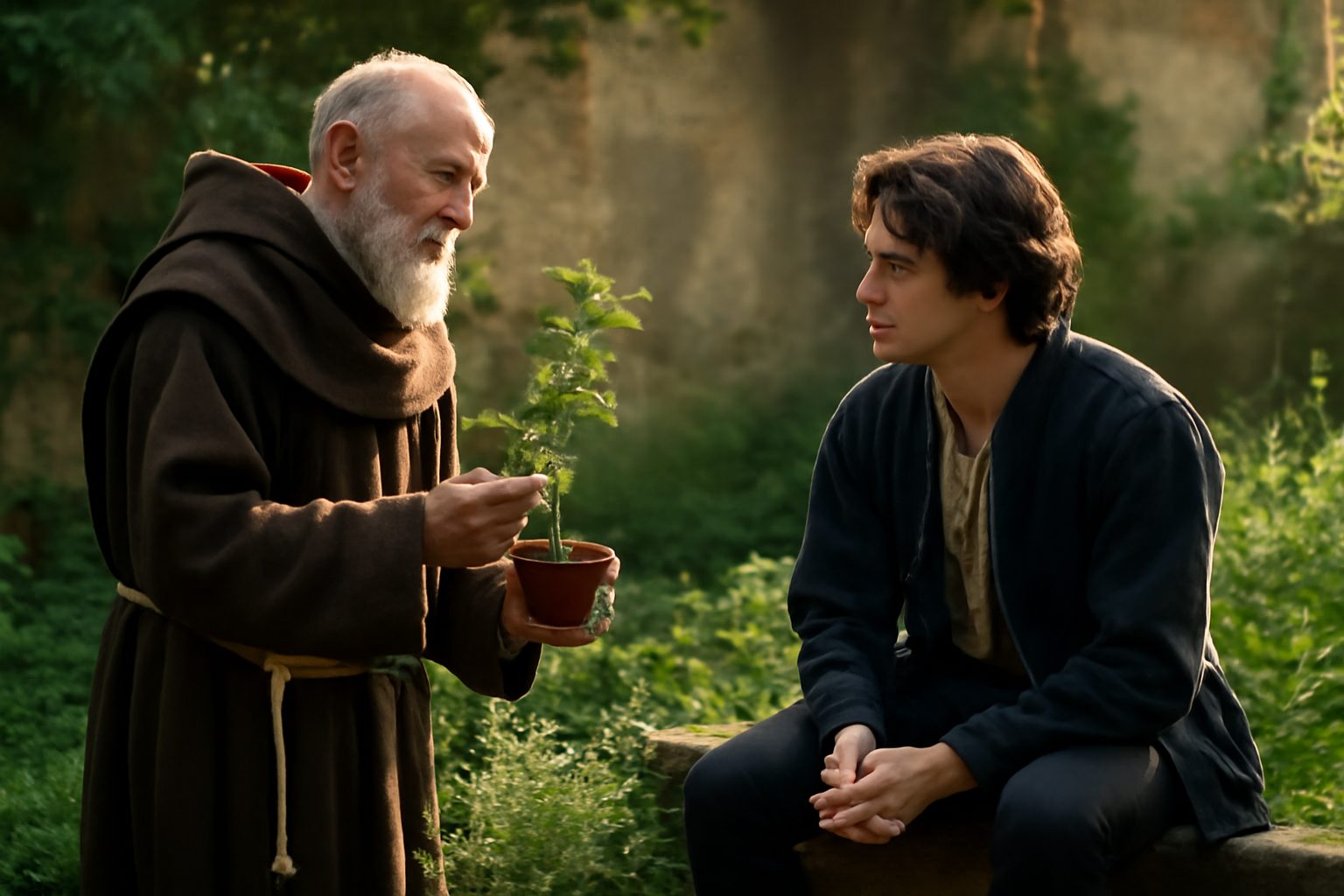
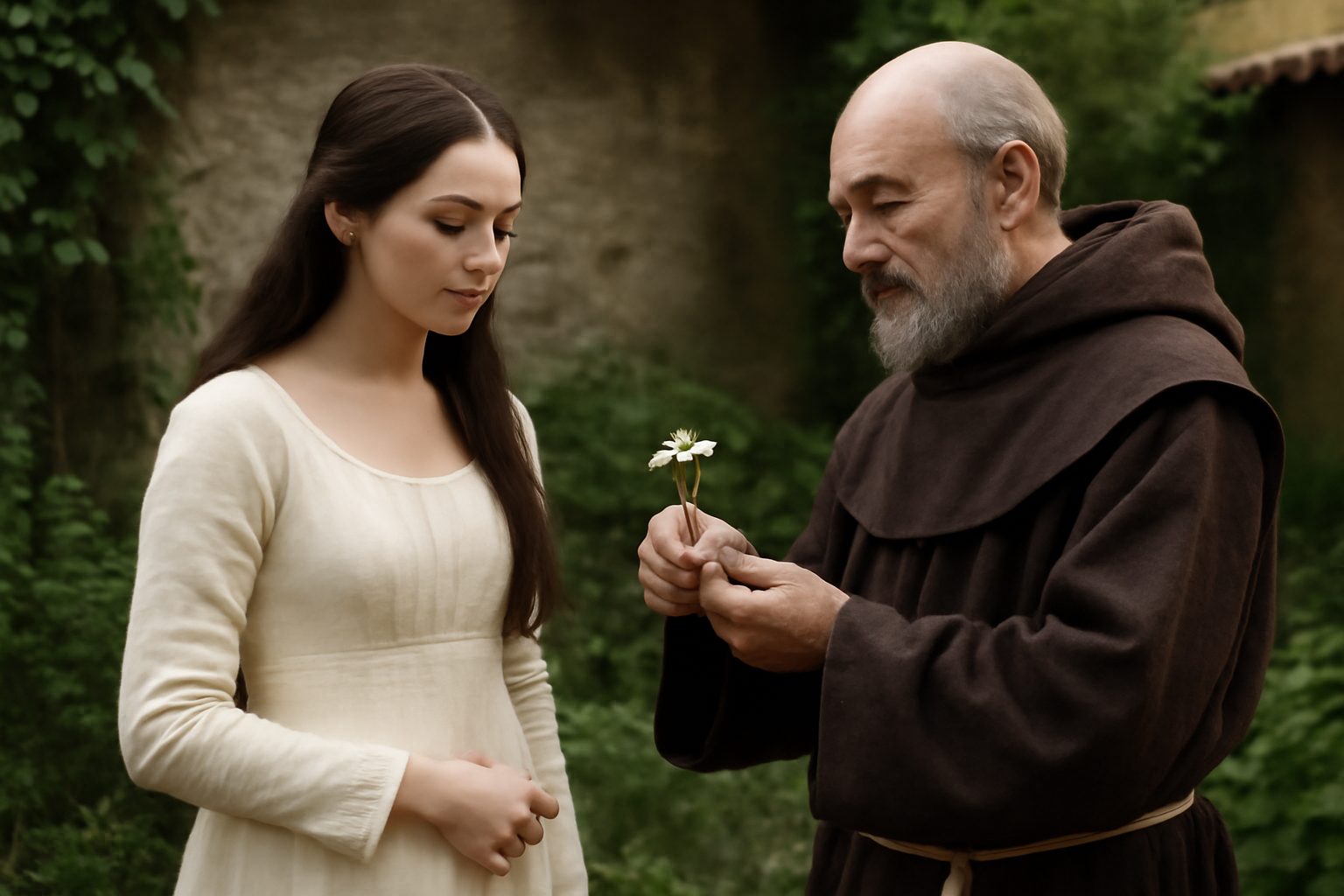
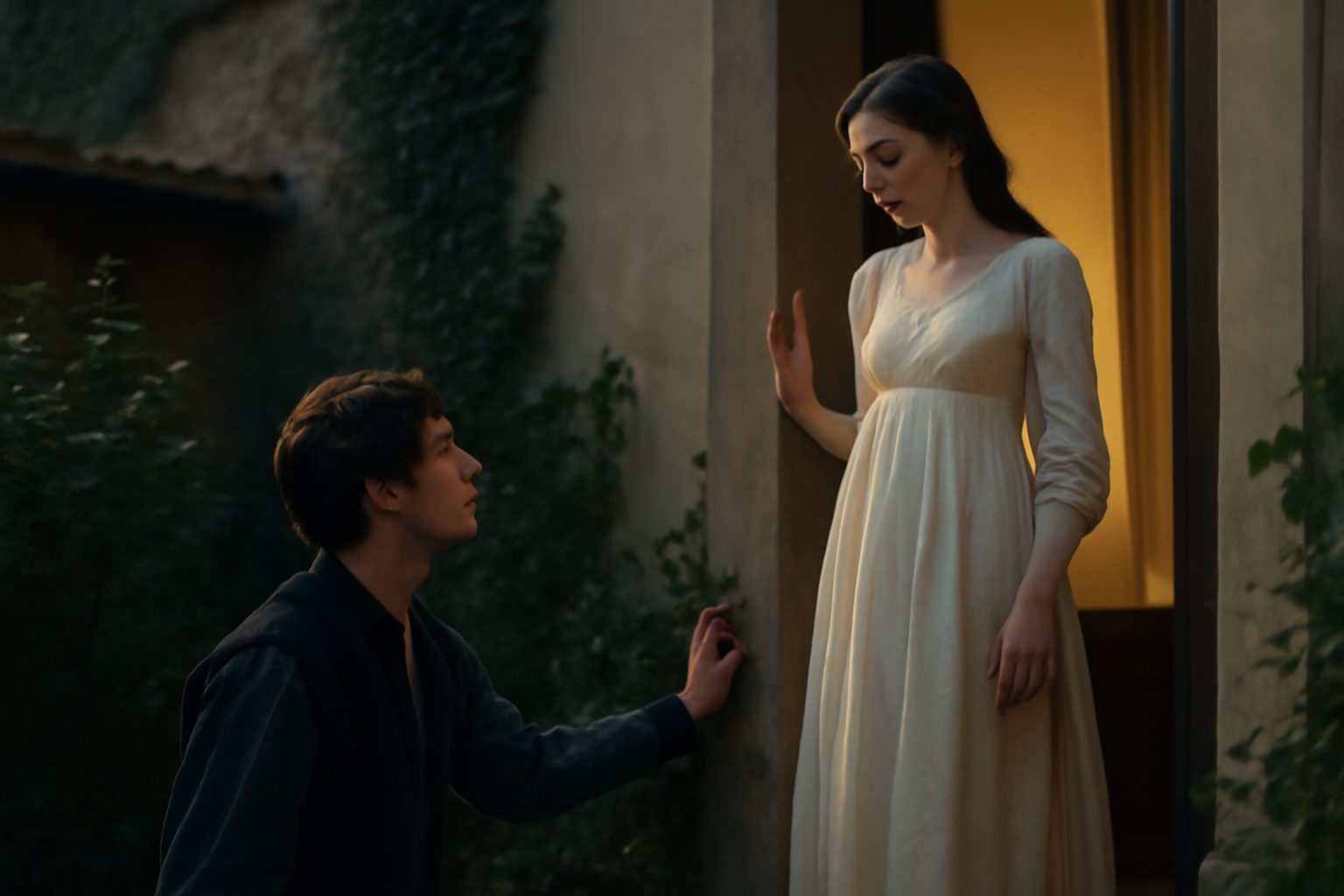
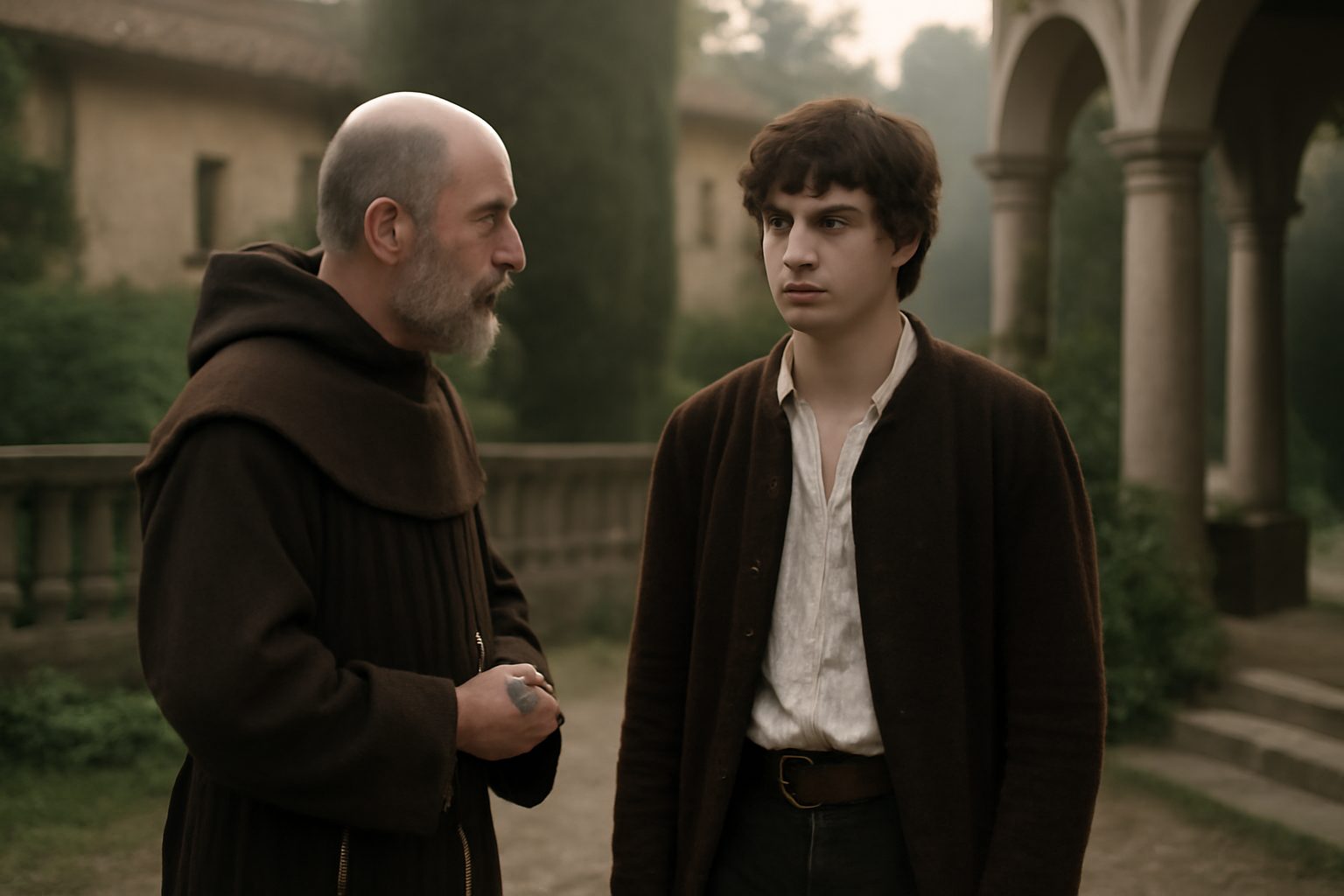
In Act 2, Scene 3 of Romeo and Juliet, Friar Laurence reflects on the dual nature of plants, which can heal or poison depending on their use. This line captures his warning about how something seemingly beneficial can bring destruction when misused, foreshadowing the tragic consequences of Romeo and Juliet's love. The verse underscores the play's themes of duality and the fine line between passion and peril.
Friar Laurence: "Being tasted, slays all senses with the heart."
In modern day english, we would say:
When consumed, it kills everything, even the heart.
Frequently Asked Questions
What does Friar Laurence mean when he says that something can kill all senses along with the heart when tasted?
Friar Laurence is referring to poison, which can cause death (kill the heart) and stop all bodily functions (slay all senses) if ingested (tasted).
Connections to other verses:
Connections to "Being tasted, slays all senses with the heart"
Dual Nature of Substances
The verse Being tasted, slays all senses with the heart speaks to the paradoxical power of substances to both heal and harm. This connects directly to Poison hath residence and medicine power, which explicitly states that poison and medicine share the same origin. Similarly, Virtue itself turns vice, being misapplied reinforces this idea of transformation based on application.
Herbal and Natural Imagery
The context of the tasting reference comes from Friar Laurence's discussion of plants, linking to Within the infant rind of this small flower, where he examines a specific flower with dual properties. The theme continues with With baleful weeds and precious-juiced flowers, highlighting nature's contrasting offerings.
Application to Human Nature
Friar Laurence extends the plant analogy to human behavior in In man as well as herbs, grace and rude will, suggesting that, like plants, humans contain opposing forces. The consequence of misuse is echoed in Full soon the canker death eats up that plant, warning of destruction when goodness is corrupted.
Connection to Romeo's Love
The idea that something "being tasted" can "slay... the heart" metaphorically applies to Romeo's impulsive love. Friar Laurence criticizes such haste in Wisely and slow; they stumble that run fast, and questions Romeo's quick shift from Rosaline to Juliet in So soon forsaken? young men's love then lies / Not truly in their hearts, but in their eyes.