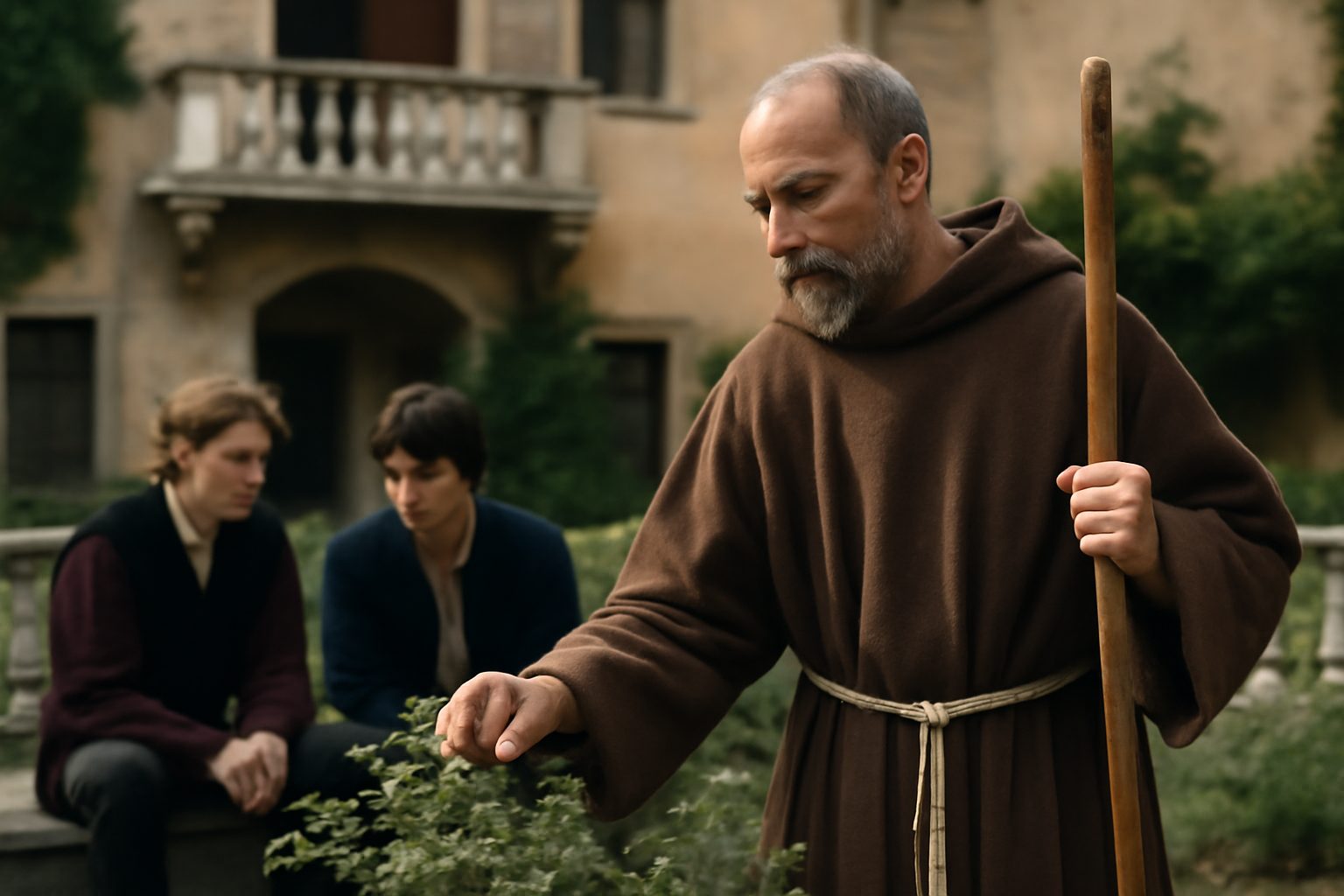
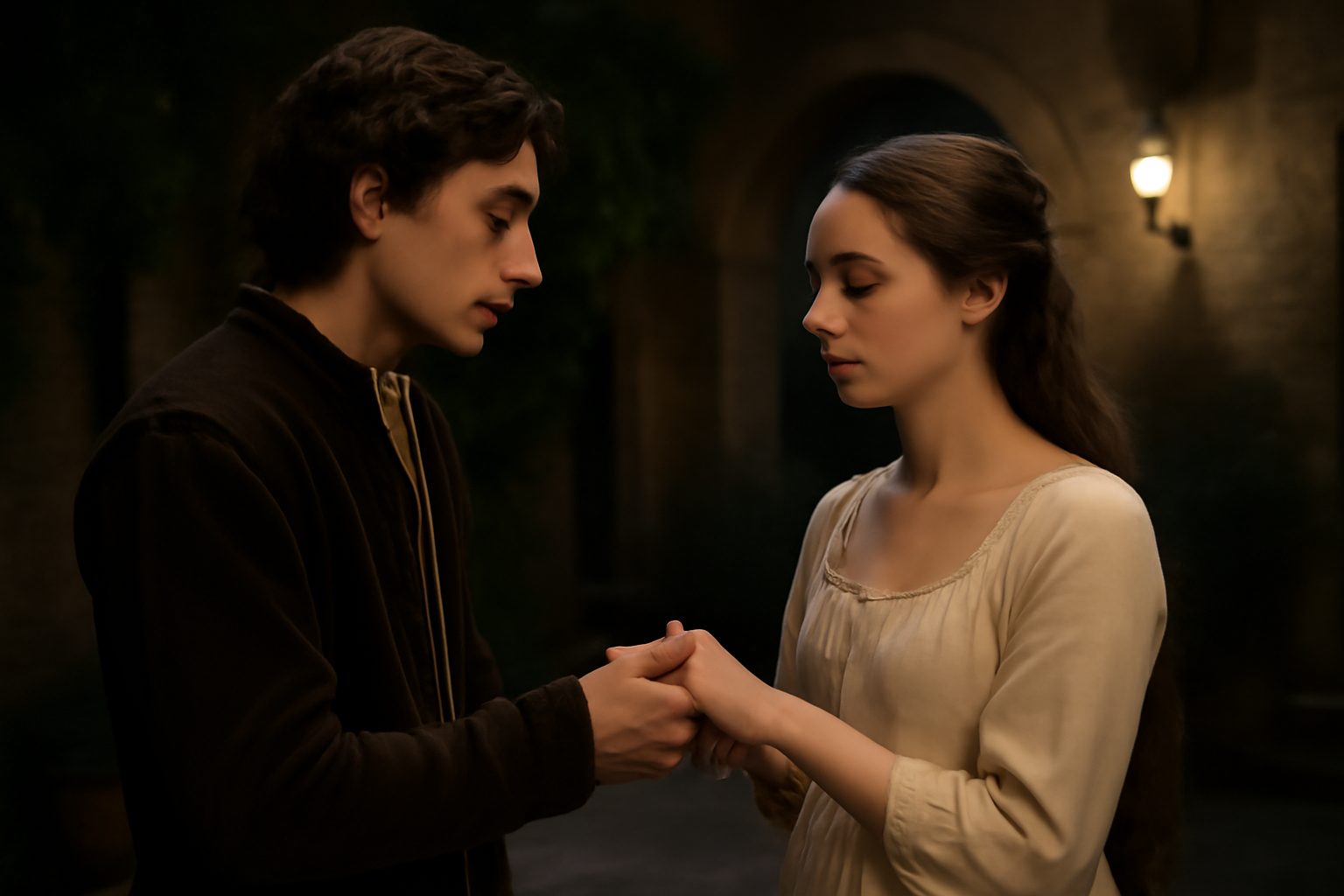
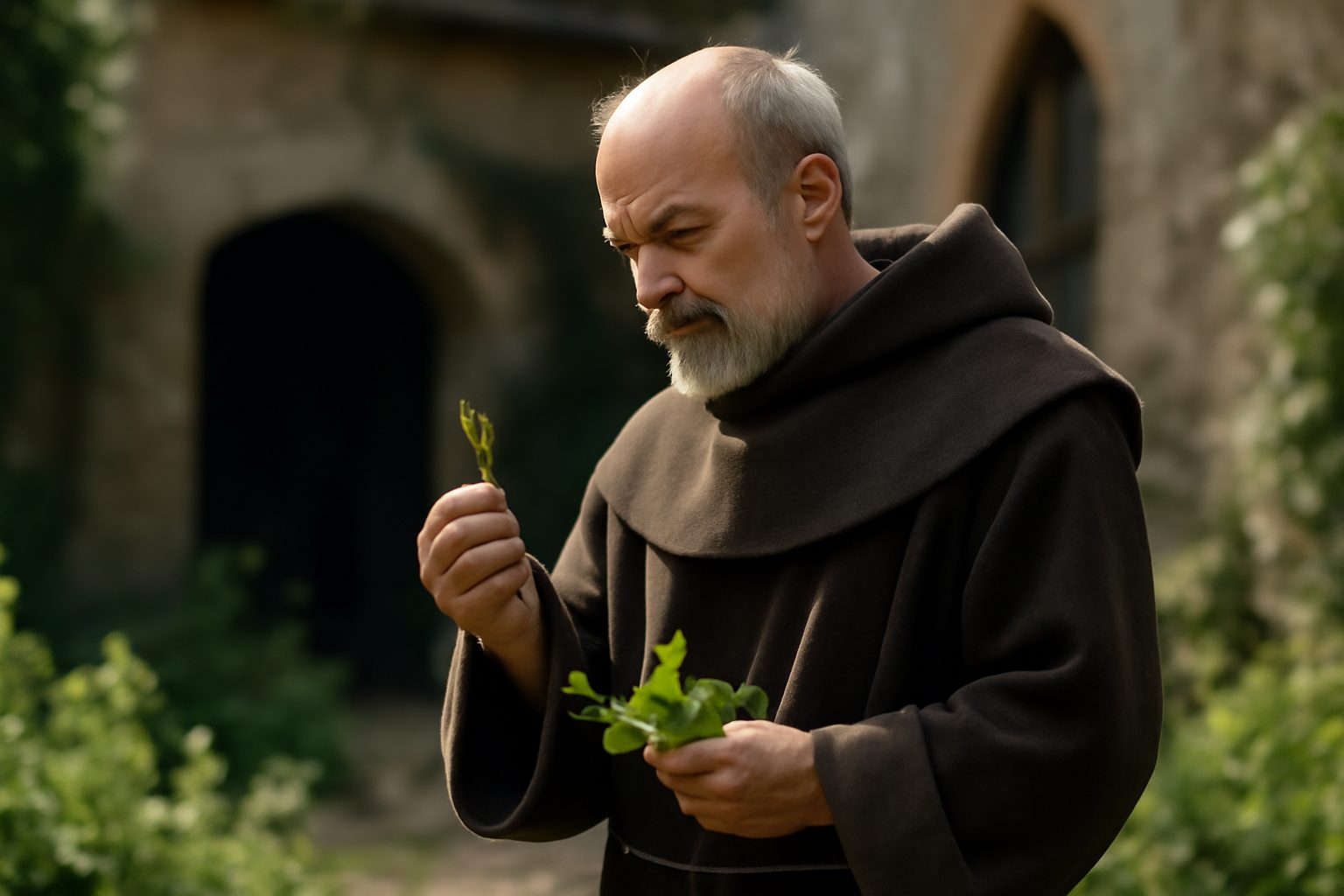
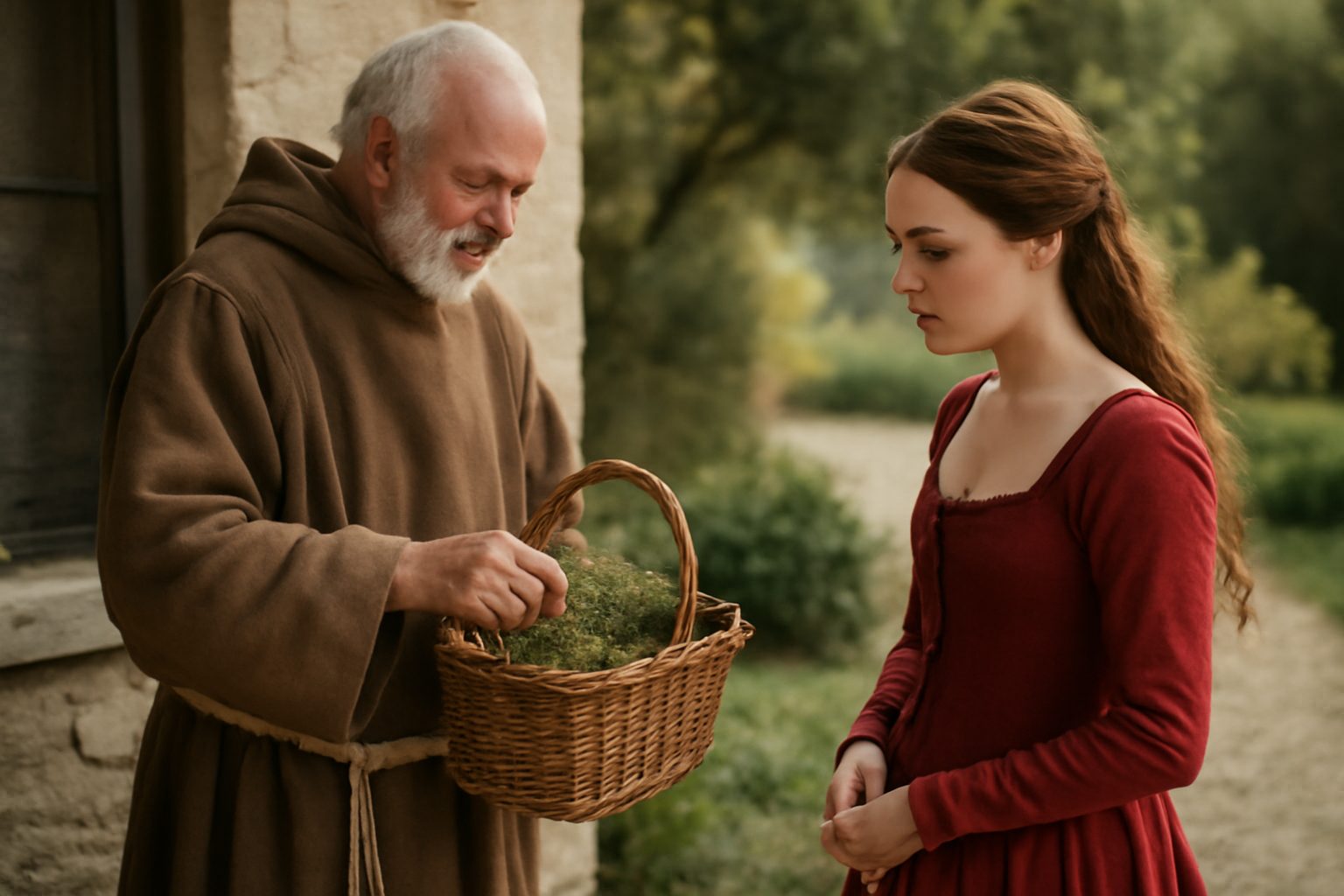
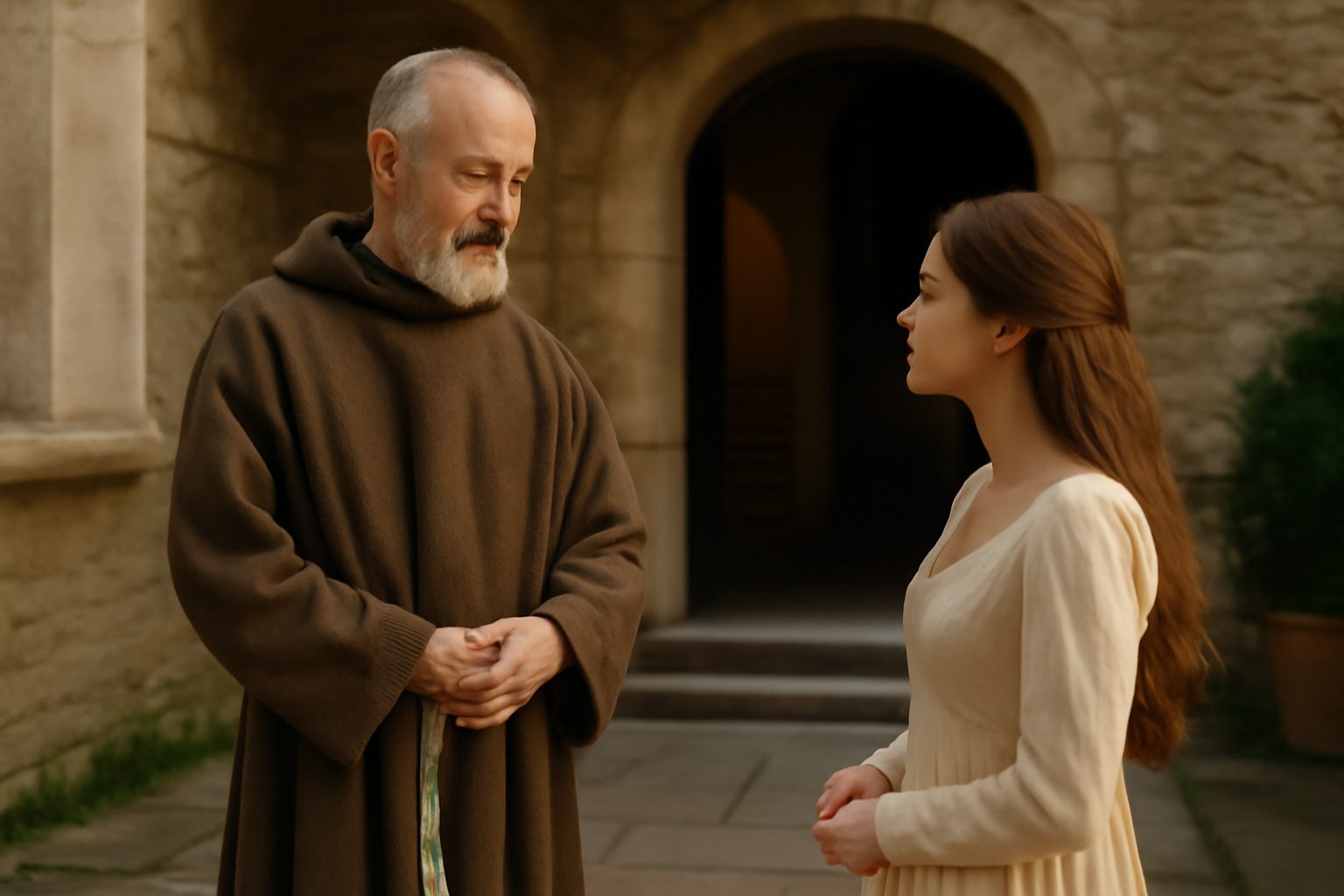
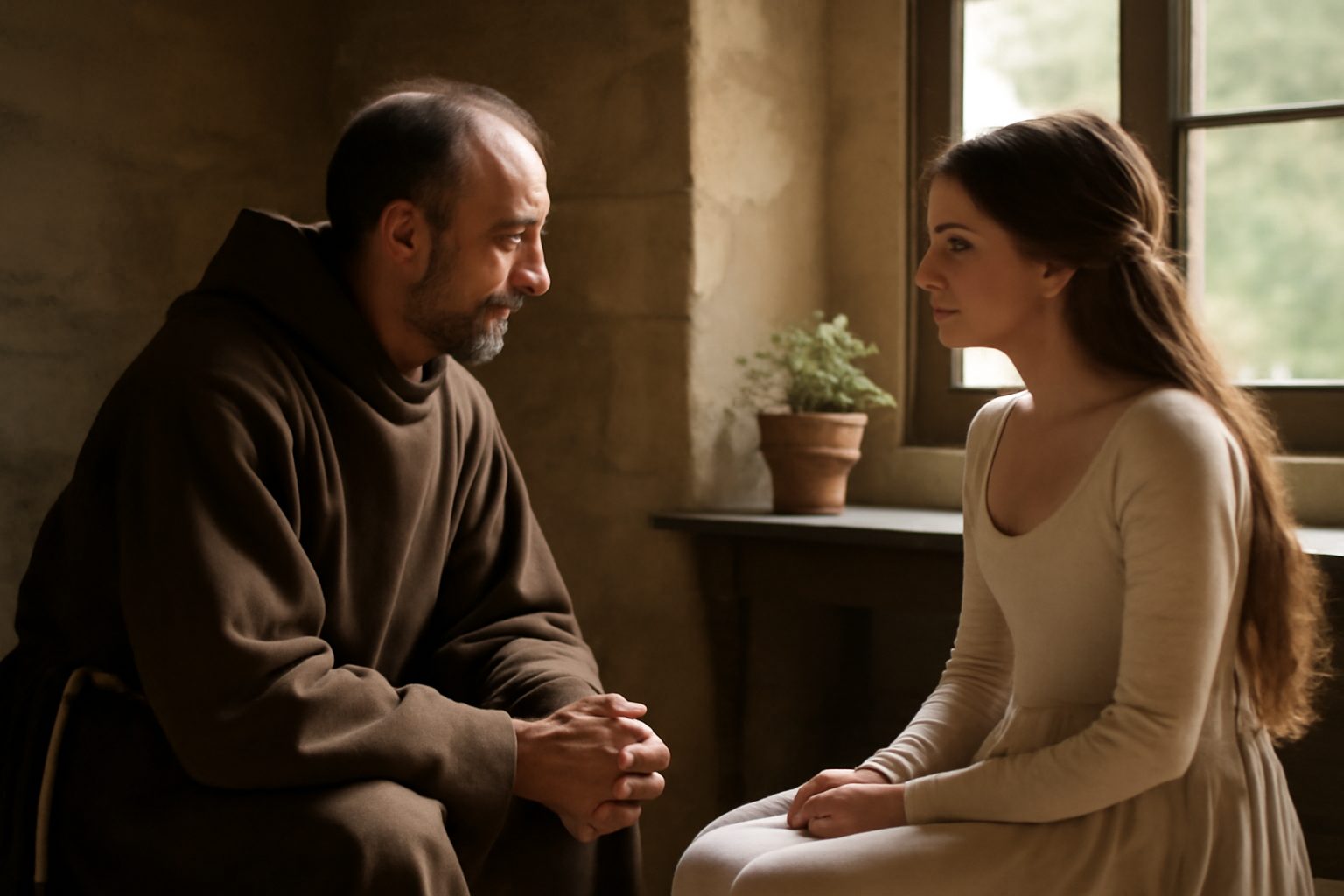
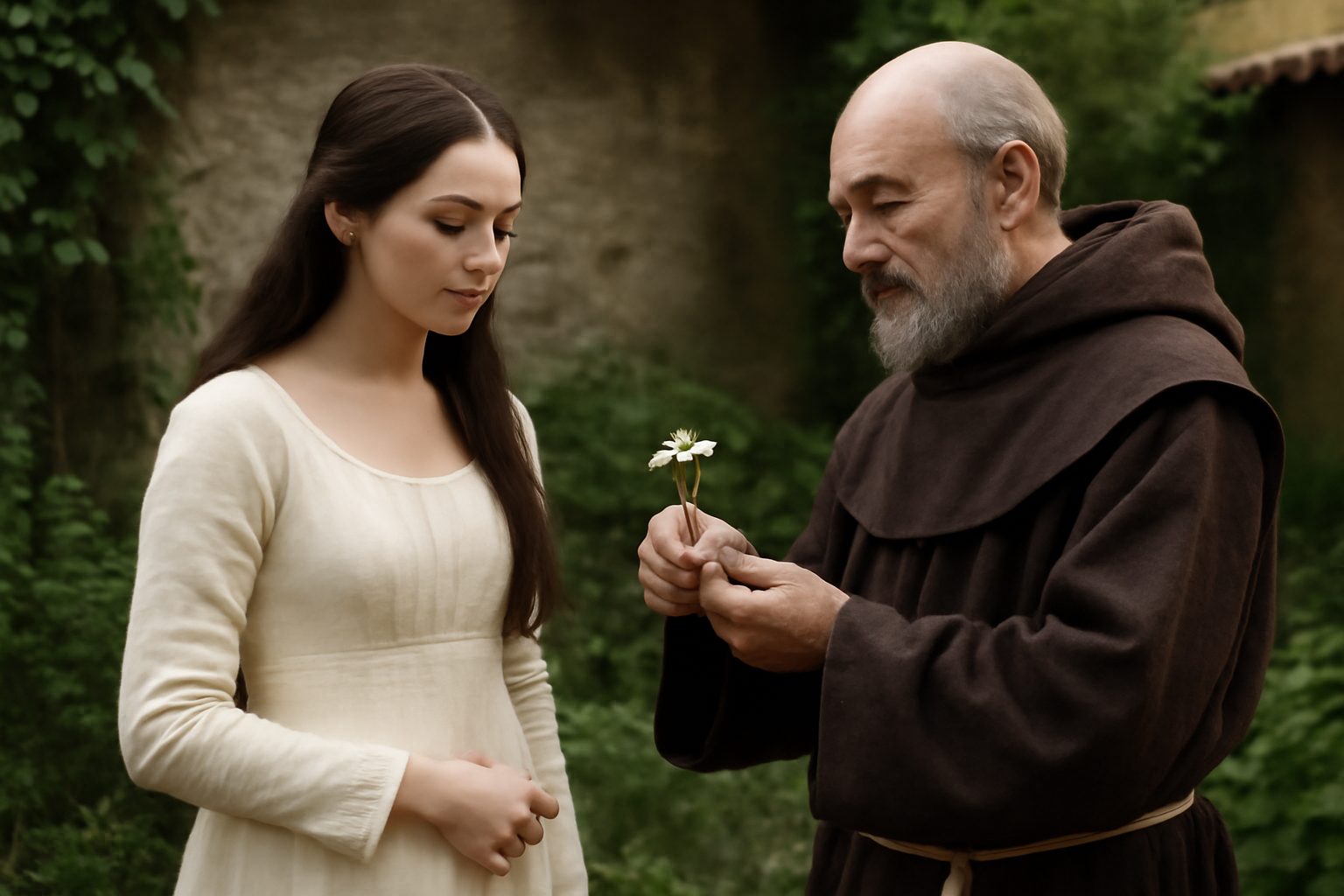
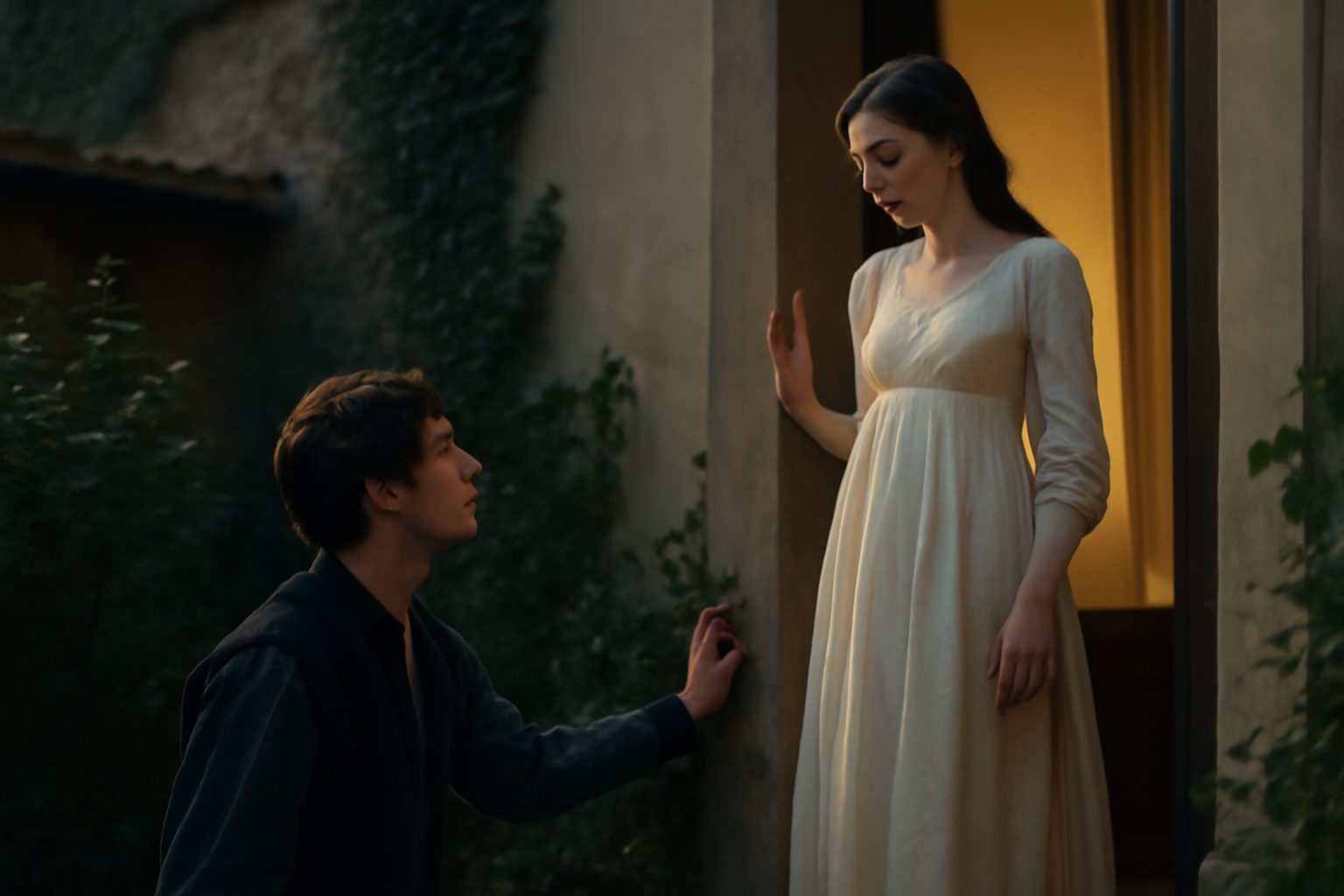
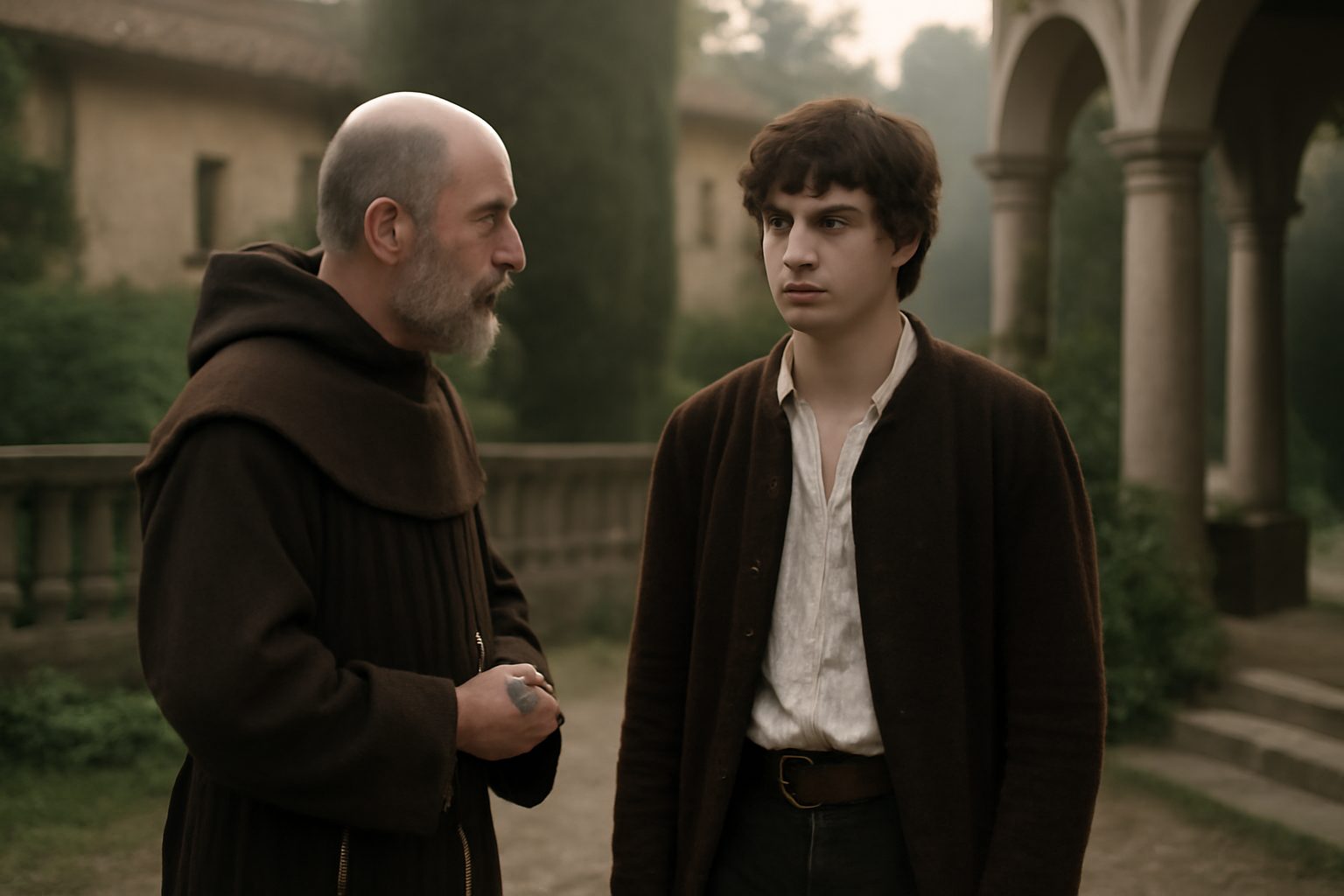
In Act 2, Scene 3 of Romeo and Juliet, Friar Laurence is gathering herbs at dawn when Romeo arrives to share news of his newfound love for Juliet. The verse describes the peaceful stillness of night giving way to morning, as sleep embraces those who rest. It reflects the friar's contemplative mood before Romeo interrupts with his impulsive passion.
Friar Laurence: "Doth couch his limbs, there golden sleep doth reign:"
In modern day english, we would say:
He rests his body there, where deep and peaceful sleep takes over.
Frequently Asked Questions
What does Friar Laurence say that golden sleep does?
He says that golden sleep rests or lies down his limbs.
Connections to other verses:
Connections to "Doth couch his limbs, there golden sleep doth…"
This verse, part of Friar Laurence's soliloquy, connects thematically and contextually to several other lines in the scene, particularly those exploring nature, youth, and the duality of human experience.
Nature and Duality
The imagery of "golden sleep" relates to the Friar's earlier observation about the earth's dual nature in "The earth that's nature's mother is her tomb", highlighting how life and rest coexist. It also echoes the idea of beneficial and harmful properties in natural elements, as seen in "Poison hath residence and medicine power".
Youth and Care
The phrase contrasts with "Care keeps his watch in every old man's eye", emphasizing how youth, unlike age, enjoys untroubled rest. This is reinforced by "But where unbruised youth with unstuff'd brain", which directly precedes the line and sets up the idea of youthful innocence and peace.
Romeo's State
Friar Laurence's suspicion that Romeo's early arrival indicates distress ("Thou art up-roused by some distemperature") contrasts with the ideal of "golden sleep", suggesting Romeo's love has disrupted his natural rest. This ties to the Friar's later critique of rash youthful love in "So soon forsaken? young men's love then lies".
Resolution and Hope
The restorative imagery of sleep foreshadows the Friar's plan to use Romeo and Juliet's love positively, as in "To turn your households' rancour to pure love", suggesting that peace (like golden sleep) can emerge from conflict.