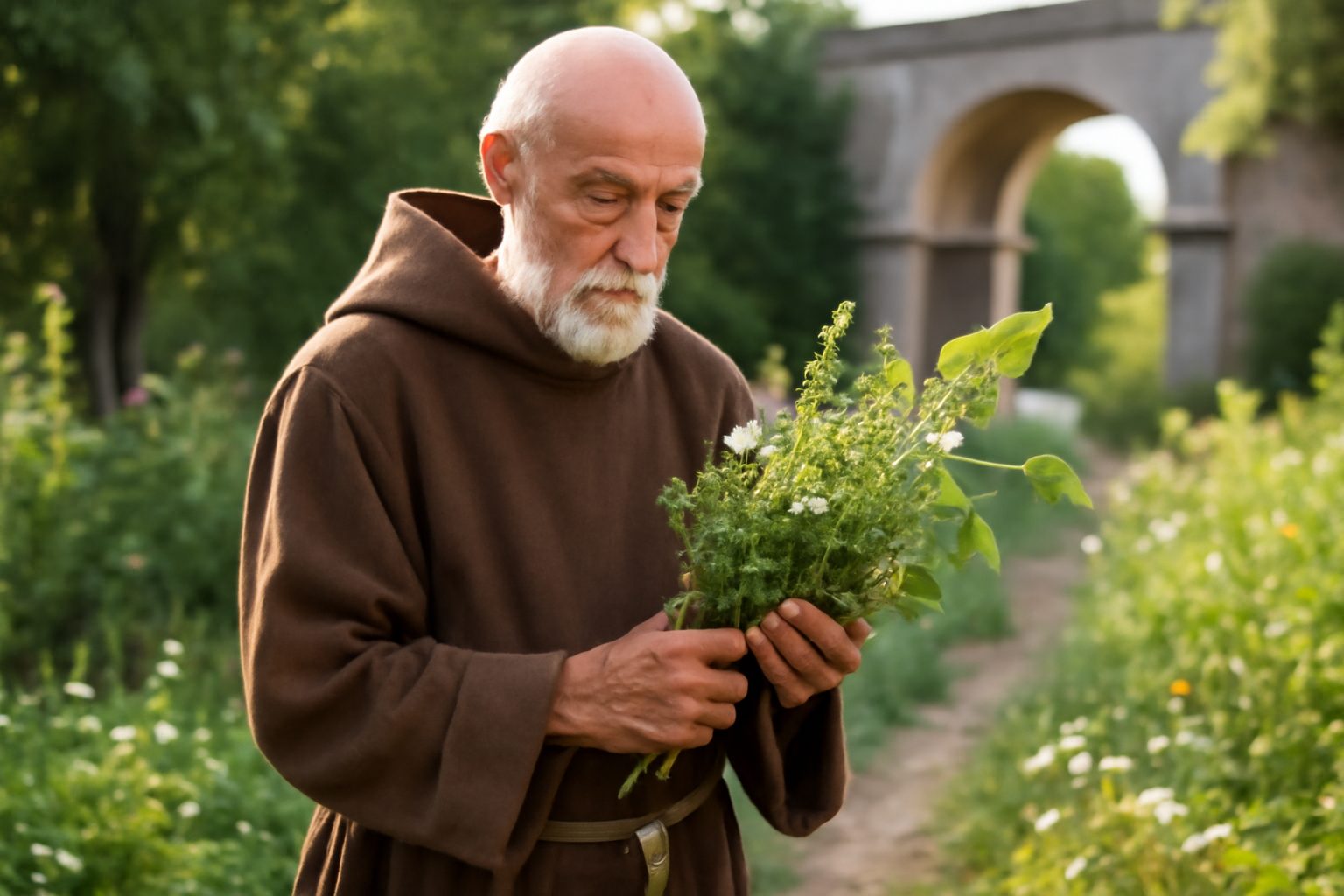
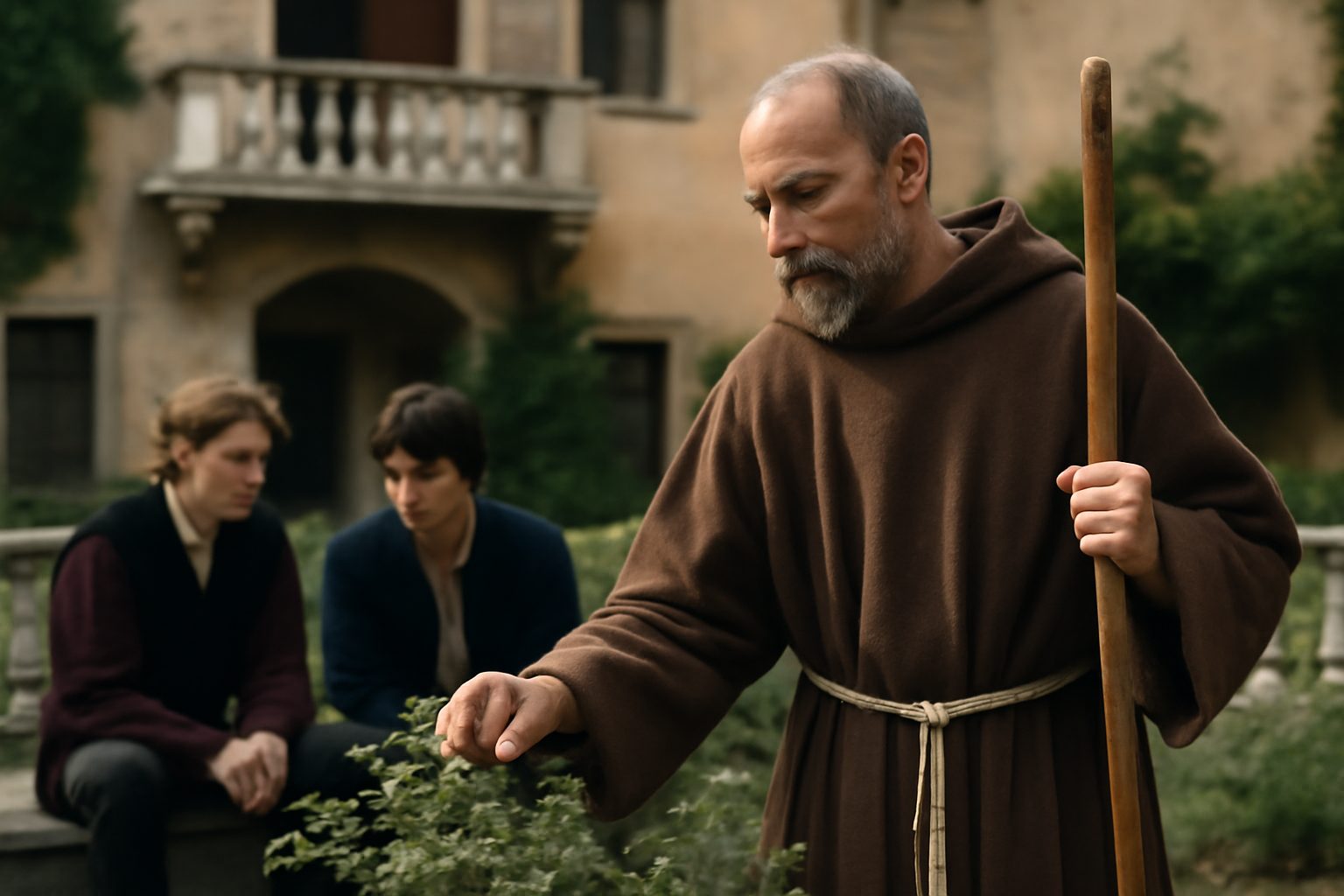
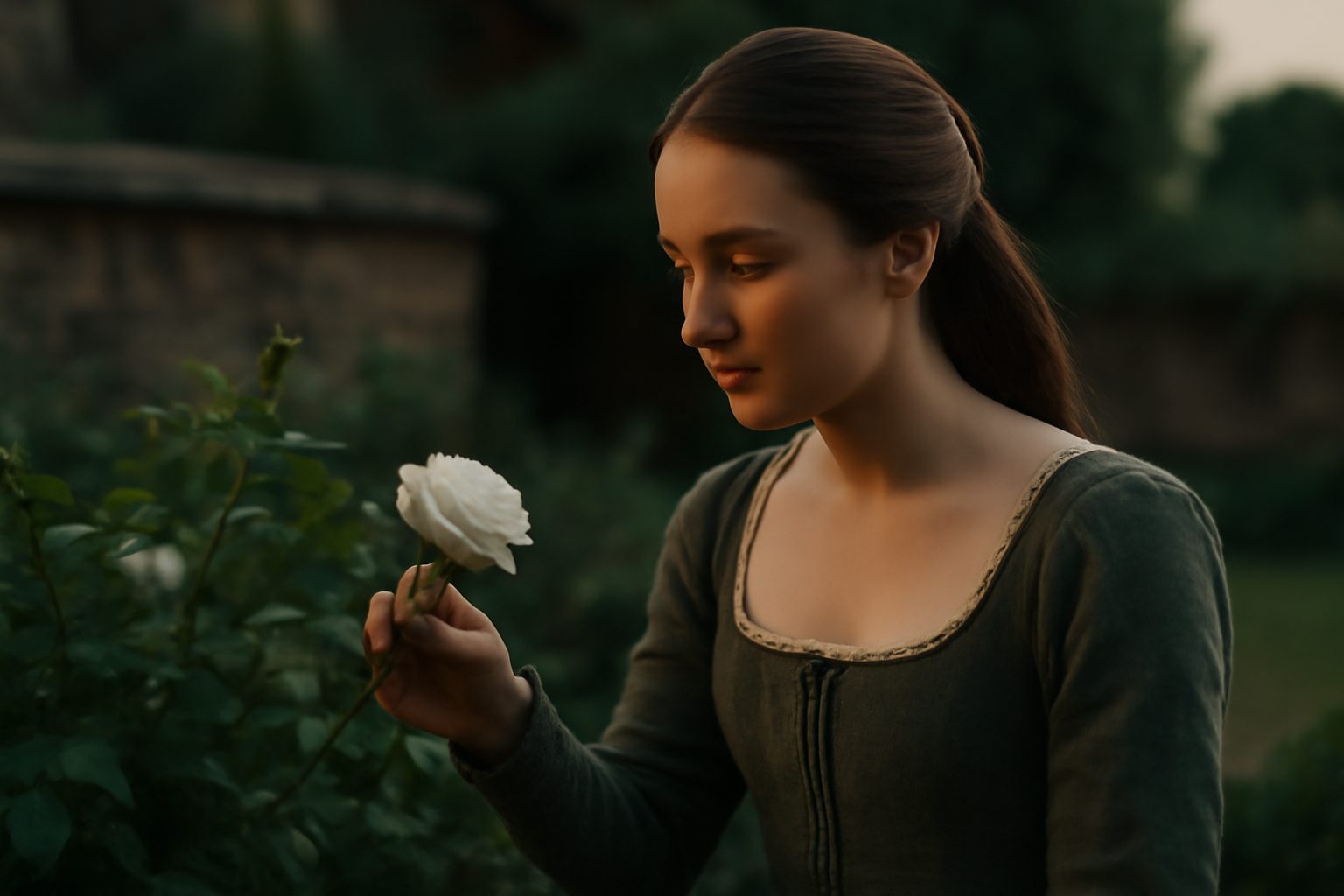
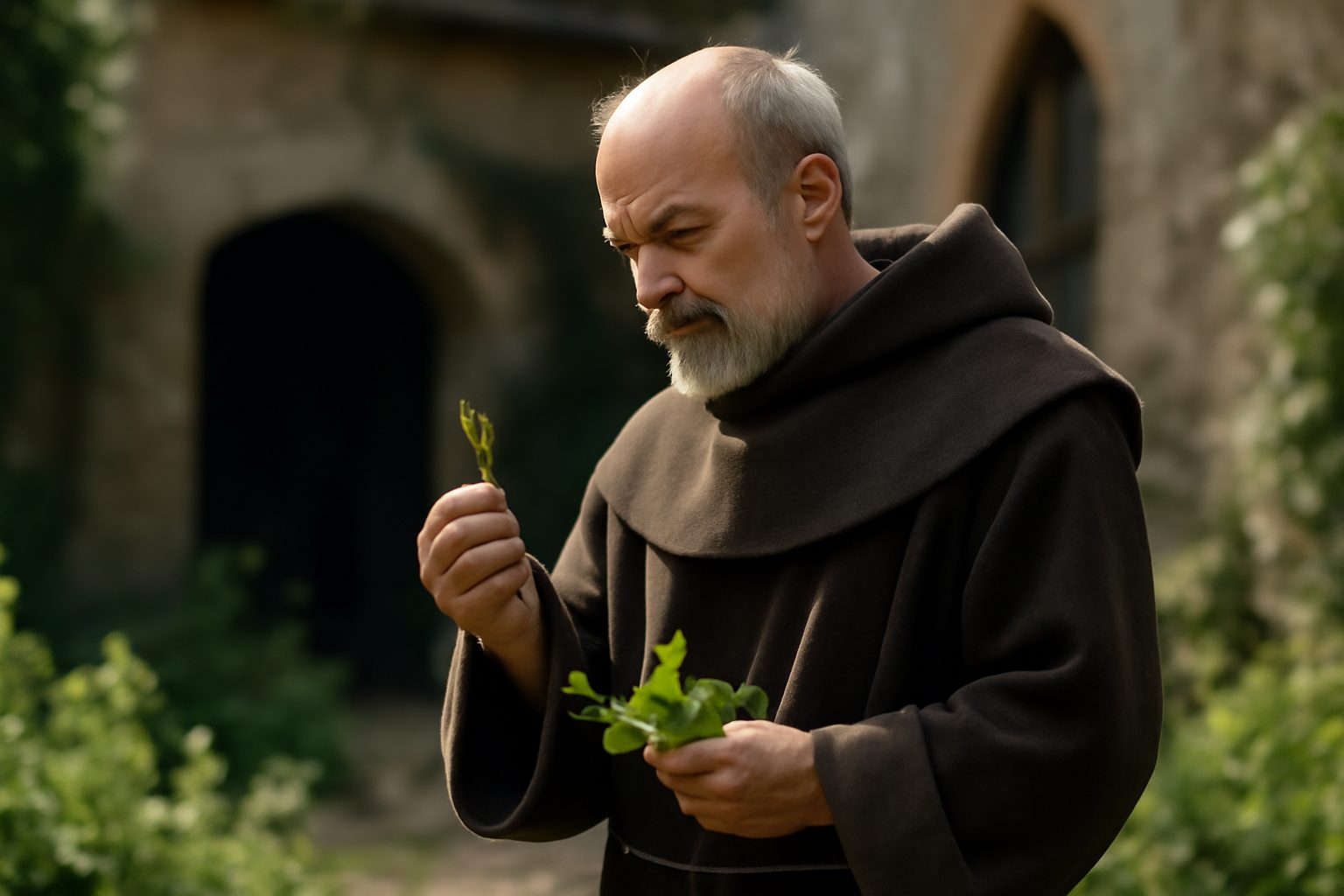
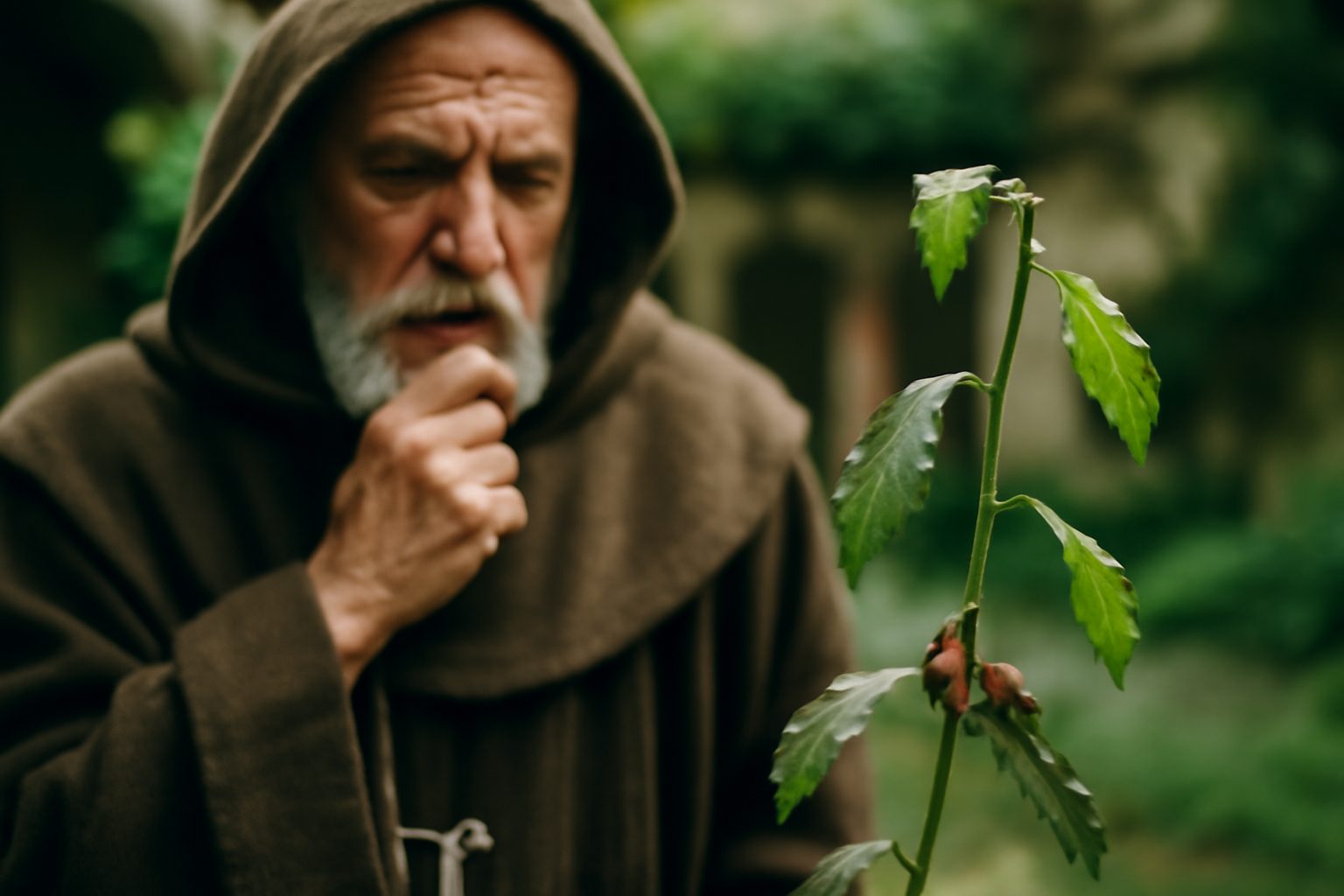
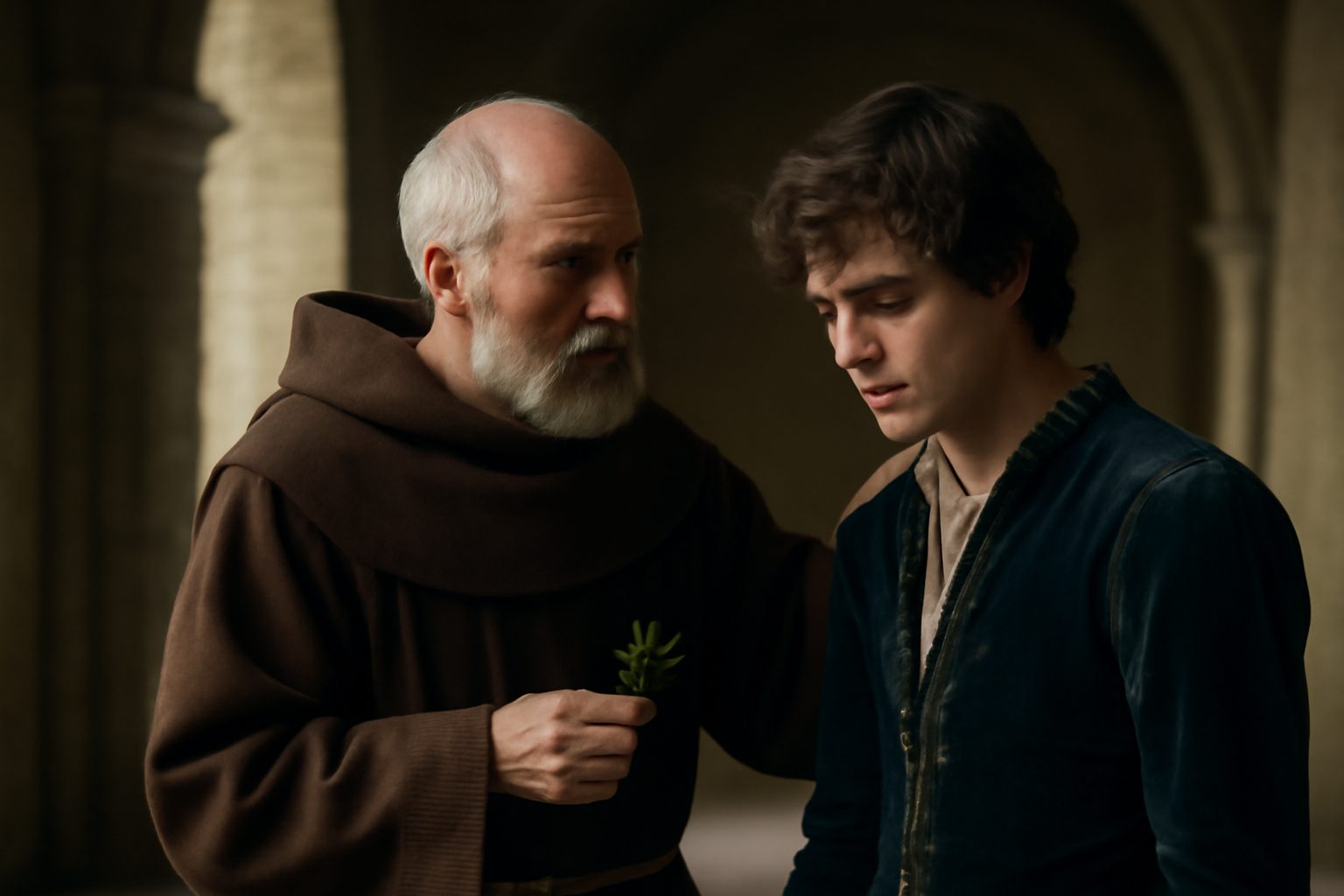
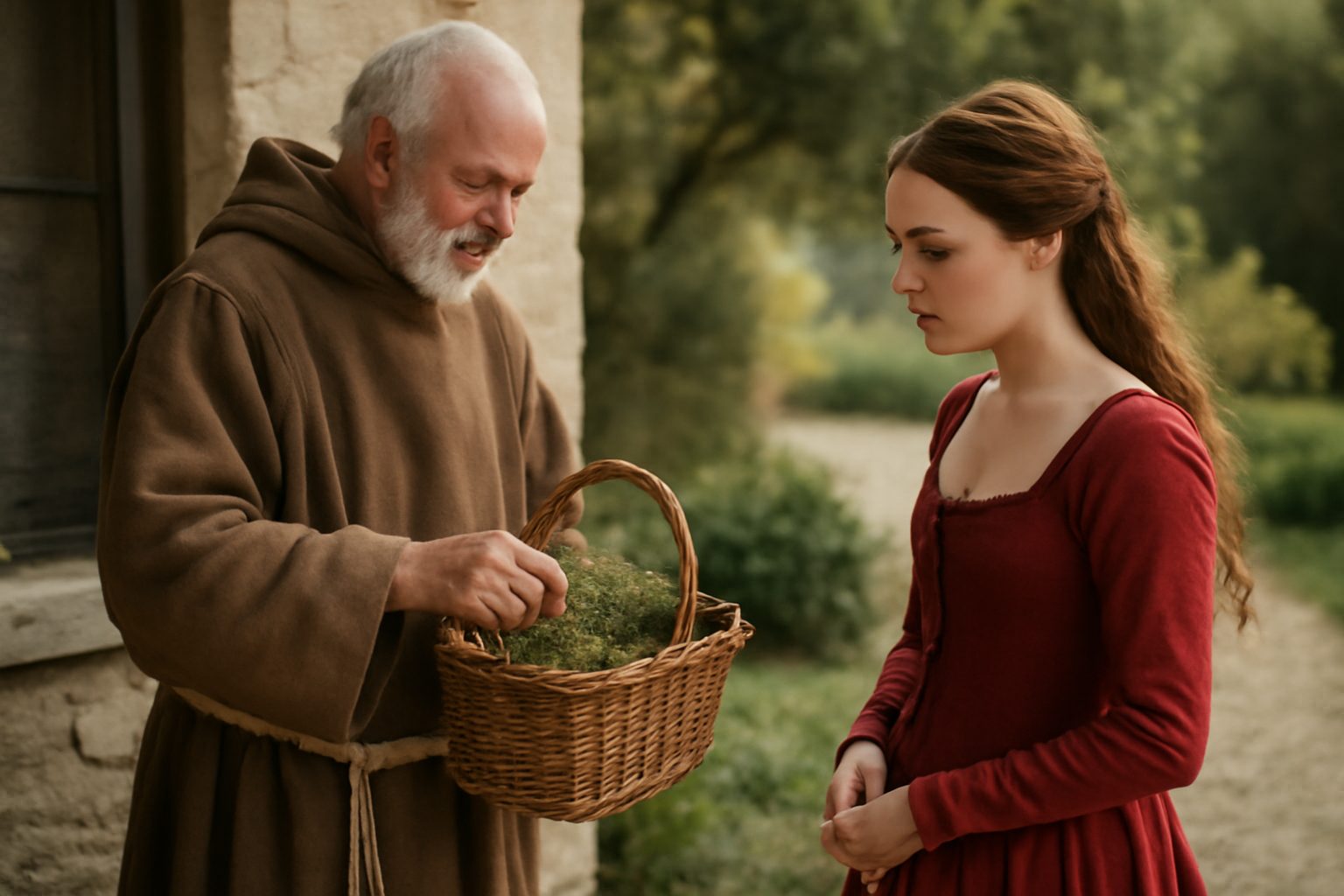
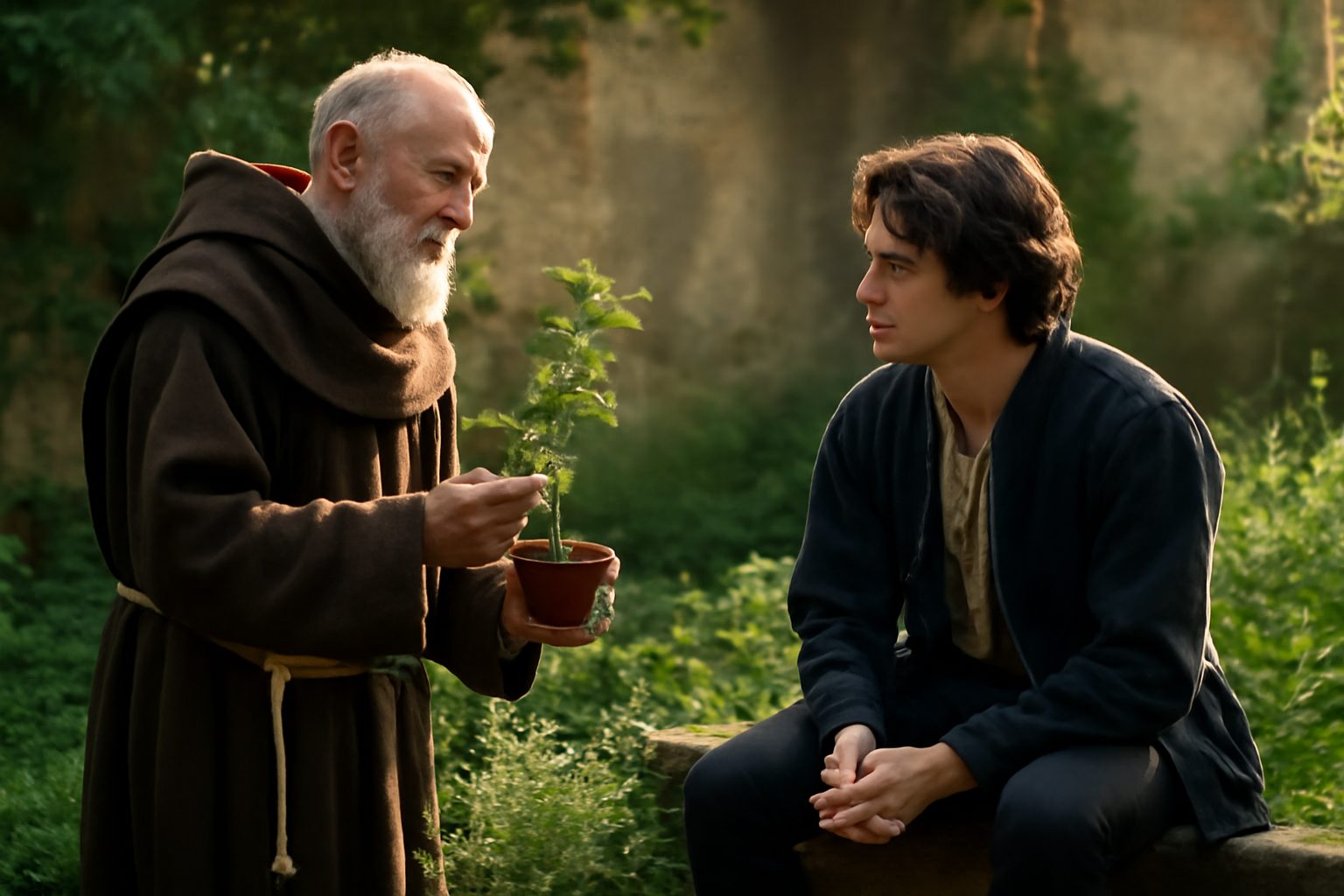
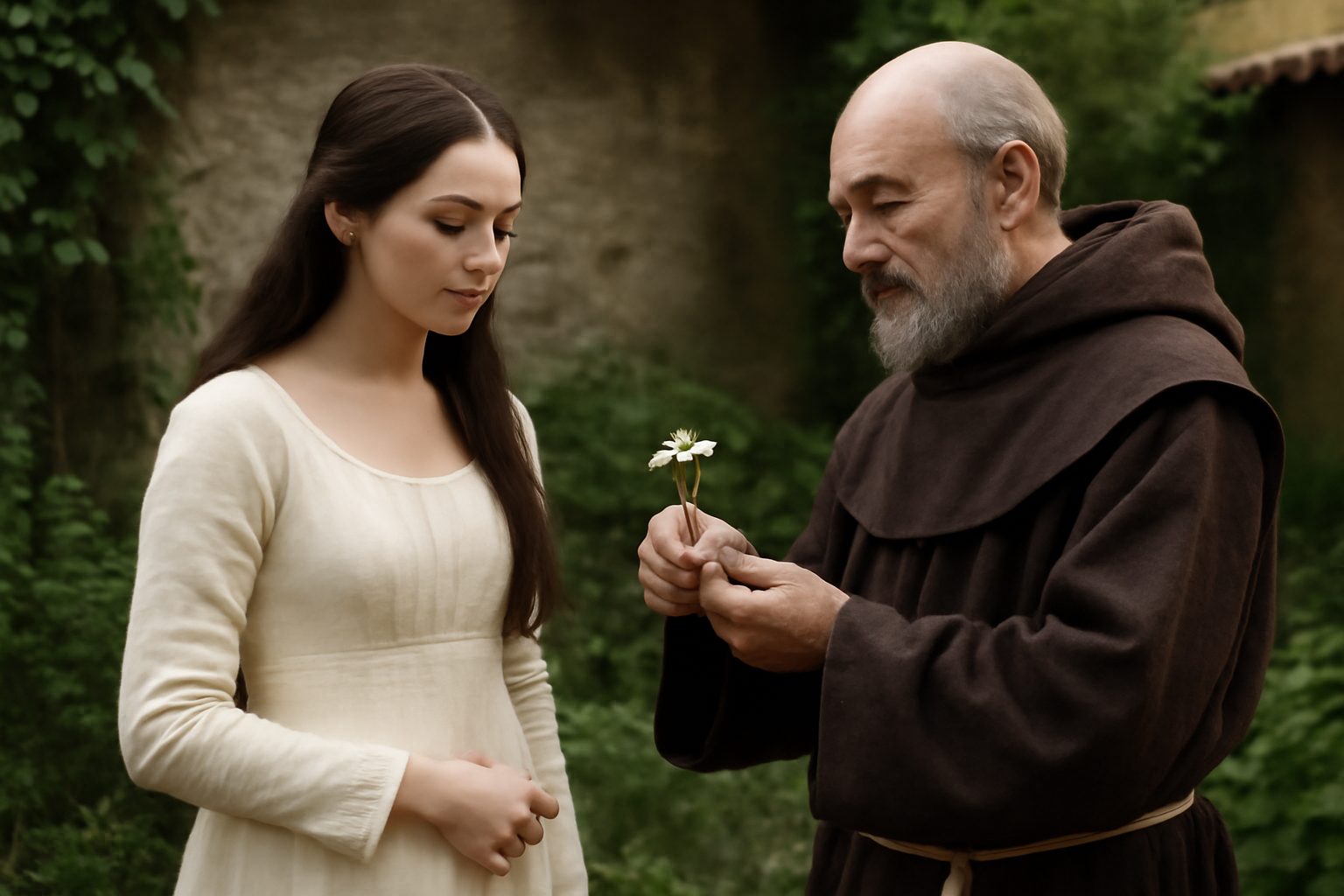
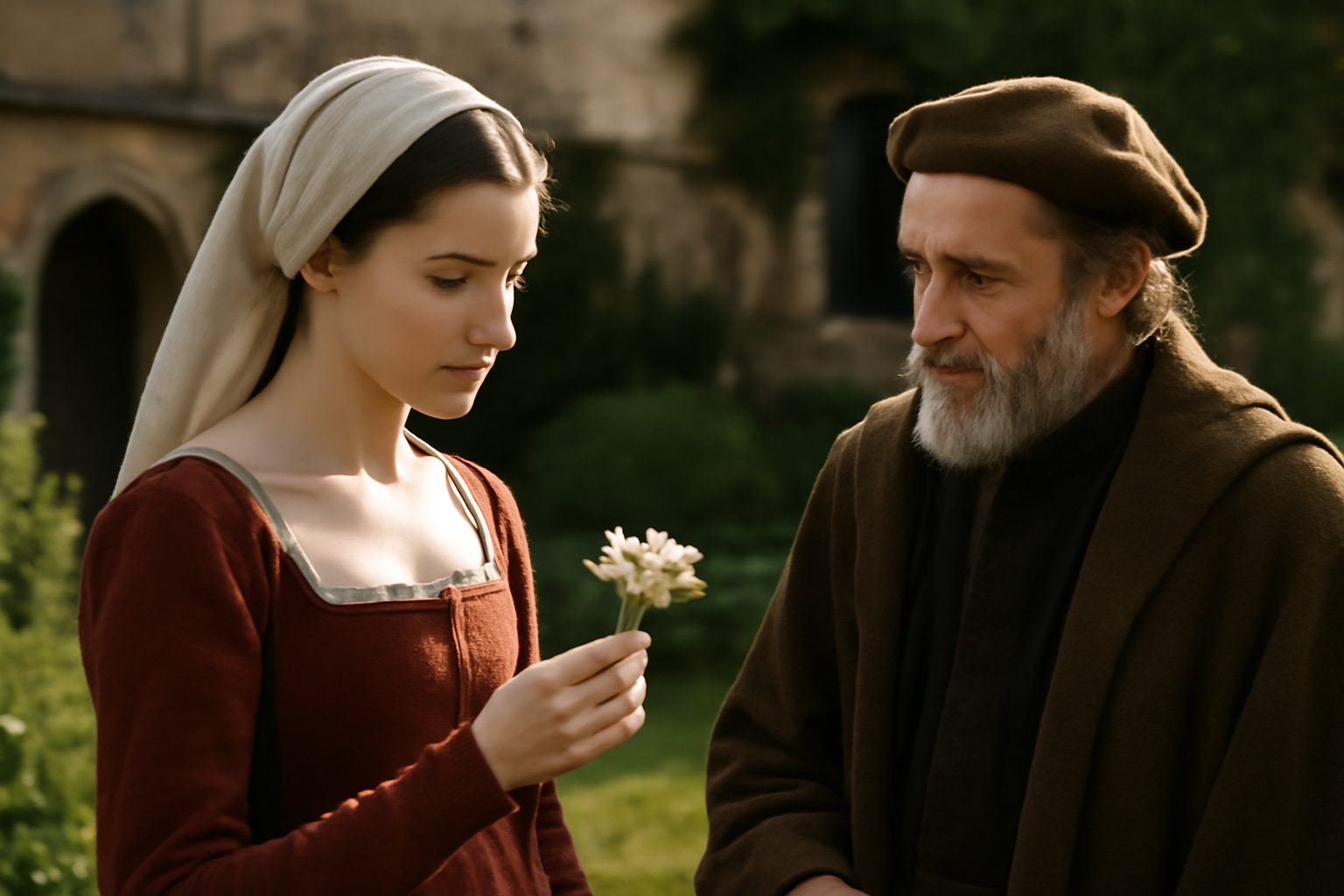
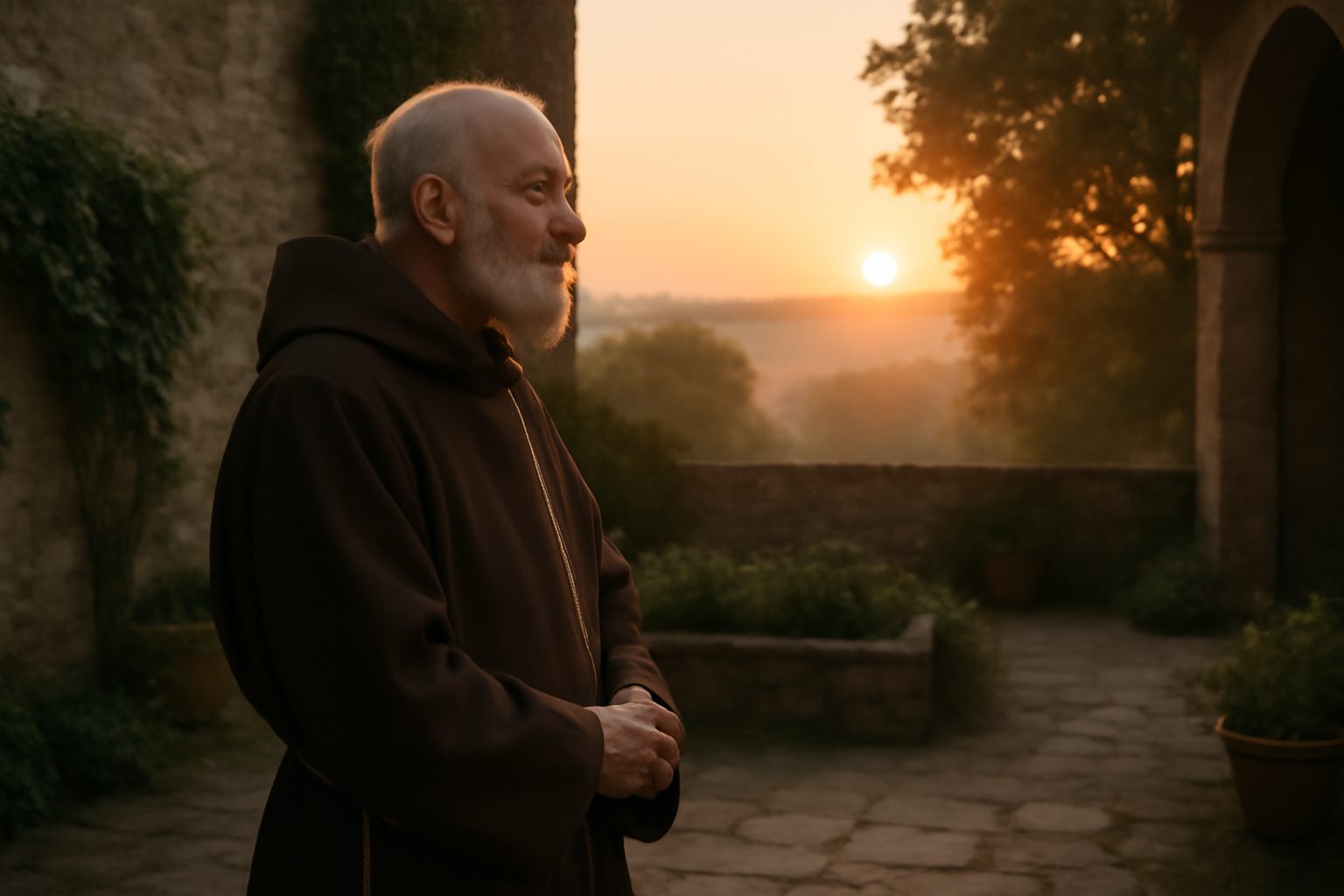
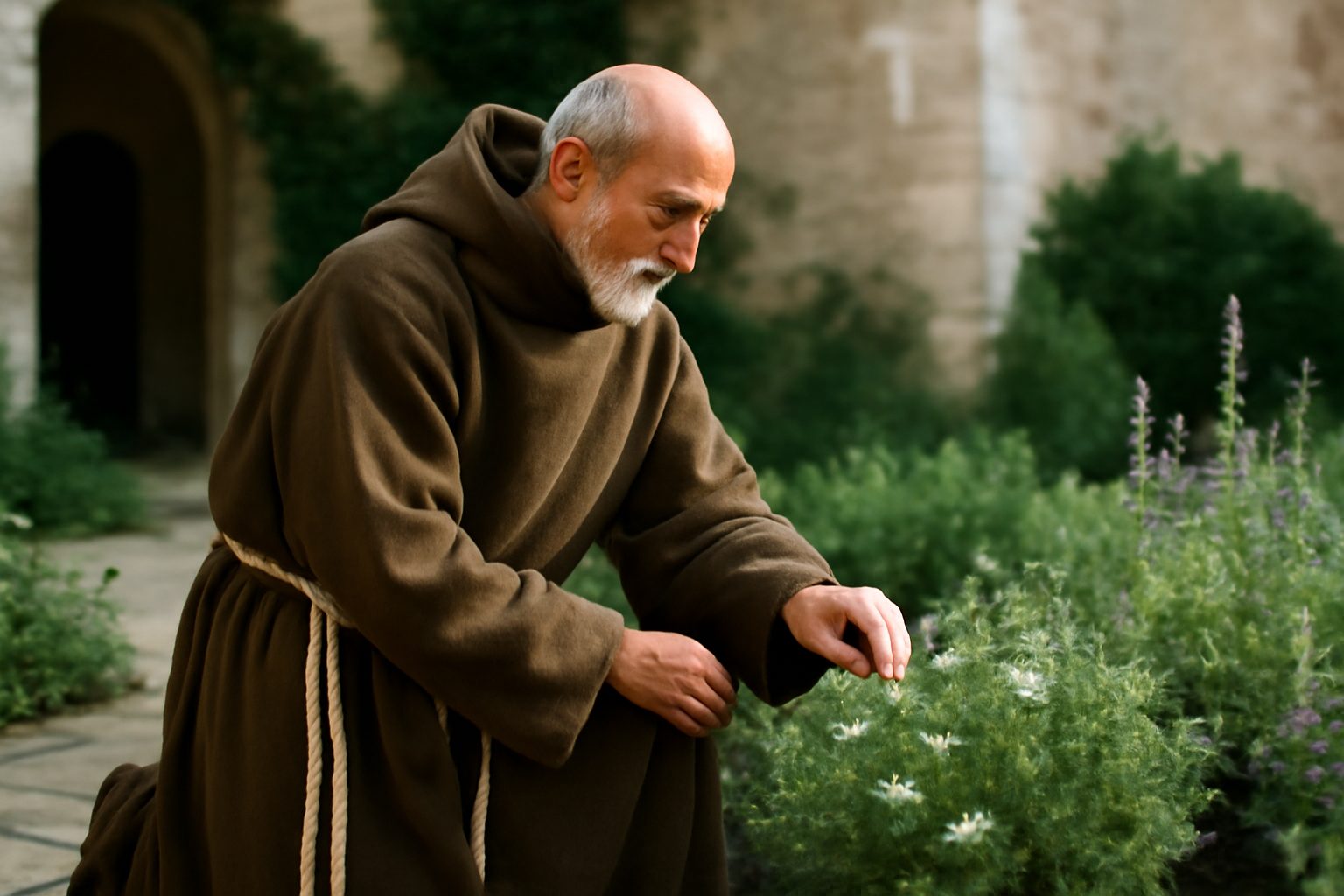
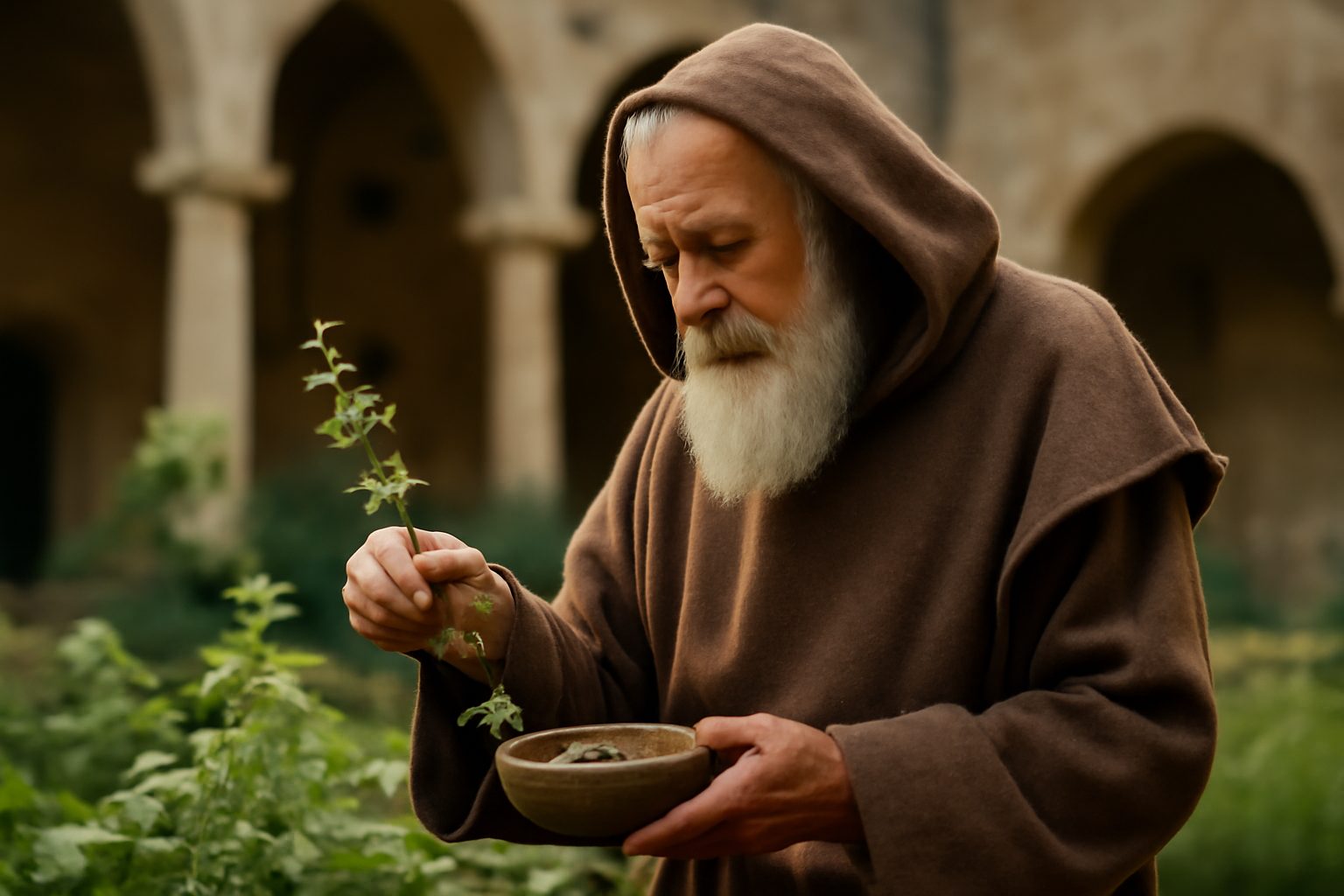
In Act 2, Scene 3 of Romeo and Juliet, Friar Laurence is gathering medicinal herbs at dawn, reflecting on the dual nature of plants—how they can heal or harm depending on their use. This line underscores his belief that even natural elements contain inherent virtues and dangers, foreshadowing the role his potions will play in the lovers' fate. The moment highlights the Friar's wisdom and the theme of duality that runs through the play.
Friar Laurence: "In herbs, plants, stones, and their true qualities:"
In modern day english, we would say:
In the properties of herbs, plants, and stones, and their natural powers.
Frequently Asked Questions
What does Friar Laurence say he knows about in this line?
He says he knows about the true qualities of herbs, plants, and stones.
Connections to other verses:
Connections to "In herbs, plants, stones, and their true qualities…"
Natural Philosophy and Duality
The verse "In herbs, plants, stones, and their true qualities…" introduces Friar Laurence's contemplation of nature's dual nature, a theme echoed in "Poison hath residence and medicine power", which directly states that substances can be both harmful and healing. This duality is further explored in "Virtue itself turns vice, being misapplied", emphasizing how good things can become evil when misused.
Earth's Bounty and Its Paradoxes
Friar Laurence's reflection on nature's gifts connects to "The earth that's nature's mother is her tomb", highlighting the cycle of life and death inherent in the natural world. Similarly, "For nought so vile that on the earth doth live" asserts that even the lowliest things have value, while "But to the earth some special good doth give" reinforces the idea that everything serves a purpose.
Human Nature and Herbal Wisdom
The friar extends his herbal metaphor to human behavior in "In man as well as herbs, grace and rude will", drawing a parallel between natural substances and human virtues and flaws. This idea is nuanced in "And where the worser is predominant", which discusses the struggle between good and evil within individuals, much like the opposing qualities in herbs.
Specific Examples from Nature
Friar Laurence provides concrete examples of nature's duality, such as in "Within the infant rind of this small flower", where he references a flower that contains both poison and medicine. The effects are detailed in "For this, being smelt, with that part cheers each part" and "Being tasted, slays all senses with the heart", showing how the same plant can heal or kill based on its use.