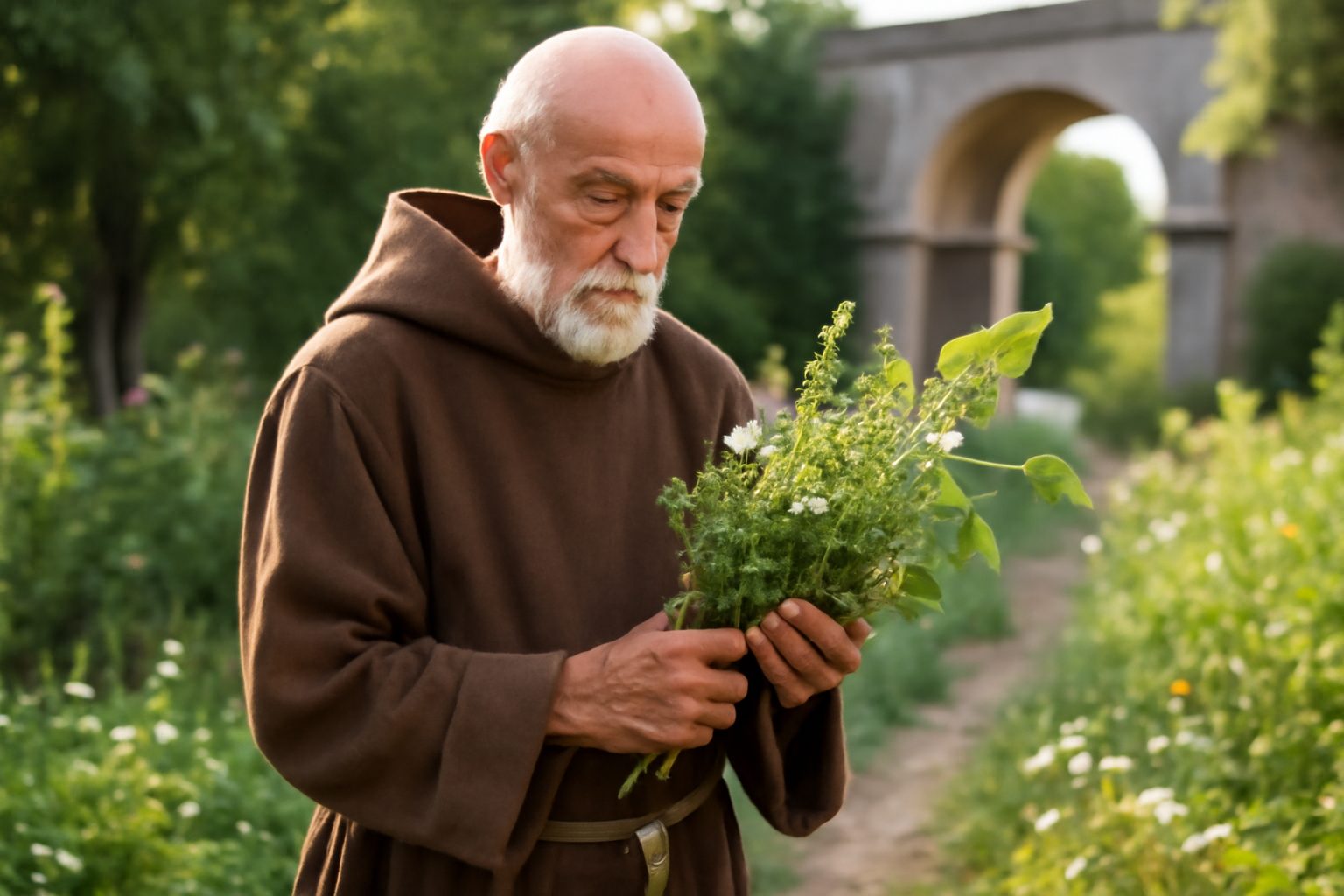
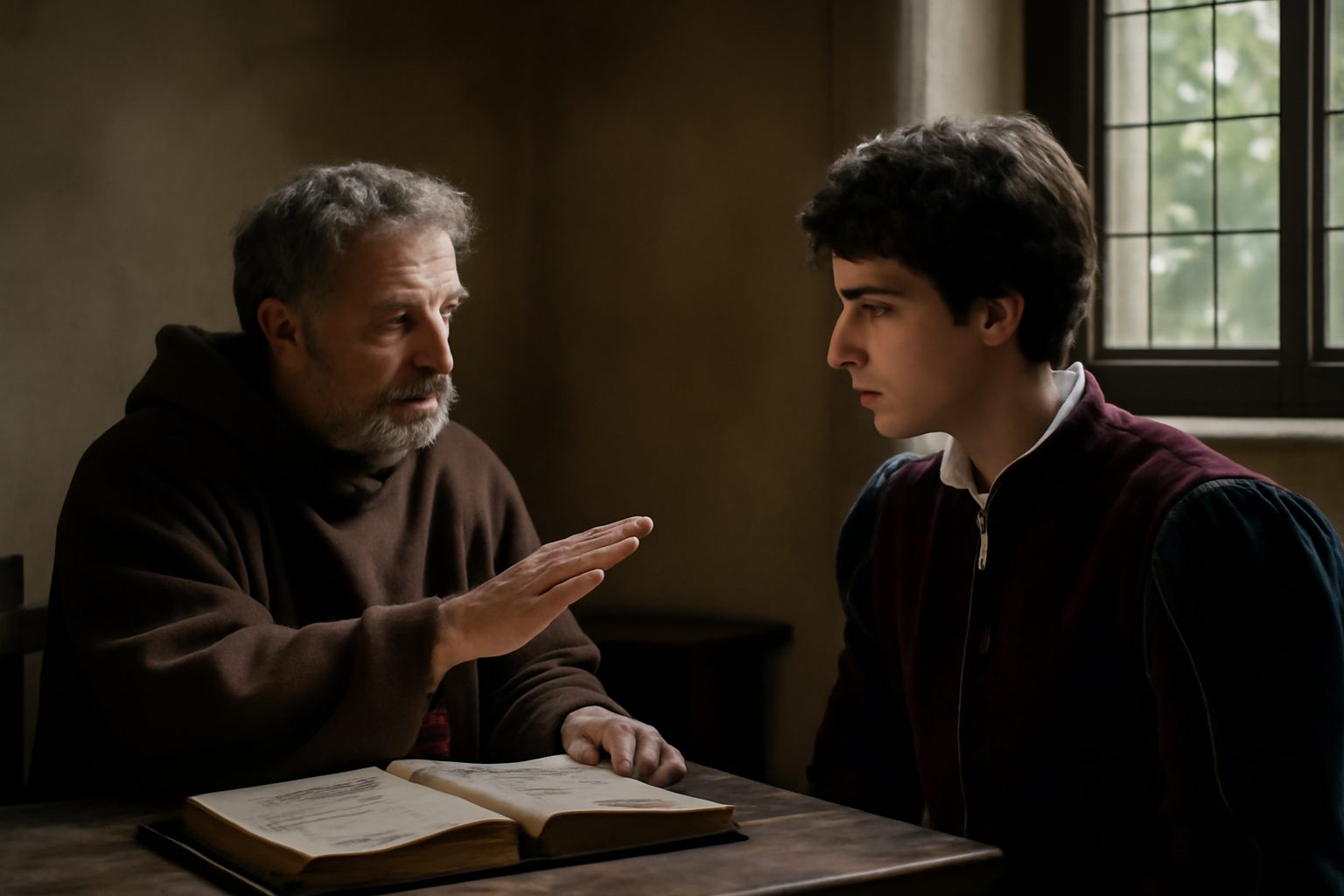
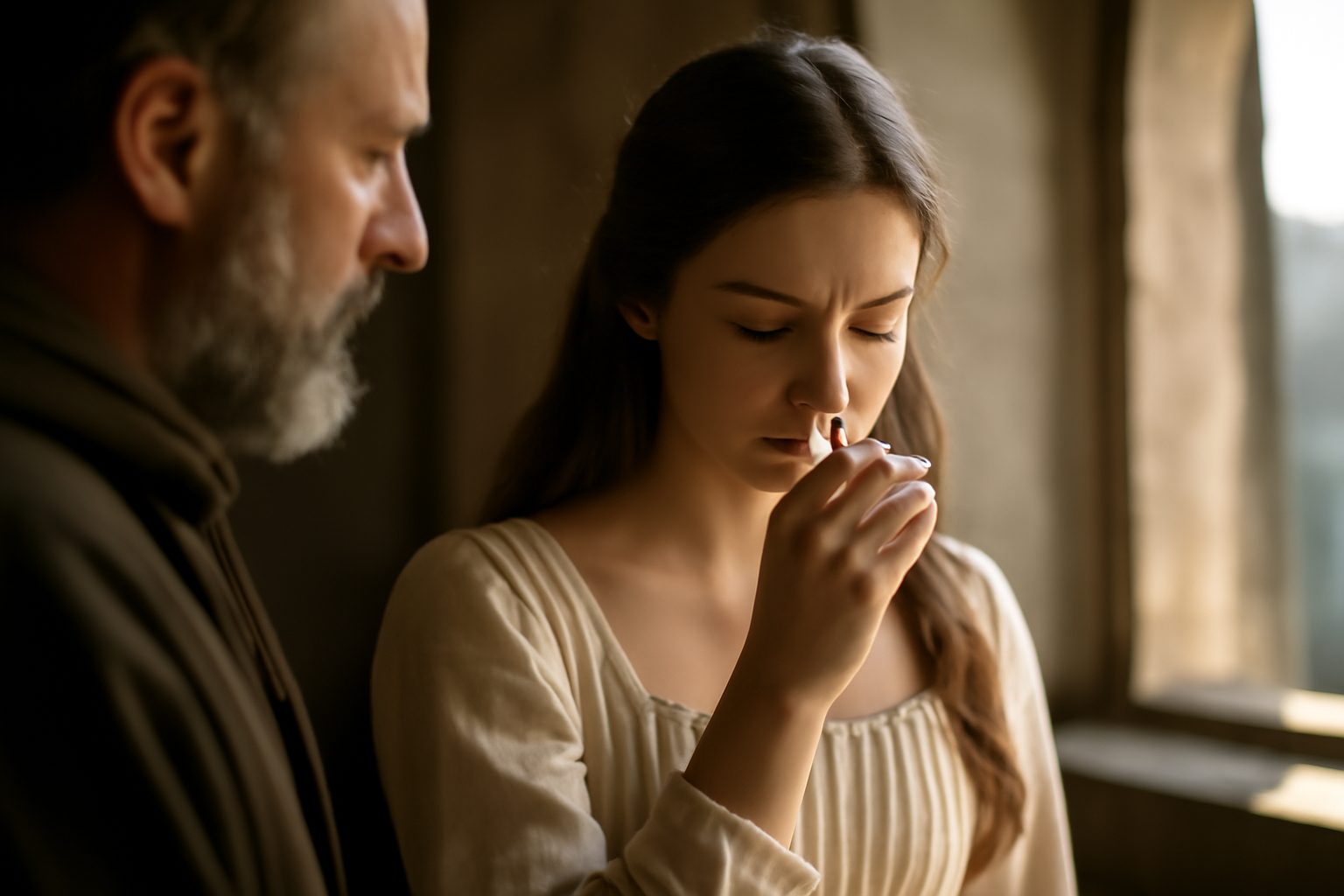
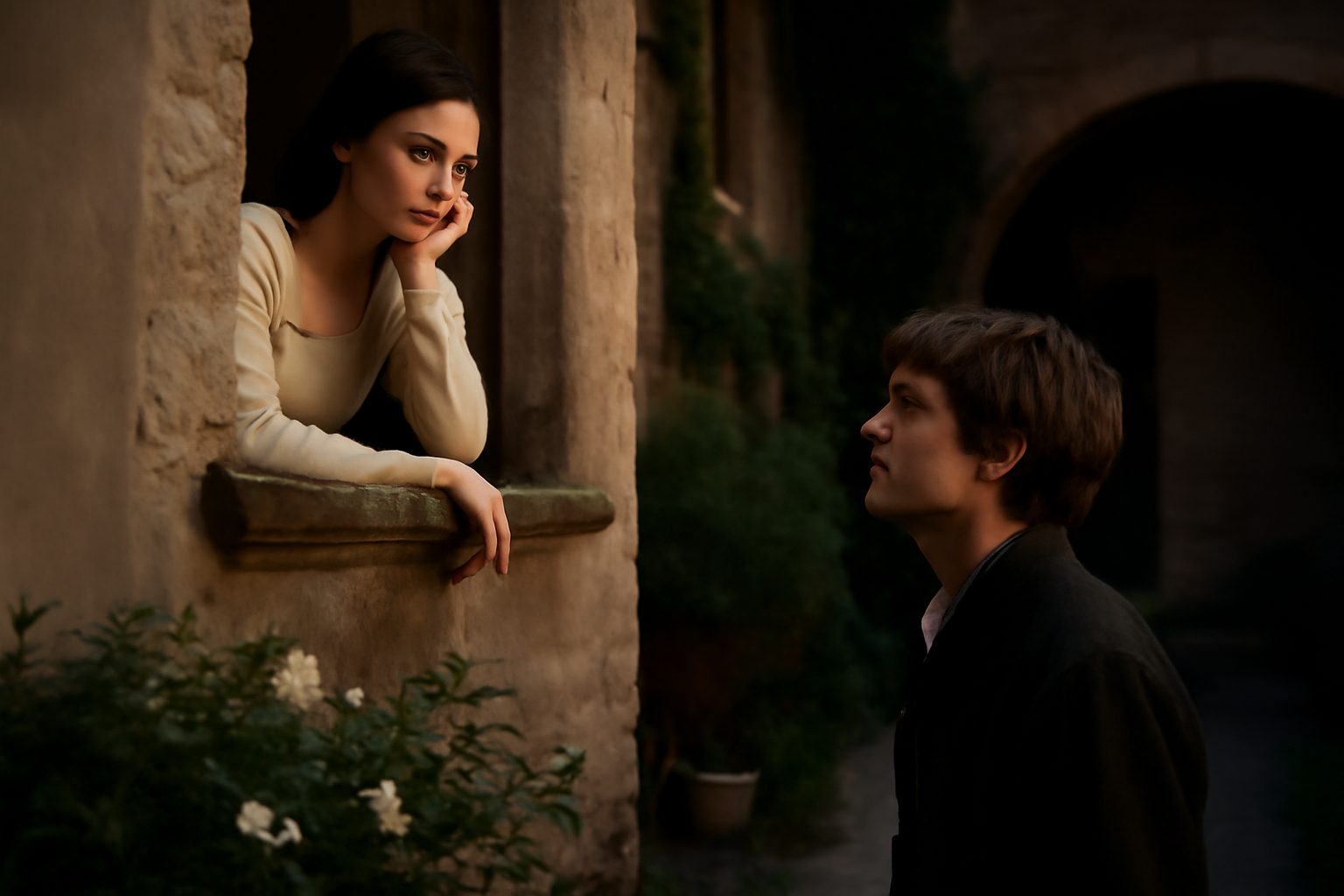
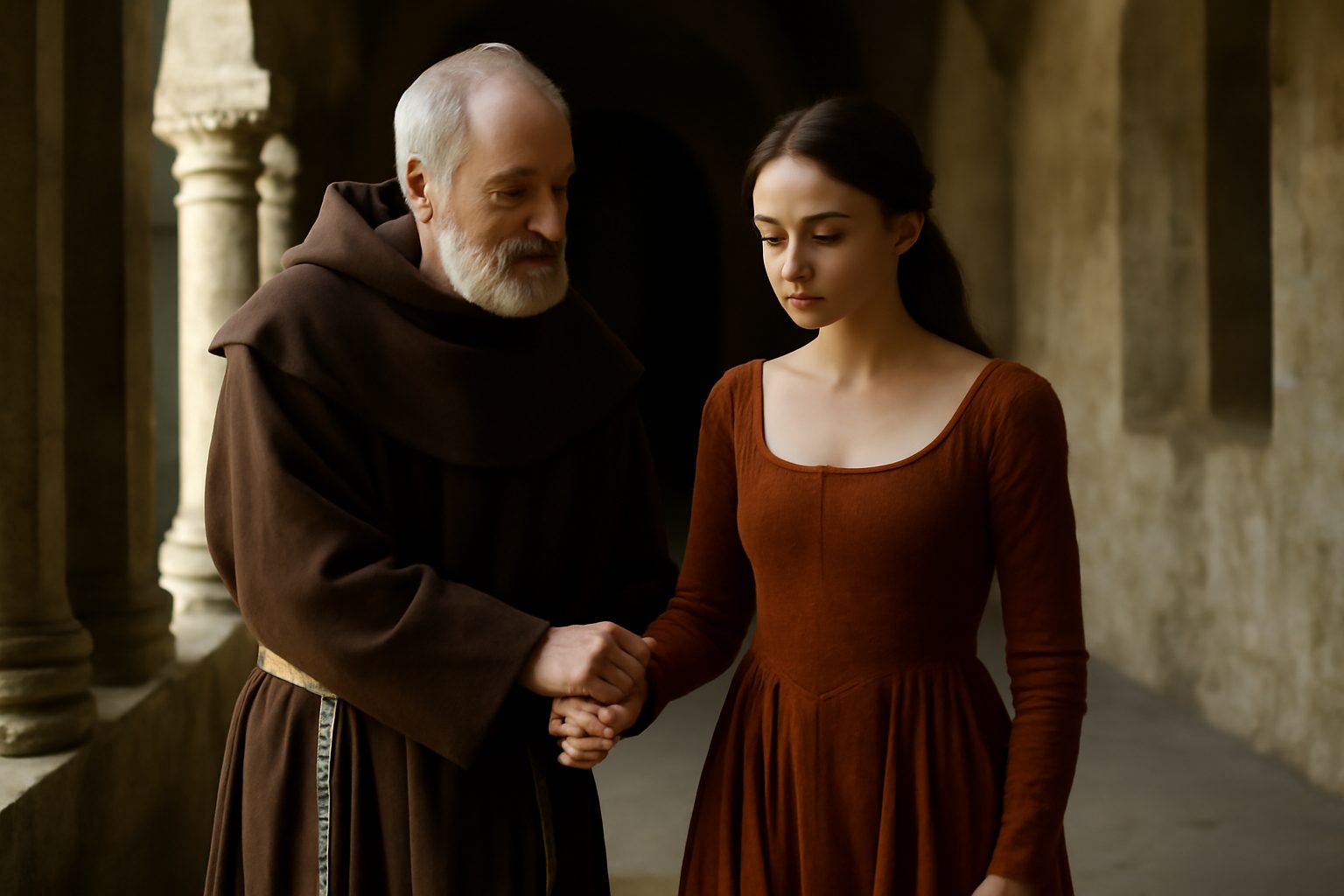
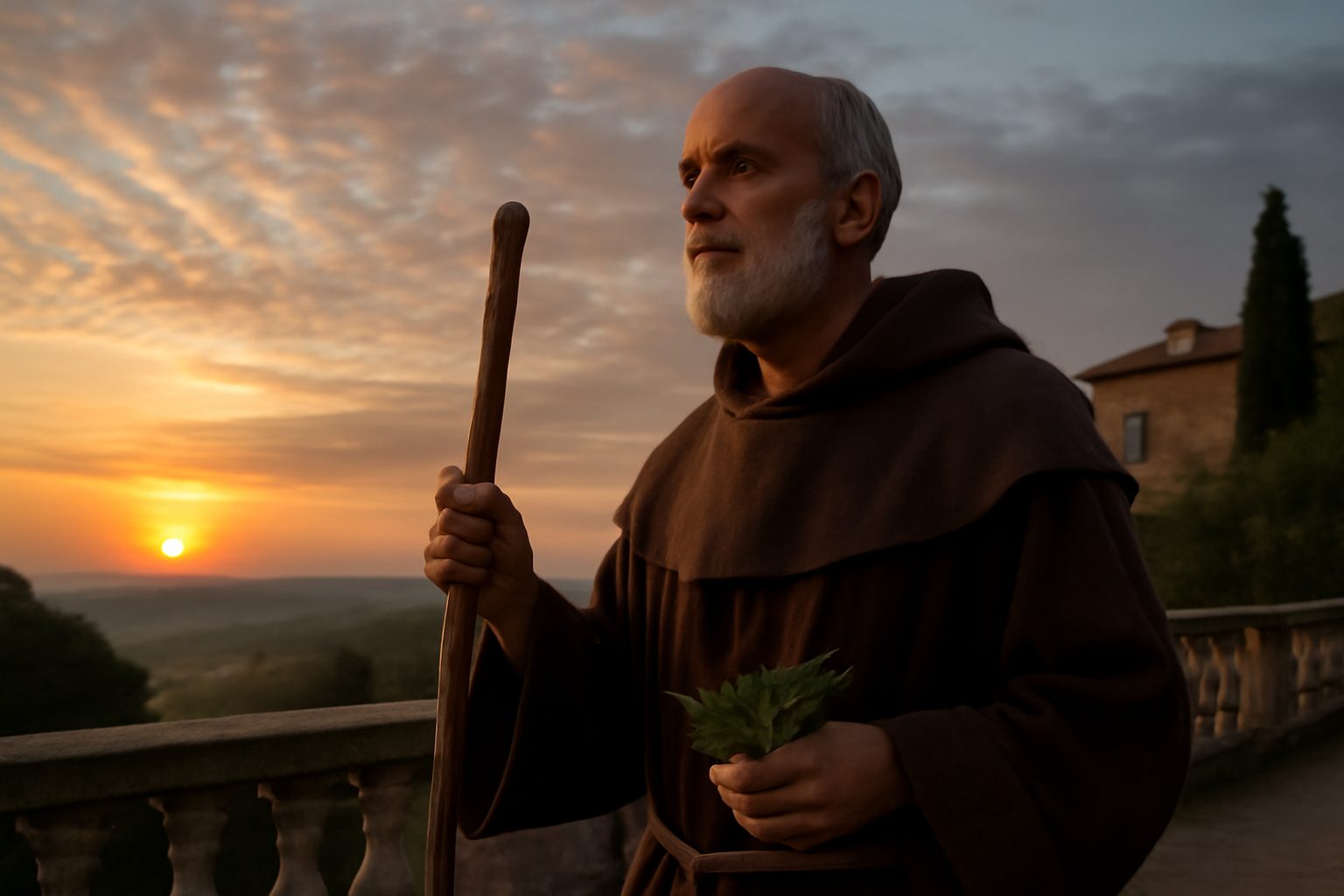
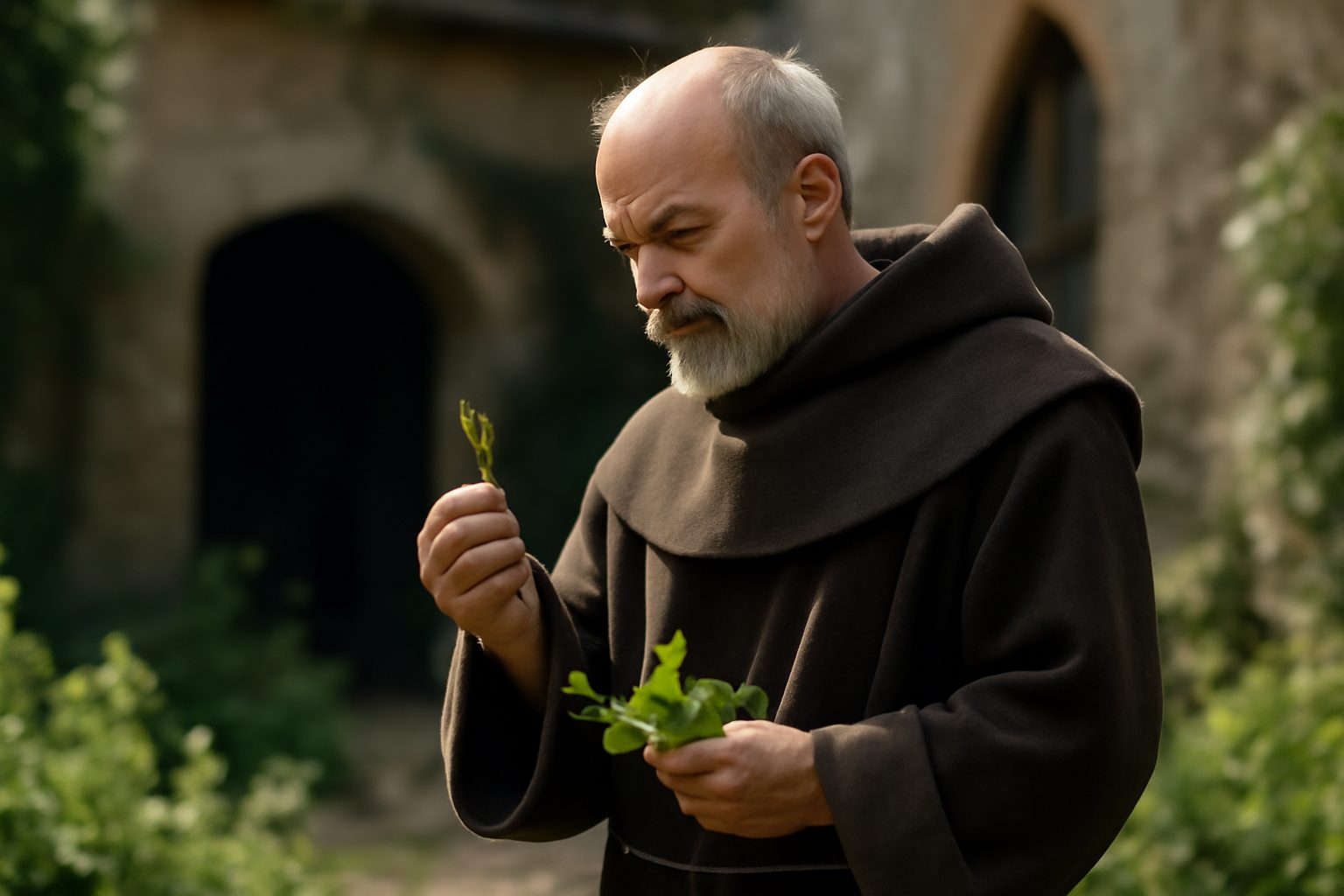
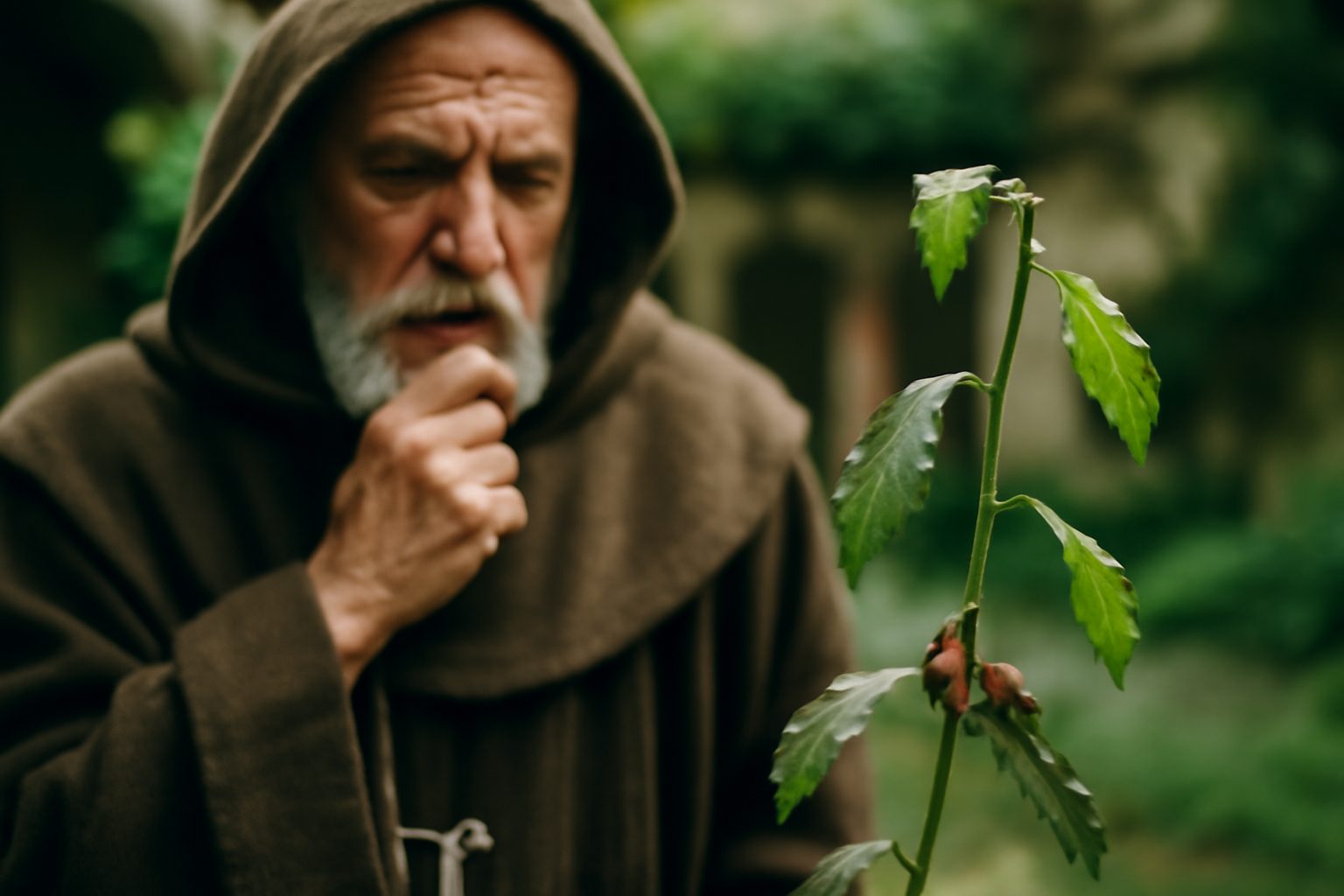
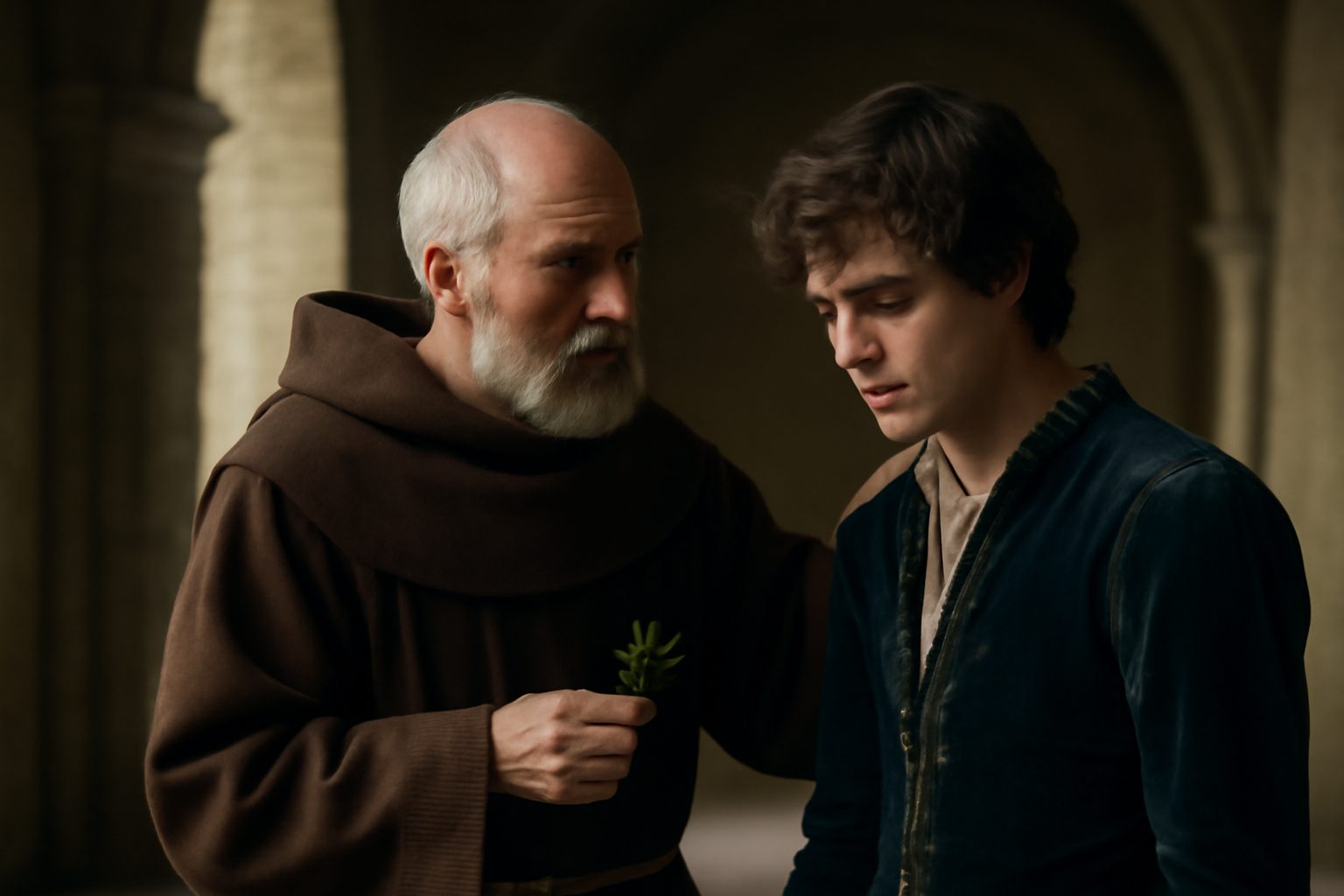
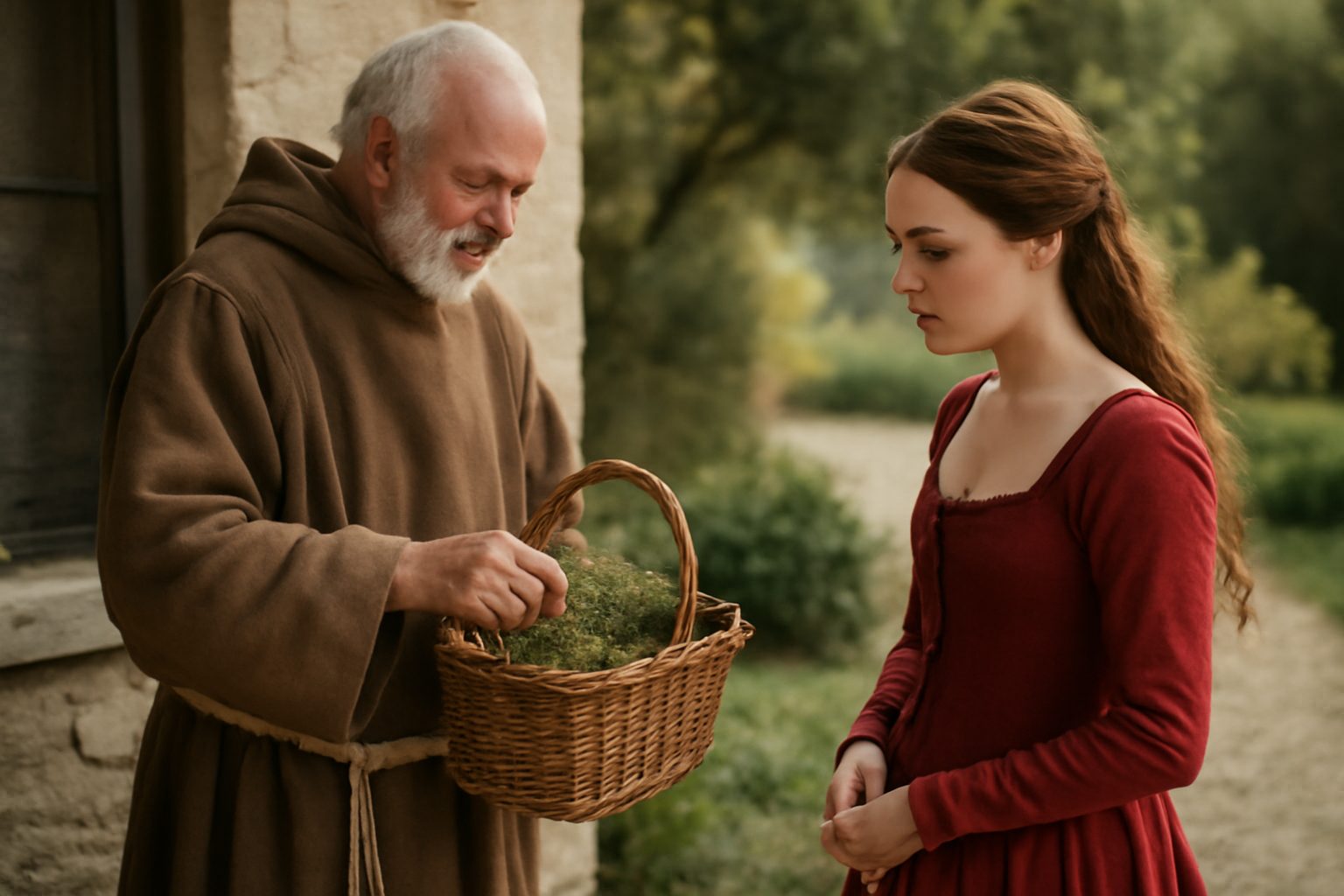
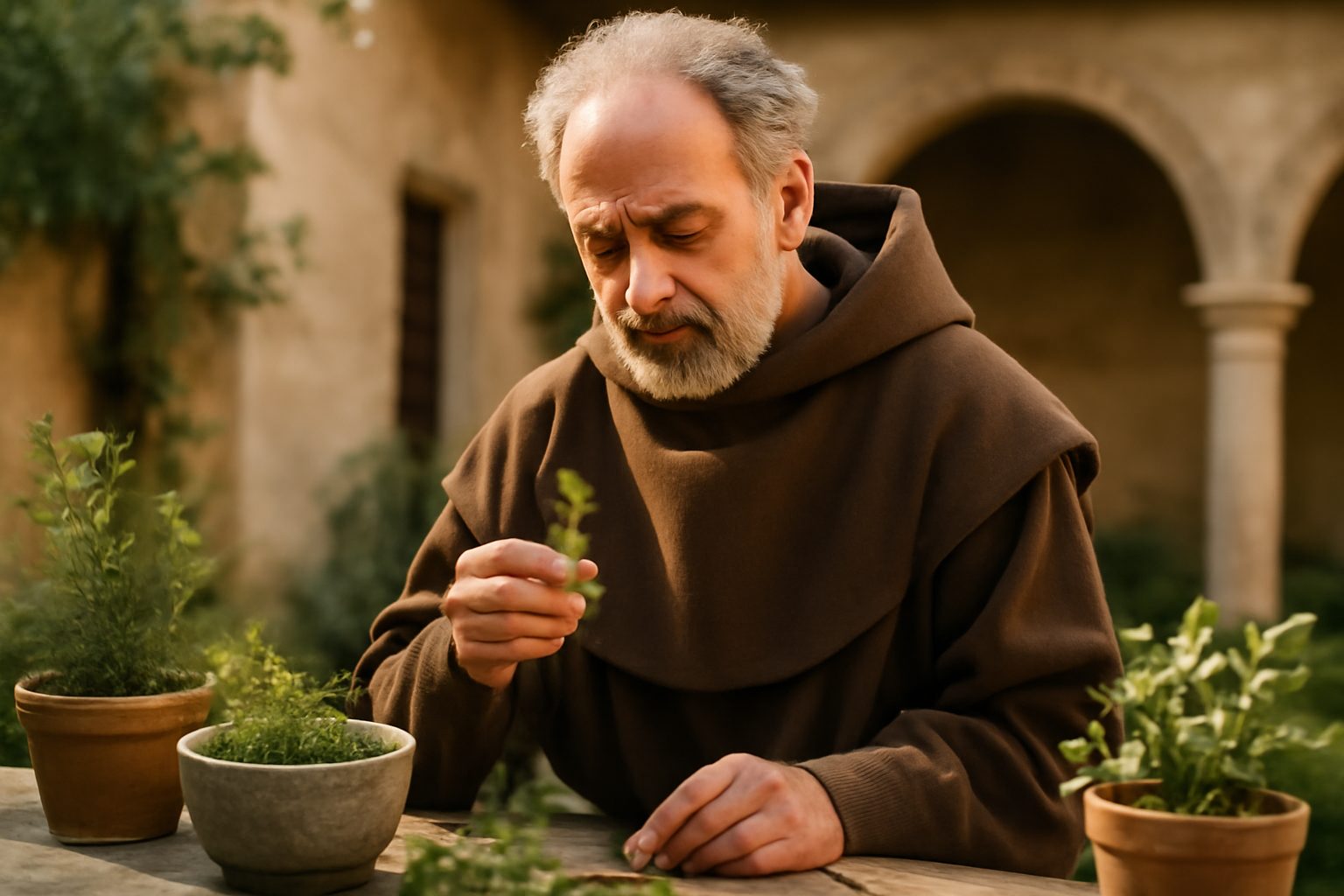
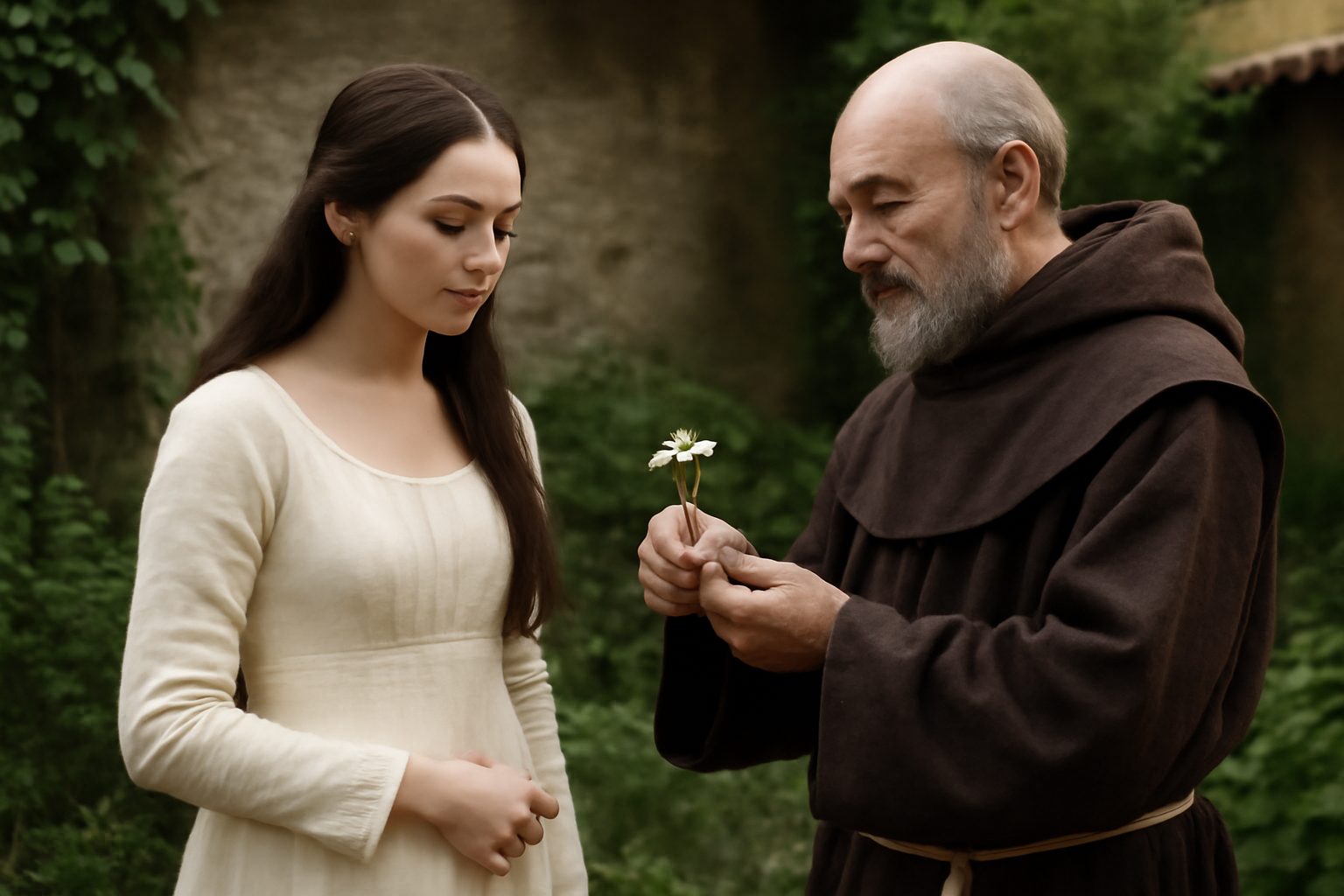
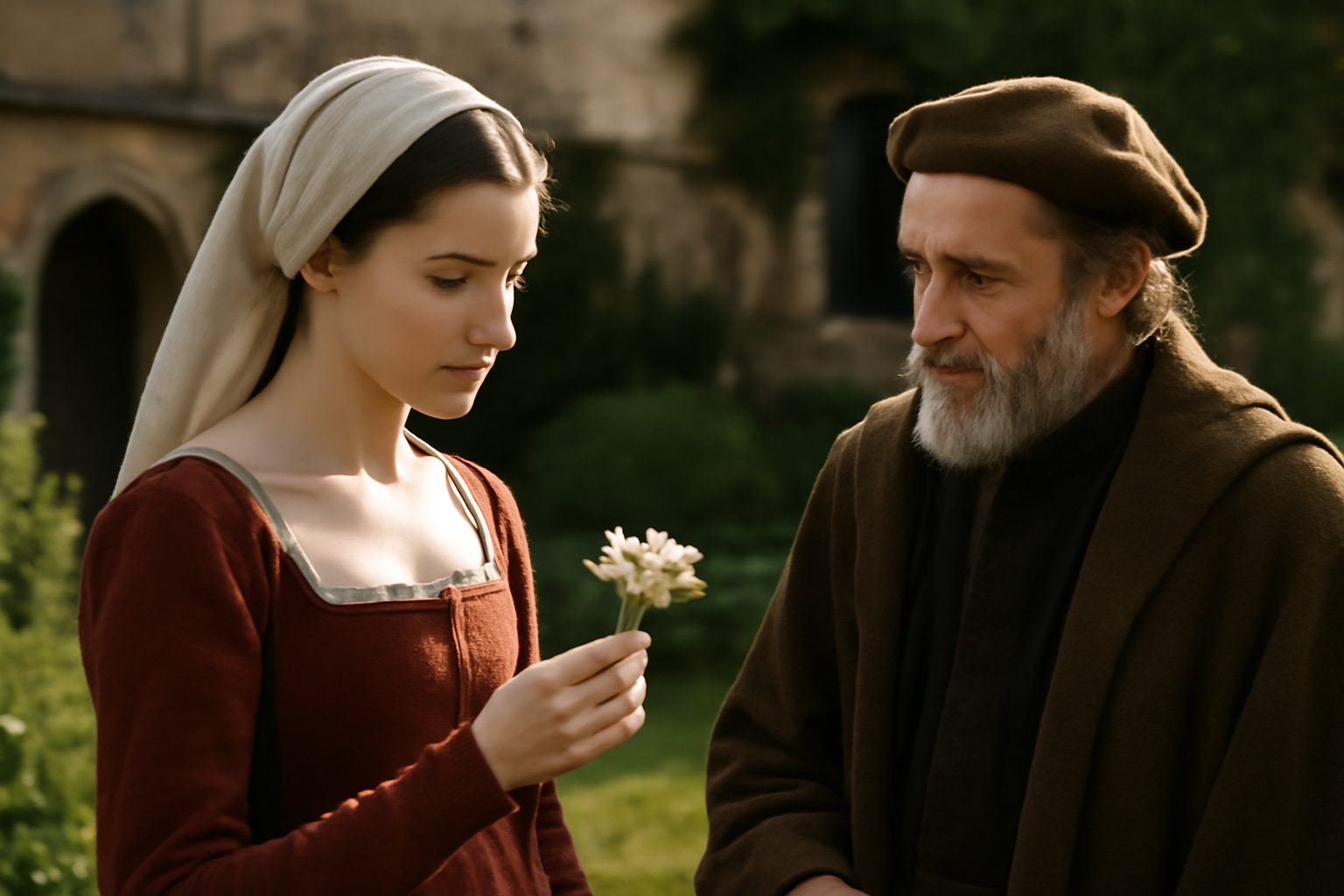
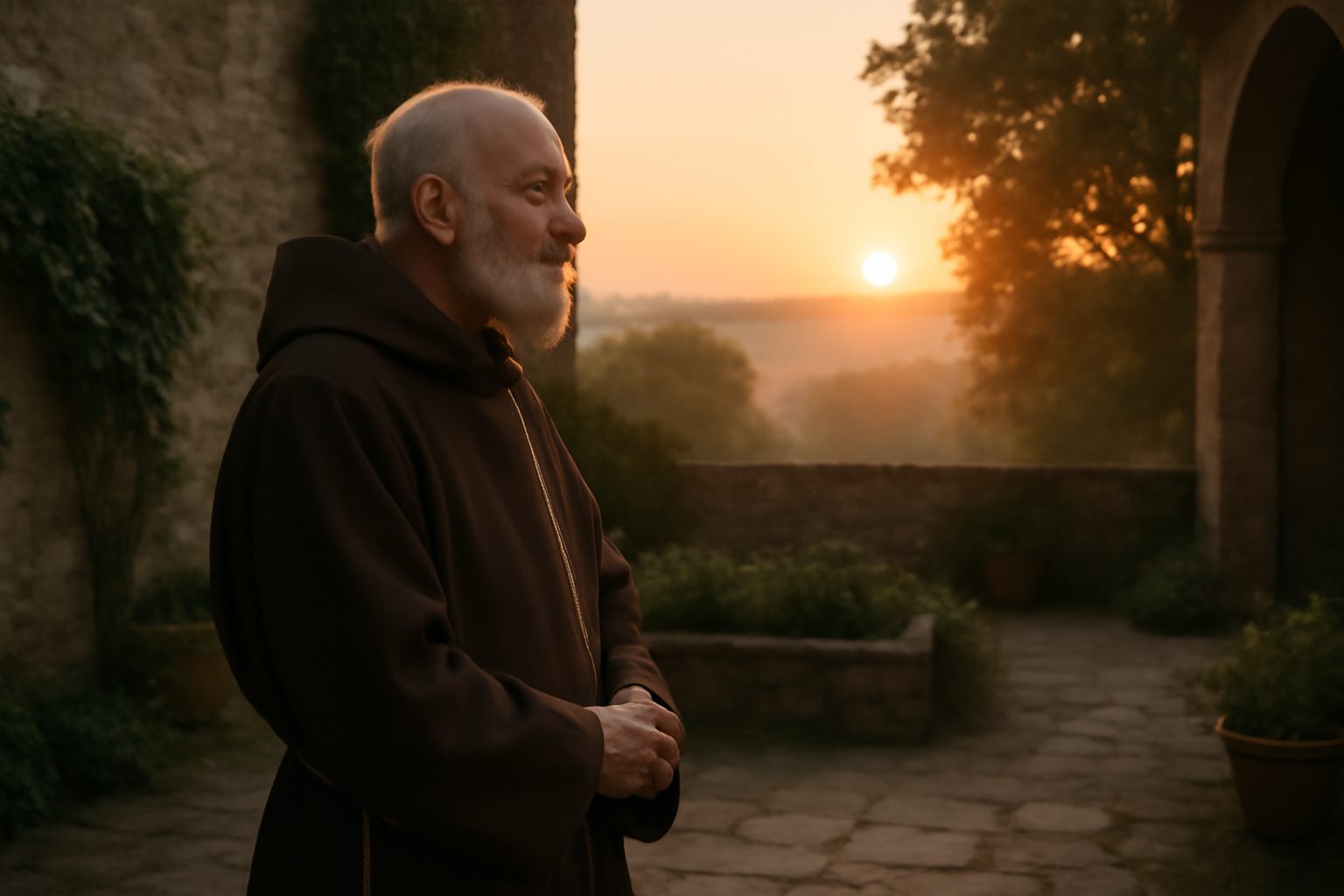
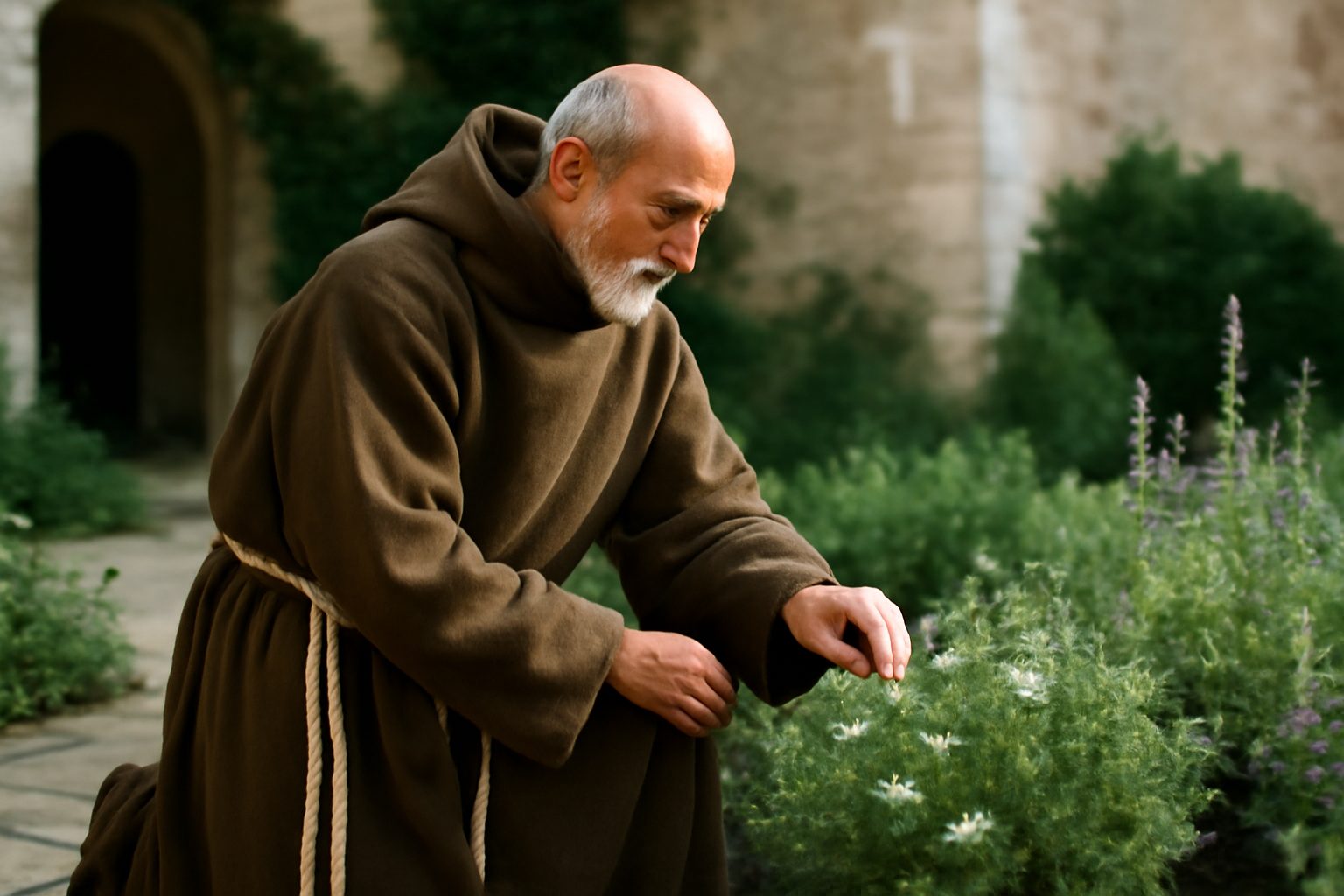
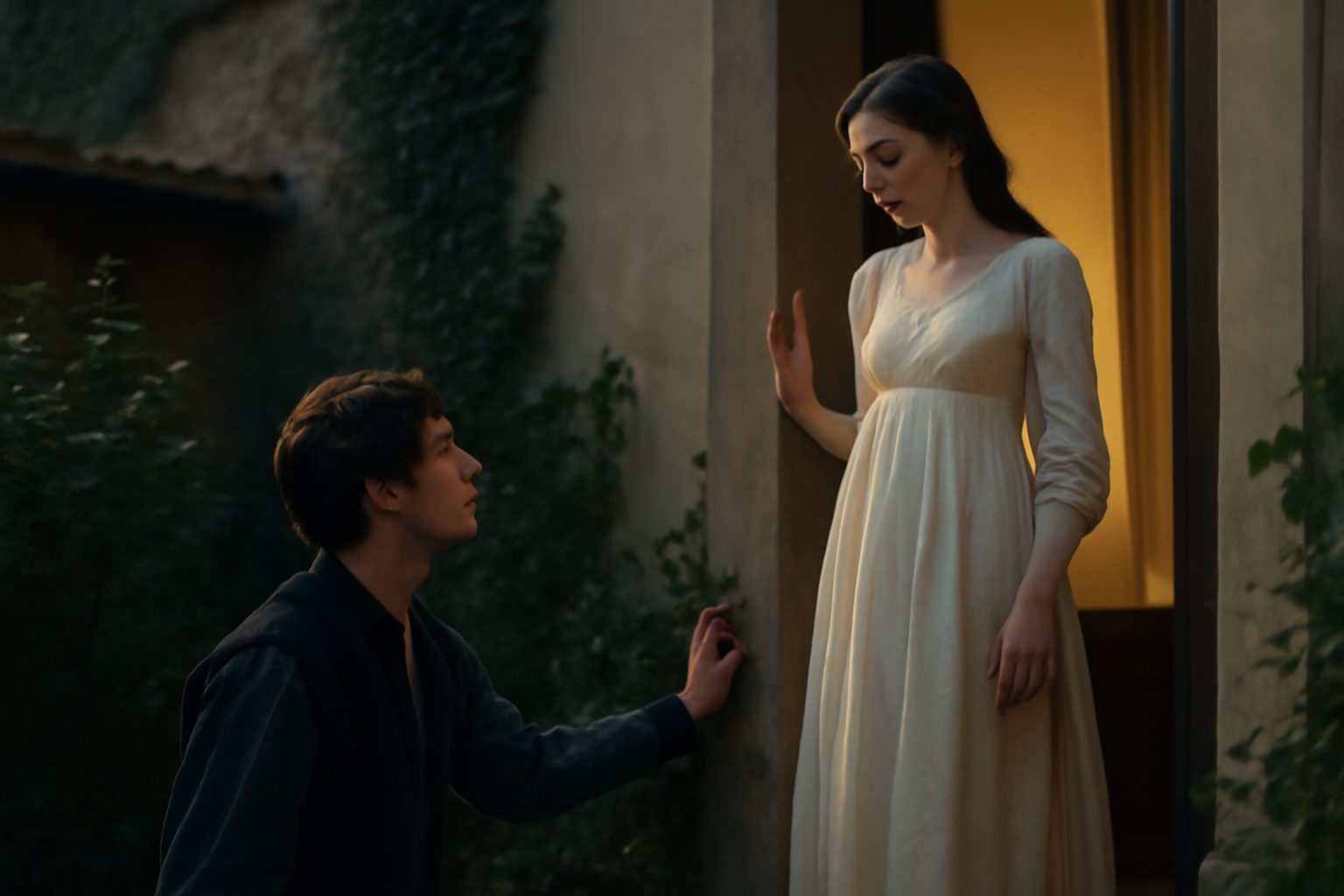
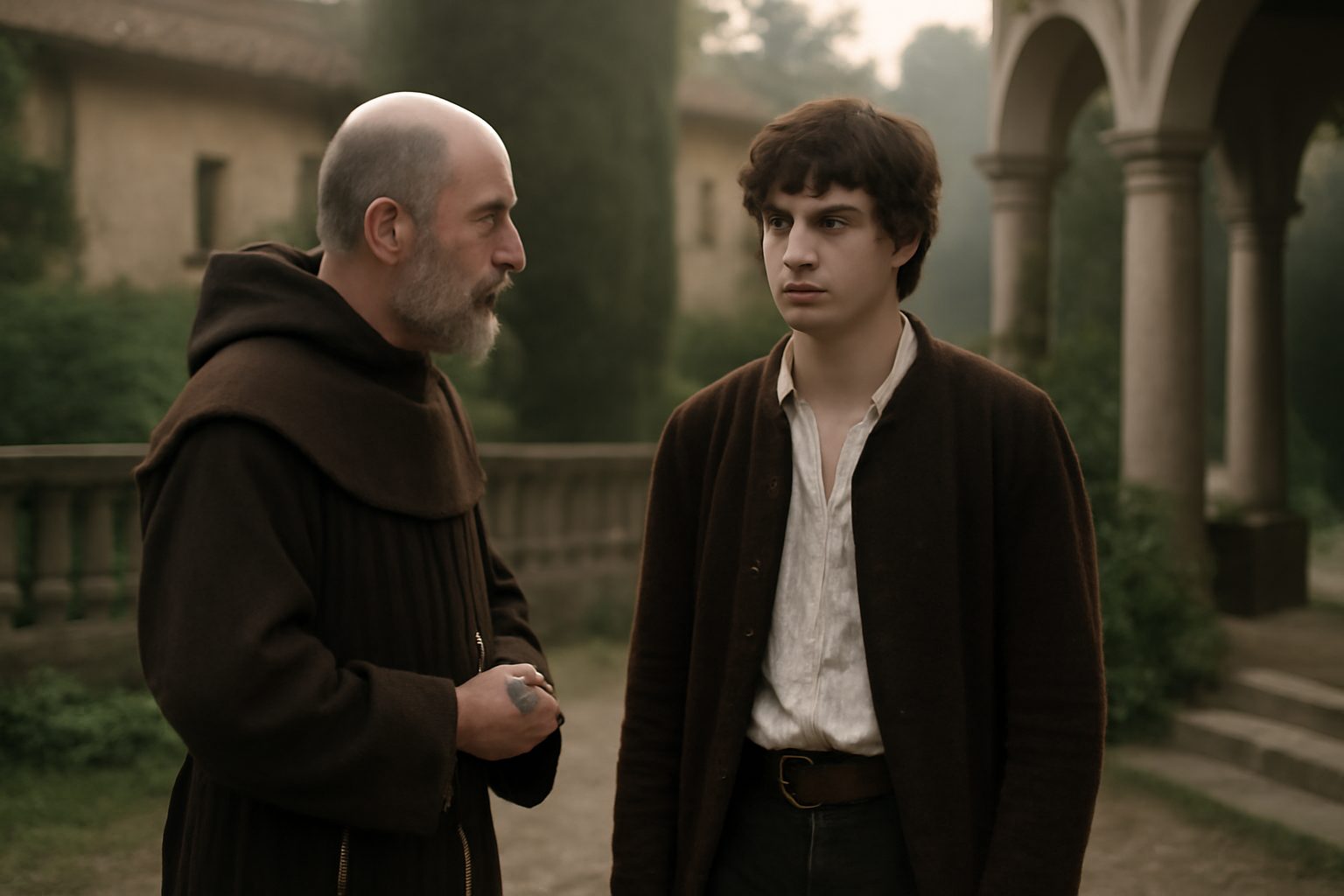
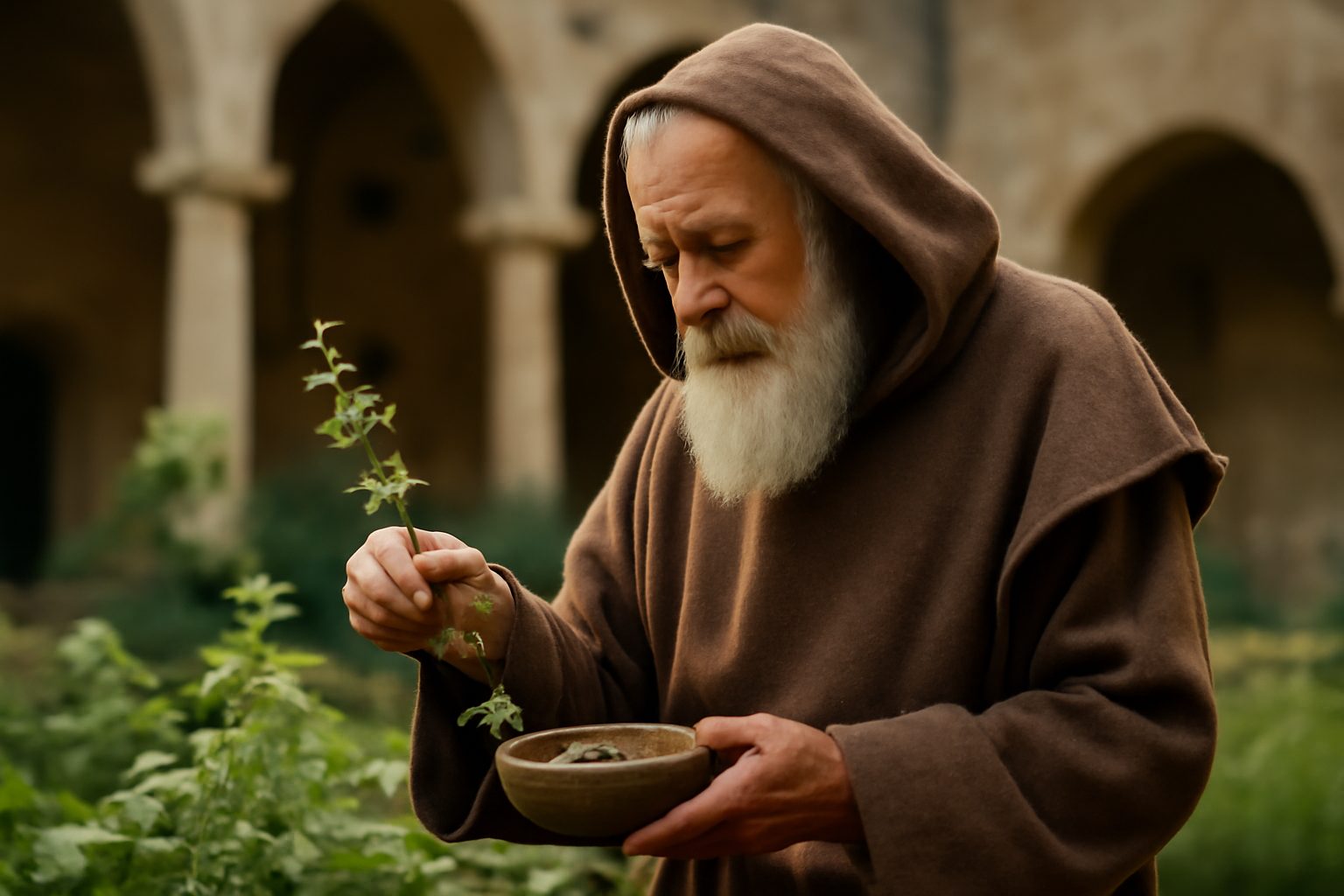
In Act 2, Scene 3 of Romeo and Juliet, Friar Laurence is gathering herbs at dawn, reflecting on the duality of nature—how plants can heal or harm. This line speaks to his belief that even the earth holds unique gifts, foreshadowing his role in crafting the potion that drives the plot. The moment underscores the friar's wisdom and the play's themes of balance and unintended consequences.
Friar Laurence: "But to the earth some special good doth give,"
In modern day english, we would say:
The earth receives something uniquely valuable from each plant.
Frequently Asked Questions
What does Friar Laurence say the earth provides in this line?
Friar Laurence says the earth gives some special good.
Connections to other verses:
Connections to "But to the earth some special good doth give"
The verse But to the earth some special good doth give is part of Friar Laurence's soliloquy on the dual nature of things, where he reflects on how the earth provides both beneficial and harmful substances. This theme is echoed in several other lines from the same scene.
Dual Nature and Virtue vs. Vice
Directly preceding this line, the Friar states For nought so vile that on the earth doth live, emphasizing that nothing is entirely evil without offering some good. This idea is further developed in Virtue itself turns vice, being misapplied, which underscores how even good qualities can become harmful if misused. Similarly, And vice sometimes by action dignified reinforces the notion that vice can sometimes be transformed into something positive through righteous action.
Earth's Bounty and Its Consequences
The earth's role as a source of both life and death is highlighted in The earth that's nature's mother is her tomb, illustrating the cyclical nature of existence. This connects to the idea that the earth gives "special good" but also harbors danger, as seen in Poison hath residence and medicine power, where the same substance can heal or harm. The flower mentioned in Within the infant rind of this small flower embodies this duality, containing both poison and medicine.
Application to Human Nature
Friar Laurence extends this natural duality to human behavior in In man as well as herbs, grace and rude will, suggesting that humans, like plants, possess both virtue and base instincts. The struggle between these opposing forces is depicted in Two such opposed kings encamp them still, symbolizing the internal conflict within individuals. The Friar's warning in Nor aught so good but strain'd from that fair use cautions that even good things can be perverted, echoing the initial idea that the earth's gifts must be used wisely.
Relevance to Romeo's Situation
These reflections on duality and misuse directly relate to Romeo's rash love, as the Friar later admonishes him in For doting, not for loving, pupil mine, criticizing his superficial passion. The Friar's decision to marry Romeo and Juliet despite the risks (For this alliance may so happy prove) stems from his belief that their love could transform vice into virtue, turning "rancour to pure love" (To turn your households' rancour to pure love).