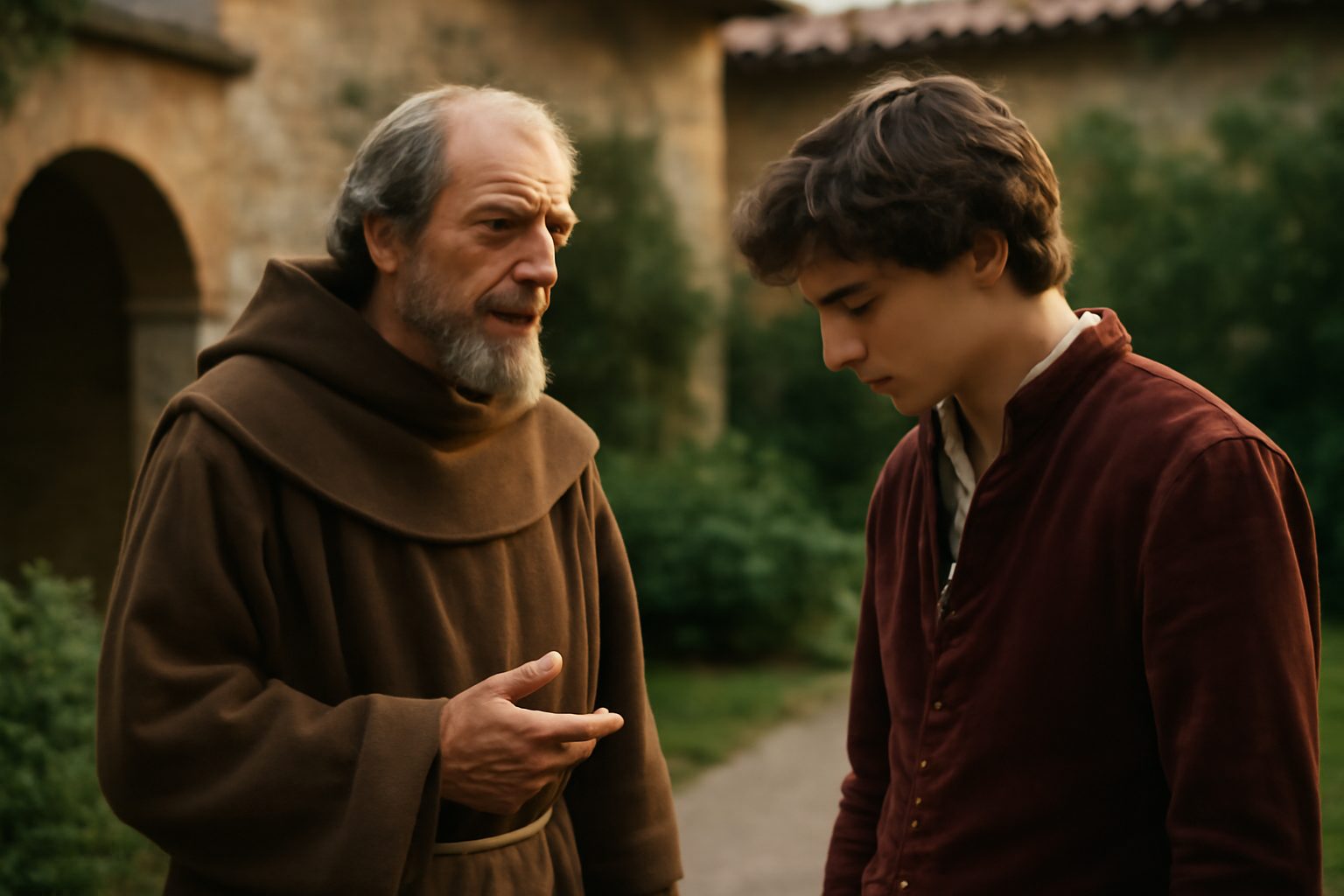
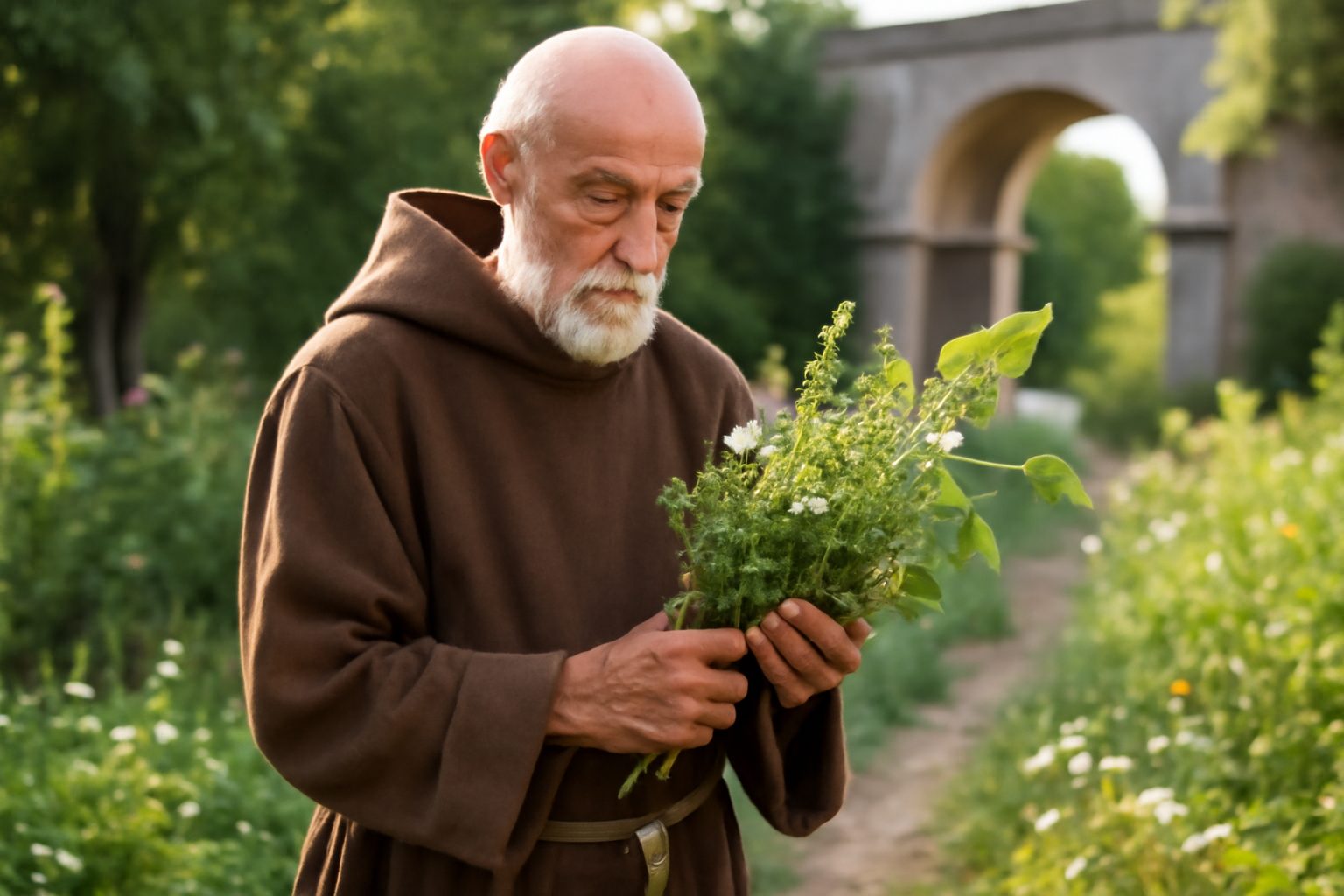
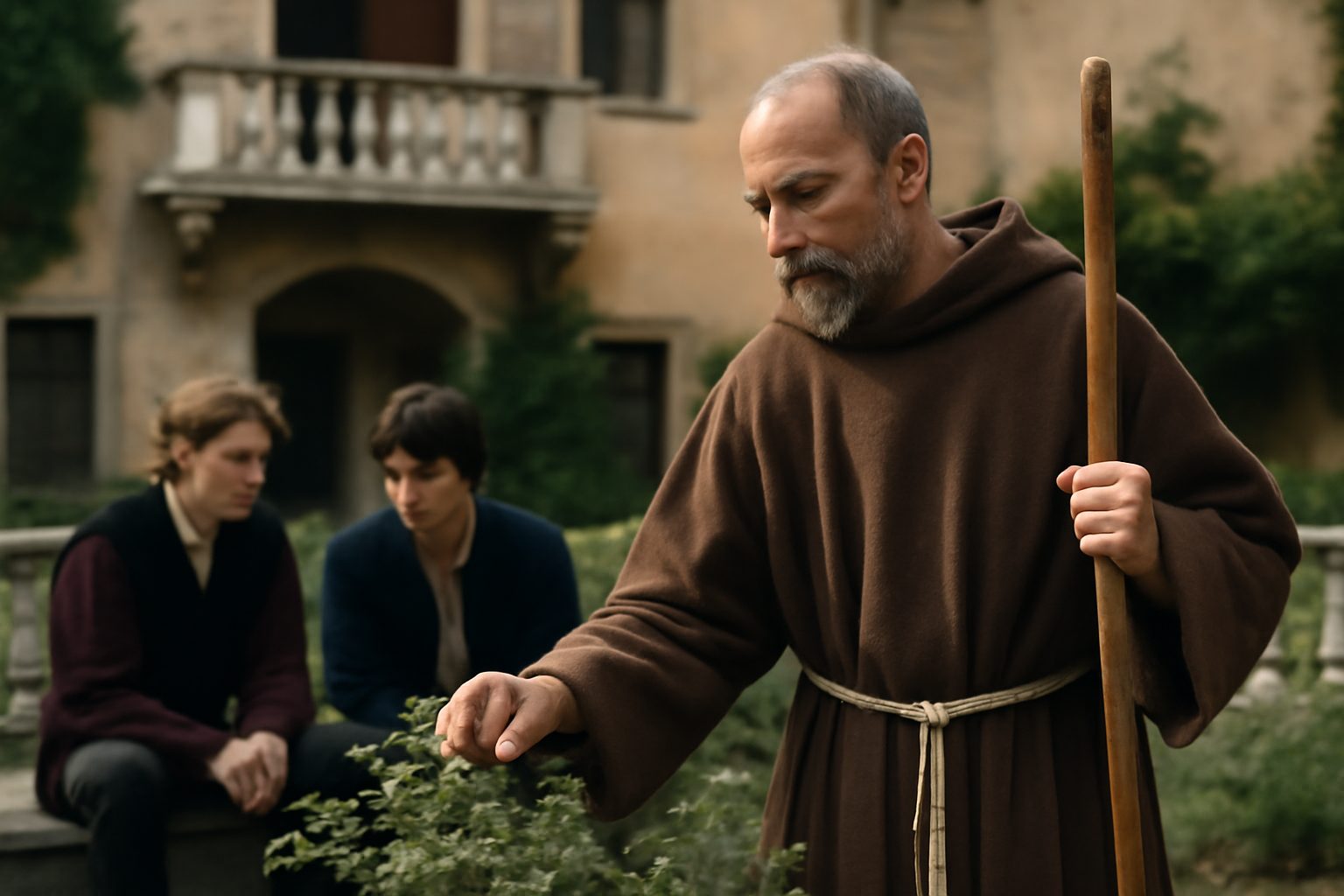
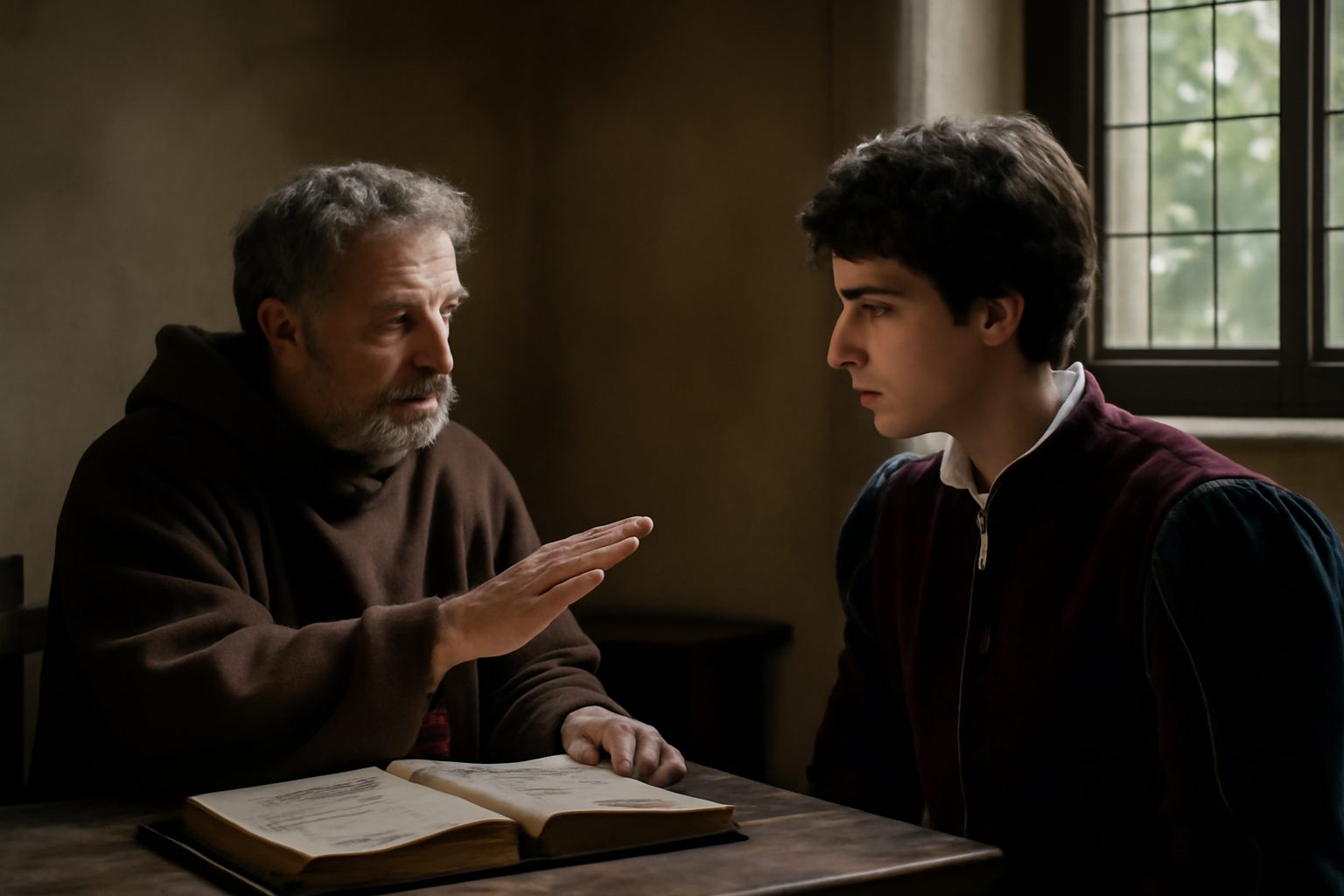
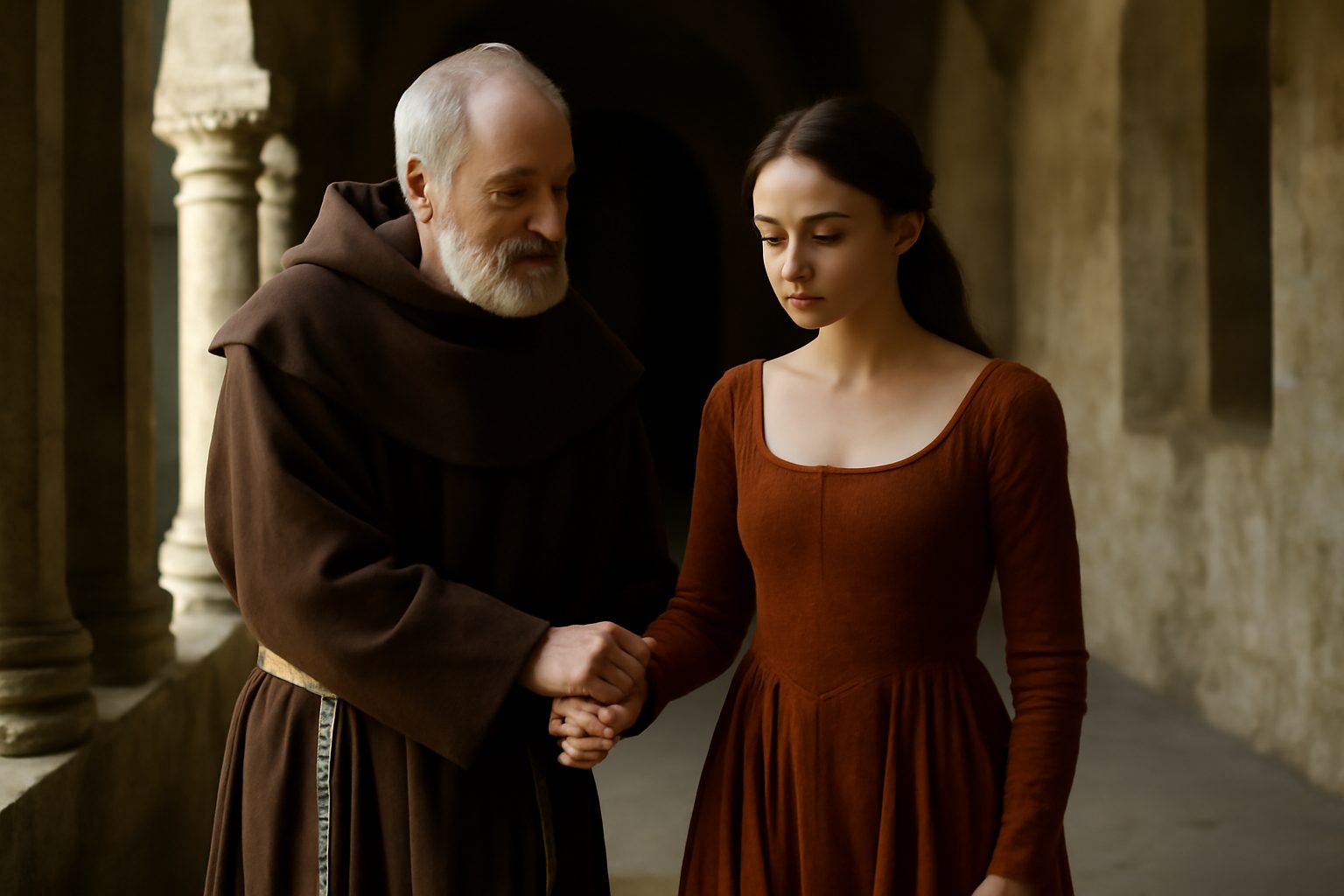
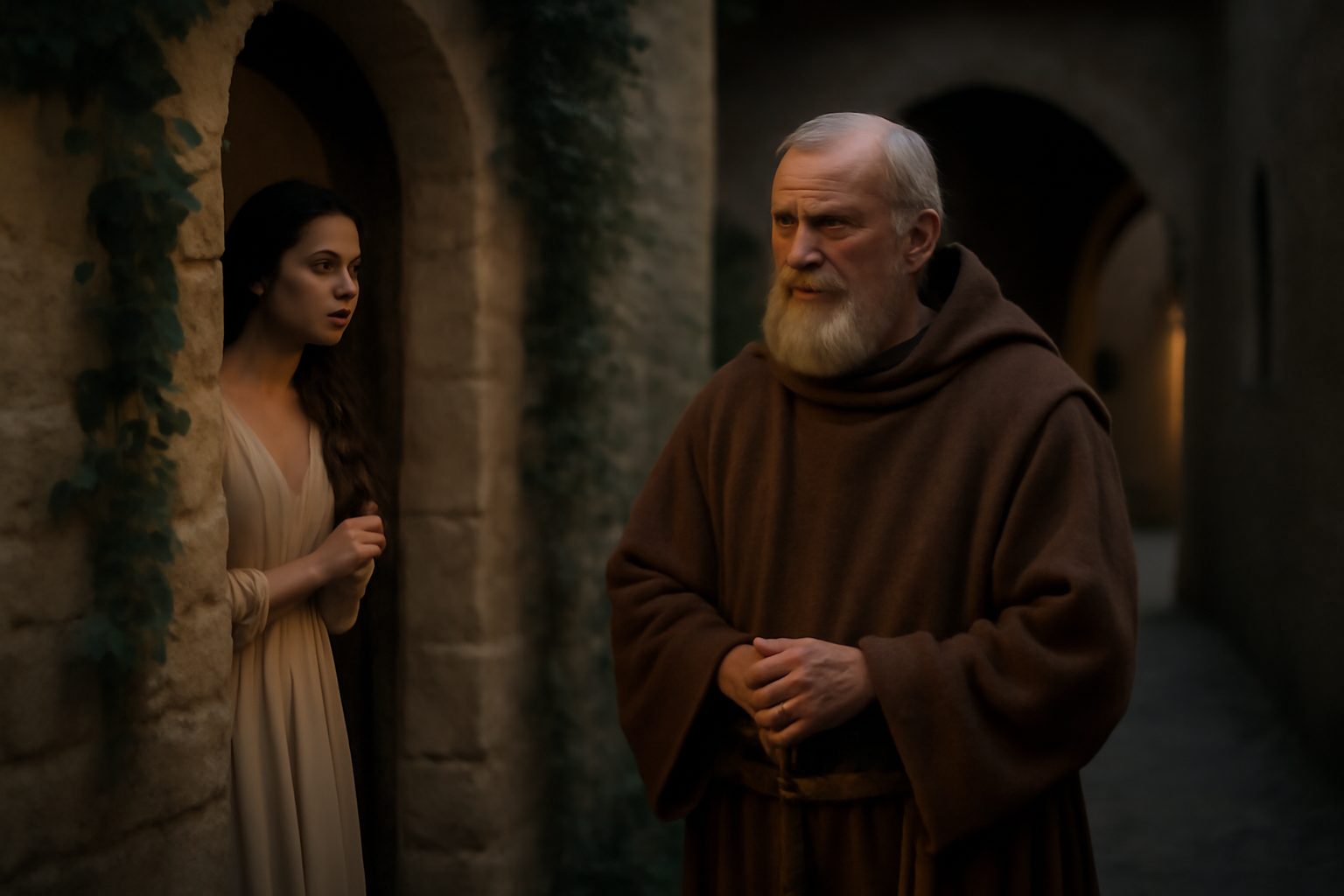
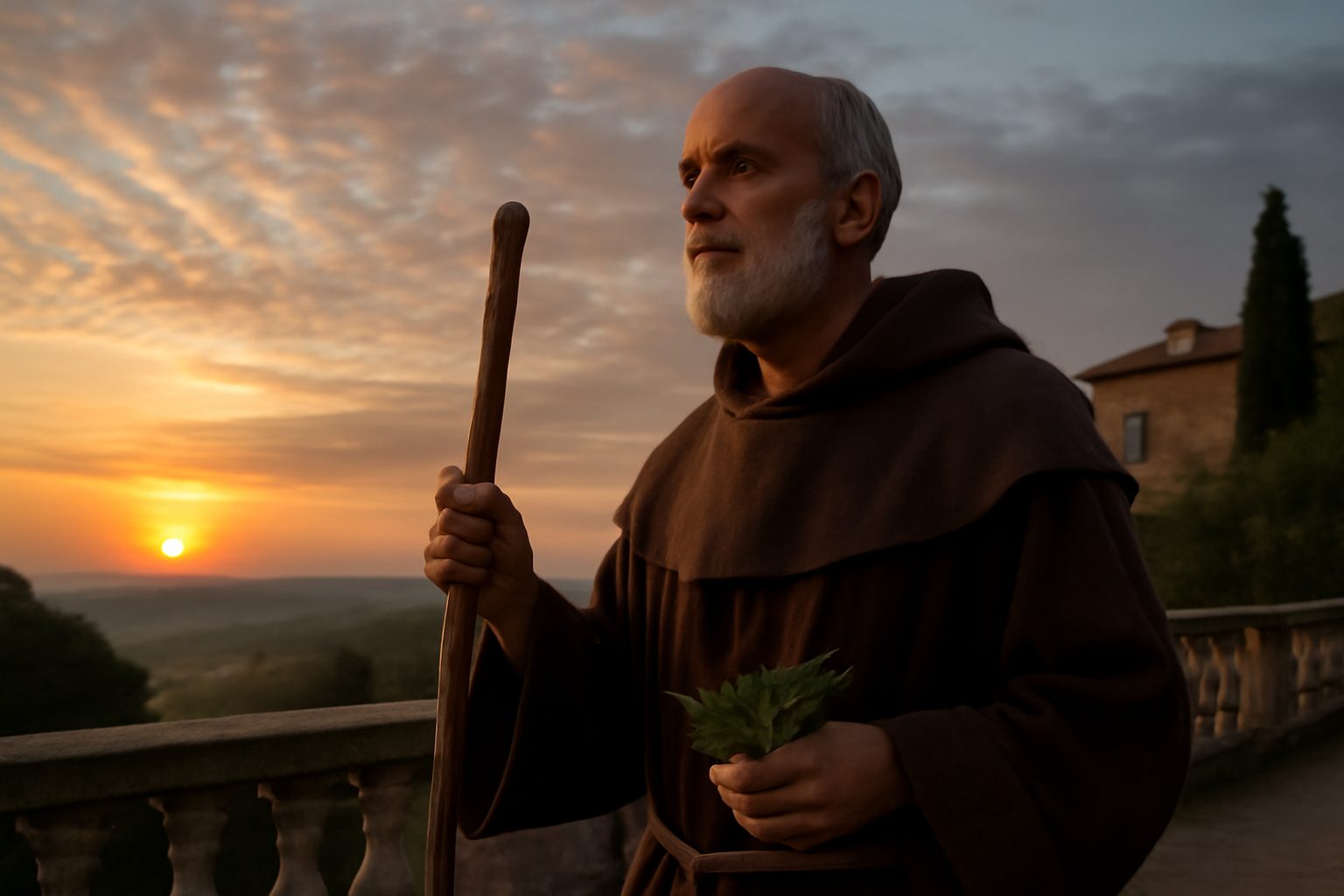
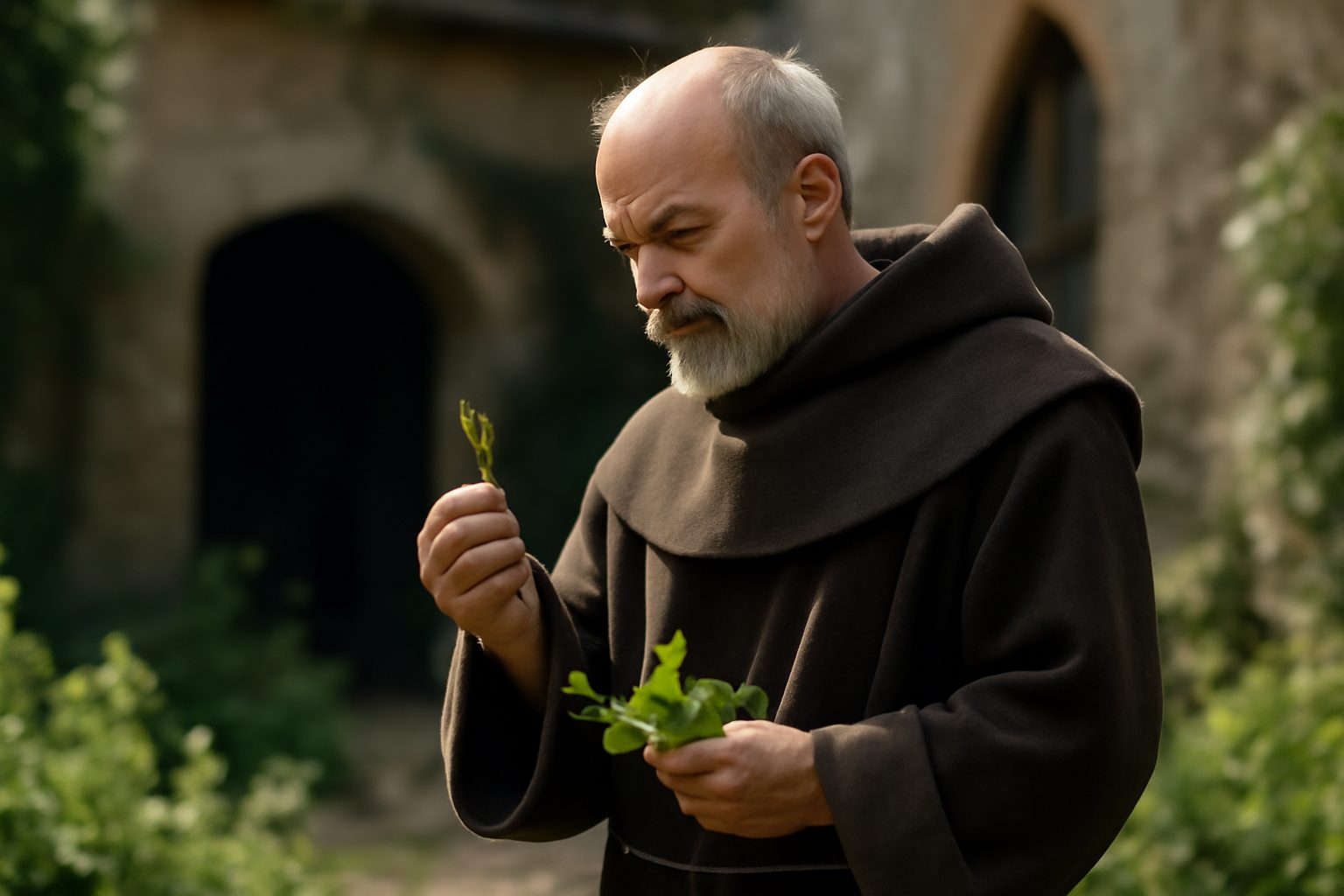
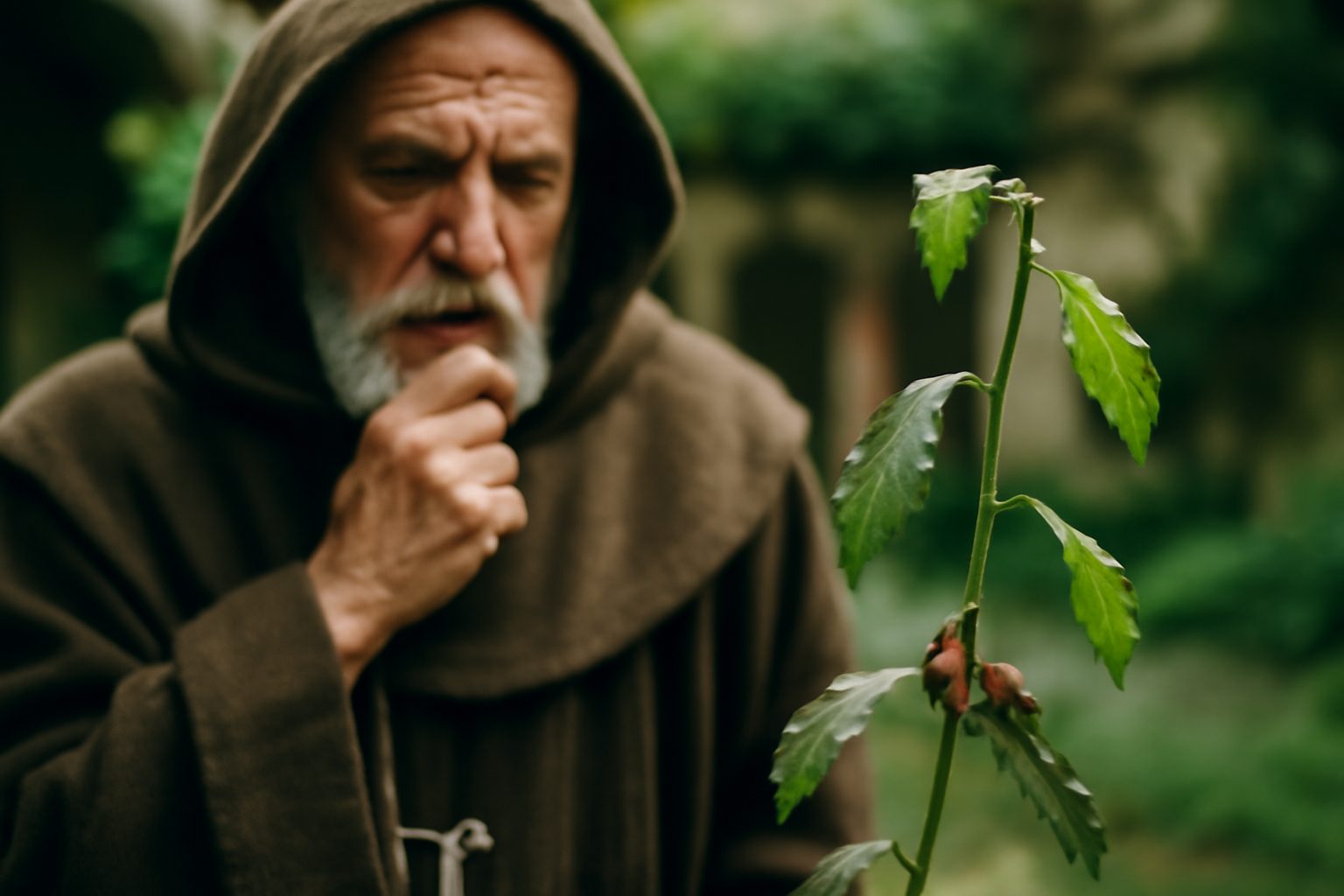
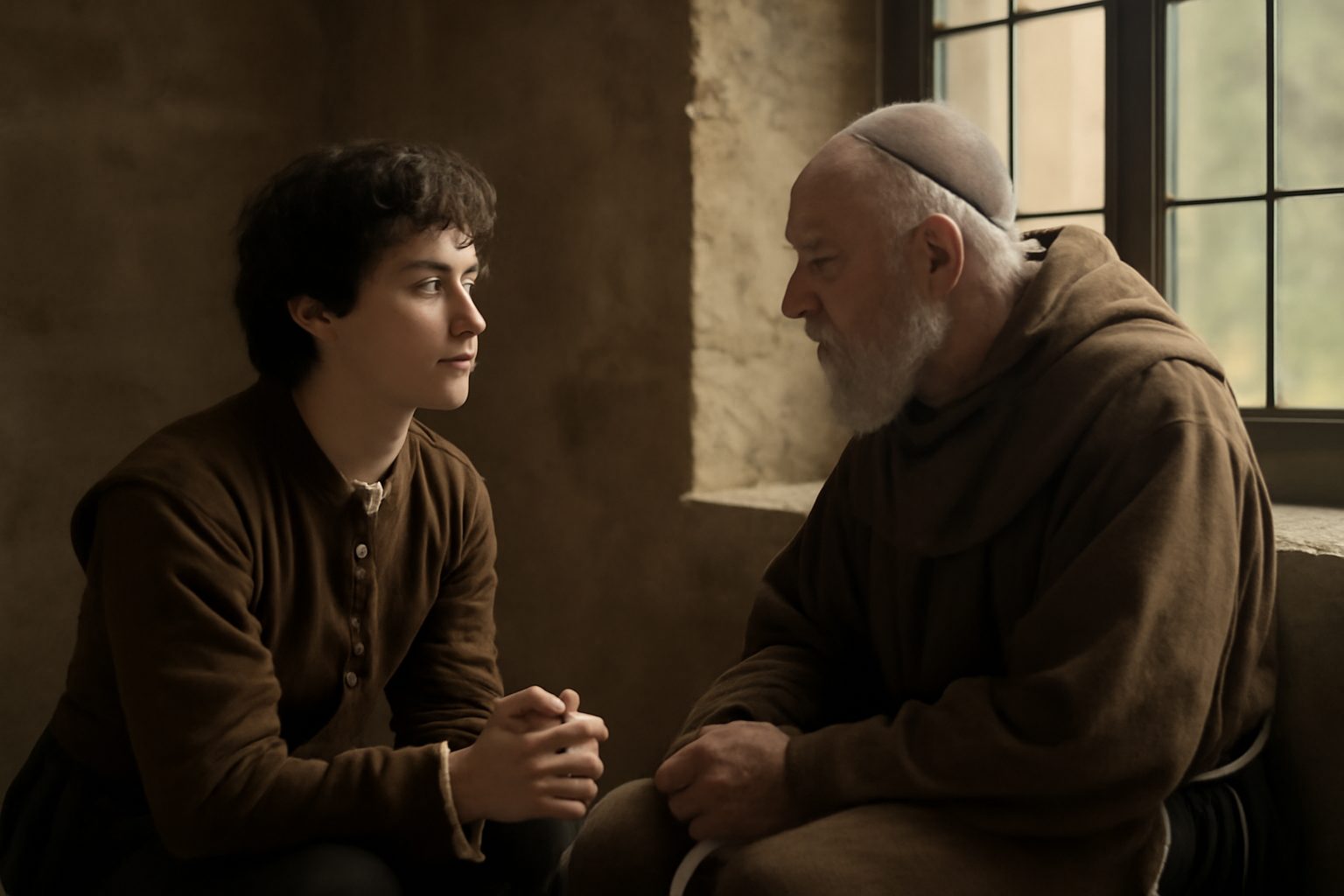
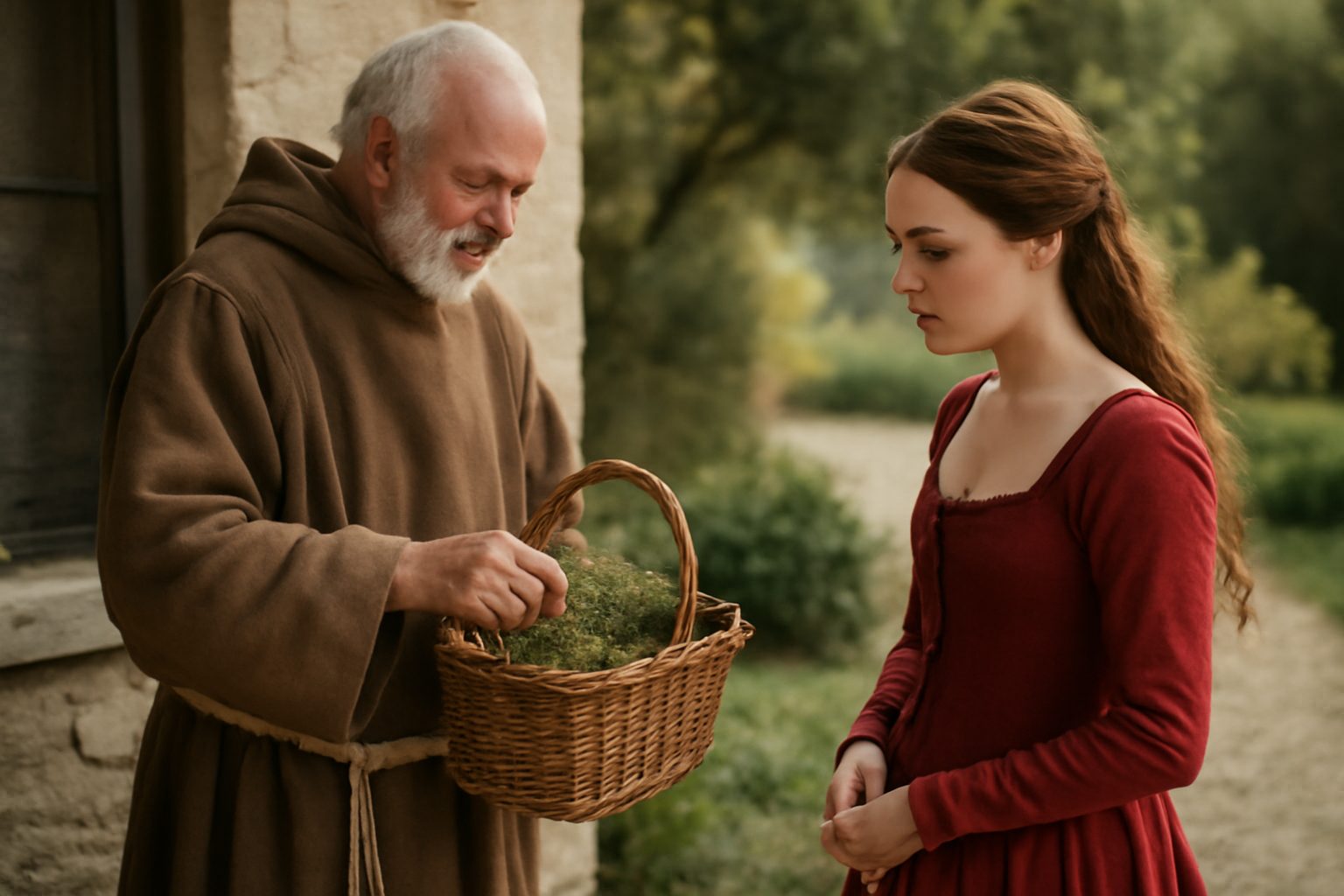
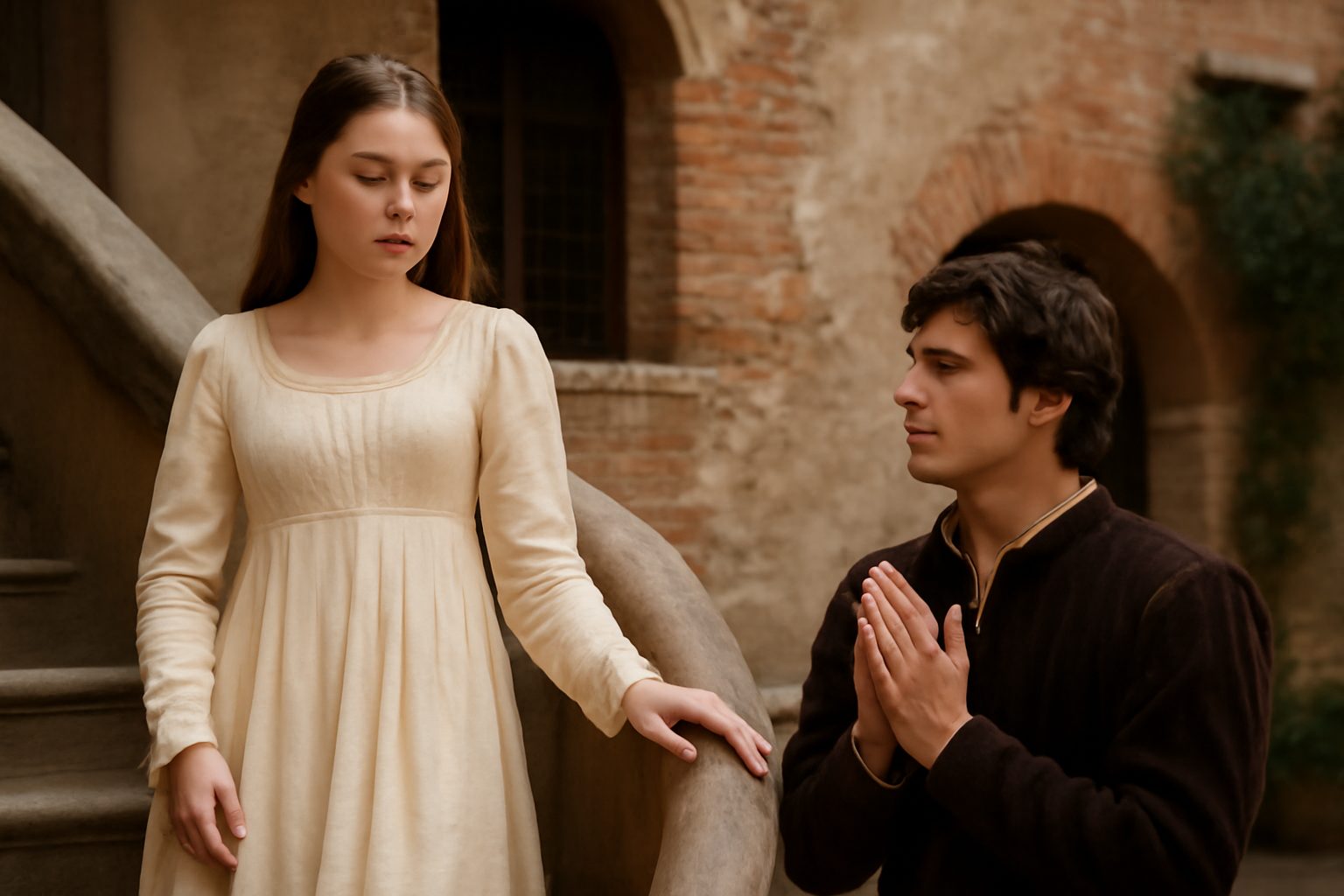
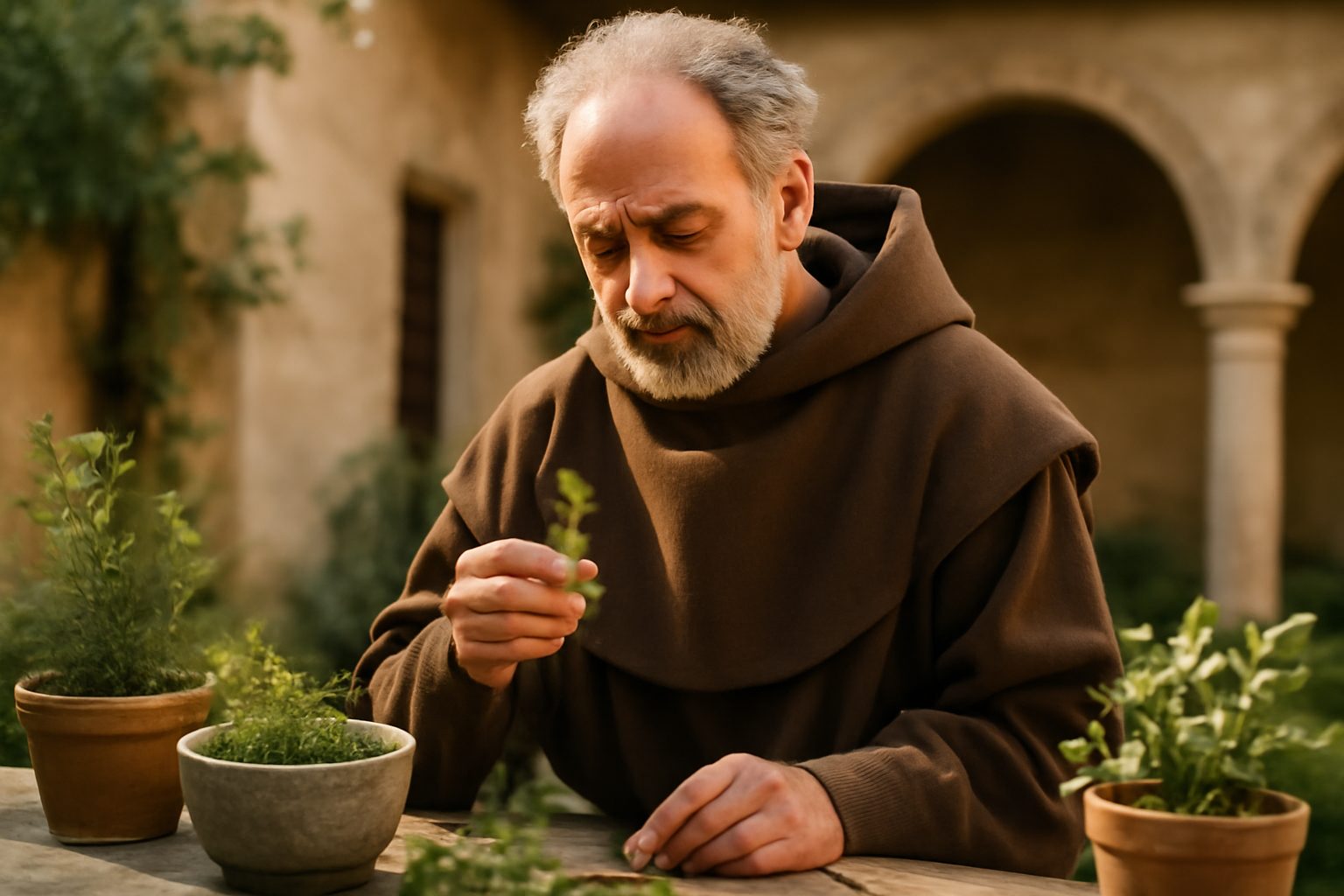
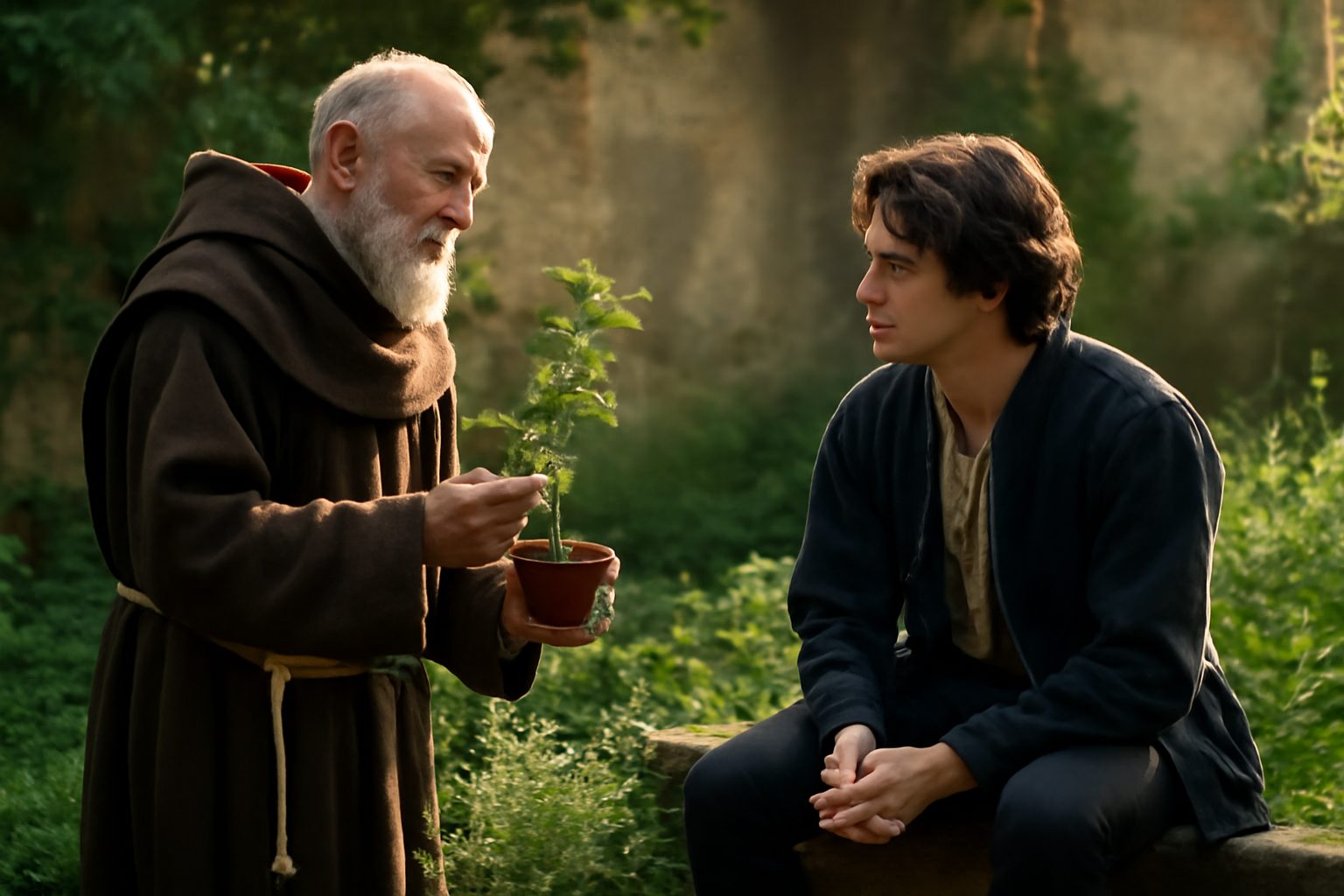
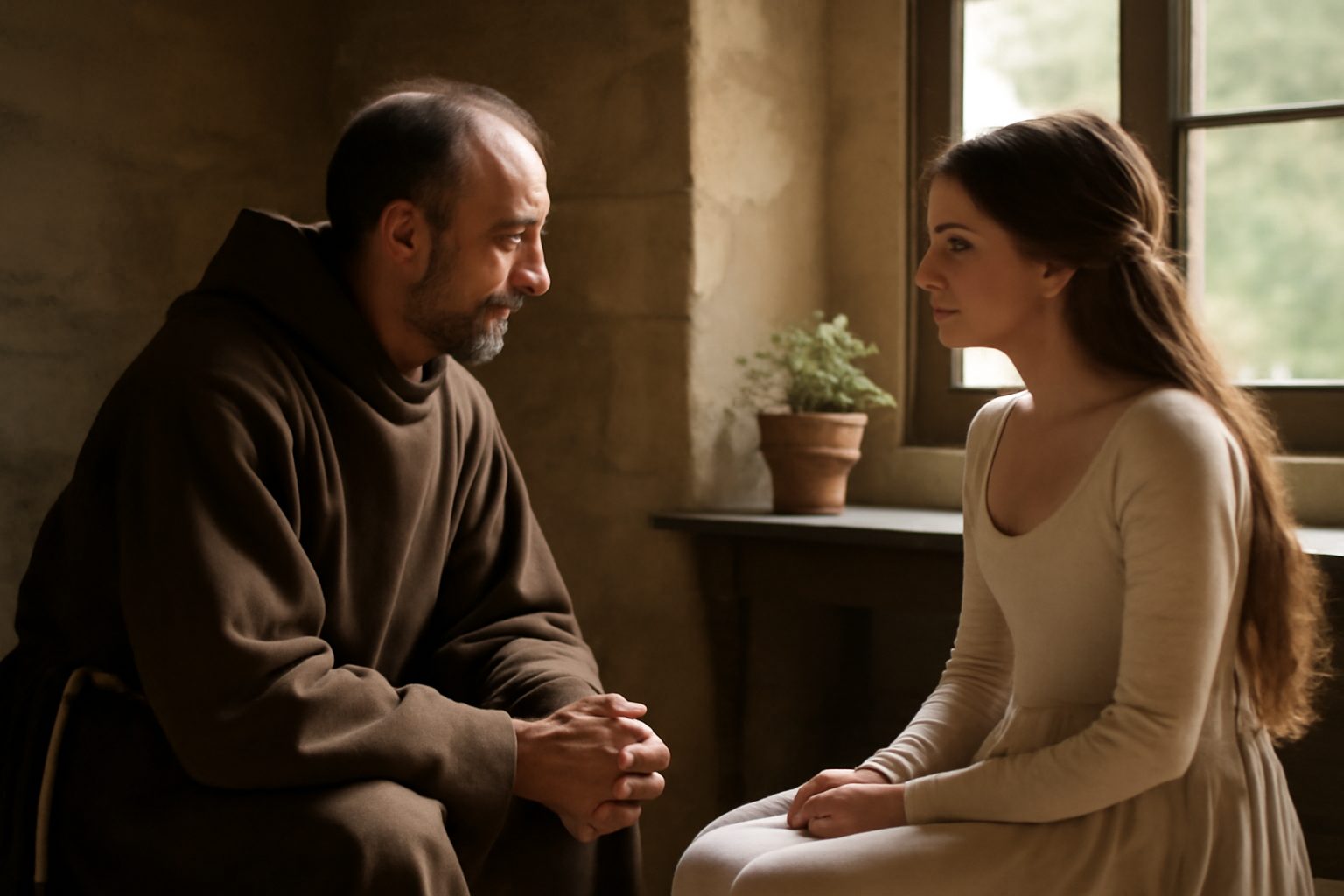
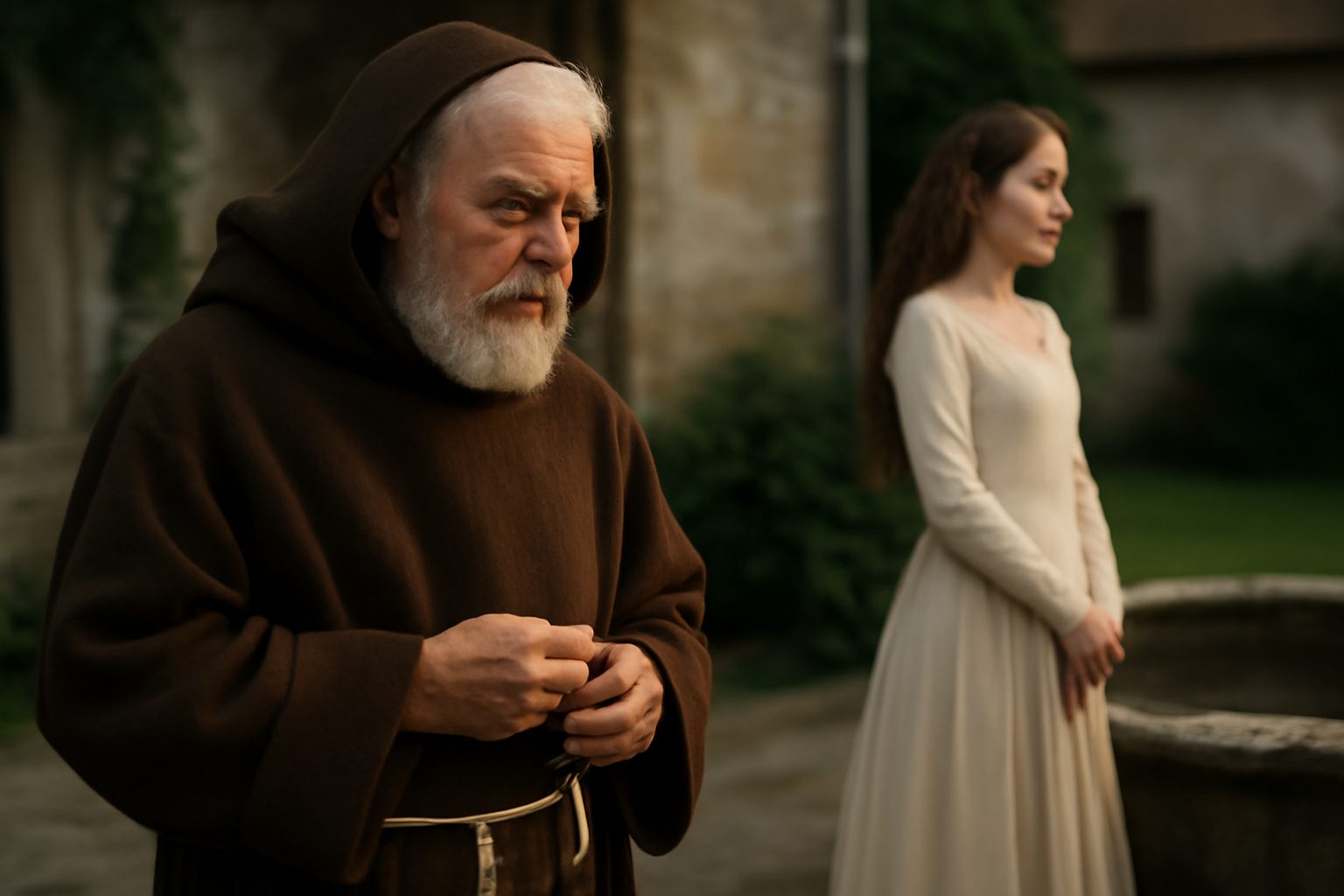
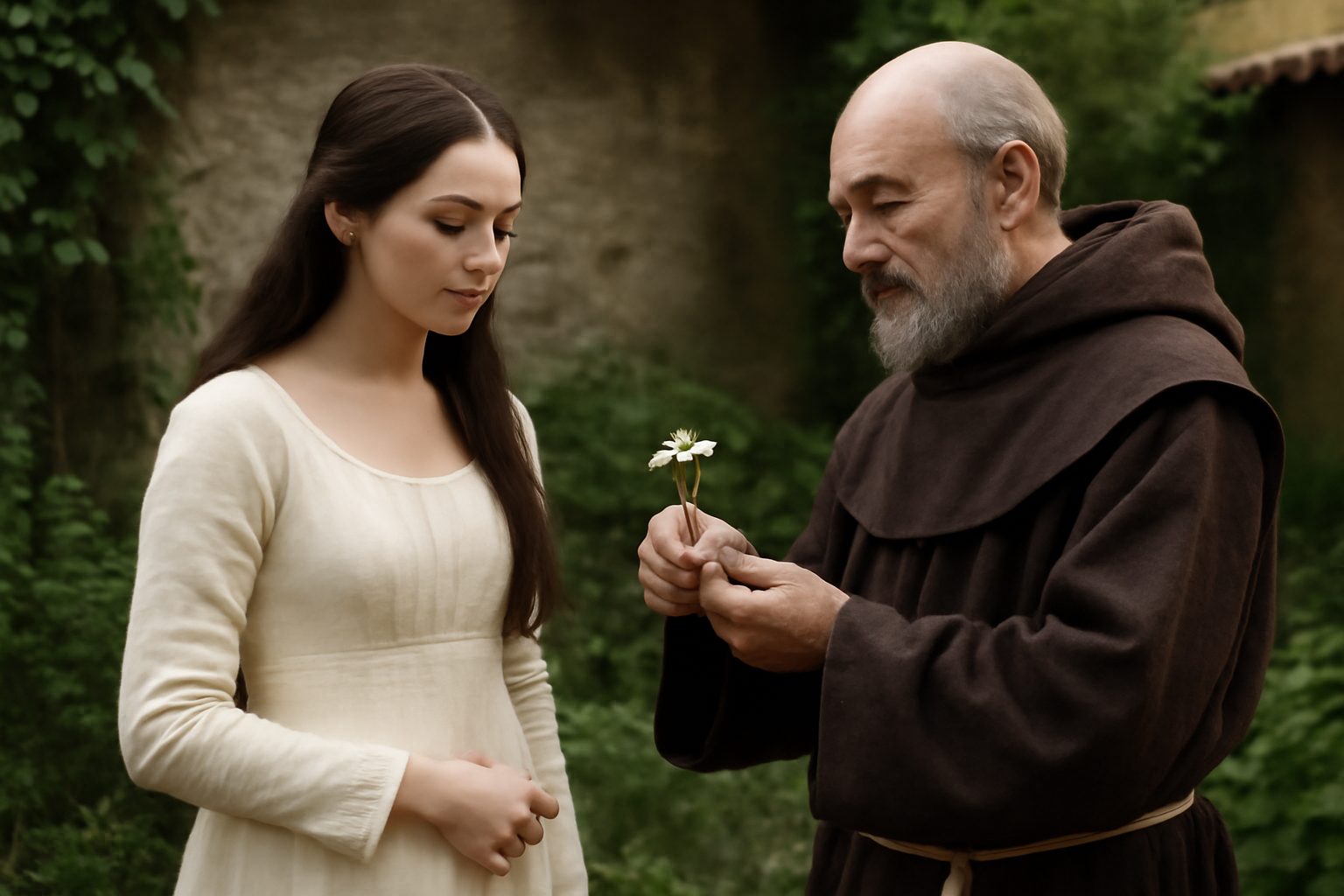
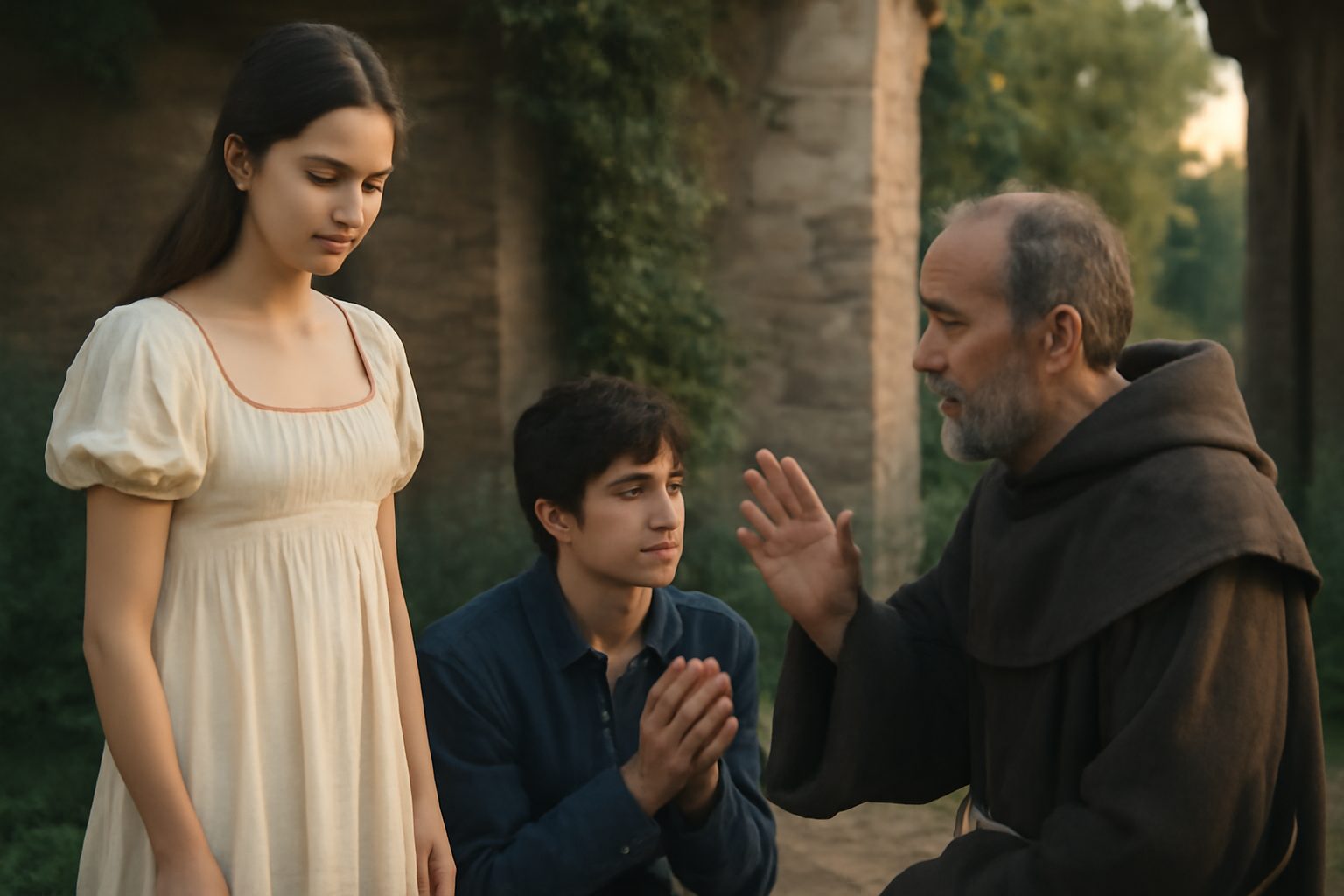
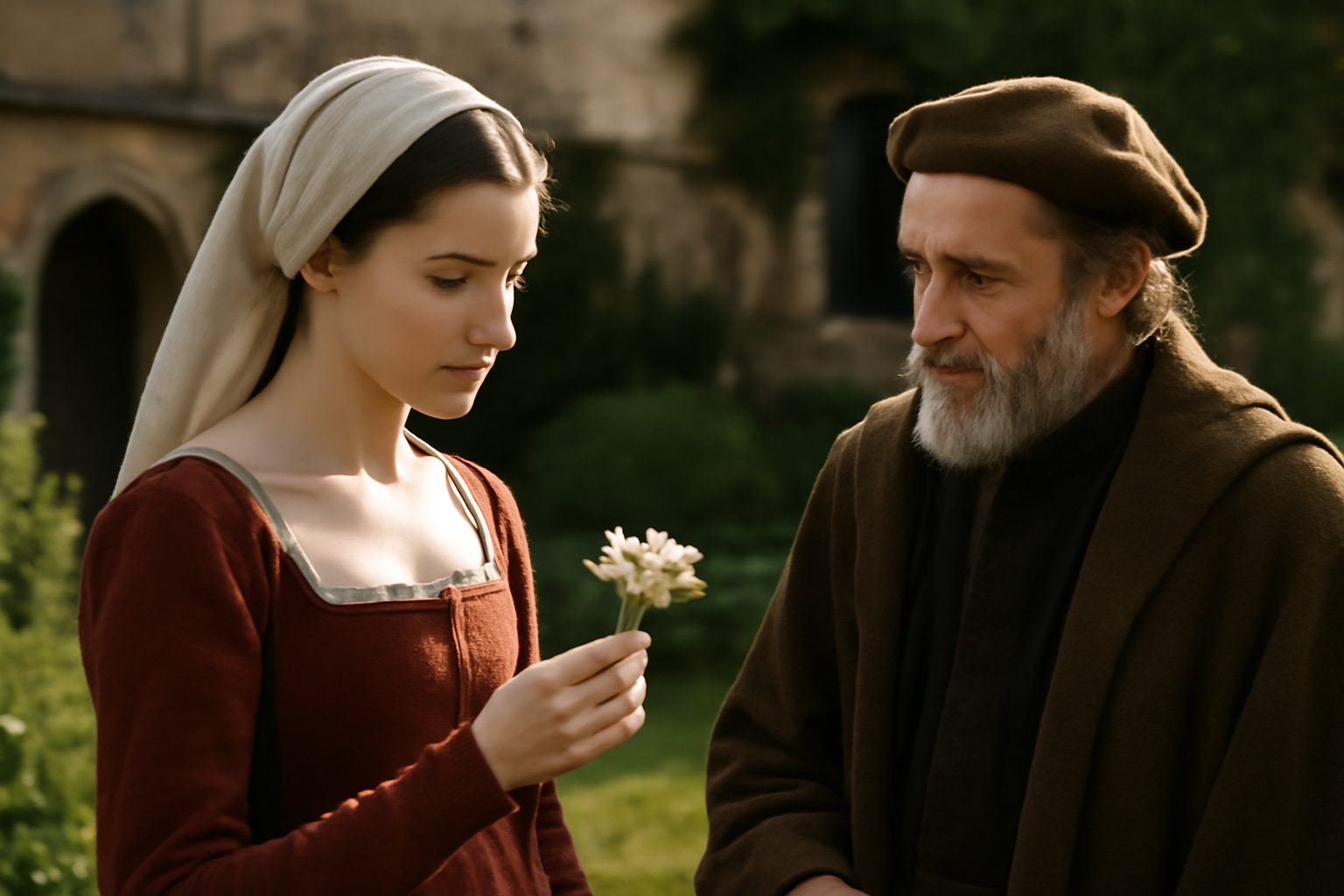
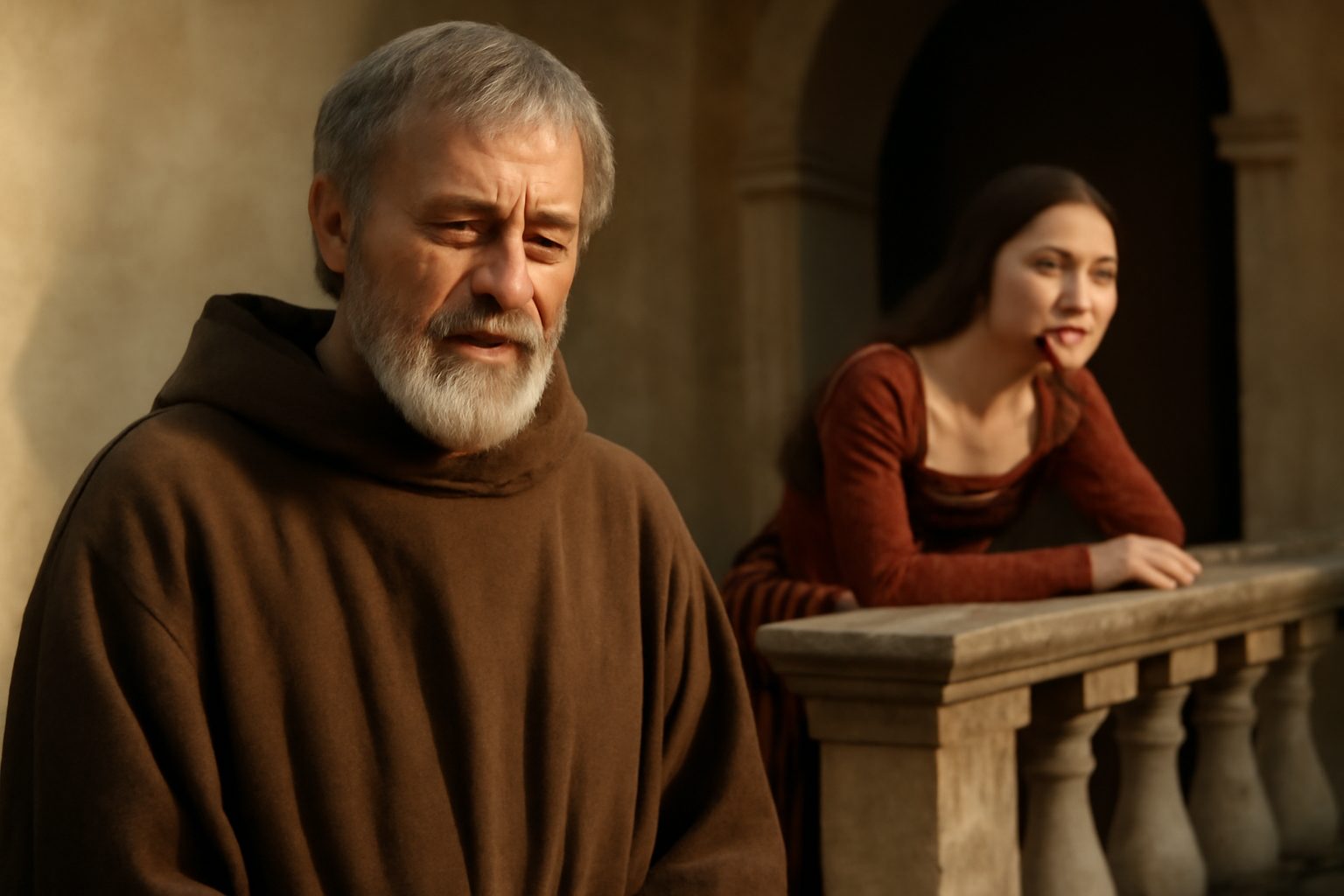
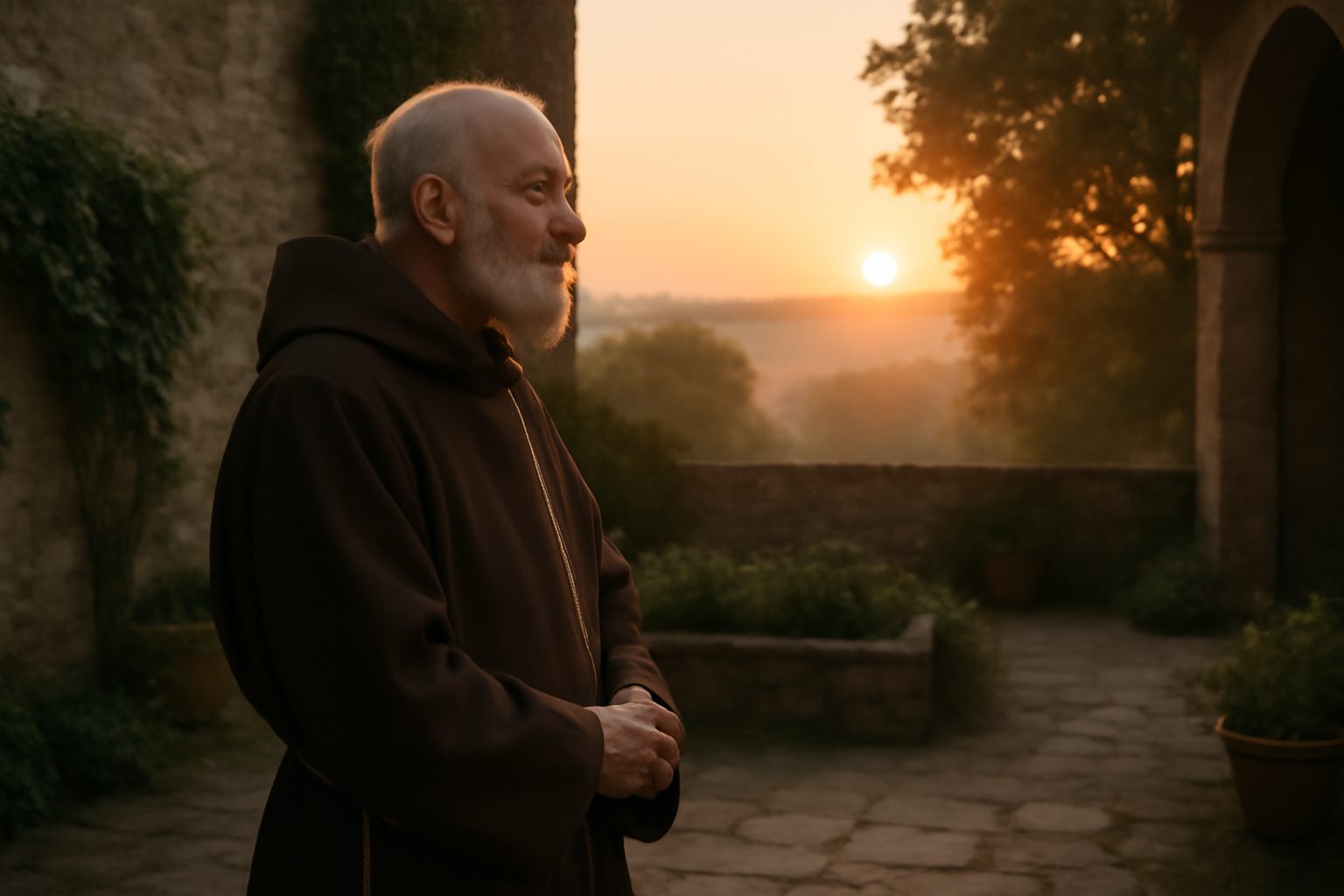
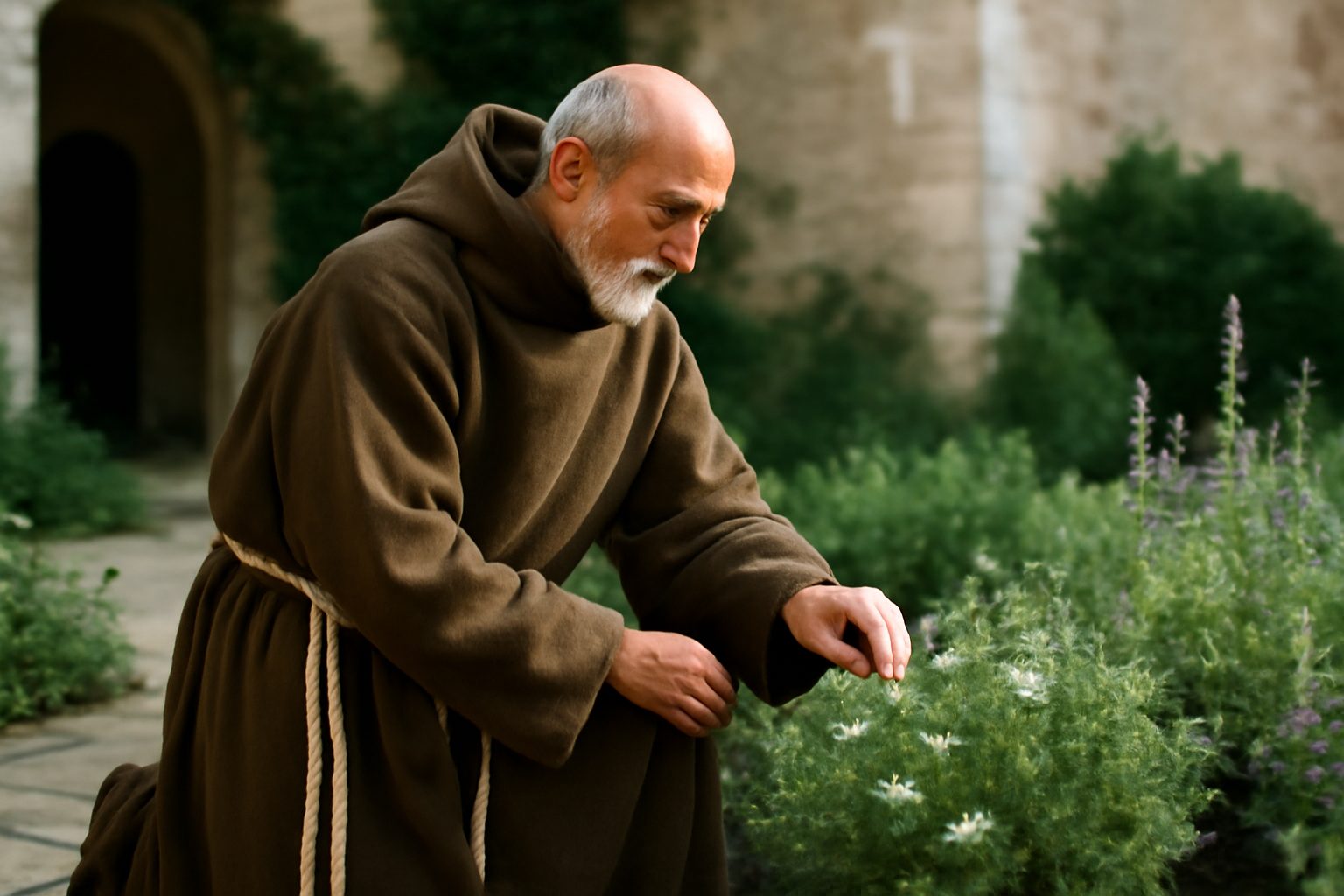
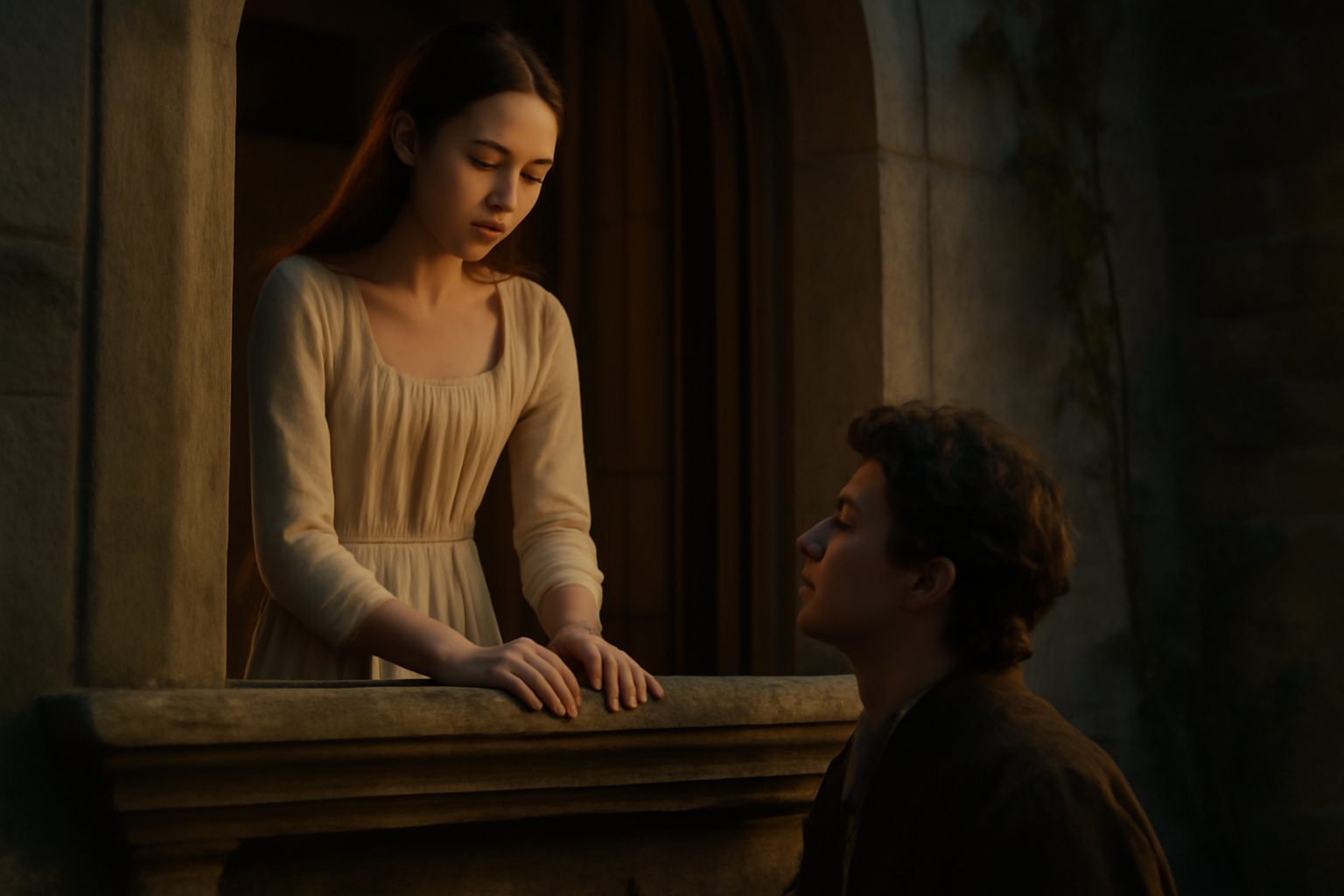
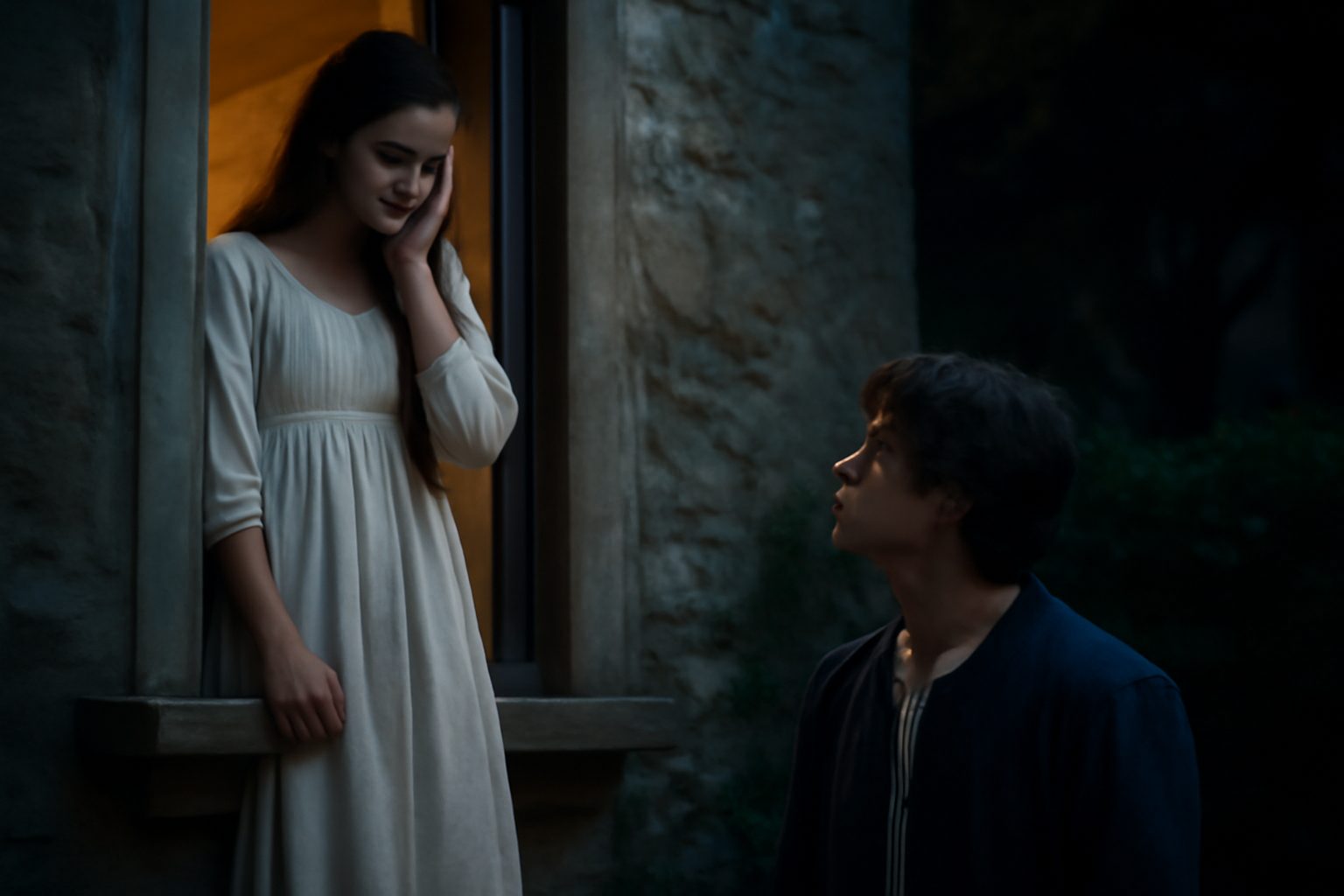
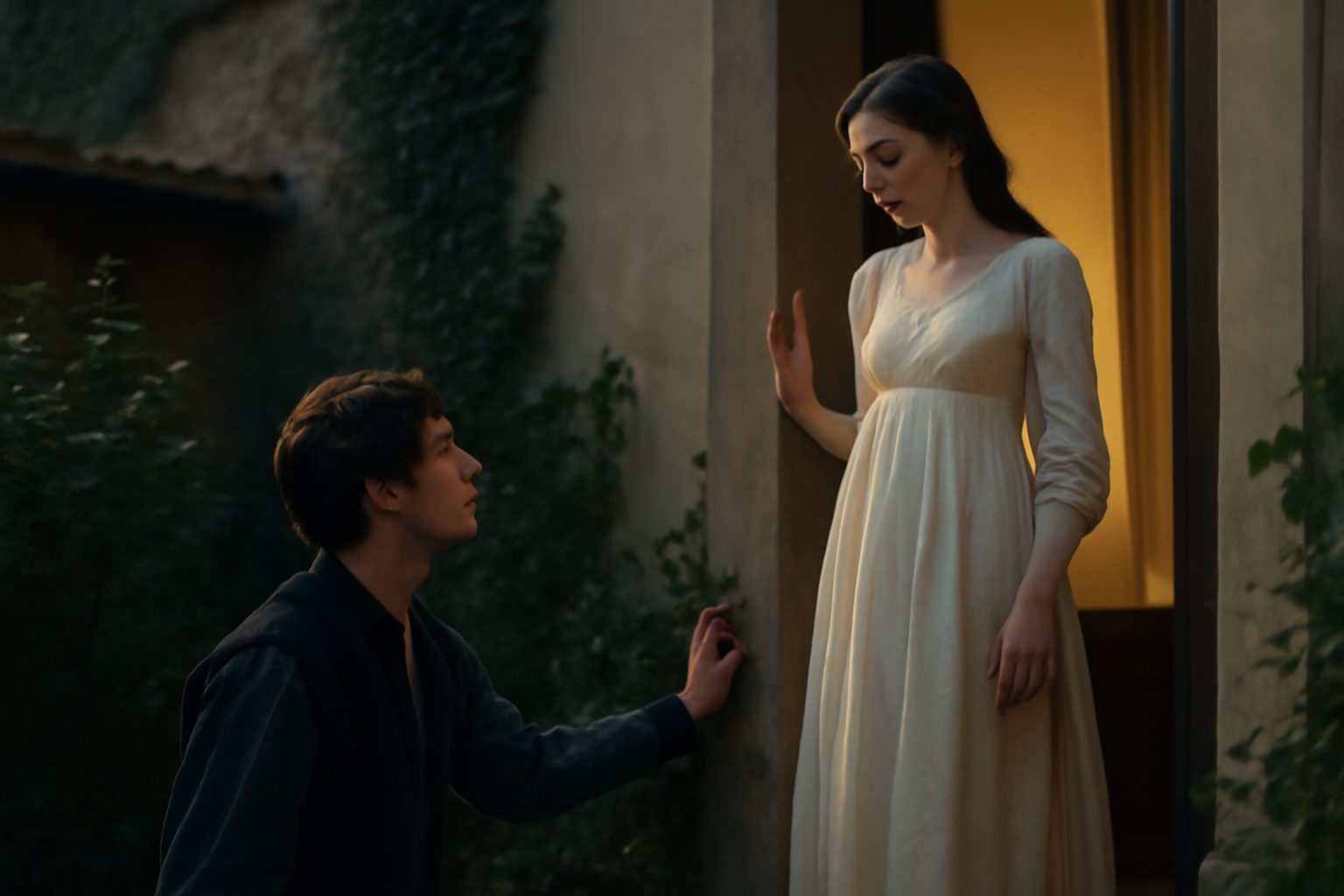
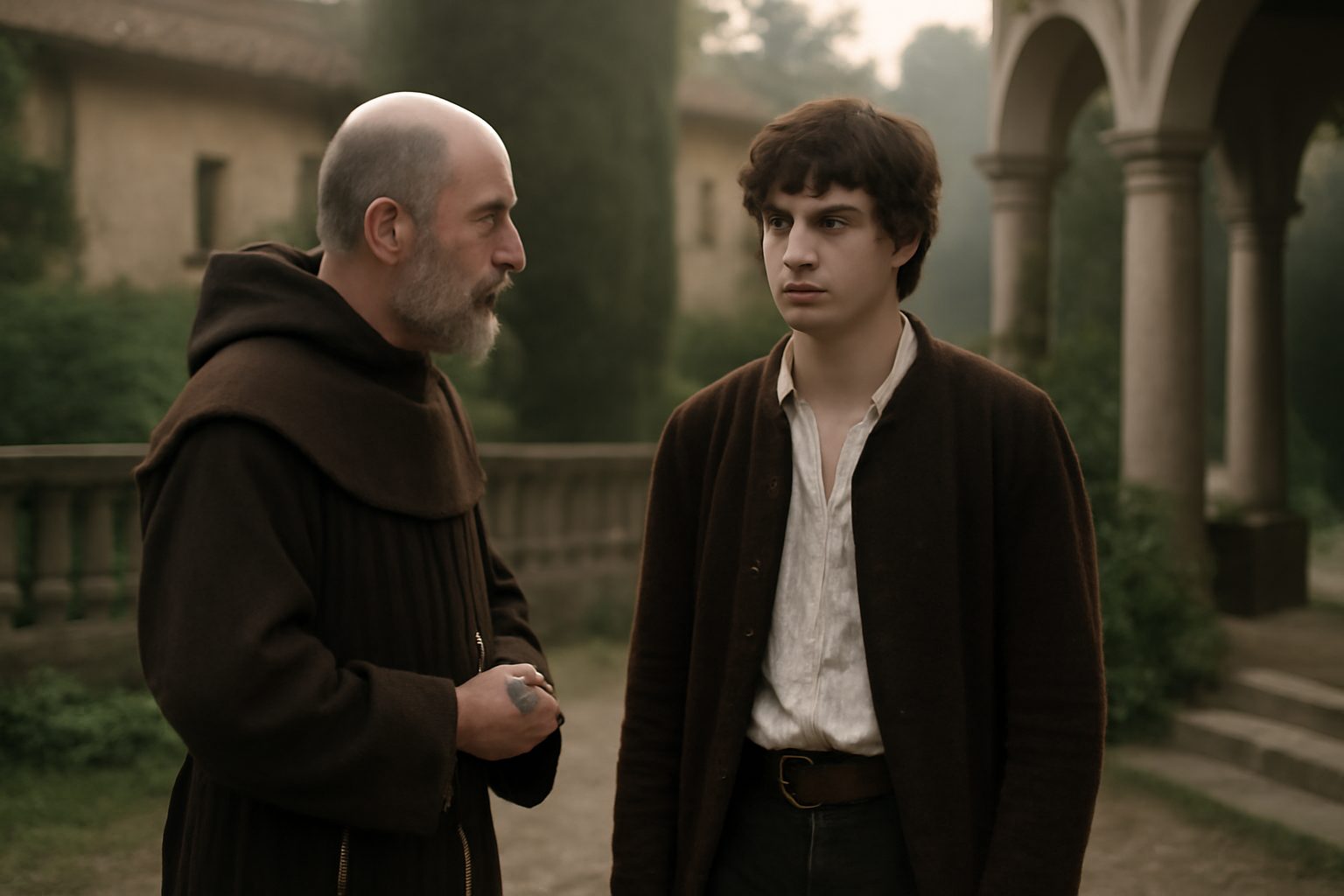
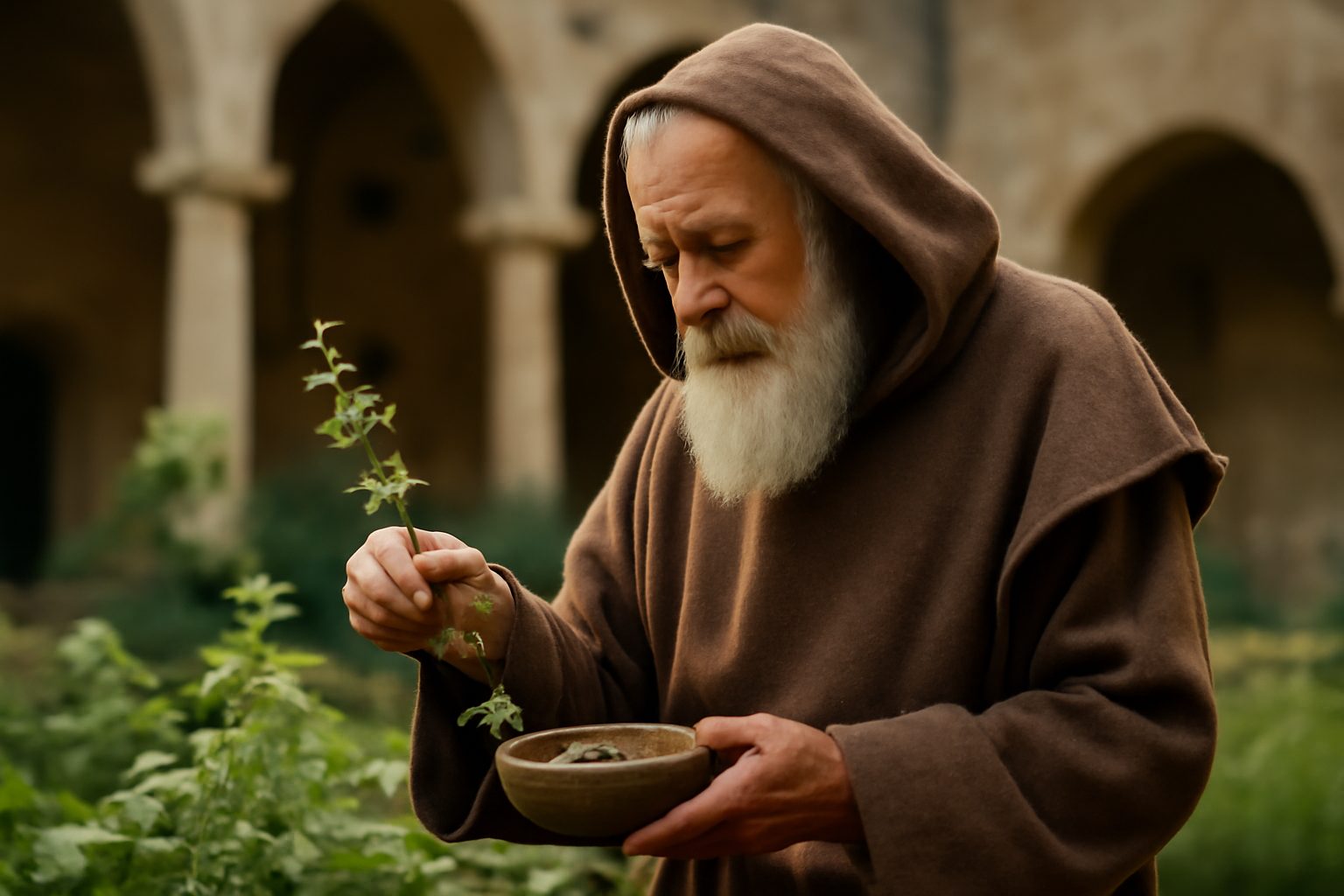
In Act 2, Scene 3 of Romeo and Juliet, Friar Laurence speaks these words while gathering herbs at dawn, reflecting on the dual nature of plants—their potential for both healing and harm. The line captures his musings on how opposing forces can coexist, foreshadowing the tragic entanglement of love and strife in Romeo and Juliet's story. It comes just before Romeo arrives to share news of his newfound love for Juliet, shifting the friar's thoughts from philosophy to action.
Romeo: "And all combined, save what thou must combine"
In modern day english, we would say:
Everything is working together as it should, except for what you still need to do.
Frequently Asked Questions
What is Romeo asking the person he is speaking to in this line?
Romeo is asking the person to keep everything together except for what they must join or combine.
Connections to other verses:
Connections to "And all combined, save what thou must combine"
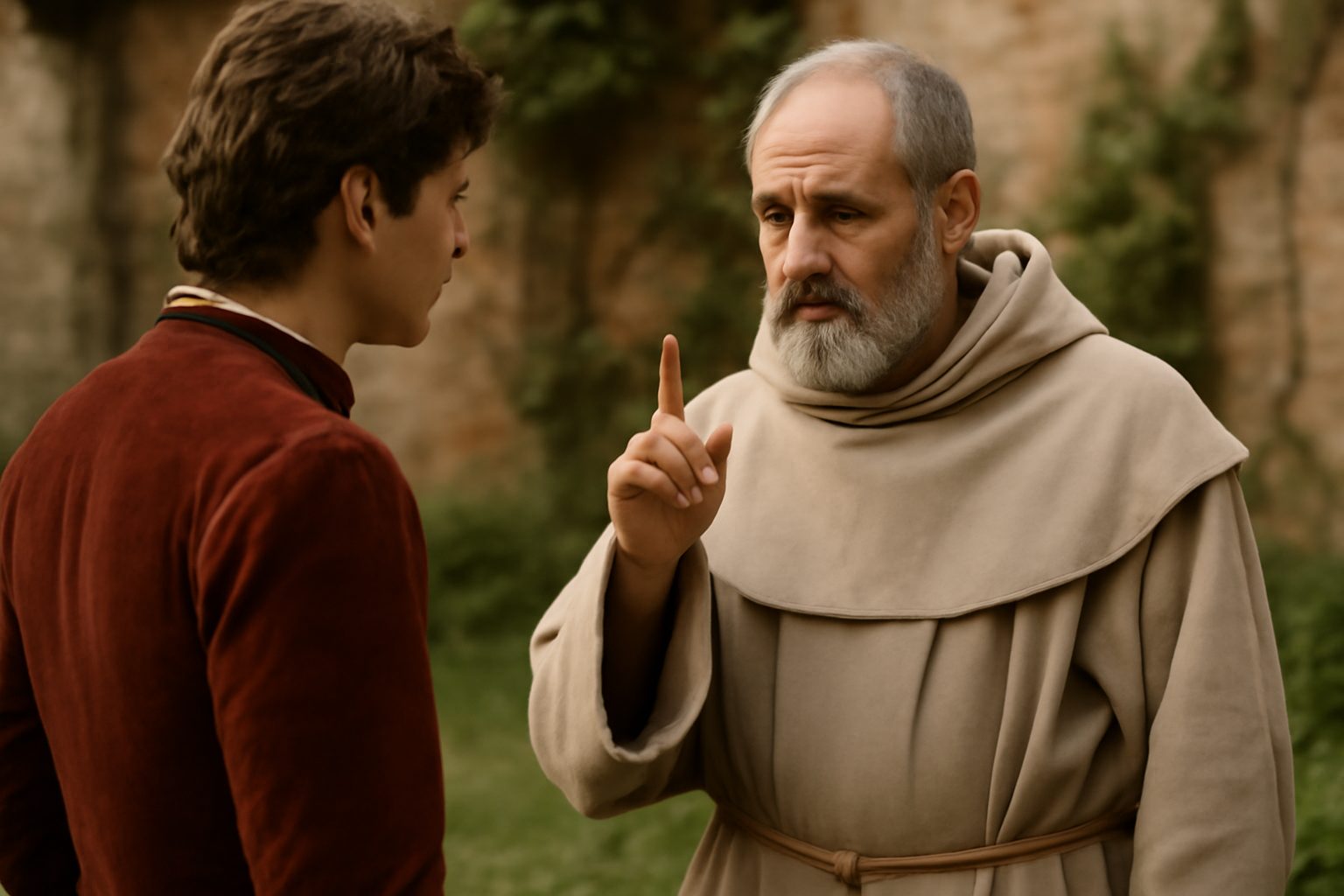
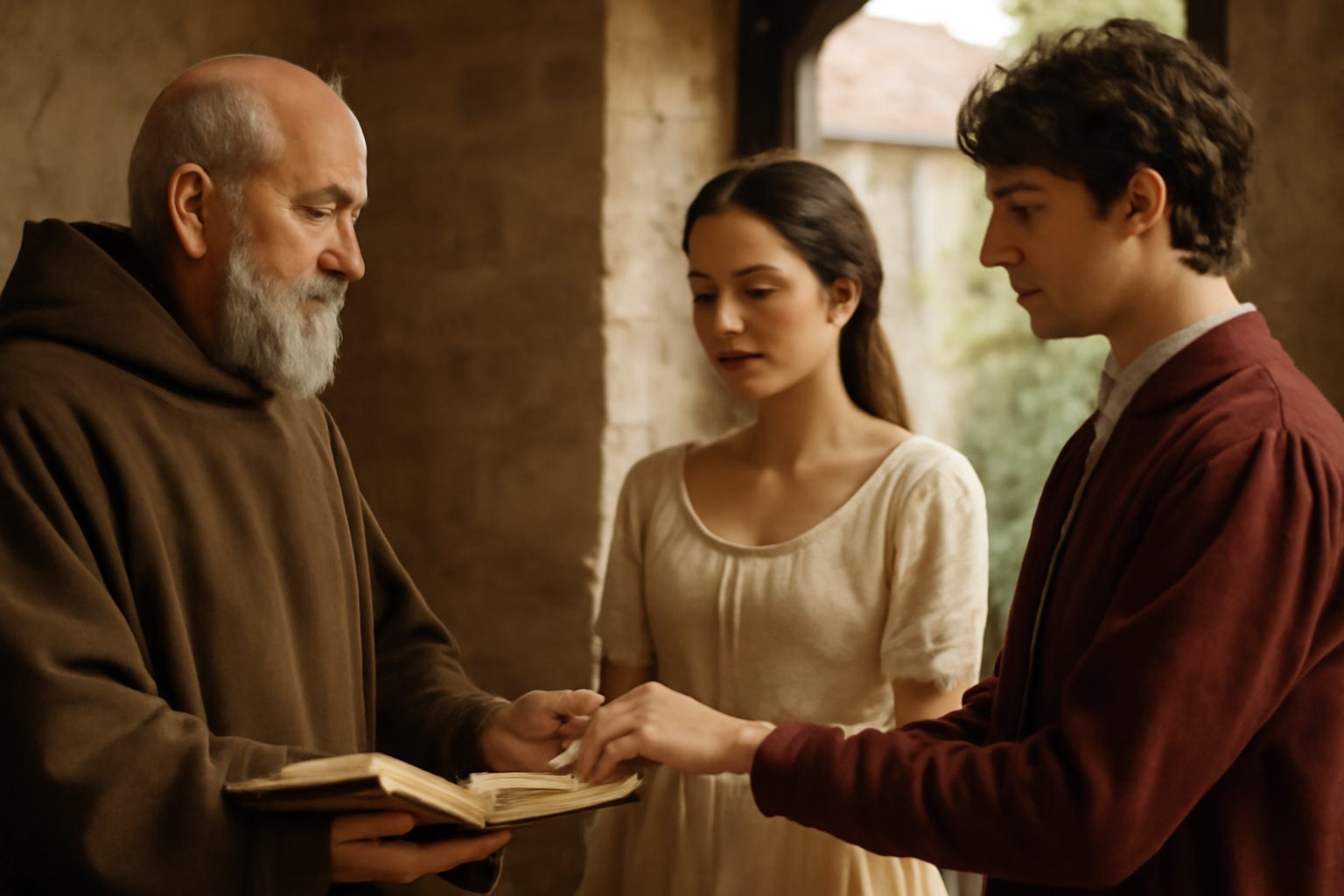
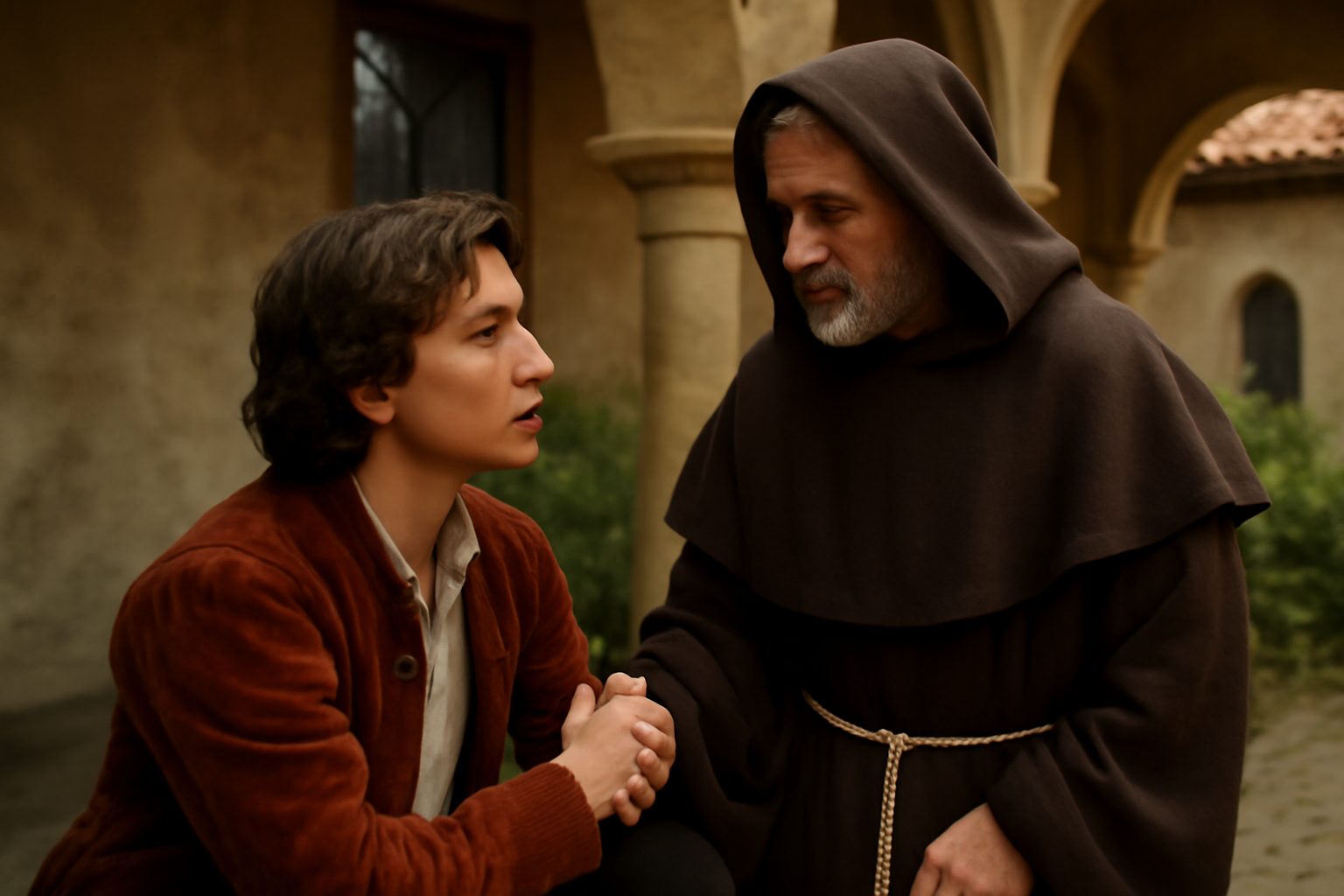
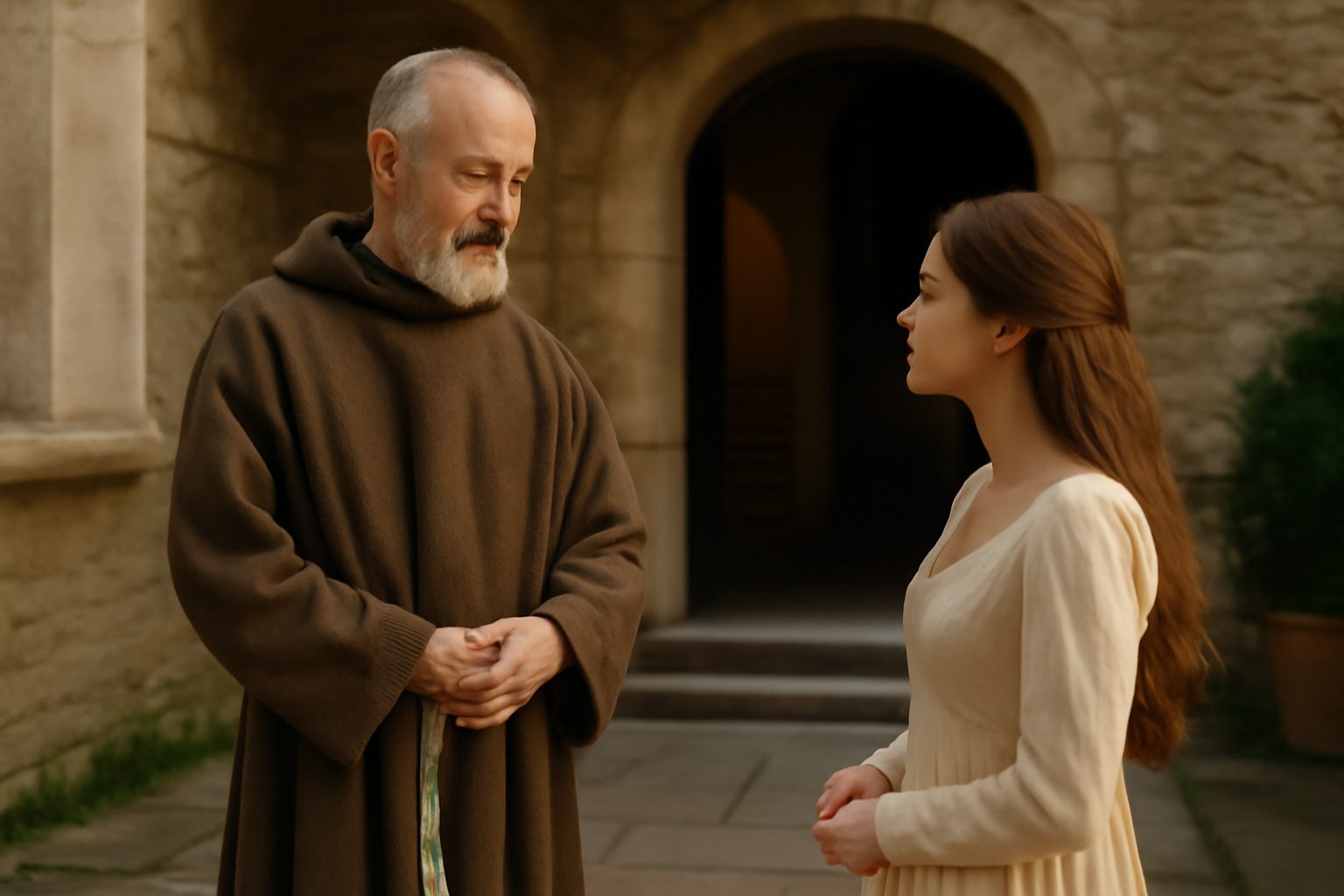
The line "And all combined, save what thou must combine" is spoken by Friar Laurence as he agrees to marry Romeo and Juliet, hoping to unite the feuding families. This verse connects thematically and narratively to several others in the scene.
Connection to Love and Union
This line reflects the Friar's intention to combine the houses of Montague and Capulet through marriage, linking directly to "As mine on hers, so hers is set on mine", where Romeo describes the mutual love between him and Juliet. It also relates to "Doth grace for grace and love for love allow", emphasizing reciprocal affection as a foundation for union.
Connection to the Friar's Role and Advice
The Friar's cautious approach in combining the families is echoed in his advice at "Wisely and slow; they stumble that run fast", warning against haste. His role as a unifier is further supported by "To turn your households' rancour to pure love", which articulates his hope for reconciliation.
Connection to Natural and Dualistic Imagery
The idea of combination and duality in the verse resonates with the Friar's earlier monologue about herbs, such as "Poison hath residence and medicine power", highlighting how opposing qualities can coexist. This theme is reinforced by "Two such opposed kings encamp them still", illustrating internal and external conflicts that must be combined or reconciled.
Connection to Narrative Progression
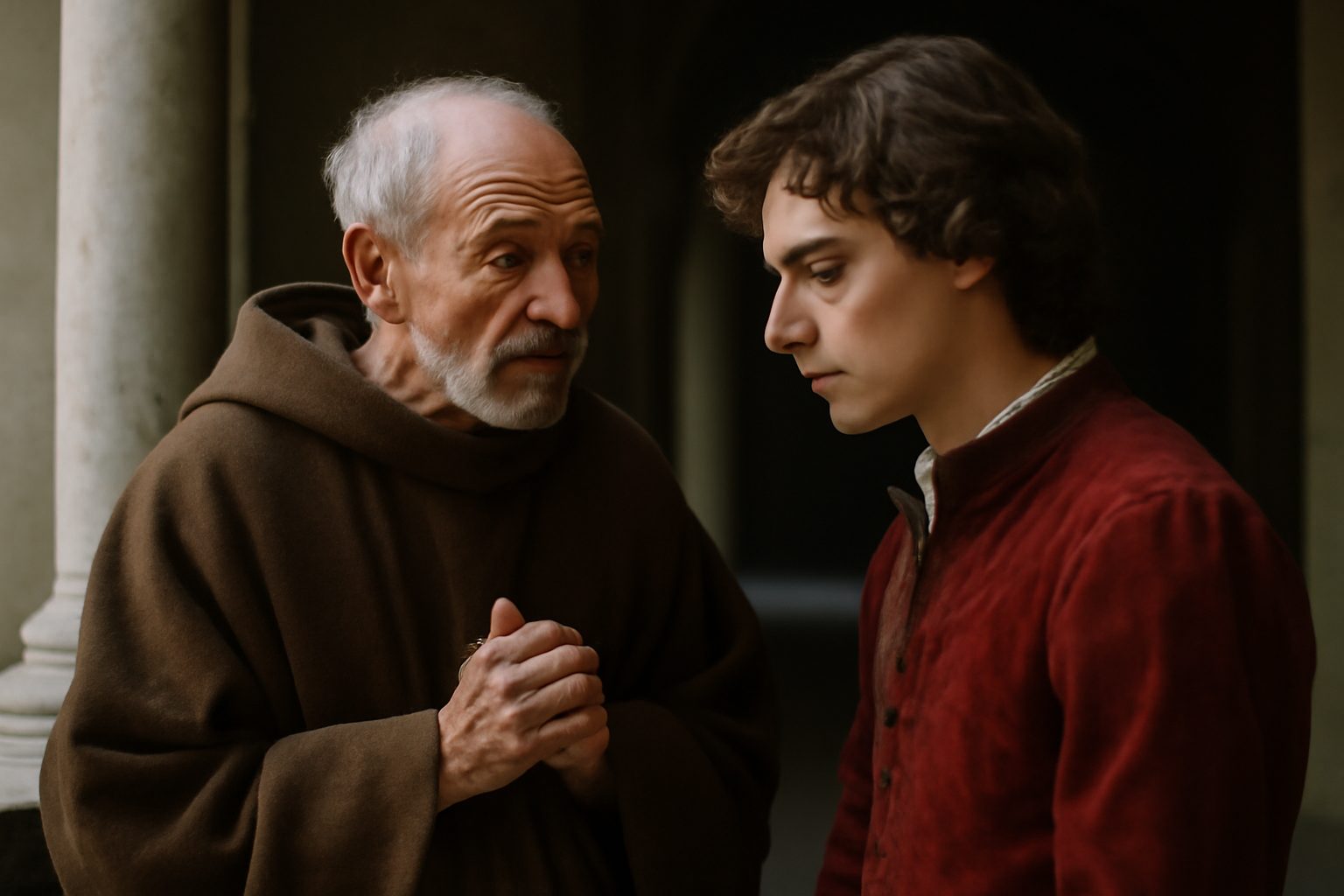
The verse serves as a turning point where the Friar commits to the marriage, leading to subsequent actions like "That thou consent to marry us to-day", where Romeo explicitly requests the union. It also sets the stage for the Friar's involvement in the lovers' plans, as seen in "In one respect I'll thy assistant be".