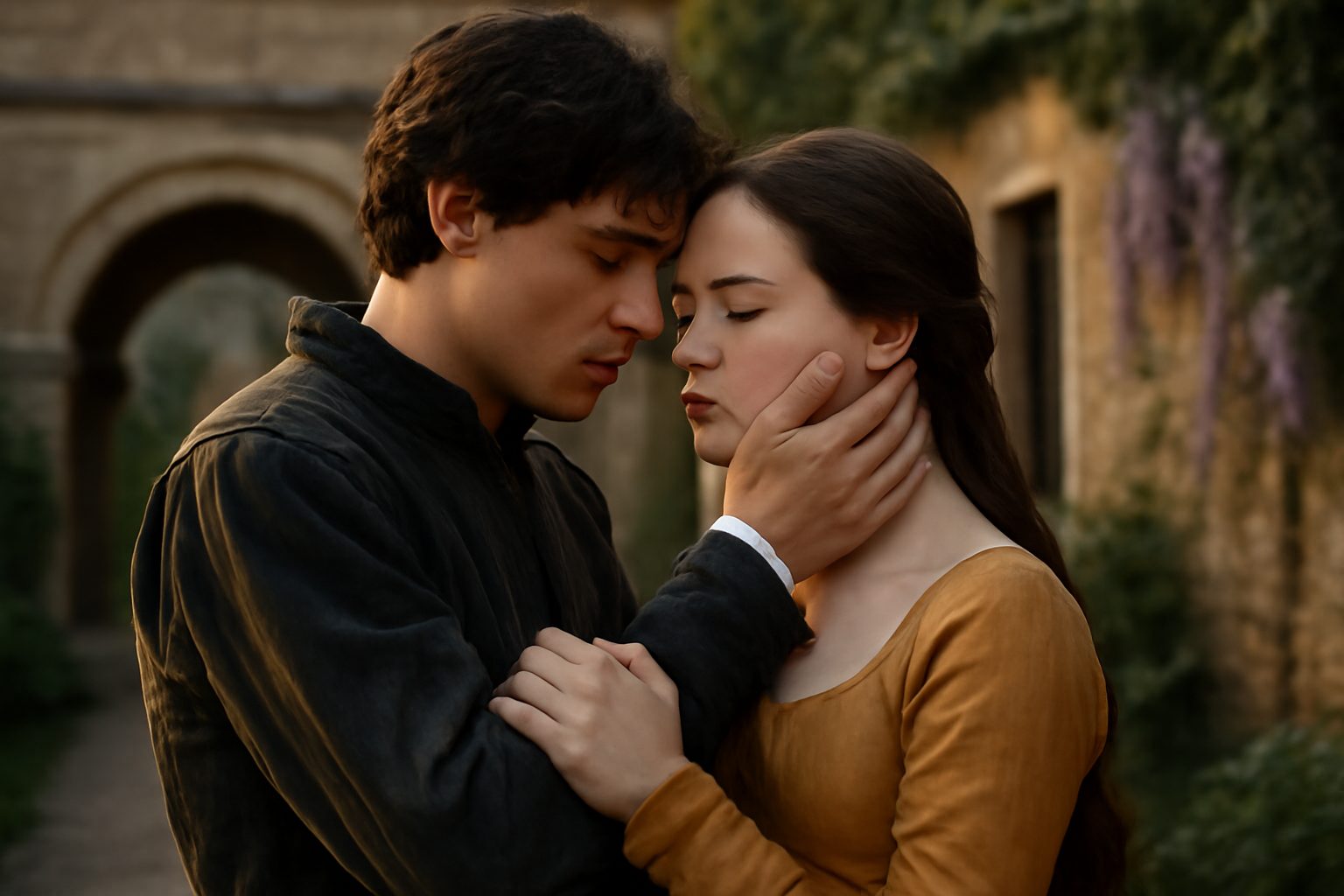
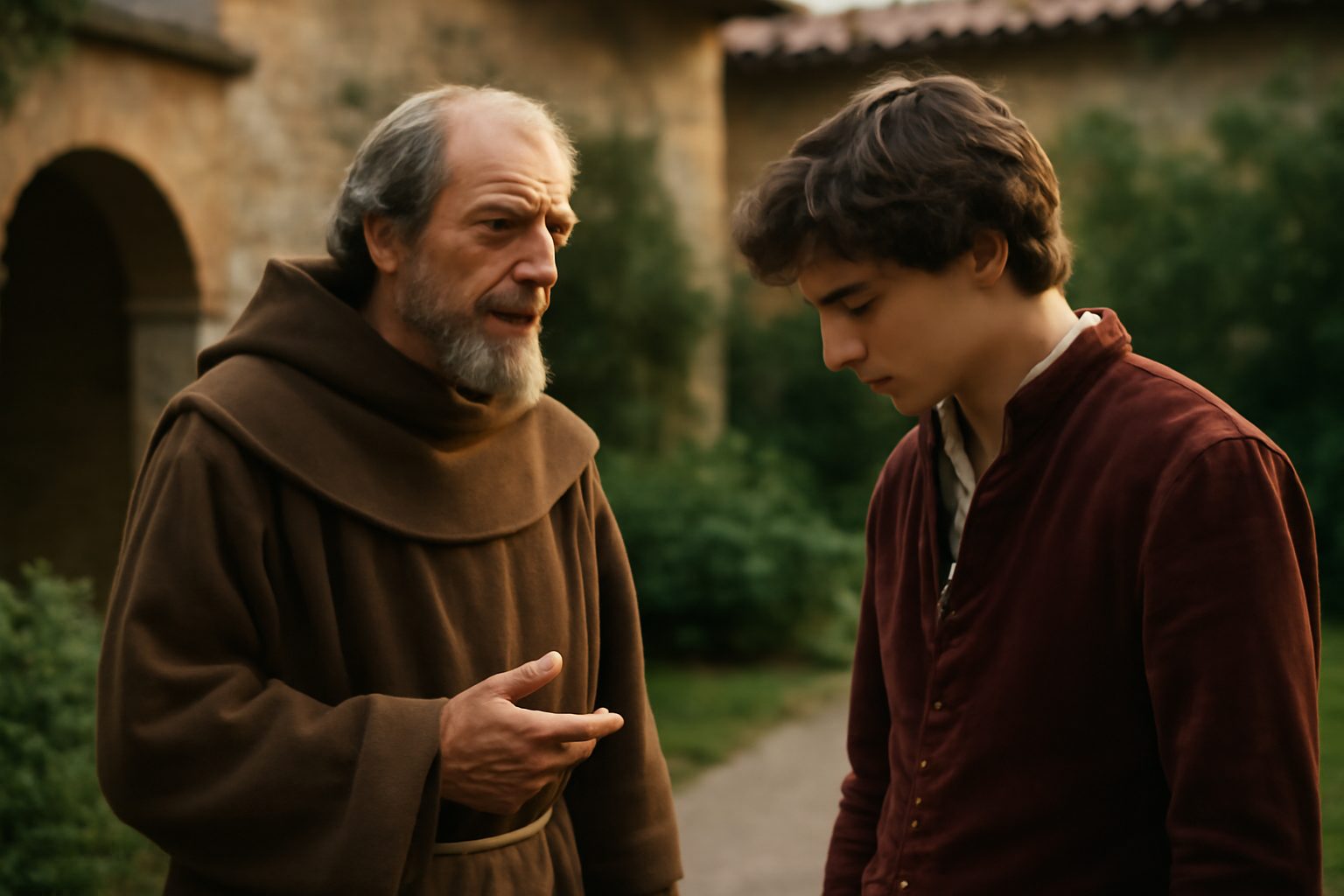
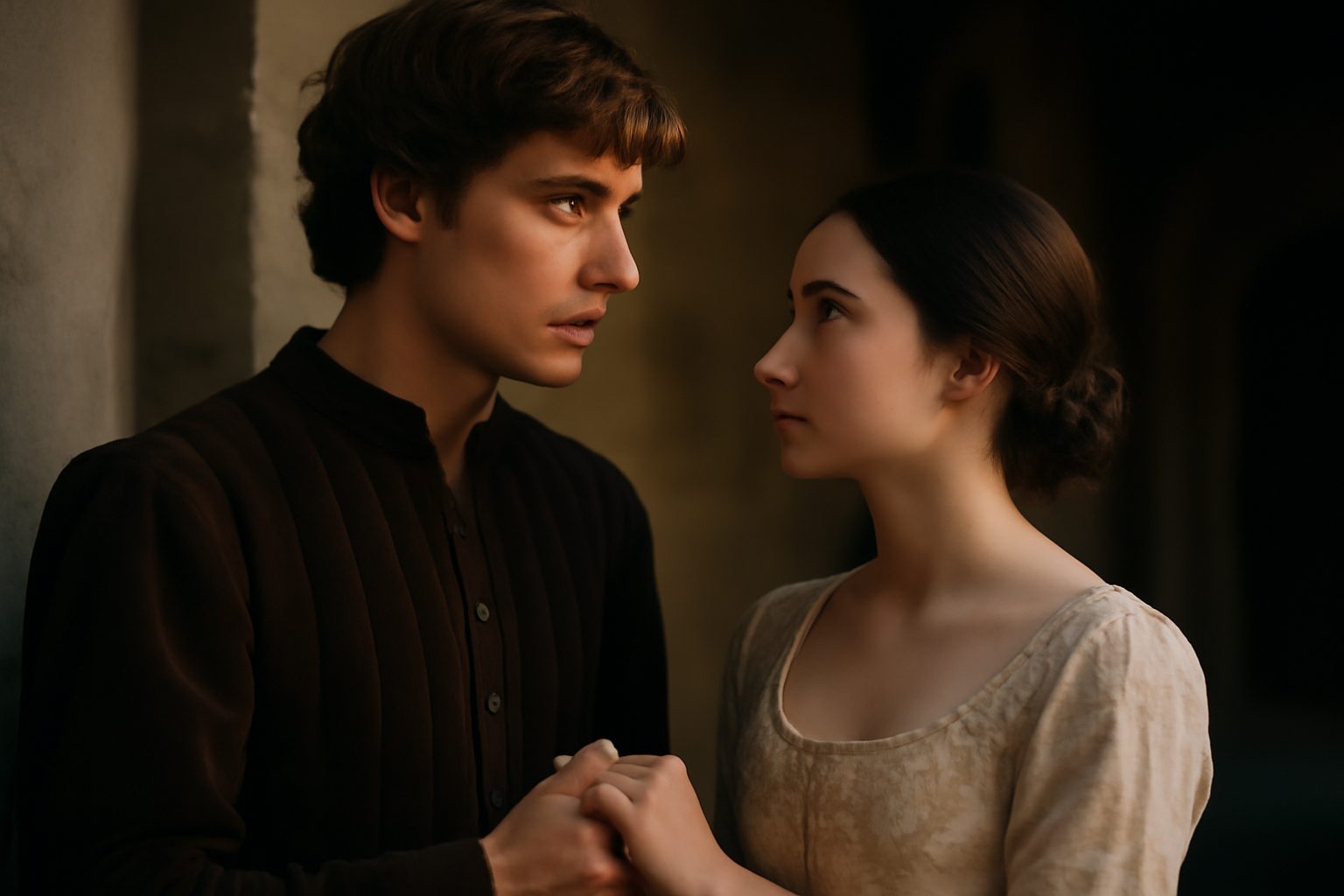
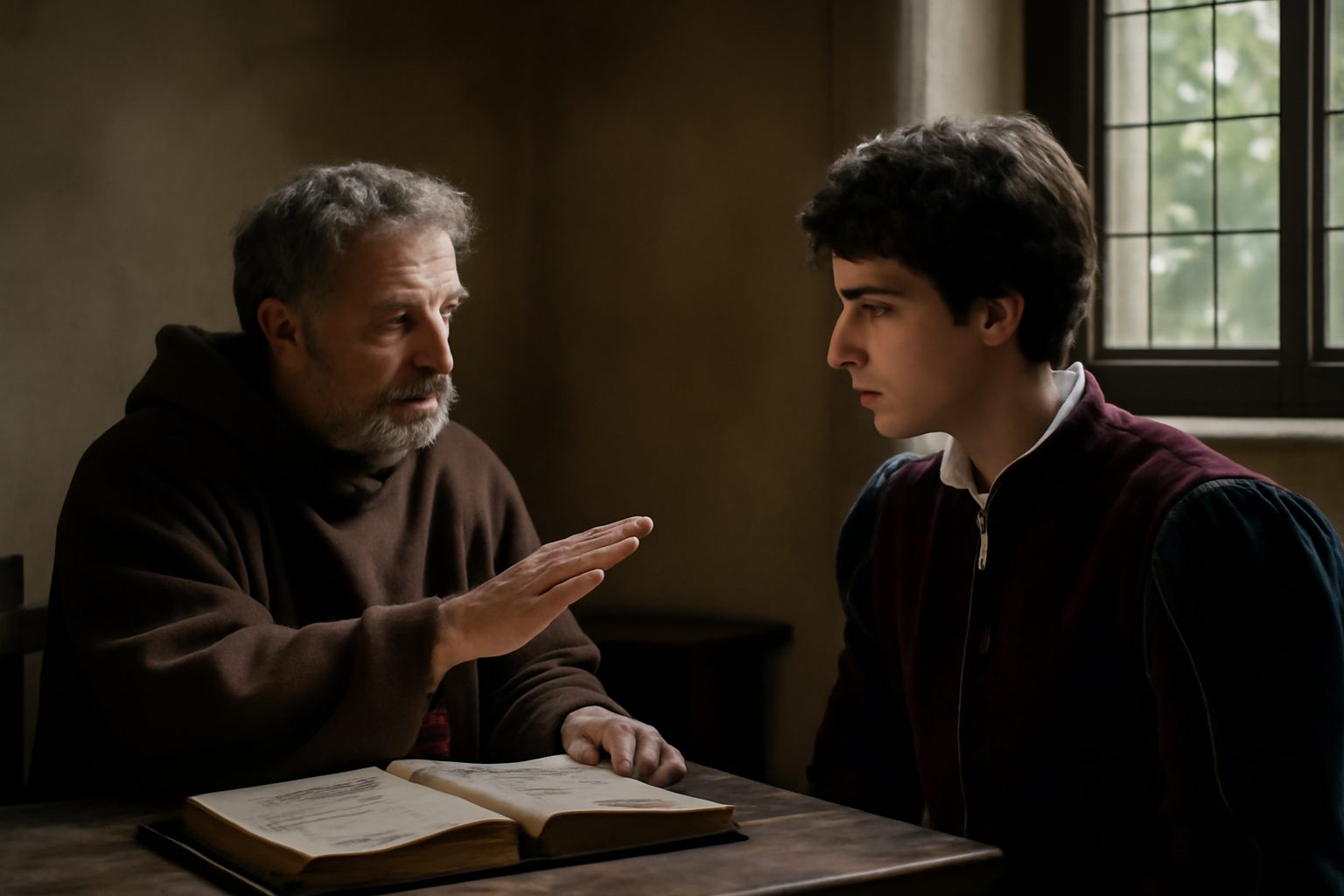
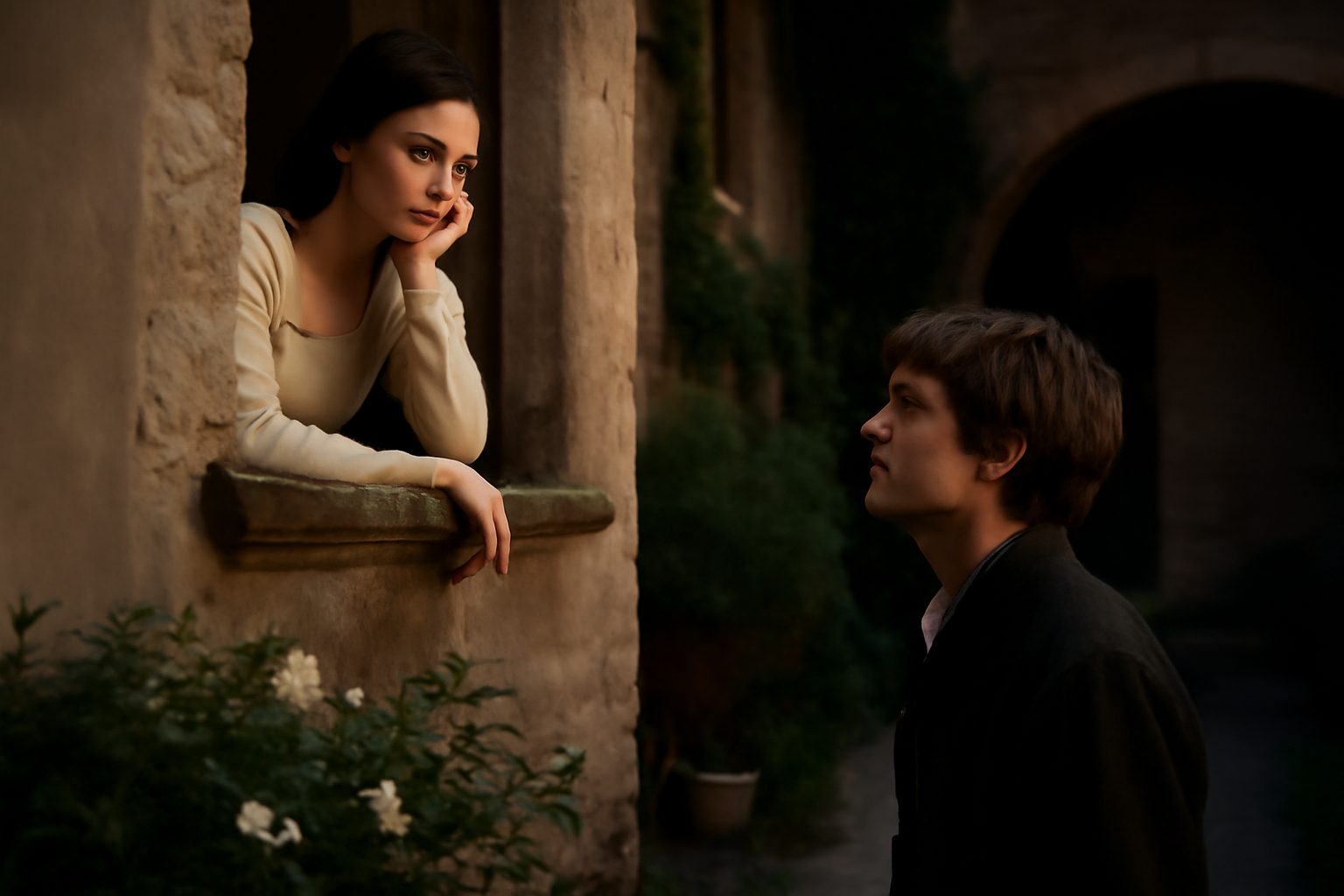
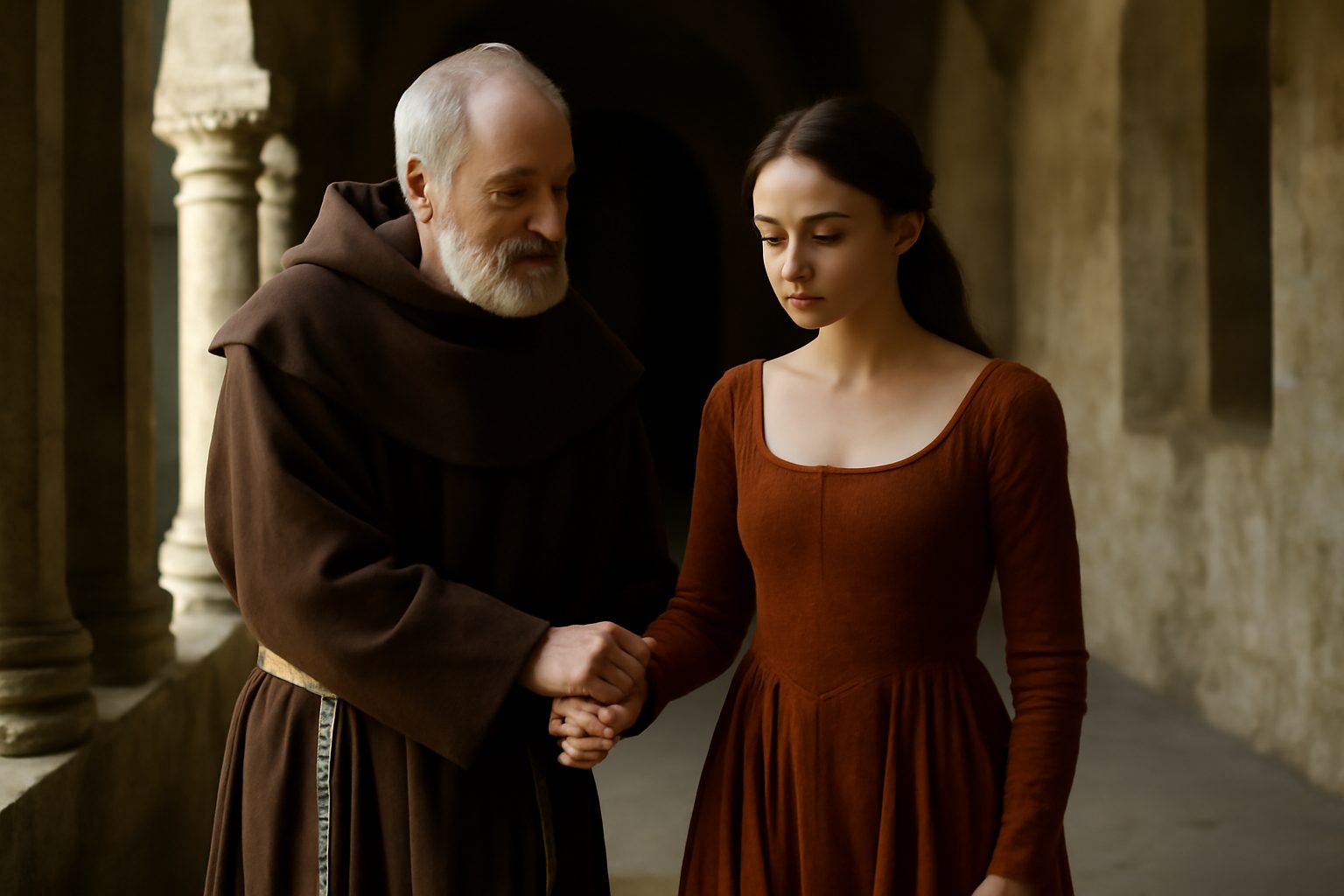
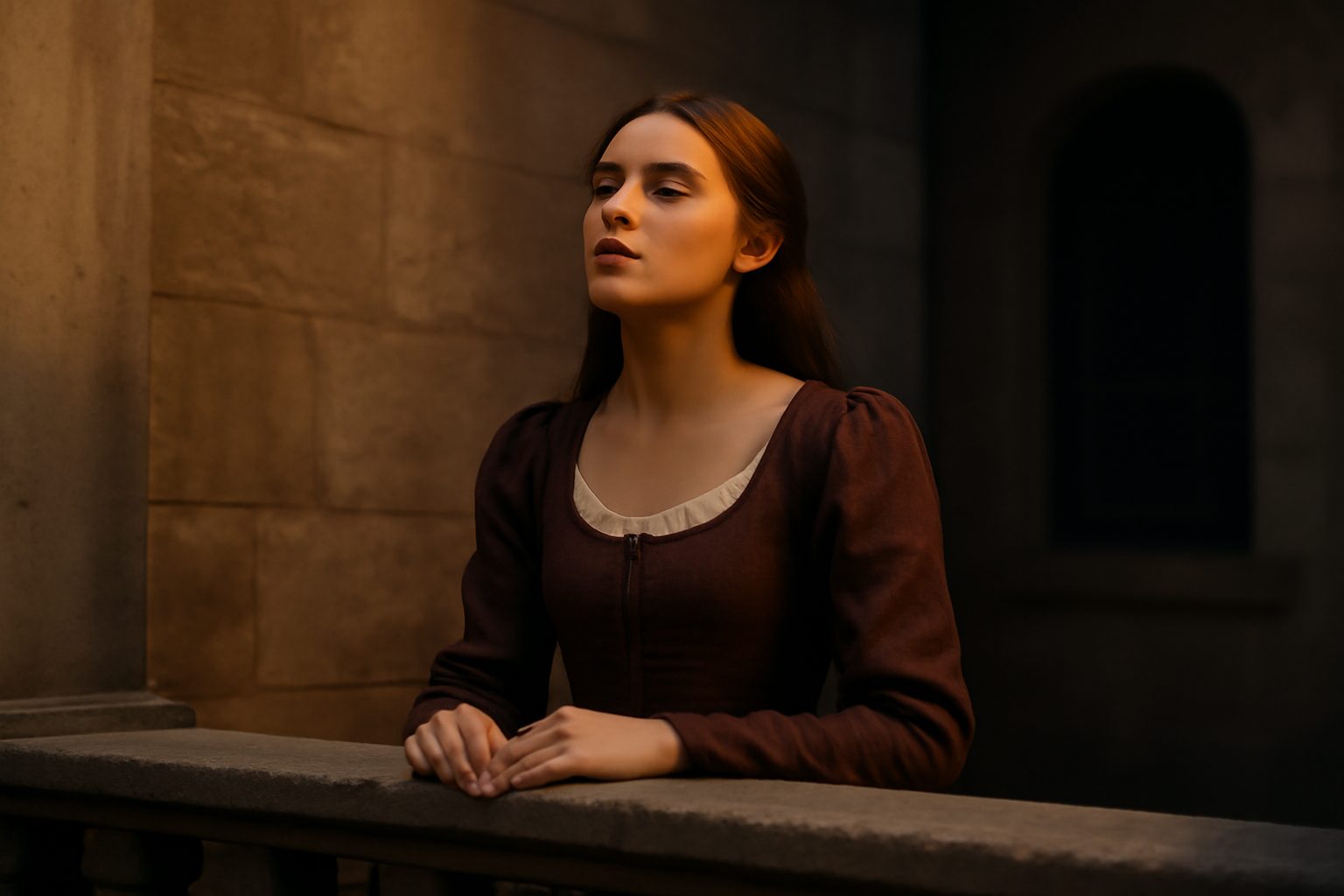
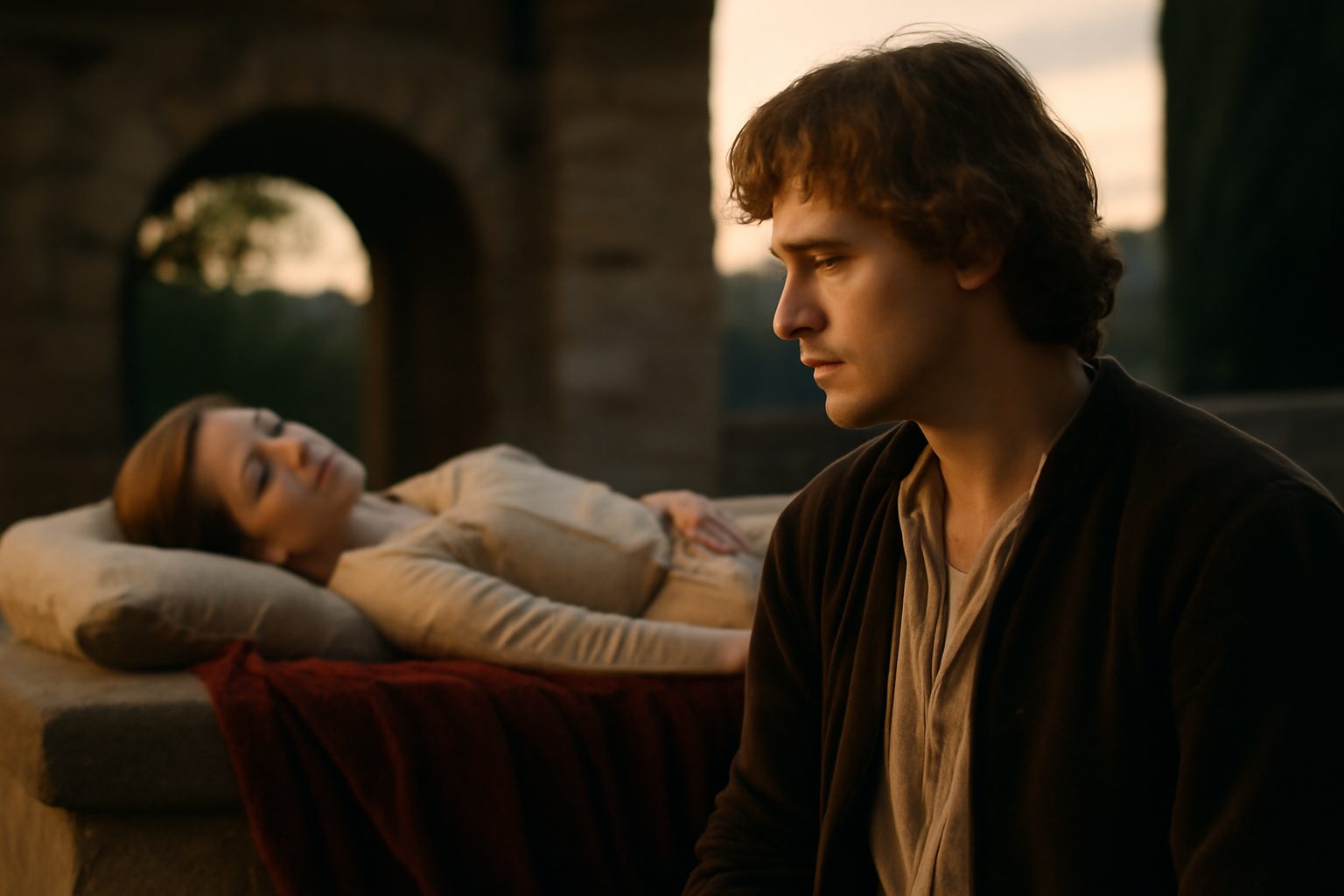
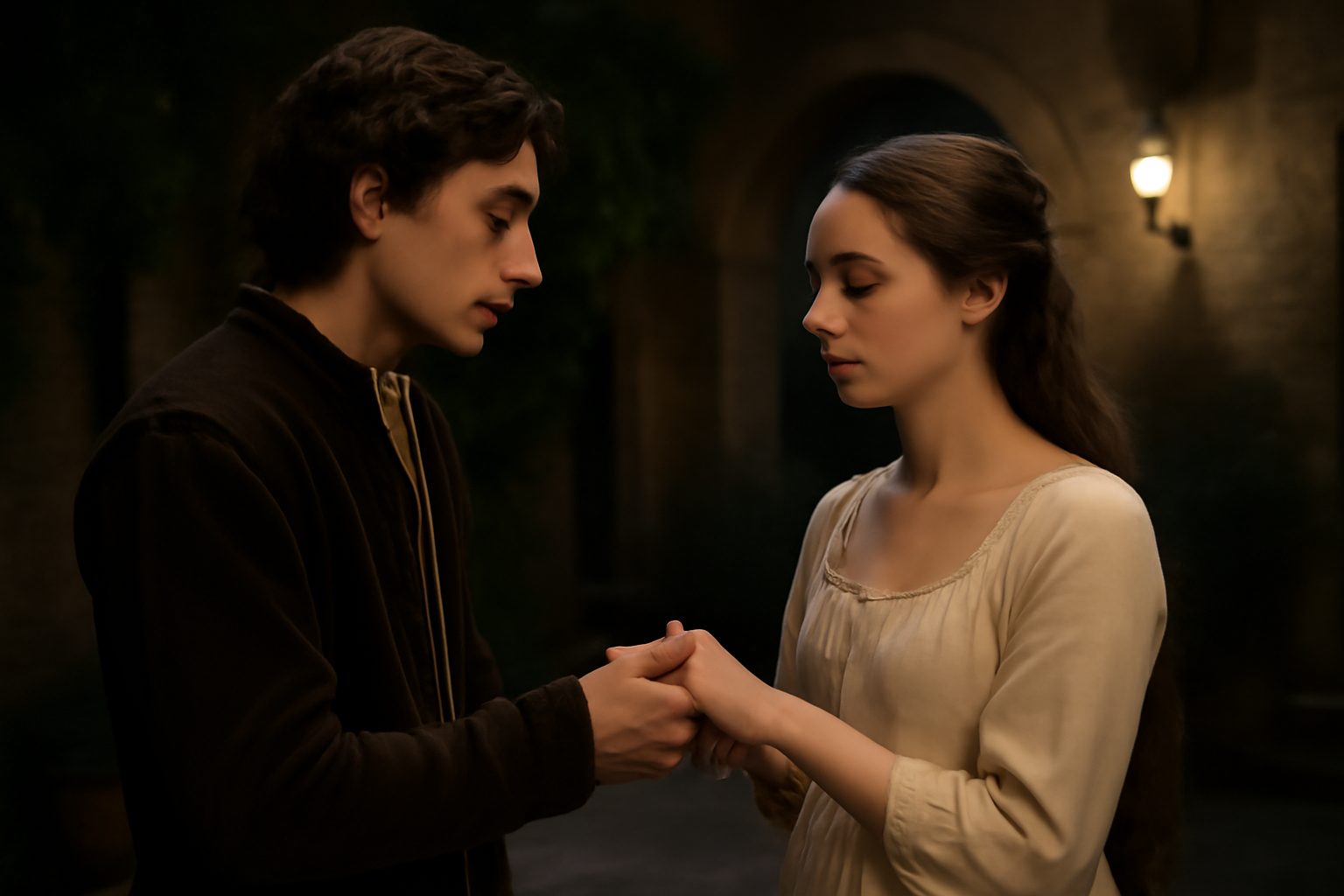
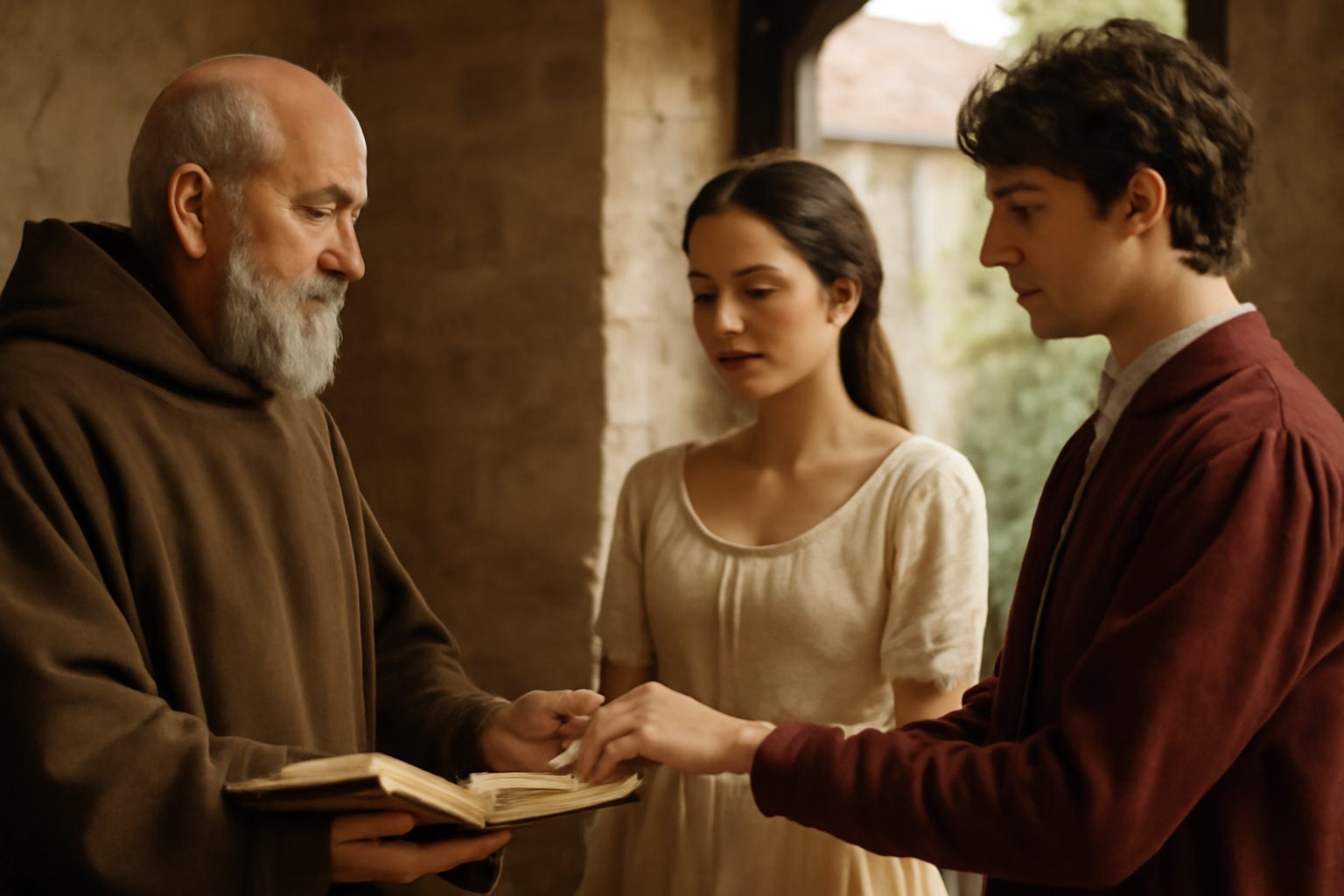
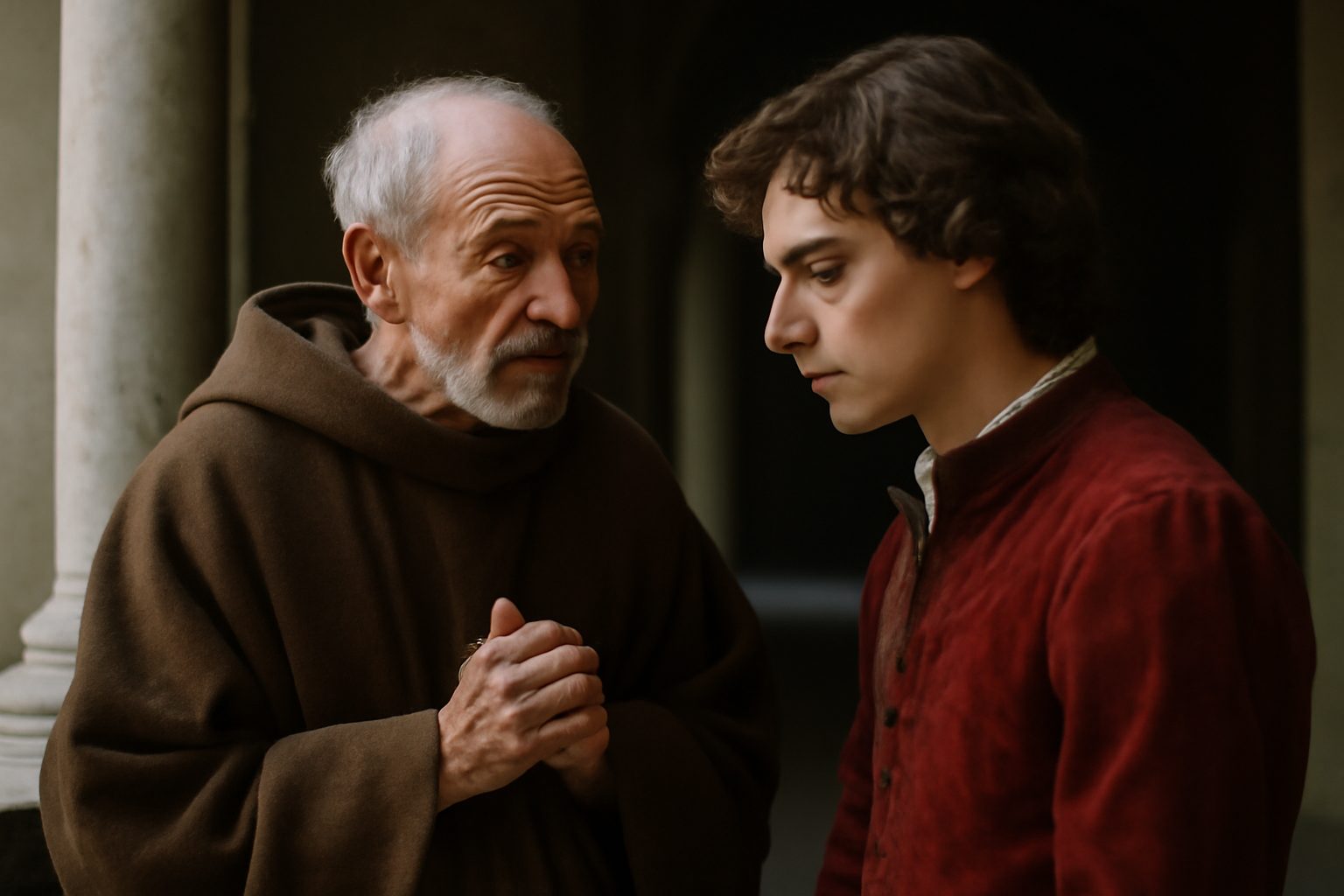
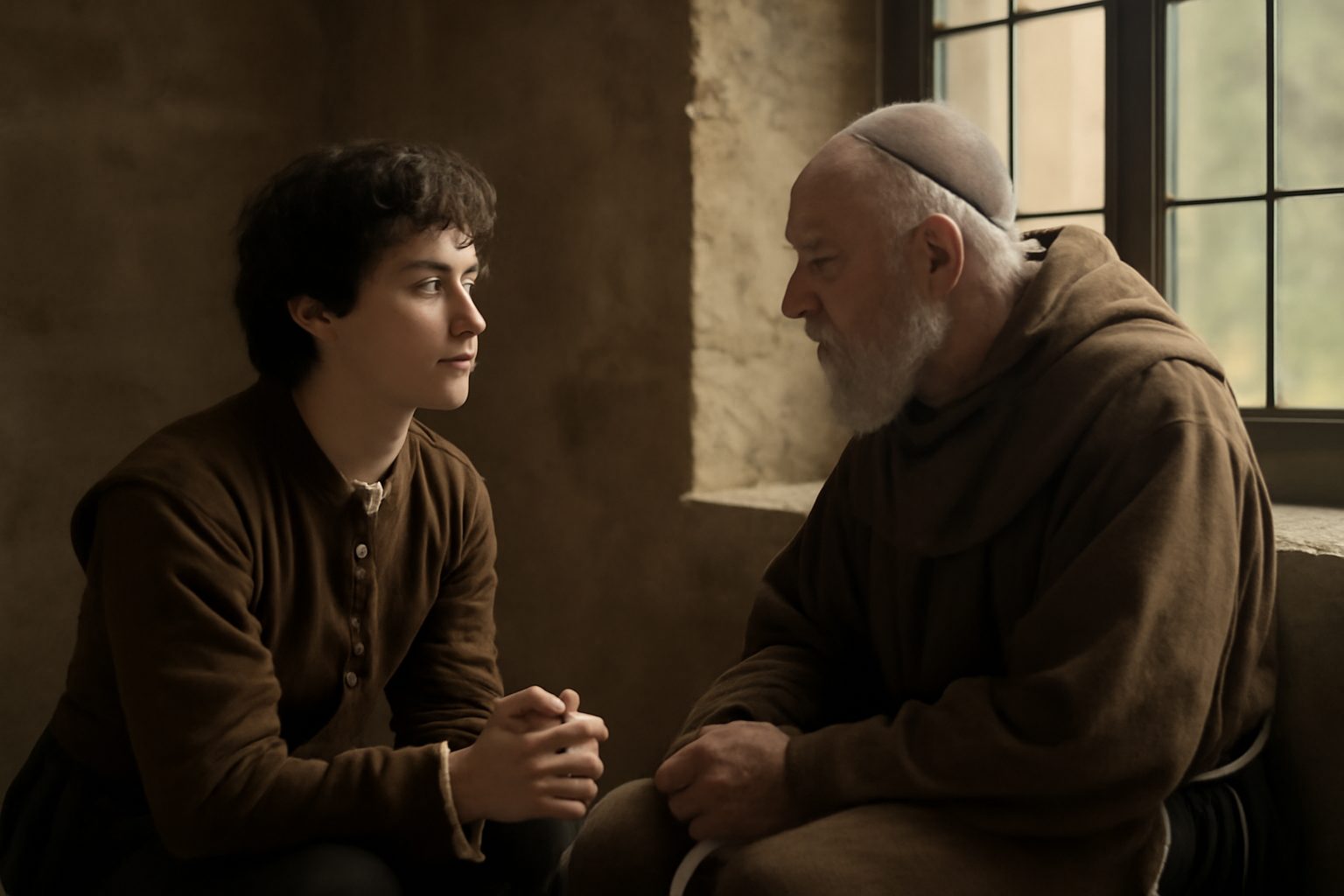
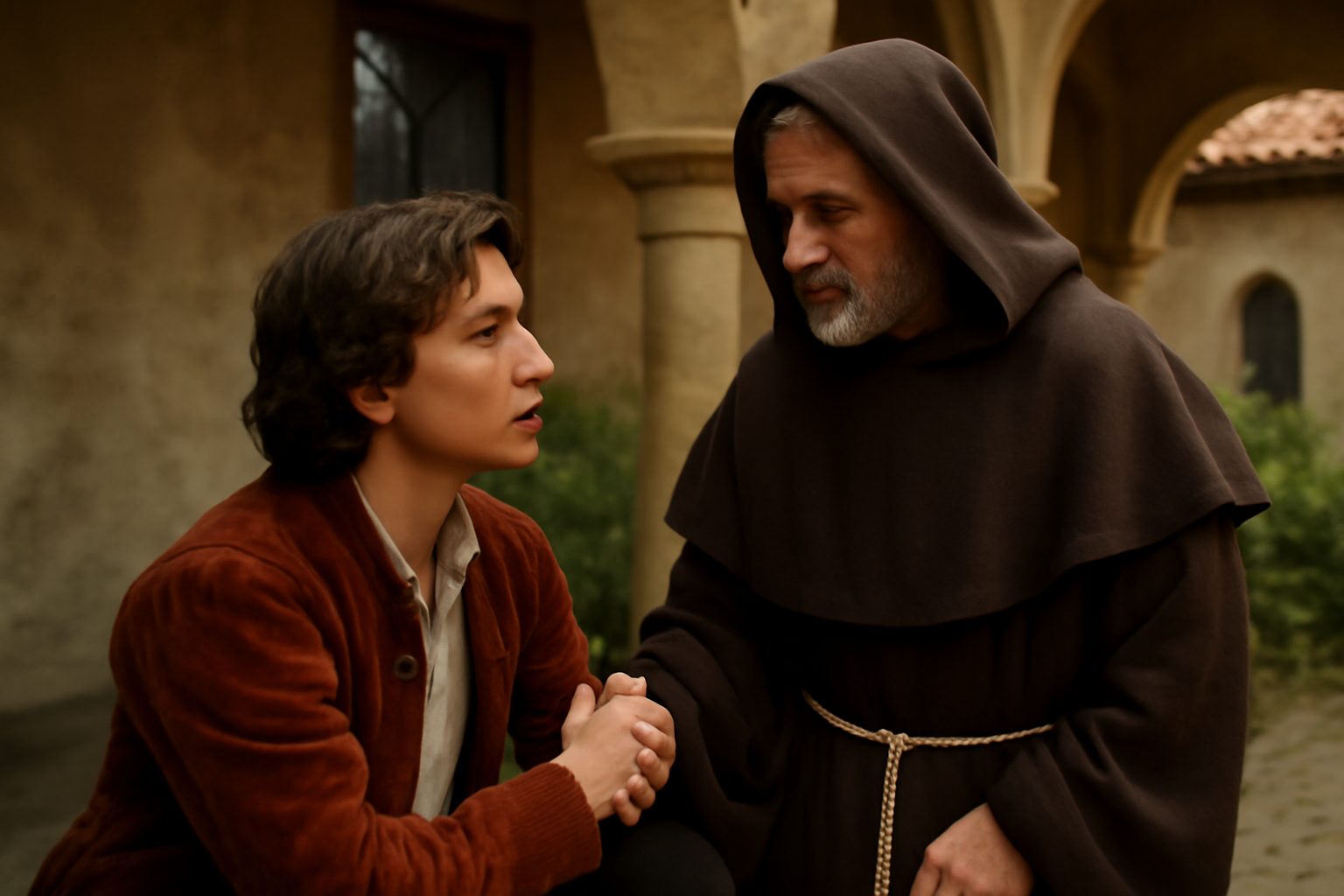
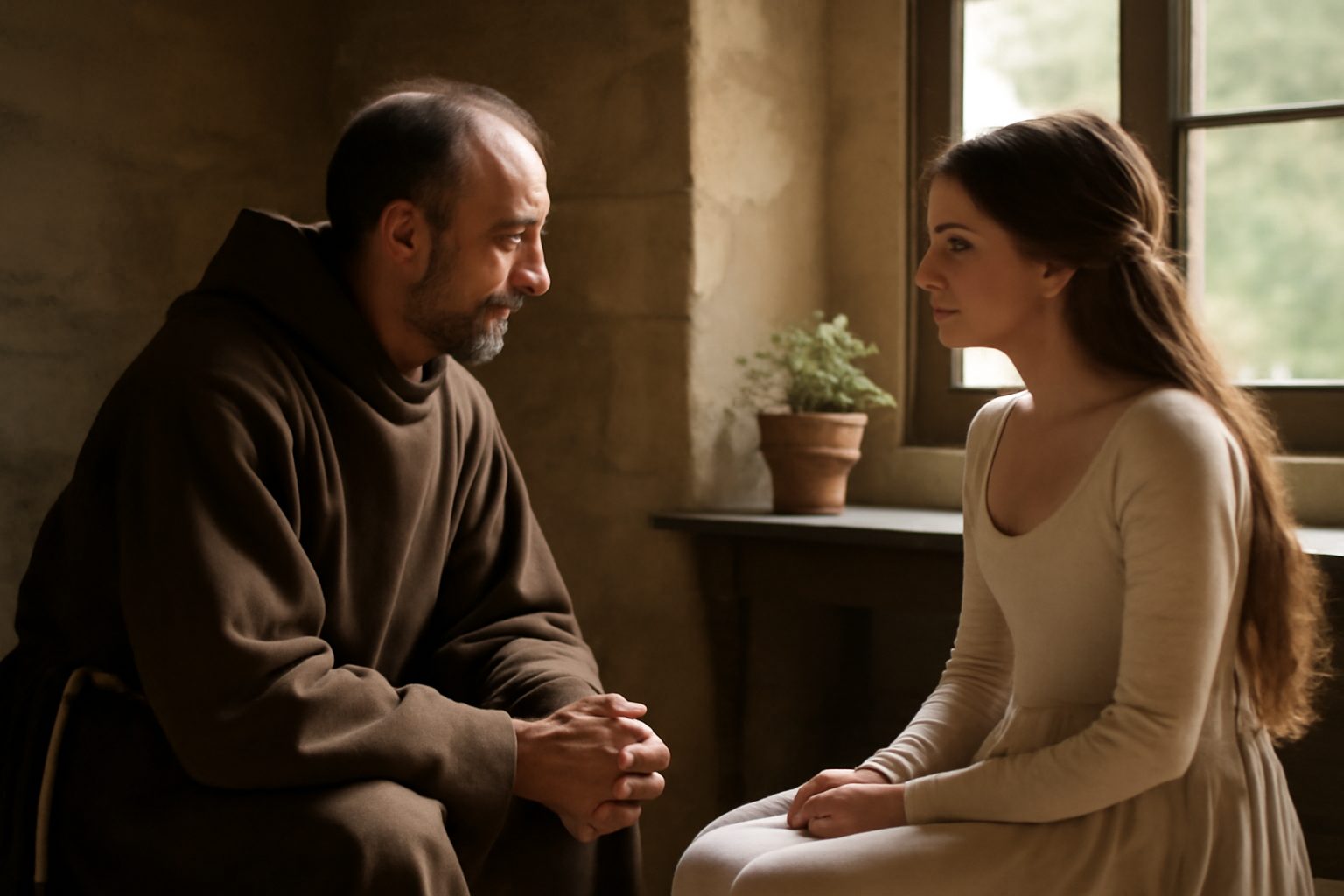
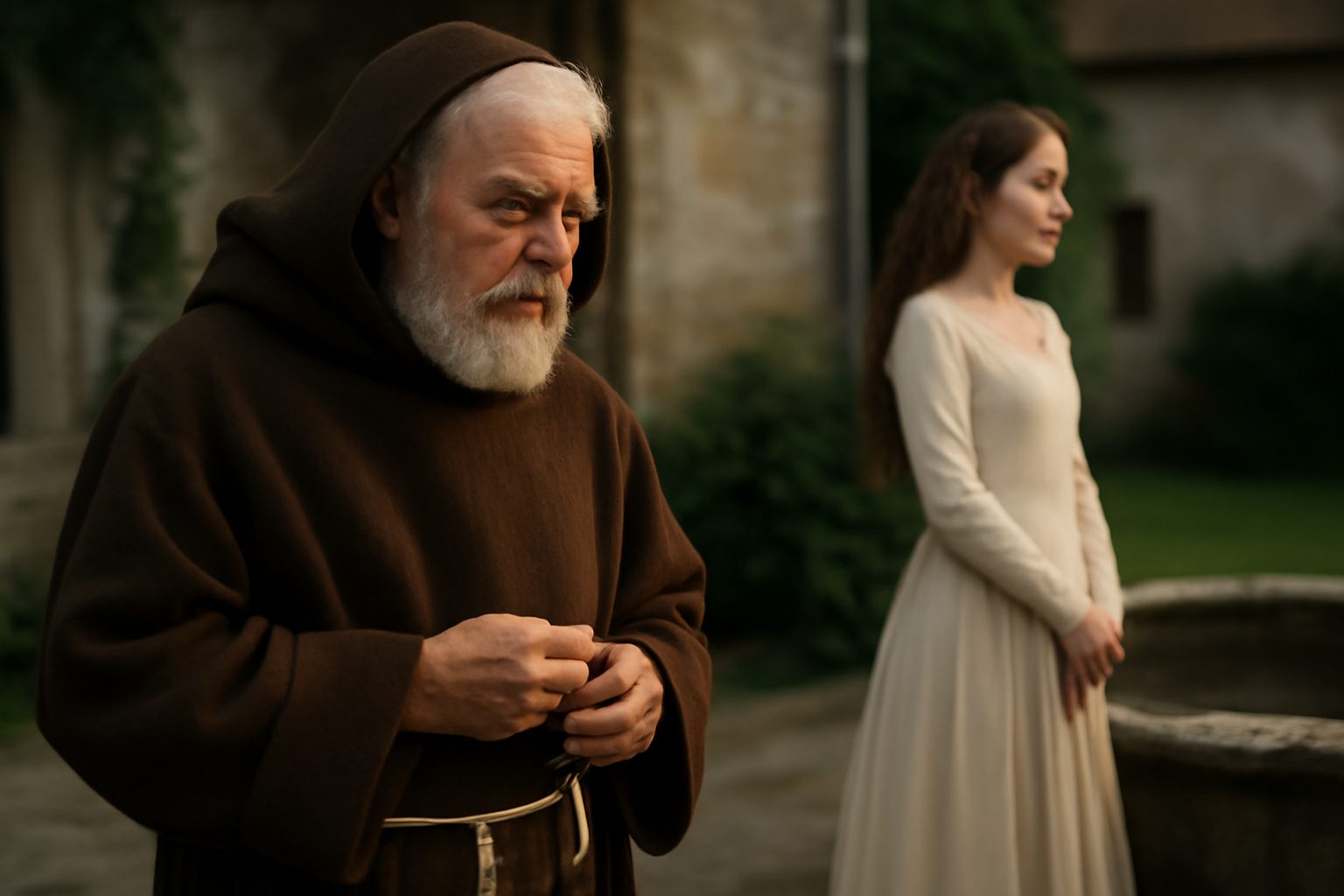
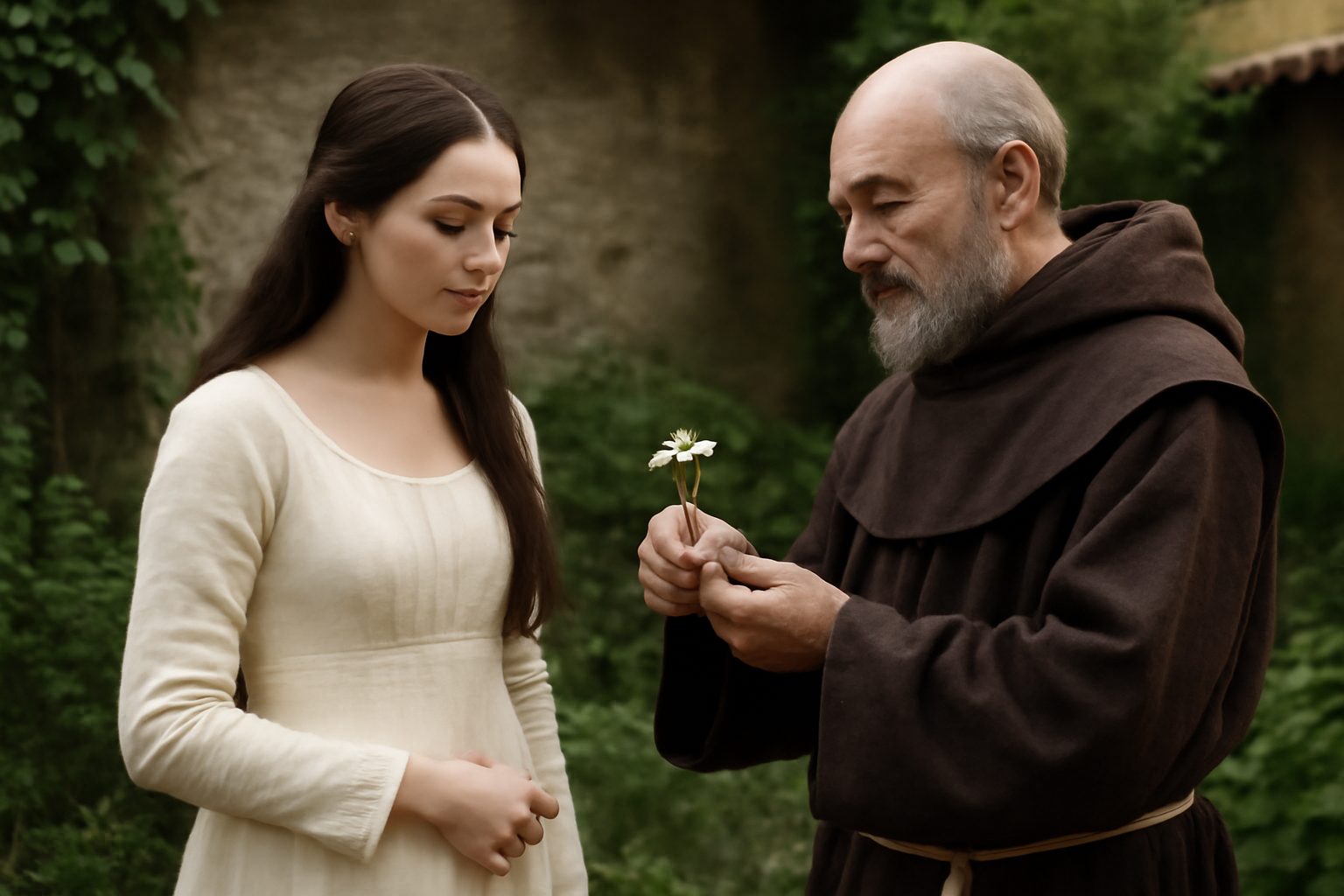
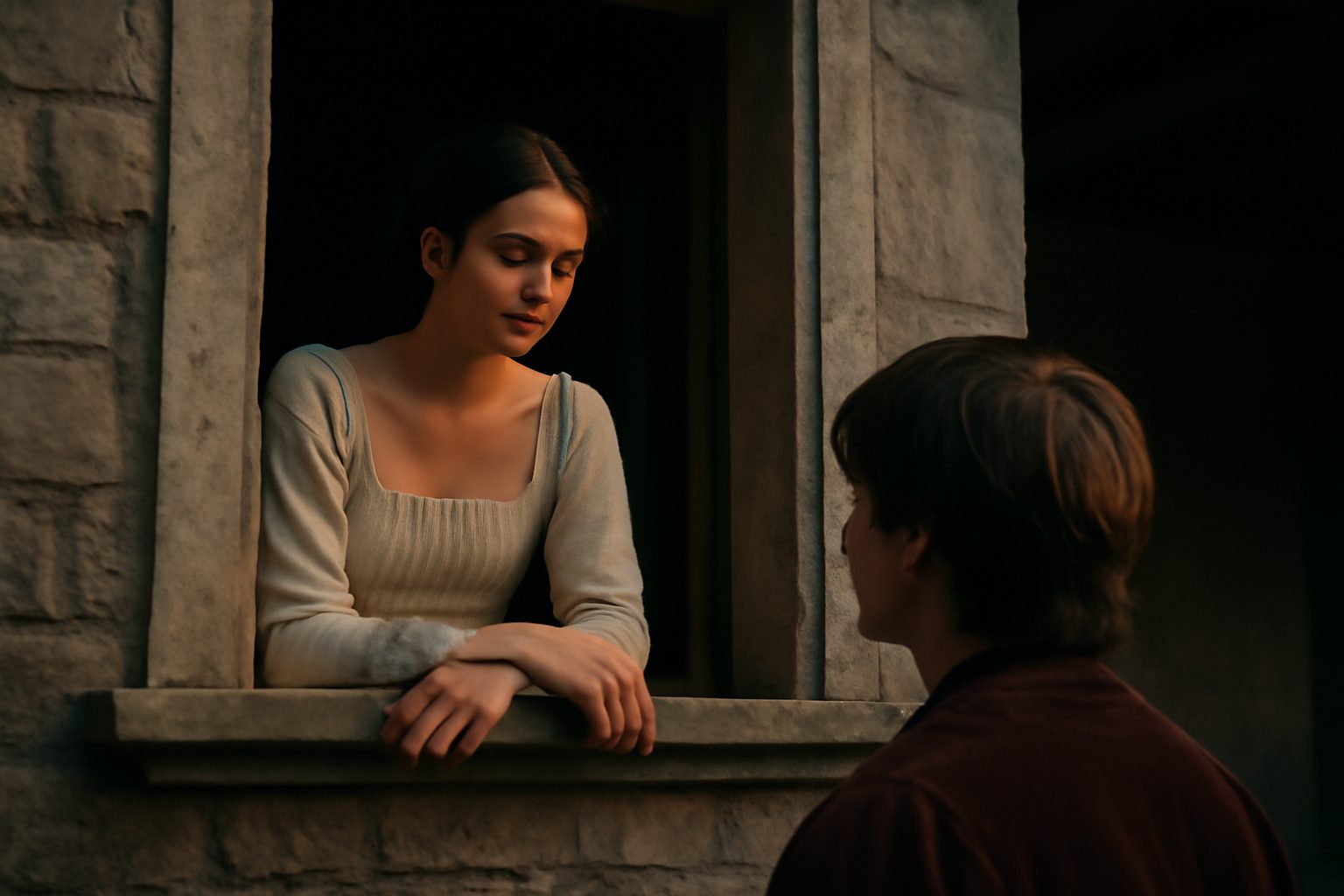
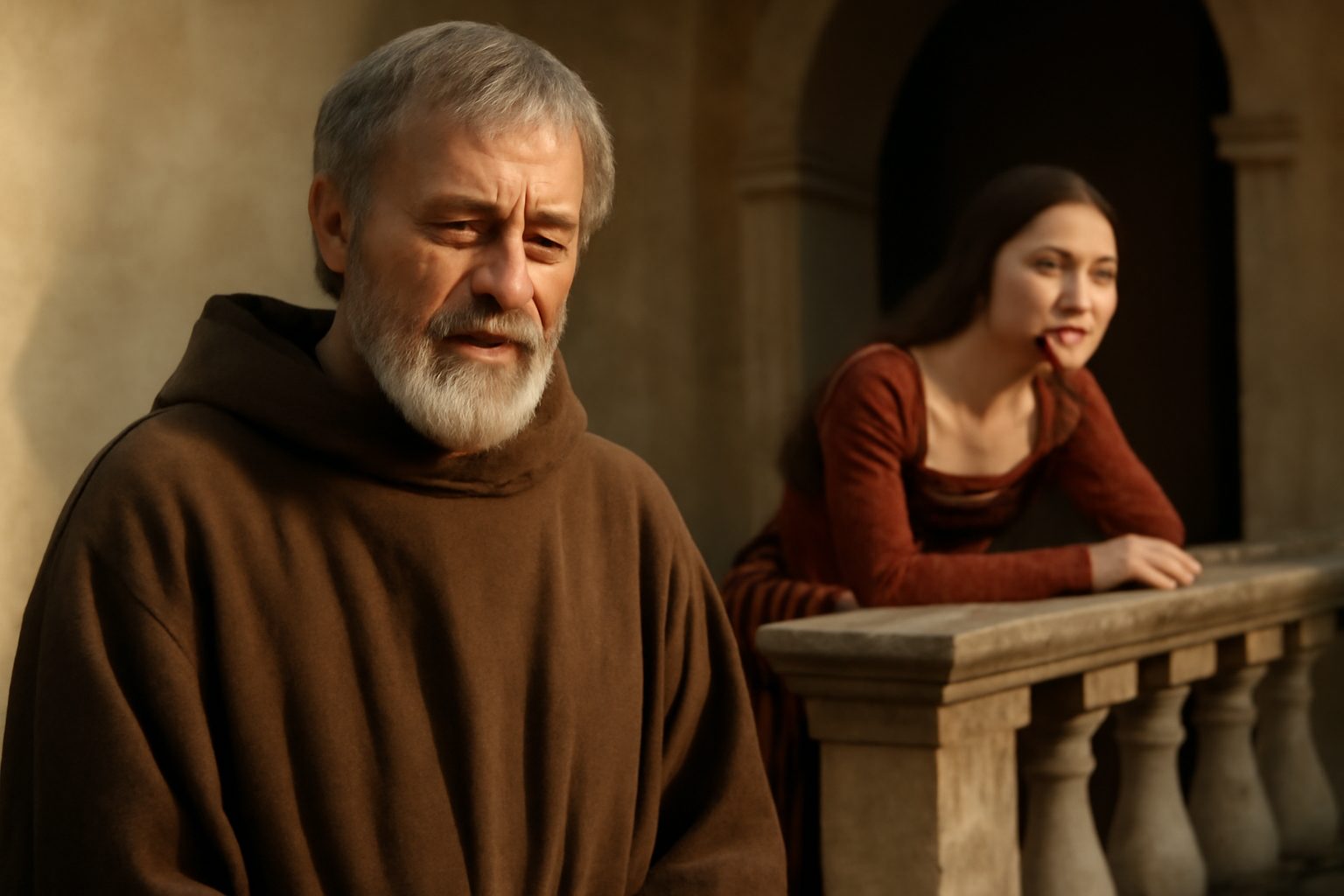
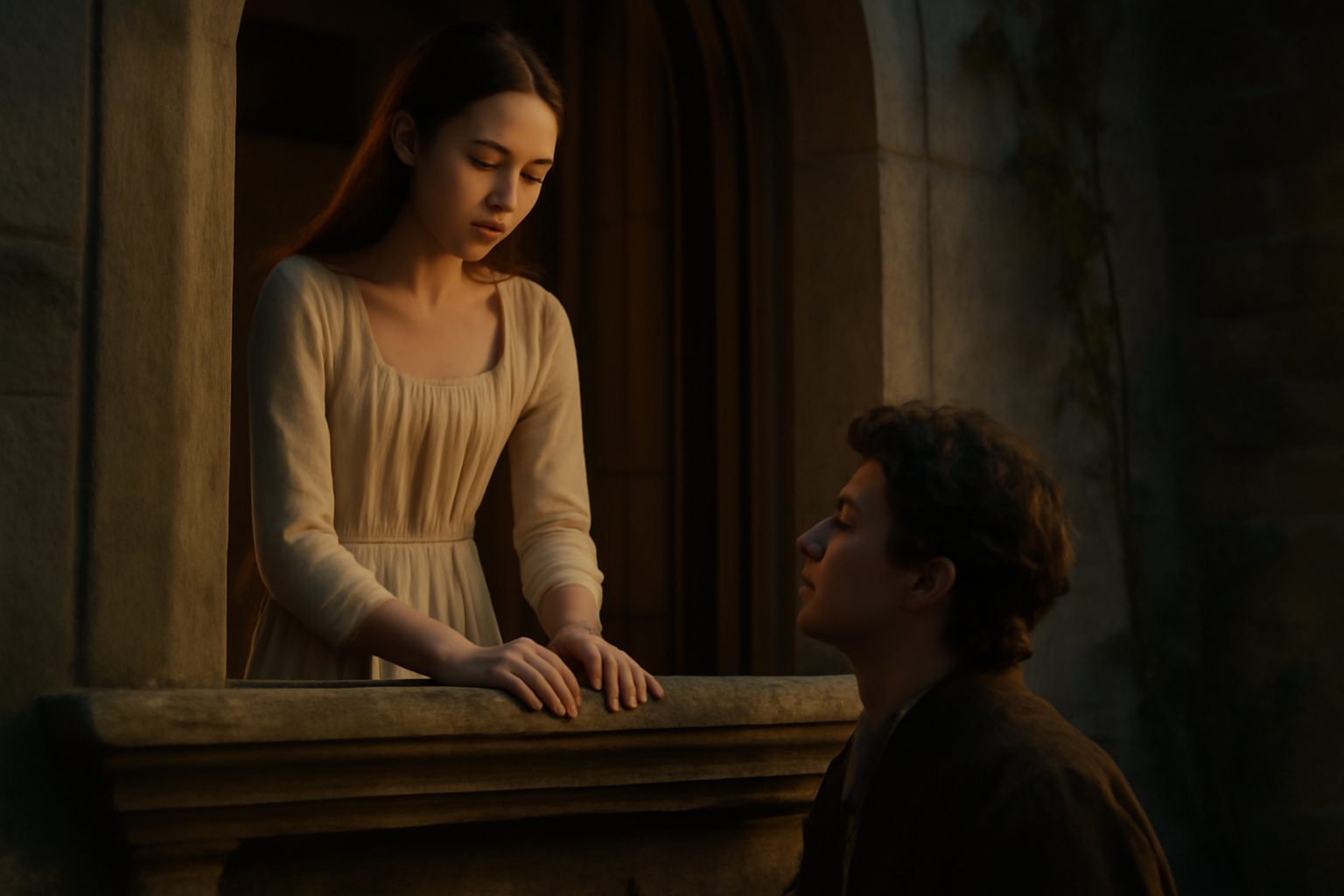
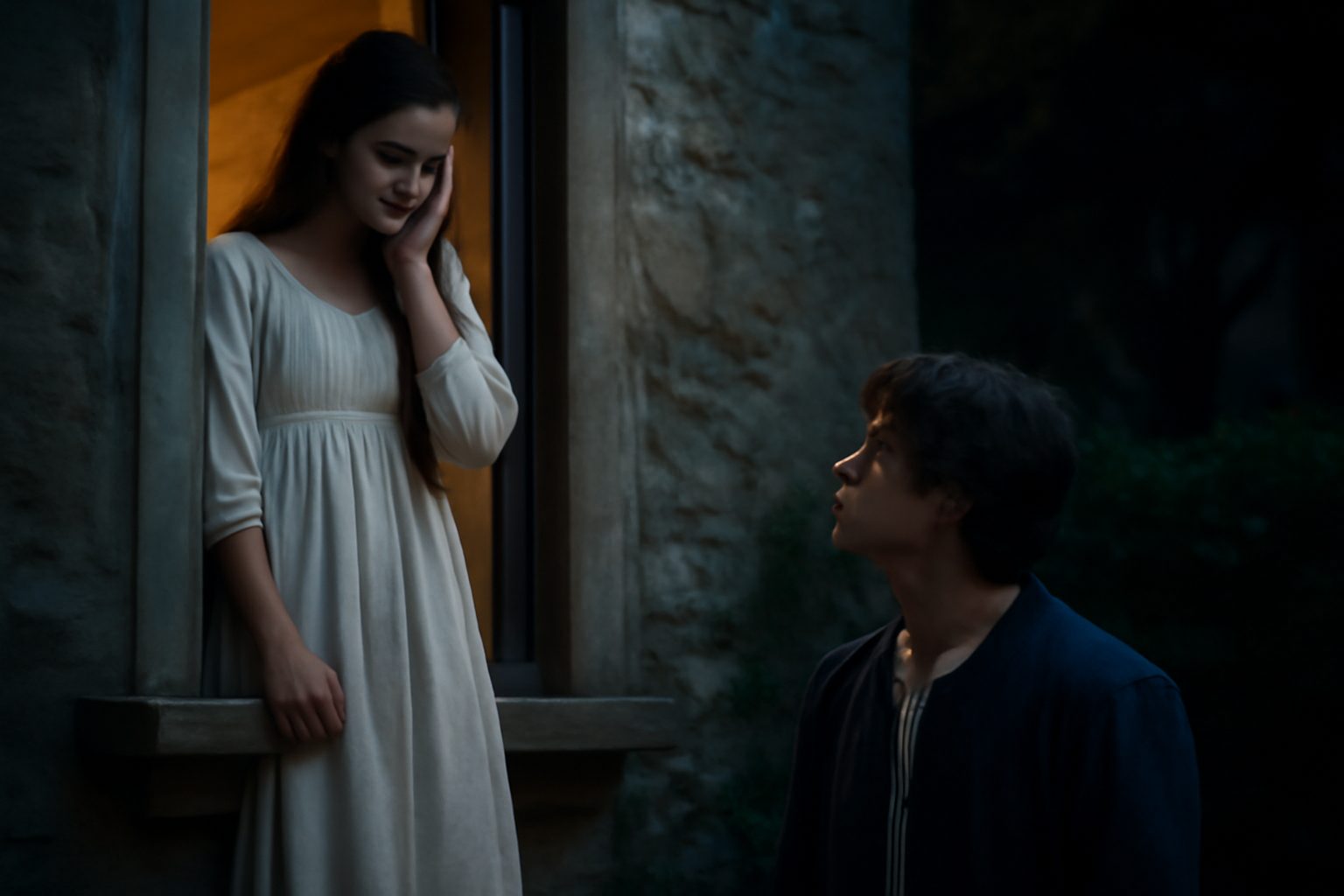
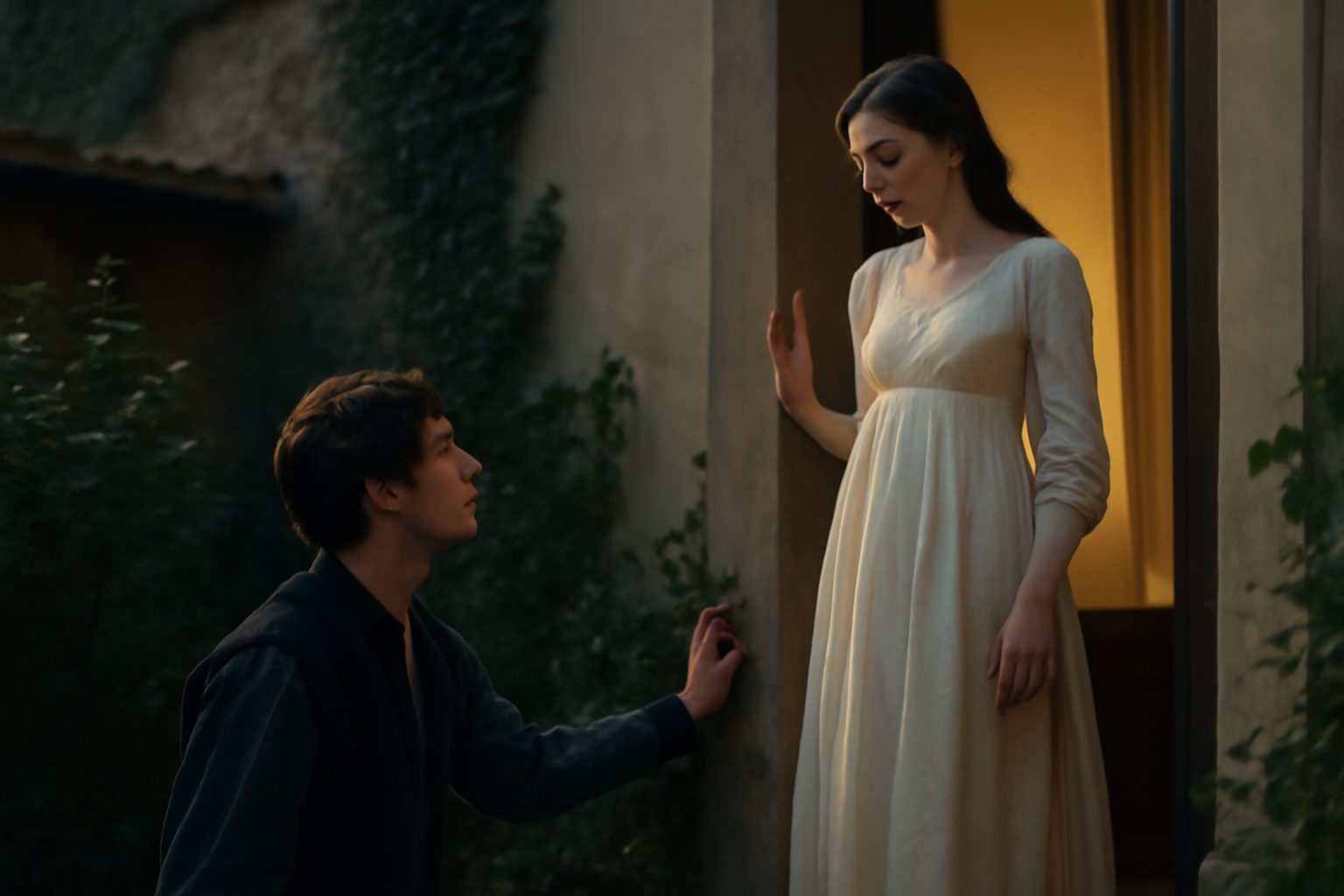
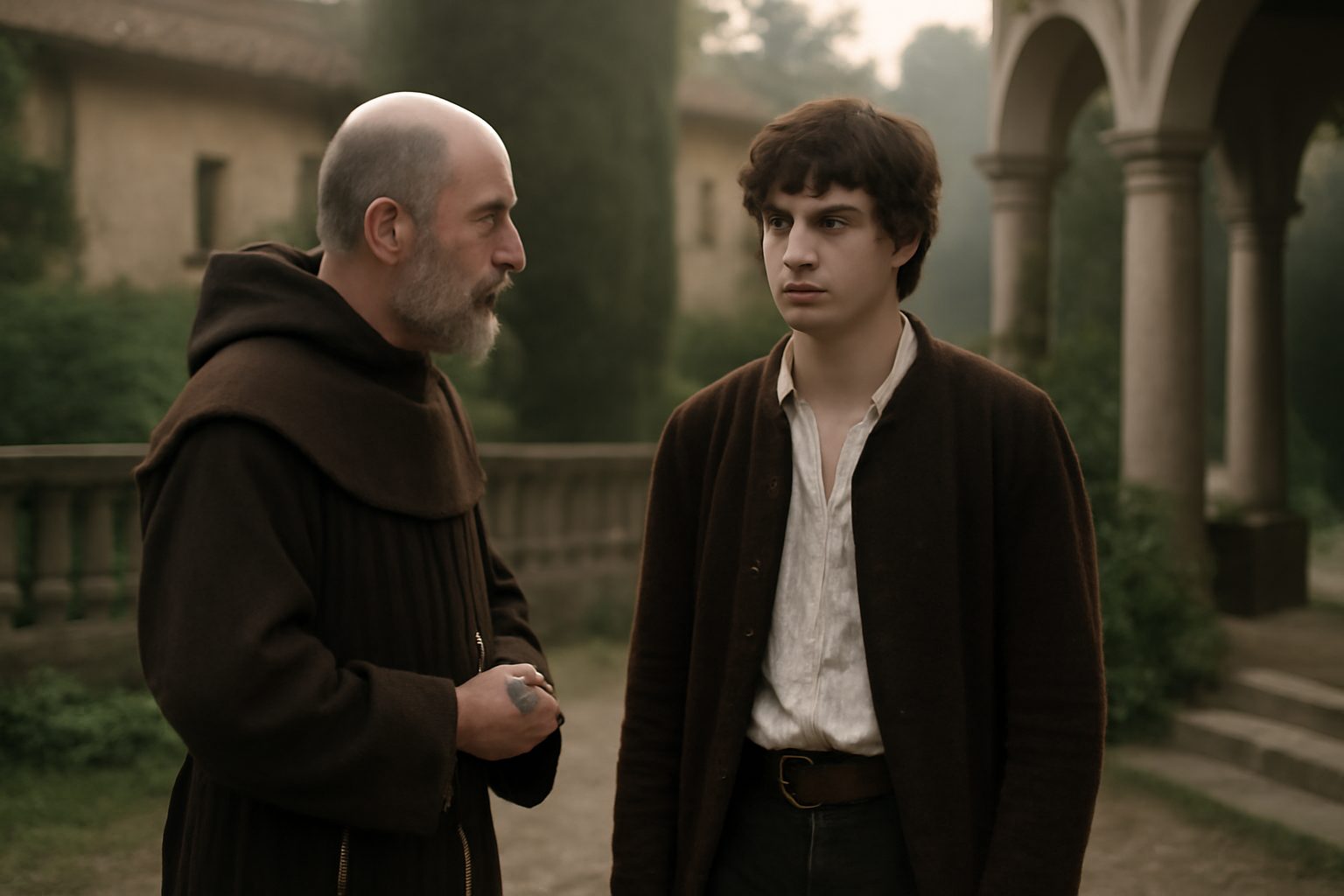
In Act 2, Scene 3 of Romeo and Juliet, Friar Laurence speaks these words to Romeo after hearing of his sudden shift in affection from Rosaline to Juliet. The friar, skeptical of Romeo's impulsive emotions, challenges him to reflect on whether his past sorrows were genuine or merely fleeting infatuation. This line underscores the friar's concern about Romeo's rashness and the potential consequences of his unchecked passions.
Friar Laurence: "If e'er thou wast thyself and these woes thine,"
In modern day english, we would say:
If you were ever truly yourself and these sorrows were truly your own.
Frequently Asked Questions
What is Friar Laurence asking Romeo in this line?
He is asking if Romeo was ever truly himself and if his current sorrows are really his own.
Connections to other verses:
Connections to "If e'er thou wast thyself and these woes thine"
This line, spoken by Friar Laurence, questions the authenticity of Romeo's sorrows and identity, probing whether his past afflictions were genuine or merely performative. It serves as a pivotal moment in the scene, linking to several other verses that explore themes of transformation, love, and inner conflict.
Related to Past Woes and Rosaline
The verse directly connects to "Thou and these woes were all for Rosaline", as both lines reference Romeo's previous lamentations over Rosaline, suggesting his current state is a departure from that past self. Similarly, "Thy old groans ring yet in my ancient ears" echoes the Friar's recollection of Romeo's earlier despair, reinforcing the contrast between his former and present emotions.
Transformation and Change
This inquiry into Romeo's true self ties into "Holy Saint Francis, what a change is here!", where the Friar expresses astonishment at Romeo's sudden shift in demeanor. It also relates to "And art thou changed? pronounce this sentence…", which challenges Romeo to affirm his transformation, questioning the sincerity behind his new affections.
Emotional and Physical Manifestations
The theme of visible sorrow is echoed in "Lo, here upon thy cheek the stain doth sit" and "Of an old tear that is not wash'd off yet", both highlighting the lingering traces of past grief on Romeo's countenance, which the Friar uses as evidence to question his current emotional state.
Rejection of the Past
Romeo's dismissal of his previous love is captured in "I have forgot that name, and that name's woe", directly responding to the Friar's skepticism by asserting his abandonment of Rosaline and associated sorrows, thereby affirming the change the Friar questions.
Broader Philosophical Context
The Friar's meditation on dualities, such as in "Virtue itself turns vice, being misapplied" and "Poison hath residence and medicine power", provides a framework for understanding his scrutiny of Romeo's transformation, suggesting that what seems genuine (like past woes) might be misguided or false.