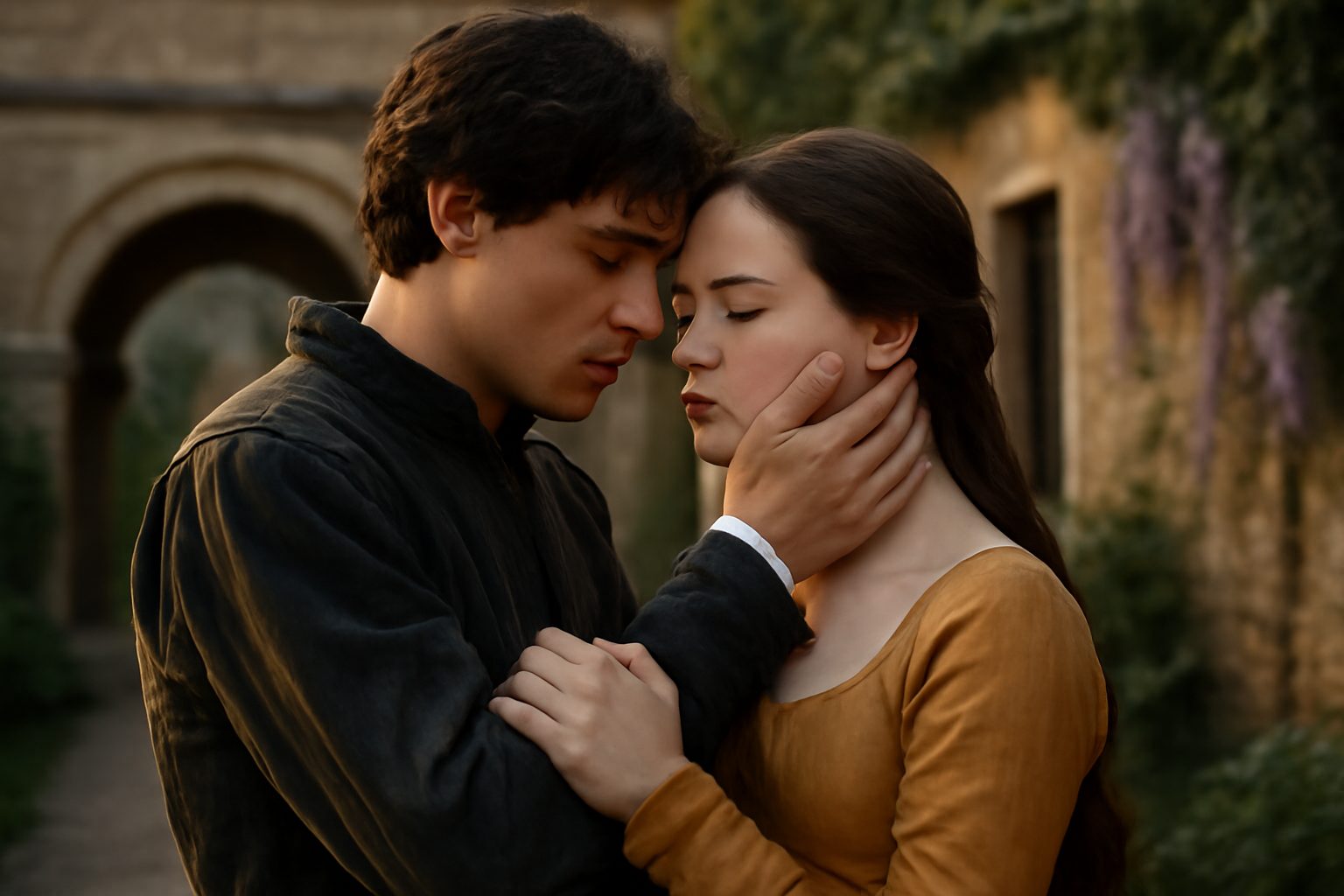
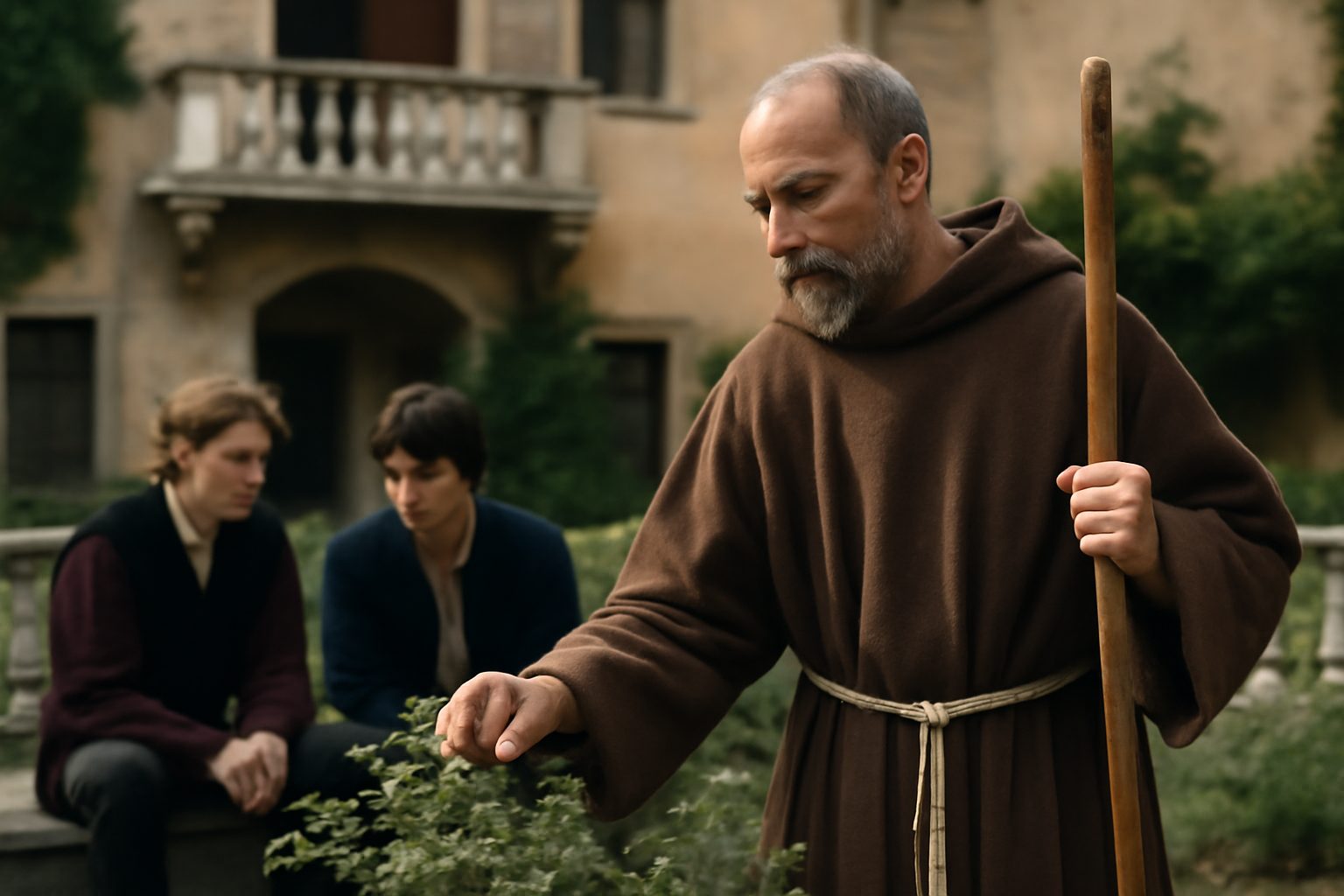
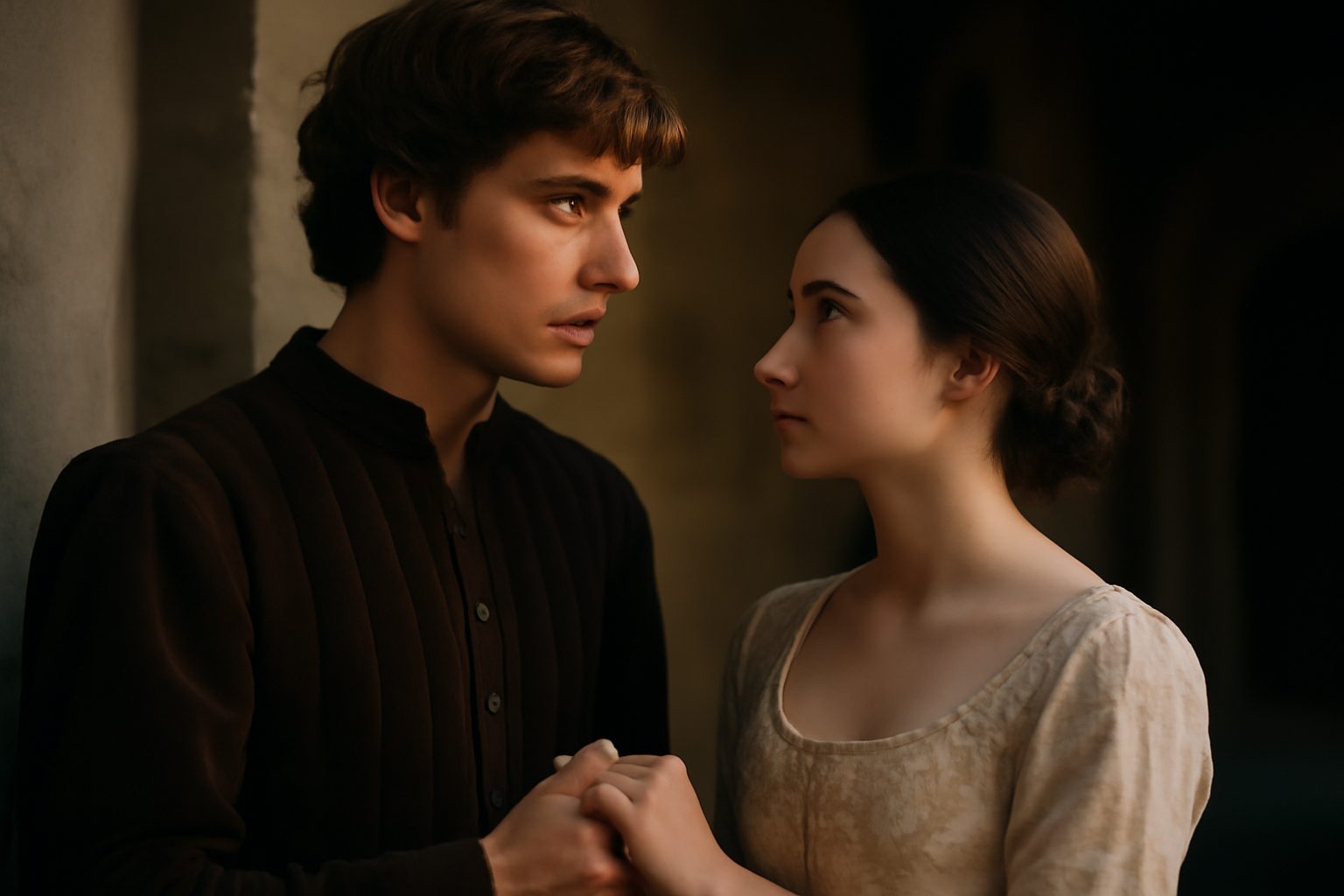
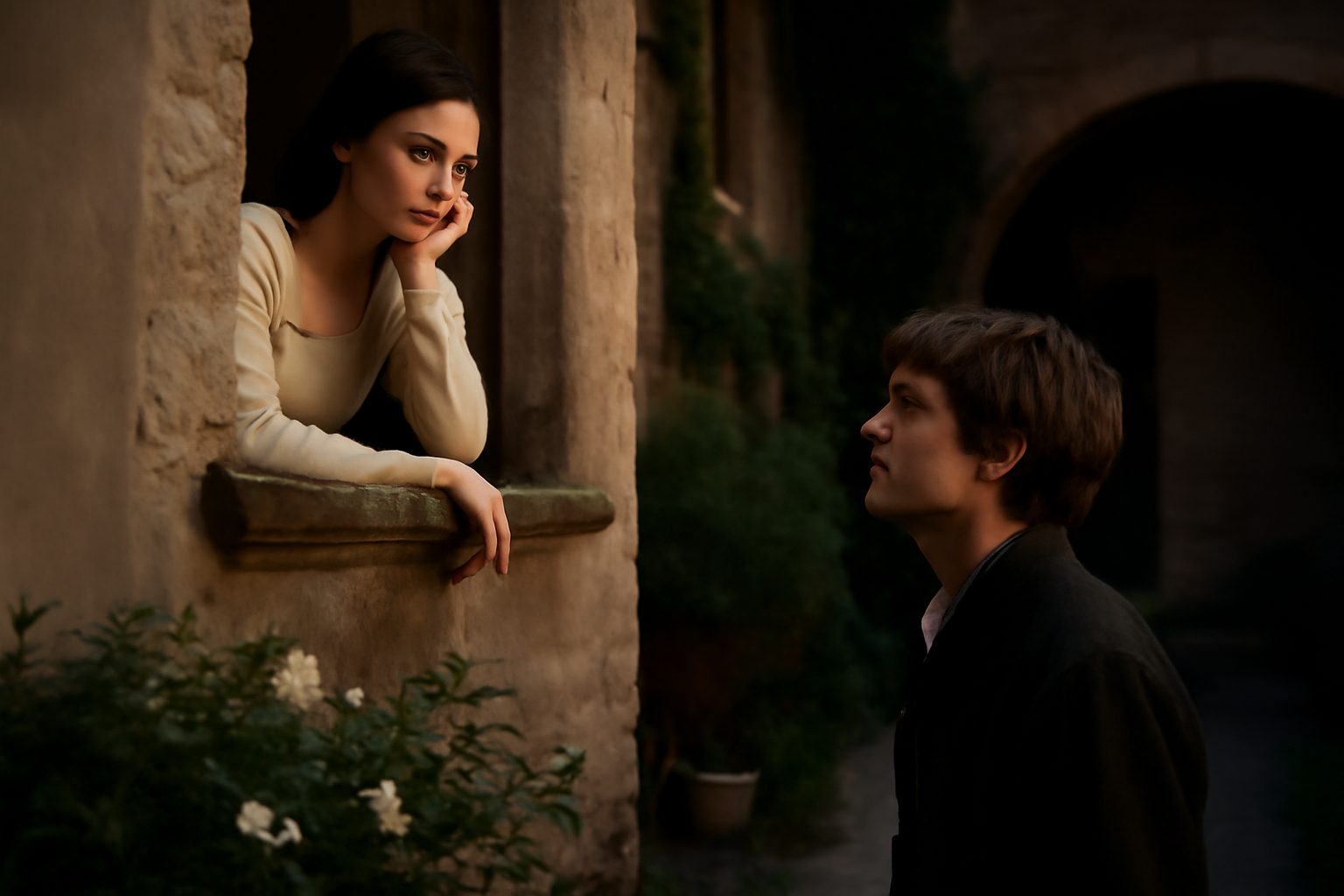
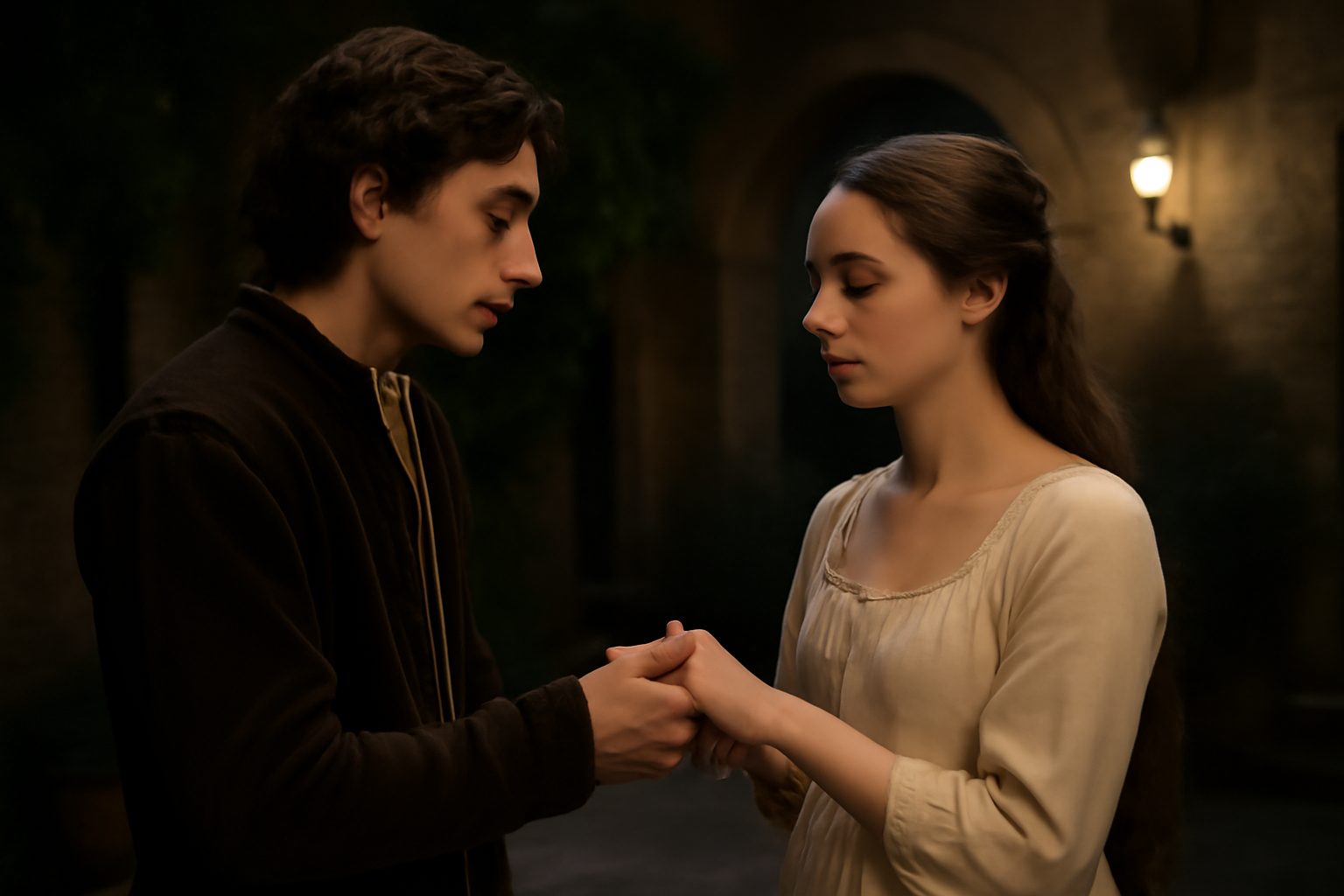
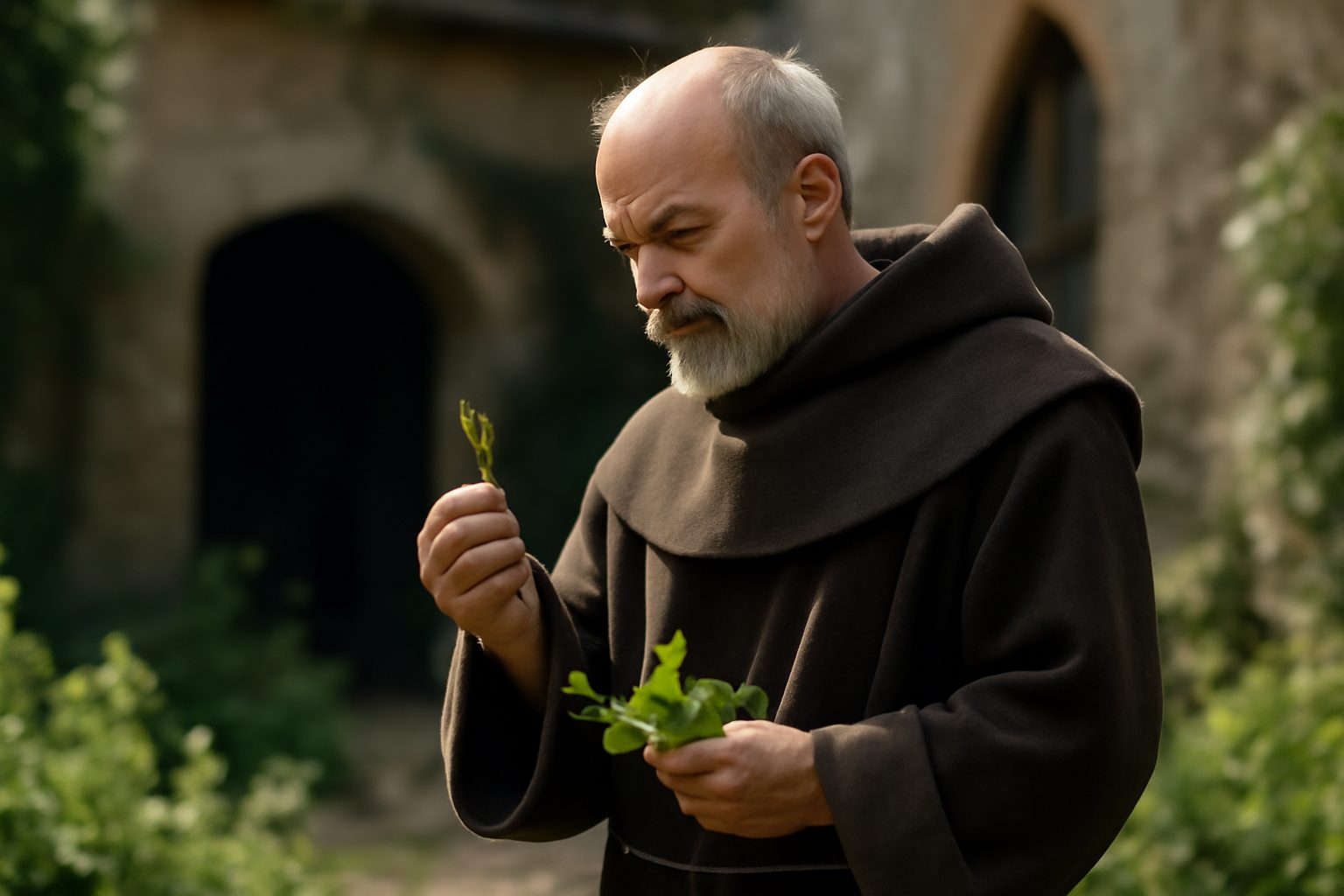
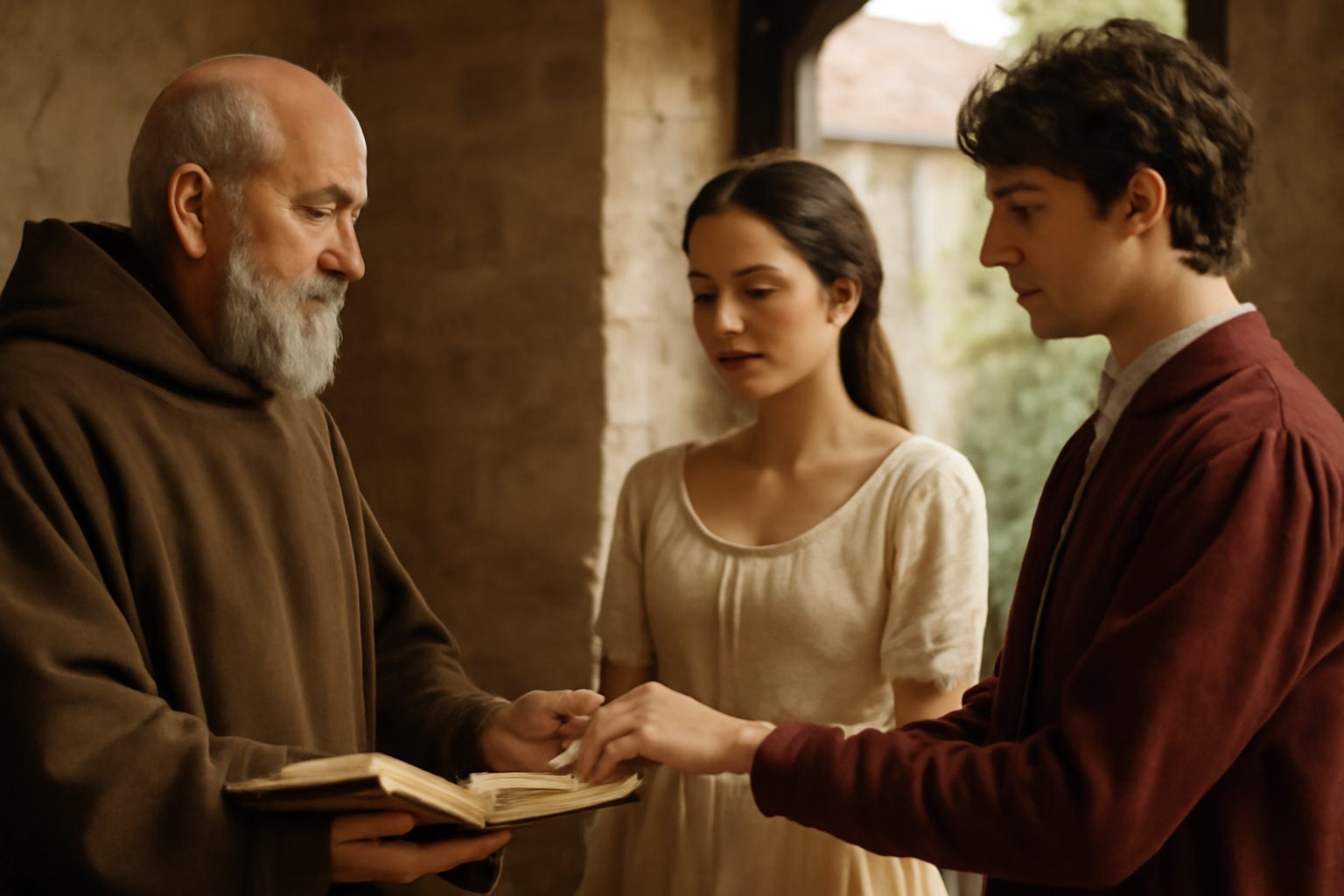
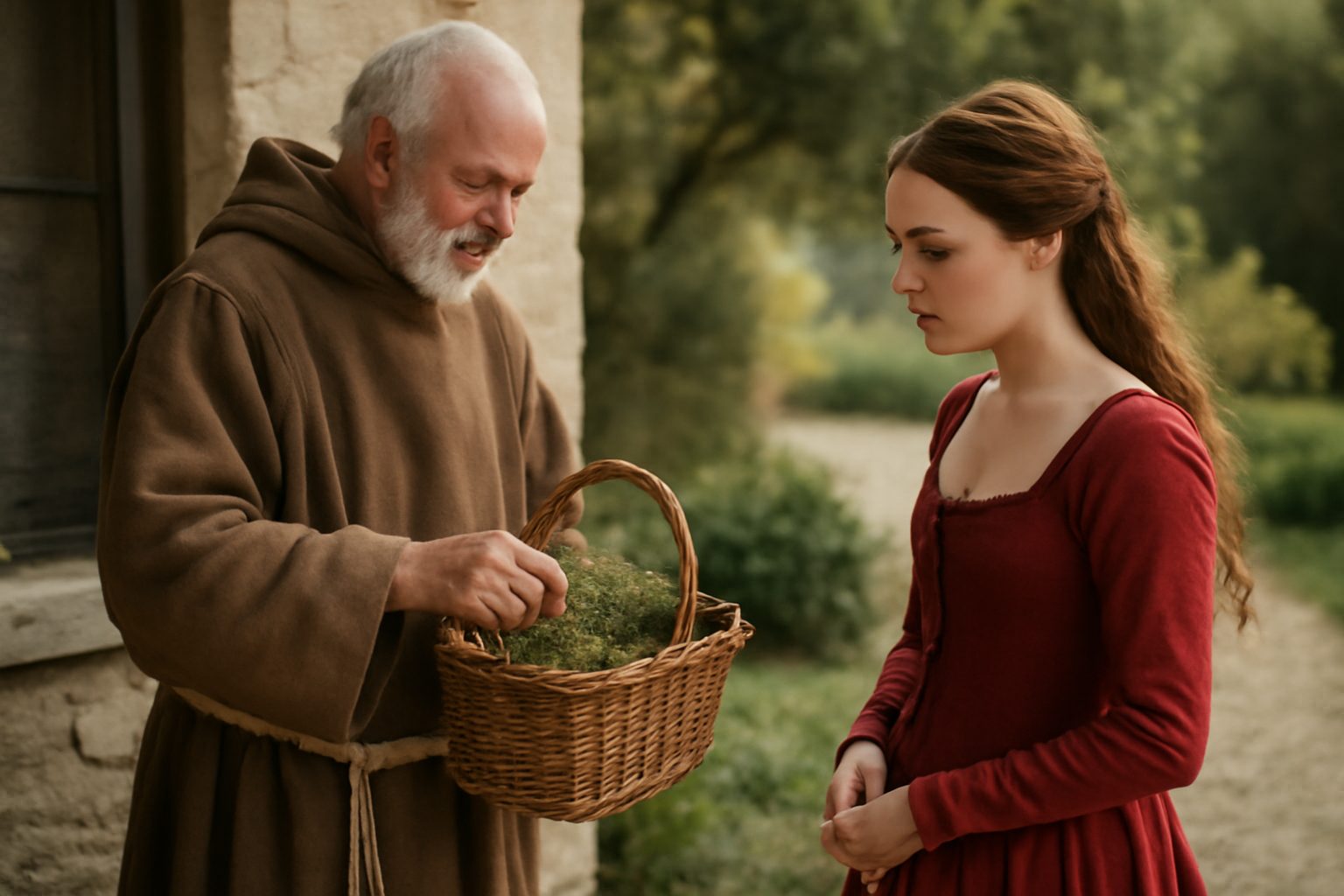
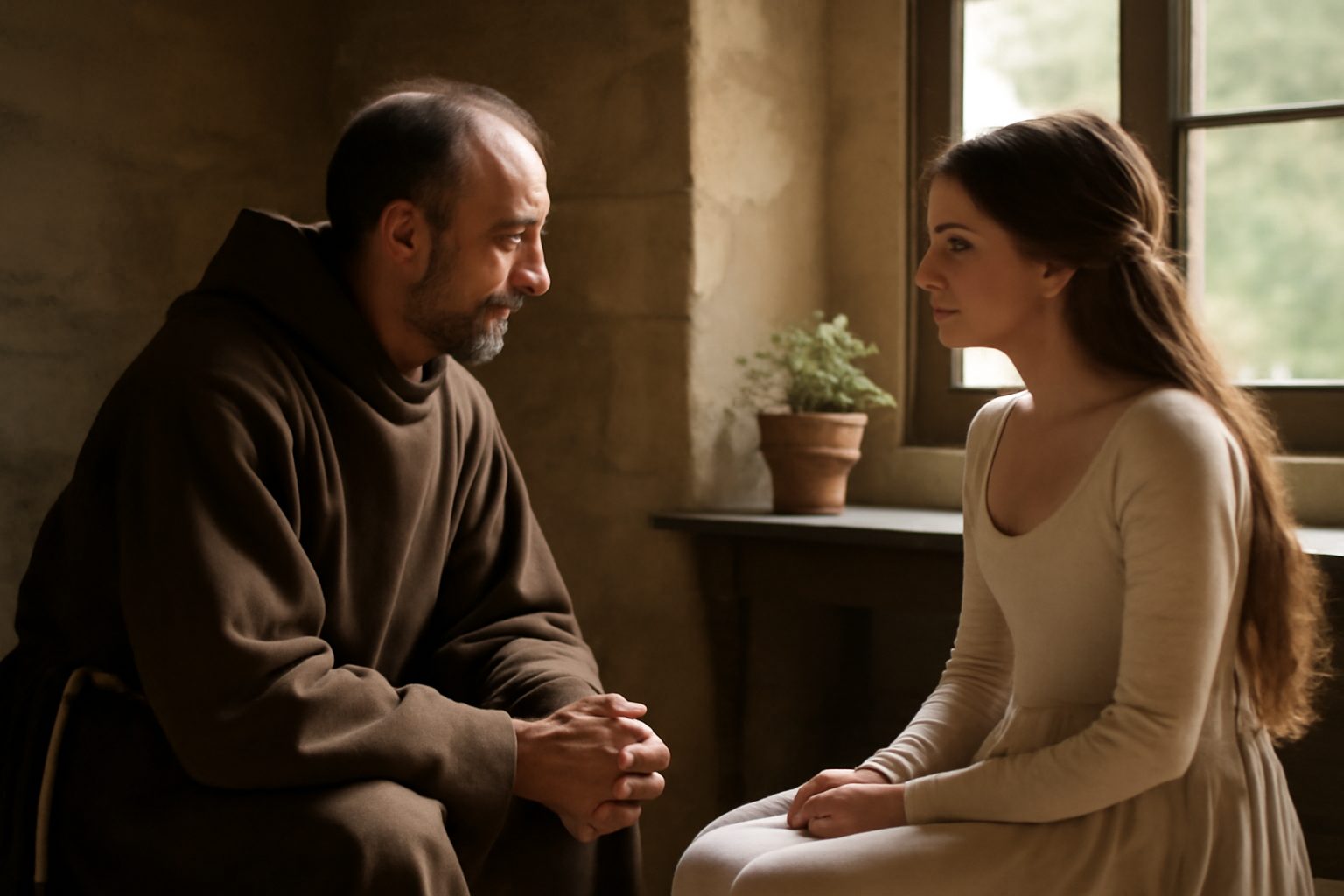
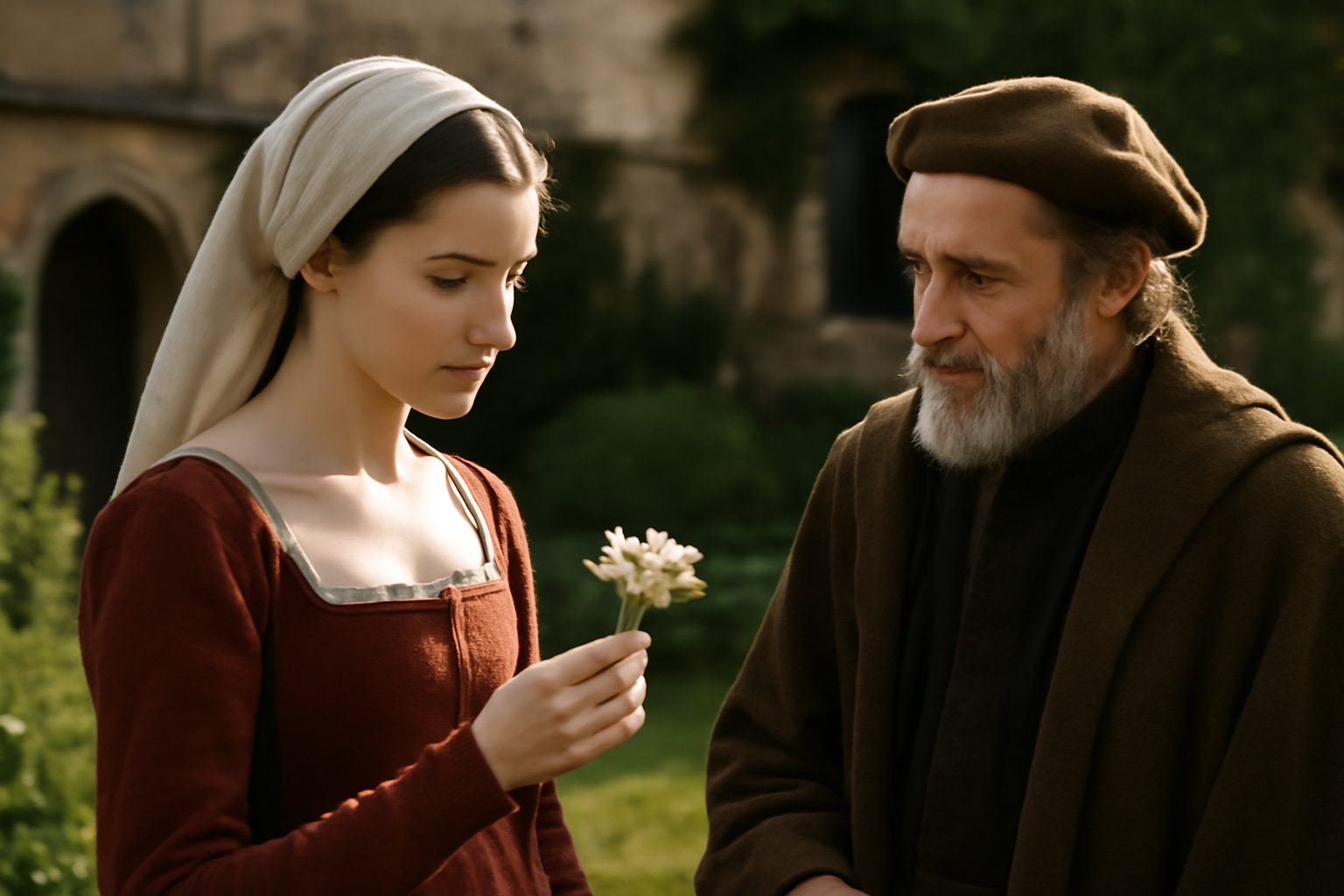
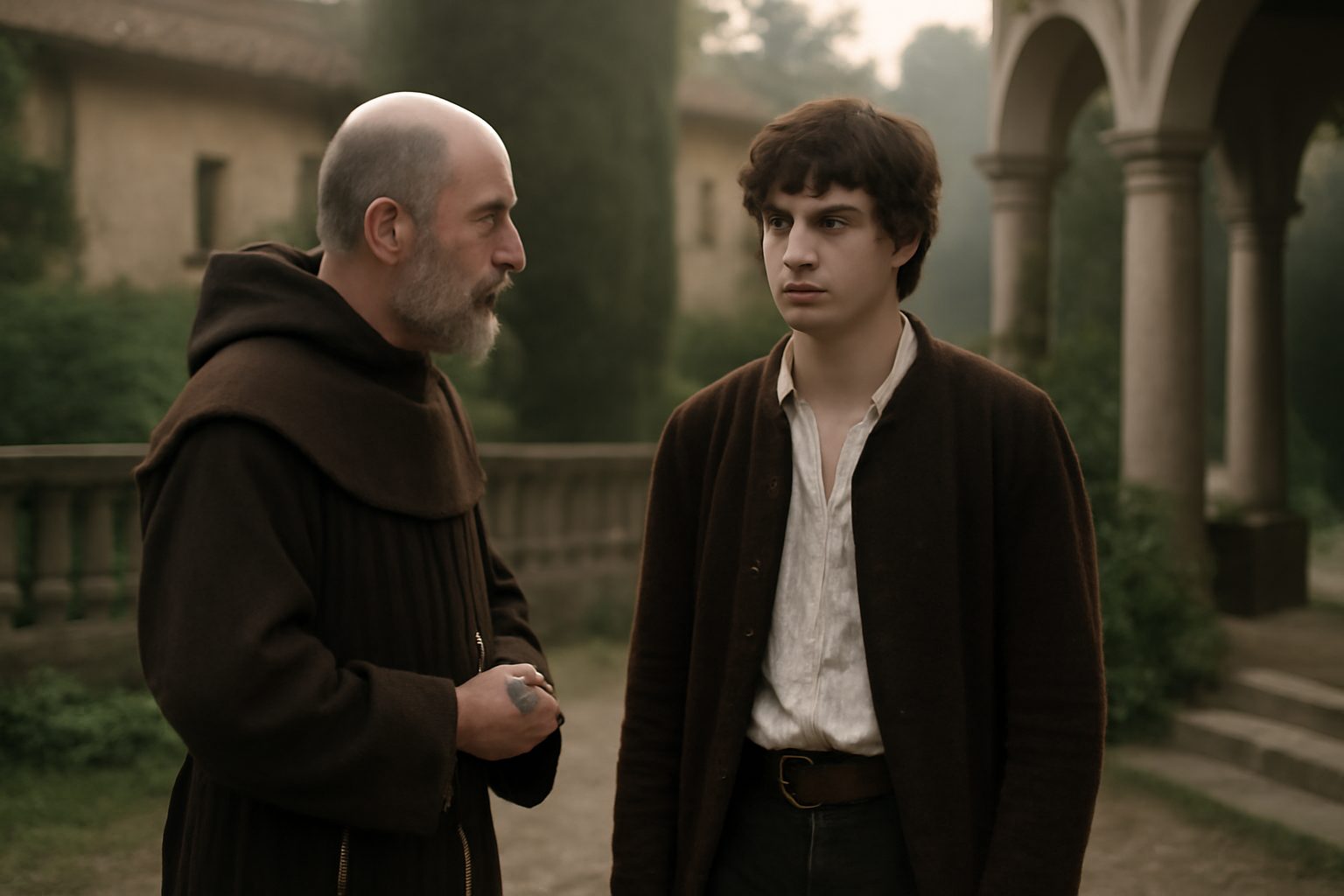
In Act 2, Scene 3 of Romeo and Juliet, Friar Laurence reflects on the duality of human nature, noting how people and things often possess both good and bad qualities. This line is spoken as he gathers herbs in his garden, contemplating how even the most virtuous traits can be twisted to harmful ends. The moment foreshadows the tragic consequences of the play, as the Friar's own good intentions later contribute to the lovers' downfall.
Friar Laurence: "Many for many virtues excellent,"
In modern day english, we would say:
Many people are excellent because of their many good qualities.
Frequently Asked Questions
What does Friar Laurence mean when he says many for many virtues excellent?
He is saying that many people are excellent because of their many good qualities.
Connections to other verses:
Connections to "Many for many virtues excellent"
The verse "Many for many virtues excellent" is part of Friar Laurence's soliloquy on the dual nature of things, where he reflects on how the same substance can have both beneficial and harmful effects. This theme is echoed in "Poison hath residence and medicine power", which directly states the coexistence of healing and harmful properties in nature.
Related Verses on Duality and Nature
Friar Laurence expands on this idea in "Virtue itself turns vice, being misapplied", emphasizing how even good qualities can become harmful if misused. Similarly, "And vice sometimes by action dignified" suggests that vice can sometimes appear virtuous through certain actions, reinforcing the theme of moral ambiguity.
The concept of duality is further explored in "Two such opposed kings encamp them still", which metaphorically describes the constant struggle between opposing forces within individuals and nature.
Connections to Human Nature and Love
This philosophical meditation on duality parallels the personal transformation Romeo undergoes, as noted in "Holy Saint Francis, what a change is here!", where Friar Laurence observes Romeo's shift from despair over Rosaline to joy for Juliet. The friar's earlier advice in "For doting, not for loving, pupil mine" critiques Romeo's previous superficial affection, contrasting it with the genuine love he now claims.
Romeo's response in "I pray thee, chide not; she whom I love now" defends his new love as virtuous and true, aligning with the friar's initial musings on the excellence of virtues when rightly applied.
Structural and Thematic Links
The soliloquy containing "Many for many virtues excellent" sets the stage for the friar's role as a mediator between opposing forces, both in nature and in the feud between the Montagues and Capulets. This is foreshadowed in "To turn your households' rancour to pure love", where the friar expresses hope that Romeo and Juliet's union may end the conflict.
Additionally, the friar's warning in "Wisely and slow; they stumble that run fast" serves as a pragmatic counterpoint to his earlier philosophical reflections, urging caution in applying virtues—or love—too hastily.