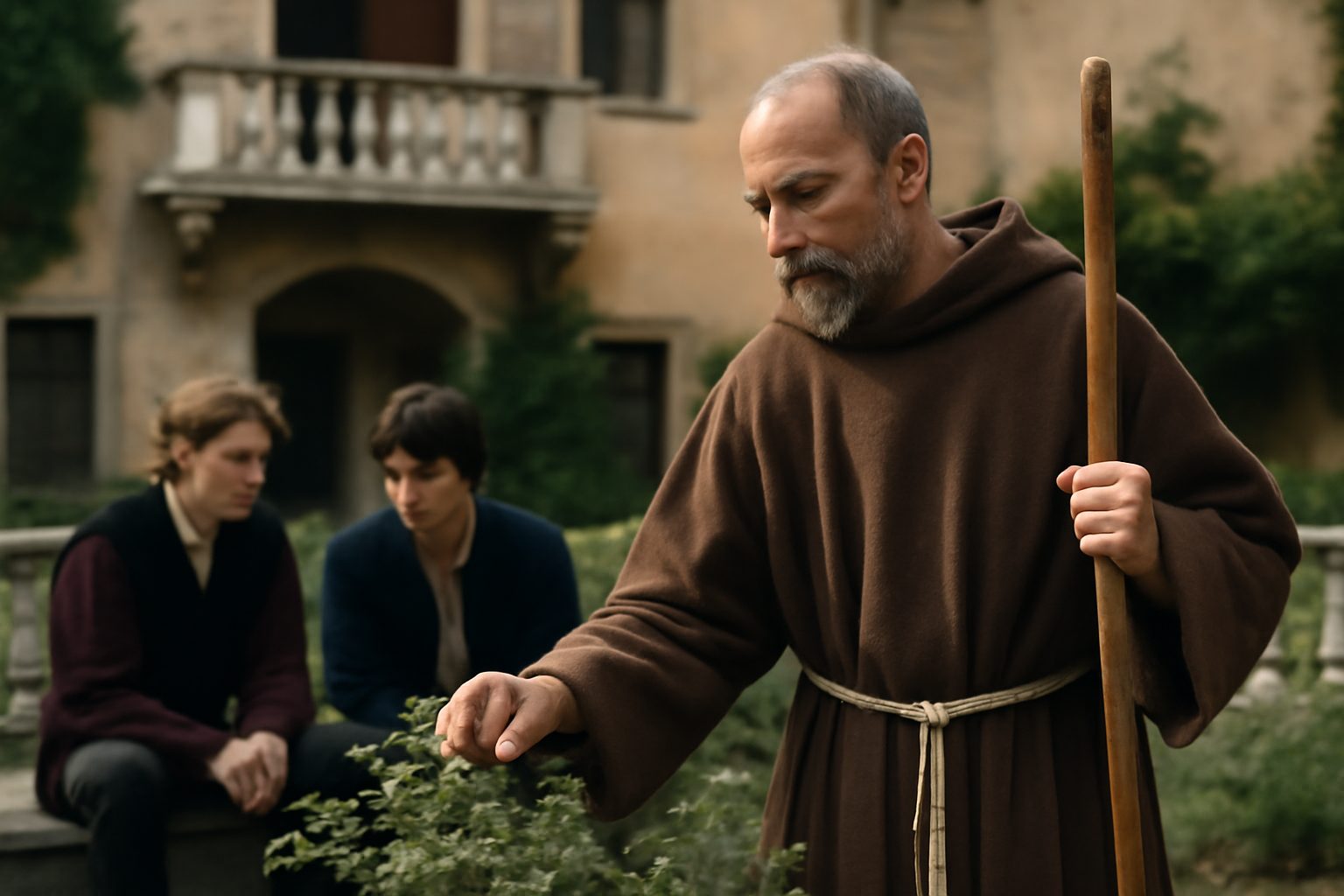
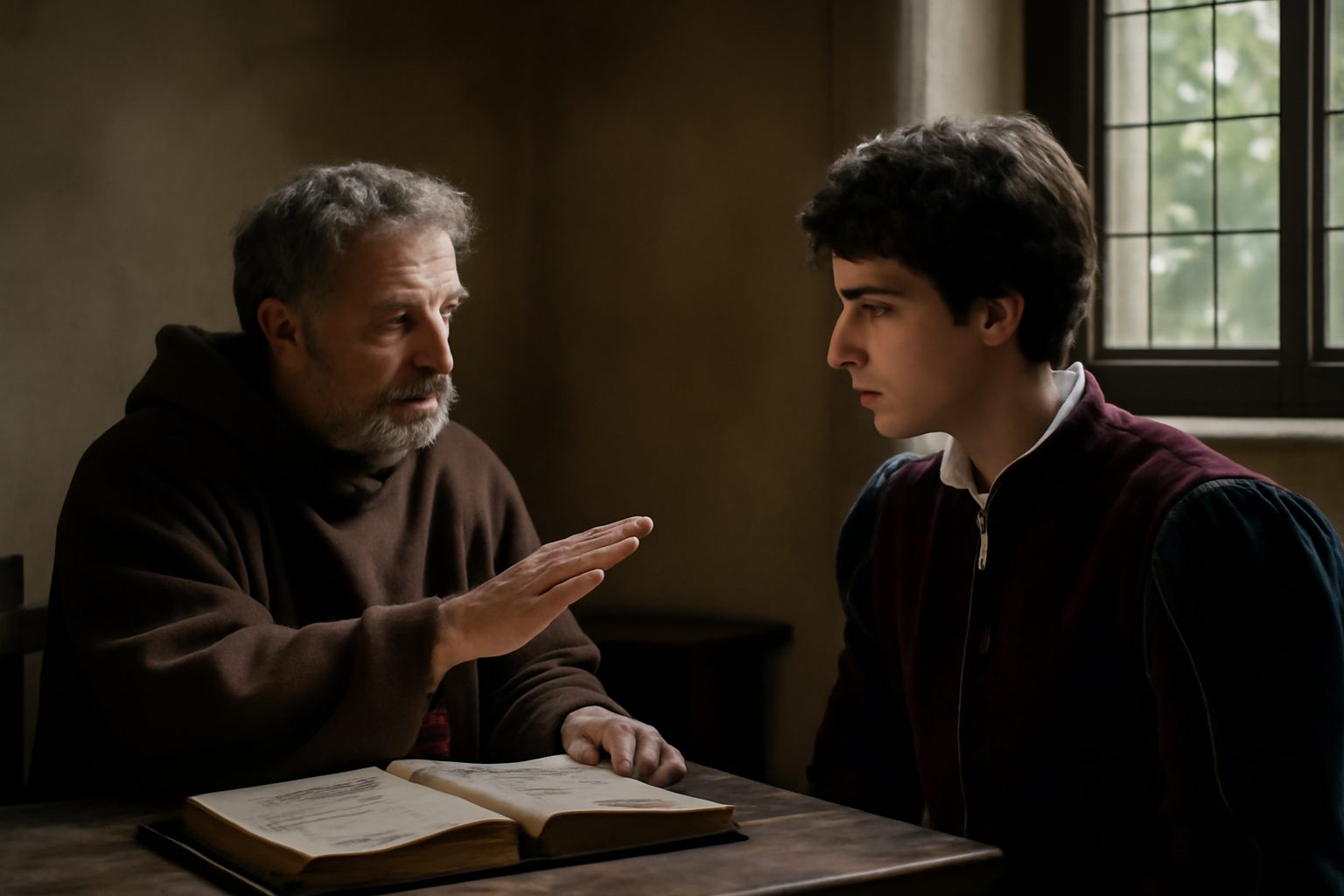
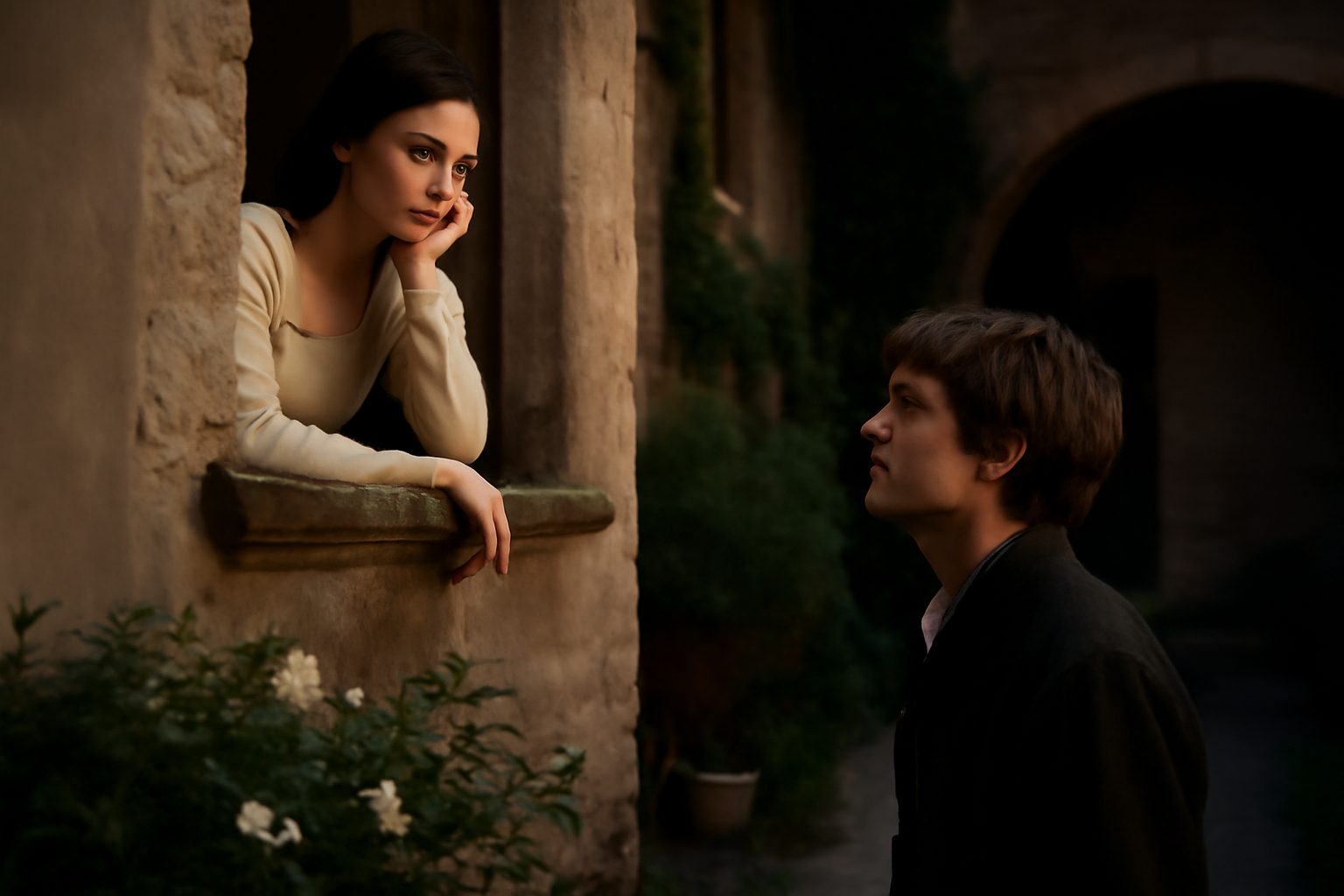
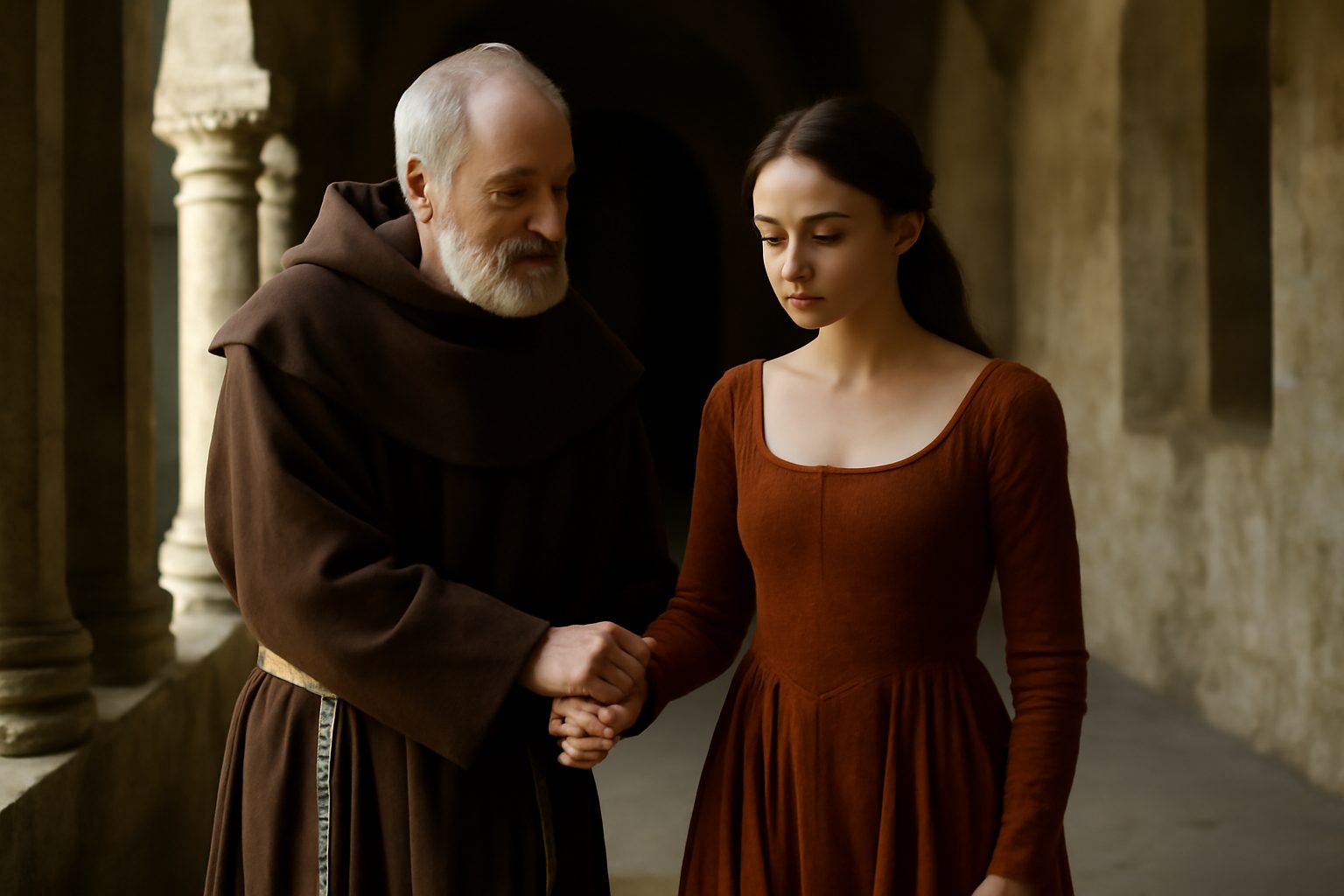
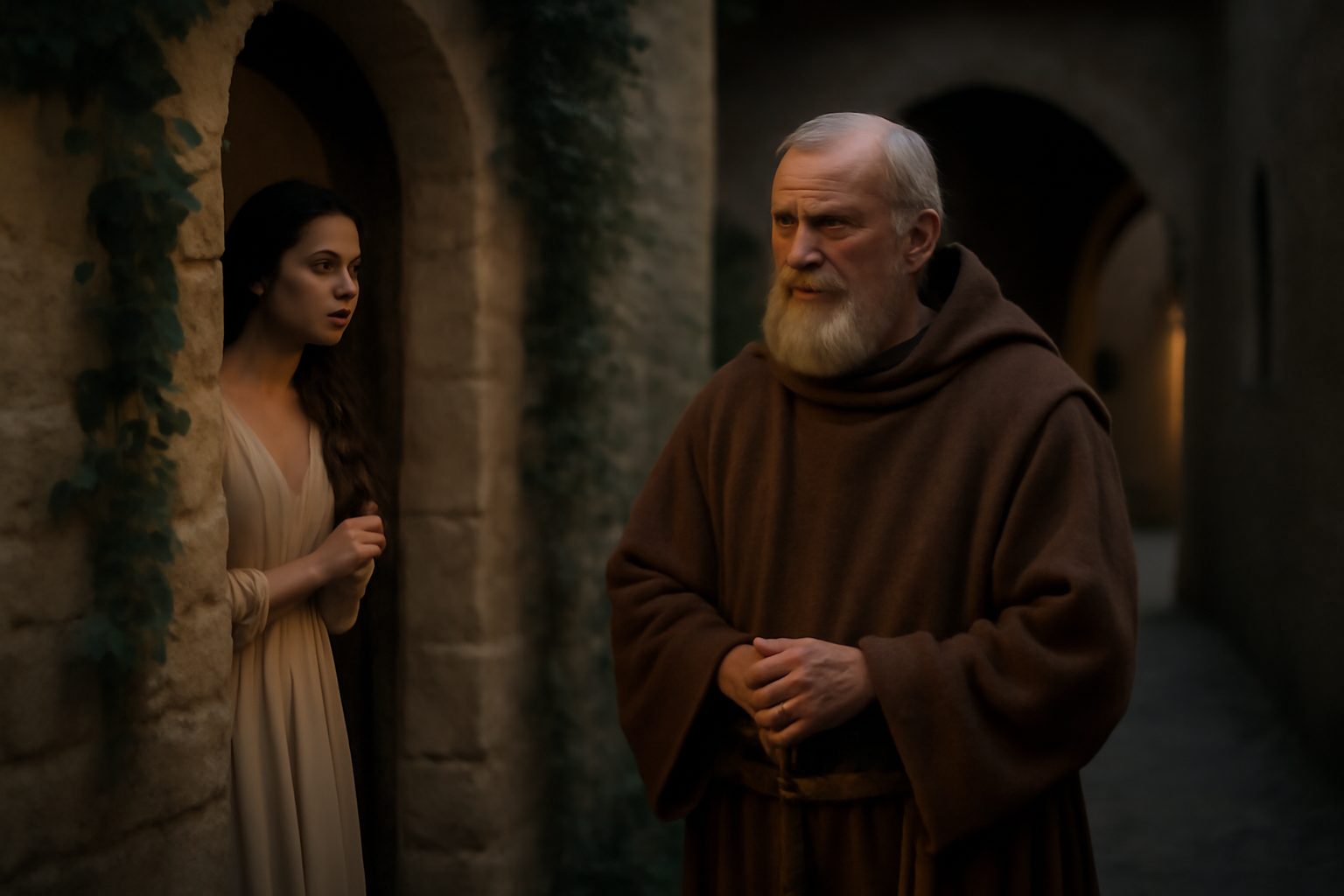
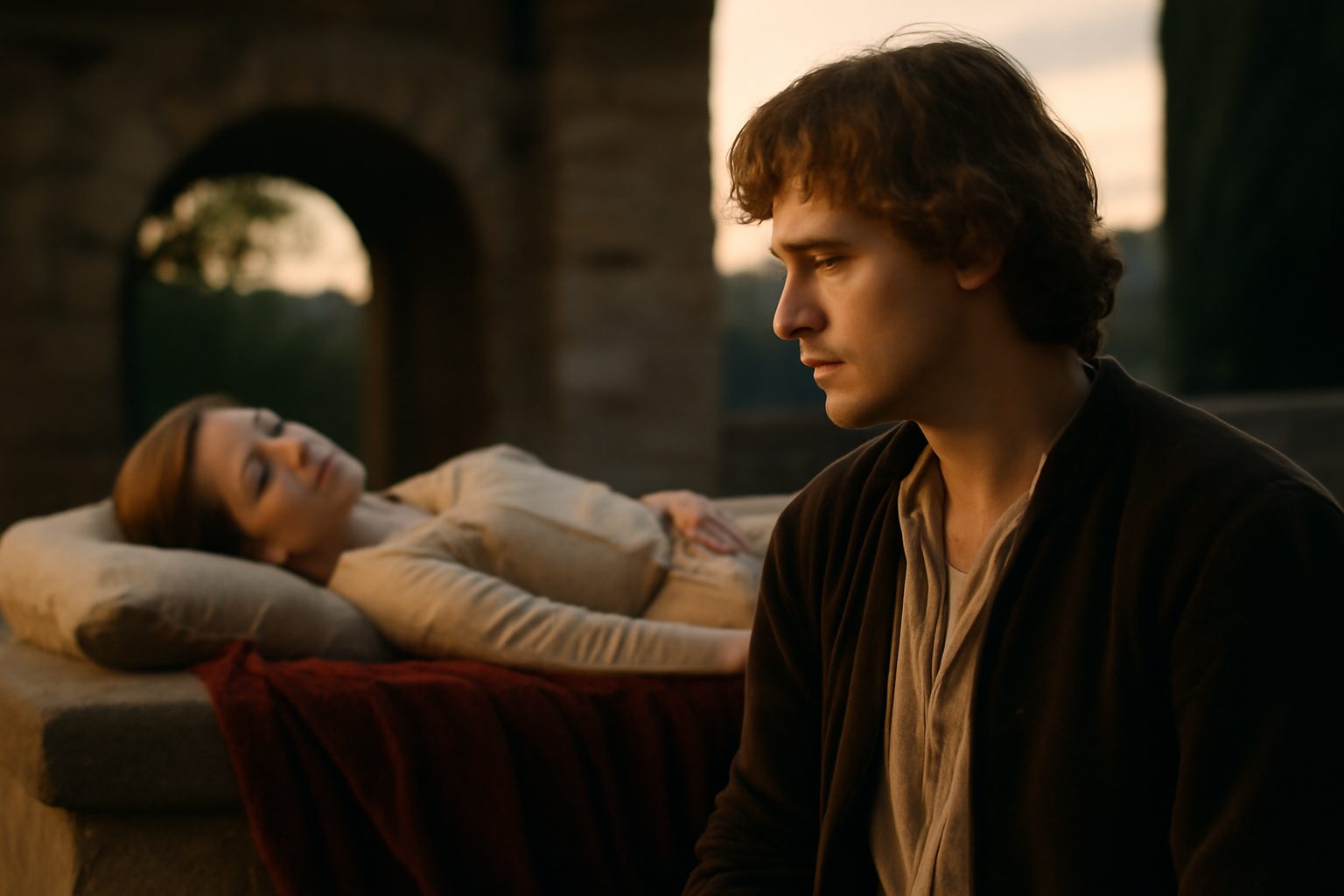
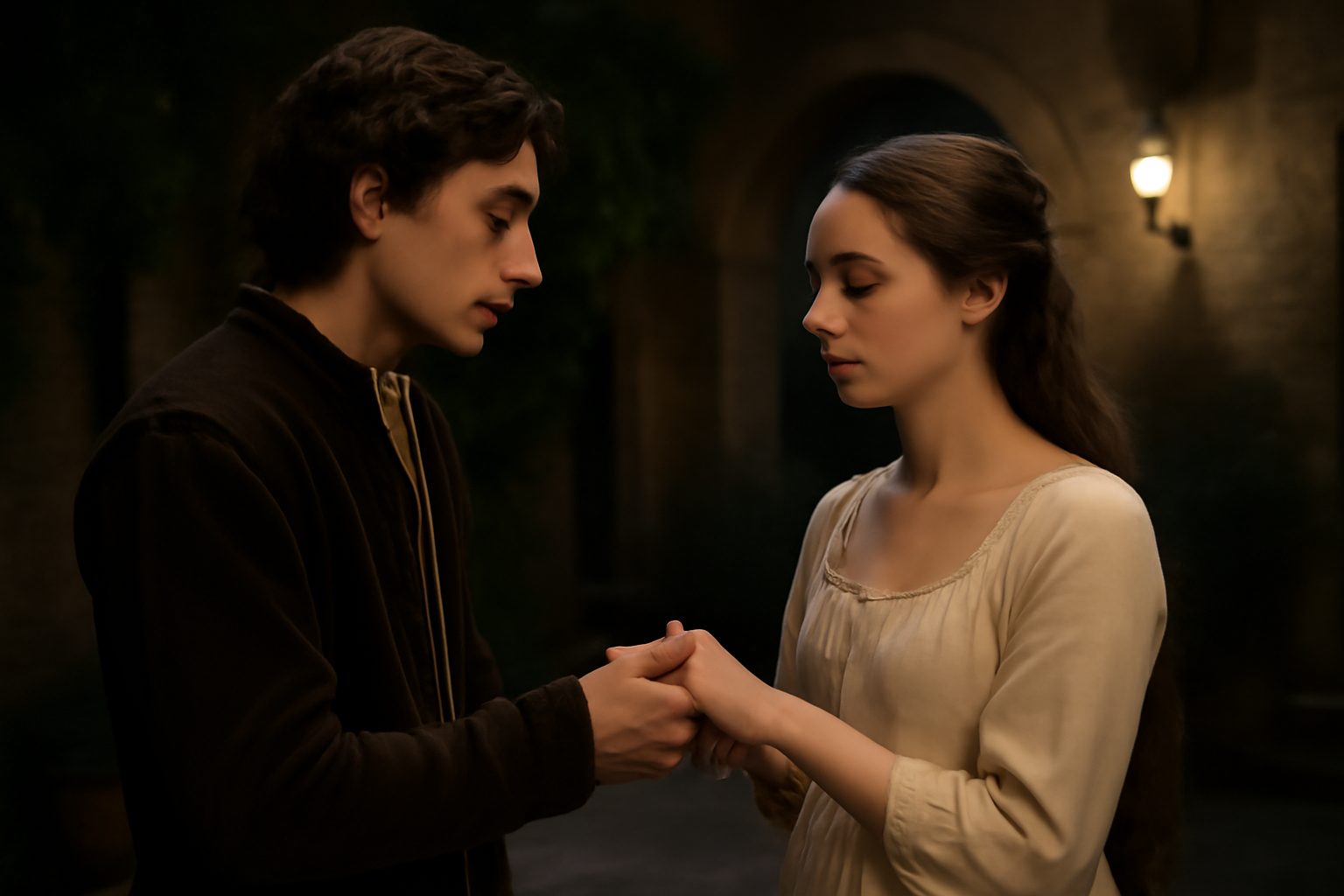
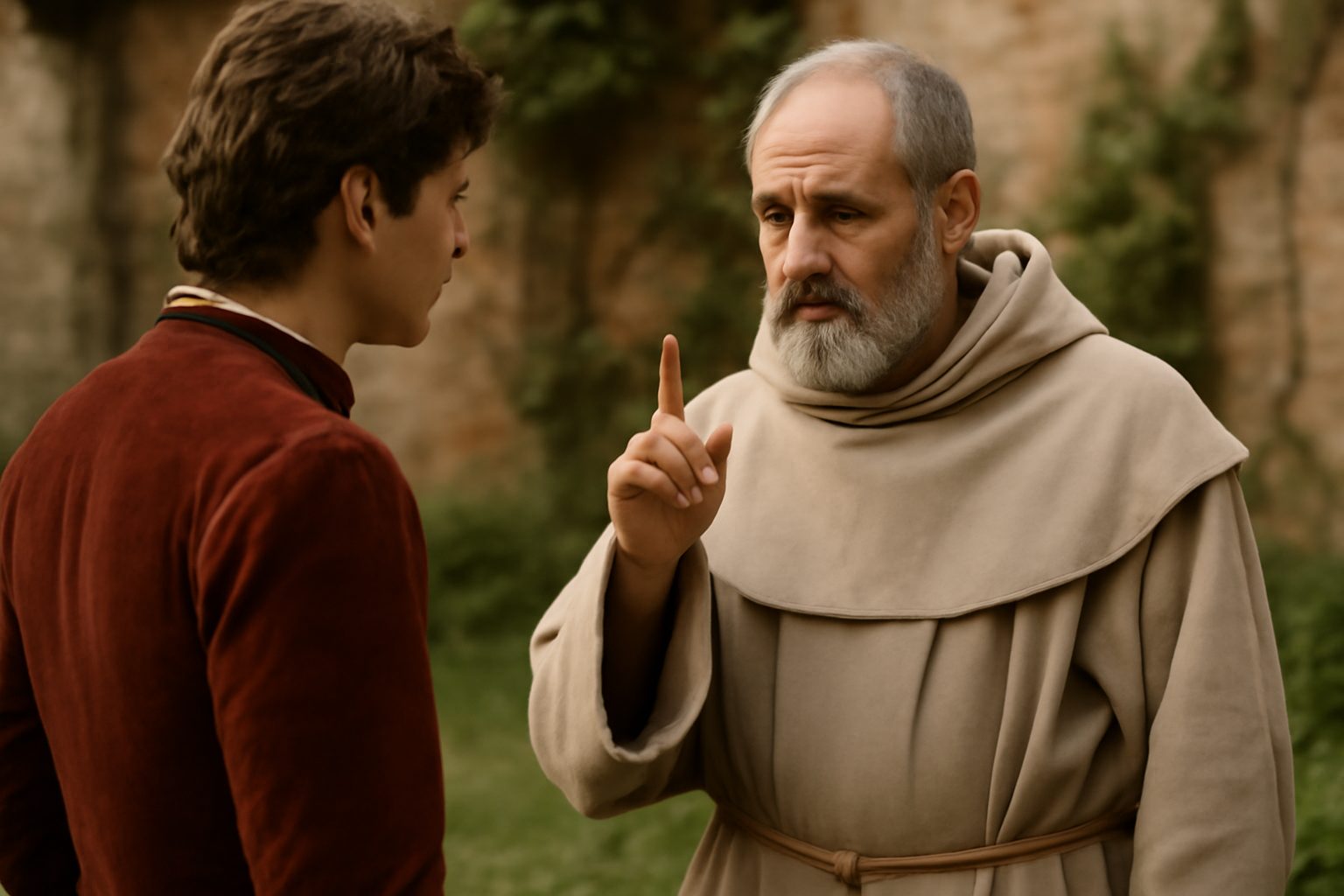
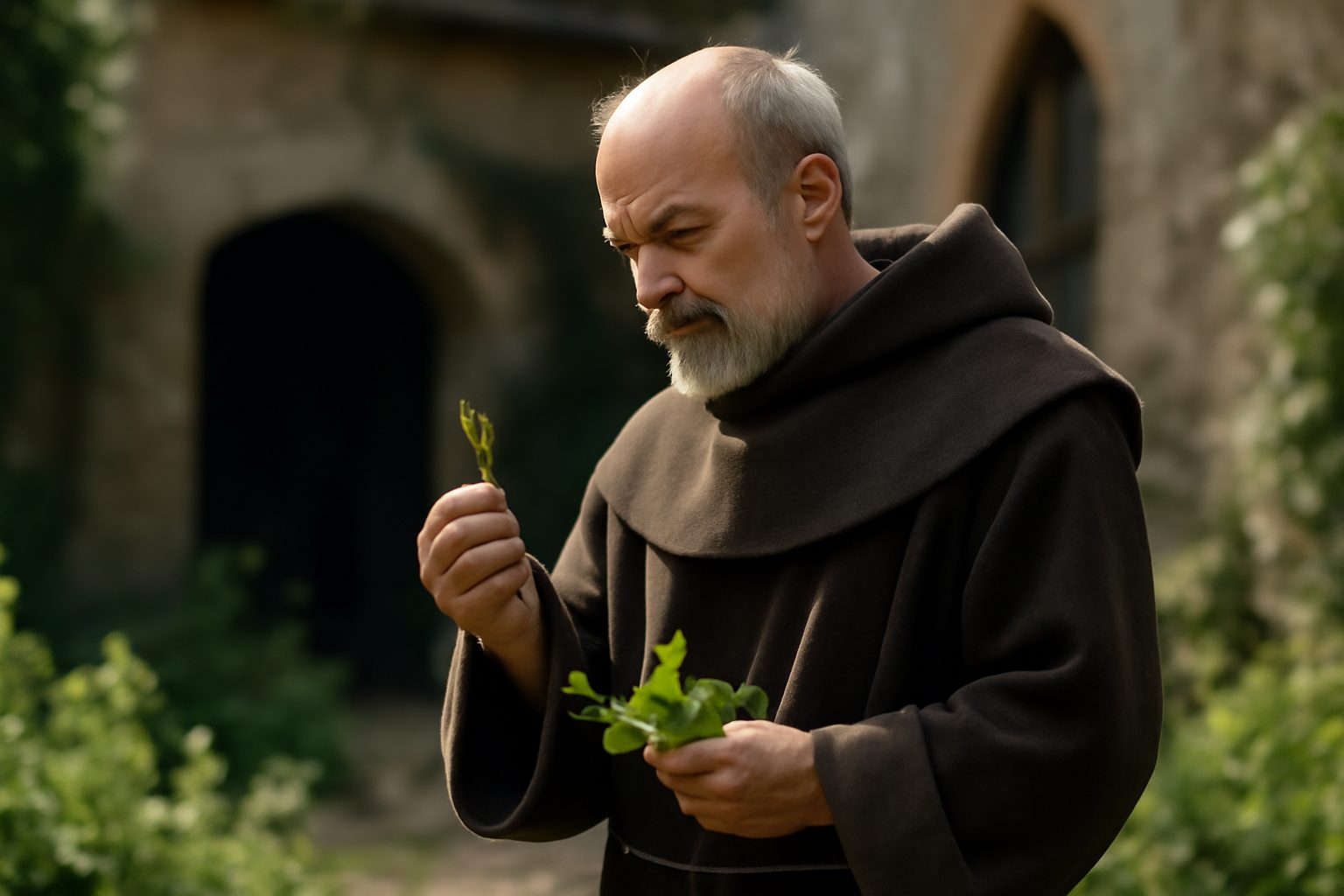
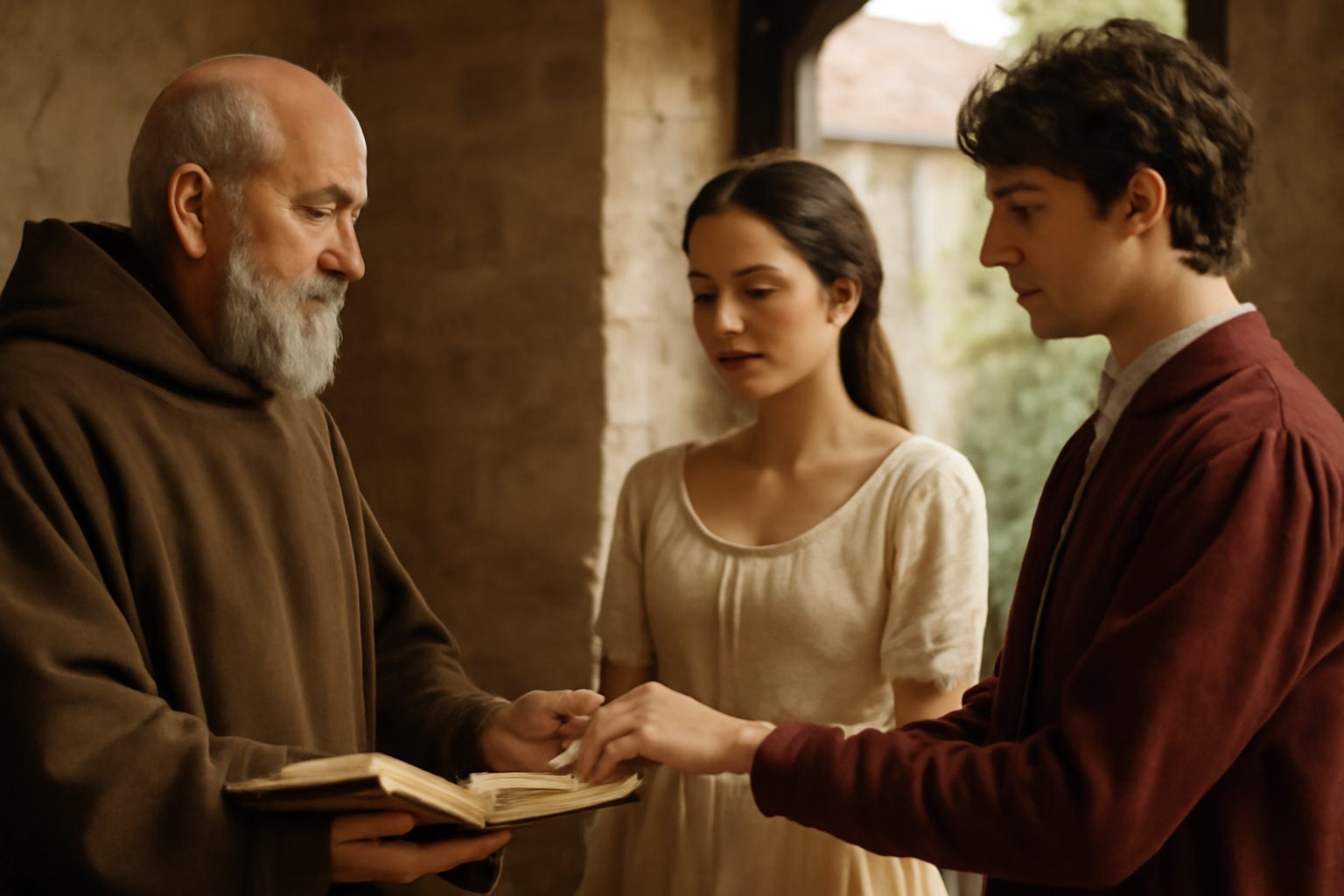
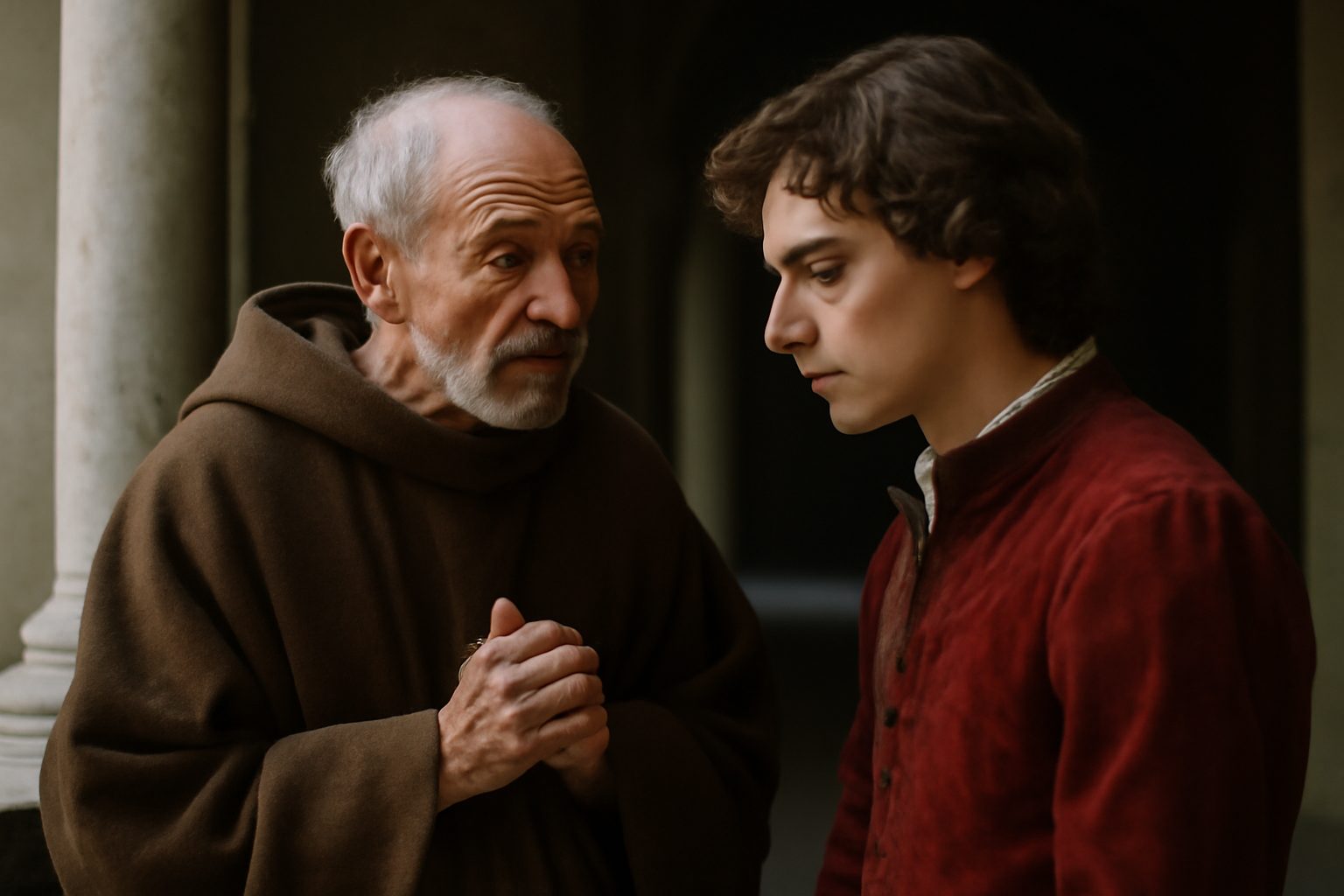
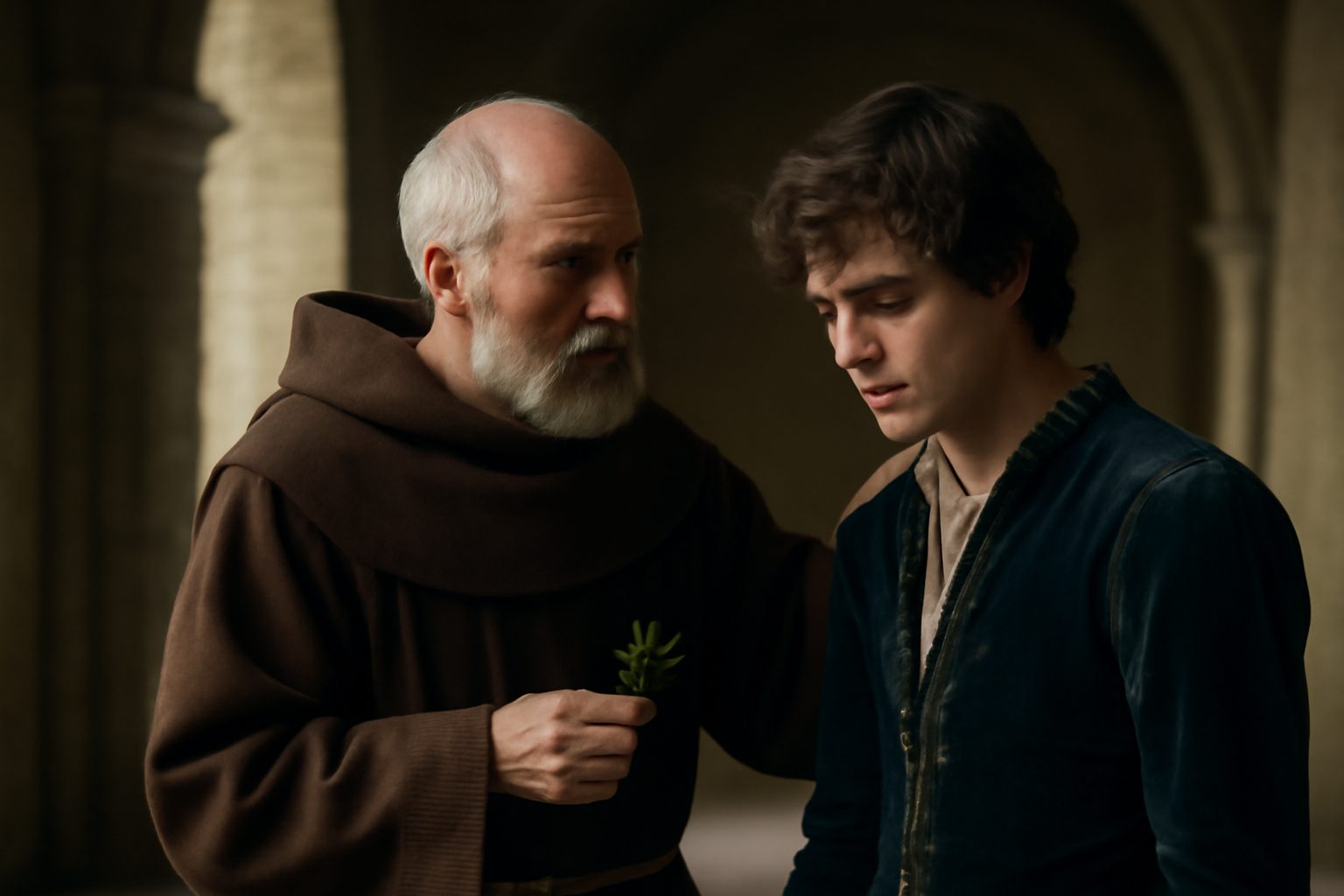
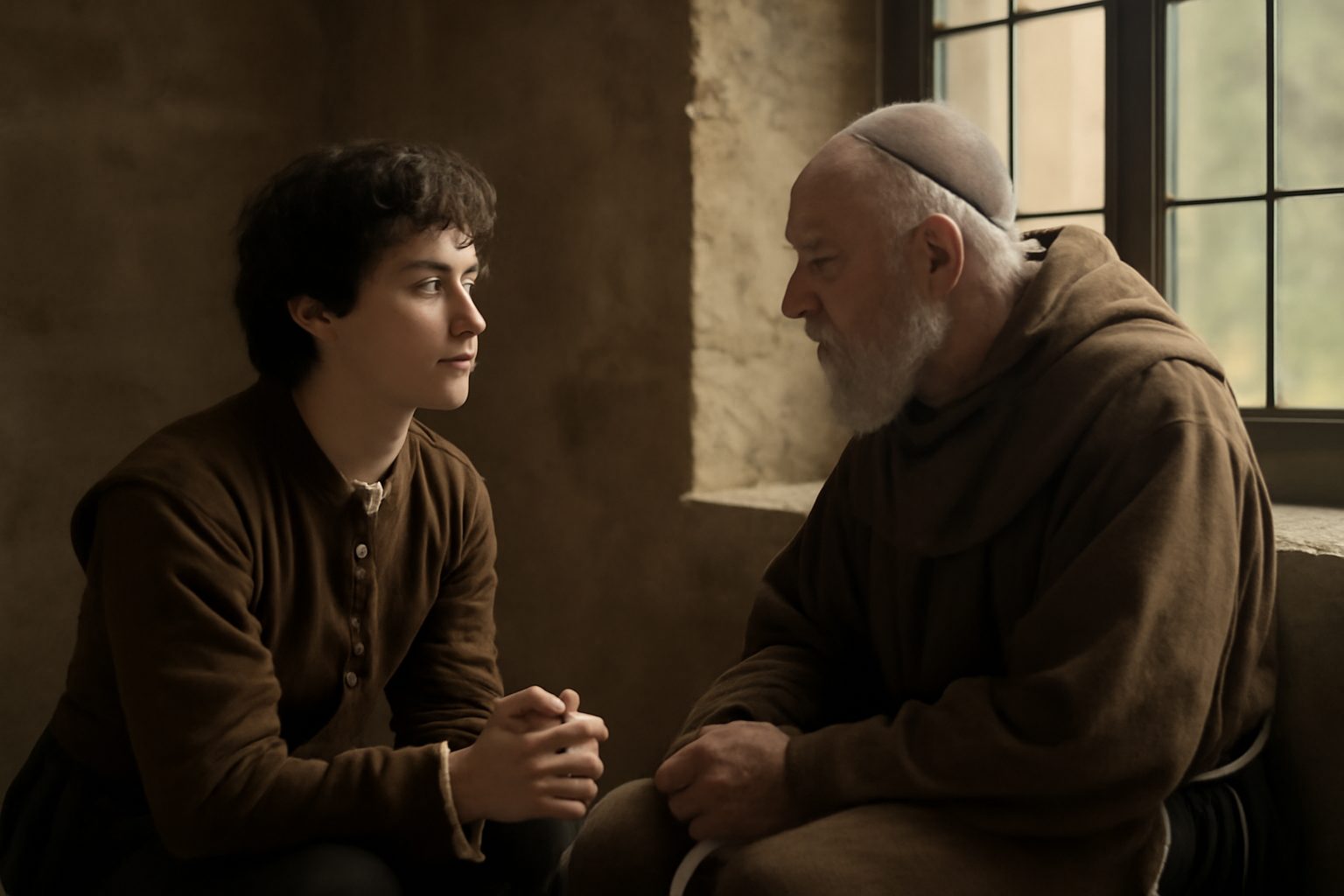
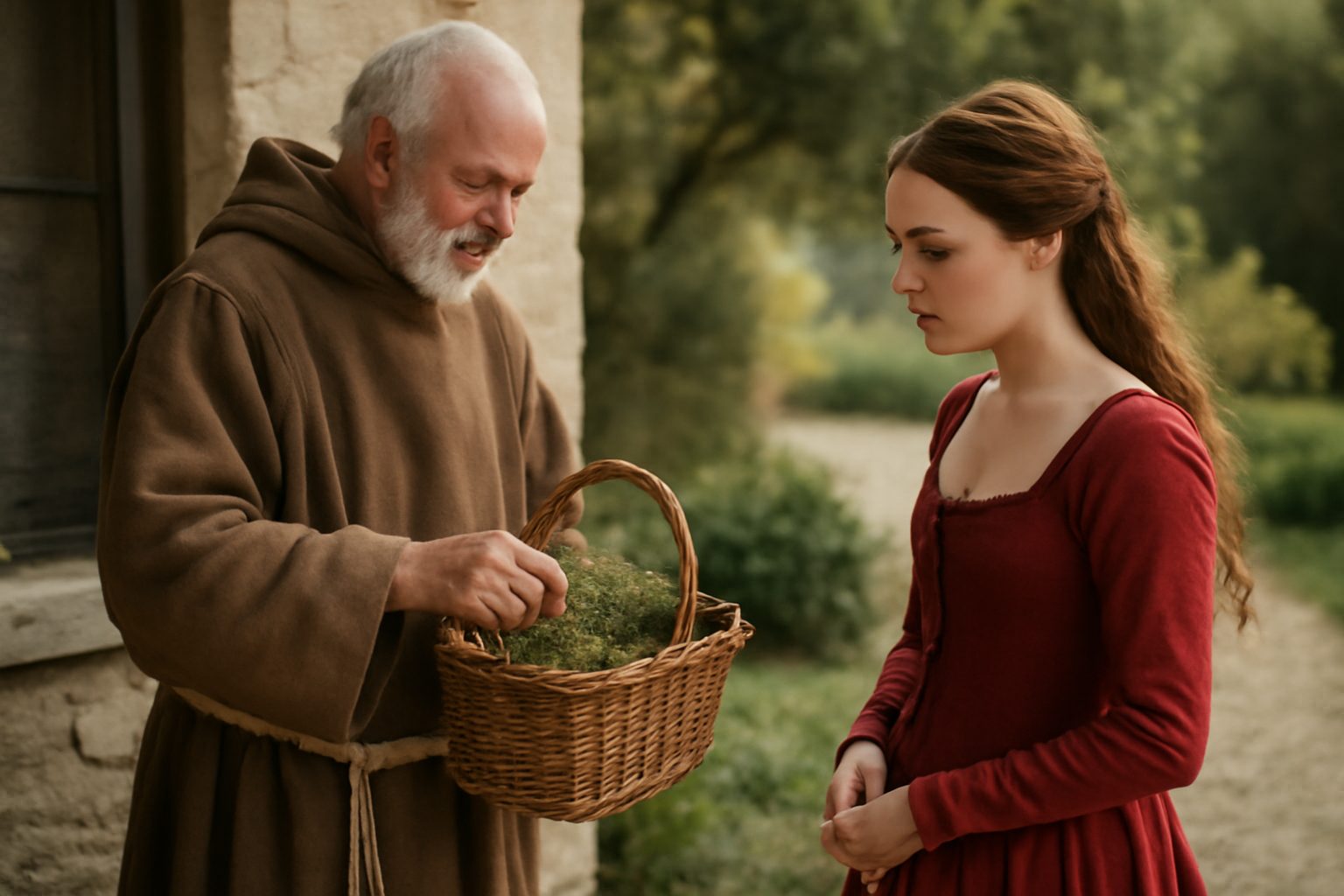
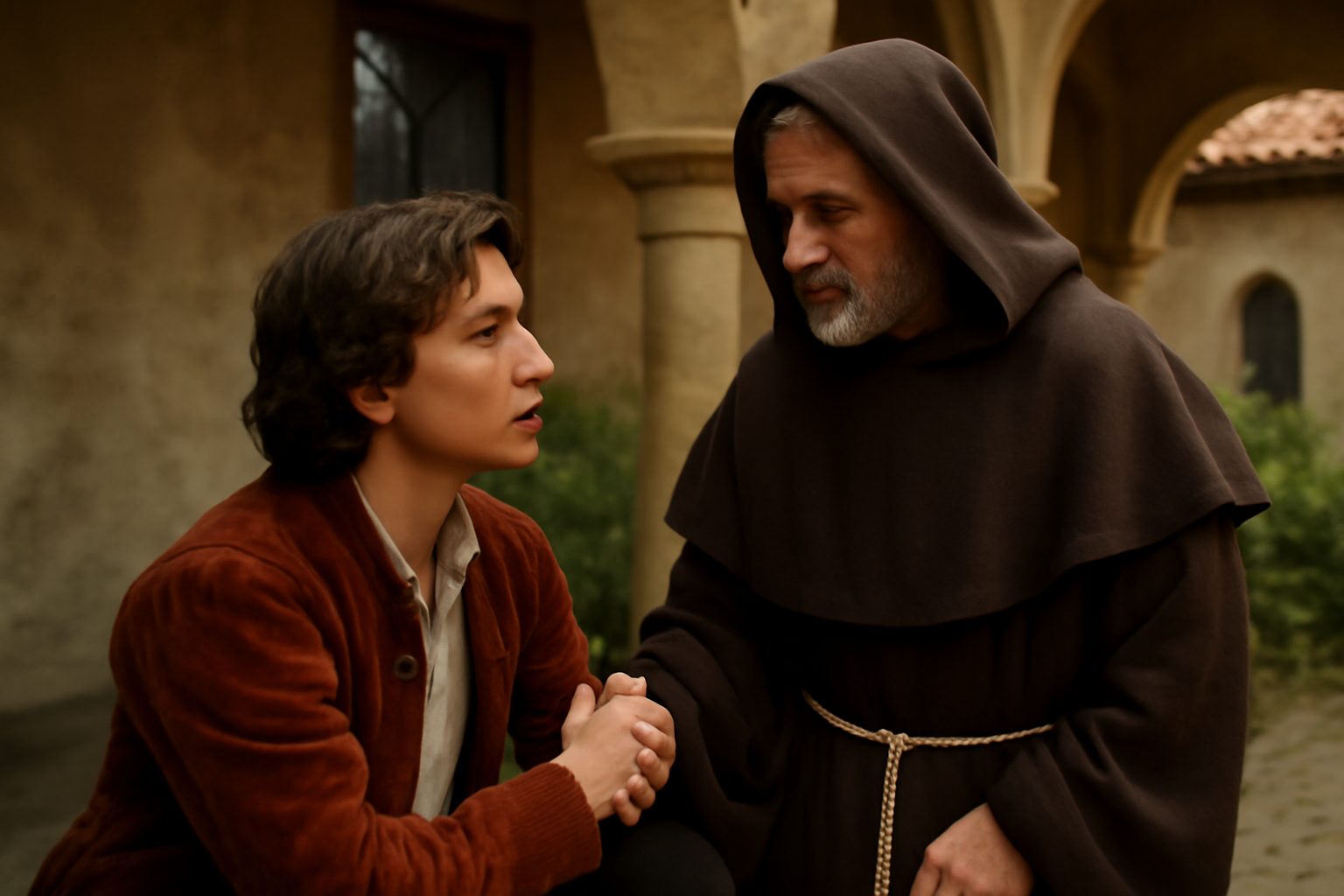
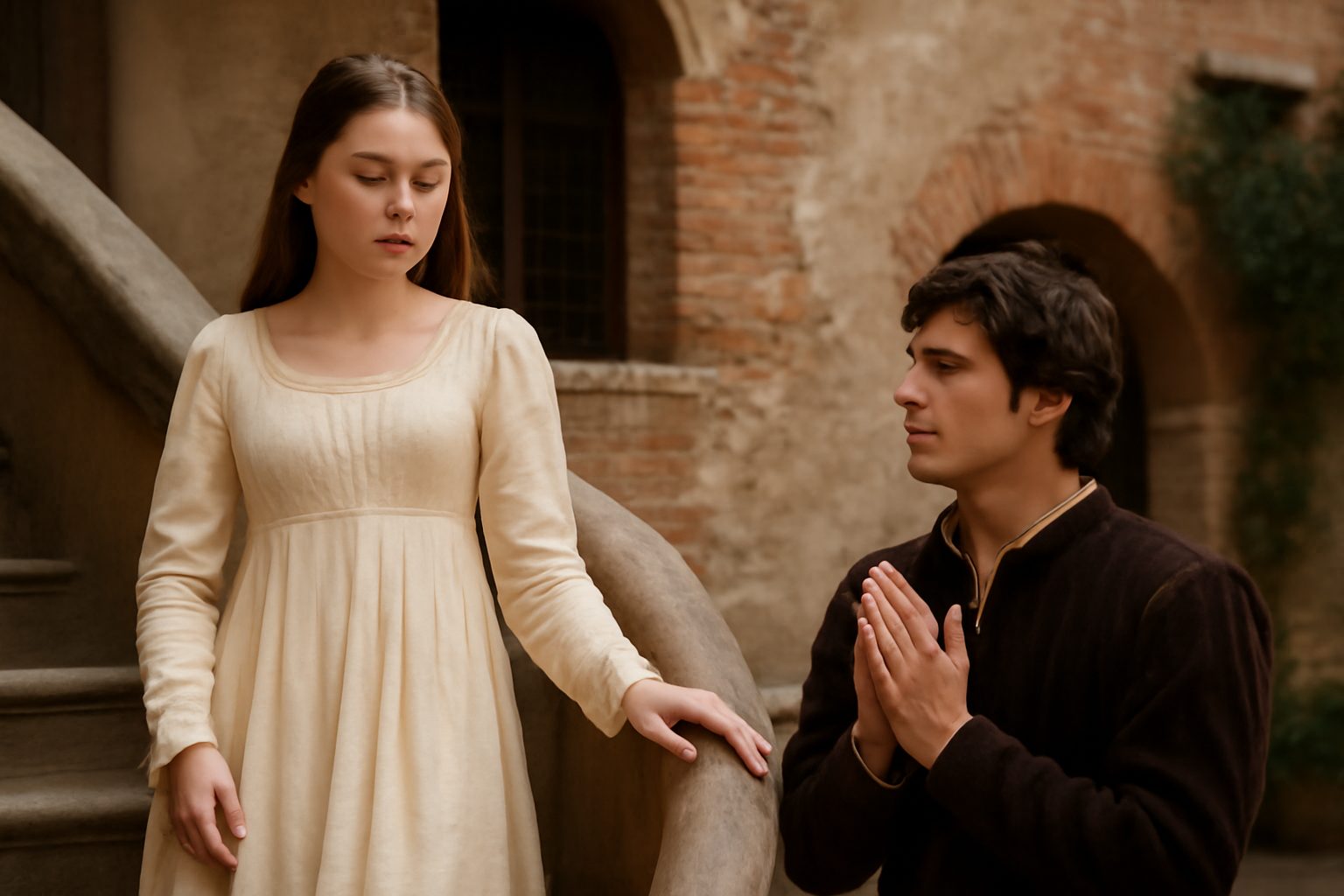
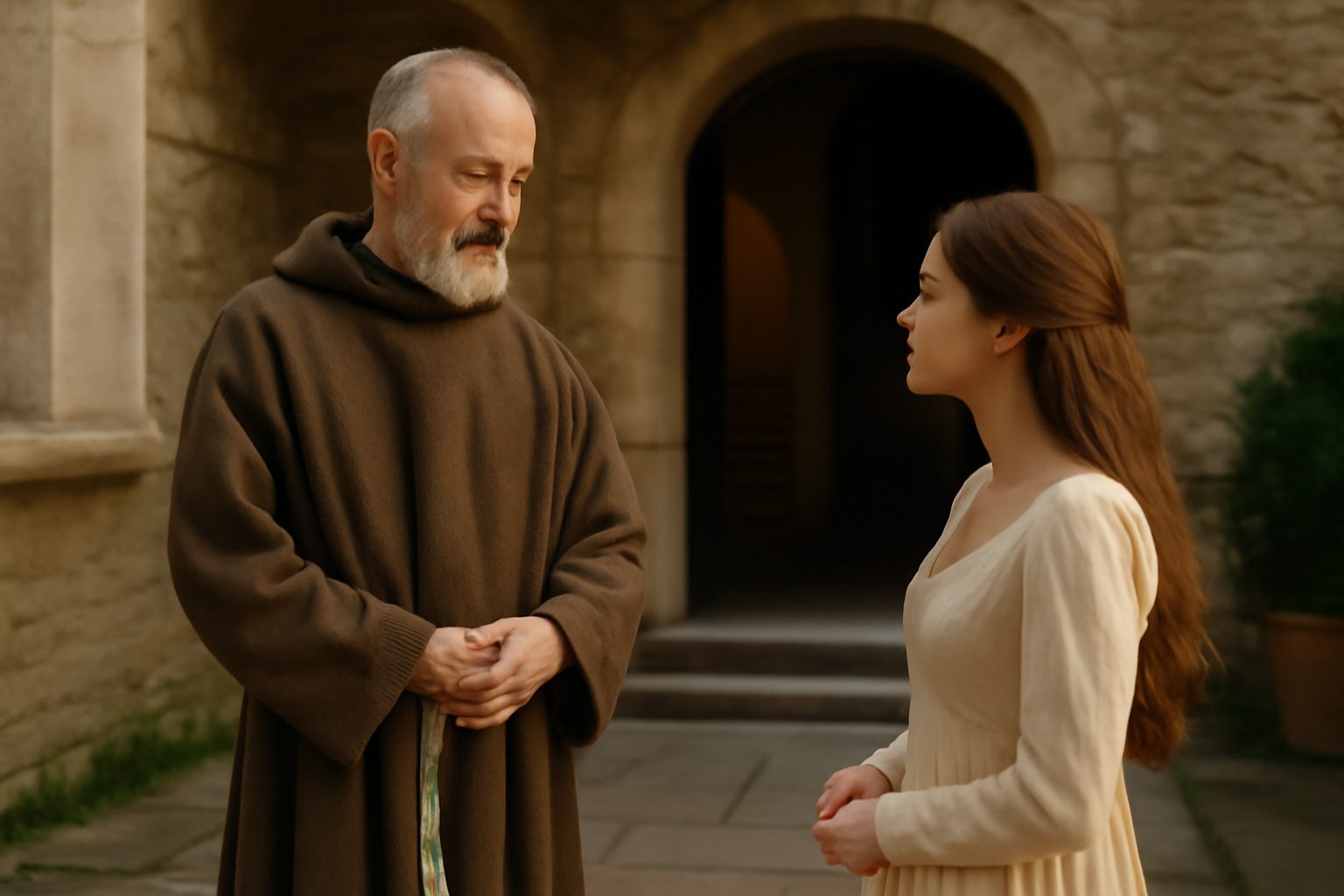
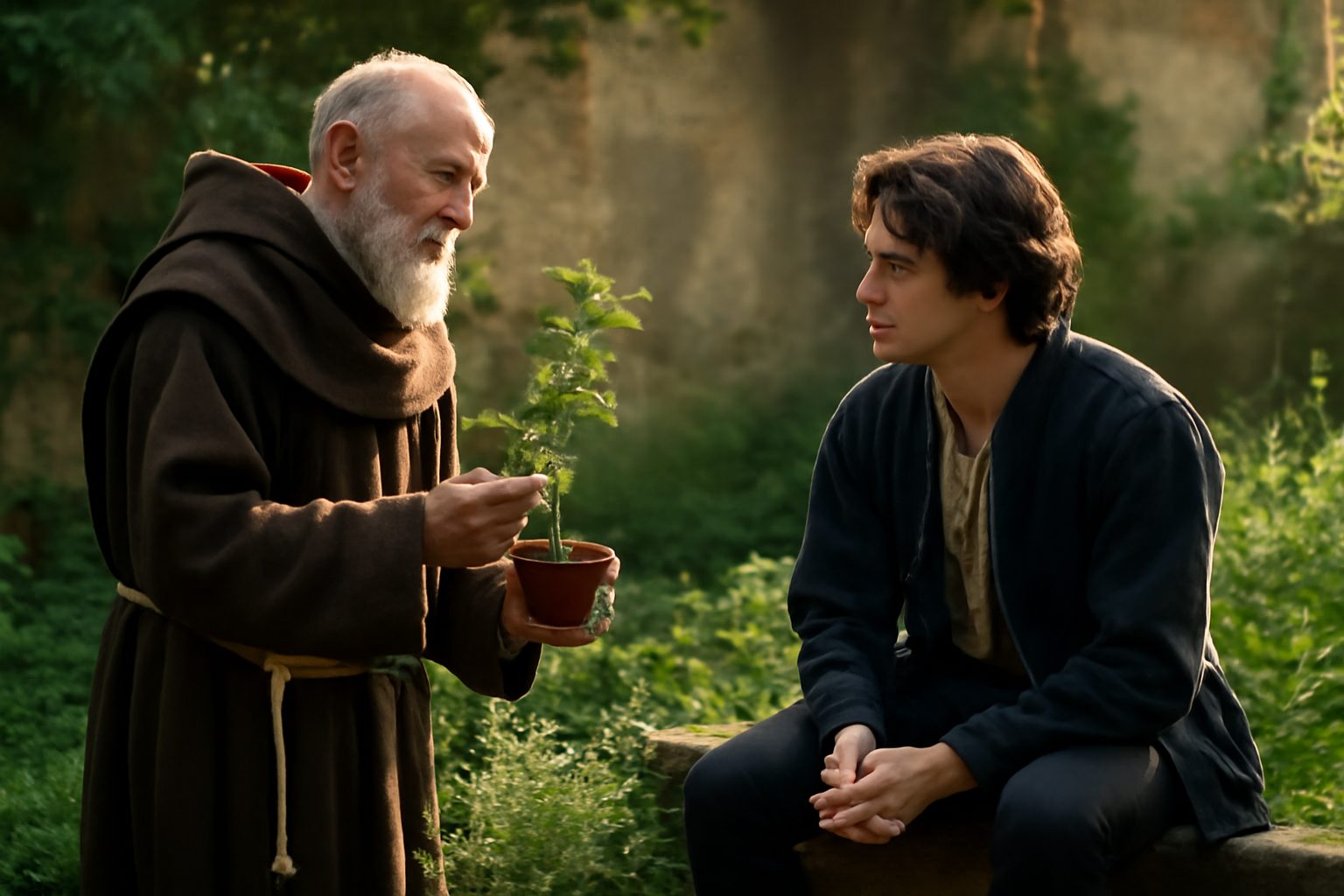
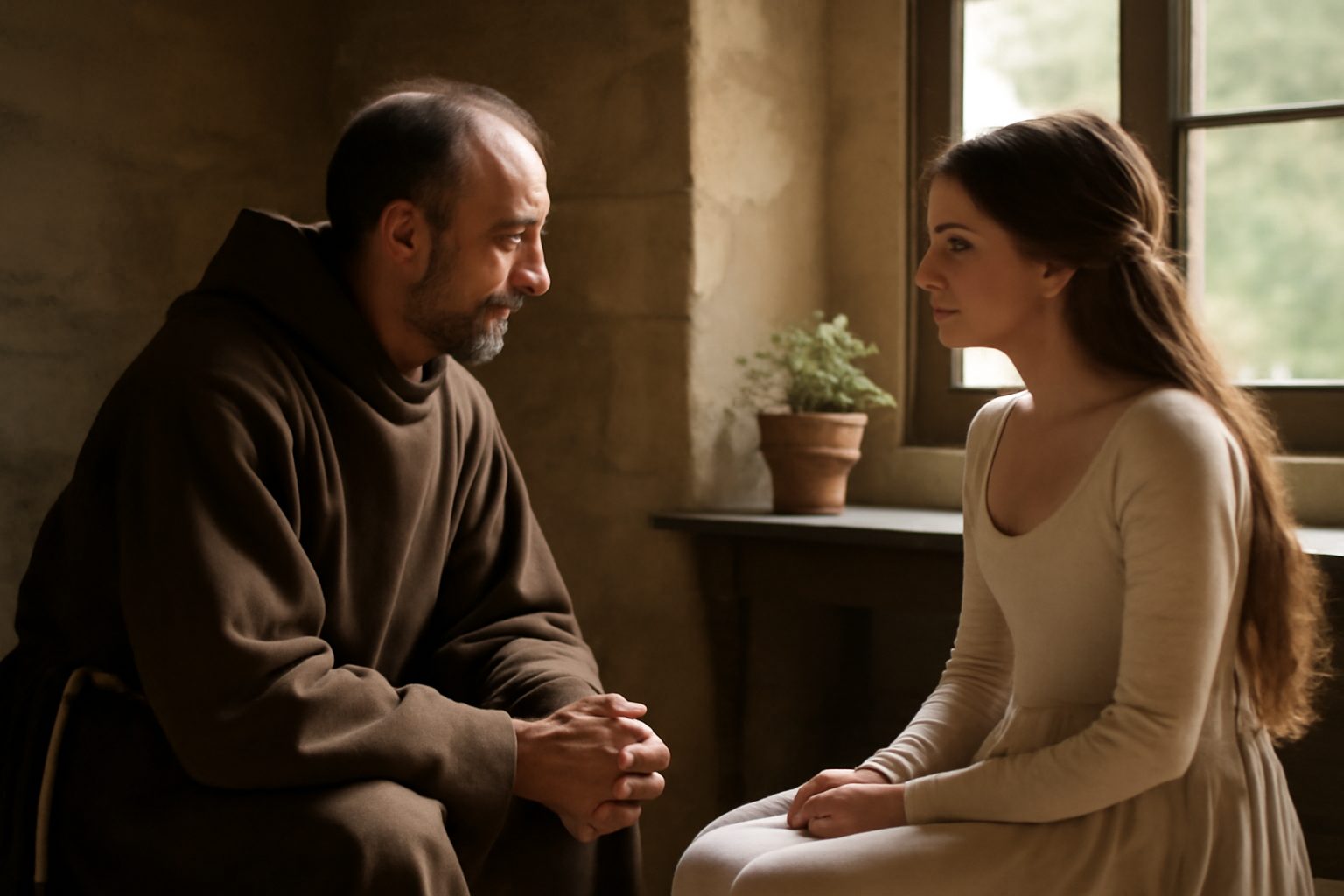
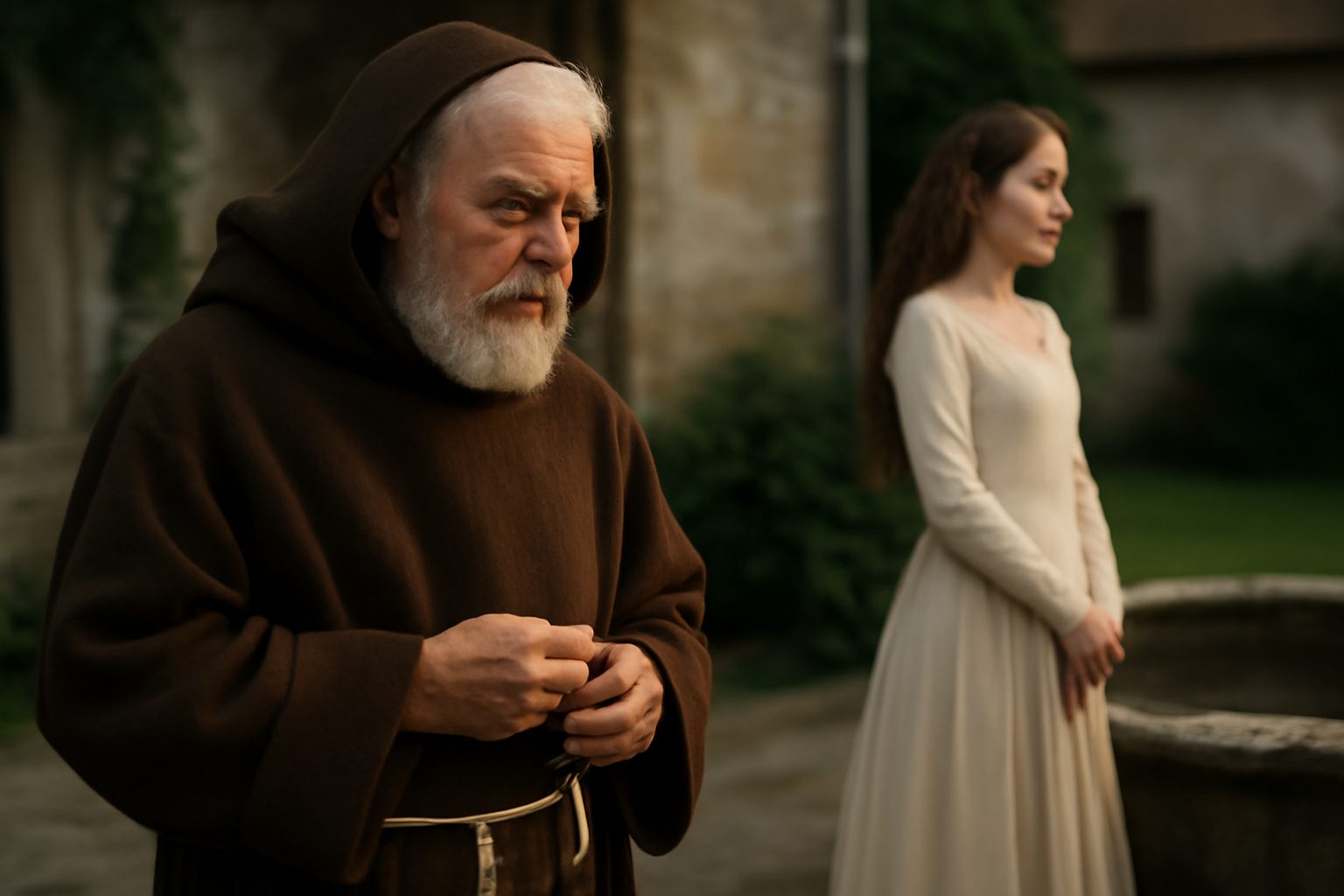
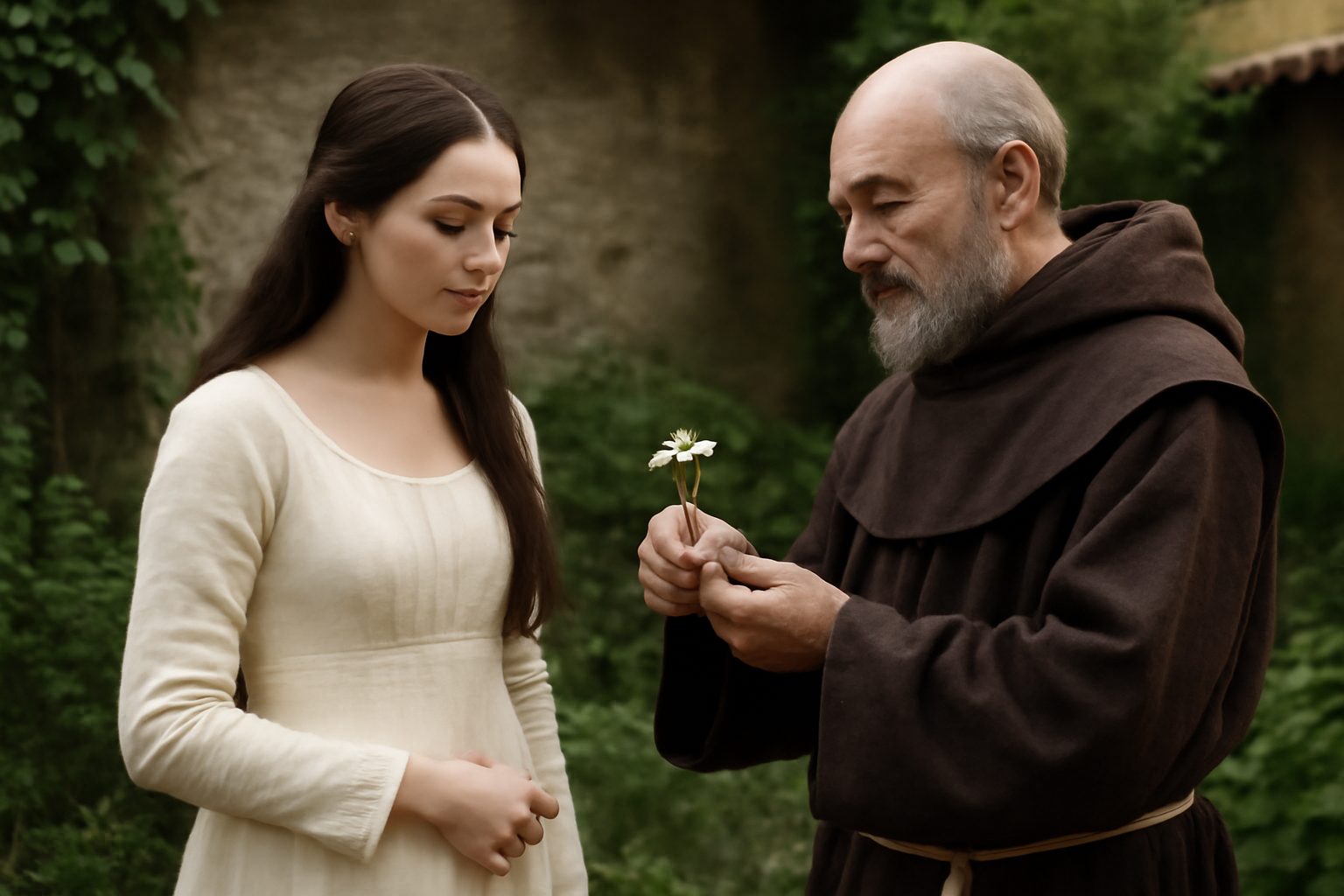
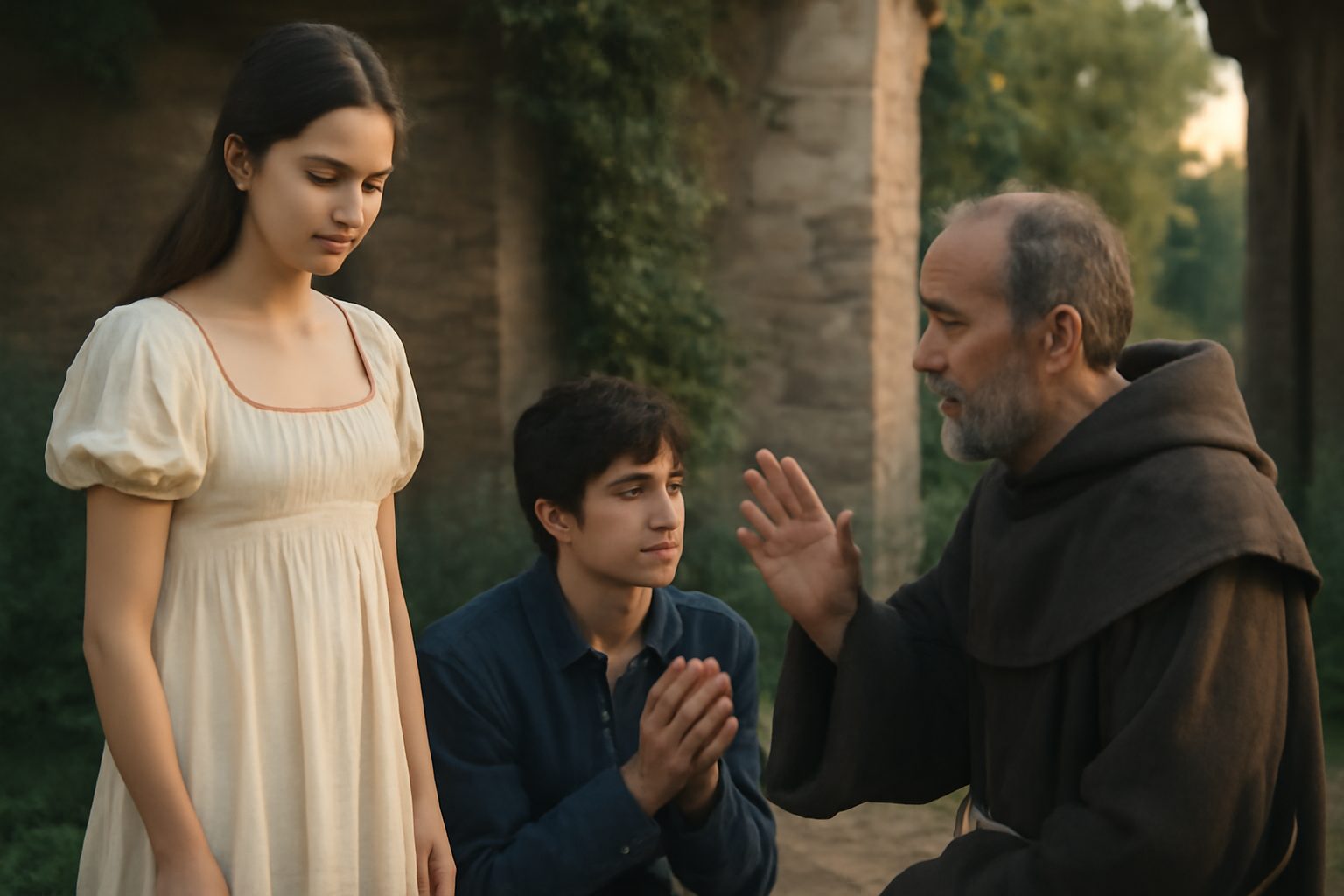
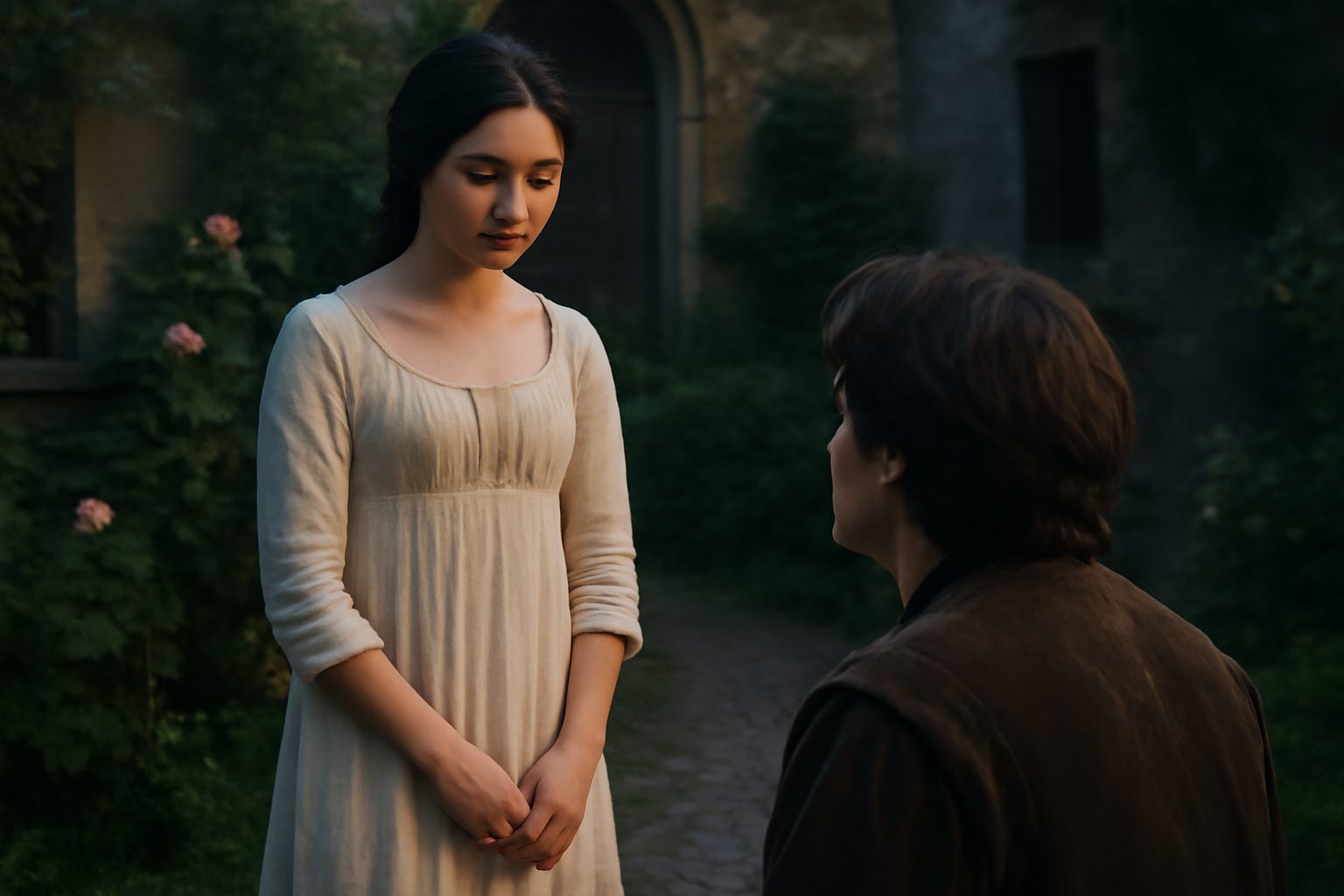
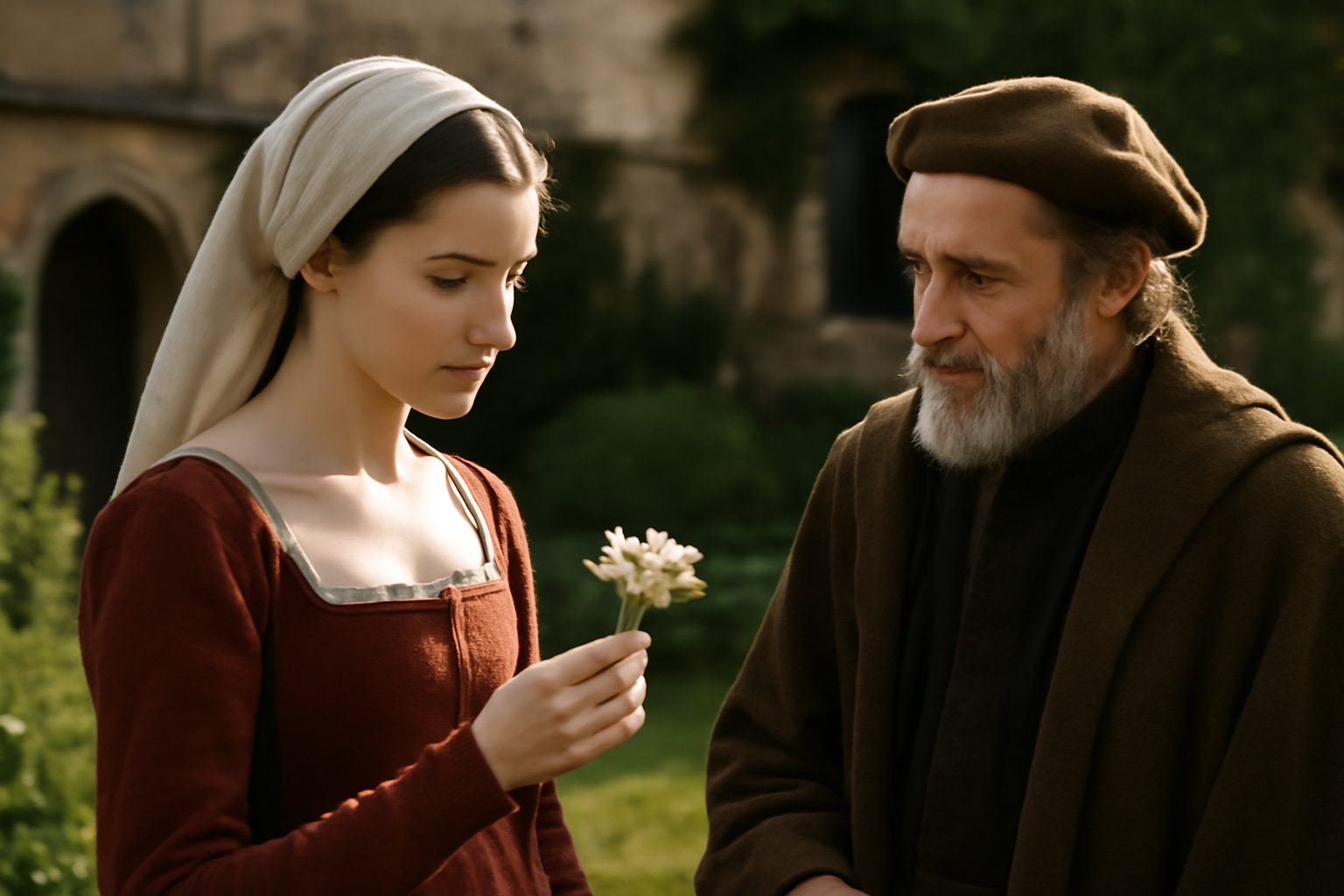
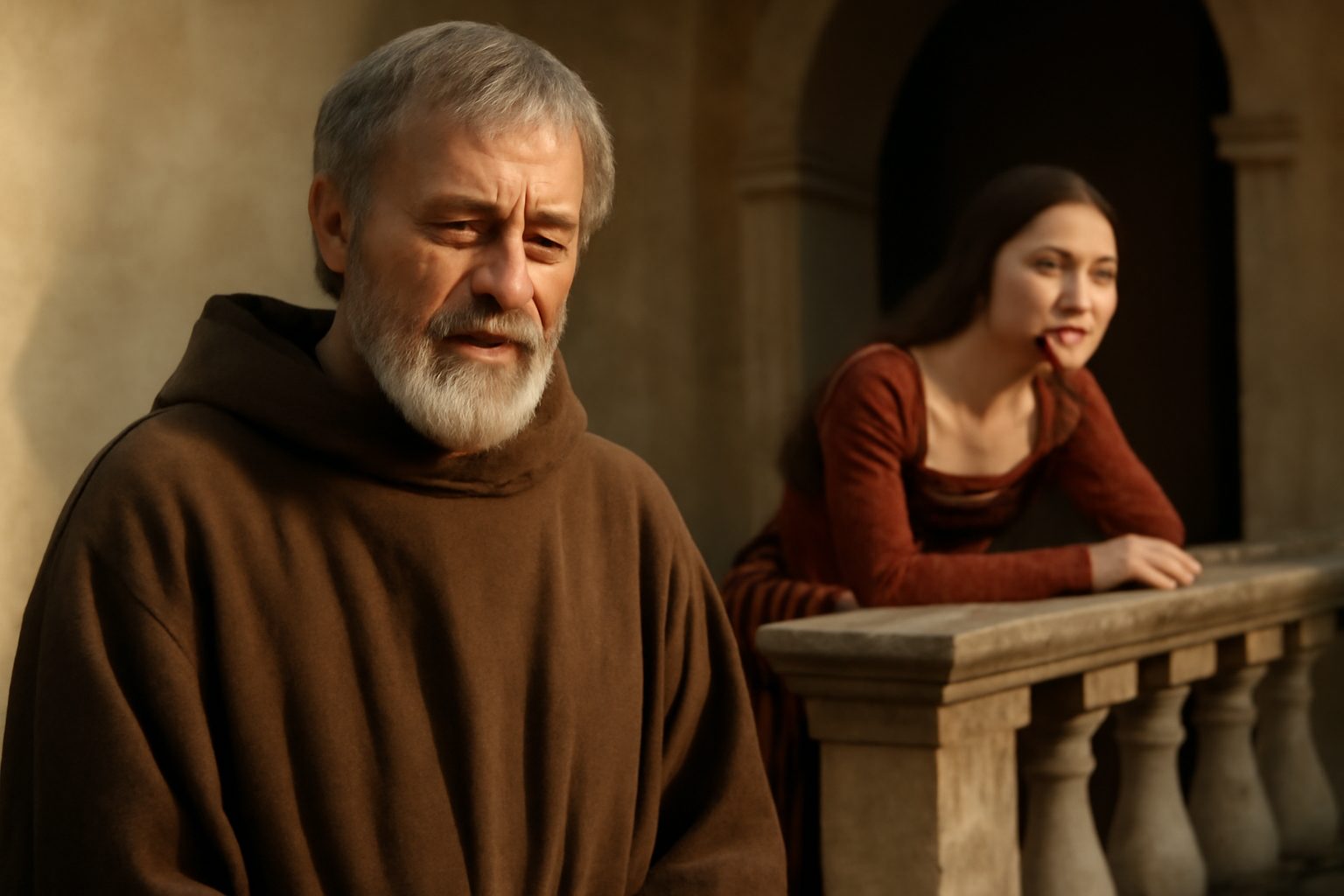
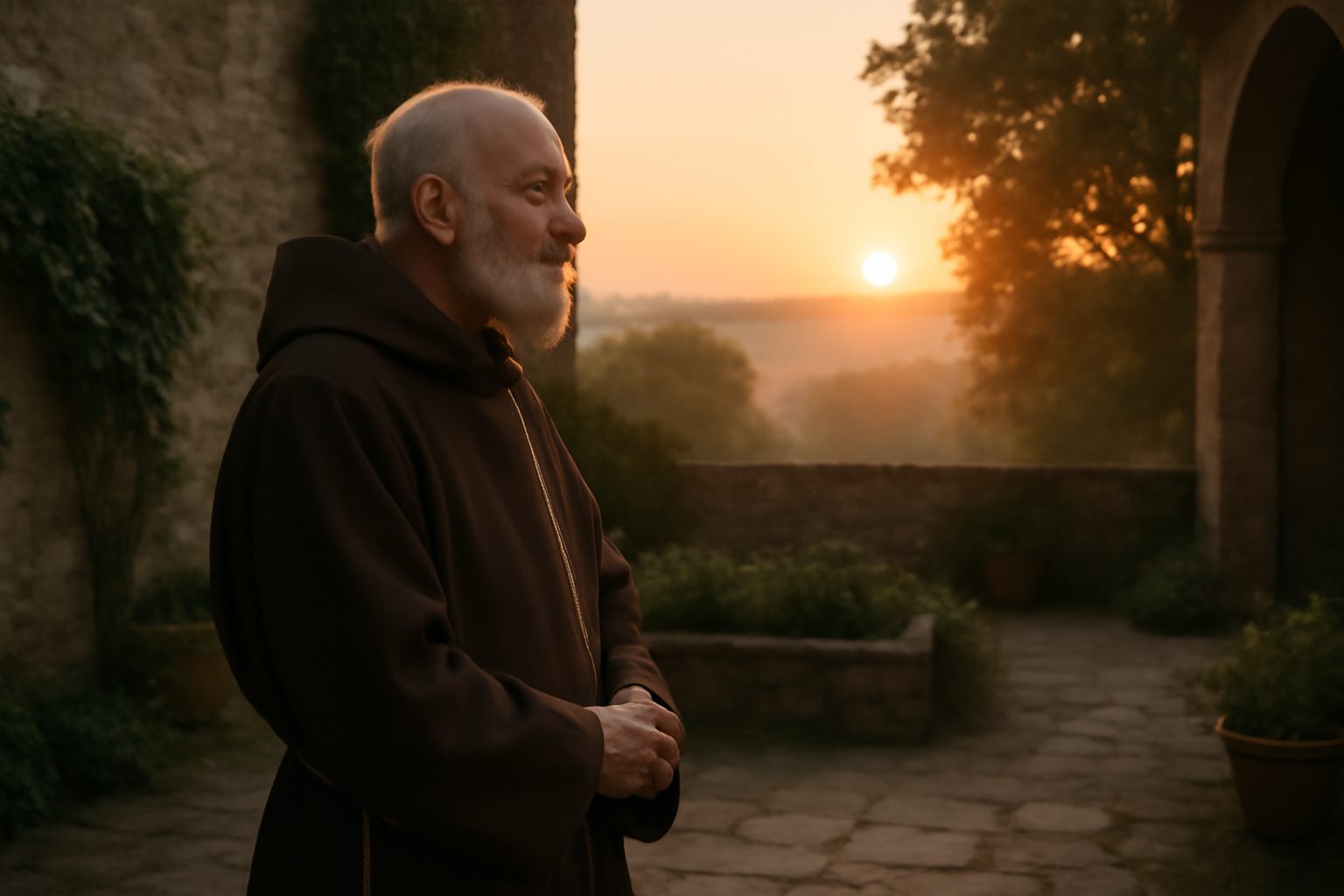
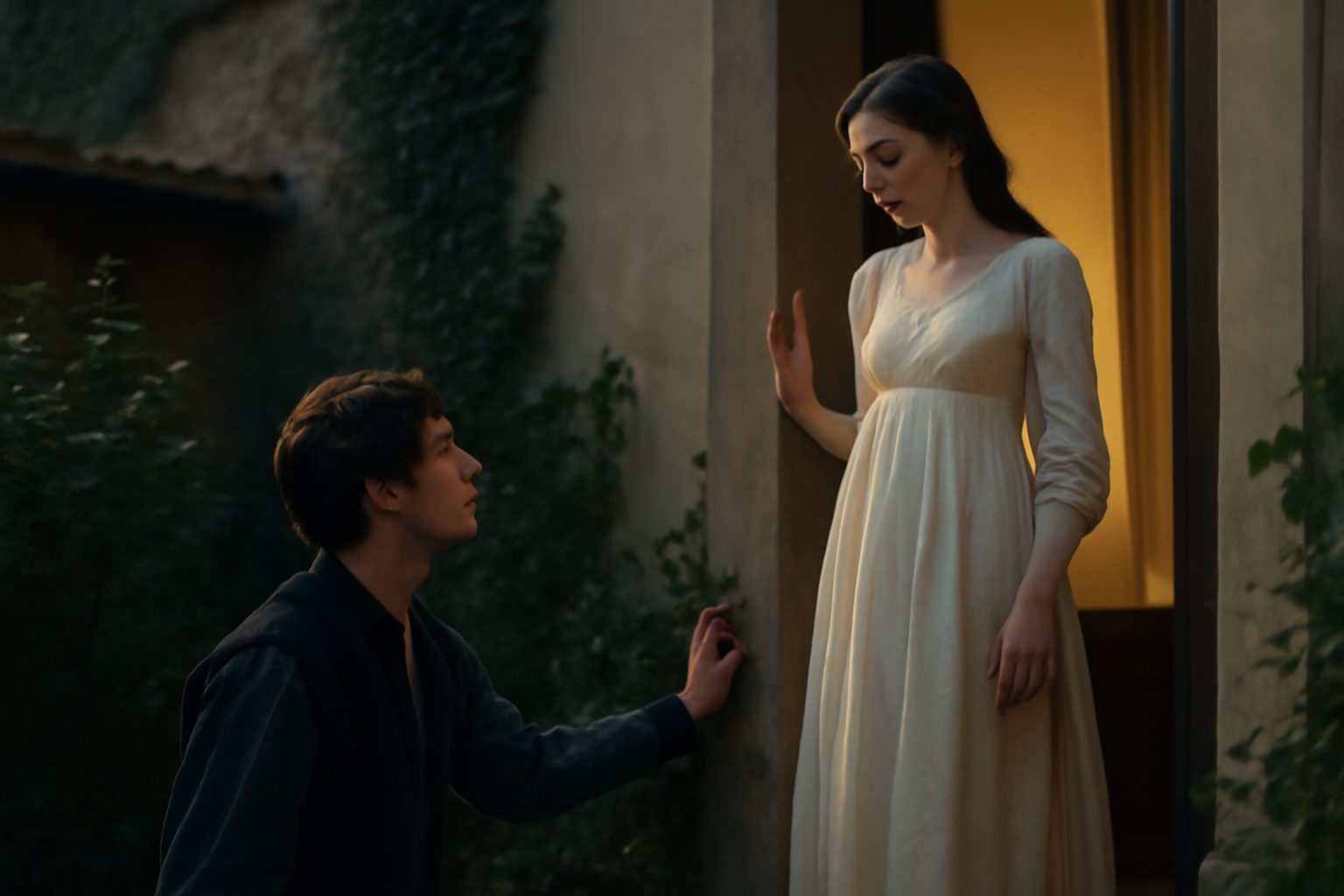
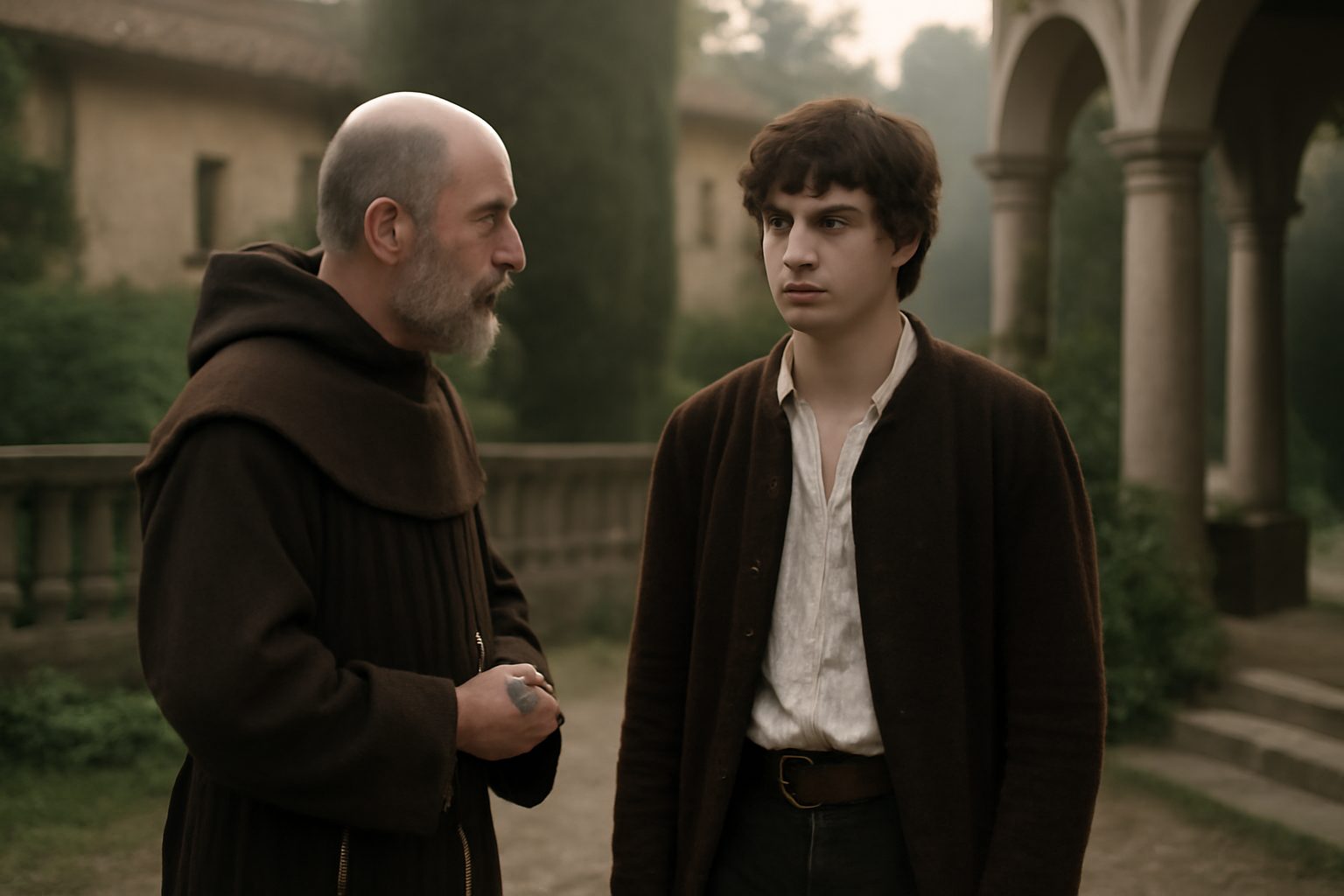
In Act 2, Scene 3 of Romeo and Juliet, Friar Laurence is gathering herbs at dawn when Romeo arrives, eager to share his sudden shift in affection from Rosaline to Juliet. The friar, startled by Romeo's abrupt change of heart, exclaims in disbelief, highlighting his surprise at the swift and dramatic transformation. This moment underscores the impulsive nature of young love and sets the stage for the friar's cautious involvement in their secret union.
Friar Laurence: "Holy Saint Francis, what a change is here!"
In modern day english, we would say:
Wow, this is a huge difference from how you were before!
Frequently Asked Questions
Who says the line about a big change in Act 2 Scene 3 of Romeo and Juliet?
Friar Laurence
In Act 2 Scene 3, what does Friar Laurence react to with surprise?
A big change he notices
Connections to other verses:
Connections to "Holy Saint Francis, what a change is here!"
Friar Laurence's exclamation, Holy Saint Francis, what a change is here!, expresses his shock at Romeo's sudden shift in affection from Rosaline to Juliet. This change is directly questioned in Is Rosaline, whom thou didst love so dear,, highlighting the abruptness of Romeo's new love. The Friar's incredulity is further emphasized when he recalls Romeo's past sorrows in Thy old groans ring yet in my ancient ears;, underscoring the contrast with his current joy.
Contrast with Past Behavior
The Friar points out physical evidence of Romeo's previous despair in Lo, here upon thy cheek the stain doth sit and Of an old tear that is not wash'd off yet:, making the transformation even more striking. He mockingly references the wasted tears for Rosaline in Jesu Maria, what a deal of brine and How much salt water thrown away in waste,, questioning the sincerity of Romeo's earlier affections.
The Nature of Love and Change
This change ties into the Friar's earlier meditation on dualities in nature, such as Poison hath residence and medicine power:, suggesting that love, like herbs, can have opposing qualities. The theme of fickleness is addressed in So soon forsaken? young men's love then lies, where the Friar criticizes the inconstancy of youthful passion. Ultimately, he warns Romeo about the dangers of haste in Wisely and slow; they stumble that run fast., framing the sudden change as potentially reckless.