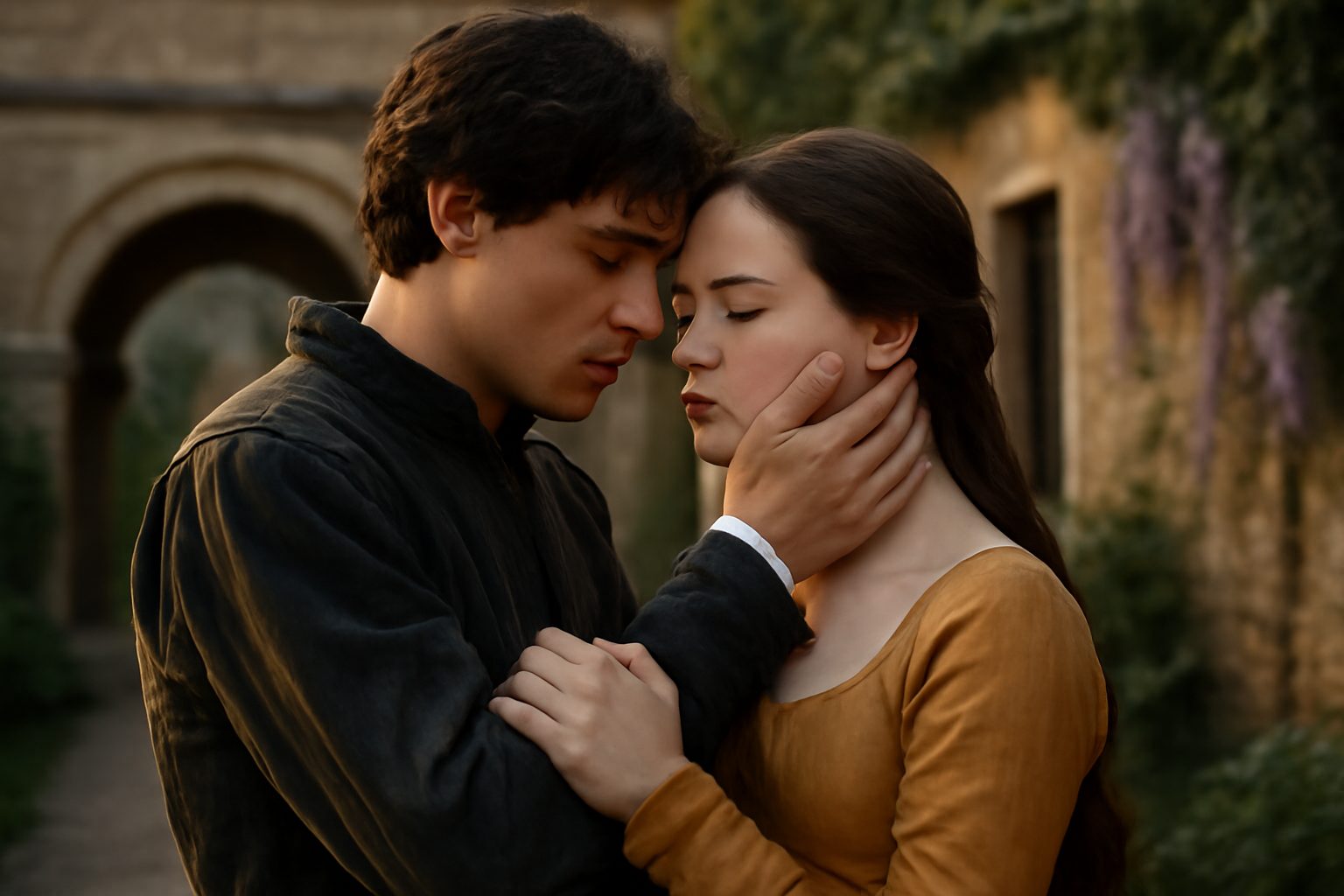
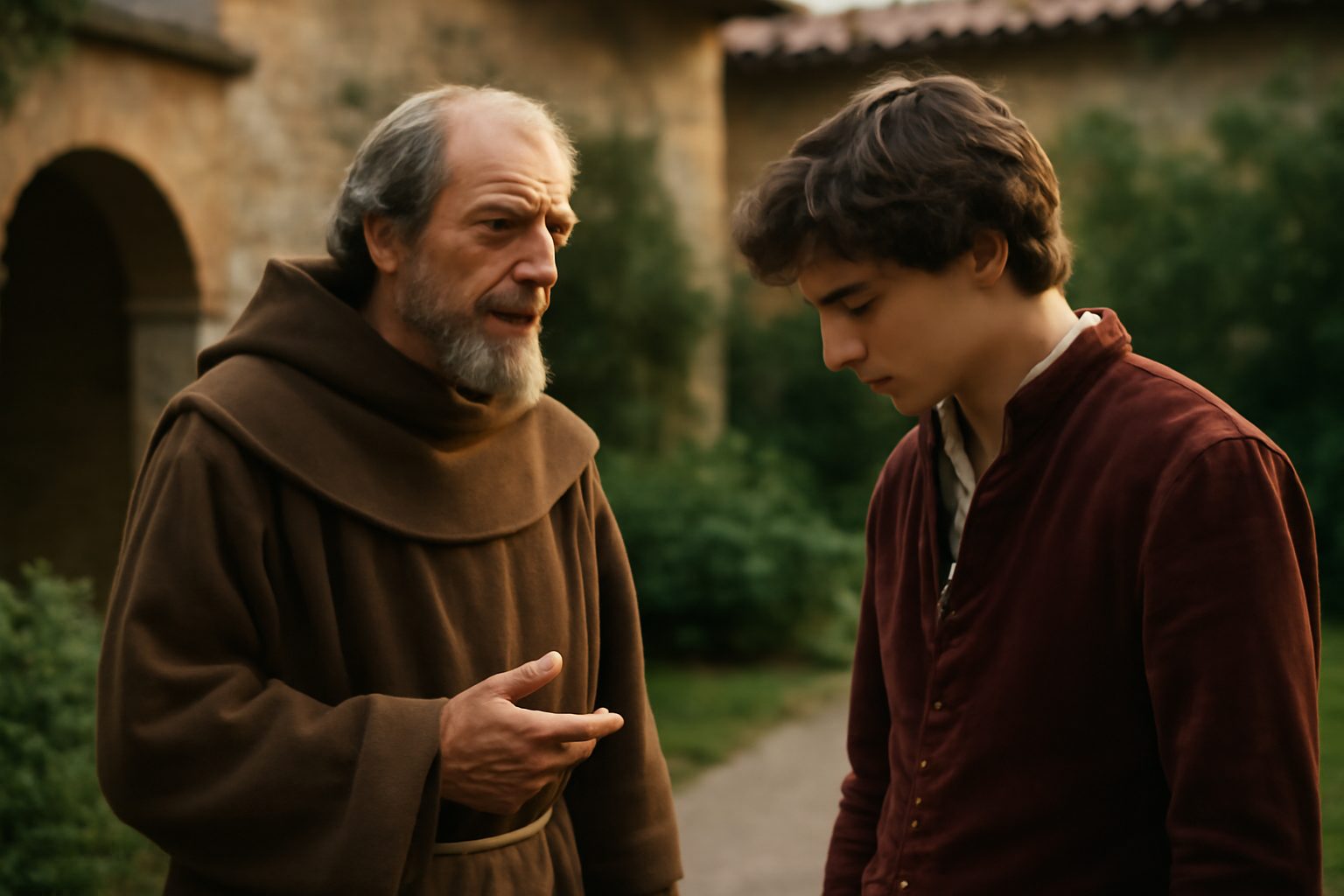
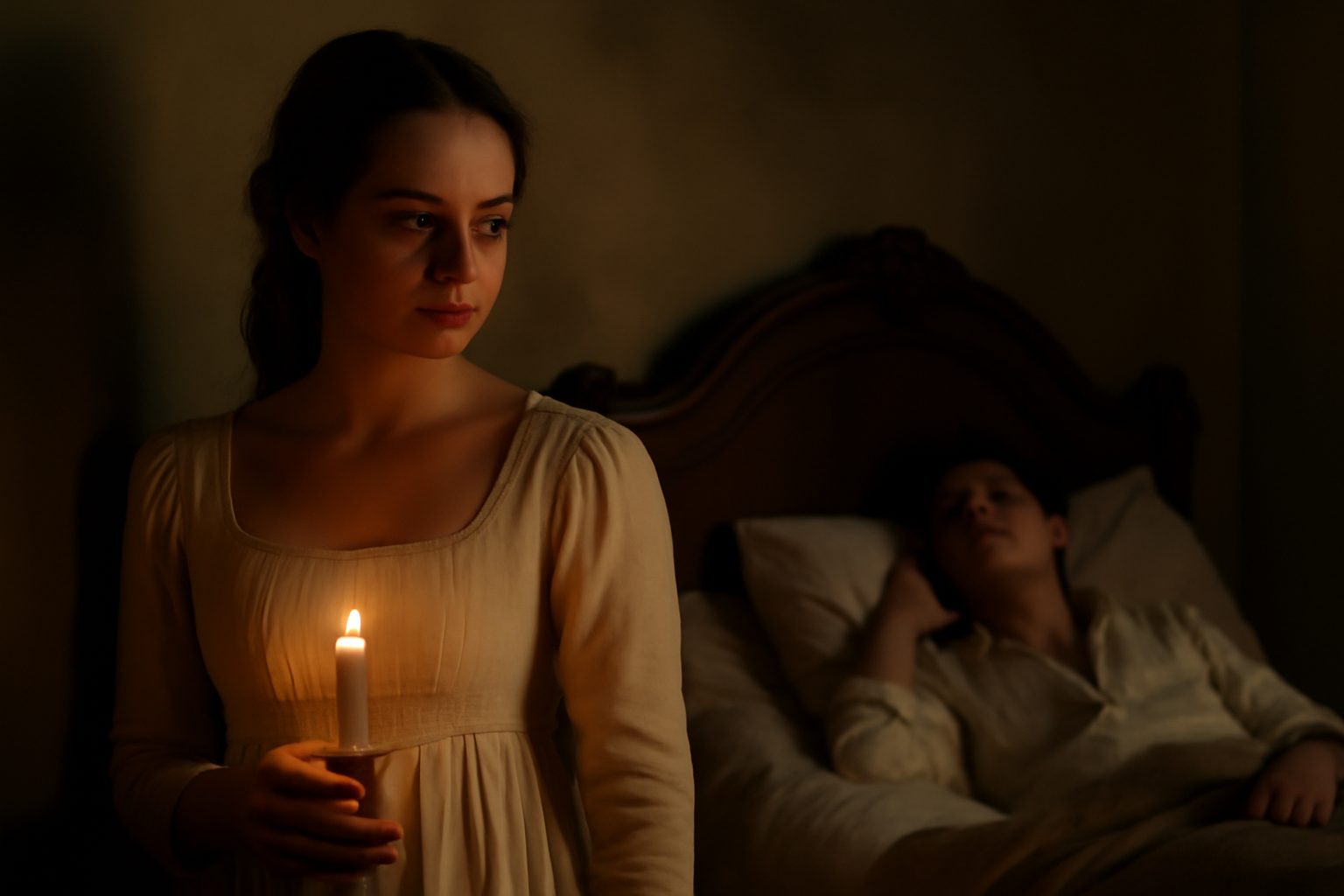
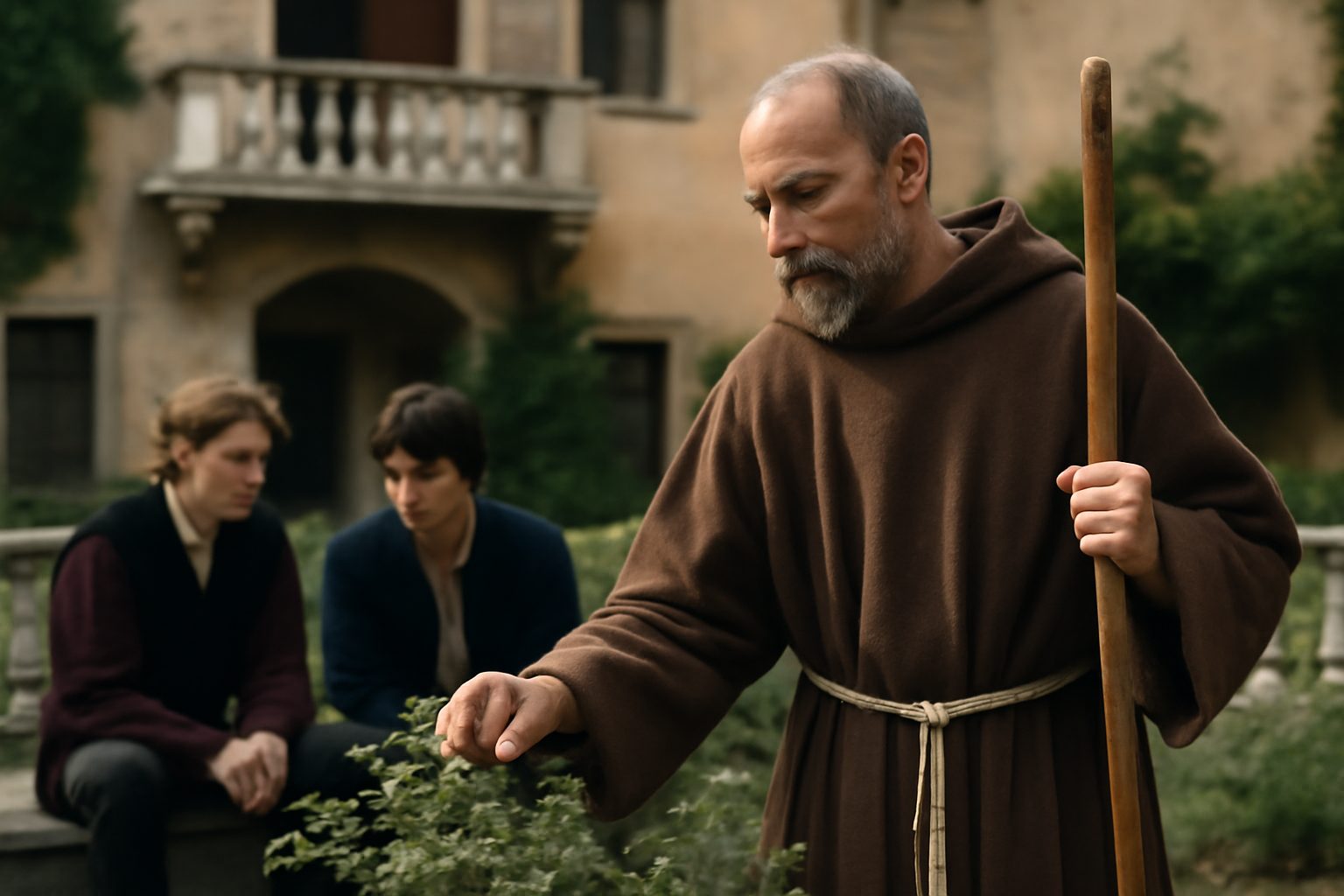
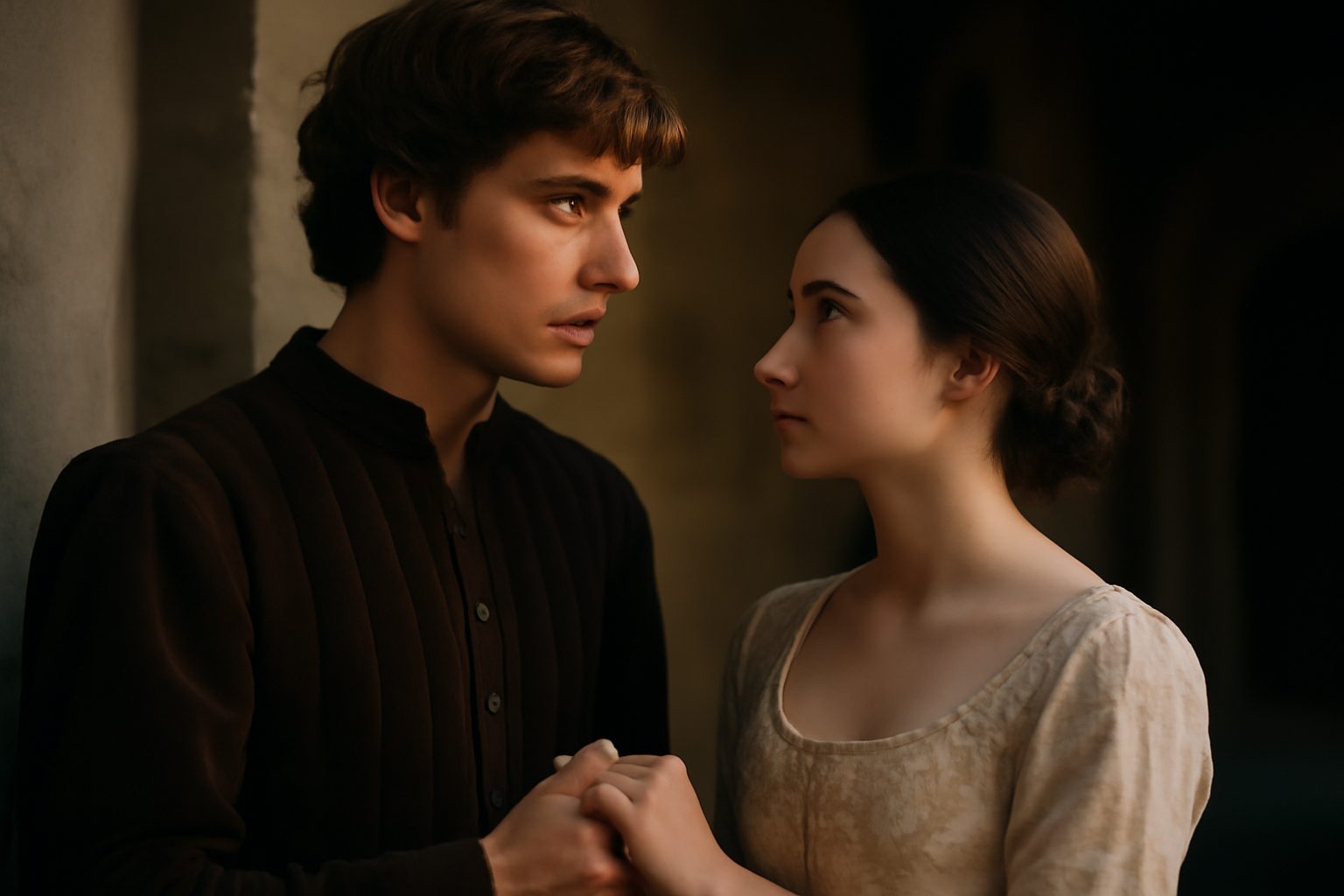
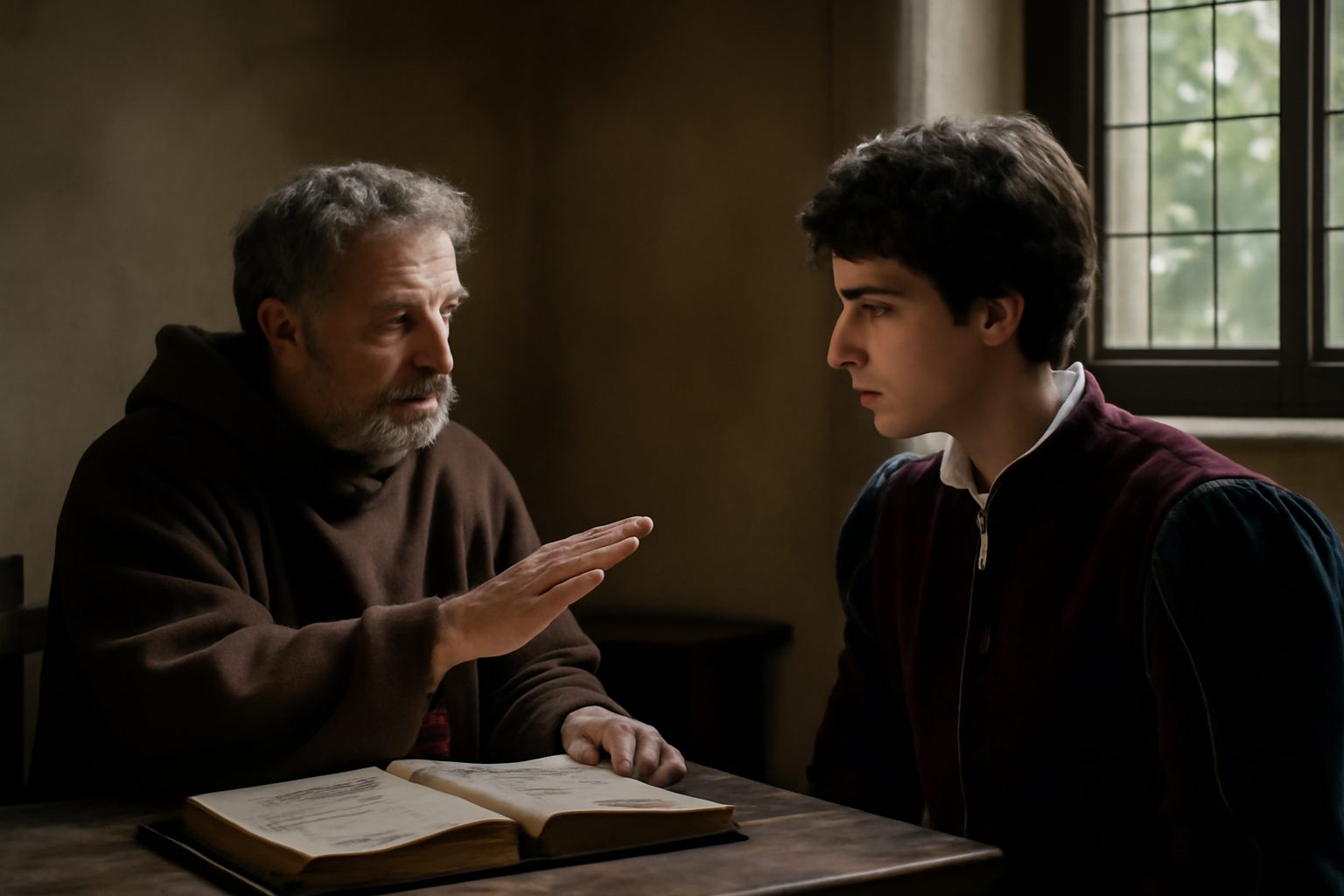
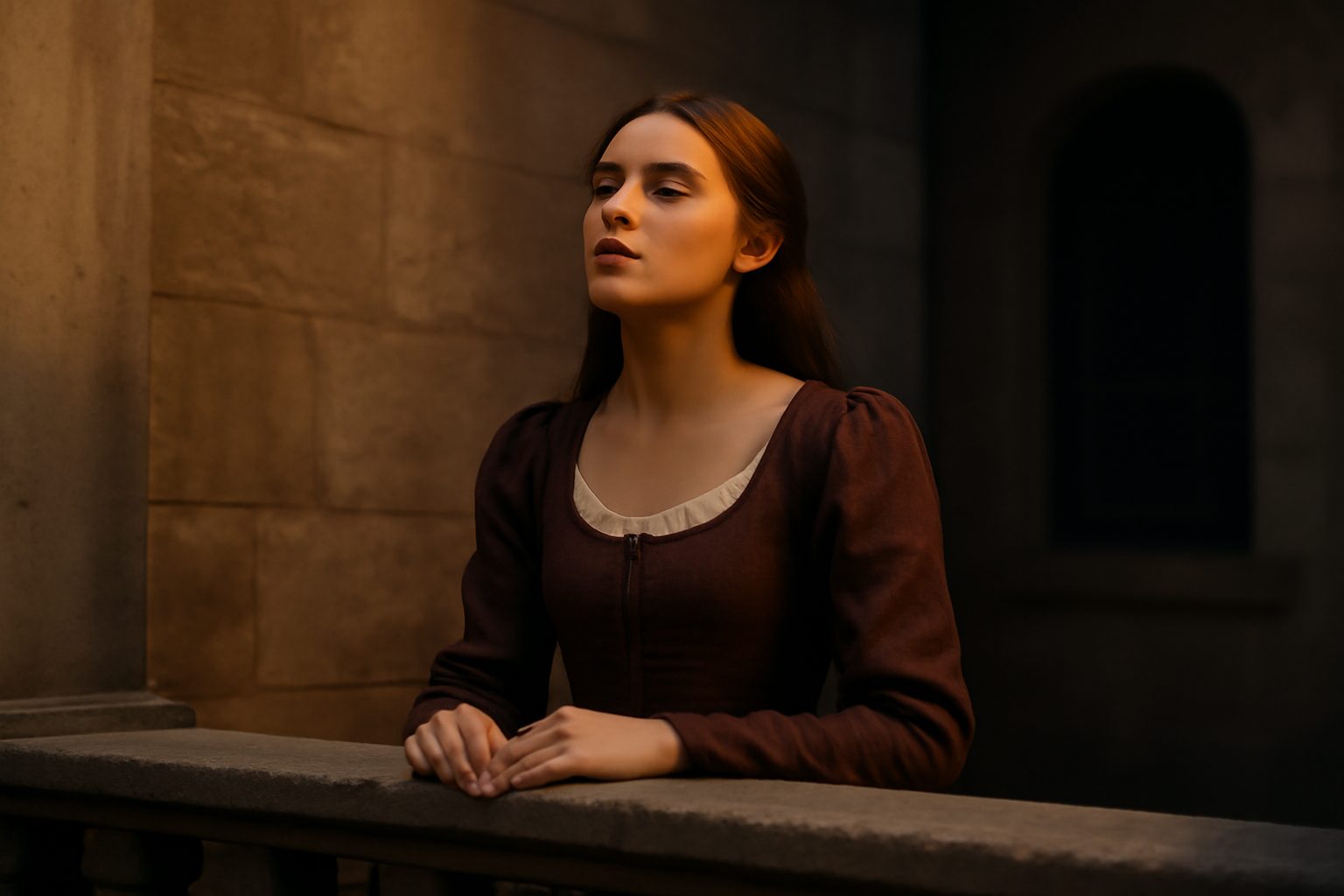
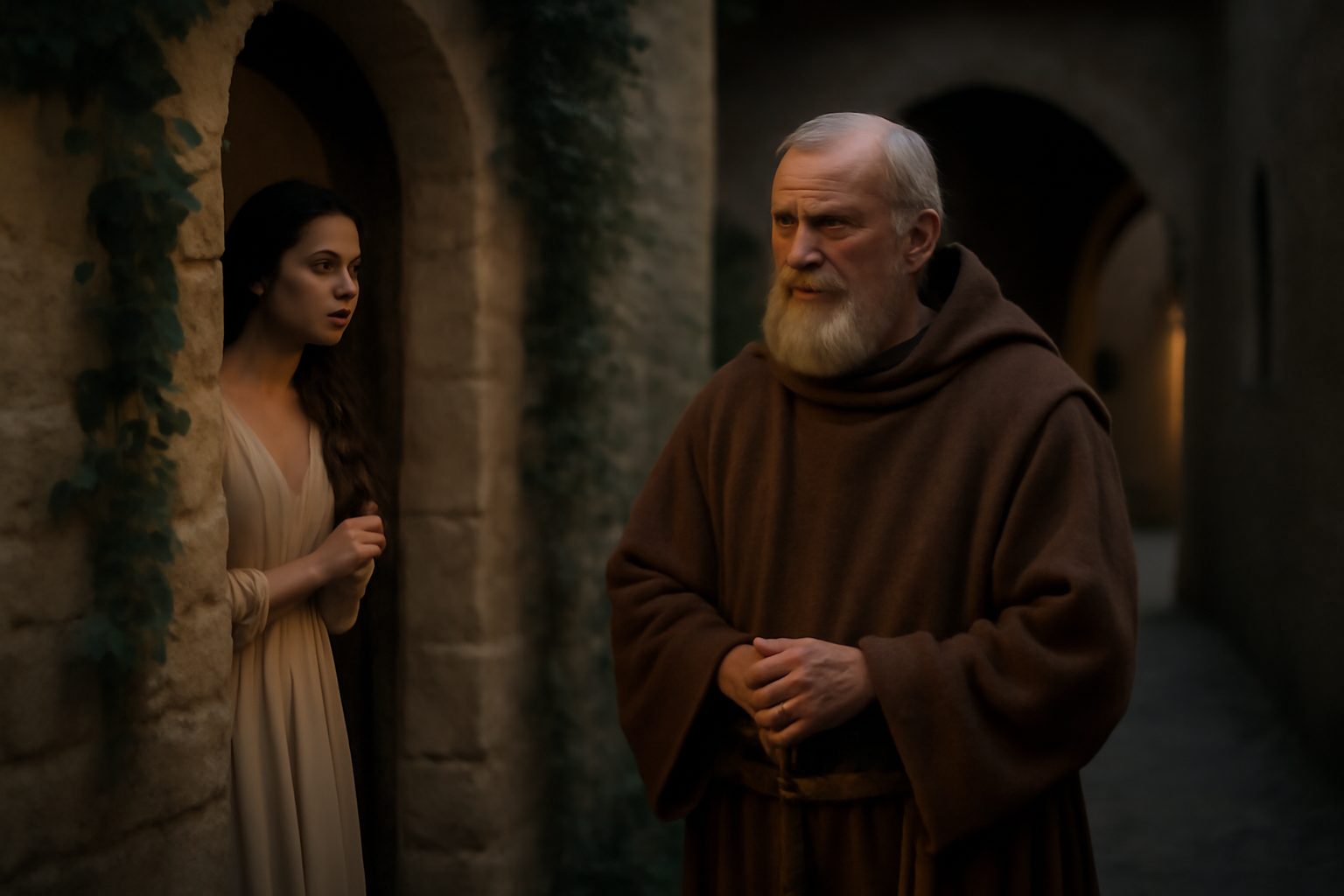
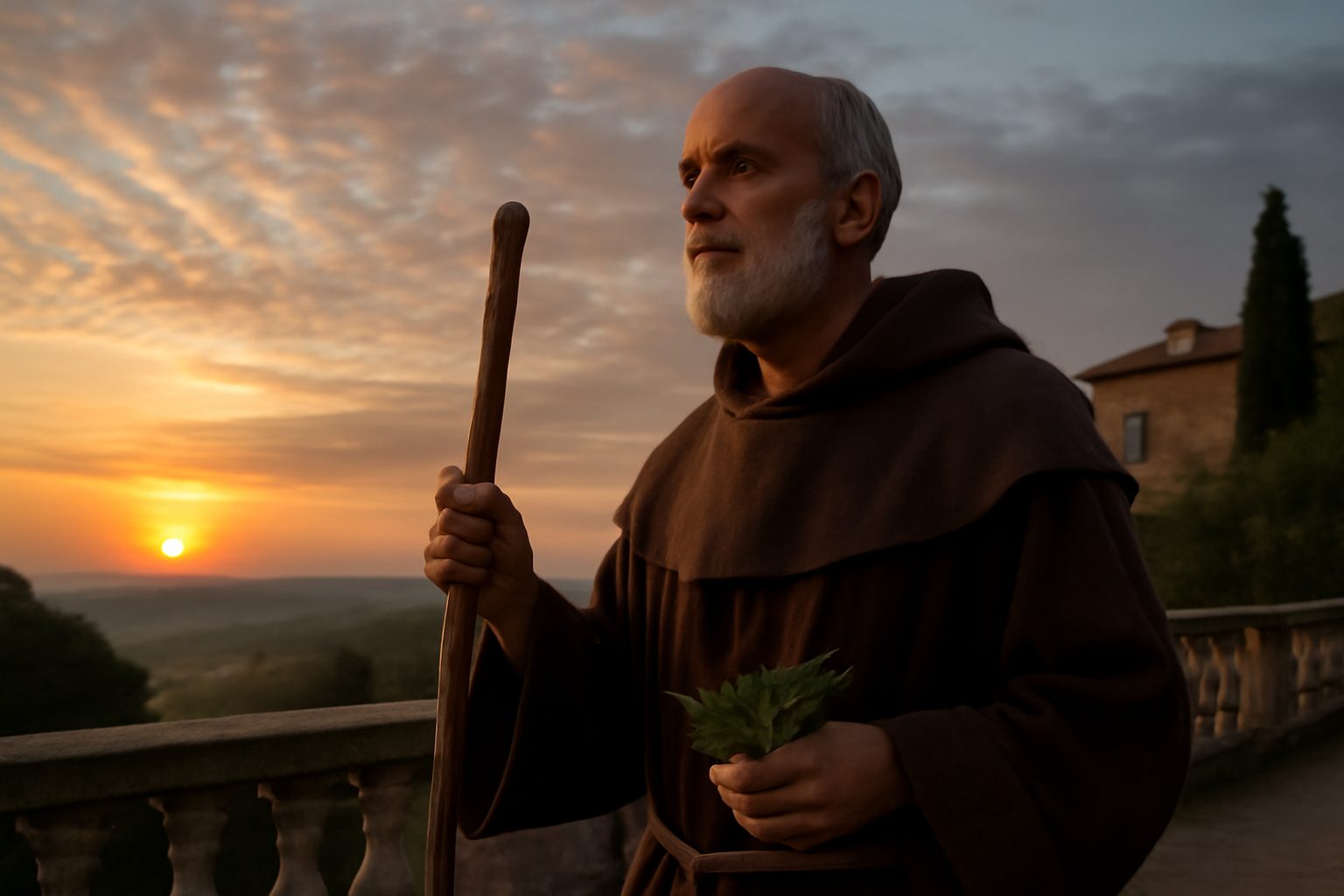
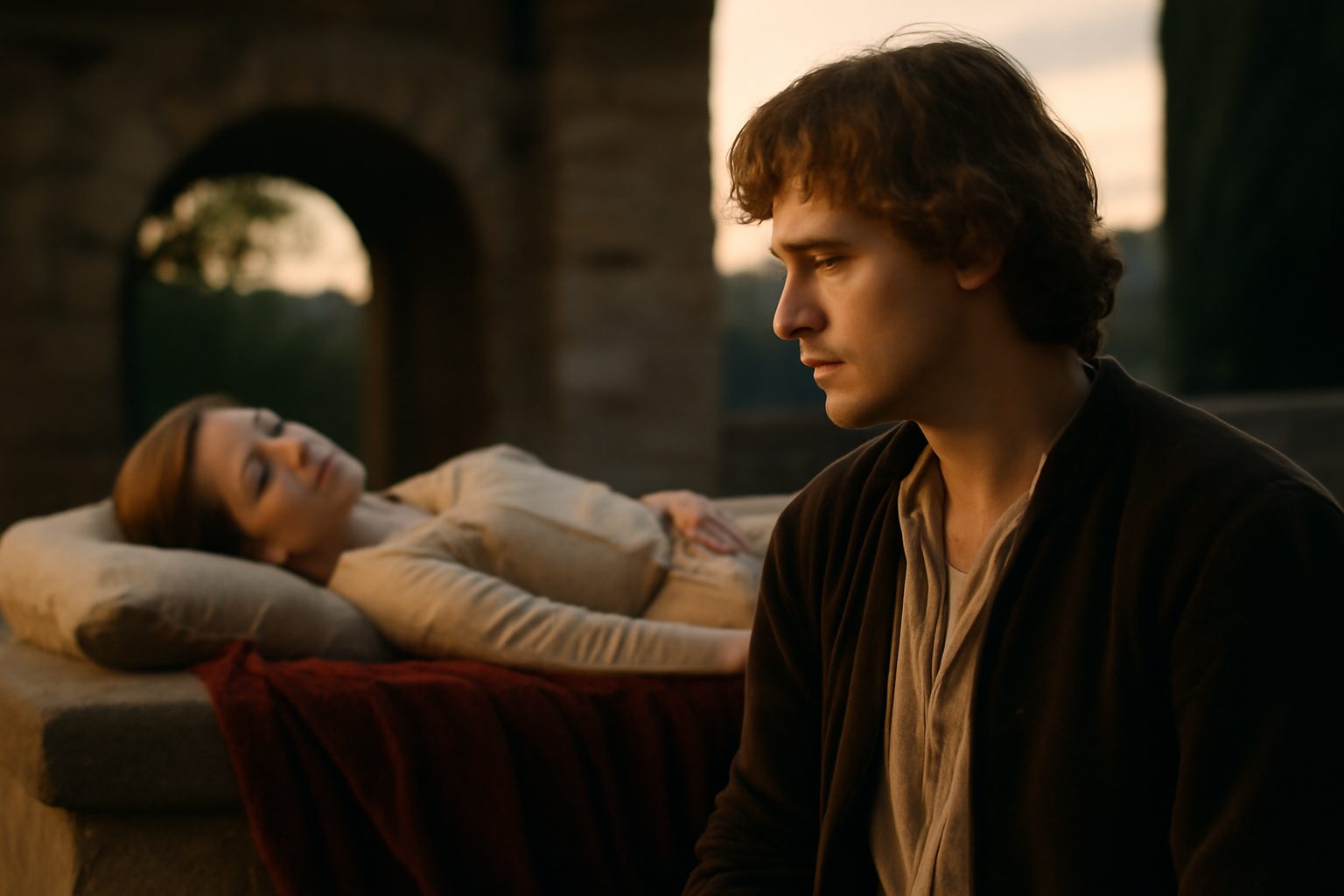
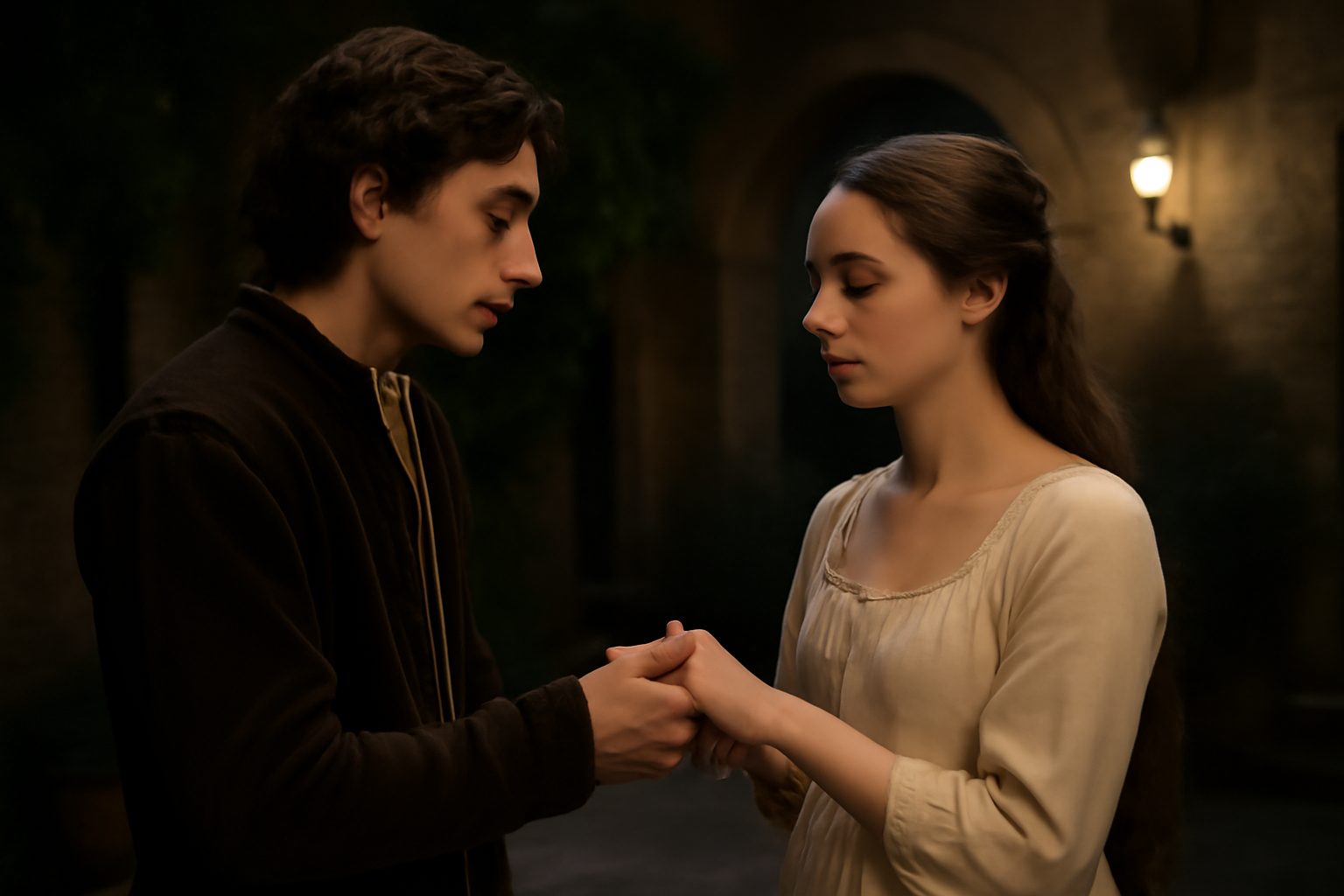
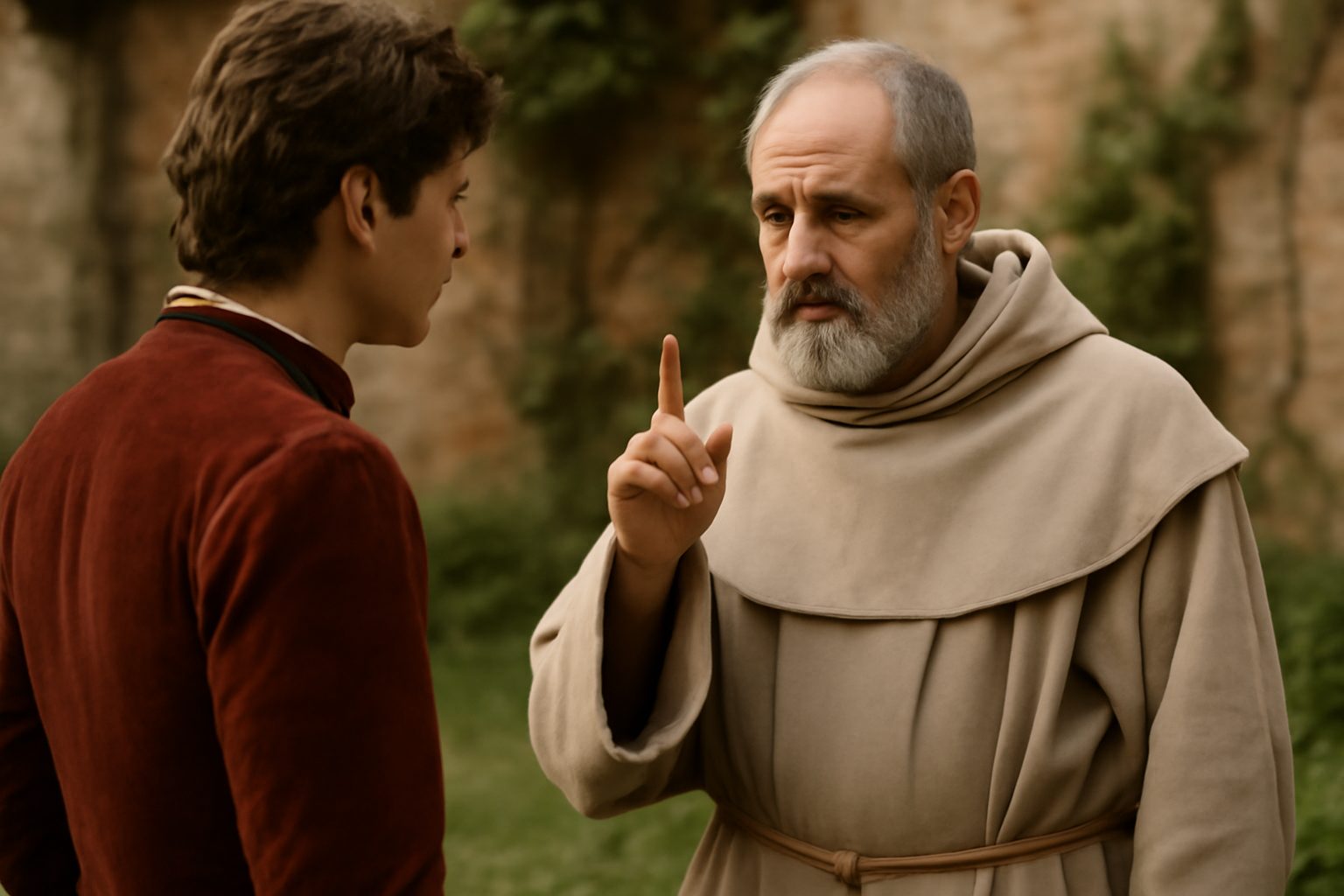
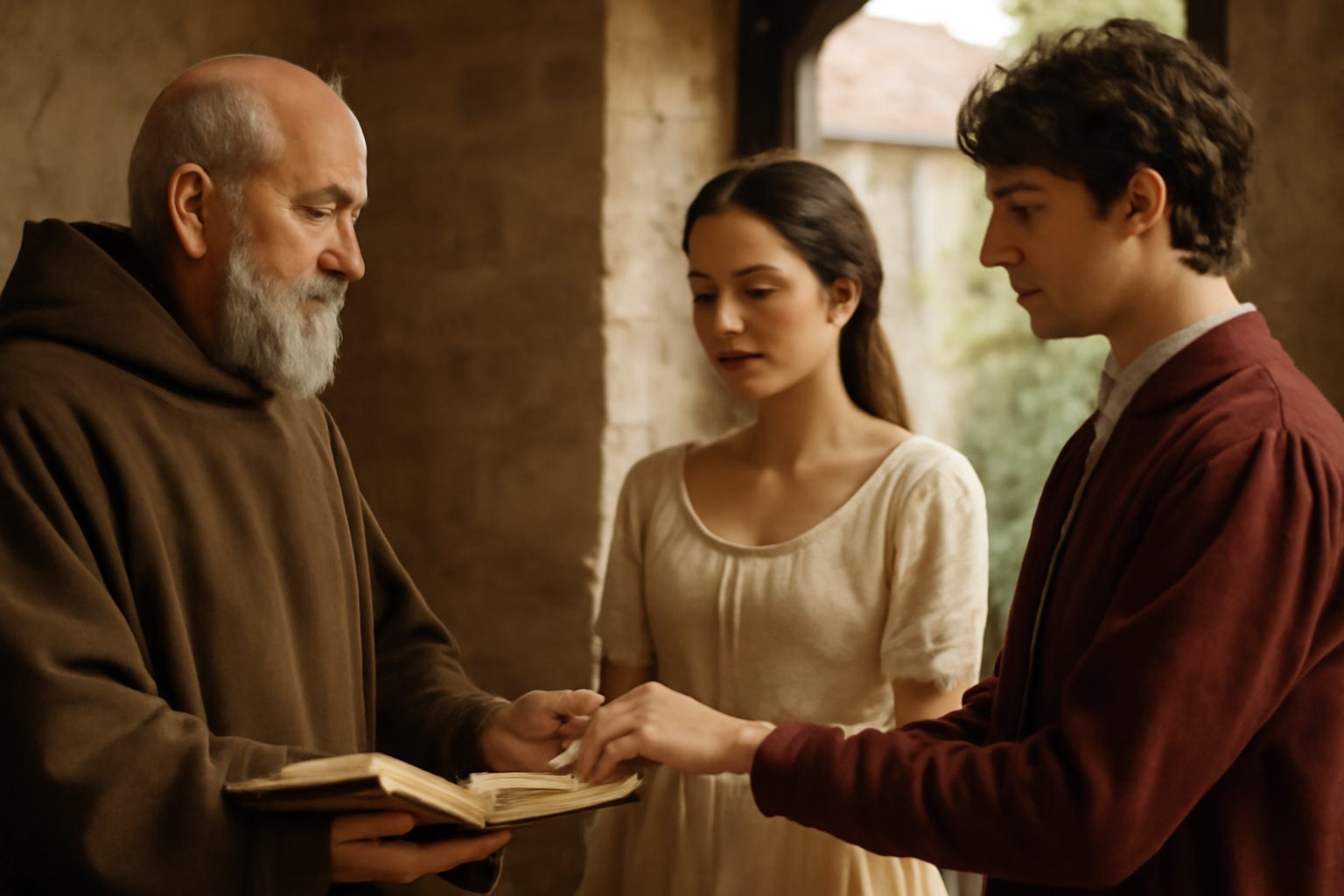
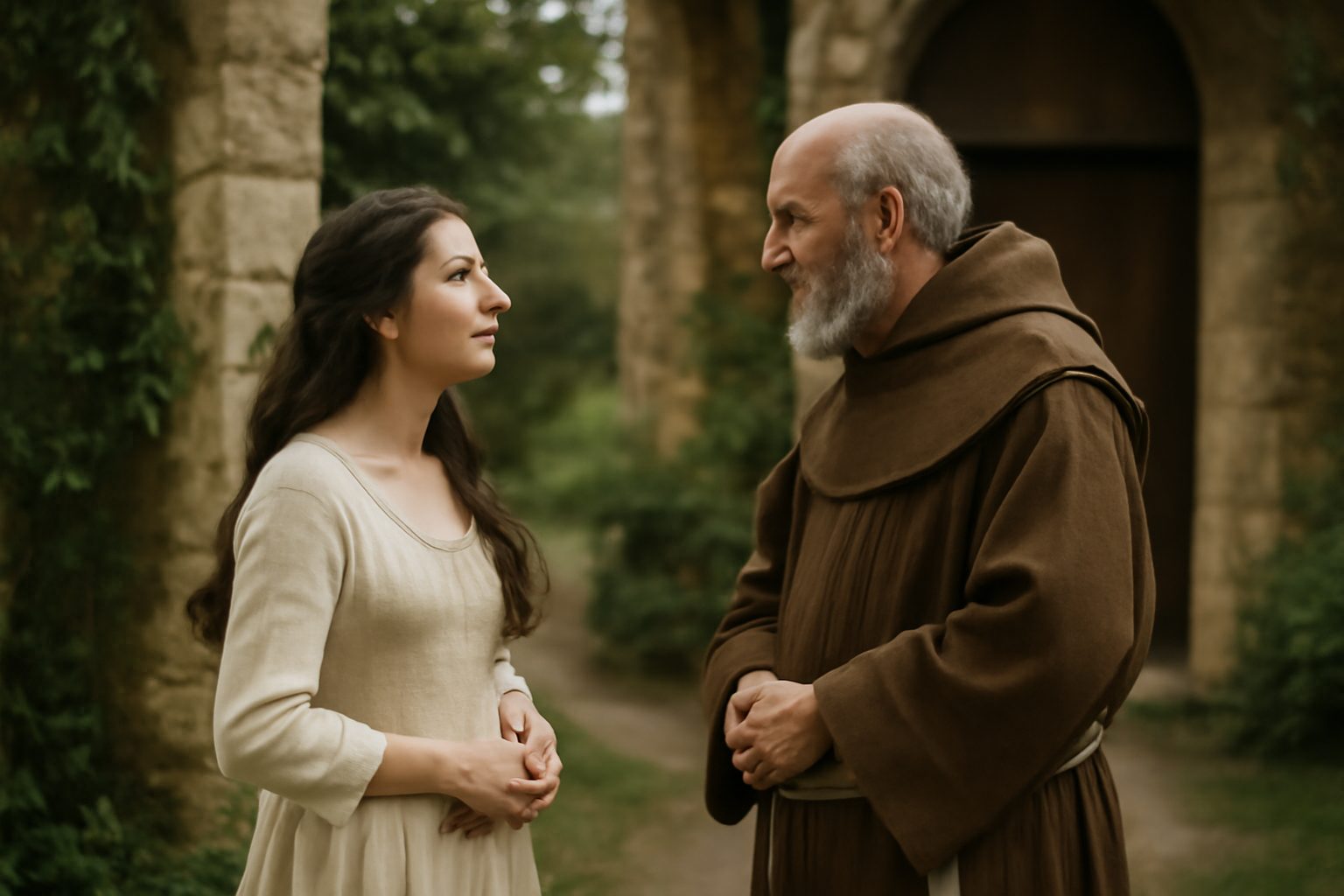
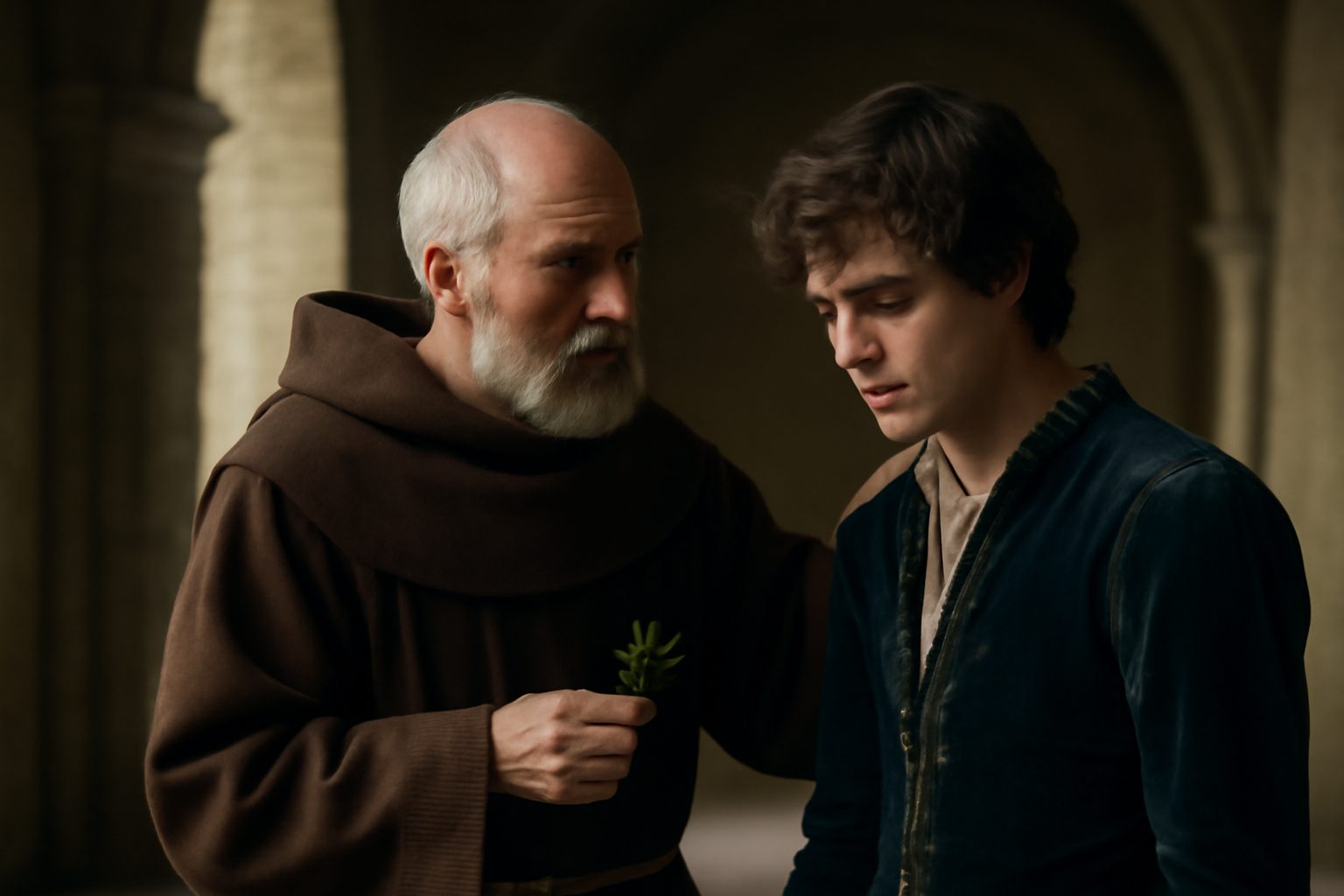
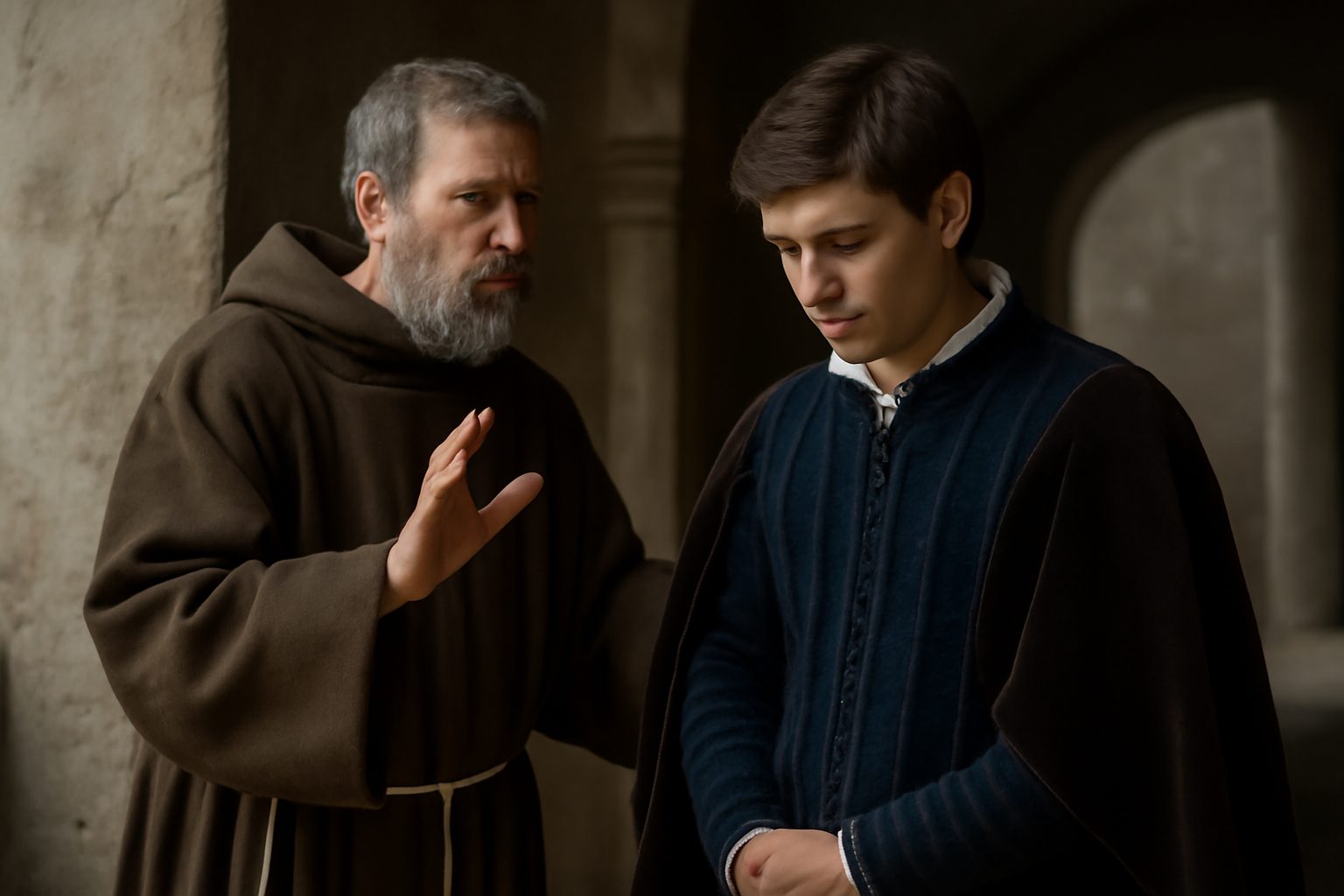
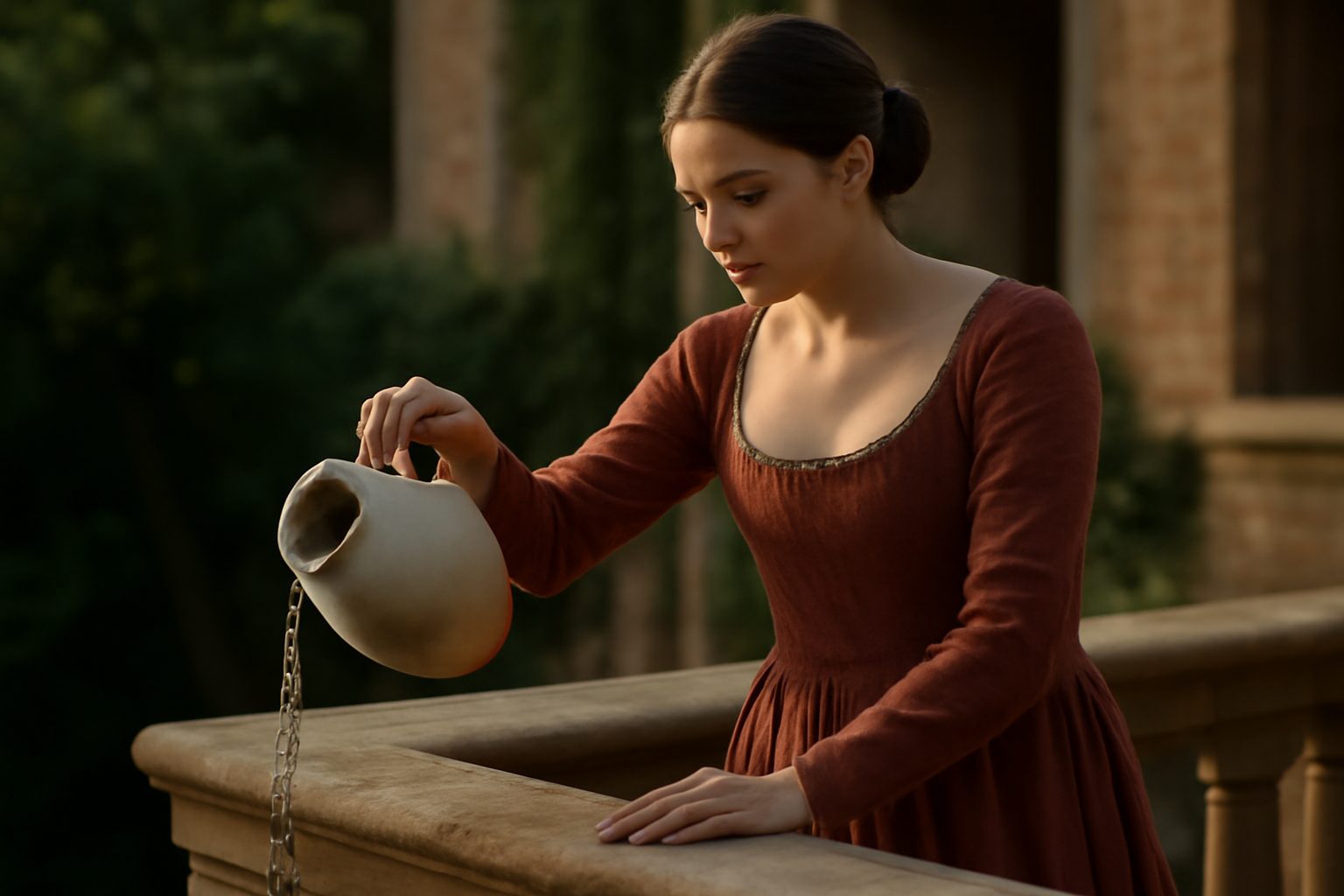
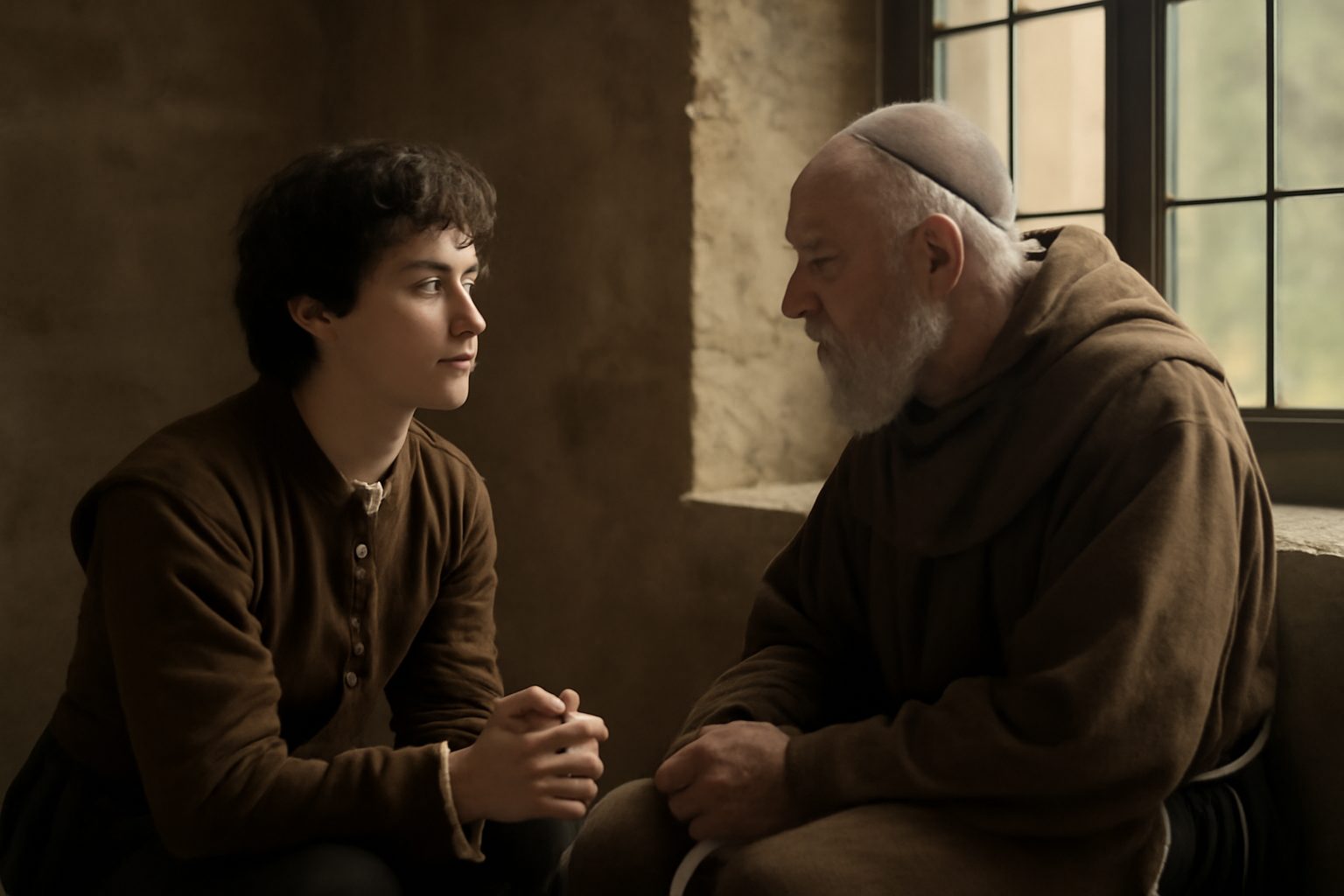
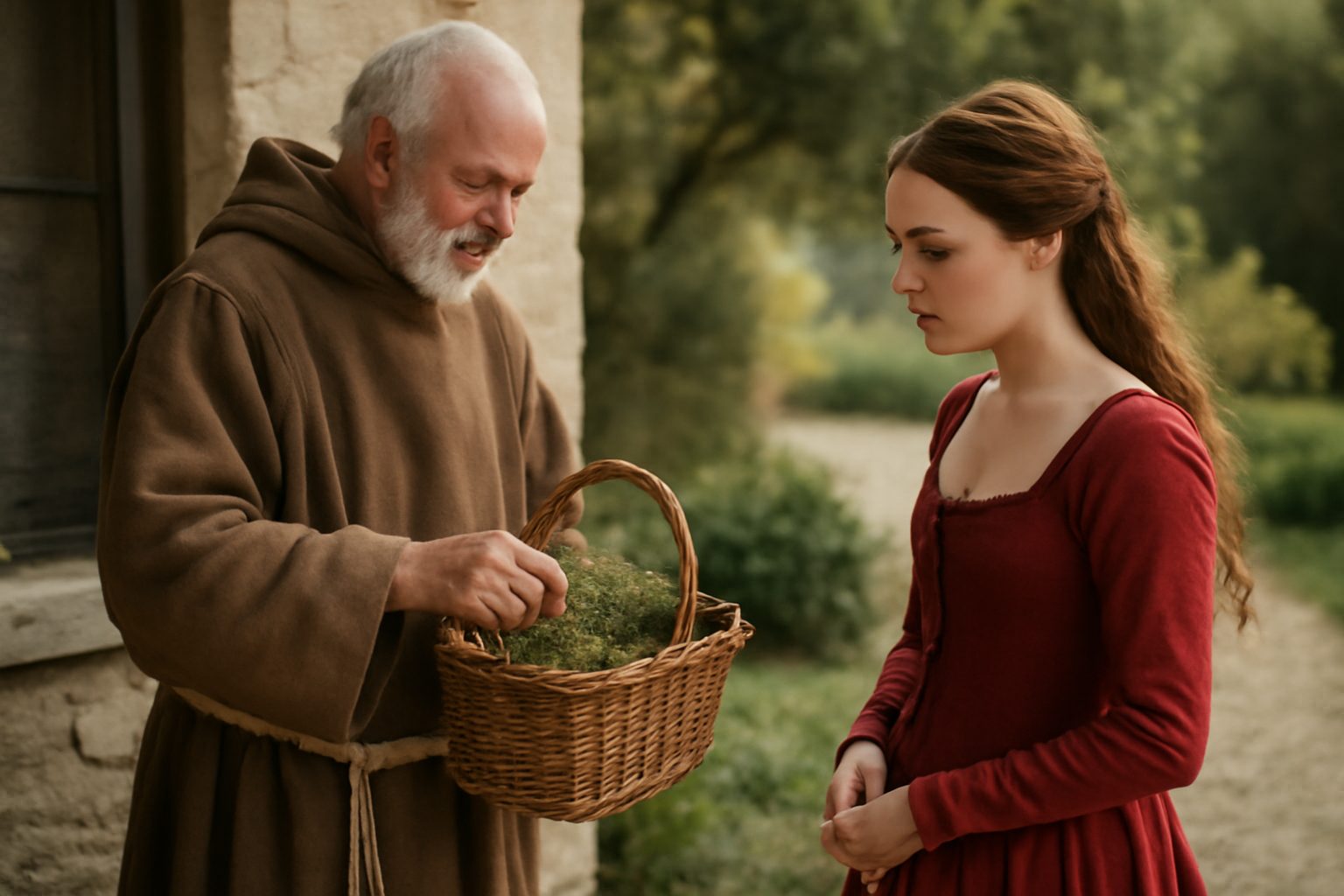
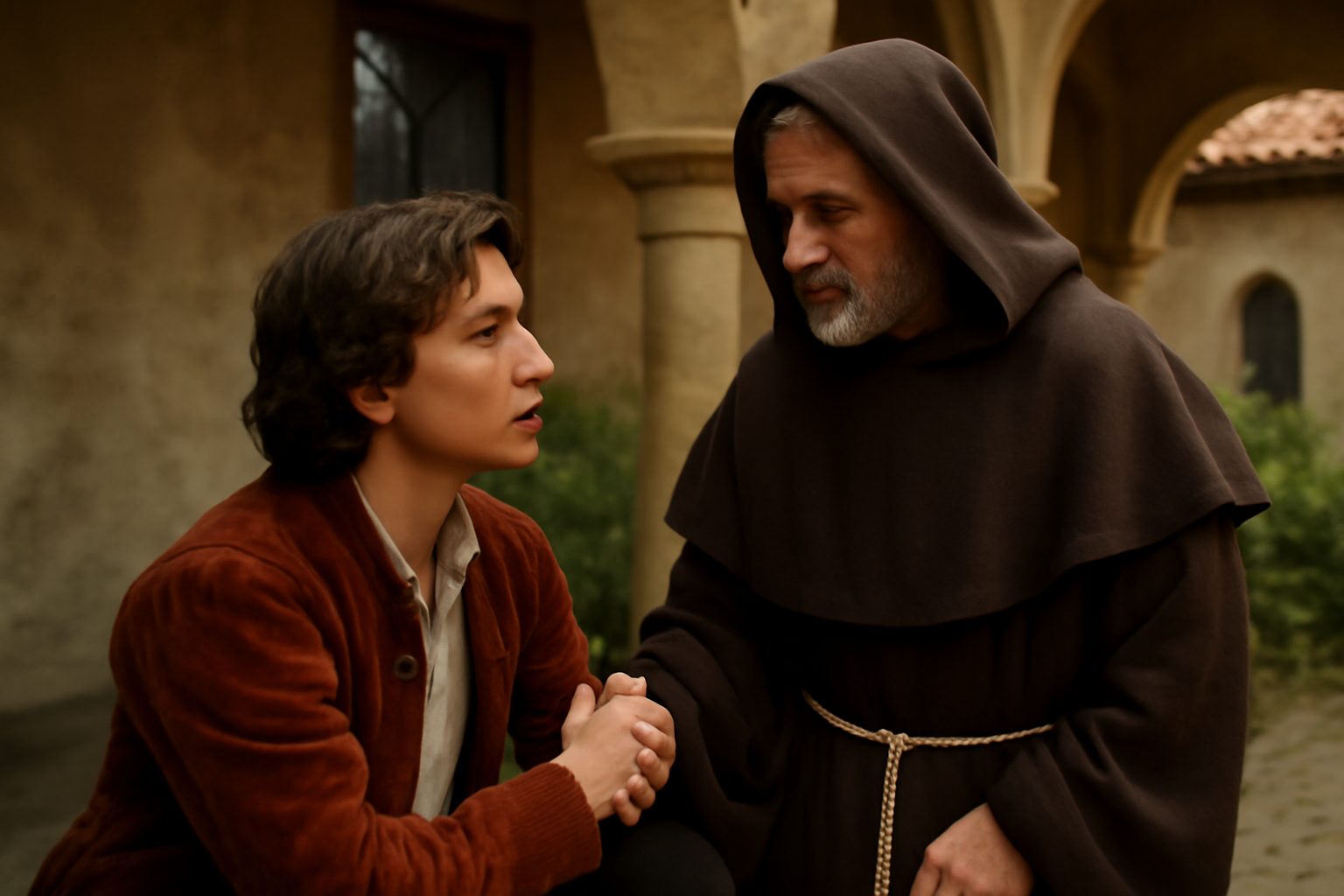
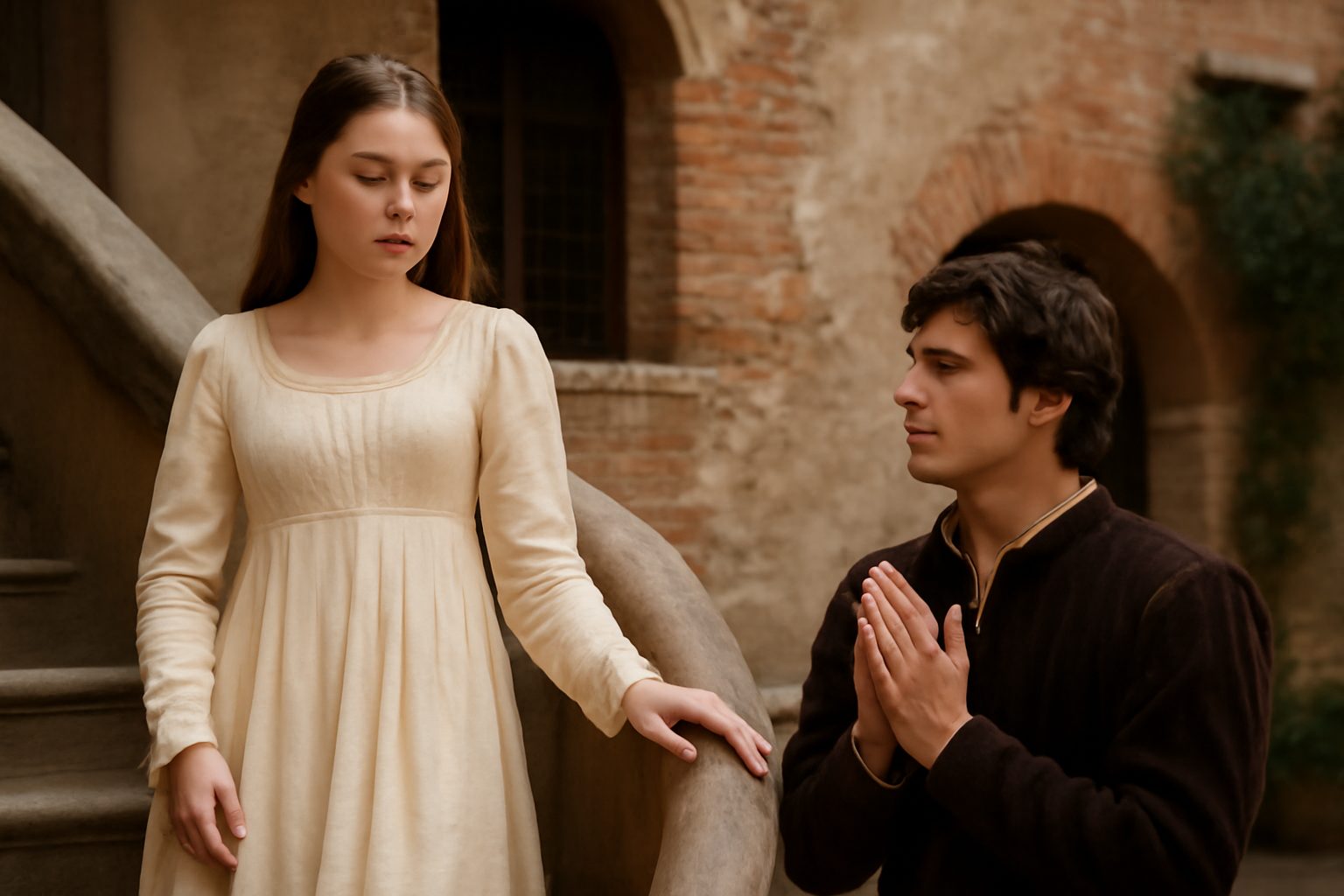
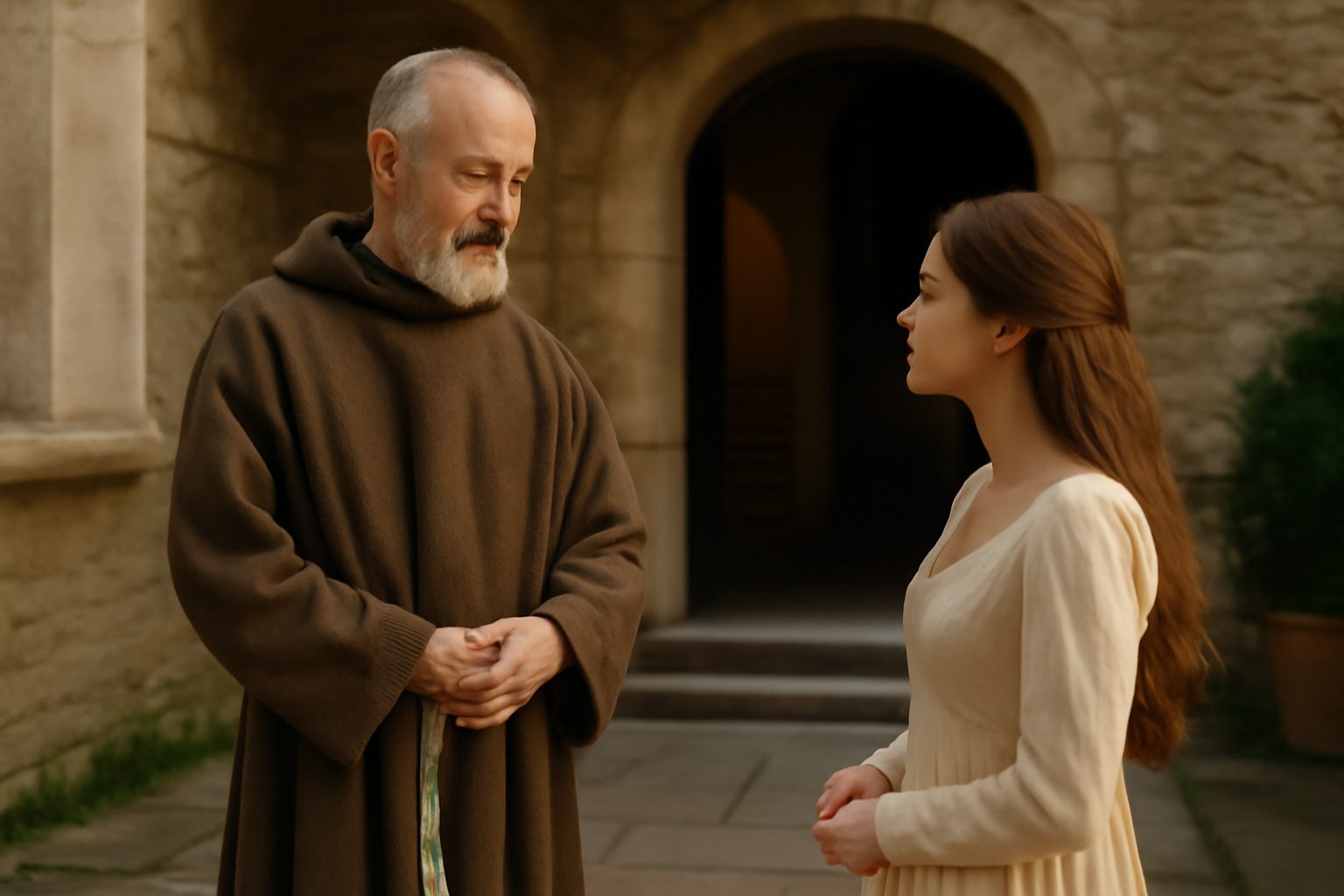
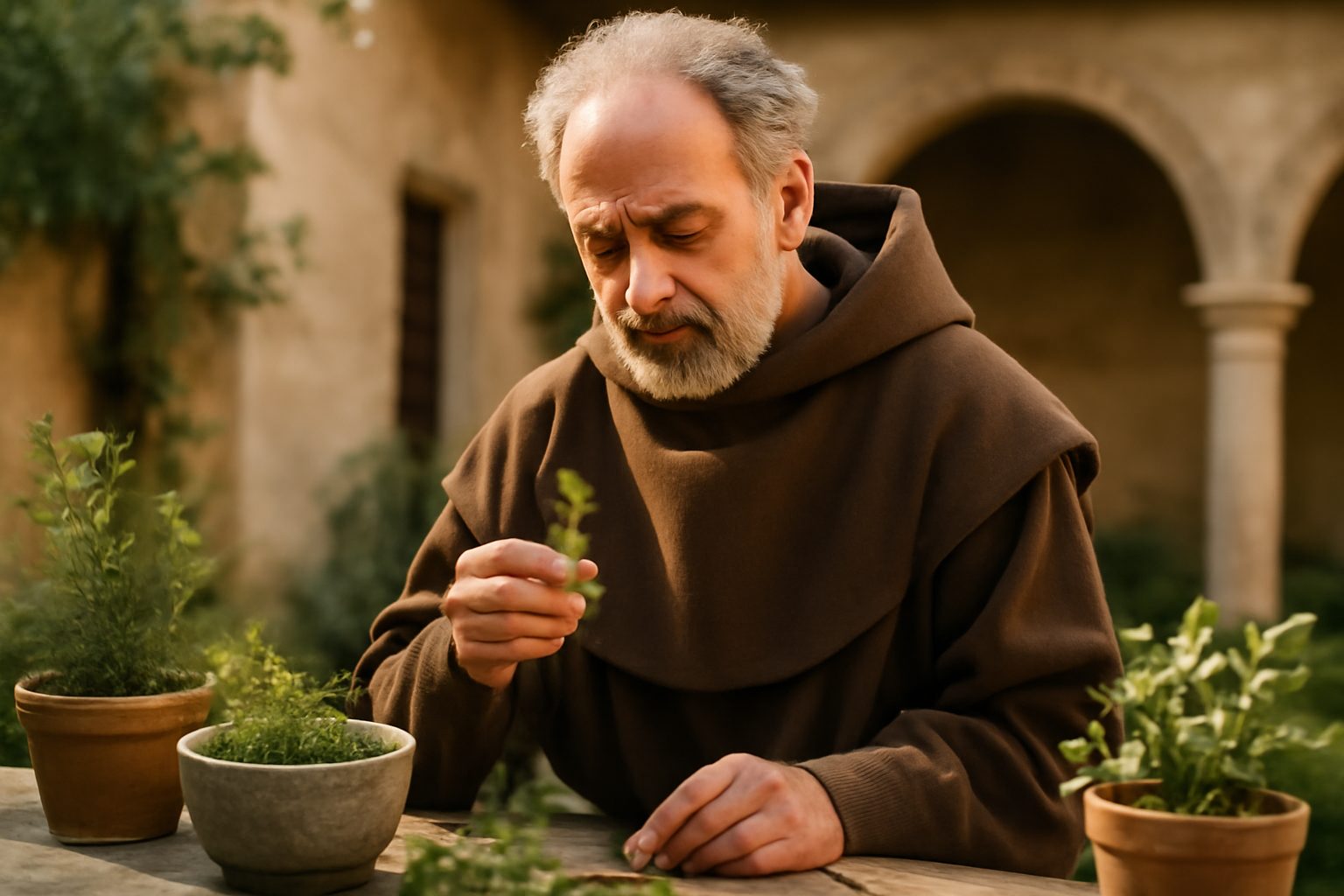
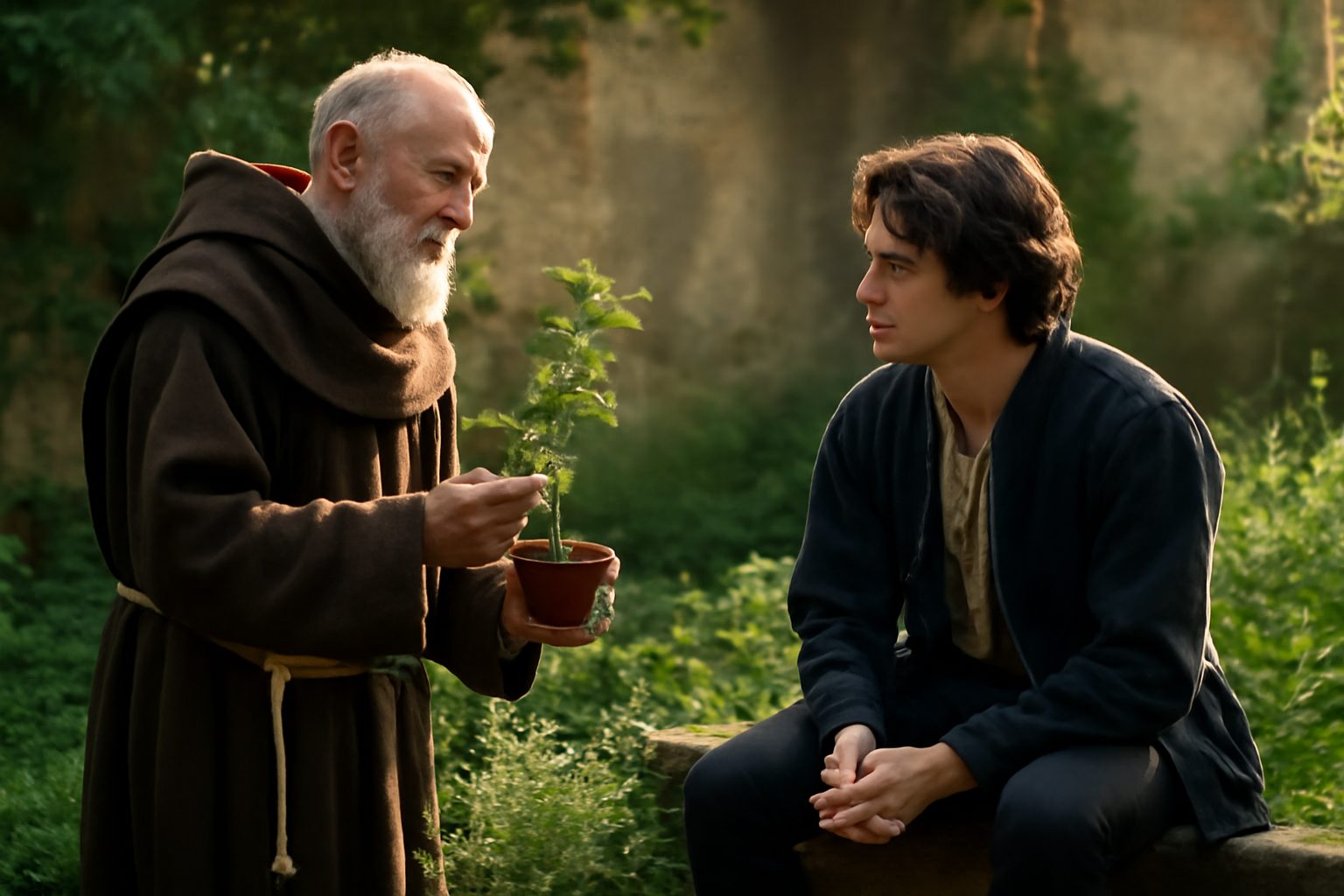
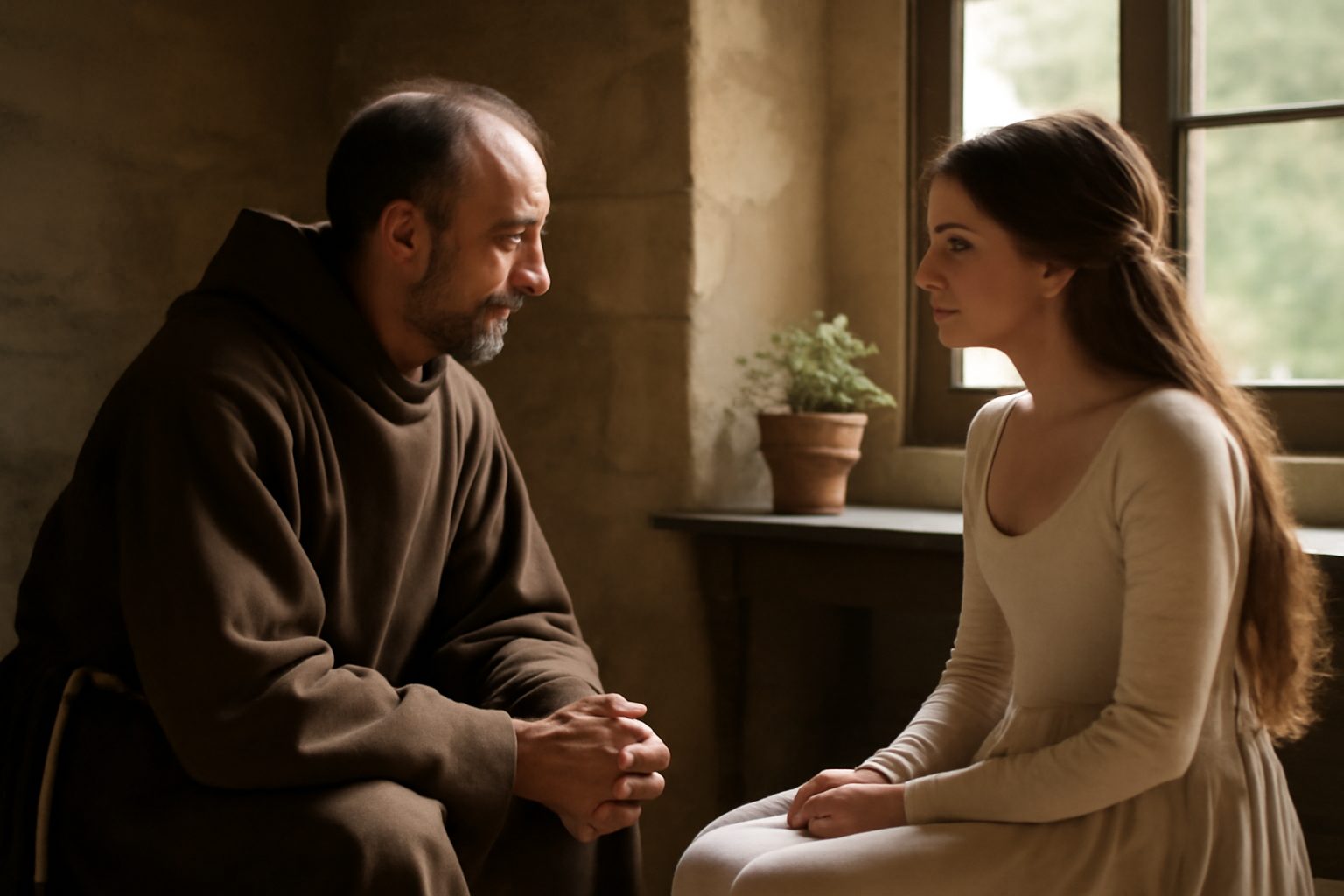
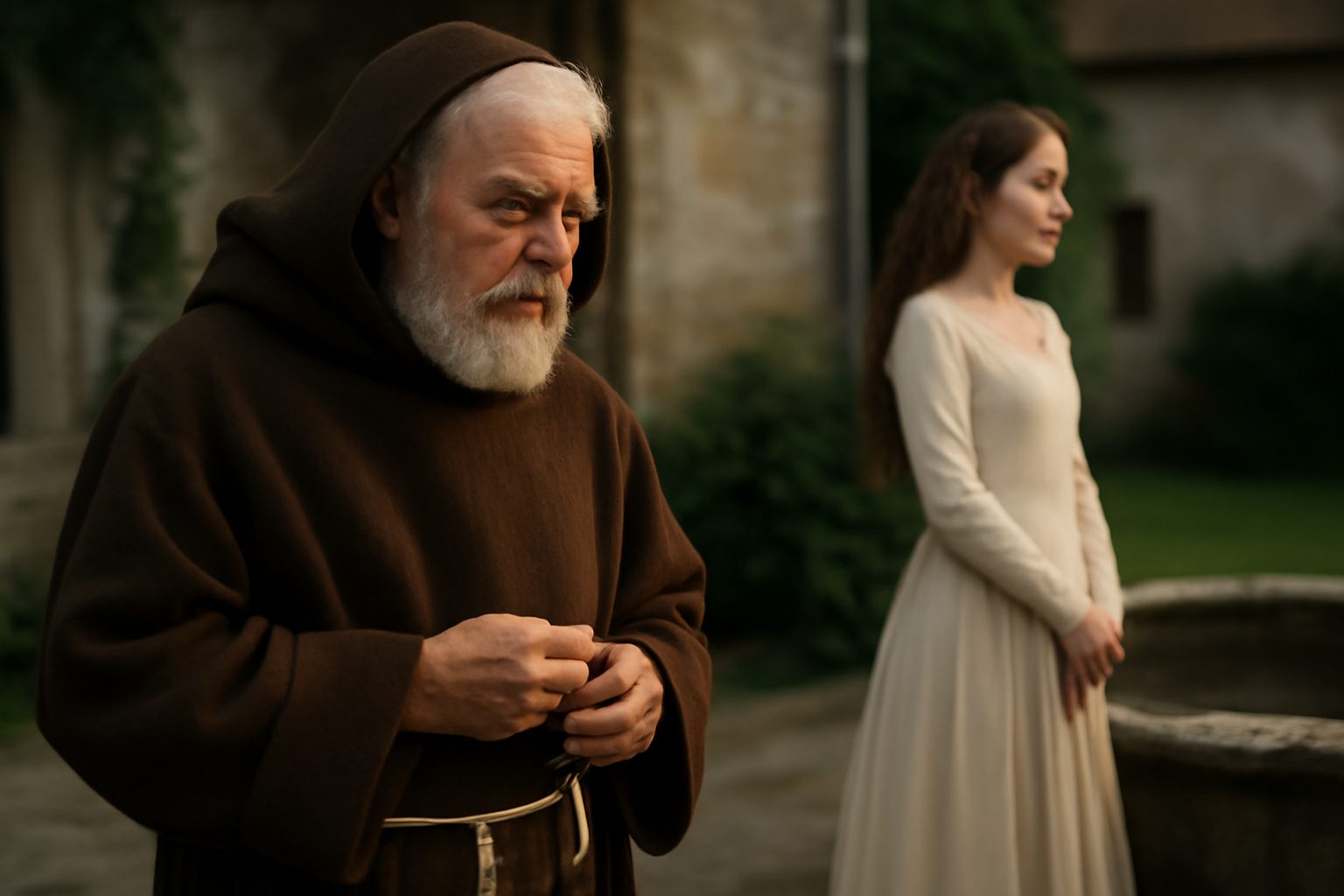
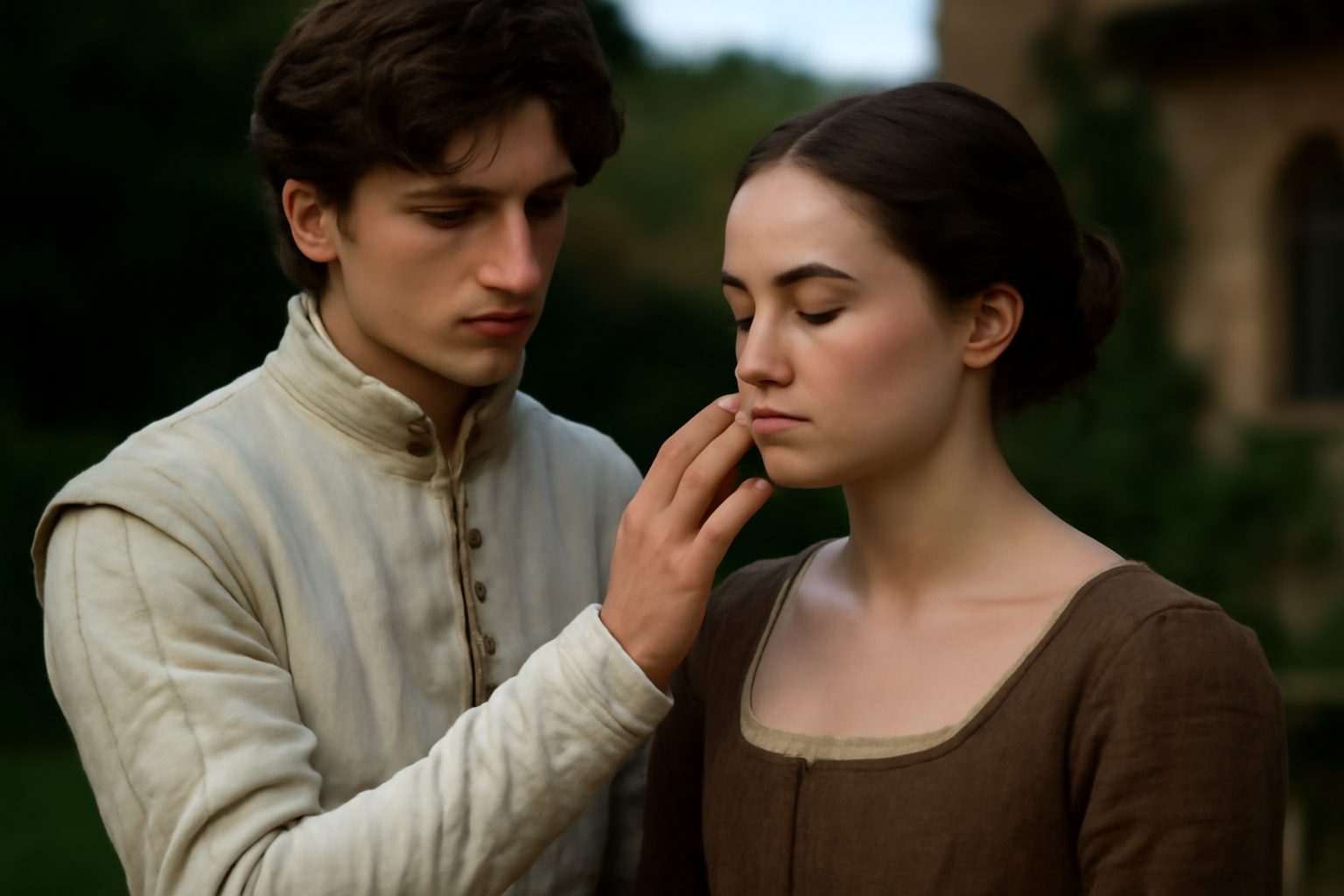
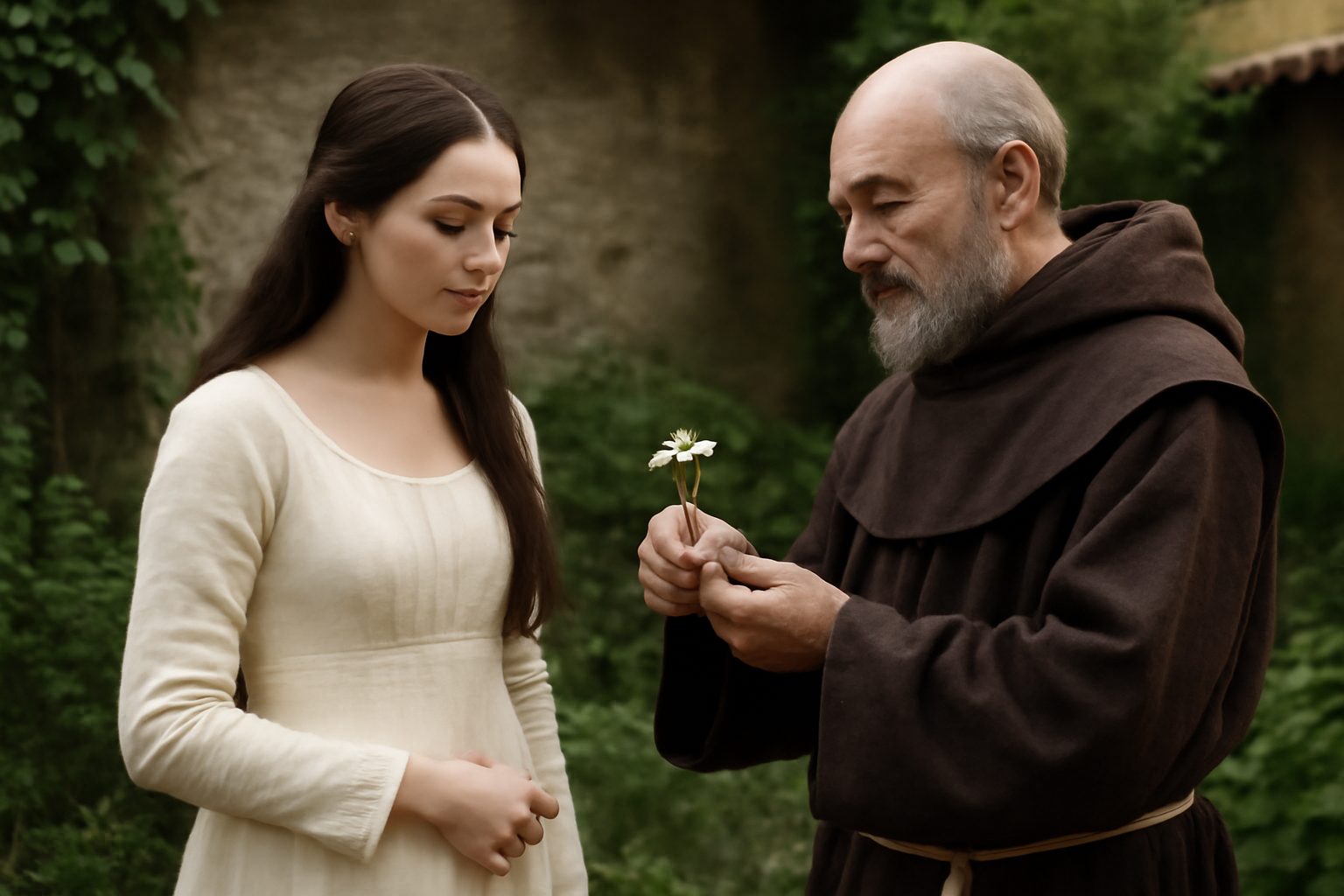
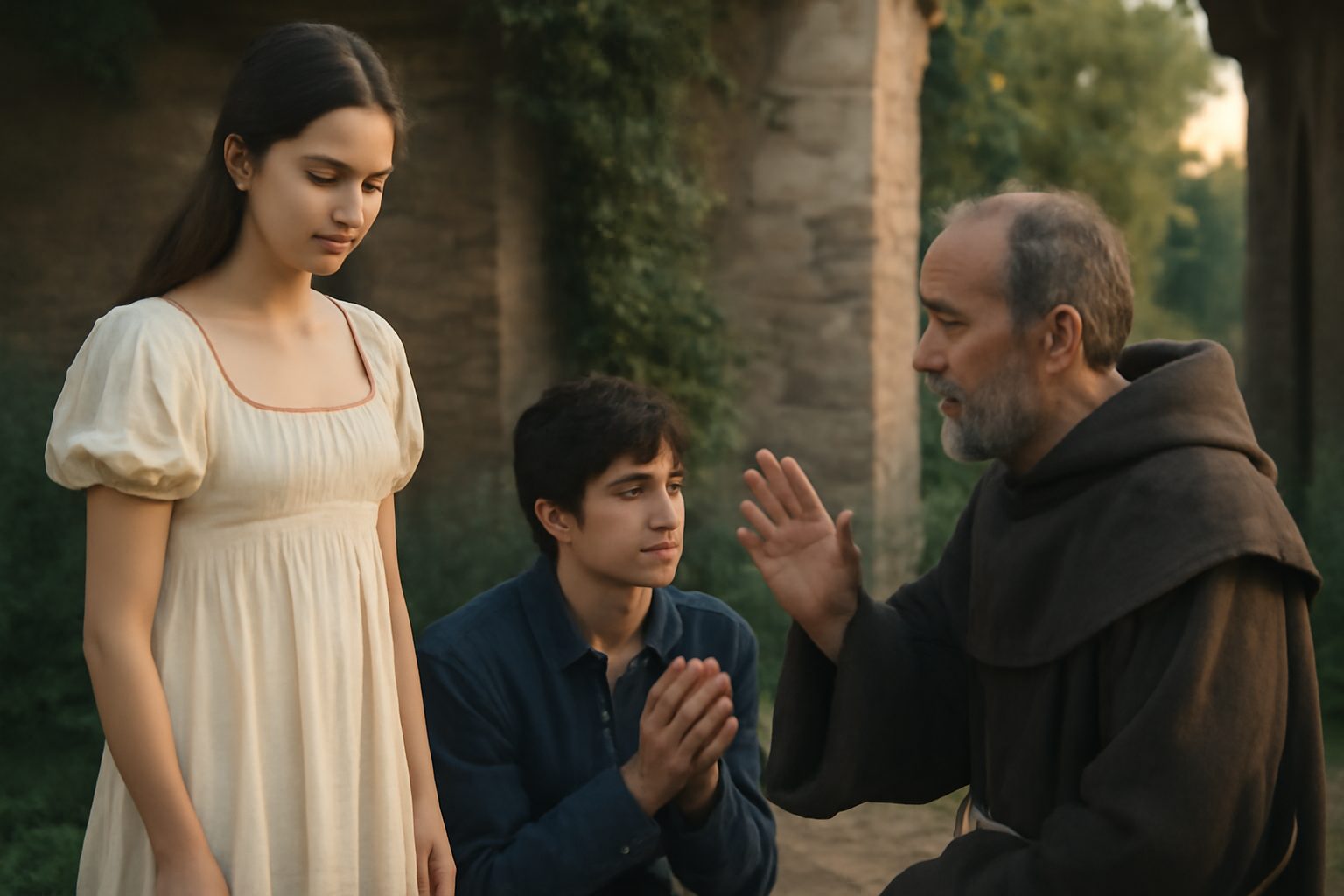
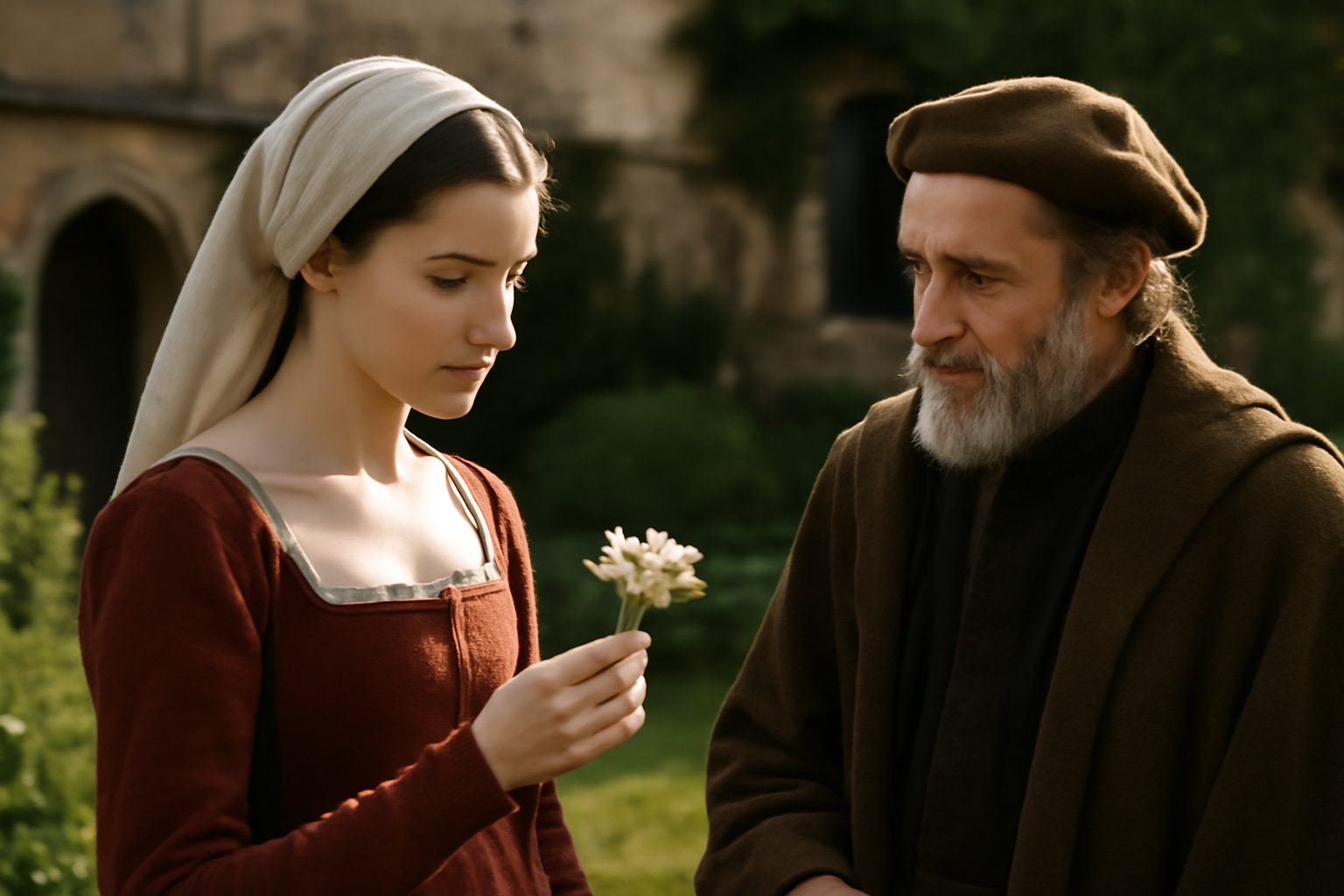
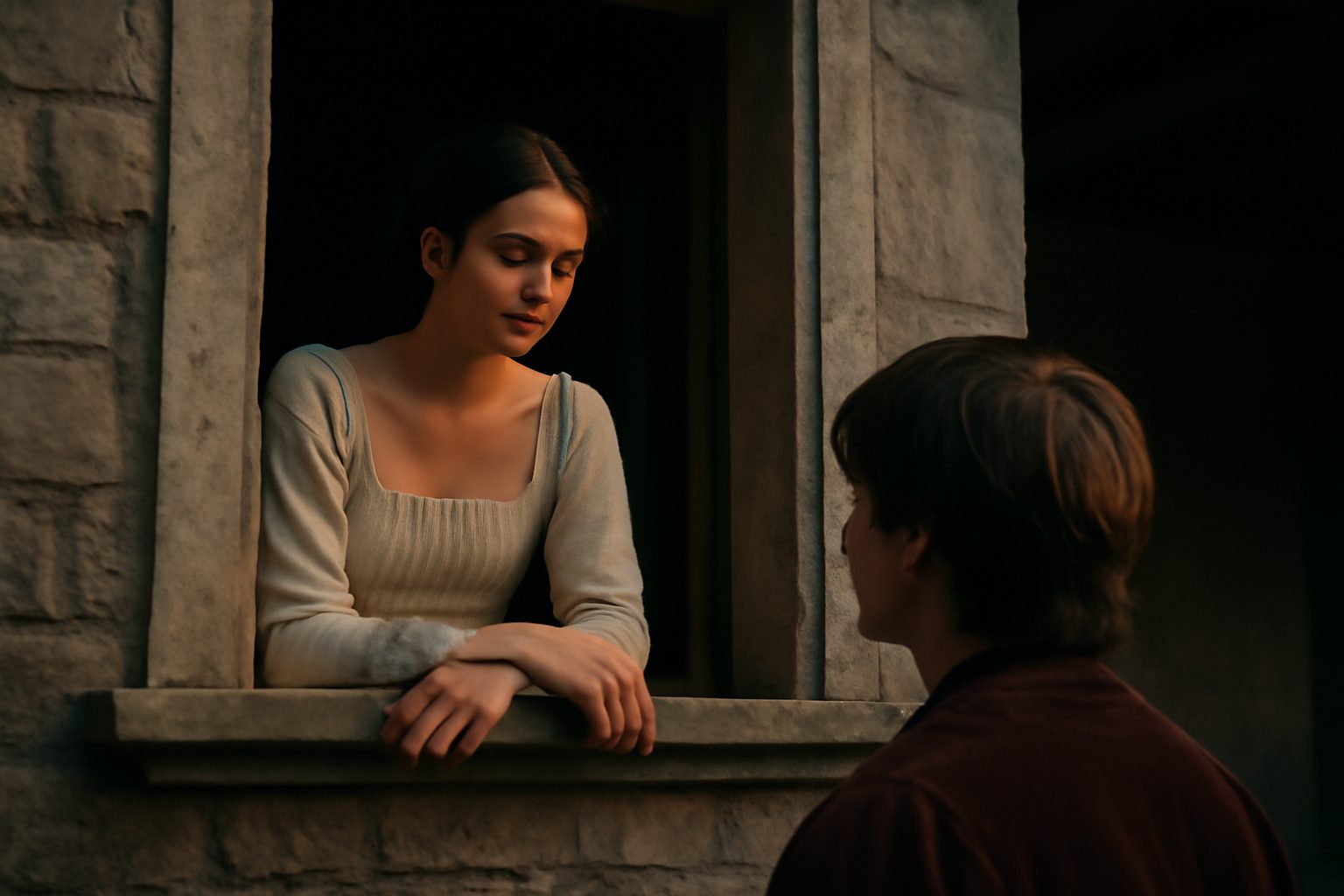
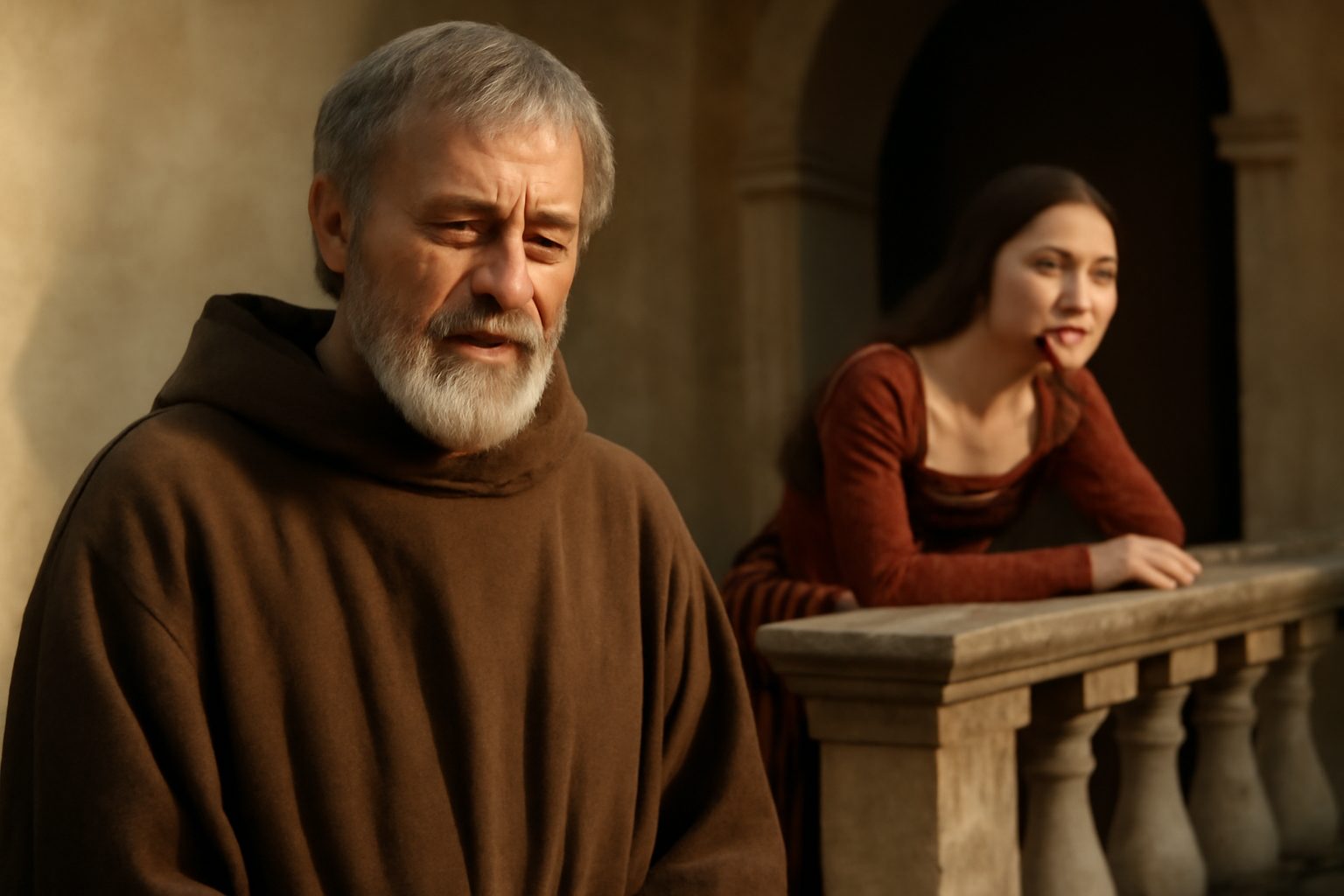
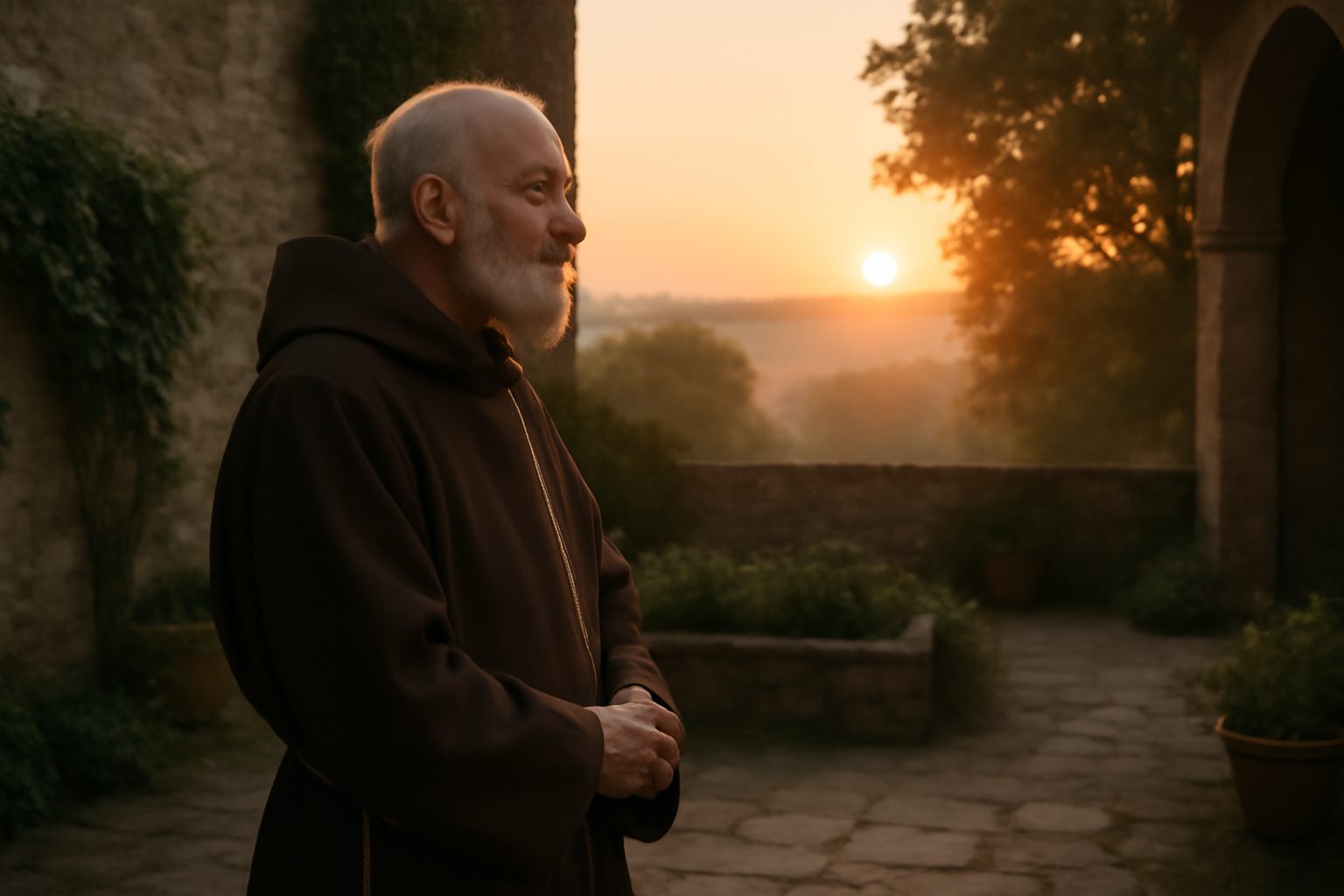
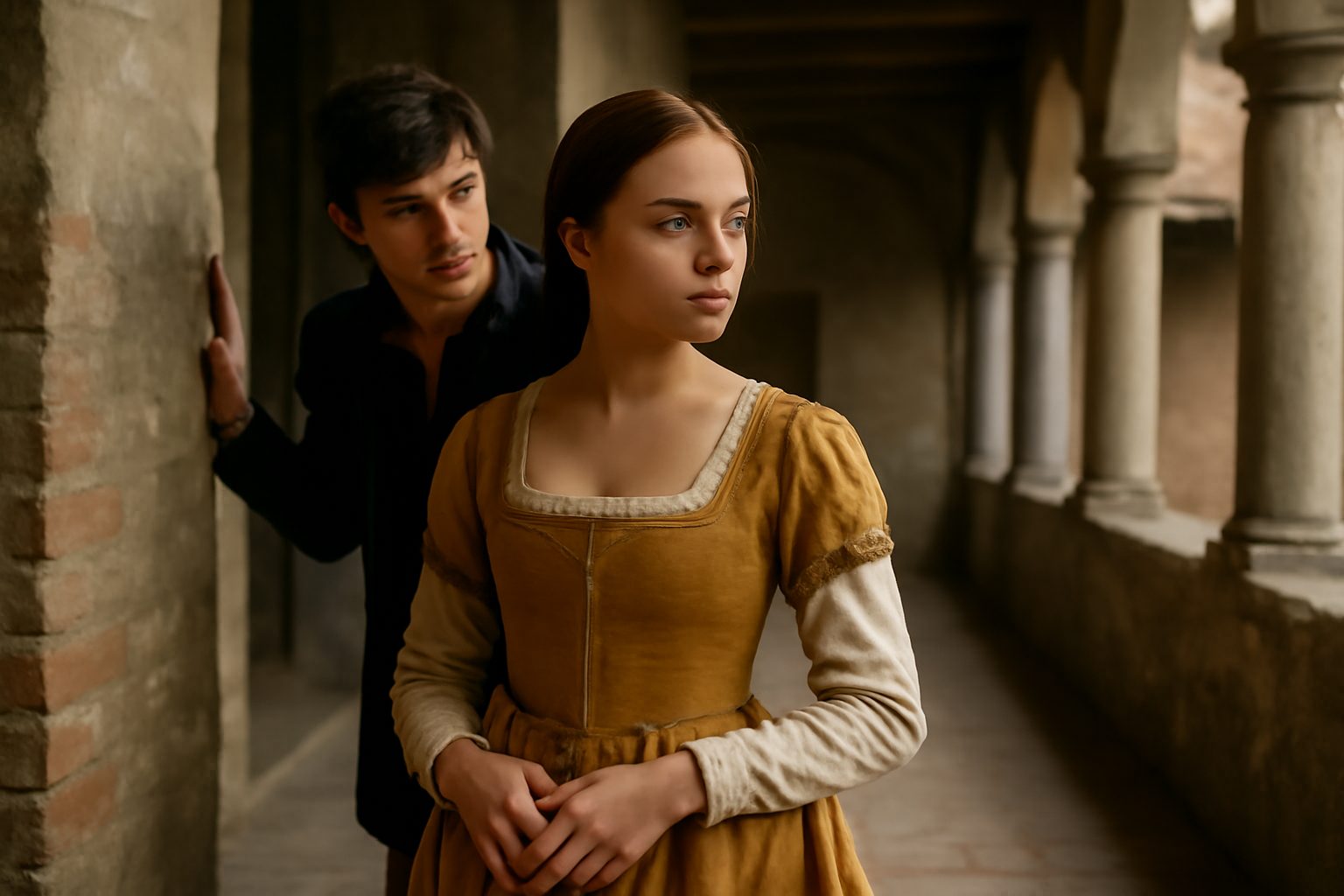
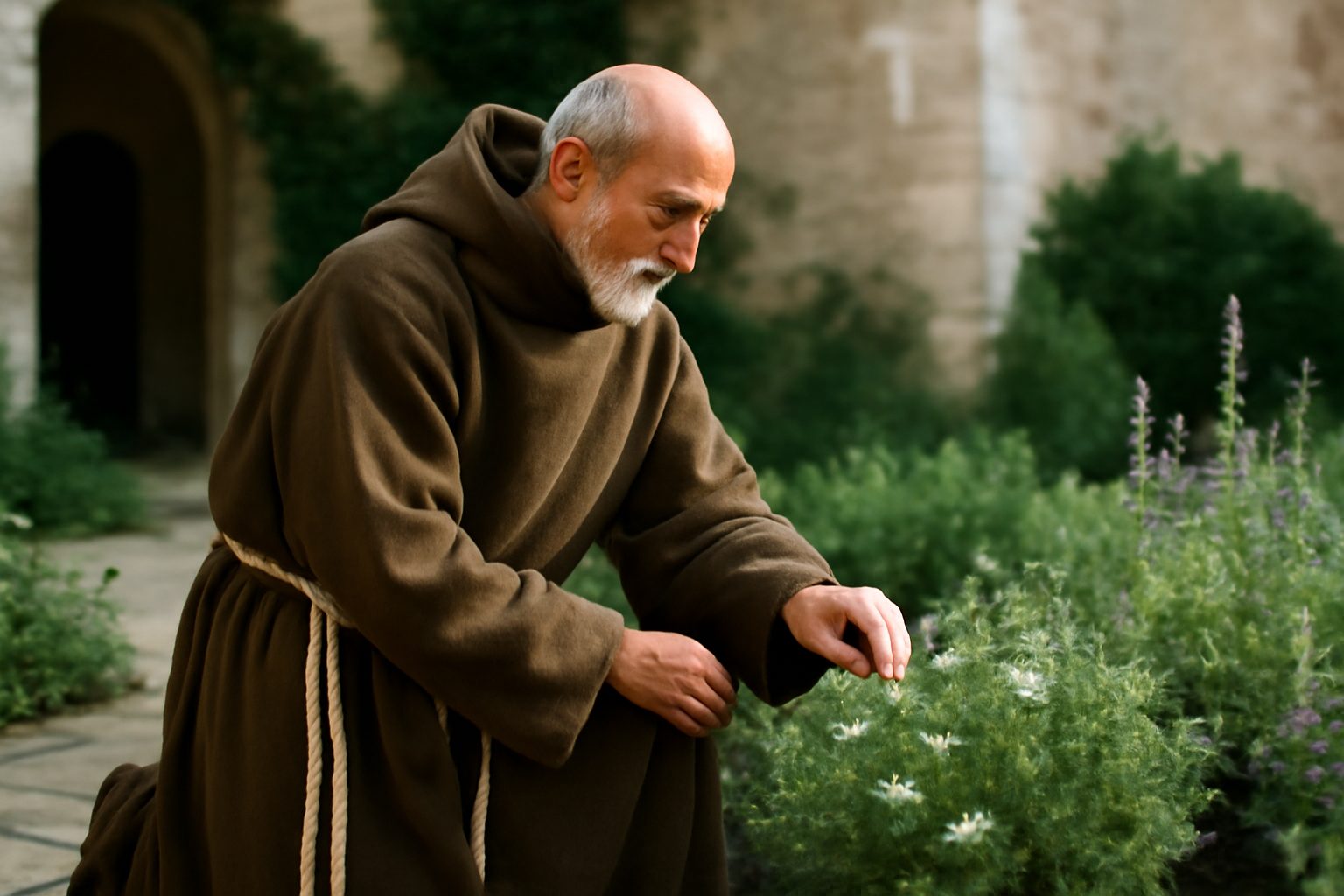
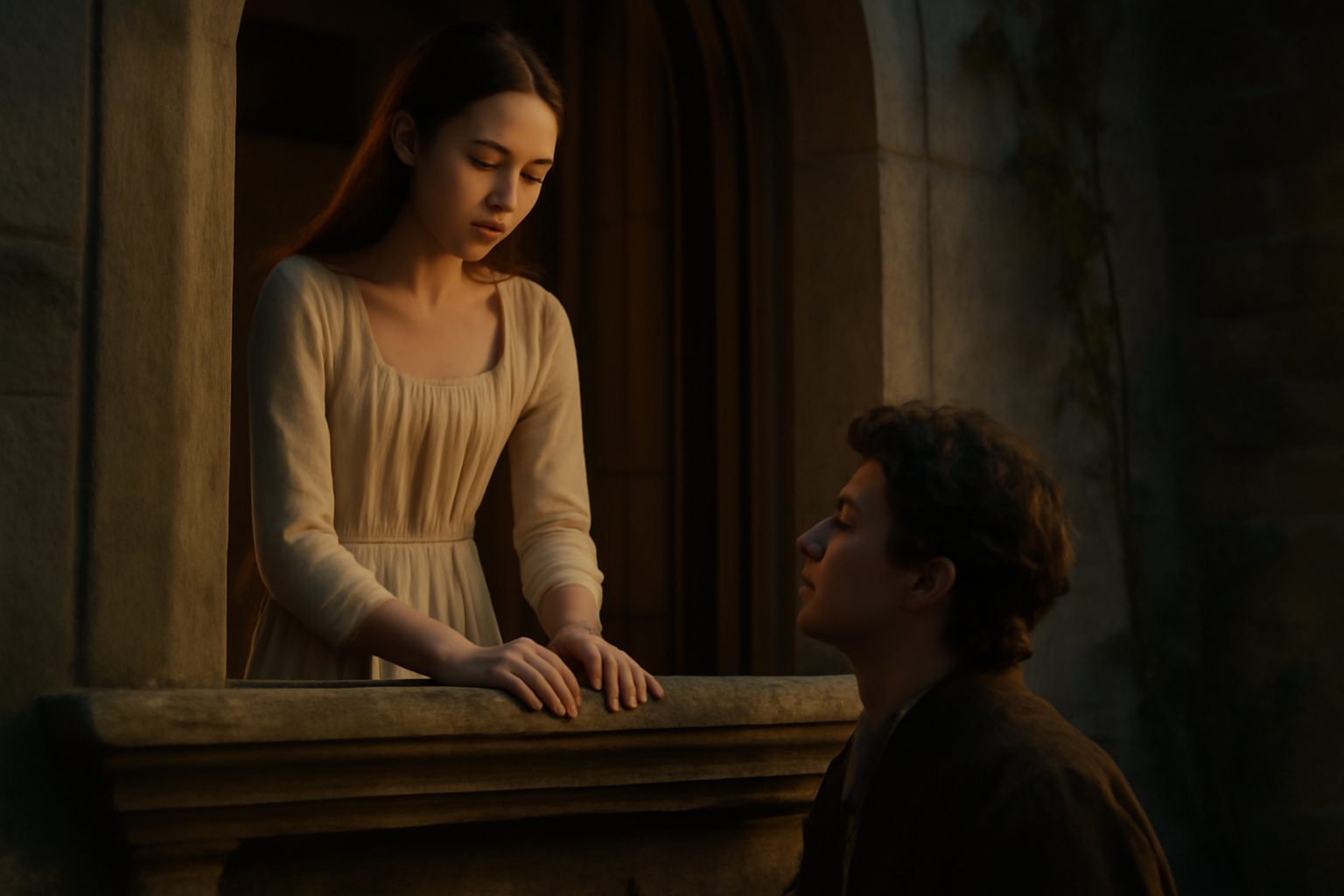
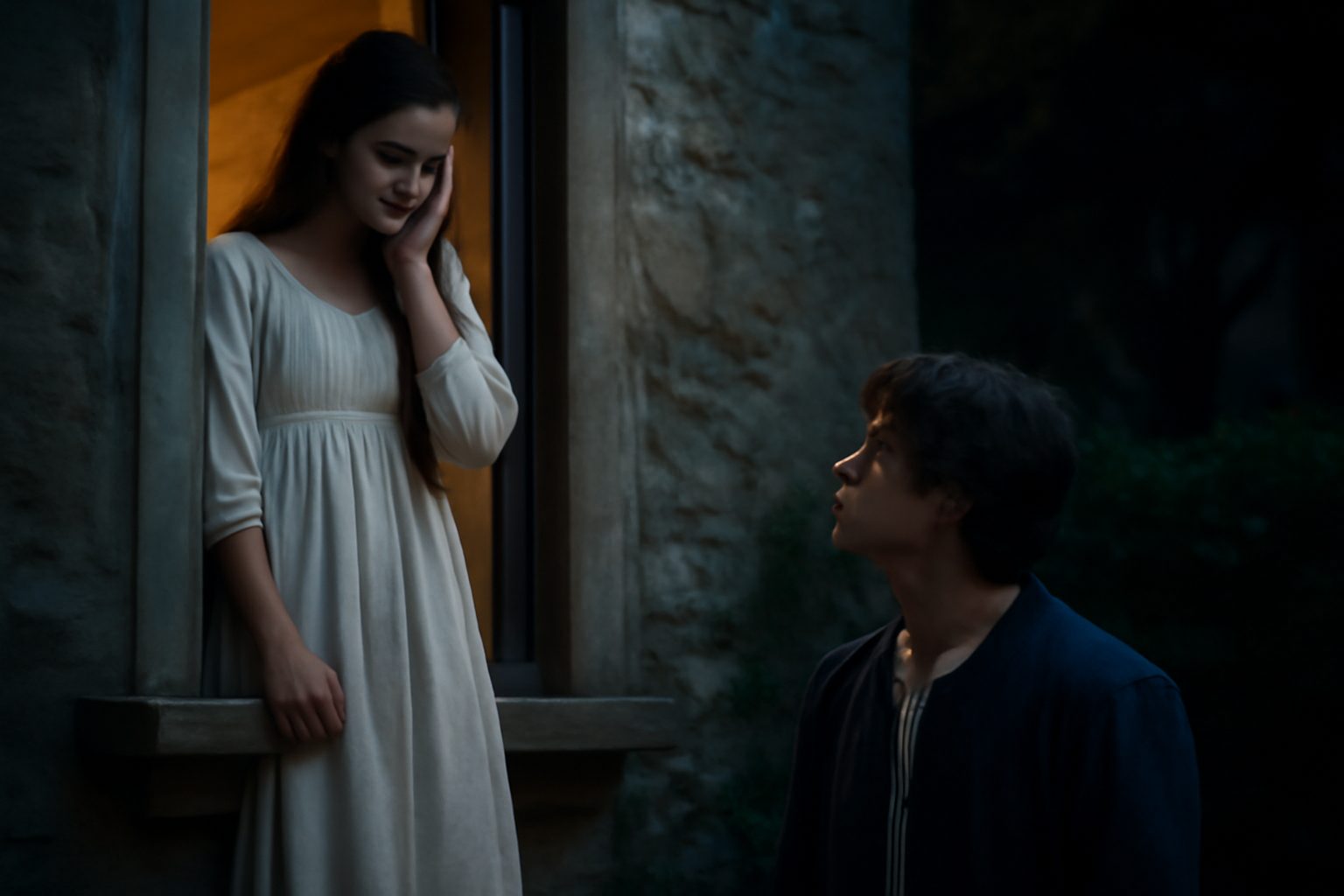
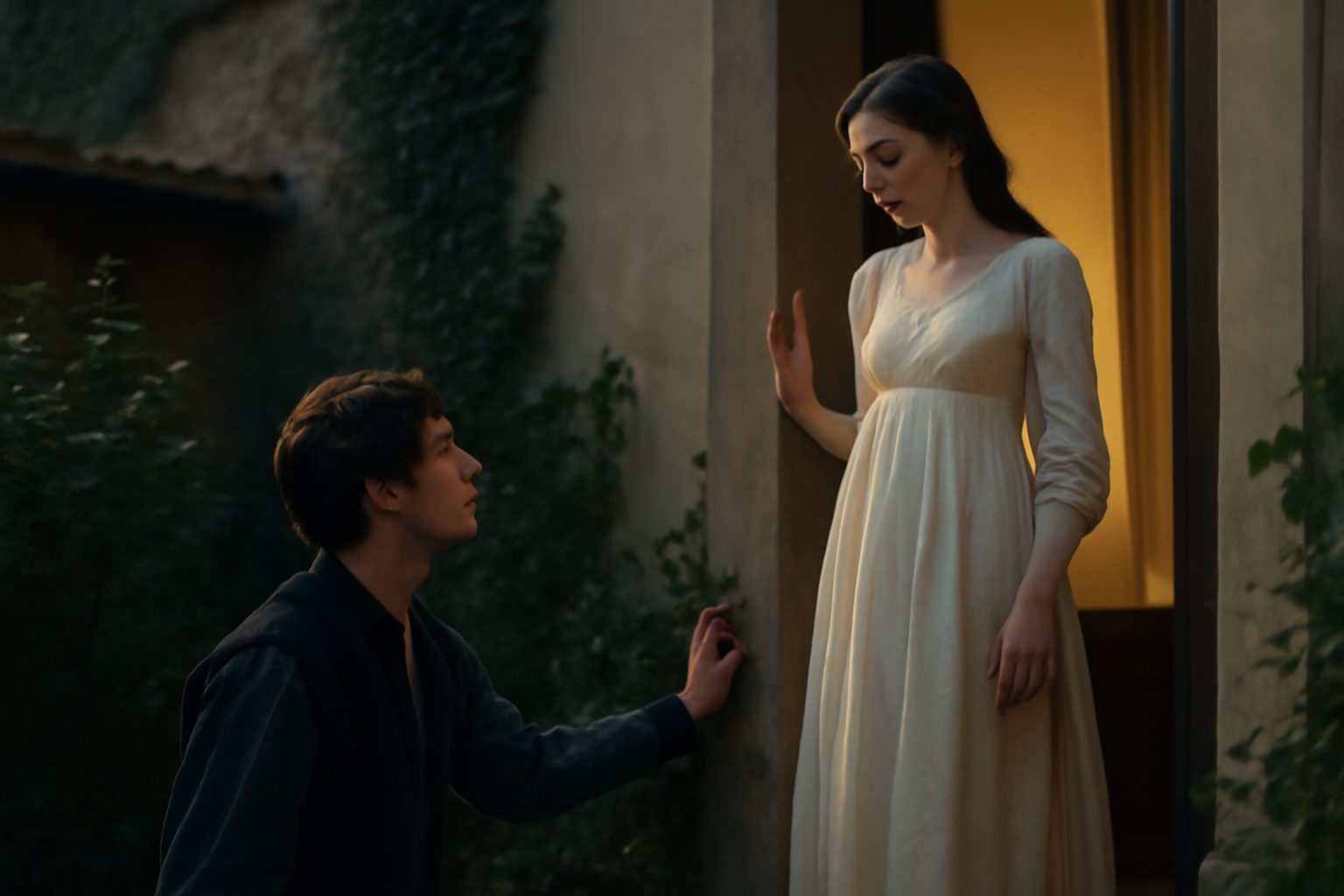
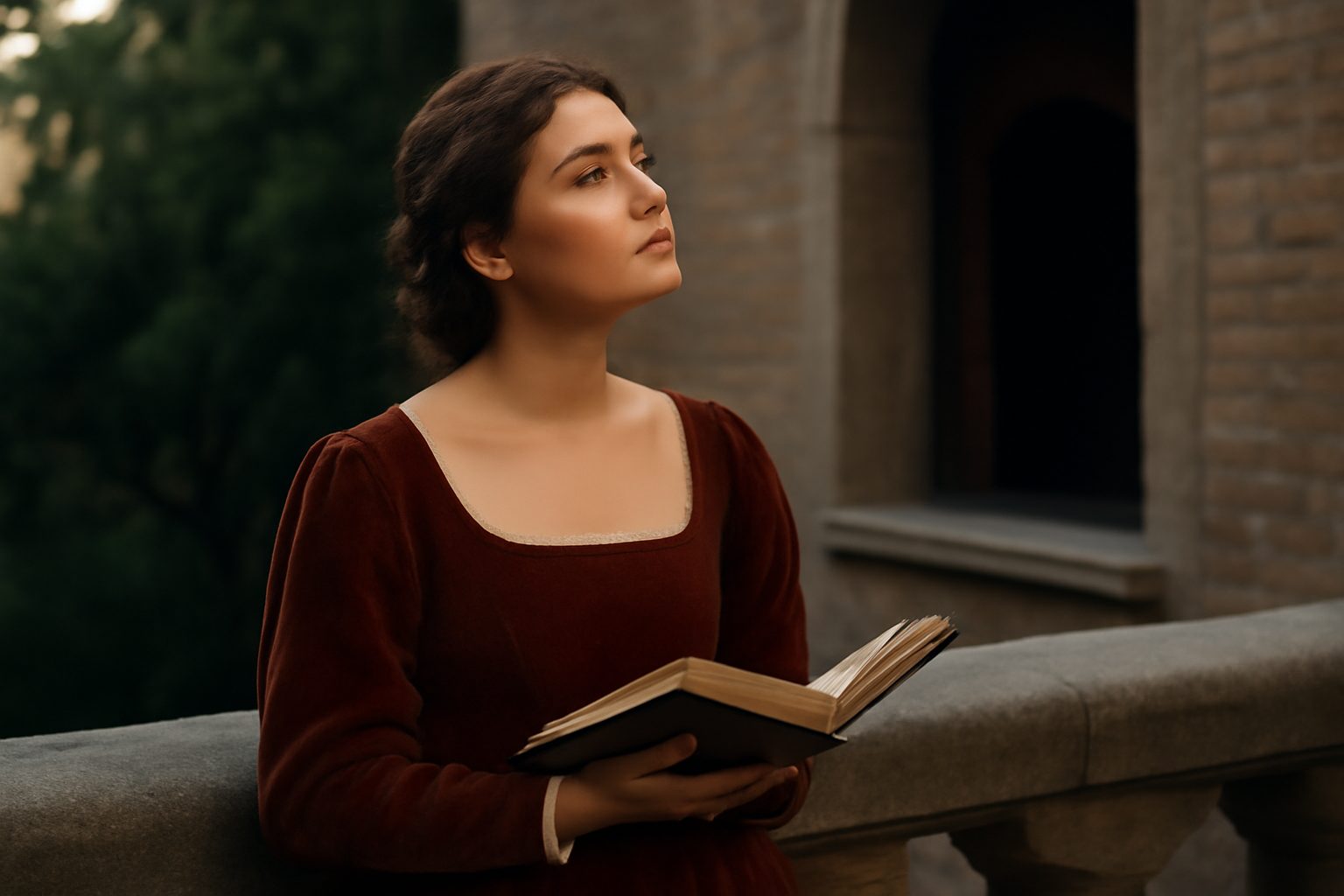
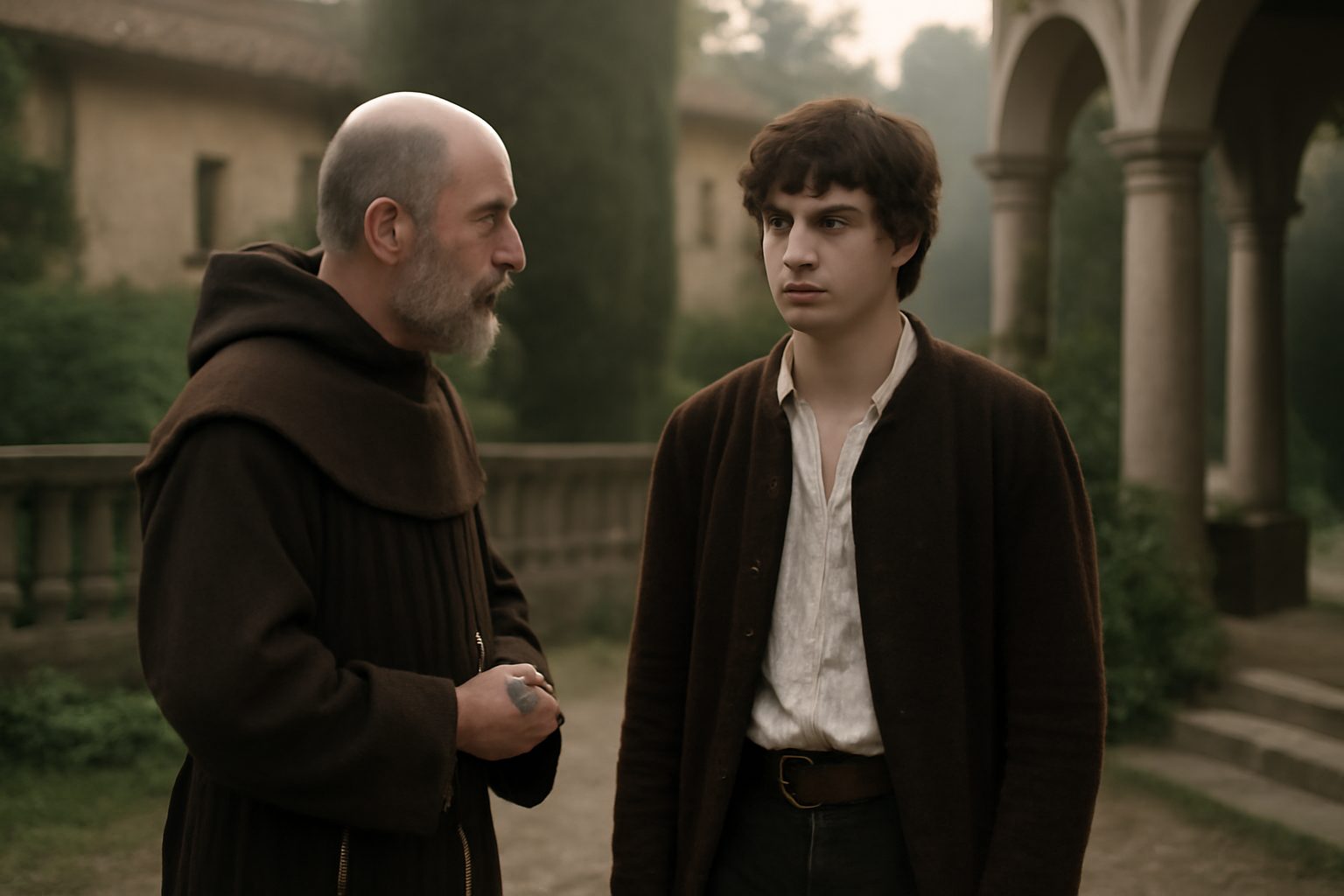
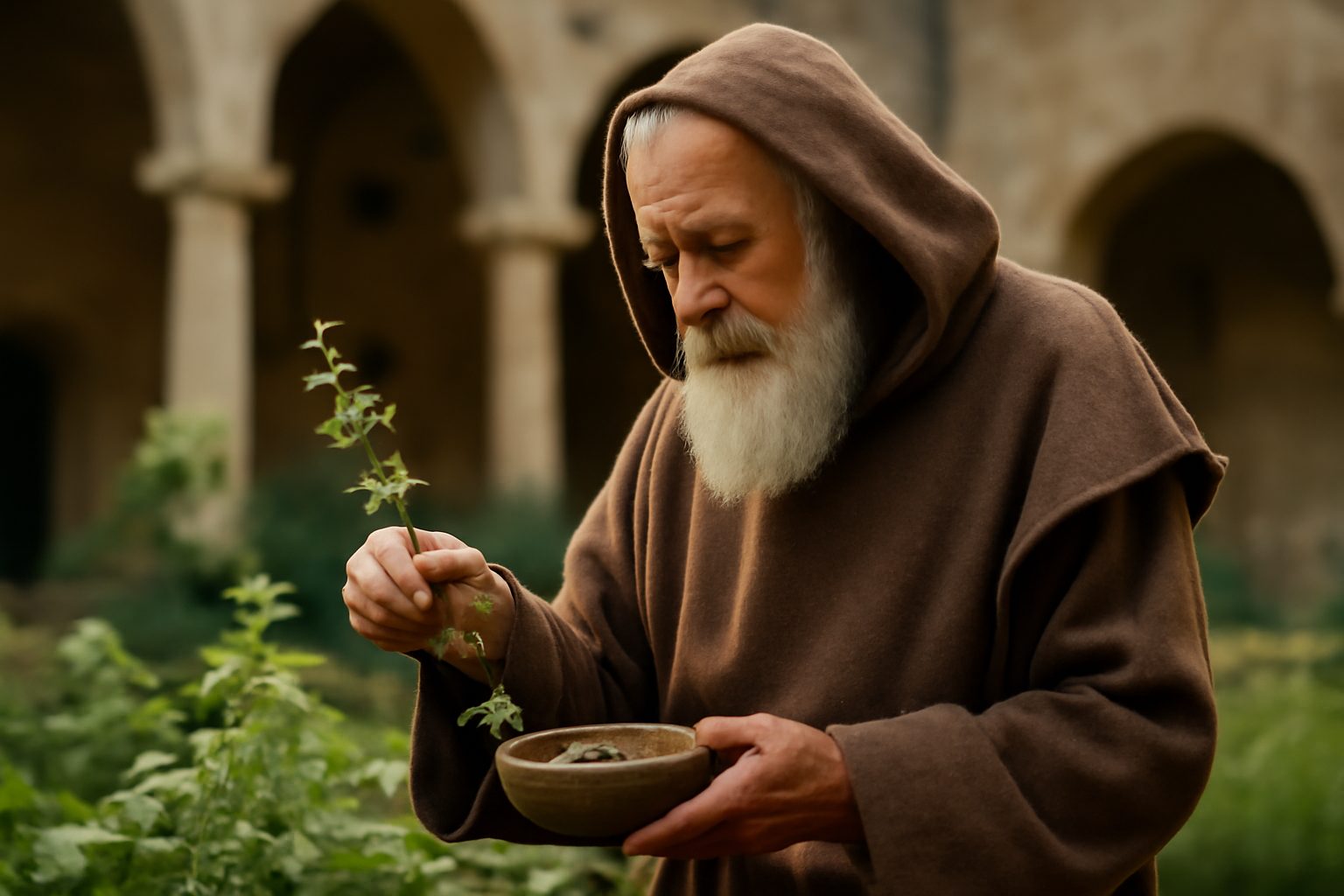
In Act 2, Scene 3 of Romeo and Juliet, Friar Laurence speaks these words as he considers Romeo's sudden request to marry Juliet. The friar, surprised by Romeo's swift shift of affection from Rosaline to Juliet, questions the haste and circumstances of their union. His cautious tone reflects both his role as a spiritual guide and his concern for the consequences of their impulsive love.
Romeo: "By holy marriage: when and where and how"
In modern day english, we would say:
Friar Laurence is asking Romeo when, where, and how he and Juliet met since he now wants to marry her after just forgetting about Rosaline.
Frequently Asked Questions
What is Romeo asking about in this line from Act 2, Scene 3?
Romeo is asking about the details of his upcoming wedding to Juliet, specifically when it will happen, where it will take place, and how it will be arranged.
Connections to other verses:
Connections to "By holy marriage: when and where and how"
The verse "By holy marriage: when and where and how" is Romeo's direct request to Friar Laurence to marry him and Juliet. It is the culmination of Romeo's confession and plea, reflecting his urgency and newfound love.
Immediate Context and Urgency
This line follows Romeo's declaration of his love for Juliet in "Then plainly know my heart's dear love is set" and "On the fair daughter of rich Capulet", where he reveals his shift from Rosaline to Juliet. The urgency in his request is echoed in "O, let us hence; I stand on sudden haste", highlighting his impulsive nature.
Friar Laurence's Response and Advice
Friar Laurence's initial skepticism is evident in "So soon forsaken? young men's love then lies" and "Not truly in their hearts, but in their eyes", questioning the sincerity of Romeo's love. However, he eventually agrees, seeing the marriage as a means to reconcile the feuding families, as stated in "To turn your households' rancour to pure love" and "For this alliance may so happy prove".
Contrast with Past Love
The verse contrasts with earlier references to Rosaline, such as "Thou and these woes were all for Rosaline" and "Thou chid'st me oft for loving Rosaline", emphasizing Romeo's transformation. Friar Laurence's admonition in "For doting, not for loving, pupil mine" further underscores this change.
Thematic Links to Duality and Nature
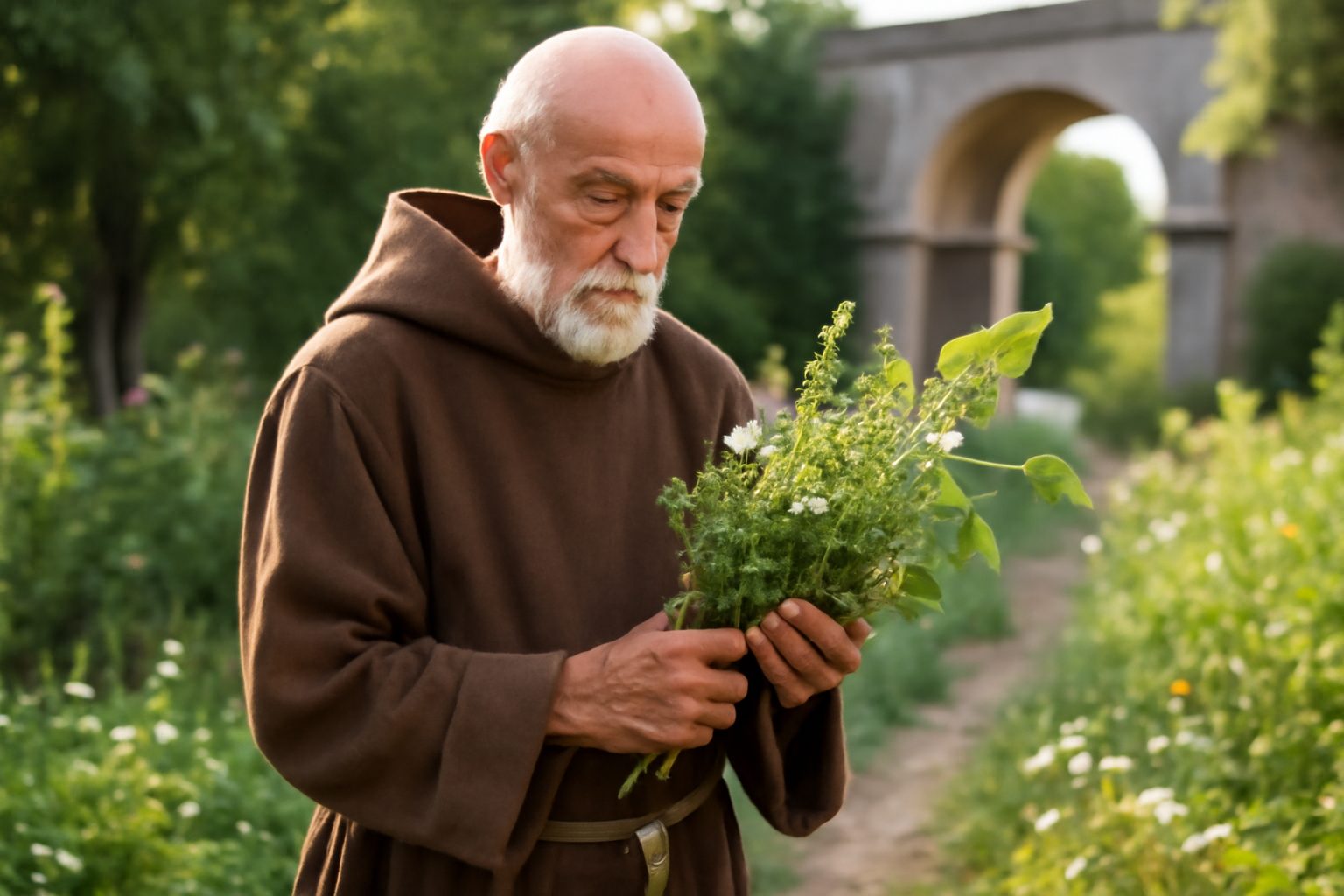
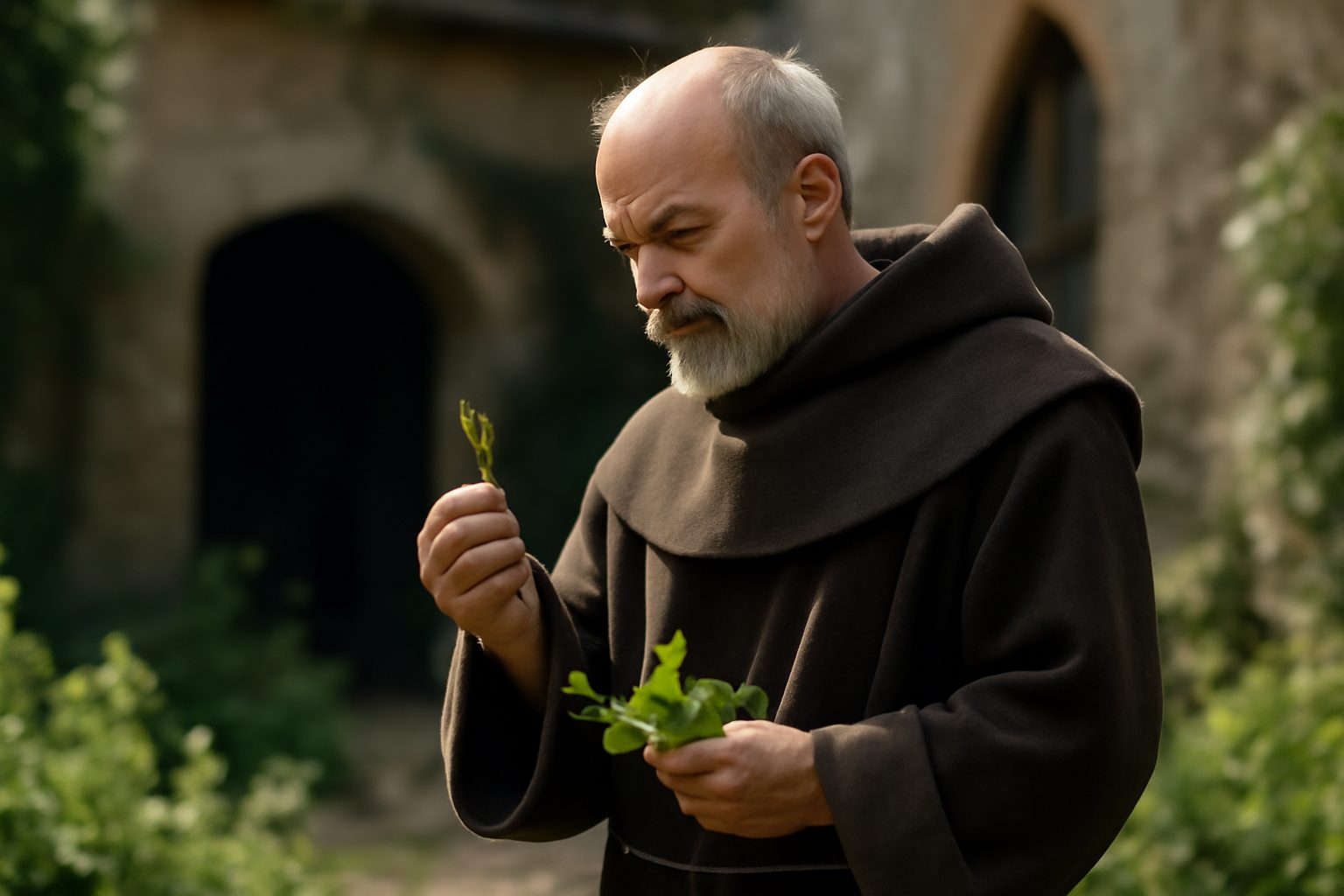
Friar Laurence's soliloquy on the duality of nature, including "Virtue itself turns vice, being misapplied" and "Poison hath residence and medicine power", foreshadows the potential consequences of the hasty marriage, linking to the theme of good intentions leading to tragic outcomes.
Resolution and Forward Movement
The marriage plan sets the scene for subsequent actions, as Friar Laurence advises caution in "Wisely and slow; they stumble that run fast", yet proceeds with the union, illustrating the tension between haste and wisdom that drives the tragedy forward.