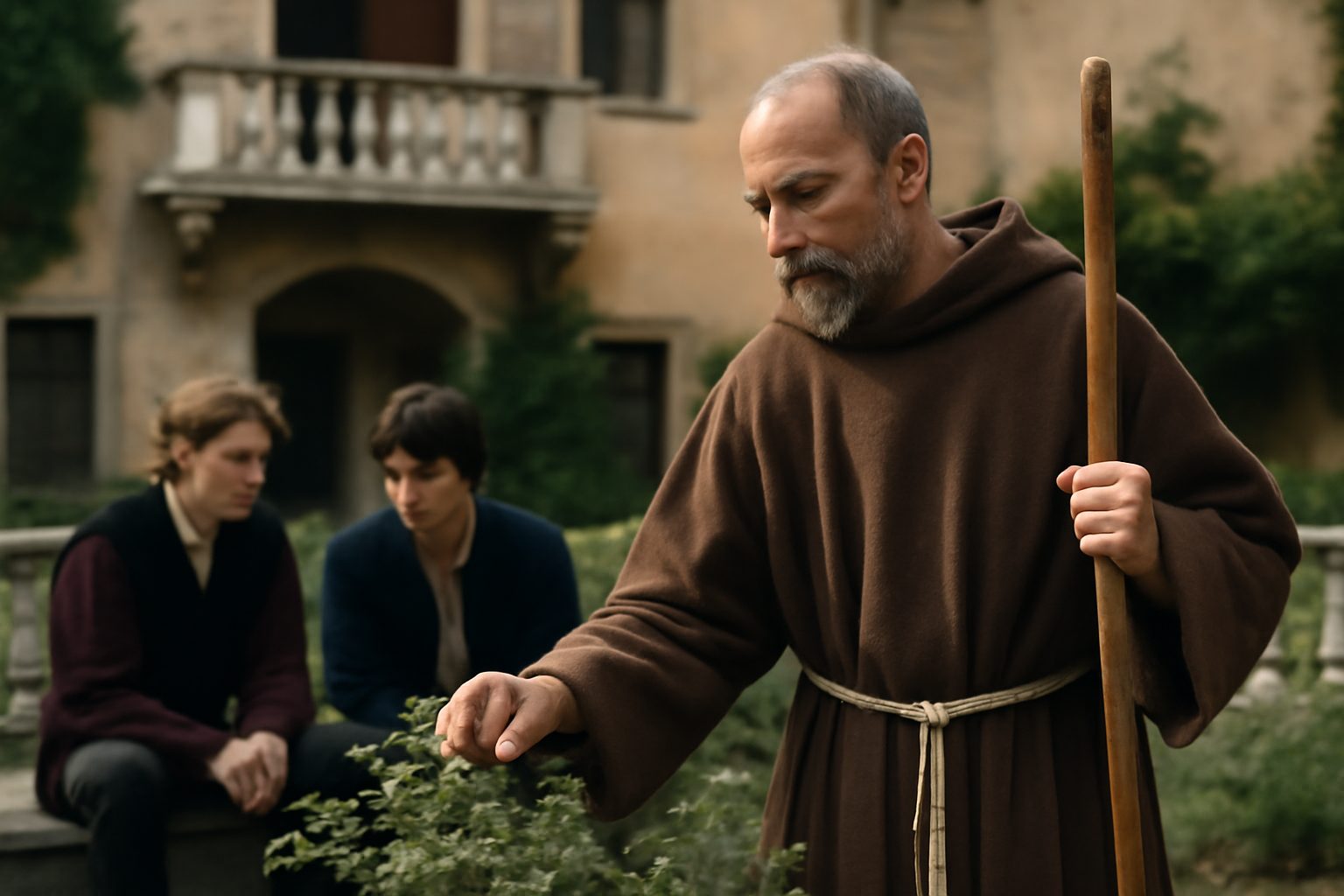
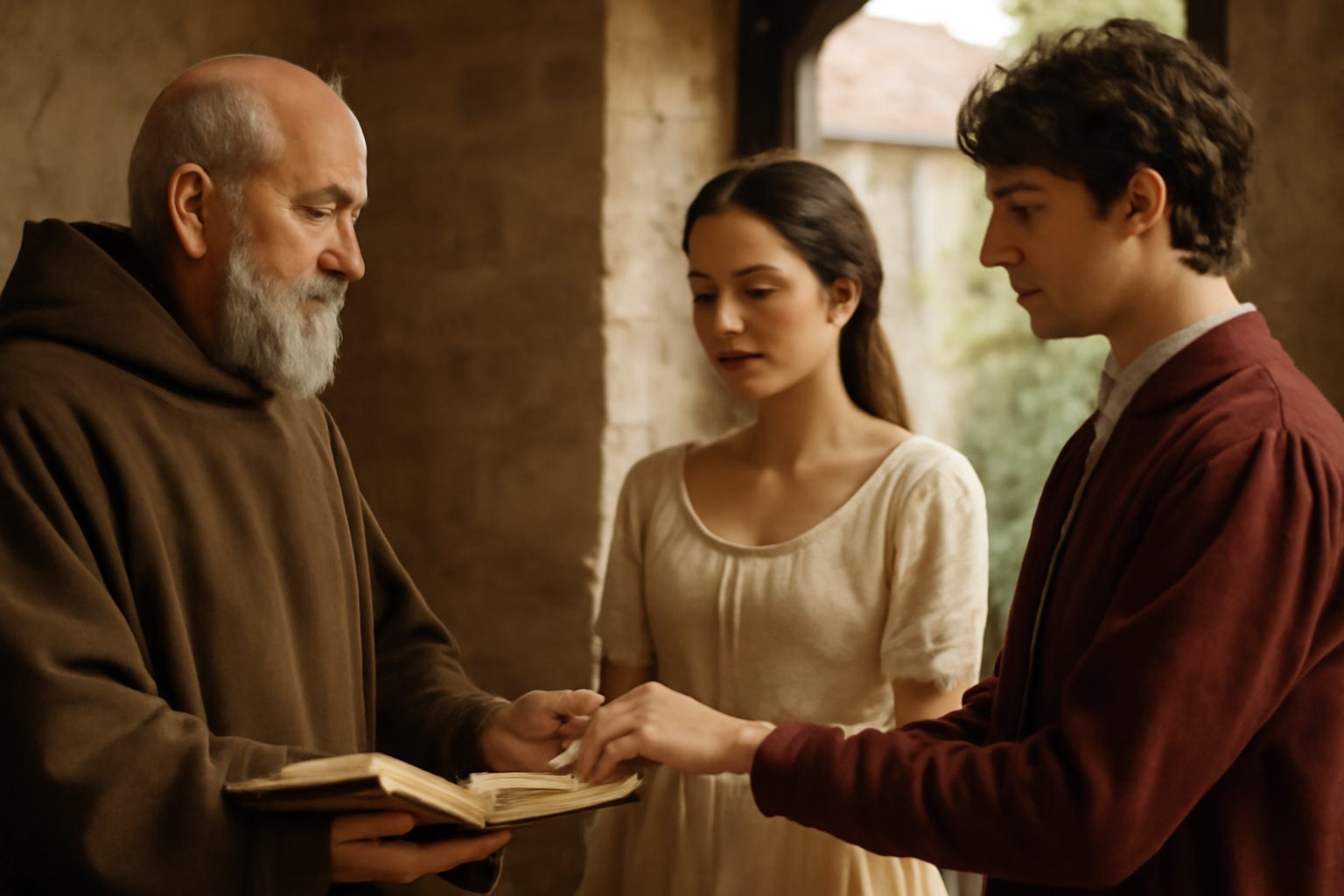
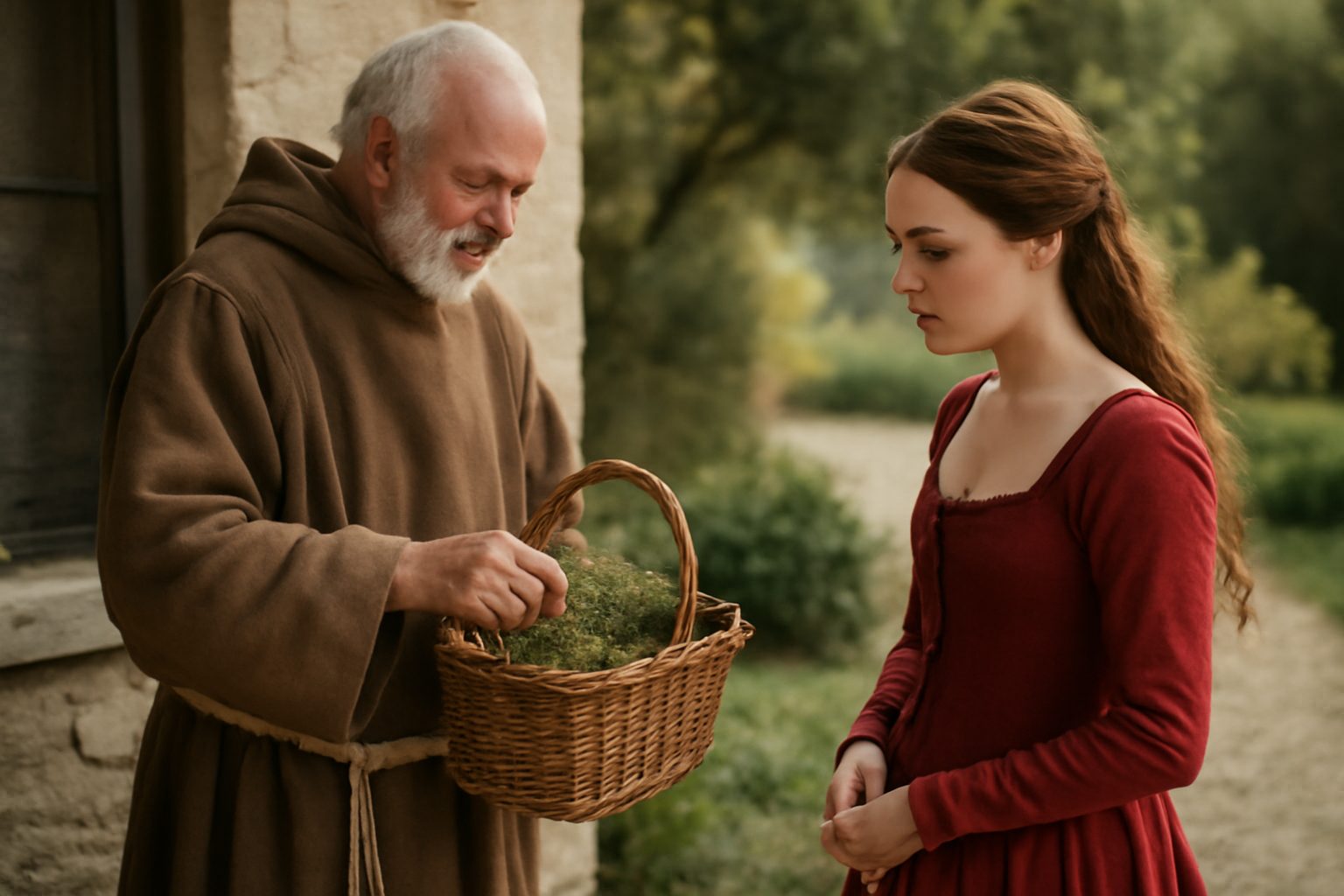
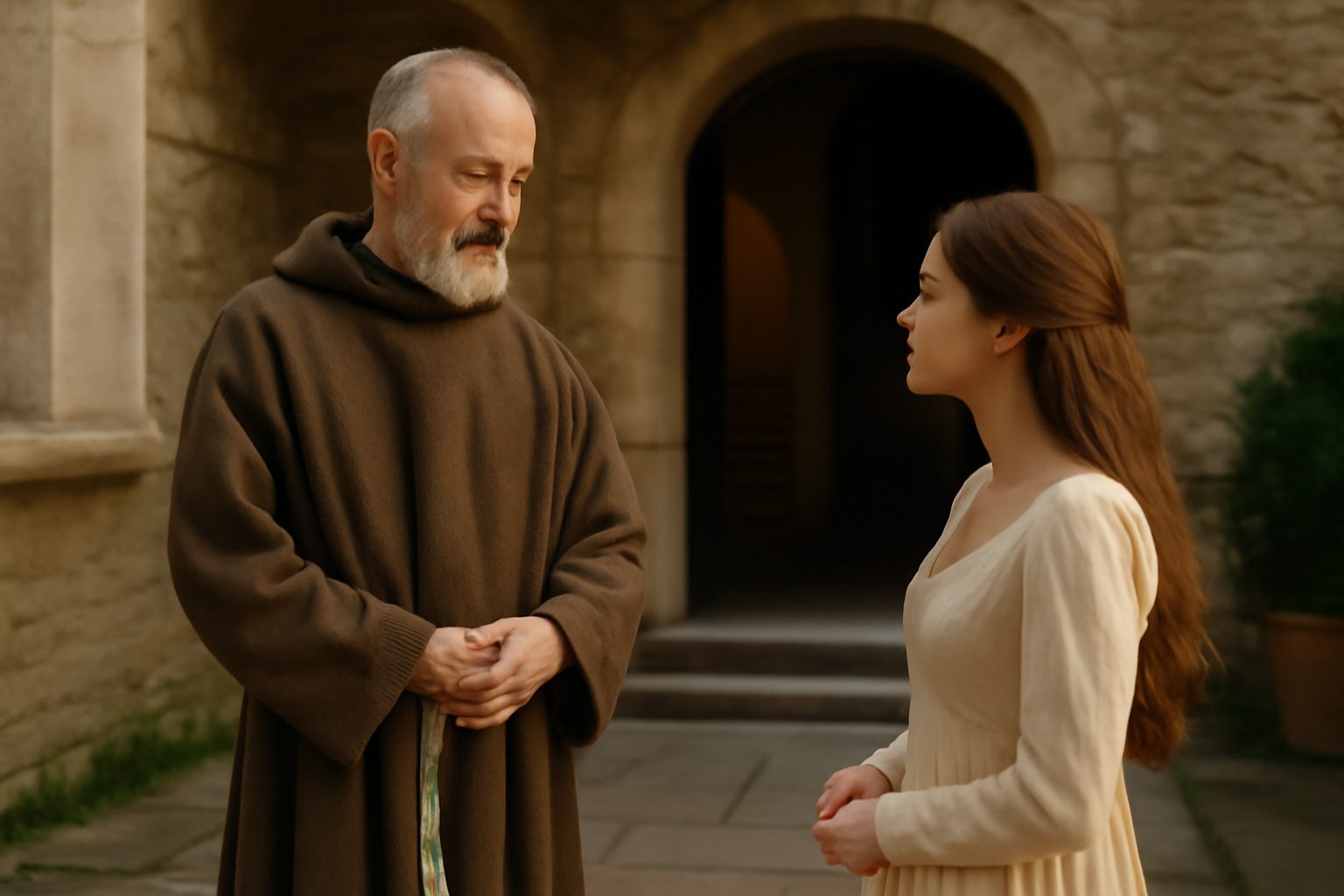
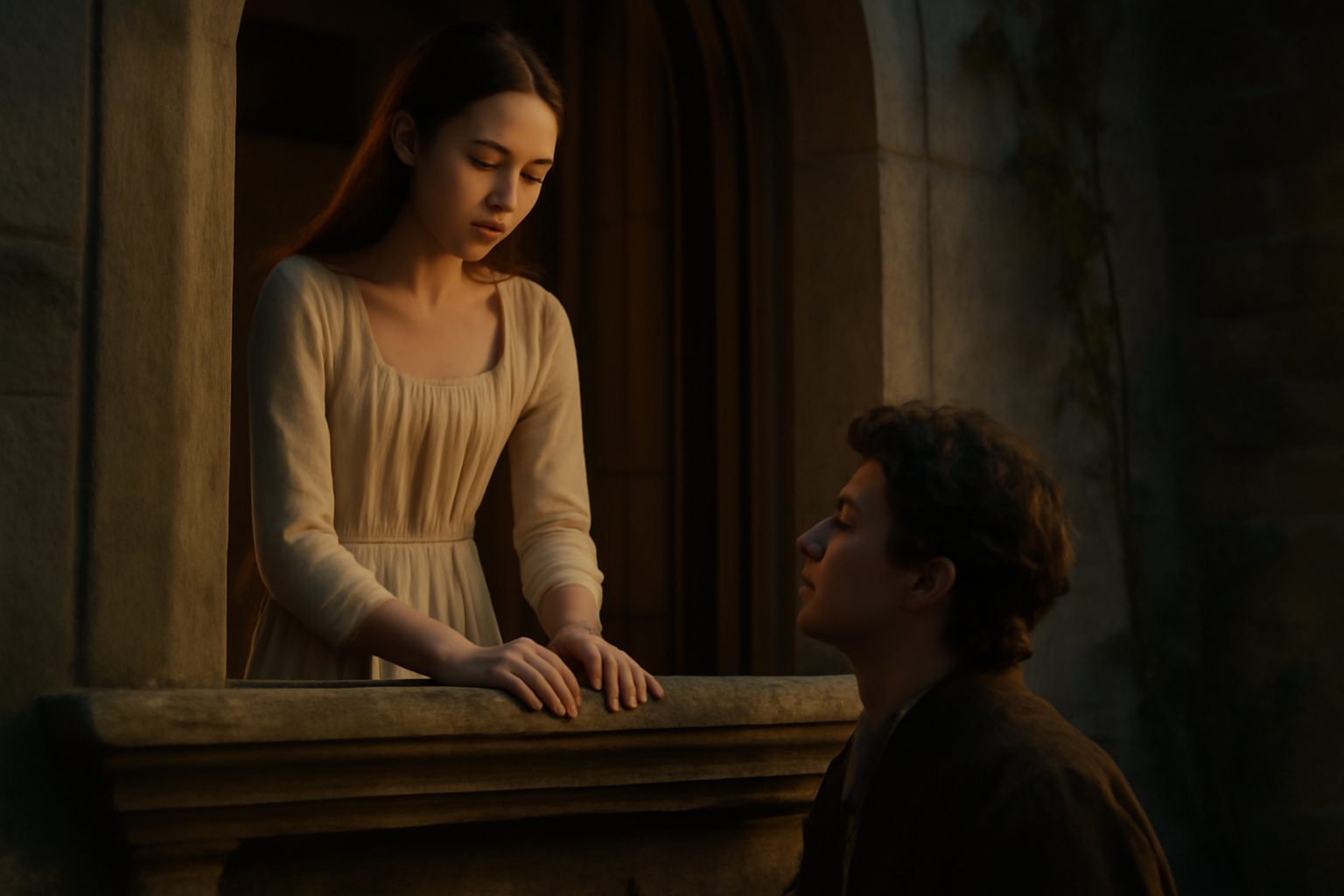
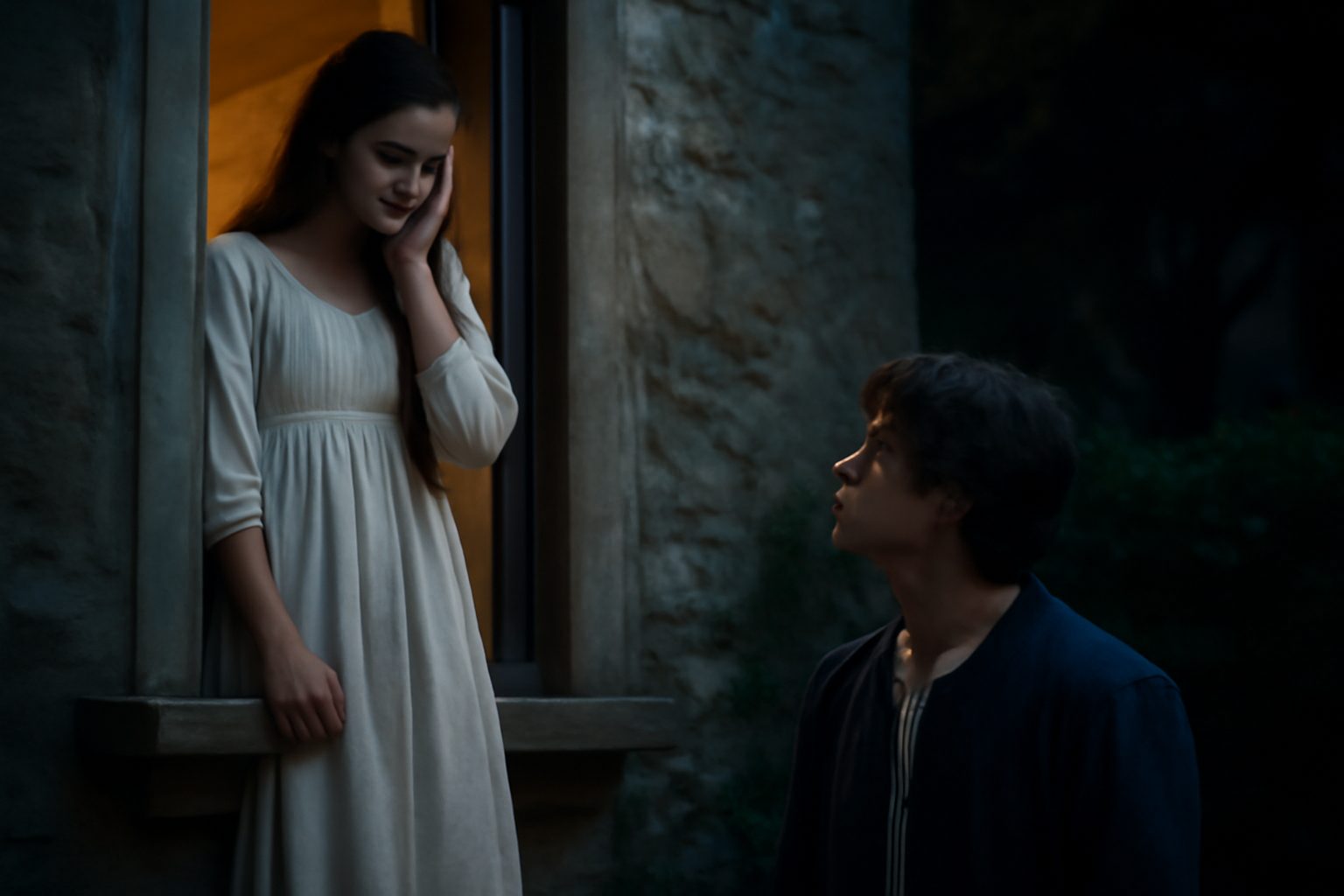
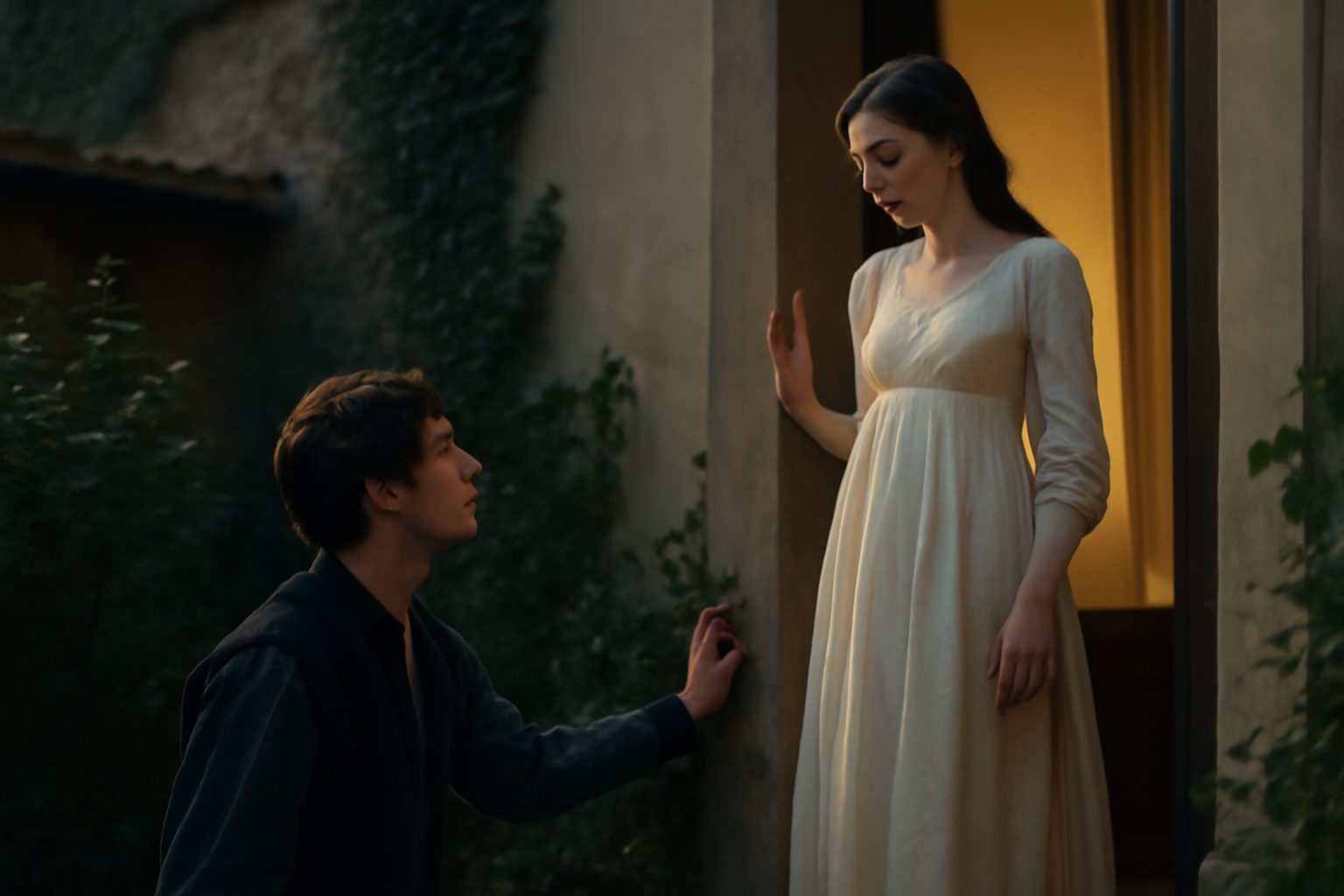
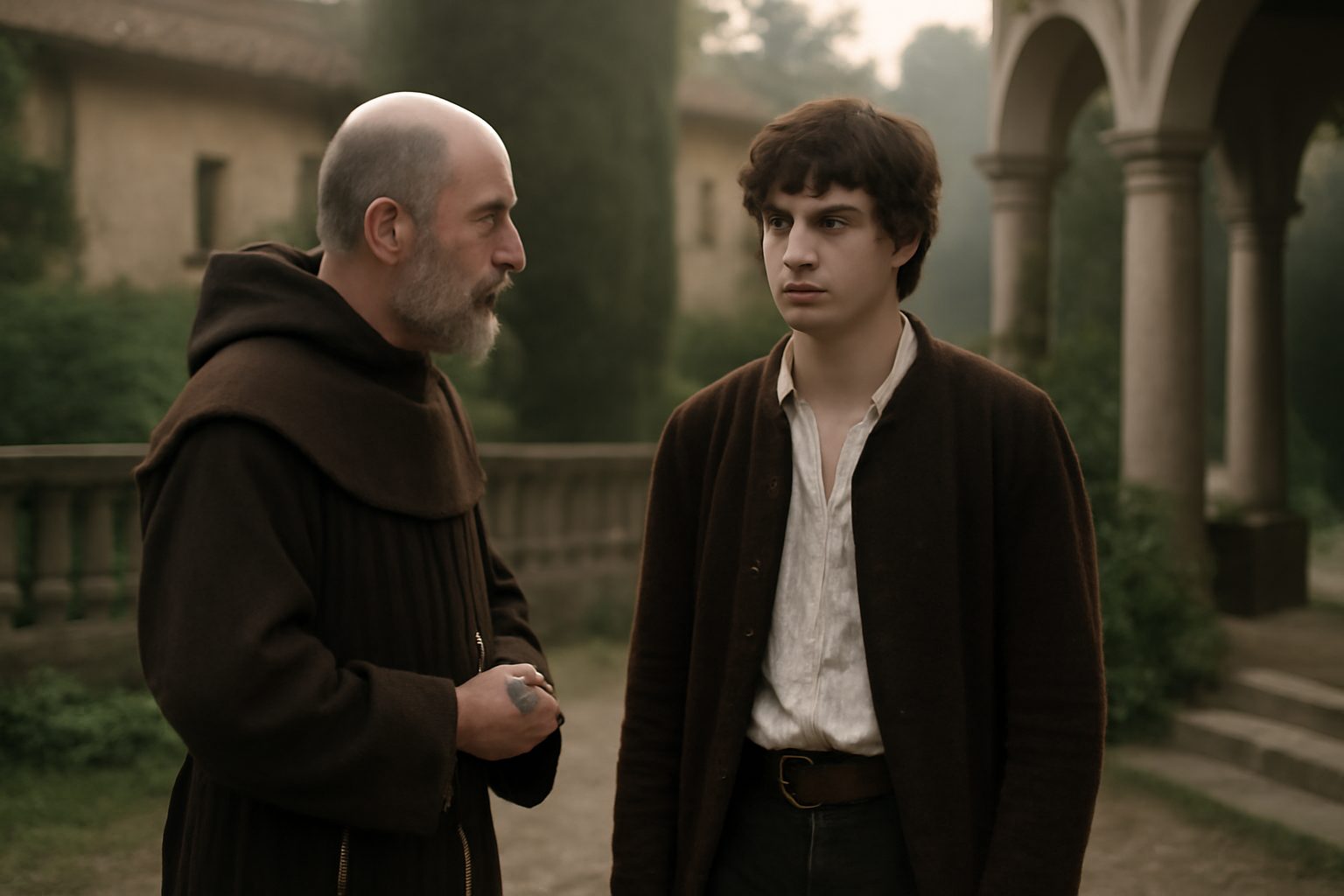
In Act 2, Scene 3 of Romeo and Juliet, Friar Laurence speaks these words as he reflects on the many lamentations he has heard over the years. The line reveals his weariness with the endless cycle of feuds and sorrows in Verona, even as he prepares to assist Romeo in his secret marriage to Juliet. This moment underscores the friar’s role as both a compassionate confidant and a weary observer of the play’s tragic conflicts.
Friar Laurence: "Thy old groans ring yet in my ancient ears;"
In modern day english, we would say:
I can still hear your old complaints echoing in my ears.
Frequently Asked Questions
What does Friar Laurence mean when he says he still hears old groans?
He means that he remembers the past complaints and sorrows people have shared with him.
Connections to other verses:
Connections to "Thy old groans ring yet in my ancient ears"
The verse Thy old groans ring yet in my ancient ears is spoken by Friar Laurence, reflecting on Romeo's past sorrows for Rosaline. This line connects thematically and contextually to several other verses in the scene, emphasizing the Friar's role as a confidant and his observations on Romeo's emotional shifts.
Reflections on Past Loves and Sorrows
This verse directly recalls Romeo's previous heartache, linking to Thou and these woes were all for Rosaline, where the Friar reminds Romeo that his past grief was centered on Rosaline. Similarly, Hath wash'd thy sallow cheeks for Rosaline and How much salt water thrown away in waste highlight the physical and emotional toll of Romeo's former love, reinforcing the Friar's memory of his "old groans."
Friar's Observations and Advice
The Friar's awareness of Romeo's emotional history ties into his role as a guide. In Thou chid'st me oft for loving Rosaline, Romeo acknowledges the Friar's past admonishments, showing their ongoing dynamic. The Friar's cautionary tone continues in For doting, not for loving, pupil mine, where he distinguishes between infatuation and genuine love, contextualizing the "old groans" as misguided passion.
Contrast with New Love
The memory of past sorrows contrasts sharply with Romeo's new love for Juliet. I have forgot that name, and that name's woe shows Romeo's dismissal of Rosaline, while Holy Saint Francis, what a change is here captures the Friar's astonishment at Romeo's rapid shift in affection, making the "old groans" a poignant reminder of his fickleness.
Themes of Transformation and Healing
The Friar's reference to "old groans" also connects to his broader meditation on dualities in nature and man, such as in For nought so vile that on the earth doth live and Poison hath residence and medicine power, suggesting that past pains can transform into new beginnings, much like Romeo's love evolving from Rosaline to Juliet.