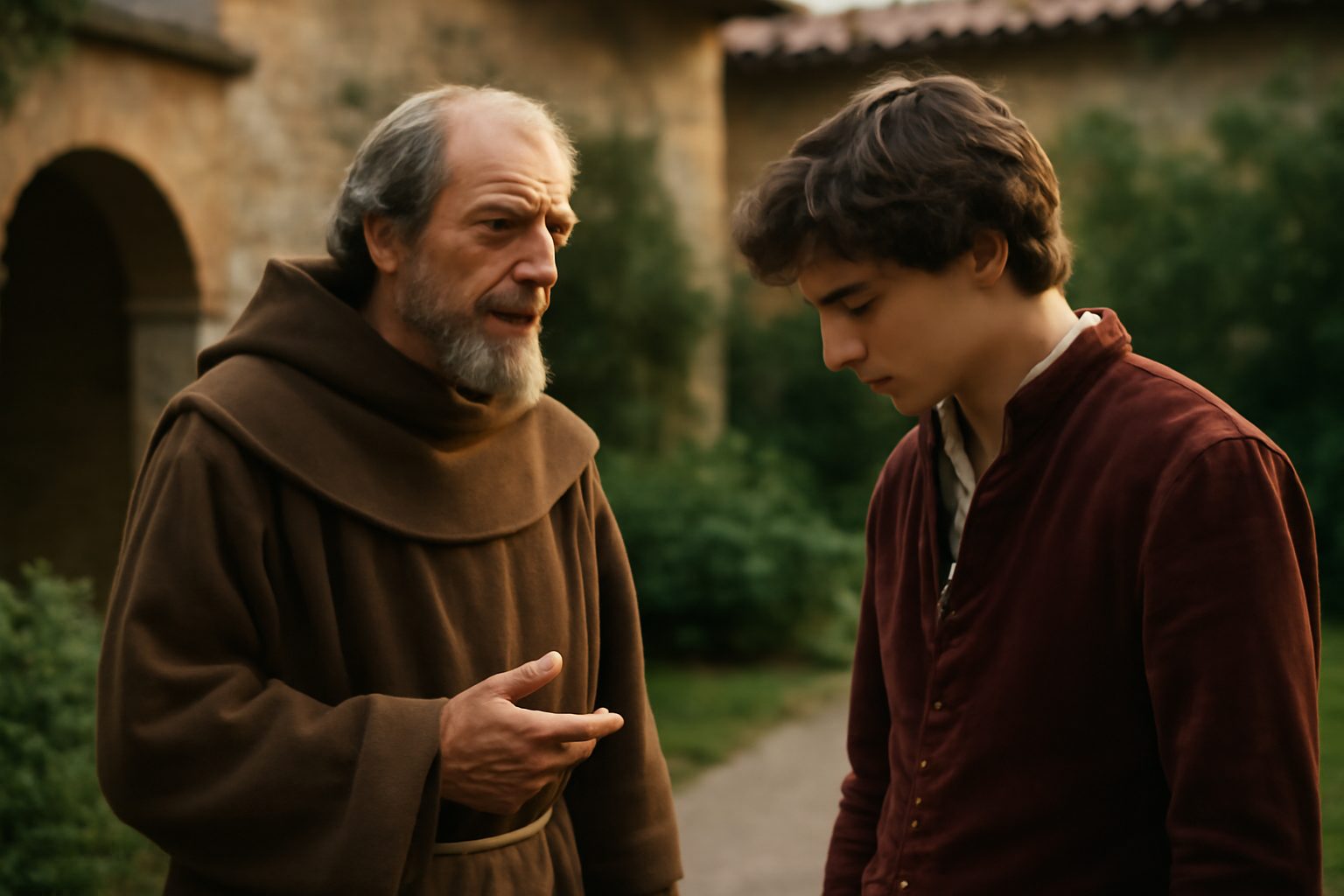
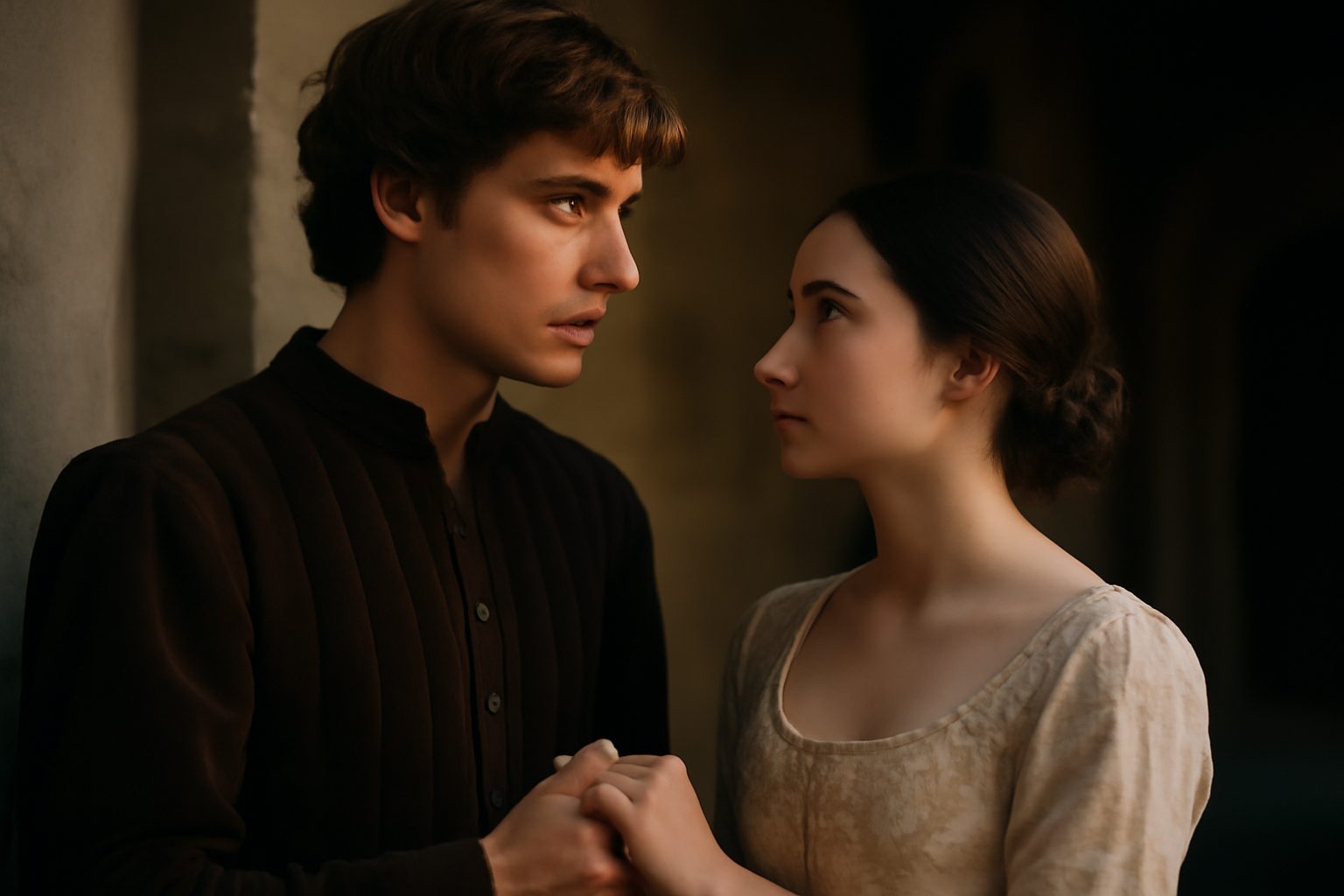
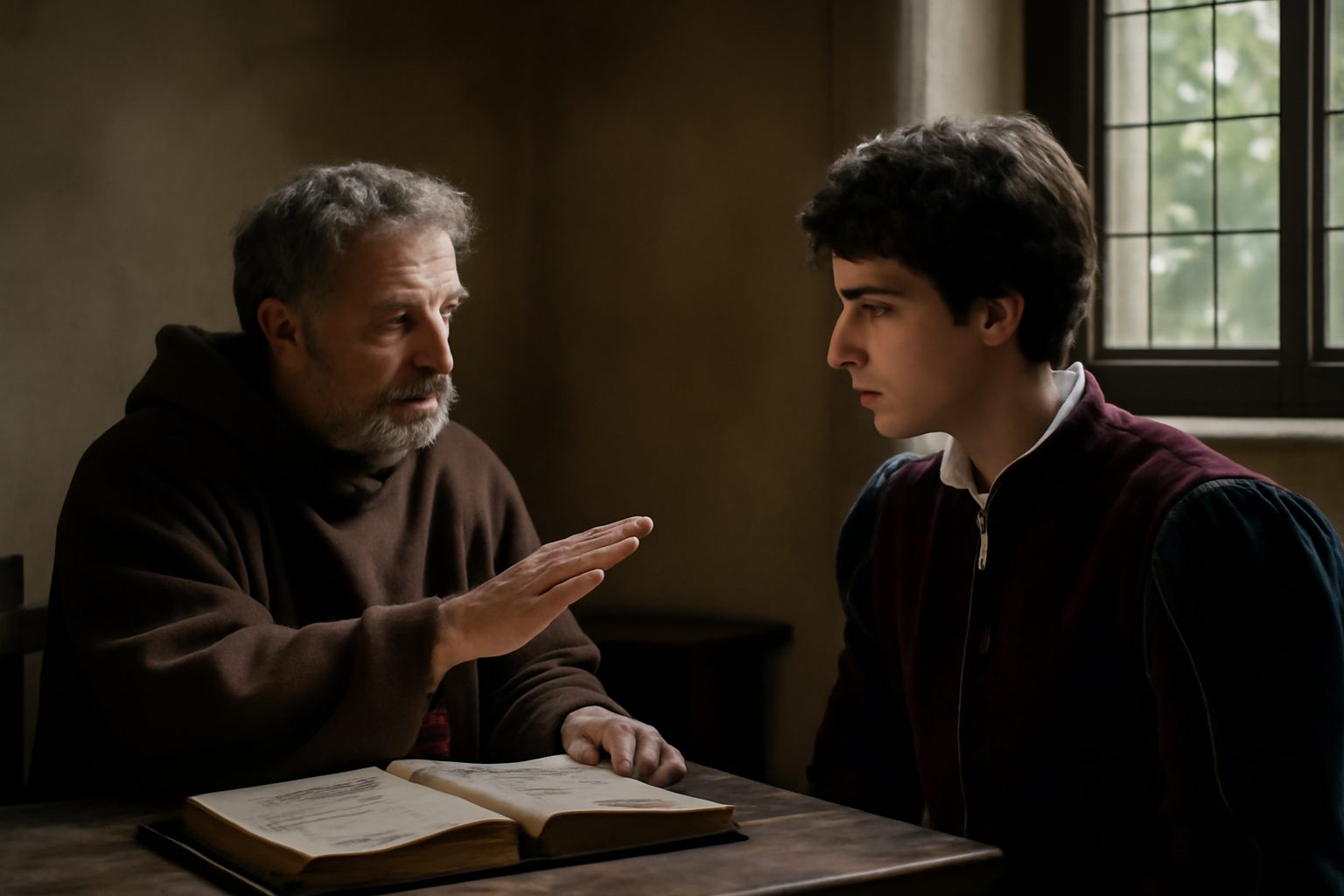
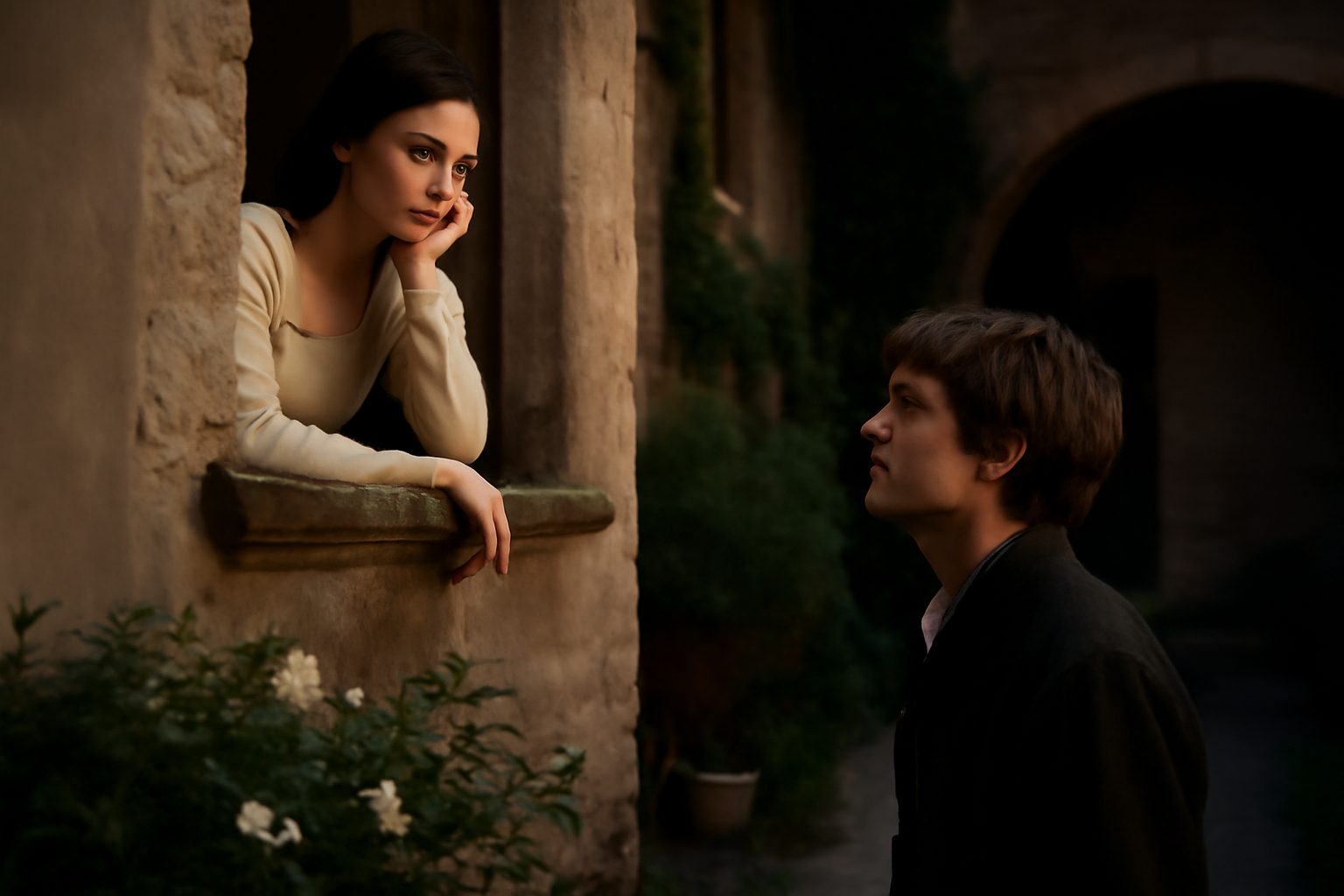
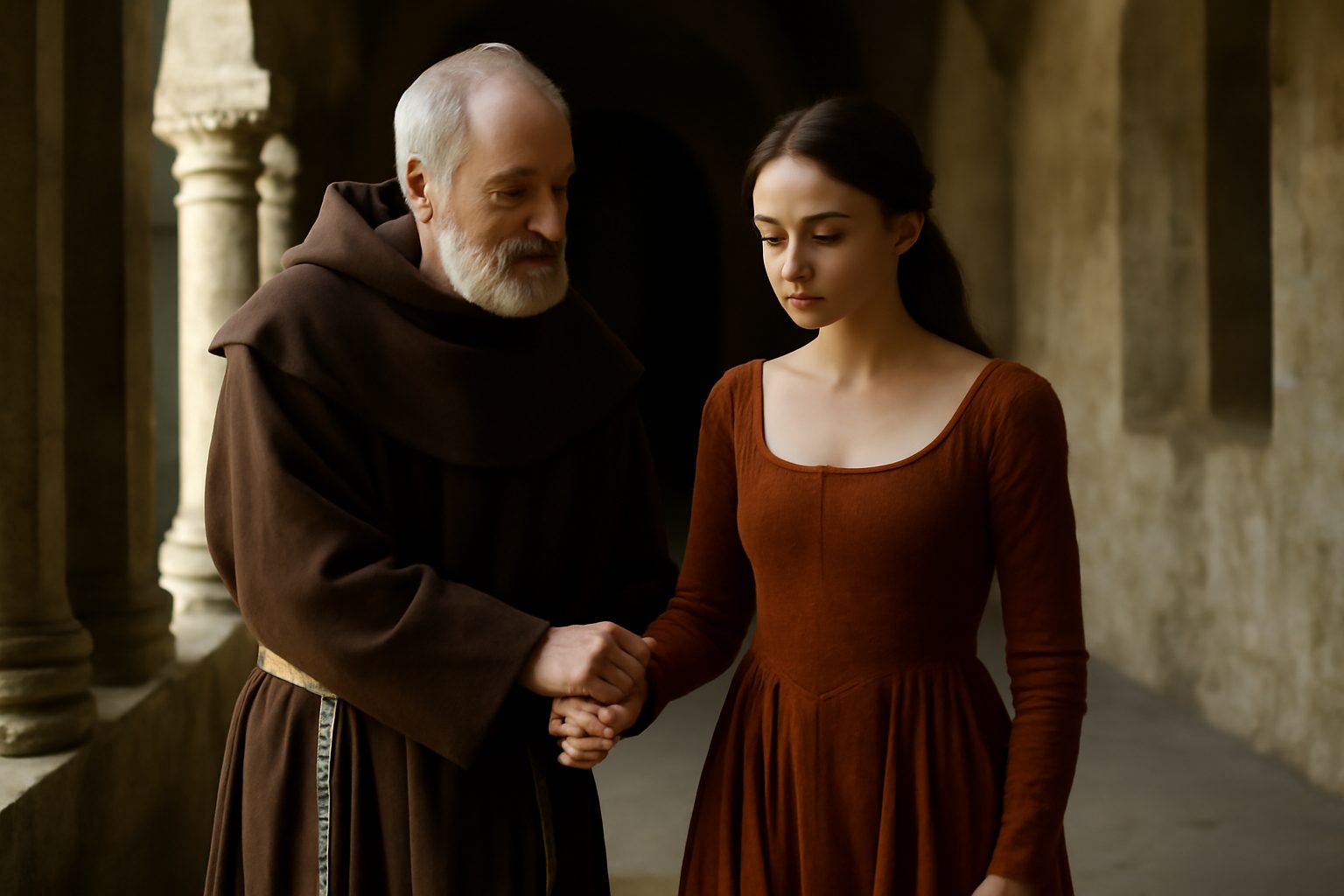
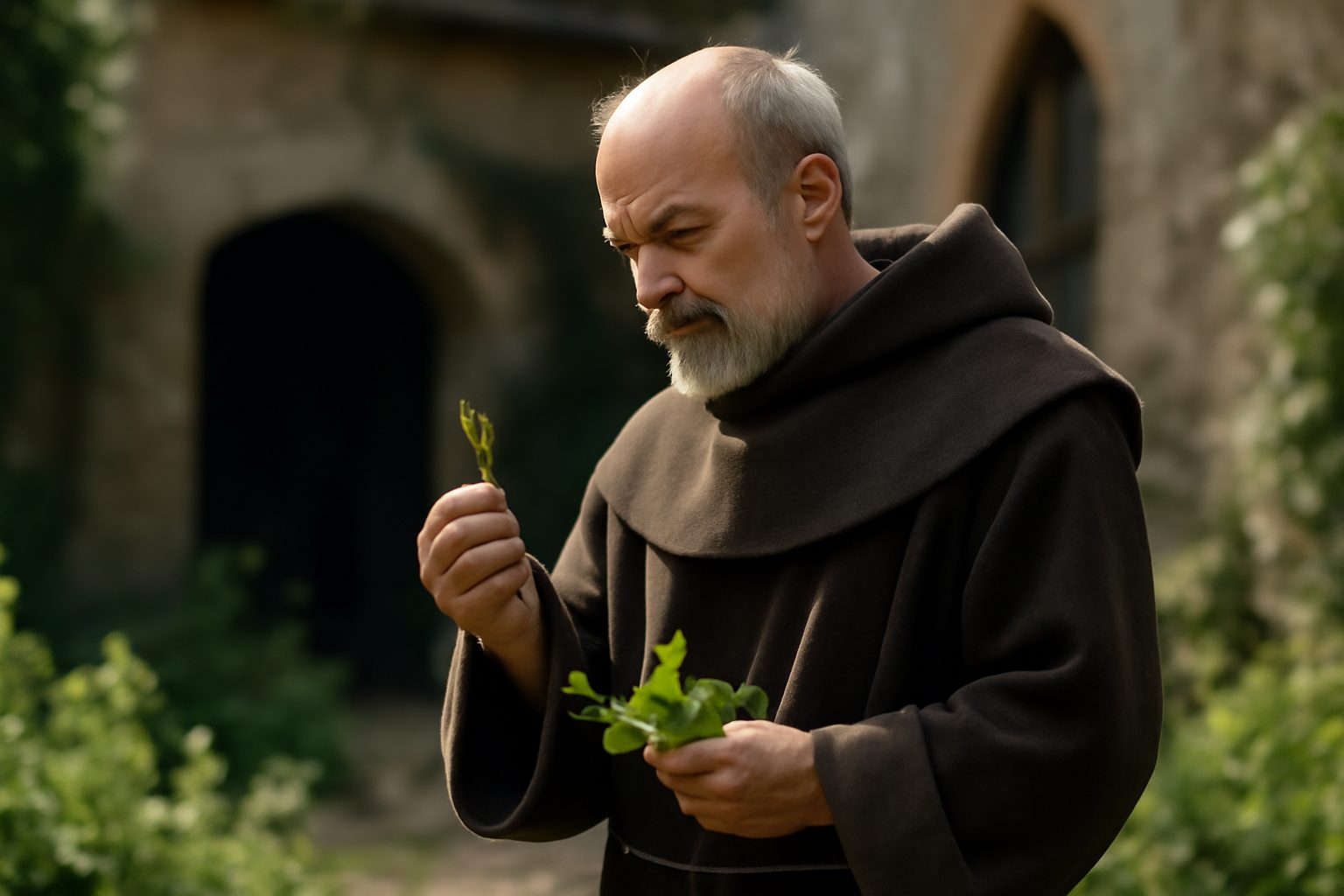
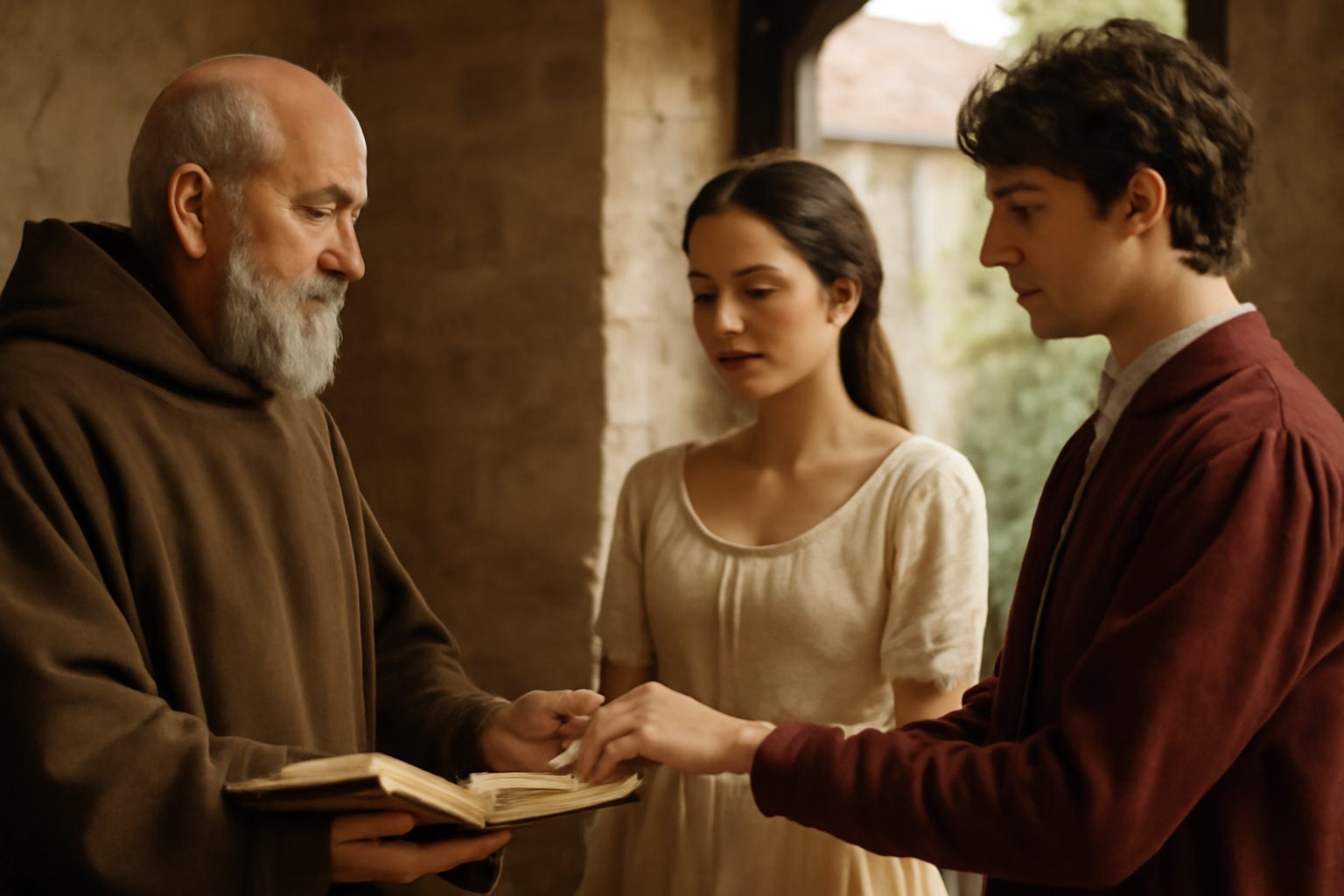
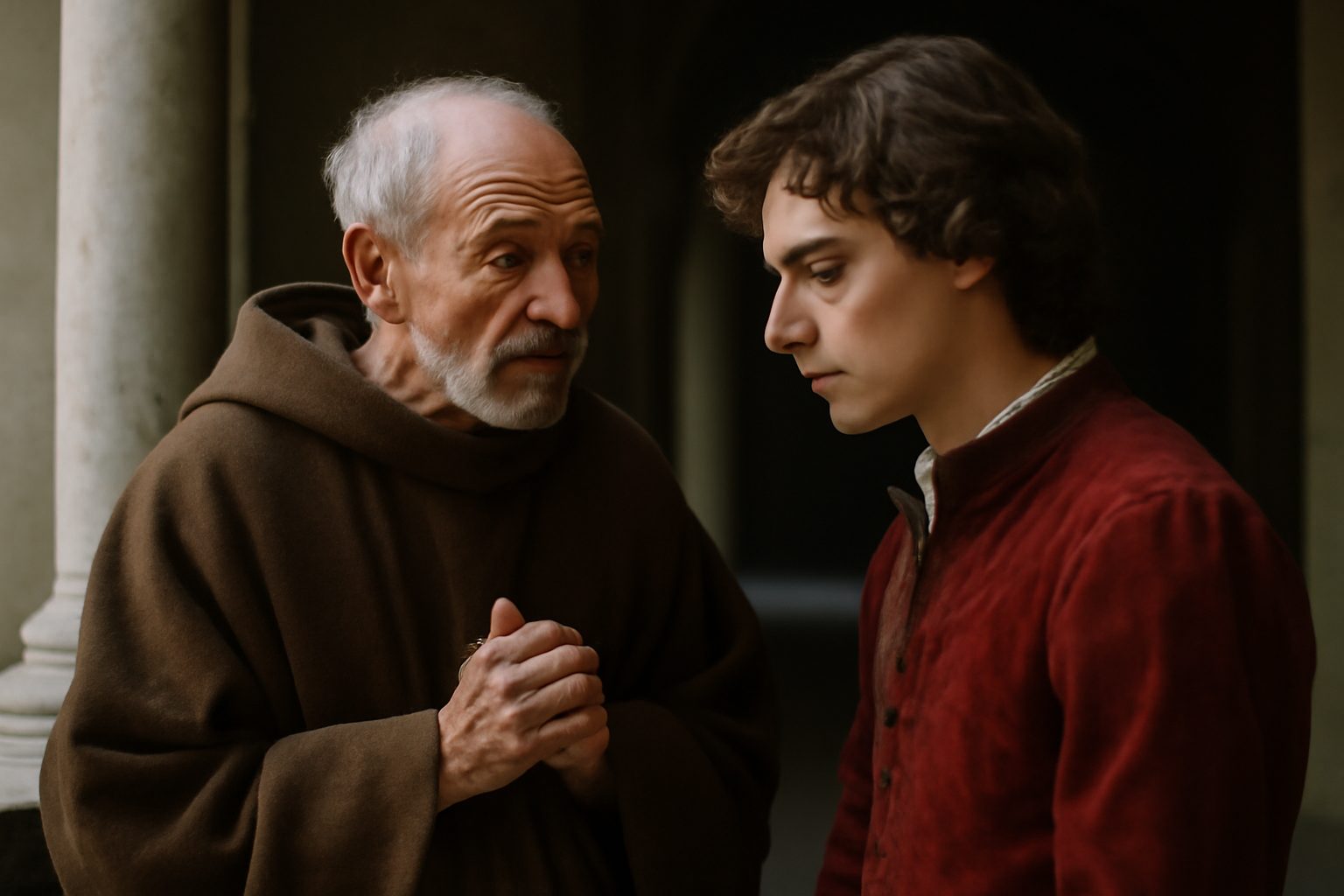
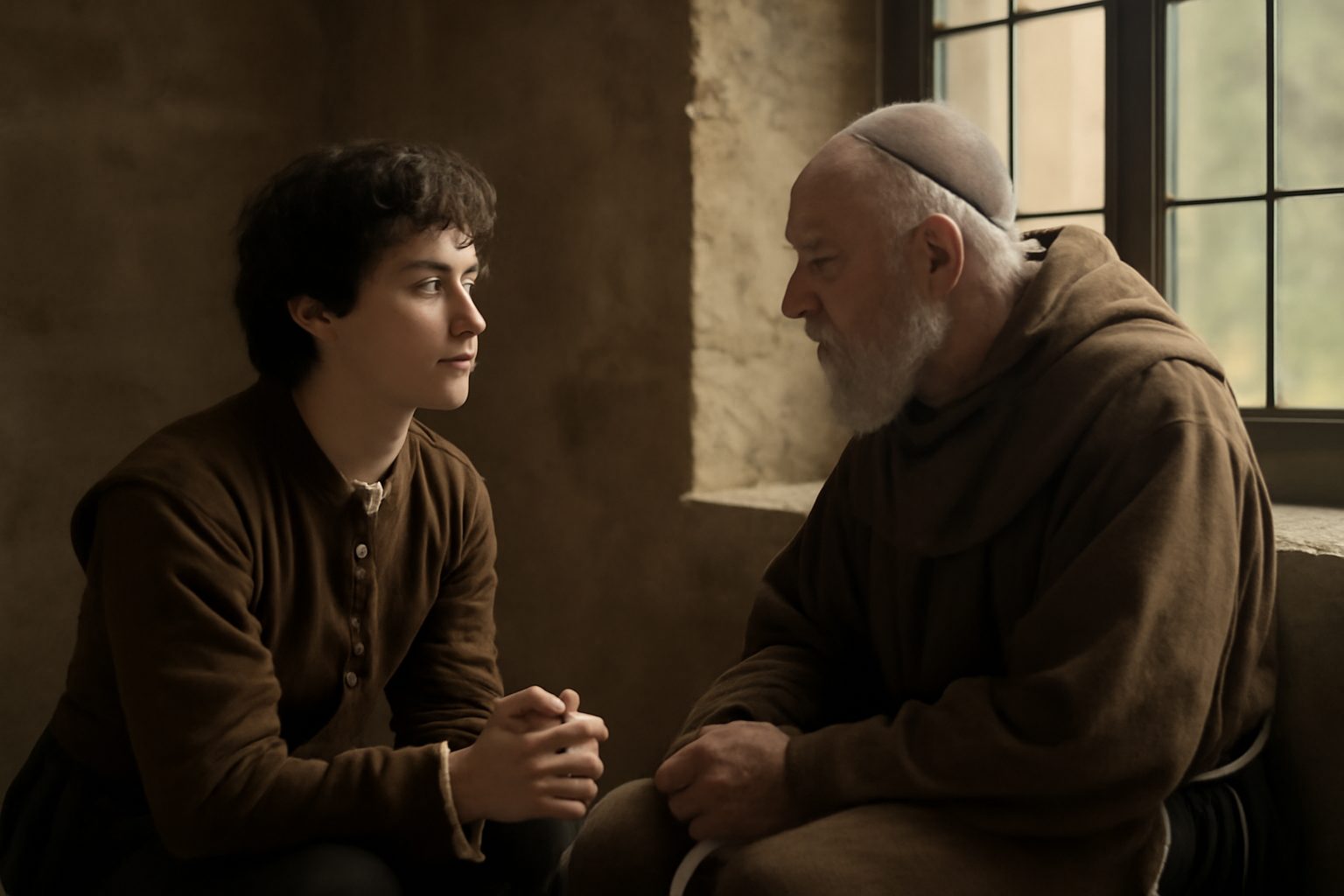
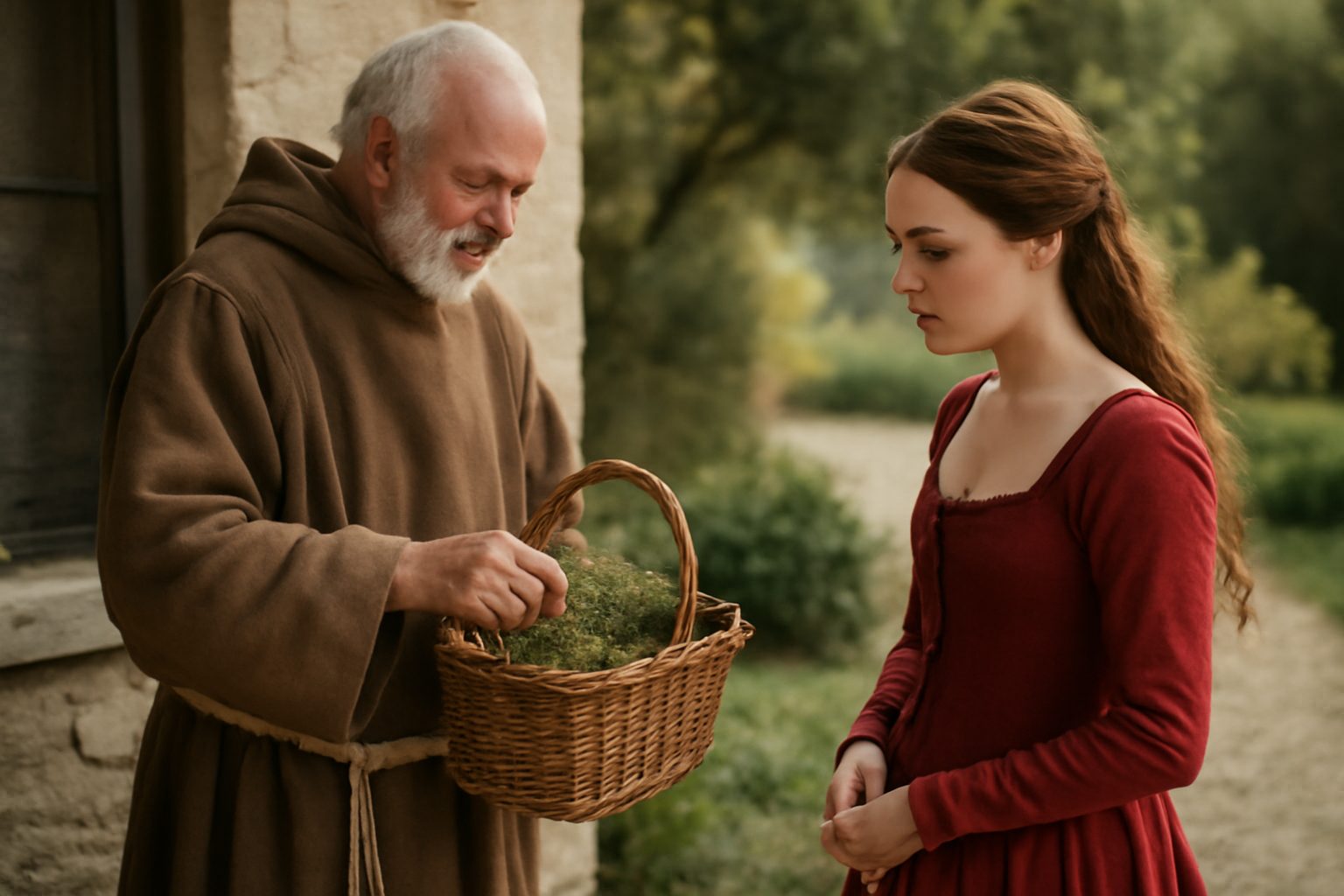
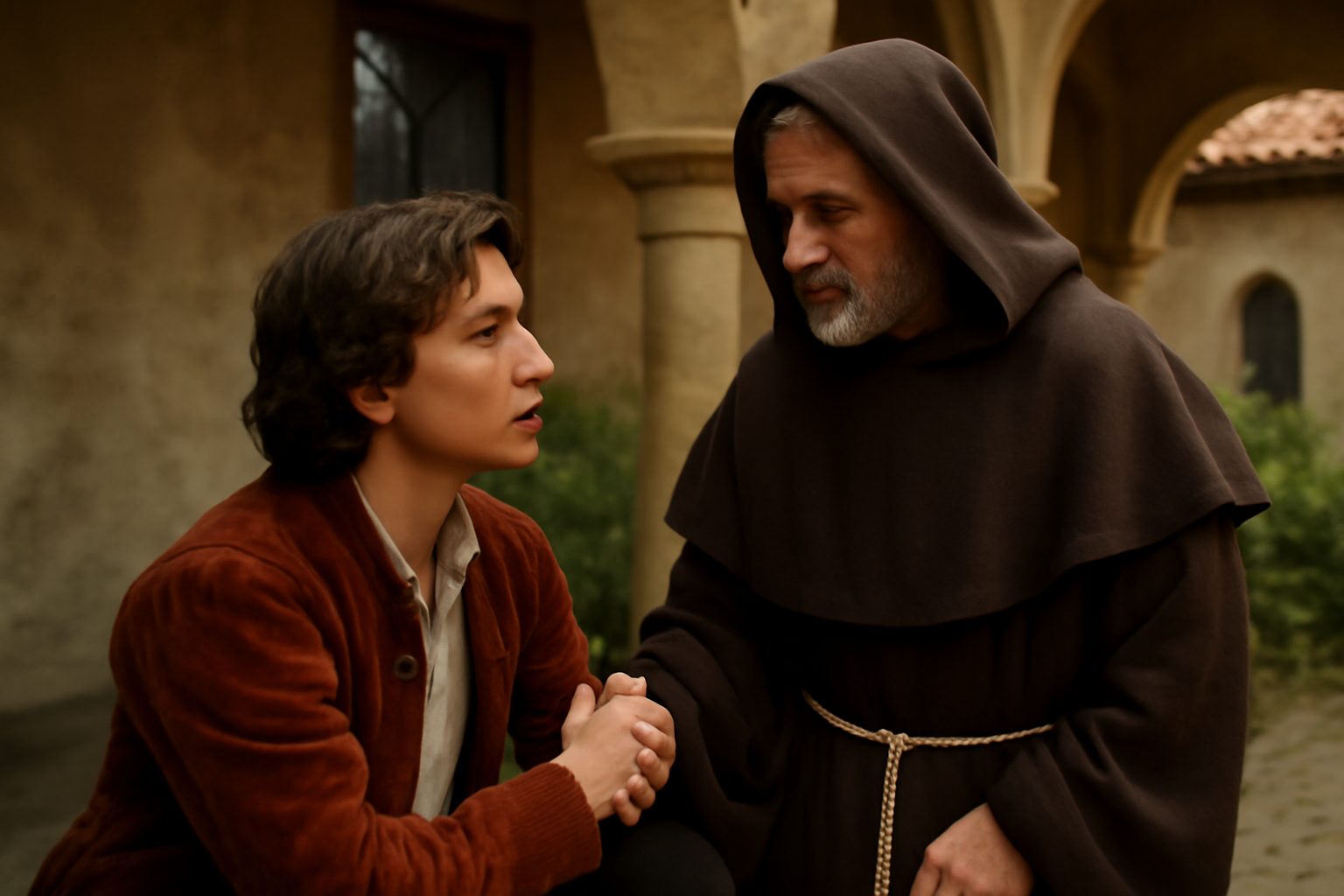
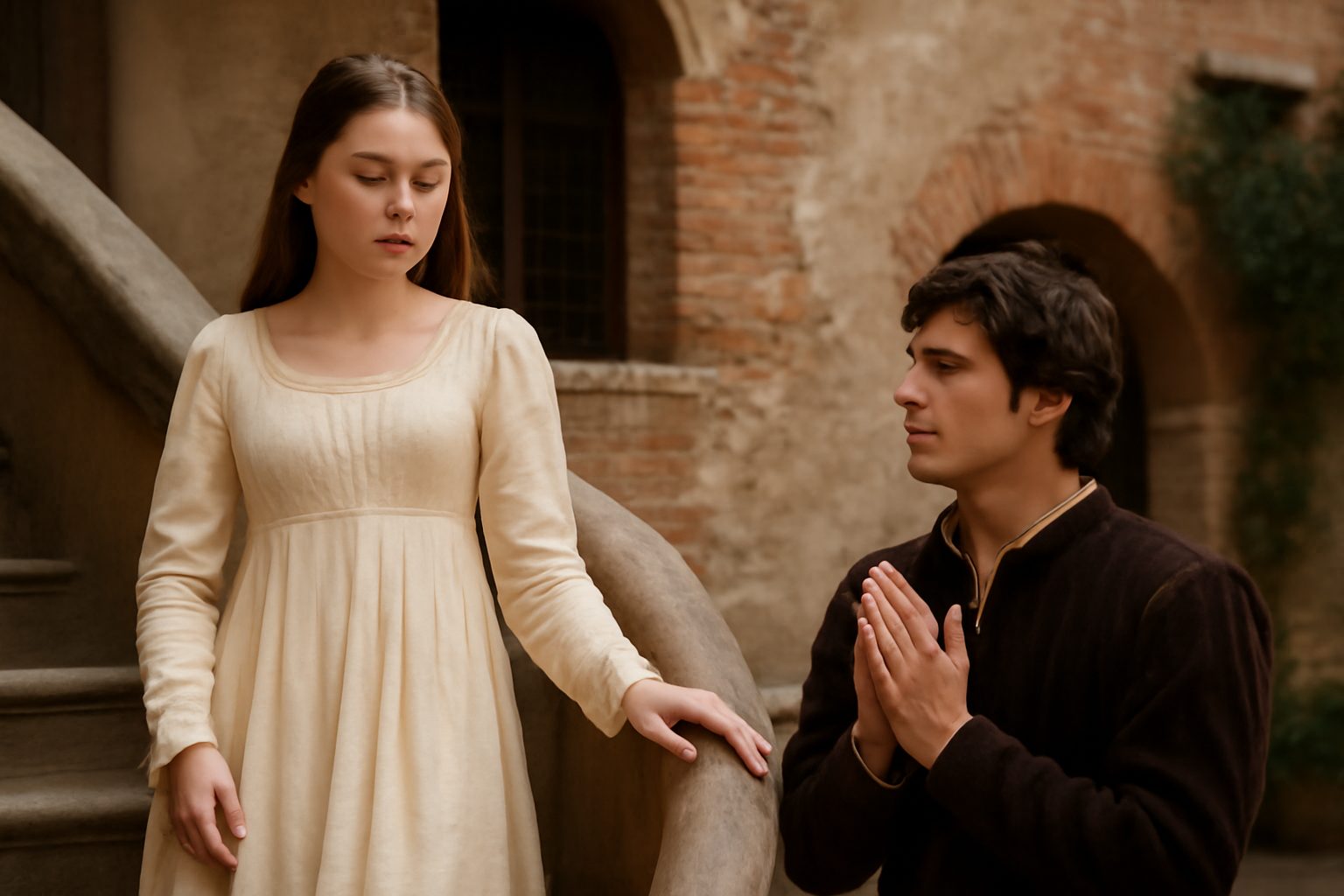
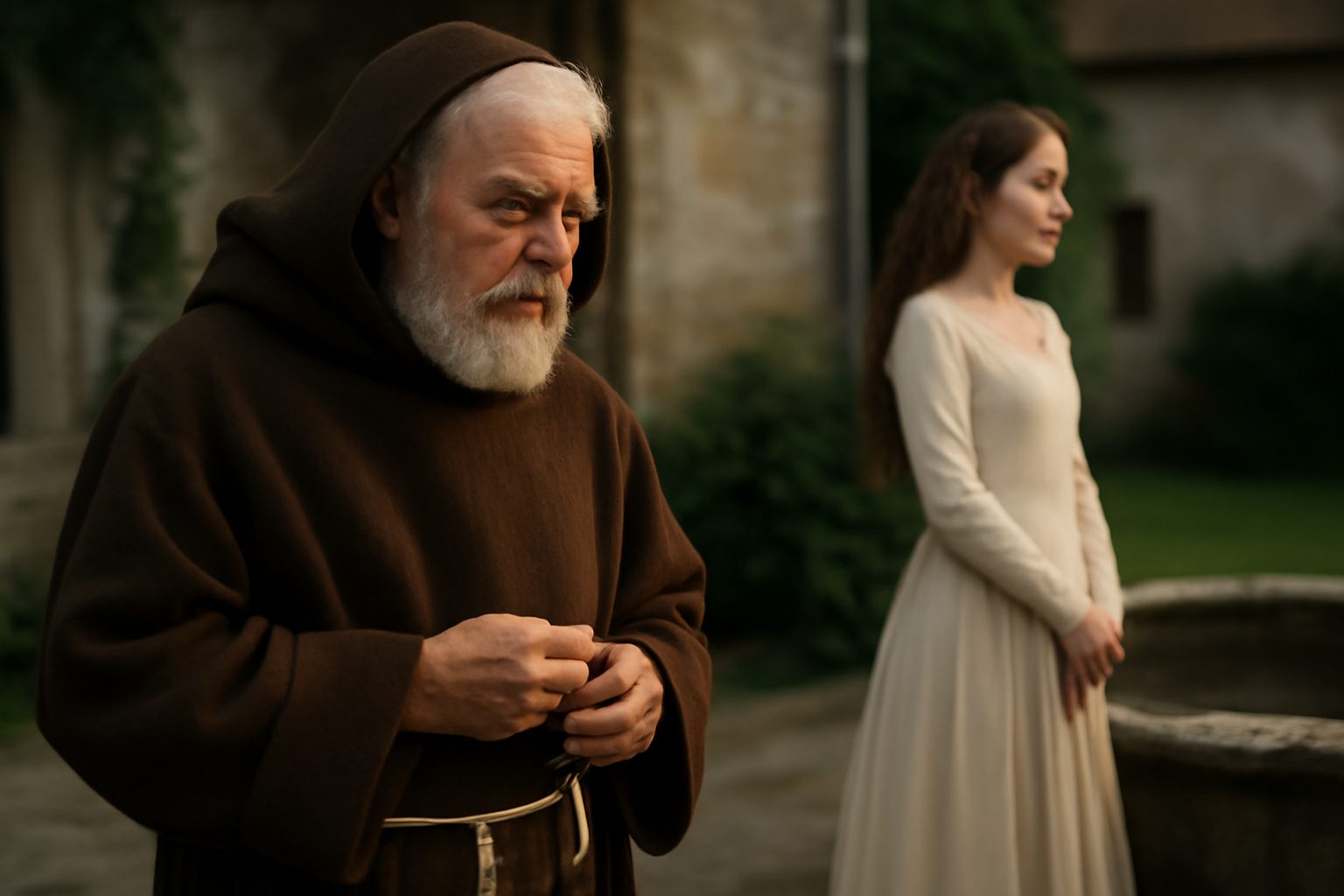
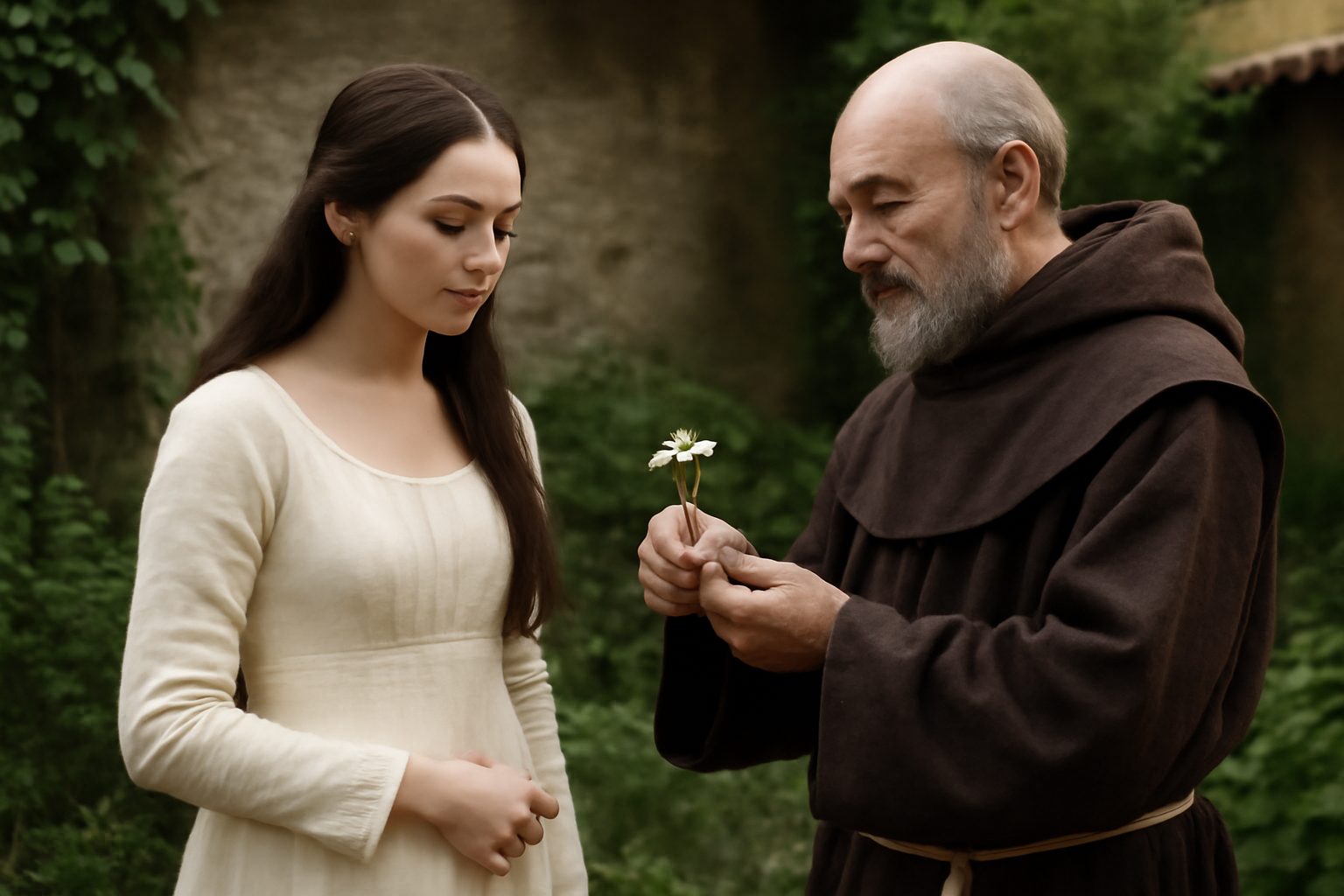
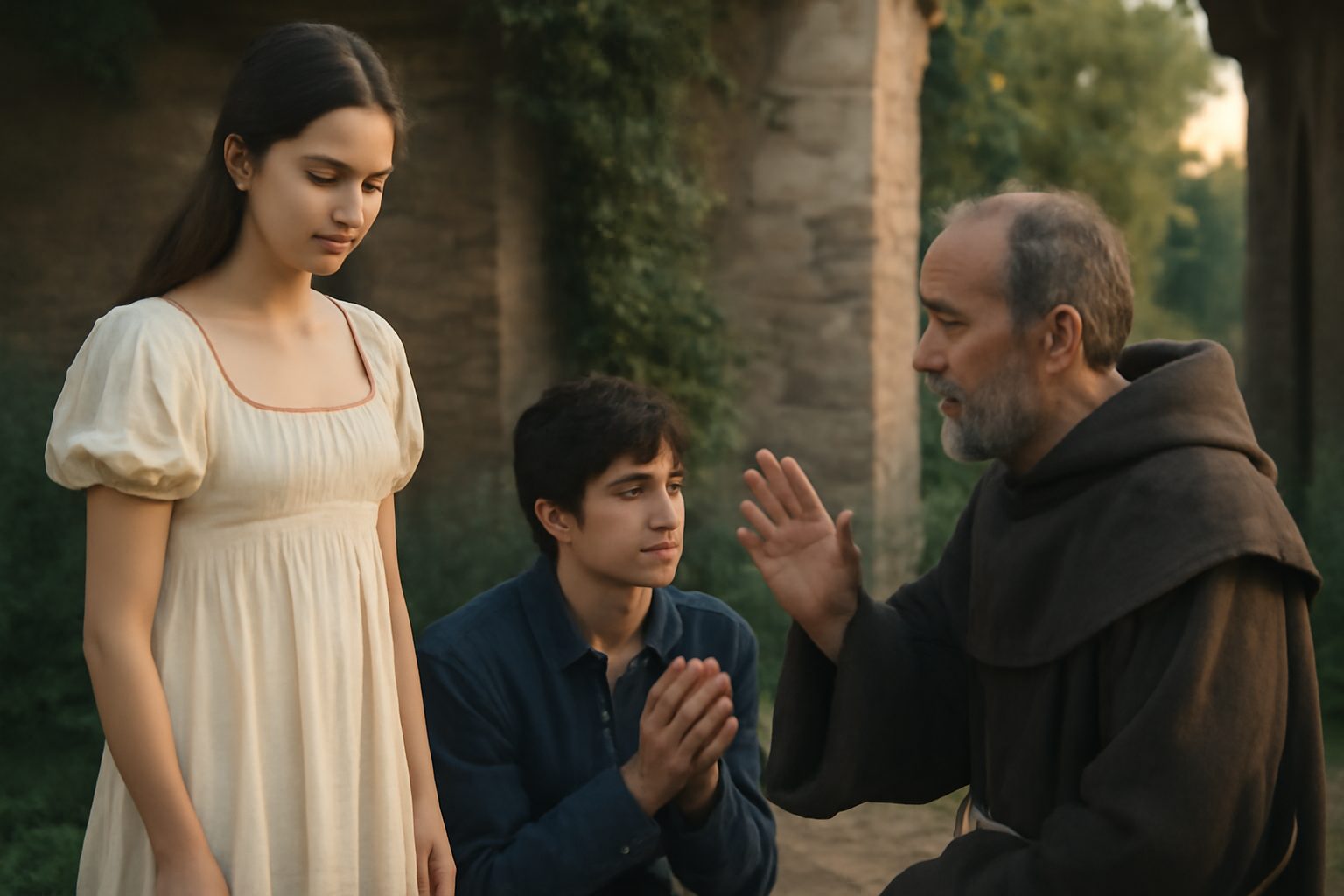
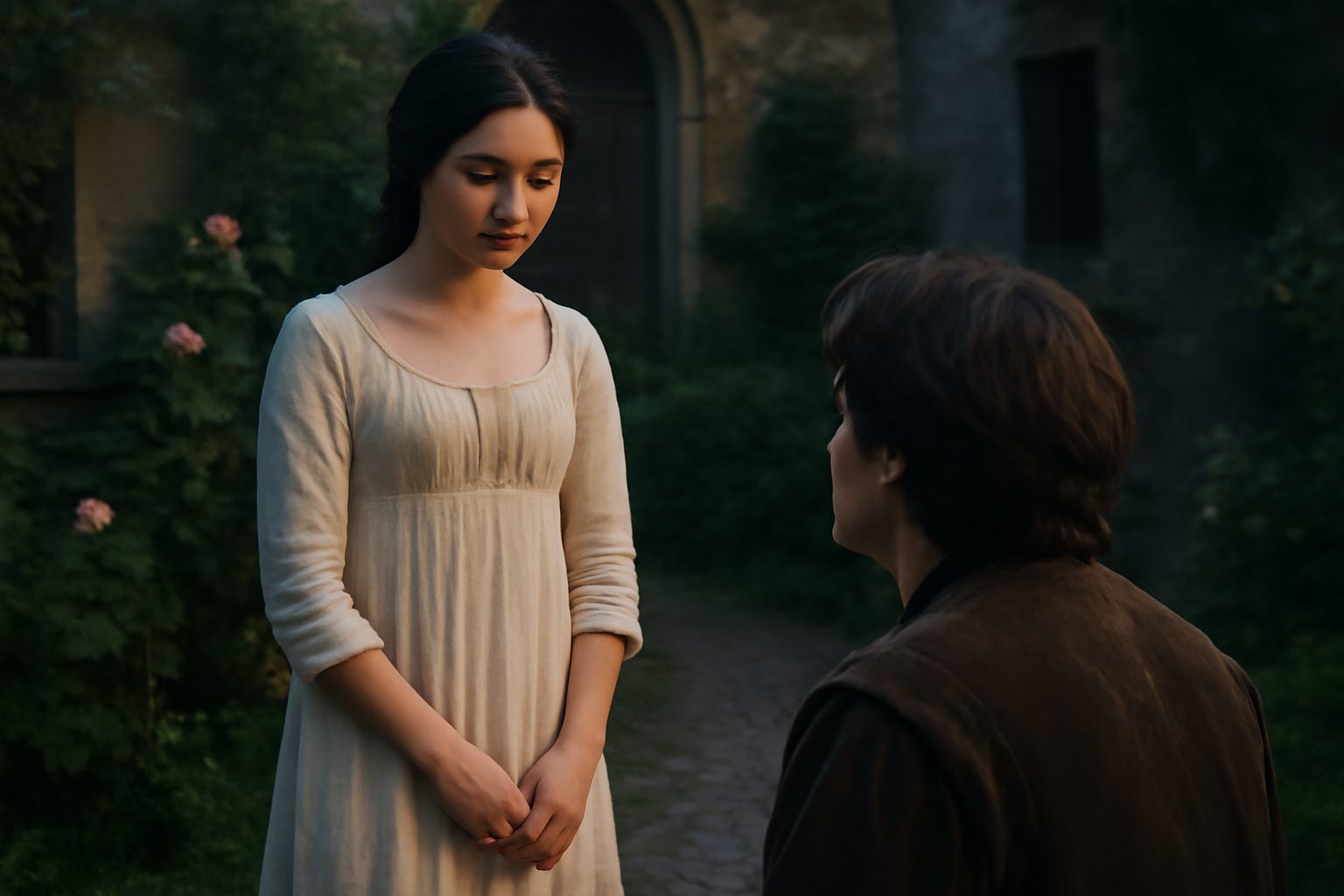
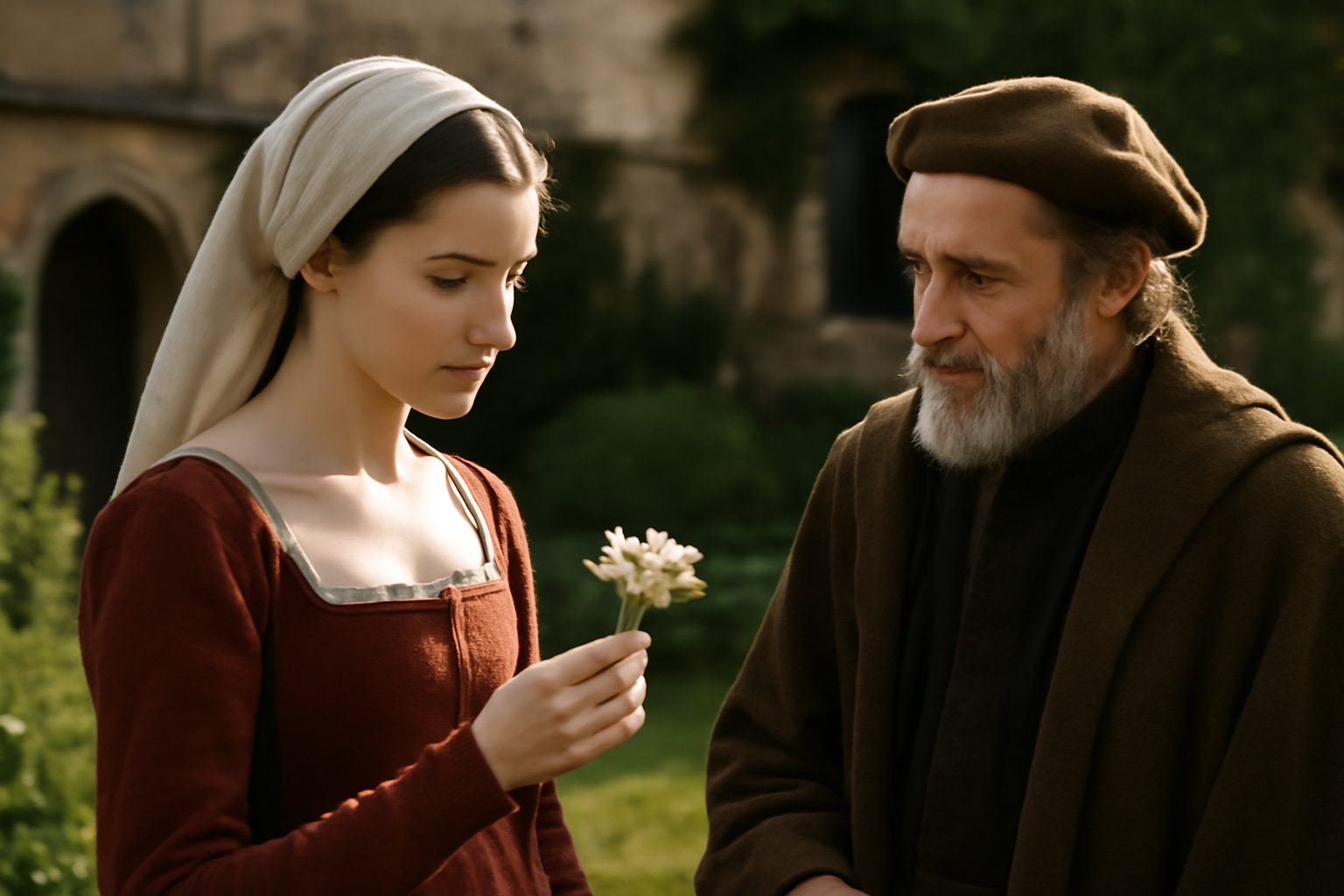
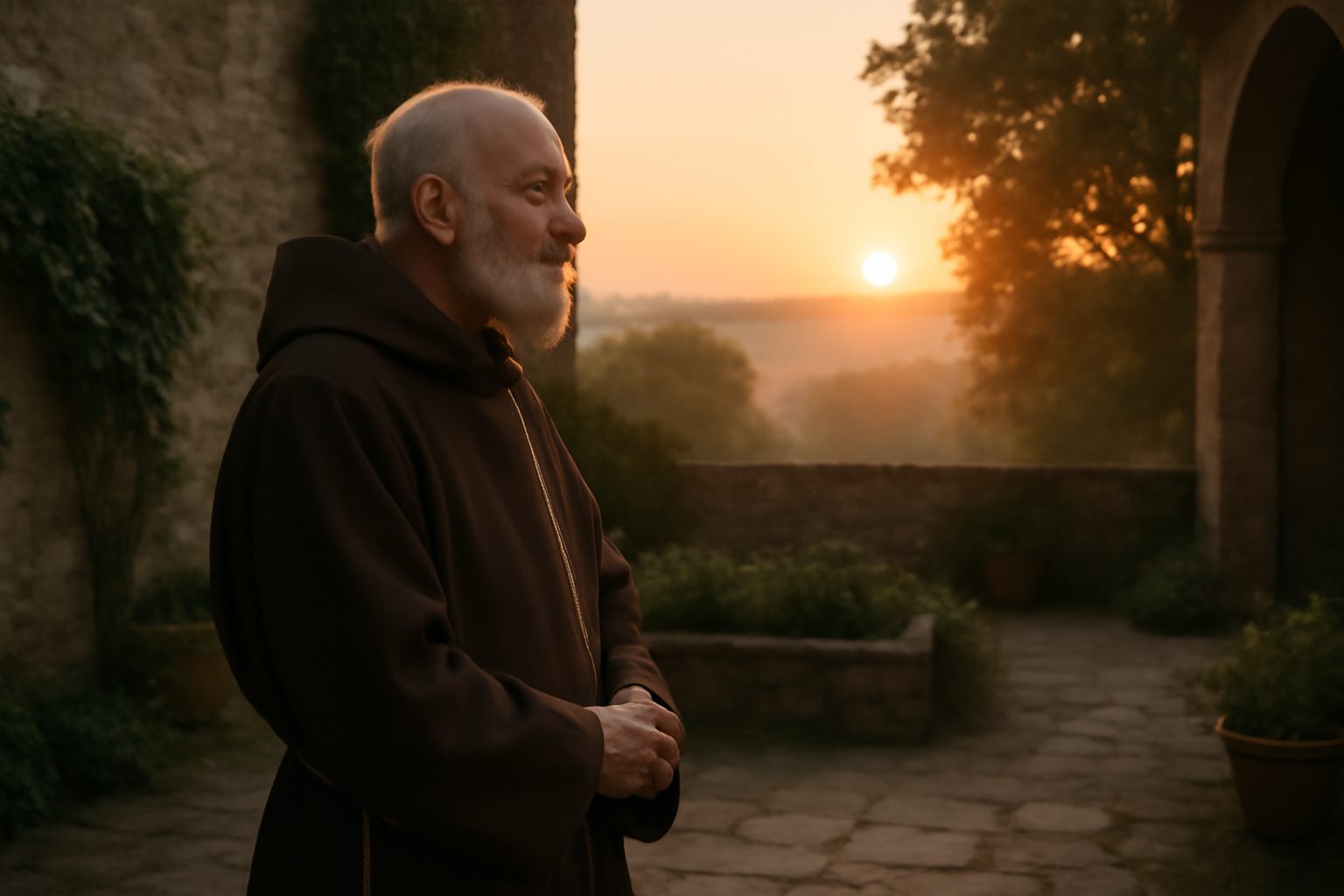
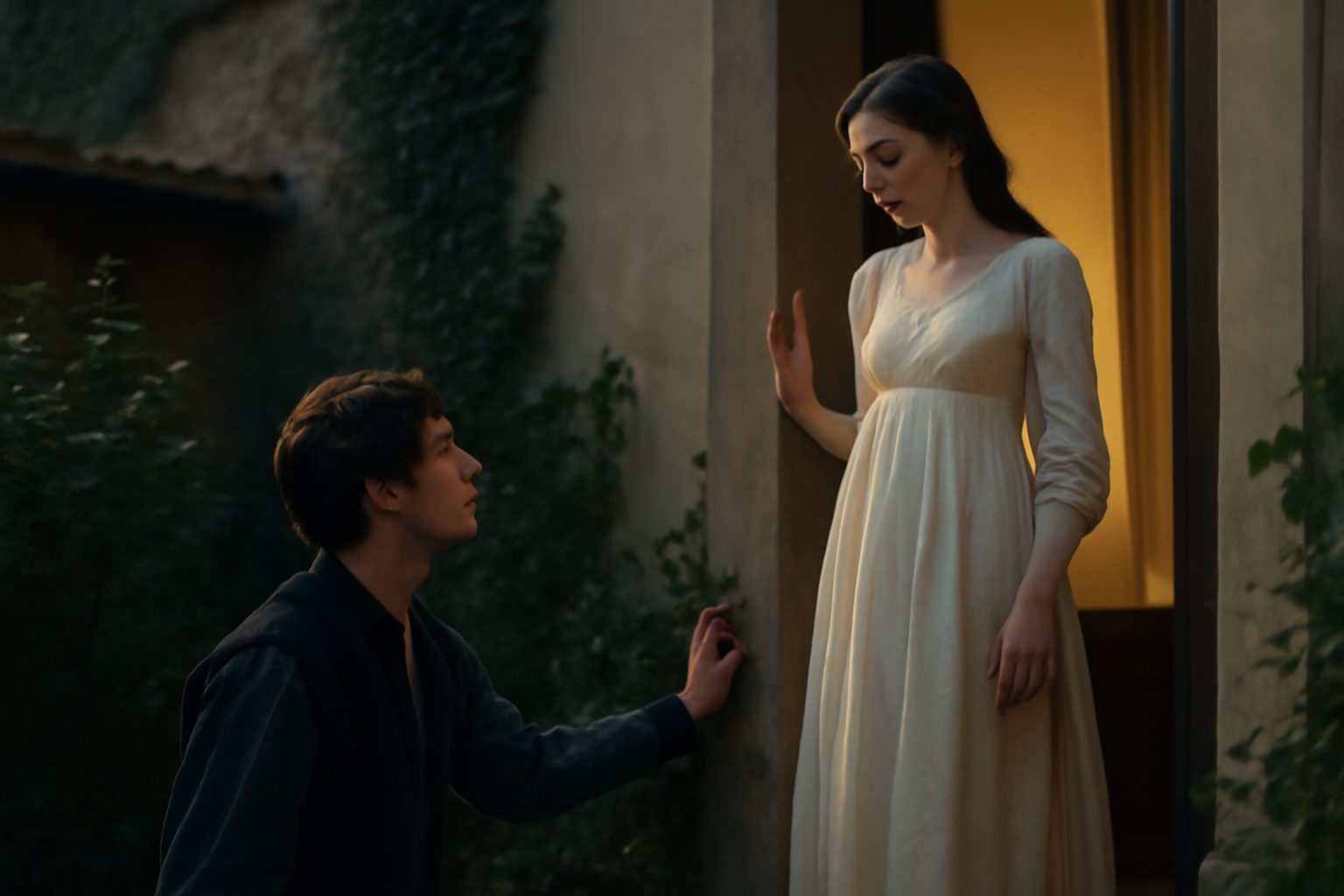
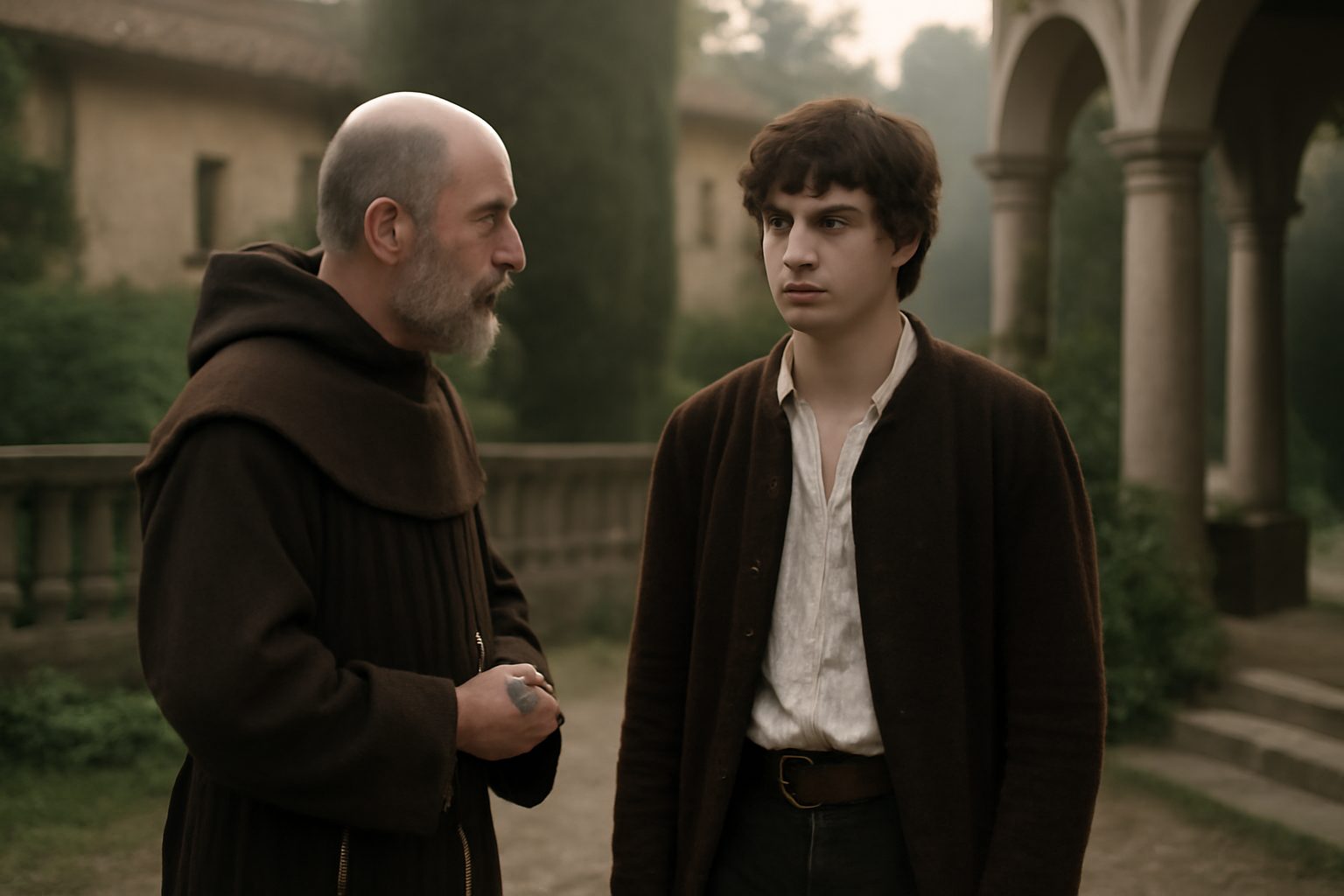
In Act 2, Scene 3 of Romeo and Juliet, Romeo visits Friar Laurence to share news of his newfound love for Juliet. The friar, surprised by Romeo's sudden shift in affection, recalls how often he had scolded him for his previous infatuation with Rosaline. This moment highlights Romeo's impulsive nature and the friar's skeptical yet caring role in his life.
Romeo: "Thou chid'st me oft for loving Rosaline."
In modern day english, we would say:
You often scold me for being in love with Rosaline.
Frequently Asked Questions
What does Romeo say Friar Laurence often scolds him for?
For loving Rosaline.
Connections to other verses:
Connections to "Thou chid'st me oft for loving Rosaline"
This line, spoken by Romeo to Friar Laurence, directly references the Friar's past admonishments regarding Romeo's infatuation with Rosaline. It serves as a pivotal acknowledgment of Romeo's emotional transition and sets the stage for the Friar's reactions and further dialogue in the scene.
Direct Responses and Reactions
Friar Laurence immediately follows up with "For doting, not for loving, pupil mine", clarifying that his past criticisms were aimed at Romeo's shallow obsession, not genuine love. He then recalls "And bad'st me bury love", underscoring his previous advice to abandon such fleeting passions.
Expressing Disbelief and Scrutiny
The Friar expresses astonishment at Romeo's sudden change, asking "God pardon sin! wast thou with Rosaline?" and later exclaiming "Holy Saint Francis, what a change is here!". He questions the sincerity of young love in "So soon forsaken? young men's love then lies", suggesting it is superficial.
References to Past Suffering
Romeo's history of anguish over Rosaline is highlighted: "Thou and these woes were all for Rosaline" and "Hath wash'd thy sallow cheeks for Rosaline!" emphasize the depth of his past despair, which the Friar now sees as wasted effort.
Contrast with New Love
Romeo defends his newfound love, pleading "I pray thee, chide not; she whom I love now", and asserts its mutuality in "As mine on hers, so hers is set on mine", distinguishing it from his one-sided affection for Rosaline.
Resolution and Forward Movement
The scene culminates with the Friar agreeing to marry Romeo and Juliet, hoping "For this alliance may so happy prove" to end the feud, showing how Romeo's evolution from Rosaline to Juliet ties into larger thematic arcs.