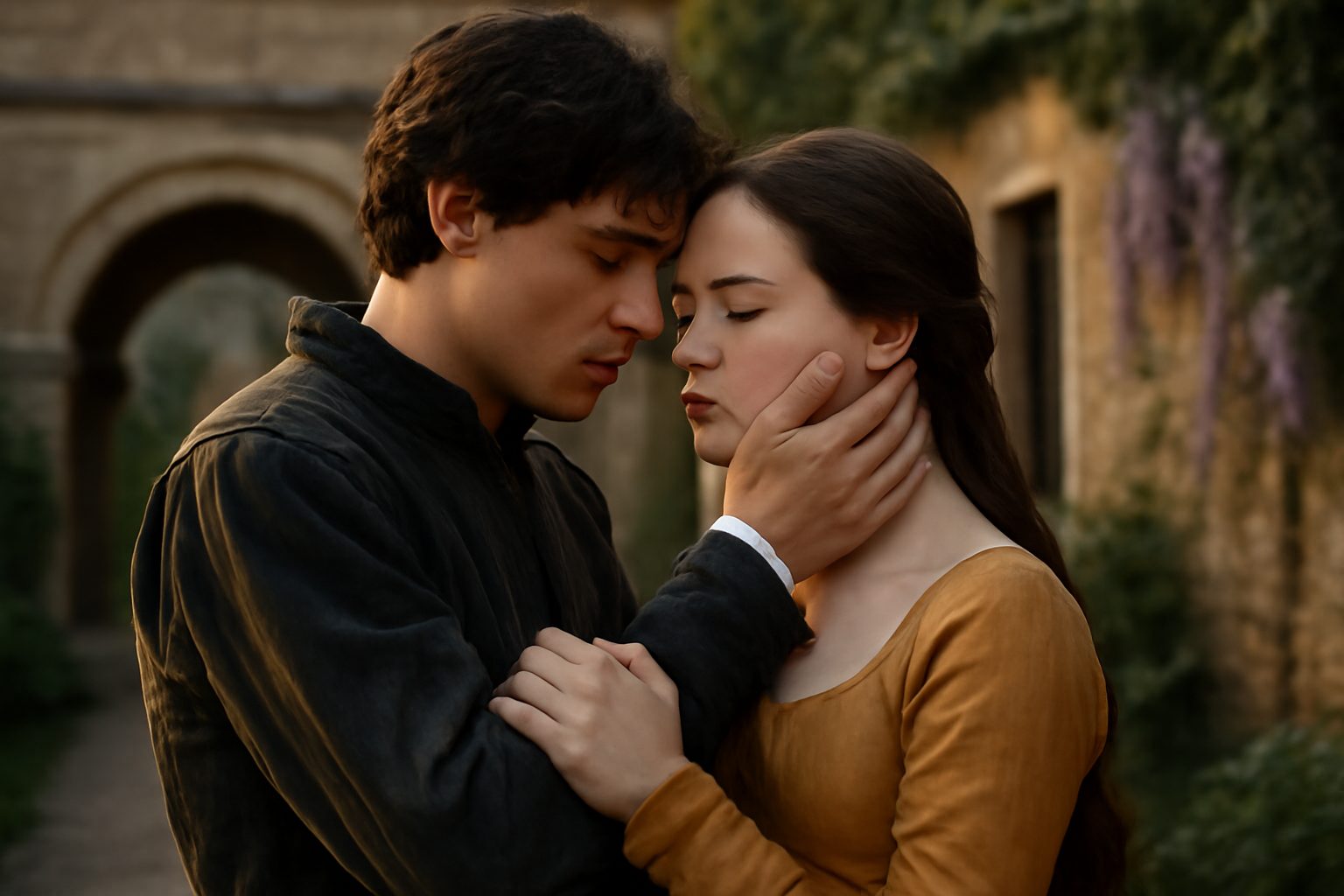
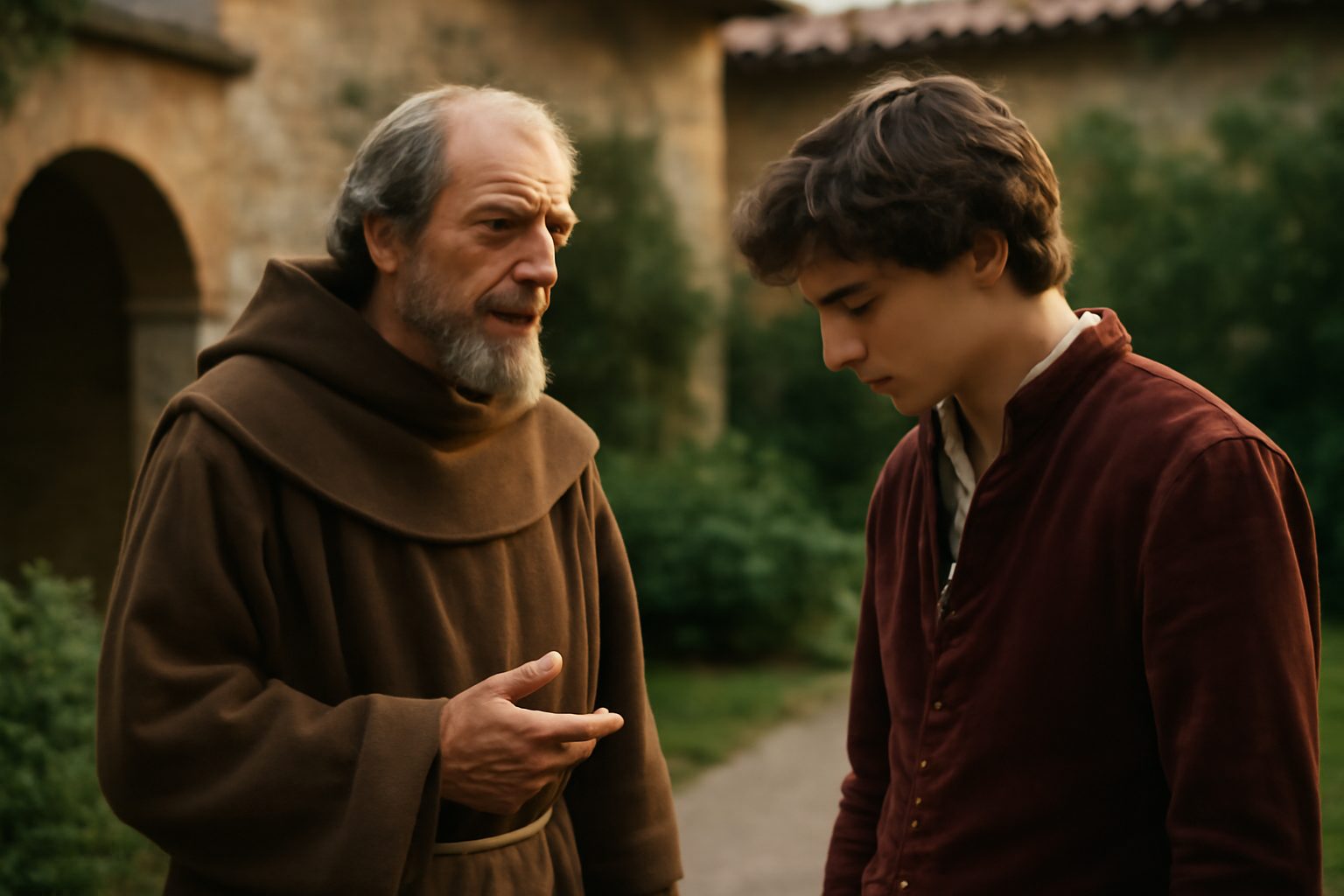
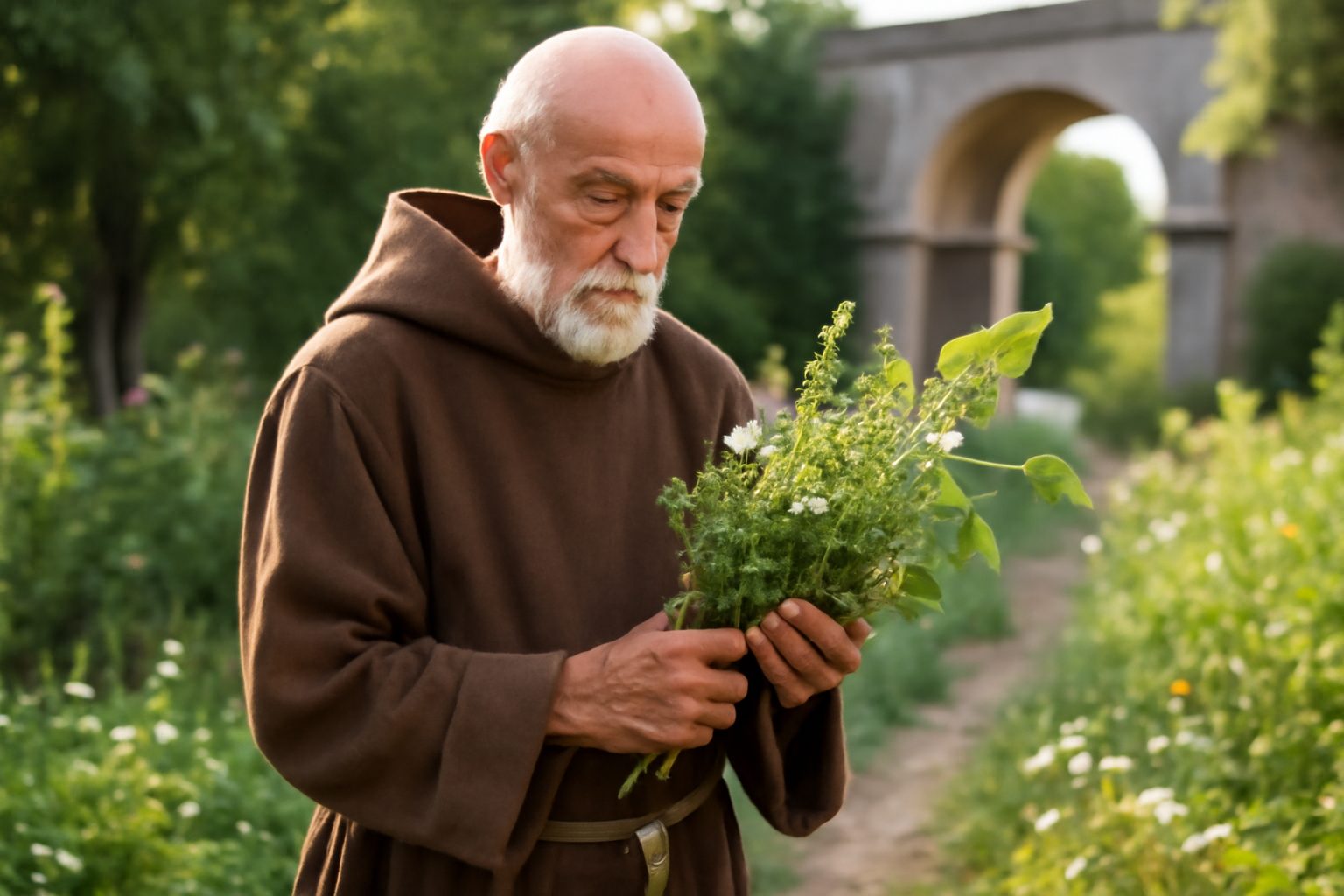
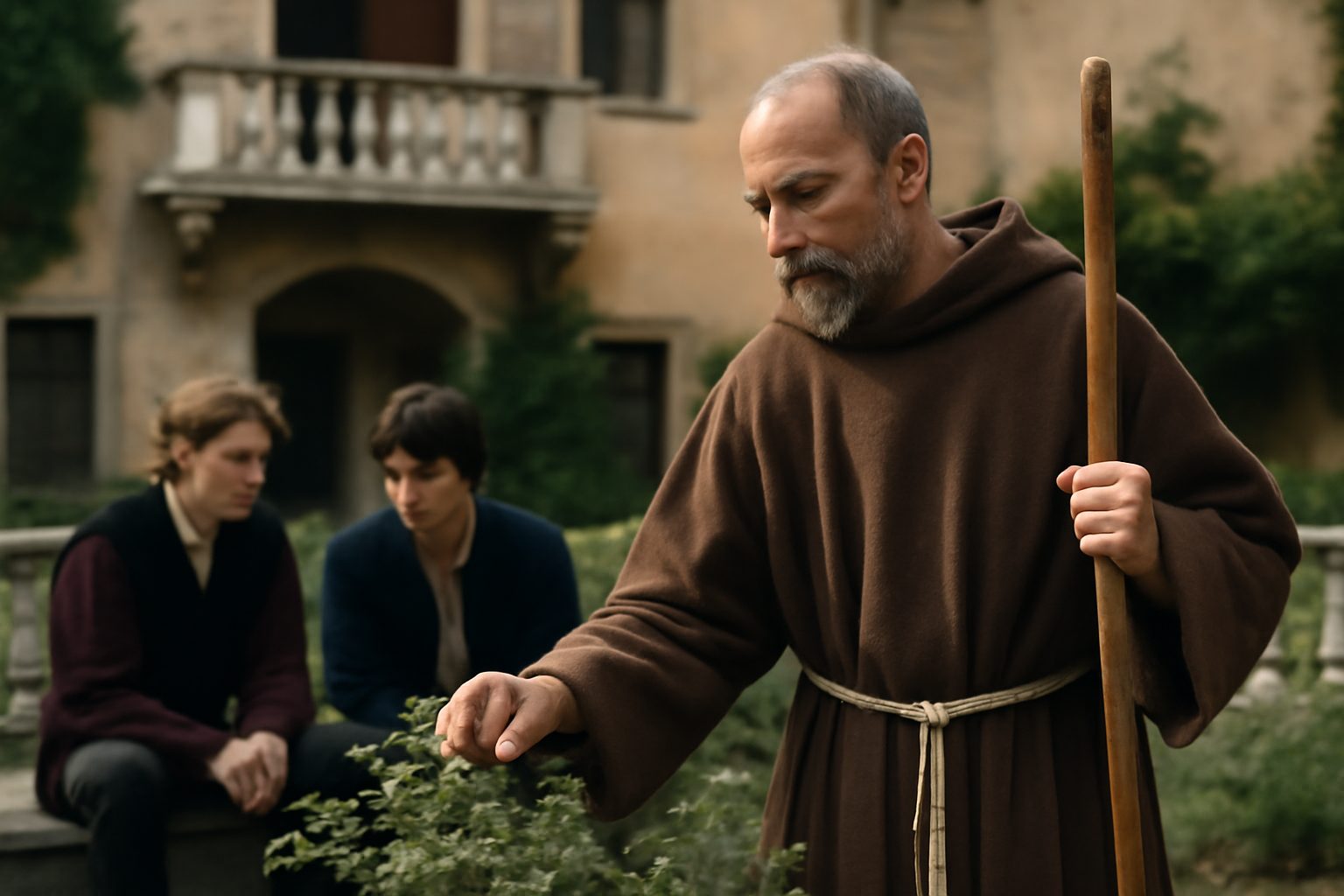
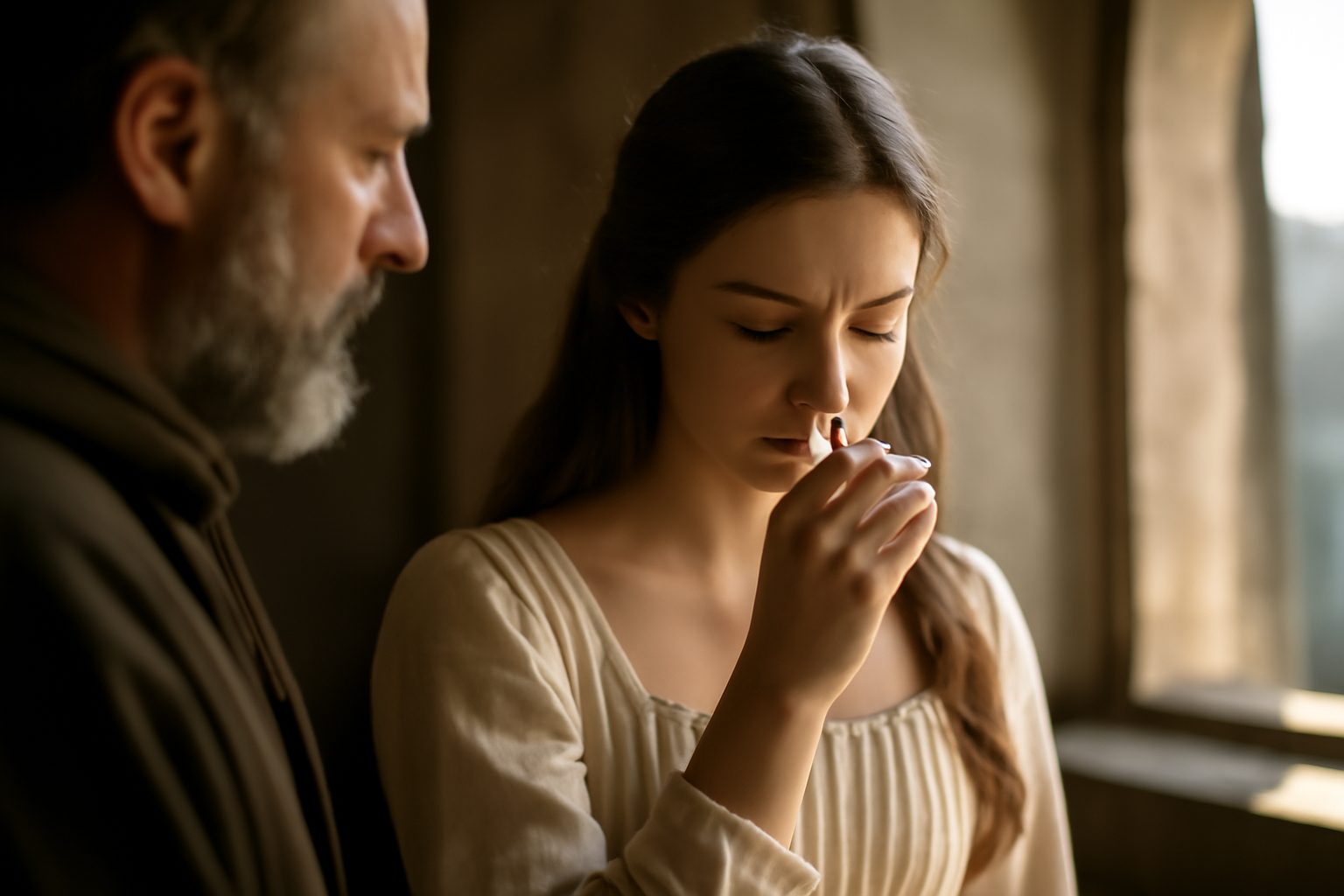
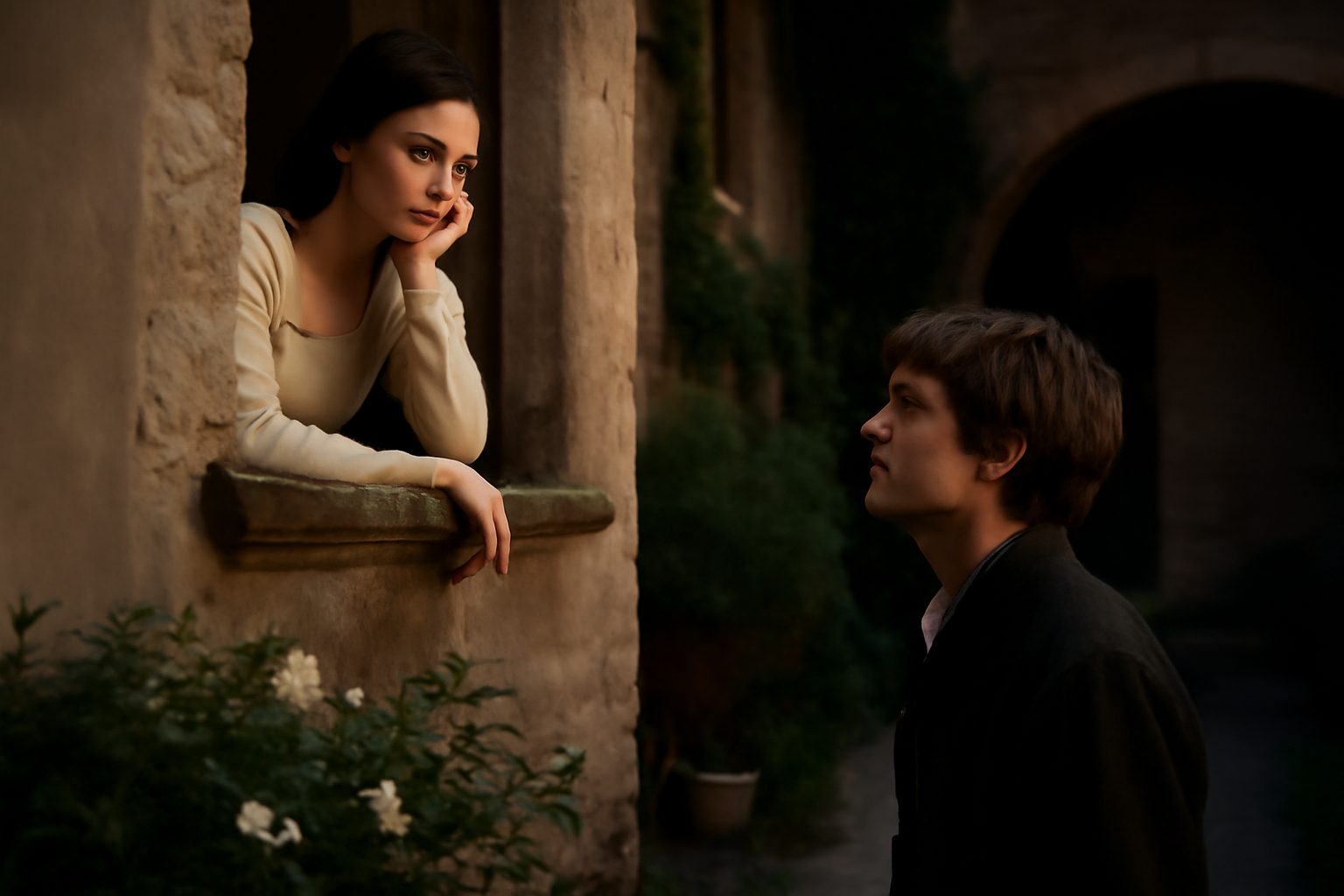
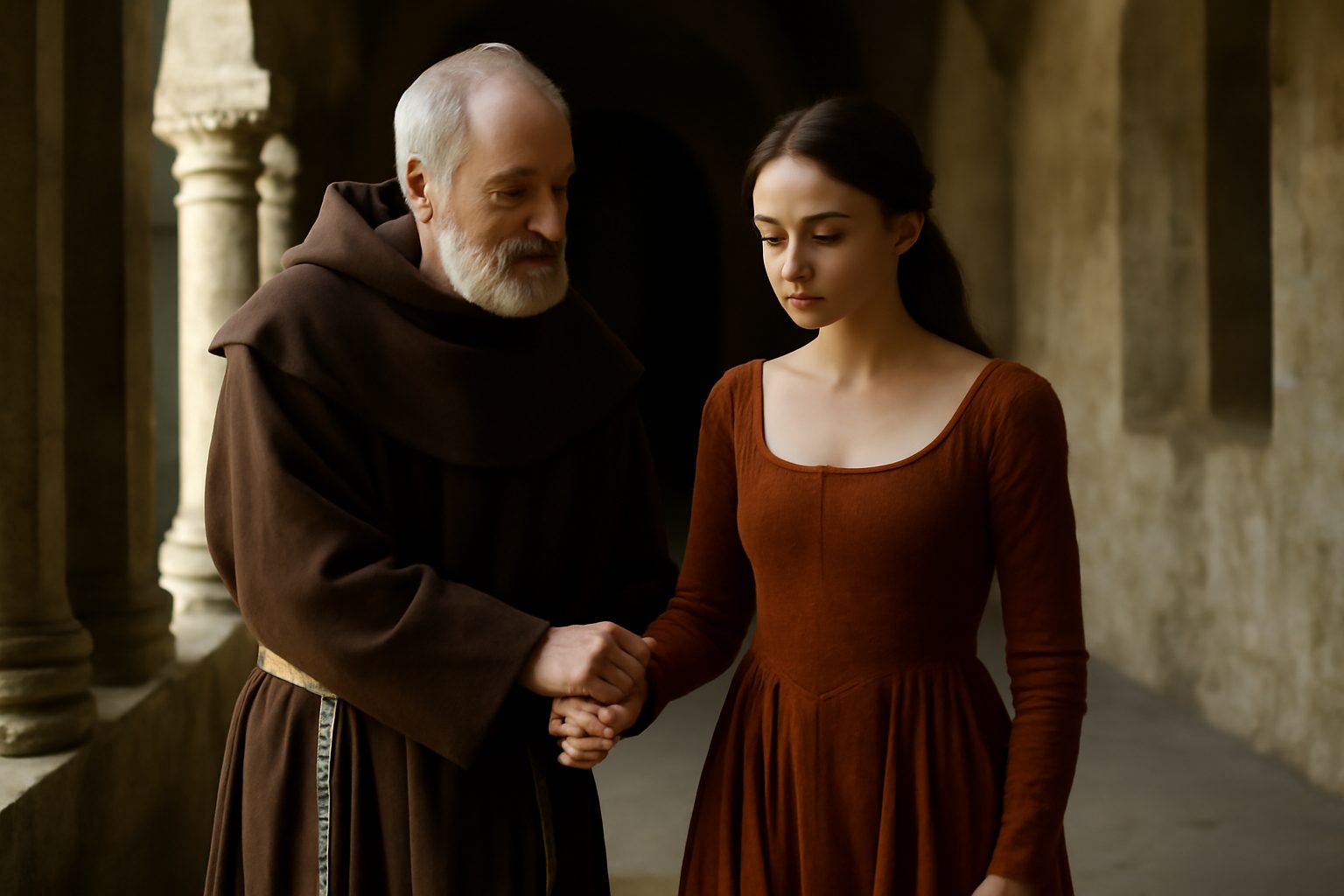
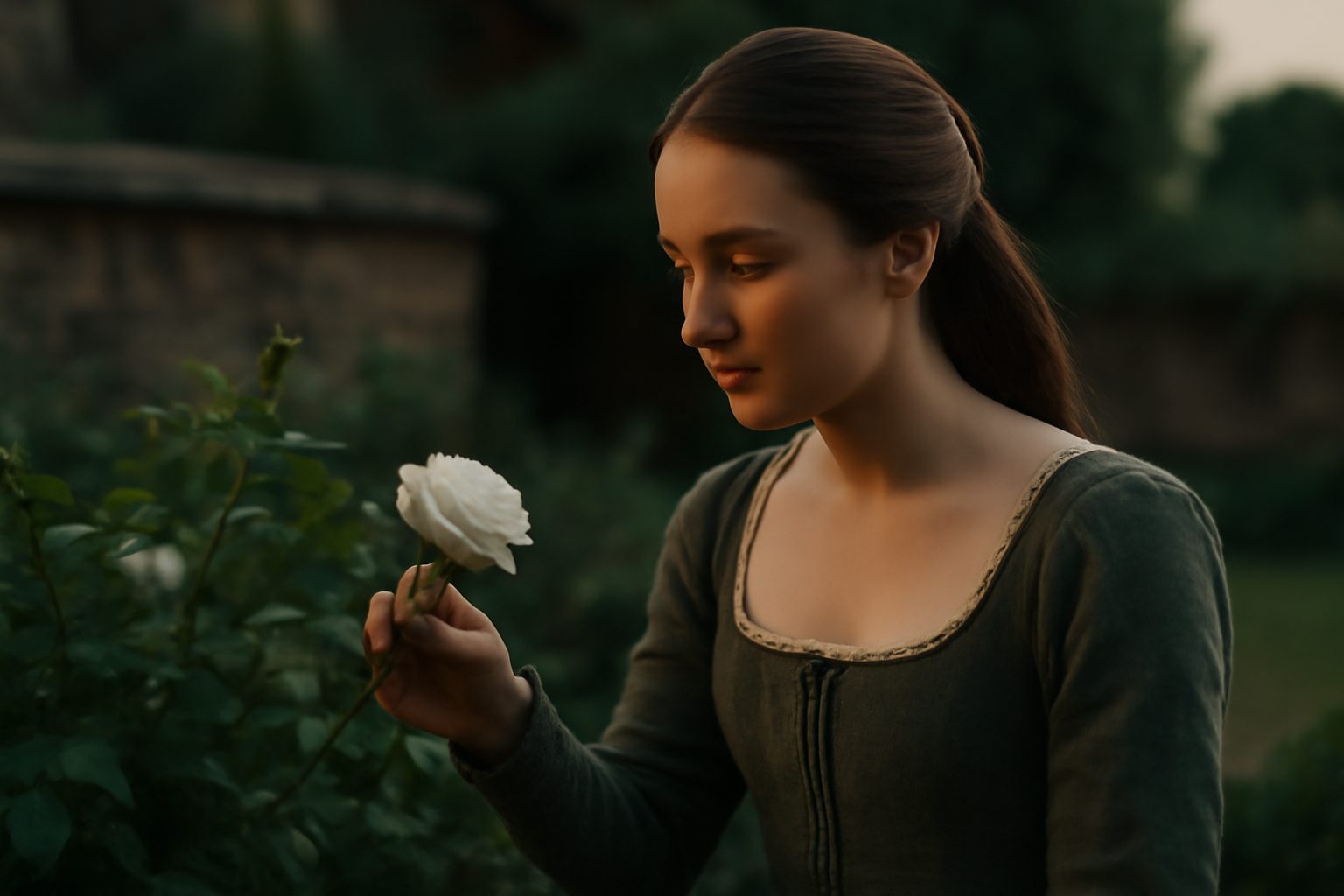
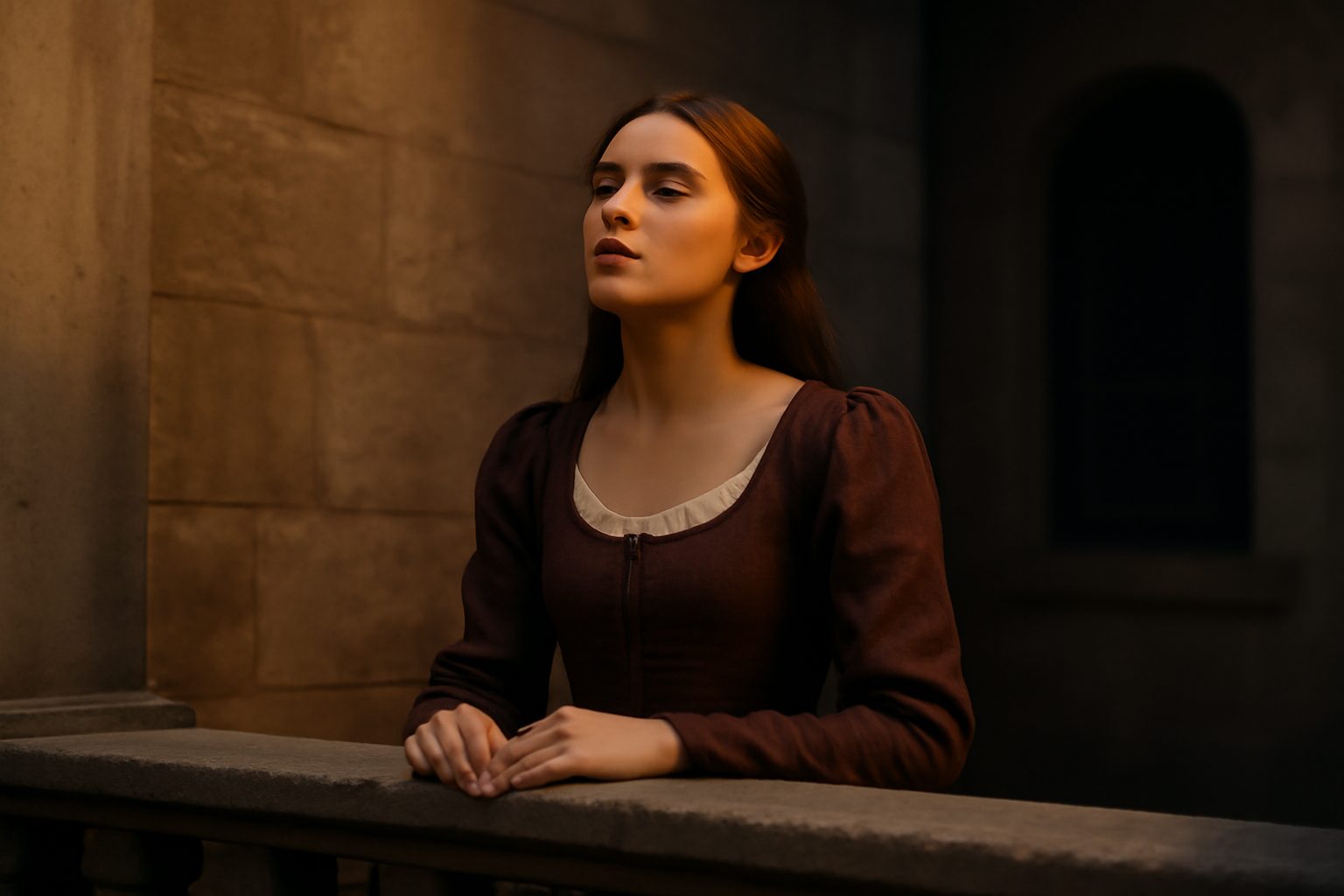
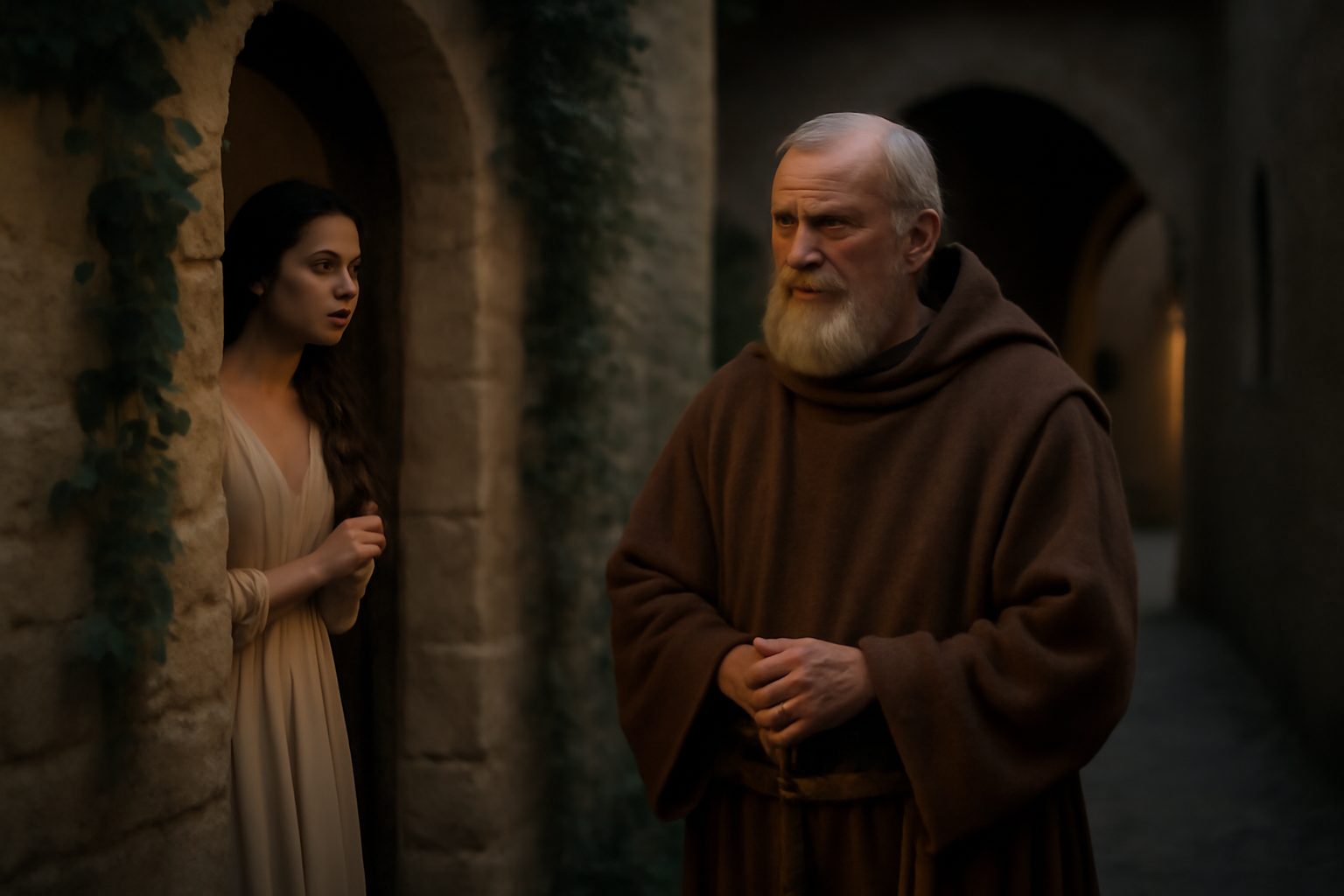
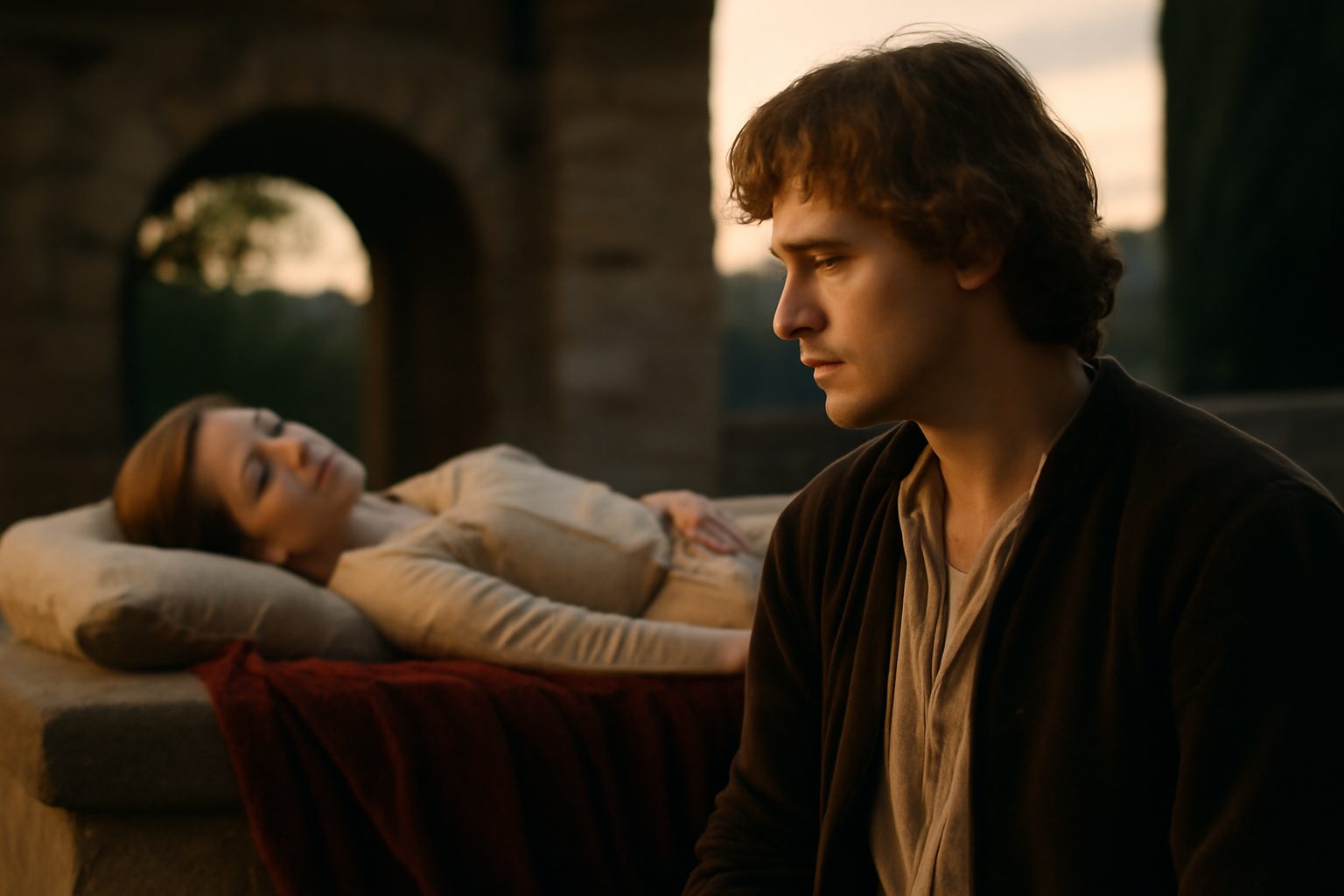
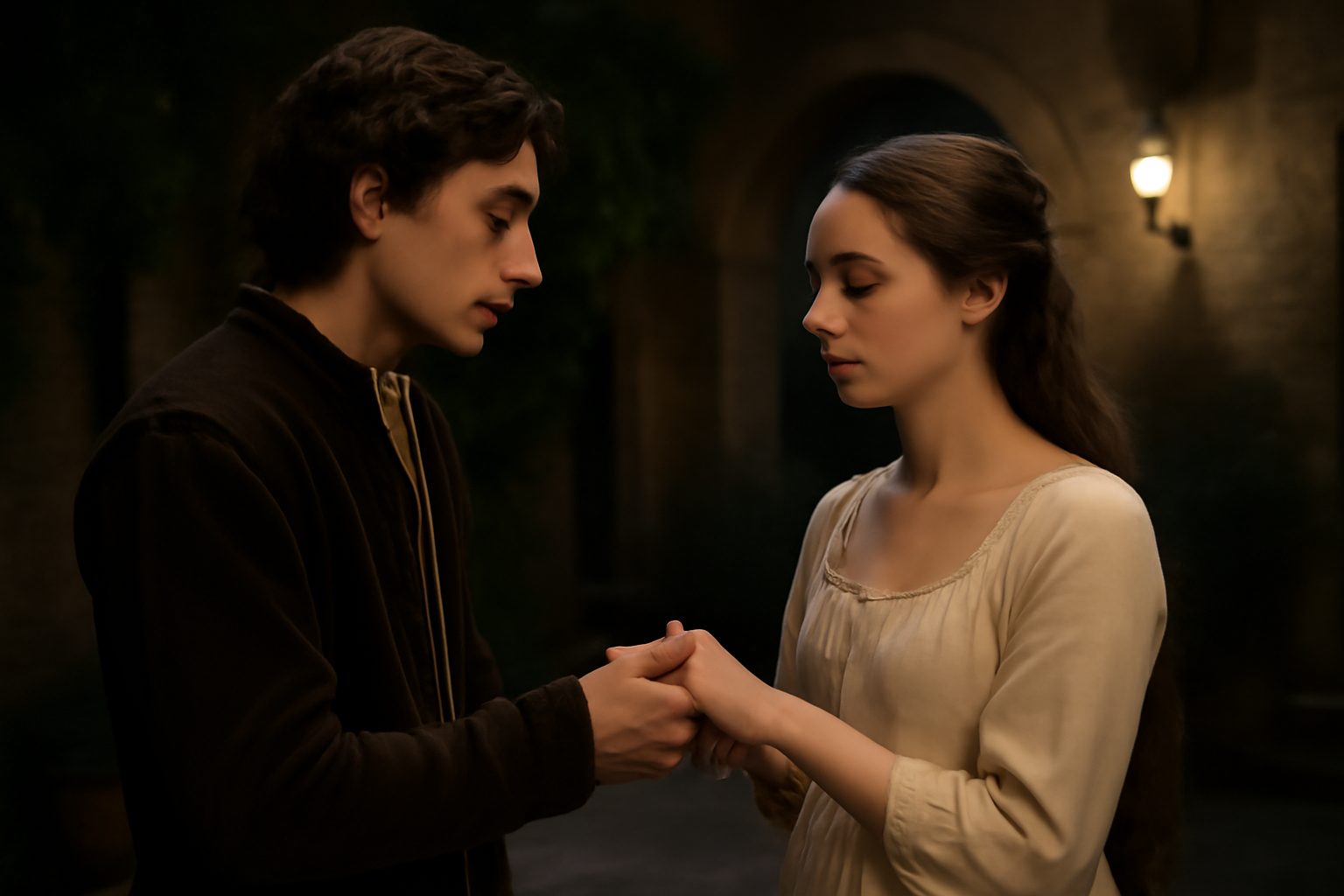
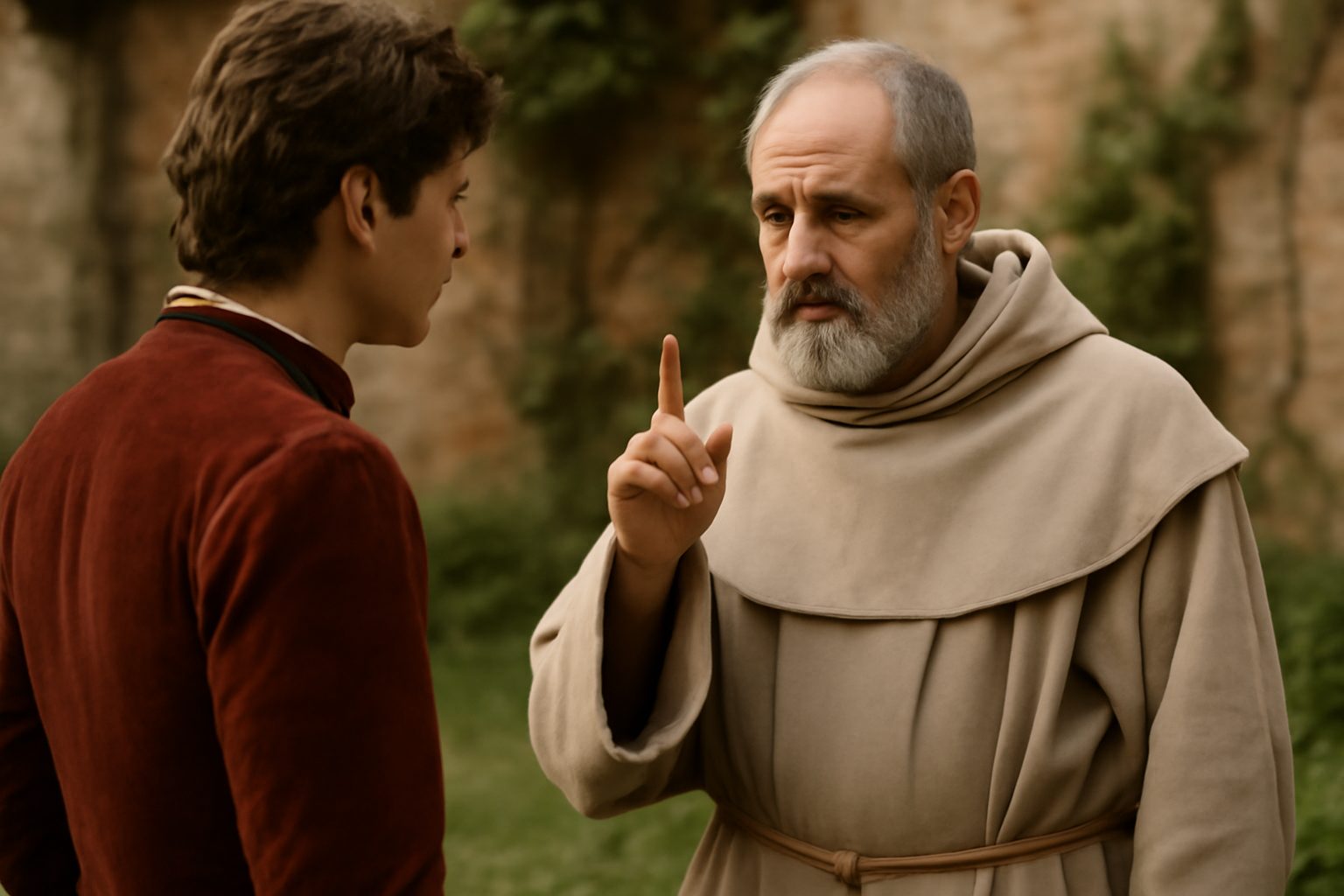
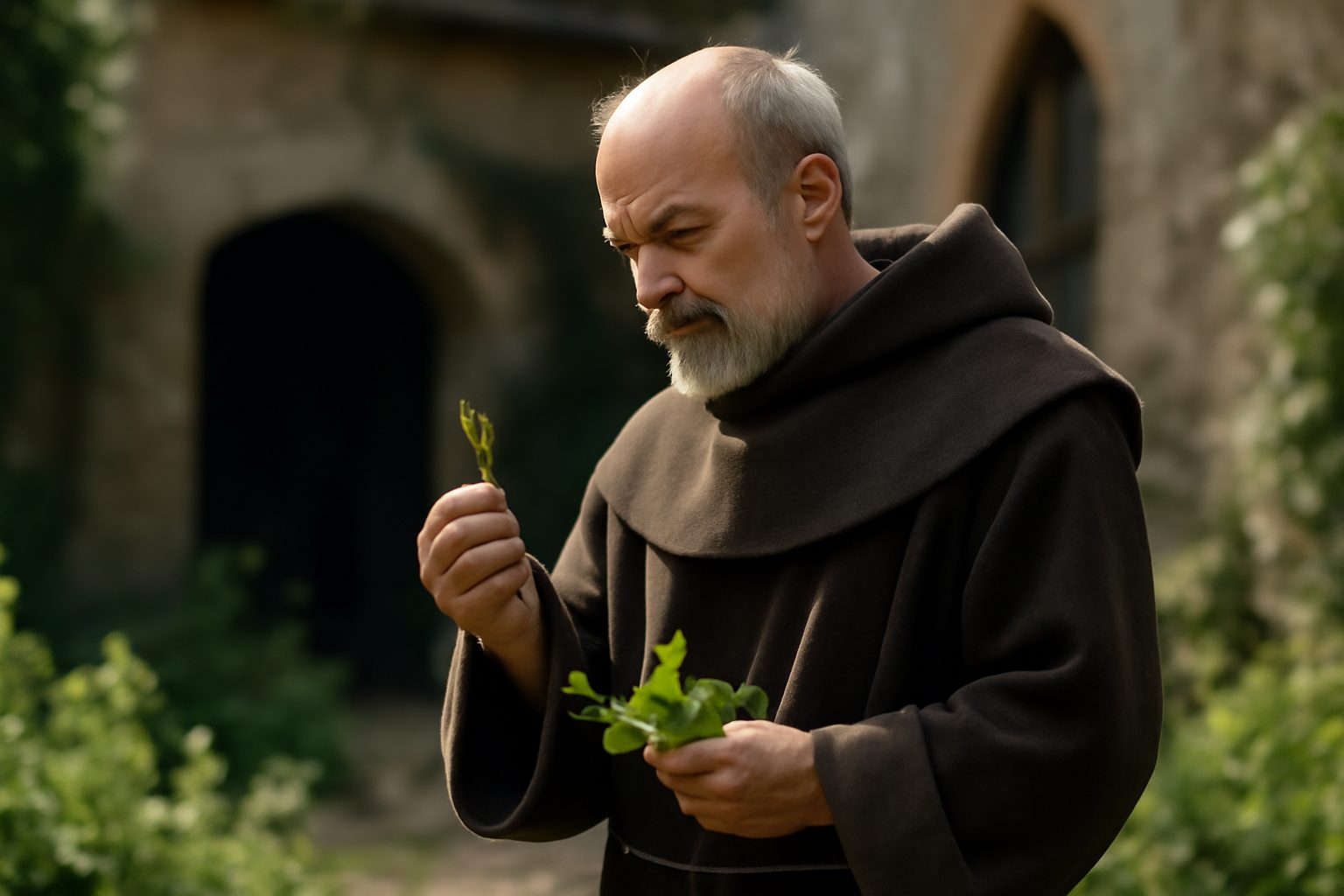
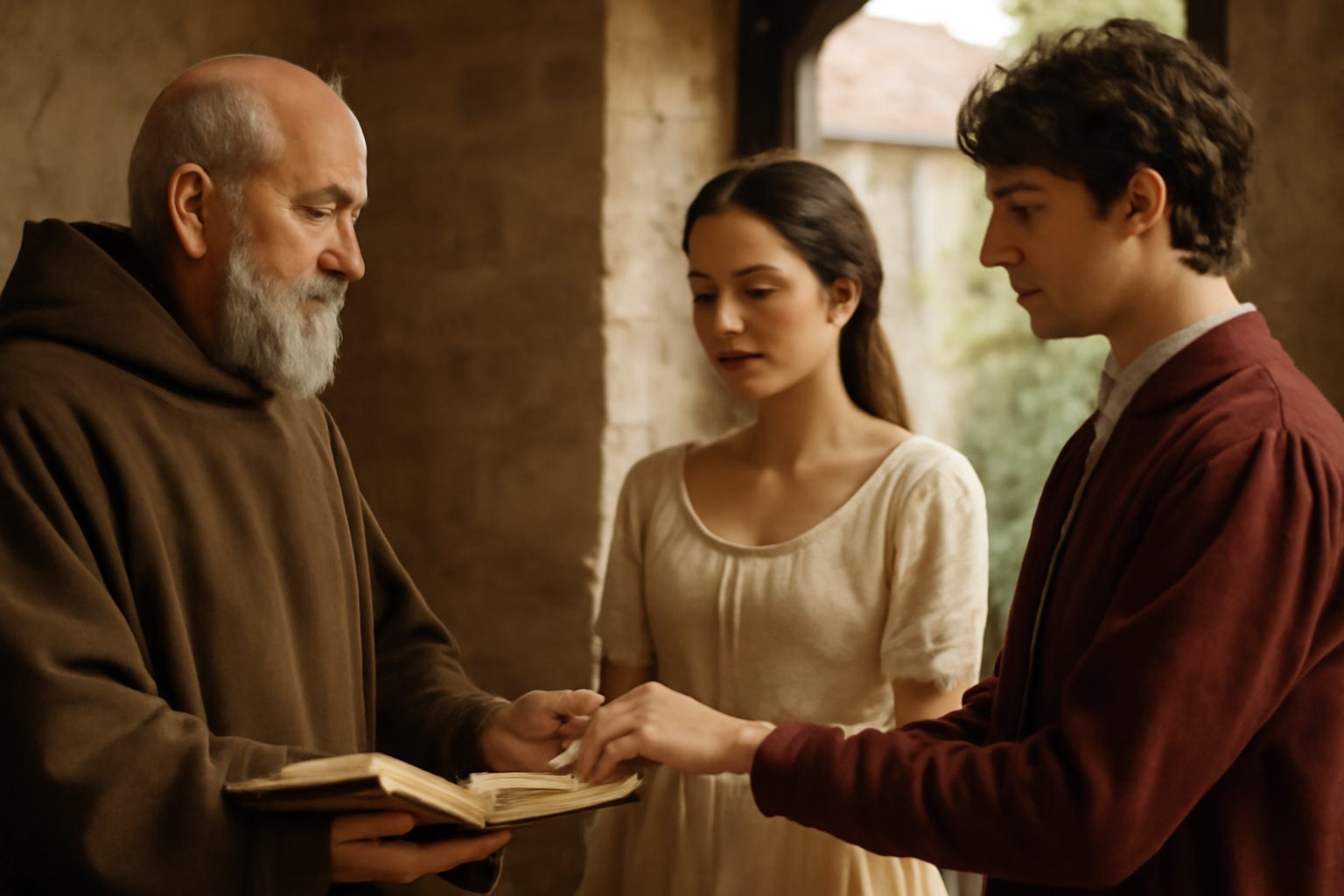
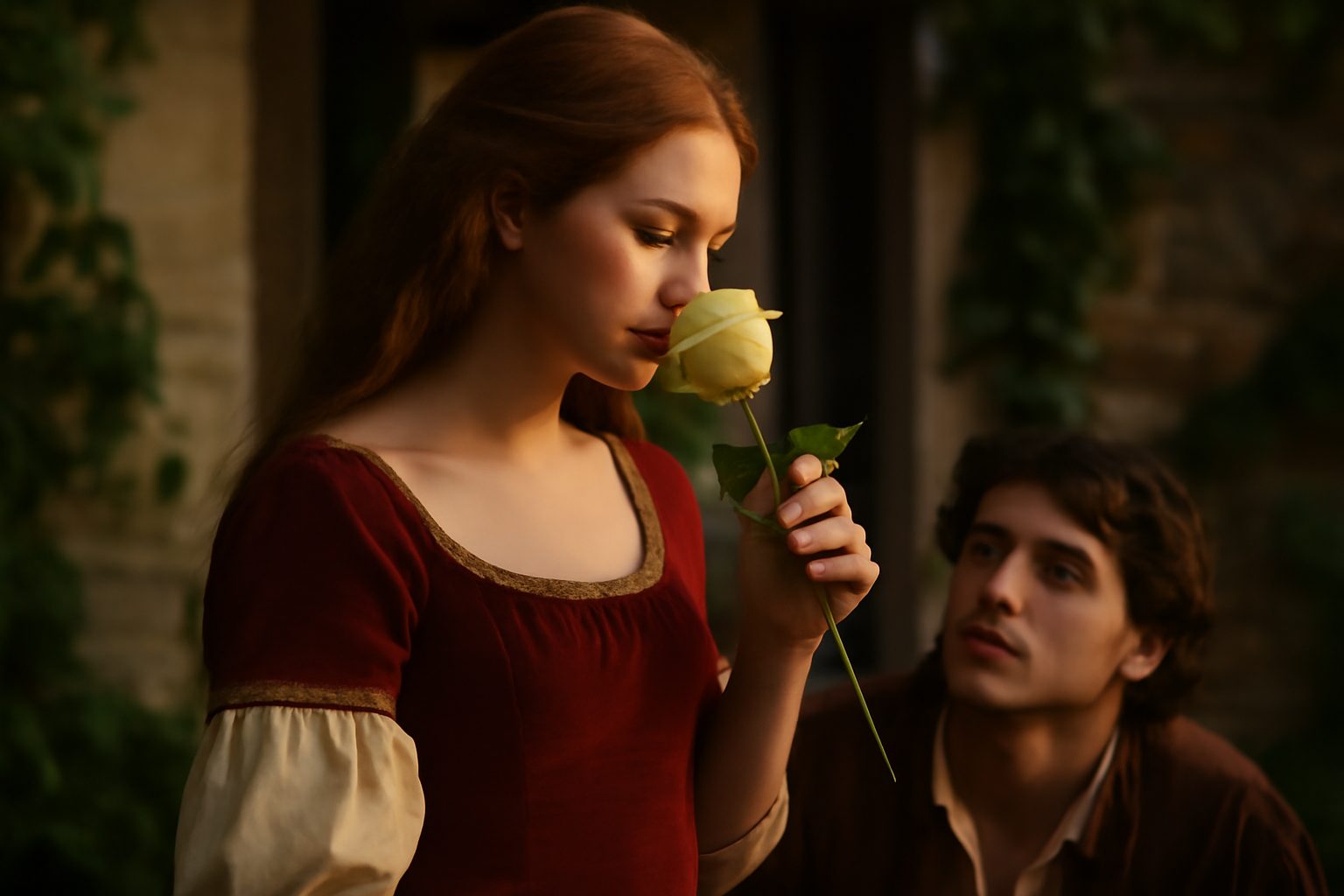
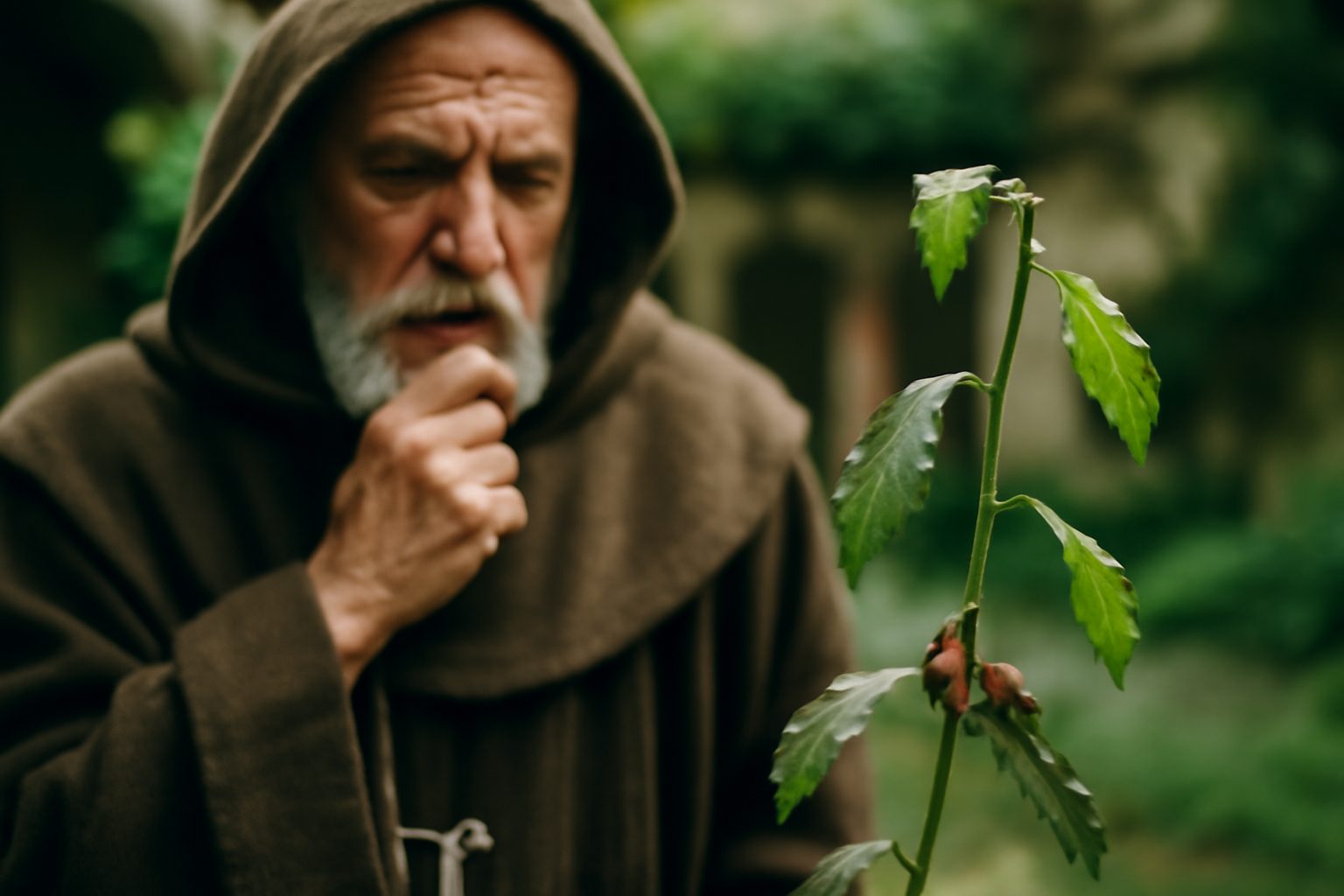
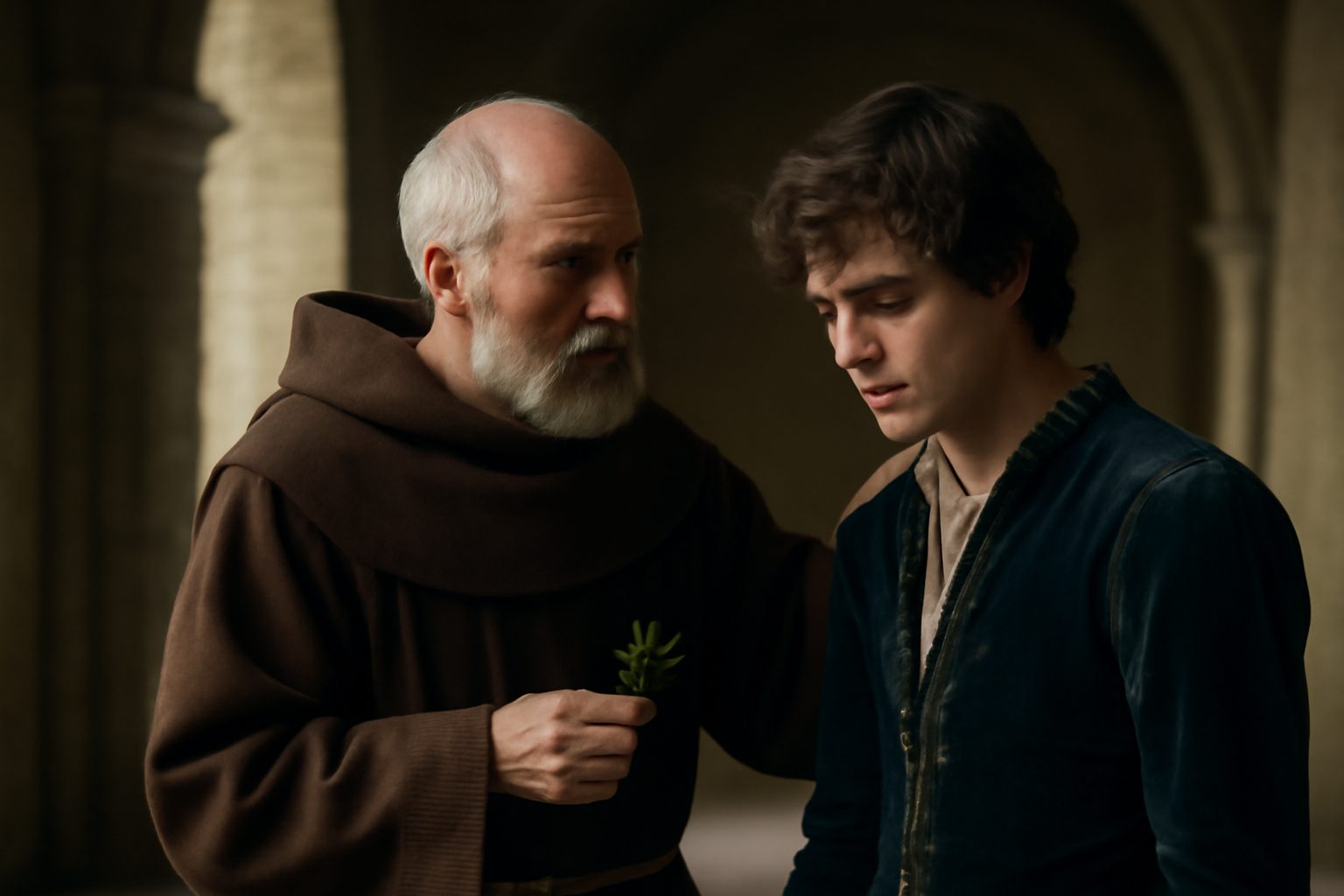
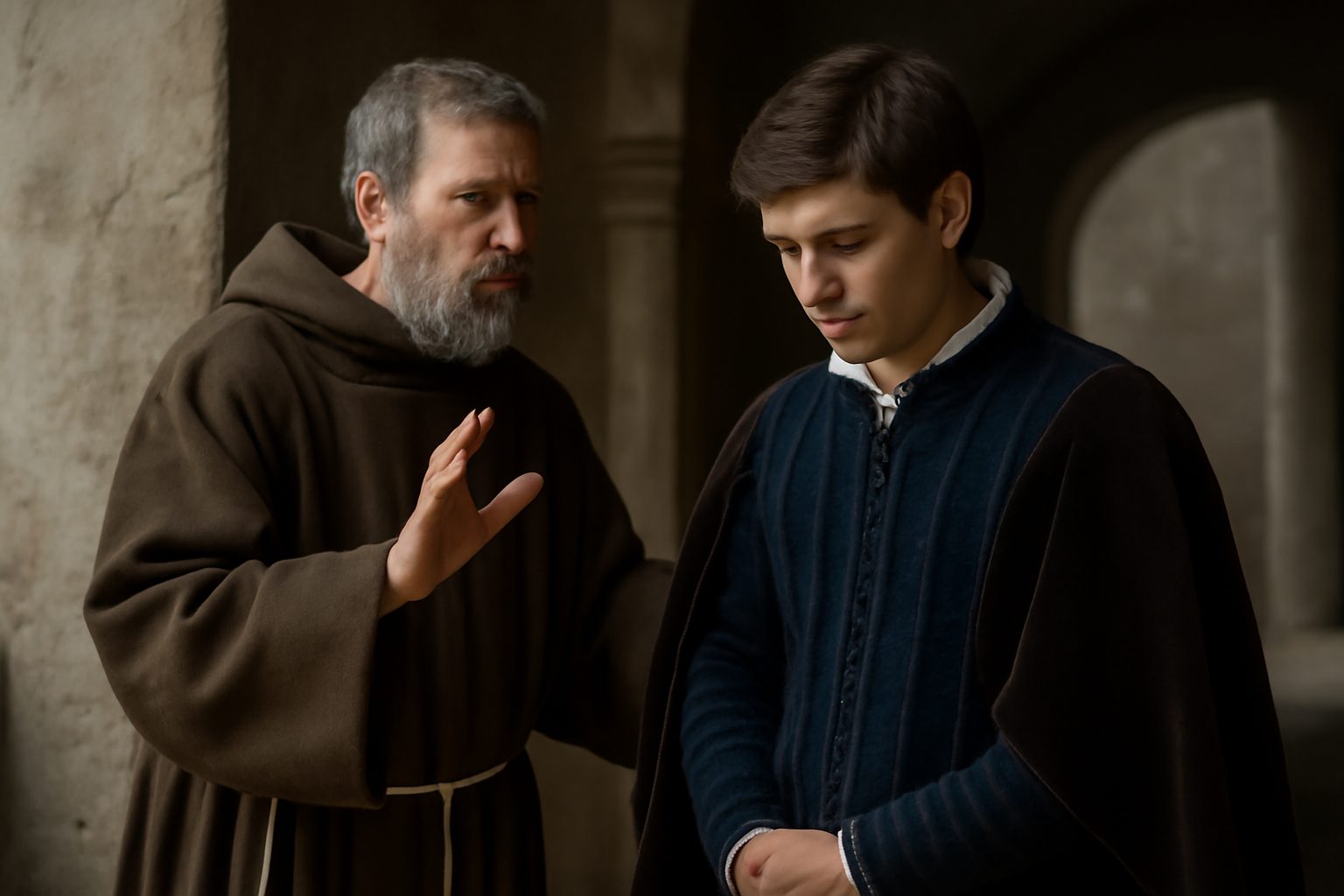
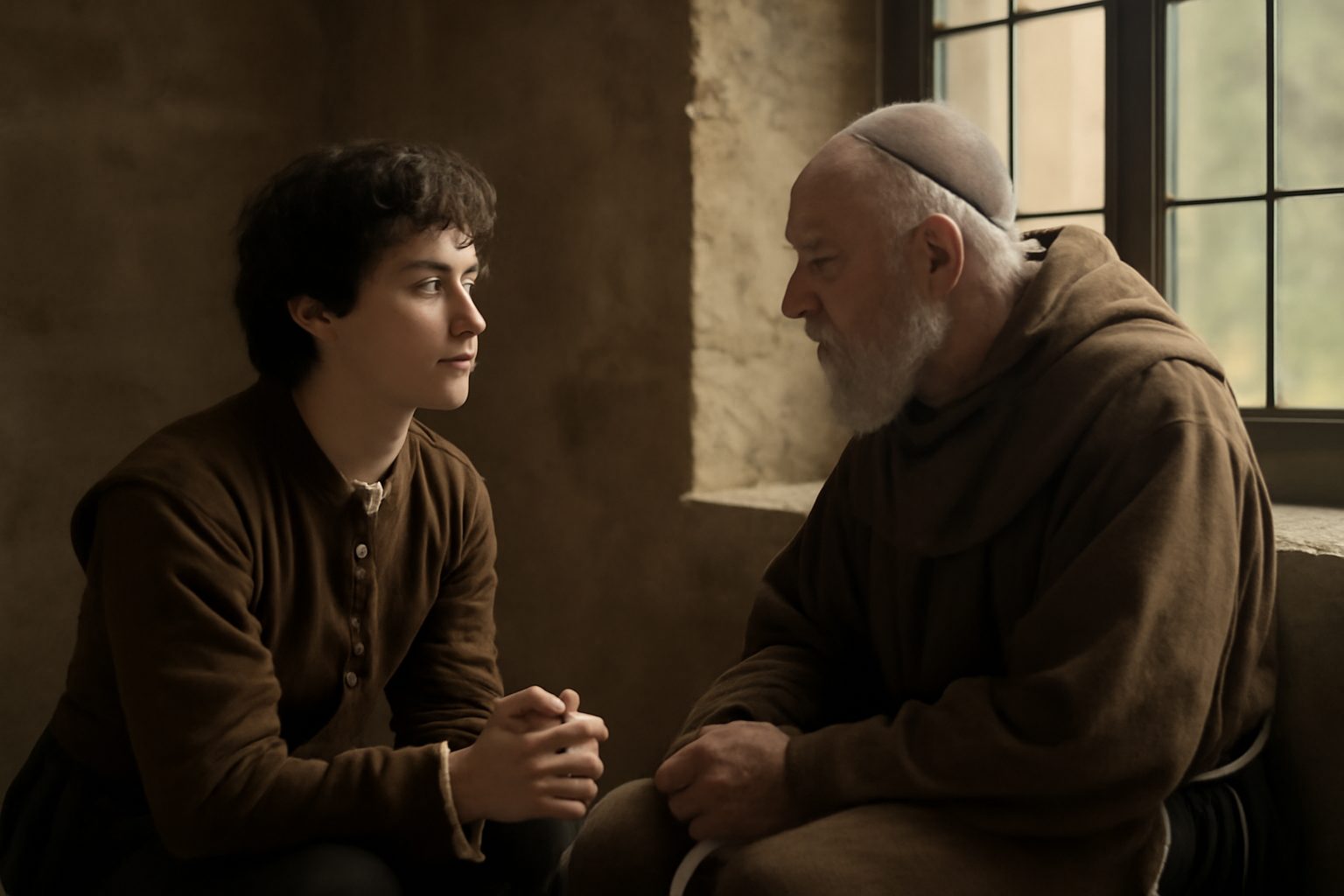
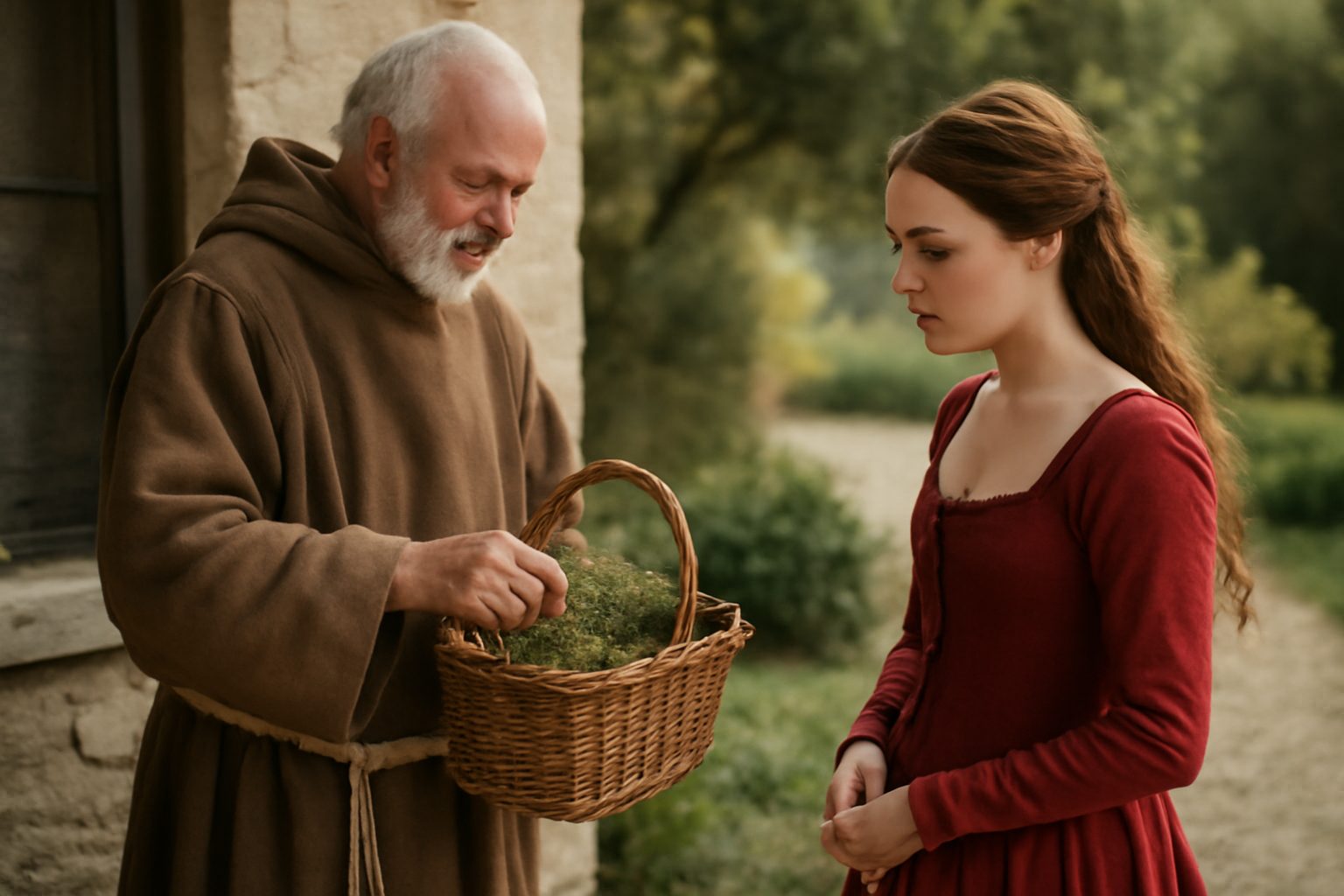
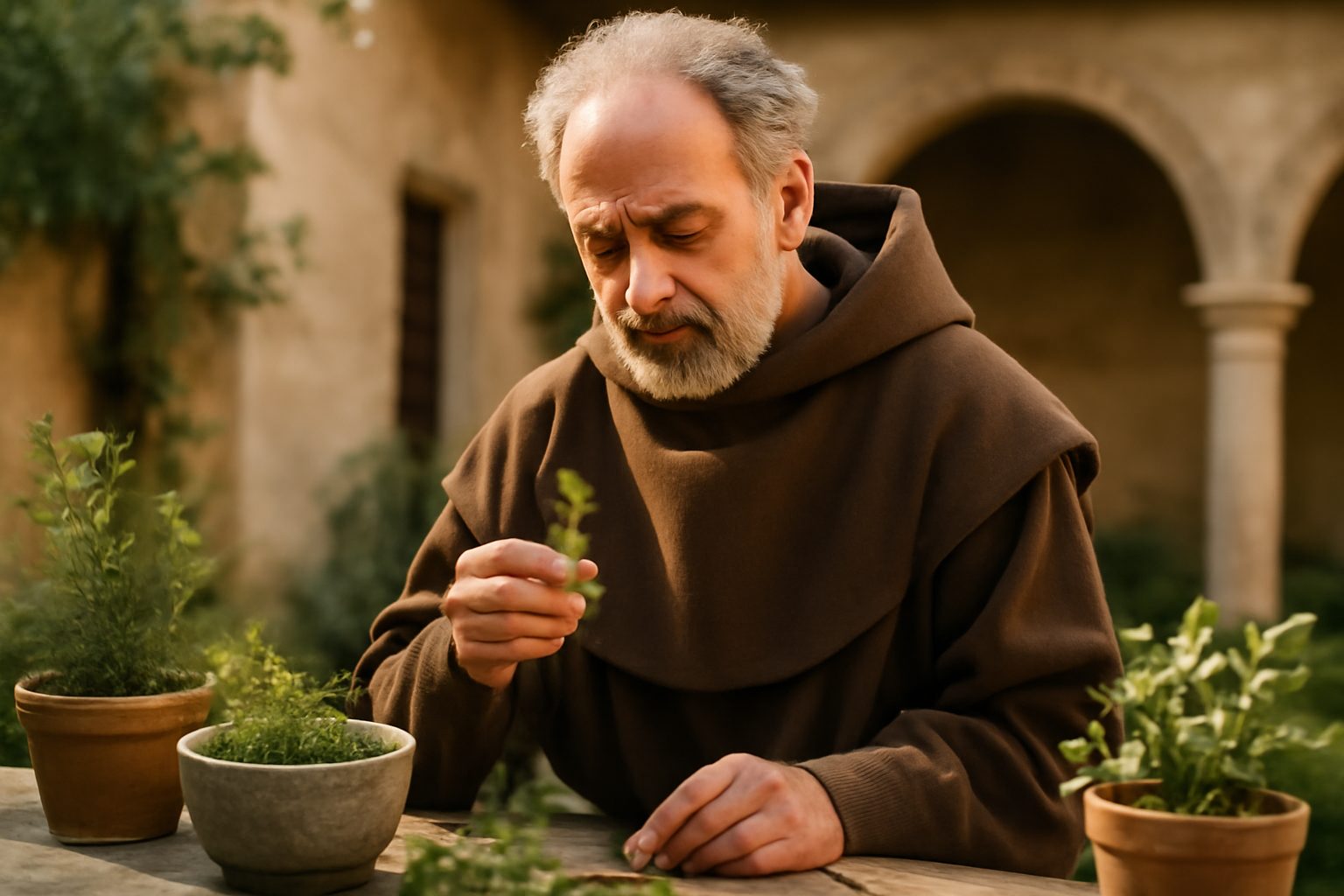
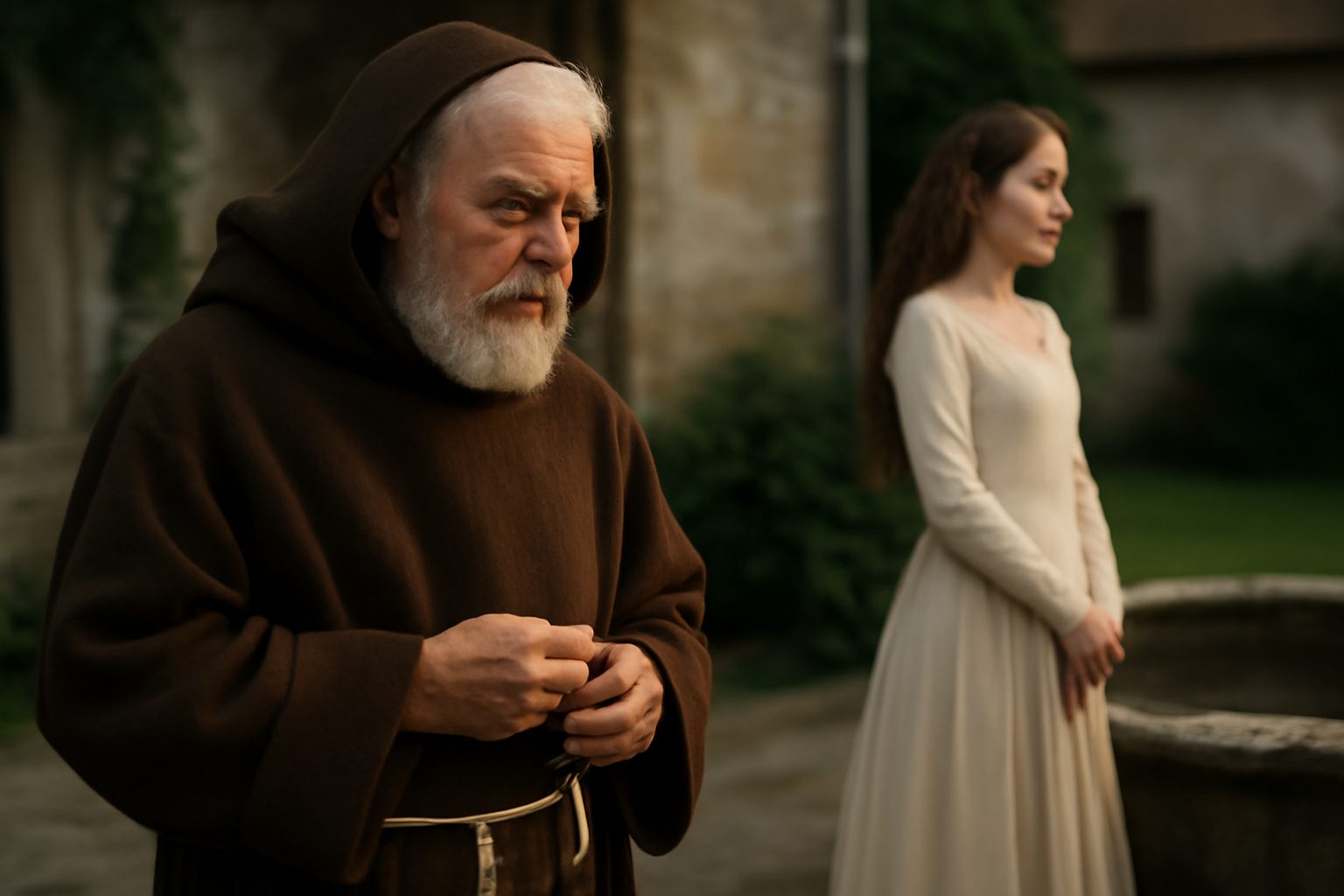
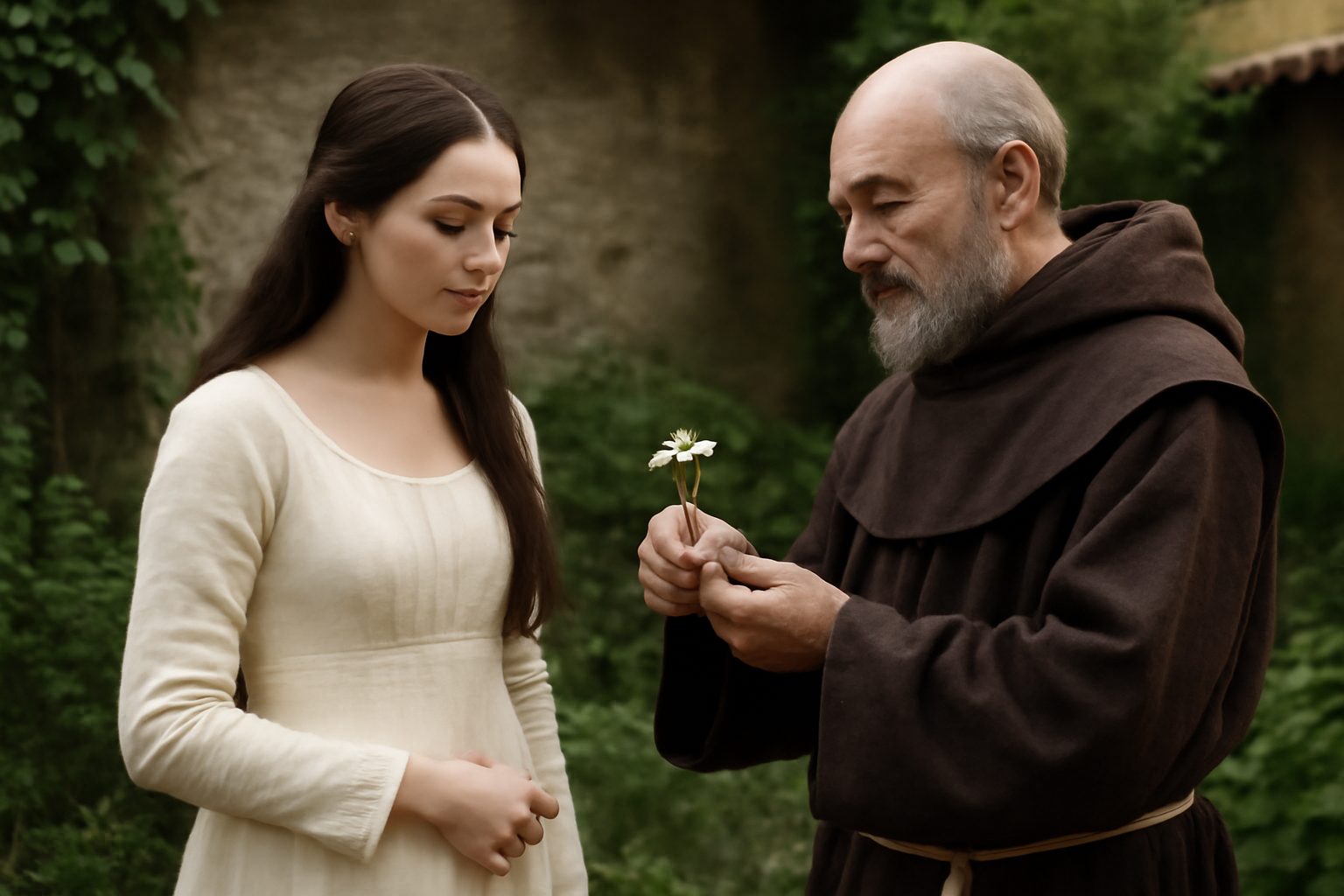
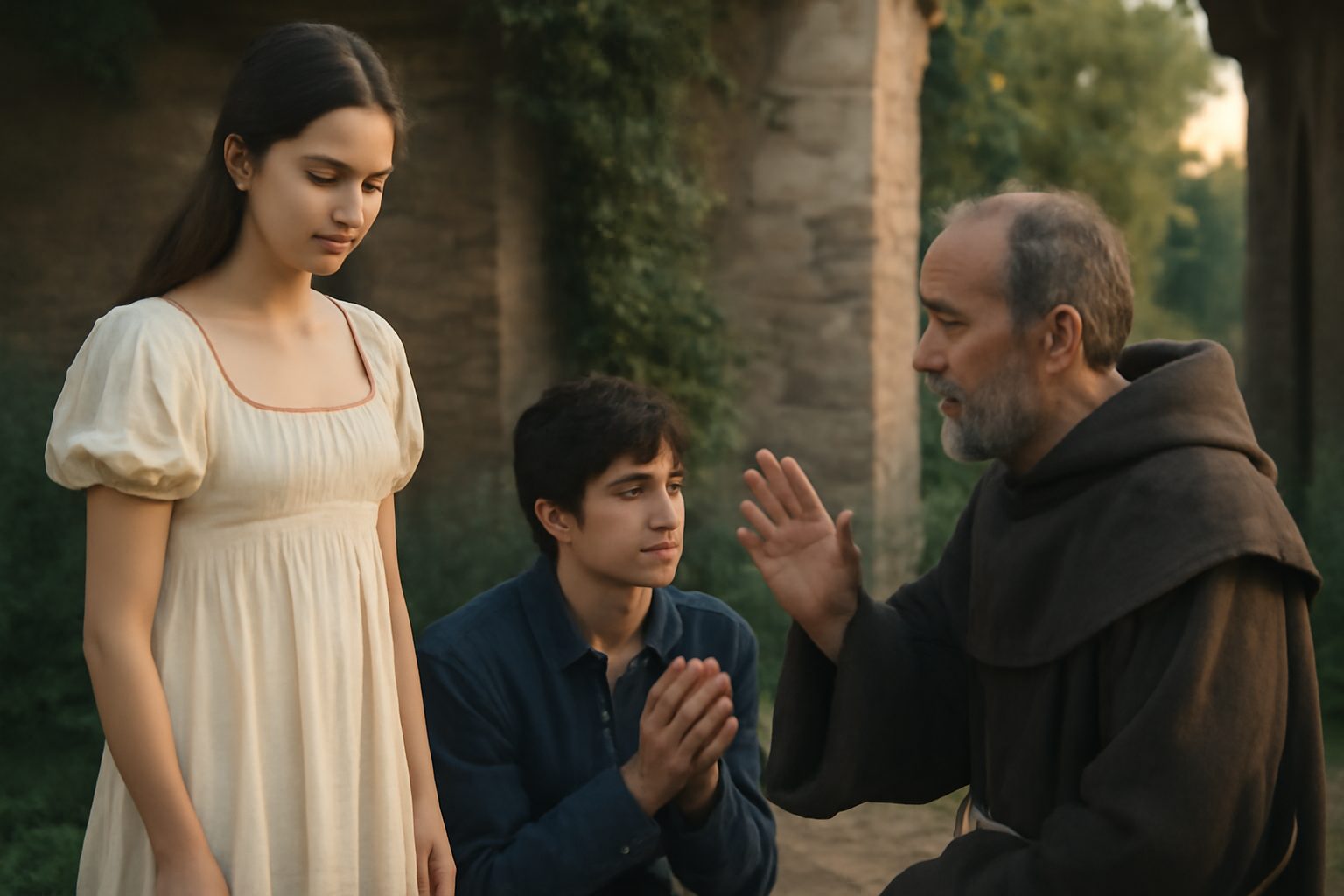
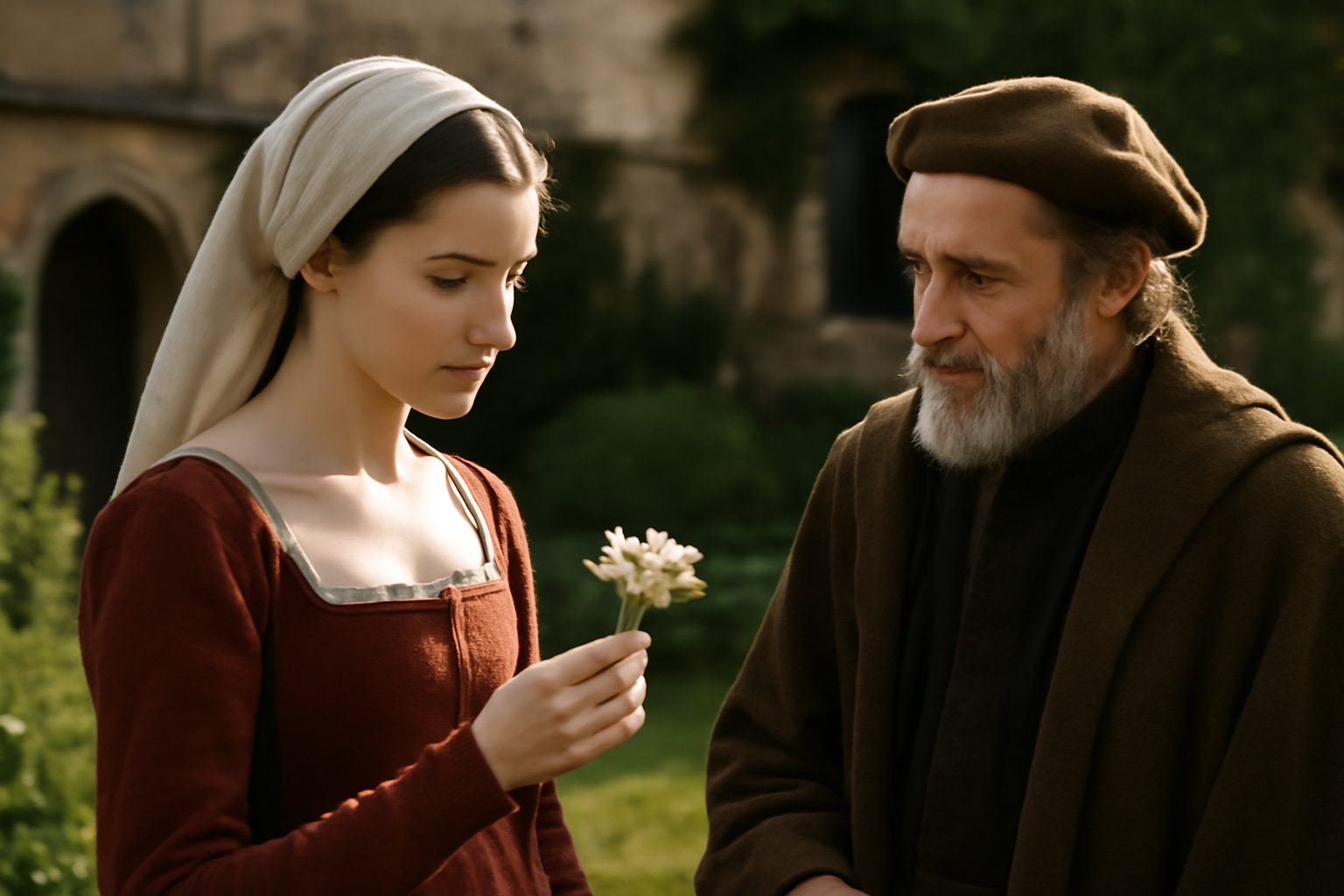
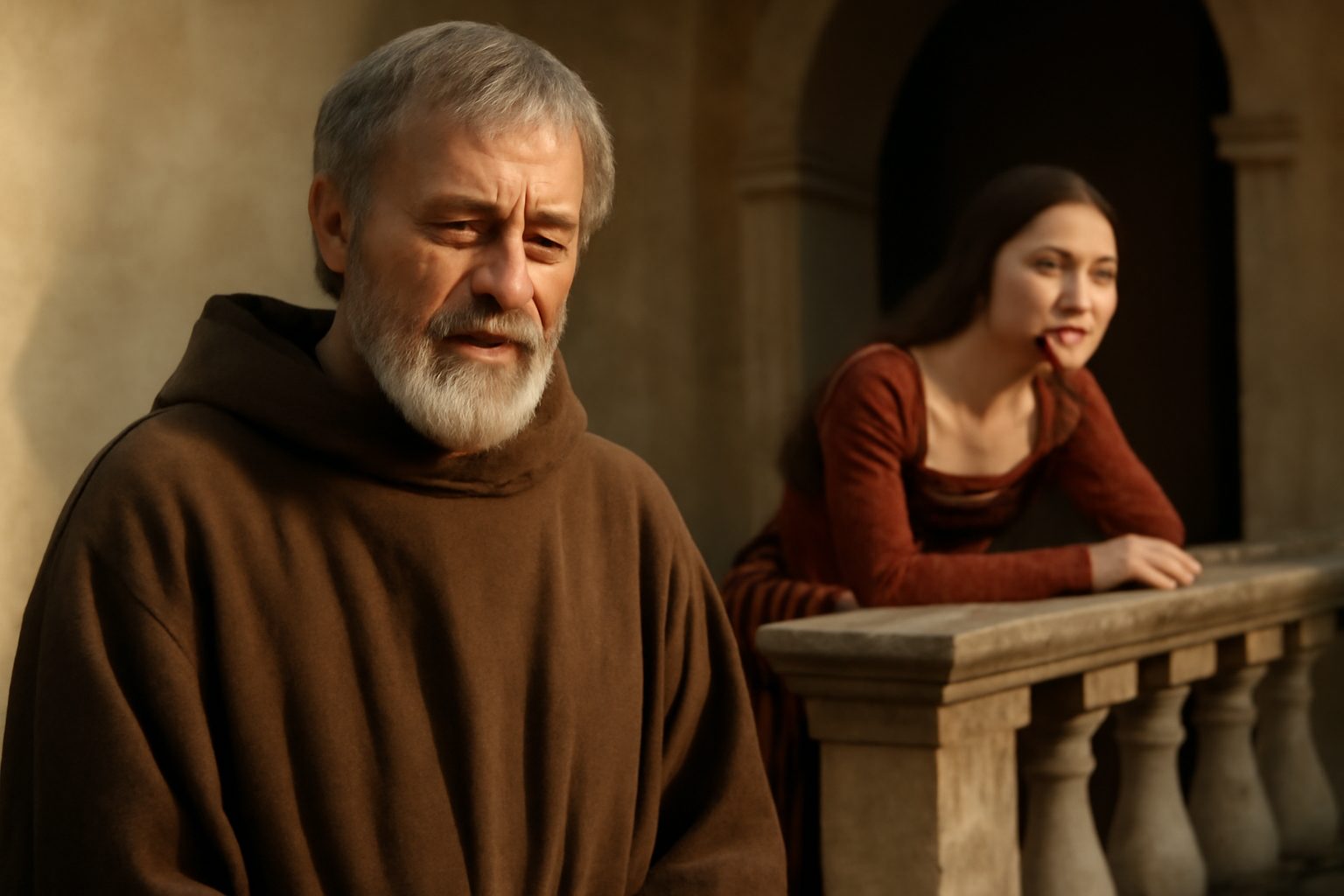
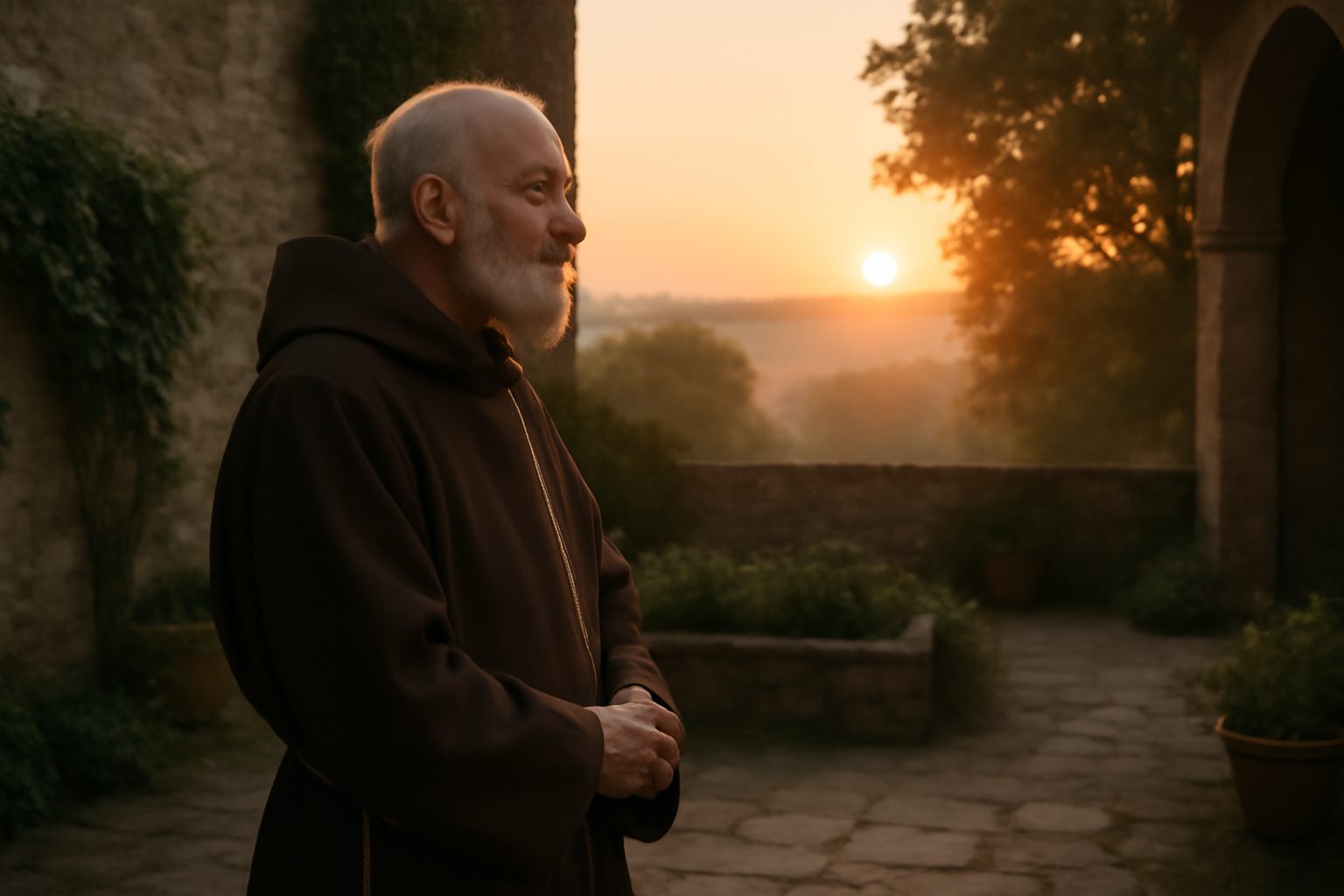
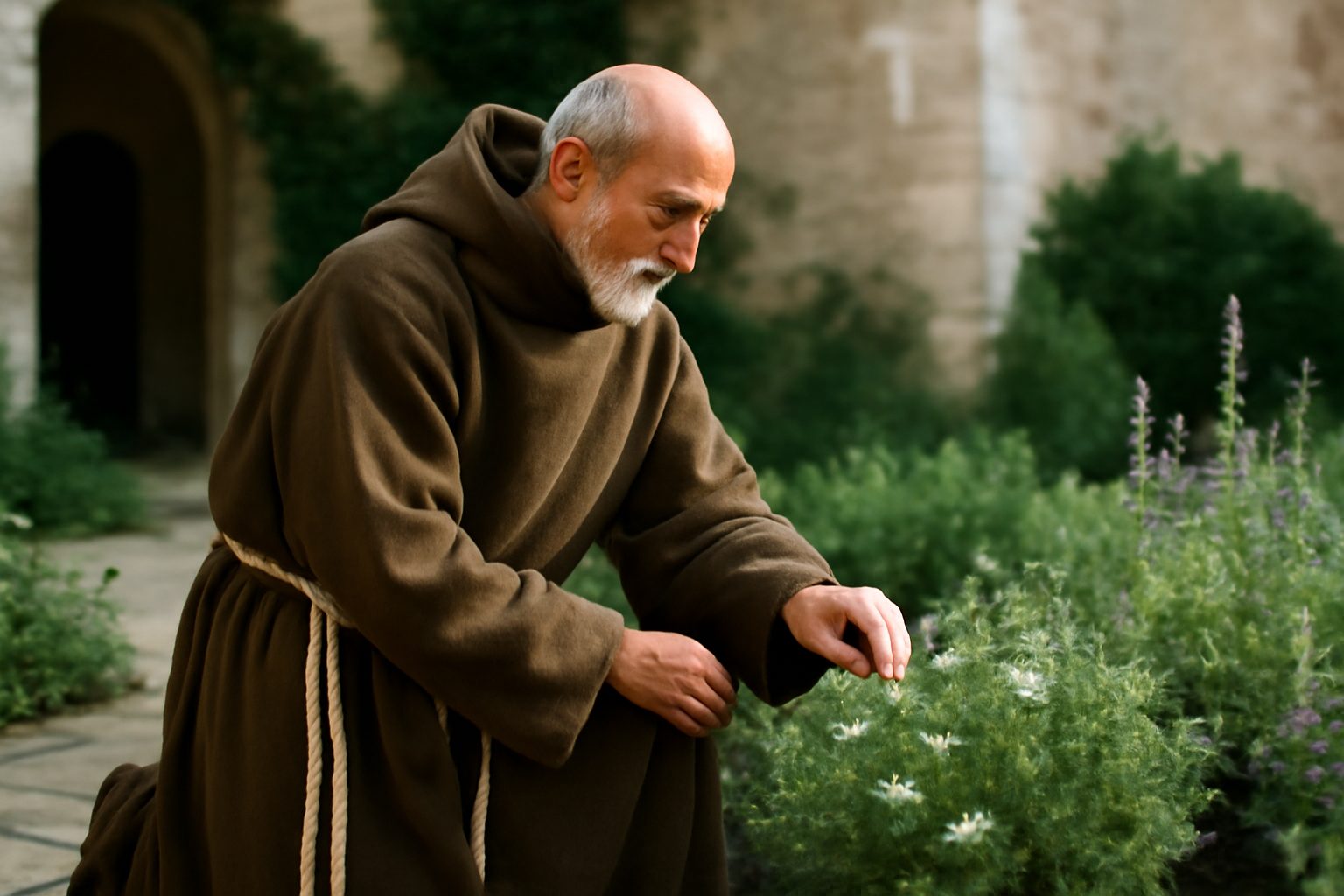
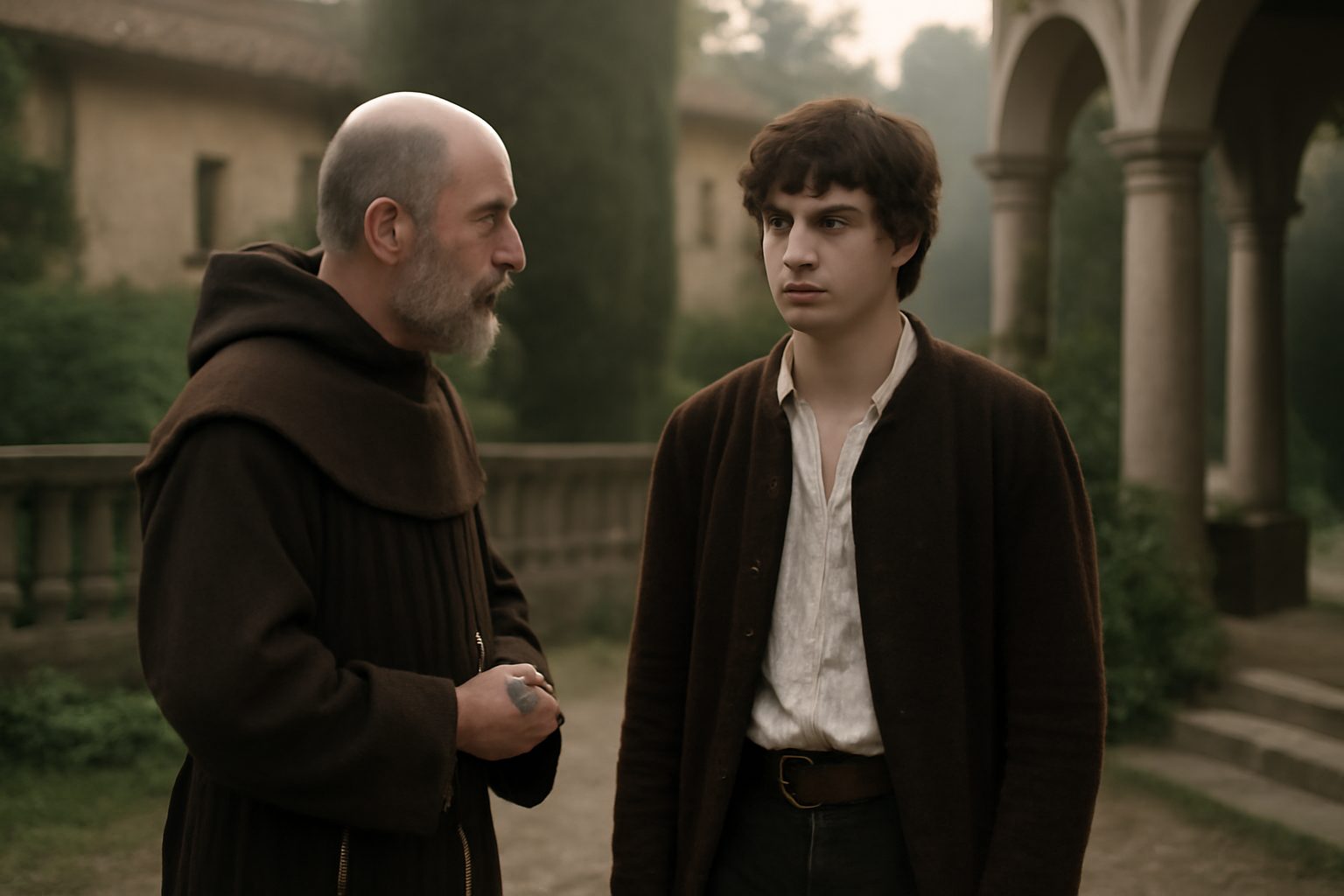
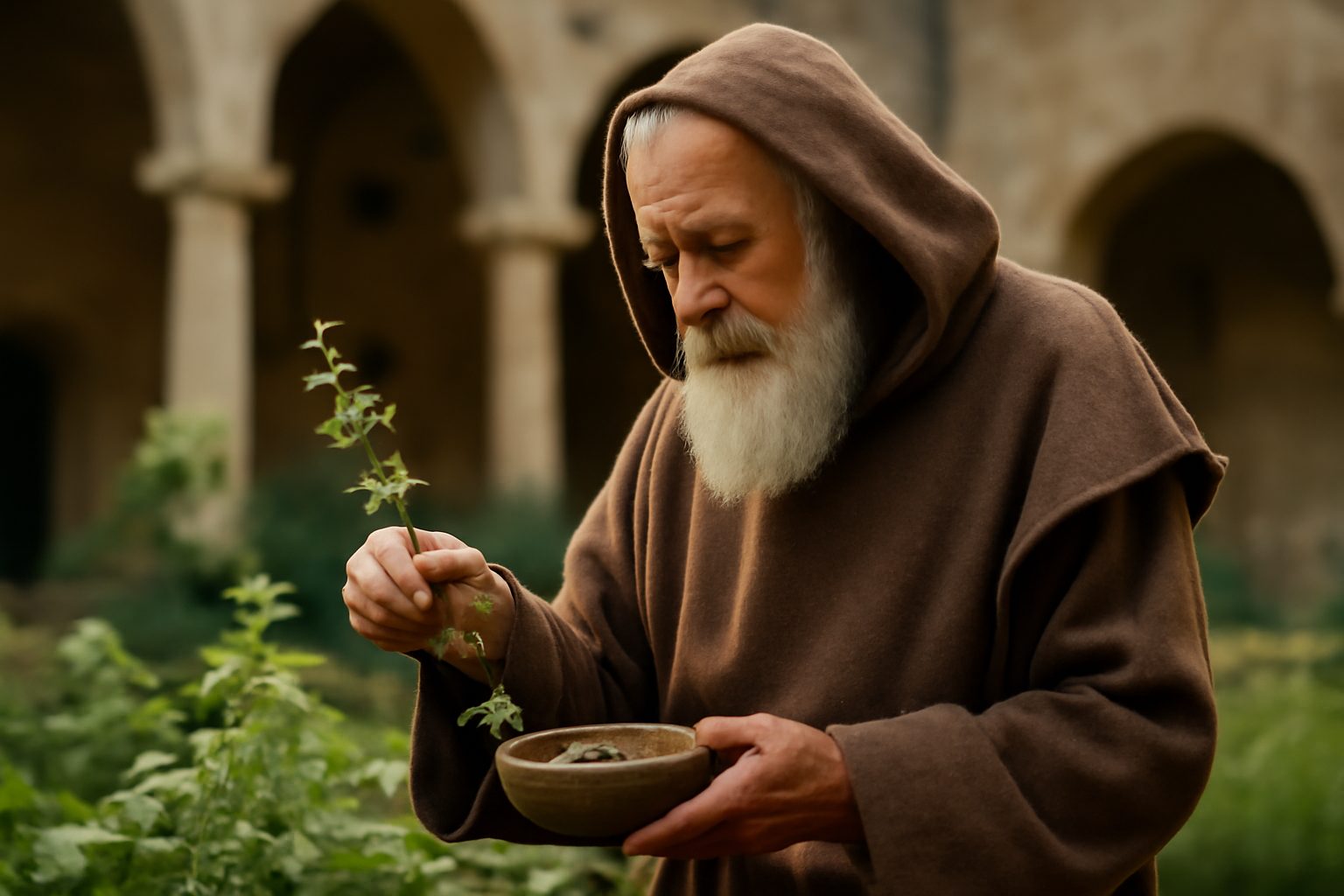
In Act 2, Scene 3 of Romeo and Juliet, Friar Laurence reflects on the duality of human nature as he gathers herbs at dawn. This line captures his observation that even good qualities can become harmful when used improperly, foreshadowing the tragic consequences of Romeo and Juliet's rushed love. The friar's words underscore the play's central theme of how noble intentions can lead to ruin if not guided by wisdom.
Friar Laurence: "Virtue itself turns vice, being misapplied;"
In modern day english, we would say:
Even good things can become harmful when used the wrong way.
Frequently Asked Questions
What does Friar Laurence mean when he says that virtue can turn into vice?
He means that even good qualities or actions can become harmful if they are used in the wrong way or for the wrong purpose.
Connections to other verses:
Connections to "Virtue itself turns vice, being misapplied"
The line "Virtue itself turns vice, being misapplied" is part of Friar Laurence's soliloquy on the dual nature of things, a theme echoed throughout the scene. It connects directly with "And vice sometimes by action dignified", which completes the couplet, emphasizing how good and evil can be inverted based on application.
Dual Nature and Transformation
The Friar's musings on duality are further developed in lines like "Poison hath residence and medicine power", illustrating how substances can heal or harm. Similarly, "For nought so vile that on the earth doth live" and "But to the earth some special good doth give" reinforce the idea that nothing is entirely good or evil, but context defines its value.
Application to Romeo's Situation
This philosophical framework applies to Romeo's abrupt shift in love. The Friar chides him in "For doting, not for loving, pupil mine", suggesting Romeo's virtue (love) has turned to vice (rash infatuation). The theme of misapplication is echoed in "Thy love did read by rote and could not spell", implying his love for Rosaline was superficial and misdirected.
Contrast and Consequences
The Friar's warning about haste in "Wisely and slow; they stumble that run fast" ties back to the idea of misapplied virtue—rushing into marriage with Juliet could corrupt a good intention. Conversely, the hope that this union might "turn your households' rancour to pure love" shows virtue properly applied, transforming feud into peace.
Natural Imagery and Duality
The soliloquy's botanical metaphors, such as "Within the infant rind of this small flower" containing both poison and medicine, mirror the line's theme. The earth as both womb and tomb in "The earth that's nature's mother is her tomb" further underscores nature's dual capacity for life and death, reflecting the Friar's wisdom on misapplied virtue.