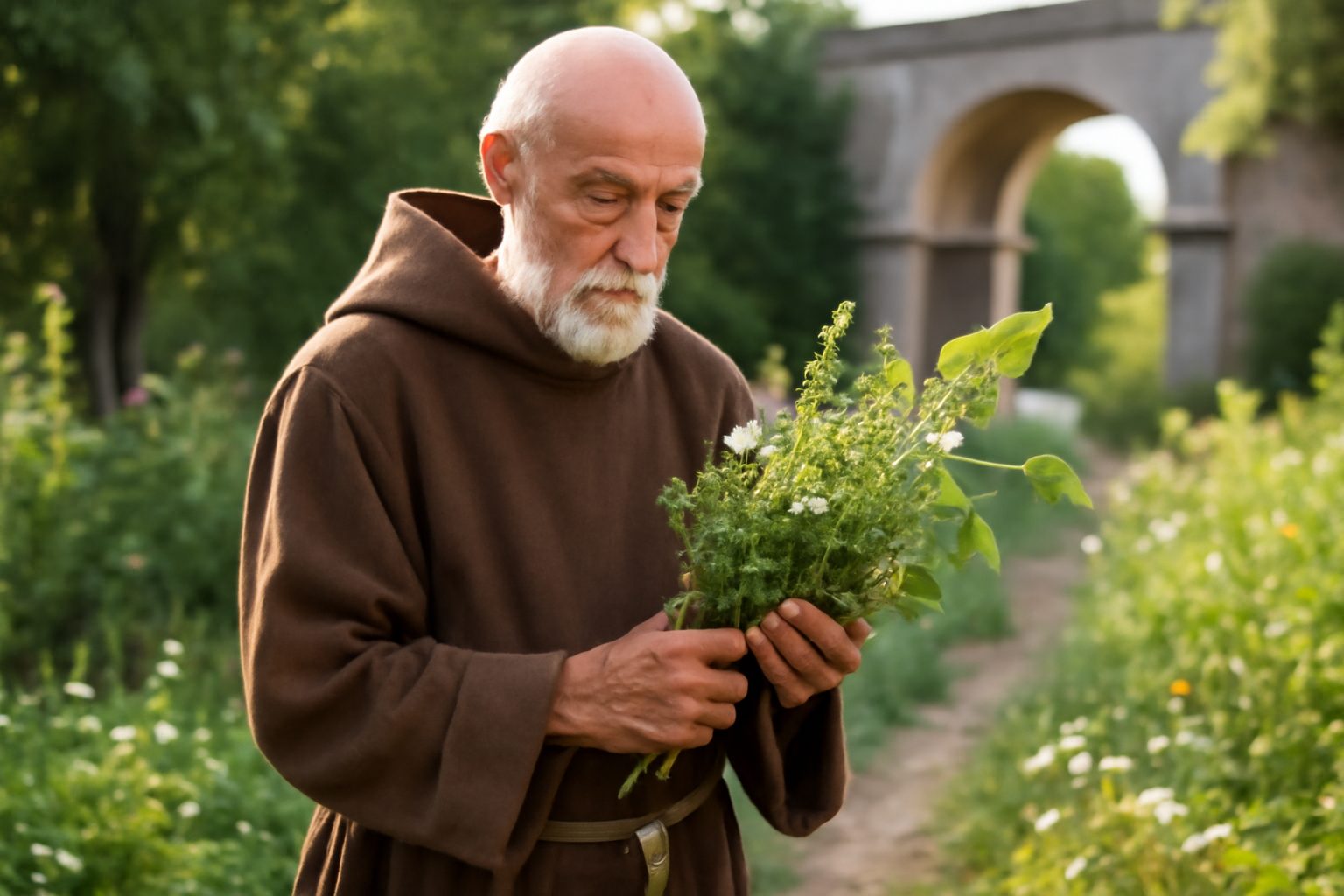
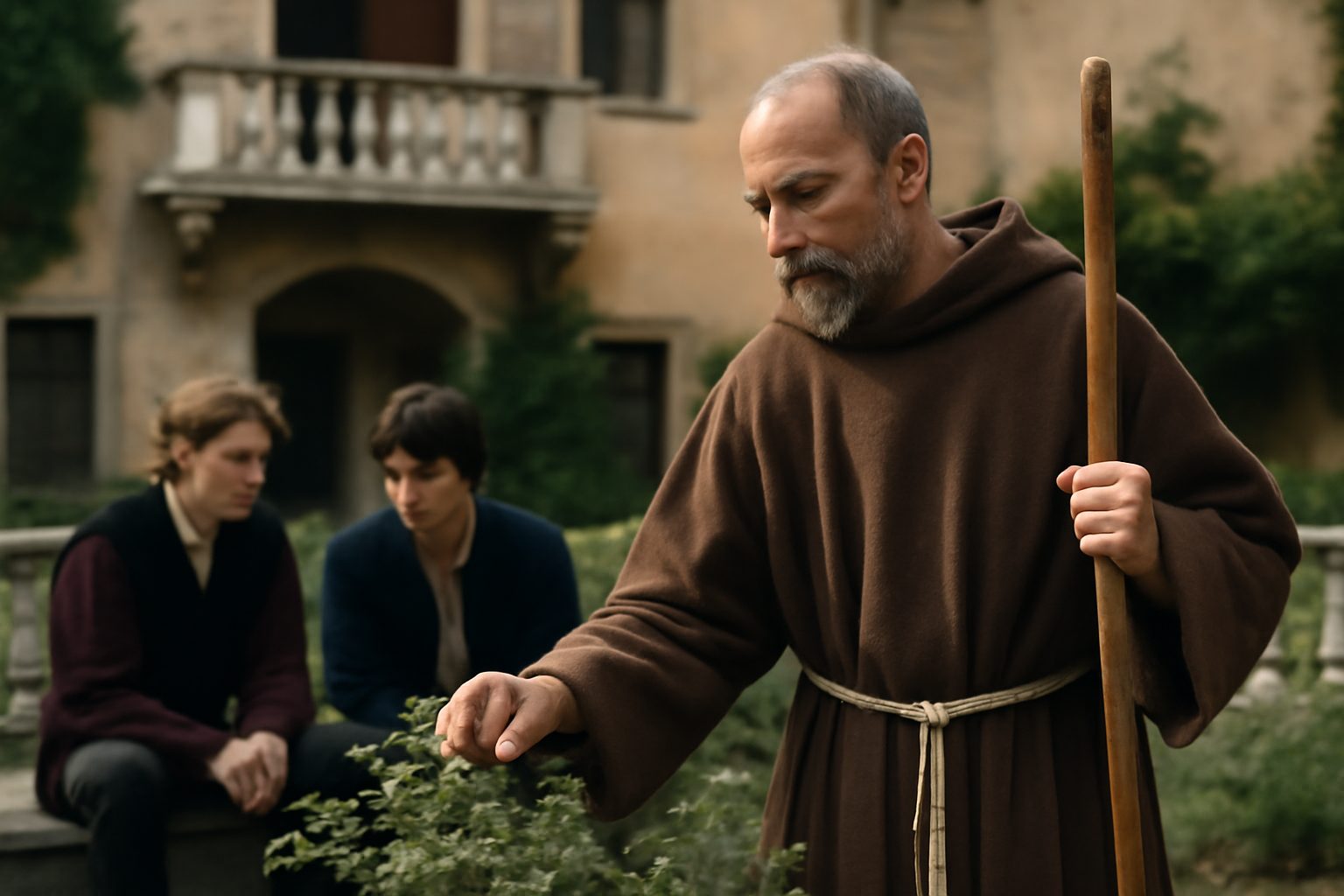
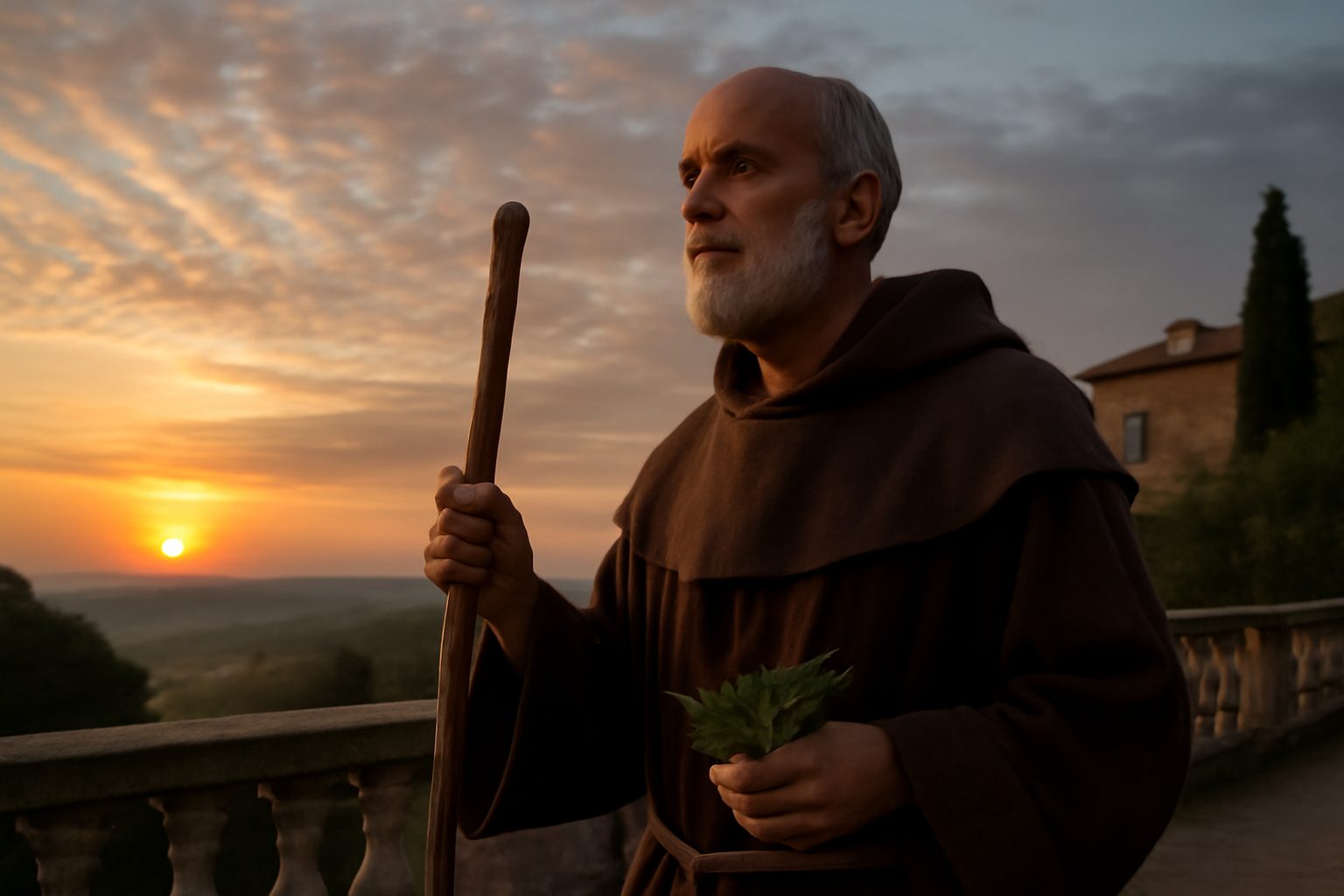
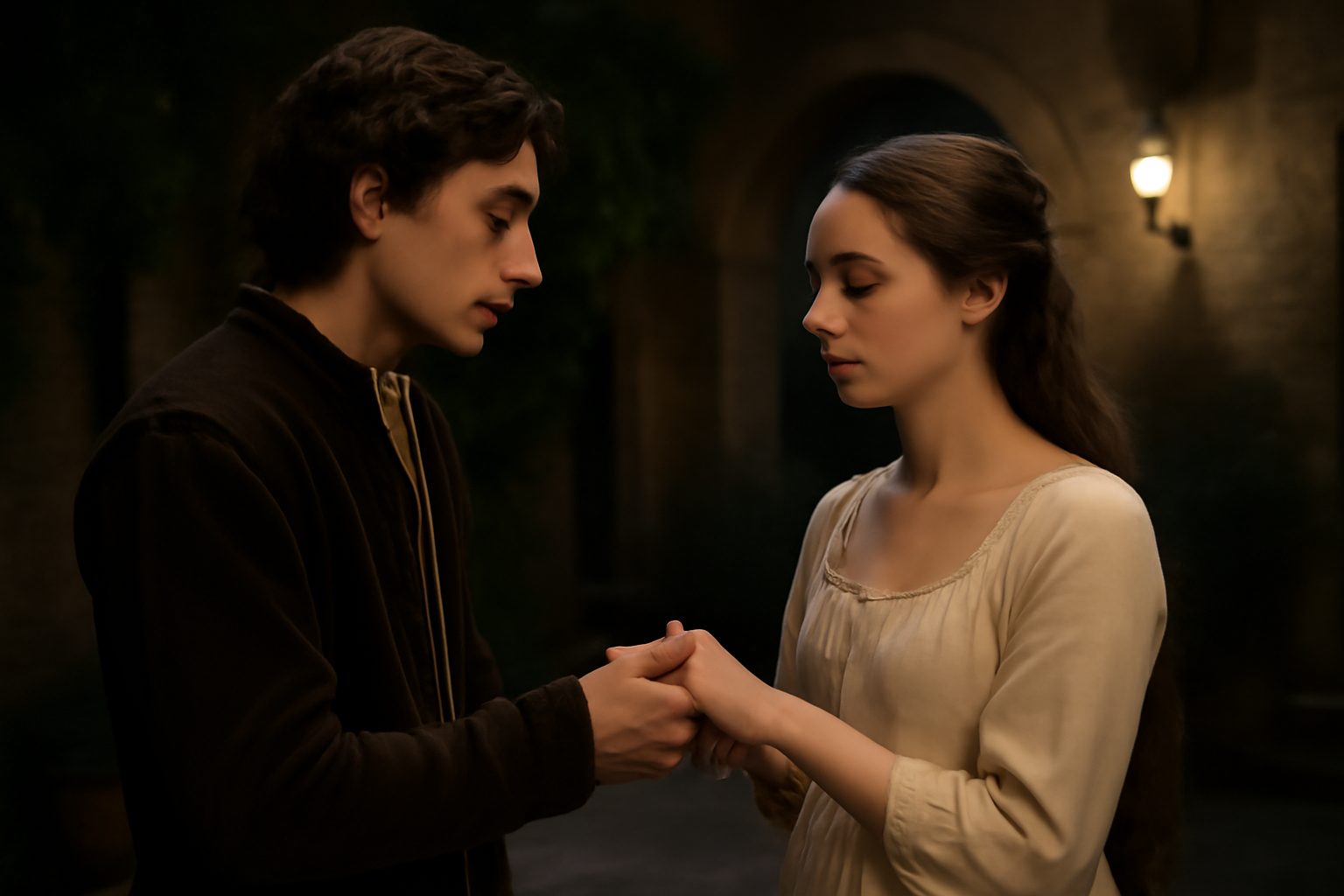
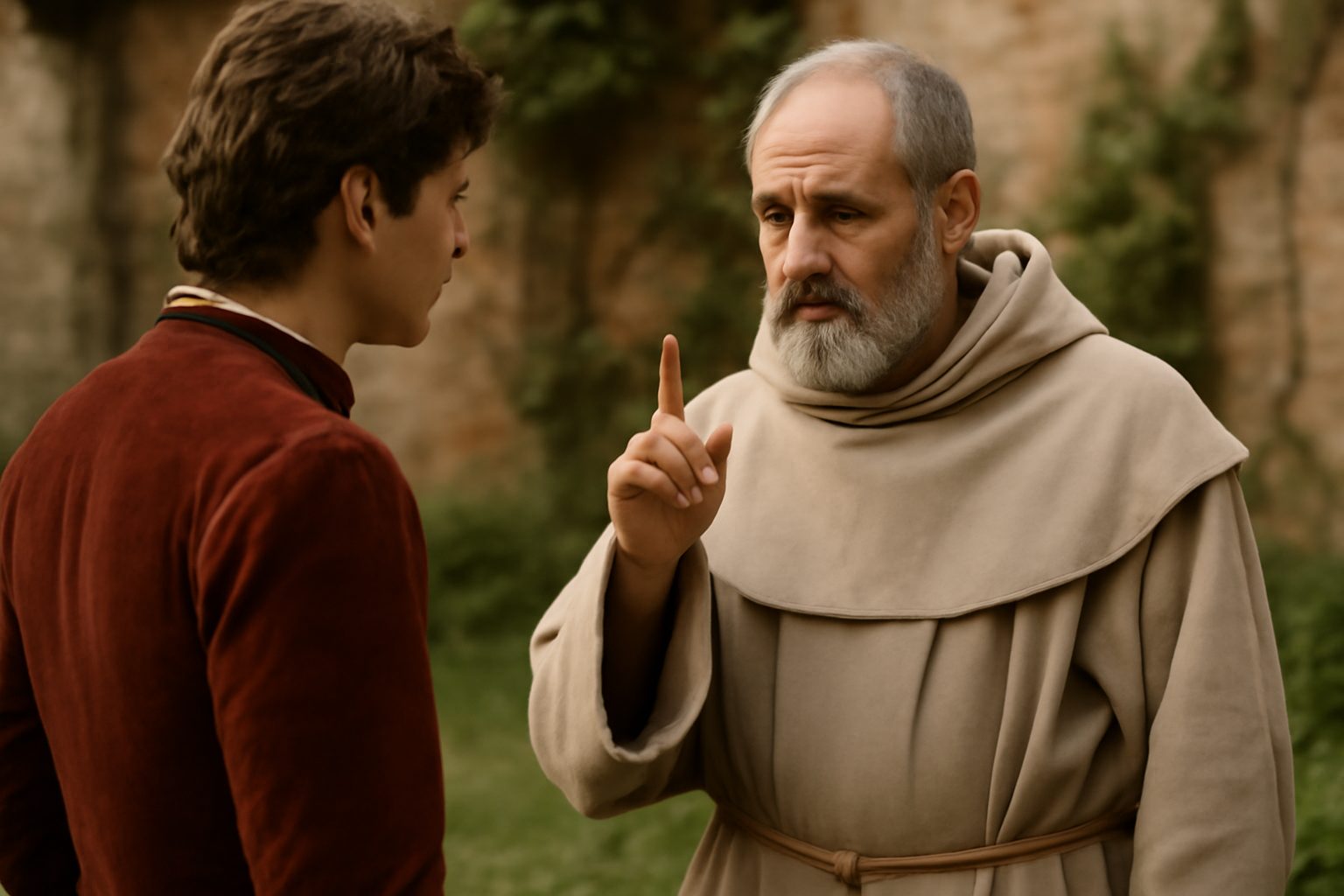
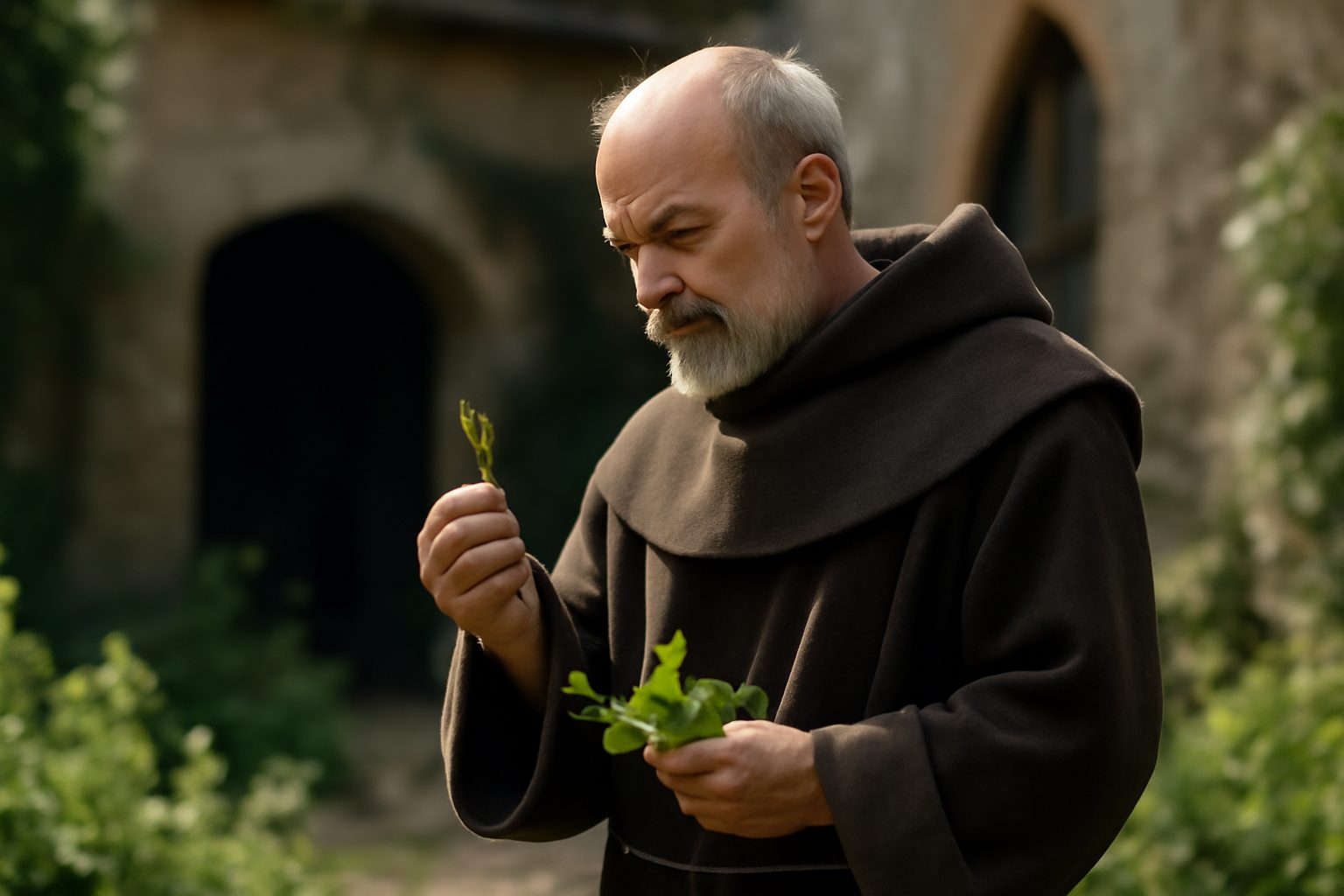
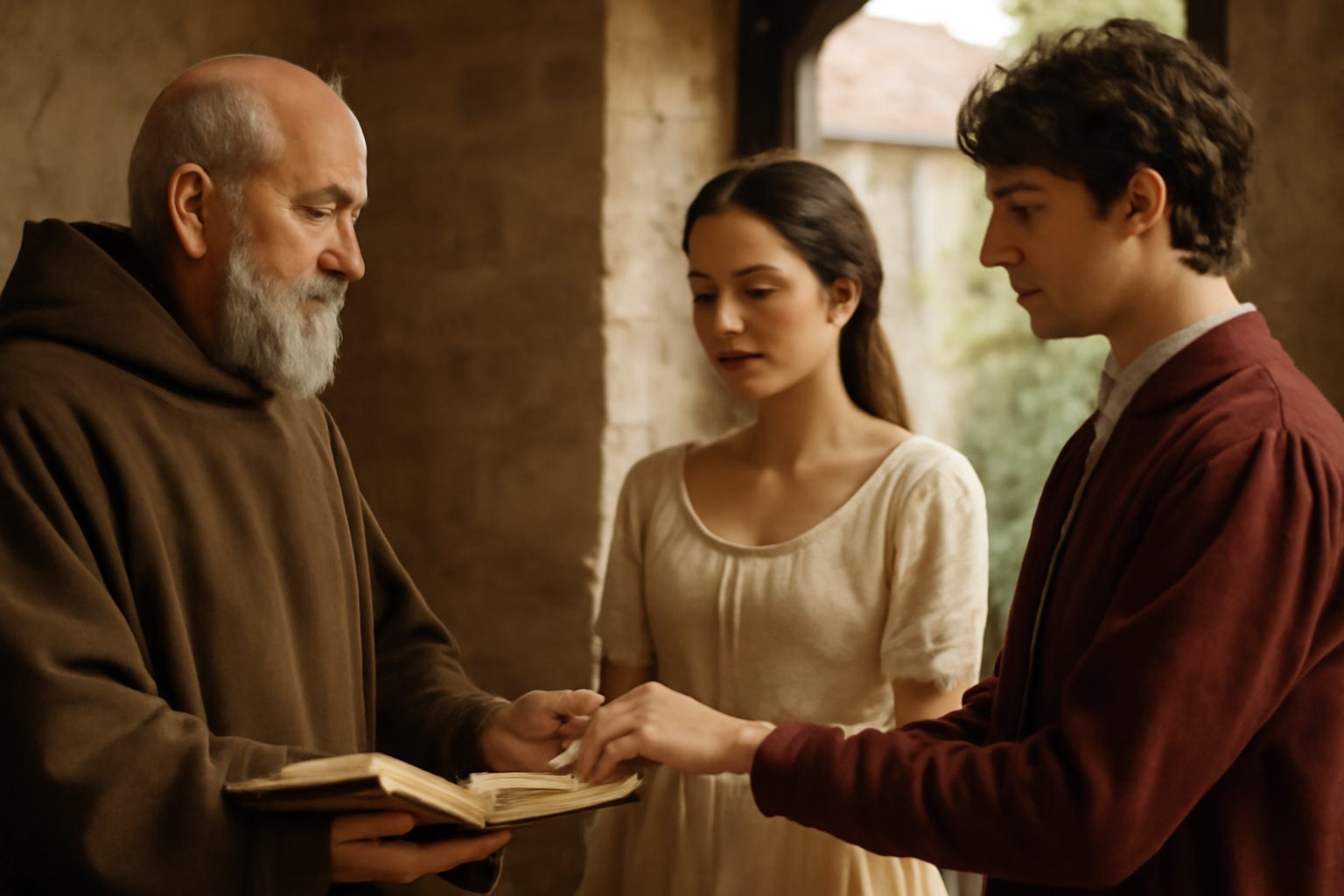
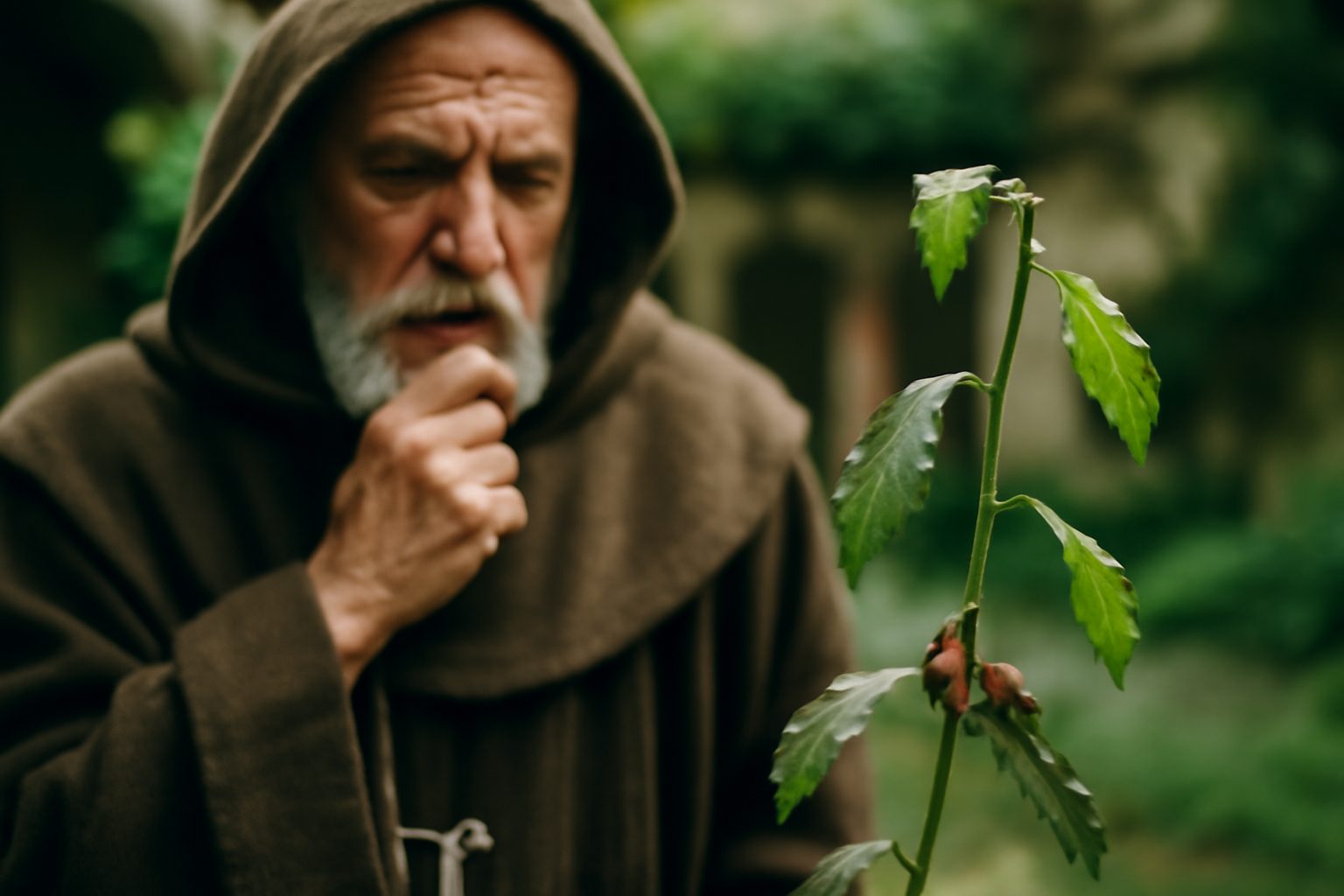
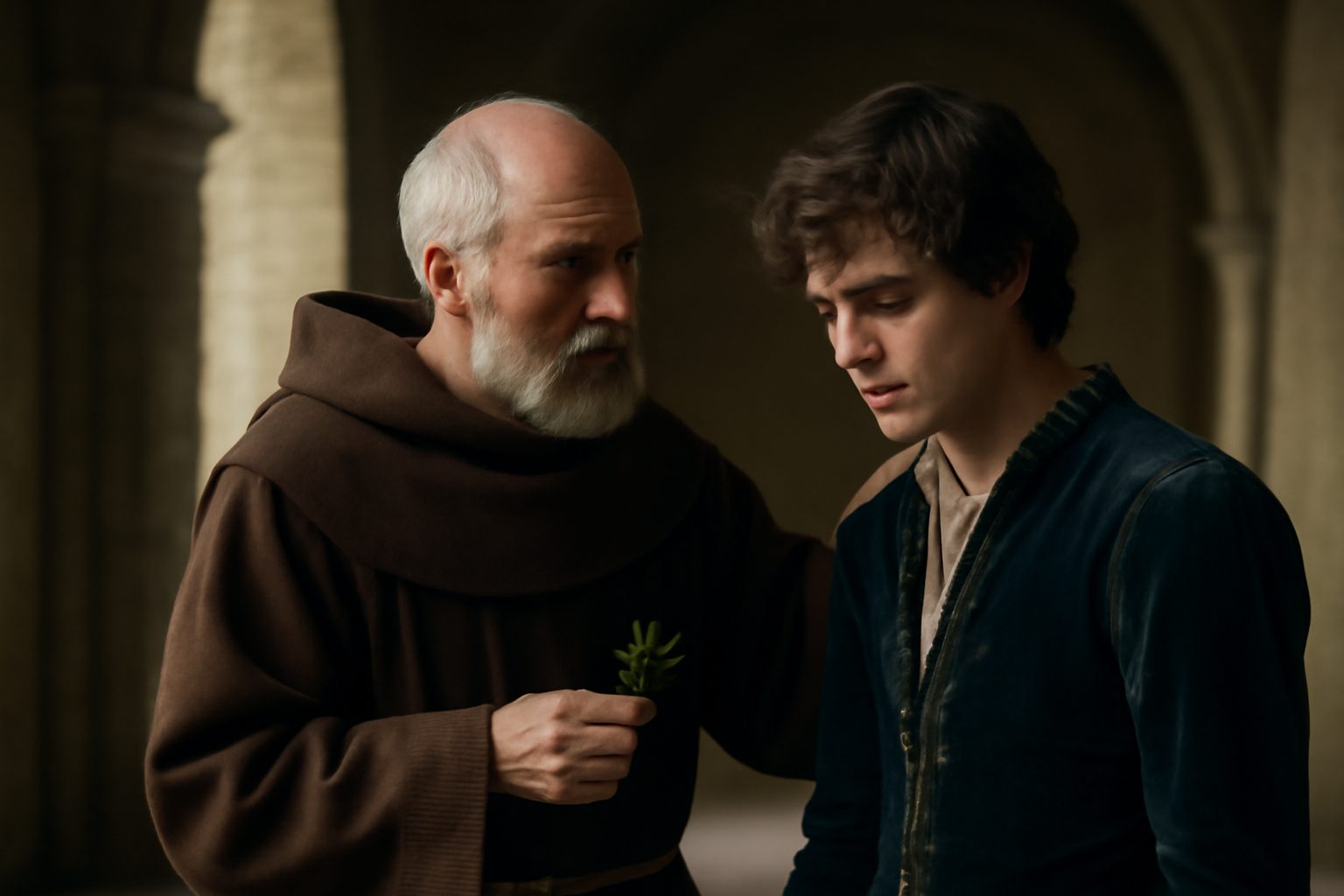
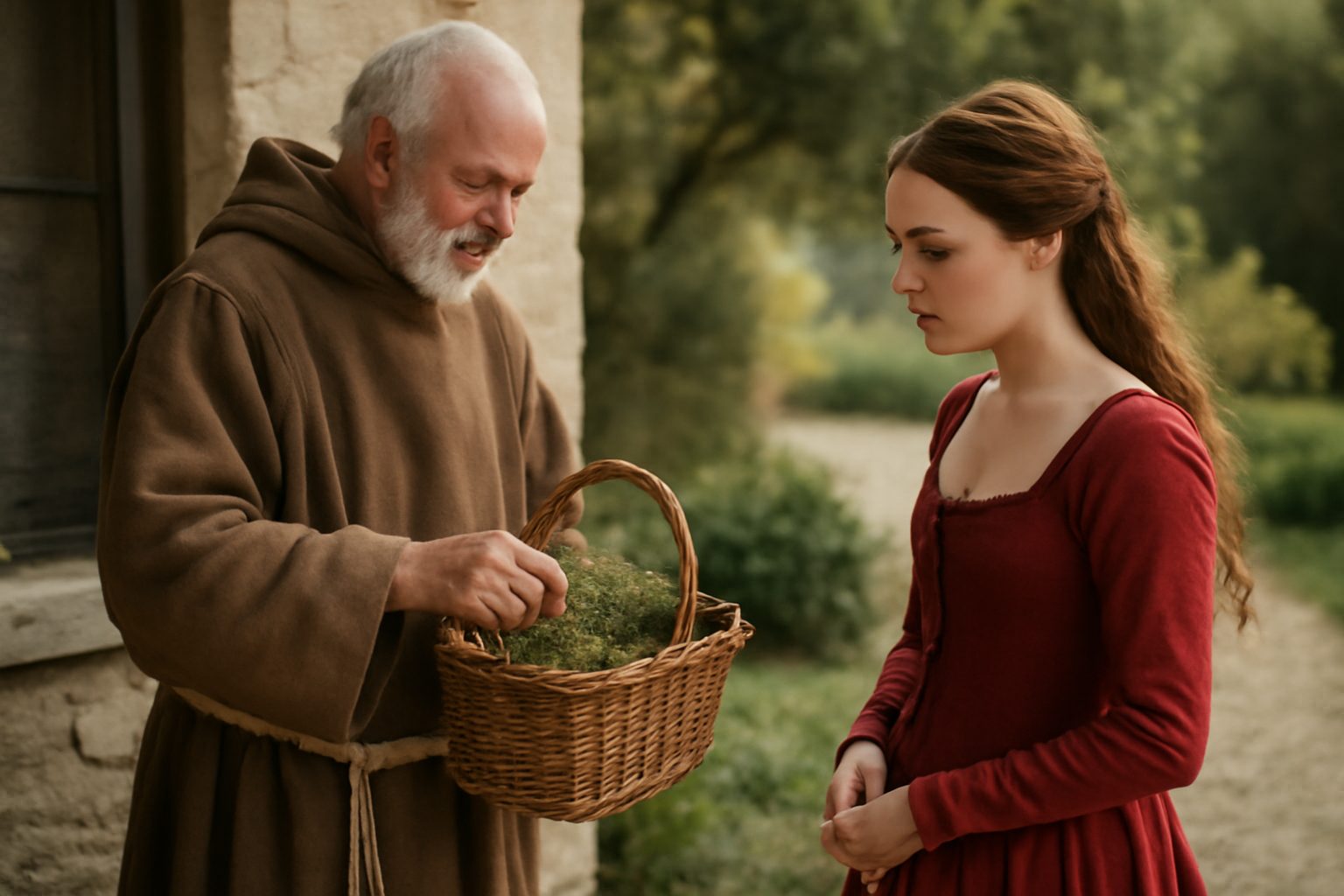
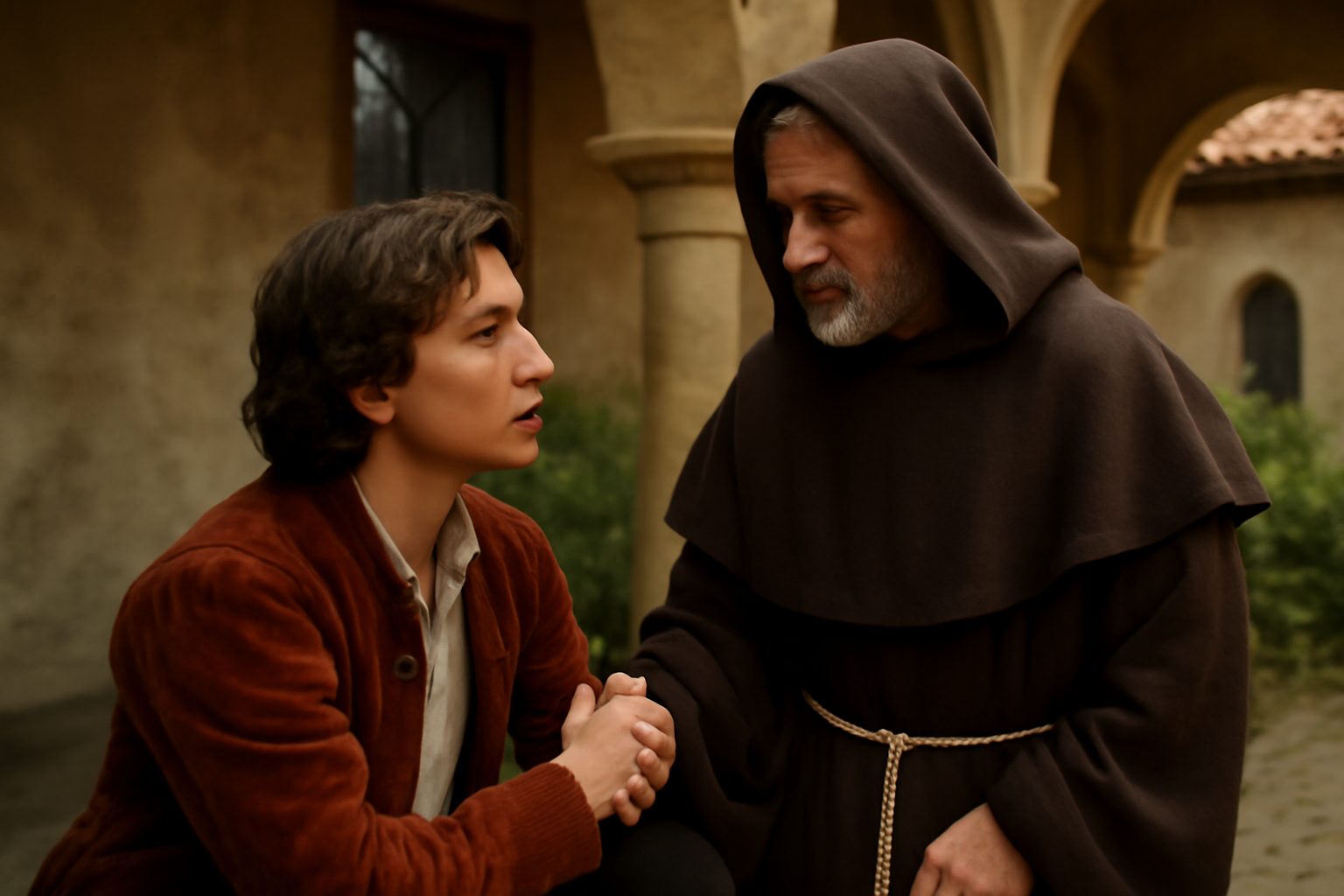
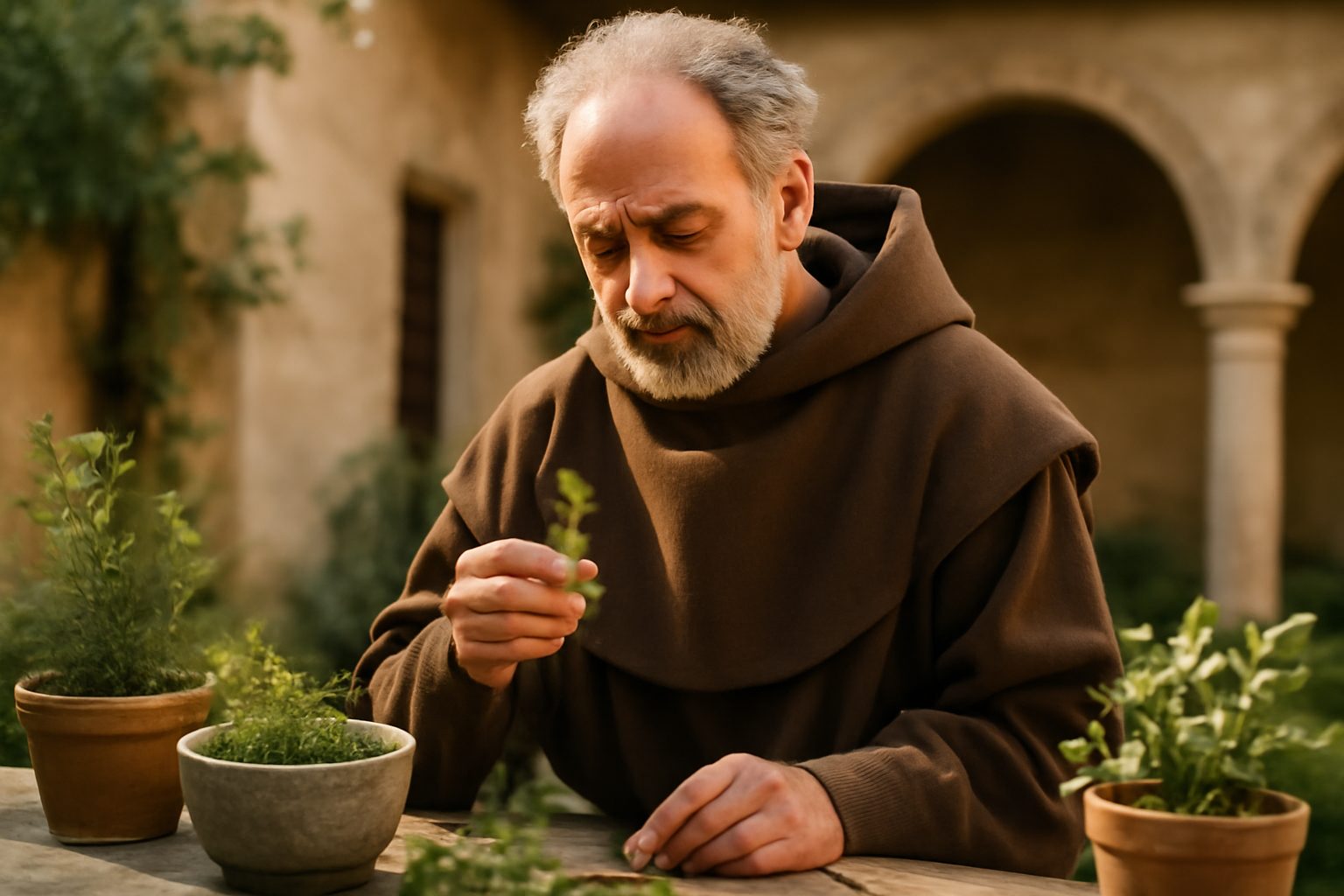
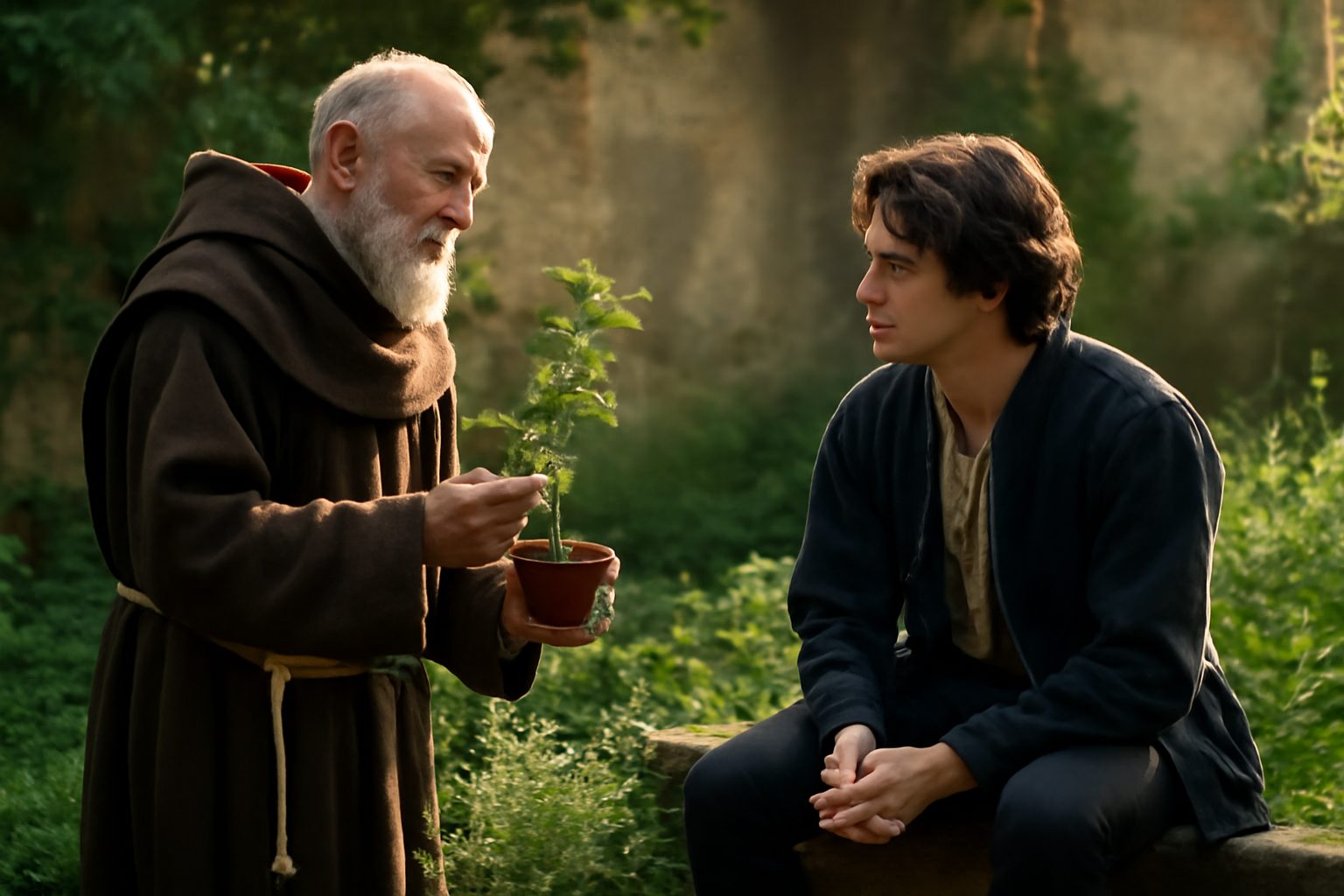
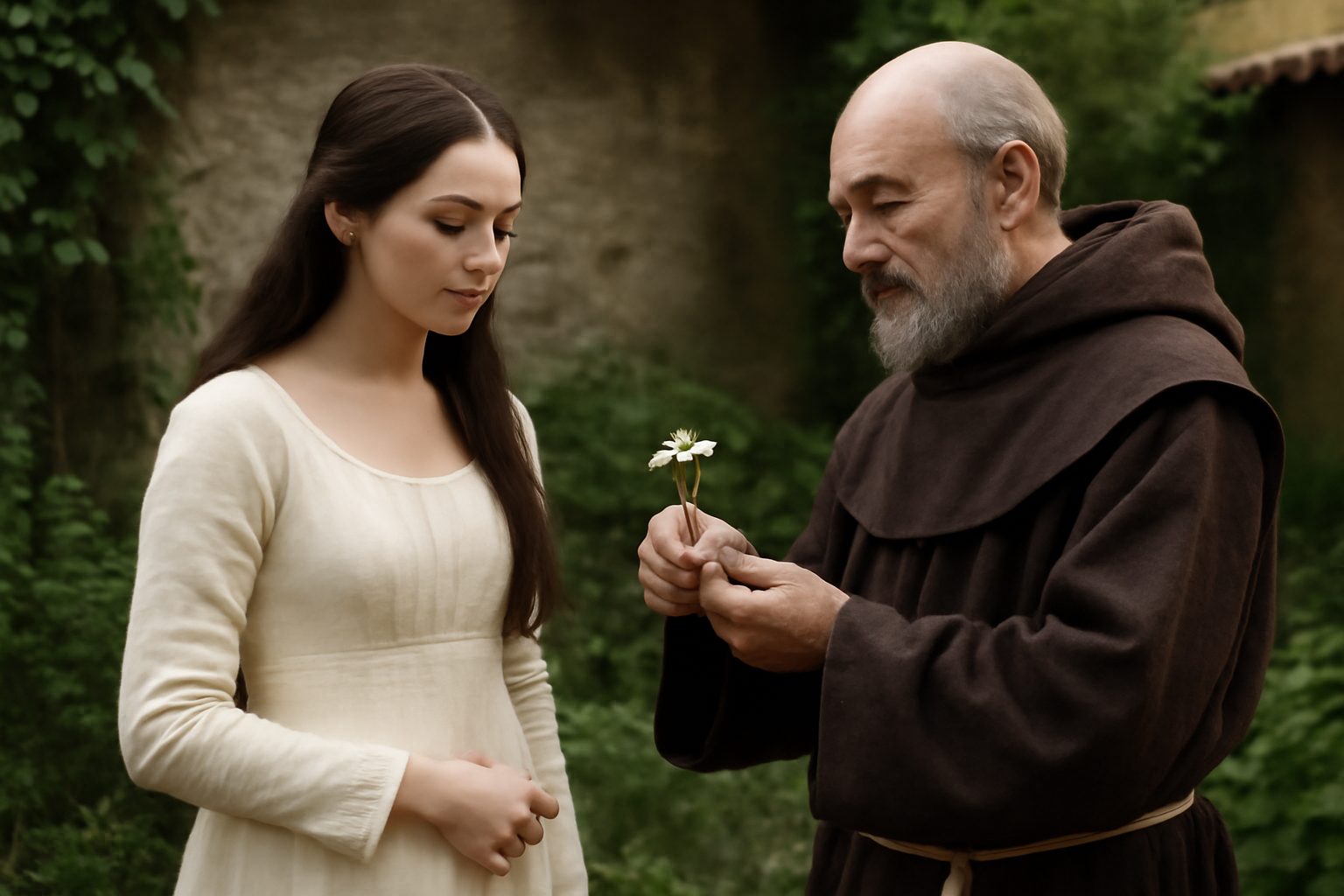
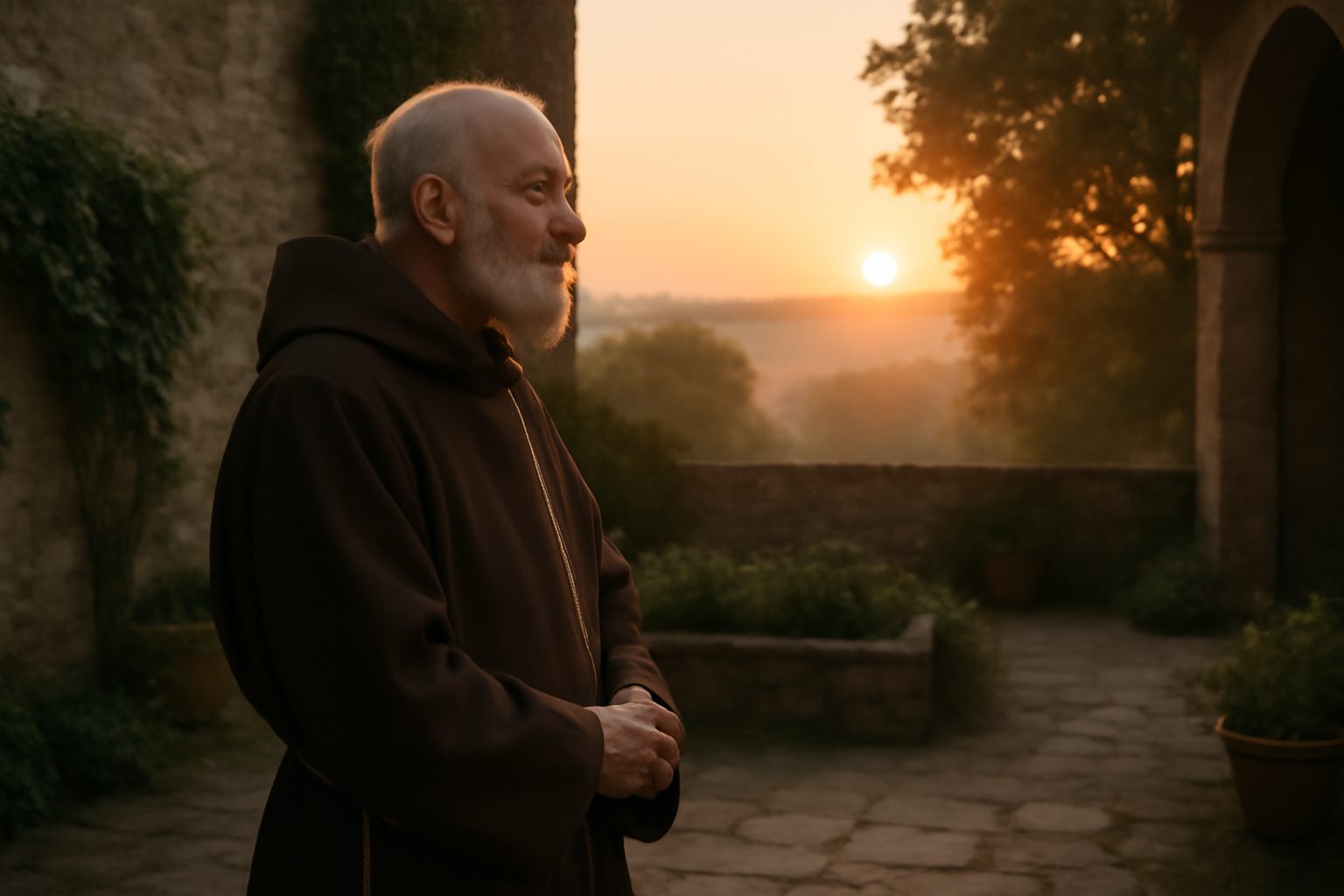
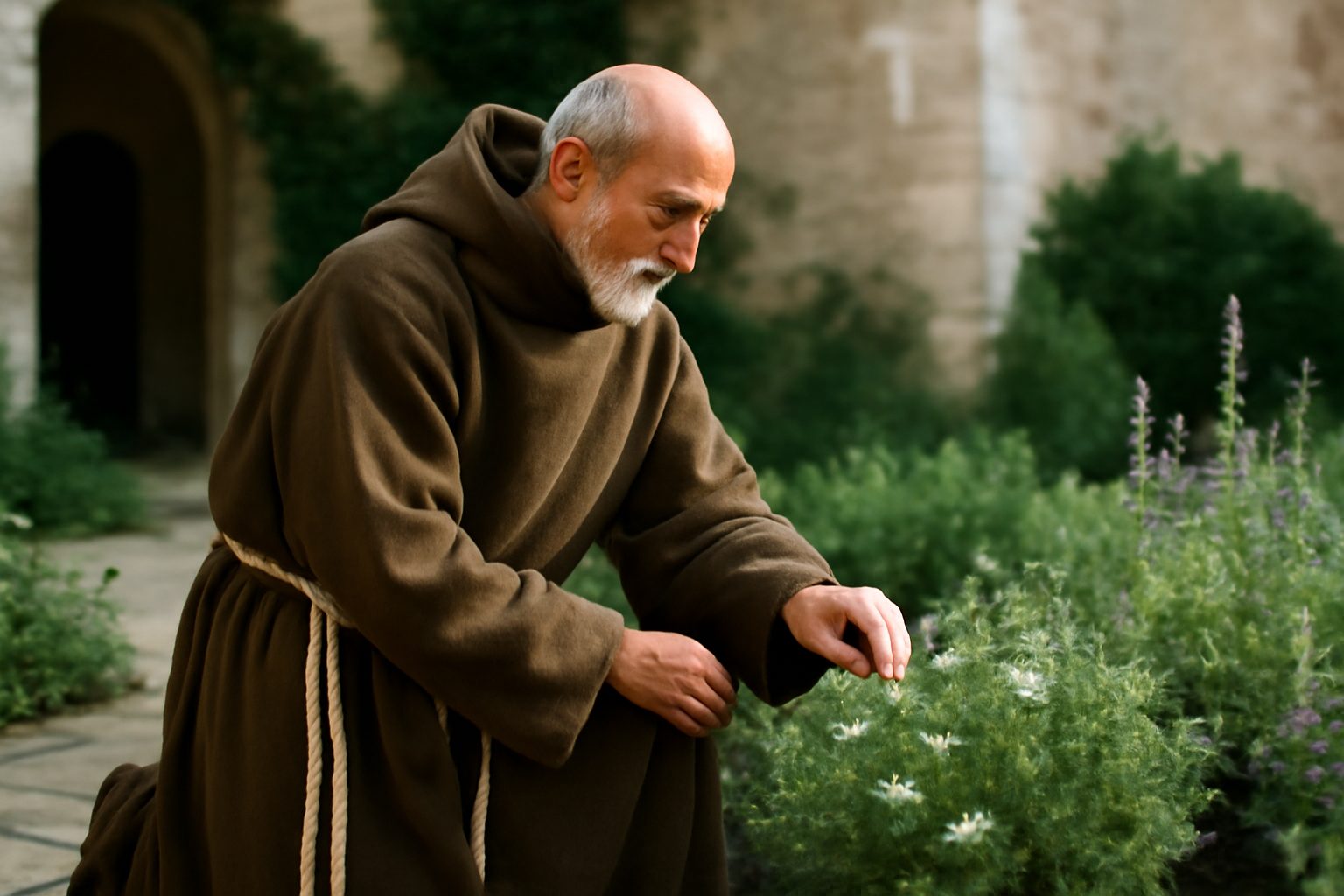
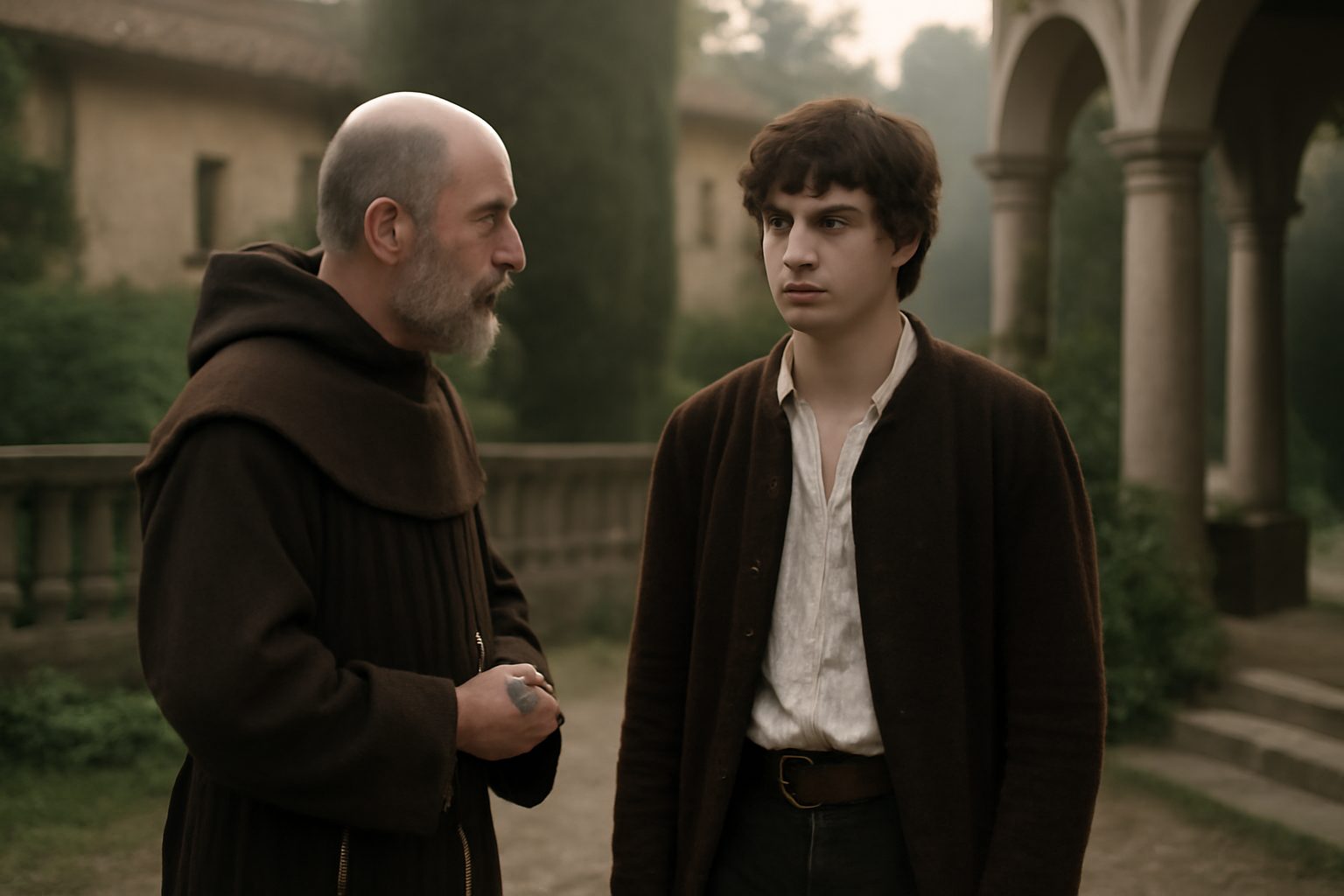
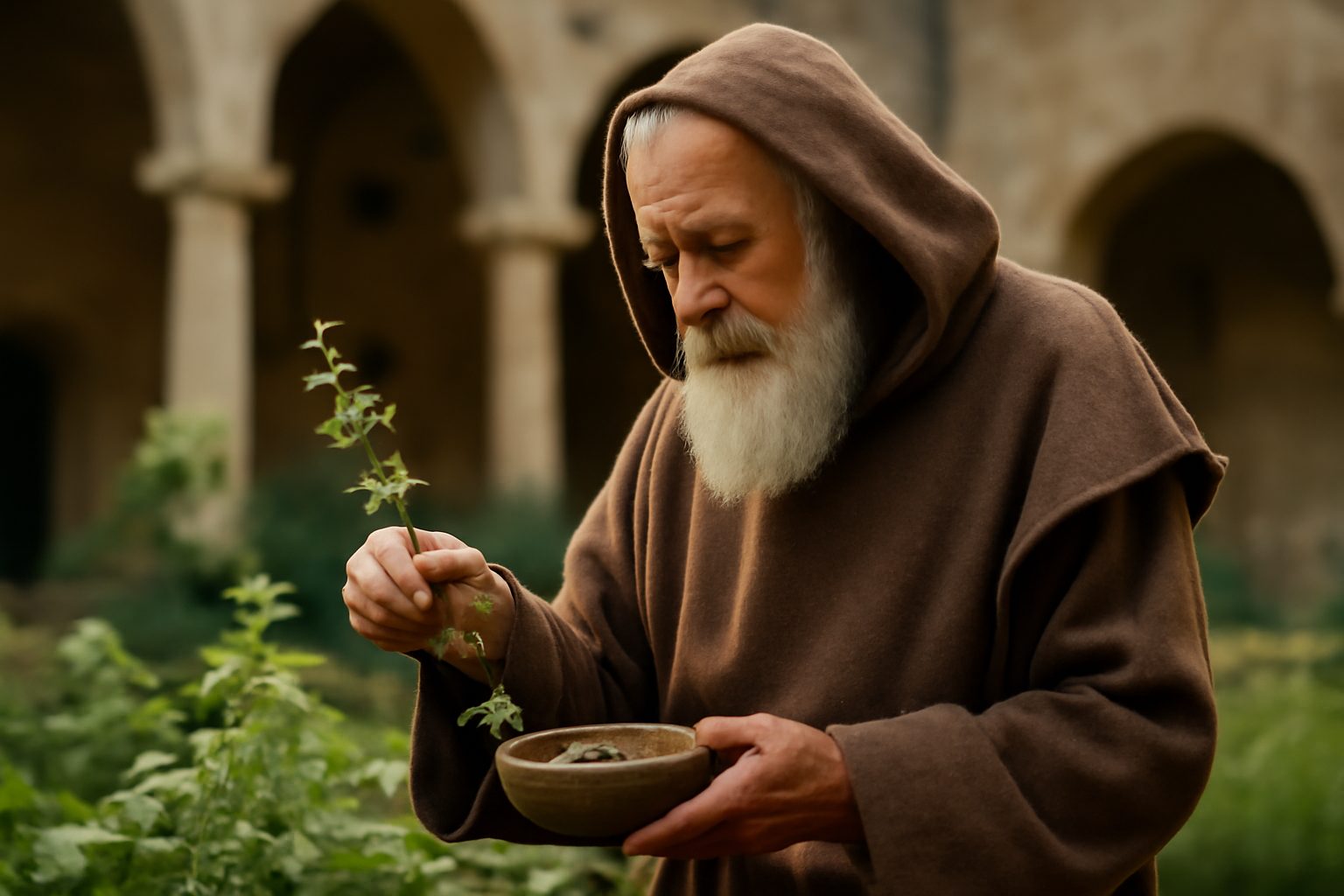
In Act 2, Scene 3 of Romeo and Juliet, Friar Laurence is gathering herbs at dawn, reflecting on the duality of nature—both healing and poisonous. As he speaks, he observes the fading night, comparing its stumbling retreat to a drunkard staggering away. This vivid imagery captures the transition from darkness to light, mirroring the play's themes of opposing forces and fleeting moments.
Friar Laurence: "And flecked darkness like a drunkard reels"
In modern day english, we would say:
The patchy darkness stumbles away like a drunk.
Frequently Asked Questions
What does Friar Laurence compare the darkness to in this line?
He compares the darkness to a drunkard reeling or stumbling.
How does Friar Laurence describe the movement of the darkness?
He describes it as reeling or stumbling like a drunk person.
Connections to other verses:
Connections to "And flecked darkness like a drunkard reels"
Imagery of Dawn and Transition
The verse "Chequering the eastern clouds with streaks of light" directly precedes it, depicting the breaking dawn that causes the darkness to "reel" away. This imagery continues with "From forth day's path and Titan's fiery wheels", reinforcing the transition from night to day initiated by the fleeing darkness.
Natural and Human States
Friar Laurence's soliloquy explores dualities in nature, such as "Poison hath residence and medicine power", echoing the chaotic, almost human-like behavior of the "drunkard" darkness. This connects to the theme of opposing forces present in "Two such opposed kings encamp them still".
Emotional and Physical Disturbance
The reeling darkness metaphorically parallels Romeo's disturbed state, noted by the Friar in "Thou art up-roused by some distemperature". This unsettled nature is further emphasized in "Young son, it argues a distemper'd head", linking external chaos to internal turmoil.
Contrast with Order and Purity
In contrast to the disorderly darkness, the Friar speaks of purposeful natural processes in "The day to cheer and night's dank dew to dry", highlighting the balance that the reeling darkness disrupts, much like the imbalances in human emotions and relationships discussed later in the scene.