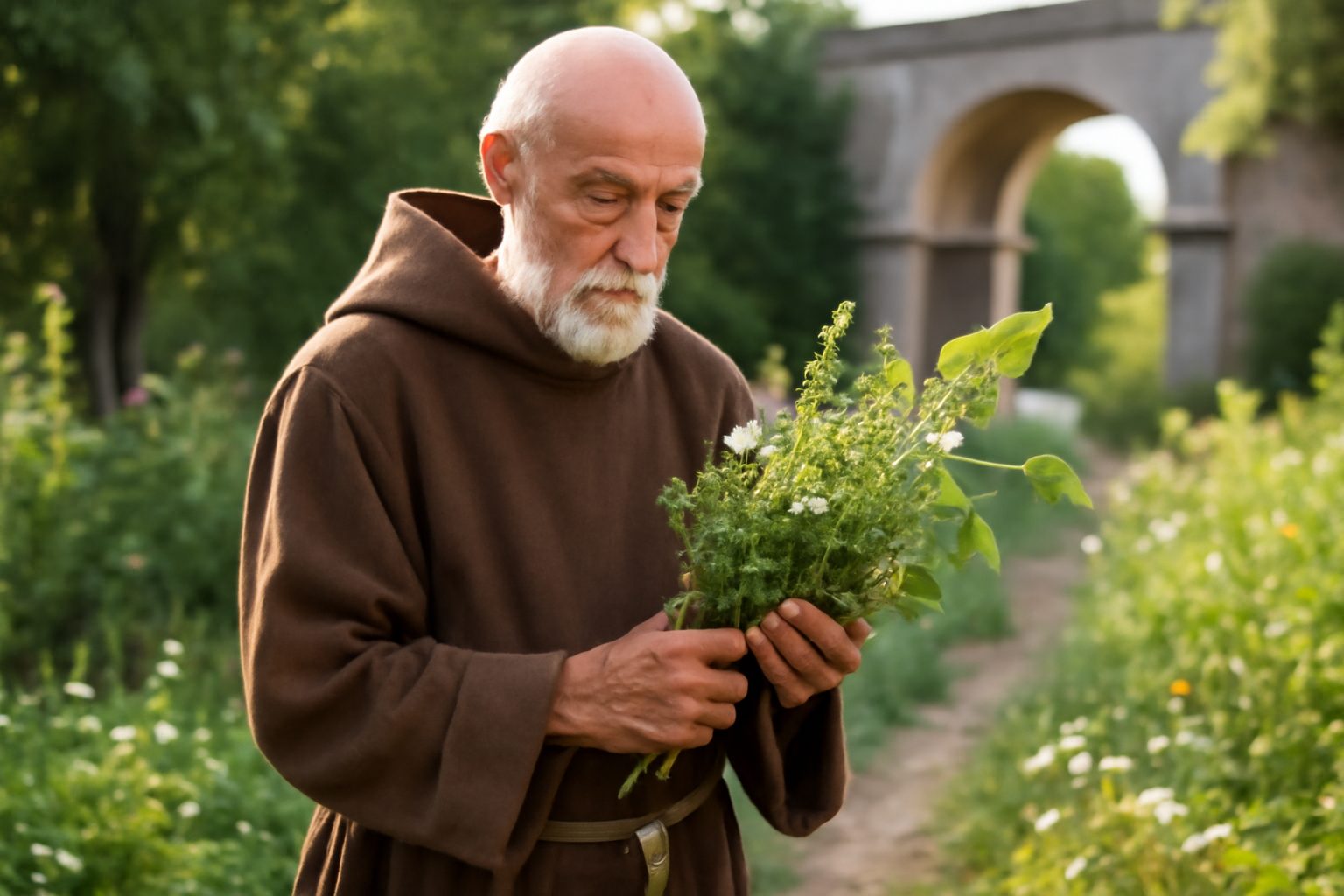
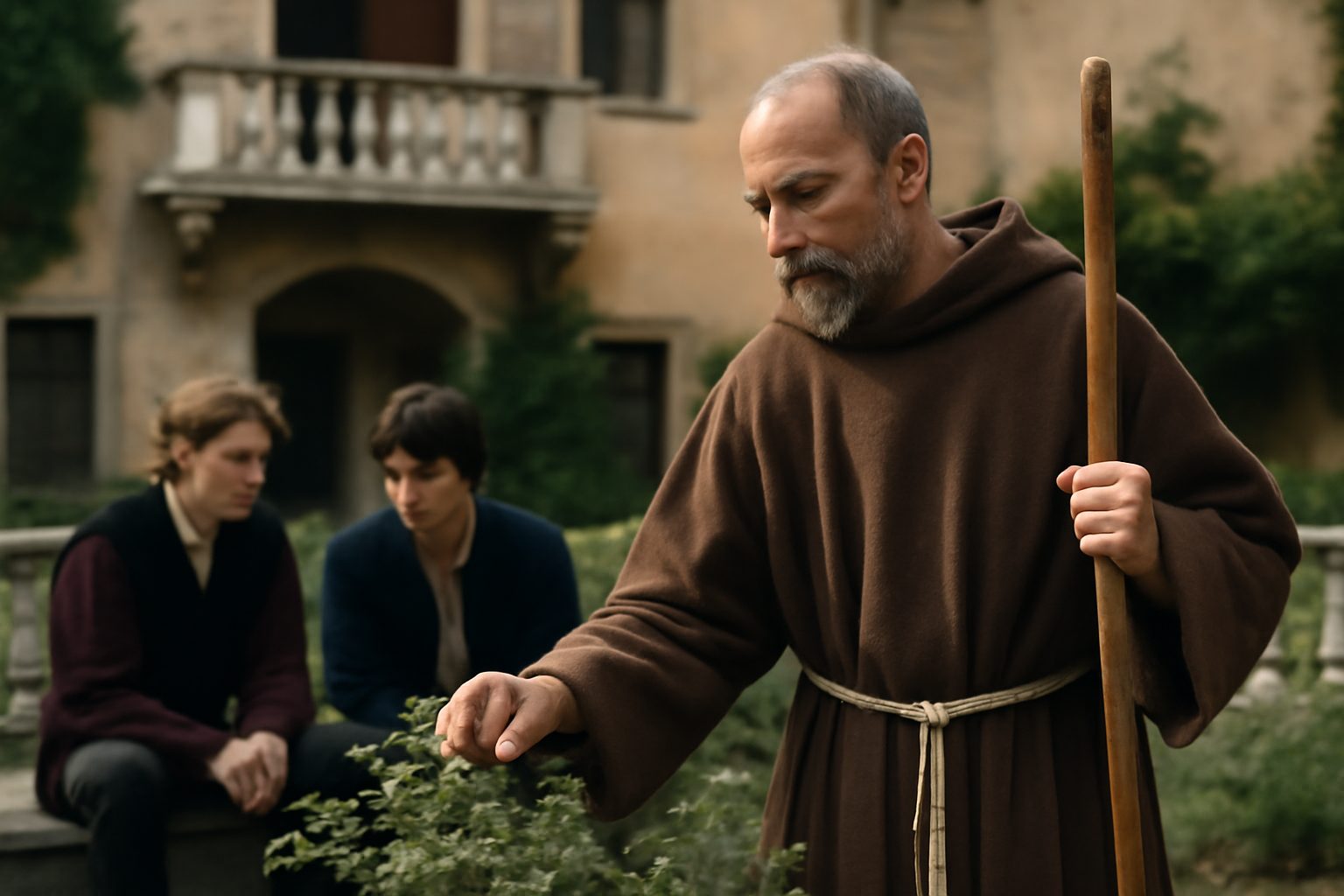
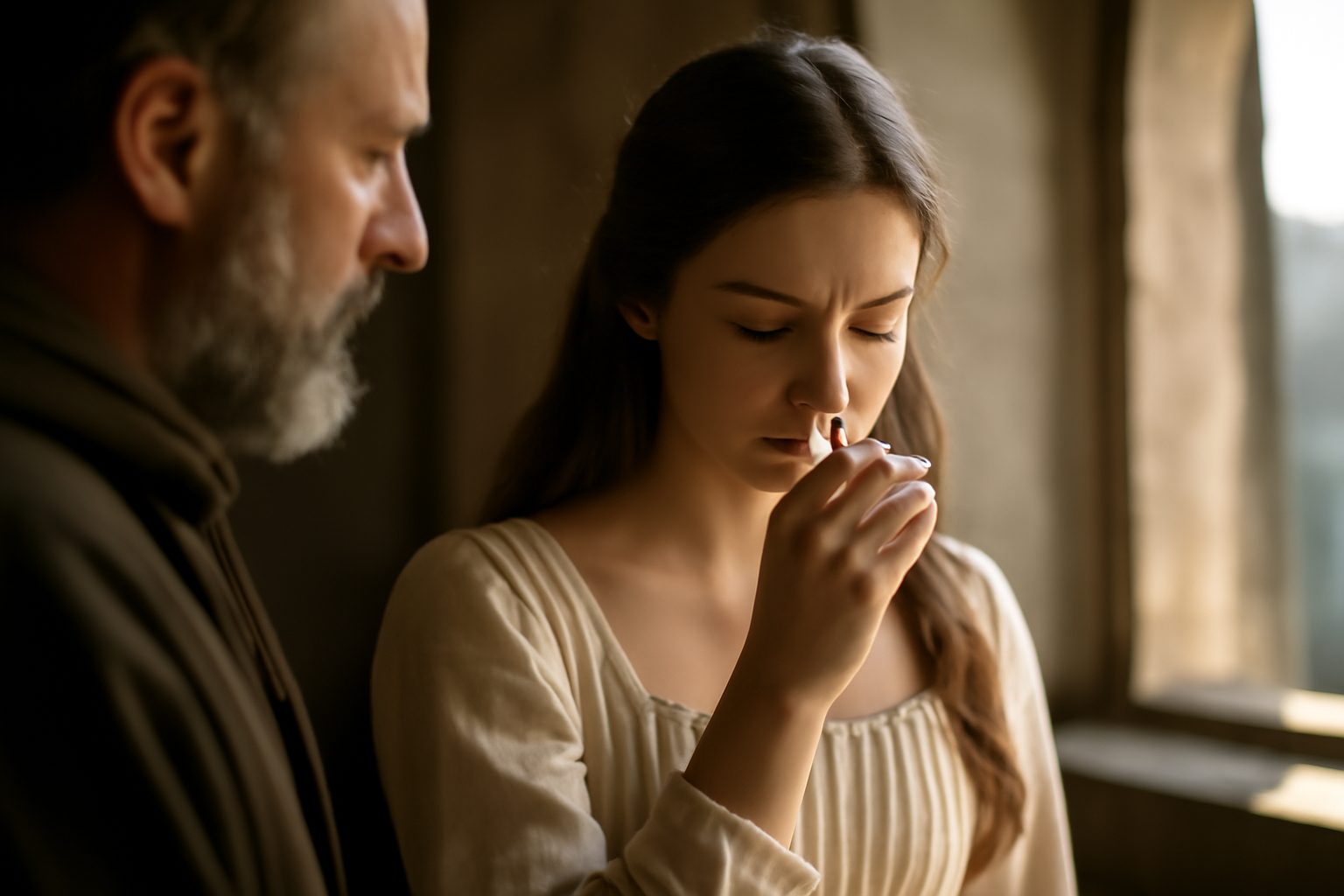
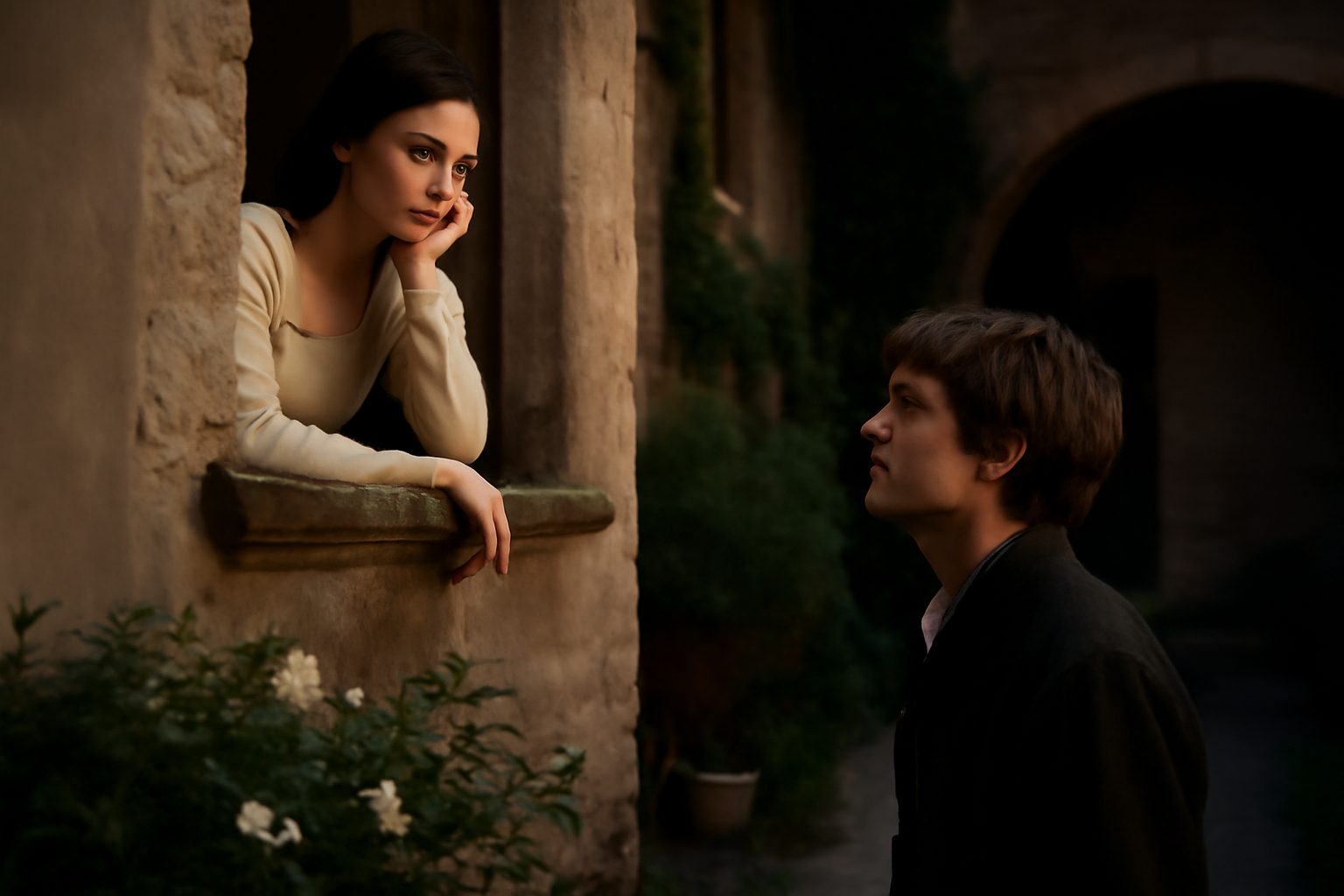
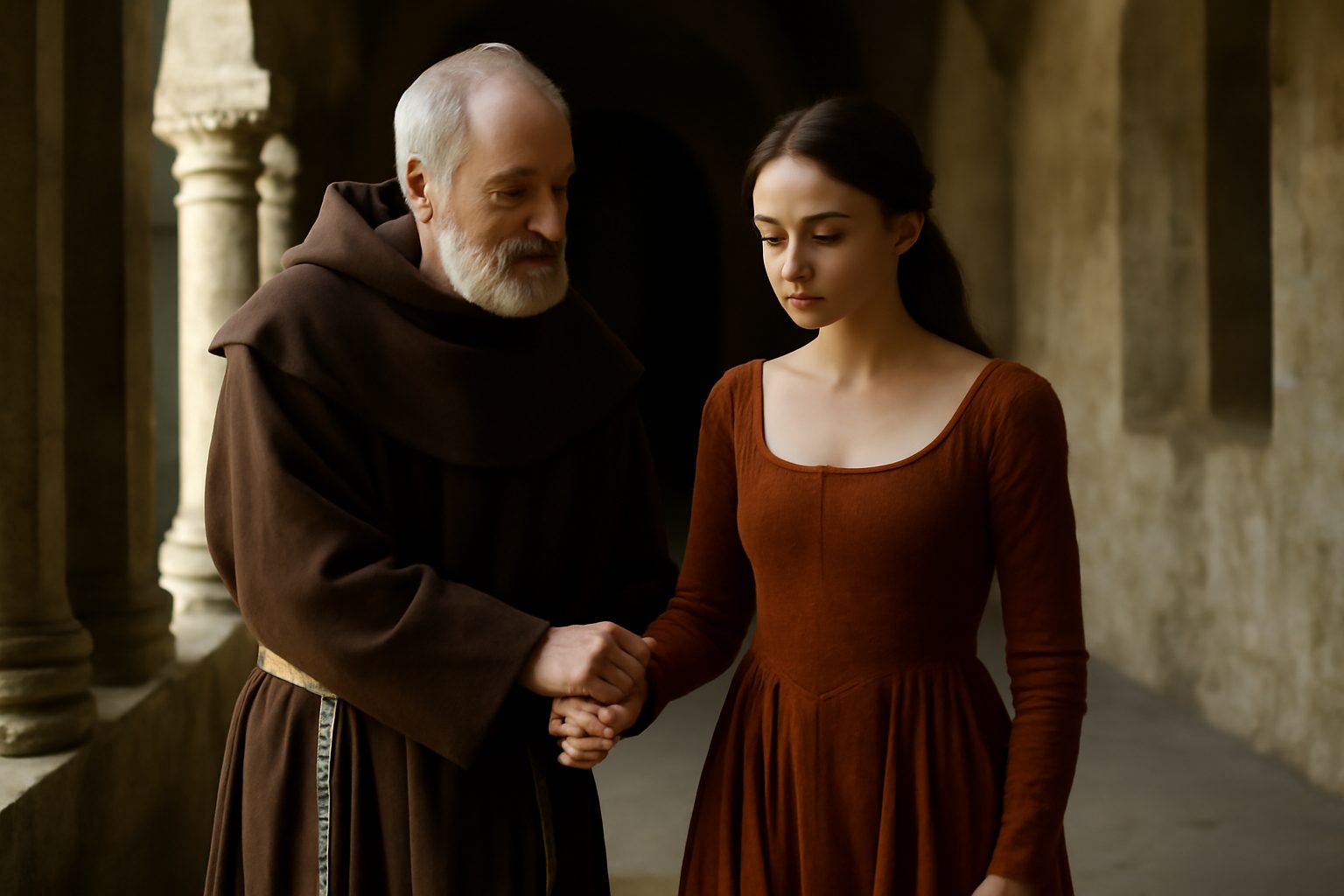
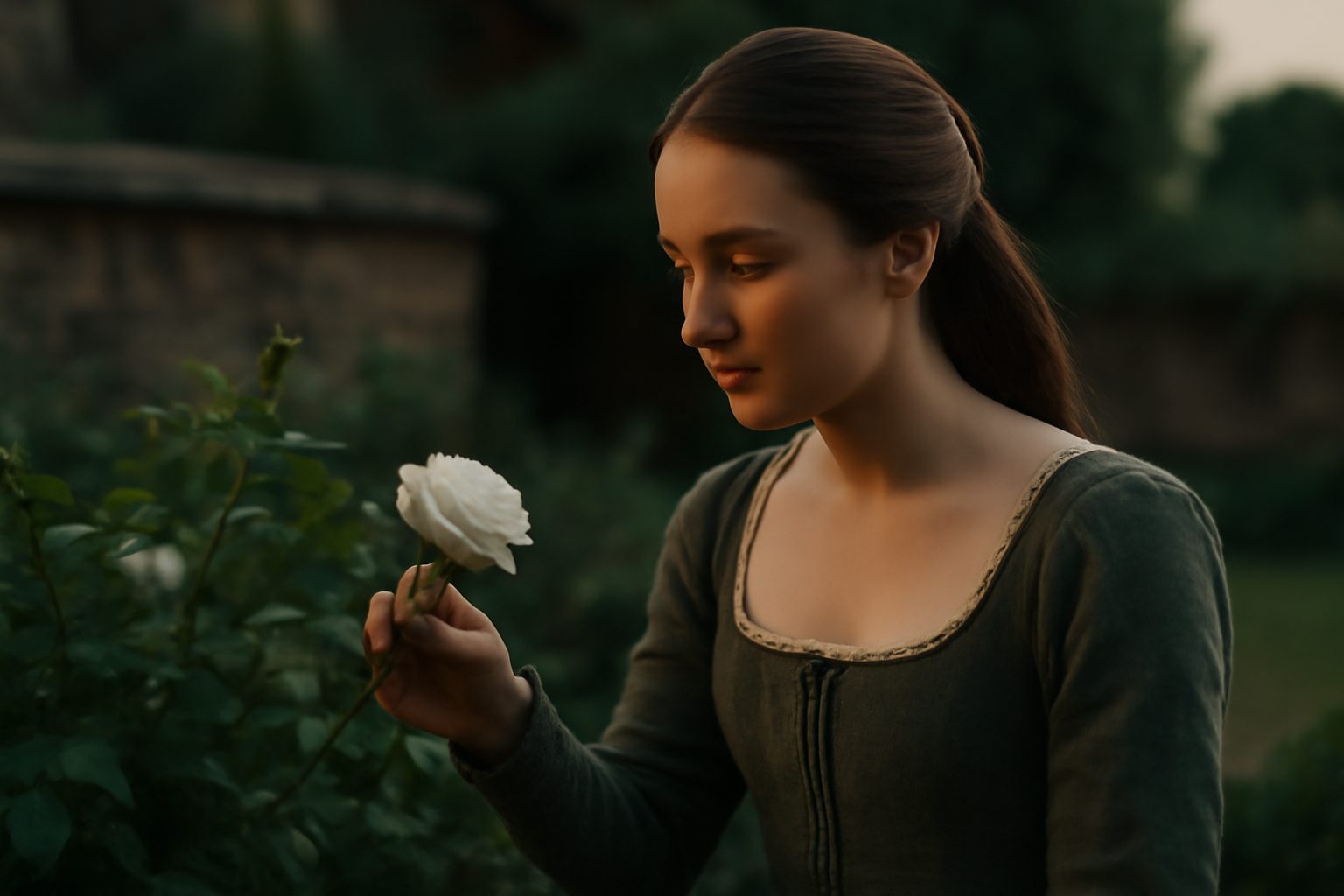
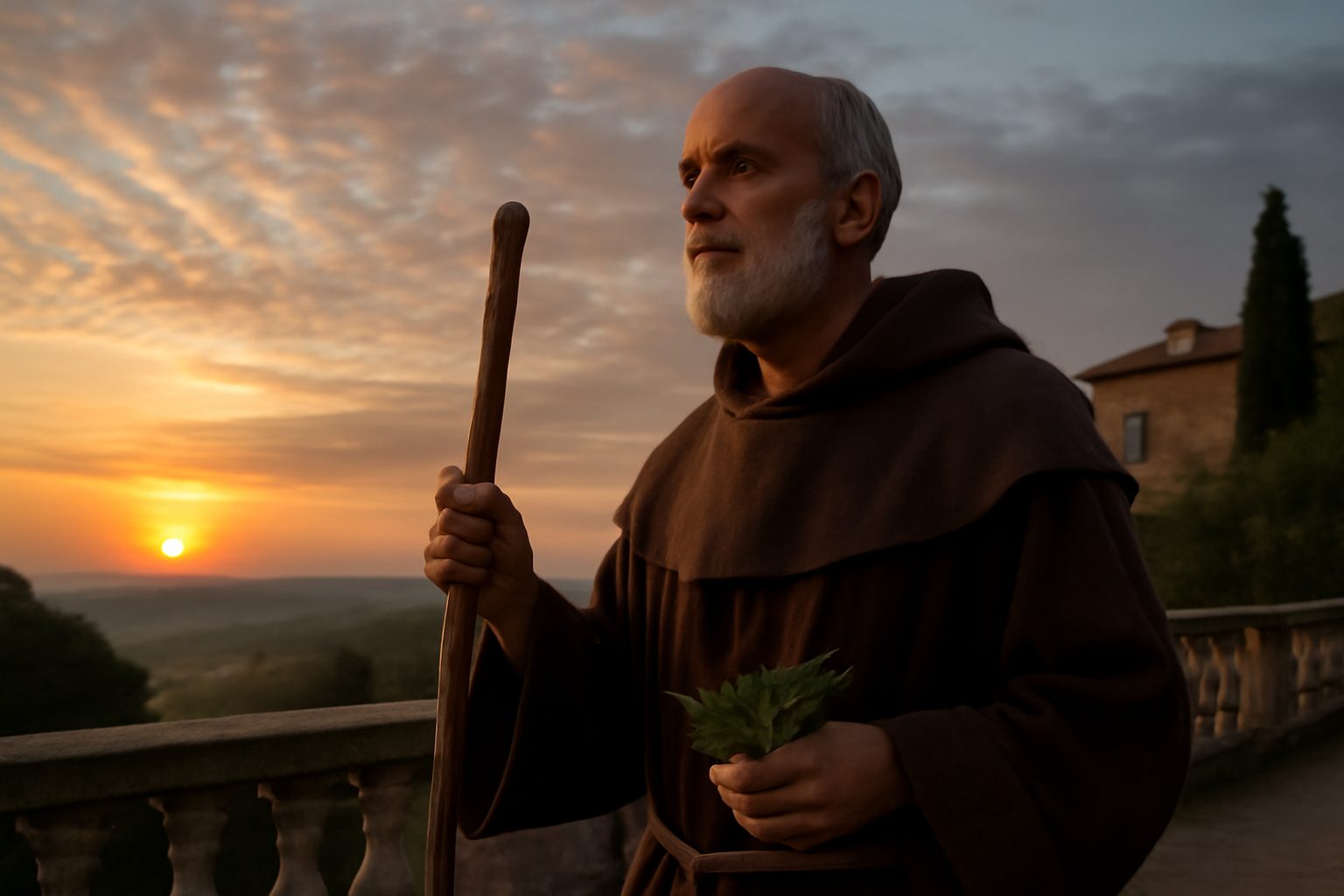
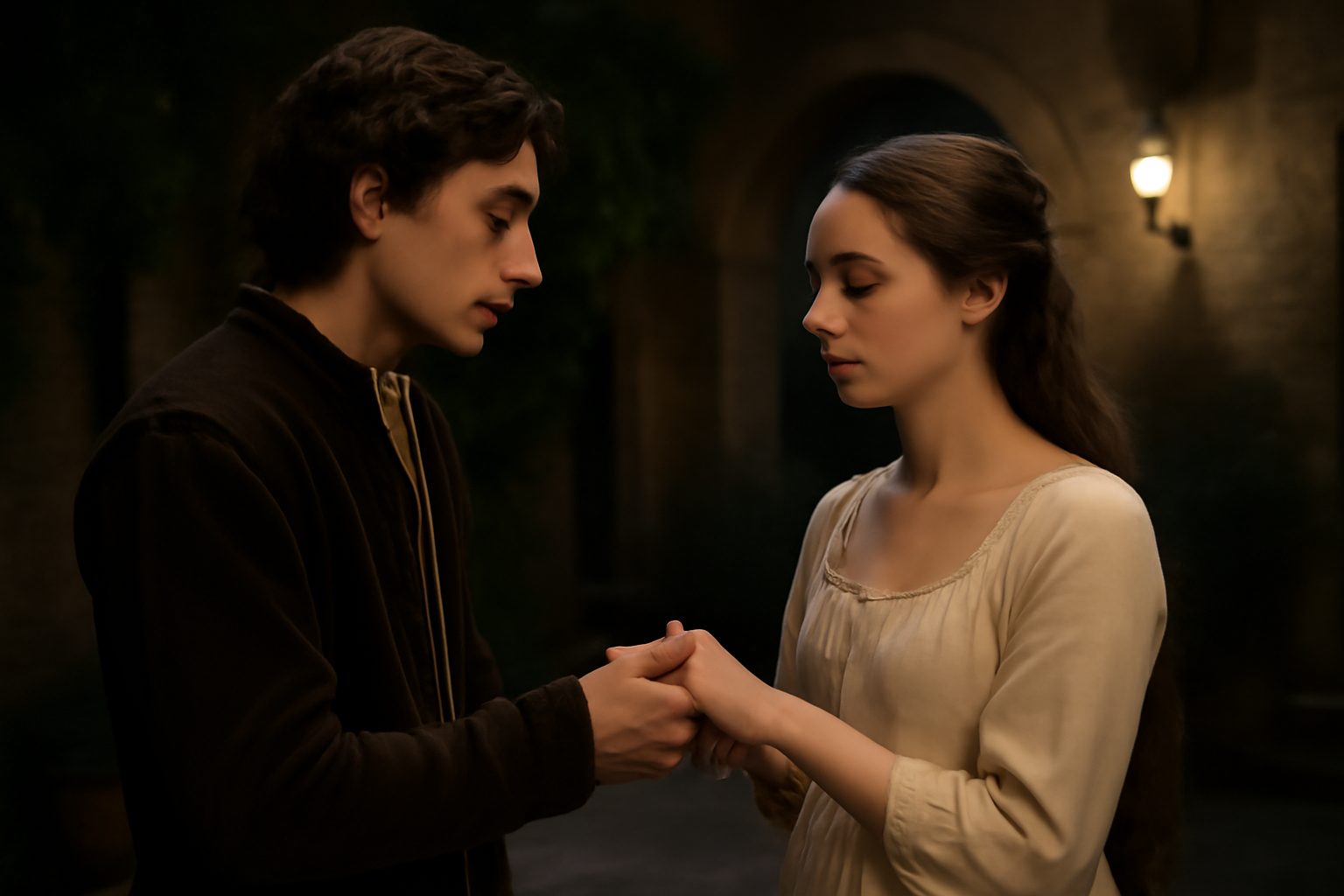
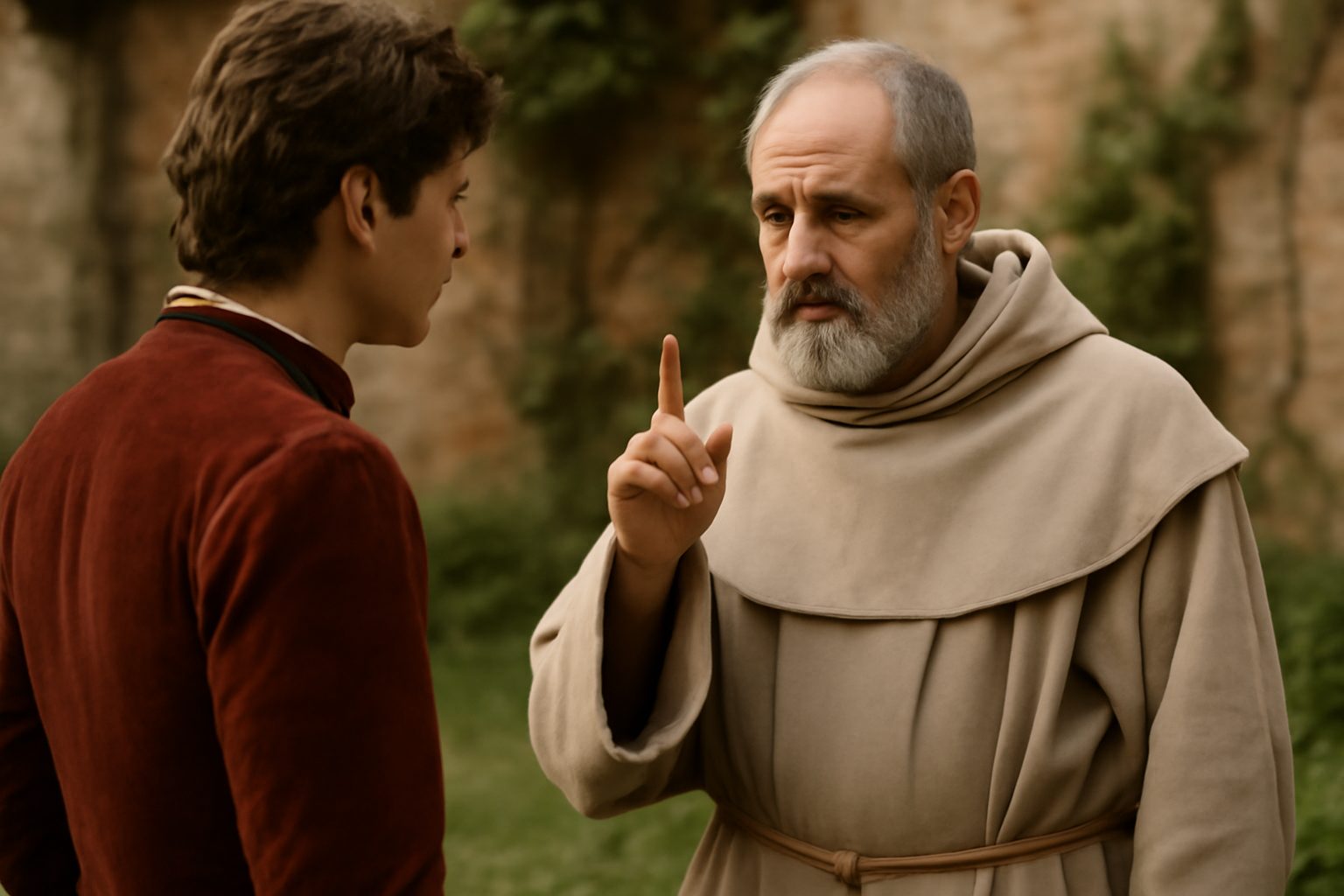
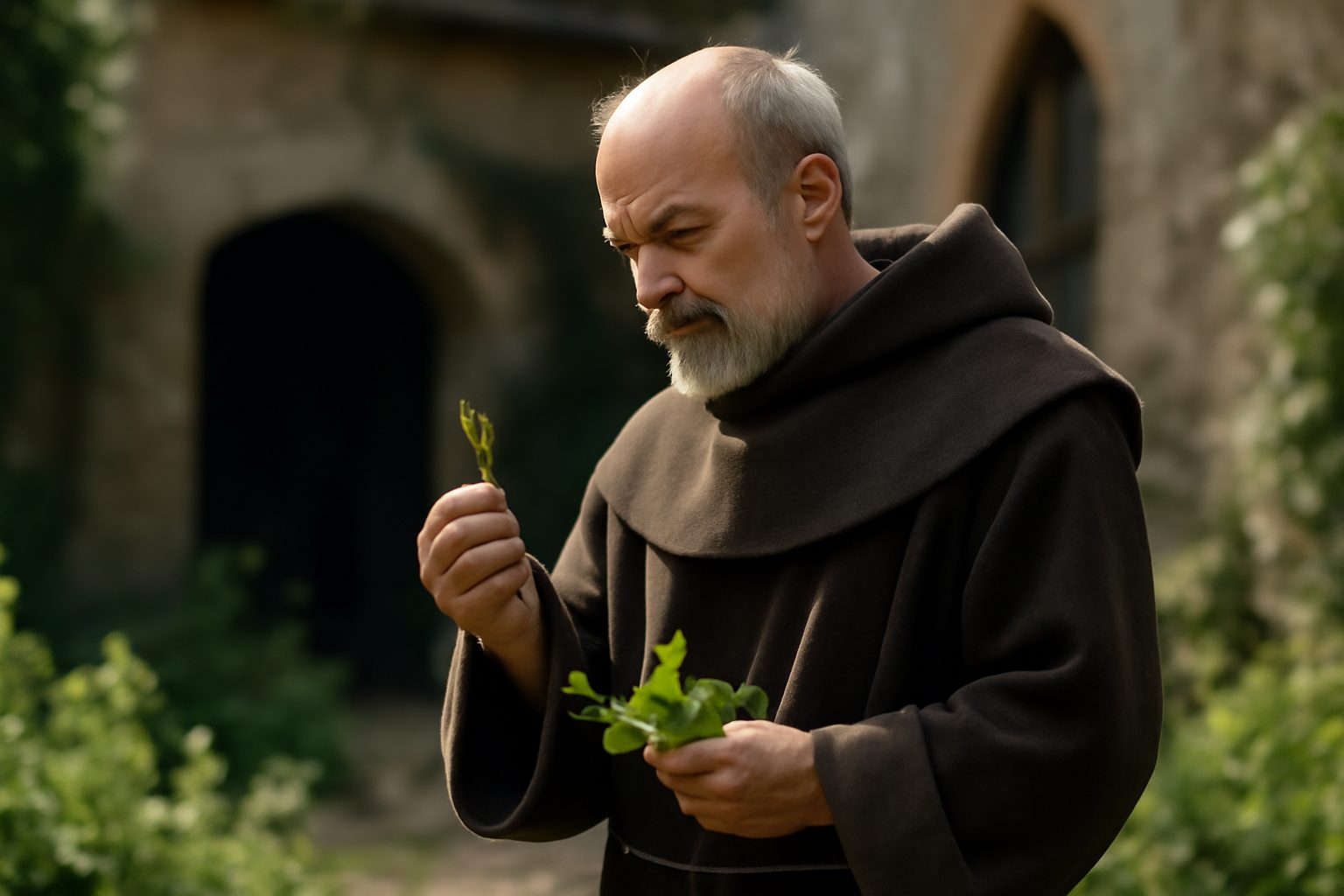
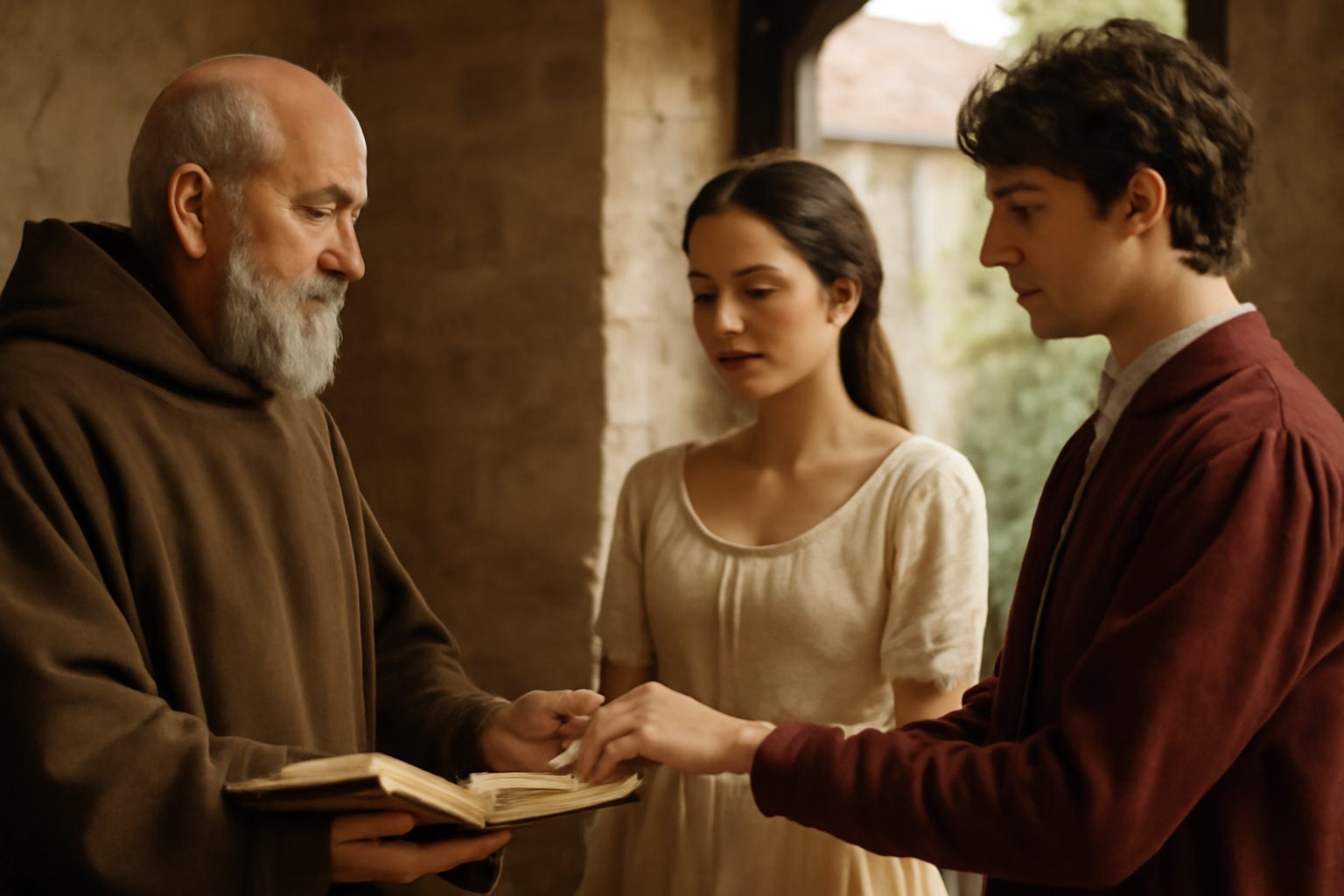
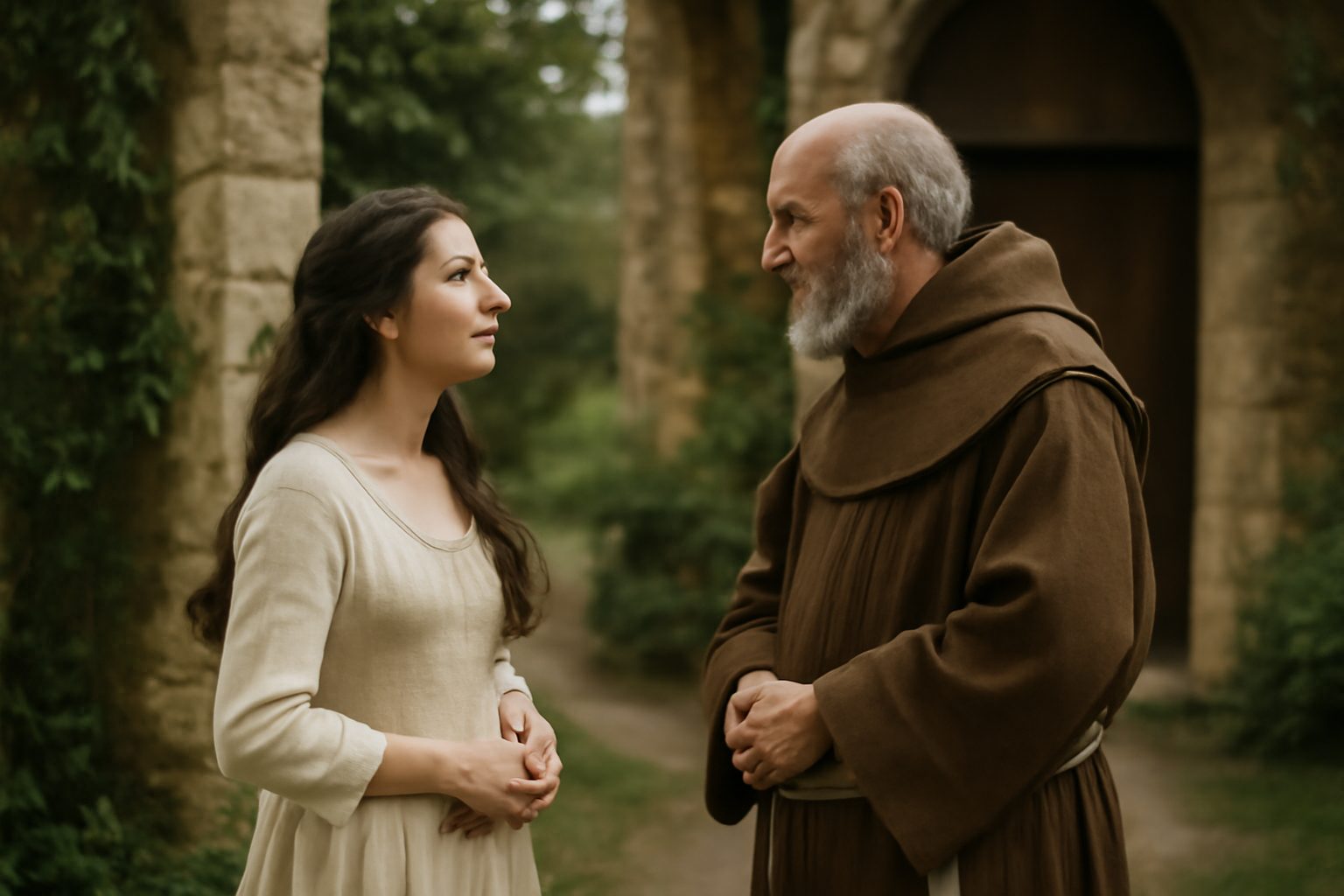
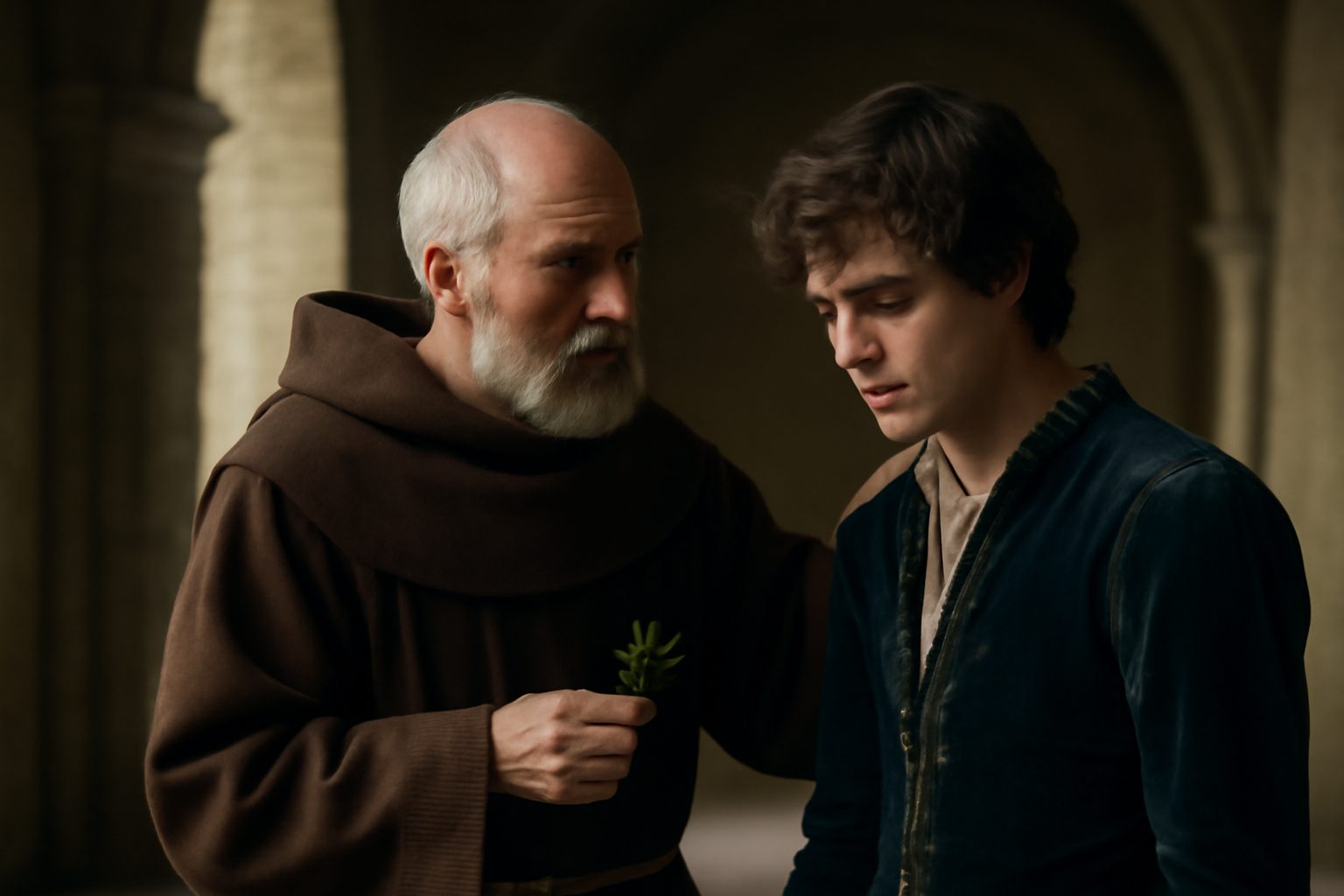
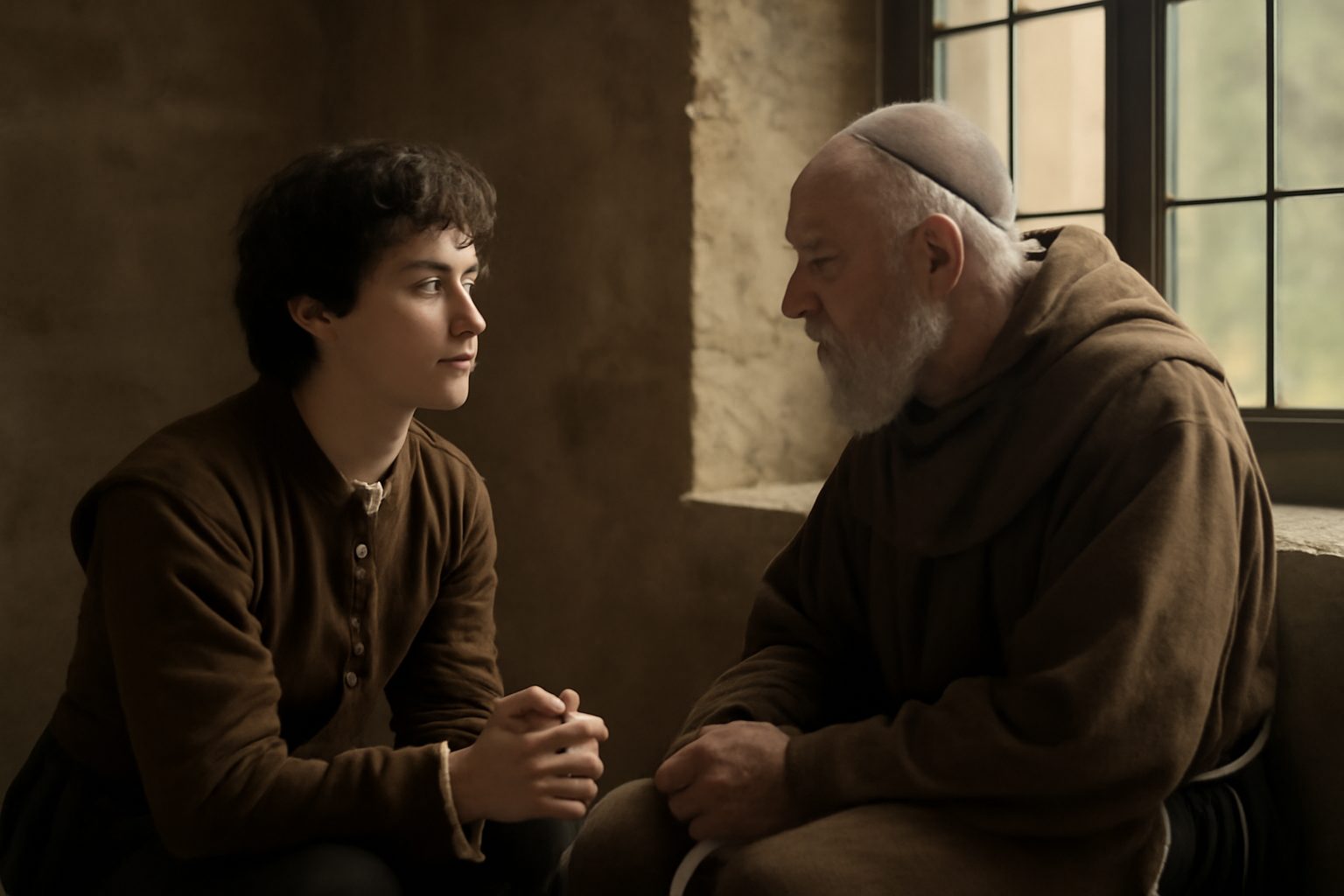
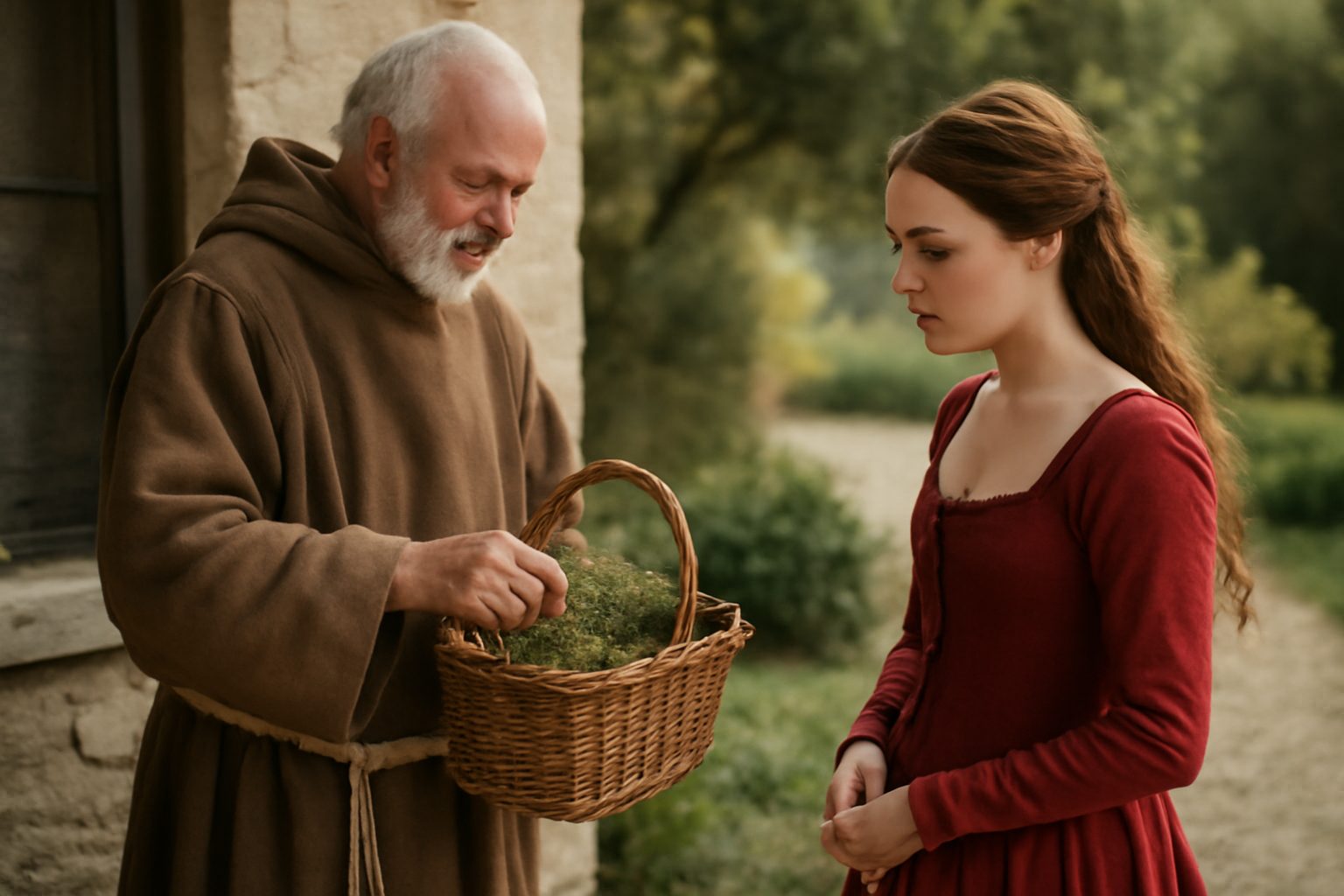
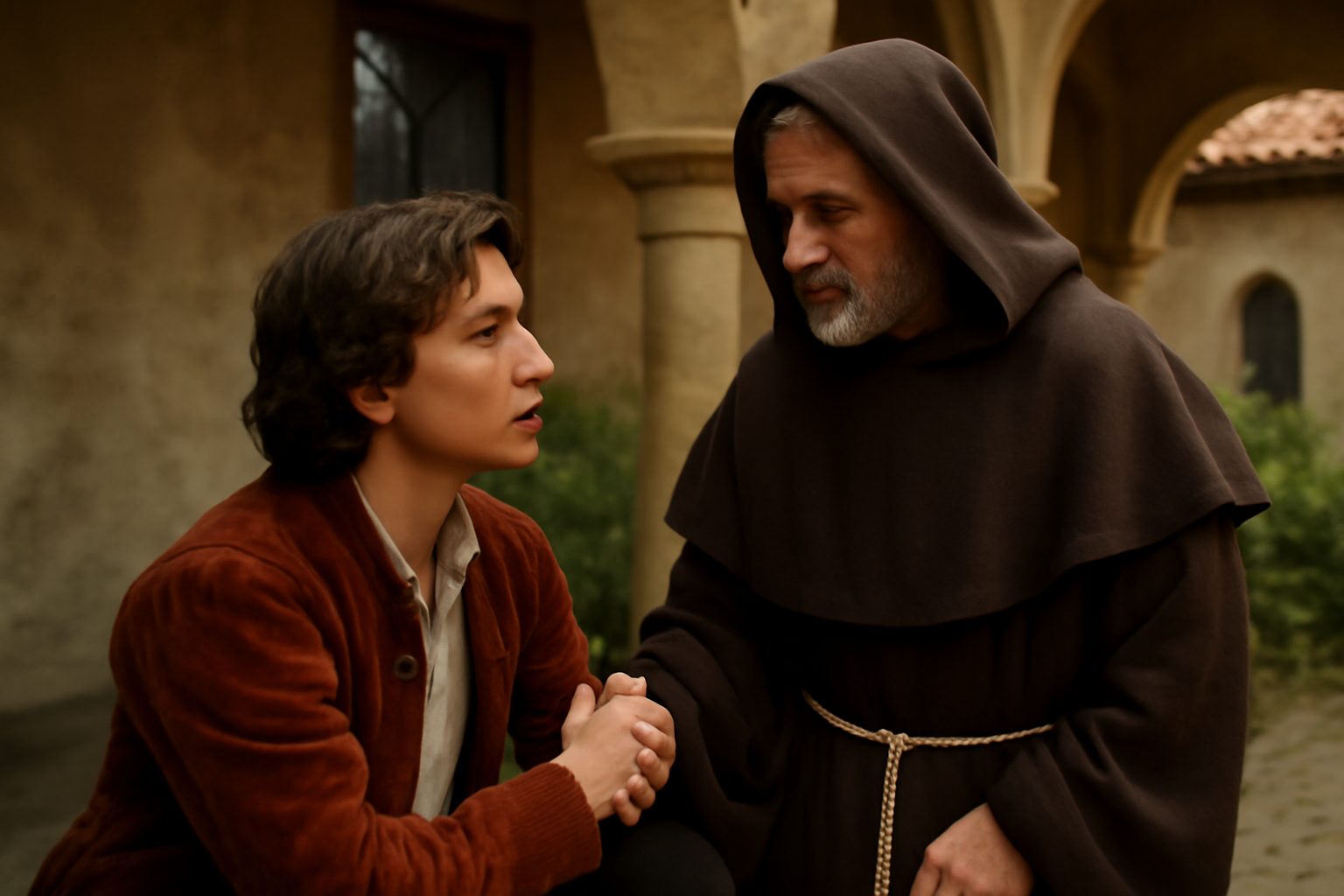
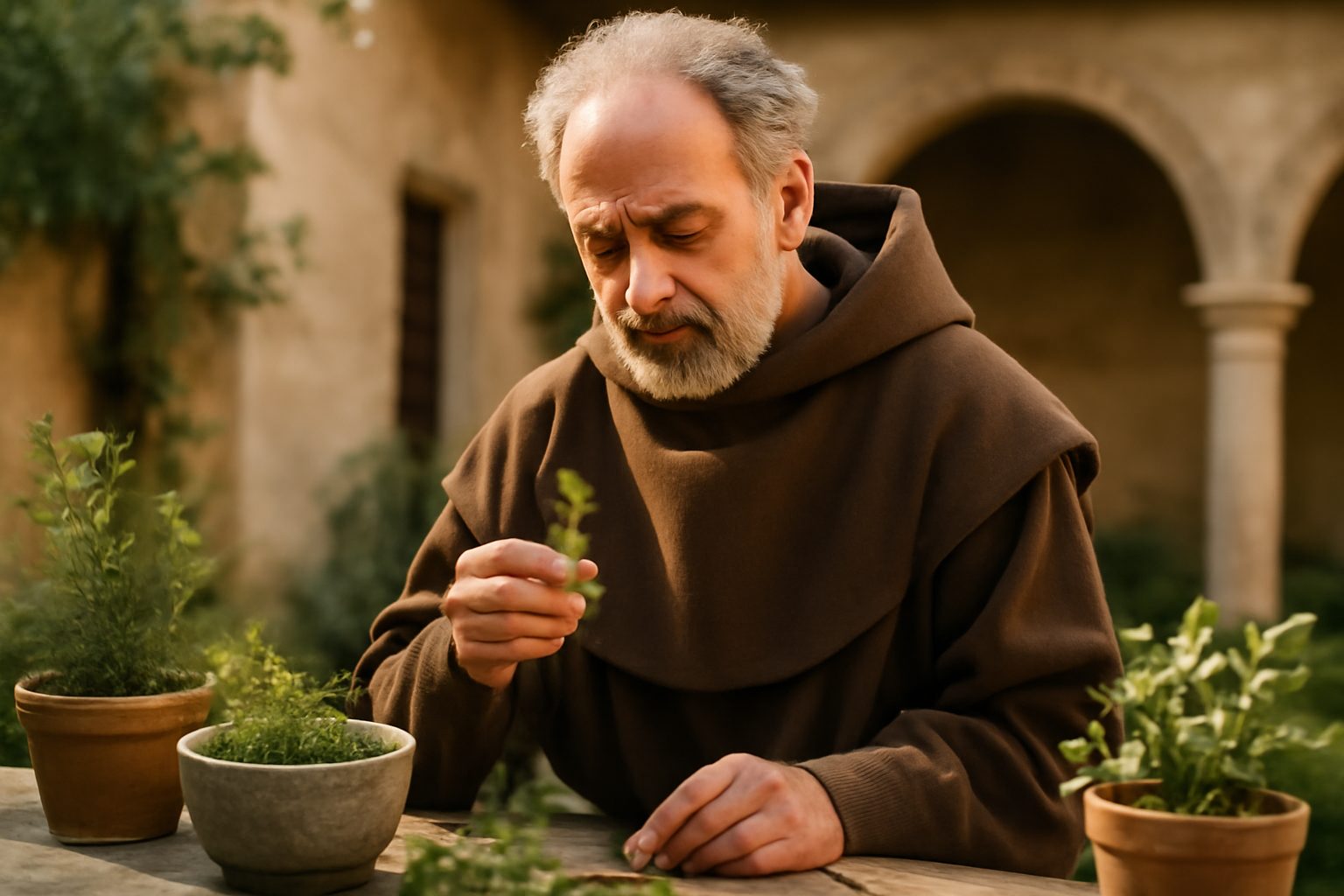
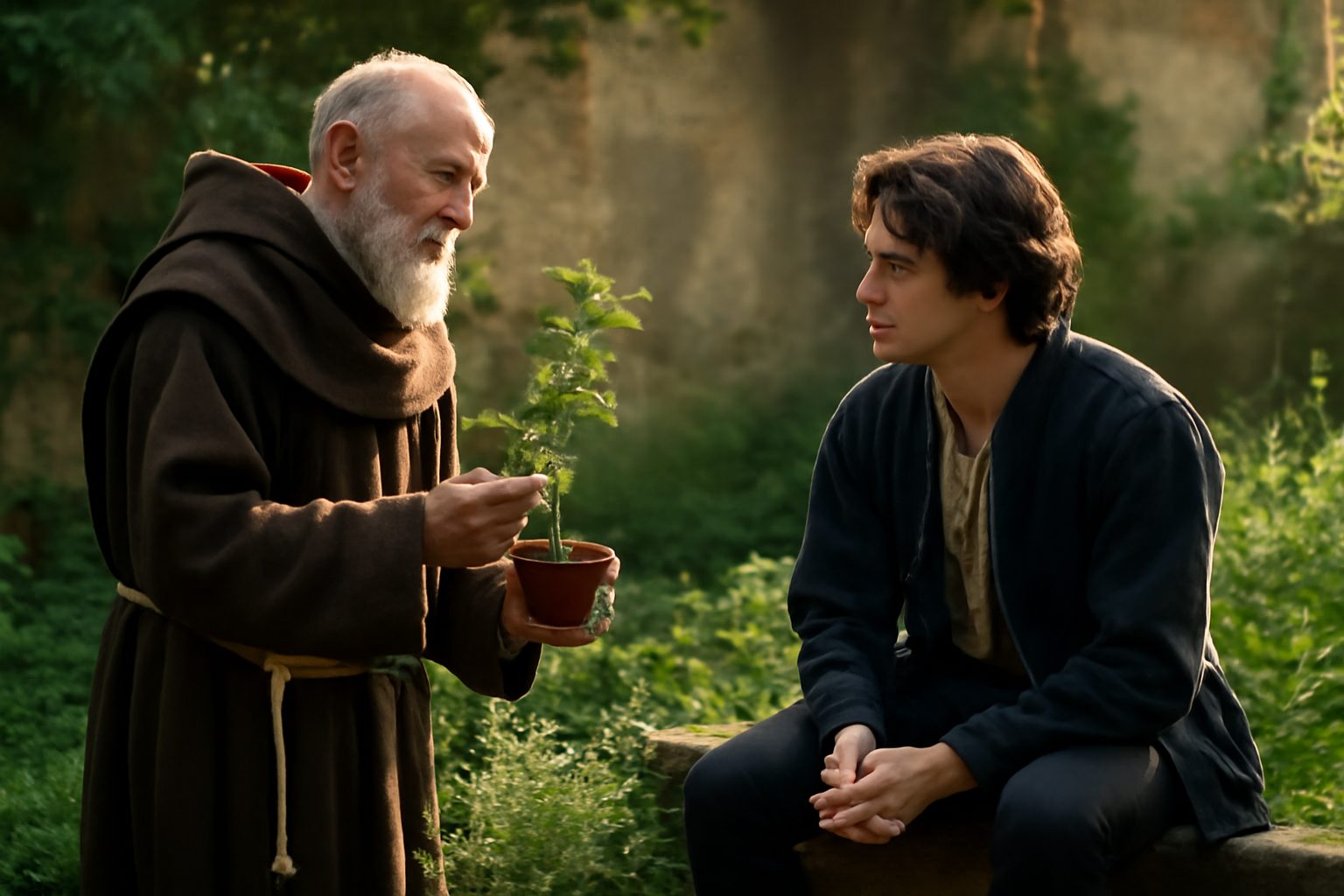
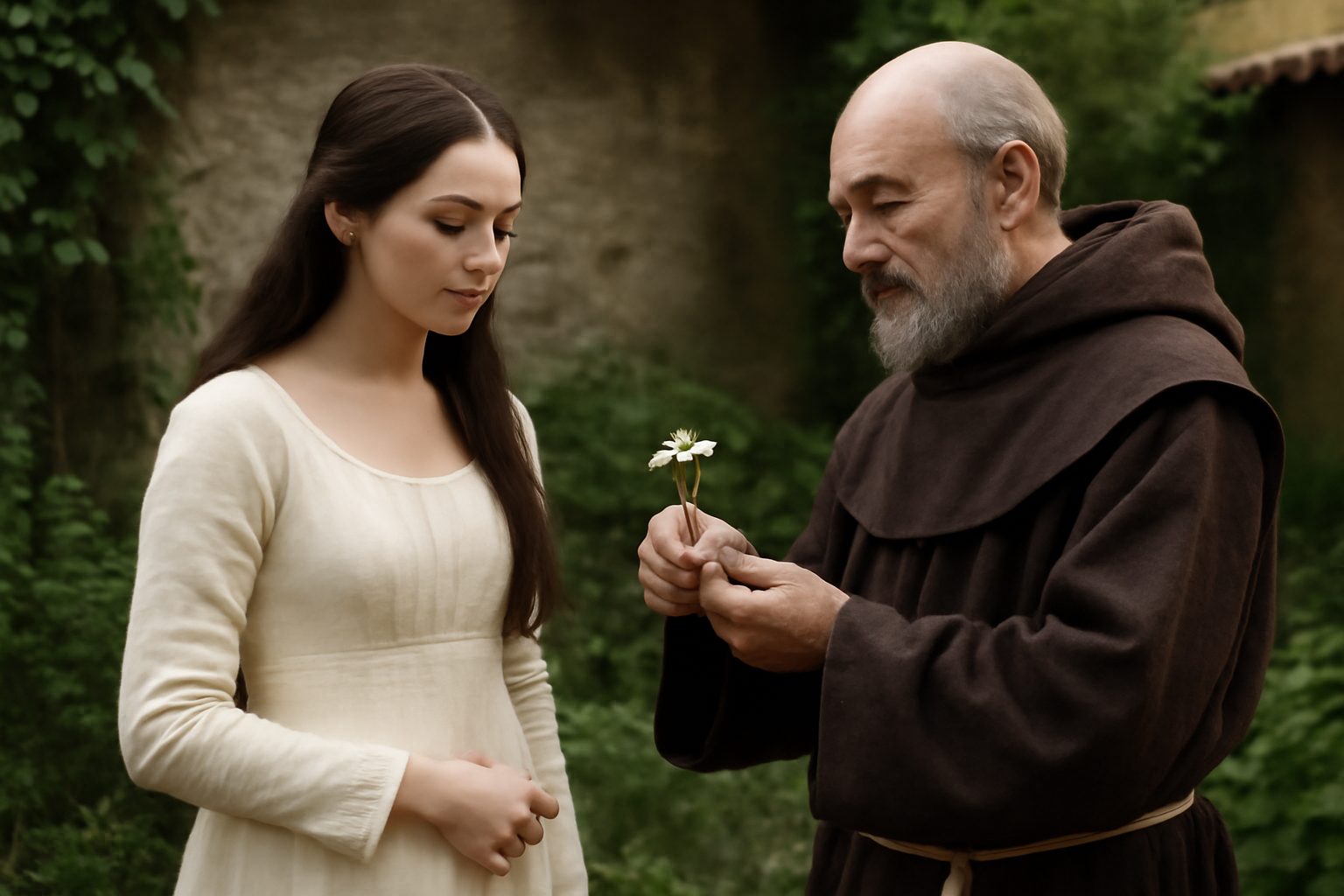
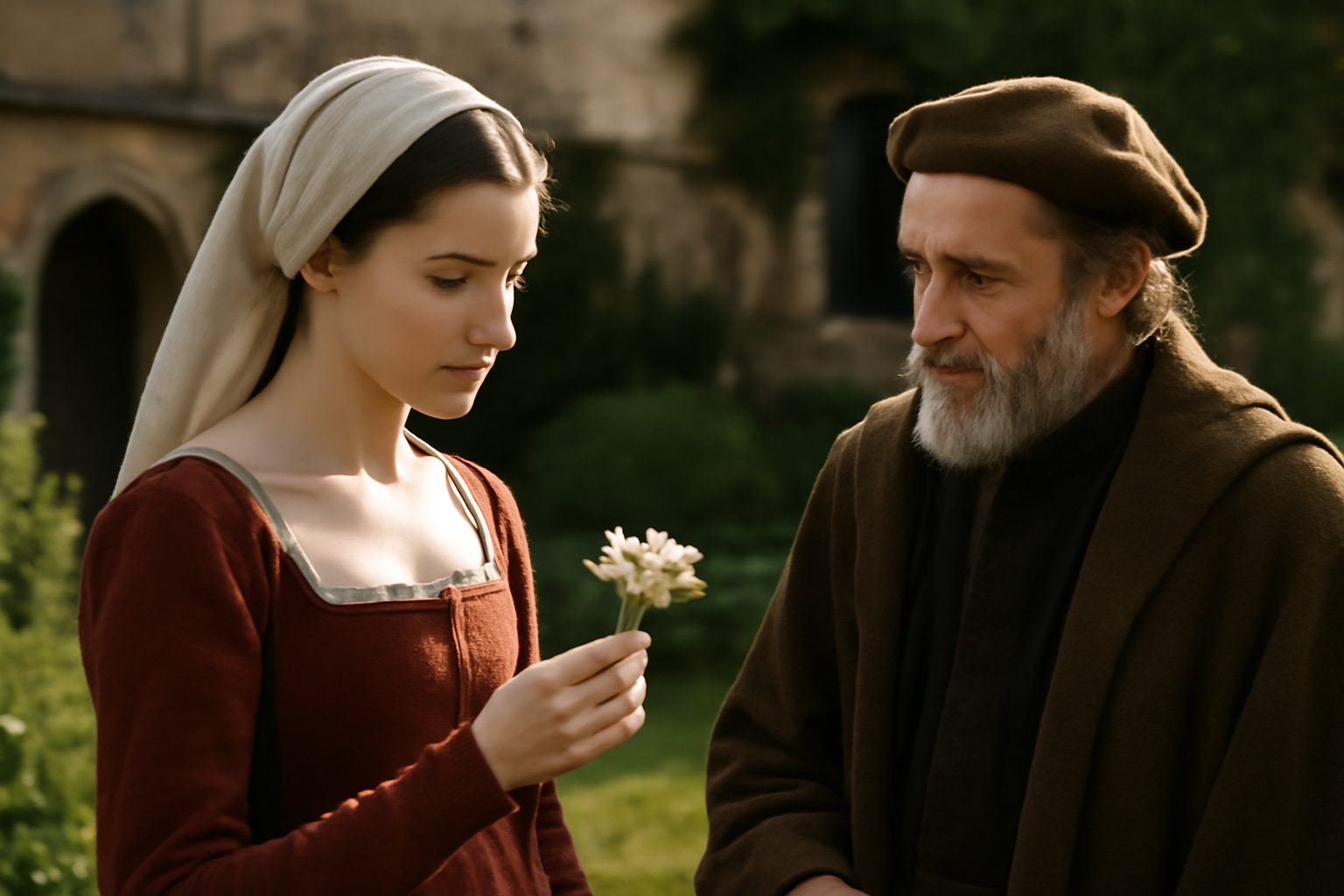
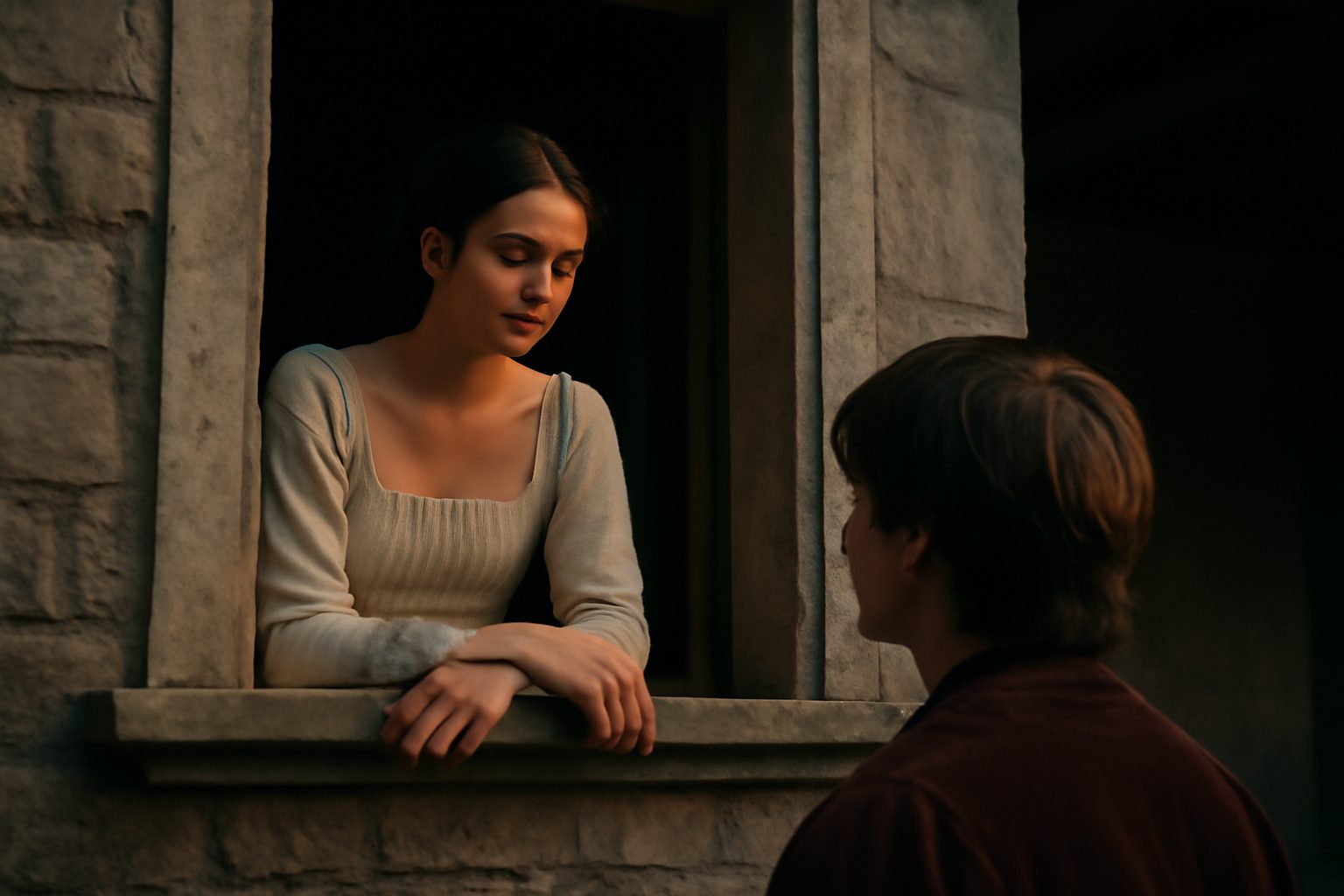
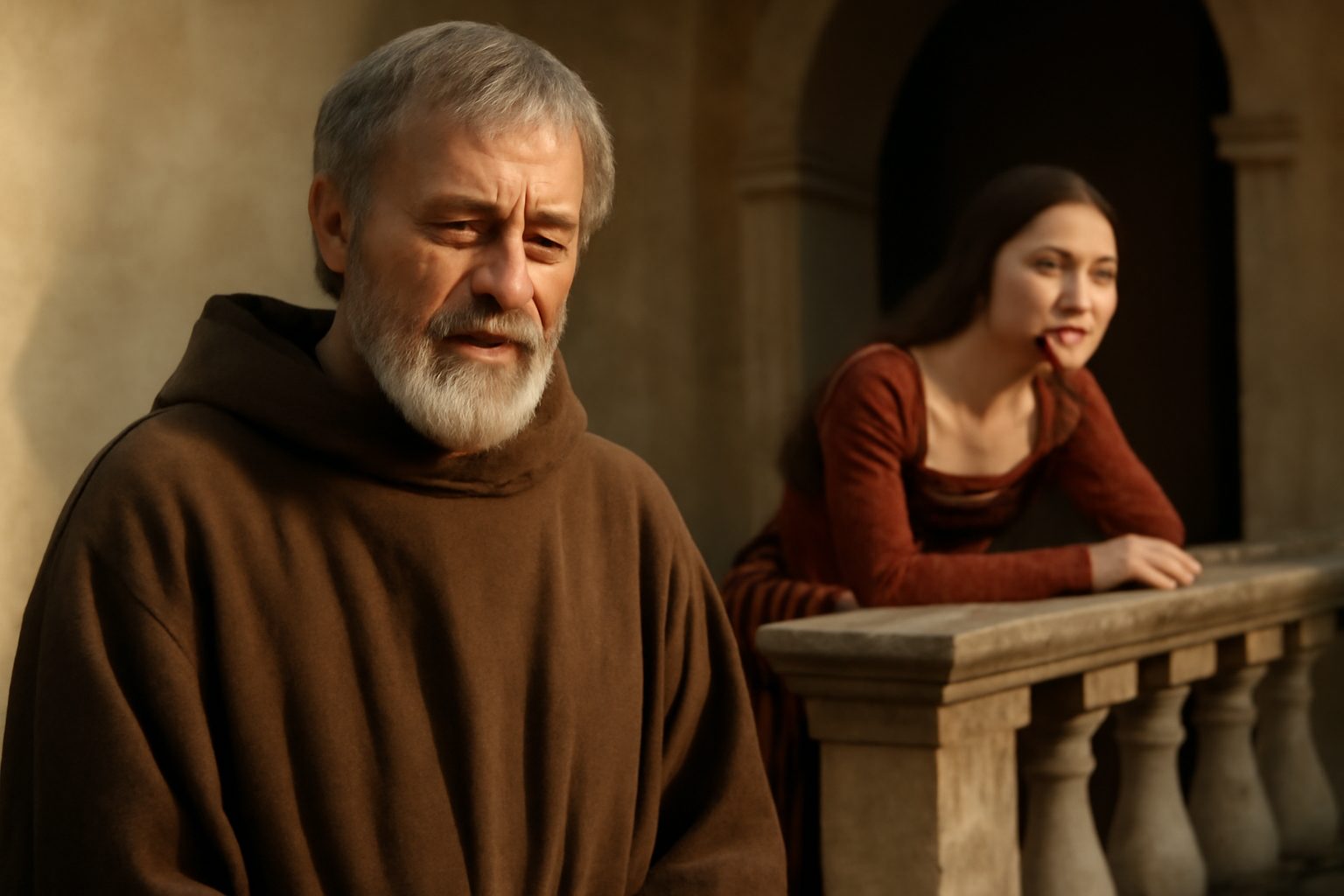
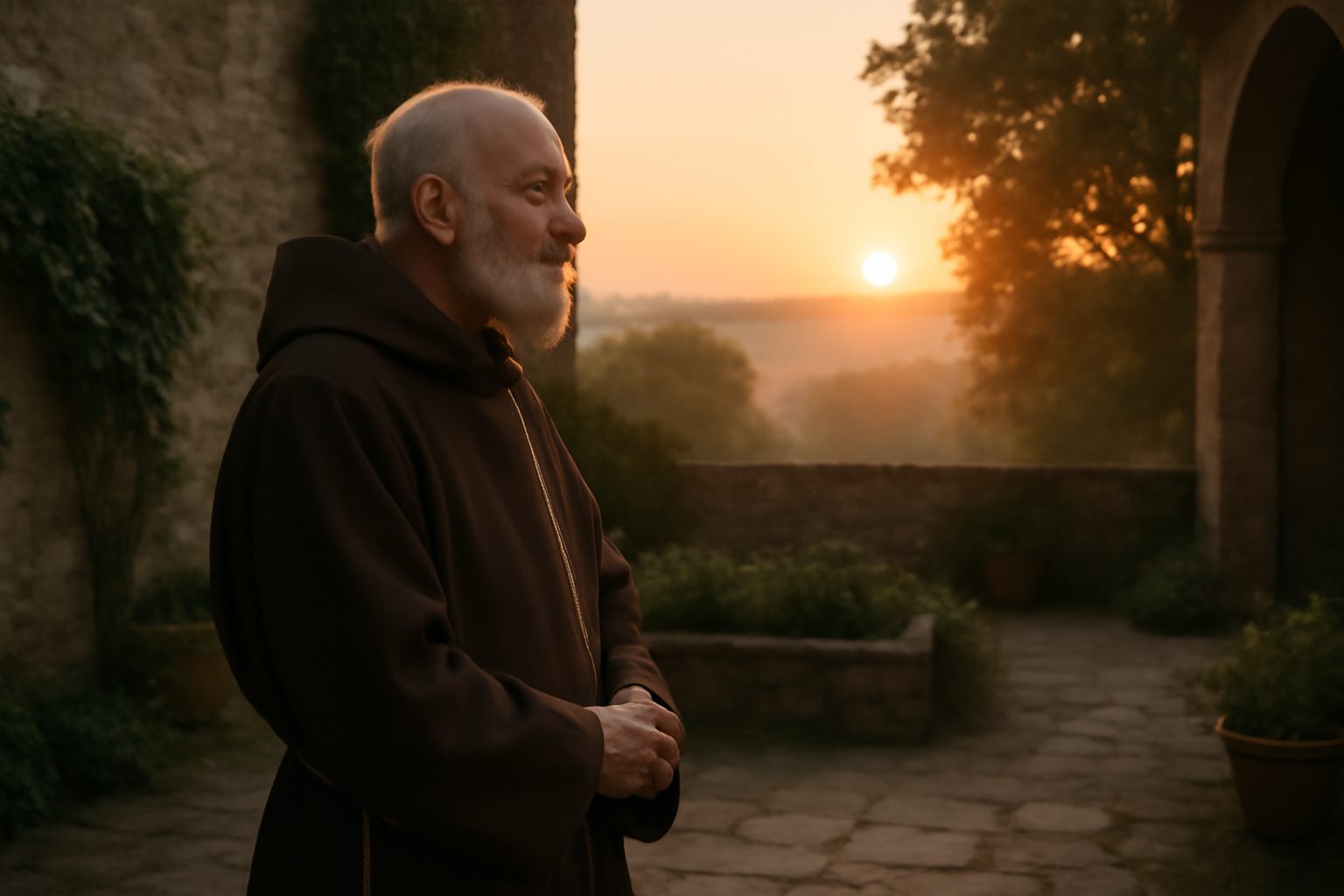
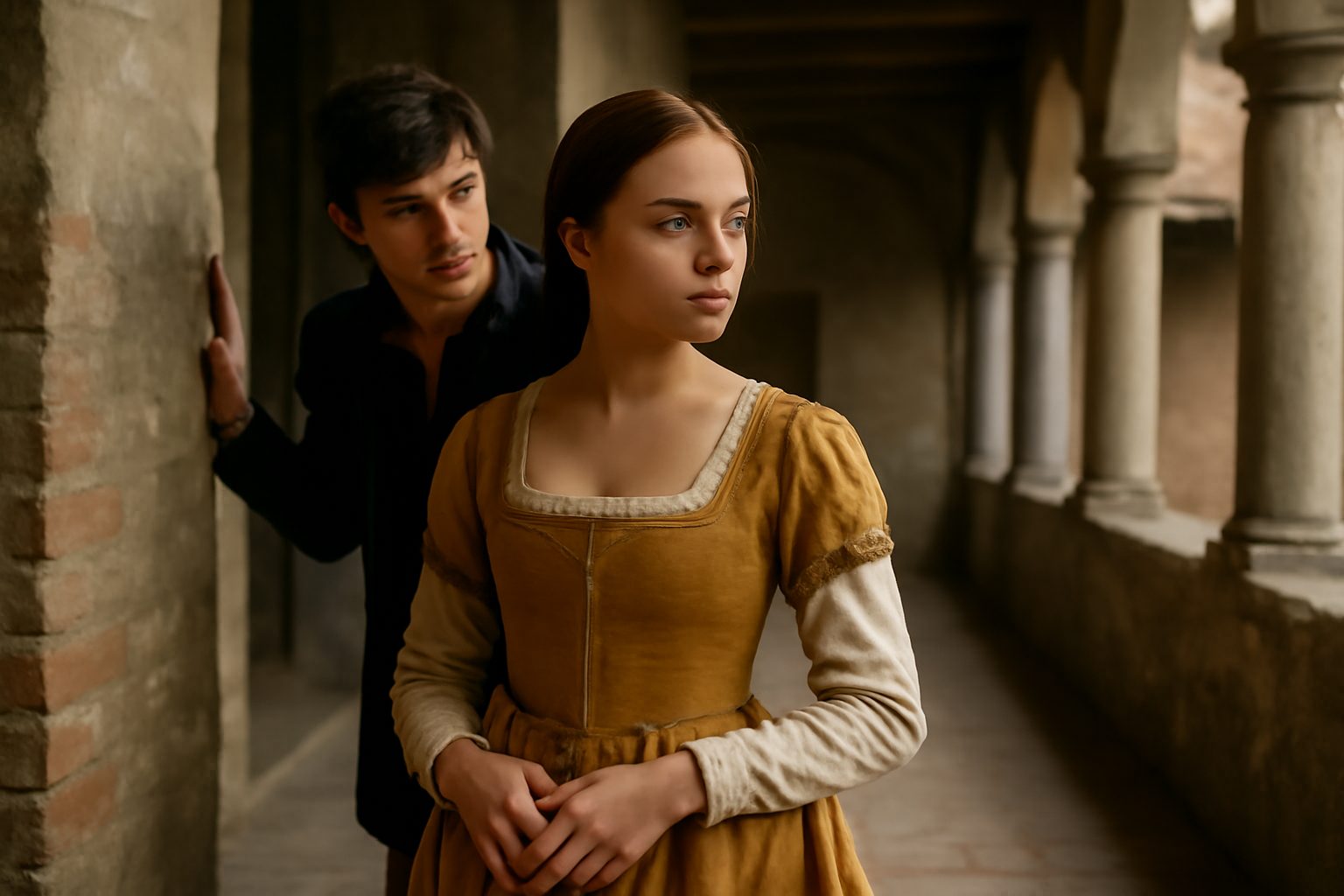
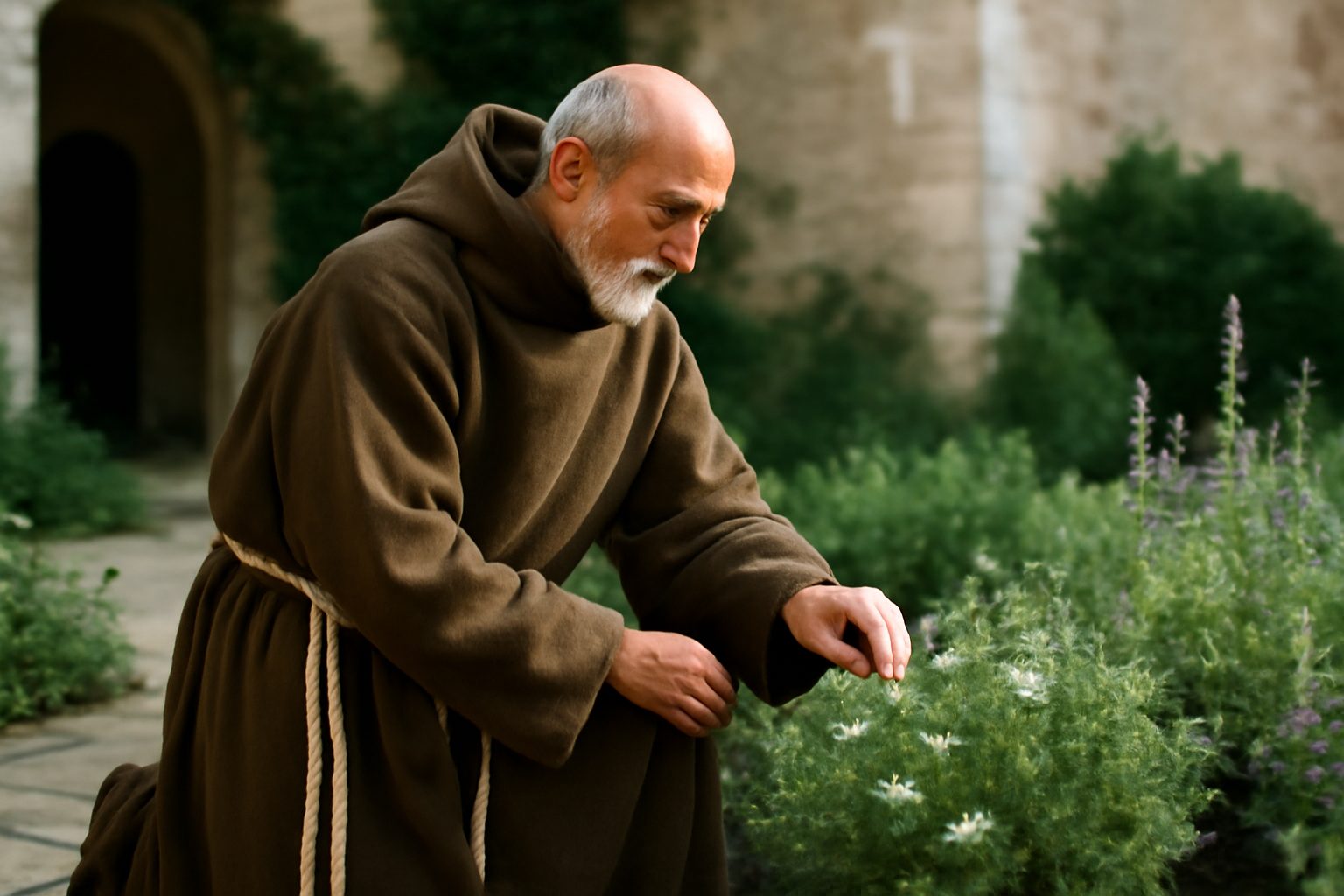
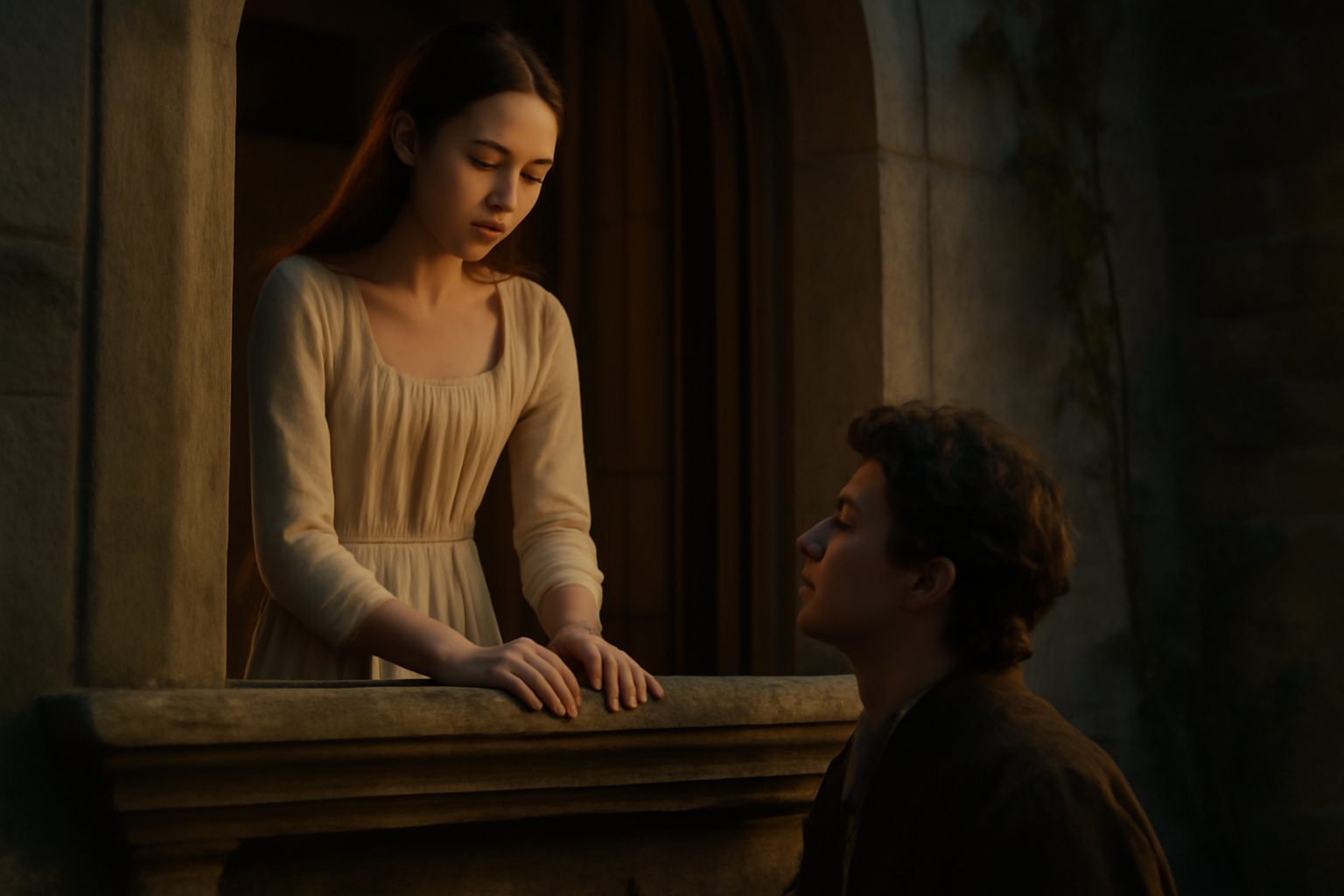
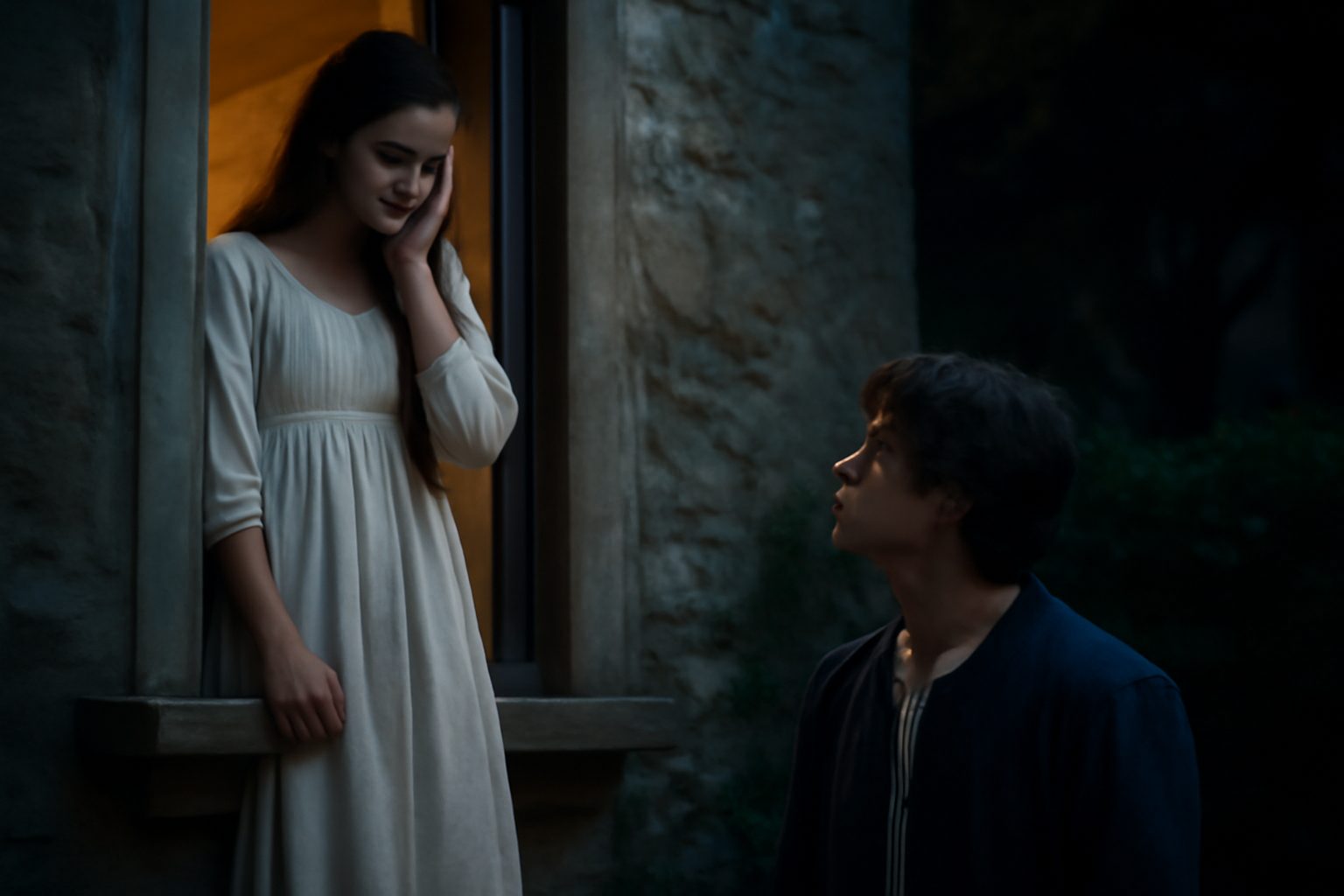
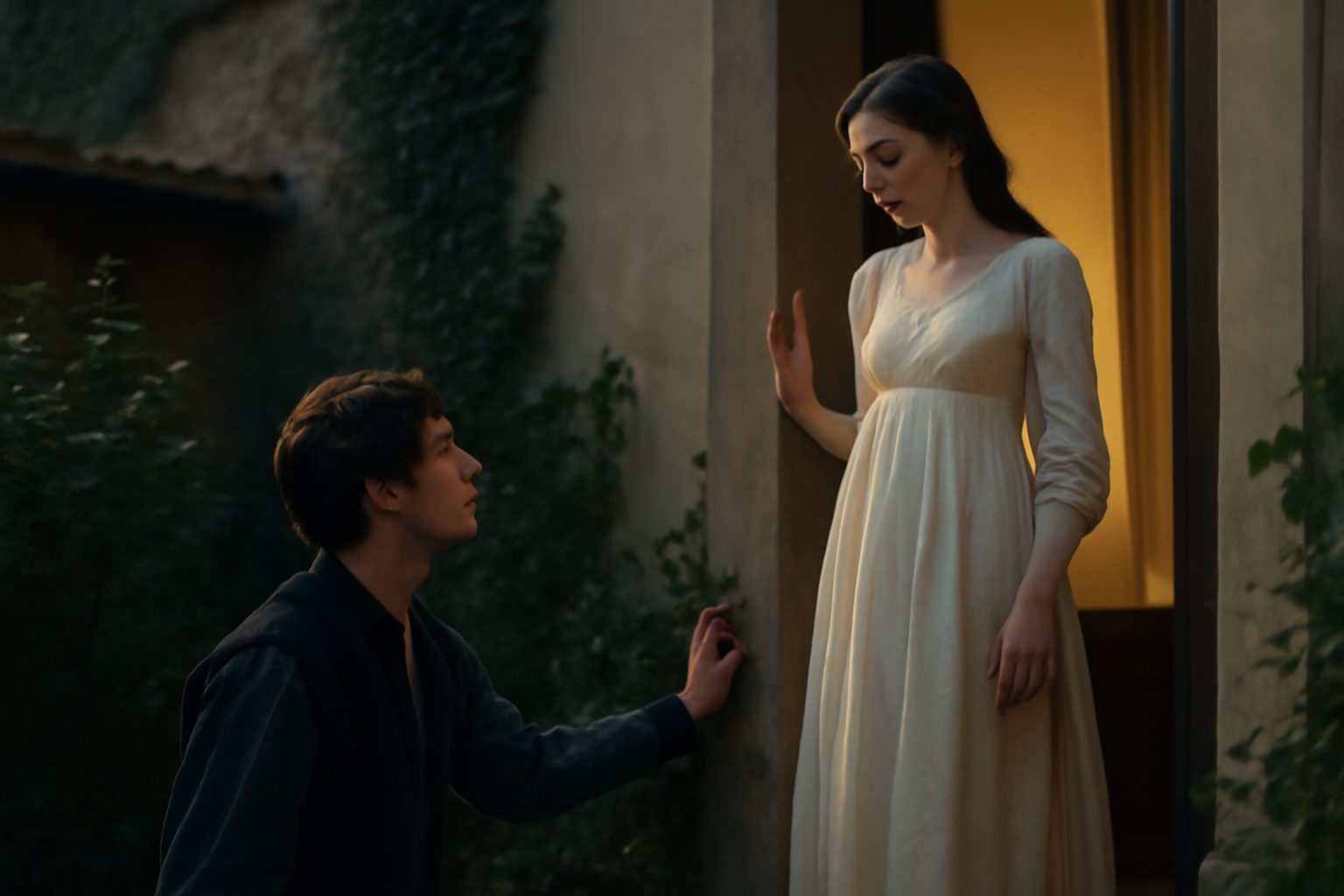
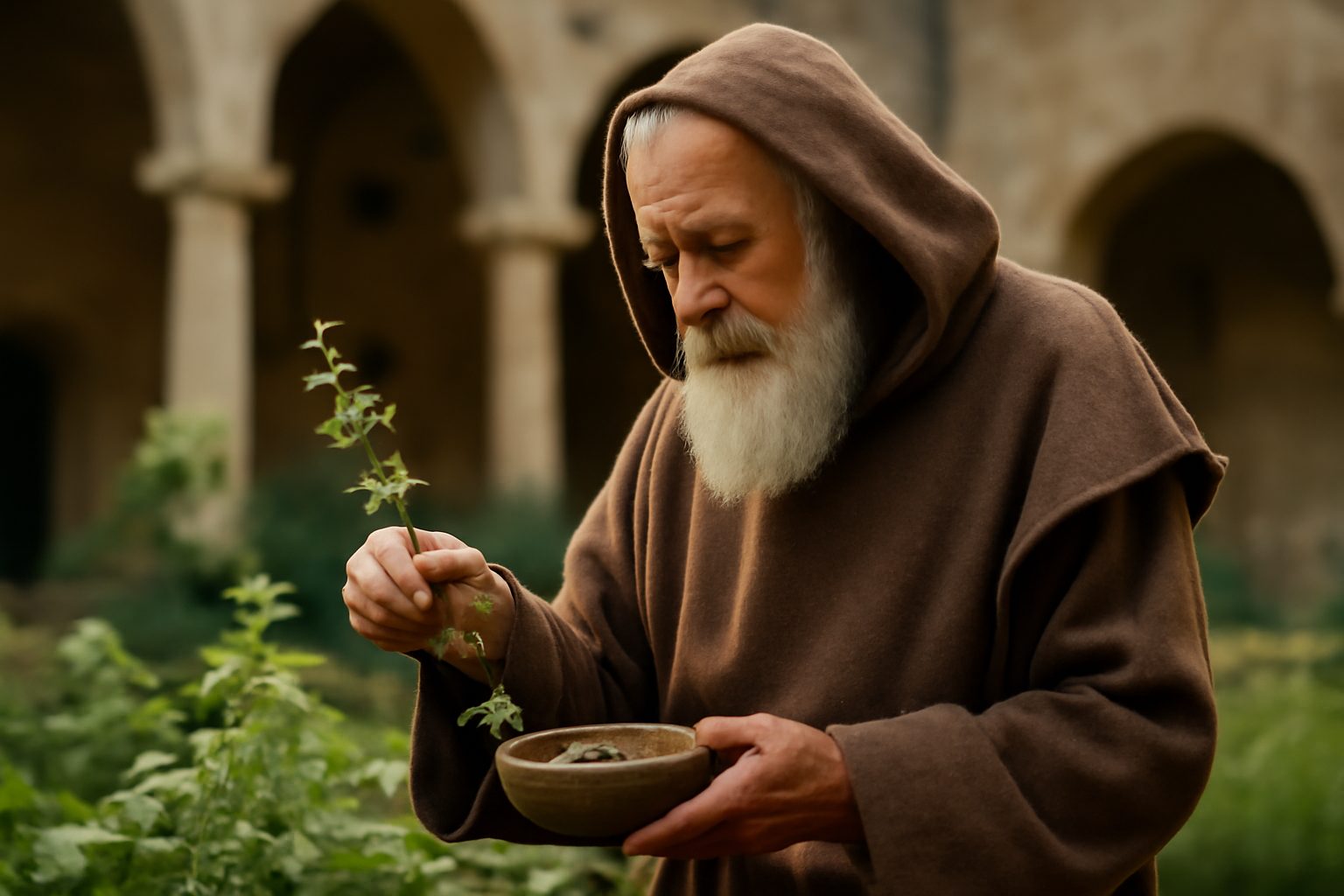
In Act 2, Scene 3 of Romeo and Juliet, Friar Laurence is gathering herbs at dawn, reflecting on nature's duality—both healing and harmful. This line captures his observation of the sun's power to bring warmth and dry the cold dampness of night. It sets the stage for his later role in the play, where his knowledge of nature's balance mirrors his attempts to mediate the feud between the Montagues and Capulets.
Friar Laurence: "The day to cheer and night's dank dew to dry,"
In modern day english, we would say:
The sun warms the day and dries the cold, damp dew of night.
Frequently Asked Questions
What does Friar Laurence say the day does in this line?
He says the day brings cheer and dries the dew from the night.
Connections to other verses:
Connections to "The day to cheer and night's dank dew to dry"
The verse "The day to cheer and night's dank dew to dry," found at /romeo-and-juliet/two/2-3/act-2-scene-3-6/, is part of Friar Laurence's opening soliloquy, which establishes the scene's natural imagery and thematic duality. This line directly follows "Now, ere the sun advance his burning eye," and precedes "I must up-fill this osier cage of ours," linking the dawn's transformative power to the Friar's herbal gathering and foreshadowing the play's themes of light and darkness, healing and poison.
Natural Imagery and Duality
This verse connects to the Friar's meditation on nature's dualities, such as "Poison hath residence and medicine power," and "Virtue itself turns vice, being misapplied." The cheering day and drying dew symbolize renewal and purification, echoing the Friar's hope that Romeo and Juliet's love might "cheer" the feud between their families, yet also hinting at the potential for "dank" consequences.
Contrast with Romeo's State
While the Friar speaks of the day's cheer, Romeo's entrance reveals inner turmoil. The Friar notes "Thou art up-roused by some distemperature," contrasting the natural order with Romeo's disordered emotions. Later, the Friar chides Romeo for his fickle love, recalling "Thou chid'st me oft for loving Rosaline," and suggests his newfound love for Juliet is like the dew—superficial and fleeting.
Symbolism of Light and Dark
The verse's imagery of light overcoming darkness parallels "Chequering the eastern clouds with streaks of light," and "And flecked darkness like a drunkard reels," emphasizing the transition from night to day. This mirrors the play's broader contrasts, such as the lovers' bright hope against the "dank" background of their families' strife.
Connection to Resolution
Ultimately, the Friar's role as a healer who uses nature's gifts ties this verse to his plan for the lovers: "To turn your households' rancour to pure love." The "dank dew" drying suggests a cleansing, much like the Friar's attempt to purify the feud through Romeo and Juliet's union, though his efforts culminate in tragedy, underscoring the duality he initially contemplates.