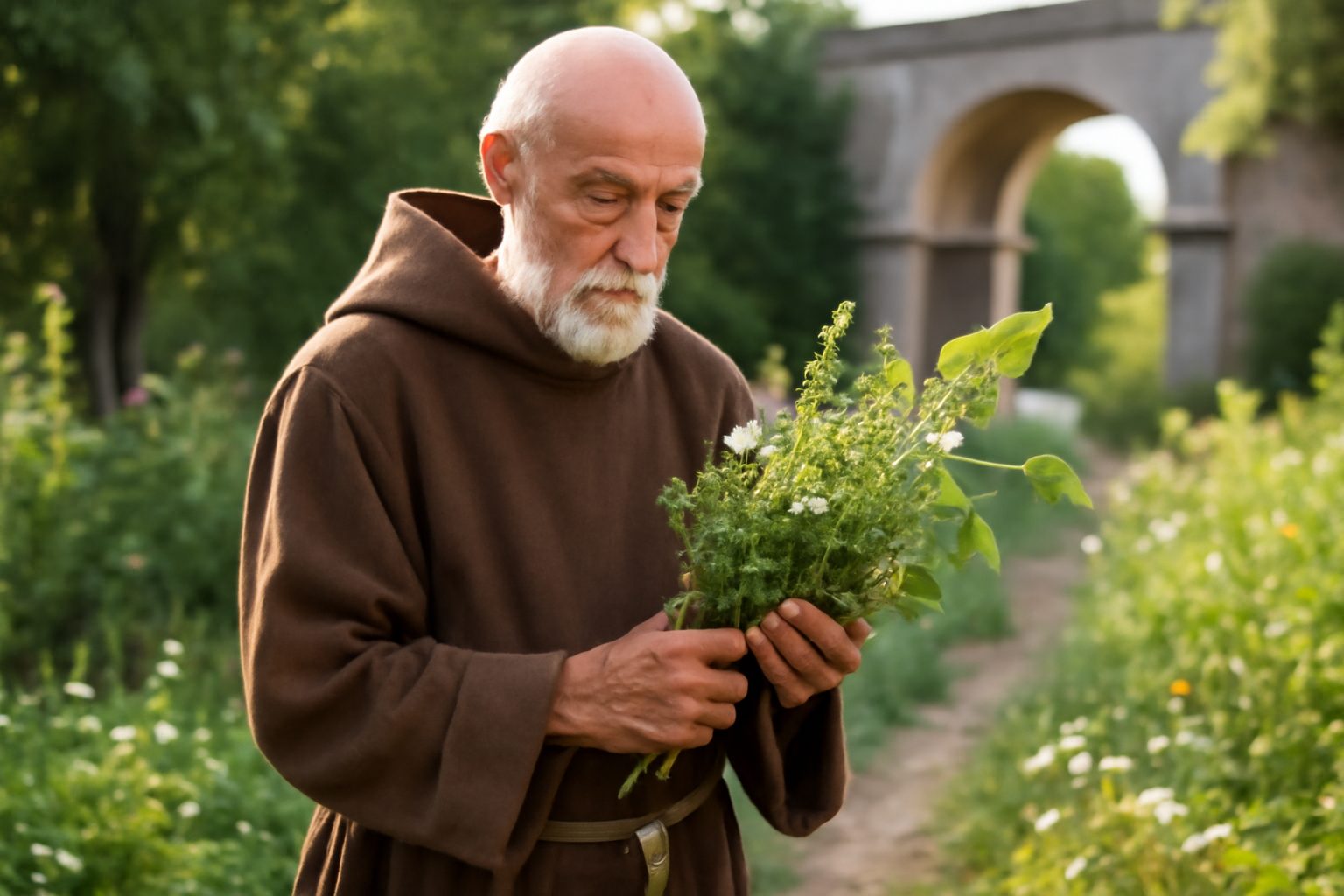
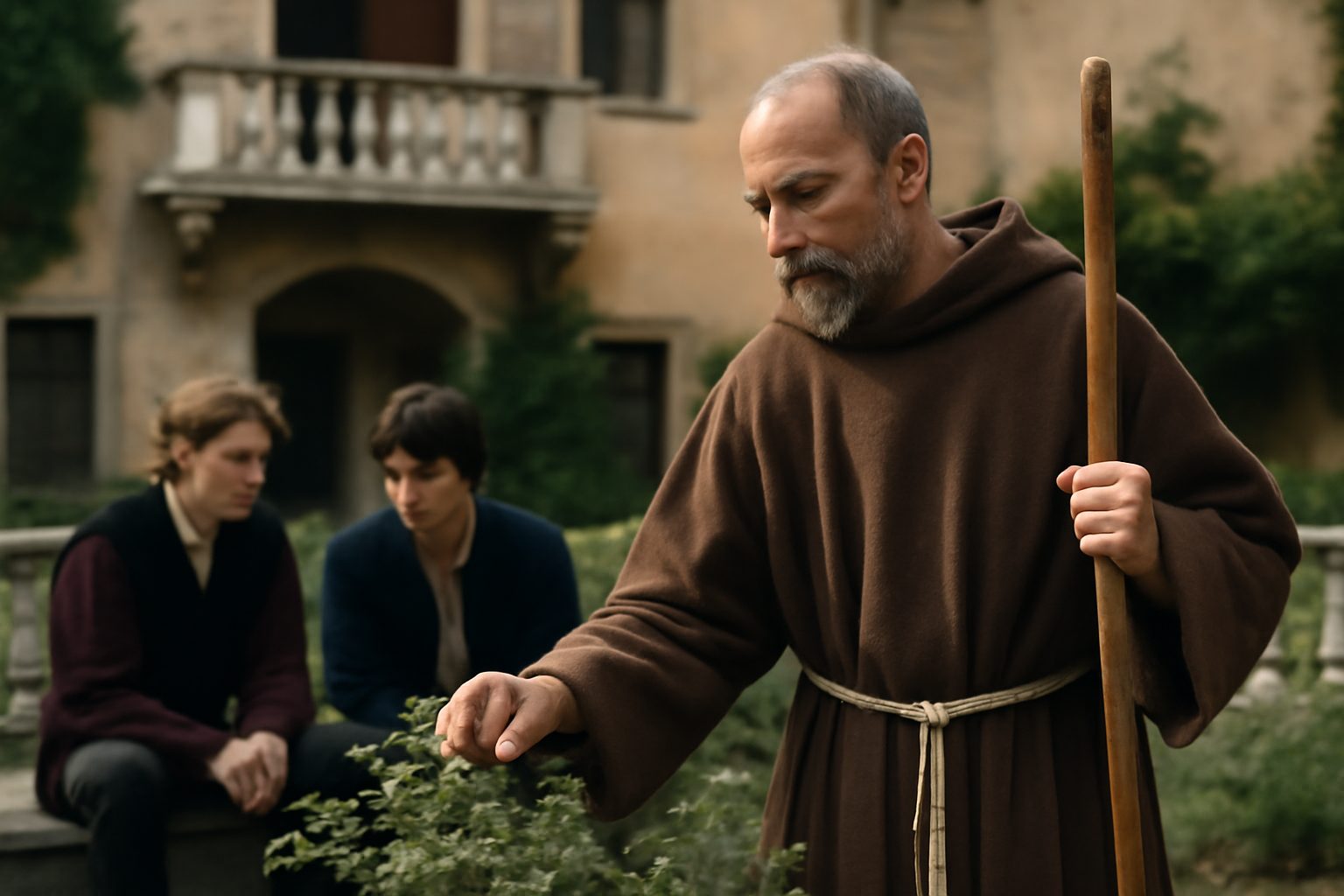
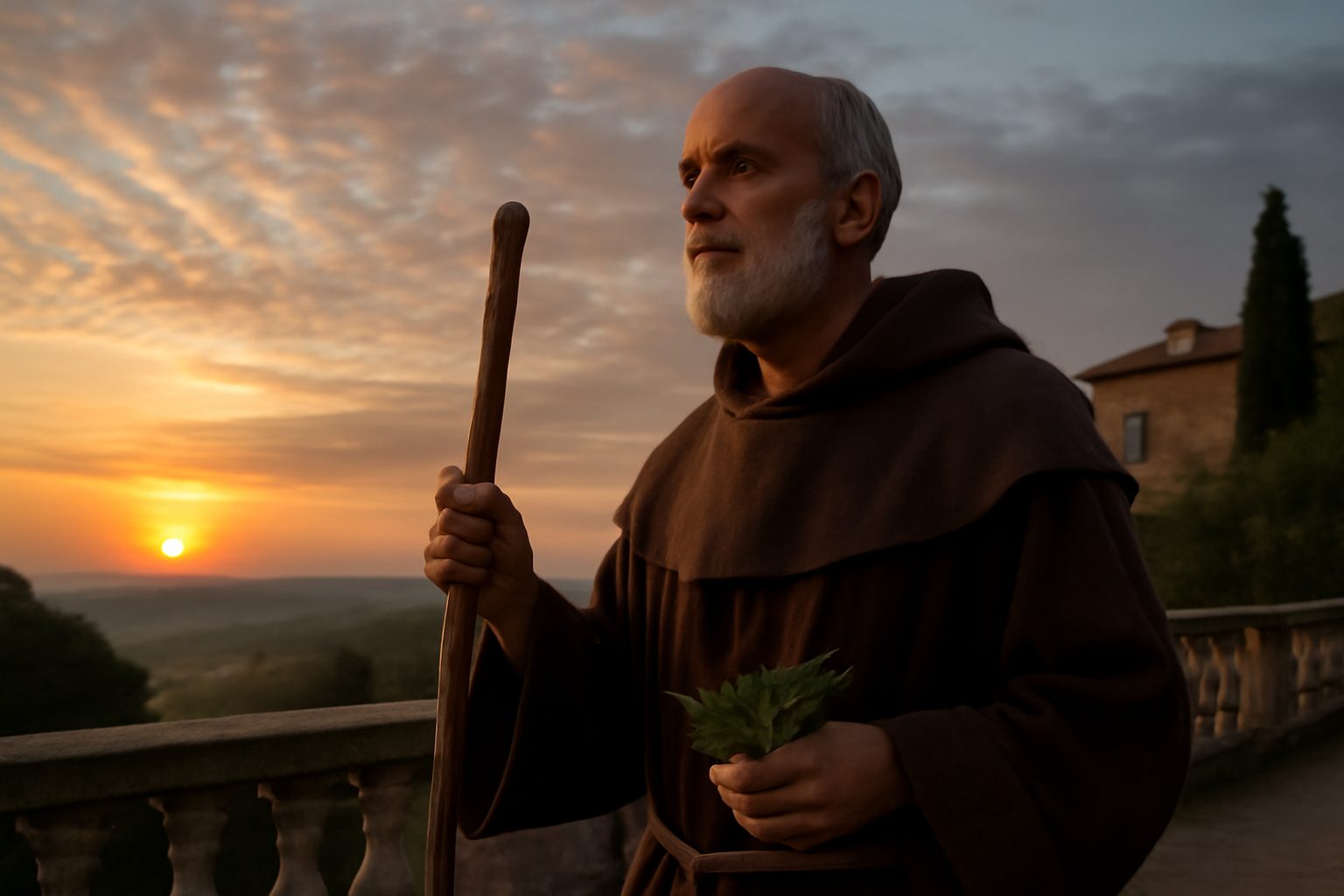
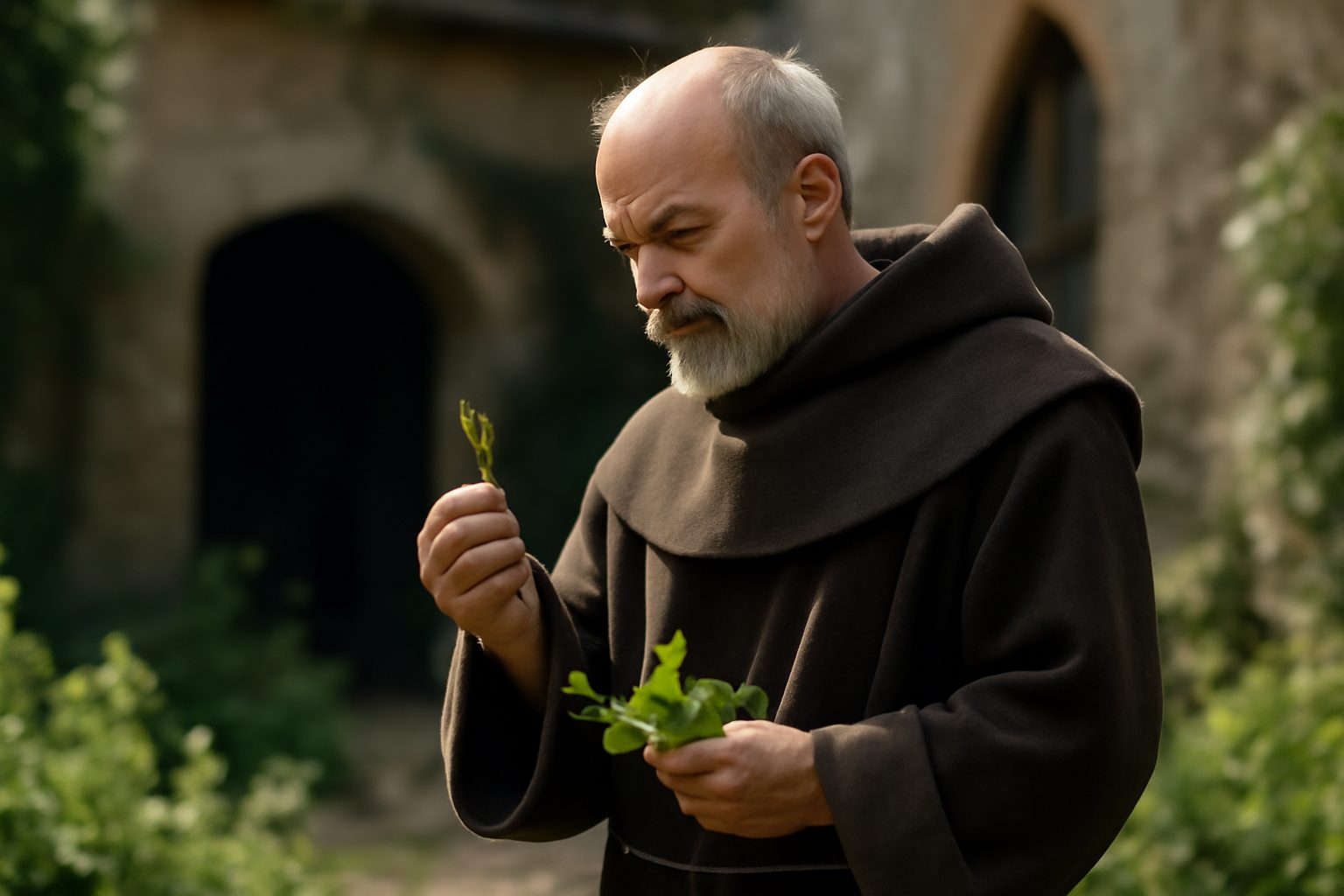
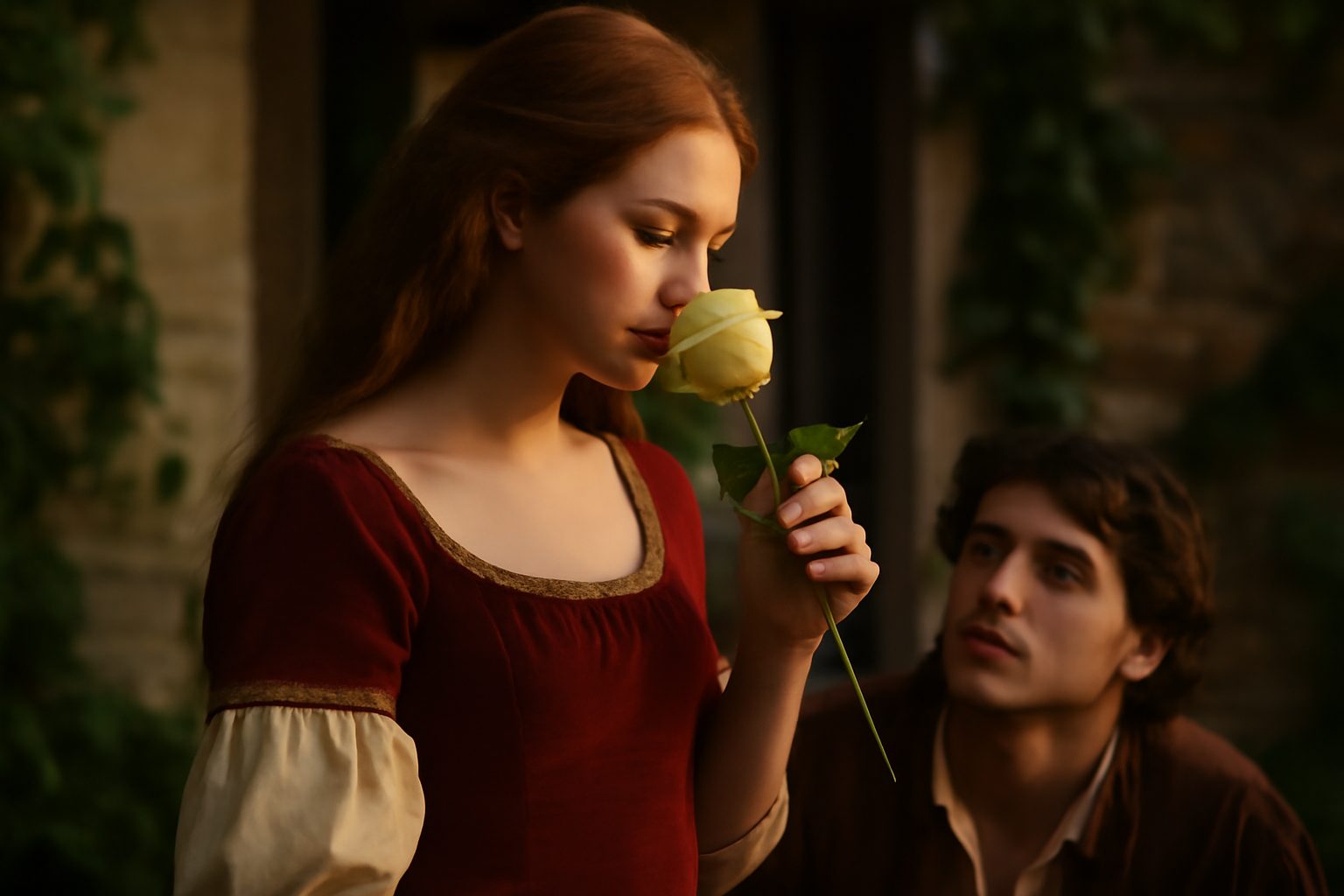
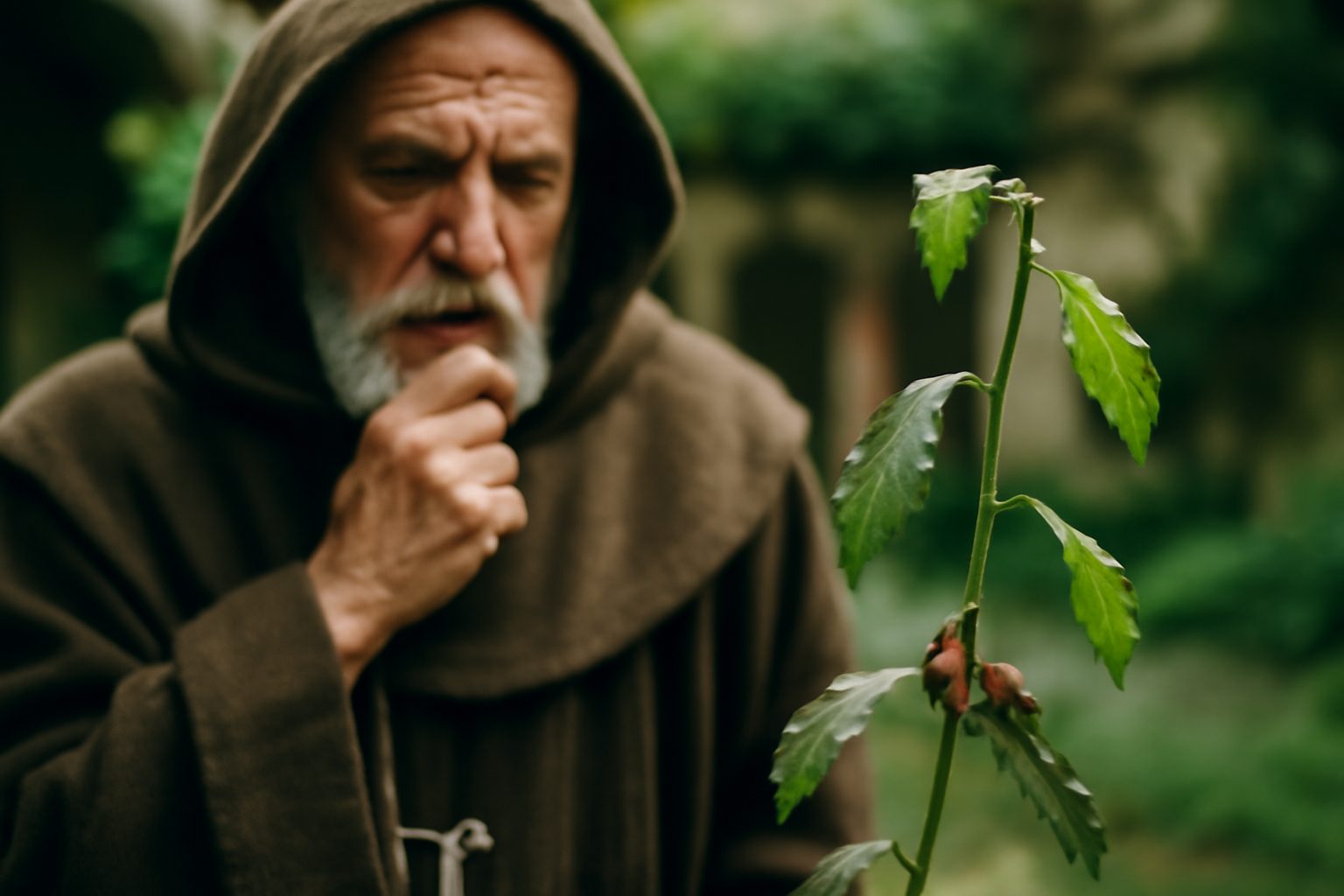
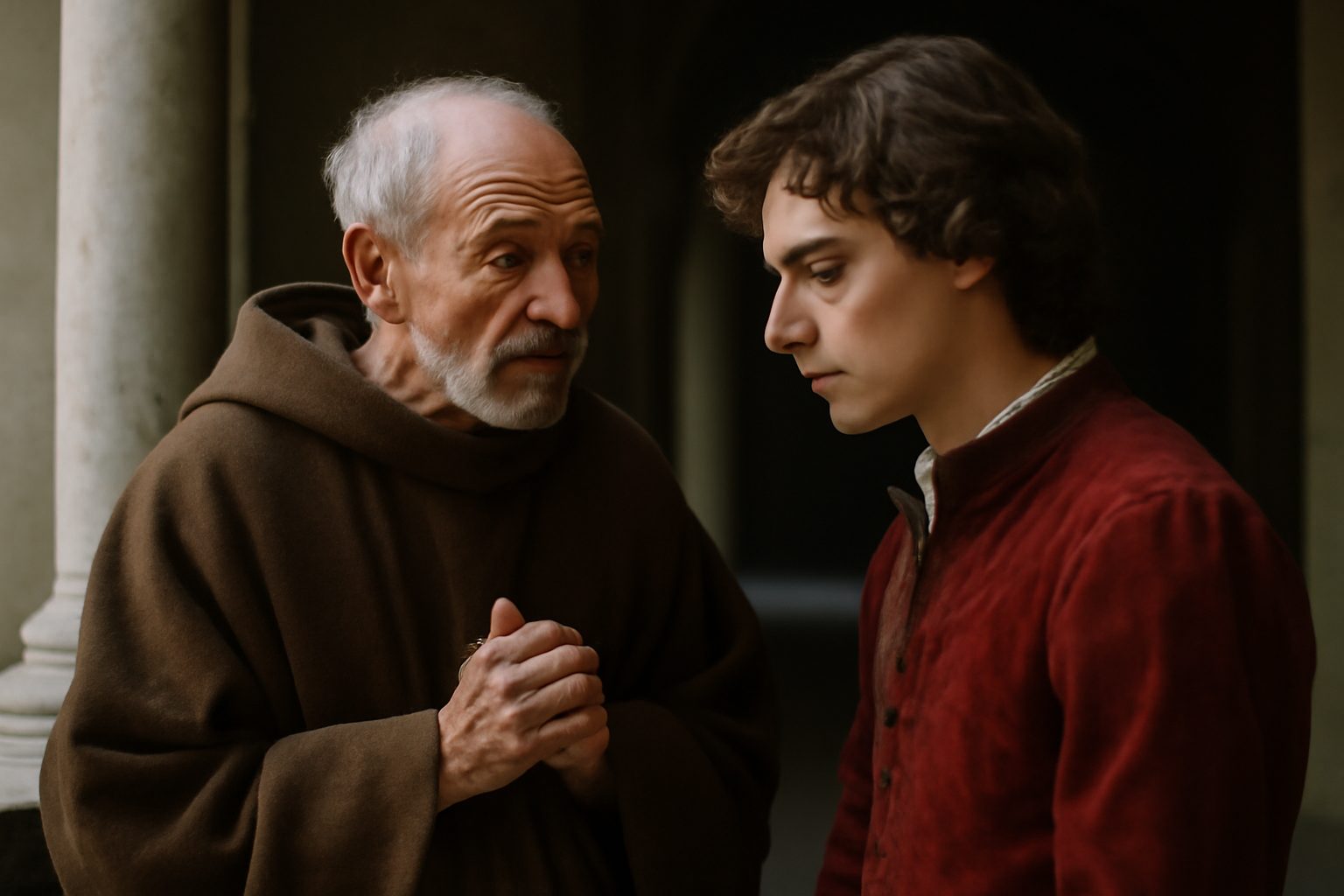
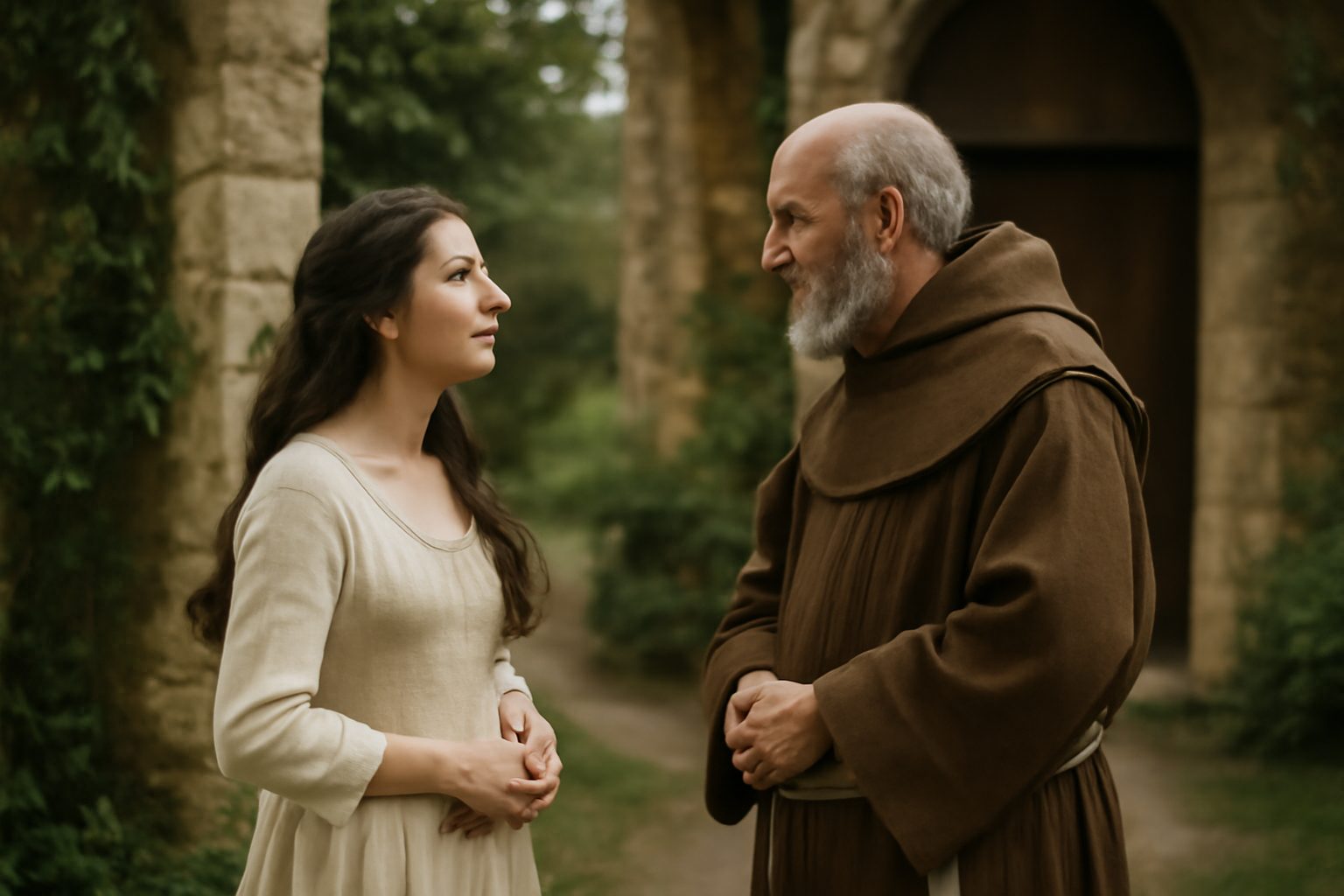
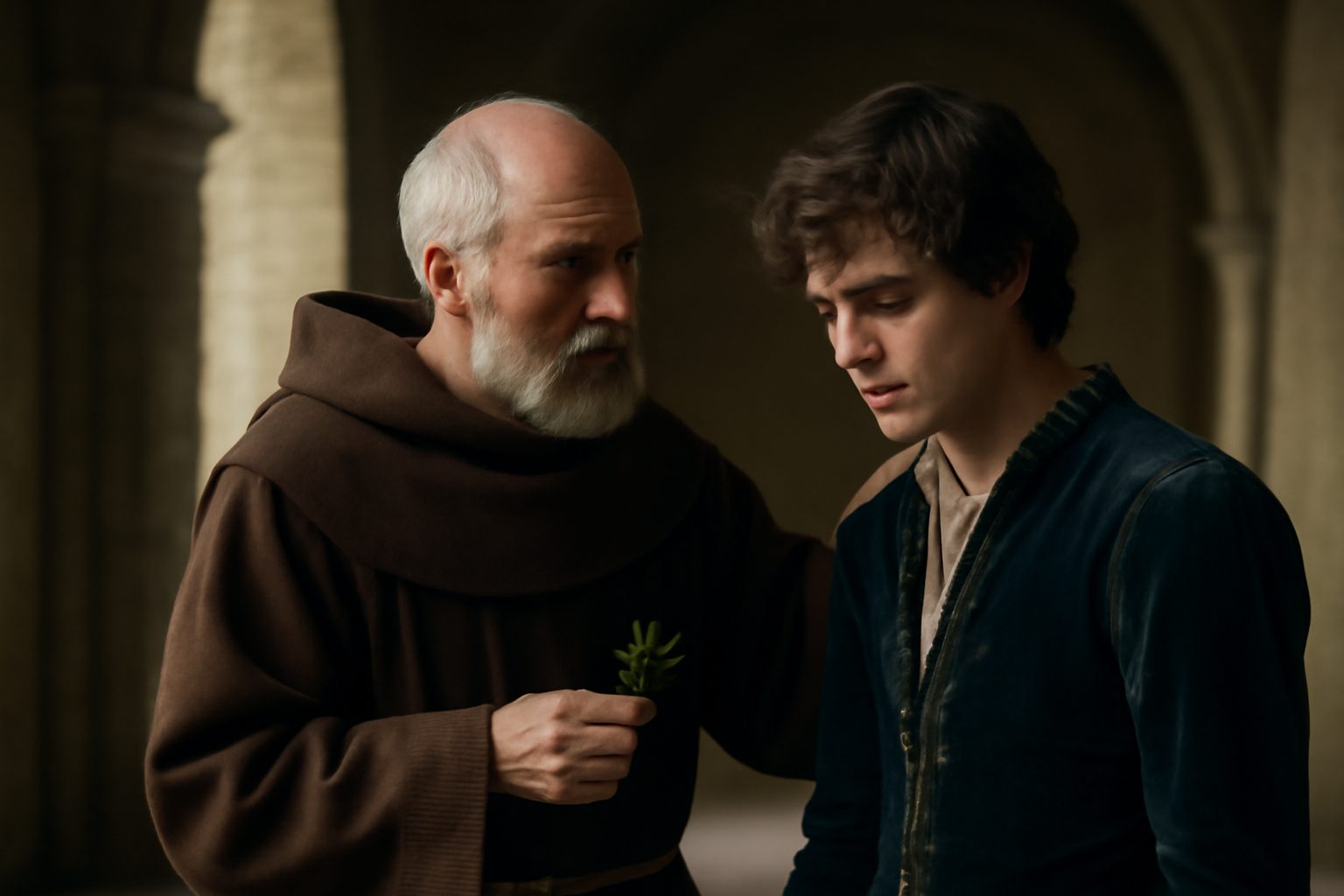
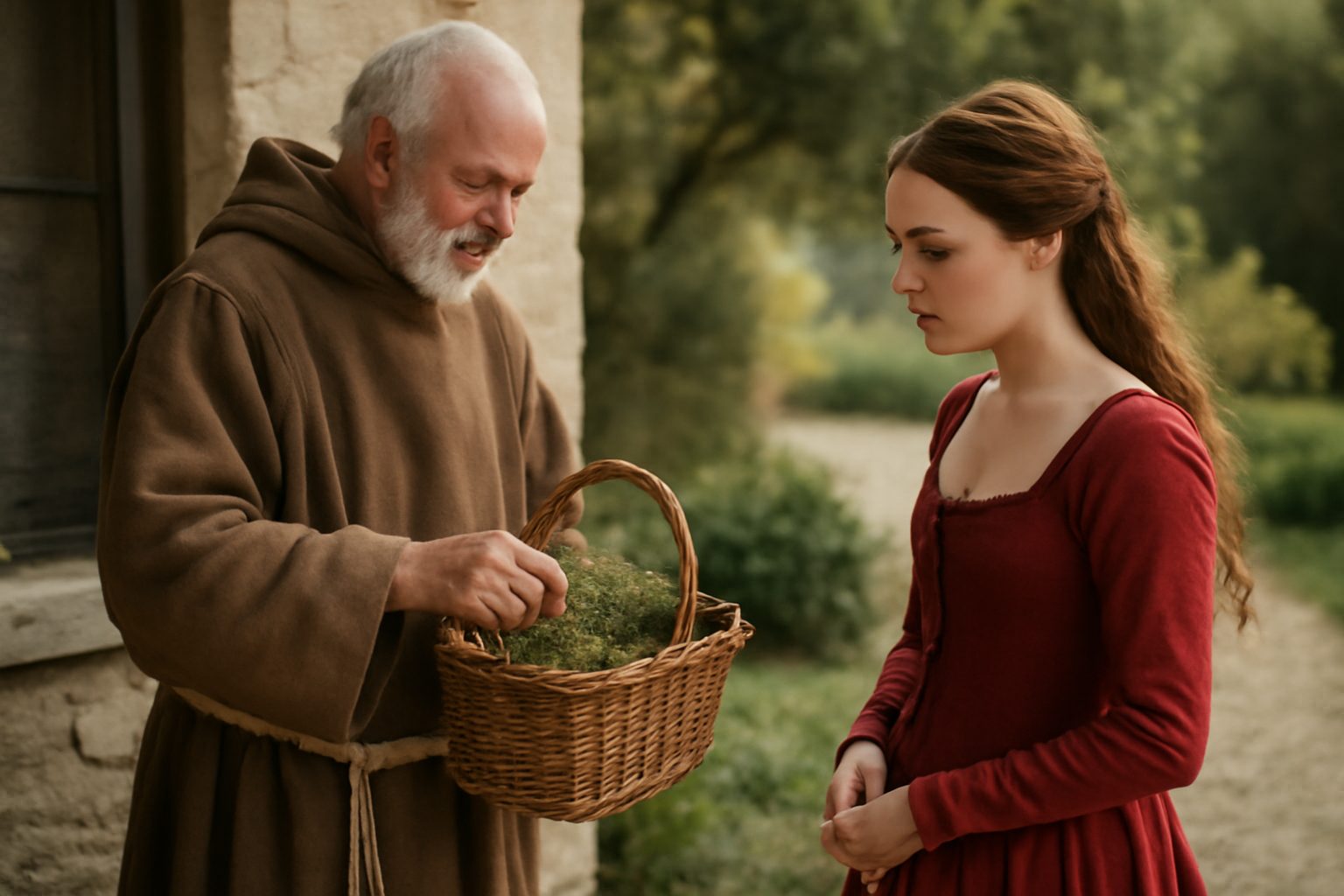
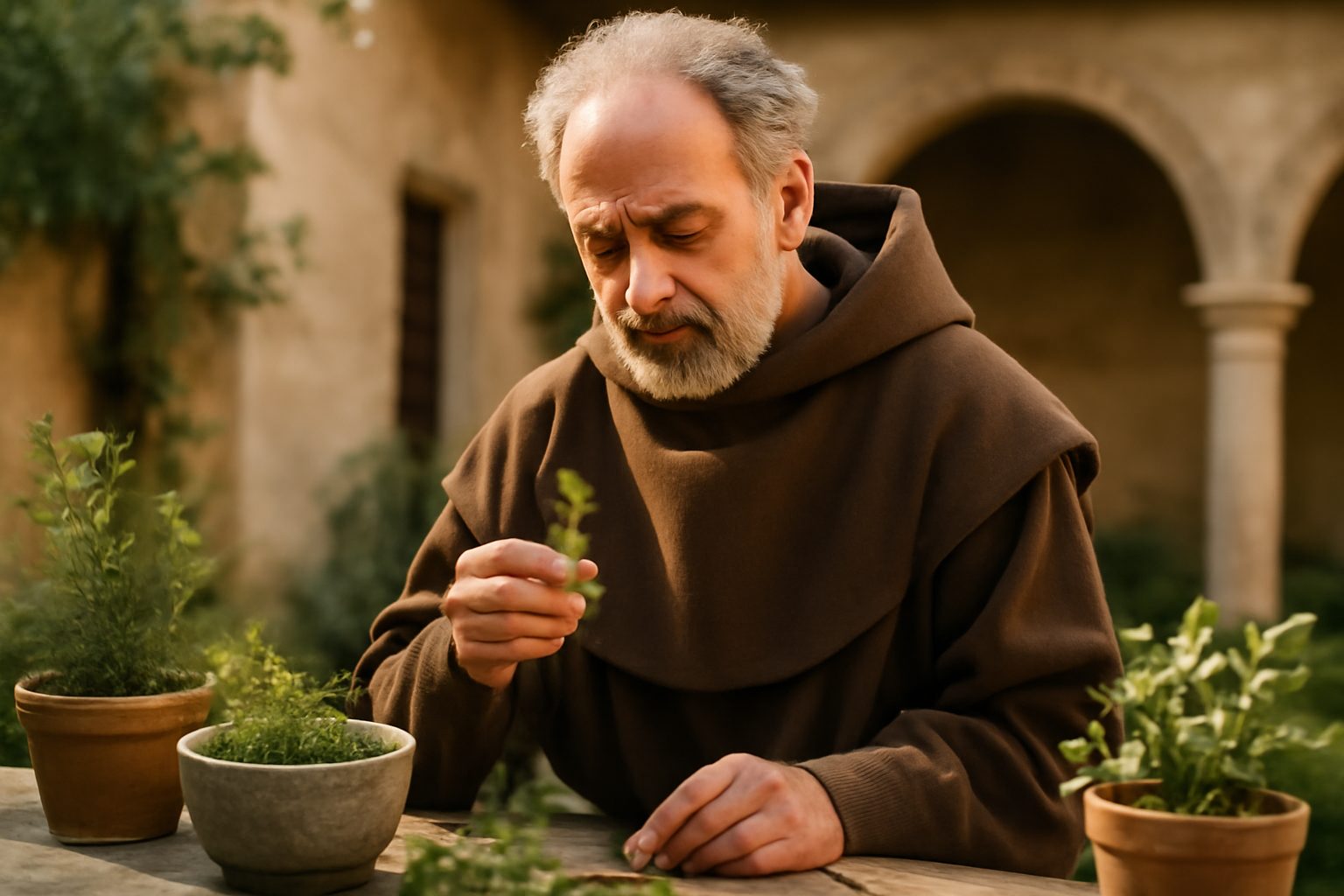
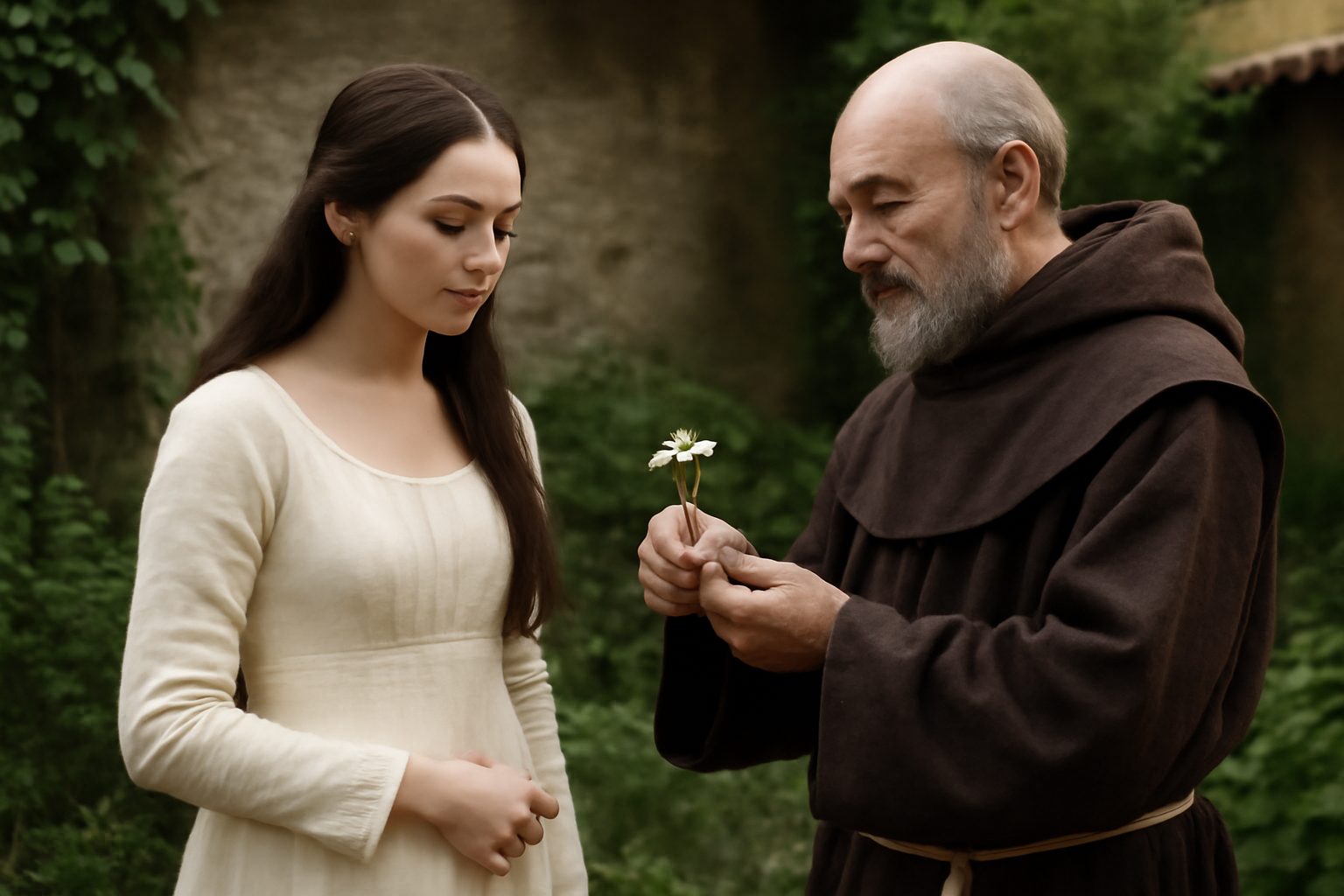
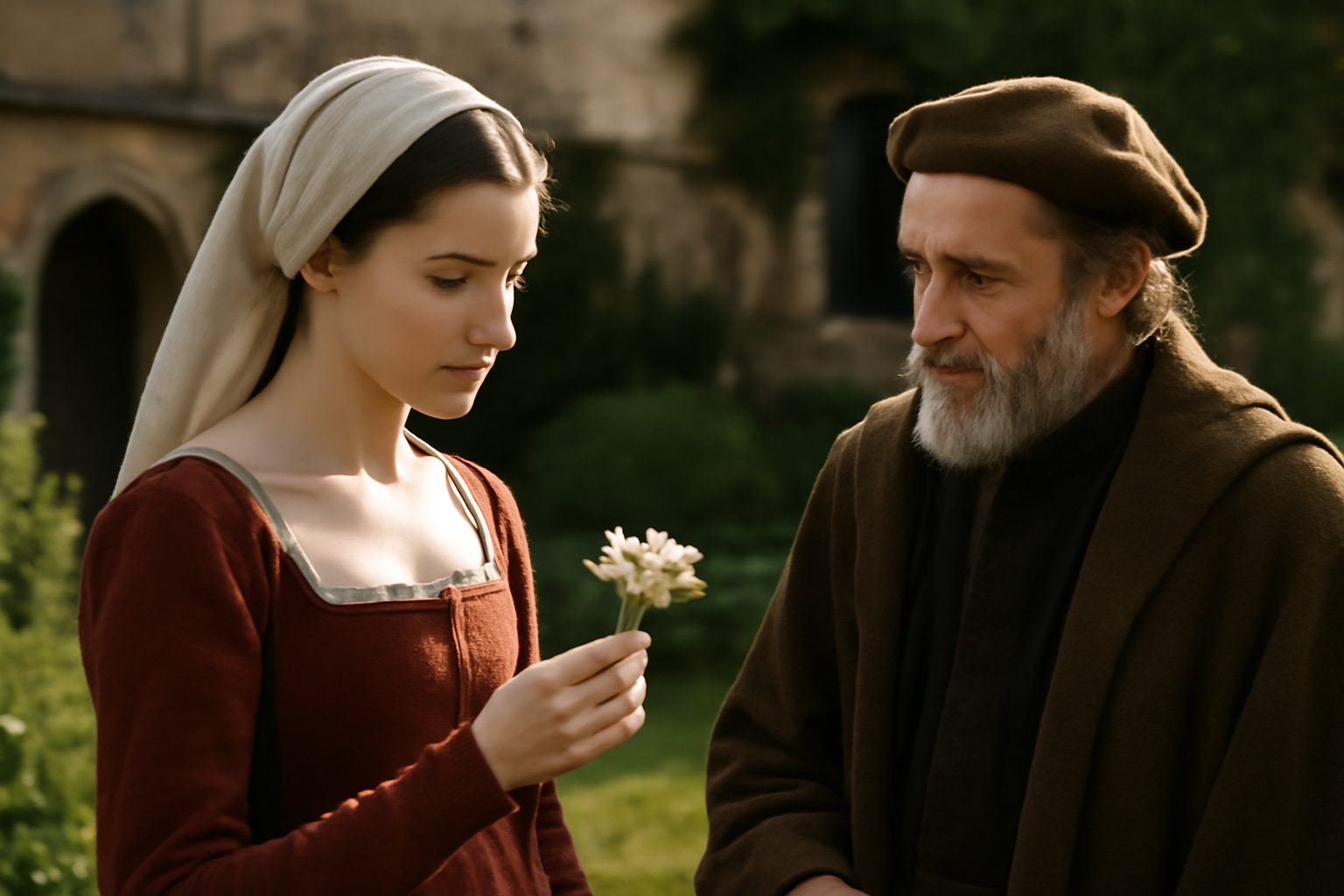
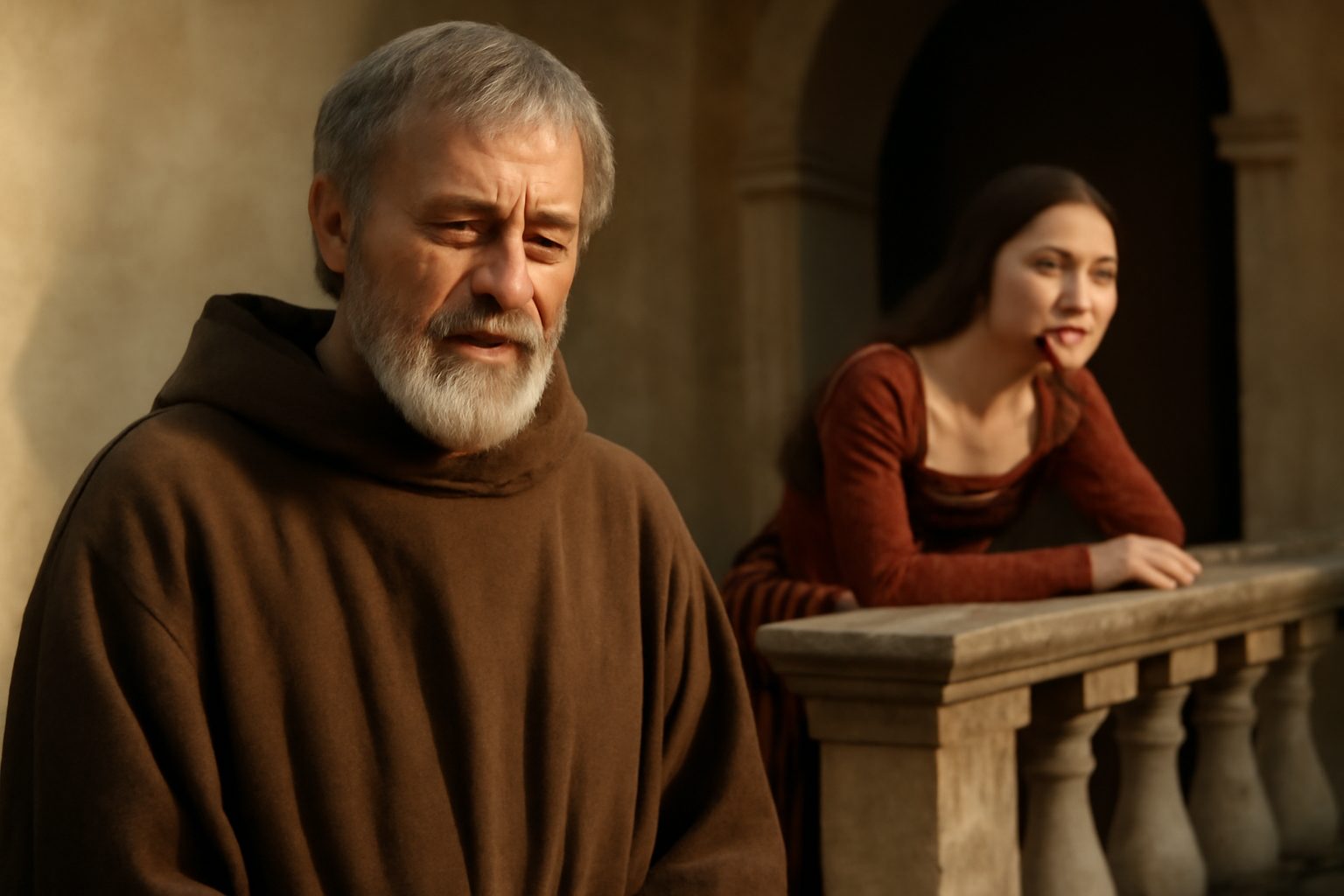
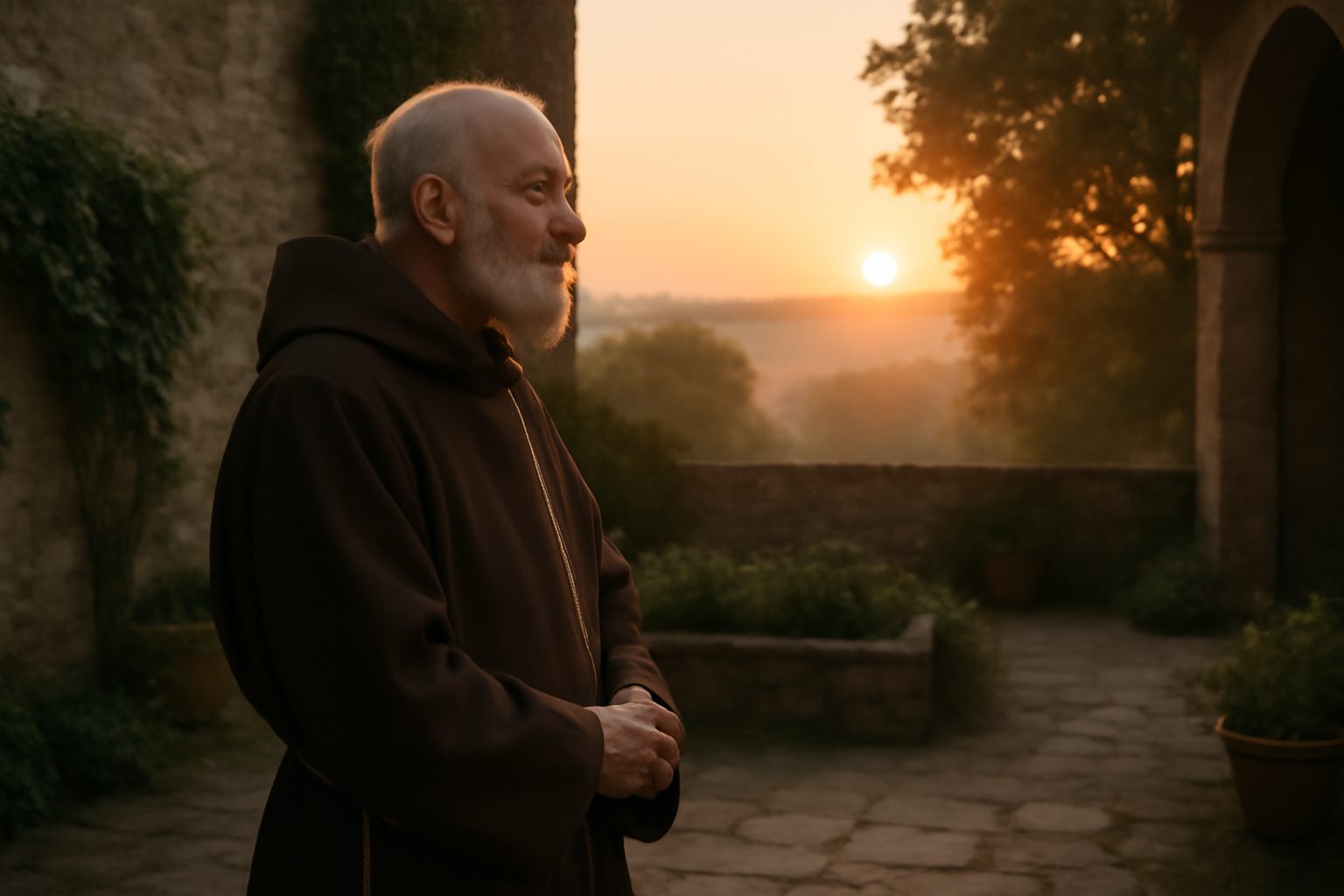
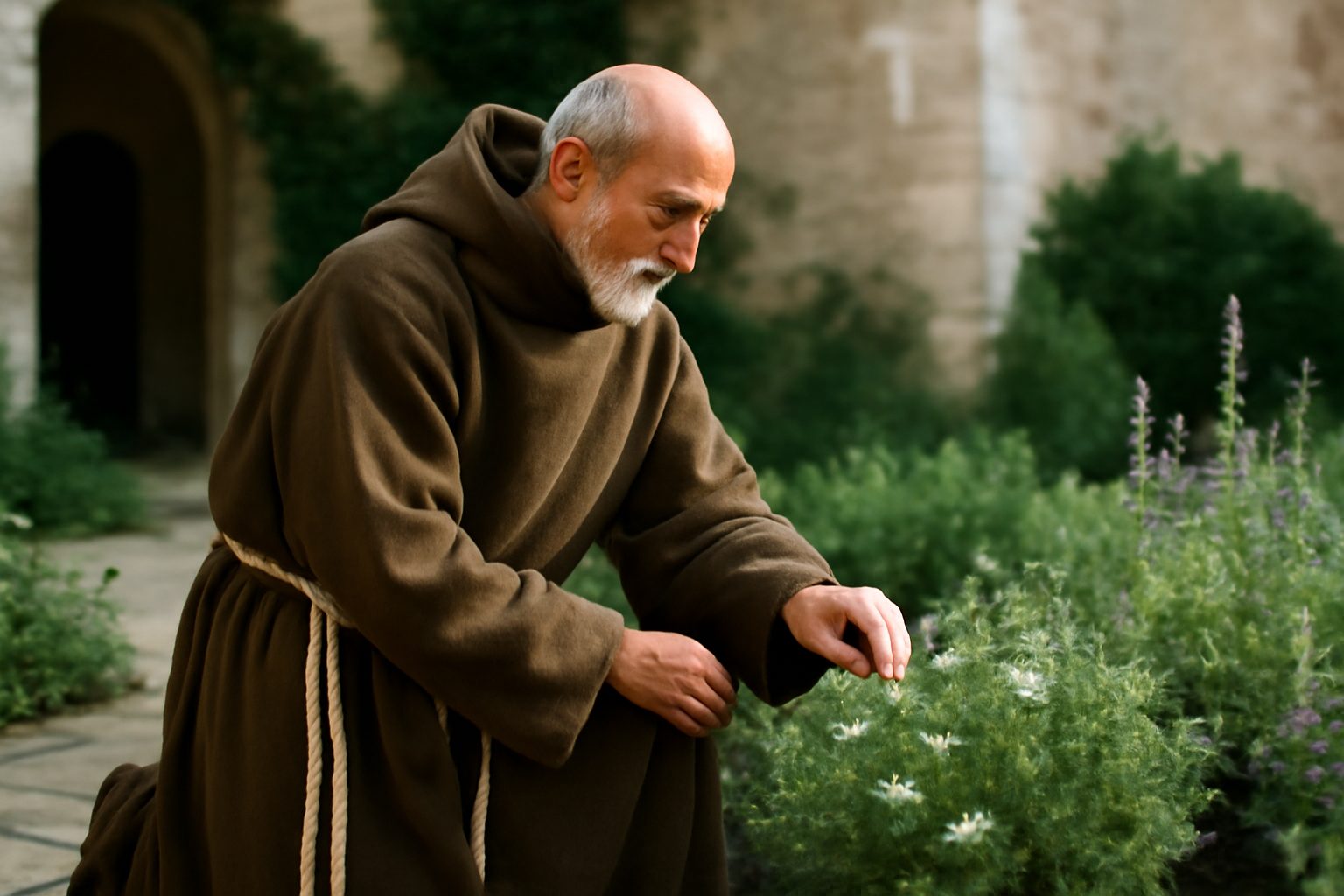
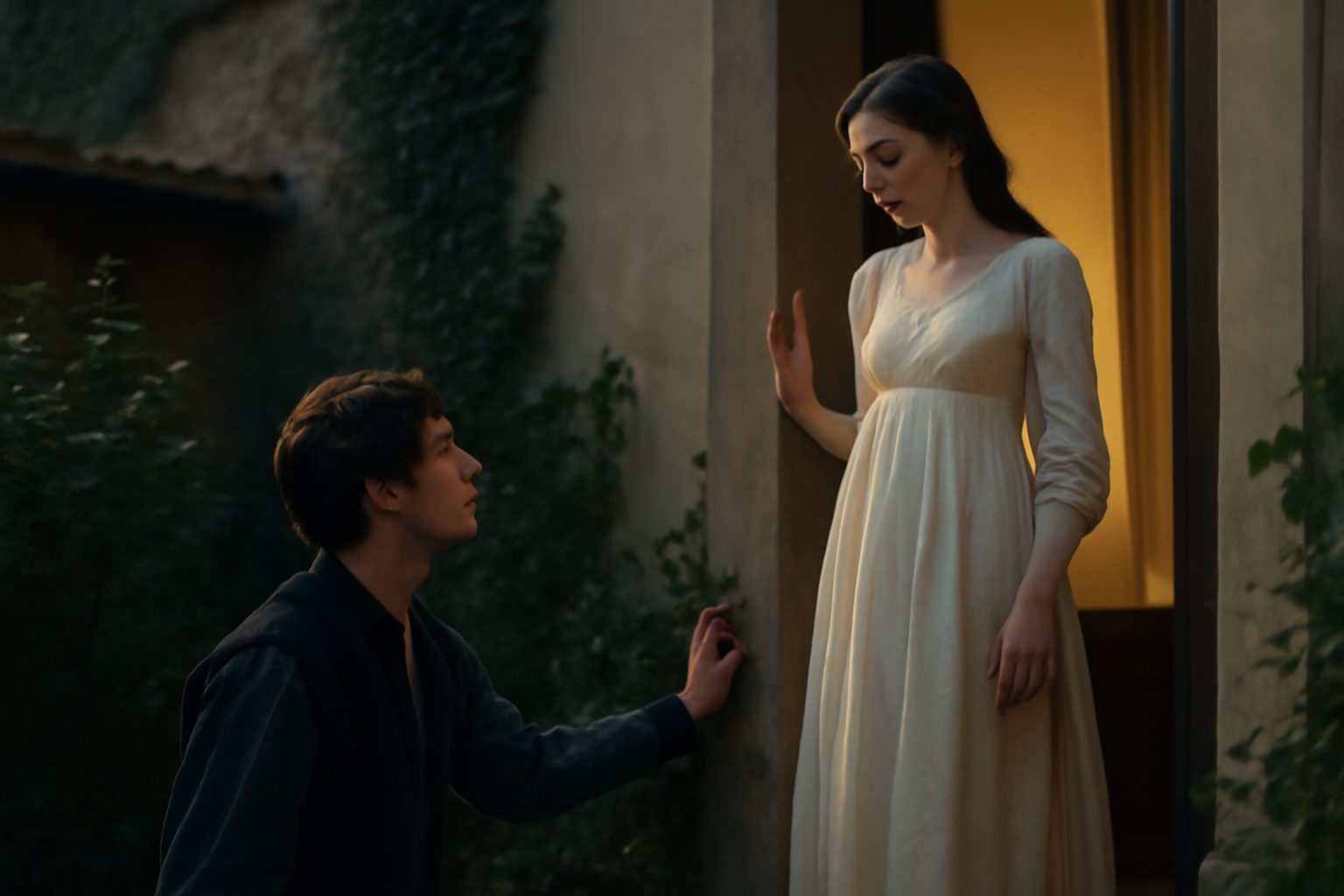
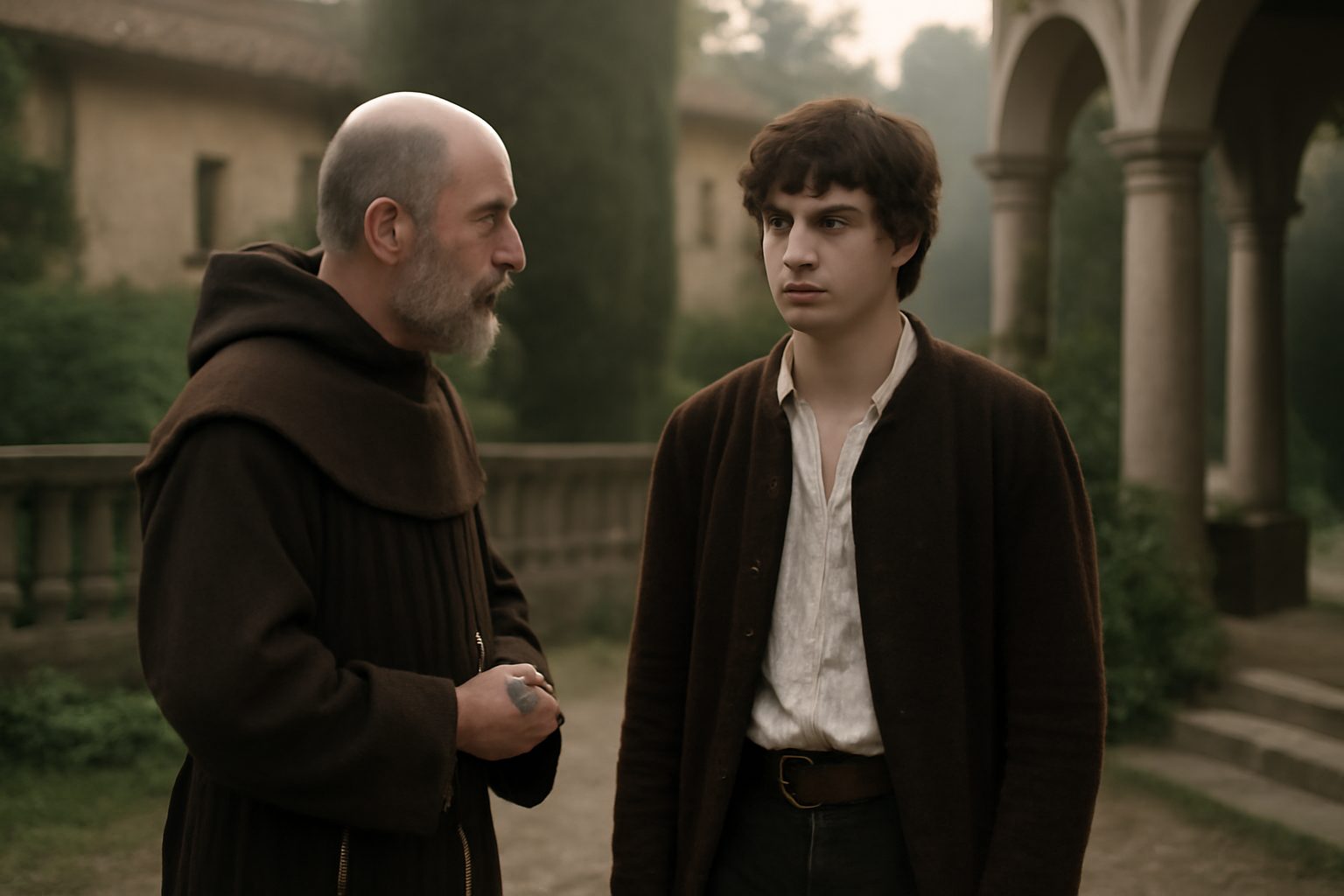
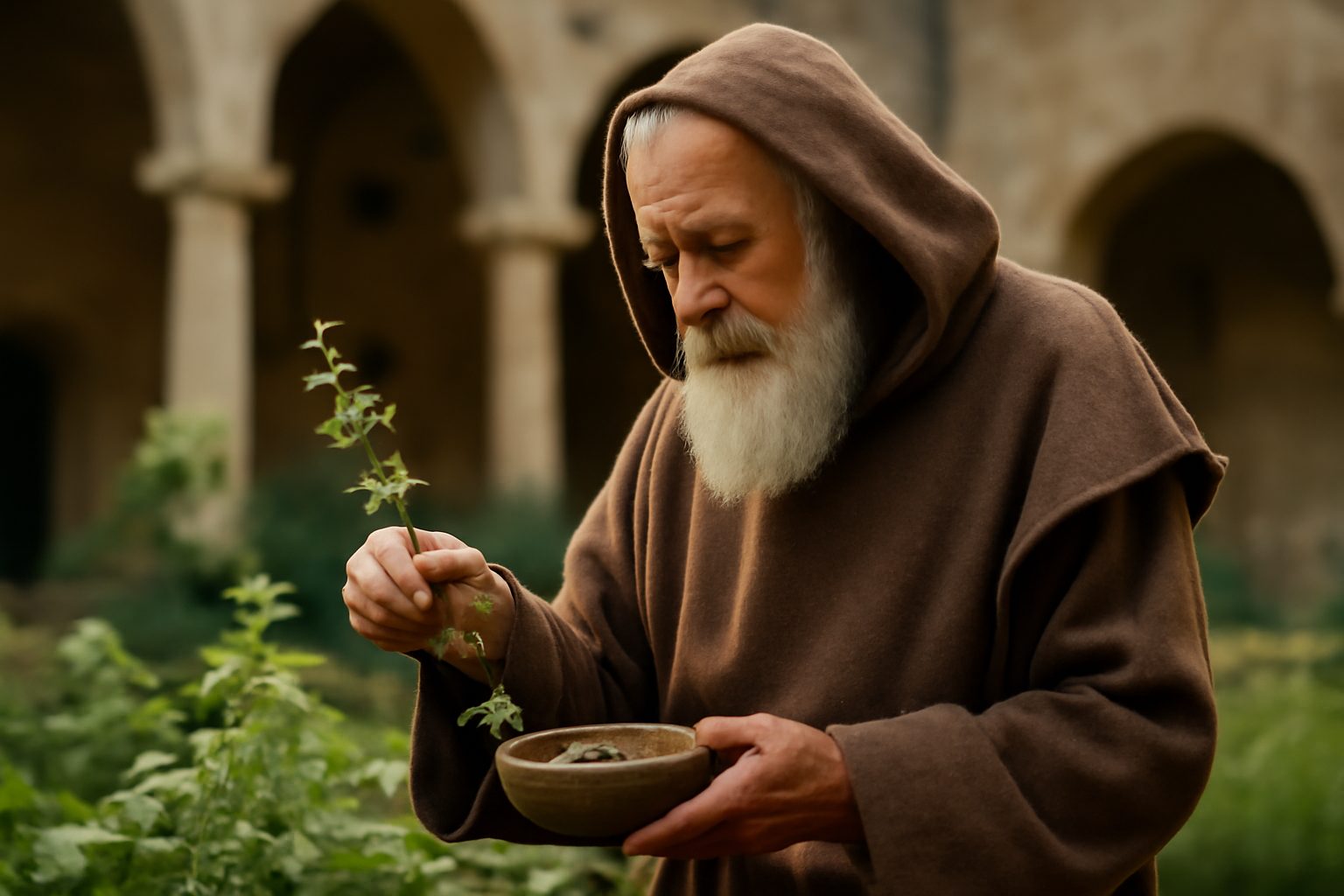
In Act 2, Scene 3 of Romeo and Juliet, Friar Laurence is gathering herbs at dawn, reflecting on their dual nature to heal or harm. This line refers to the nourishing power of the earth, likened to a mother feeding her children. It underscores the play's recurring theme of nature's duality, foreshadowing both the good and ill that will arise from Romeo and Juliet's love.
Friar Laurence: "We sucking on her natural bosom find,"
In modern day english, we would say:
We feed from her nourishing breast to survive.
Frequently Asked Questions
What does Friar Laurence mean when he talks about sucking on nature's bosom?
Friar Laurence is saying that humans benefit from nature, just like a baby benefits from its mother's milk.
Connections to other verses:
Connections to "We sucking on her natural bosom find"
The verse "We sucking on her natural bosom find" is part of Friar Laurence's soliloquy on the dual nature of the earth, which provides both nourishment and death. This idea is echoed in "The earth that's nature's mother is her tomb", emphasizing the earth's role as both giver and taker of life. Similarly, "What is her burying grave that is her womb" reinforces this paradox, linking the womb (source of life) and the grave (end of life).
Connection to Nourishment and Growth
The act of "sucking on her natural bosom" symbolizes drawing sustenance from nature, which aligns with "And from her womb children of divers kind", where the earth is portrayed as a mother giving birth to diverse forms of life. This nurturing aspect is further supported by "But to the earth some special good doth give", highlighting the earth's beneficial qualities.
Contrast with Destructive Elements
However, the same earth that nourishes also harbors danger, as seen in "With baleful weeds and precious-juiced flowers", illustrating the coexistence of harmful and healing elements. This duality is echoed in "Poison hath residence and medicine power", emphasizing how substances from the earth can both kill and cure. The idea culminates in "Being tasted, slays all senses with the heart", warning of the lethal potential in natural elements.
Broader Philosophical Context
Friar Laurence's meditation on nature's duality extends to human behavior, as in "Virtue itself turns vice, being misapplied" and "And vice sometimes by action dignified", suggesting that intentions and actions determine whether something is beneficial or harmful. This connects to Romeo's situation, where his love for Juliet could heal the feud or lead to tragedy, mirroring the earth's dual nature.