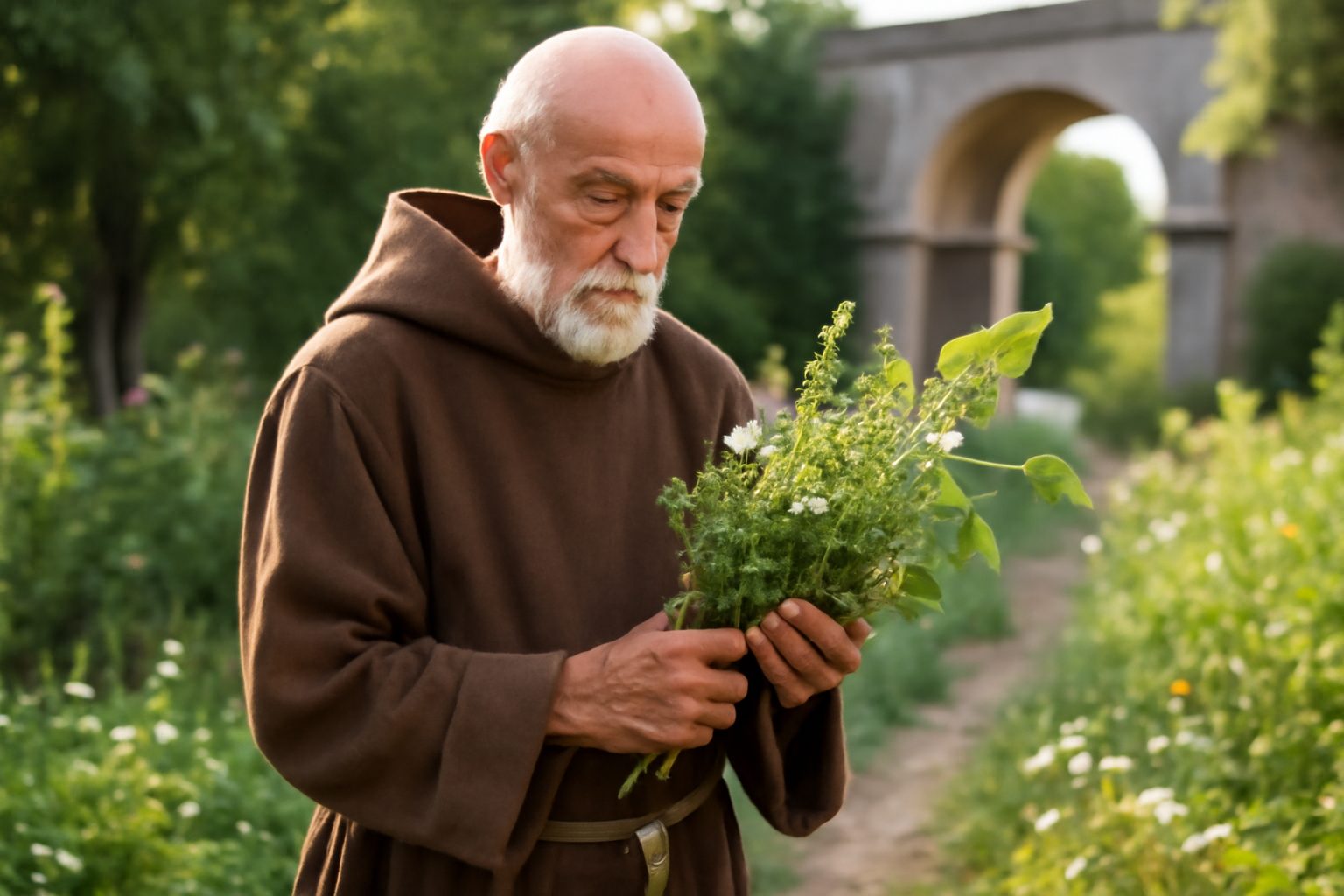
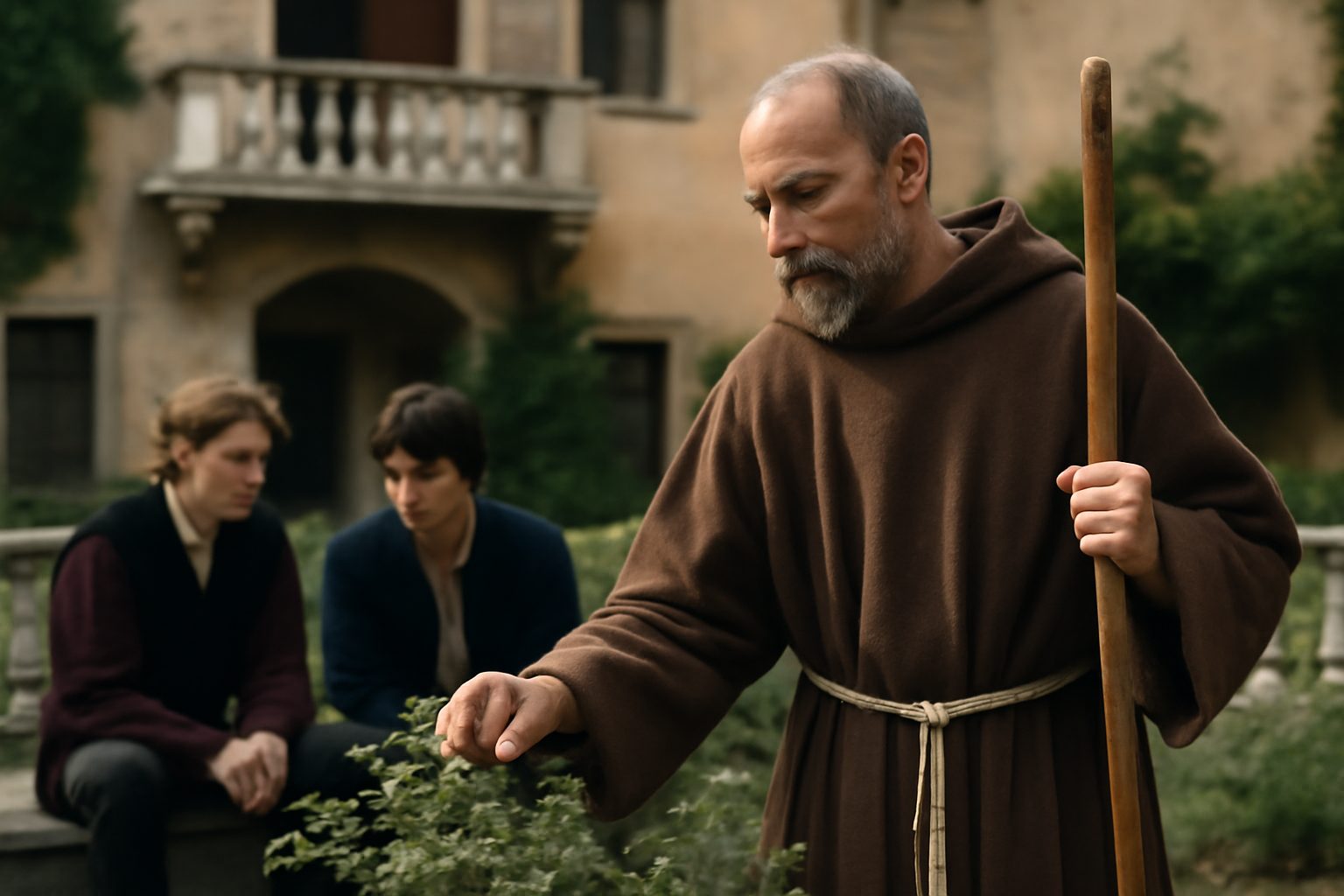
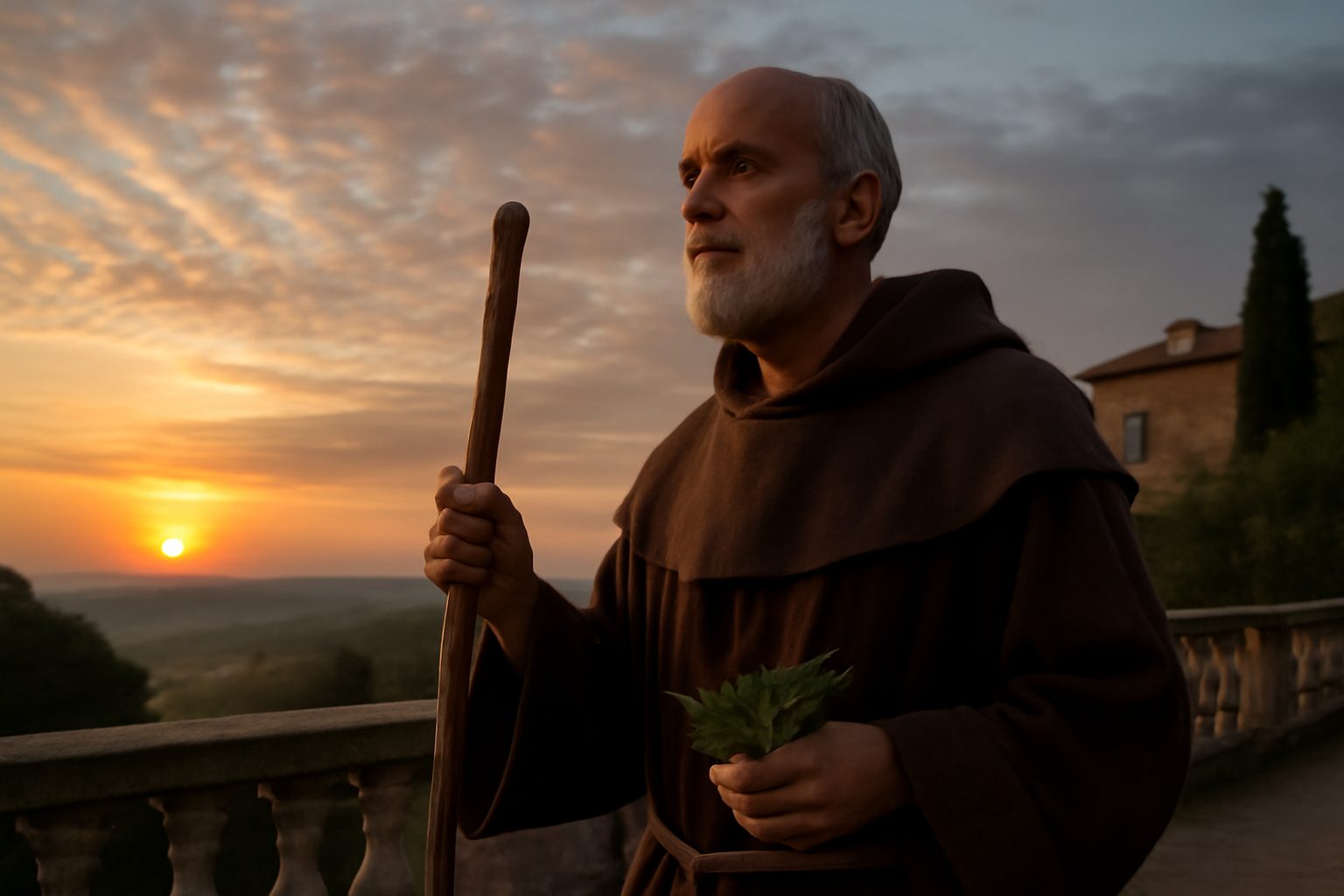
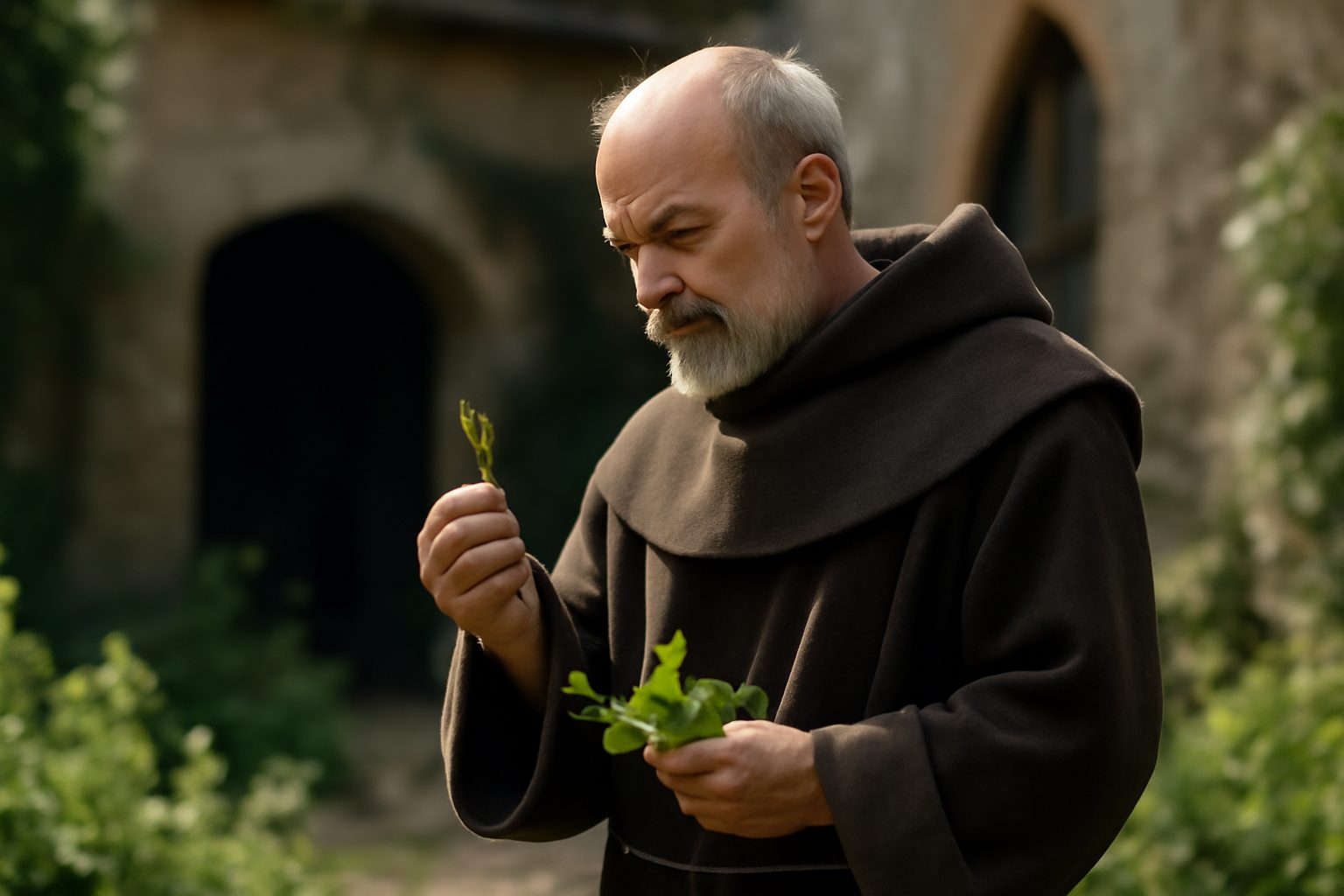
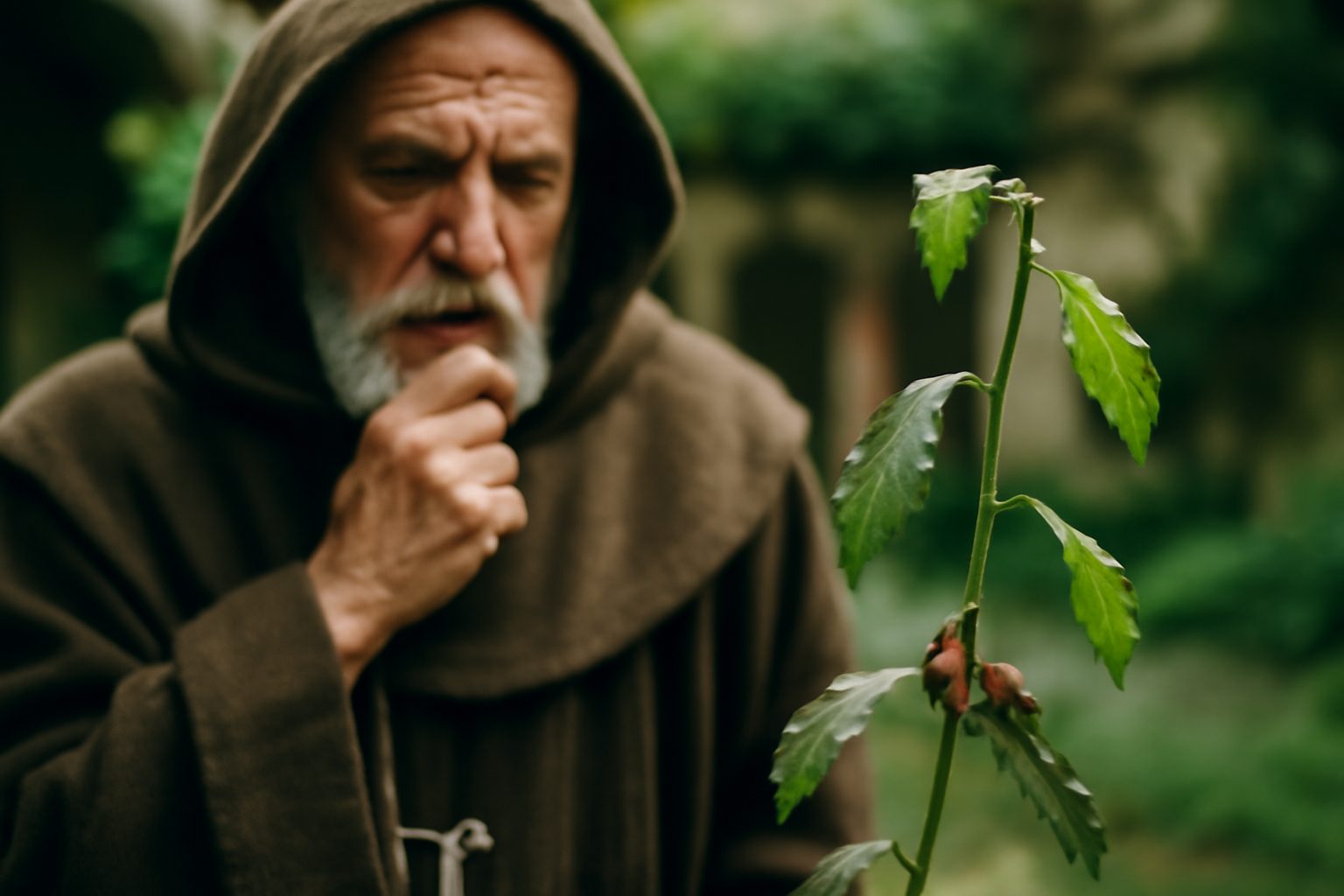
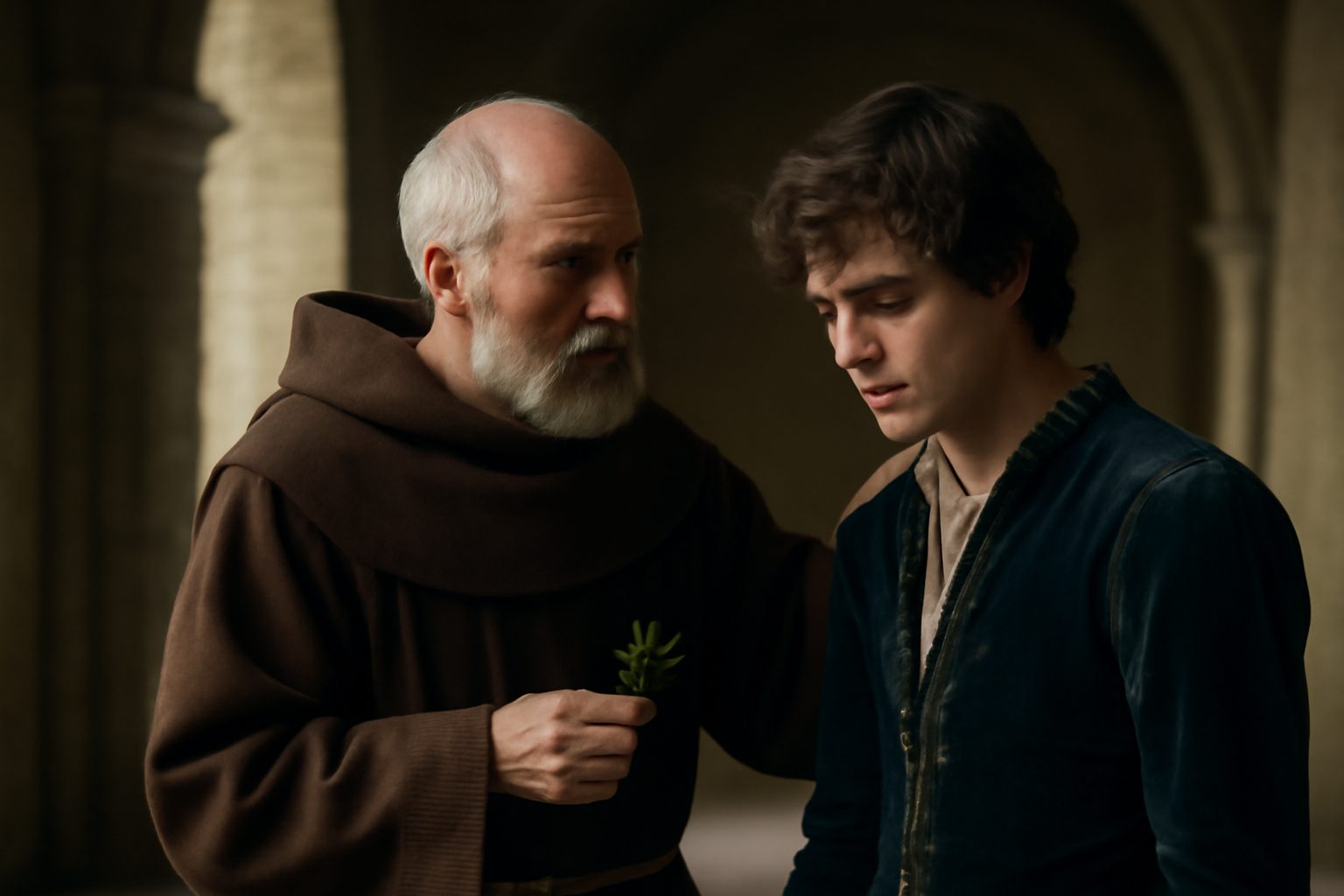
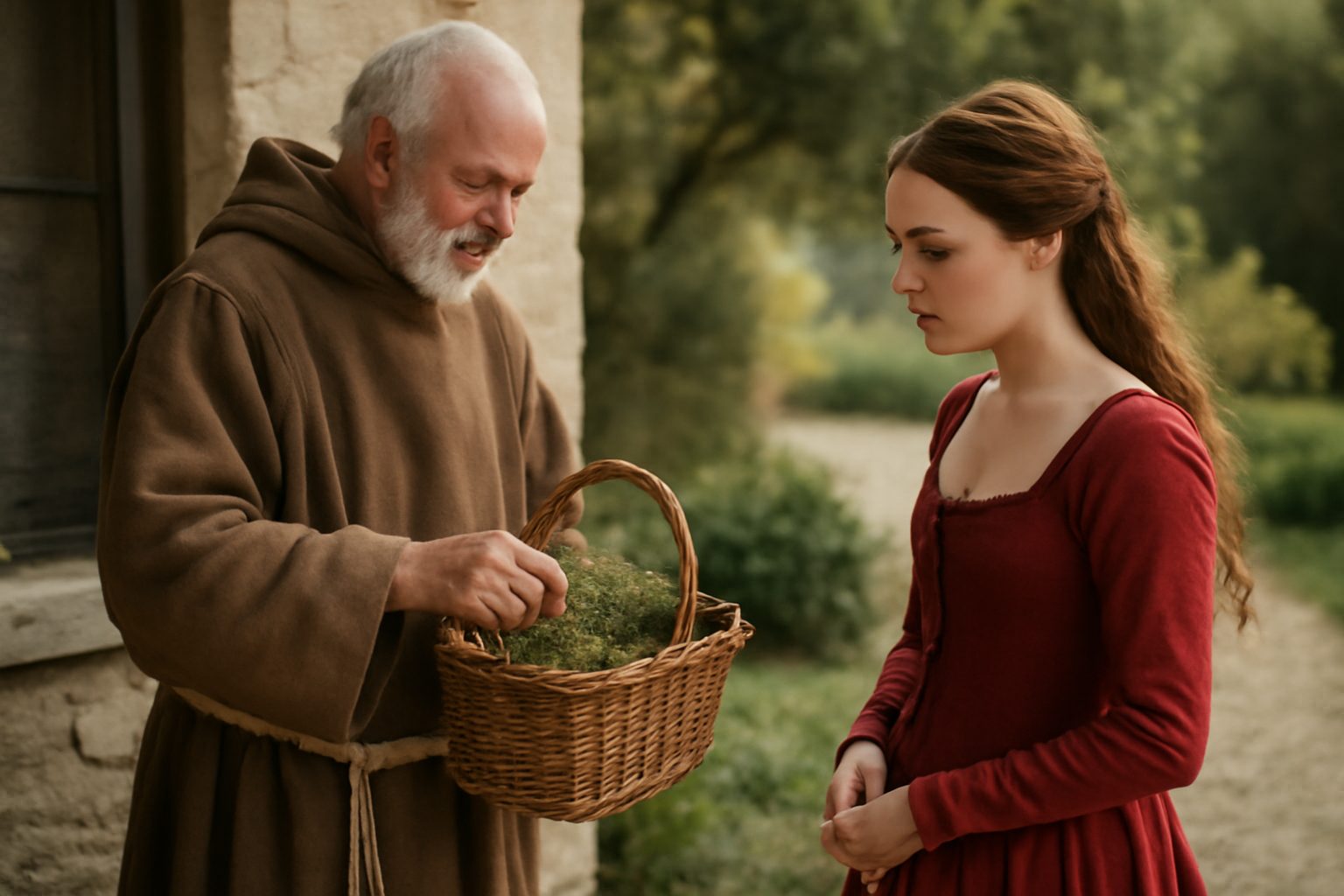
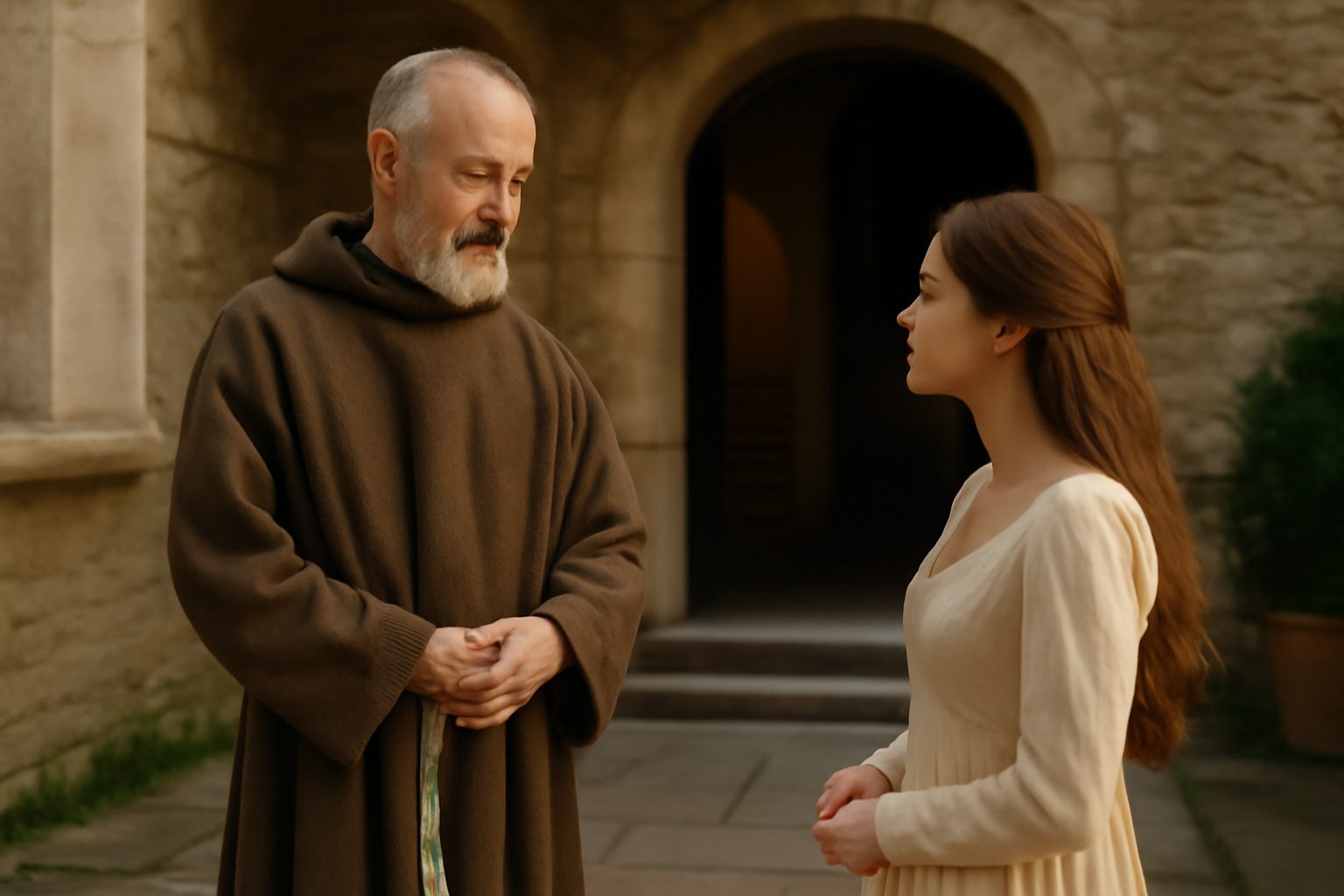
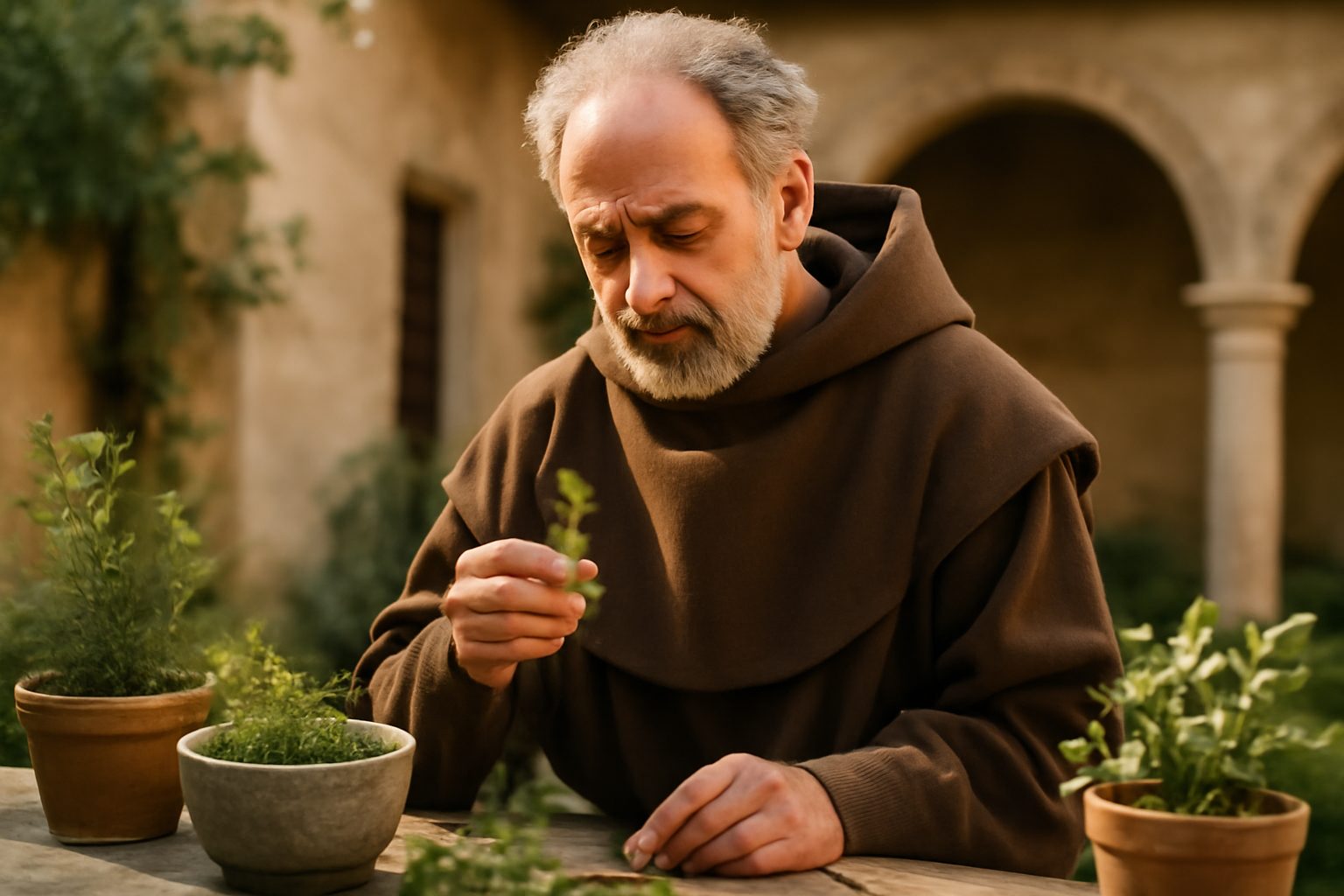
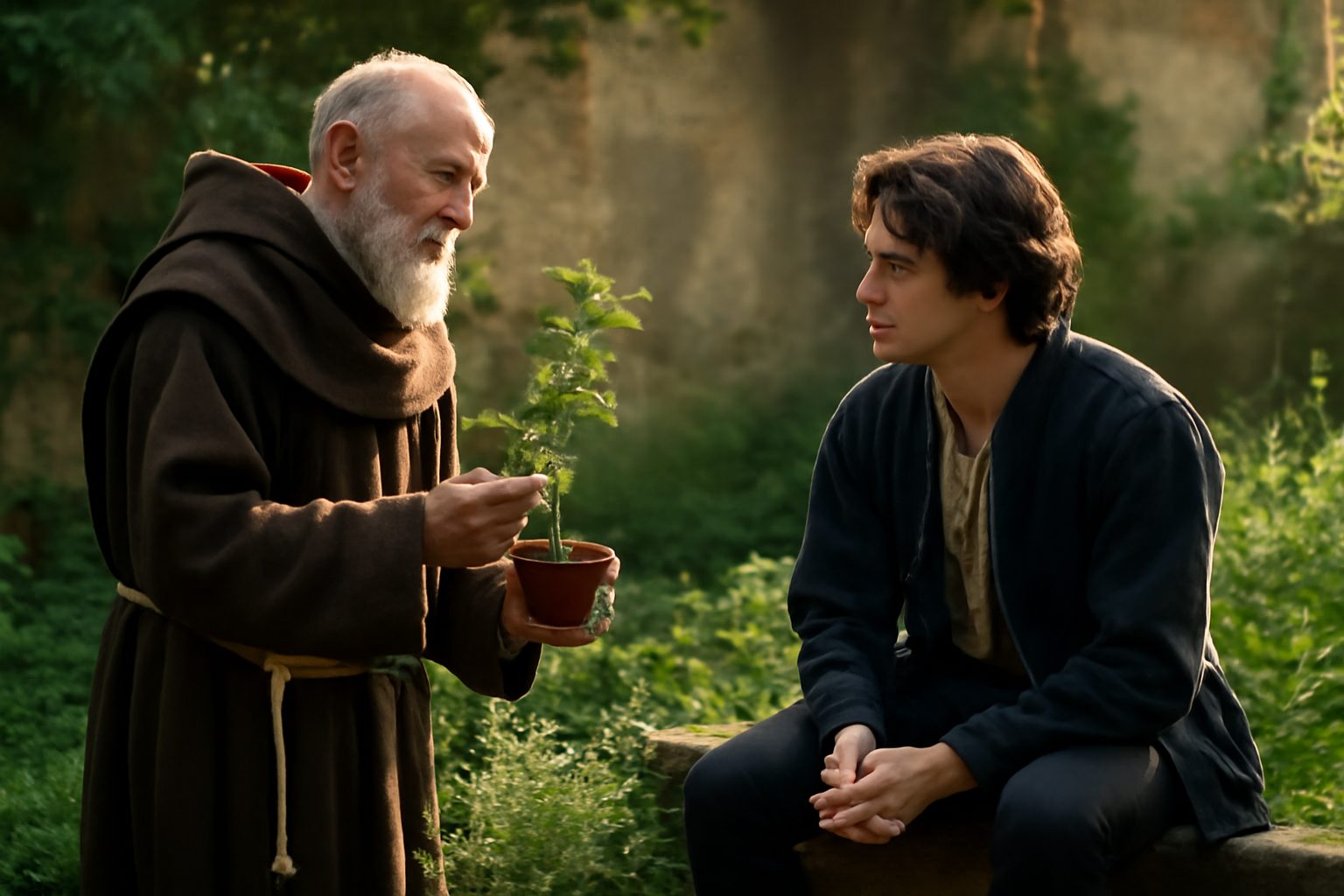
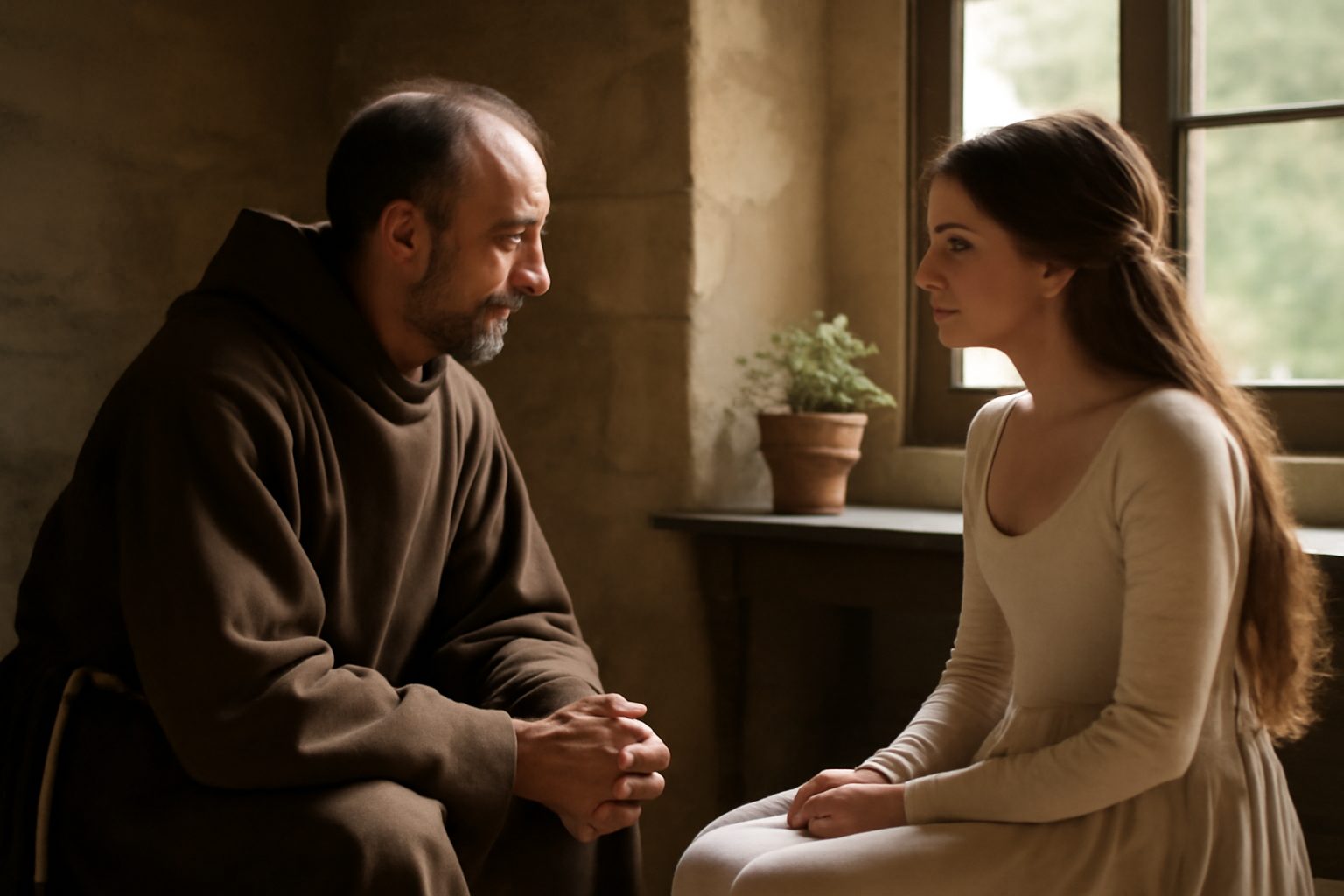
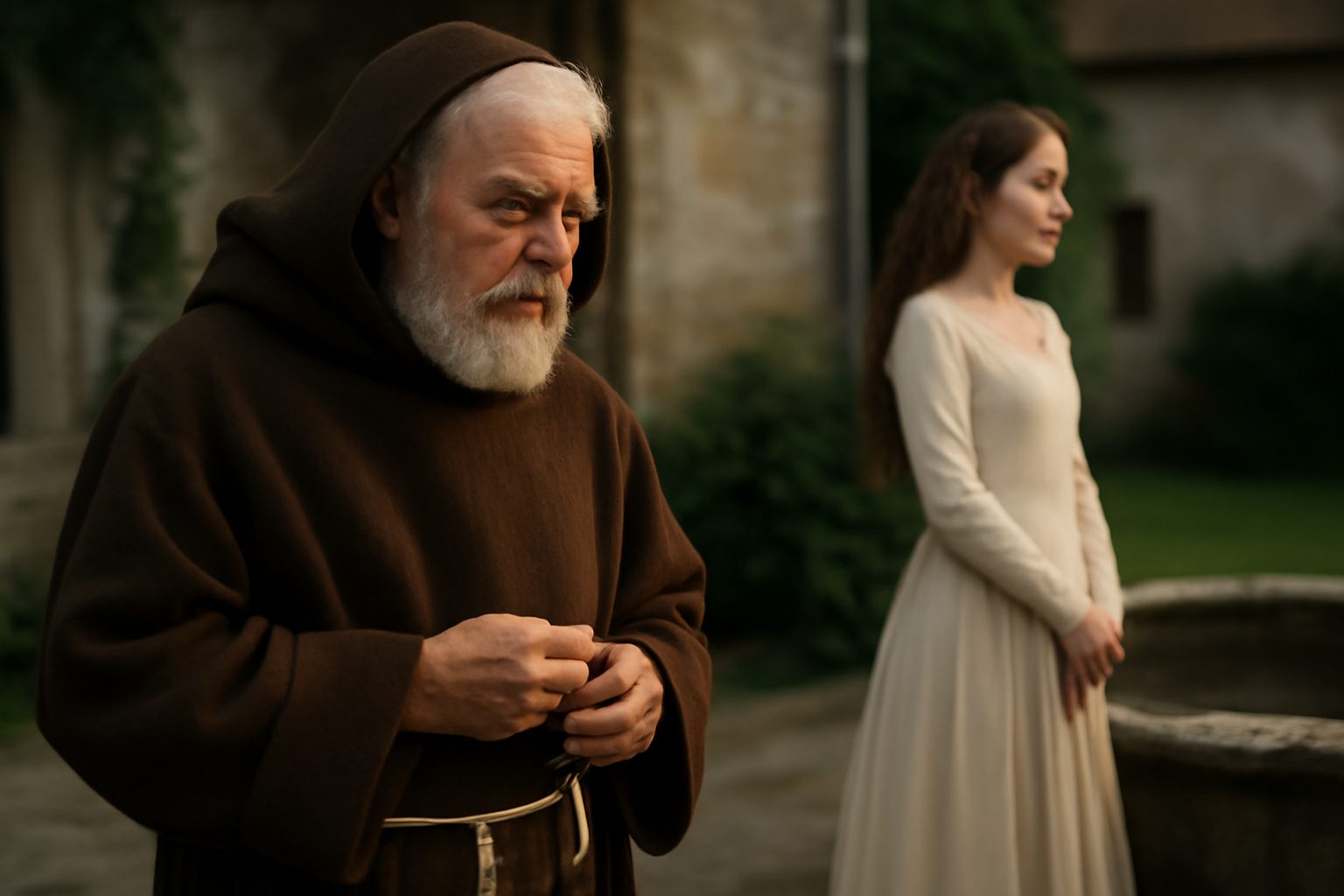
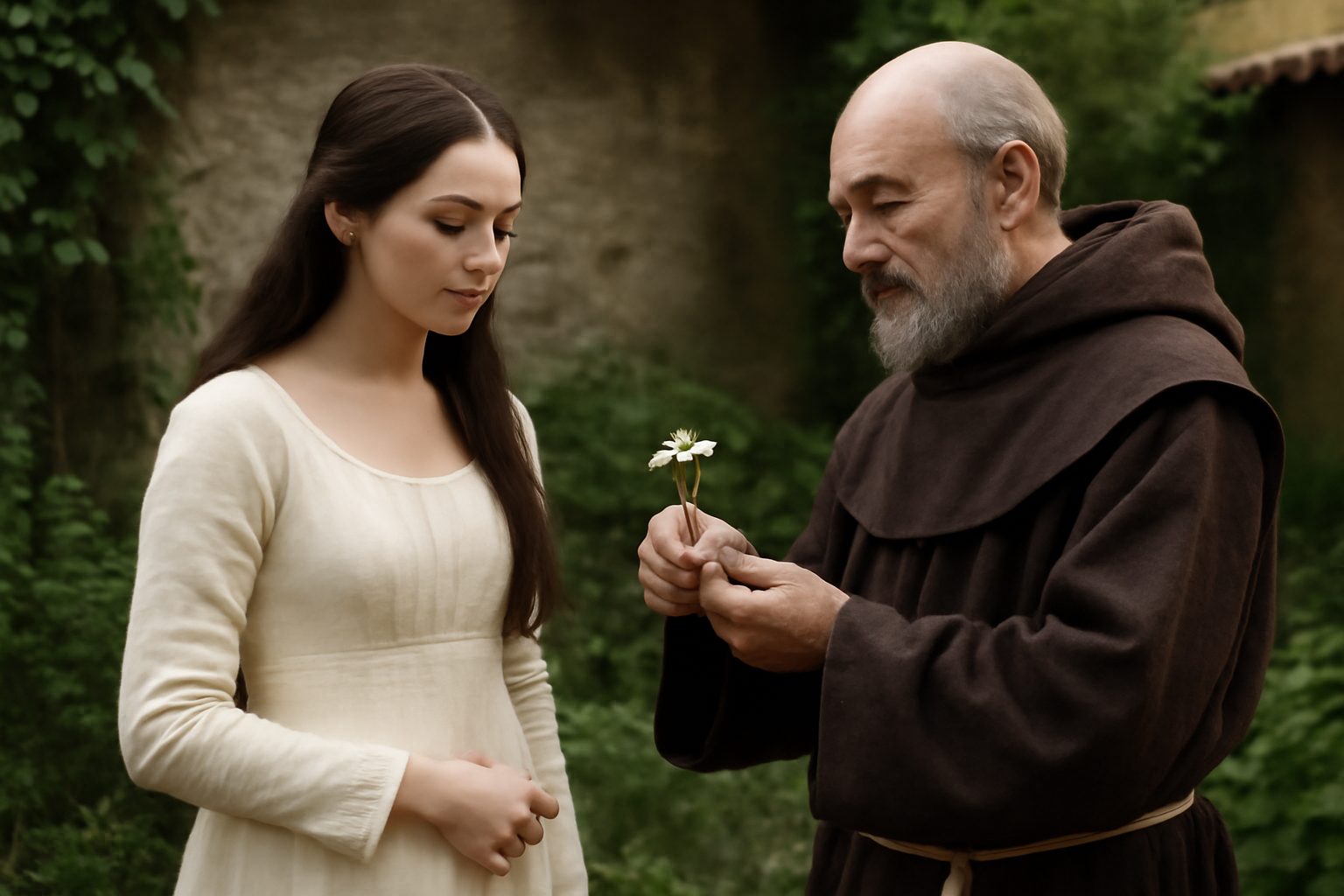
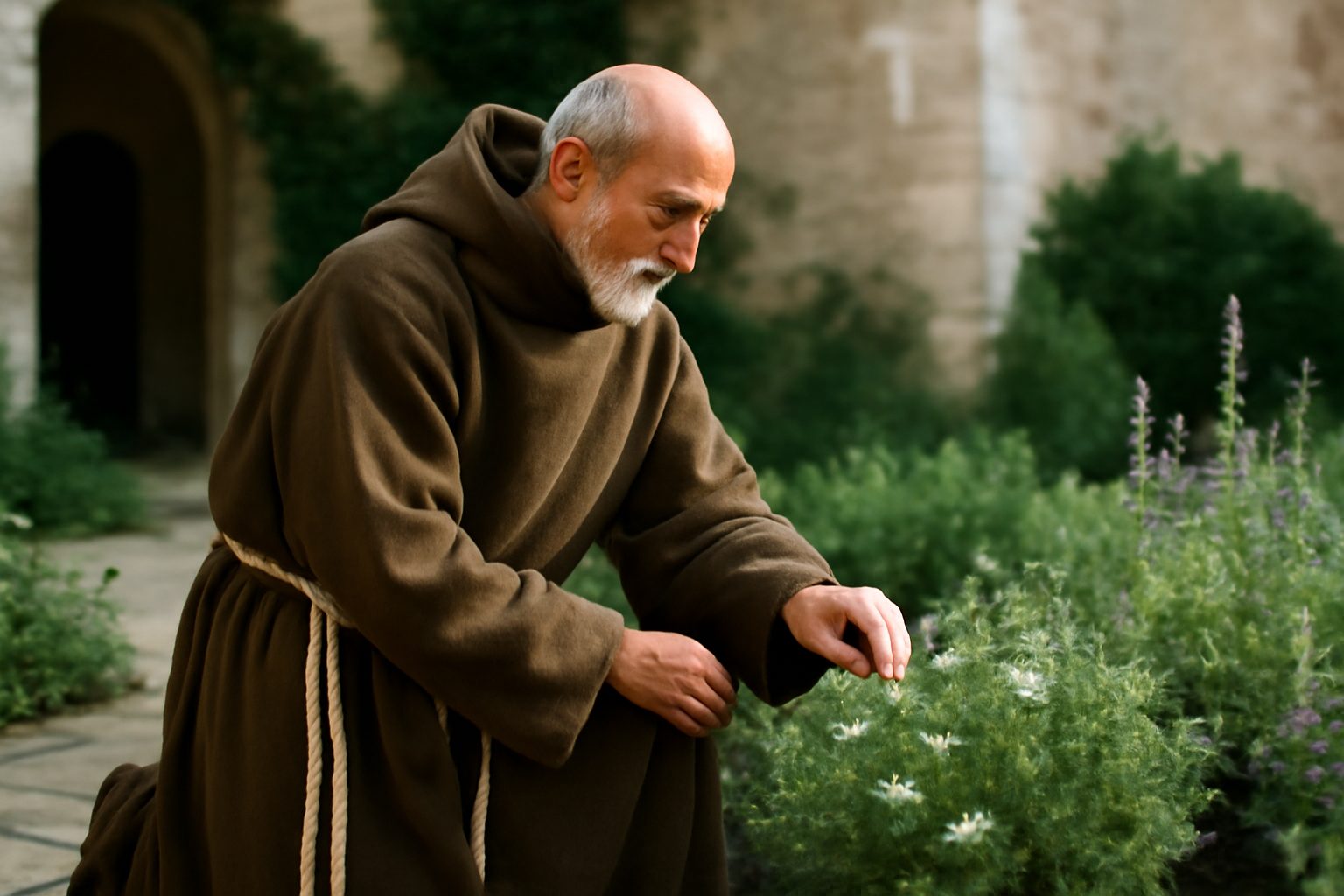
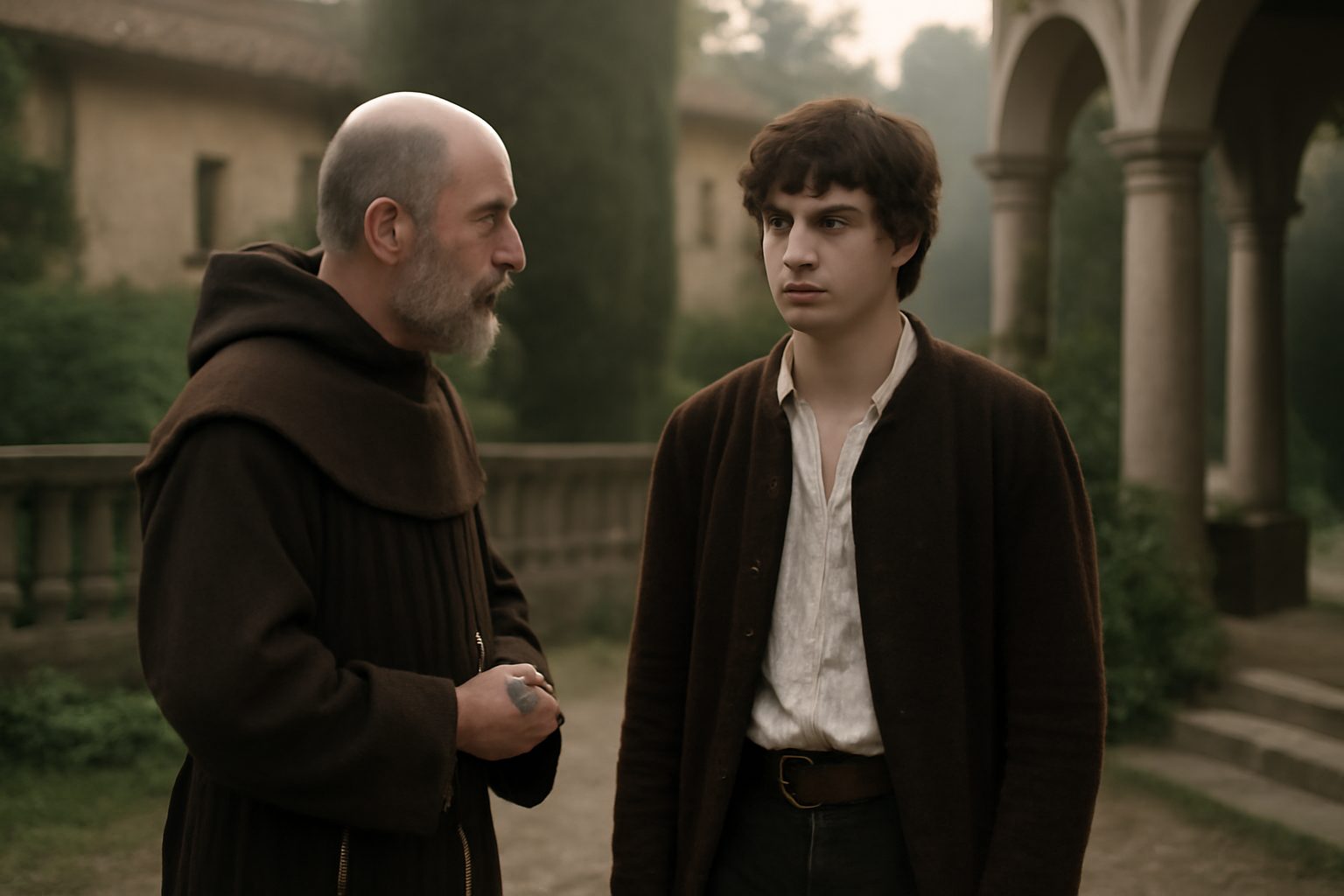
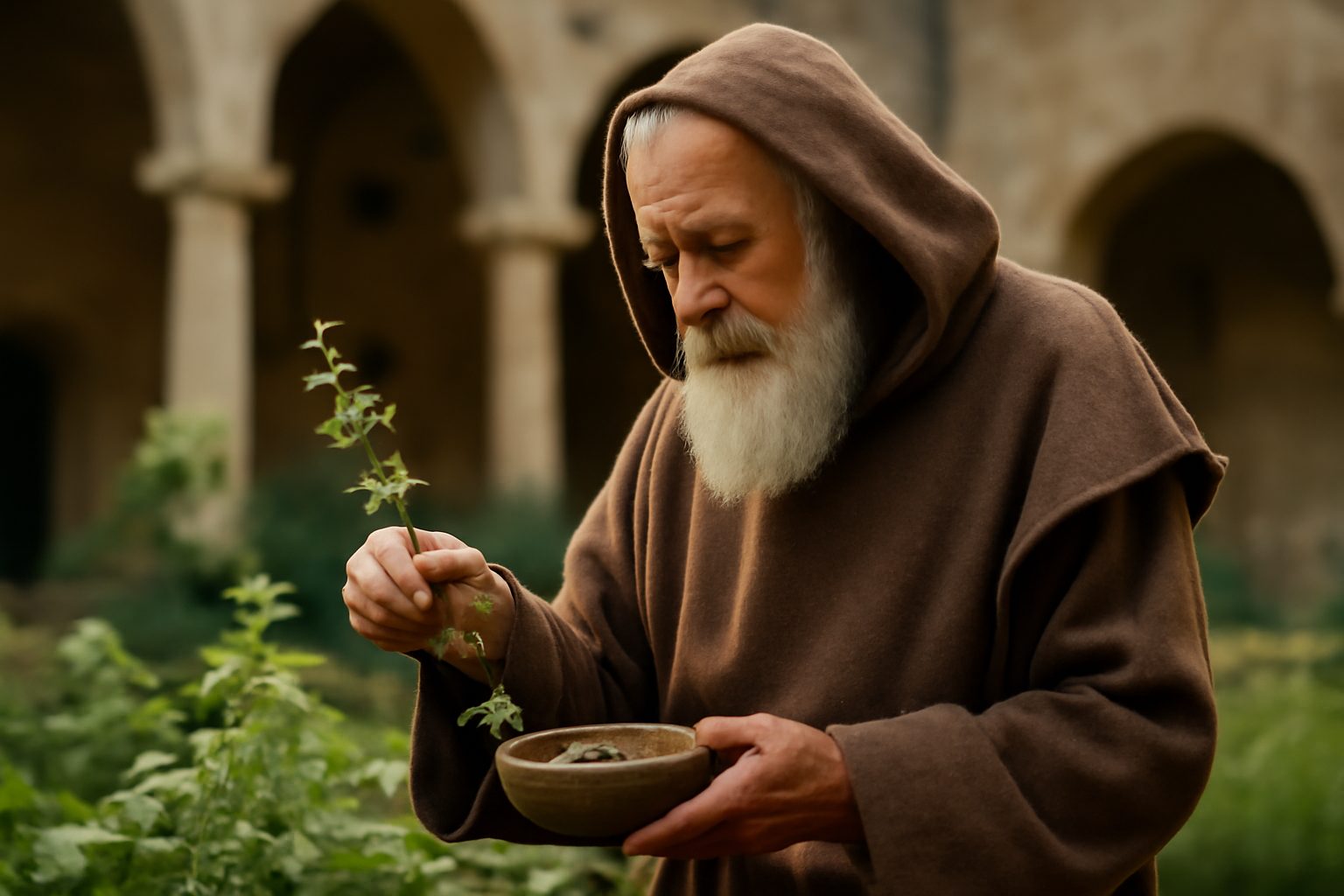
In Act 2, Scene 3 of Romeo and Juliet, Friar Lawrence speaks these words while gathering herbs at dawn, reflecting on the duality of nature—how plants can hold both healing and poisonous properties. The line captures his musings on how the same thing can serve different purposes, depending on intent and circumstance. This moment foreshadows the friar's later role in the lovers' fate, as his well-meaning plans ultimately lead to tragedy.
Friar Laurence: "None but for some and yet all different."
In modern day english, we would say:
Only certain people are meant for each other, yet everyone’s love is unique.
Frequently Asked Questions
What does Friar Laurence mean when he says that all things are different but made for some purpose?
Friar Laurence is saying that everything in nature has a unique purpose, even if they seem similar at first. He is reflecting on how plants and herbs have different uses, some for healing and some for harm, which connects to his role as both a healer and someone who will later create a risky plan for Romeo and Juliet.
Connections to other verses:
Connections to "None but for some and yet all different."
The verse "None but for some and yet all different." reflects Friar Laurence's observation of nature's diversity and purpose, a theme echoed throughout the scene.
Connection to Nature's Dualities
This line connects to "And from her womb children of divers kind", emphasizing the variety in creation. Similarly, "Many for many virtues excellent," highlights how different entities serve distinct purposes, reinforcing the idea of uniqueness within a shared framework.
Moral and Medicinal Contrasts
The concept of duality is further explored in "Poison hath residence and medicine power:", illustrating how the same substance can have opposing effects based on application. This ties to "Virtue itself turns vice, being misapplied;", underscoring the theme that differences arise from use and context.
Human Nature and Love
In the context of Romeo's transformation, "Holy Saint Francis, what a change is here!" marks a shift from his previous love, illustrating how individuals ("all different") can evolve. The Friar's admonition in "For doting, not for loving, pupil mine." critiques superficial versus genuine love, aligning with the idea that not all affections are alike.
Structural and Thematic Links
The verse also resonates with "In man as well as herbs, grace and rude will;", drawing a parallel between human traits and natural elements, both exhibiting diversity. Additionally, "But to the earth some special good doth give," reinforces that each entity has a unique role, much like "none but for some."