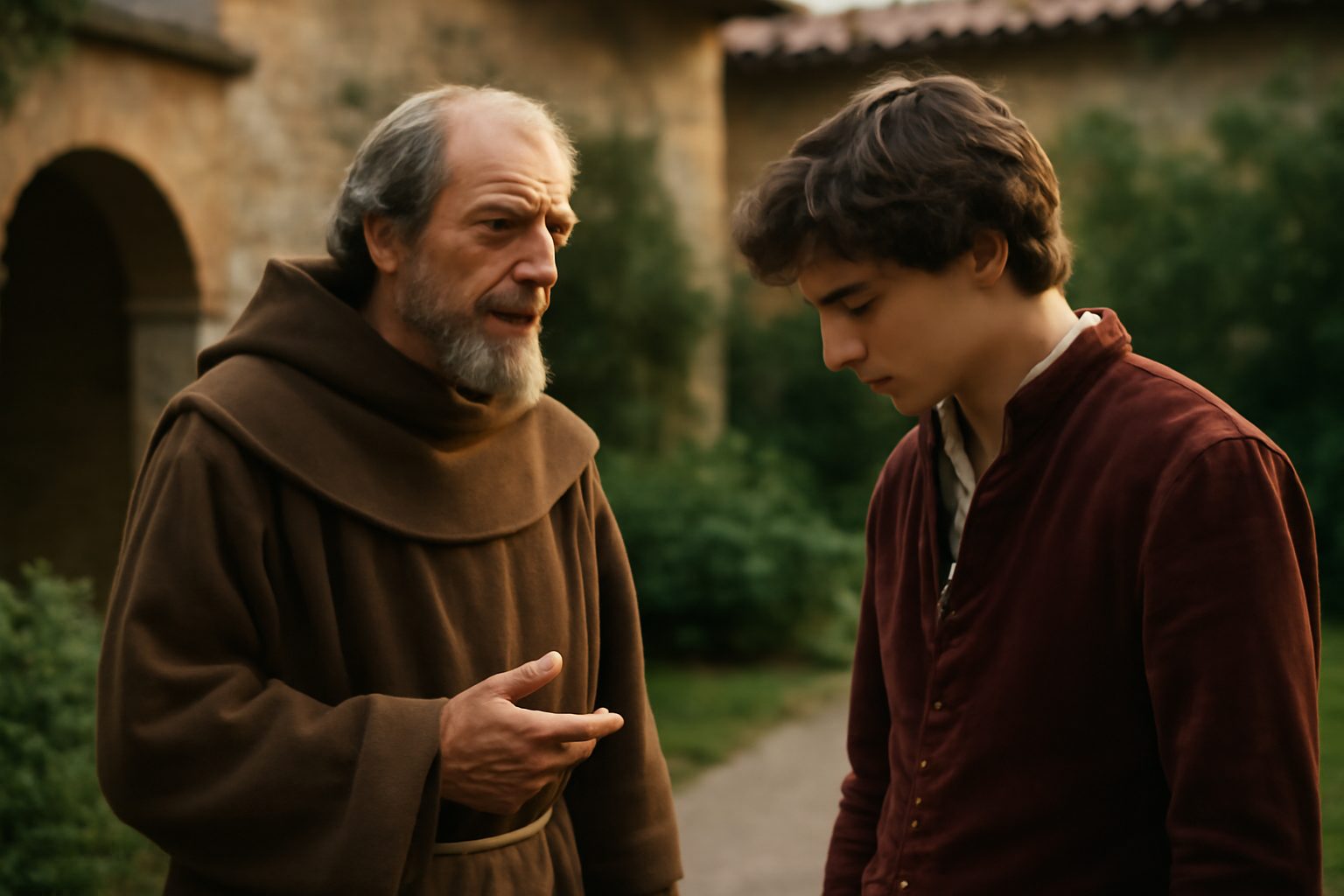
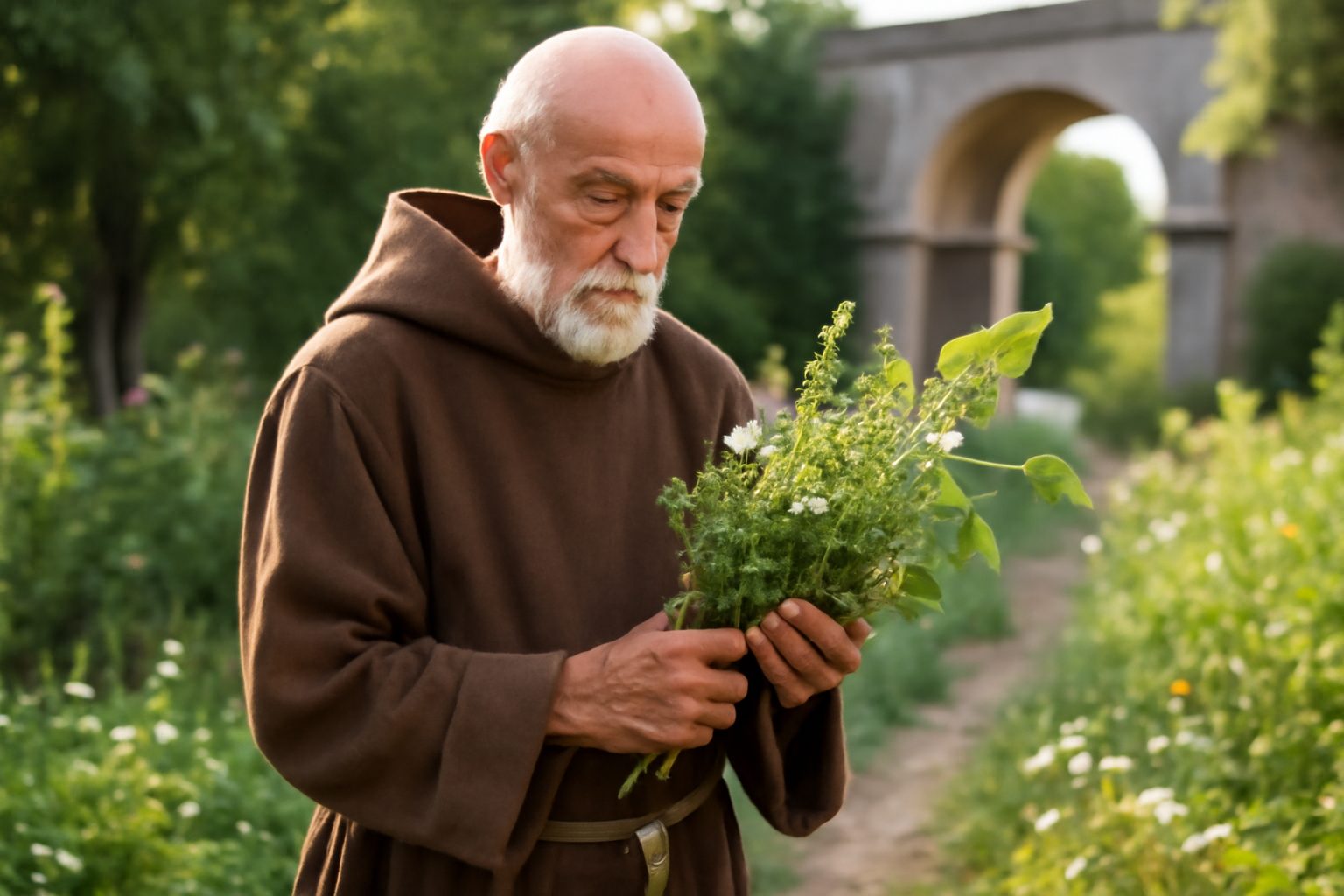
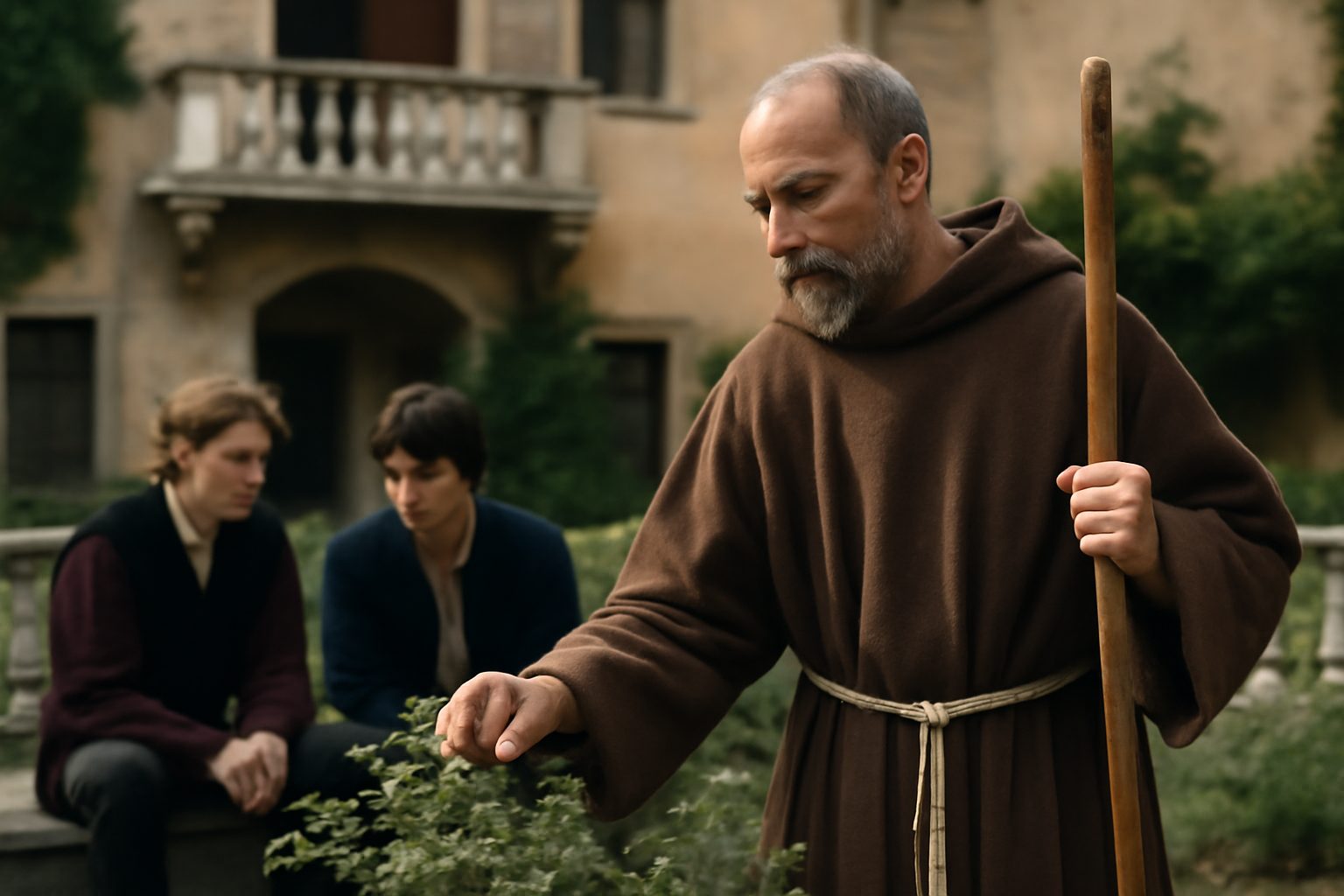
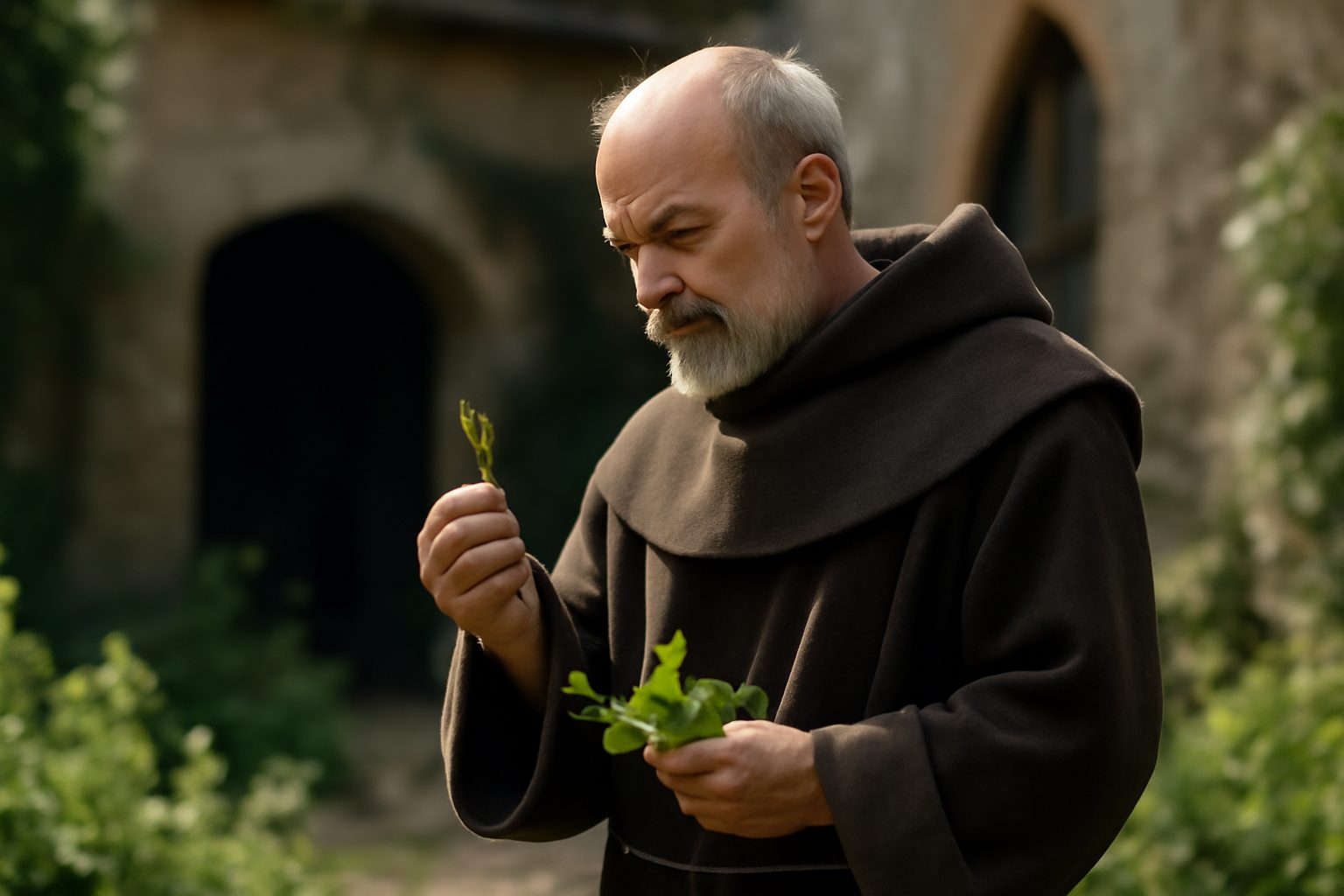
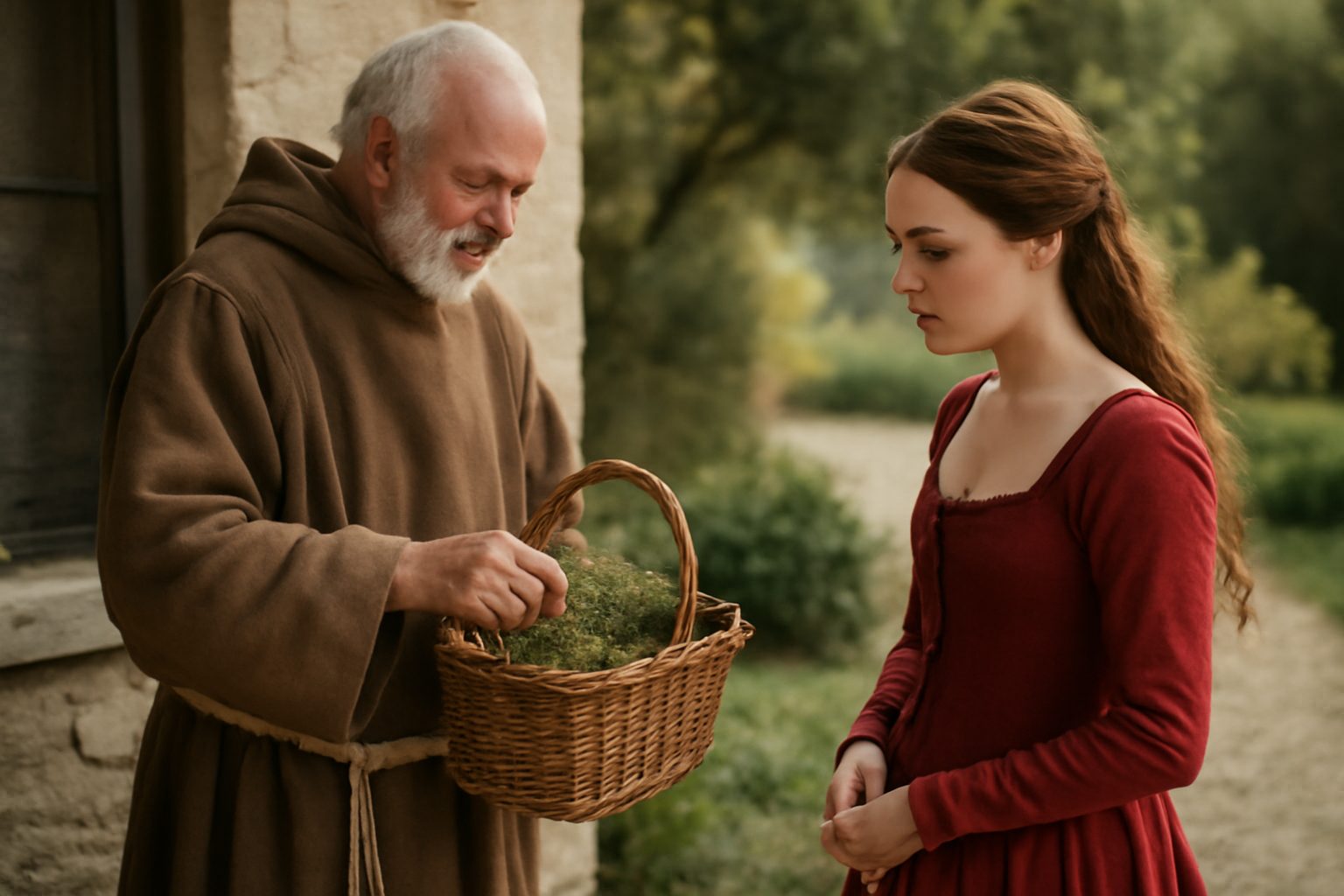
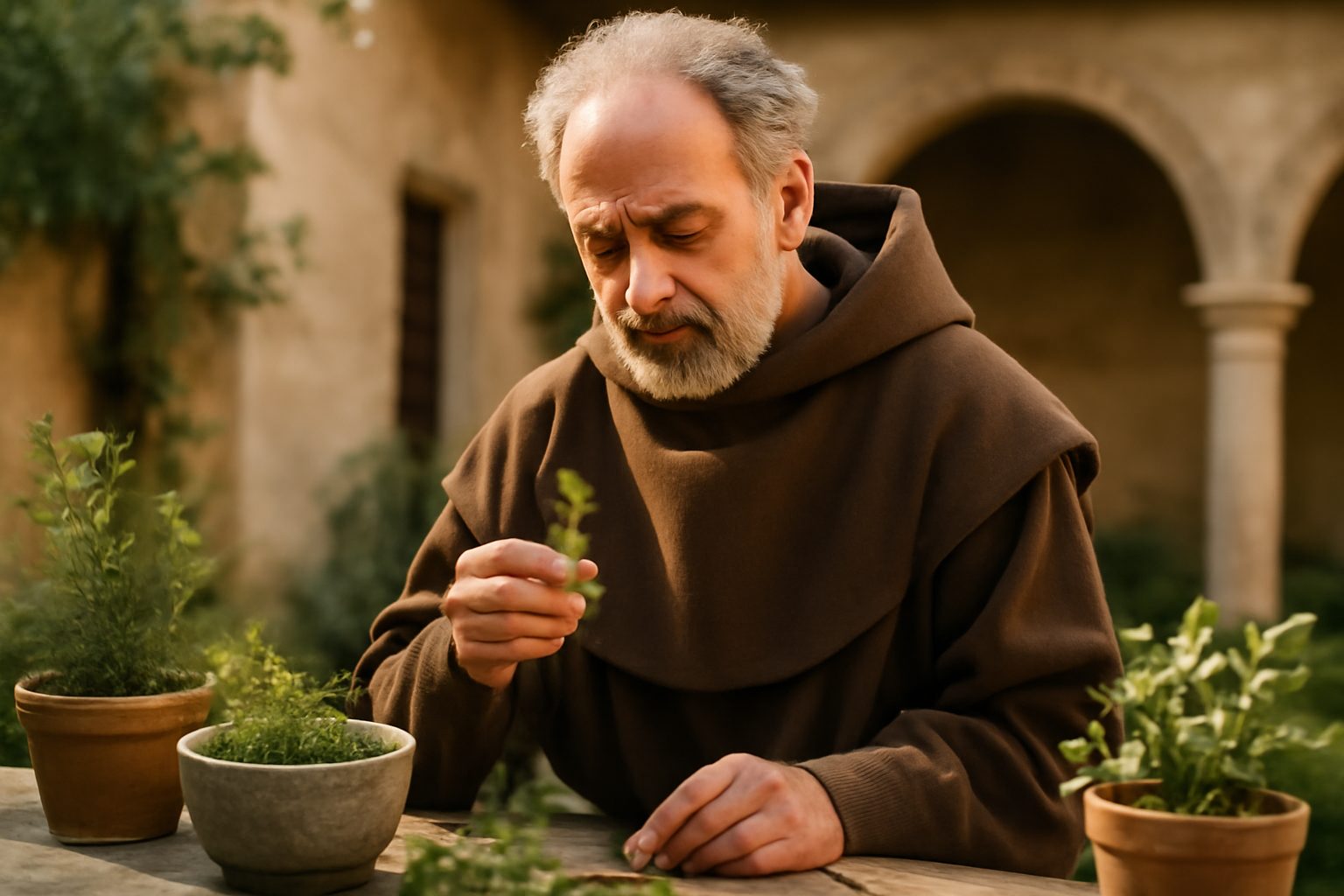
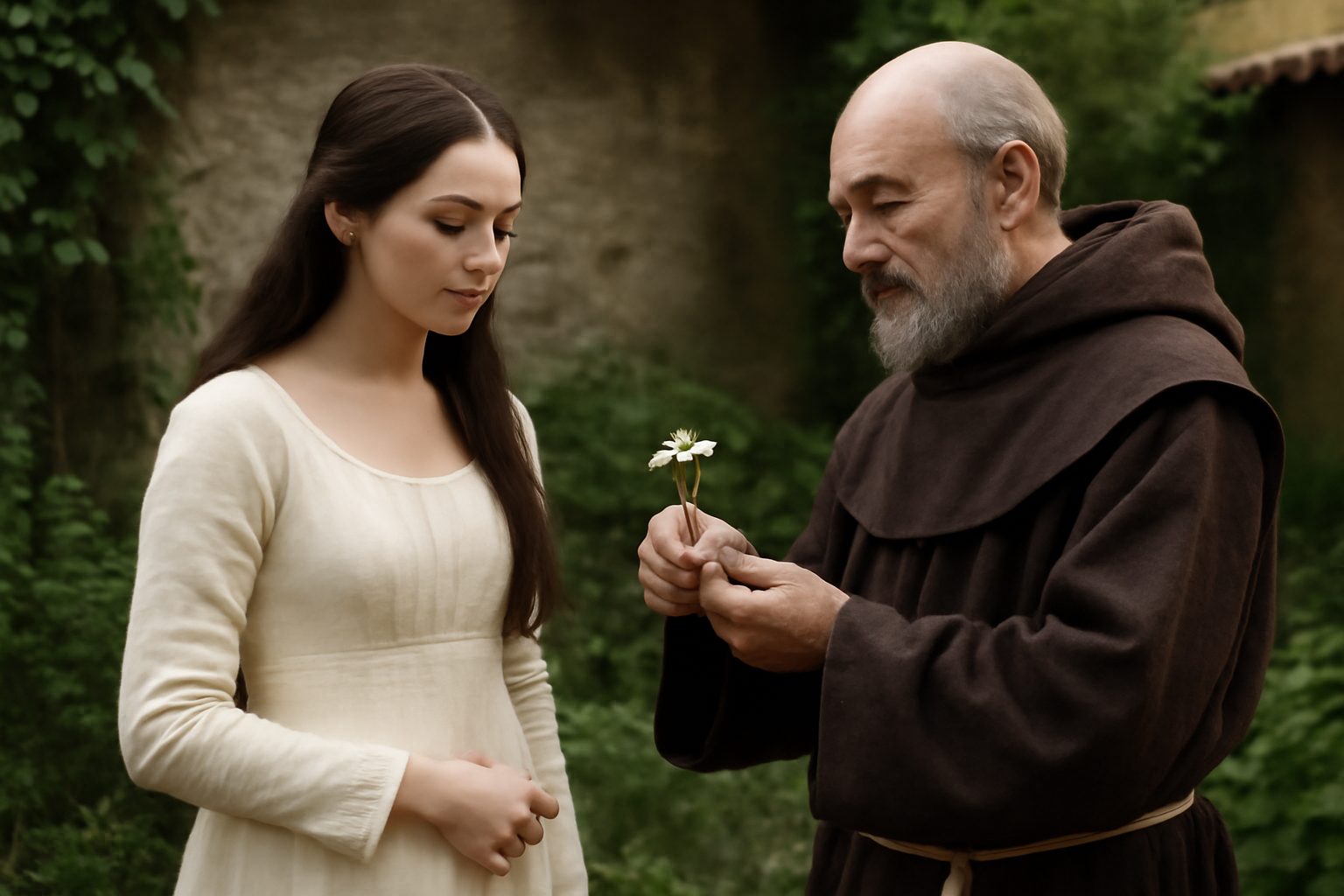
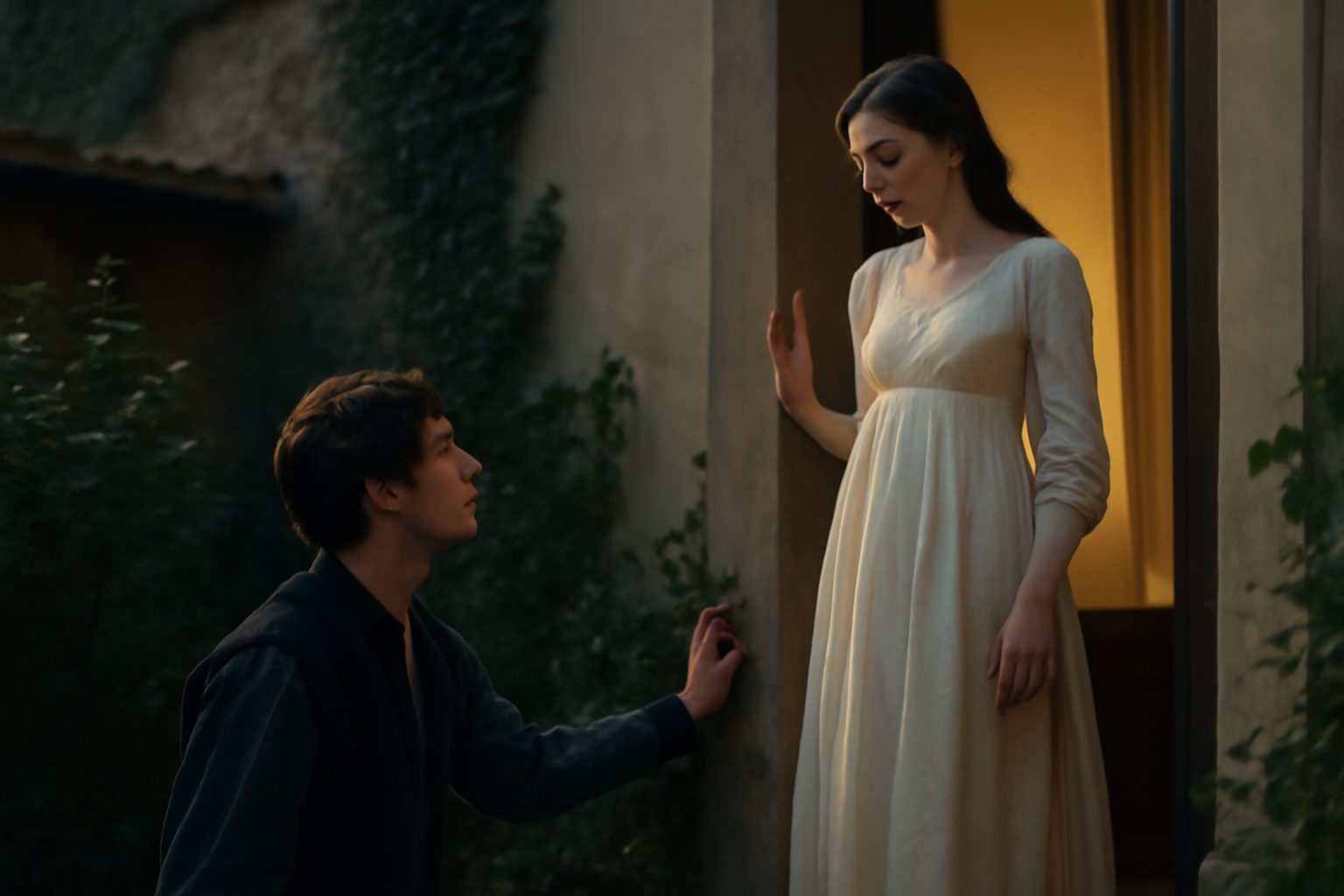
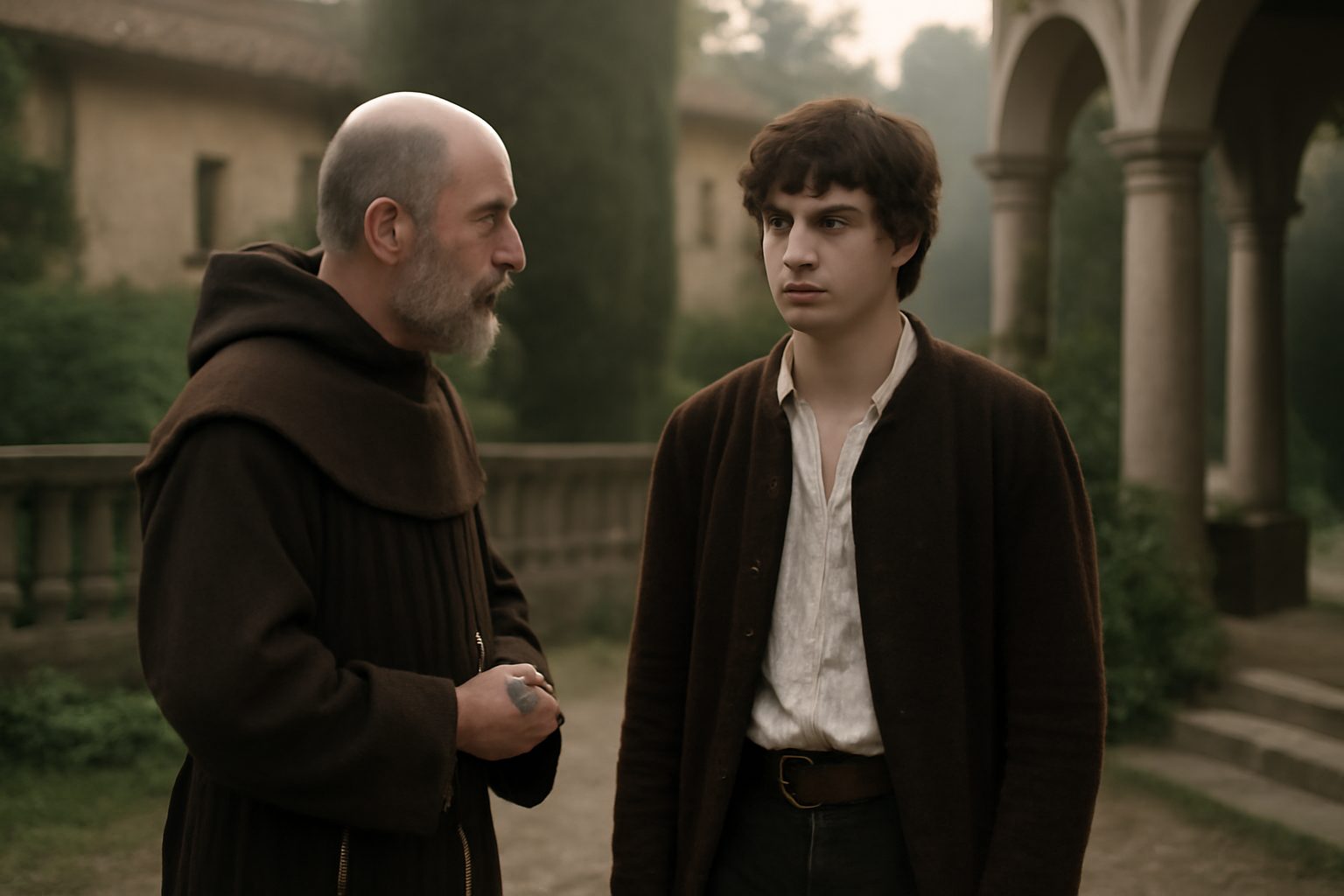
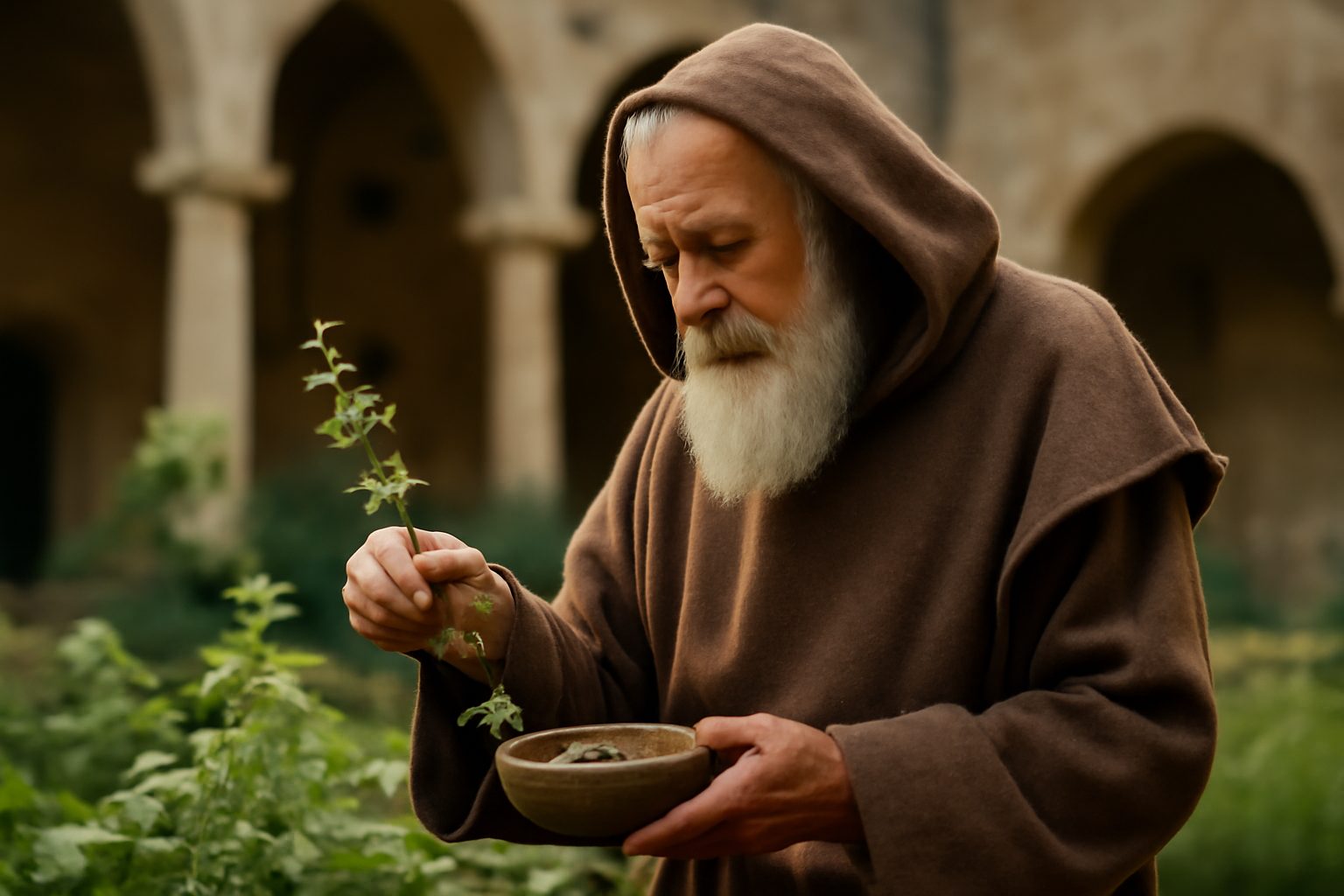
In Act 2, Scene 3 of Romeo and Juliet, Friar Laurence is gathering herbs at dawn, reflecting on their dual nature—both medicinal and poisonous. This line comes as he examines a flower, noting how its fragrance has the power to invigorate and heal. The moment underscores the play's recurring theme of contrasts, where even something as simple as a scent can embody both benefit and danger.
Friar Laurence: "For this, being smelt, with that part cheers each part;"
In modern day english, we would say:
When you smell the flower, its scent brings pleasure to every part of you.
Frequently Asked Questions
What does Friar Laurence mean when he says that smelling a flower can make all parts of the body feel happy?
He is explaining how the pleasant scent of a flower can lift a person's mood and bring joy to their whole being.
Connections to other verses:
Connections to Friar Laurence's Botanical Philosophy
The verse "For this, being smelt, with that part cheers each..." (/romeo-and-juliet/two/2-3/act-2-scene-3-25/) is part of Friar Laurence's extended meditation on the dual nature of plants and herbs, which serves as a metaphor for human experience. It connects thematically to his earlier statement: "Poison hath residence and medicine power", emphasizing how substances contain both beneficial and harmful qualities. This idea is further developed when he notes that "Virtue itself turns vice, being misapplied", reinforcing the theme of duality.
Link to Romeo's Emotional State
Friar Laurence's botanical observations subtly parallel Romeo's emotional transformation. The friar's comment about scents "cheering each part" contrasts with Romeo's previous distress over Rosaline, as seen when the friar exclaims: "Holy Saint Francis, what a change is here!". Romeo's shift from despair to joy mirrors the dual nature the friar describes in plants.
Contrast with Earlier Lovesickness
The verse also contrasts with Romeo's earlier lovesick behavior. Where the friar speaks of things that "cheer", he previously chided Romeo for his excessive mourning: "How much salt water thrown away in waste" and "Thy old groans ring yet in my ancient ears". The botanical metaphor thus serves as commentary on Romeo's emotional growth.
Foreshadowing and Deeper Meaning
This discussion of dual nature foreshadows the play's tragic outcome. The friar's observation that "Full soon the canker death eats up that plant" hints at how Romeo and Juliet's love, while beautiful, contains the seeds of its own destruction. The medicinal imagery returns when the friar agrees to help the lovers, saying "In one respect I'll thy assistant be", seeing their union as potential medicine for the families' feud.