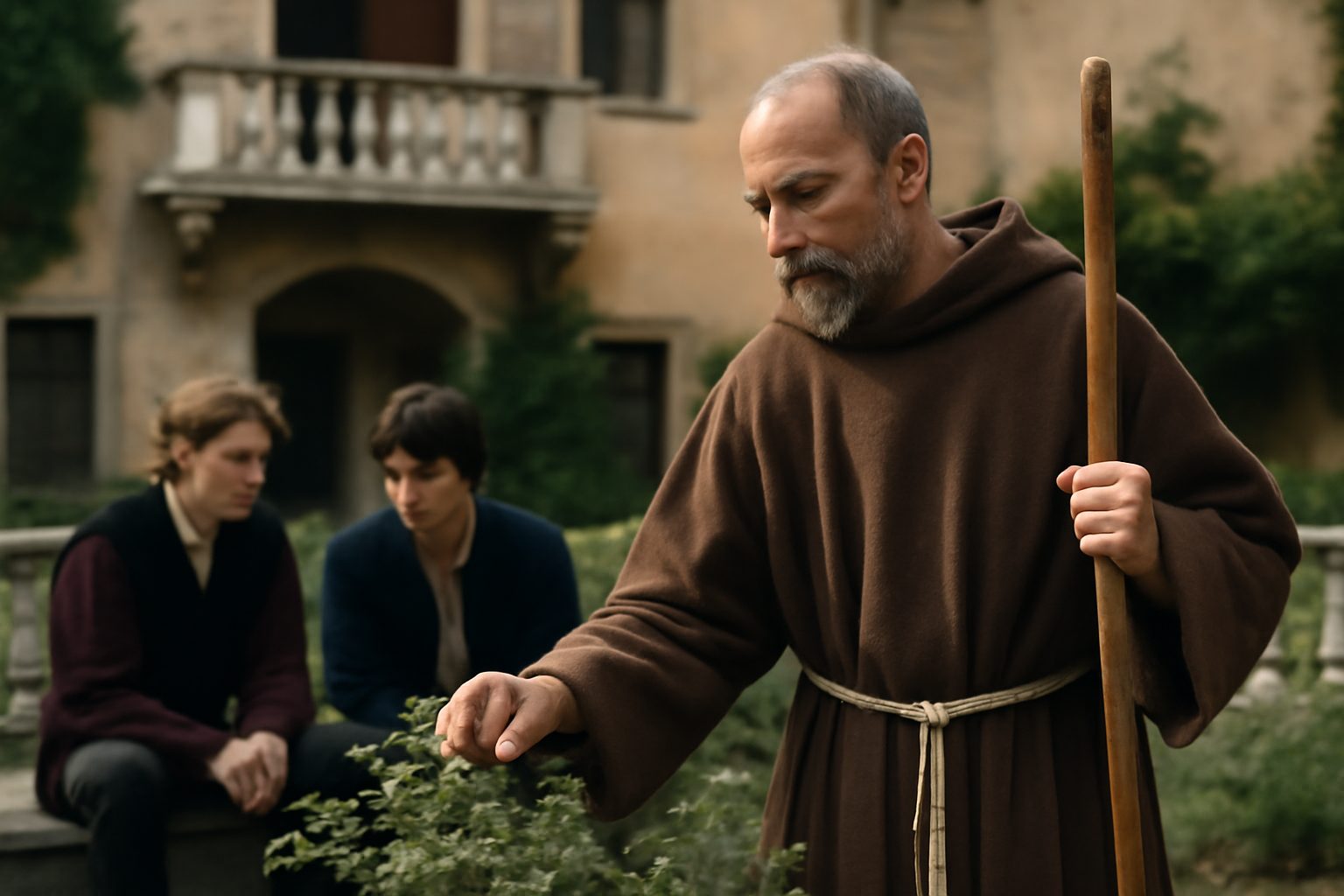
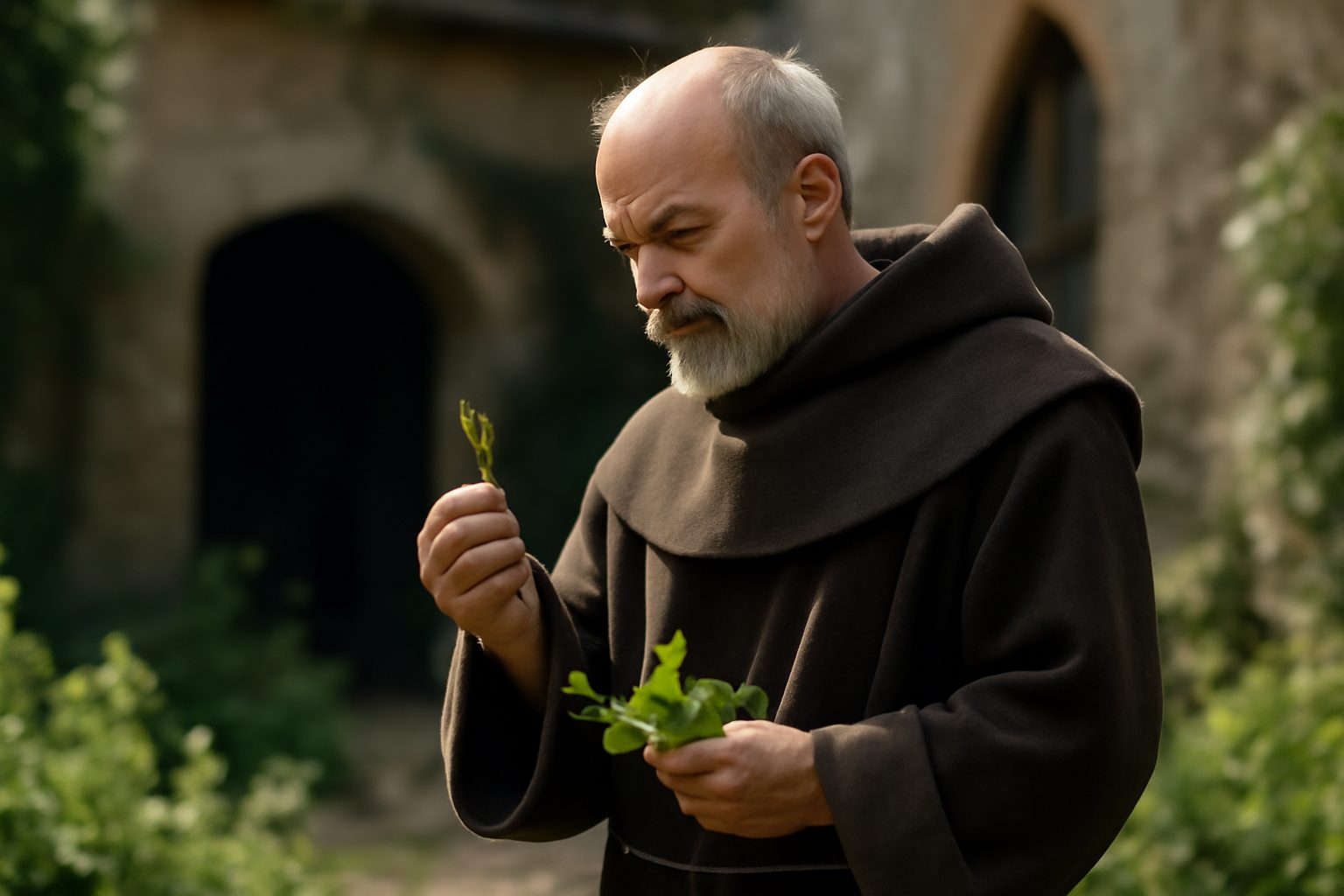
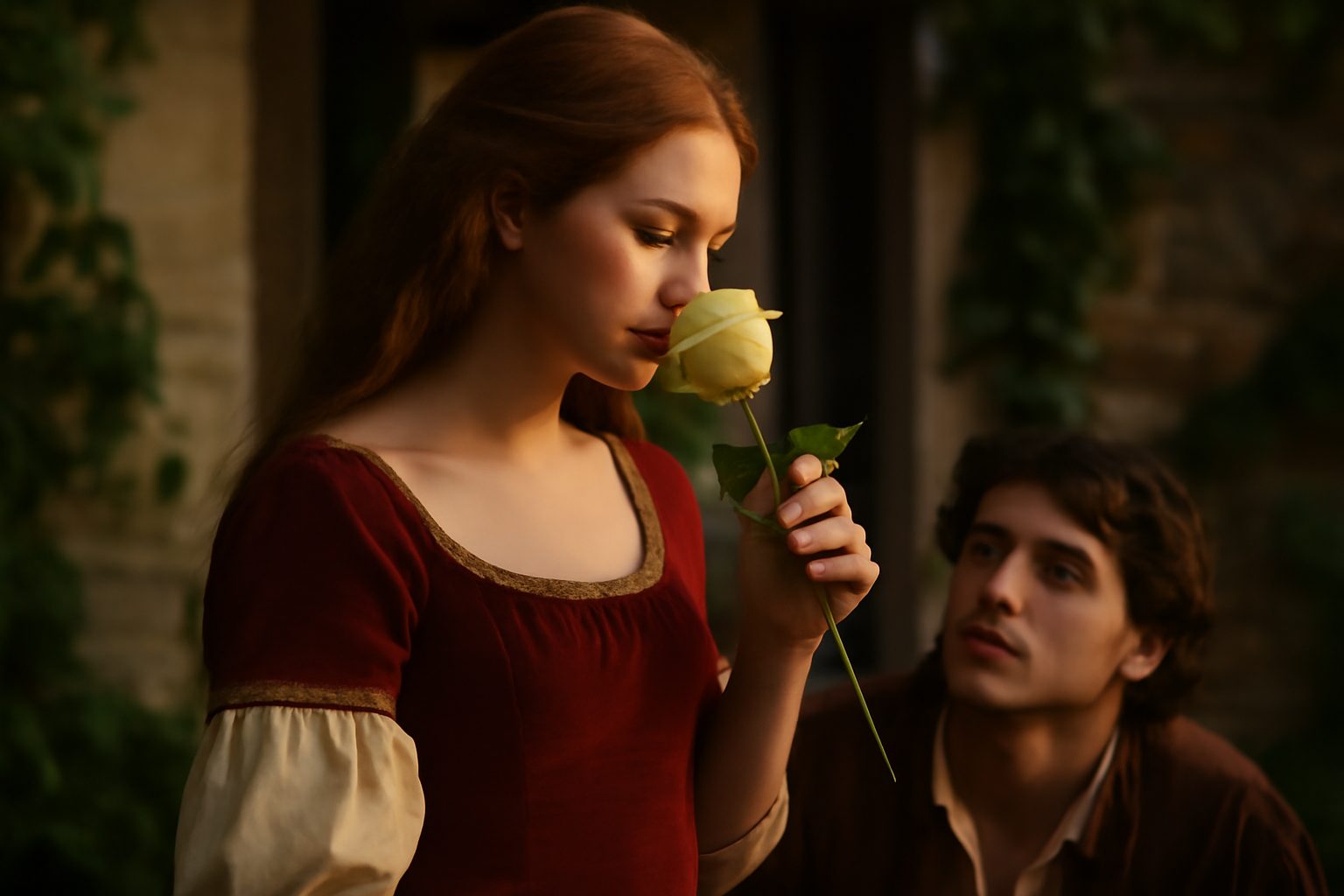
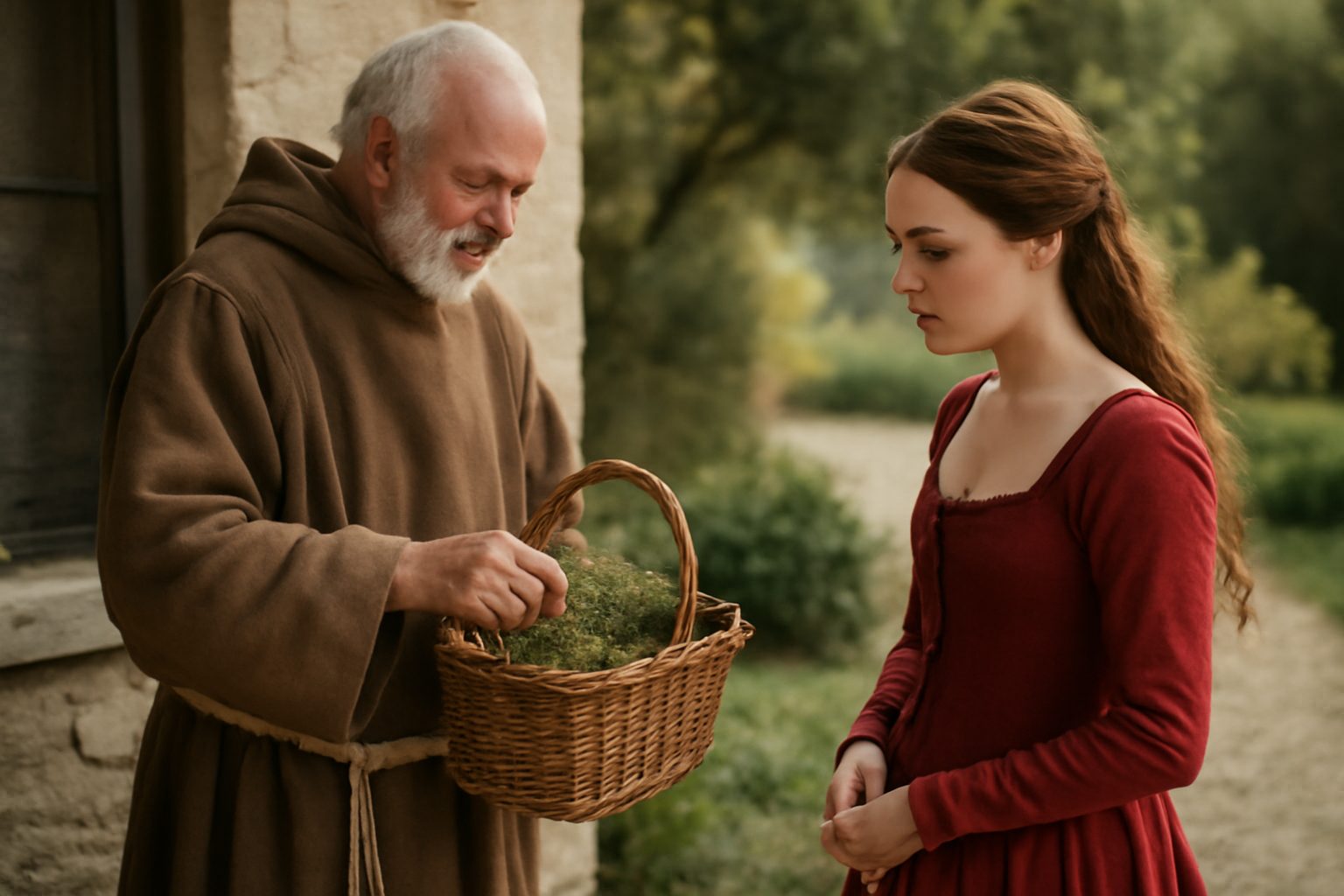
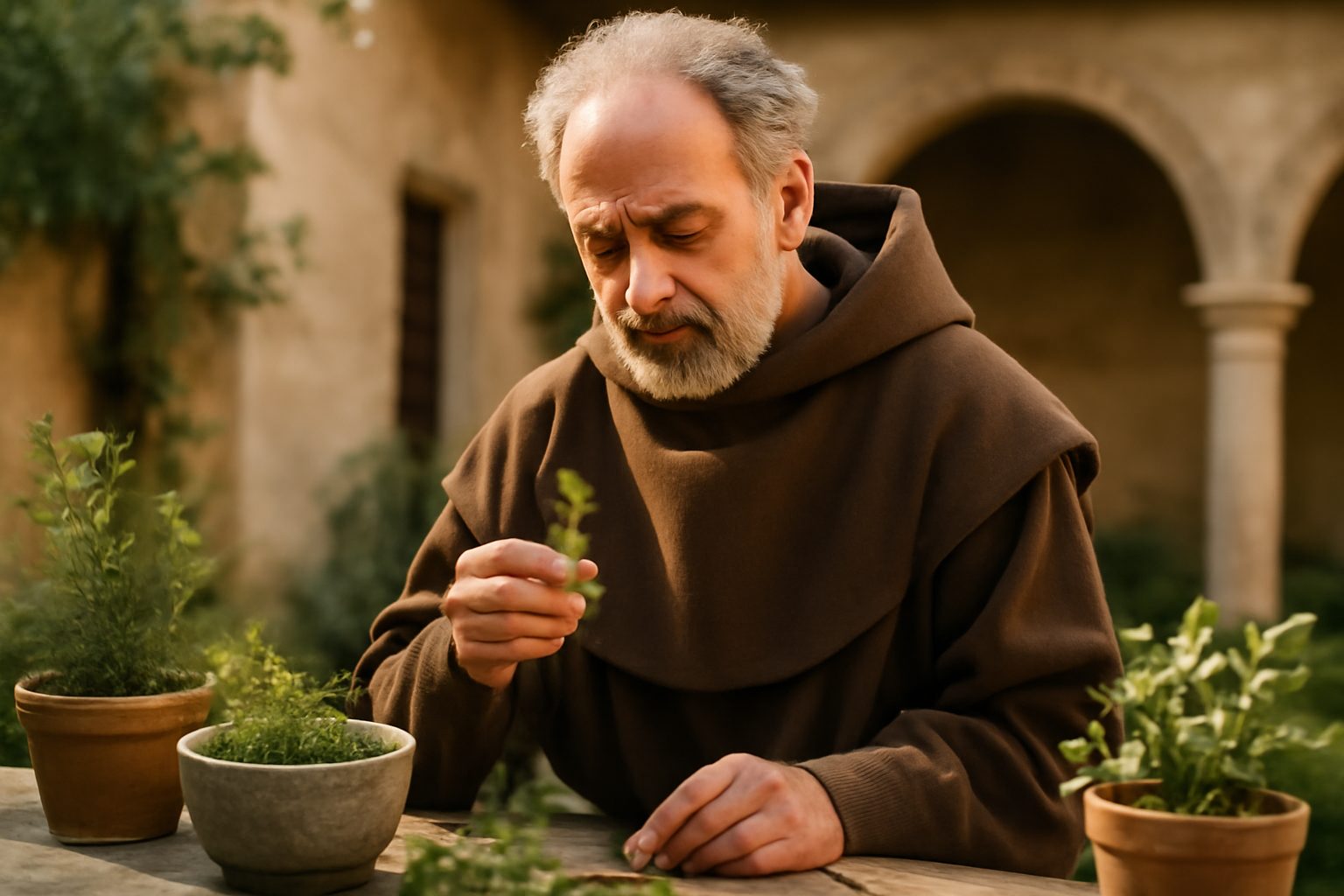
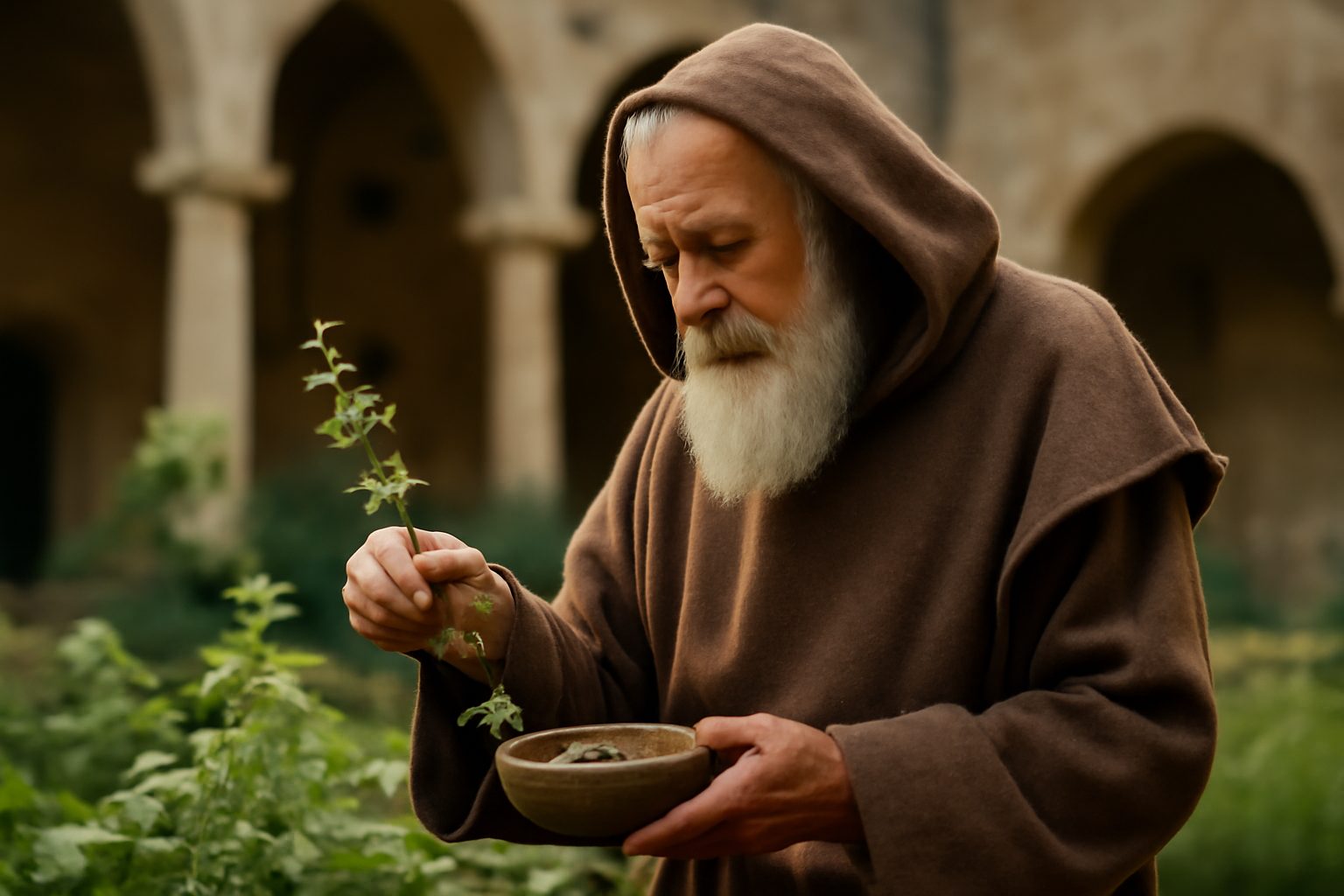
In Act 2, Scene 3 of Romeo and Juliet, Friar Laurence reflects on the duality of human nature as he gathers herbs at dawn. This line draws a parallel between the medicinal and poisonous qualities of plants and the contrasting potential for virtue and vice in people. It sets the stage for his later role in the play, where his well-intentioned but flawed actions mirror this theme of opposing forces.
Friar Laurence: "In man as well as herbs, grace and rude will;"
In modern day english, we would say:
Just like plants, people can have both kindness and wild desires.
Frequently Asked Questions
What does Friar Laurence compare to herbs in this line?
He compares humans to herbs, saying both can have grace and wildness.
Connections to other verses:
Connections to "In man as well as herbs, grace and rude will"
The verse In man as well as herbs, grace and rude will introduces the theme of duality and opposition within nature and humanity, a motif that resonates throughout the scene.
Duality in Nature and Humanity
This idea is echoed in Two such opposed kings encamp them still, which reinforces the concept of internal conflict. Similarly, Poison hath residence and medicine power illustrates how opposing qualities coexist in the same substance, mirroring the grace and rude will in humans and herbs.
Moral and Ethical Implications
The notion that virtue and vice are intertwined is further explored in Virtue itself turns vice, being misapplied and And vice sometimes by action dignified, emphasizing how context and application determine moral value.
Application to Romeo's Situation
Friar Laurence's reflection on internal conflict relates directly to Romeo's abrupt shift in affection, as seen in So soon forsaken? young men's love then lies and Thy love did read by rote and could not spell, questioning the authenticity and depth of his emotions.
Natural Imagery and Human Behavior
The connection between herbs and human traits is supported by earlier lines like In herbs, plants, stones, and their true qualities, establishing a foundation for the analogy. Additionally, O, mickle is the powerful grace that lies highlights the potential for good within natural elements, paralleling the grace mentioned in the focal verse.