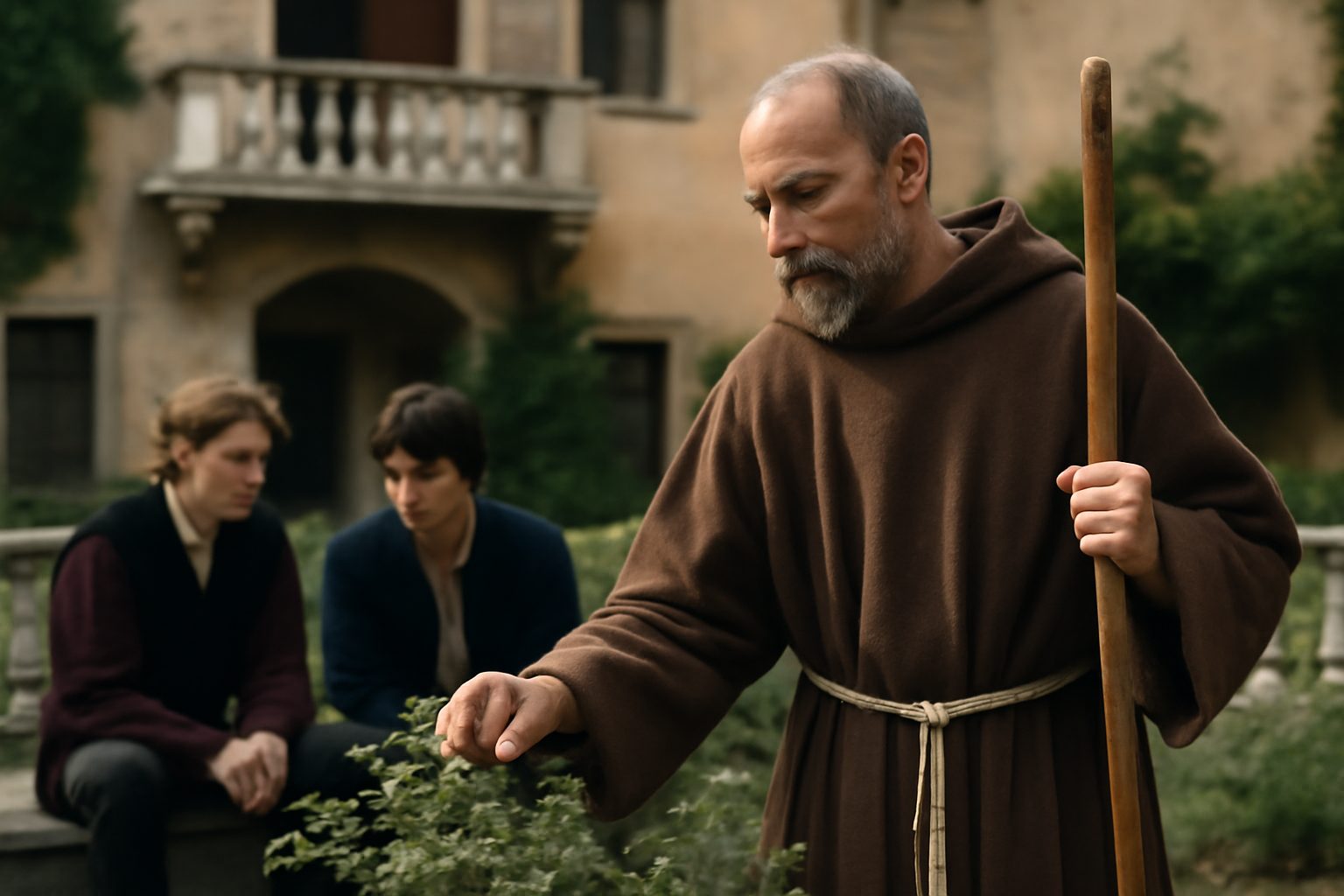
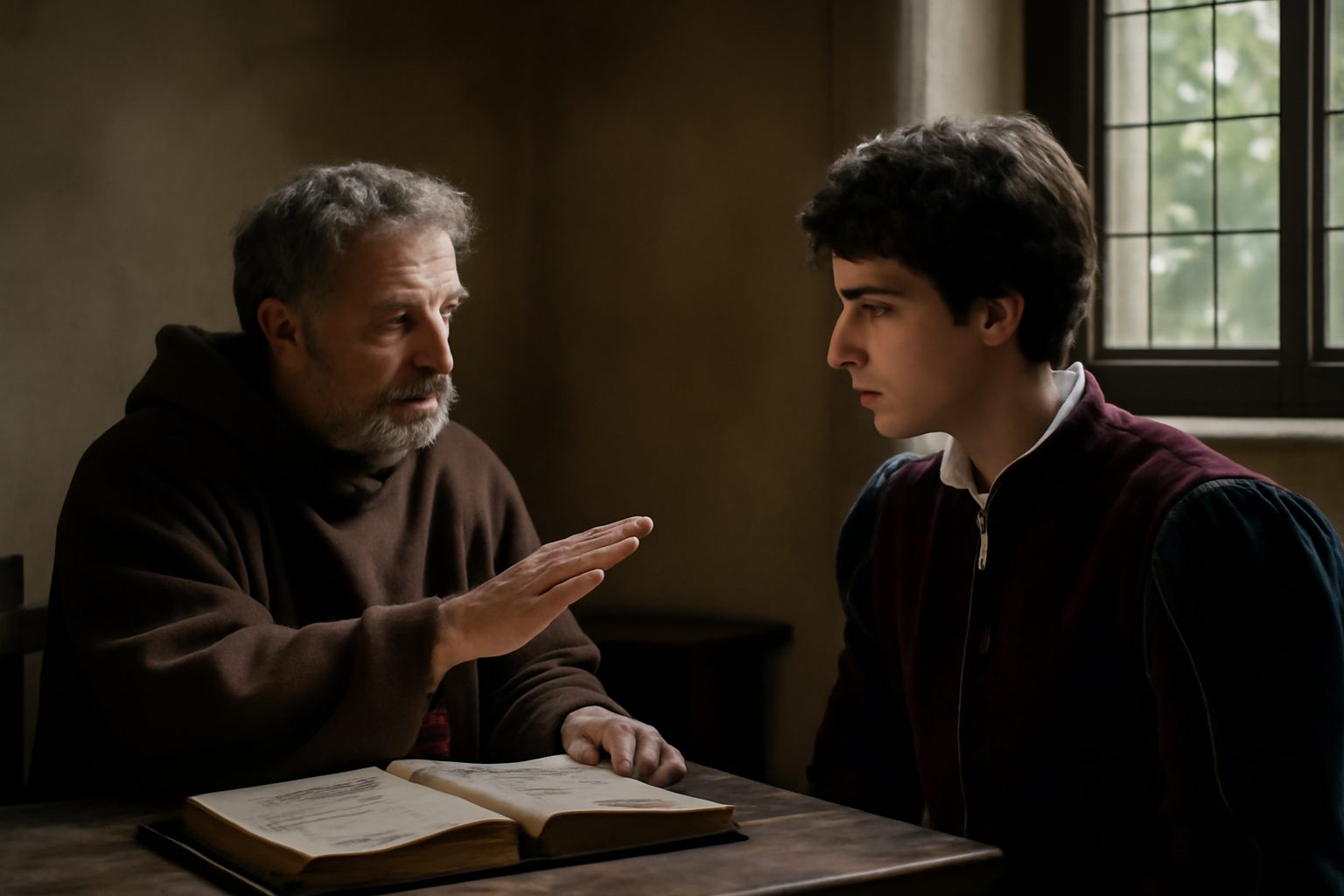
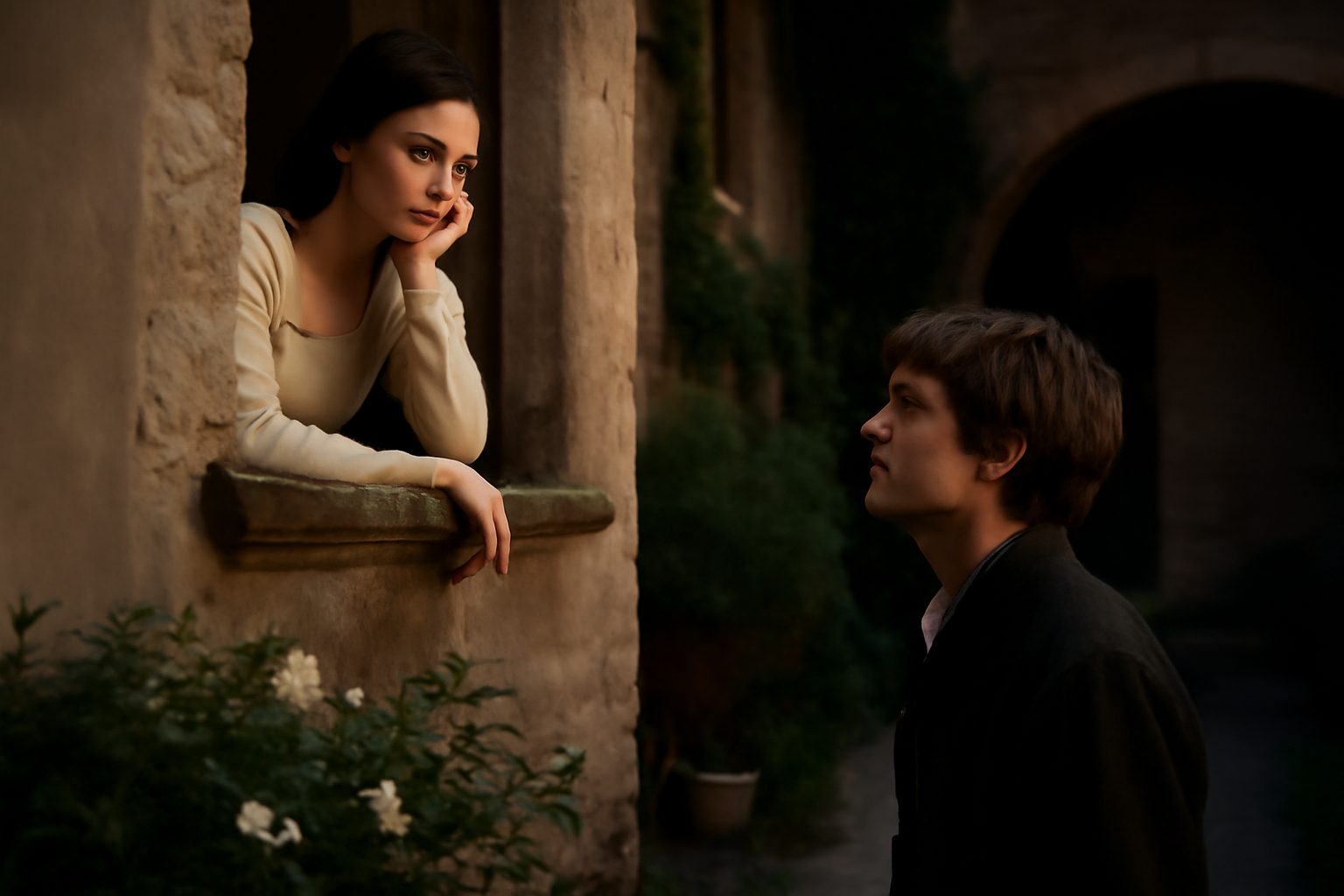
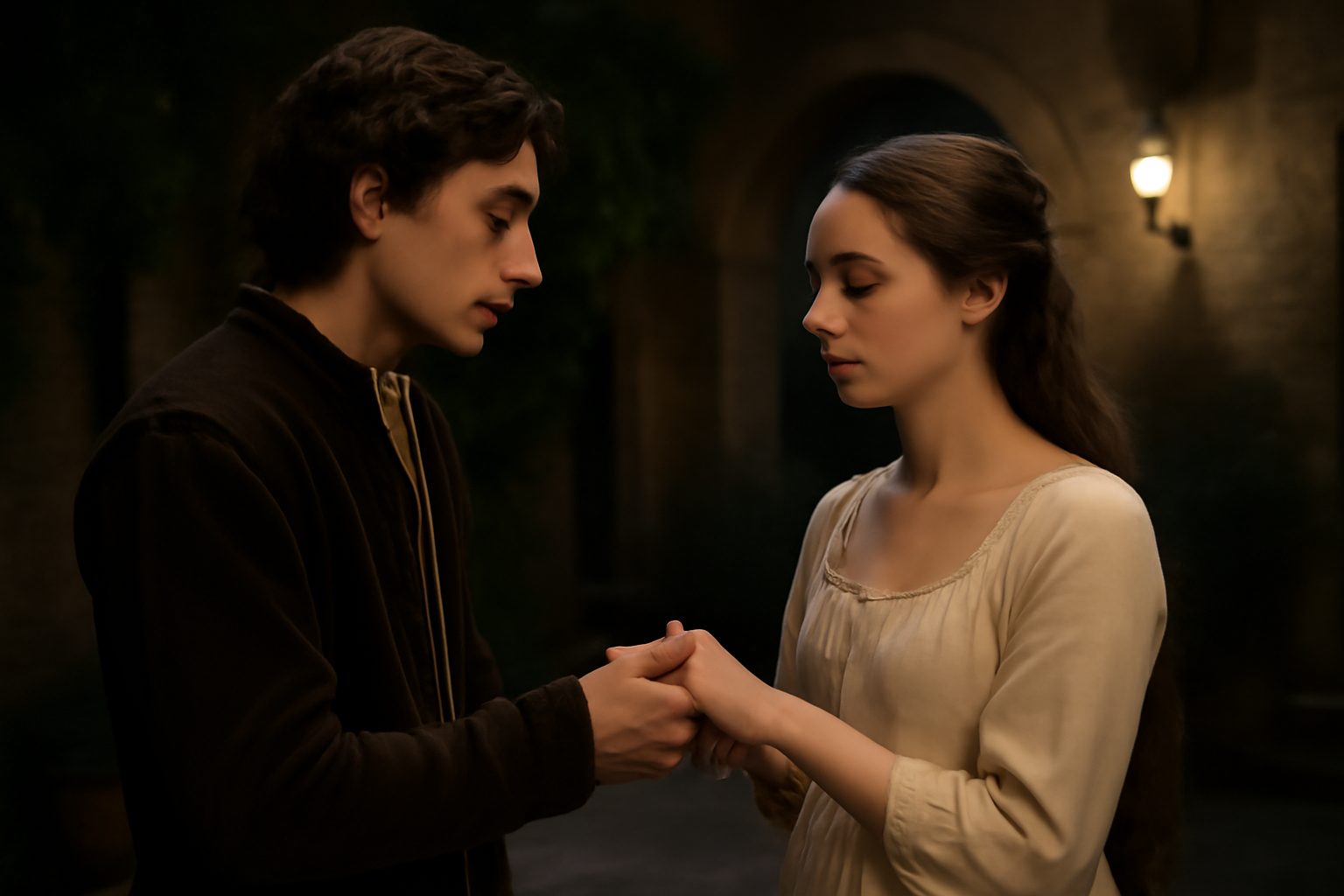
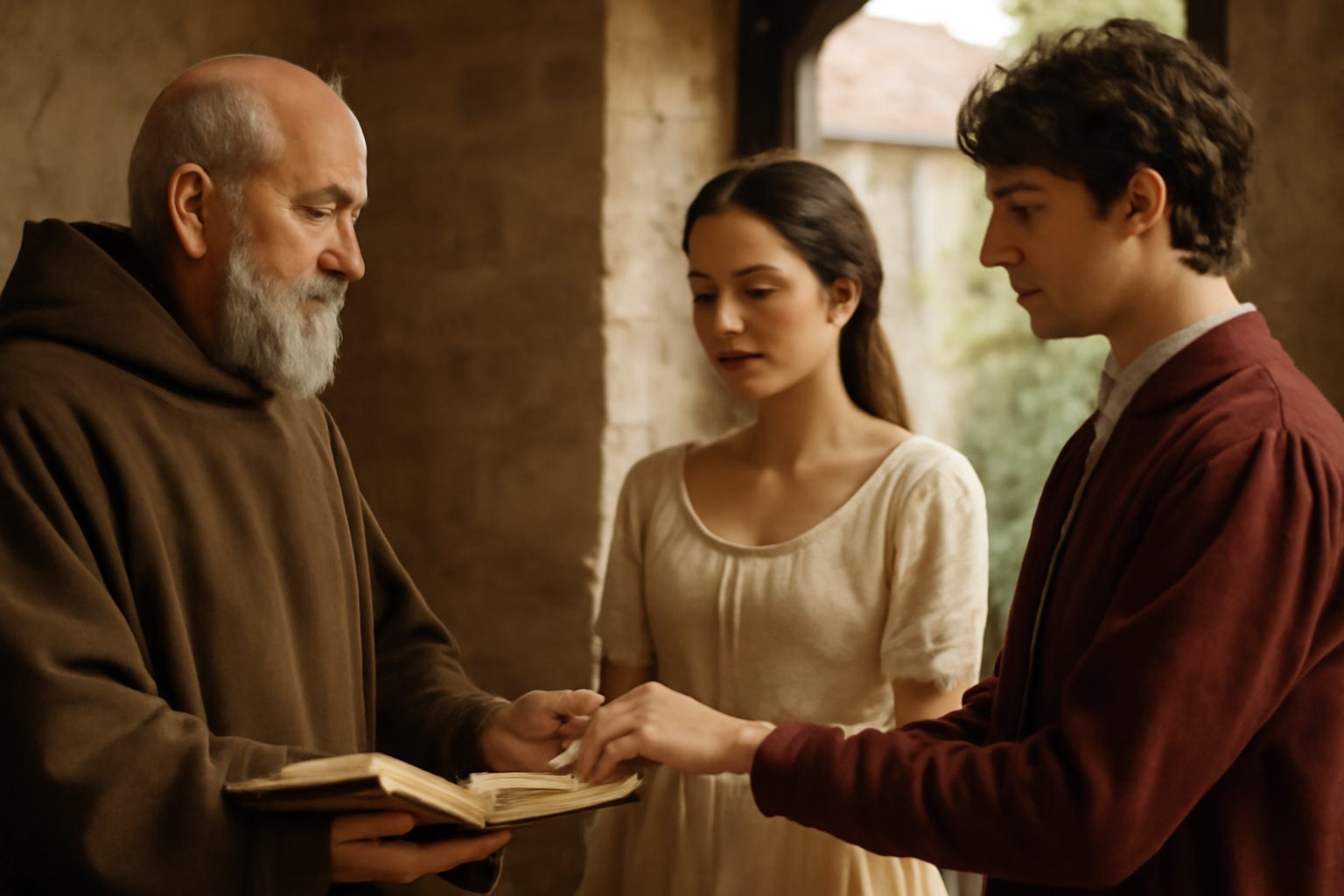
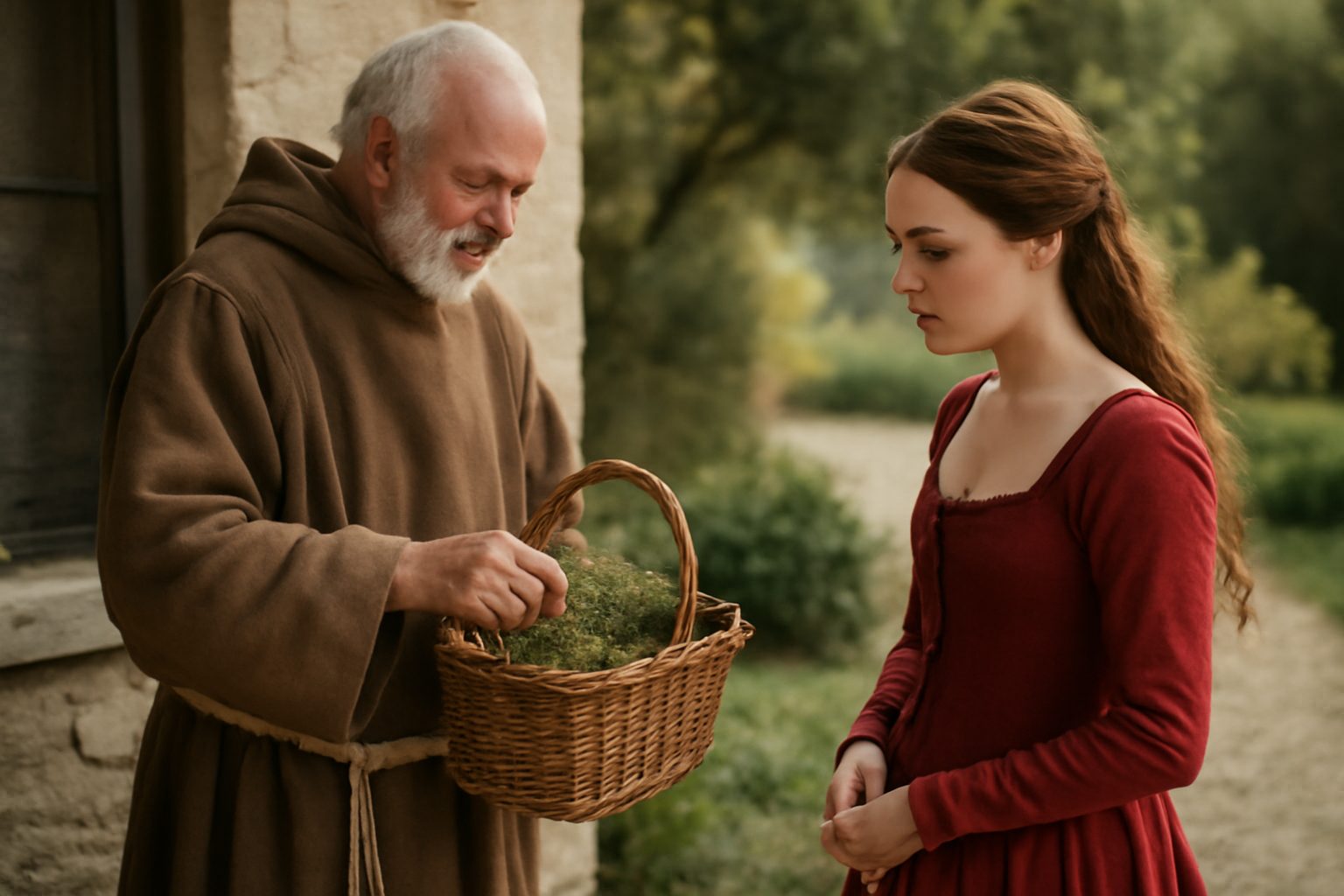
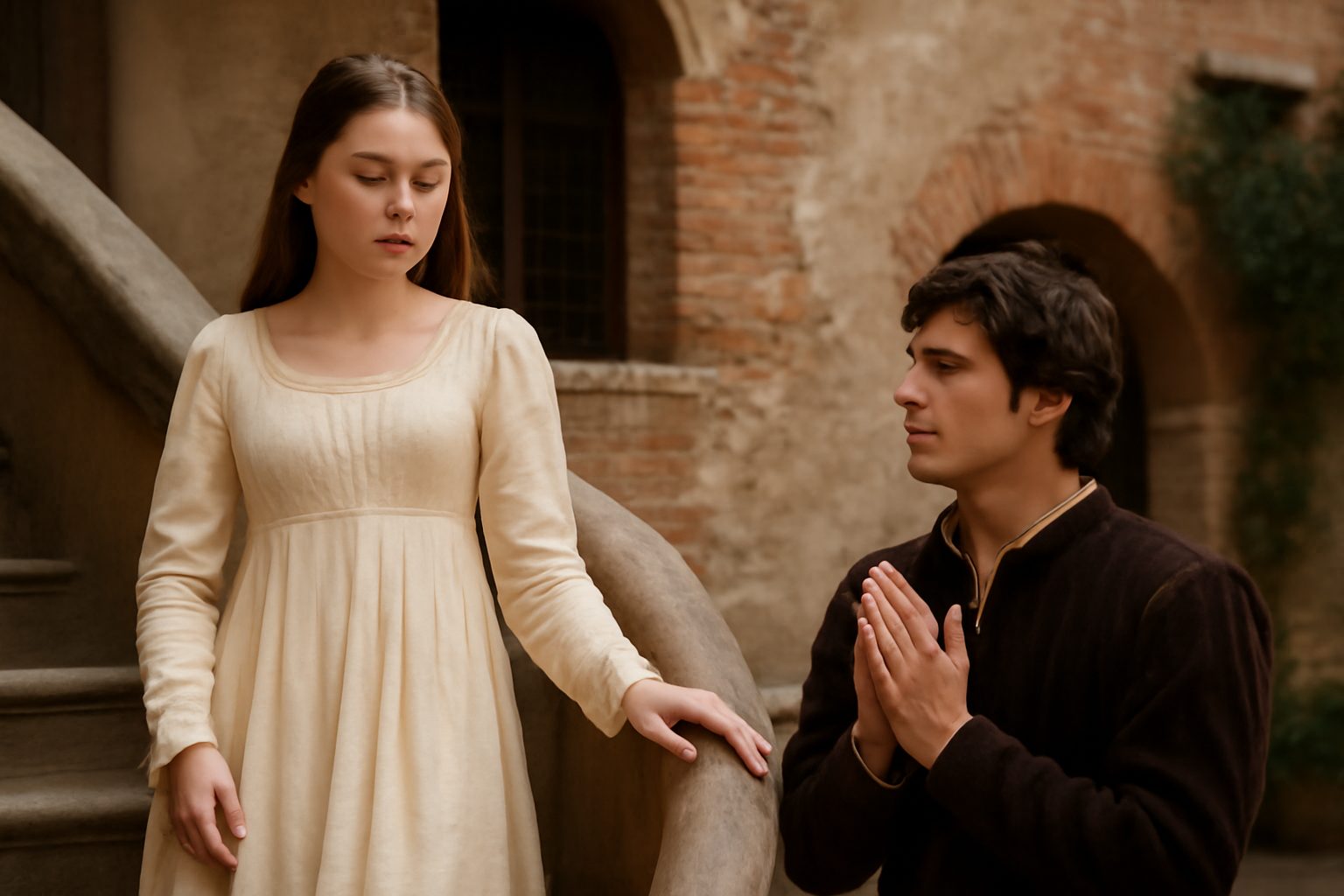
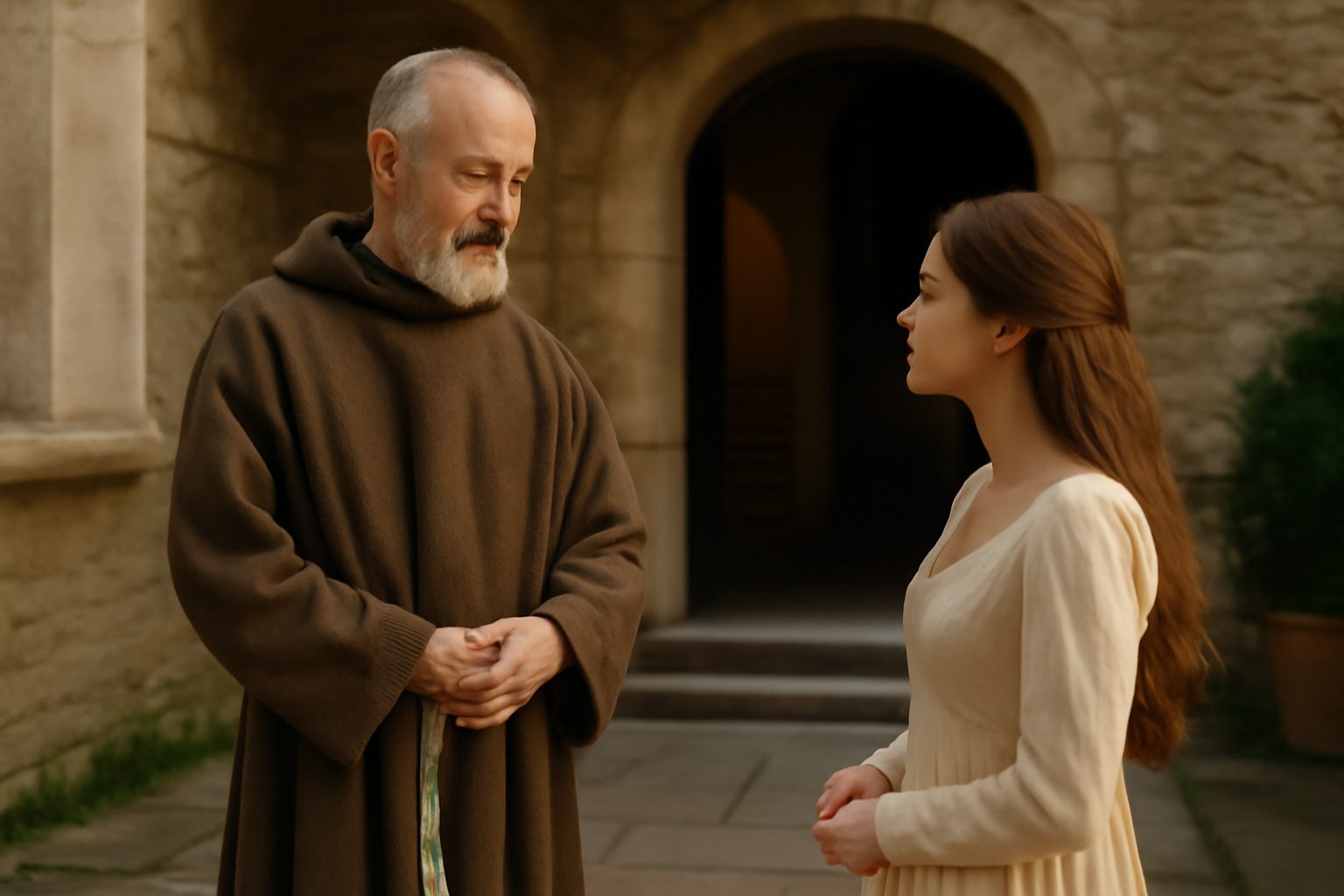
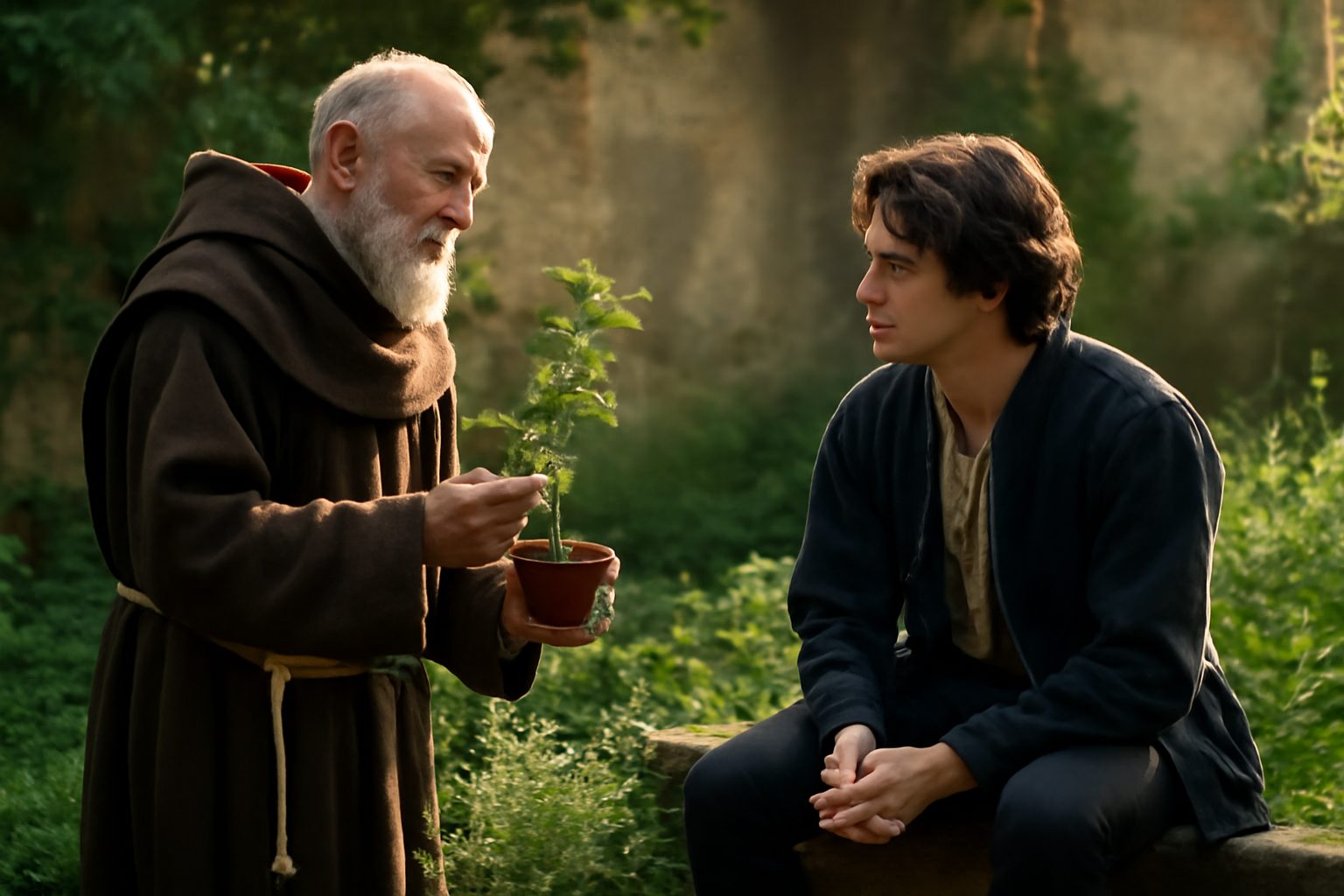
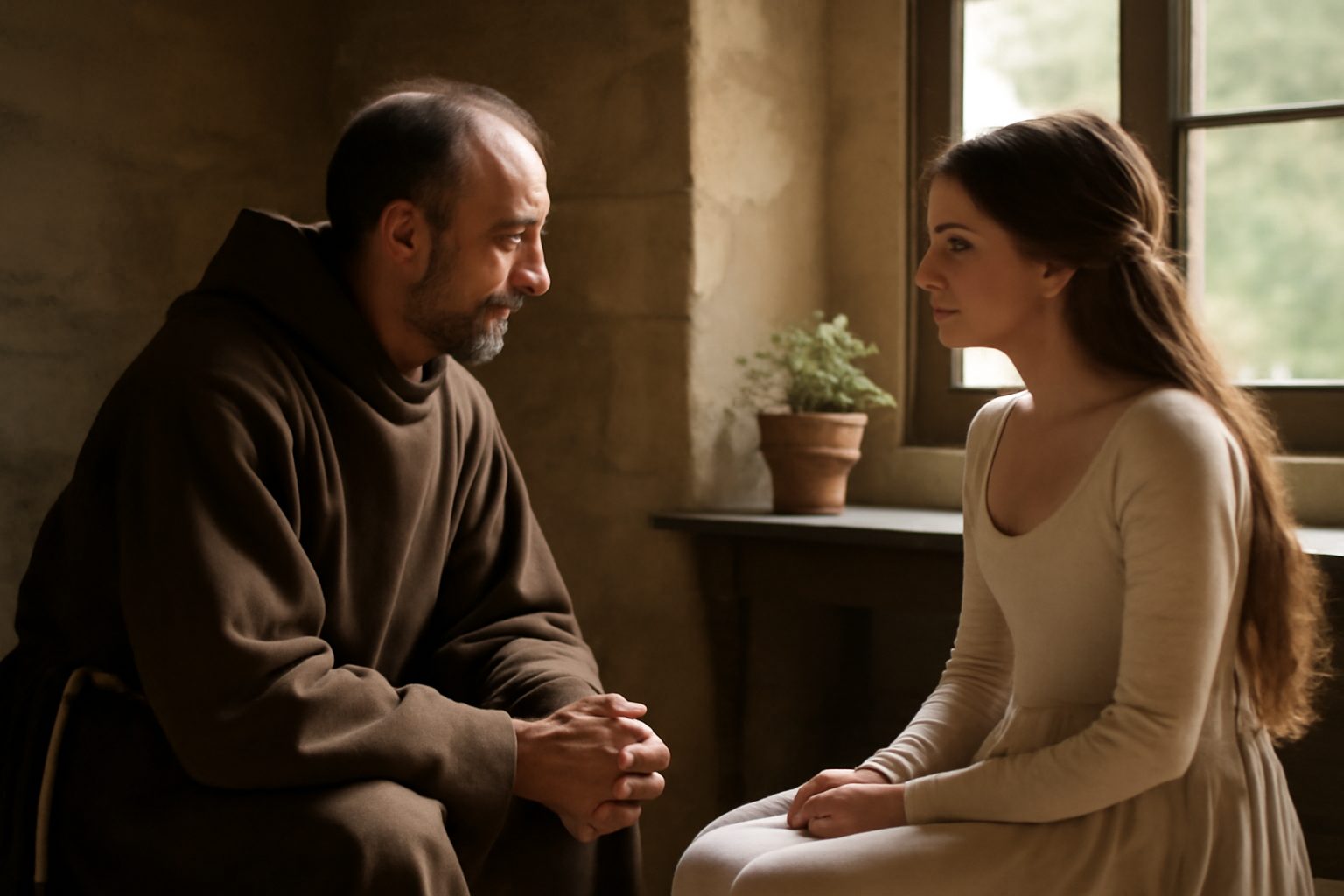
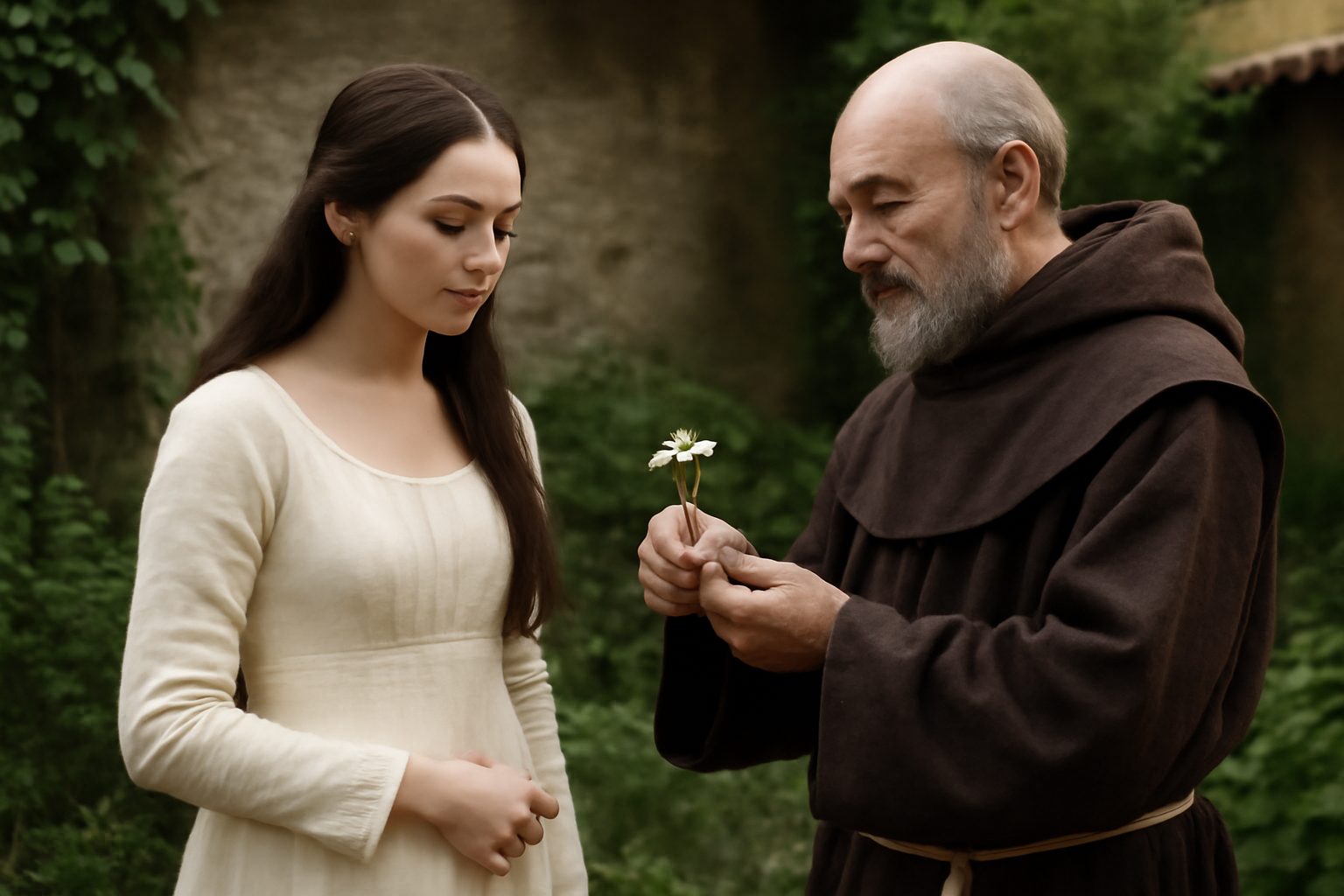
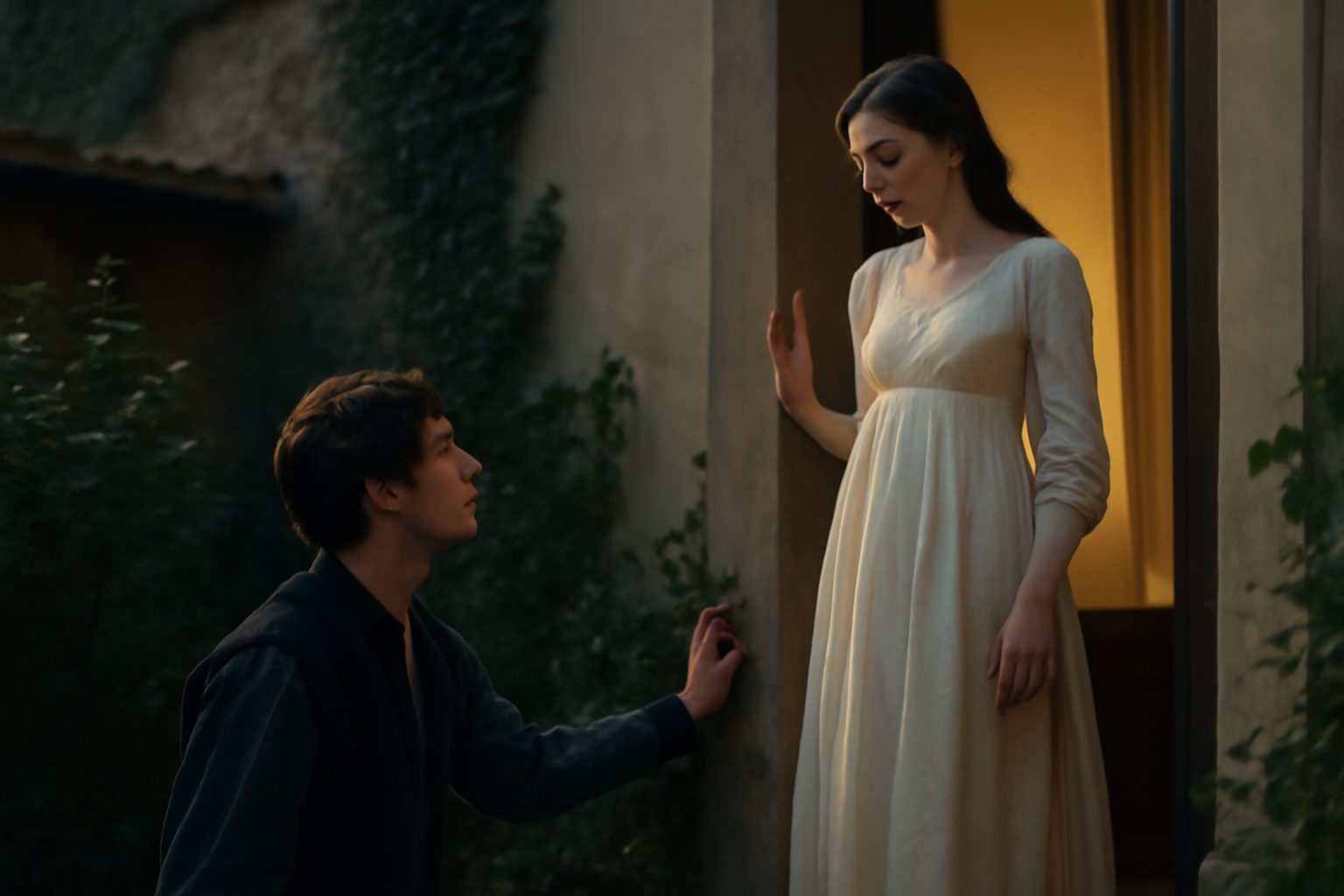
In Act 2, Scene 3 of Romeo and Juliet, Friar Laurence reflects on Romeo's sudden shift in affection from Rosaline to Juliet. He chides Romeo for so quickly abandoning his earlier lovesick misery, which had been entirely devoted to Rosaline. This line underscores the friar's skepticism about Romeo's impulsive and fleeting passions.
Friar Laurence: "Thou and these woes were all for Rosaline:"
In modern day english, we would say:
All your heartache was because of Rosaline.
Frequently Asked Questions
Who was Romeo in love with before he met Juliet?
Rosaline
Connections to other verses:
Connections to "Thou and these woes were all for Rosaline"
Direct References to Rosaline
The verse "Thou and these woes were all for Rosaline" directly echoes Friar Laurence's earlier question, "God pardon sin! wast thou with Rosaline?", establishing Rosaline as the previous object of Romeo's affections and sorrows. This connection is reinforced when Romeo declares, "I have forgot that name, and that name's woe", explicitly rejecting his past attachment to Rosaline.
Expressions of Past Suffering
Friar Laurence vividly recounts Romeo's earlier despair for Rosaline in "Thy old groans ring yet in my ancient ears" and "Hath wash'd thy sallow cheeks for Rosaline!", emphasizing the depth of Romeo's previous woes. The Friar's remark about "Jesu Maria, what a deal of brine" and "How much salt water thrown away in waste" further illustrates the futility and excess of Romeo's past tears for Rosaline.
Contrast with New Love
The Friar's skepticism about Romeo's swift change of heart is evident in "So soon forsaken? young men's love then lies" and "Not truly in their hearts, but in their eyes", questioning the sincerity of Romeo's shift from Rosaline to Juliet. This theme of fickleness is underscored when the Friar chides, "Thou chid'st me oft for loving Rosaline", highlighting Romeo's own past criticisms now turned ironic.
Transformation and Healing
Romeo's transformation is marked by his plea in "I pray thee, chide not; she whom I love now", asserting the genuineness of his new love for Juliet. The Friar's eventual support, indicated in "In one respect I'll thy assistant be" and "For this alliance may so happy prove", shows a shift from doubt to hope, using the relationship to mend familial strife, as noted in "To turn your households' rancour to pure love".