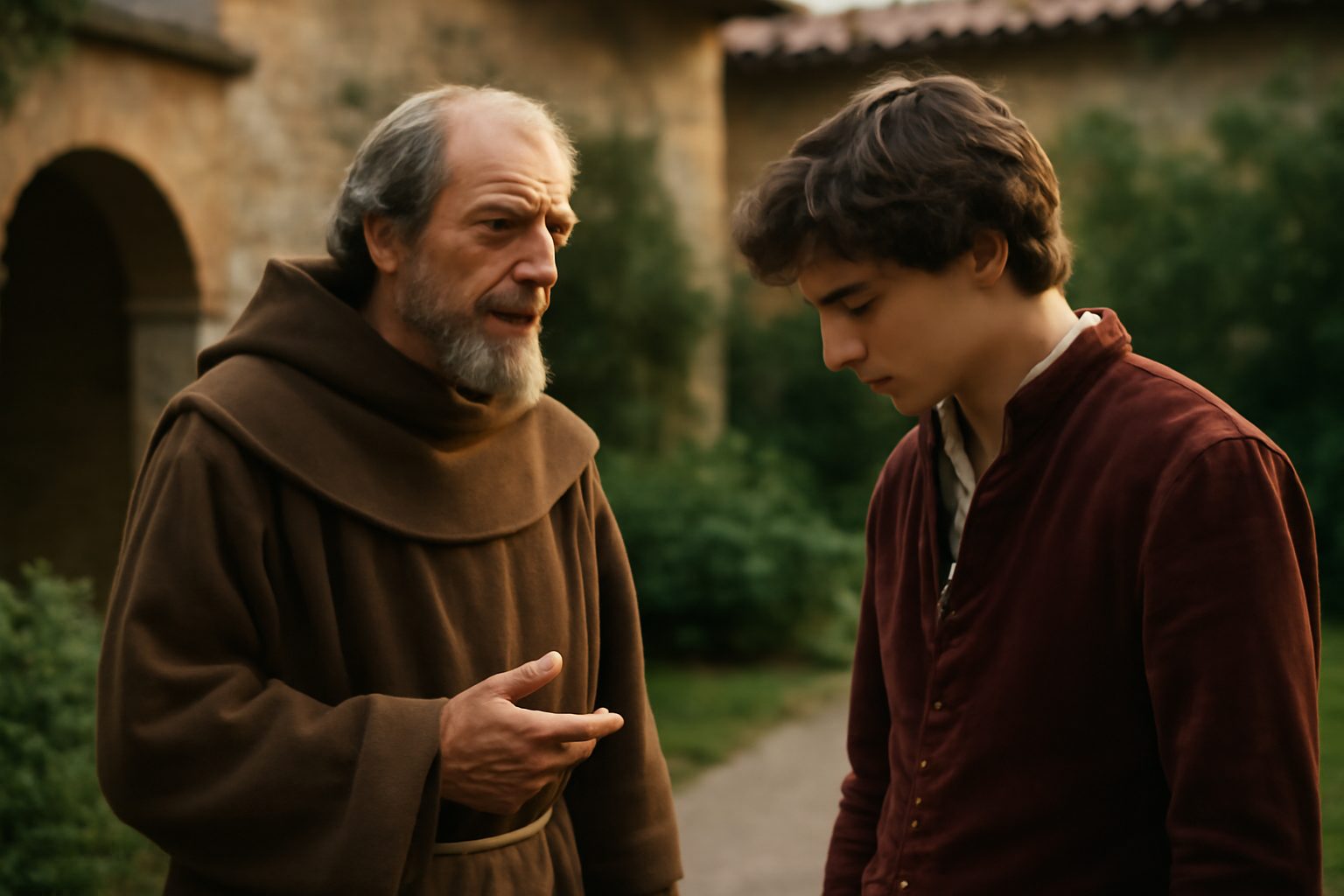
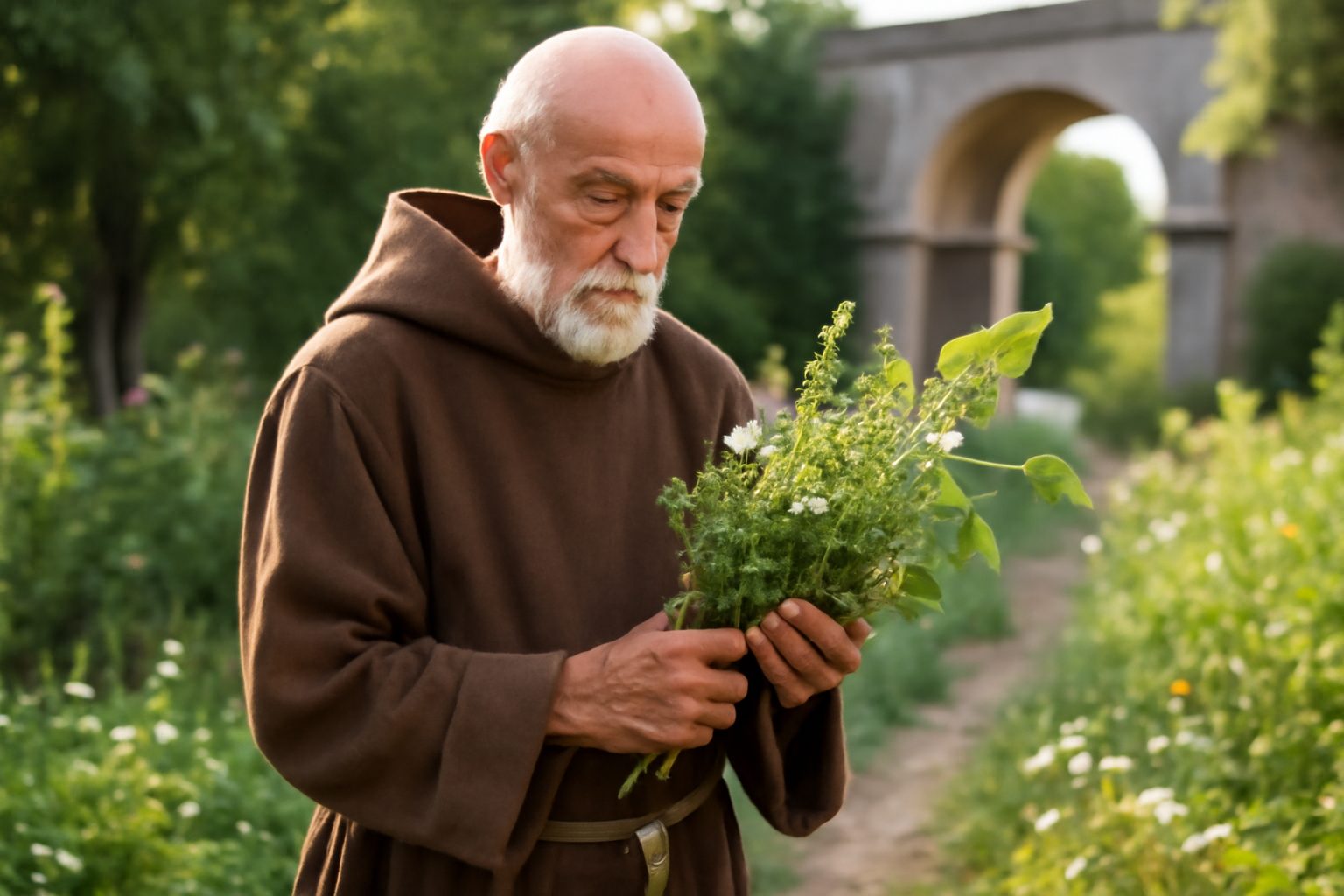
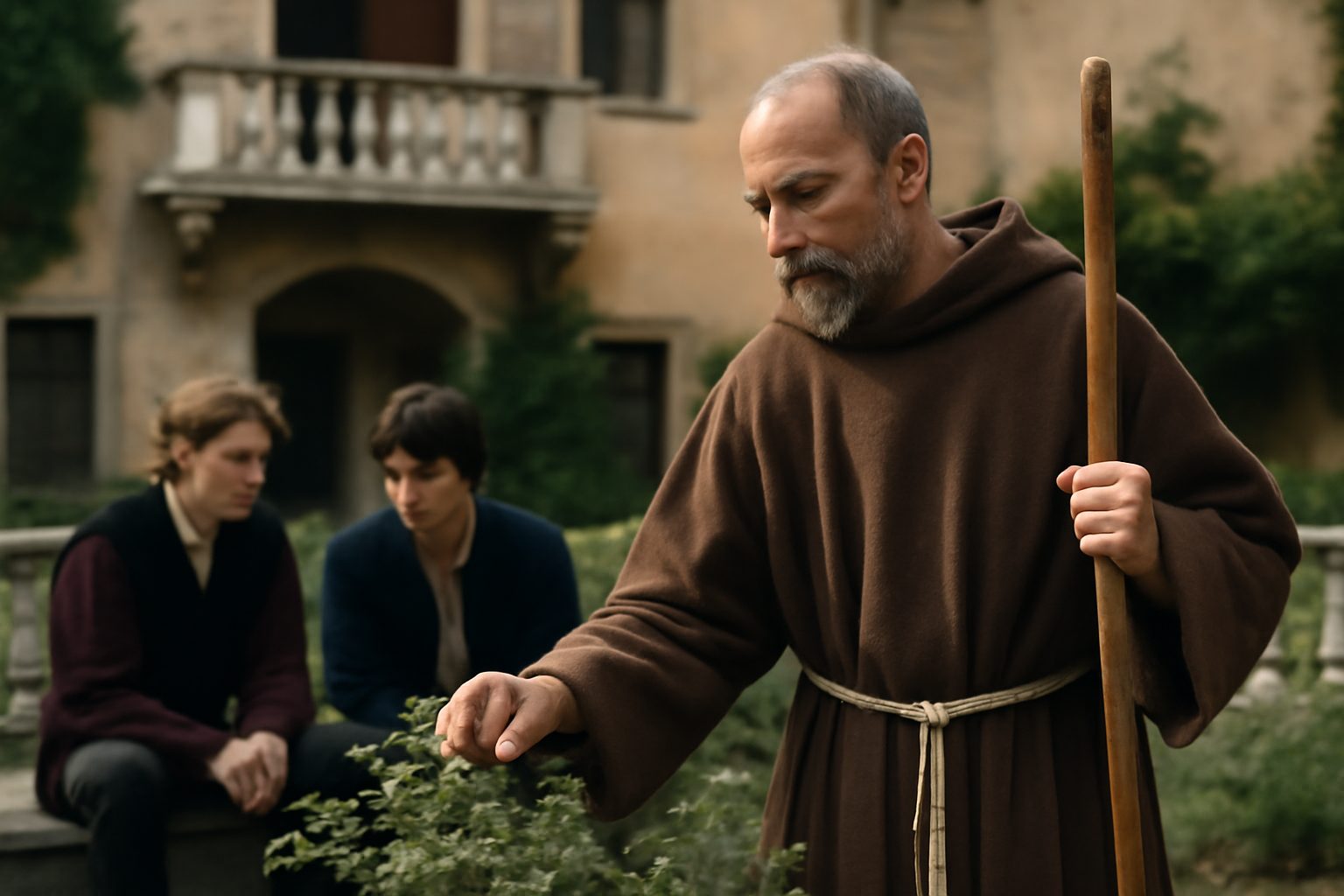
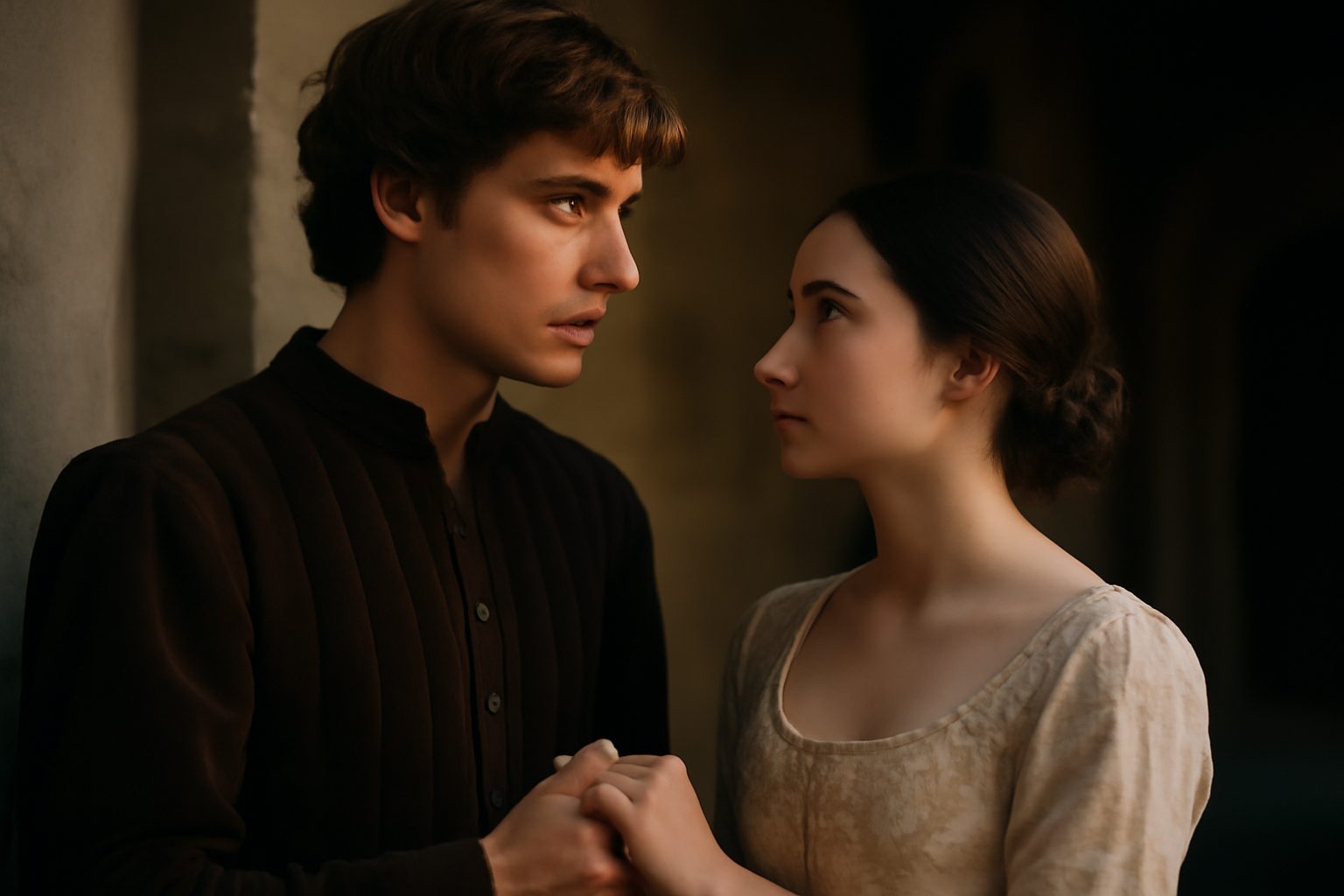
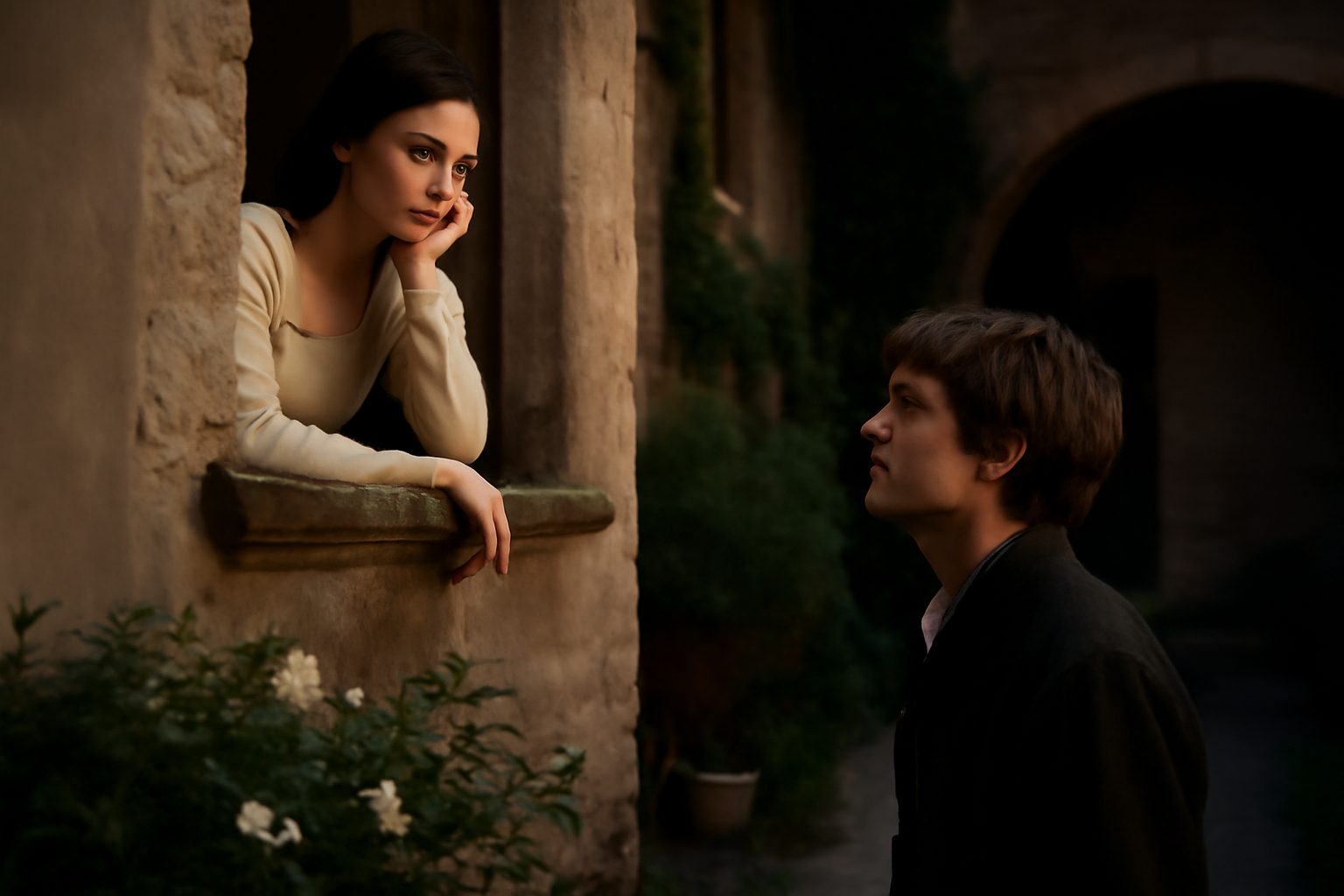
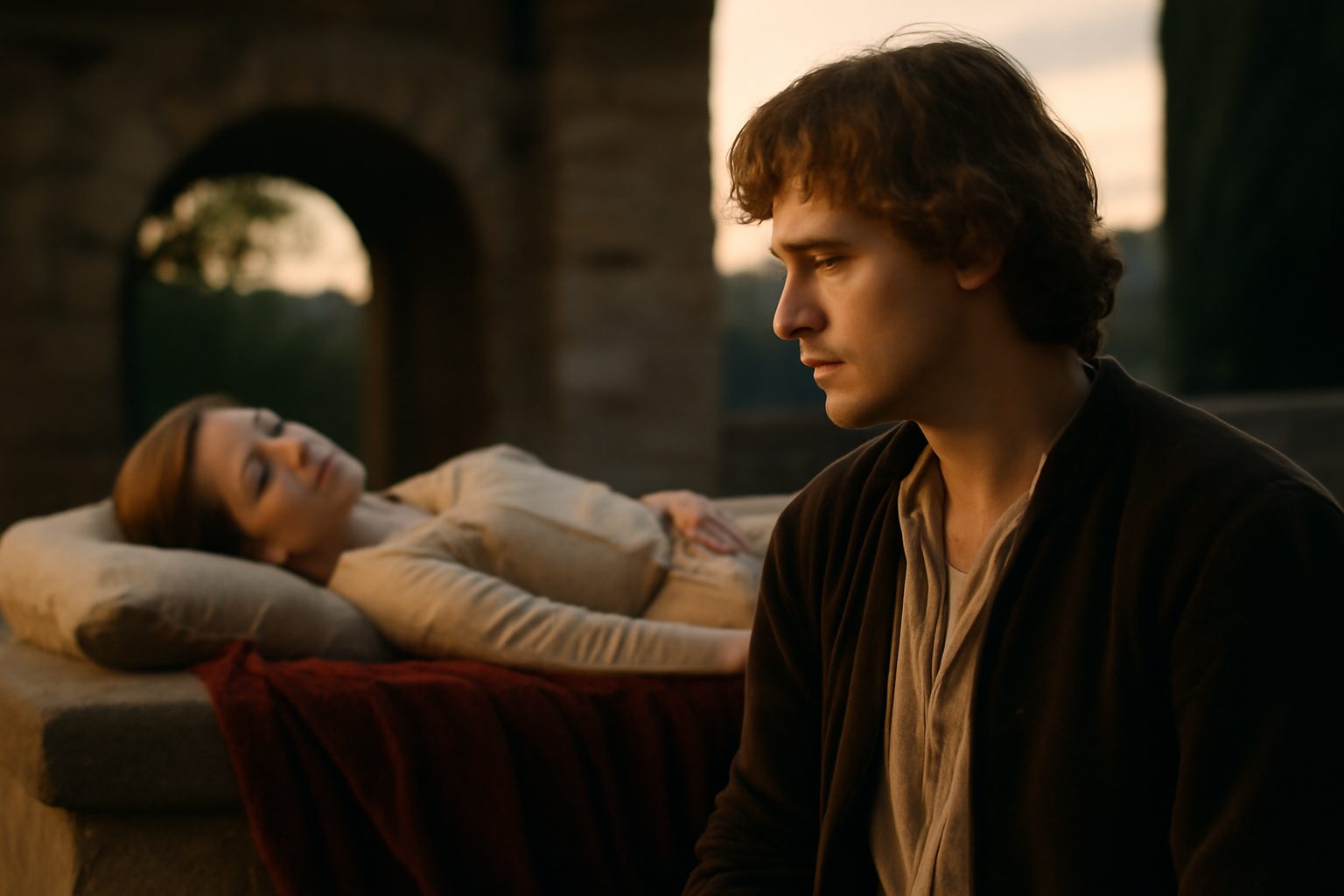
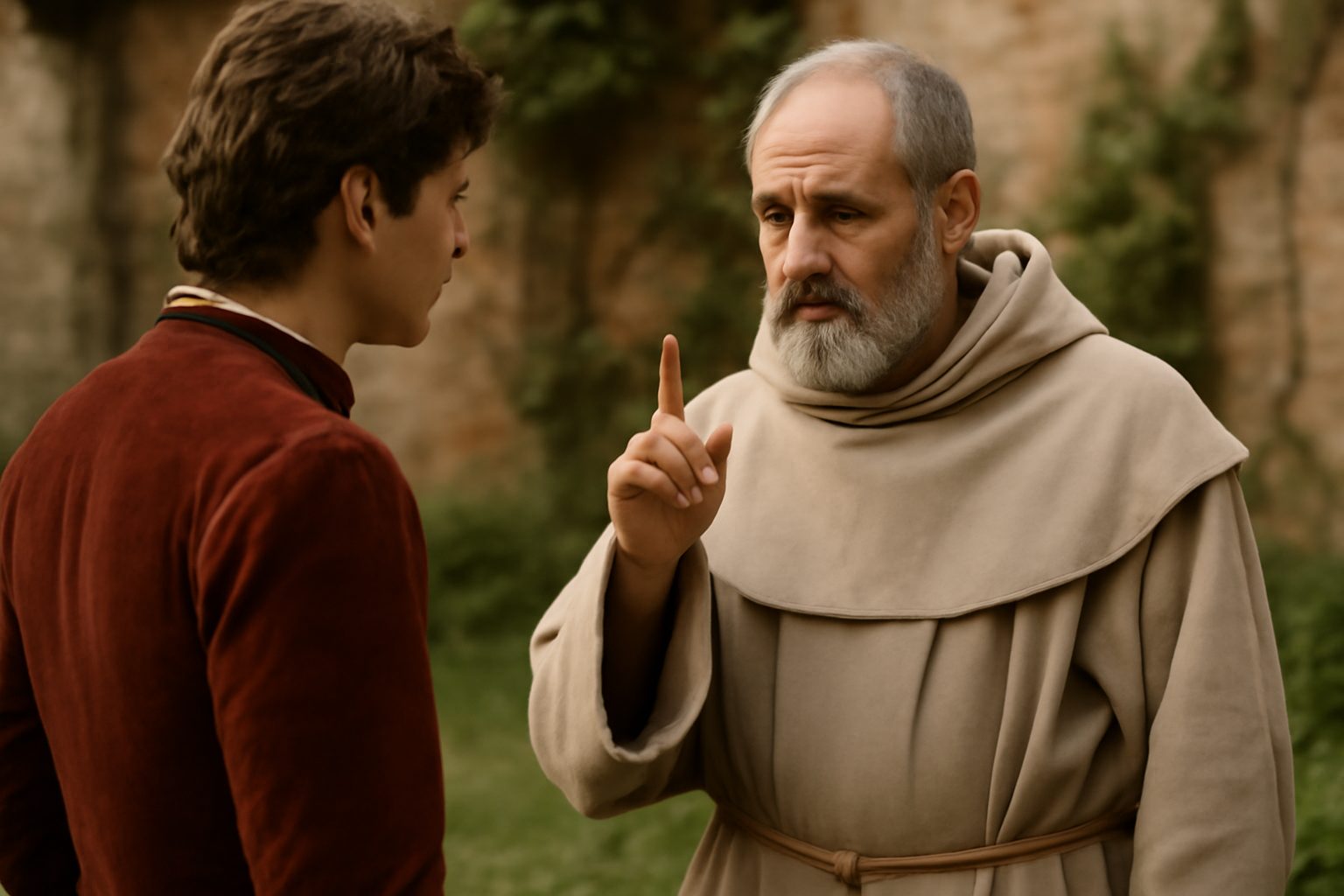
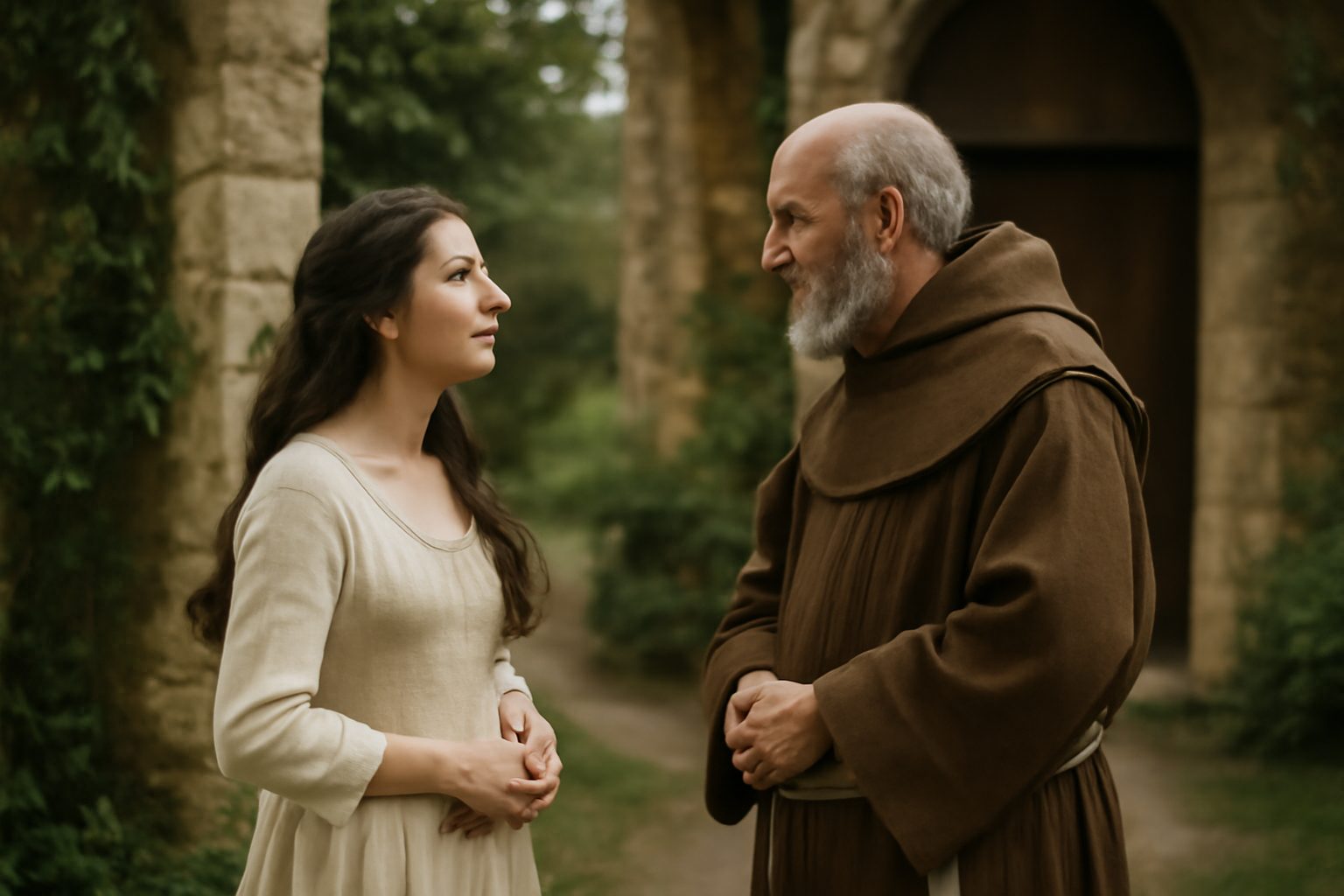
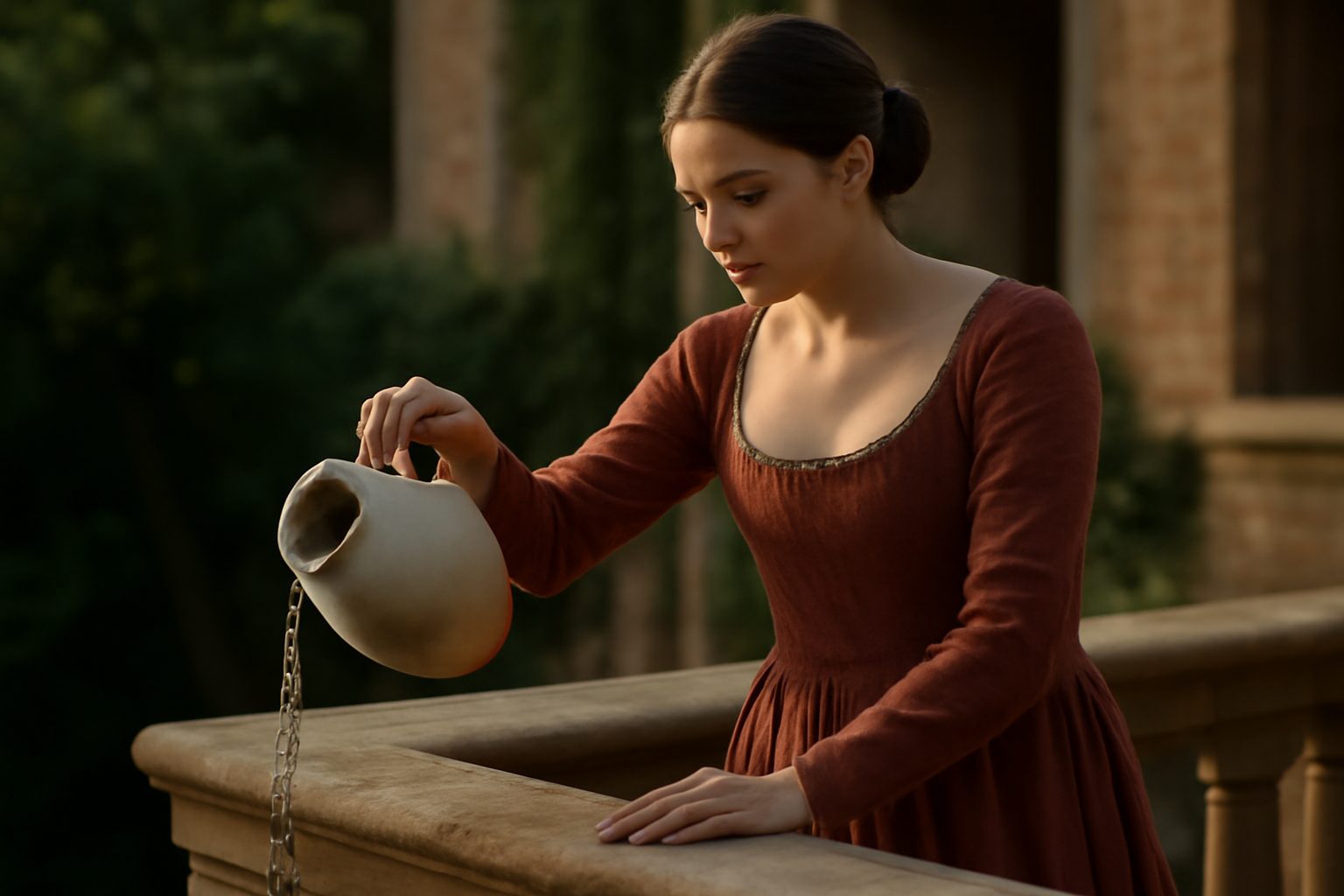
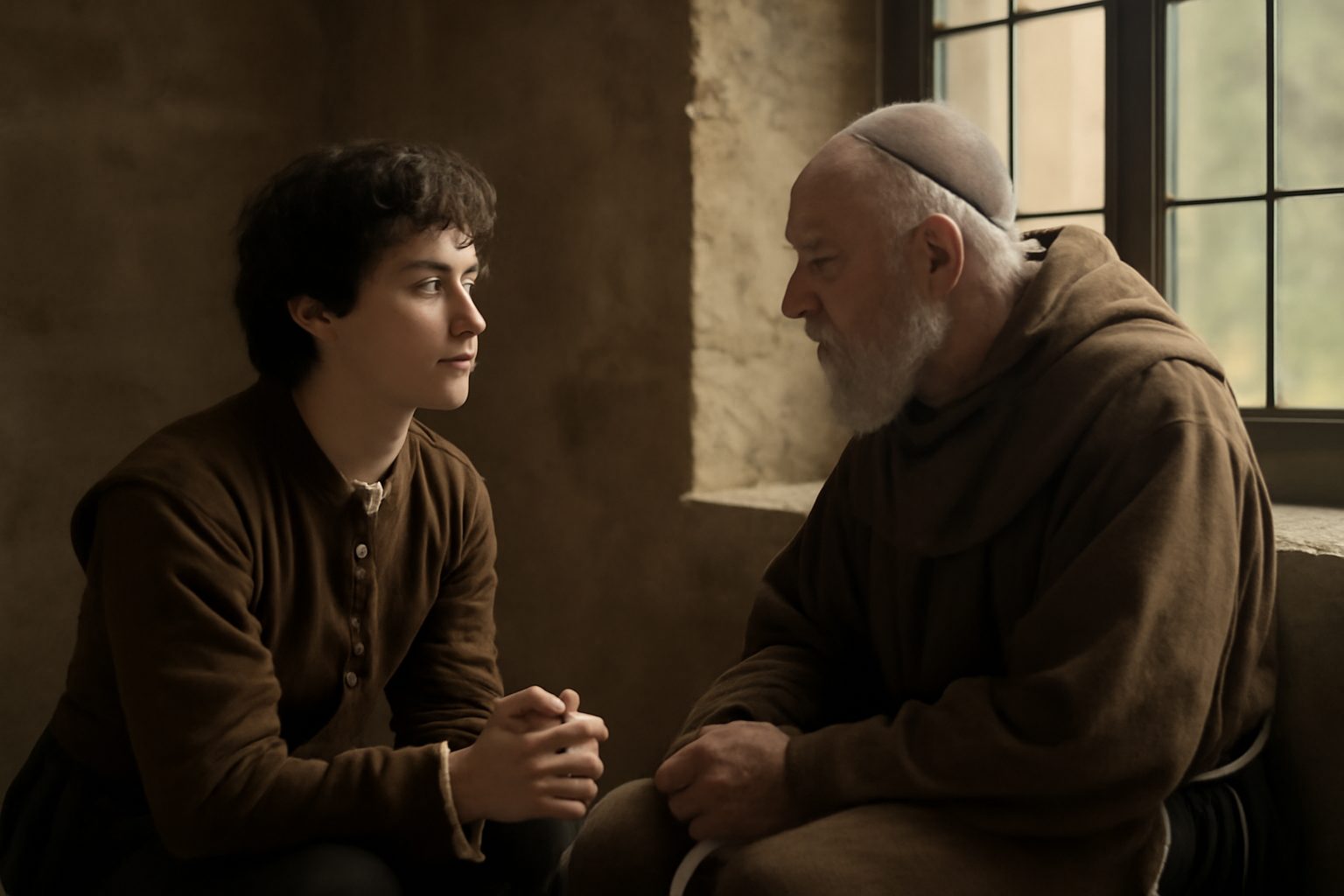
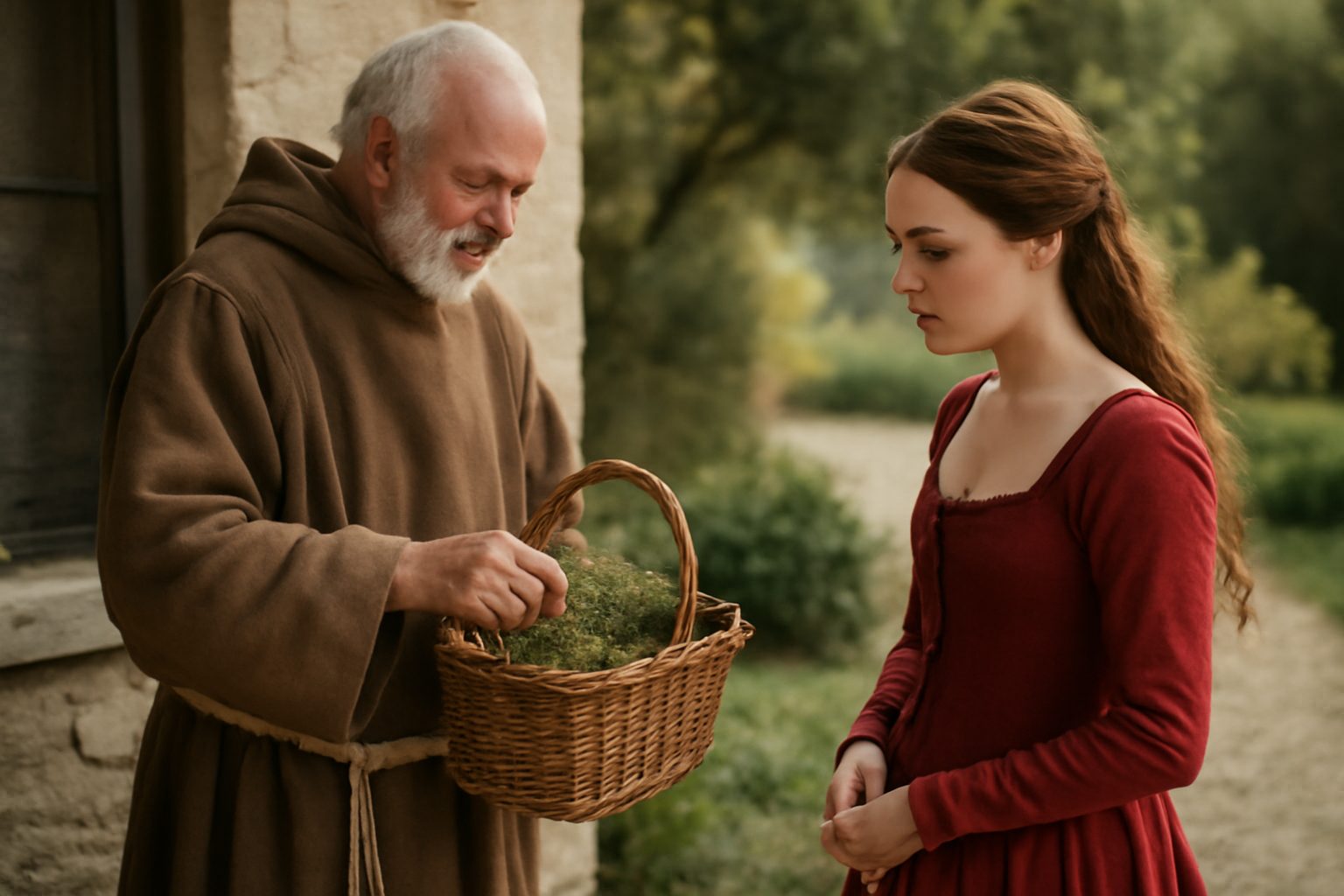
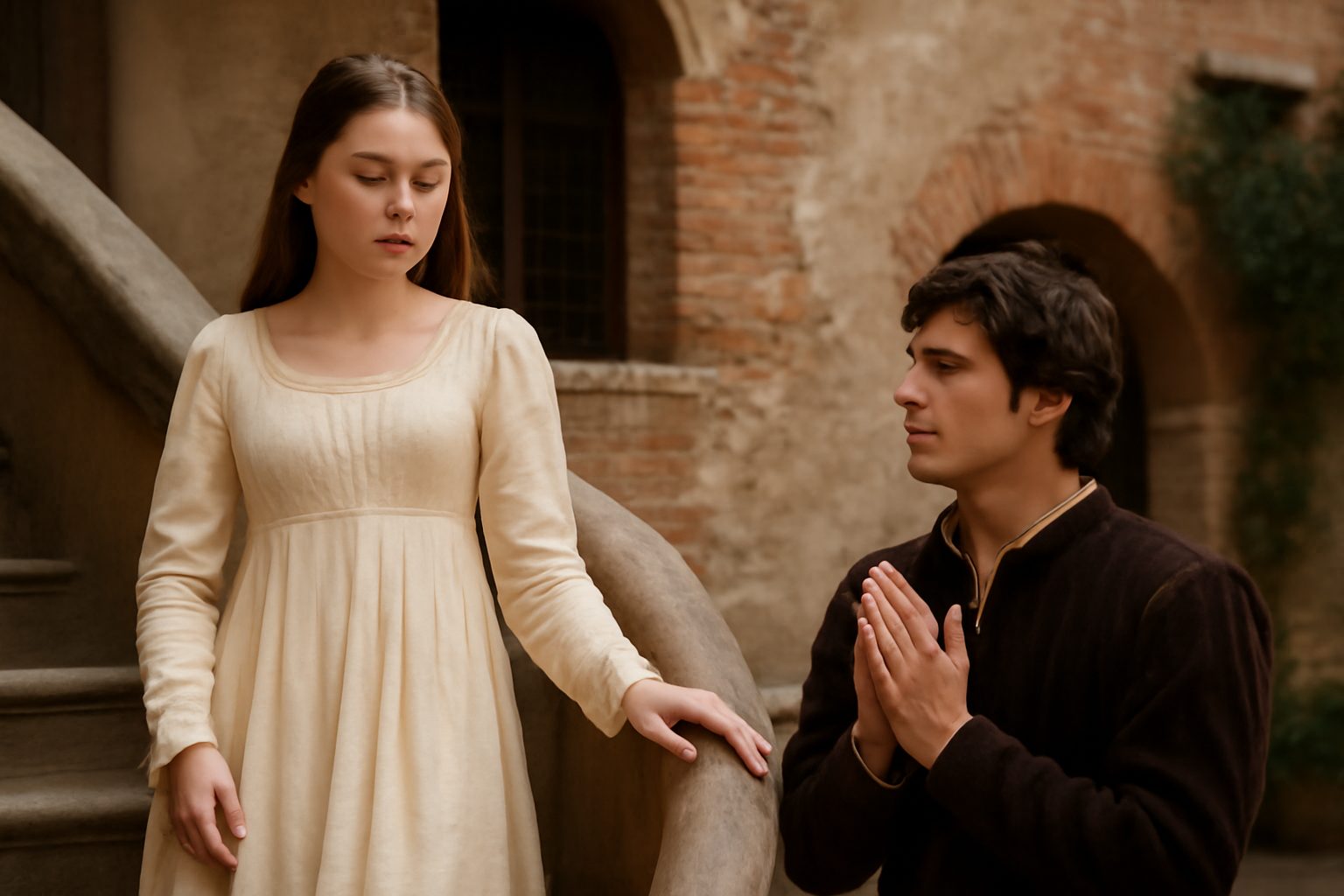
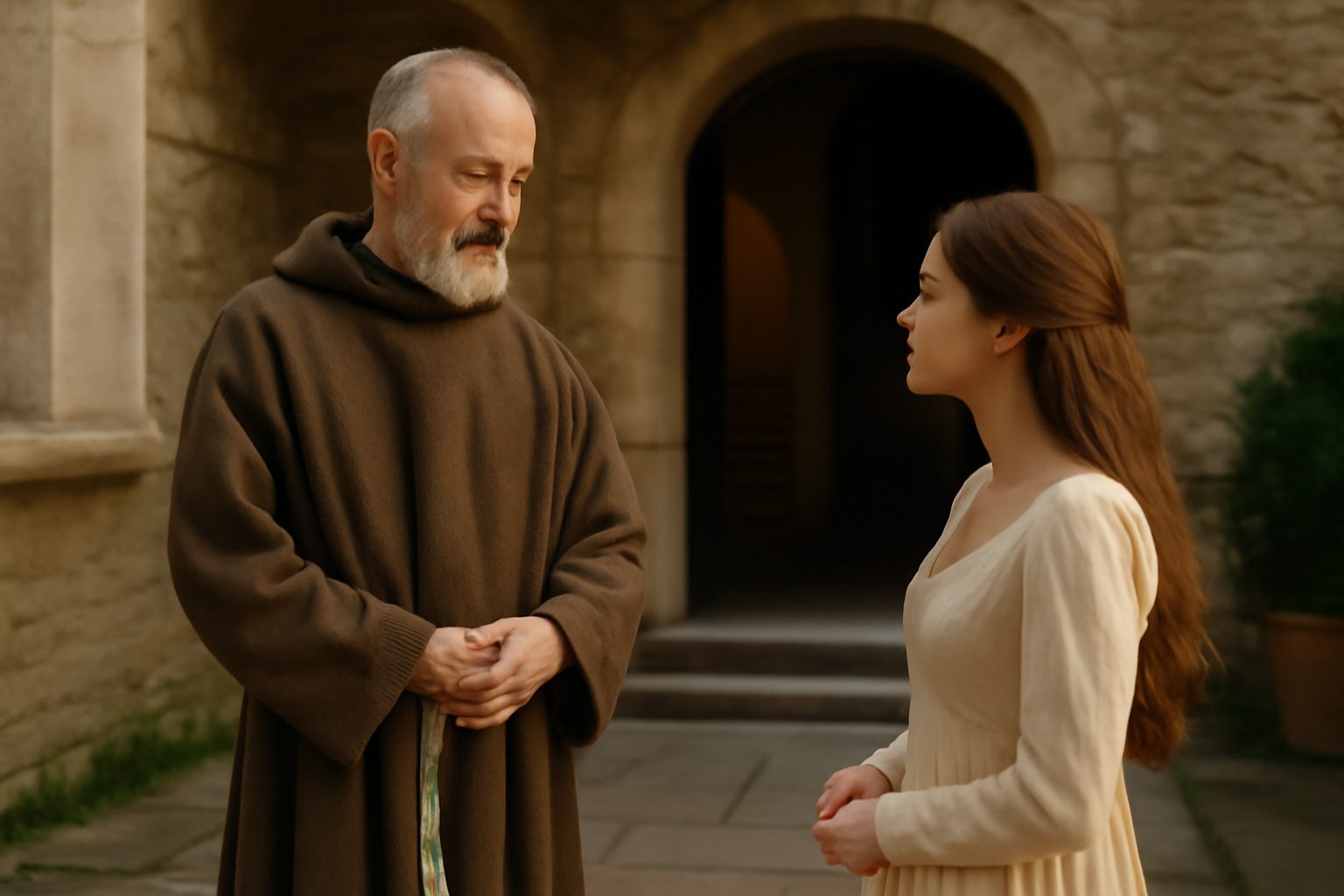
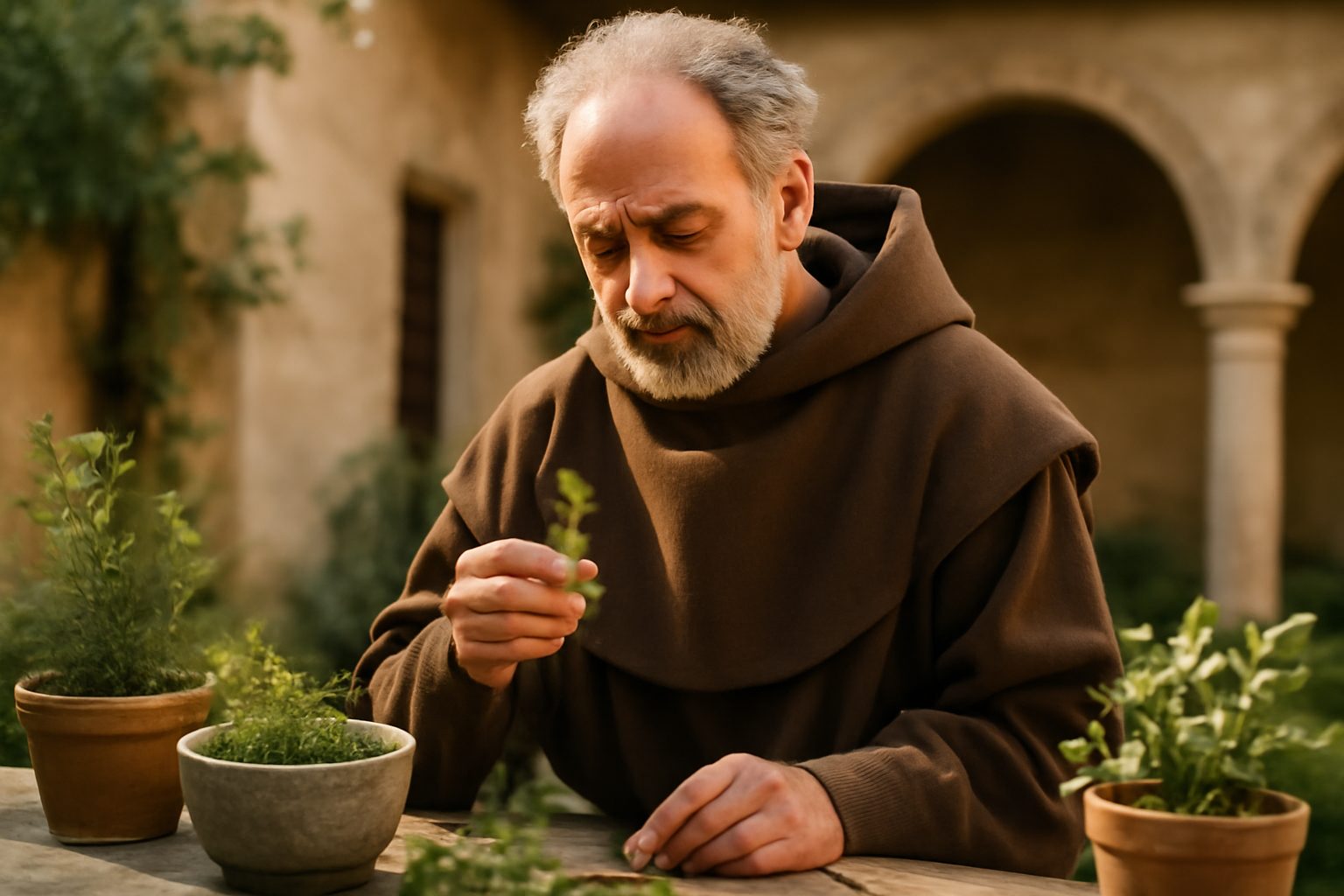
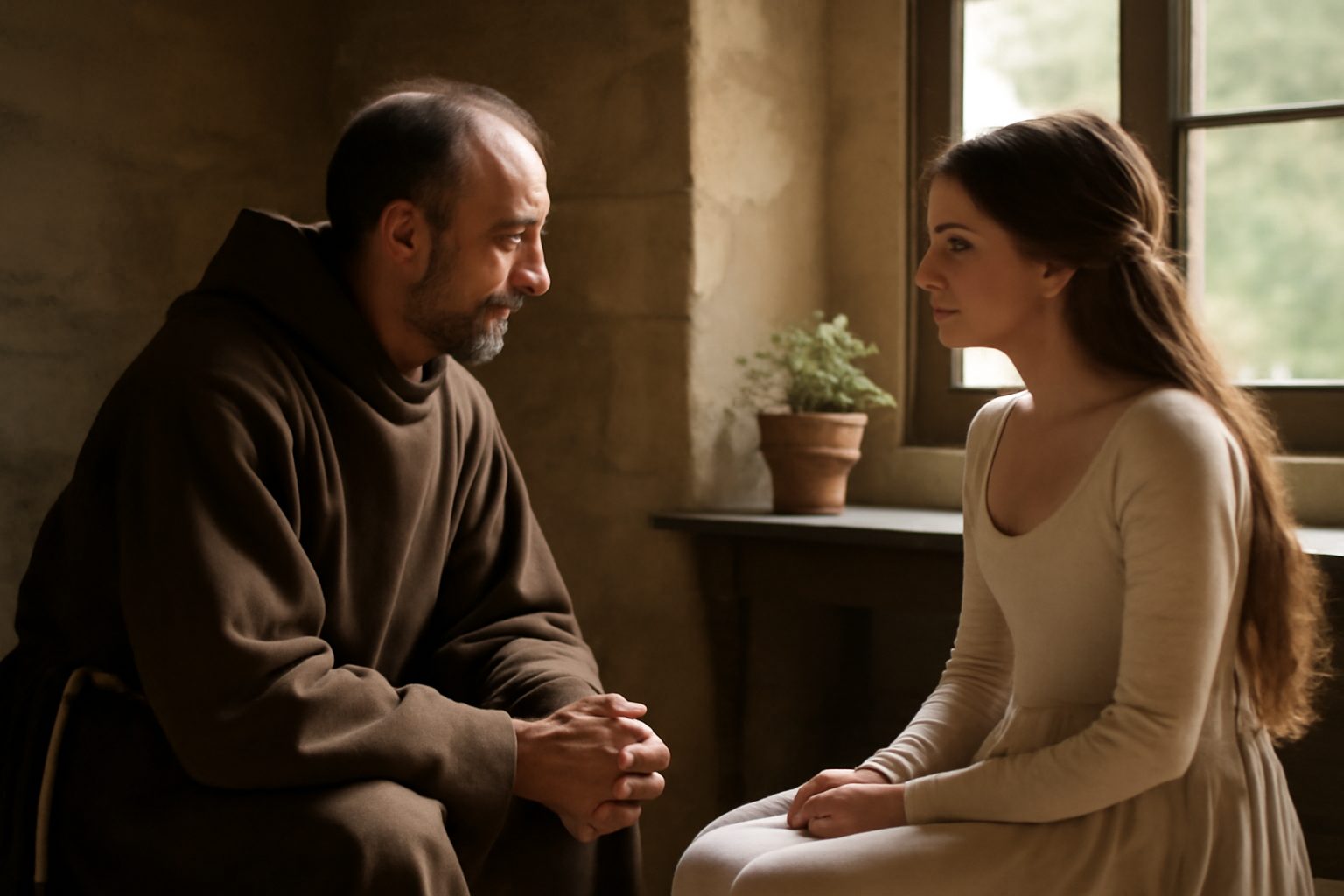
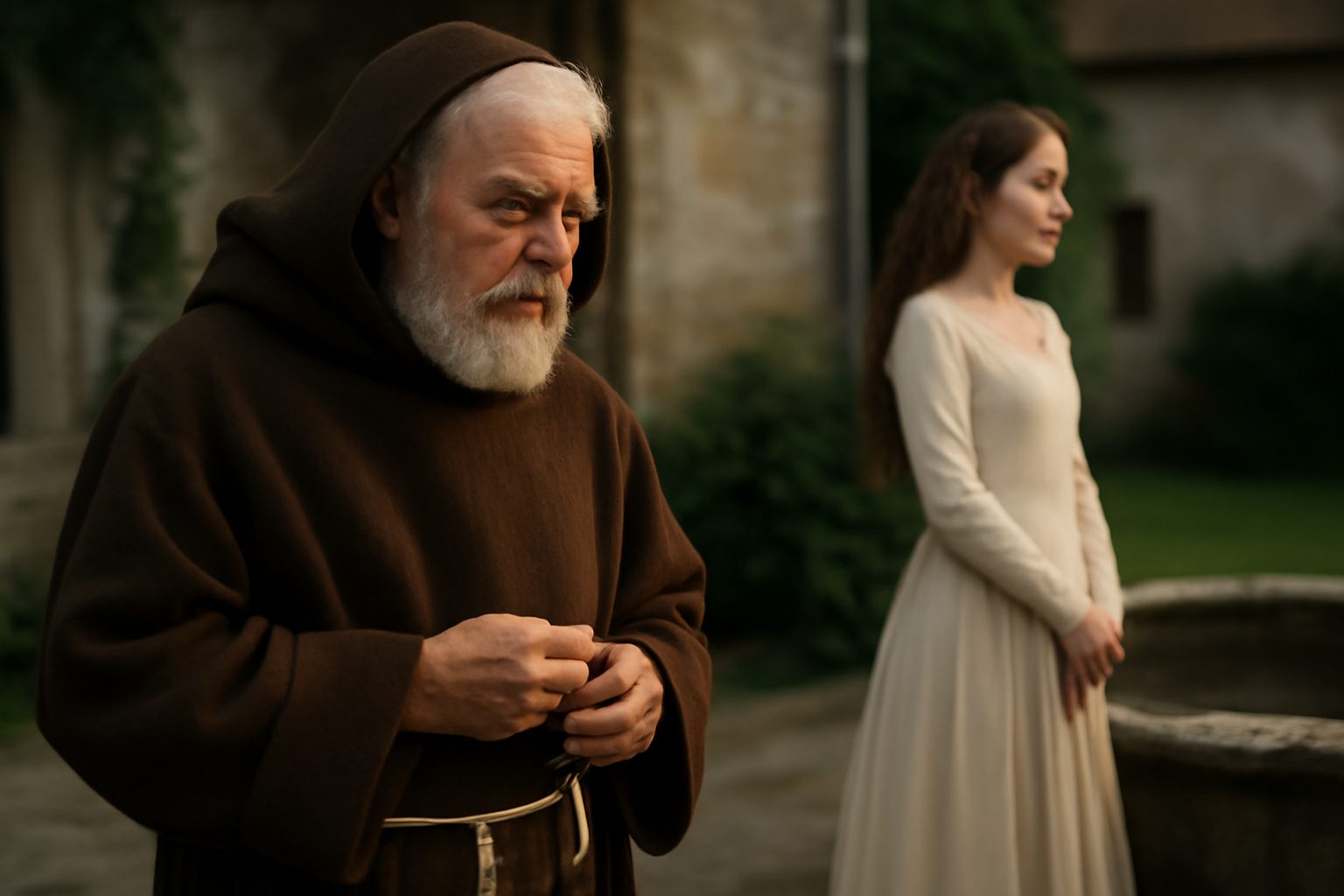
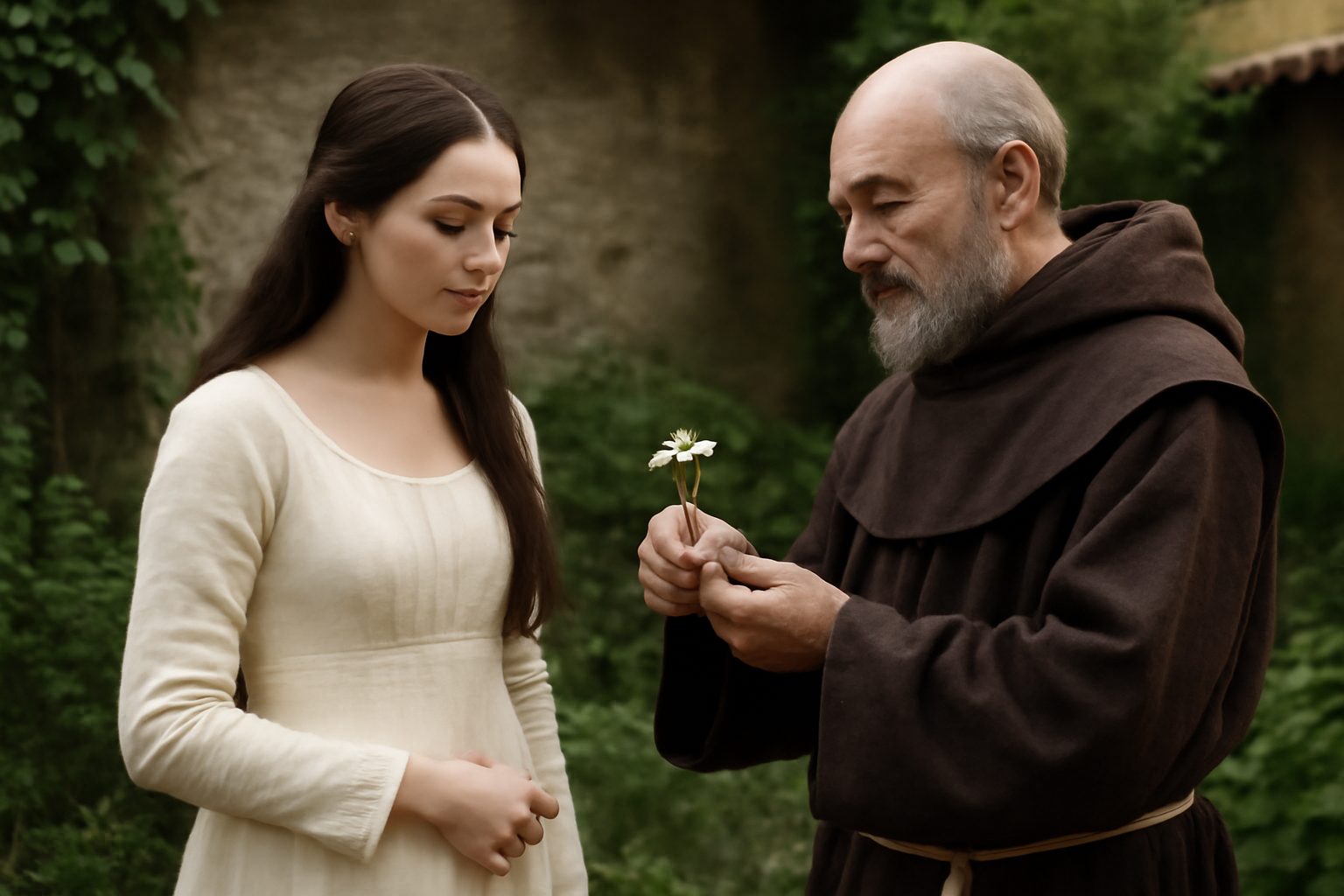
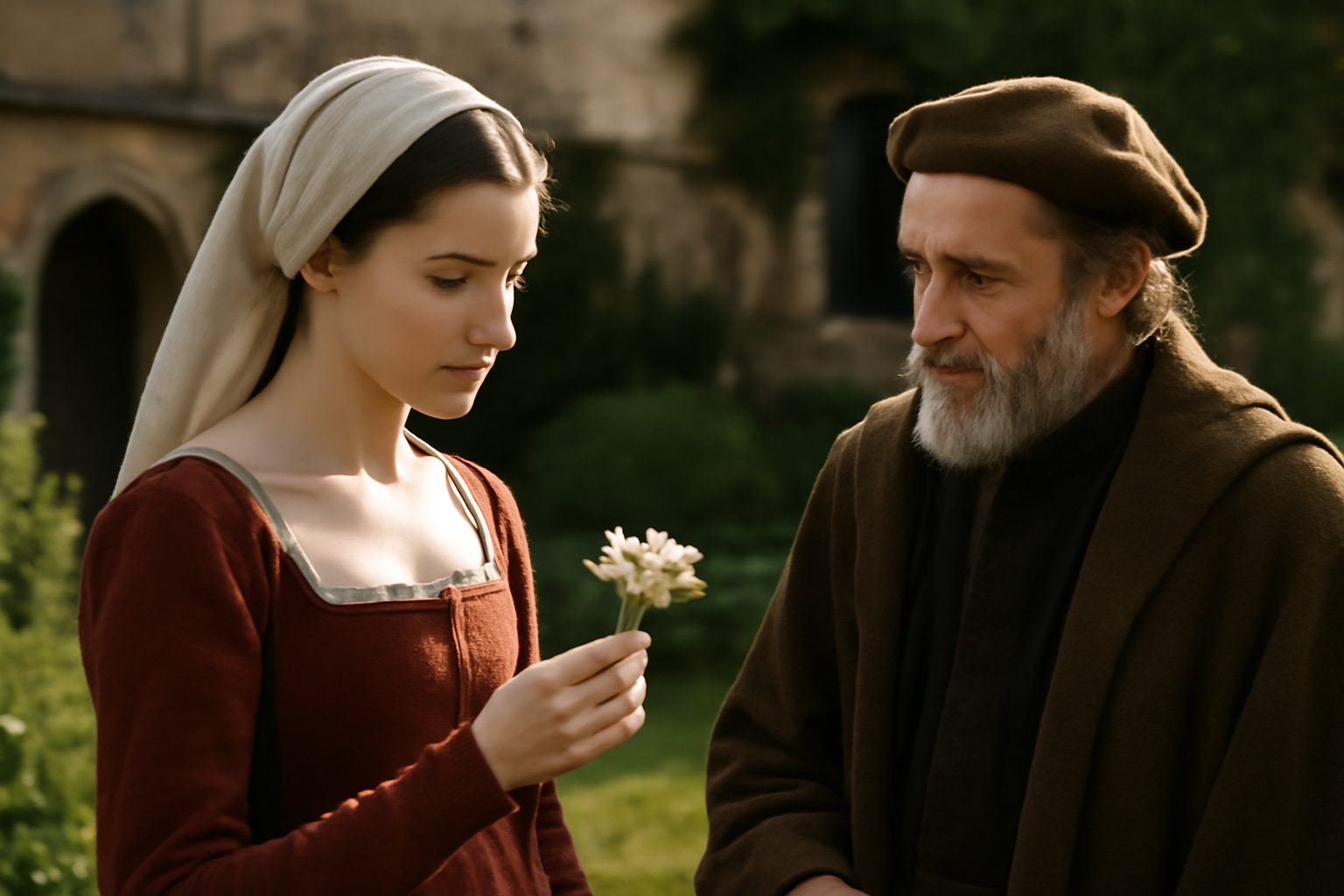
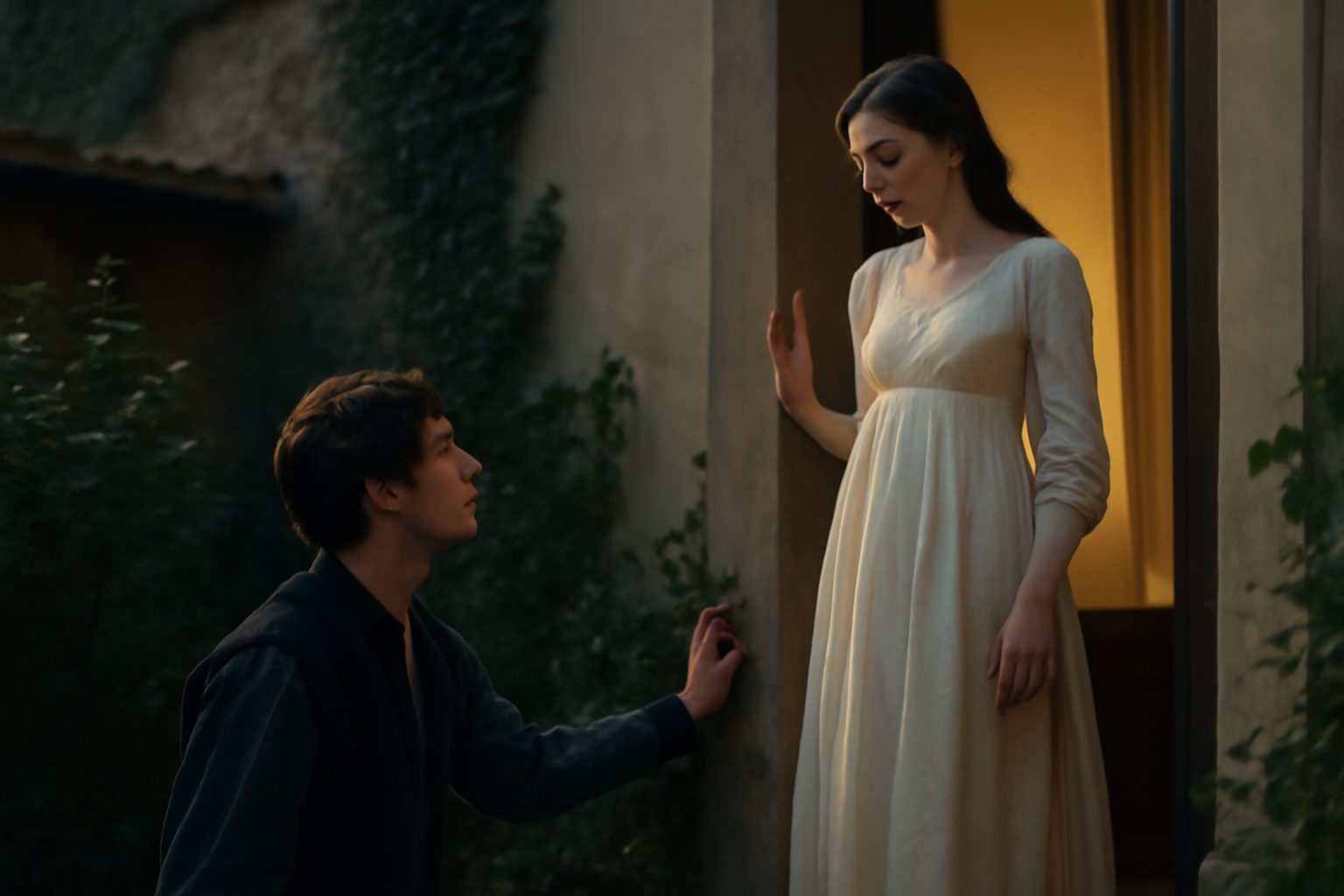
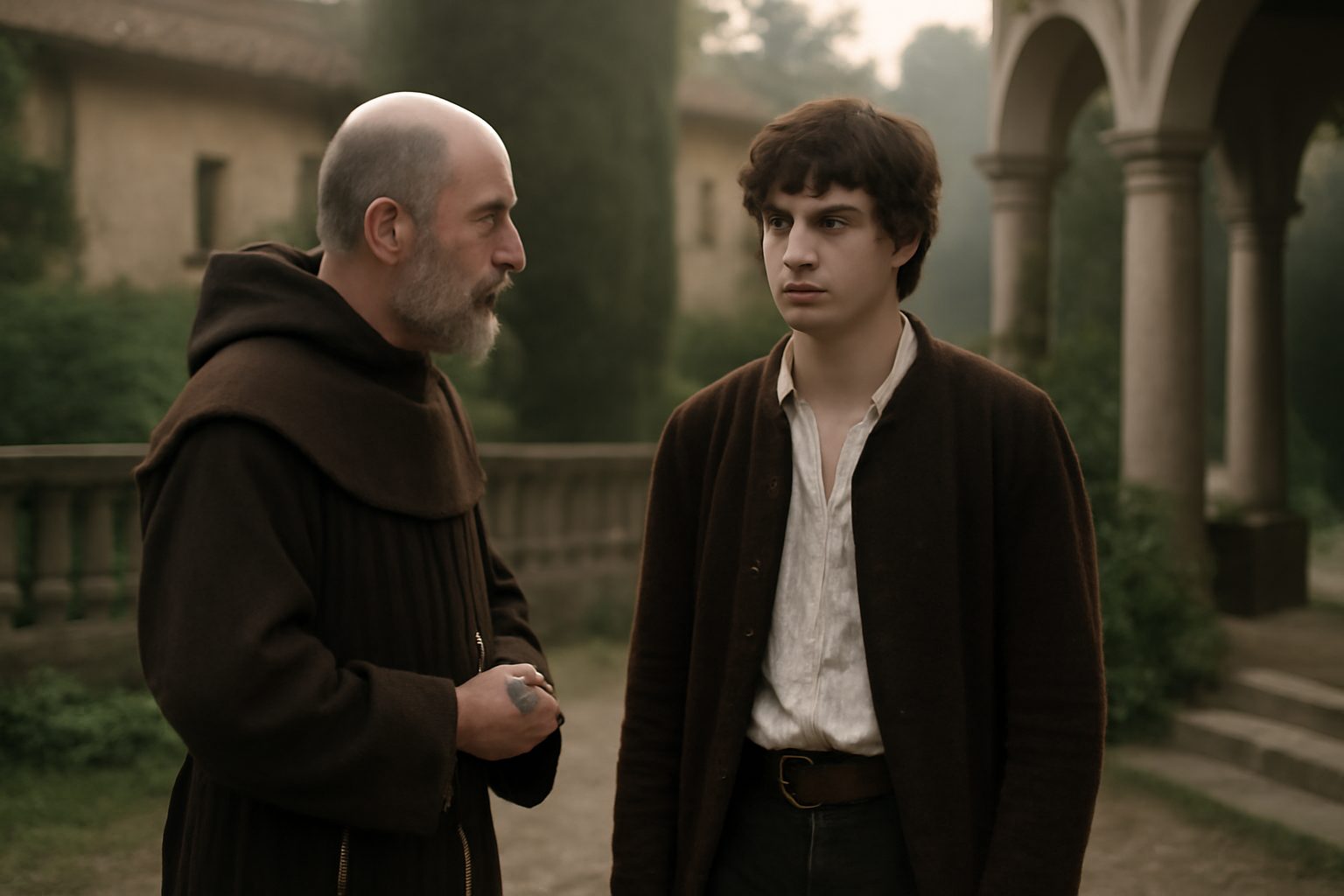
In Act 2, Scene 3 of Romeo and Juliet, Friar Laurence offers cautious advice to Romeo, who has just impulsively shifted his affections from Rosaline to Juliet. The friar, wary of Romeo's hastiness, warns that rushing into decisions often leads to mistakes. This moment underscores the play's tension between youthful passion and measured wisdom.
Friar Laurence: "Wisely and slow; they stumble that run fast."
In modern day english, we would say:
Take your time and think carefully; rushing leads to mistakes.
Frequently Asked Questions
What does Friar Laurence mean when he says to go wisely and slow?
He means that acting too quickly can lead to mistakes, so it's better to take your time and think carefully.
Connections to other verses:
Connections to "Wisely and slow; they stumble that run fast."
This line, spoken by Friar Laurence, serves as a caution against haste and impetuousness, a theme that resonates throughout Act 2, Scene 3. It reflects the Friar's wisdom and foreshadows the tragic consequences of rash decisions.
Related Verses on Haste and Impetuousness
The Friar's warning directly contrasts with Romeo's impulsive nature, as seen when Romeo declares, O, let us hence; I stand on sudden haste. This eagerness highlights the very behavior the Friar cautions against.
Earlier, the Friar observes Romeo's restless state, noting So soon to bid good morrow to thy bed, suggesting Romeo's sleeplessness due to emotional turmoil, further emphasizing his lack of patience and calm deliberation.
Reflections on Love and Transformation
The Friar's skepticism about Romeo's swift change of affection from Rosaline to Juliet is evident in So soon forsaken? young men's love then lies / Not truly in their hearts, but in their eyes. This aligns with the idea that rushing into love leads to superficiality and potential downfall.
He further criticizes Romeo's previous infatuation, stating For doting, not for loving, pupil mine, distinguishing between shallow obsession and genuine, thoughtful love, reinforcing the need for wisdom over speed.
Natural and Philosophical Context
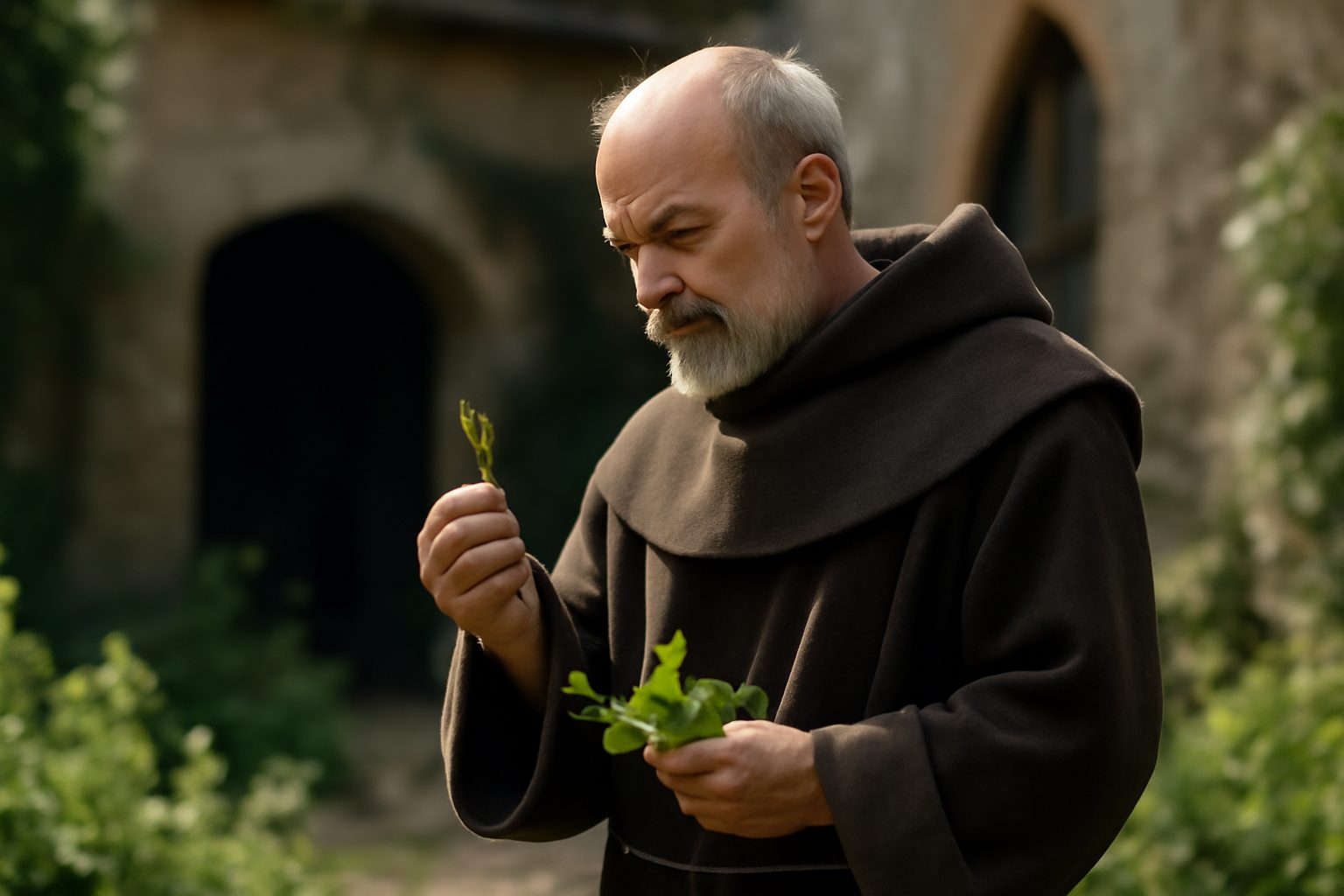
The Friar's herbal monologue introduces the duality of nature, where Poison hath residence and medicine power, metaphorically supporting his advice: things beneficial when used wisely can become harmful if misapplied or rushed.
His observation that Revolts from true birth, stumbling on abuse echoes the "stumble" in the key line, warning that straying from natural, careful progression leads to error and disaster.
Resolution and Foreshadowing
Despite his warnings, the Friar agrees to marry Romeo and Juliet quickly, hoping To turn your households' rancour to pure love. This decision, ironically made in haste, underscores the tension between his prudent advice and the impulsive actions that drive the tragedy forward.