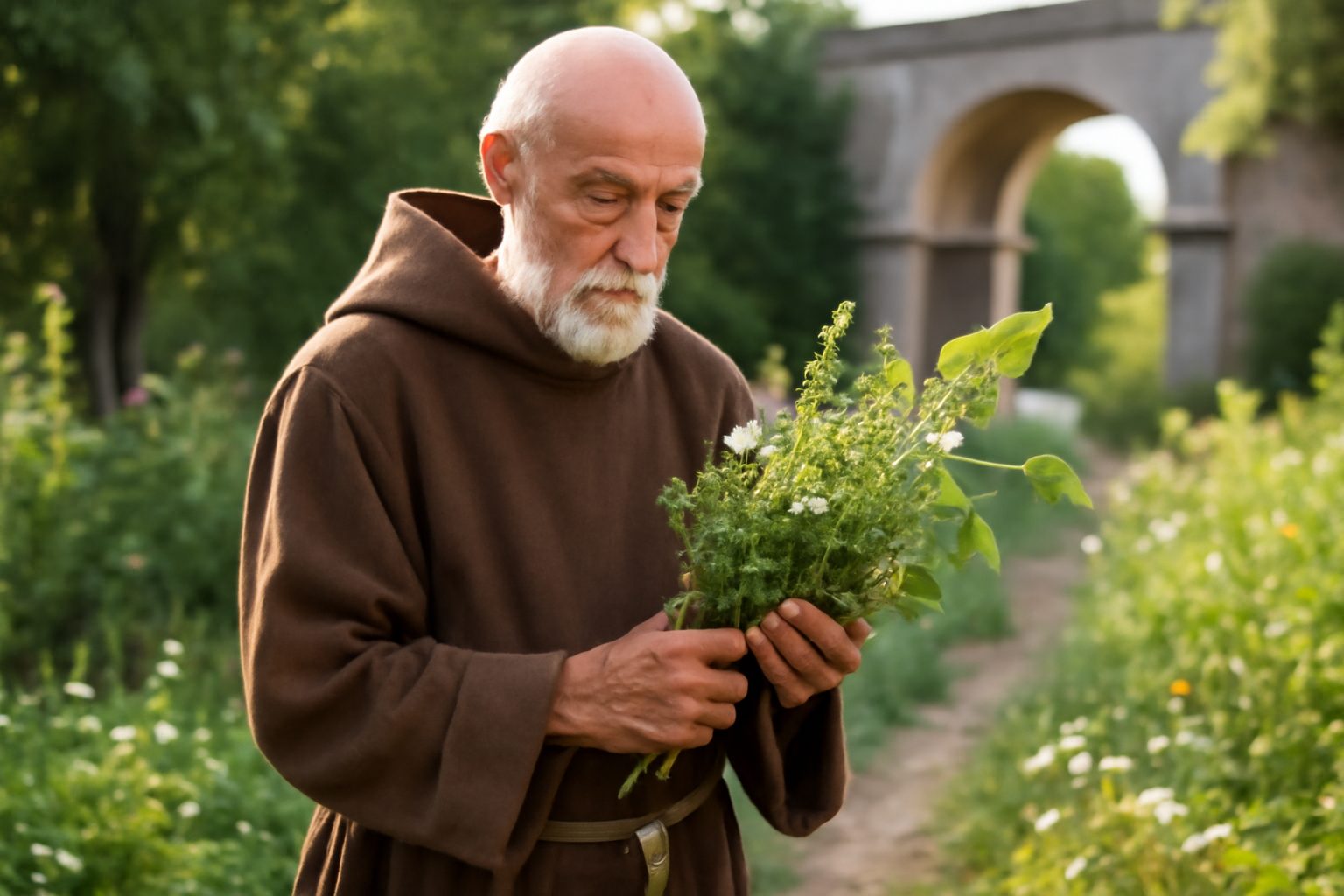
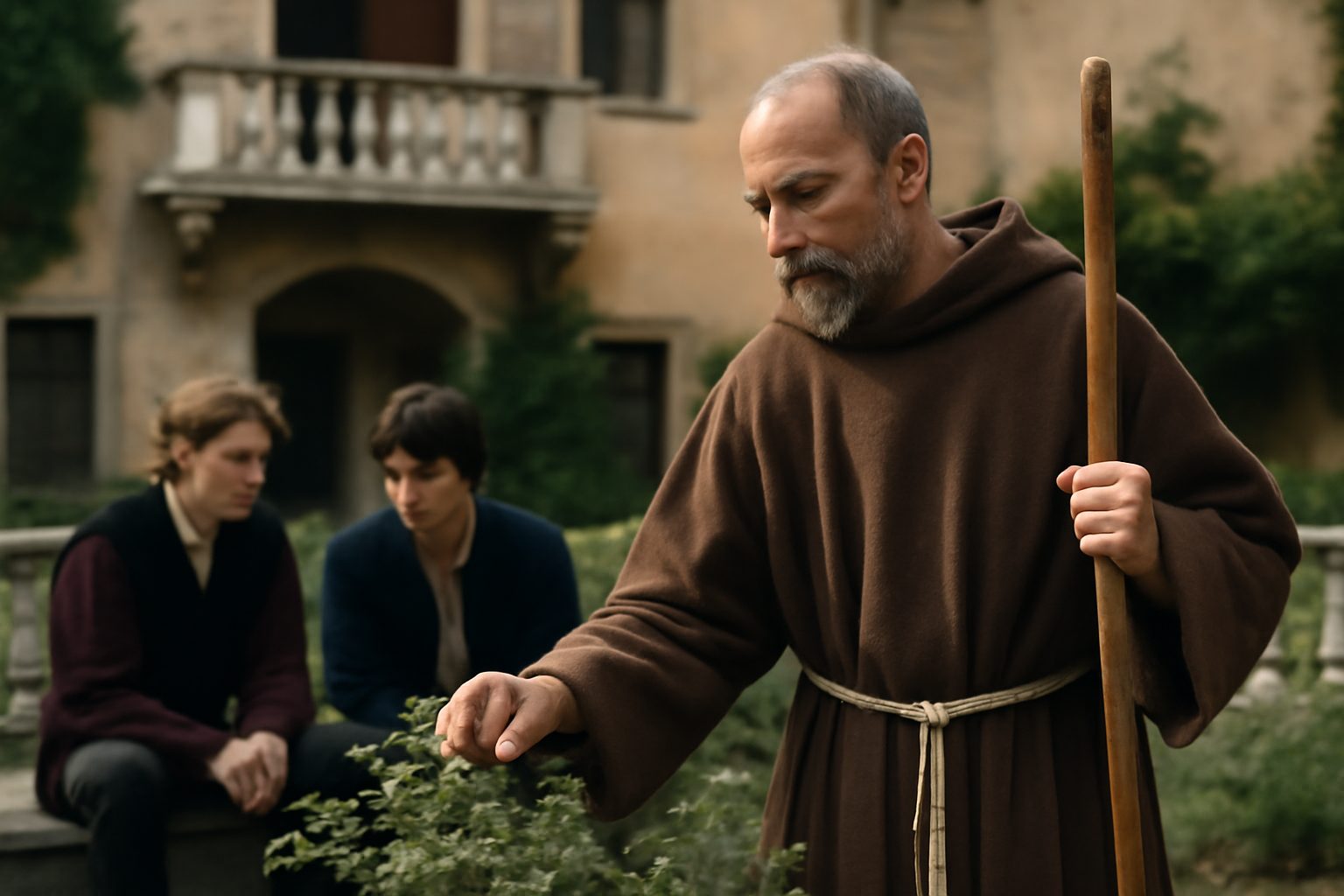
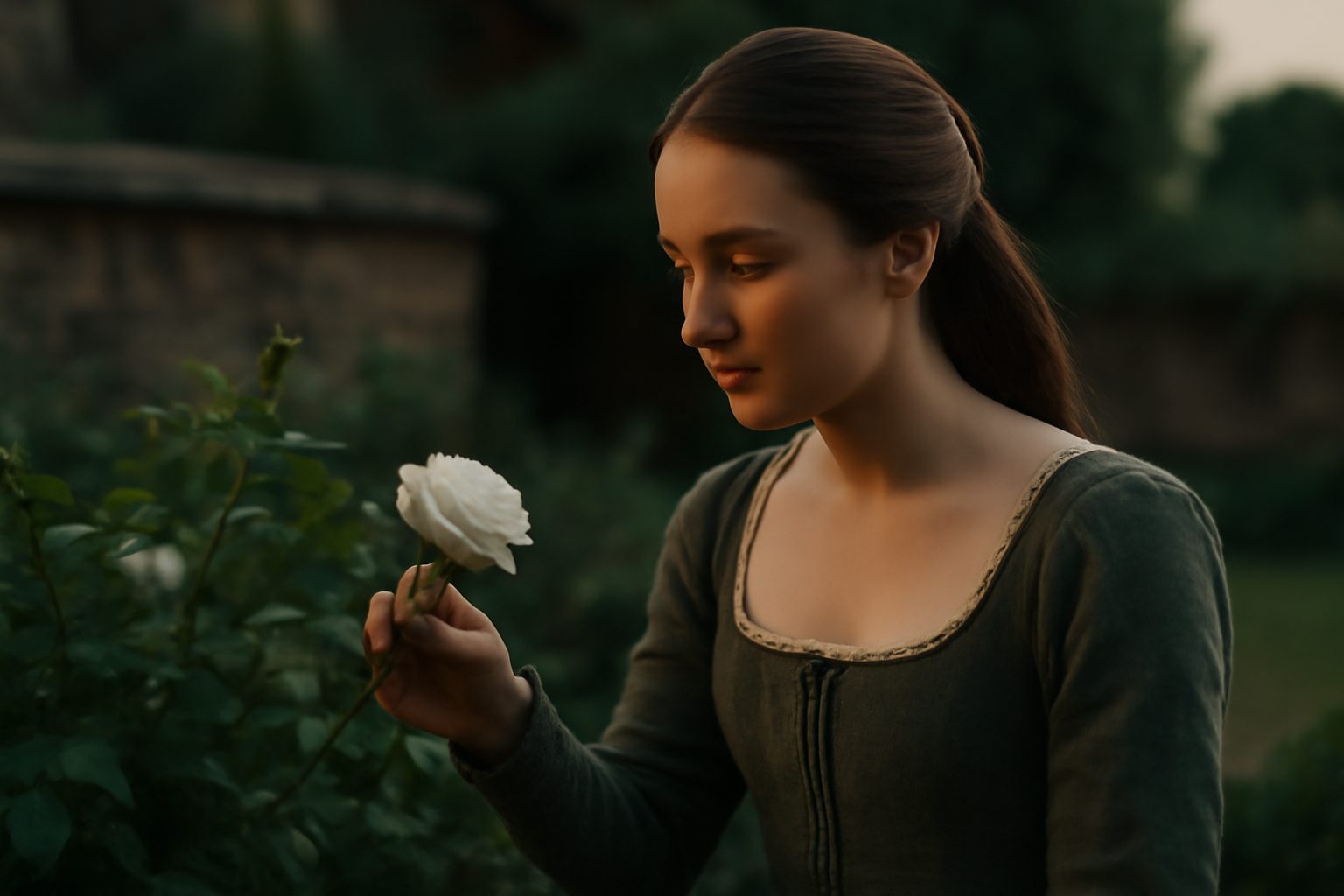
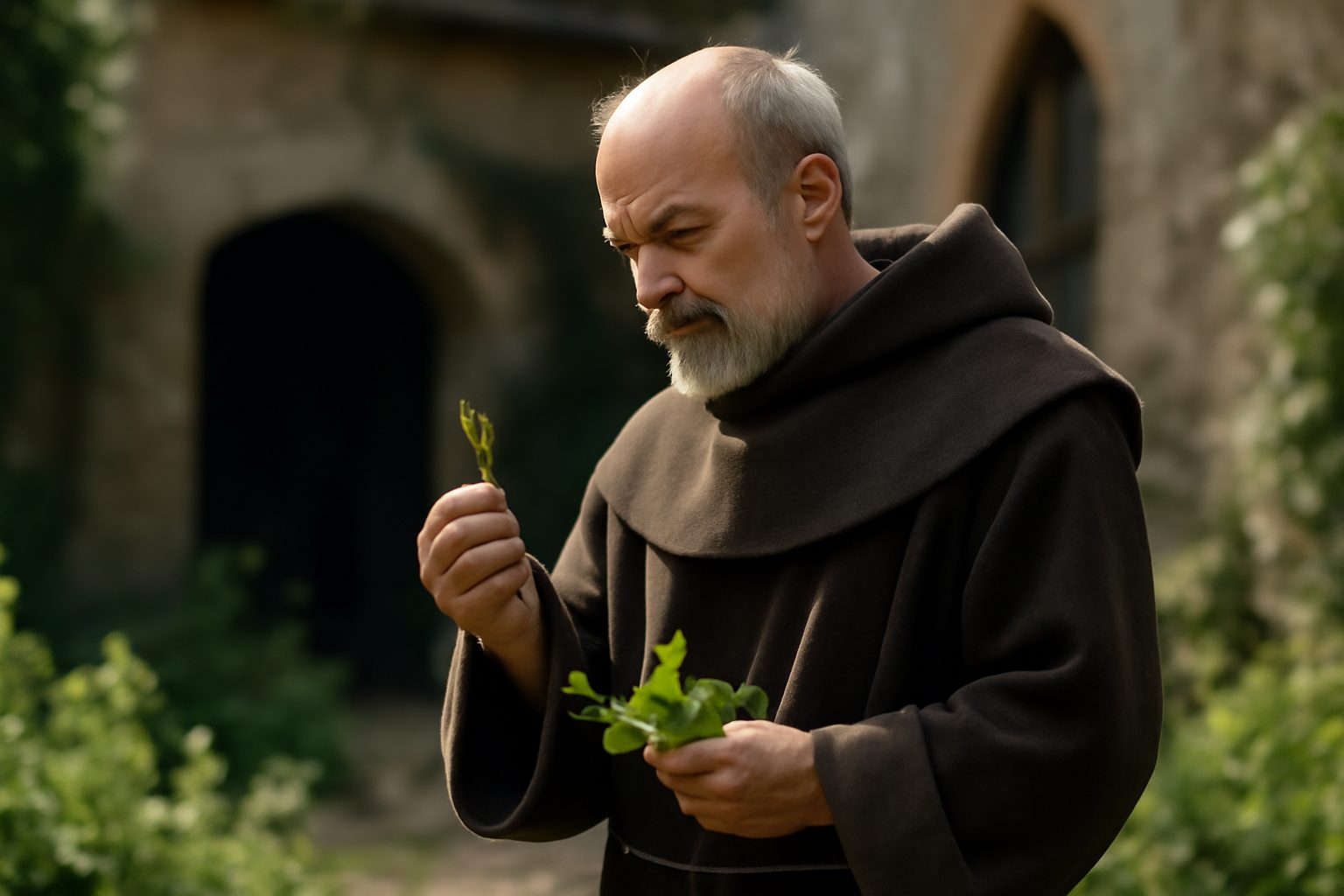
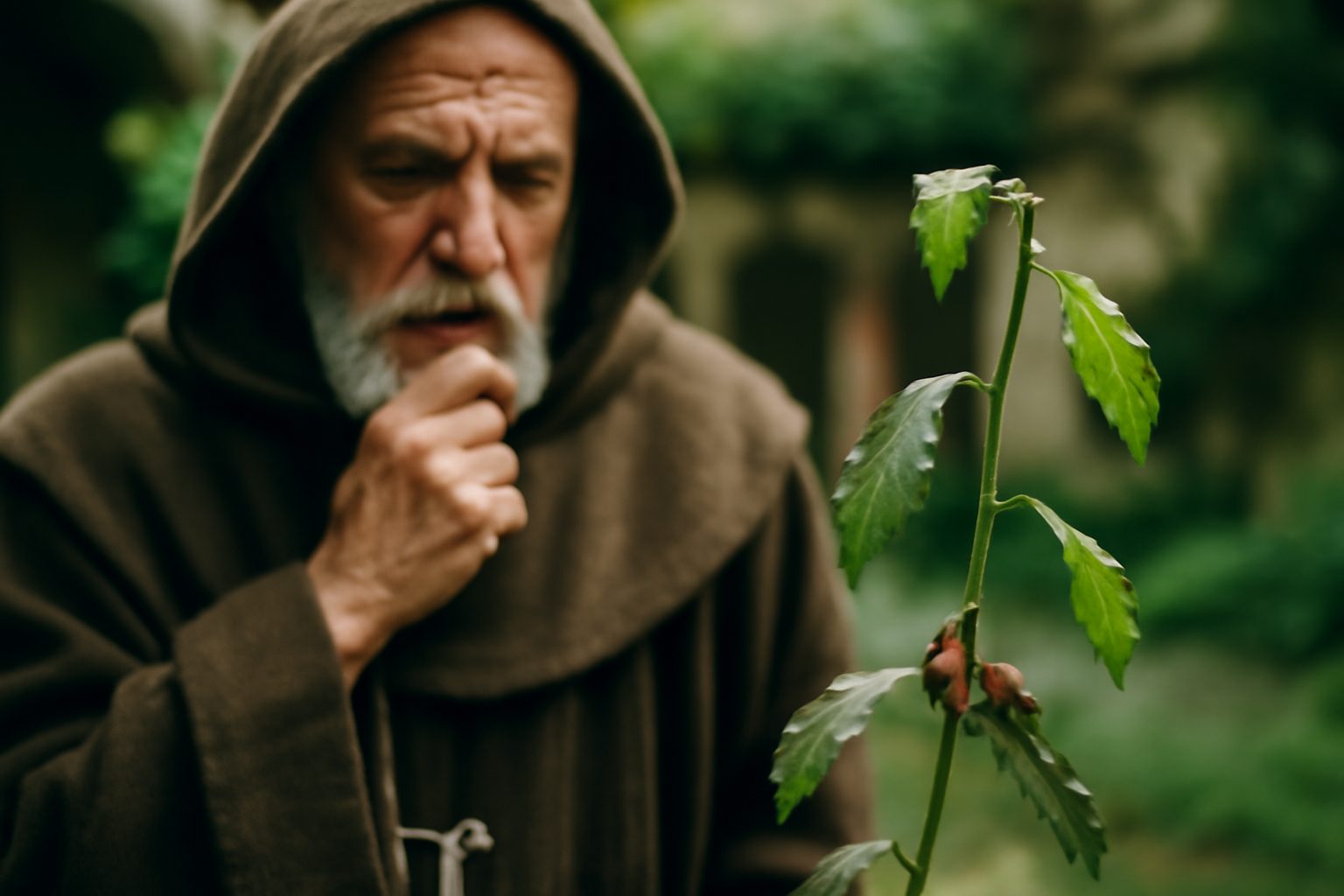
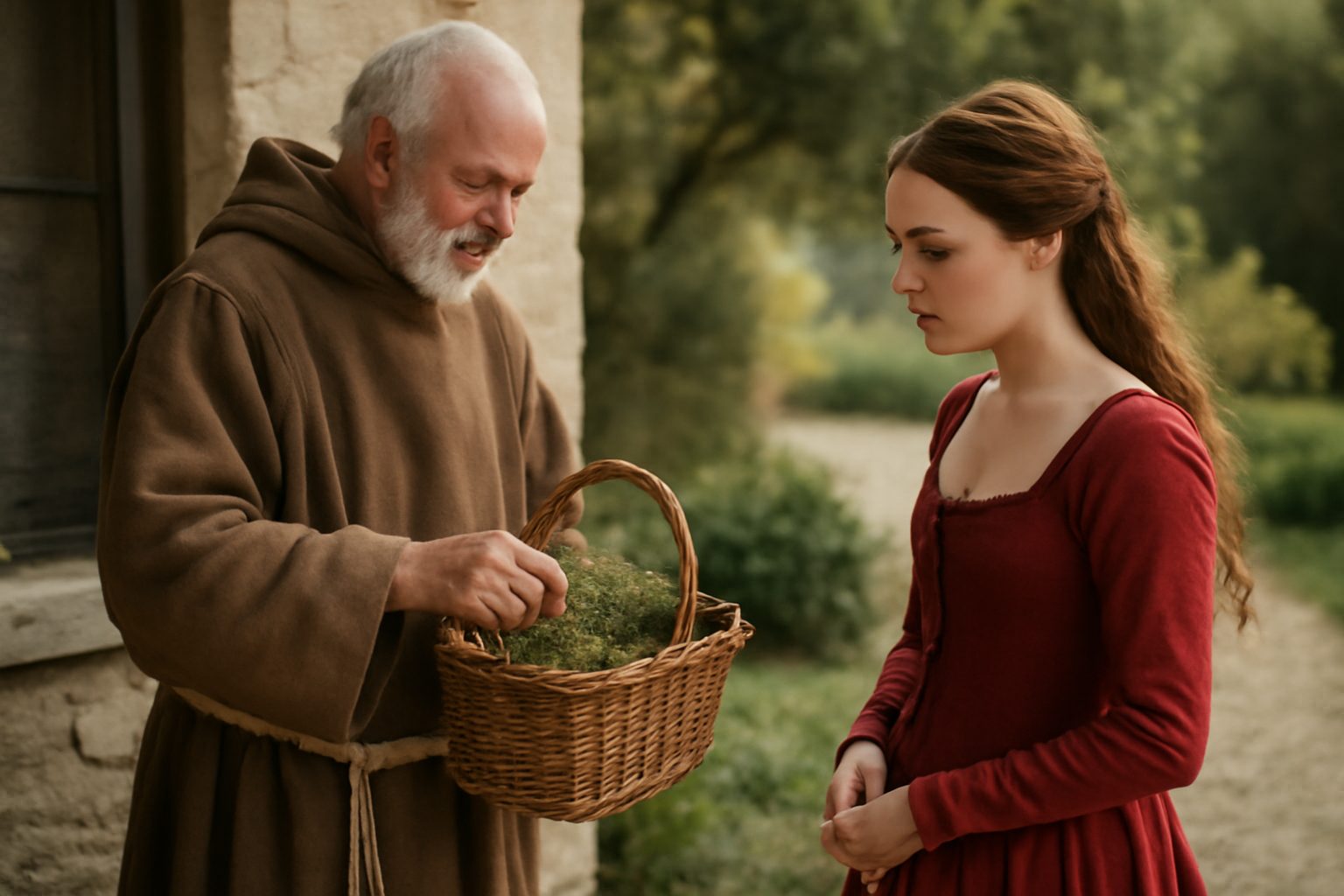
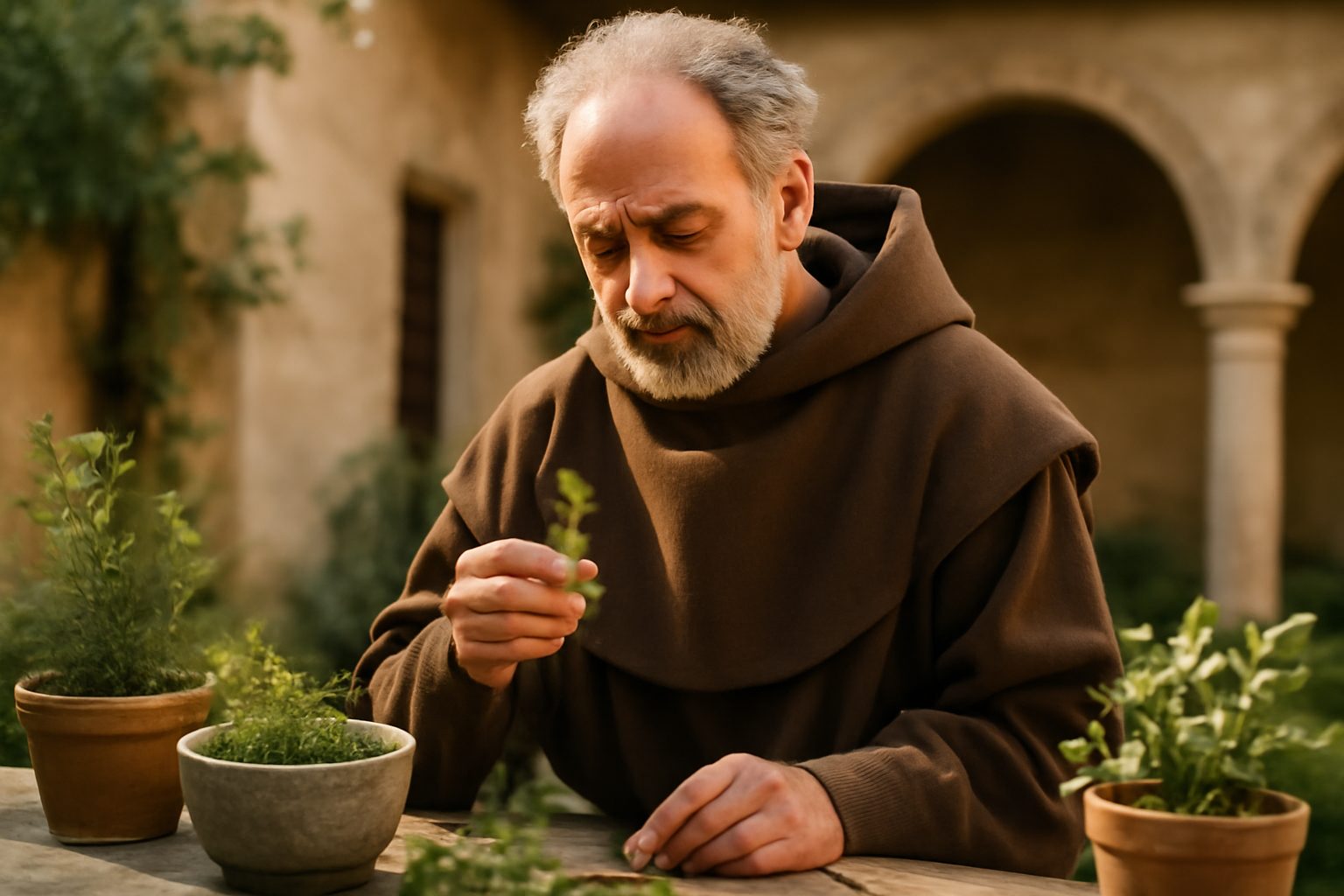
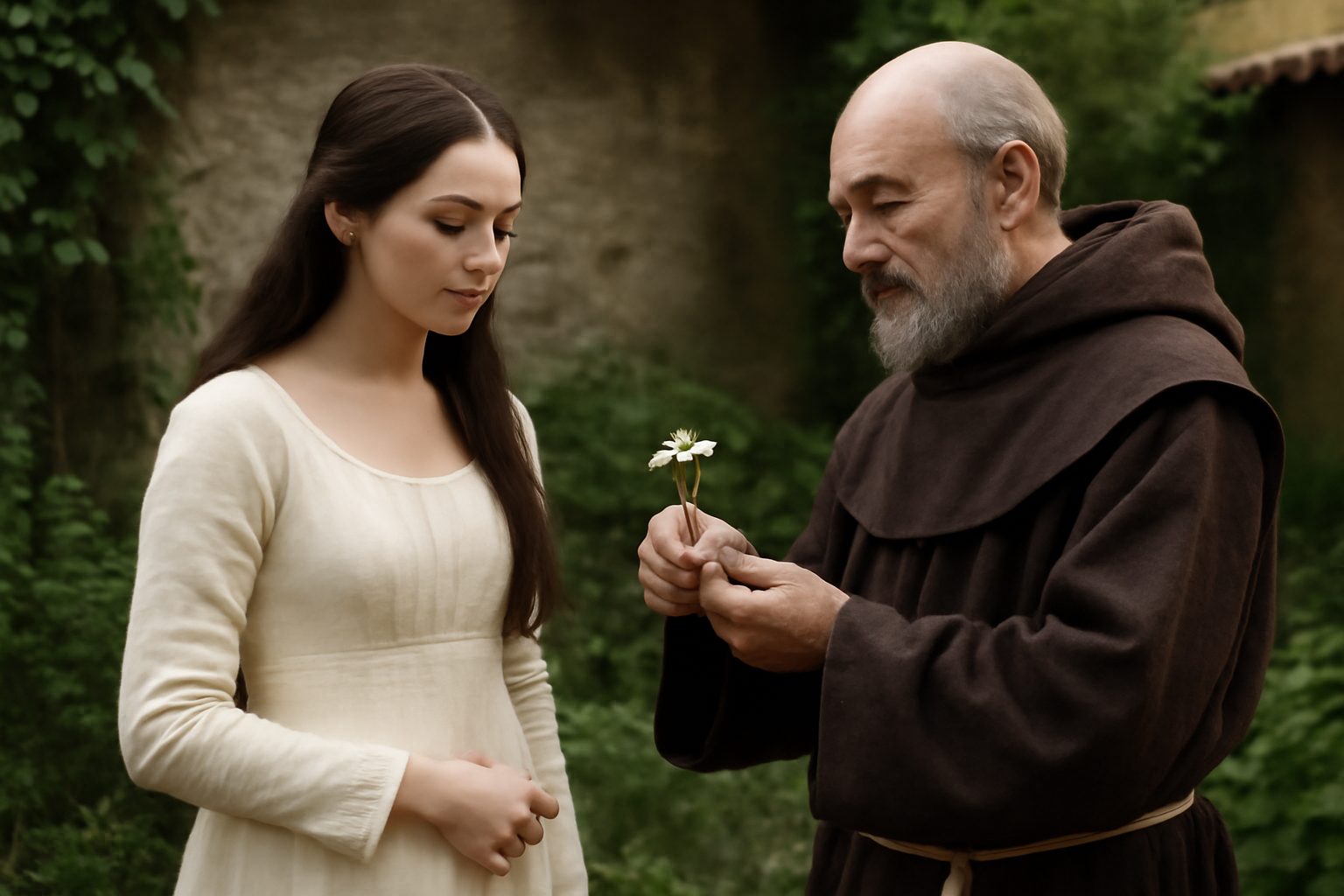
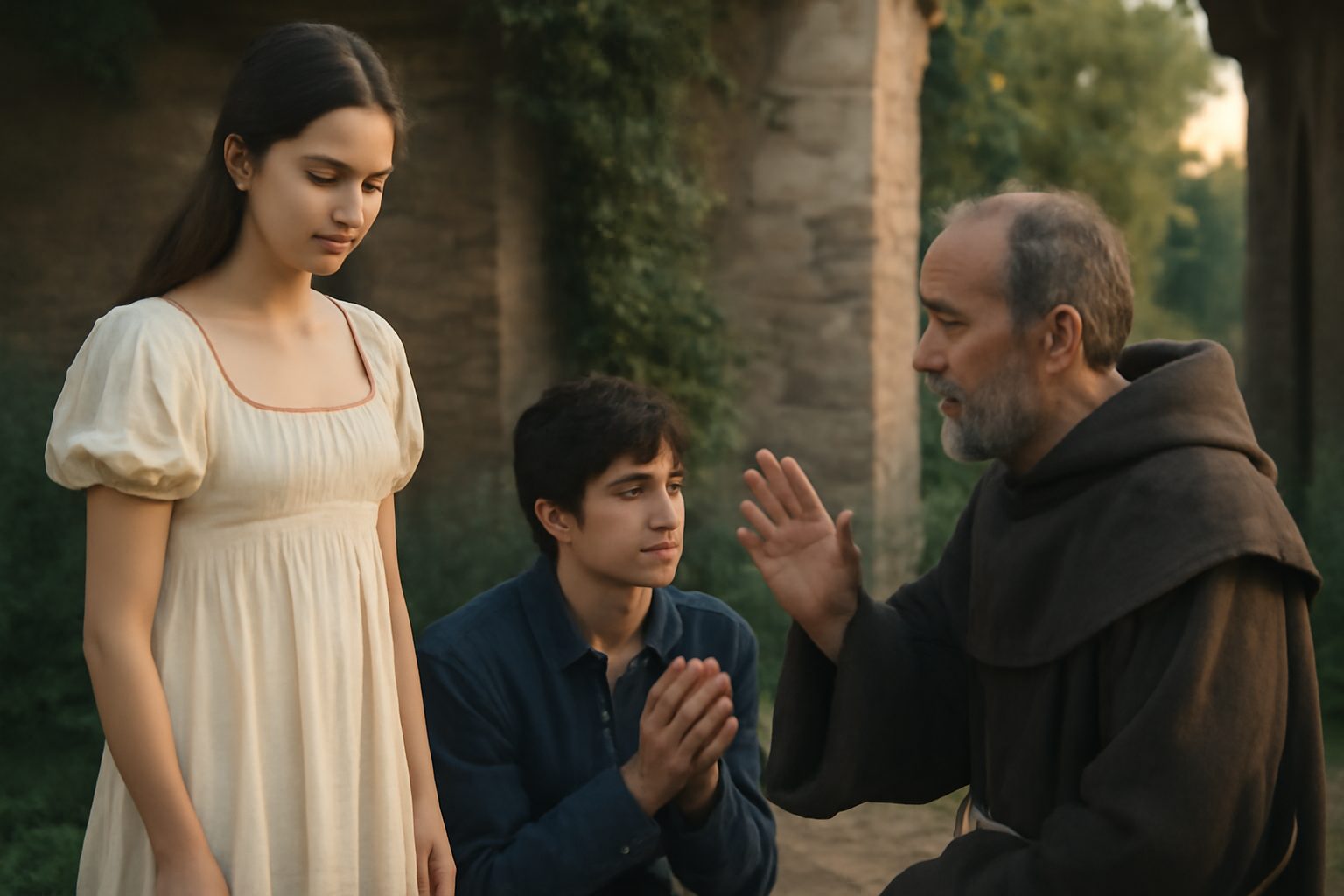
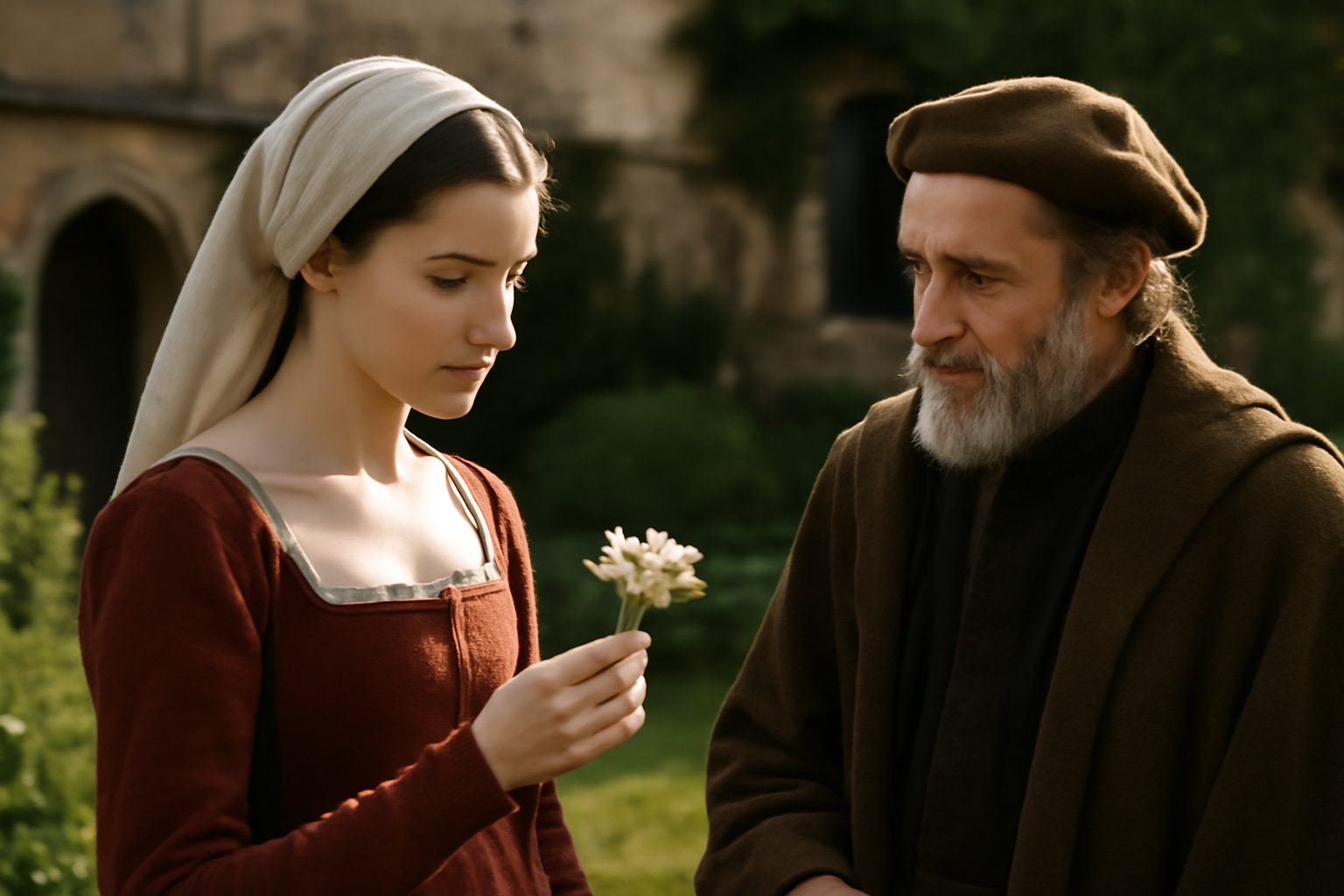
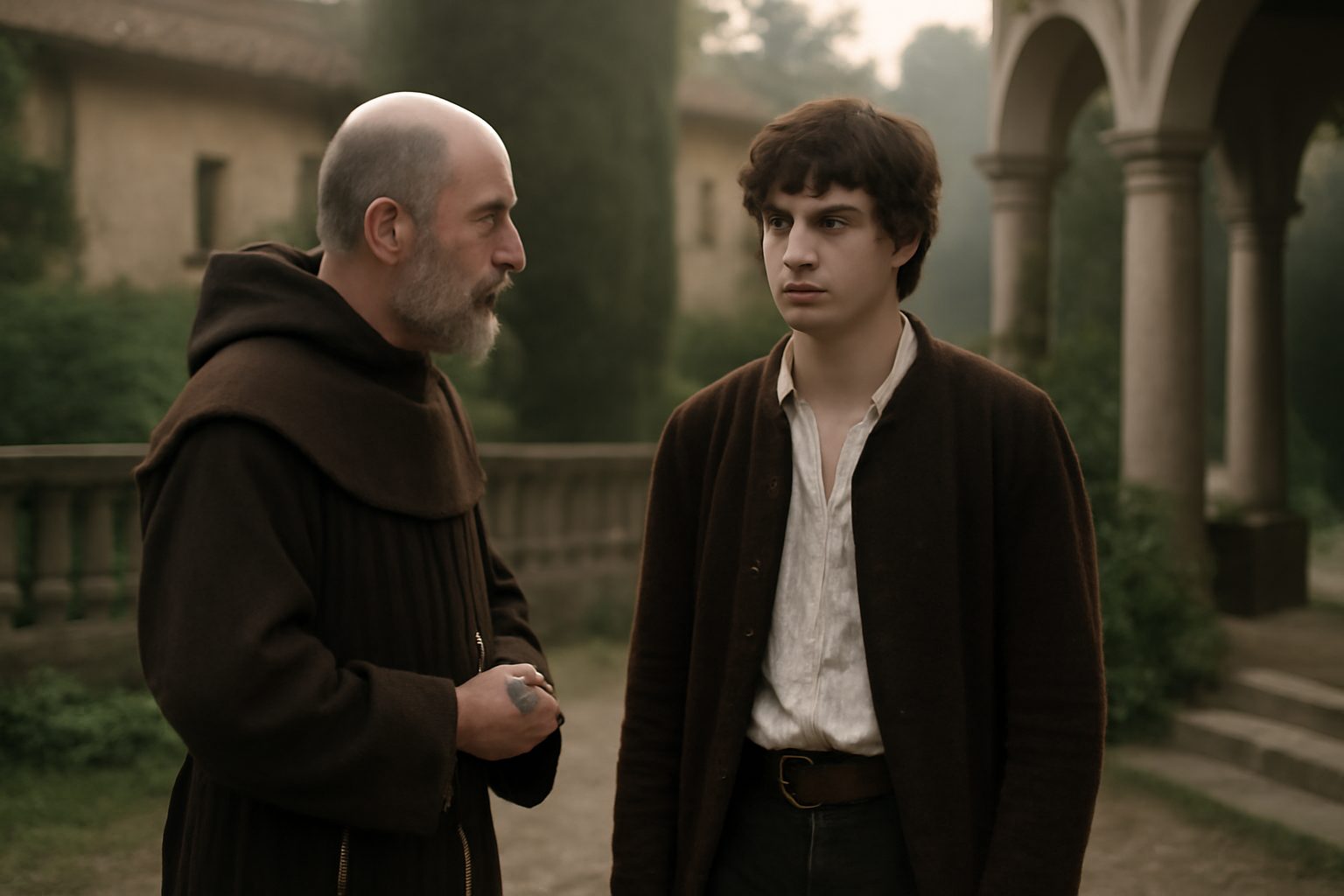
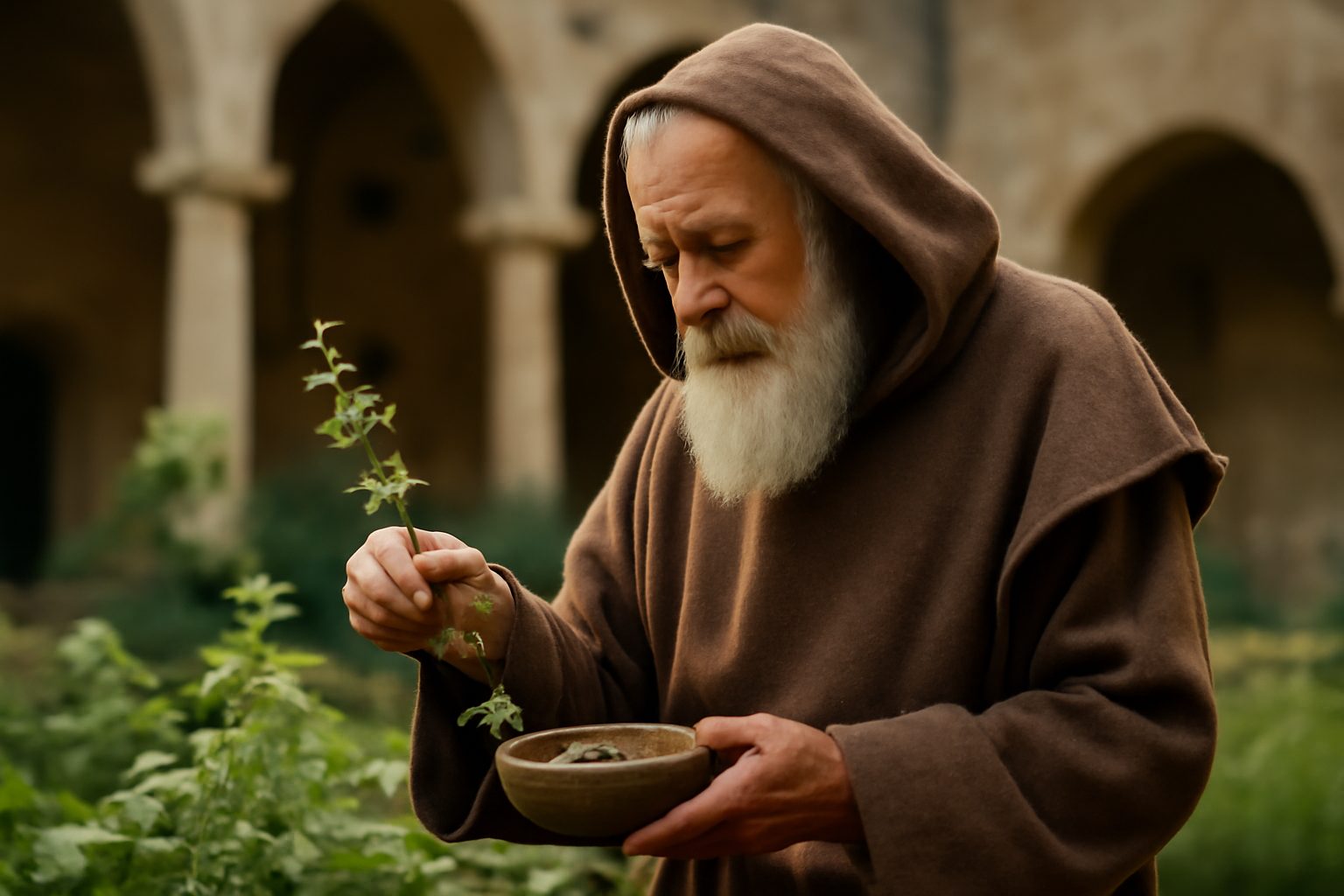
In Act 2, Scene 3 of Romeo and Juliet, Friar Laurence is gathering herbs in the early morning, reflecting on their dual nature—some harmful, some healing. This line captures his meditation on the contrasting powers of plants, mirroring the play's themes of love and conflict. The friar's words foreshadow the role his actions will play in the tragic fate of the young lovers.
Friar Laurence: "With baleful weeds and precious-juiced flowers."
In modern day english, we would say:
The Friar is gathering both harmful plants and flowers with healing powers.
Frequently Asked Questions
What is Friar Laurence doing in this line from Romeo and Juliet?
He is gathering plants, some harmful and some with healing properties.
Connections to other verses:
Connections to "With baleful weeds and precious-juiced flowers"
The line "With baleful weeds and precious-juiced flowers" from Romeo & Juliet Act 2 Scene 3 – With baleful weeds and precious-juiced flowers introduces the dual nature of plants, which can be both harmful and beneficial. This theme of duality and the inherent potential for good or evil in natural substances is echoed throughout the scene.
Duality in Nature and Humanity
Friar Laurence expands on this idea in Romeo & Juliet Act 2 Scene 3 – Poison hath residence and medicine power, stating that poison and medicine share the same source, reinforcing the concept that substances have contrasting effects based on their use. Similarly, Romeo & Juliet Act 2 Scene 3 – Virtue itself turns vice, being misapplied and Romeo & Juliet Act 2 Scene 3 – And vice sometimes by action dignified explore how virtues and vices can transform into their opposites depending on context, mirroring the dual nature of the "baleful weeds" and "precious-juiced flowers."
Specific Examples of Plant Imagery
The friar provides a concrete example in Romeo & Juliet Act 2 Scene 3 – Within the infant rind of this small flower, describing a flower that contains both poison and medicine. He further explains in Romeo & Juliet Act 2 Scene 3 – For this, being smelt, with that part cheers each part how the same plant can have different effects when smelled versus tasted, and in Romeo & Juliet Act 2 Scene 3 – Being tasted, slays all senses with the heart, he notes its deadly potential if ingested.
Connection to Human Behavior and Emotions
This botanical duality is paralleled in human nature, as seen in Romeo & Juliet Act 2 Scene 3 – In man as well as herbs, grace and rude will, where Friar Laurence compares the struggle between good and evil in people to the opposing qualities in plants. Romeo's own emotional shift from Rosaline to Juliet reflects this theme, as his previous love is described as false or immature in Romeo & Juliet Act 2 Scene 3 – Thy love did read by rote and could not spell, while his new love is presented as more genuine, yet still fraught with potential danger, much like the "precious-juiced flowers."
Structural and Thematic Links
The friar's soliloquy that begins with the gathering of herbs sets the stage for his role as a mediator between opposing forces, hoping to use the "precious-juiced" aspect of Romeo and Juliet's love to counteract the "baleful" feud between their families, as indicated in Romeo & Juliet Act 2 Scene 3 – To turn your households' rancour to pure love.