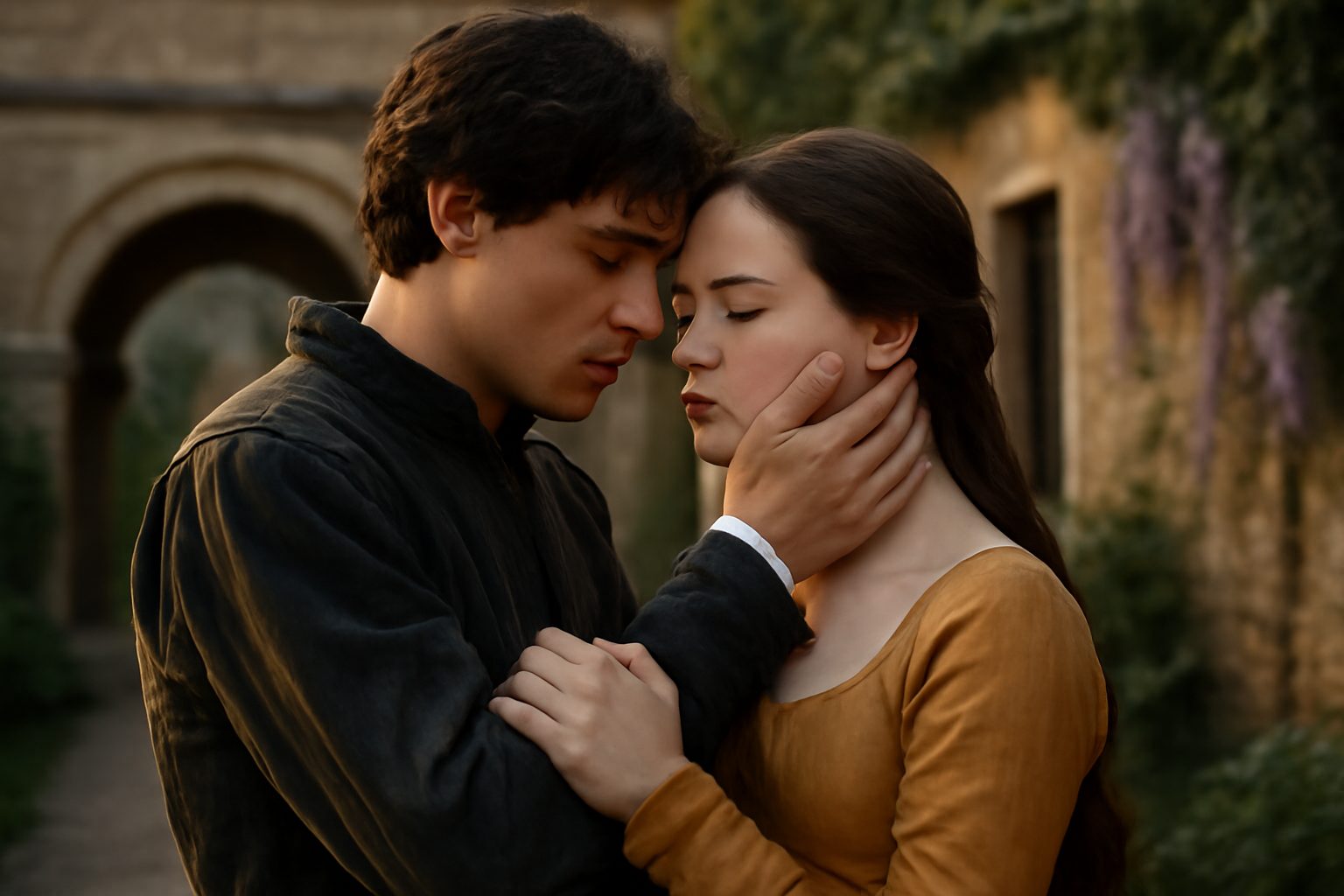
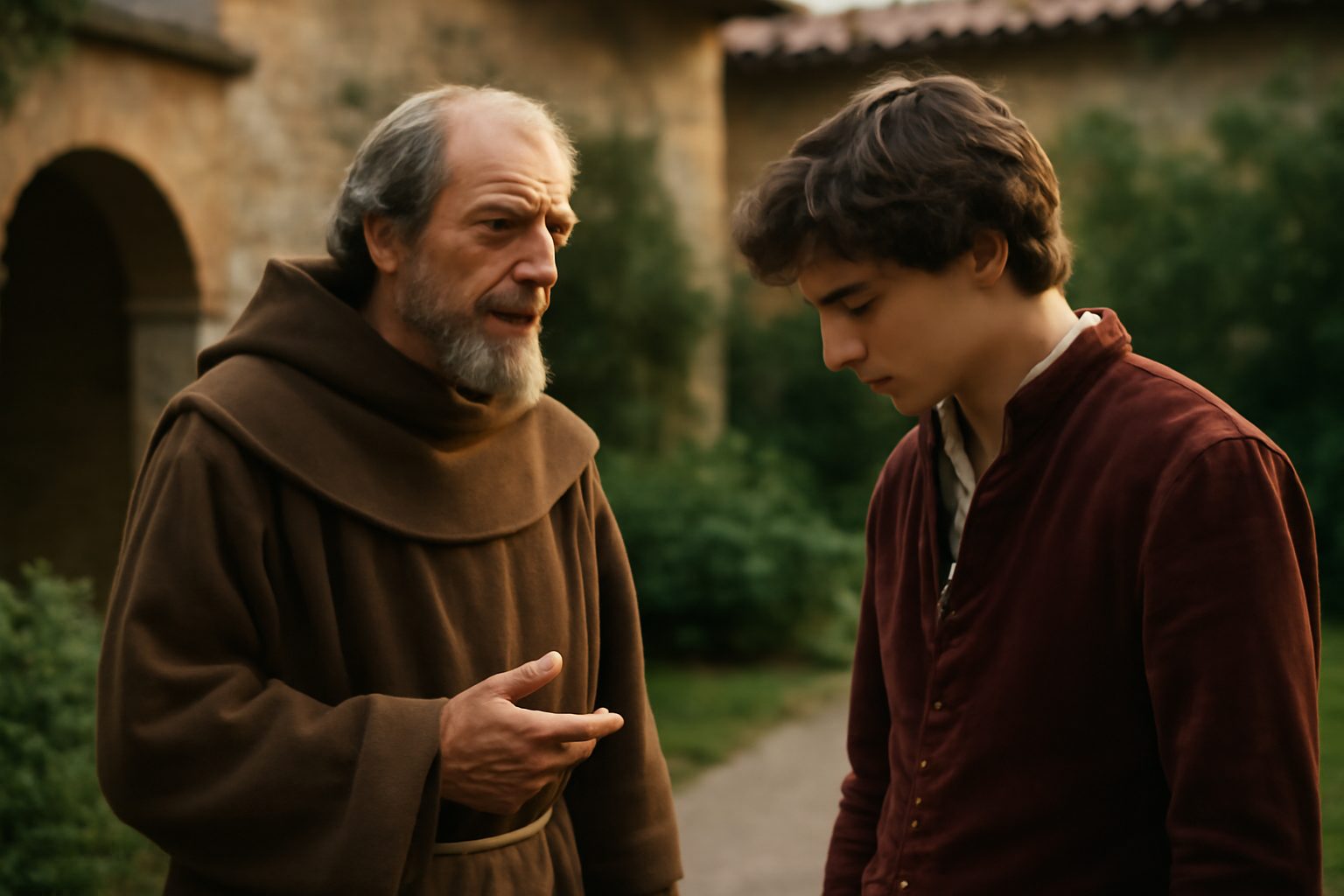
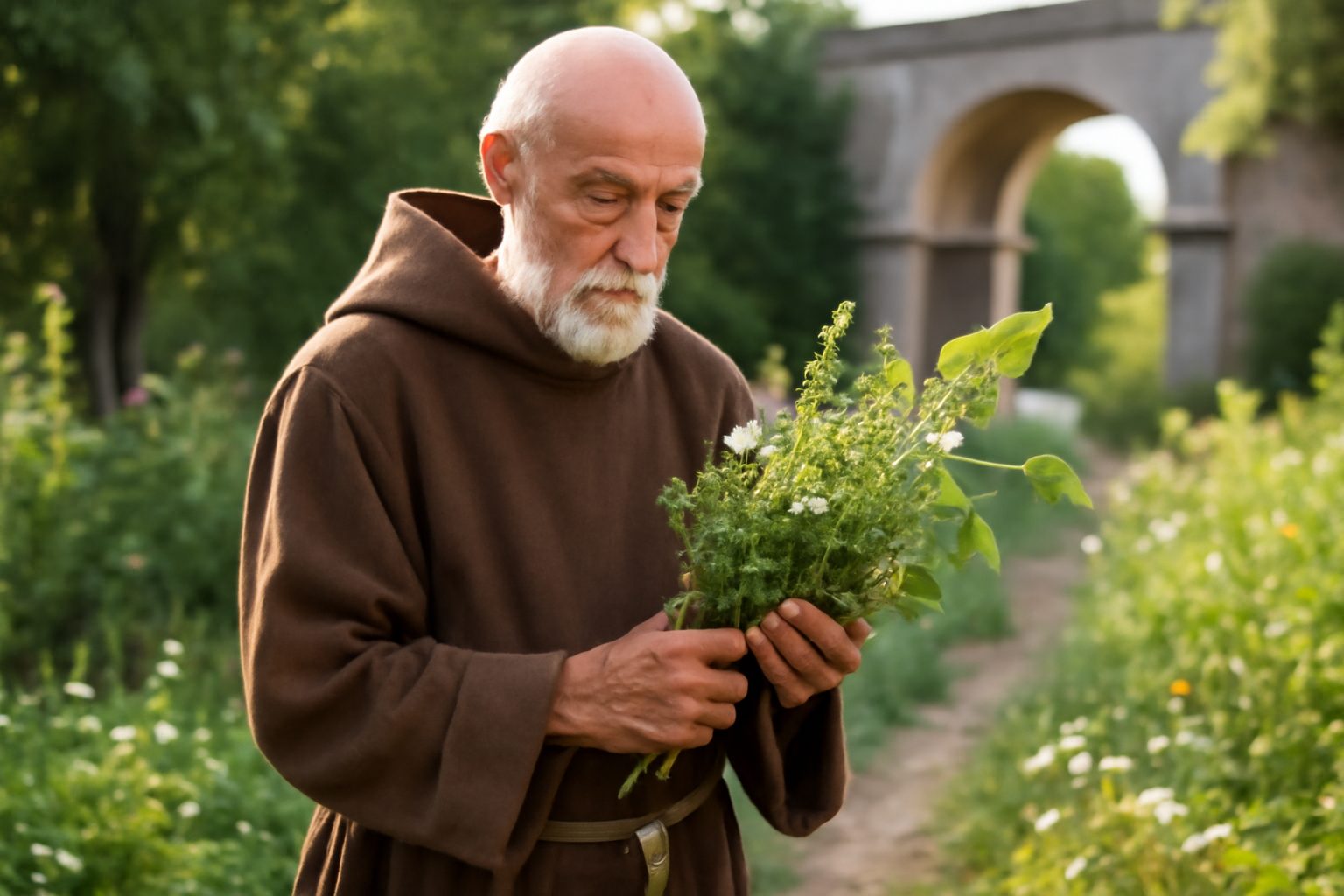
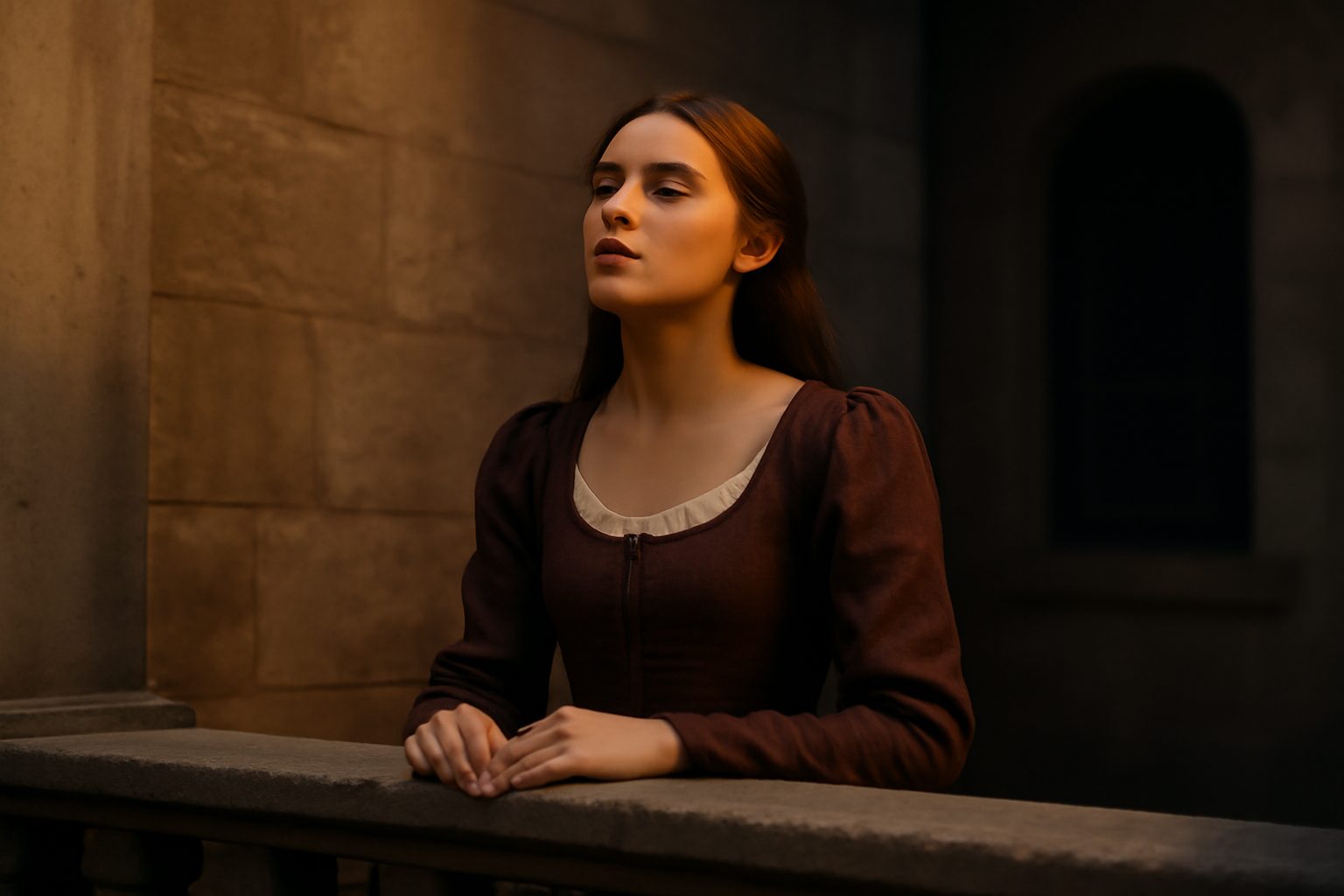
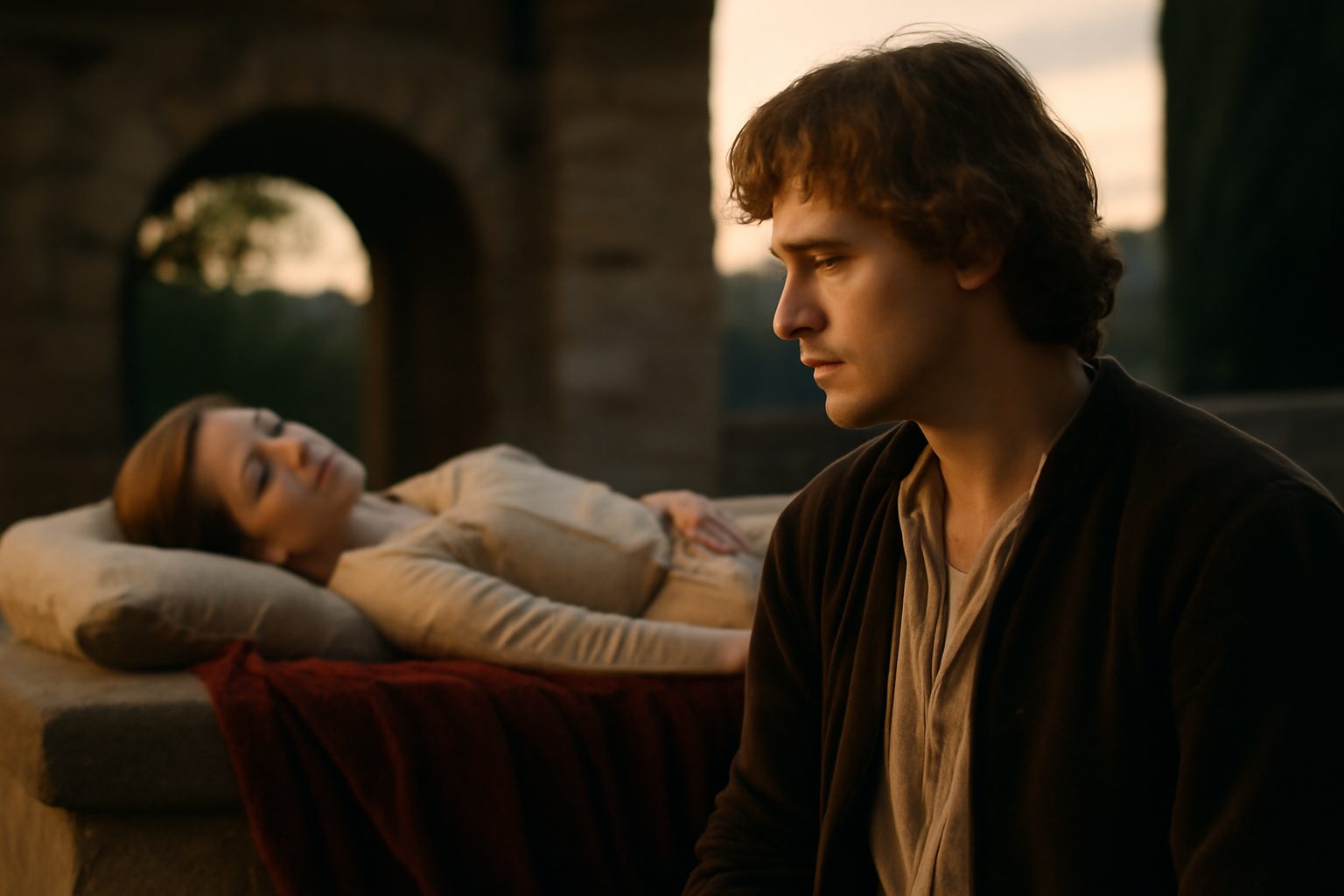
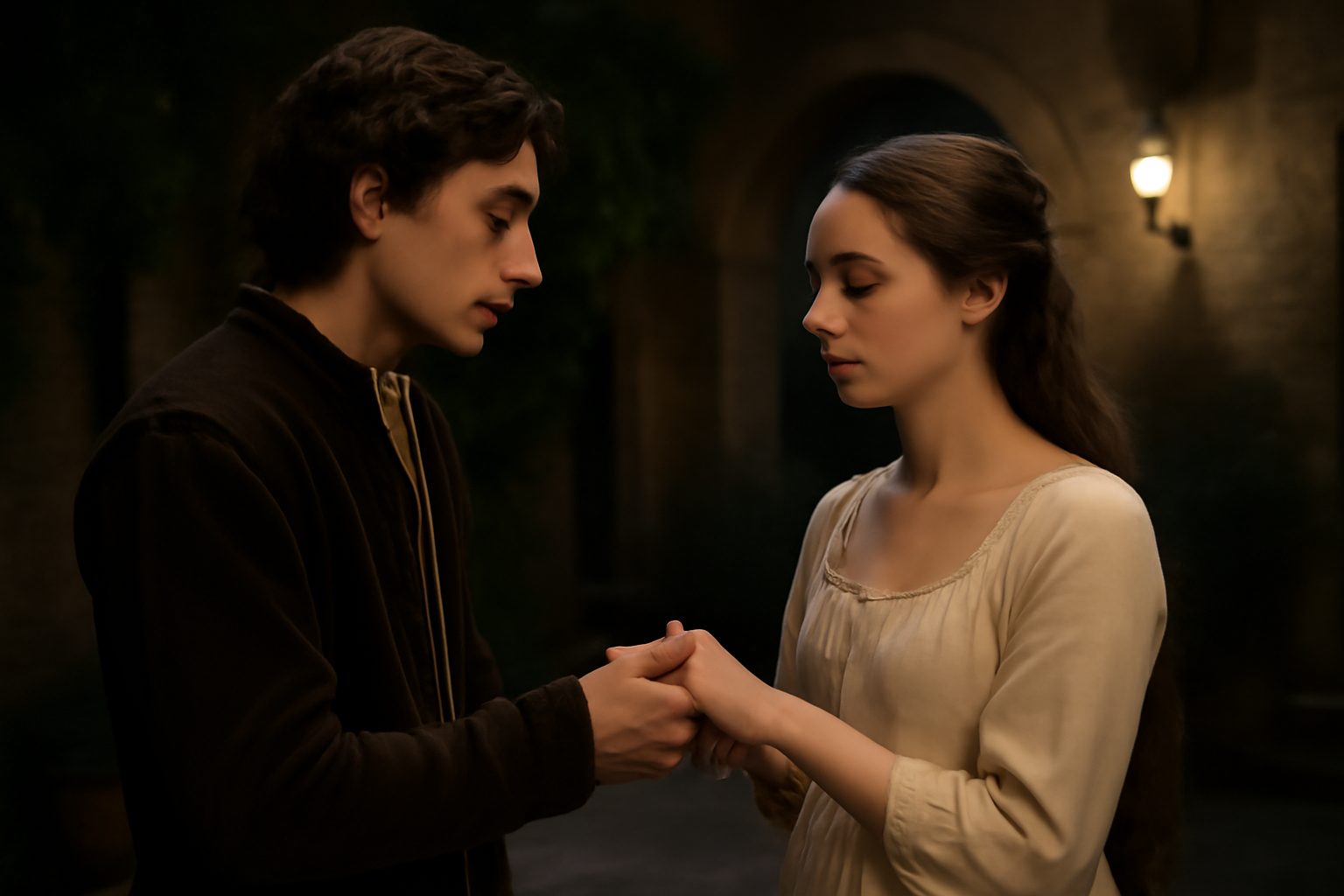
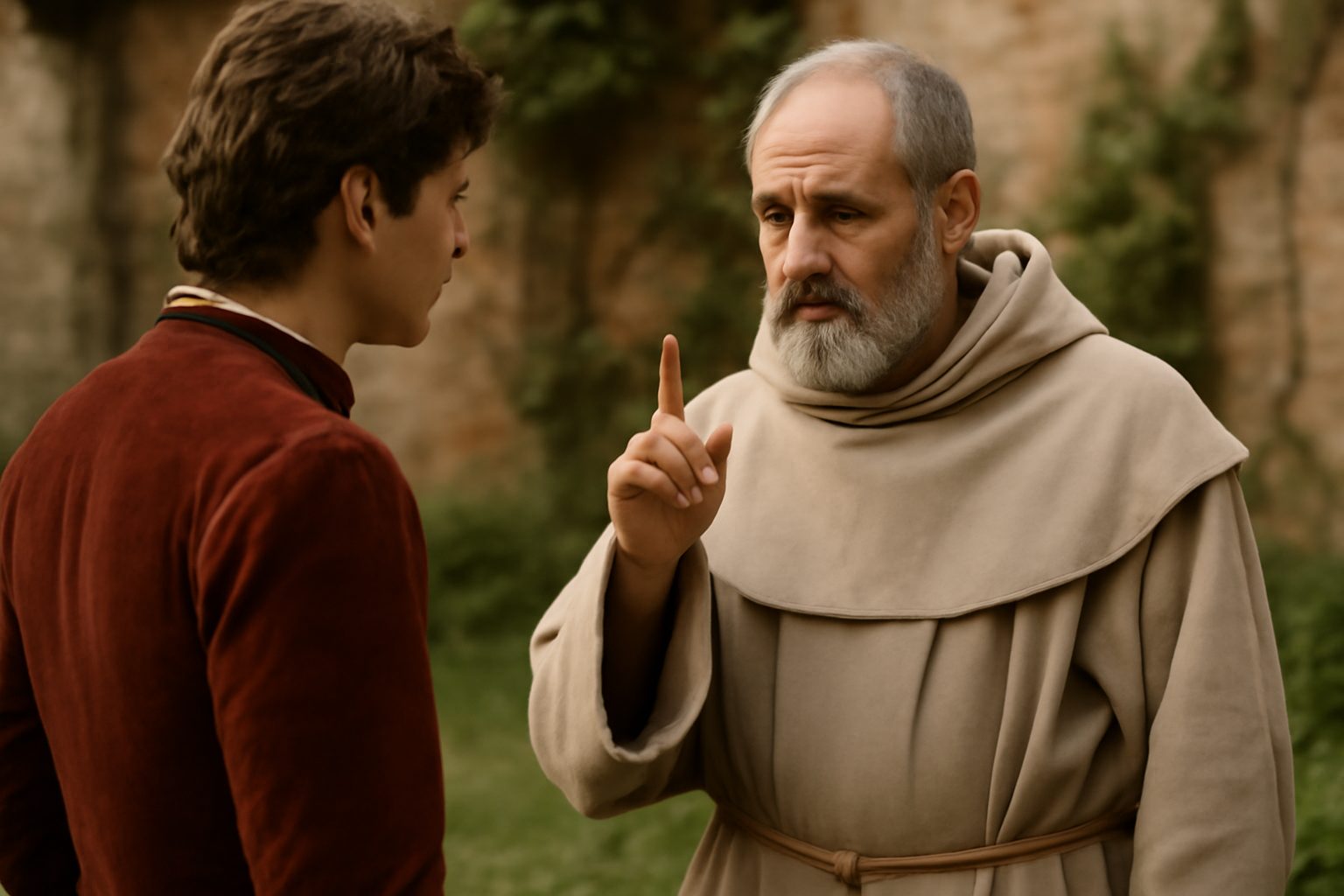
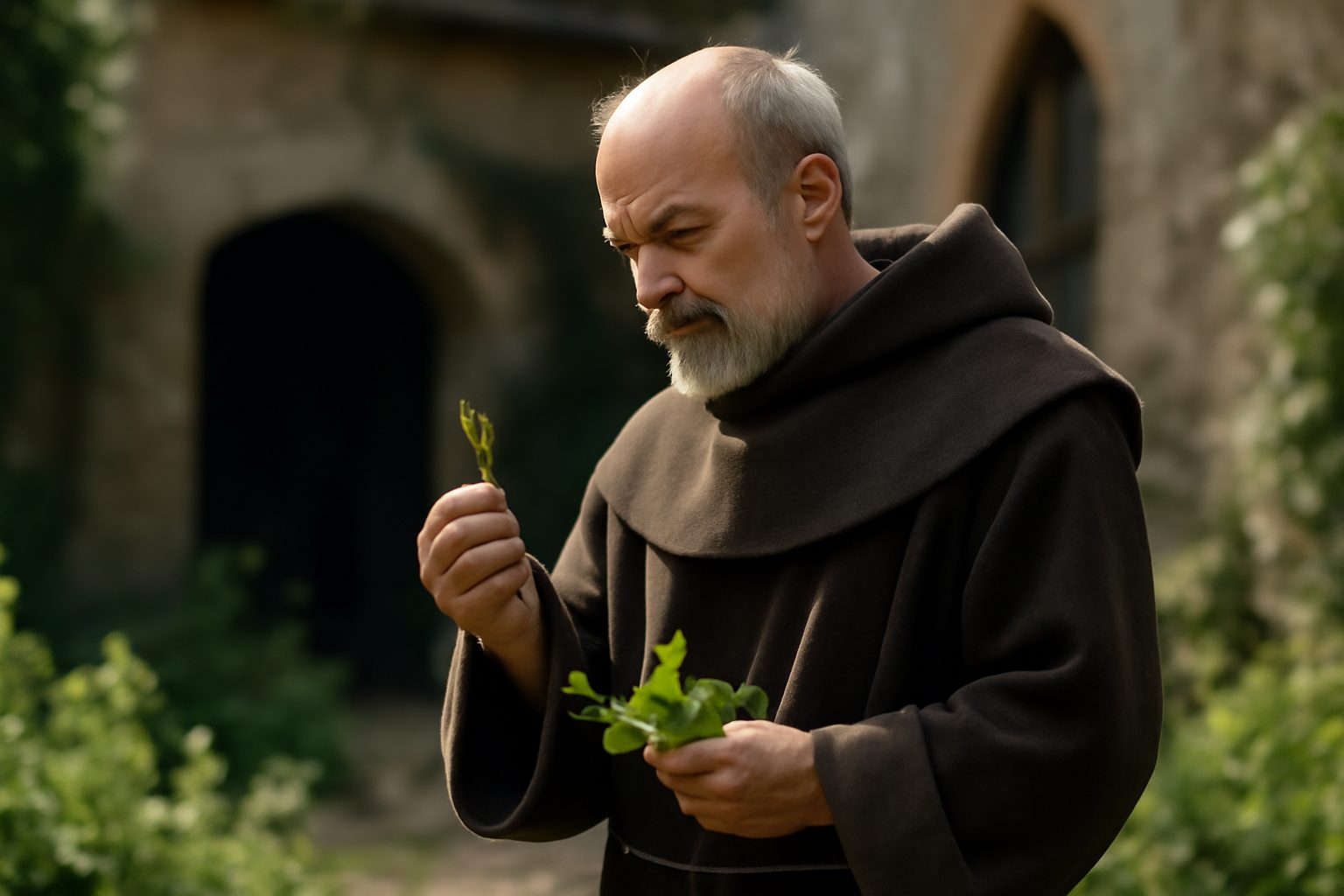
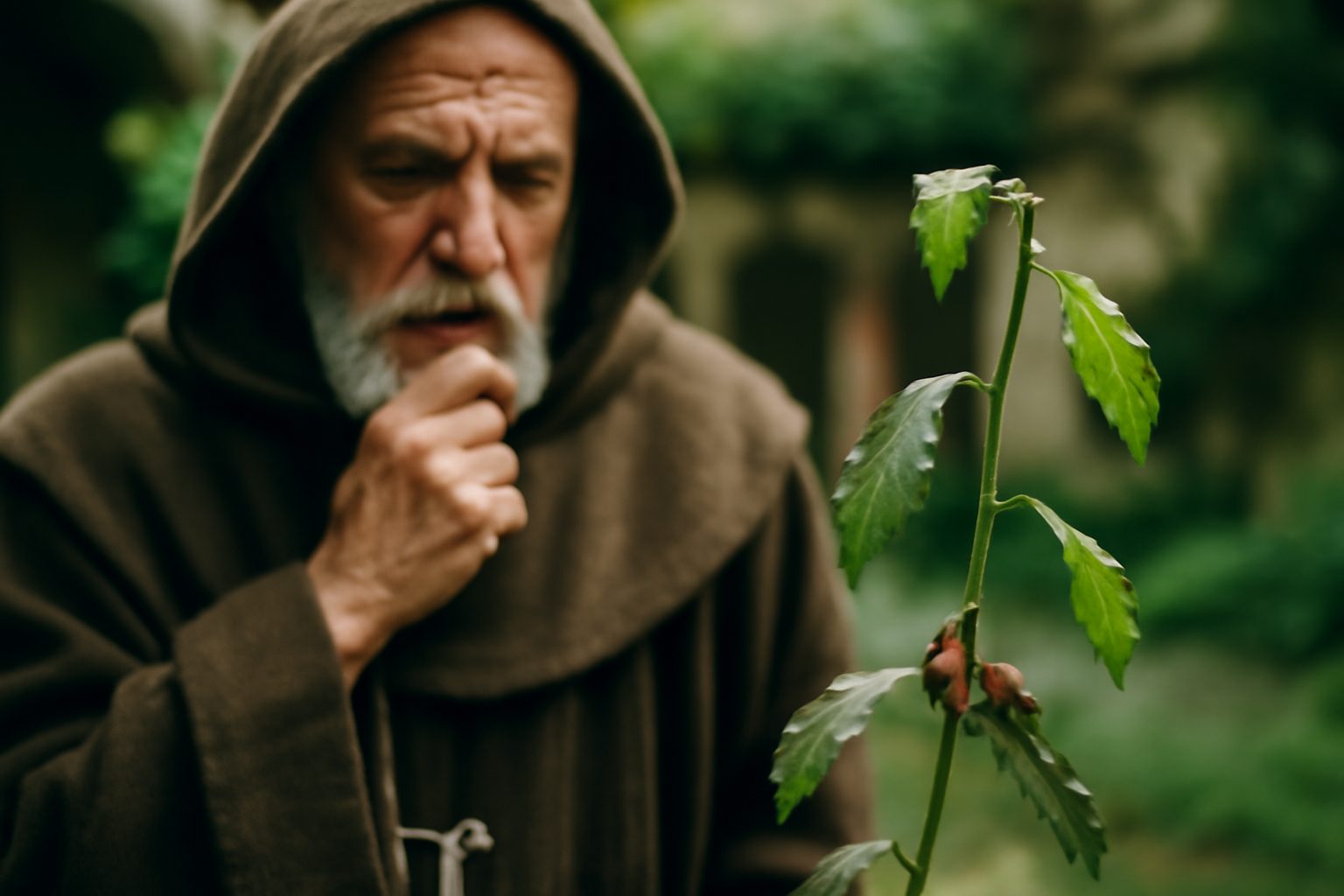
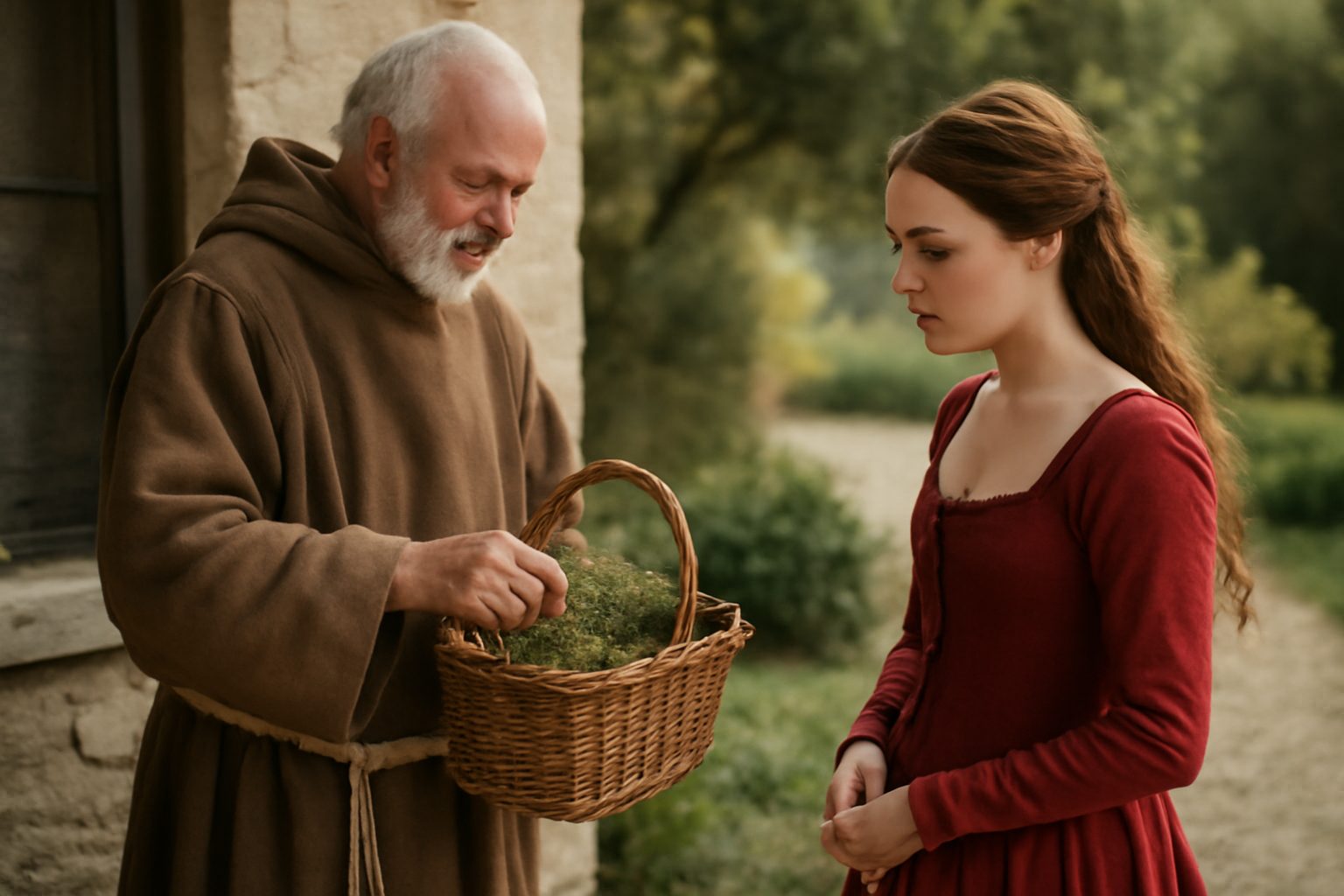
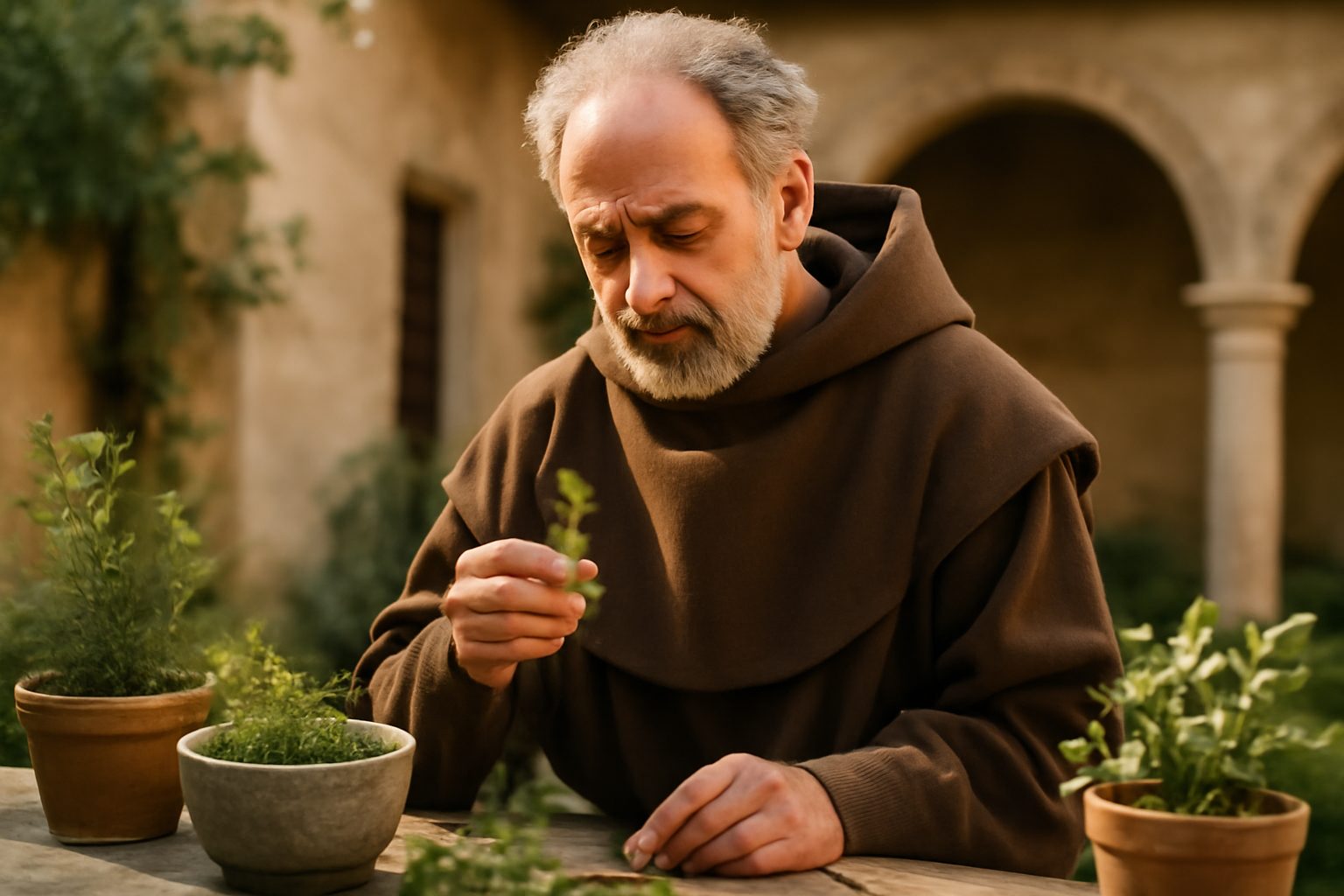
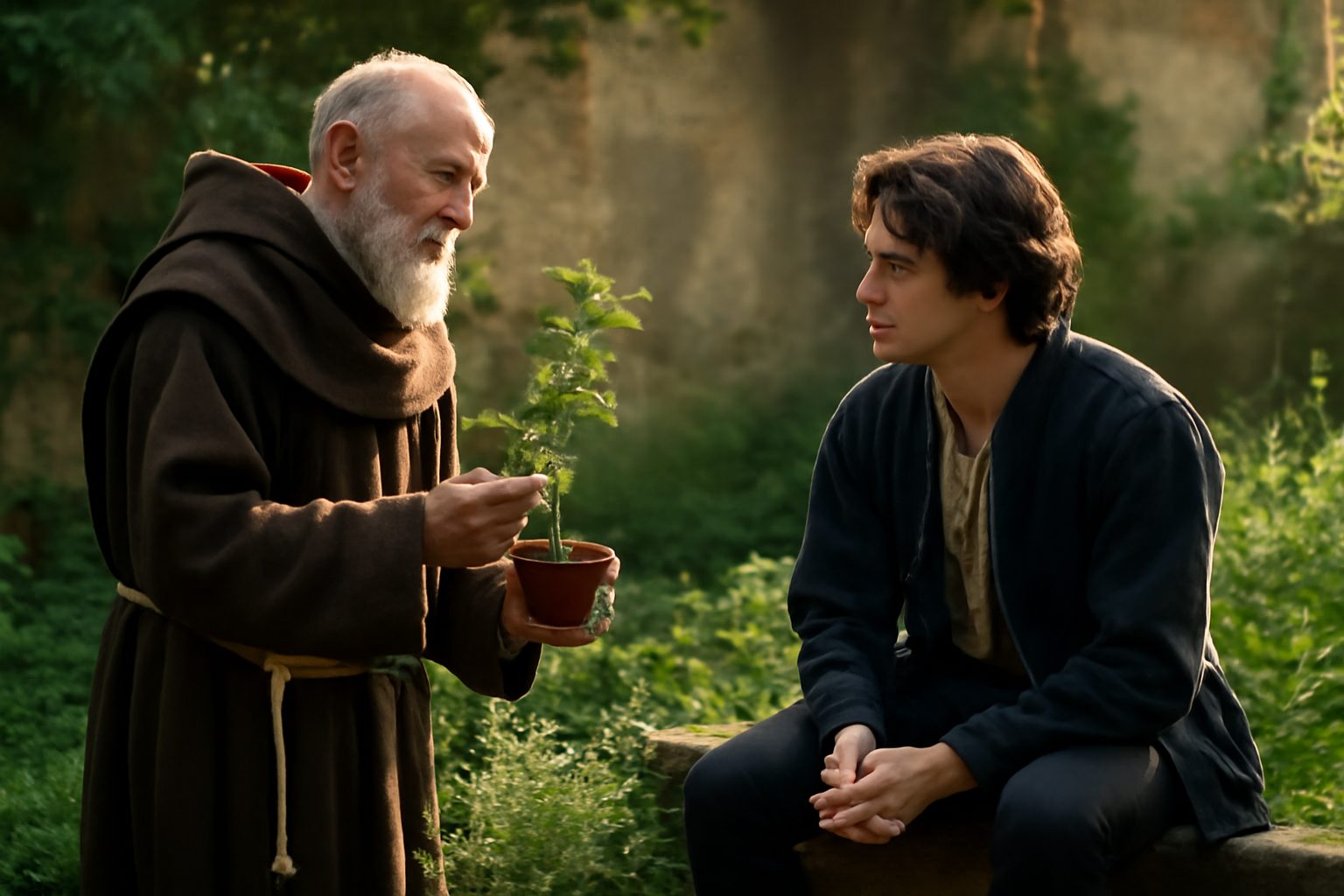
In Act 2, Scene 3 of Romeo and Juliet, Friar Laurence reflects on the dual nature of plants and herbs, noting how even healing remedies can become poisonous if misused. This line captures his observation about how good intentions can falter when twisted by human error or vice. The friar's words foreshadow the tragic consequences of impulsive actions later in the play.
Friar Laurence: "Revolts from true birth, stumbling on abuse:"
In modern day english, we would say:
It strays from its natural purpose and leads to harmful mistakes.
Frequently Asked Questions
What does Friar Laurence mean when he says that love can go wrong and lead to harm?
Friar Laurence is warning that love, when not genuine or properly guided, can lead to mistakes and negative consequences.
Connections to other verses:
Connections to "Revolts from true birth, stumbling on abuse:"
The line "Revolts from true birth, stumbling on abuse:" from Romeo & Juliet Act 2 Scene 3 – Revolts from true birth, stumbling on abuse: is part of Friar Laurence's soliloquy on the dual nature of all things, where good can turn to evil when misapplied. This theme resonates throughout the scene, connecting to several other verses.
Dual Nature and Misapplication
The idea of something turning from its true purpose is directly stated in Virtue itself turns vice, being misapplied;, which immediately follows and expands on the concept introduced in the target verse. Similarly, And vice sometimes by action dignified. completes this thought, showing how vice can be made to seem virtuous.
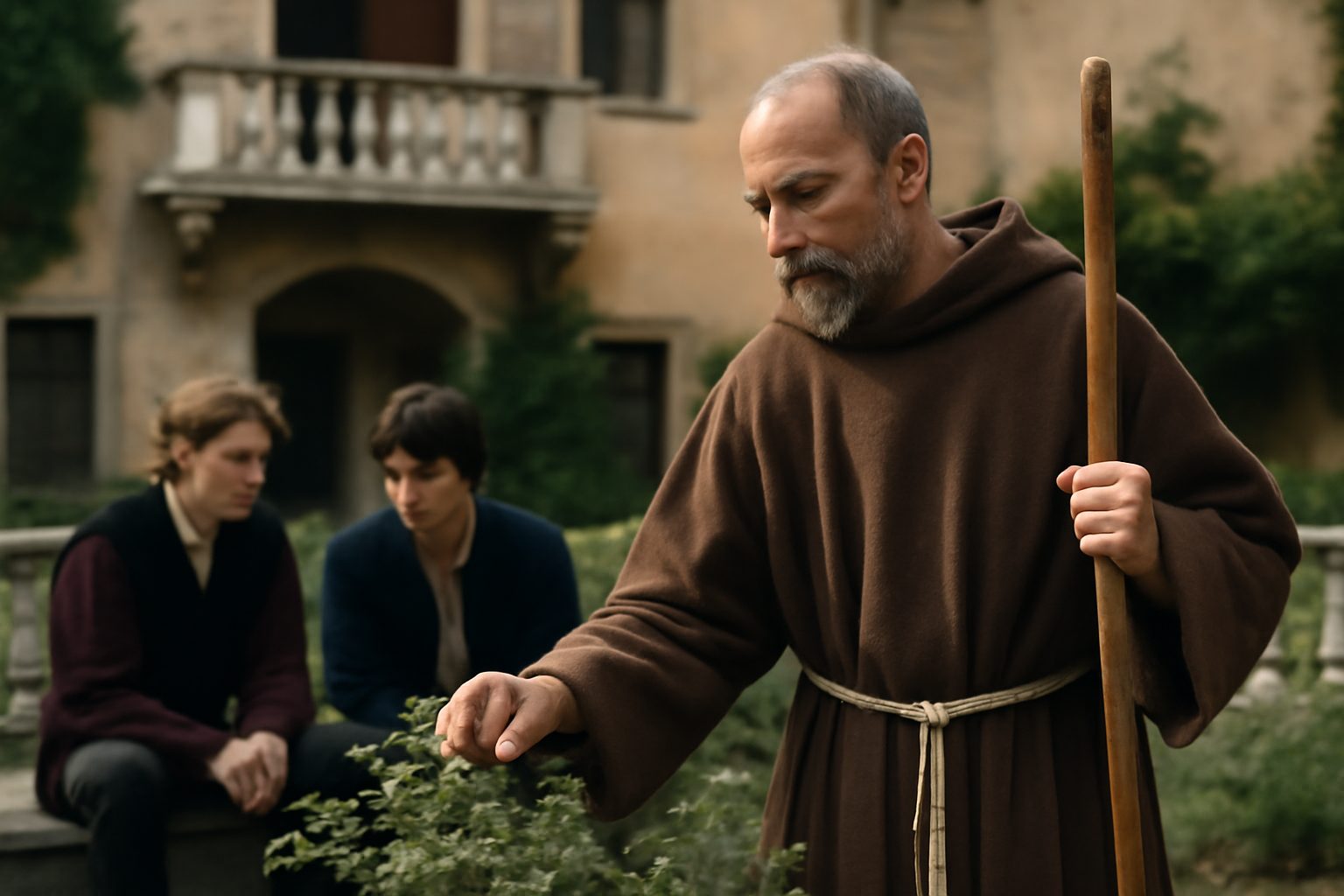
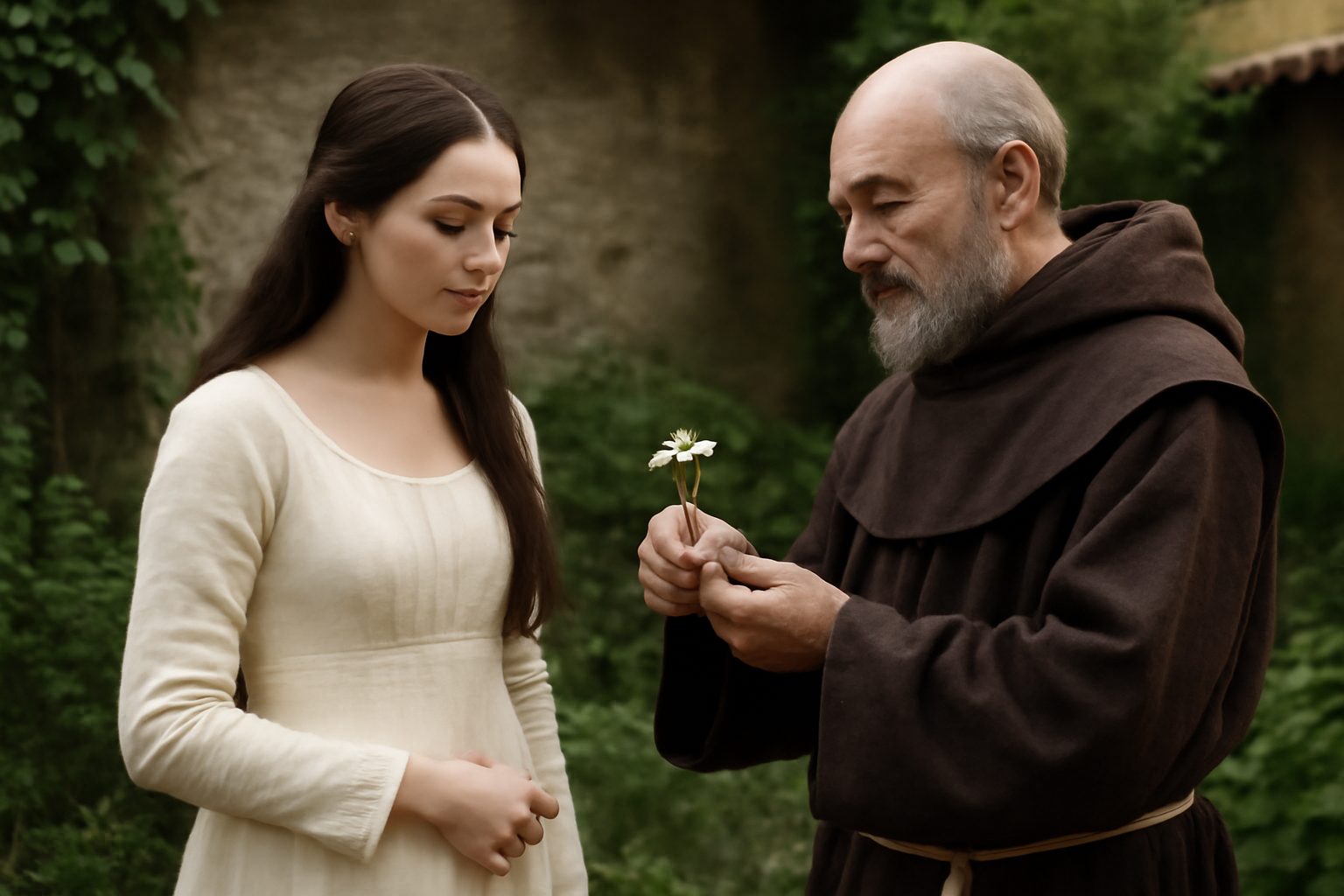
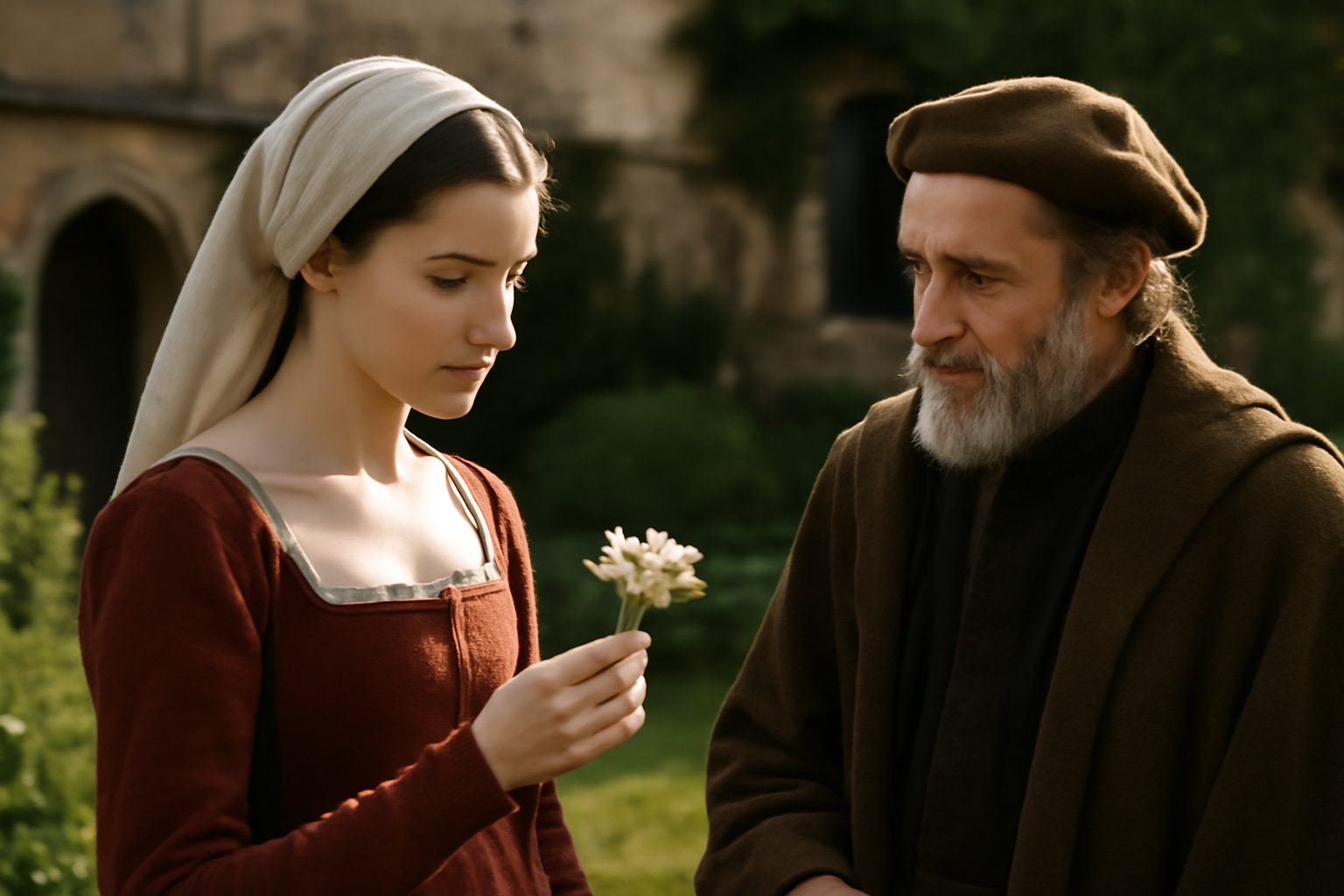
This duality is further explored in the Friar's discourse on plants and herbs, where Poison hath residence and medicine power: illustrates how the same substance can heal or harm. The small flower mentioned in Within the infant rind of this small flower contains both poison and medicine, embodying the theme of inherent dual potential.
Stumbling and Abuse in Human Nature
The notion of "stumbling on abuse" connects to human behavior, as seen in In man as well as herbs, grace and rude will;, which parallels the internal conflict between good and evil in humanity. The line And where the worser is predominant, leads into the consequences of such imbalance, much like revolting from true birth.
Friar Laurence's warning, Wisely and slow; they stumble that run fast., directly echoes the "stumbling" imagery, applying it to Romeo's hasty actions in love, which could be seen as a form of abuse or misapplication of emotion.
Connection to Romeo's Situation
Romeo's own experience reflects "revolting from true birth," as he abandons his supposed love for Rosaline. The Friar notes this in So soon forsaken? young men's love then lies and Not truly in their hearts, but in their eyes., suggesting Romeo's affections are superficial and prone to stumbling.
Additionally, Thy love did read by rote and could not spell. criticizes Romeo's past love as insincere, aligning with the idea of revolting from true, heartfelt emotion.
Structural and Thematic Links
The verse is part of a larger meditation that includes Nor aught so good but strain'd from that fair use, which reinforces that nothing is so good it cannot be twisted from its proper purpose. This connects to the earth's dual role as both womb and tomb in The earth that's nature's mother is her tomb;, emphasizing cyclical creation and destruction.