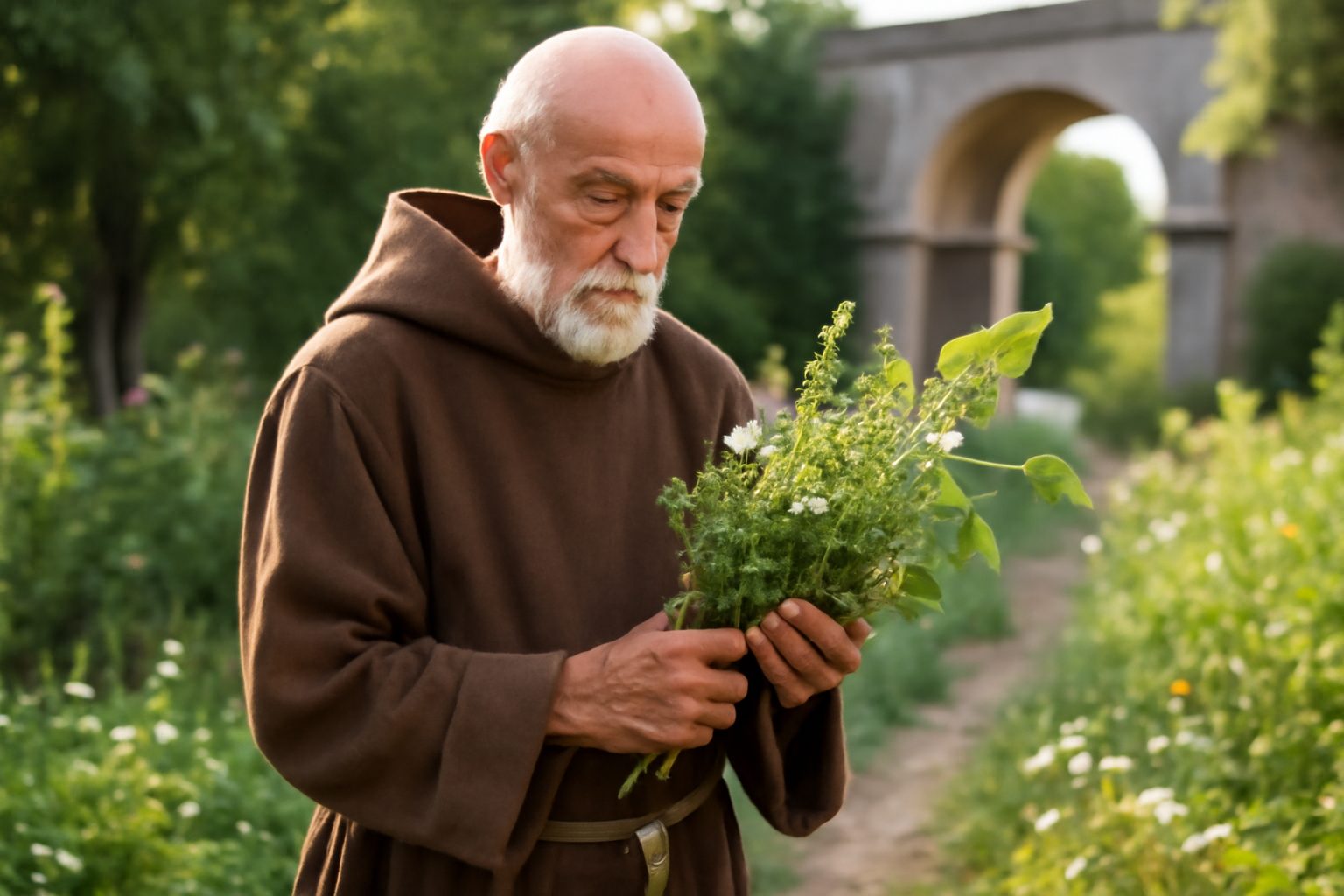
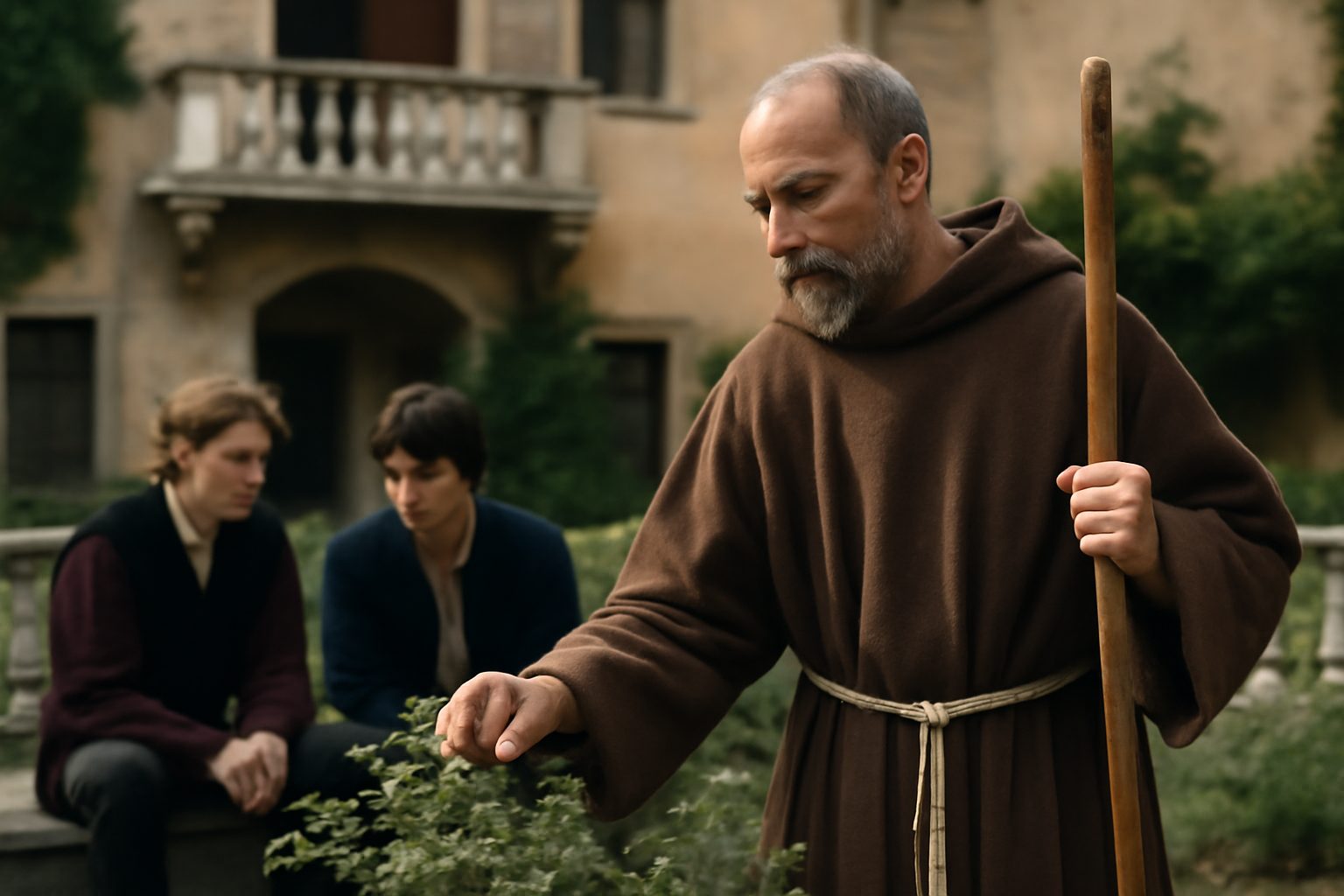
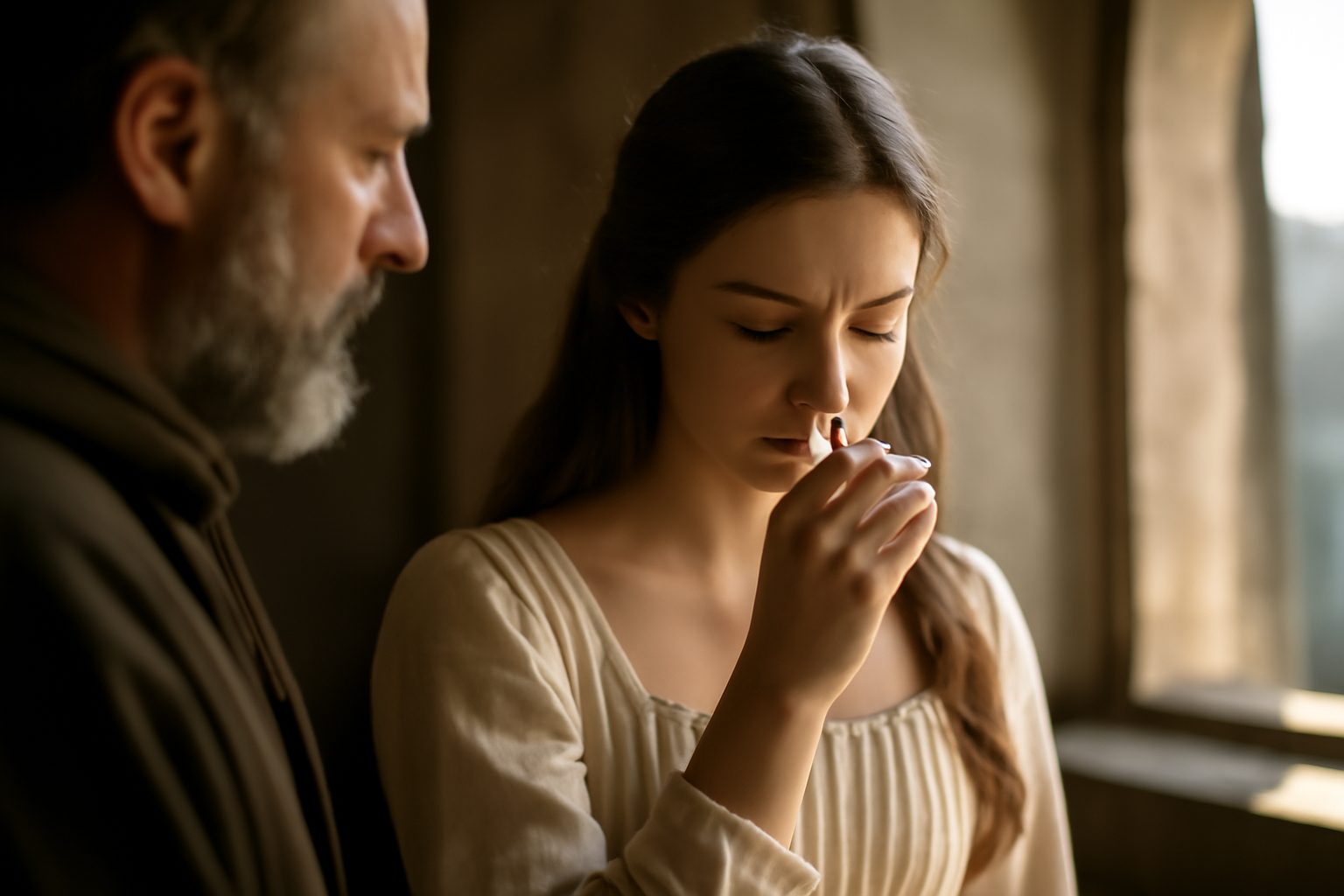
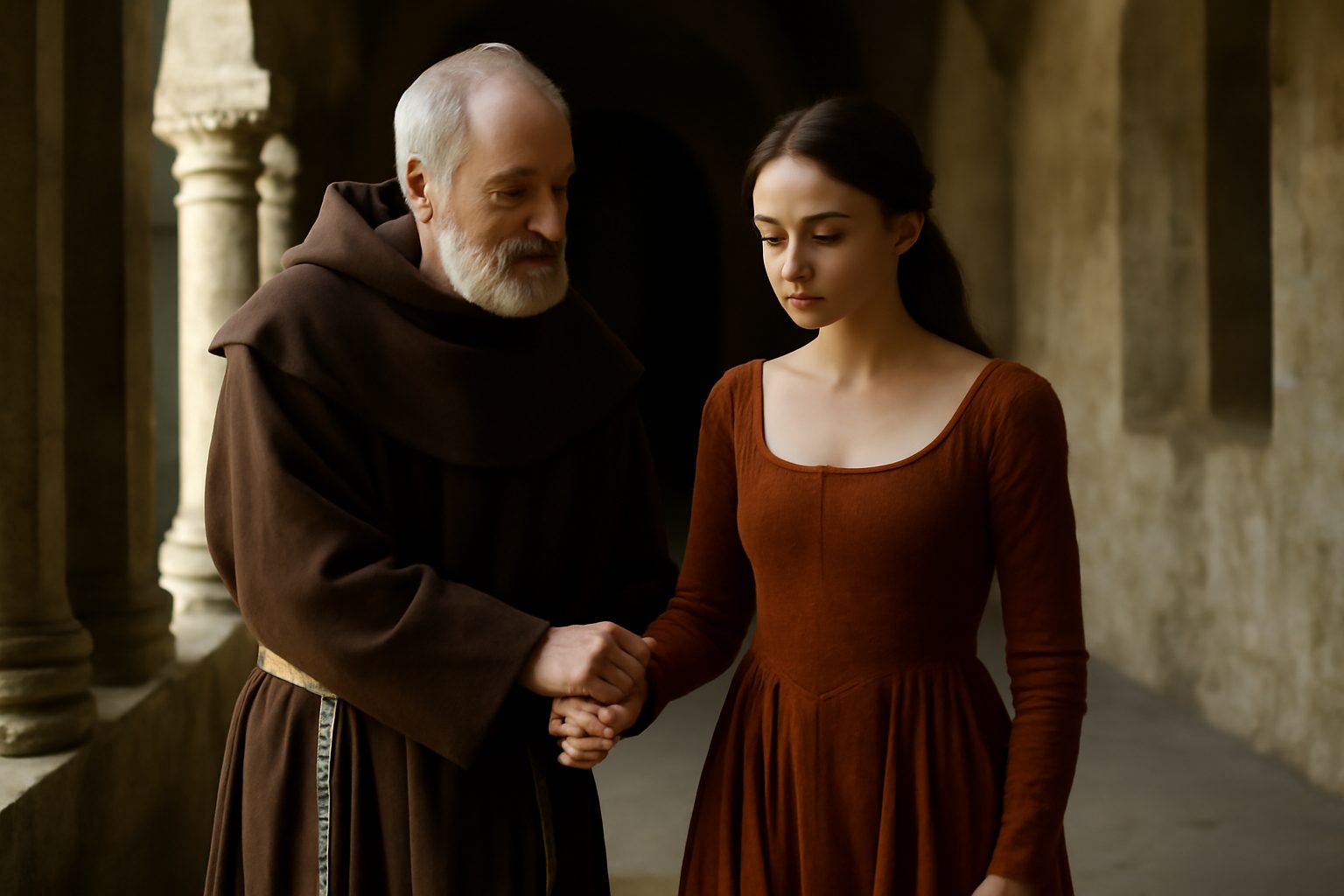
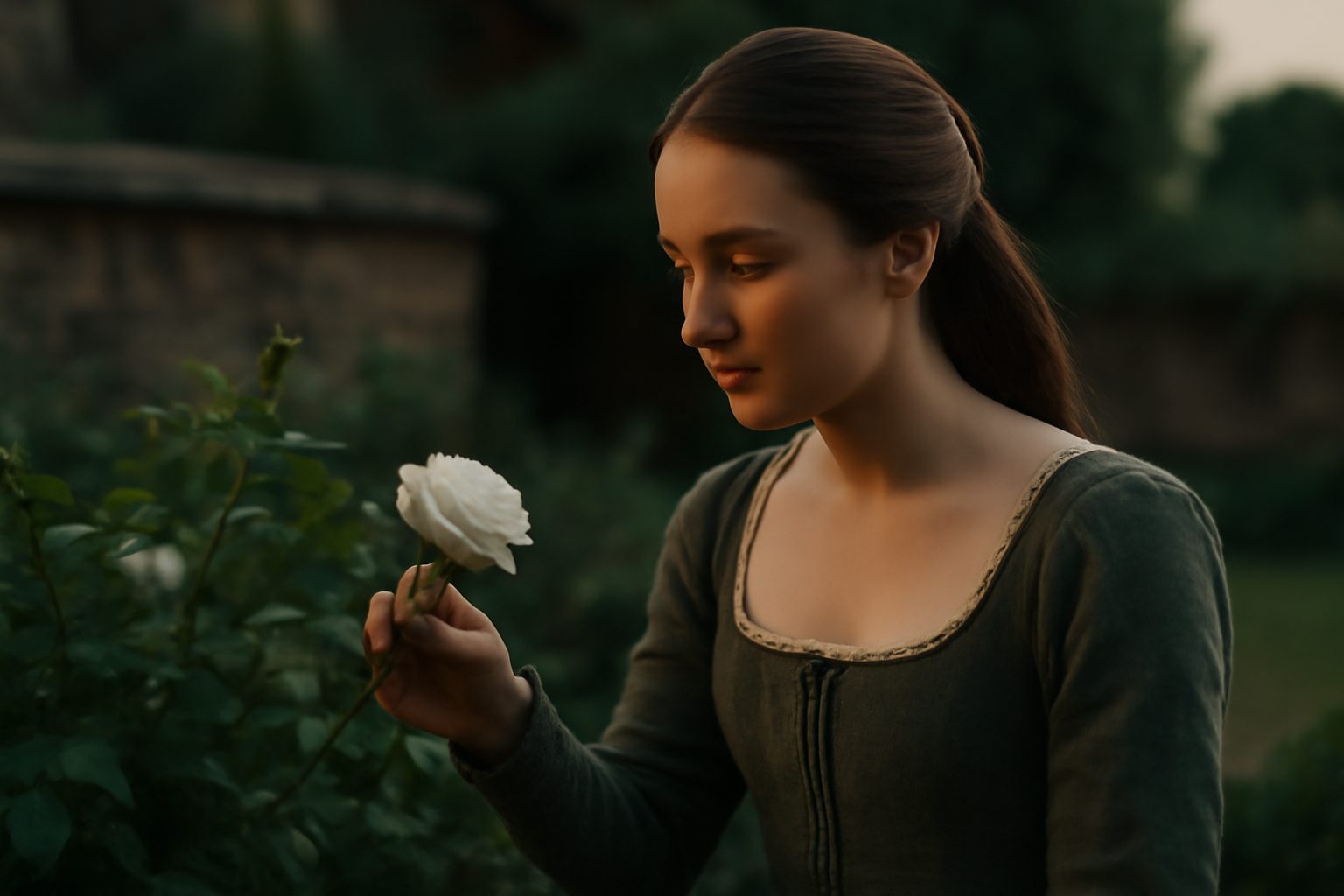
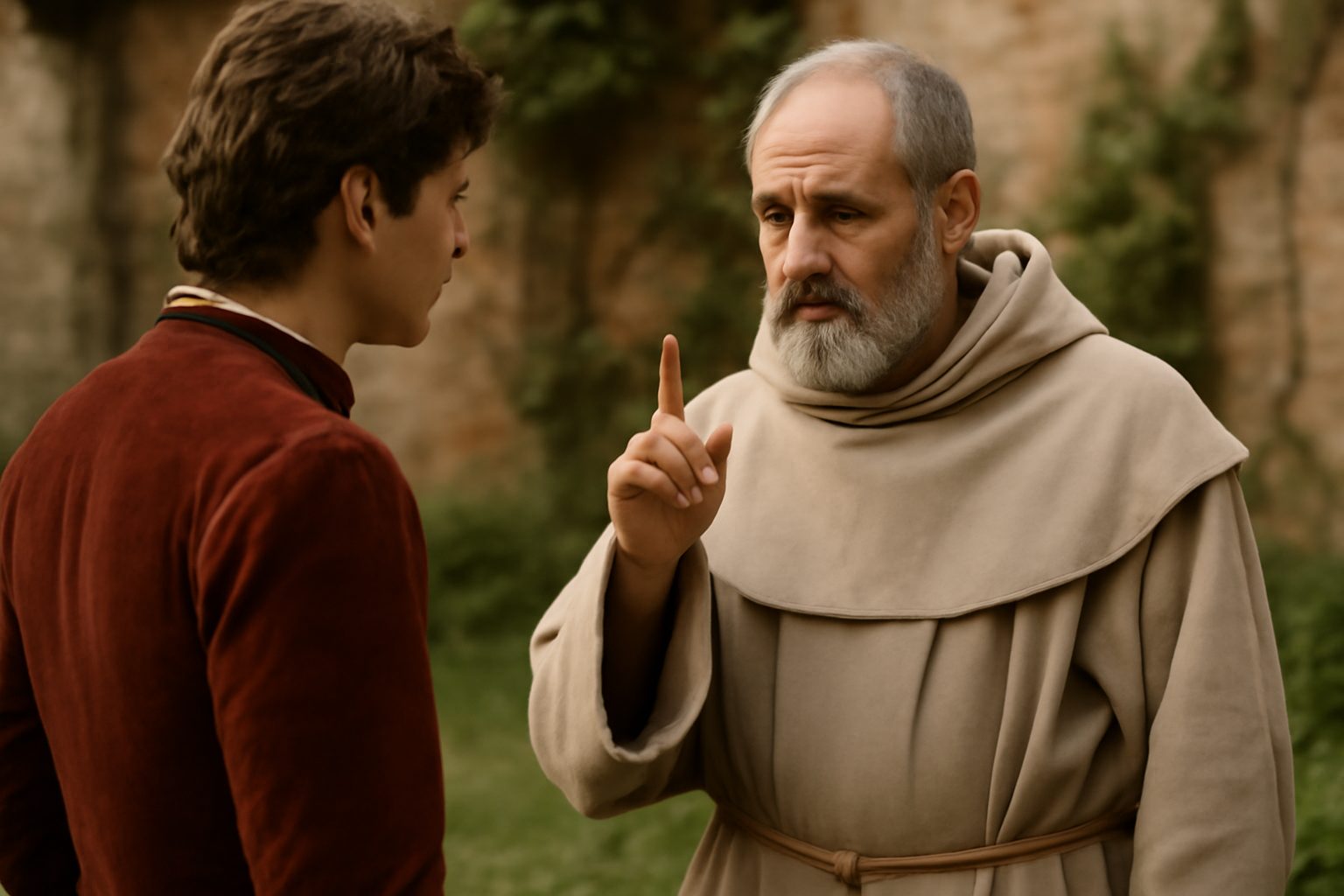
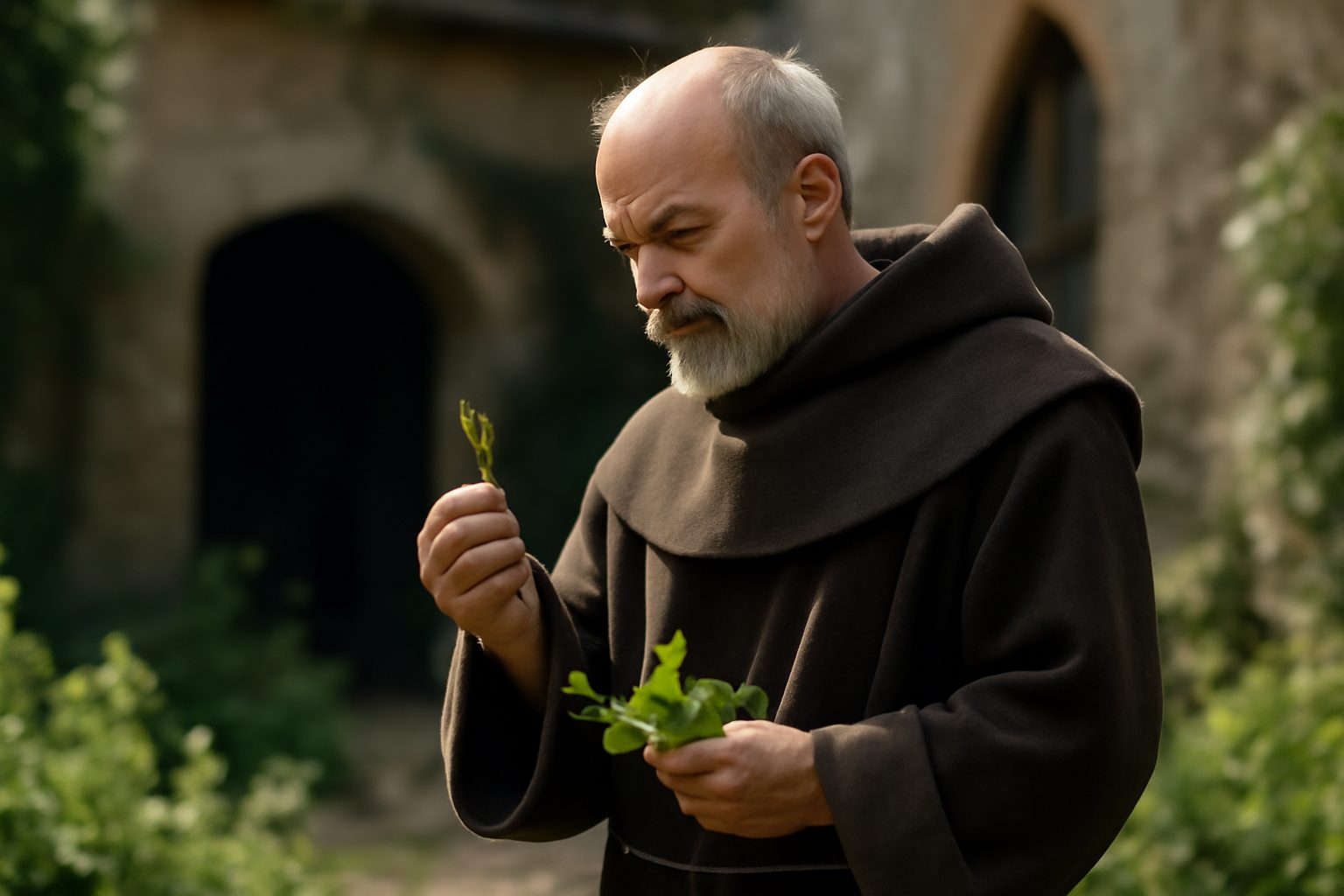
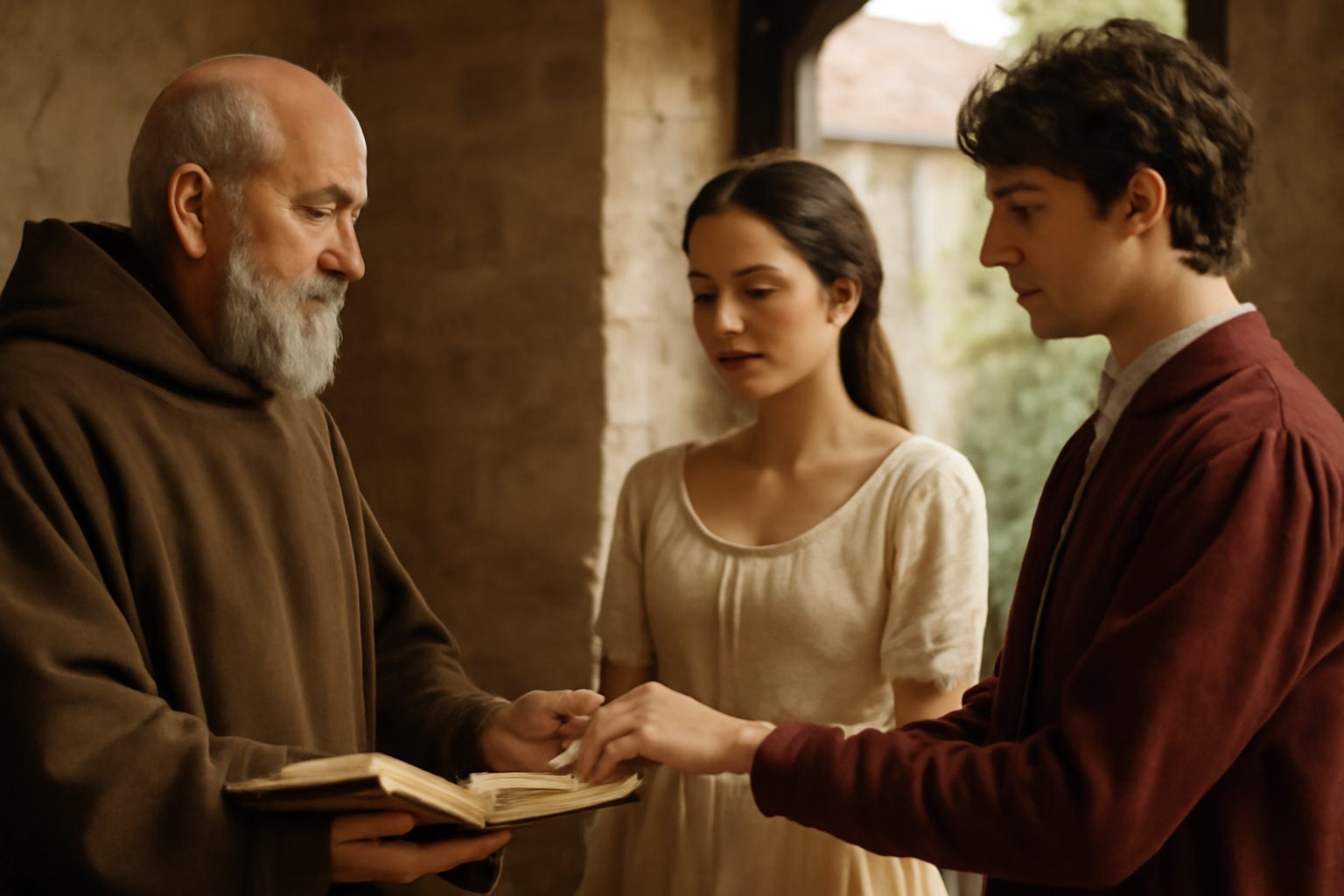
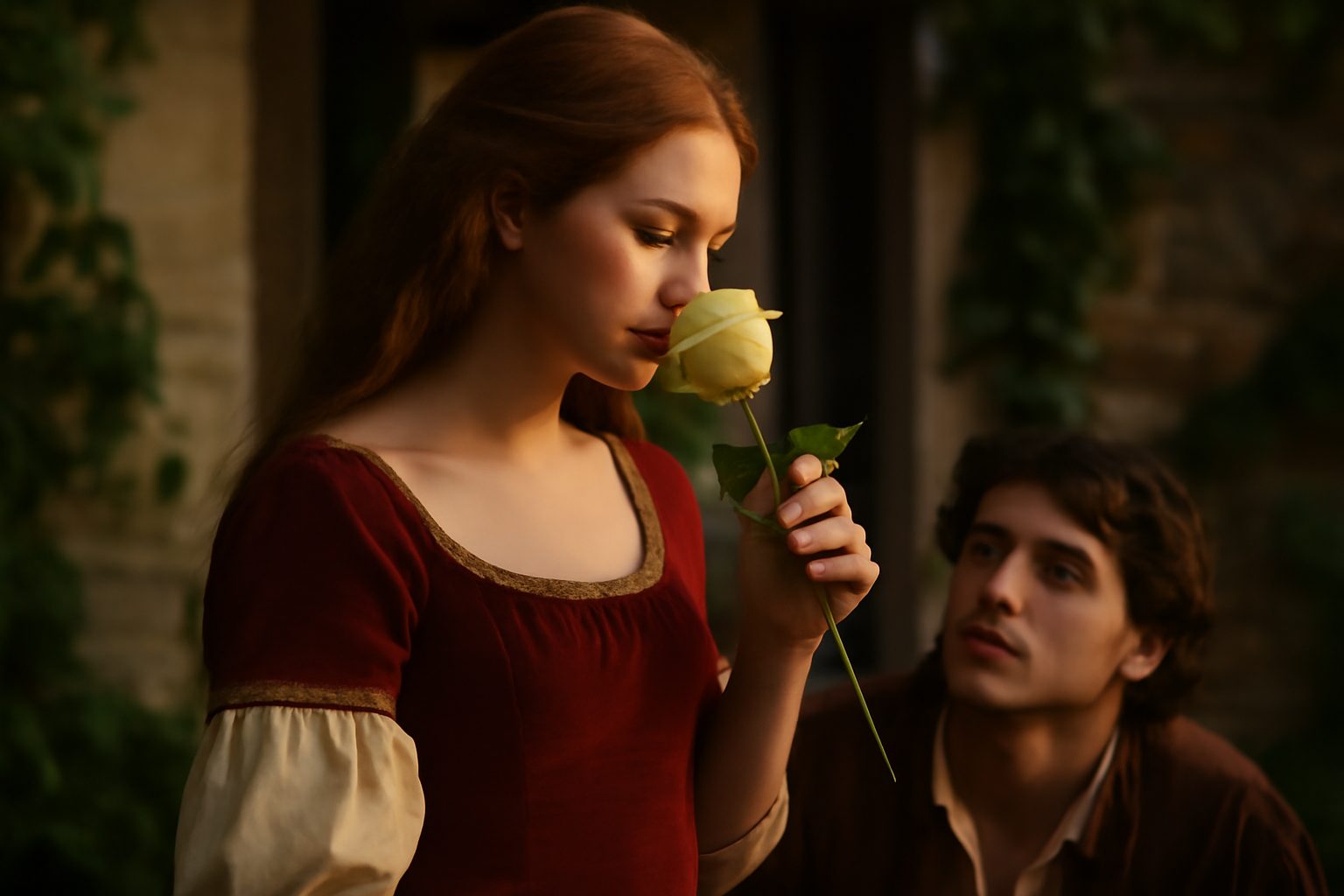
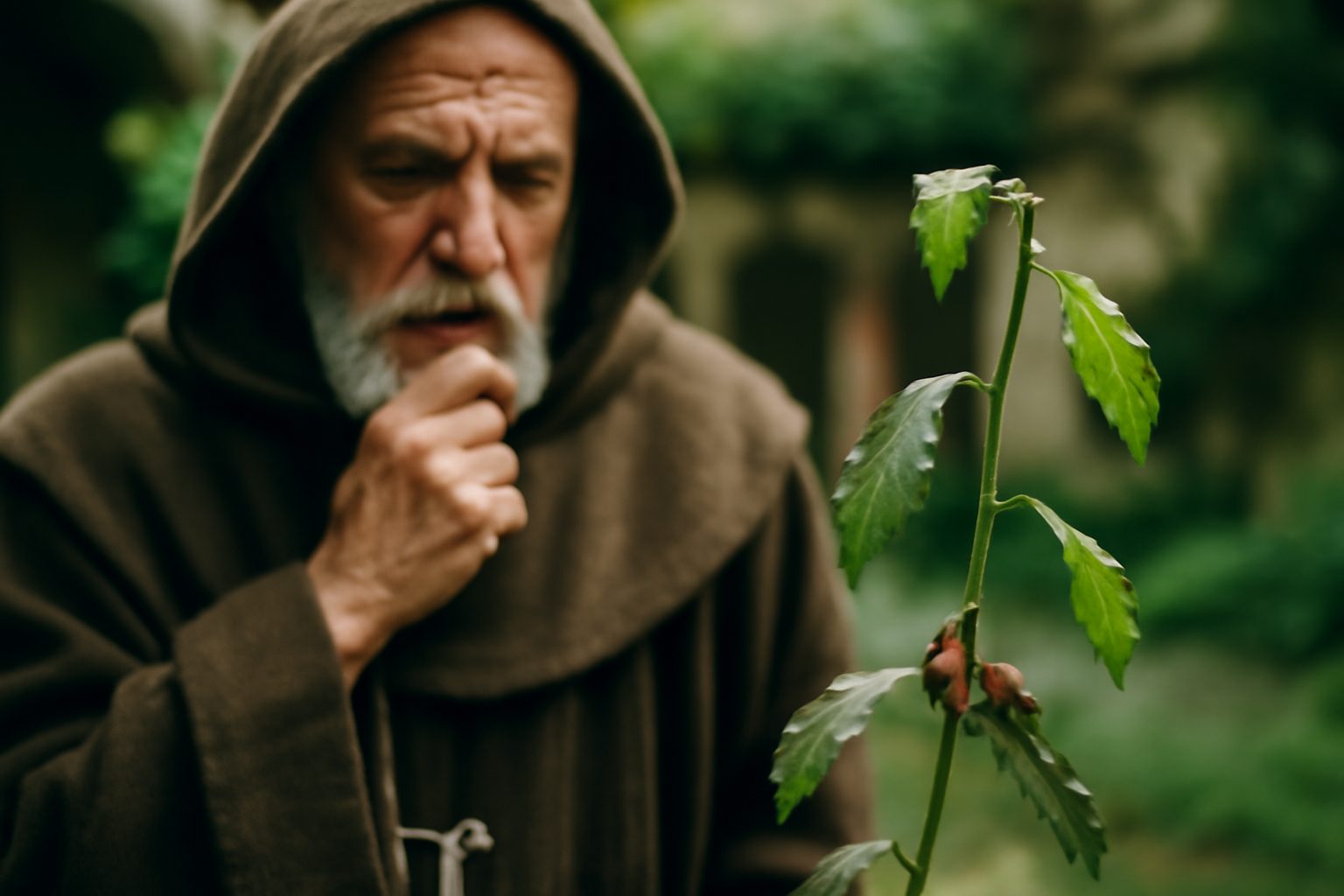
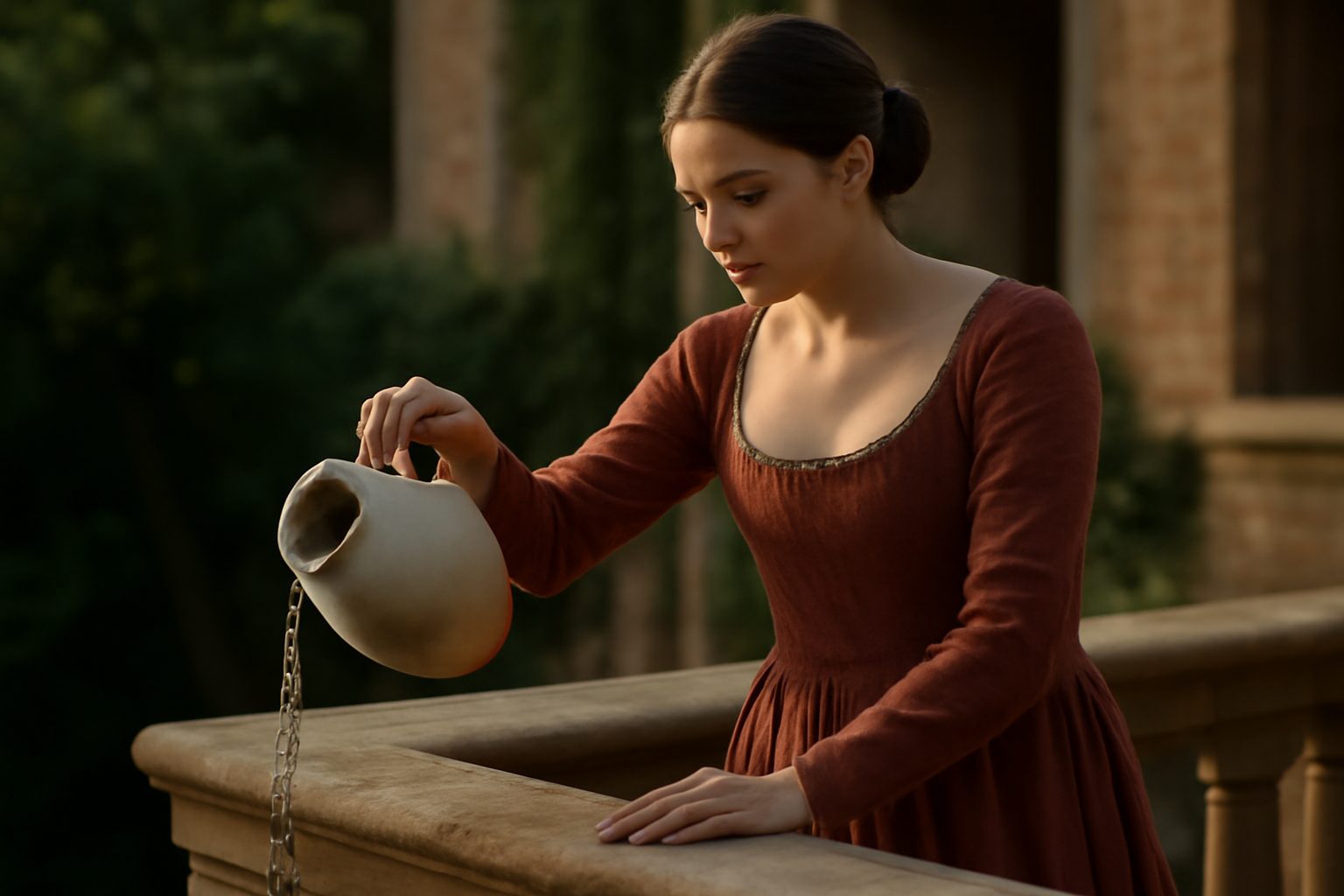
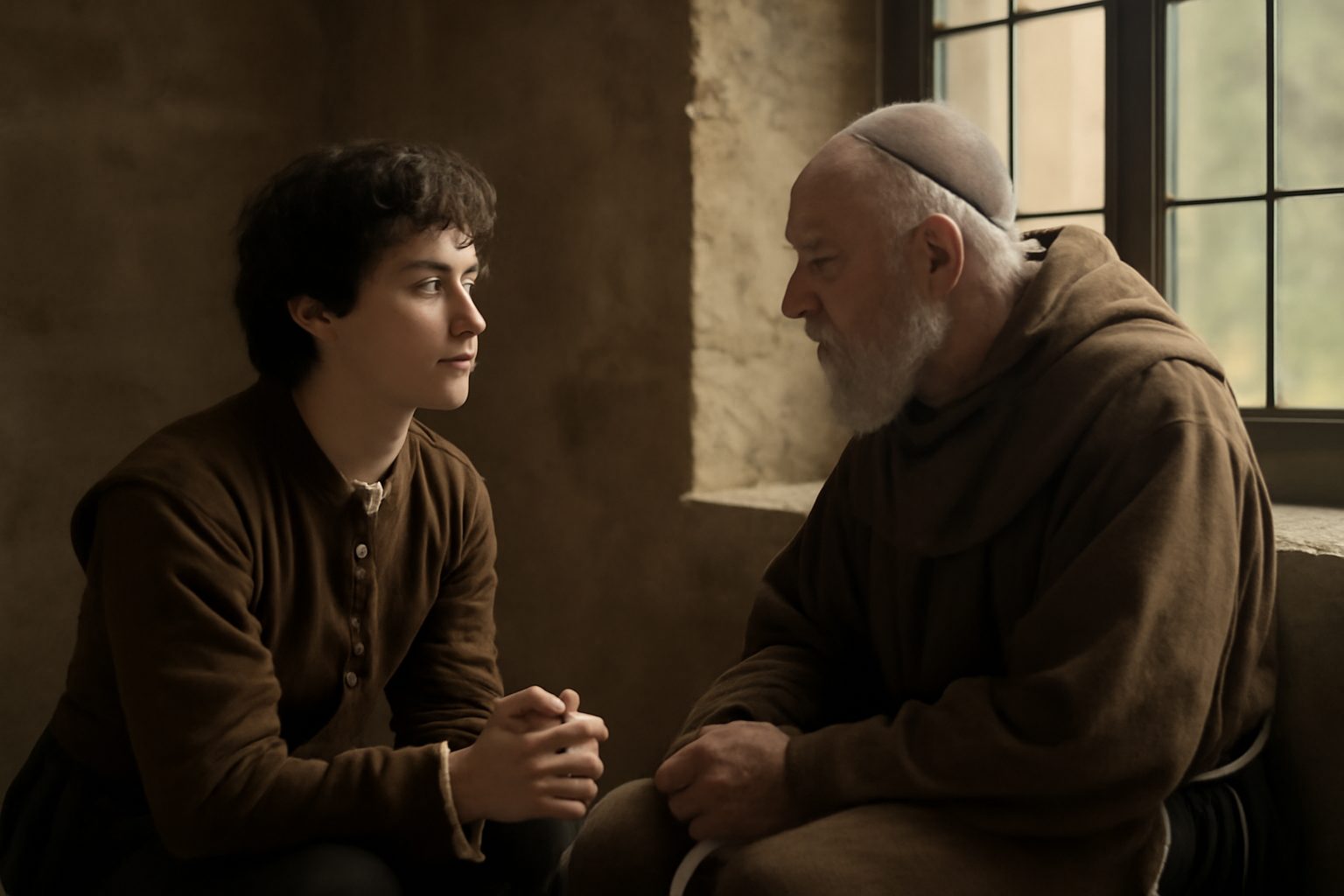
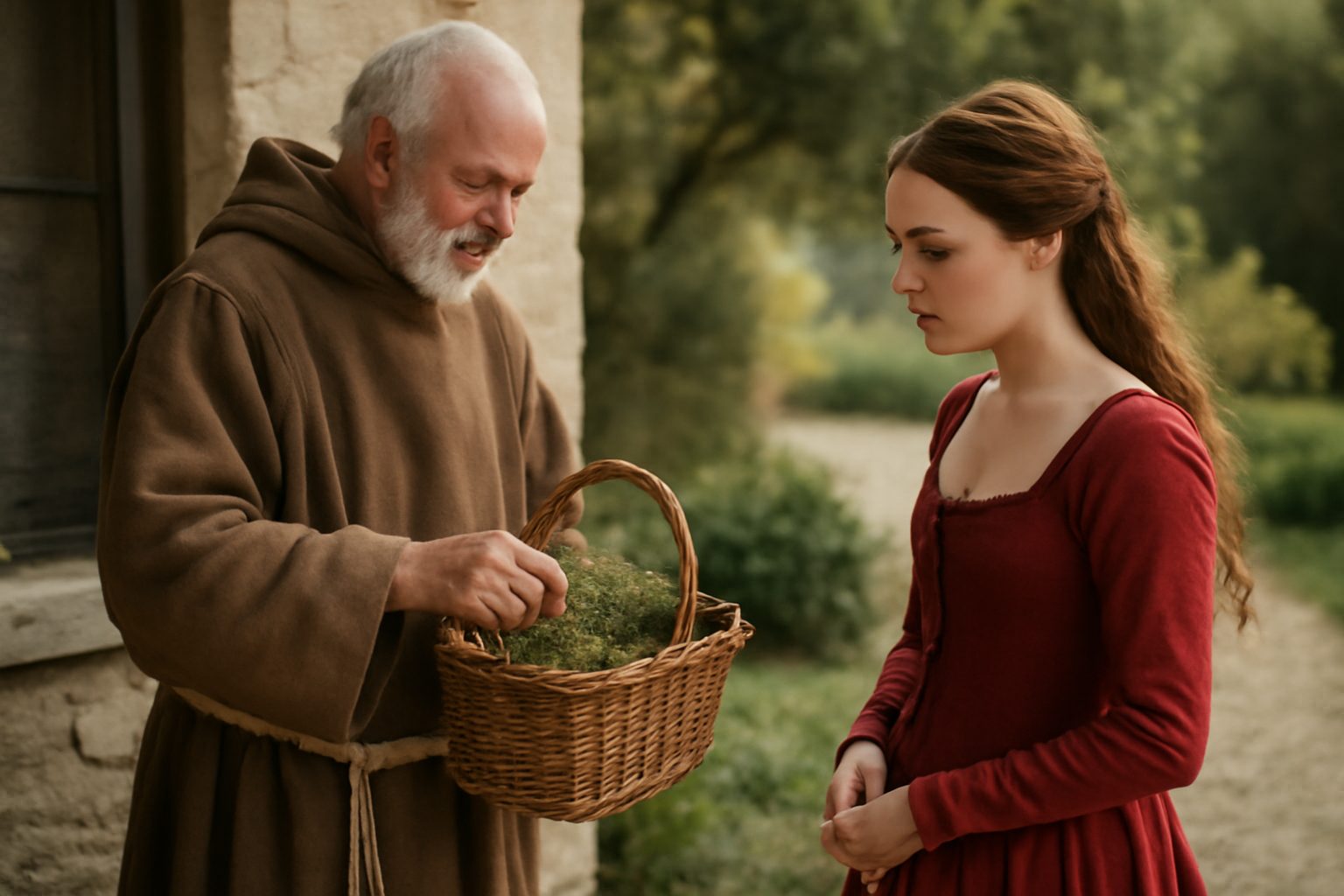
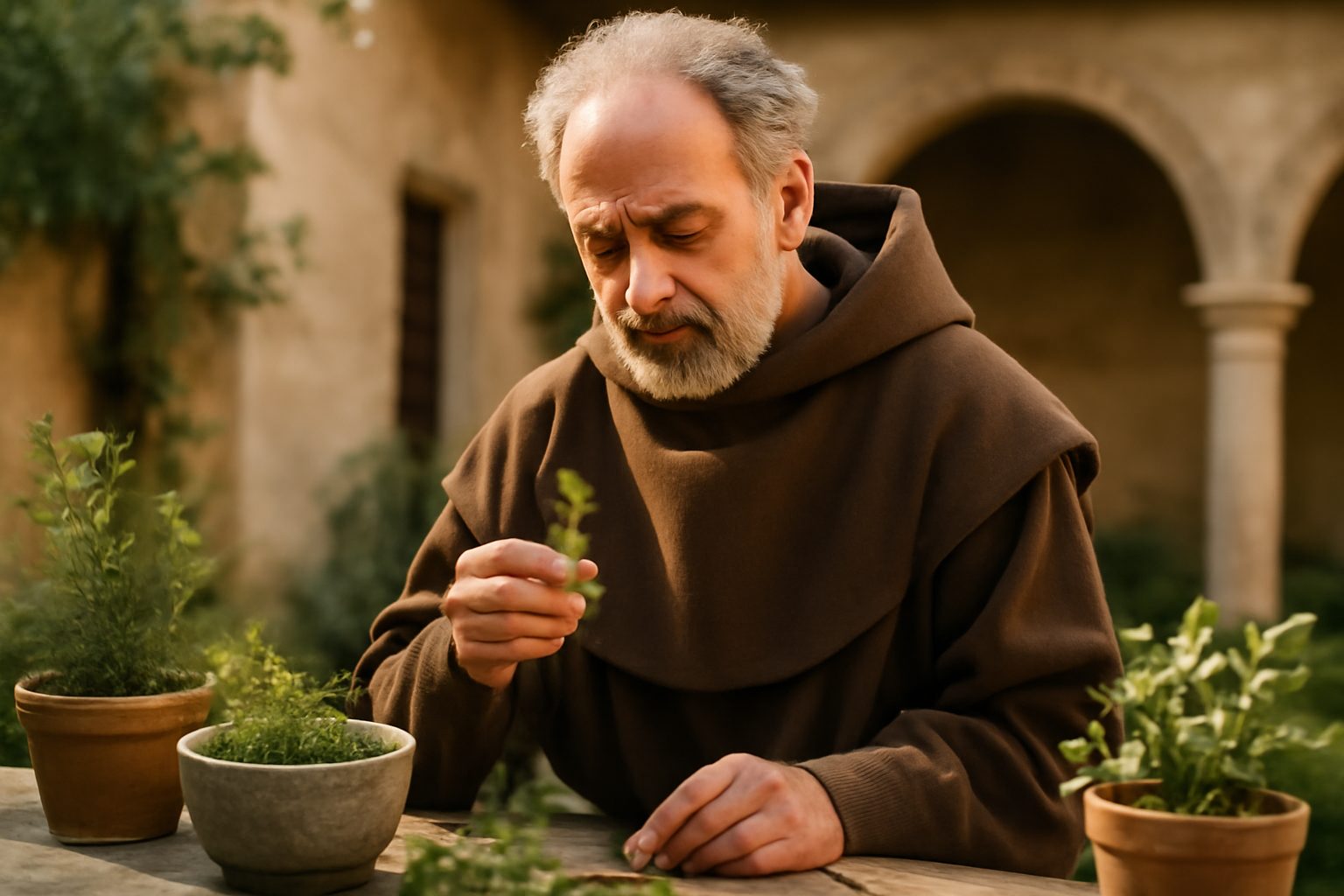
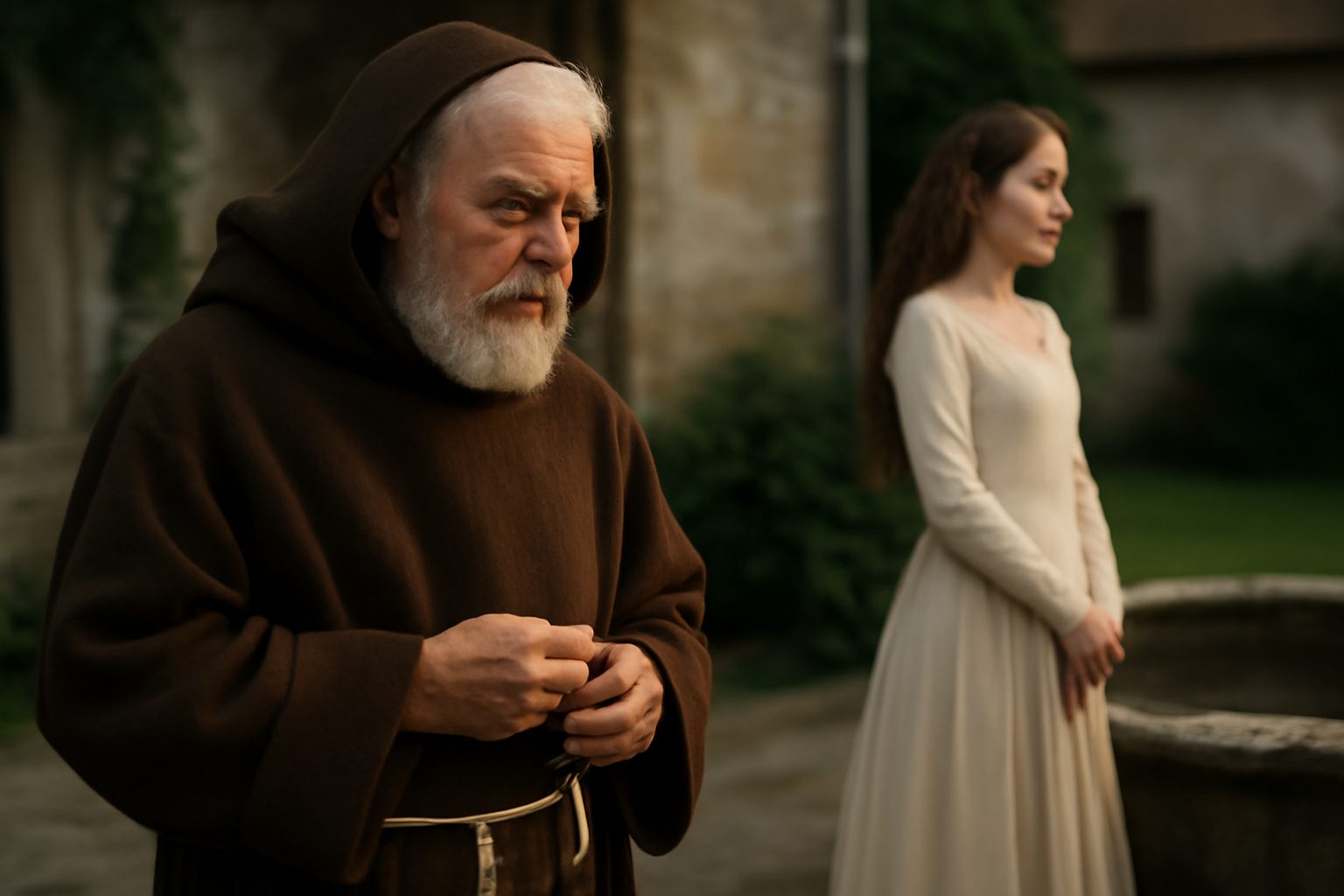
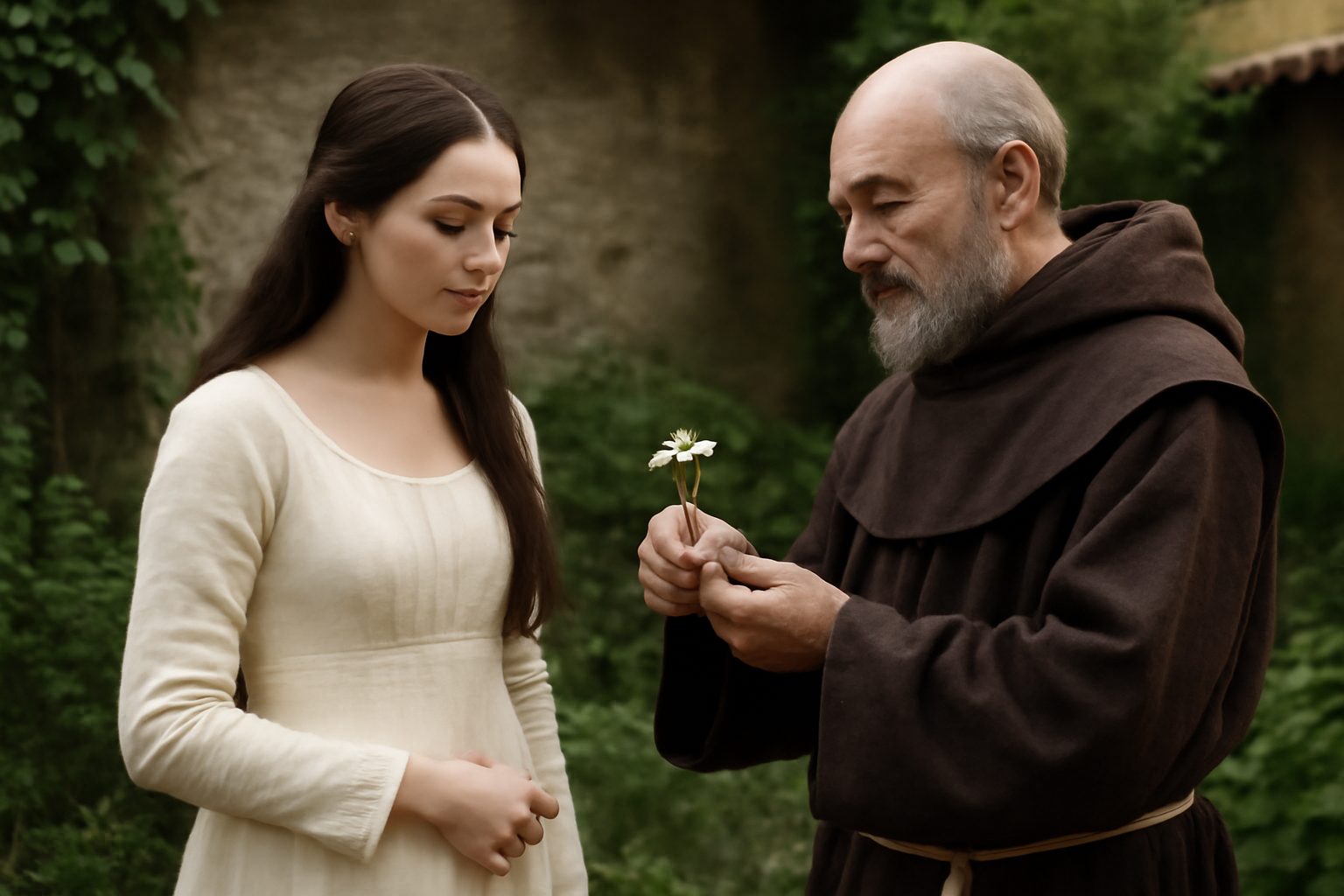
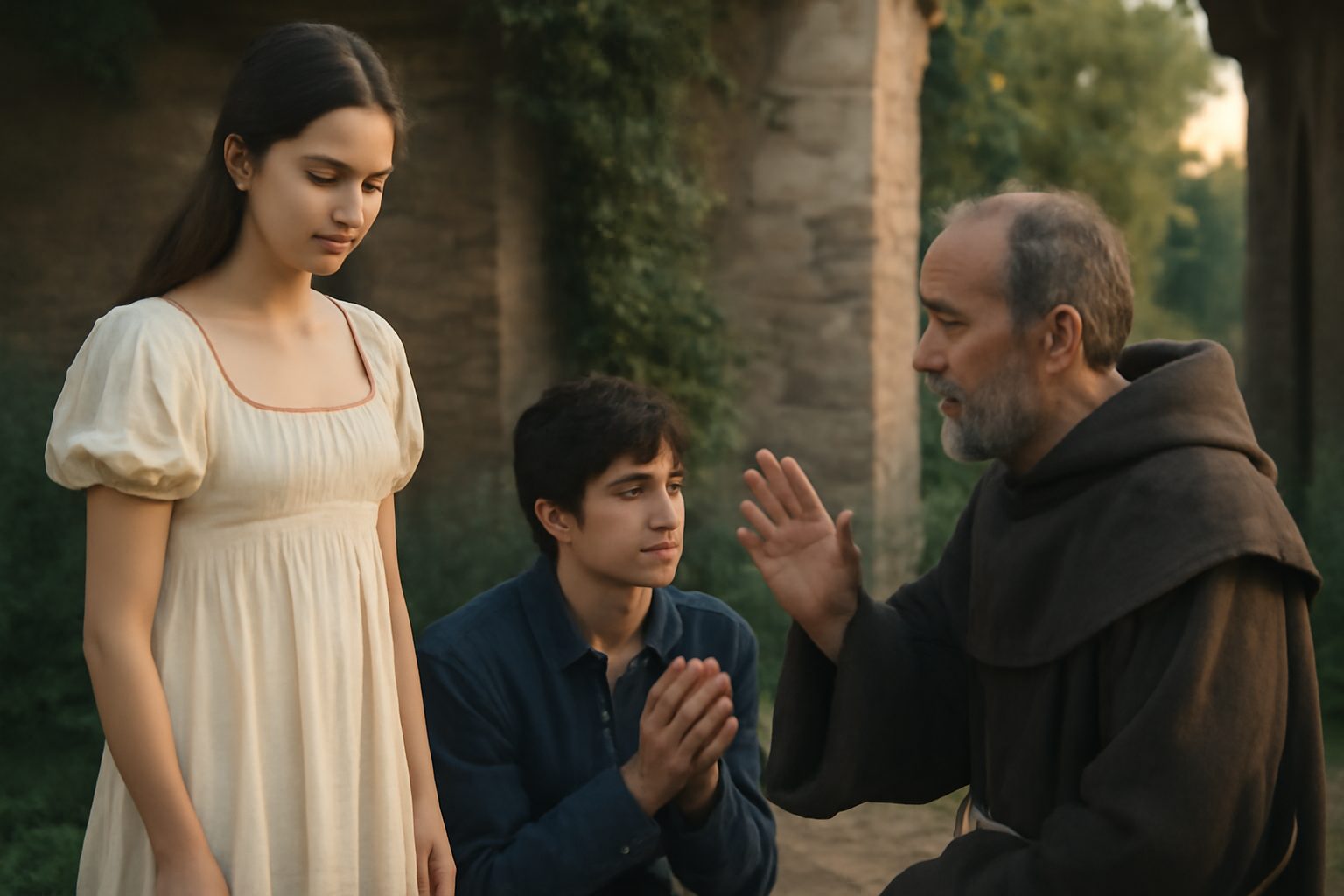
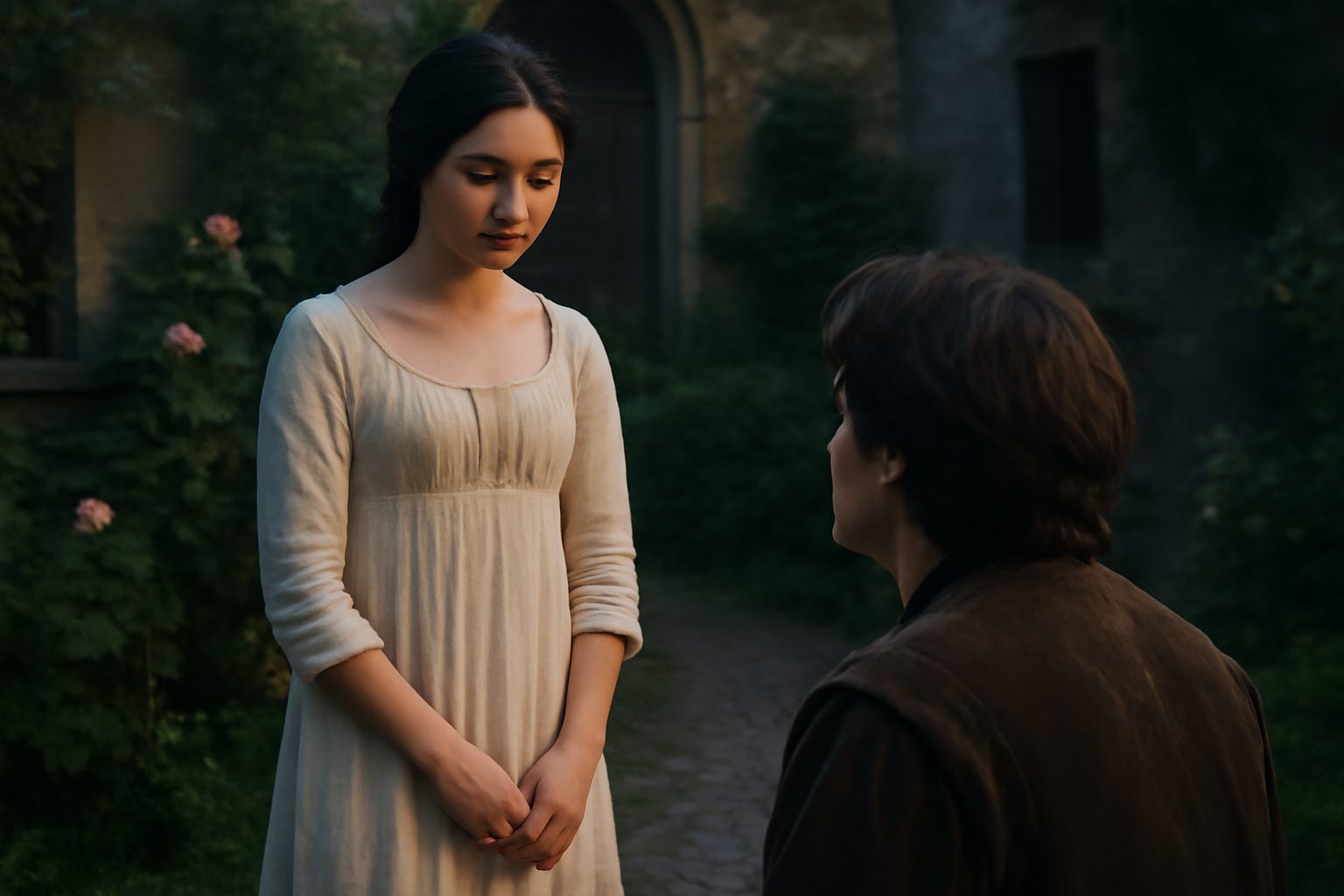
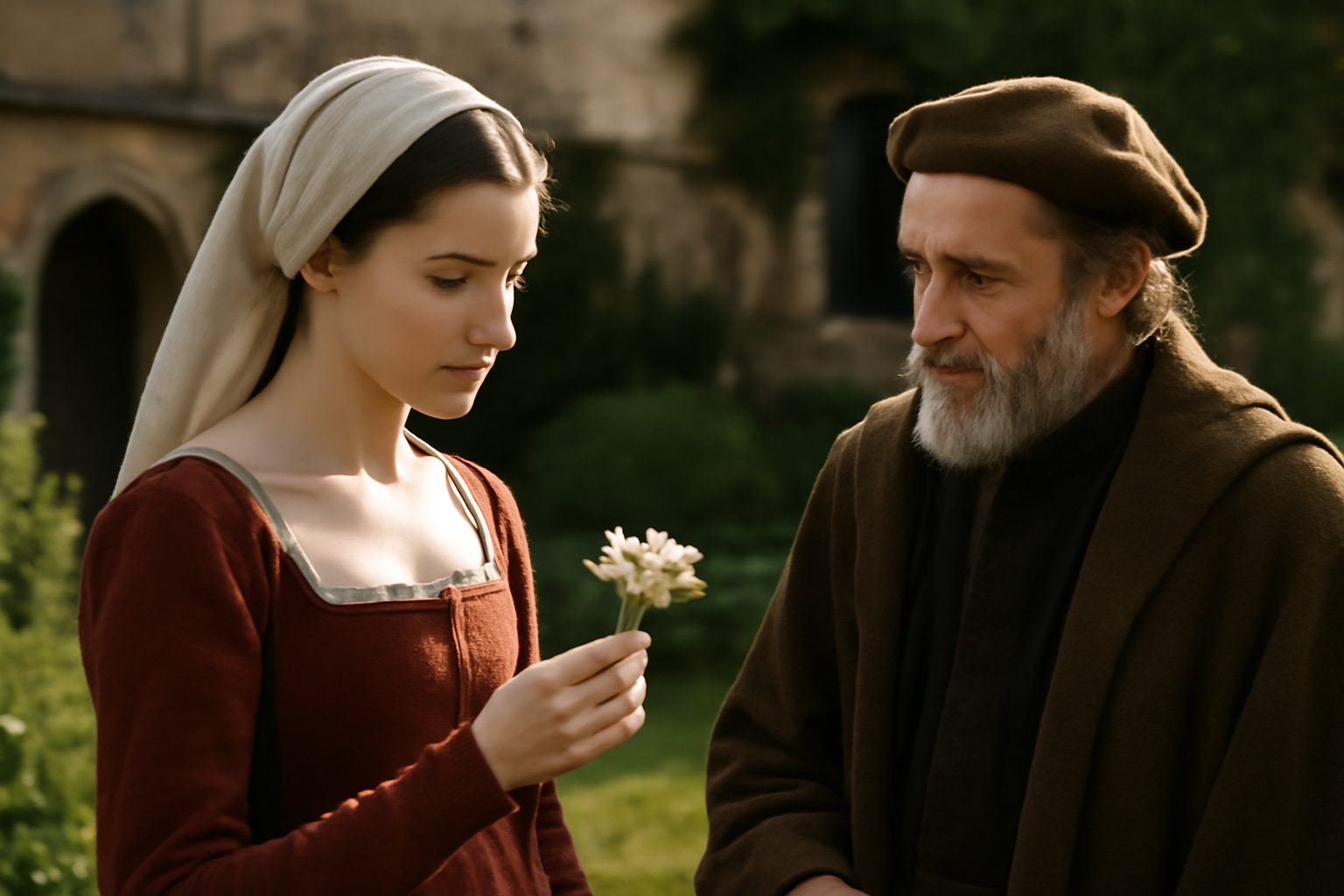
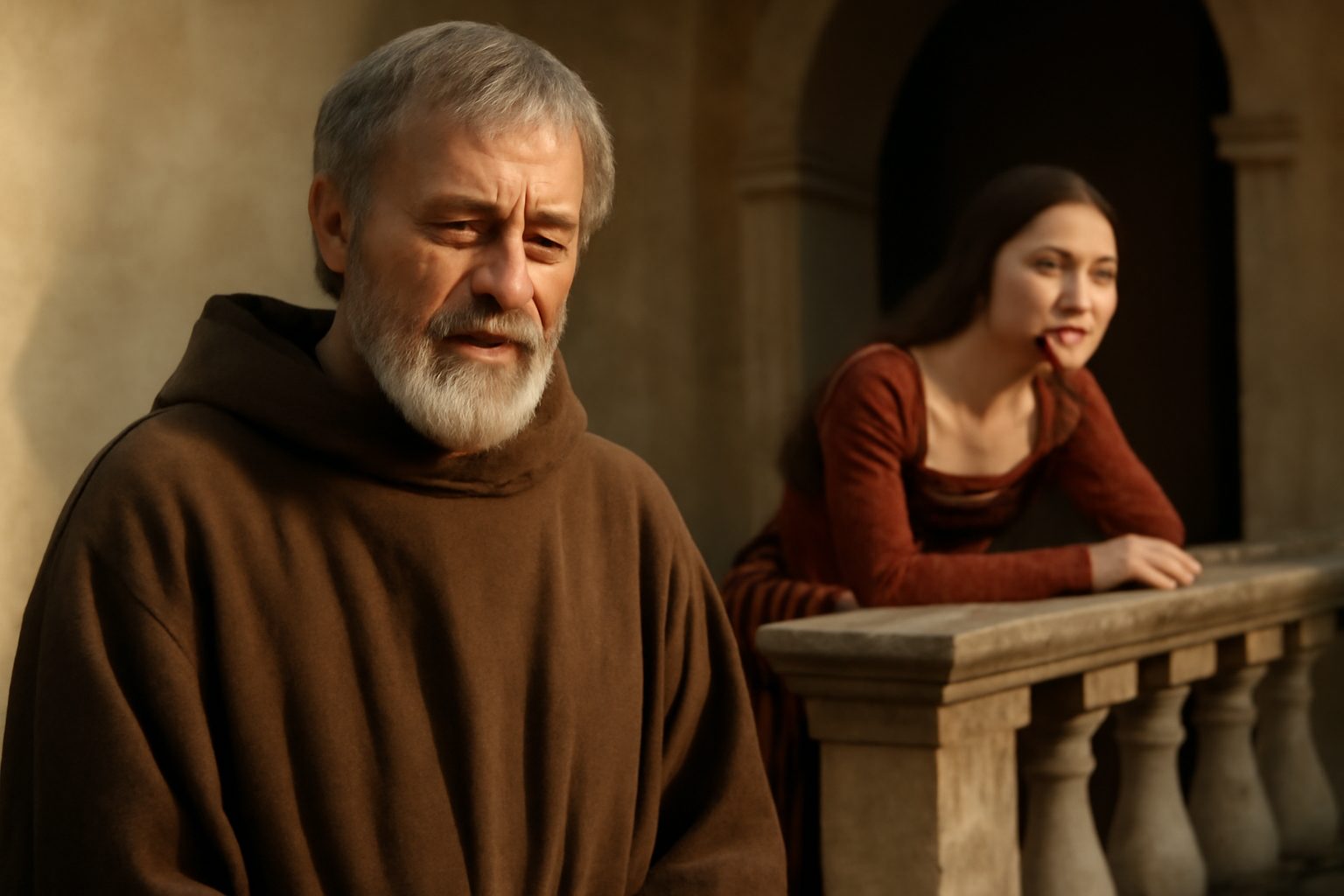
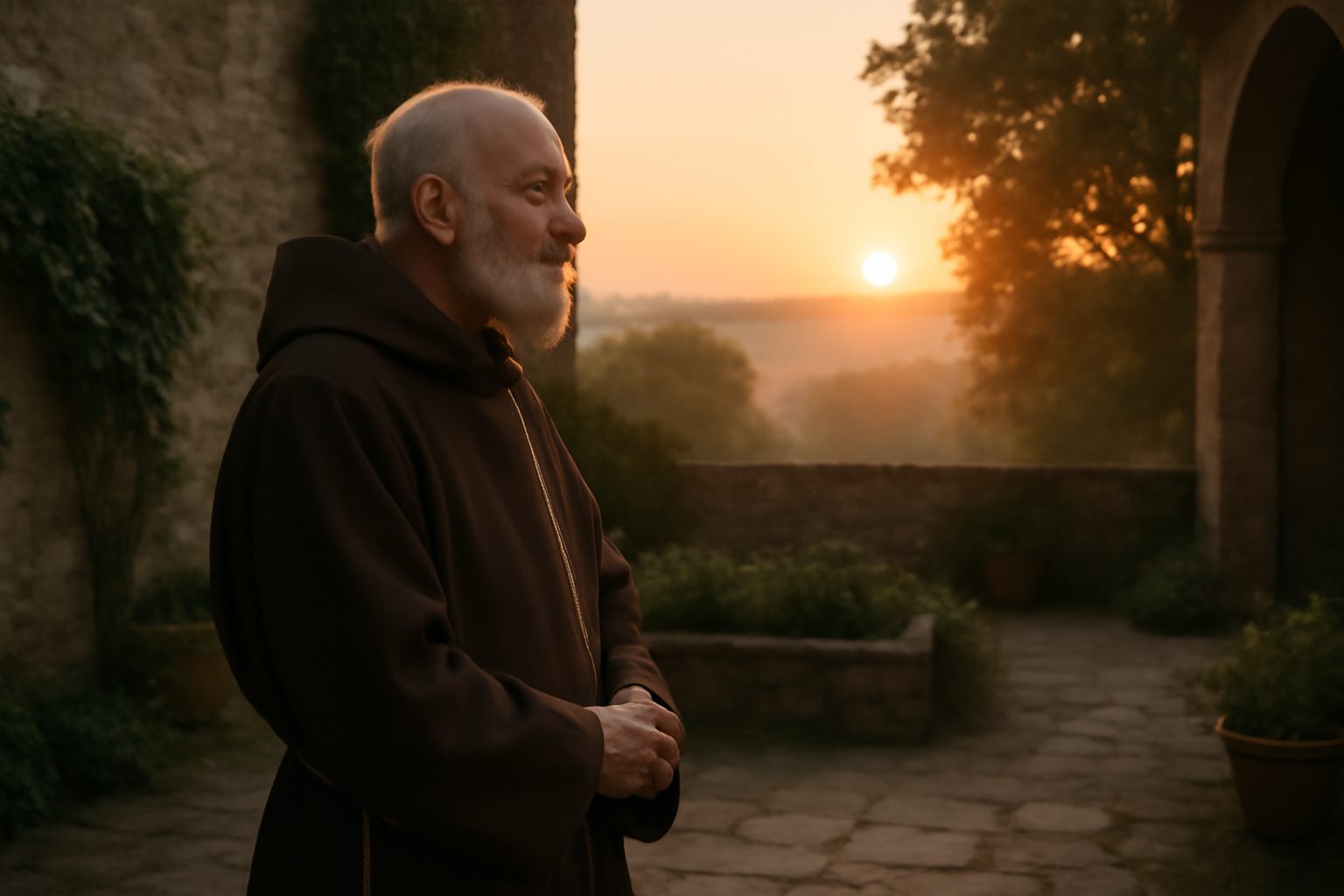
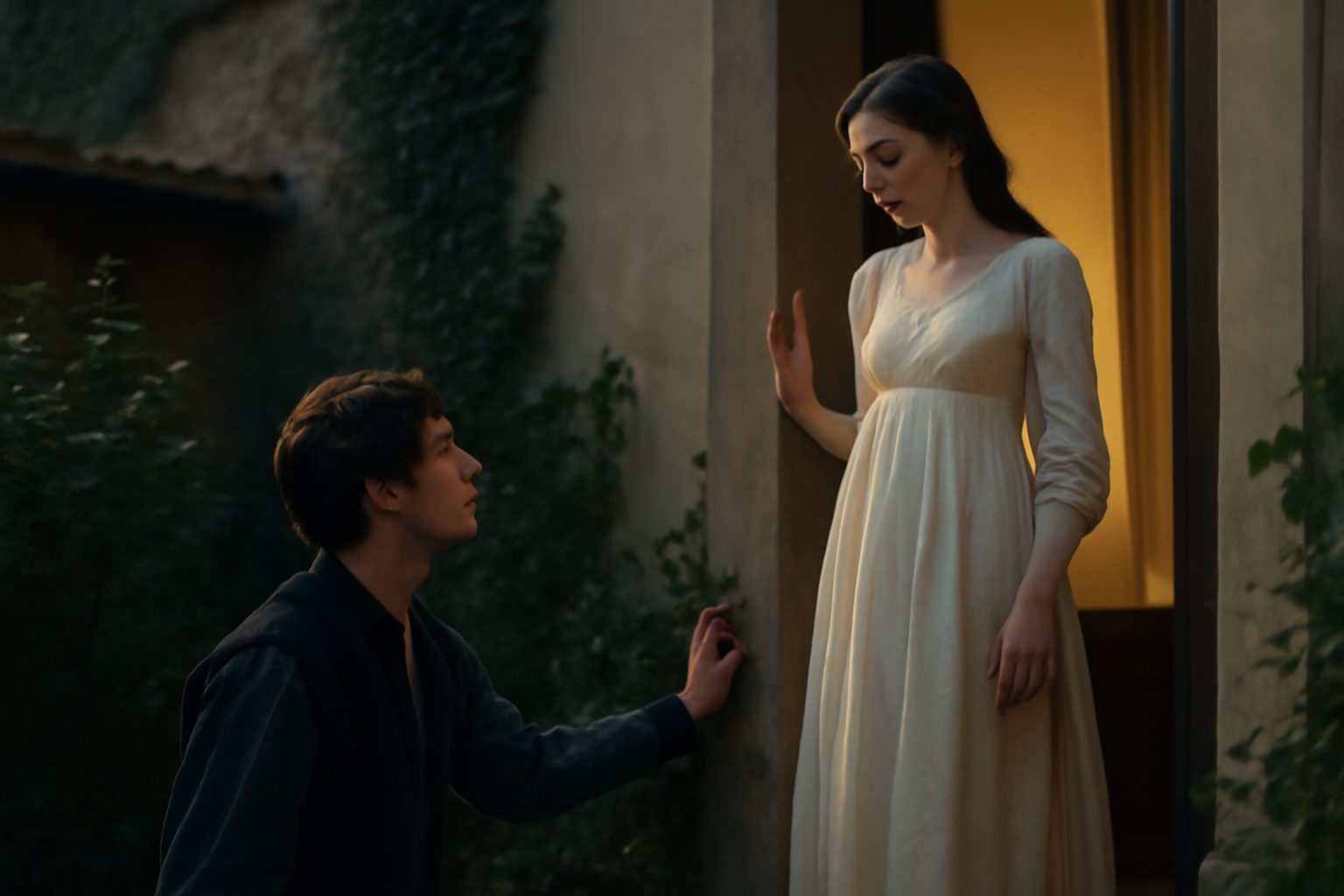
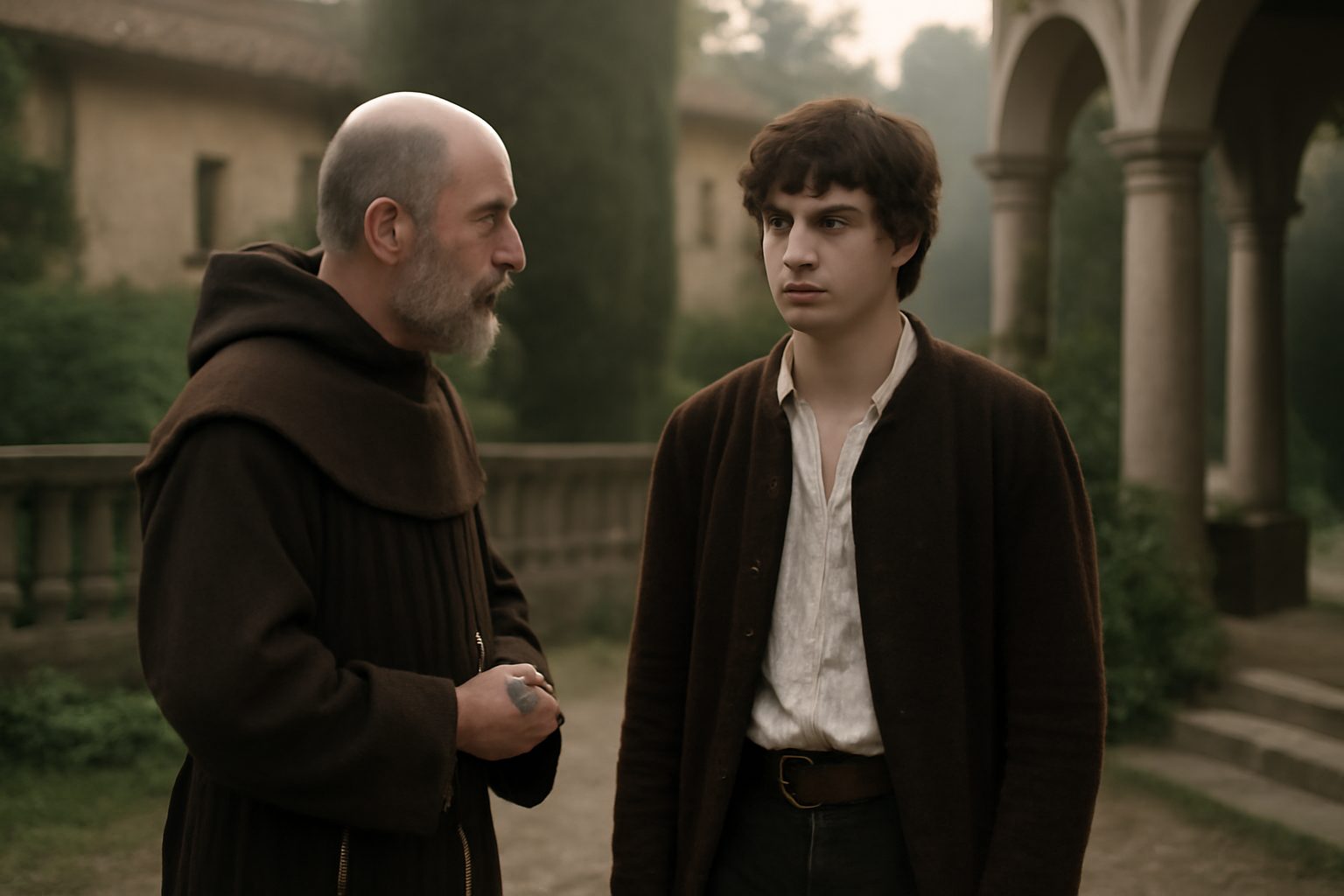
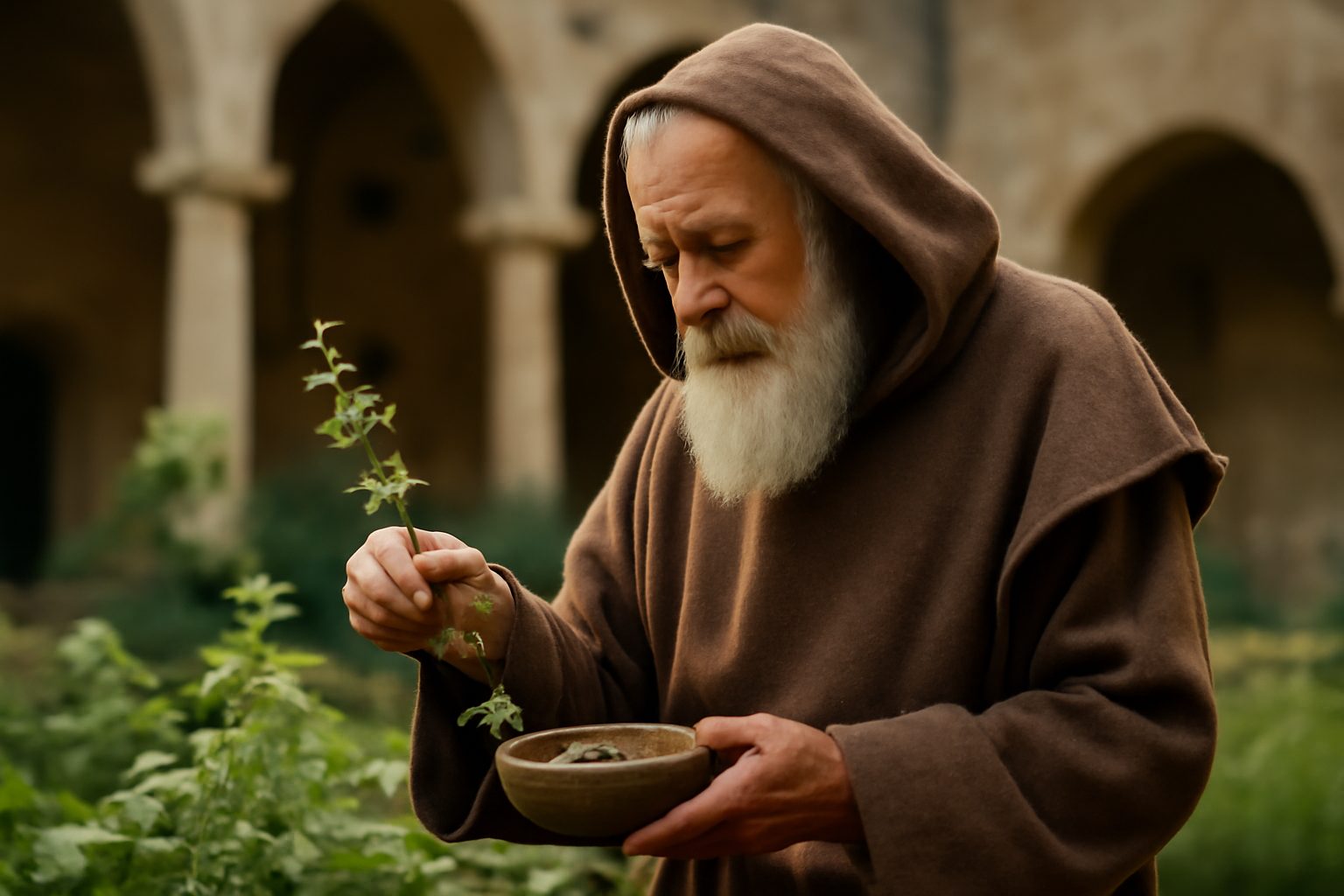
In Act 2, Scene 3 of Romeo and Juliet, Friar Laurence reflects on the duality of human nature while gathering herbs at dawn. This line comes as he muses on how even flawed or sinful actions can, under certain circumstances, be transformed into something virtuous. His philosophical soliloquy foreshadows his own role in the lovers' fate, where well-intentioned but risky decisions lead to tragedy.
Friar Laurence: "And vice sometimes by action dignified."
In modern day english, we would say:
Even wrong actions can seem justified when they lead to good results.
Frequently Asked Questions
What does Friar Laurence mean when he says that vice can sometimes be made to seem good?
He means that even bad actions can appear noble or justified depending on the situation or how they are presented.
Connections to other verses:
Connections to "And vice sometimes by action dignified"
The verse And vice sometimes by action dignified is part of Friar Laurence's soliloquy on the dual nature of things, where good and evil coexist. This theme is echoed in several other verses of the scene.
Dual Nature and Transformation
Directly preceding this line, Virtue itself turns vice, being misapplied establishes the idea that virtue can become vice if misused, reinforcing the concept that actions define morality. Similarly, Poison hath residence and medicine power illustrates how the same substance can be harmful or healing, depending on its use.
Inherent Good and Evil
The Friar's reflection that For nought so vile that on the earth doth live but has some good, and Nor aught so good but strain'd from that fair use can become abused, further develops the idea that vice can be dignified through action, as even the vilest things contain potential for good.
Human Nature and Will
This connects to In man as well as herbs, grace and rude will, highlighting the internal struggle between virtue and base desires in humans, where vice might be dignified if channeled rightly. The consequence of such imbalance is noted in And where the worser is predominant, full soon the canker death eats up that plant, showing how vice prevailing leads to destruction.
Application to Romeo's Situation
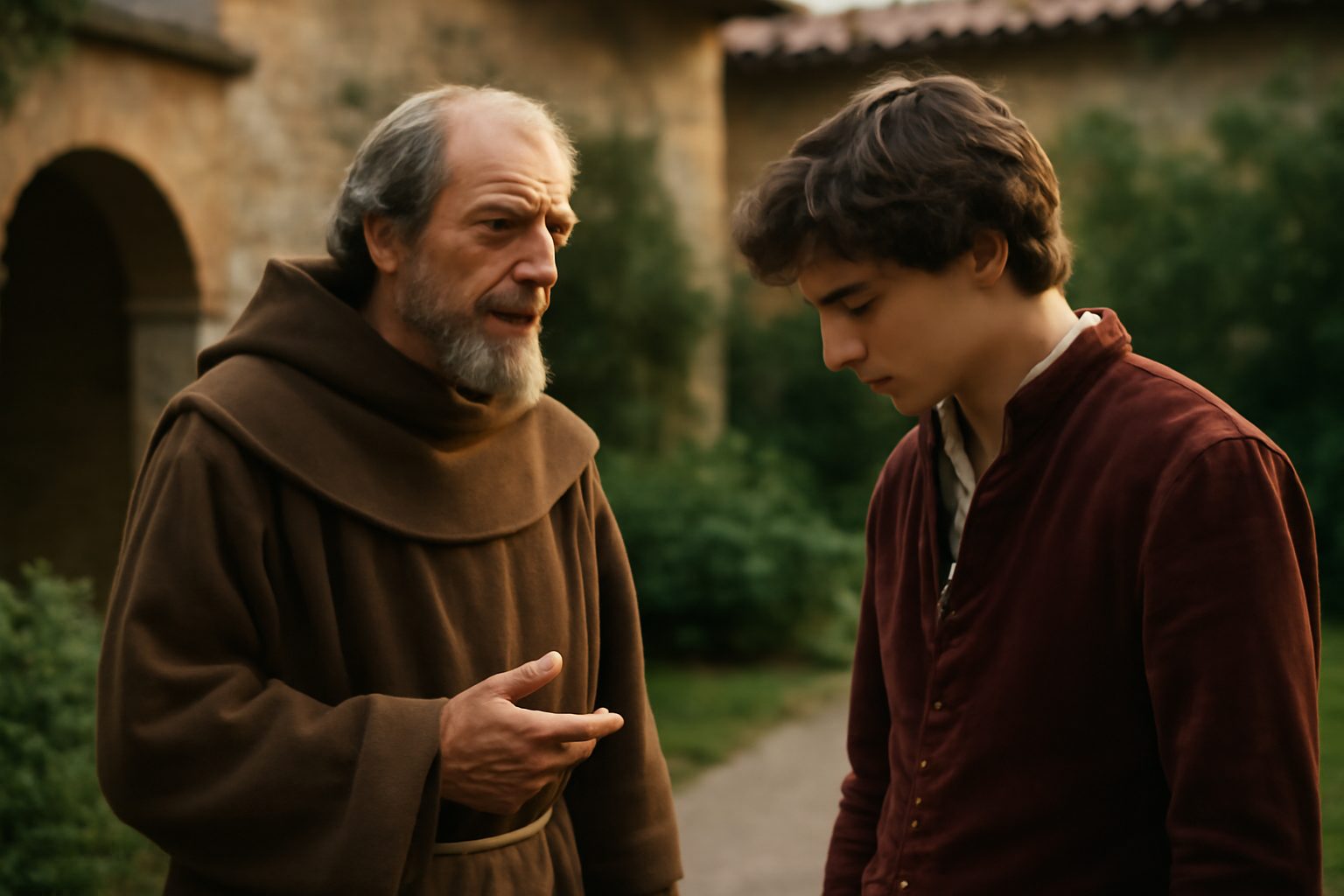
Friar Laurence later admonishes Romeo for his rashness in love, noting For doting, not for loving, pupil mine, suggesting Romeo's actions (vice-like in their impulsivity) need dignifying through truer intention. The Friar's decision to marry Romeo and Juliet despite the feud (To turn your households' rancour to pure love) can be seen as an attempt to dignify a vice (secret marriage) into a virtuous action for peace.