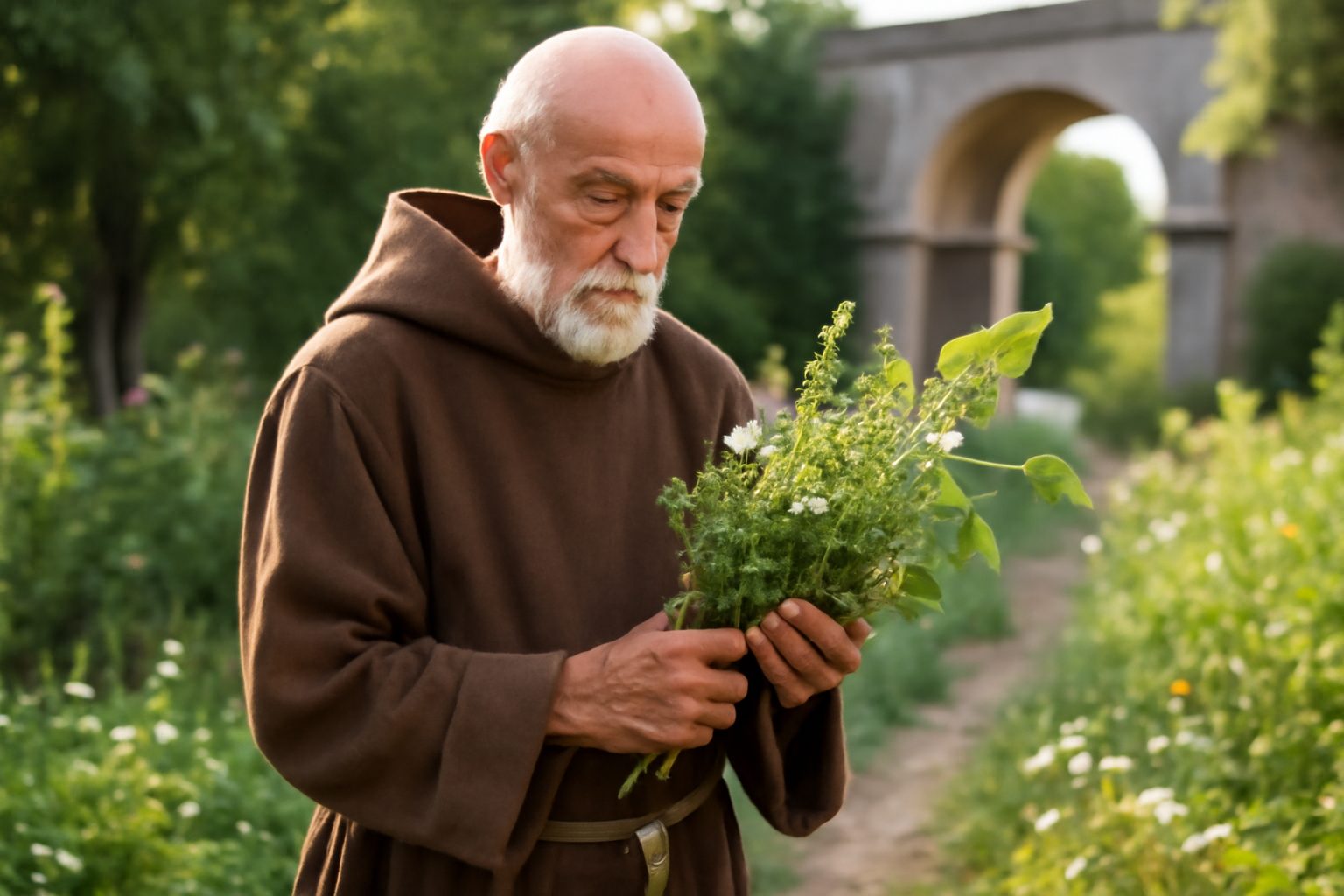
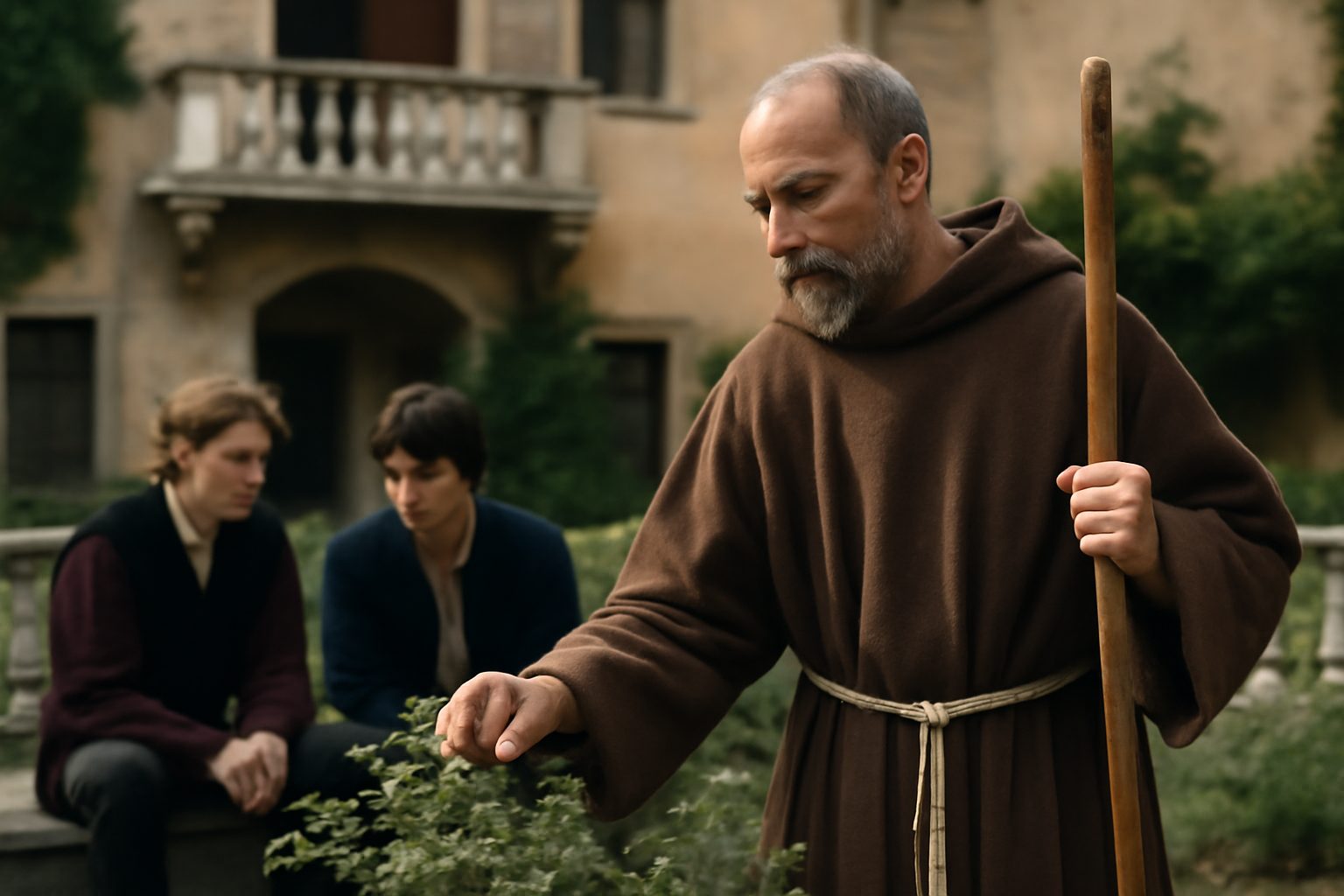
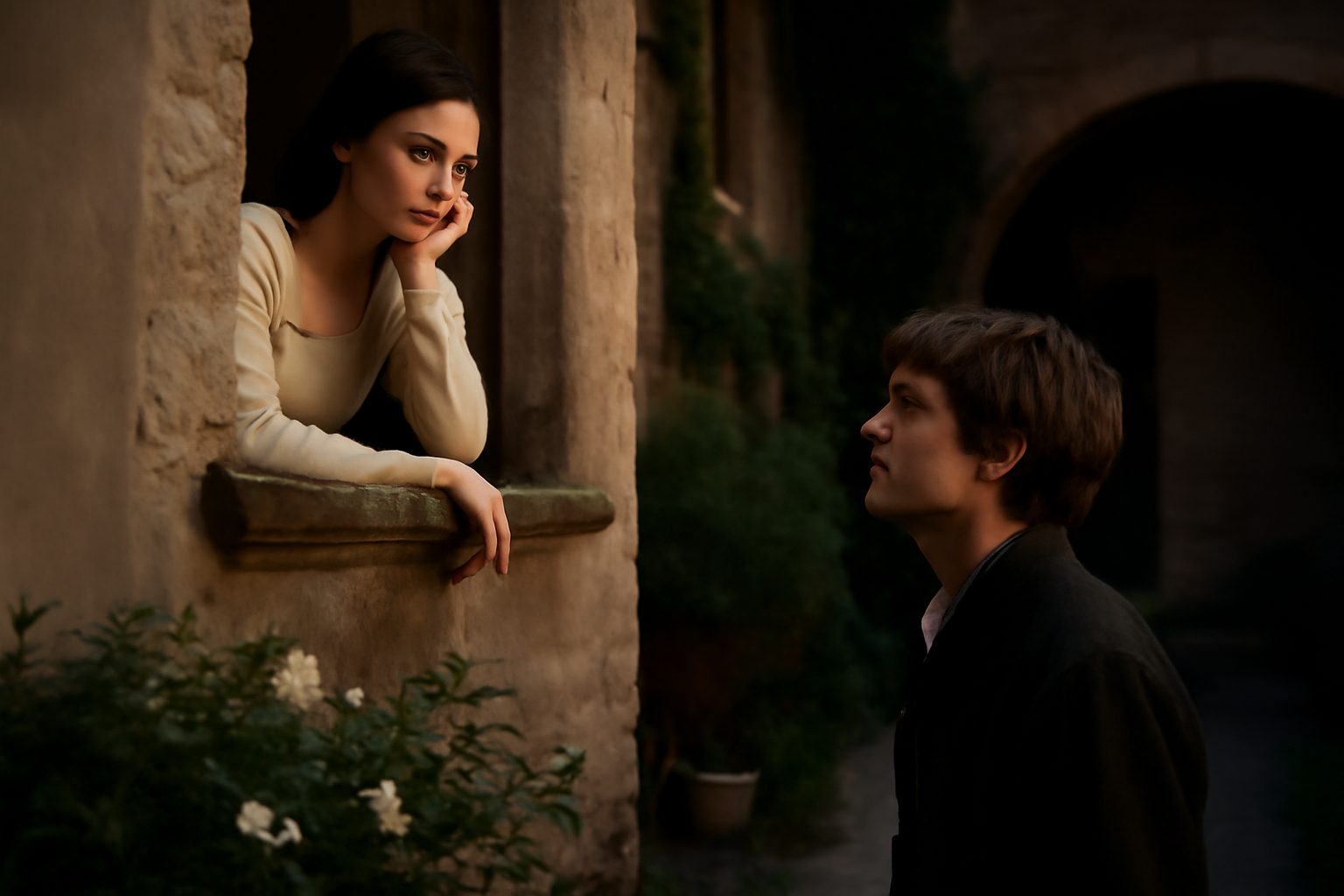
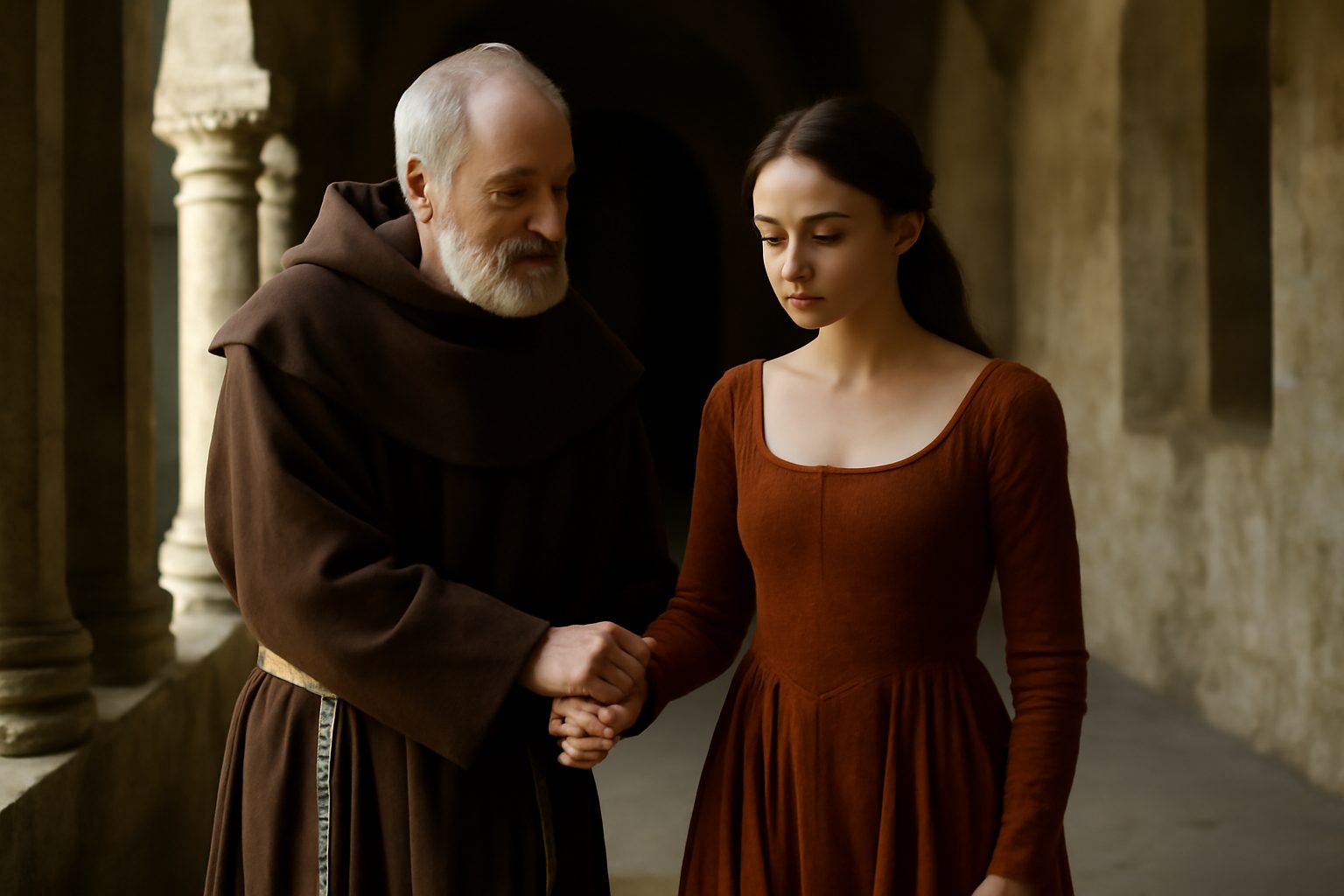
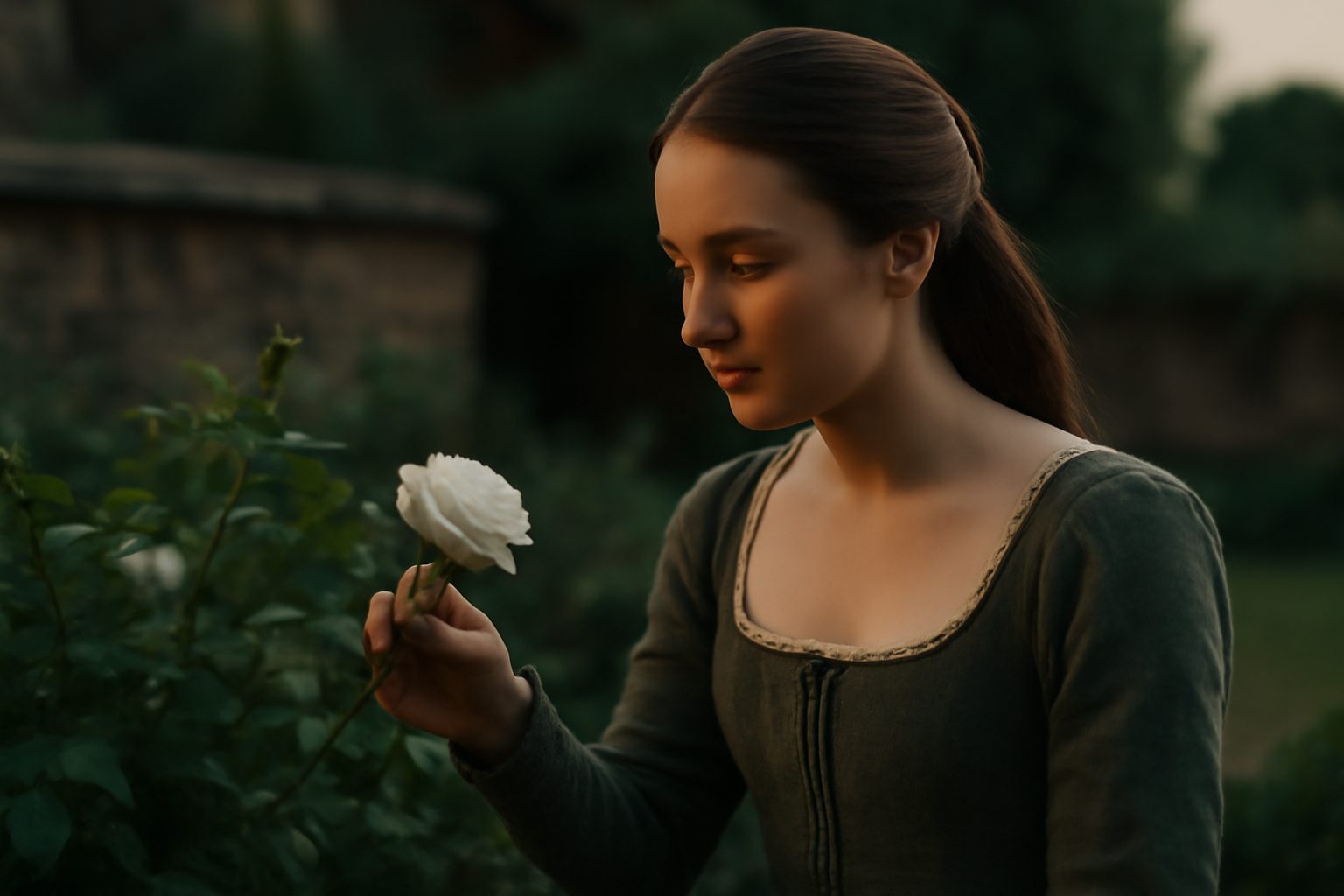
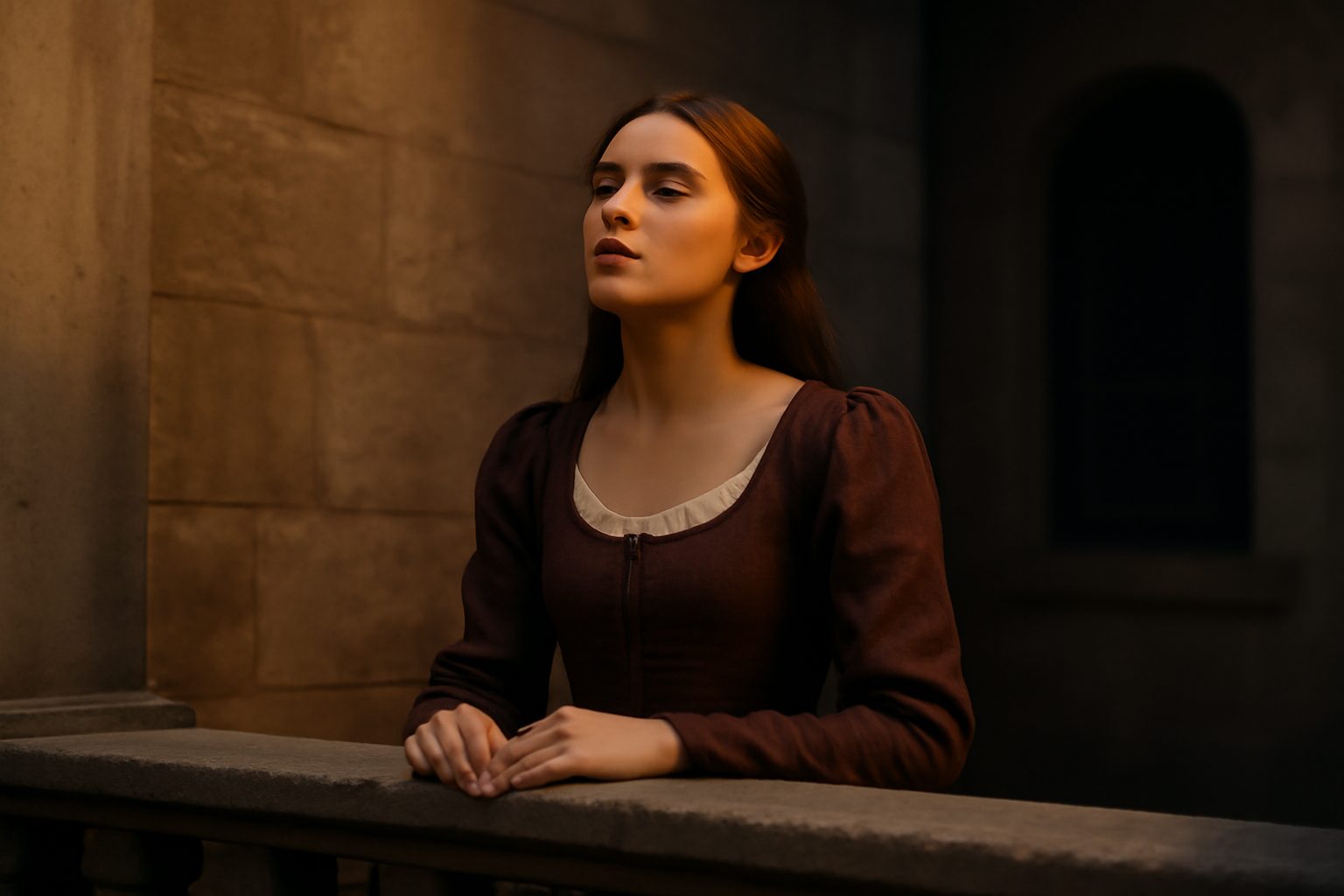
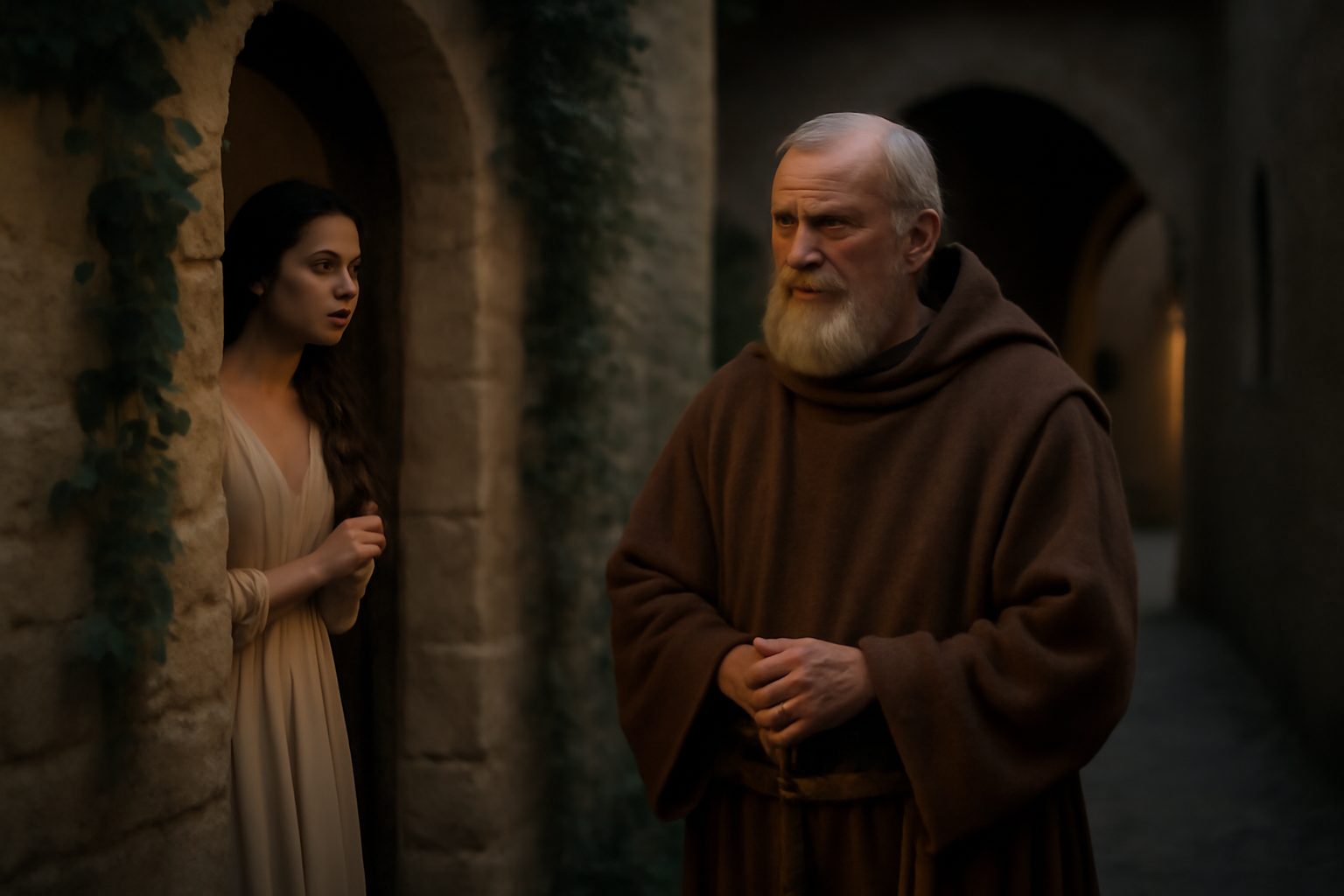
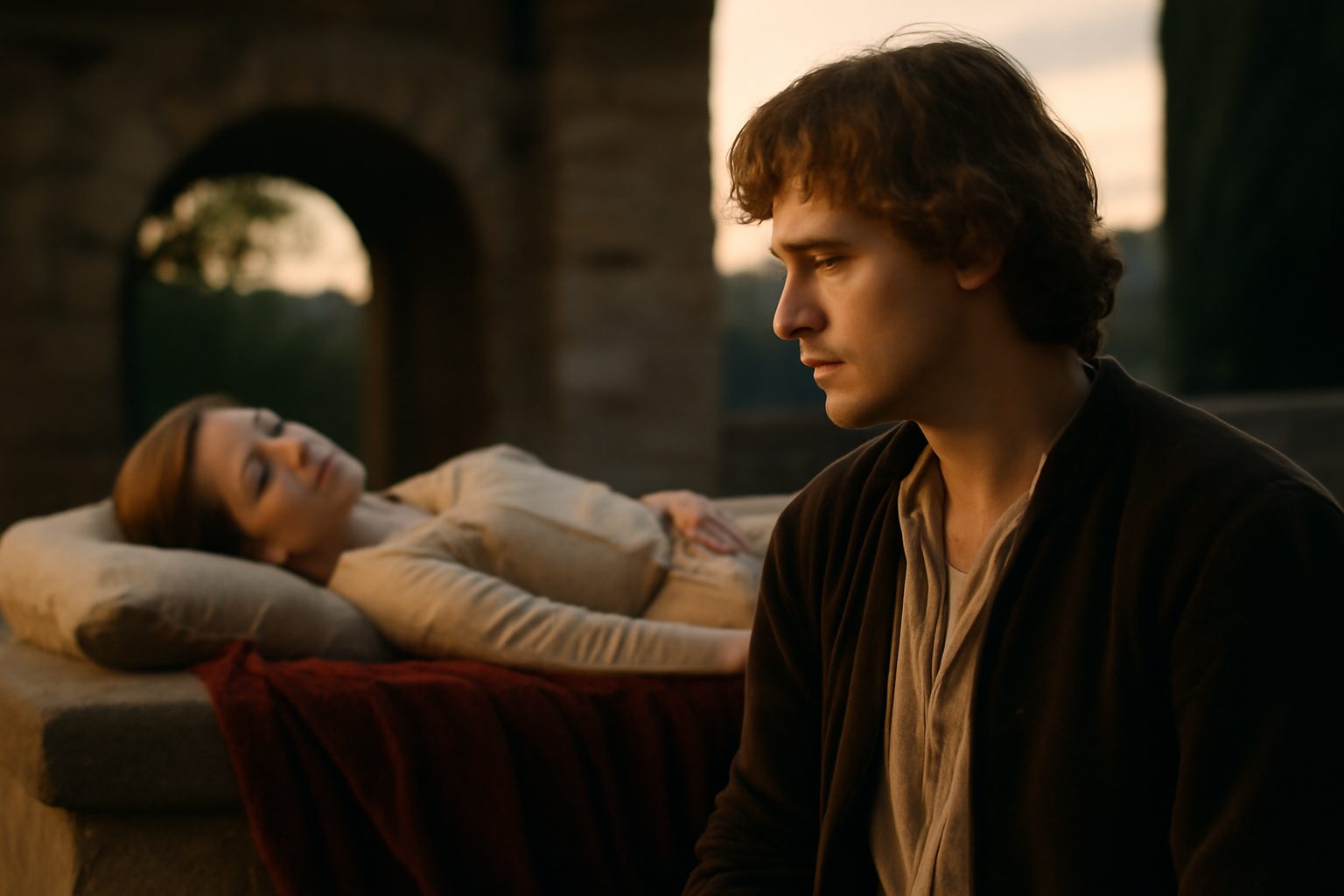
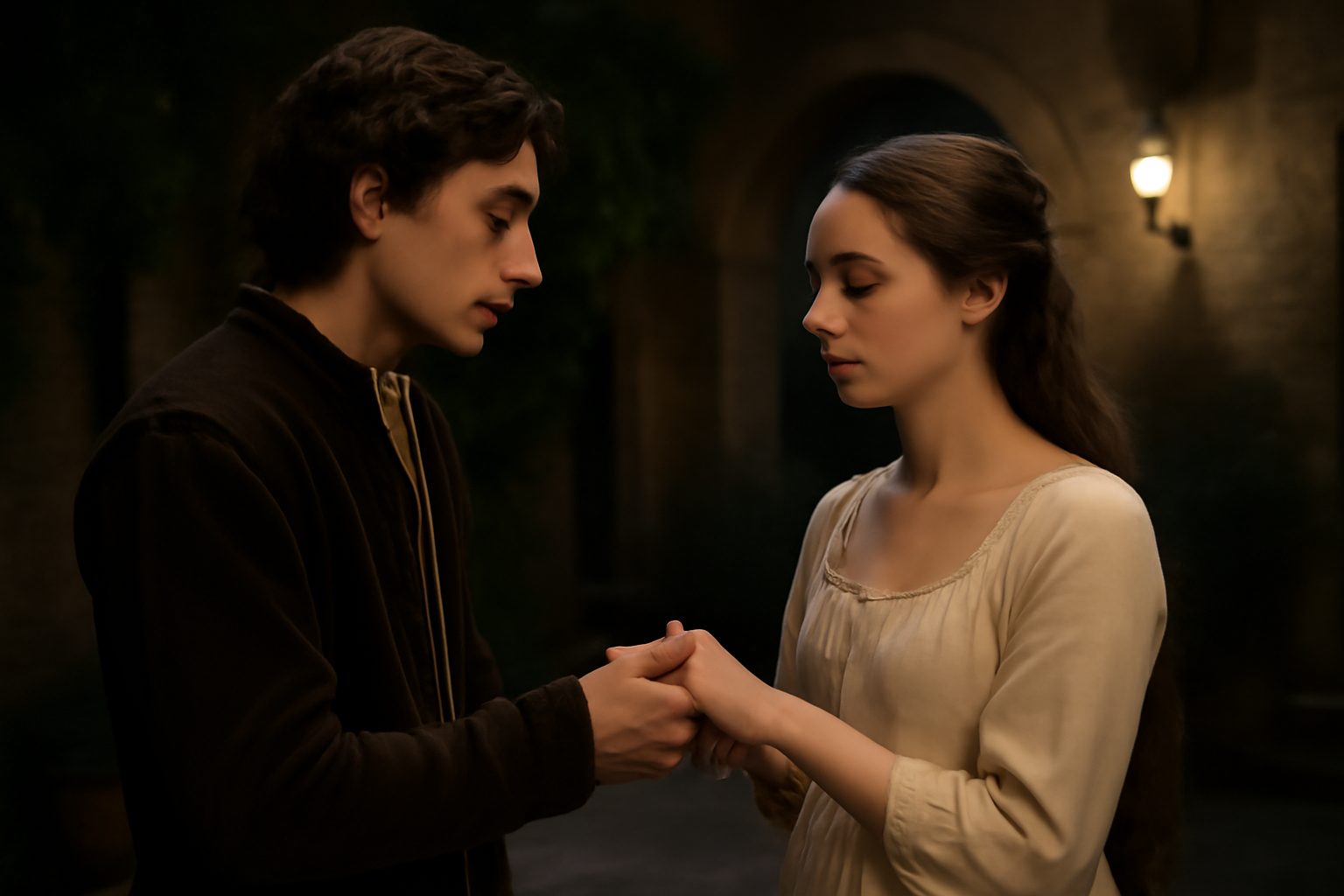
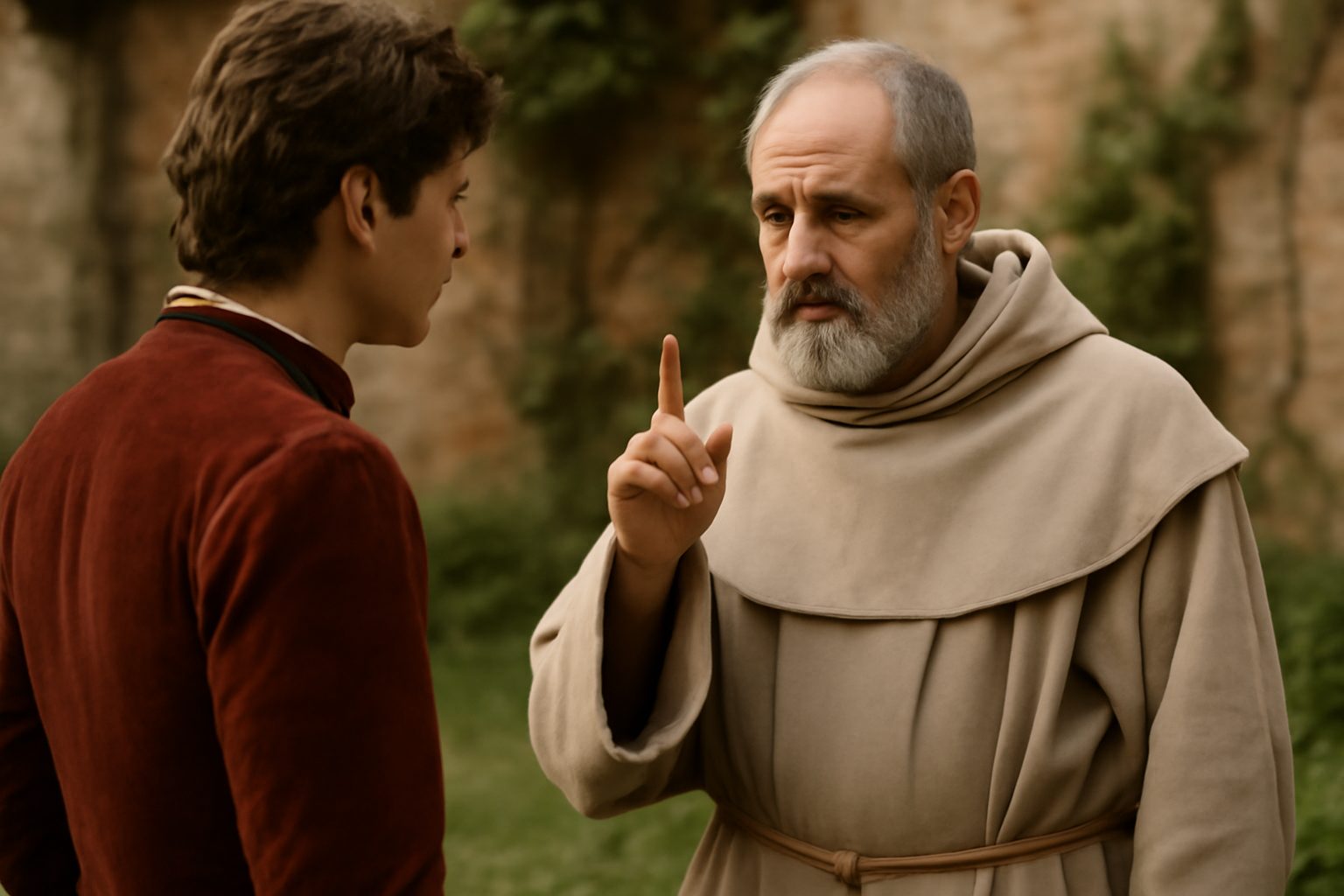
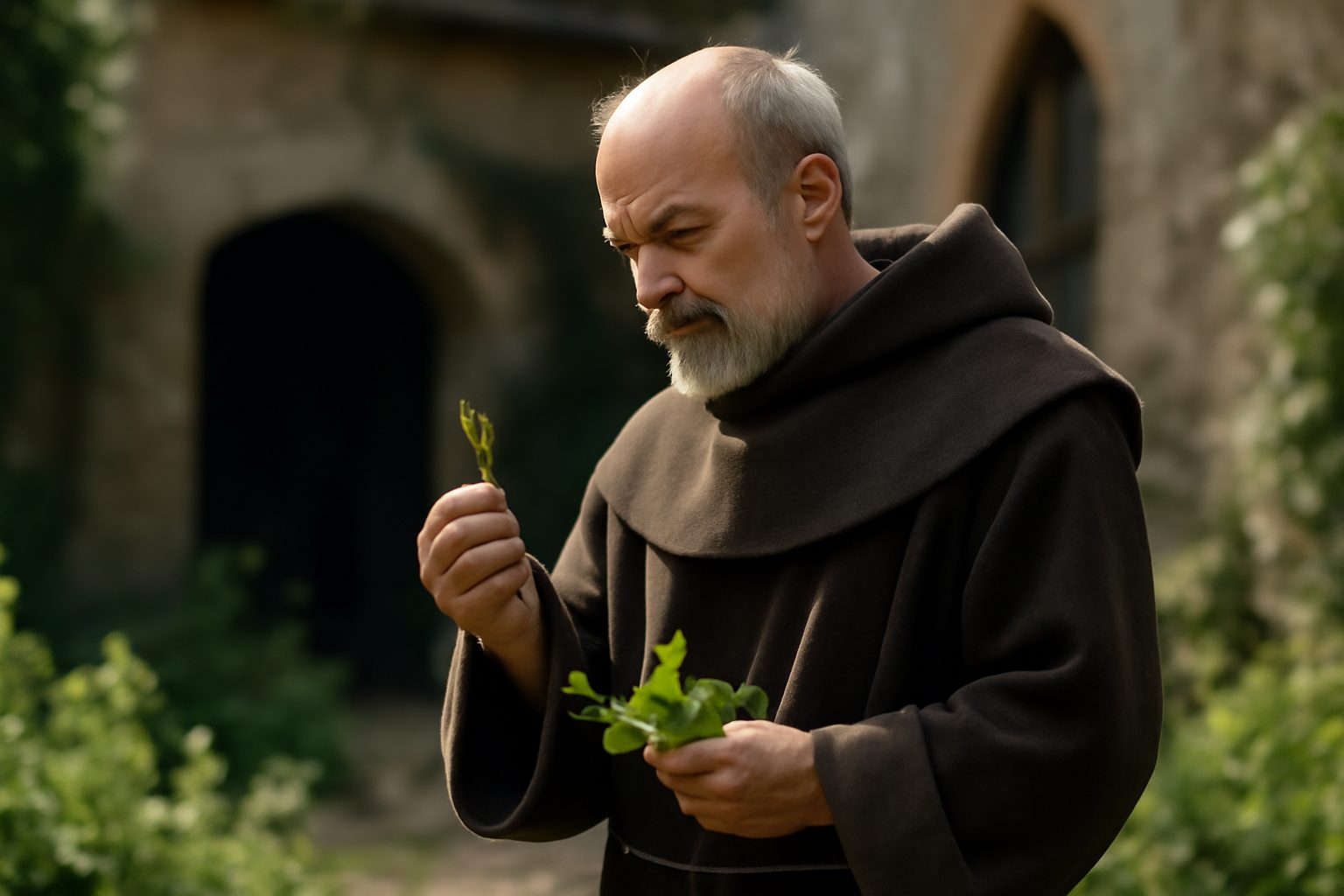
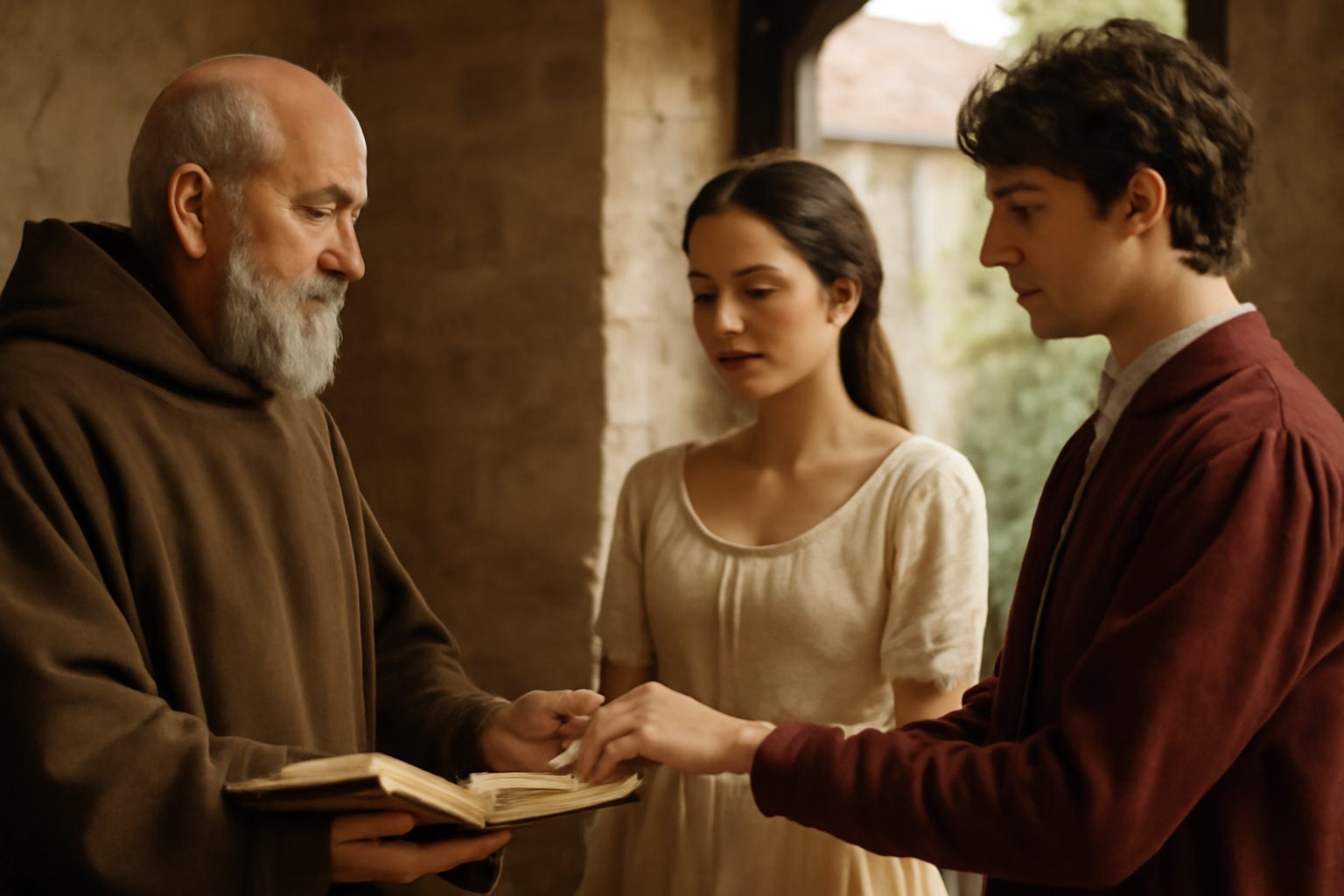
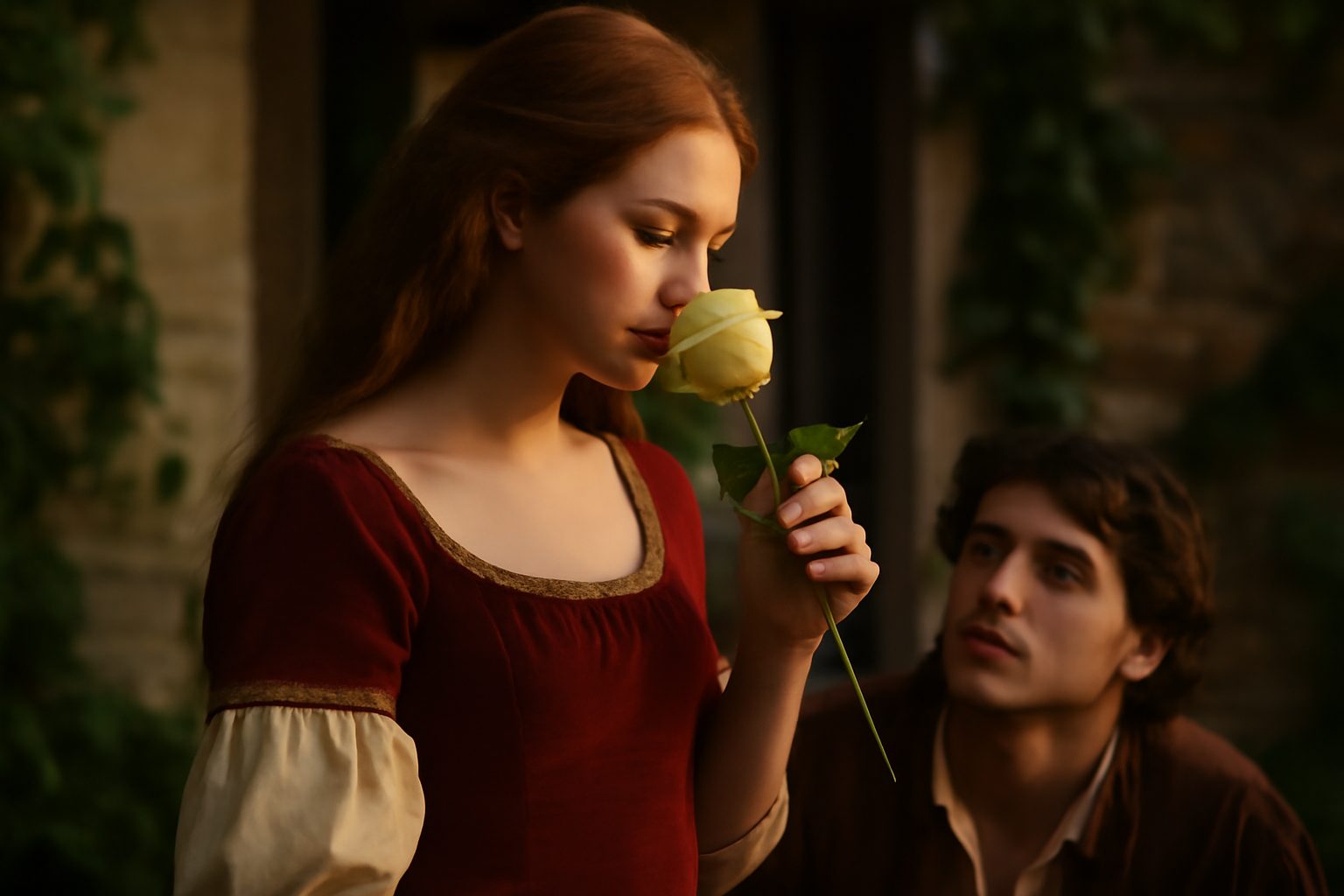
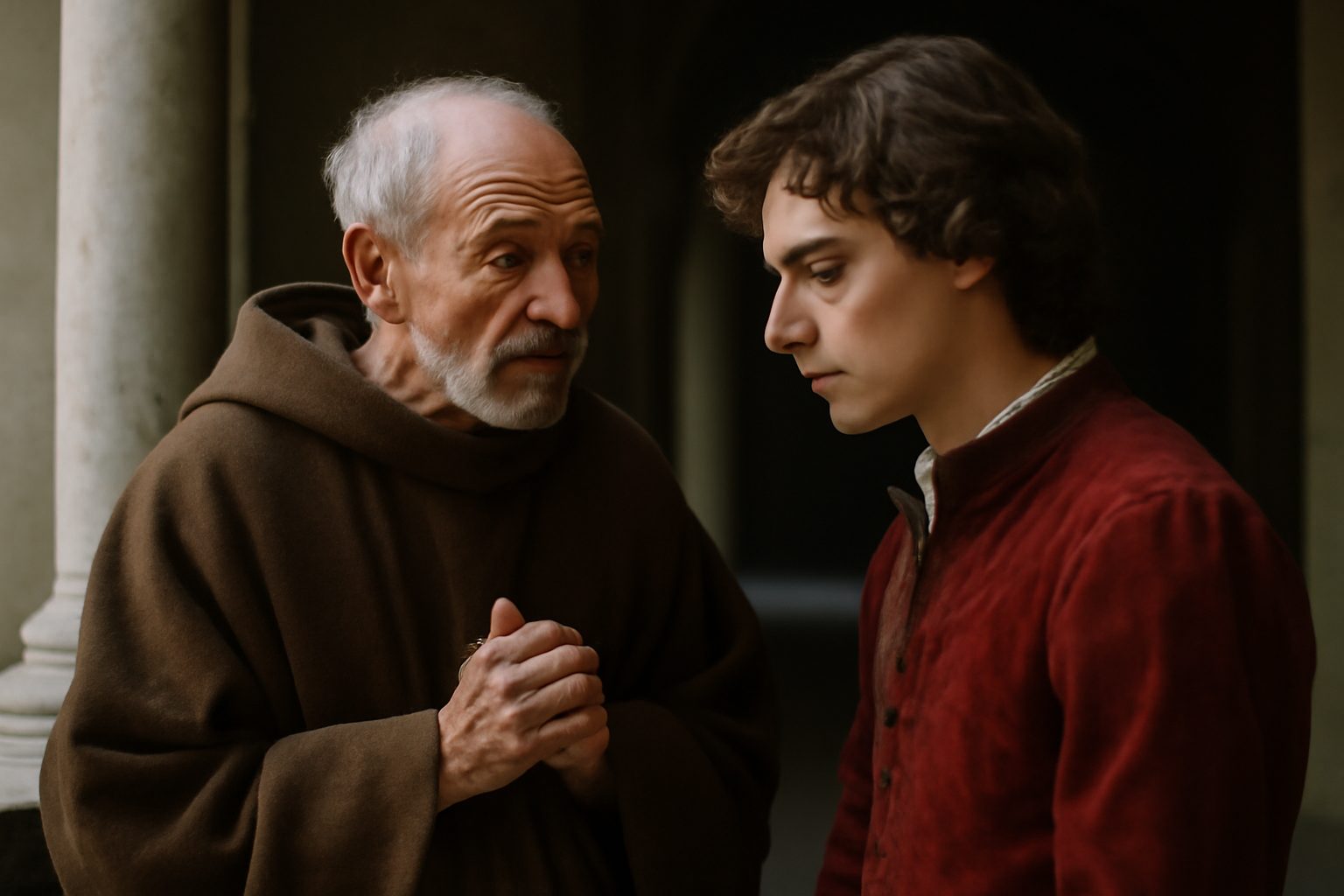
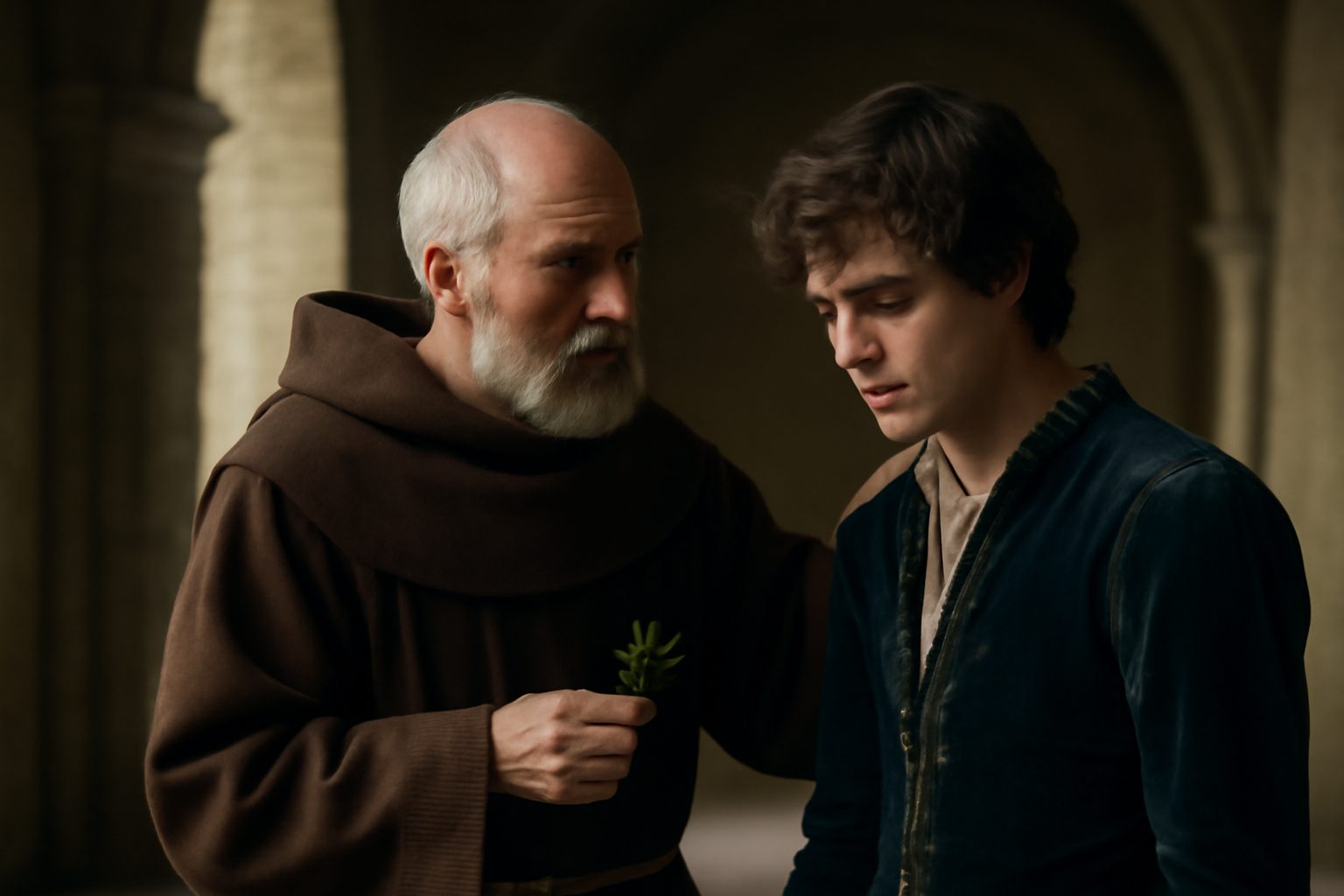
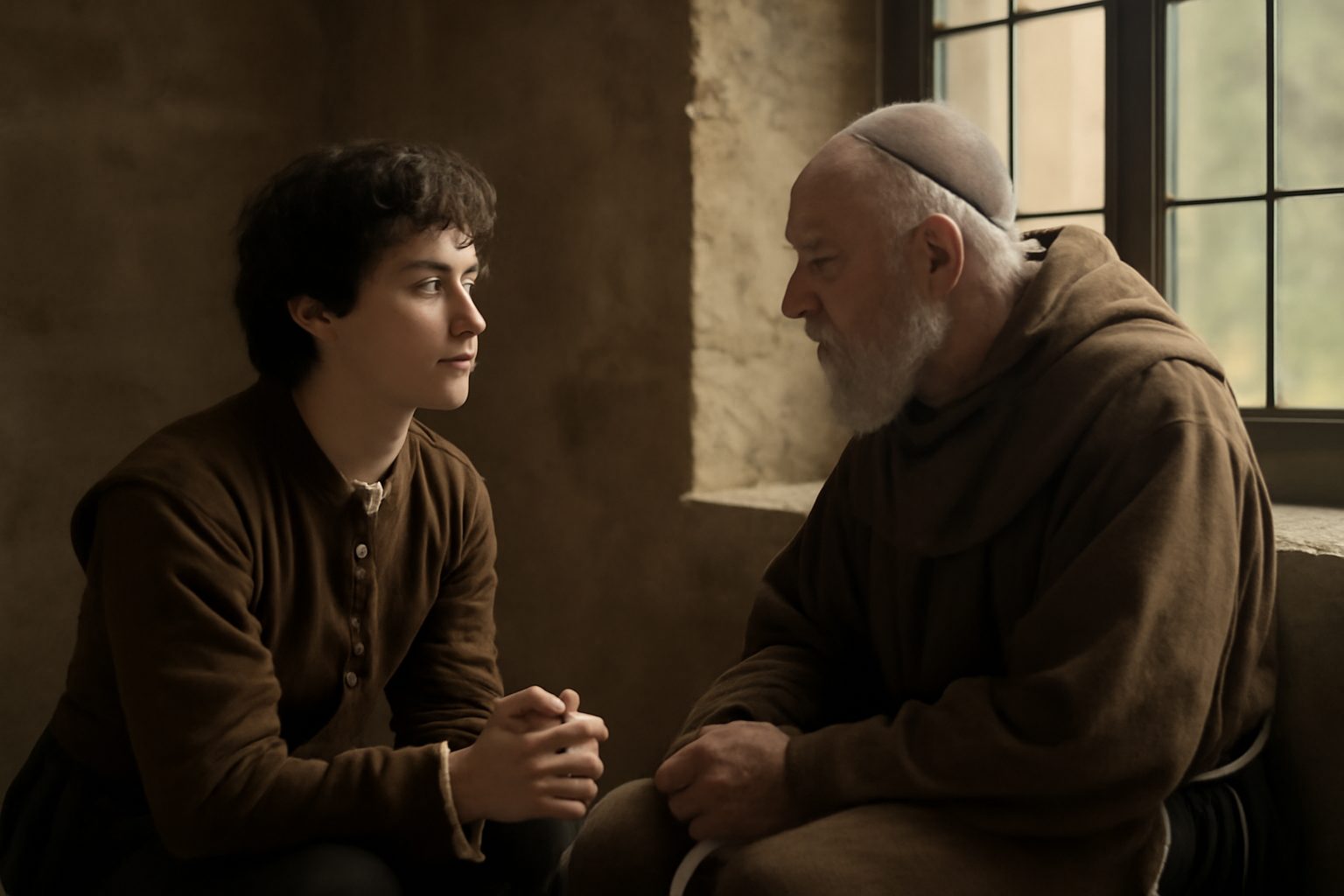
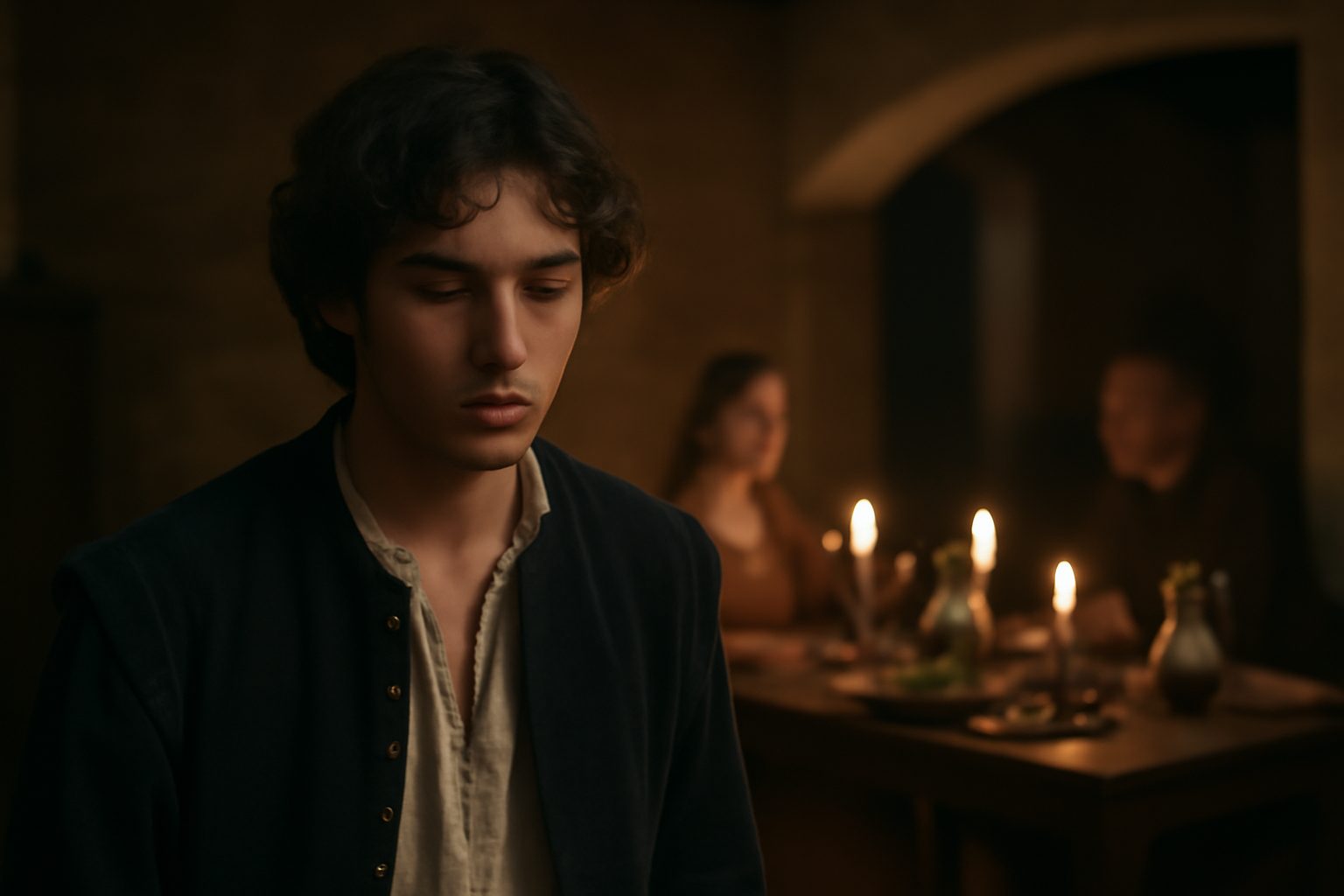
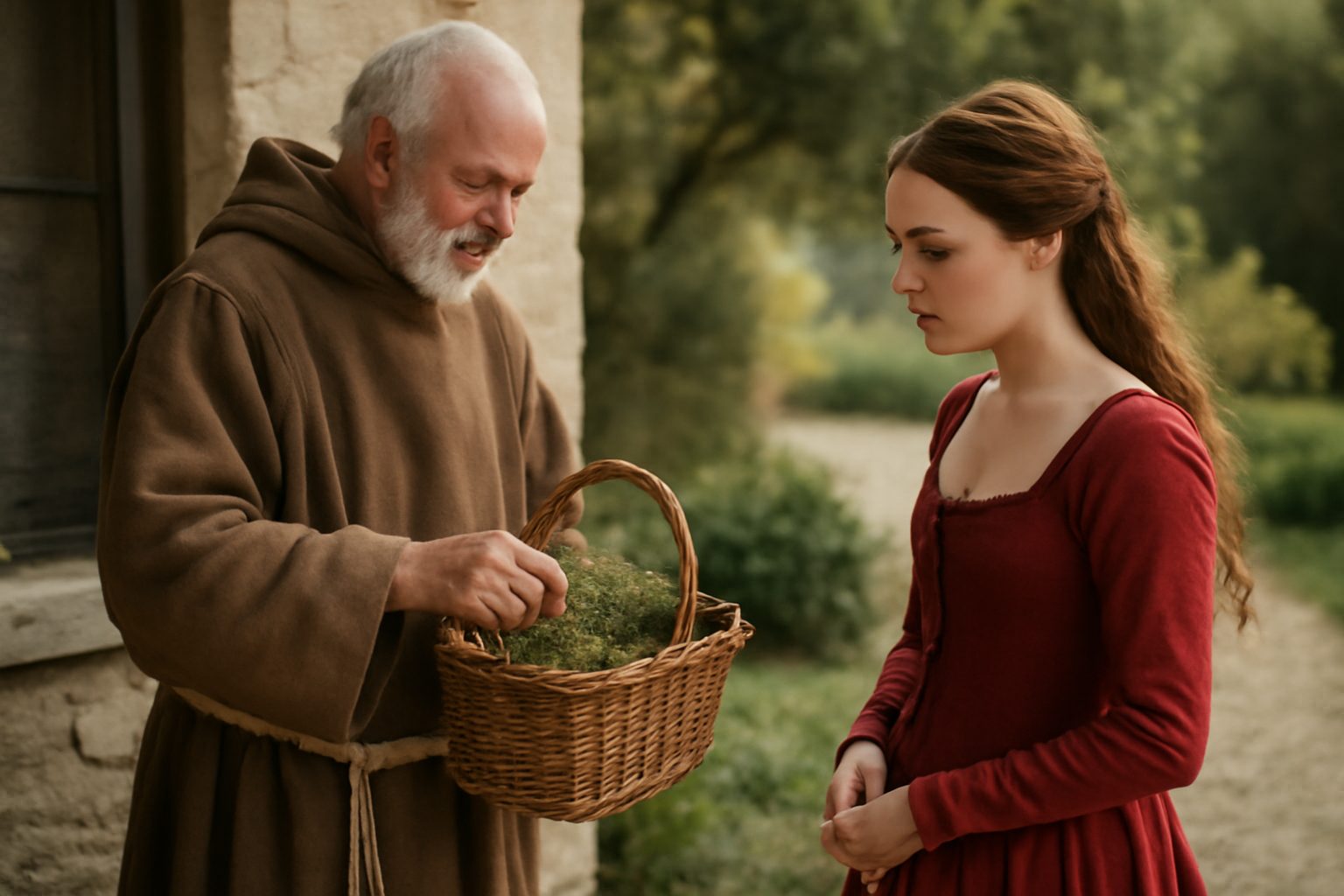
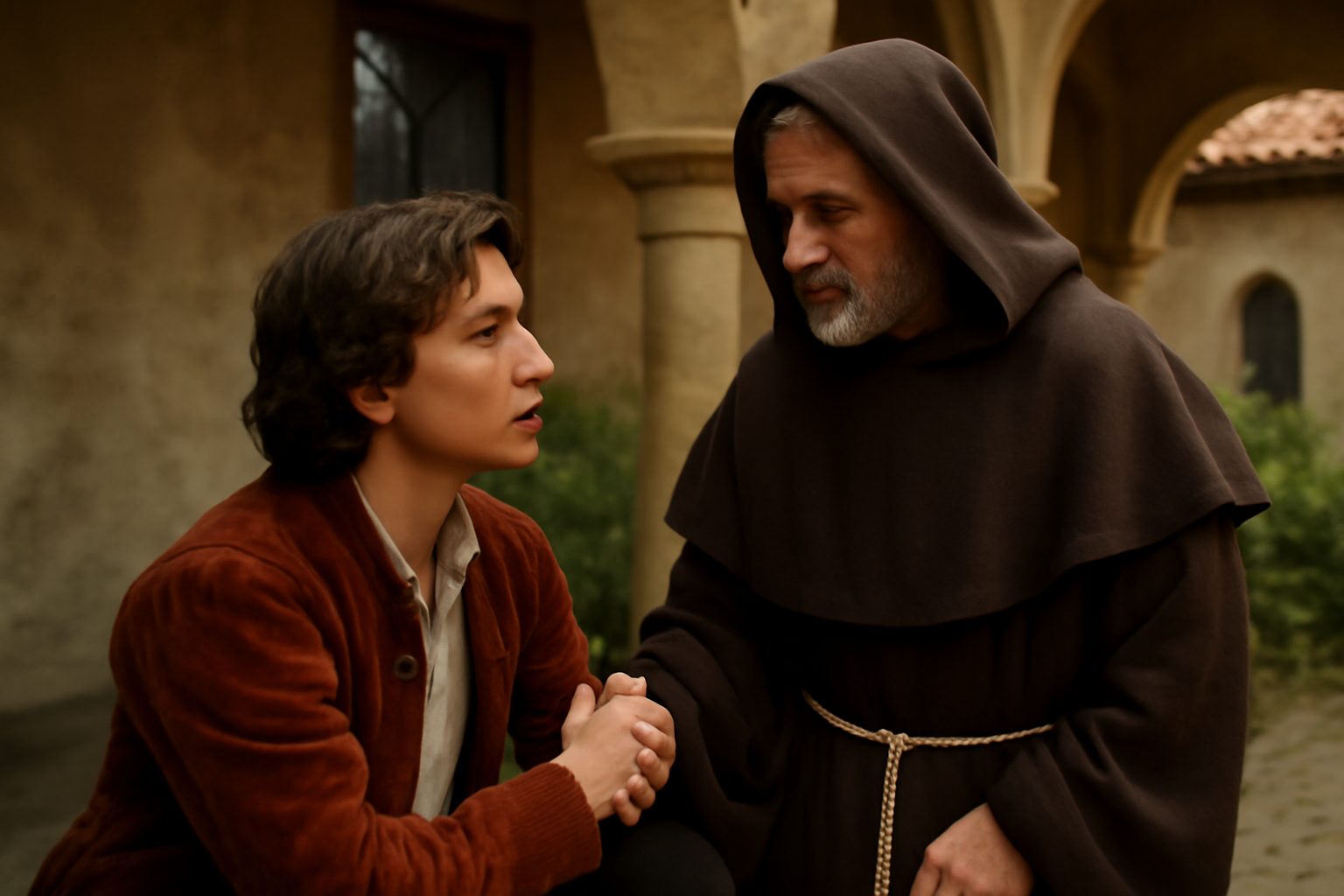
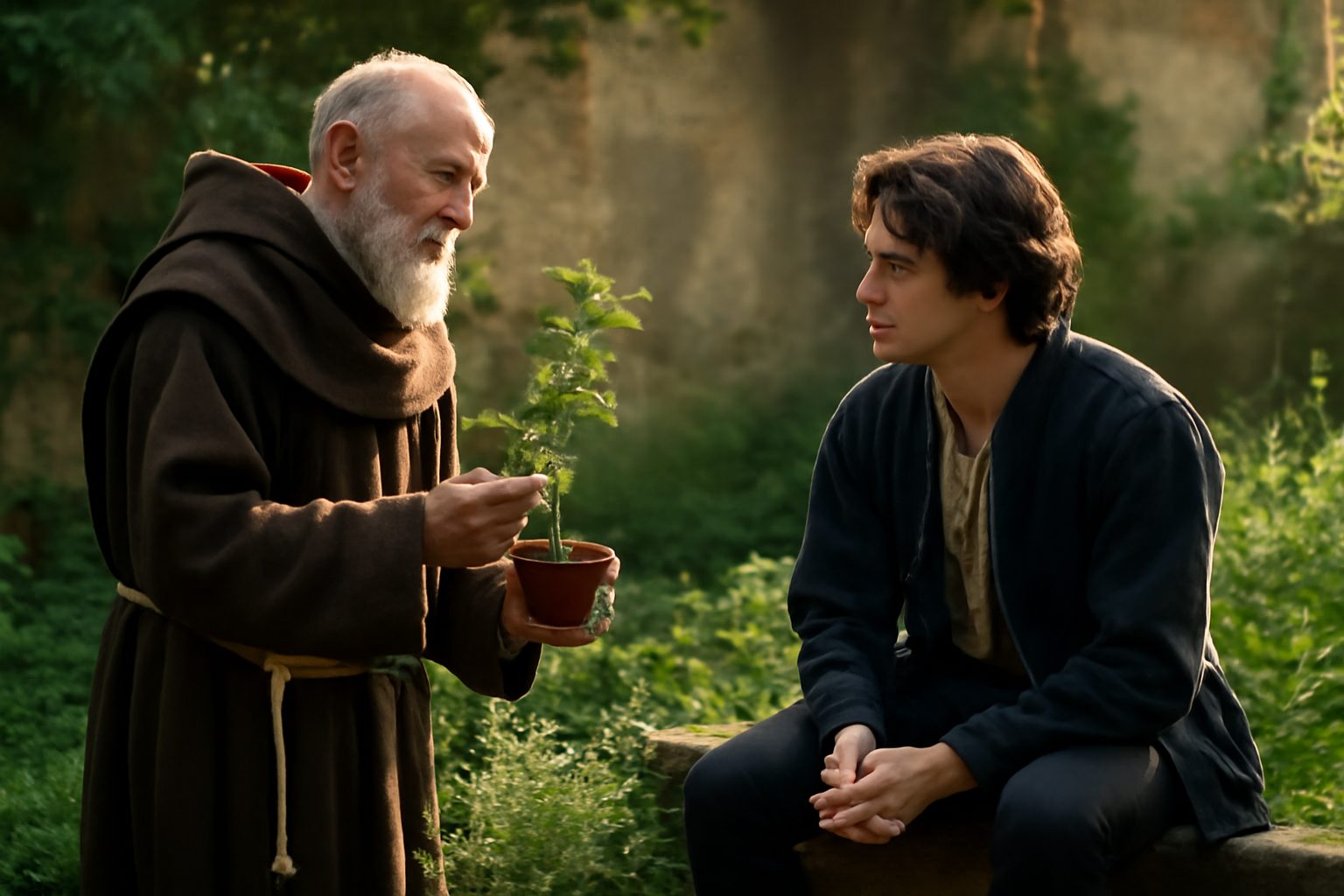
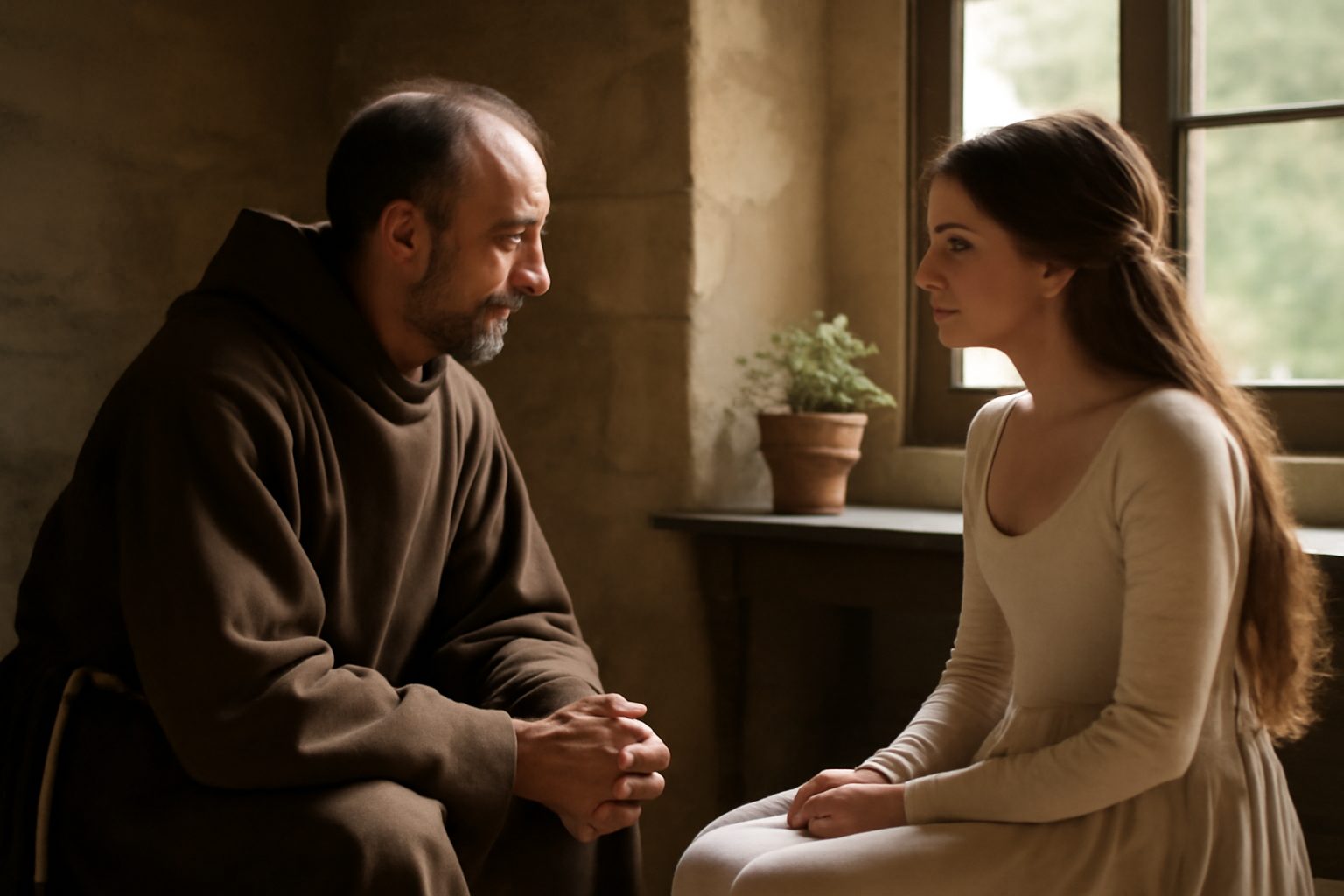
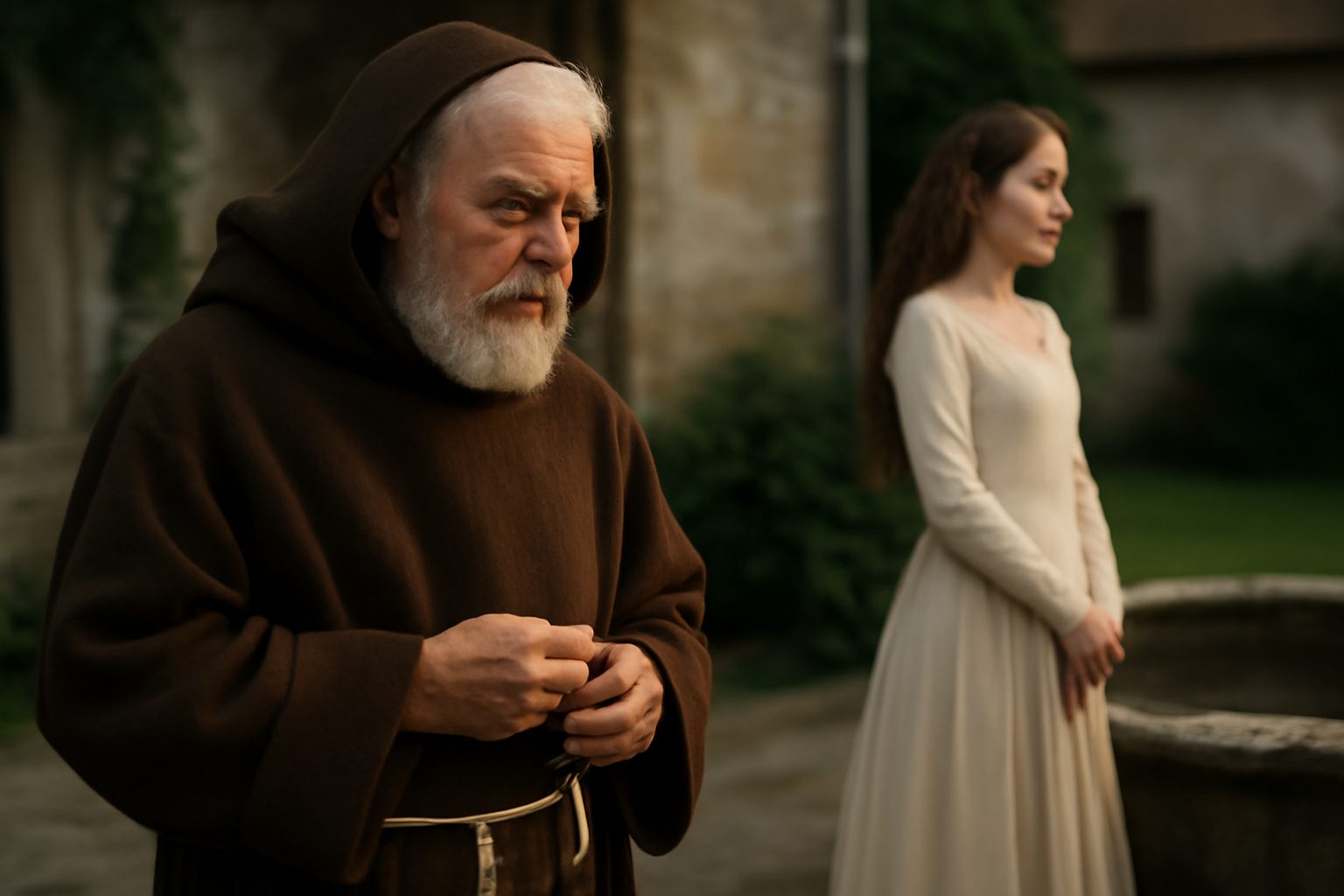
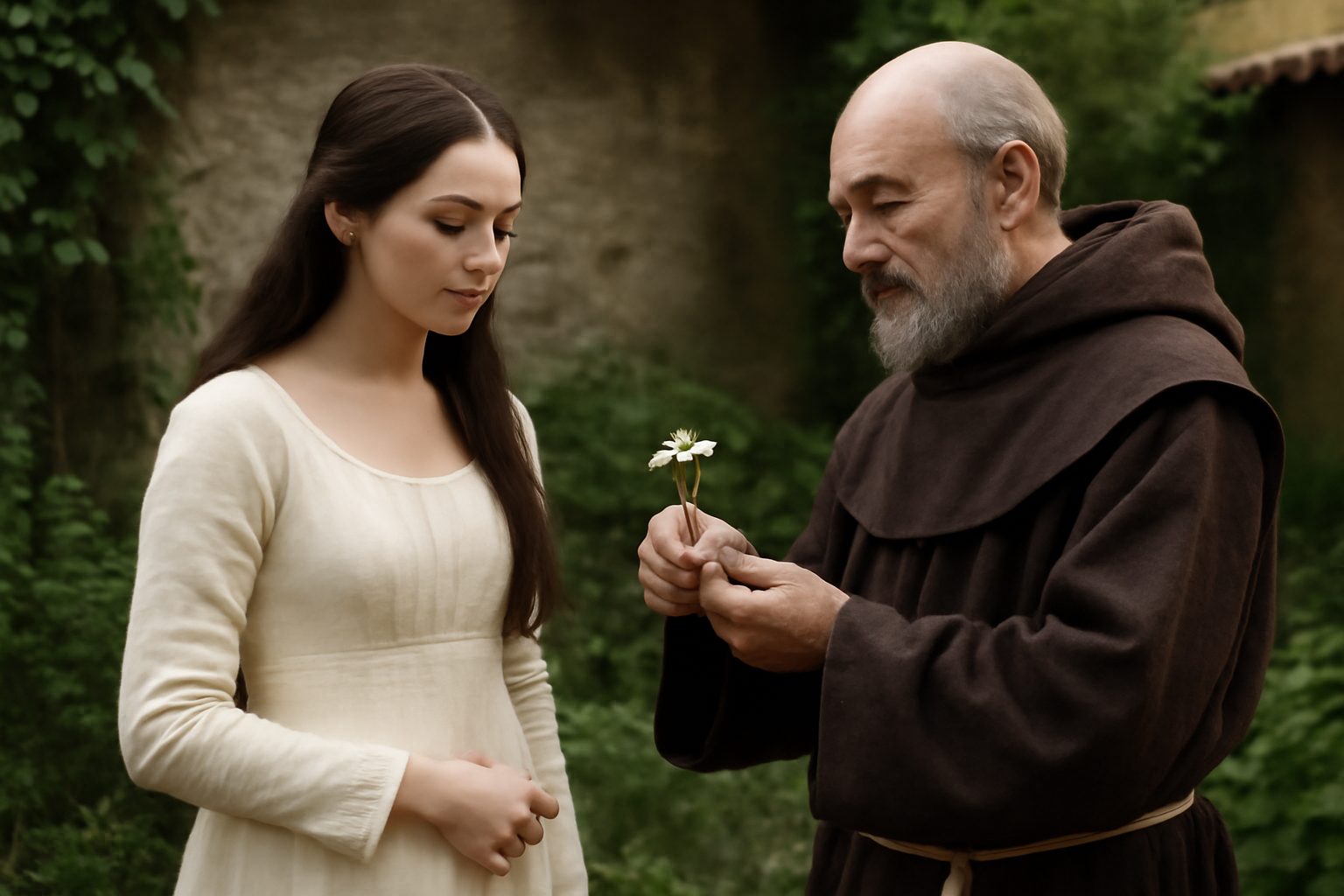
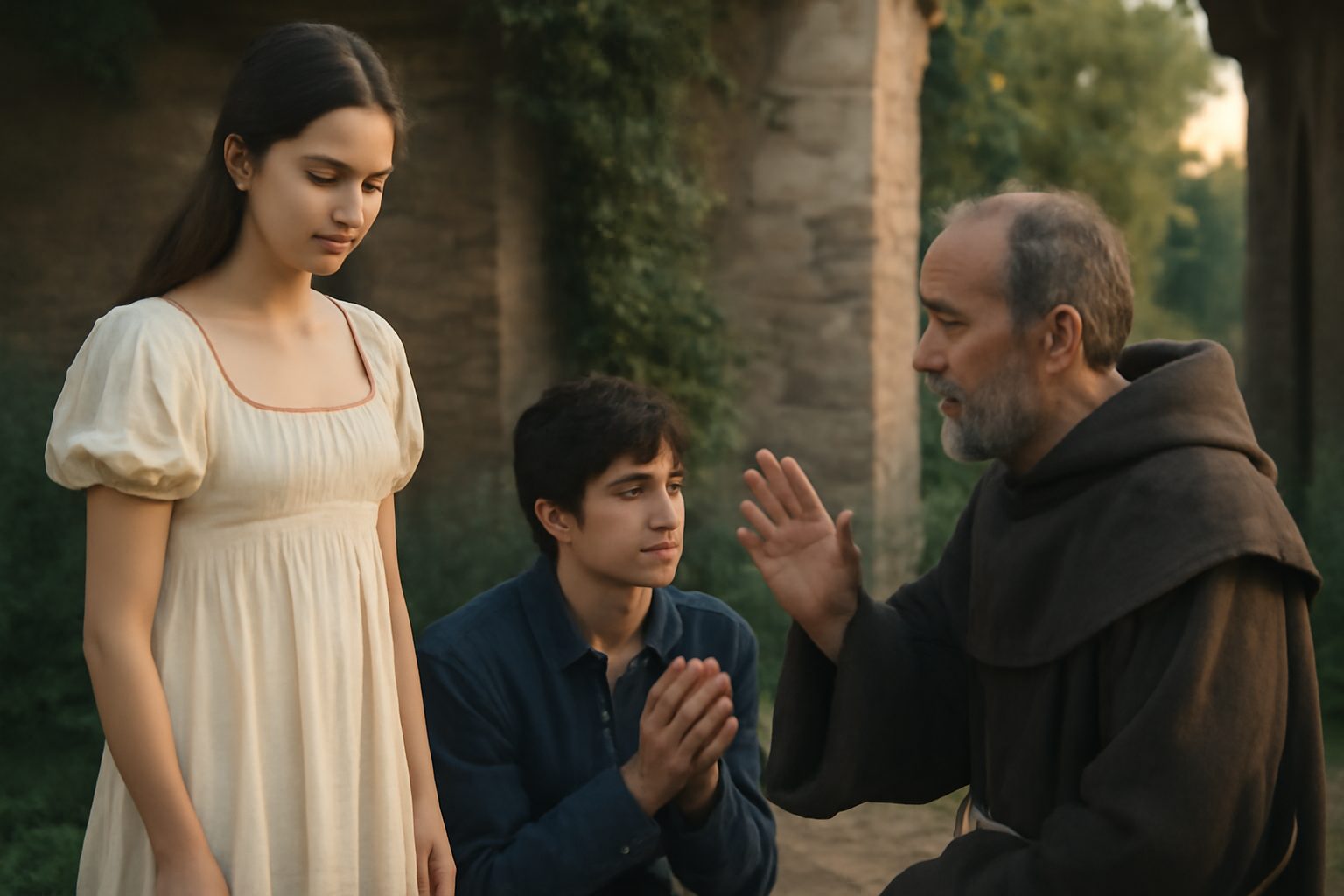
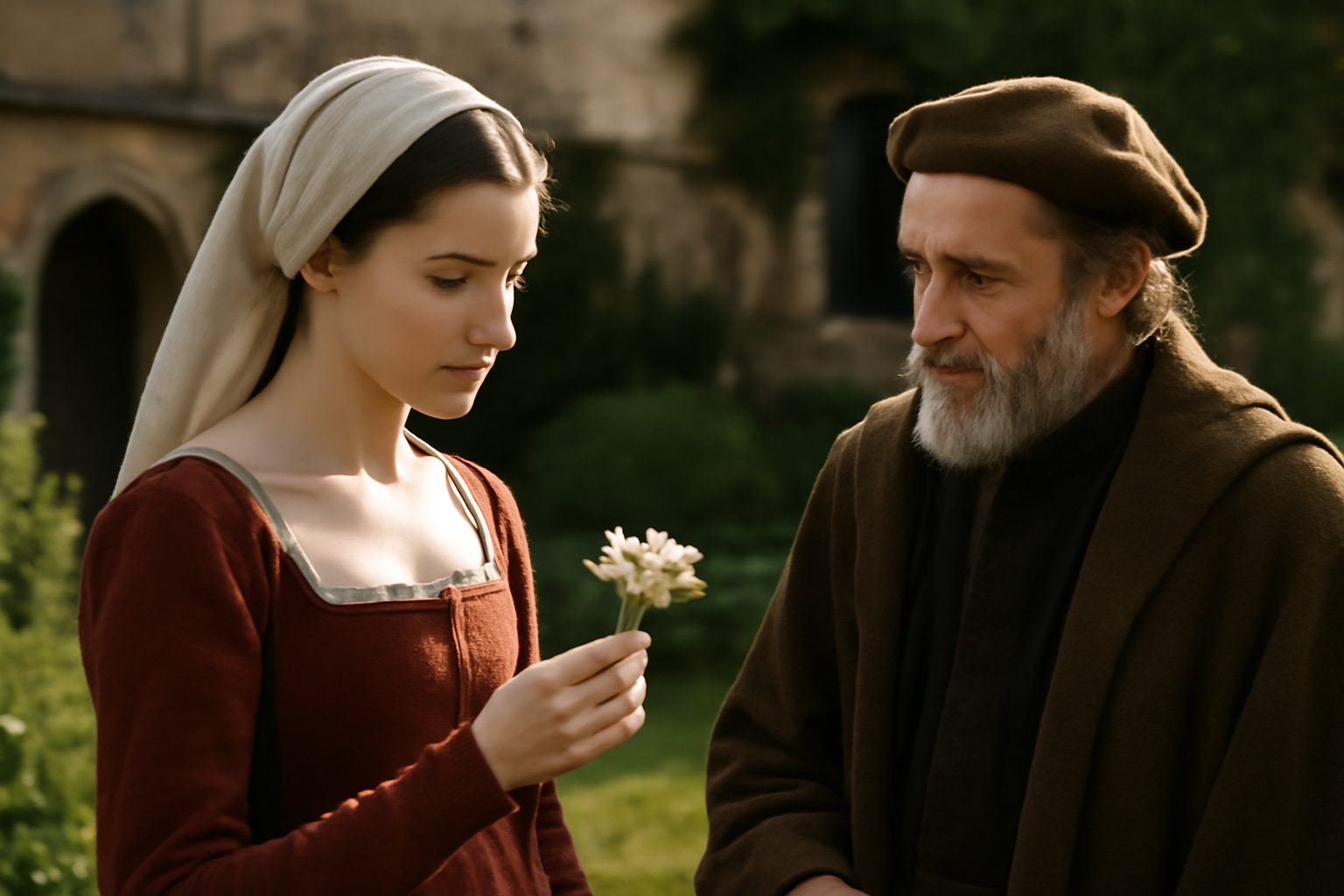
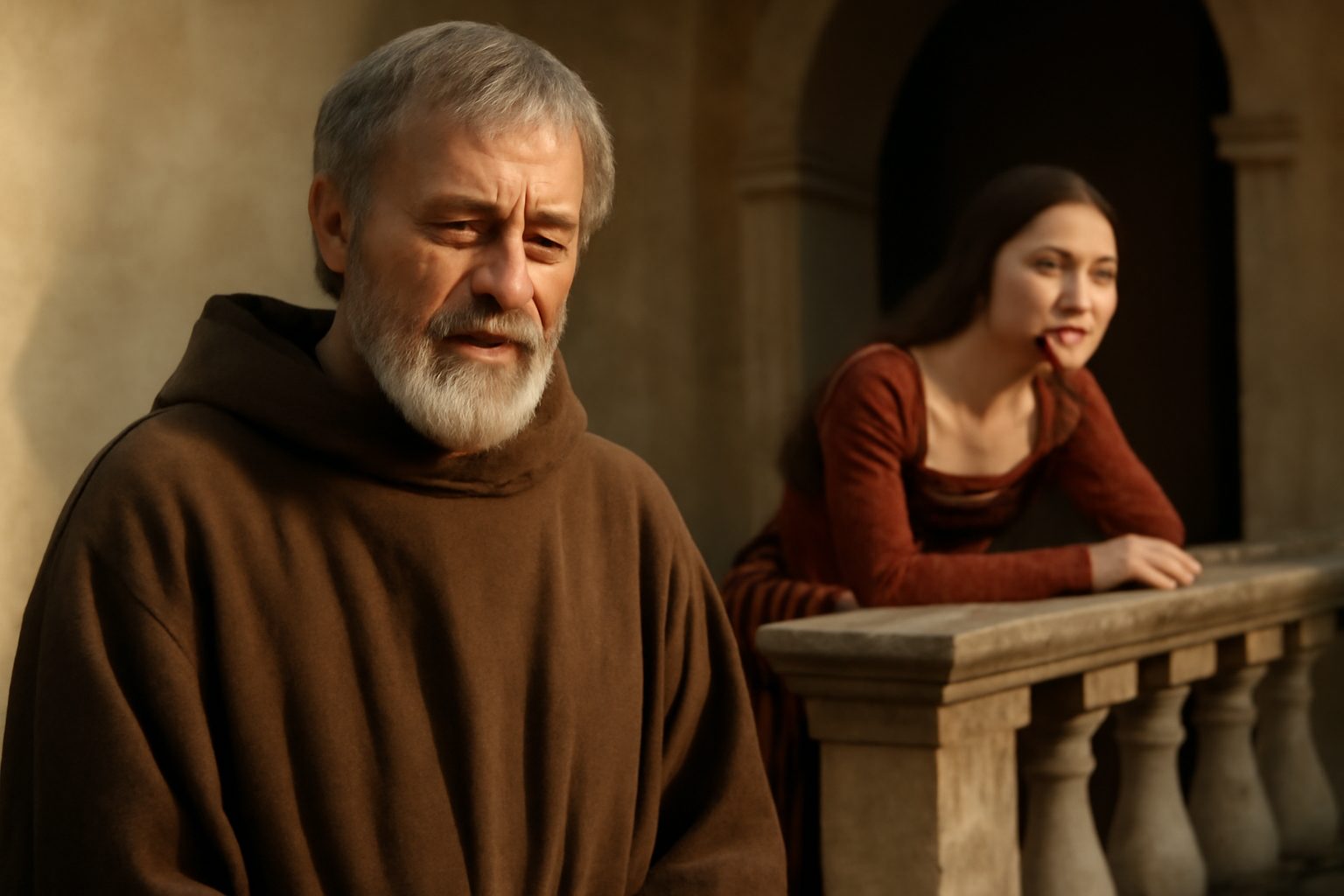
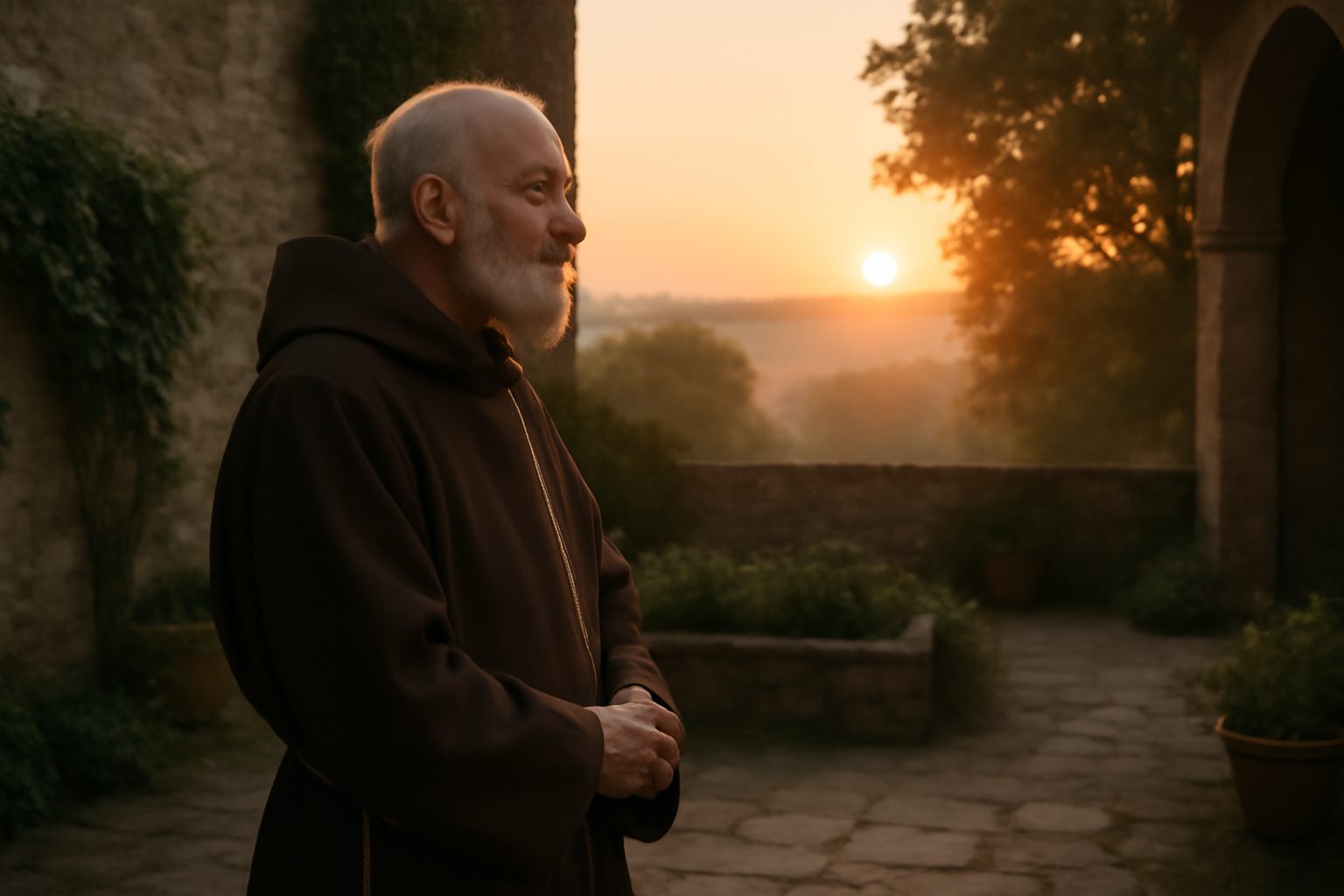
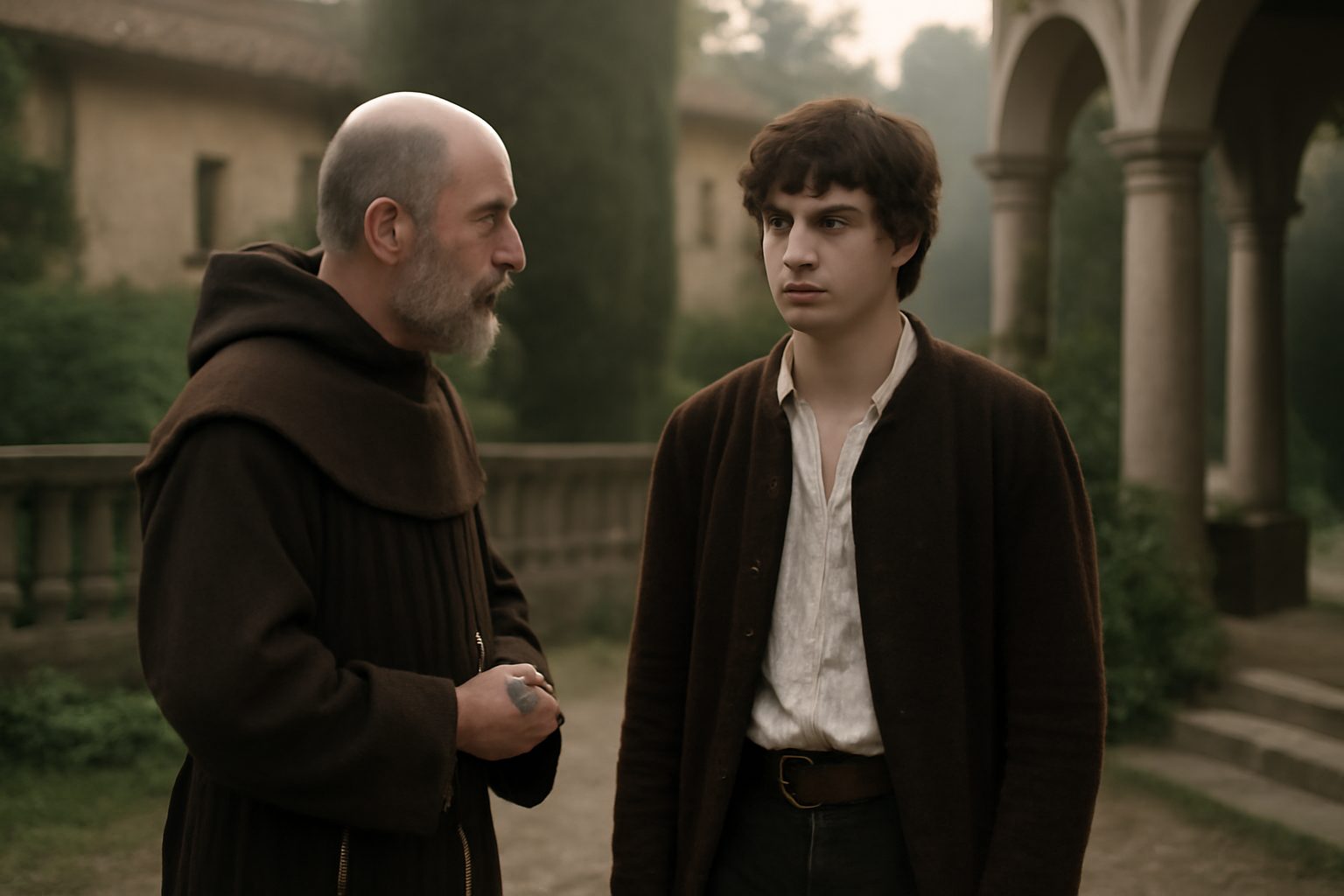
In Act 2, Scene 3 of Romeo and Juliet, Friar Laurence reflects on the duality of nature and human life as he gathers herbs at dawn. This line refers to the constant tension between opposing forces, such as good and evil or love and hate, which echoes the feud between the Montagues and Capulets. The friar's musings foreshadow the conflict that will continue to shape the fate of the young lovers.
Friar Laurence: "Two such opposed kings encamp them still"
In modern day english, we would say:
The two rival families continue to fight against each other like opposing armies.
Frequently Asked Questions
What does Friar Laurence mean when he says two opposing kings are always at war?
He is referring to the constant struggle between good and evil forces in nature and human life.
Connections to other verses:
Connections to "Two such opposed kings encamp them still"
The verse "Two such opposed kings encamp them still" introduces the theme of duality and opposition, which resonates throughout Friar Laurence's soliloquy and his dialogue with Romeo.
Duality in Nature and Humanity
This line connects to "Poison hath residence and medicine power", illustrating how opposing forces coexist within a single entity. Similarly, "Virtue itself turns vice, being misapplied" emphasizes how good can become harmful when misused, reinforcing the idea of inherent opposition.
Internal Conflict in Romeo
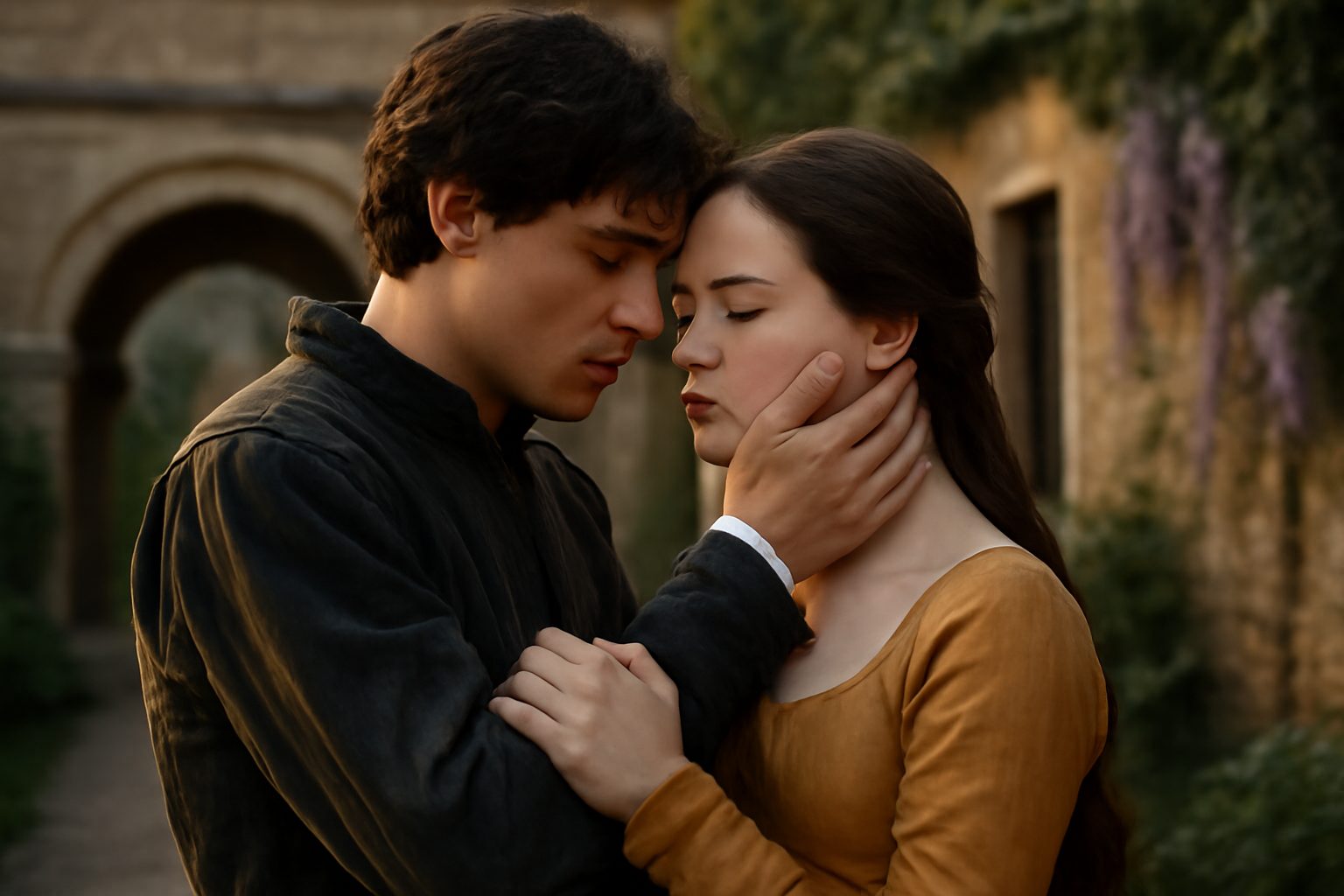
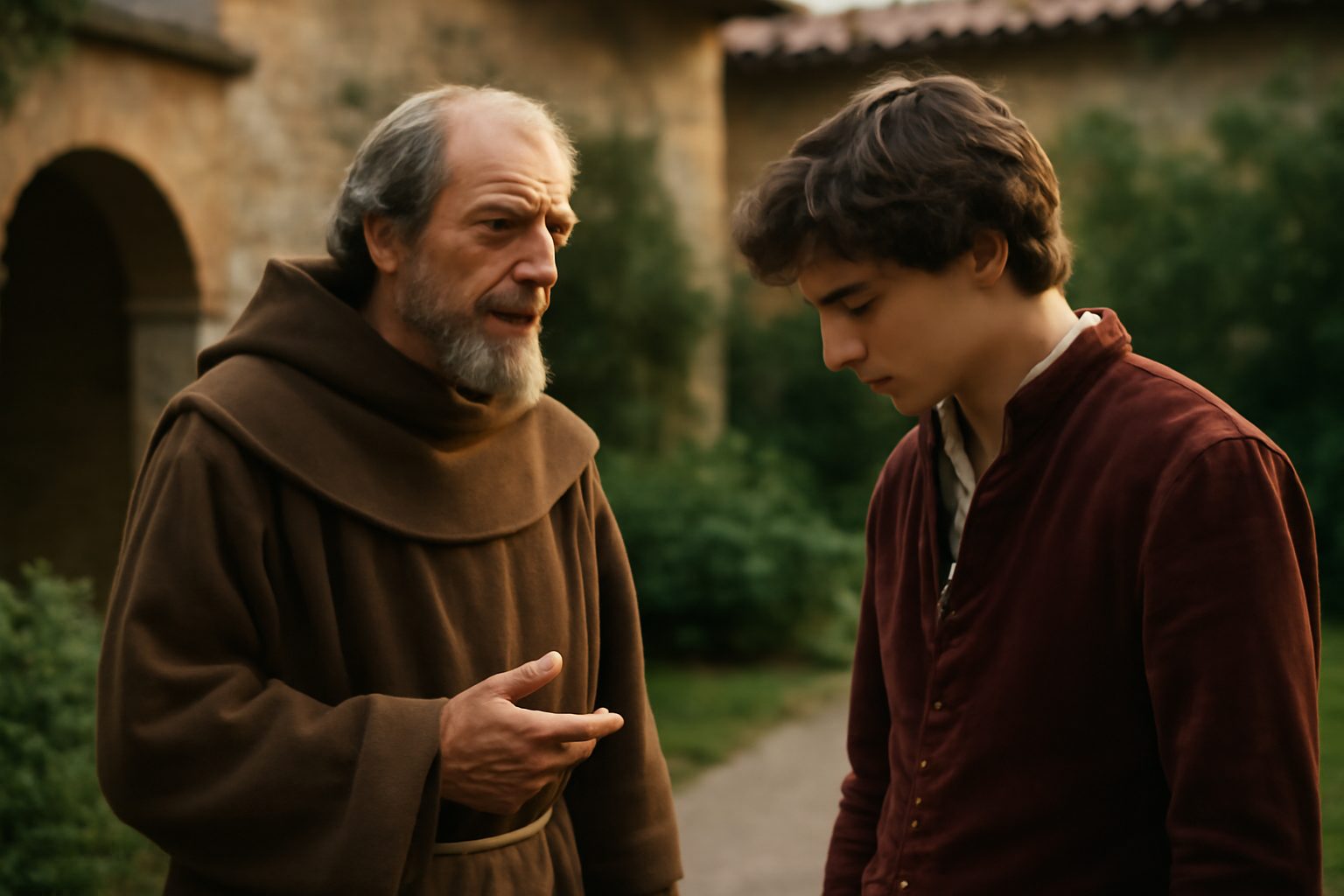
The "opposed kings" metaphor reflects Romeo's internal struggle, as seen when he declares "I have been feasting with mine enemy", acknowledging his love for Juliet despite their families' feud. Friar Laurence notes this shift, questioning "Holy Saint Francis, what a change is here!" and highlighting Romeo's rapid transition from Rosaline to Juliet.
Resolution Through Union
Friar Laurence sees potential in this opposition, hoping to "turn your households' rancour to pure love" by uniting Romeo and Juliet. This aligns with his earlier reflection on duality in nature, where "mickle is the powerful grace that lies" in balancing opposing elements.
Contrast with Past Love
The opposition theme contrasts Romeo's current love with his past affections. Friar Laurence recalls "Thy old groans ring yet in my ancient ears" for Rosaline, underscoring how Romeo's emotions have shifted from one extreme to another, much like the "opposed kings" within him.