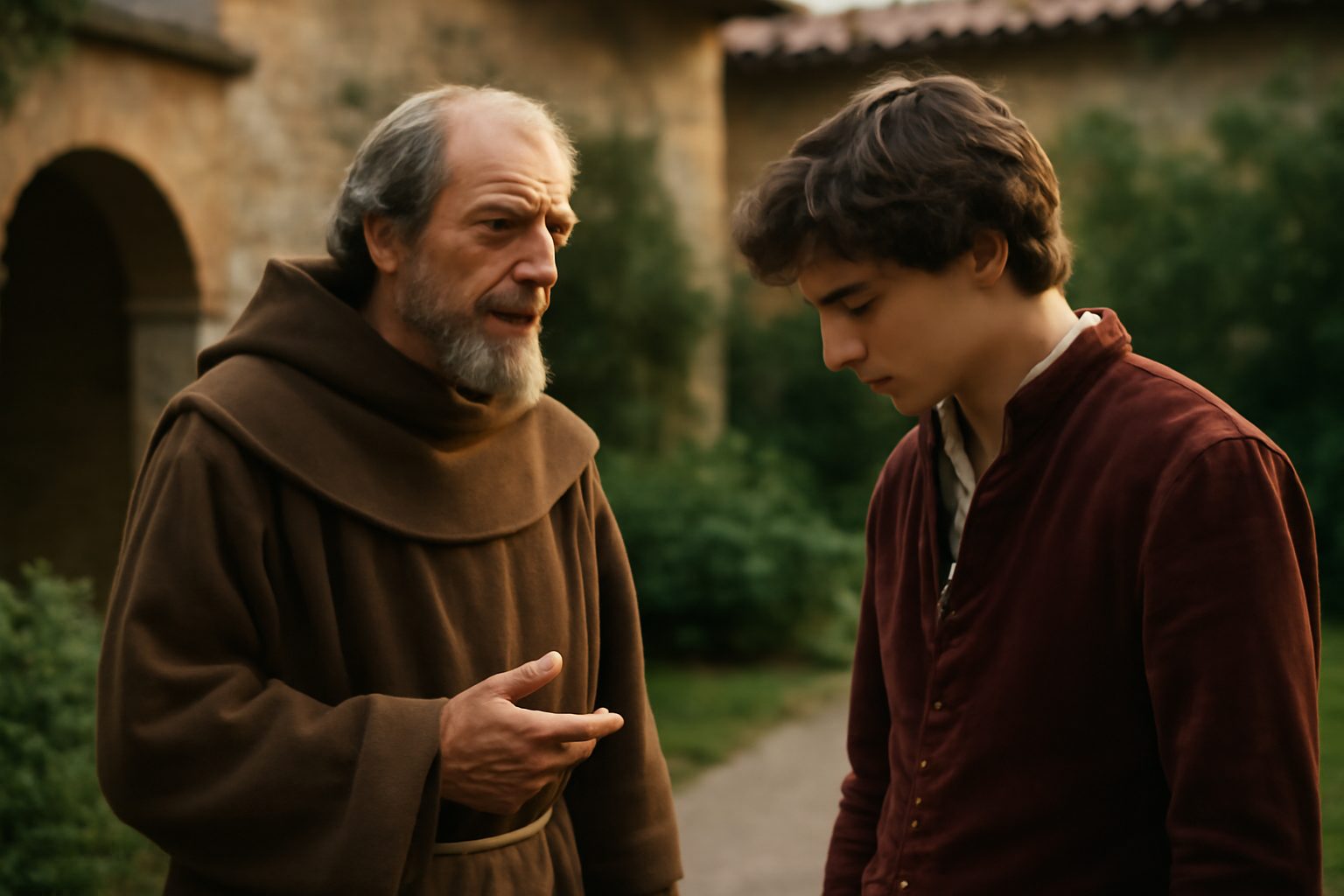
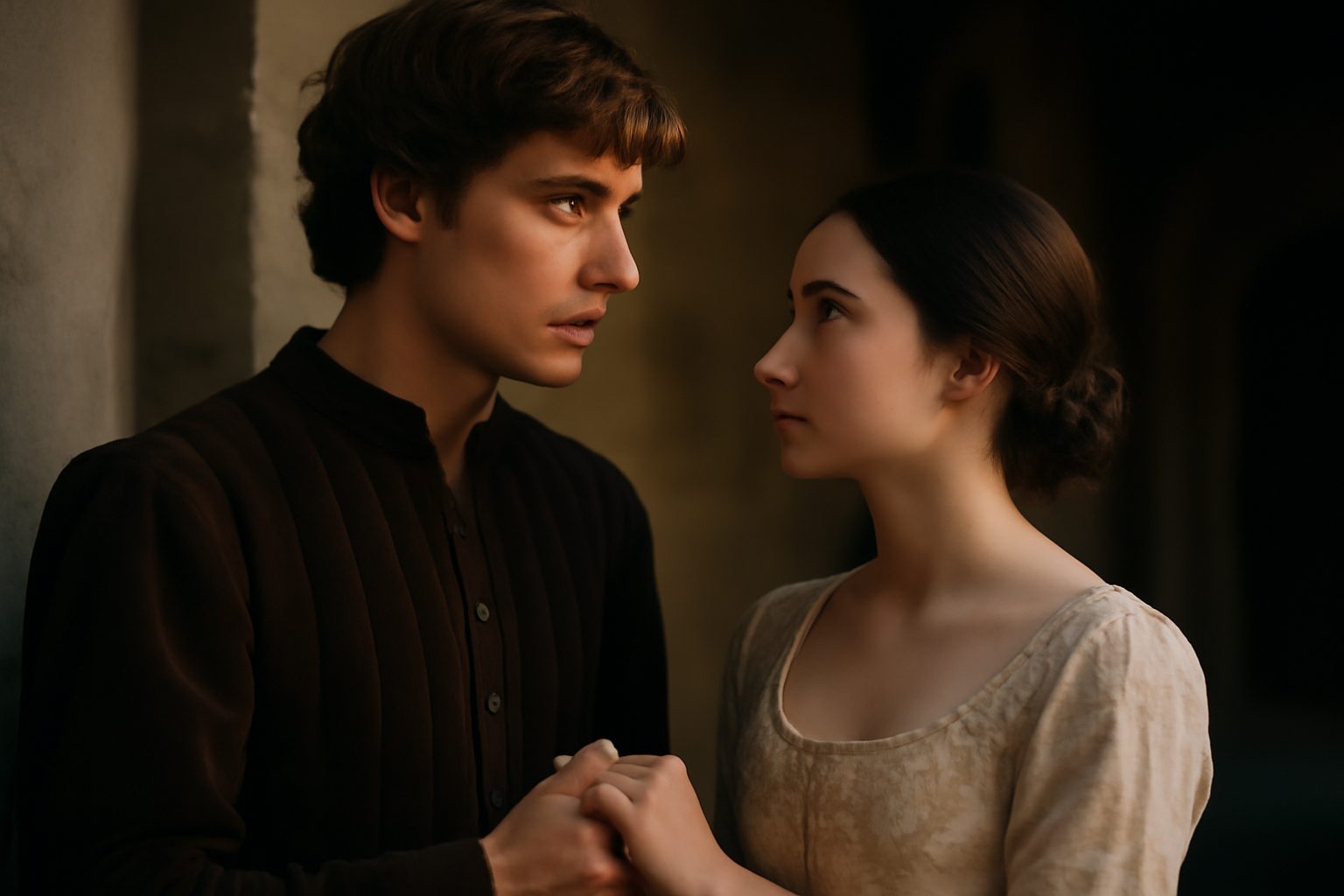
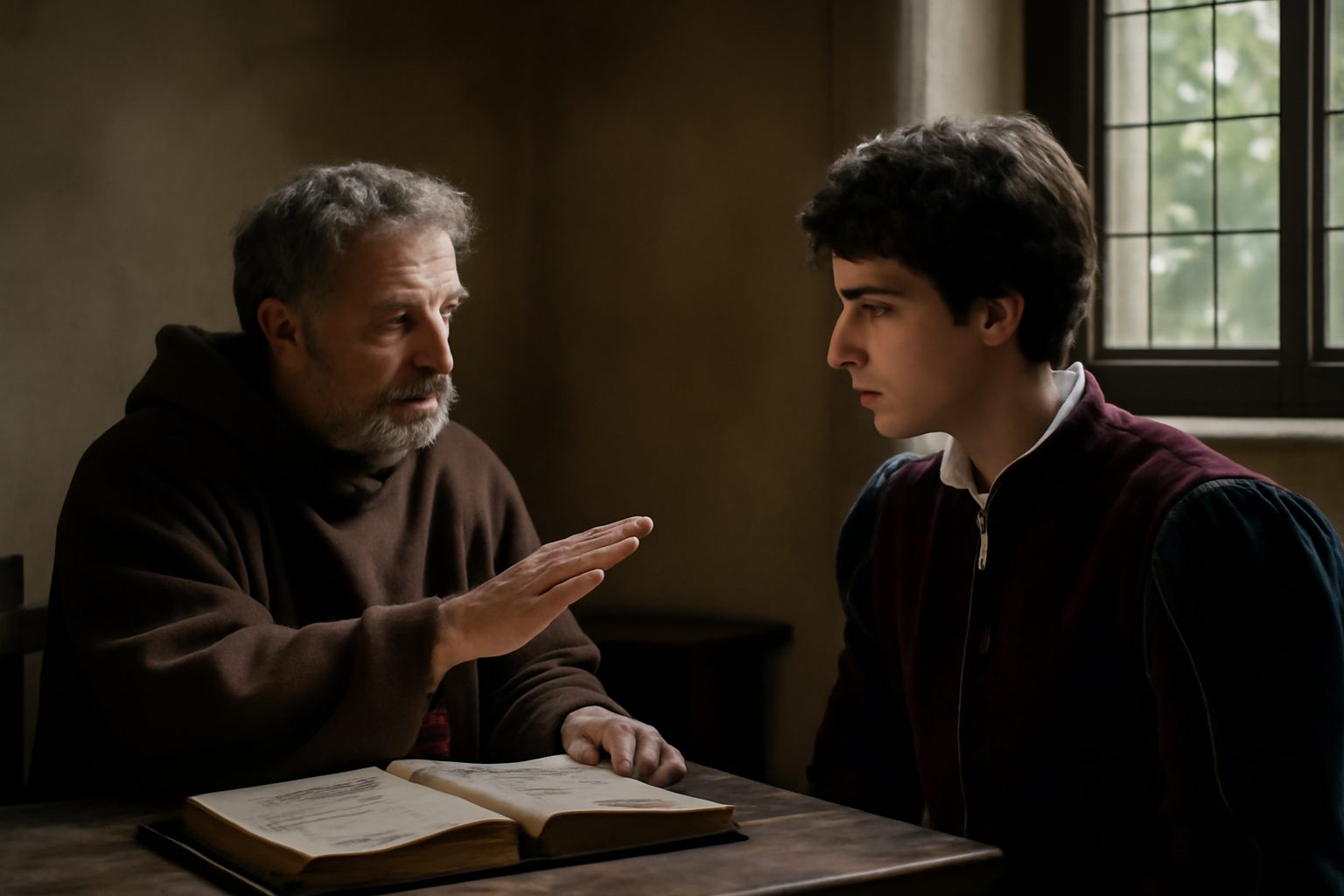
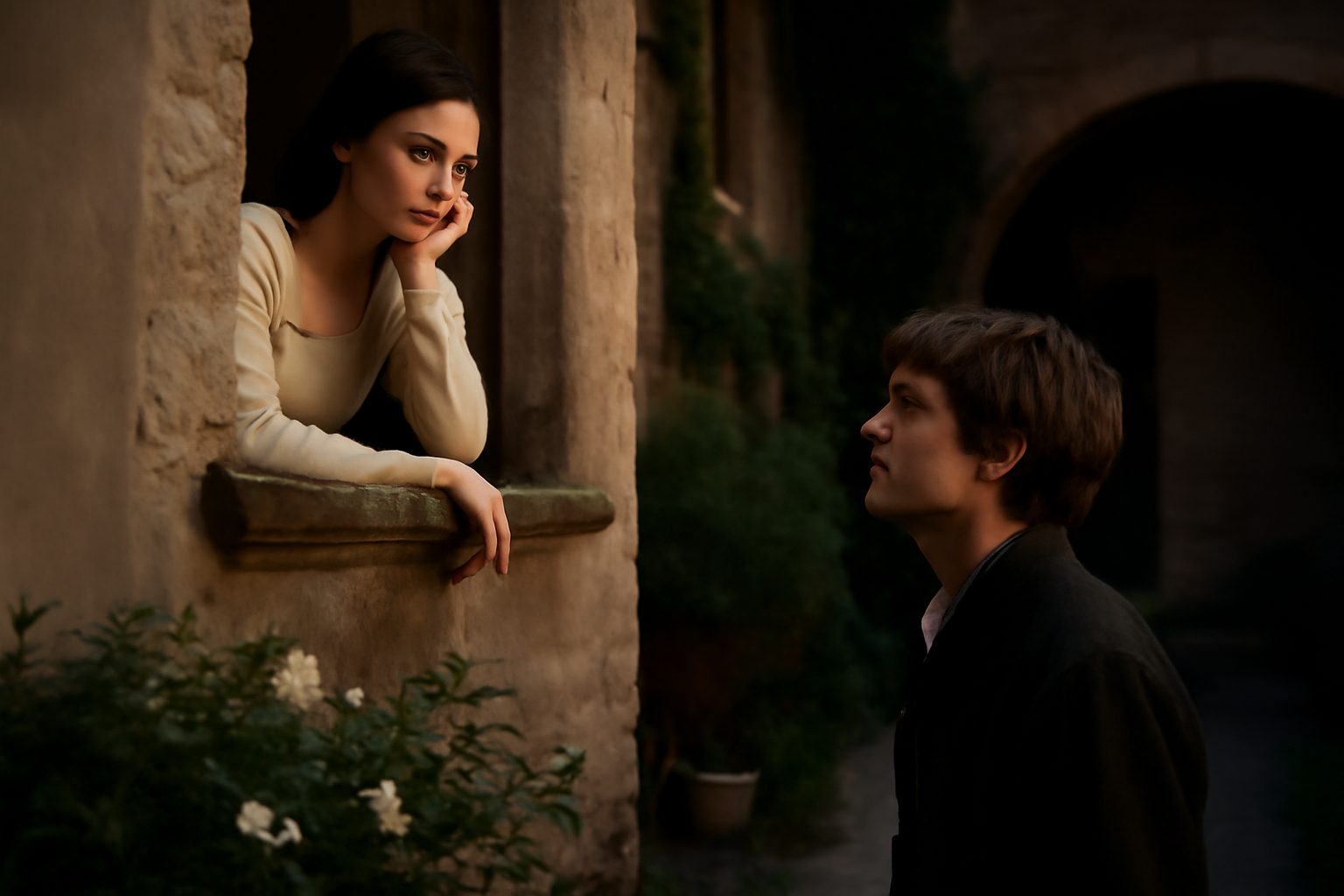
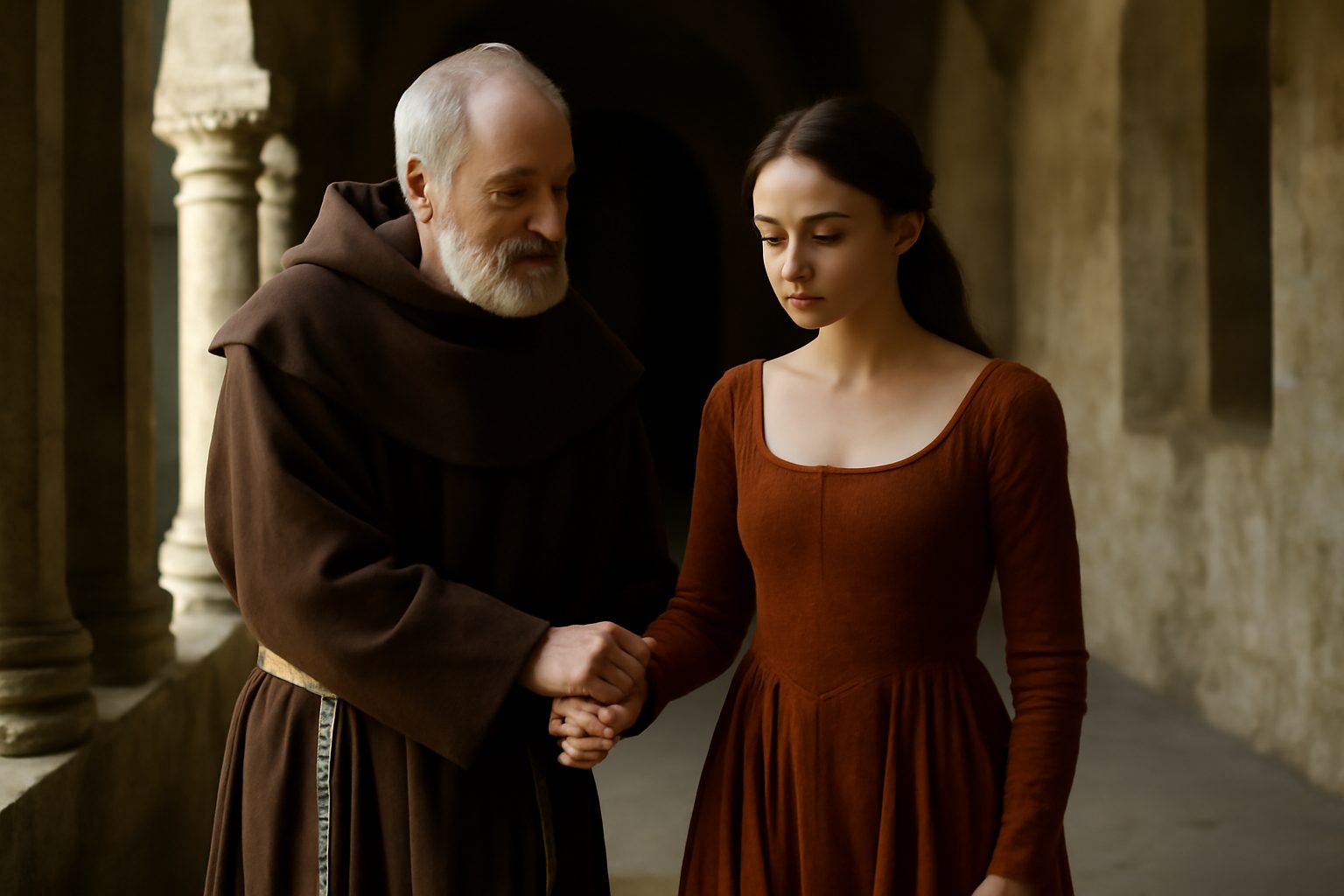
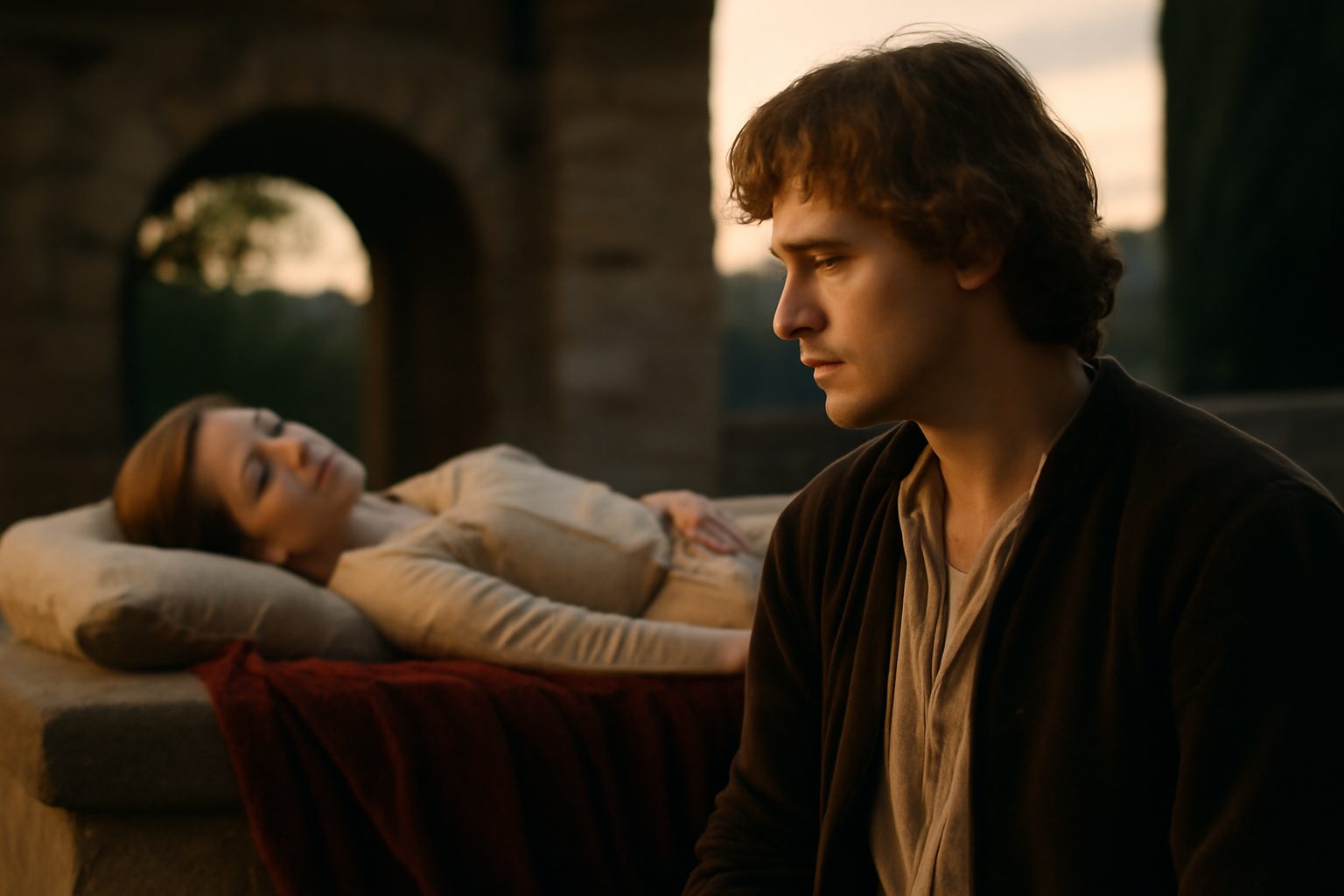
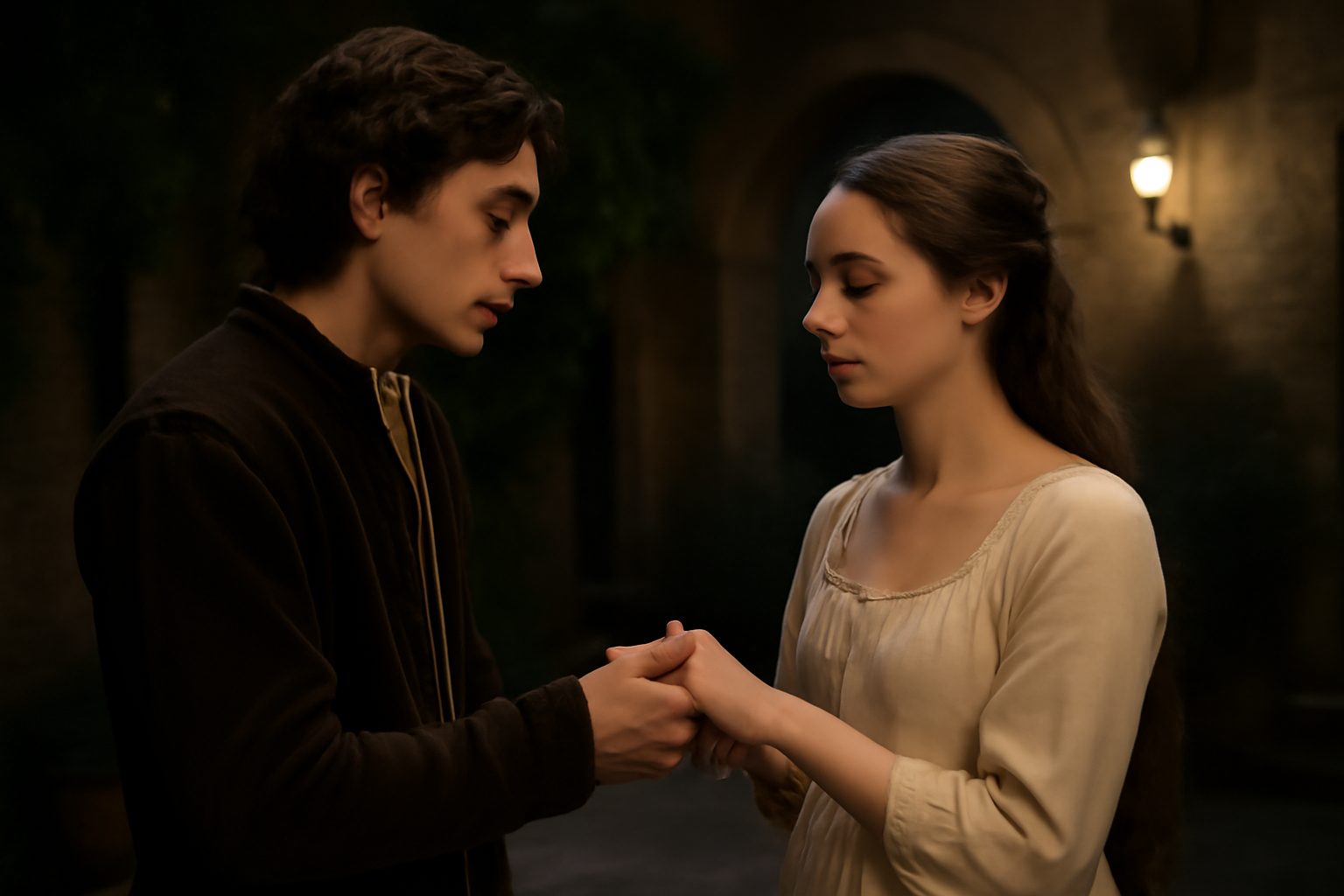
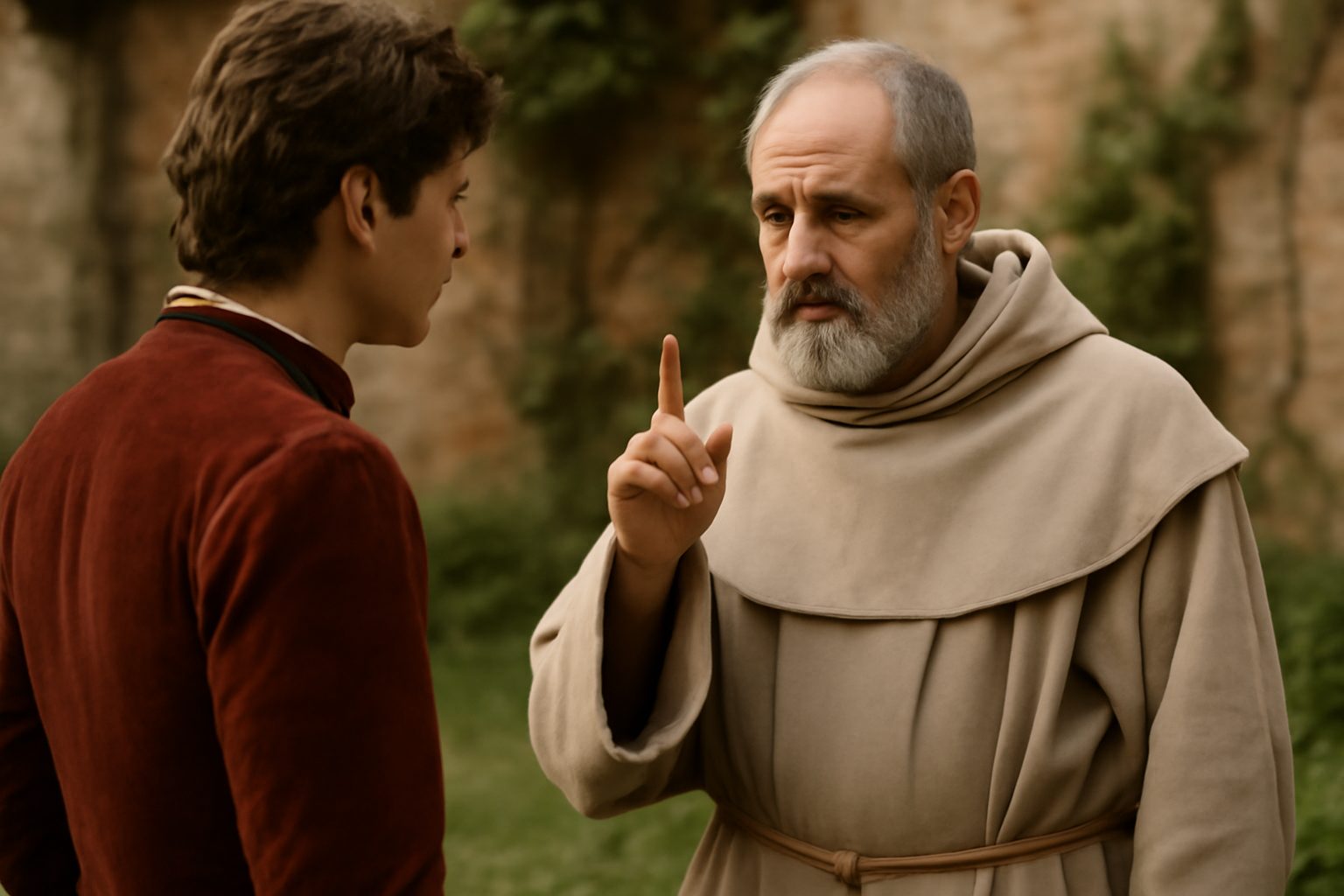
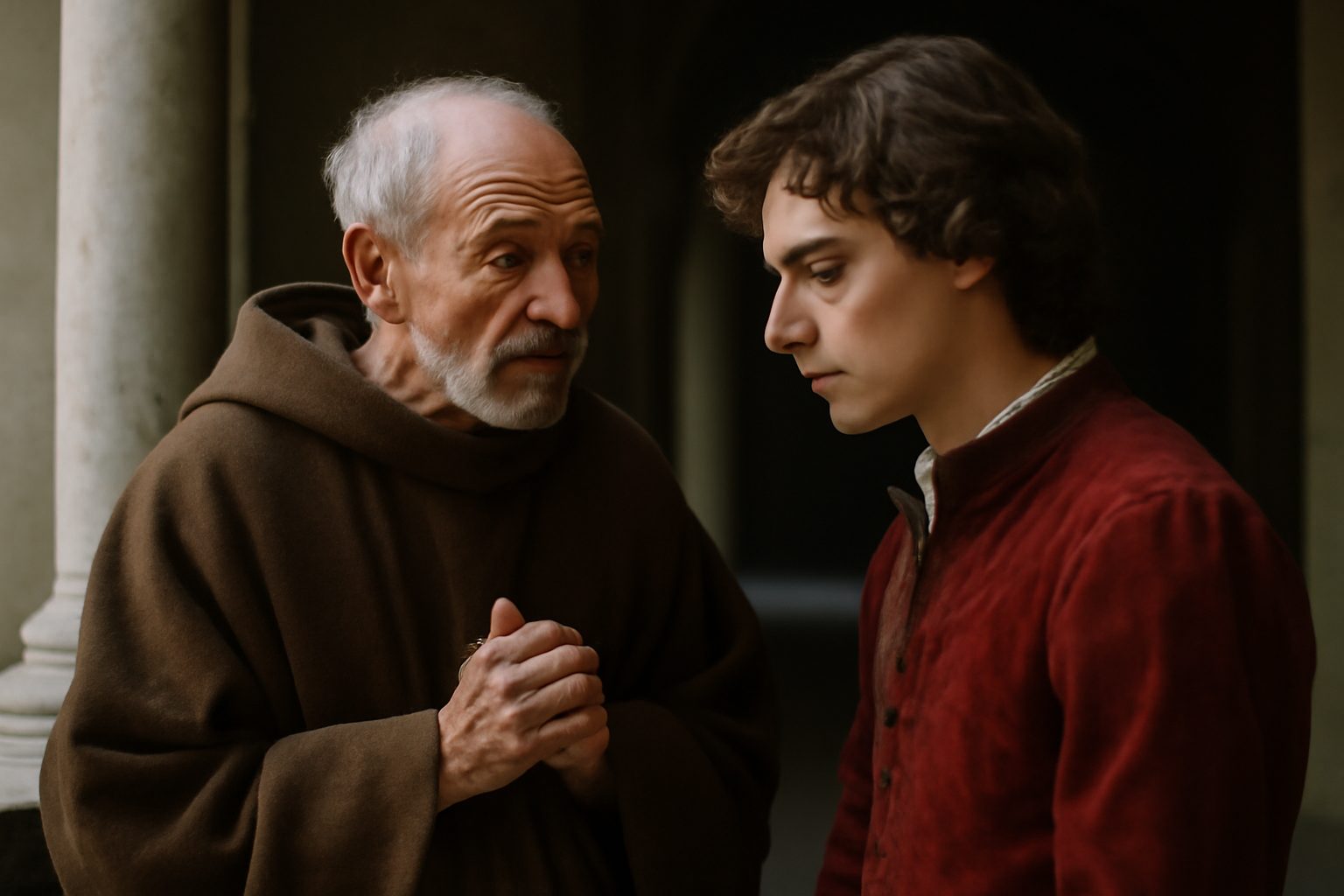
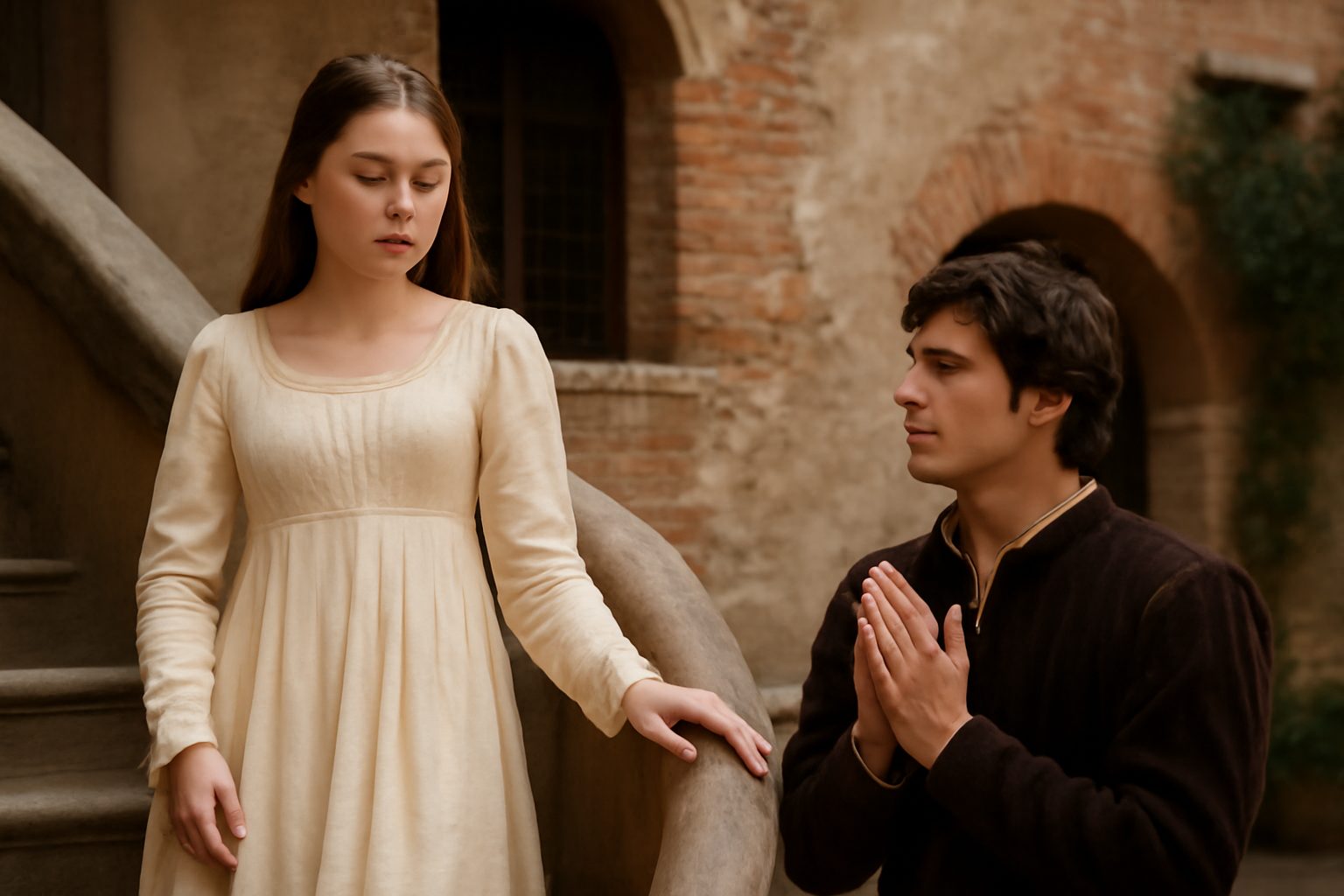
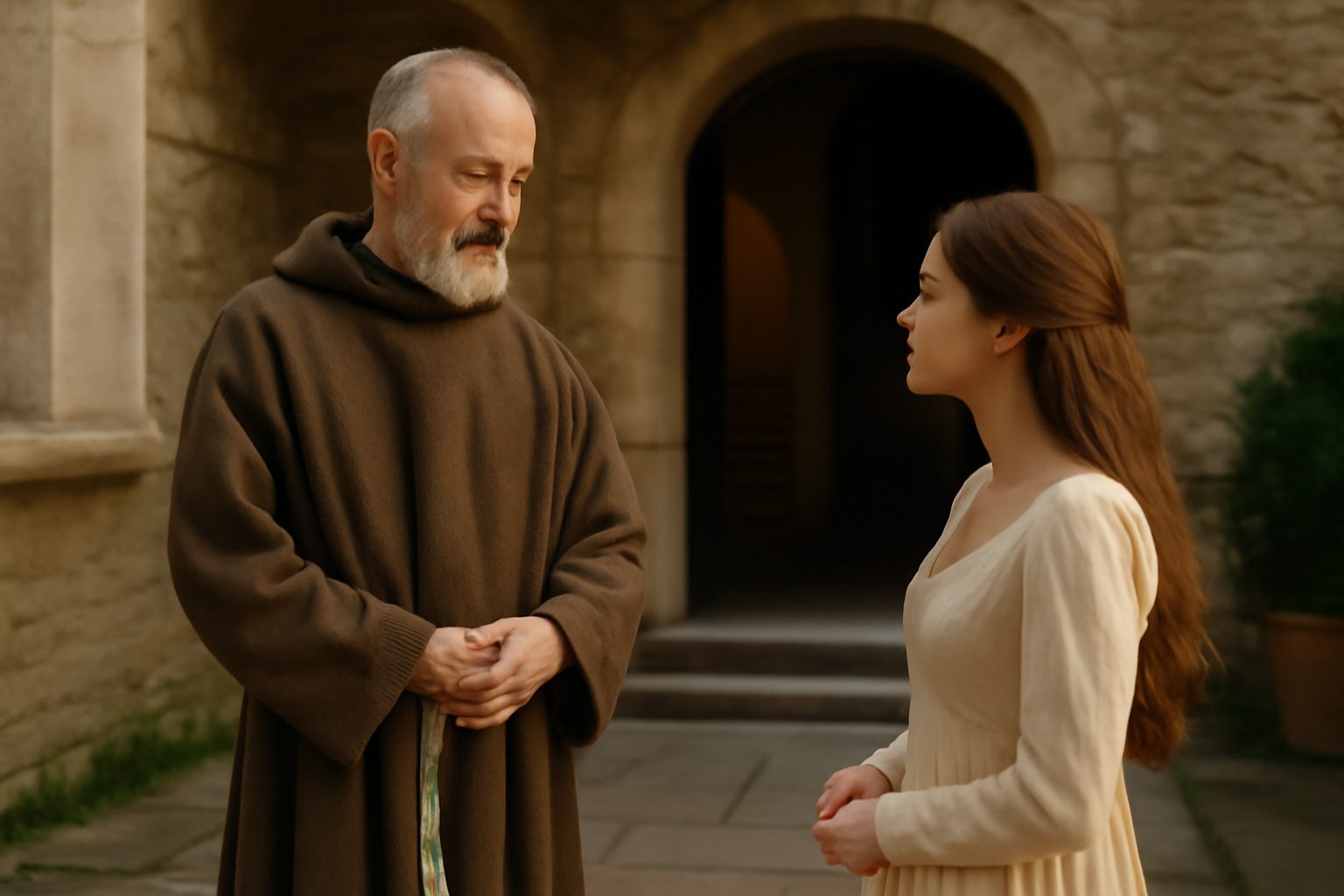
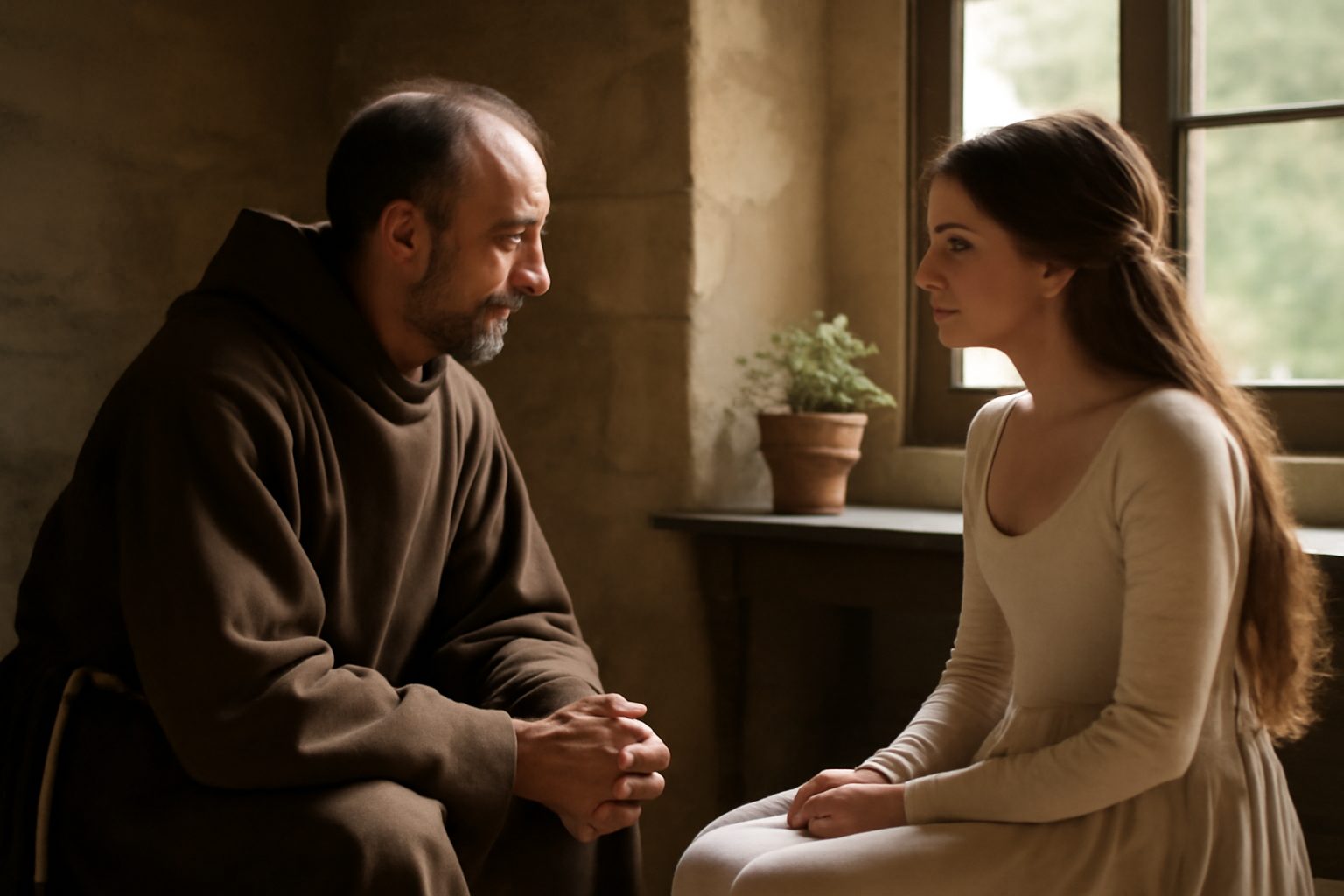
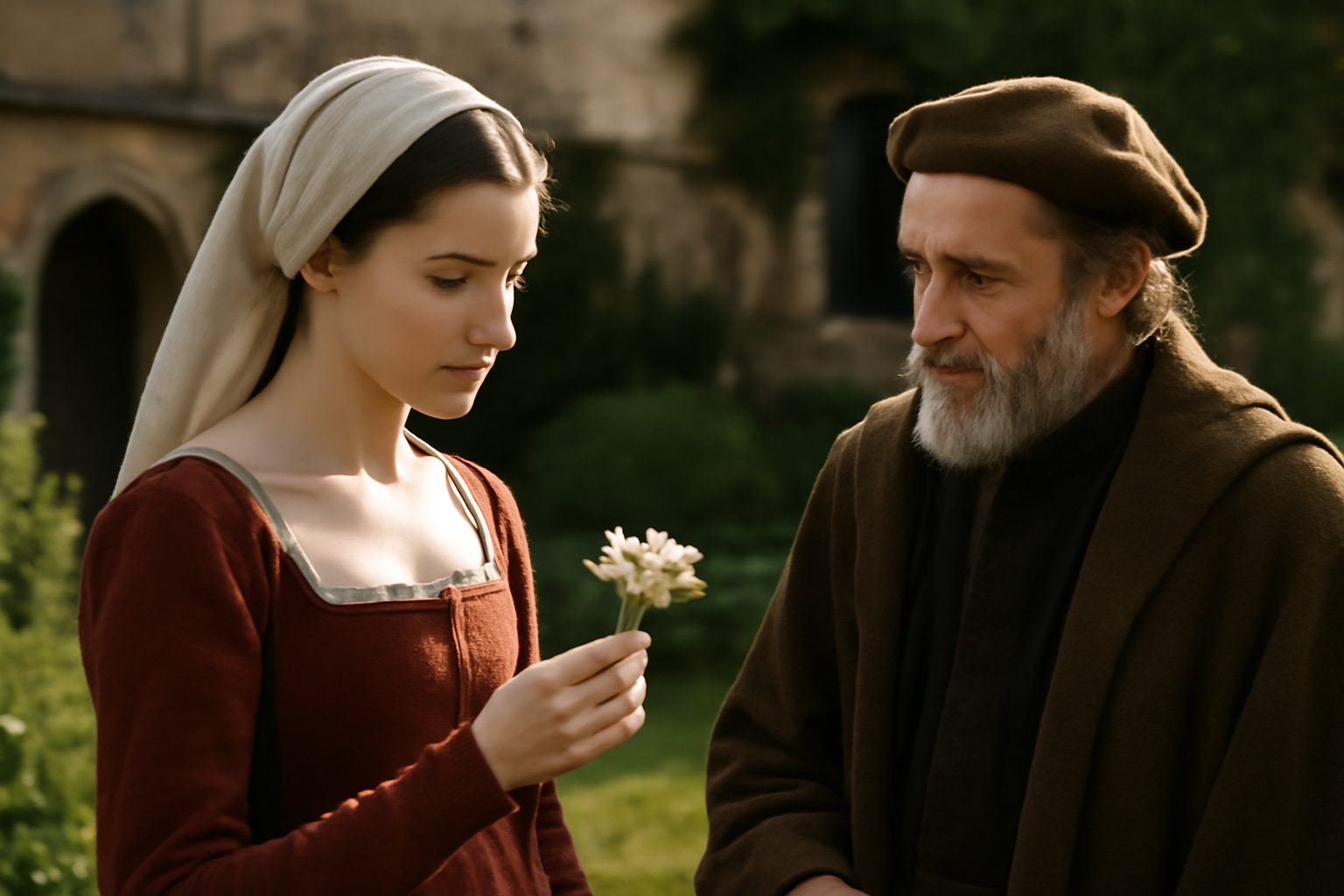
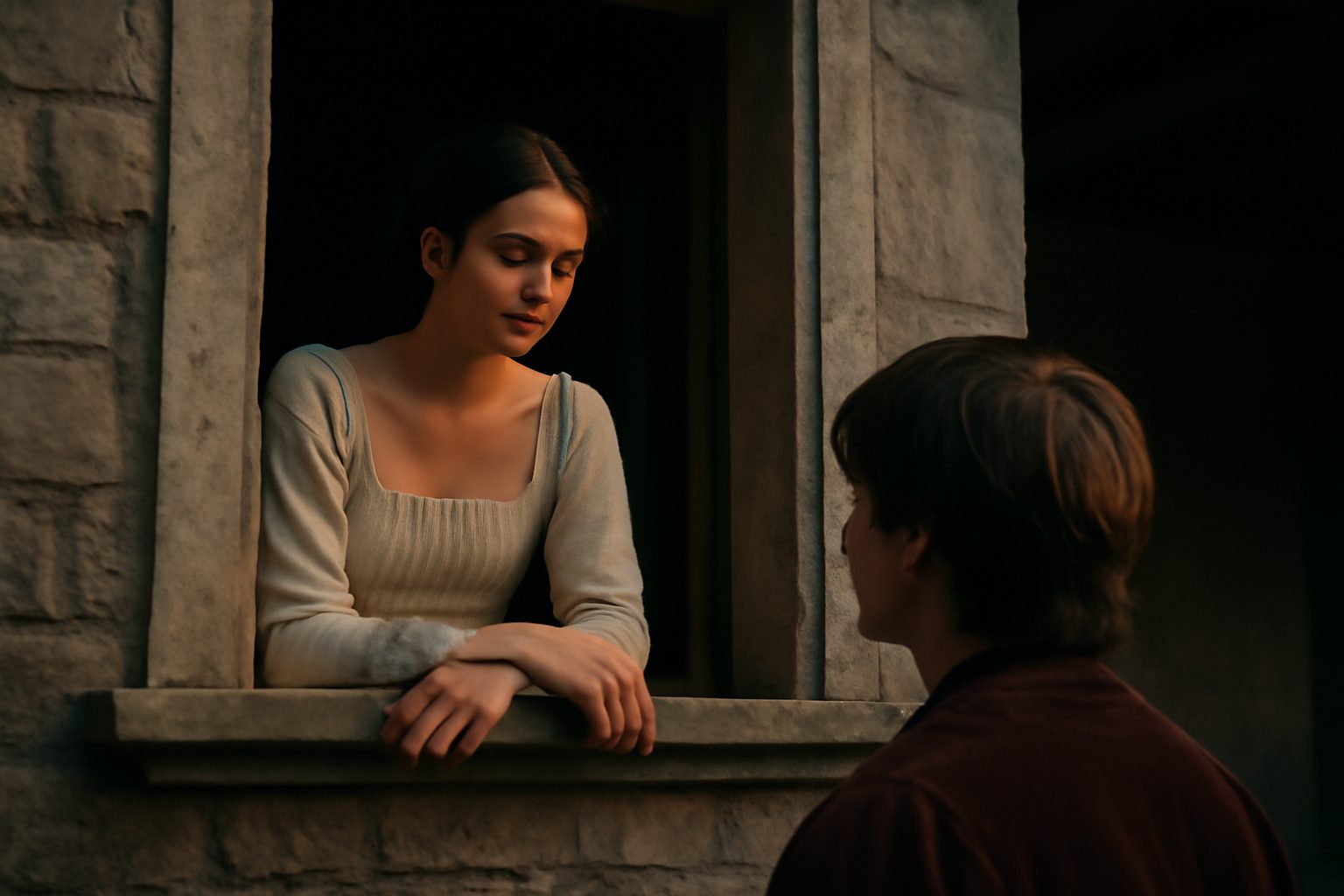
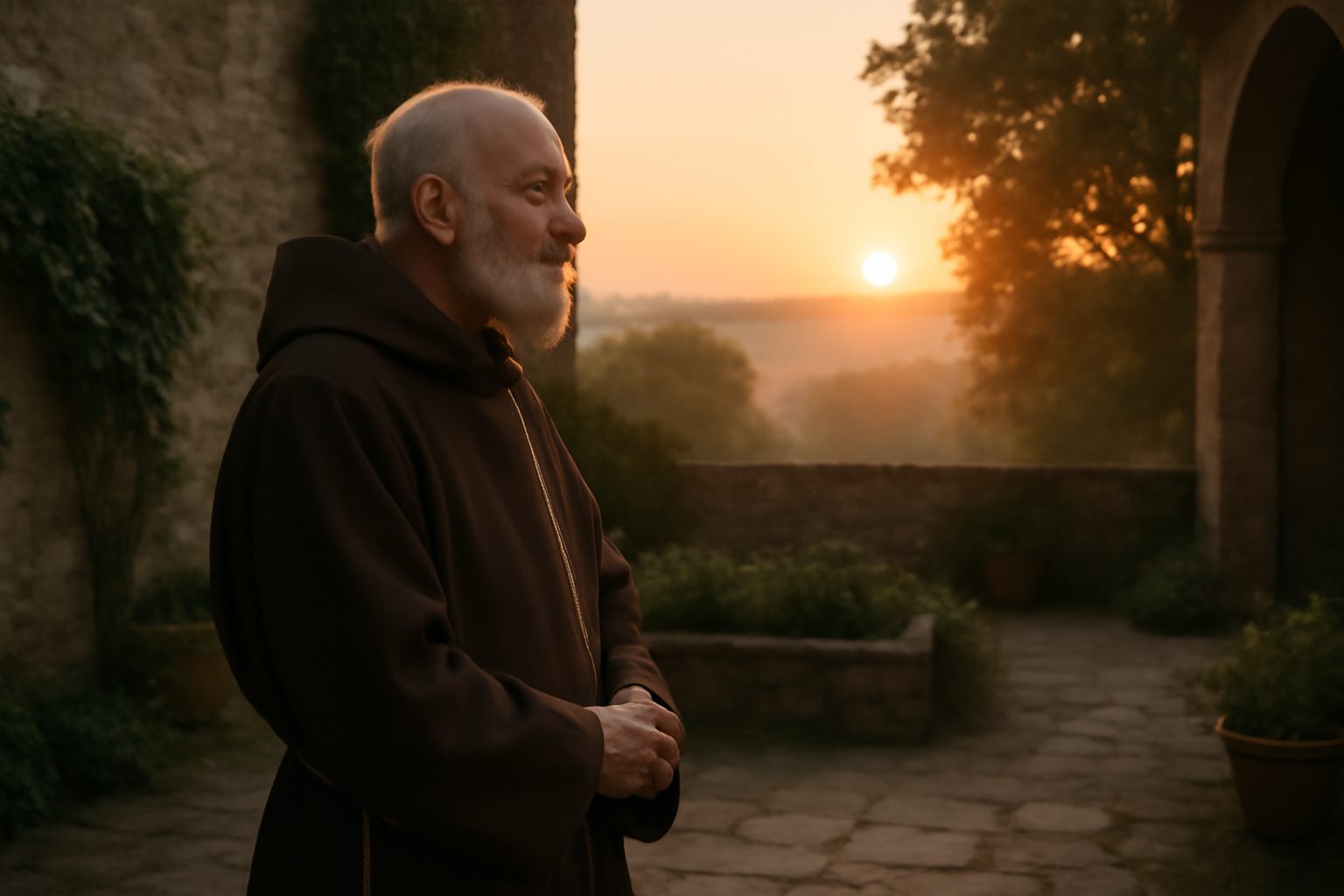
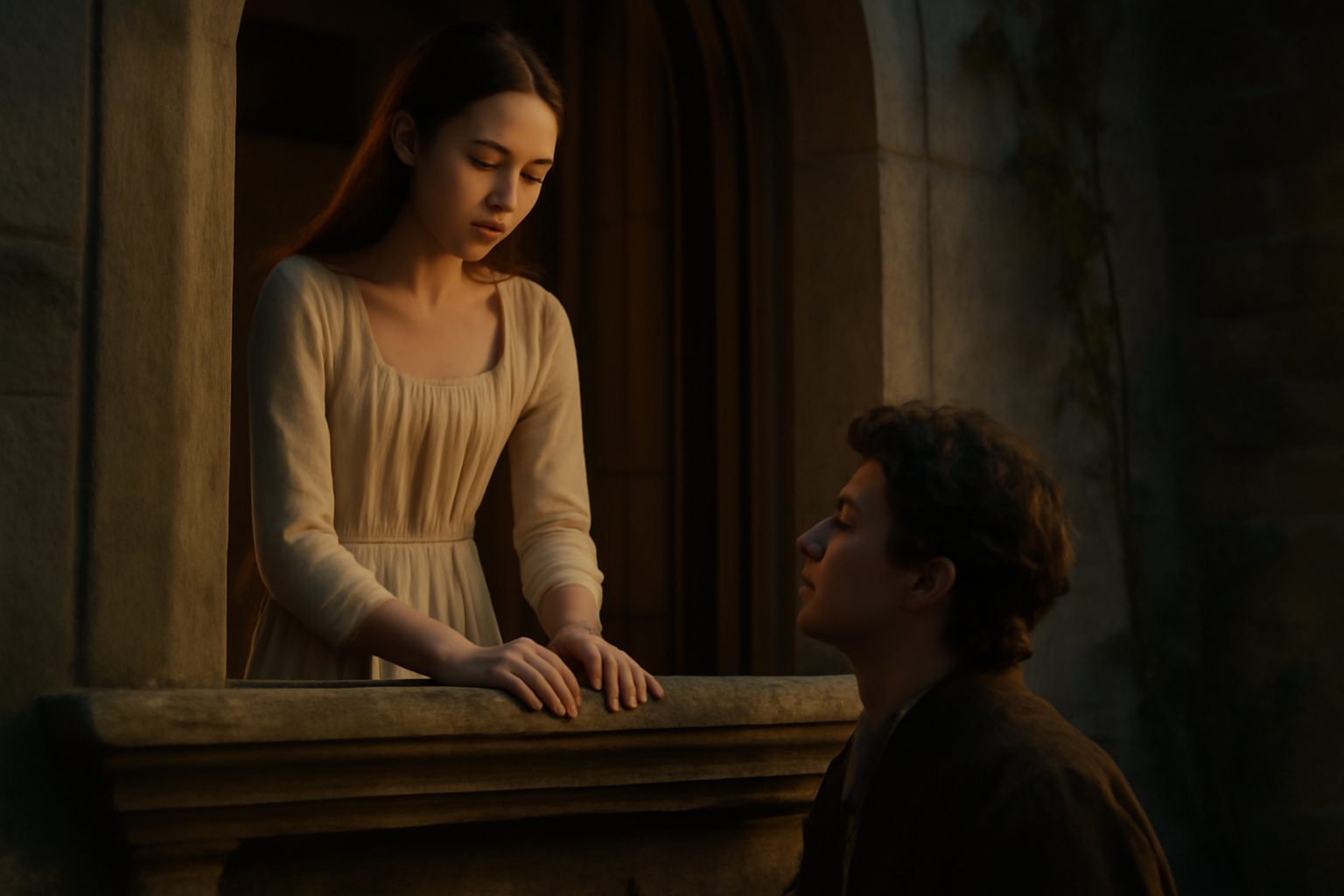
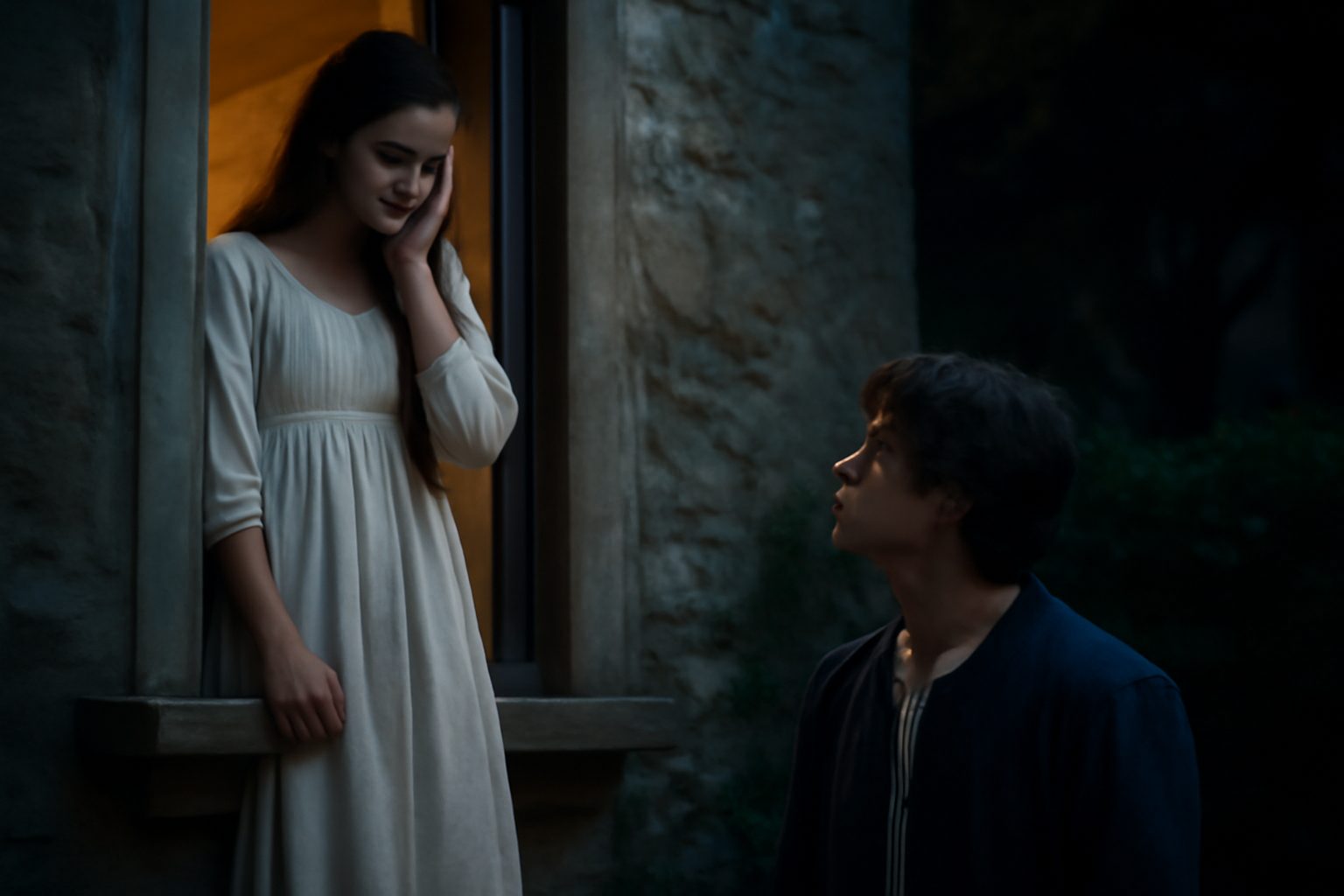
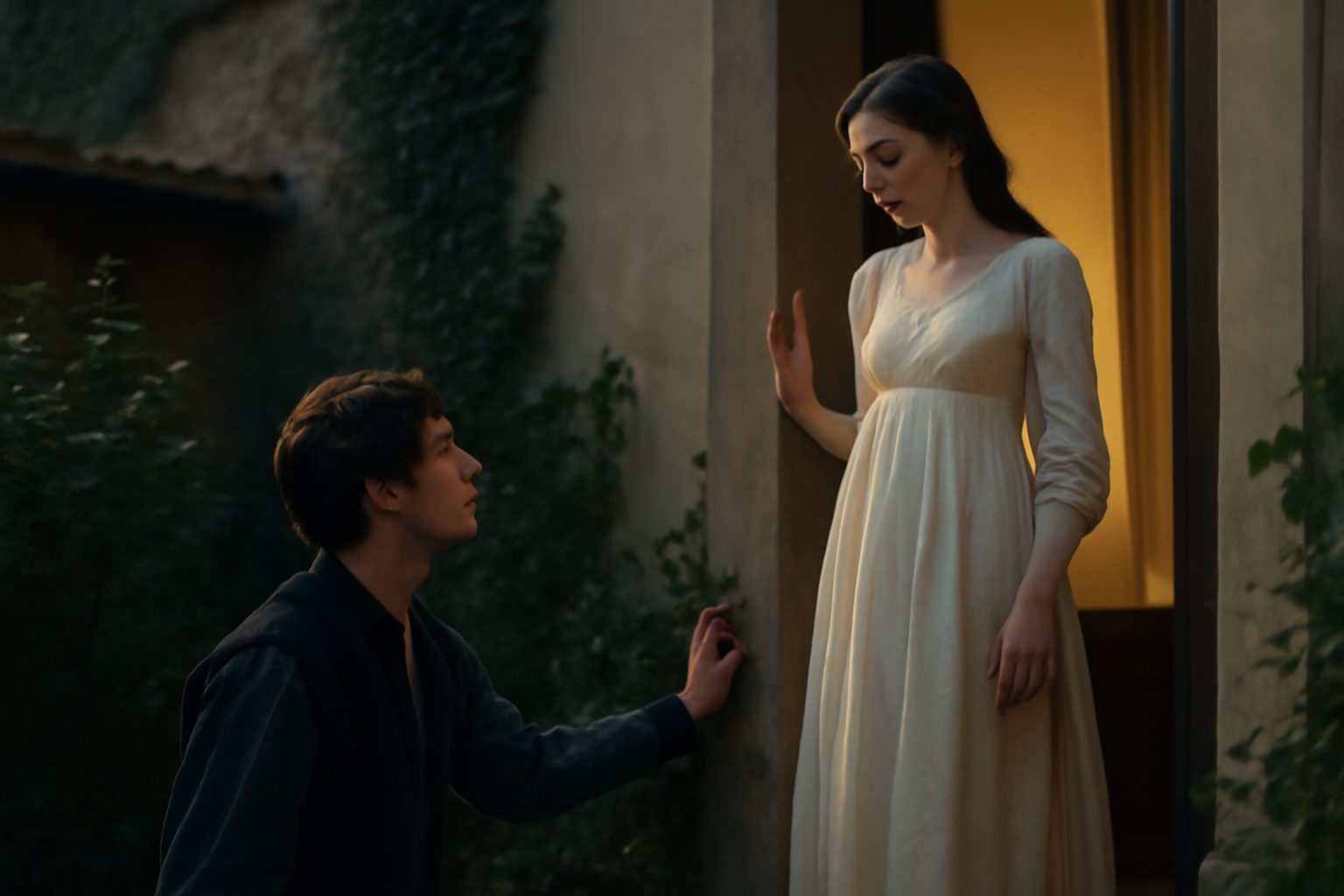
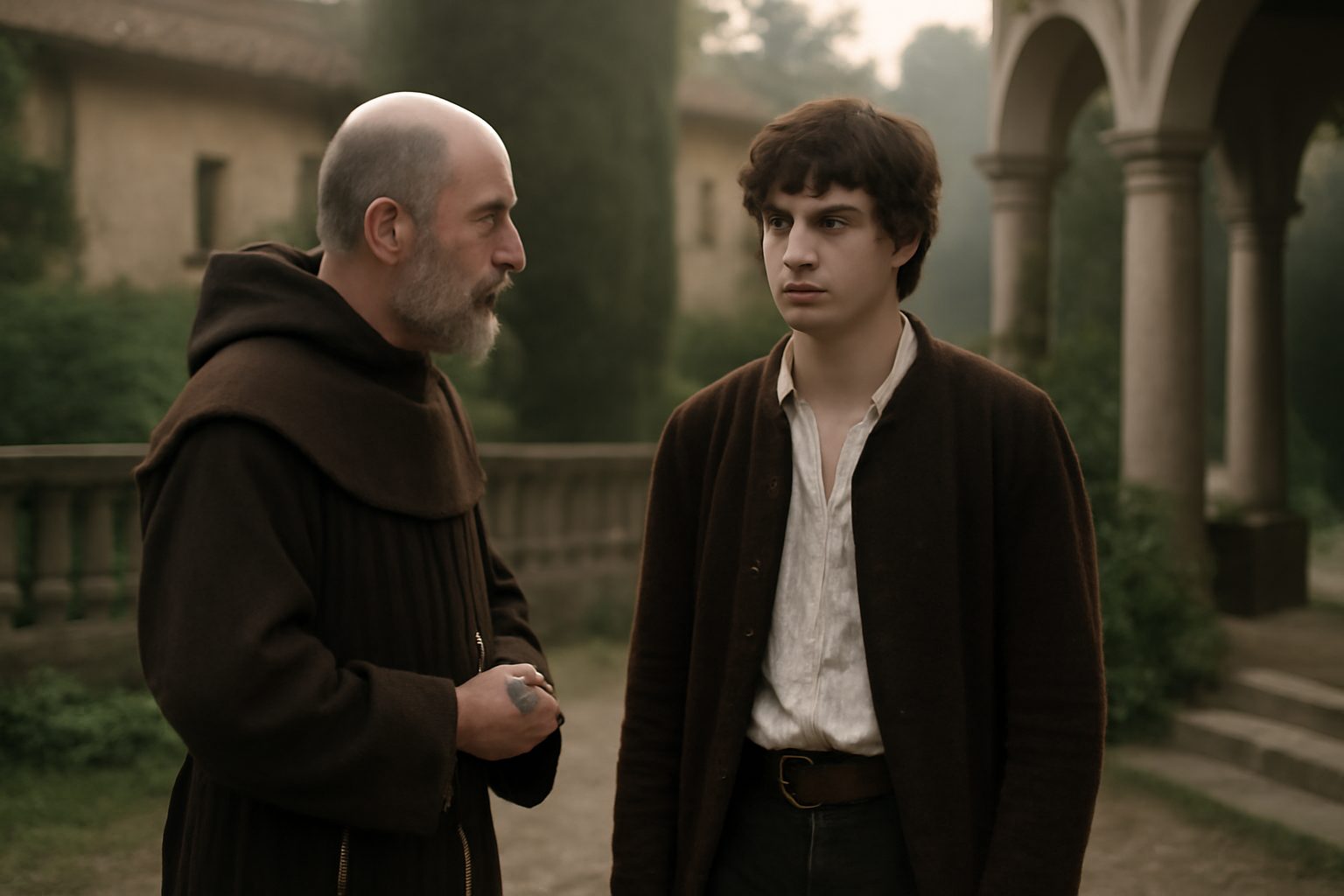
In Act 2, Scene 3 of Romeo and Juliet, Romeo speaks these words upon hearing Juliet's voice after secretly leaving her balcony at dawn. Having spent the night exchanging vows of love, he is now in Friar Laurence's cell, distracted by thoughts of her. The line captures his wonder at hearing her speak so soon after their parting, reflecting his infatuation and the play's theme of youthful passion.
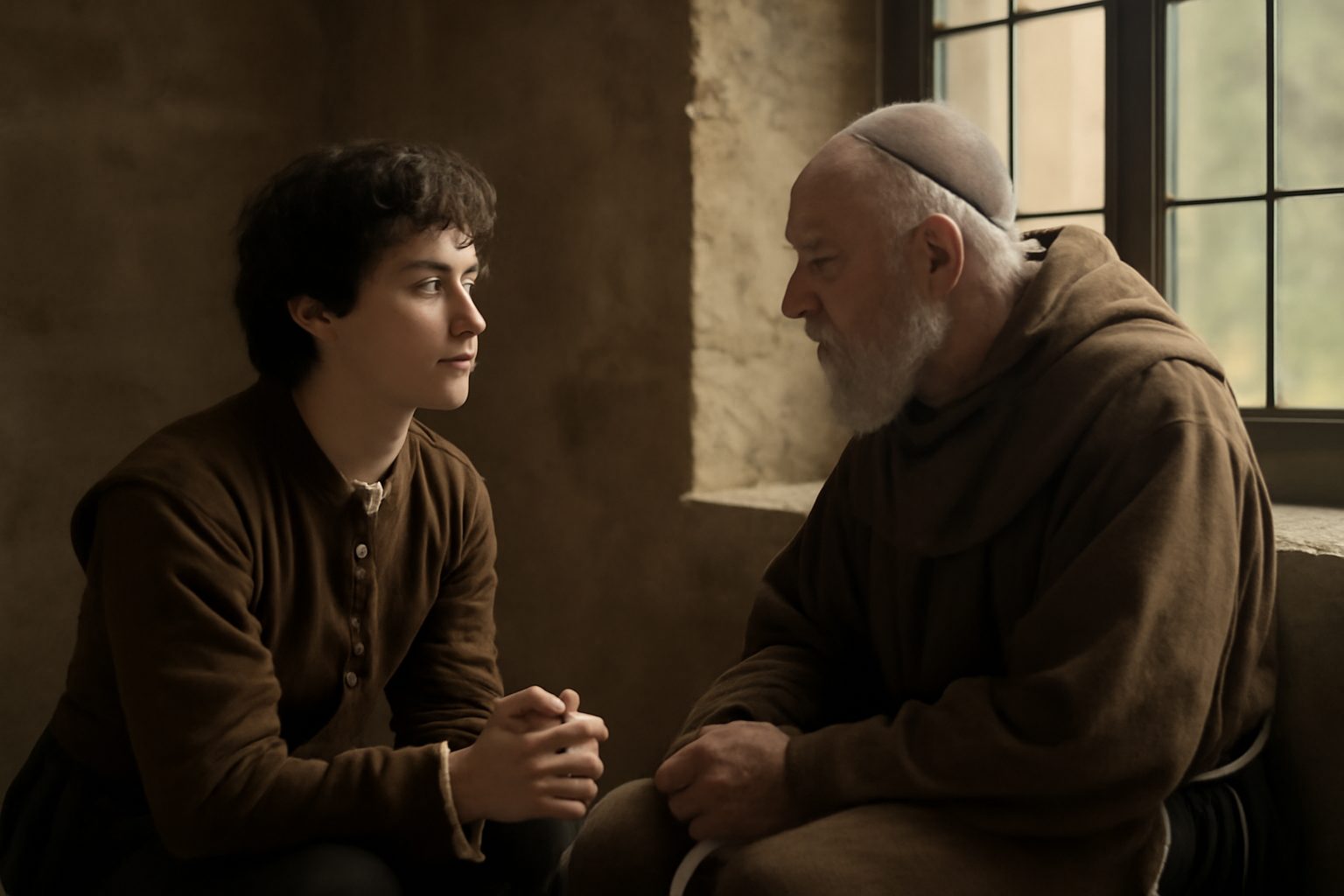
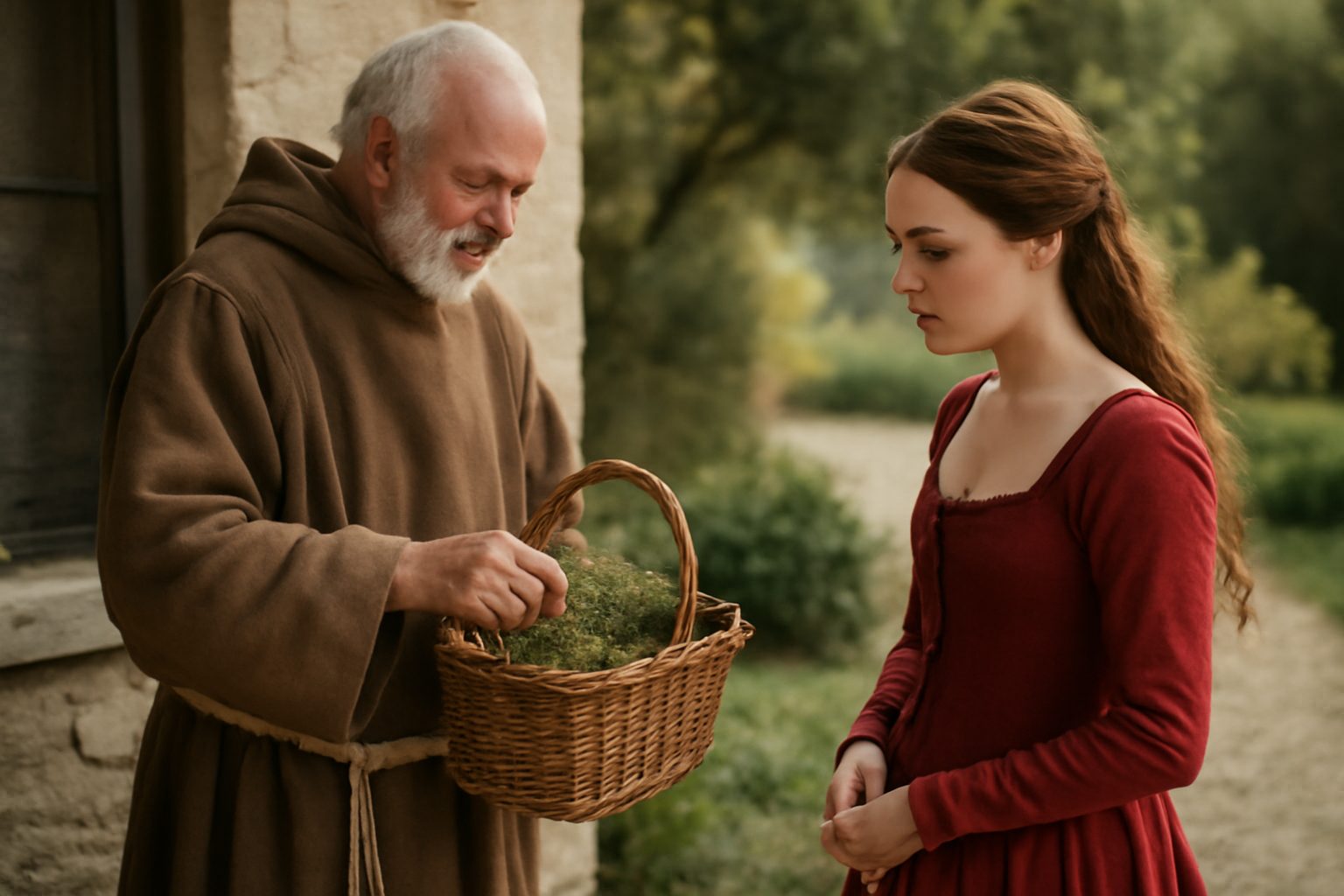
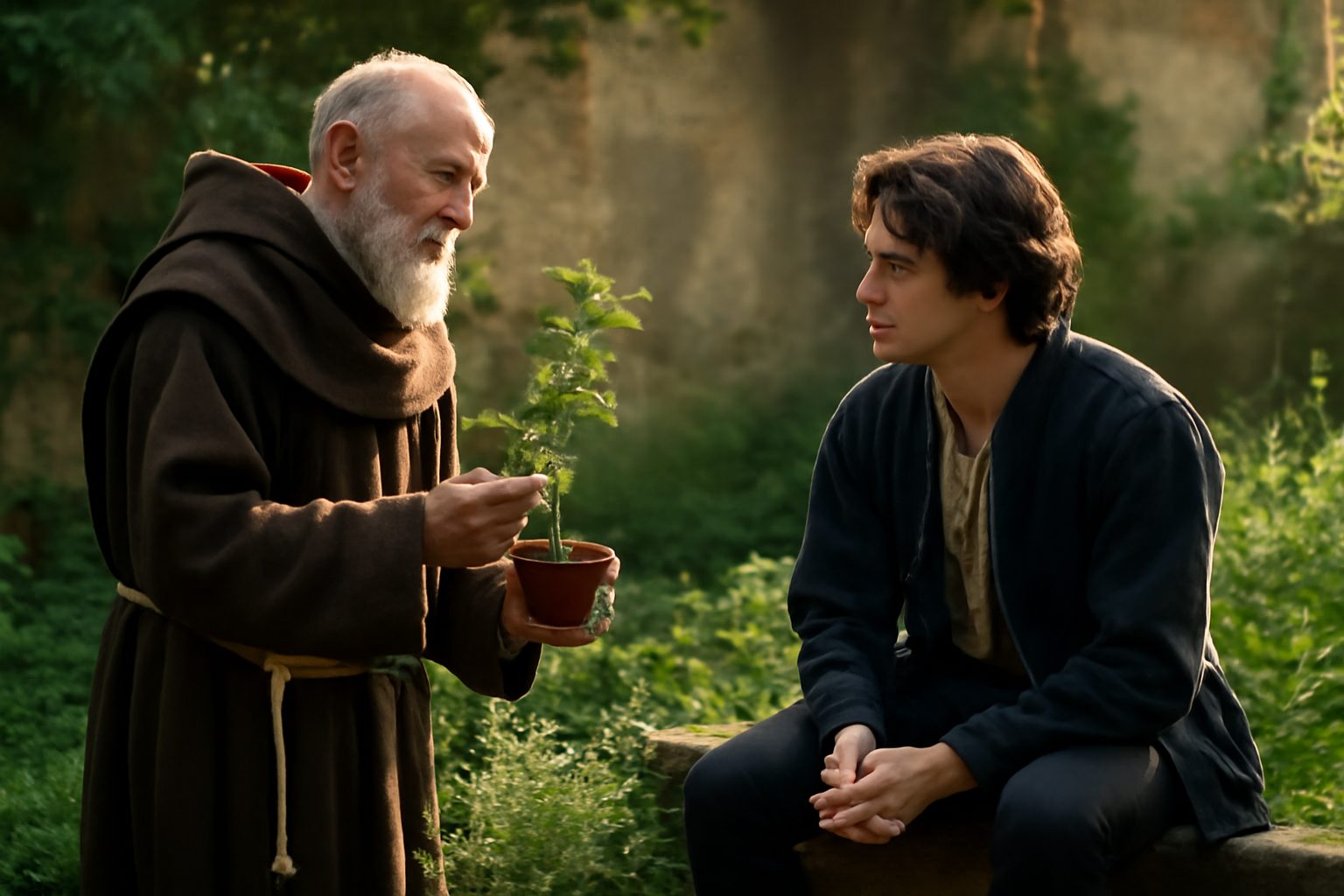
Friar Laurence: "What early tongue so sweet saluteth me?"
In modern day english, we would say:
Who is speaking to me so kindly this early in the morning?
Frequently Asked Questions
Who is speaking in this line from Romeo and Juliet?
Friar Laurence
What is Friar Laurence reacting to in this line?
He hears someone greeting him early in the morning
How does Friar Laurence describe the voice he hears?
He says it sounds sweet
Connections to other verses:
Connections to "What early tongue so sweet saluteth me?"
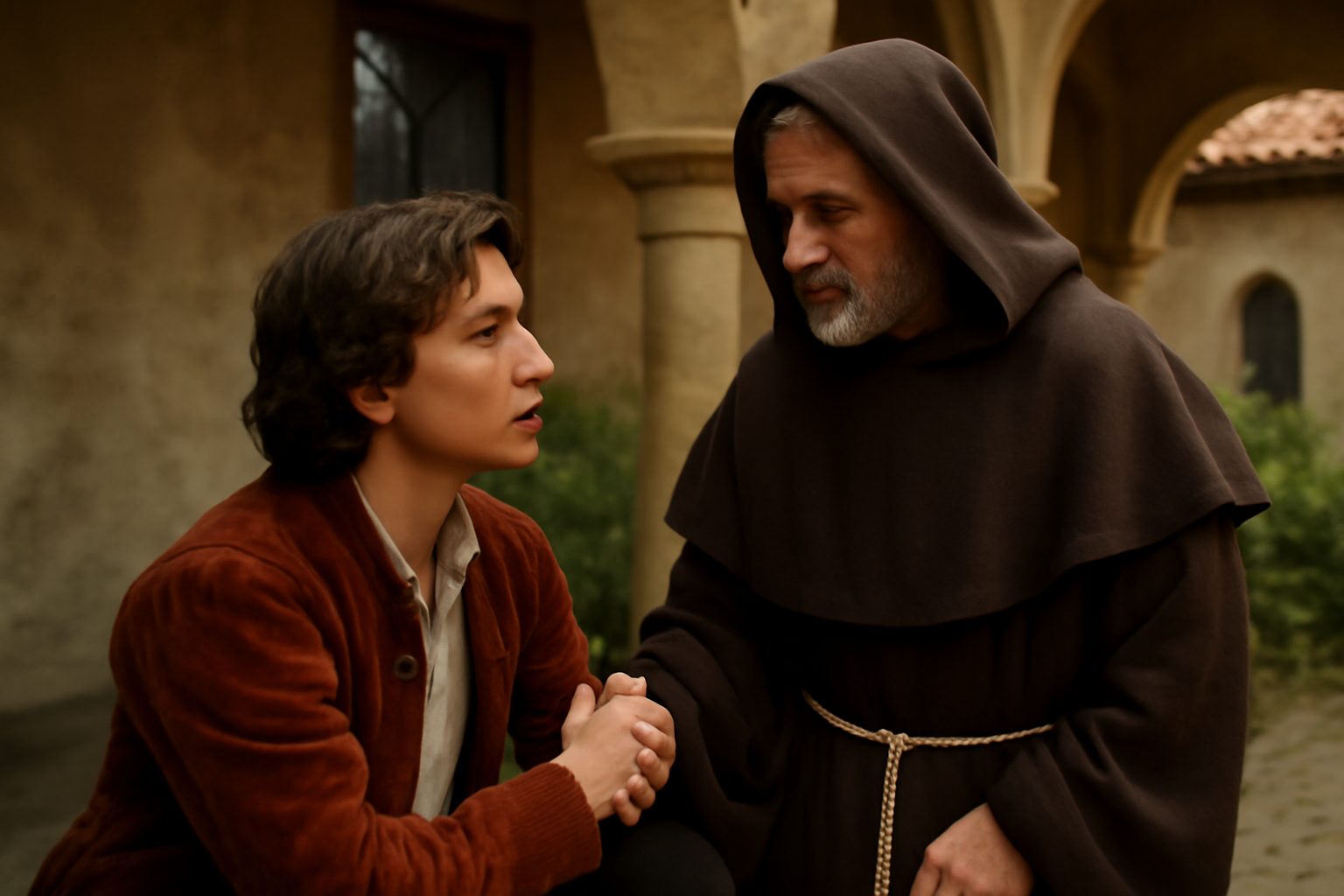
Friar Laurence's surprised question "What early tongue so sweet saluteth me?" is immediately preceded by Romeo's greeting "Good morrow, father", establishing their relationship and the unusual timing of this visit.
Context of Early Morning
The Friar's surprise at Romeo's early appearance connects to his observation about dawn's arrival: "Chequering the eastern clouds with streaks of light" and "Now, ere the sun advance his burning eye". This timing becomes significant when the Friar notes "So soon to bid good morrow to thy bed", suggesting Romeo's restlessness.
Theme of Transformation
The "sweet" salutation contrasts with Romeo's previous state of melancholy, noted by the Friar's exclamation "Holy Saint Francis, what a change is here!" and his question "God pardon sin! wast thou with Rosaline?", highlighting Romeo's shift from despair to newfound joy.
Contrast With Past Woes
The sweetness of Romeo's greeting stands in stark contrast to his previous suffering, which the Friar recalls through "Thy old groans ring yet in my ancient ears" and "Thou and these woes were all for Rosaline", emphasizing the dramatic change in Romeo's emotional state.
Foreshadowing and Warning
The Friar's initial surprise evolves into caution, as seen in his advice "Wisely and slow; they stumble that run fast", connecting the sweet but hasty greeting to the play's themes of rushed decisions and their consequences.