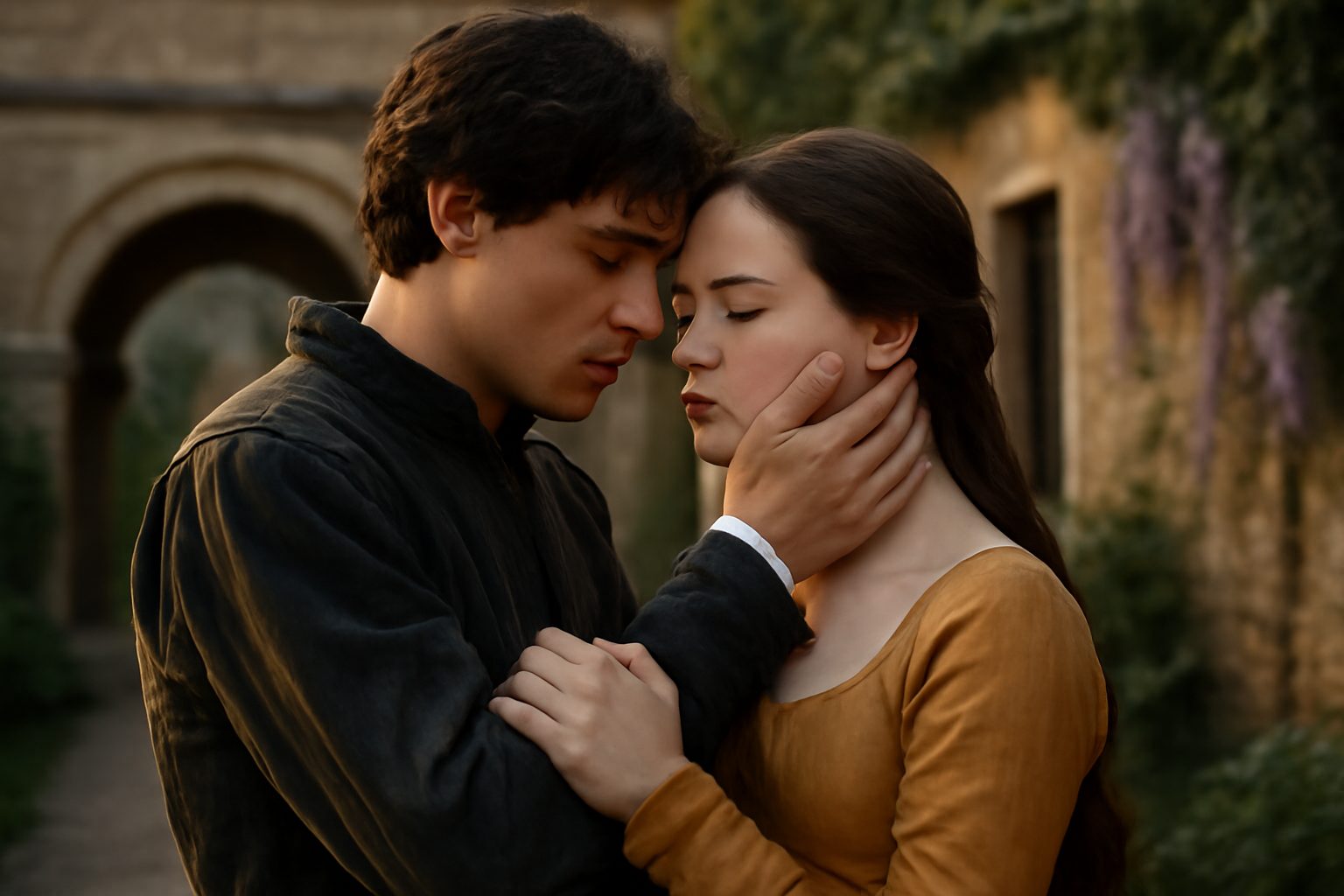
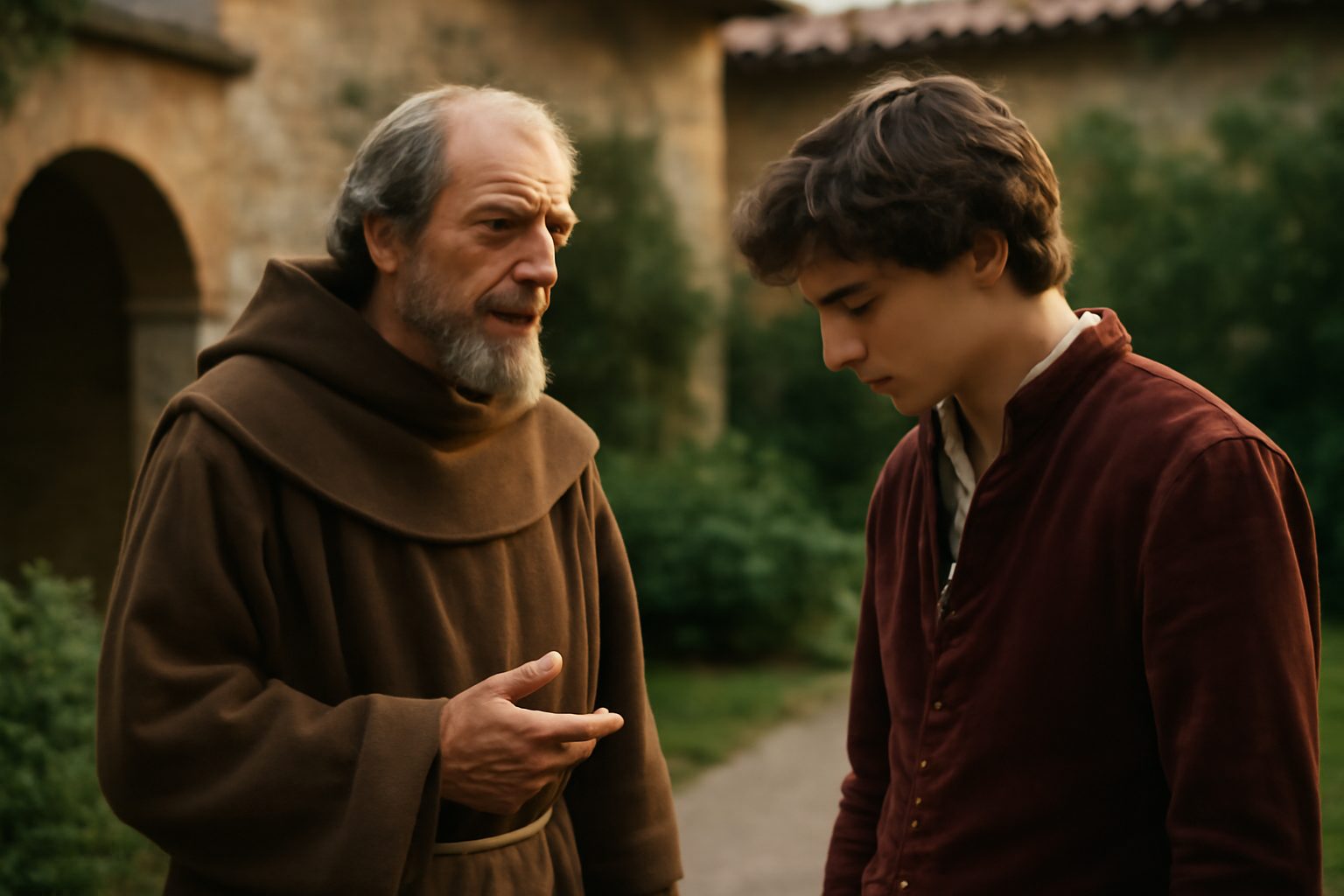
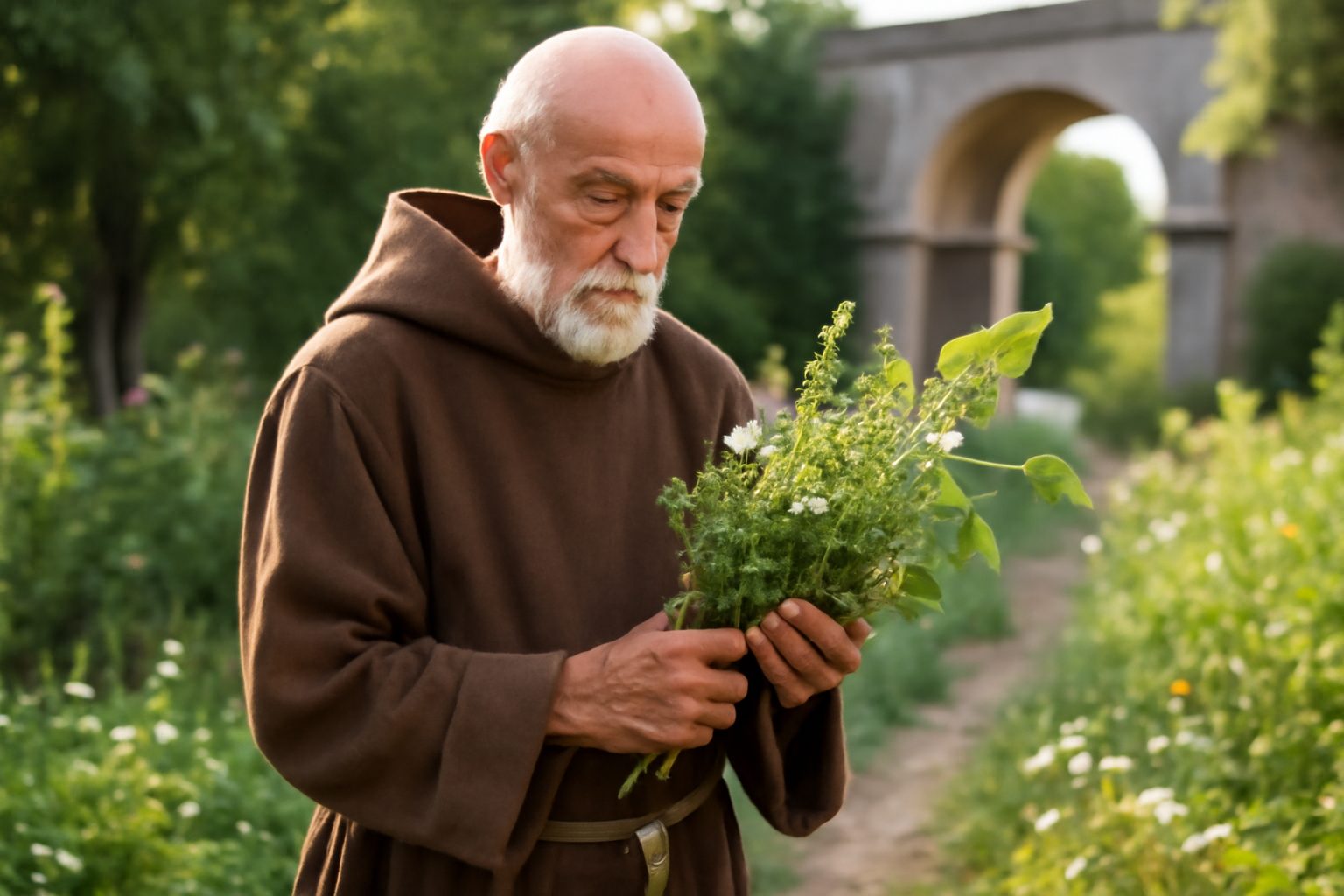
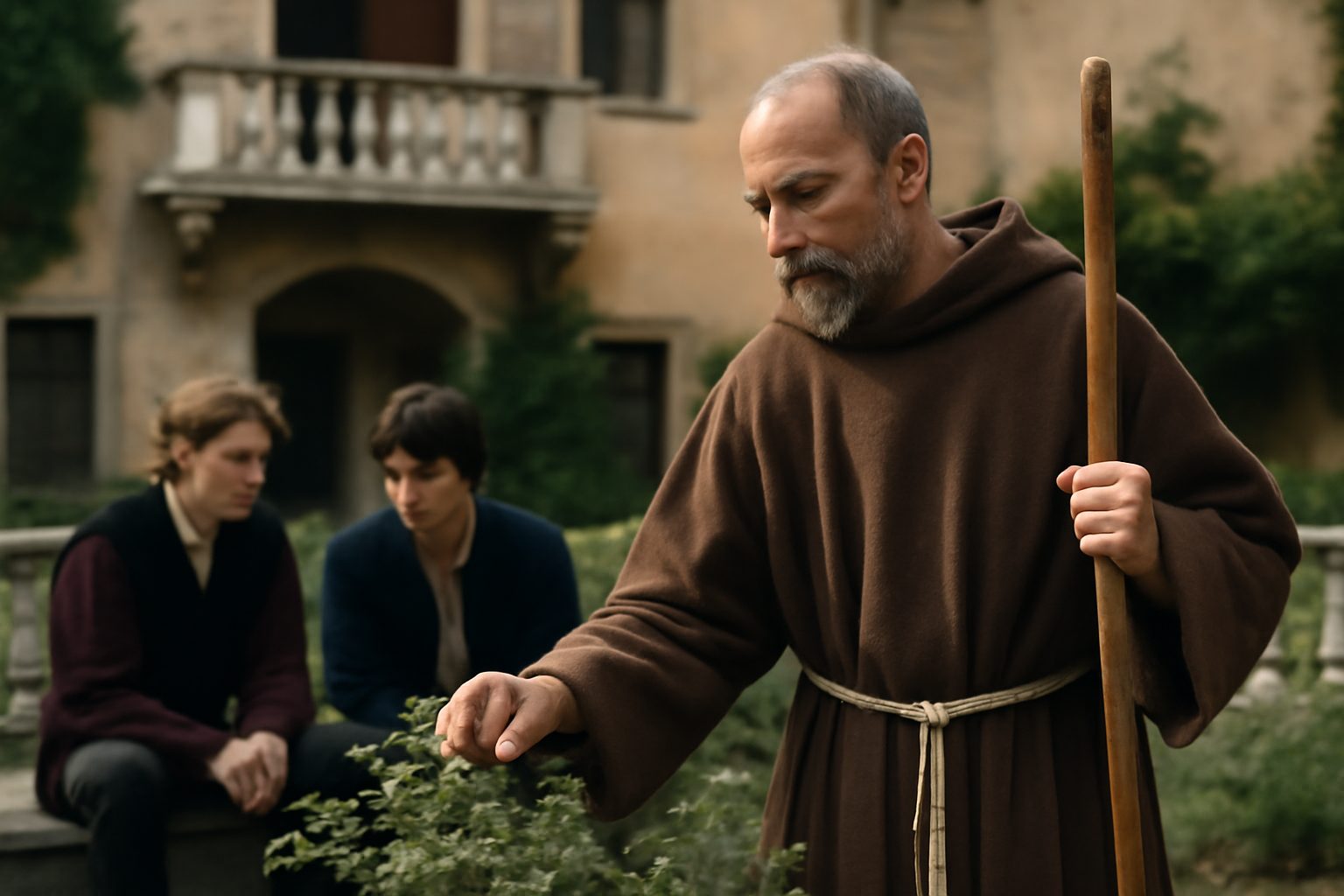
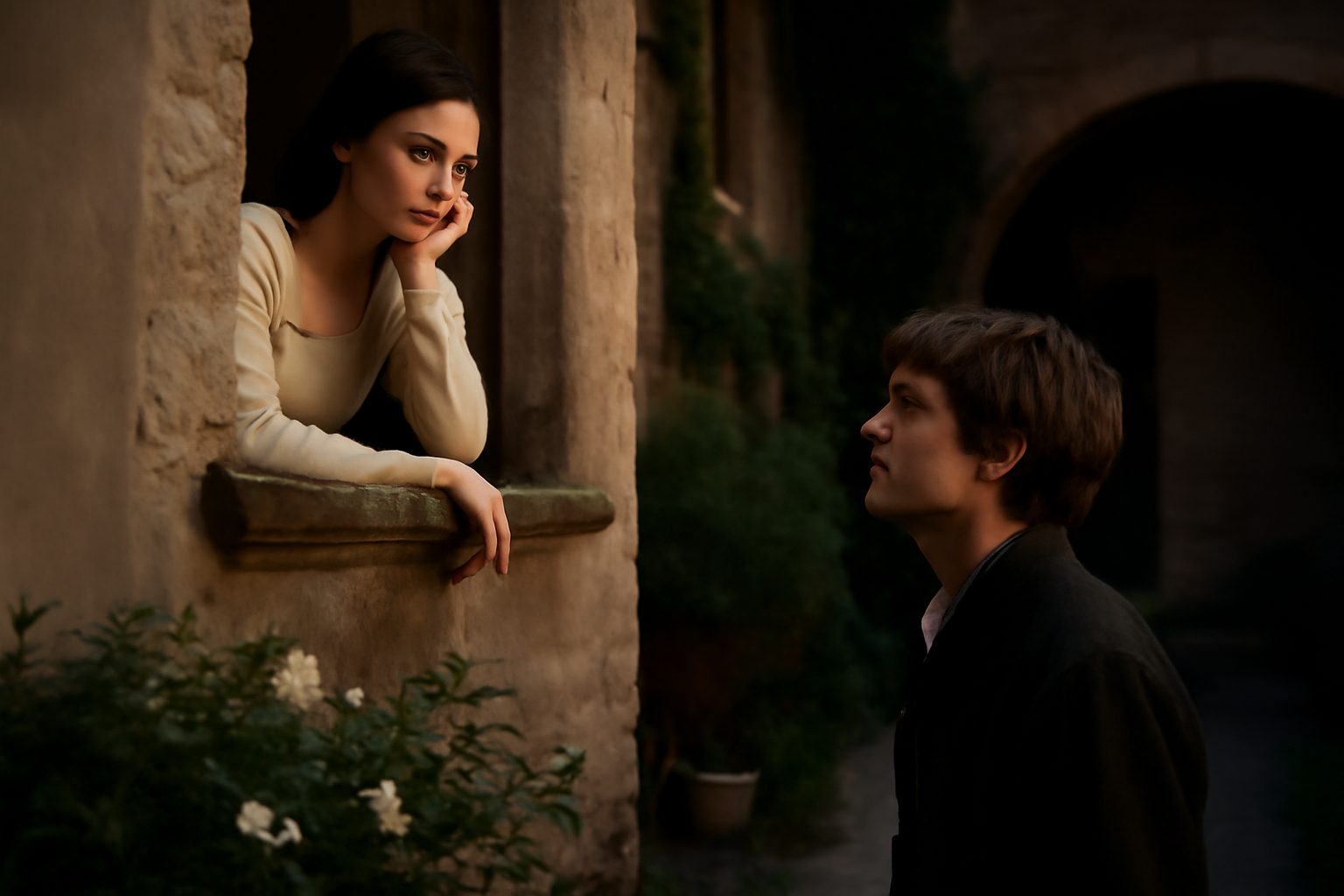
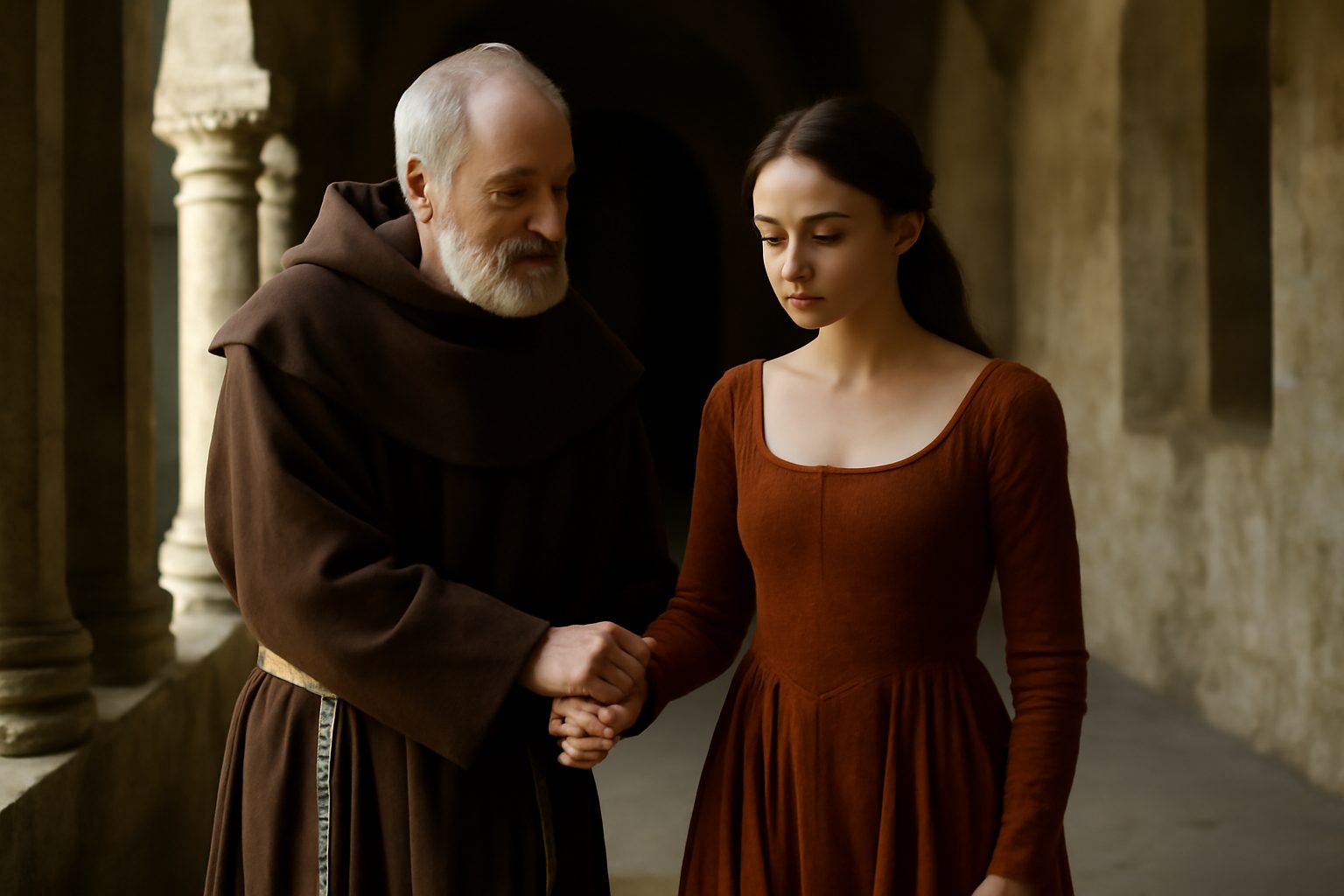
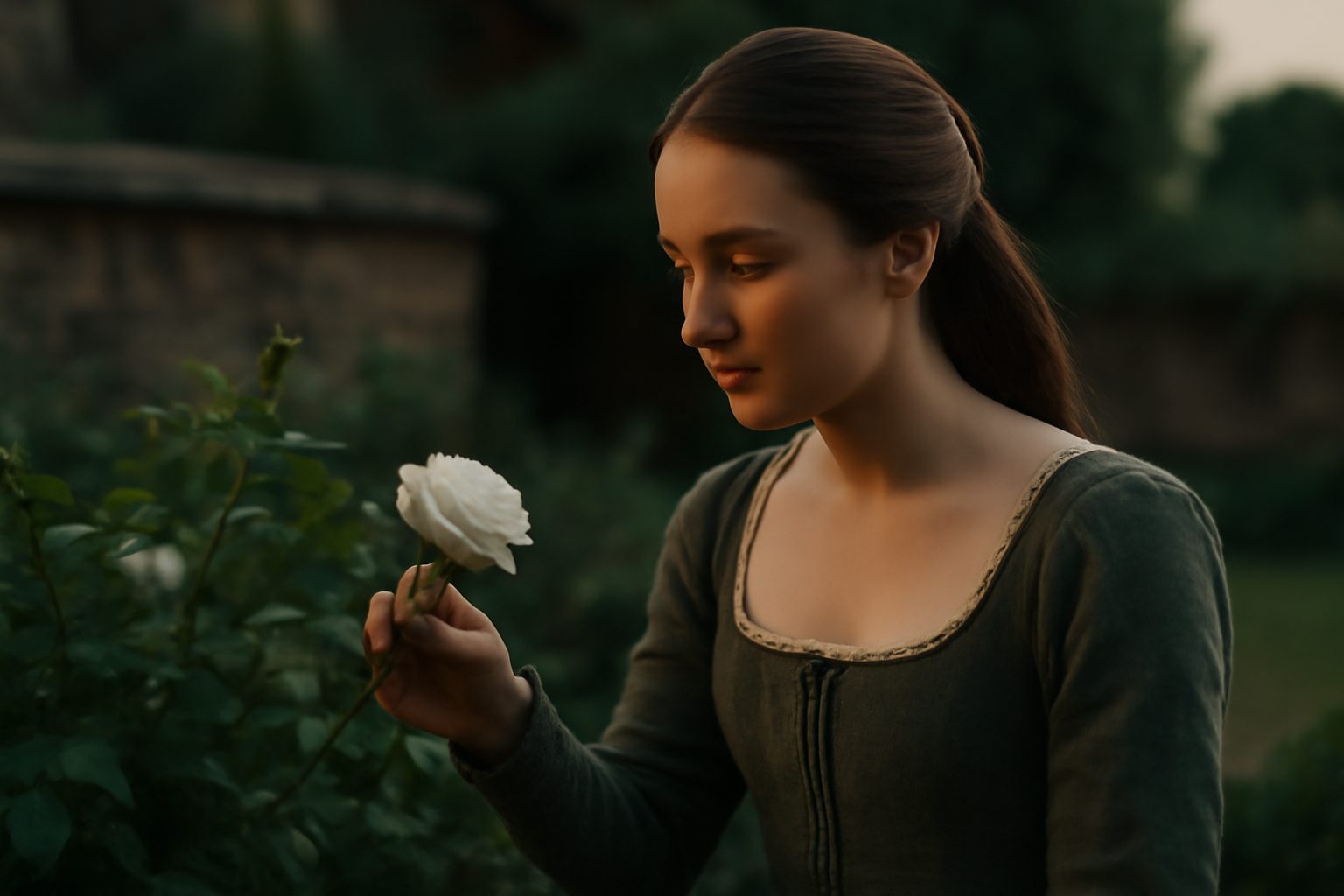
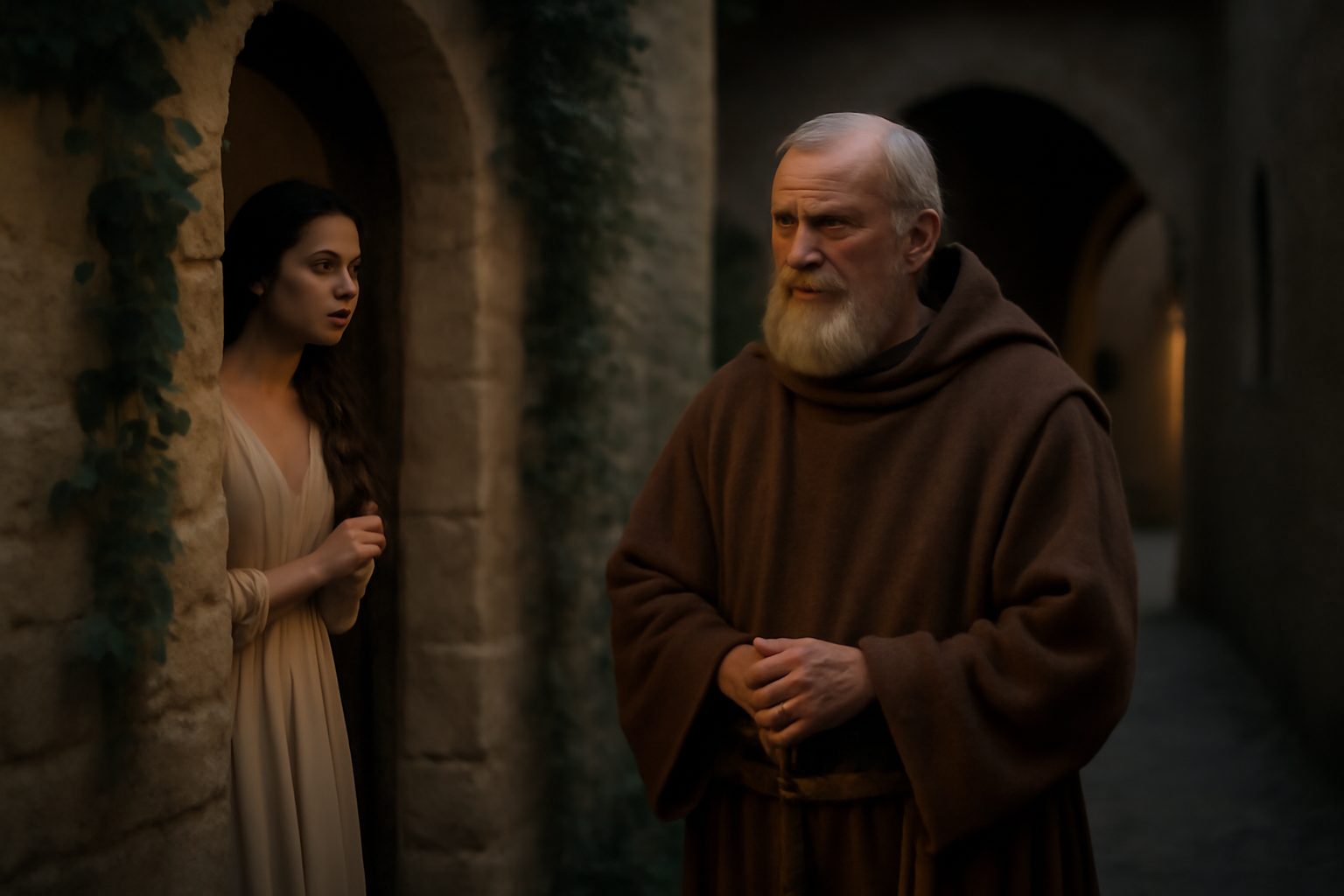
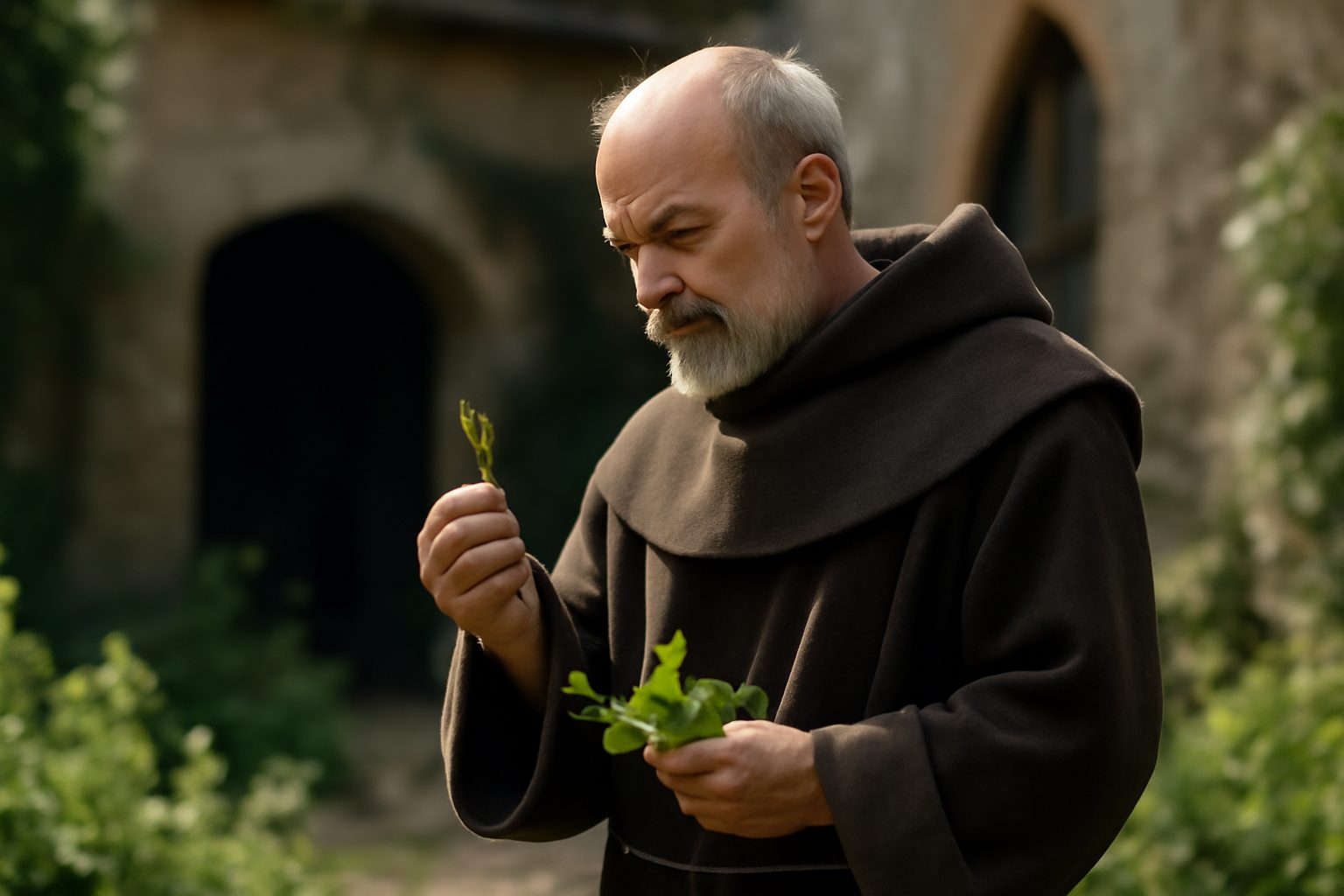
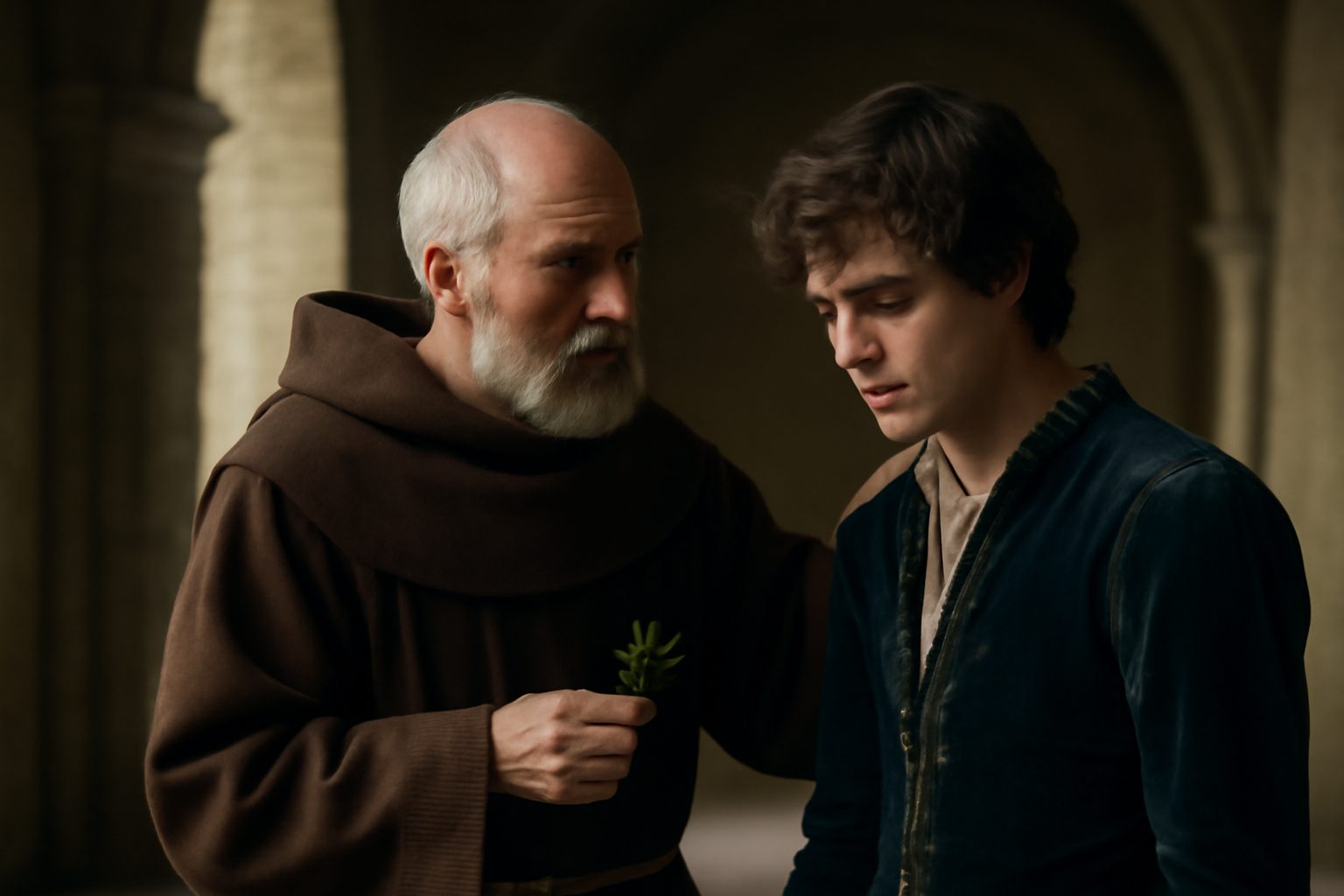
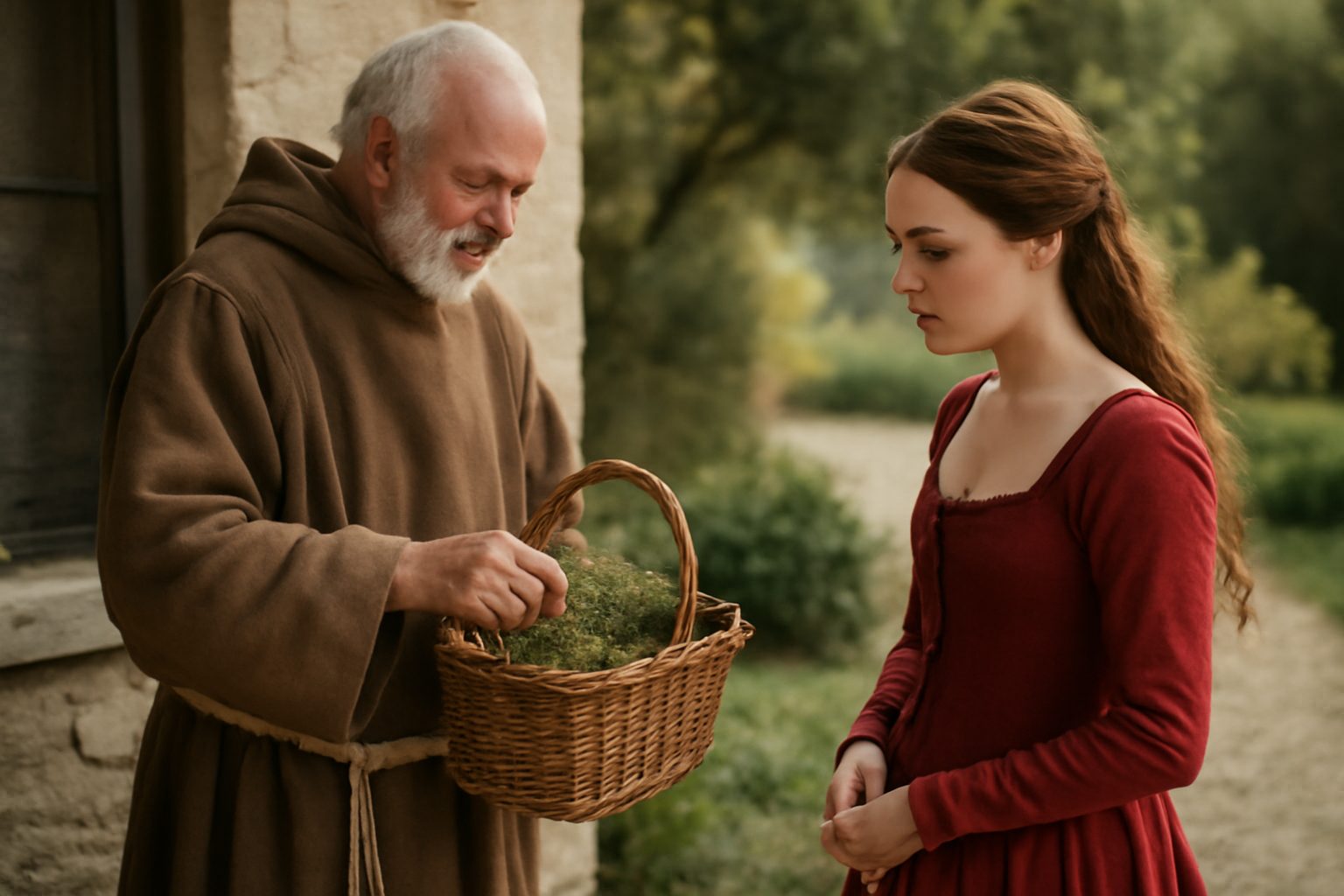
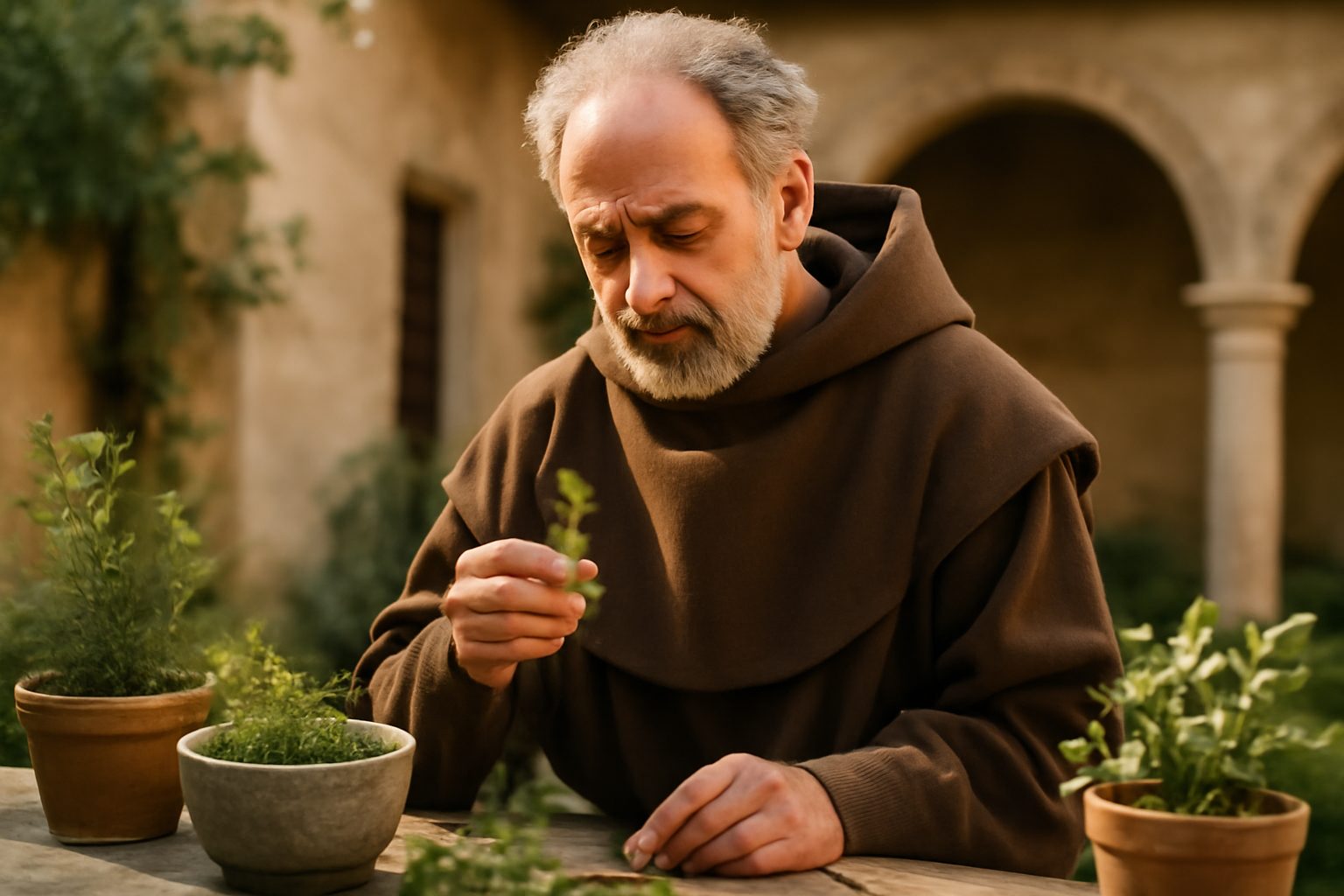
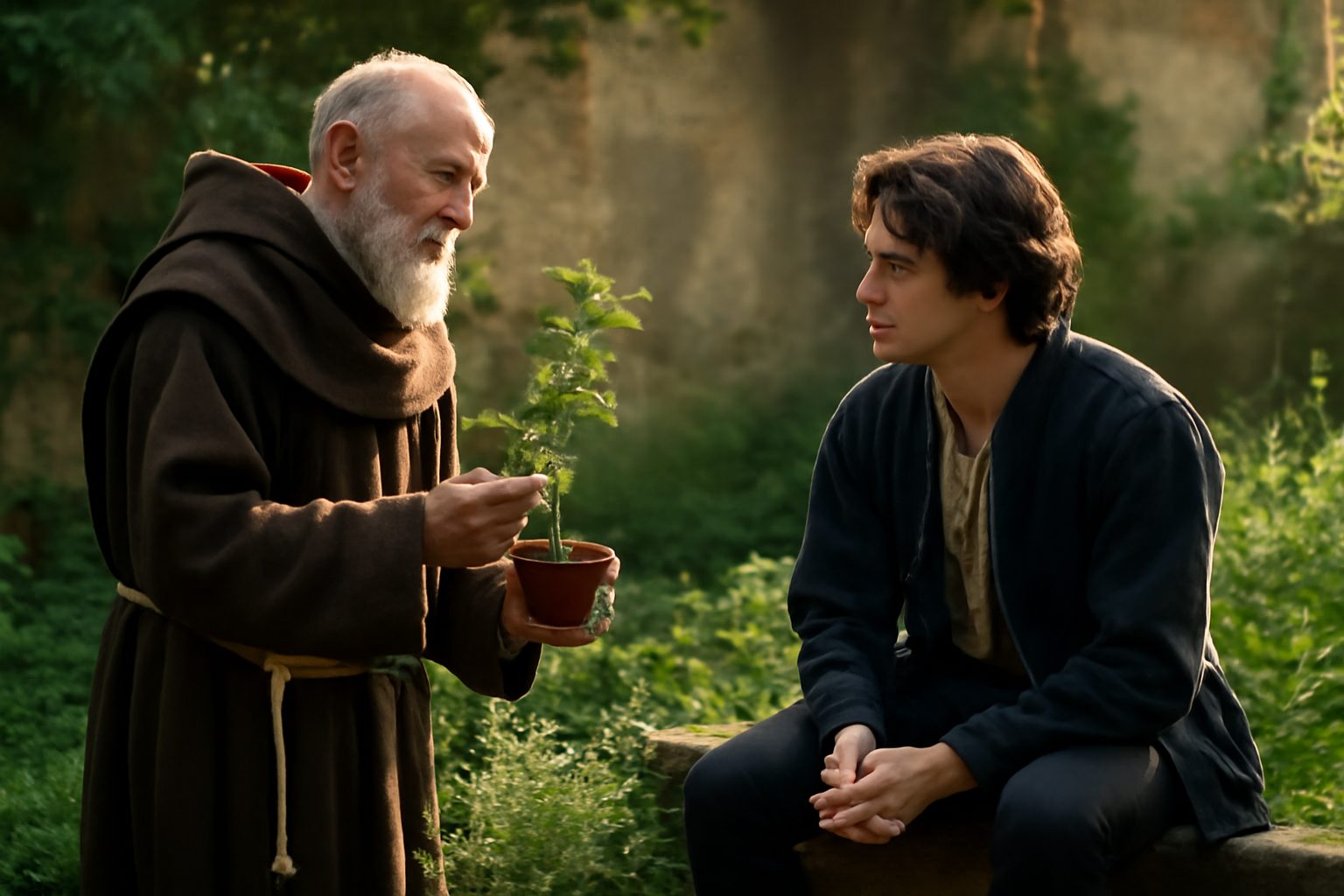
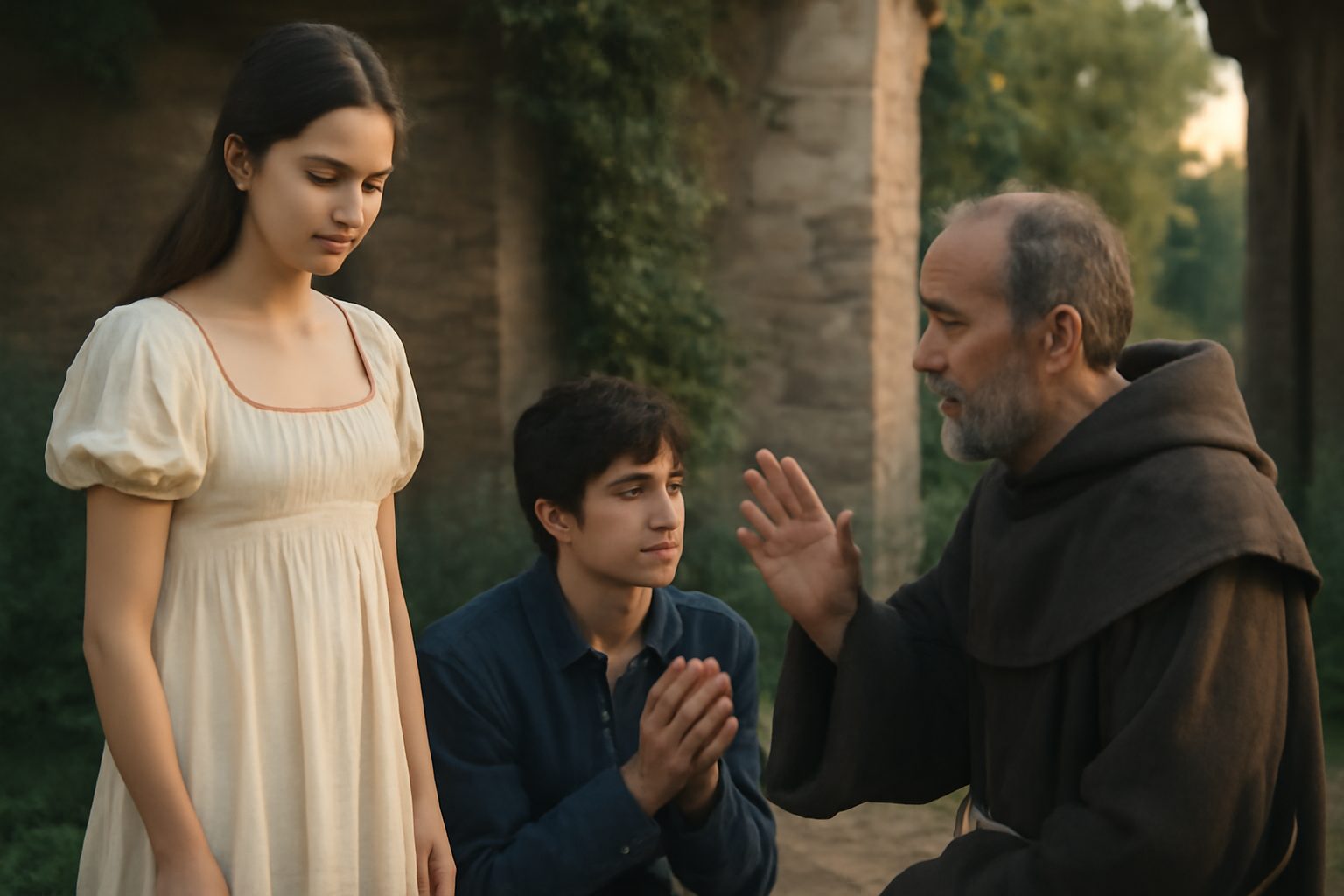
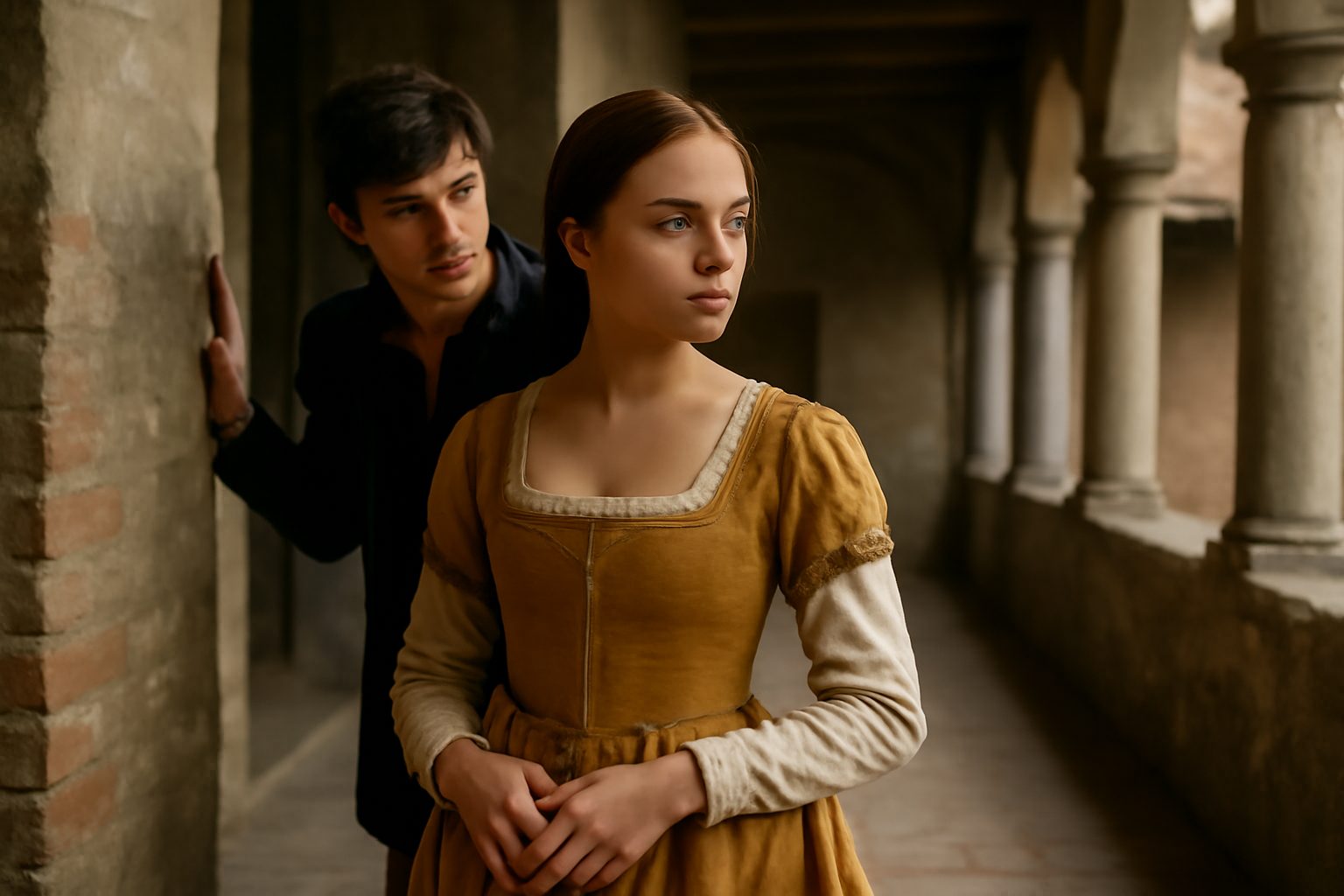
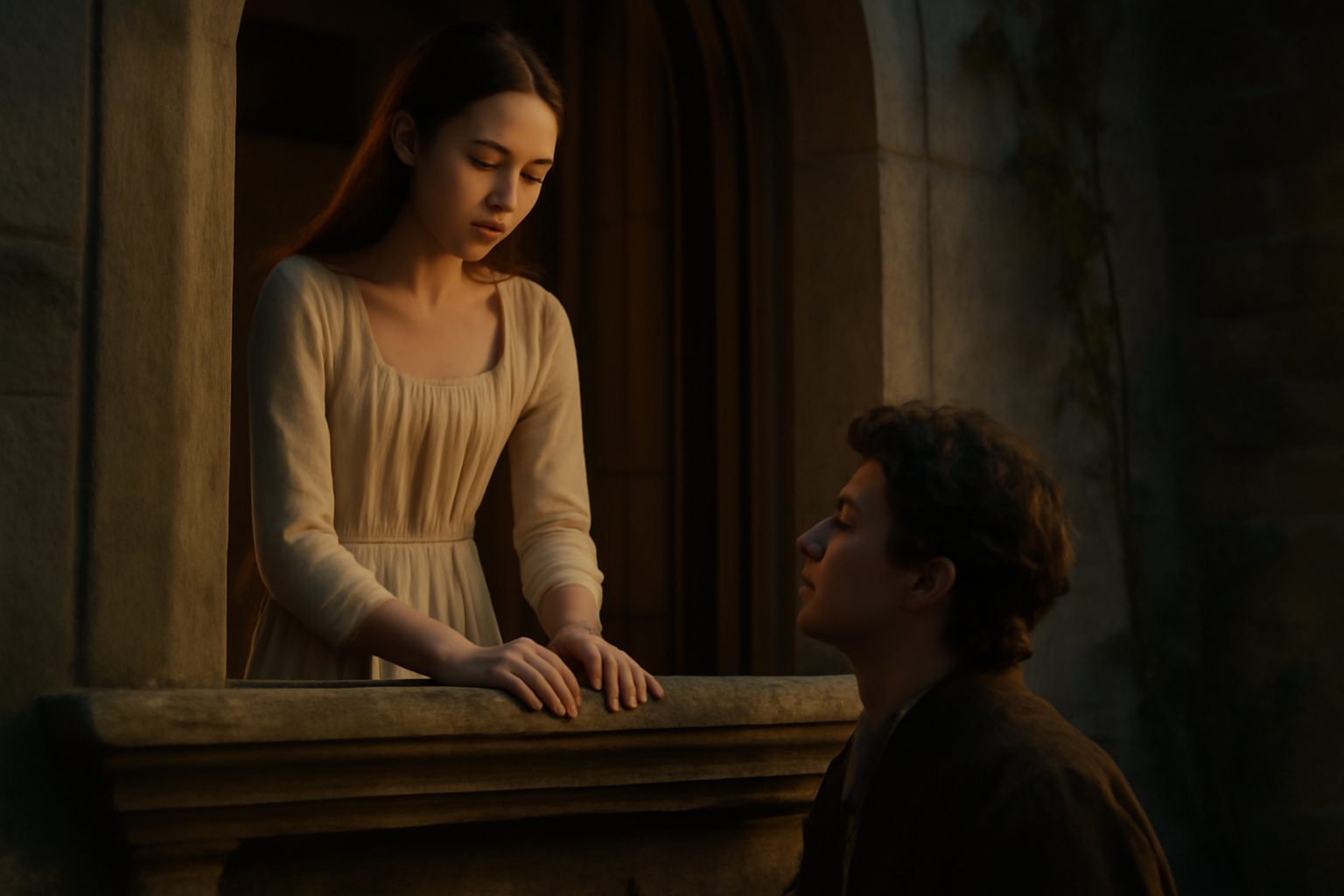
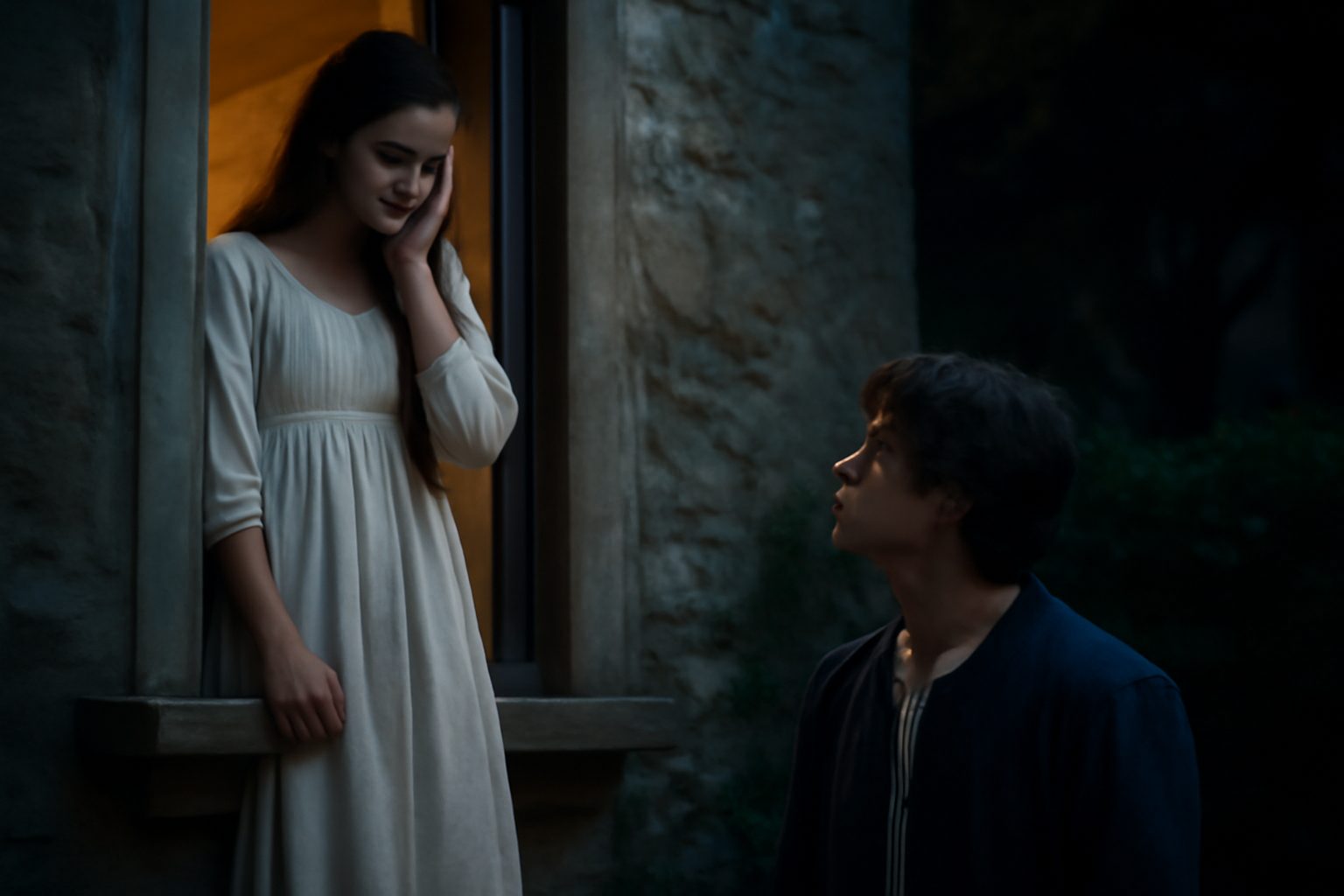
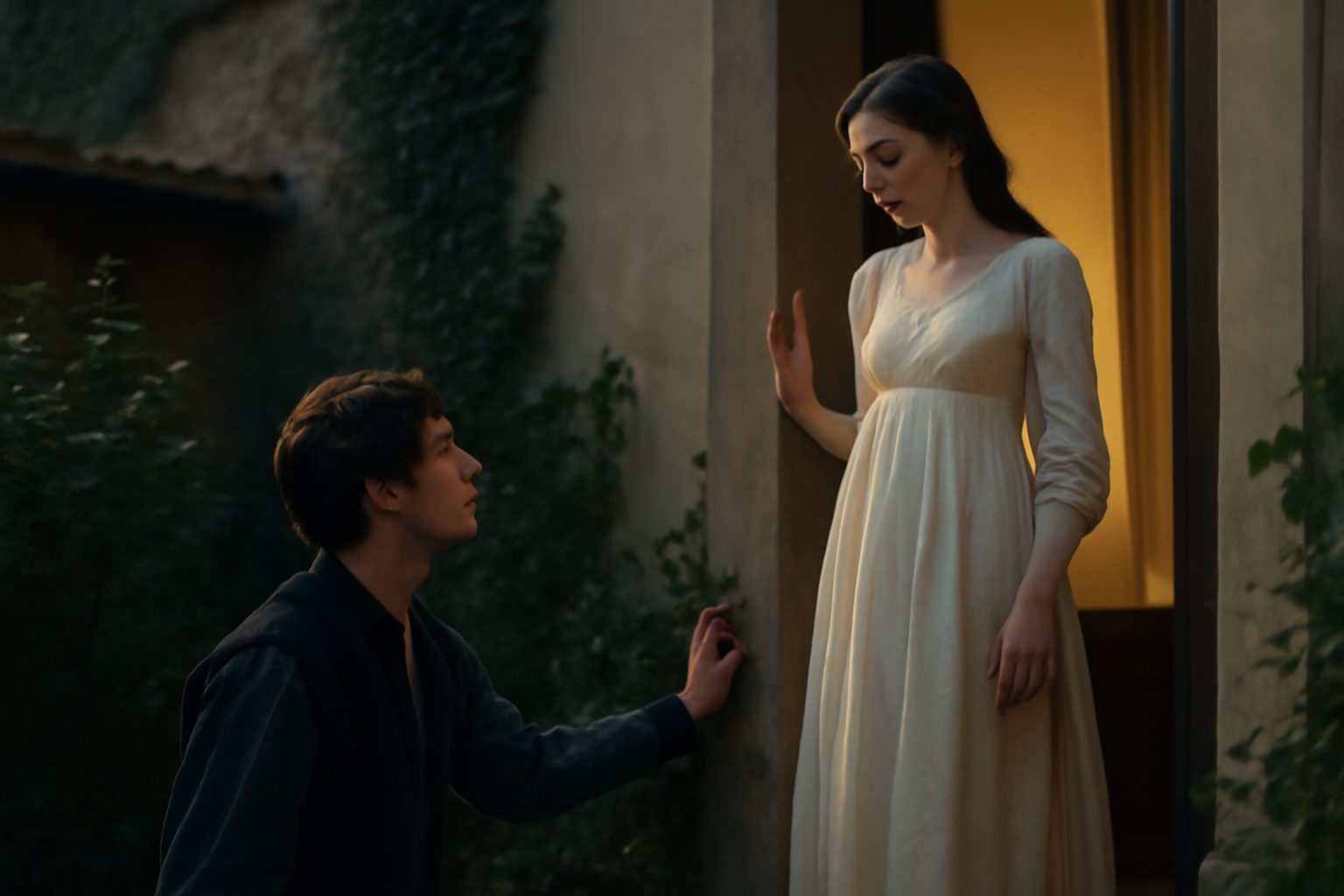
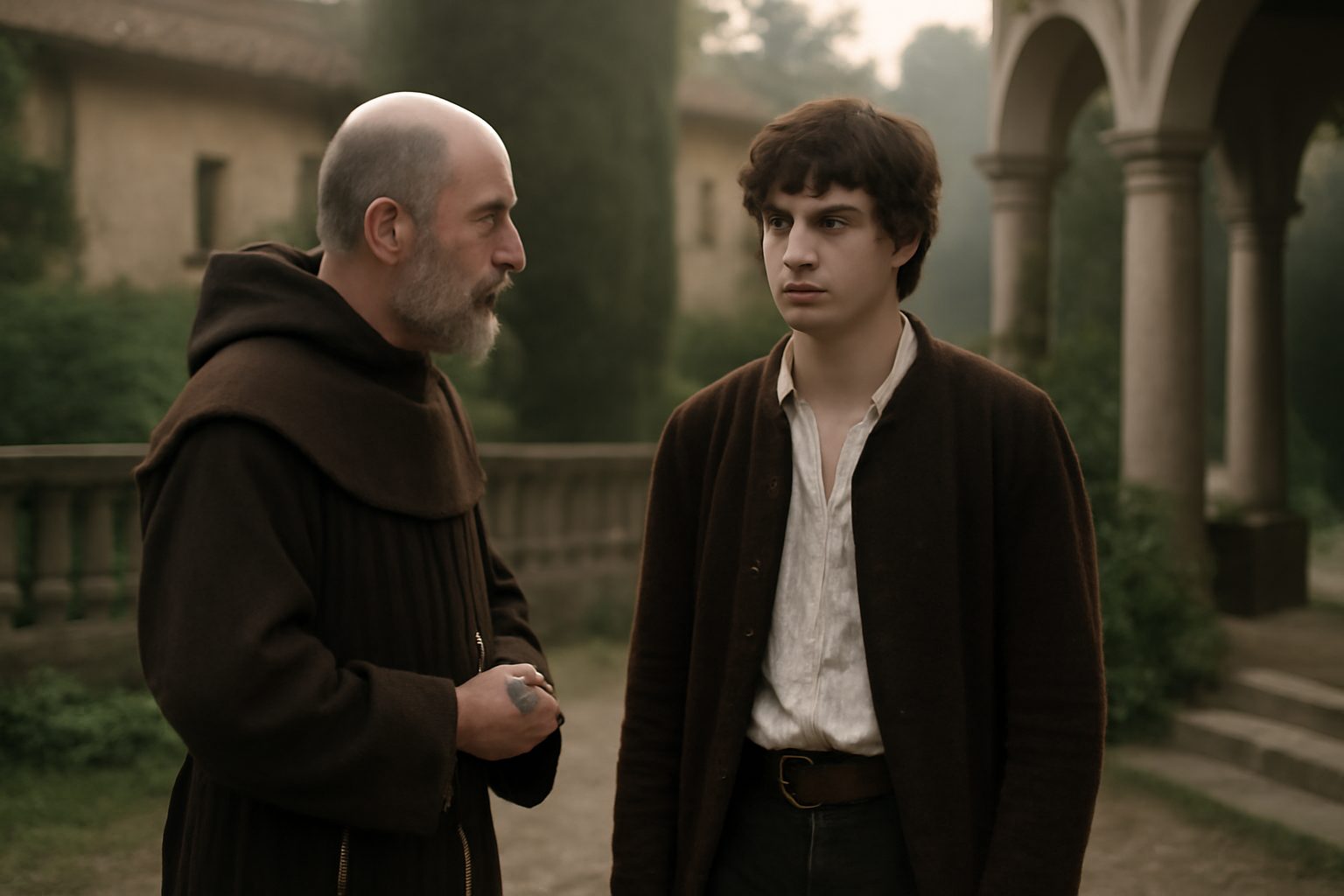
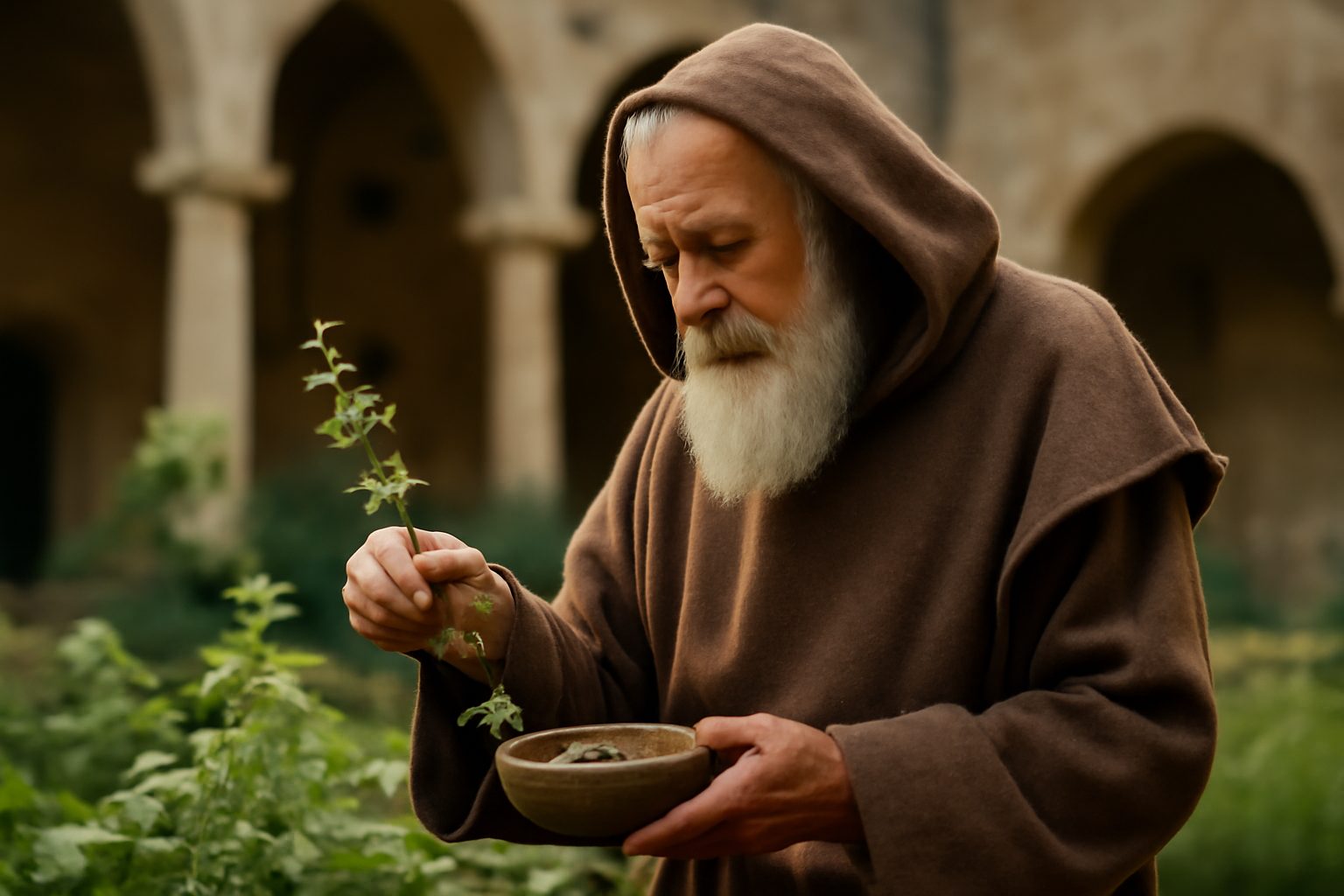
In Act 2, Scene 3 of Romeo and Juliet, Friar Laurence reflects on the contrasting nature of youth and age as he gathers herbs at dawn. This line captures his observation of young people, whose minds are free from the burdens of experience and whose bodies are untouched by time. The friar's musings come just before Romeo arrives to share news of his newfound love for Juliet, unknowingly setting the stage for the tragedy to come.
Friar Laurence: "But where unbruised youth with unstuff'd brain"
In modern day english, we would say:
Young people with clear minds, free from worries and troubles.
Frequently Asked Questions
What does Friar Laurence mean when he talks about youth with an unstuffed brain?
He is referring to young people who are carefree and not burdened by worries or responsibilities.
Connections to other verses:
Connections to "But where unbruised youth with unstuff'd brain"
Contrast with Age and Care
This line contrasts sharply with "Care keeps his watch in every old man's eye", highlighting how youth, free from burdens, differs from the worry-laden existence of age. It also connects to "And where care lodges, sleep will never lie", emphasizing that an unstuffed brain (without care) is conducive to rest, unlike the troubled mind.
Complement to Sleep and Rest
The idea of youth's untroubled mind leads directly to "Doth couch his limbs, there golden sleep doth reign", illustrating how such a state invites peaceful sleep. This is further supported by "So soon to bid good morrow to thy bed", suggesting that Romeo's early rising hints at a mind too restless for true rest, contrasting the "unbruised youth" ideal.
Foreshadowing and Character Insight
Friar Laurence's observation about youth's innocence juxtaposes with his later line, "So soon forsaken? young men's love then lies", questioning the constancy of youthful passion. It also relates to "Thy love did read by rote and could not spell", implying that Romeo's previous love was immature, fitting the "unstuffed brain" notion of inexperienced youth.
Thematic Links to Dualities
The verse ties into the scene's exploration of dualities, such as "In man as well as herbs, grace and rude will", where youth may represent "rude will"未经雕琢的冲动. It also echoes "Virtue itself turns vice, being misapplied", suggesting that unbruised youth, if misguided, can lead to harm, adding depth to the innocence described.