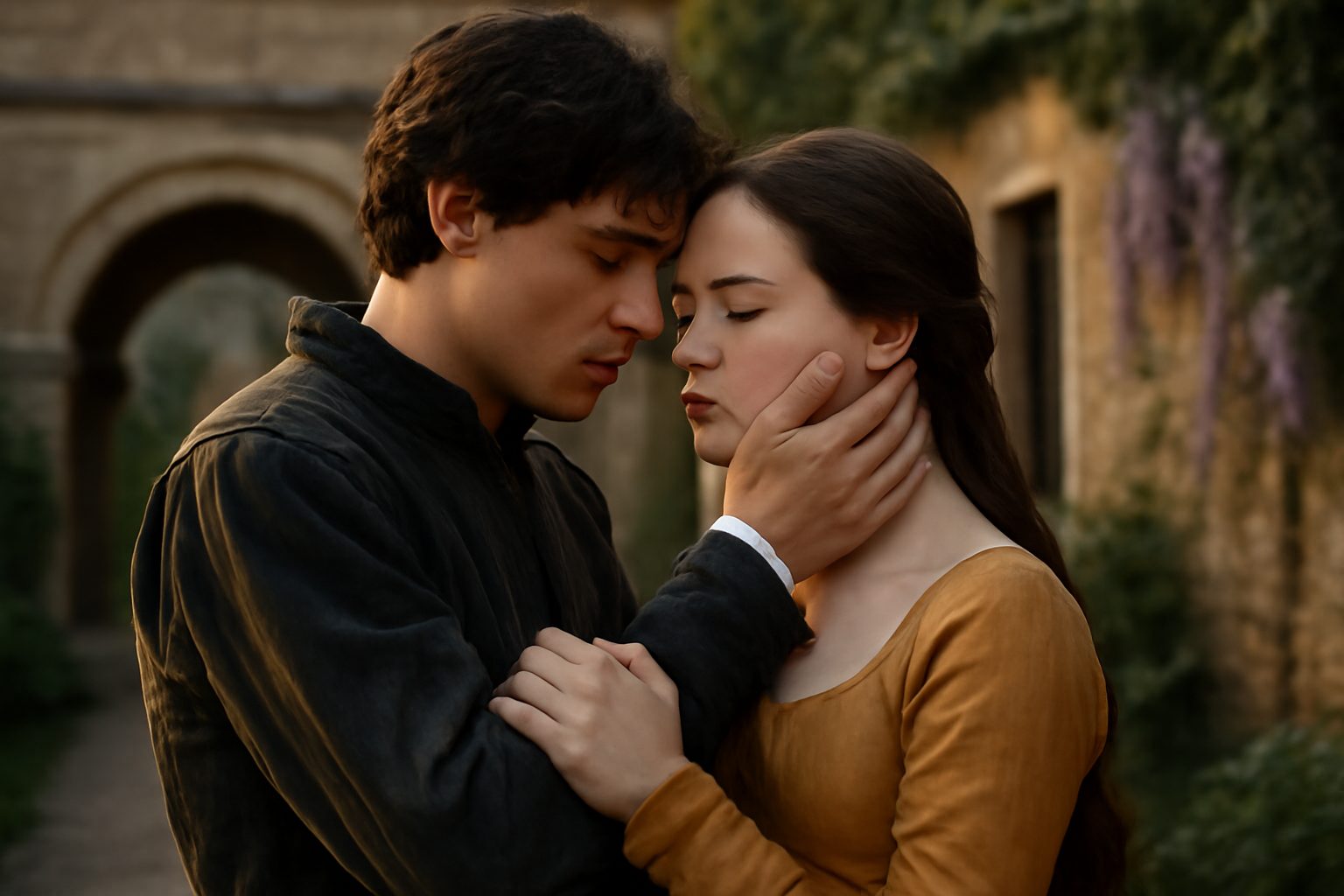
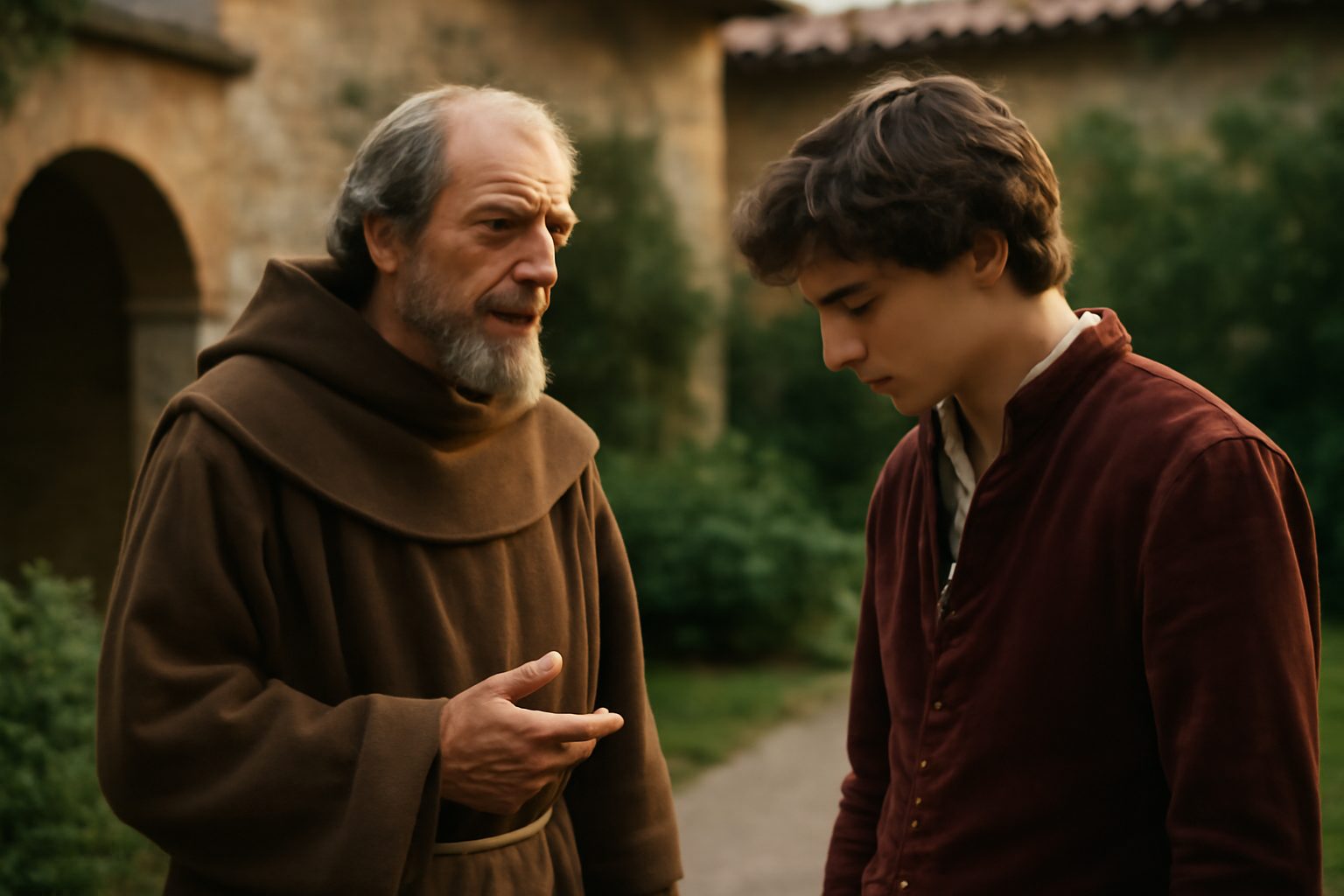
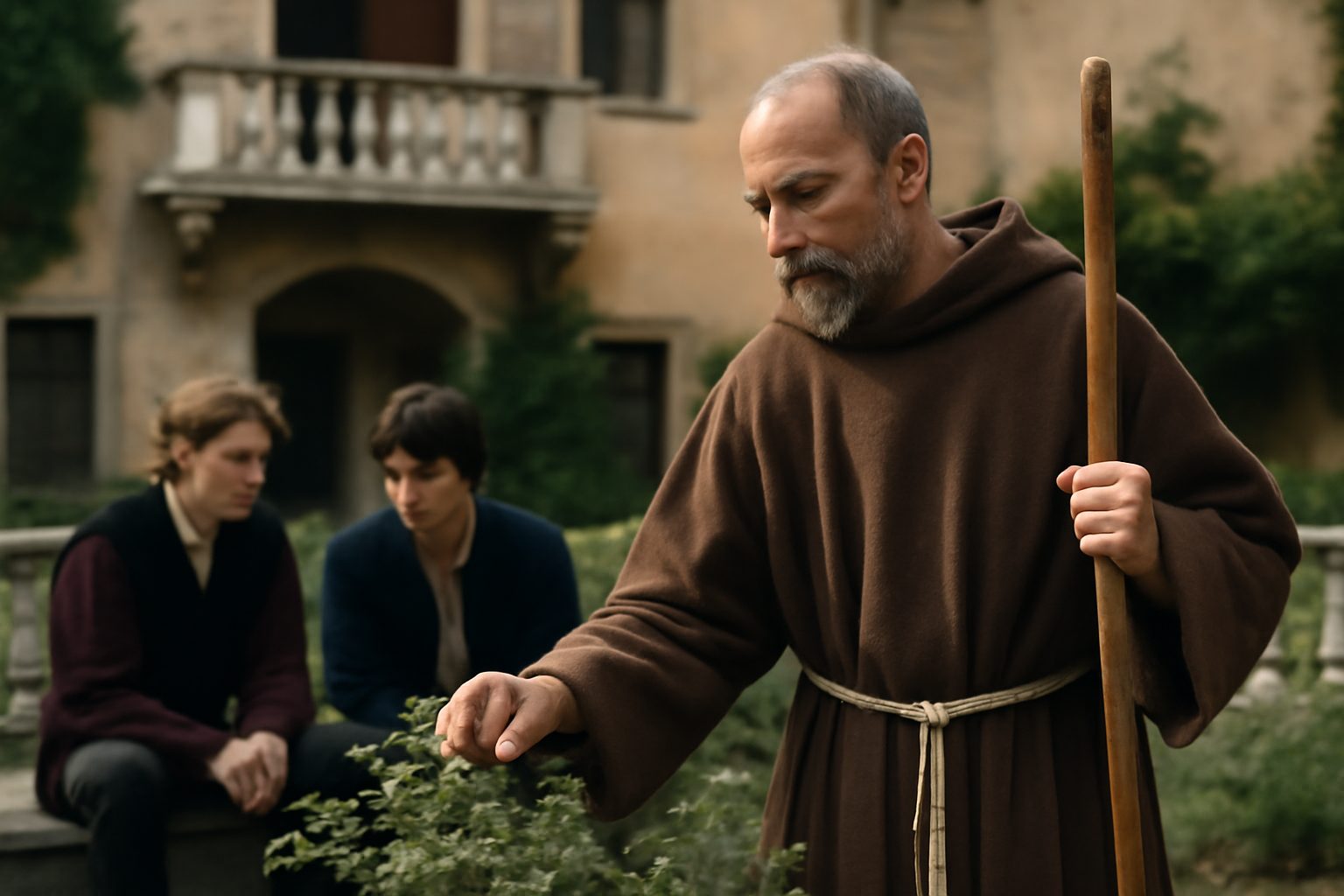
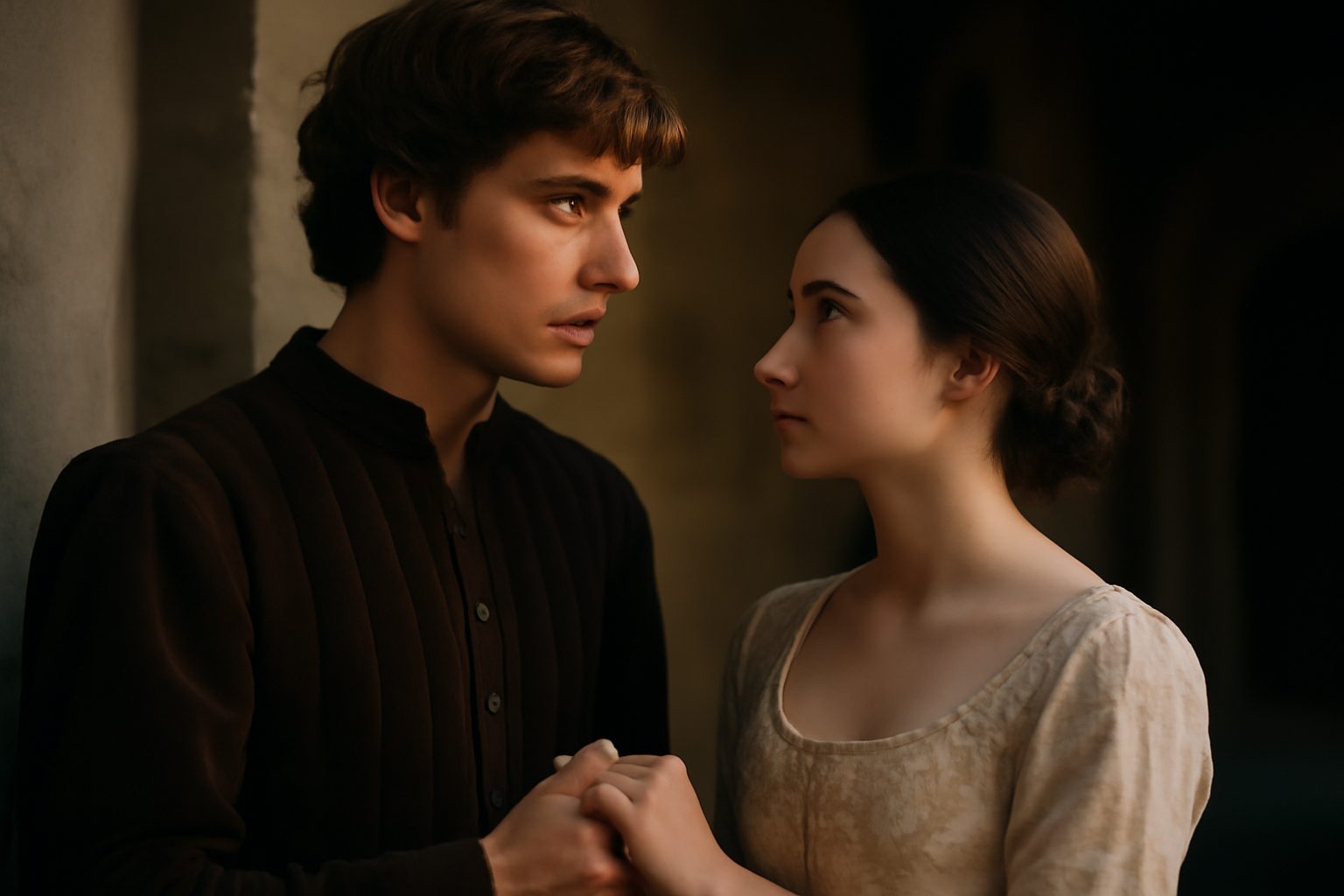
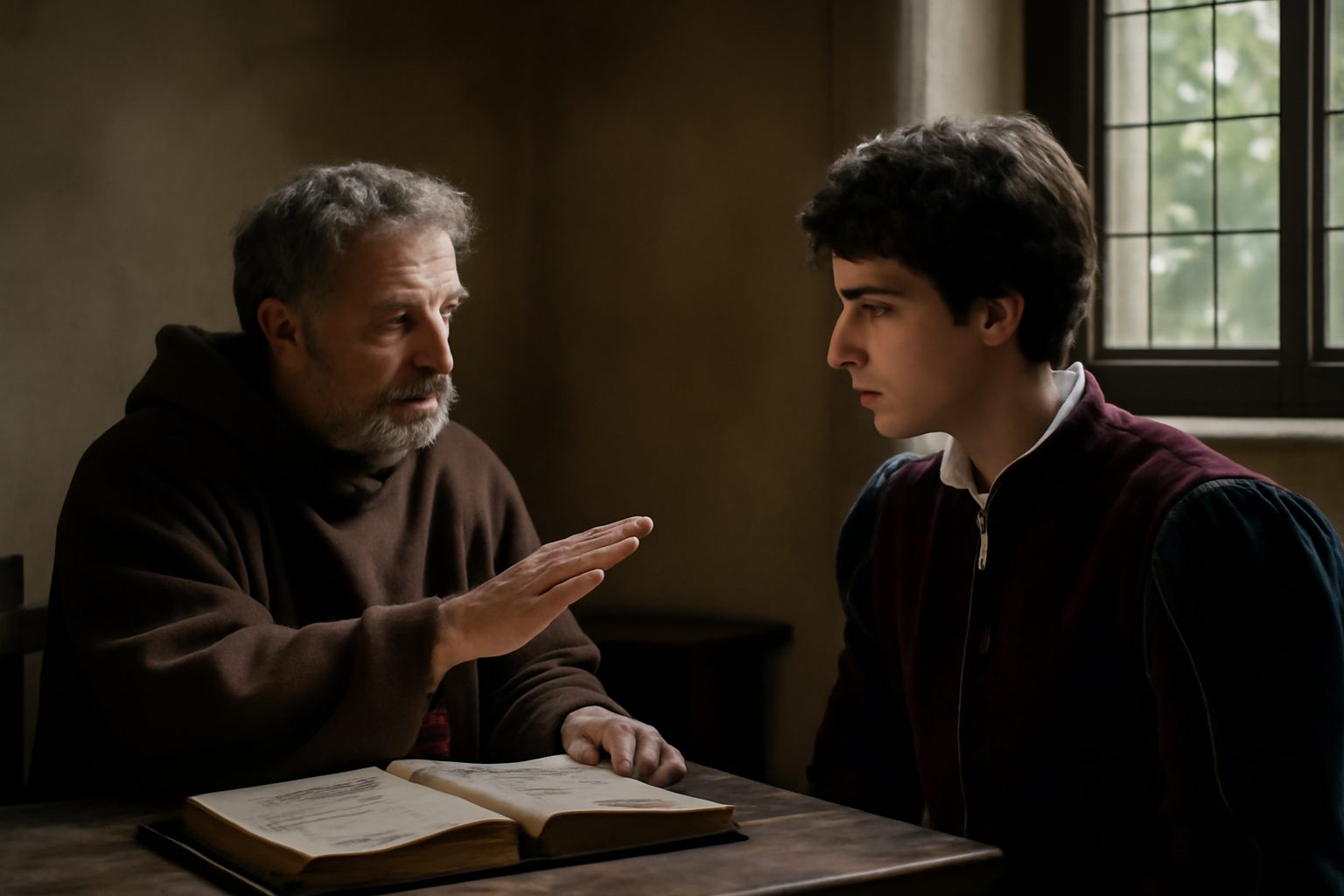
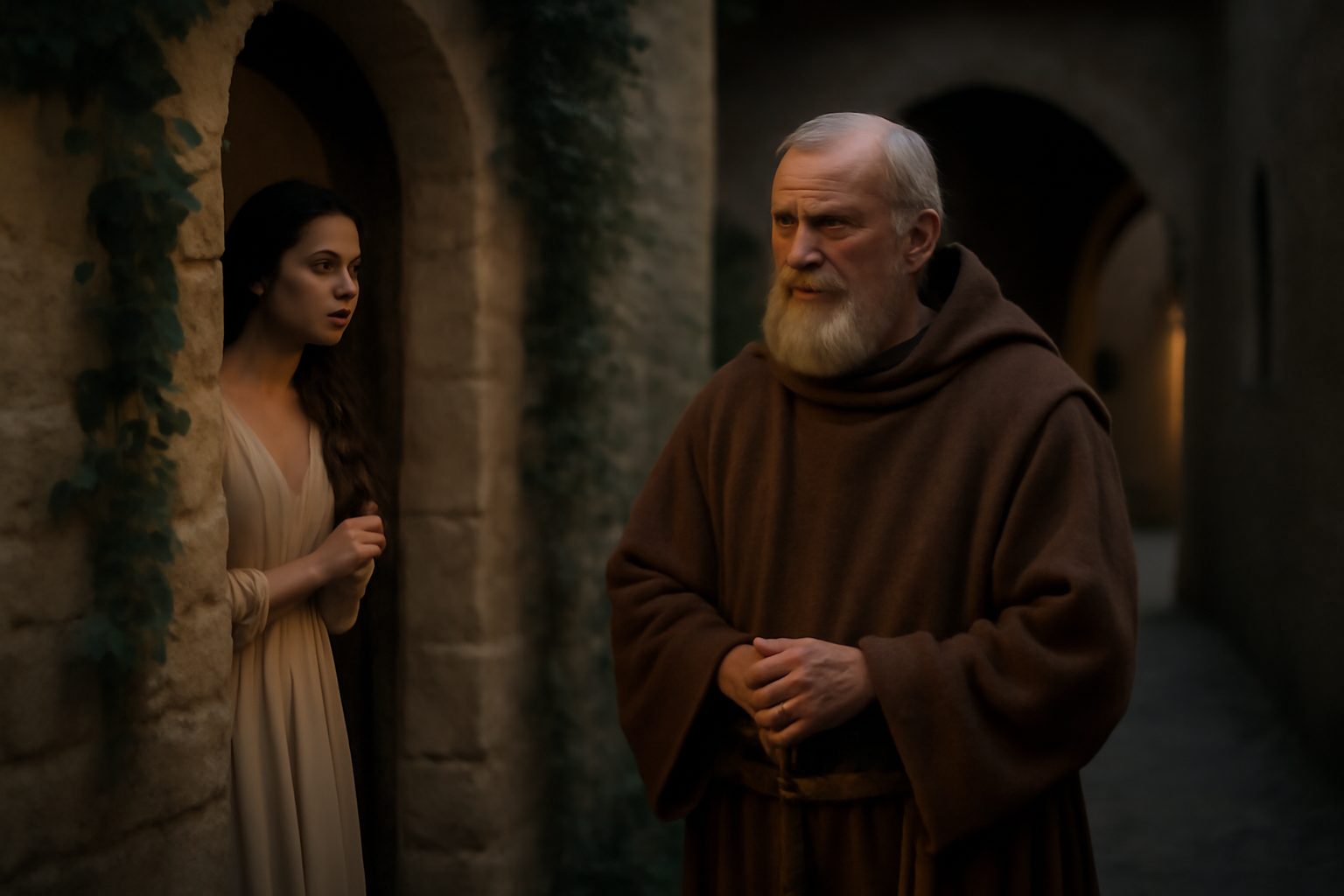
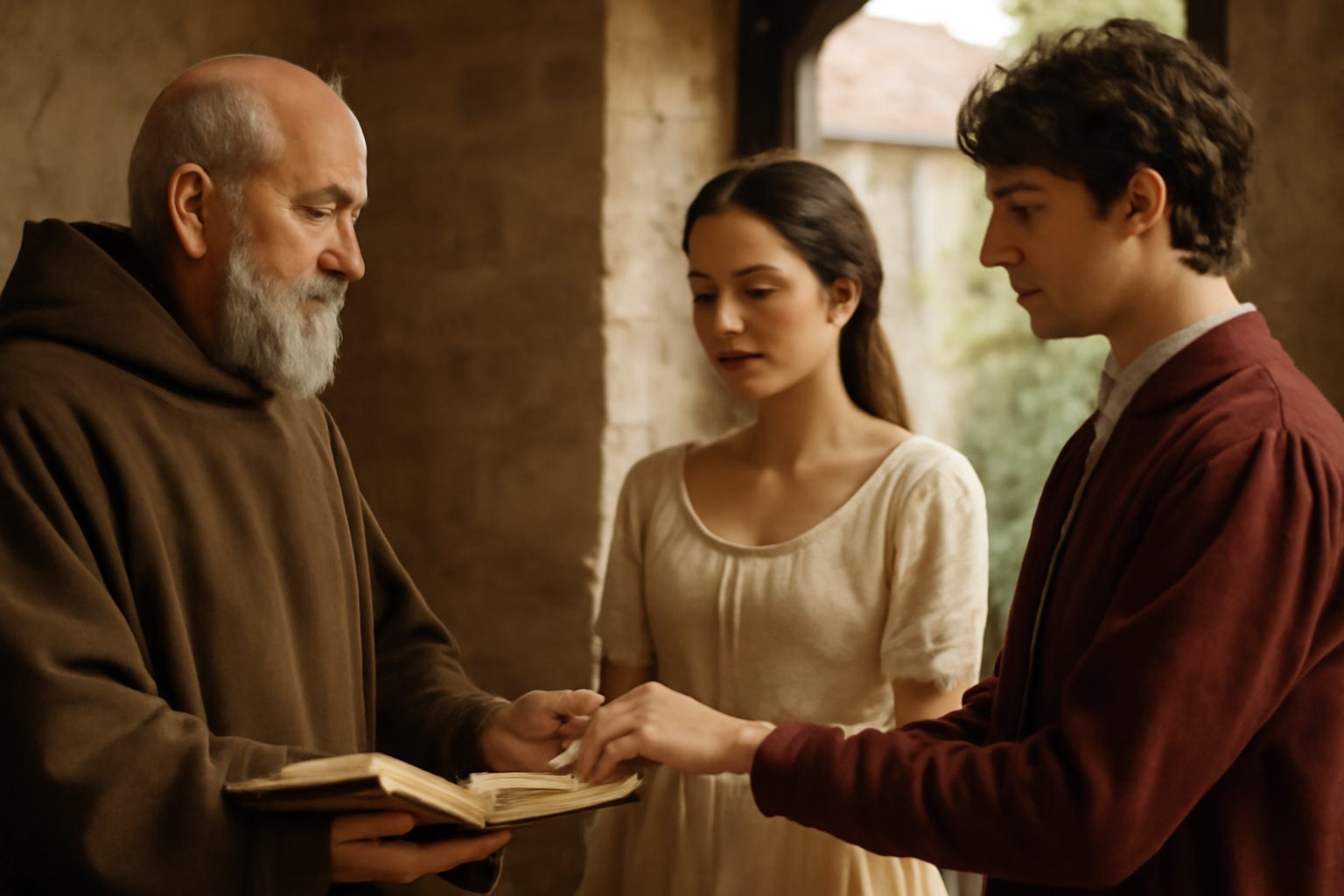
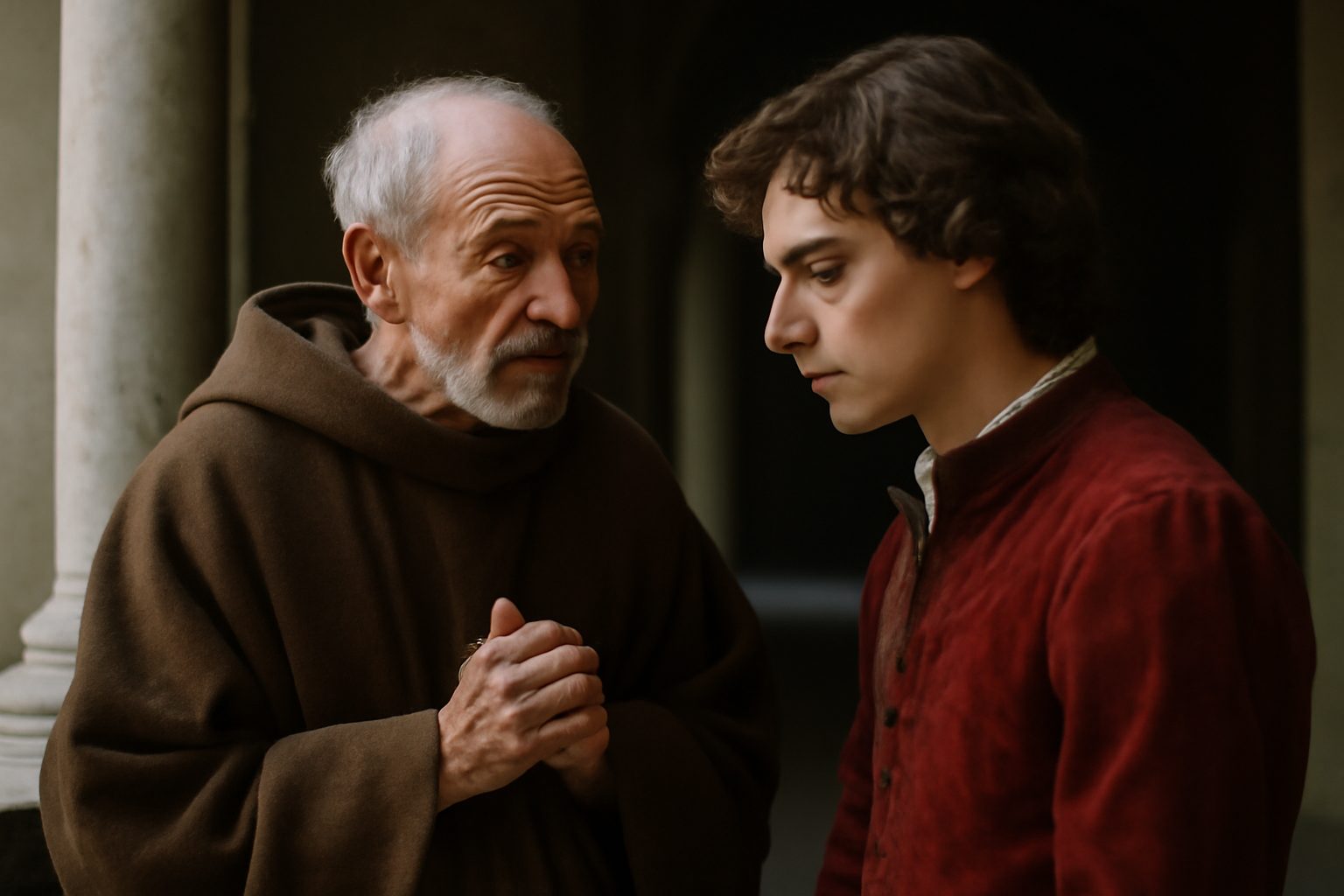
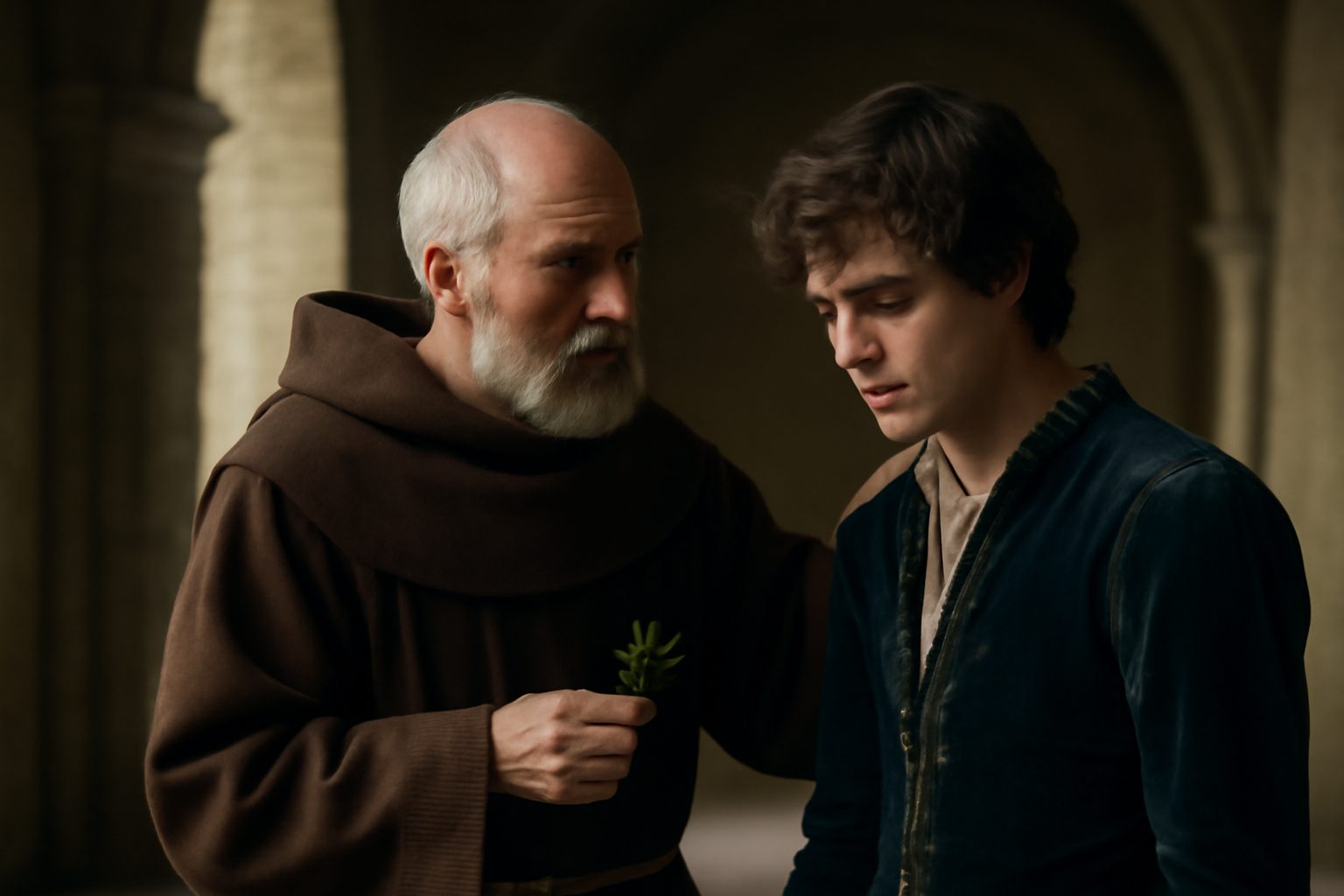
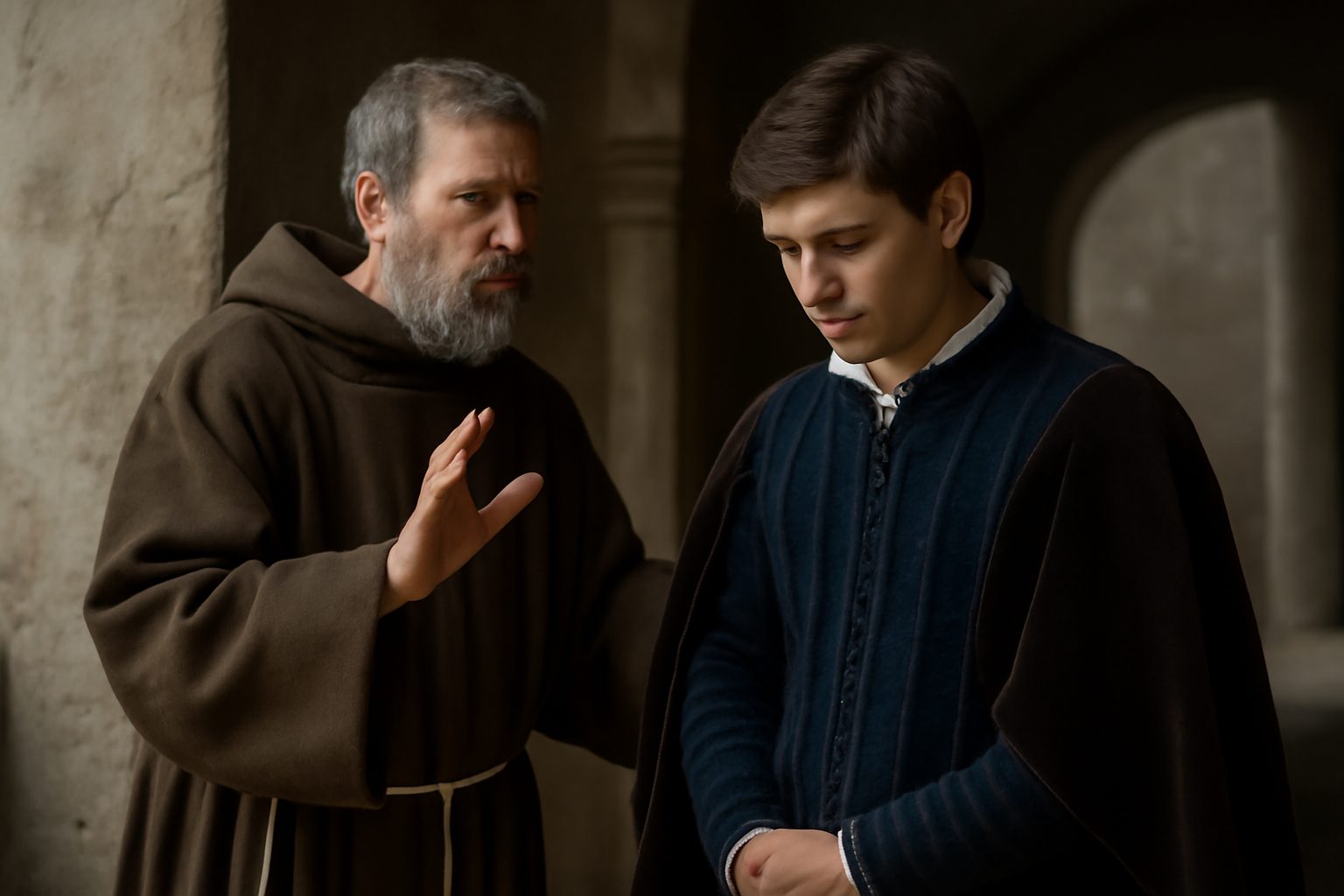
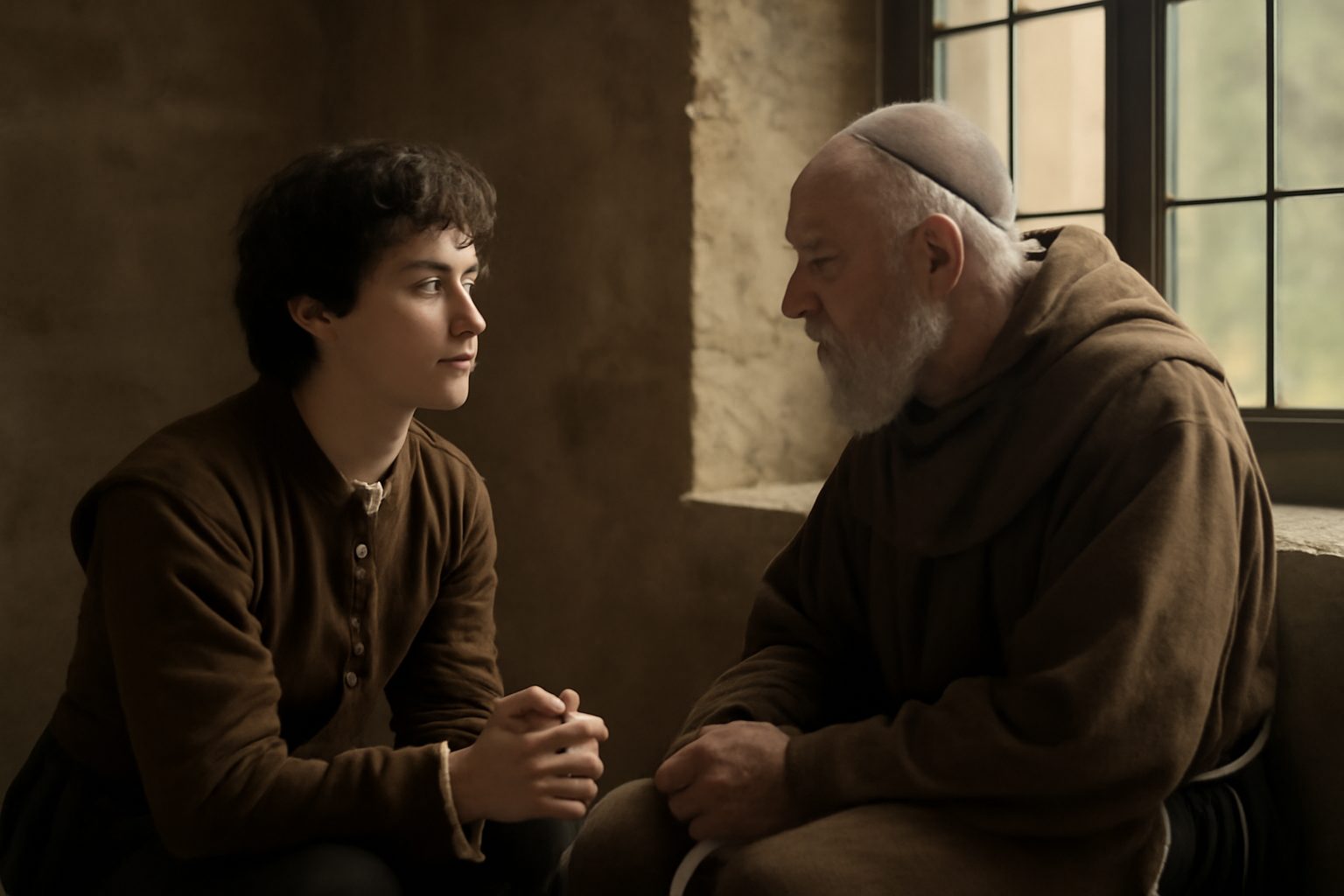
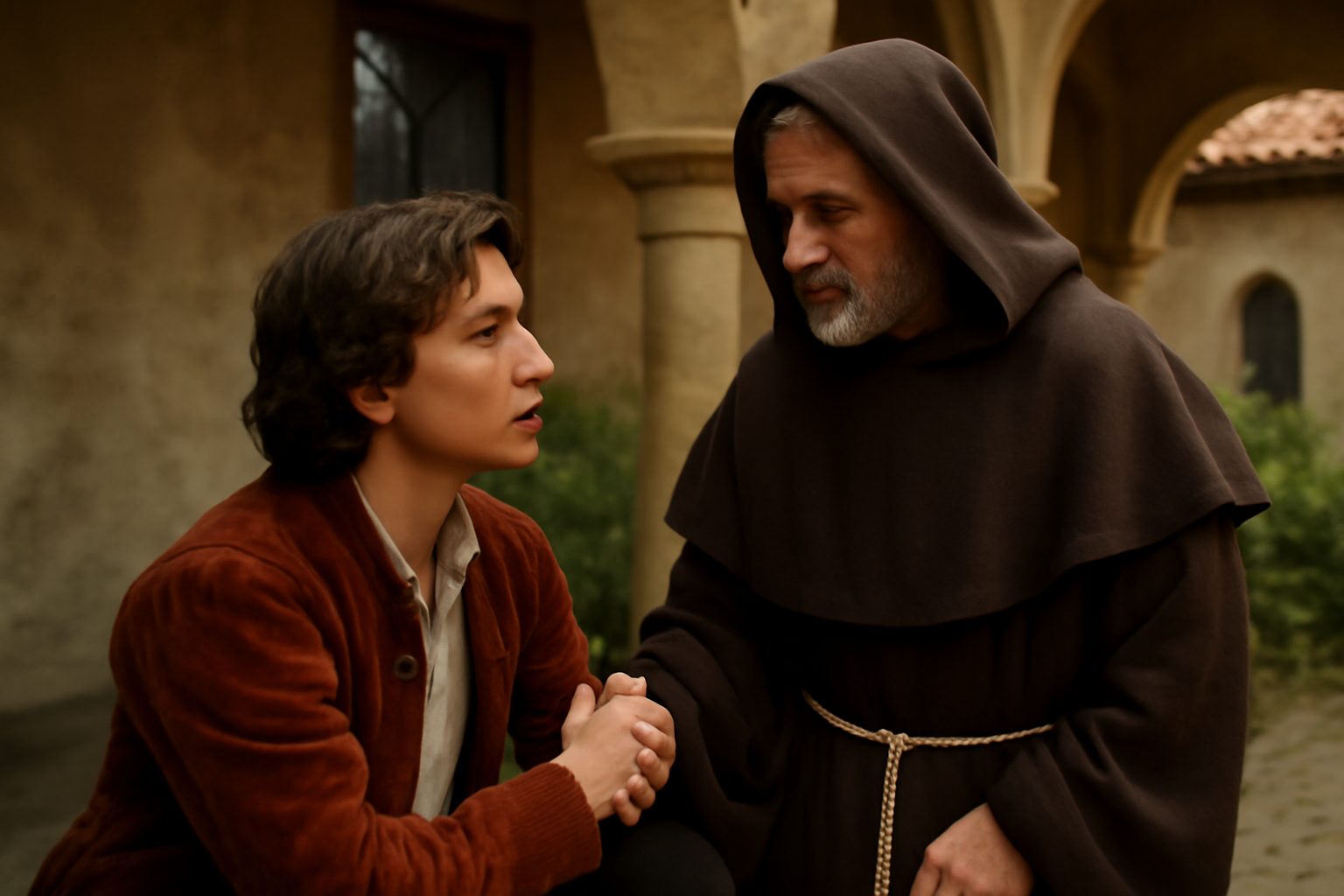
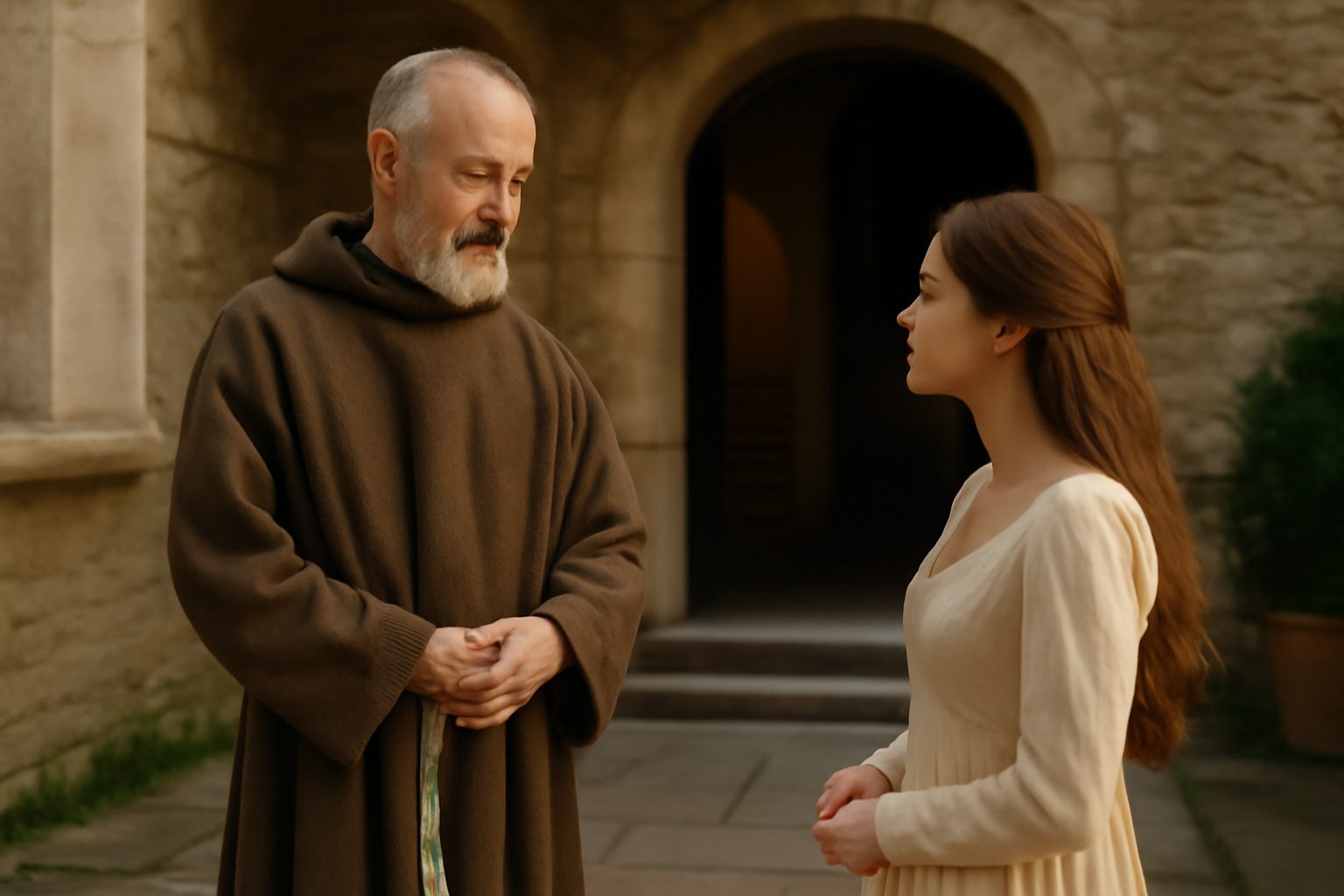
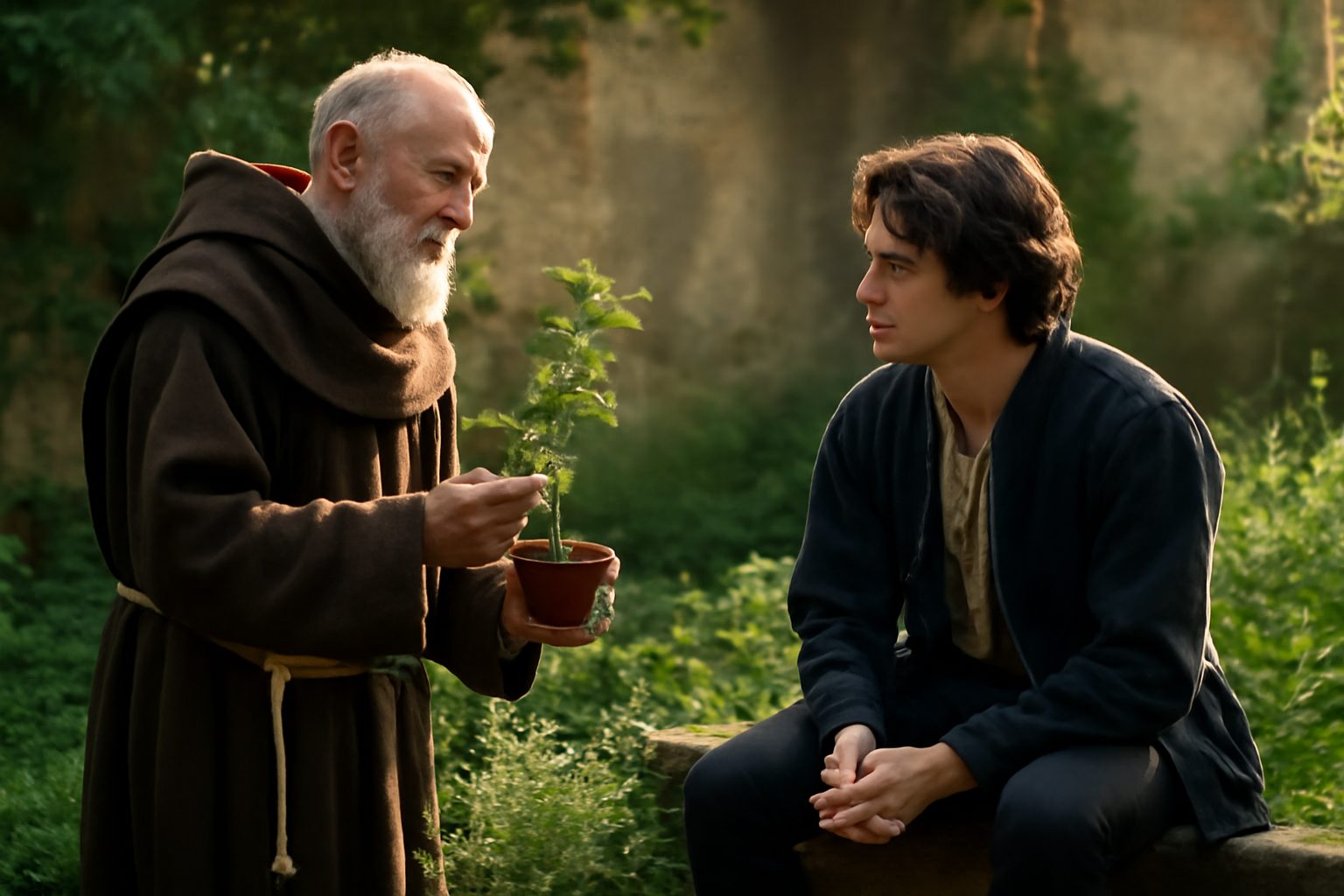
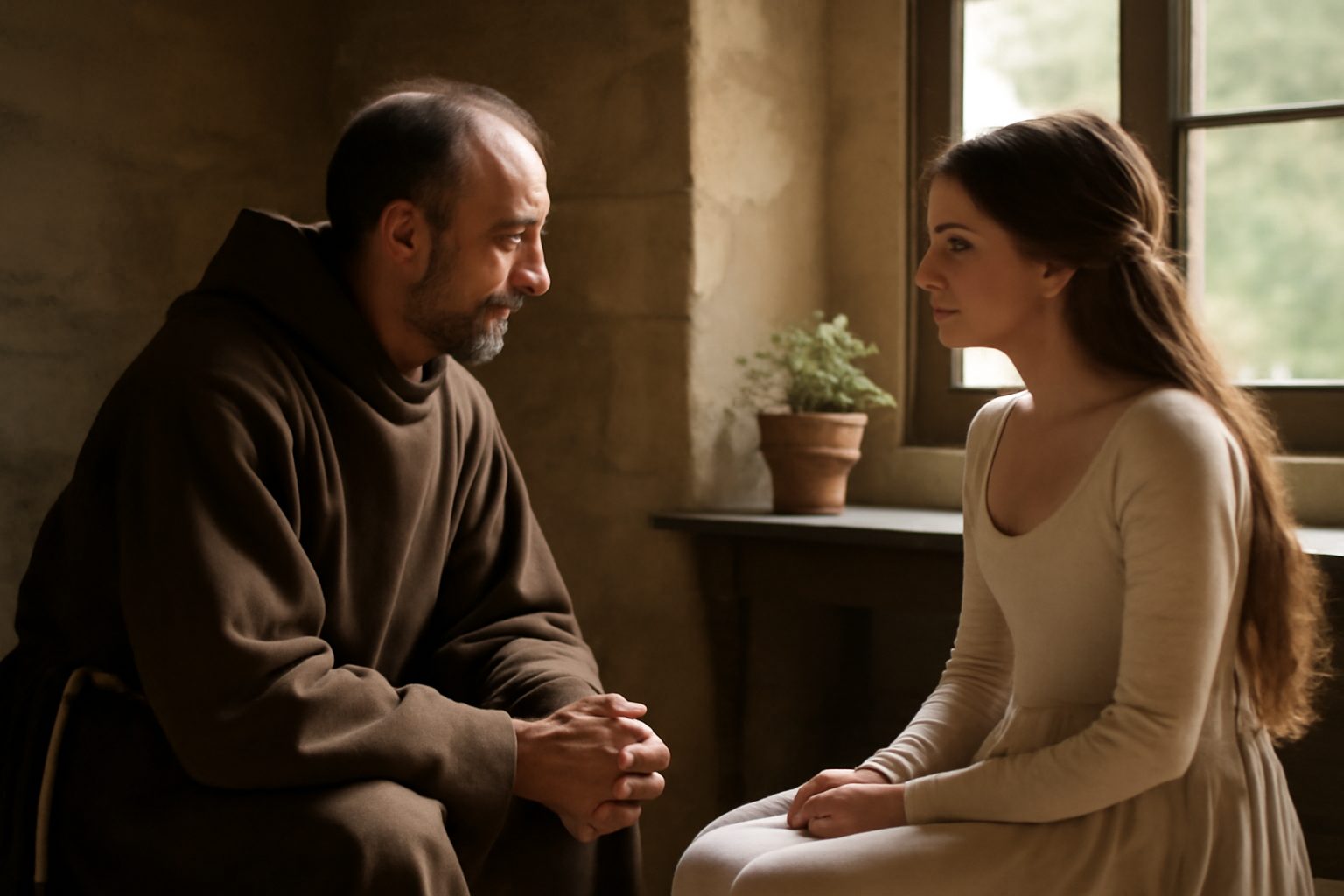
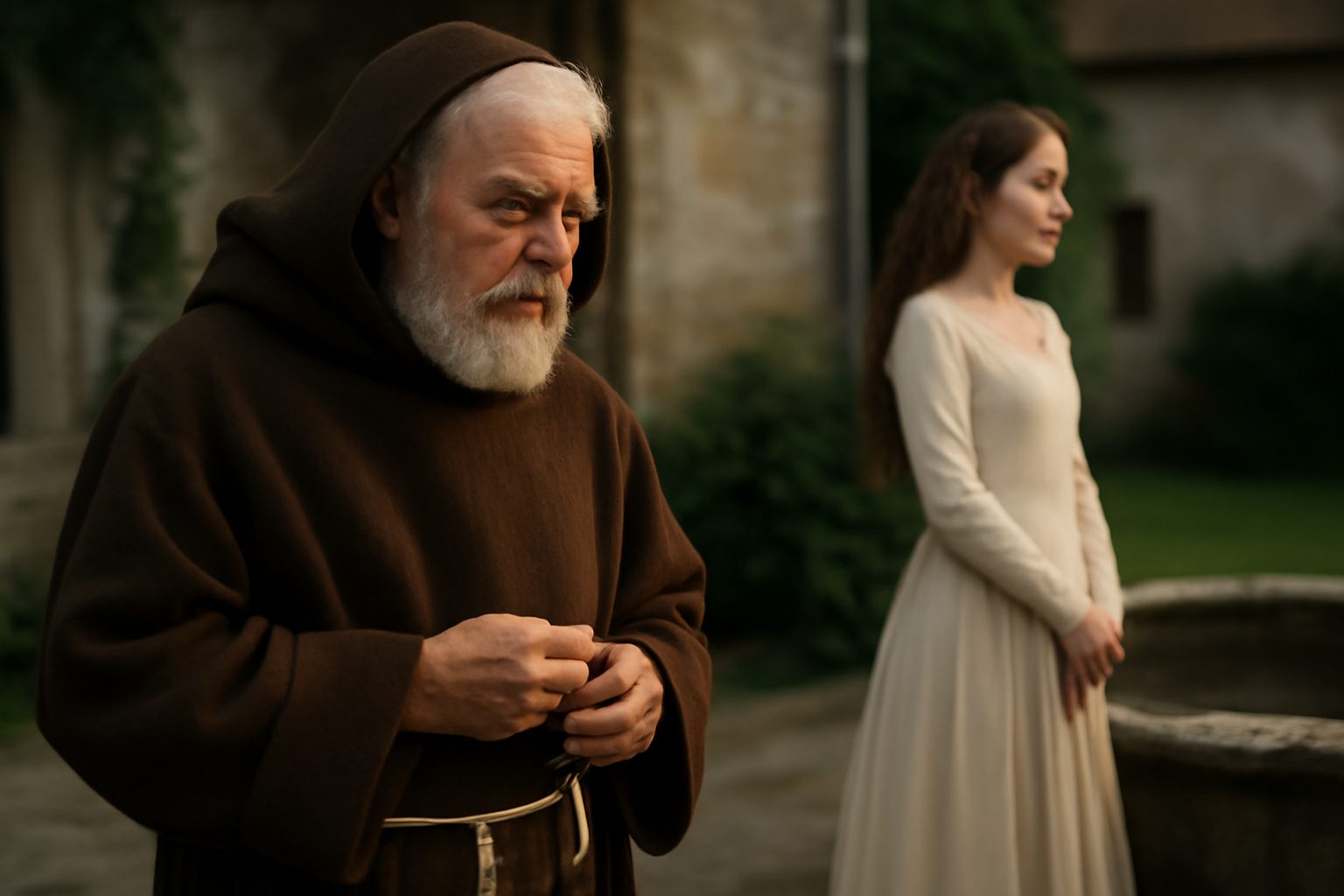
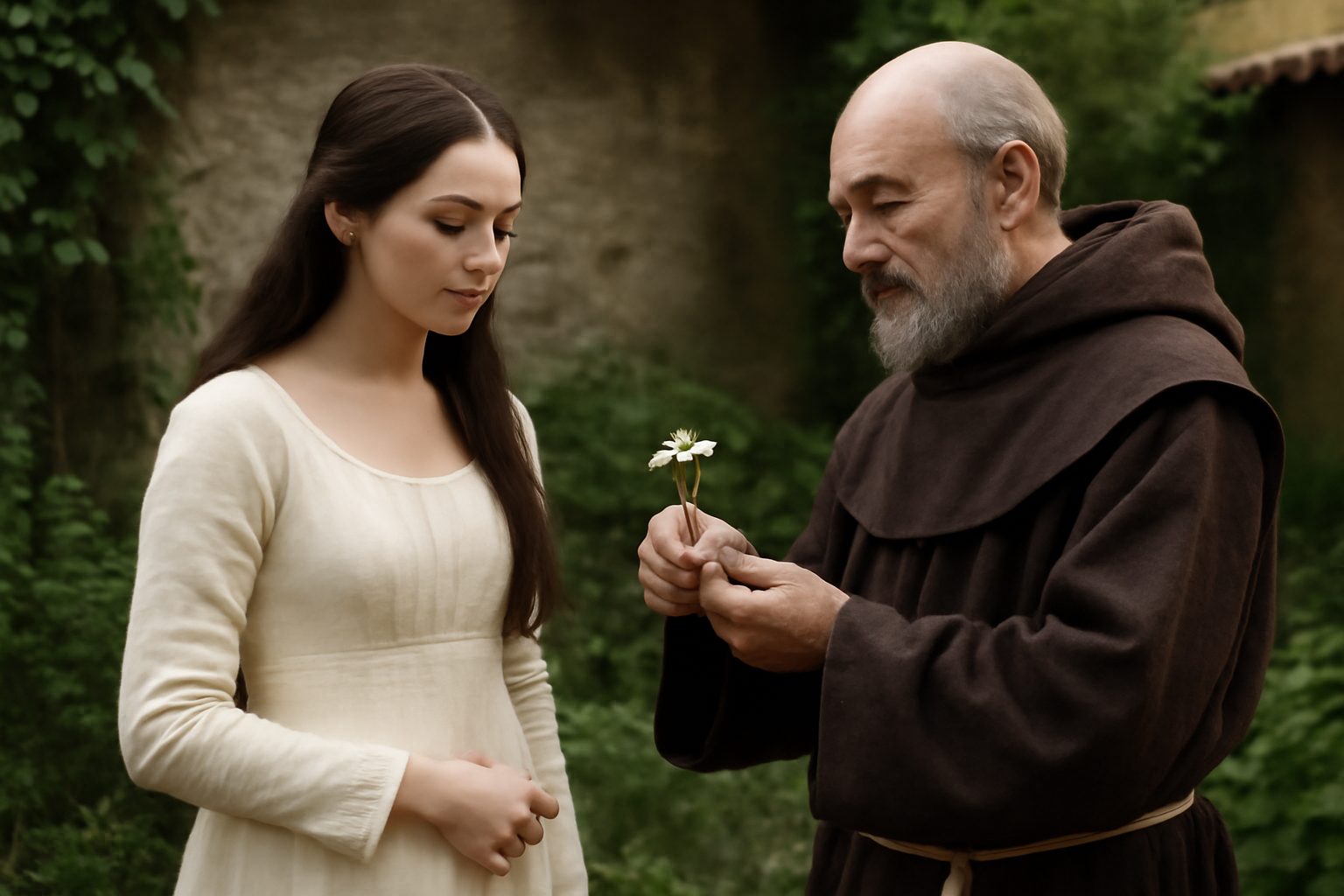
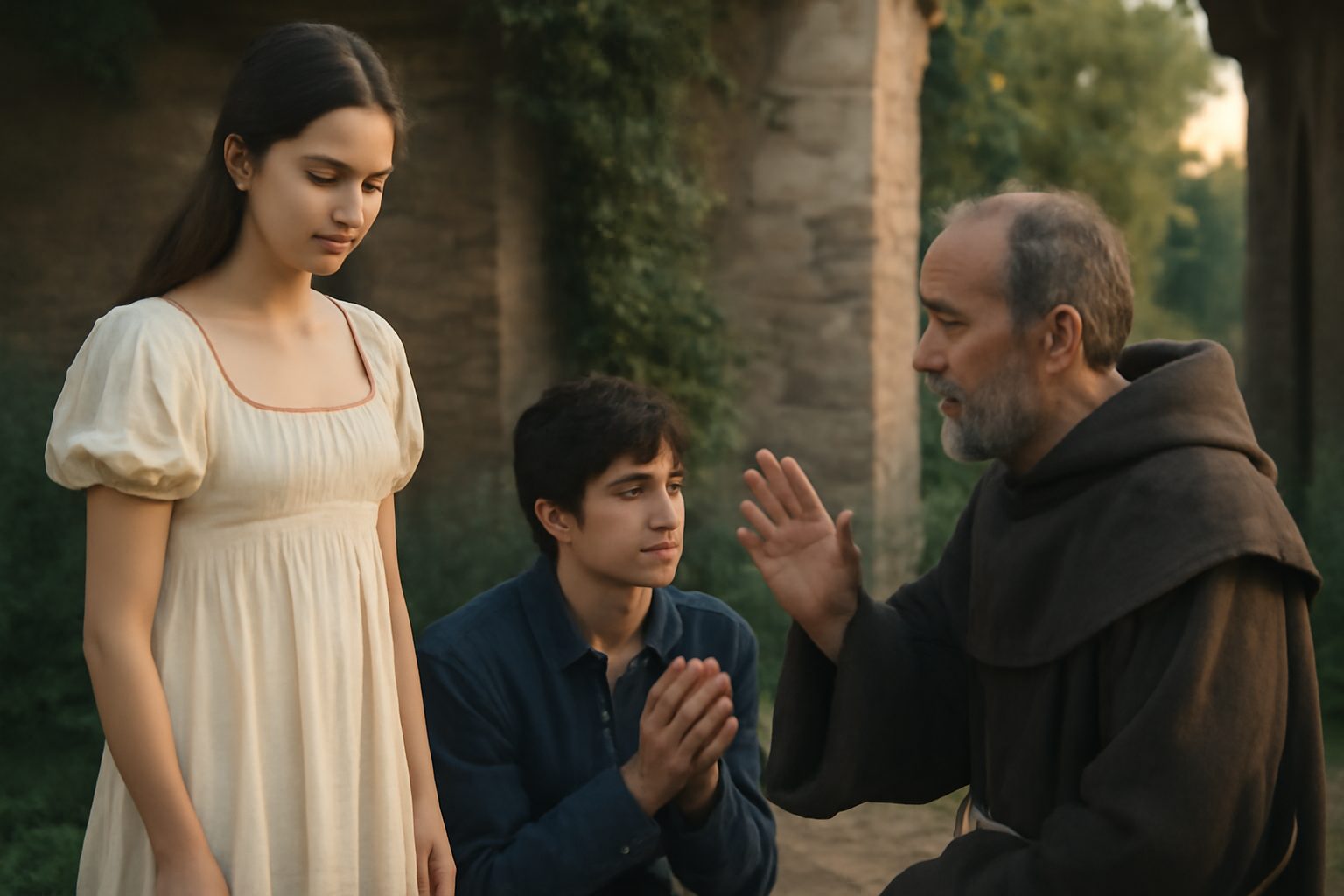
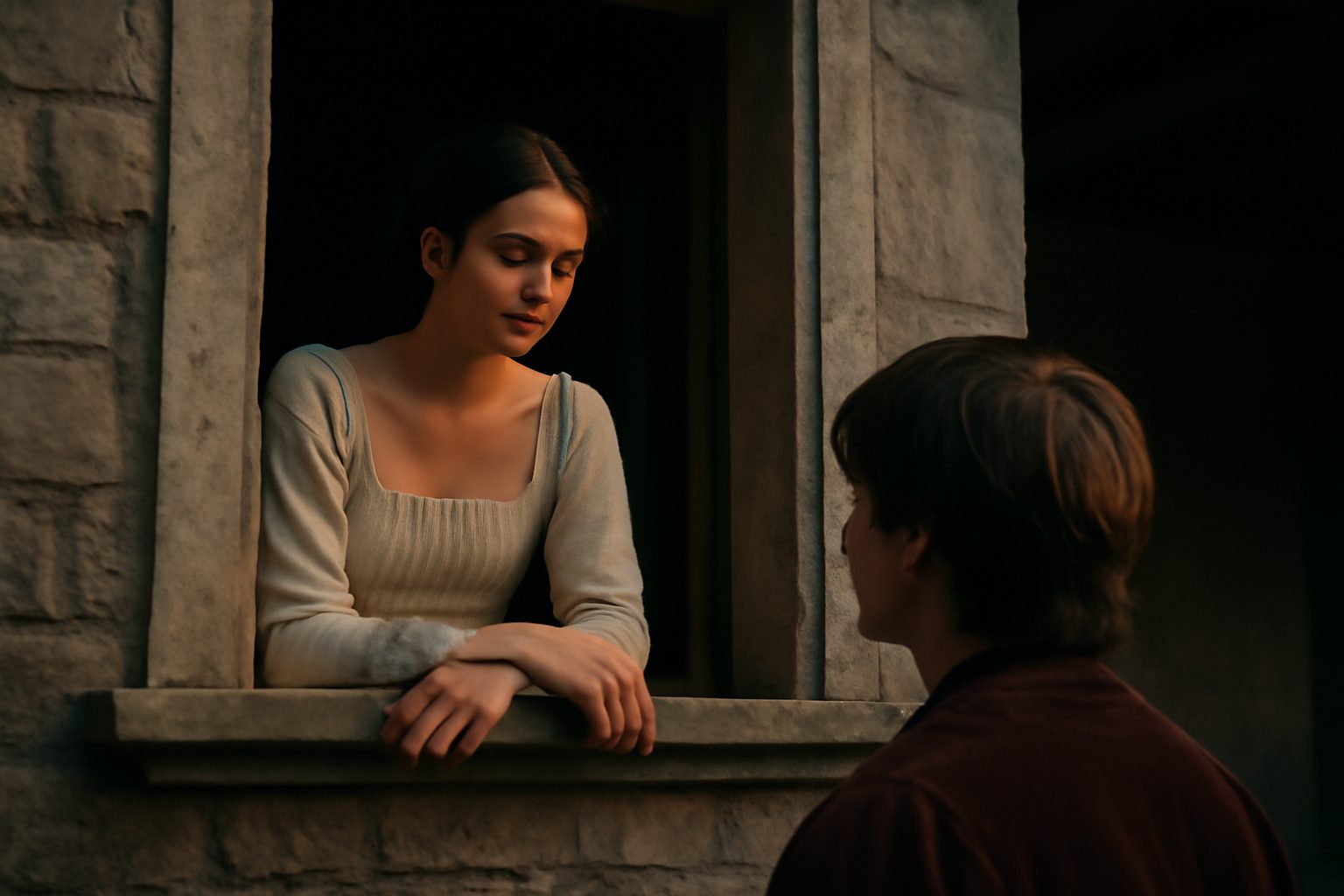
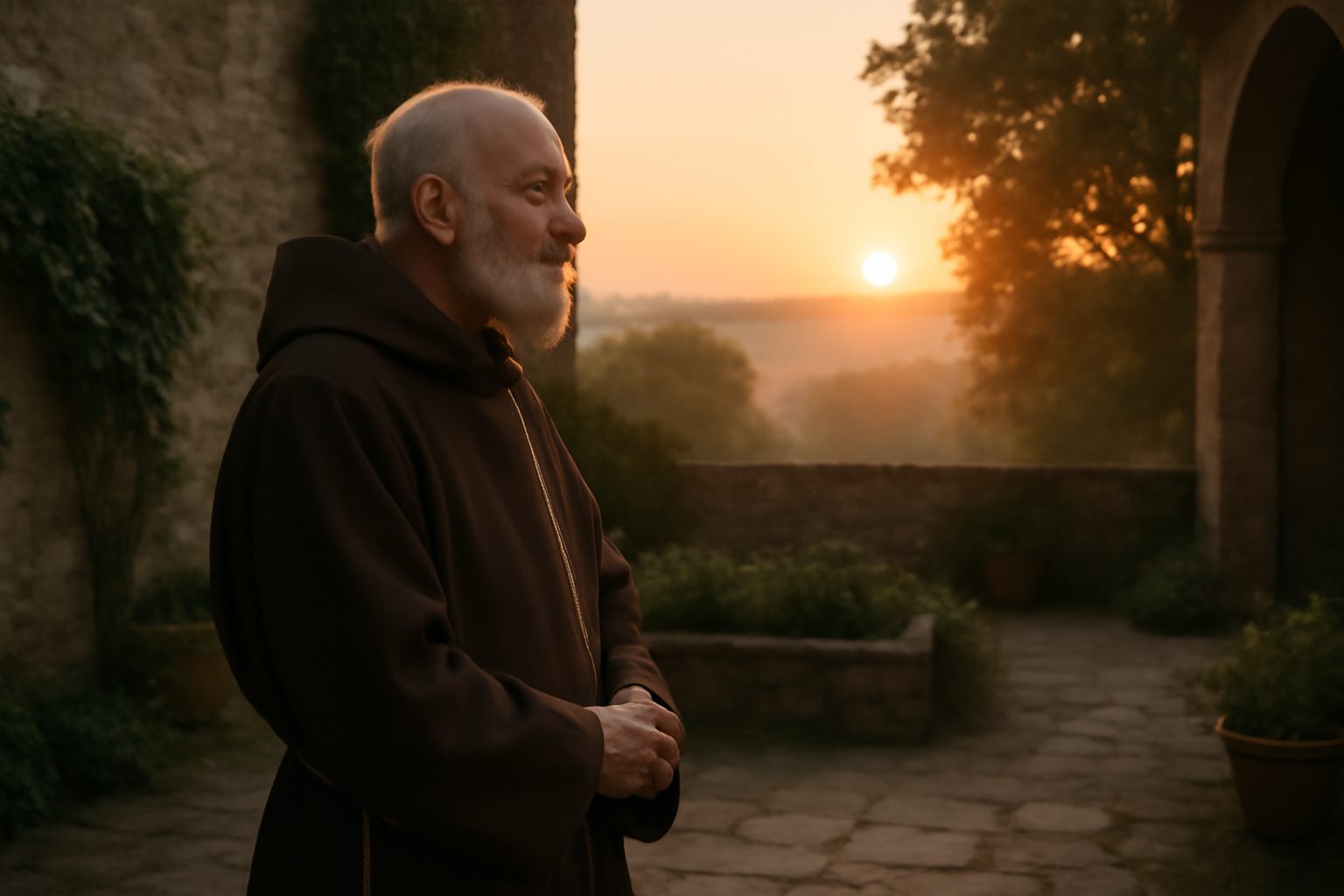
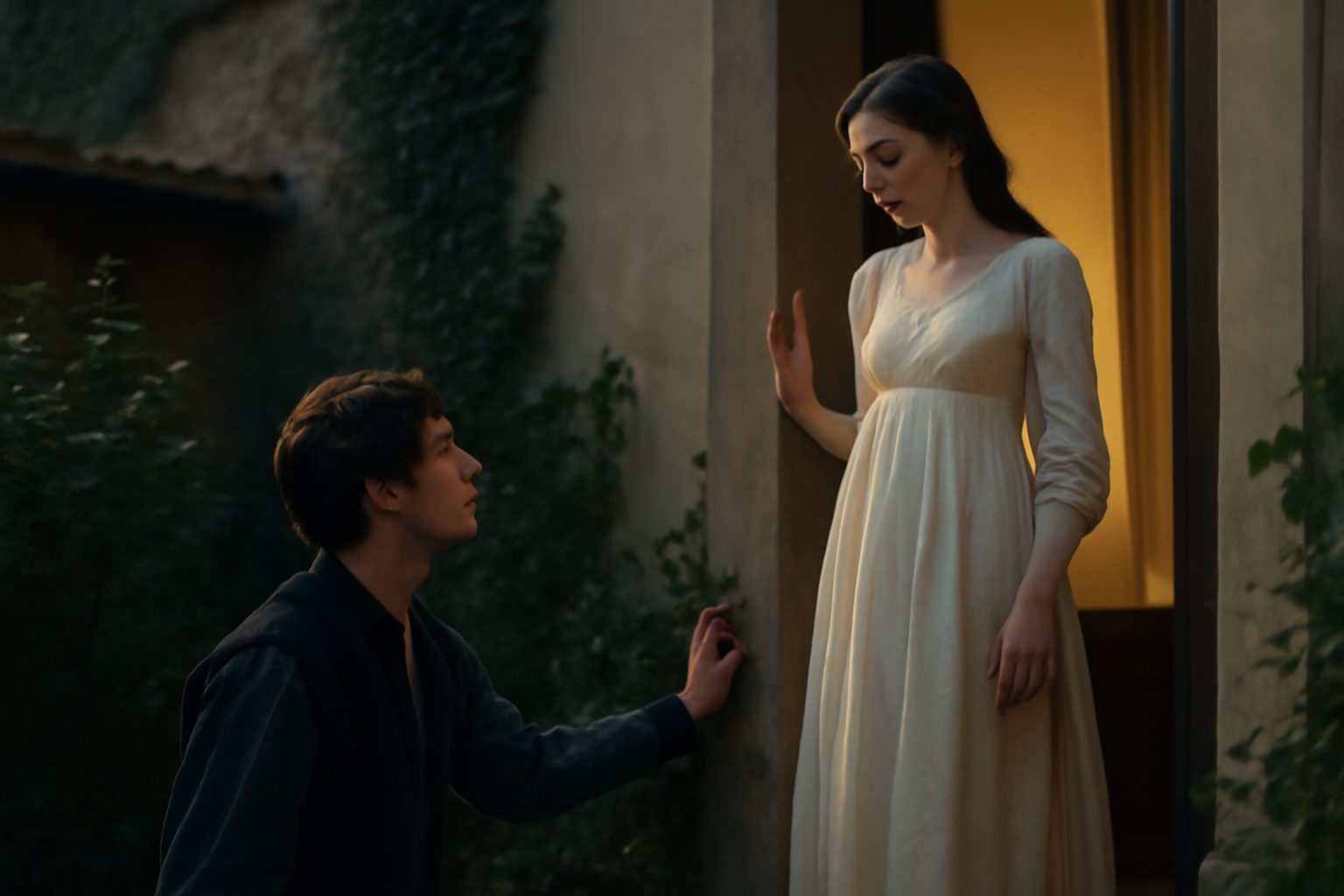
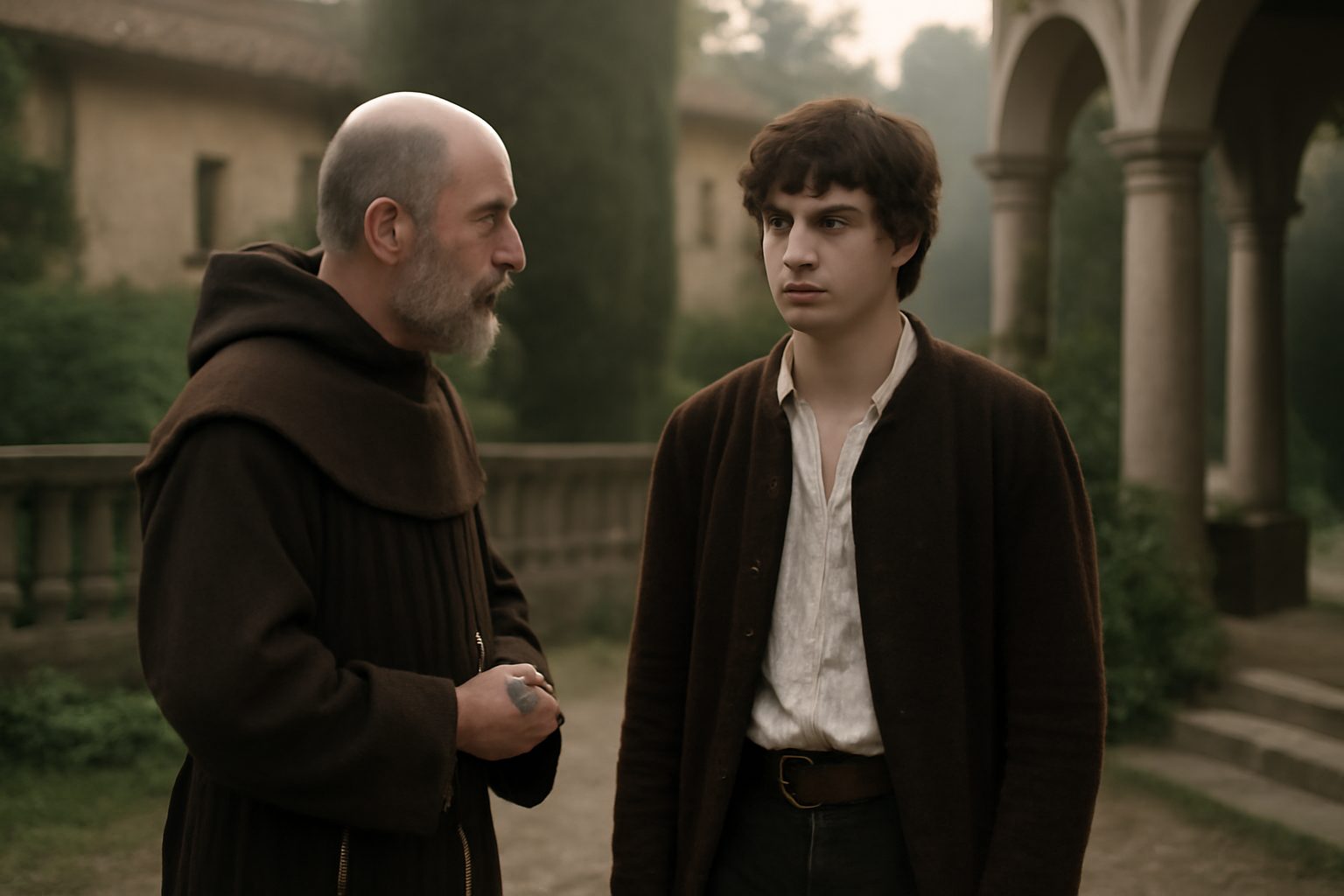
In Act 2, Scene 3 of Romeo and Juliet, Romeo visits Friar Laurence to share news of his newfound love for Juliet. The Friar, surprised, questions whether Romeo has so quickly abandoned his earlier infatuation with Rosaline. Romeo's dismissive reply underscores his sudden shift in affection and sets the stage for the Friar's cautious involvement in their secret union.
Romeo: "With Rosaline, my ghostly father? no;"
In modern day english, we would say:
Romeo is telling Friar Laurence that he has forgotten about Rosaline and no longer loves her.
Frequently Asked Questions
Who is Romeo talking to when he says he is not with Rosaline?
Romeo is talking to Friar Laurence, his spiritual advisor.
Connections to other verses:
Connections to "With Rosaline, my ghostly father? no;"
This verse marks a pivotal moment in Romeo's emotional transformation, as he explicitly rejects his former infatuation with Rosaline. The line serves as a direct response to Friar Laurence's probing question in God pardon sin! wast thou with Rosaline?, revealing Romeo's swift shift in affection.
Contrast with Past Suffering
Romeo's denial connects thematically to earlier verses where Friar Laurence recalls Romeo's past misery over Rosaline, such as Thy old groans ring yet in my ancient ears and Thou and these woes were all for Rosaline. These lines emphasize the depth of his previous sorrow, making his current rejection more striking.
Expressions of New Love
The verse also ties to Romeo's declaration of new love in Then plainly know my heart's dear love is set and his description of mutual affection in As mine on hers, so hers is set on mine, highlighting the contrast between his superficial feelings for Rosaline and his profound connection with Juliet.
Friar Laurence's Skepticism
Friar Laurence's disbelief at Romeo's change is evident in verses like So soon forsaken? young men's love then lies and And art thou changed? pronounce this sentence…, questioning the sincerity and haste of Romeo's new attachment. This skepticism frames the entire exchange, underscoring the theme of impulsive youth versus wisdom.
Resolution and Forward Motion
Ultimately, this denial leads to practical plans, as seen in That thou consent to marry us to-day and Friar Laurence's reluctant agreement in In one respect I'll thy assistant be, setting the stage for the tragic events to follow.