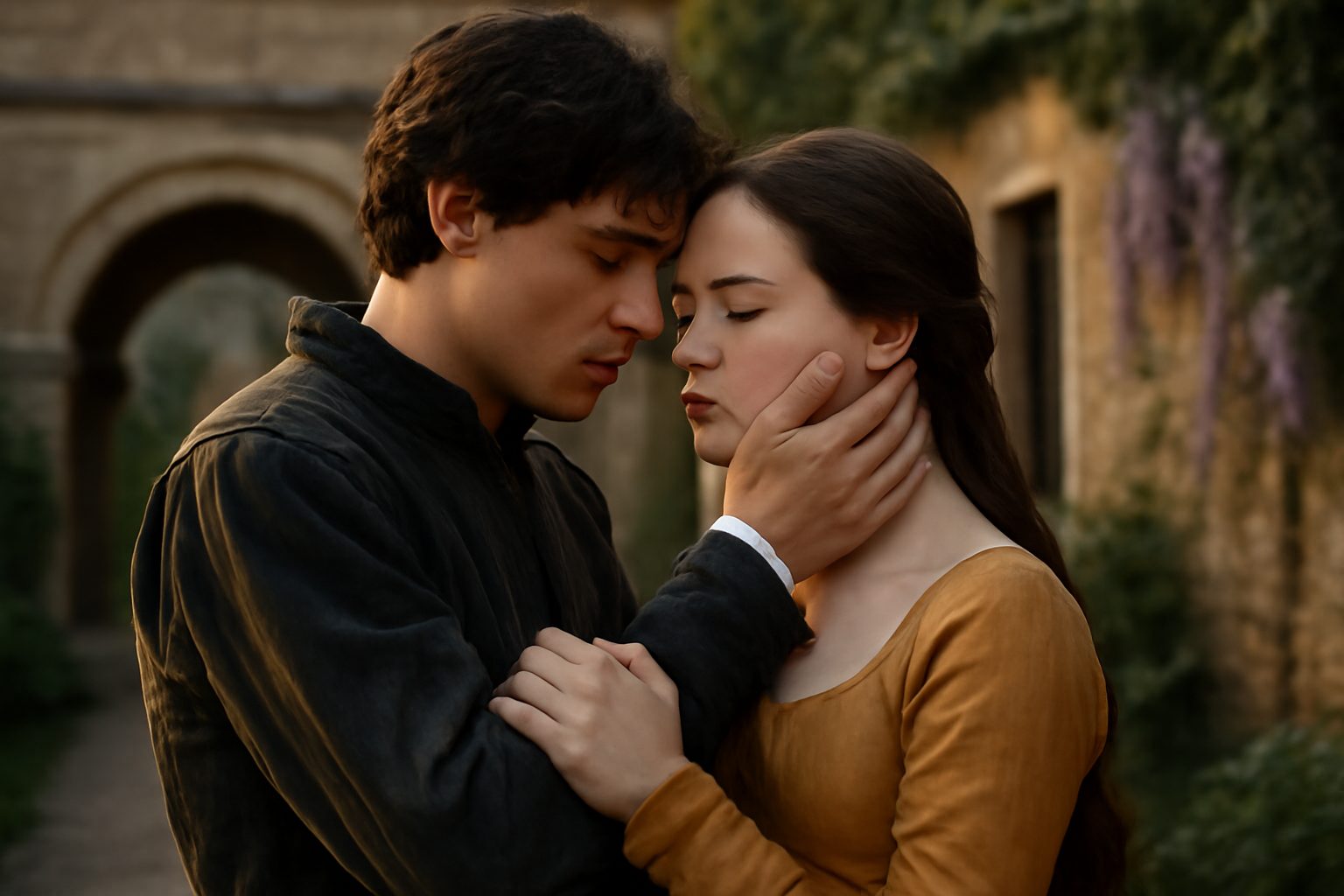
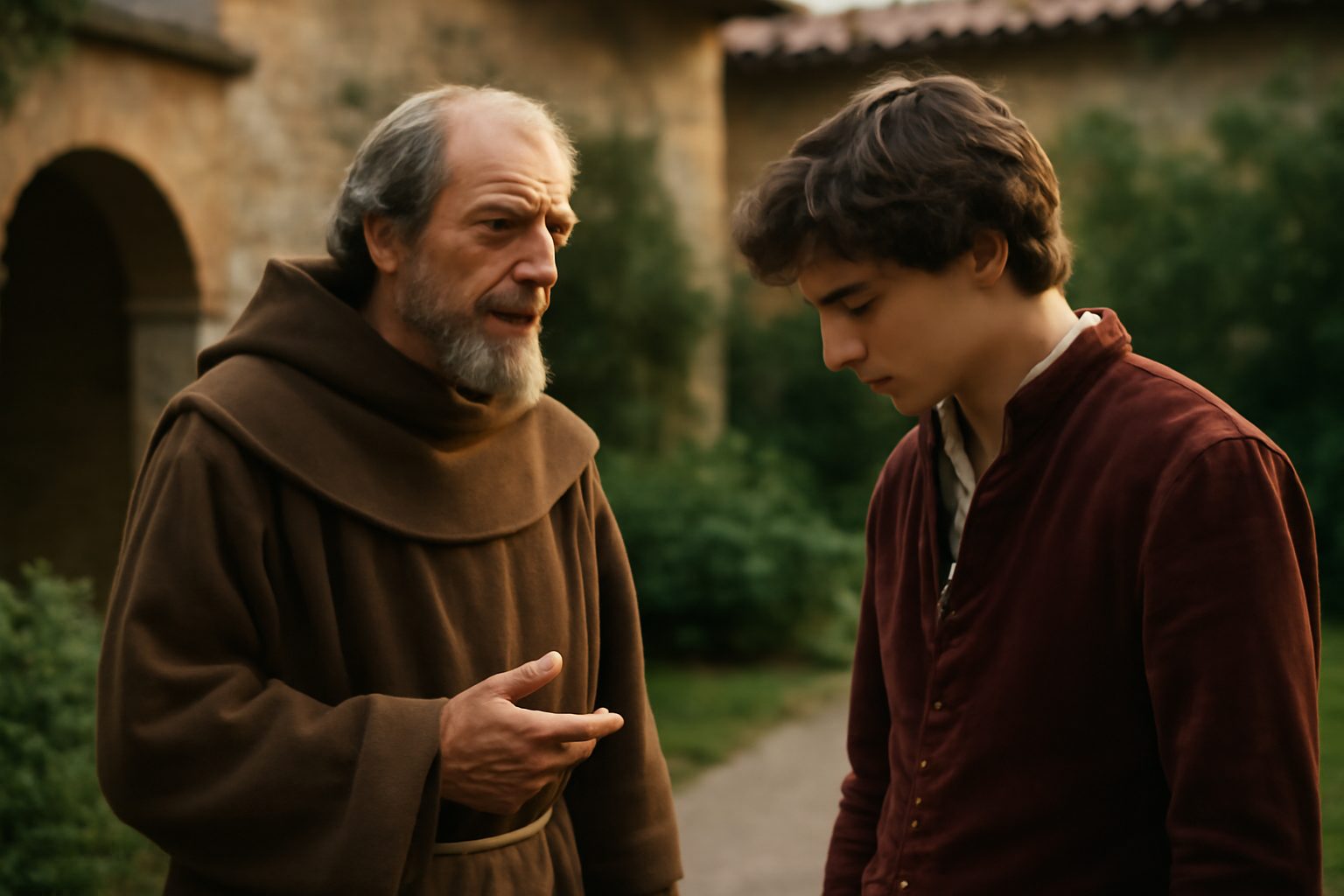
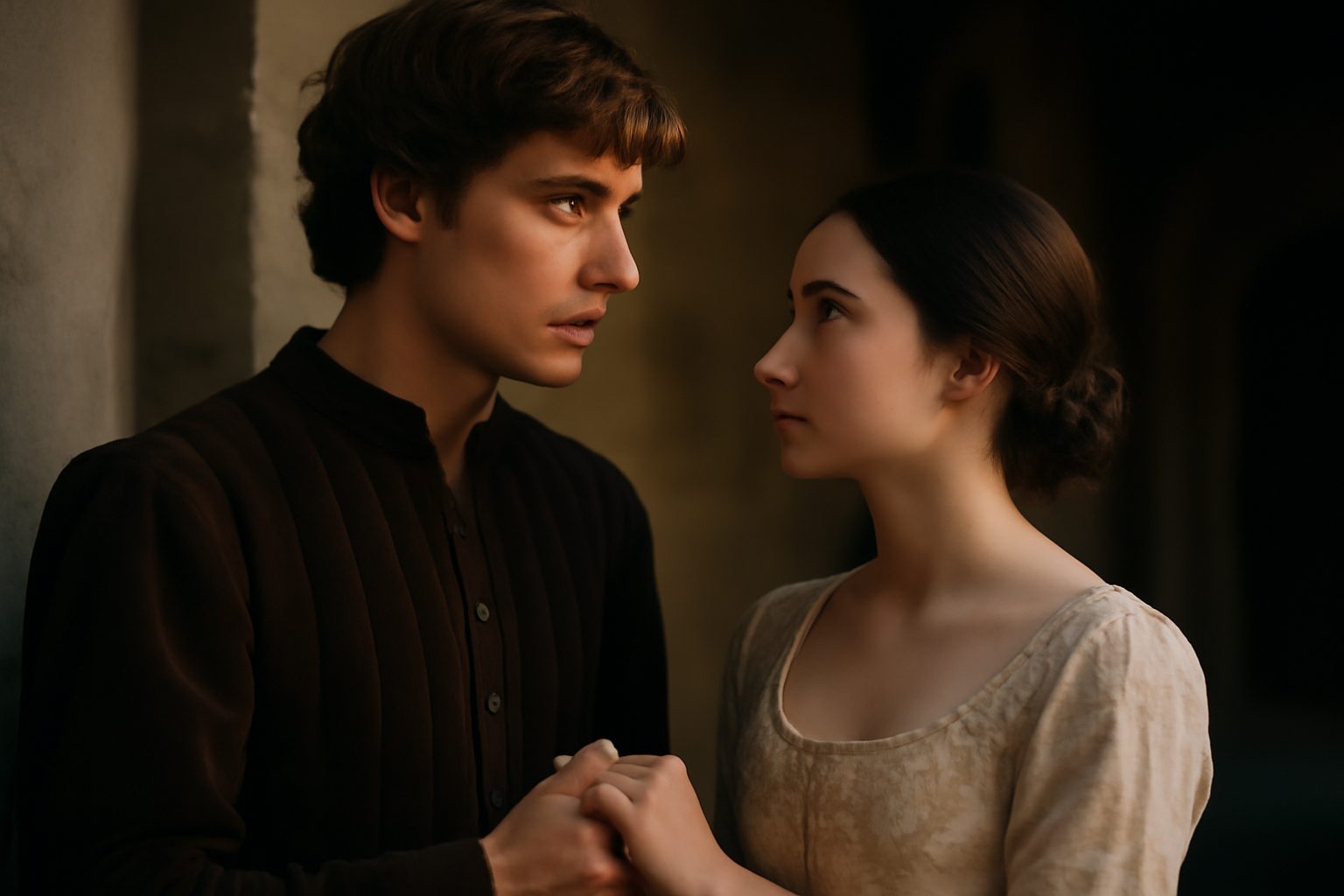
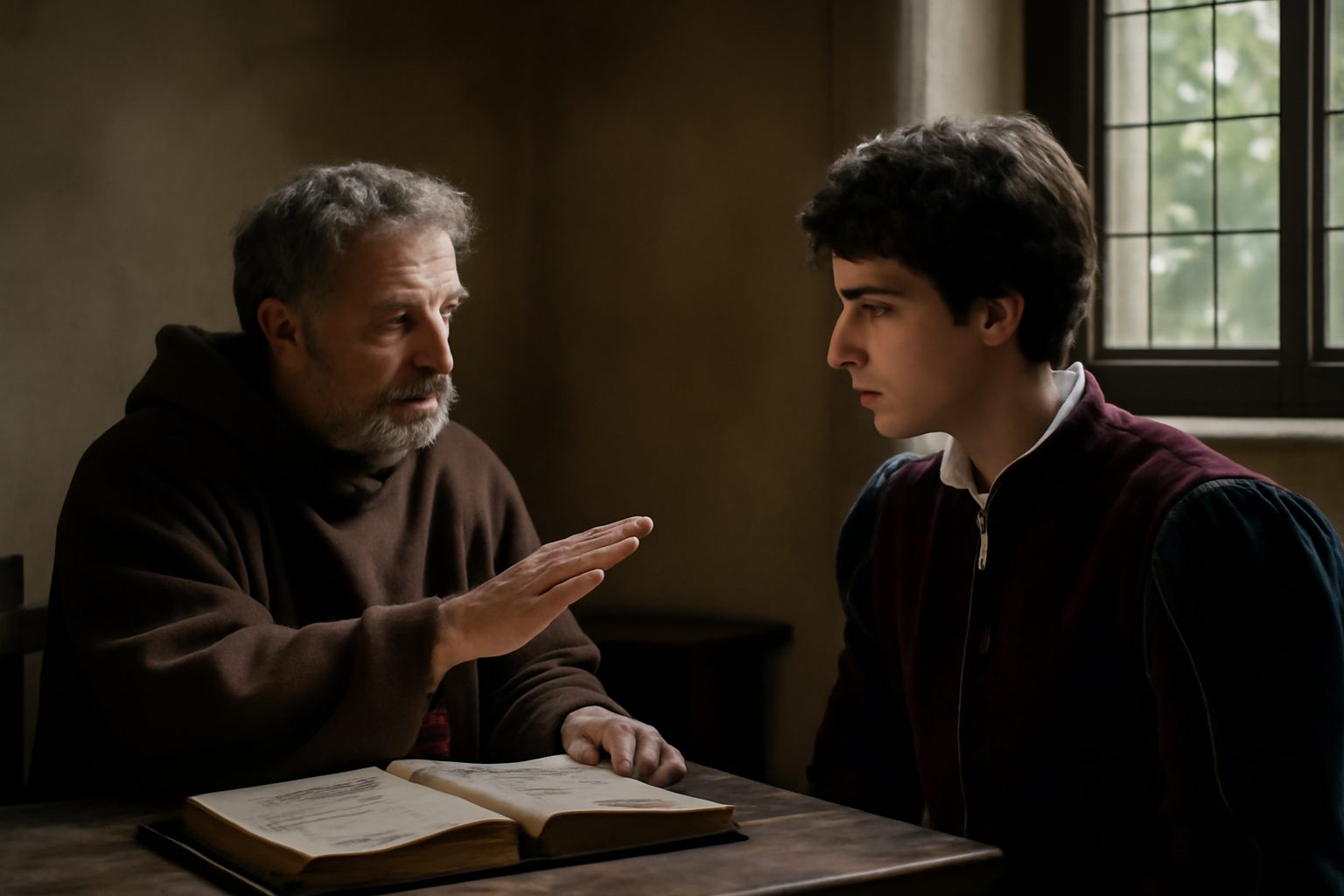
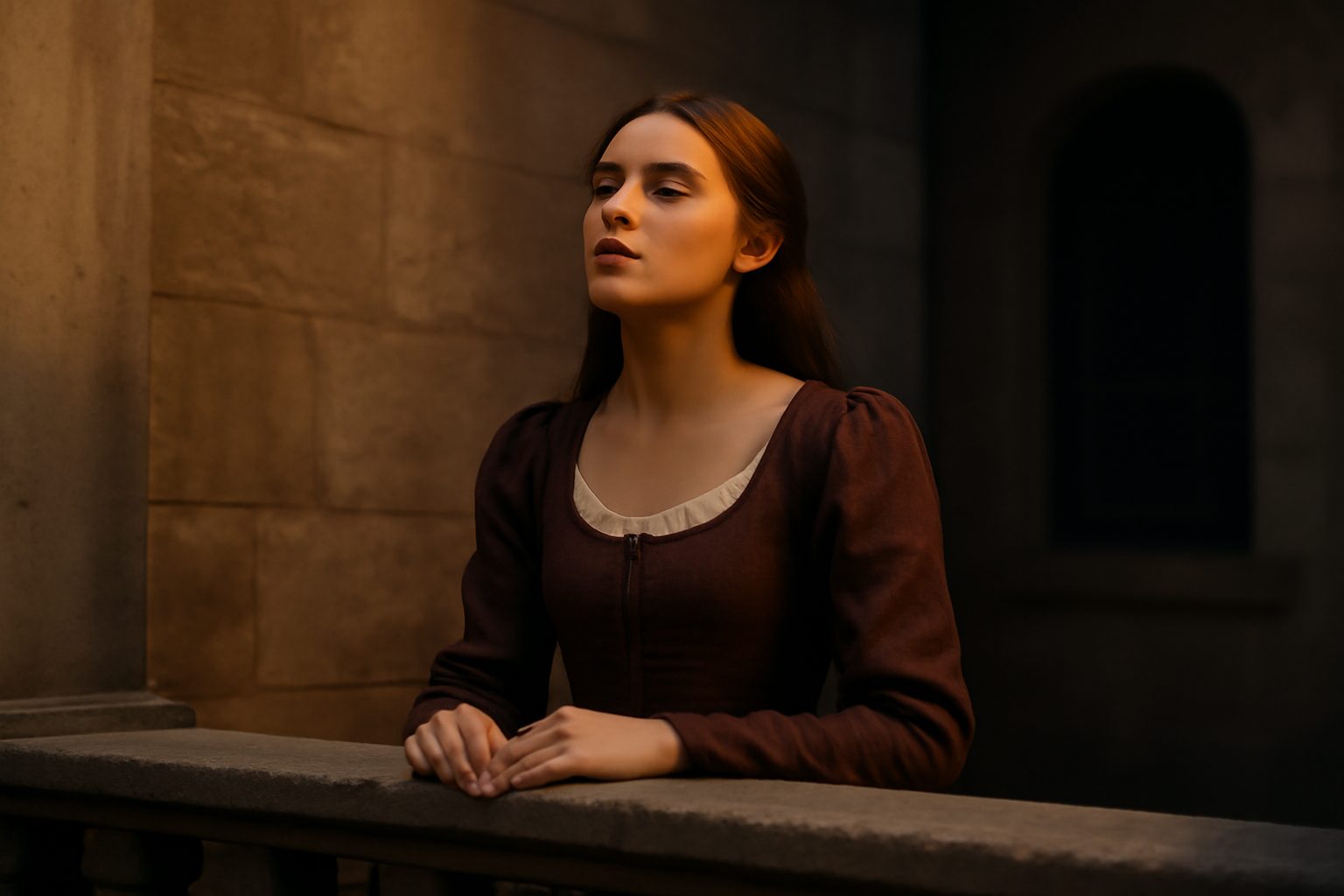
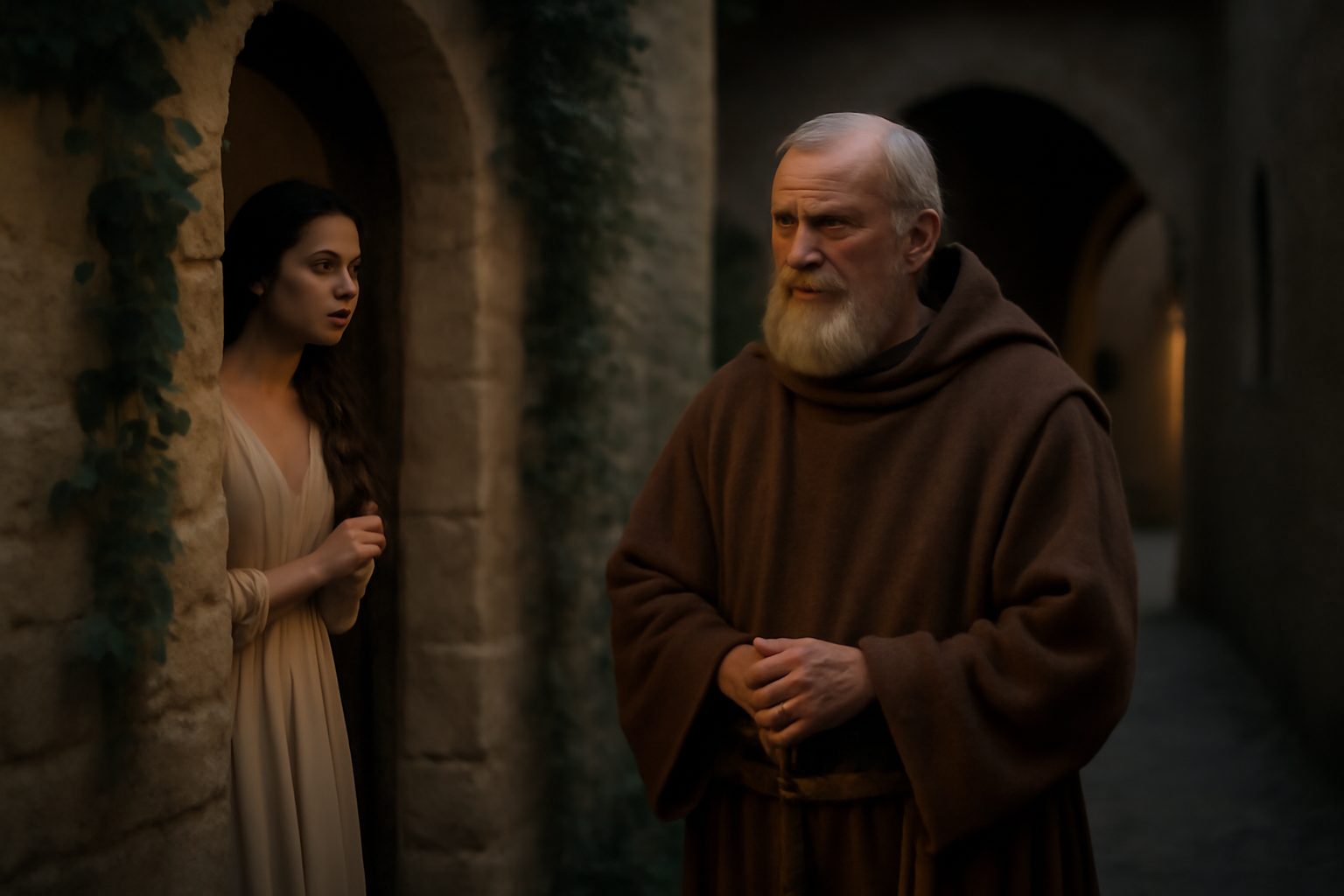
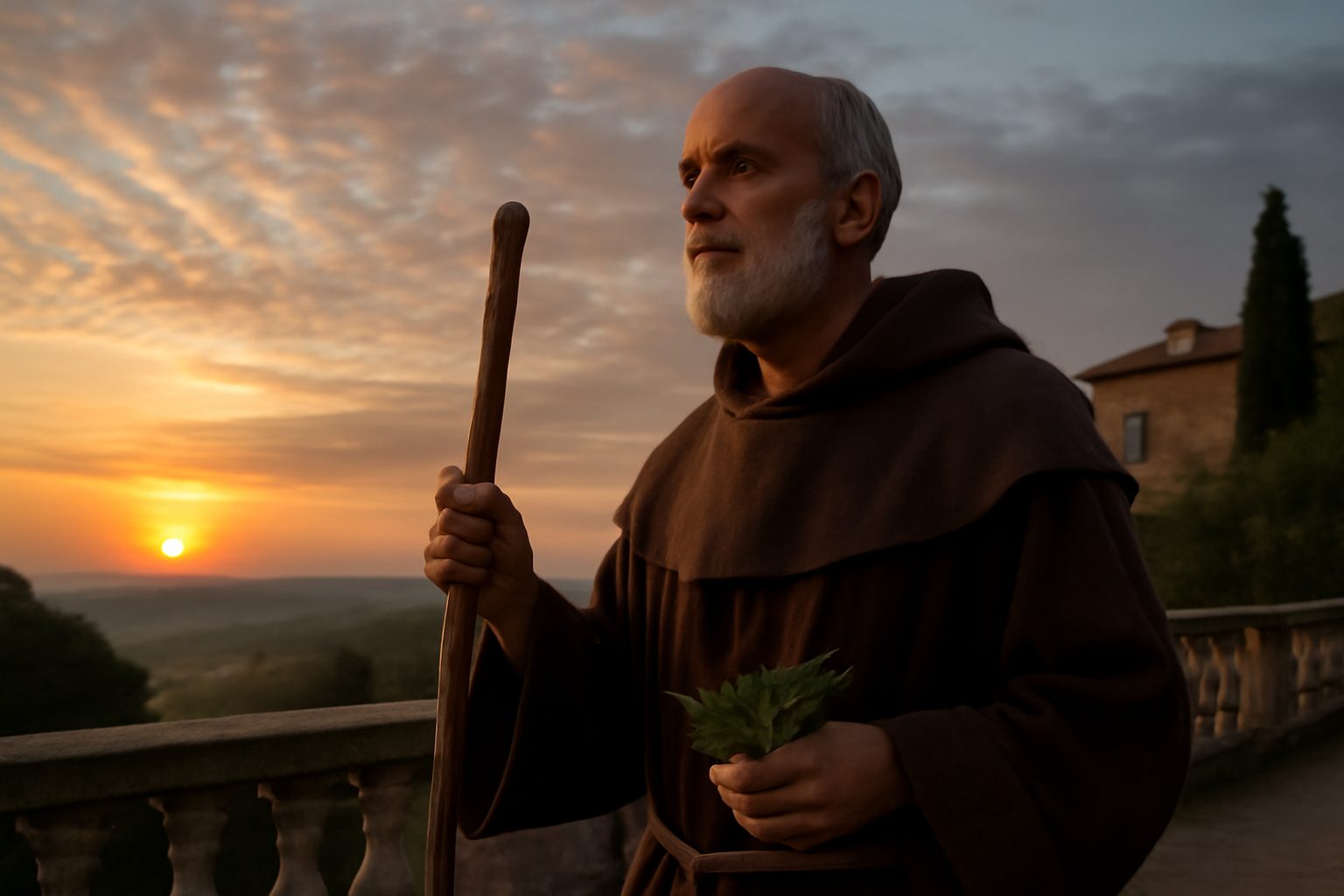
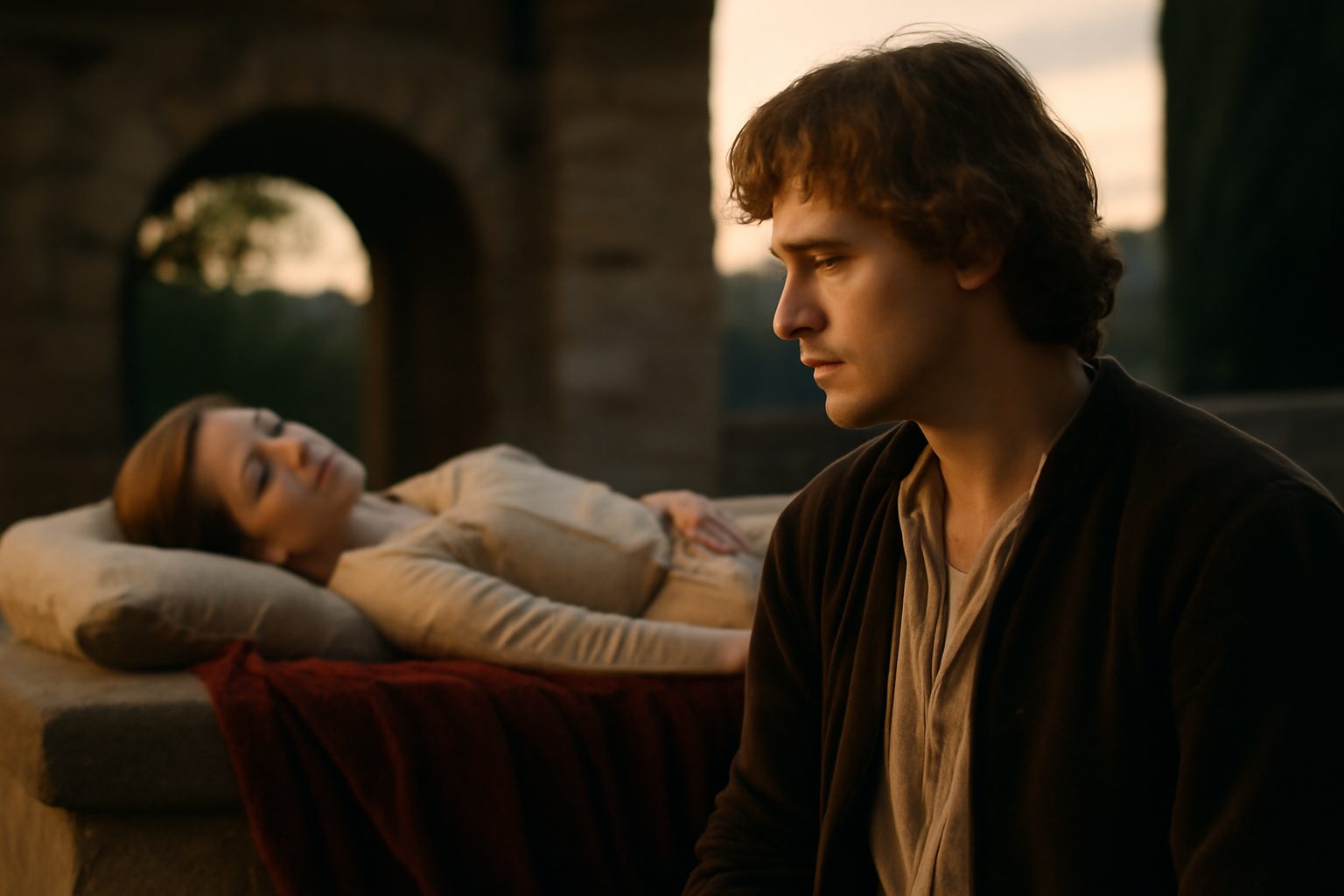
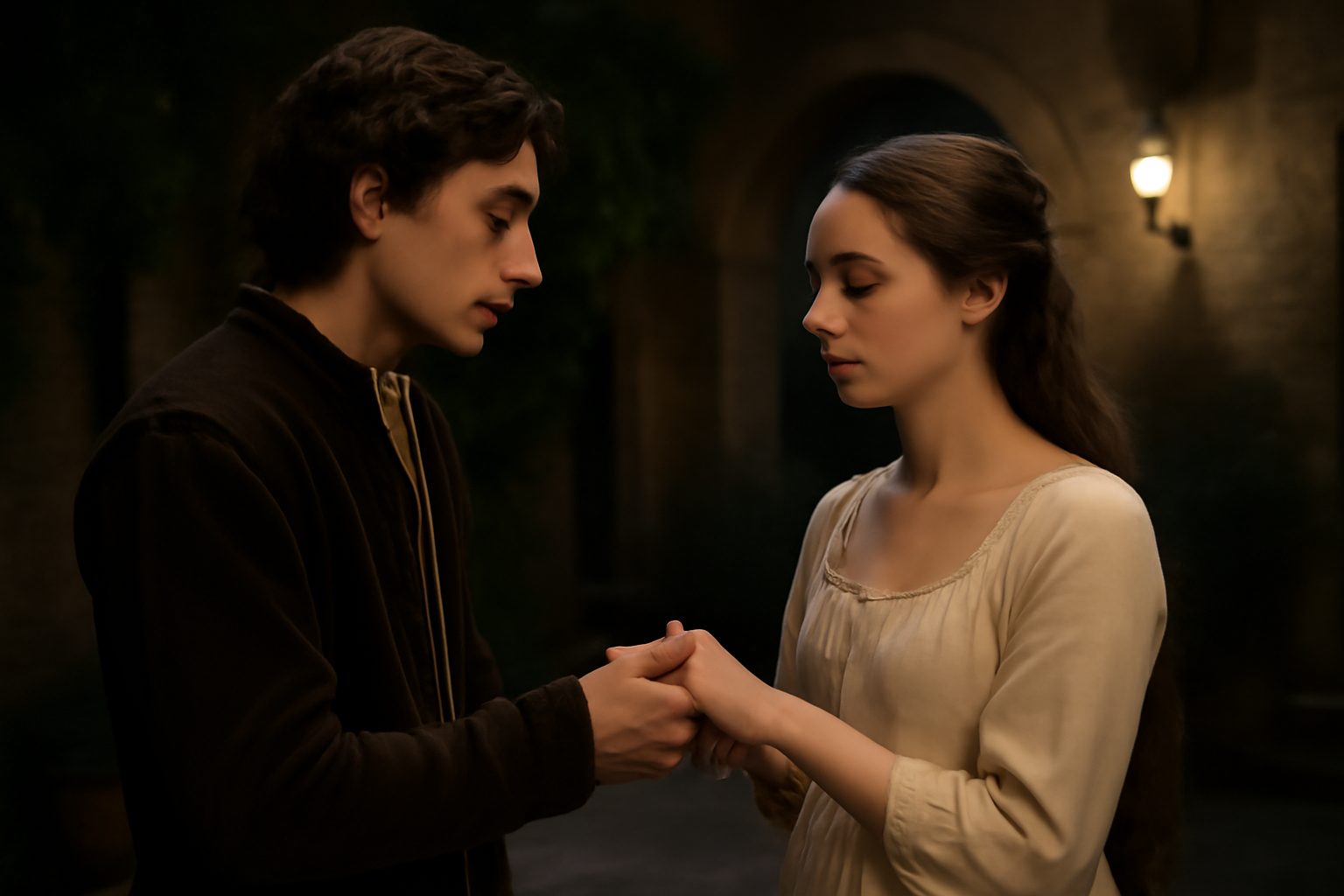
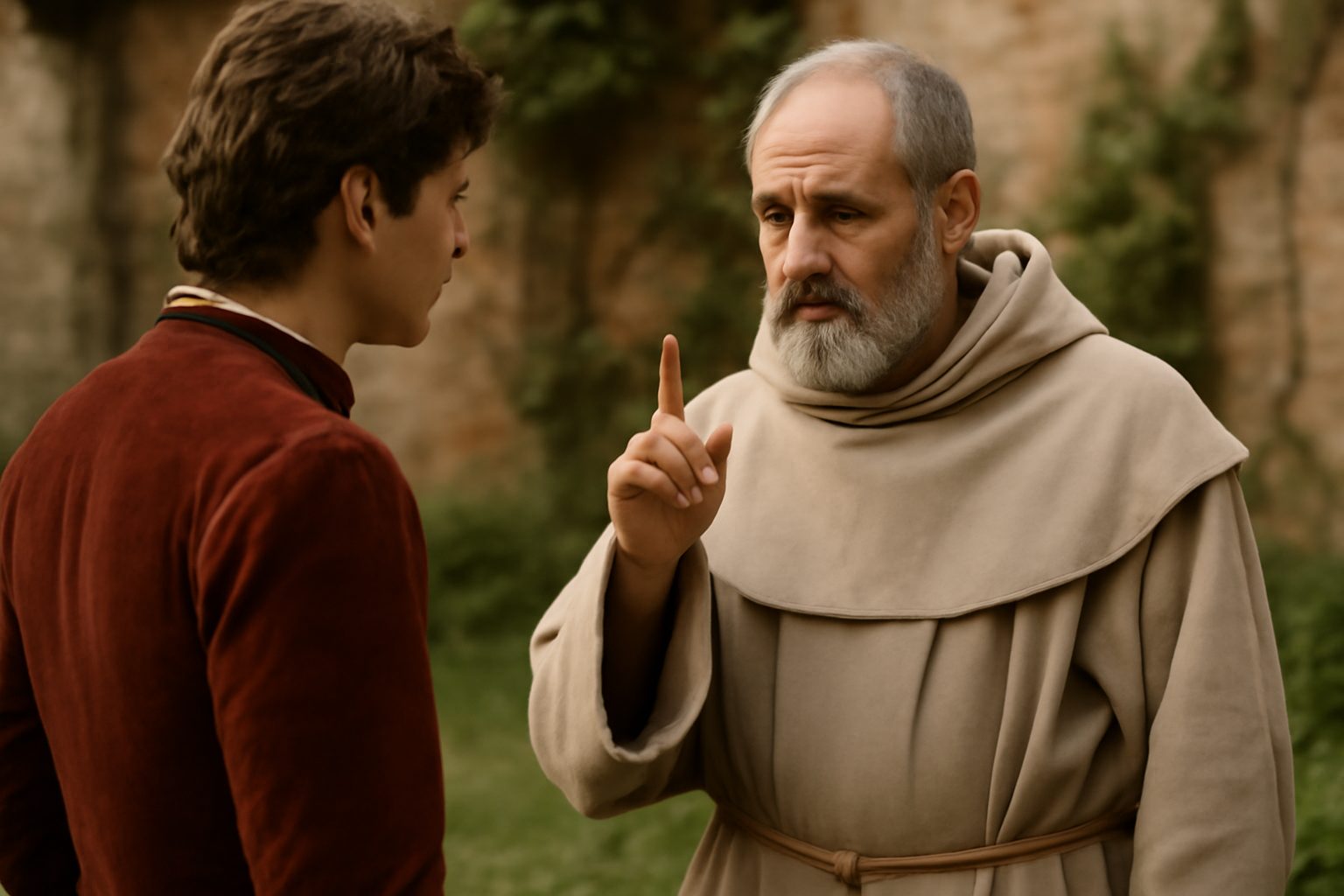
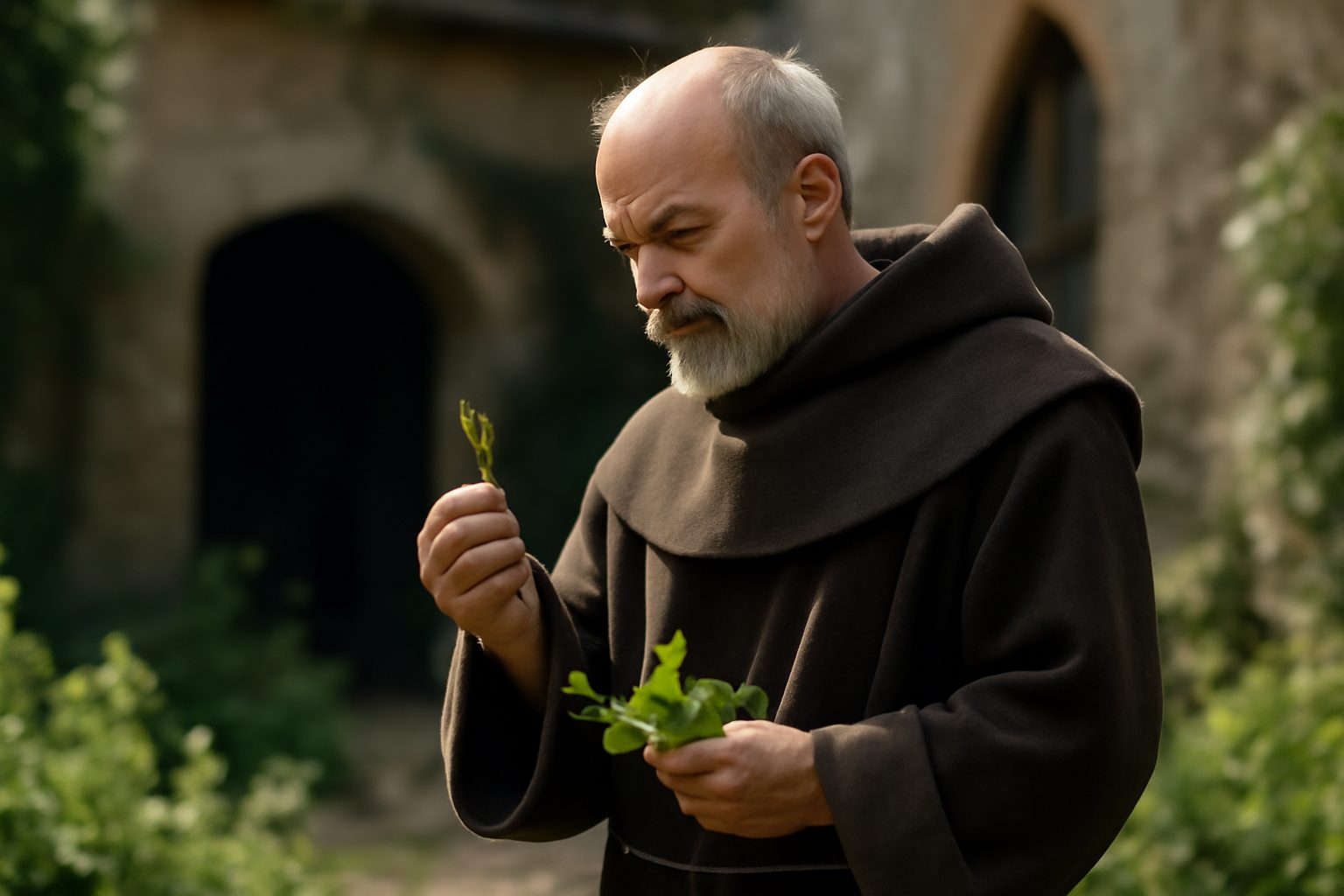
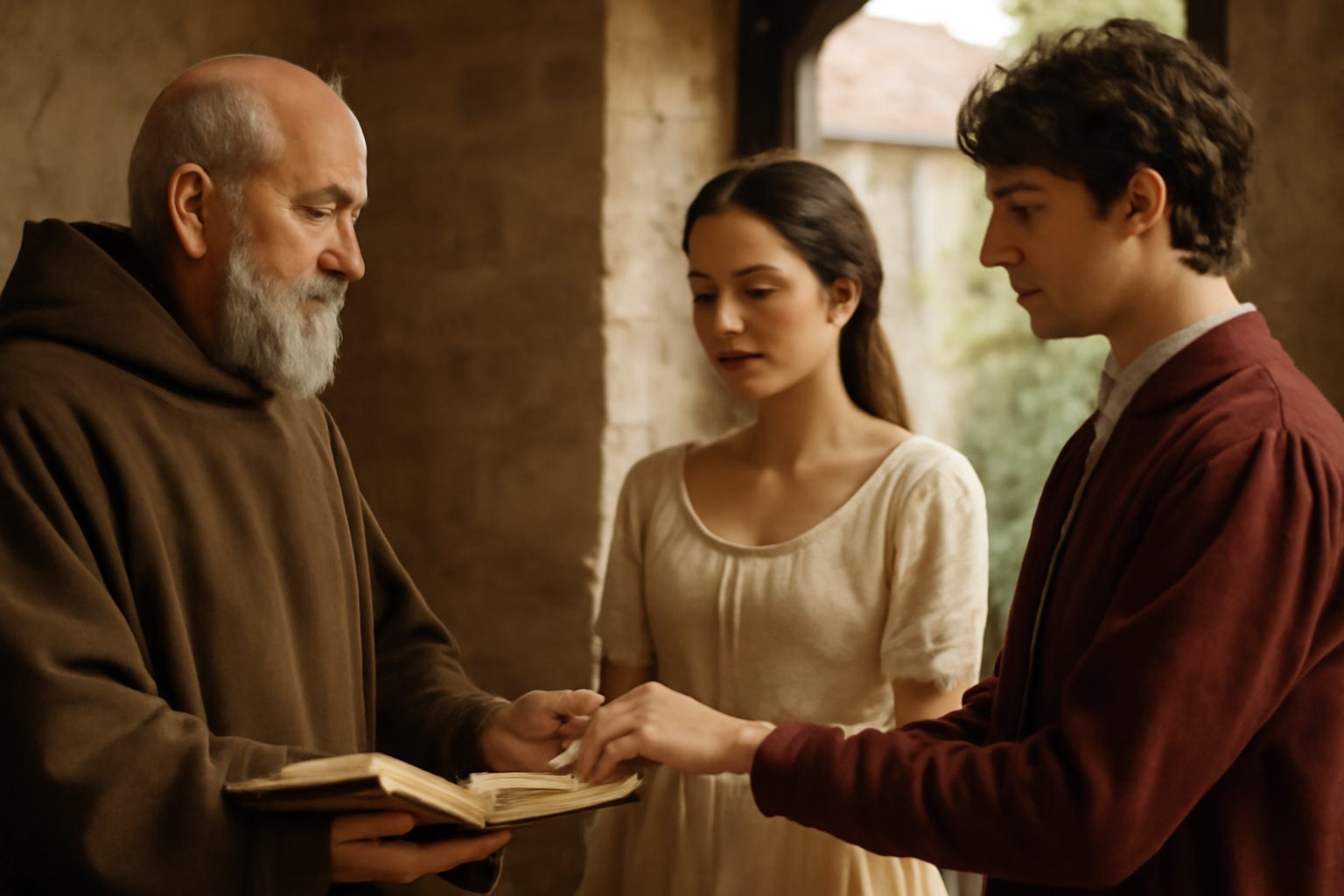
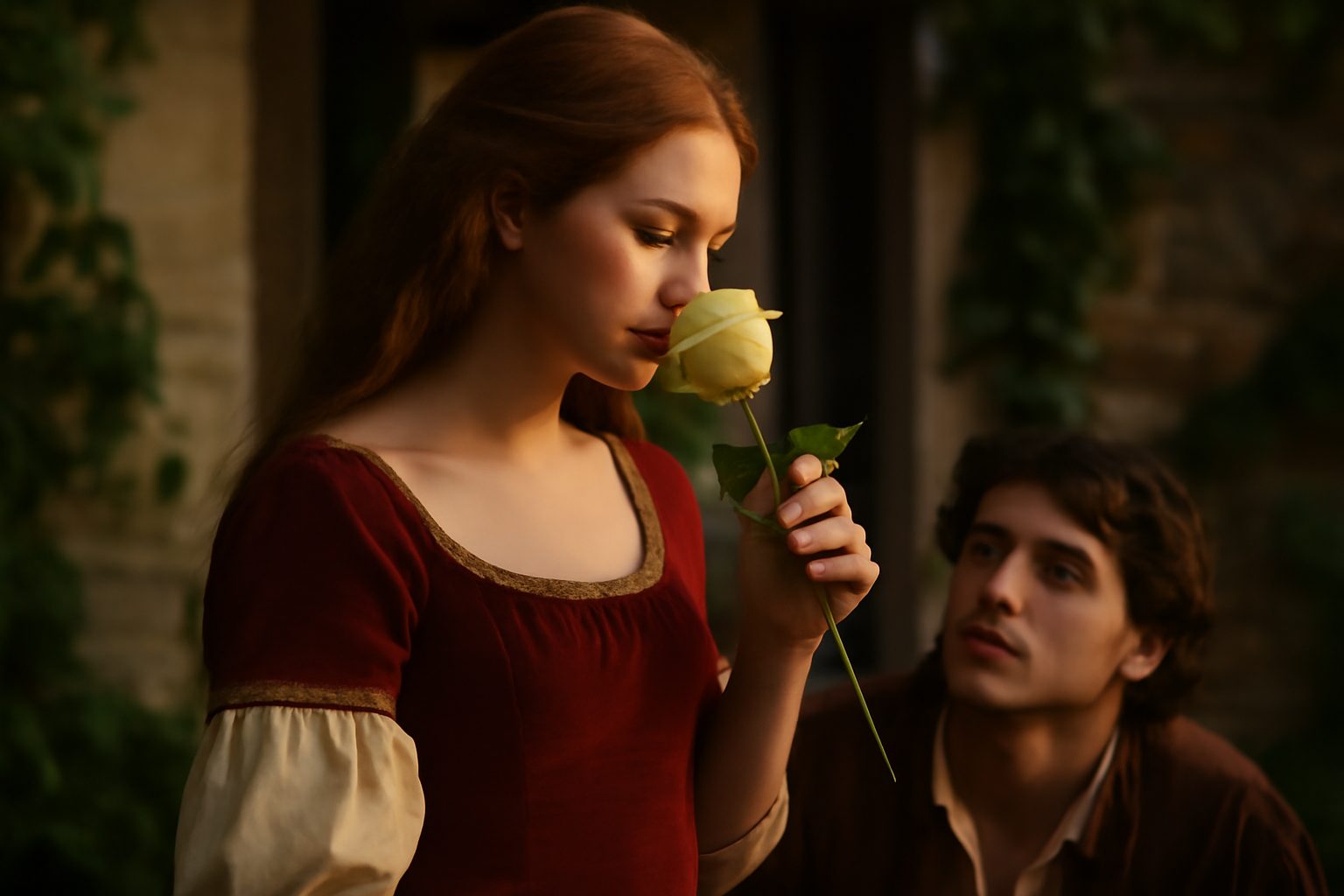
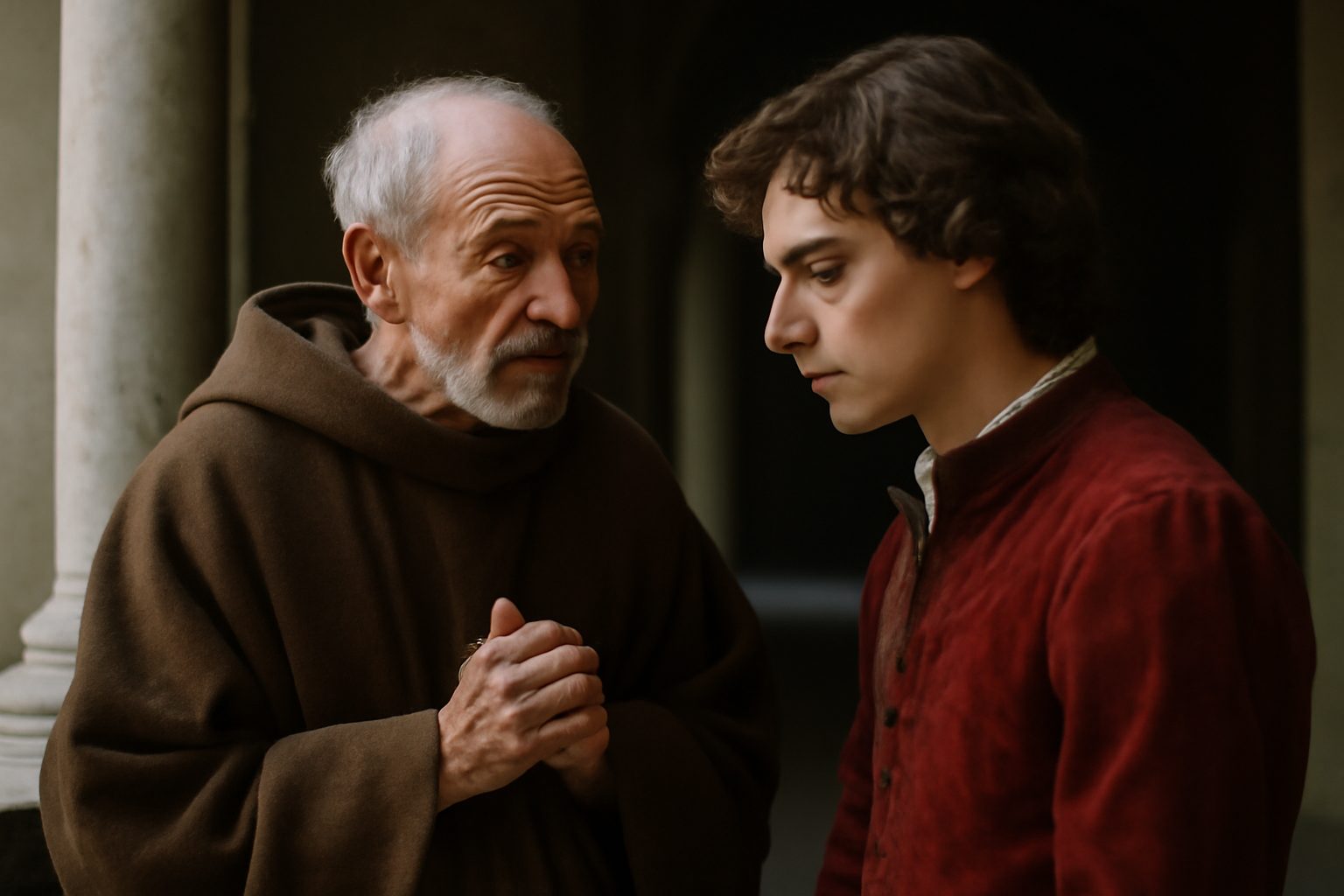
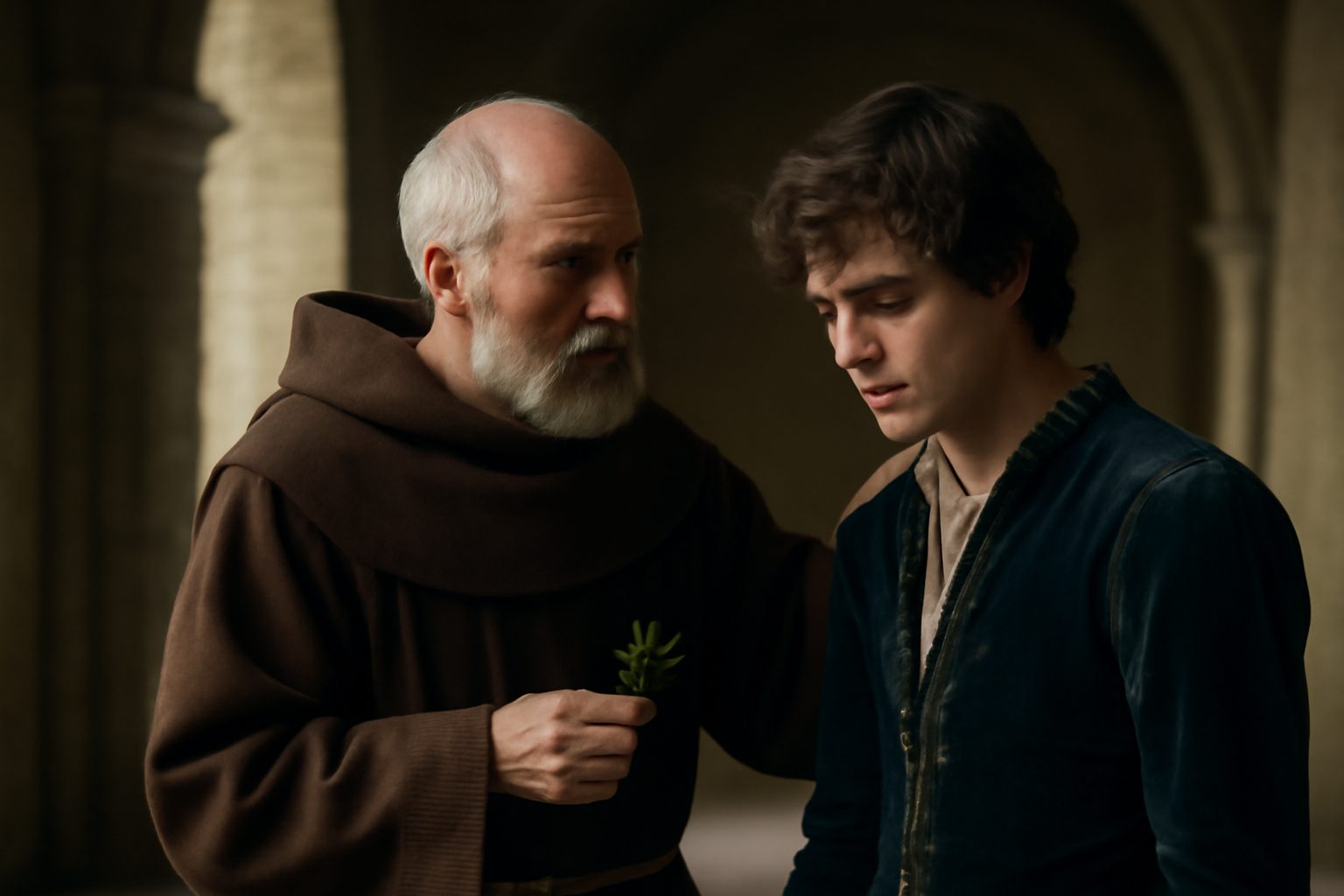
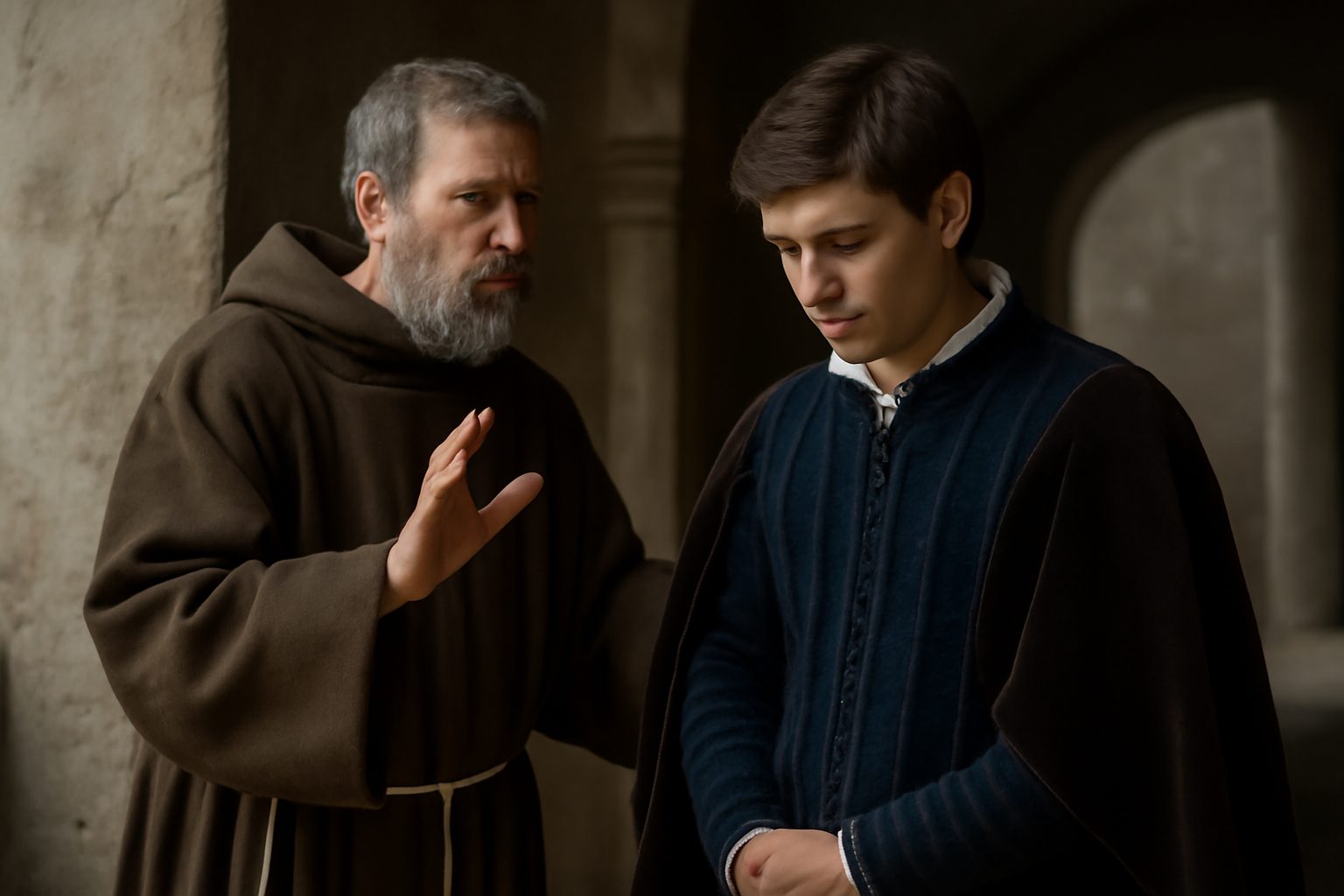
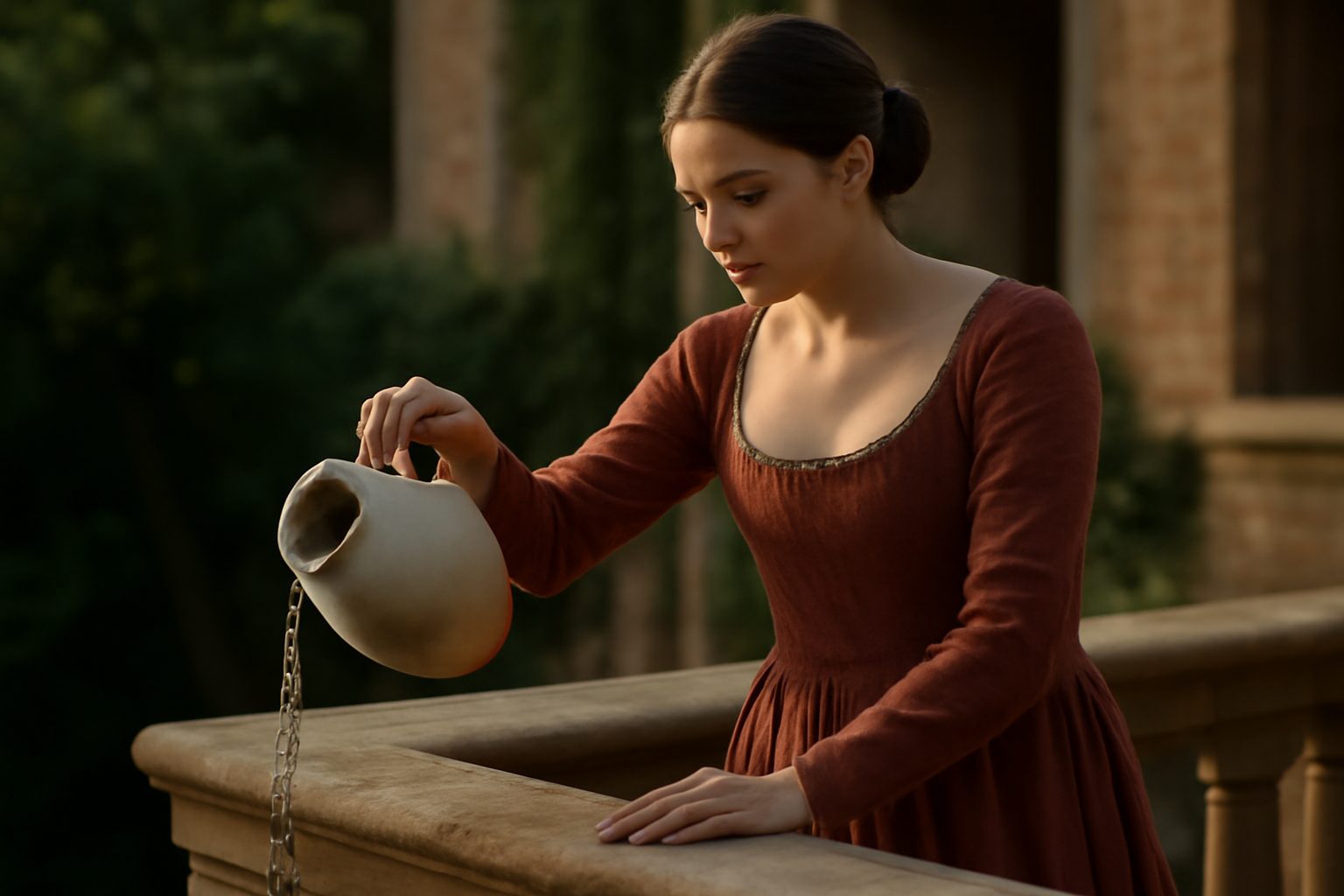
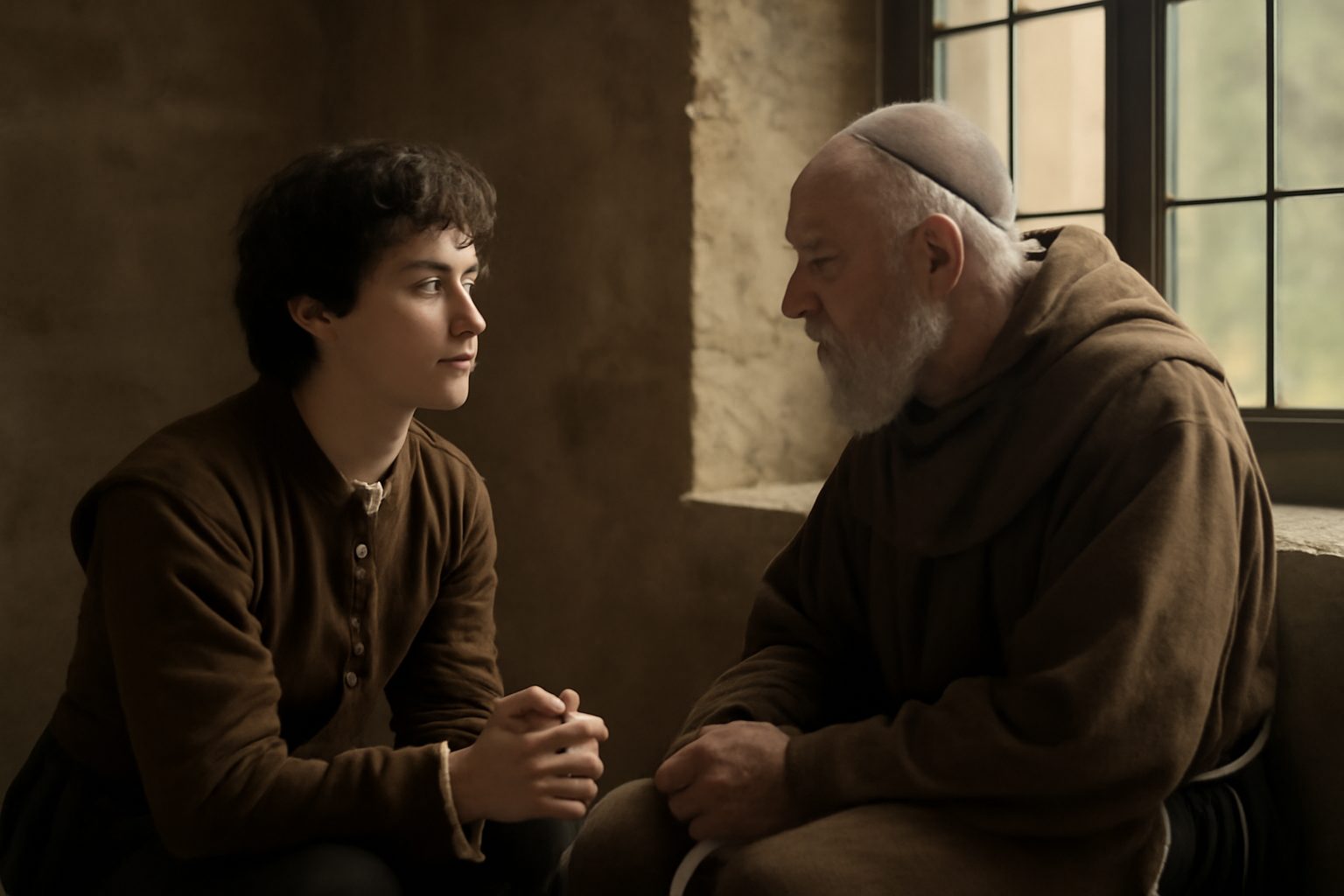
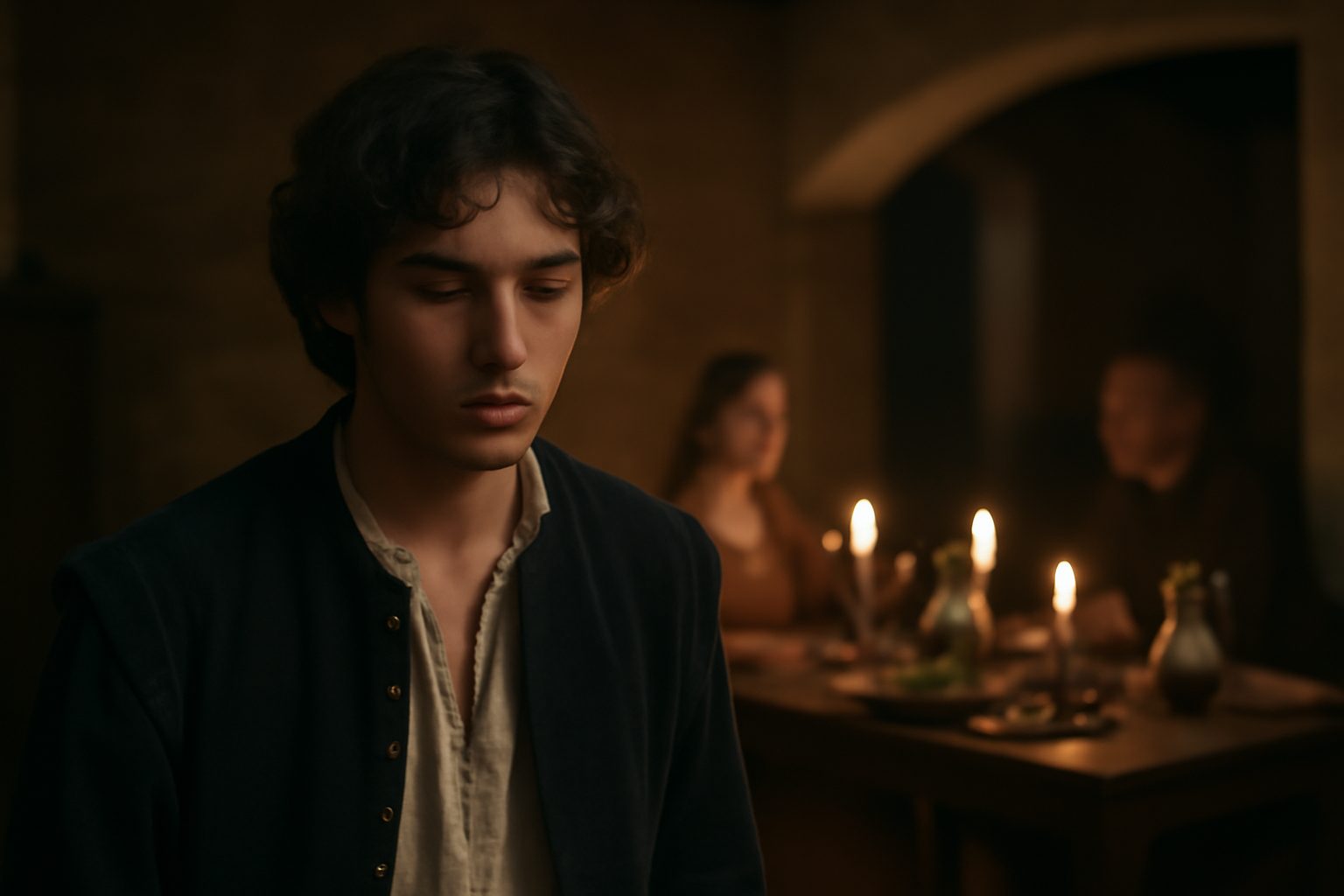
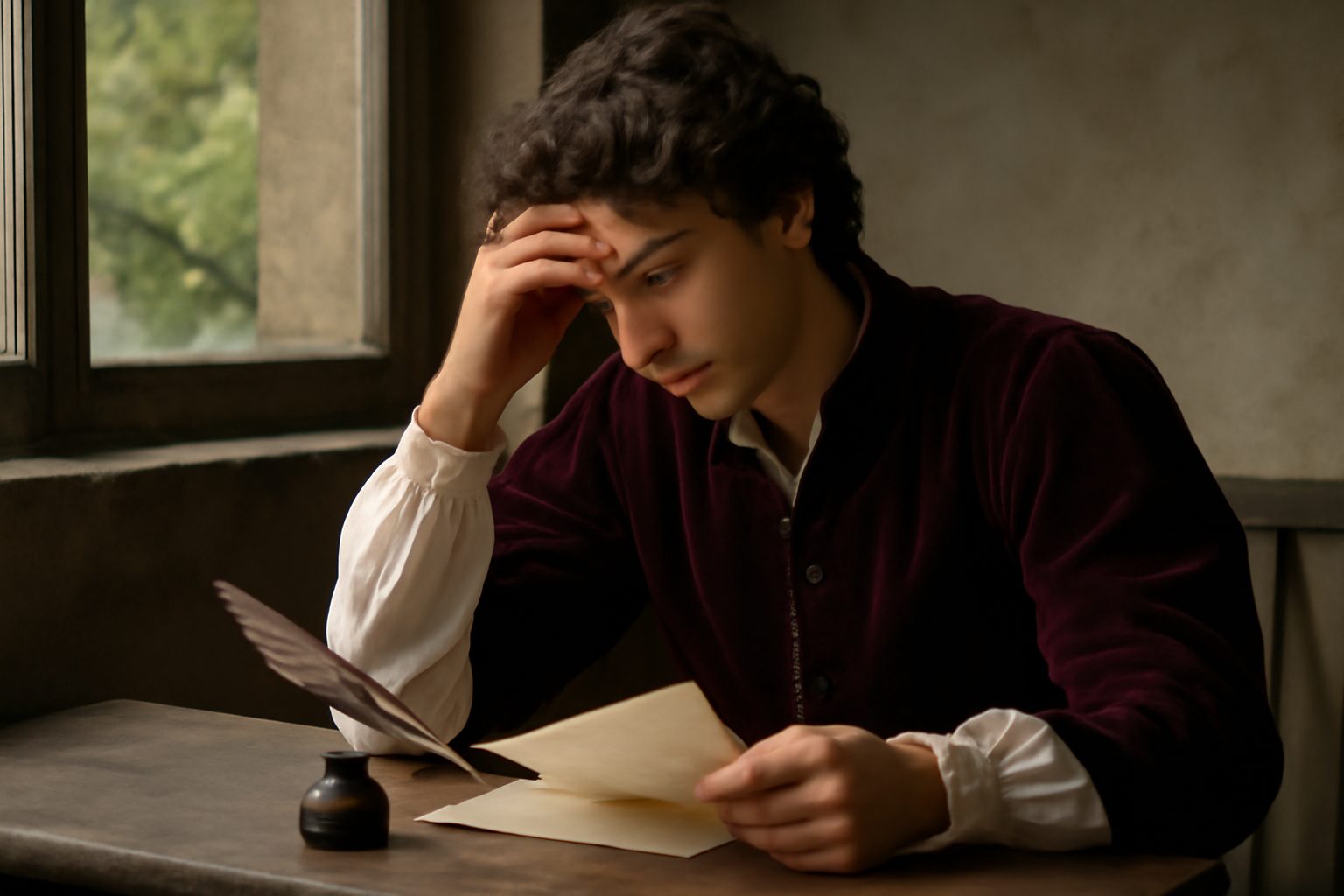
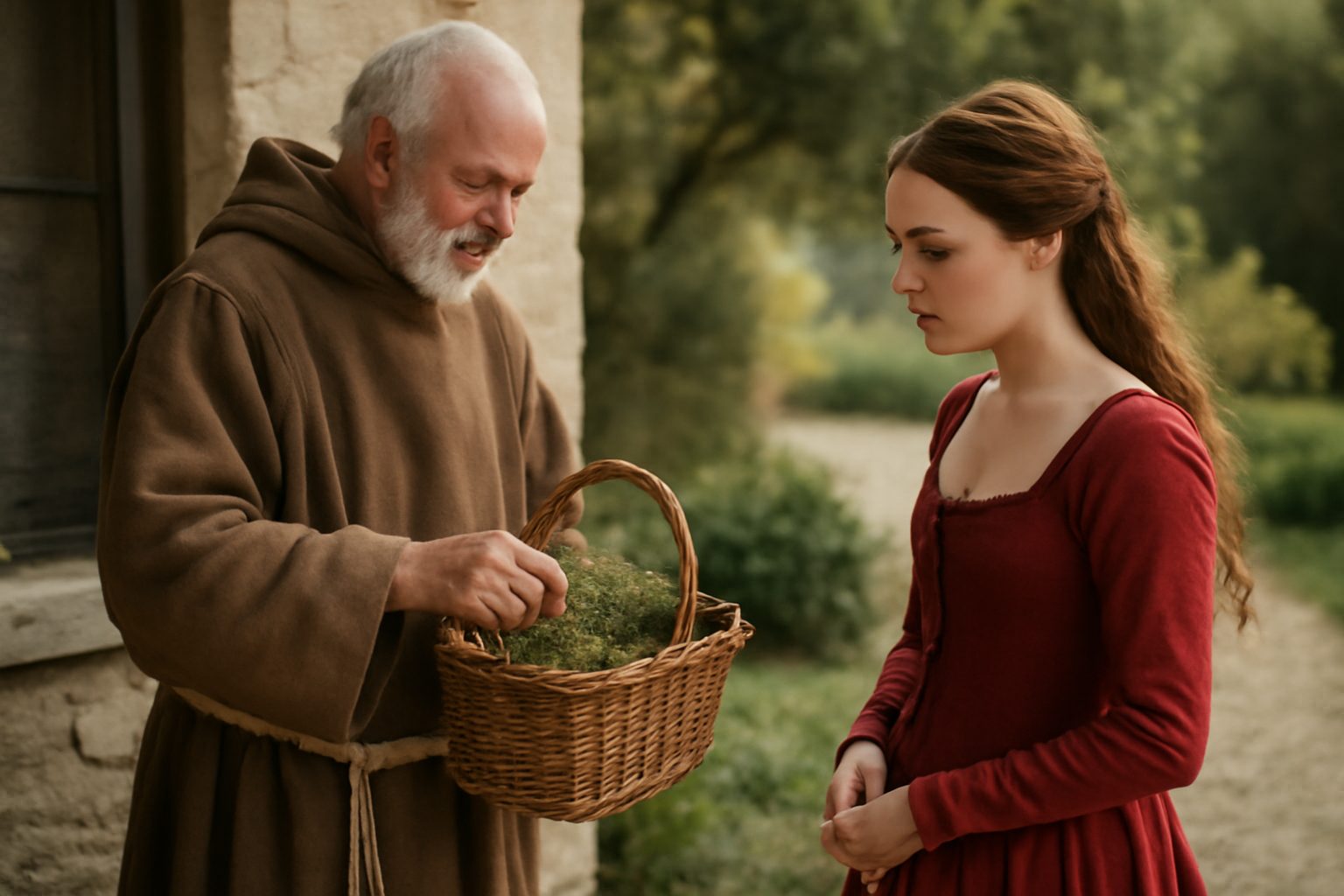
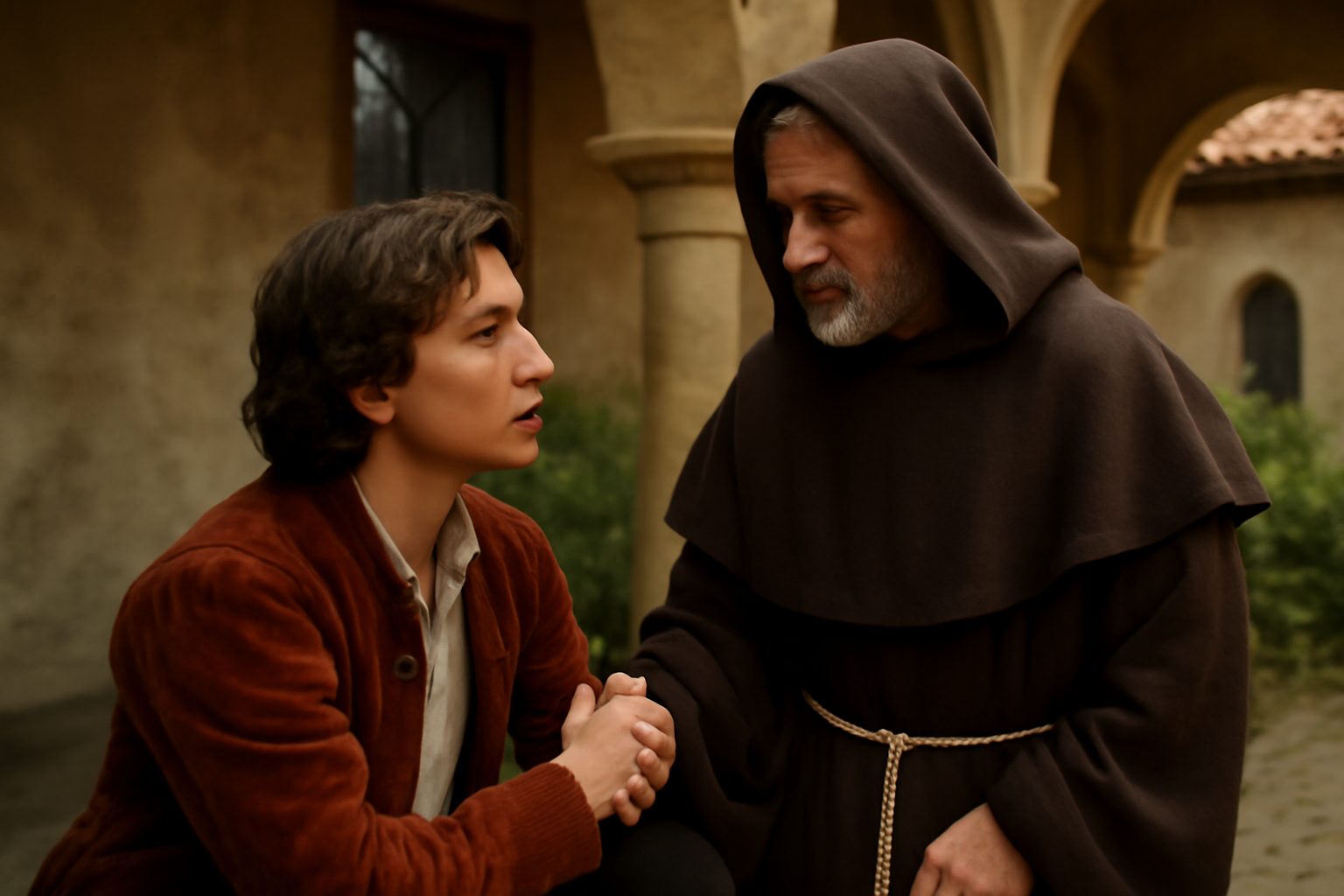
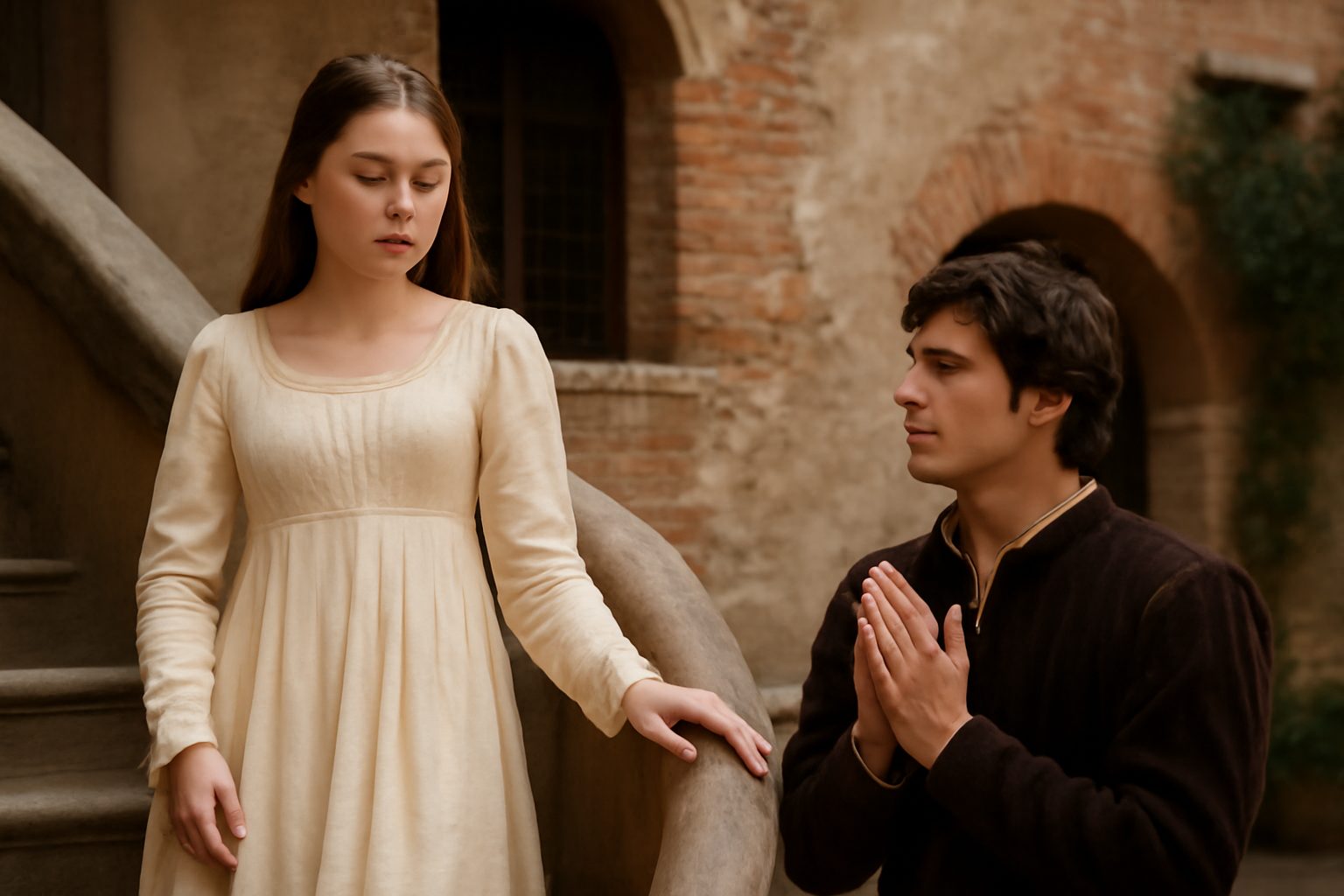
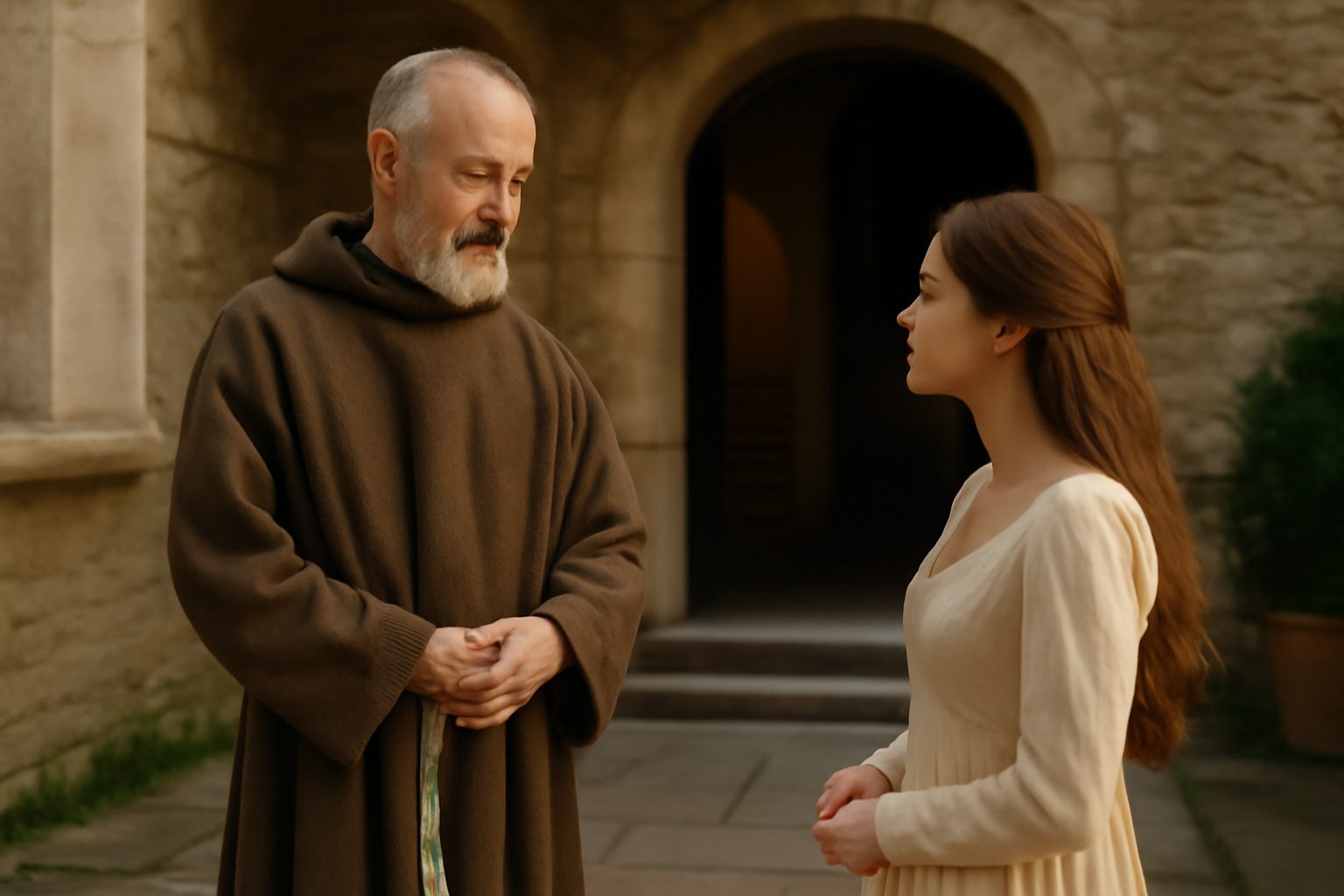
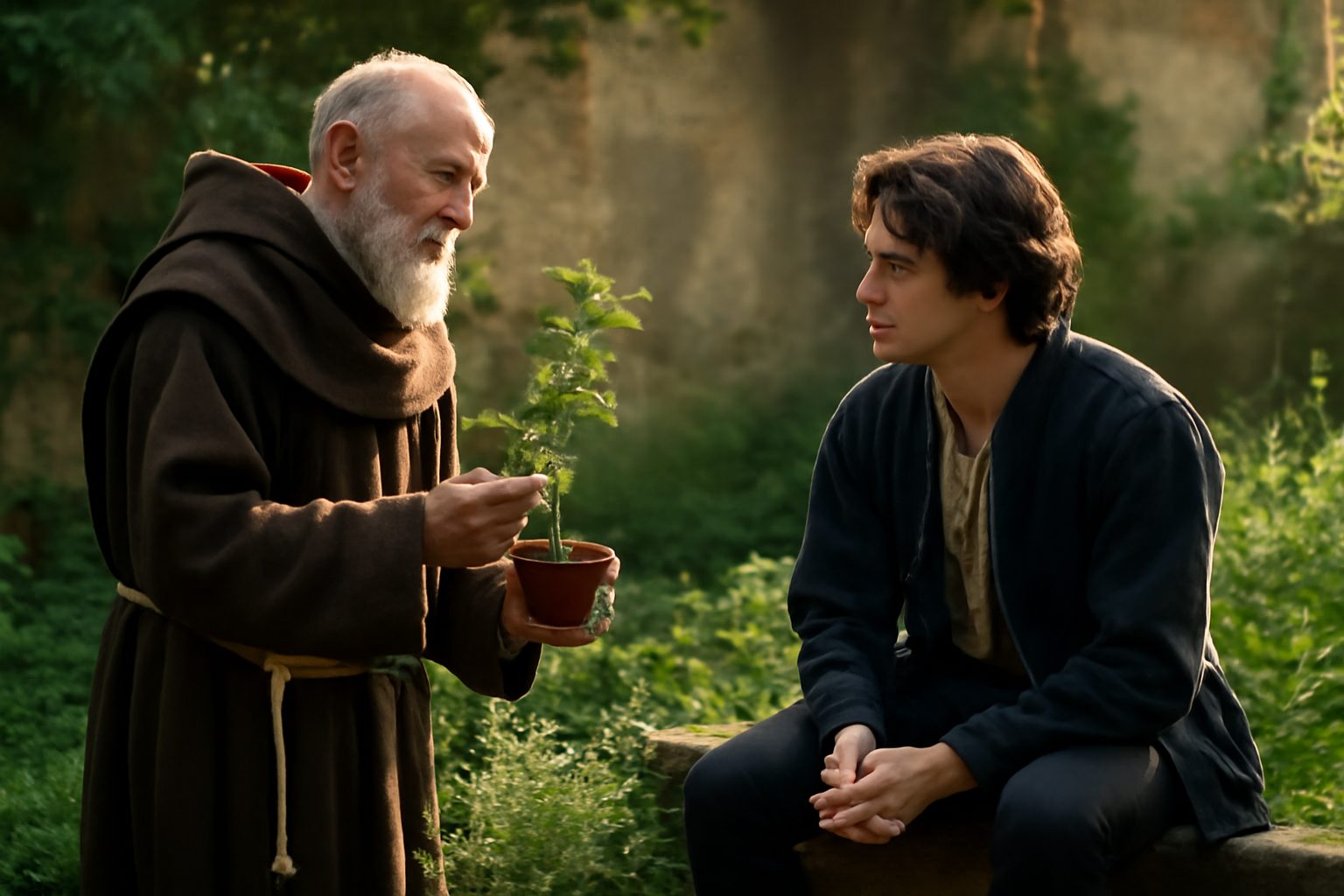
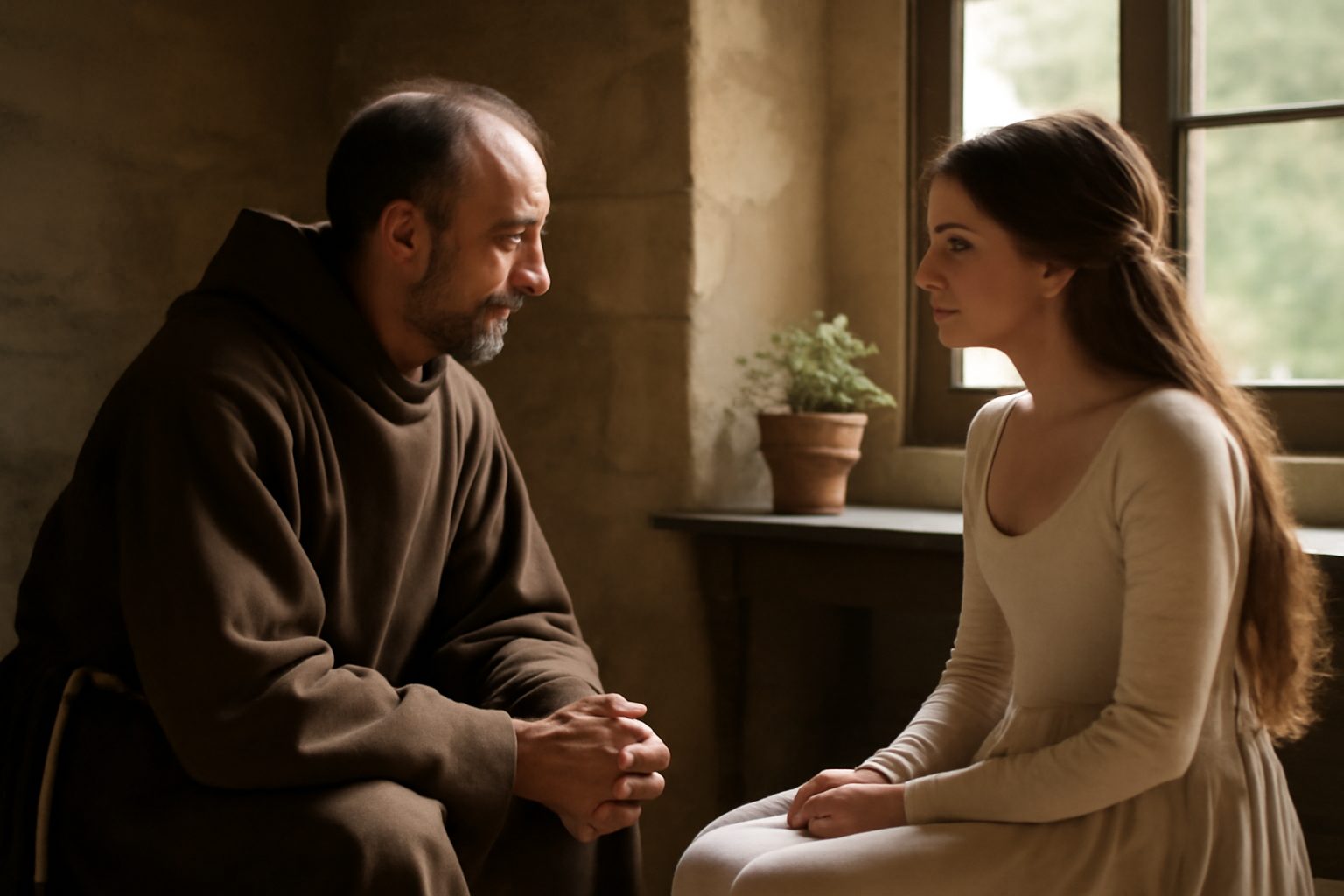
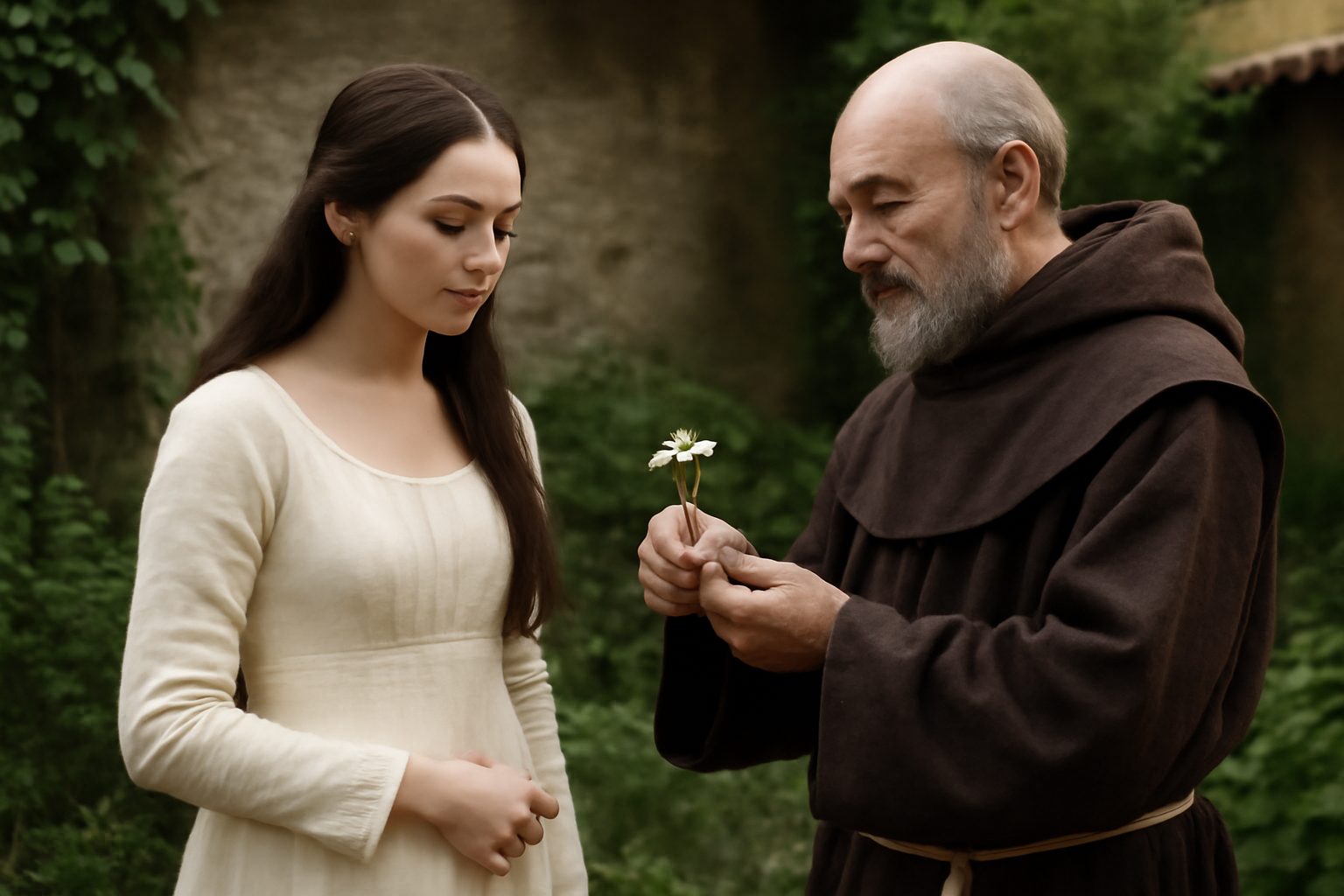
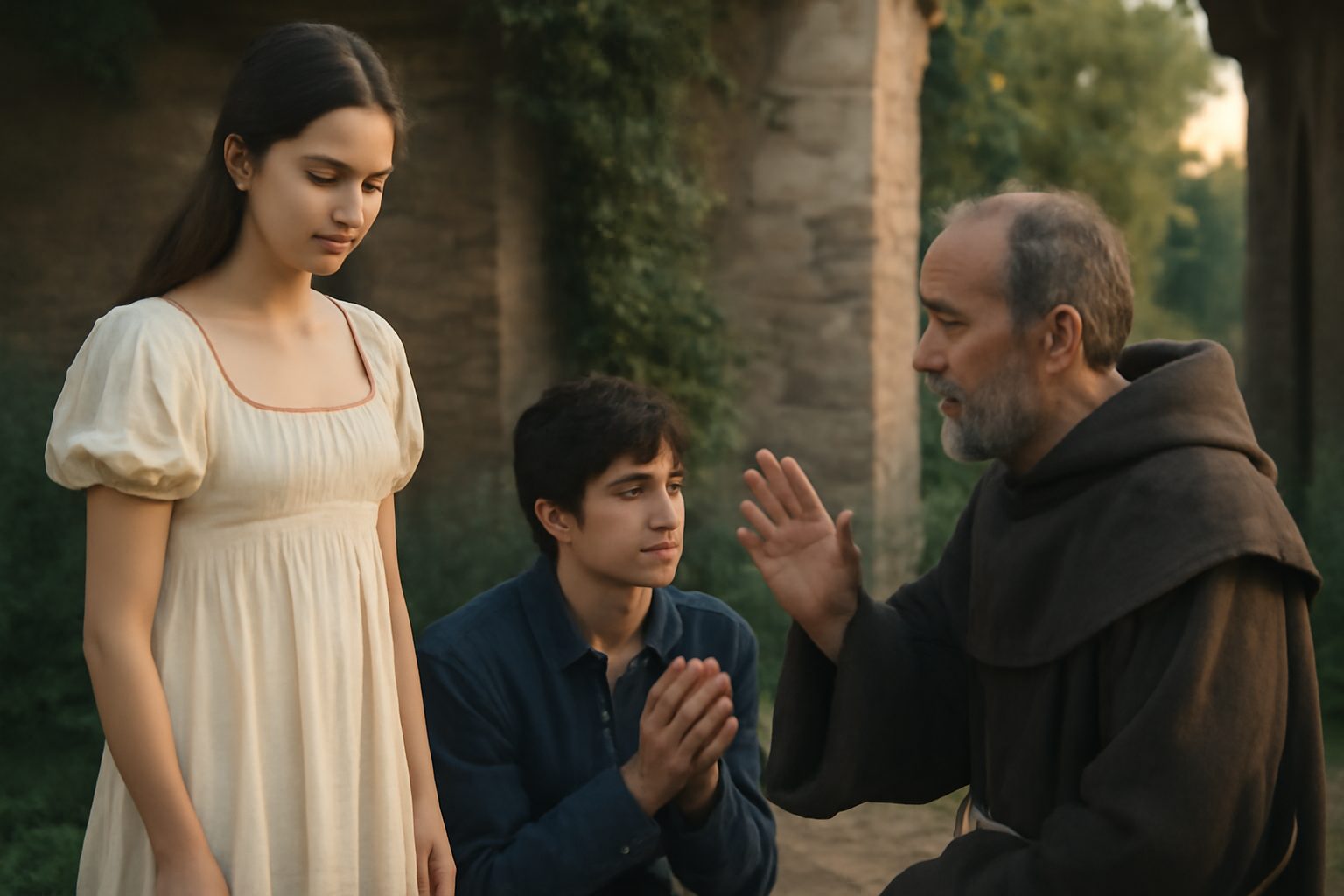
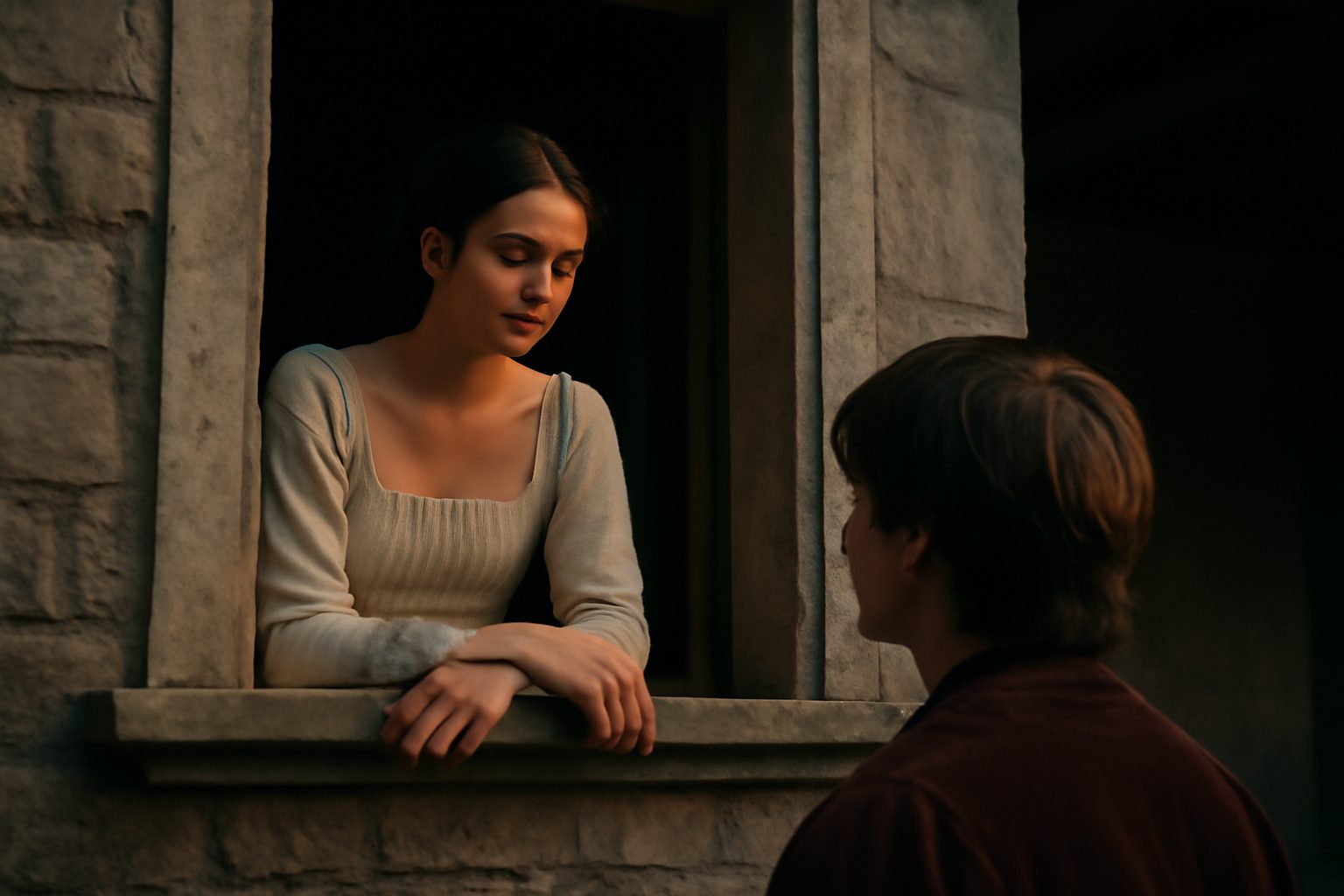
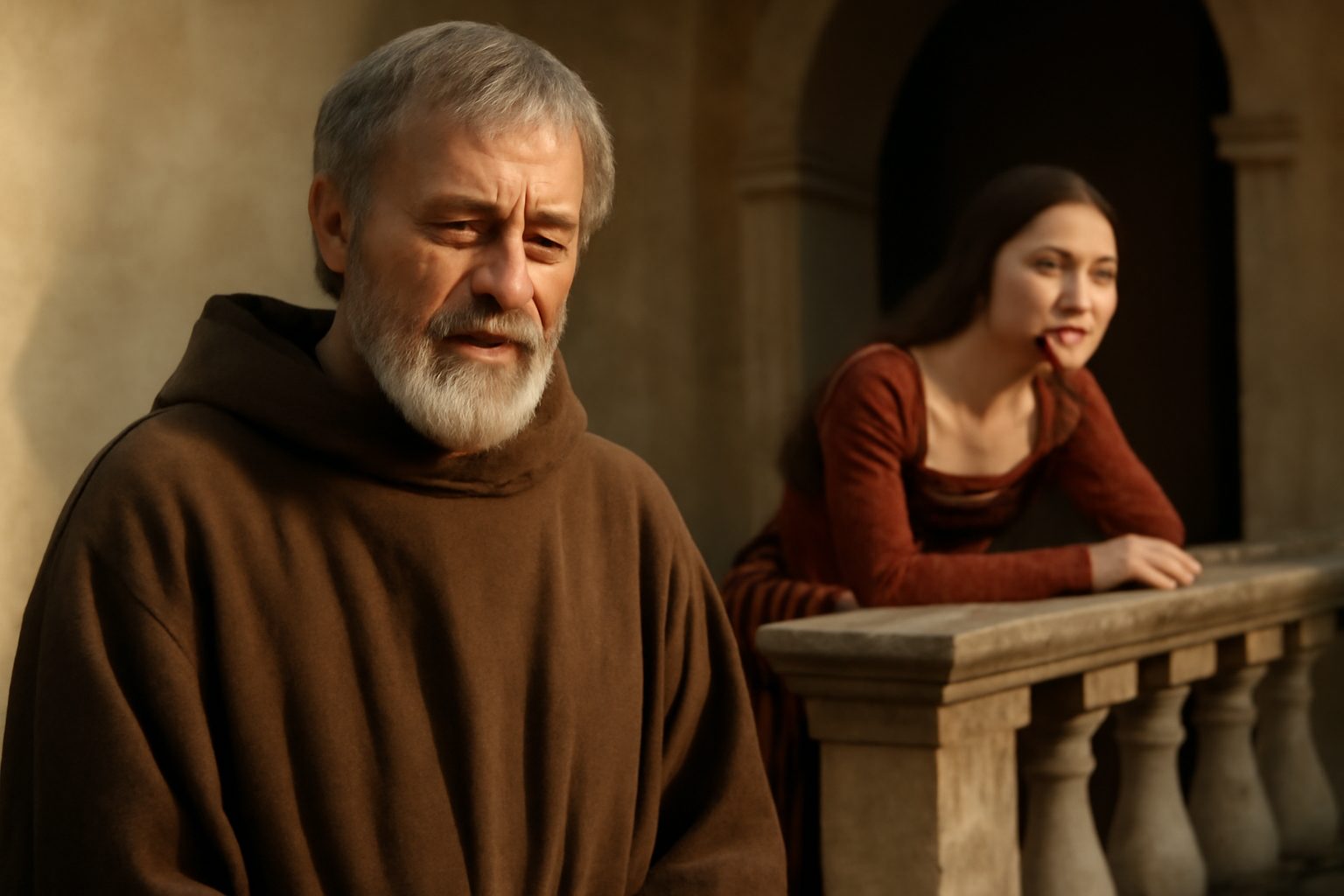
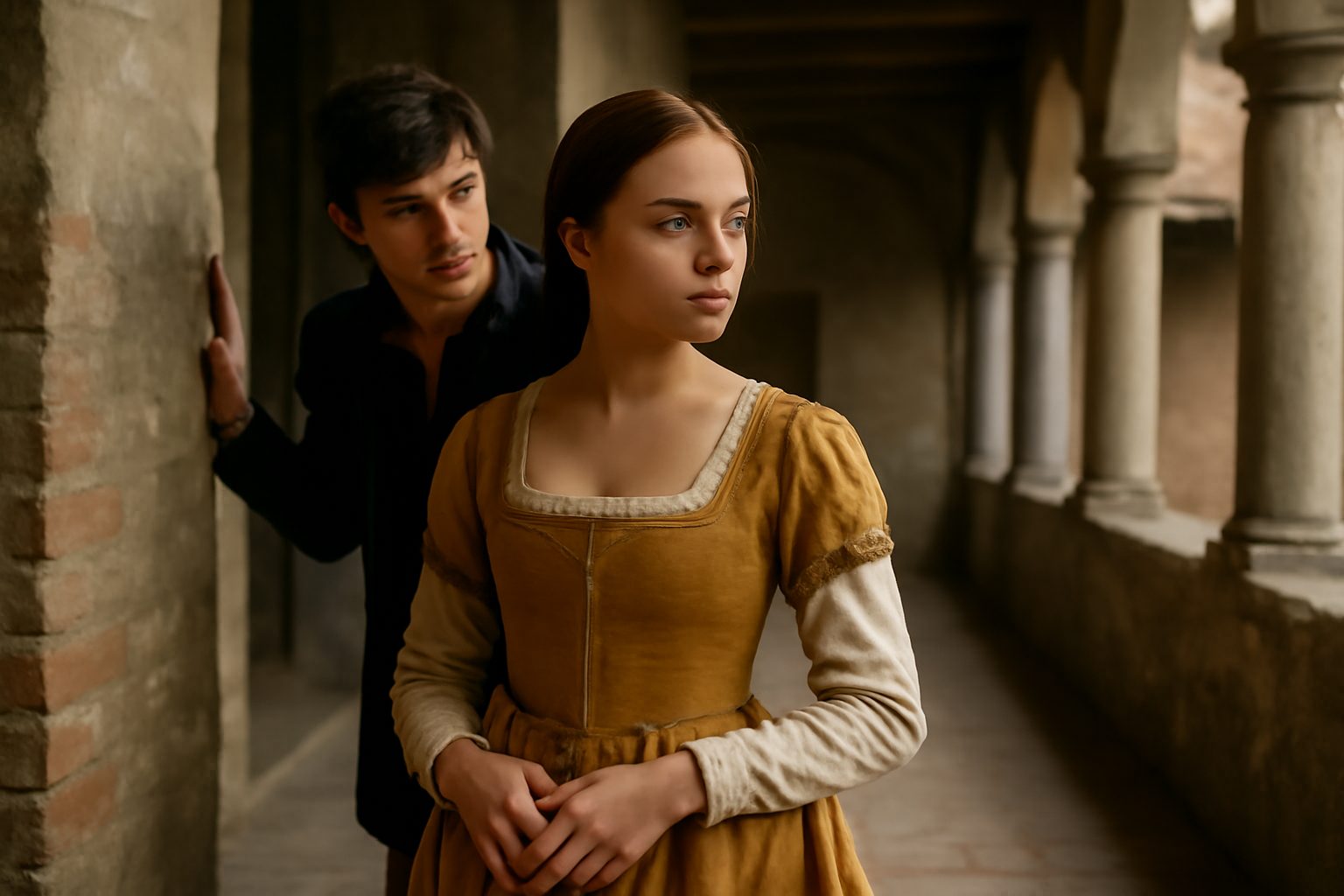
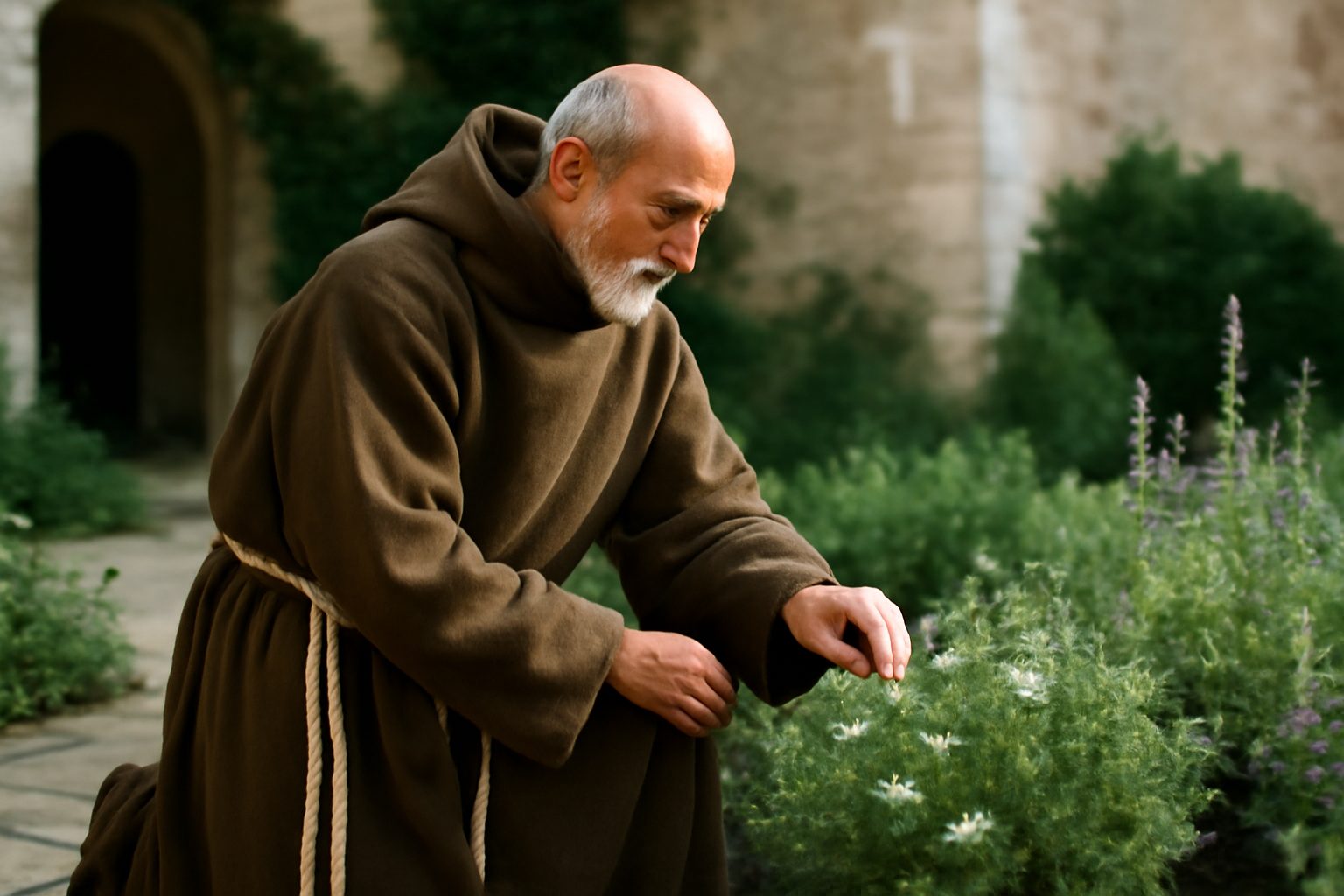
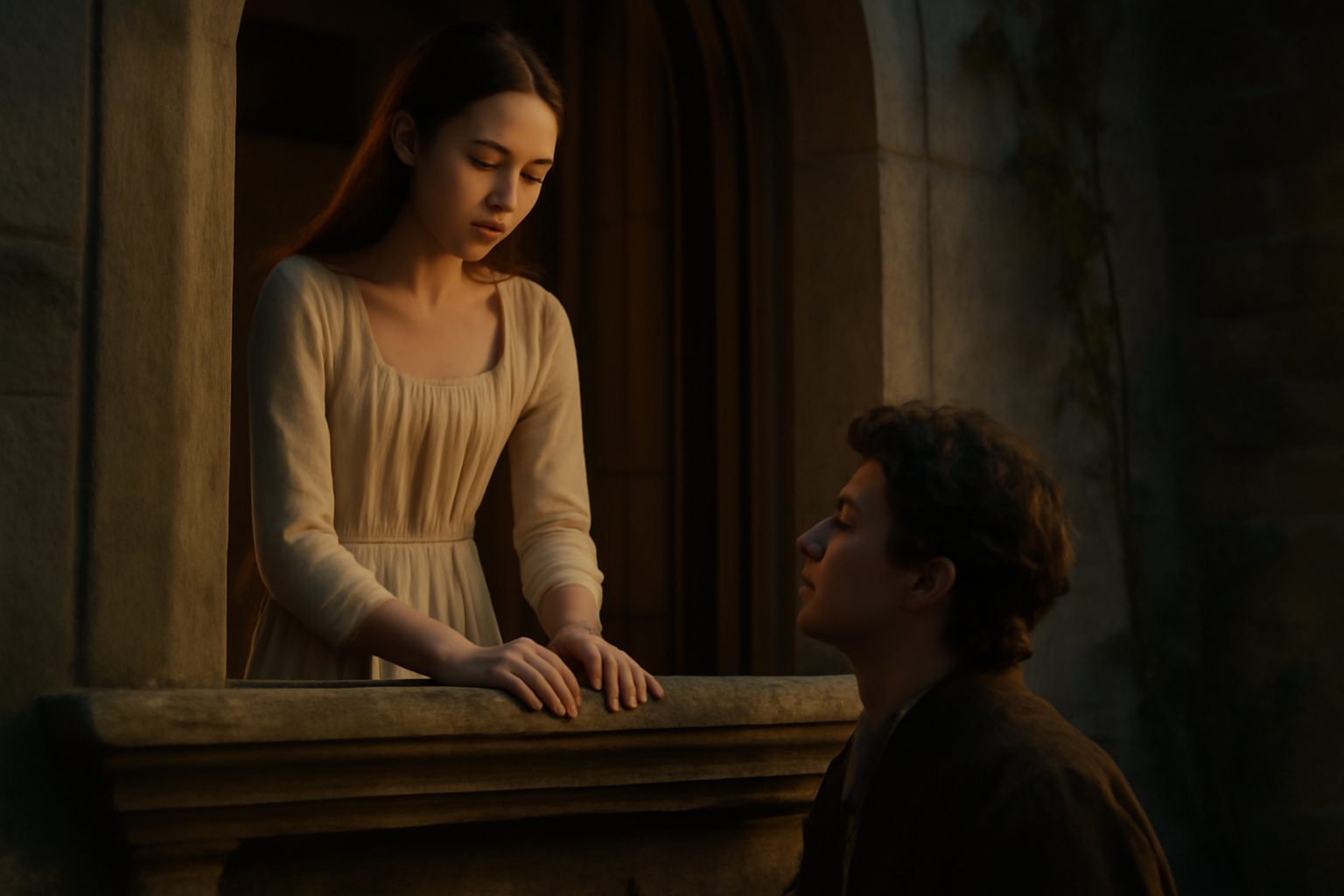
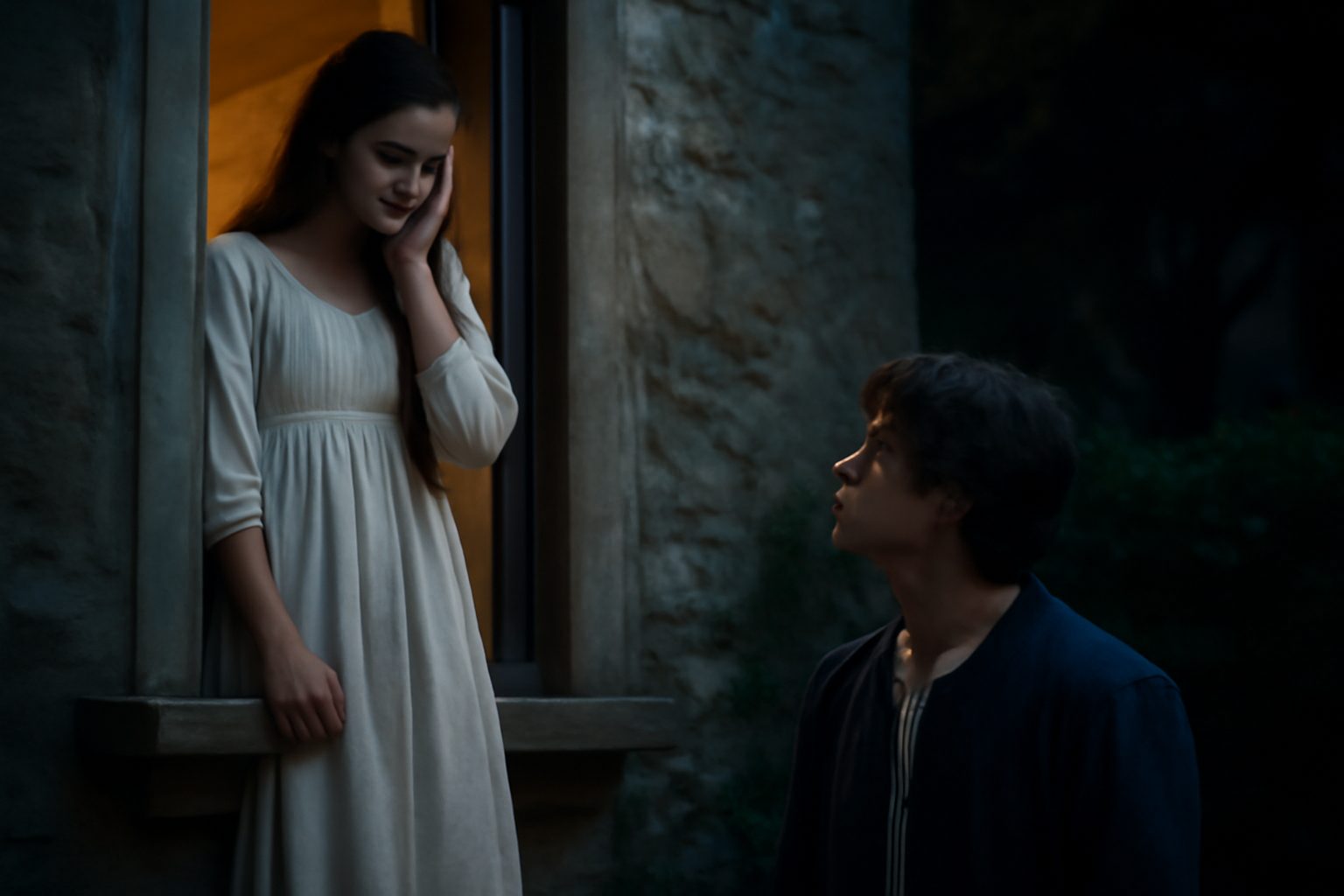
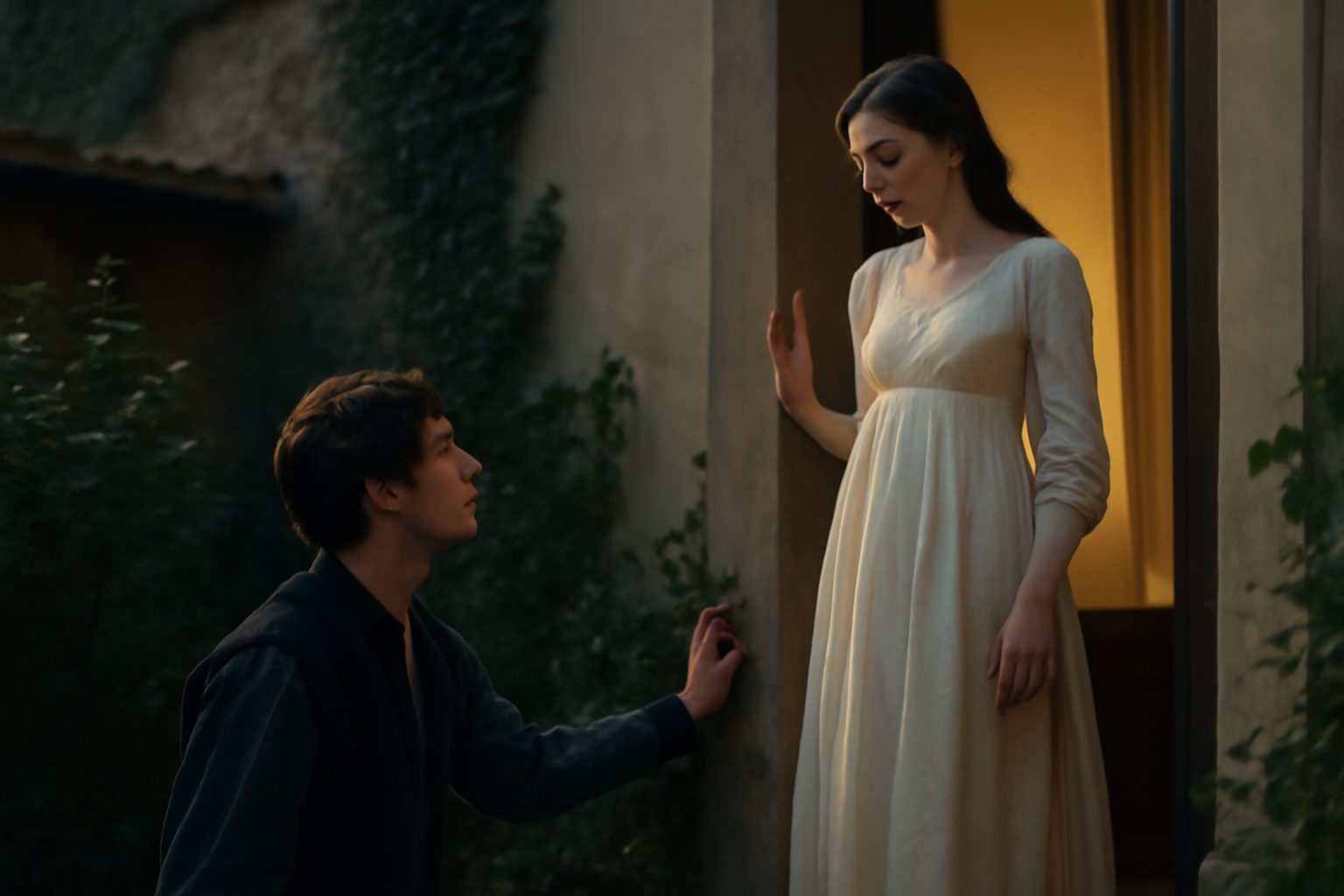
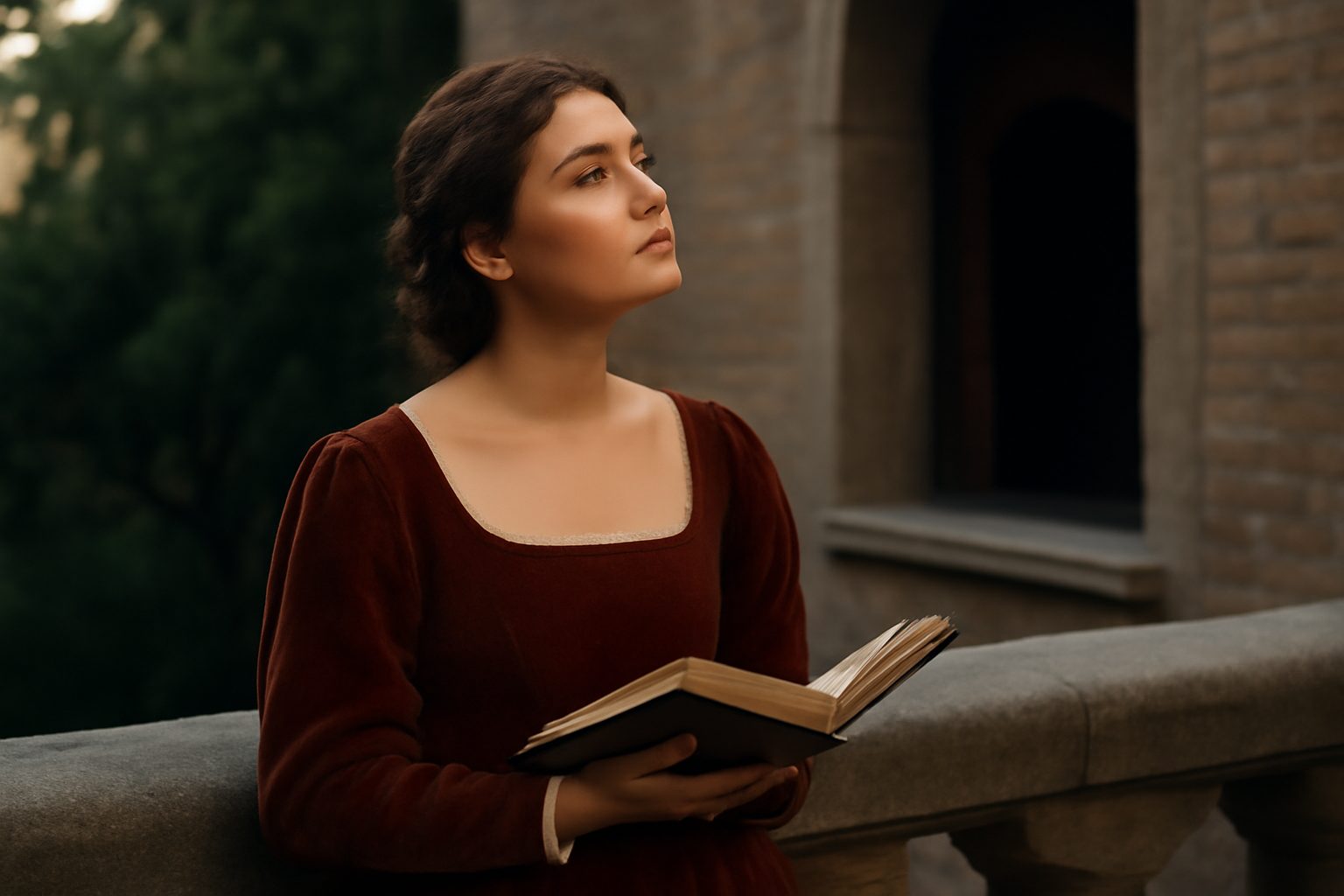
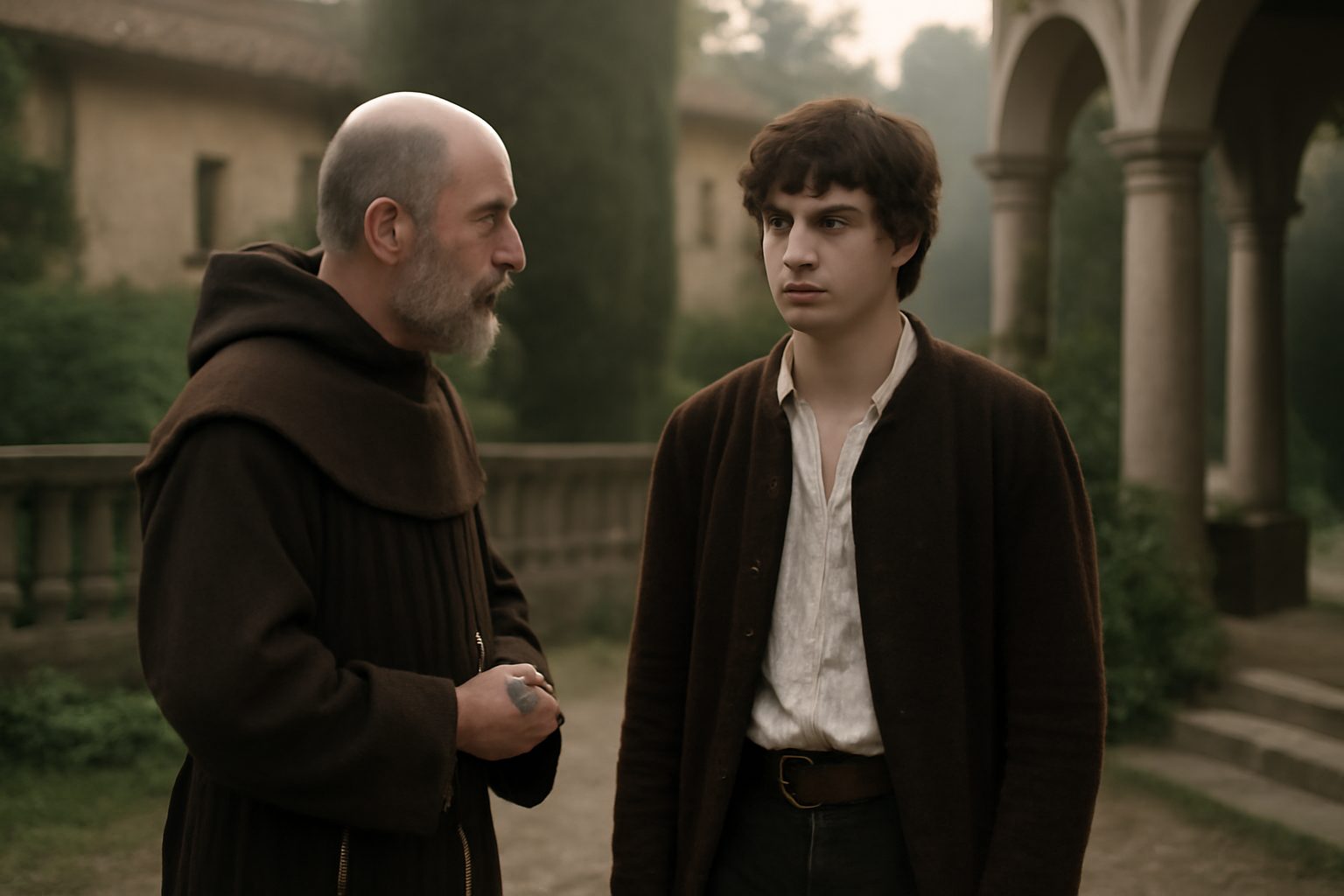
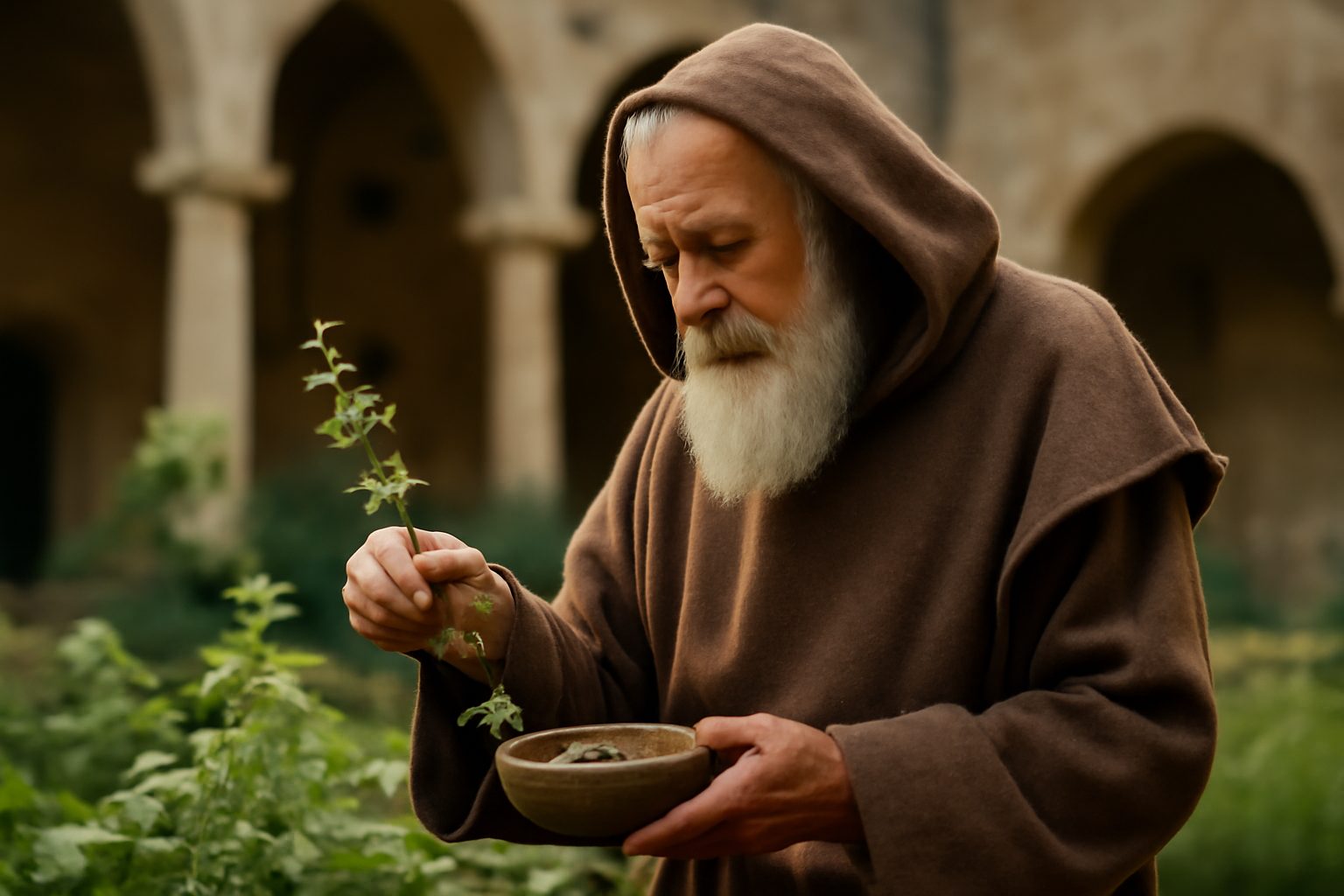
In Act 2, Scene 3 of Romeo and Juliet, Romeo rushes to Friar Laurence's cell after his secret meeting with Juliet. Overwhelmed by their sudden love, he pleads with the Friar to marry them that very day, hoping to unite their warring families through their bond. This line captures Romeo's impulsive passion and his urgency to solidify their forbidden relationship.
Romeo: "That thou consent to marry us to-day."
In modern day english, we would say:
Romeo is asking Friar Laurence to agree to marry him and Juliet today.
Frequently Asked Questions
What does Romeo ask in this line from Act 2, Scene 3?
Romeo is asking for permission to marry Juliet that same day.
Connections to other verses:
Connections to Other Verses in Act 2 Scene 3
Immediate Context and Request
Romeo's plea, That thou consent to marry us to-day, follows his declaration of love for Juliet, as seen in Then plainly know my heart's dear love is set and On the fair daughter of rich Capulet. This urgency is echoed in his later line, O, let us hence; I stand on sudden haste, emphasizing his impulsive nature.
Friar Laurence's Response and Advice
Friar Laurence's initial skepticism, expressed in So soon forsaken? young men's love then lies and Not truly in their hearts, but in their eyes, contrasts with Romeo's haste. However, he eventually agrees, citing the potential for reconciliation in To turn your households' rancour to pure love and For this alliance may so happy prove. His caution is encapsulated in Wisely and slow; they stumble that run fast.
Thematic Links: Love and Transformation
Romeo's shift from Rosaline to Juliet is highlighted in I have forgot that name, and that name's woe and Thou and these woes were all for Rosaline. Friar Laurence notes this change in Holy Saint Francis, what a change is here!, questioning its sincerity but ultimately supporting the union as a means to heal the feud.
Symbolic and Moral Reflections
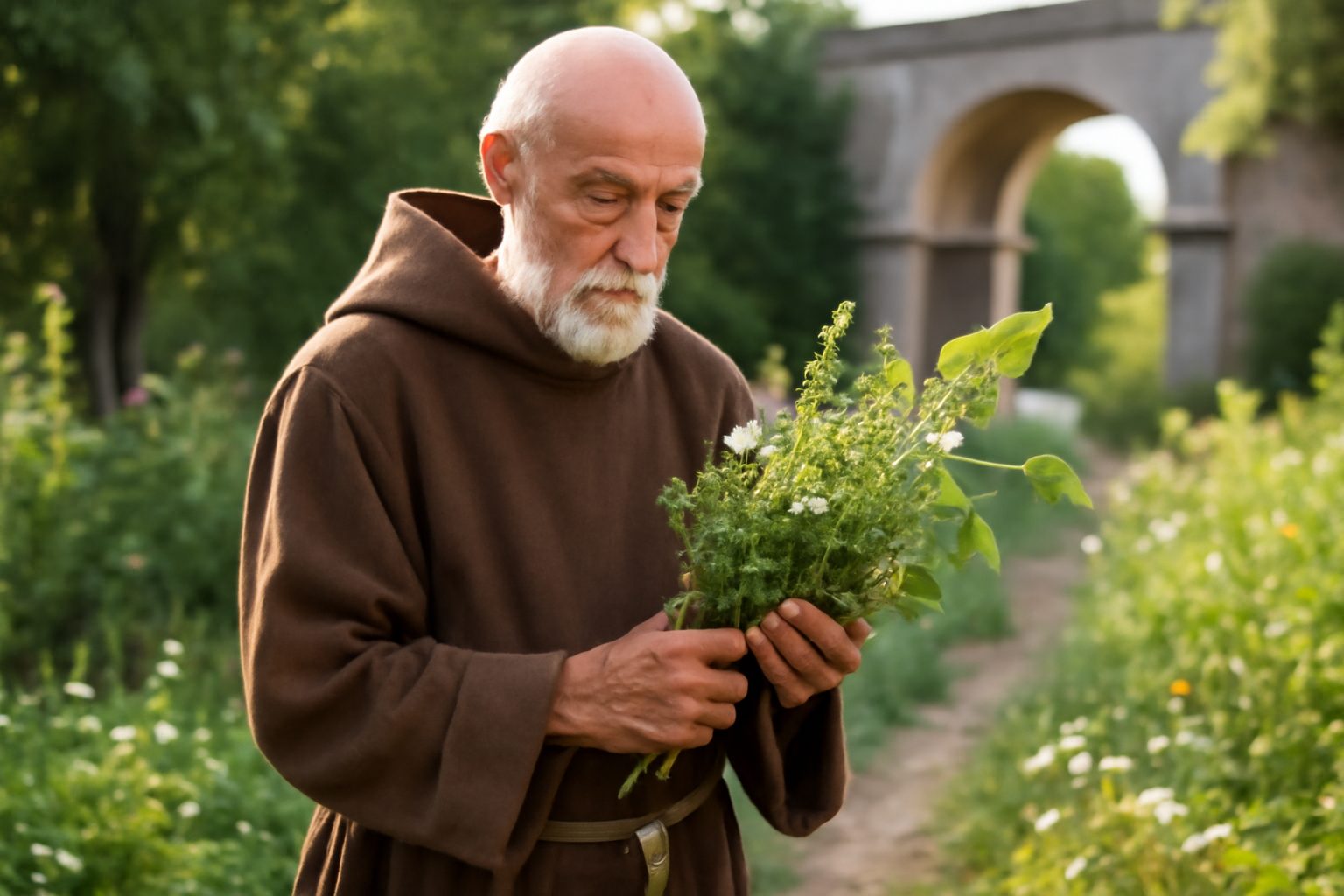
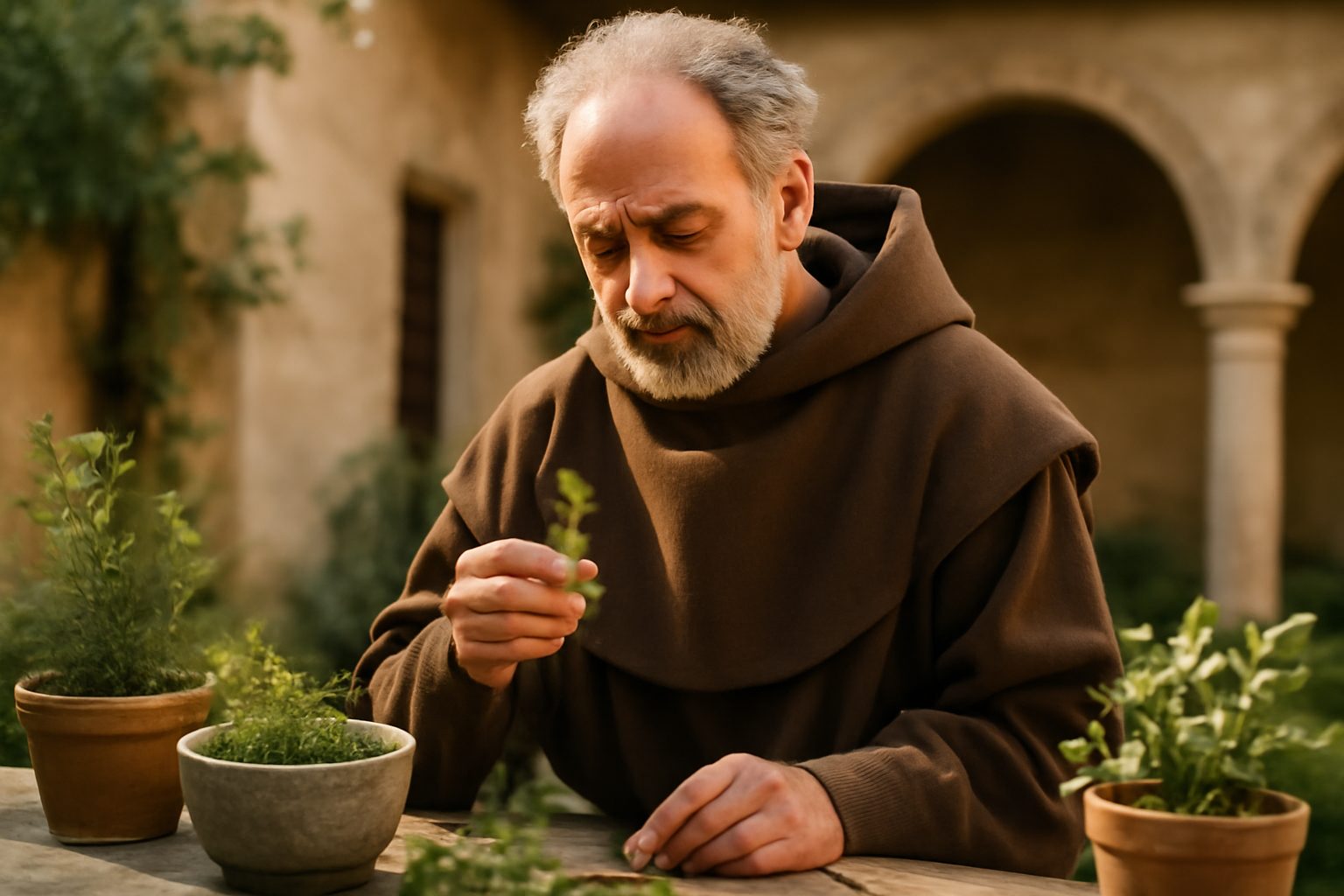
Friar Laurence's soliloquy on duality, such as Poison hath residence and medicine power and Virtue itself turns vice, being misapplied, foreshadows the play's tragic outcome. This connects to Romeo's request, as the marriage—intended as a remedy—becomes a catalyst for disaster, reflecting the theme that good intentions can lead to unintended consequences.