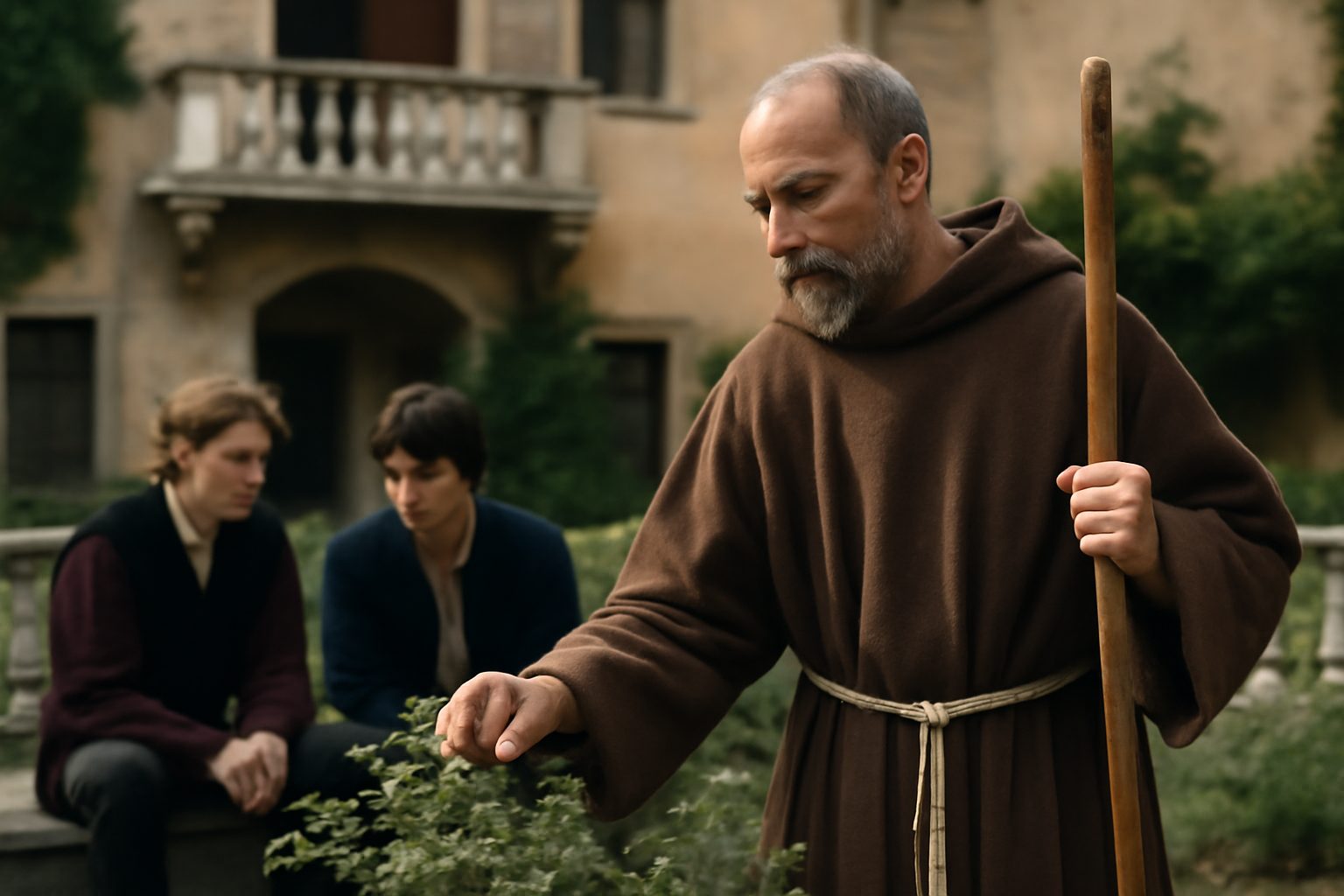
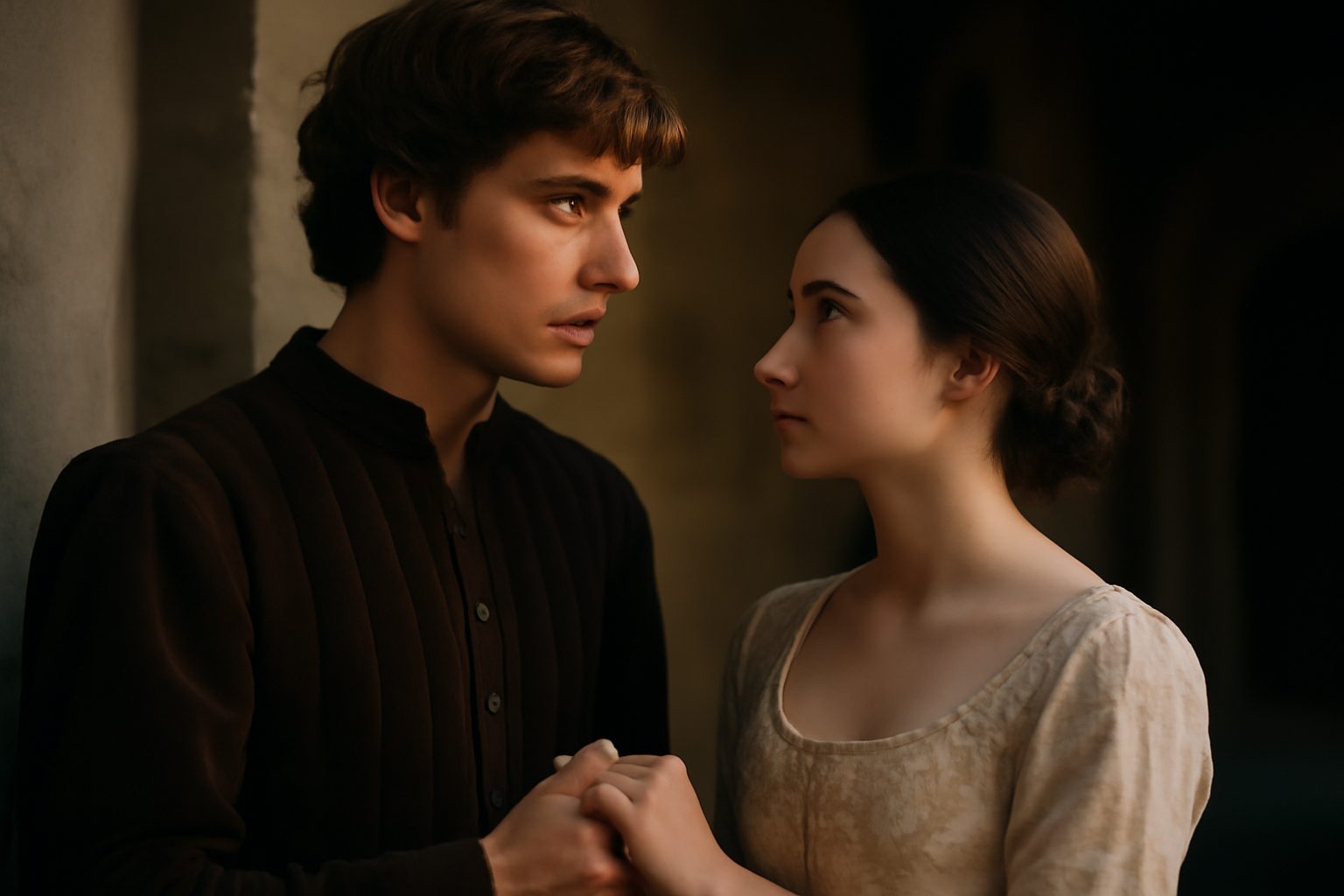
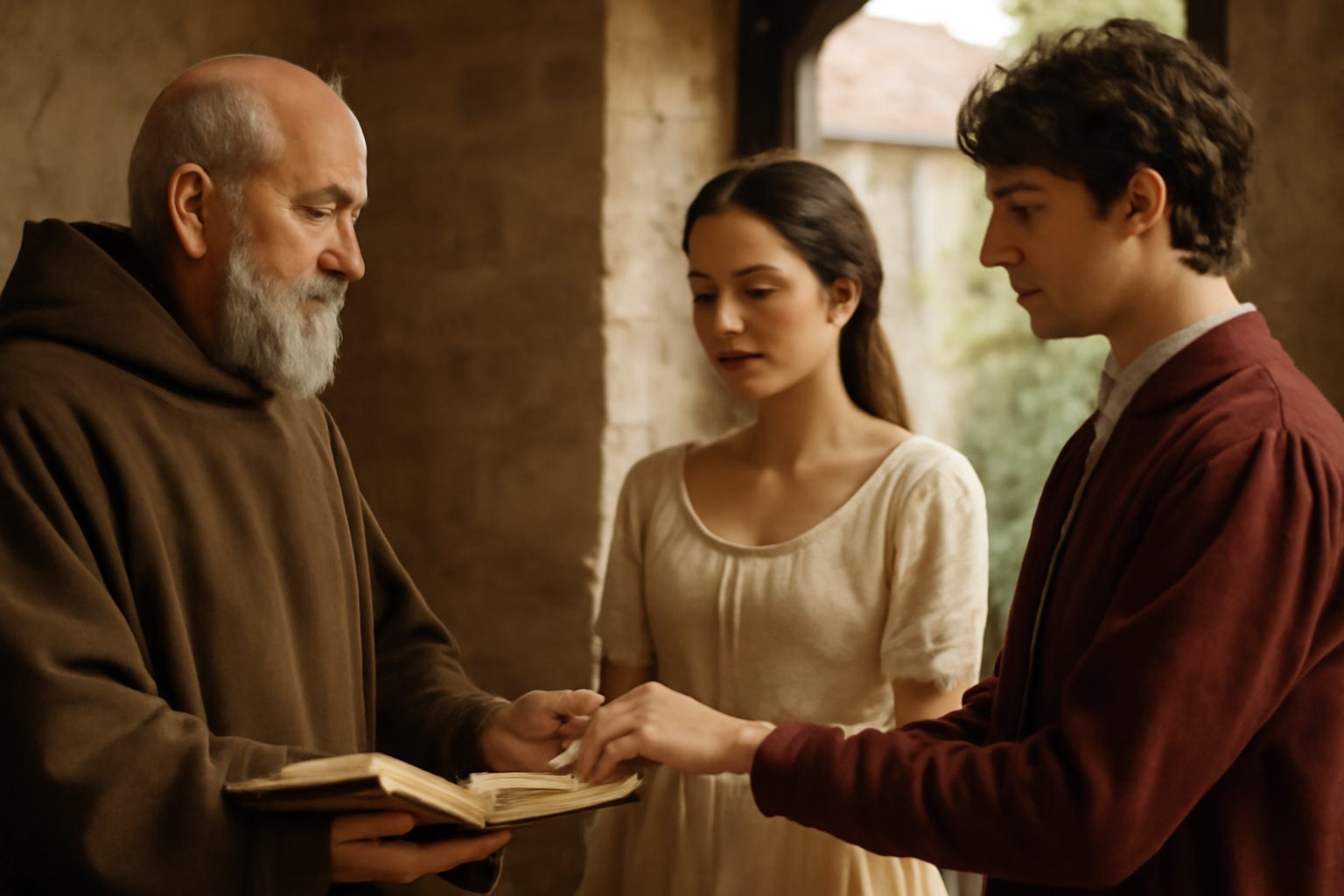
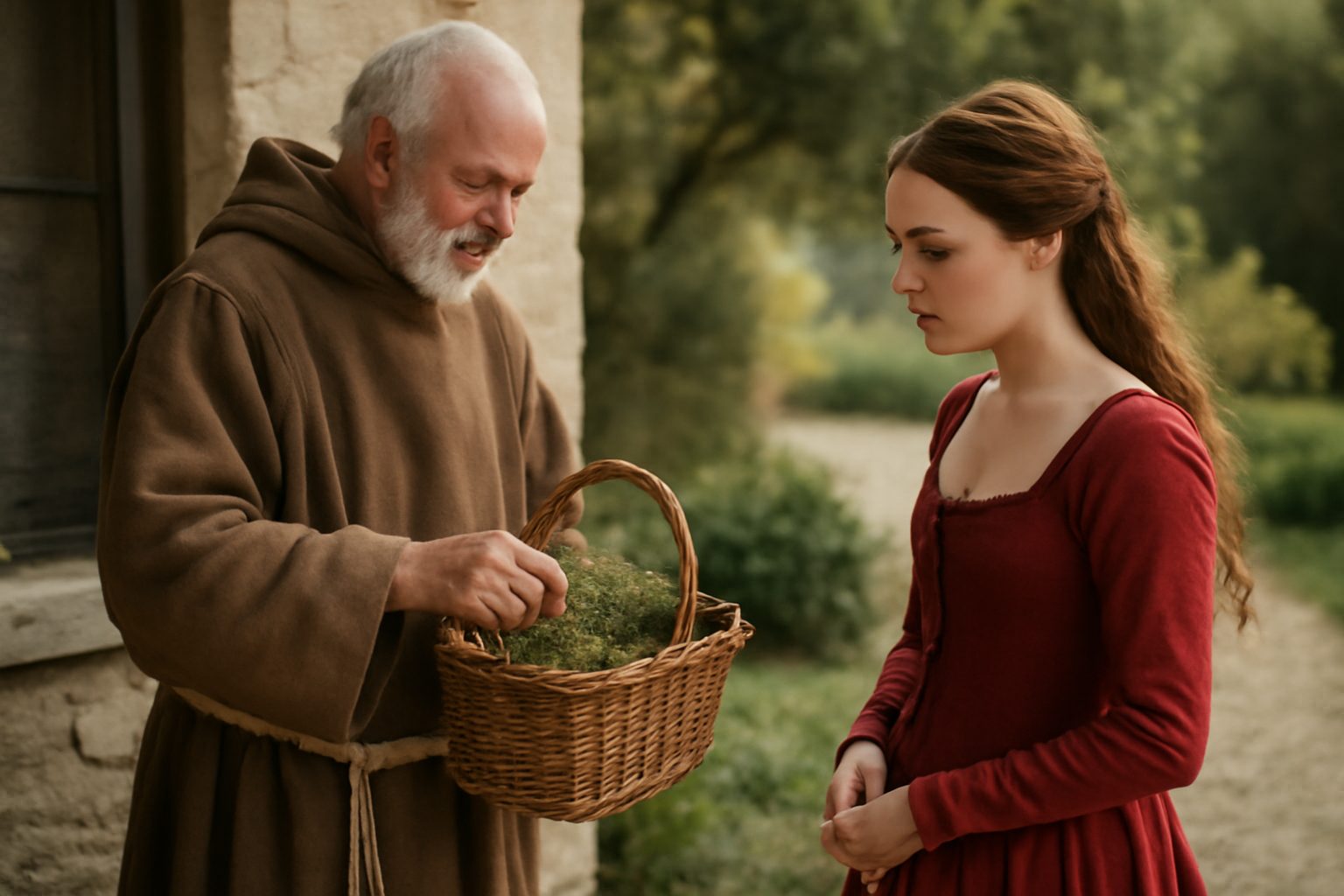
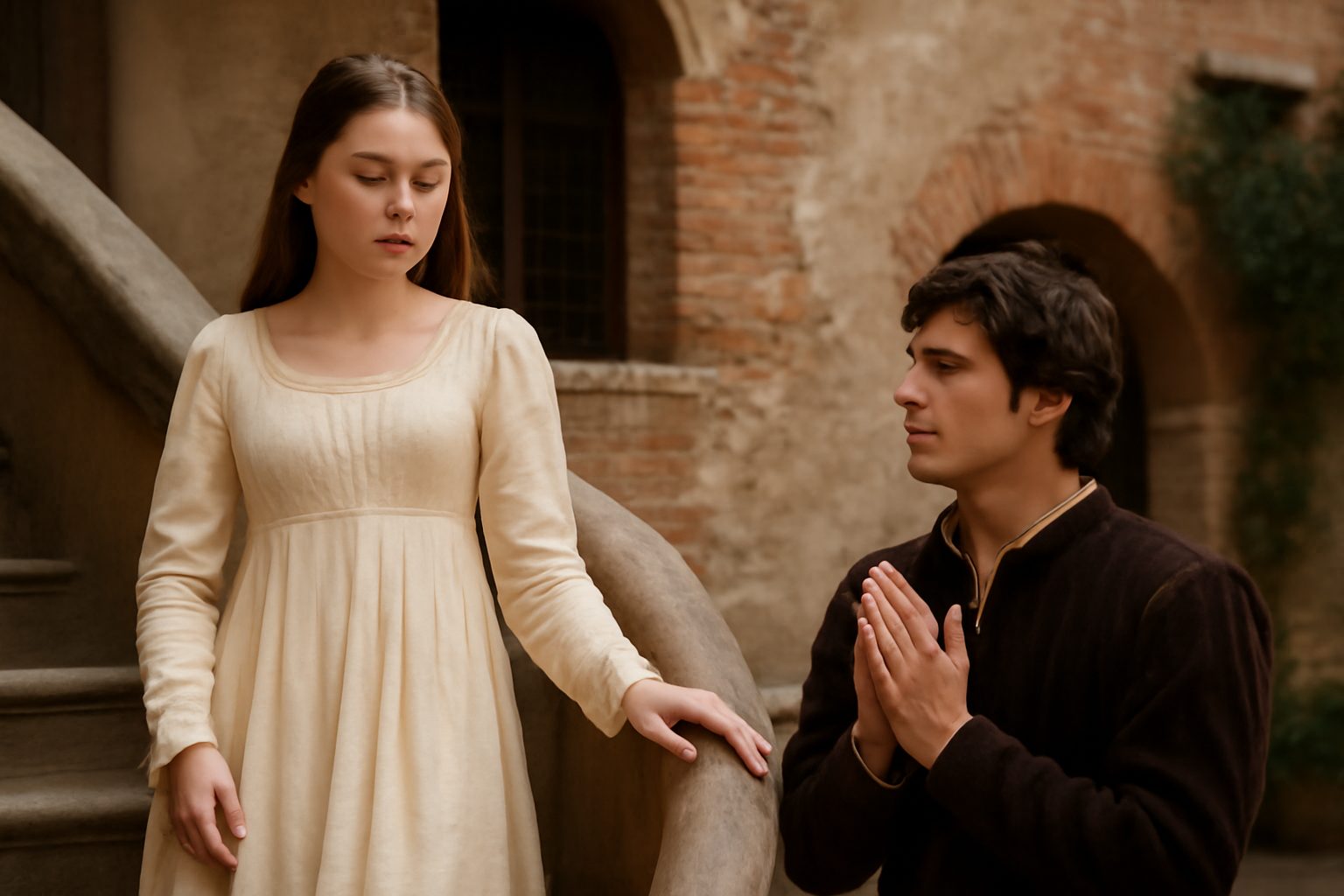
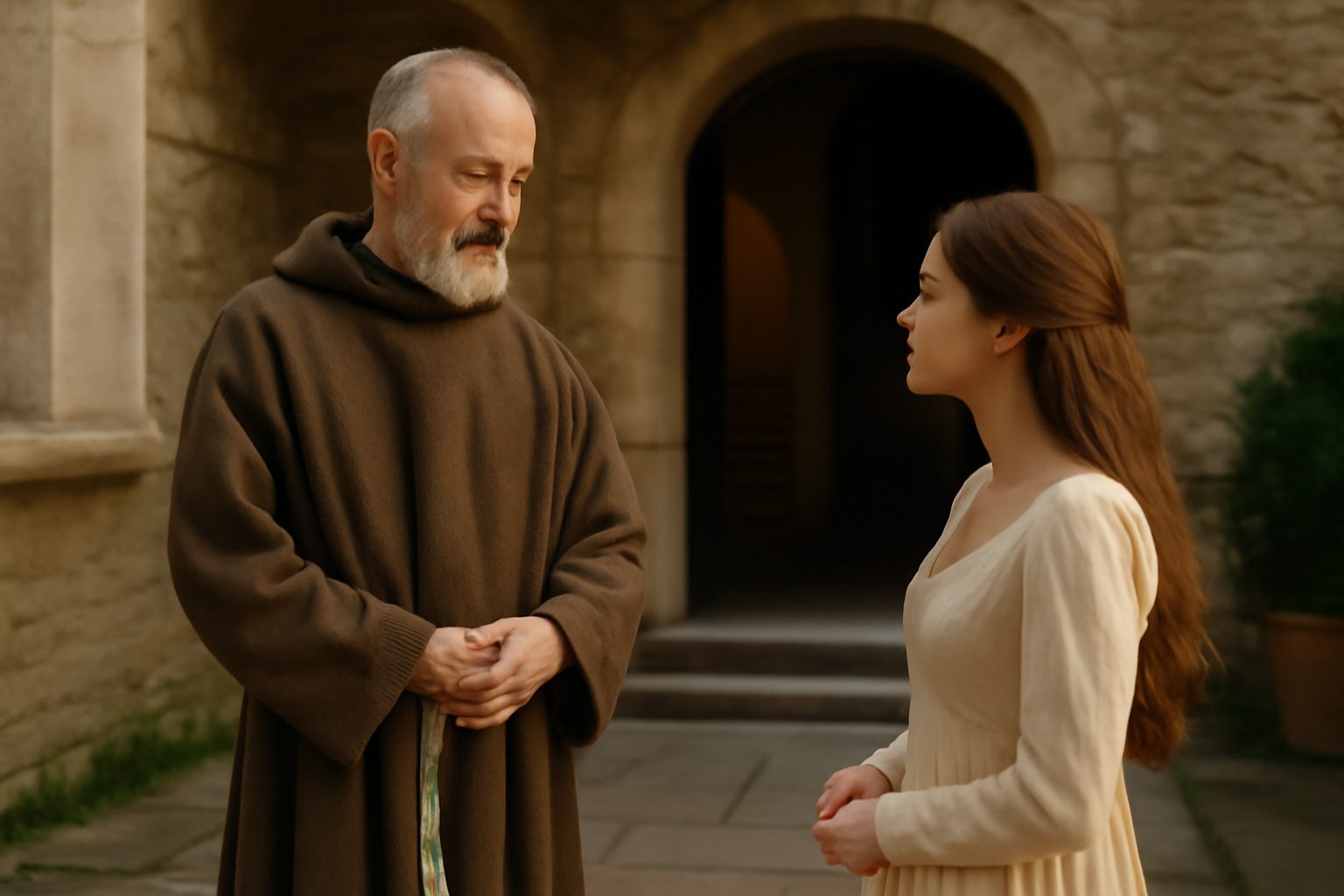
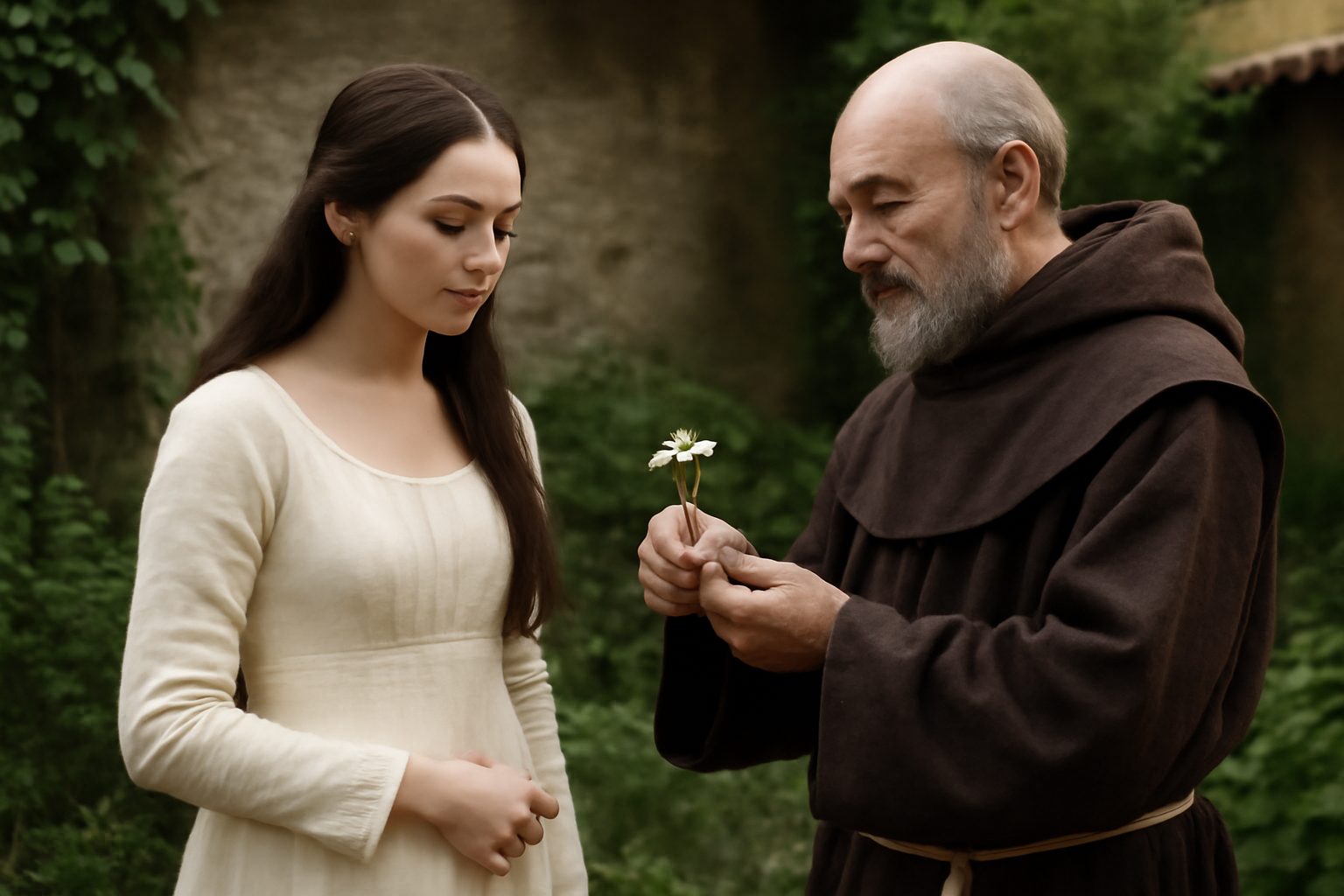
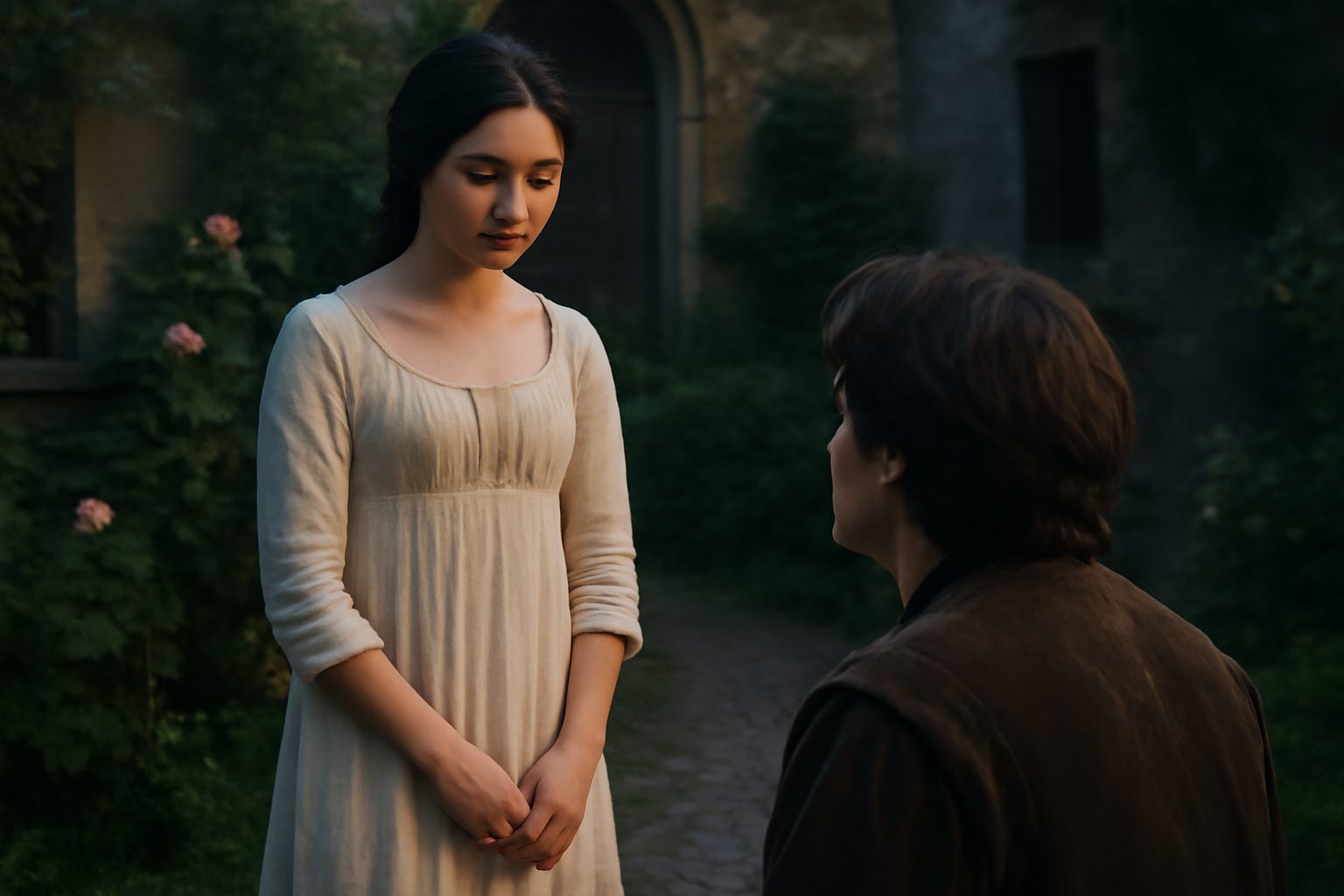
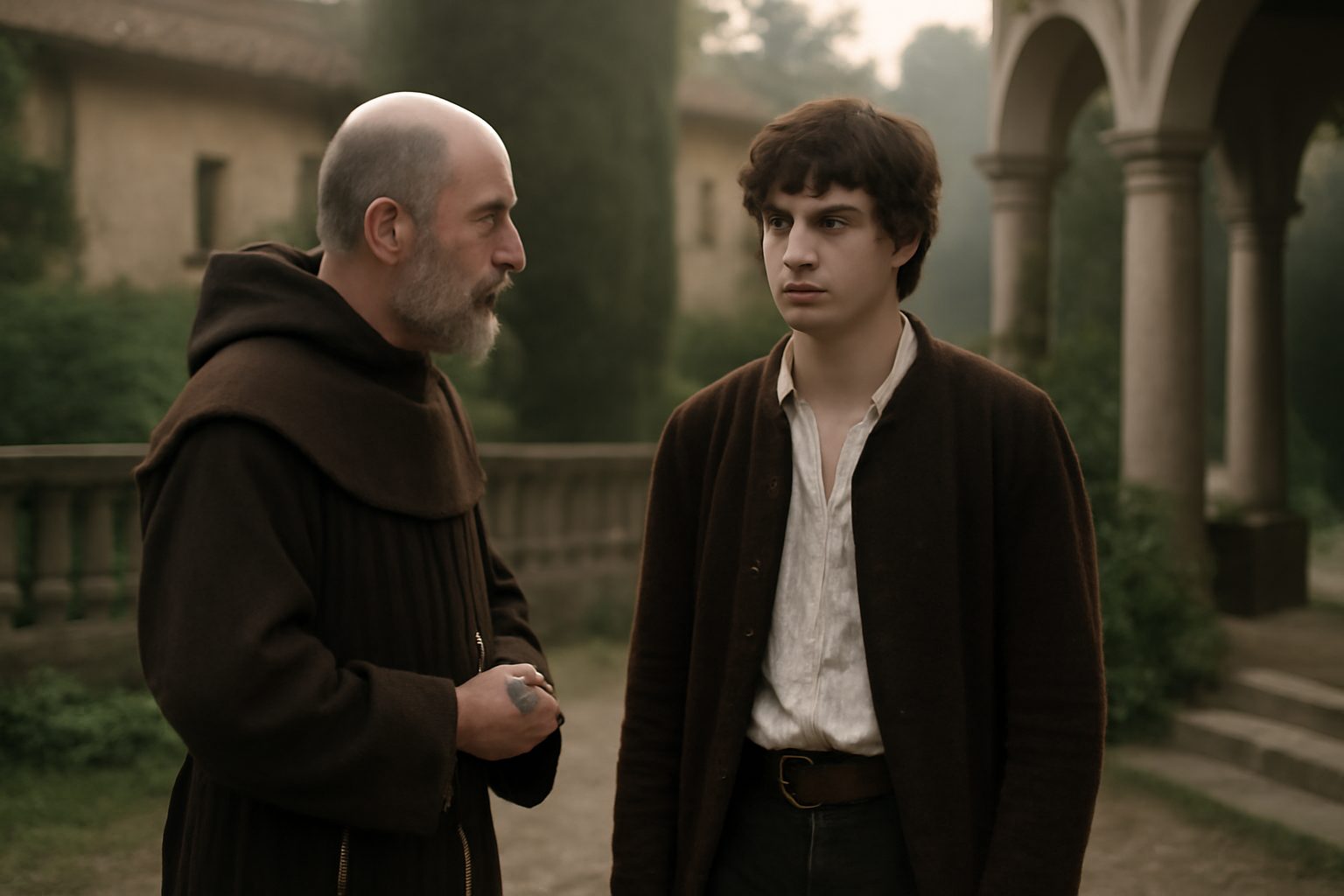
In Act 2, Scene 3 of Romeo and Juliet, Friar Laurence speaks these words after Romeo reveals he has abandoned his infatuation with Rosaline and now loves Juliet. The friar, skeptical of Romeo's swift change of heart, questions the sincerity of young men's affections, suggesting they are fickle and unreliable. This moment highlights the theme of impulsive love and foreshadows the consequences of Romeo's rash decisions.
Friar Laurence: "So soon forsaken? young men's love then lies"
In modern day english, we would say:
Already giving up so quickly? That proves young men’s love isn’t sincere.
Frequently Asked Questions
What does Friar Laurence mean when he says that young men's love is quickly abandoned?
Friar Laurence is expressing his doubt about Romeo's sudden change of affection from Rosaline to Juliet, suggesting that young men's love is fickle and doesn't last long.
Connections to other verses:
Connections to "So soon forsaken? young men's love then lies"
This line, spoken by Friar Laurence, questions the fleeting nature of Romeo's affections, suggesting that young men's love is insincere or fickle. It connects thematically and contextually to several other verses in the scene.
Questioning Romeo's Sincerity
The Friar's skepticism is echoed in Not truly in their hearts, but in their eyes, where he implies that Romeo's love for Rosaline was superficial, based on appearance rather than genuine emotion. This idea is reinforced by Thy love did read by rote and could not spell, criticizing Romeo's love as rehearsed and shallow.
Contrast with Past Behavior
The Friar recalls Romeo's previous despair over Rosaline in lines like Thy old groans ring yet in my ancient ears and Of an old tear that is not wash'd off yet, highlighting the suddenness of his change in affection. The physical evidence of past sorrow, mentioned in Lo, here upon thy cheek the stain doth sit, underscores the Friar's disbelief at Romeo's rapid emotional shift.
Friar's Admonition and Advice
The Friar's concern about rashness ties to his warning in Wisely and slow; they stumble that run fast, advocating for caution over haste. His initial reaction to Romeo's new love is captured in Holy Saint Francis, what a change is here!, expressing astonishment at the transformation.
Resolution and Forward Movement
Despite his doubts, the Friar decides to support the union, as seen in In one respect I'll thy assistant be, hoping it might turn your households' rancour to pure love. This contrasts with his earlier skepticism, showing a pragmatic shift toward harnessing Romeo's new love for a greater good.